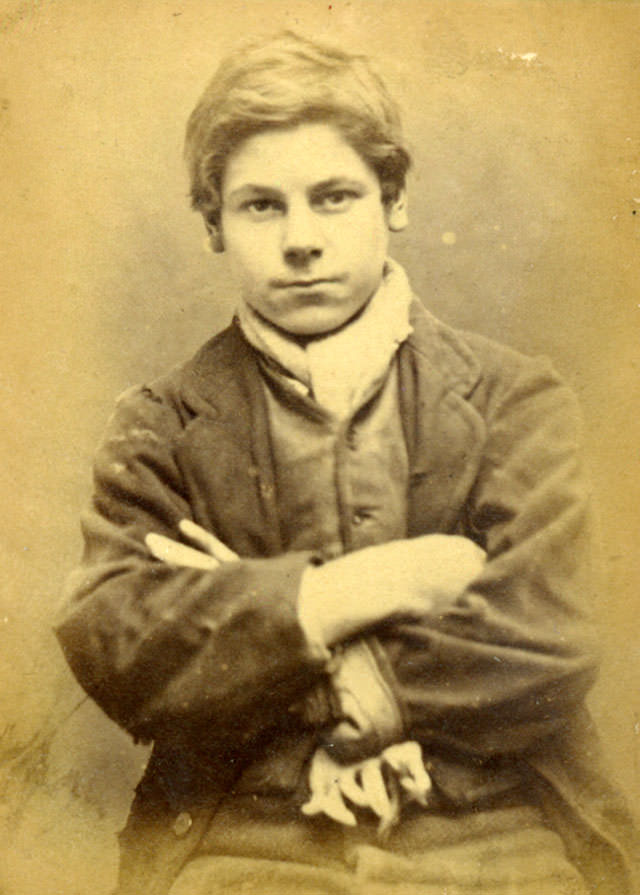
In the 1870s, photographers at Oxford Gaol sat children down in front of a camera and recorded their faces before sending them off to serve hard labor. Some of those children were barely old enough to read. The resulting mugshots — stiff, unsmiling, and deeply unsettling — document a justice system that treated children almost identically to adult criminals. The offenses were often trivial. The punishments were not.
Oxford Gaol, which later became HMP Oxford, holds the largest surviving collection of these photographs. Together they form a grim catalog of Victorian-era juvenile punishment. Children as young as seven were processed through the same legal machinery as grown men and women. A stolen handkerchief, a missing boot, a piece of stolen iron — any of these could land a child in a cell.
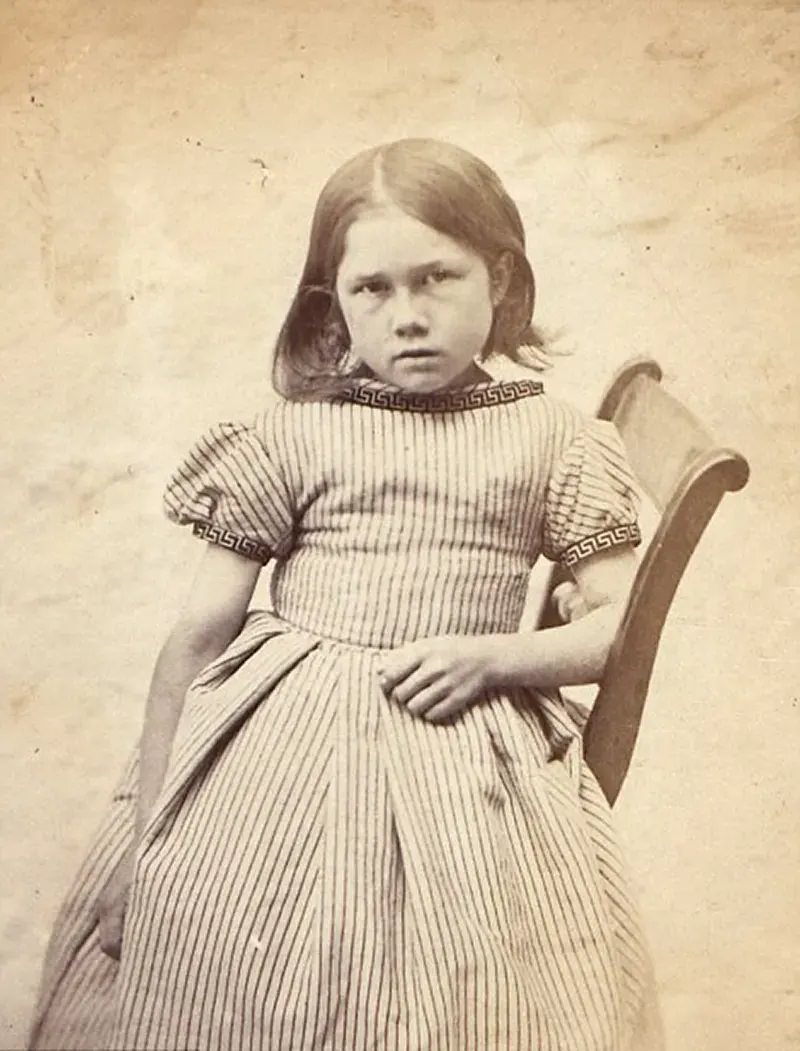
Julie-Ann Crumpling was seven years old when her photograph was taken at Oxford Castle Prison. She had stolen a pram. The court sentenced her to seven days of hard labor. She is among the youngest faces in the archive, but she was far from alone. Eleven-year-old Ellen Woodman received the same sentence — seven days of hard labor — for stealing iron.

Ellen was part of a group. Mary Catherine Docherty, age 14, was convicted alongside Ellen, as well as 13-year-olds Mary Hinnigan and Rosanna Watson. All four girls had stolen iron and all four received the same punishment: seven days of hard labor.
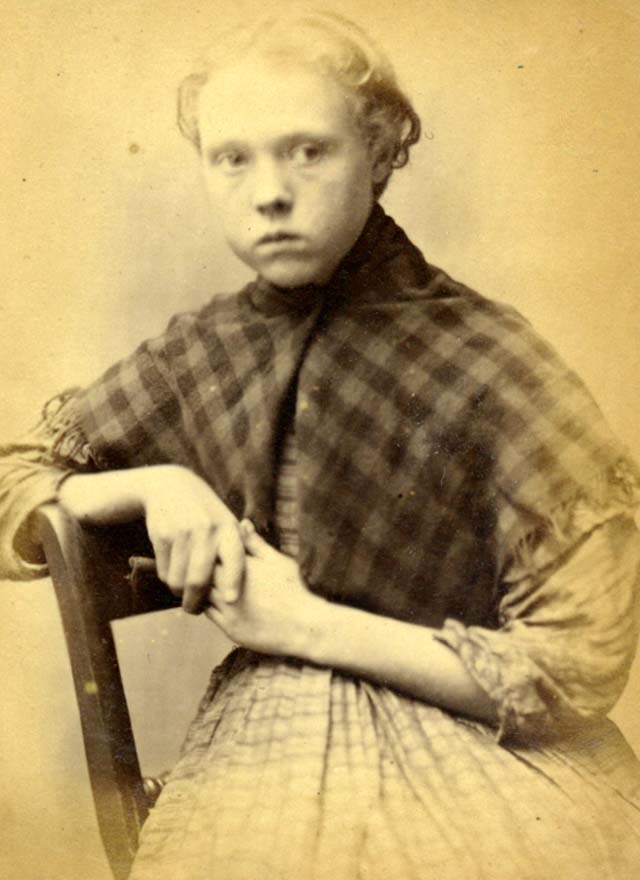
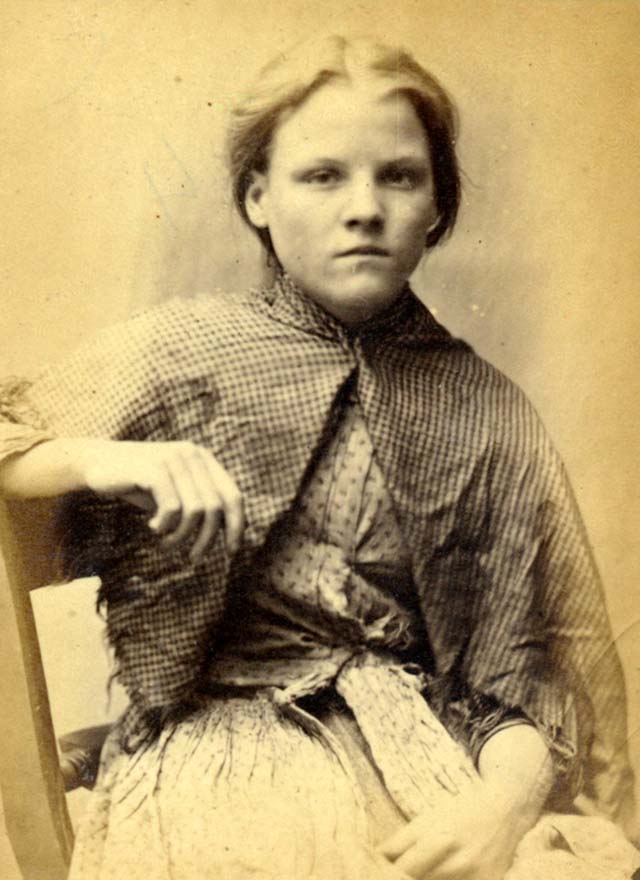
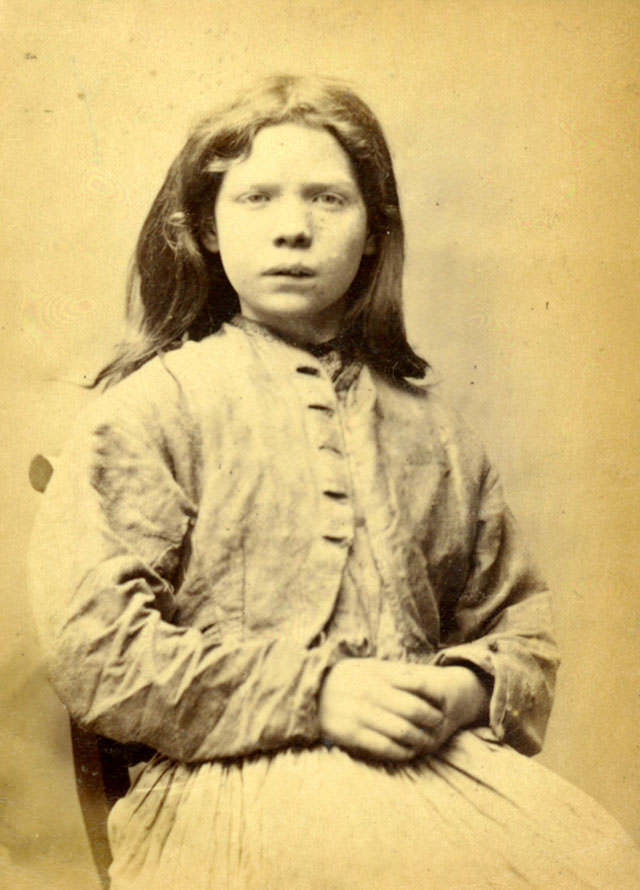
Twelve-year-old Jane Farrell stole two boots and was sentenced to ten days of hard labor. Another 12-year-old, Martha Herbert, received 42 days of hard labor at Oxford Castle Prison for stealing half a shilling and six pence on February 23, 1871. Rosa Halliday, also 12, was sentenced to ten days for the charge of ‘false pretences’ on February 9, 1871. Sophia Noreutt, age 14, was ordered to complete two days of hard labor for stealing wood.
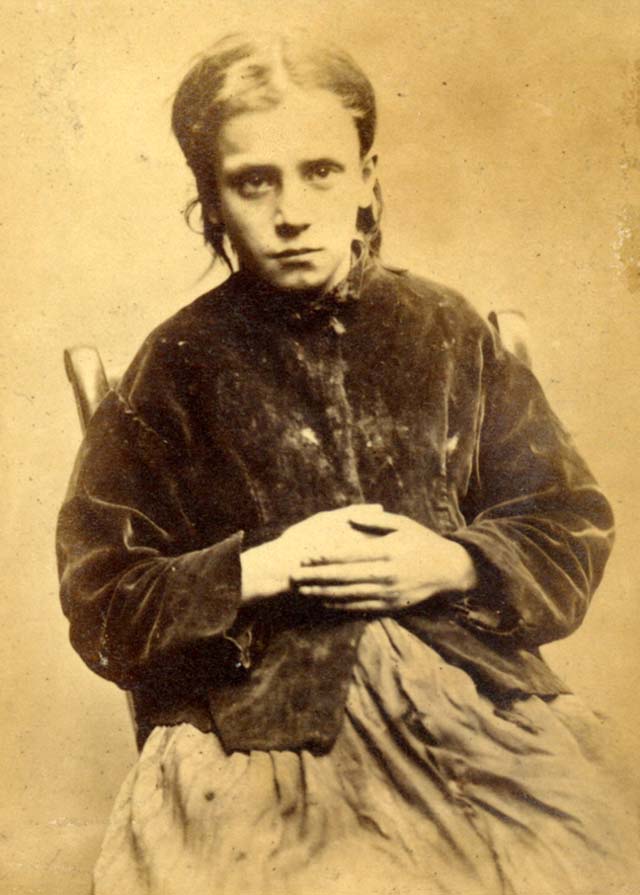
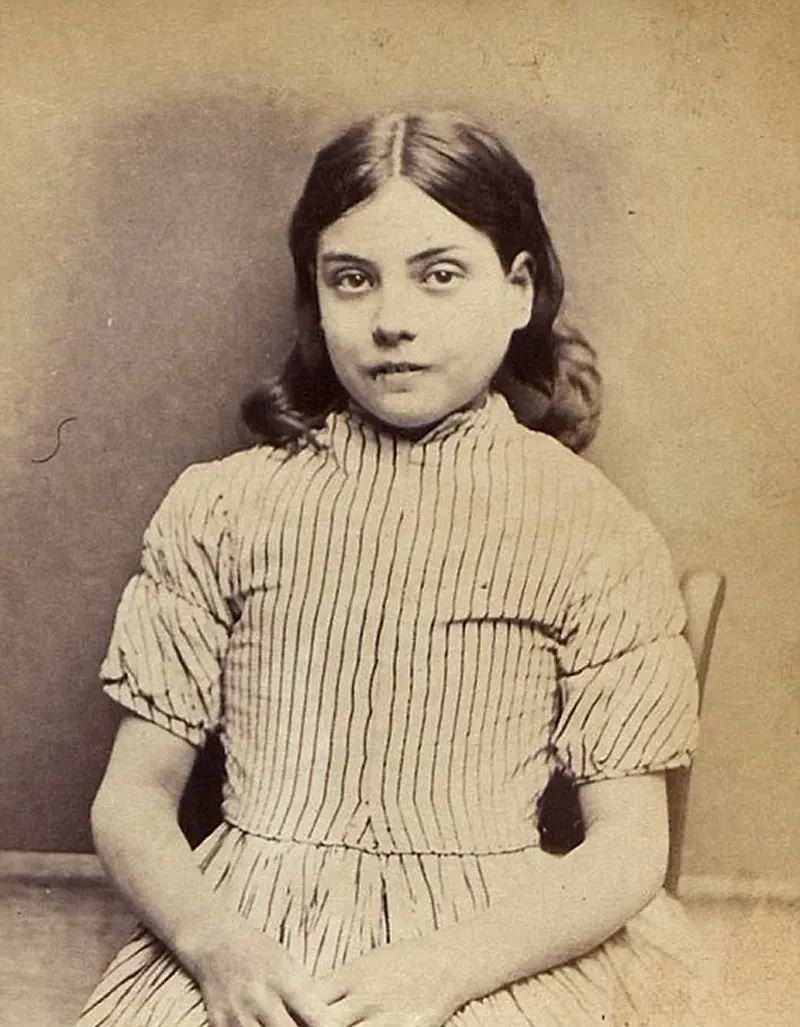
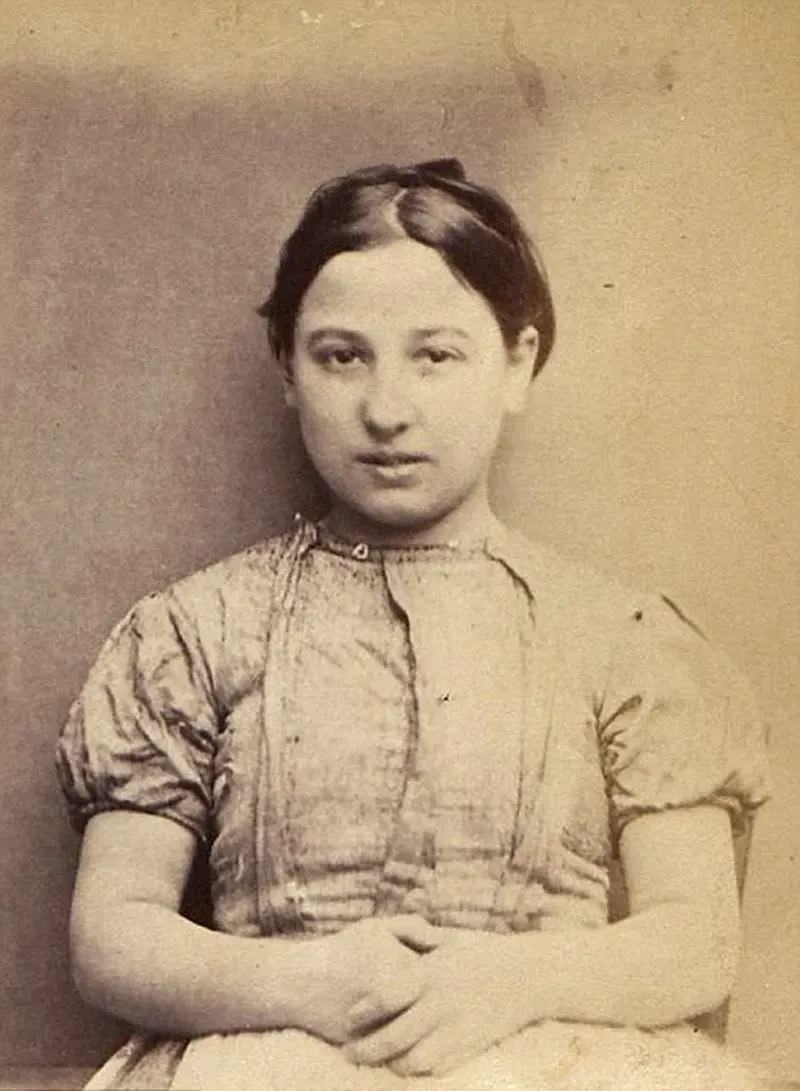
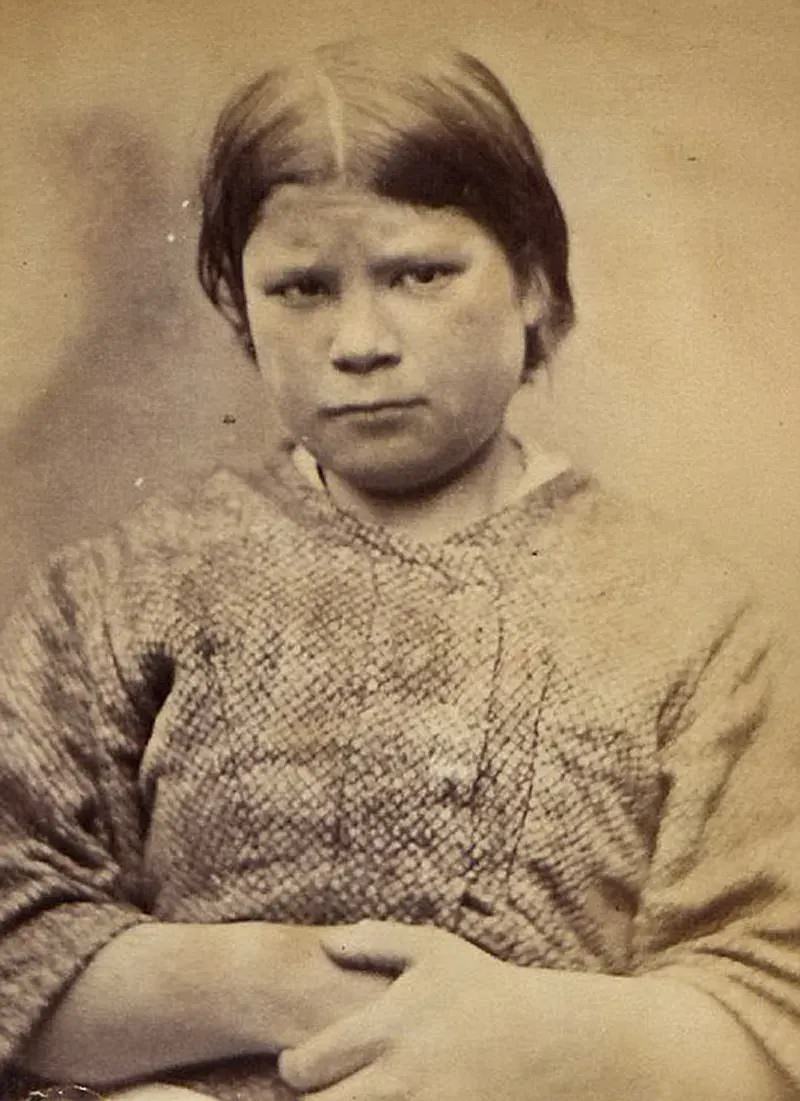
Boys fared no better. Henry Leonard Stephenson, age 12, was convicted of breaking into houses and sentenced to two months in prison in 1873. His 13-year-old accomplice, Michael Clement Fisher, received the same sentence. Robert Hall, age 13, got 14 days of hard labor for stealing a leather strap on June 17, 1870.
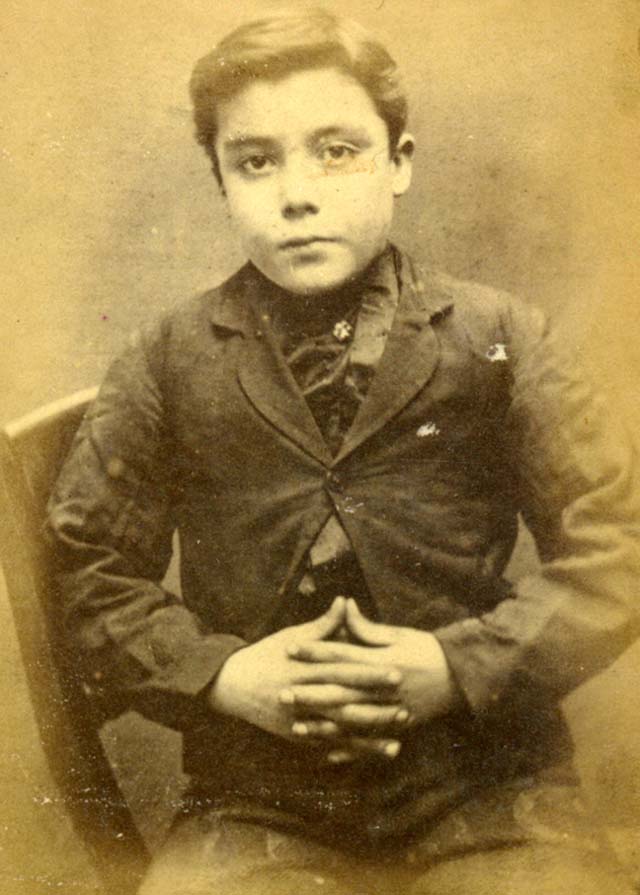
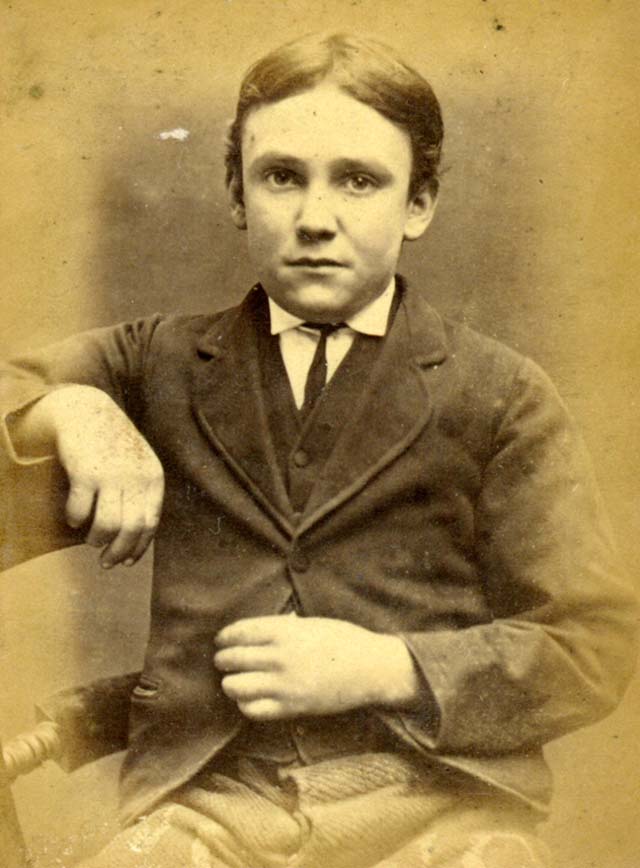
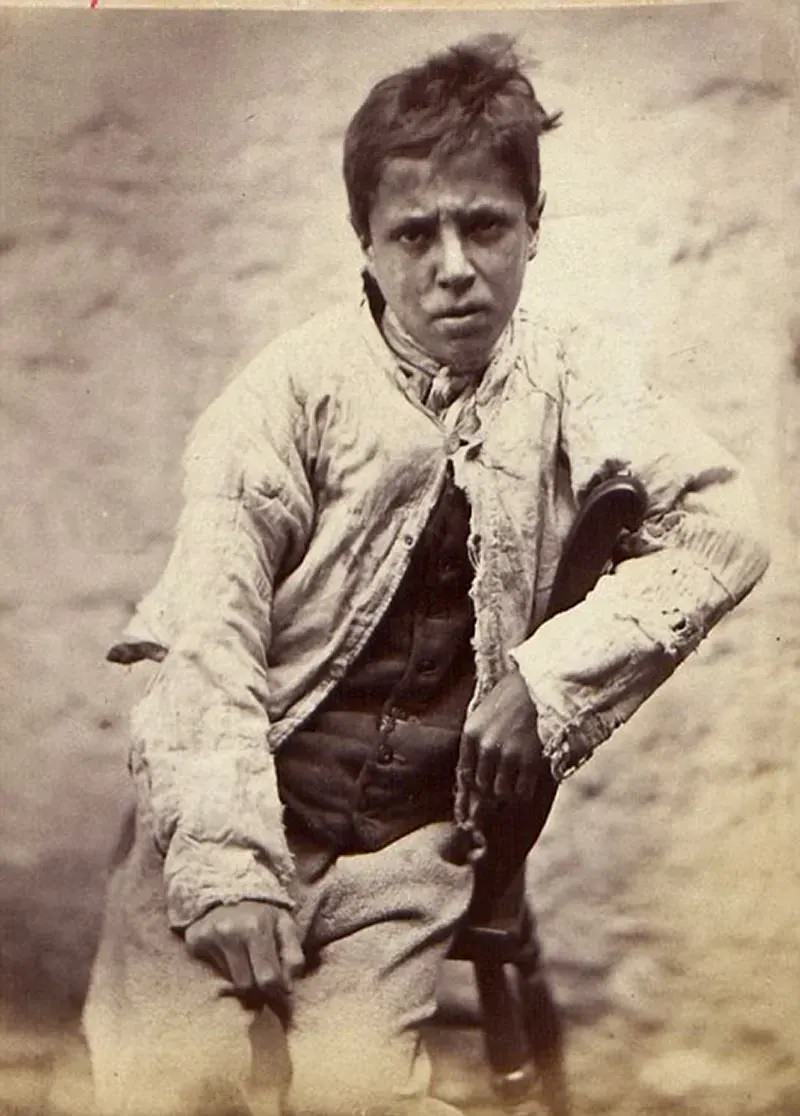
Pocket-picking was one of the most common juvenile crimes in Victorian Britain. Silk handkerchiefs were a frequent target because they fetched a high resale price on the street. Young thieves worked crowded places — fairs, markets, and public executions — where jostling provided cover. In 1824, 15-year-old Joseph Mee was caught picking pockets at a public execution outside the Old Bailey. The magistrate described him as ‘hardened and unconcerned.’ In 1835, a constable caught 13-year-old Robert Spencer drawing a handkerchief from a gentleman’s pocket at Greenwich Fair. Five years later, another officer testified that 11-year-old Martin Gavan and a companion had ‘tried several pockets’ before successfully stealing a handkerchief from a crowd gathered around a traffic accident.
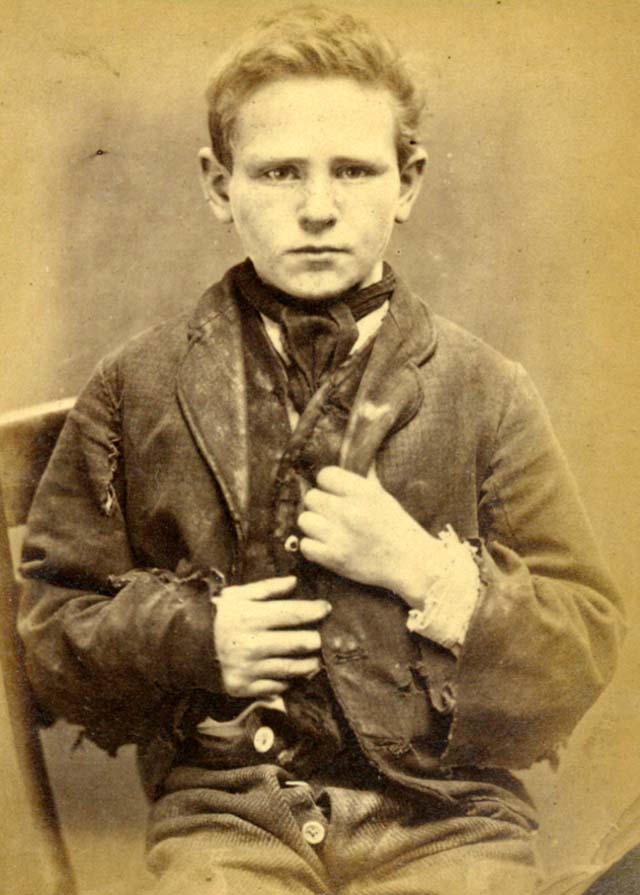
For many convicted children, prison was only the first part of the punishment. After serving hard labor, they were transferred to reformatory schools, where they could be held for years. James Scullion, age 13, spent 14 days of hard labor at Newcastle City Gaol for stealing clothes, then was sent to Market Weighton Reformatory School for three years. Stephen Monaghan, age 14, was convicted of stealing money on July 25, 1873, sentenced to 10 days of hard labor, and then held at Market Weighton Reformatory for three years.
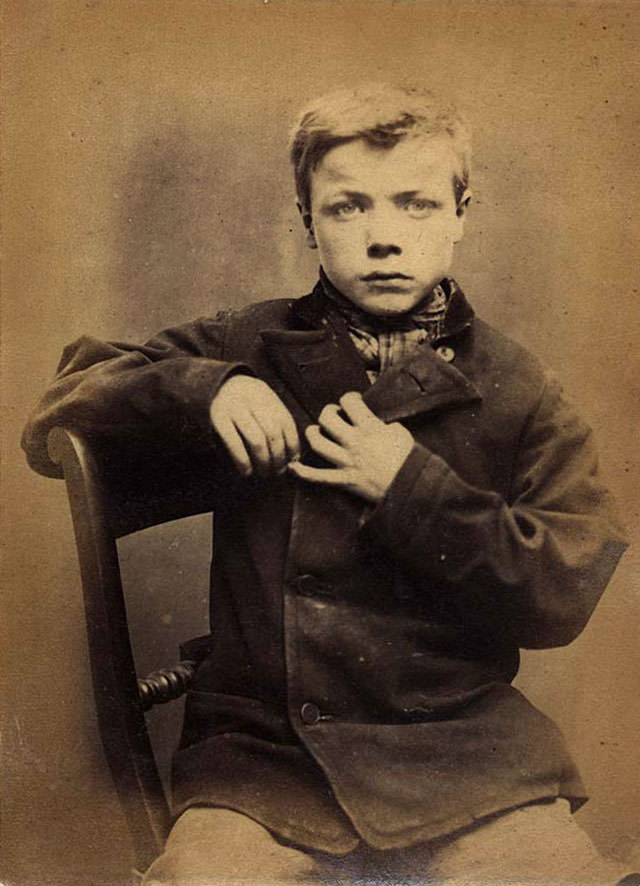
The reformatory system was designed to sever children from what authorities called ‘bad influences’ at home. Long sentences were deliberately chosen to keep children away from their families and neighborhoods for extended periods. John Reed, age 15, was sentenced to 14 days of hard labor and five years of reformation for stealing money in 1873. The George Green brothers — George and Joseph — were both sent to the reformatory school for four years after stealing a bag containing bread and butter.
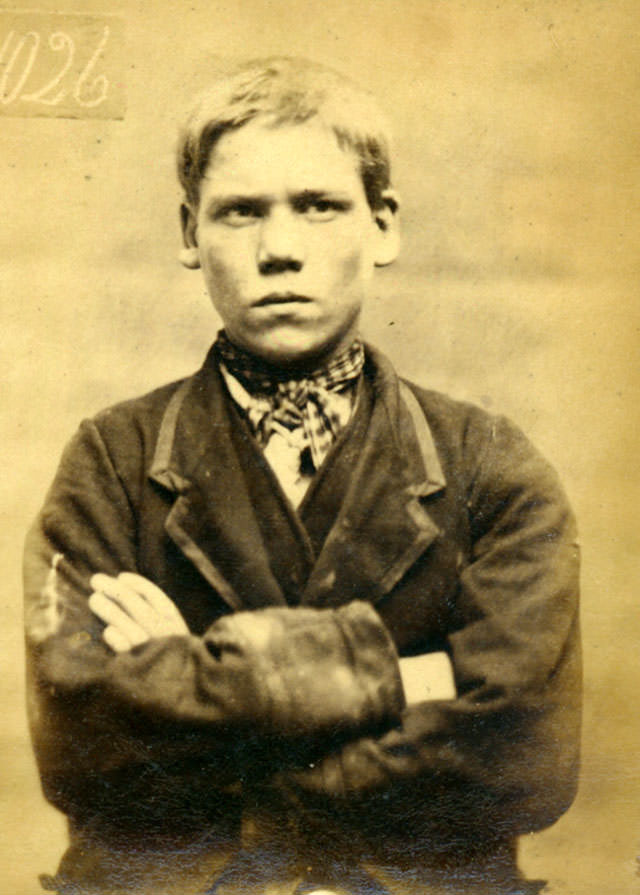
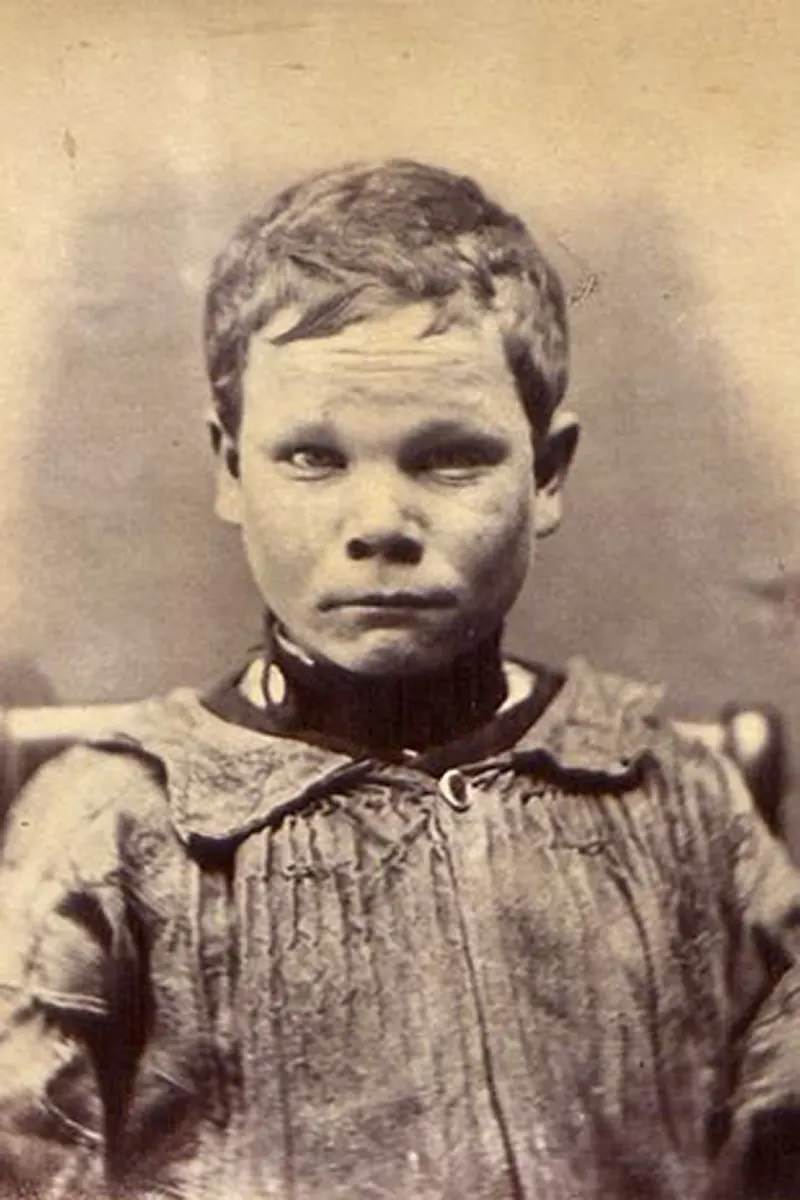
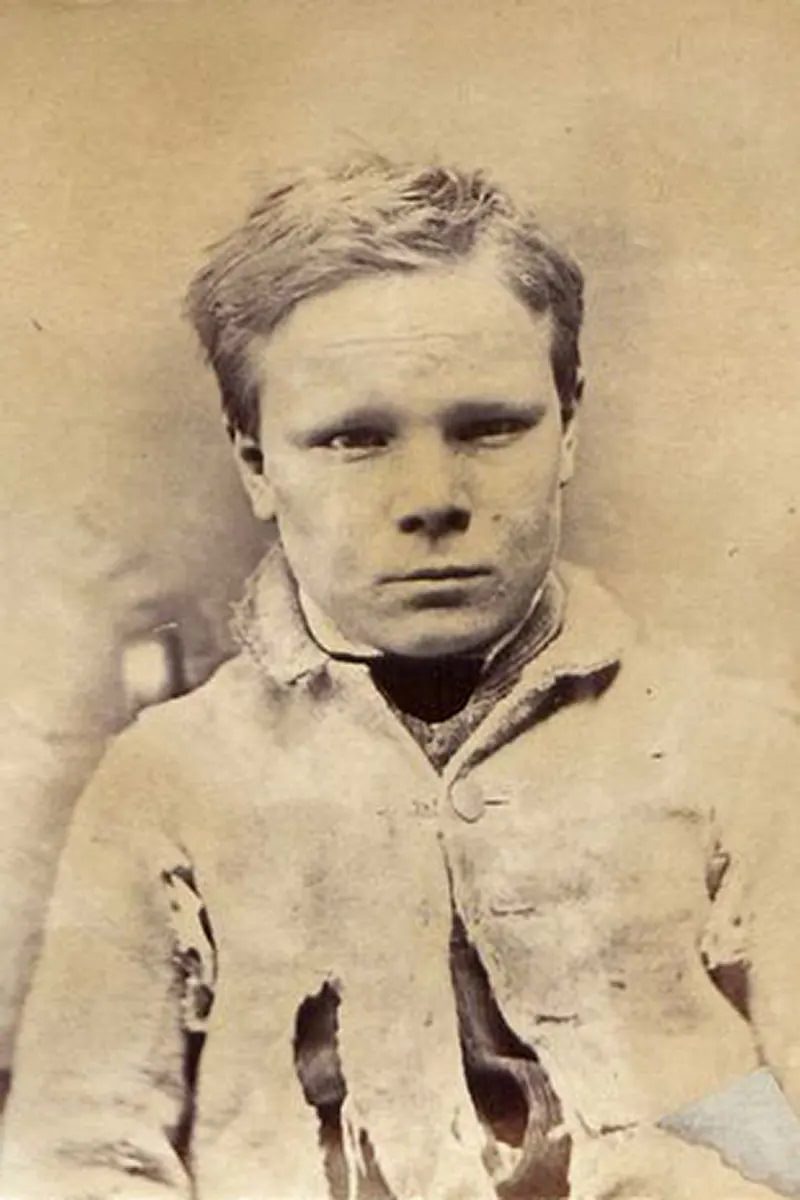
The Juvenile Offenders Act of 1847 was the first significant legal step toward treating children differently from adults. It created a separate court for offenders under 14, a threshold that was soon raised to 16. Seven years later, in 1854, the government established the first formal Reformatory Schools. But for most of the 19th century, the reforms stopped there. Children still served hard labor alongside adult prisoners, in the same facilities, under the same conditions.
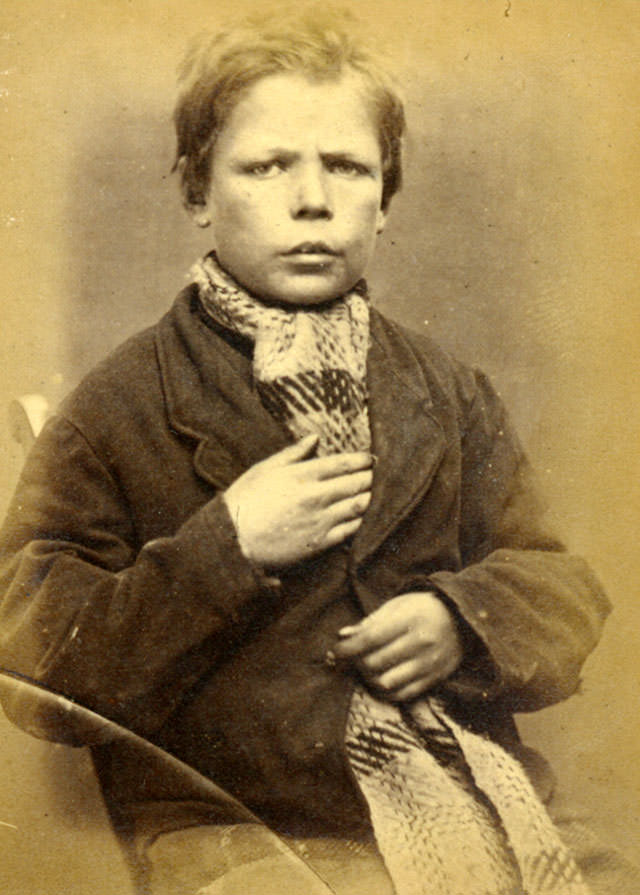
Brothers John and Thomas Williams, ages 13 and 14, were sentenced to six months of hard labor at Oxford Castle Prison for house looting in 1870. Their photographs sit side by side in the archive — two boys, both recorded with the same flat institutional gaze used for every prisoner who passed through those walls.
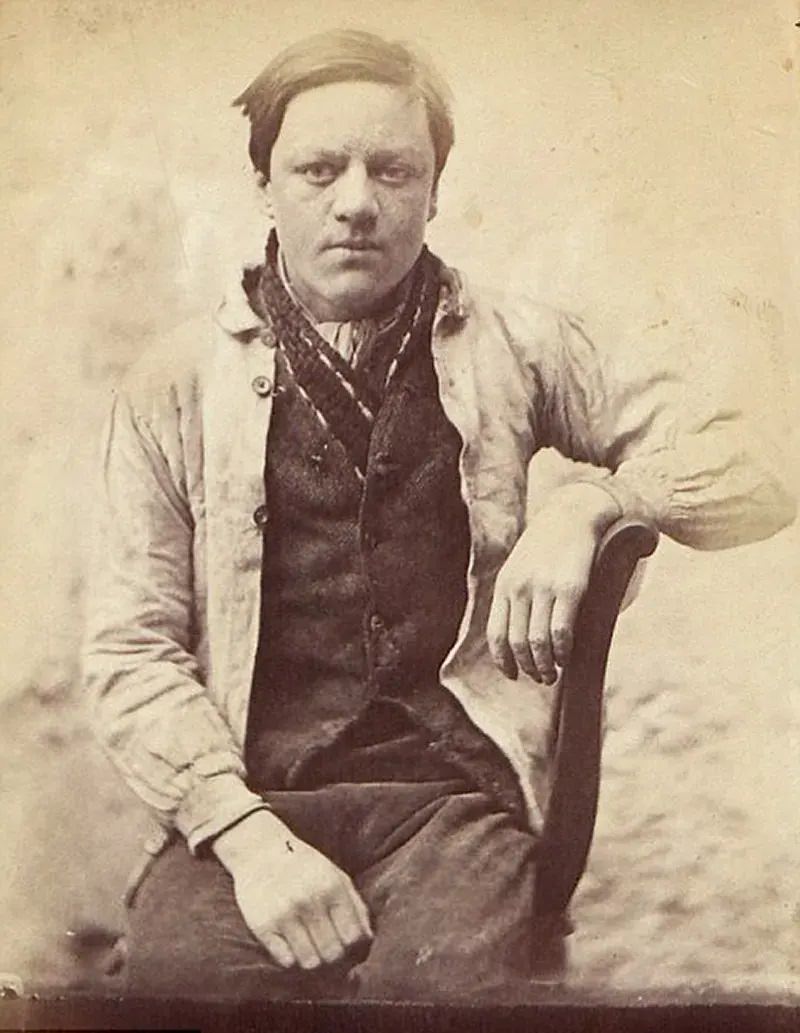
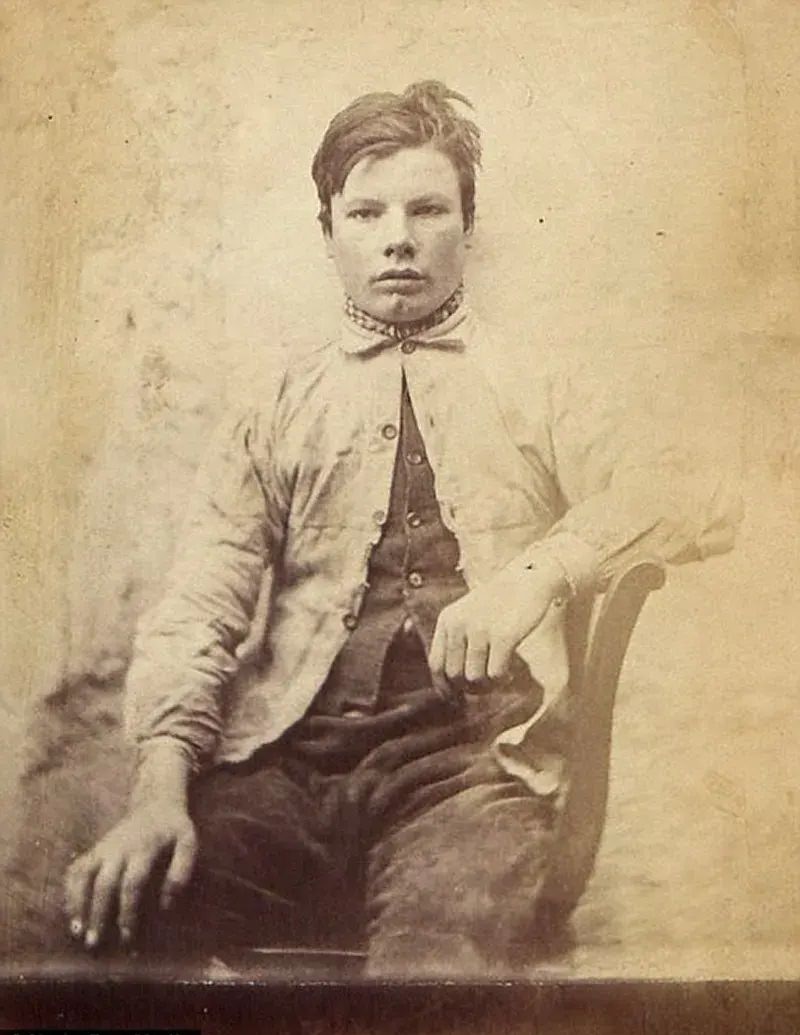
Older teenagers in the archive received similarly stiff sentences for similarly minor offenses. William Clarke, 17, was given 21 days of hard labor for stealing a handkerchief on October 26, 1870. James Freeman and Thomas Carter, both 17, were sentenced to 21 days each for stealing bread together on July 7, 1870. John Brooks, also 17, was handed 42 days of hard labor for embezzling 14 shillings and six pence on October 10, 1870.
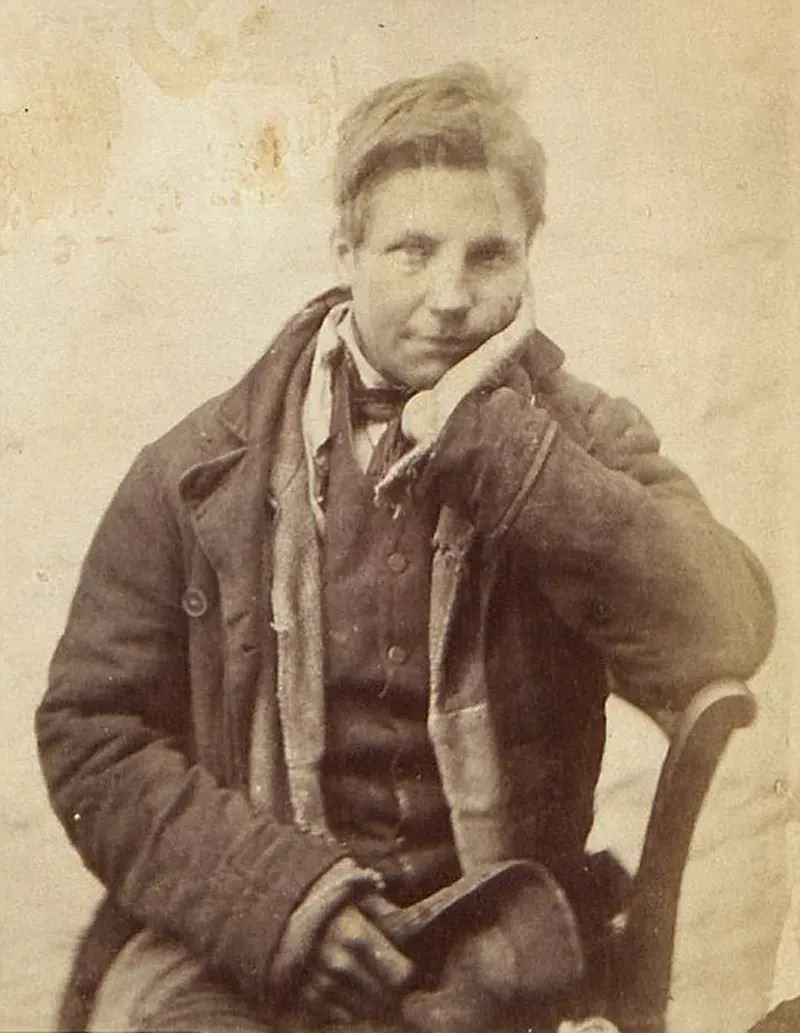
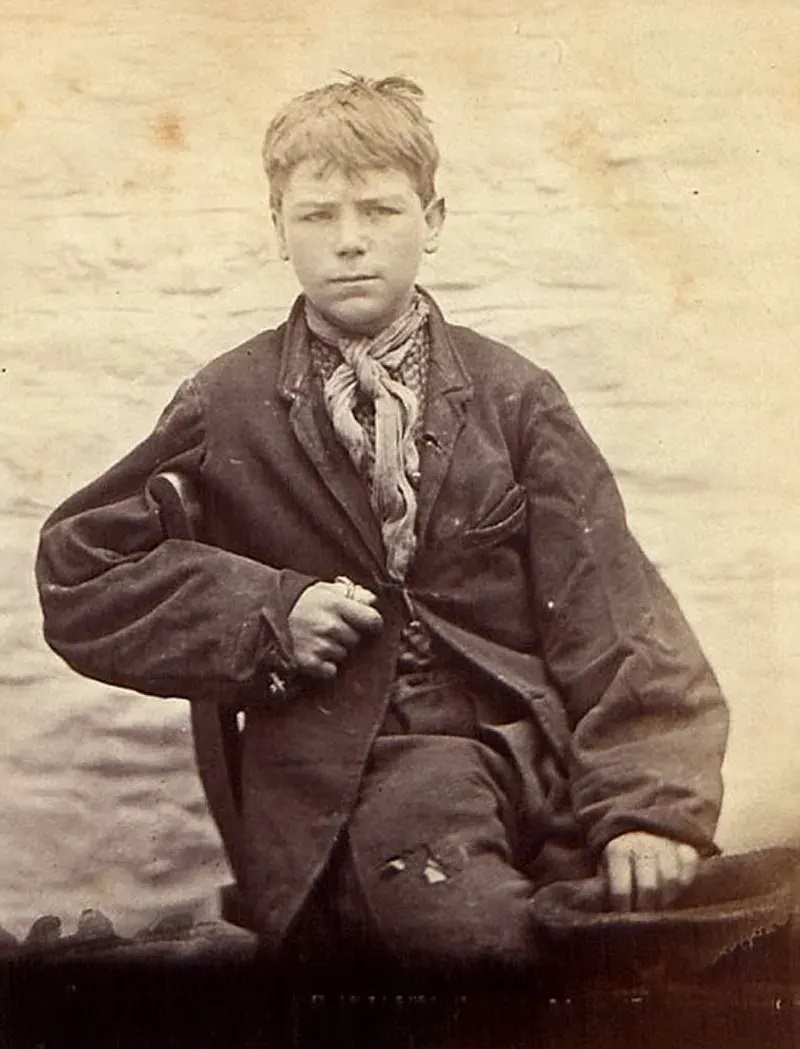
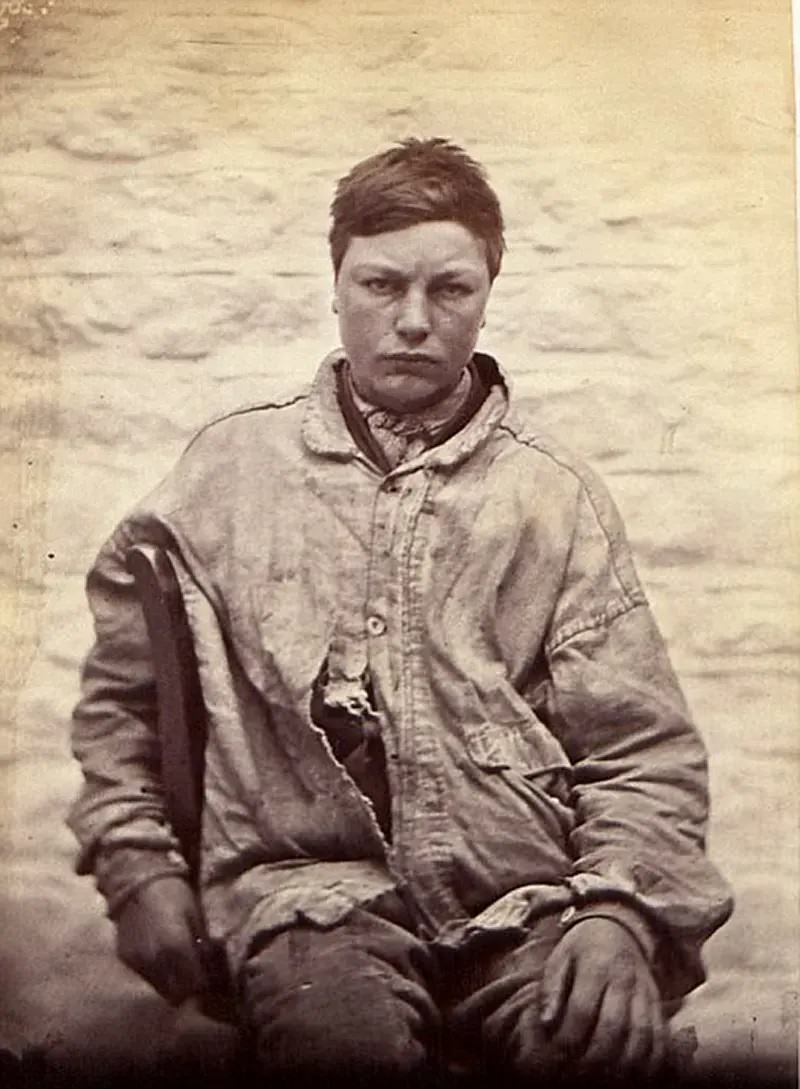
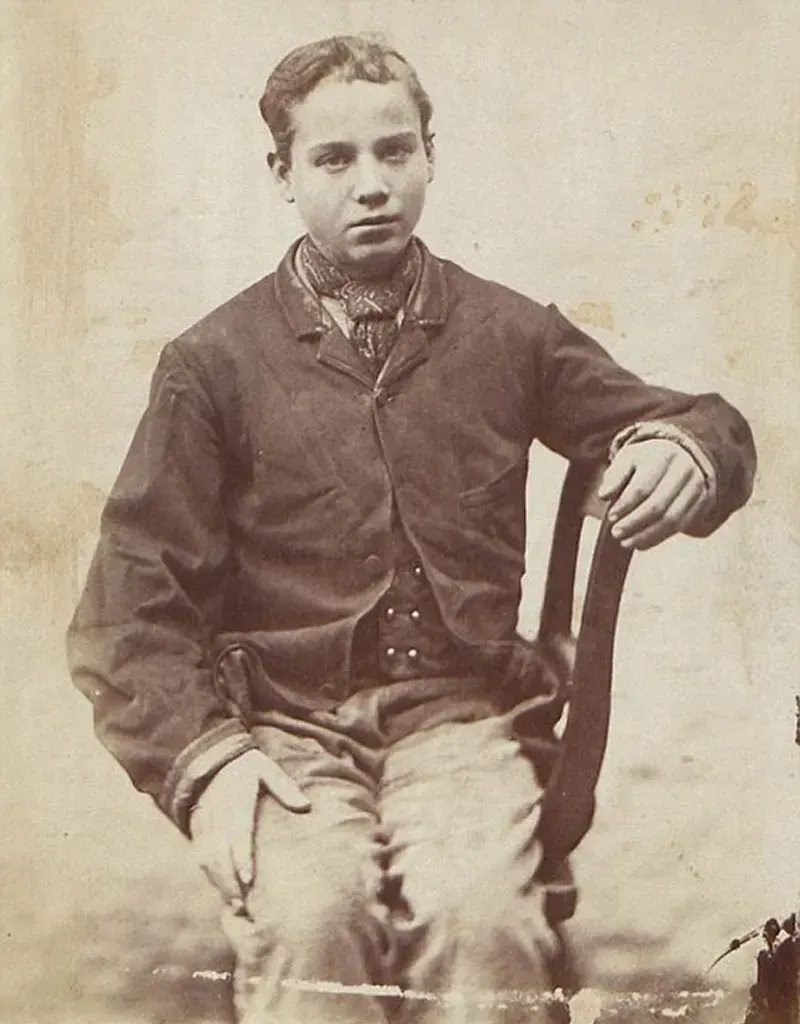
Robert Woodley, age 18, received 21 days of hard labor for stealing hay on November 17, 1870. Robert Charlton, 16, a laborer from Newcastle, served four months in prison for stealing two pairs of boots. Alfred Blackwell, 16, was sentenced to three months of hard labor at Oxford Gaol for stealing six pounds of Australian meat. Charles Lovefry, 15, was given three months of hard labor for stealing a rabbit.
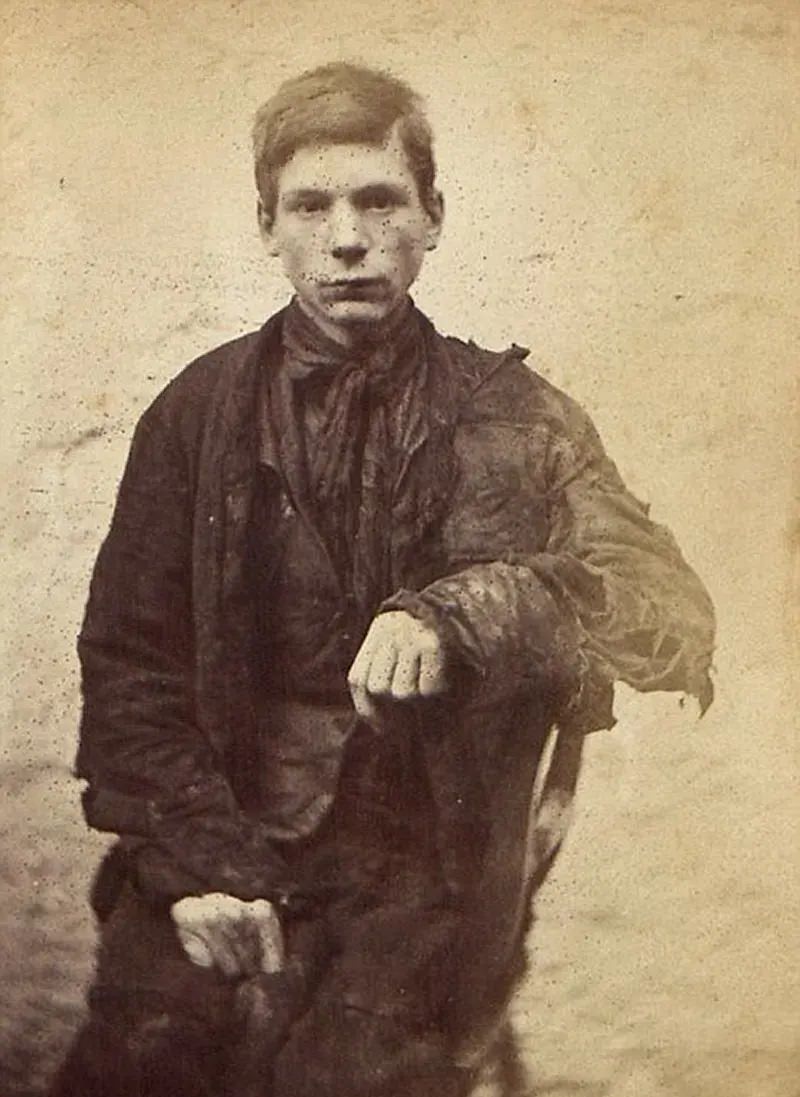
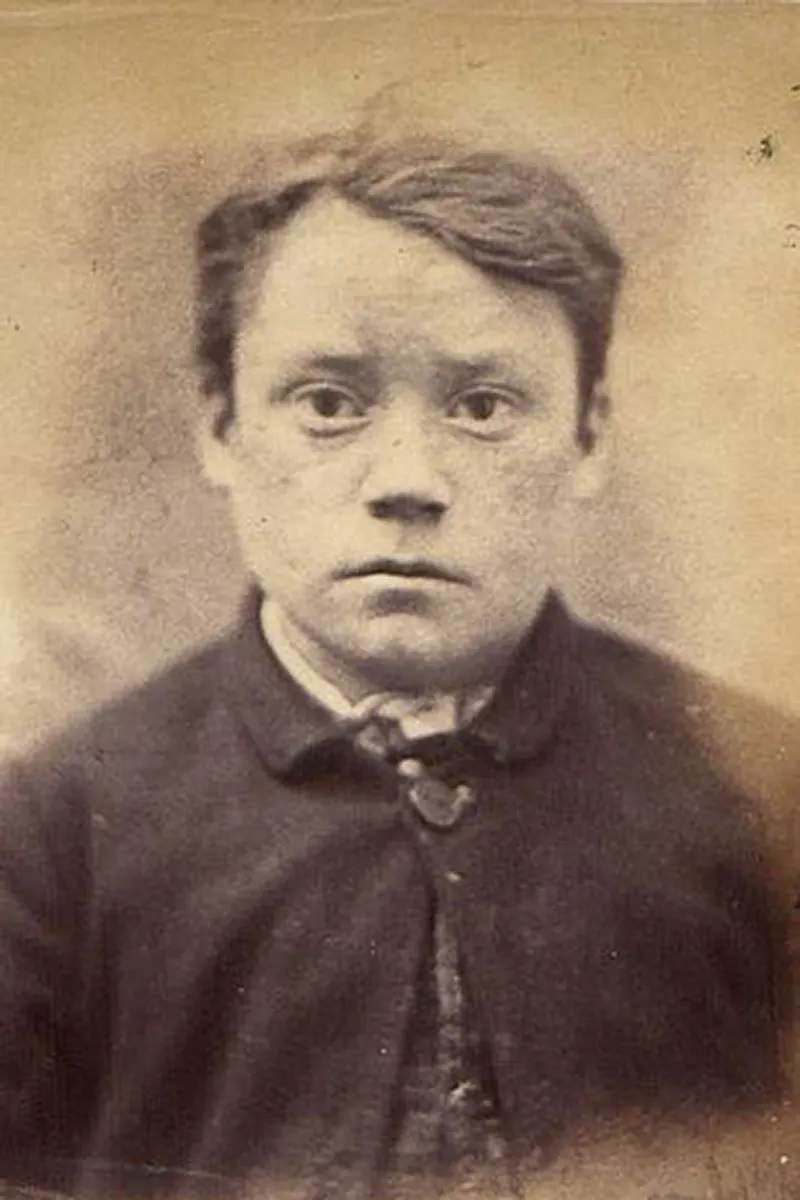
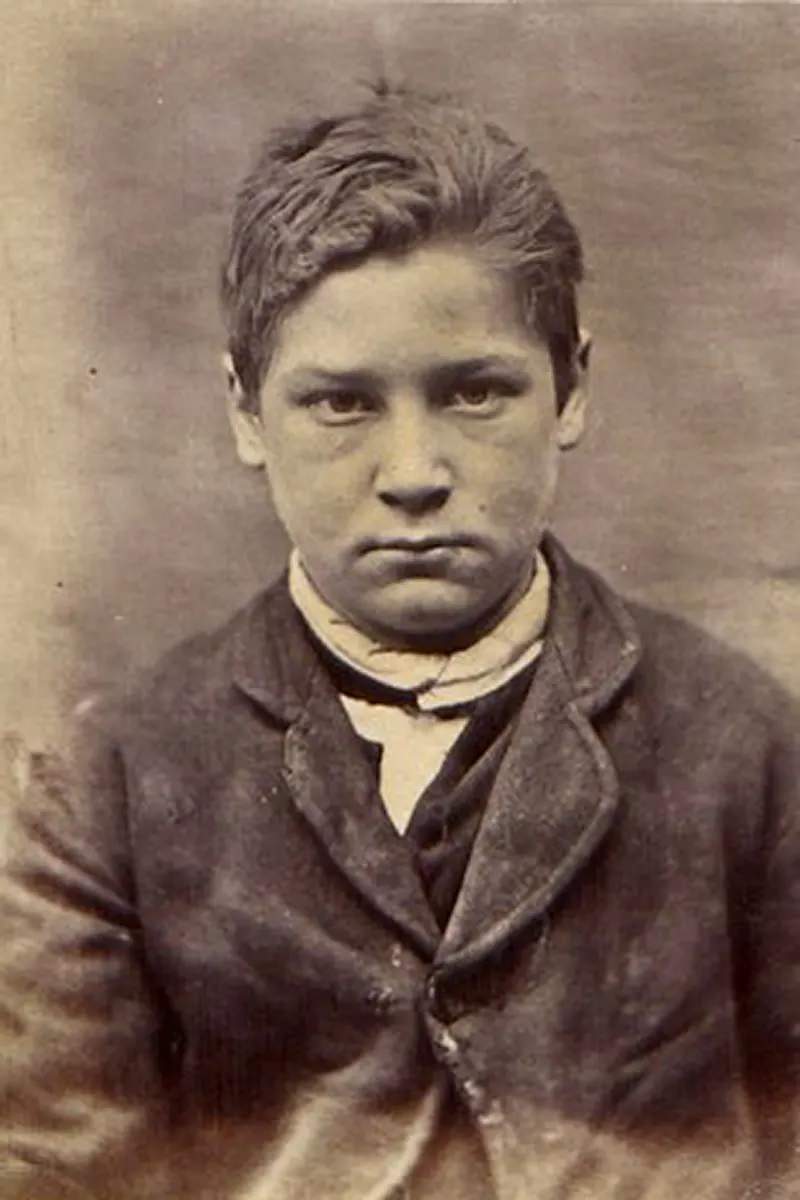
James Donneley, also known as James Darley, was 16 years old and had already cycled in and out of prison multiple times before this particular conviction. On this occasion, he was sentenced to two months for stealing shirts. Samuel Currey, 16, and his 18-year-old companion George Sucknott each received 21 days of hard labor for stealing trousers on April 9, 1870. John Duffy, 16, was convicted of both assault and theft and imprisoned for six months. His accomplice, 17-year-old George Lamb, received four months for stealing money.
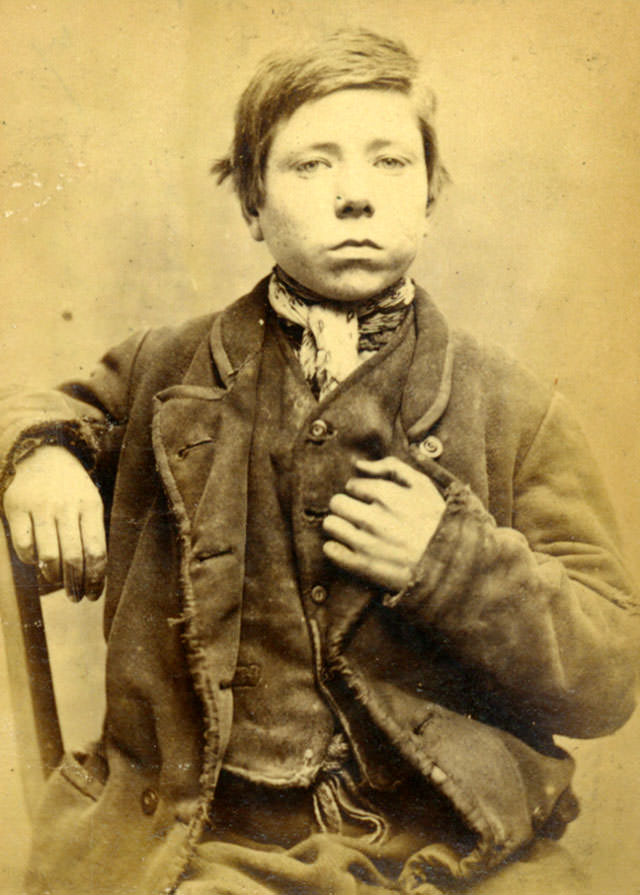
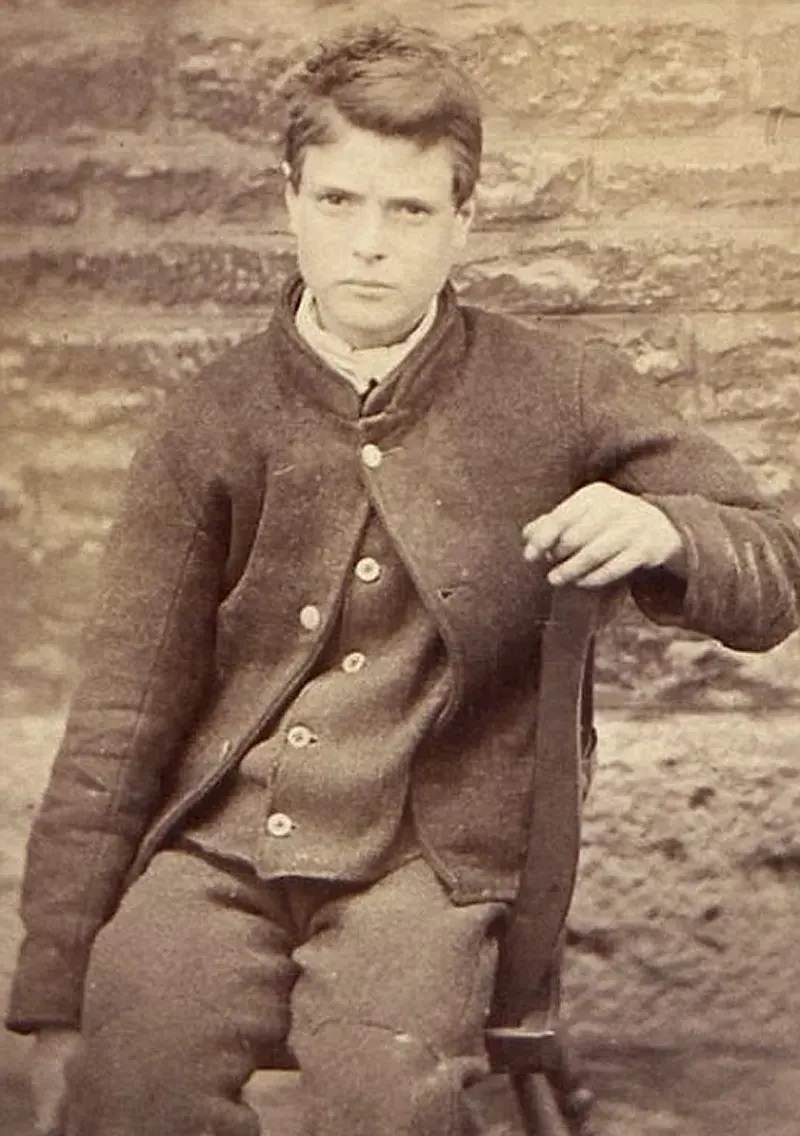
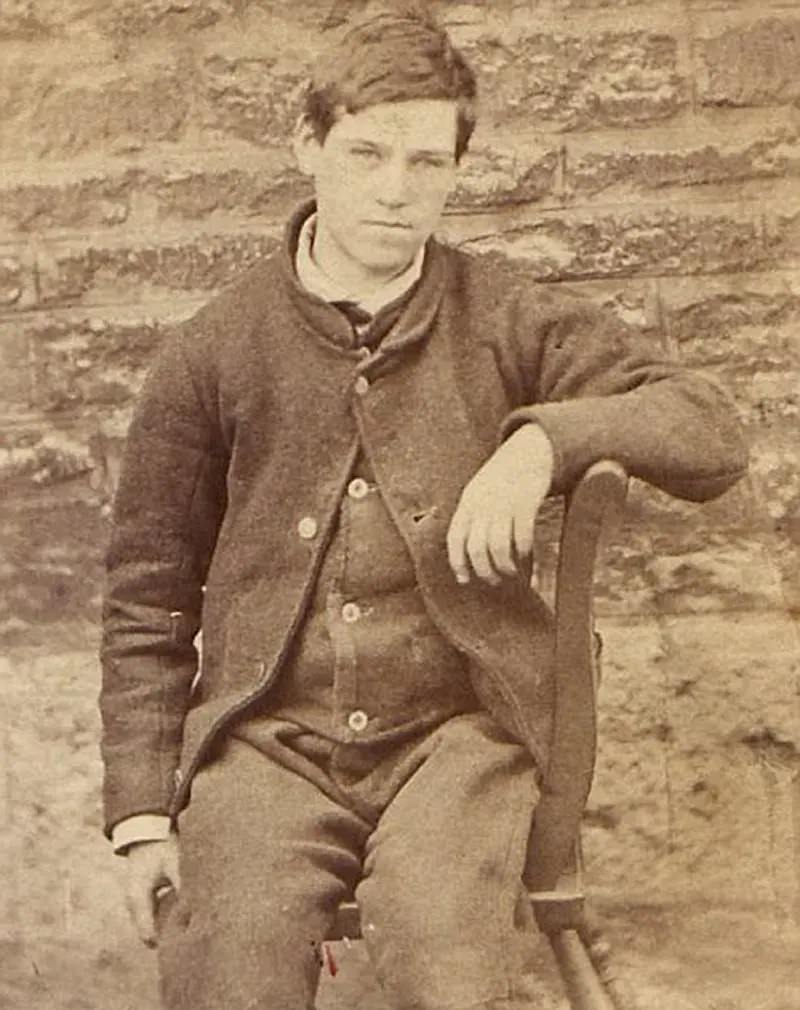
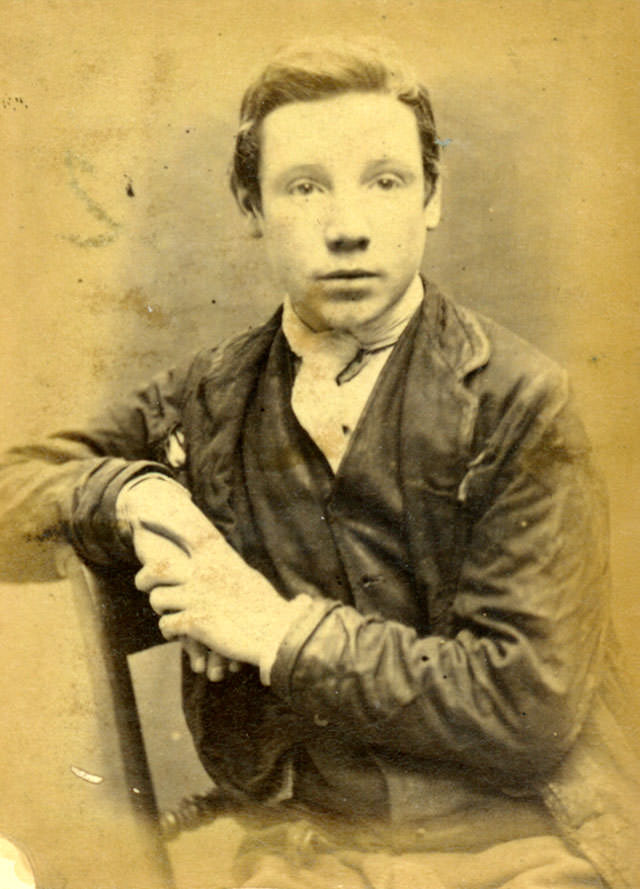
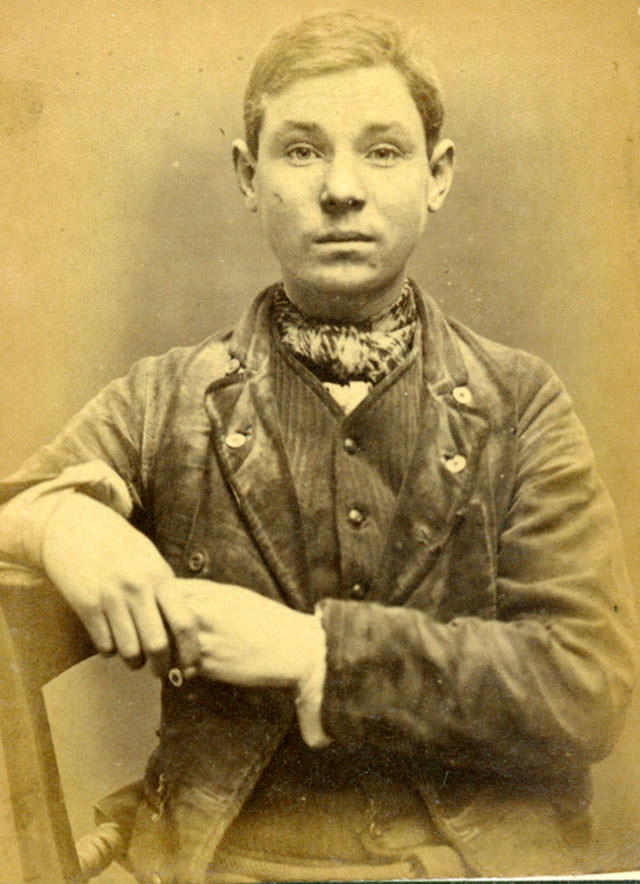
Among the older cases in the archive, Edward Fenn, age 15, was convicted of stealing clothes on March 31, 1873, and served one month with hard labor. James Logan, age 20, received one month of hard labor for stealing a coat on October 12, 1870. John Davis, age 19, was sentenced to one month of hard labor at Oxford Castle Prison for stealing trousers on June 16, 1870. Henry Cox, age 19, was sentenced to two months of hard labor for stealing on March 10, 1870.
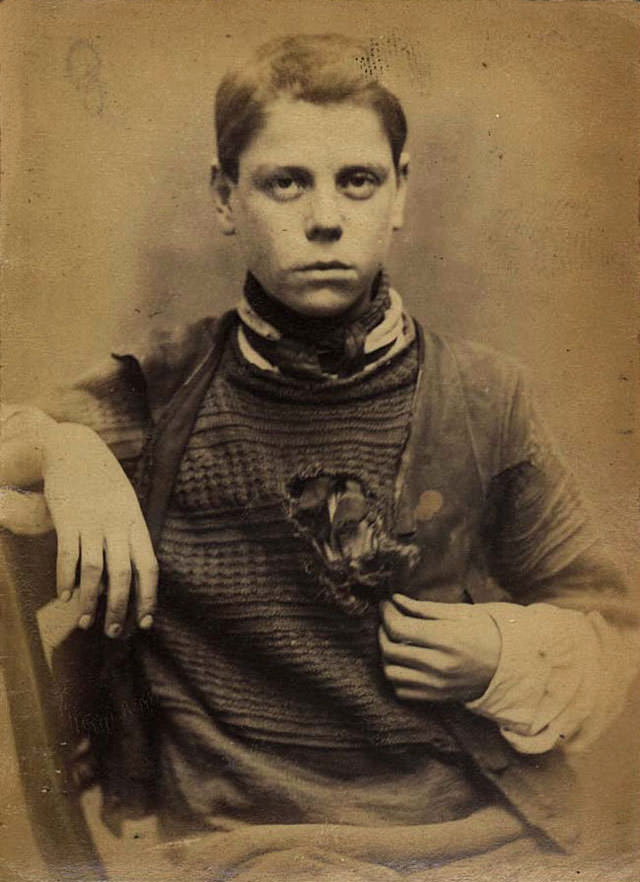
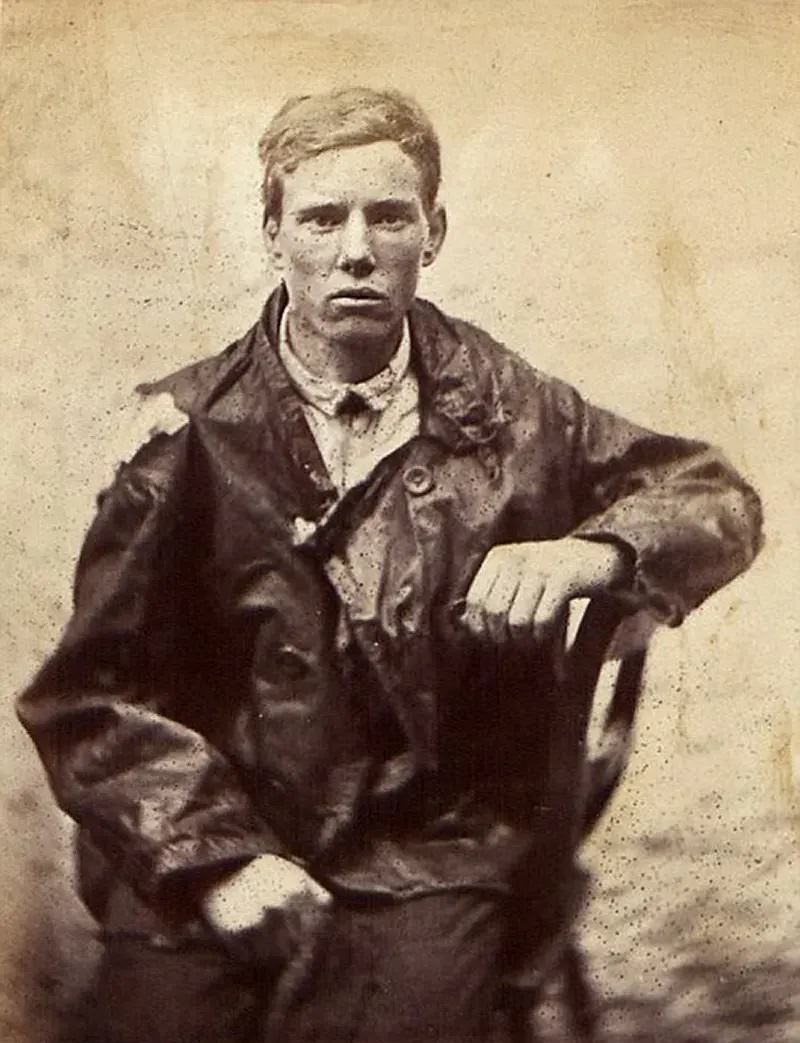
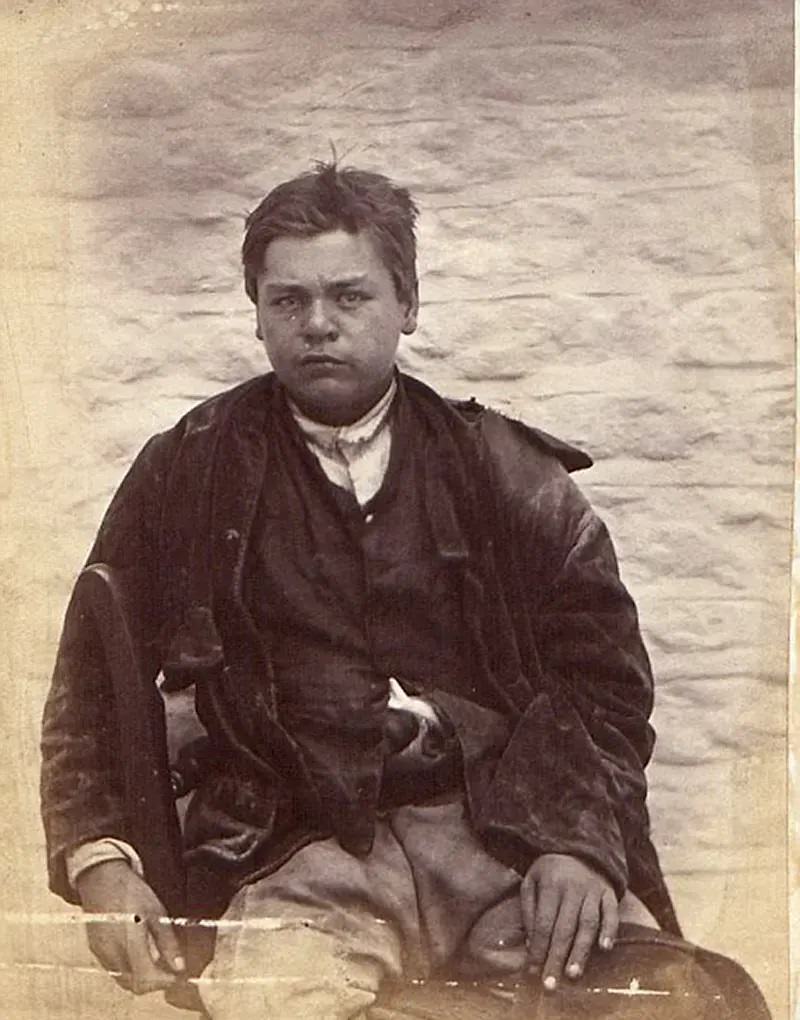
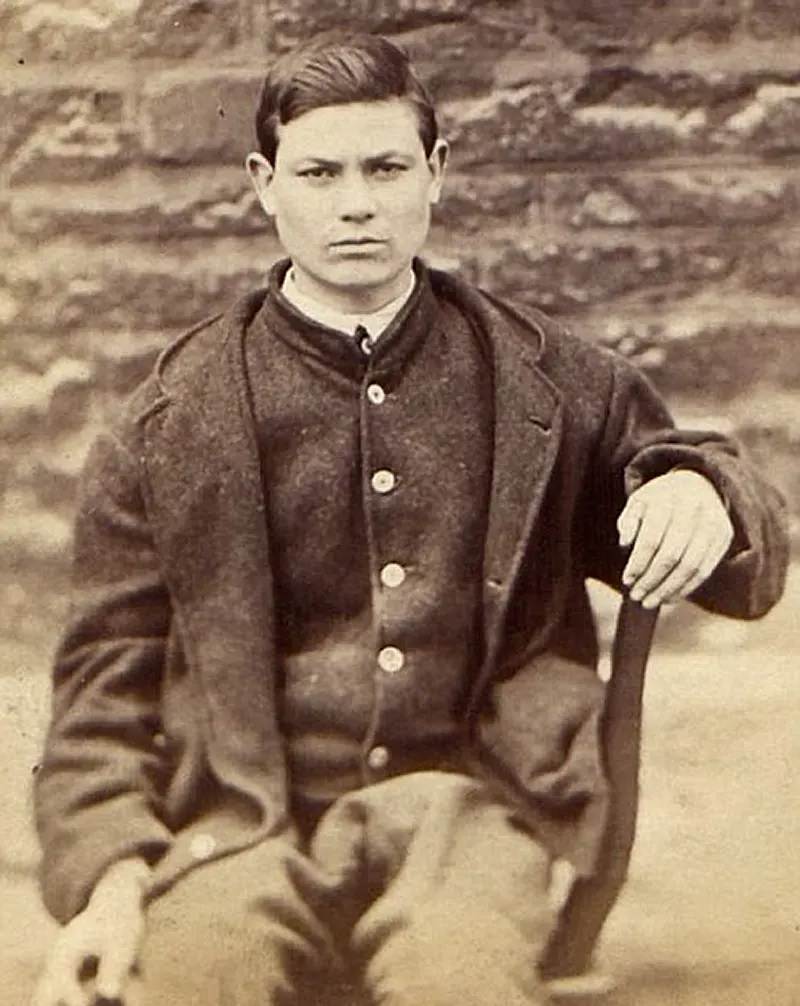
At the older end of the archive, John Conor, age 19, stands out as one of the more serious cases. On December 18, 1865, he was sentenced to six months of hard labor at Oxford Castle Prison for assault and robbery. Alice Dawson, age 13, stole an umbrella in July 1872. John Wheeler stole 100 pounds of coal in October 1872. Ellen Hayes stole two studs and a waistcoat in May 1873 and was given 21 days of hard labor. Amy Foy stole a bodice and received 21 days of hard labor as well.
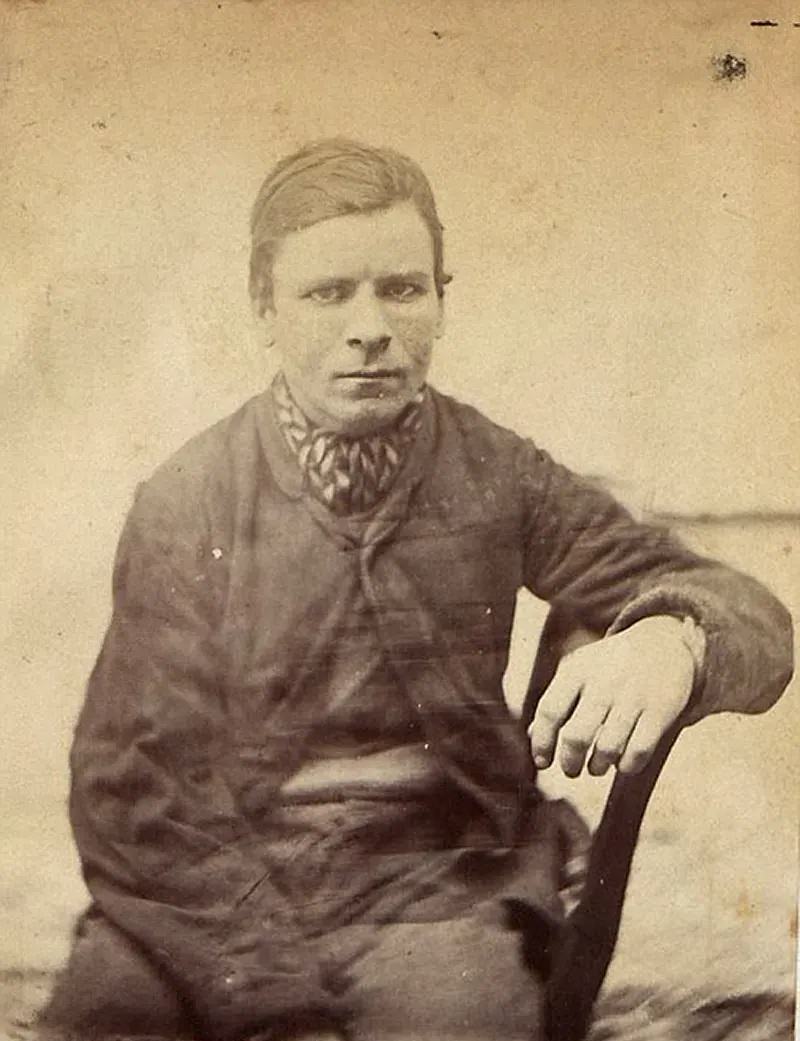
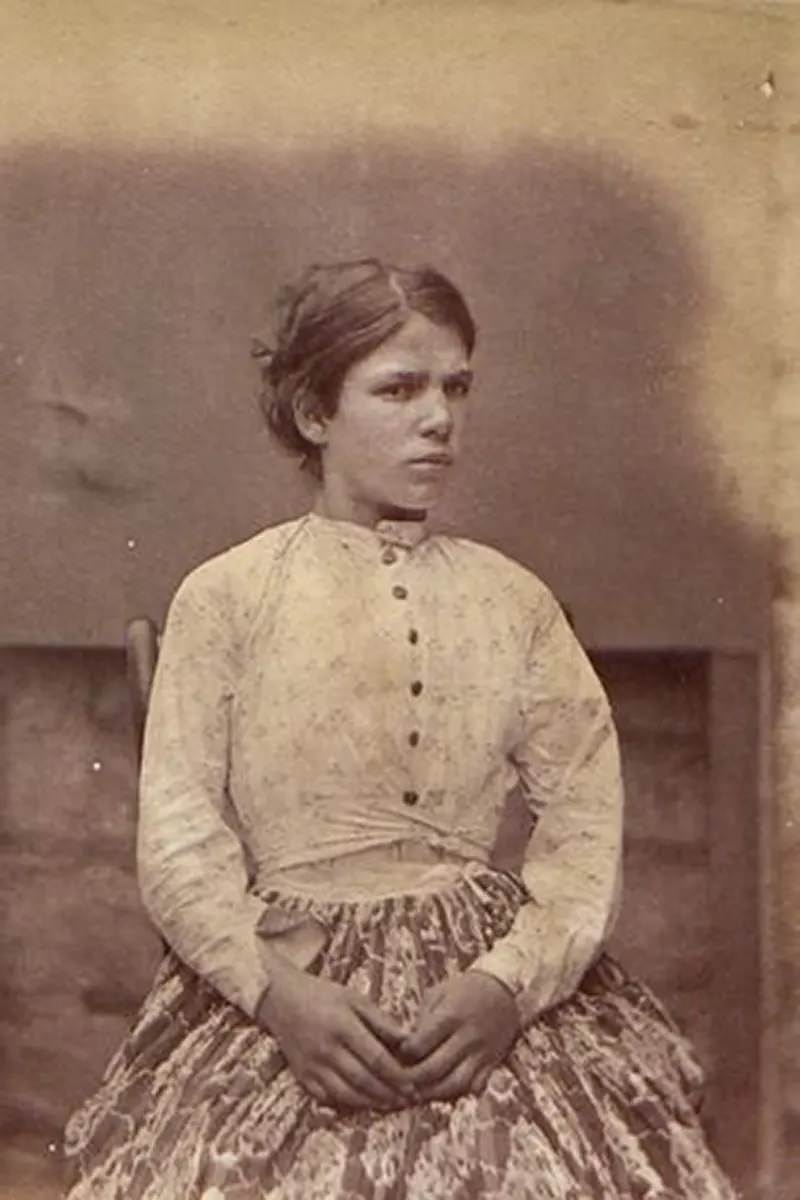



Attitudes toward juvenile crime began shifting only in the early 20th century. From 1899, children were no longer sent to adult prisons. But for every child in these photographs — photographed, cataloged, and sent to a cell or a reformatory — that change came decades too late. Their faces remain: a 7-year-old, an 11-year-old, a 12-year-old with a sentence longer than some adults serve today, all staring into a camera at Oxford Gaol while the Victorian justice system processed them like any other offender.