Hey There! Before You Go. 😧
Get the best vintage content straight into your inbox!

Don't worry, we don't spam

Stealing for Survival: Victorian Mugshots of Food and Clothing Thieves

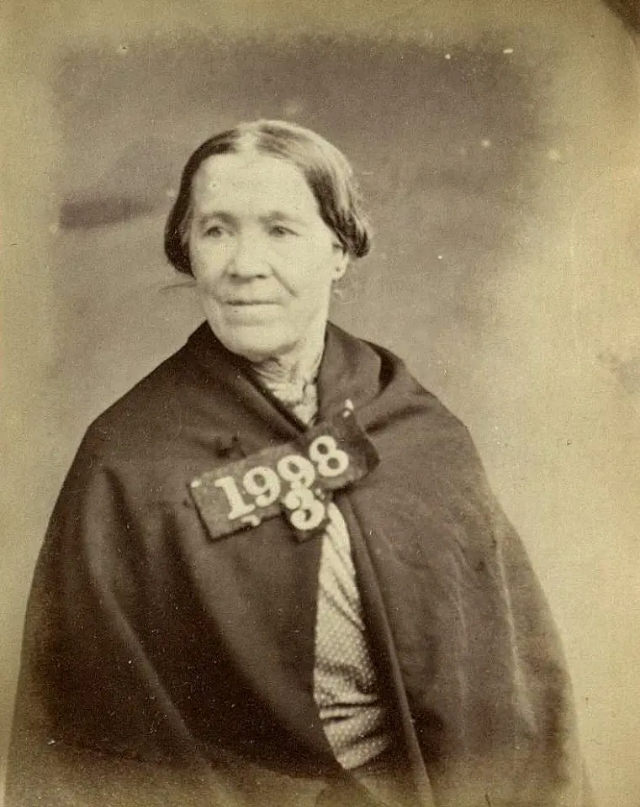
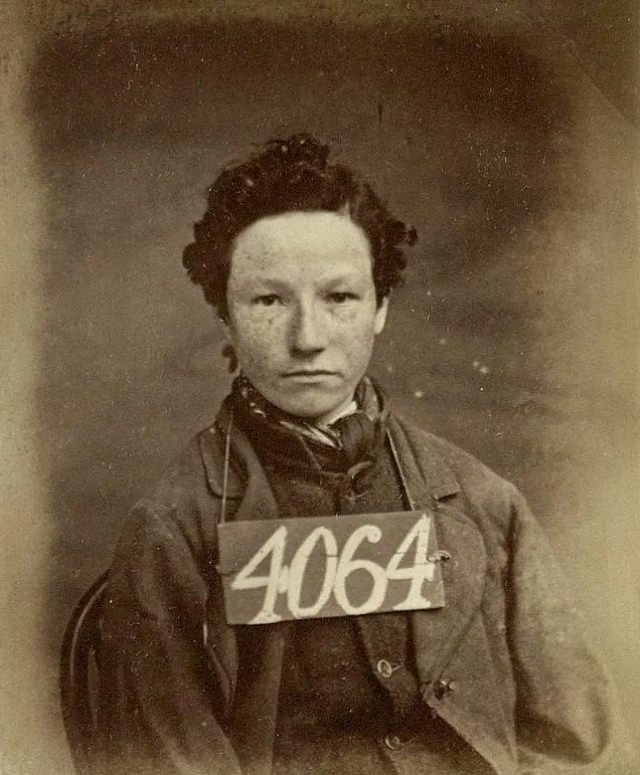
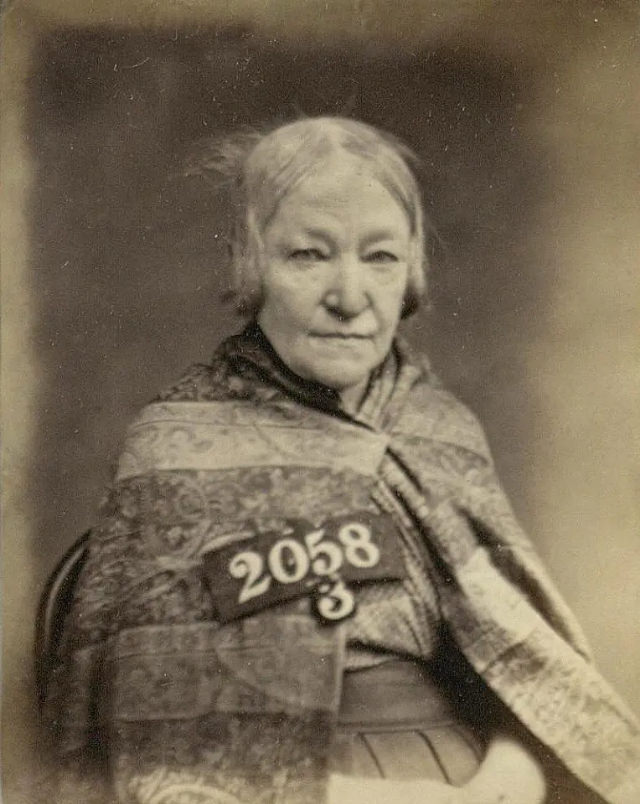
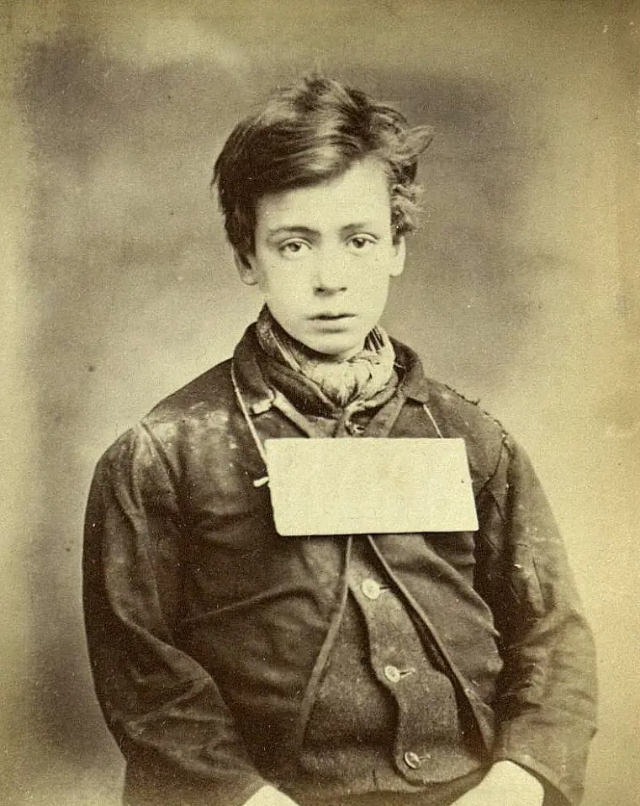
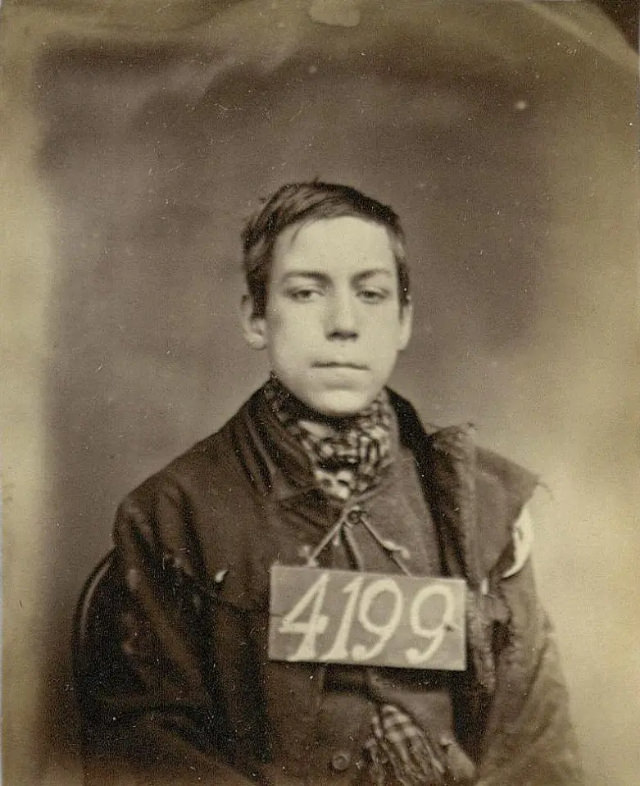
In December 1872, police in England photographed dozens of people arrested for petty theft. The crimes were small — a coat, a pint of milk, a lump of coal. The sentences were not. These mugshots, many taken days before Christmas, show the faces of men, women, and children who stole basic necessities in a society that offered them little protection against poverty.

Victorian England ran on a strict legal code that treated theft of any kind as a serious offense. A person could be sentenced to weeks of hard labor for stealing something worth a few pennies. Hard labor meant exactly that — breaking rocks, turning a crank, or walking a treadmill for hours each day inside a prison. The courts showed almost no leniency based on the value of what was stolen or the desperation behind it.
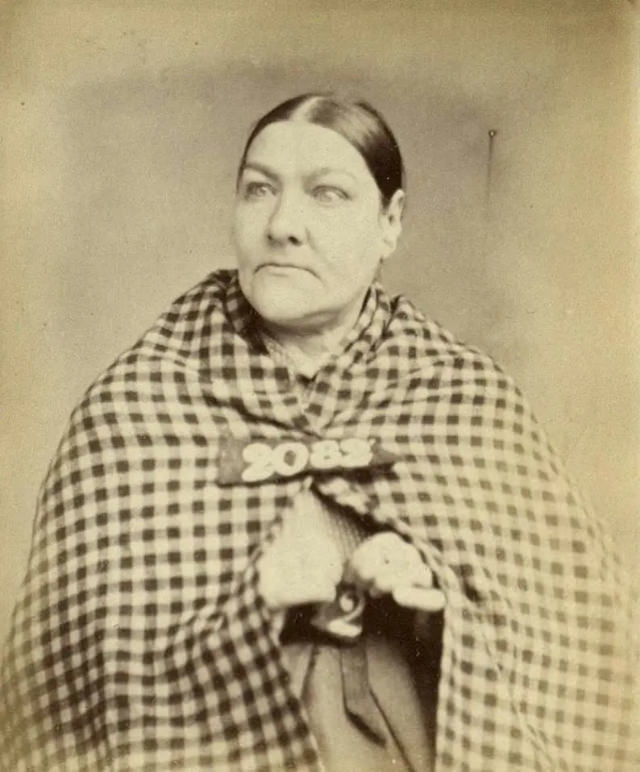
Ellen Smith, 52, was convicted of stealing an umbrella in 1872. She was given 10 days hard labor over Christmas.
Robert Graham, 16, stole 11 pairs of stockings on New Year's Eve in 1872. He was given one month of hard labor.
Robert Graham, 16, stole 11 pairs of stockings on New Year’s Eve in 1872. He was given one month of hard labor.

Many of those photographed were teenagers. Robert Graham was 16 when he stole 11 pairs of stockings on New Year’s Eve and received a month of hard labor. John Hanks, also 16, stole a woolen shirt to keep warm and got 14 days. Samuel Stilley was just 14 years old when he was sent to Wandsworth Prison for a month after stealing two shillings and sixpence. The courts made no meaningful distinction between a child and an adult when handing down sentences.
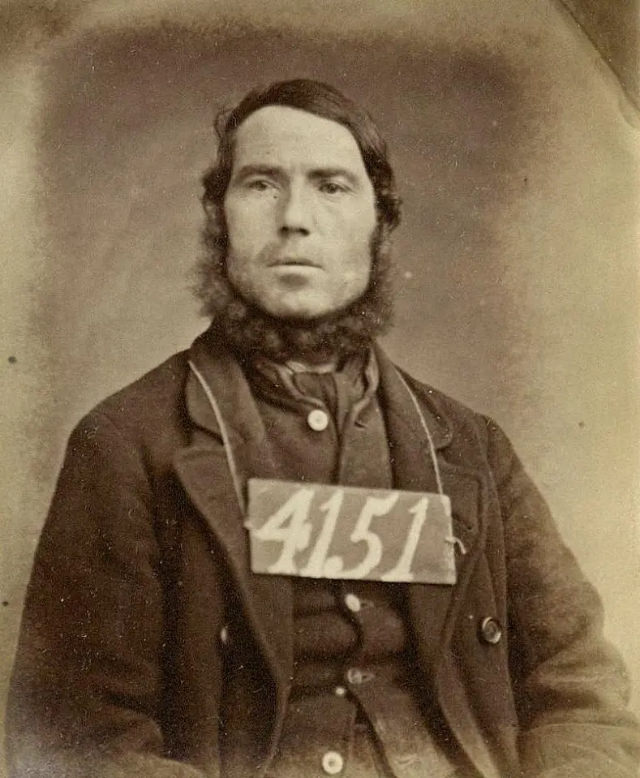
Harry Williams, 42, was convicted of stealing lumps of coal to keep warm. He was given 14 days hard labor.
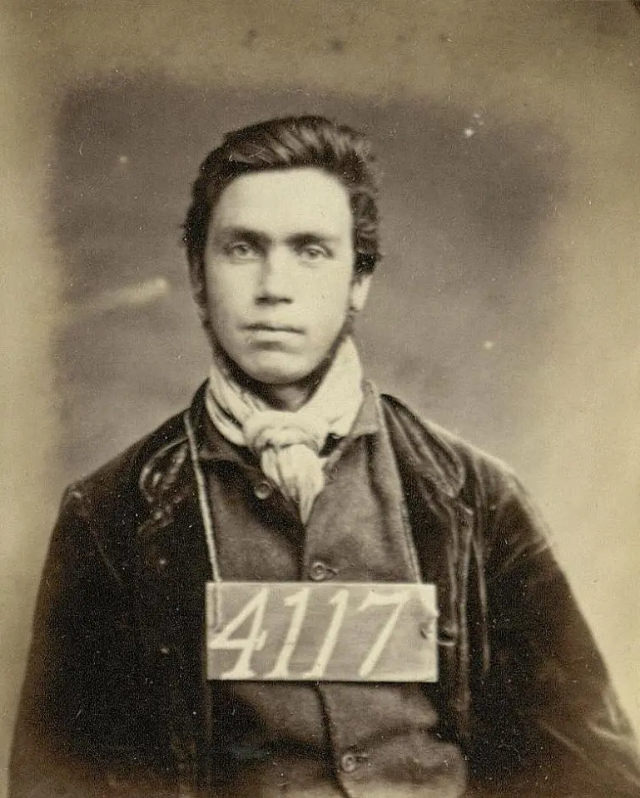
John Kitchenside, 20, stole oats worth three shillings on December 23, 1872. He was given six weeks hard labor.

Coal theft was a recurring charge. Harry Williams, 42, stole lumps of coal to keep warm and was given 14 days hard labor. John Sullivan, 17, stole both a coat and lumps of coal and received a month. Winter in 1872 was brutal for the poor. Without fuel, rooms went unheated and people froze. Stealing coal was not opportunistic greed — it was a response to a very immediate physical threat.
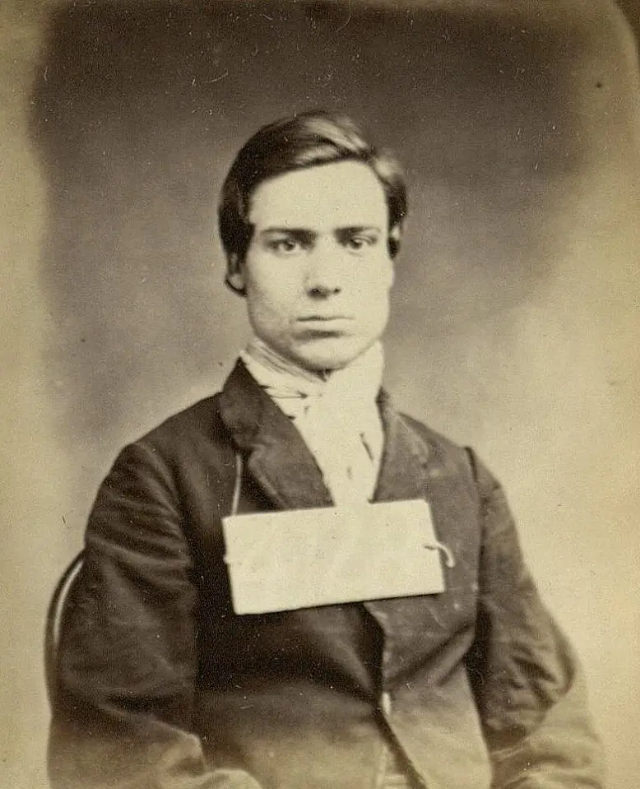
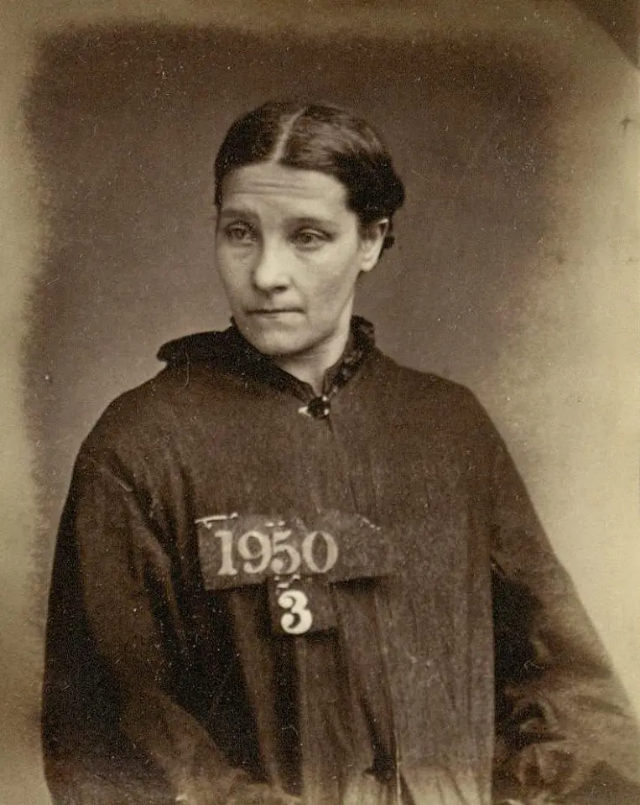
Henry Marsh, 18, stole a coat to keep warm two days before Christmas. He was given six weeks hard labor.
Rhoda Leaf, 30, stole a shirt from her master on December 2, landing her six weeks of hard labor at Wandsworth Prison.

Food theft appeared in several of the cases. James Ealing, 17, stole a tin can and a half pint of milk on Christmas Eve and was sent to Wandsworth for a month of hard labor. Sidney Lowman, also 17, committed the same crime and received six weeks. John Kitchenside, 20, stole oats worth just three shillings on December 23 and was handed six weeks hard labor — a sentence that kept him imprisoned well into the new year.
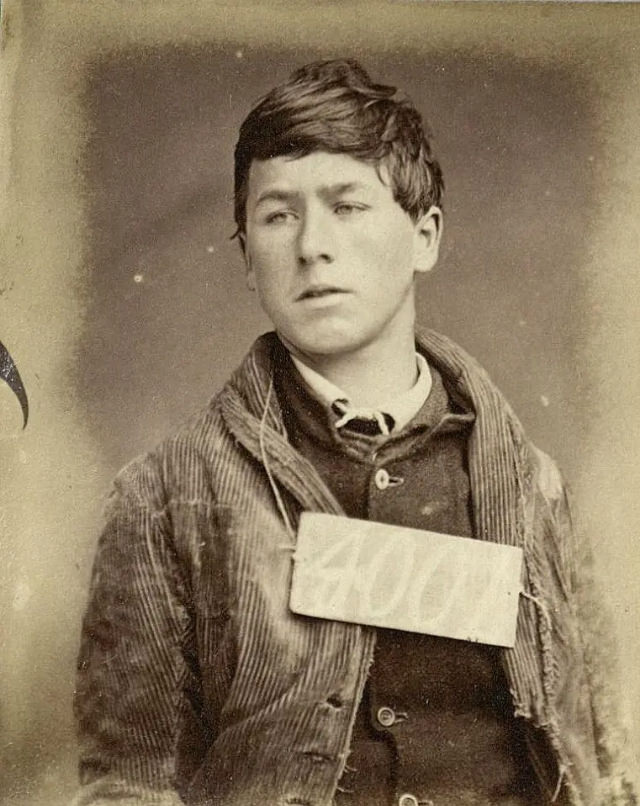
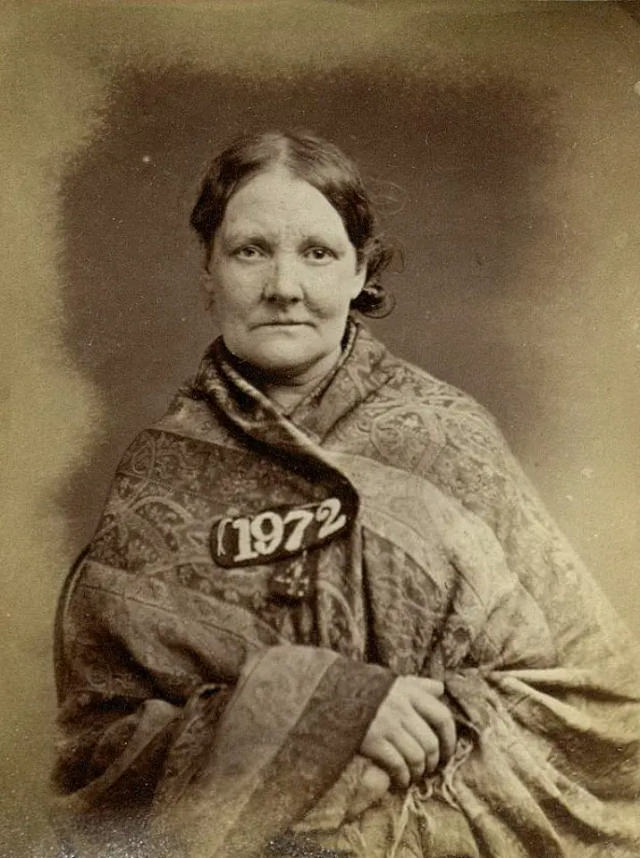
Edward Poller, 17, was convicted of stealing a tame pigeon. He was given one month's hard labor.
Edward Poller, 17, was convicted of stealing a tame pigeon. He was given one month’s hard labor.
Caroline Lightfoot, 51, stole a drinking glass in early December 1872. She was given two months' hard labor.
Caroline Lightfoot, 51, stole a drinking glass in early December 1872. She was given two months’ hard labor.

Caroline Lightfoot received one of the harshest punishments in the group. The 51-year-old stole a drinking glass in early December 1872 and was sentenced to two full months of hard labor. Edward Poller, 17, was convicted of stealing a tame pigeon and given a month. These weren’t dangerous criminals — but the Victorian justice system made little room for context.
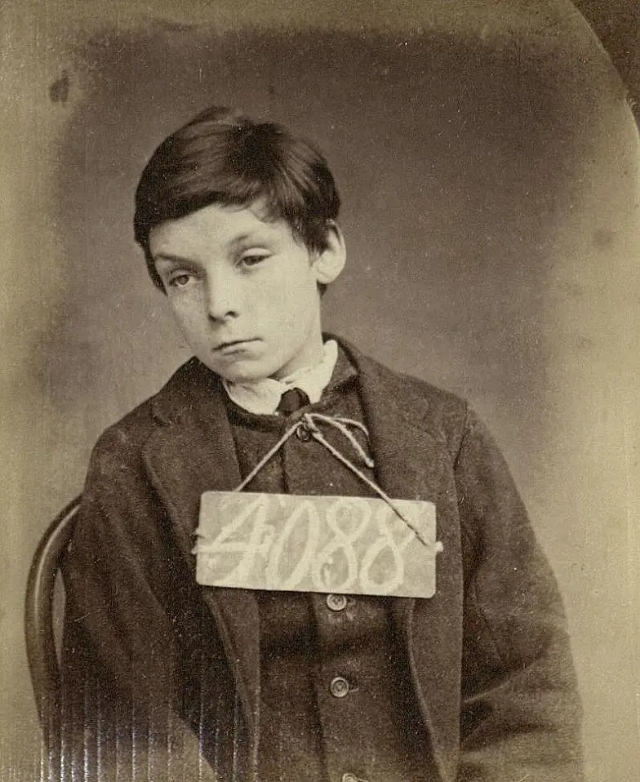
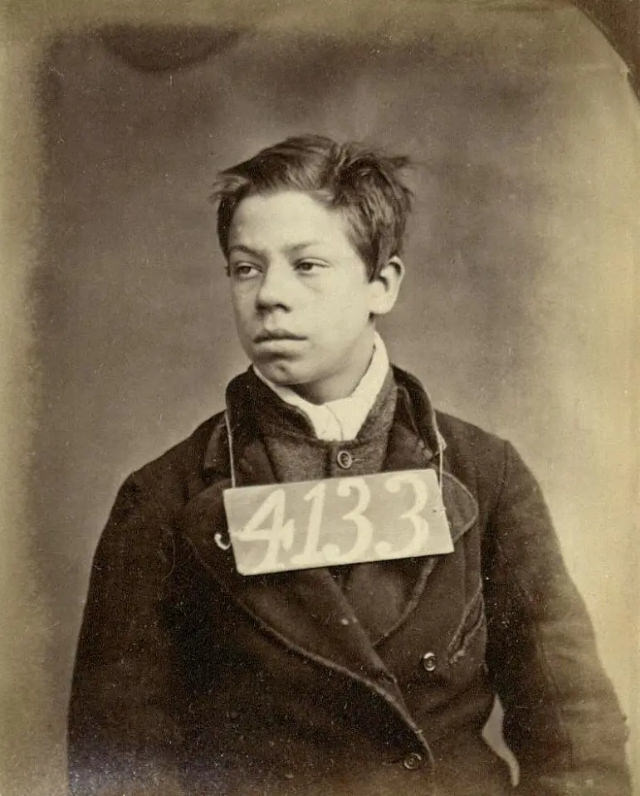
John Hanks, 16, stole a woolen shirt to keep warm. He was given 14 days hard labor.
Daniel Kelly, 16, stole half a cut of iron two days before Christmas 1872. He was given 14 days hard labor.

The photographs themselves are part of a broader story. Criminal photography in England was still a relatively new practice in the 1870s. Police forces began using portraits to identify repeat offenders and build early records on known criminals. These images were not taken for public display — they were administrative tools. The fact that they survived gives us a rare, direct look at the people who moved through the lower rungs of the Victorian criminal system.
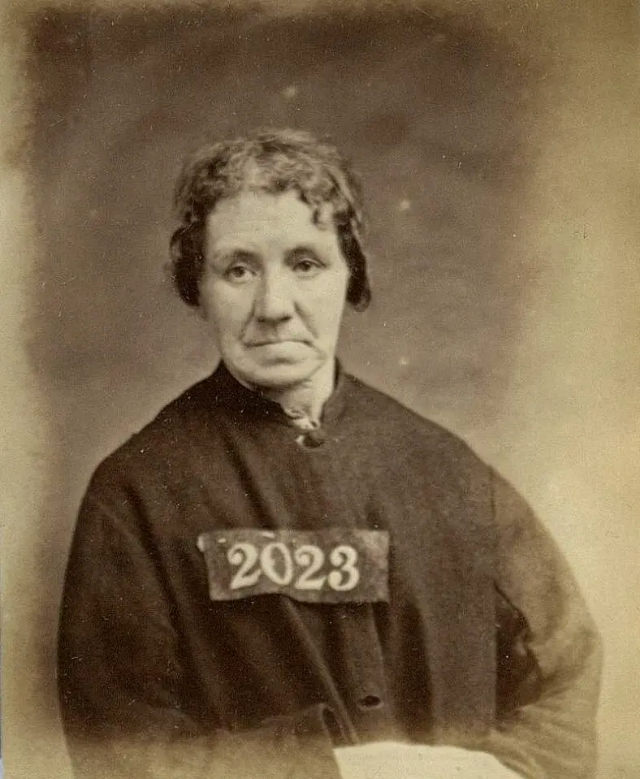
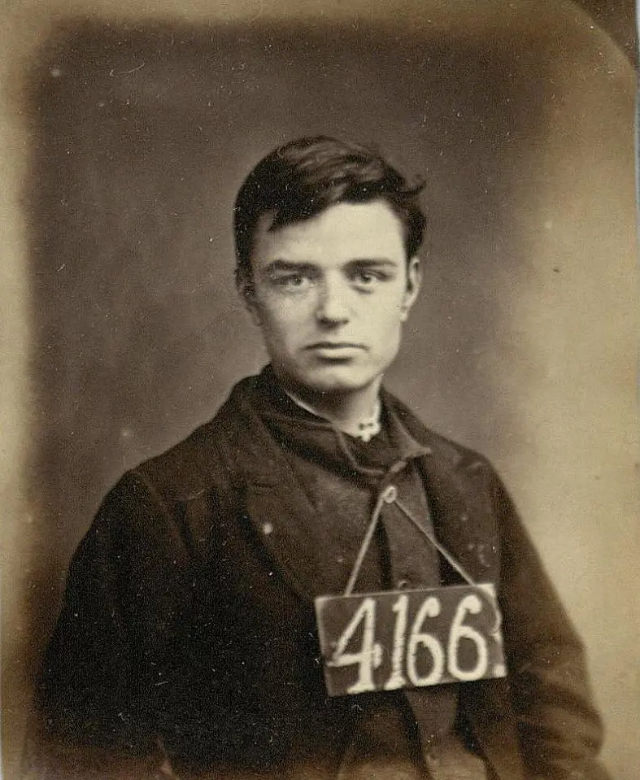
Agnes Rose Flowers, 44, stole a short worth two shillings six pence. She received one month of hard labor.
James Ealing, 17, stole a tin can and a half pint of milk on Christmas Eve 1872. He got one month of hard labour at Wandsworth.

Women appear throughout these records just as frequently as men. Rhoda Leaf, 30, stole a shirt from her employer in early December and received six weeks at Wandsworth. Mary Baxter, 22, stole a tablecloth on December 13 and was given 14 days. Agnes Rose Flowers, 44, stole a shirt worth two shillings and sixpence and served a month. Catherine Flynn, 63, was convicted of stealing six shillings and also spent a month at hard labor.
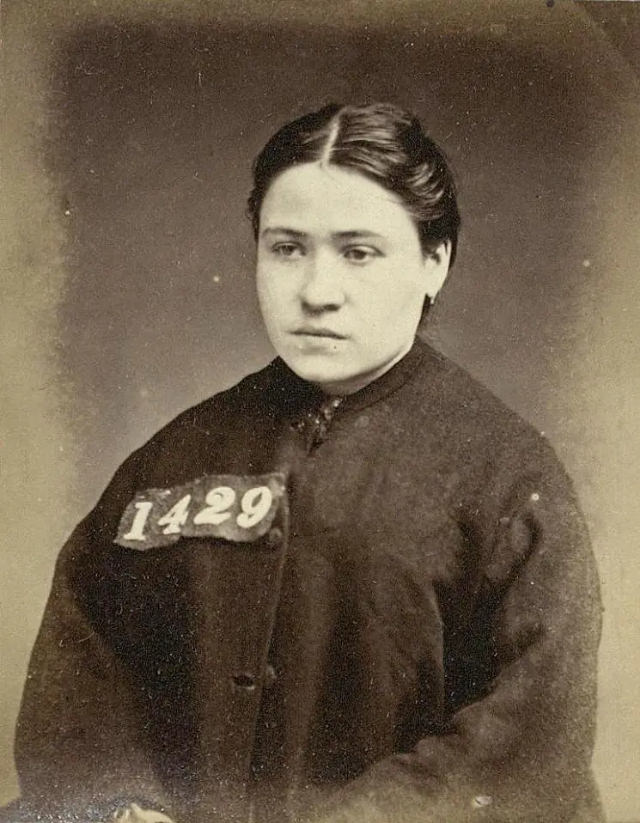
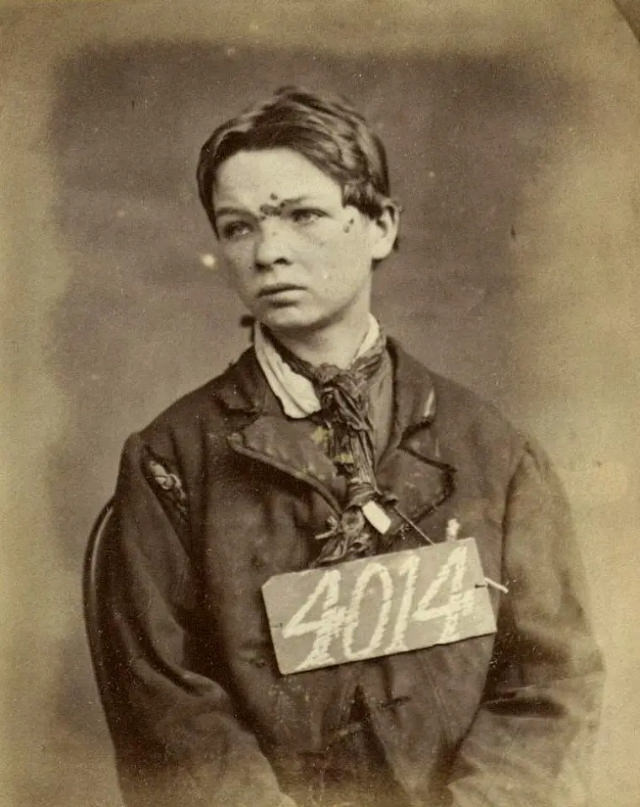
Mary Baxter, 22, stole a tablecloth on December 13, 1872. She was given 14 days hard labour.
John Powers, 15, stole fabric on December 10, 1872. He was given one month of hard labor.

John Powers was 15 years old when he was arrested for stealing fabric on December 10, 1872. He received a month of hard labor. William Ethrington, 19, stole an axe and other tools just four days before Christmas and was sentenced to six weeks. Mary Sowerby was 69 when she was convicted of stealing a sheet on December 21 — and she, too, received a month of hard labor, sent to prison just days before Christmas.
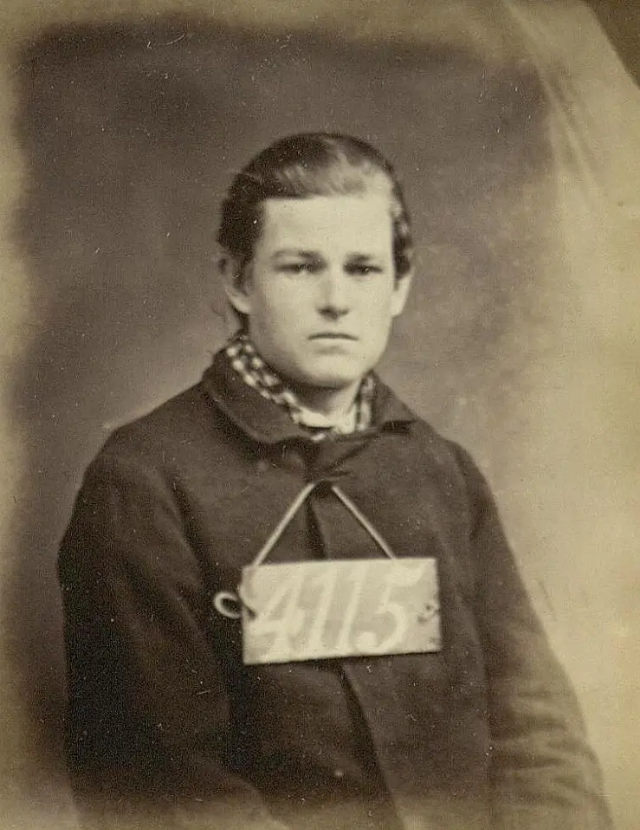
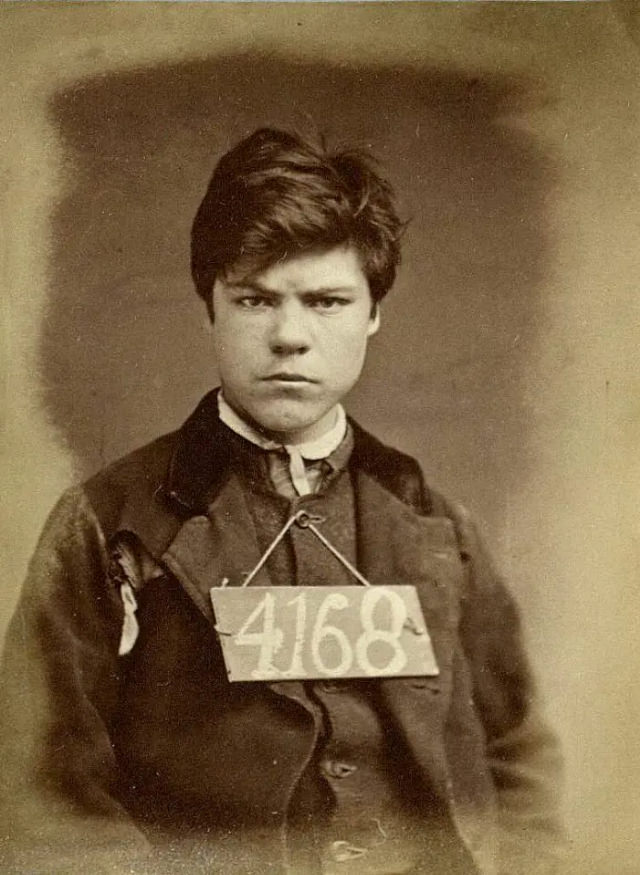
William Ethrington, 19, stole an axe and other tools on December 21, 1872. He was given six weeks hard labor.
Sidney Lowman, 17, stole a can and a half pint of milk. He was given six weeks hard labor.
Catherine Flynn, 63, was convicted of stealing six shillings from someone. She was given a month's hard labor.
Catherine Flynn, 63, was convicted of stealing six shillings from someone. She was given a month’s hard labor.
John Sullivan, 17, was convicted of stealing a coat and lumps of coal in 1872. He was given one month of hard labor.
Mary Sowerby, 69, was convicted of stealing a sheet on December 21. She was given one month's hard labor.
Mary Sowerby, 69, was convicted of stealing a sheet on December 21. She was given one month’s hard labor.
Samuel Stilley, 14, was given one month's hard labor at Wandsworth Prison for stealing two shillings and six pence in December 1872.
Samuel Stilley, 14, was given one month’s hard labor at Wandsworth Prison for stealing two shillings and six pence in December 1872.
Enjoyed this post? Get new ones in your inbox.

Leave a Comment

Your email address will not be published. Required fields are marked *

Share this Post 🥺

Please take a moment to share this content. Your support is greatly appreciated! 🙌🙏

Share this Post 🥺

Please take a moment to share this content. Your support is greatly appreciated! 🙌🙏
Scroll to Top
 
Hey Friend, Before You Go.. Please like & follow for more interesting content