

The 1990s was a tumultuous period for many nations, but few underwent as dramatic a transformation as Ukraine. From gaining independence from the Soviet Union to grappling with economic and political challenges, the ’90s proved to be a defining decade for this Eastern European nation.
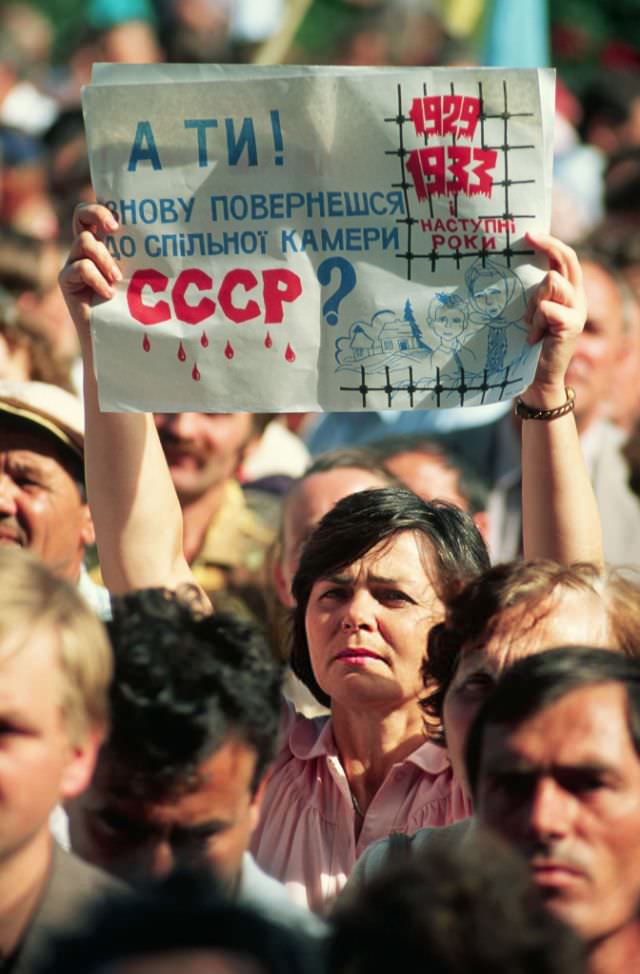
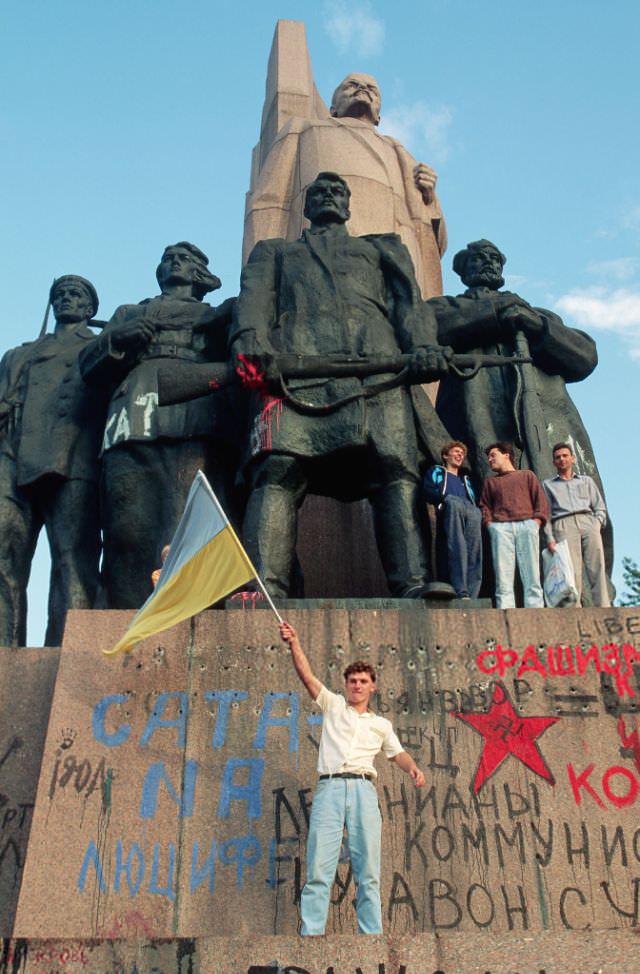
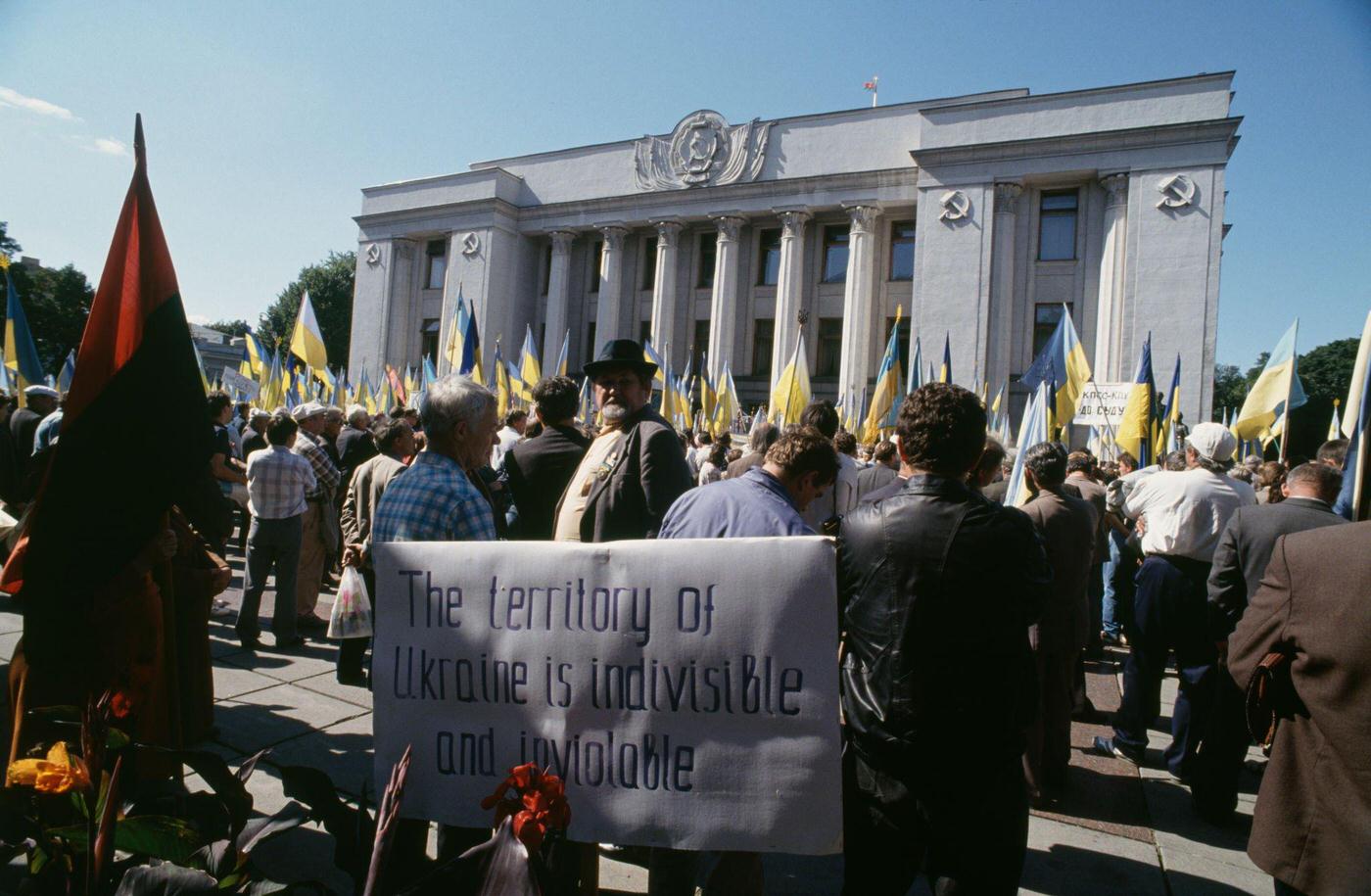
The most significant event for Ukraine in the early 1990s was, without a doubt, its declaration of independence. On August 24, 1991, following a national referendum in which over 90% of Ukrainians voted for independence, Ukraine emerged as a sovereign nation. This move was more than just a political statement; it marked the end of centuries of foreign domination.
Economic Struggles
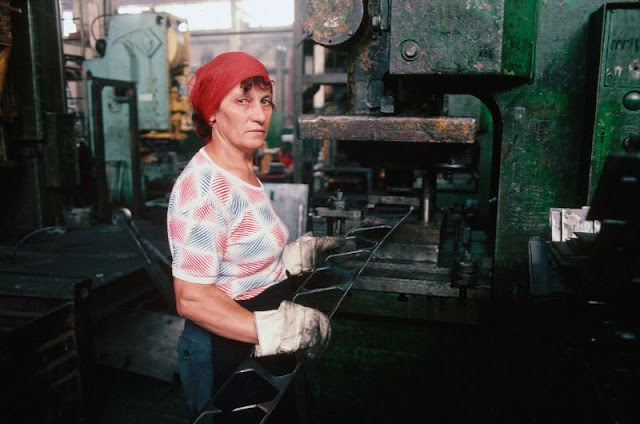
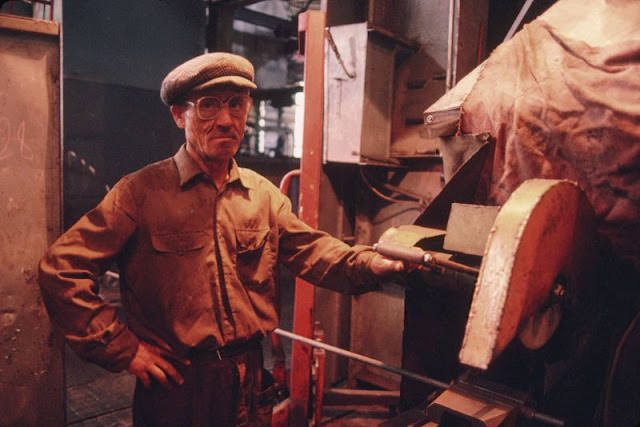
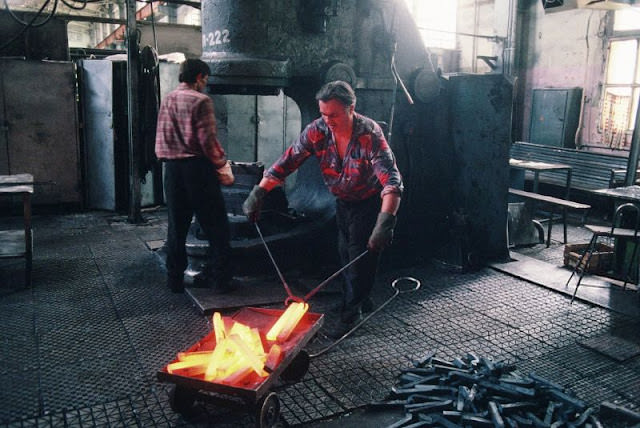
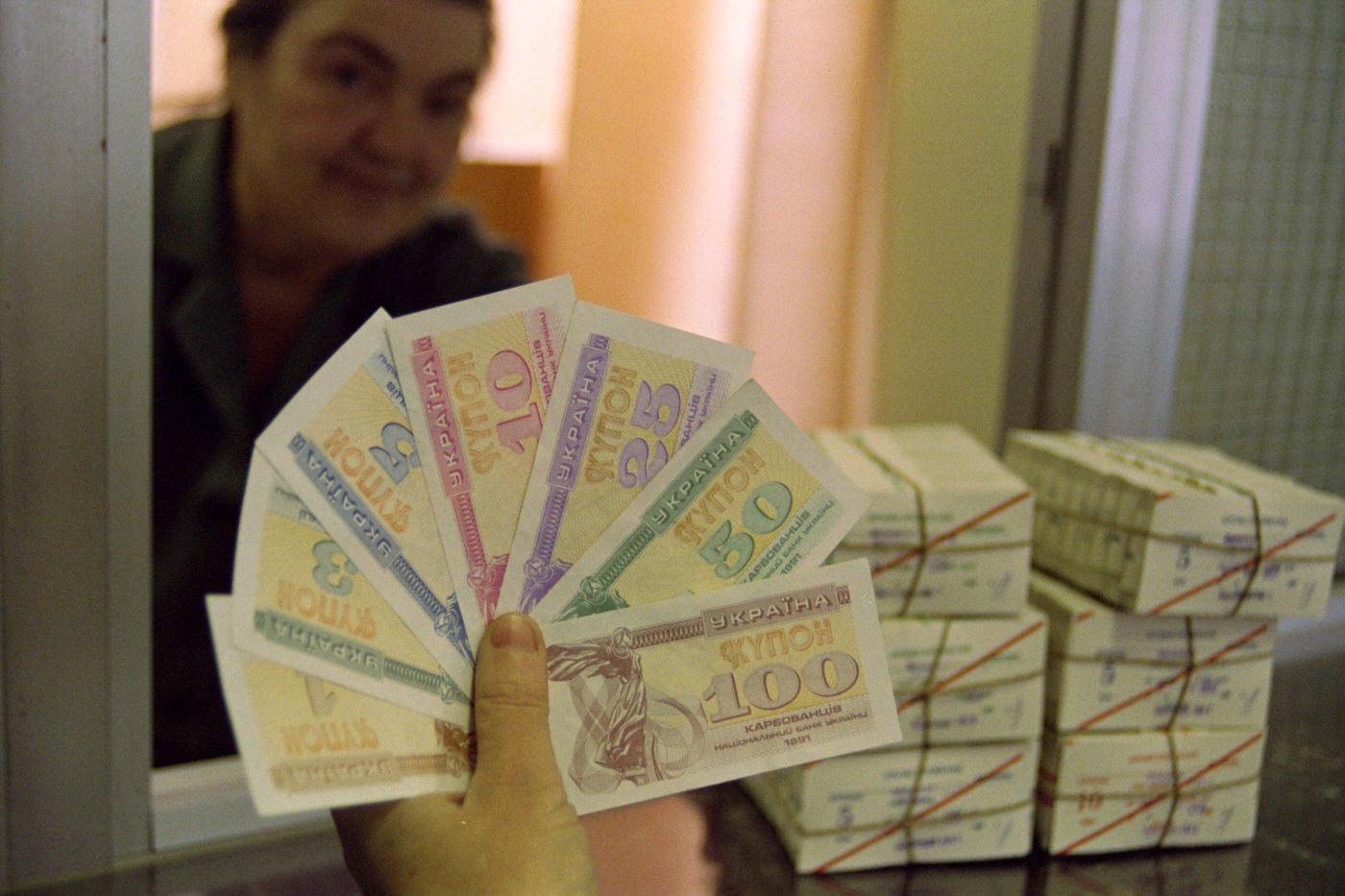
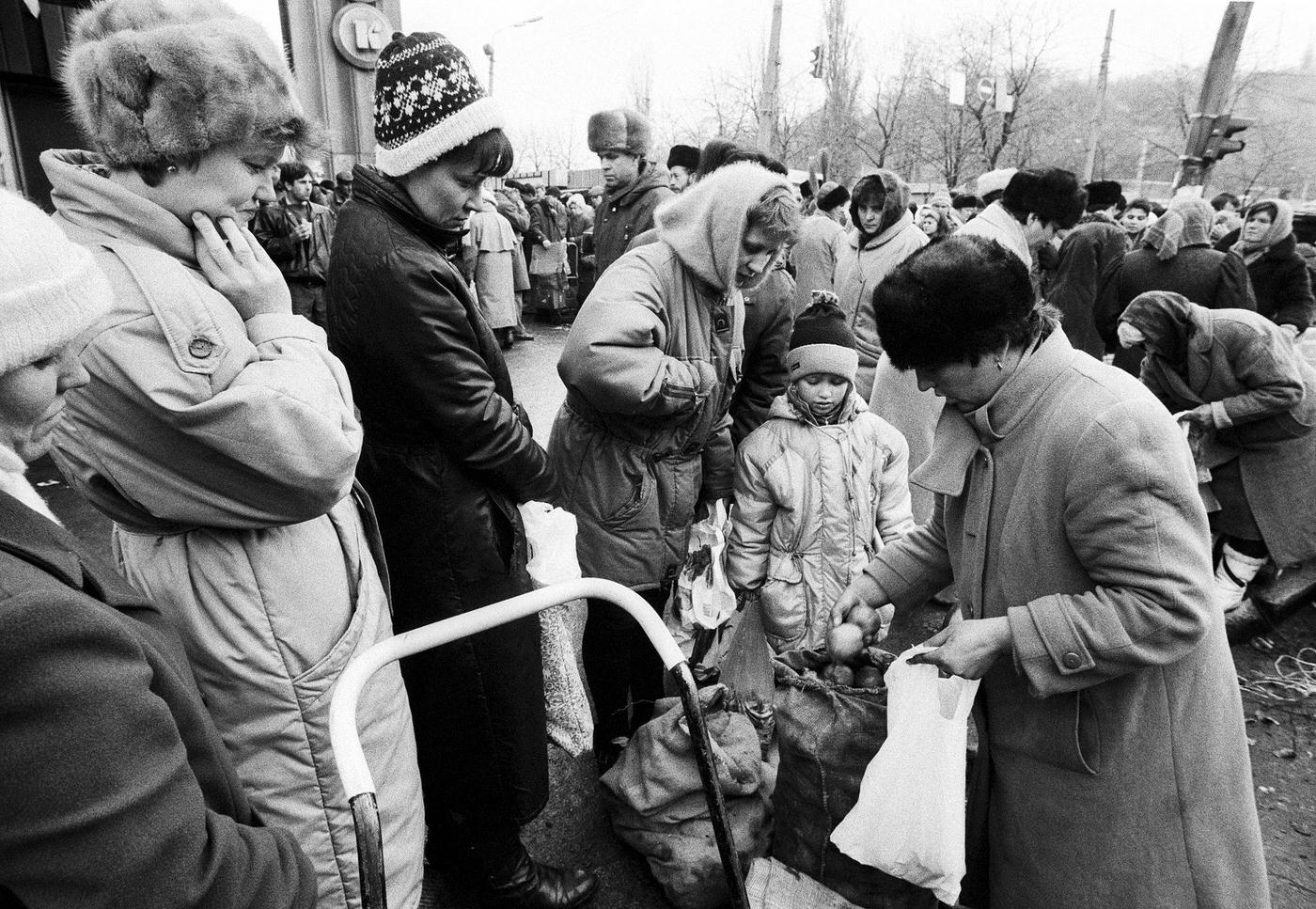
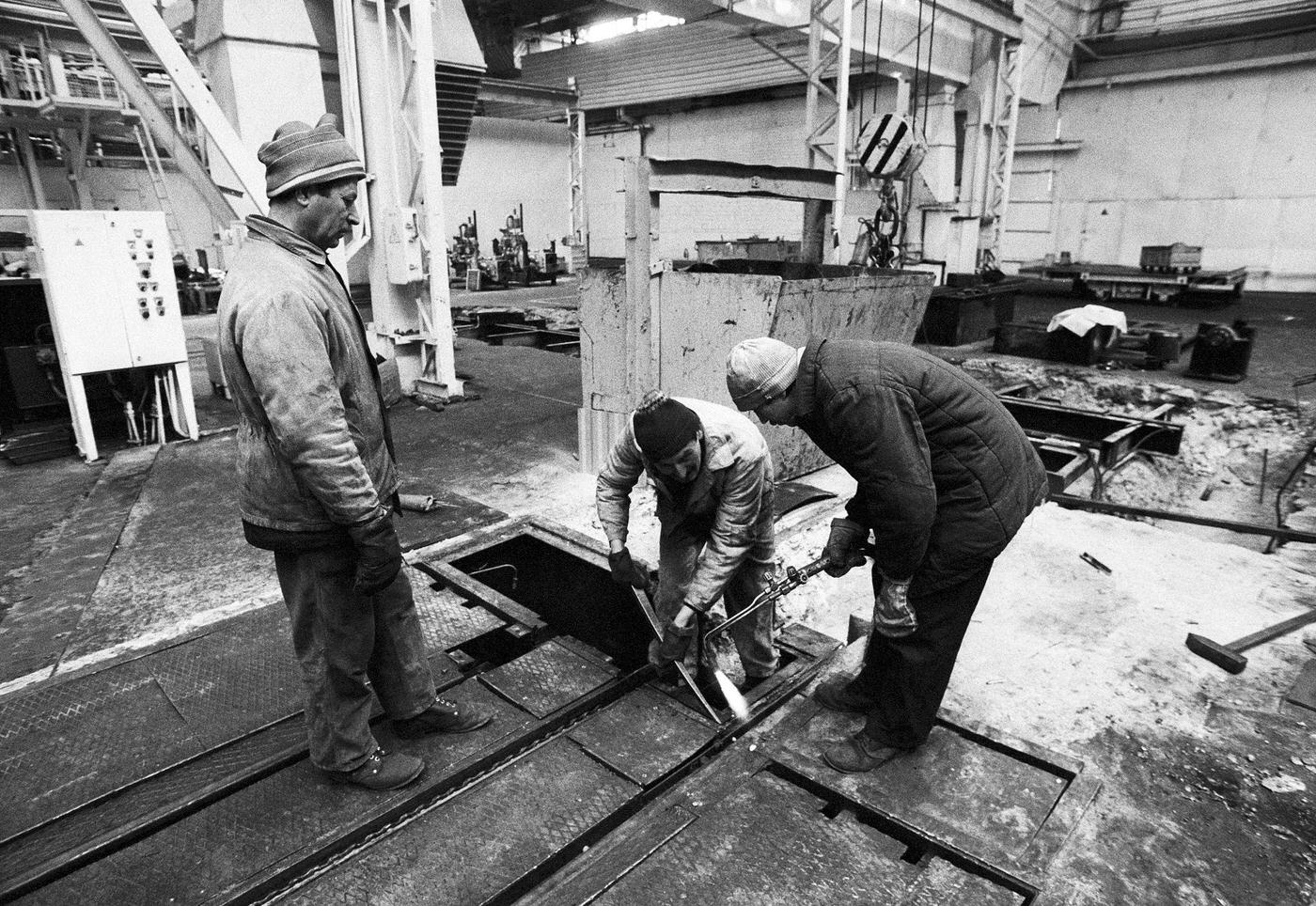
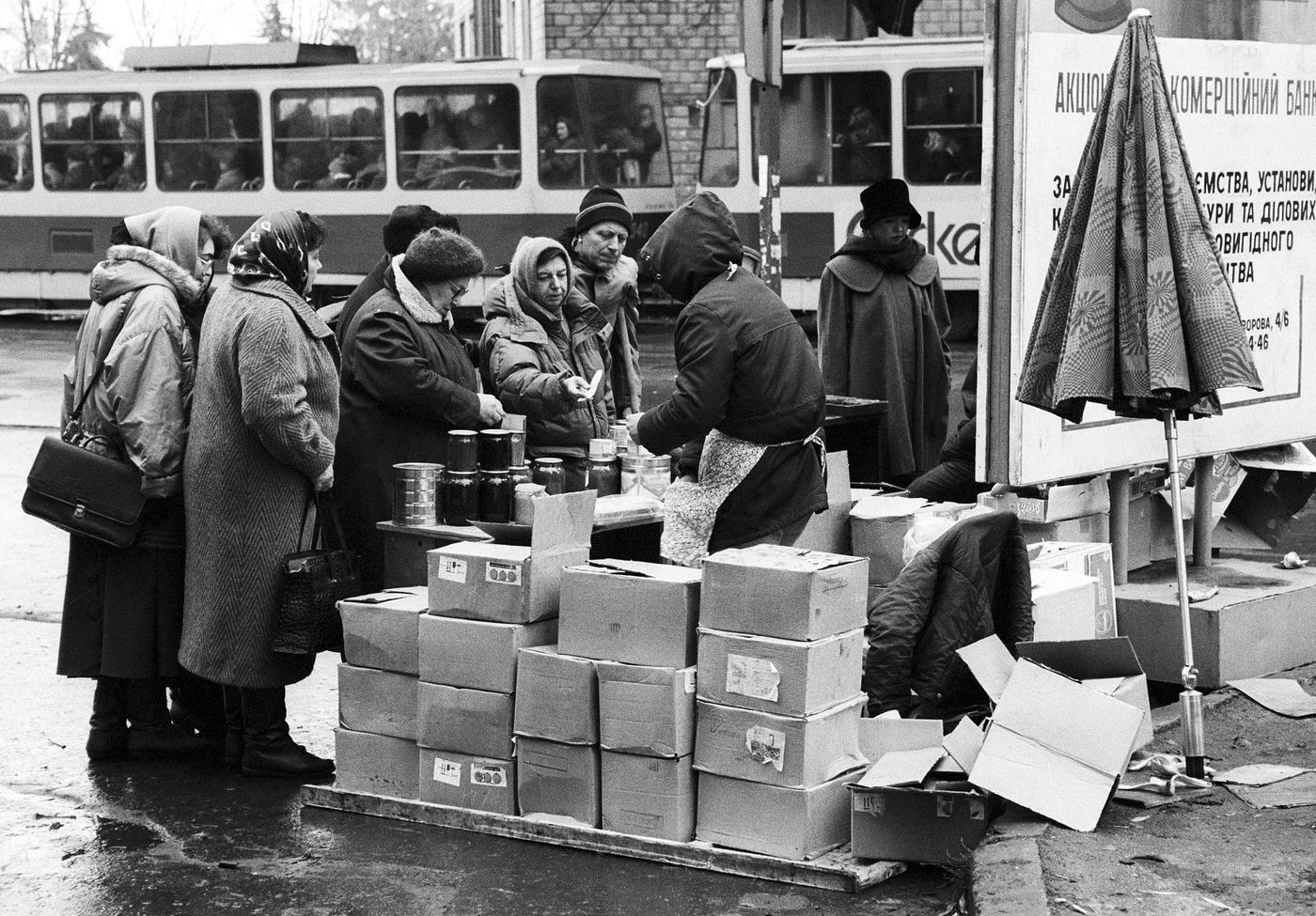
With independence came challenges. One of the primary concerns for Ukraine during the 1990s was its economy. The transition from a centrally planned economy to a market-based one wasn’t smooth. Industrial production plunged, and inflation soared. Many Ukrainians faced hardships, with unemployment becoming a pressing issue.
Political Instability and Reforms
The political landscape of Ukraine in the 1990s was as turbulent as its economy. The country struggled to find its political footing, with tensions often arising between the president and parliament. However, despite the challenges, the 1990s also saw the laying down of the foundation for a democratic Ukraine. The country adopted a new constitution in 1996, which remains in place today.
Cultural Revival
Amid the economic and political upheavals, the 1990s were also a period of cultural revival for Ukraine. With newfound freedom came a resurgence in Ukrainian identity. The decade saw a renewed interest in Ukrainian language, arts, music, and traditions. Festivals, publications, and events promoting Ukrainian culture sprang up throughout the country, providing a counter-narrative to the somber economic and political news.
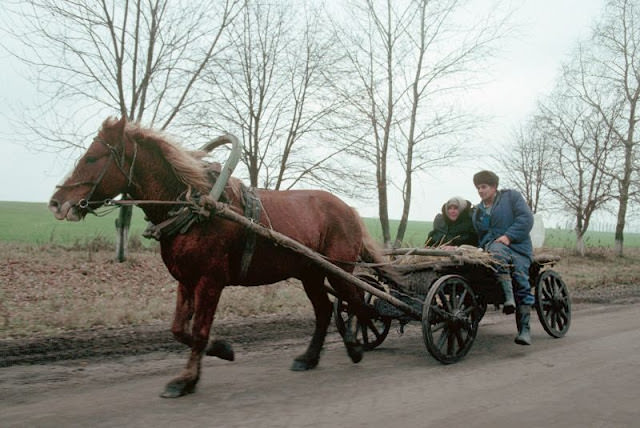
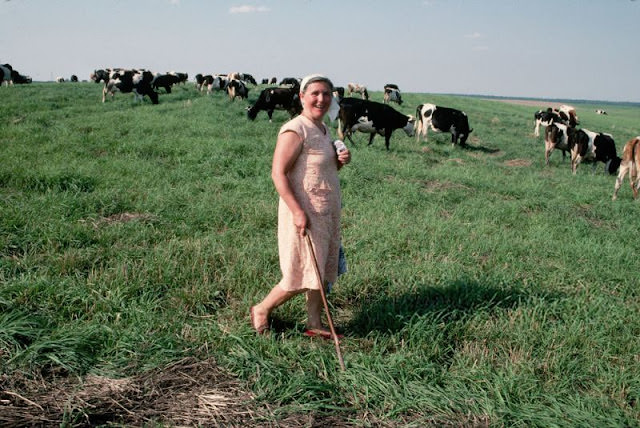
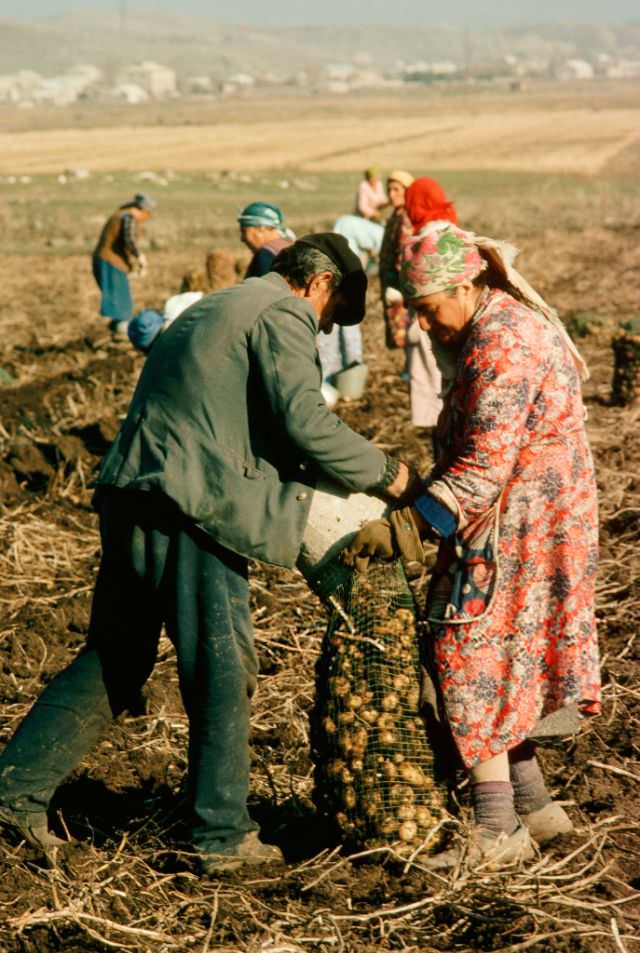
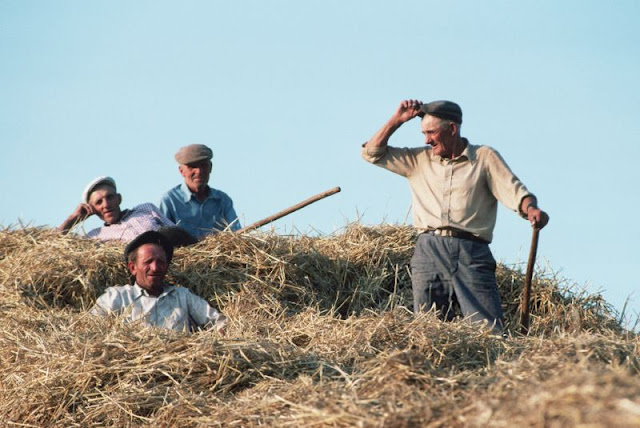
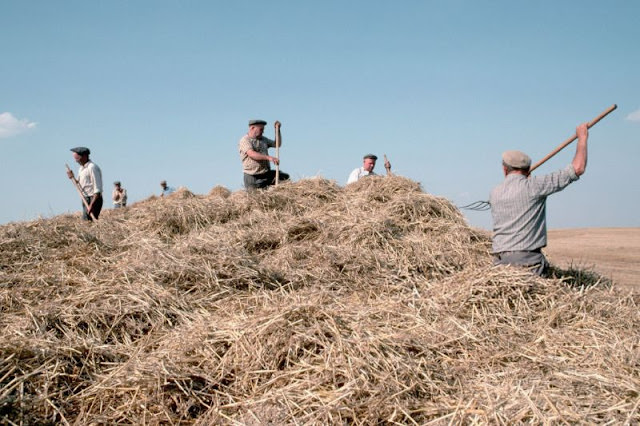
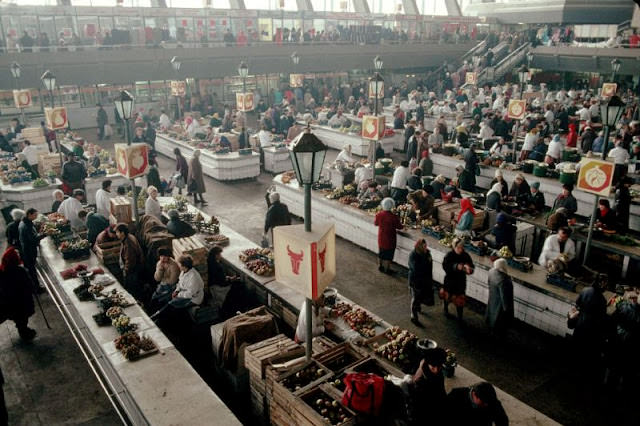
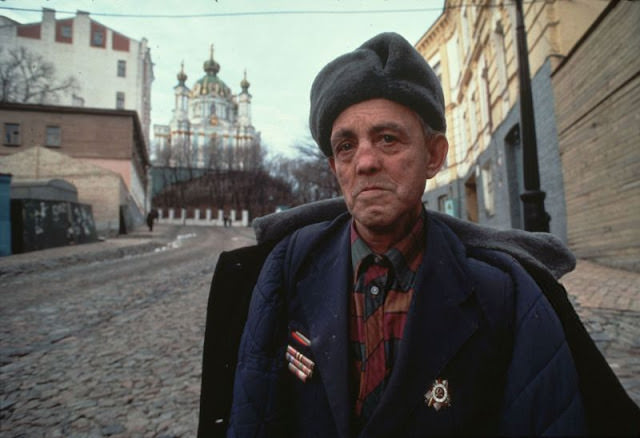
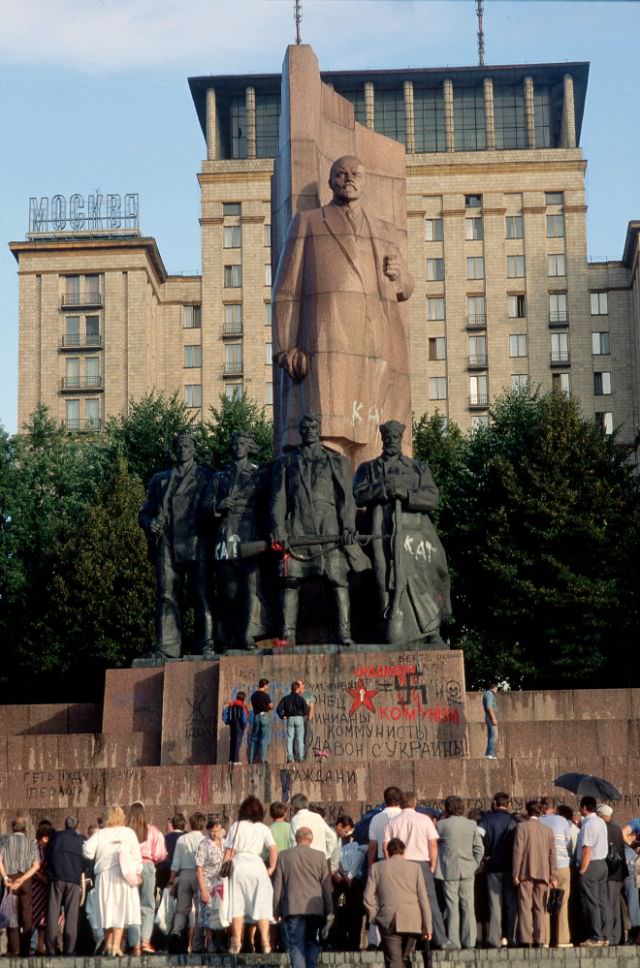
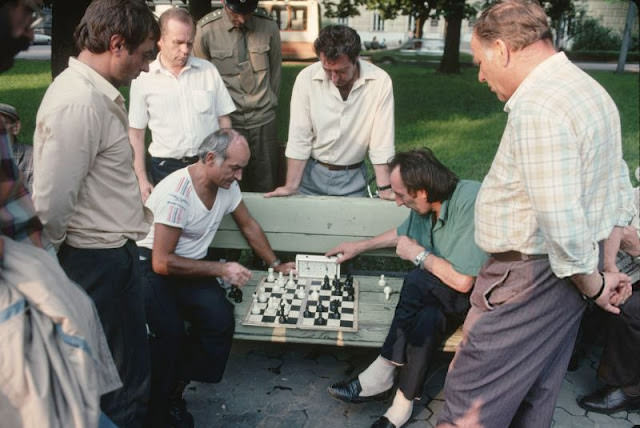
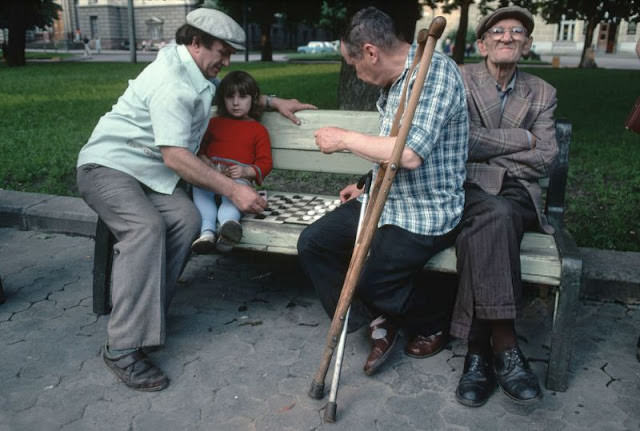
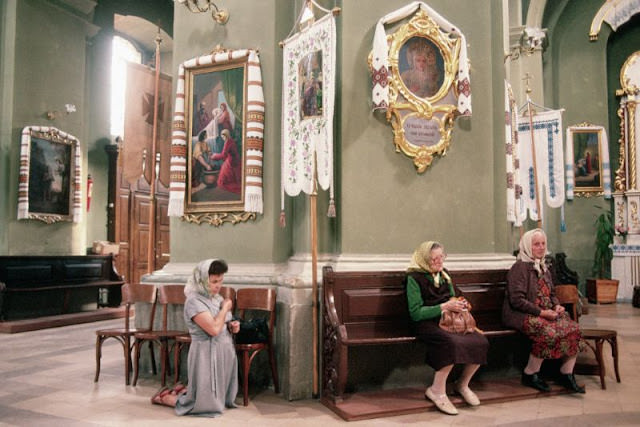
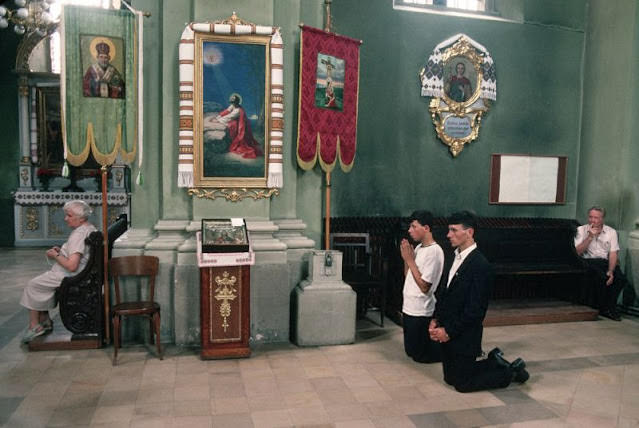
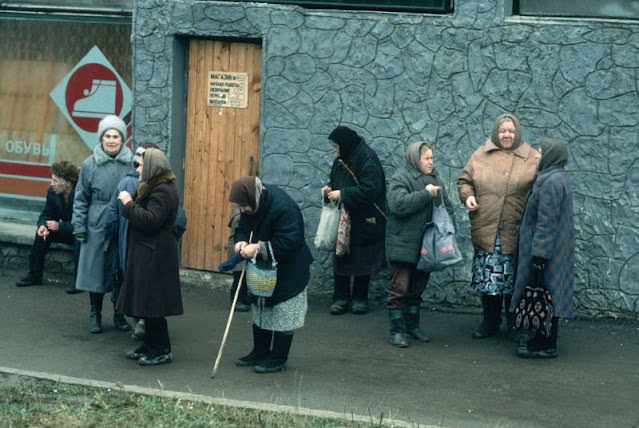
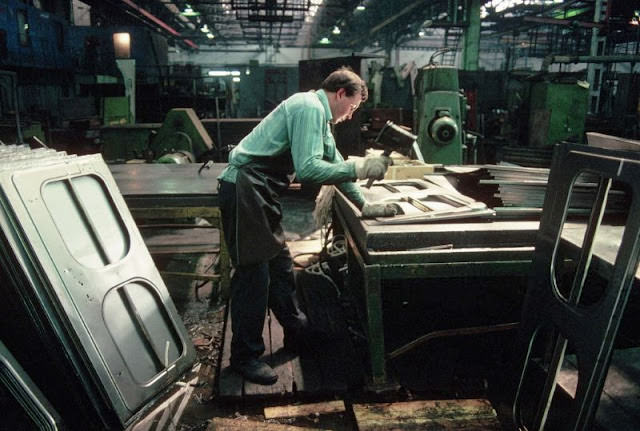
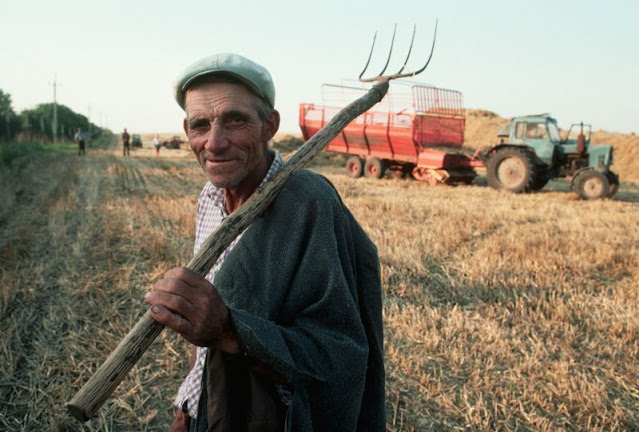
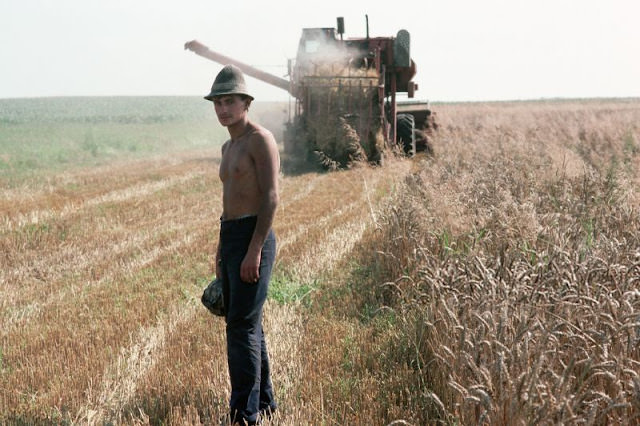
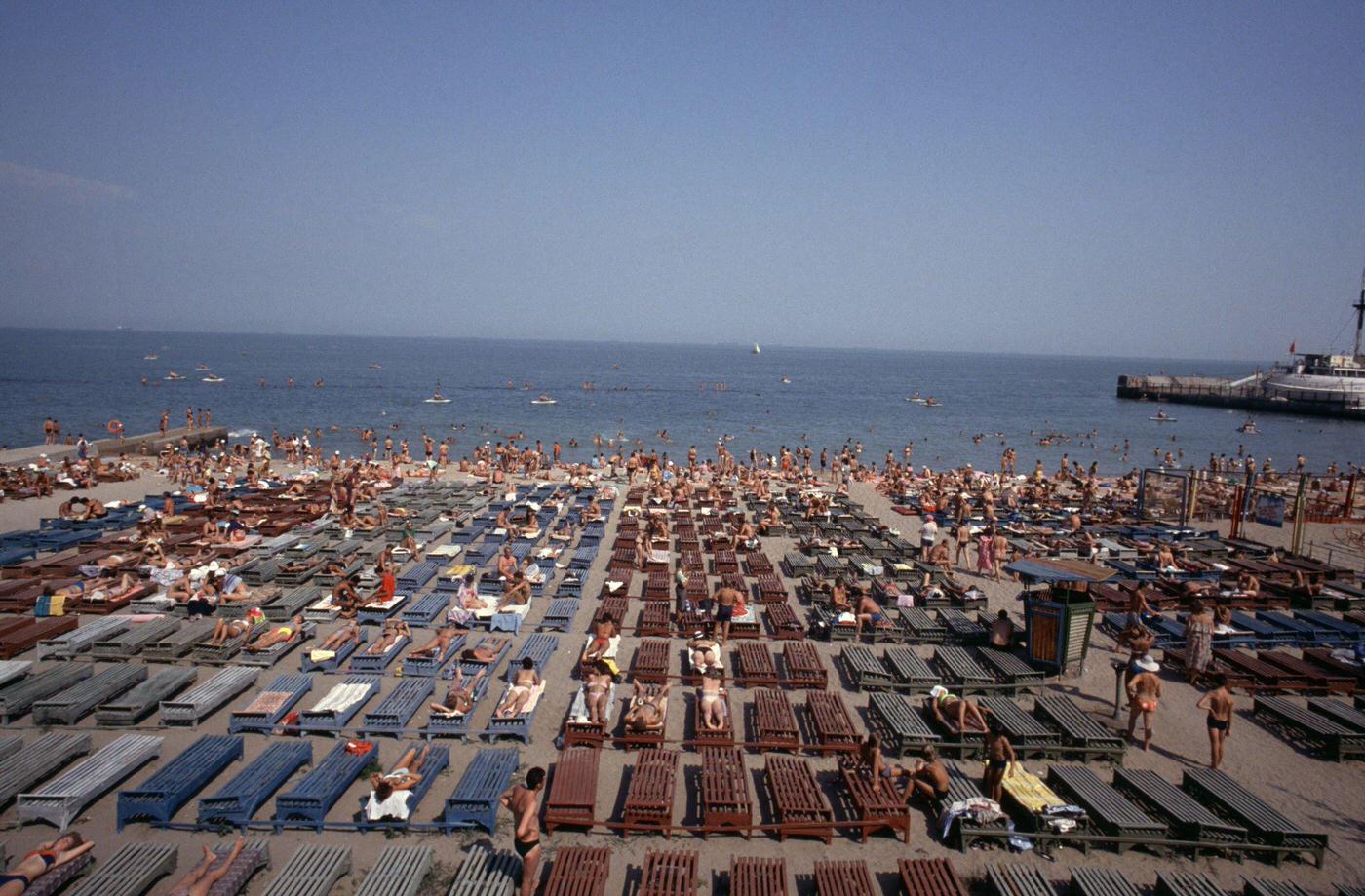
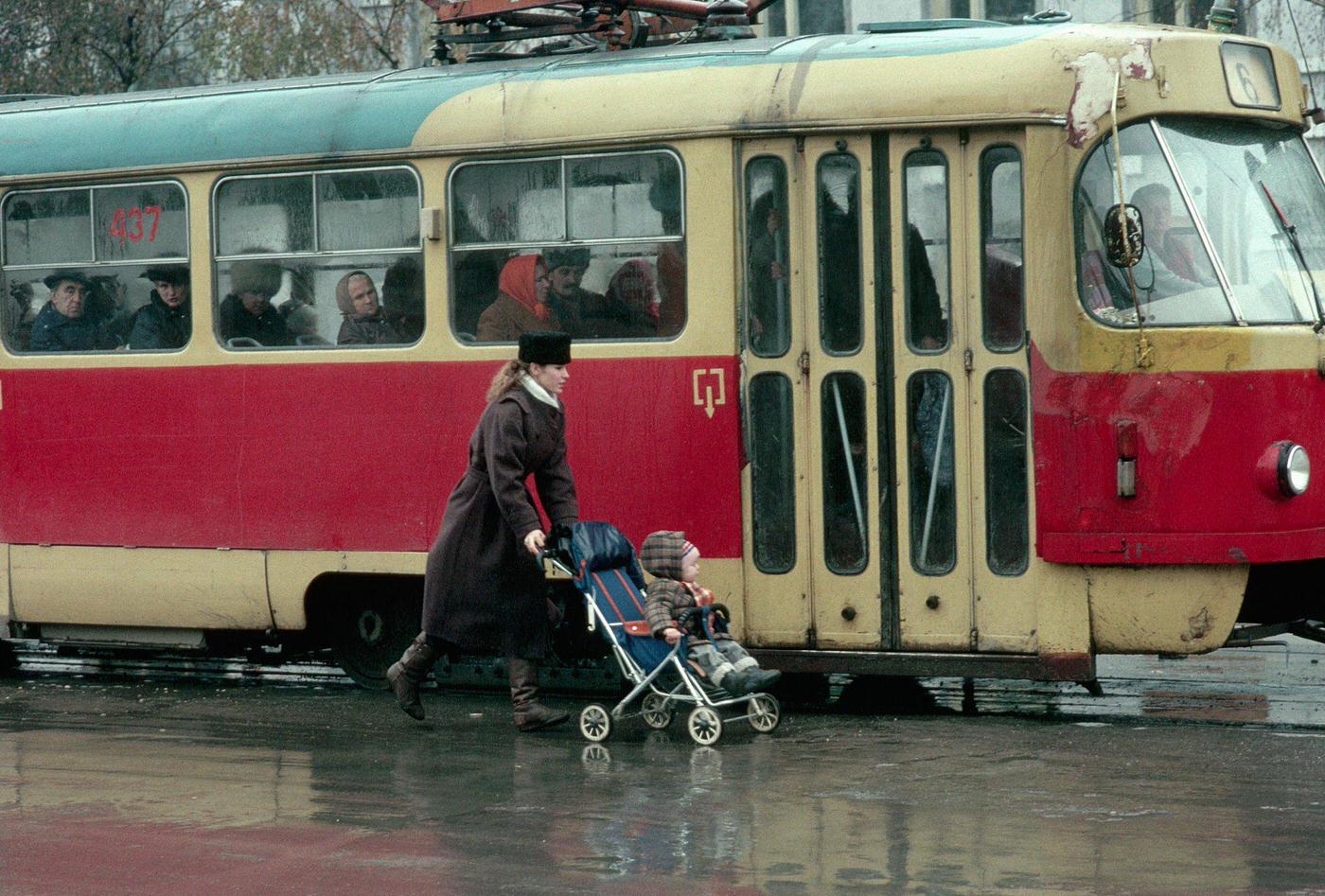
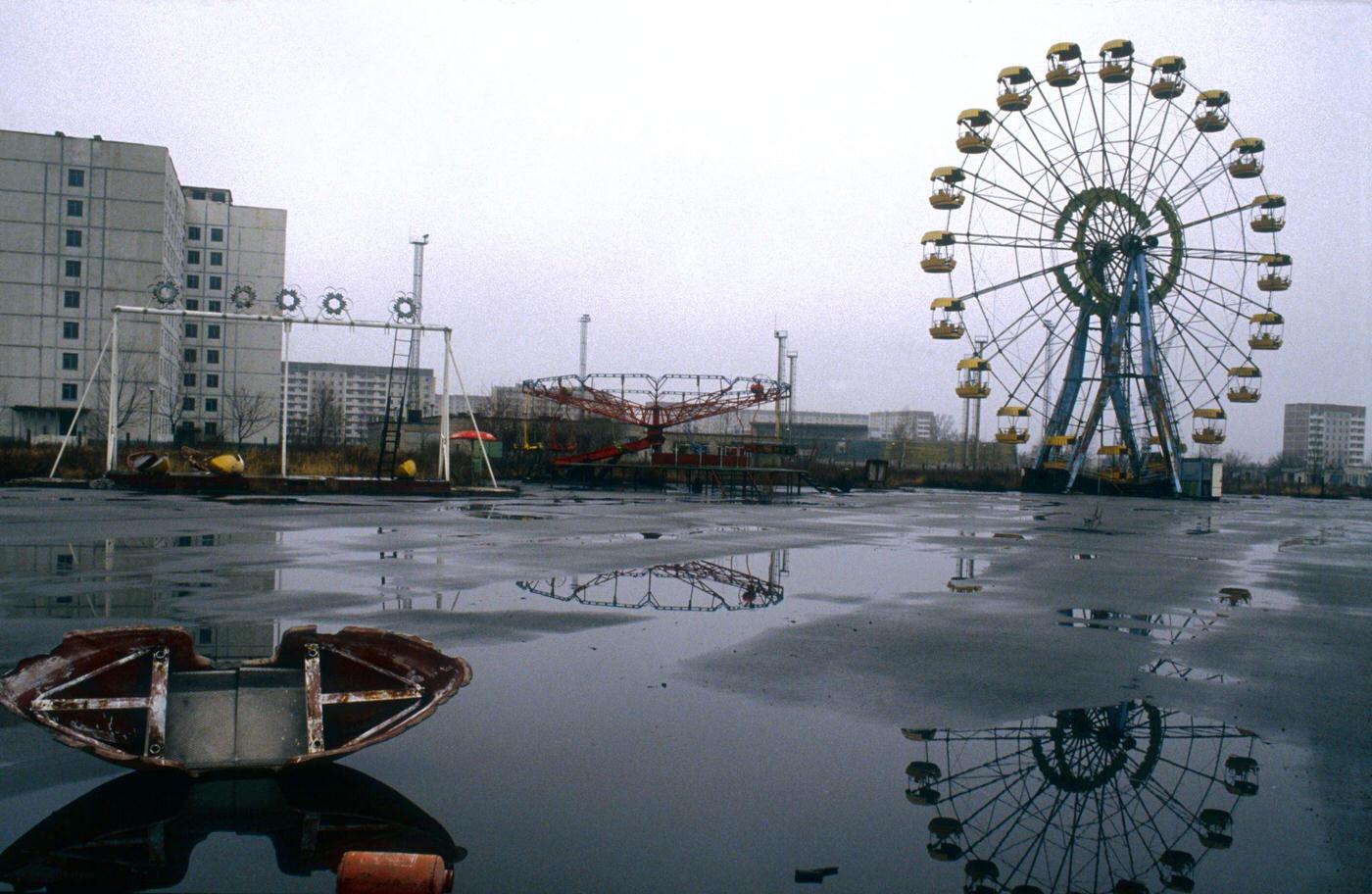
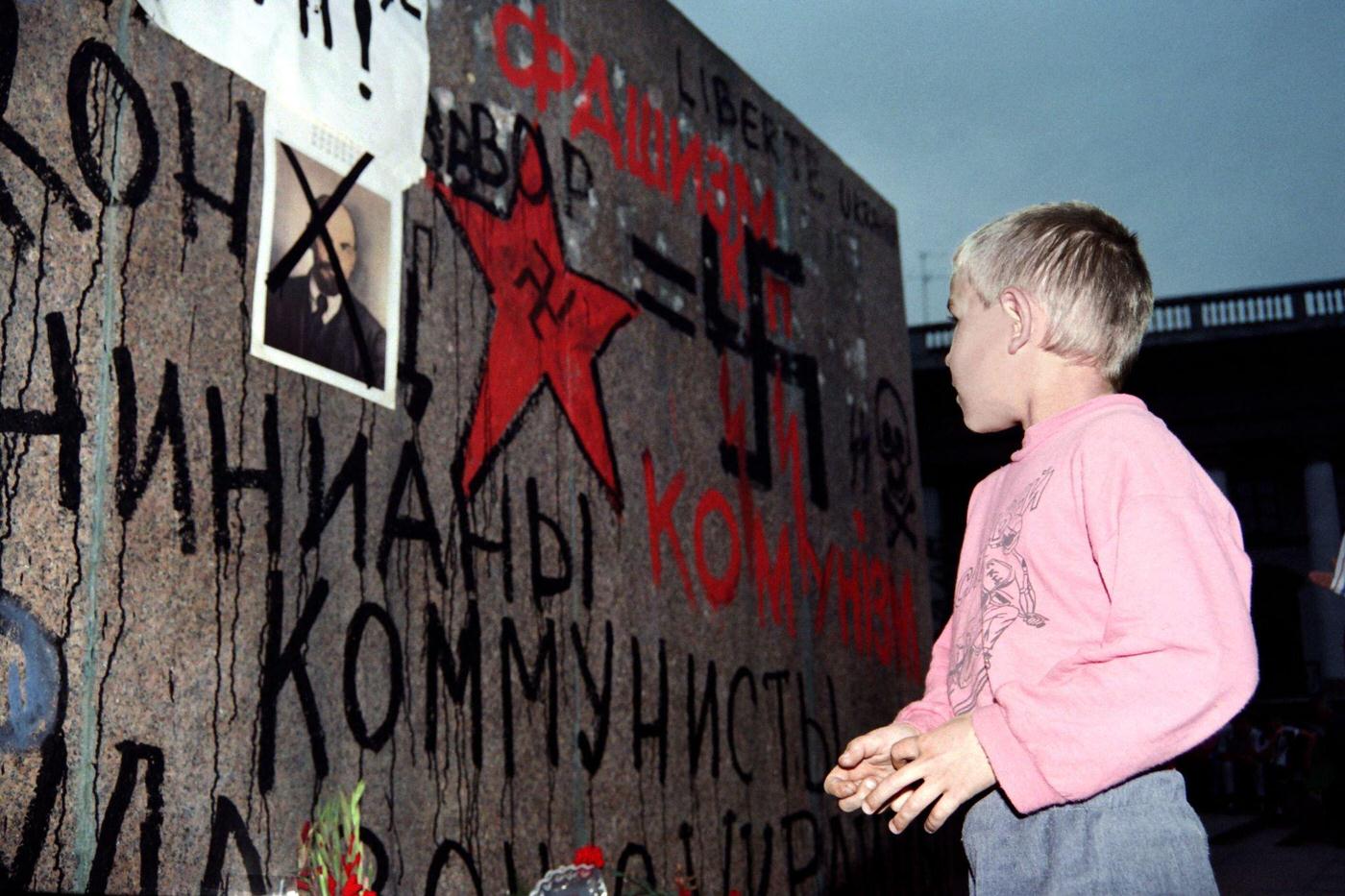
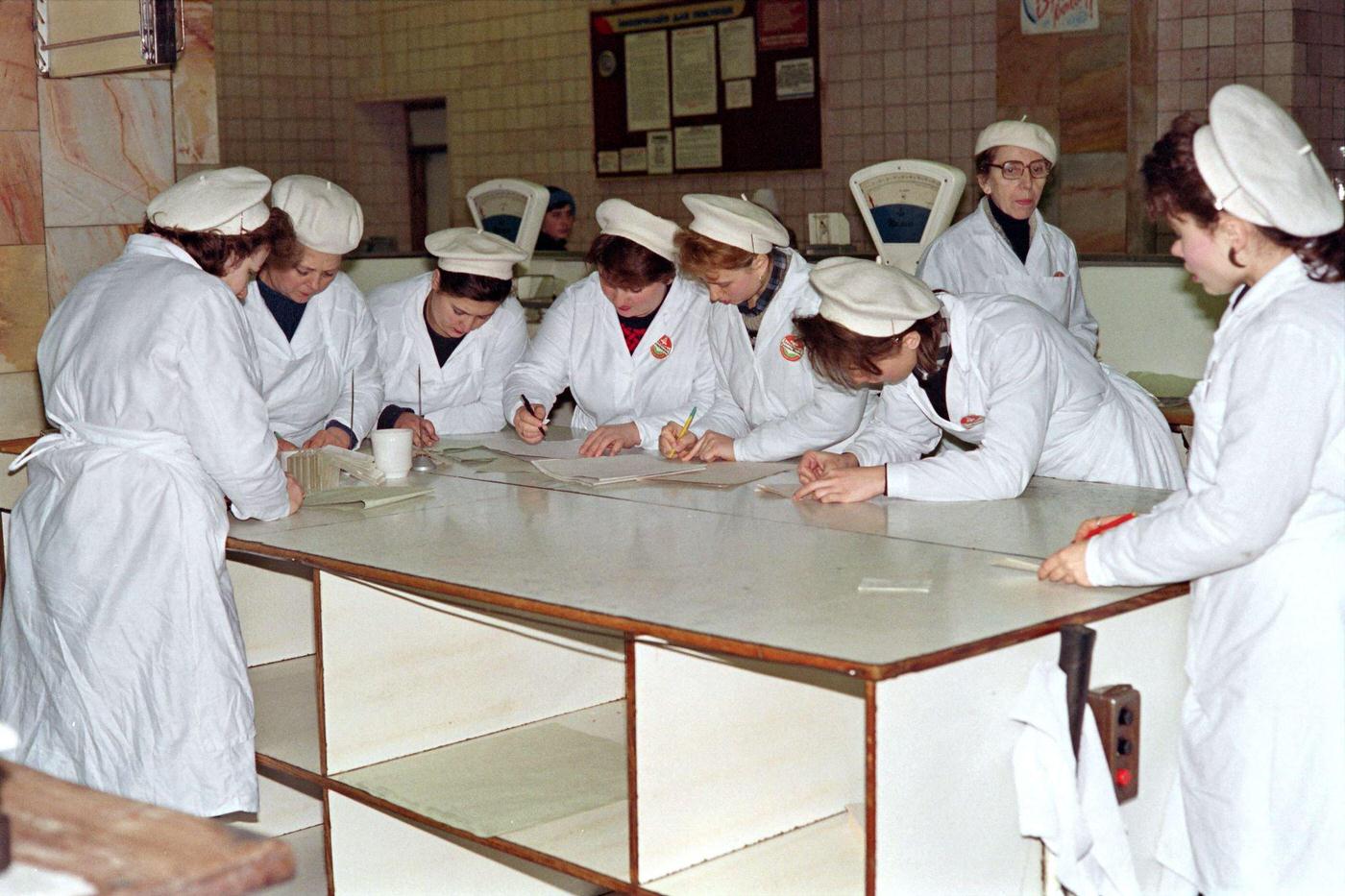
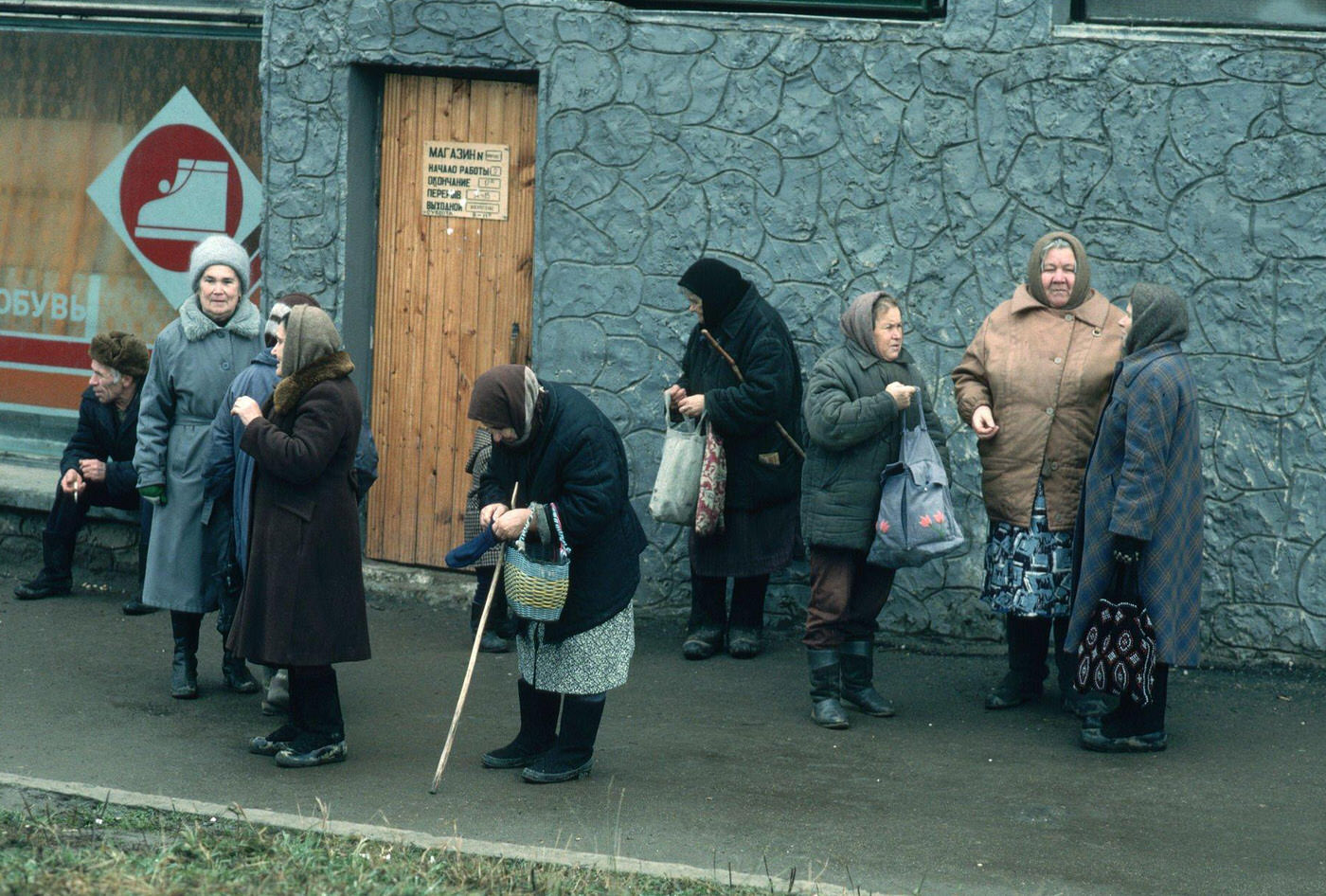
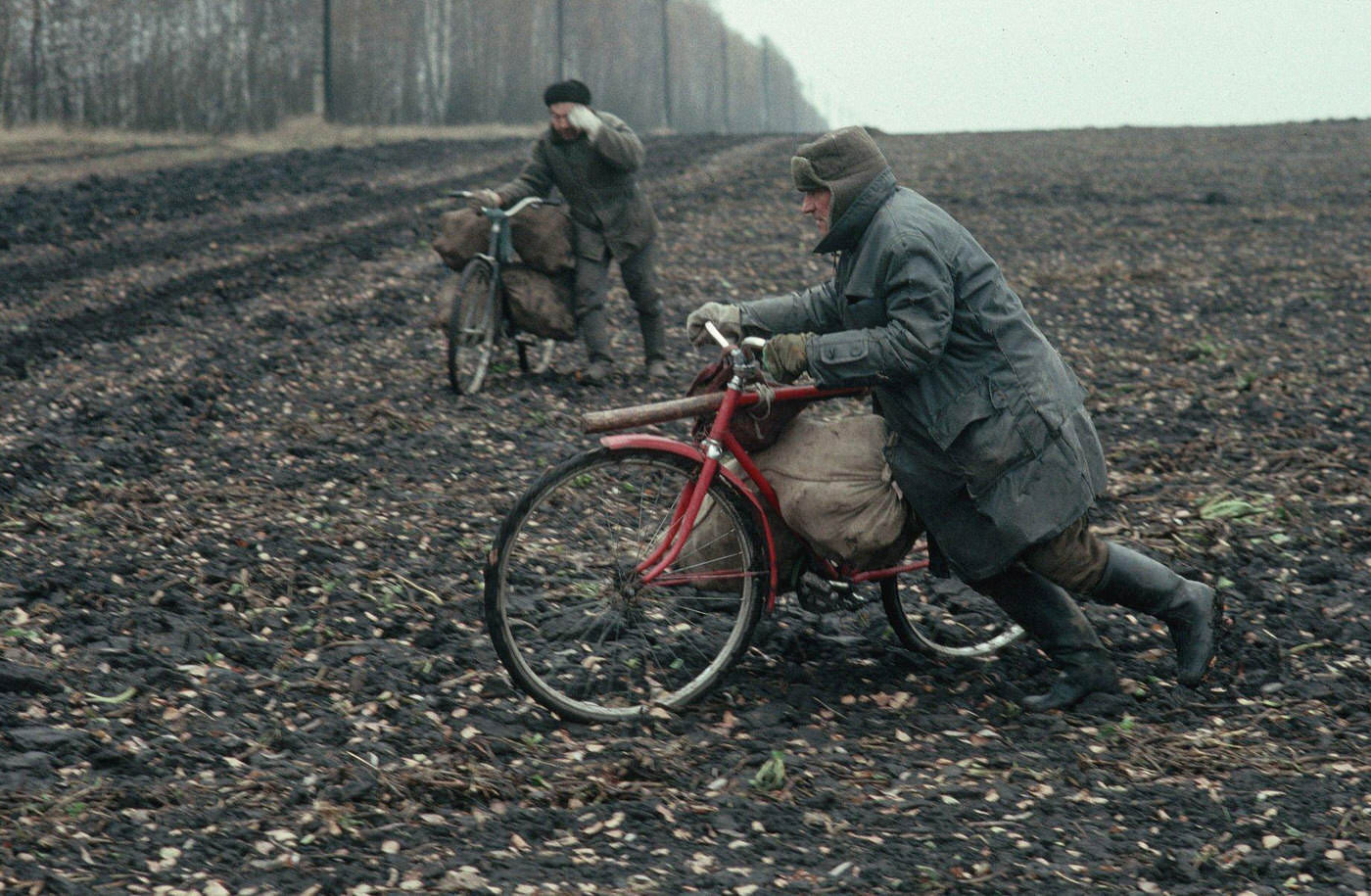
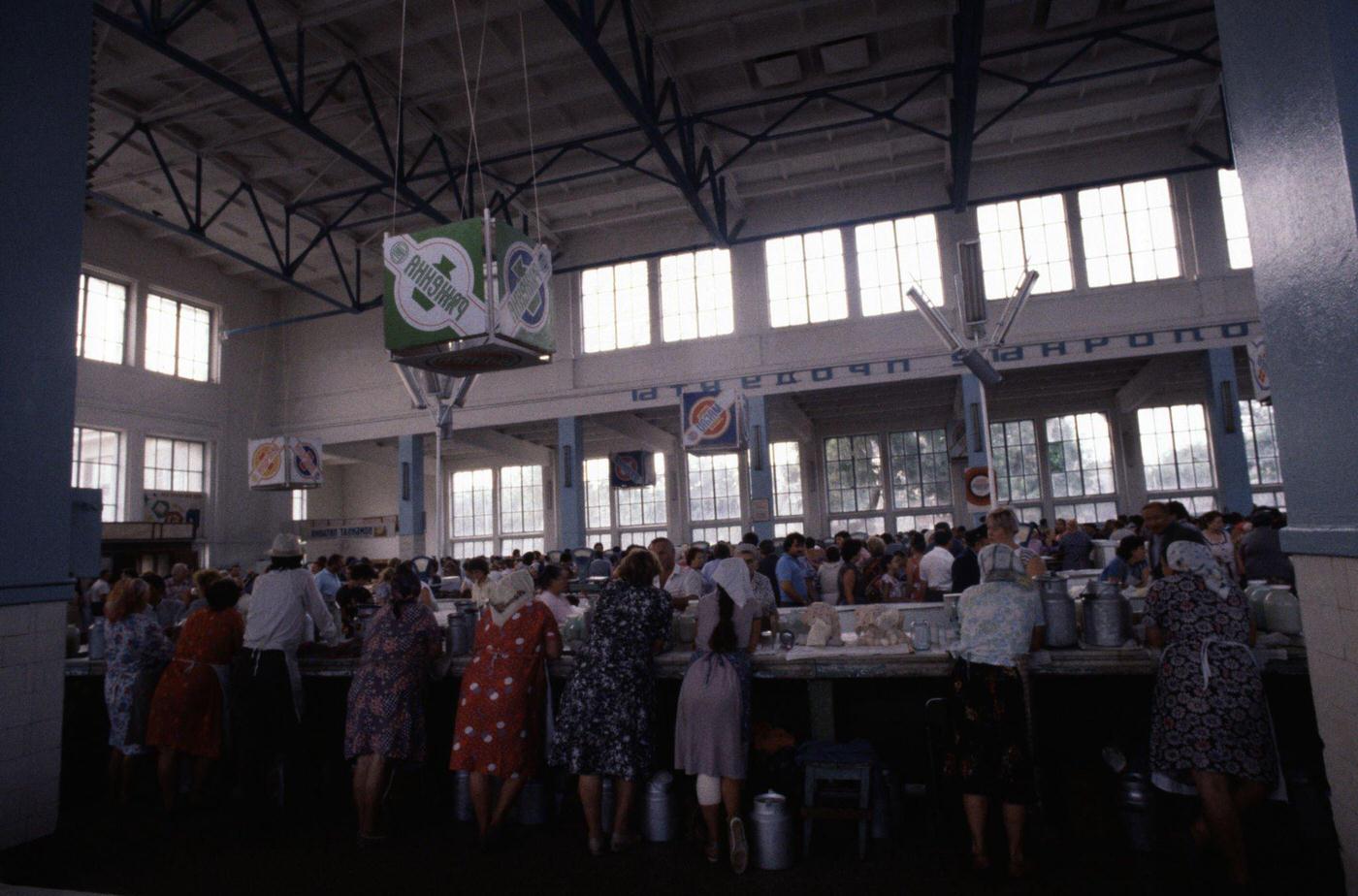
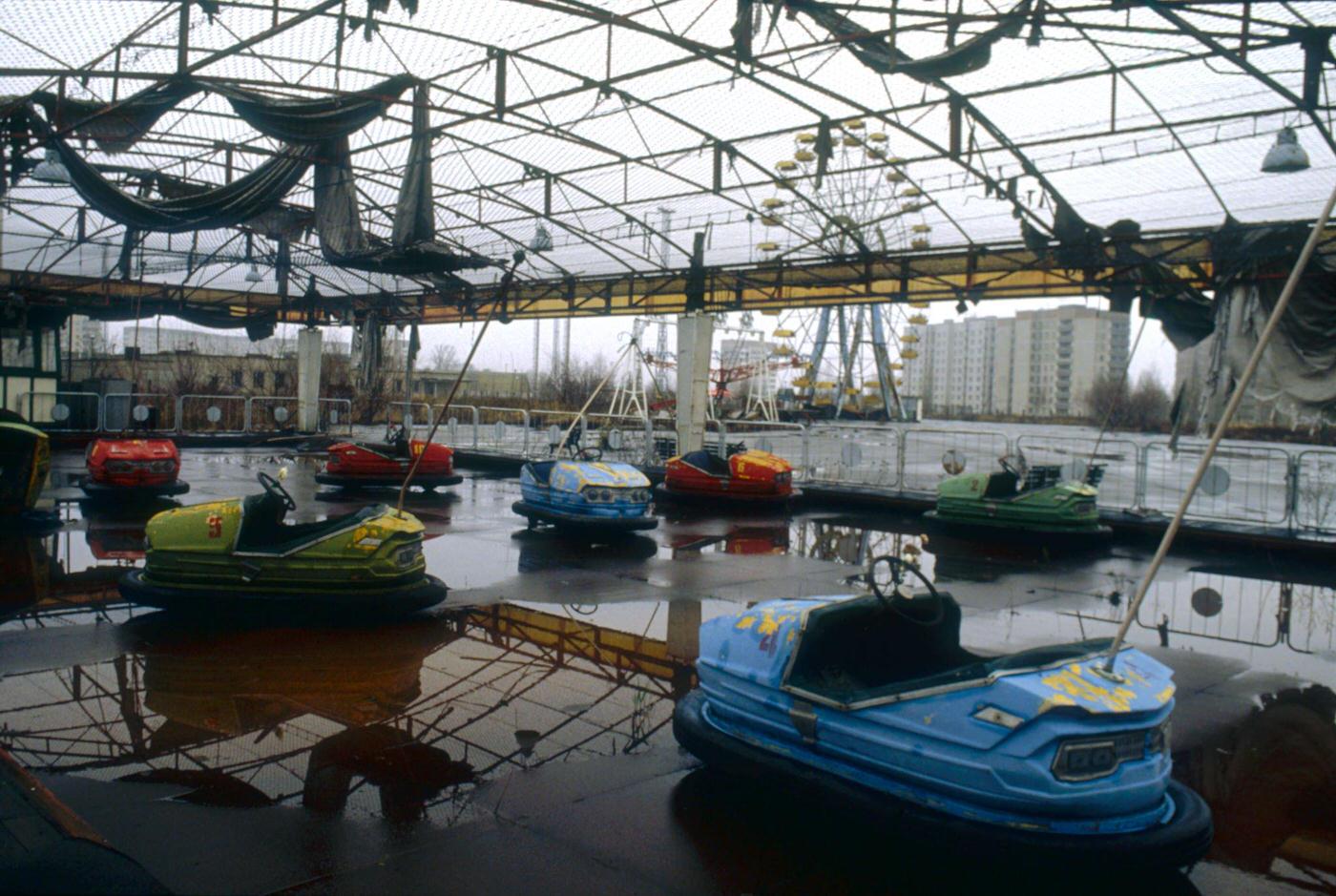
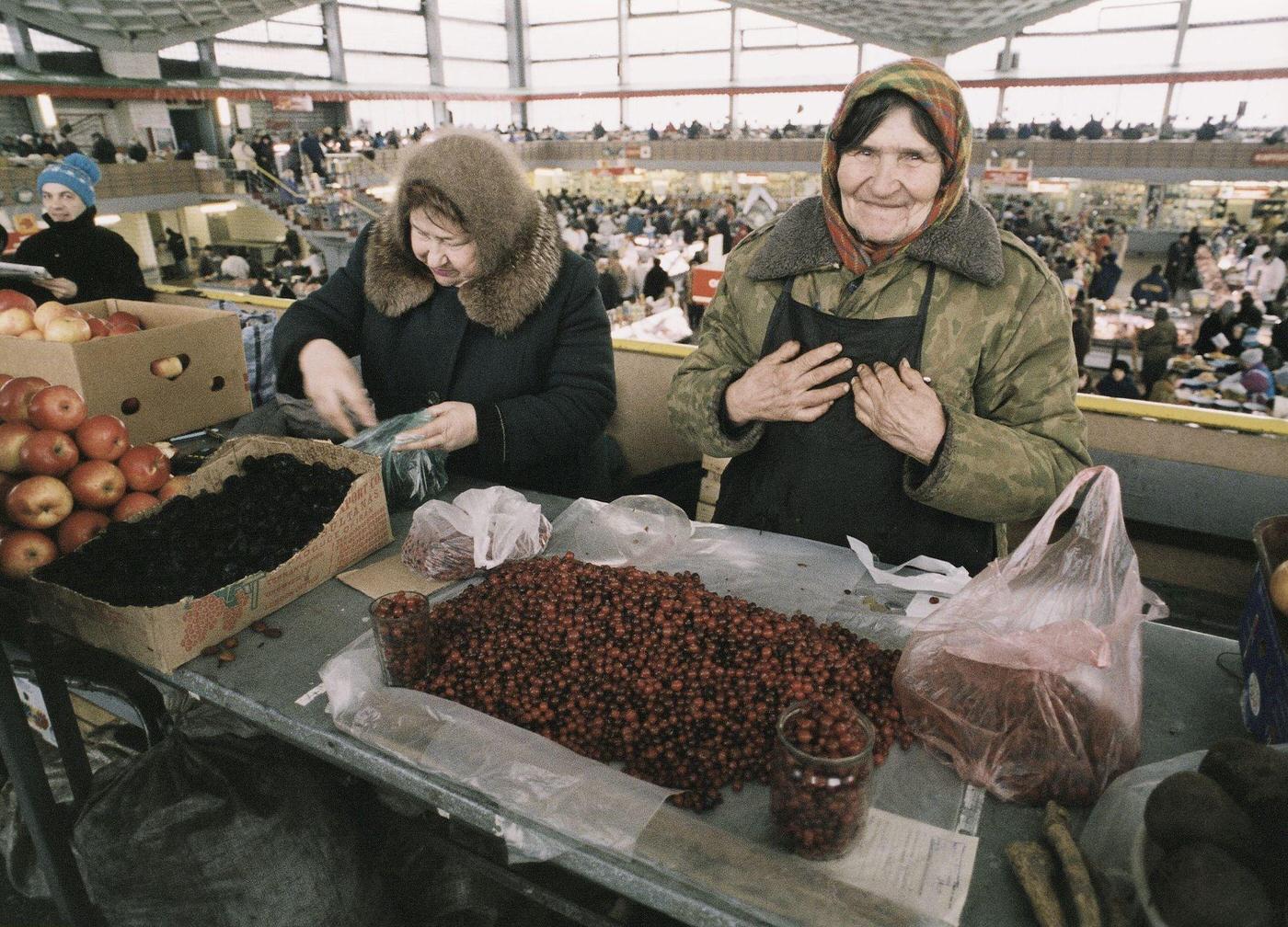
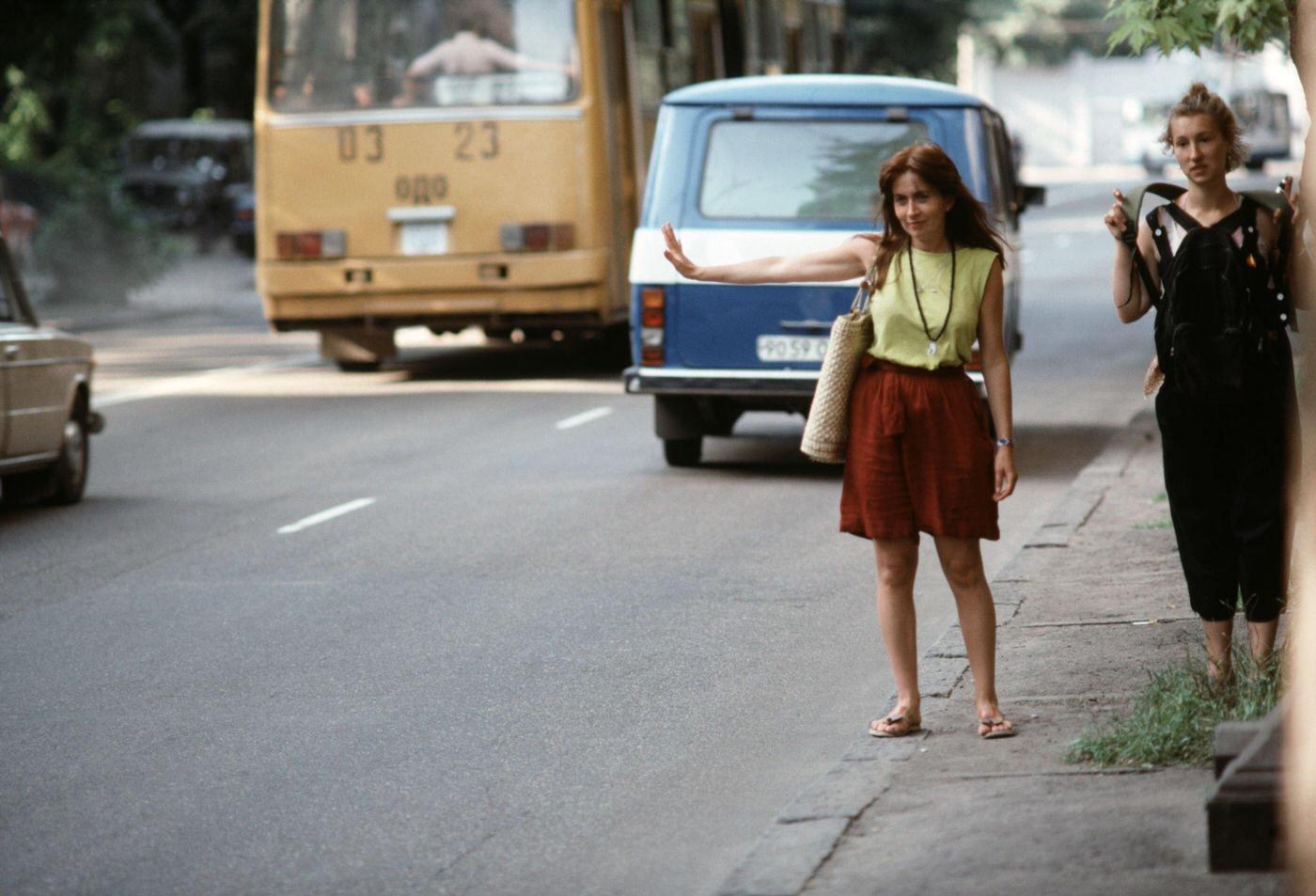
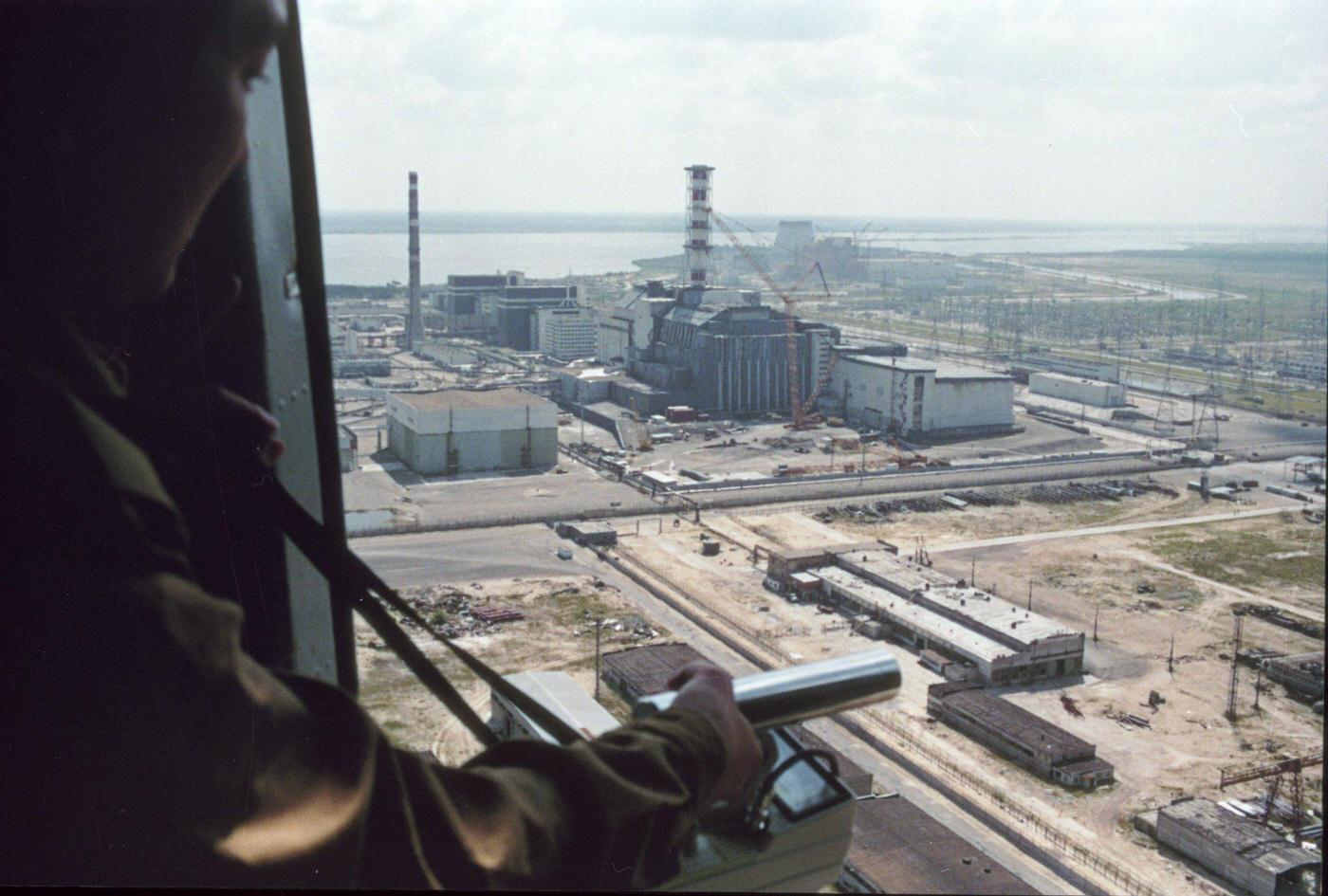
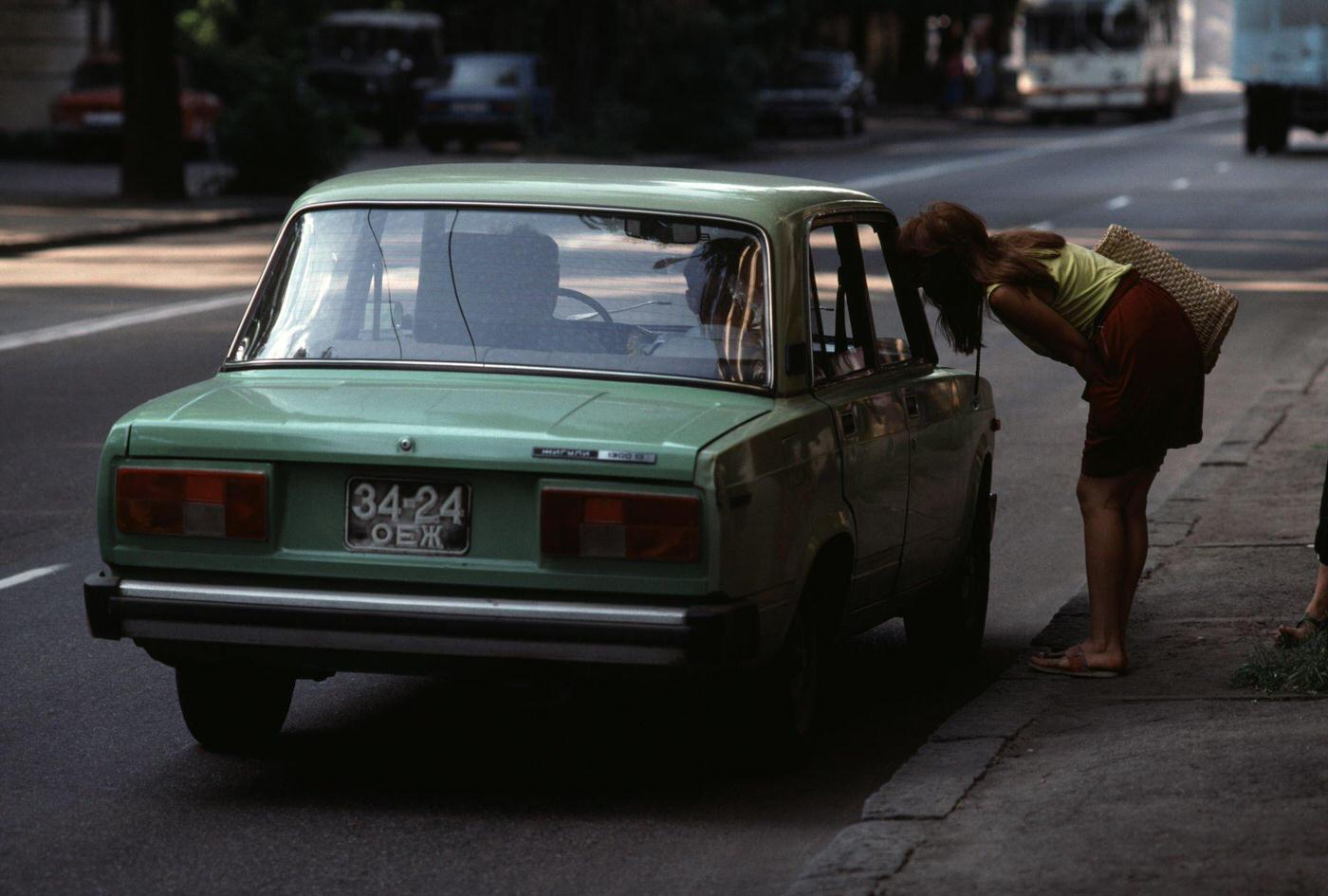
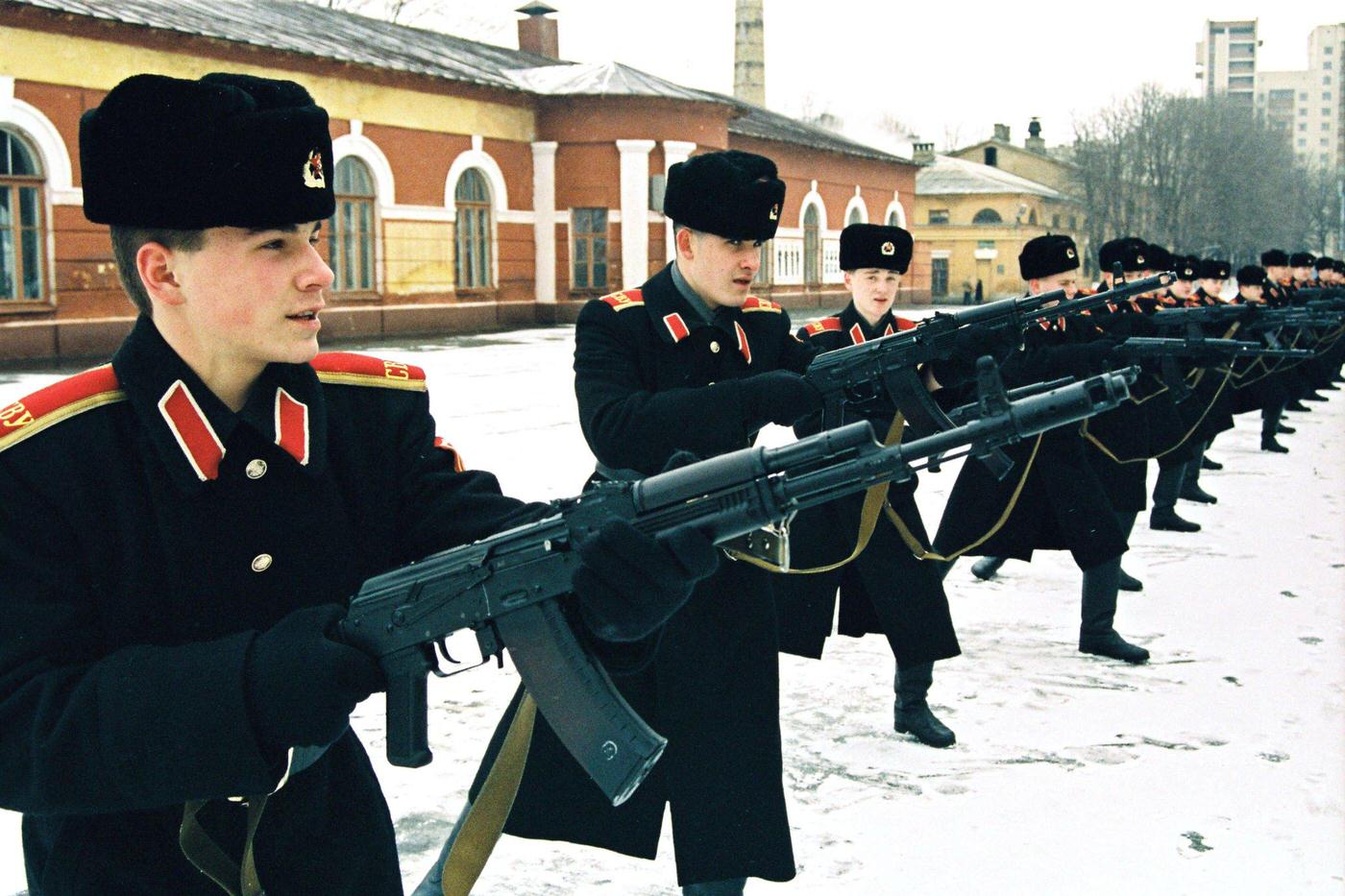
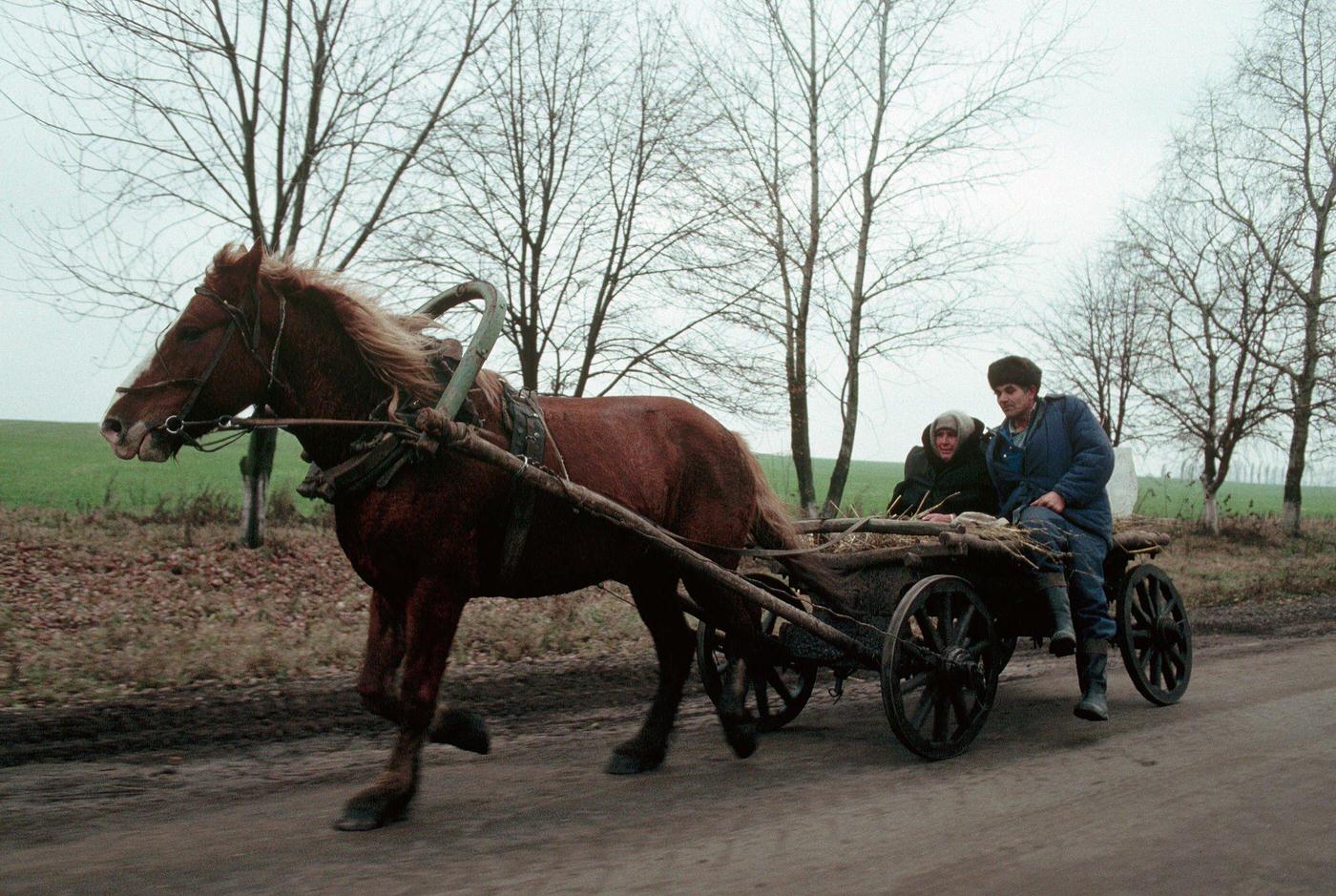
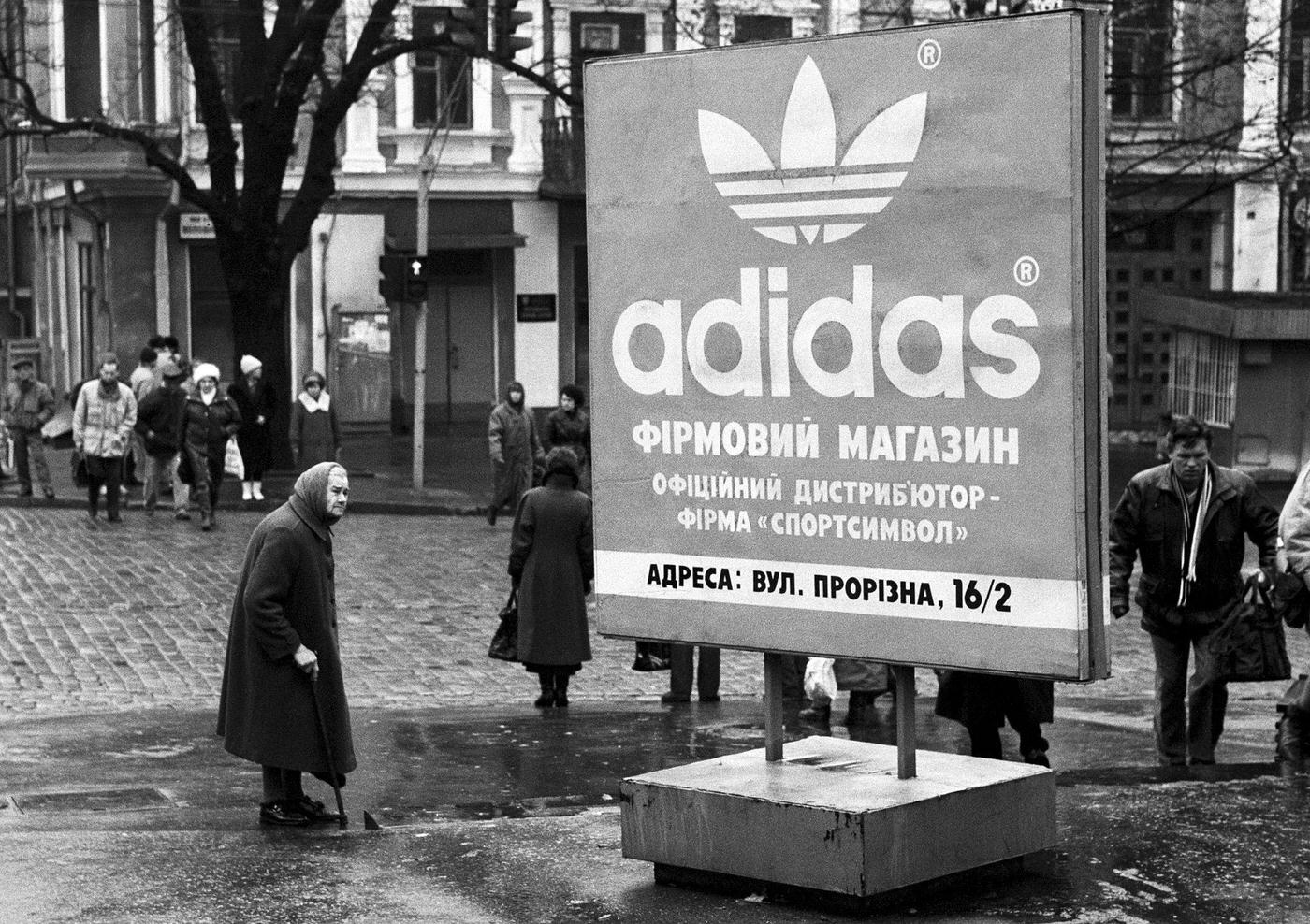
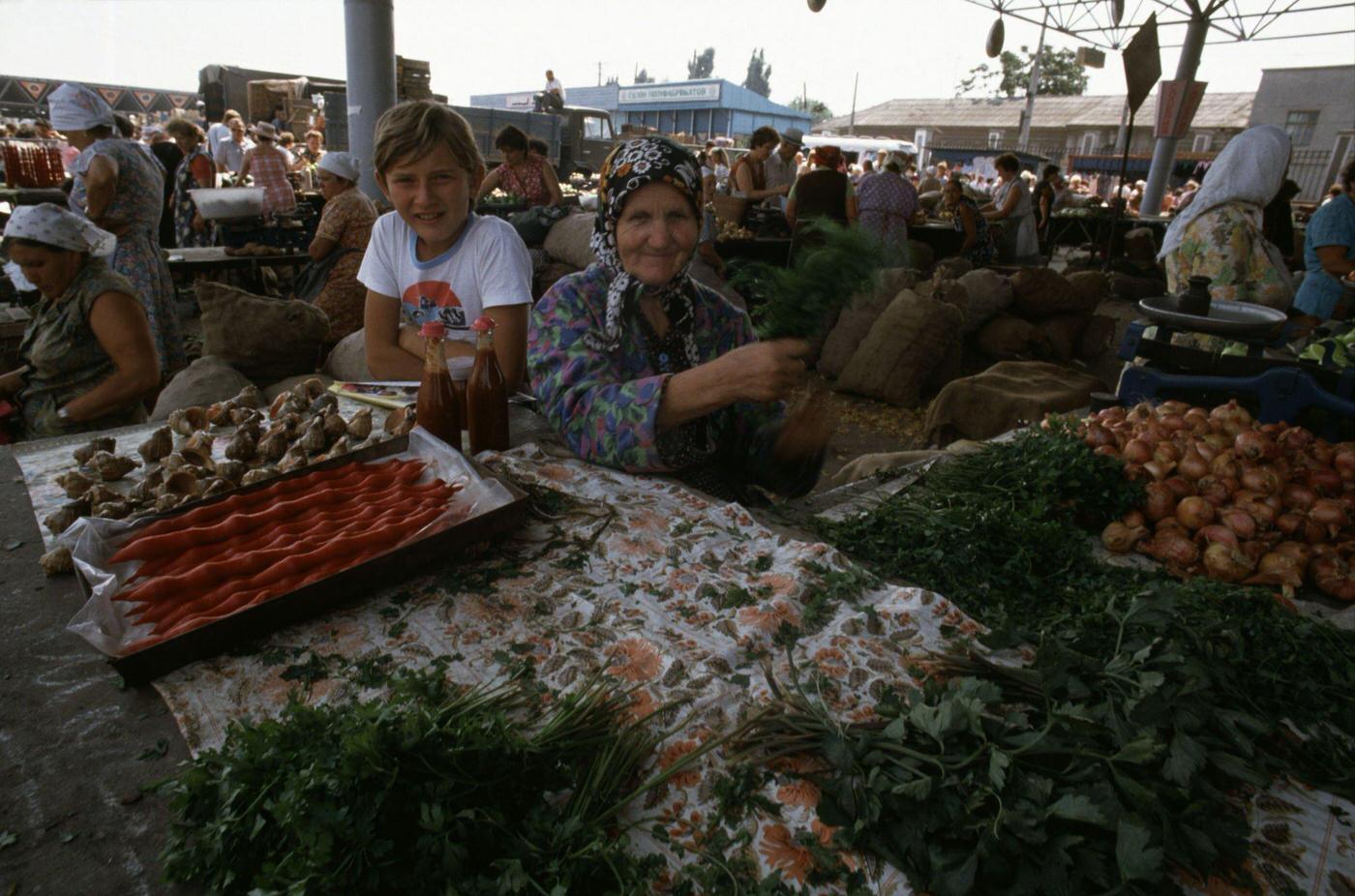
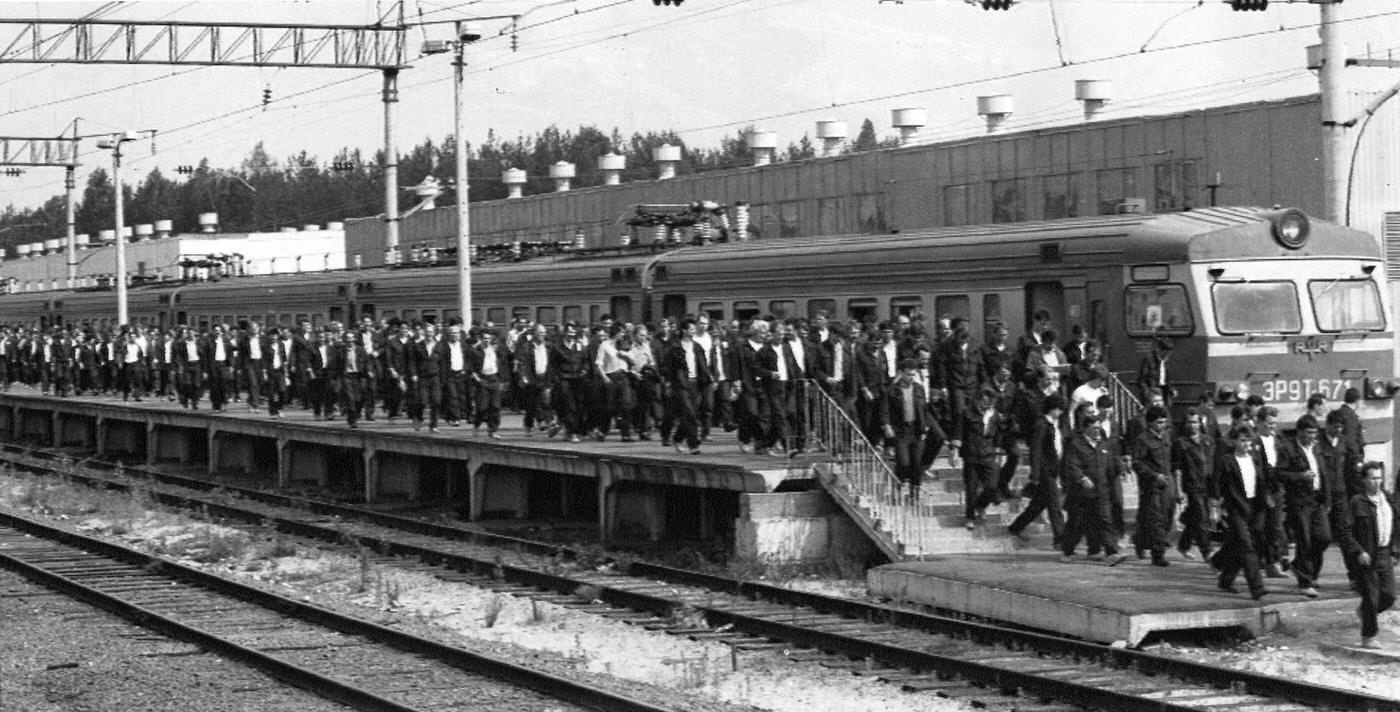
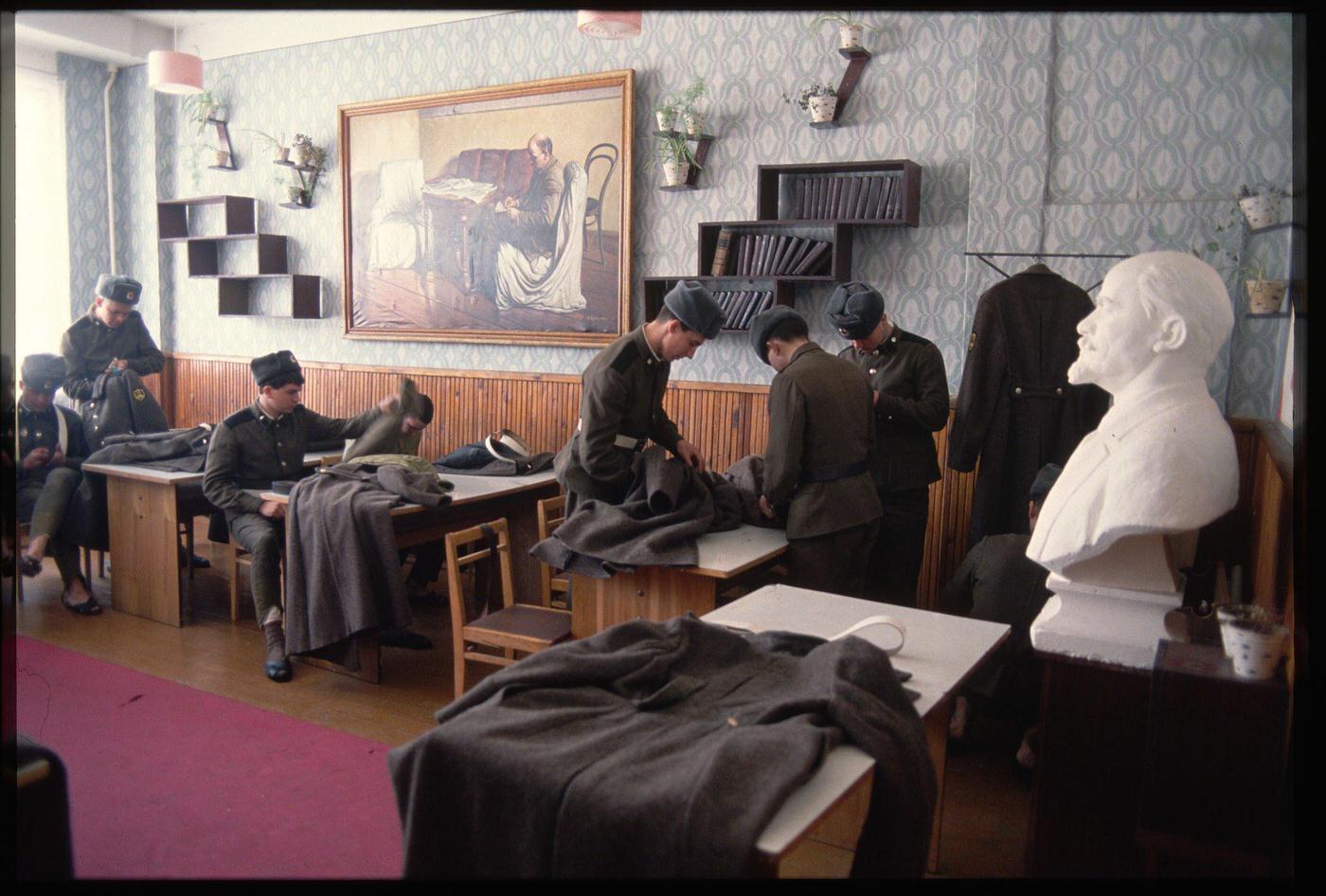
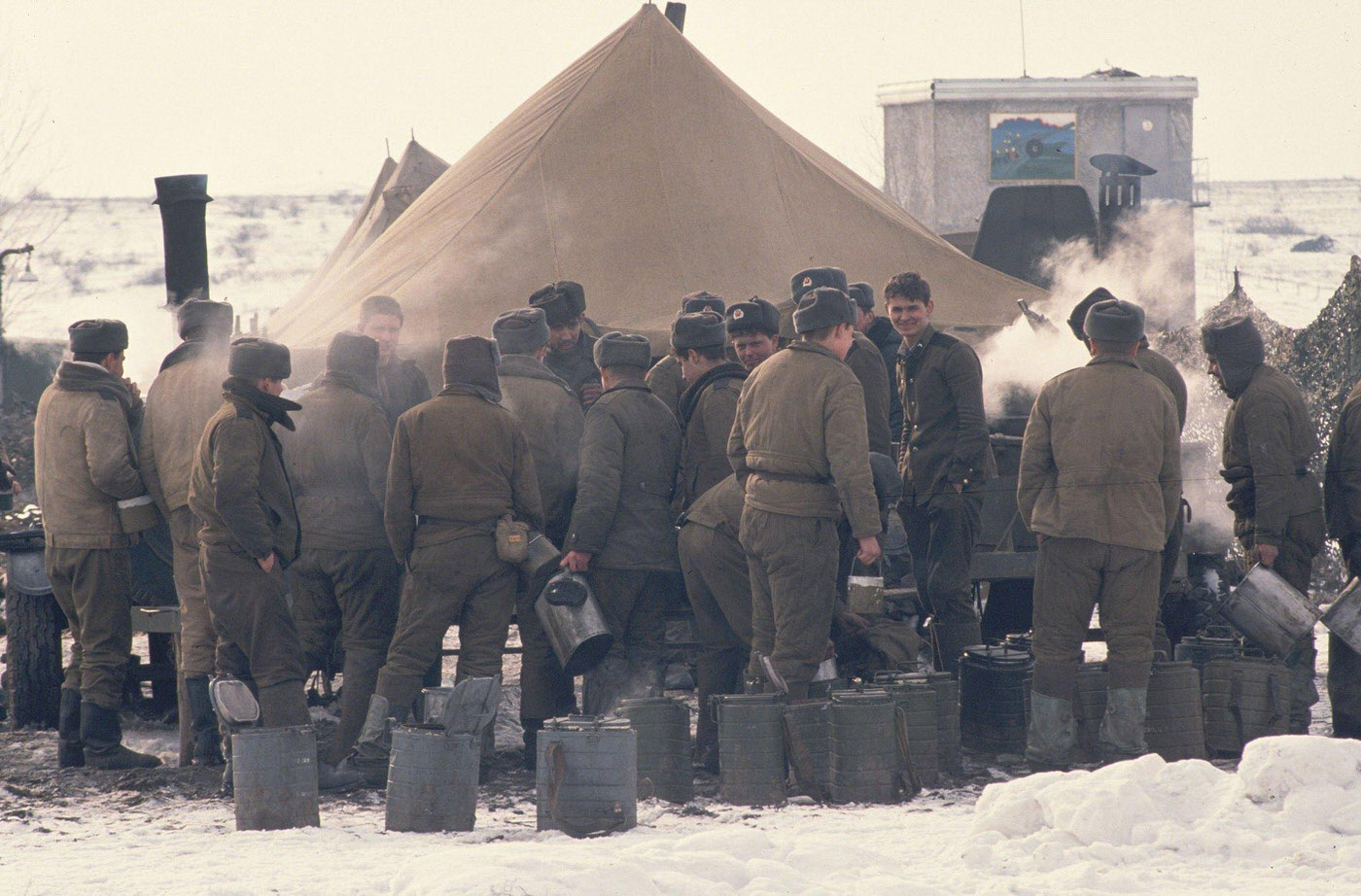
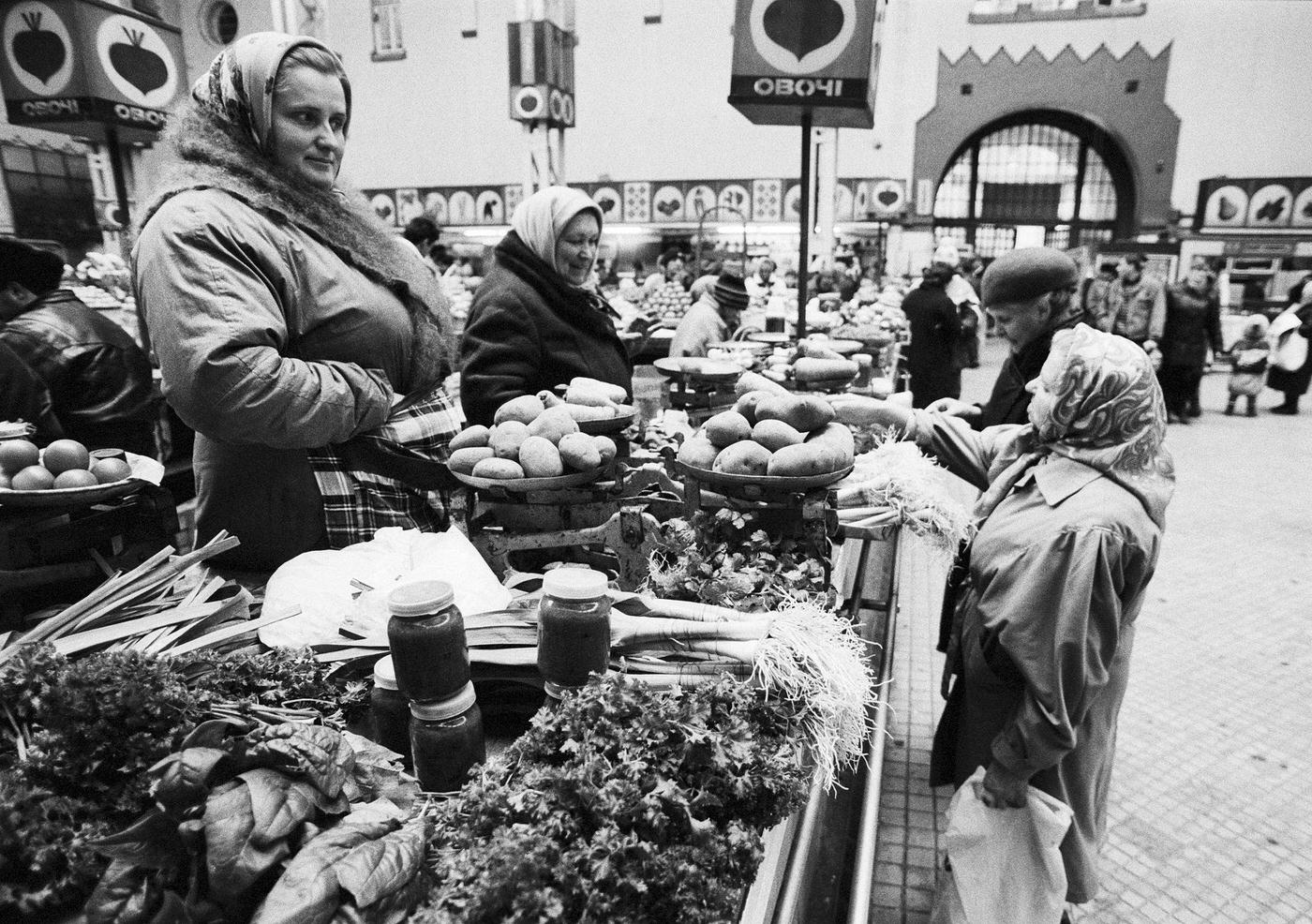
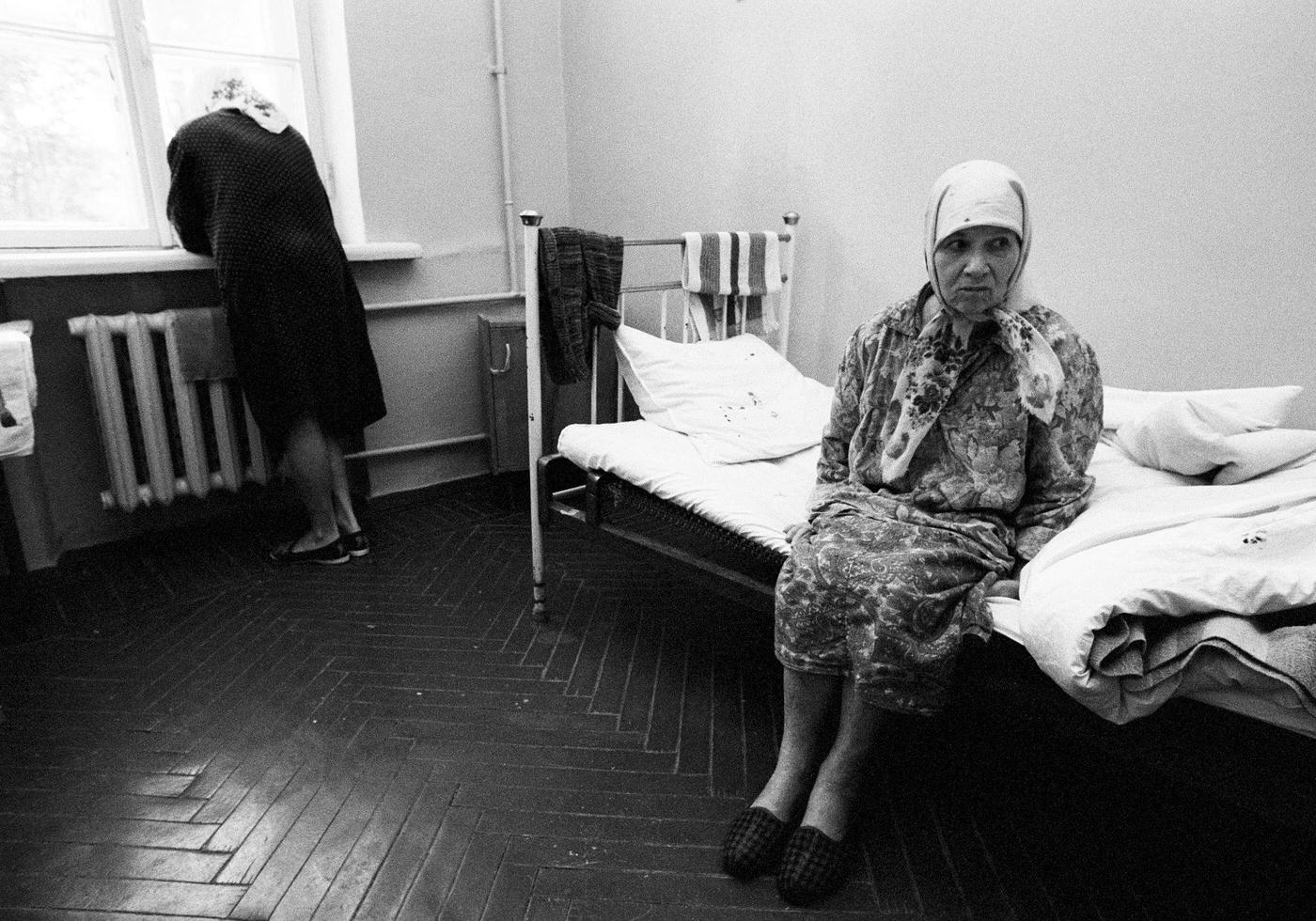
Below are some fascinating photos of Ukraine from the 1990s.
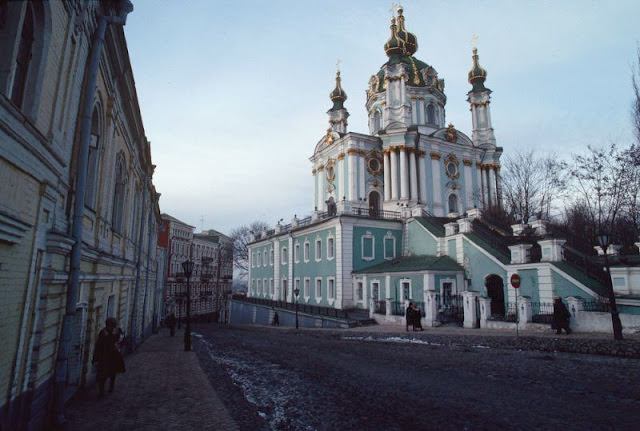
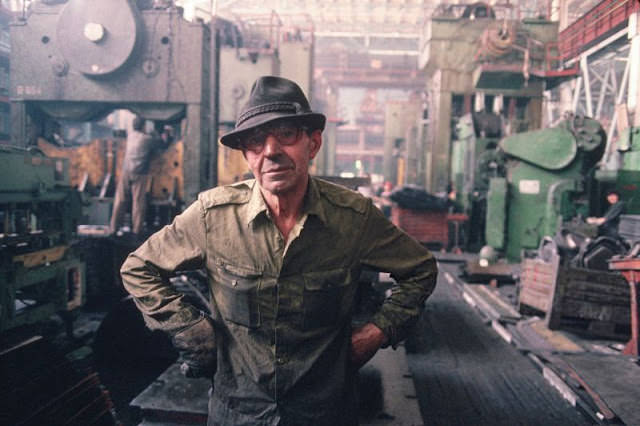
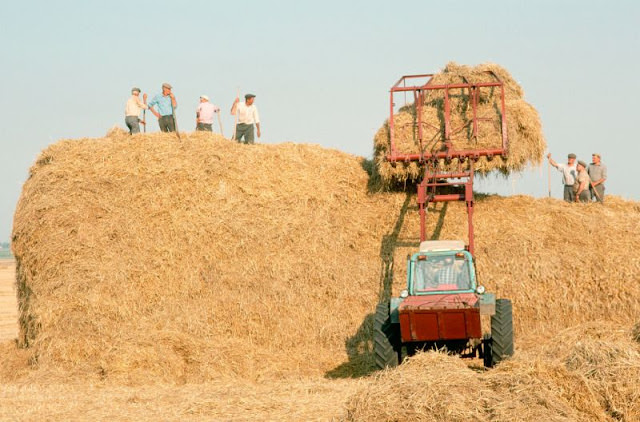
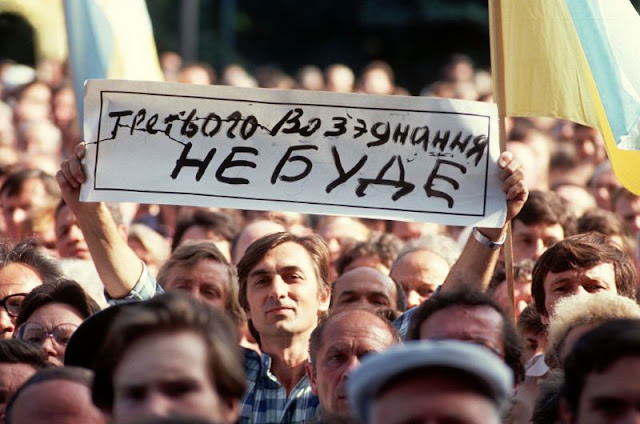
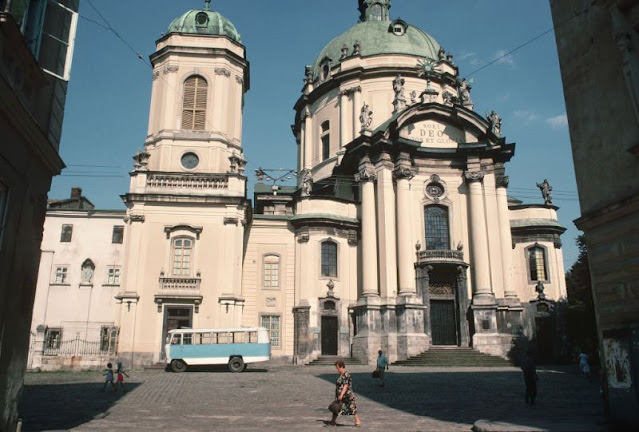
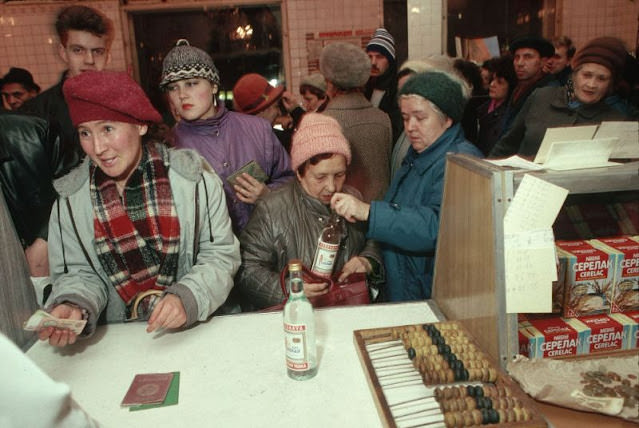
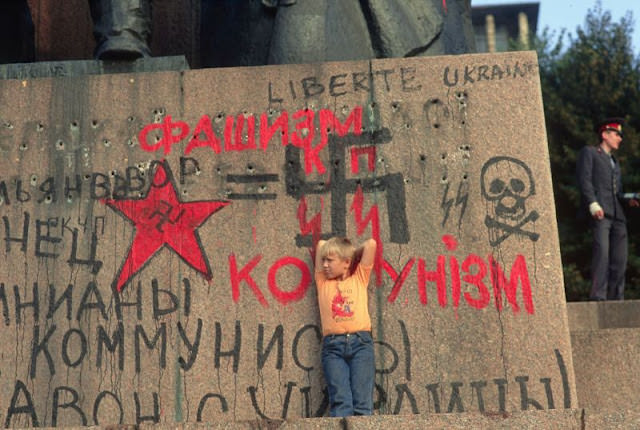
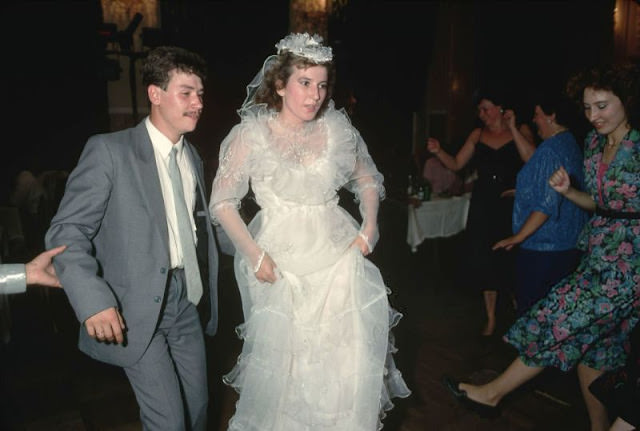
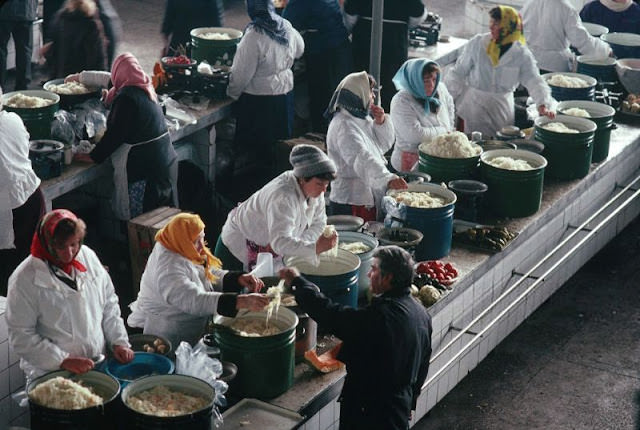
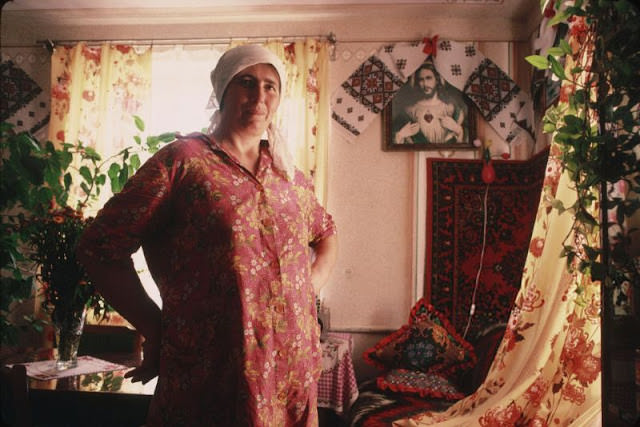
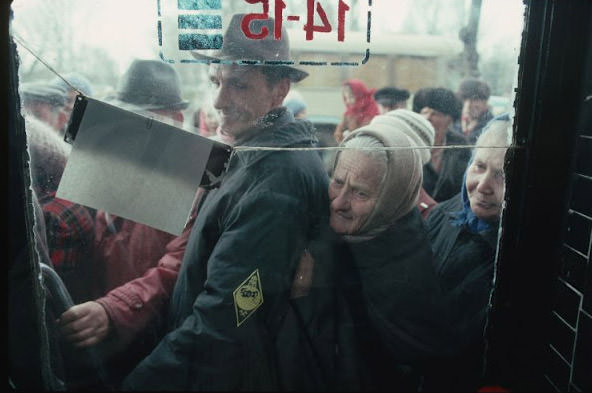
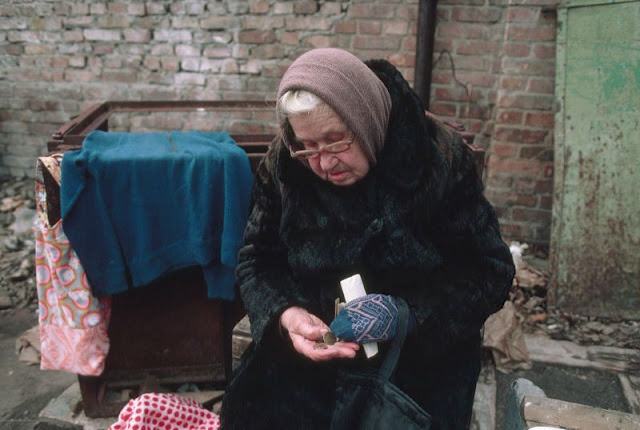
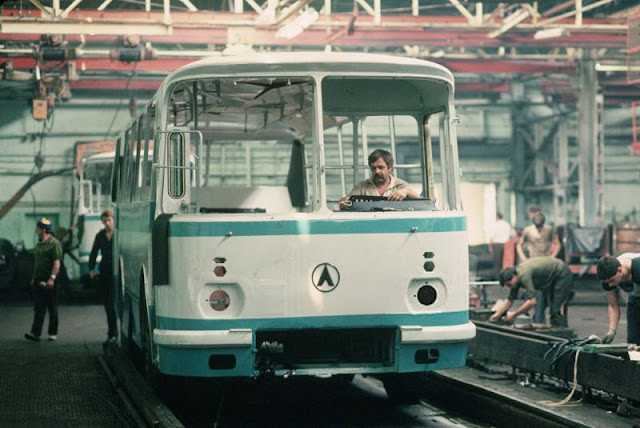
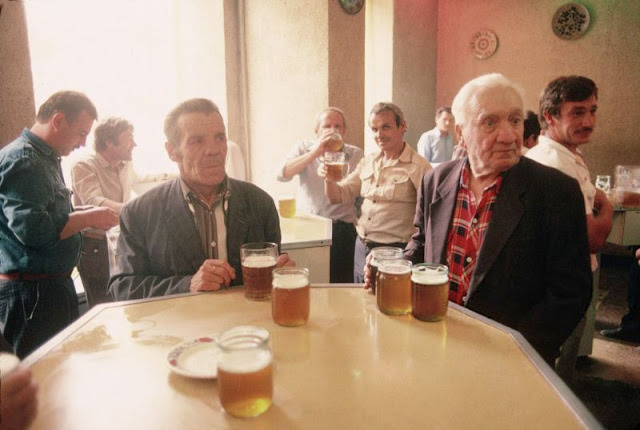
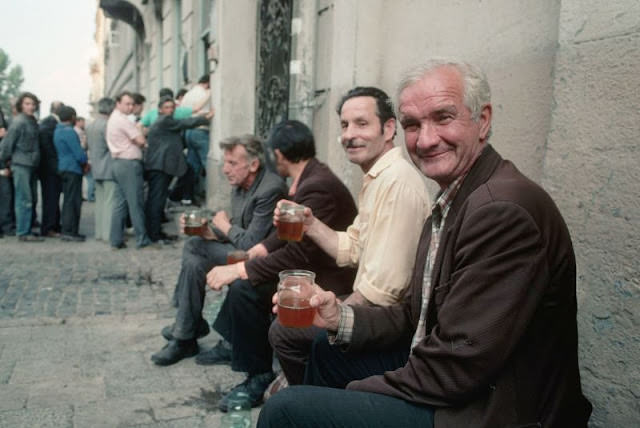
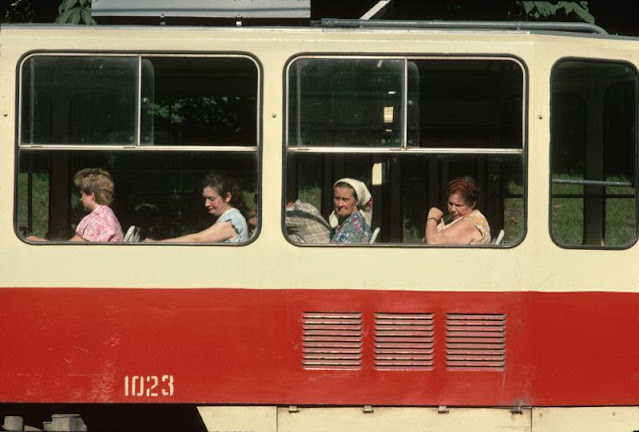
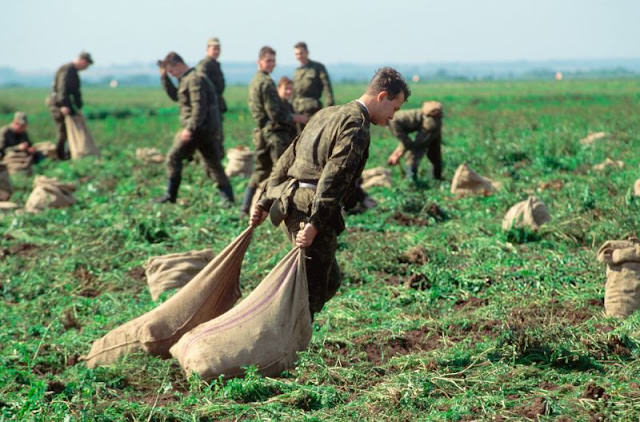
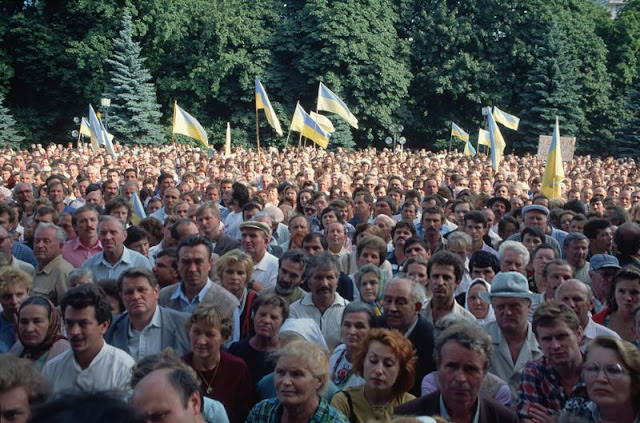
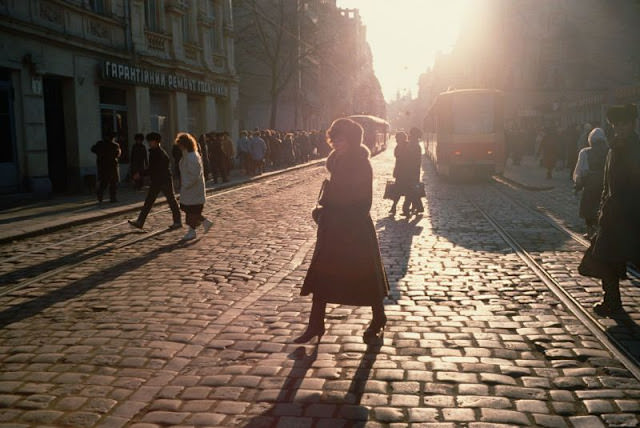
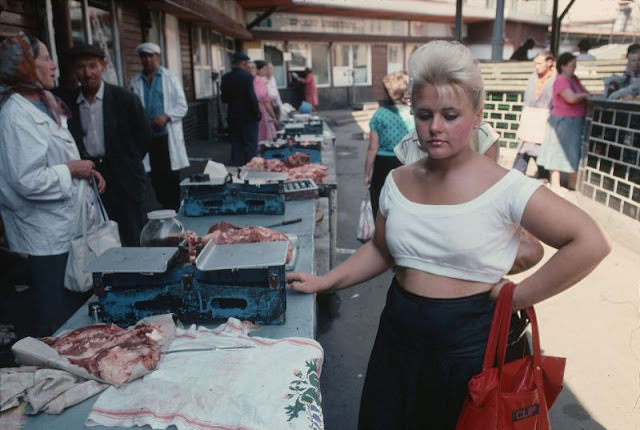
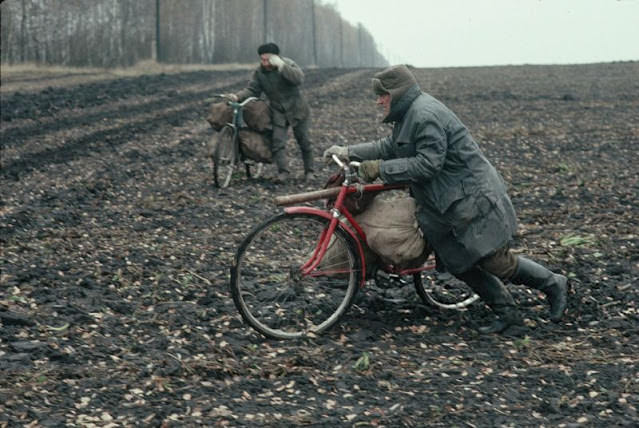
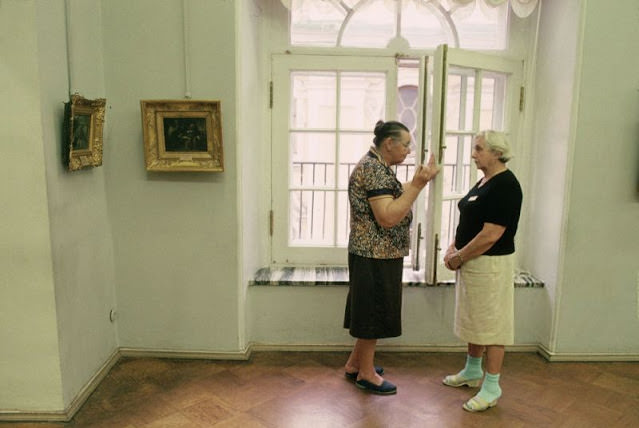
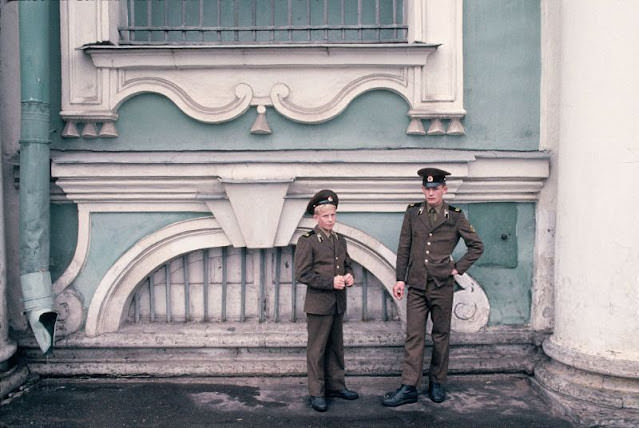
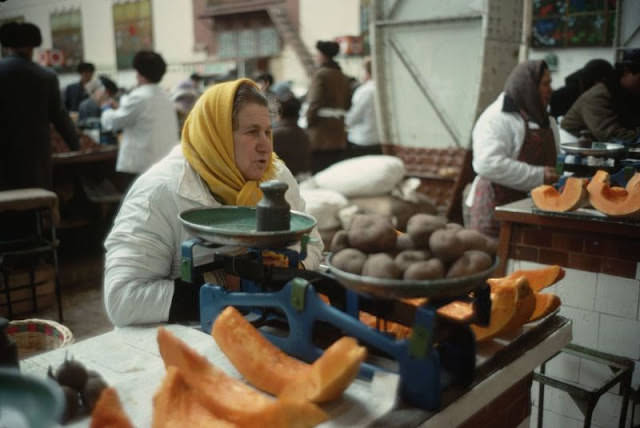
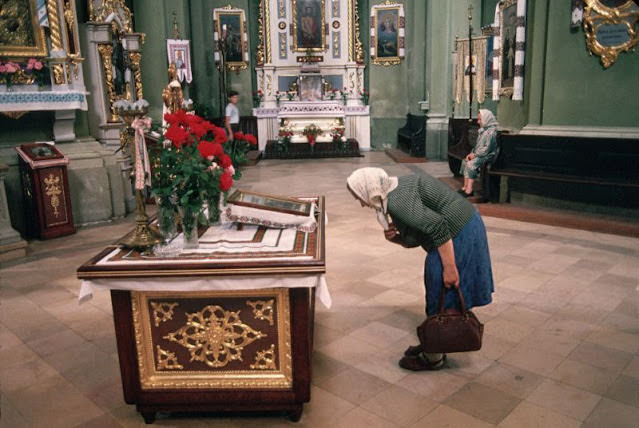
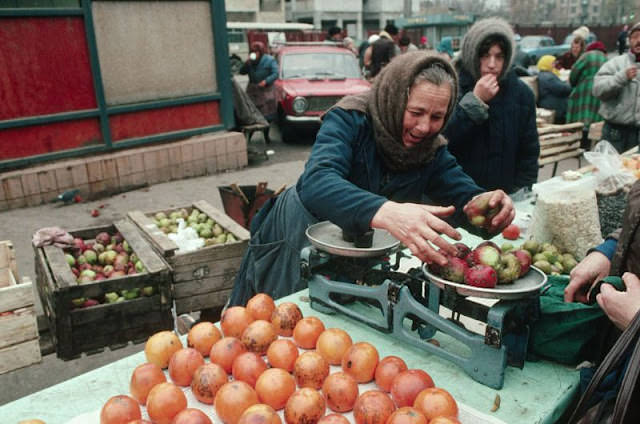
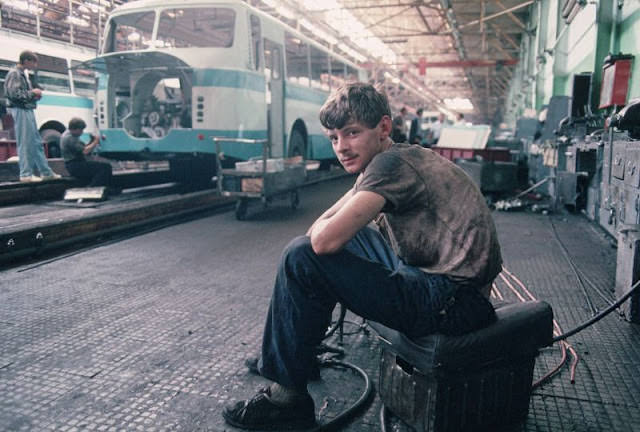
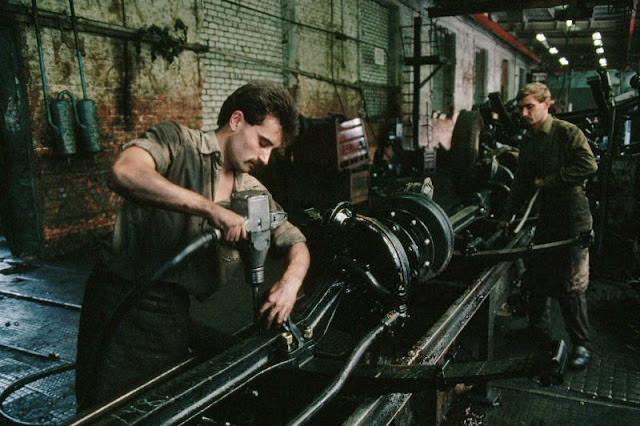
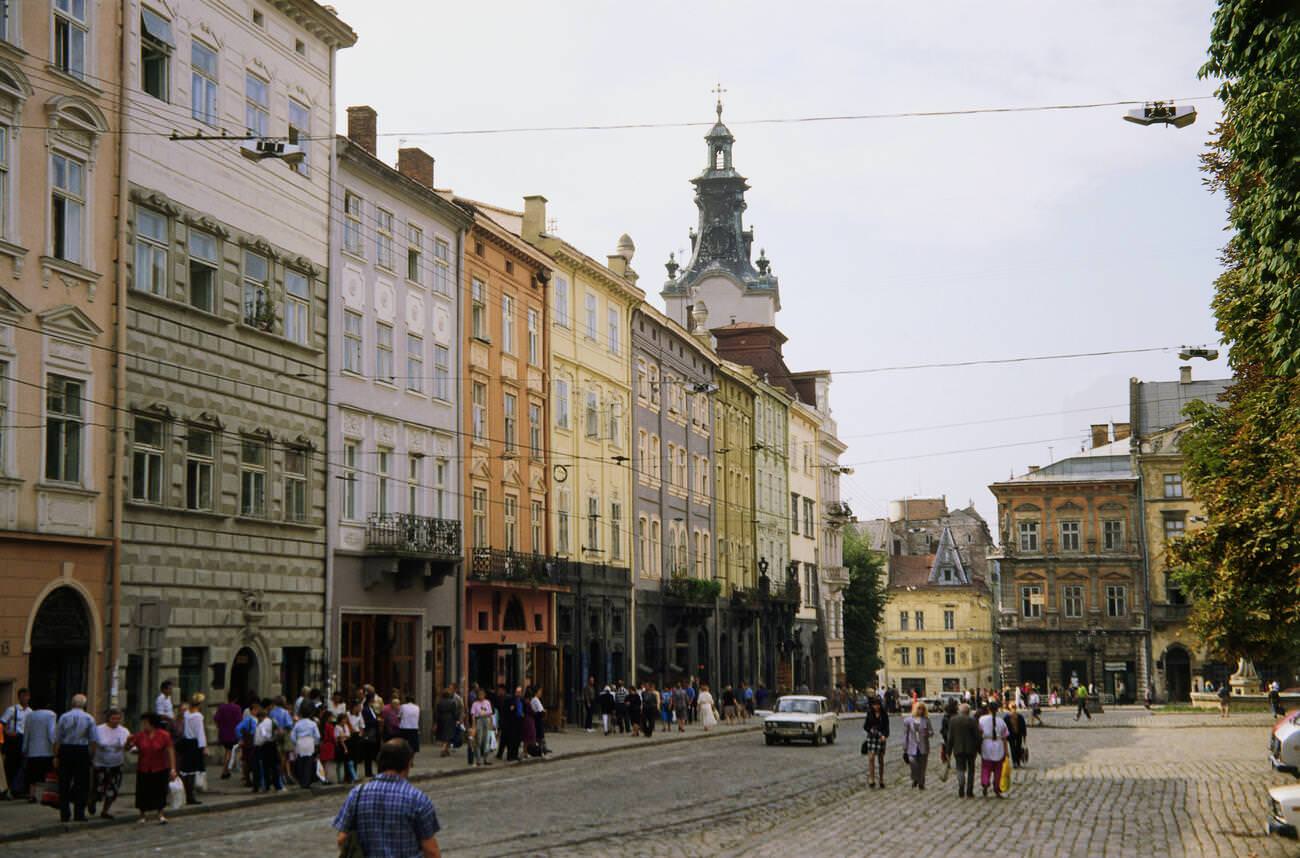
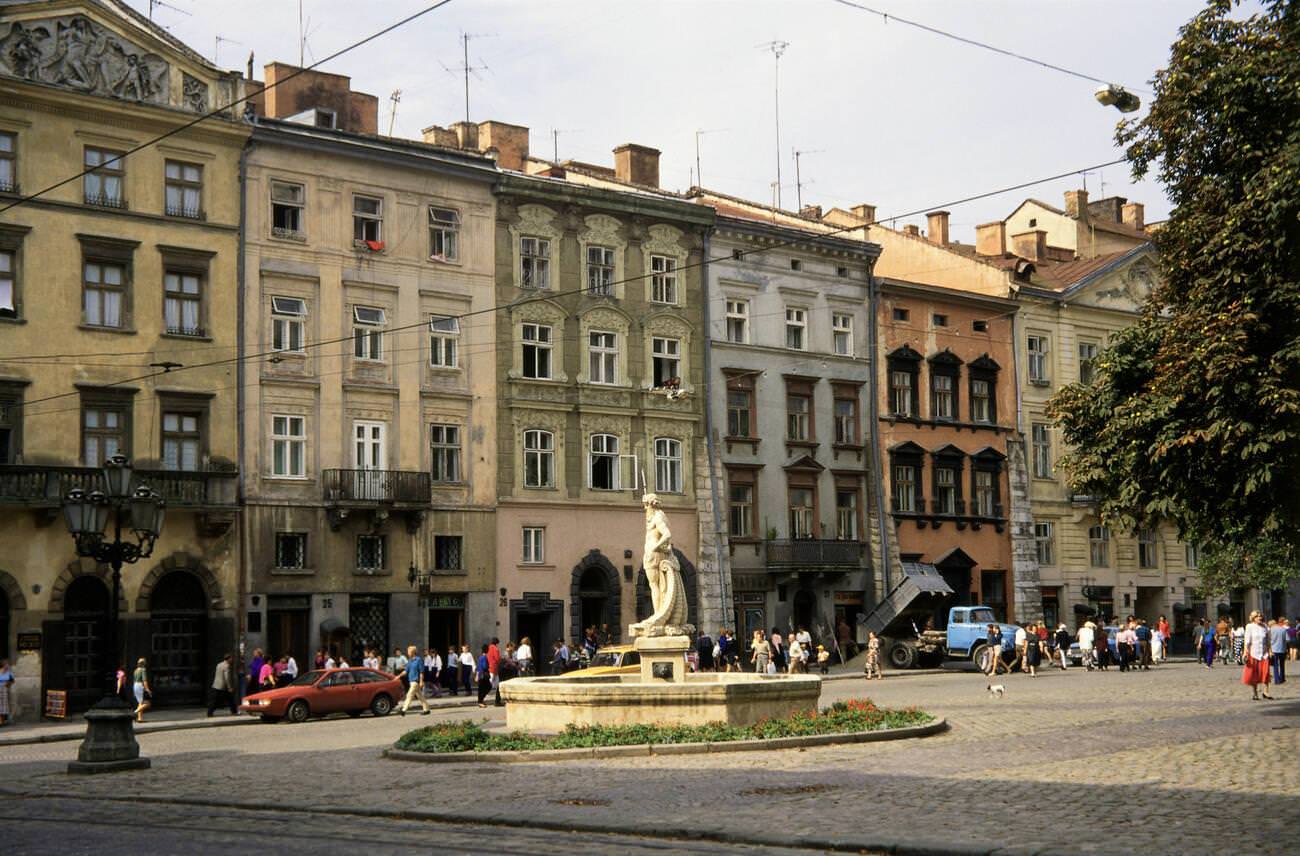

Interesting photos, amazing to see the extreme changes between then and now. The names, the spelling, the heroes are all pretty much different.
Not sure what do you mean. The photos show mainly buildings, and most of them are still very recognizable. The names of streets have changed already in 1960-1980 years after de-stalinization. Thus I don’t quite get what you have intended to say.
All the Soviet Union propaganda in the early photos, still statues of Soviet generals and presidents. Most, if not all, gone now. You can tell a lot about people by who they revere.
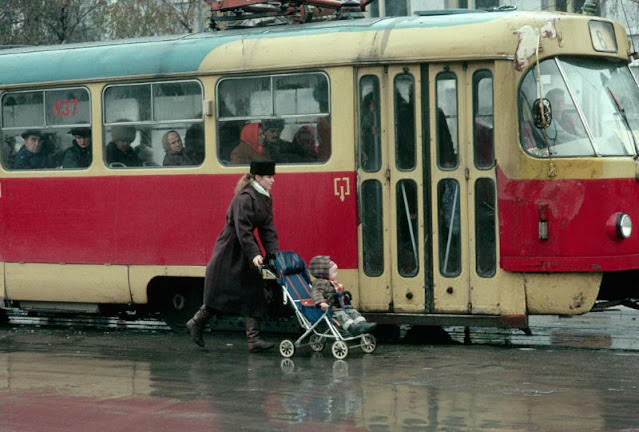
tramways mostly still look the same!
I visited in ‘92 and boy does this bring back memories. Thanks!
Ah, the iconic Czech Tatra T3 trams.
Right about the time they started pushing for independence – much of the country was effectively still Russian.
Astounding how far they’ve come since then.