Traditional and folk costumes have long served as more than just clothing. They carry information about where a person comes from, their social standing, whether they are married, and their religious beliefs. When a costume is worn to represent a specific ethnic group or culture, it is called an ethnic costume. Most cultures developed two versions of their traditional dress — one for everyday life and a more elaborate version for formal events and celebrations.
The 19th century was a particularly important time for traditional dress in Europe. A movement called Romantic nationalism placed enormous cultural value on peasant life and rural identity. People began to see traditional clothing as a living symbol of their heritage, and enthusiasts wore regional dress deliberately to signal pride in their roots. As a result, many of these costumes became “frozen” in specific forms — preserved and passed down rather than evolving with fashion trends. The photographs below, taken between the 1860s and 1890s, capture this era in striking detail.
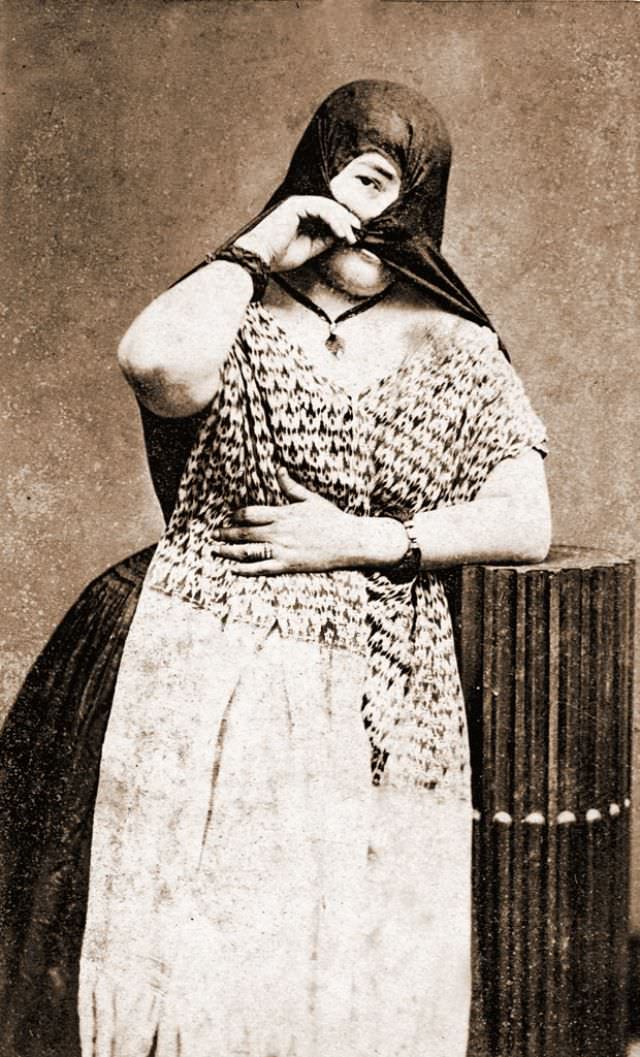
This image from Lima in the 1860s shows how South American traditional dress differed sharply from the European styles dominating fashion at the time. Peru’s regional costumes reflected a mix of indigenous Andean traditions and Spanish colonial influence that had been developing for centuries. Meanwhile, in Eastern Europe, photographers were documenting Romanian folk dress in remarkable detail throughout the 1860s.

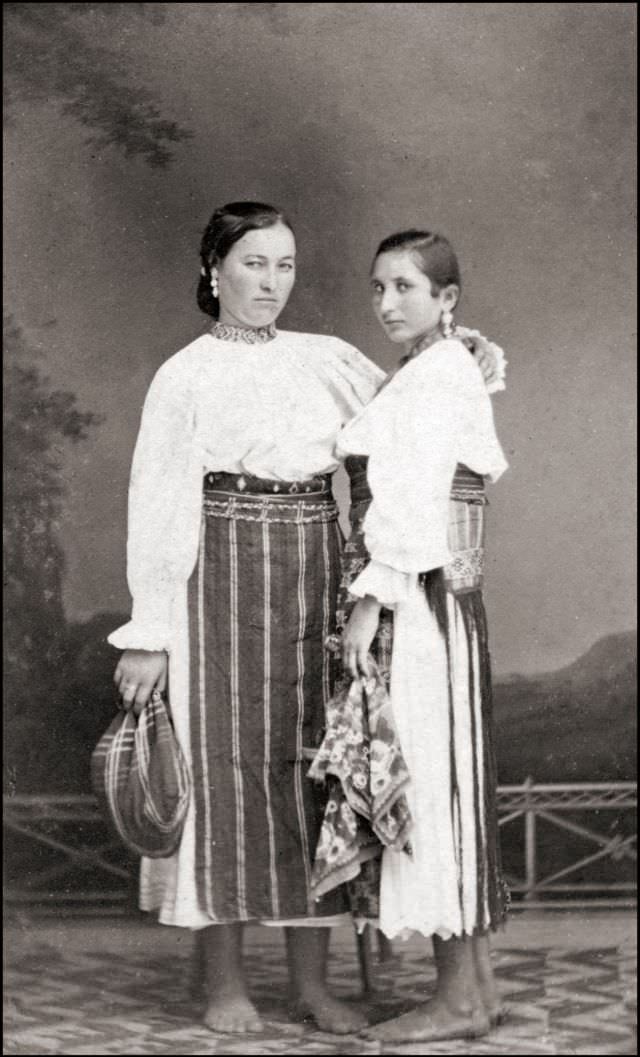
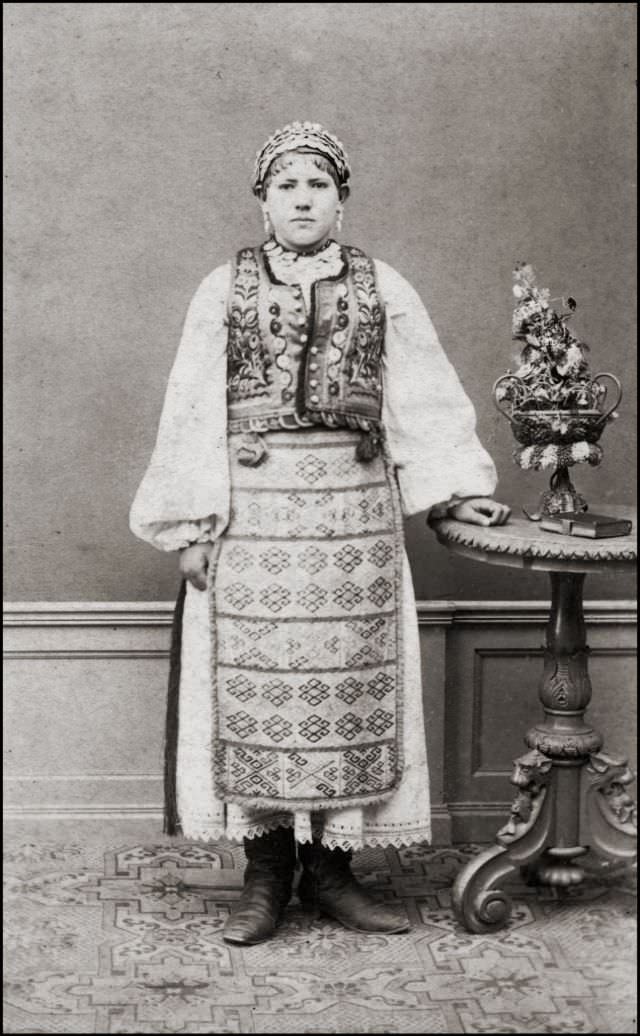
Romanian folk costumes of the 1860s were richly embroidered and varied significantly from one region to the next. Embroidery patterns, fabric colors, and the cut of garments could all tell an observer exactly which part of Romania a person came from. Women’s blouses, known as ie, featured dense geometric needlework that took months to complete. The photographs from 1868 show both individual and group costumes, giving a sense of how these garments looked as a complete system of dress.
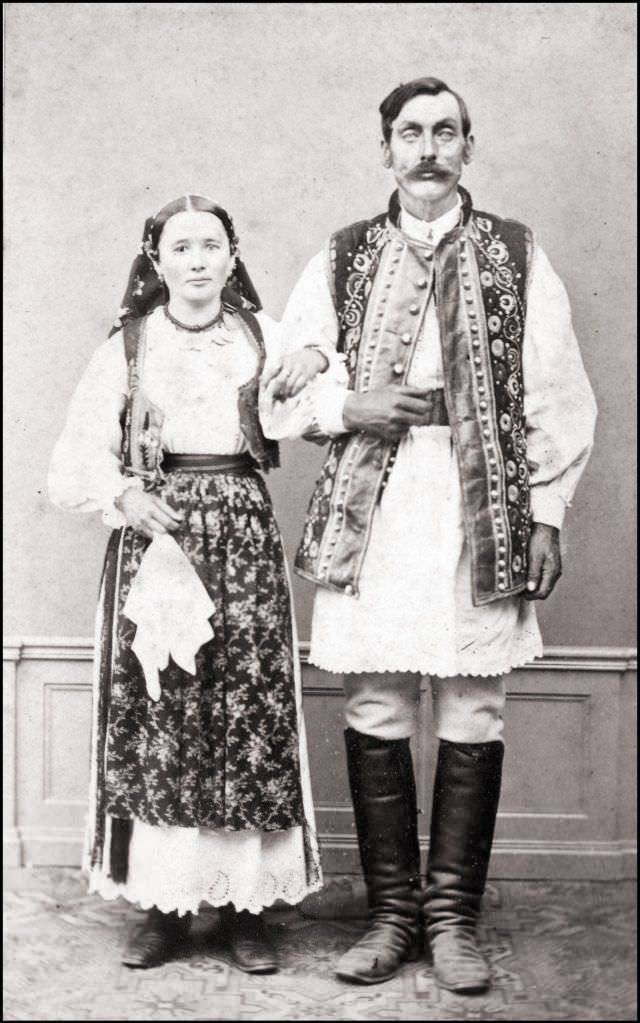
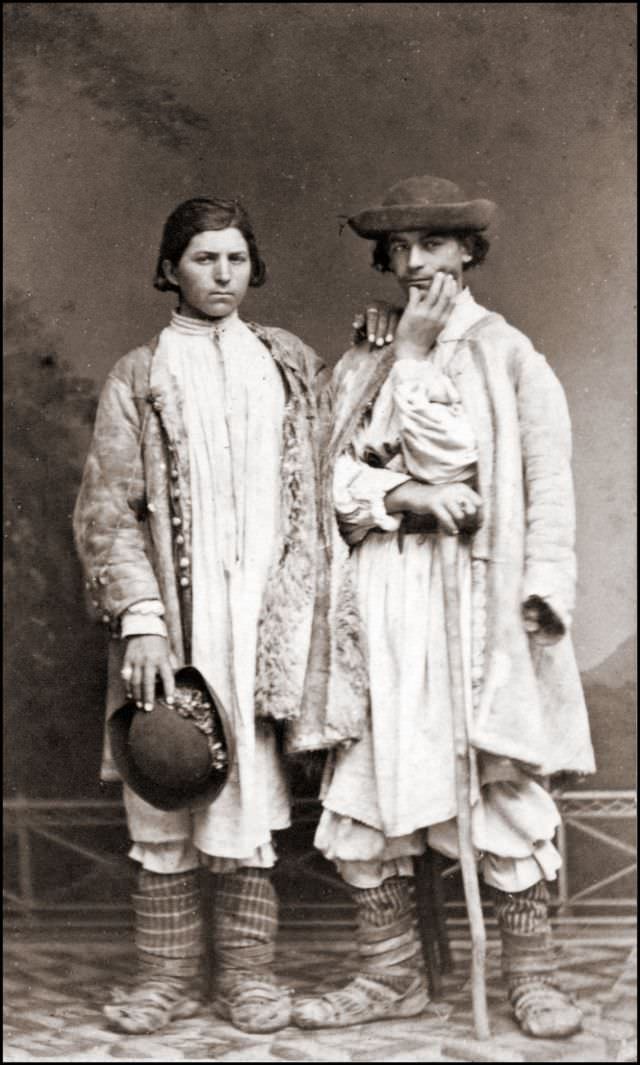
The Banat region, where Temesvar (modern-day Timișoara) is located, sat at a crossroads between Romanian, Hungarian, Serbian, and German communities. The costumes photographed there in 1868 reflect this blending of cultural influences. Across the Balkans and broader Eastern Europe, similar documentary photography was capturing regional dress before modernization began to erode these traditions. Greece was no exception.
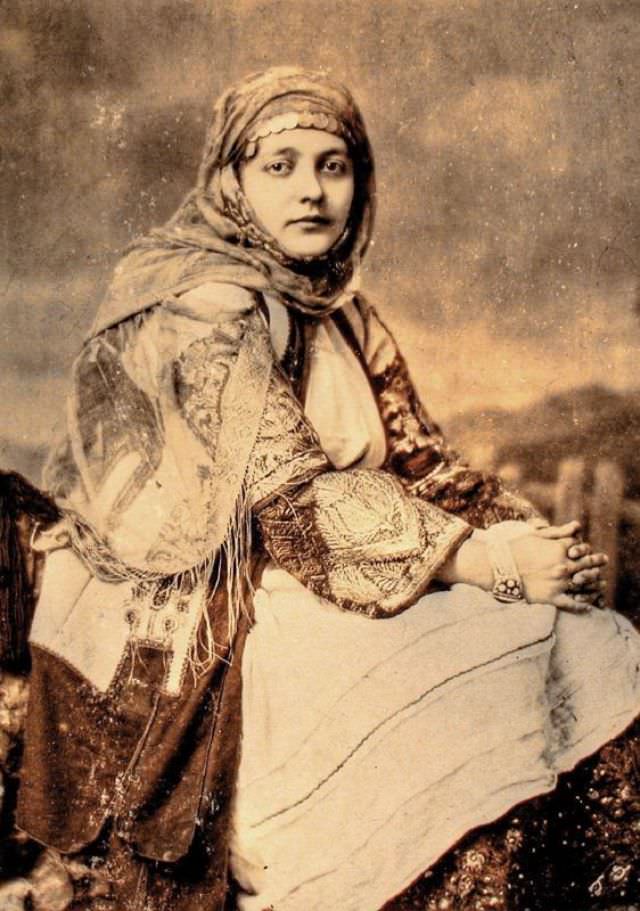
Greek traditional dress in the 1870s was closely tied to regional and social identity. Women’s costumes often included layered skirts, embroidered aprons, and headwear specific to their home village or island. Across the border in Germany, regional dress — known as Tracht — was equally distinct and regionally specific.
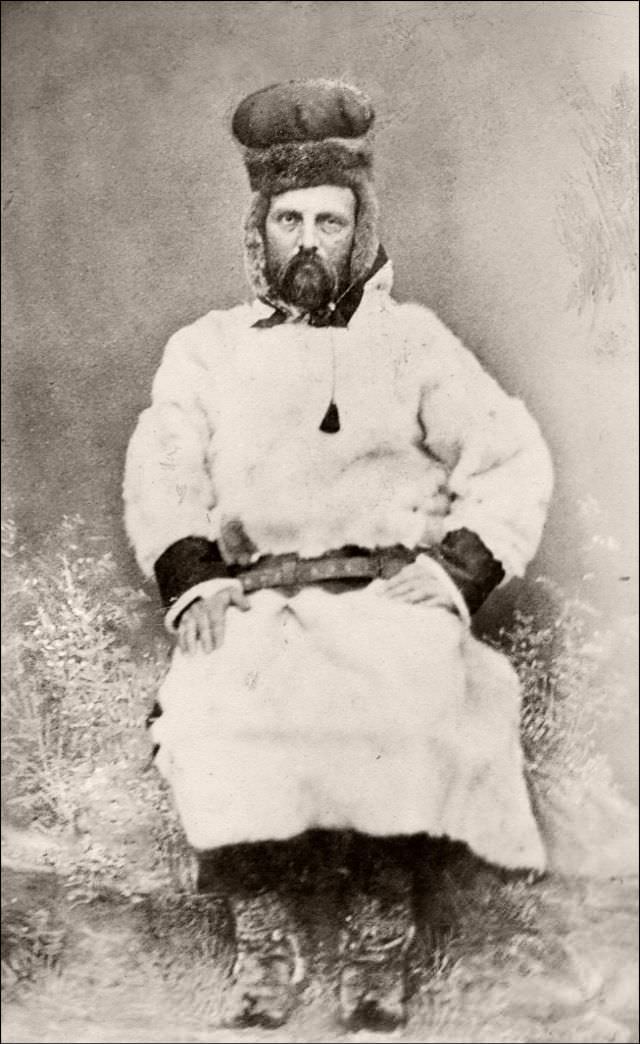
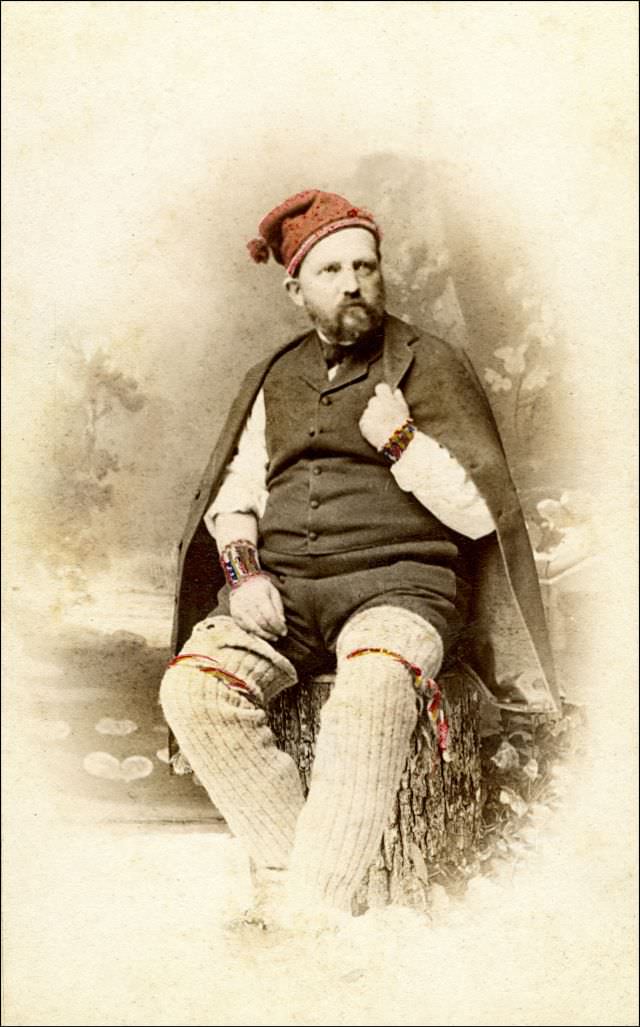
These two photographs, likely taken in Göttingen in the 1870s, show German men in regional Tracht. German traditional dress varied widely across states and provinces, with Bavarian lederhosen being only the most well-known example. Further east, Moravian dress — worn in the region that is today part of the Czech Republic — was similarly distinctive.
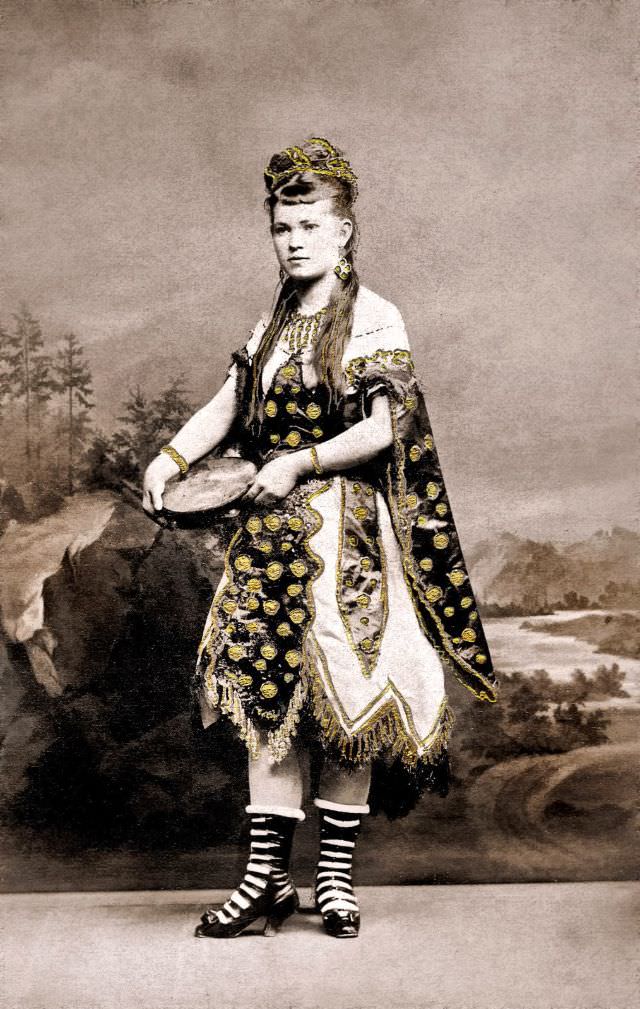
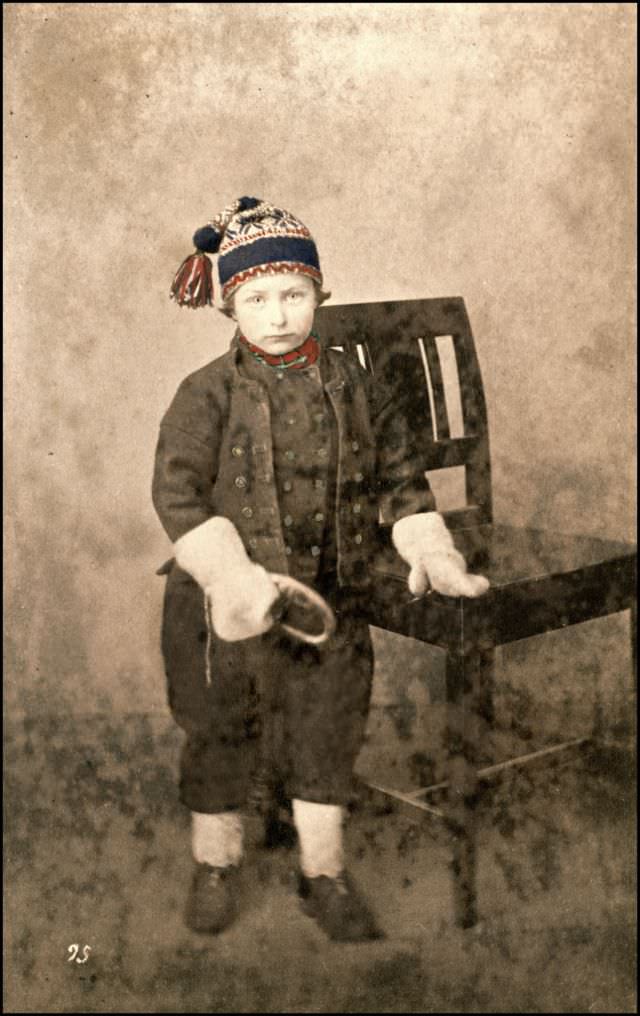
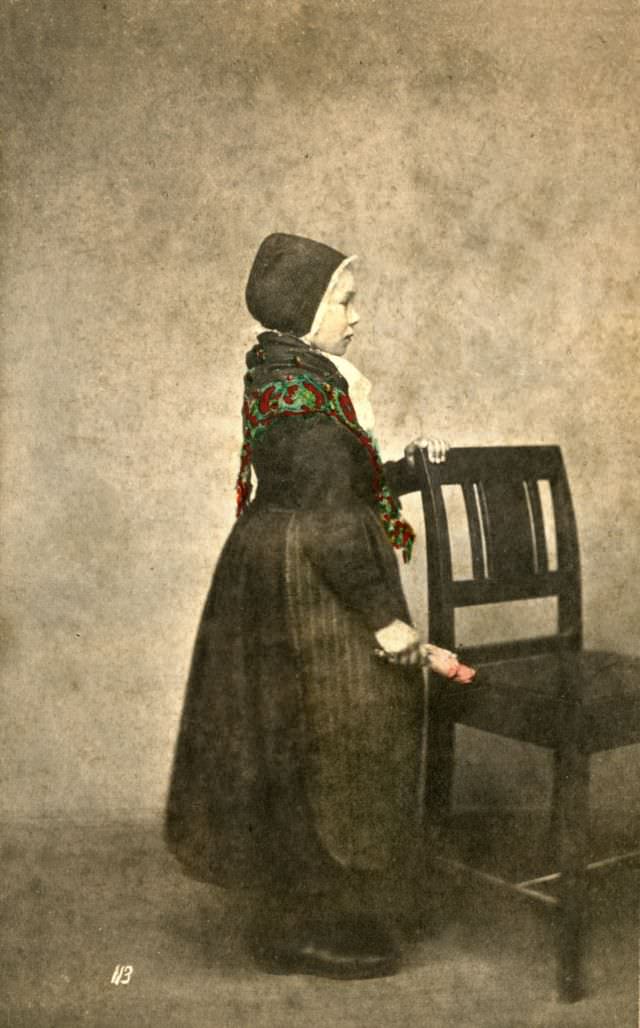
Norway produced some of the most thoroughly documented traditional costumes of the 19th century. Photographers captured men, women, and children from dozens of specific districts, creating a detailed visual record of how dress varied from one valley or coastal community to the next. The Norwegian national costume, the bunad, drew from these regional traditions. Children were dressed in the same regional styles as adults, as seen in photographs from Saalsviig and Jolster.
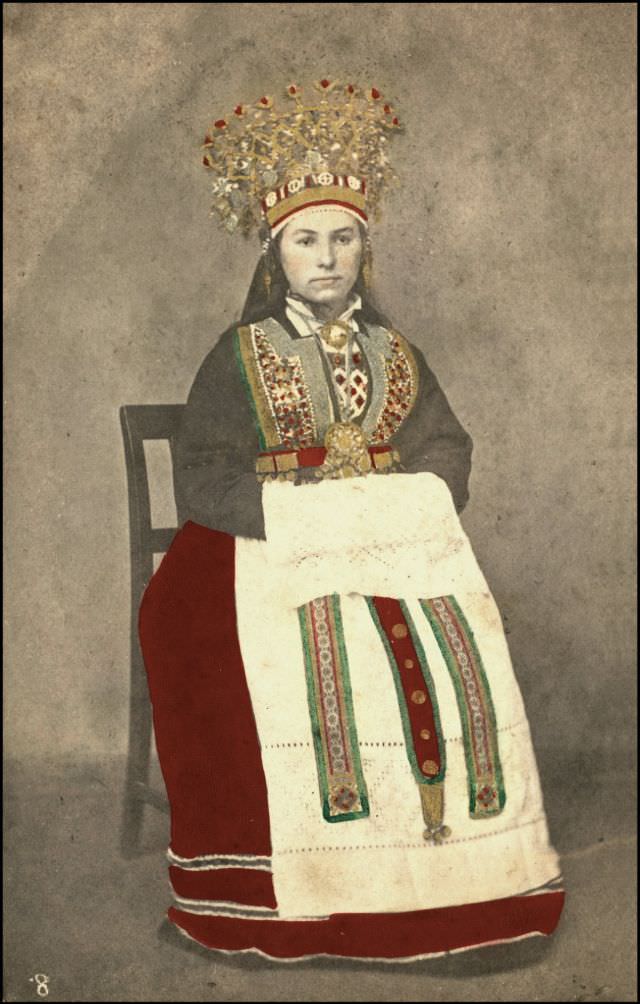
Weddings were one of the most important occasions for traditional dress in Norway. The bridal costume from Hardanger — a region in western Norway known for its distinctive embroidery style called Hardangersøm — was among the most elaborate in the country. A Hardanger bride wore a heavily embroidered dress, a decorative crown, and silver jewelry, all of which followed strict local conventions.
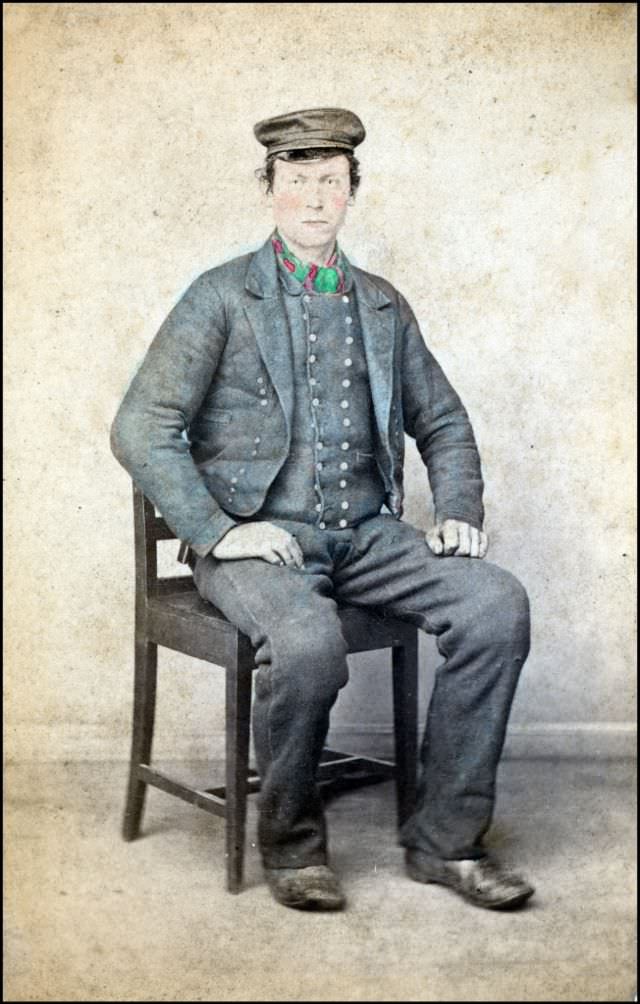
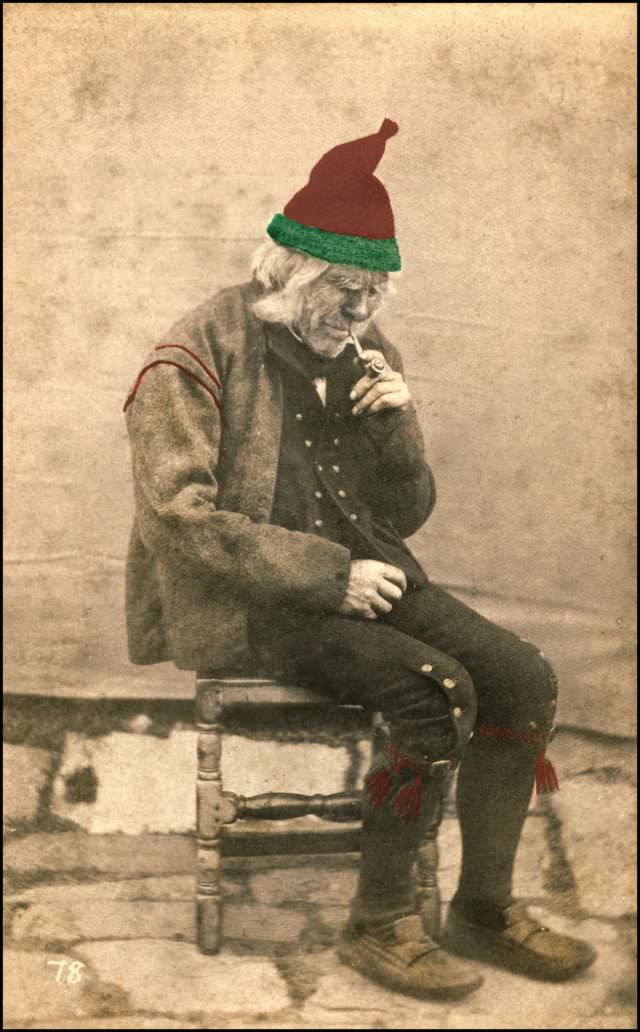
The label “elder dress” on the Røldal photograph is significant. It shows that even within a single Norwegian village, different generations wore distinct styles. Older men maintained dress forms that had gone out of everyday use, preserving them as markers of age and tradition. Women’s costumes from the Jolster and Øvreherad districts, photographed in the same decade, show the range of styles found even within a relatively small geographic area.
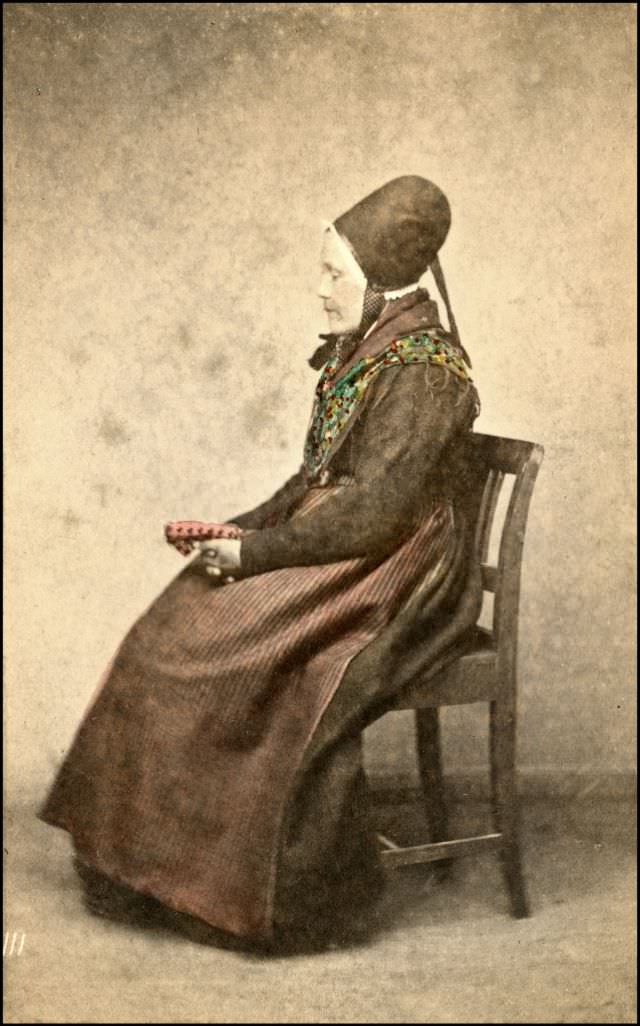
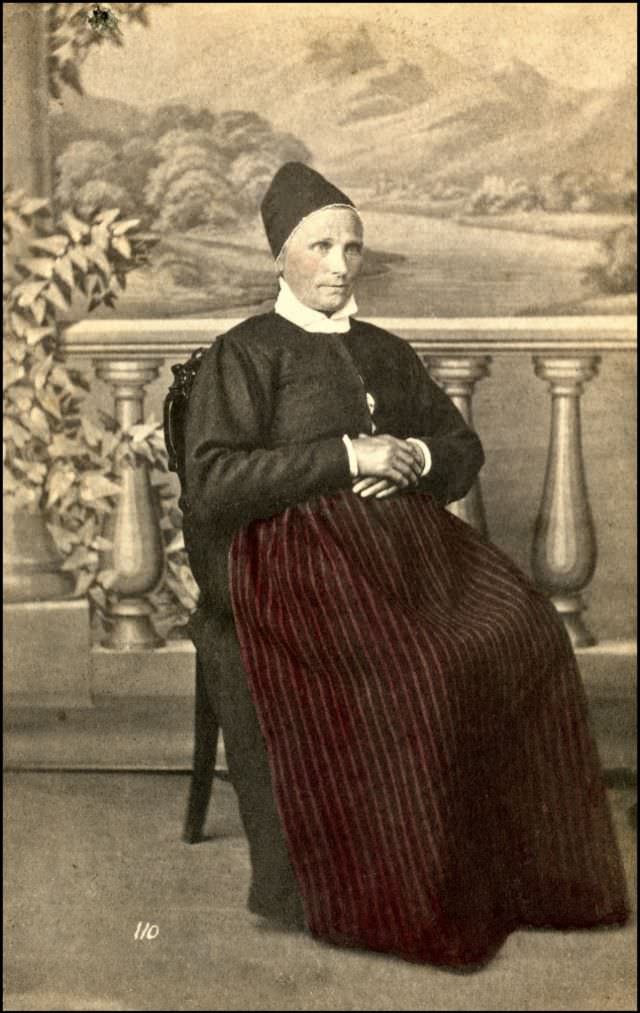
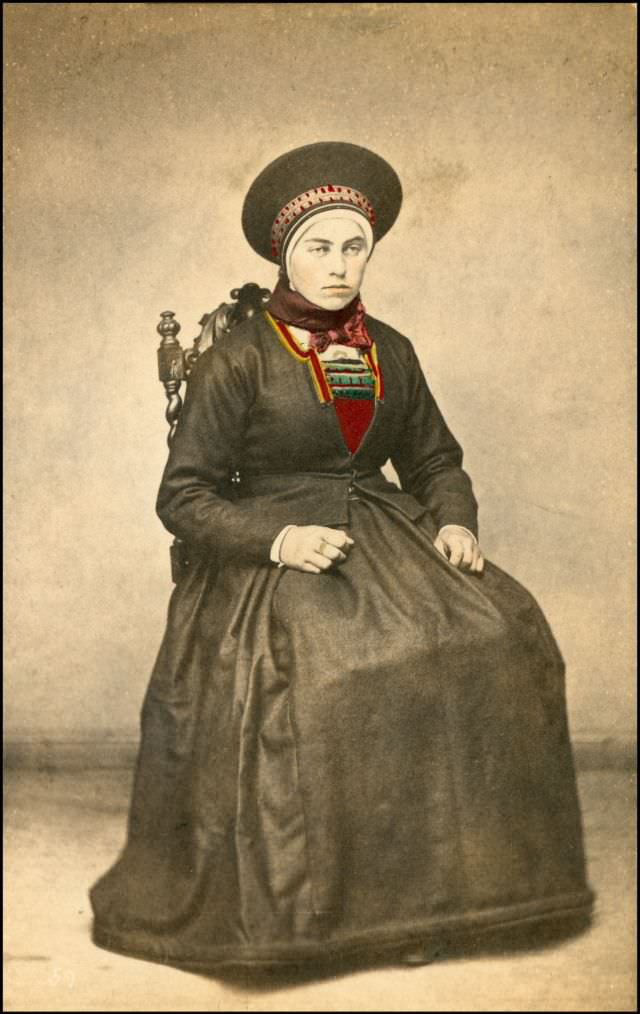
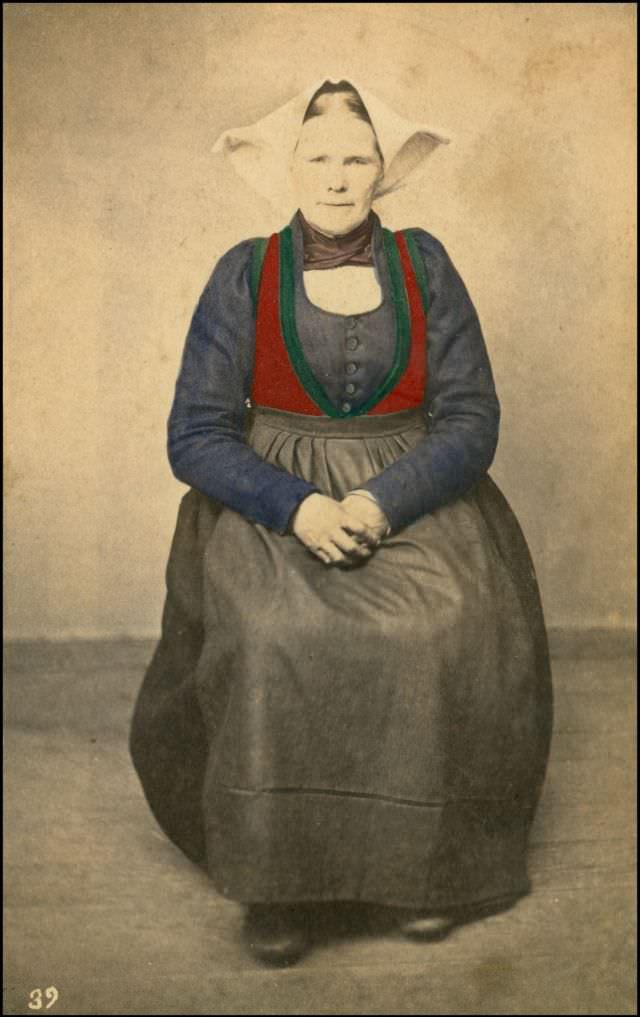
The photographs from Voss, Jolster, and Øvreherad illustrate how color, apron style, headwear, and jewelry all carried regional meaning. A person familiar with Norwegian folk dress could identify a woman’s home district at a glance. Finnish men photographed in Norwegian settings during the same period add another layer to this story — communities along the Norwegian-Finnish border sometimes blended elements of both traditions.
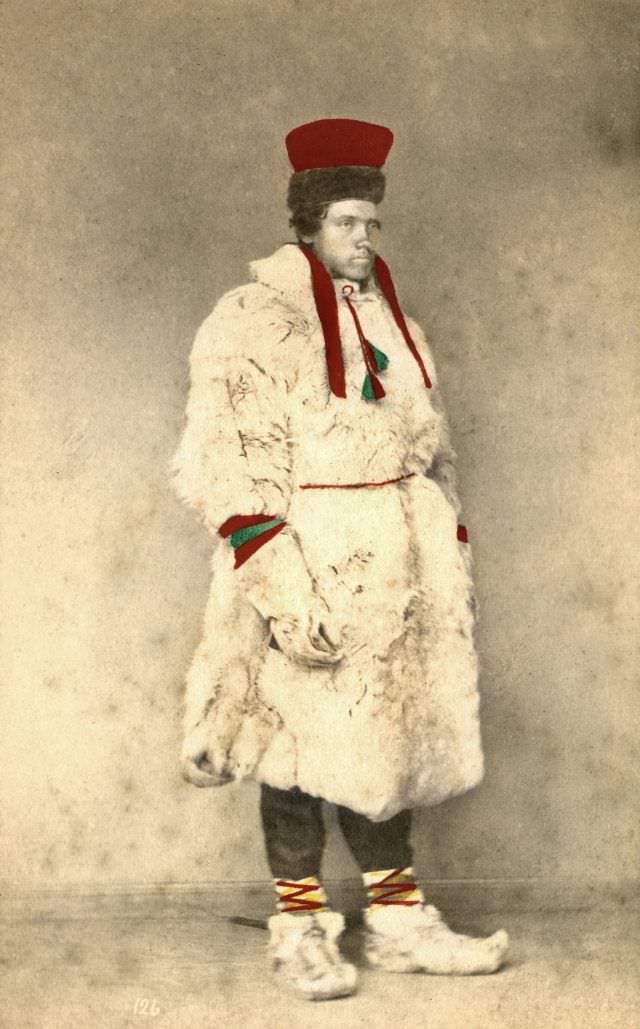
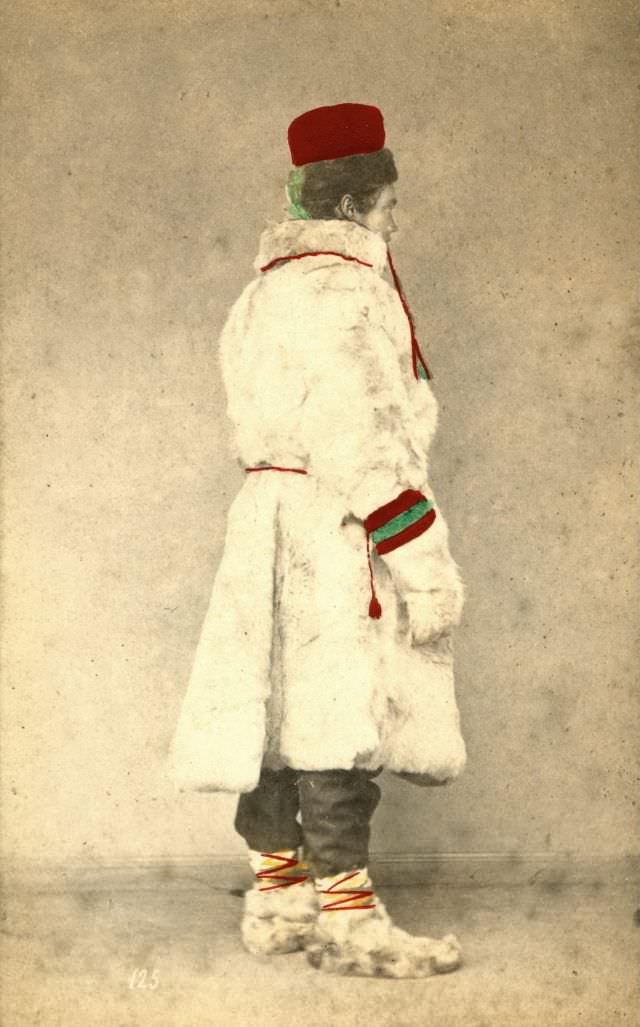
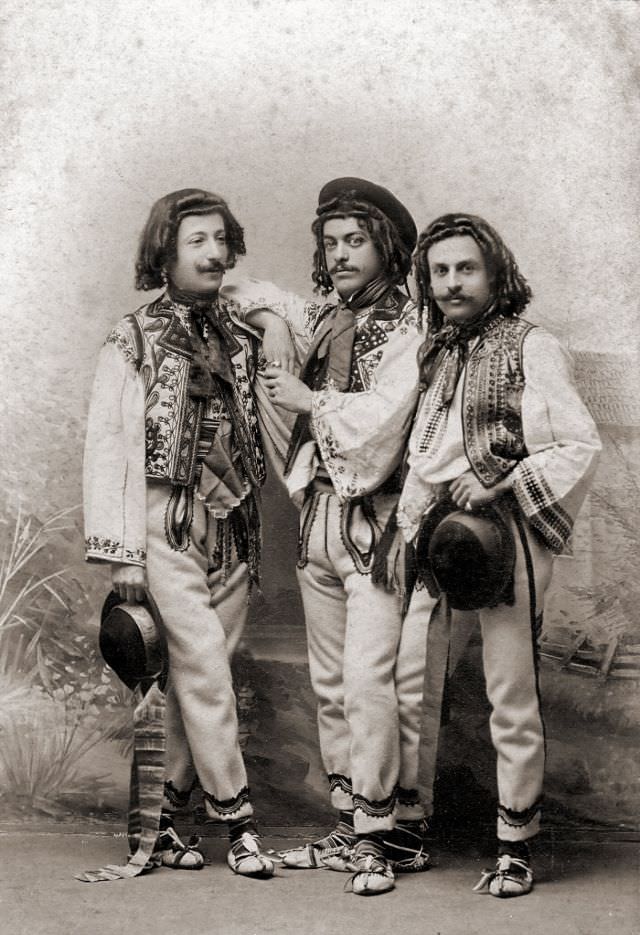
By the 1870s, Romanian folk costume photography had expanded further, continuing to document the diversity of dress across the country’s many regions. Moving into the 1880s, photographers in cities like Vienna were also capturing traditional Austrian dress, which — like German Tracht — differed across provinces and social classes.

The fustanella, a stiff pleated skirt worn by men, is one of the most recognizable garments of the Balkans and eastern Mediterranean. It was worn across Greece and Albania and carried strong associations with military honor and national identity. Greek independence fighters wore it in the early 19th century, cementing its status as a symbol of resistance and pride.
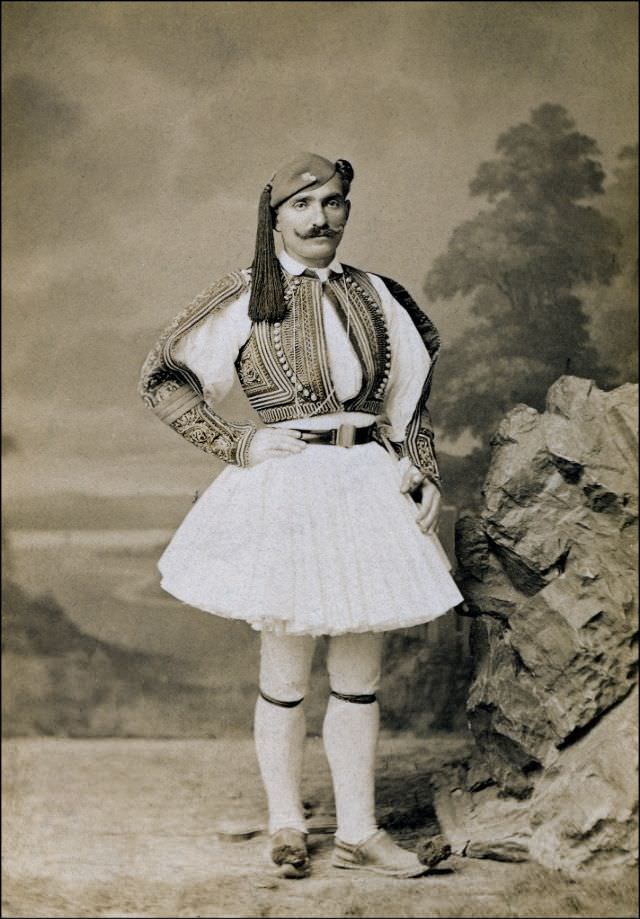
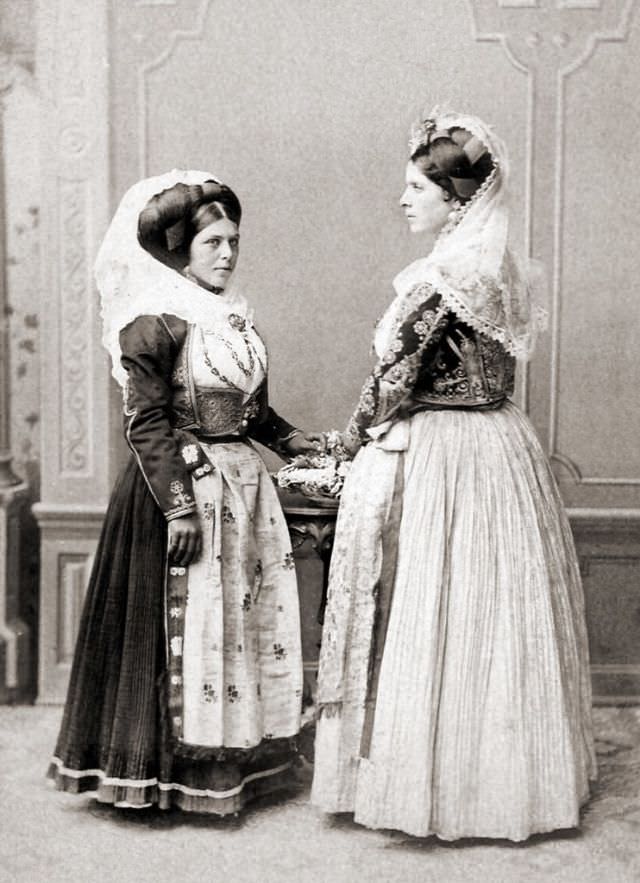
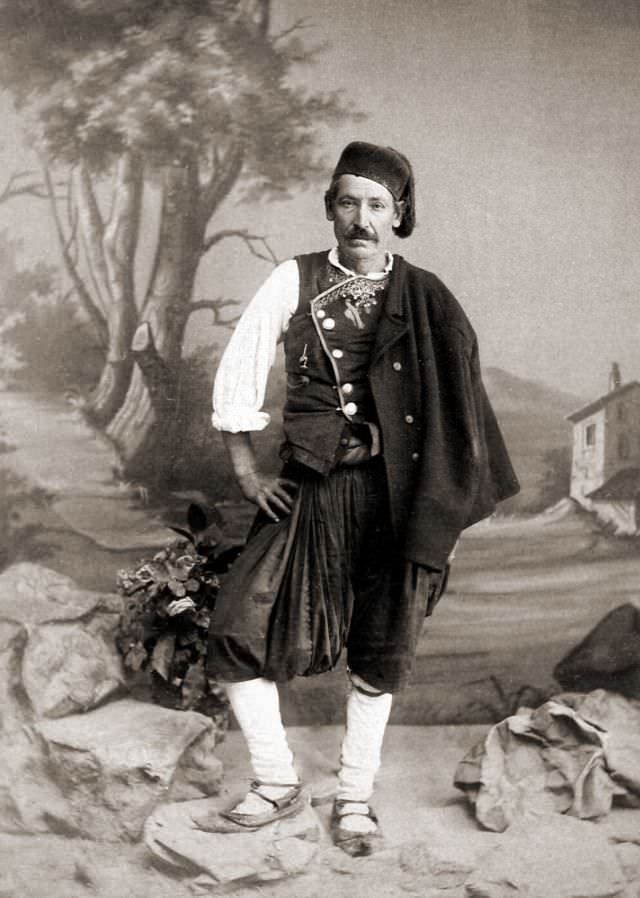
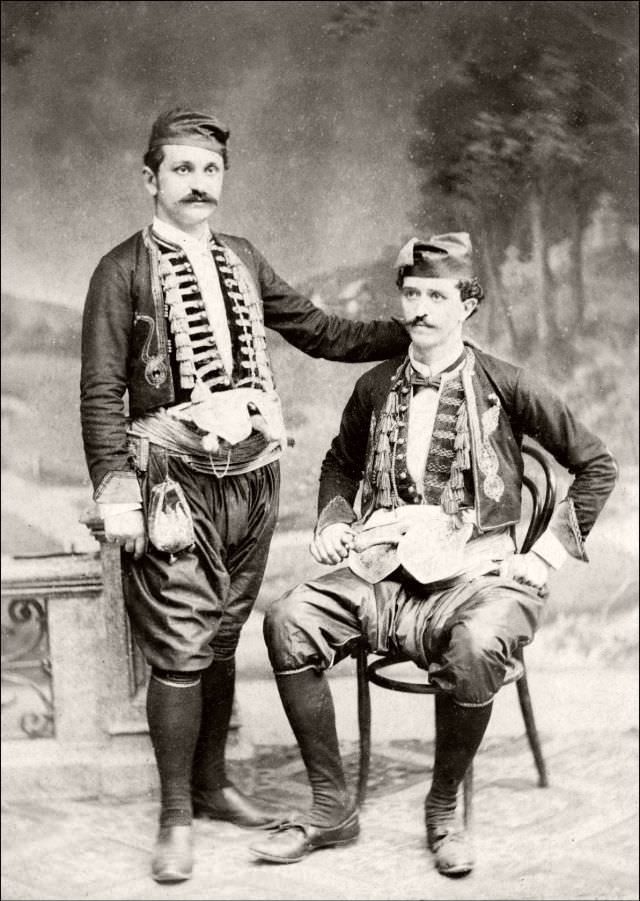
Mediterranean traditional dress in the 1890s — both male and female — reflected the region’s long history of trade, conquest, and cultural exchange. Layers of fabric, bold colors, and decorative metalwork were common across multiple cultures in the area. To the north, in Montenegro, traditional clothing carried a strong warrior identity tied to the country’s long resistance against Ottoman expansion.
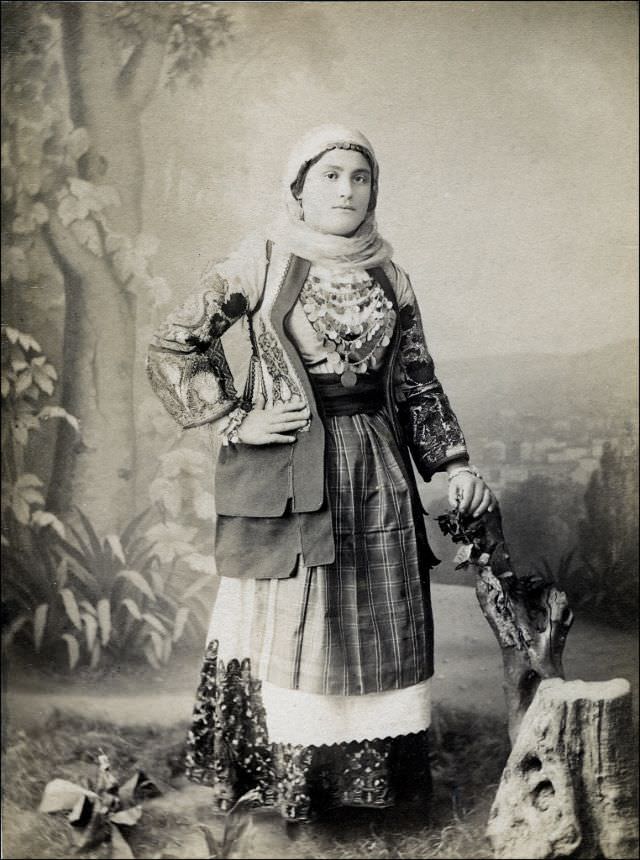
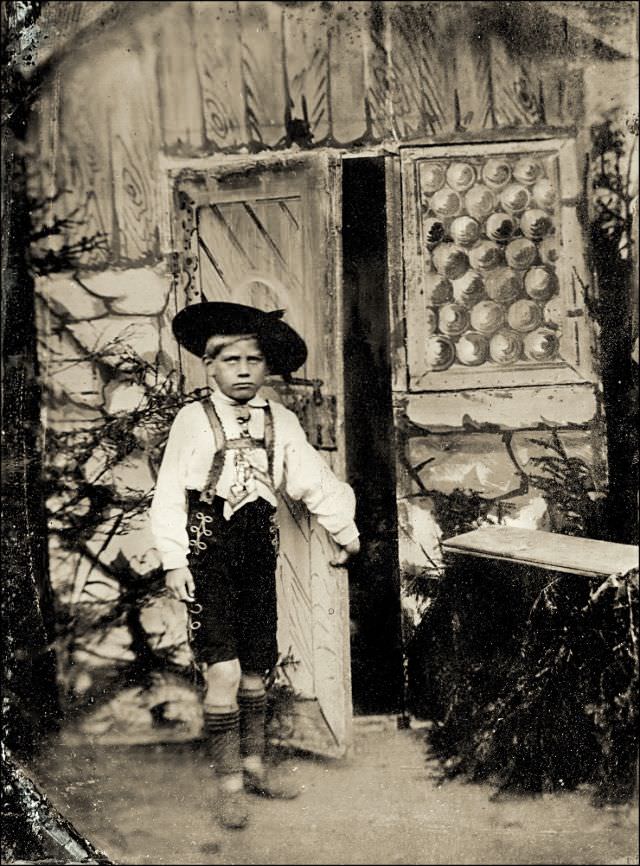
Balkan women’s dress in the 1890s was marked by heavy embroidery, layered skirts, and aprons that varied in pattern and color from village to village. In Bavaria, southern Germany, children were dressed in miniature versions of adult Tracht — a practice that reinforced cultural identity from an early age.
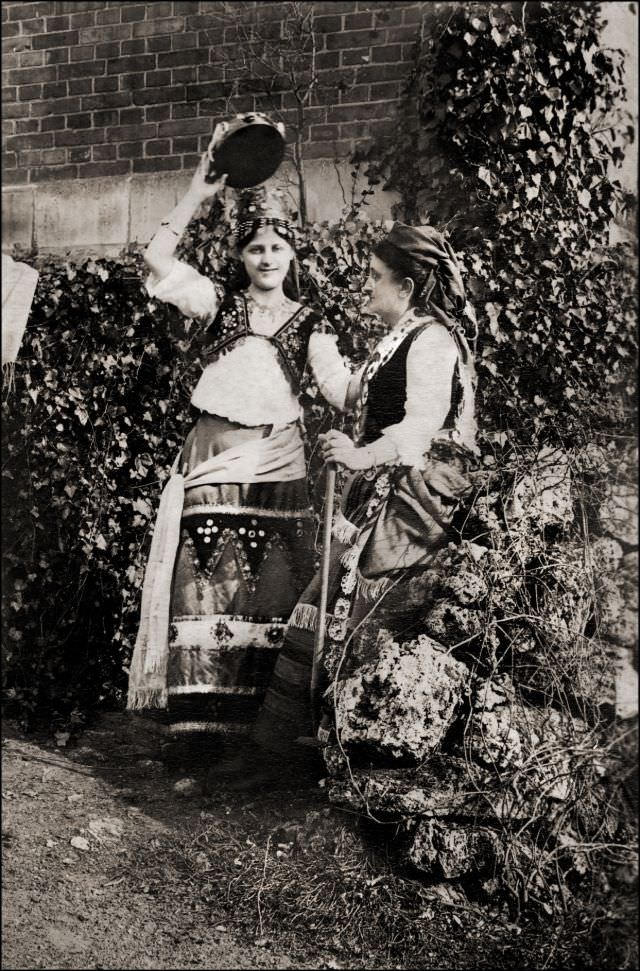
By the end of the 19th century, the spread of industrial clothing and Western fashion was already beginning to displace traditional dress in many parts of Europe and beyond. Photographers and ethnographers worked to document these costumes before they disappeared from daily use. The final image here — two women in folk costumes from the 1890s — represents exactly that effort: a deliberate record of dress that was already becoming rare outside of festivals and special occasions.