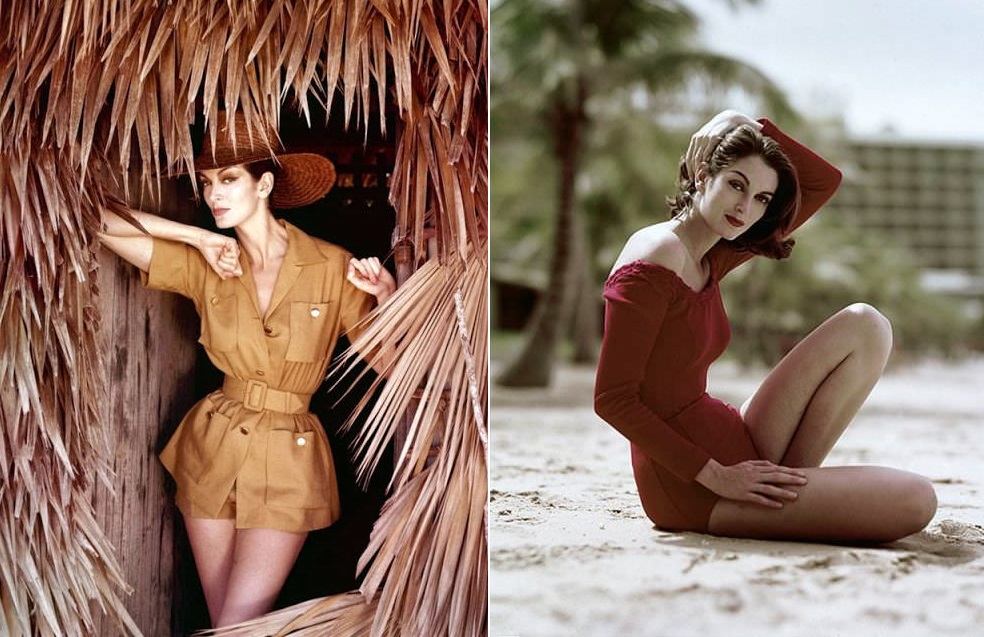
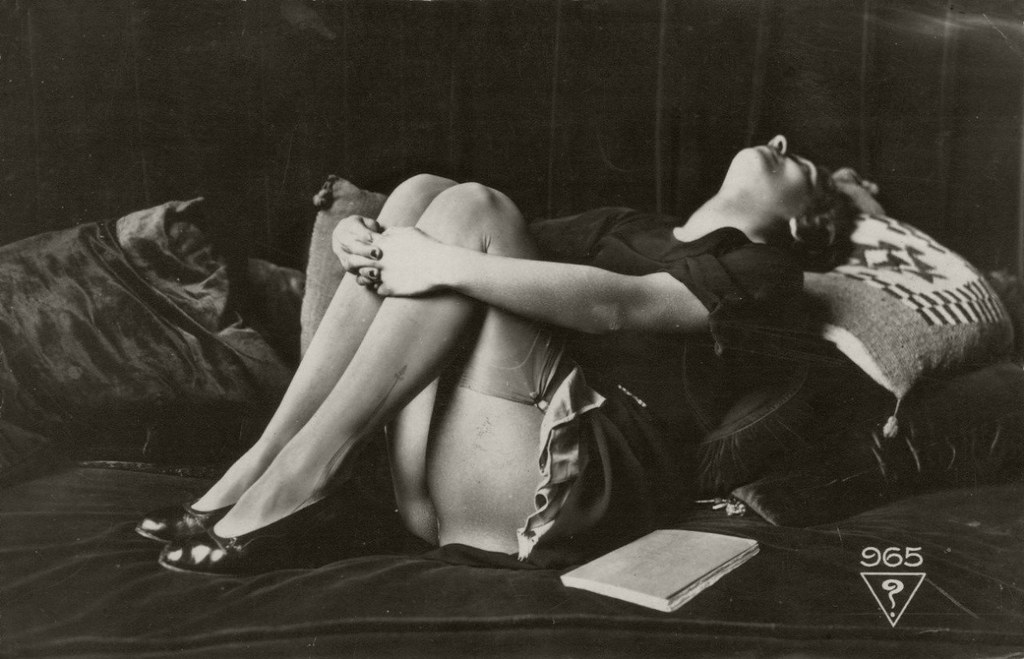
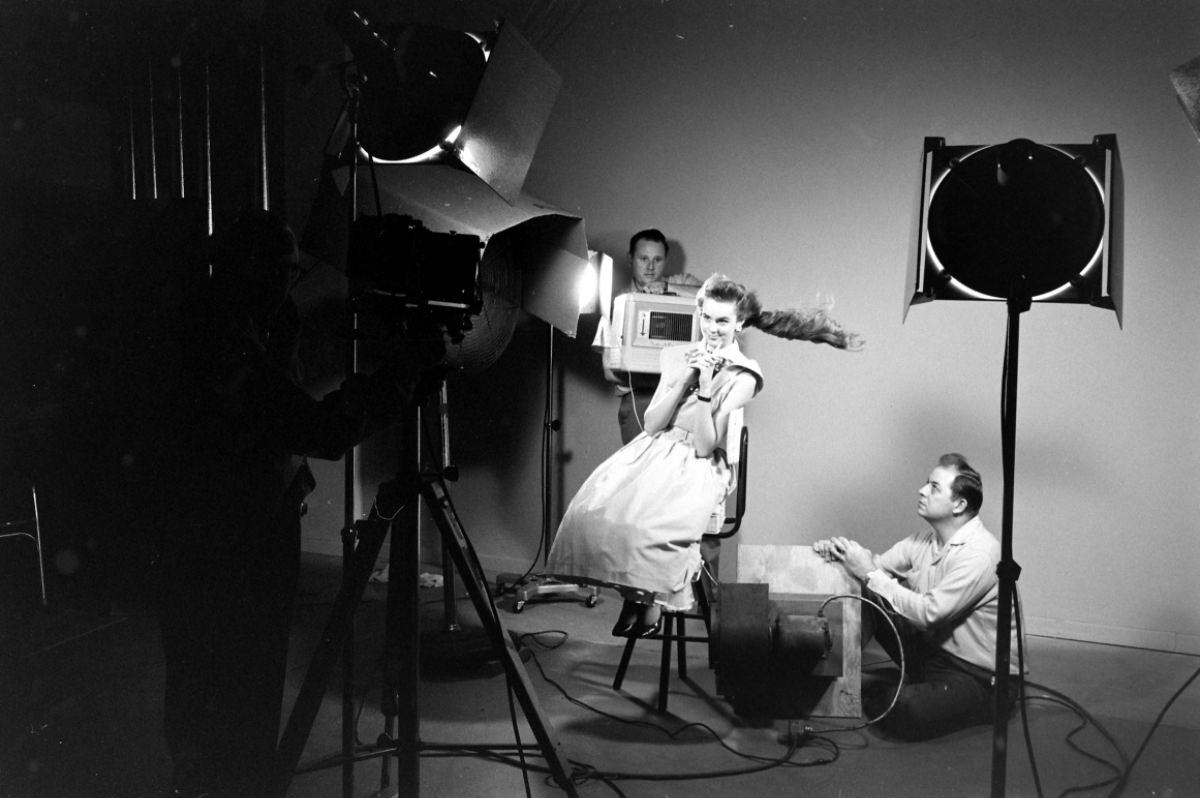
In 1959, Dallas photographer William Langley had a simple but surprisingly difficult problem. He needed a model with long hair — hair that would flow and move in the wind — for an upcoming shoot. He searched locally and came up empty. Every model he considered had short hair. In the 1950s, that wasn’t unusual at all.
Female beauty in the 1950s followed a neat, polished standard. Short to medium-length hair was the norm. Icons like Marilyn Monroe, Audrey Hepburn, and Doris Day all wore carefully styled, contained looks. Long, loose hair simply wasn’t in fashion. The Dallas Morning-Herald put it bluntly when they covered Langley’s predicament, writing that long hair was “out of date as a raccoon coat.”
That newspaper story changed everything. After the article ran, Langley’s studio was suddenly overwhelmed with women showing up with long tresses, all eager to be considered for the job. What started as a quiet professional frustration turned into a full-blown event.
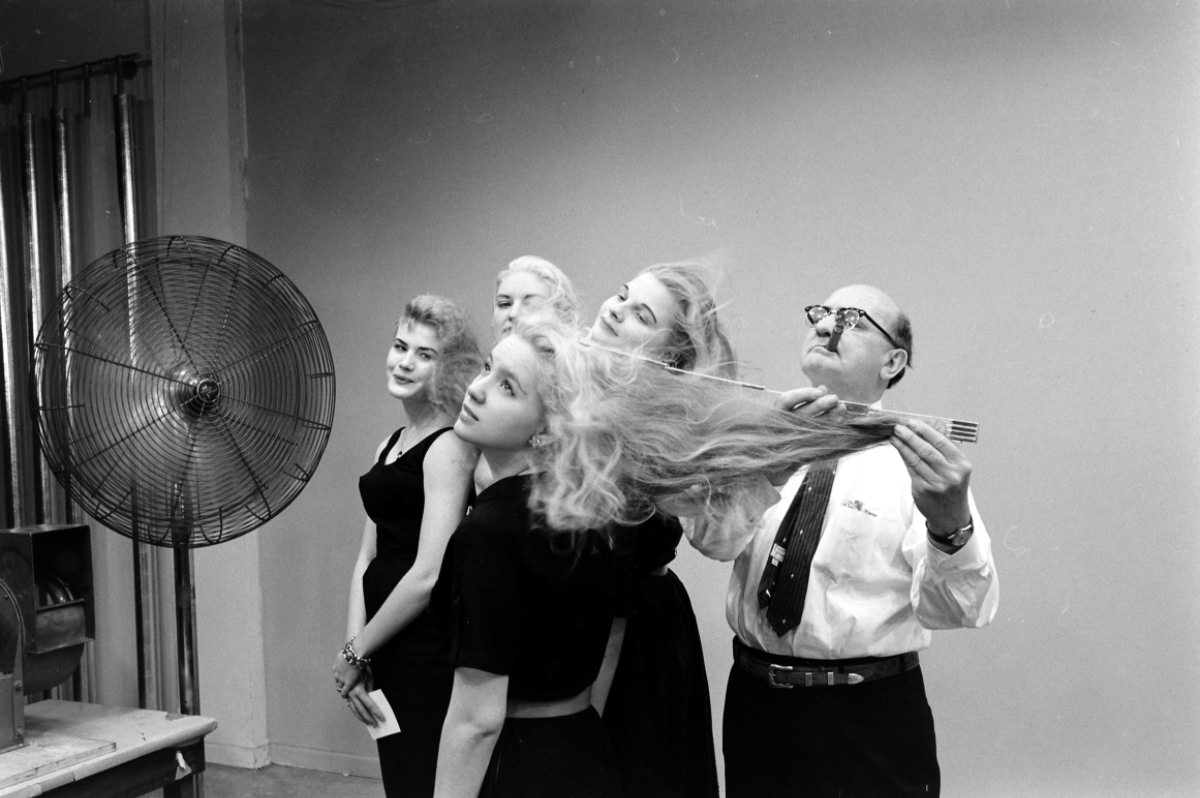
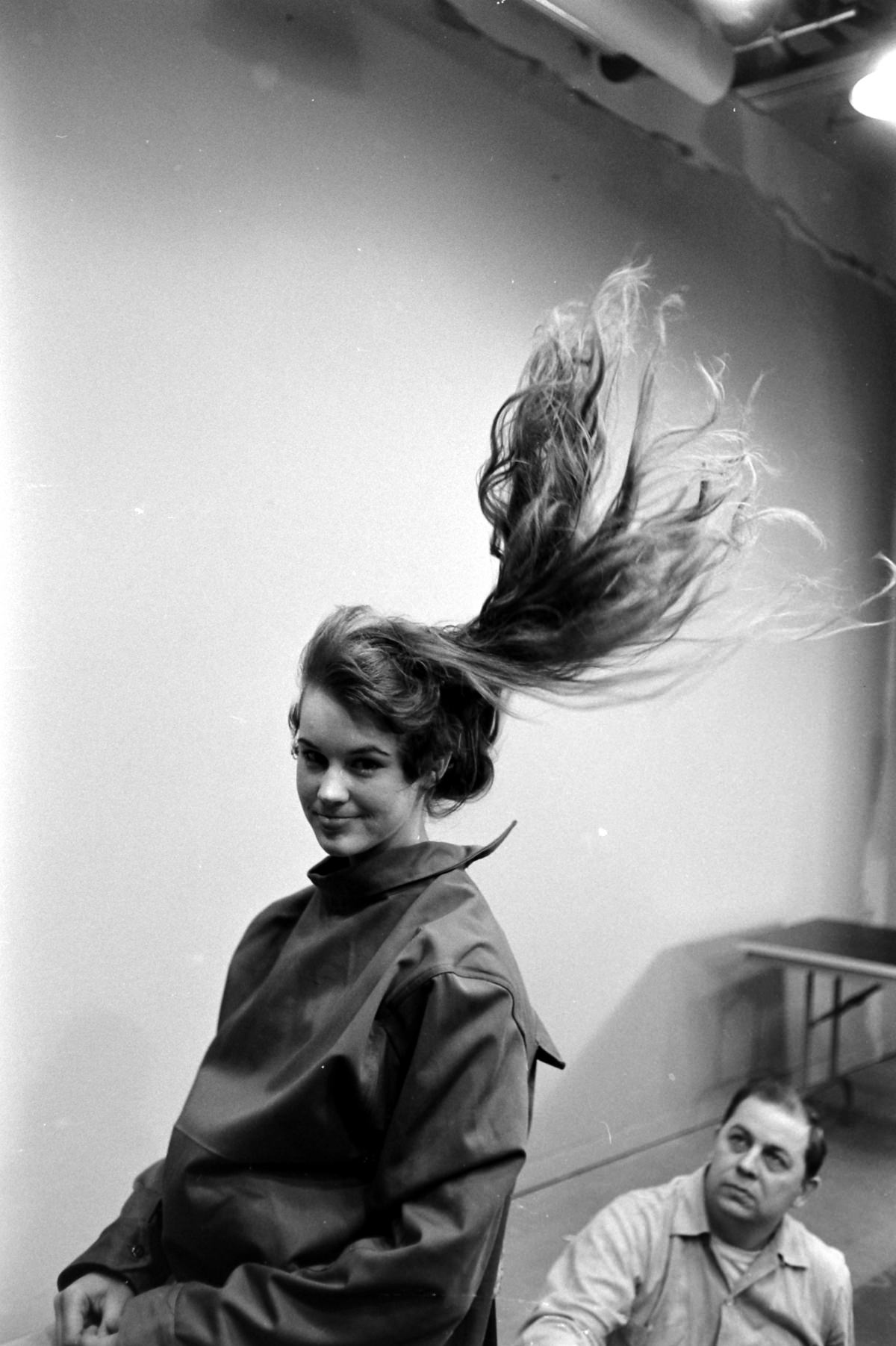
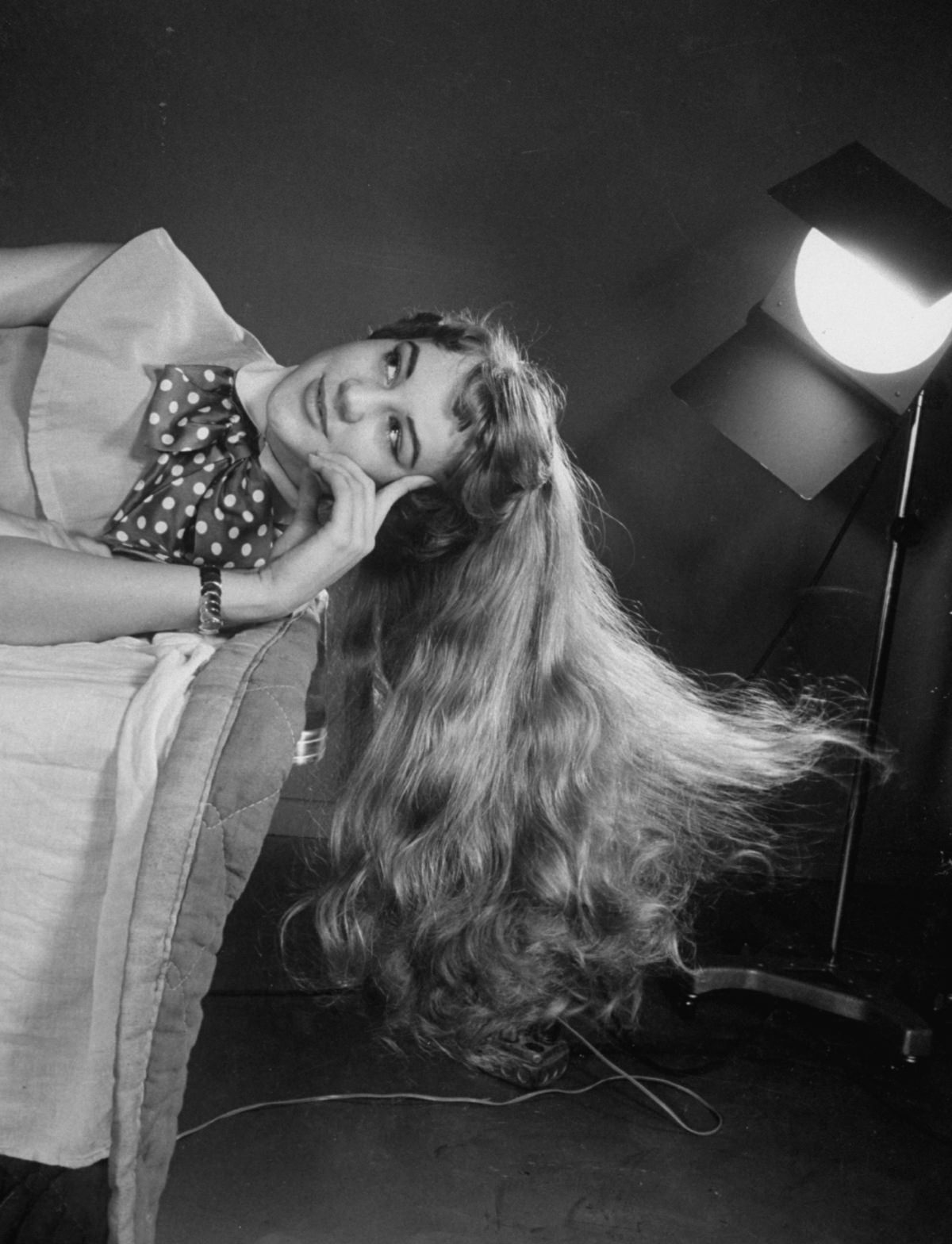
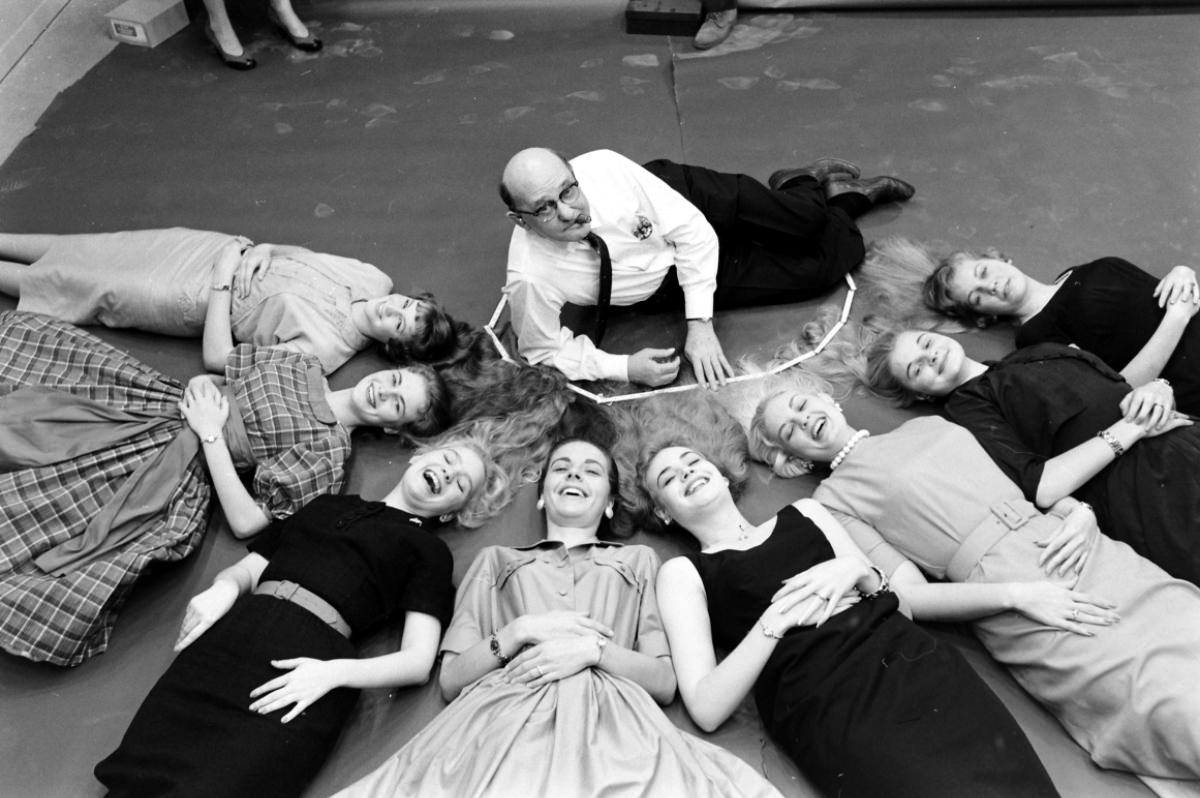
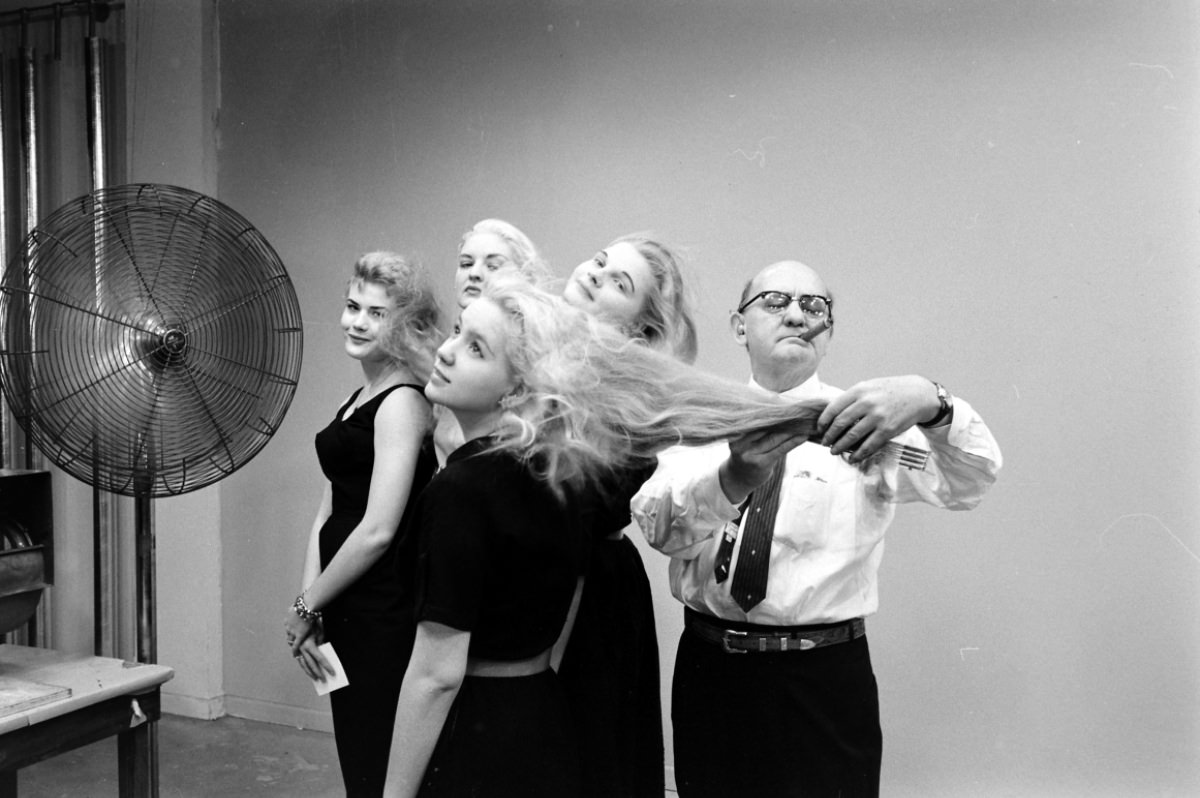
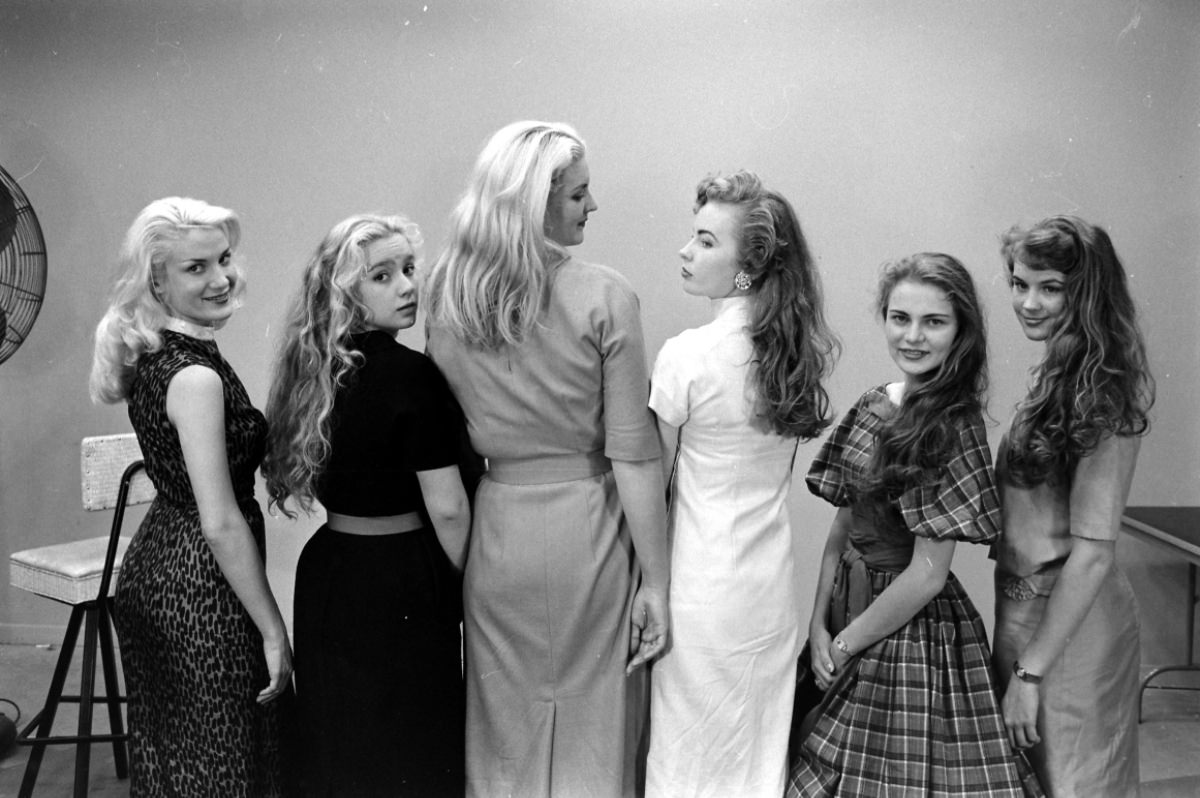
LIFE magazine took notice. Photographer Thomas McAvoy was sent to Langley’s Dallas studio to document the scene firsthand. What he found was striking — around 30 young women with long, flowing hair filling the studio space, each one ready to show off what Langley had been told didn’t exist in Dallas.
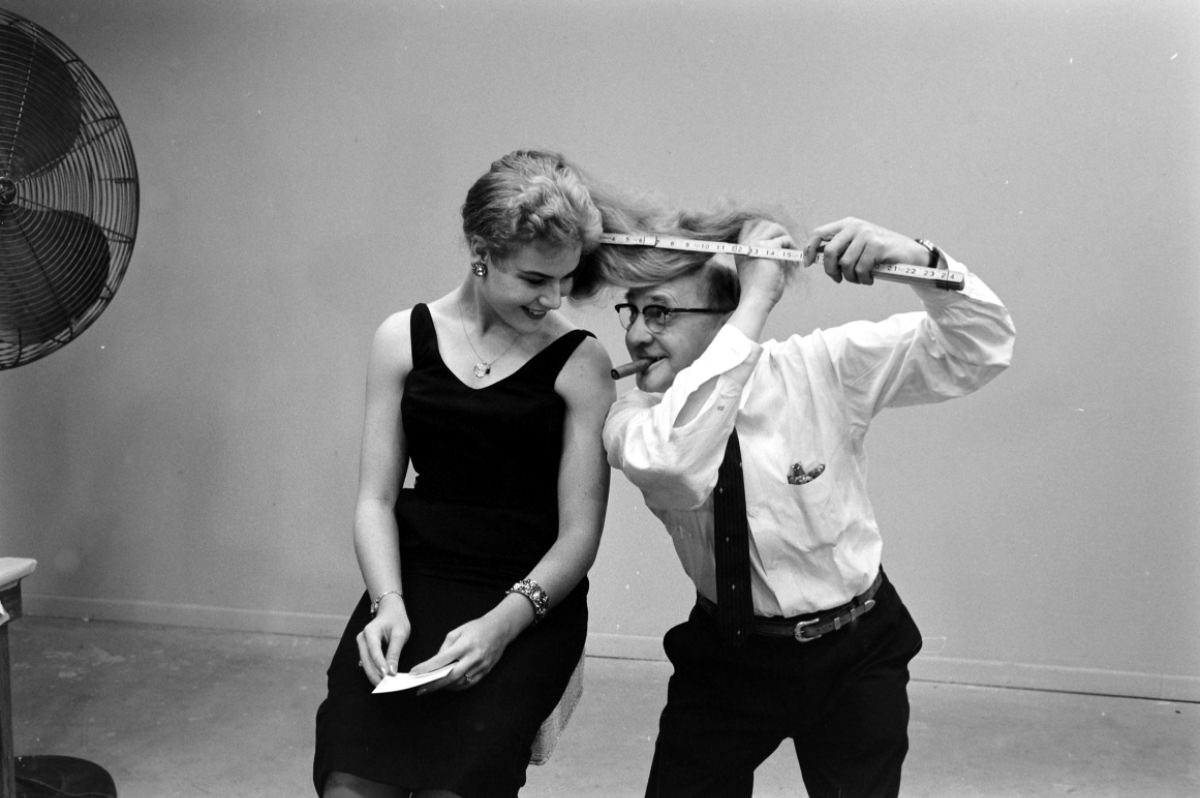
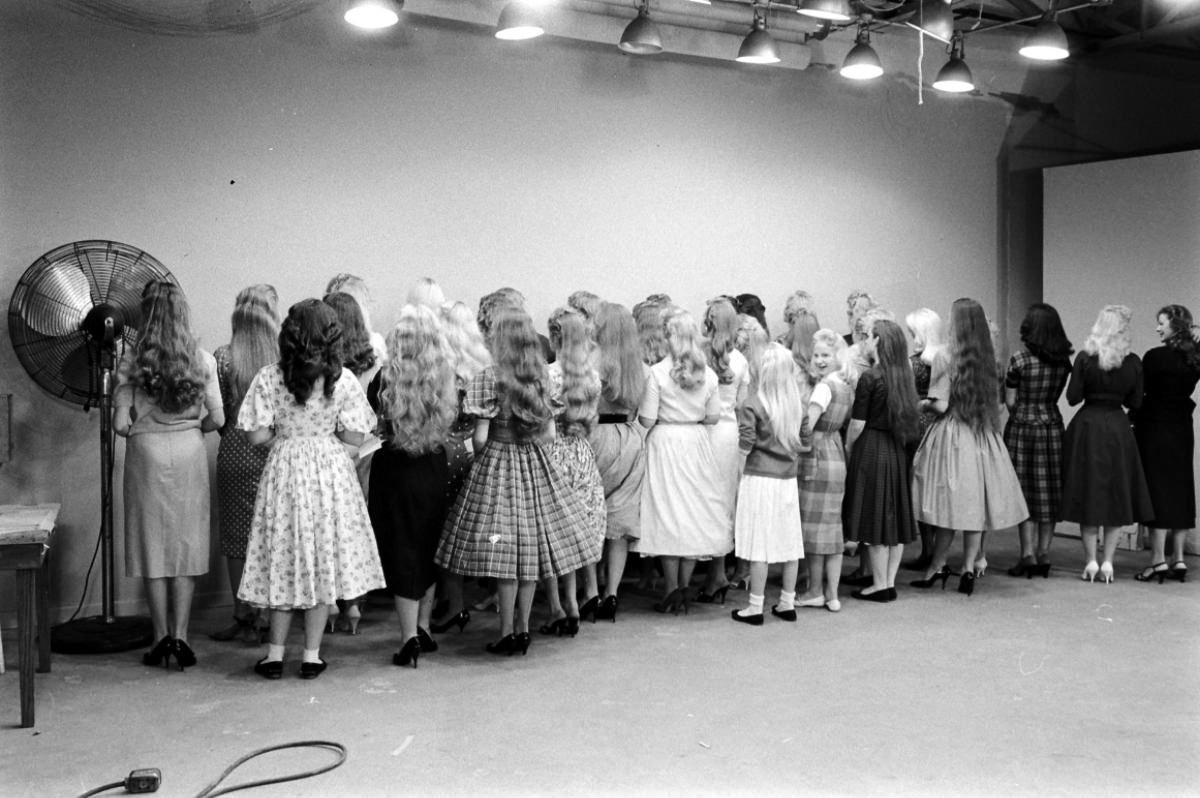
McAvoy’s photos ran in the June 15, 1959 issue of LIFE under the headline “Baldy and the Long Hairs.” The title was a direct nod to Langley himself, who was bald. The contrast between the lone bald photographer and the cascade of long hair surrounding him gave the story both its humor and its visual punch.
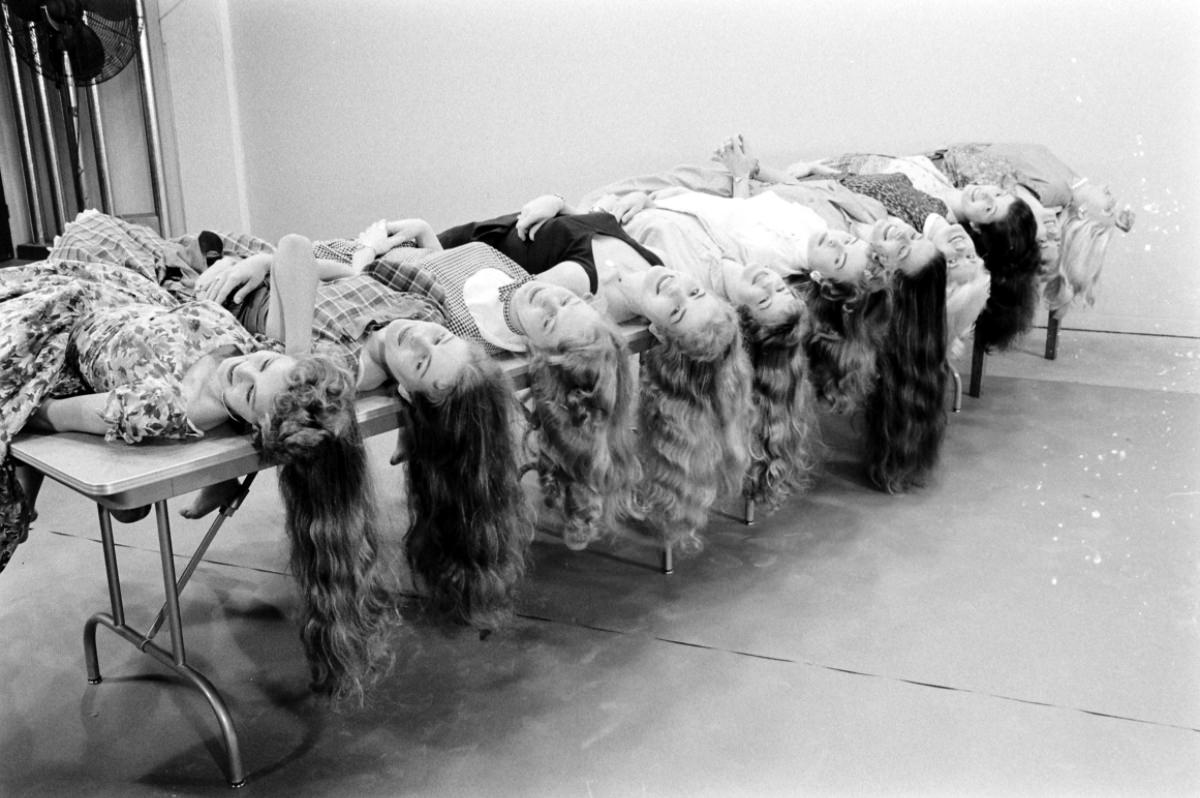
The photos McAvoy captured are a genuine time capsule. The women who showed up were dressed in the styles of the late 1950s, their long hair standing out against a decade that largely didn’t celebrate it. Langley, meanwhile, moved through the studio clearly pleased with the response — a man who had despaired of finding what he needed now surrounded by more of it than he could use.
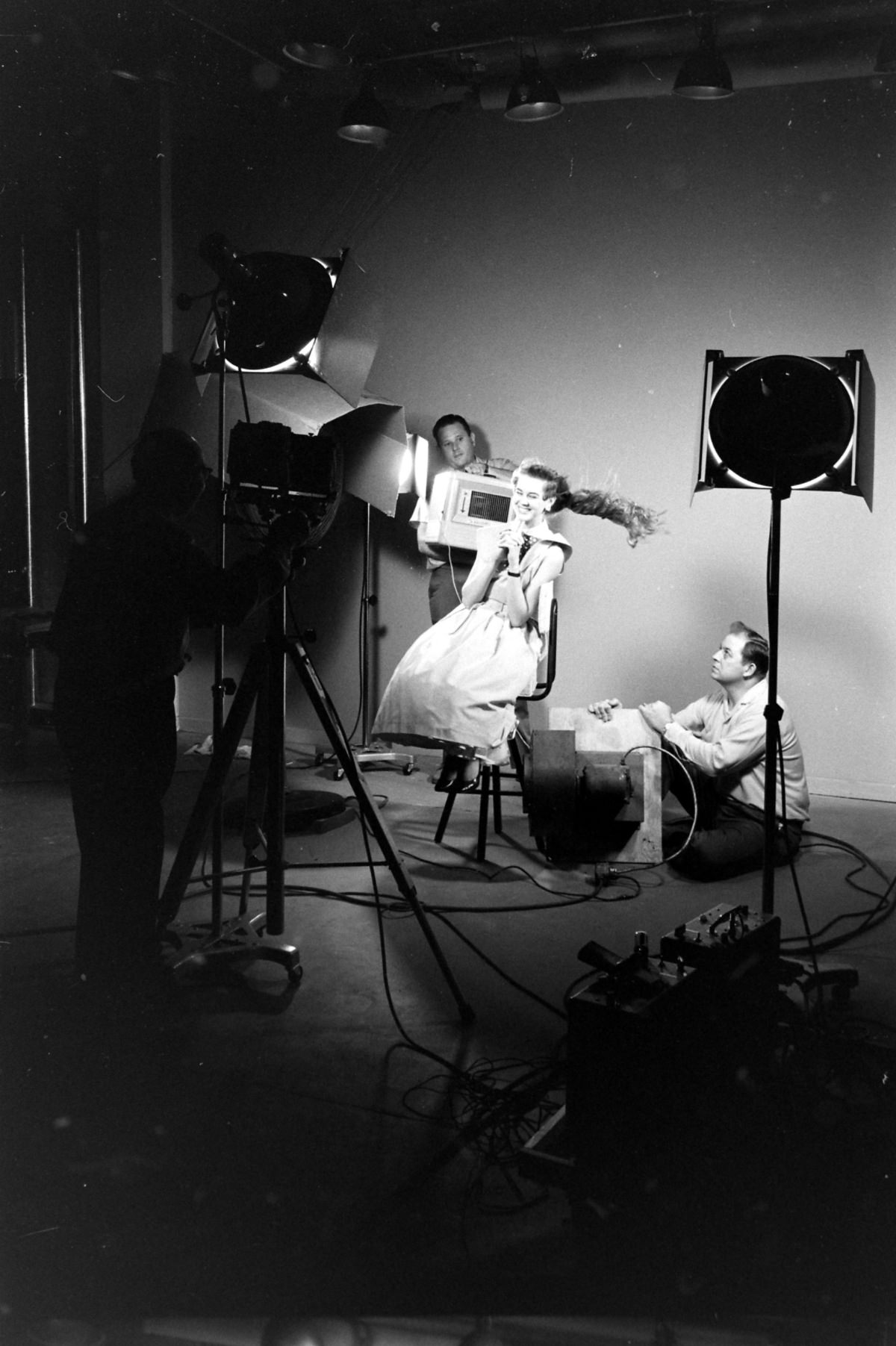
The term “long hairs” in the LIFE headline was used in a playful, almost tongue-in-cheek way. In 1959, it carried no particular cultural weight — it was simply a description. Within a few years, that would change dramatically. The 1960s brought the counterculture, the hippie movement, and a complete reversal of the grooming norms that had defined the previous decade. Long hair on both men and women became a symbol of rebellion and social change.
By 1969, Langley’s original problem would have been no problem at all. Long hair had gone from being “out of date” to being everywhere. The difficulty he faced in 1959 was entirely a product of that specific moment in time — a narrow window when mainstream American style kept hair short and tidy, and anything longer was genuinely hard to find.
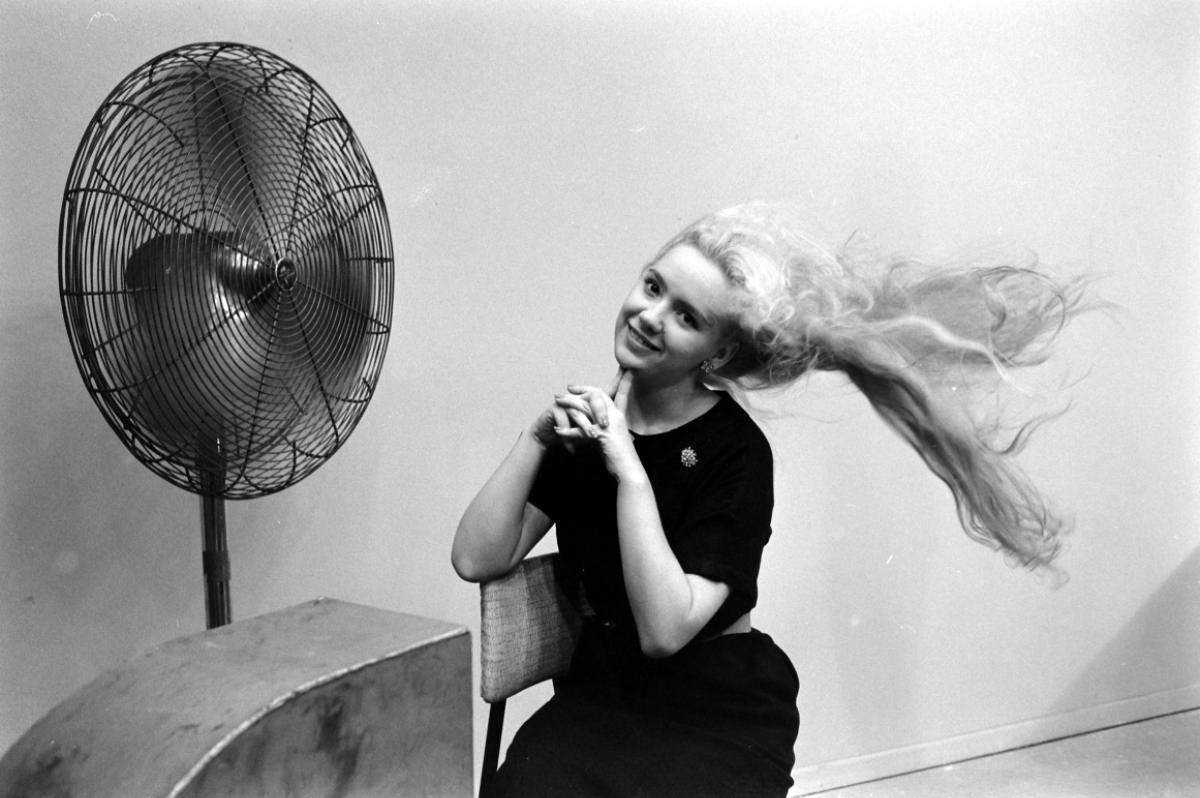
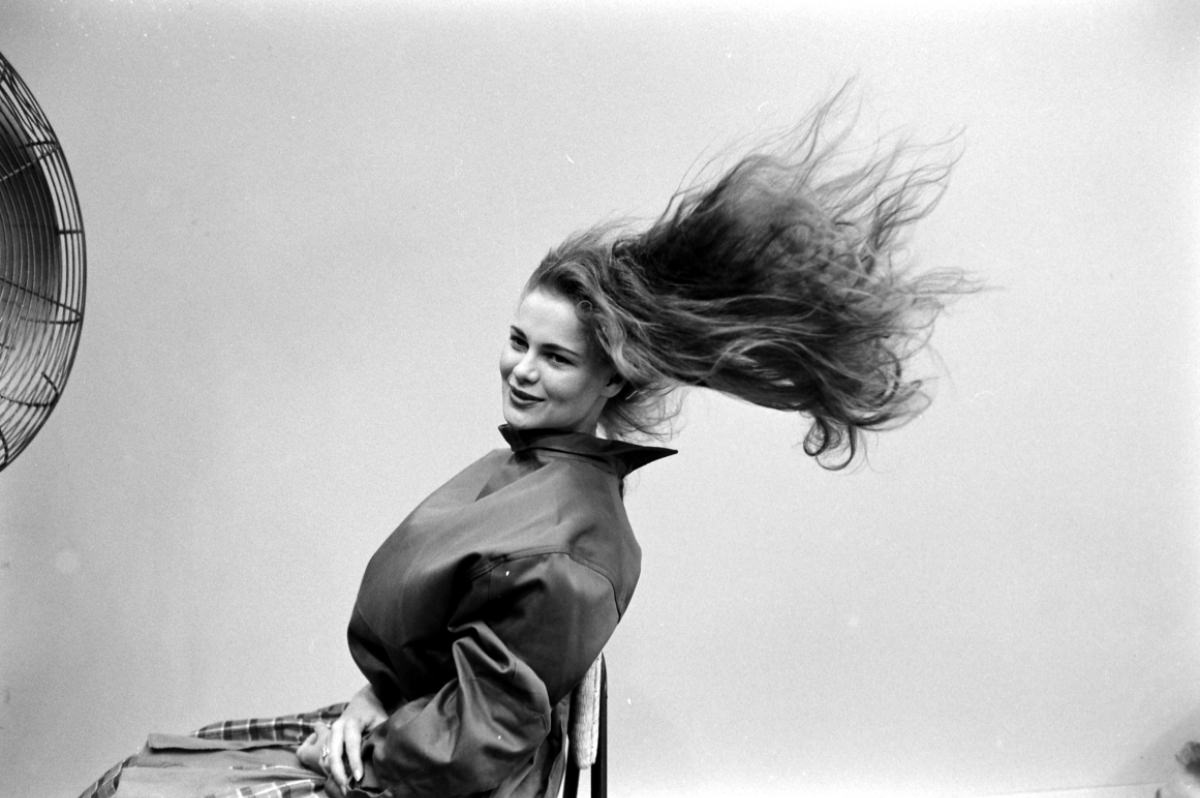
The LIFE spread gave the story a wide national audience. What might have stayed a local Dallas curiosity became a small, lighthearted moment in American cultural history — documented in crisp black-and-white by one of the era’s top photo journalists. The images show something the decade rarely put on display: a room full of women with long, unrestrained hair, right at the tail end of the era that considered it unfashionable.