
Today, the Mexico–United States border is one of the most heavily monitored boundaries in the world. Roughly 350 million documented crossings happen every year, and the line is enforced with walls, watchtowers, and national troops. But it was not always this way. A remarkable set of photographs from the Library of Congress pulls back the curtain on a very different era — the late 1930s, when the border near El Paso was loosely guarded, crossings were casual, and life on both sides was defined more by economic survival than by politics.
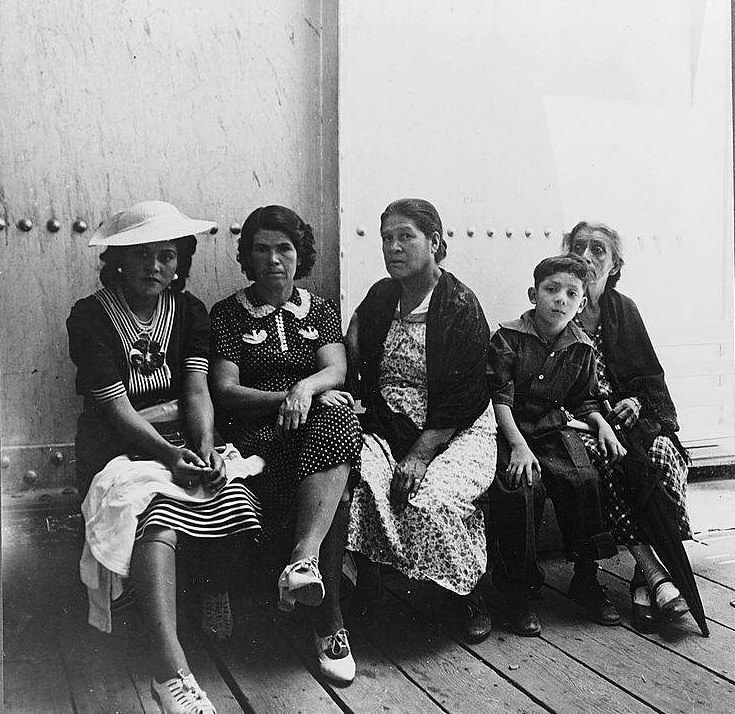
These images were captured between 1937 and 1939, near the tail end of the Great Depression. At El Paso, the U.S. immigration station processed Mexicans entering the country with only a handful of officers present. Small swinging gates, not towering walls, marked the crossing point.
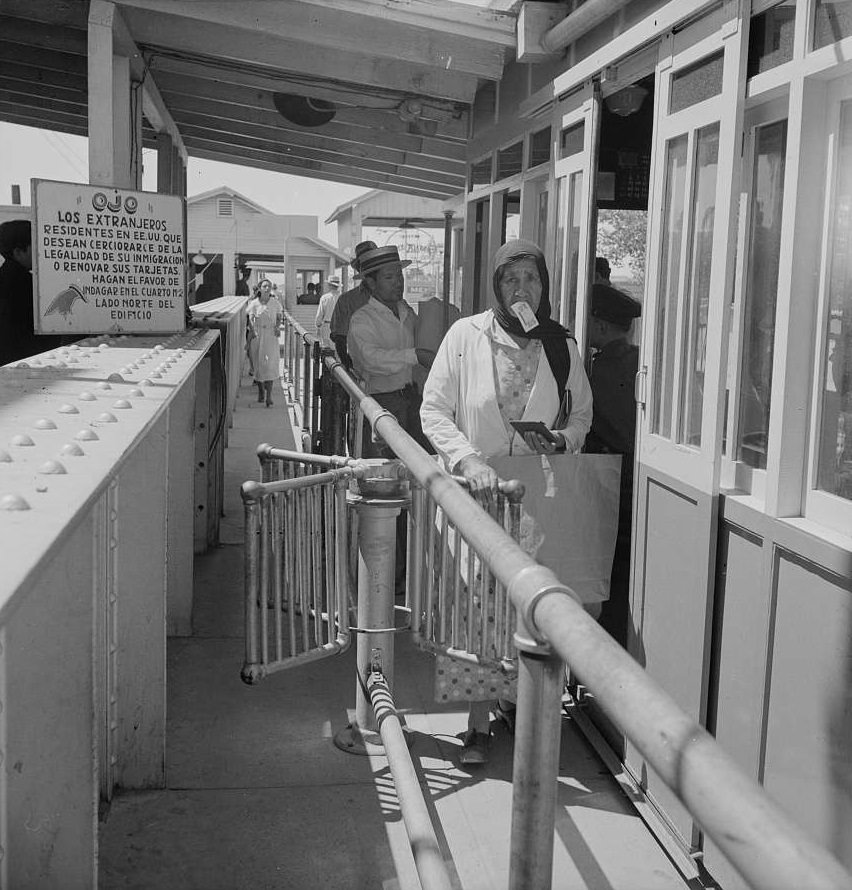
The border crossing at El Paso and its Mexican counterpart, Ciudad Juárez, were closely linked by commerce and daily life. Every Saturday, families and housewives from El Paso crossed the international bridge into Juárez to do their marketing. The favorable exchange rate made shopping in Mexico attractive, and long lines of shoppers returned carrying packages that had to be inspected by U.S. officials before they could re-enter.
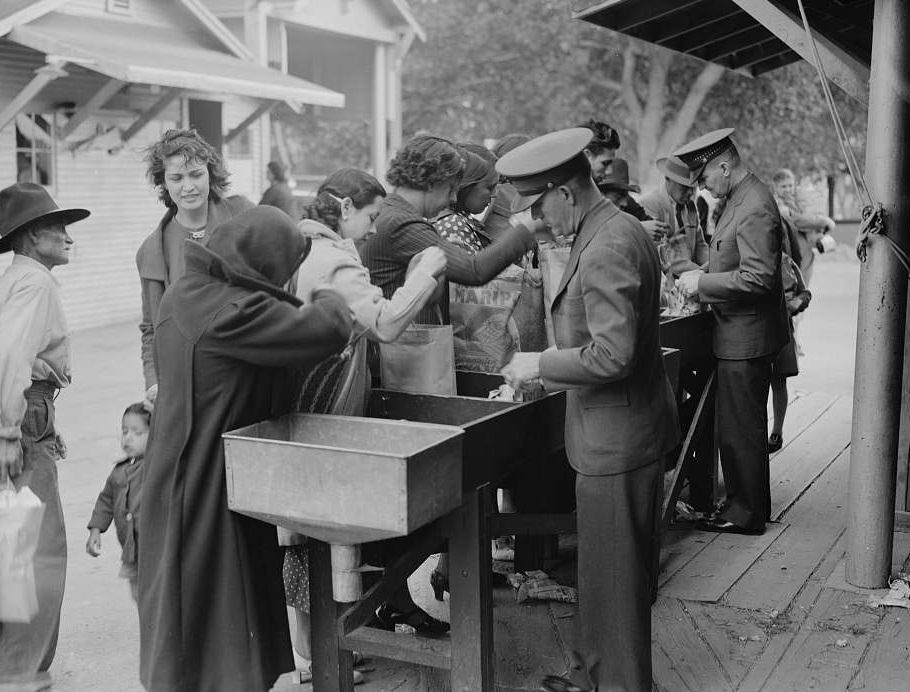
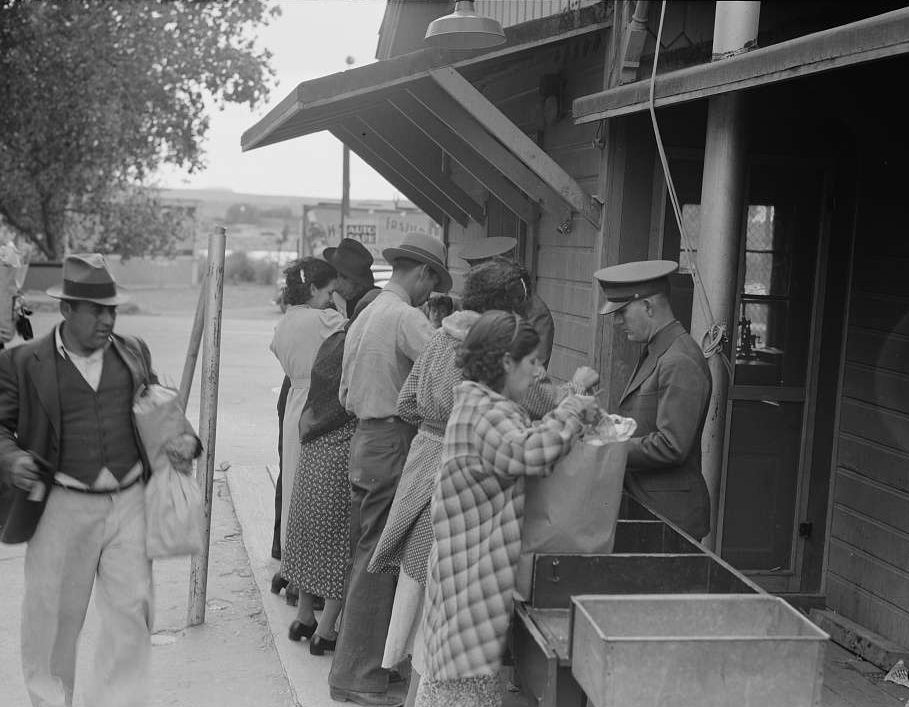
Plant quarantine inspectors stationed on the bridge between Juárez and El Paso checked every bag and bundle for agricultural products that could carry pests or disease into the United States. This was a routine part of the crossing, and inspectors worked steadily through the weekend foot traffic.
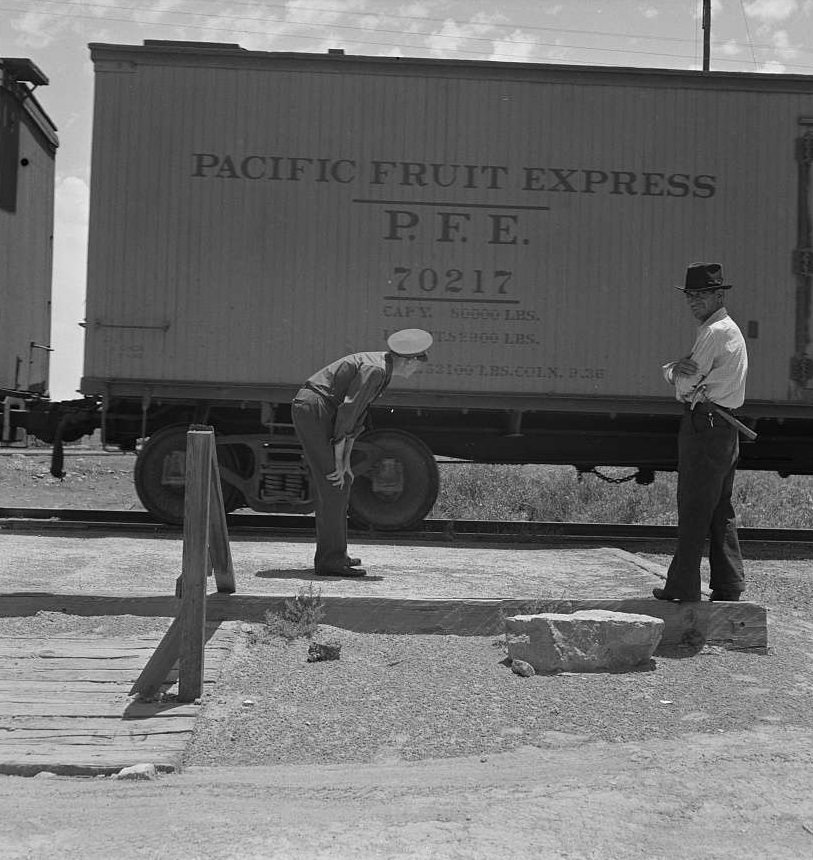
Beyond the pedestrian bridge, border officers also had to contend with freight coming in by rail. Inspectors checked incoming trains from Mexico for smuggled immigrants, a task that required searching cargo cars and hidden compartments along the length of the train.
Farther south along the Rio Grande Valley, the border region told a different story — one of labor, poverty, and families doing whatever they could to get by. Near towns like Harlingen, McAllen, and Santa Maria, migrant workers had set up temporary camps. White migrants who had traveled from states like Arizona lived in tents and trailers, while Mexican workers and their families occupied small, makeshift huts. Both groups worked the fields of South Texas, harvesting carrots, cabbages, and citrus.
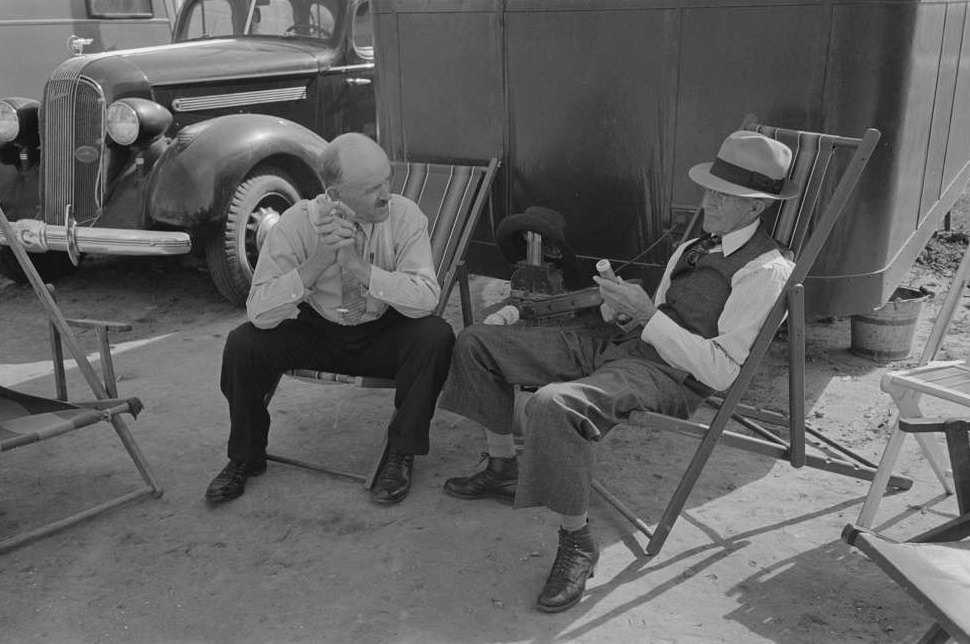
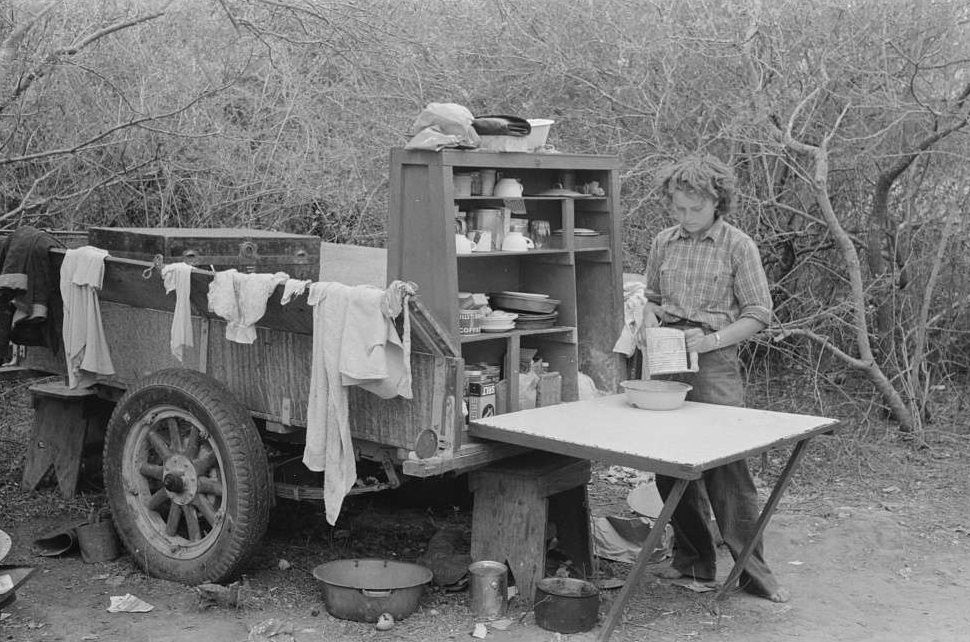
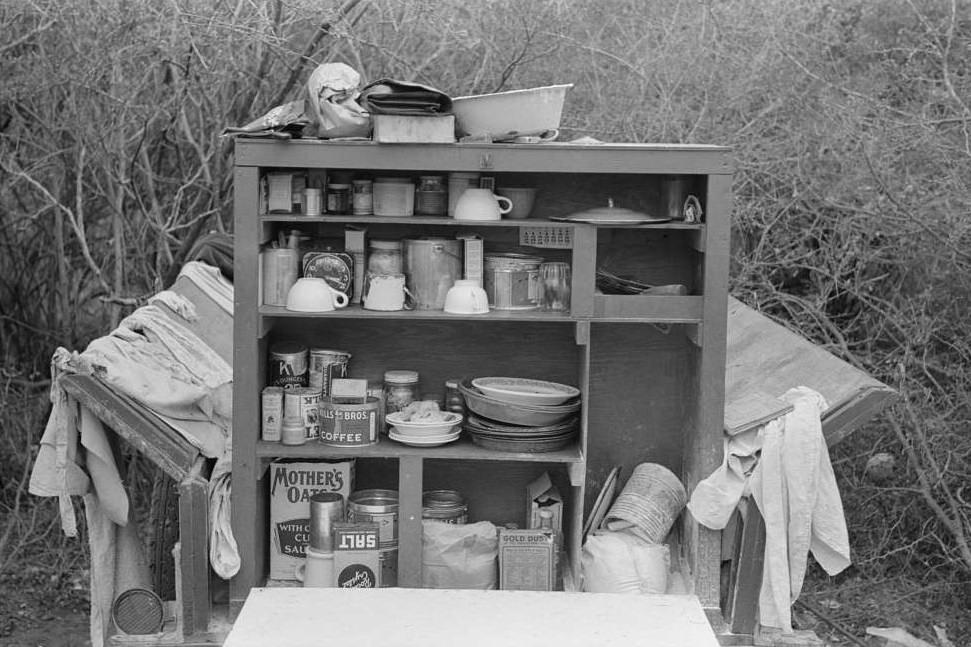
For white migrant families, the trailer was both home and kitchen. Some rigs were fitted with built-in cabinet storage, a design borrowed directly from the old chuck wagons that once fed cattle drive crews across the open range. Families customized their trailers out of necessity, making the most of limited space and resources.
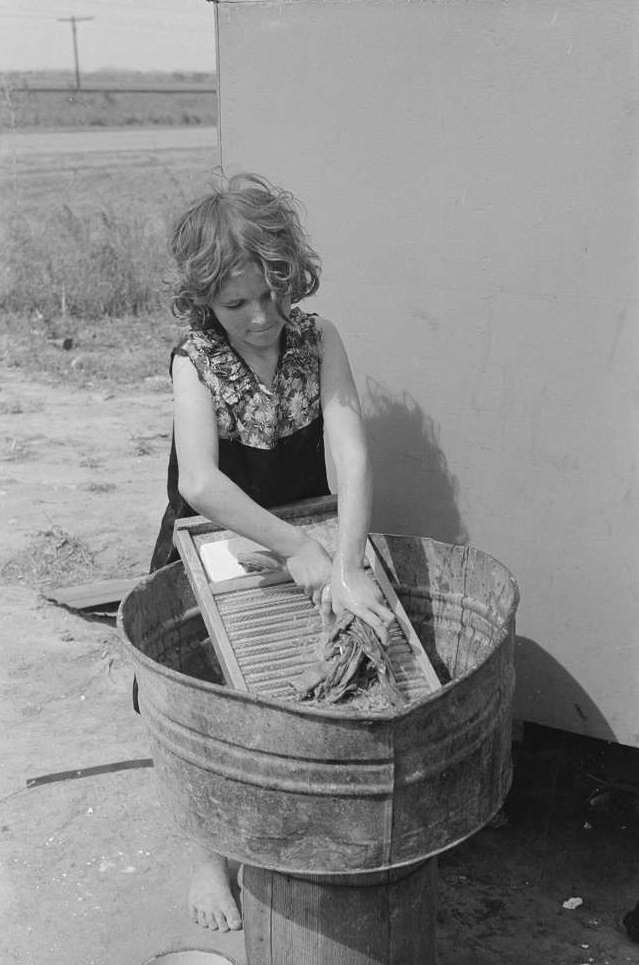
Children in these camps carried adult responsibilities. Near Harlingen, a twelve-year-old girl managed the household for her three older brothers, all of them migrant workers. She cooked, cleaned, and kept order inside their trailer while her brothers worked the fields.
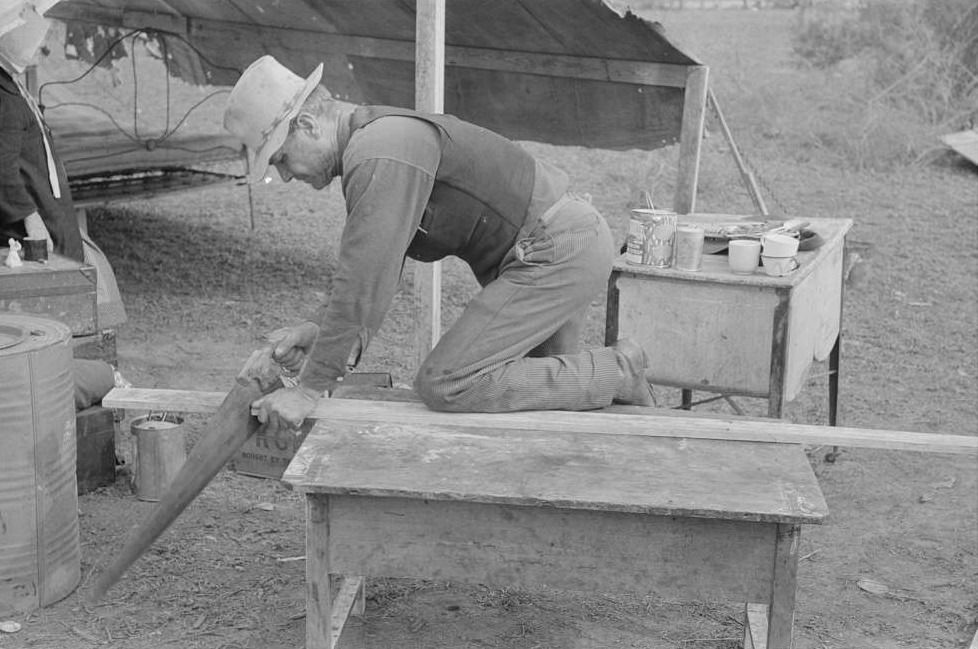
The tent camps near Harlingen ranged from modest to barely functional. Some families managed to set up a reasonably organized space, while others lived in shelters that offered little protection from the South Texas elements. Wood had to be cut on-site to hammer stakes into the ground and anchor the tent structures.
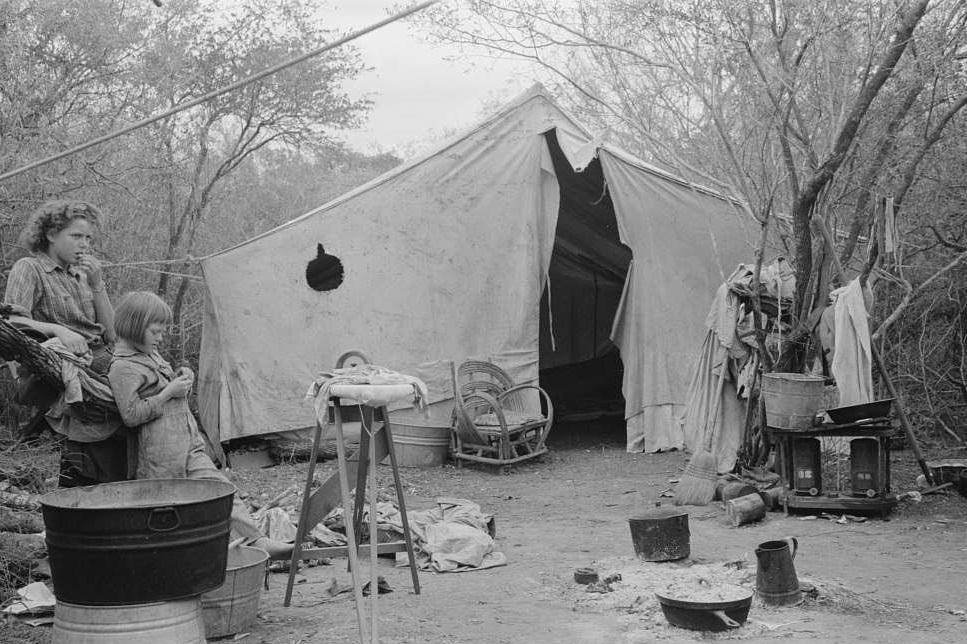
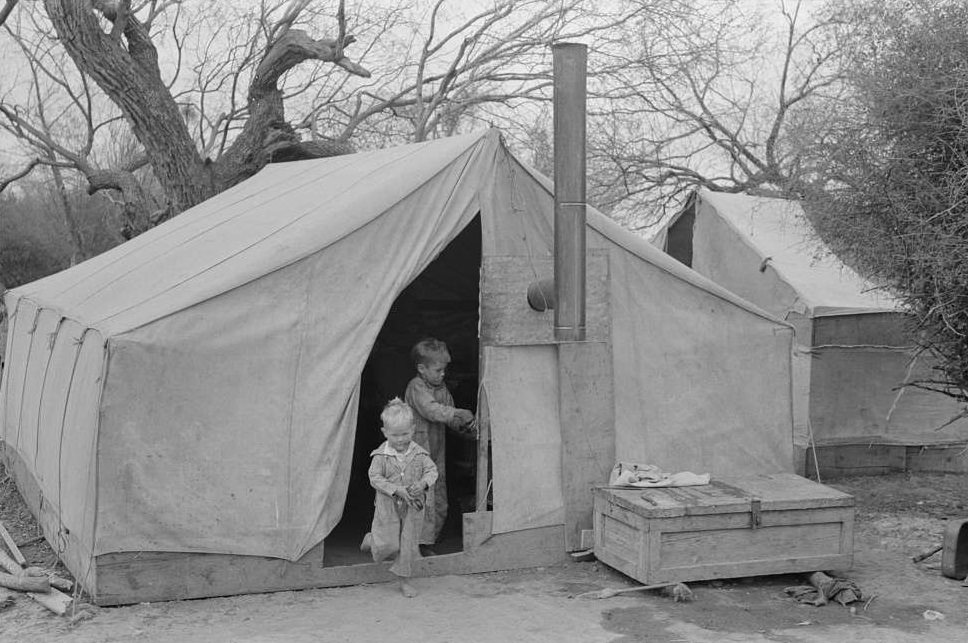
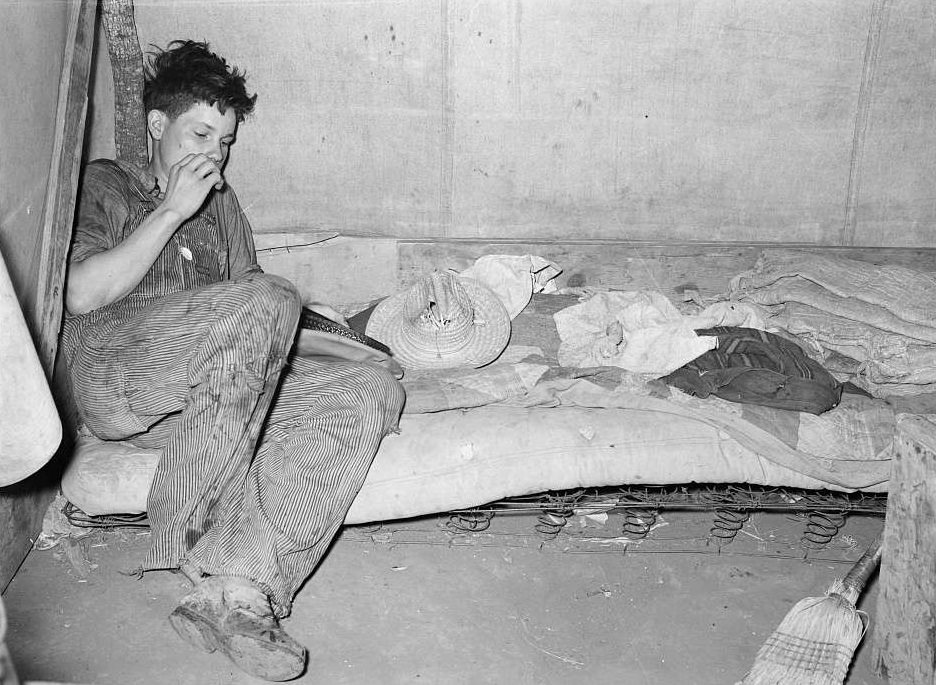
The faces of the children in these camps are among the most striking images in the collection. A boy photographed near Harlingen stares directly into the camera, his expression carrying a seriousness well beyond his years.
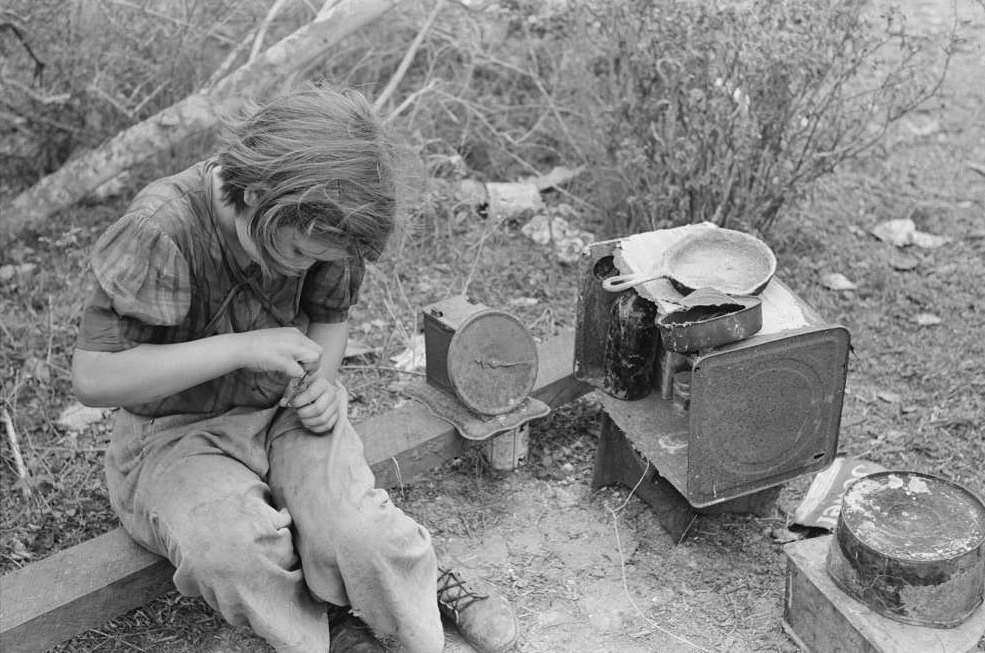
Even in poverty, children created their own worlds. One small girl had set up a playhouse near her family’s camp, where a set of rusted scales stood in for a clock in her imagination. Meanwhile, adults worked constantly just to maintain their basic shelter and equipment.
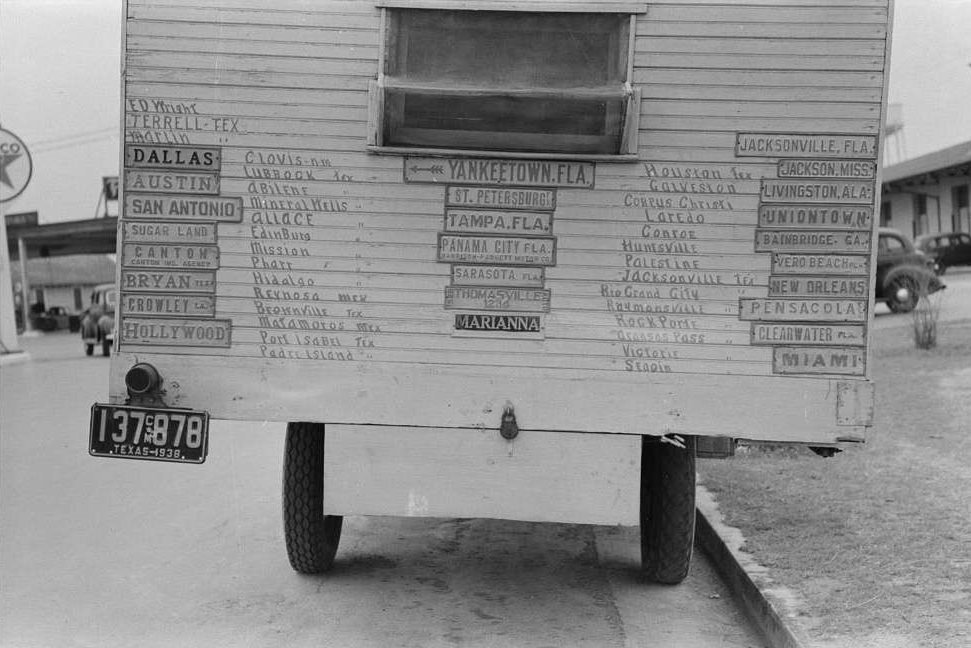
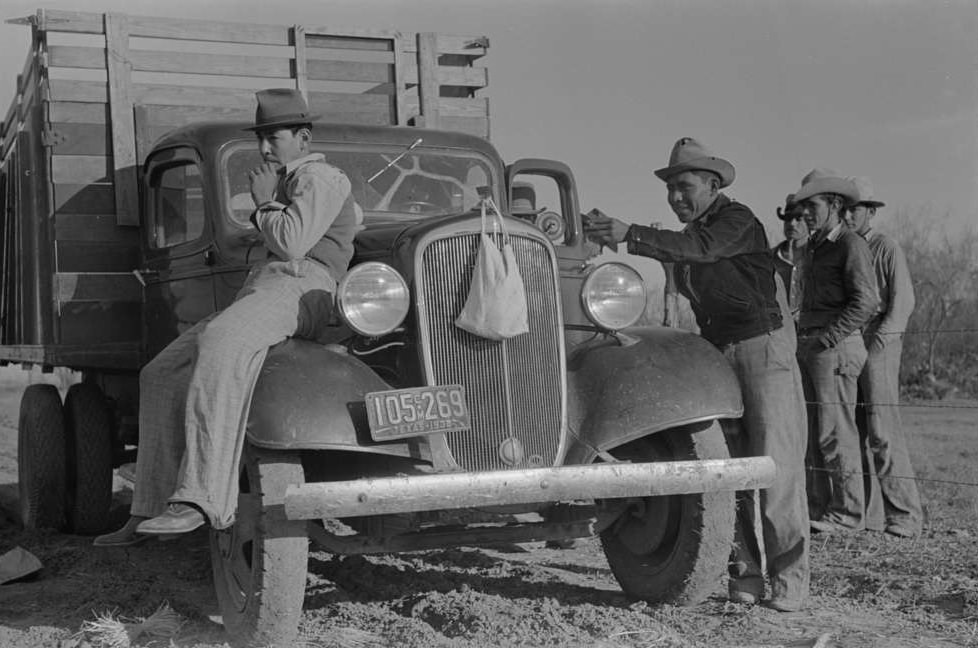
Not all migrants lived in tents. Some traveled and lived in trucks, which served as both transport and shelter. One such truck, photographed in Harlingen, displayed license plates from multiple cities — a visible record of the long, winding route its owner had traveled across the country.
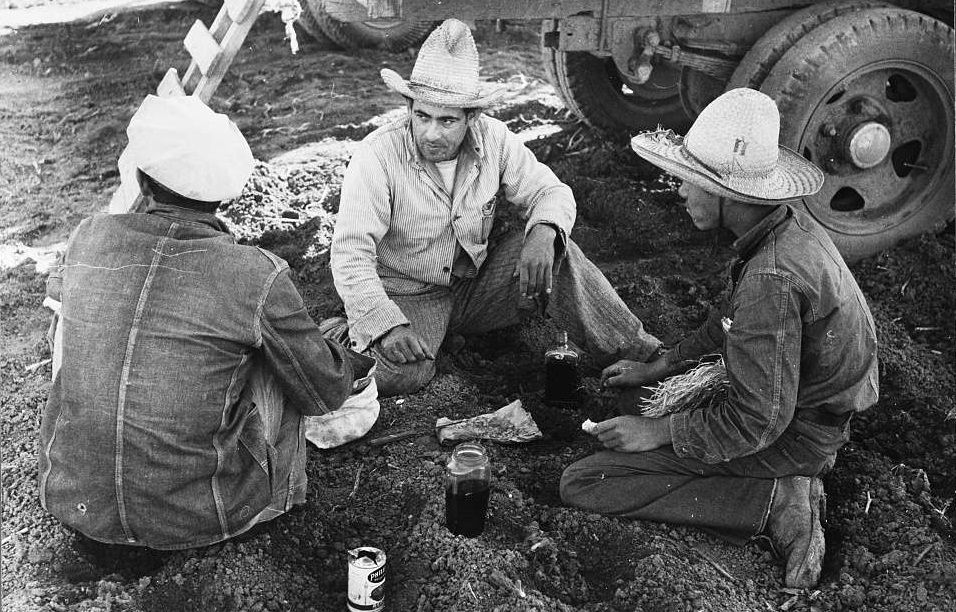
Mexican workers in the Valley operated under a labor contractor system. The contractor, positioned between the farm owners and the workers, organized crews and moved them between jobs. Near Santa Maria, a contractor and two carrot workers paused for a second breakfast in the field — a small meal break in the middle of a long working morning.
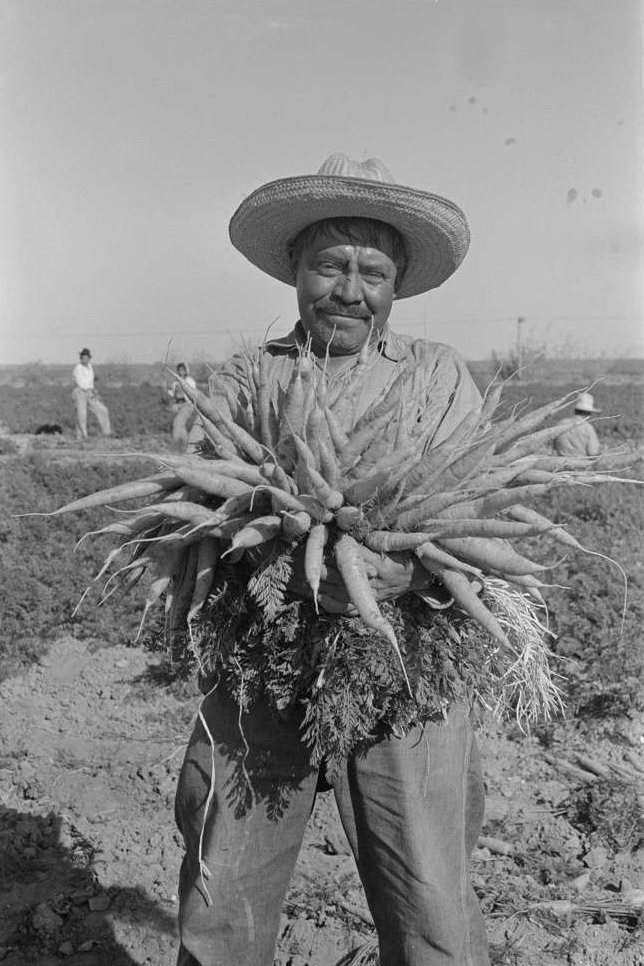
Carrot harvesting was one of the dominant forms of agricultural labor in the region during this period. Workers spent their days bent over the soil in the fields around Edinburg and Santa Maria, pulling and bundling carrots by hand.
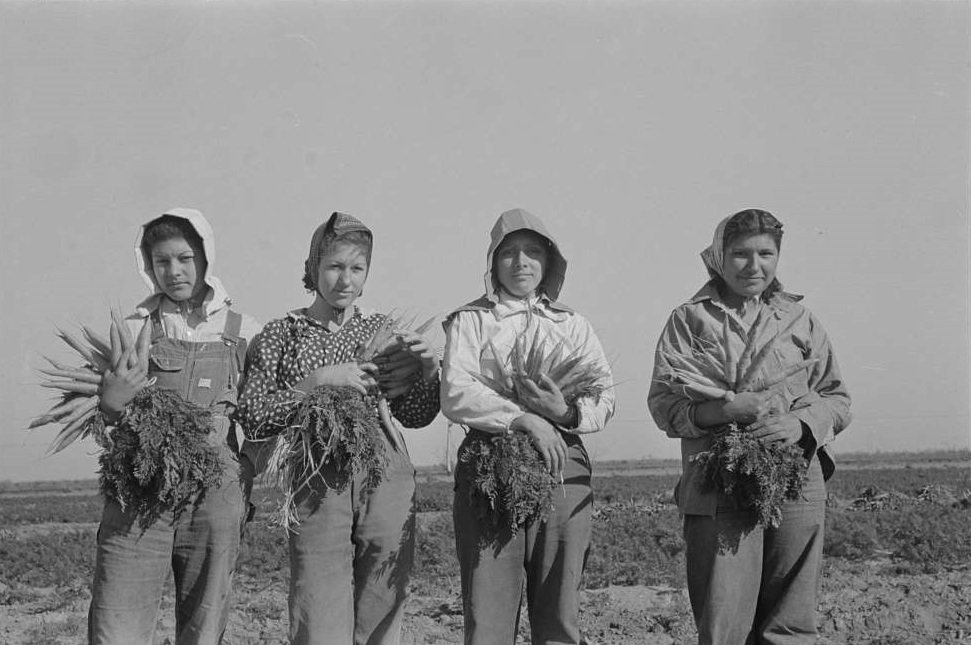
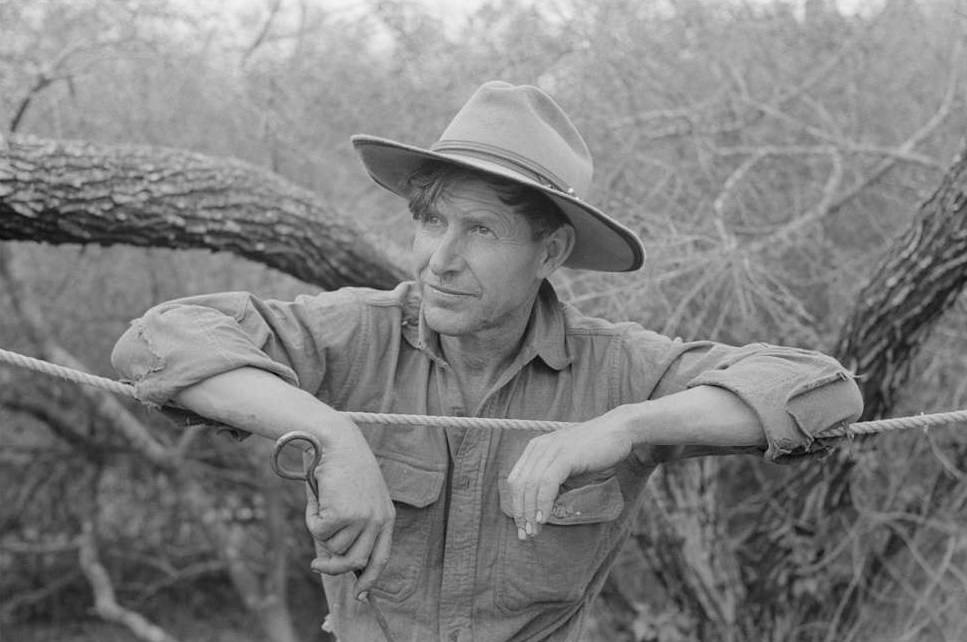
The white migrants who had come down from Arizona were a community unto themselves within the broader camp landscape. Their faces, clothing, and the condition of their belongings all reflected the strain of years on the road.
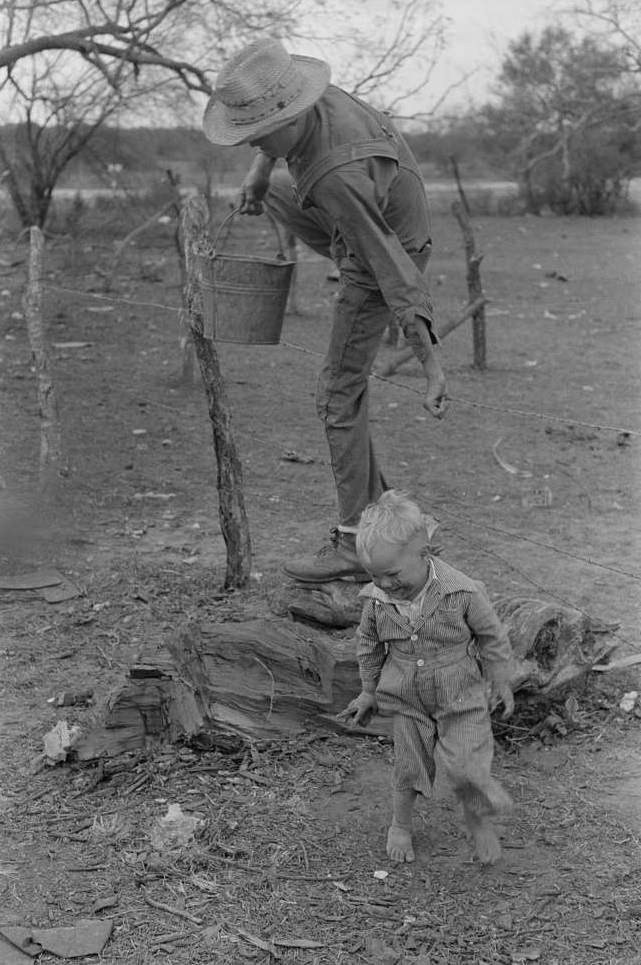
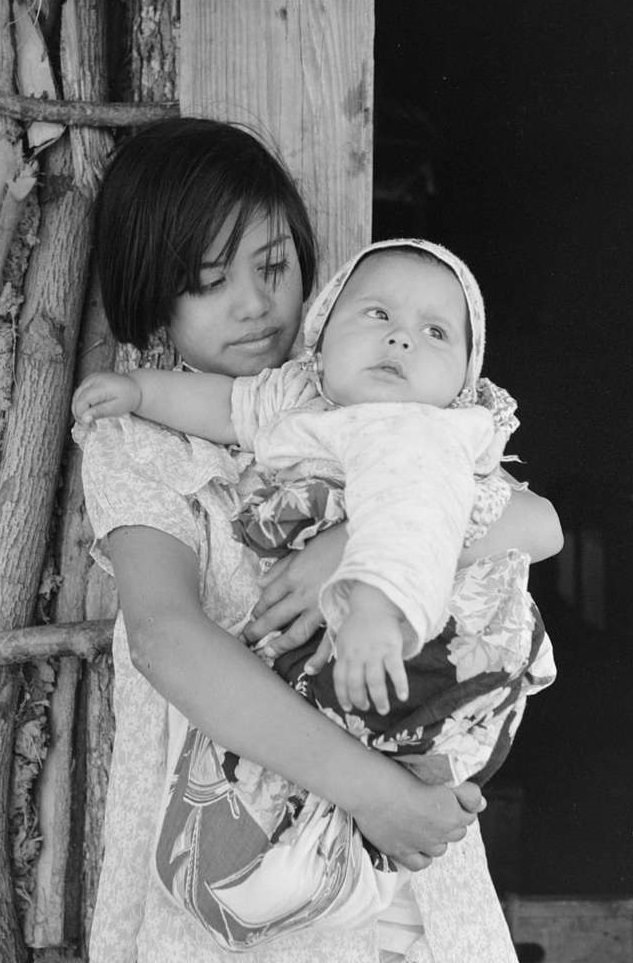
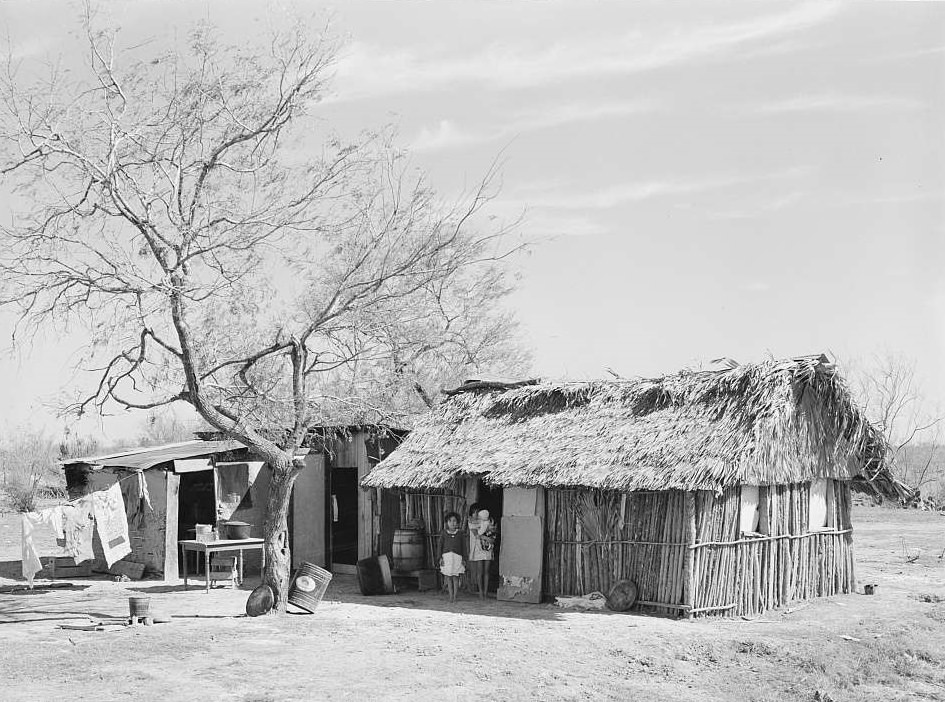
For Mexican families living near Santa Maria, the huts they occupied were basic structures built from whatever materials were available. Children played outside them, and daily life was conducted almost entirely in the open air. A young girl photographed in front of her family’s hut holds her baby sister, both dressed simply against the February heat.
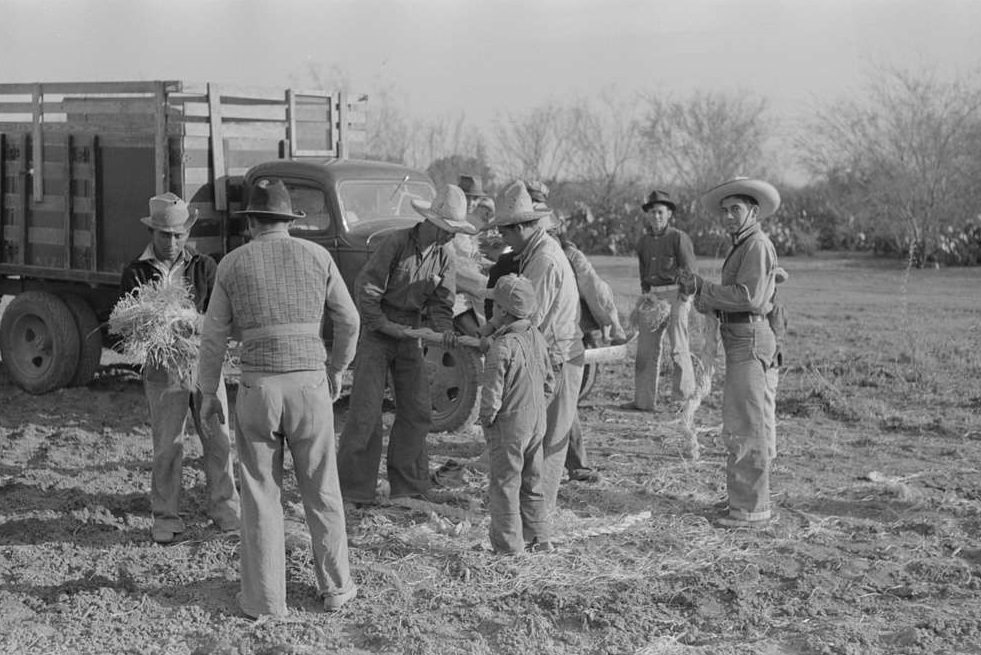
In the carrot fields, even gathering the materials to tie the harvest was organized labor. Groups of Mexican workers collected straw that would be used to bundle the carrots before they were loaded and shipped. Every step of the harvest required coordinated effort.
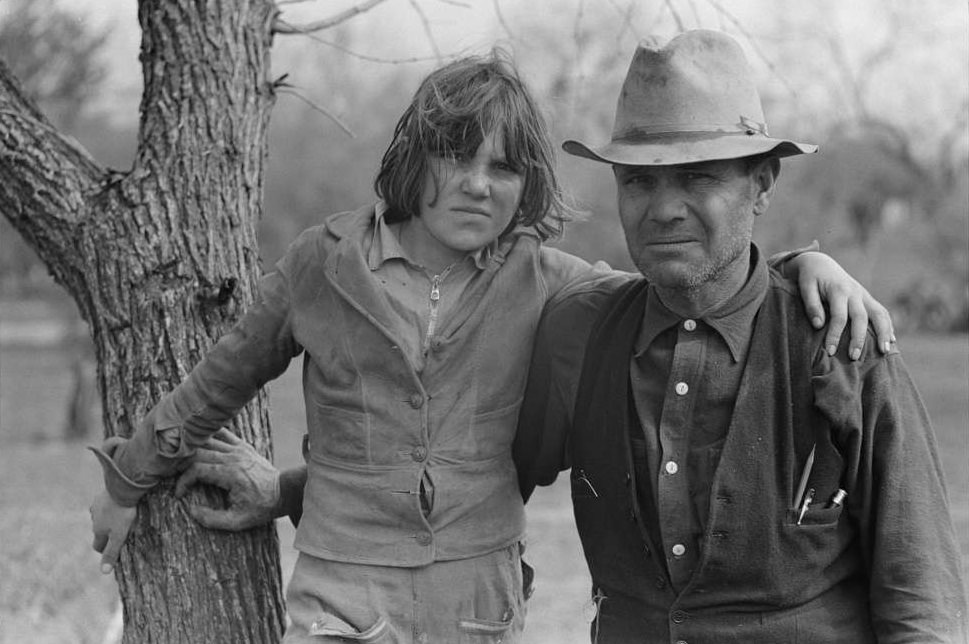
Families stayed together through the migrant circuit as much as they could. A father and daughter photographed near Harlingen represent the human core of this story — people navigating an economy that offered very little stability, moving from harvest to harvest to keep their families fed.
The trailers used by white migrant families were often fitted with purpose-built storage solutions. Kitchen cabinets mounted directly onto the trailer frame kept cooking supplies organized and accessible — a practical adaptation to life lived constantly on the move.
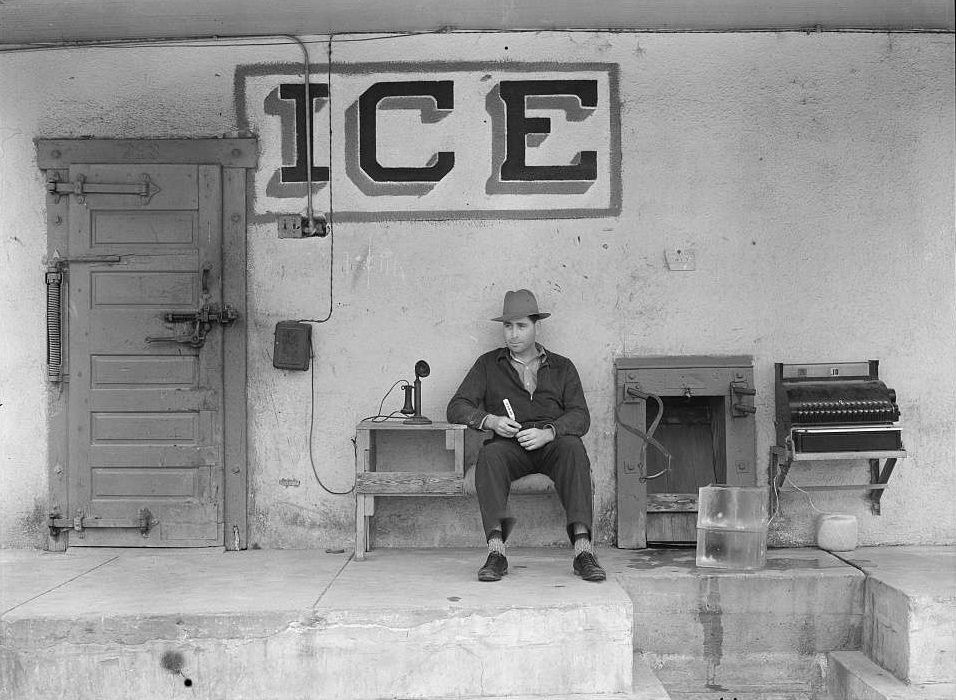
Small commerce operated in and around the camps to serve the migrant population. In Harlingen, ice was sold to workers and families who needed it to keep food from spoiling in the February heat. It was a simple but essential service in a community with no refrigeration.
The huts built by Mexican day laborers near Santa Maria were among the most basic structures in the region. Assembled from scrap wood, corrugated metal, and whatever else could be found, they provided minimal shelter against the elements.
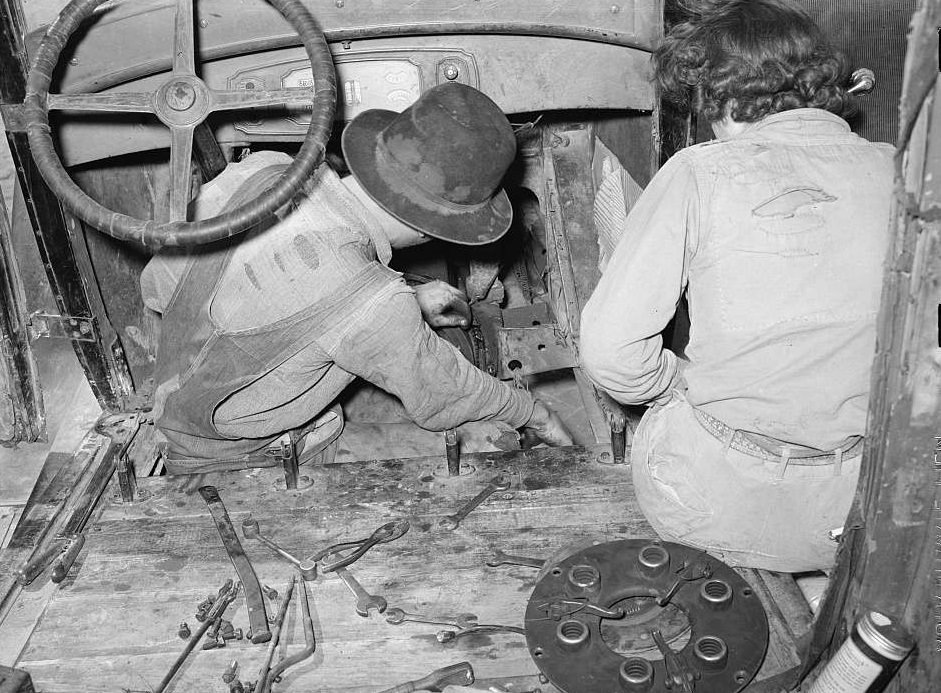
Keeping a vehicle running was critical for migrant families, as their car or truck was often their only means of moving to the next job. Near Harlingen, a white migrant and his wife worked side by side to repair the clutch on their car — a mechanical task they handled themselves because there was no money to pay a mechanic.
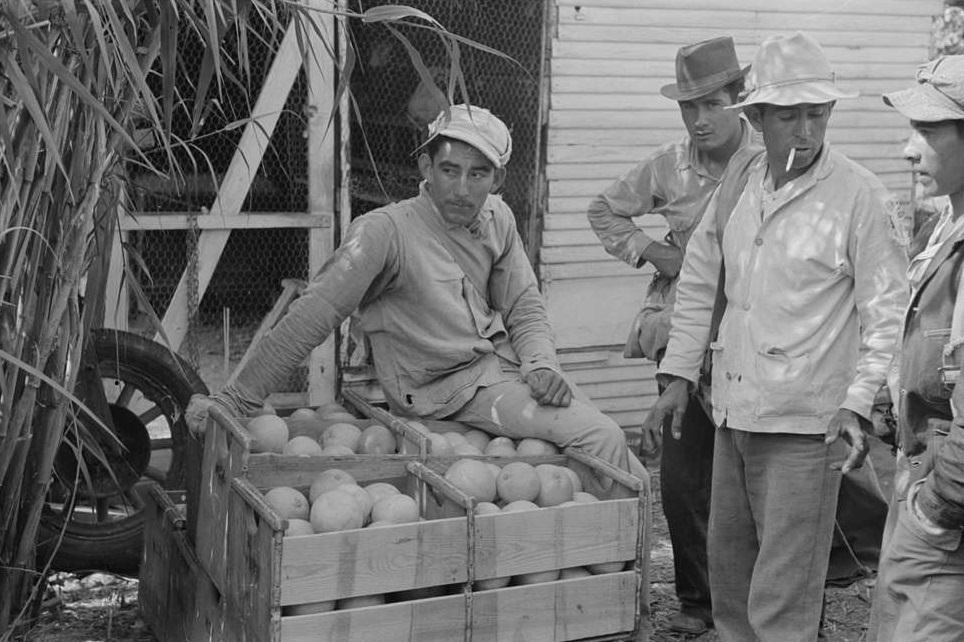
Citrus was another major crop in the Valley, and Mexican workers near Weslaco harvested oranges and grapefruits from the region’s groves. The citrus industry of South Texas depended almost entirely on this migrant labor force during the Depression years.
Once the crops were harvested, they moved through packing operations before being shipped out. At Elsa, a vegetable packinghouse loading platform handled the outbound produce, connecting the labor of thousands of field workers to markets across the country.
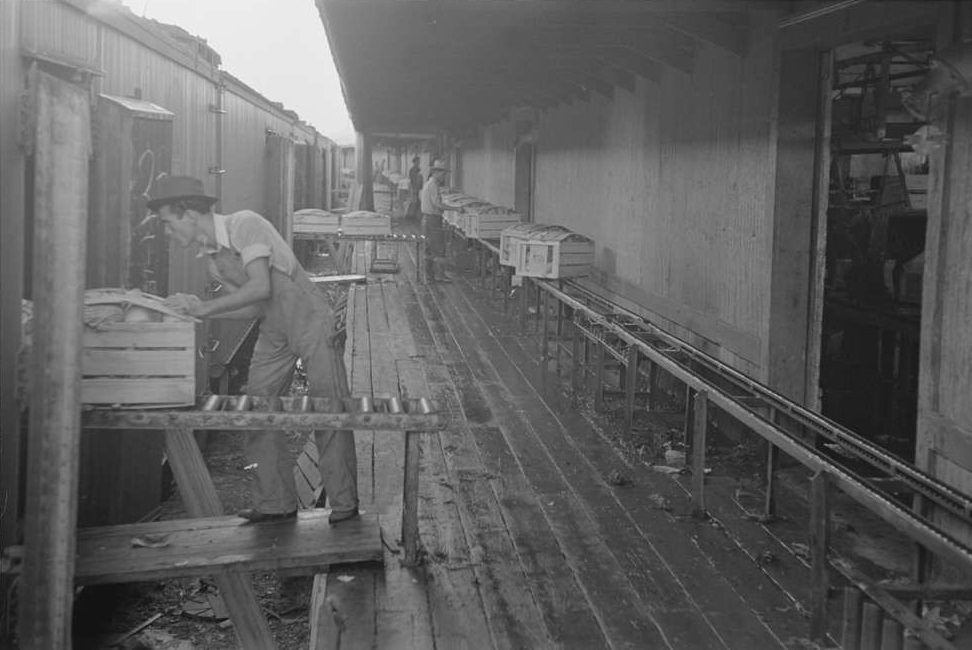
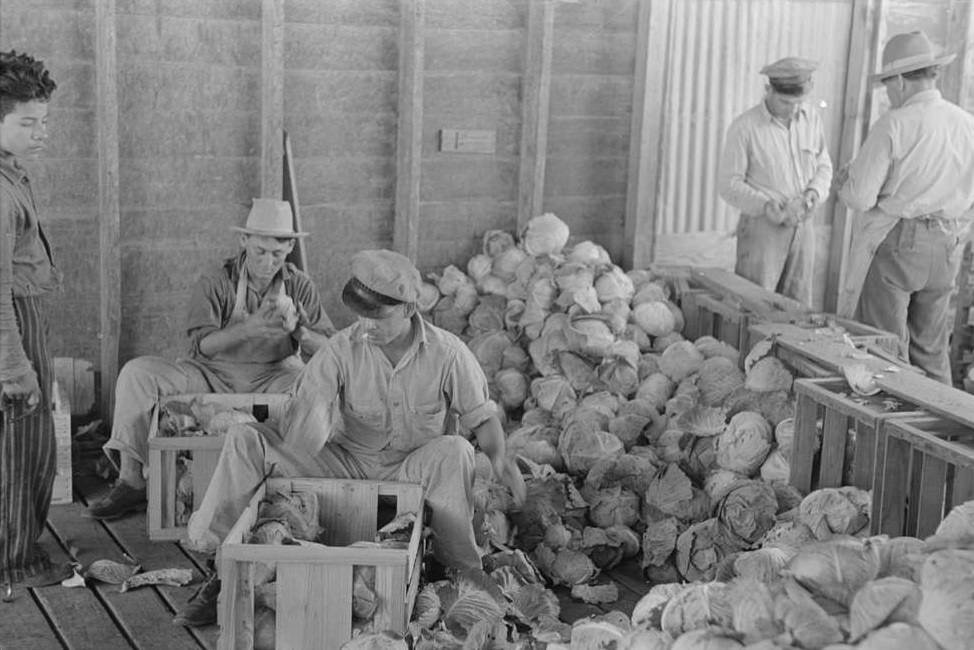
At Alamo, workers packed cabbages into crates by hand, filling each one before it was stacked and loaded for transport. It was hard, repetitive work — the final step in a chain that began with migrant families arriving in South Texas with little more than the tools of their trade and the hope of steady wages.





It’s dope! My family was a migrant worker in the Rio Grande Valley during that time. These pictures are always so amazing to see.
We had a “chuck box” that fit in the station wagon’s back. Boy, does that bring back memories? It must have been during the 1960s and 1970s.