SunFest is Florida’s largest waterfront music and art festival. Held every year in downtown West Palm Beach, it draws thousands of visitors to the banks of the Intracoastal Waterway and delivers a significant boost to the local economy. The festival launched in 1982 and quickly became a signature event for South Florida. At its heart are three live music stages featuring a wide range of musical styles, from jazz and R&B to pop and rock. Beyond the music, SunFest fills its grounds with art exhibitions, dance performances, food vendors, street performers, and fashion shows — making it a true community celebration.
Photographer Steven Martin documented the festival across several years, from 1987 through 1992. His photos capture the energy, style, and spirit of those early SunFest years with remarkable candor. The crowds, the performers, the food carts, and the waterfront backdrop all come together in a vivid portrait of a festival finding its stride. Below is a curated collection of his work, organized year by year.
Martin’s earliest surviving SunFest photo in this collection dates to 1987, when the festival was just five years old and still building its reputation along the West Palm Beach waterfront.
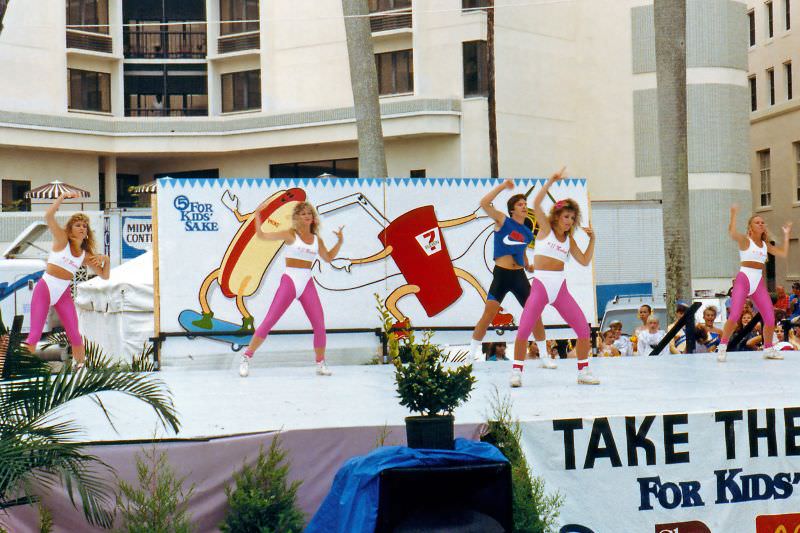
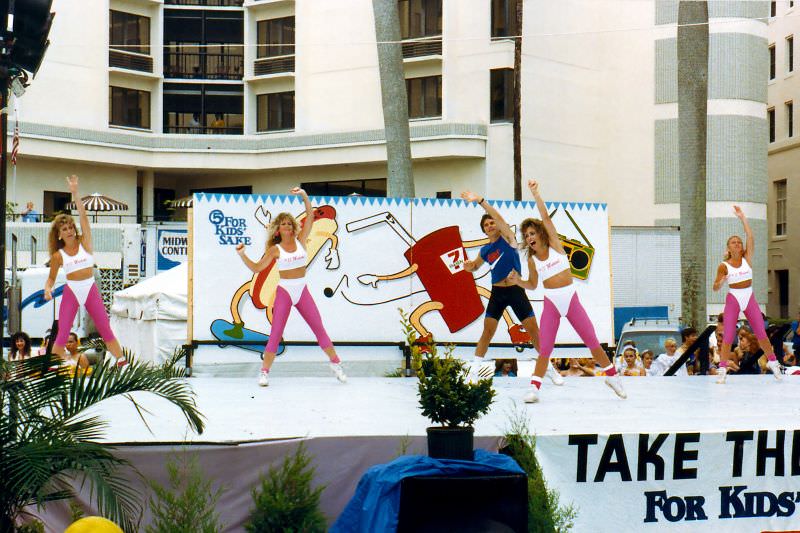
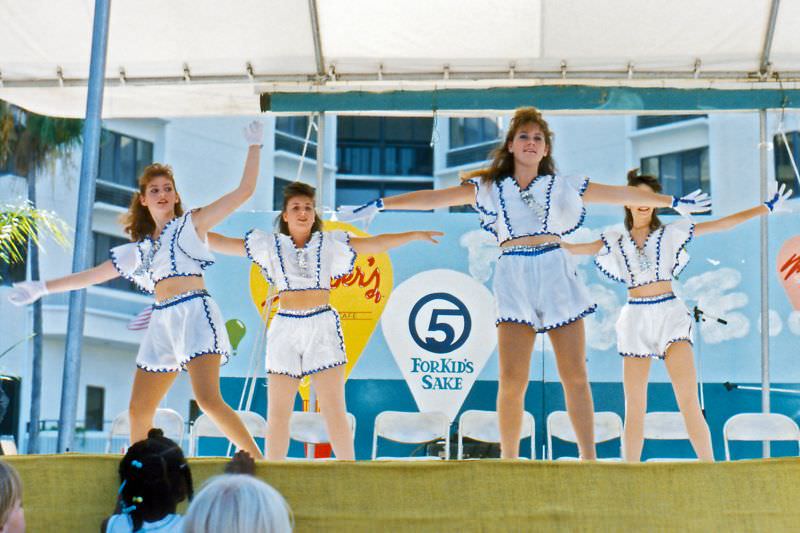
By 1988, SunFest had grown into a multi-day event with a packed schedule of performances. Aerobic dance routines were a popular feature of the era, reflecting the fitness craze that swept American culture throughout the decade. Groups performed choreographed routines on stage to enthusiastic crowds.
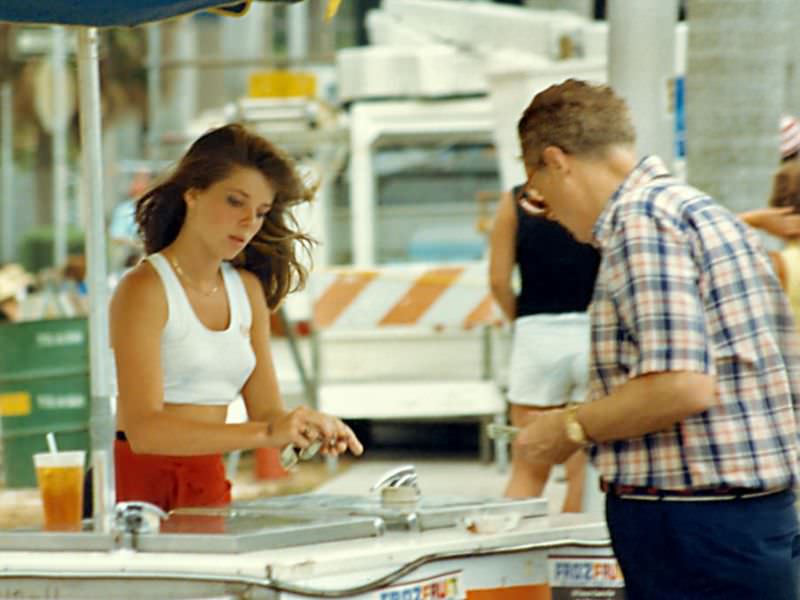
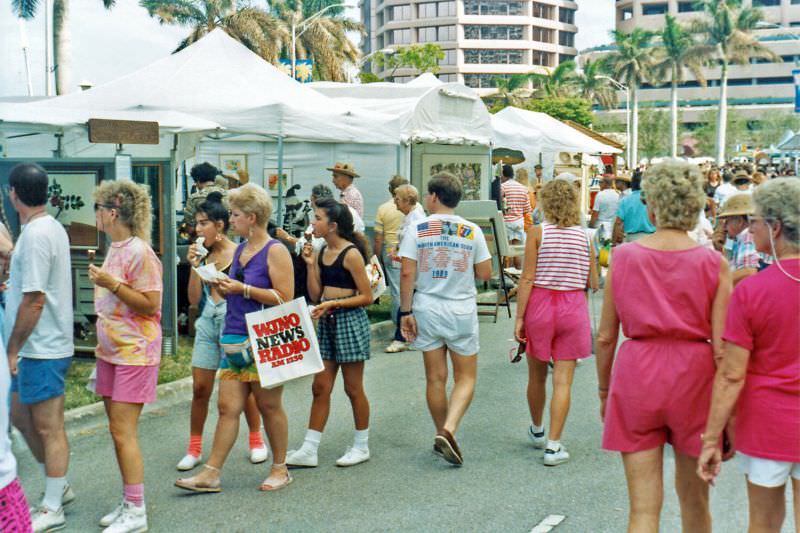
Food vendors lined the festival grounds, and the warm Florida weather made frozen snacks a natural draw for attendees moving between stages and art booths.
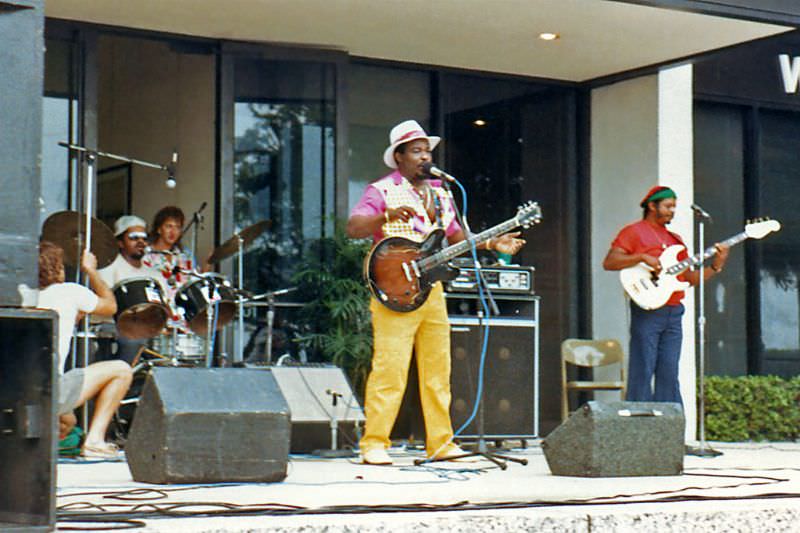
The main stages at SunFest regularly attracted nationally recognized artists. In 1988, Grammy-winning guitarist and vocalist George Benson performed with his band, delivering the kind of smooth jazz and R&B set that SunFest became known for booking.
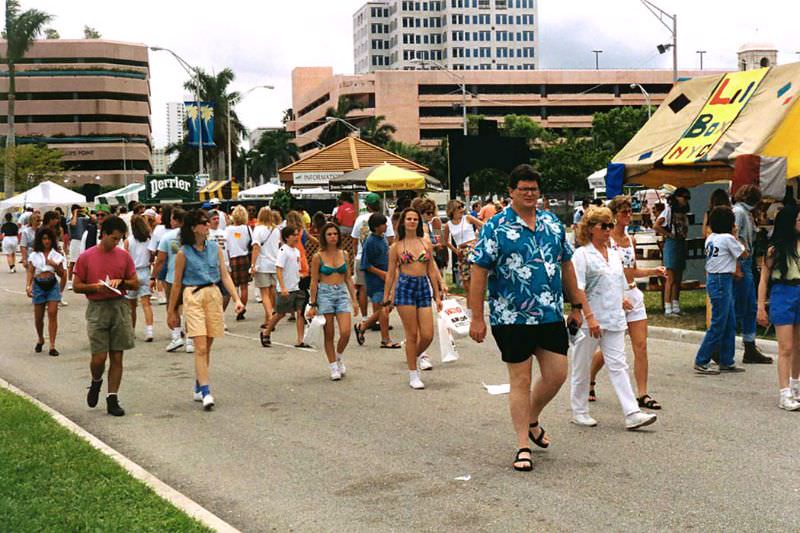
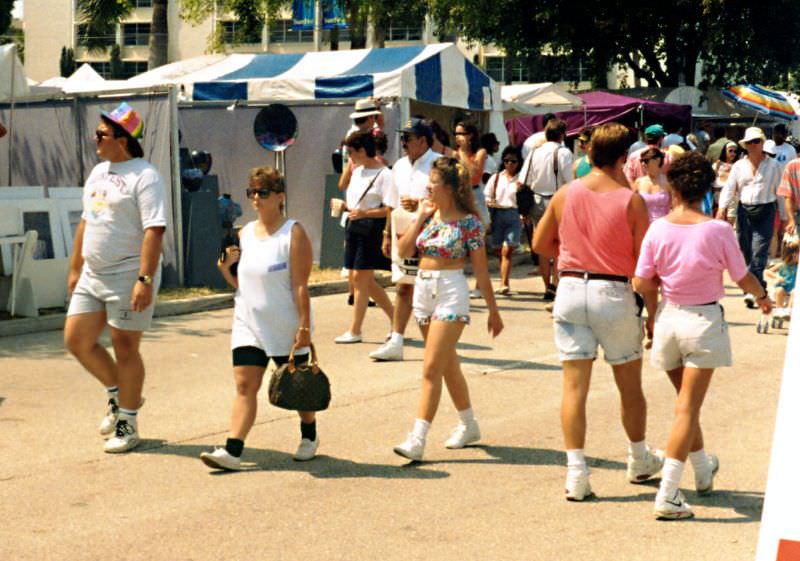
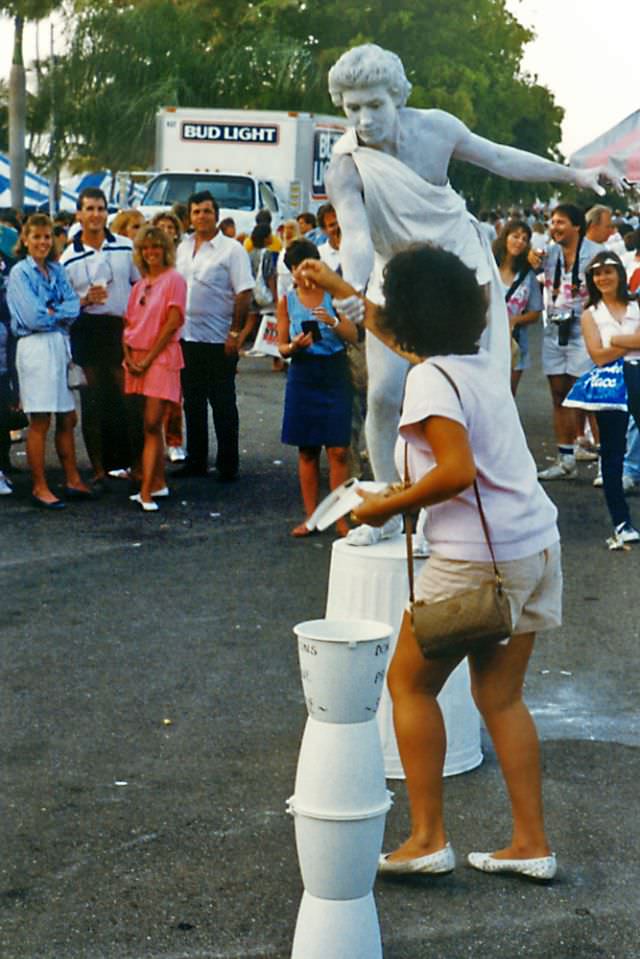
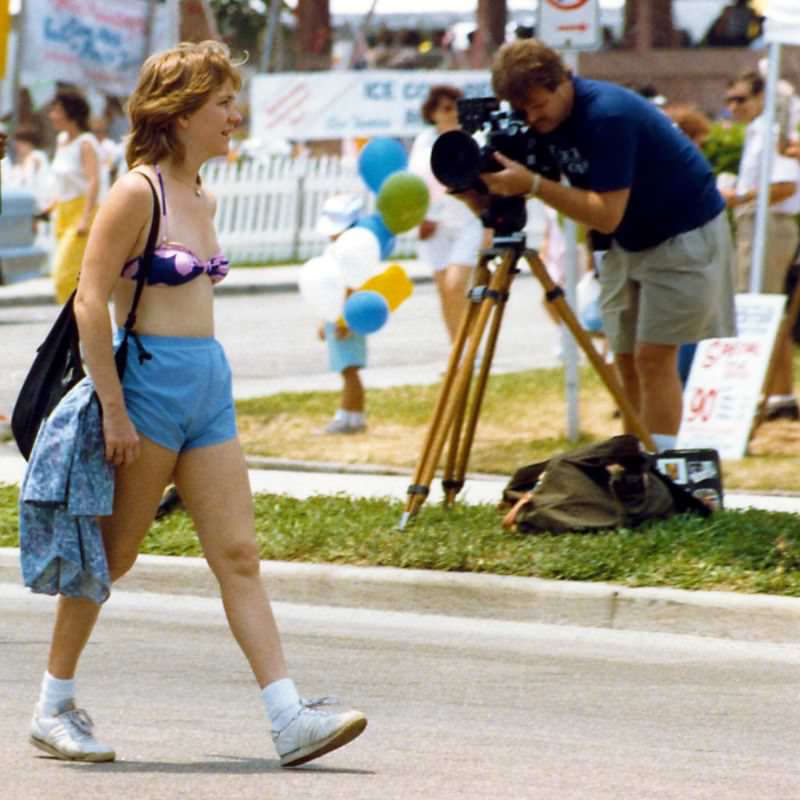
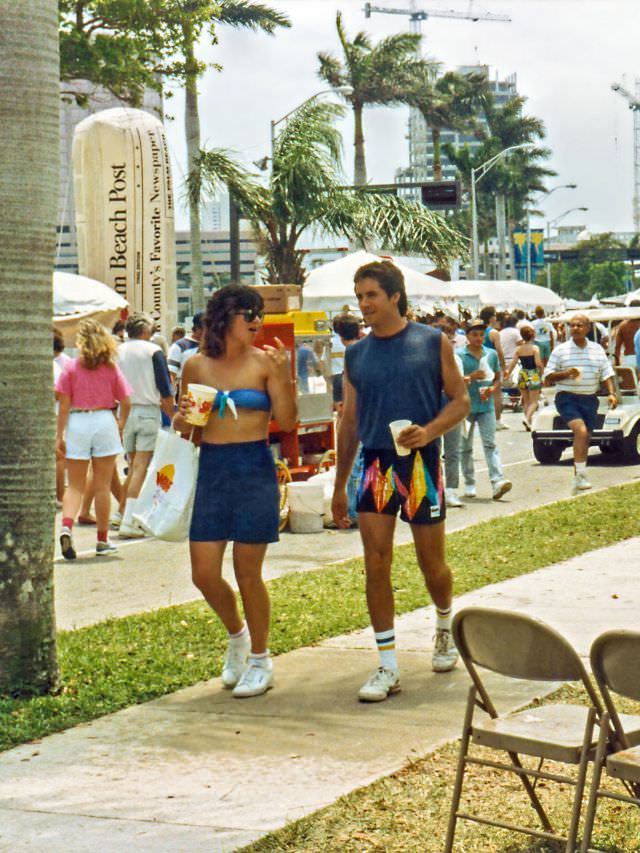
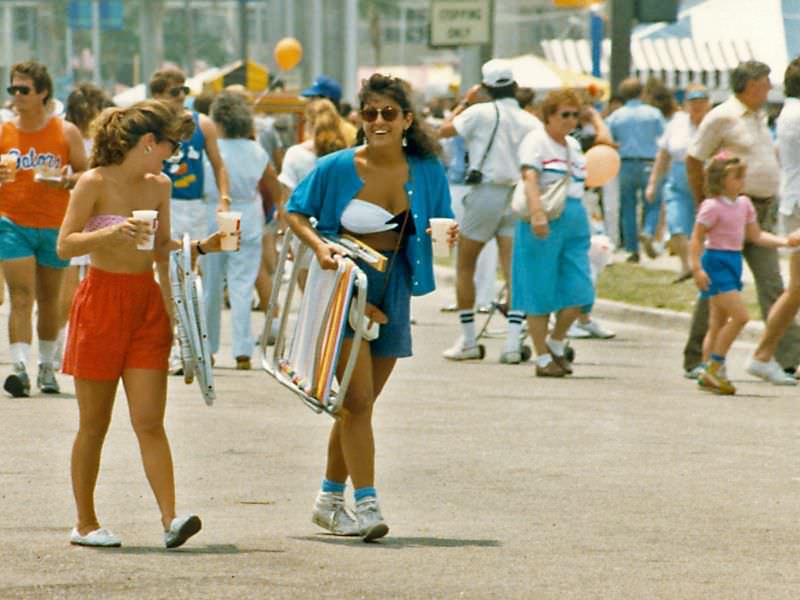
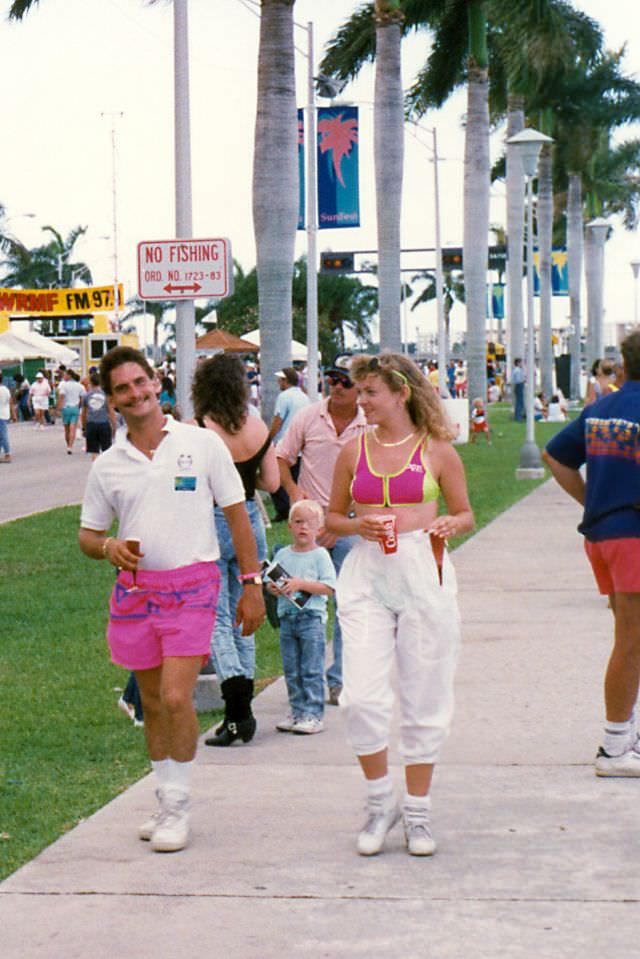
Martin also trained his lens on the festivalgoers themselves — the people walking the waterfront, pausing at booths, and soaking in the atmosphere on warm South Florida afternoons.
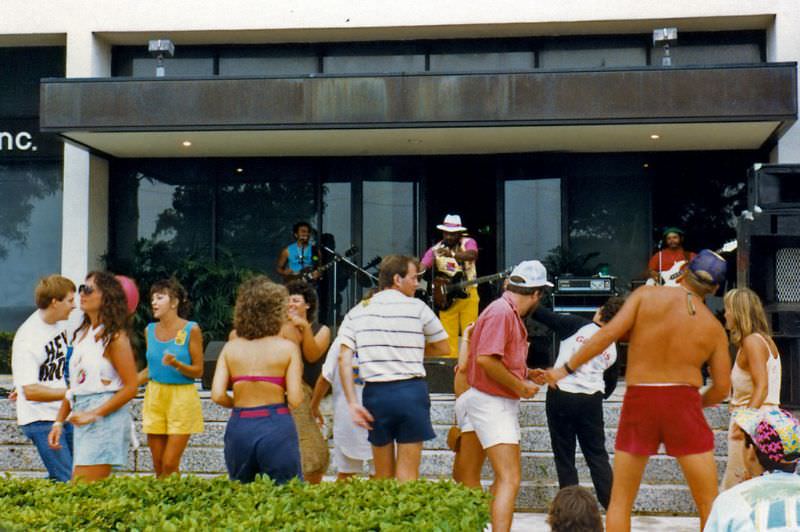

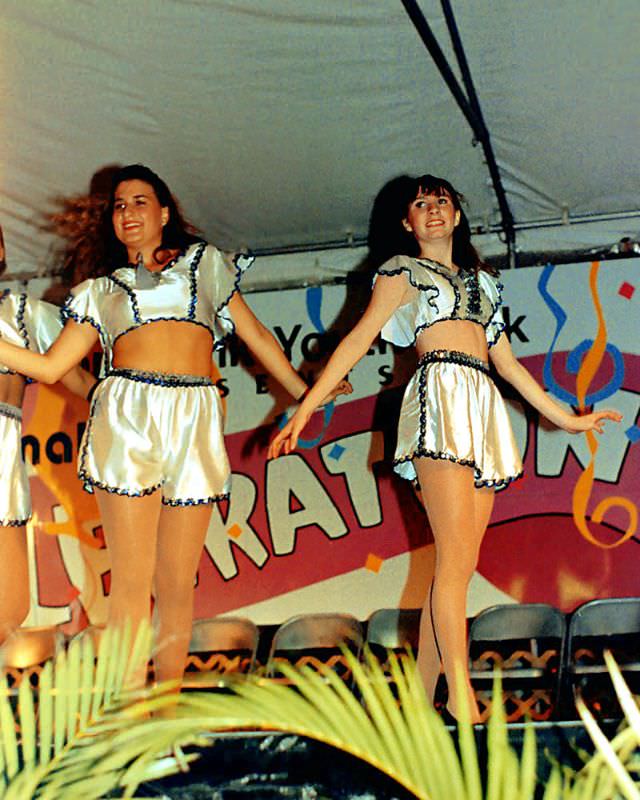
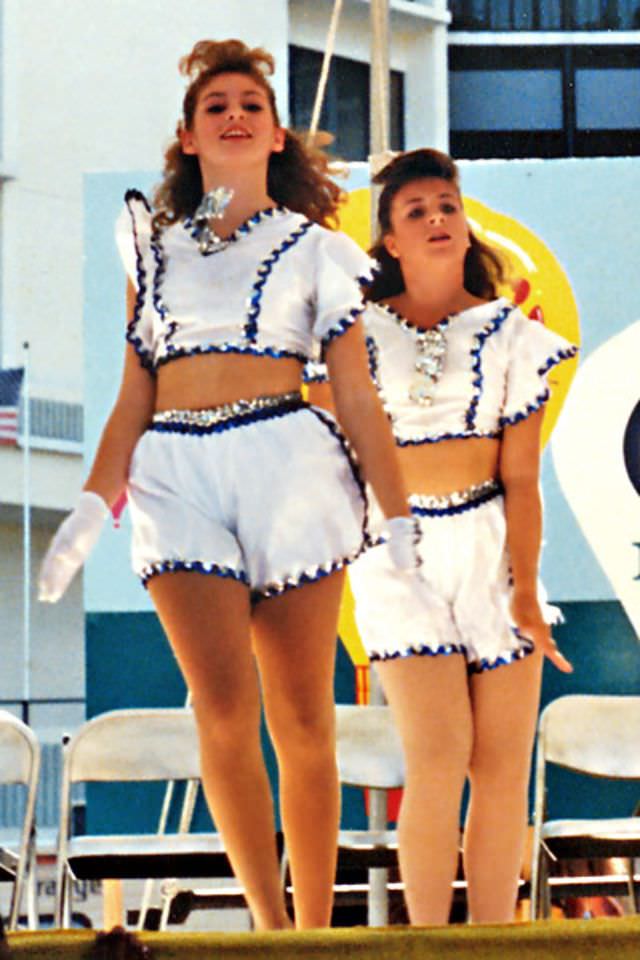
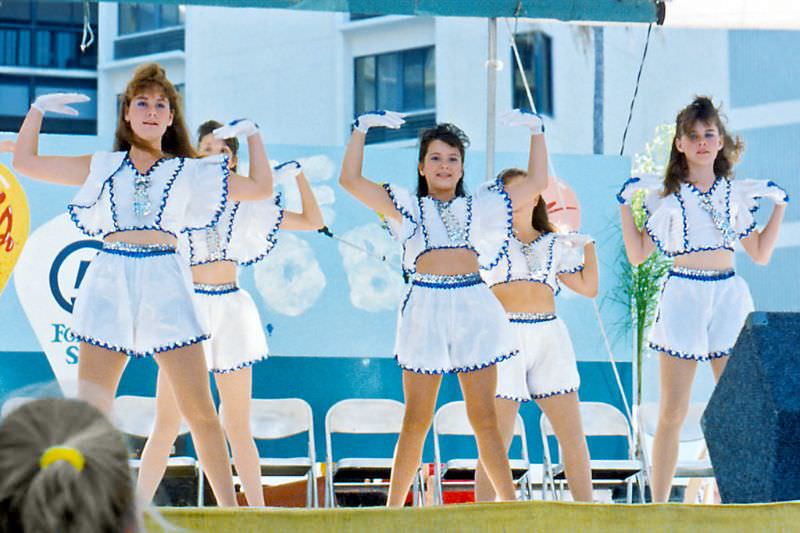
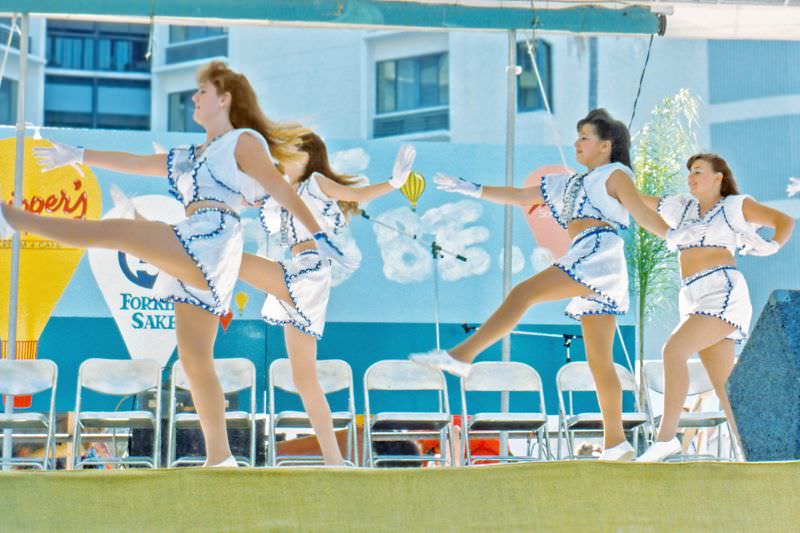
The 1989 festival brought an especially rich variety of performances to the waterfront. Dance schools from the area used SunFest as a showcase stage, with students performing everything from synchronized routines to dramatic leaps in front of large crowds. The performances ranged from polished to playful, and Martin captured all of it.
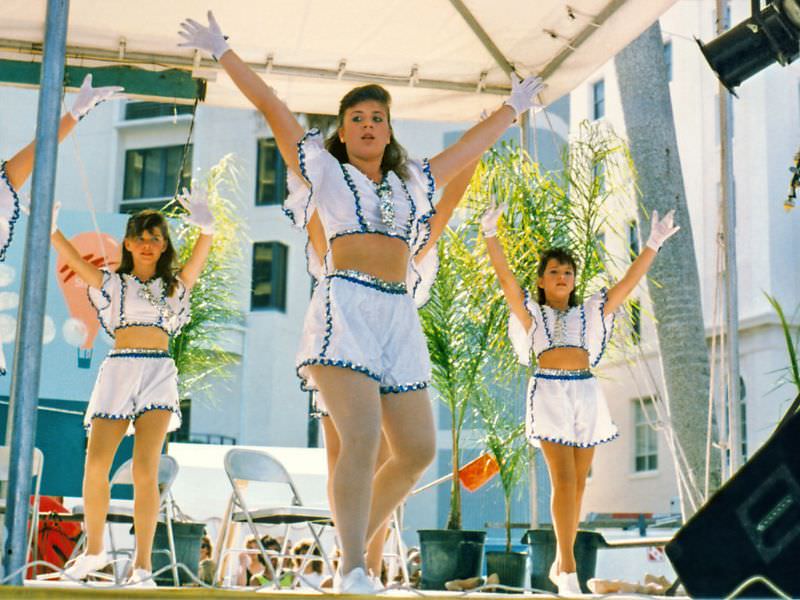
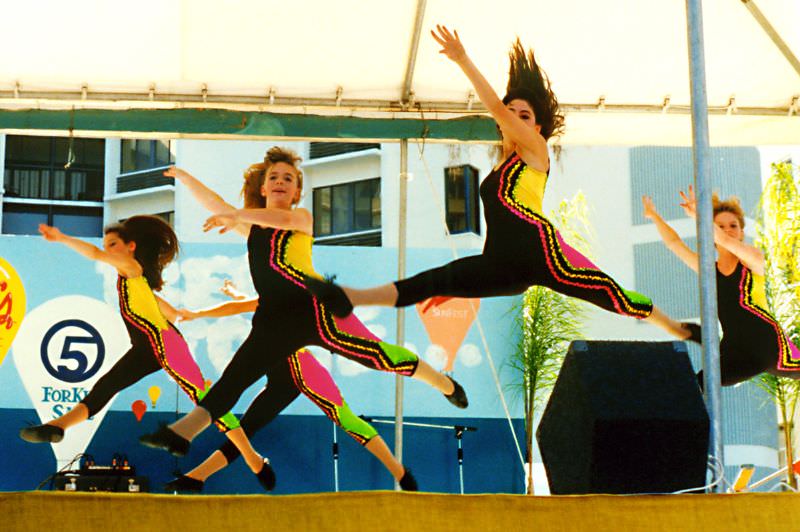
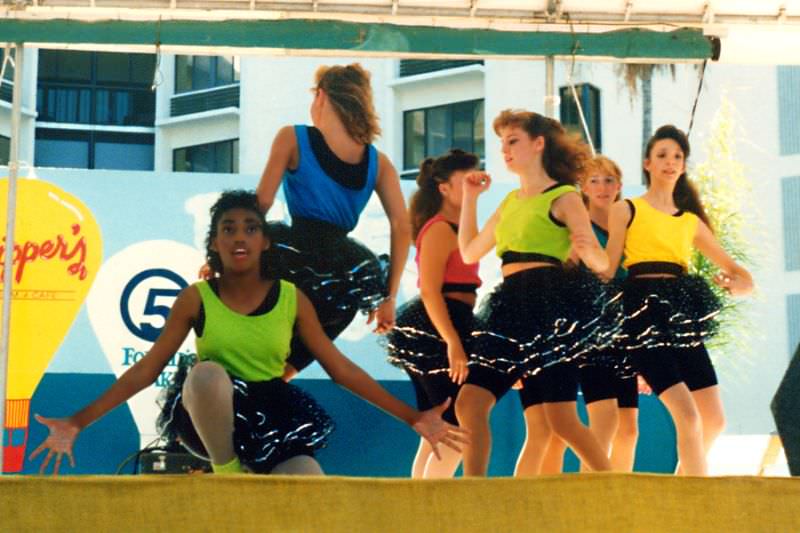
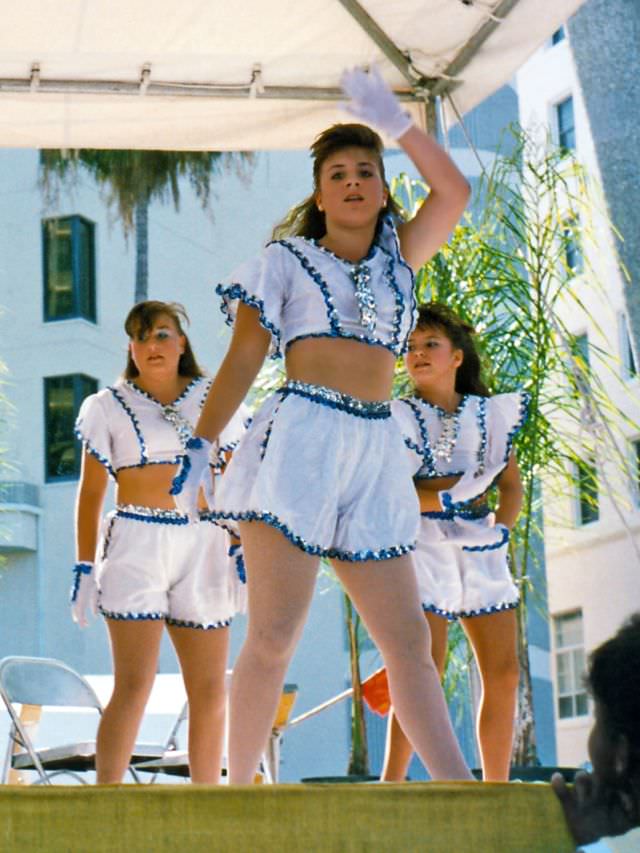
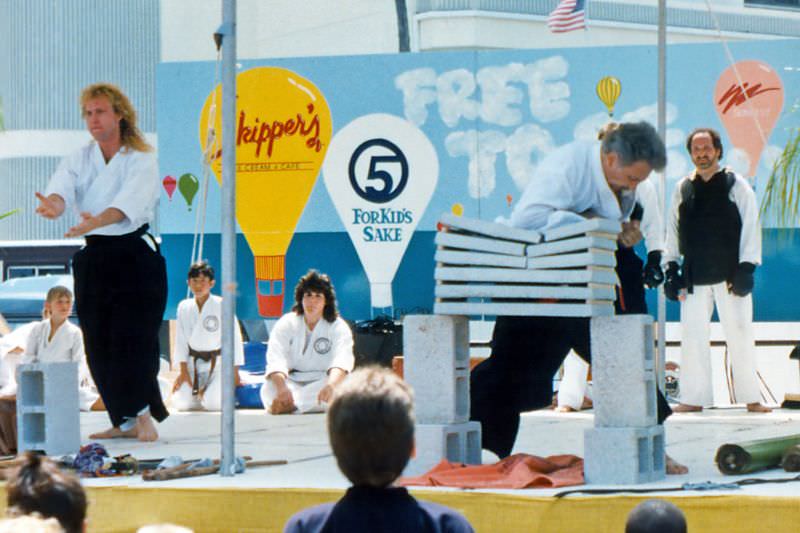
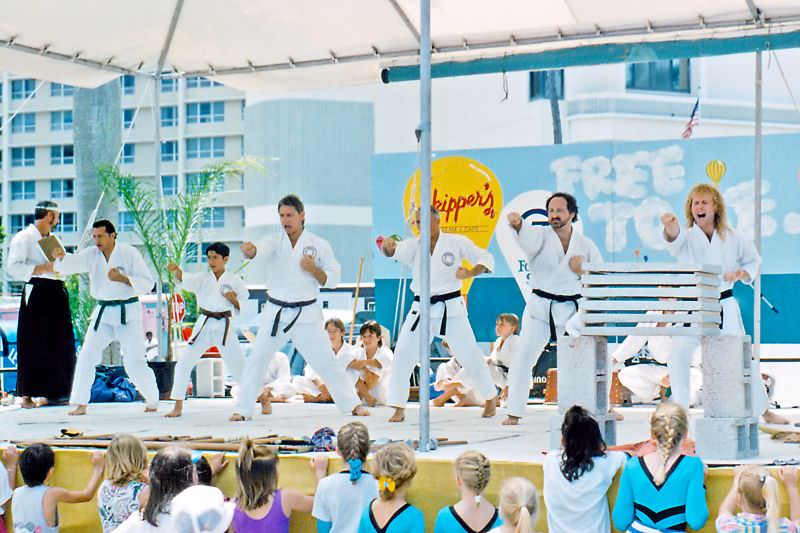
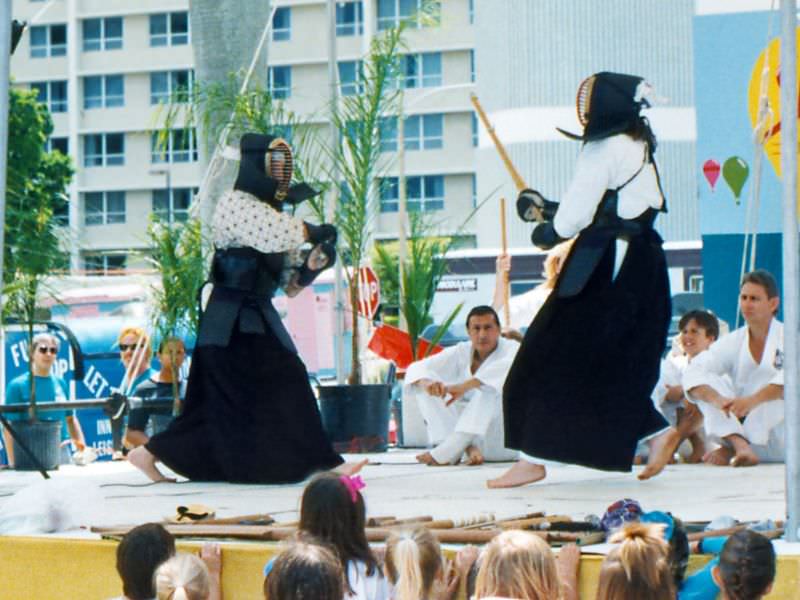
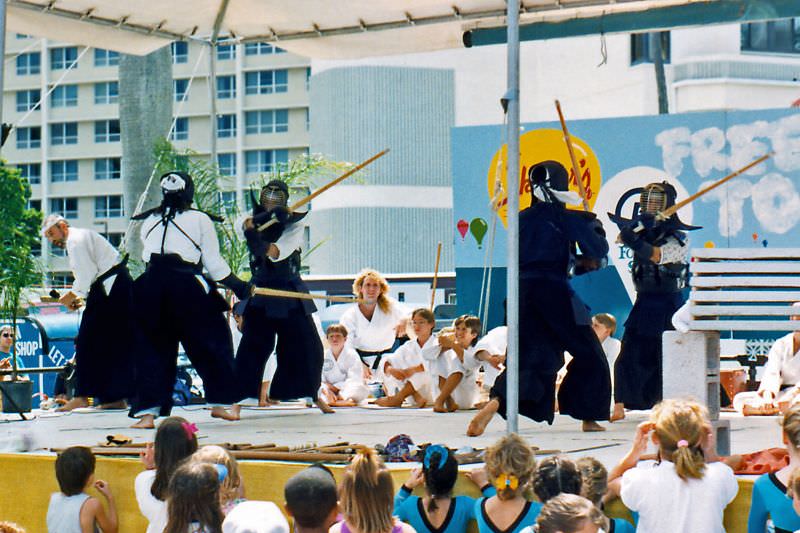
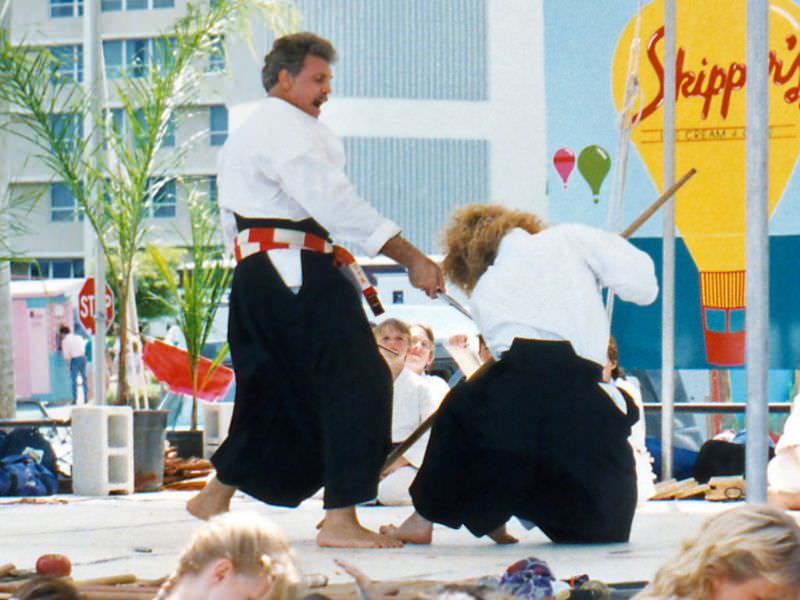
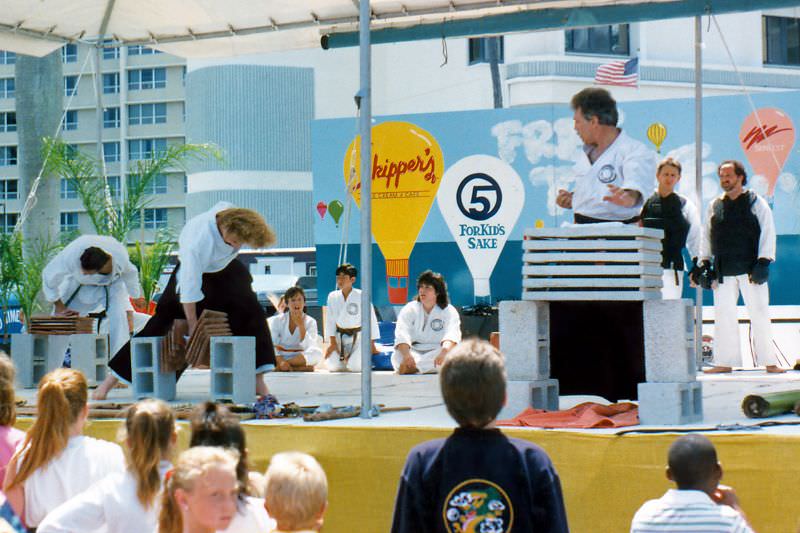
Martial arts demonstrations were another highlight of the 1989 program. Karate practitioners and kendo fighters took to the festival grounds to display their disciplines, drawing curious crowds who gathered to watch the precision and intensity of each demonstration up close.
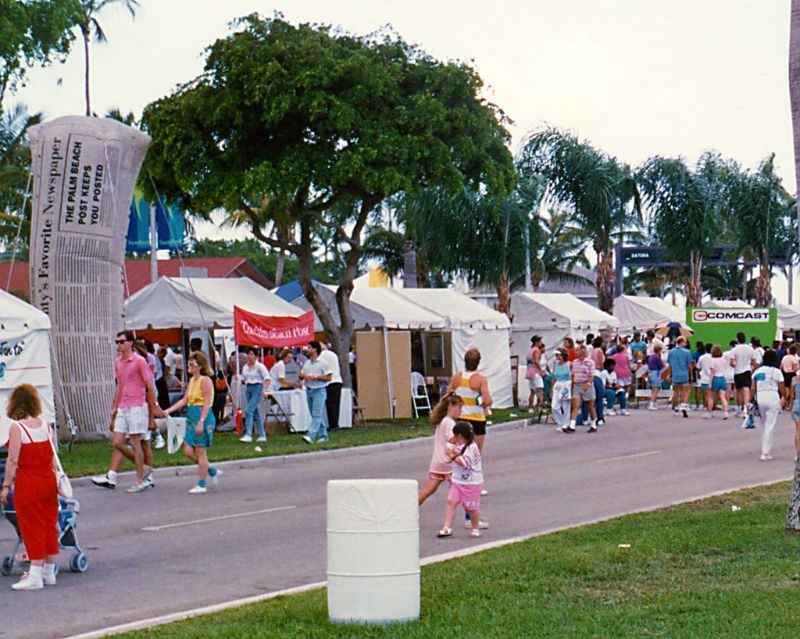
Between performances, the festival grounds buzzed with activity. Vendor booths selling art, food, and merchandise lined the walkways, and crowds moved steadily from one attraction to the next throughout the day.
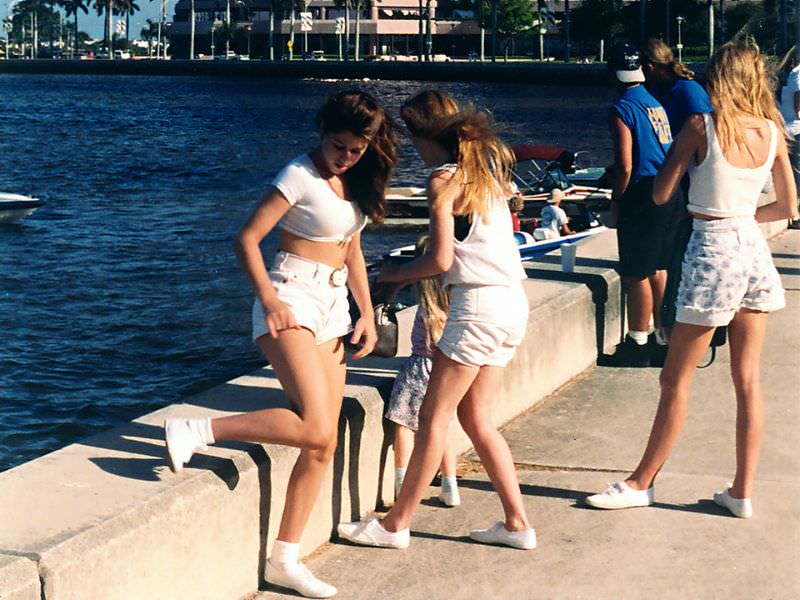
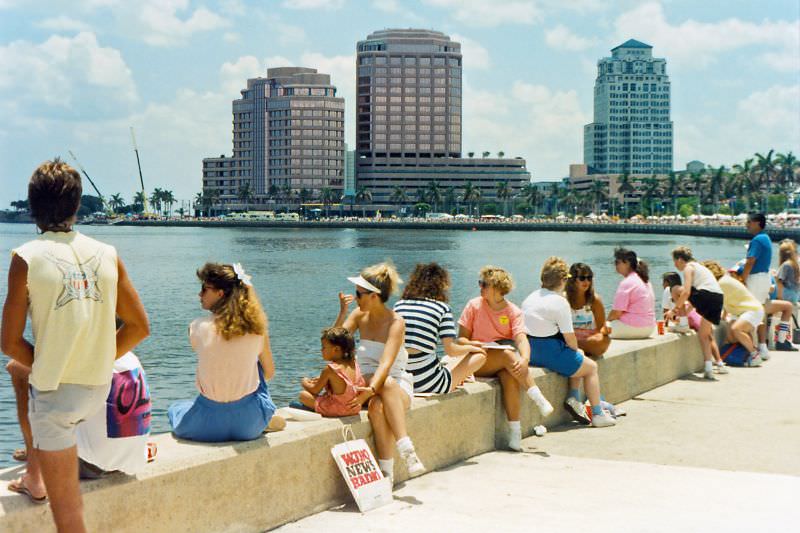
By 1990, SunFest had firmly established itself as a premier South Florida event. The crowds were larger, the art installations more prominent, and the waterfront setting more central to the festival’s identity. Attendees took breaks along the Lake Worth seawall, with the towers of Phillips Point rising in the background — a scene that anchored the festival to its downtown West Palm Beach home.

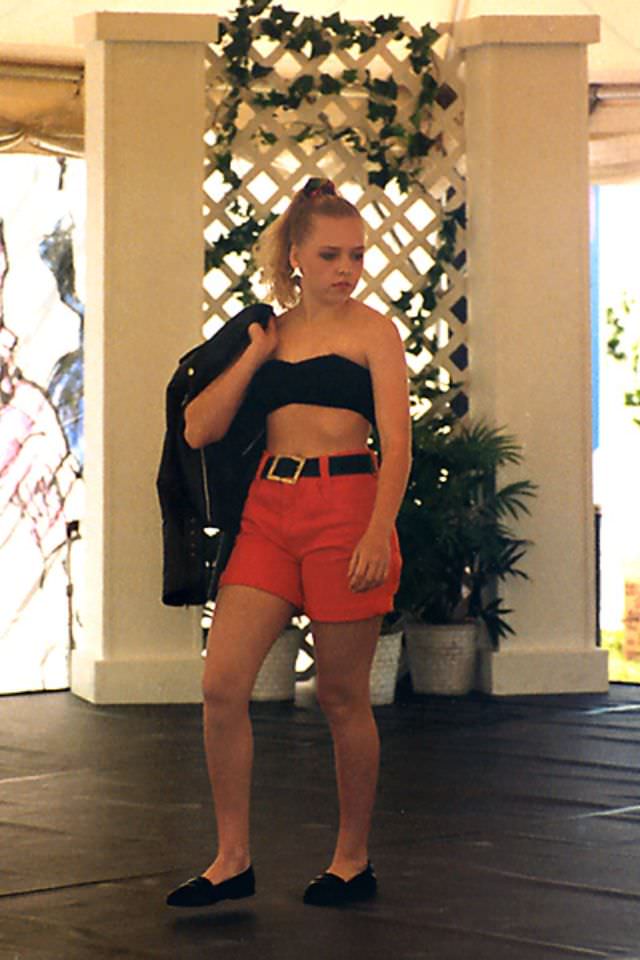
Martin returned to document SunFest again in 1992. That year’s festival included a fashion show on the grounds, where models walked in front of festival crowds against the backdrop of the busy waterfront. Evening performances brought dancers back to the stage under the lights, closing out days that had stretched from morning vendor hours to late-night concerts.