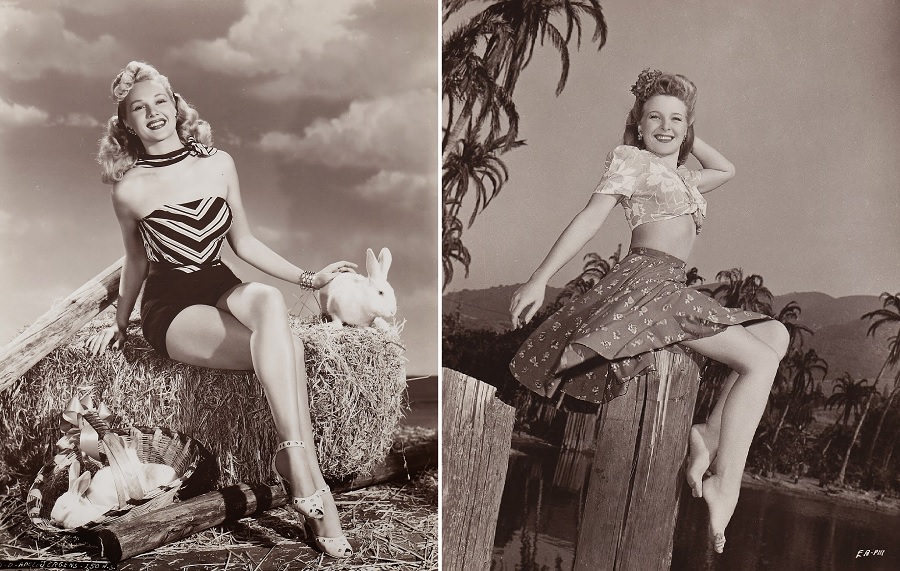
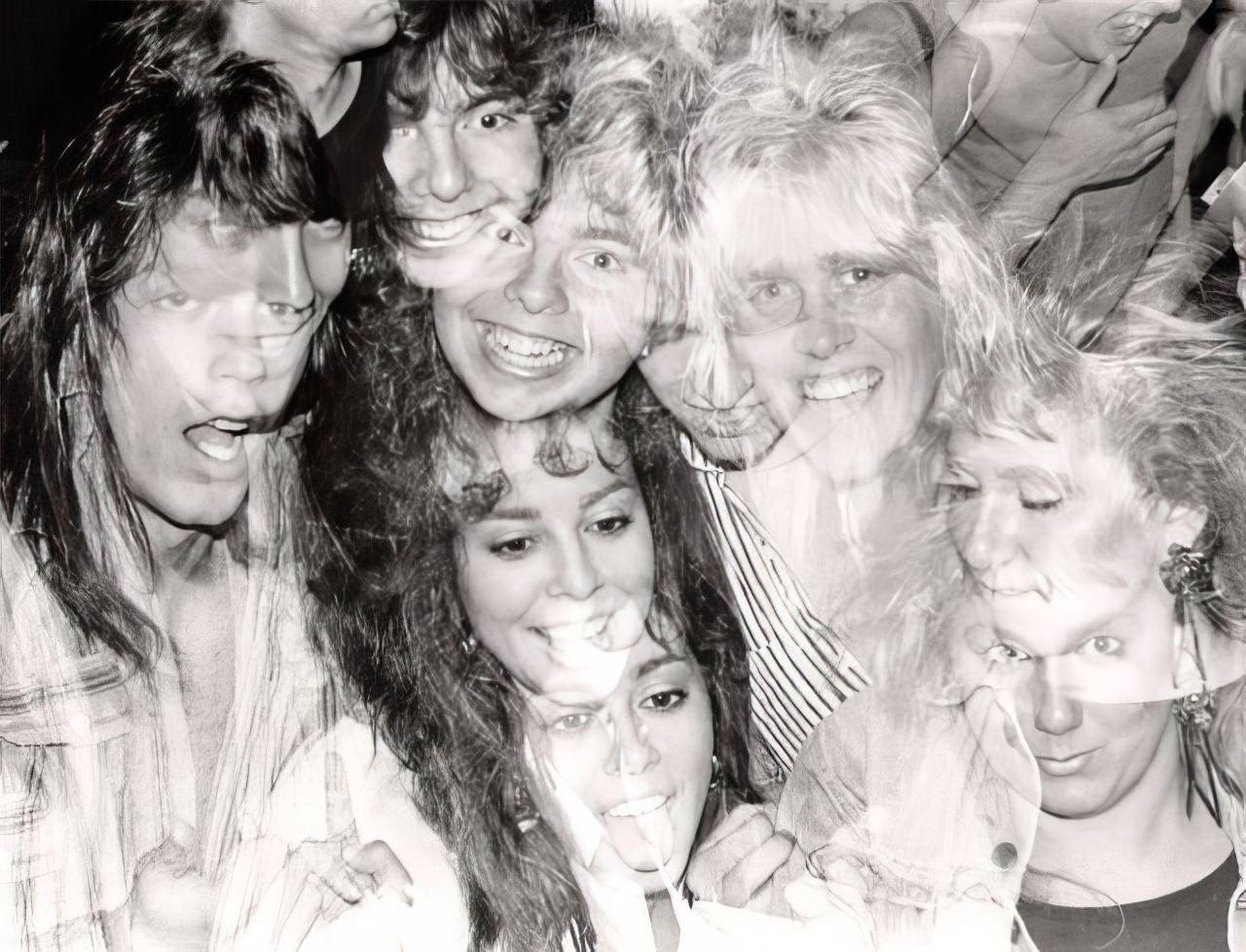
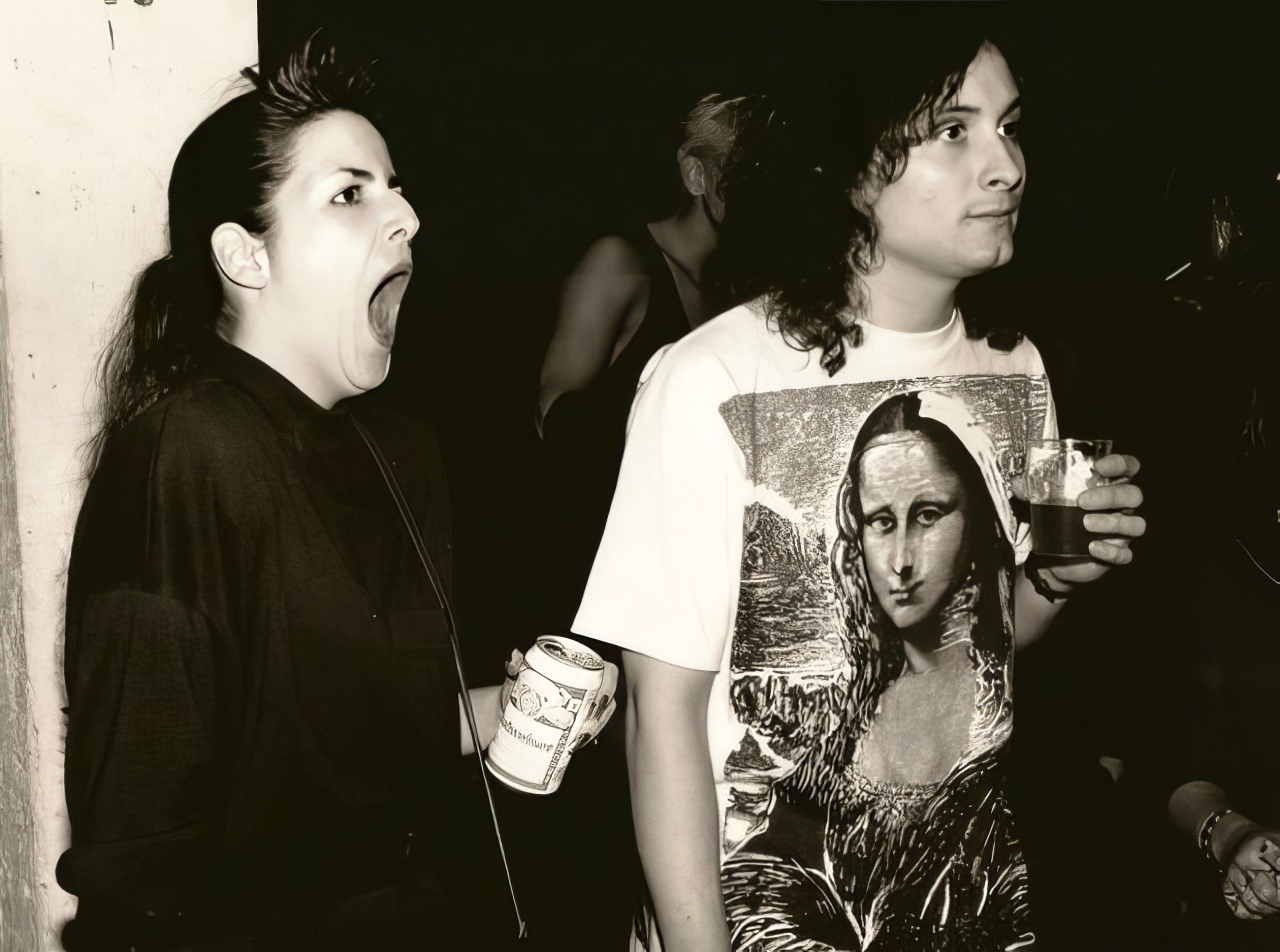
Hollywood in the 1980s and early 1990s ran on excess. The clubs were packed every night of the week. A-listers, drag queens, performance artists, and curious nobodies all shared the same dance floors. The velvet rope was the only dividing line, and once you were past it, rank barely mattered. Jack Nicholson, Madonna, Rob Lowe — they were all out there, sweating under neon lights alongside everyone else.
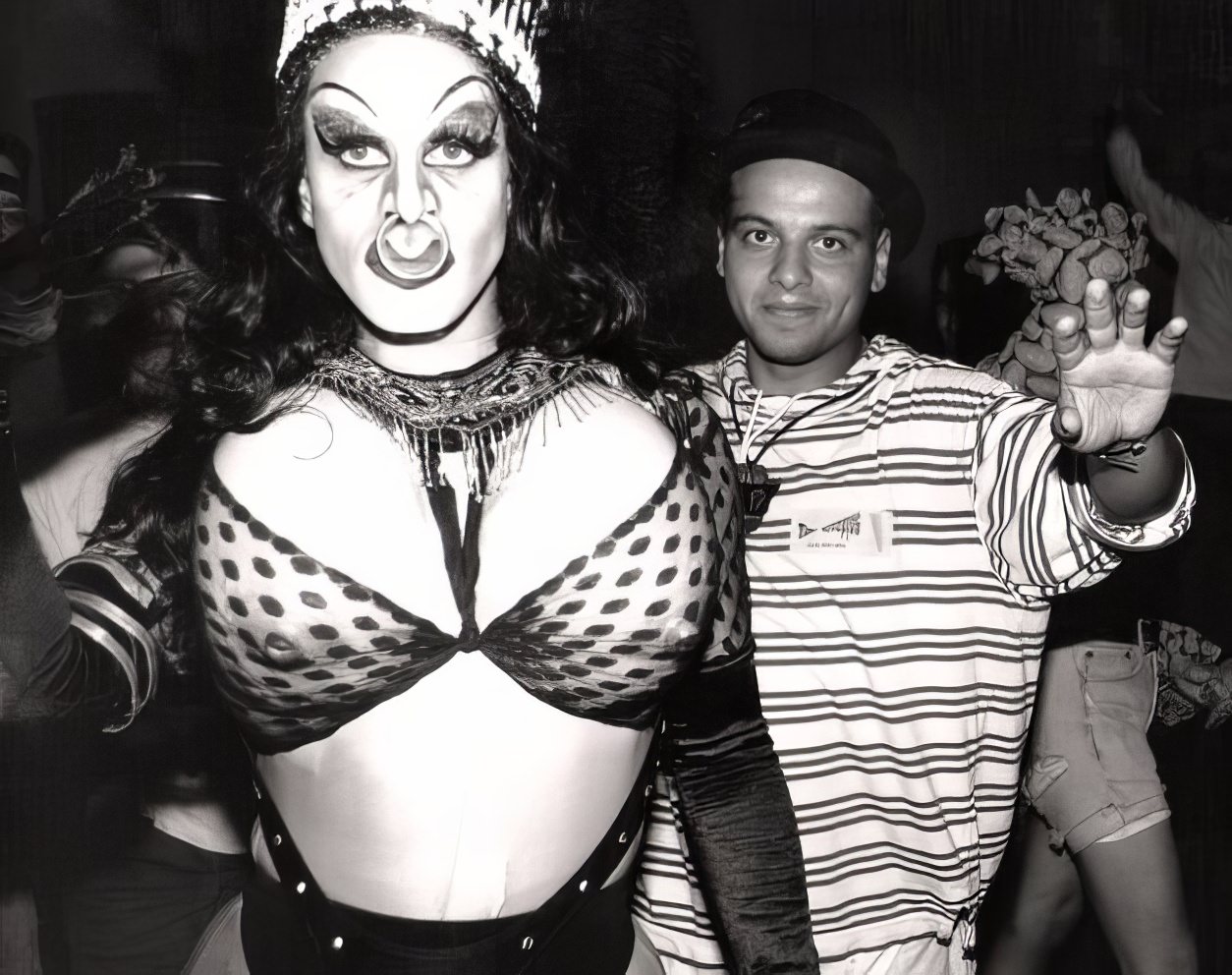
Photographer Stephen Jerrome had a front-row seat to all of it. He was the only photographer allowed inside some of the most private gatherings in the city — a trusted presence at parties where cameras were strictly off-limits for everyone else. His photos didn’t just document the scene; they preserved moments that would have otherwise vanished completely.
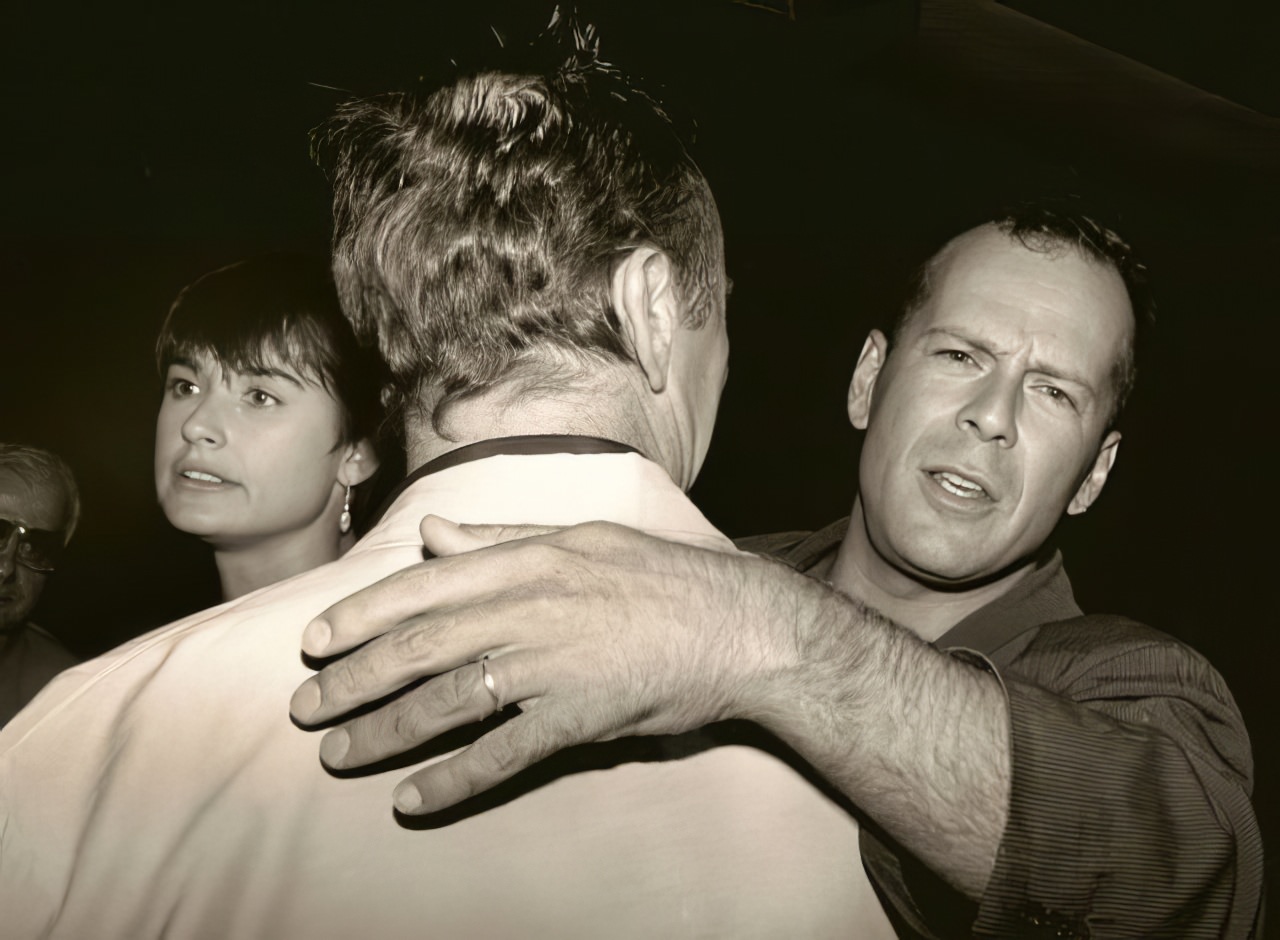
Not every star was camera-shy. The scene drew people from every corner of the arts world. Artists, musicians, actors, and designers moved through the same rooms, often unannounced. Keith Haring, whose public murals were already iconic, made rare appearances on the West Coast.
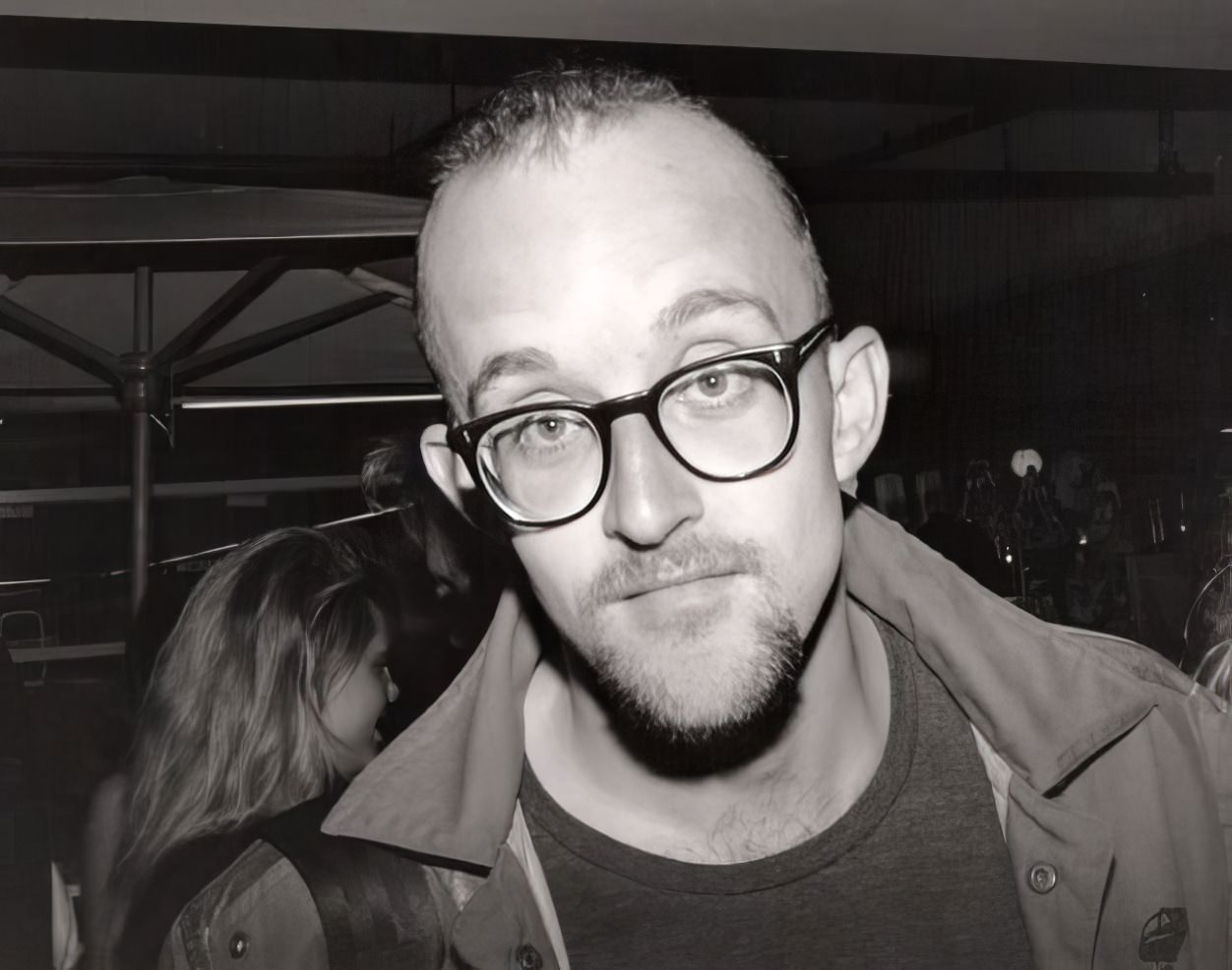
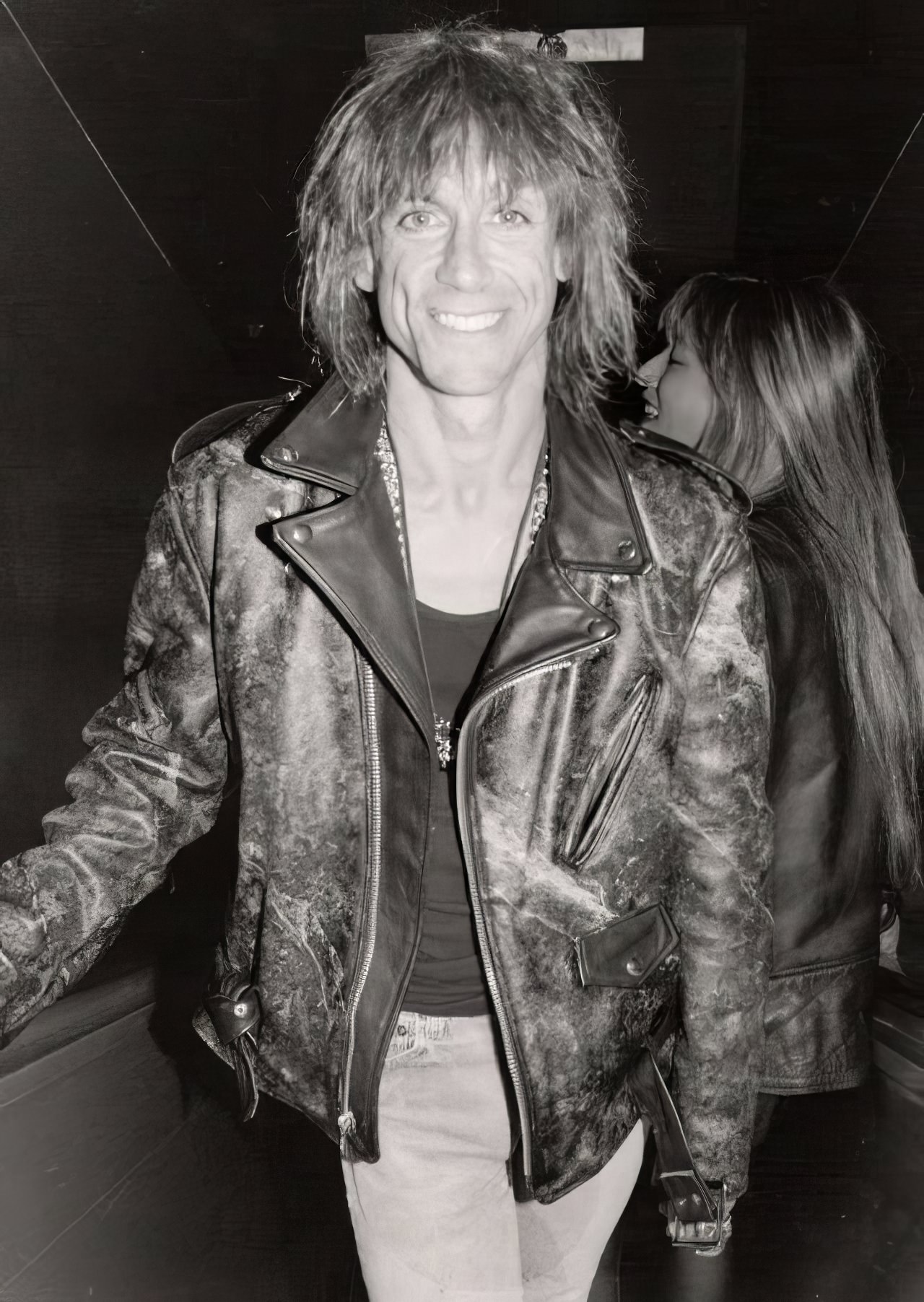
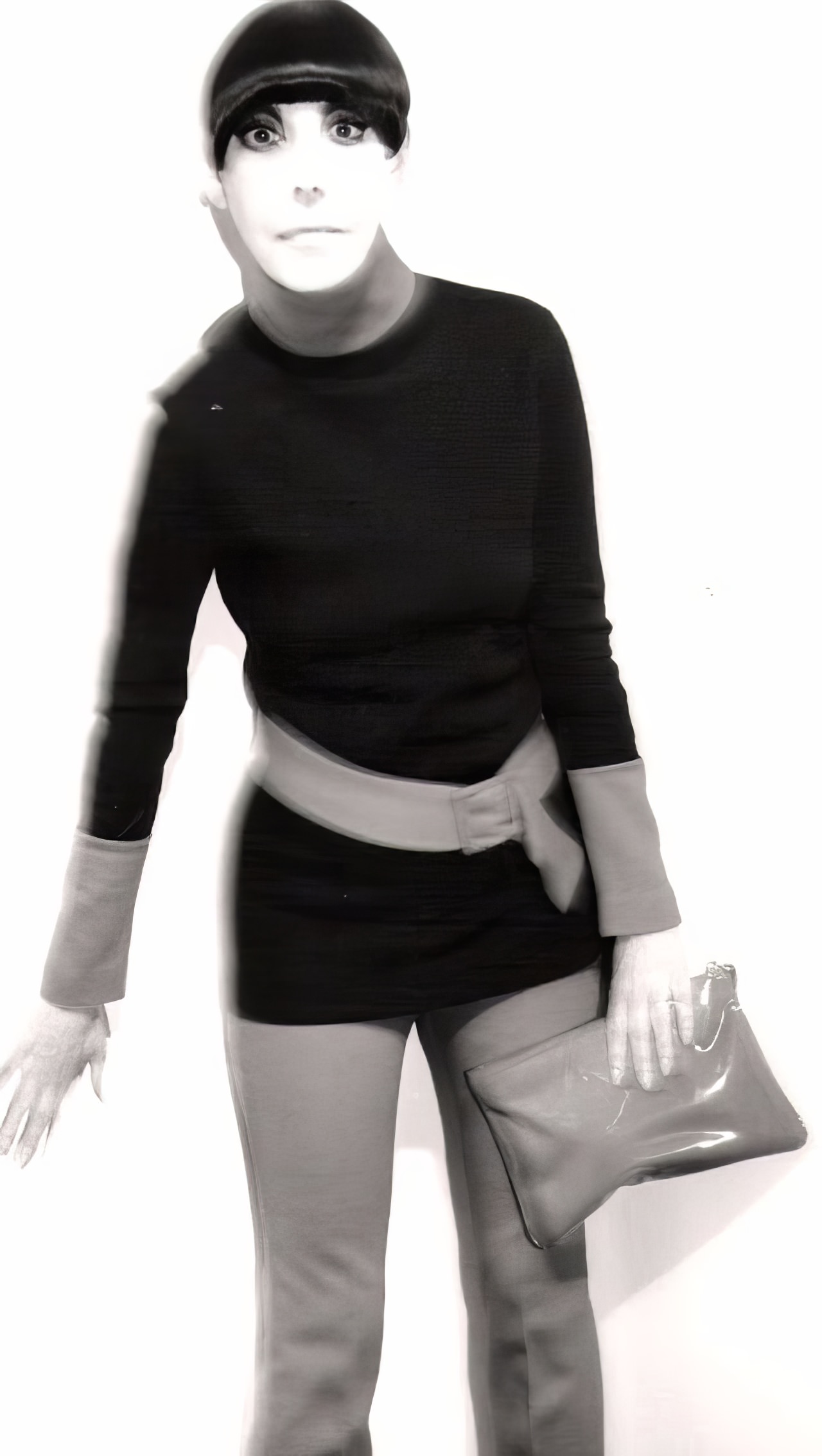
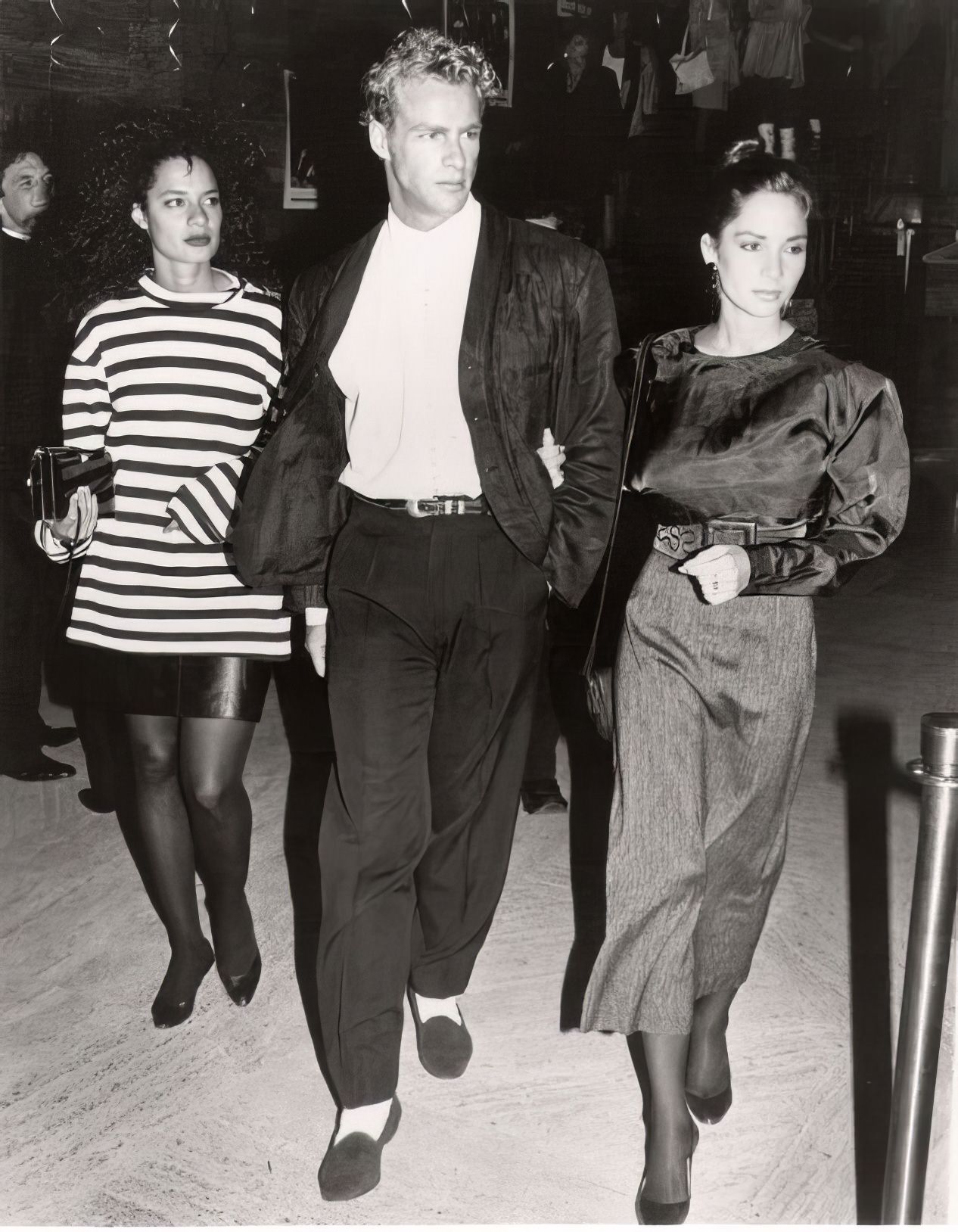
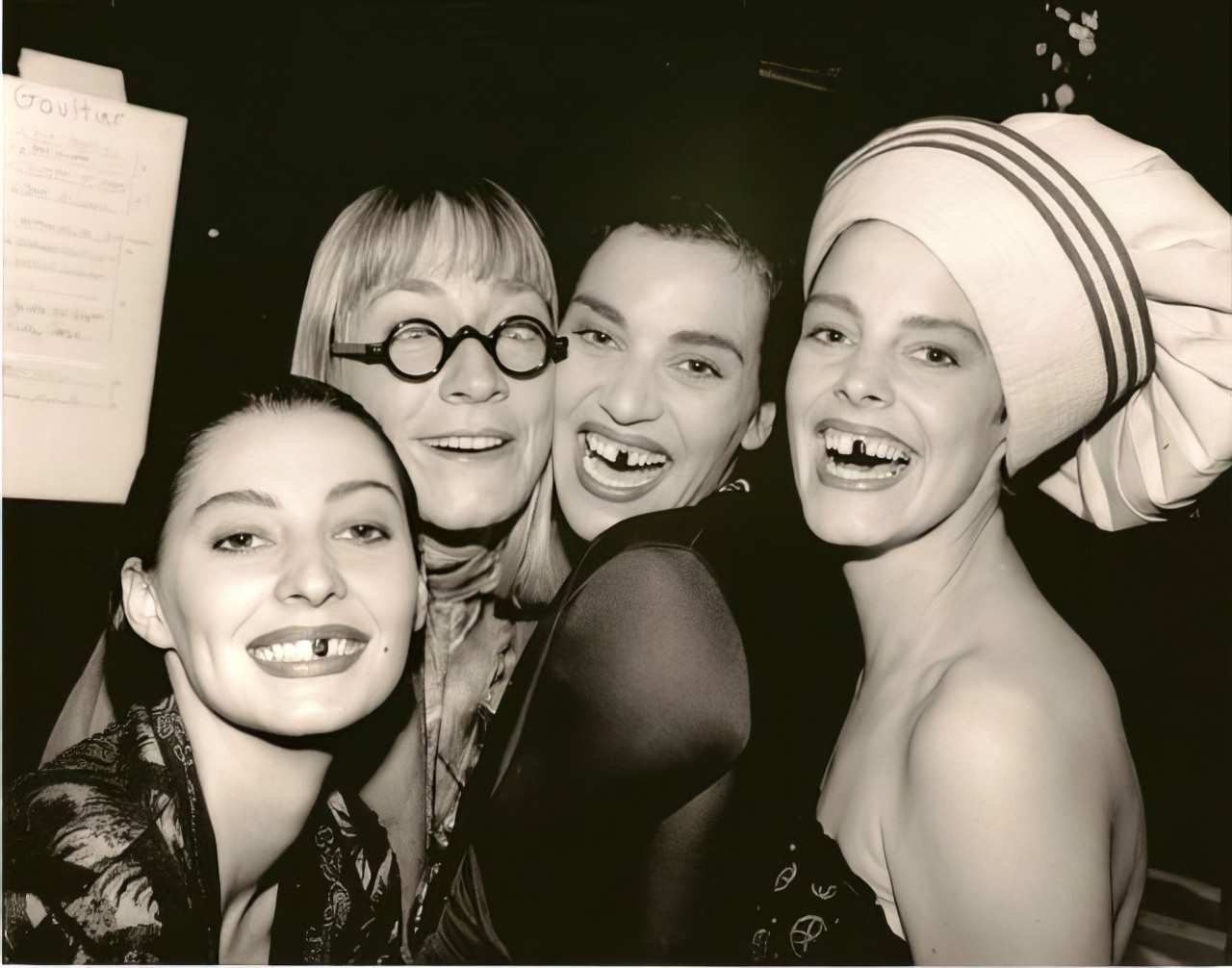
Fashion was inseparable from the nightlife. The clubs were a stage, and the outfits were costumes. Big hair, shoulder pads, neon — but also serious designers making real marks. Clothing designer Pepito Albert was a fixture in those years, pushing boundaries in a city that rewarded exactly that kind of boldness.
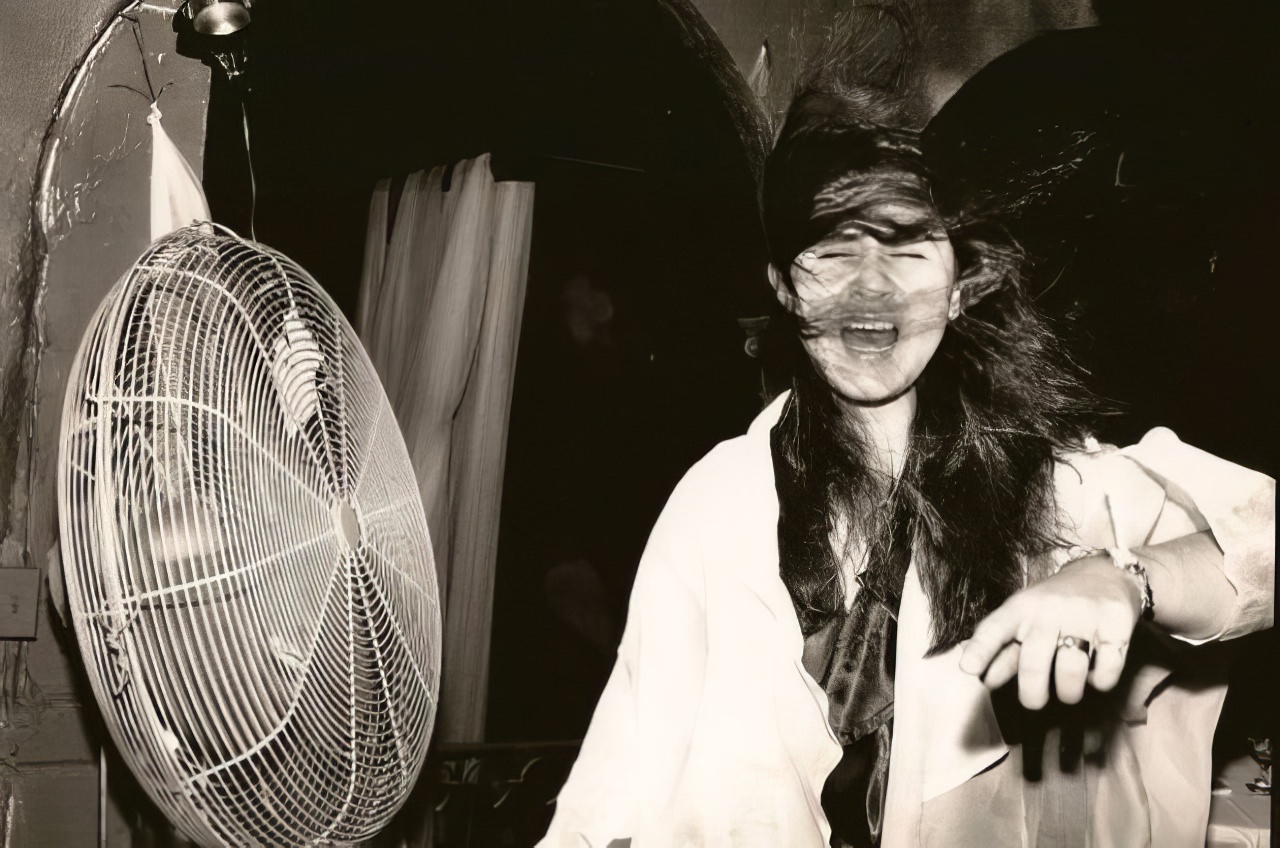
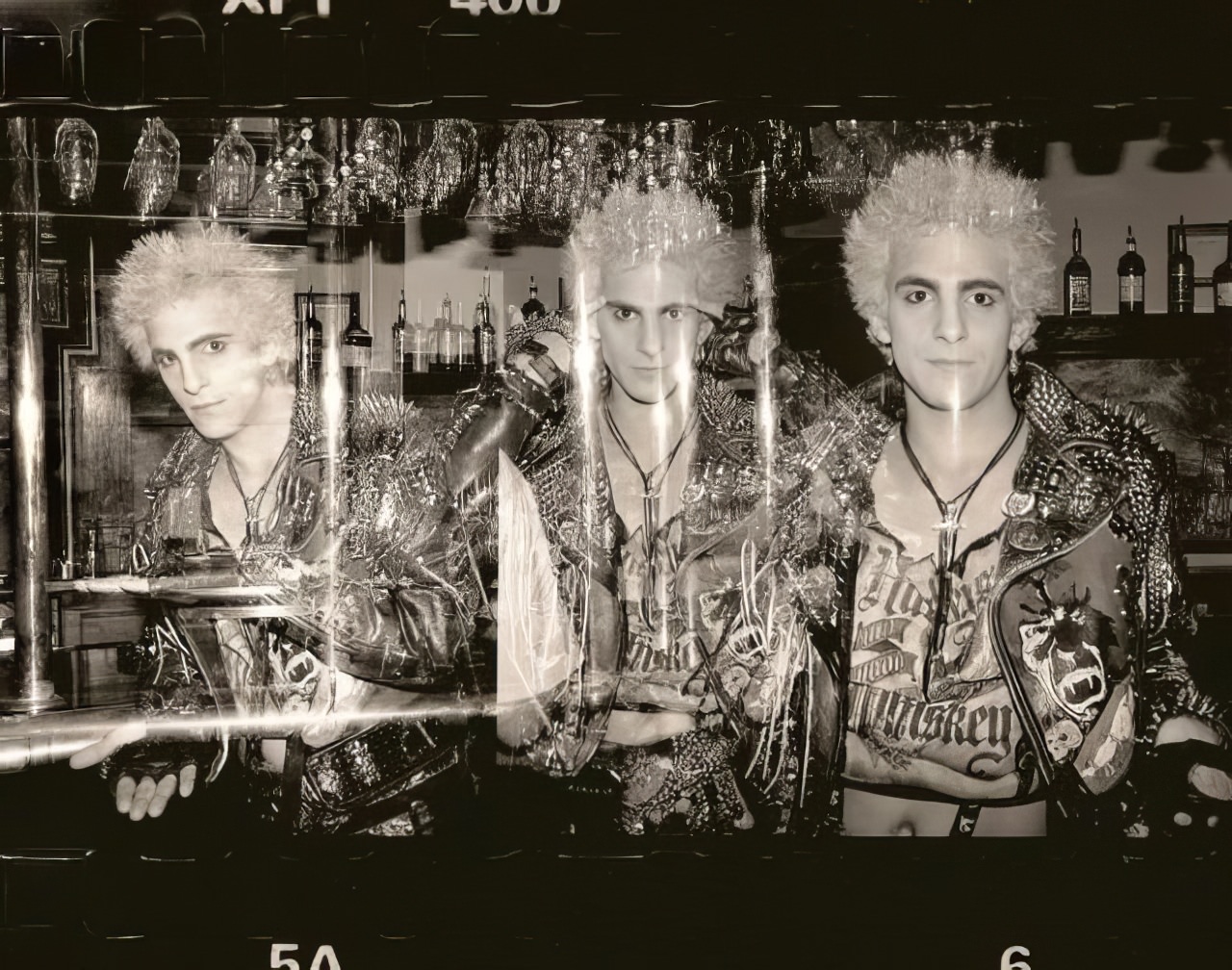
Jerrome’s technical creativity matched the chaotic energy of the parties themselves. At underground loft events far outside the Hollywood spotlight, he used in-camera techniques to stretch and layer images — producing triple exposures that mirrored the disorienting thrill of the night.
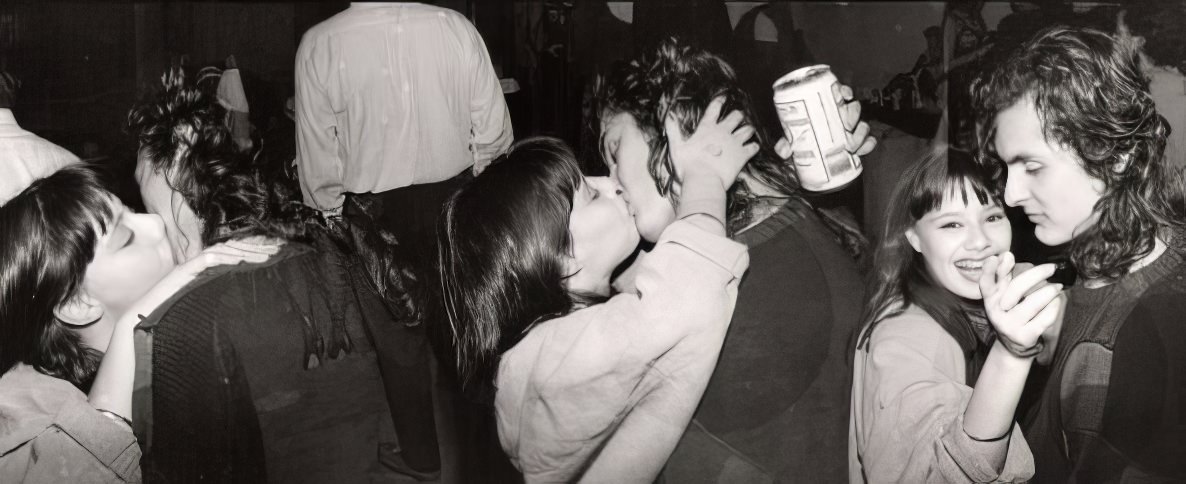
The entertainment world’s elite didn’t stay confined to clubs. Galleries, private studios, and upscale restaurants all hosted their own version of the scene. Jerrome’s lens followed the crowd wherever it went.
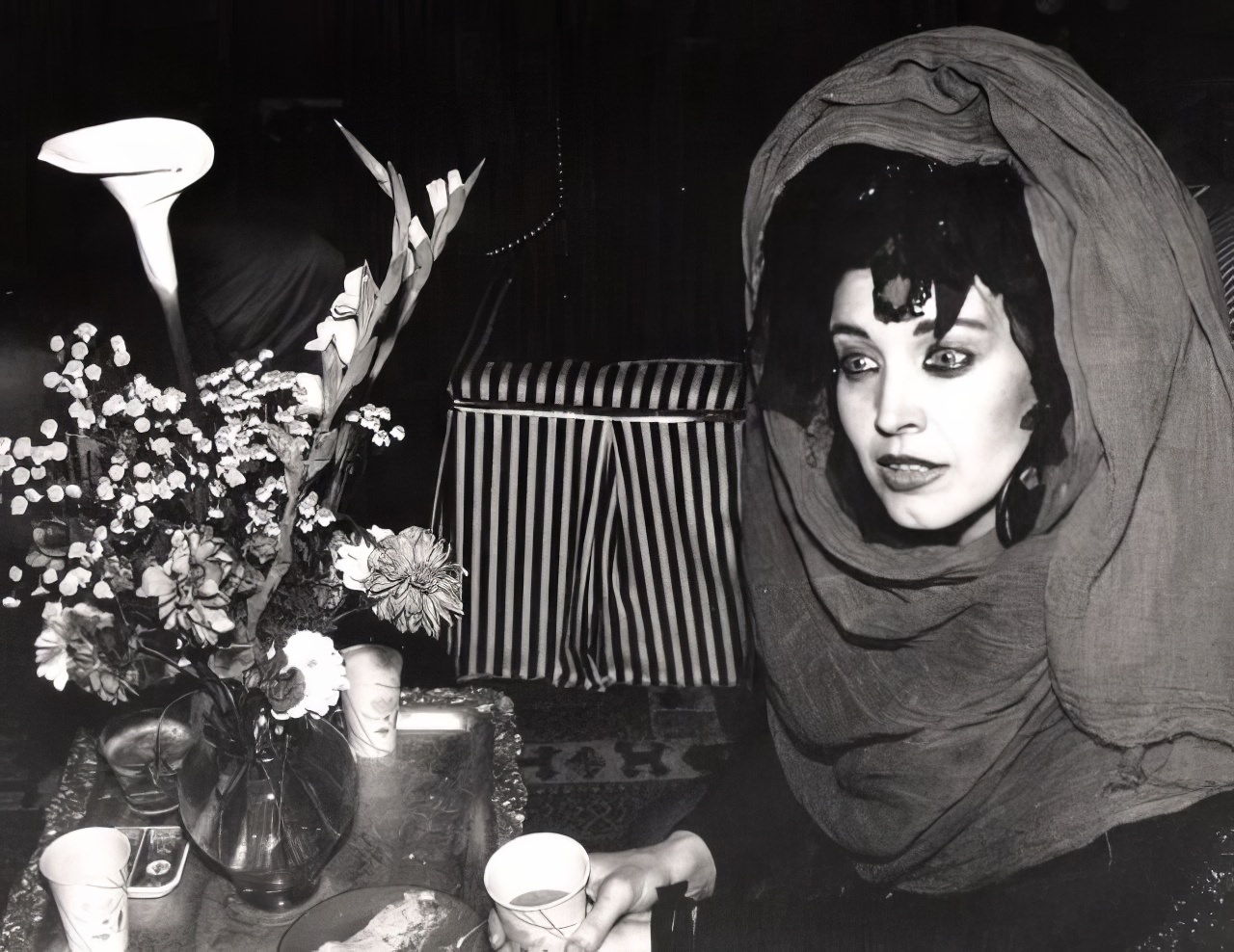
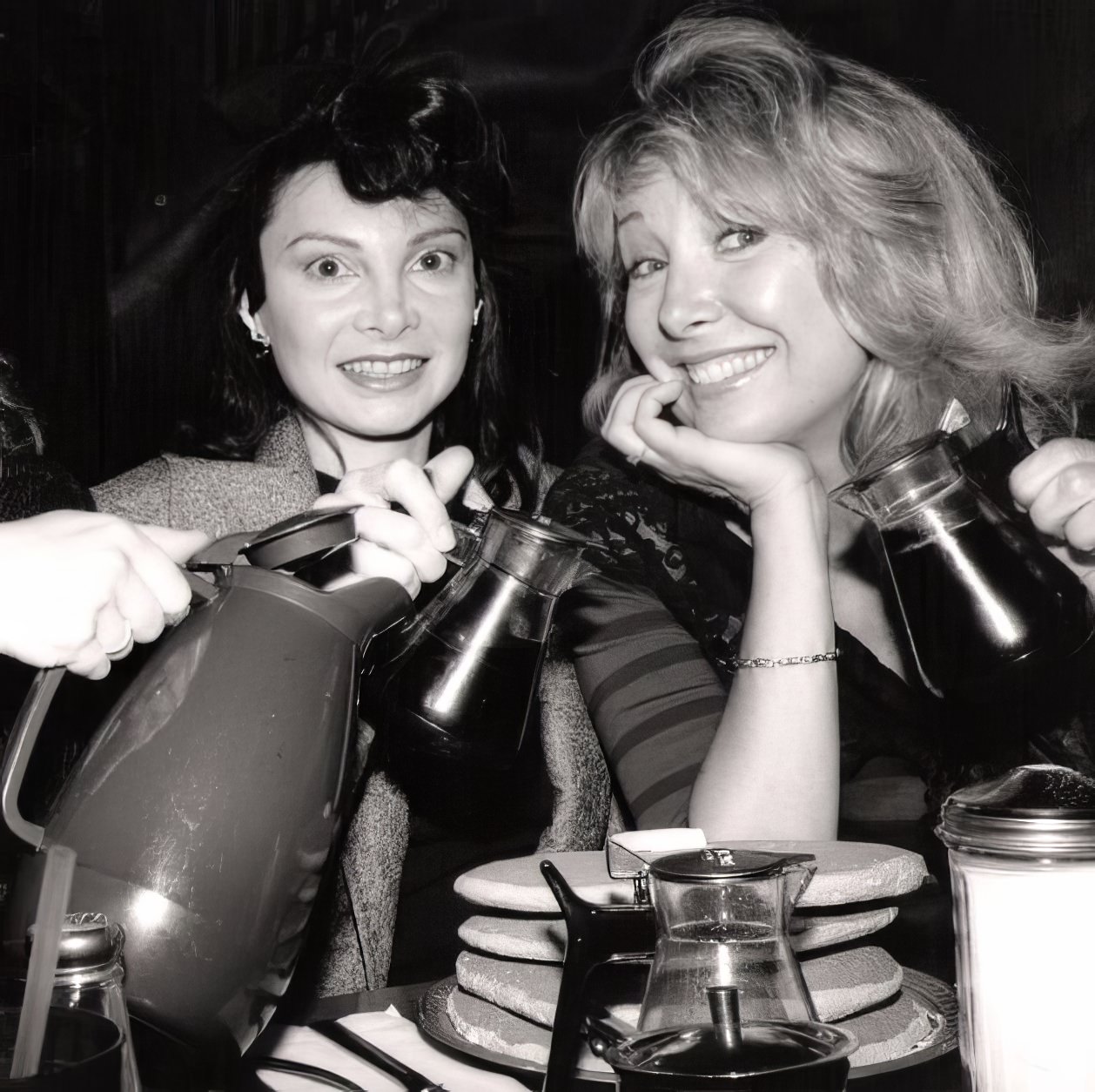
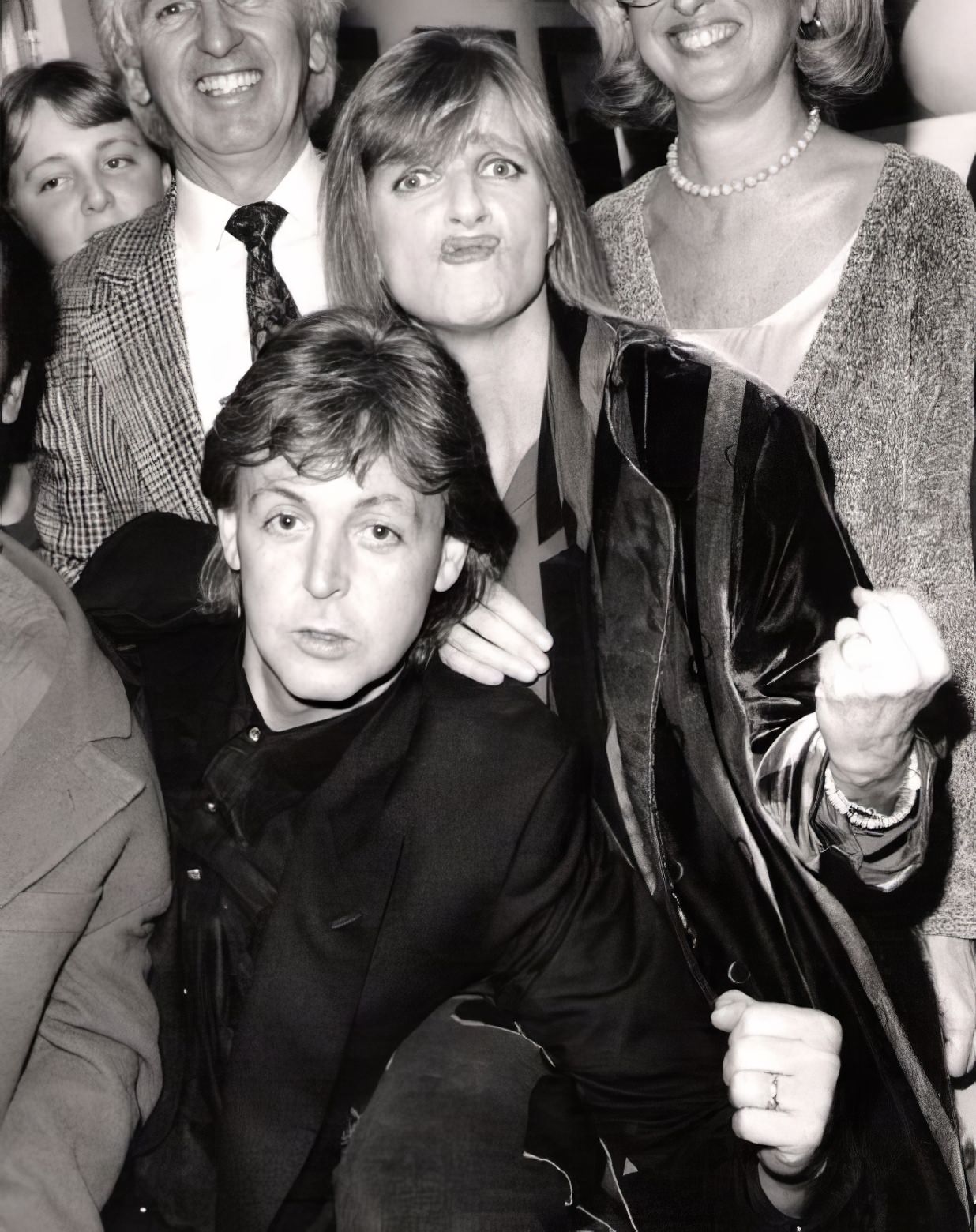
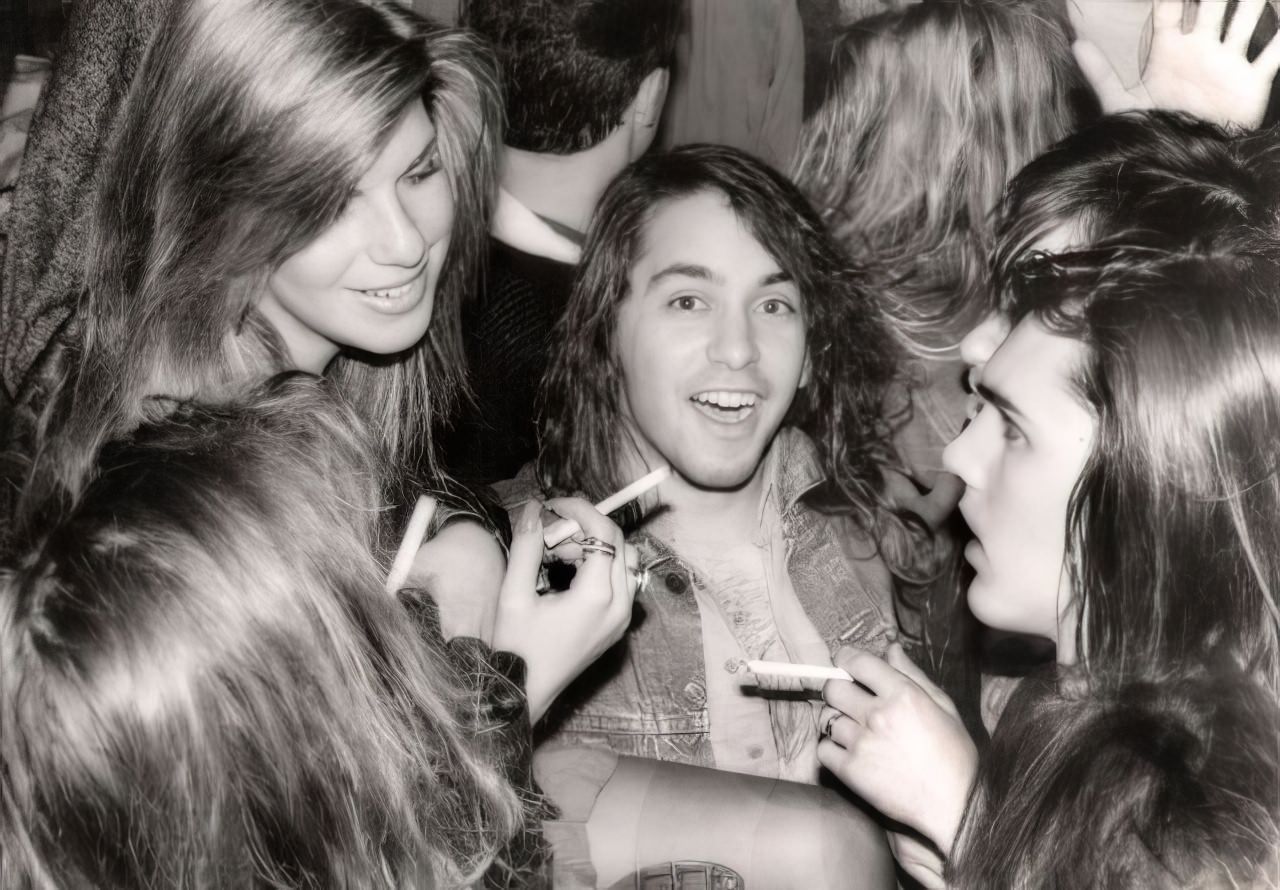
Paul and Linda McCartney were among the many high-profile names who passed through Los Angeles during these years, appearing at intimate gatherings that mixed celebrity with a sense of genuine community.
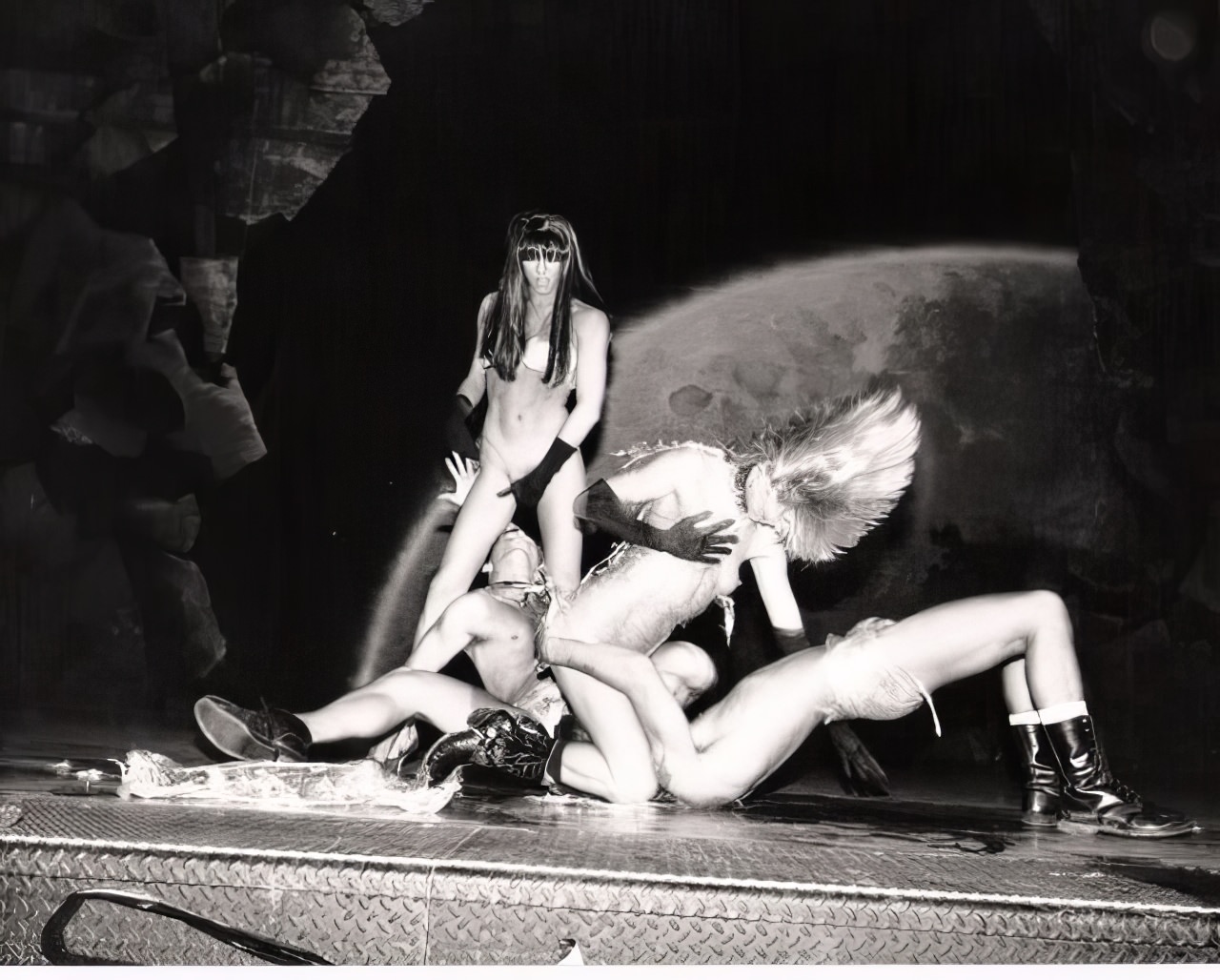
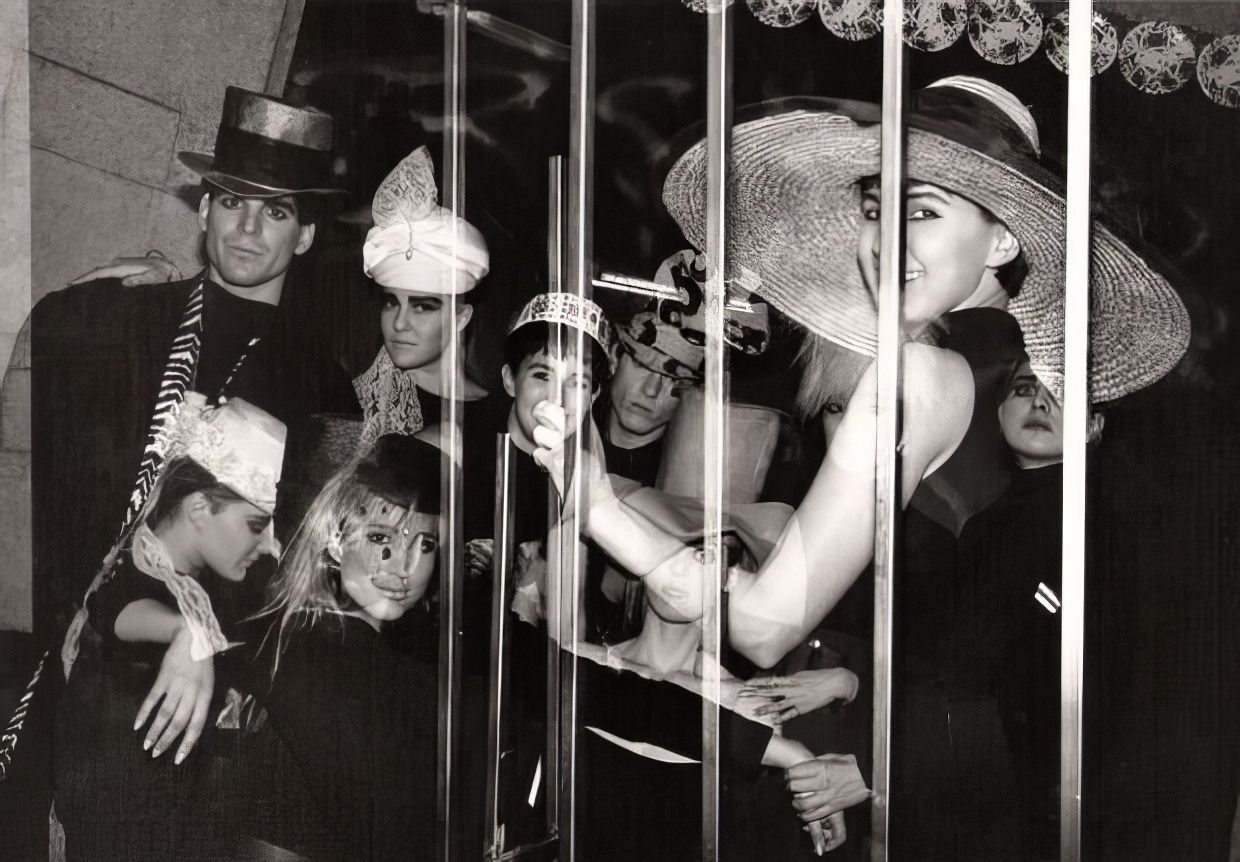
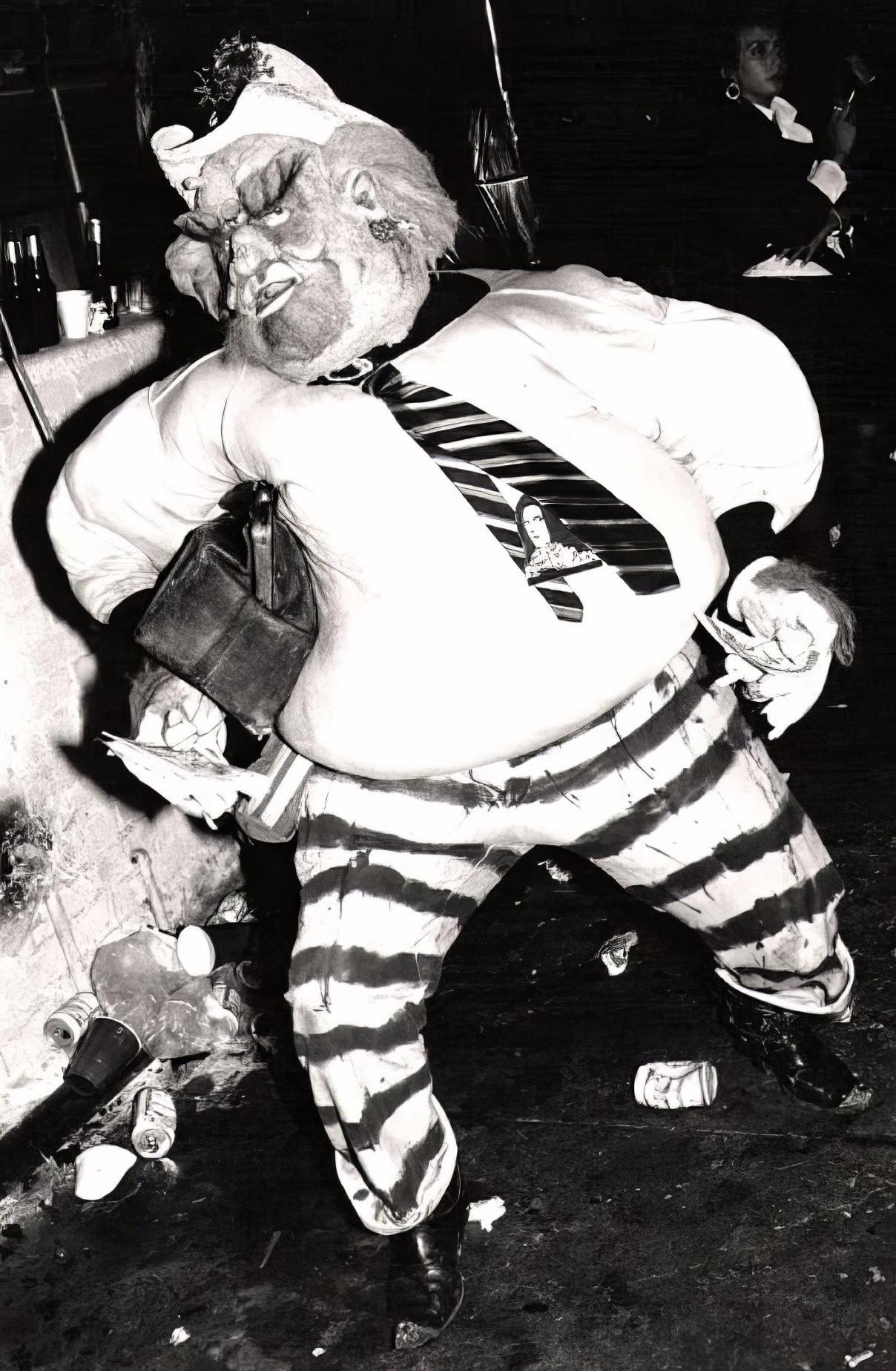
The underground clubs ran on their own rules. Performances could erupt at any moment — a slow-motion dance piece, a costumed character from another world entirely. These weren’t polished shows; they were raw and spontaneous.
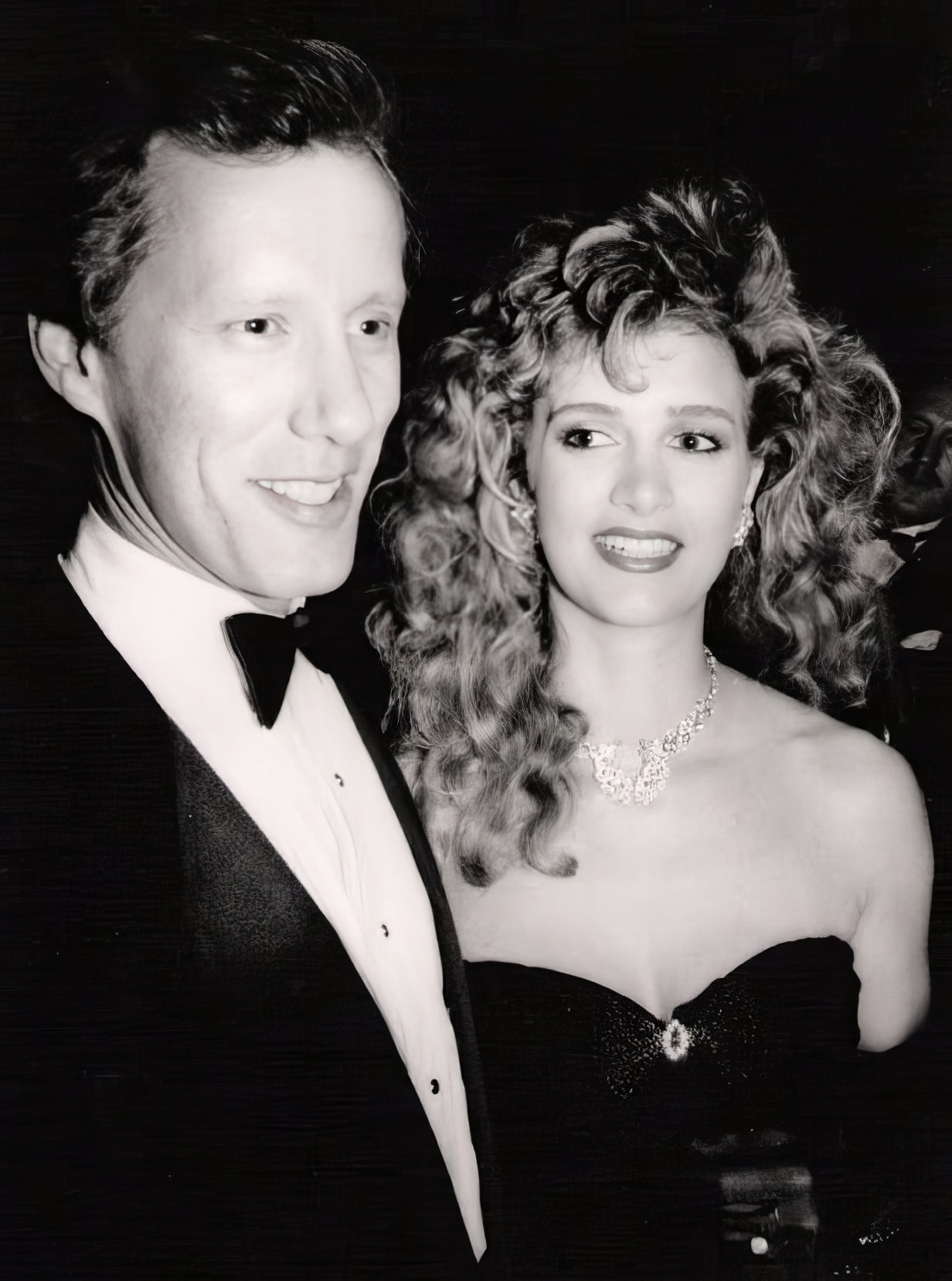
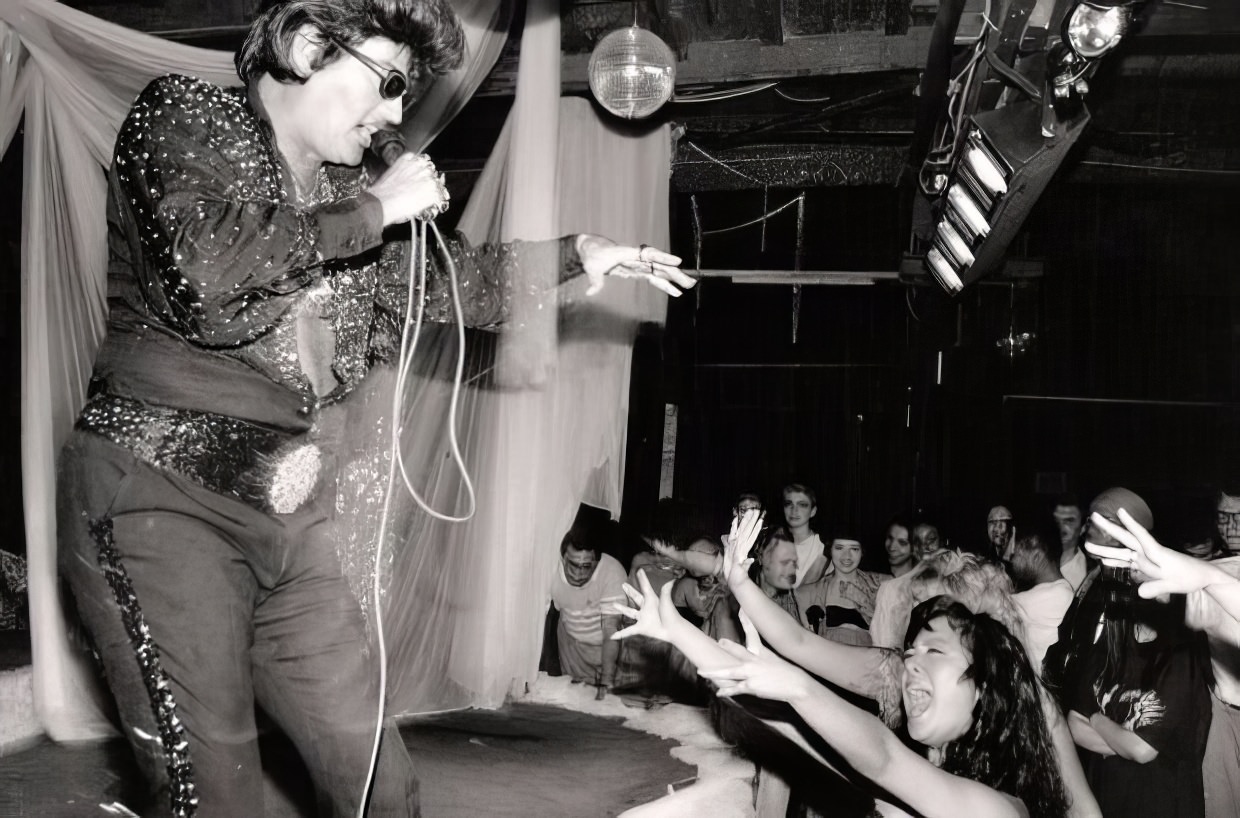
New Year’s Eve brought out a different level of spectacle. Rock stars, film actors, and industry insiders packed venues from Hollywood Boulevard to the Strip, dressed to compete with each other.
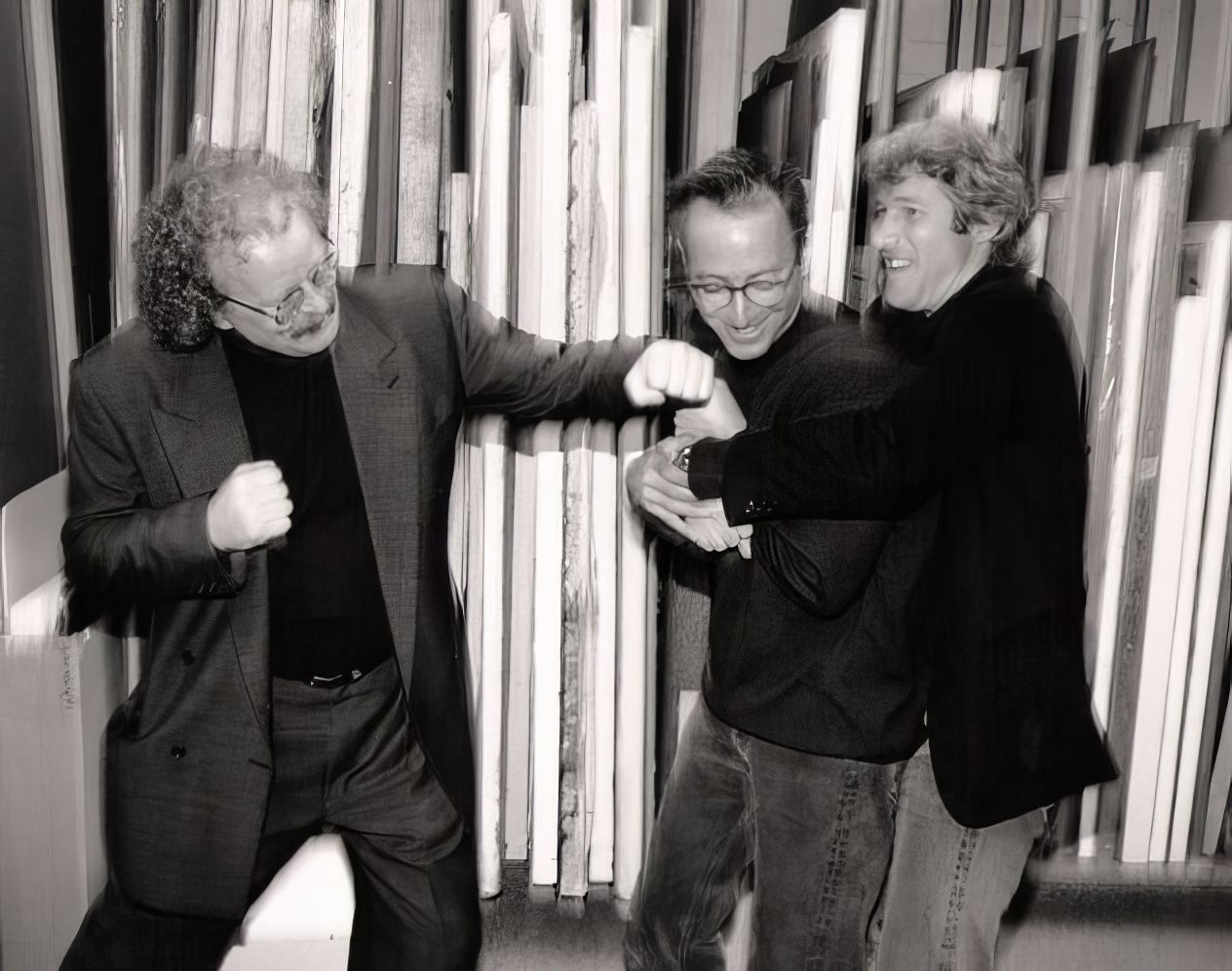
Some of the most candid moments happened between people who rarely let their guard down. Gallery owner David Fahey, photographer Herb Ritts, and Richard Gere — three men at the center of Hollywood’s art and celebrity worlds — caught in a completely unguarded moment.
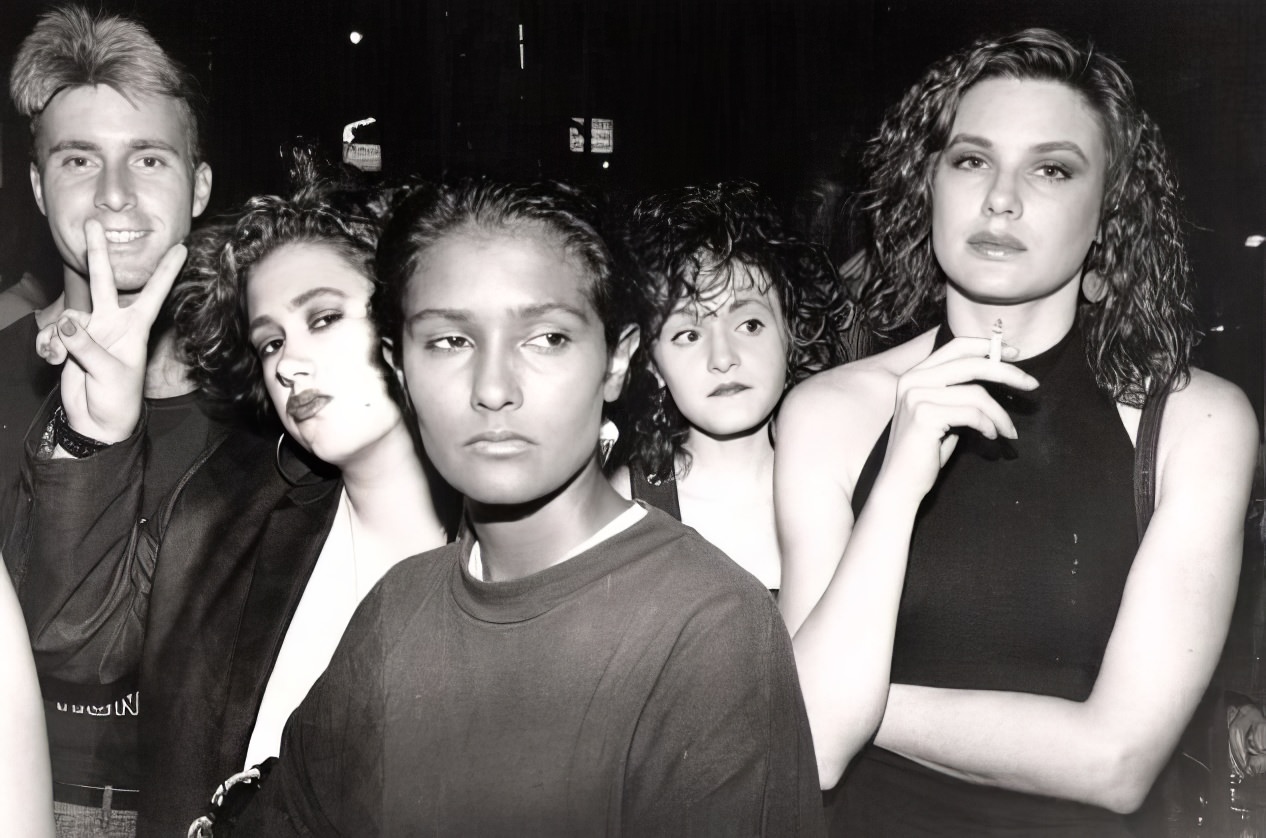
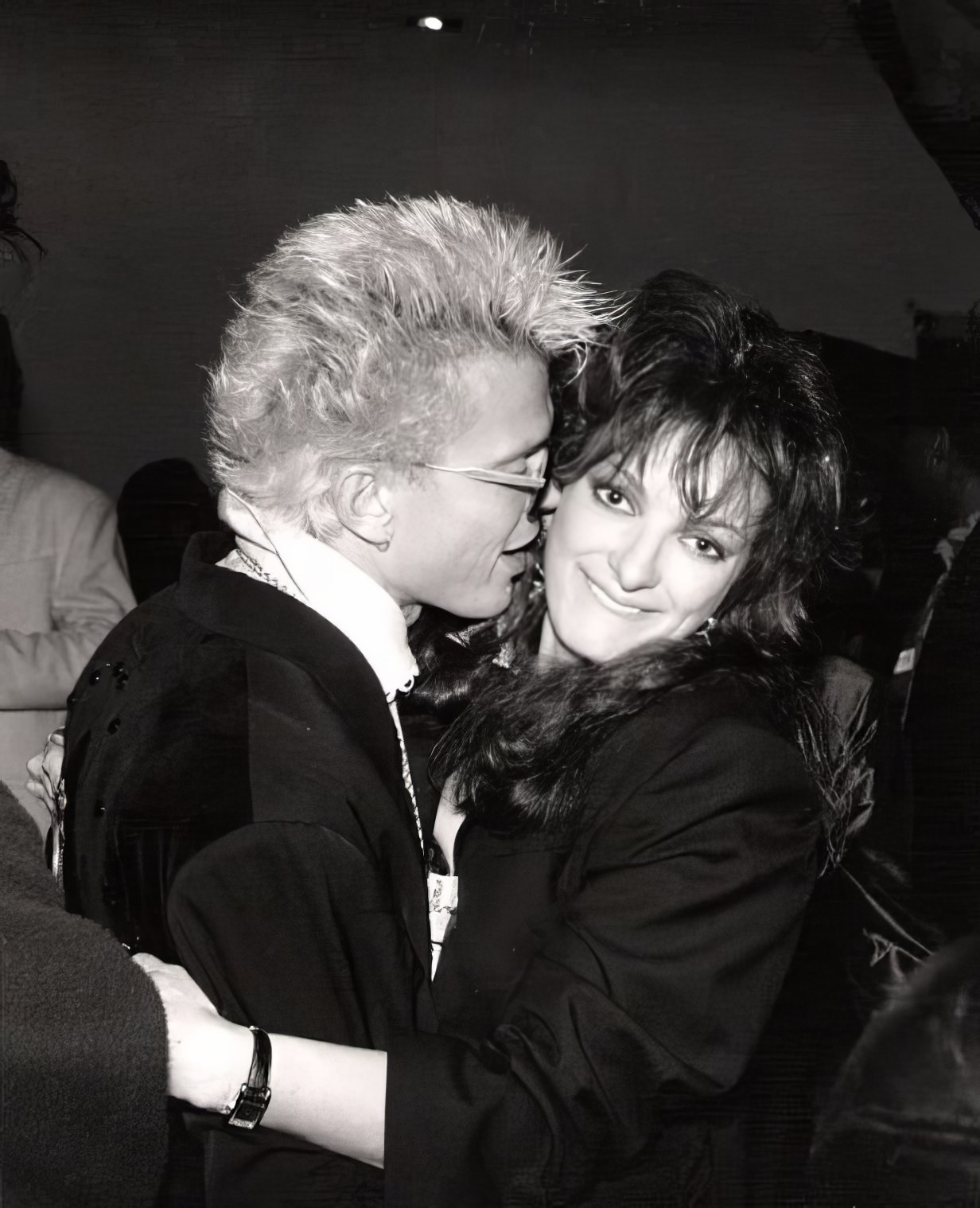
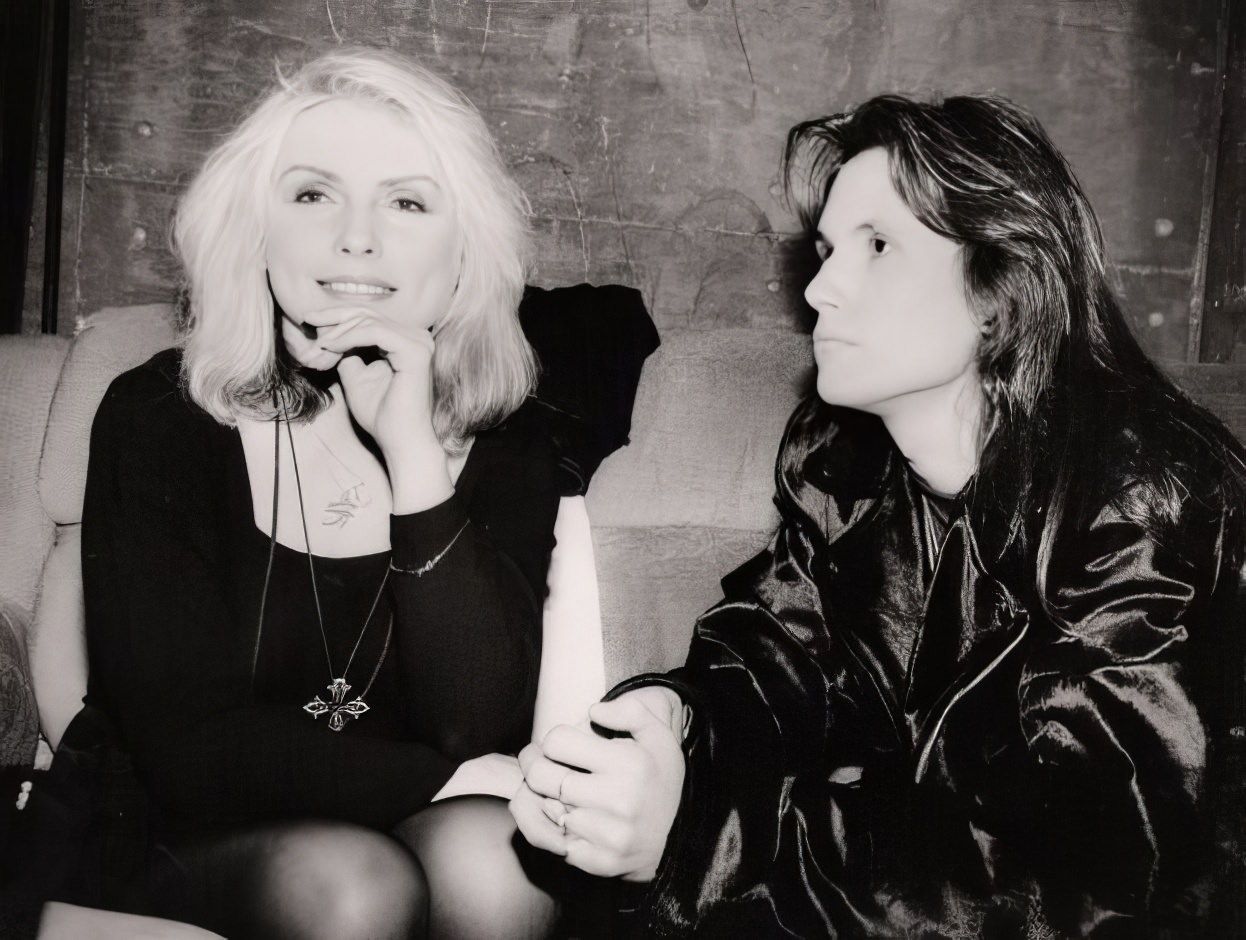
Backstage and off-stage were where Jerrome often found his best shots. Blondie’s Debbie Harry, one of the defining voices of the new wave era, was a regular presence in these circles.
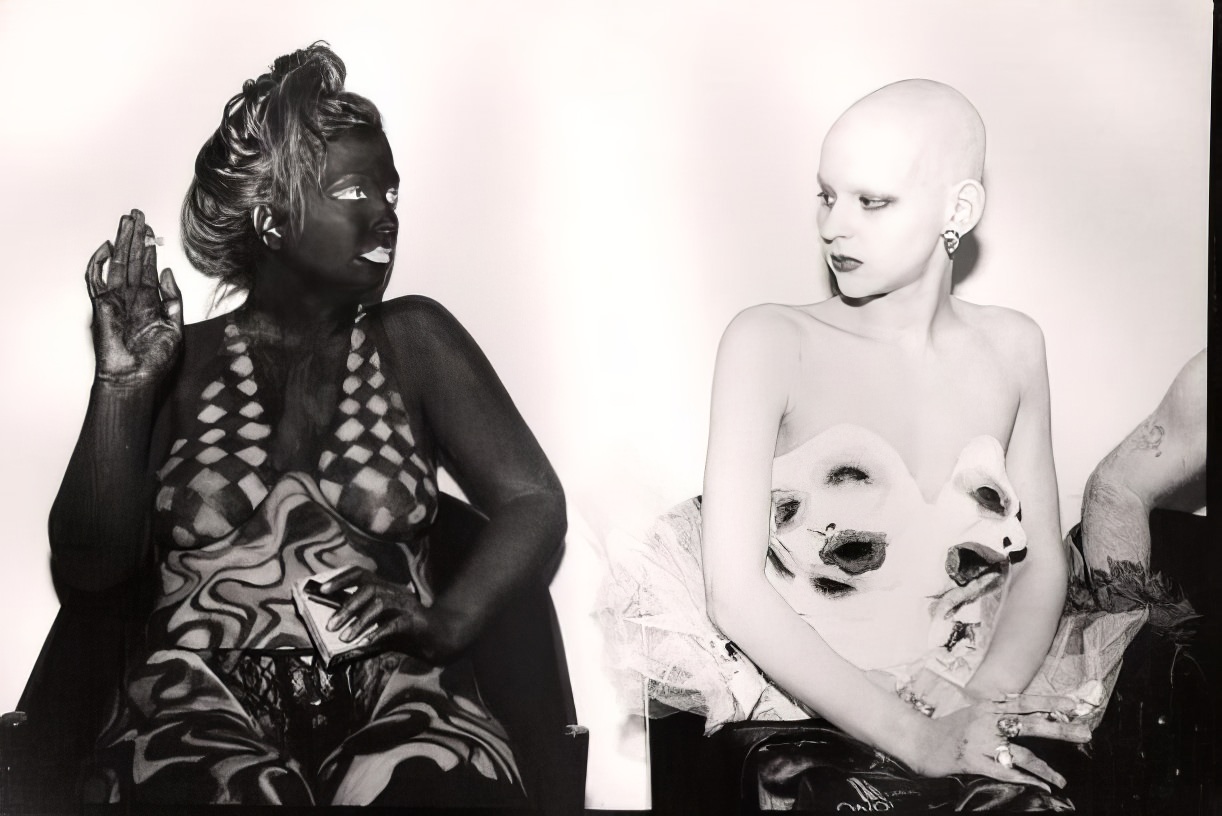
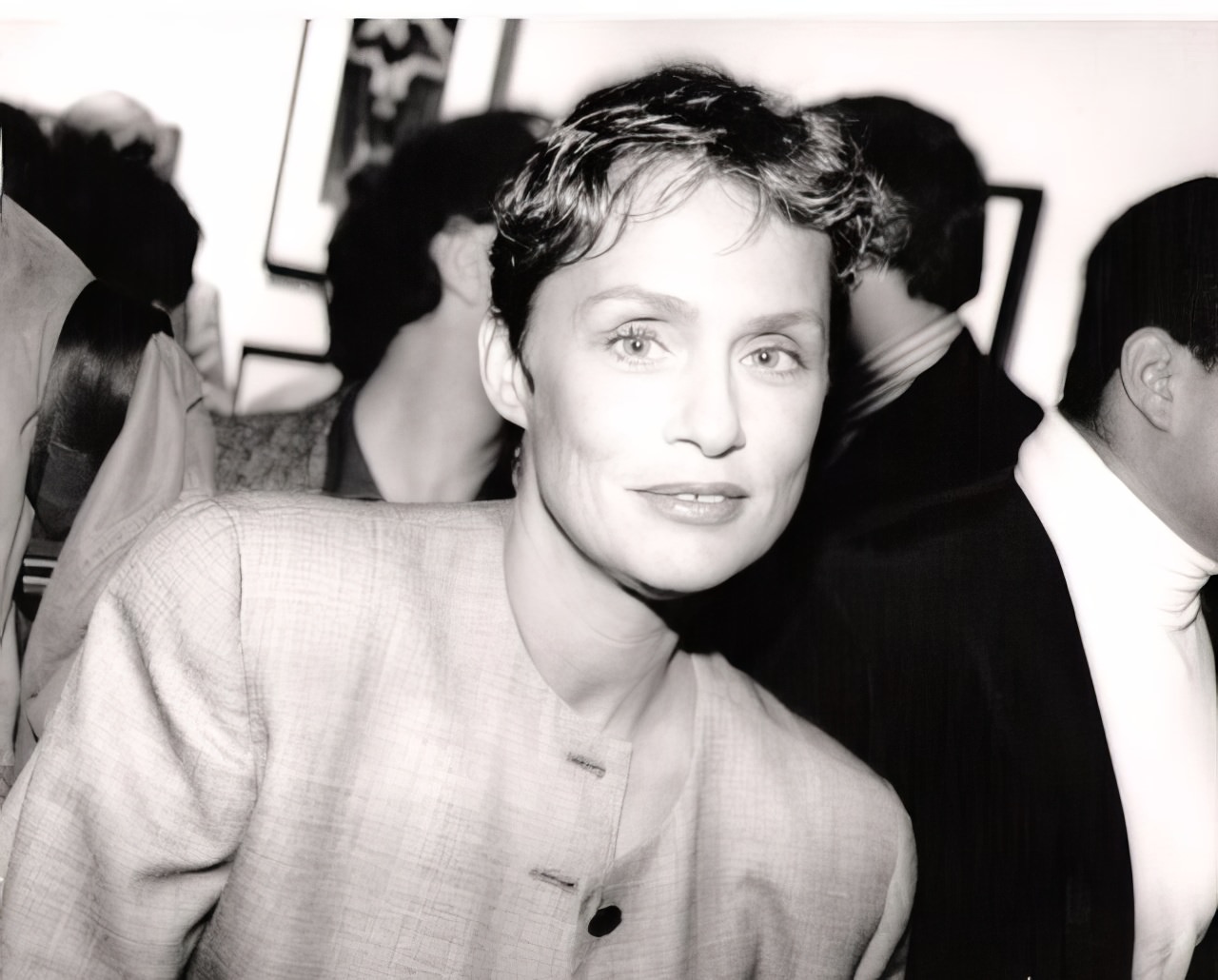
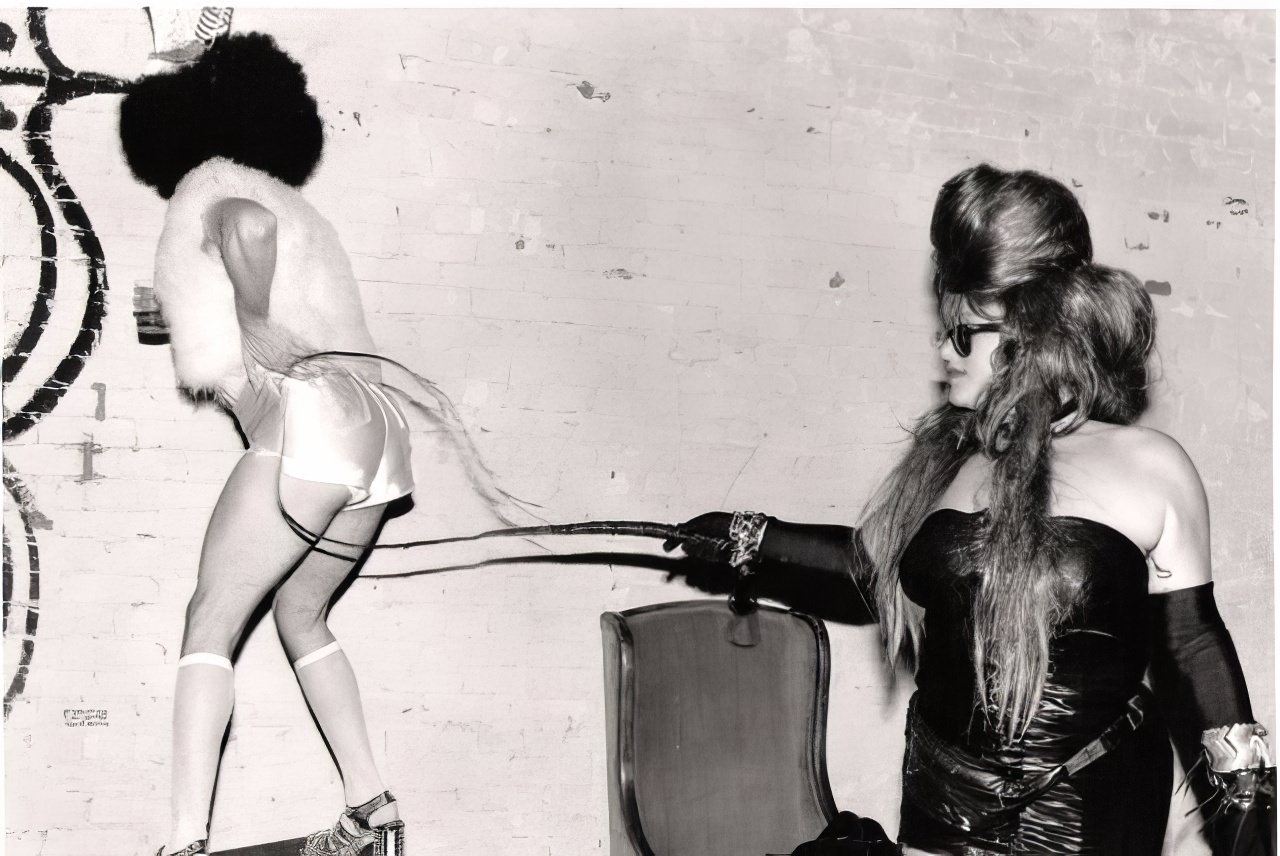
Downtown Los Angeles hosted a different kind of nightlife — far from the polished glamour of the Strip. These were warehouse parties and no-name loft events where the crowd was stranger, the performances were darker, and the rules were entirely different.
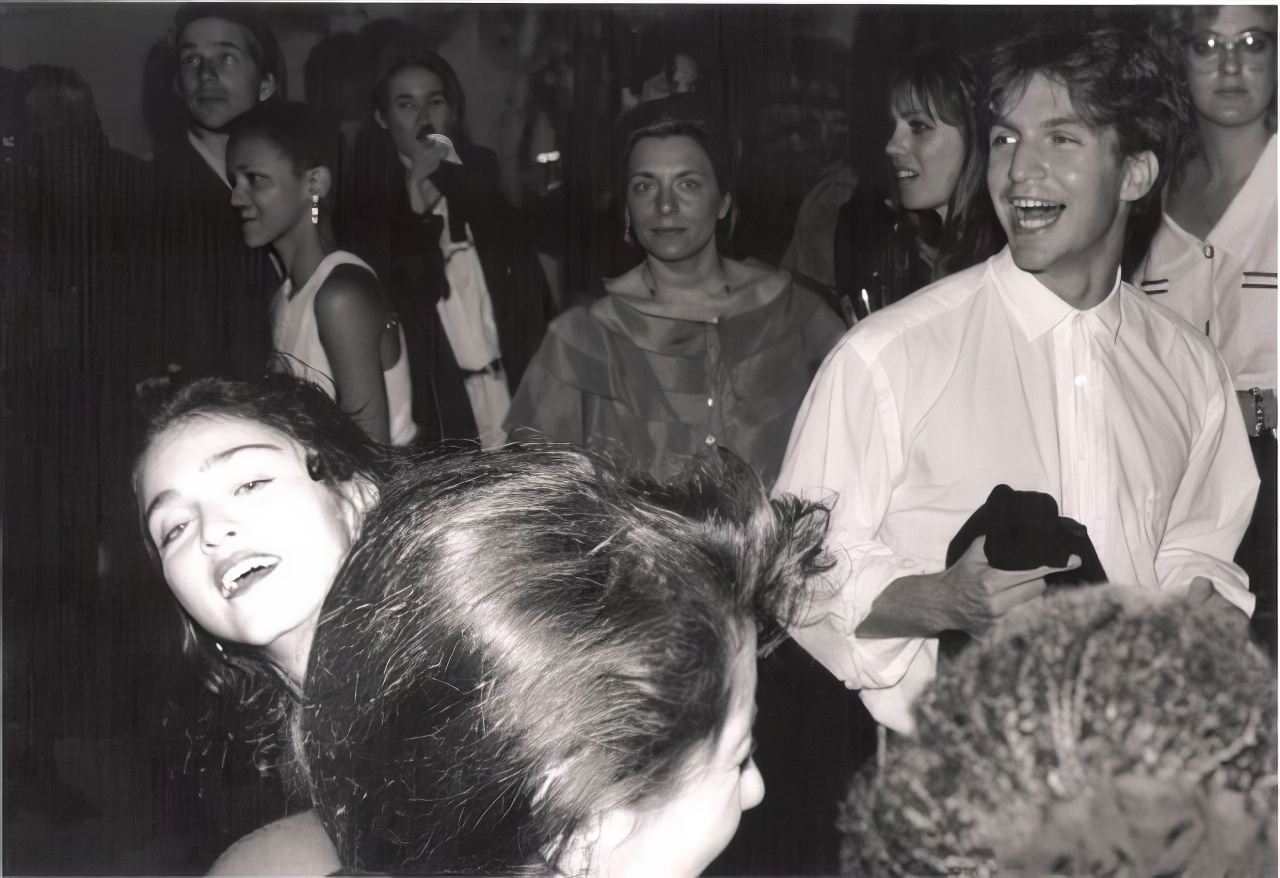
Madonna was everywhere during this period, but catching her at a private party — one hosted by photographer Herb Ritts — was something else entirely. These were the moments Jerrome lived for.
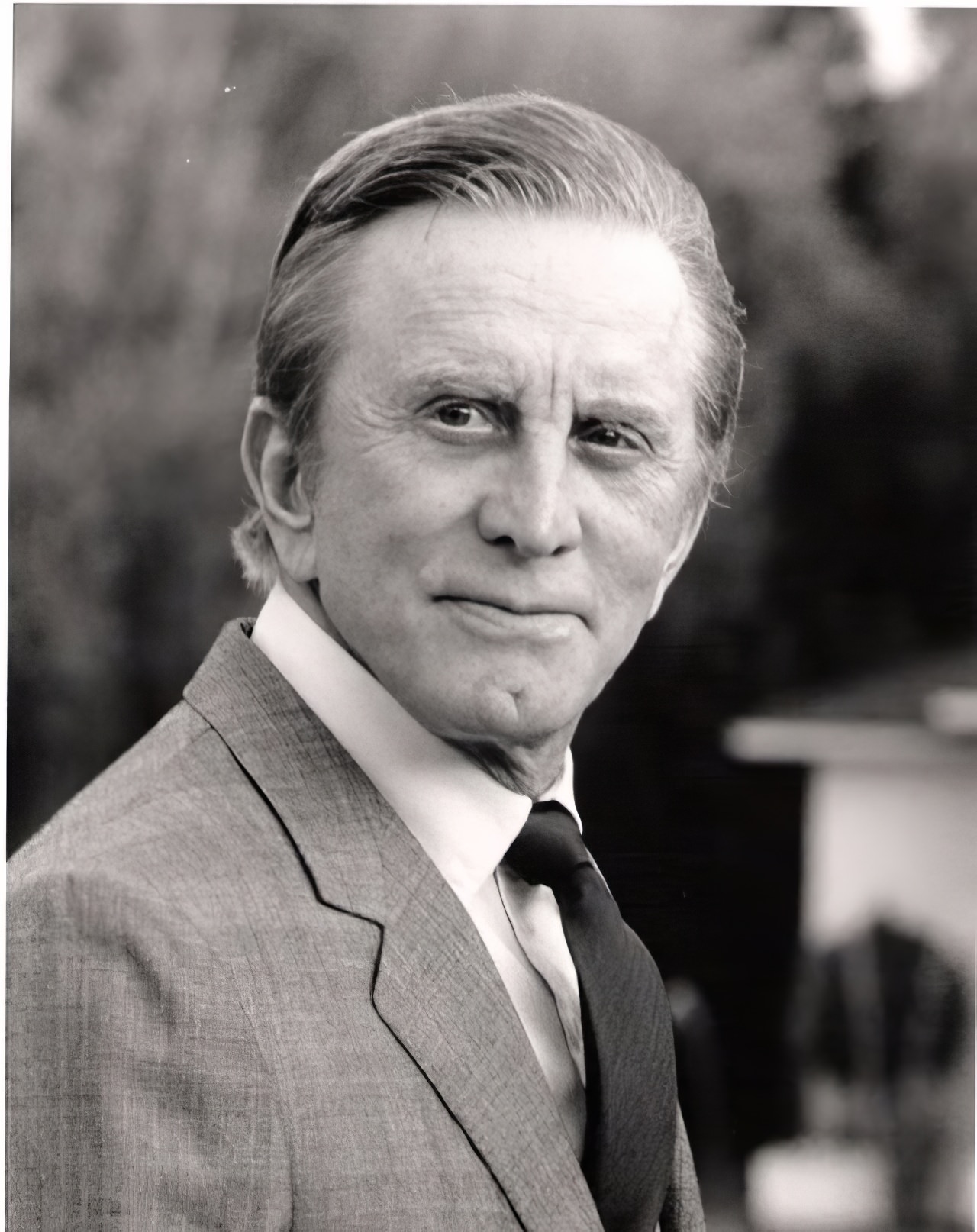
Hollywood’s social world extended well beyond the clubs. Beverly Hills dinner parties, gallery openings, and rooftop receptions pulled in old Hollywood royalty alongside the new. Kirk Douglas at Sidney Sheldon’s home was a different universe from the neon-soaked clubs on Hollywood Boulevard — but it was all part of the same scene.
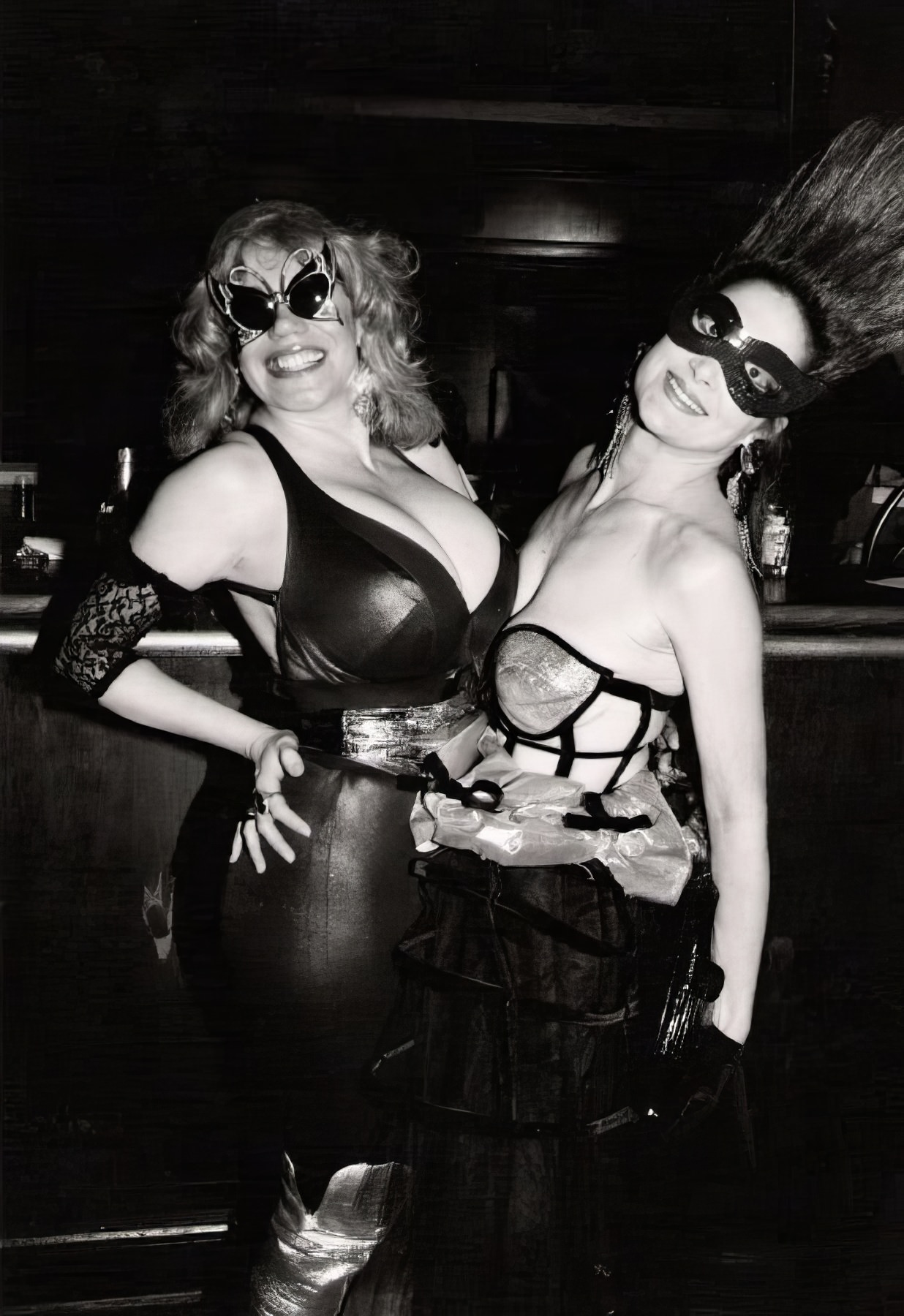
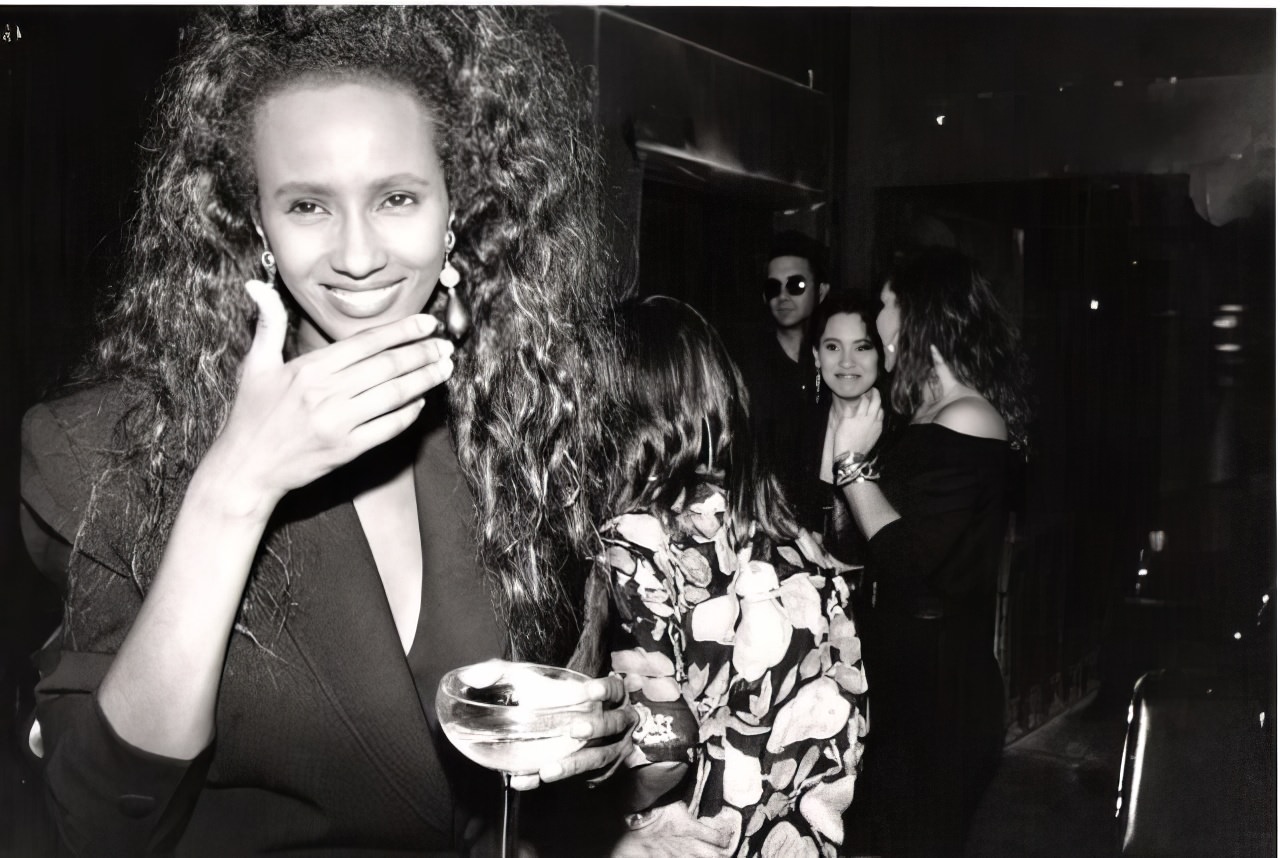
Model Iman was a fixture in New York’s fashion world, but she moved through the Hollywood party circuit as well — often on her own, years before her marriage to David Bowie placed her permanently in the spotlight.
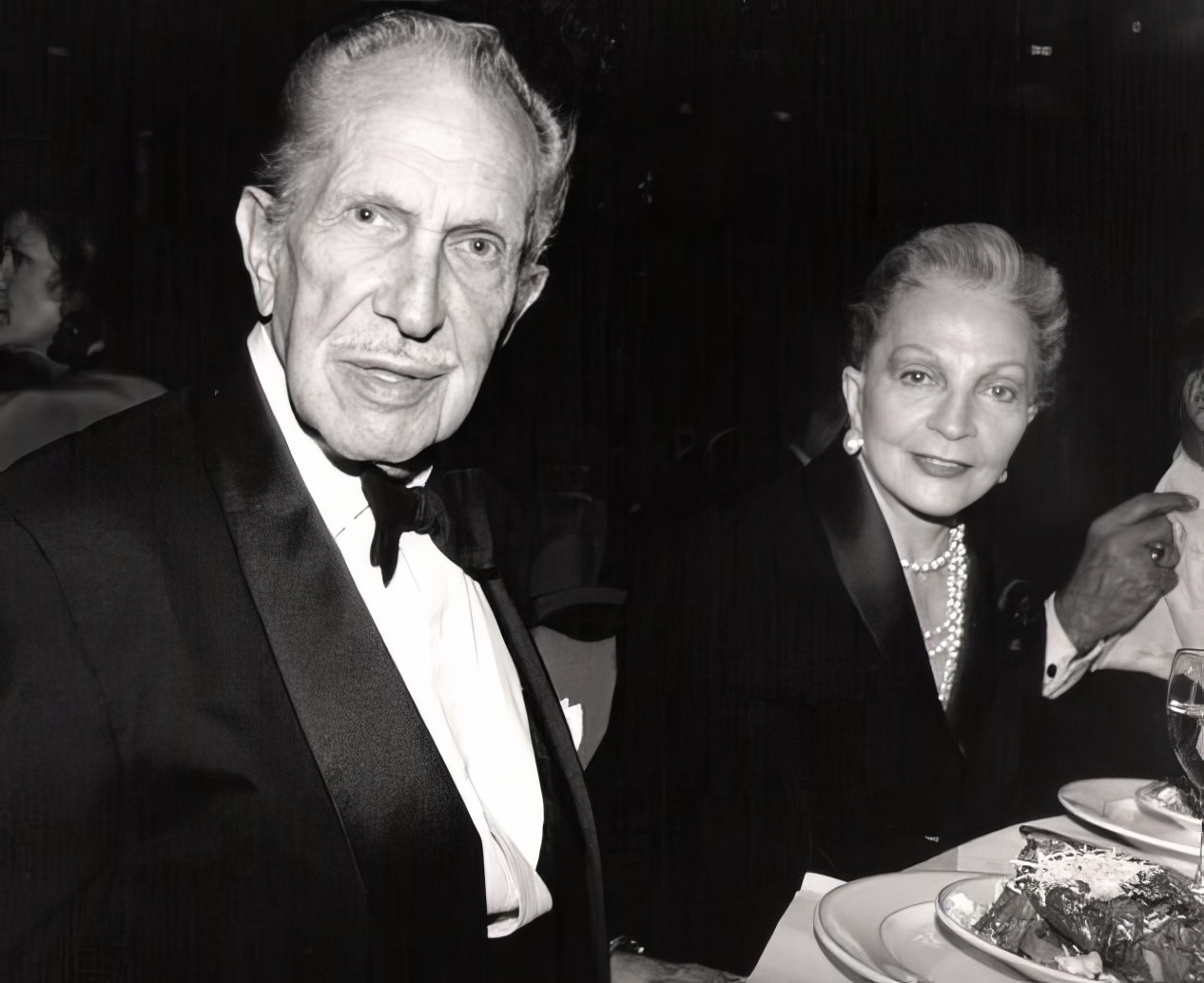
Actor Vincent Price and his wife, actress Coral Browne, appeared at a small Beverly Hills fundraiser not long before Price passed away. The photo stands as one of the more quietly powerful images in Jerrome’s collection — two theatrical legends at the tail end of remarkable careers.
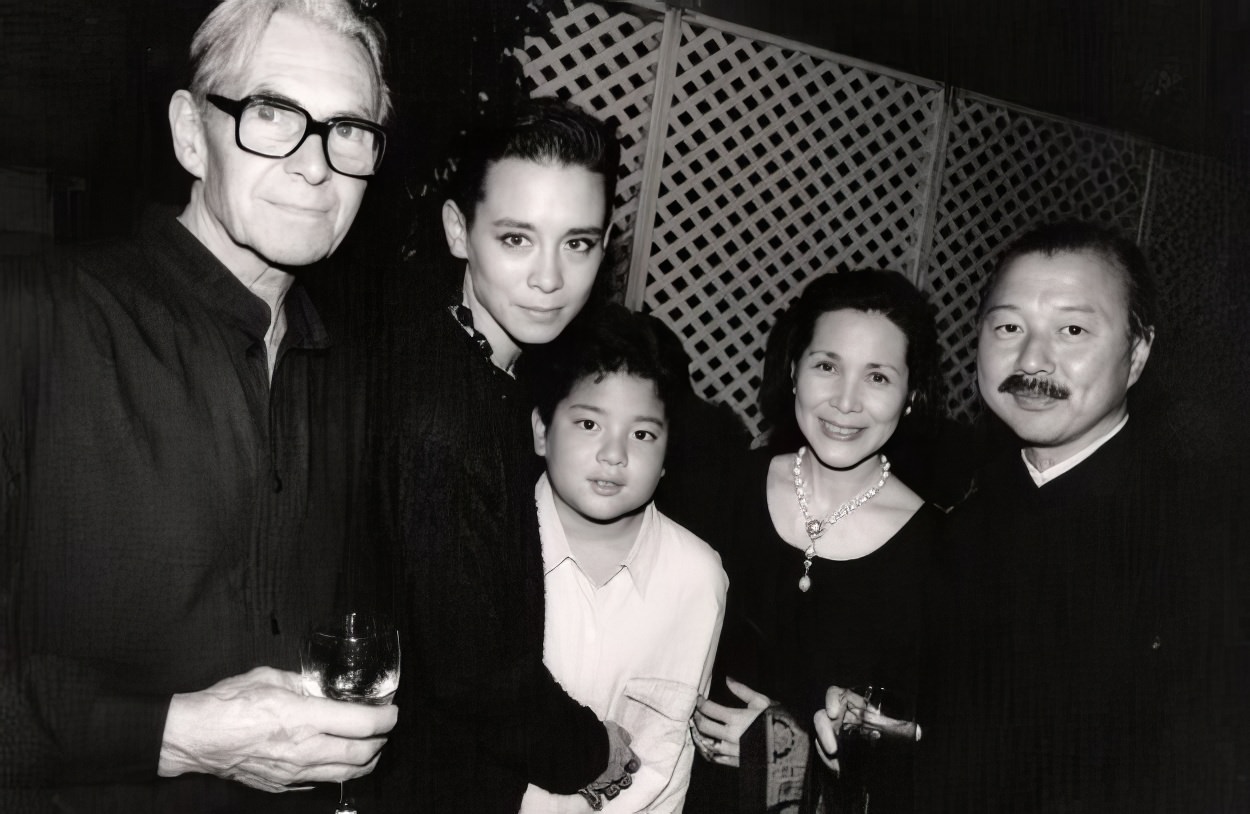
Some of Jerrome’s rarest photographs came from family gatherings rather than nightclubs. Tina Chow, the model and muse who died of AIDS-related illness in 1992, was photographed at her ex-husband Michael Chow’s Beverly Hills restaurant alongside her father, mother, and son Max.
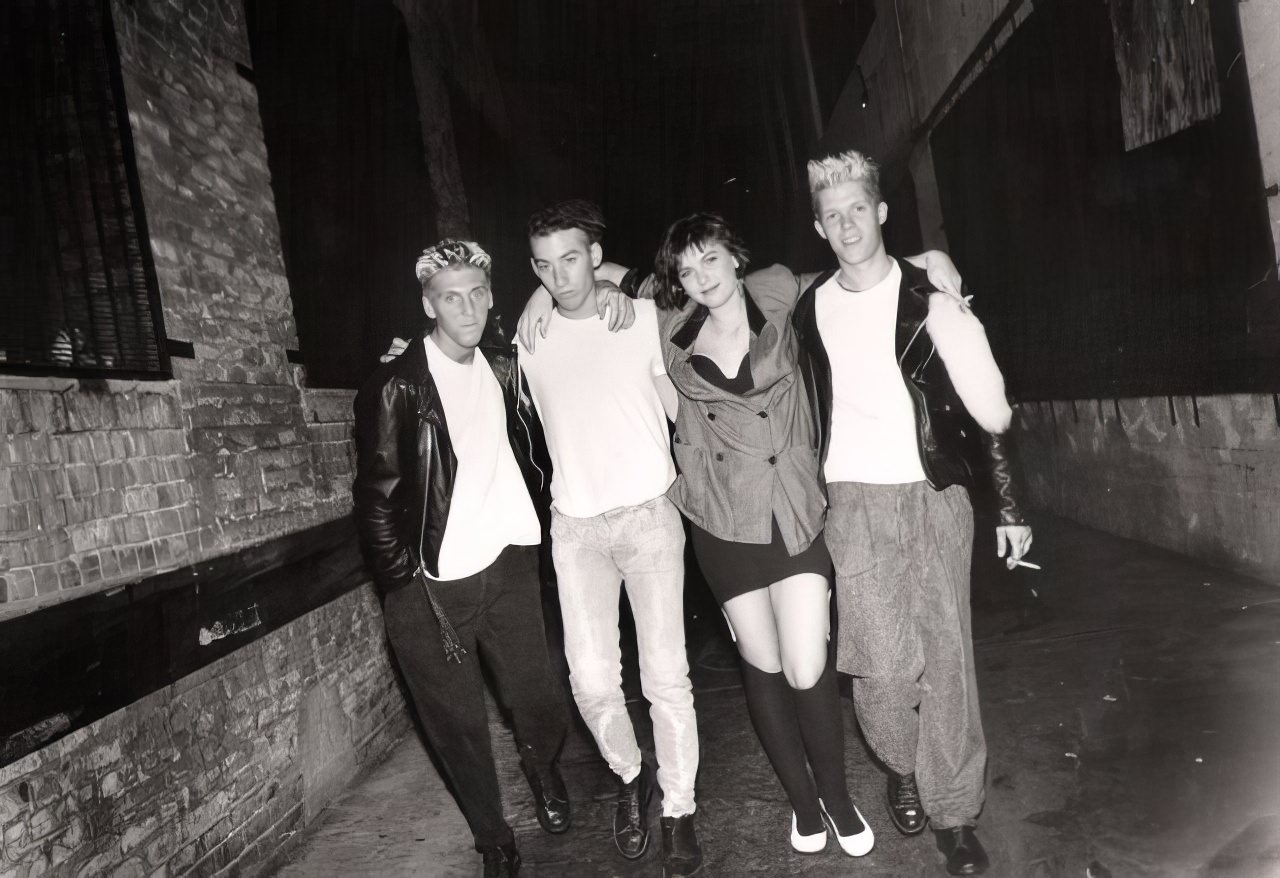
By four in the morning, the energy had shifted. The clubs were emptying, the performers had packed up, and the night’s survivors spilled out onto the streets, the whole spectacle dissolving into the pre-dawn quiet of Los Angeles.
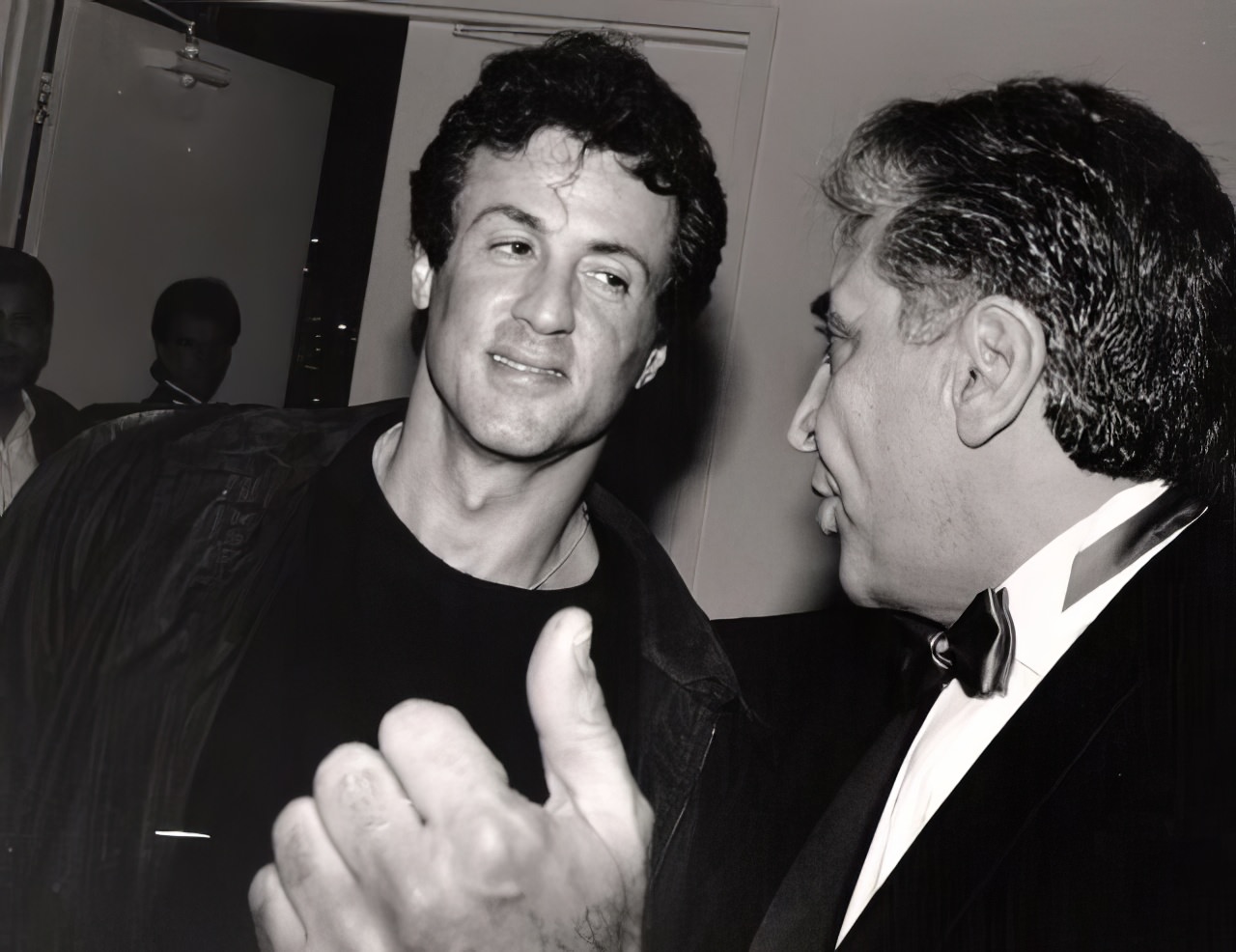
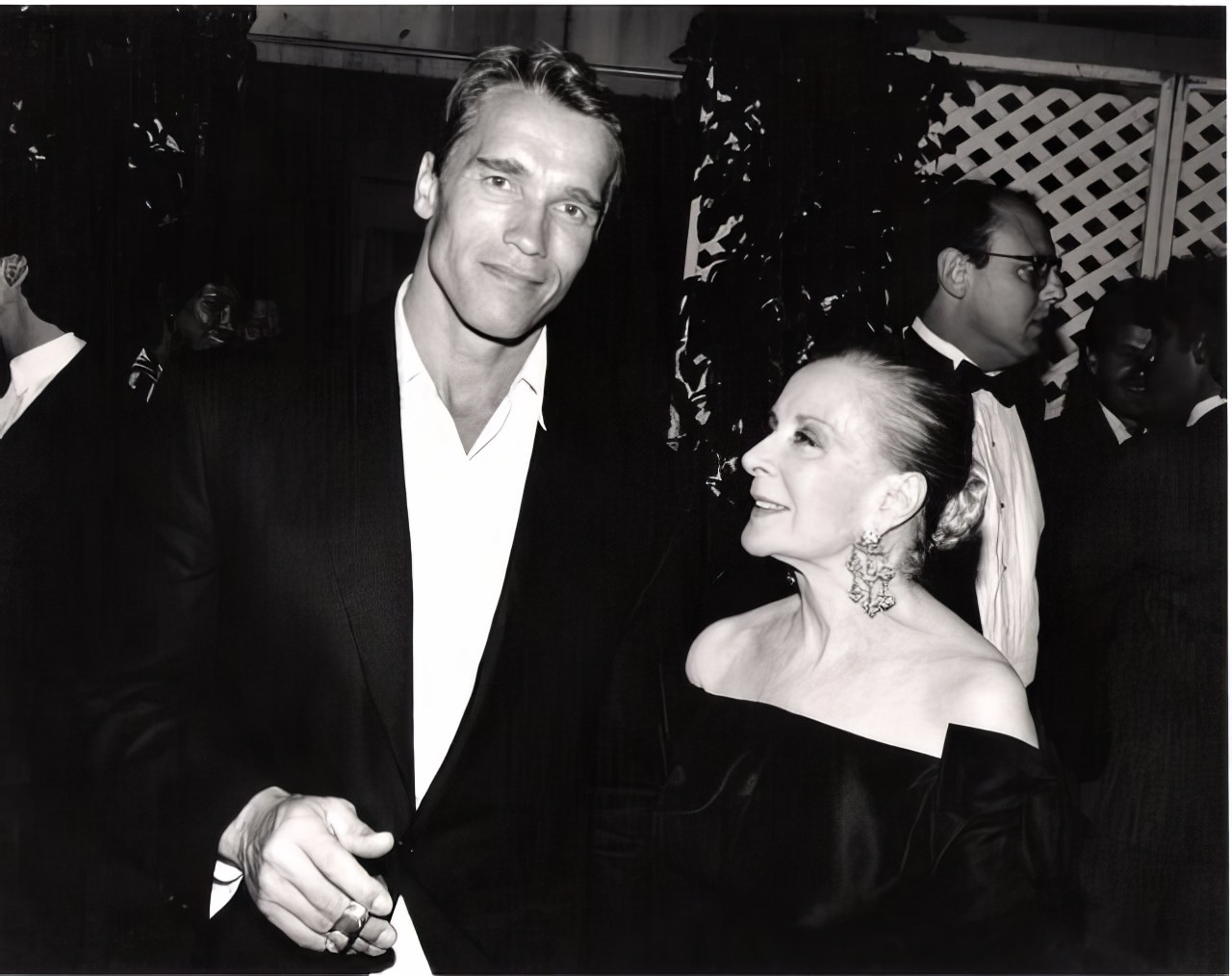
Arnold Schwarzenegger was already a major star before his political career, and he moved easily through Beverly Hills receptions. Here, he’s pictured with Mrs. Vincent Minnelli — stepmother of Liza Minnelli — at a private event, a pairing that captured the generational mix that defined the era’s social circuit.
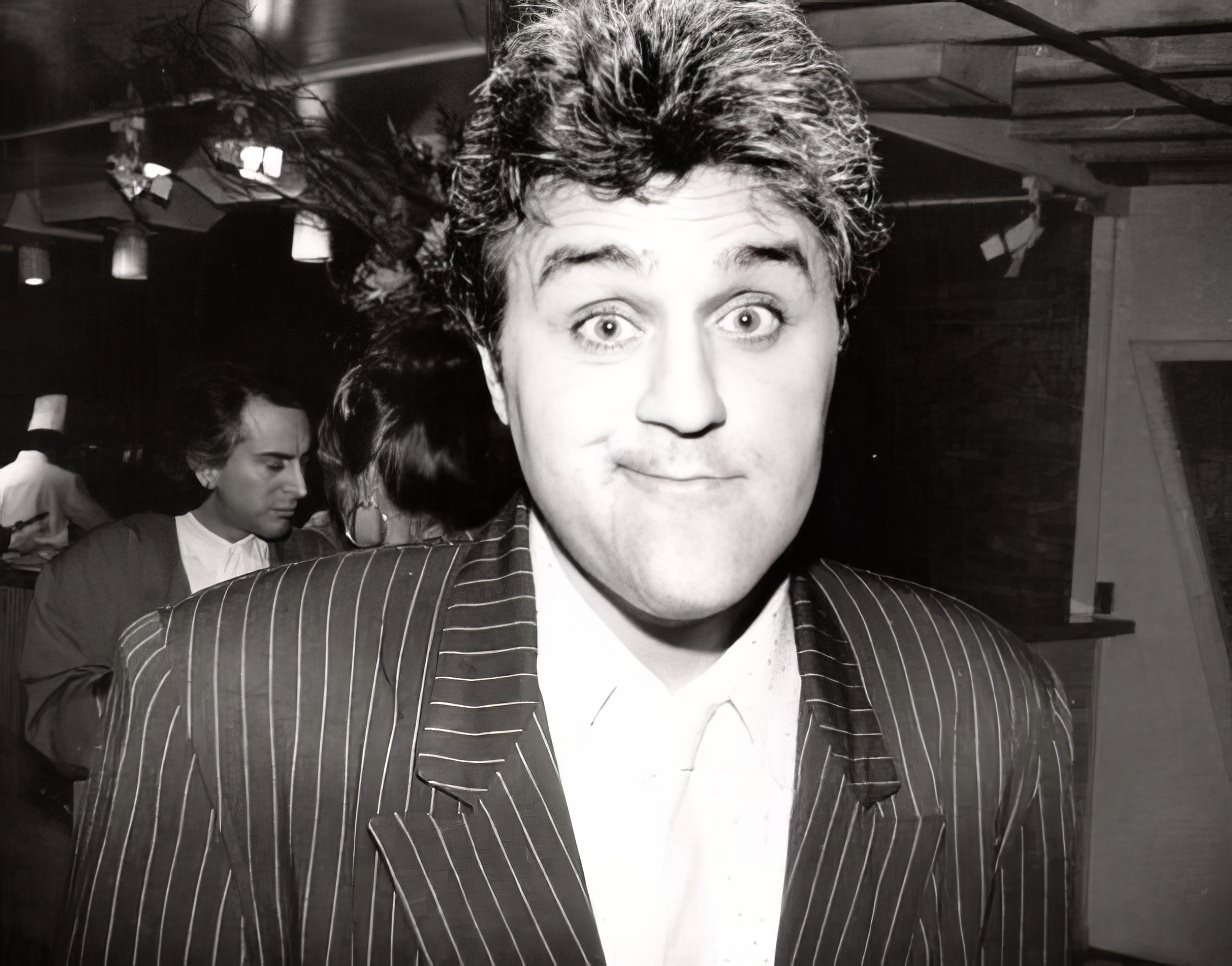
Power broker Irving “Swifty” Lazar hosted some of the most talked-about parties in Hollywood history. His annual Oscar night gatherings at Spago on Sunset Strip were required attendance for the industry’s elite. Jerrome photographed Jay Leno at one of Lazar’s private receptions — a glimpse into a room where the currency was access.
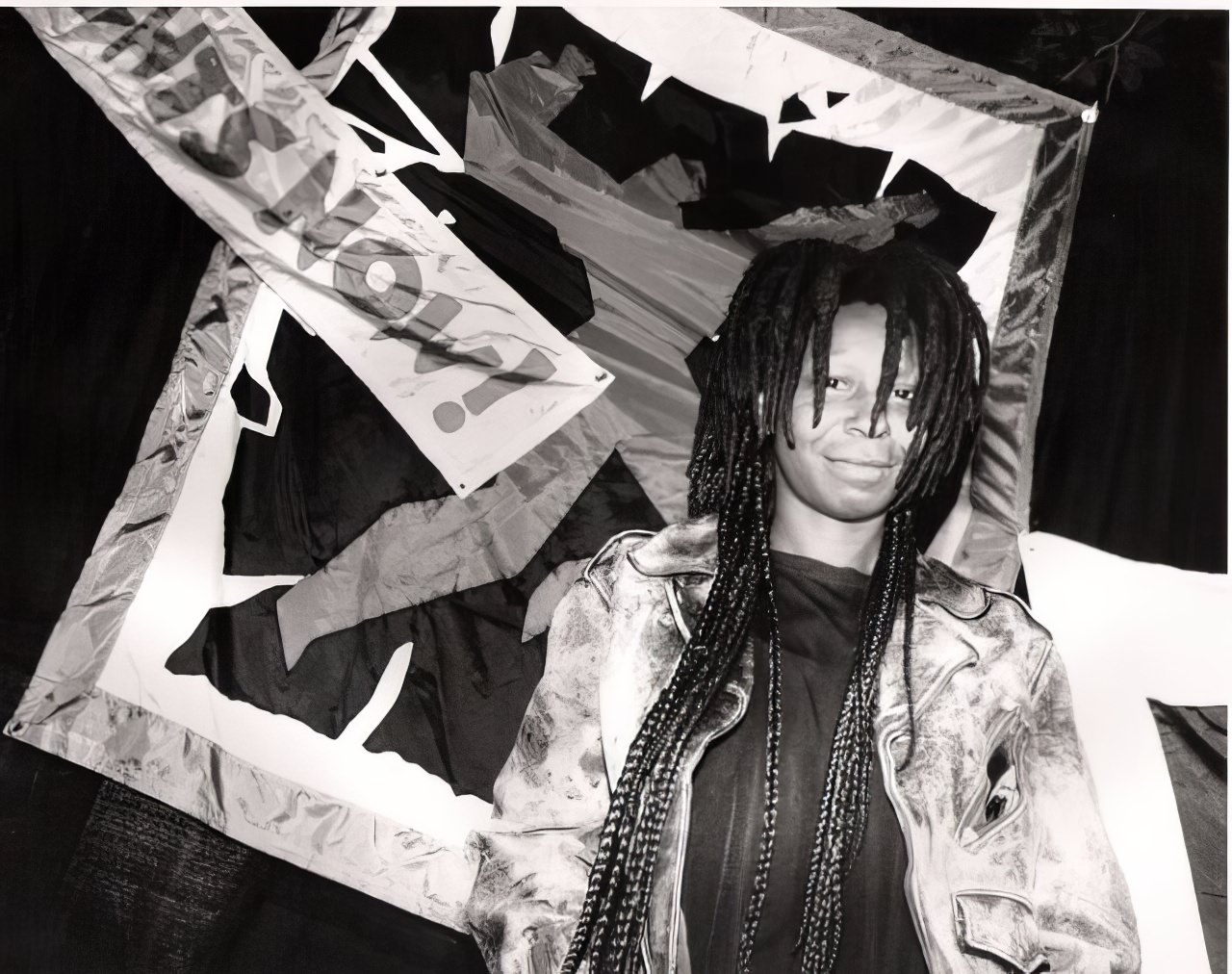
New York’s fashion world occasionally descended on Los Angeles, and the results were memorable. Ivana Trump arrived at a fashion show wearing Thierry Mugler — one of those unexpected appearances that made the Hollywood scene feel connected to a much larger, global conversation about style and status.
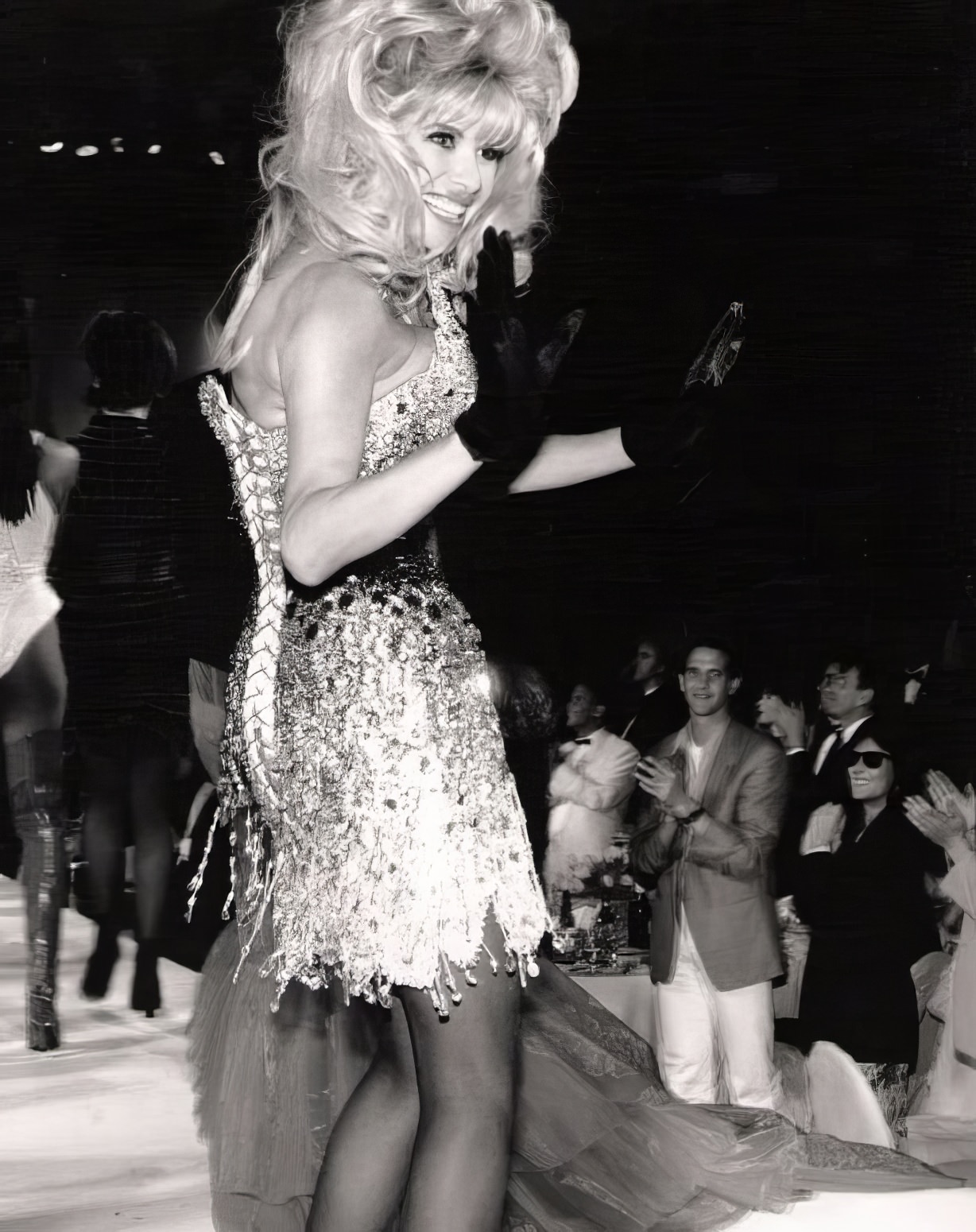
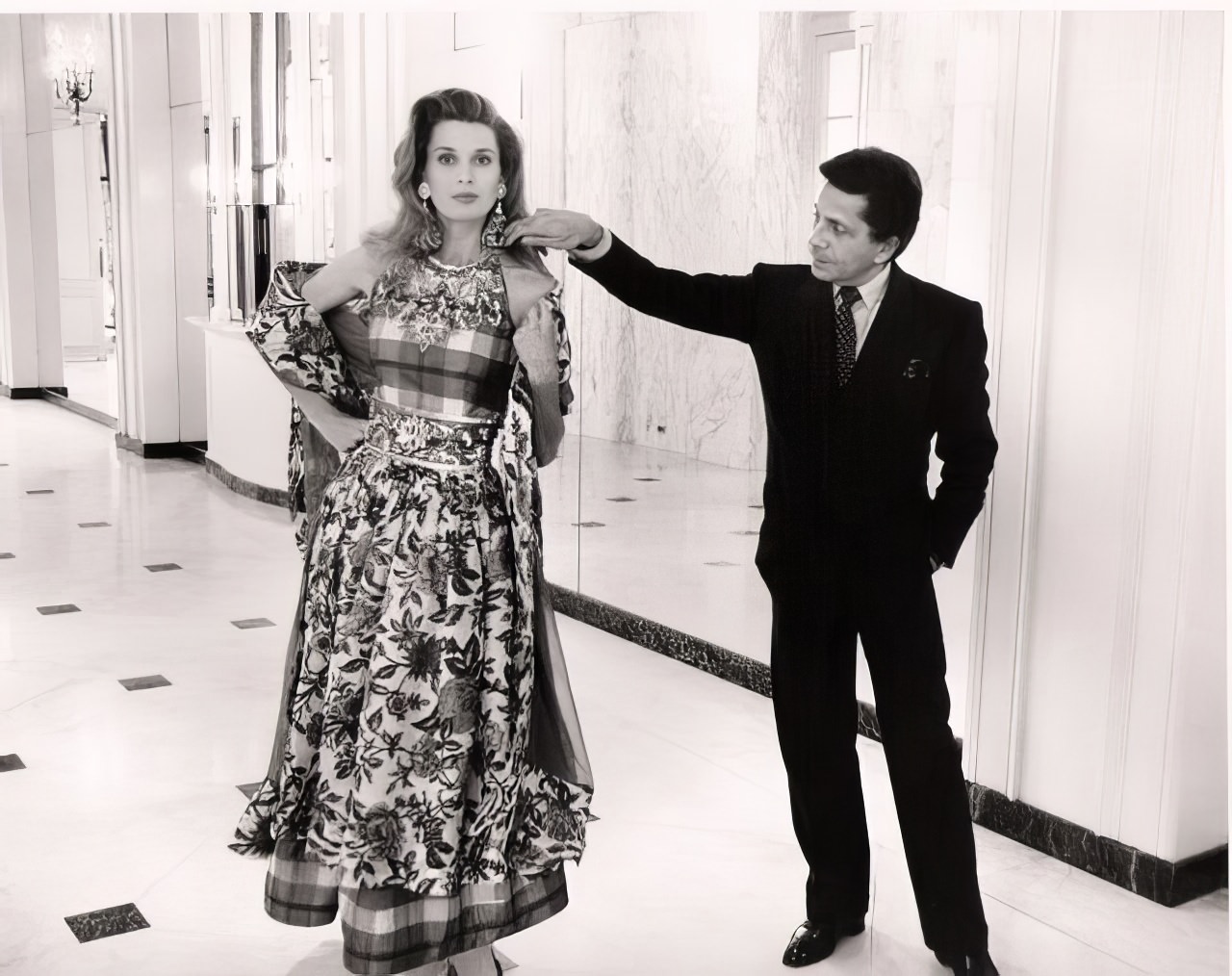
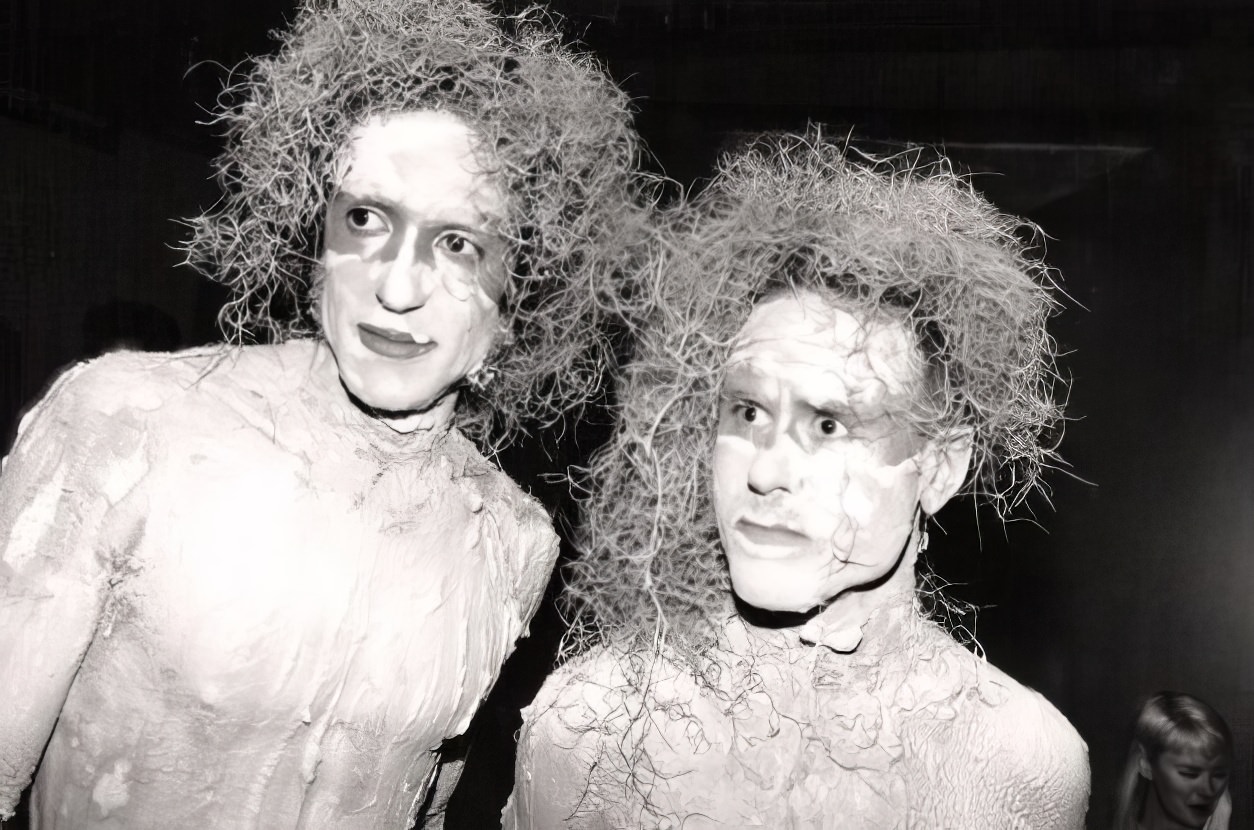
Herb Ritts was one of the defining photographers of the era. He shot advertising campaigns, album covers, and portraits of nearly every major celebrity of the decade. At his own photo show in Hollywood, Ritts was photographed alongside actress Daryl Hannah — two major figures from the same creative world.
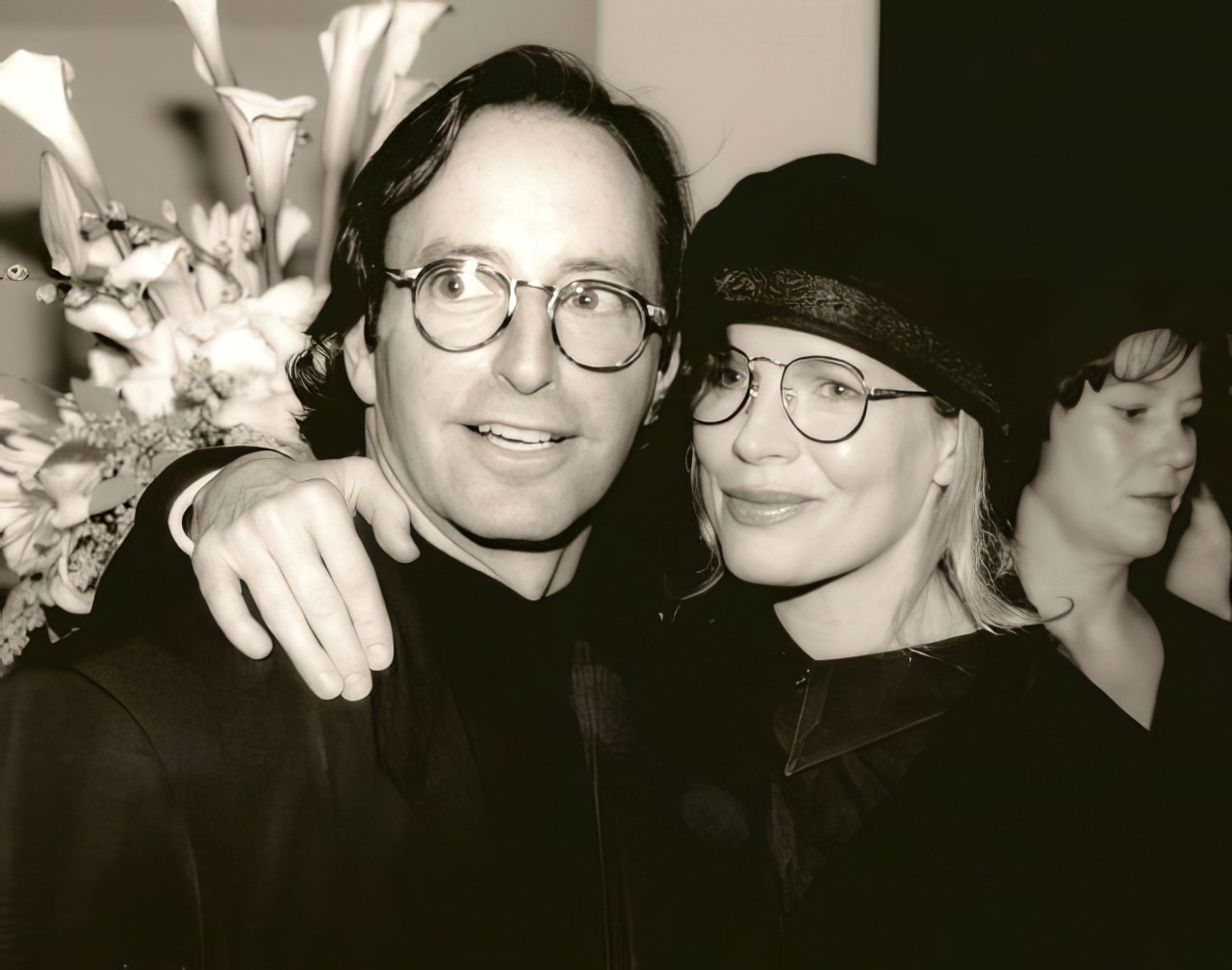
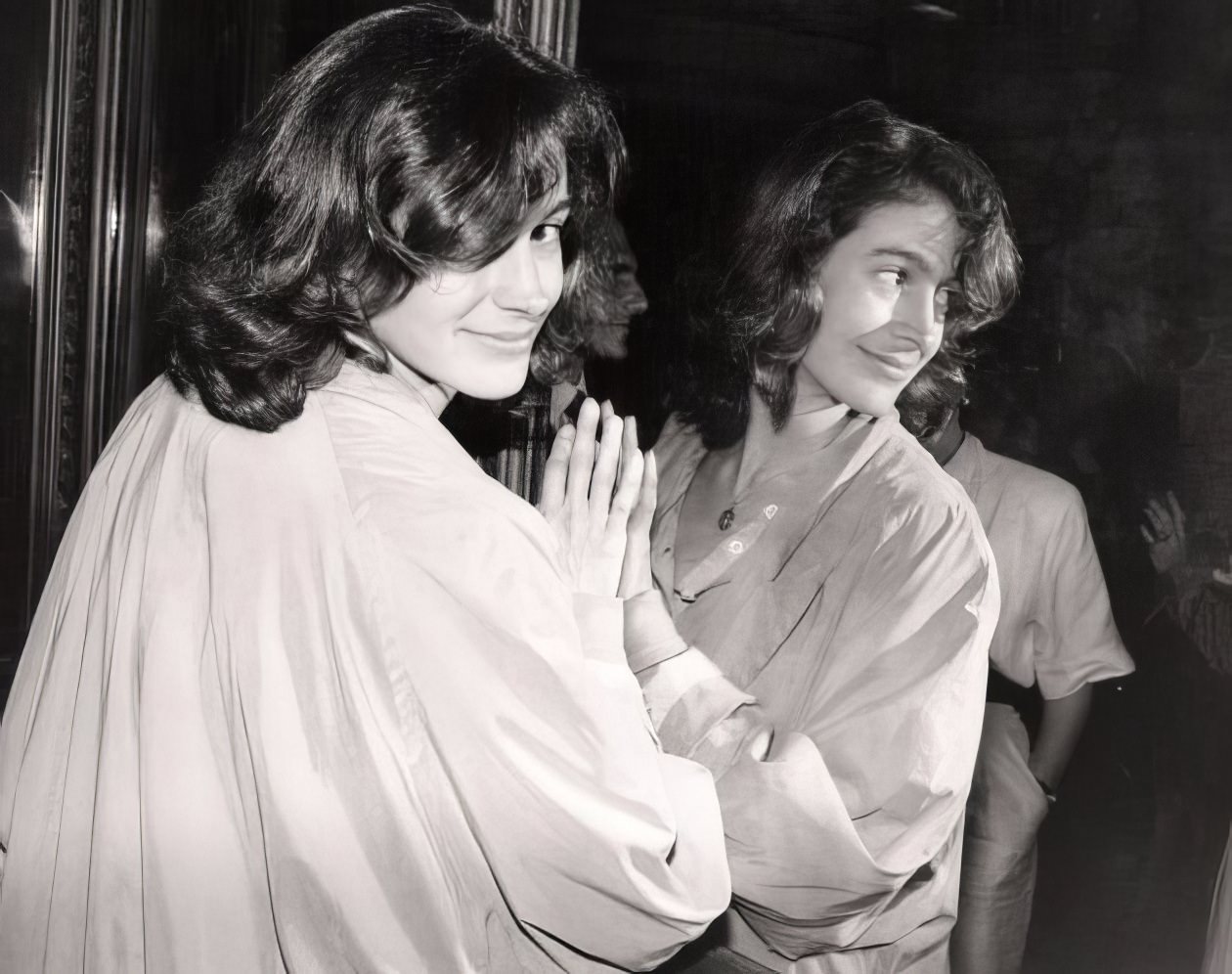
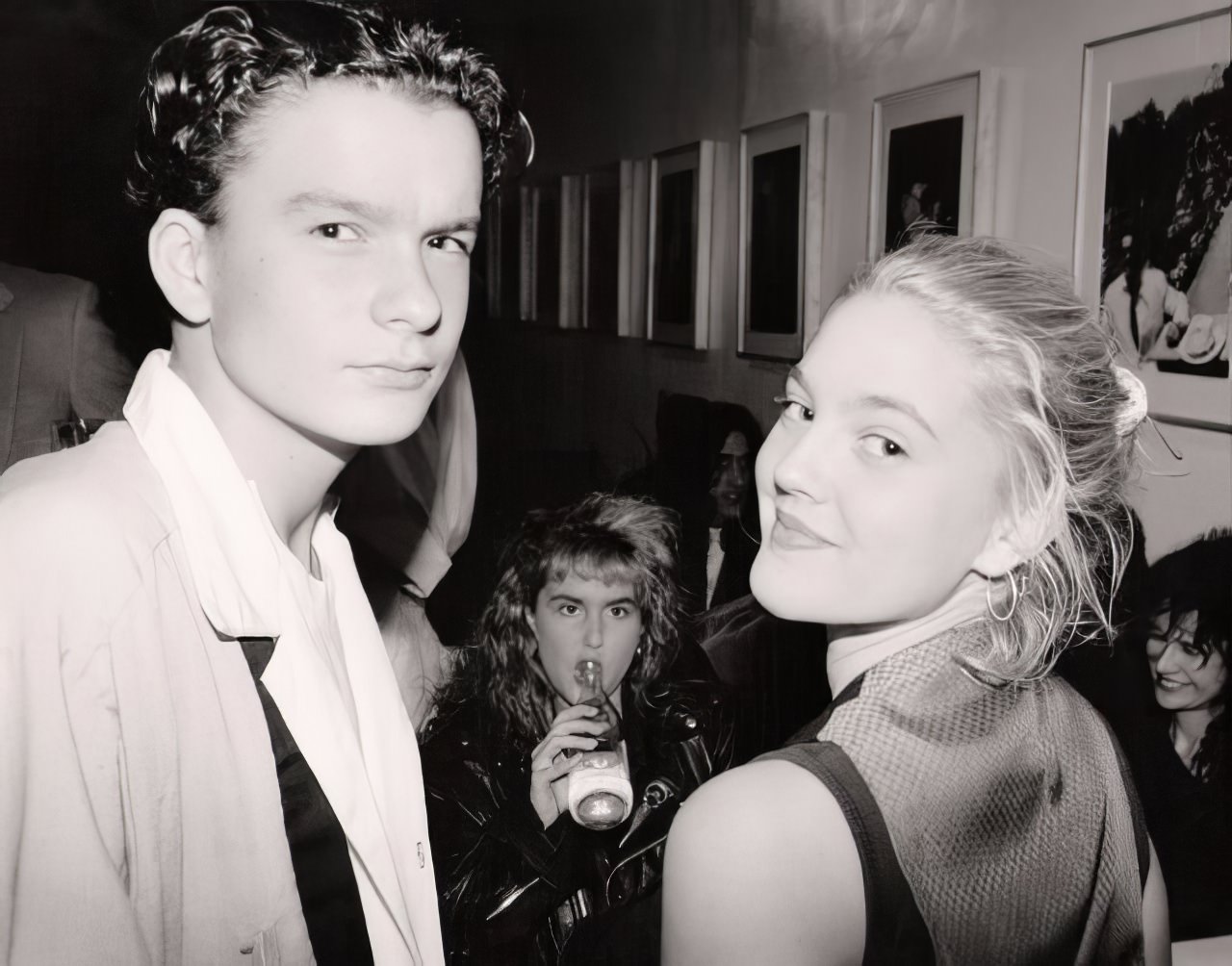
Younger stars were coming up fast through the same circuit. Balthazar Getty and Drew Barrymore — both barely adults — appeared together at a party celebrating photographer Greg Gorman’s first book, part of a generation beginning to stake their own claim on Hollywood nightlife.
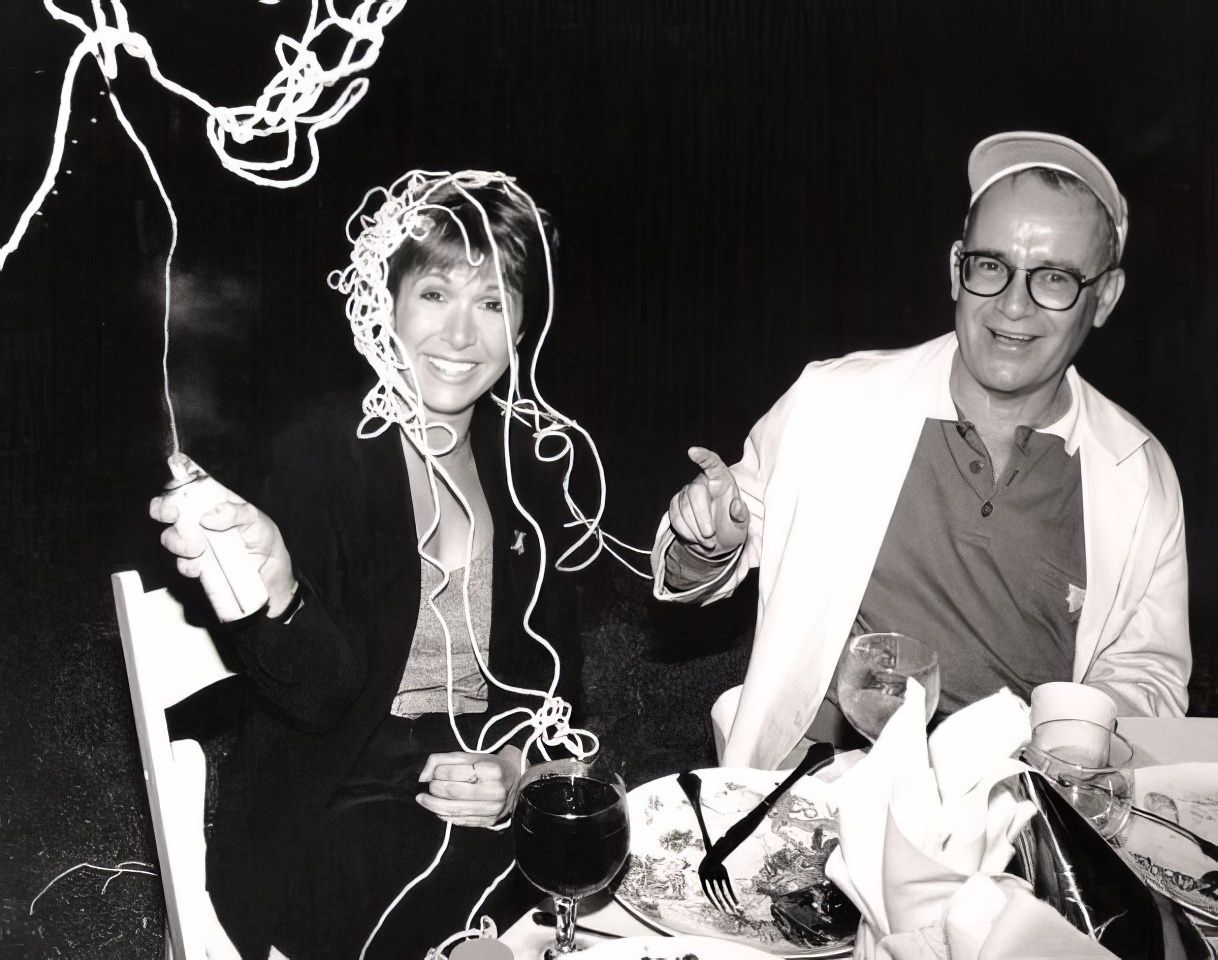
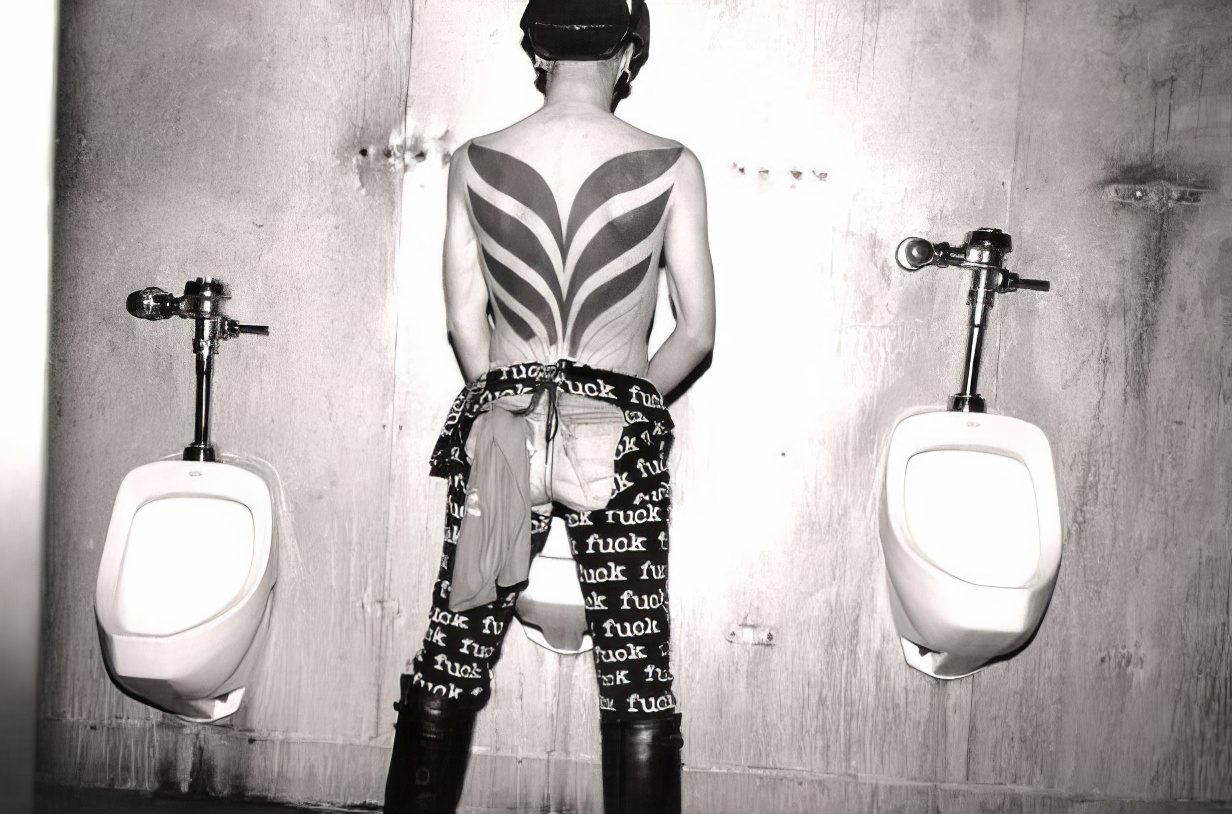
The AIDS crisis ran through this entire era like a wound. It killed artists, performers, designers, and countless others who populated these very rooms. One of Jerrome’s photographs — a young man with five rings in his foreskin, wings tattooed but unfinished on his back — carries a caption that says everything: he died of AIDS before the tattoo was ever completed.
Anjelica Huston and Jack Nicholson were one of Hollywood’s most recognizable couples during this period. Even cornered by a photographer at an art opening in Beverly Hills, they projected the kind of effortless cool that made them permanent fixtures in every room they entered.