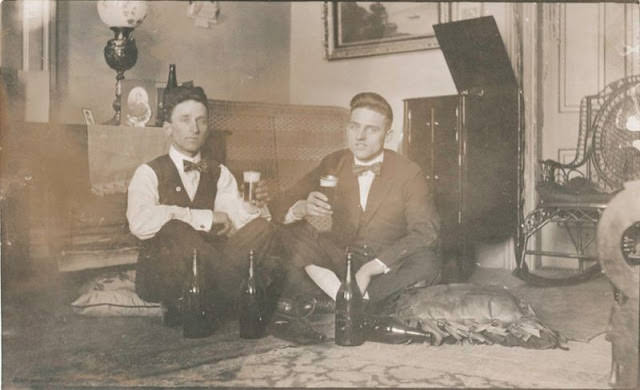
The Edwardian era ran from 1901 to 1910, and the homes built during this period told a clear story. They kept some of the grandeur of the Victorian age but shed its heaviness in favor of brighter, airier spaces. The result was a style that felt both refined and livable — formal enough for guests, comfortable enough for family.
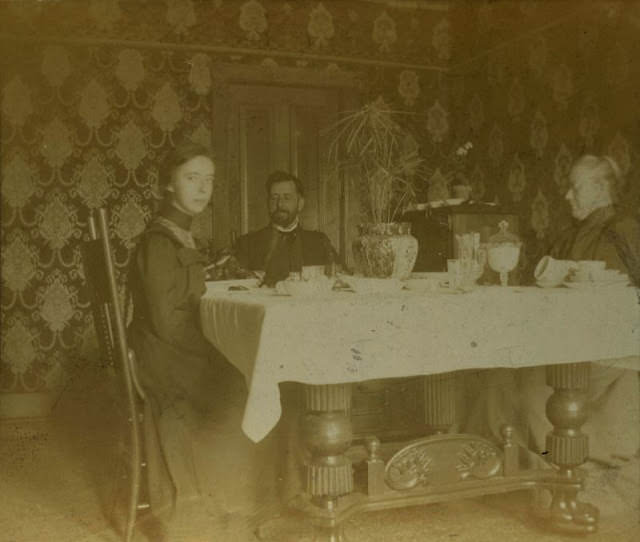
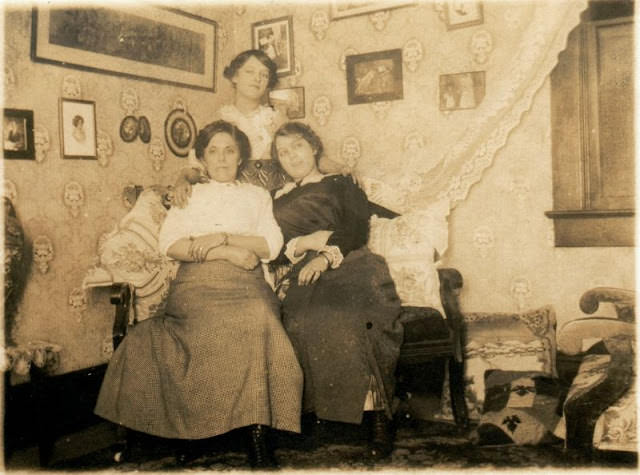
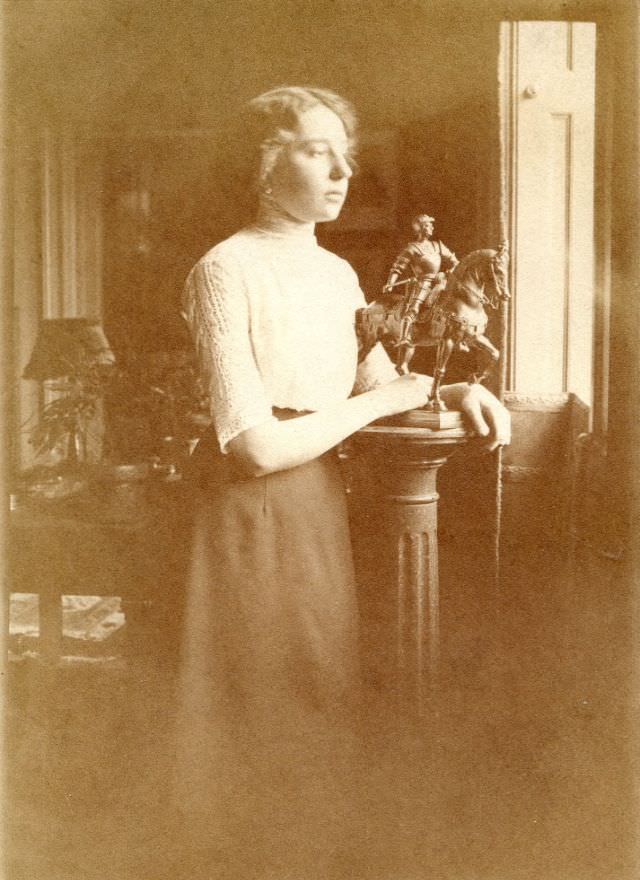
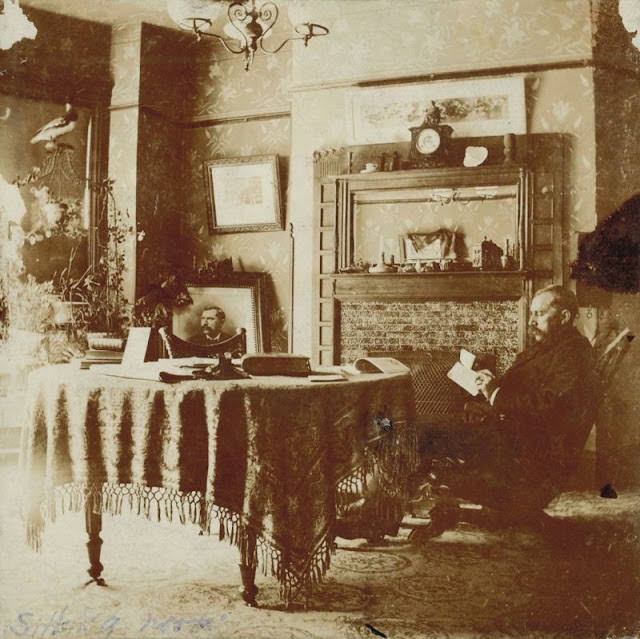
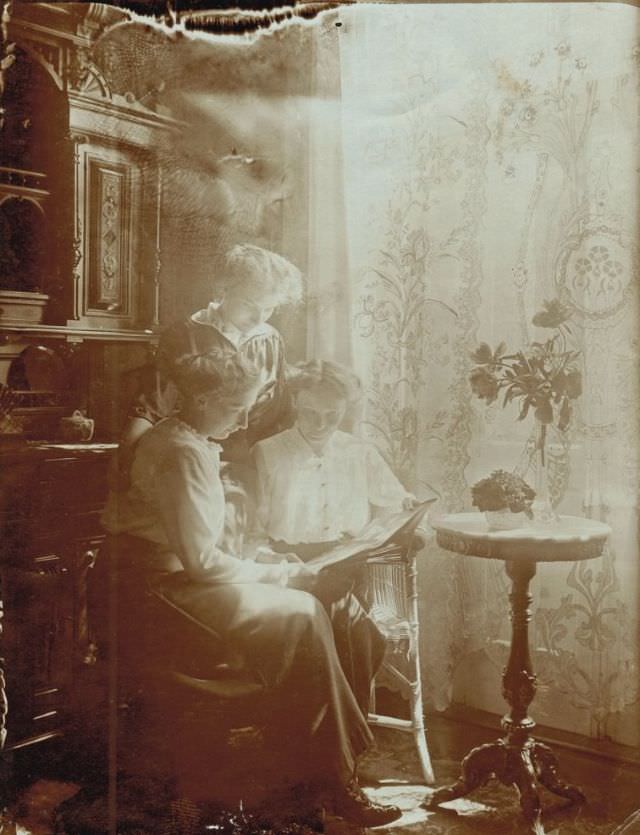
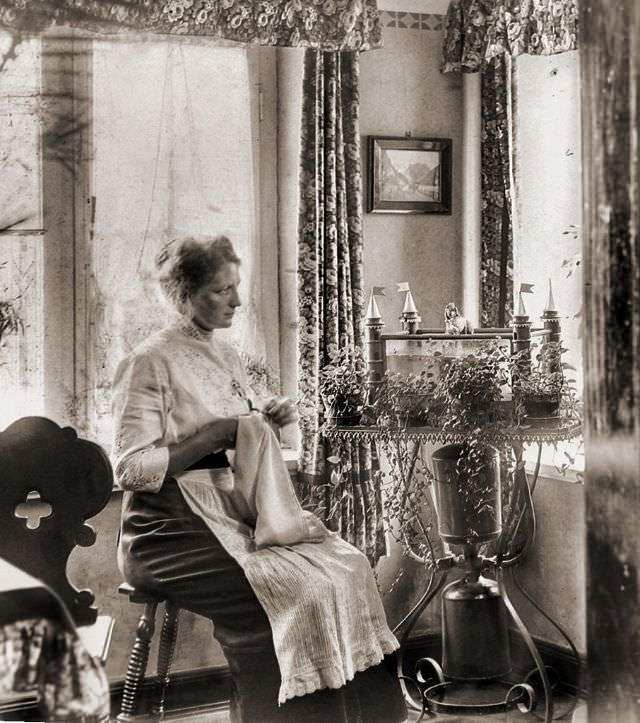
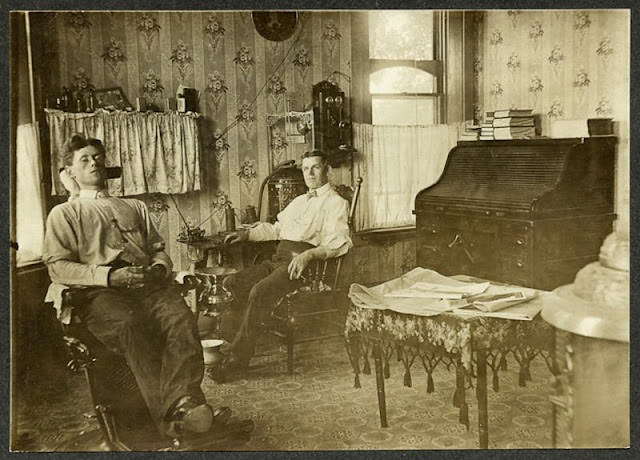
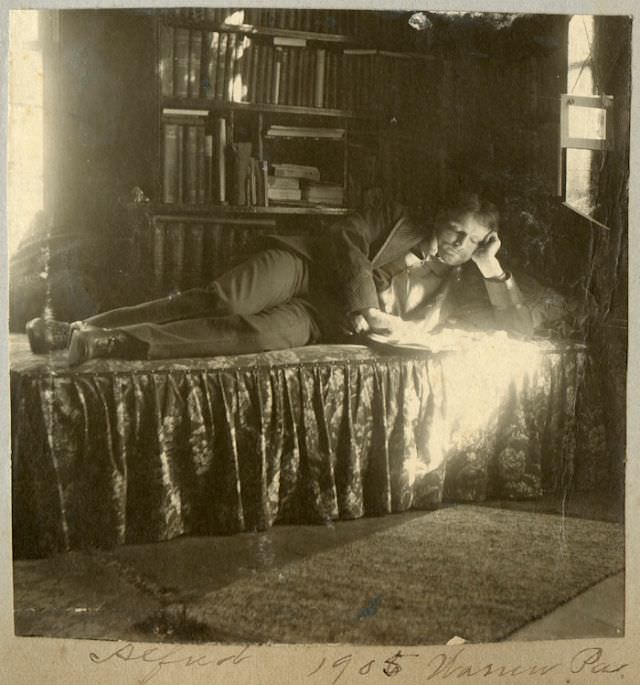
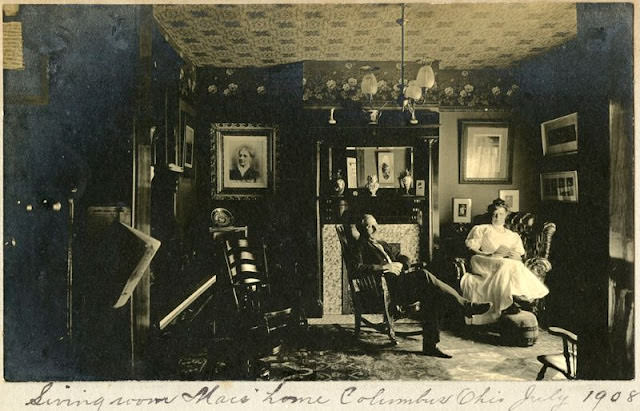
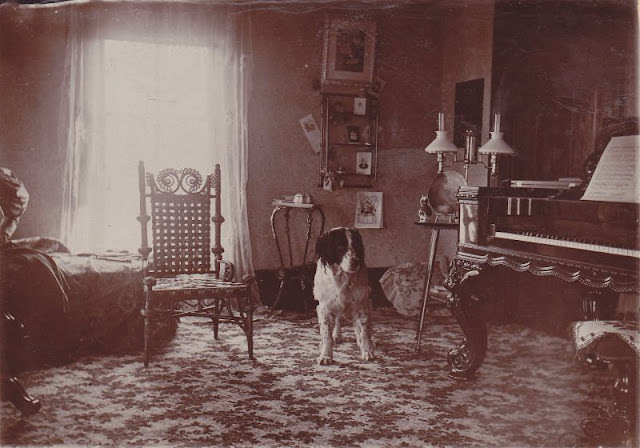
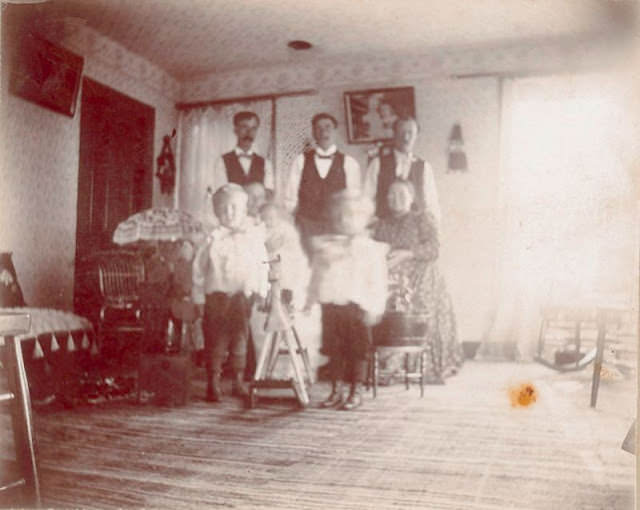
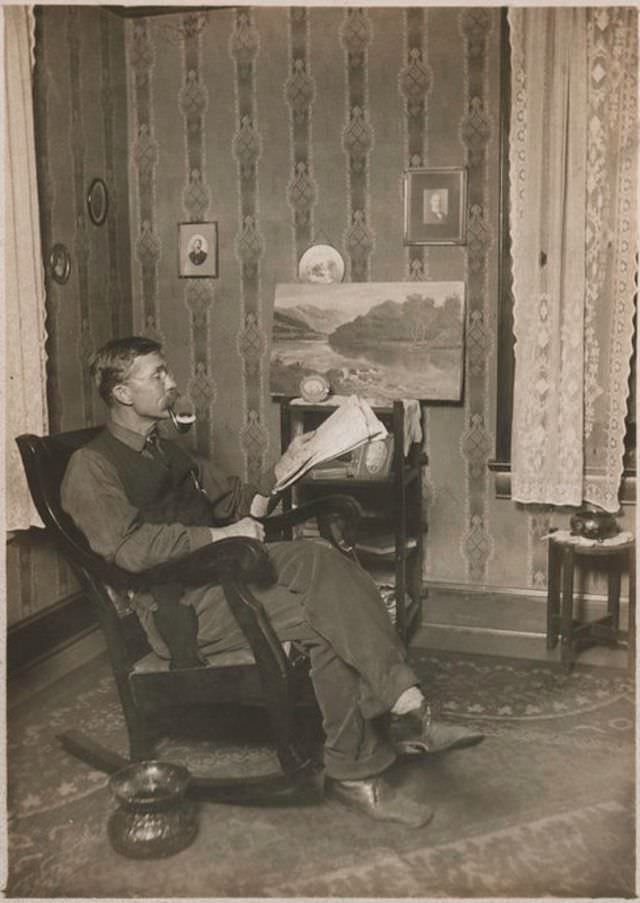
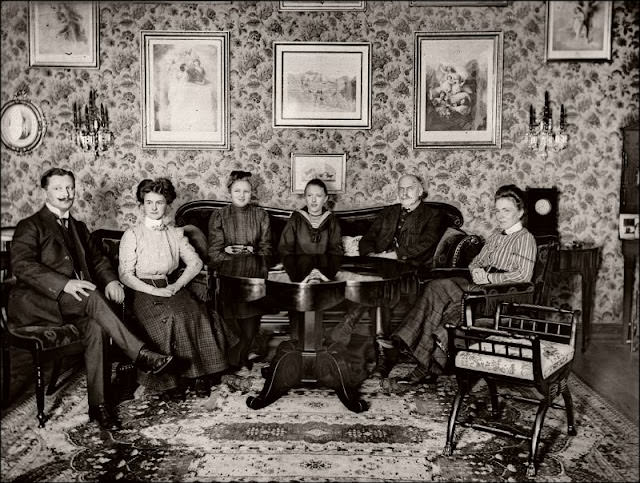
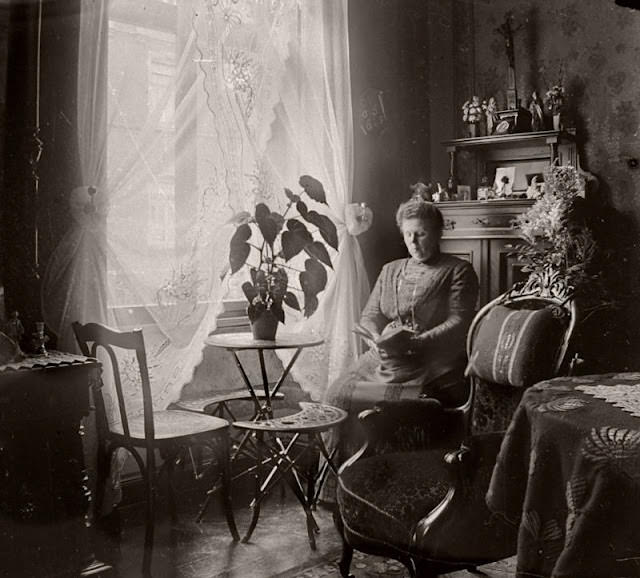
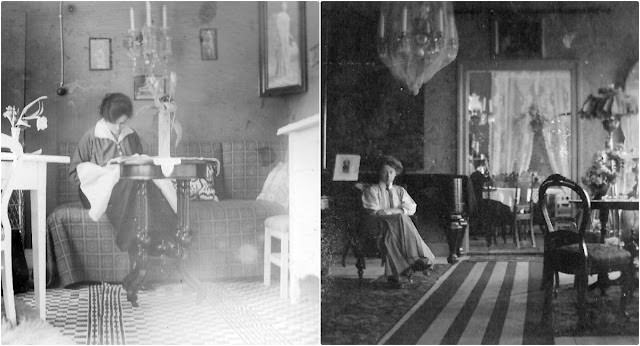
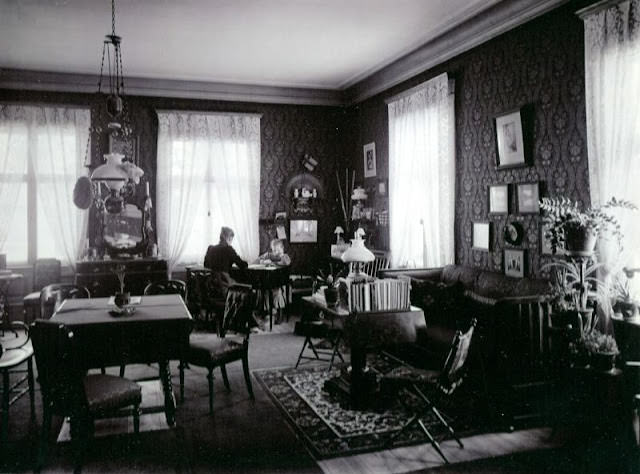
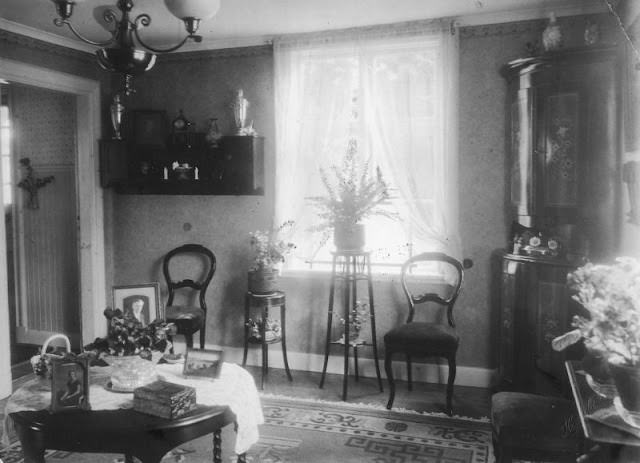
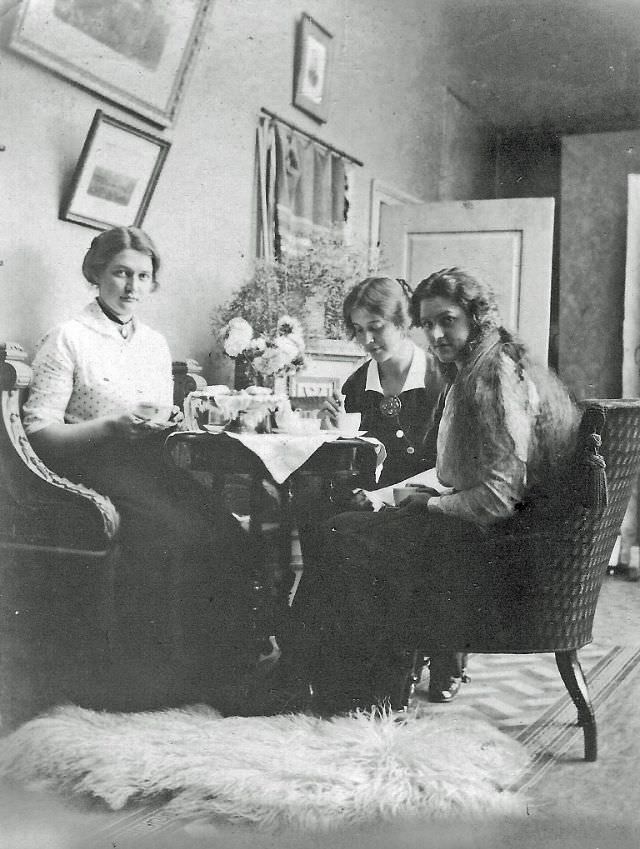
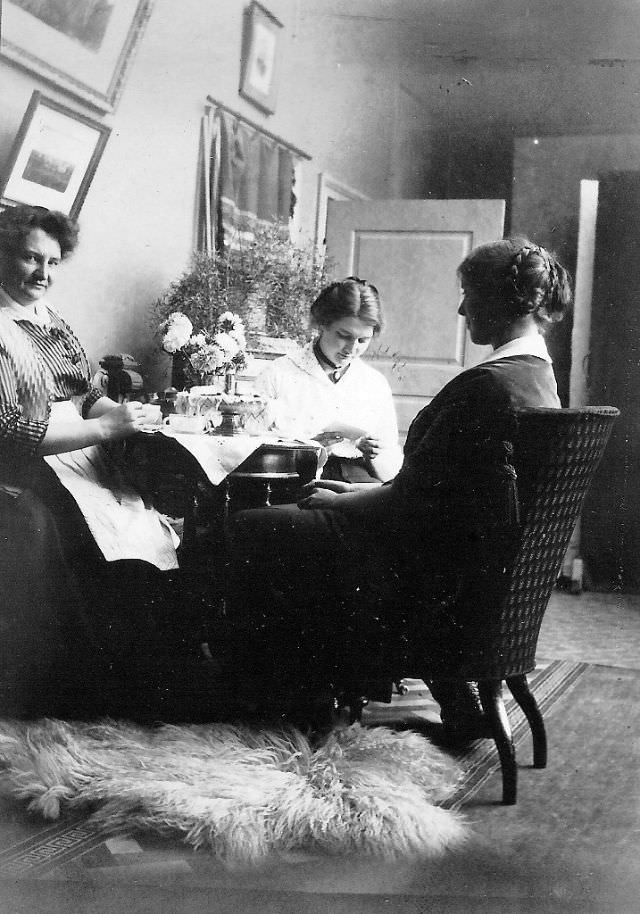
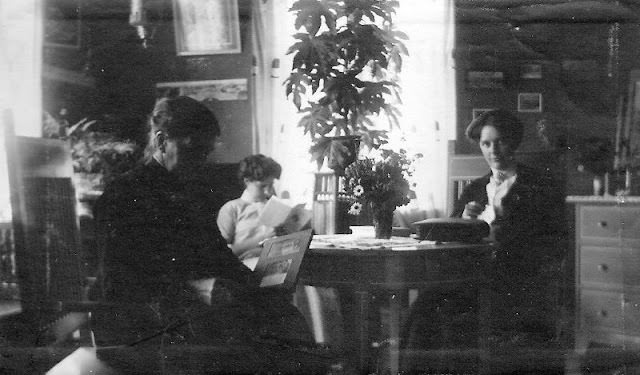
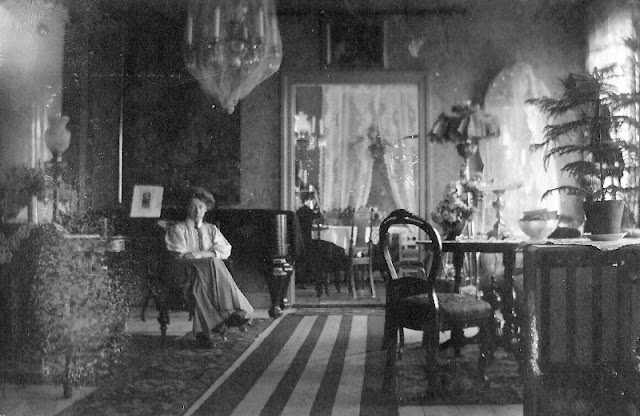
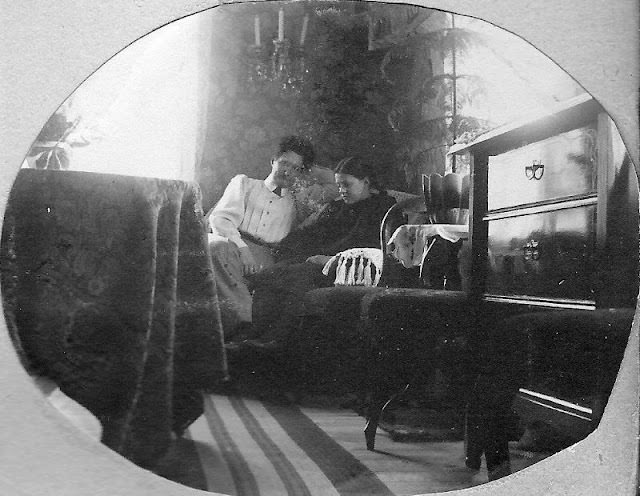
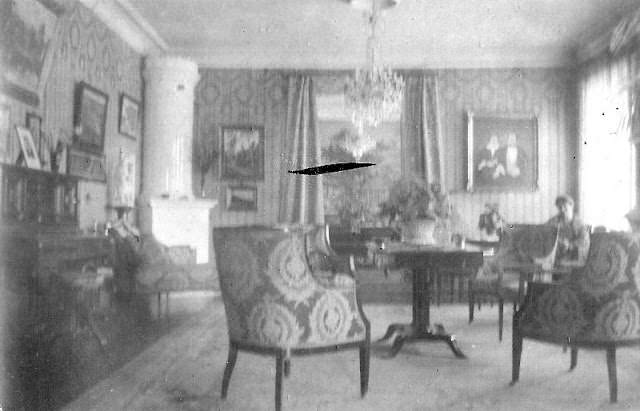
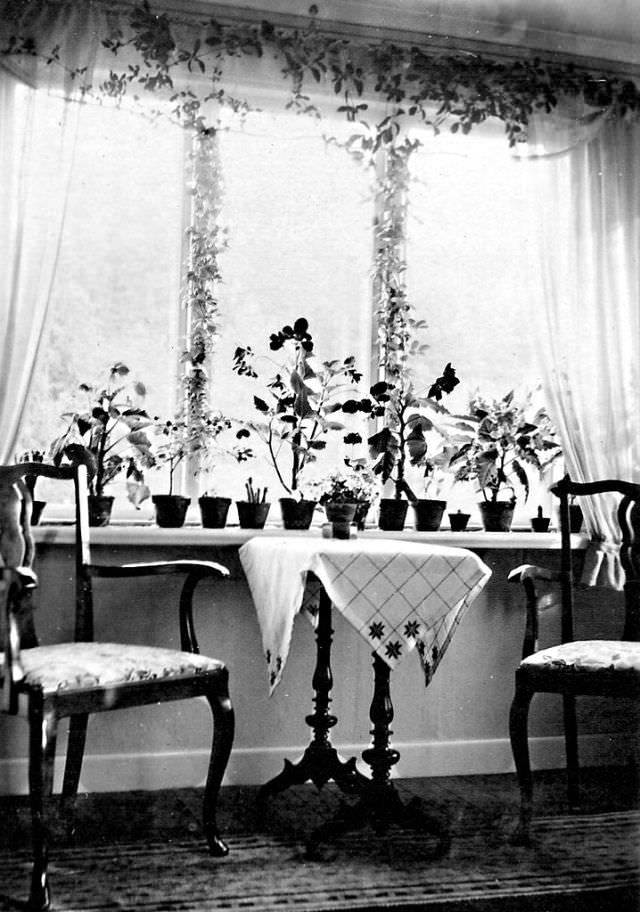
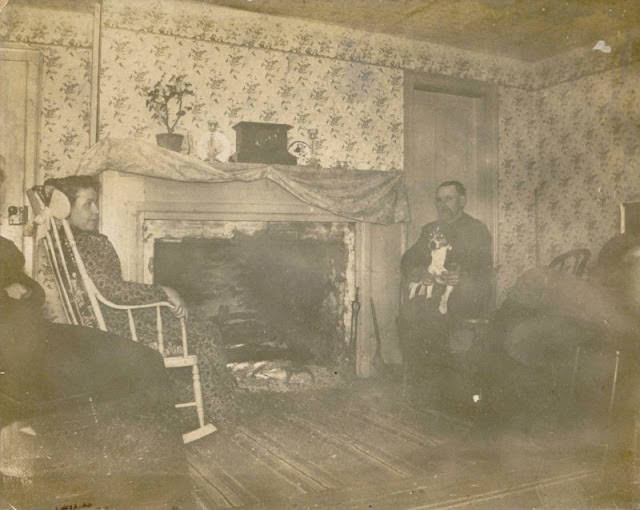
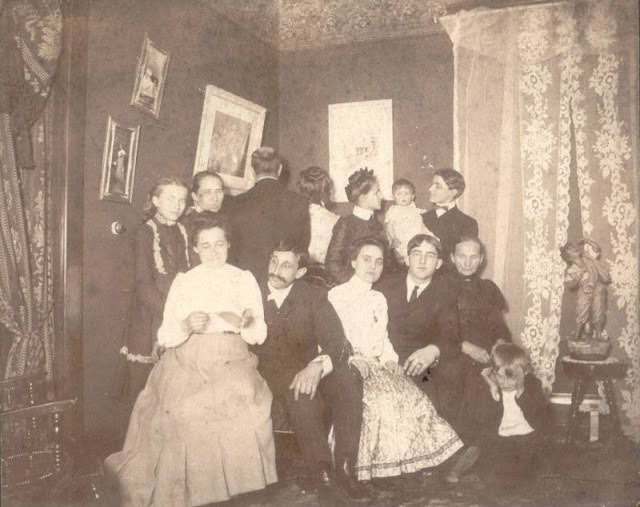
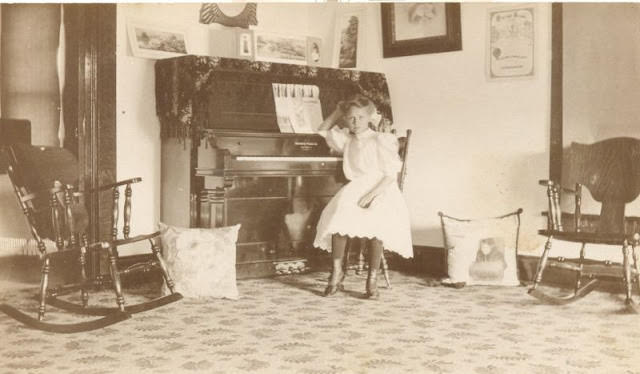
The drawing room sat at the heart of the Edwardian home. This was where guests were received and where the family gathered in the evenings. Large windows were a defining feature, pulling in as much natural light as possible — a deliberate break from the darker Victorian interiors that came before.
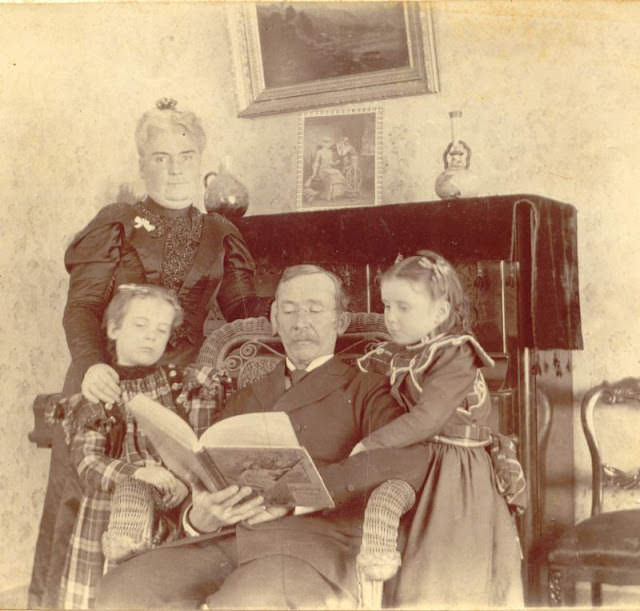
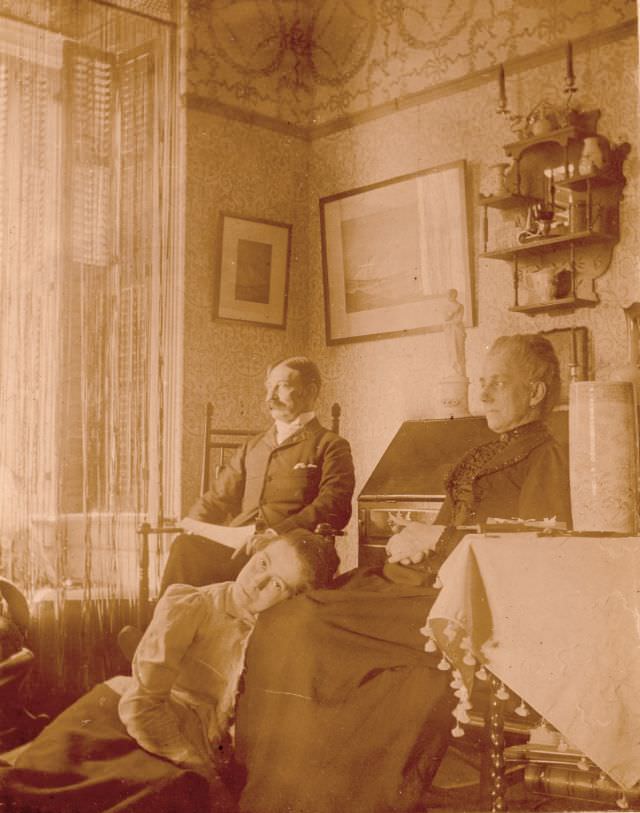
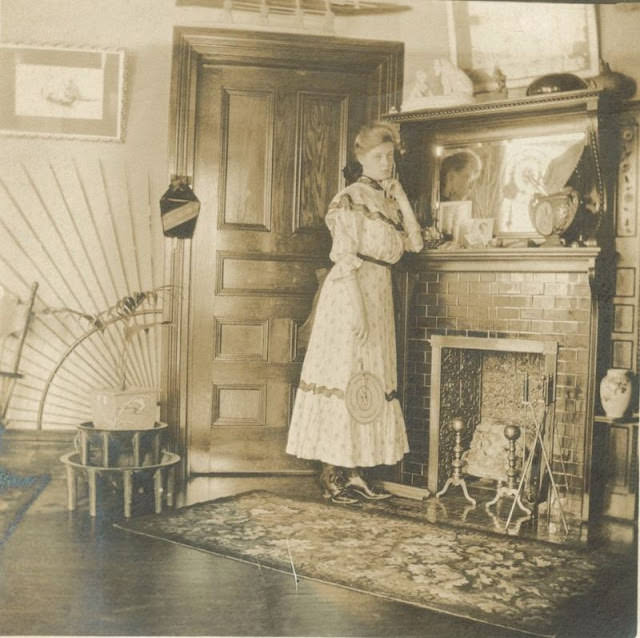
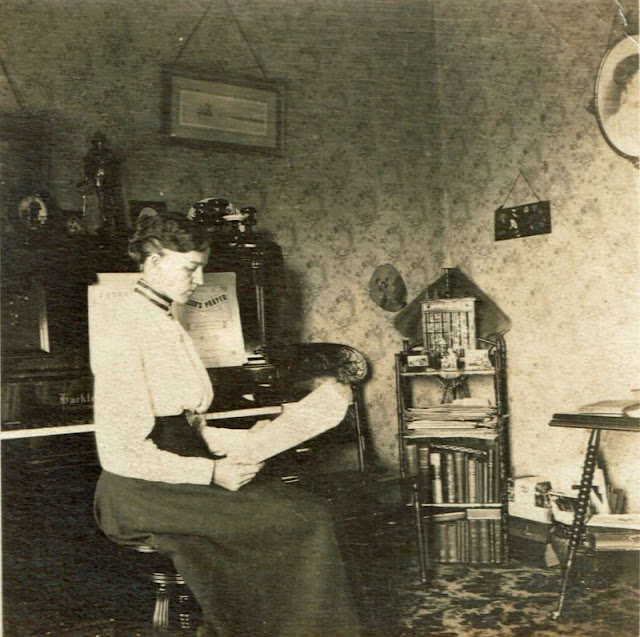
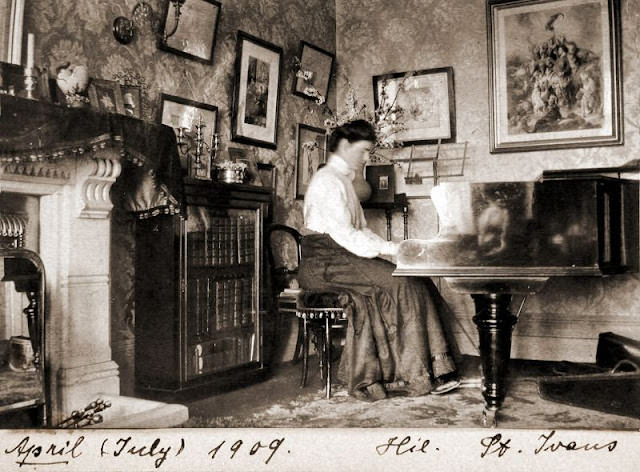
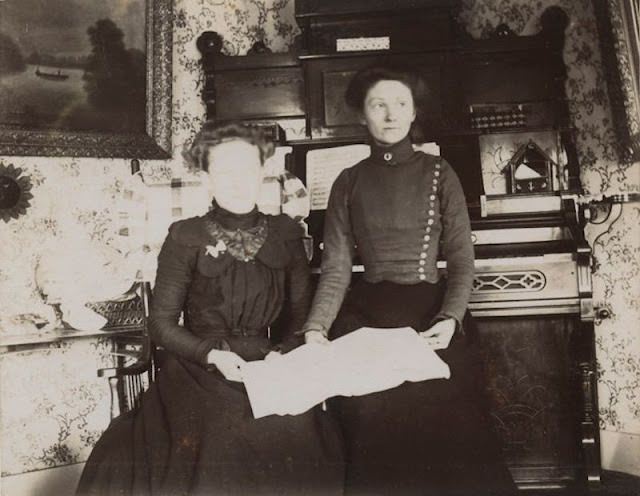
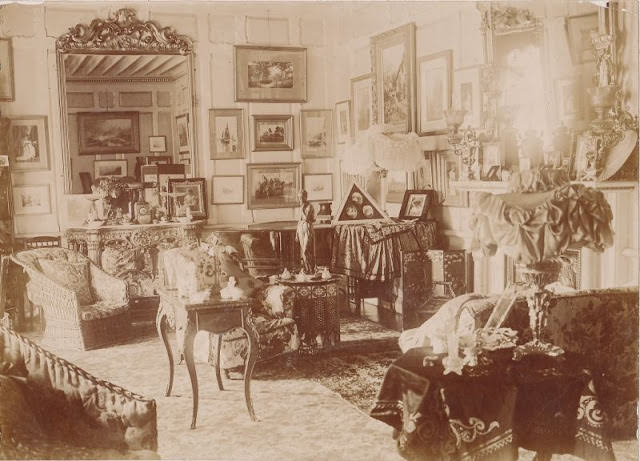
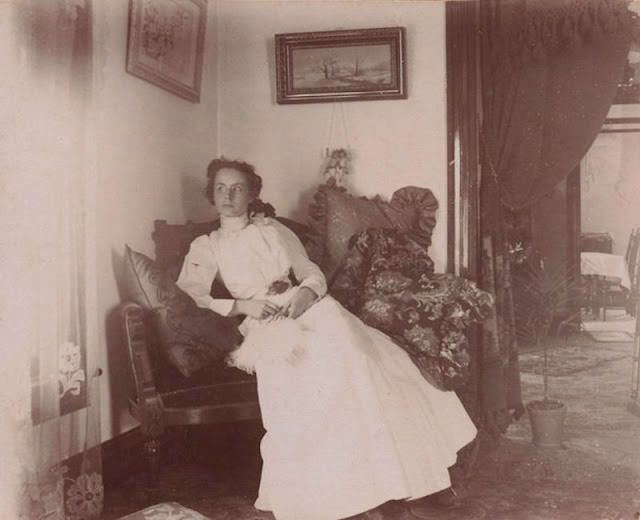
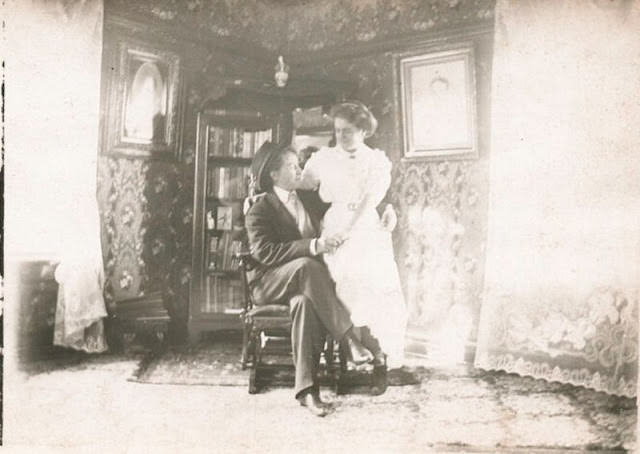
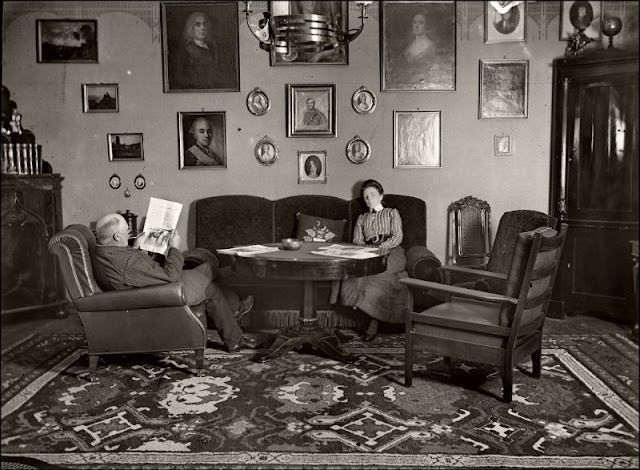
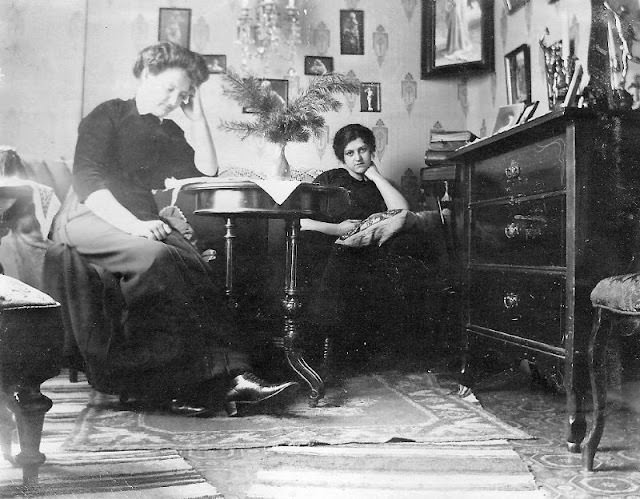
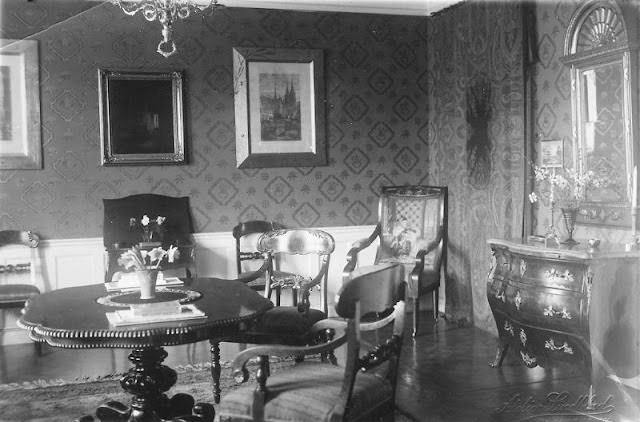
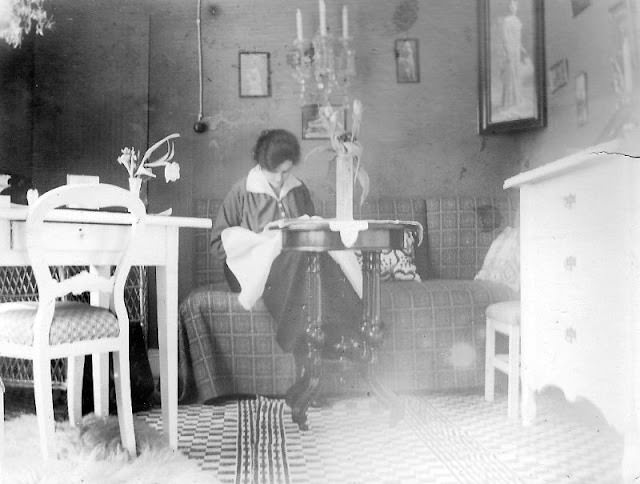
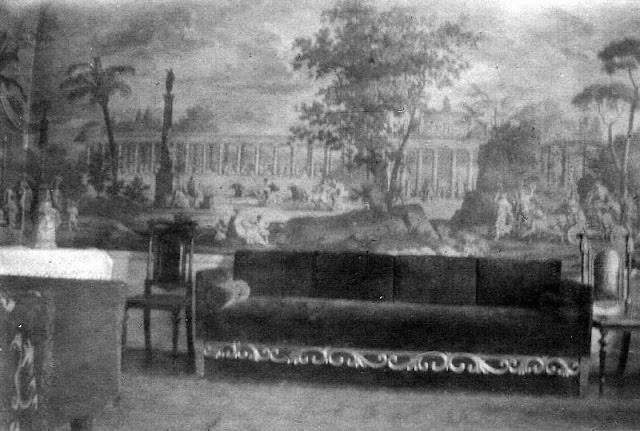
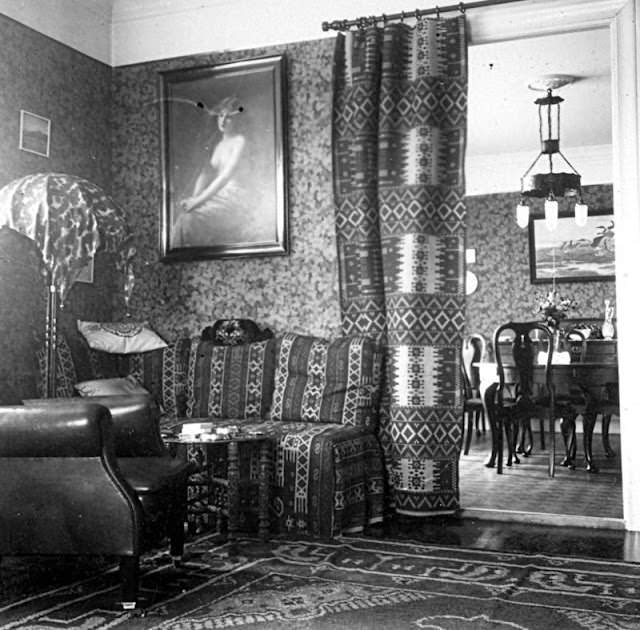
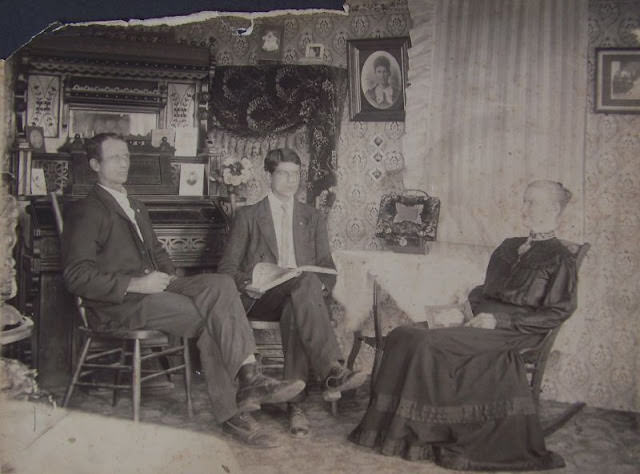
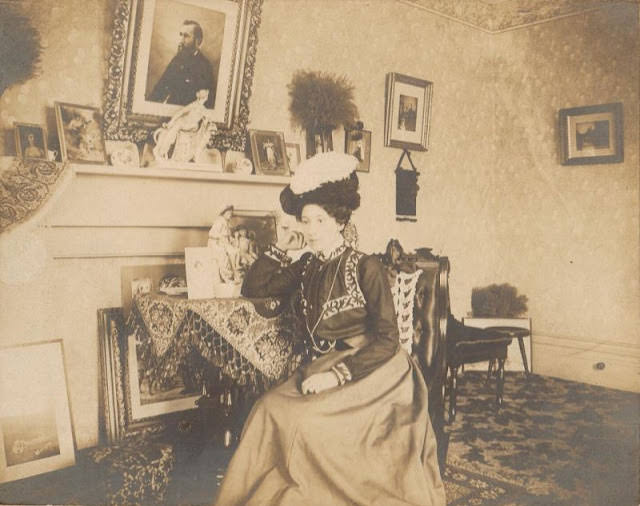
Walls in these rooms were covered in floral wallpaper with intricate moldings running along the ceiling edges. The fireplace anchored every drawing room, surrounded by upholstered armchairs and sofas arranged to encourage conversation. Nothing about the layout was accidental — every piece of furniture had a purpose.
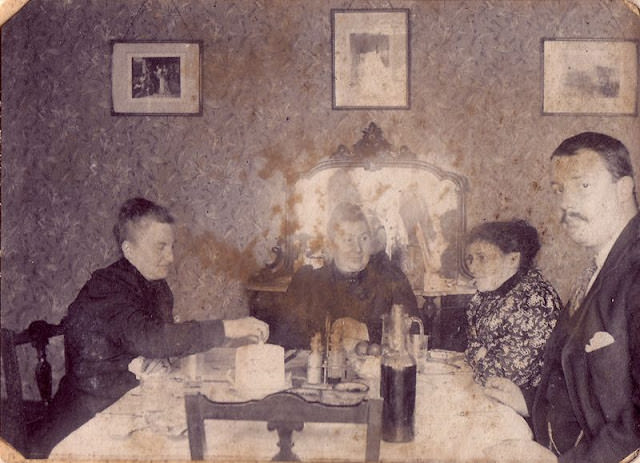
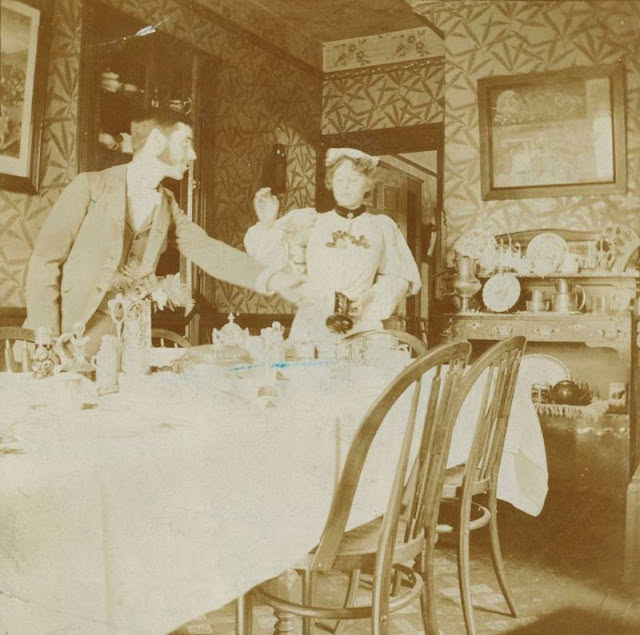
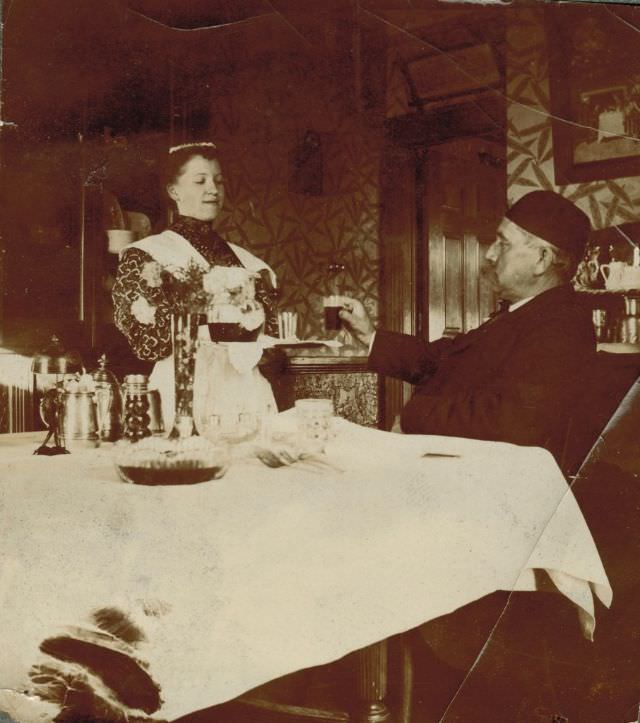
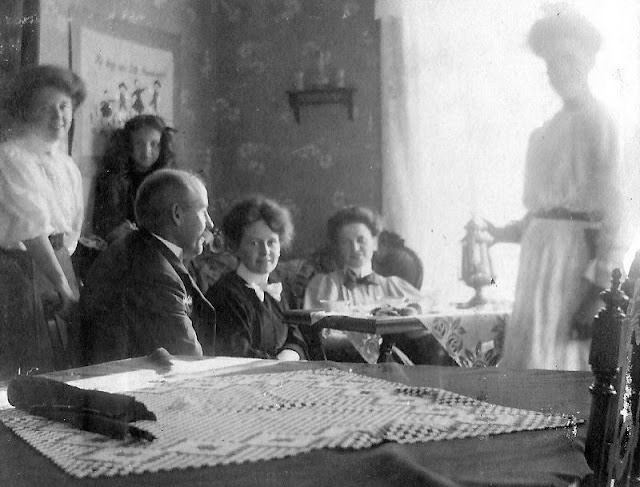
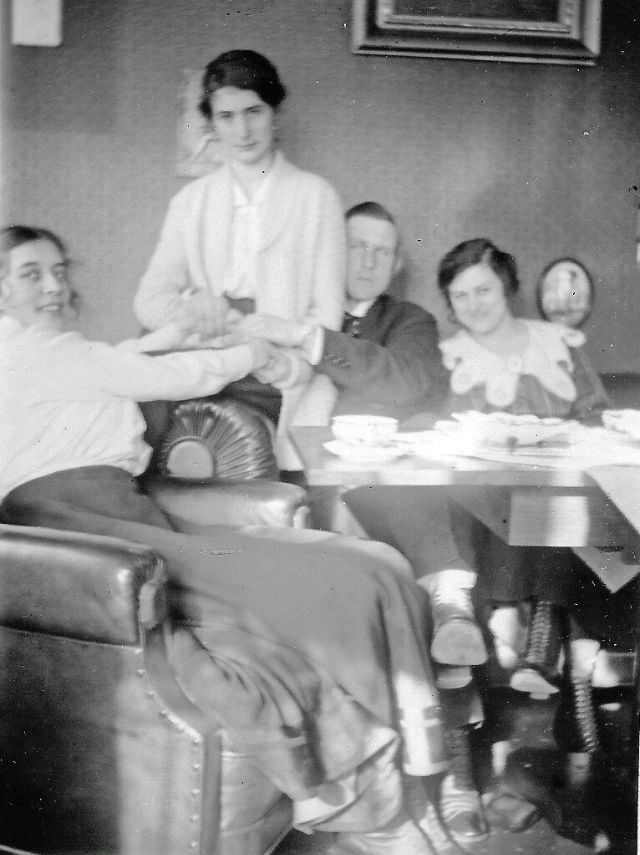
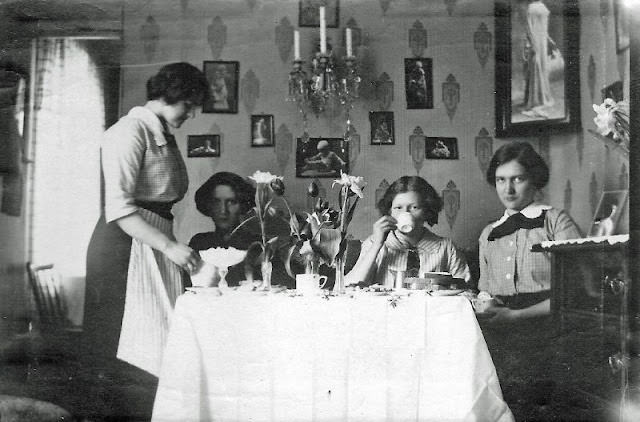
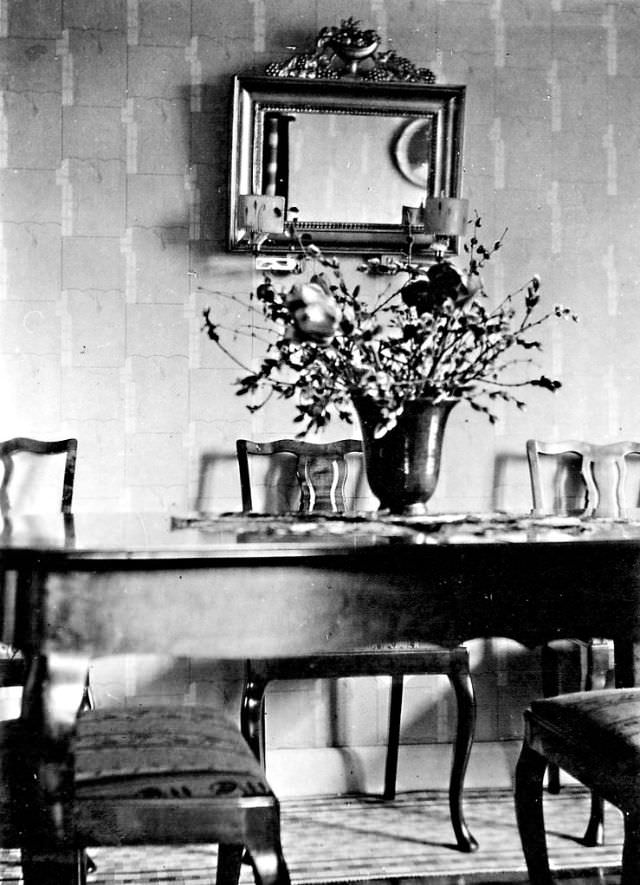
Edwardian dining rooms were built for ceremony. A large table — typically mahogany or oak — dominated the center of the room, surrounded by upholstered chairs. Meals in these homes were formal events, and the room’s design reflected that expectation.
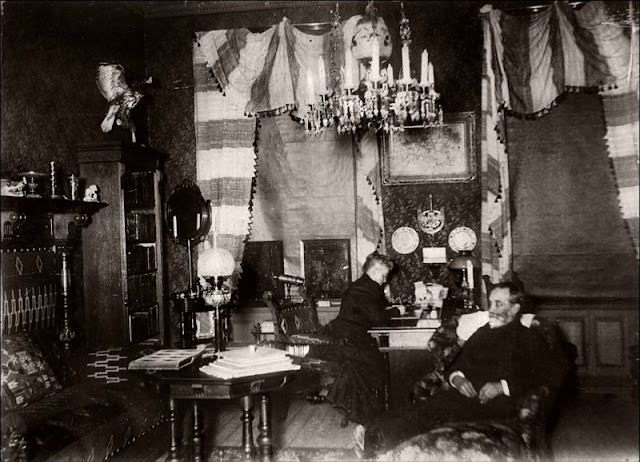
Sideboards lined the walls, displaying silver pieces and fine dinnerware. China cabinets held sets that were brought out for special occasions. Overhead, ornate chandeliers cast warm light across the table, making even an ordinary dinner feel like an occasion.
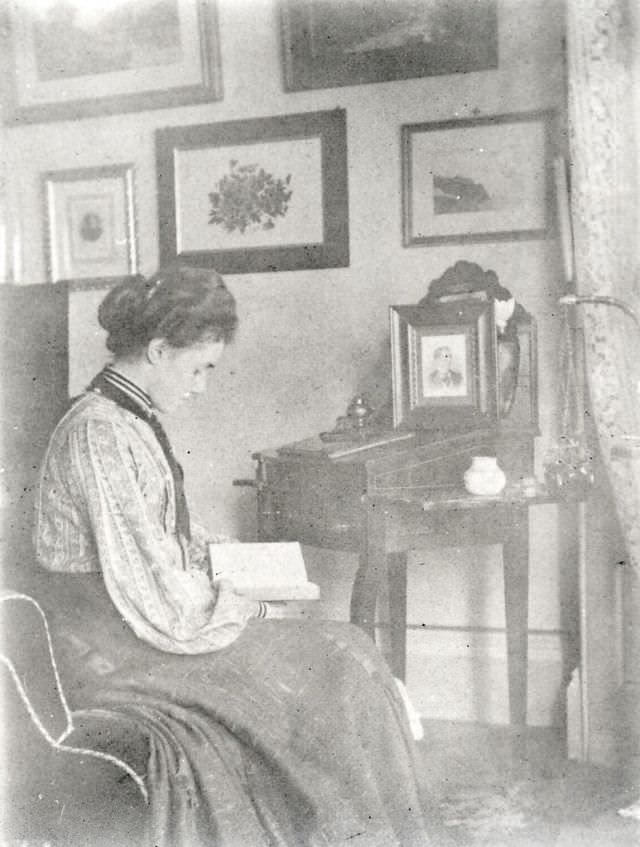
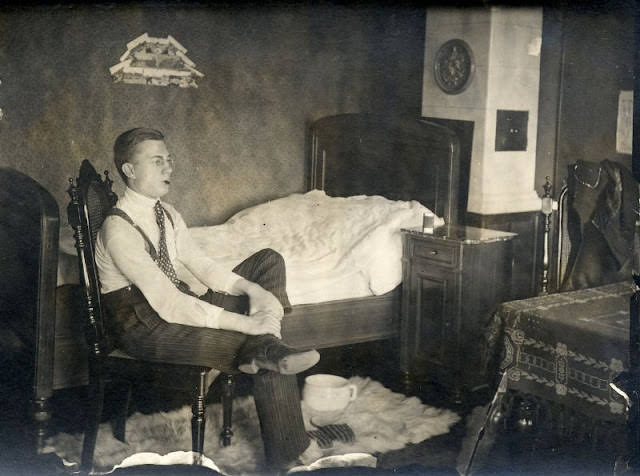
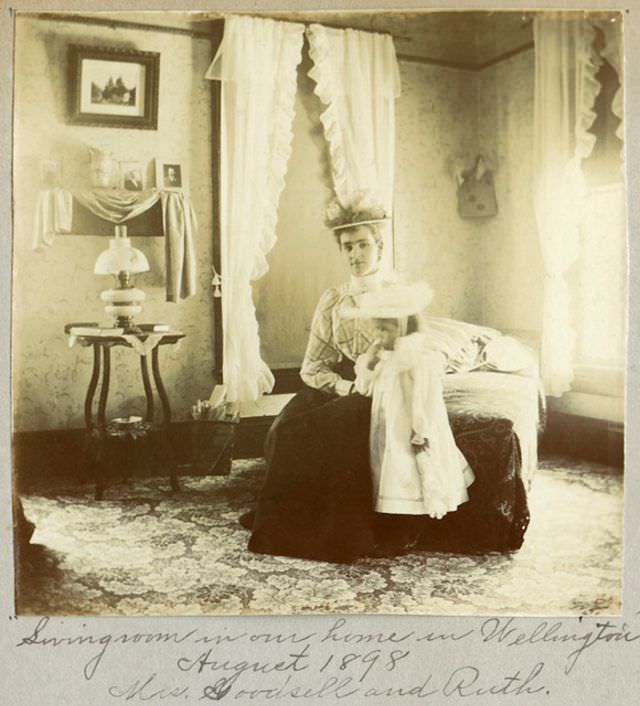
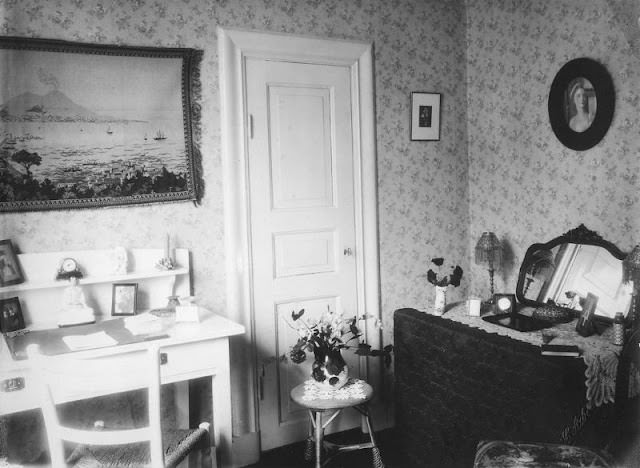
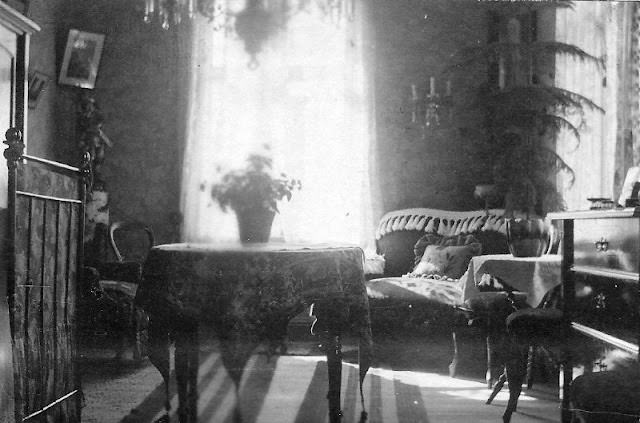
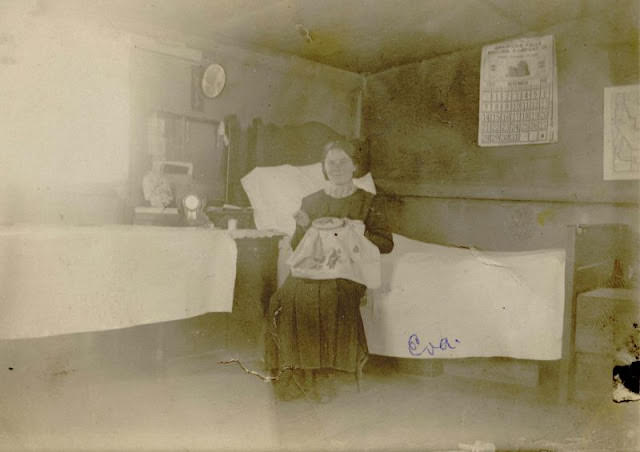
Bedrooms were designed with rest in mind. High ceilings, large windows, and fireplaces made them feel spacious and calm. Beds were made of wood or metal, often with carved headboards or decorative metalwork. The craftsmanship in even the simplest details was taken seriously.
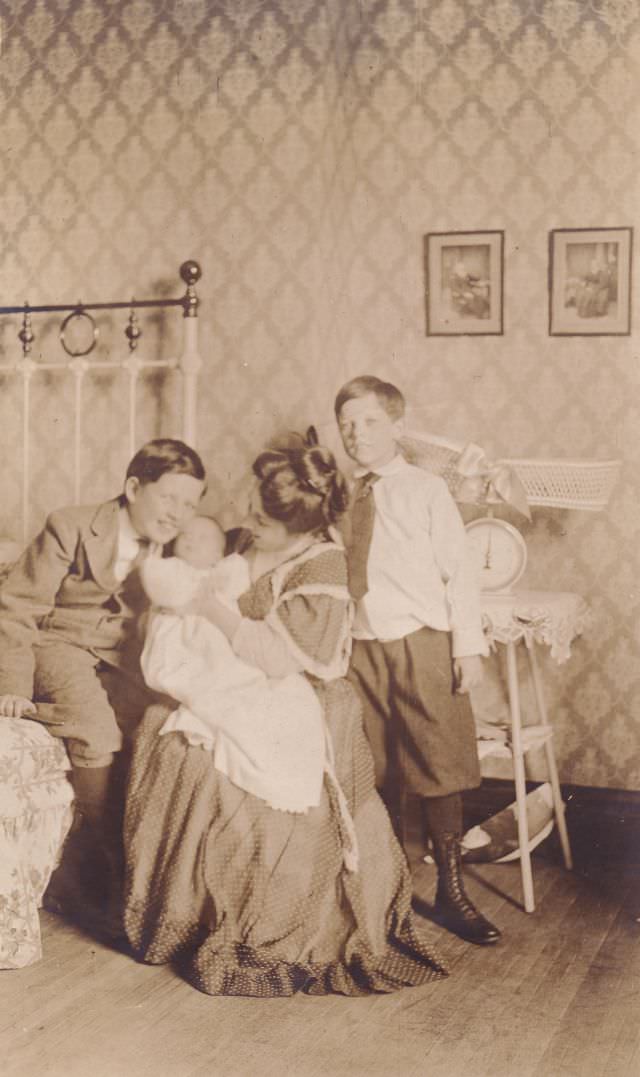
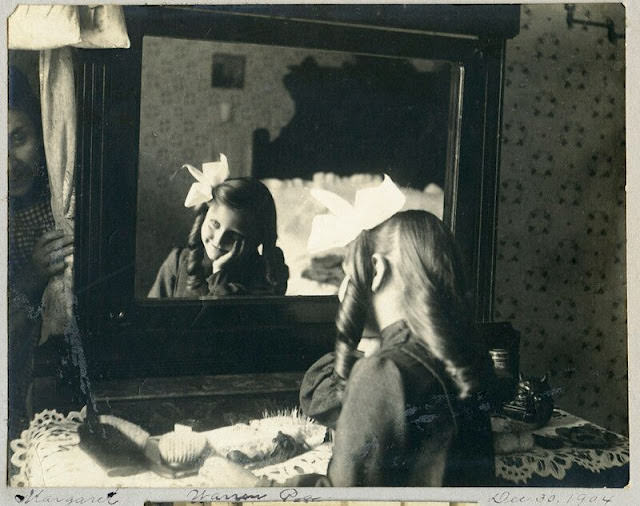
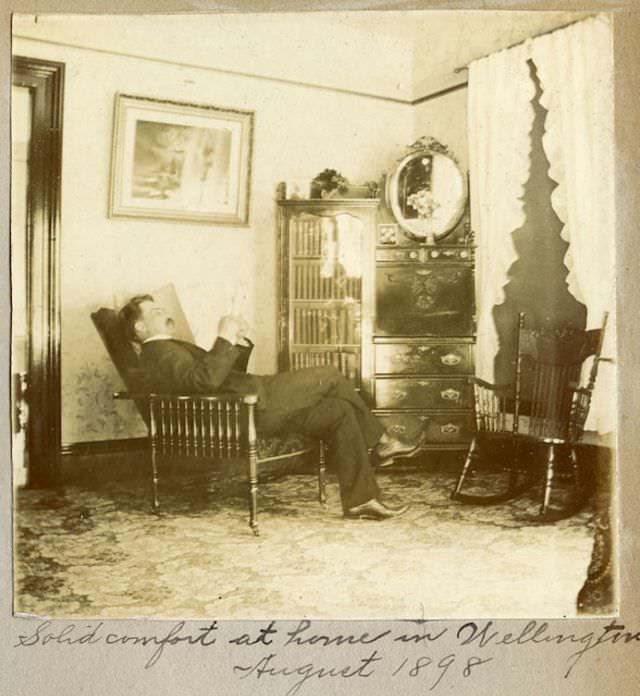
Each bedroom included a wardrobe, a dressing table, and at least one chair. These weren’t luxuries — they were standard. The dressing table in particular held an important place in the daily routine, especially for women of the household.
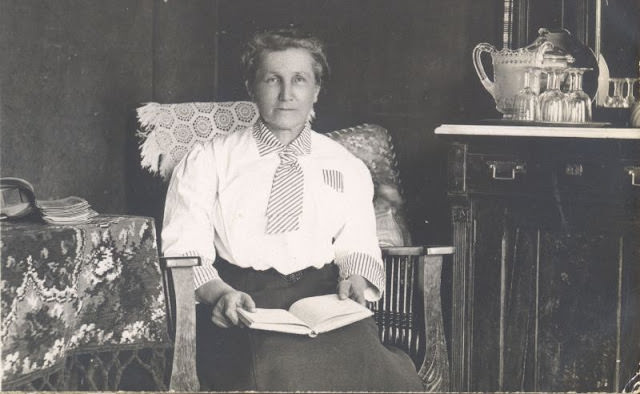
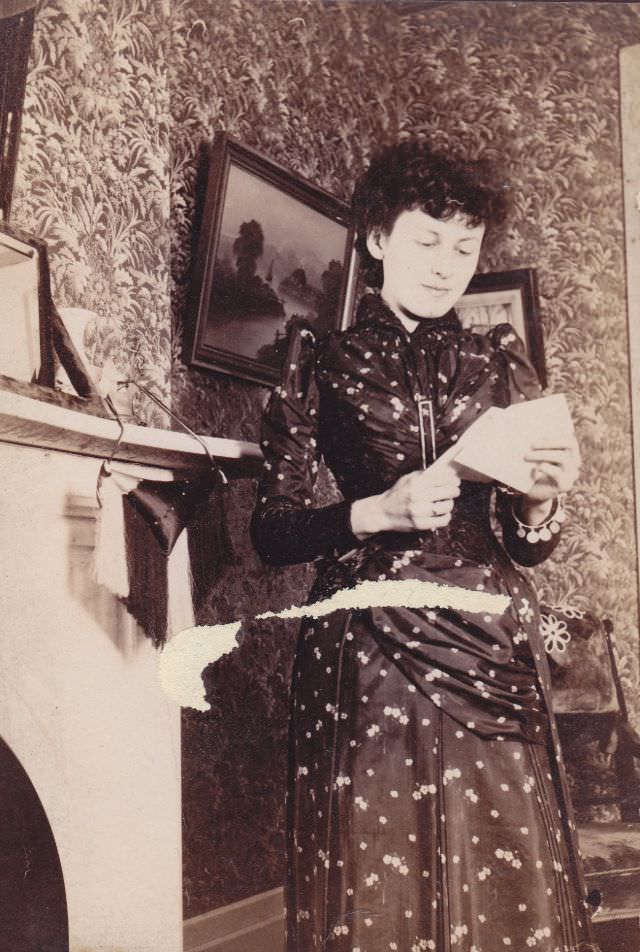
Color played a major role in setting the tone of an Edwardian interior. Soft shades dominated — sage green, dusky pink, and pale blue appeared on walls and upholstery throughout the house. These quiet tones gave rooms a sense of calm without feeling cold or bare.
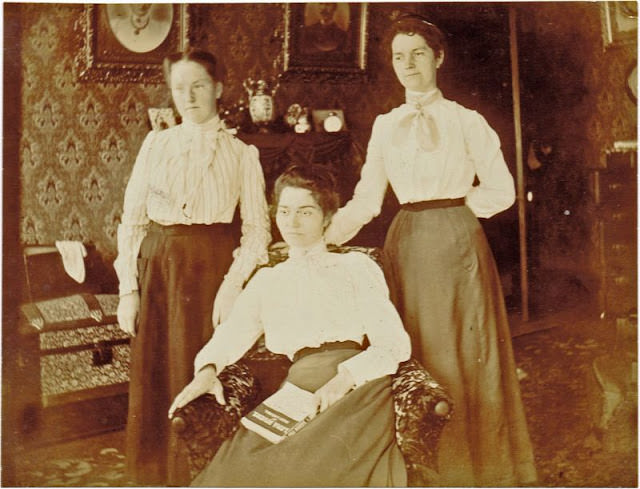
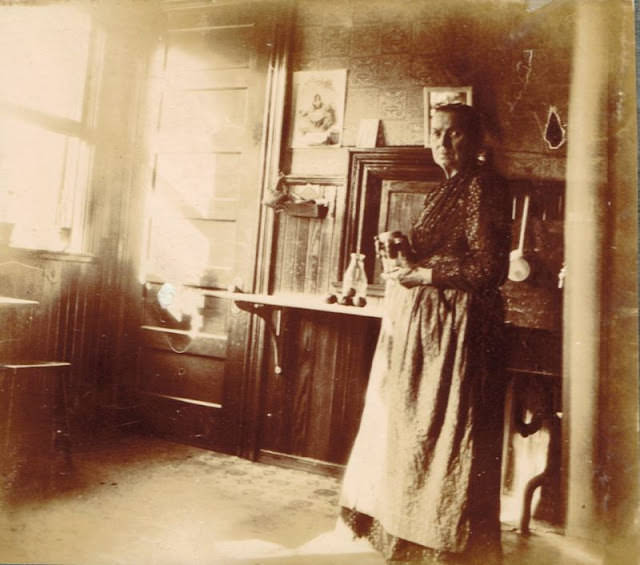
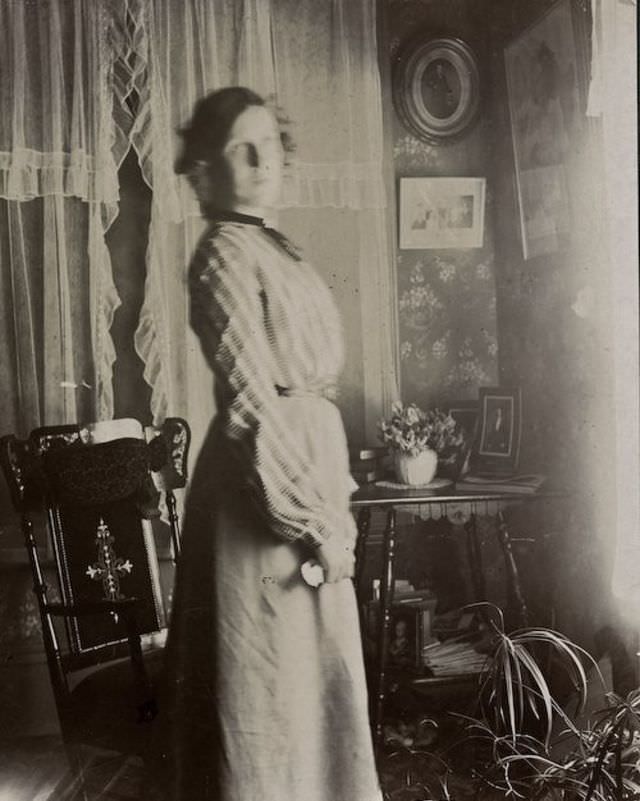
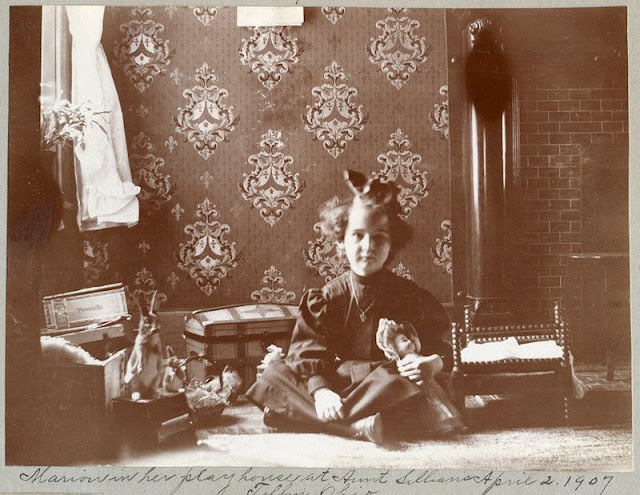
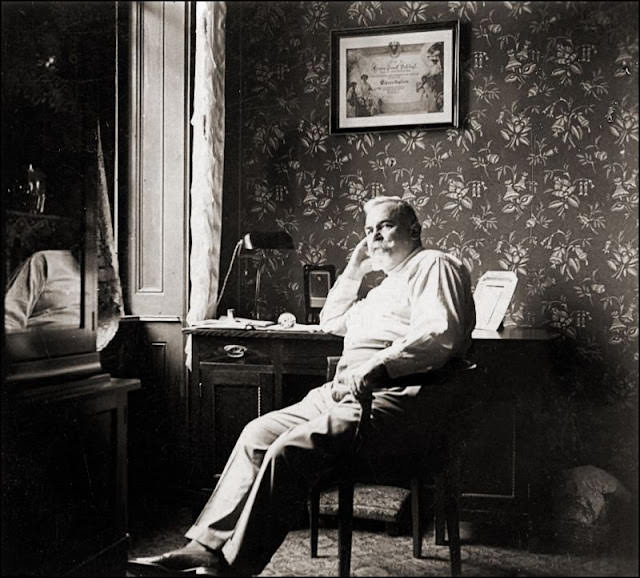
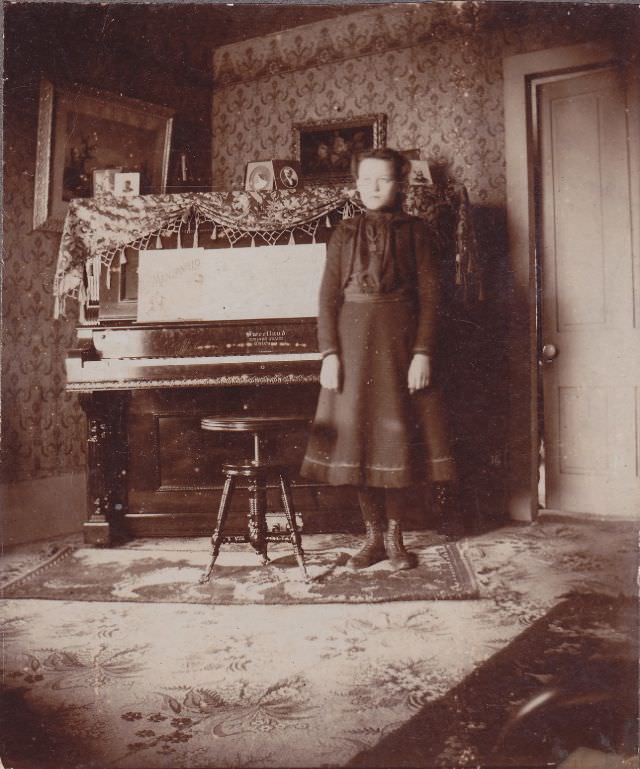
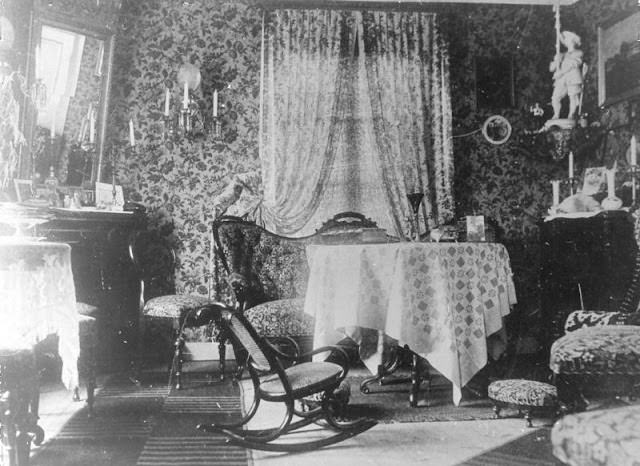
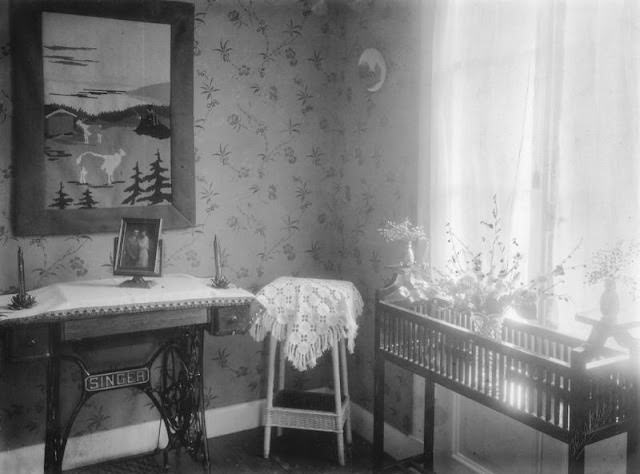
Bolder accents, like deep red or gold, were layered in through cushions, curtain trims, and decorative objects. Floral patterns appeared on almost every surface — wallpaper, rugs, upholstery, and curtains all carried some version of this motif. It was one of the most consistent threads running through Edwardian design.
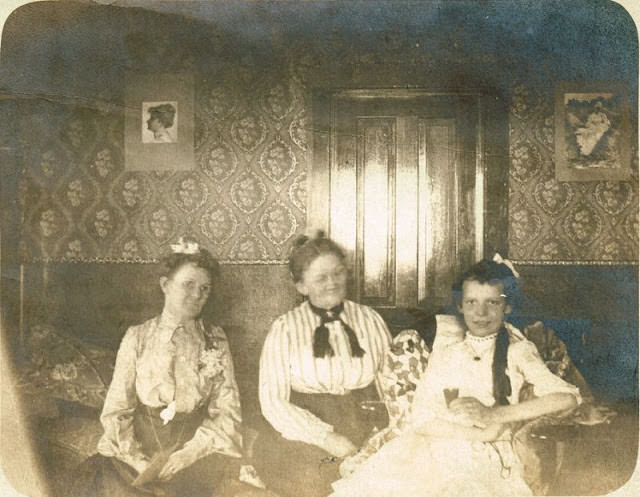
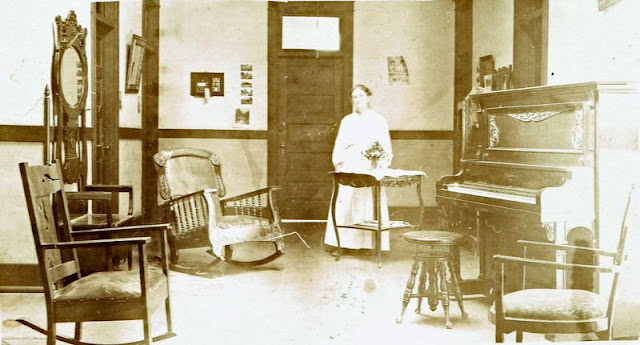

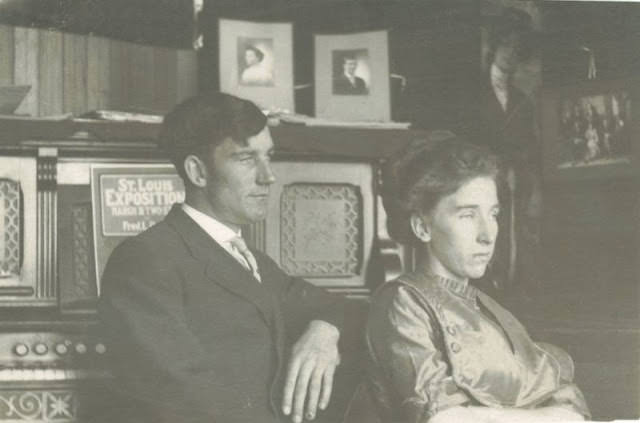
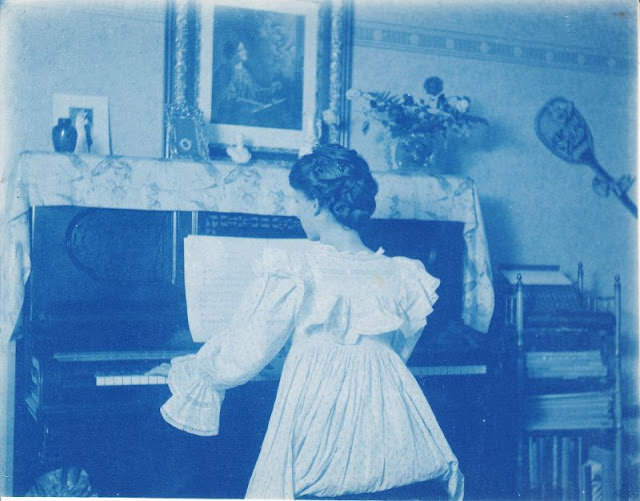
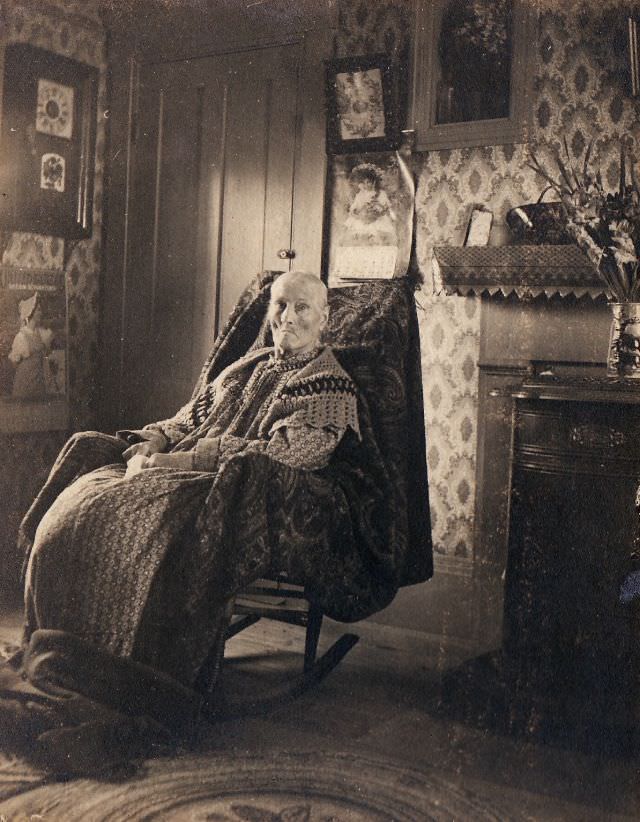
Decorative objects filled every room. Mantels held porcelain figurines, ornate clocks, and framed artwork arranged with care. These pieces weren’t clutter — they were a display of taste and status. Each item was chosen deliberately.
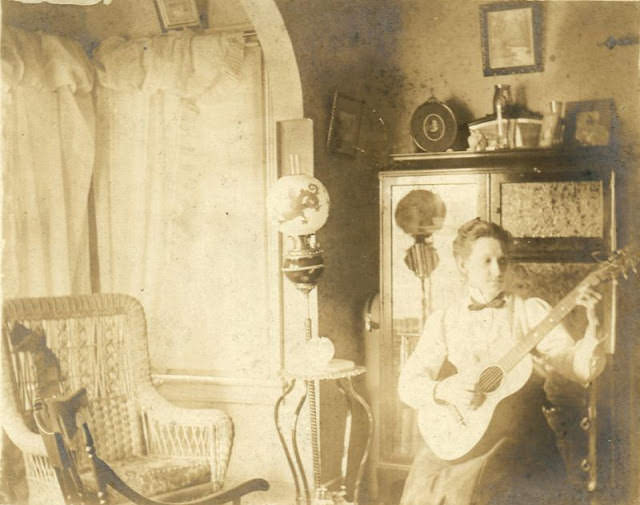
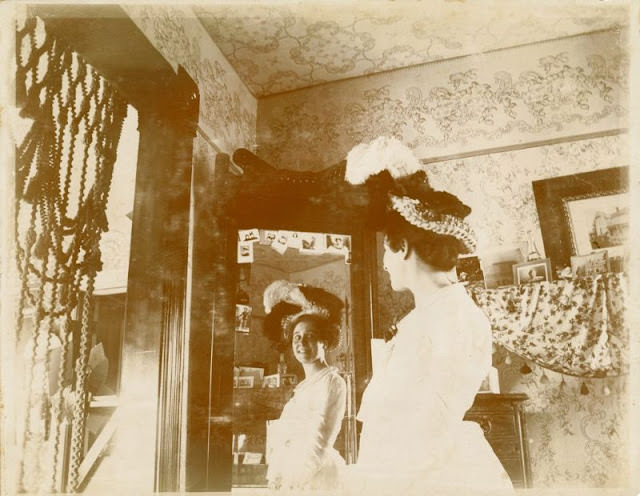
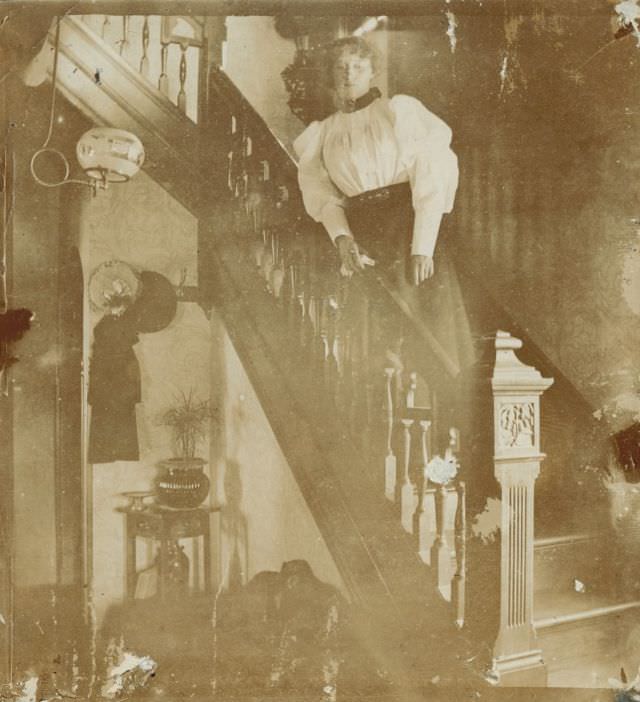
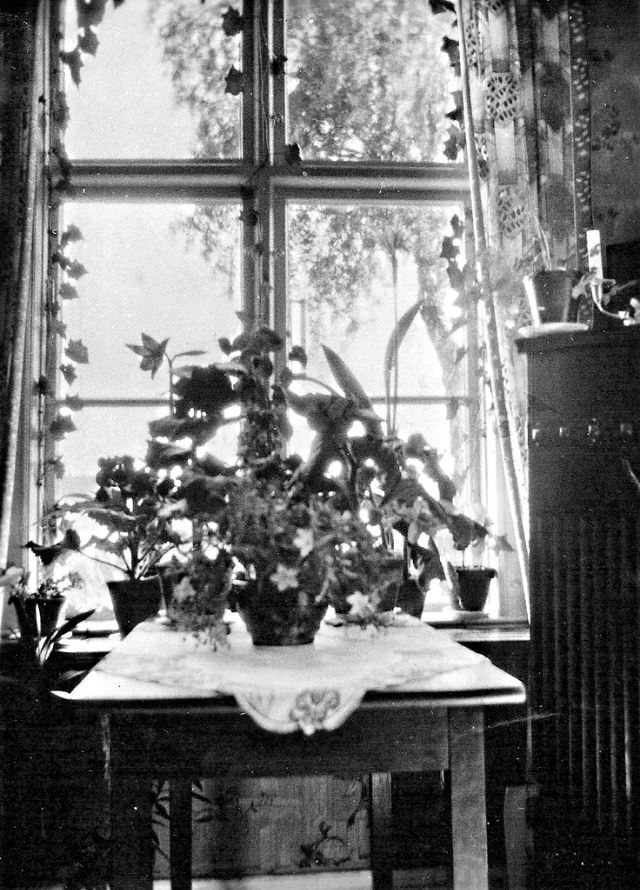
Mirrors were placed to bounce light around darker corners and make rooms feel larger than they were. Stained glass appeared in entryways and on staircase windows, casting colored light across hallway floors. Houseplants — ferns, palms, and flowering varieties — were kept throughout the home, bringing a natural element indoors.