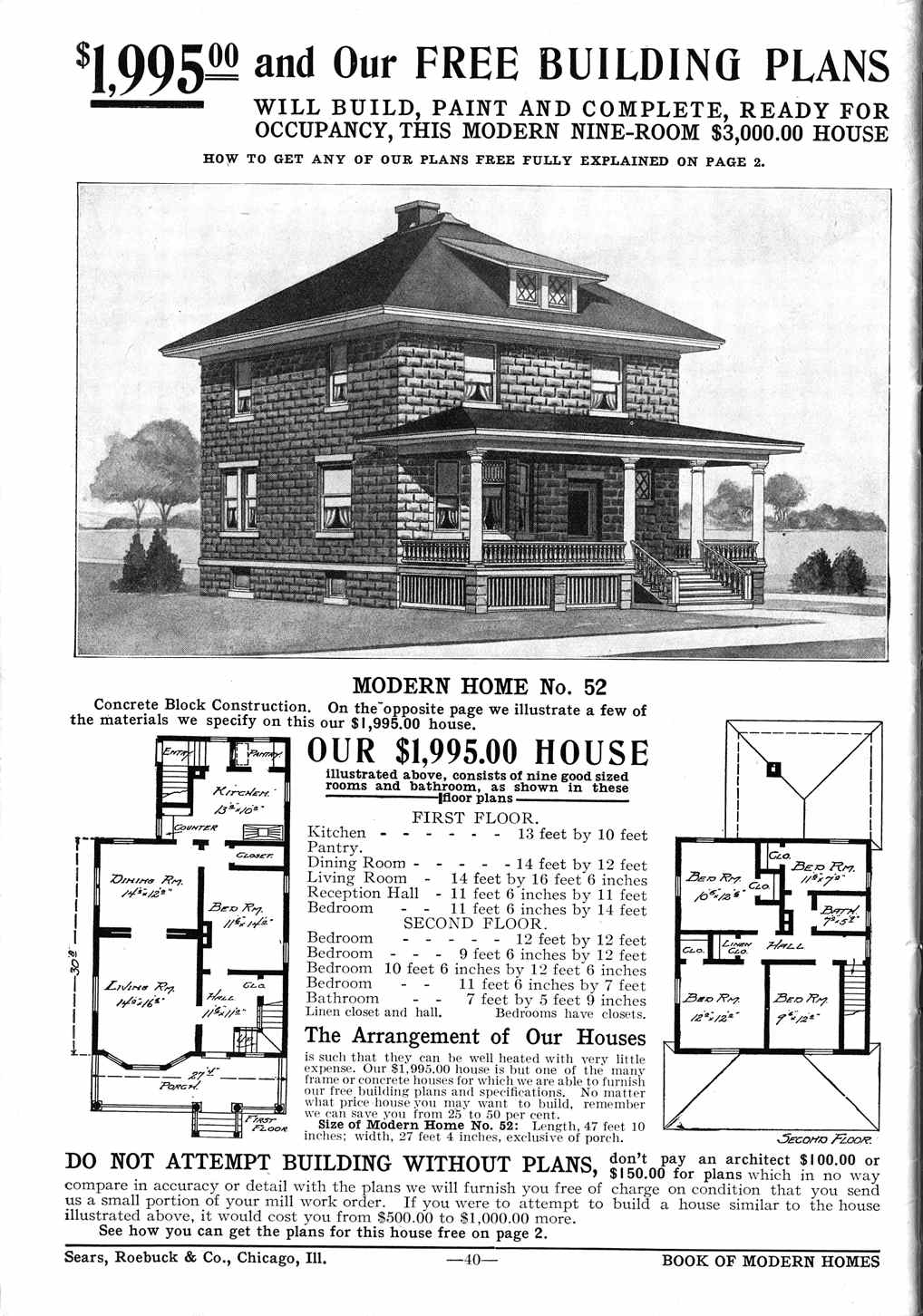
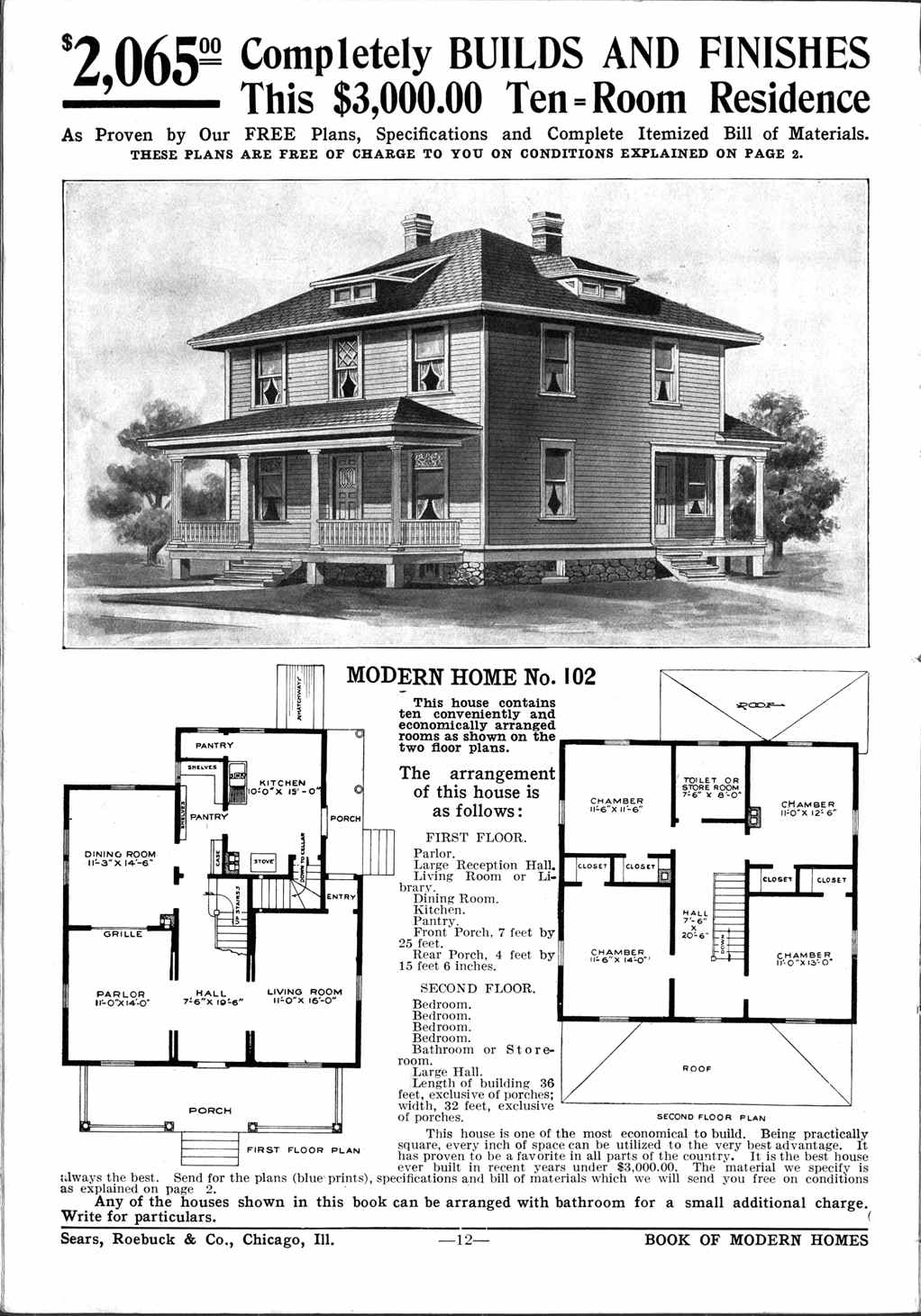
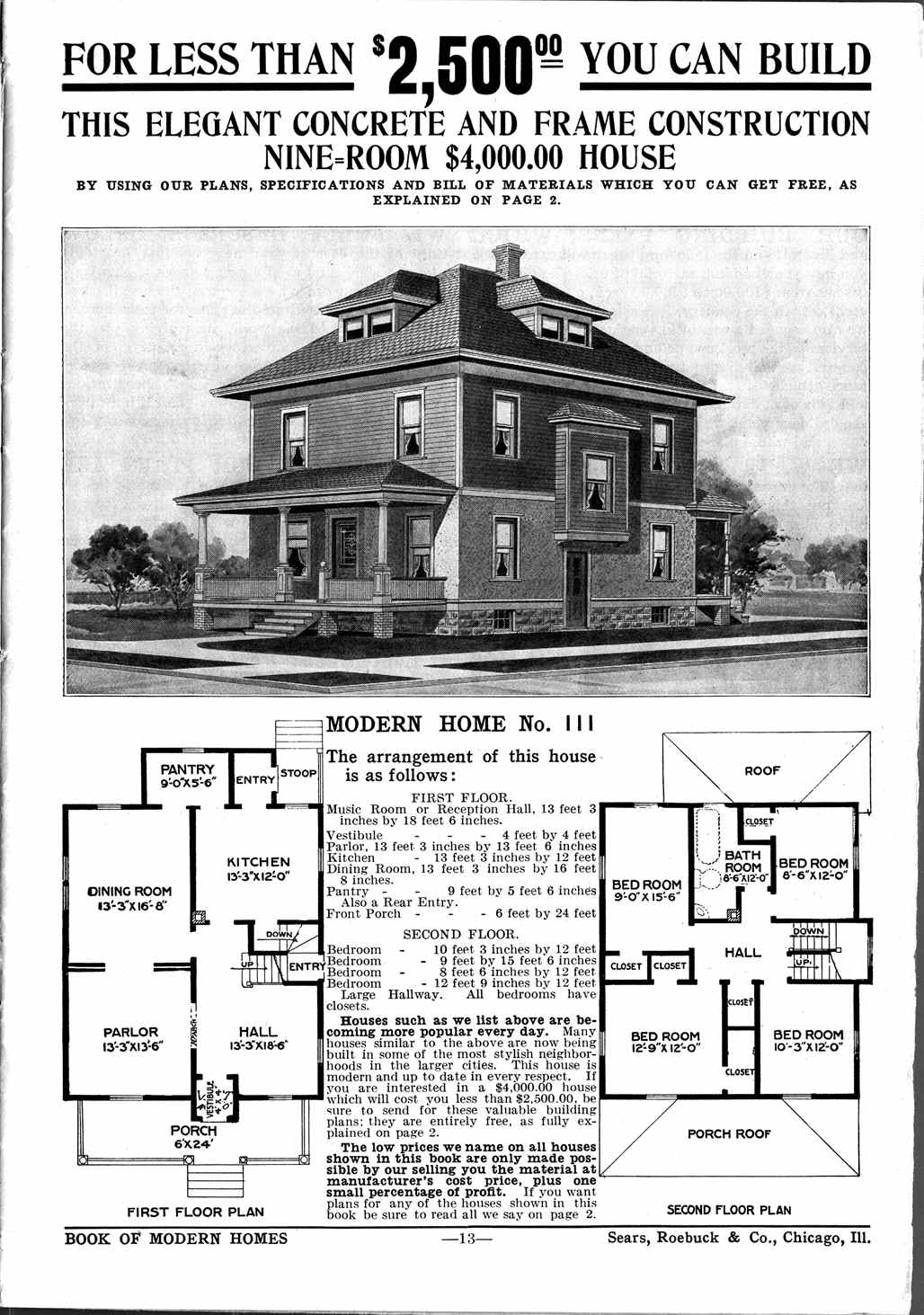
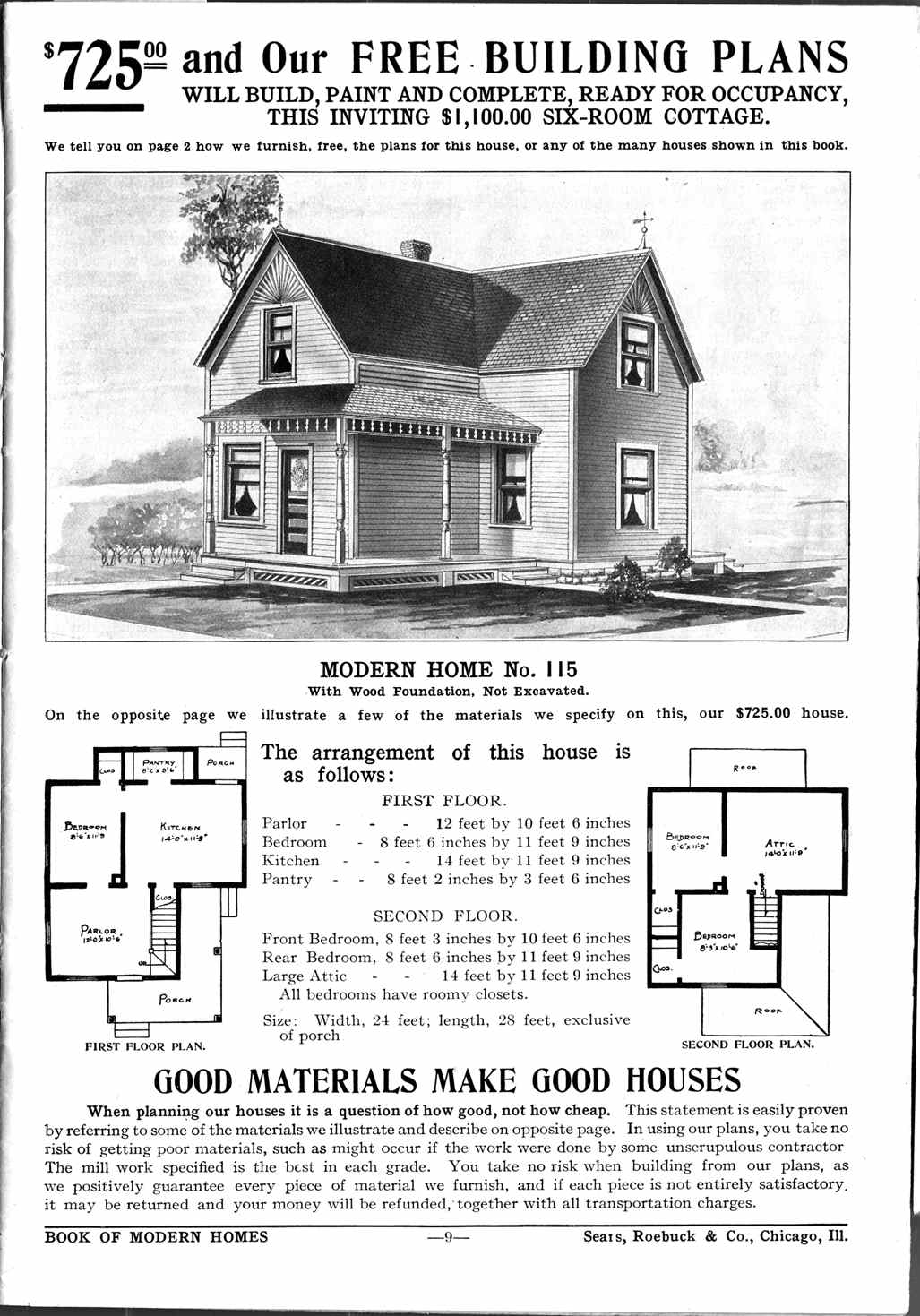
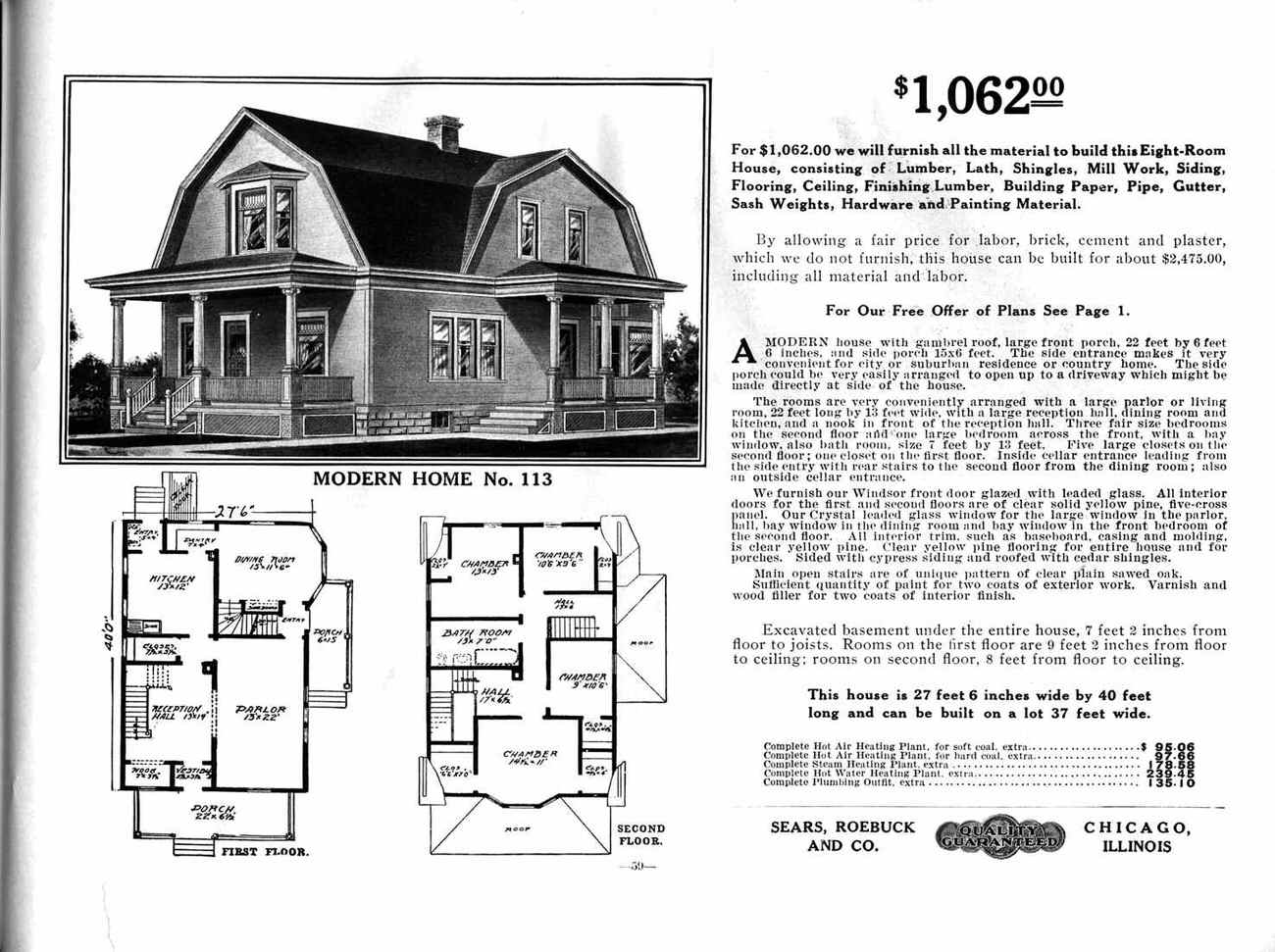
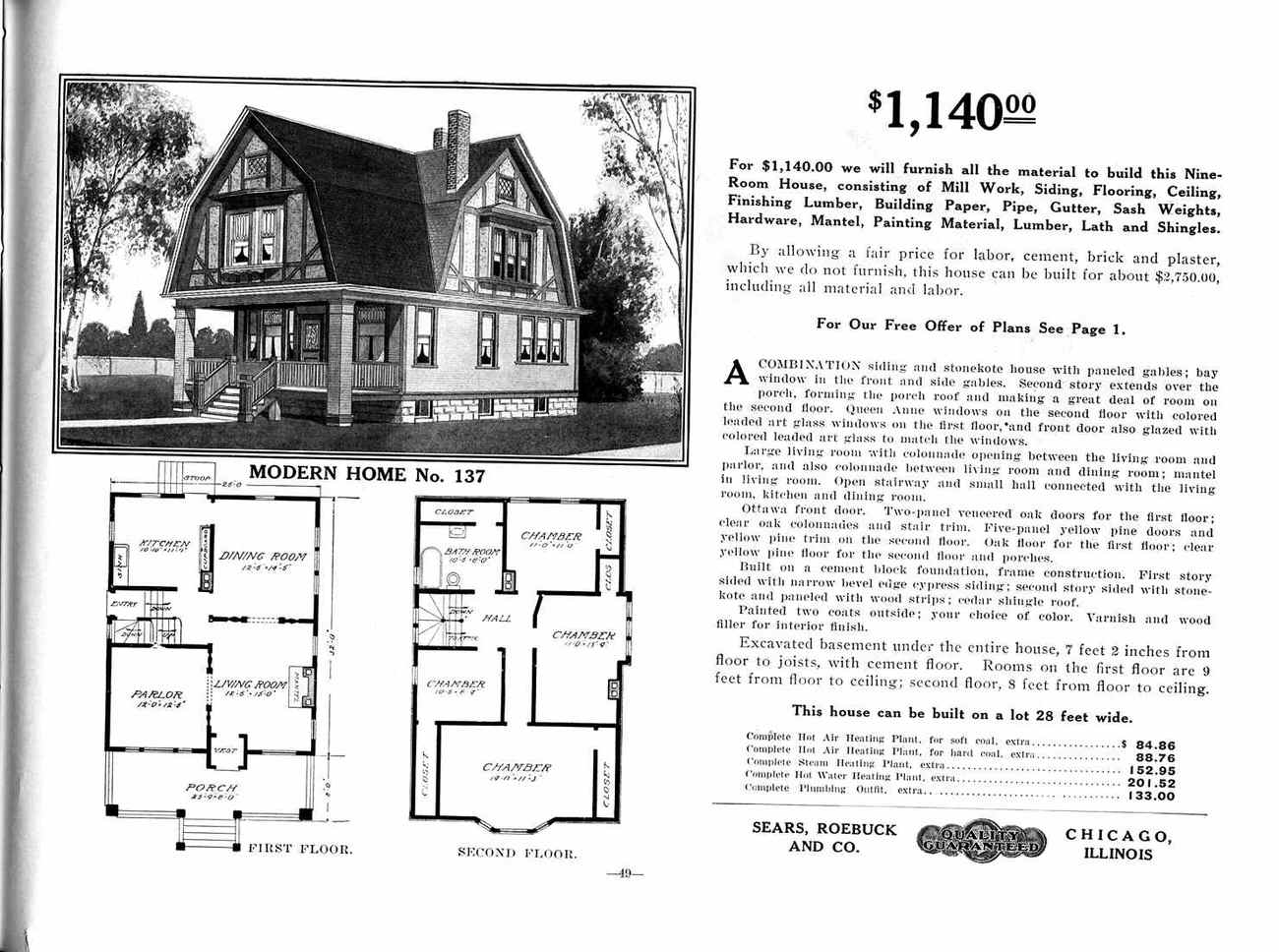
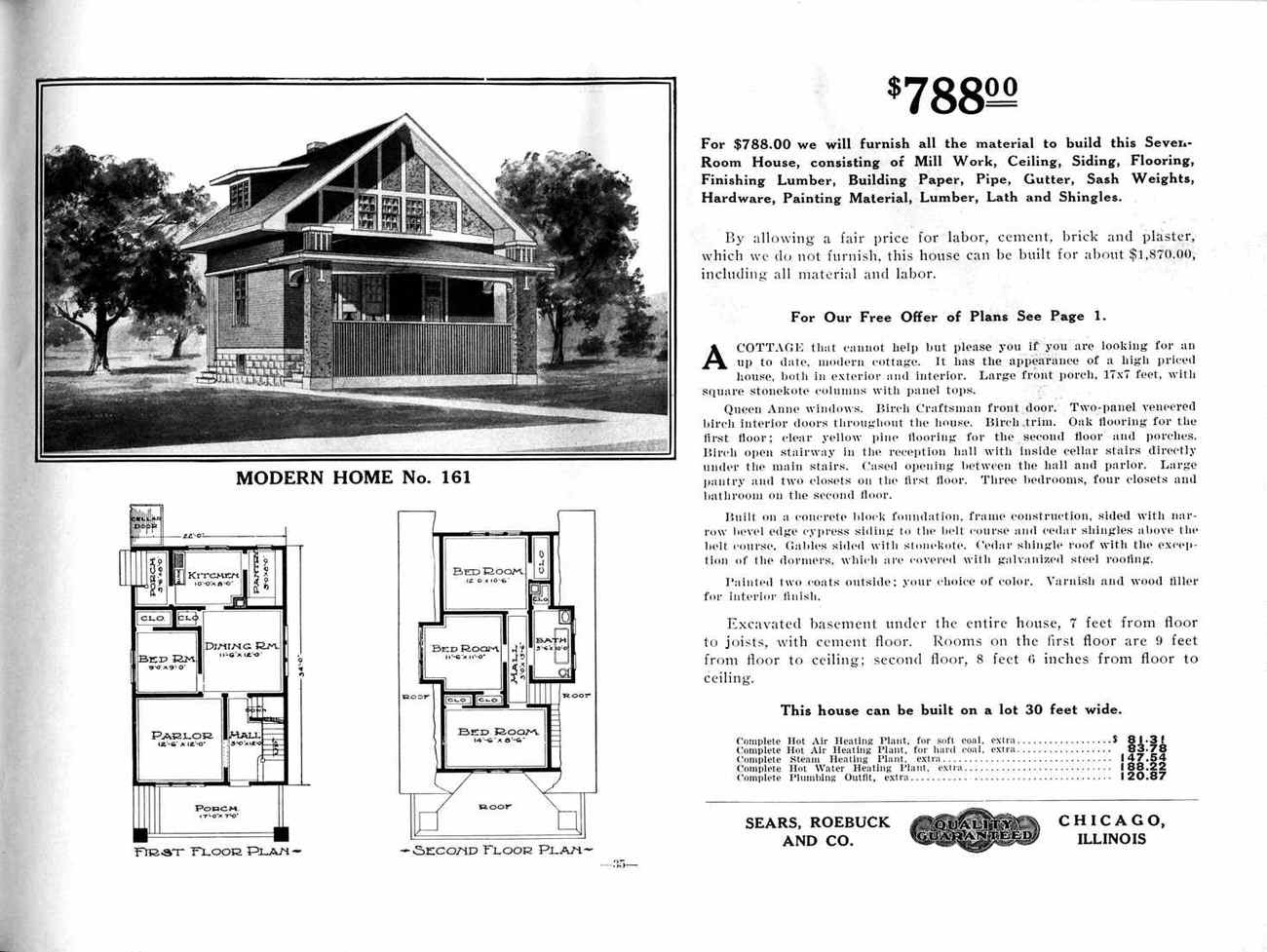
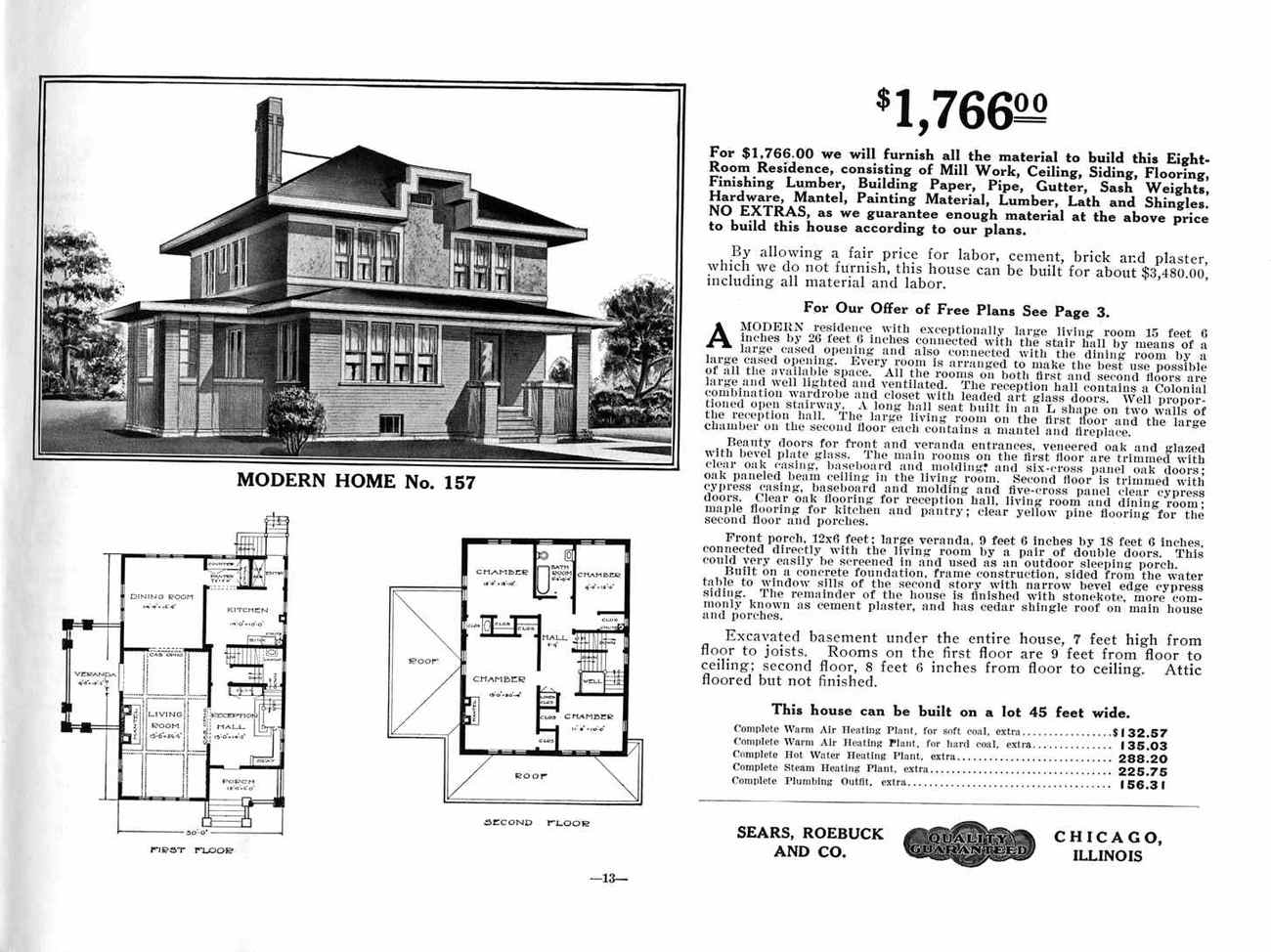
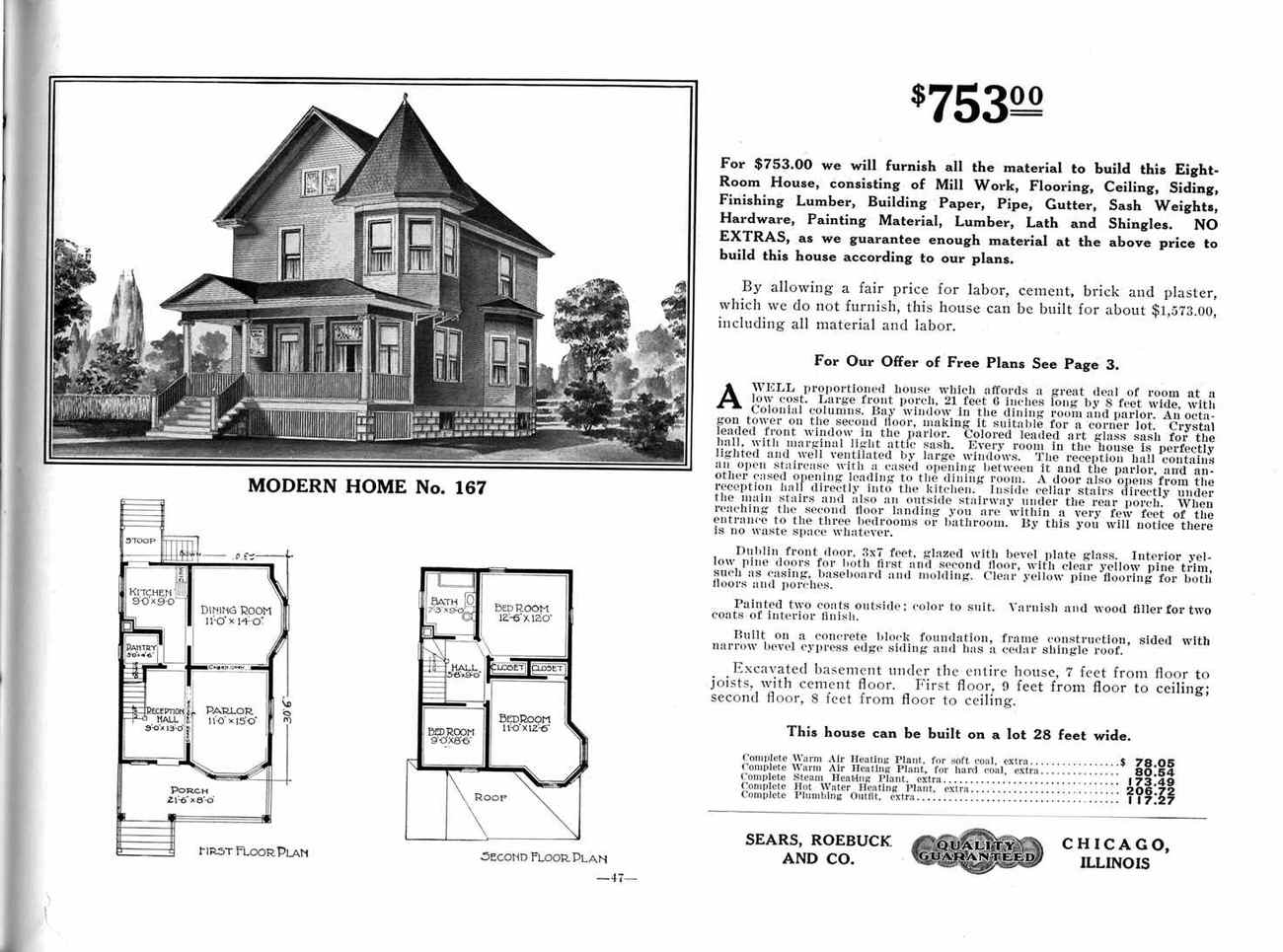
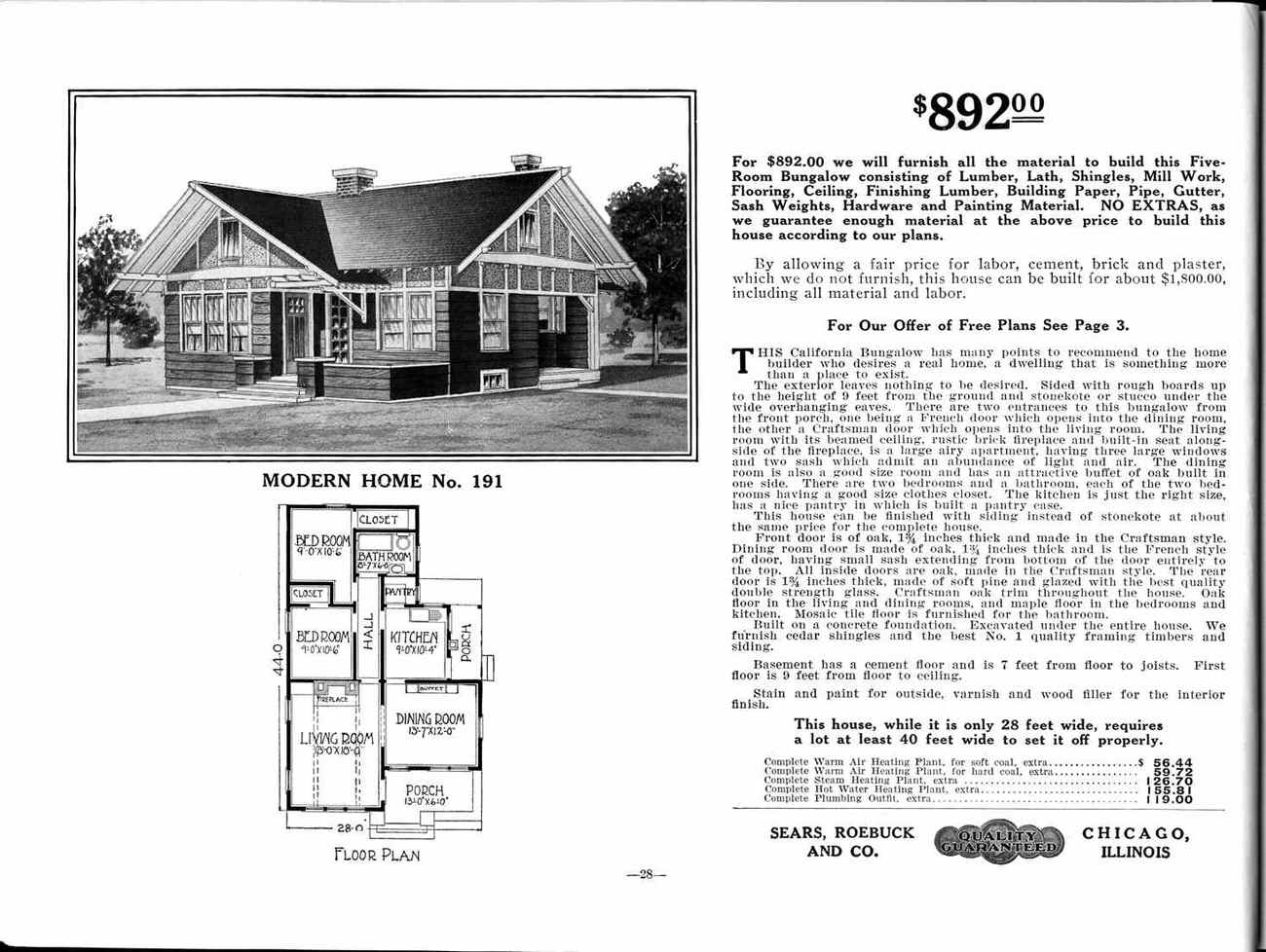
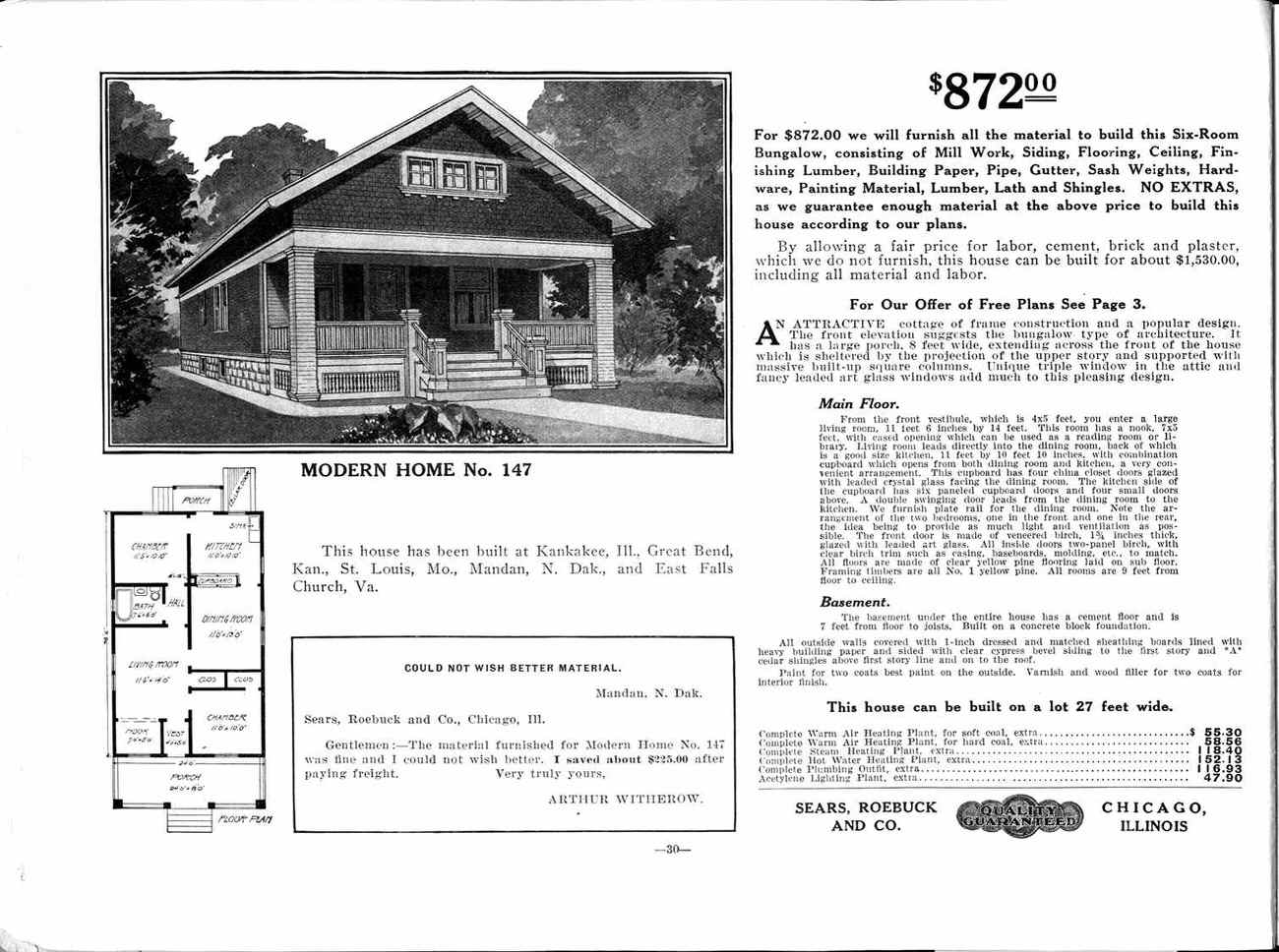
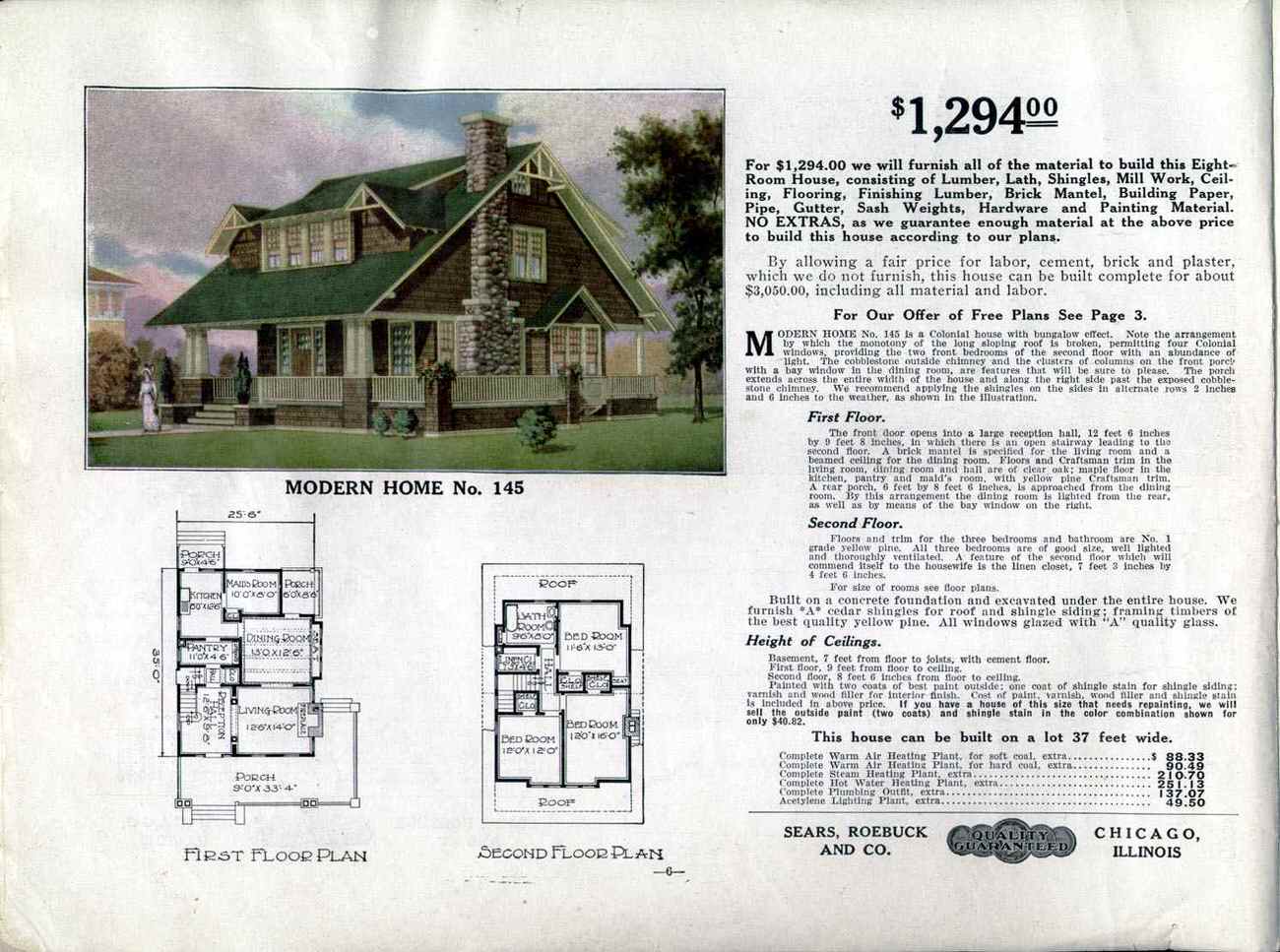
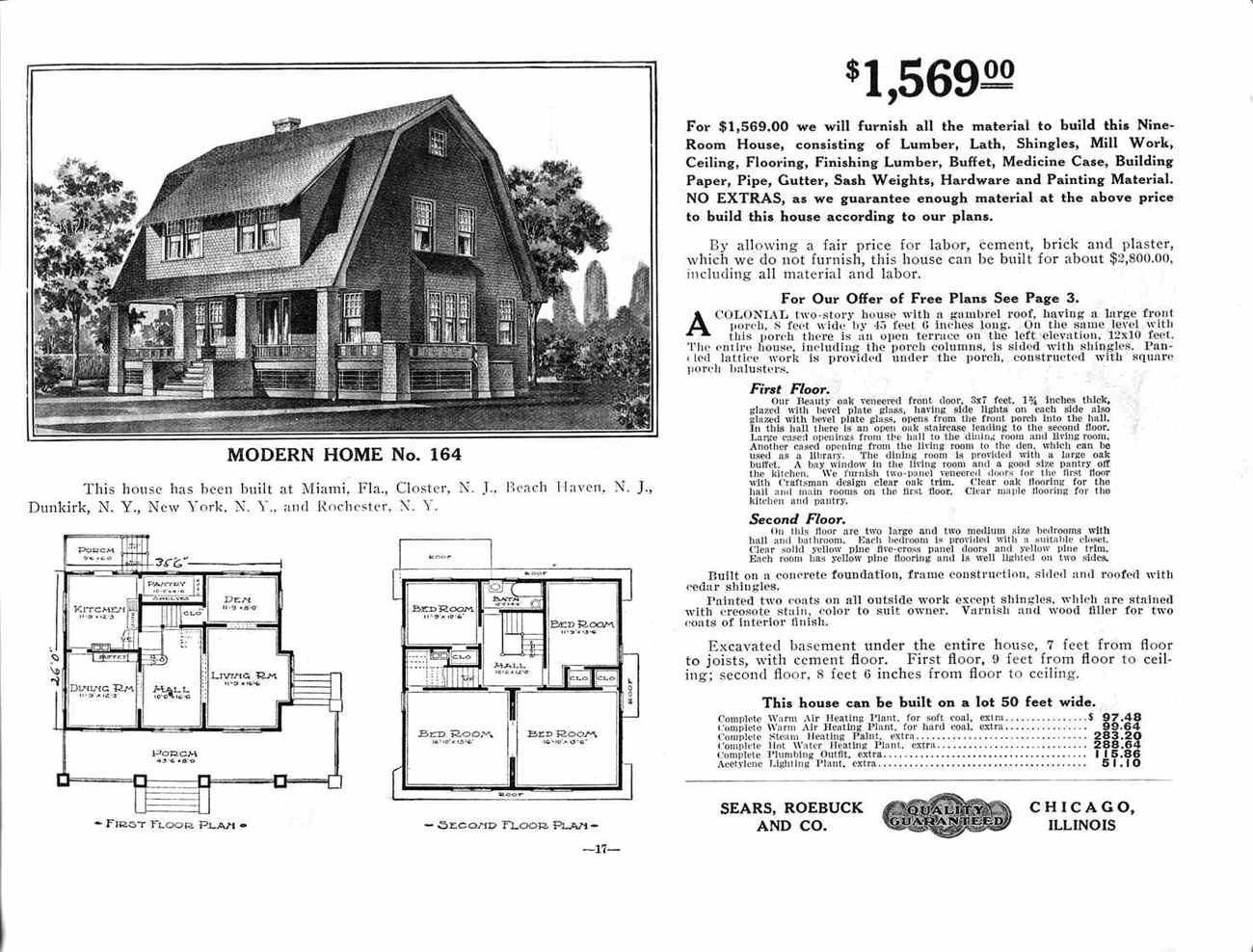
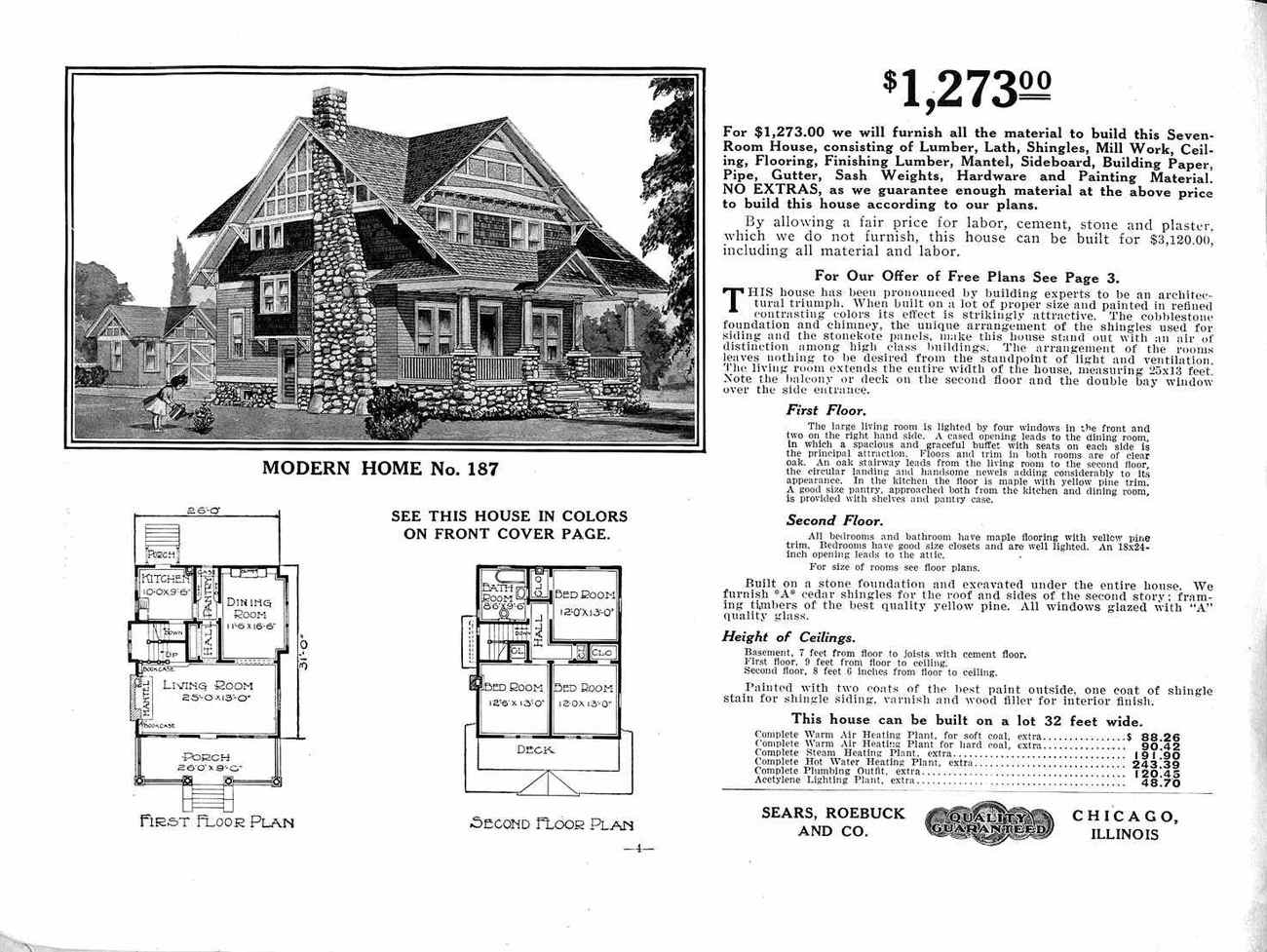
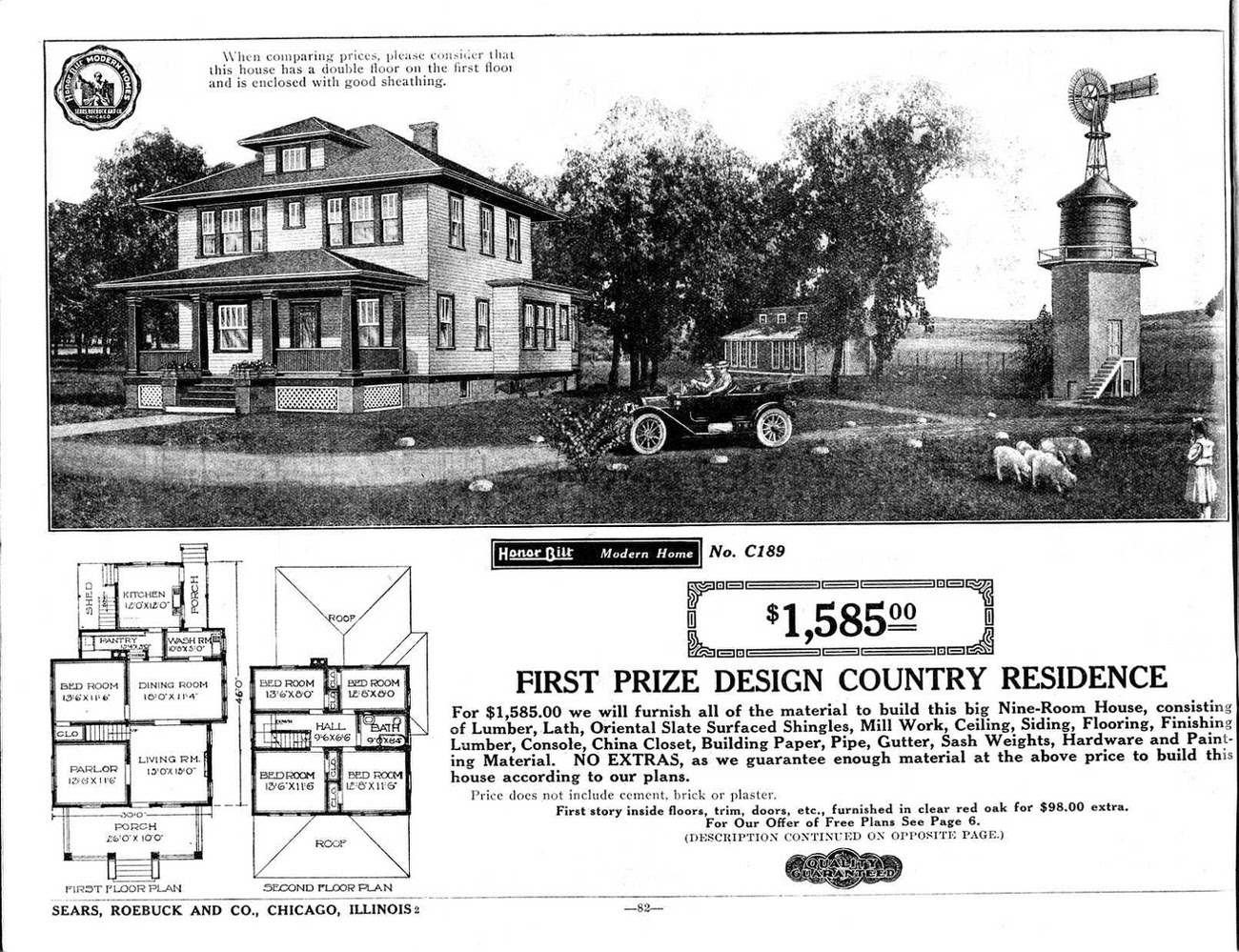
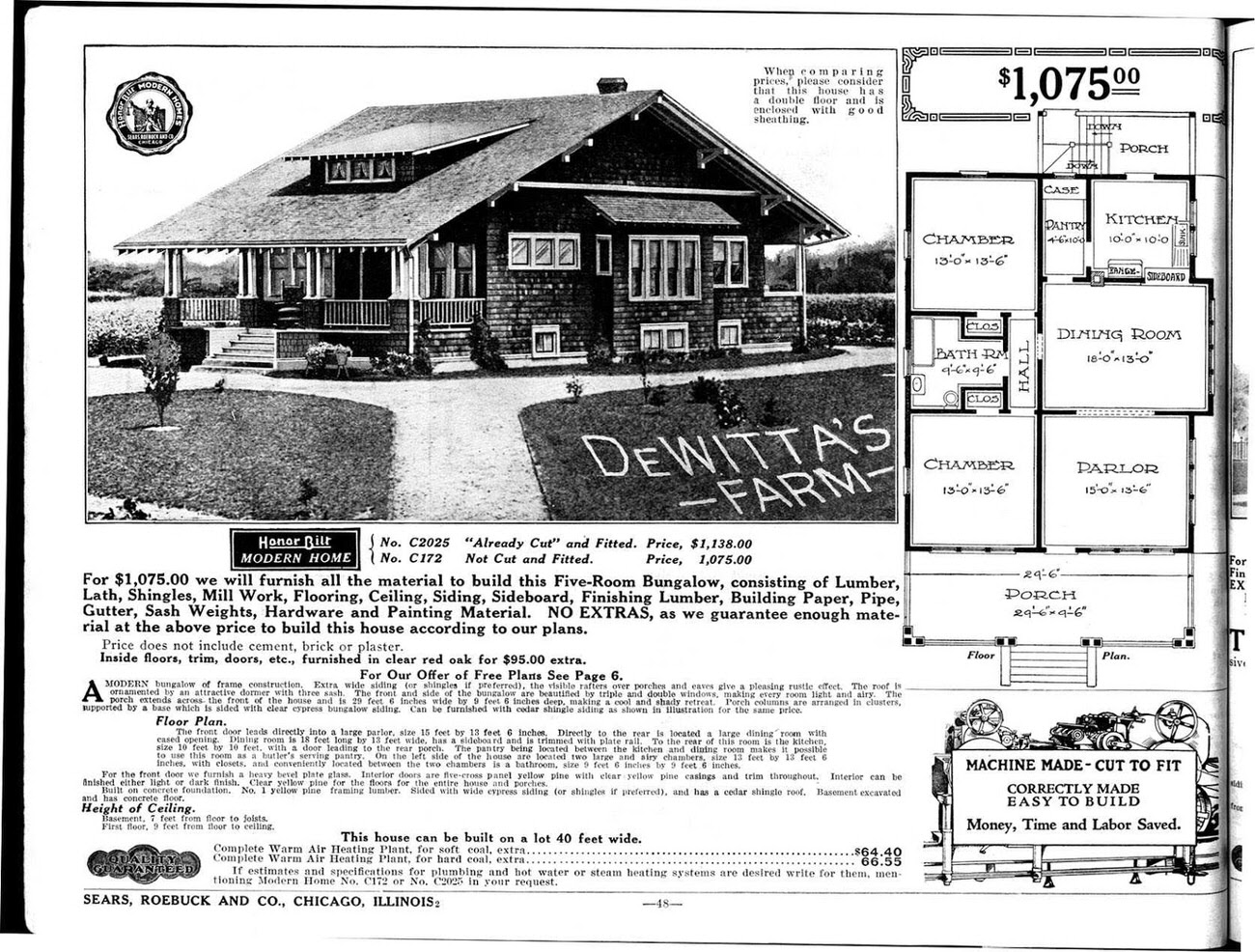
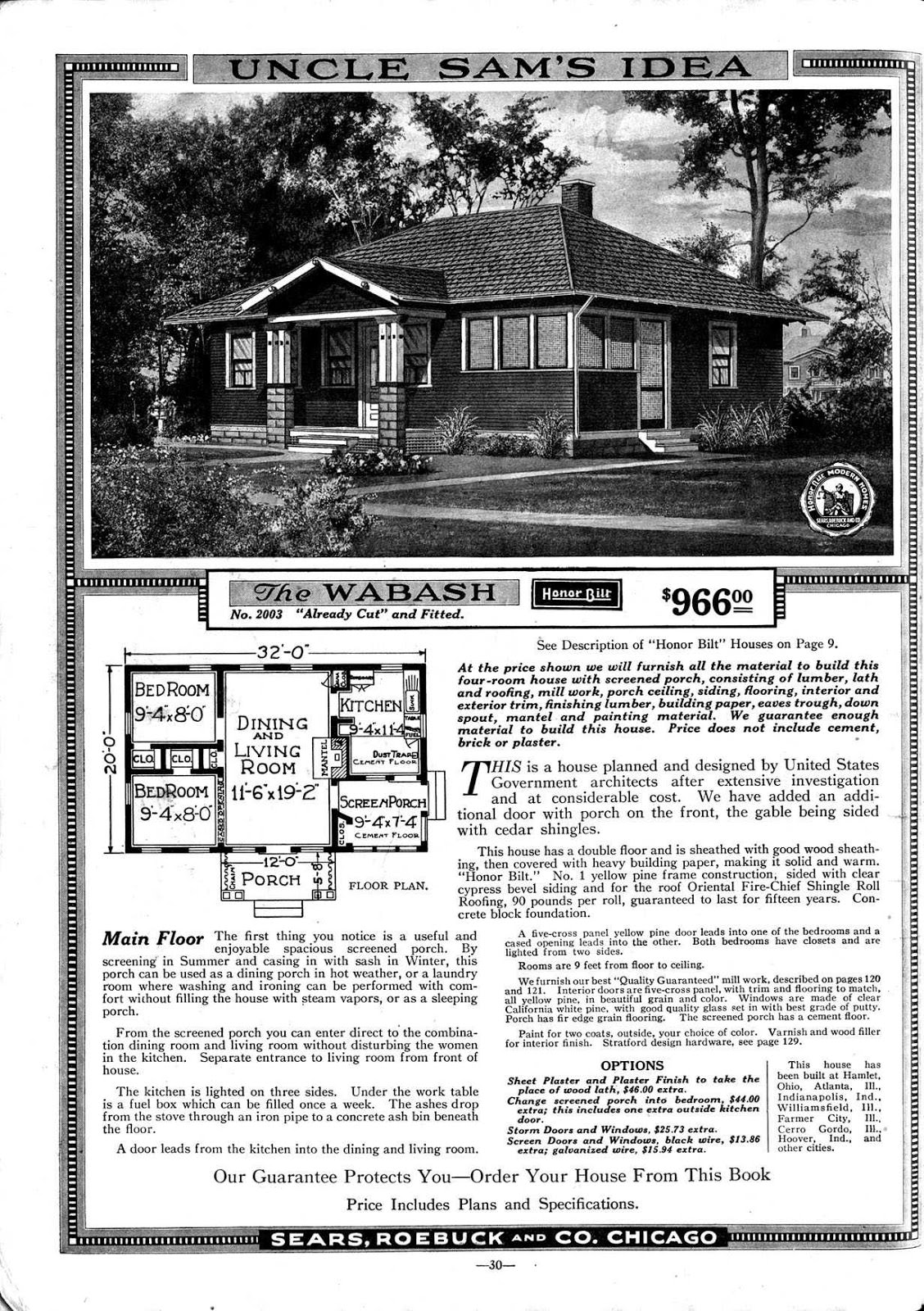
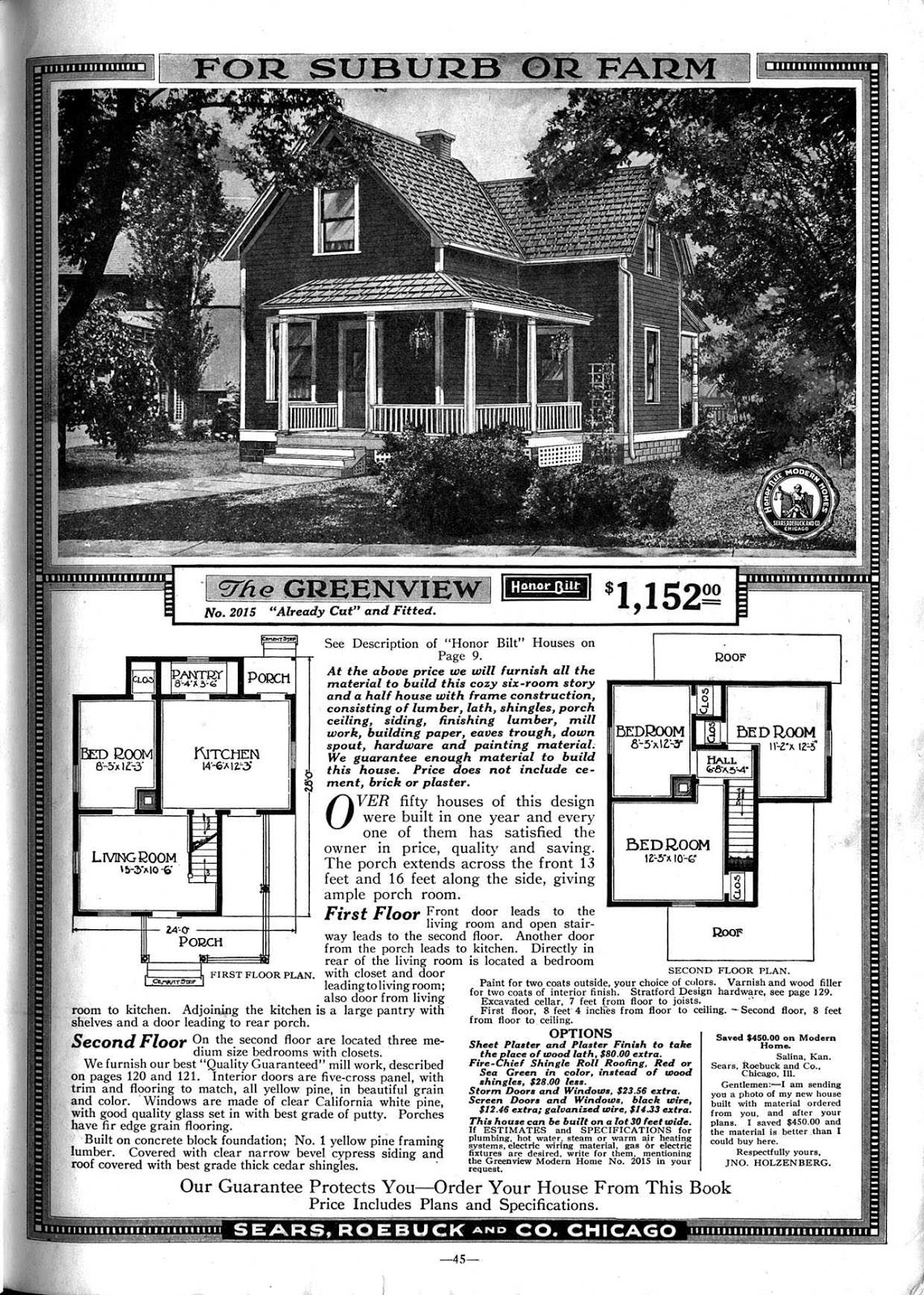
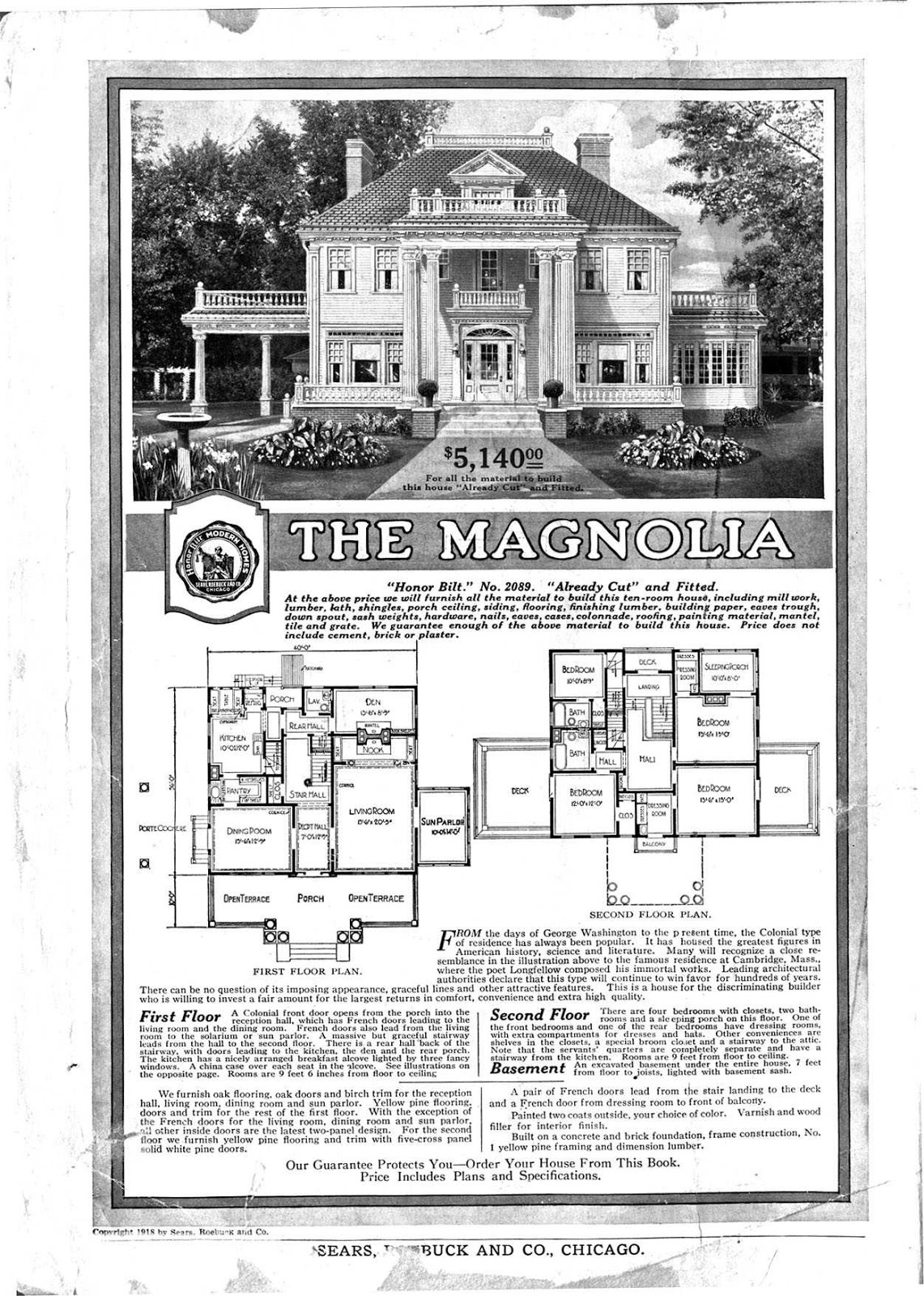
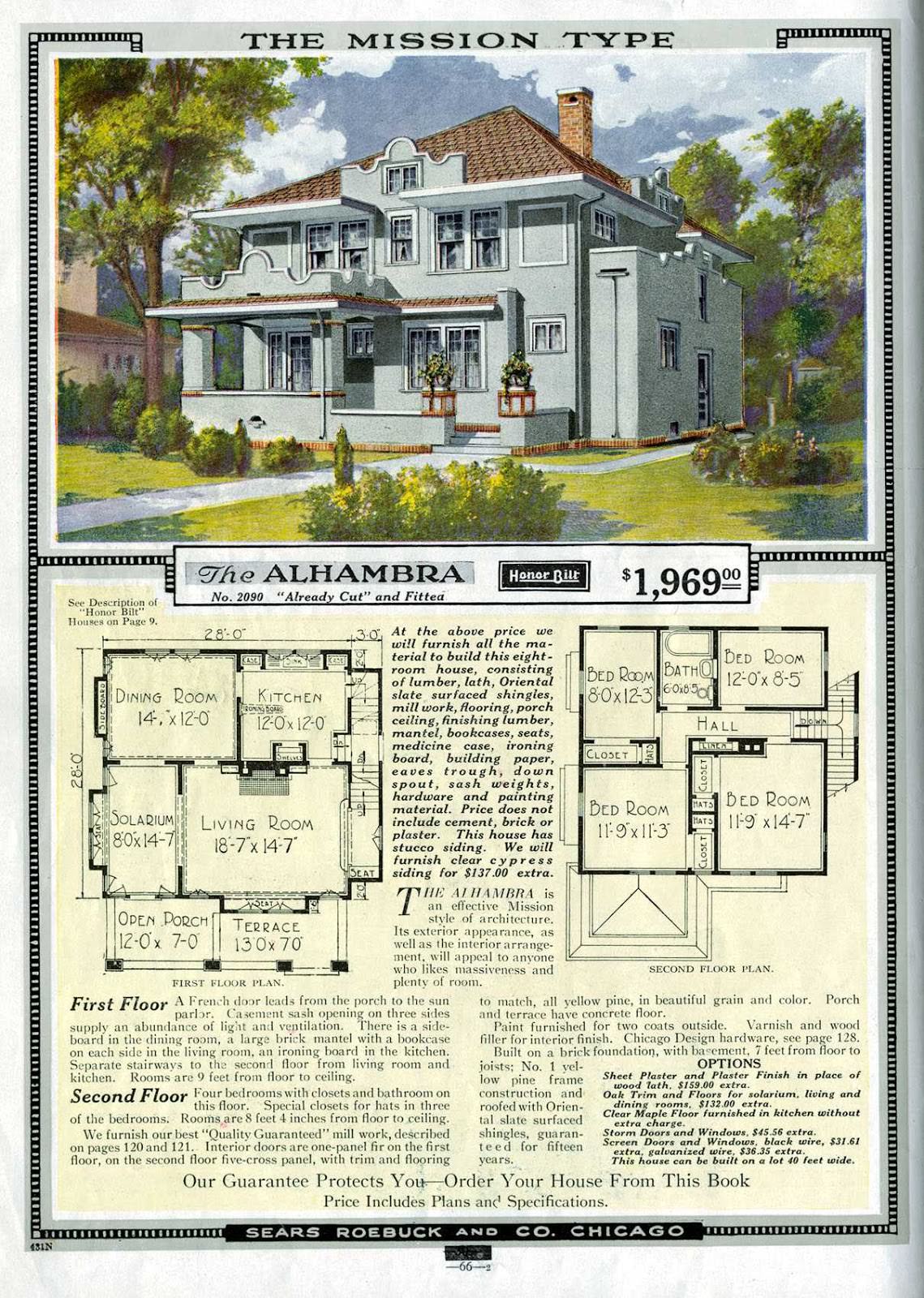
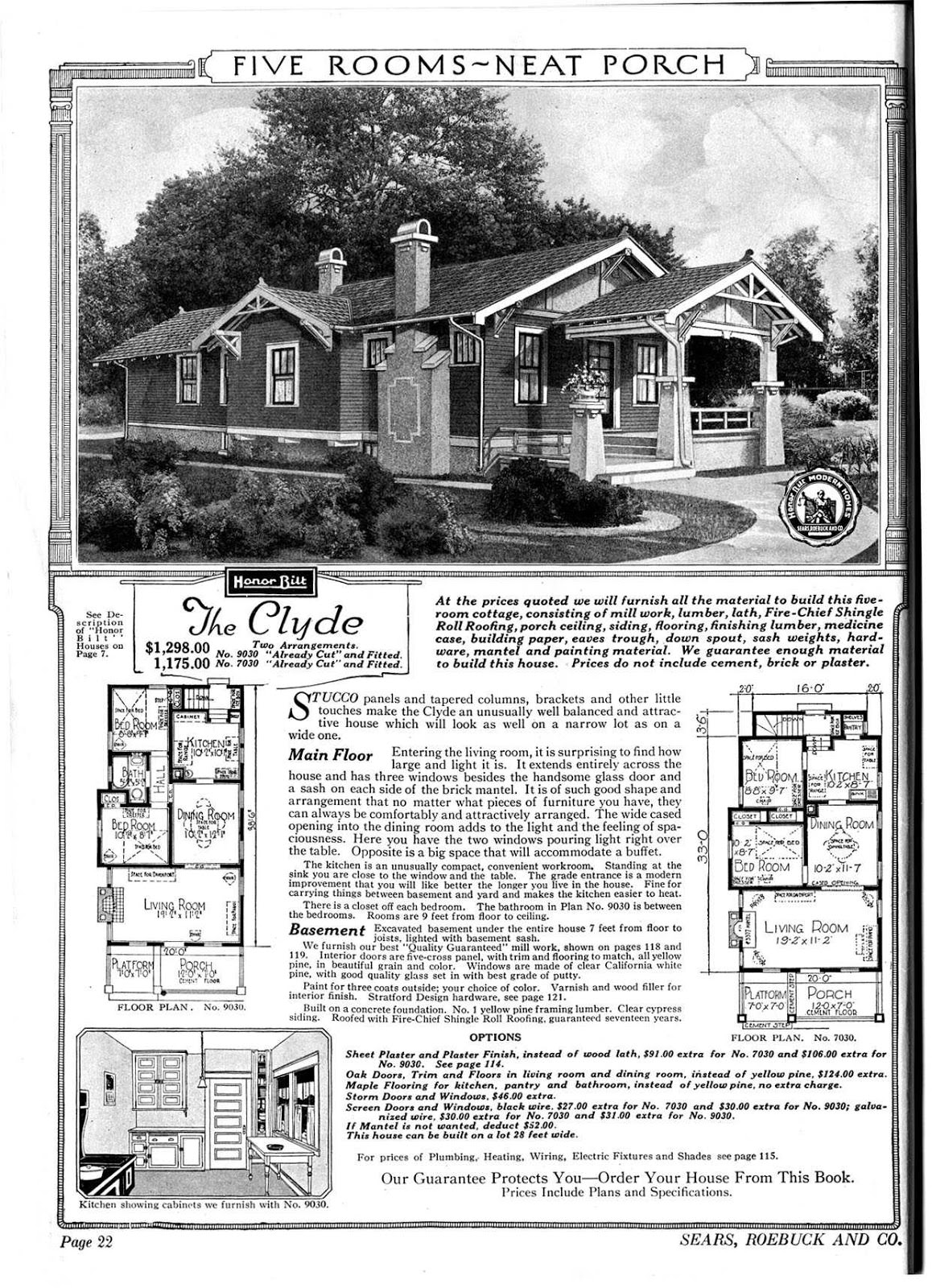
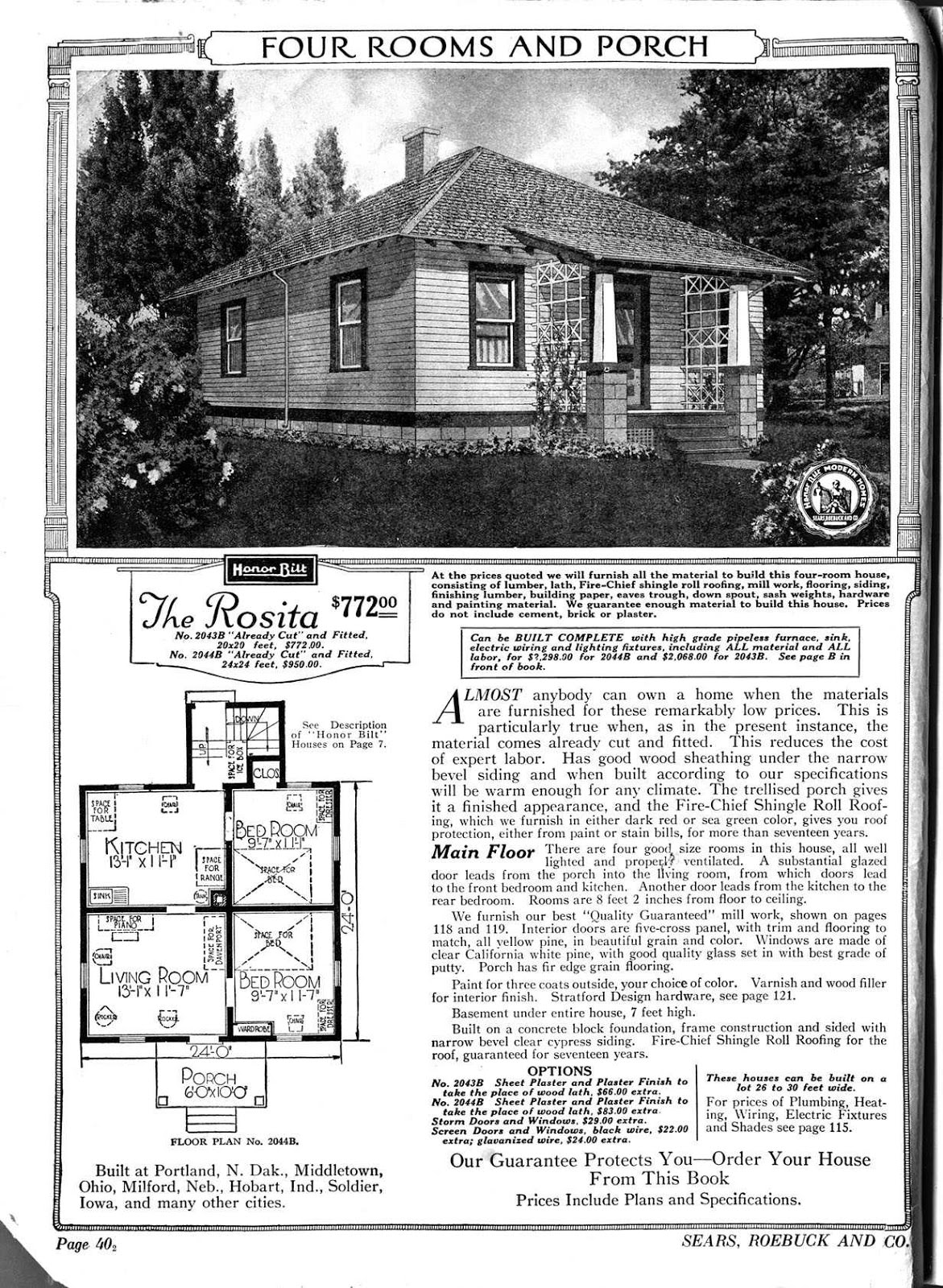
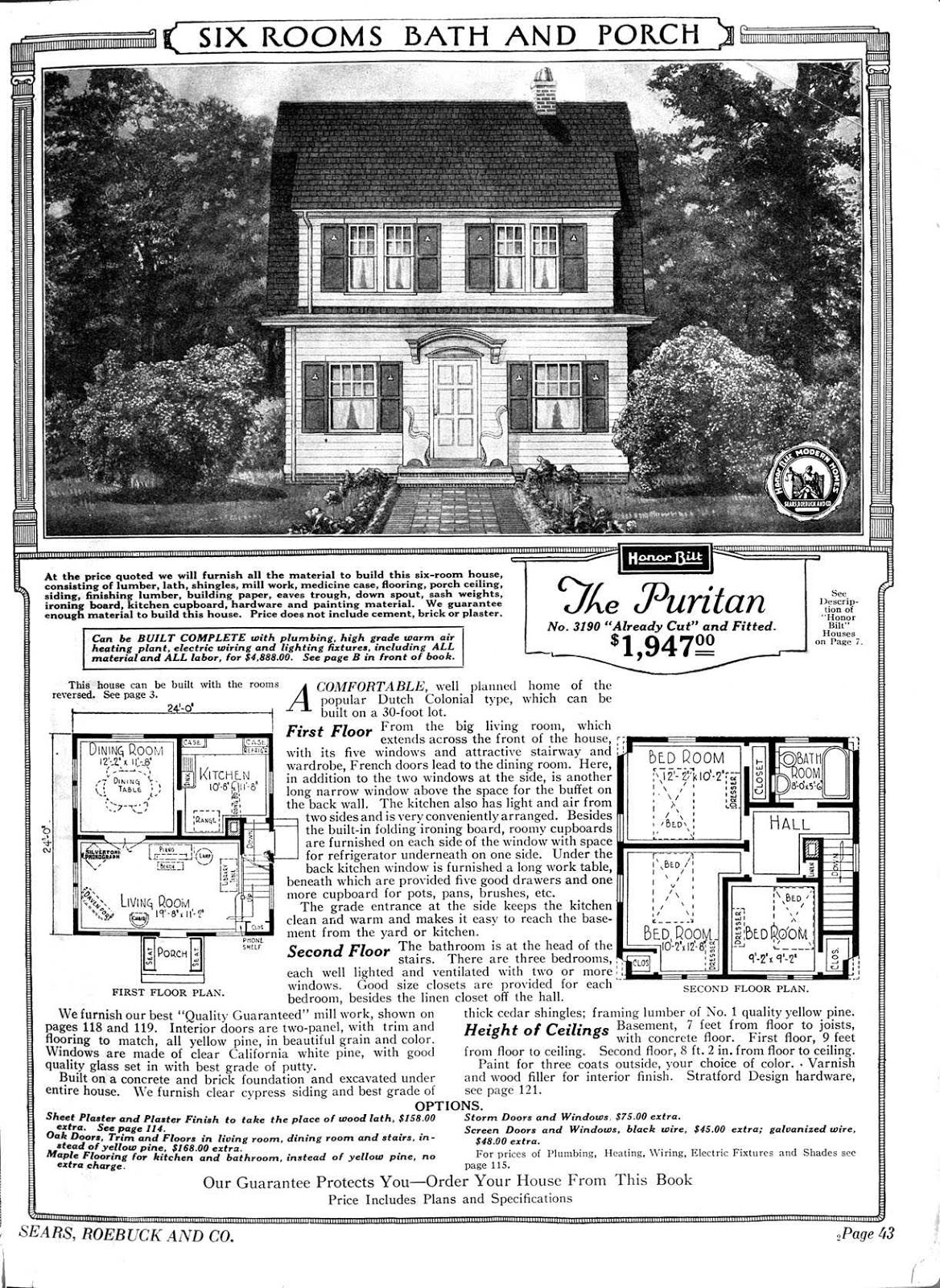
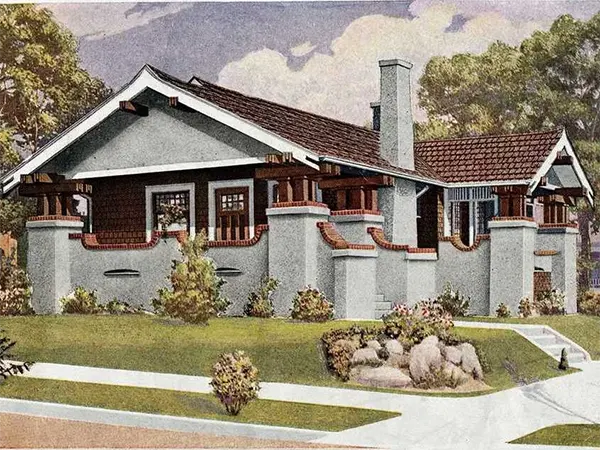
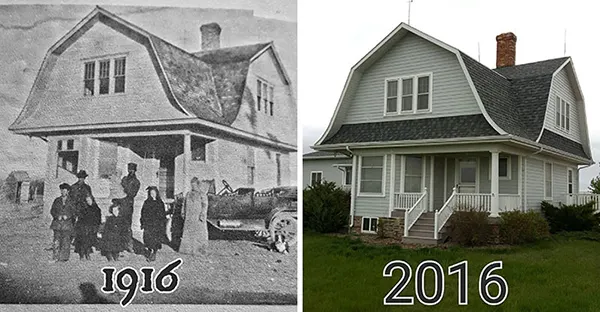
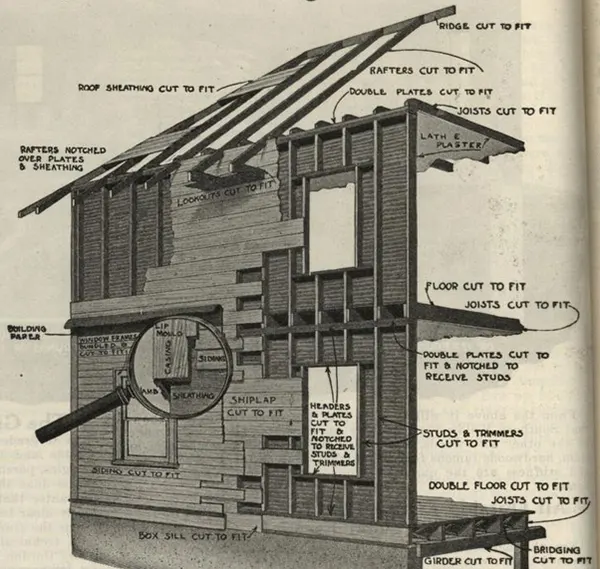
Between 1908 and 1942, Sears, Roebuck and Co. sold more than 70,000 homes across North America — not from a showroom, but from a catalog. These were known as Sears Modern Homes, and they changed the way ordinary Americans thought about homeownership. Buyers simply flipped through the pages, picked a design, placed an order, and waited for their house to arrive by railroad.
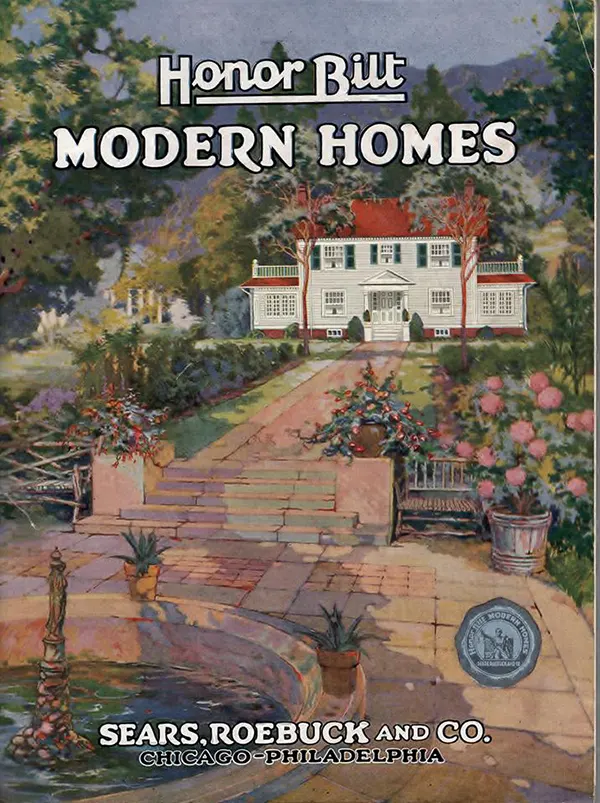
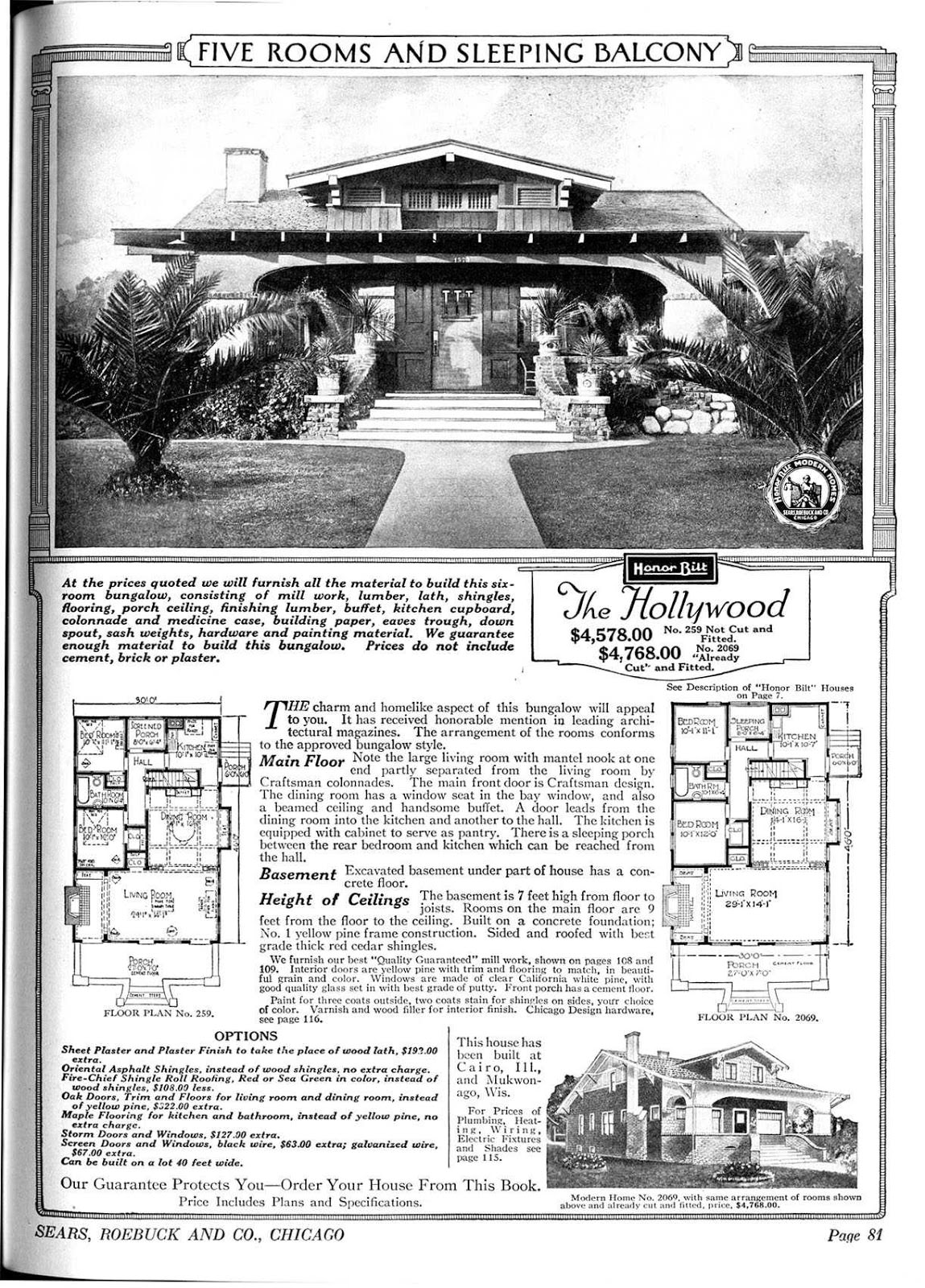
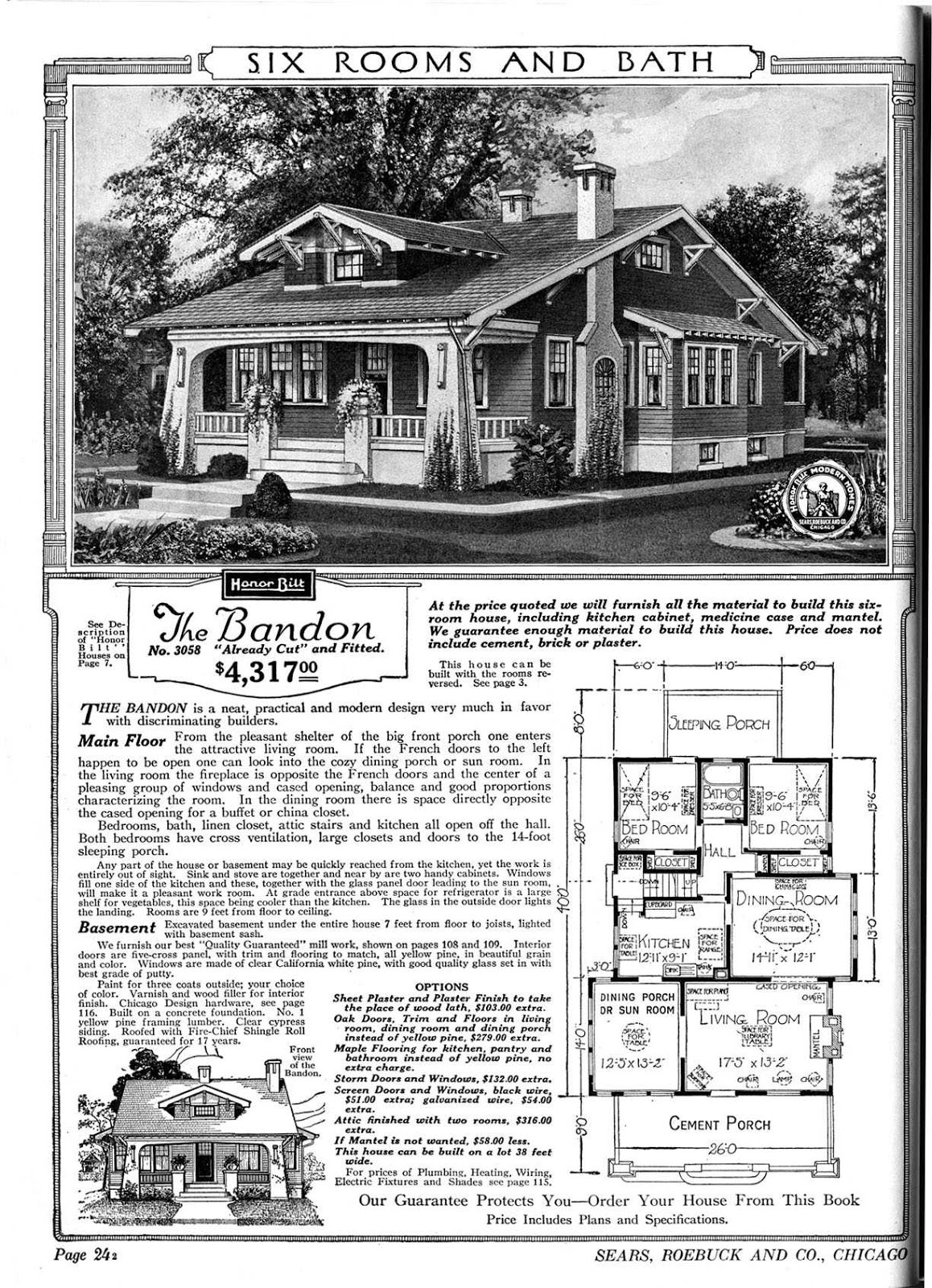
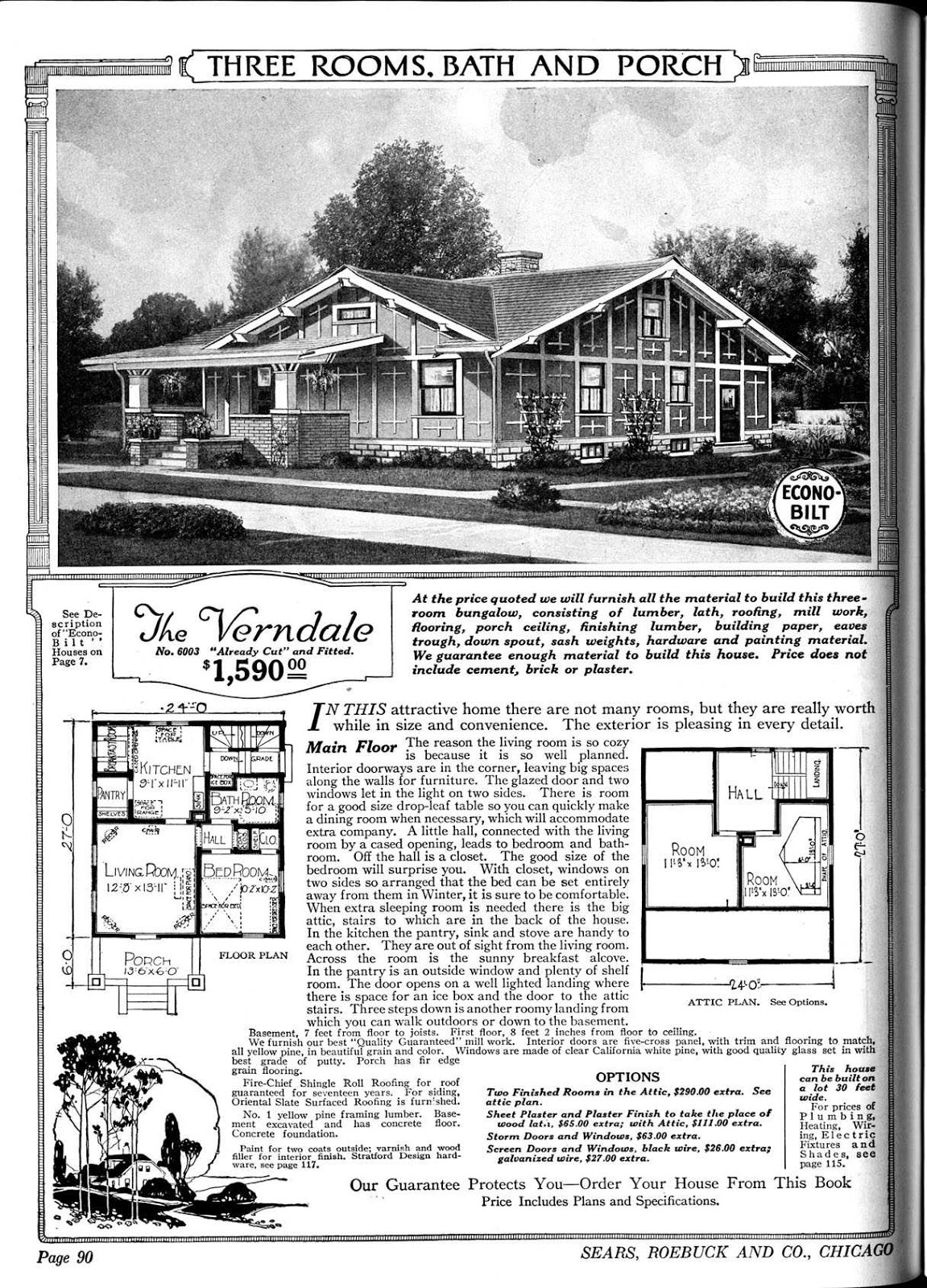
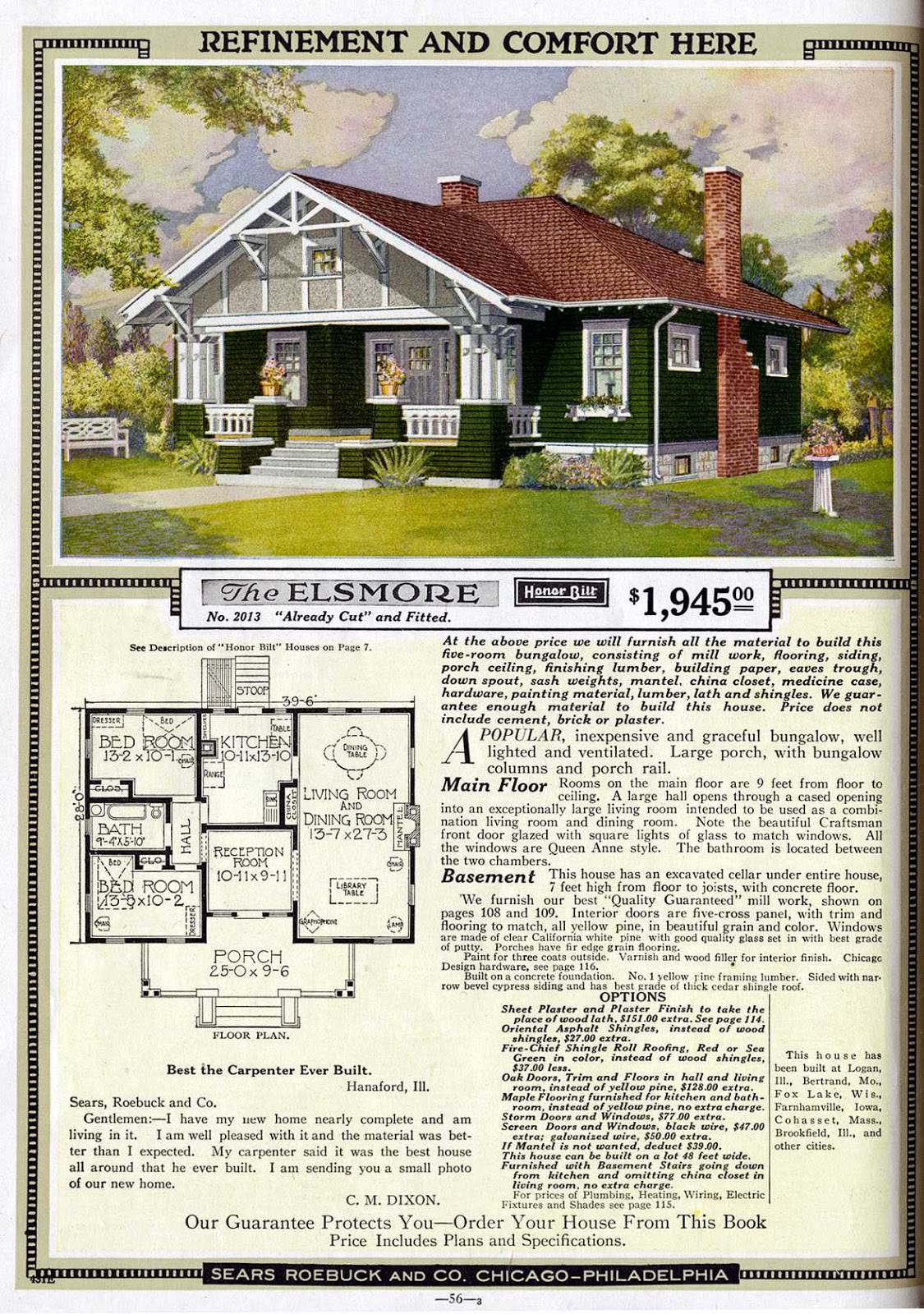
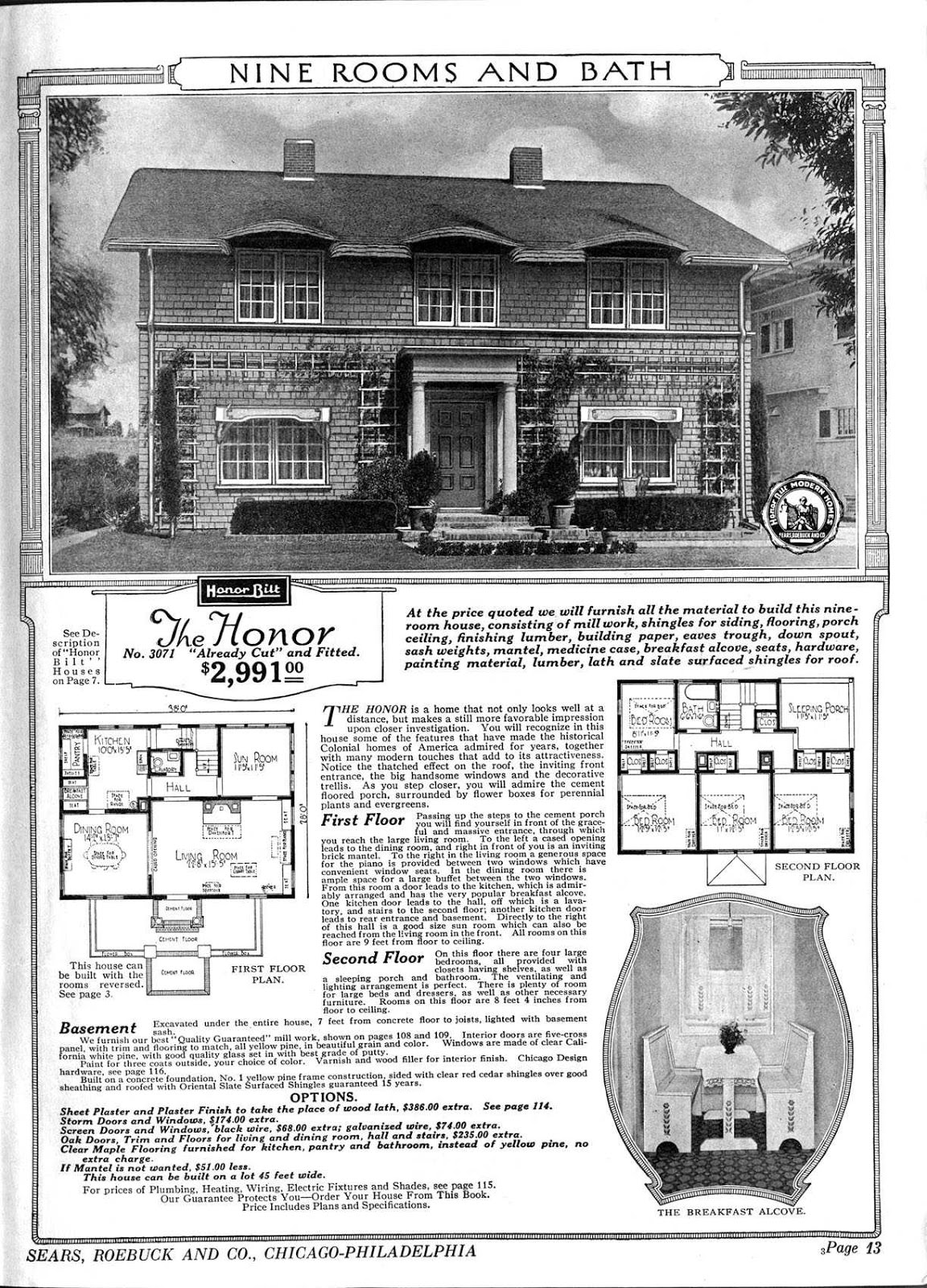
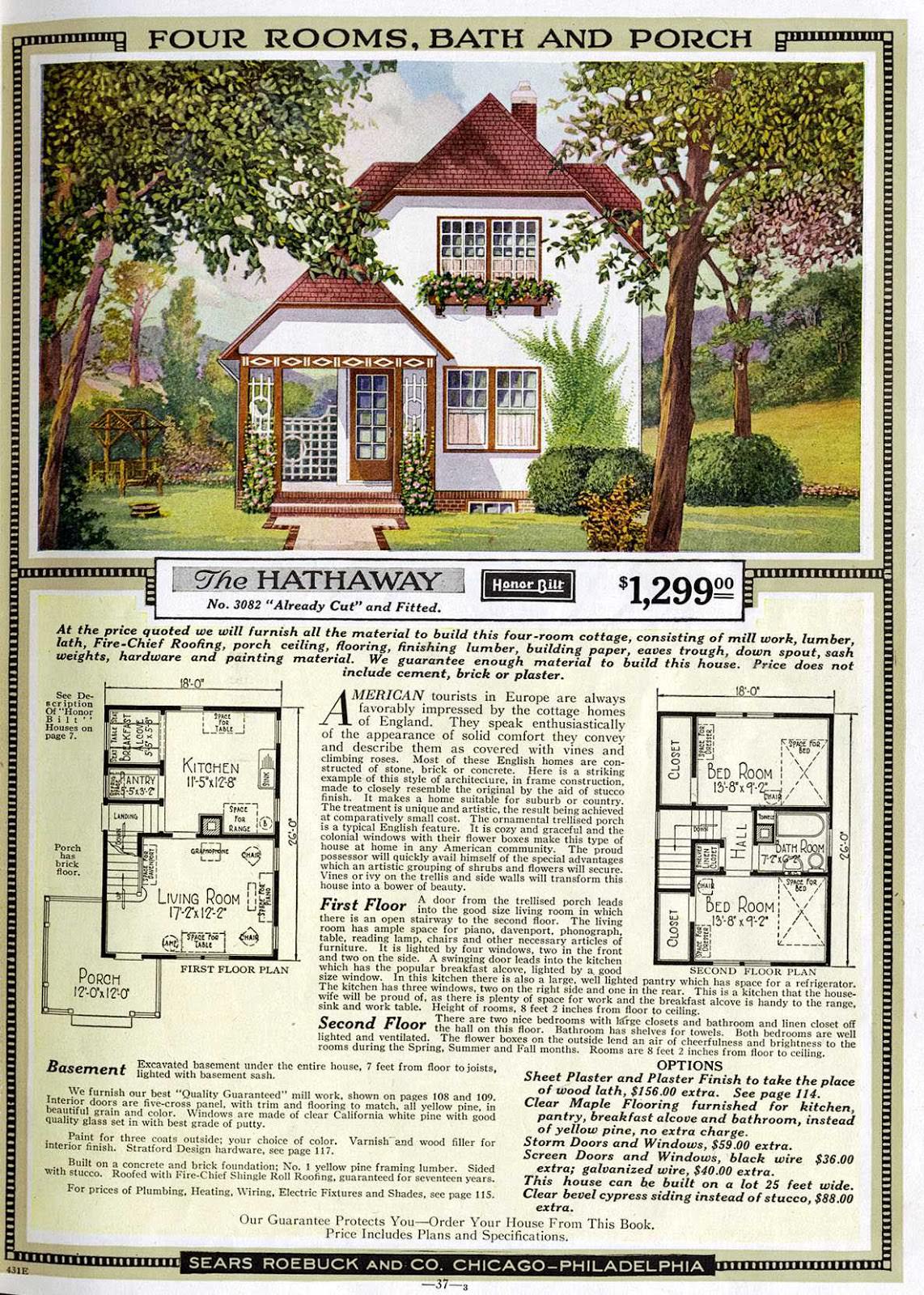
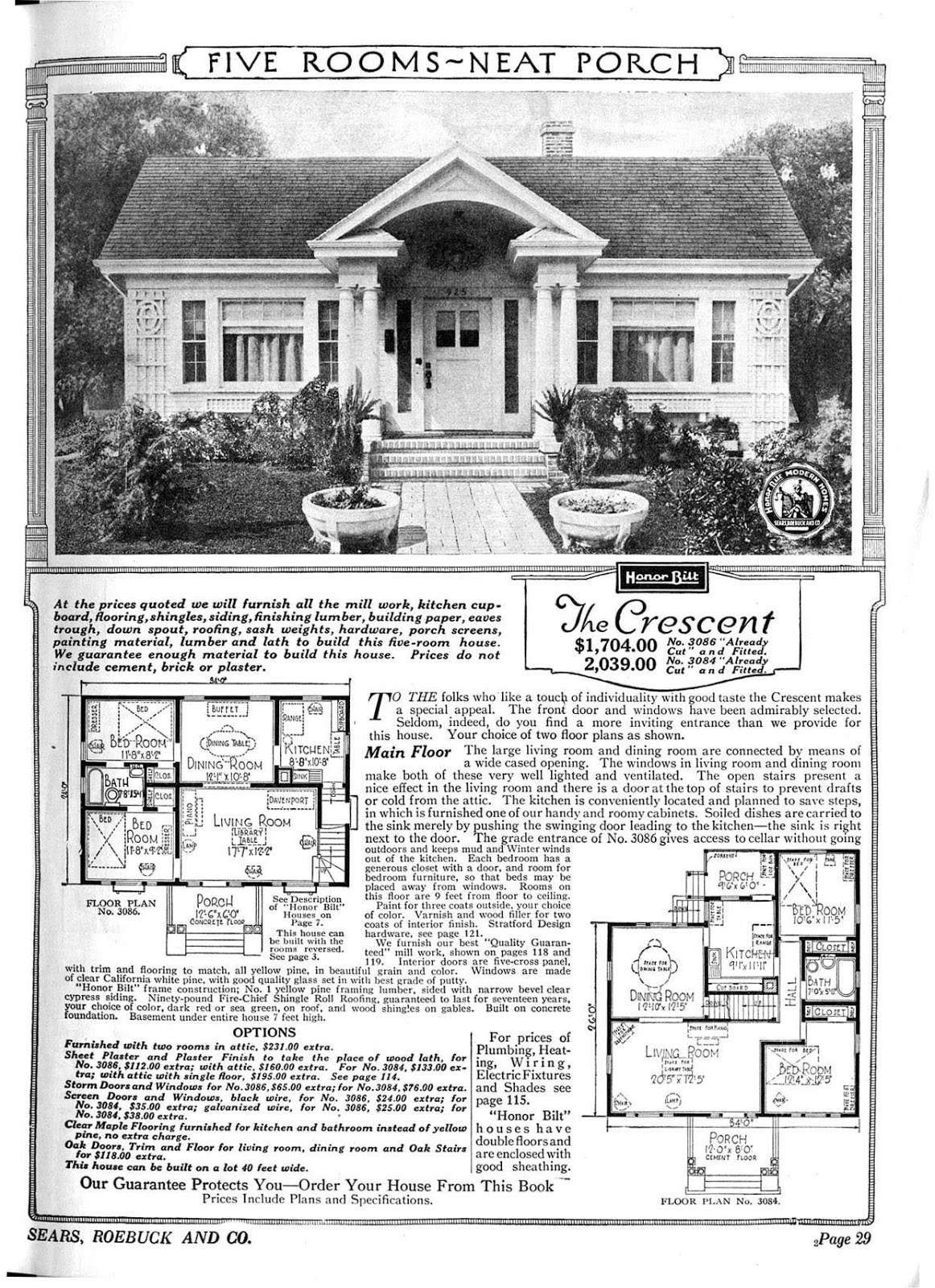
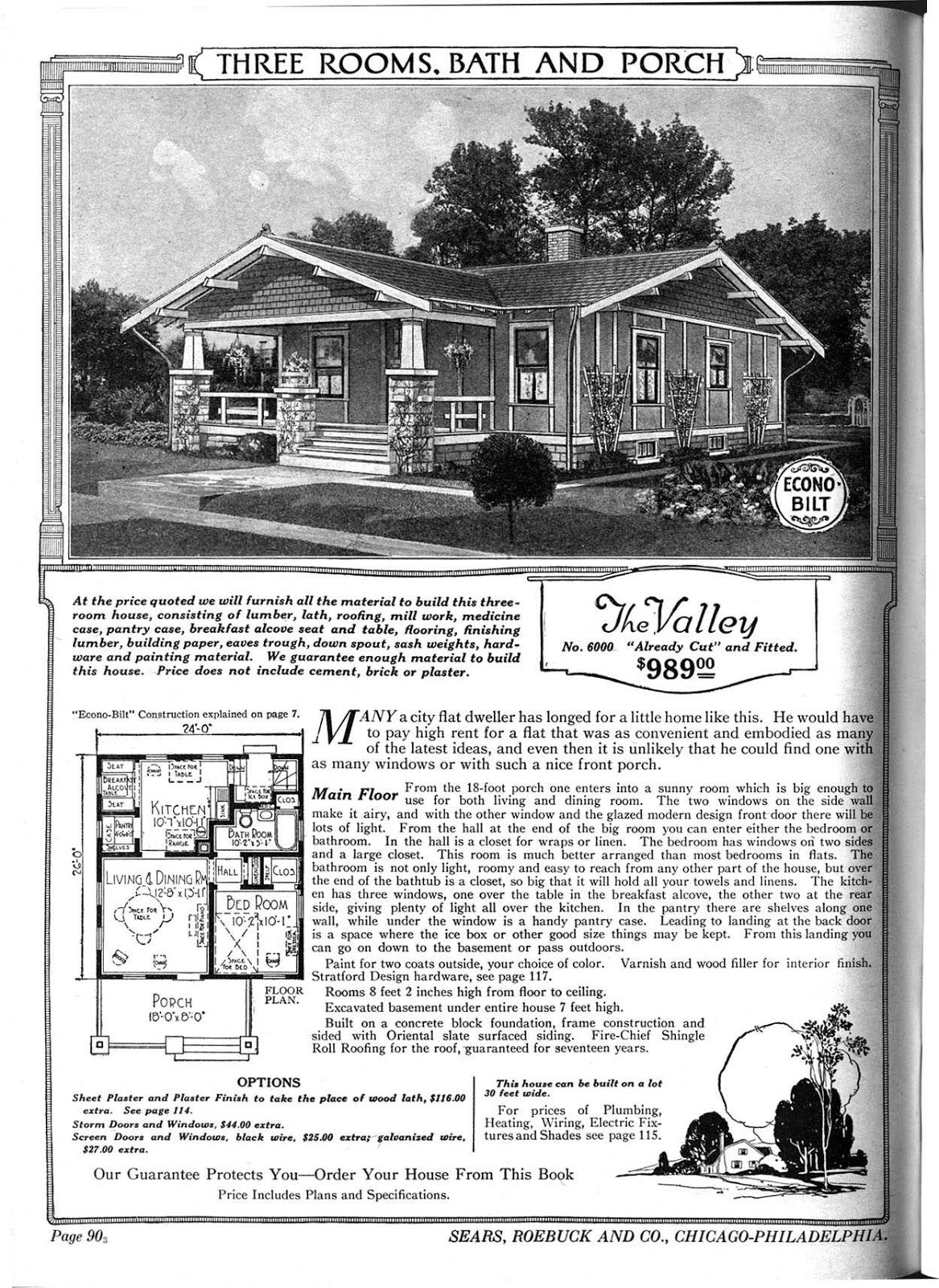
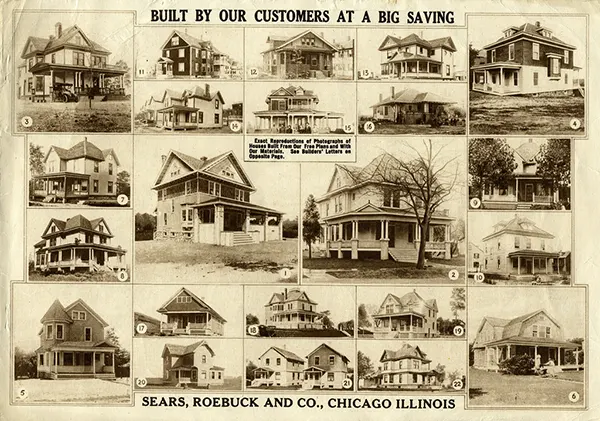
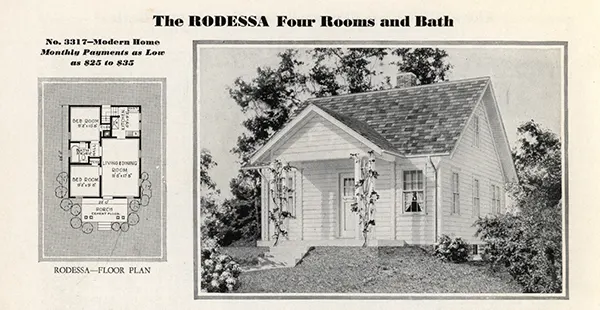
The catalog offered more than 370 different designs over the program’s 34-year run. Styles ranged from compact bungalows to stately Colonials and Cape Cods. There was something for nearly every budget and taste. Prices varied widely, making homeownership accessible to working-class families who otherwise had few options.
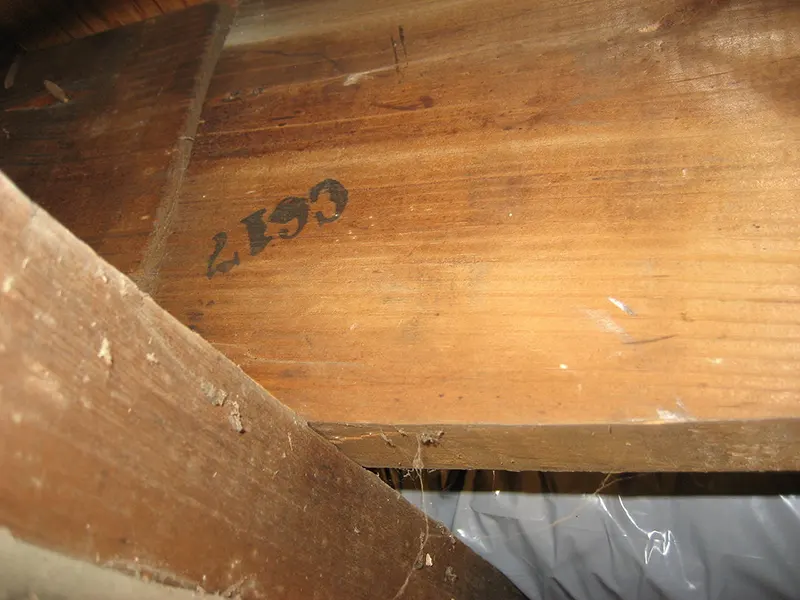
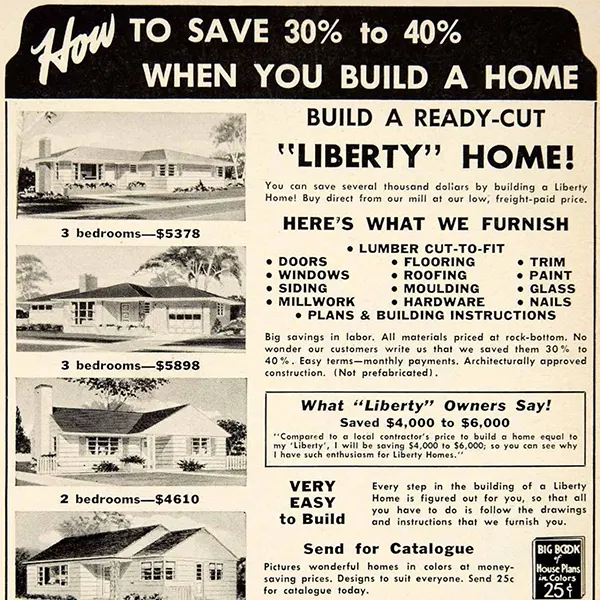
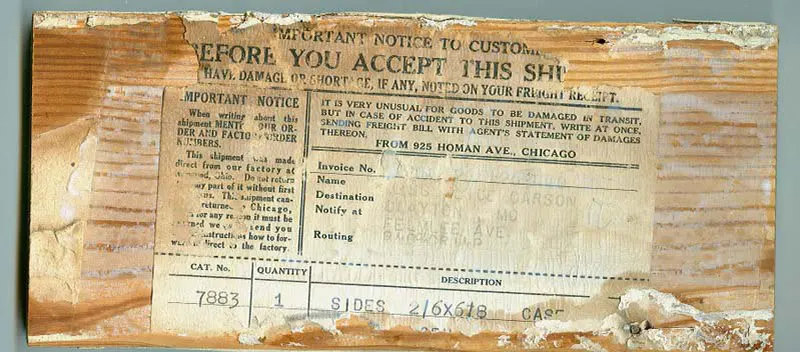
When an order shipped, it arrived as a precut kit packed into a railroad boxcar. The kit contained everything needed to build the house — lumber, roofing, flooring, nails, paint, and a detailed instruction manual. Every piece of lumber was pre-cut and stamped for identification, so builders could match each piece to the plans without confusion.
Sears claimed that a family with basic carpentry skills could assemble one of these homes themselves. Many did exactly that, often with help from neighbors. The instruction manuals were written to be straightforward, guiding buyers step by step through the entire construction process.
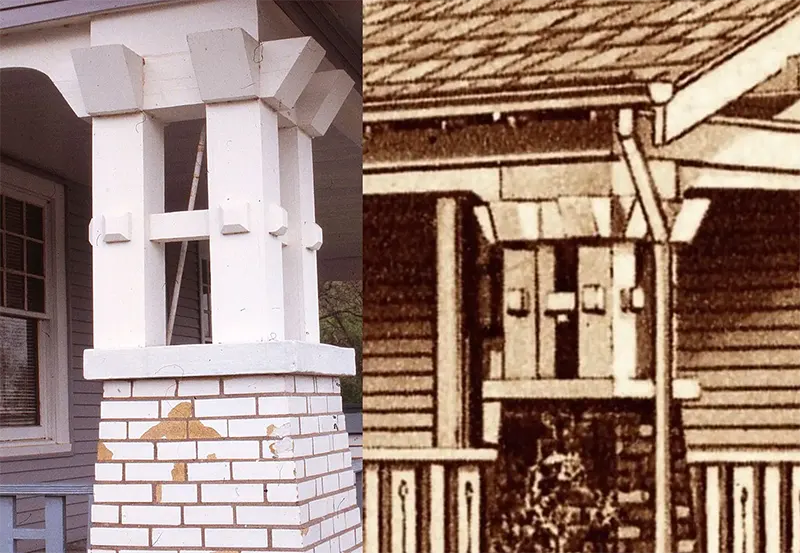
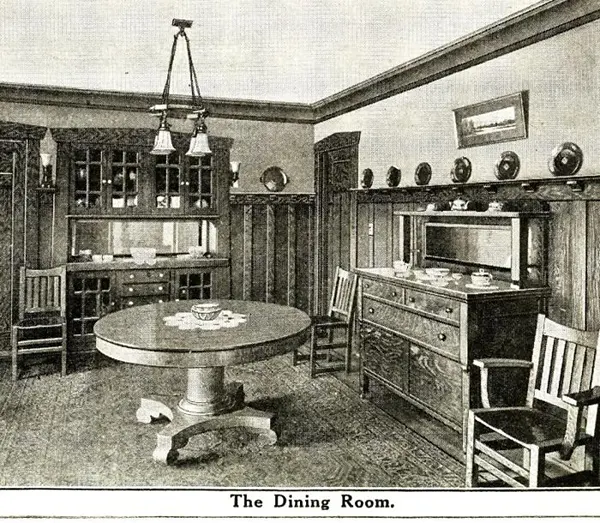
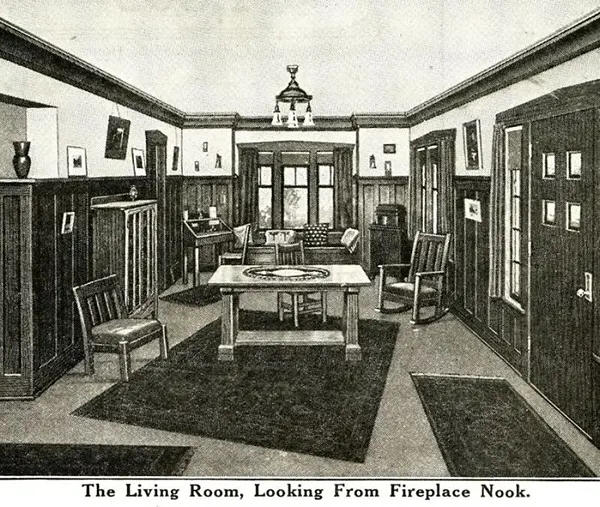
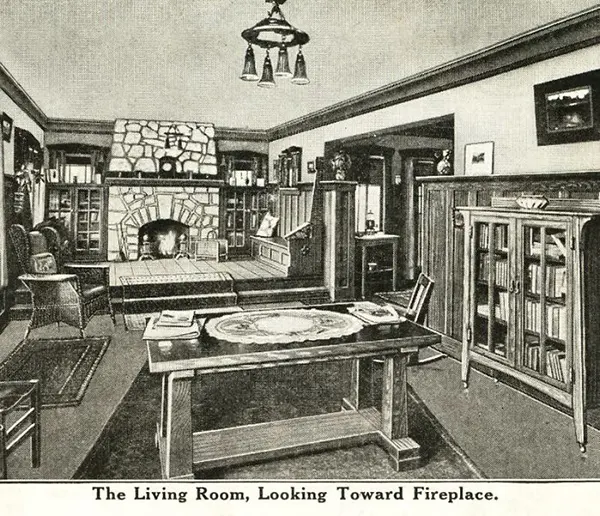
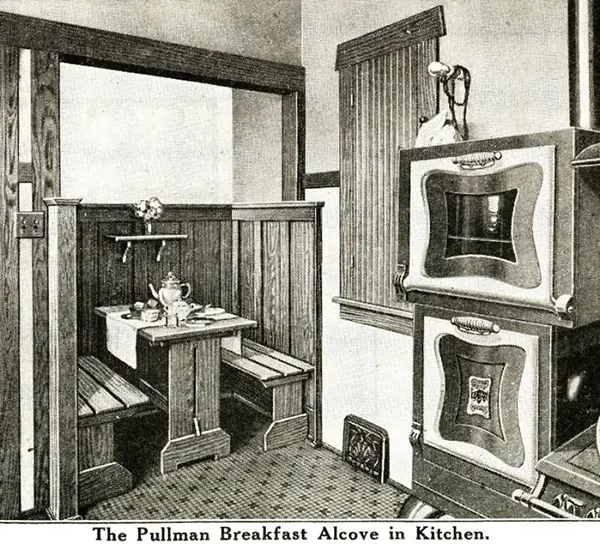
These homes were not bare-bones structures. Many Sears Modern Homes came equipped with central heating, indoor plumbing, and electrical wiring — features that were far from standard in American homes at the time. Buyers got a modern, comfortable house at a fraction of what custom construction typically cost. The catalog designs blended naturally into existing neighborhoods, making it difficult to tell a Sears kit home from a traditionally built one. Customers were spread across the East Coast and Midwest, but sales also reached Florida, California, Canada, and even Alaska.