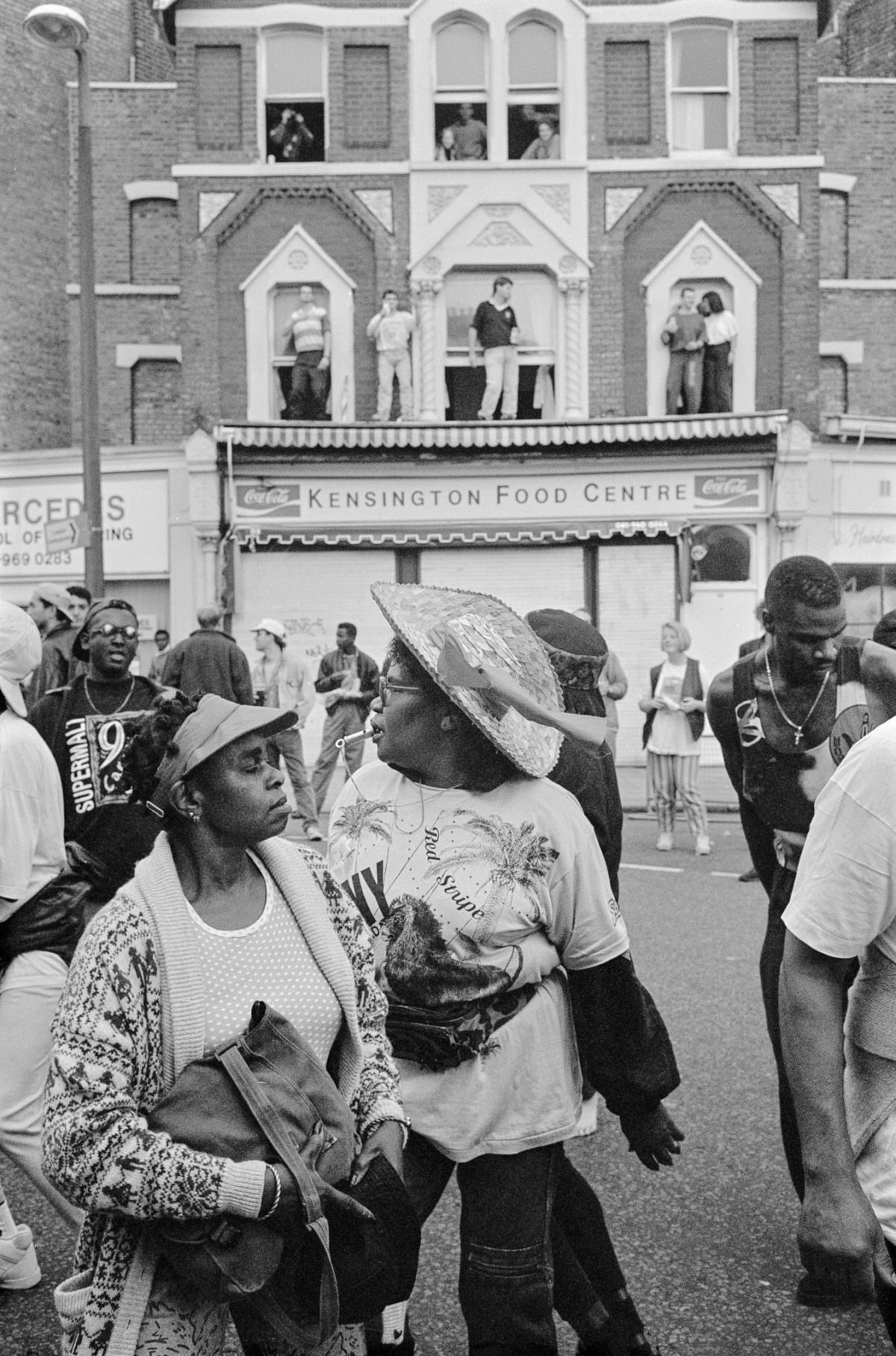
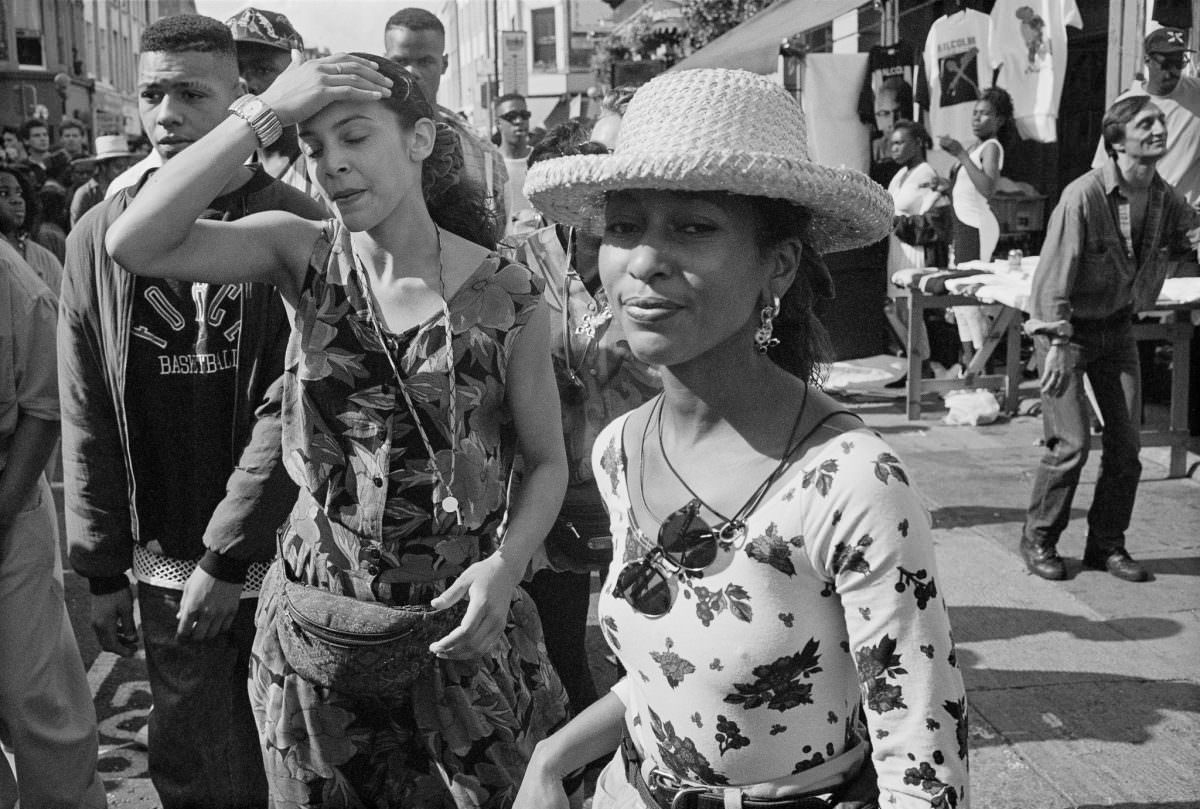
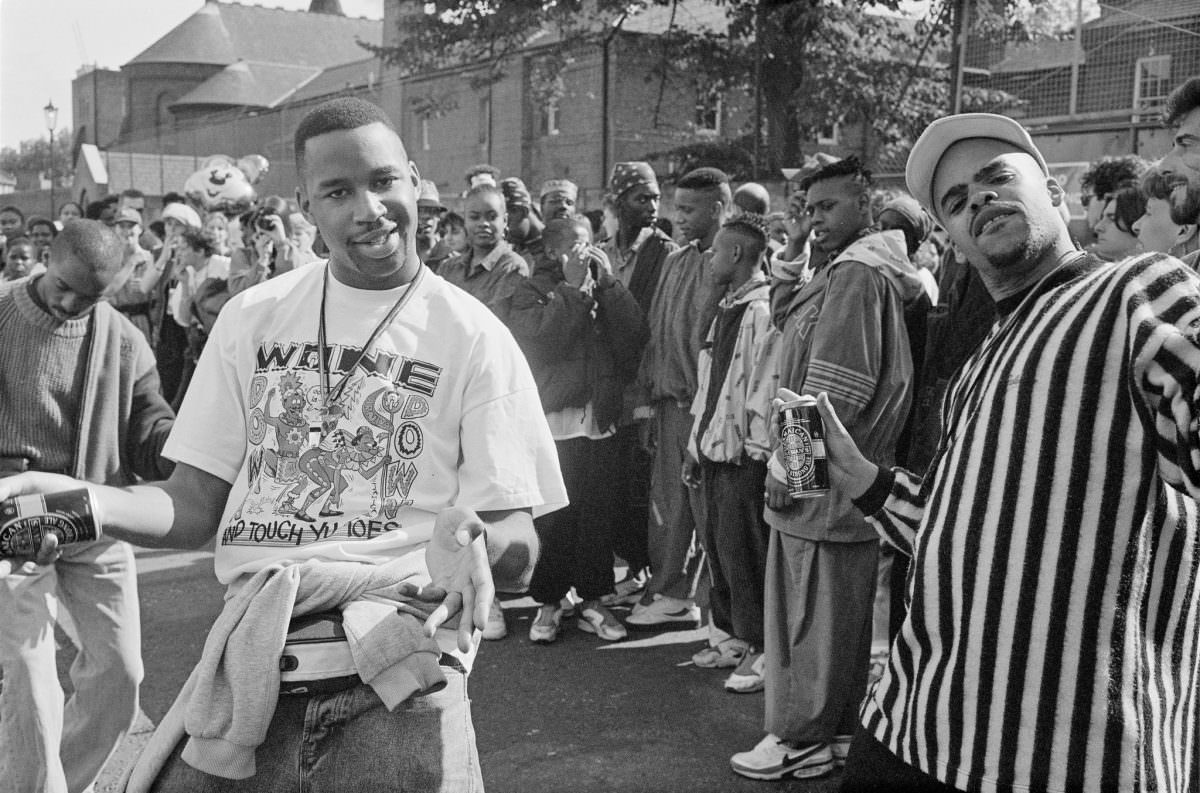
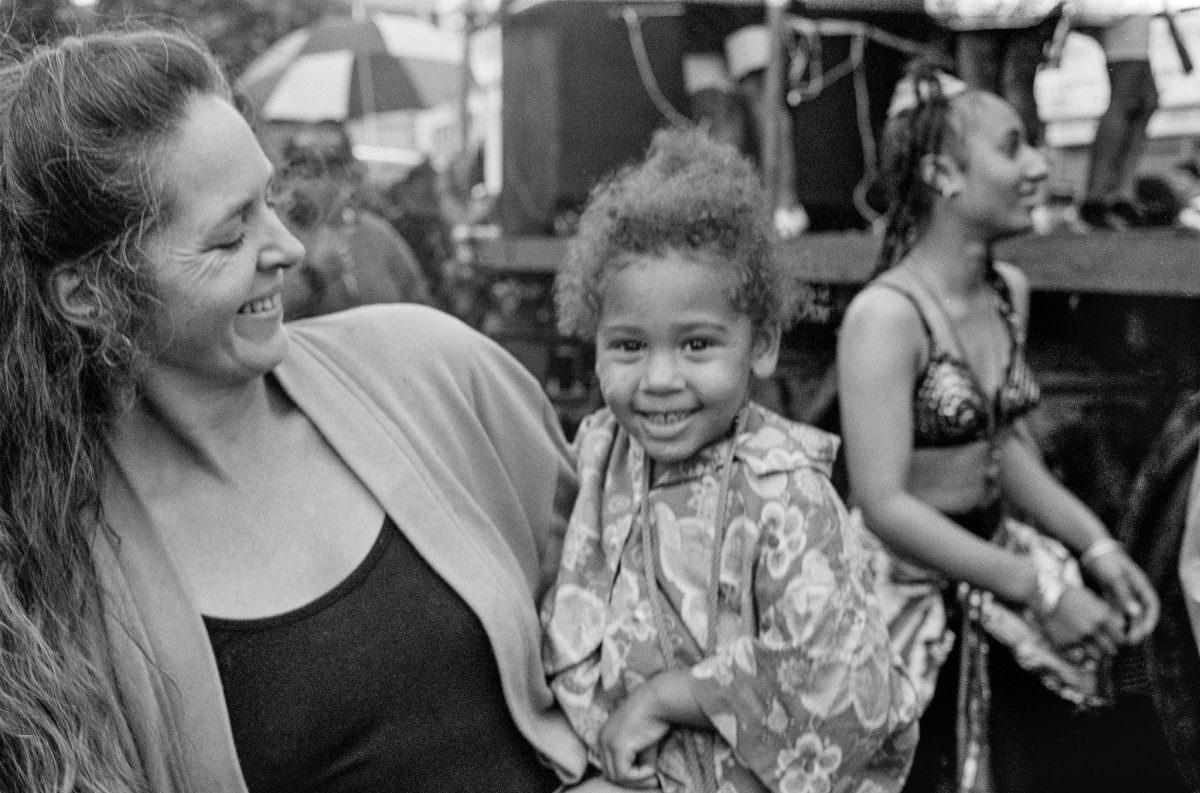
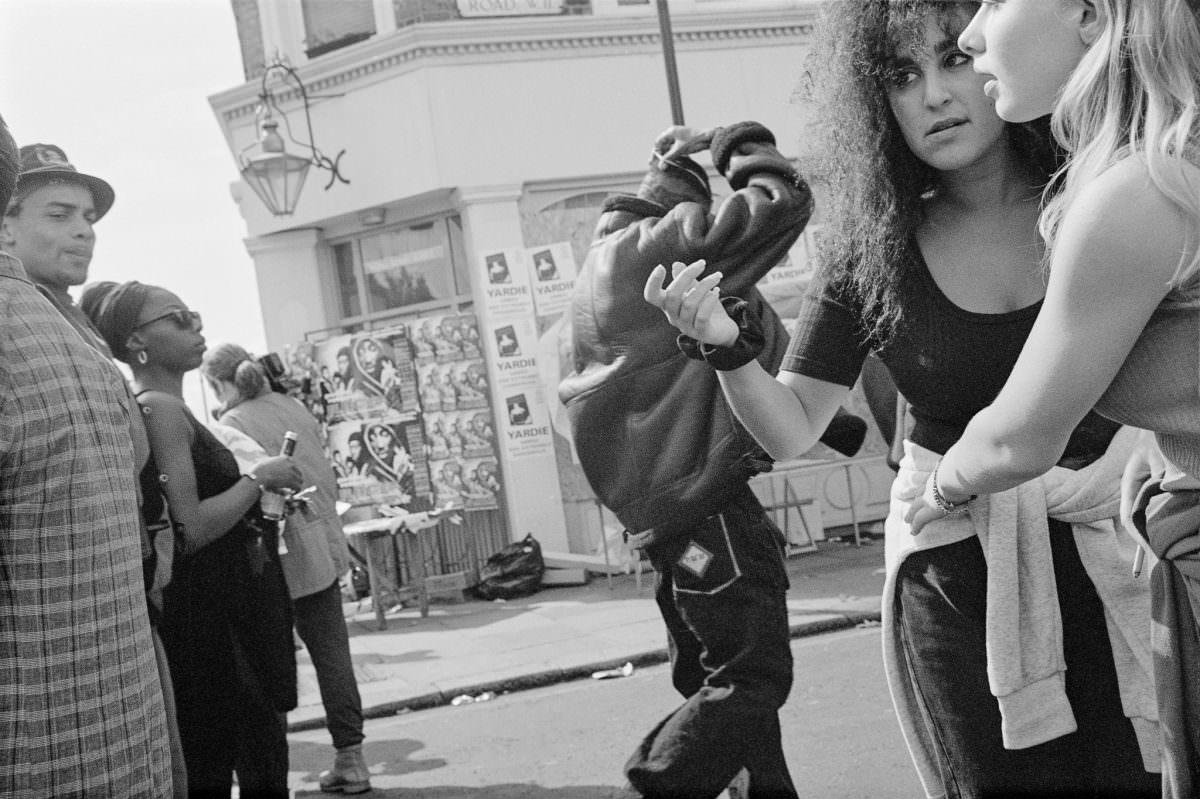
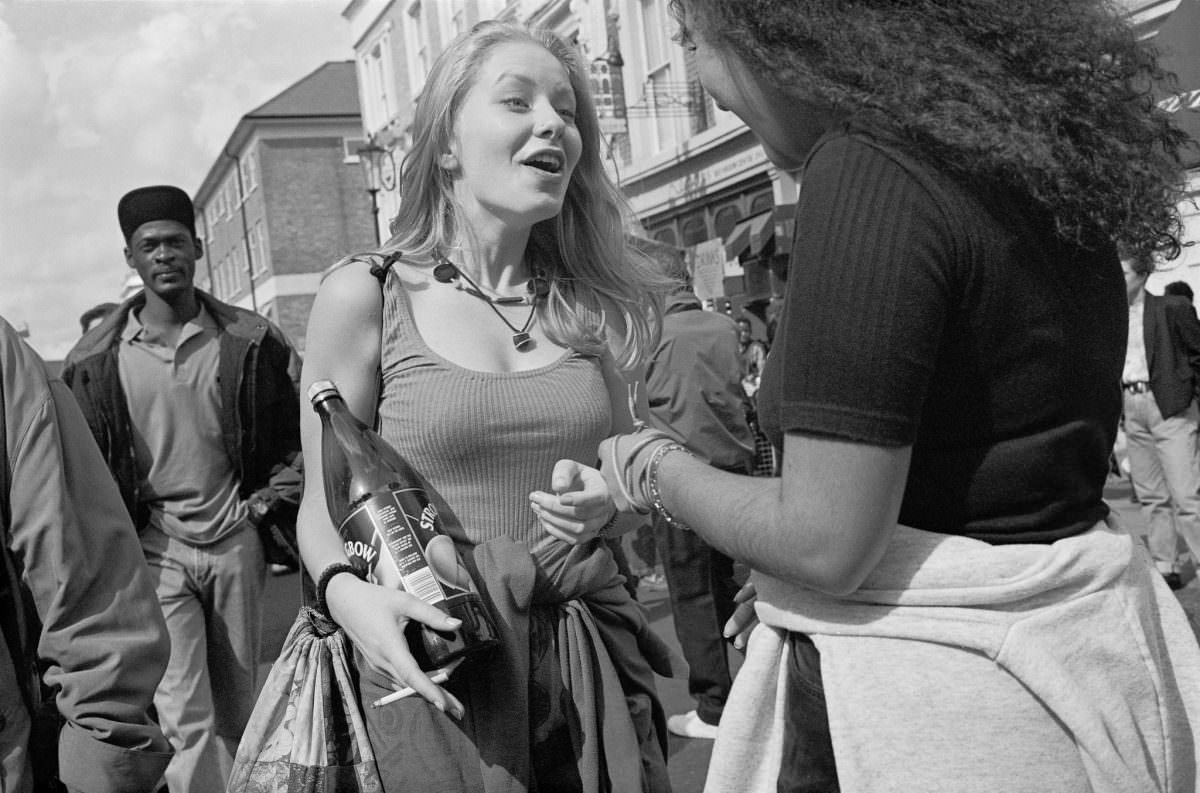
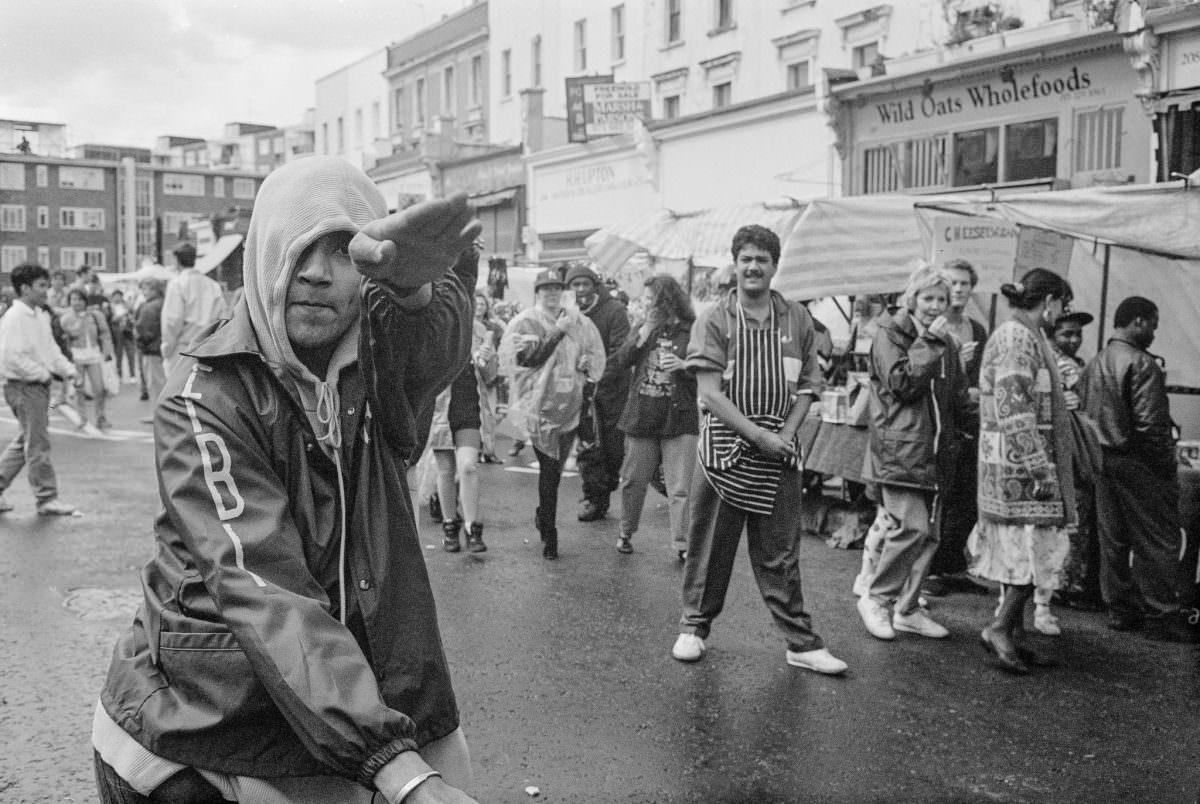
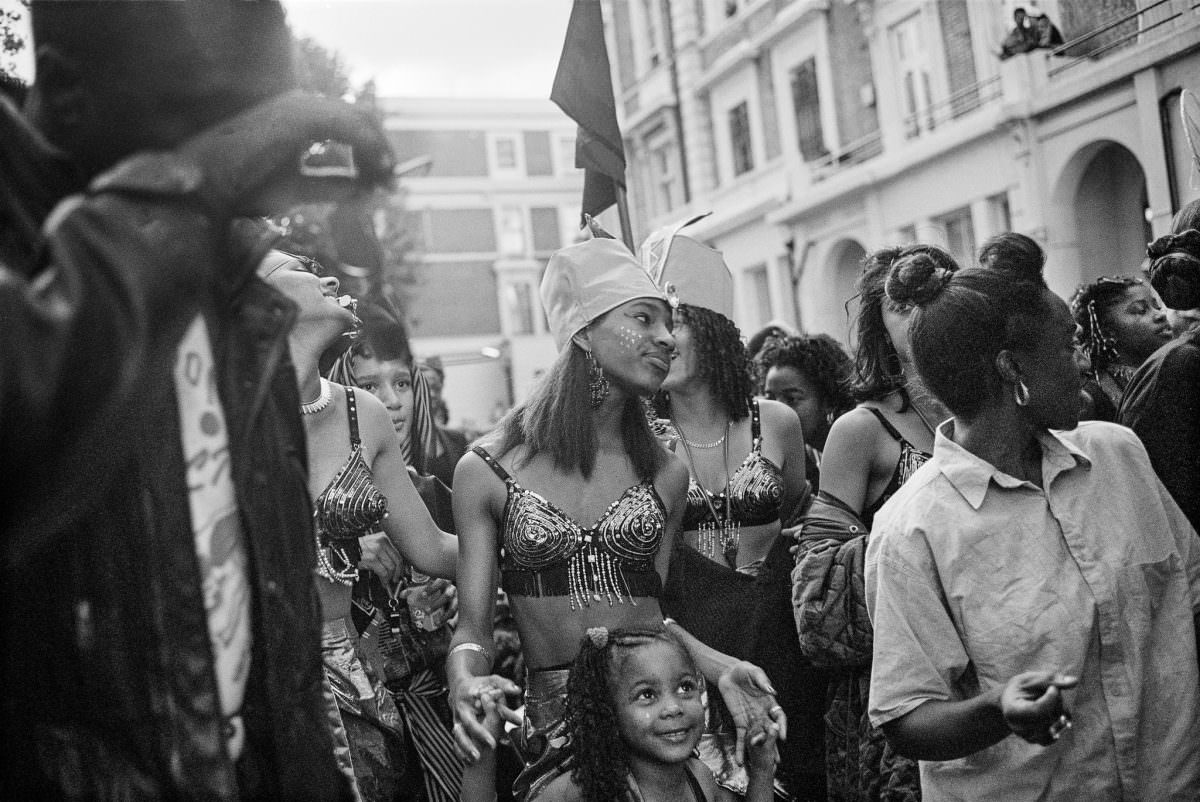
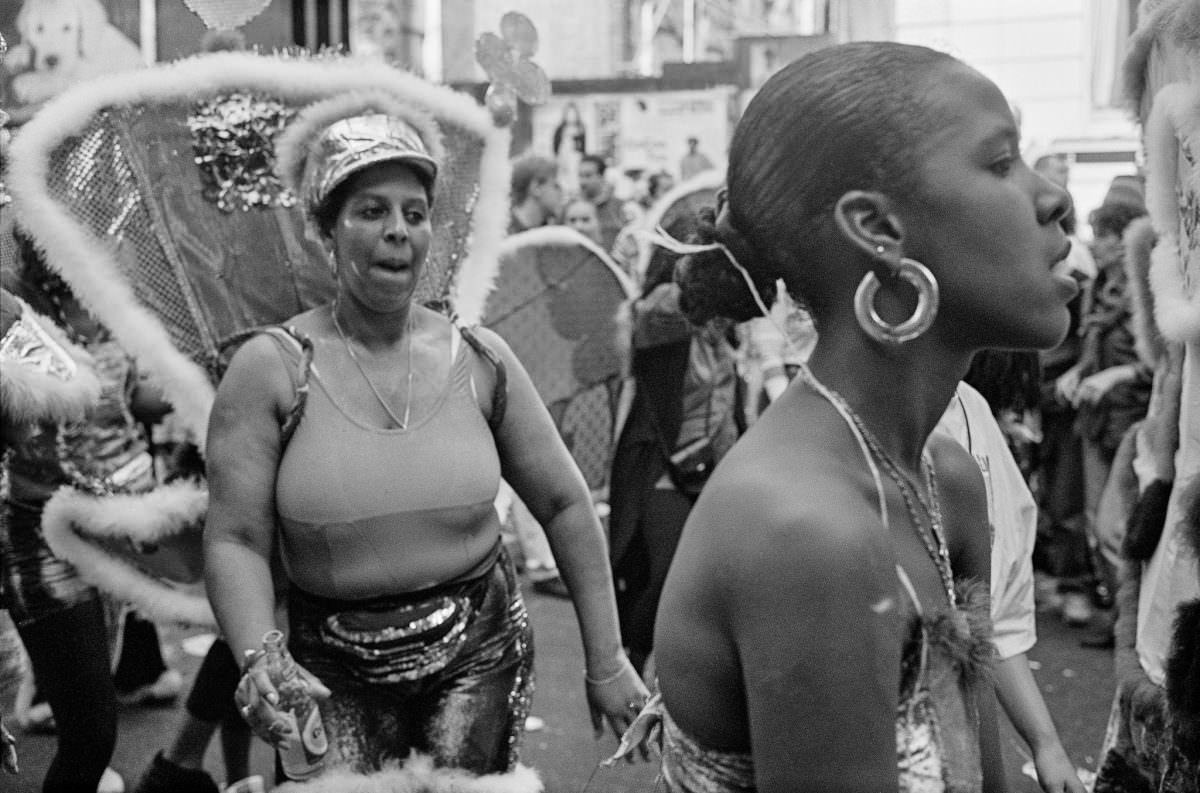
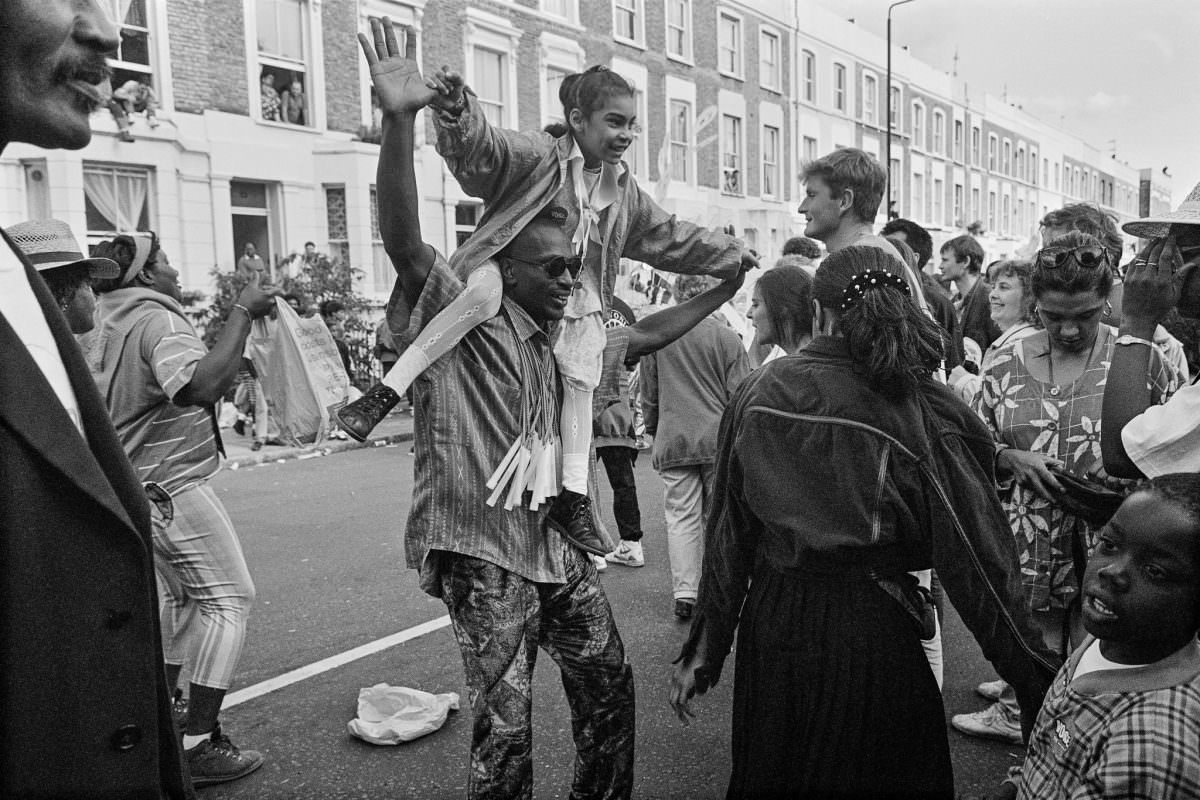
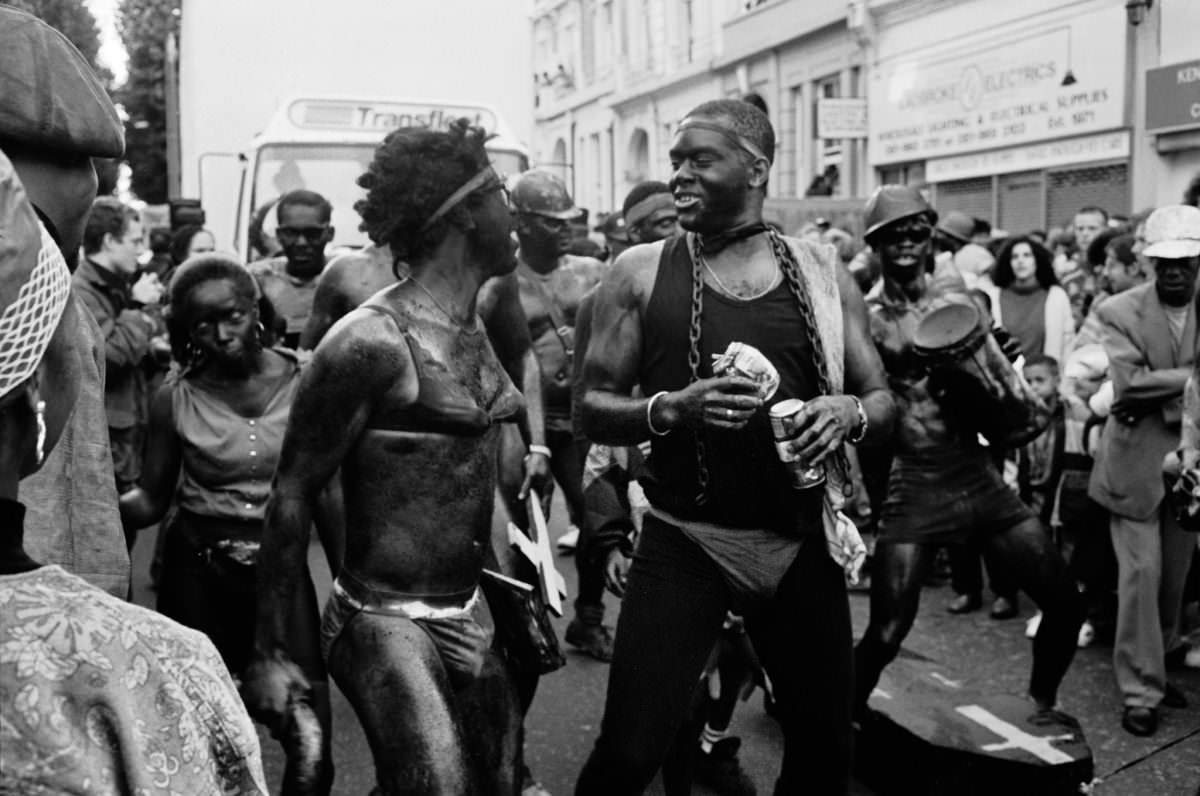
By 1992, the Notting Hill Carnival had grown far beyond its modest roots. What began in the 1960s as a small community gathering in west London had transformed into one of the largest street festivals in the world. Every August bank holiday weekend, the streets of Notting Hill filled with hundreds of thousands of people from across the city and beyond.
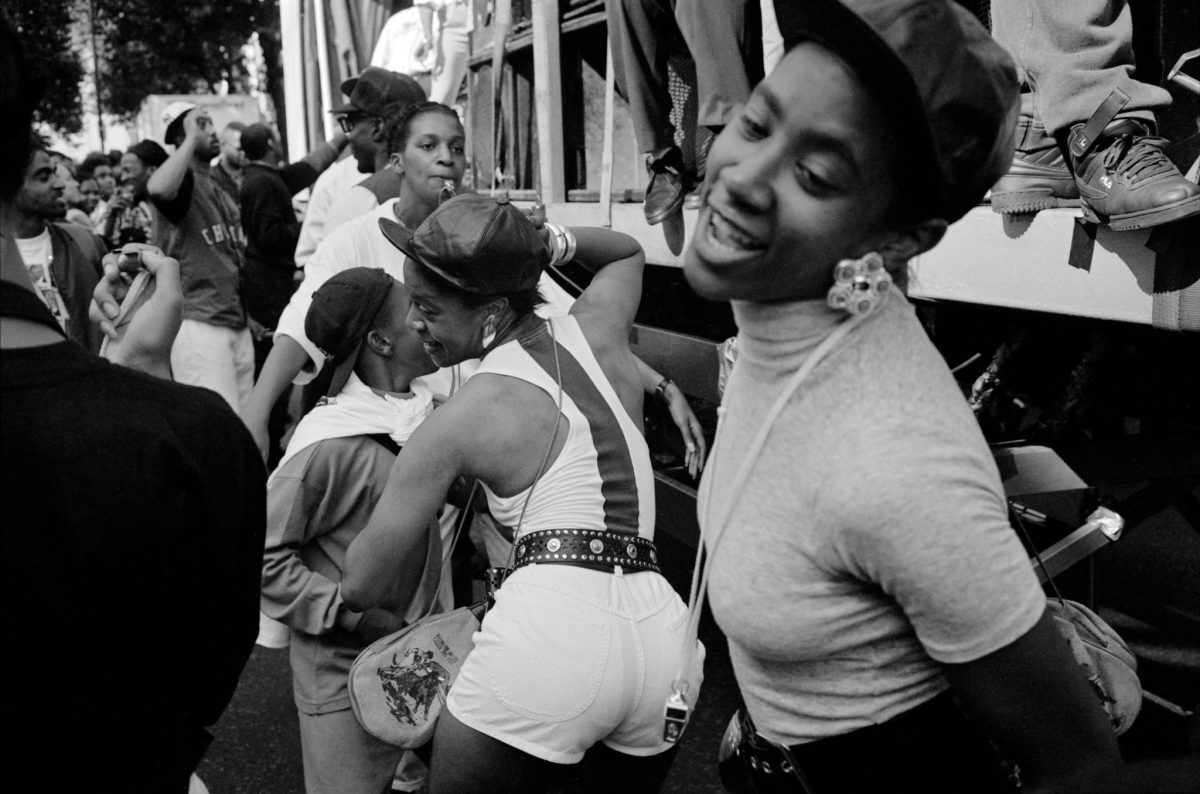
Steel bands were at the heart of the sound. Musicians struck carefully tuned metal drums to produce melodies that bounced off terraced houses and carried for blocks in every direction. The sound was impossible to ignore and even harder to stand still to.
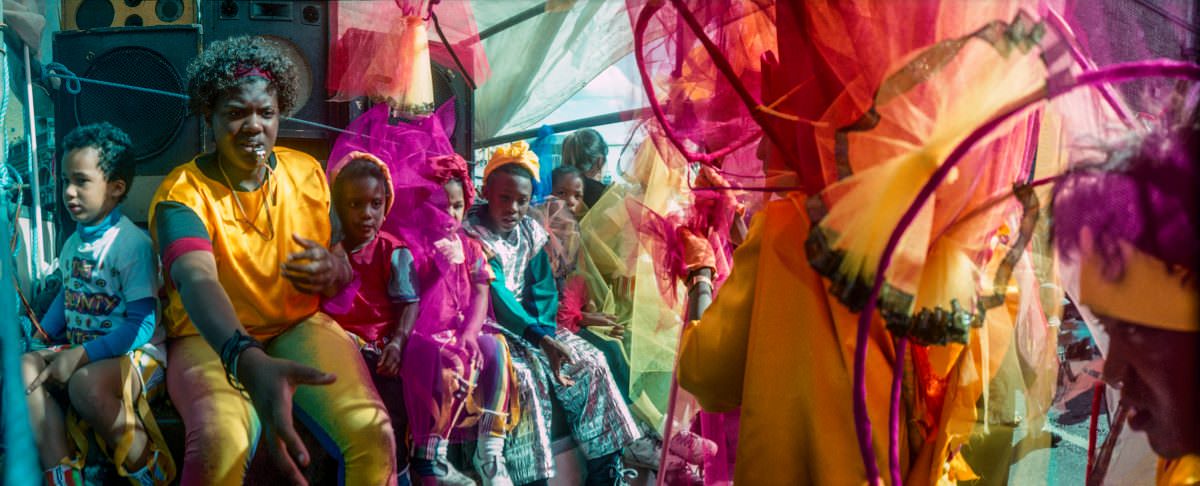
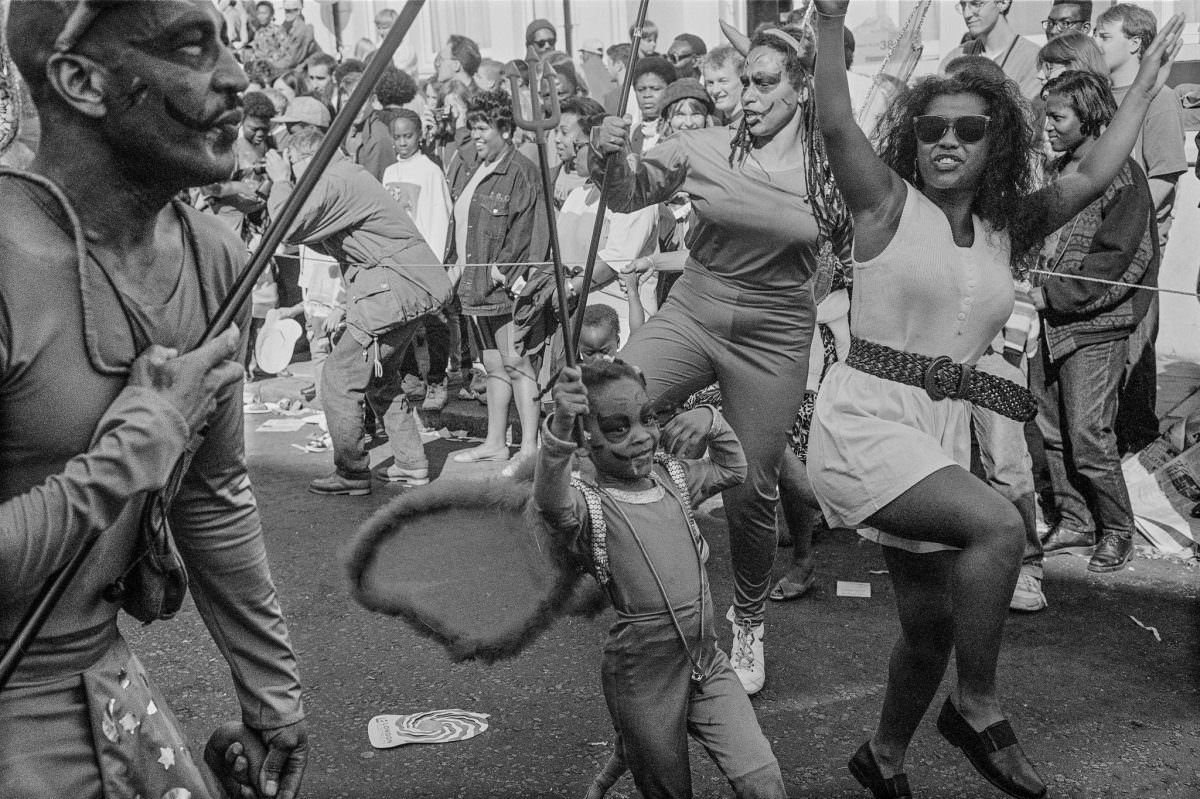
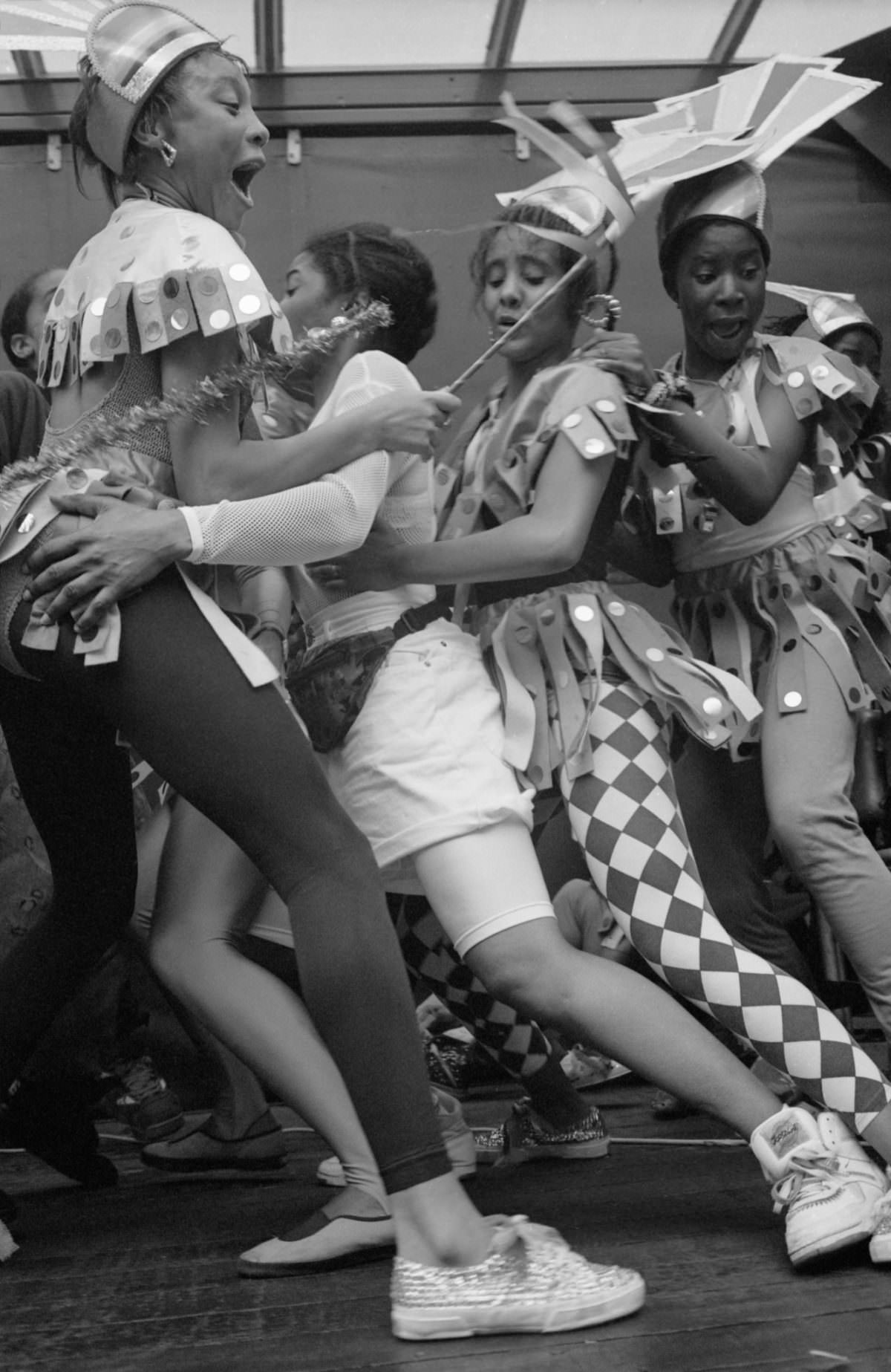
Masquerade bands wound through the crowds in elaborate costumes built from feathers, sequins, and beads. Each band carried a theme — drawn from Caribbean folklore, history, or current events. The costumes took months to construct and represented serious artistic craft.
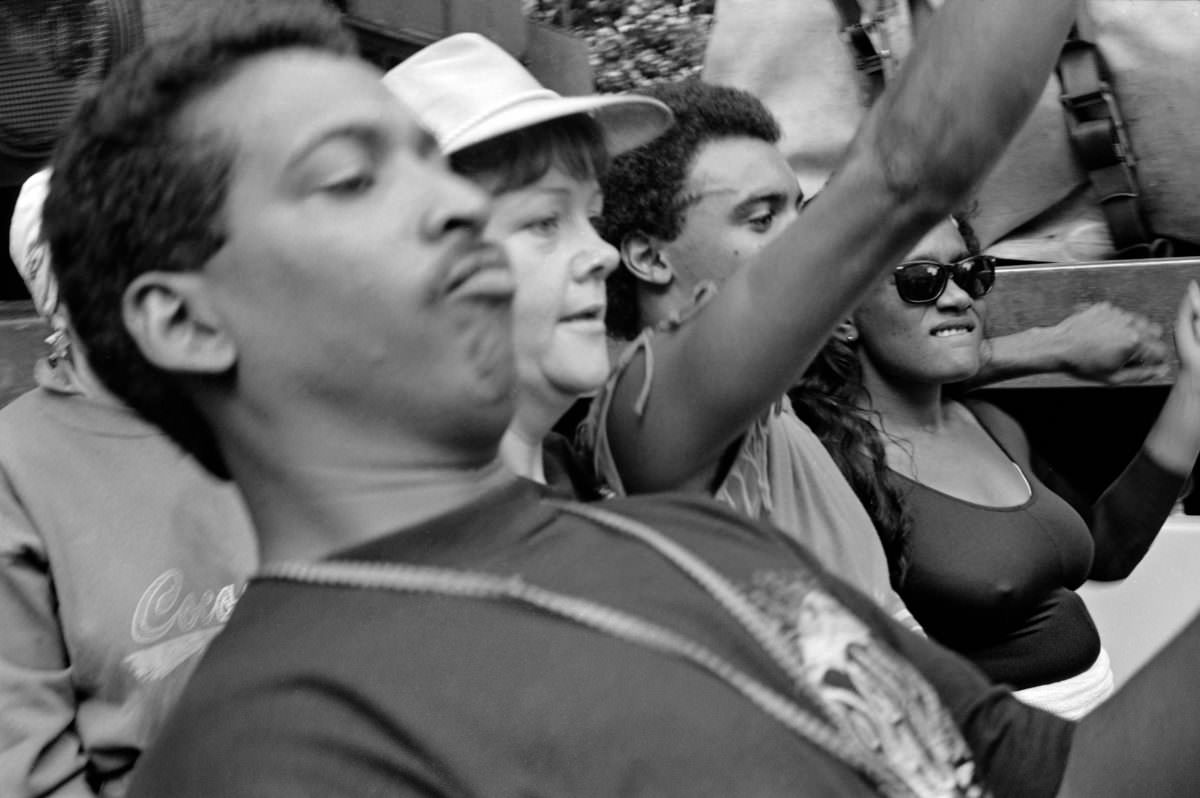
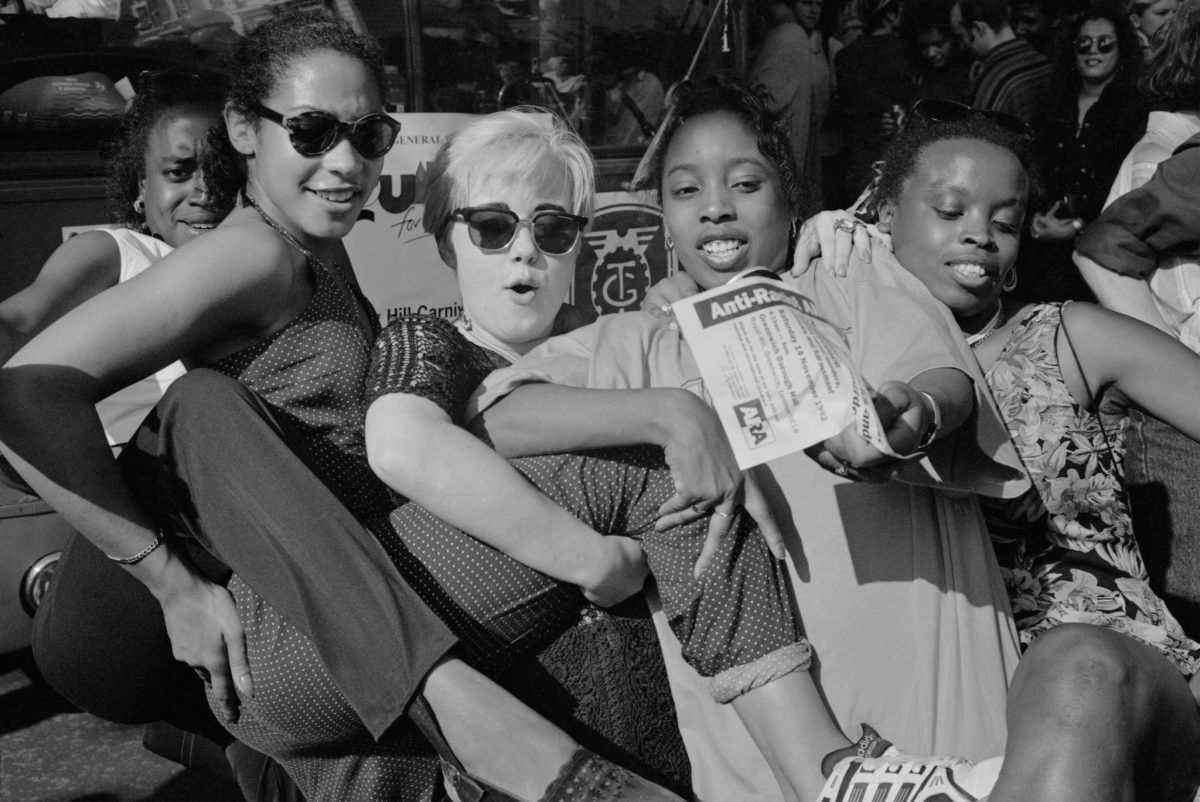
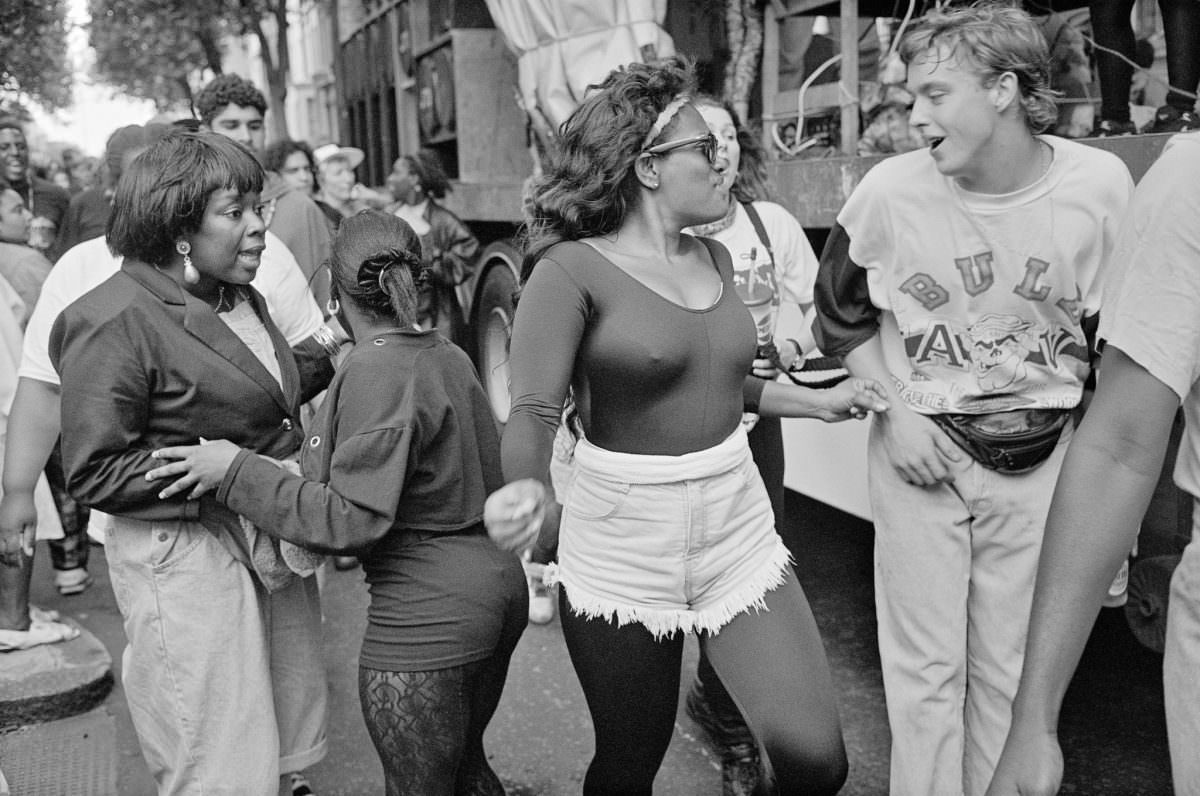
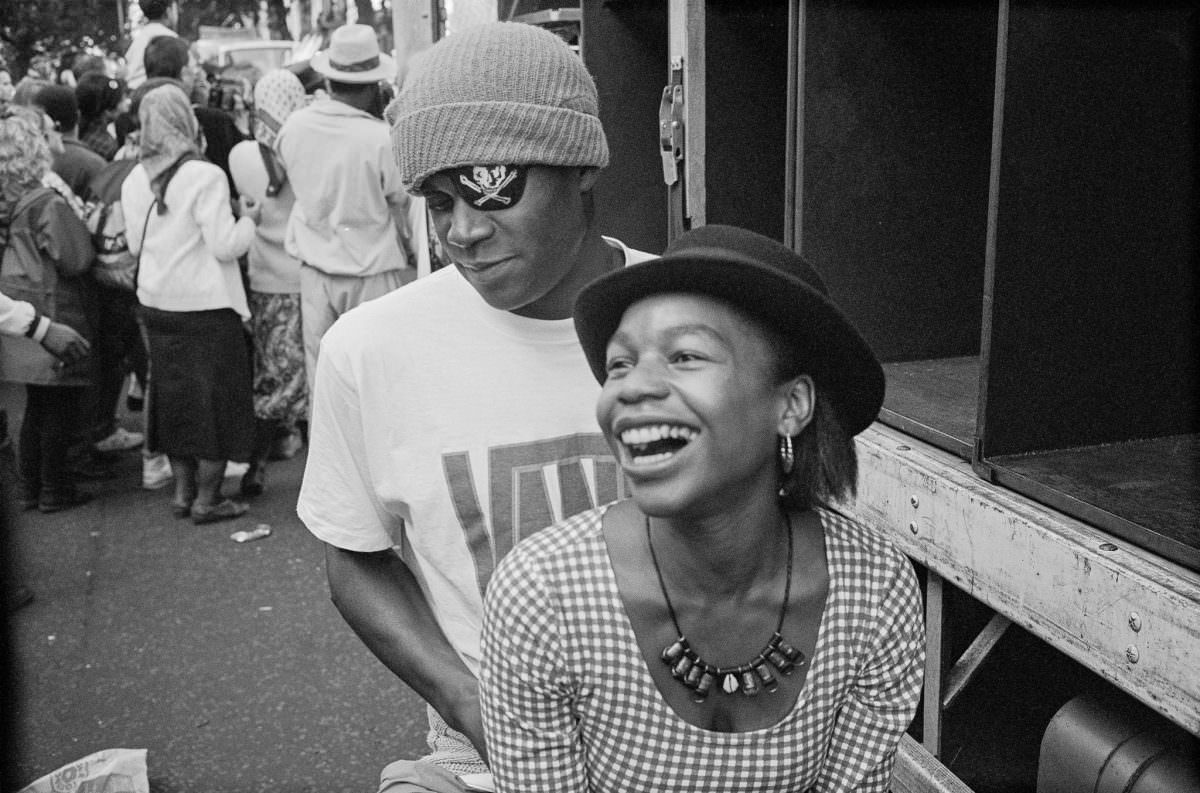
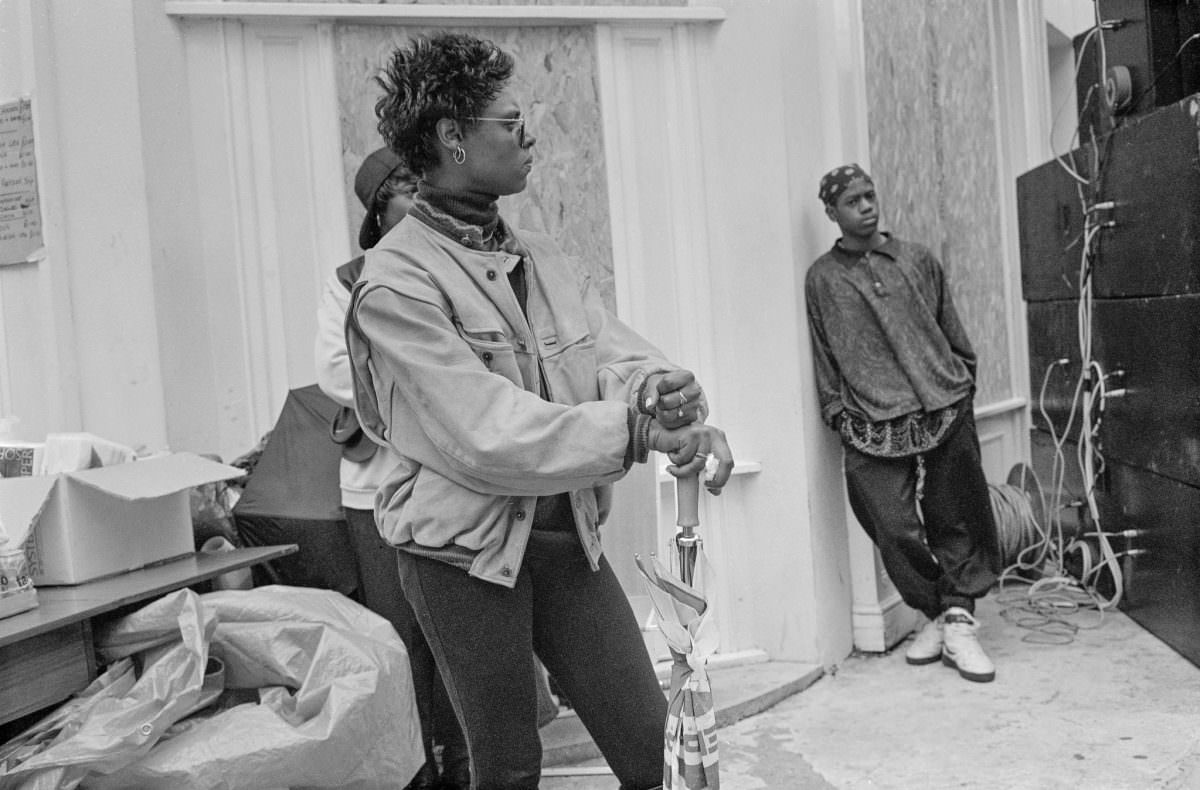
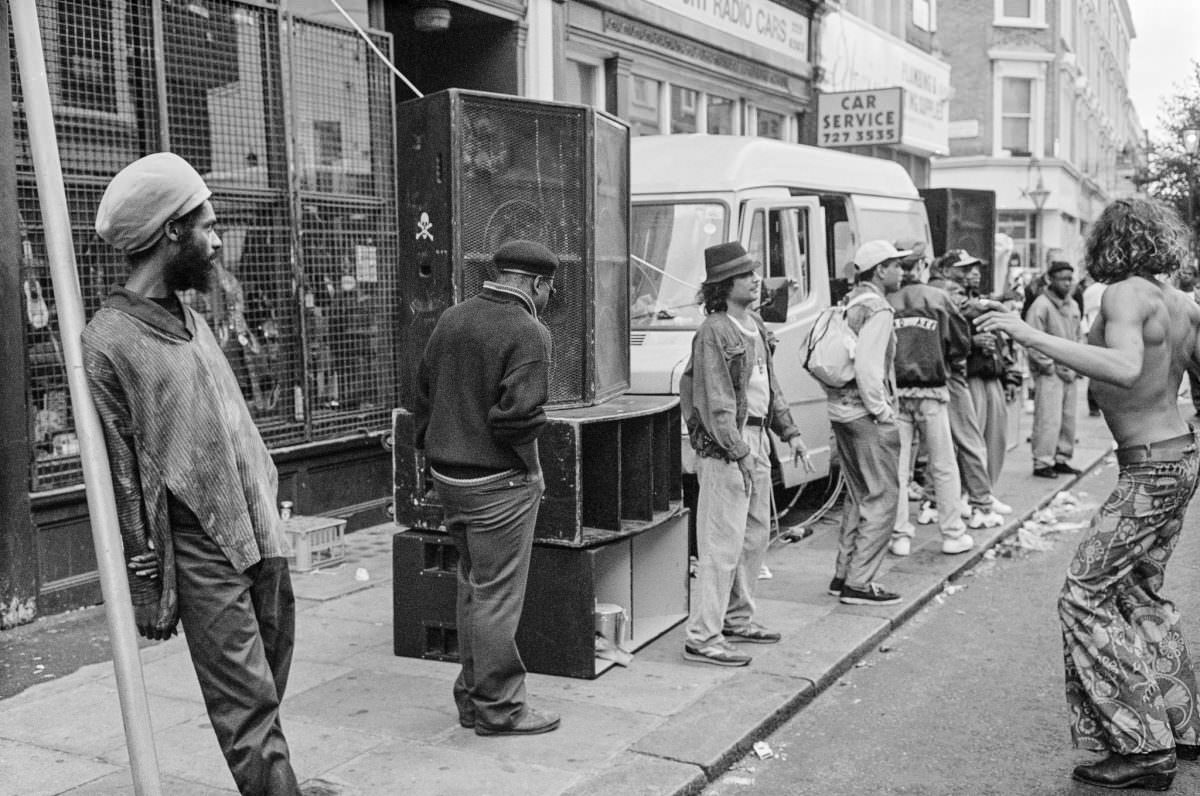
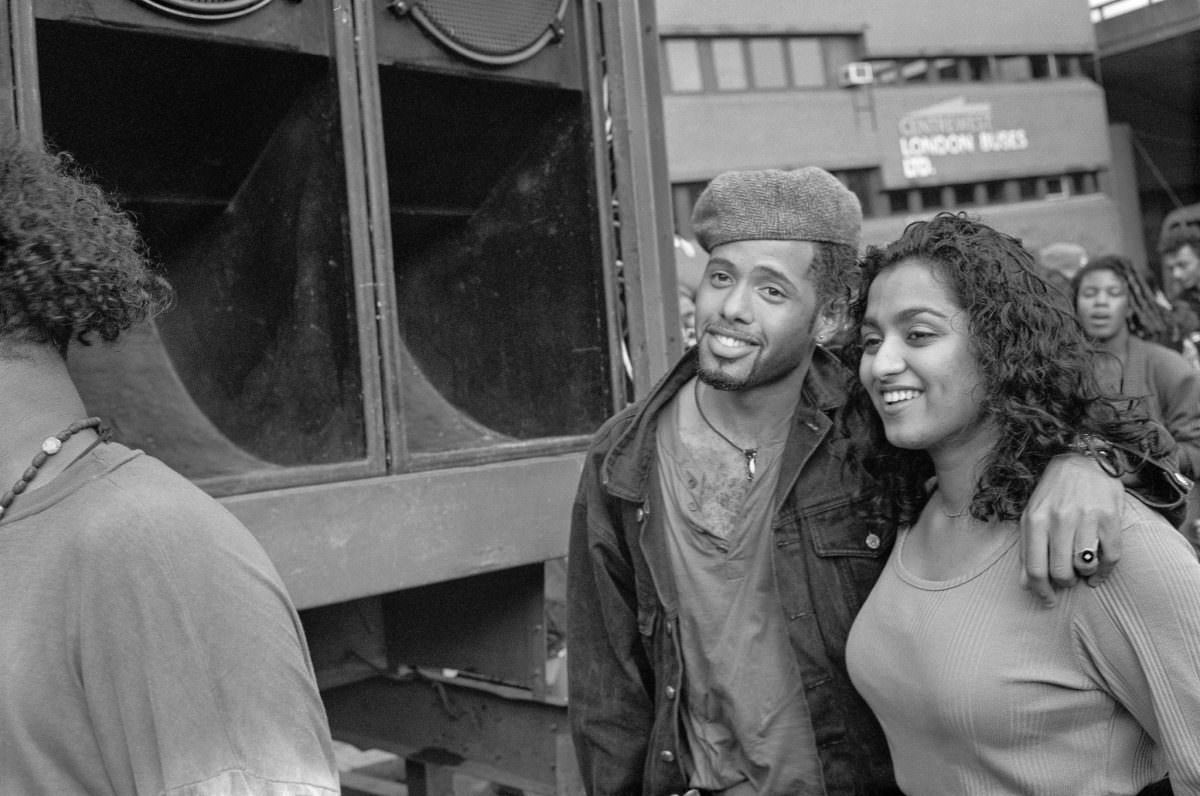
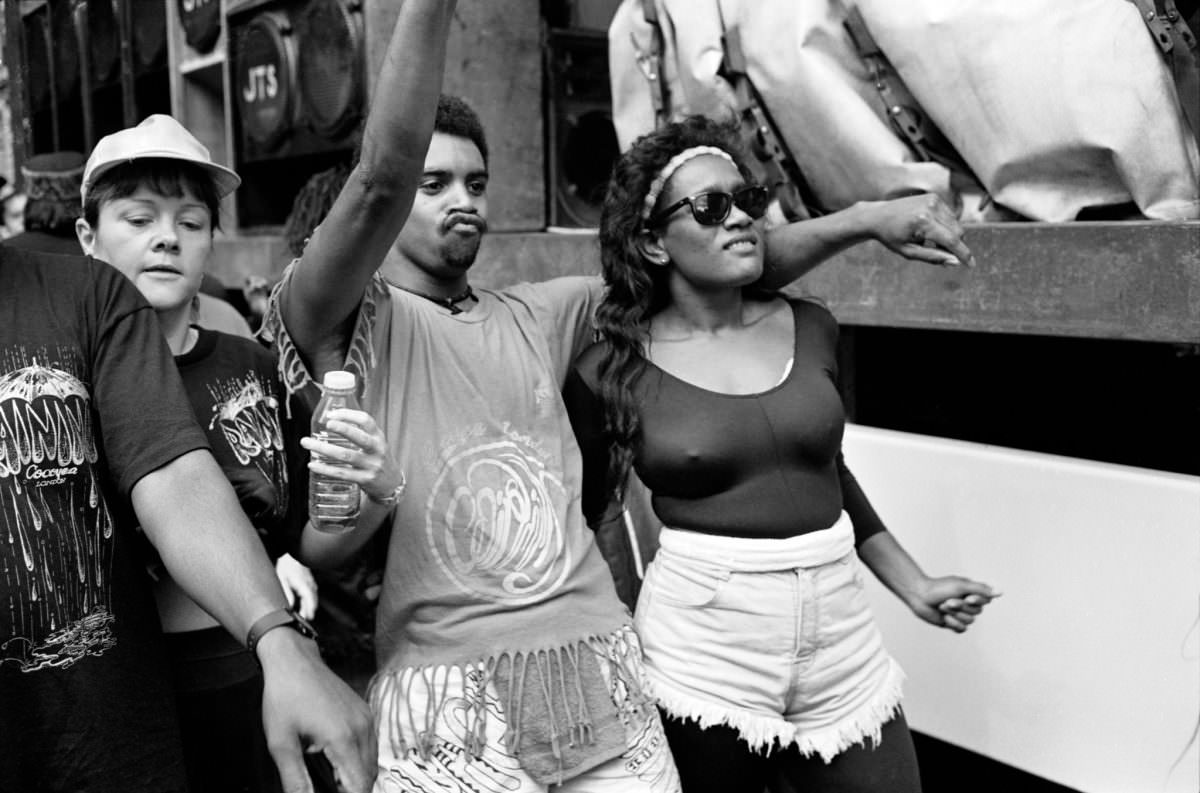
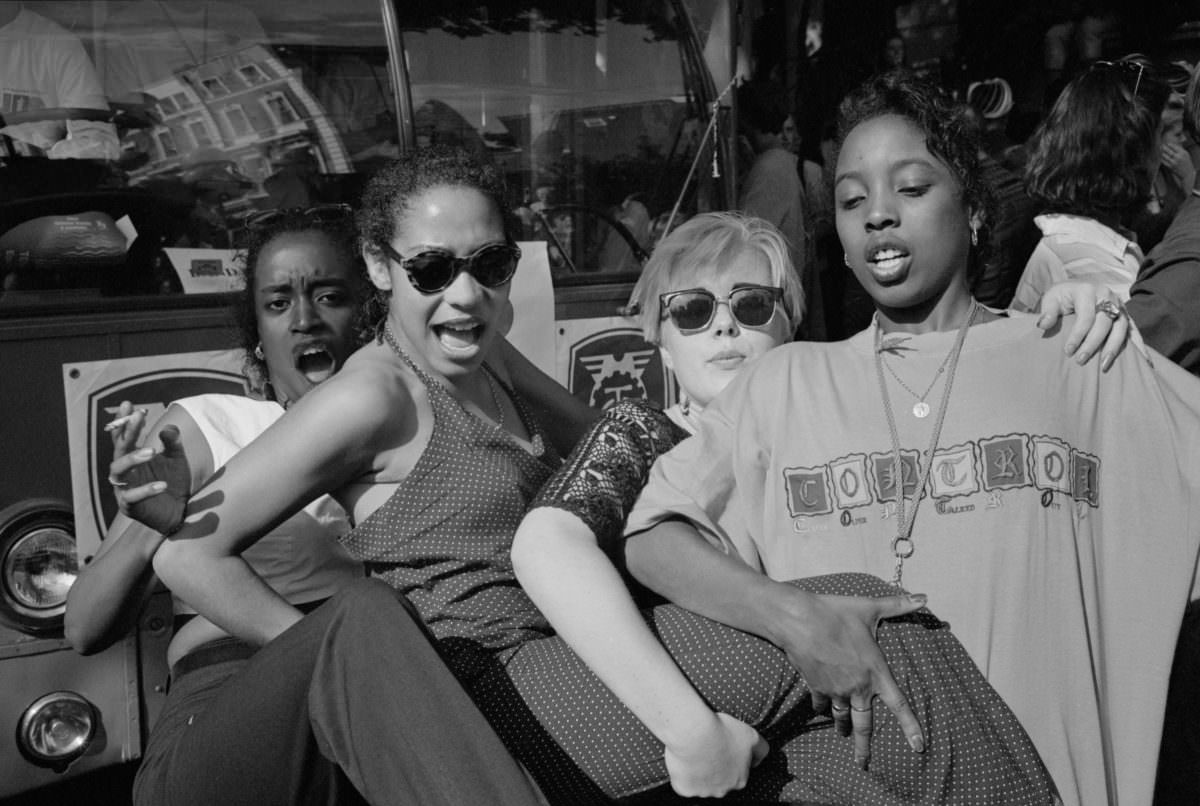
Calypso, soca, and reggae pumped out of sound systems stacked on flatbed trucks and set up on street corners. Dancers filled every available patch of pavement, moving in step with whichever rhythm was loudest. The energy never dropped.
Food stalls lined the route from end to end. Jerk chicken grilled over open coals, curry goat simmered in large pots, and fried plantain sold as fast as vendors could plate it. The smells mixed together into something unmistakably Caribbean.
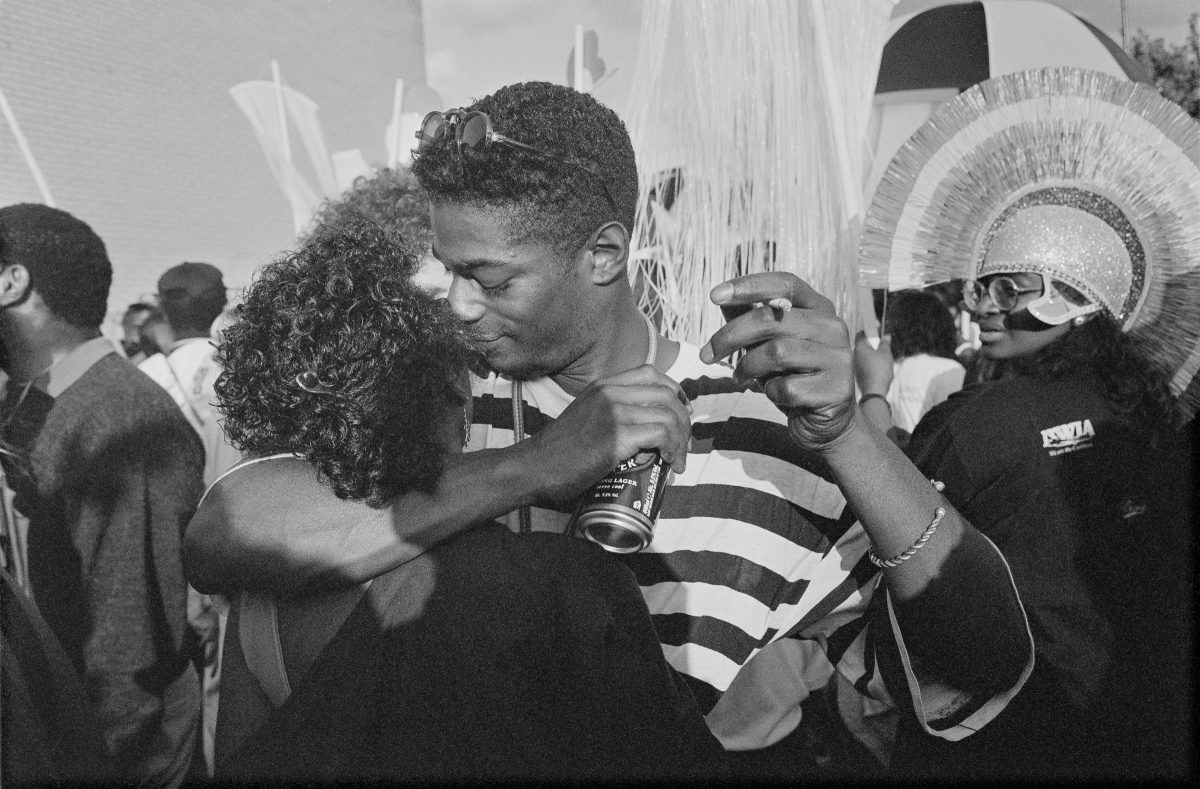
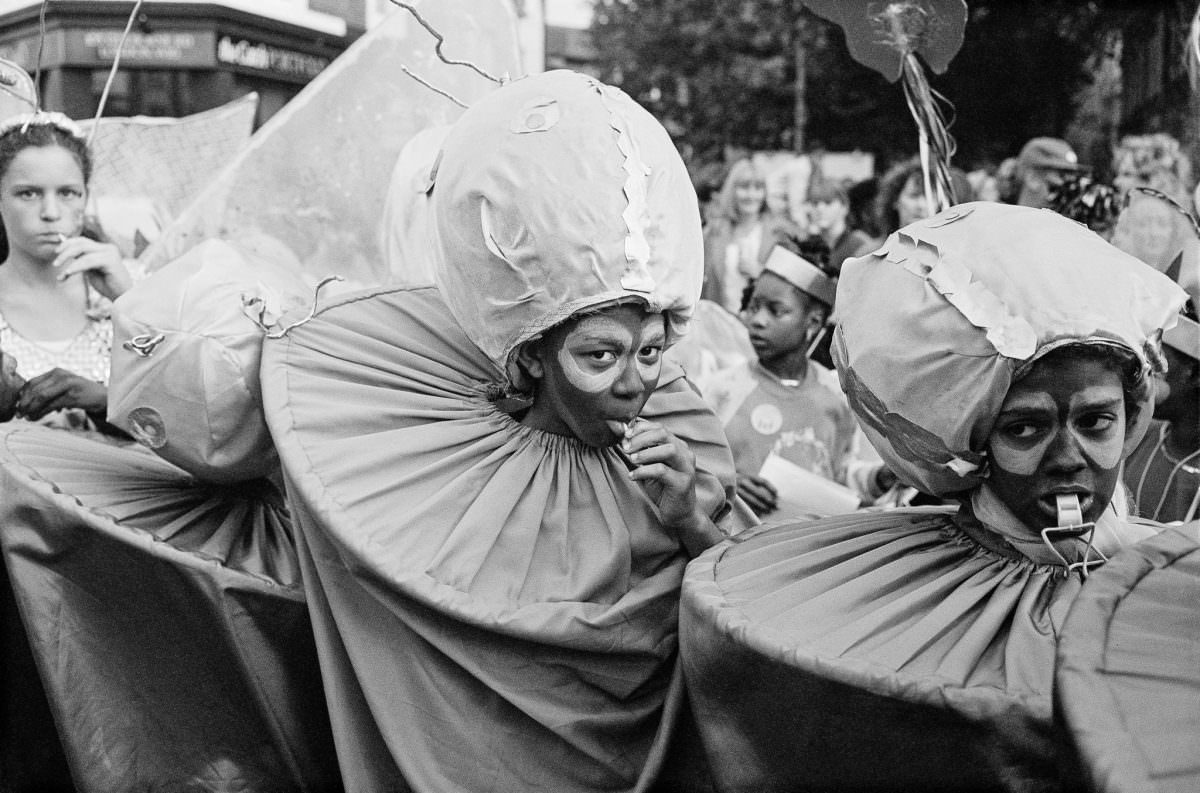
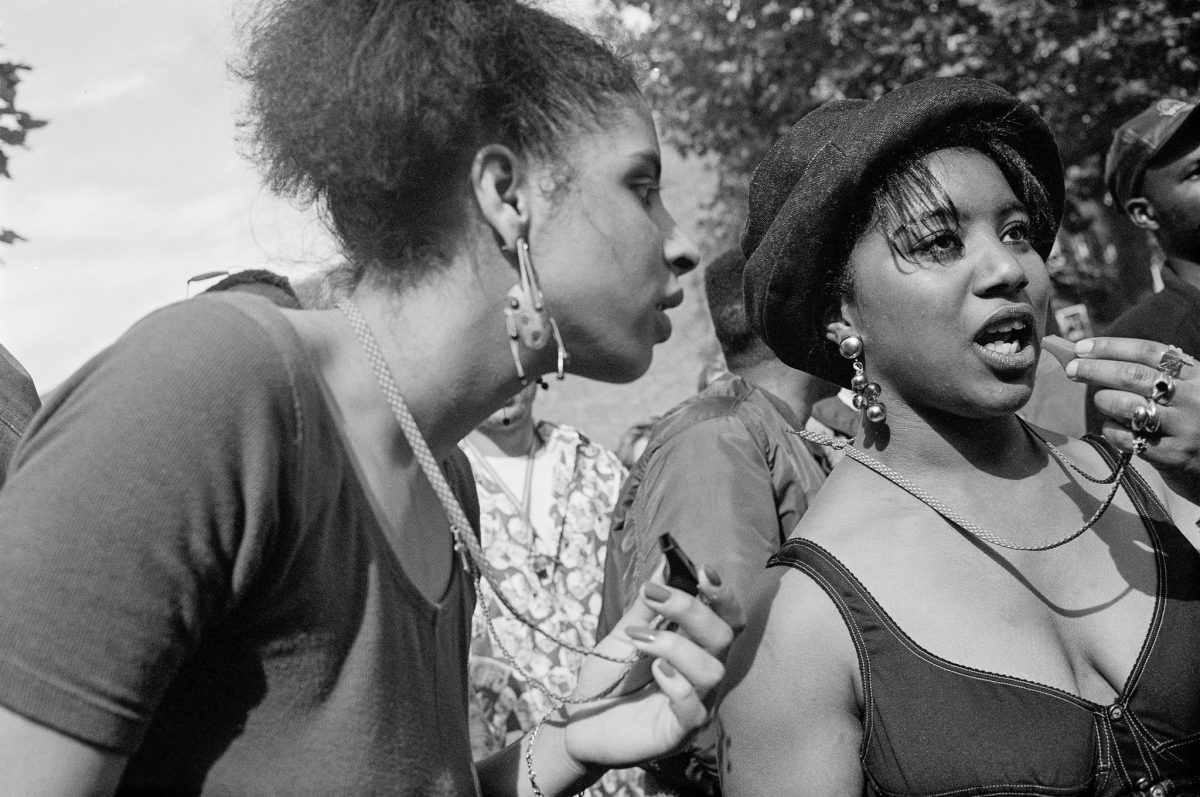
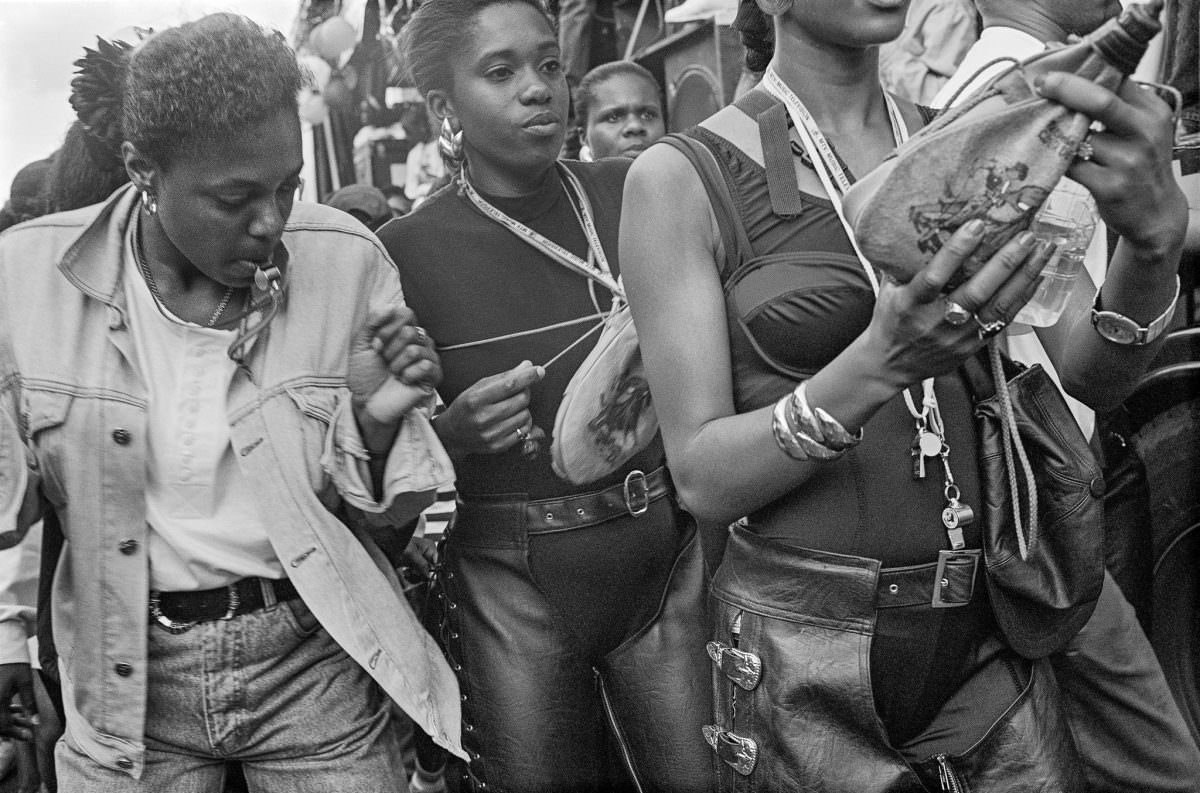
The carnival was an open display of Caribbean identity in the middle of London. Communities with roots in Trinidad, Jamaica, Barbados, and across the region came together to make it happen every year. 1992 was no different — the streets belonged to them for the weekend.