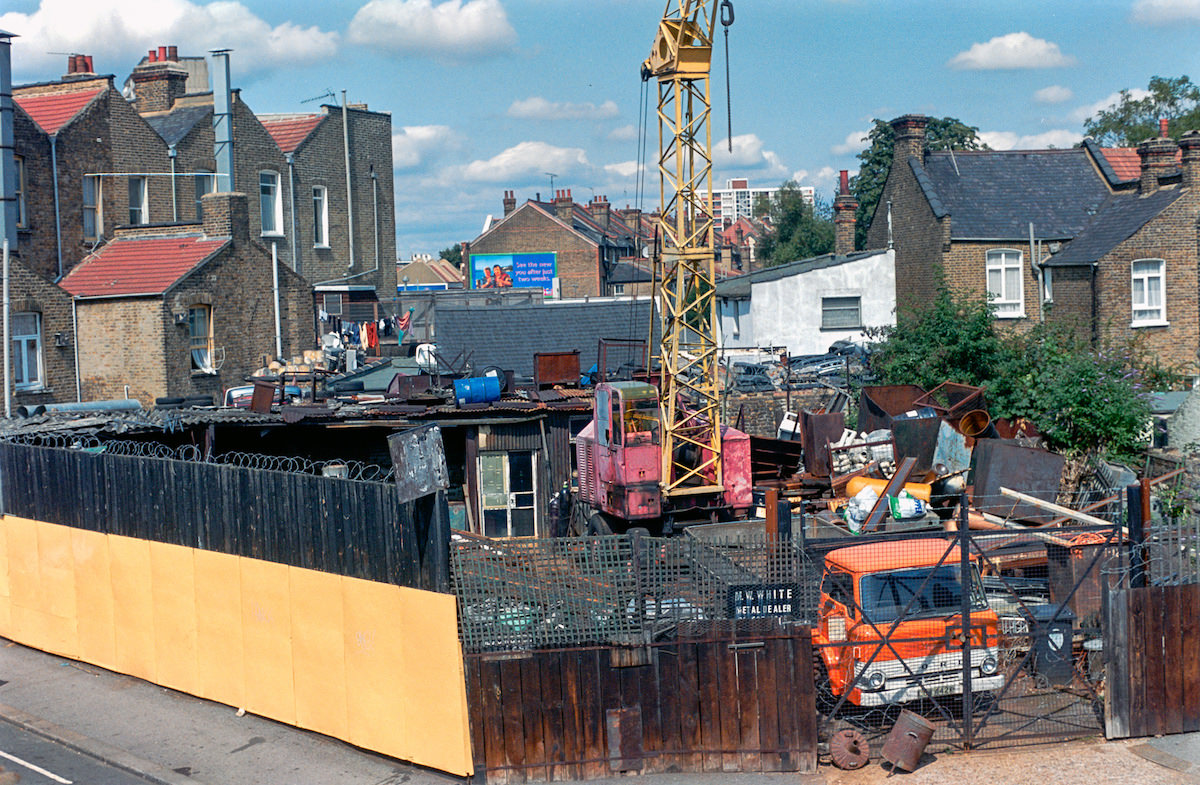
Leyton sits in the Lower Lea Valley, about six miles northeast of central London. It’s a working-class corner of the East End with a history stretching back to the Domesday Book of 1086. Heavy metal band Iron Maiden got their start here, and Harry Beck — the man who designed the iconic London Underground map — was born in the area. By the late 1980s and early 1990s, Leyton was in the middle of visible change.
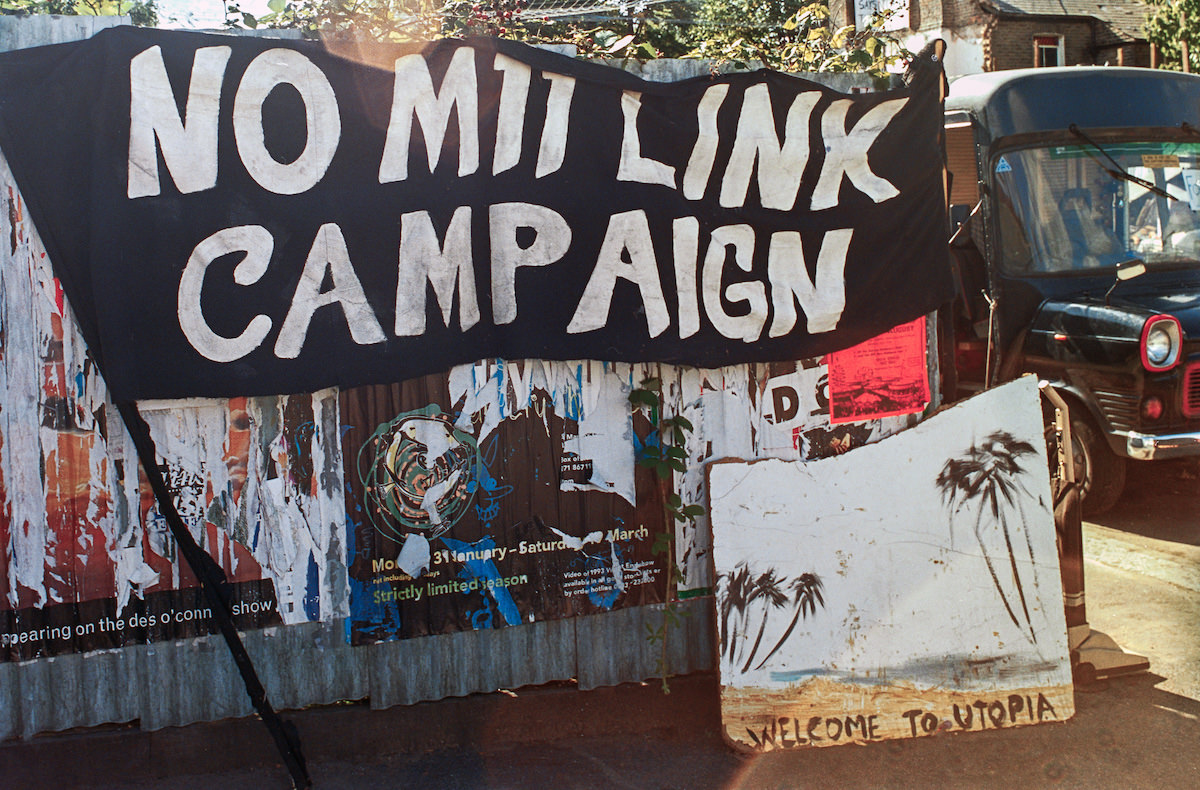
Photographer Peter Marshall walked these streets during that period, pointing his camera not at landmarks but at people and places. His work documents a neighbourhood in motion — shops, protesters, parks, and the small details of daily life that rarely make the history books.
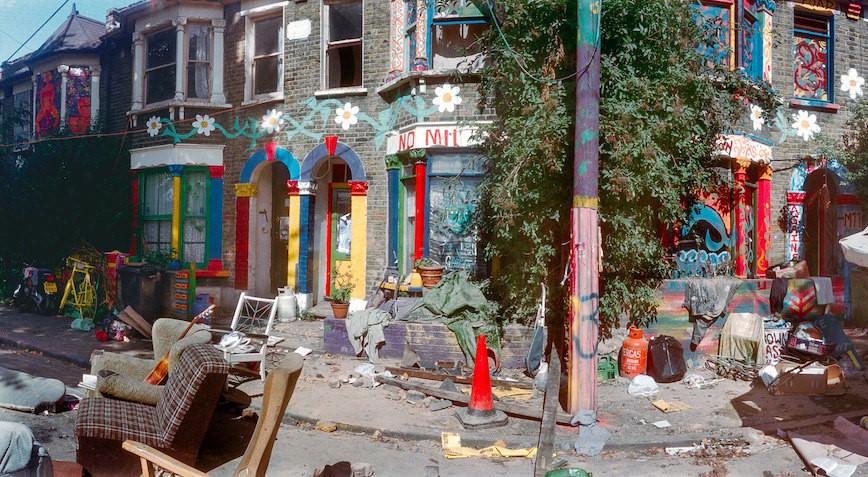
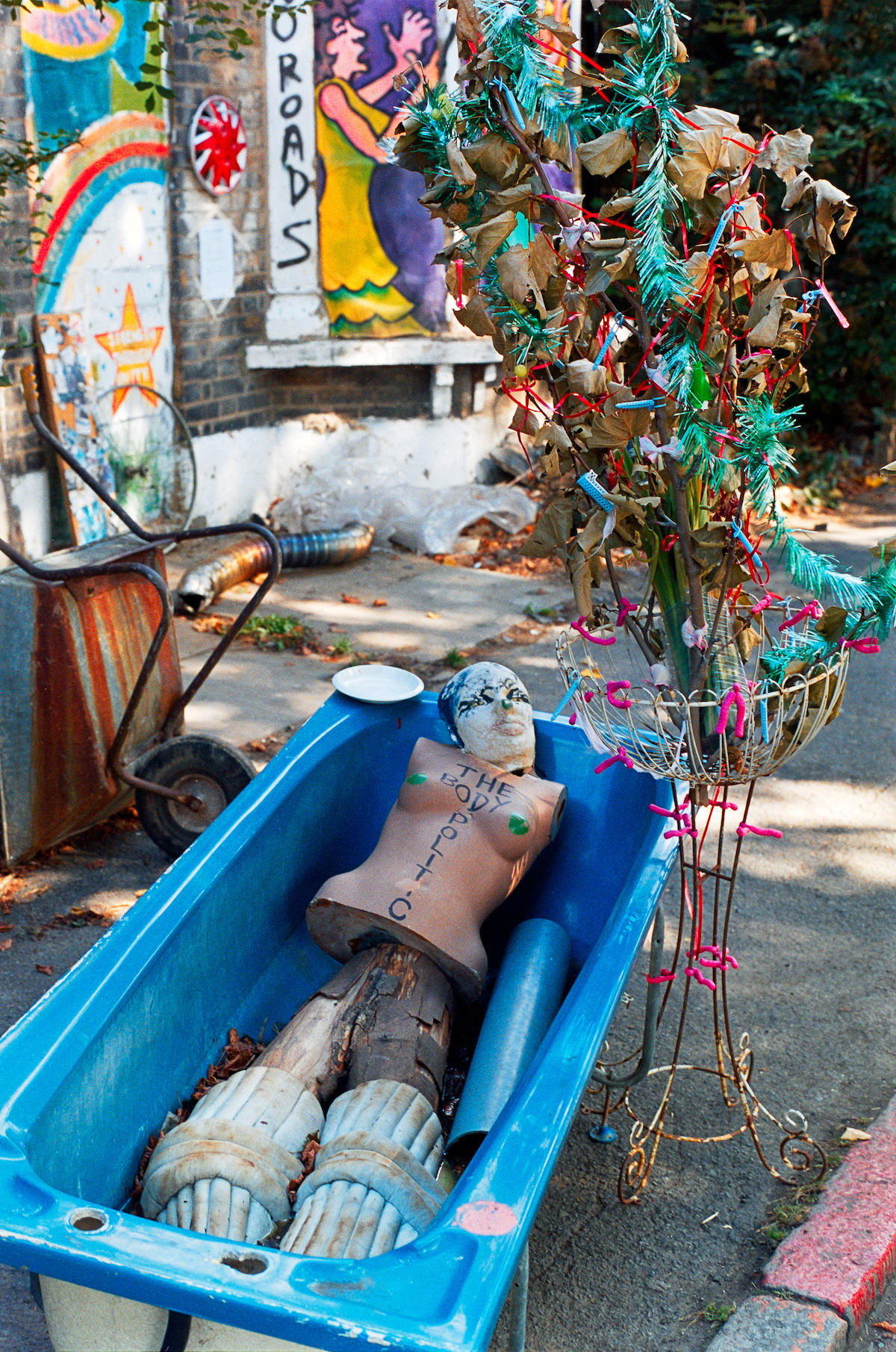
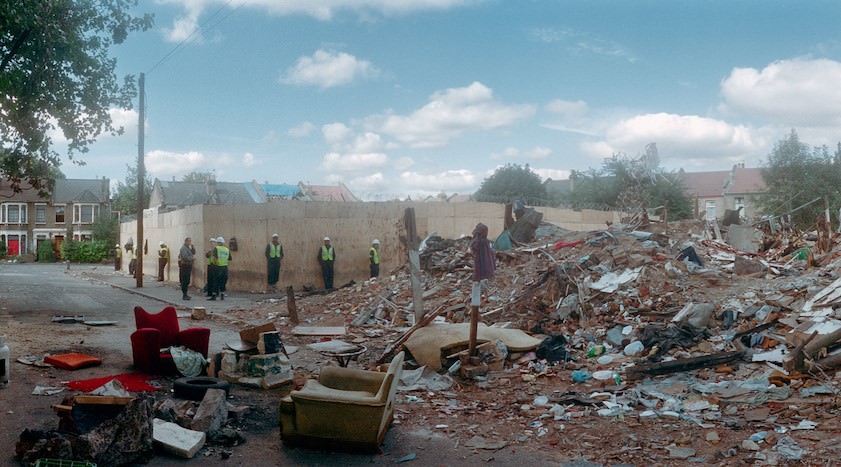
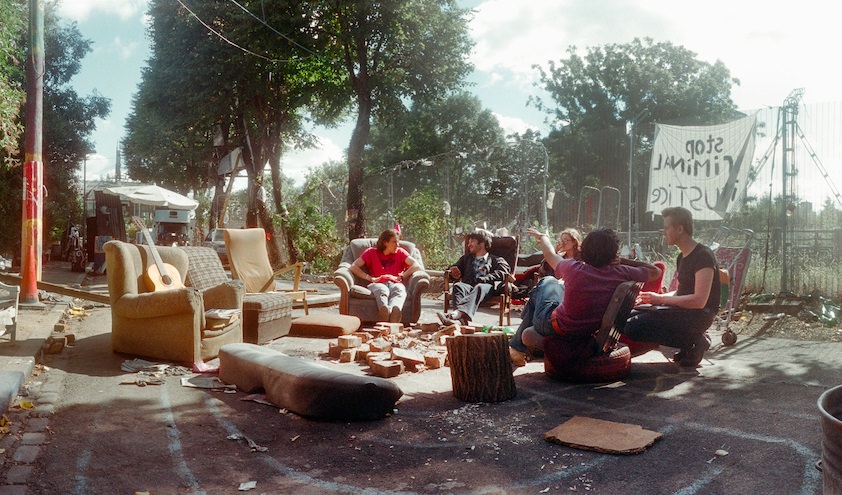
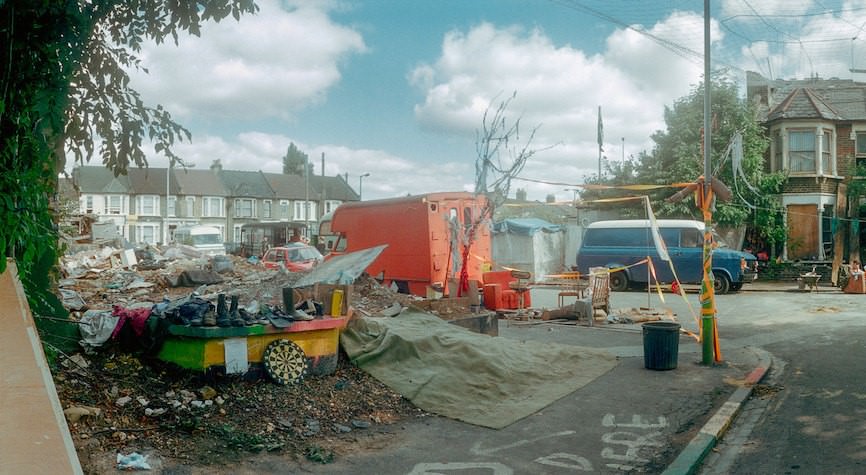
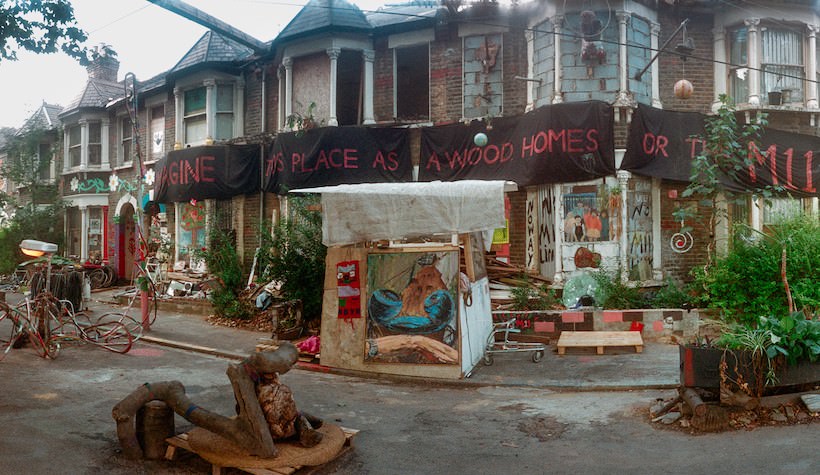
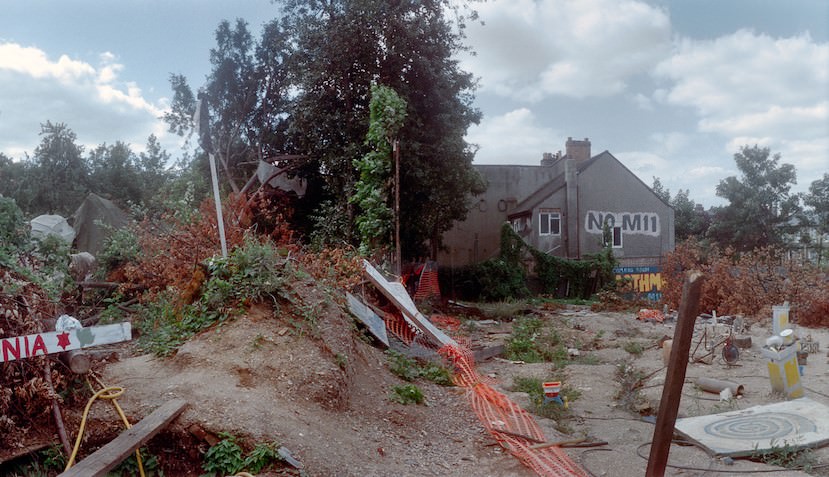
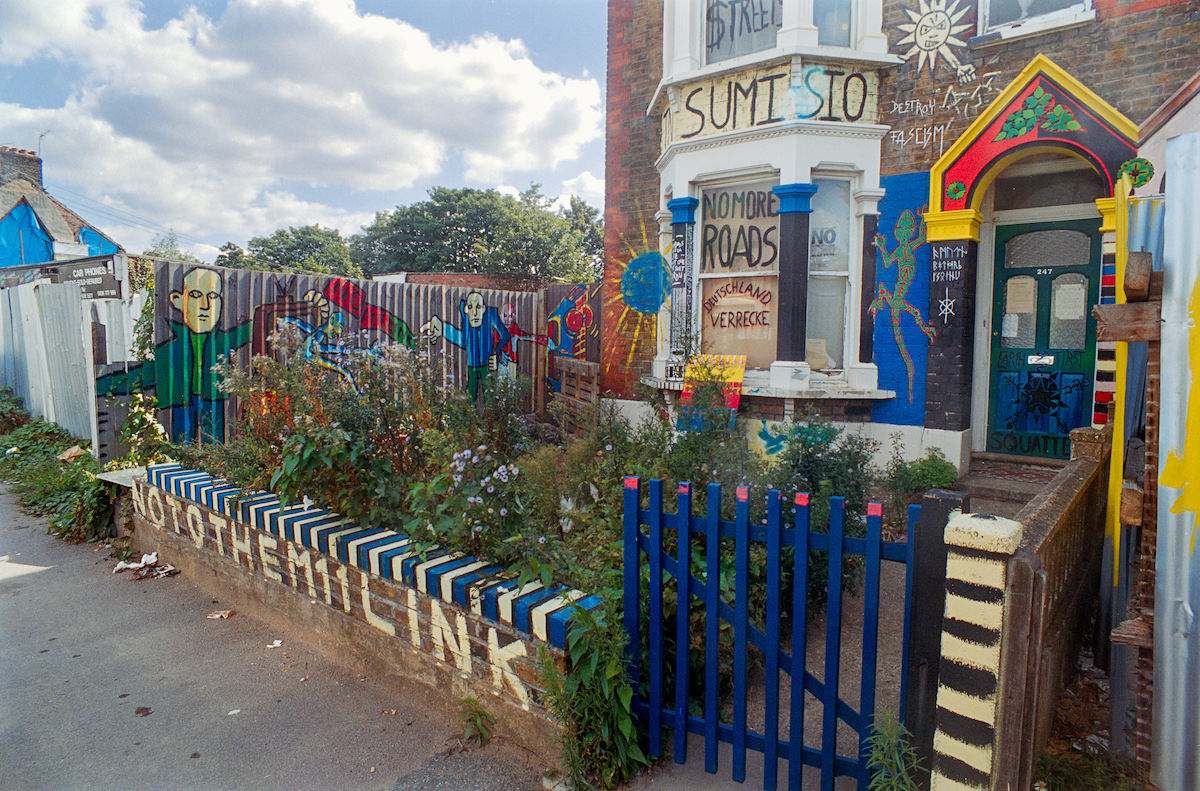
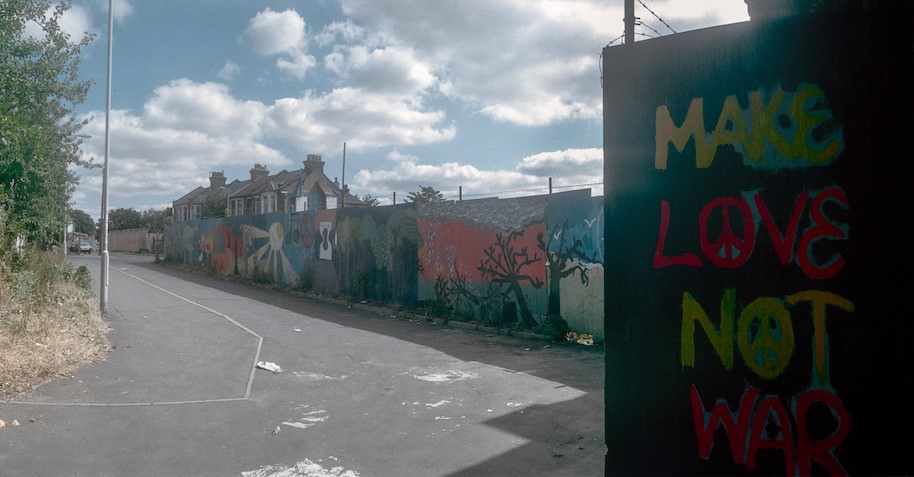
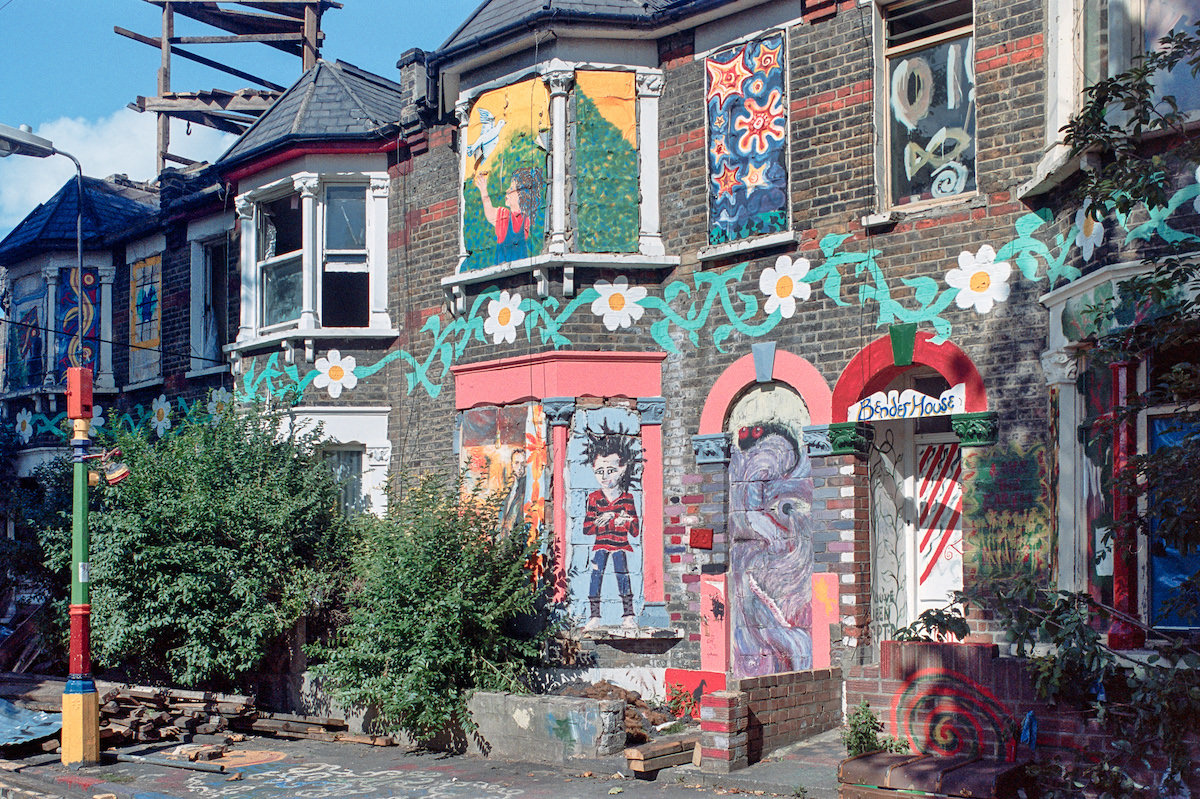
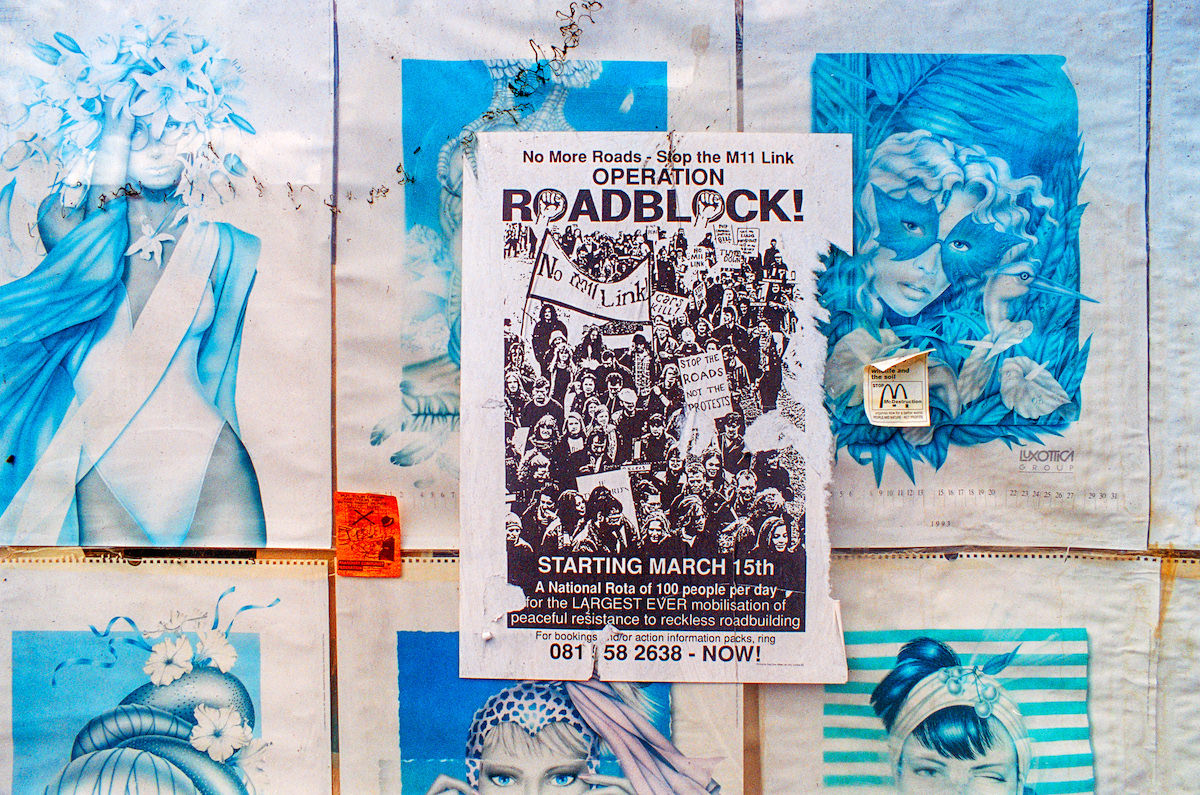
One of the biggest flashpoints Marshall documented was the M11 Link Road campaign on Claremont Road. Residents and activists fought hard against the planned motorway extension, which would demolish homes across Leyton. By 1994, Claremont Road had become one of the most photographed protest streets in Britain.
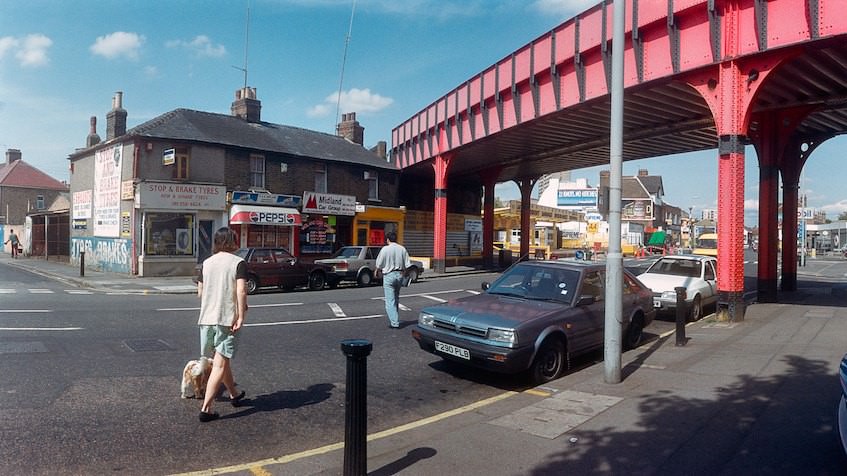
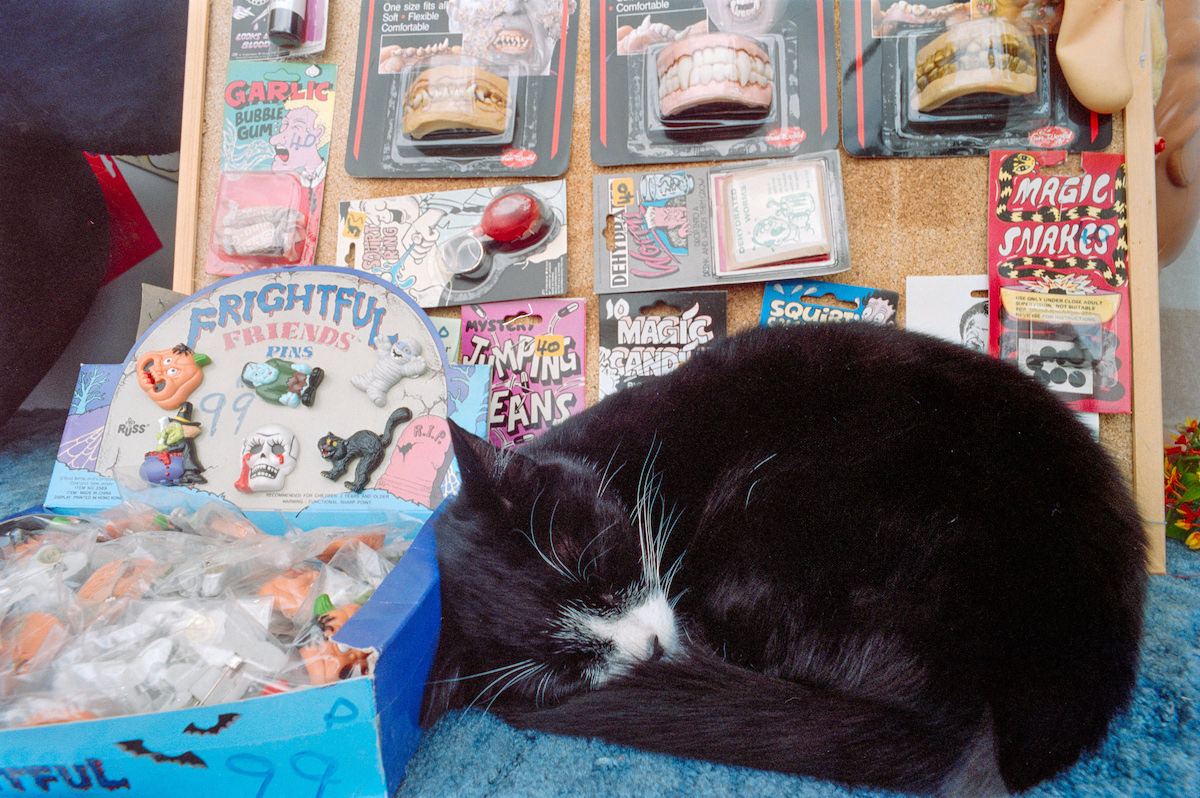
Not every frame was political. Marshall also captured quieter moments — a cat on the High Road in 1989, shop fronts, and the textures of ordinary street life. These images give the campaign photos important context, showing what the community actually looked like beyond the barricades.
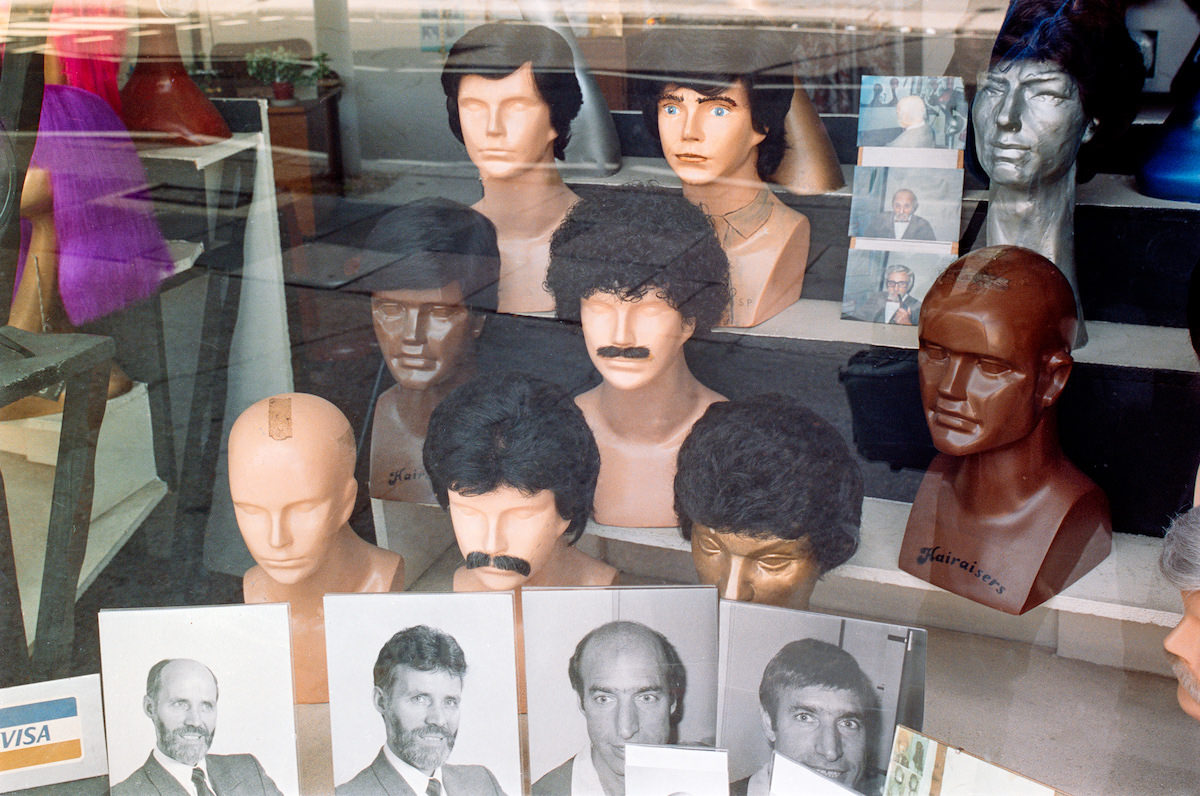
Away from the protest, Leyton’s High Road held its own visual story. Wig shops lined the street, their window displays a snapshot of 1989 fashion and the area’s diverse customer base. Marshall photographed both the women’s and men’s sections separately, treating each storefront as a subject worth serious attention.
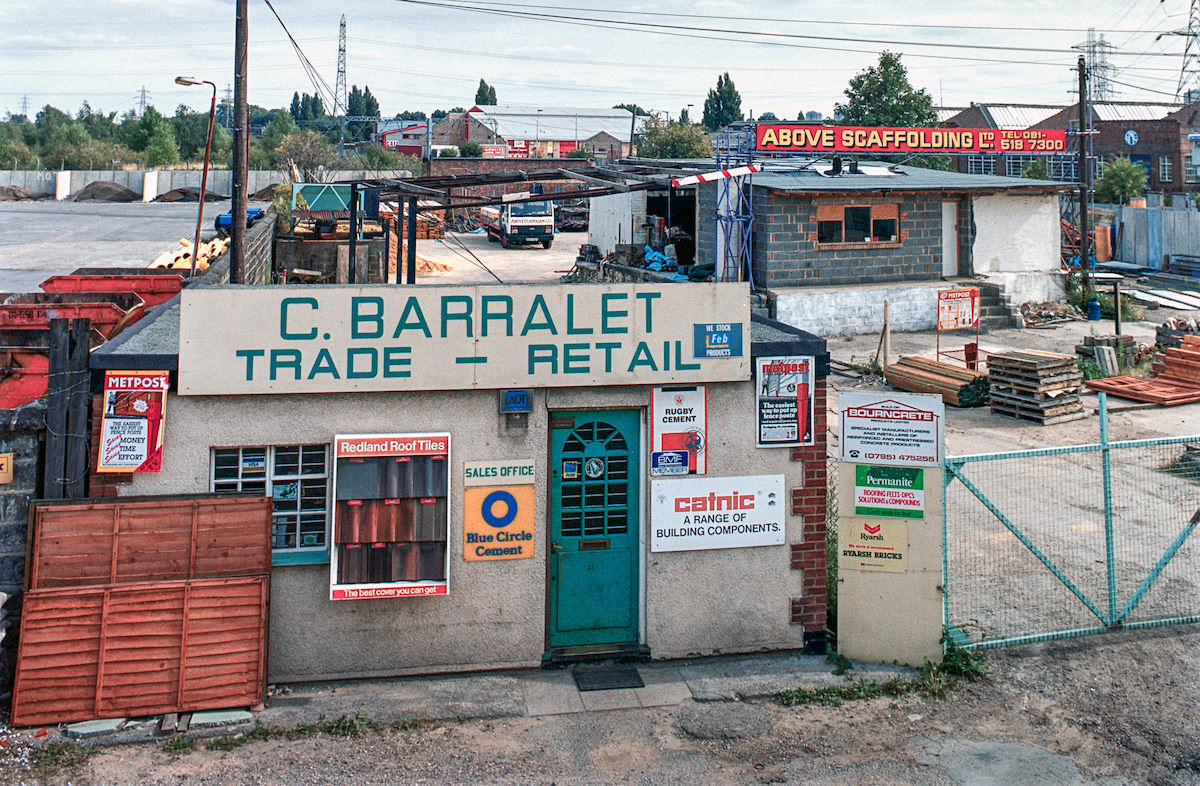

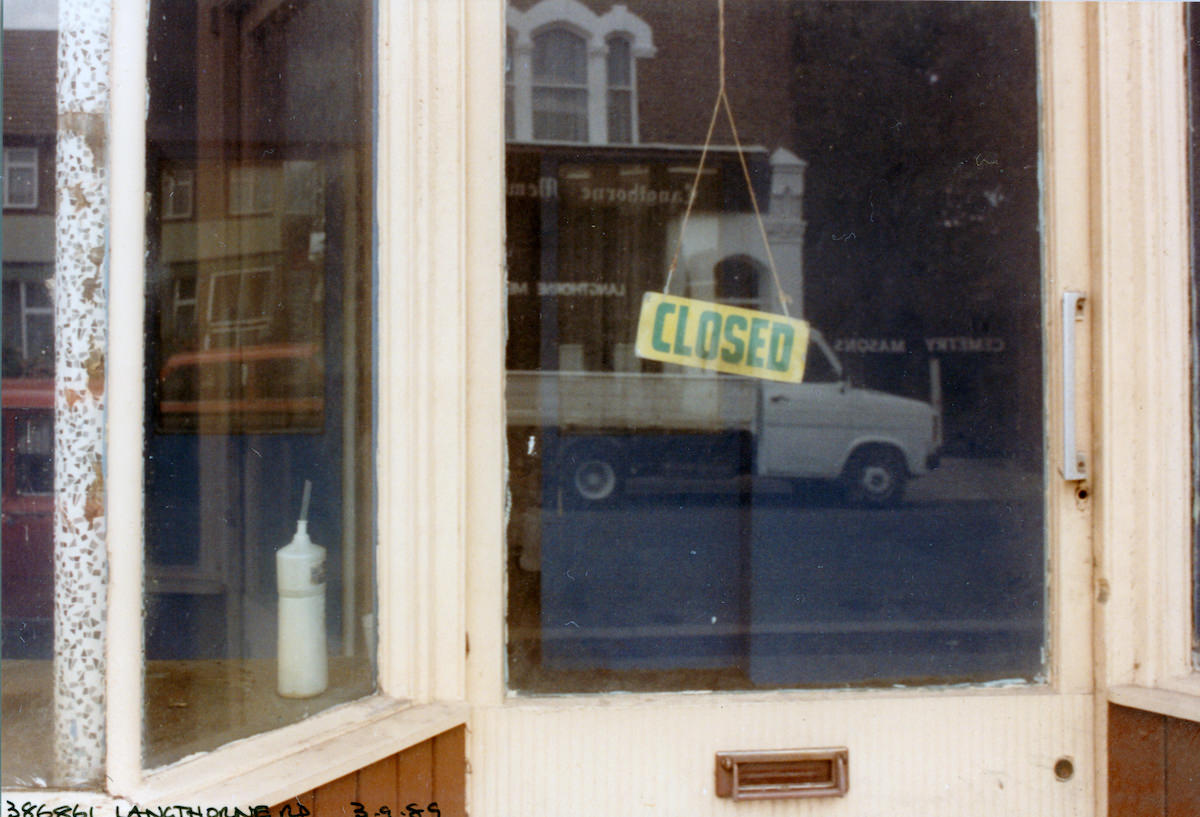
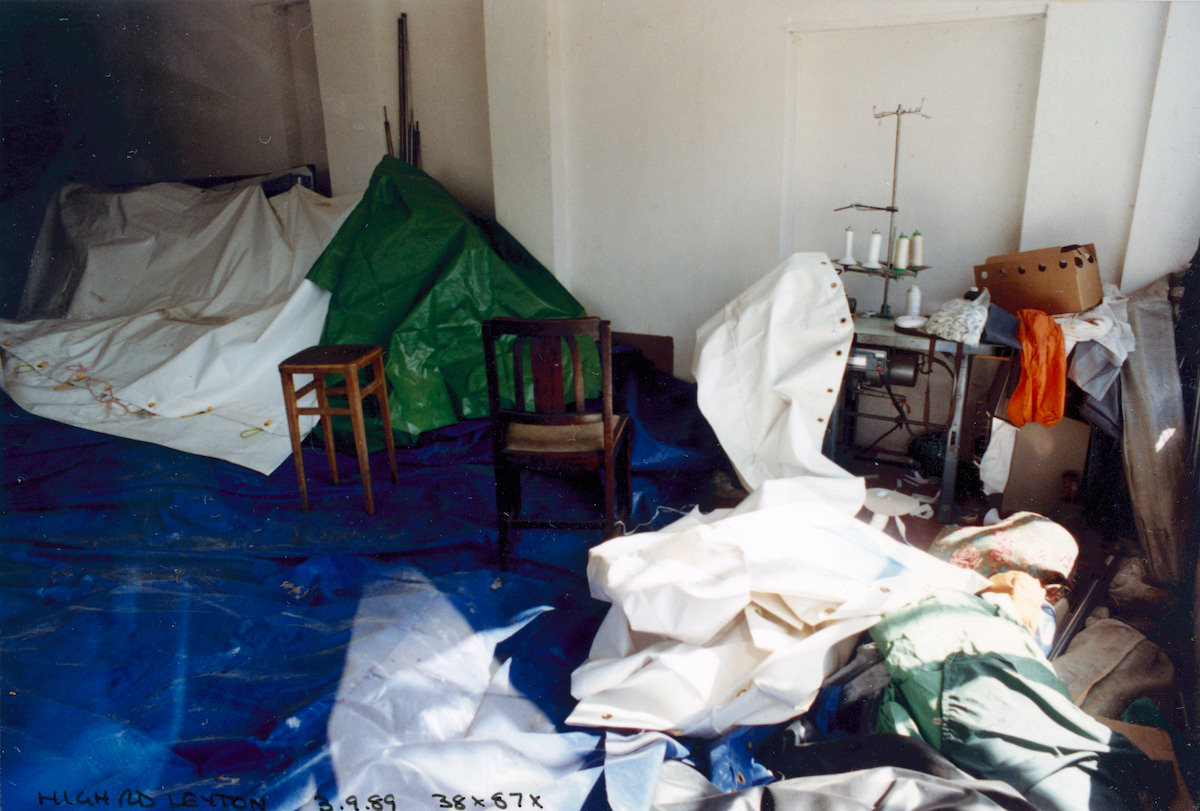
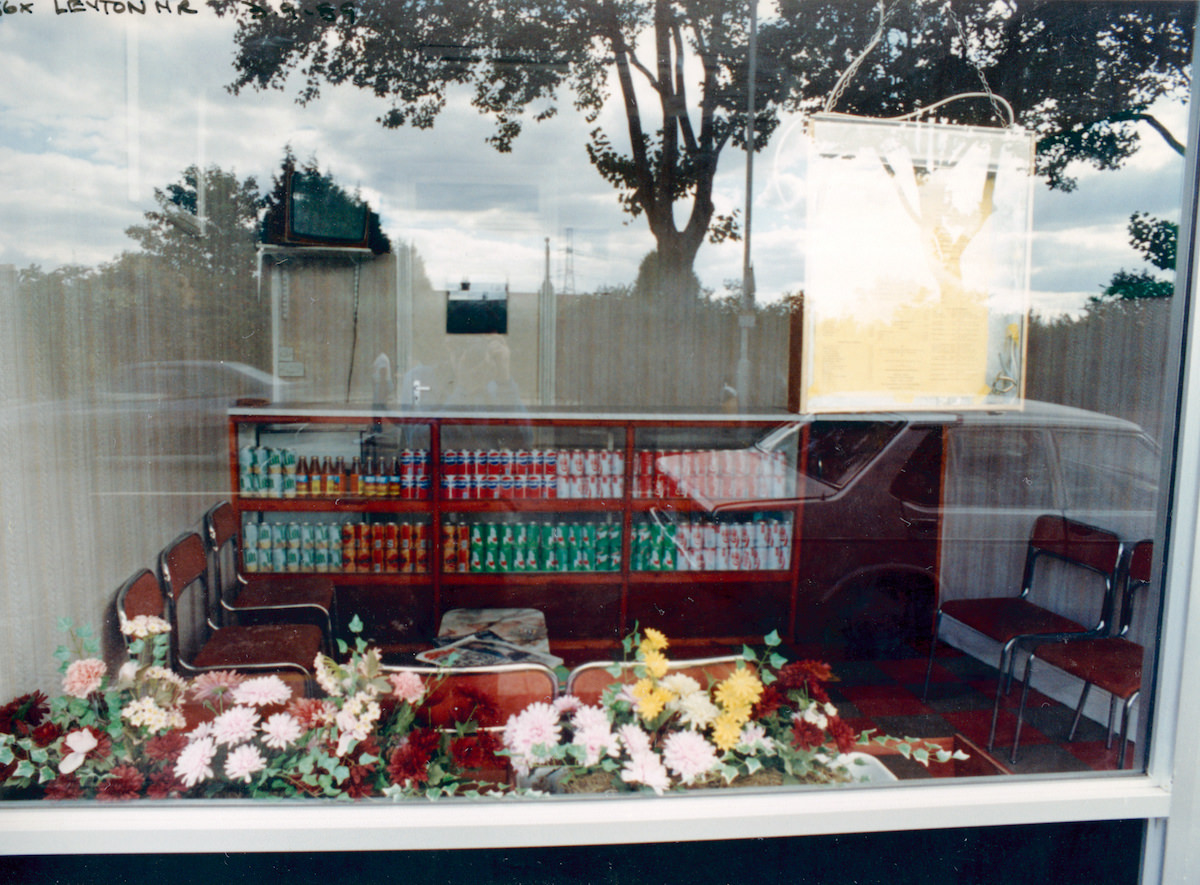
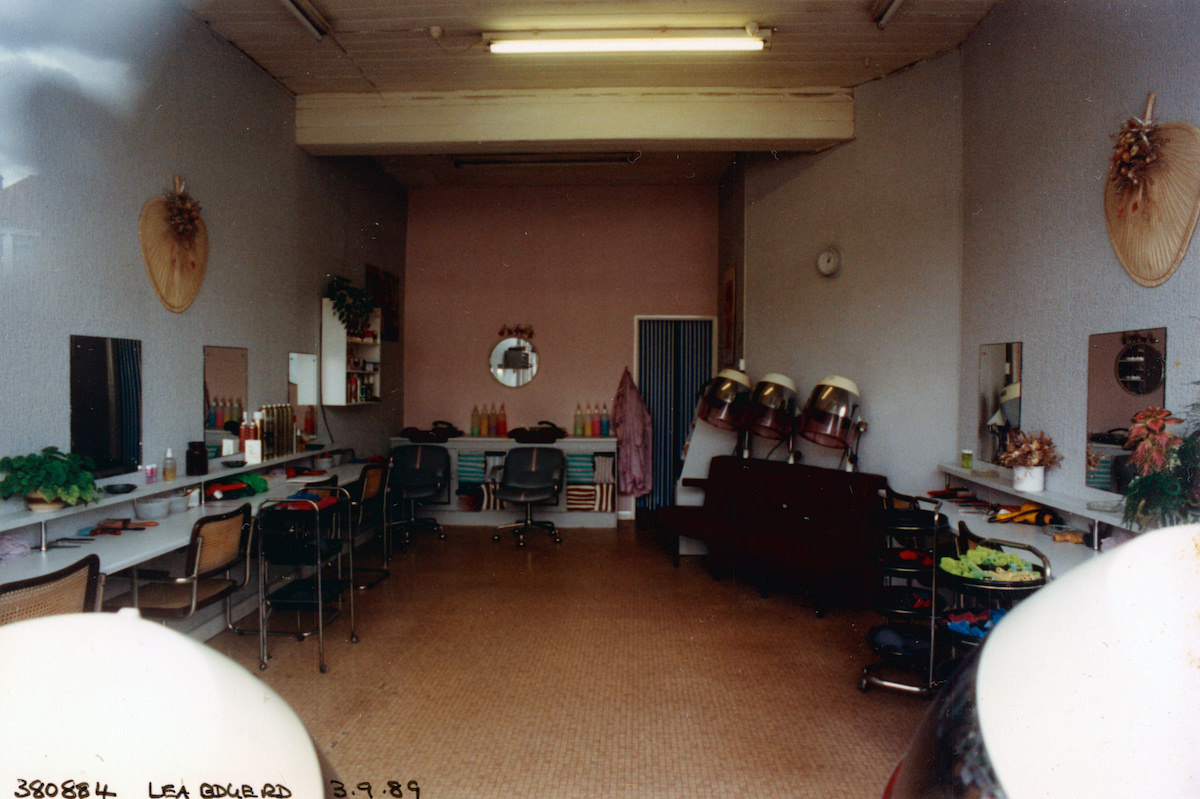
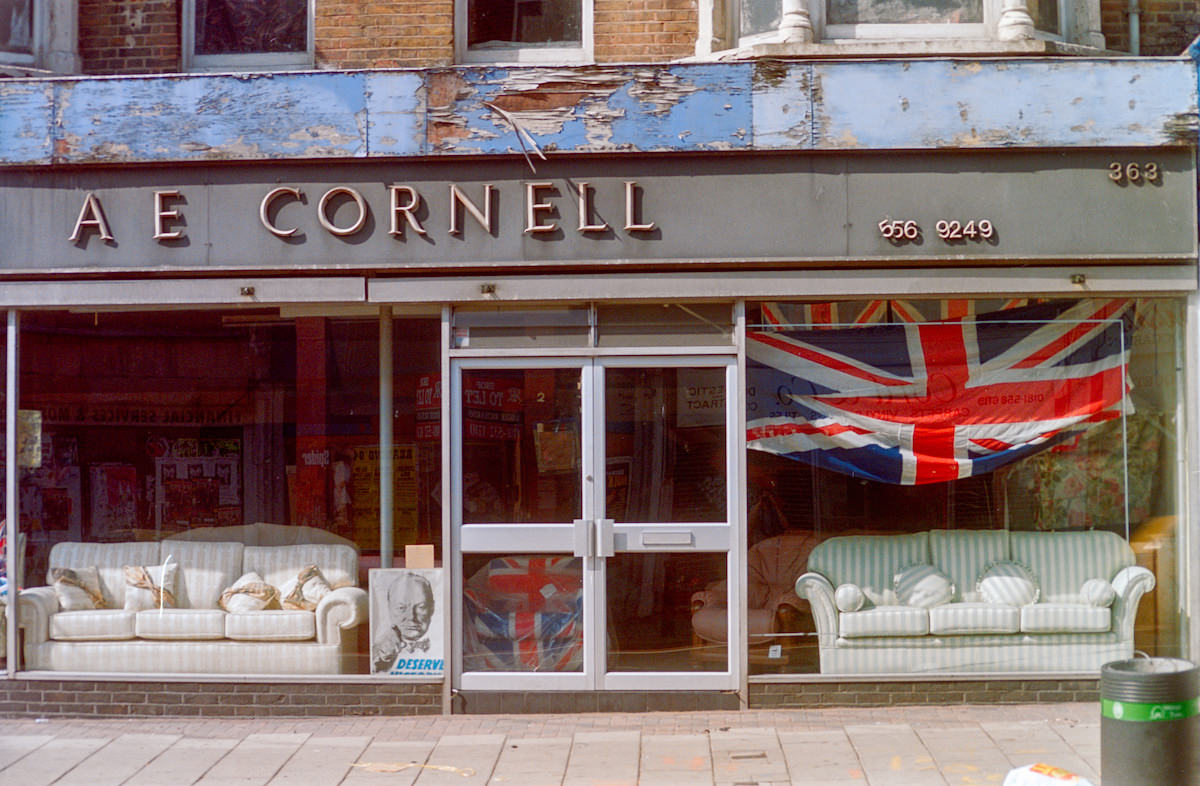
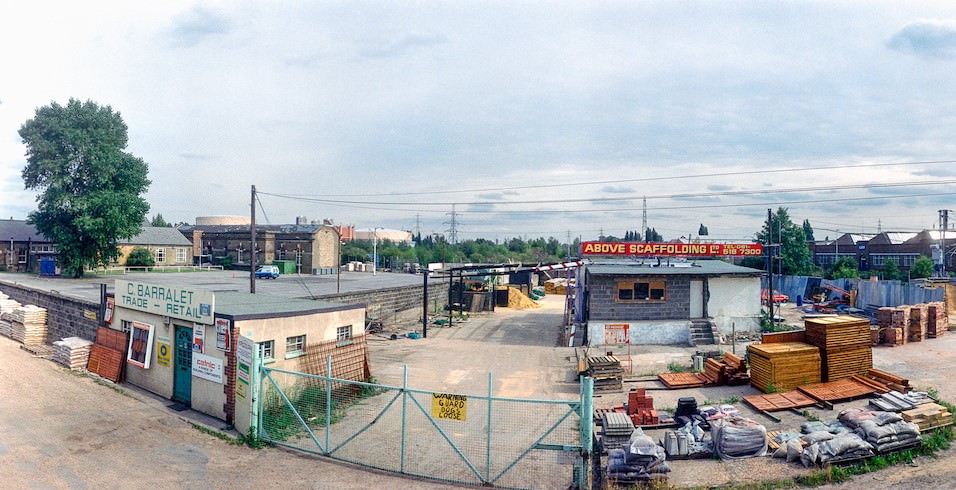
Local traders feature throughout Marshall’s archive. C. Barralet Builders Merchants and the furniture shop A.E. Cornell on the High Road represent the kind of independent businesses that kept the local economy running. Ruckholt Road also caught his eye, where rows of discarded or stored seats made for an unexpectedly striking scene.
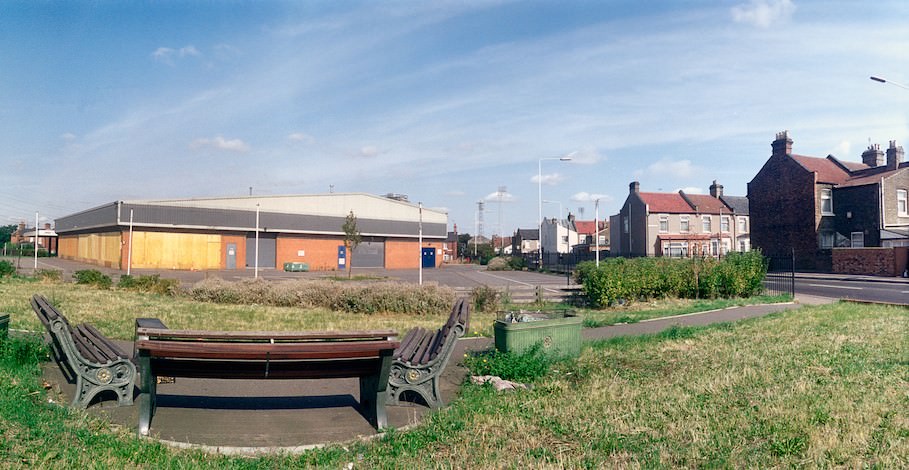

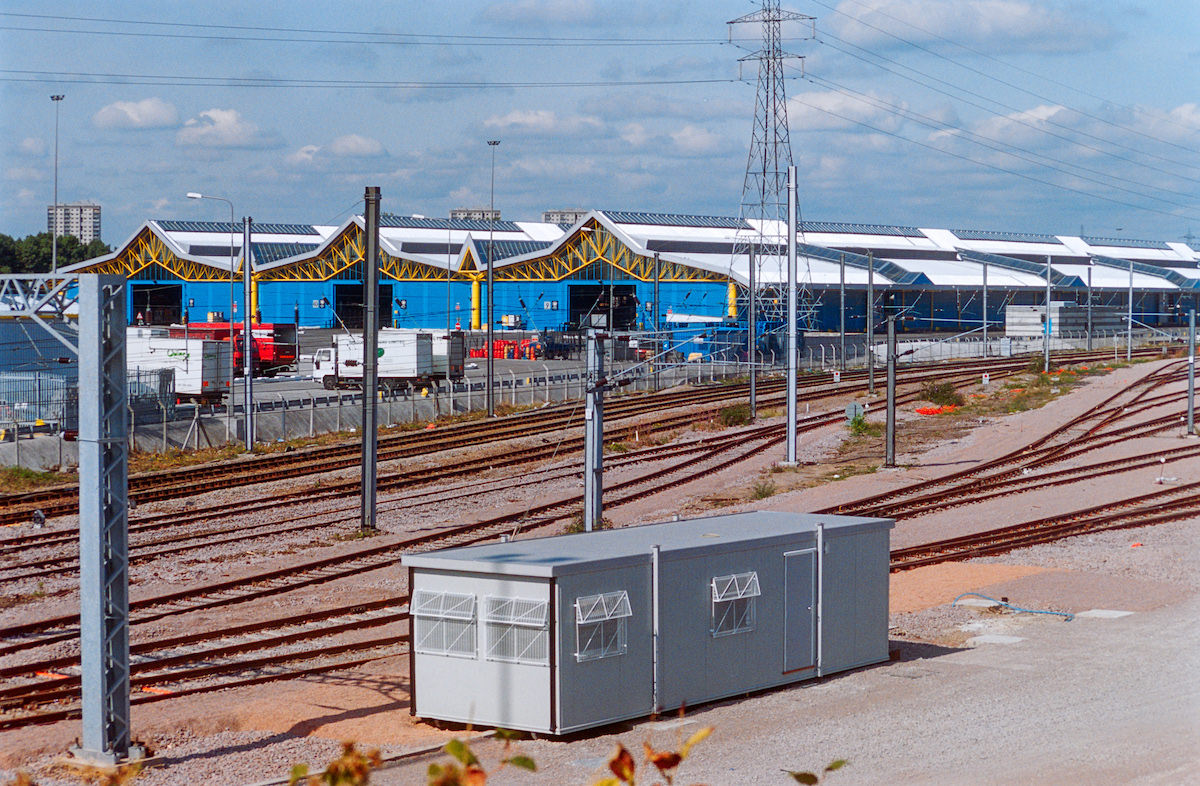
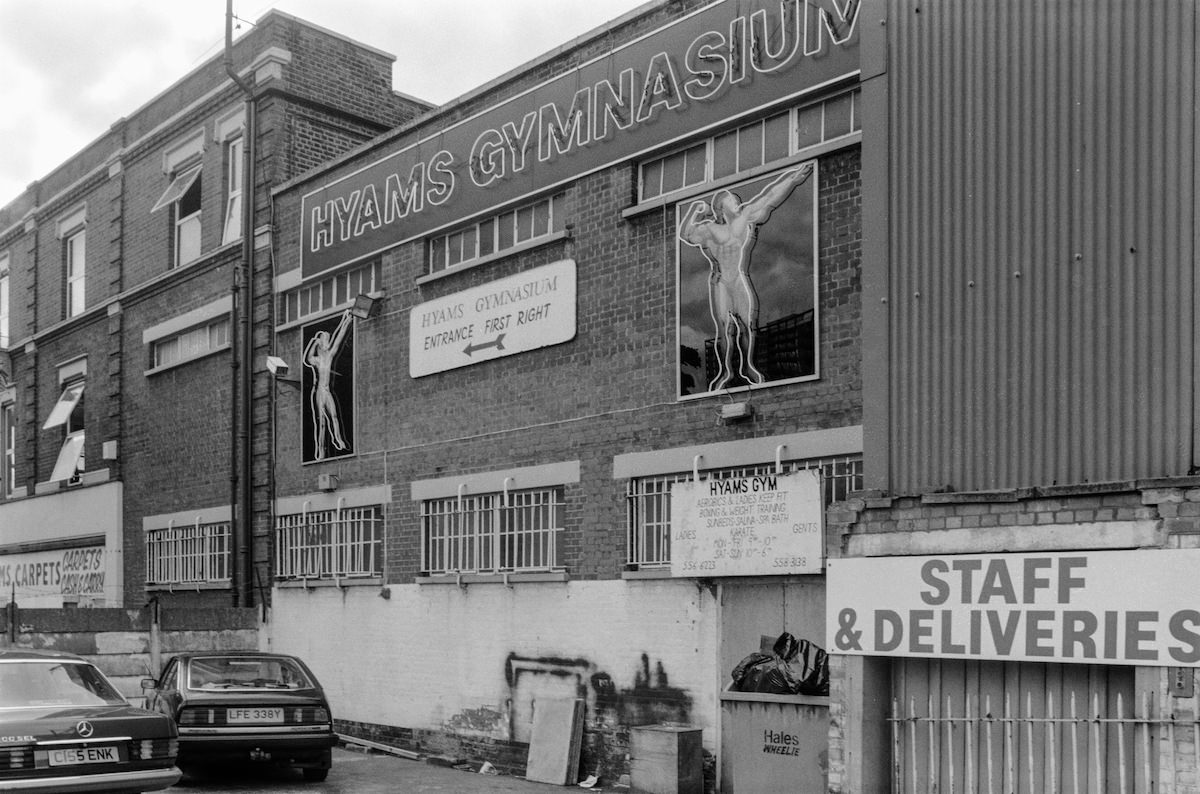
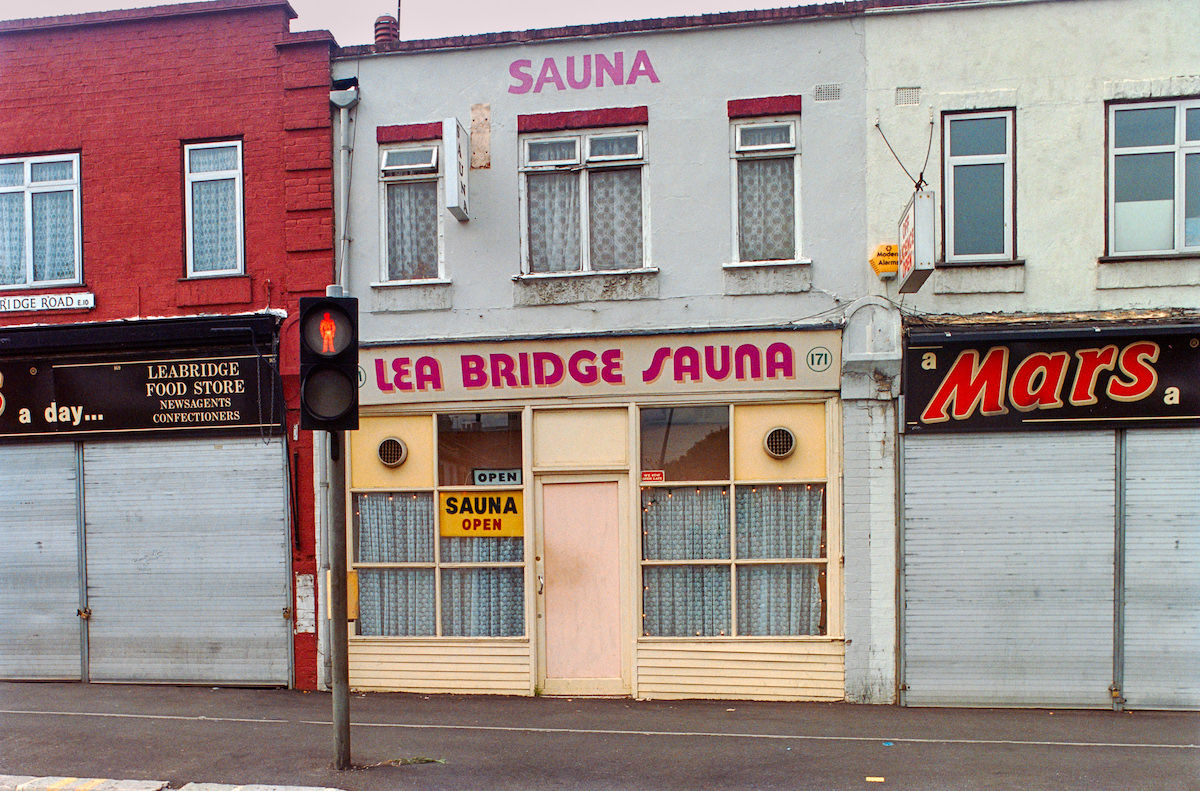
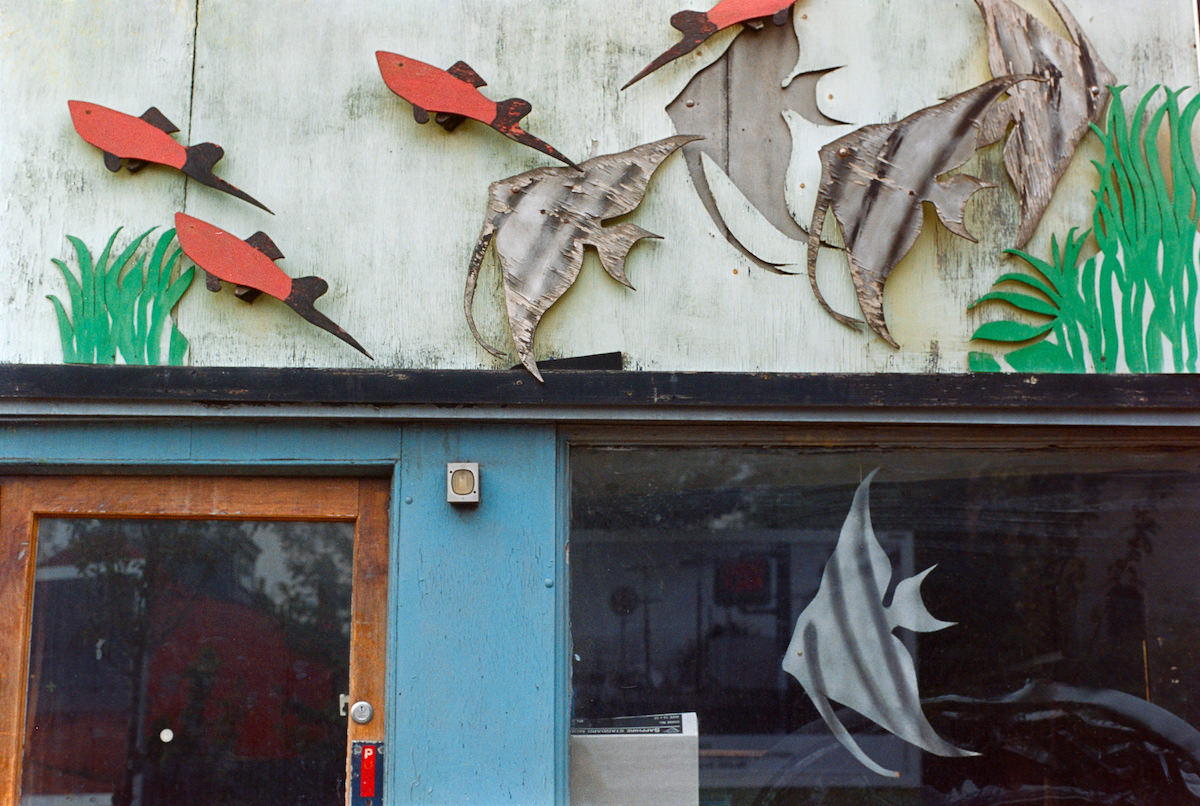
New Spitalfields Market on Sherrin Road was a major hub for wholesale fruit and vegetables. Marshall photographed it in 1994, capturing the industrial scale of the operation that fed much of London. Lea Bridge Road offered a different pace — a sauna, a tropical fish shop, and Hyams Gymnasium on the High Road all made it into his lens.
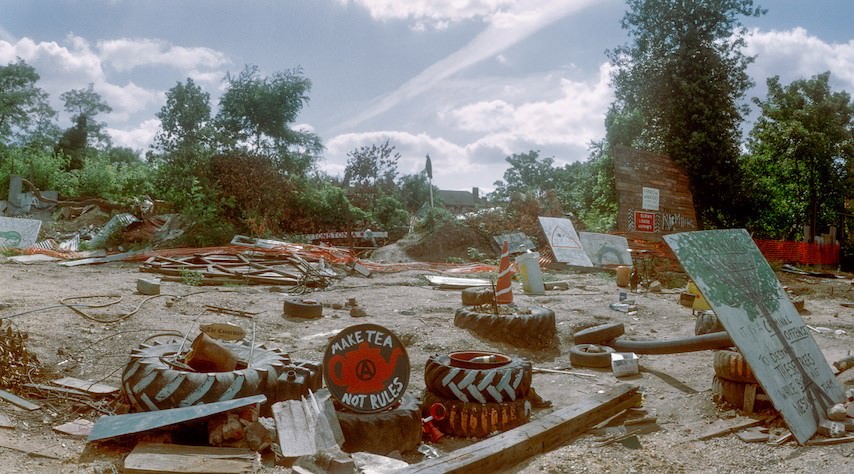
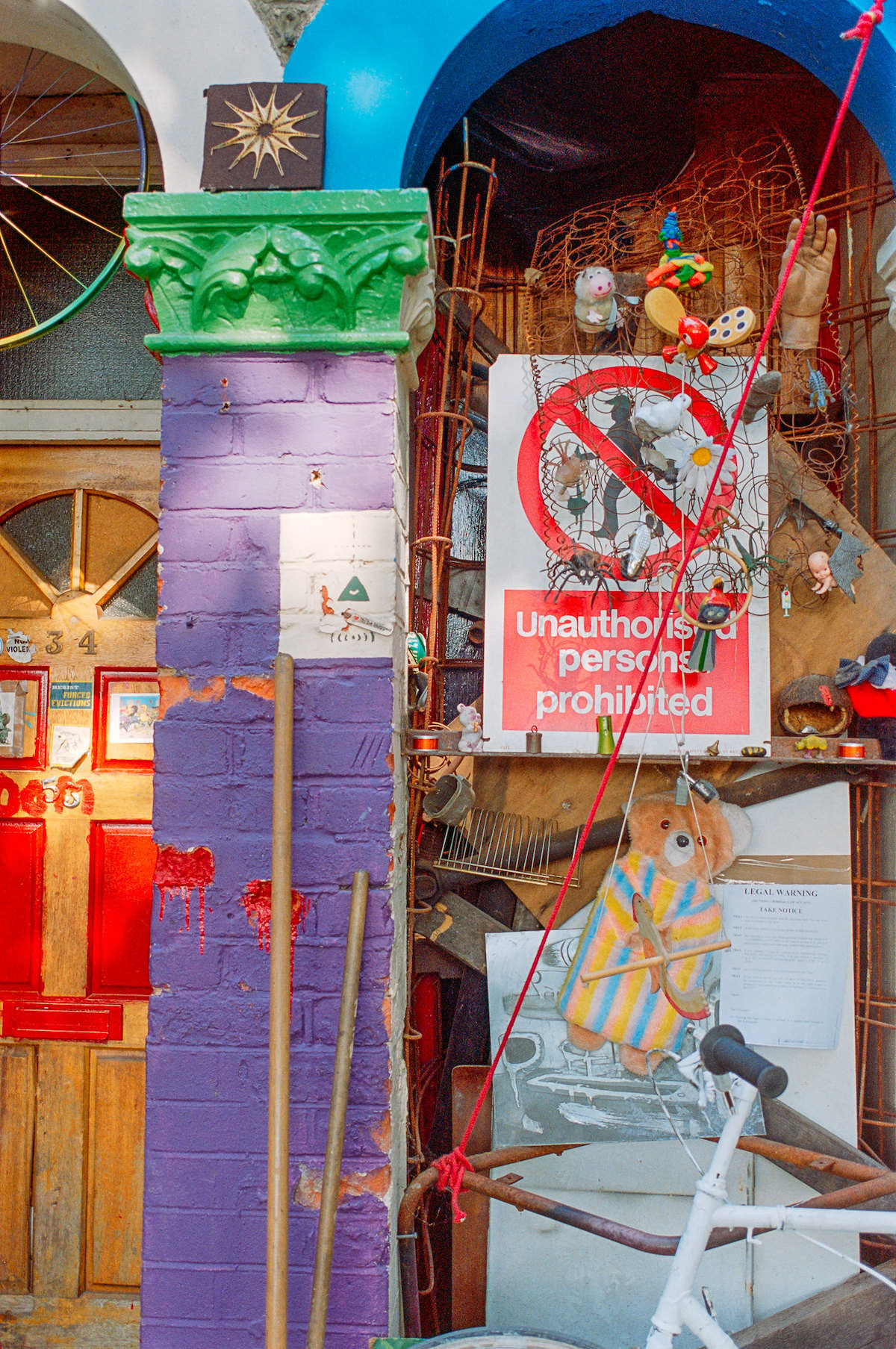
The M11 campaign photos return repeatedly through Marshall’s collection. Residents decorated their homes, erected barriers, and stood their ground on Claremont Road until eviction finally came. The road was ultimately demolished to make way for the motorway link.

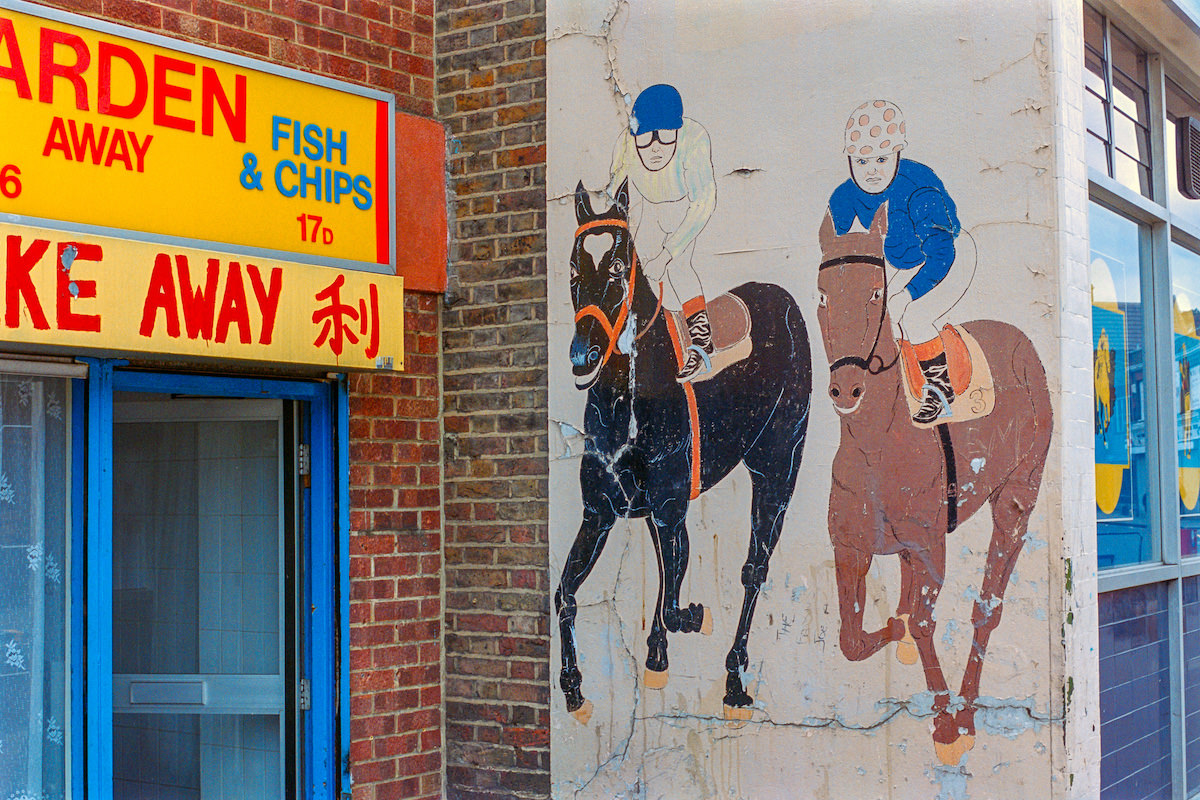
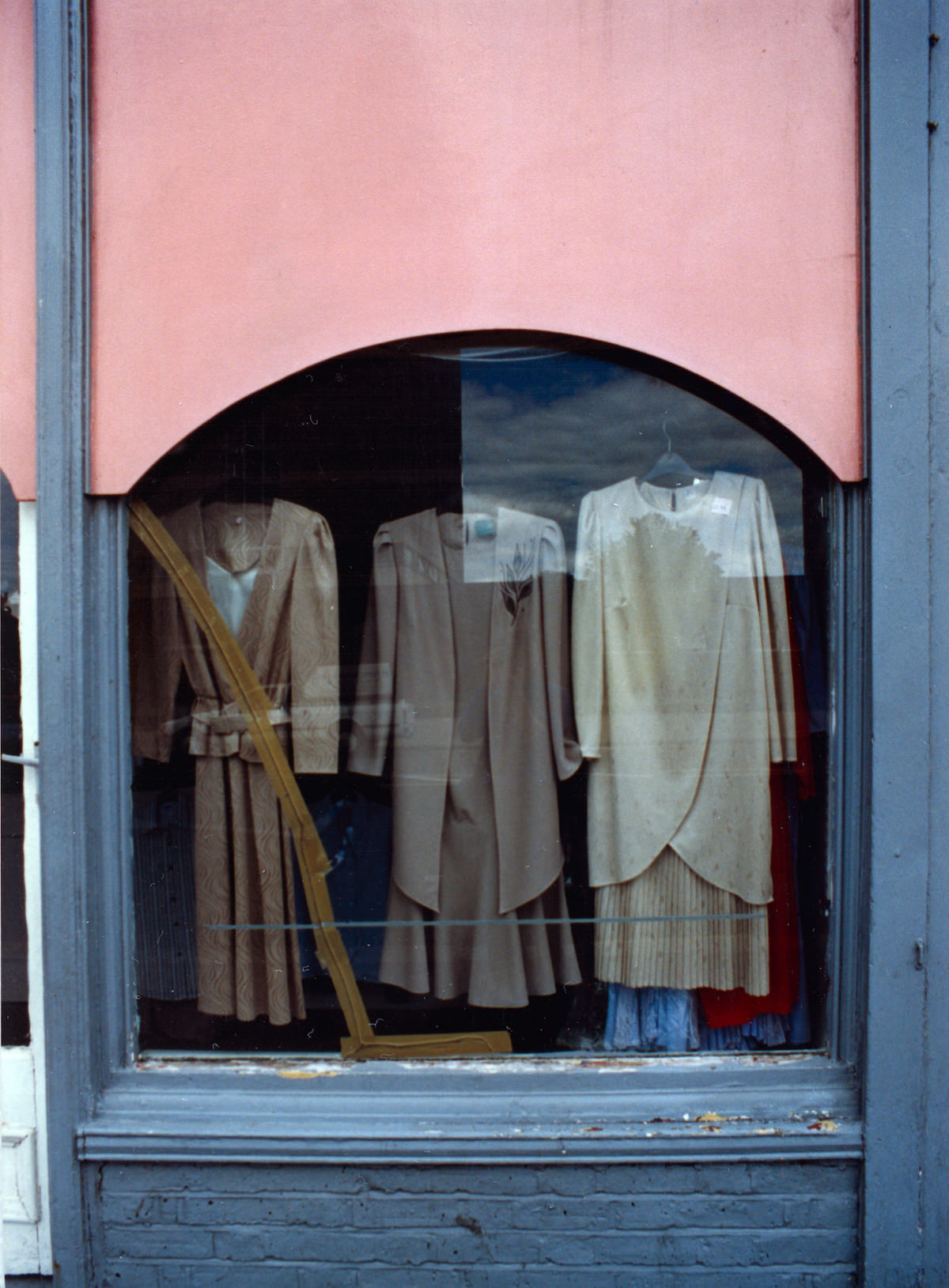
Leyton’s High Road also held furniture stores, Chinese takeaways, and fish and chip shops side by side — a mix that reflected the area’s multicultural makeup by the early 1990s. Marshall’s eye for the unremarkable turned these everyday storefronts into a reliable record of how the street actually looked and functioned.