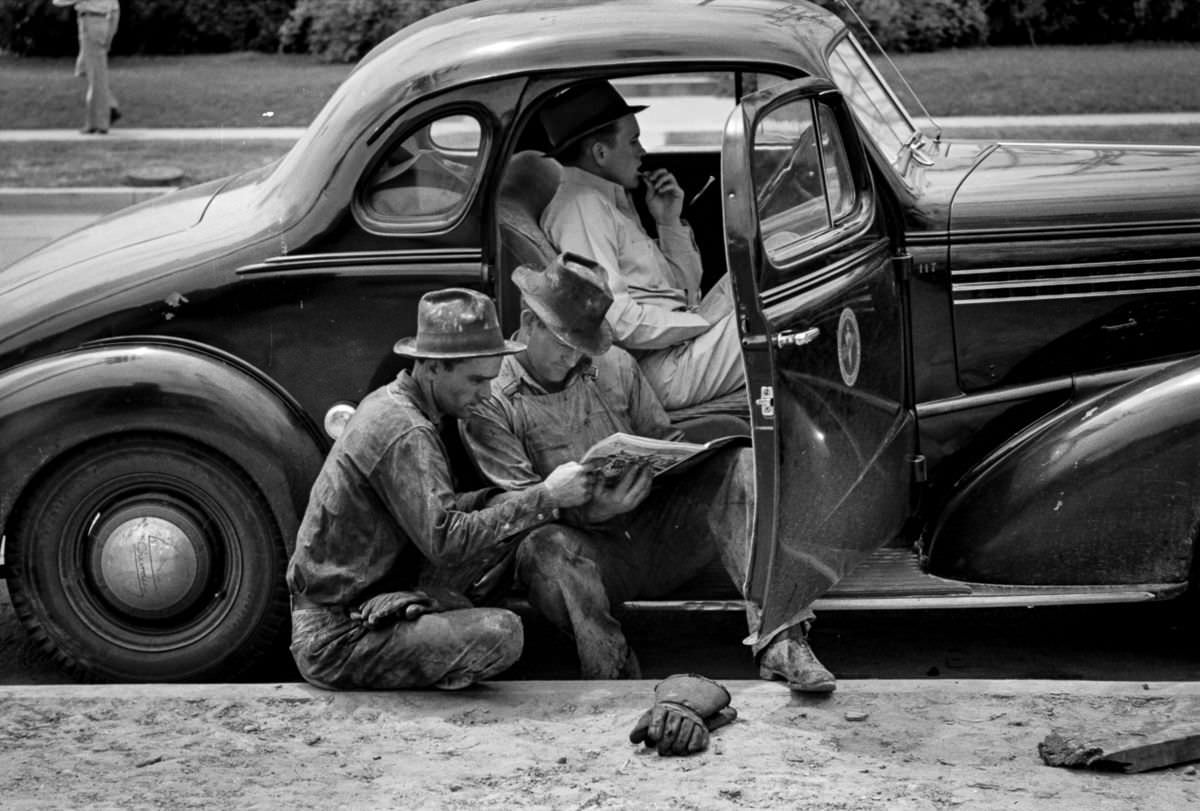
In 1939, photographer Russell Lee arrived in Kilgore, Texas, with a camera and a mission. He worked for the Farm Security Administration — a federal agency created under Franklin Roosevelt’s New Deal to fight rural poverty during the Great Depression. The FSA sent photographers across the country to record everyday American life, and Lee was one of its most active field workers. His colleagues included well-known names like Dorothea Lange and Walker Evans, but Lee’s output was remarkable in its own right.
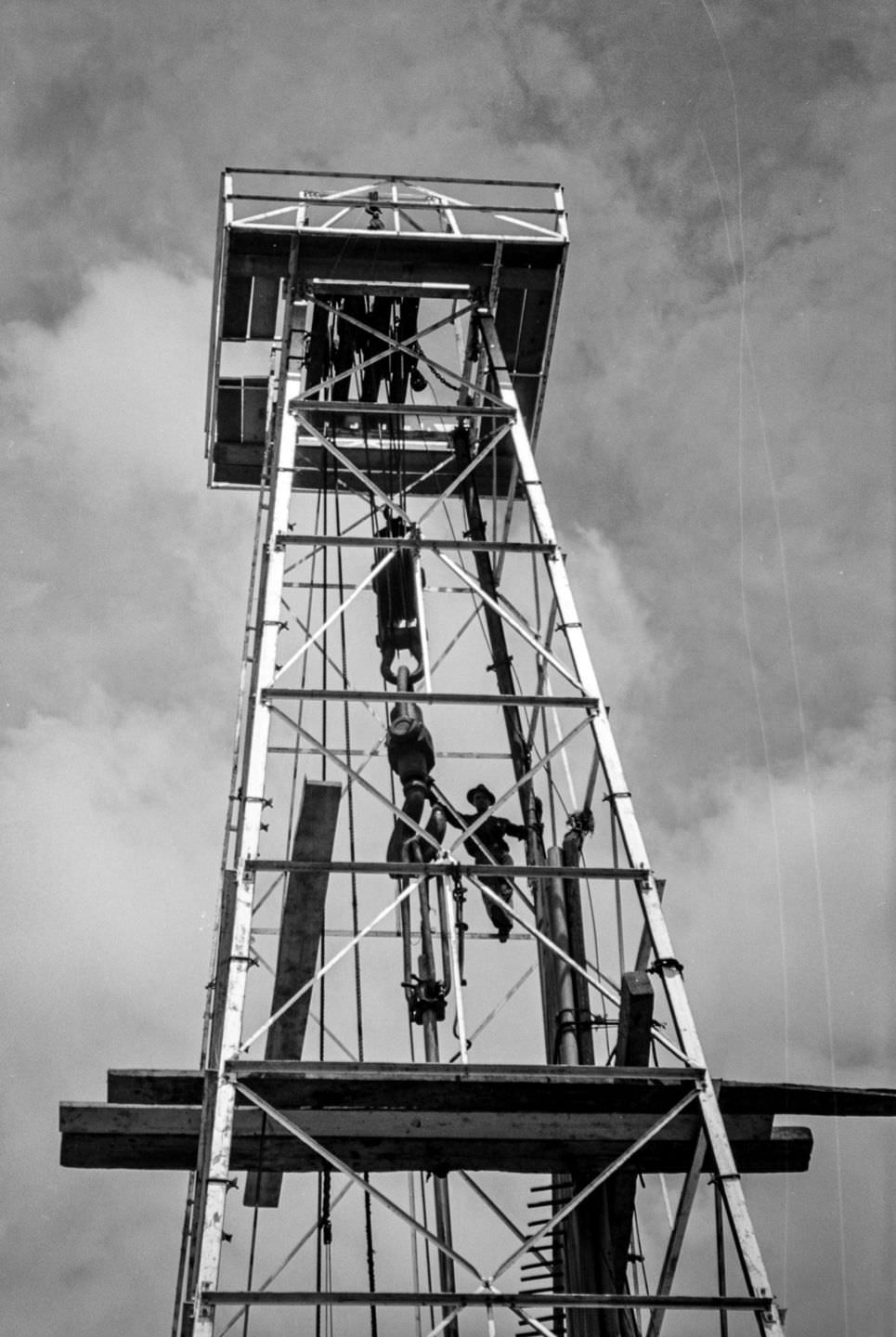
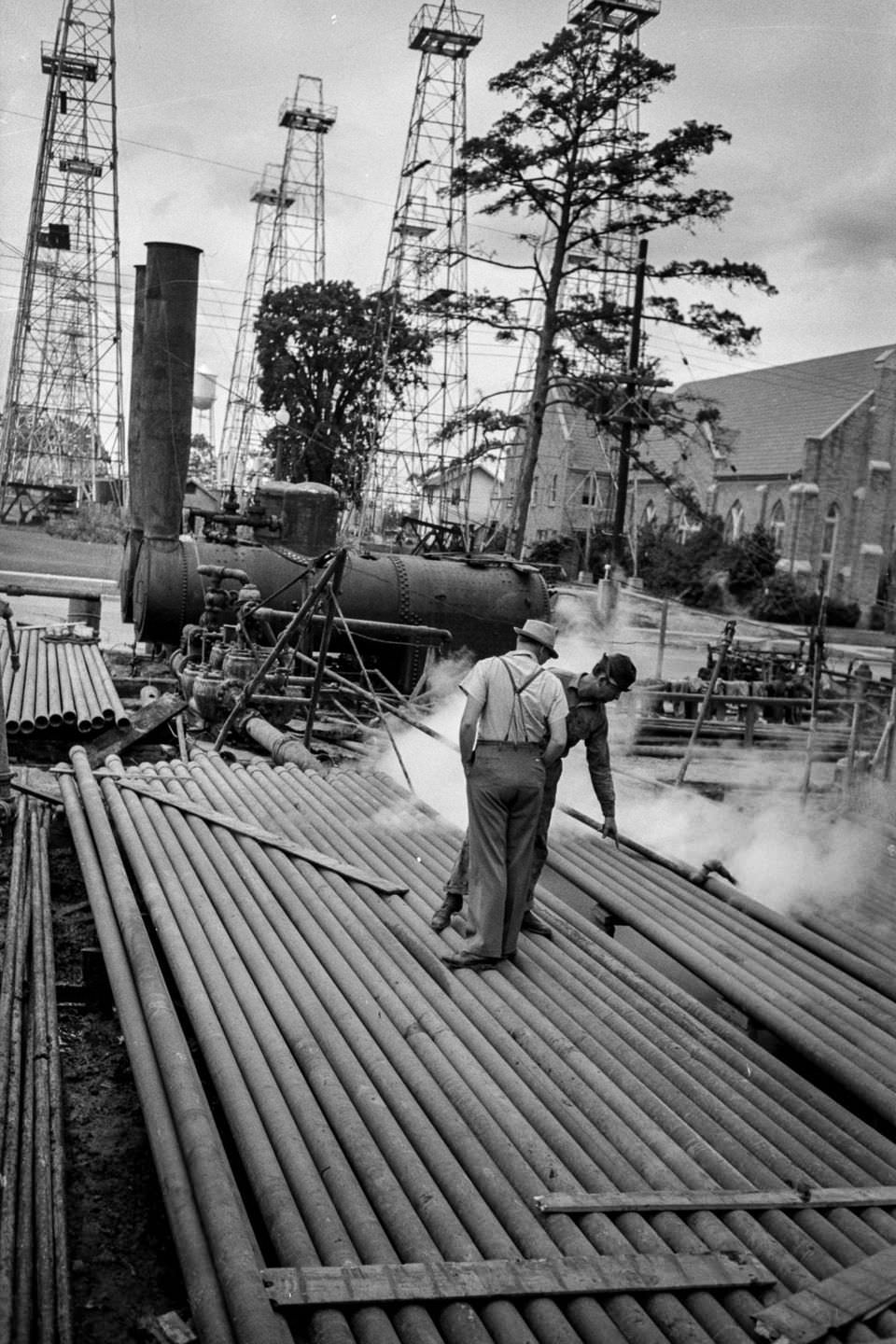
Kilgore sat at the heart of the East Texas Oil Field, one of the largest oil discoveries in American history. By the time Lee got there, the town was packed with drilling rigs, roughnecks, and the noise of an industry running at full speed. The oil boom had pulled men from across the region, many of them desperate for work after years of economic collapse.
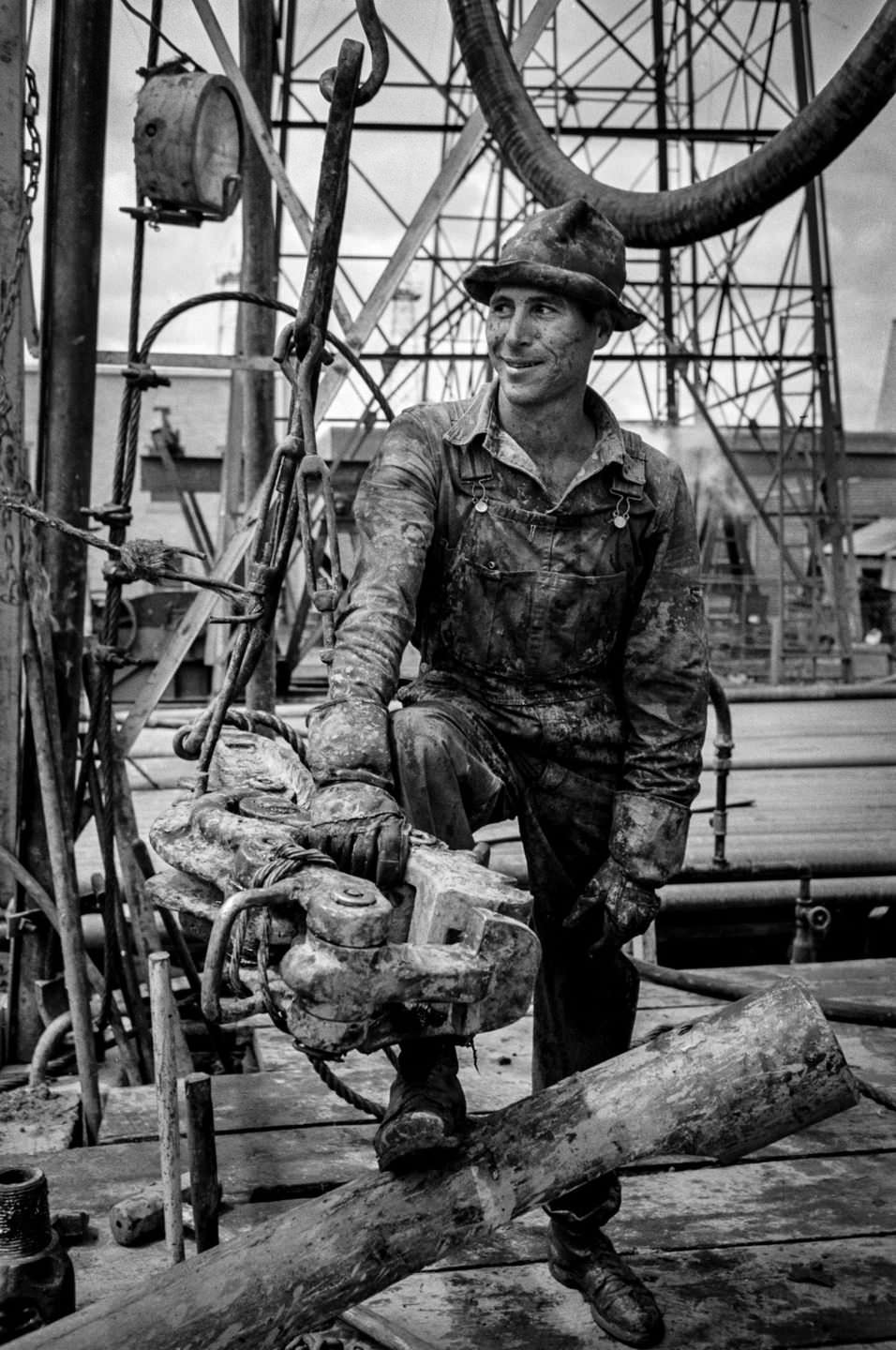
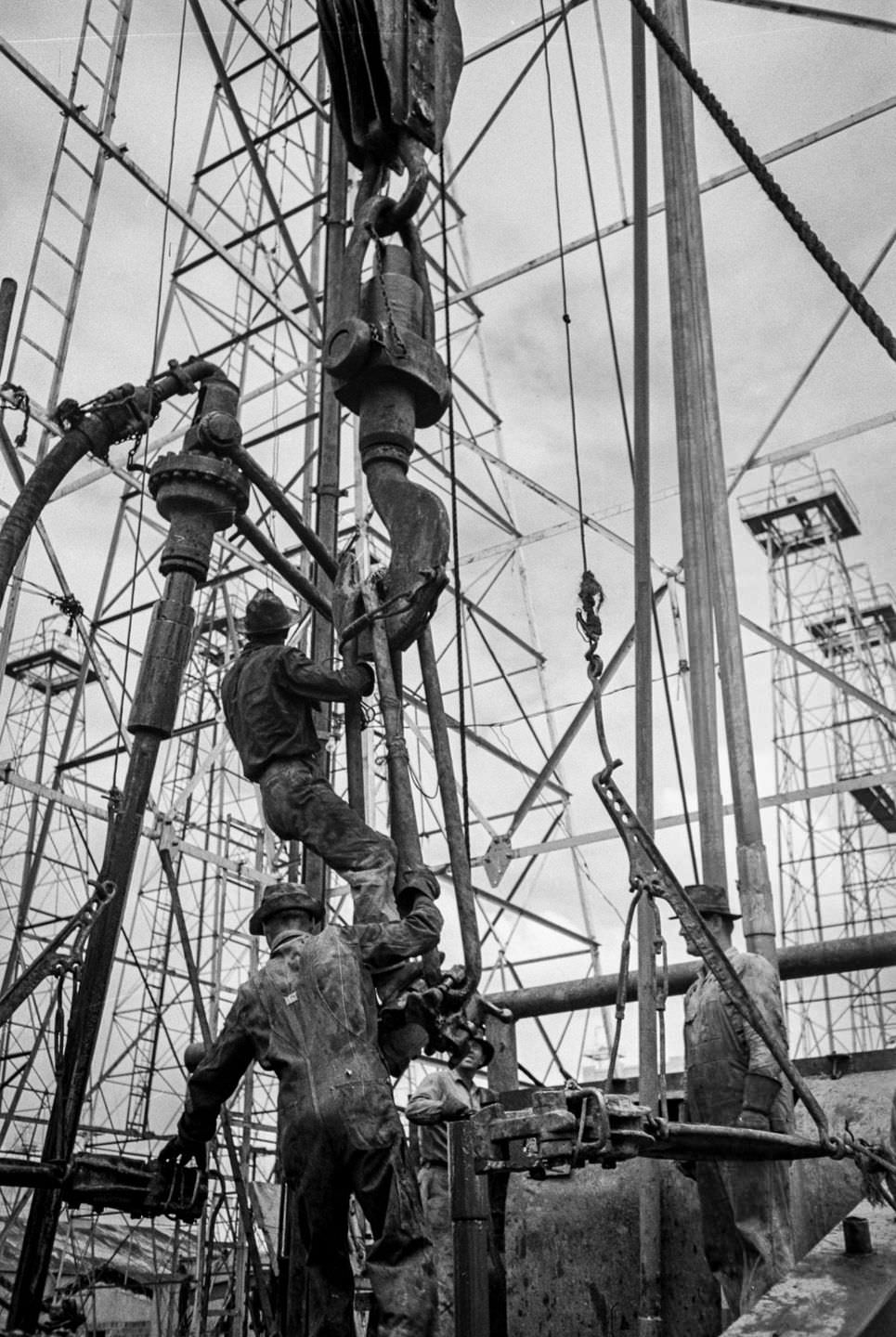
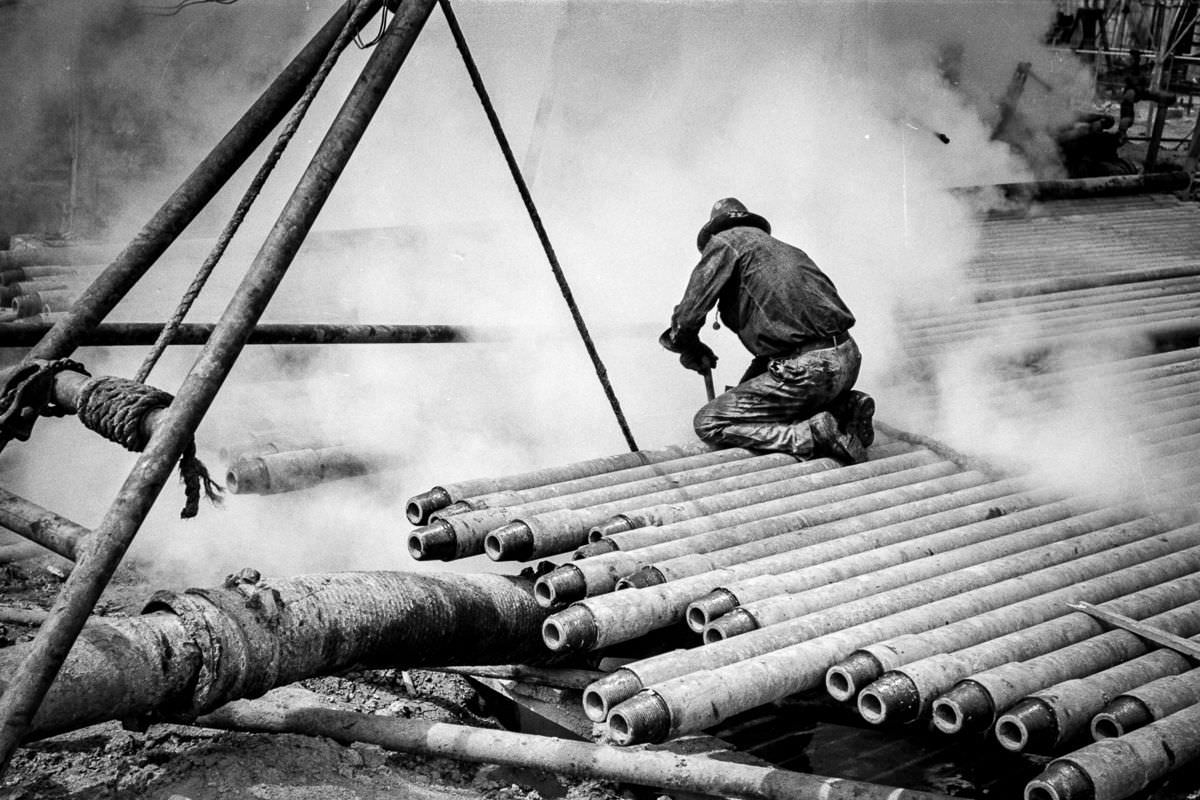
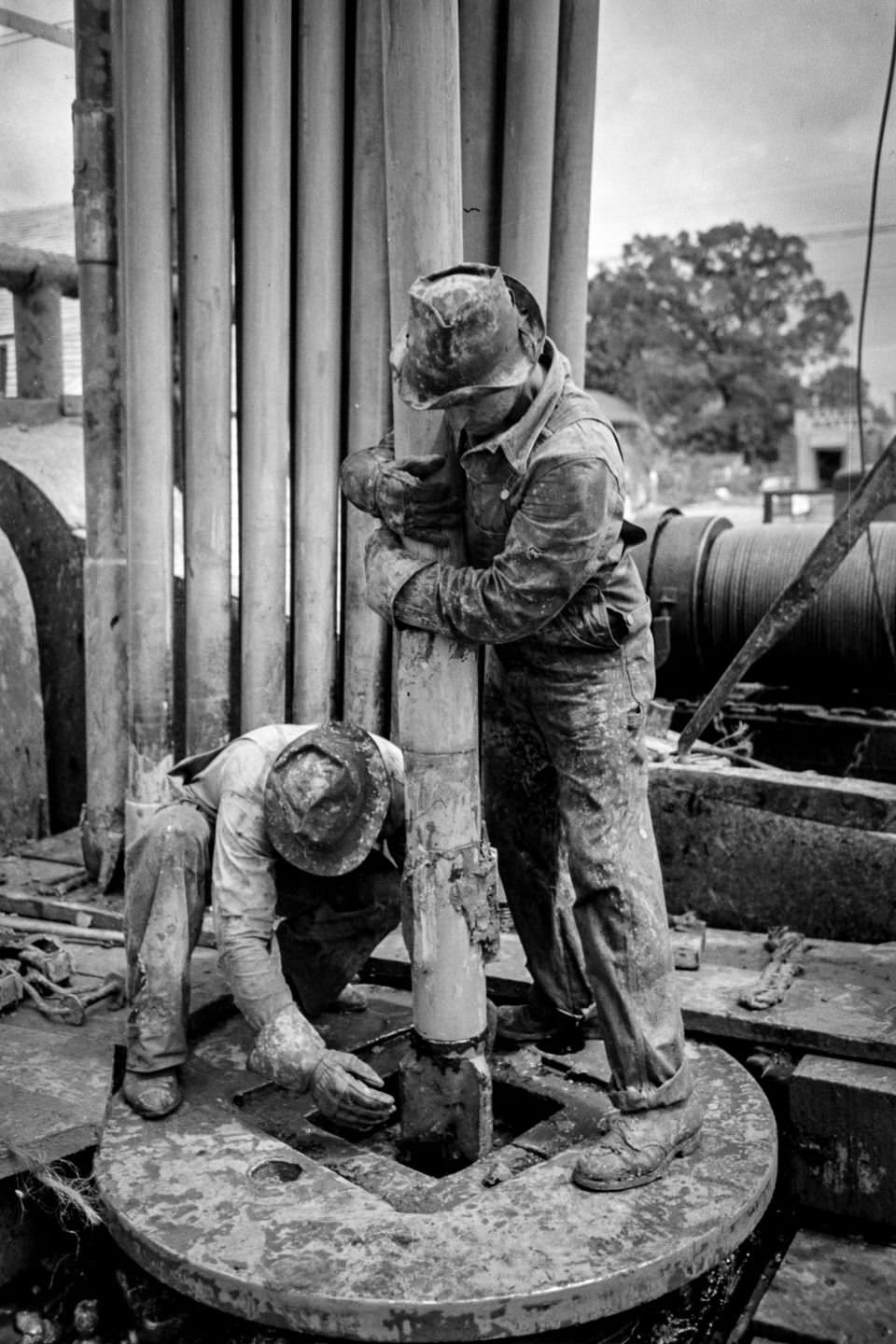
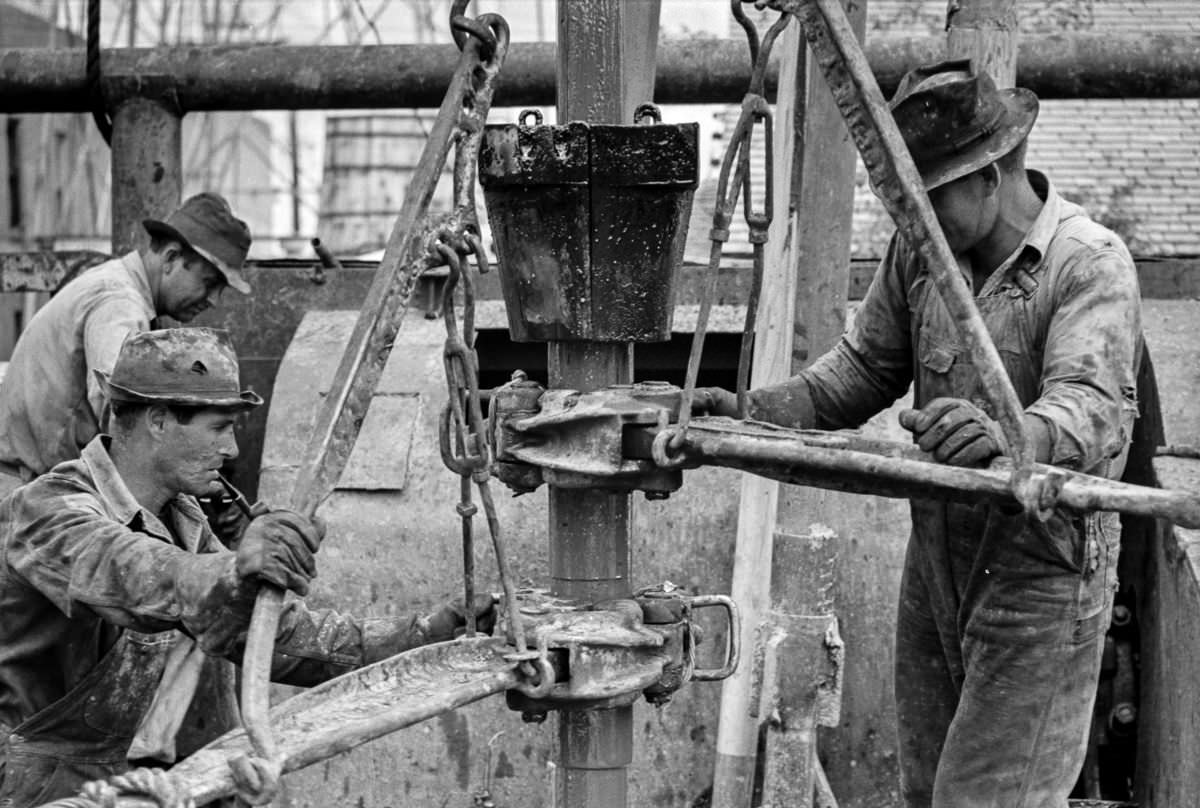
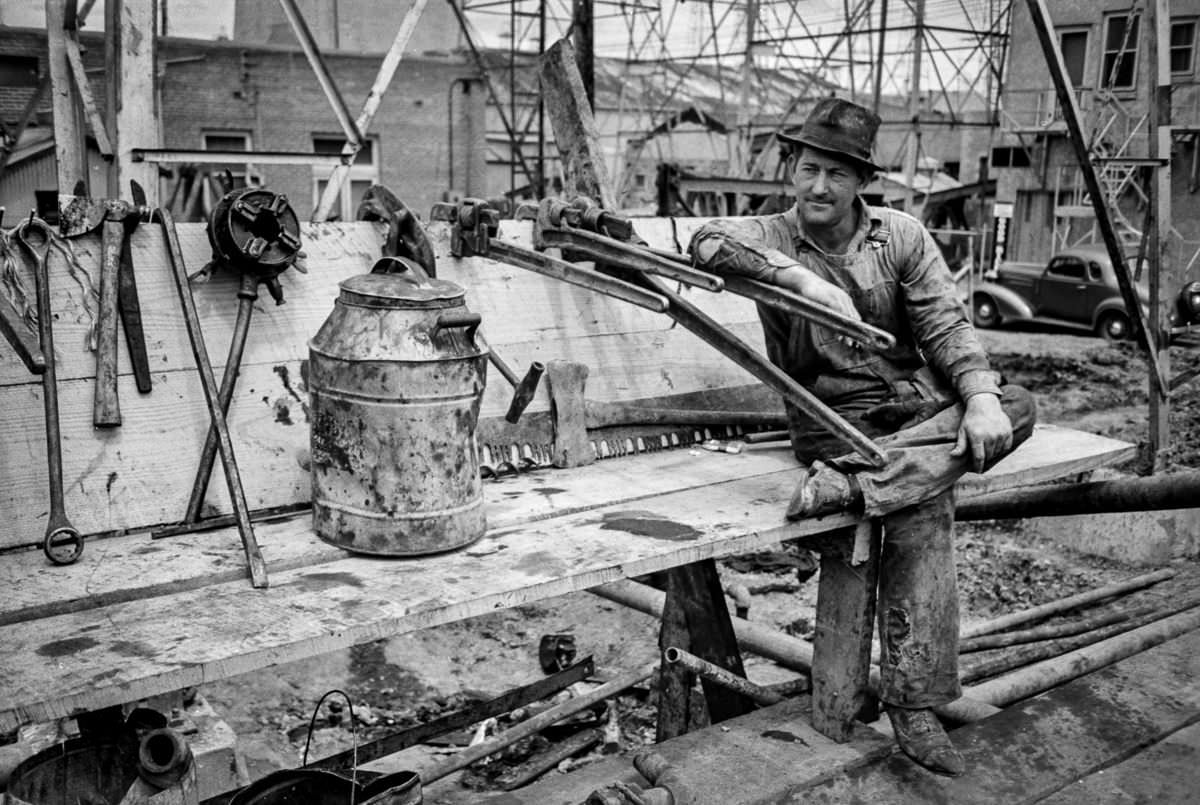
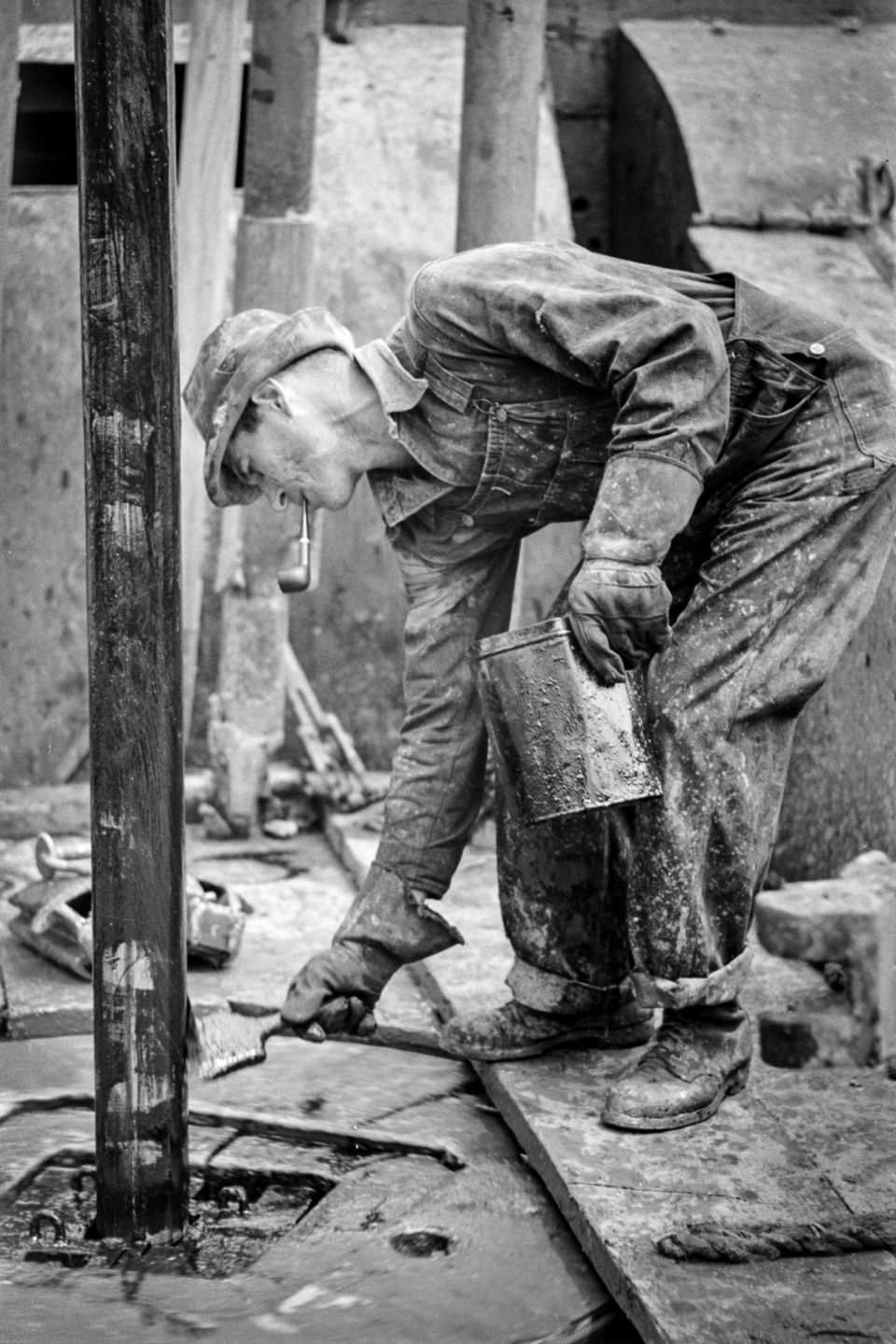
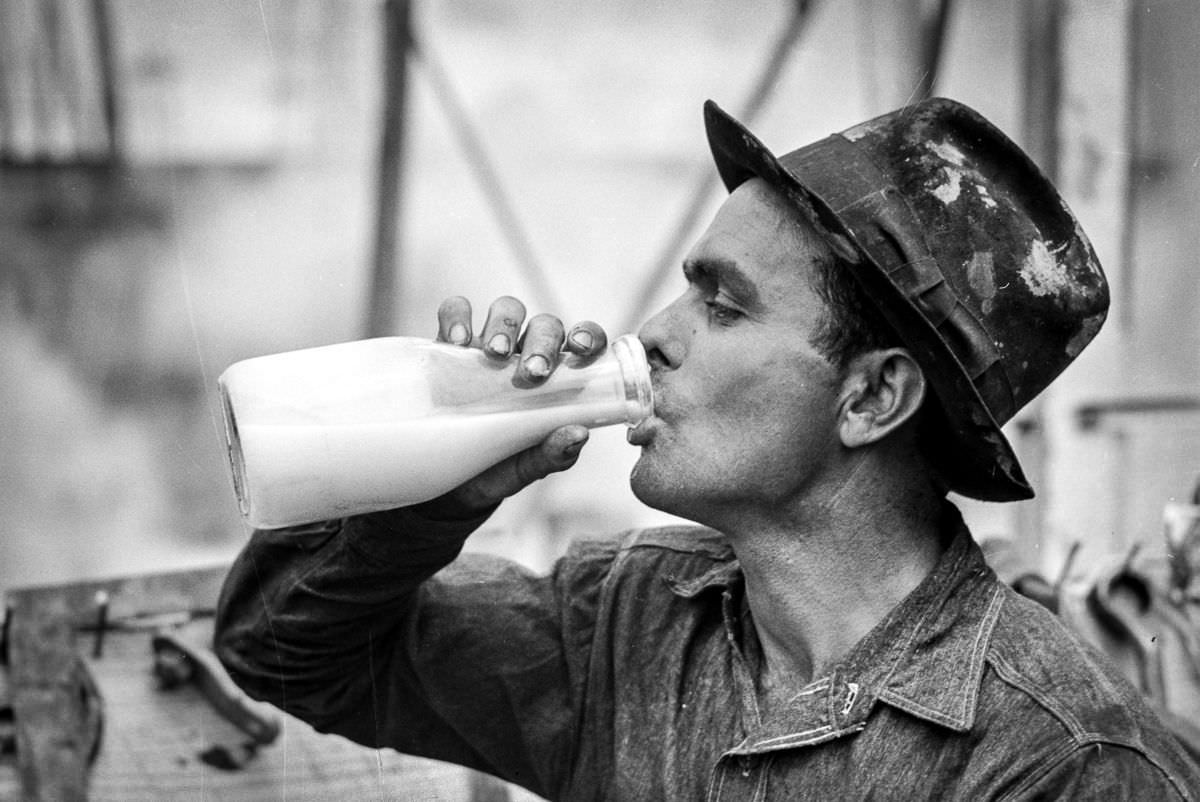
Lee trained his lens on the men working the drilling rigs. The physical demands of the job were extreme. Workers spent long shifts on steel platforms, handling heavy equipment in all kinds of weather. Injuries were common, and the pace rarely let up. Lee’s photographs captured those conditions without softening them — grease-covered hands, exhausted faces, and bodies built hard by constant labor.
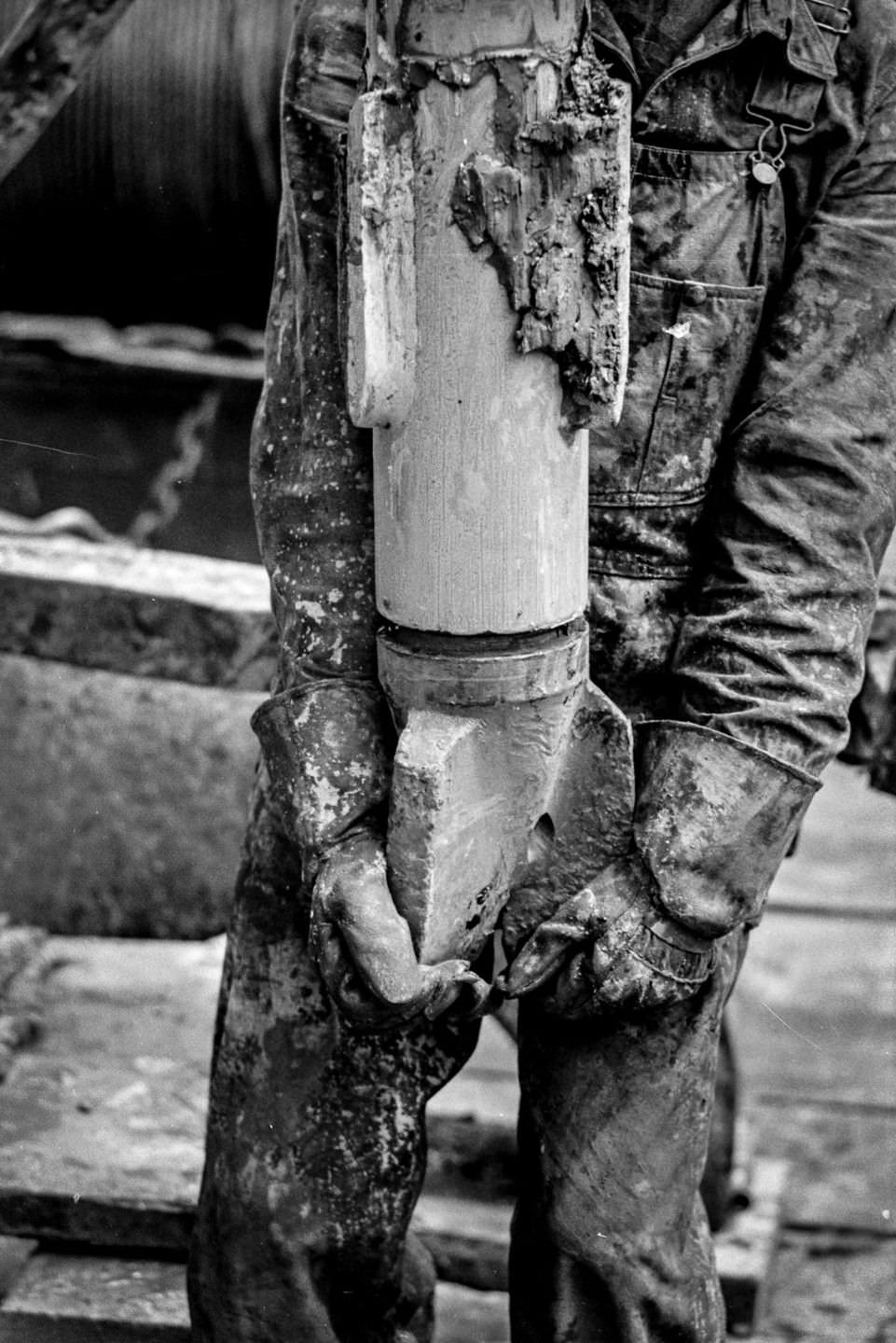
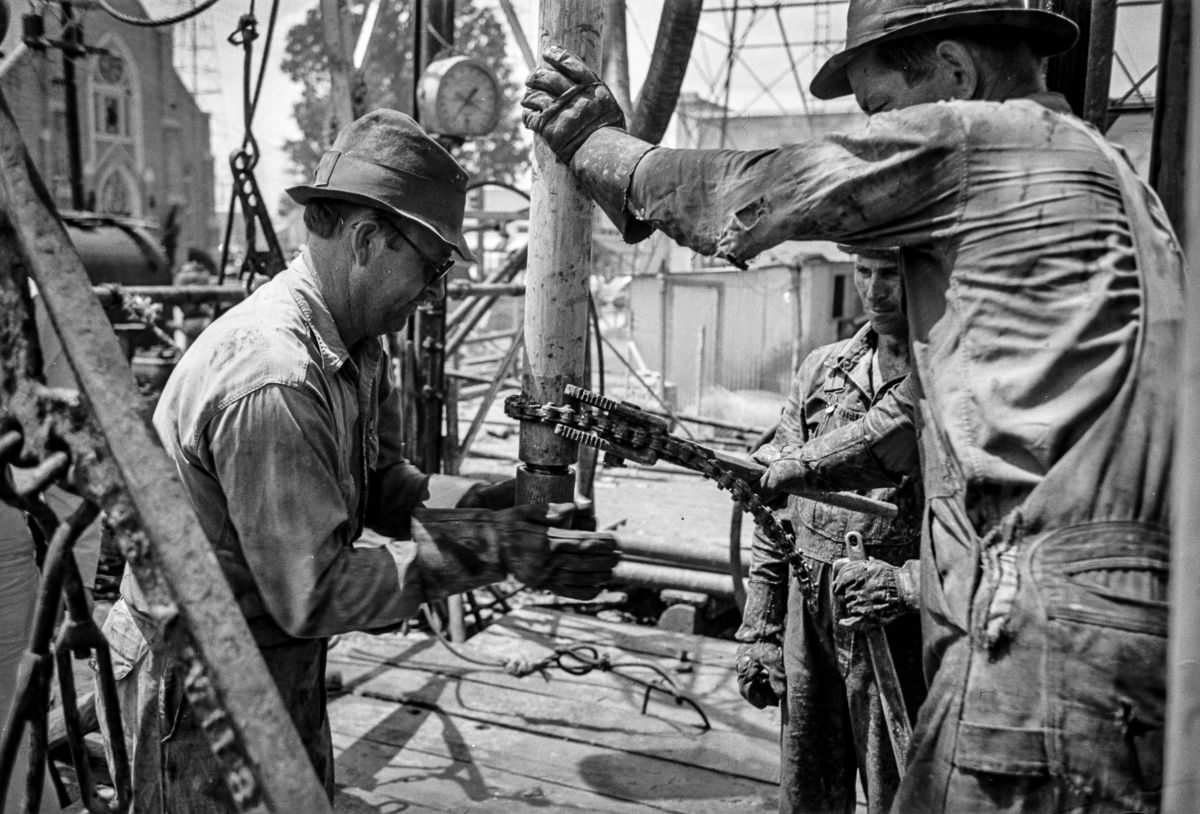
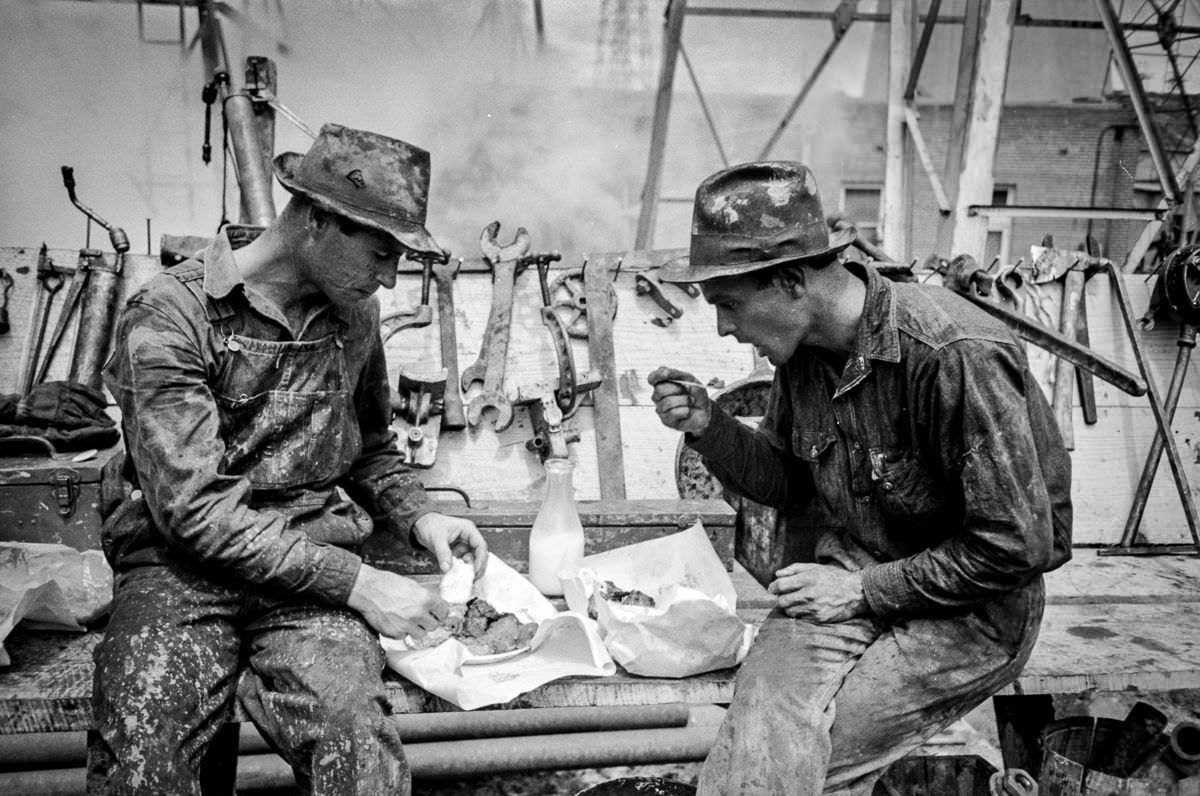
Beyond the rigs themselves, Lee documented where and how these men lived. Workers in Kilgore often stayed in tight quarters near the job sites — rooming houses, makeshift camps, or shared housing thrown up quickly to meet the demand. Despite the rough conditions, strong bonds formed among the men. They shared meals, looked out for each other, and built small communities in the middle of an industrial boom.
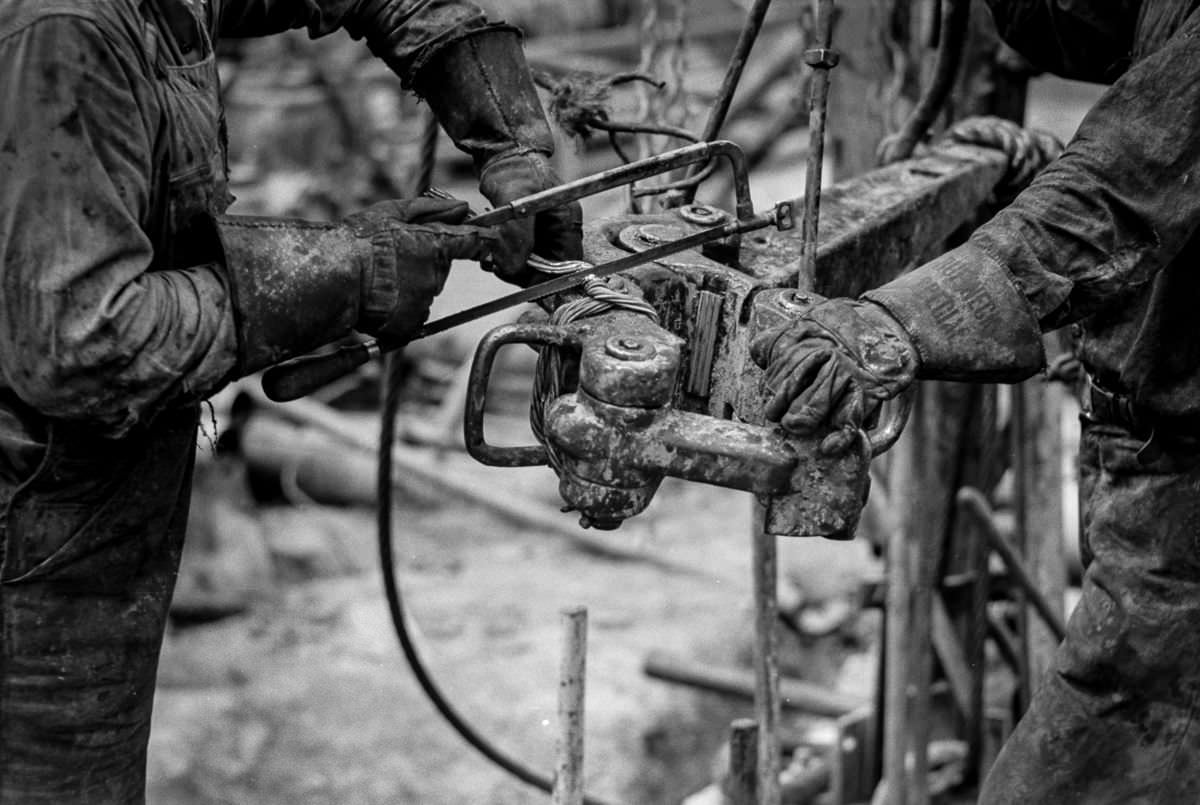
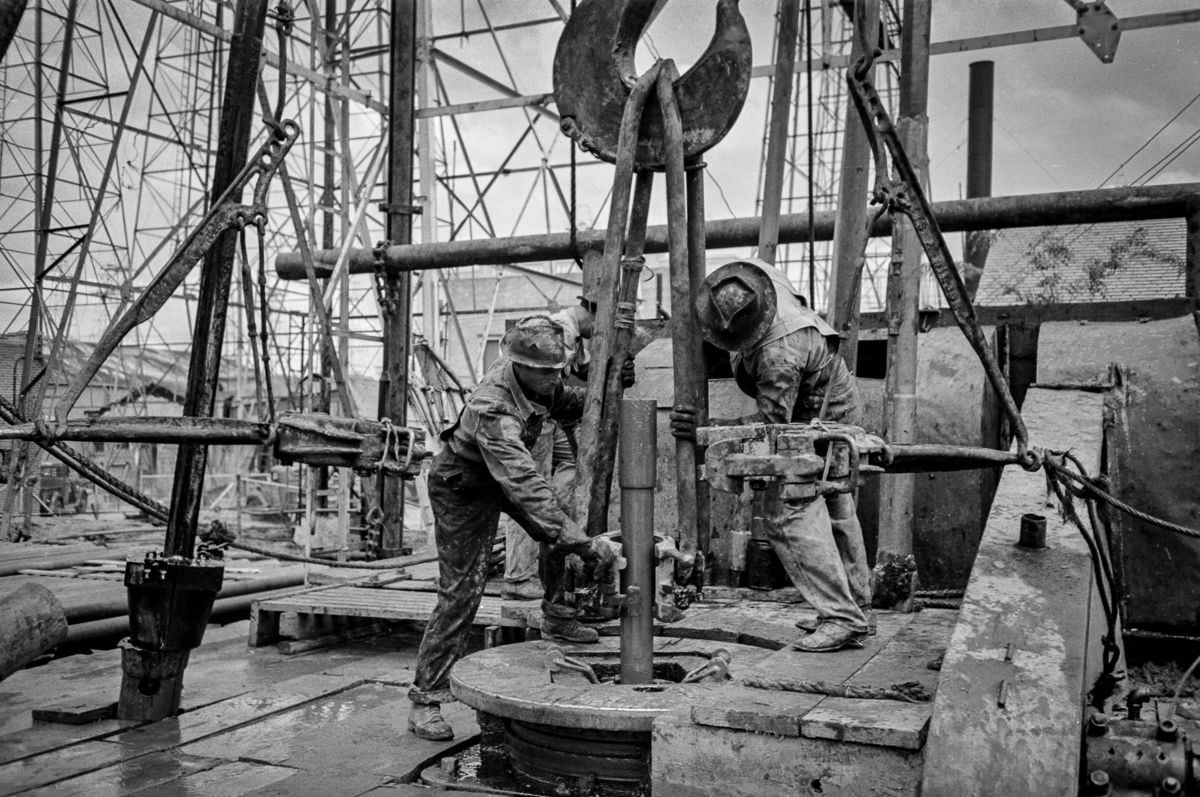
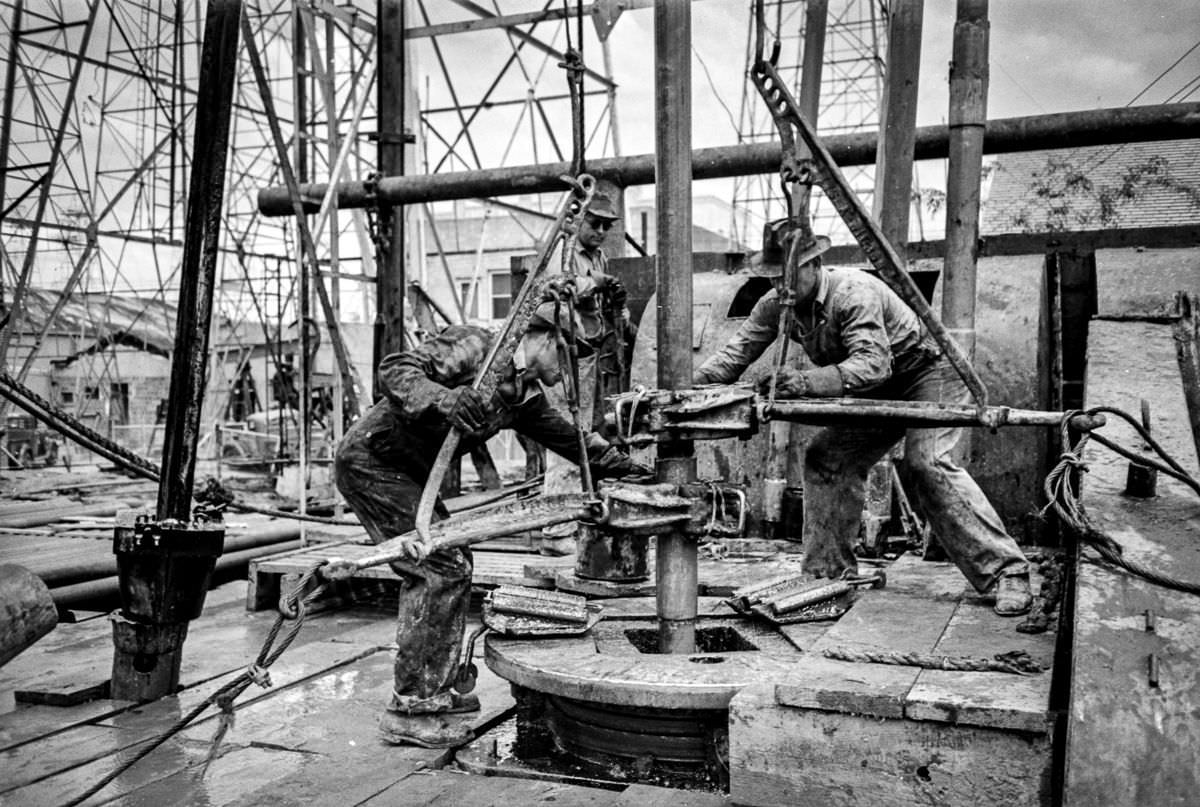
Lee also moved through the broader town of Kilgore, photographing the streets, businesses, and residents who lived in the shadow of the oil industry. The drilling operations had reshaped the local economy fast. Shops, diners, and service trades all existed because of the oil money flowing through the area. Lee’s wider shots put the workers in context — not just as laborers, but as part of a community transformed by one resource.
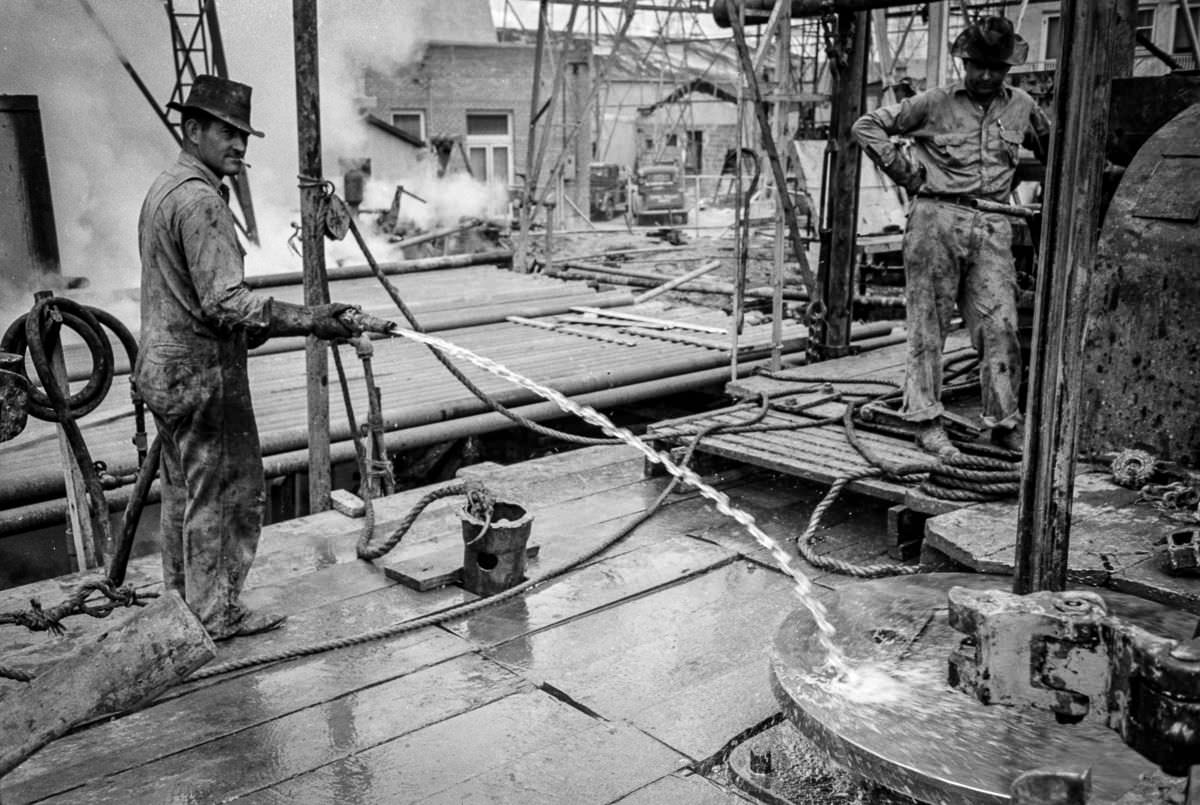
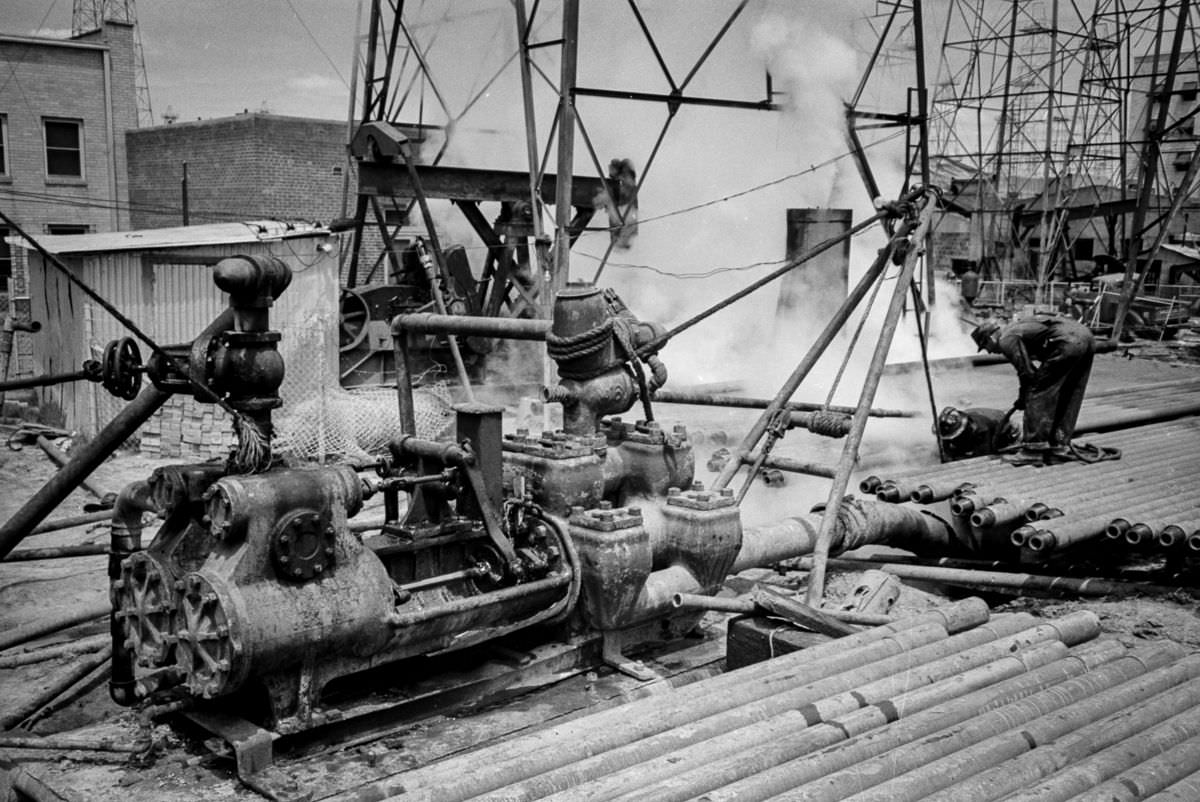
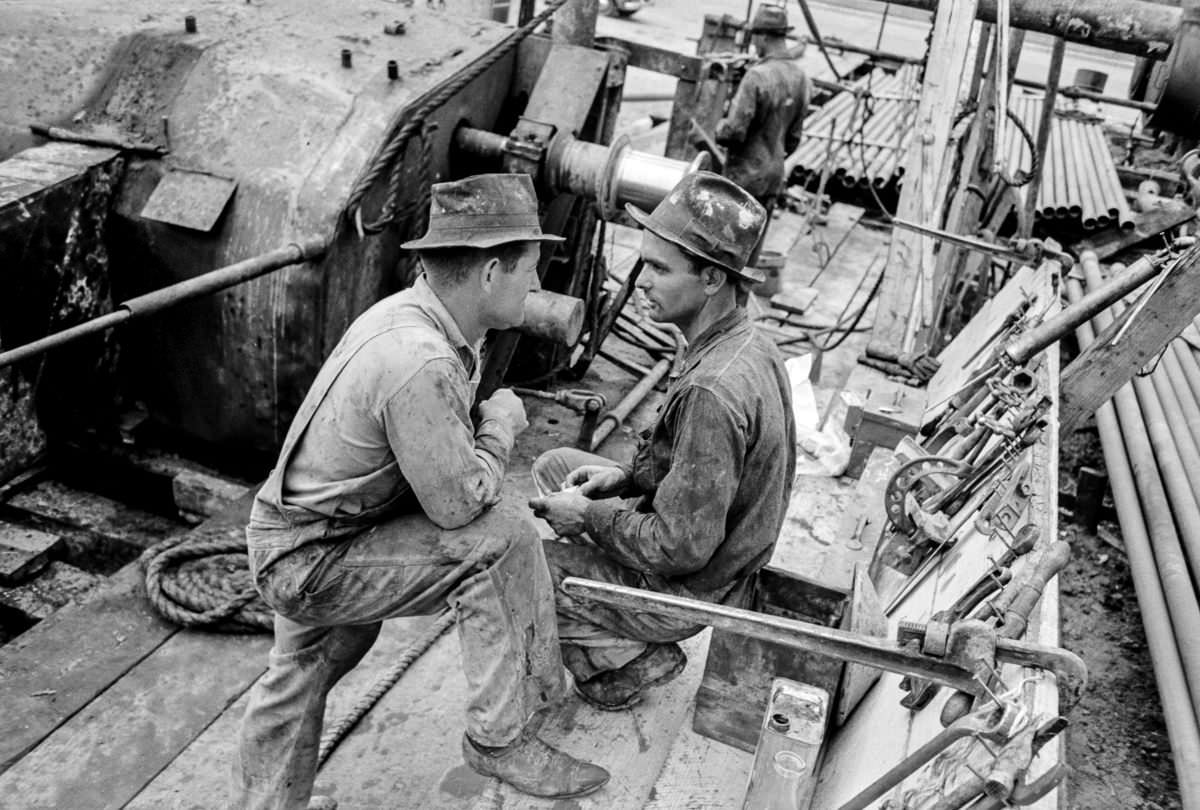
What makes Lee’s Kilgore photographs stand out is their directness. He did not dramatize his subjects or arrange them for effect. He showed men at work — real work, with real dirt and real risk. The FSA archive he contributed to became one of the most important documentary collections in American history, and his Texas images are a key part of that record.
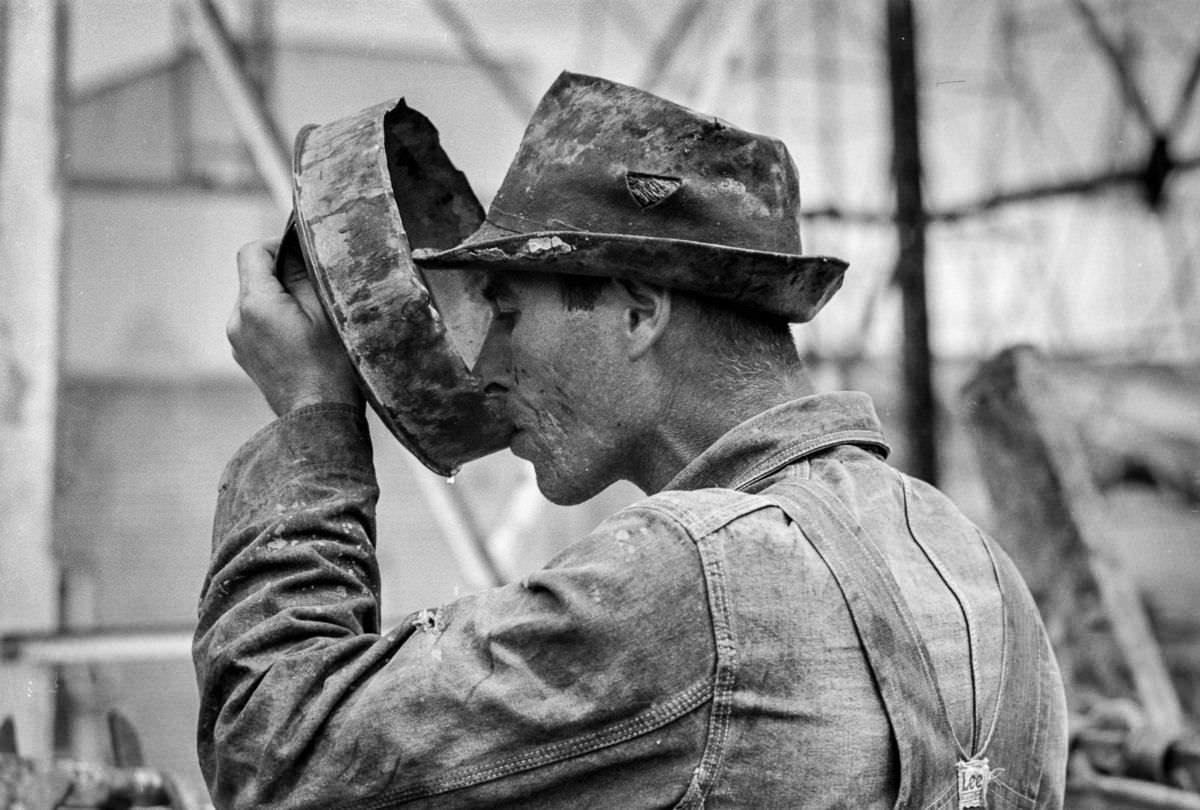
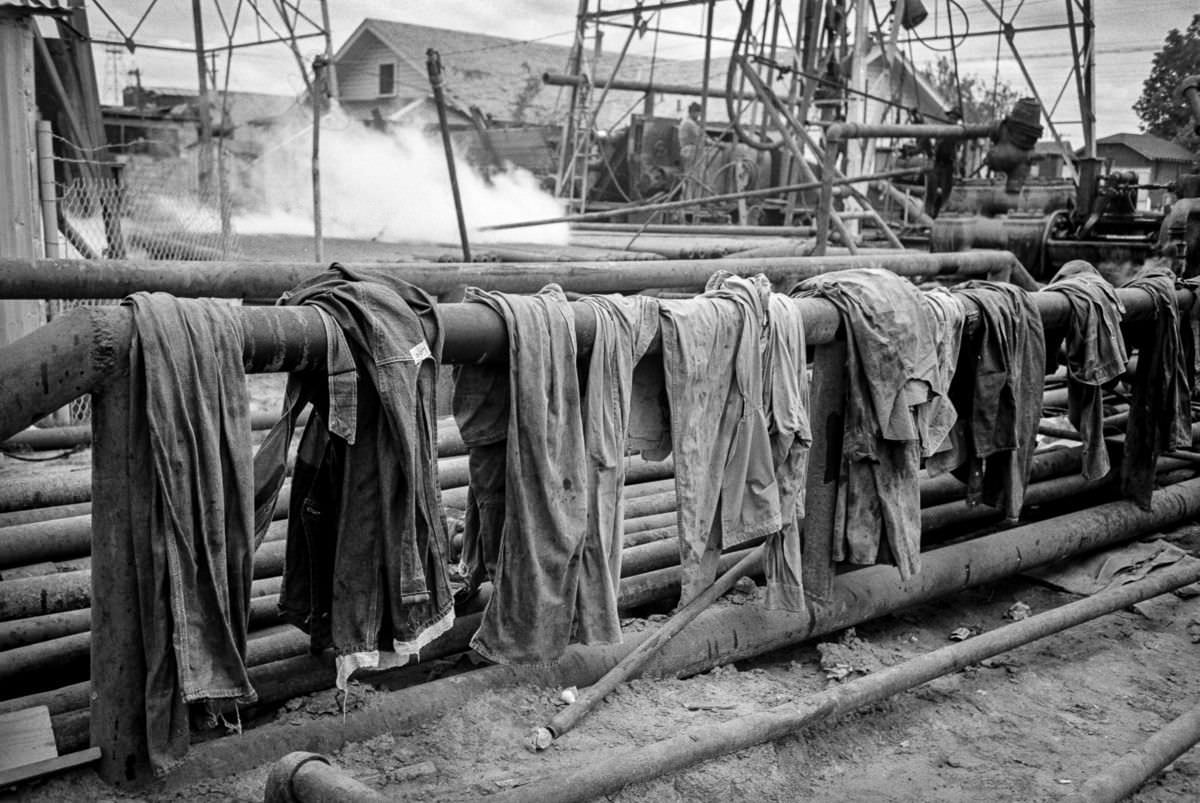
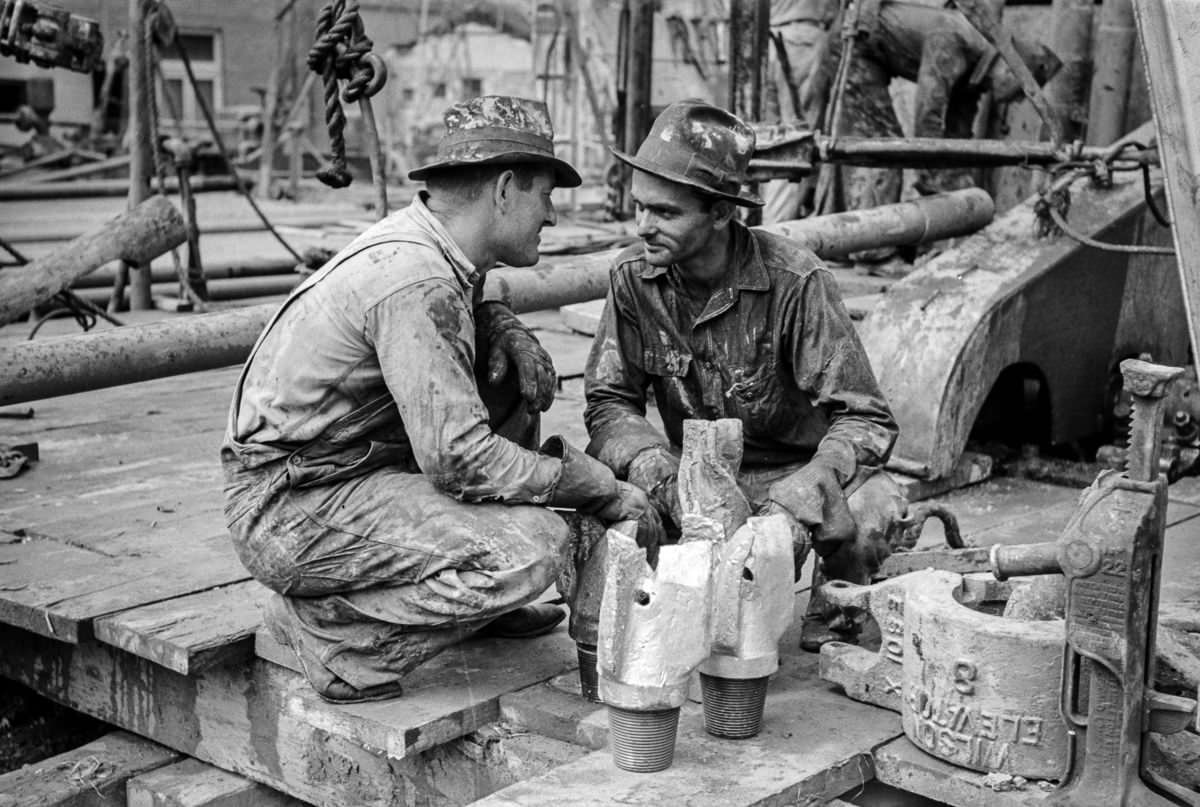
The oil field workers Lee photographed were not famous. Most left no written record of their lives in Kilgore. But Lee’s camera preserved their faces, their tools, their workplaces, and their daily routines in precise detail. These images remain one of the clearest windows into what life on the Texas oil frontier actually looked like during the 1930s.