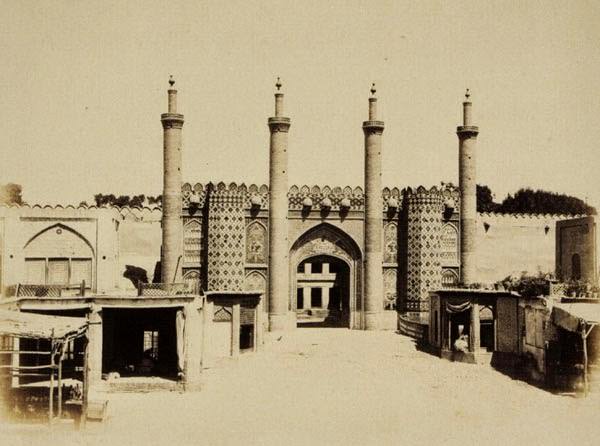
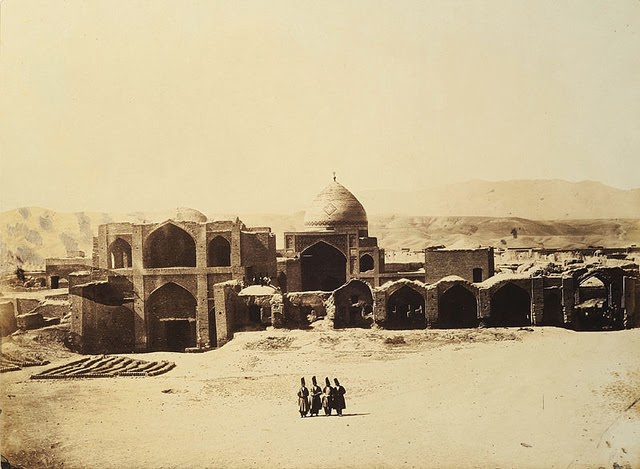
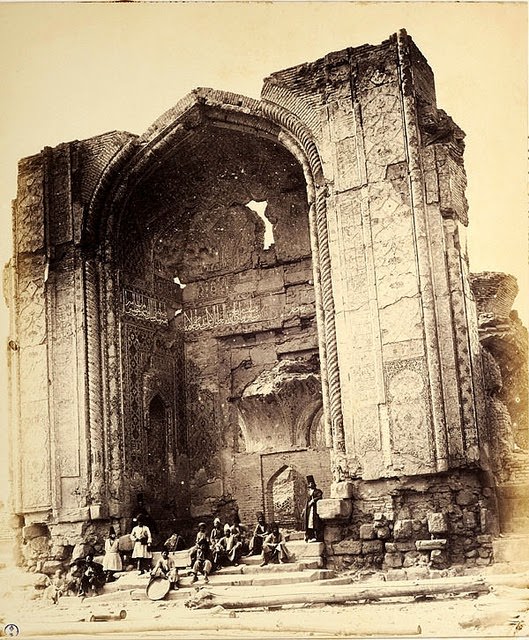
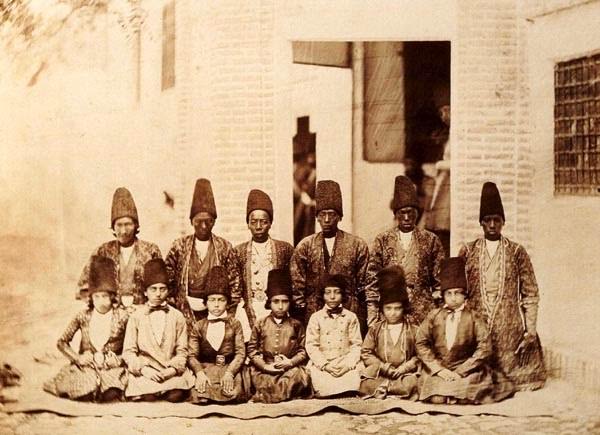
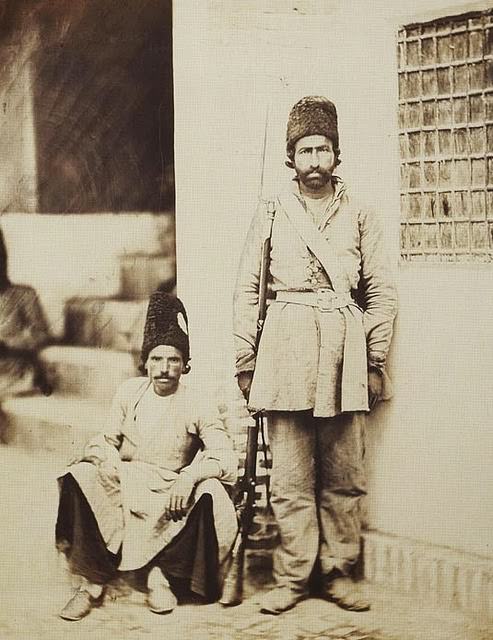
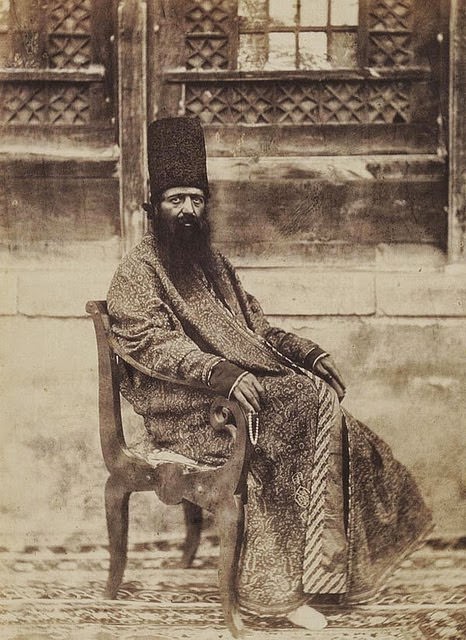
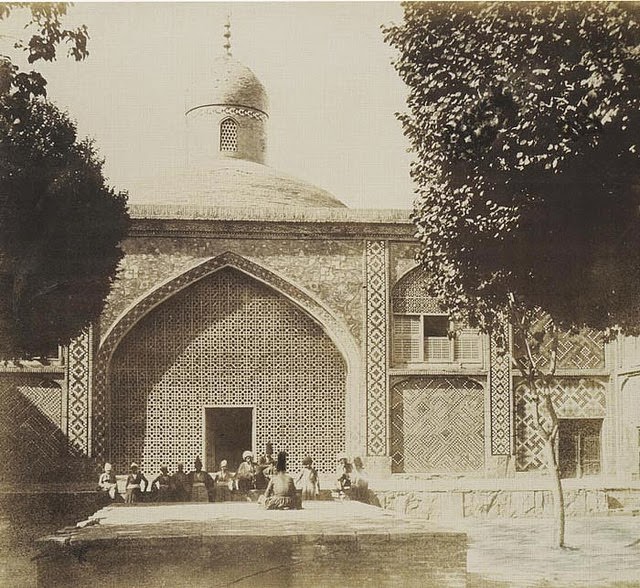
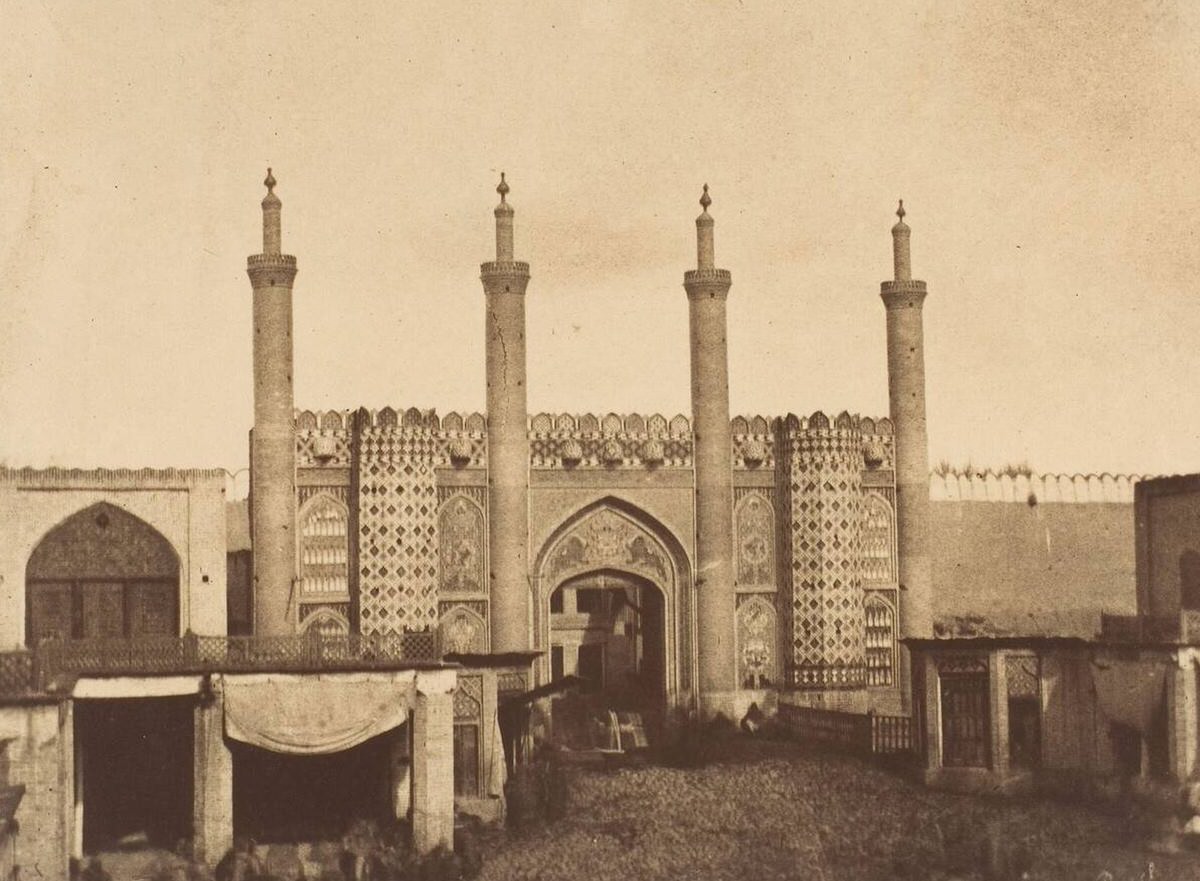
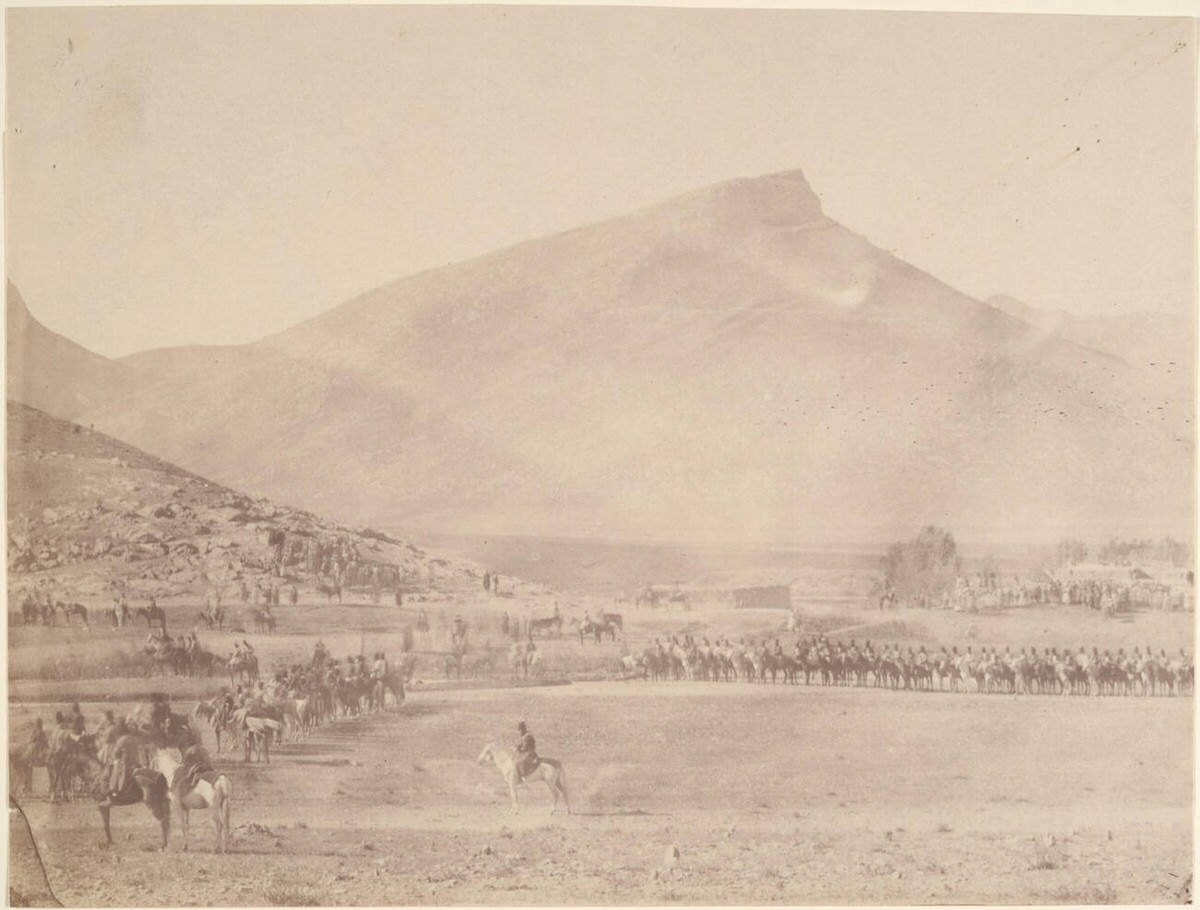
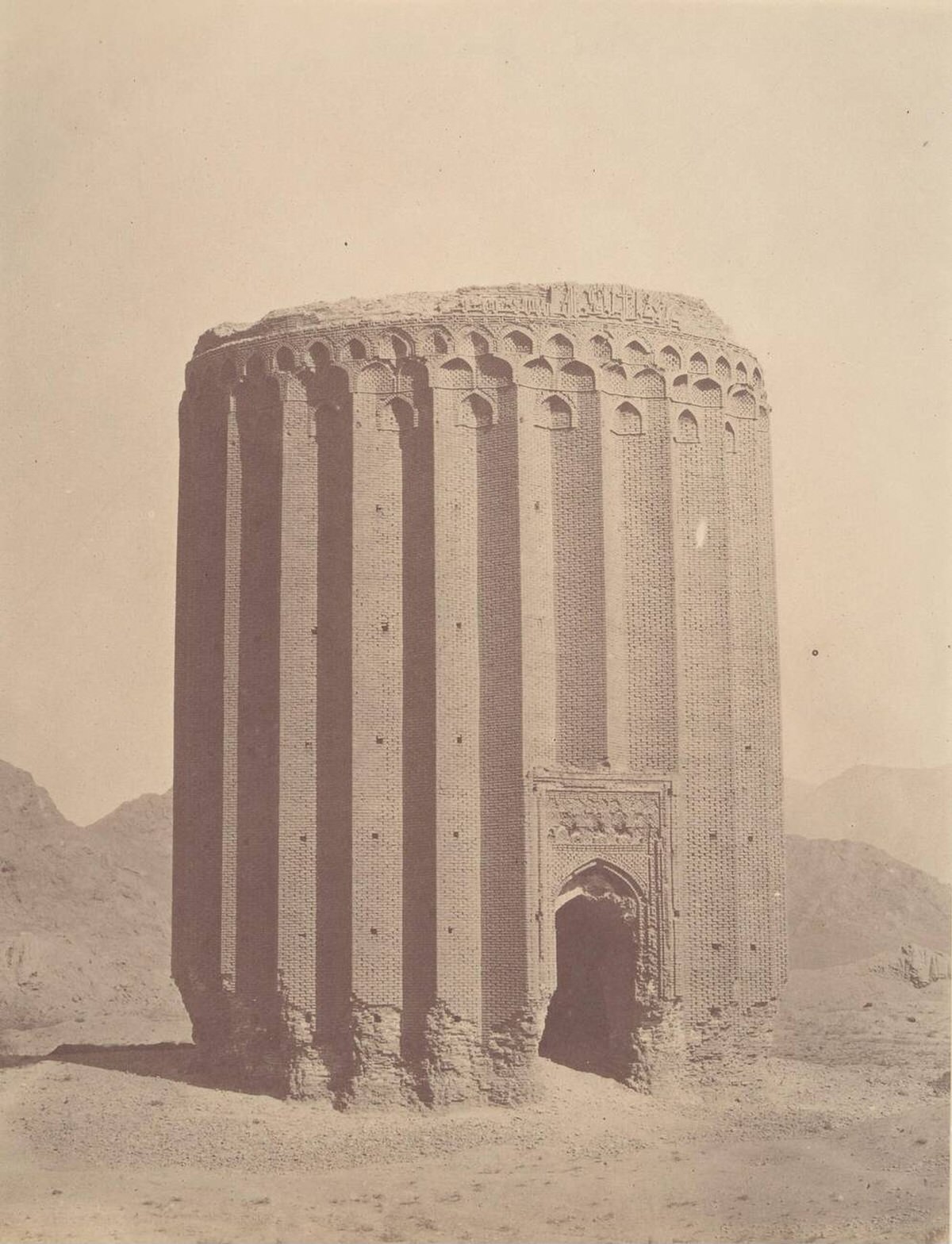
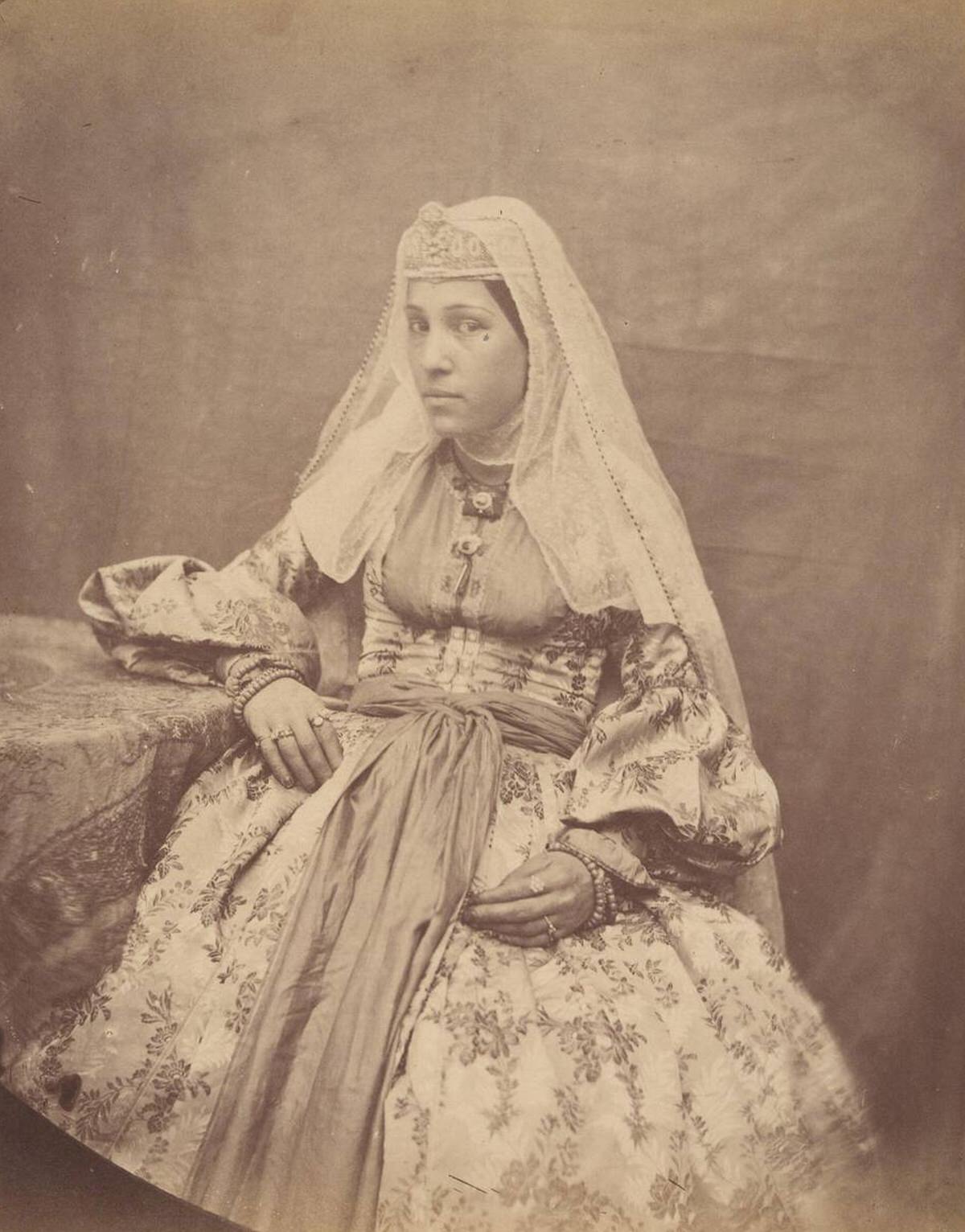
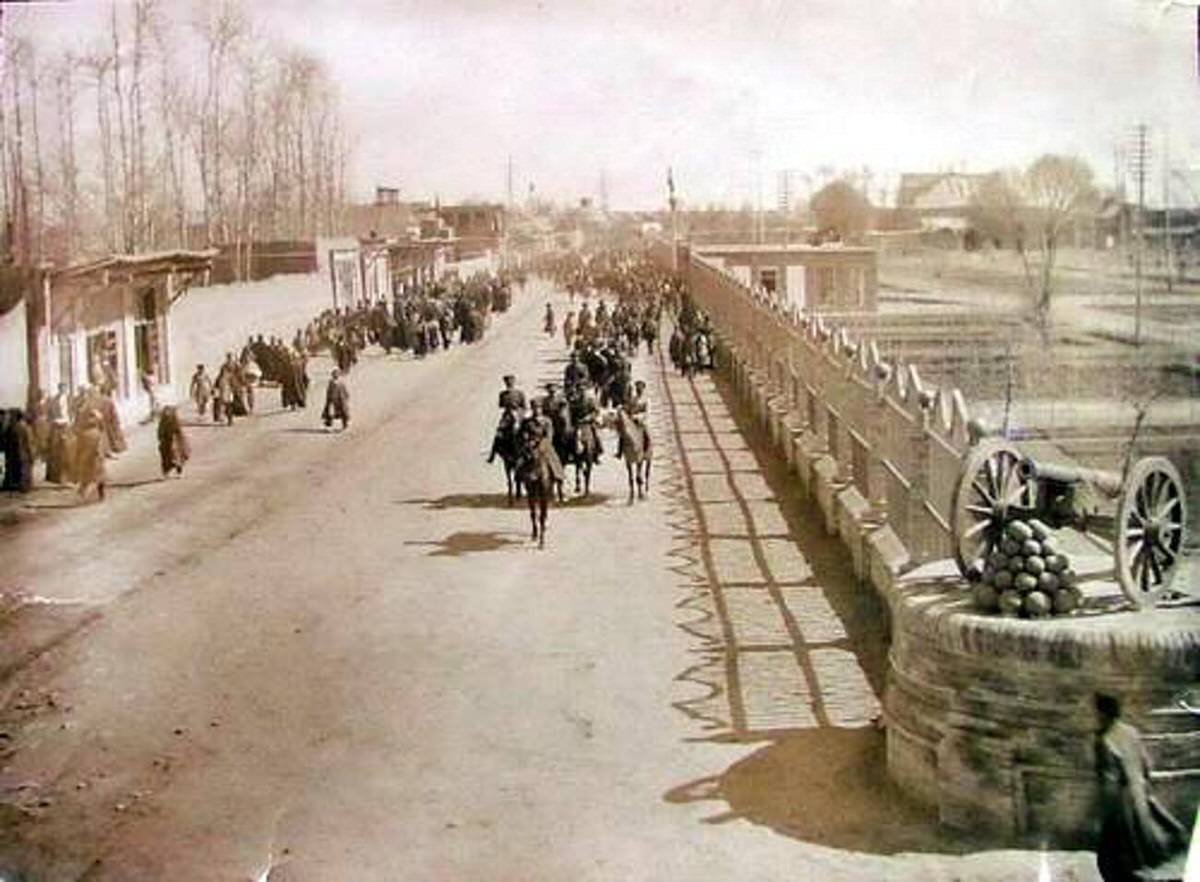
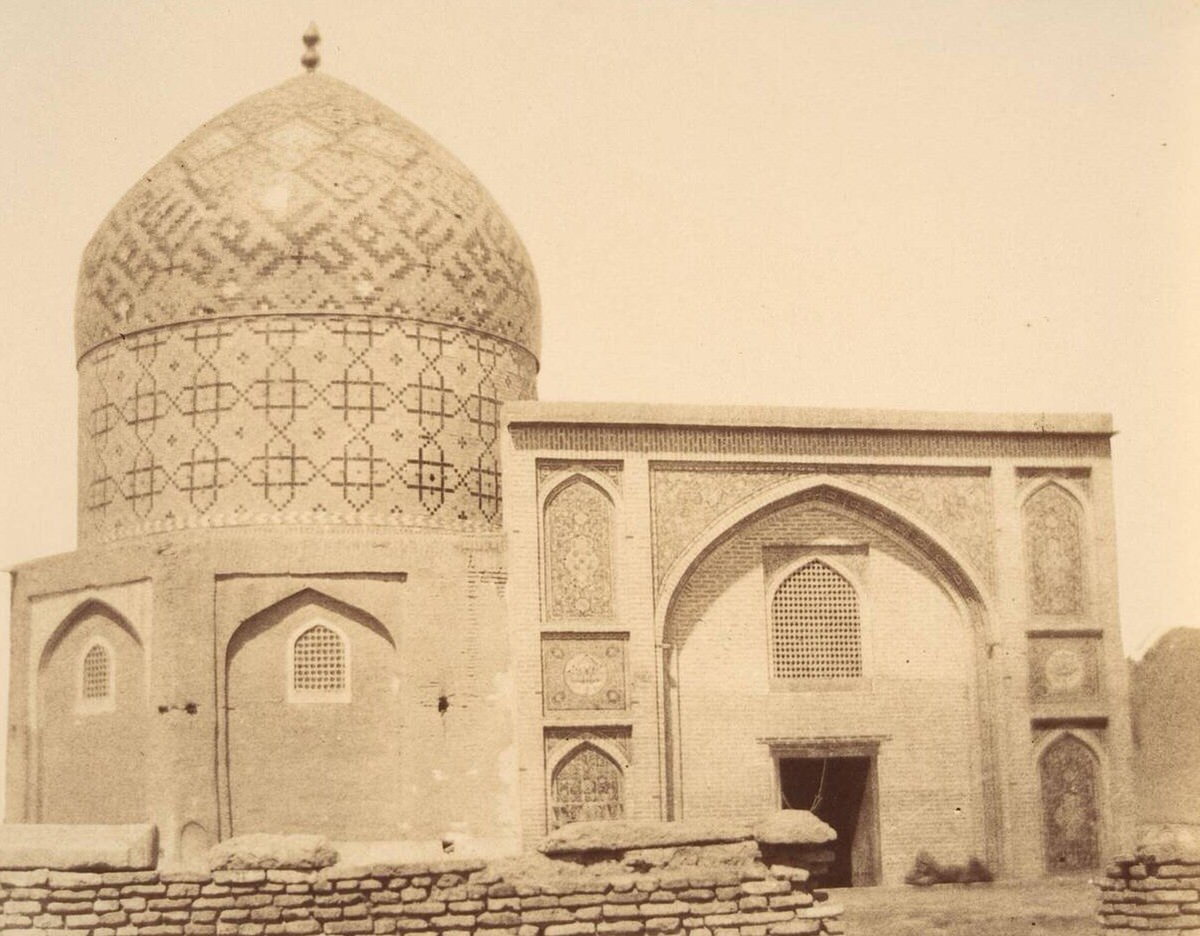
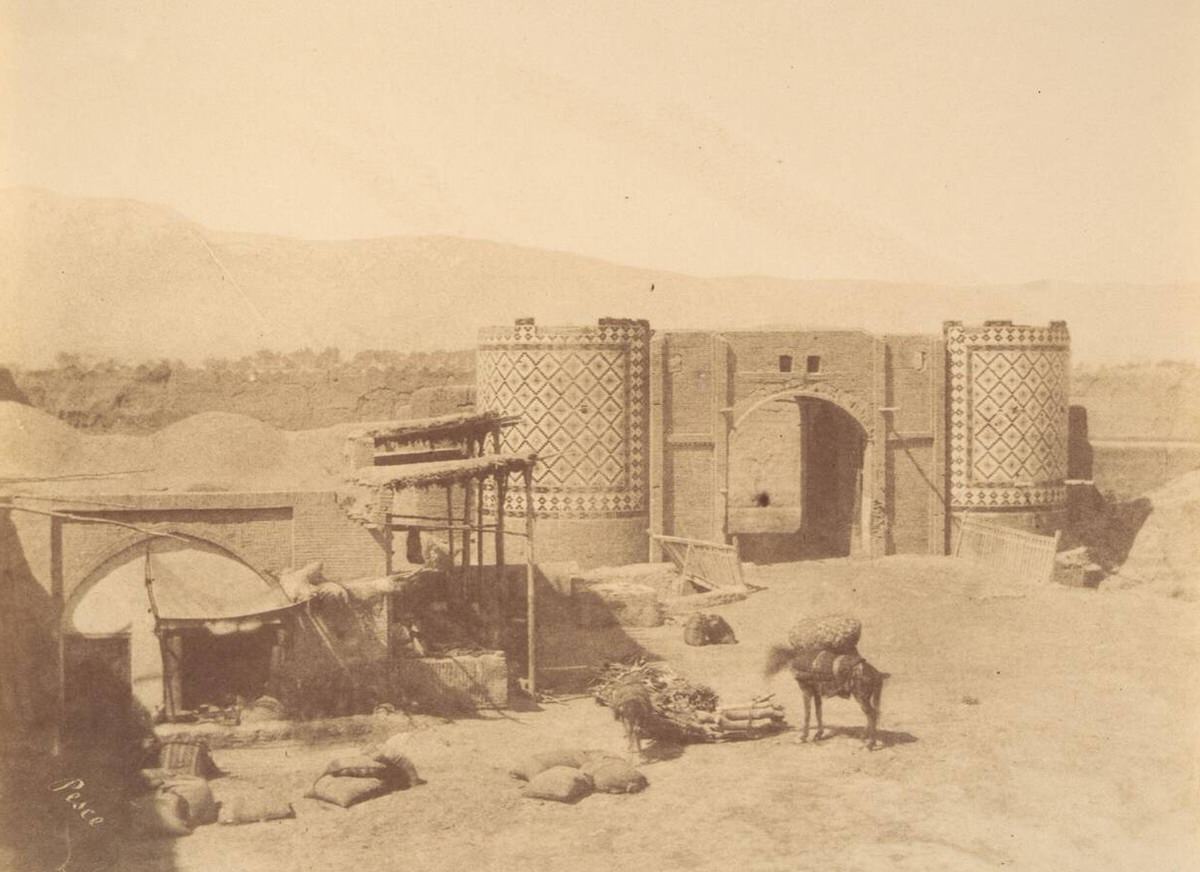
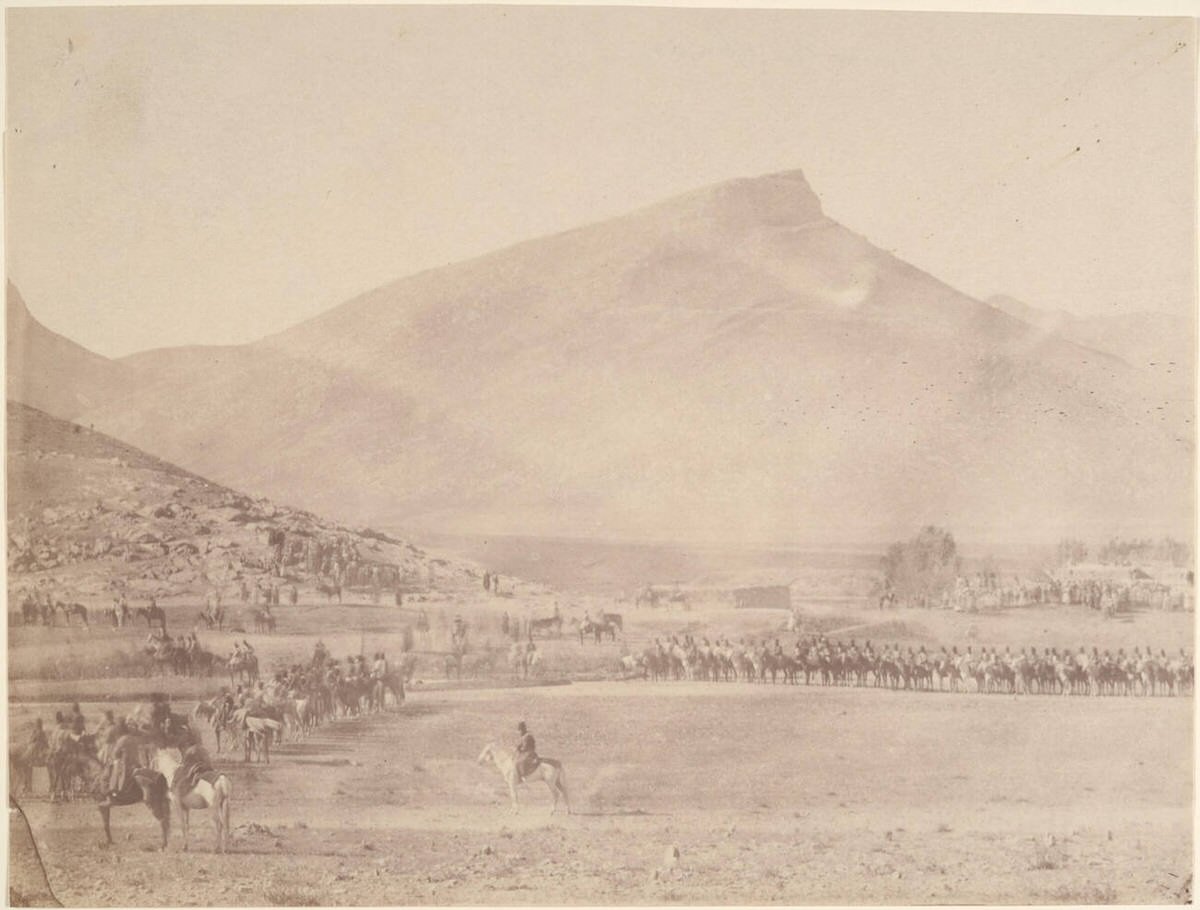
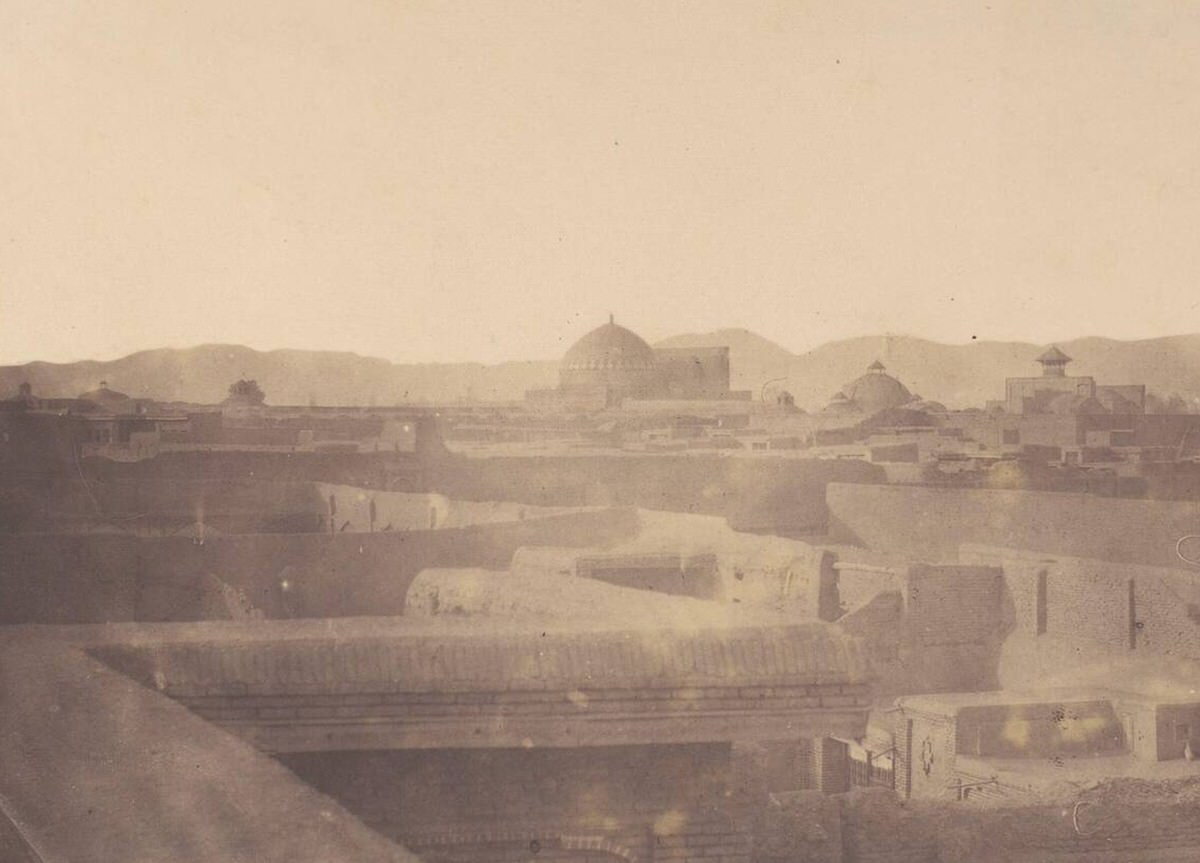
Tehran in the 1860s functioned as a compact, fortified city, confined strictly within high mud-brick walls built centuries earlier. Twelve ornate gates controlled all access to the capital, and guards closed them promptly at sunset to seal the city for the night. The entire urban area measured roughly four miles in circumference. Beyond these fortifications, bare plains stretched northward toward the snow-capped Alborz Mountains.
Inside the gates, the city layout consisted of a confusing maze of narrow, unpaved alleyways. Thick layers of dust covered the ground during the hot, dry summer months. When winter rains arrived, this dust turned into deep, sticky mud that made walking difficult. High walls made of sun-dried mud bricks lined the streets, completely hiding the private homes and gardens from public view. No streetlights existed, so the city fell into total darkness and silence after dusk.
Water flowed through the districts in open channels known as jubes. This water originated from mountain springs and traveled underground through tunnels called qanats before surfacing in the city. The northern districts received the water first while it remained relatively clean. By the time the streams reached the poorer southern neighborhoods, residents used the same water for washing clothes and animals. Water carriers walked the streets with heavy leather skins, selling fresh drinking water to those who wanted to avoid the dirty public channels.
Read more
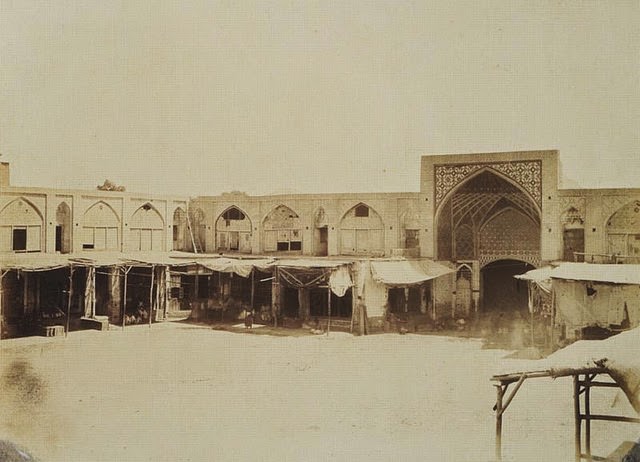
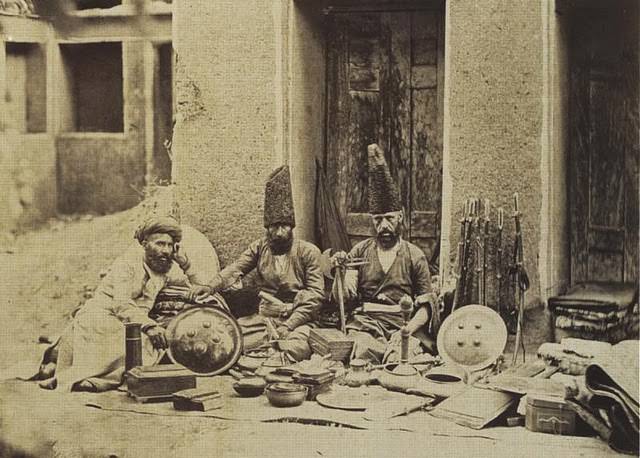
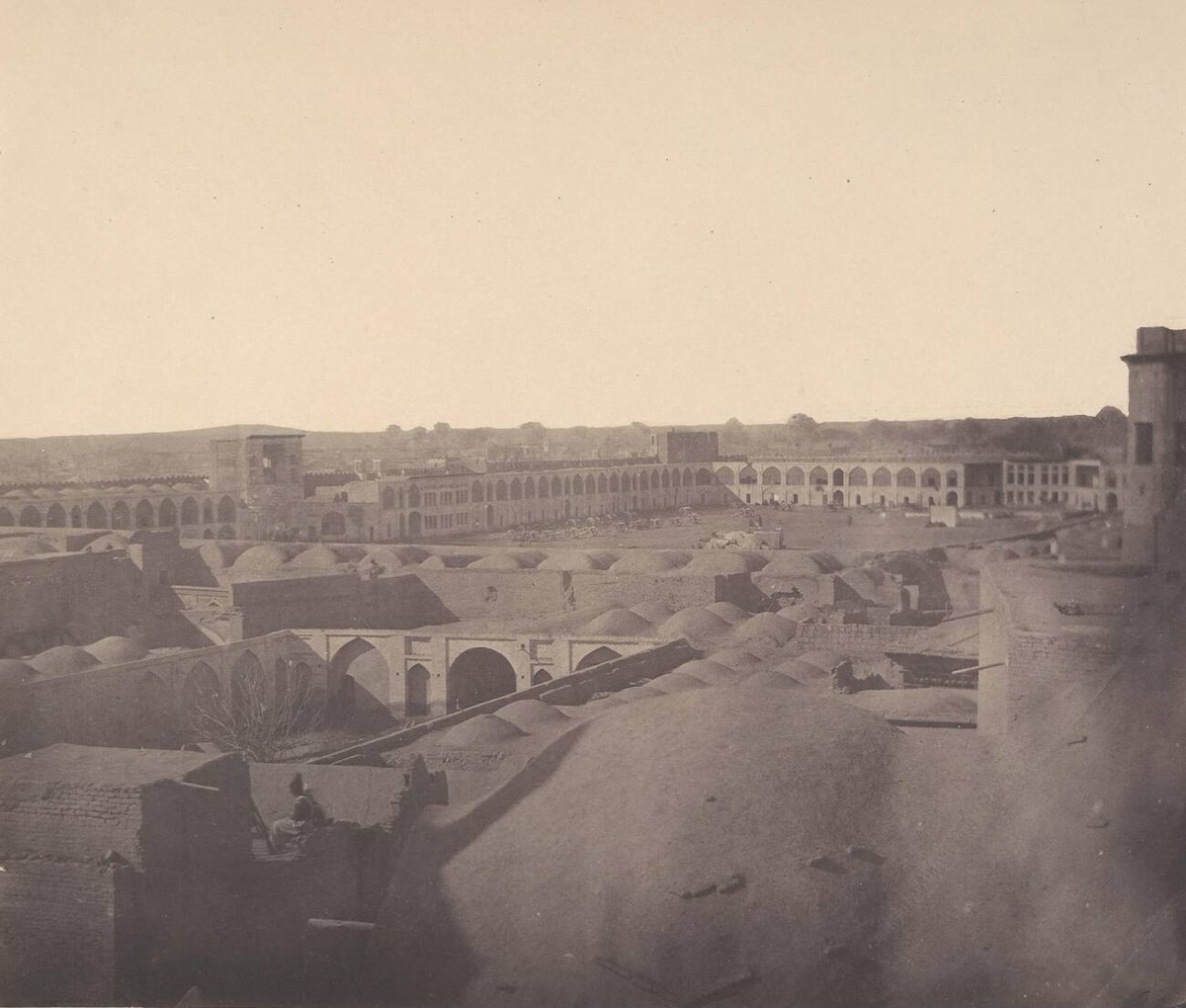
The Grand Bazaar served as the economic center of the capital. Brick domes and vaulted ceilings covered miles of pathways, protecting shoppers from the intense midday sun. Merchants organized themselves by trade, with specific sections dedicated entirely to carpet sellers, coppersmiths, or spice merchants. The air inside remained cool and carried the scent of roasting nuts, raw leather, and charcoal smoke. Donkeys and camels carried heavy bales of goods through these crowded corridors, forcing pedestrians to press flat against the stall walls to let them pass.
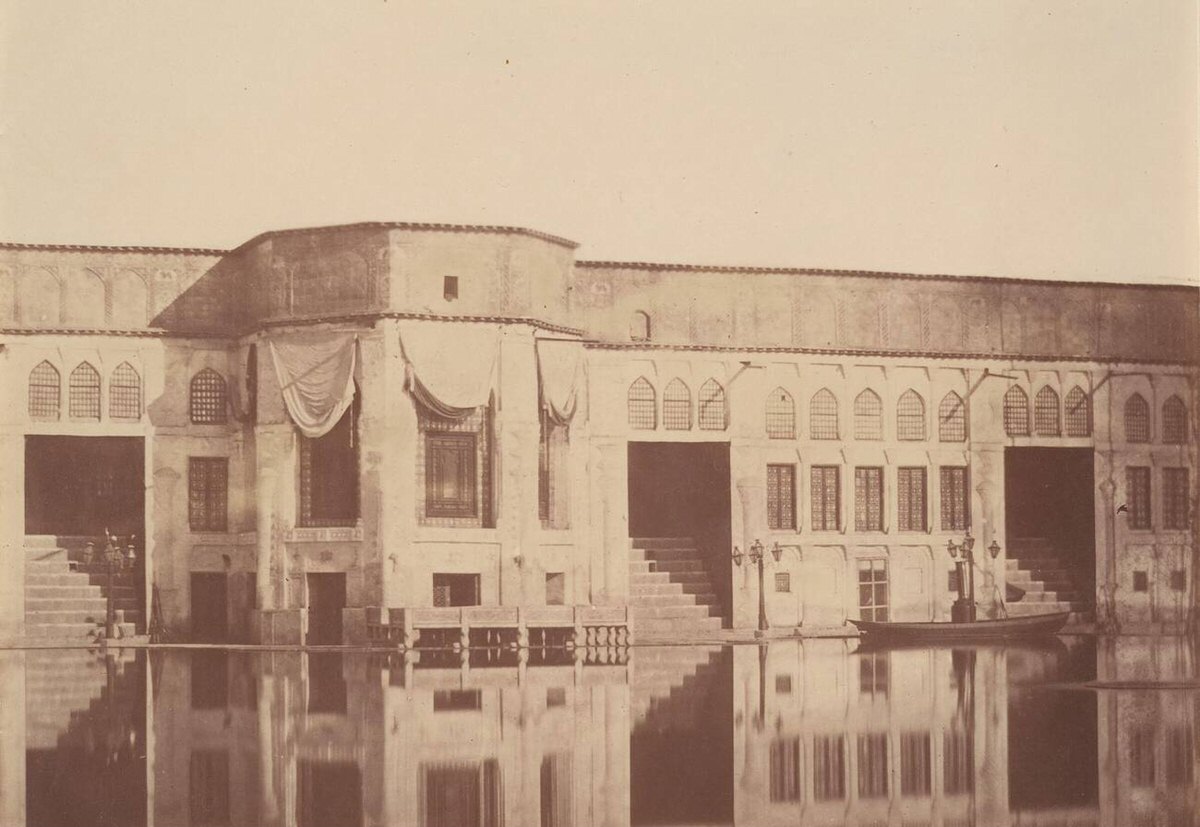
Residential life for the wealthy took place in houses designed with central courtyards. These homes featured small pools and fruit trees that provided shade and humidity. Families divided their living space into the biruni, a public reception area for male guests, and the andaruni, the private quarters for women and children. During the scorching summer nights, residents climbed to the flat roofs of their houses to sleep under the open sky and catch the breeze.
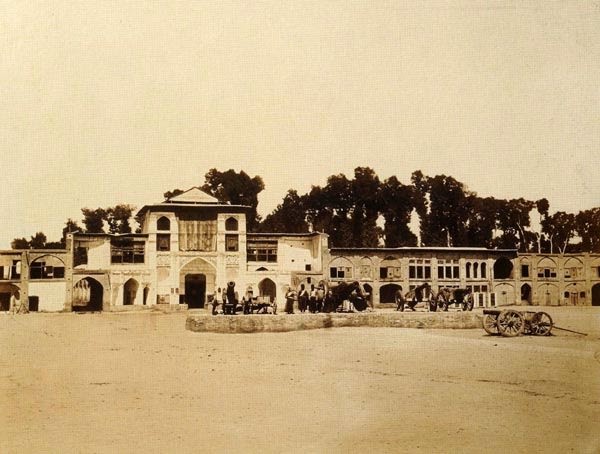
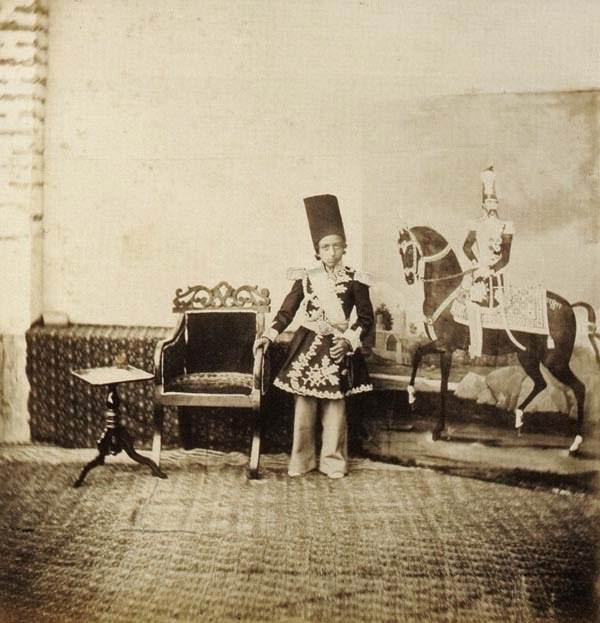
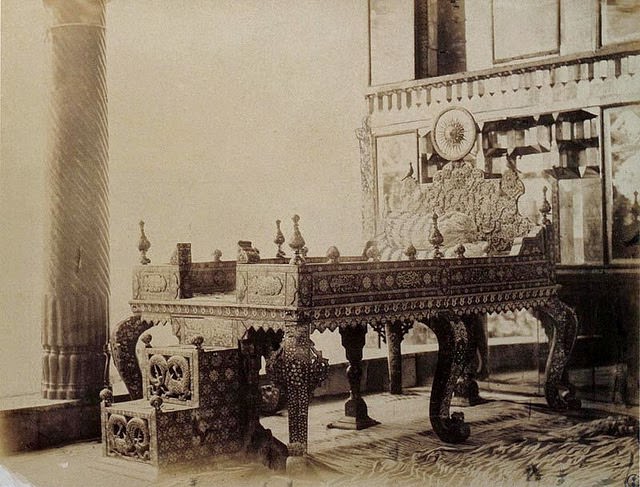
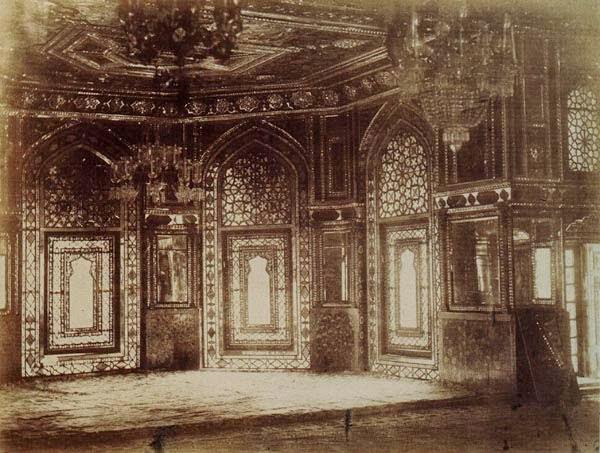
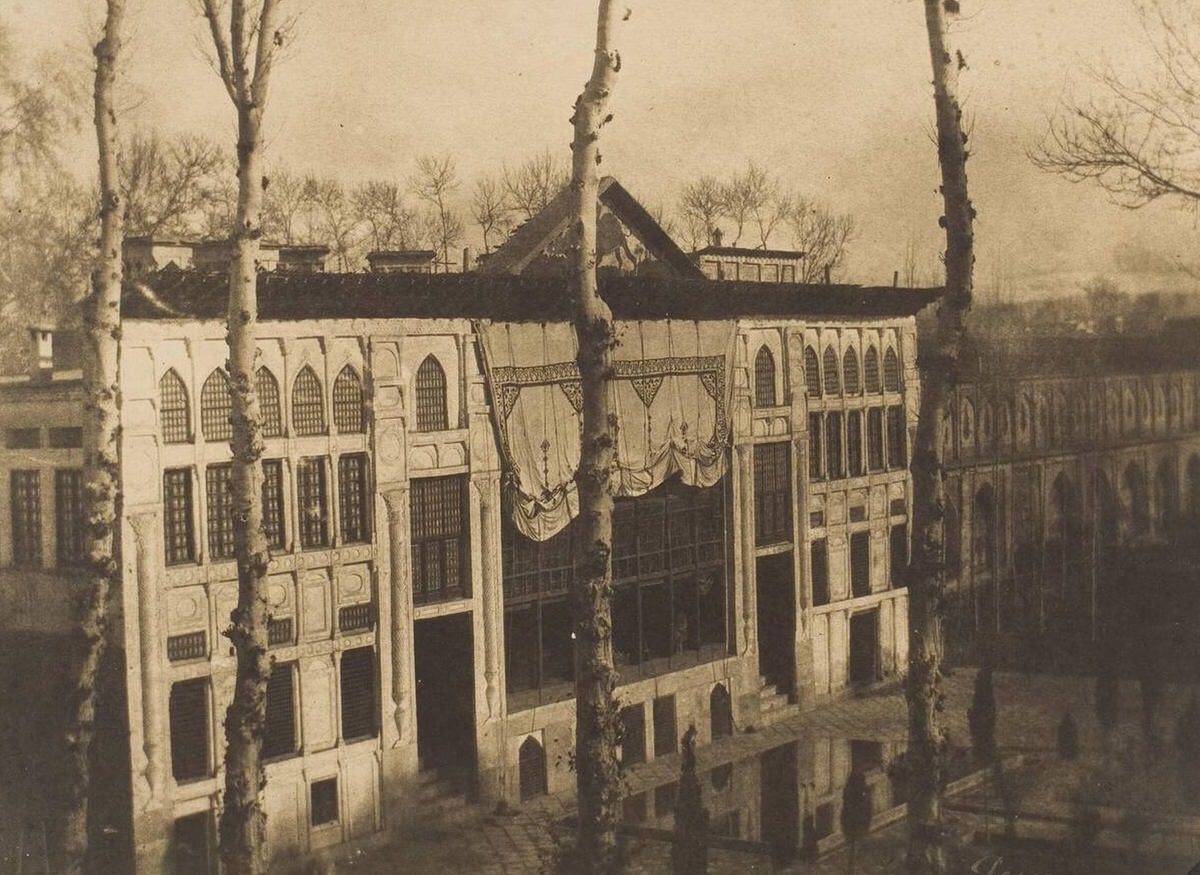
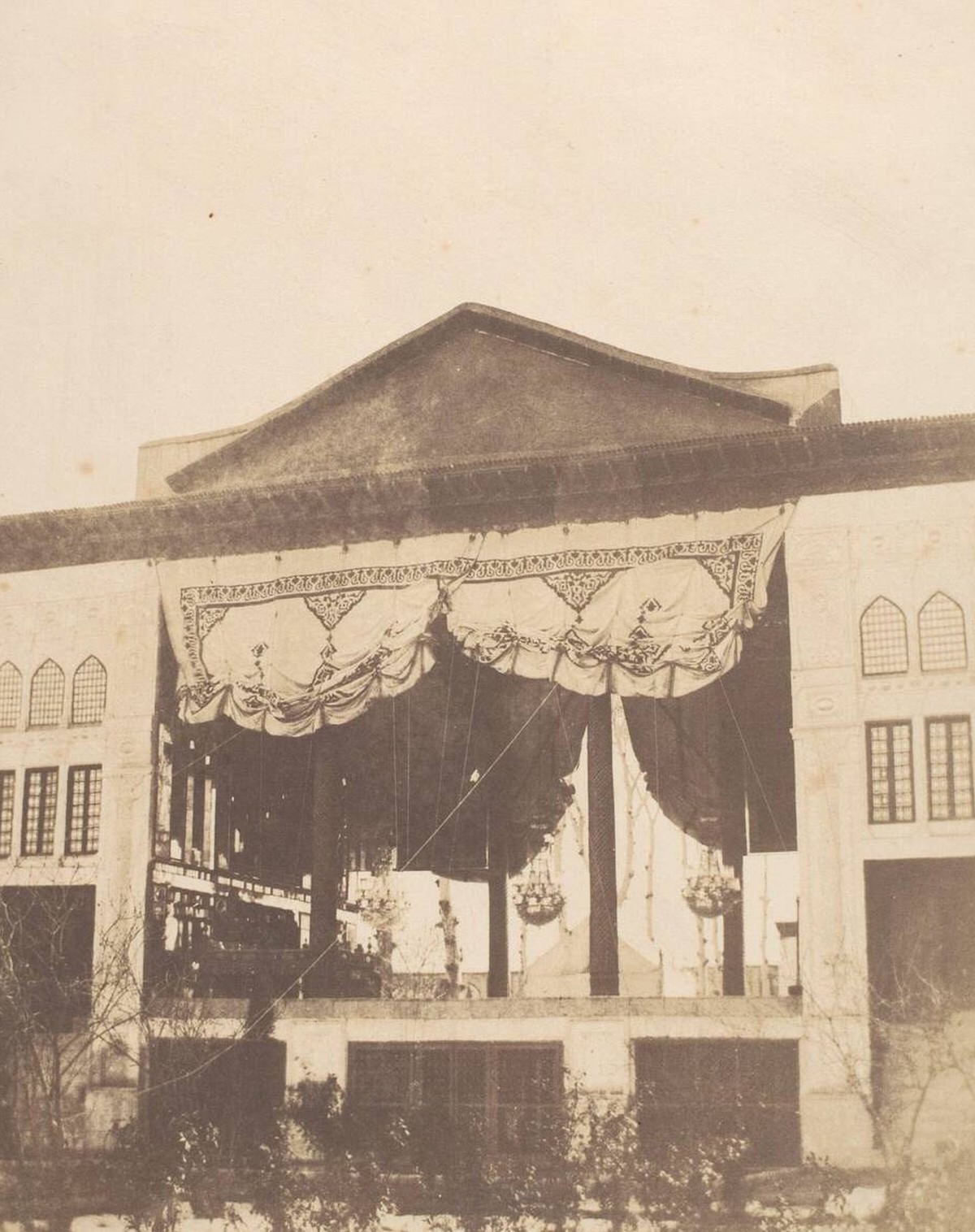
The Arg, or citadel, stood apart from the rest of the city as the royal enclosure. It housed the Golestan Palace, where Nasser al-Din Shah held court. High walls separated this royal complex from the noise and dust of the public bazaar. Inside, the architecture featured elaborate tile work and halls covered in small mirrors that reflected the light. In the late 1860s, the Shah ordered the destruction of the old city walls and the filling of the moat to allow the city to expand, fundamentally changing its medieval footprint.