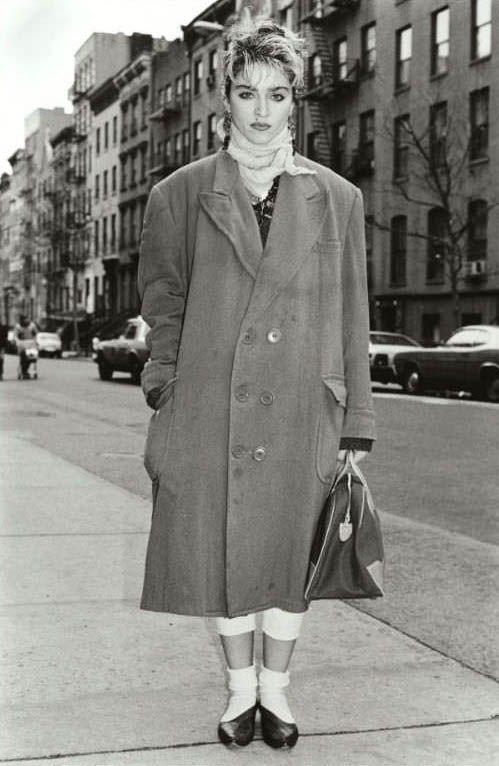
New York City in the 1980s was a city in flux. The streets were alive with competing subcultures — punk, hip-hop, Rastafarian, downtown art, and club culture — all colliding on sidewalks, in parks, and outside storefronts. No one captured that collision better than Amy Arbus. A native New Yorker and portrait photographer, Arbus spent the entire decade documenting the people who wore their identities on their sleeves, quite literally. Her photo series, “On the Street,” ran in The Village Voice from 1980 to 1990, and the images she made during those ten years became one of the most important visual records of everyday New York life ever assembled.
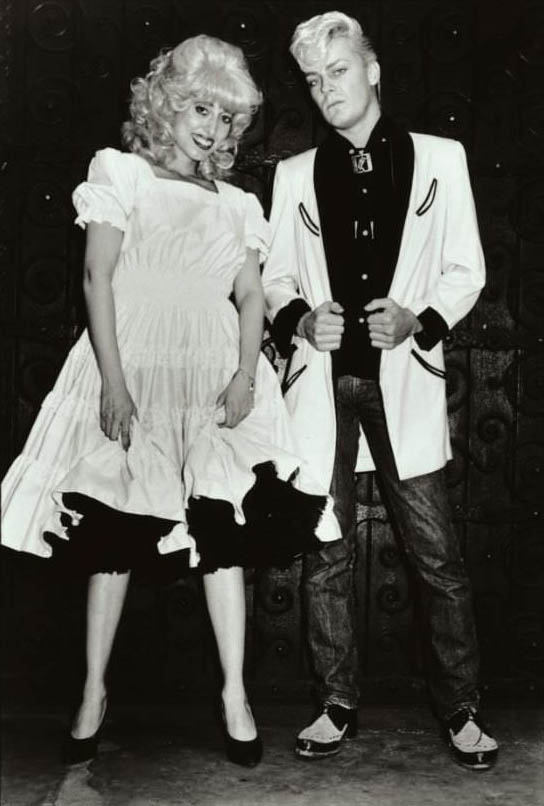
Arbus wasn’t interested in models or runways. She was looking for the trendsetters — the people already walking around the city in looks that hadn’t made it into any magazine yet. Her goal was to inspire fashion designers by showing them what was actually happening on the ground. She approached strangers, asked to photograph them, and in doing so created an archive of real style as it was being lived. Many of the people she photographed went on to become well-known musicians, designers, and artists. Her camera found them first.
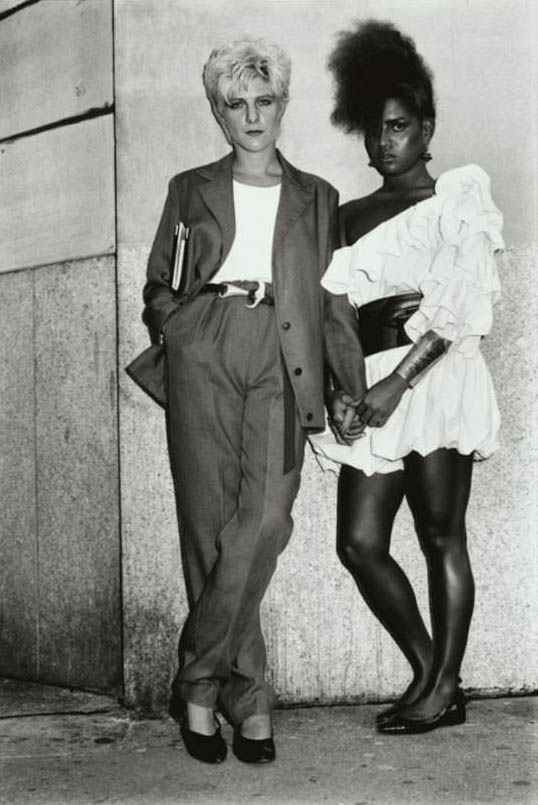
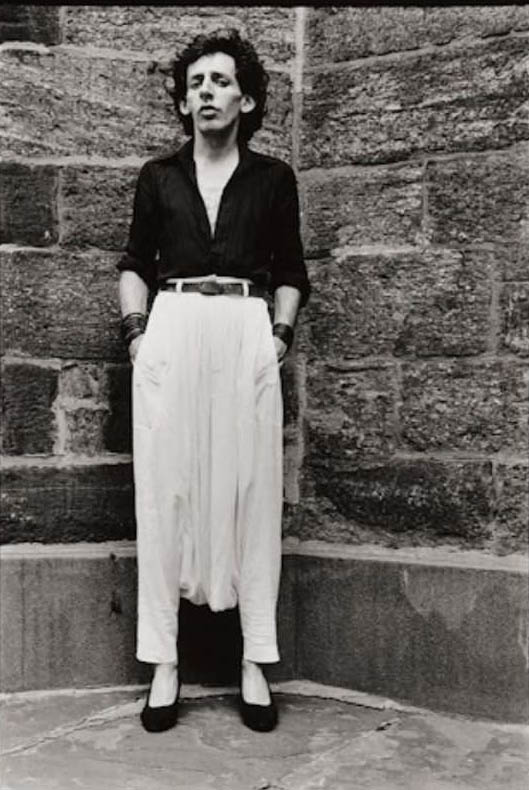
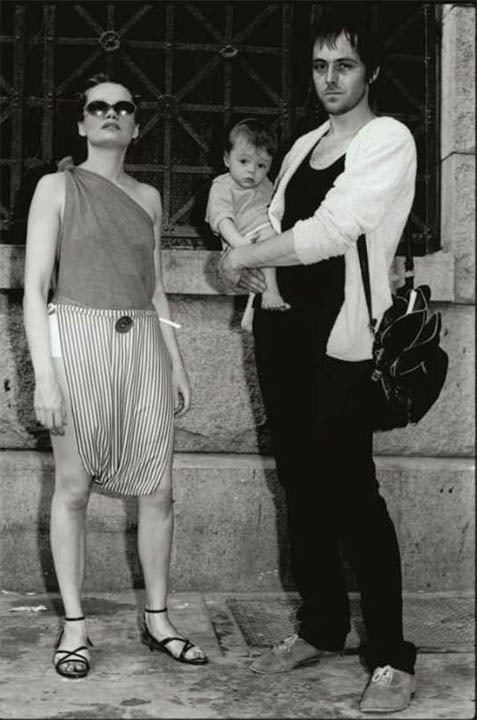
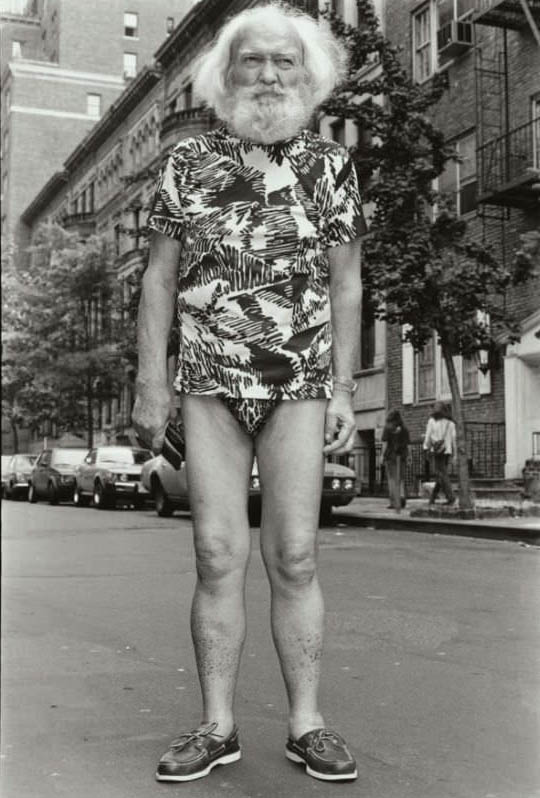
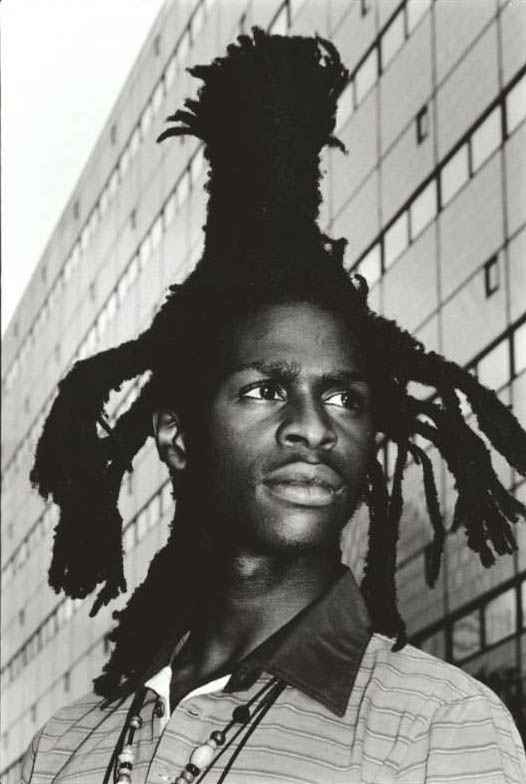
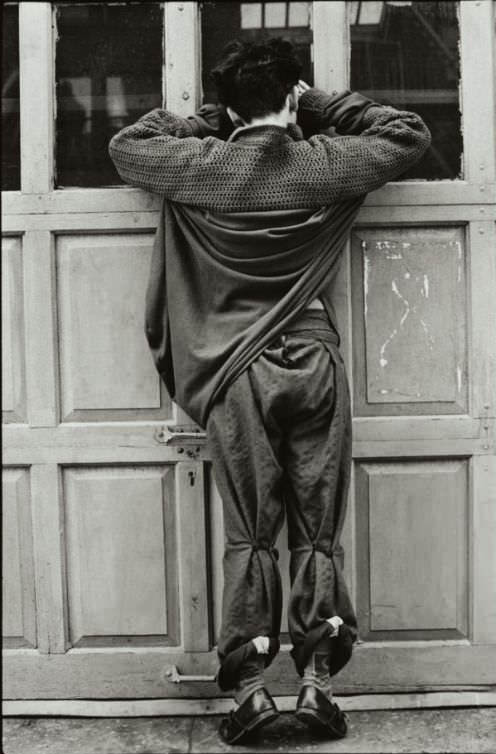
The early years of the series, 1981 and 1982, show a city experimenting freely. Looks ranged from punk-inflected combinations to global influences showing up on New York sidewalks. Moroccan-style pants, moccasins, Rastafarian hair, and bold gender-bending outfits all appeared within the same few blocks of each other. The city was a mixing pot of influences, and the people Arbus photographed wore that mix without apology.
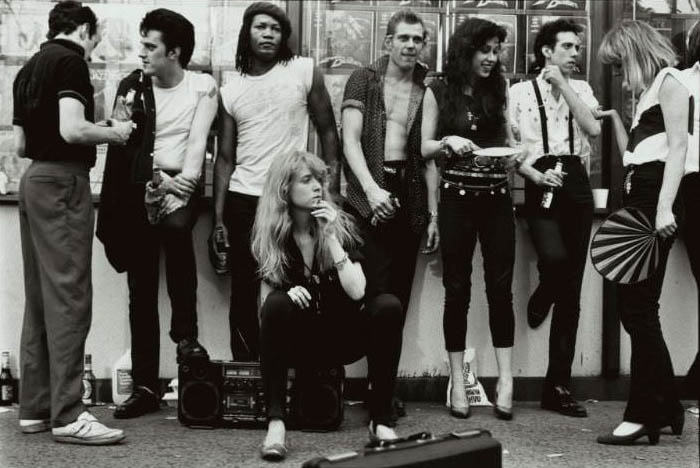
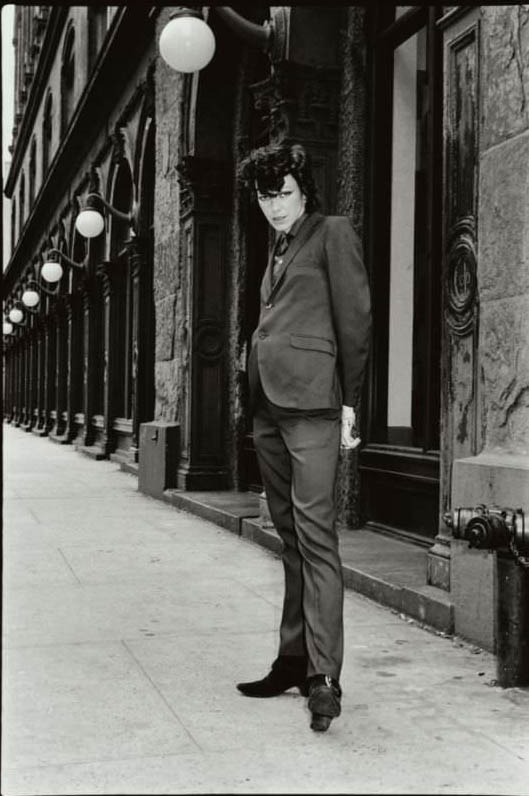
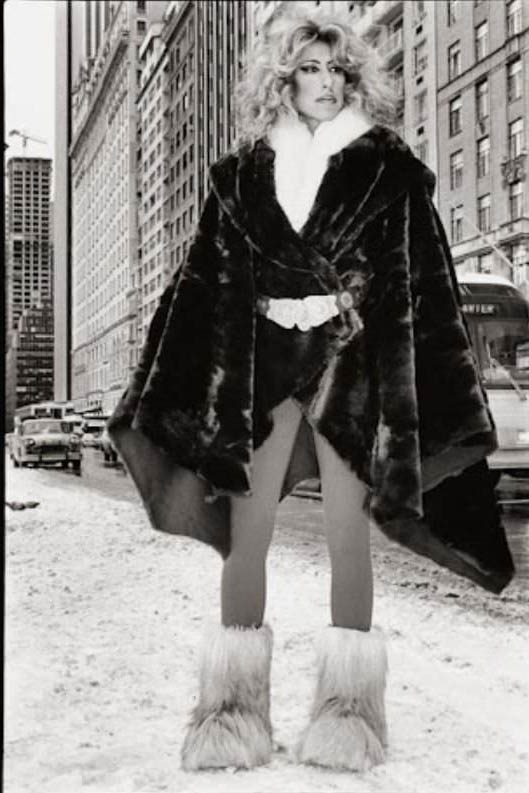
By 1982, the downtown scene had fully taken hold. Arbus photographed Joey Arias at Fiorucci, the legendary Italian boutique on East 59th Street that served as a social hub for New York’s creative class throughout the late 1970s and early 1980s. Fiorucci attracted pop artists, musicians, and fashion-forward regulars, and an appearance there in an Arbus photograph placed a subject squarely at the center of the city’s cultural energy.
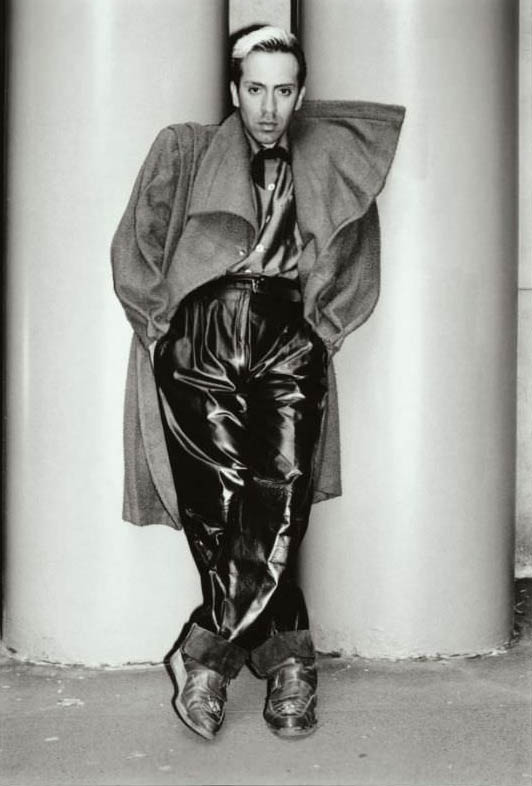
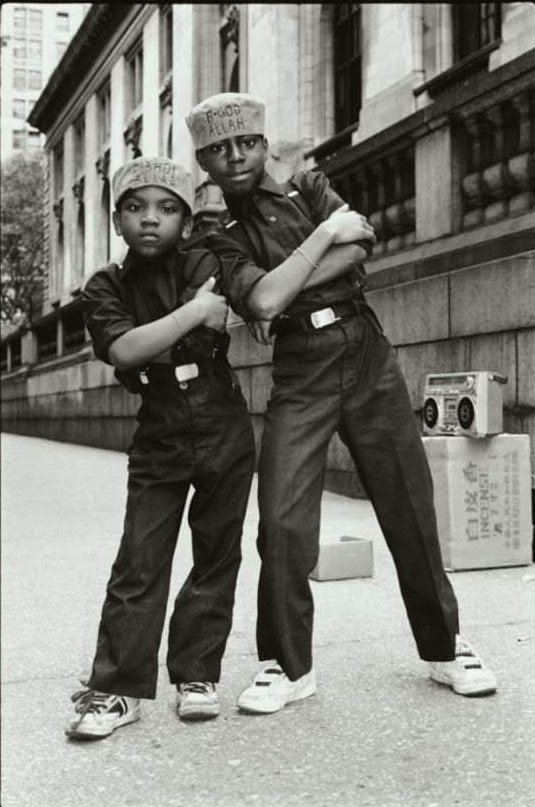
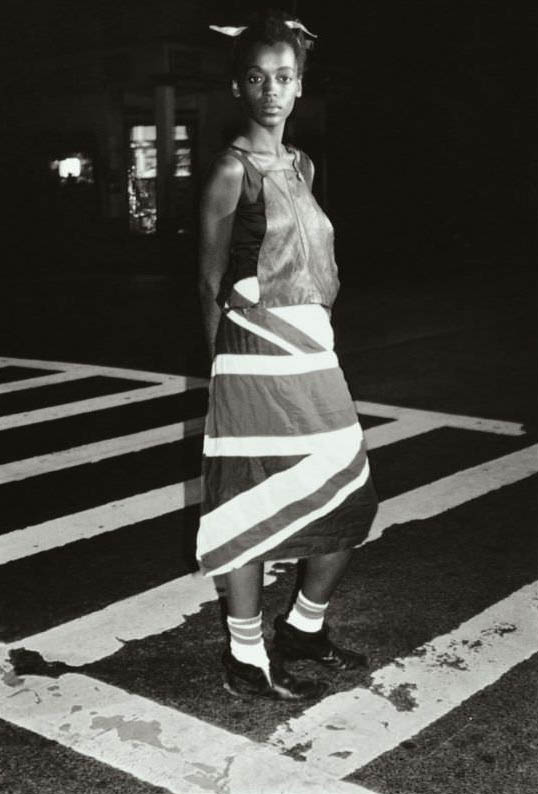
1983 was one of the richest years of the series. Arbus photographed Madonna before she became a global superstar — a street-level portrait of someone who already commanded attention. That same year, she captured the Allah Brothers, a British flag skirt, suspenders and socks, and sweatbands worn not for the gym but as a deliberate style choice. Each image was its own statement, and together they showed just how diverse and inventive New York street style had become.
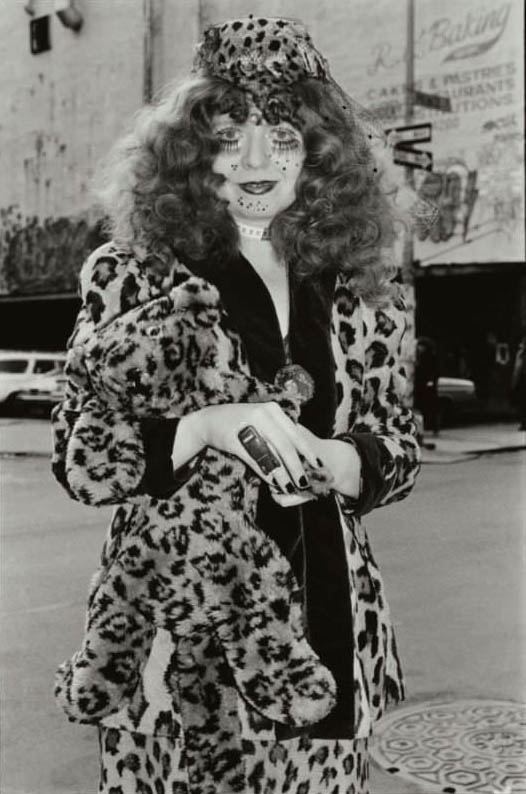
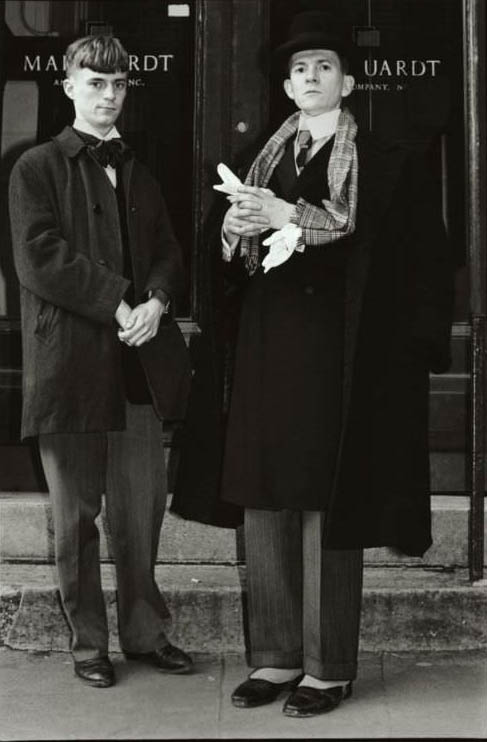
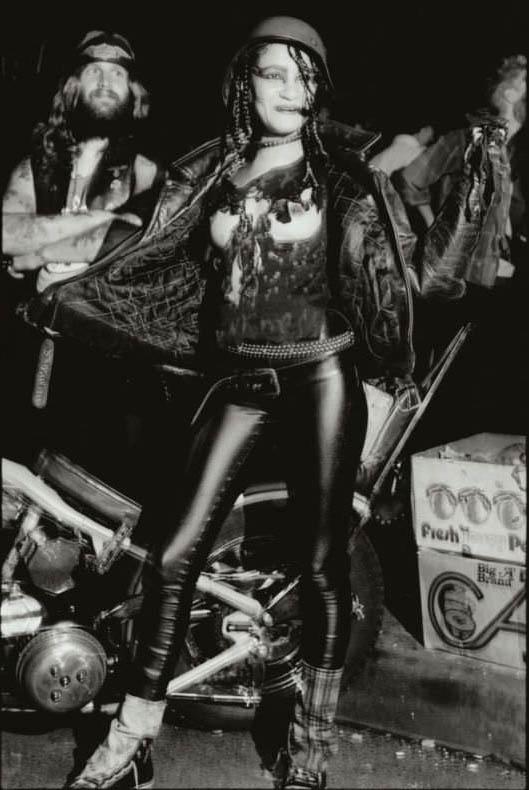
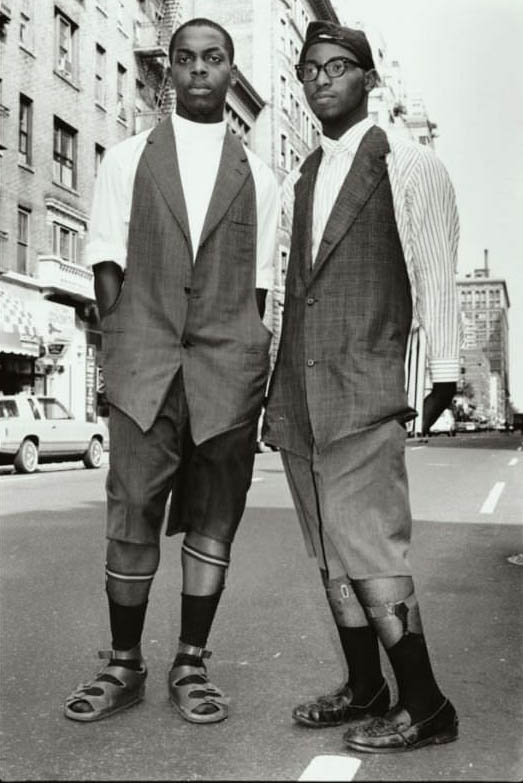
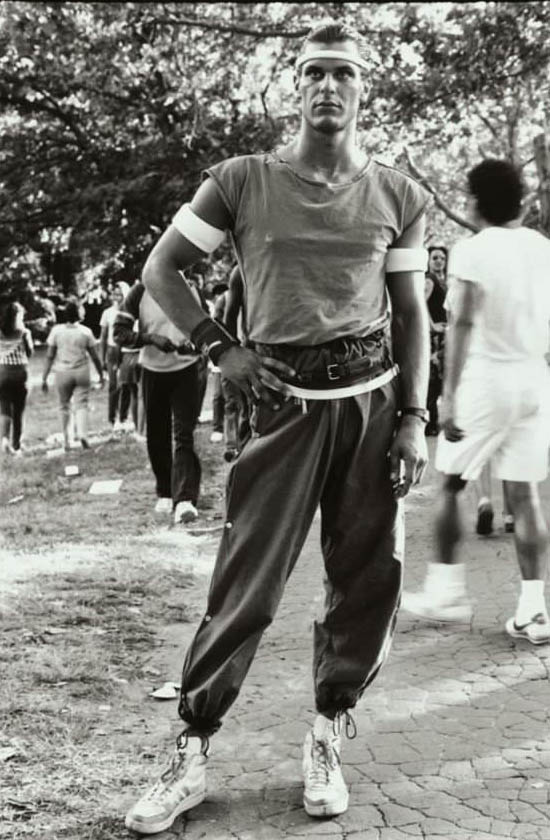
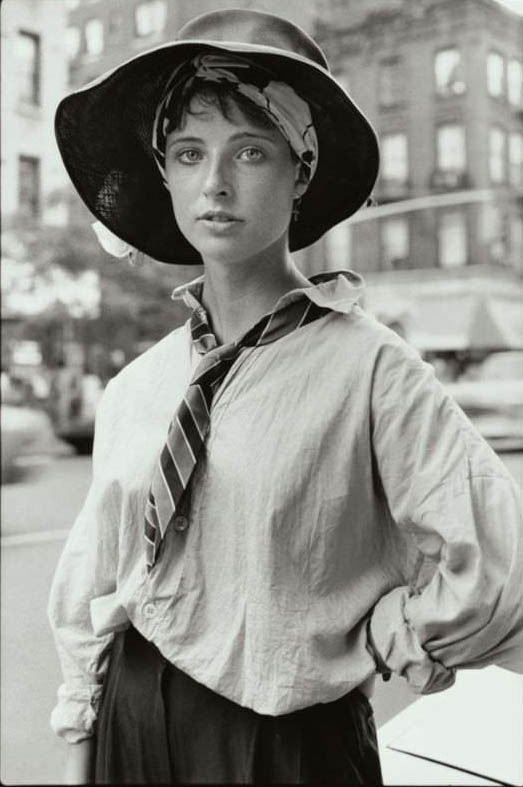
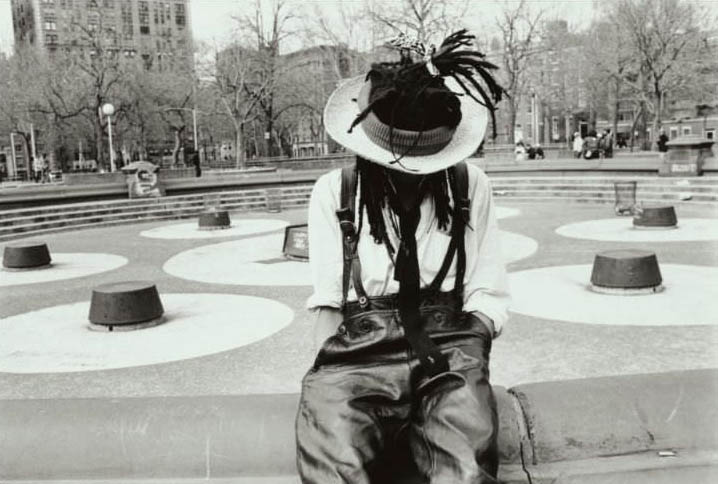
By 1984, the series continued to document the way youth subcultures expressed themselves through clothing. A hat paired with a men’s tie on a woman, a Rastafarian schoolboy — these were not costumes. They were the daily choices of people using fashion as a language. Arbus understood that and photographed each subject with the same directness and respect.
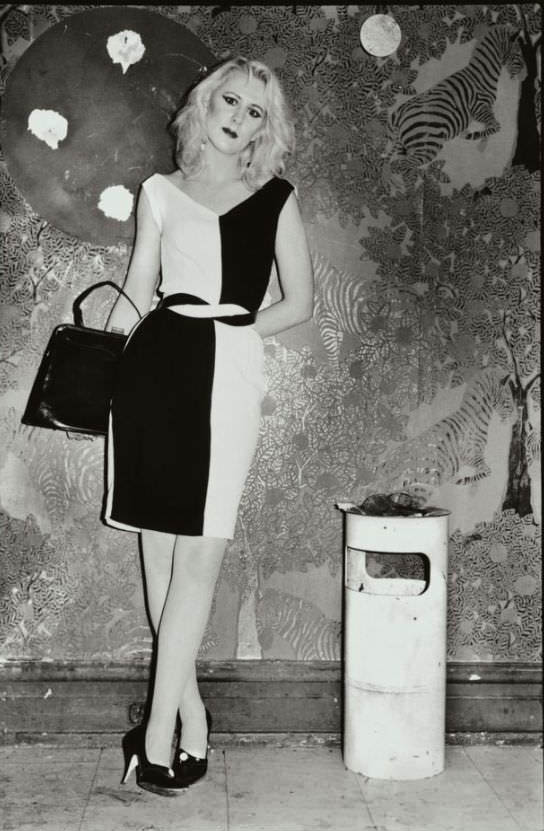
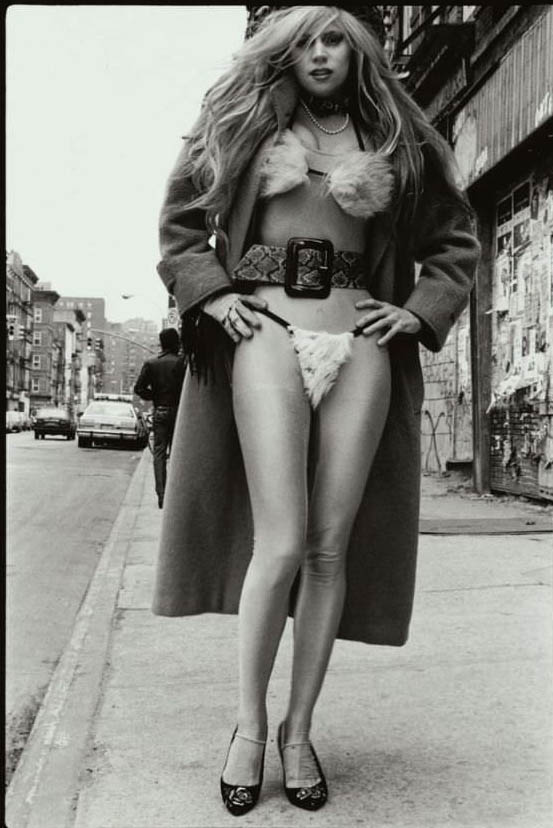
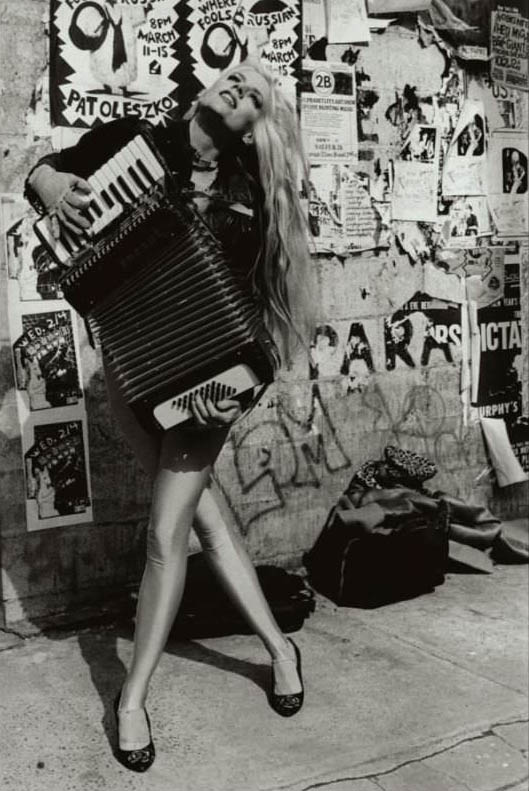
The second half of the decade brought new energy to the streets and to the series. By 1987, Arbus was photographing looks that pushed well beyond conventional fashion. Phoebe Legère, a performer and artist, appeared twice — once in a fur bikini and once with an accordion — embodying the theatrical, boundary-breaking spirit of New York’s downtown art world. That same year, Arbus photographed a family in coordinated looks, a stark black and white dress, and an outfit that would turn heads in any decade.
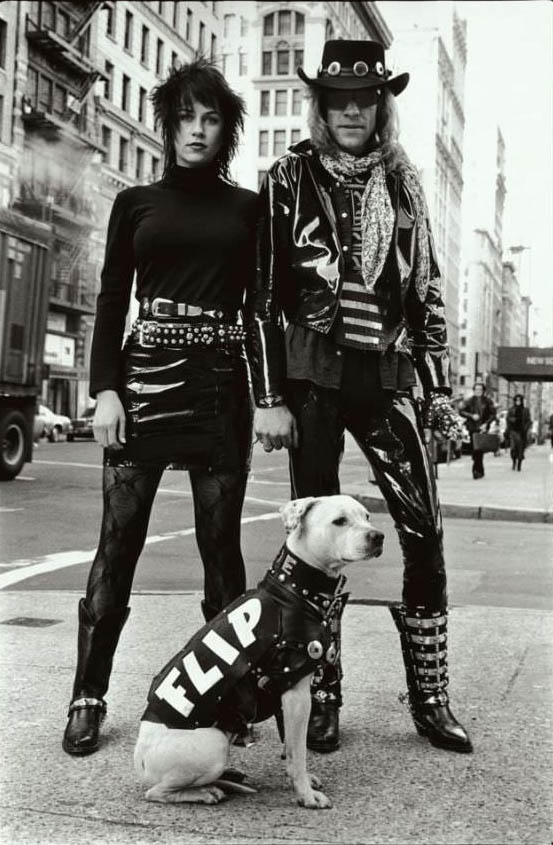
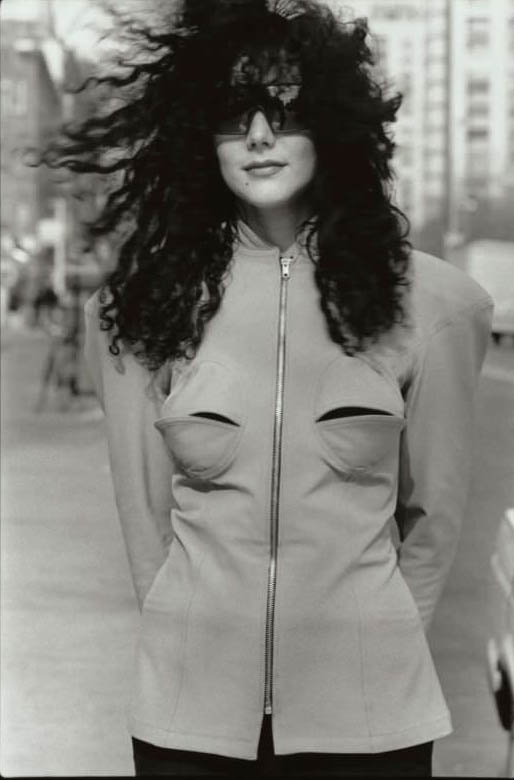
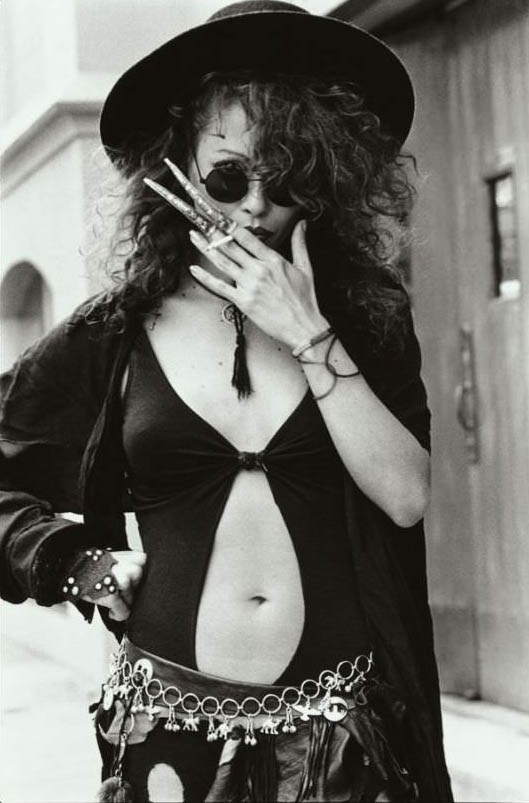
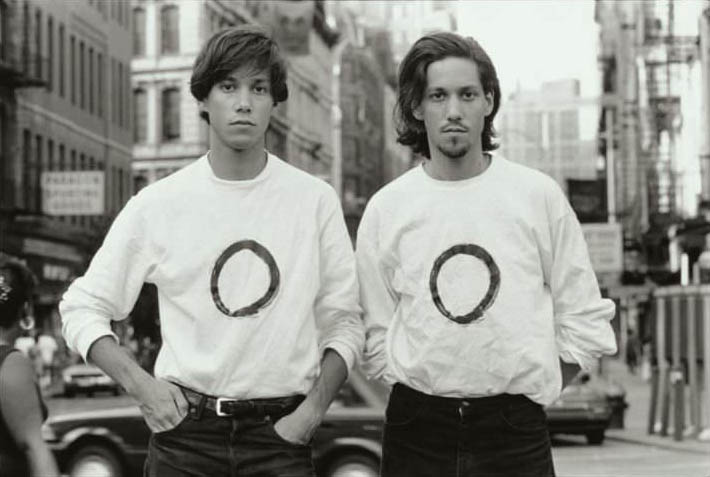
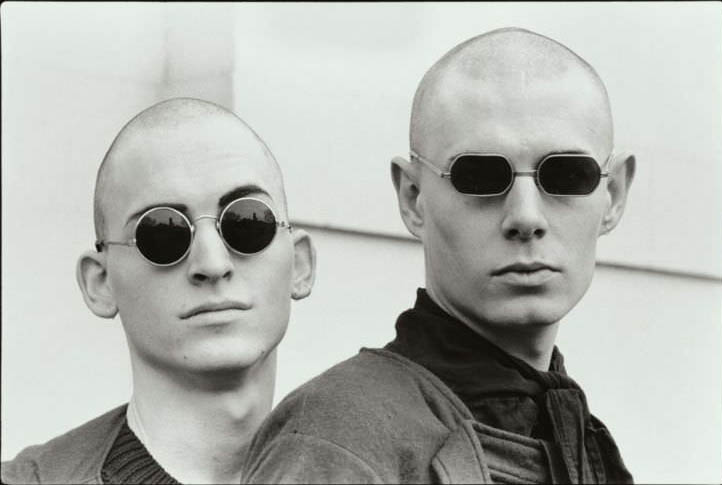
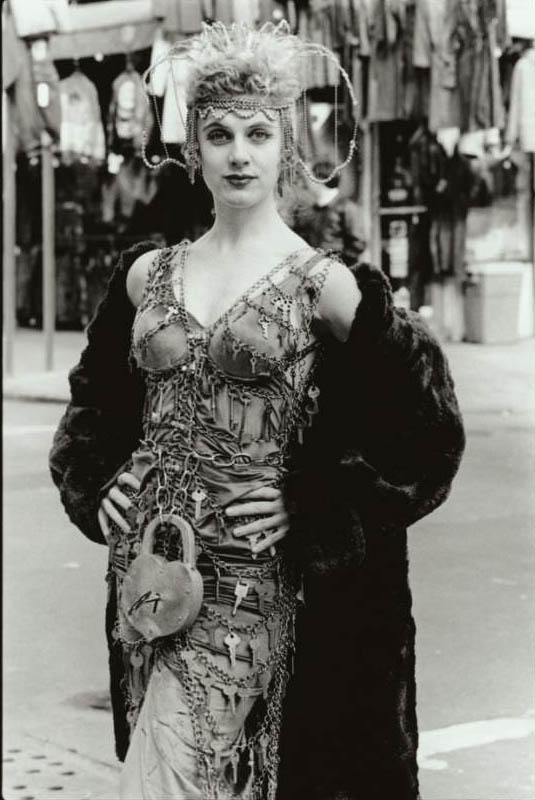
As the decade wound toward its close, the series showed no loss of momentum. In 1988, Arbus photographed fingernail extensions worn as a bold accessory, twin subjects in matching zero T-shirts, and two men in coordinated sunglasses. These images reflect how deeply style had become a form of personal branding in New York, years before that phrase entered common use. In 1989, a dress made from keys brought the series nearly to its end on the same inventive note it started on.
After the series concluded, the full body of work was published as a book, On the Street 1980–1990. Arbus went on to publish five books in total, including The Fourth Wall, which The New Yorker called her masterpiece. Her photographs have appeared in French Vogue, GQ, Rolling Stone, Vanity Fair, and many other publications. She has taught portraiture at the International Center of Photography, Anderson Ranch, Fine Arts Work Center, and NORD Photography in Norway, where her workshop was named a Top Workshop by American Photo in 2008.