In 19th-century Russia, photographers in Moscow and St. Petersburg produced a remarkable series of portrait cards known as cartes de visite. These small, affordable photographs were widely collected, and a number of studios used the format to document something far more ambitious than wealthy clients in fine clothes. They turned their lenses on the working people of the city — the vendors, laborers, artisans, and tradespeople who filled the streets every day.
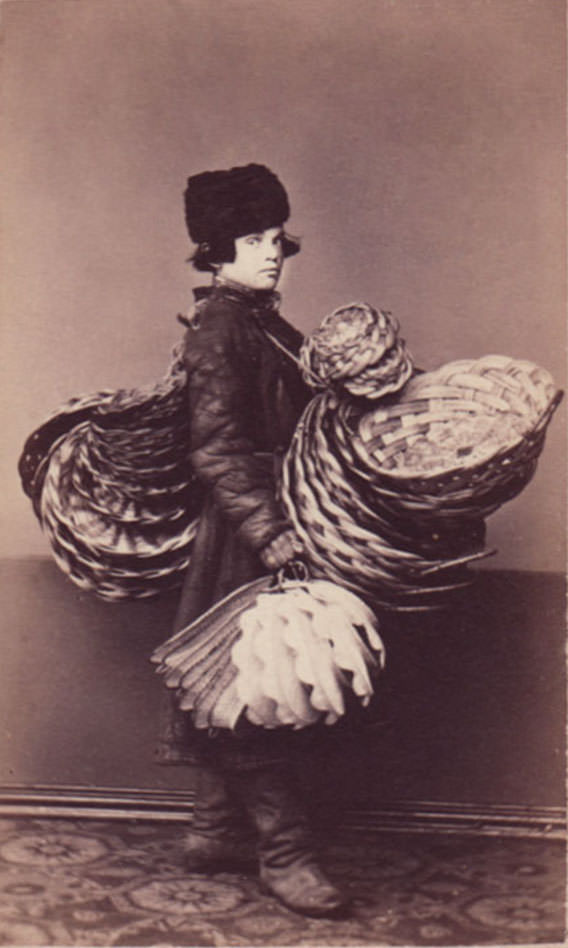
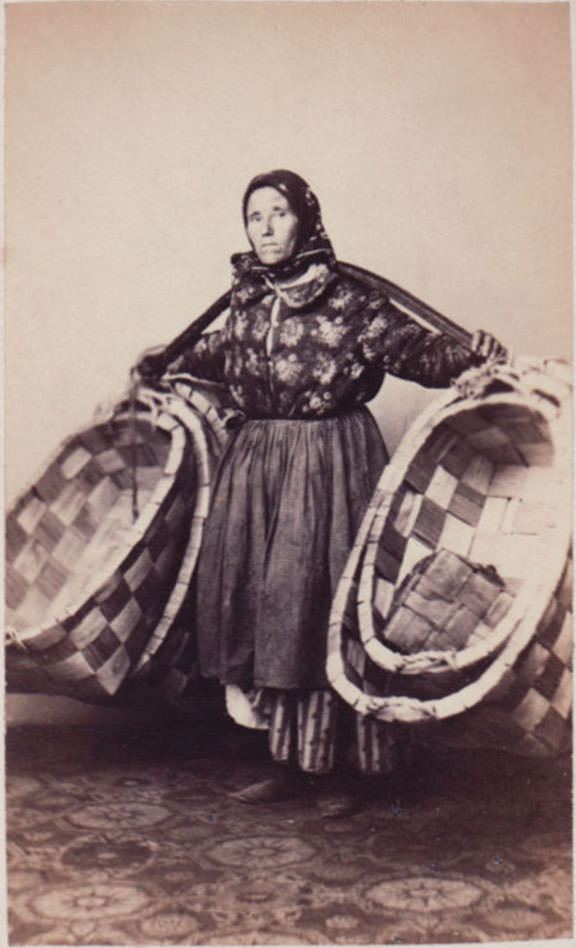
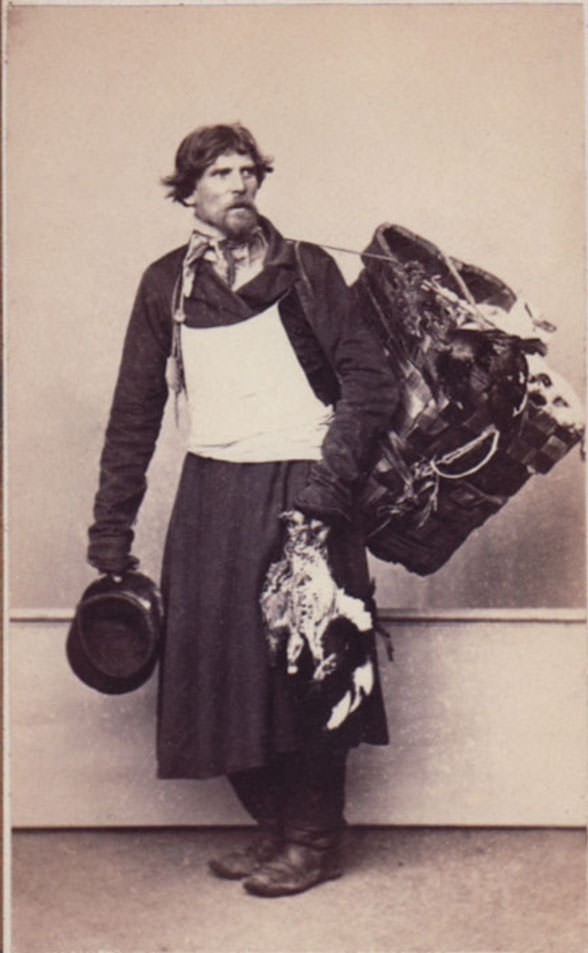
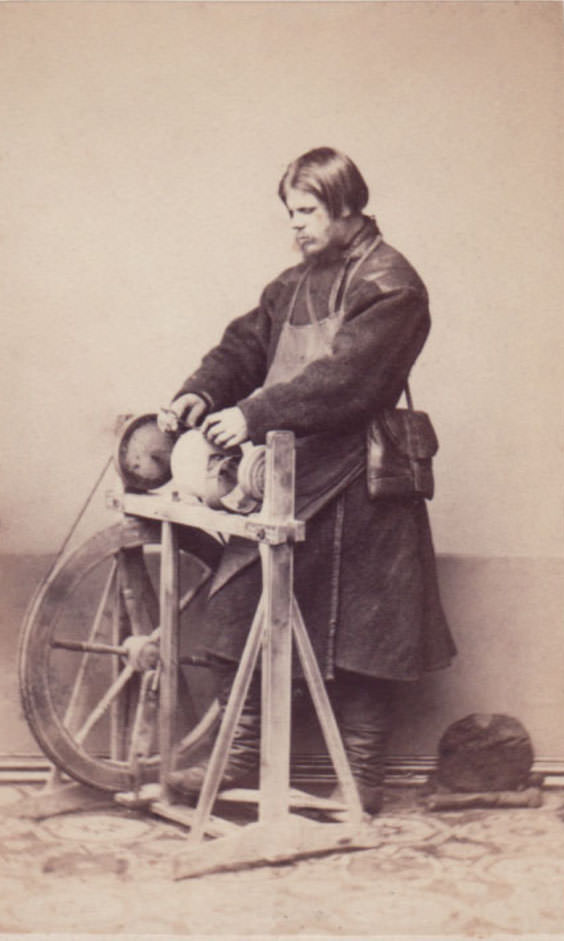
The resulting collection forms a vivid record of Russian urban life. Each portrait captured a specific ‘type’ — a recognized social role that audiences of the era would have known instantly. Some subjects posed with the tools or goods of their trade. Others performed their occupation directly for the camera, staging the gestures and postures of their daily work.
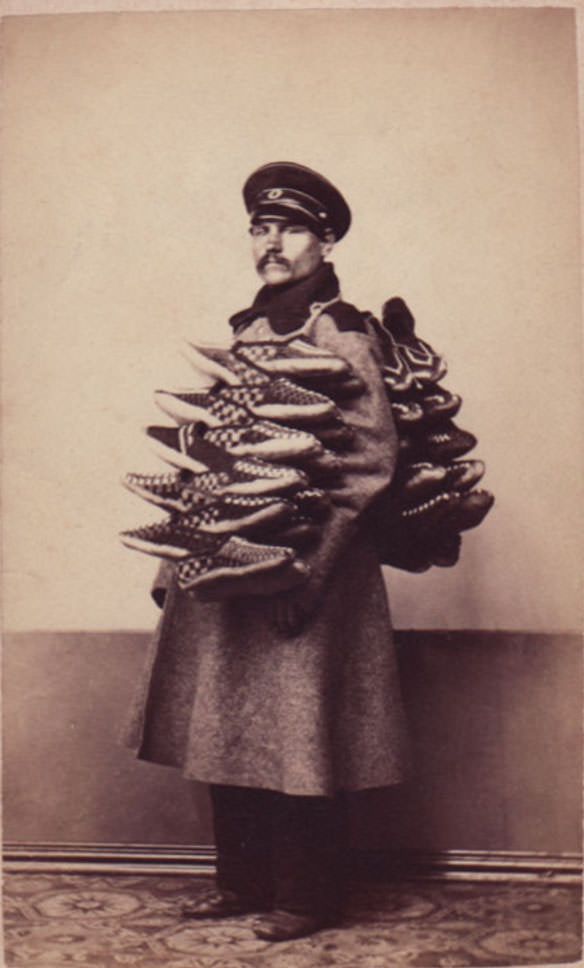
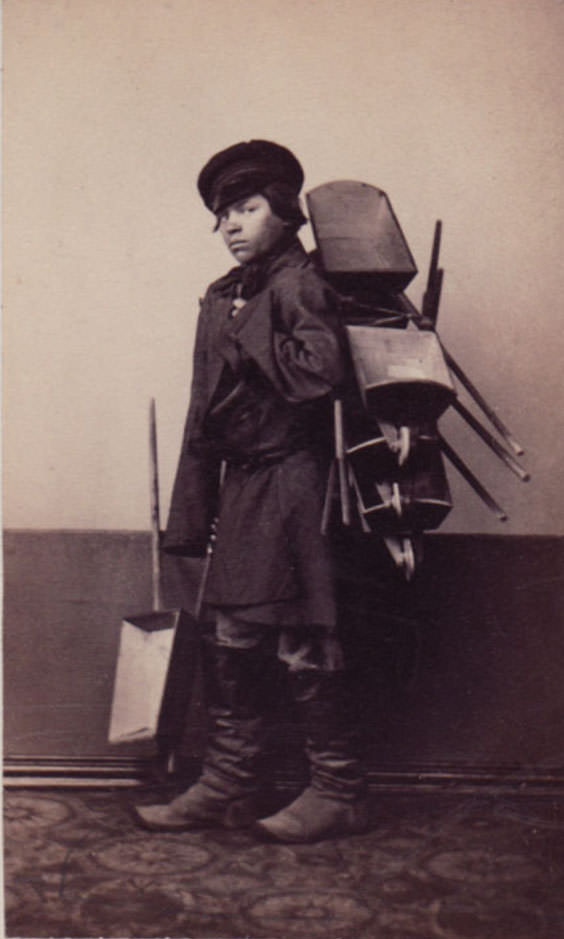
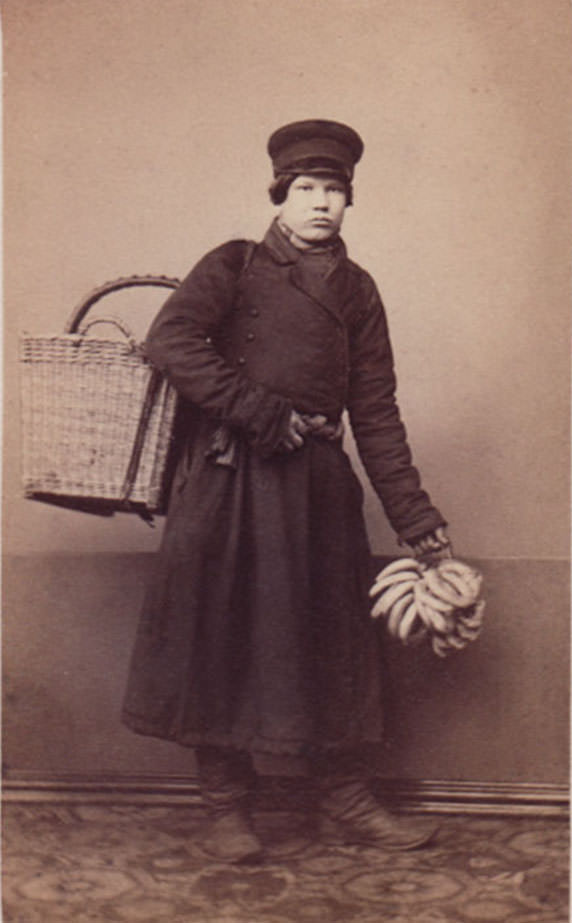
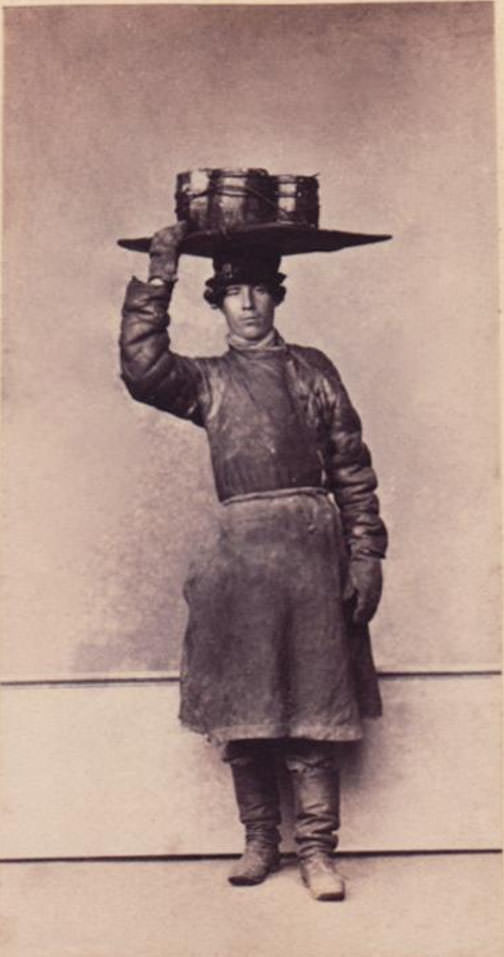
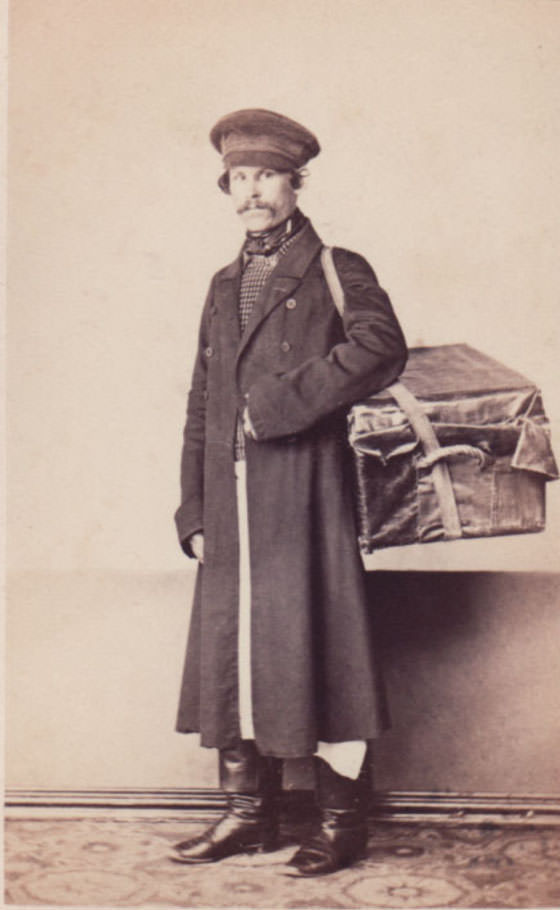
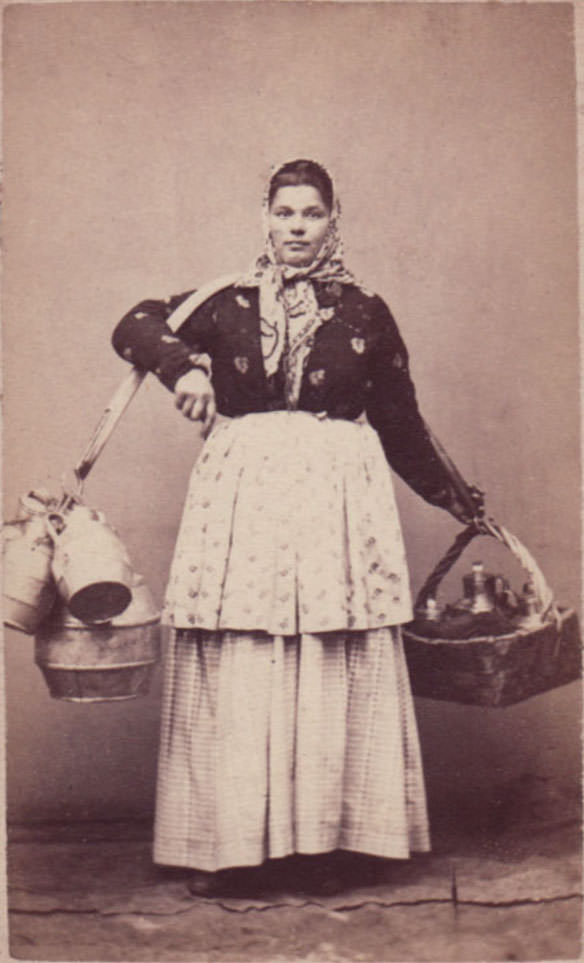
Street selling was one of the most visible forms of working-class labor in Russian cities. Vendors moved through neighborhoods hawking everything from food to household goods, their calls and cries a constant part of daily street noise. The portraits below show the variety of goods these sellers carried — baskets, slippers, fruit, bread, and more.
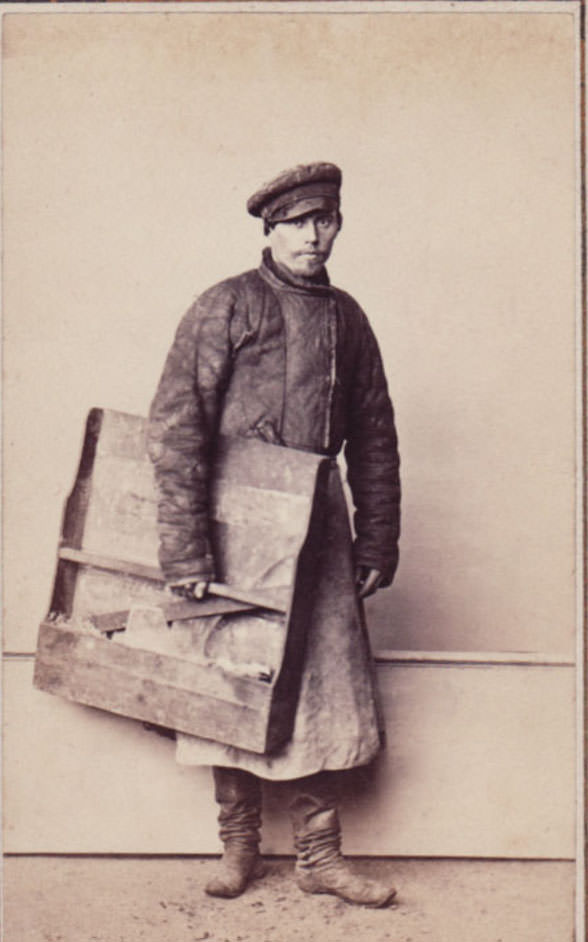
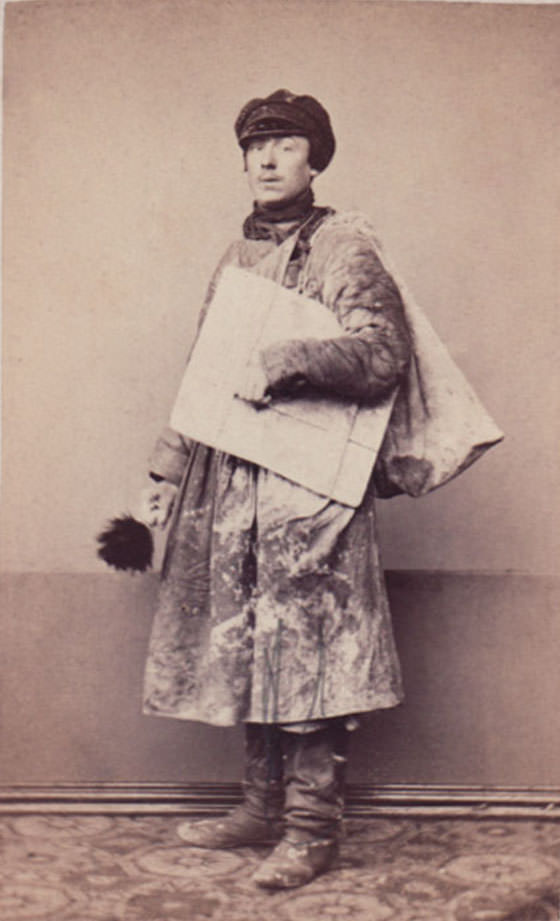
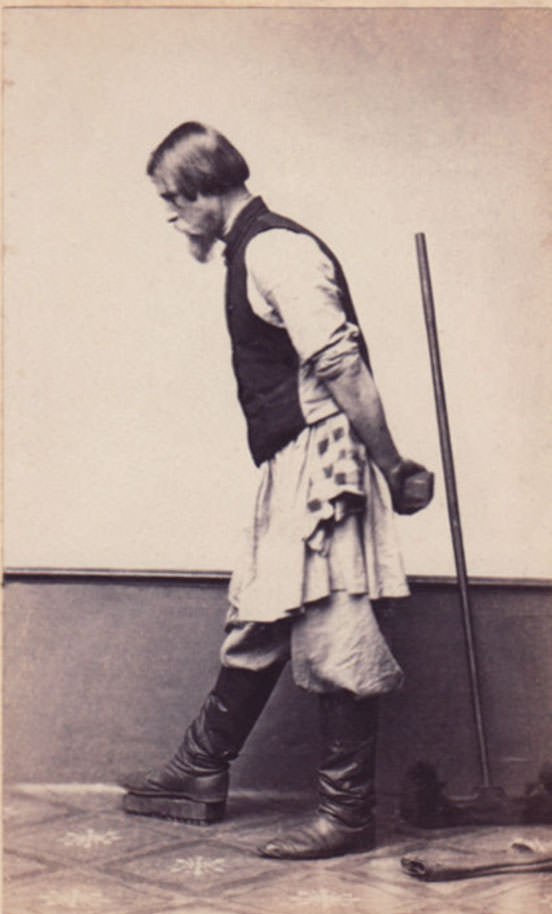
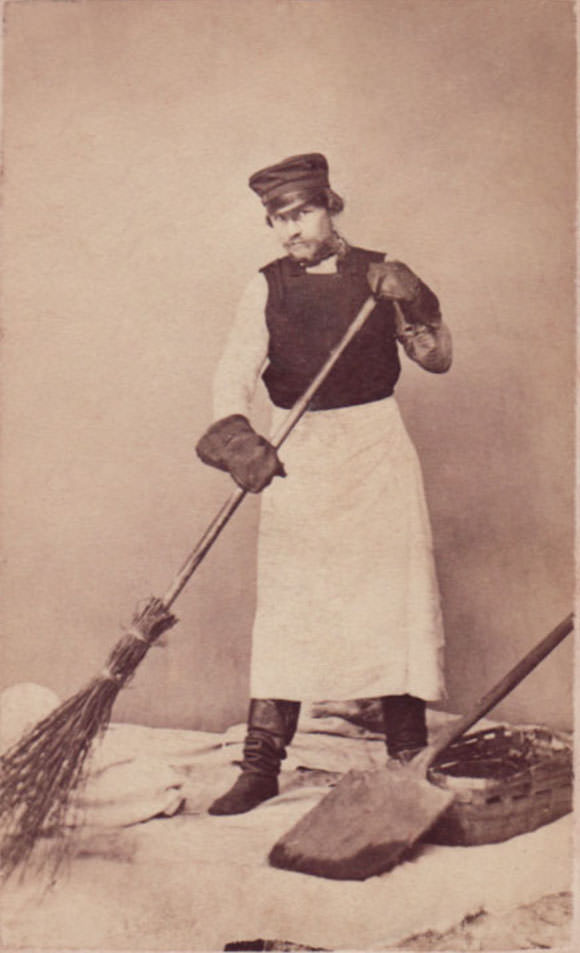
Skilled tradespeople were equally well represented. Glaziers, plasterers, bricklayers, and chimney sweepers all appear in the series, often posed with the actual tools of their work. These were men whose labor shaped the physical fabric of growing Russian cities, yet they rarely appeared in formal portraiture before photography made it accessible.
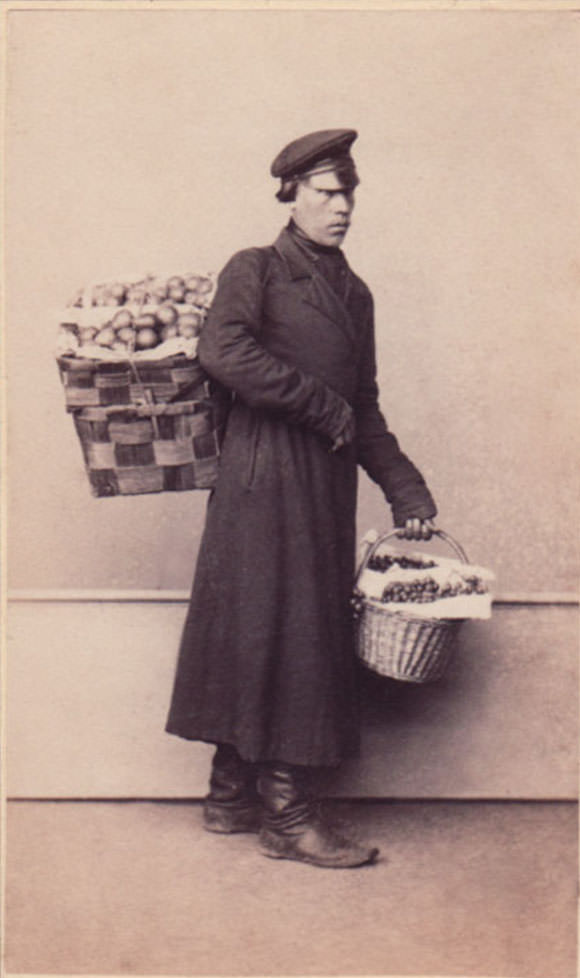
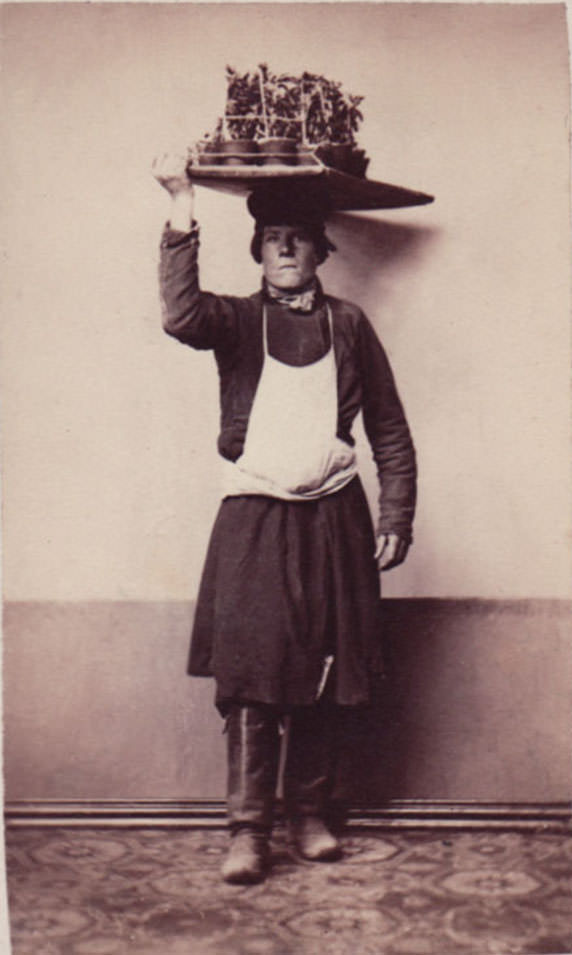
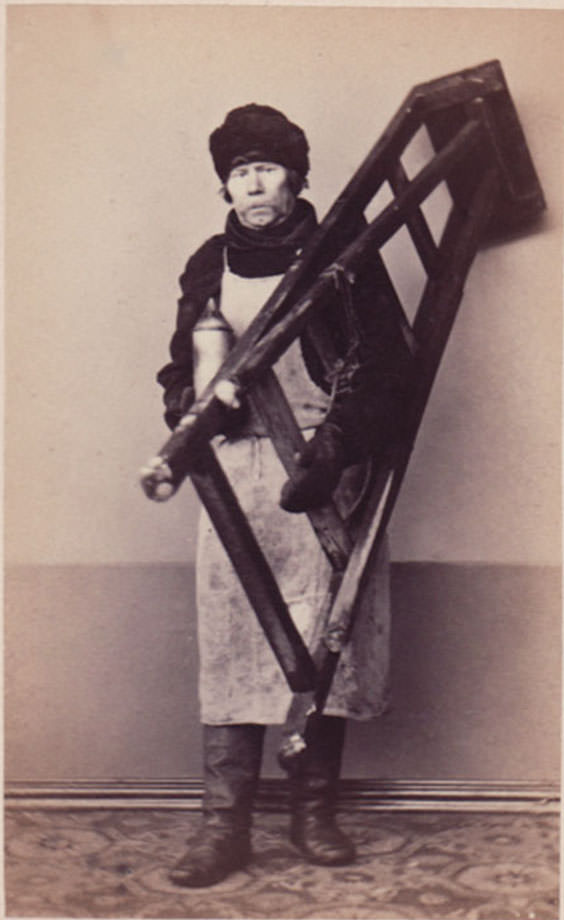
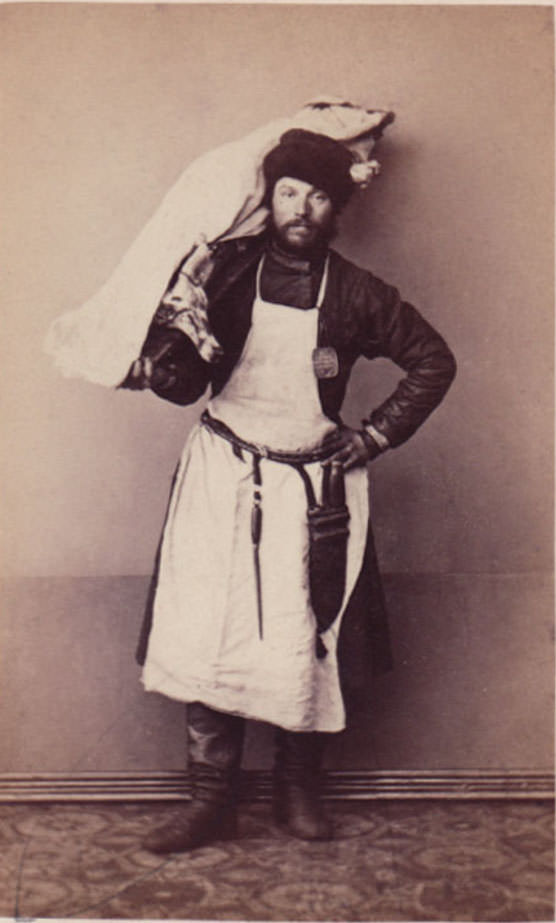
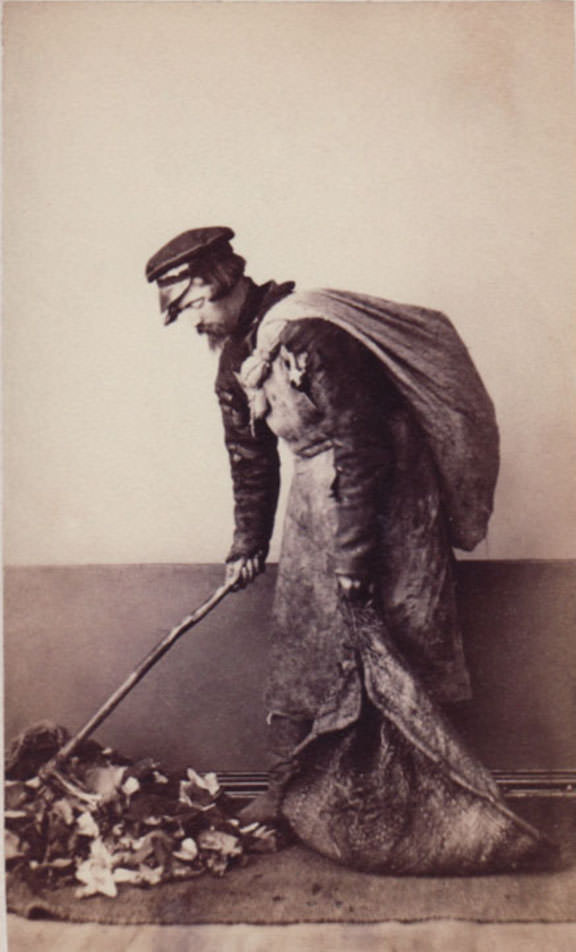
The range of occupations documented is striking. A lamp-lighter, responsible for lighting the city’s gas street lamps each evening, stands alongside a butcher, a floor-cleaner, and a scavenger — roles that kept urban life running but went largely unnoticed by the upper classes.
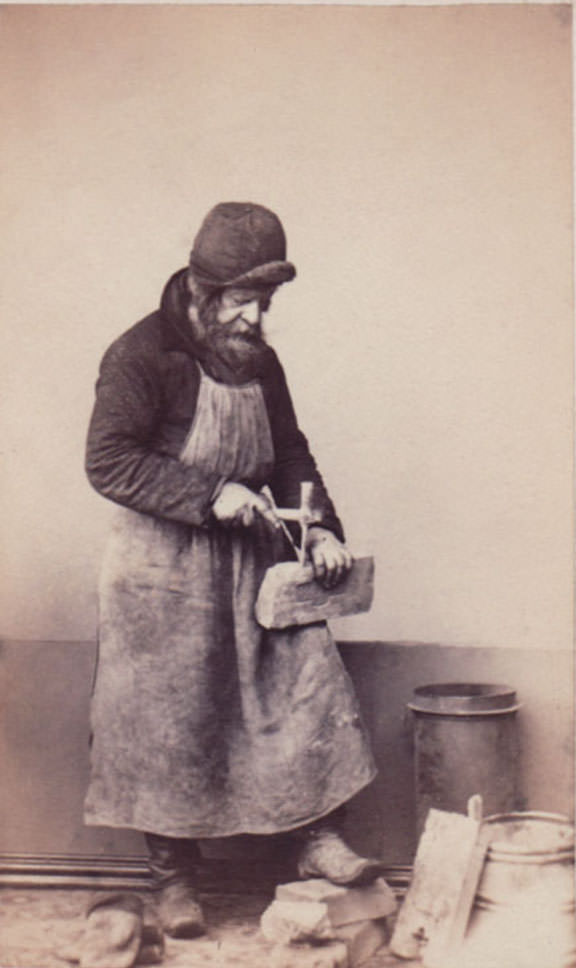
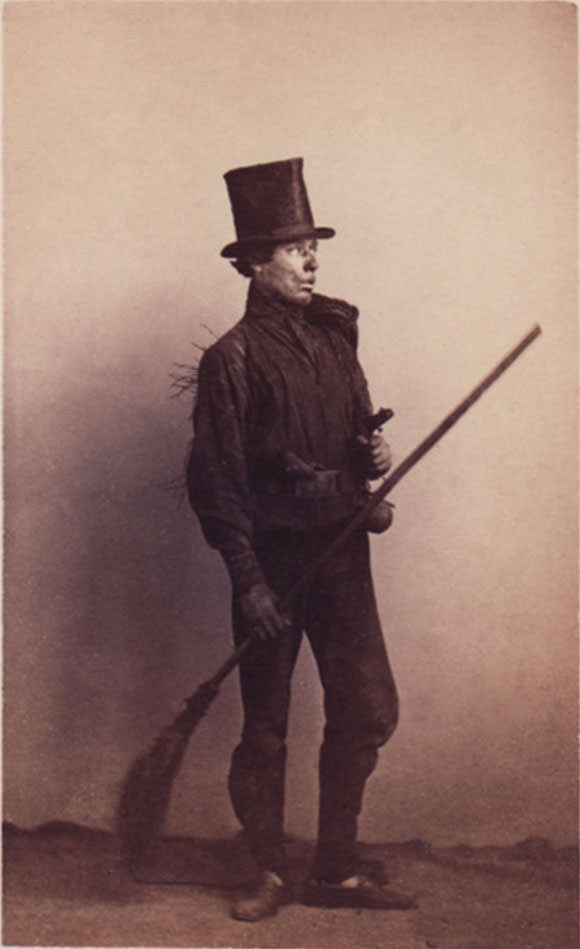
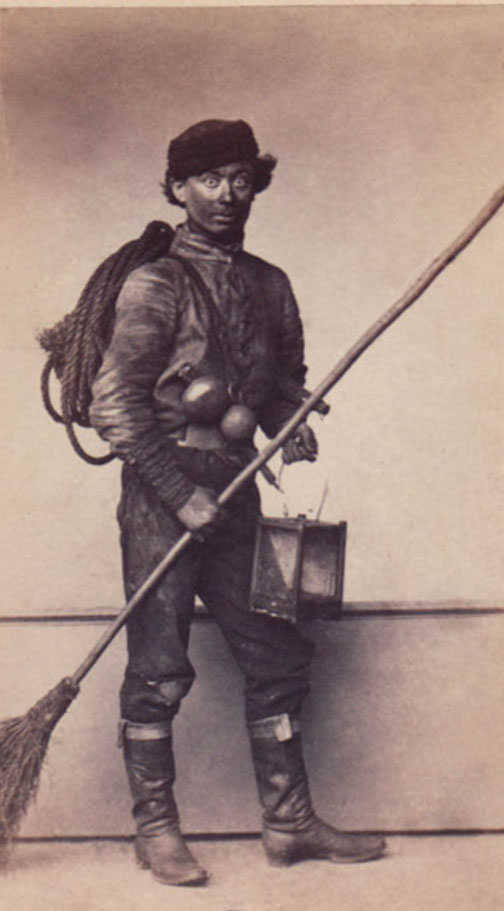
Chimney sweepers appear twice in the collection, which reflects how common and essential the role was in a city heated almost entirely by wood and coal fires. Buildings required regular sweeping to prevent deadly chimney fires, and the workers who did it were a familiar sight on rooftops across Moscow and St. Petersburg.
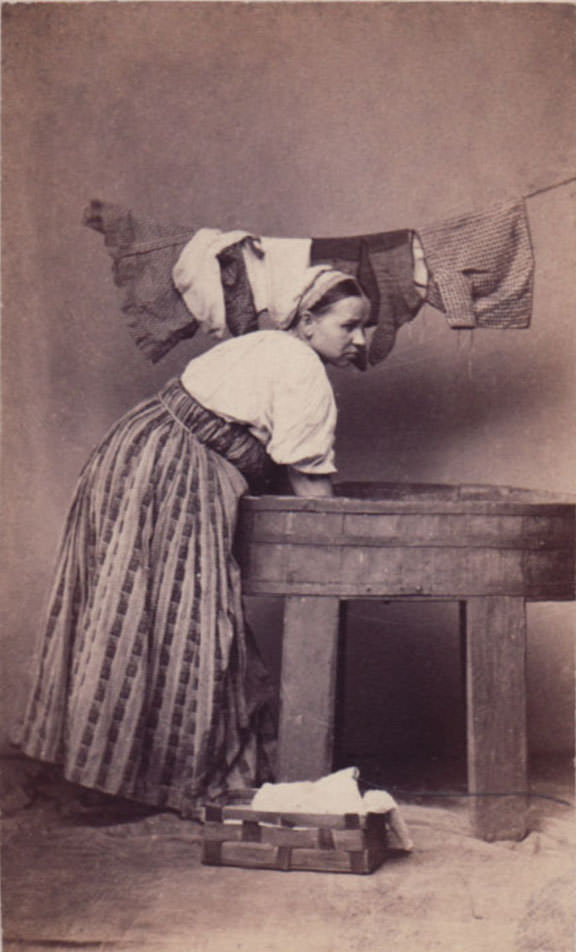
Women appear throughout the series in roles that were firmly defined by the period. Washerwomen, milkmaids, milk-women, wet nurses, and house-servants all feature, their work largely domestic or centered on food and childcare. These portraits are among the rare surviving images of working women from this era of Russian history.
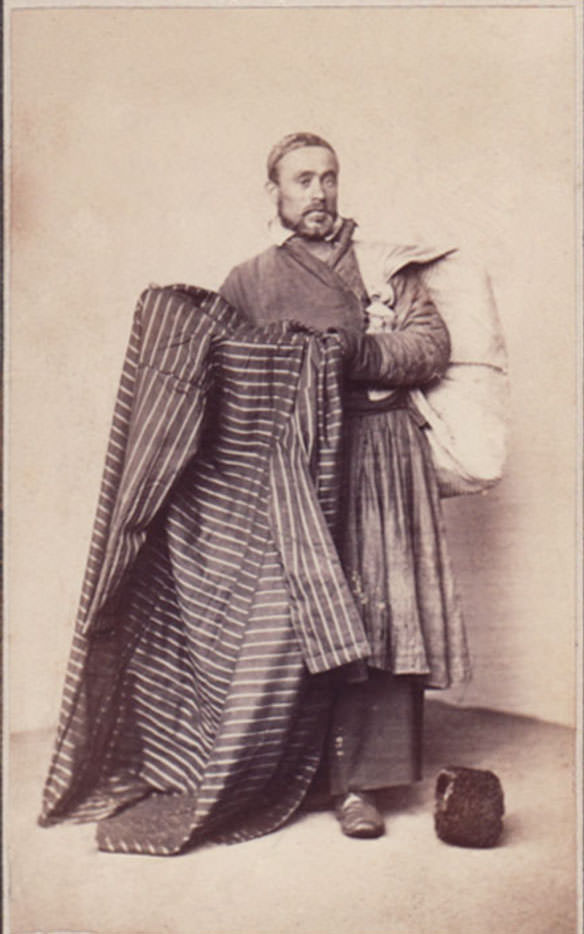
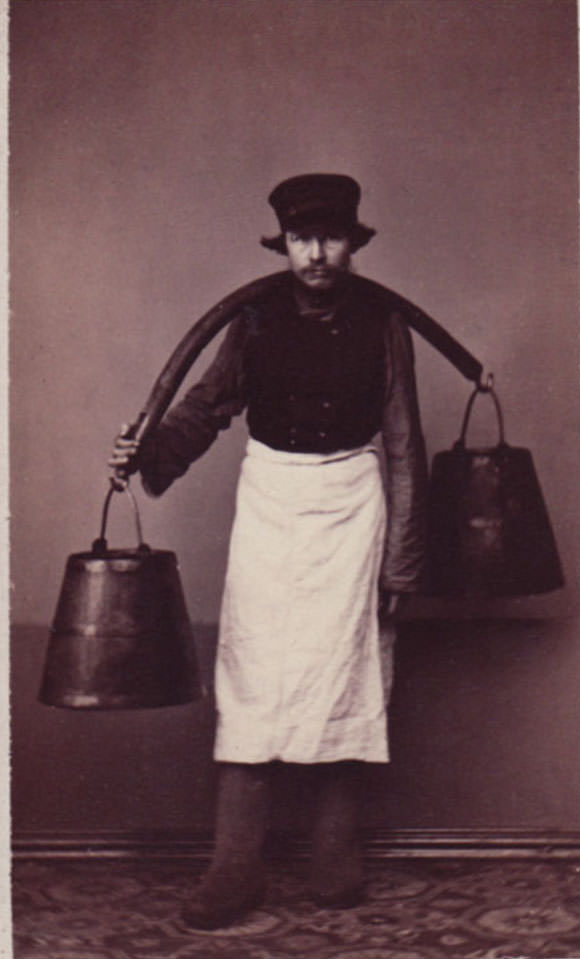
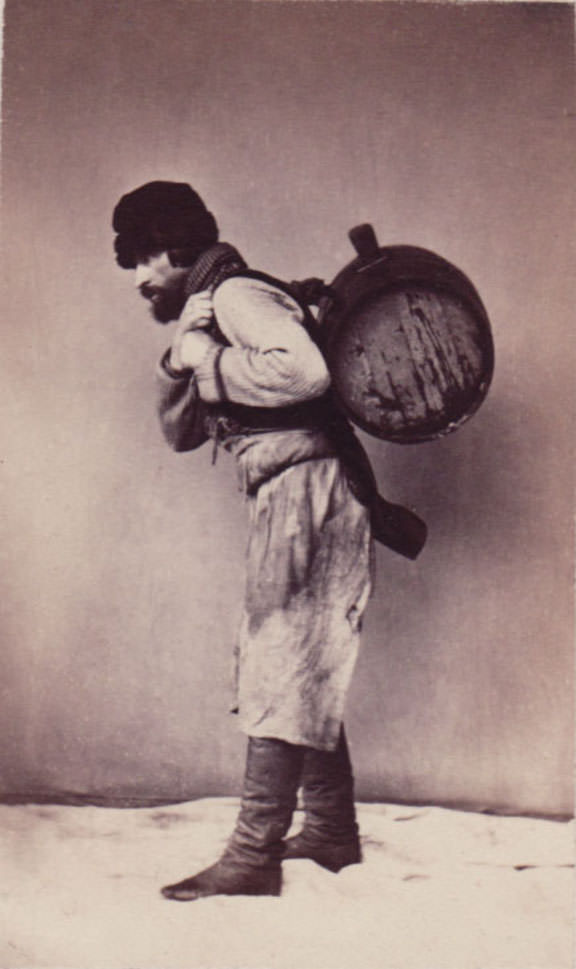
Water carriers and house-porters carrying water were a necessary part of city infrastructure before modern plumbing. They hauled heavy loads from wells and water points to homes and businesses throughout the day. The Tartar dressing-gown seller reflects the ethnic diversity of Russia’s trading classes, with merchants from different regions operating openly in city markets.
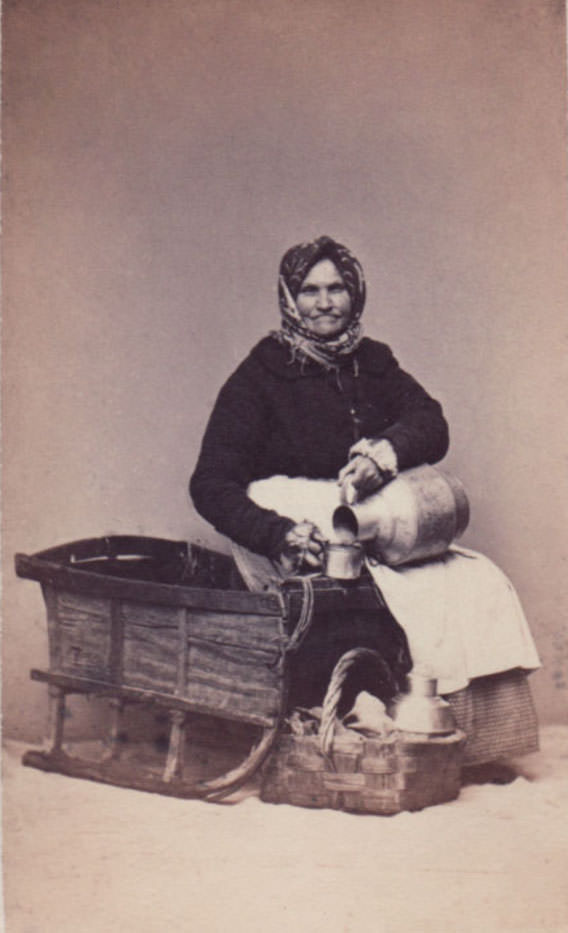
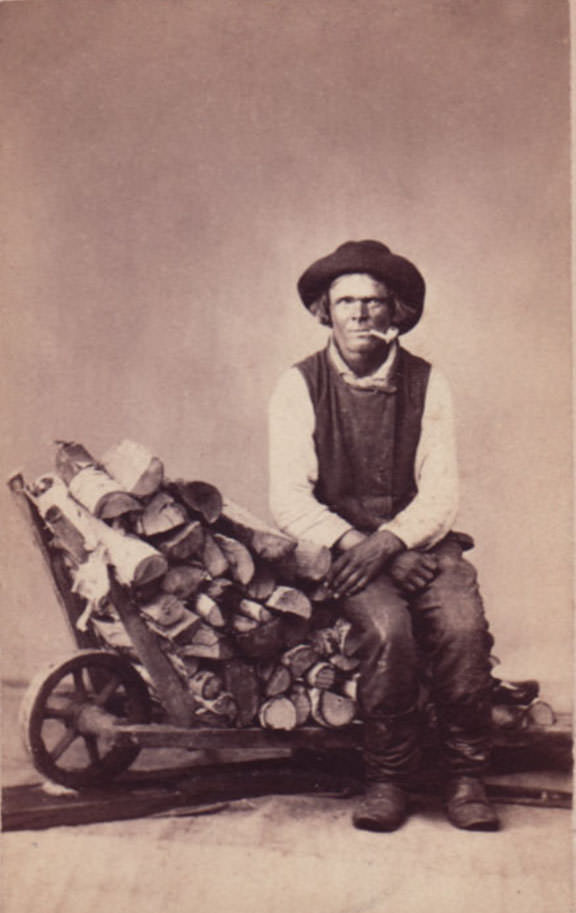
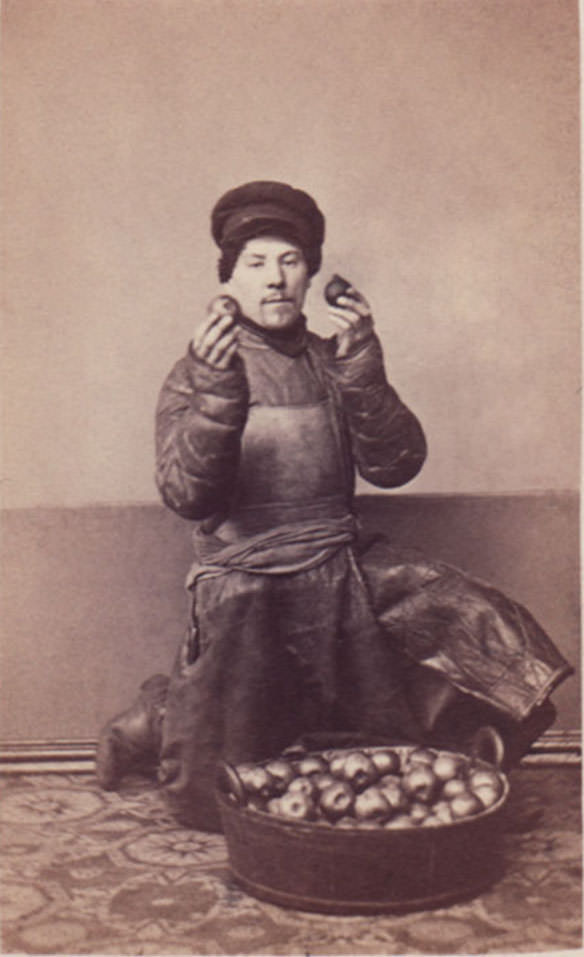
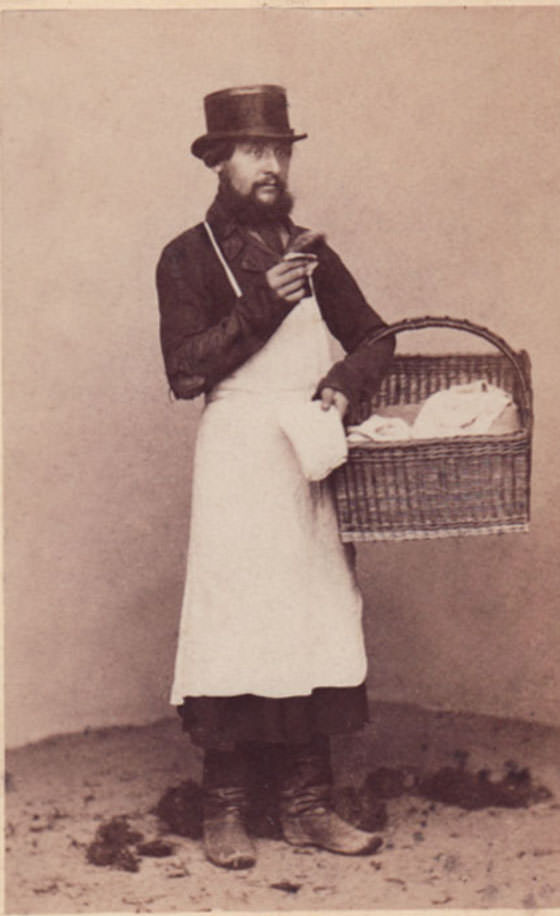
Food sellers of every kind filled the streets. Apple sellers, bread sellers, herring sellers, and cake sellers each occupied a recognized niche in the urban economy. The seller of Moscow bread specifically signals local pride in regional baking traditions, a distinction that mattered to city residents who knew exactly where to buy the best loaf.
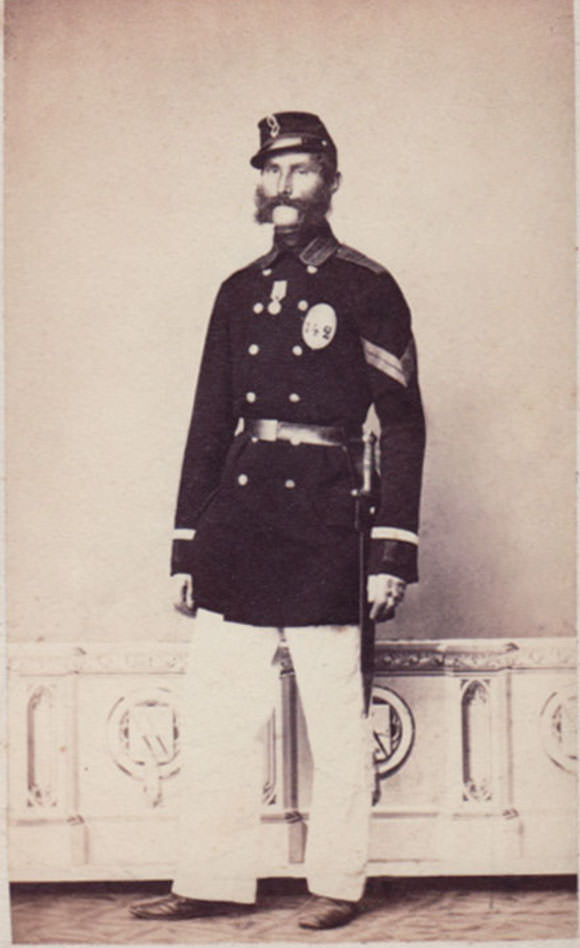
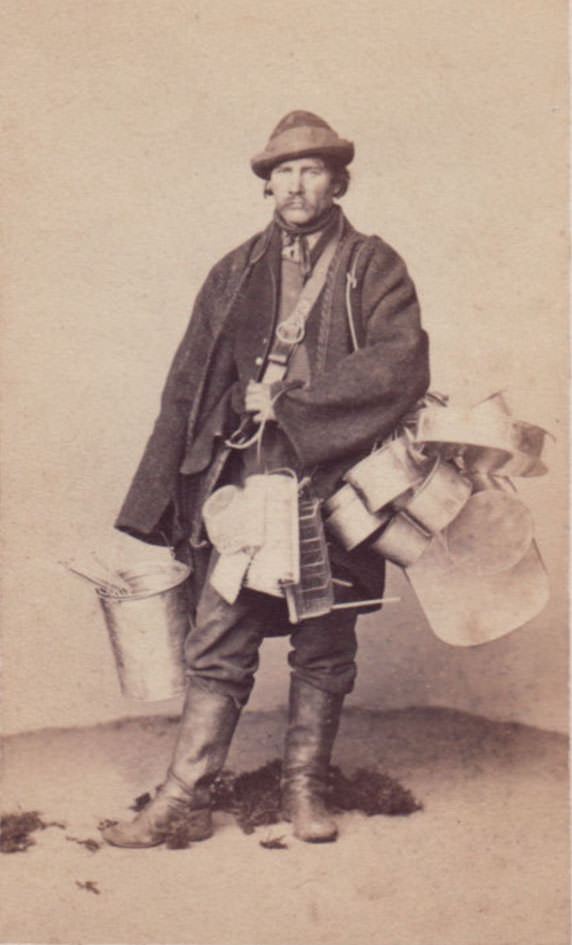
Authority and the margins of society sit side by side in this collection. A uniformed policeman appears in the same series as a vagabond — a person with no fixed home or employment. The Gipsy tinman reflects the presence of Romani craftspeople in Russian cities, skilled metalworkers who traveled between communities taking repair work as they went.
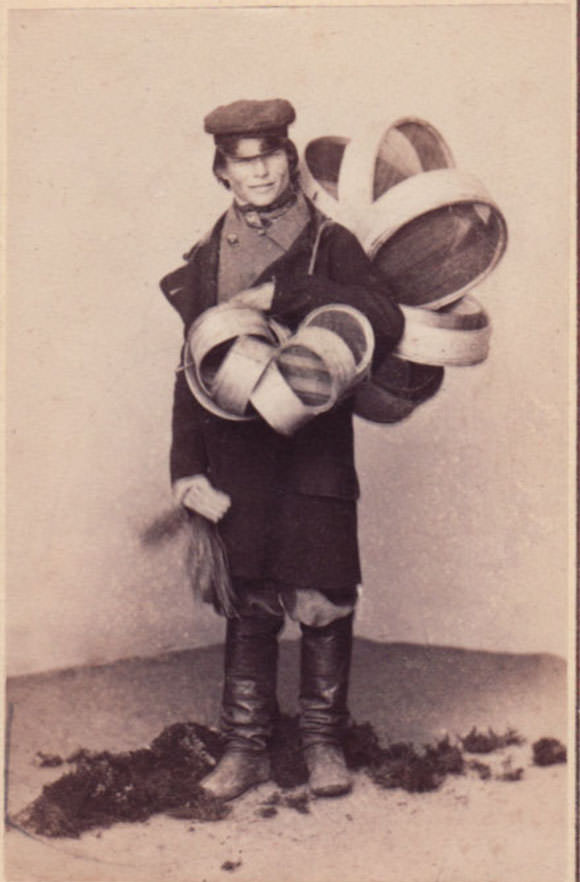
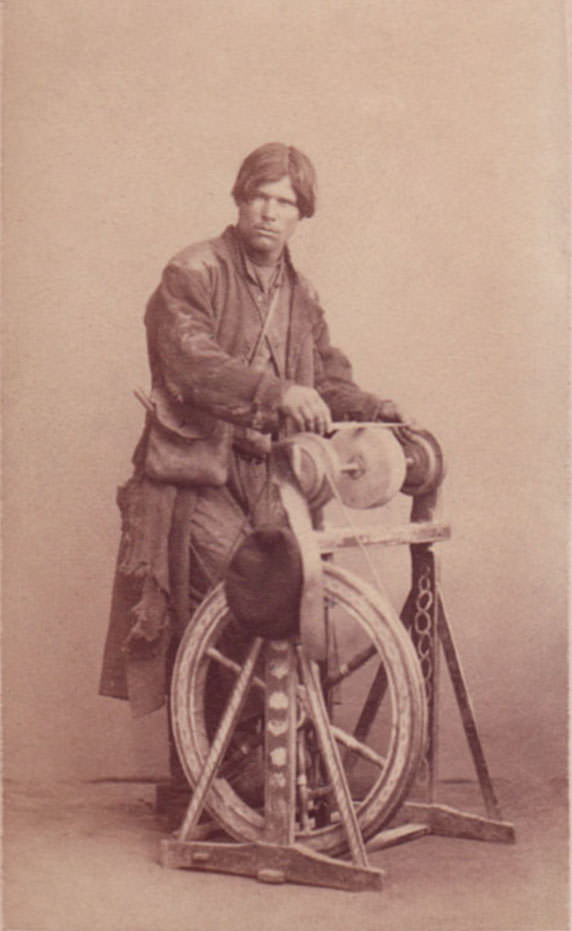
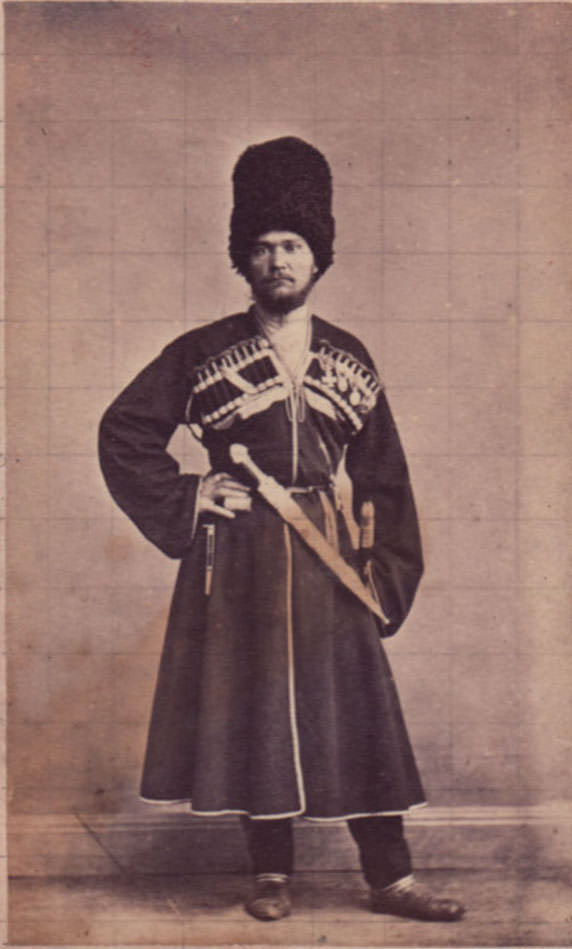
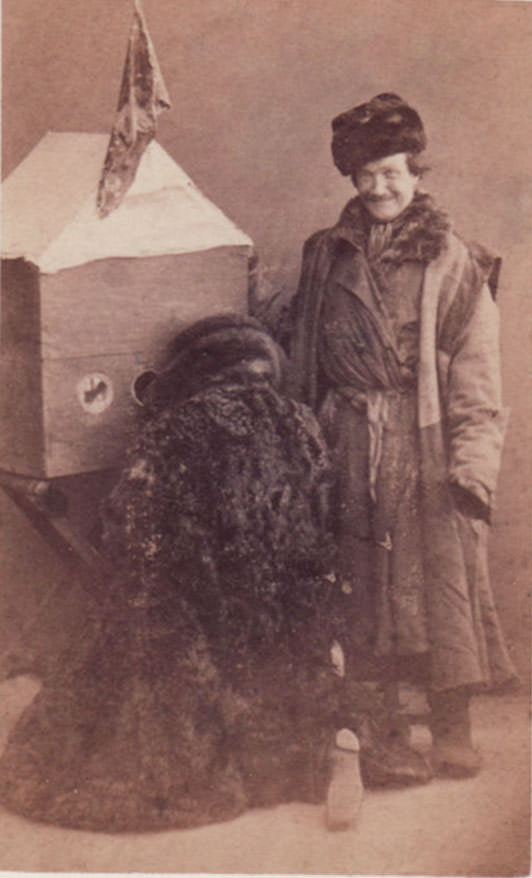
Entertainment also found its place in the portraits. The peep-show operator offered paid glimpses through a box fitted with lenses and illustrated scenes — one of the few forms of visual entertainment available to ordinary people before cinema. A Cossack, knife-grinders, and a sieve-dealer round out the range, showing how specific and specialized working roles could be in this period.
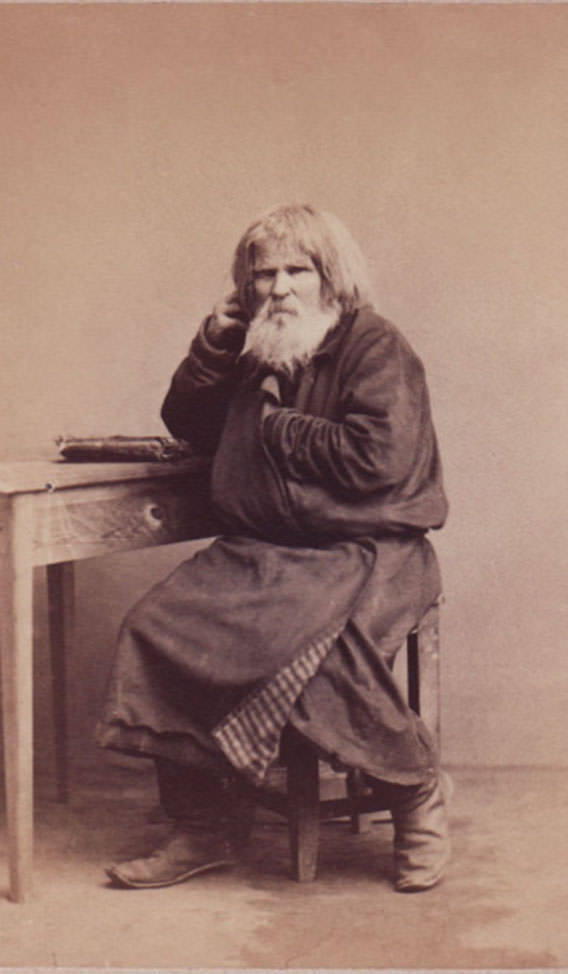
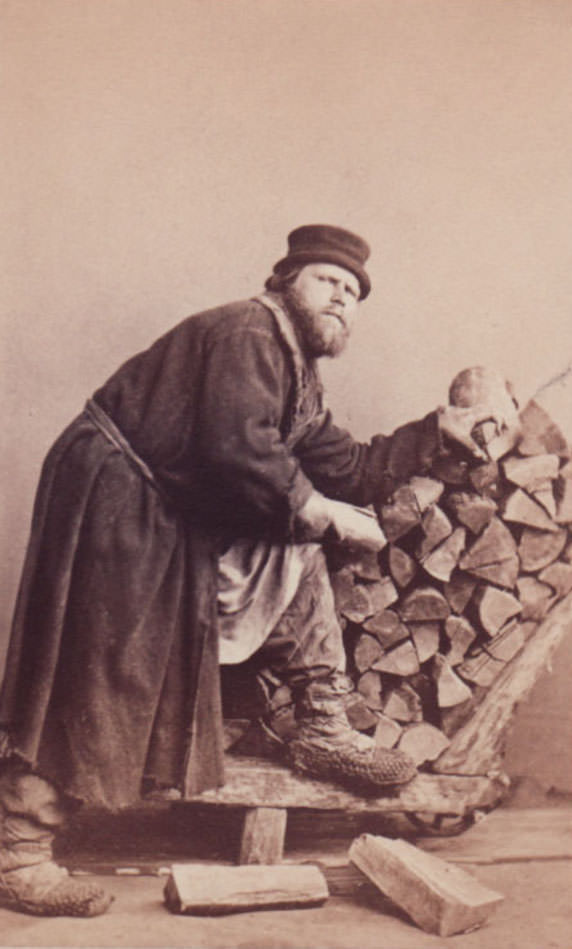
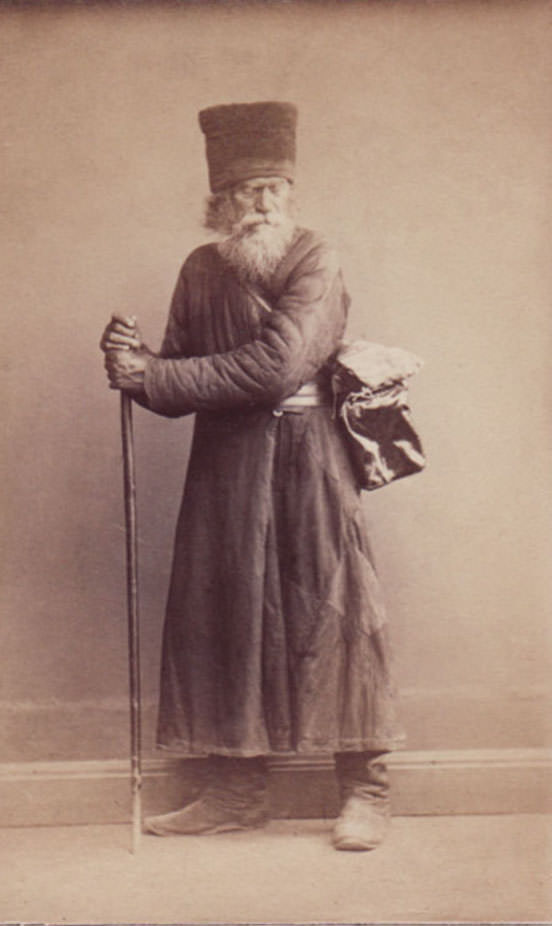
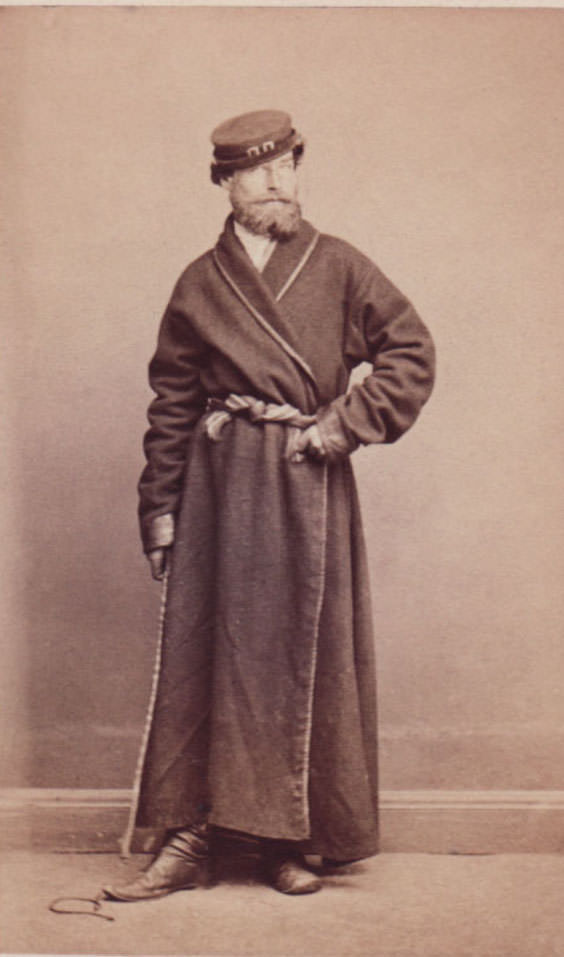
Peasants who had migrated to the cities for work appear in two separate portraits, dressed in traditional rural clothing that distinguished them visually from city-born laborers. Coachmen, who drove the horse-drawn vehicles that served as taxis and delivery transport, were among the most recognizable working figures in any Russian city street.
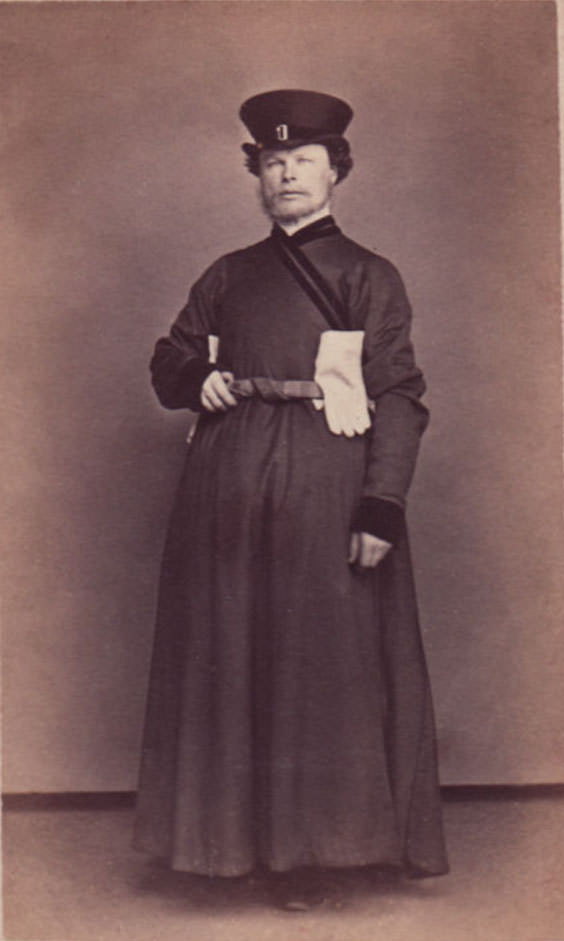
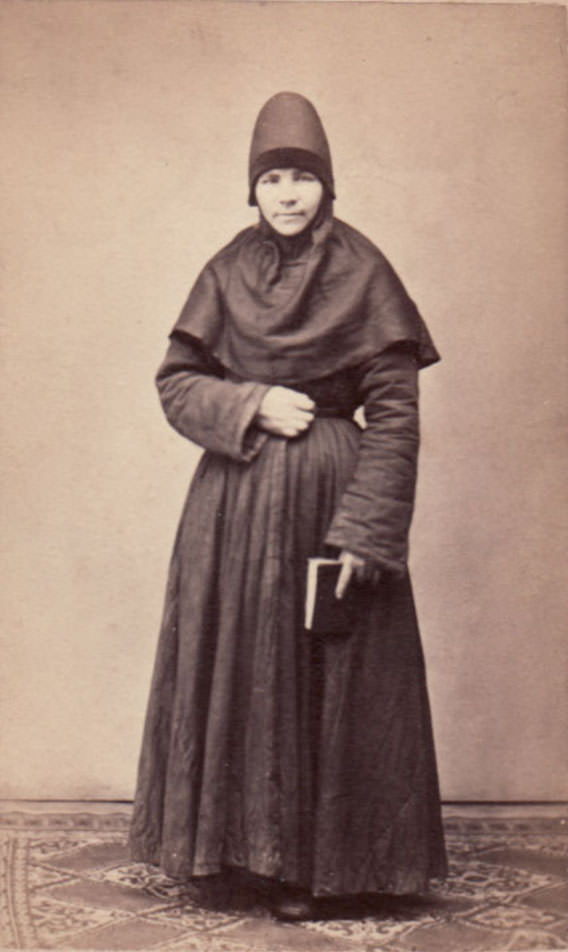
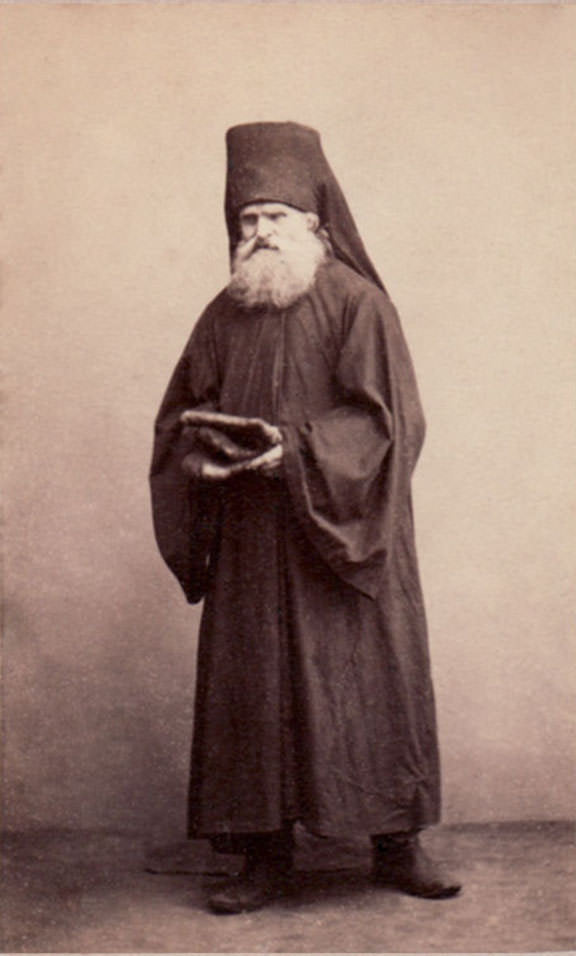
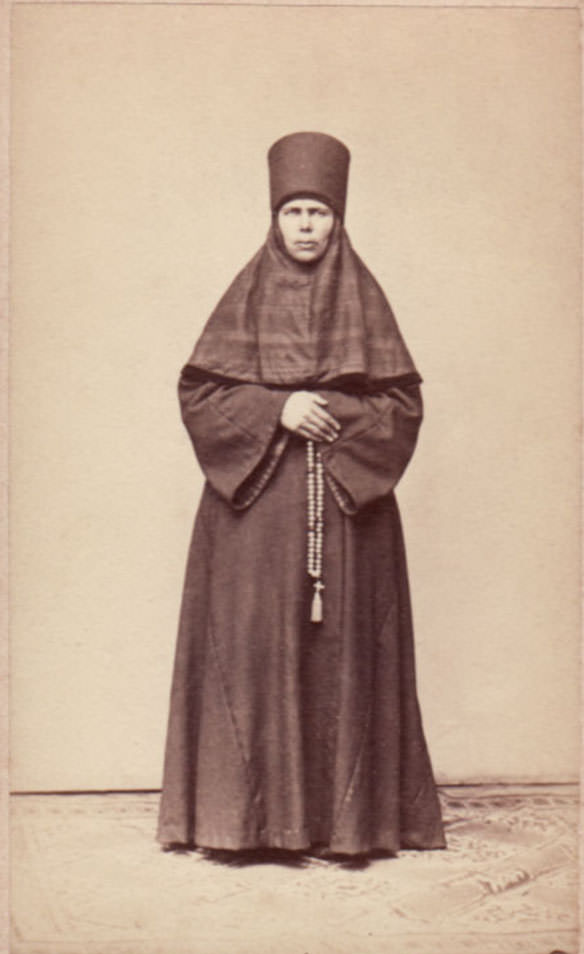
Religious figures — nuns and a monk — are included alongside secular workers, reflecting how deeply the Russian Orthodox Church was woven into everyday life. Members of religious orders were common presences in city streets, and their inclusion here treats them as another recognized ‘type’ in the social fabric of the era.
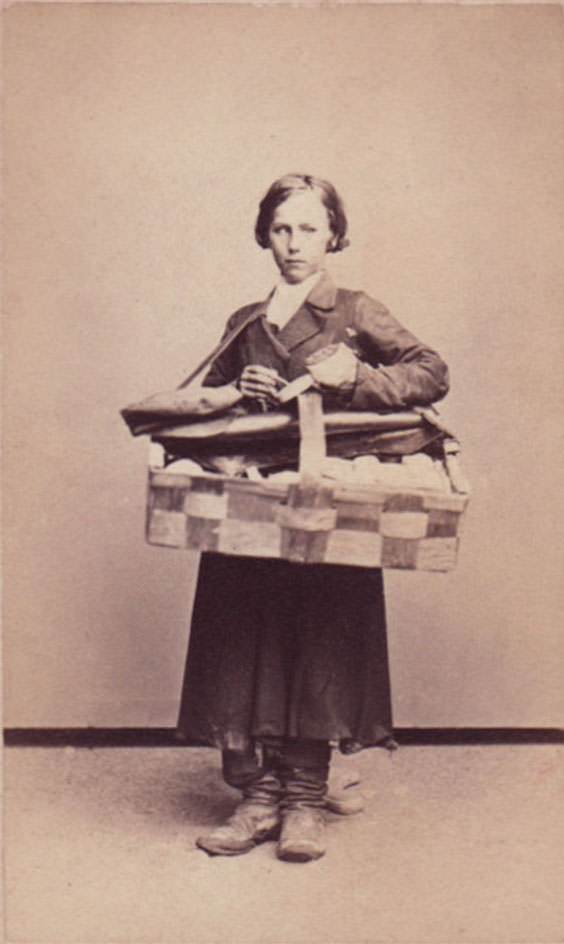
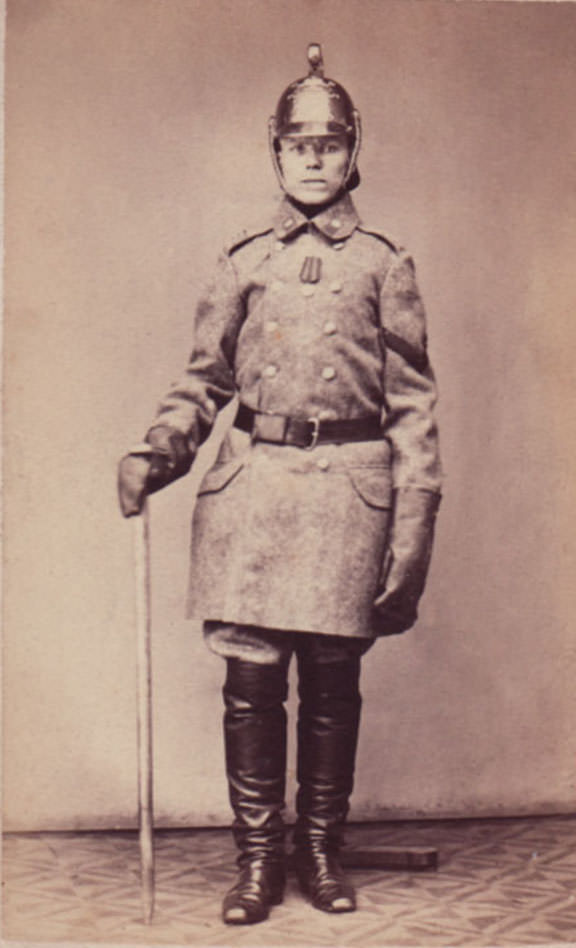
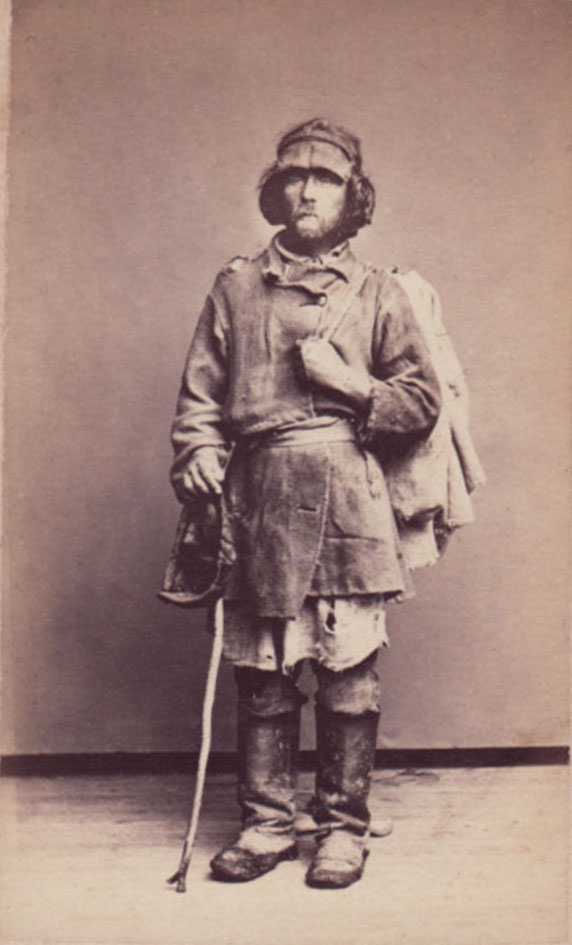
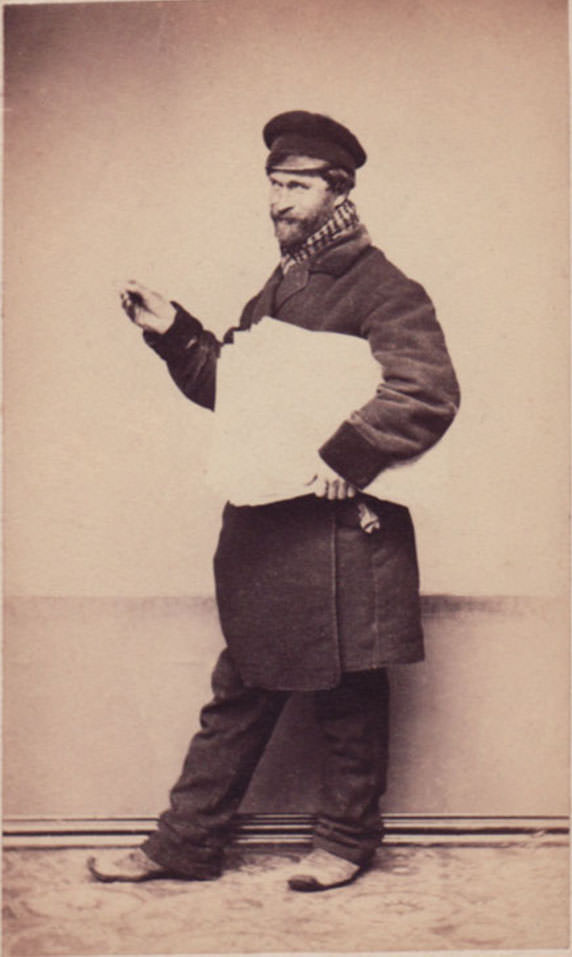
The match-seller and newspaper-seller represent two of the era’s most common street trades, accessible to workers with little capital or skill. A fireman in uniform provides a contrast — a salaried, organized municipal worker rather than an independent street trader. The vagabond, photographed without any tools or goods, stands as a portrait of destitution within the same social landscape.
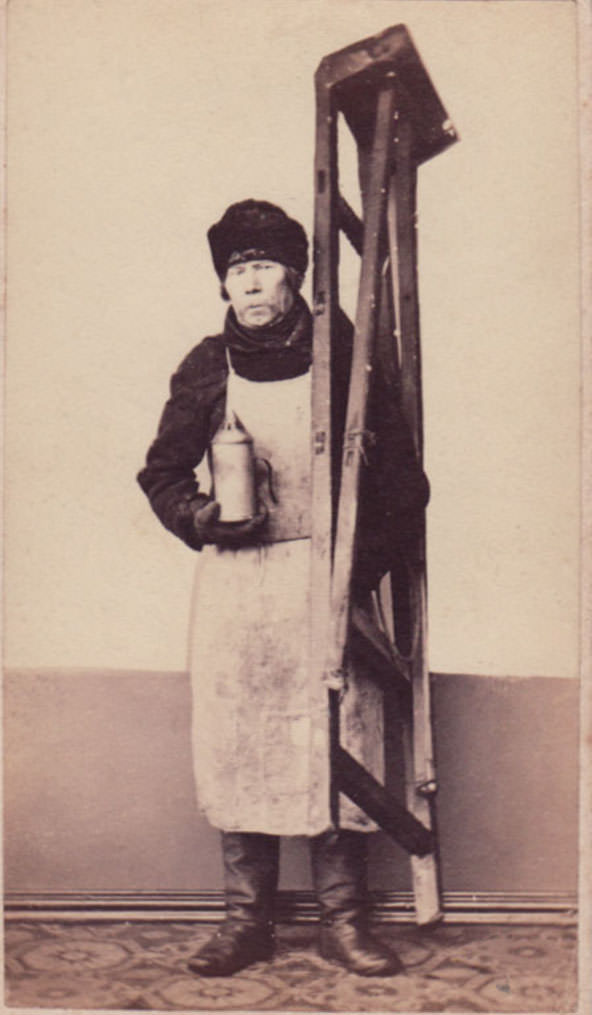
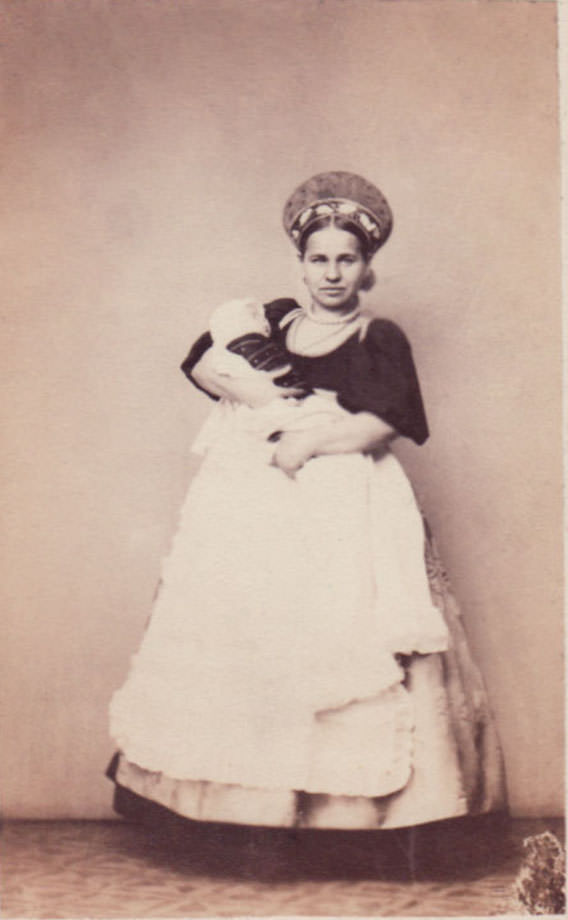
The wet nurse portrait — one of the most intimate in the collection — shows a woman with an infant she was paid to feed and care for, a common arrangement among wealthier Russian families. Taken together, these fifty portraits form one of the most complete photographic records of Russian working-class life from the 19th century, preserving faces and roles that official history largely passed over.