On the night of June 5, 1968, Robert F. Kennedy stood on a stage at the Ambassador Hotel in Los Angeles and addressed a crowd of jubilant supporters. He had just won the California and South Dakota Democratic primaries — two major victories in his campaign for the presidency. The mood in the room was electric. But moments after he stepped off the podium and walked through a kitchen hallway toward the exit, 22-year-old Palestinian Sirhan Sirhan shot him multiple times at close range. Kennedy died the following day. The news sent a wave of shock across the United States, a country already torn apart by the Vietnam War, racial unrest, and the assassination of Dr. Martin Luther King Jr. just two months earlier.
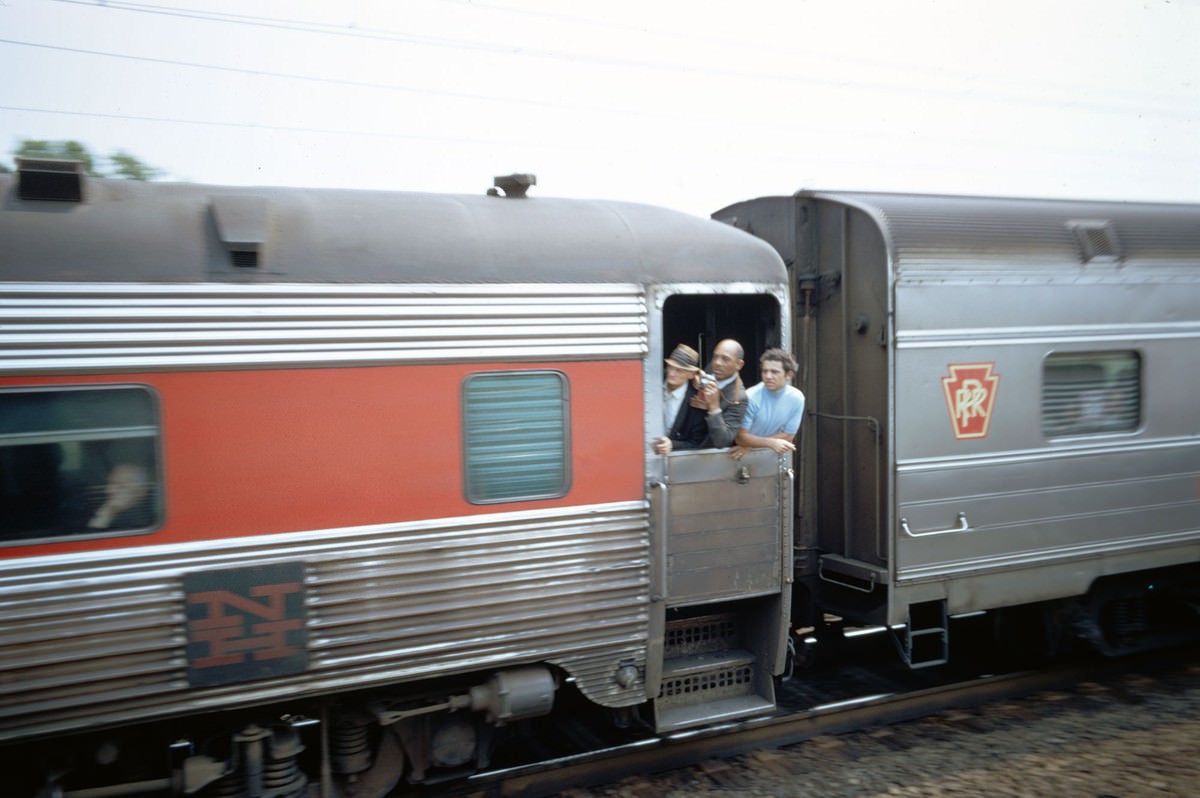
Kennedy’s body was brought to New York City, where a funeral mass was held at Saint Patrick’s Cathedral on June 8, 1968. The cathedral was filled with dignitaries, family members, and ordinary citizens who had come to say goodbye. After the mass, his coffin was placed aboard a private funeral train that would carry him south 225 miles to Washington, D.C., where he would be buried that evening at Arlington National Cemetery.
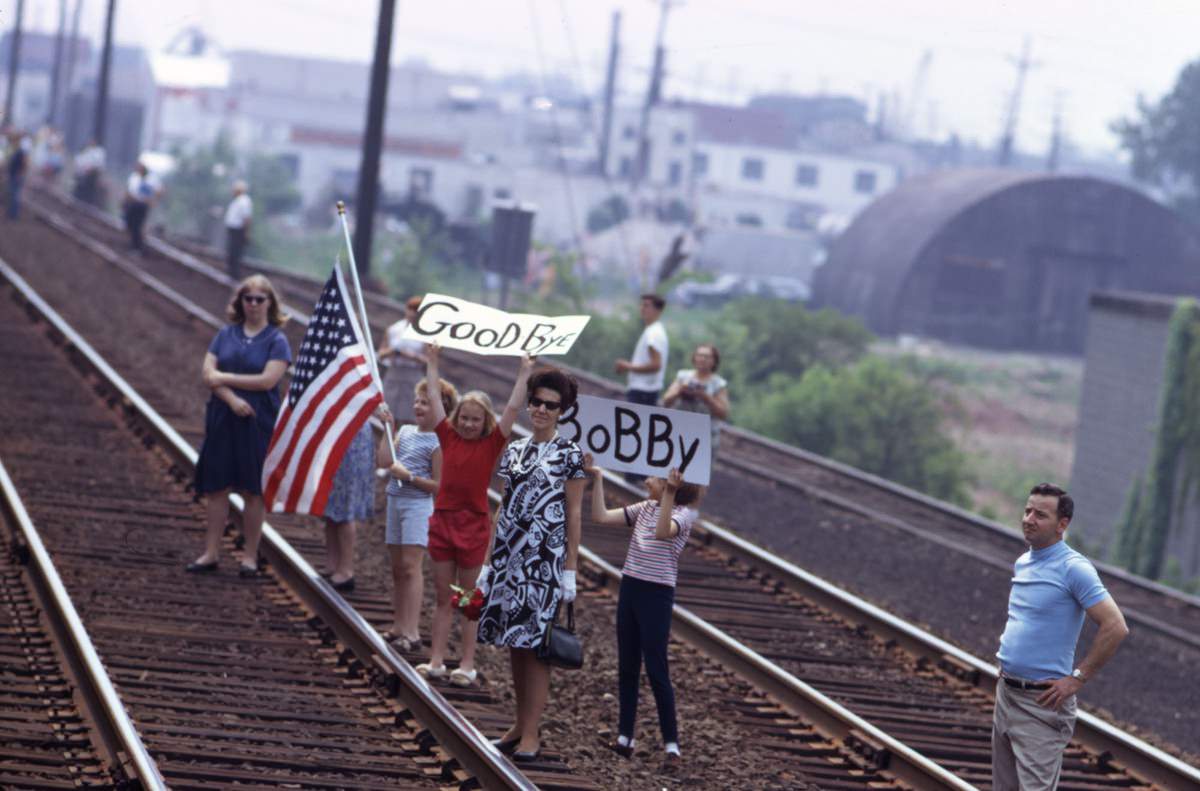
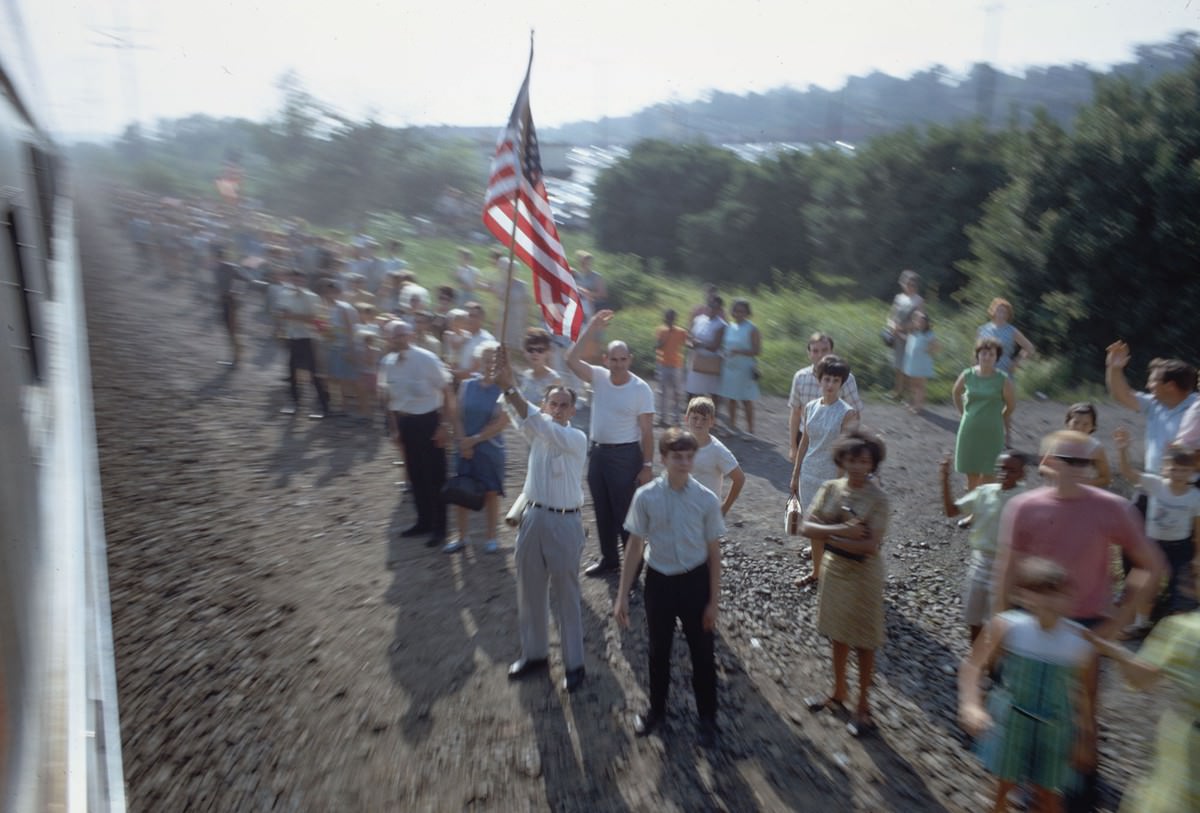
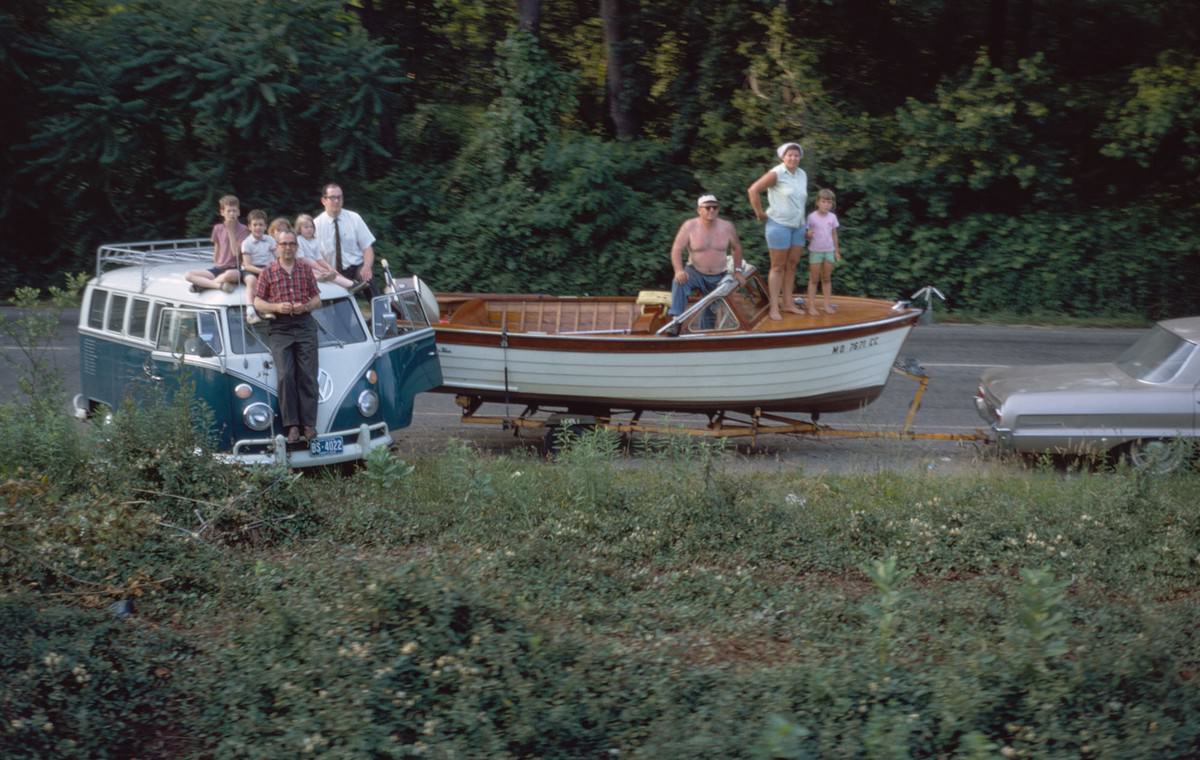
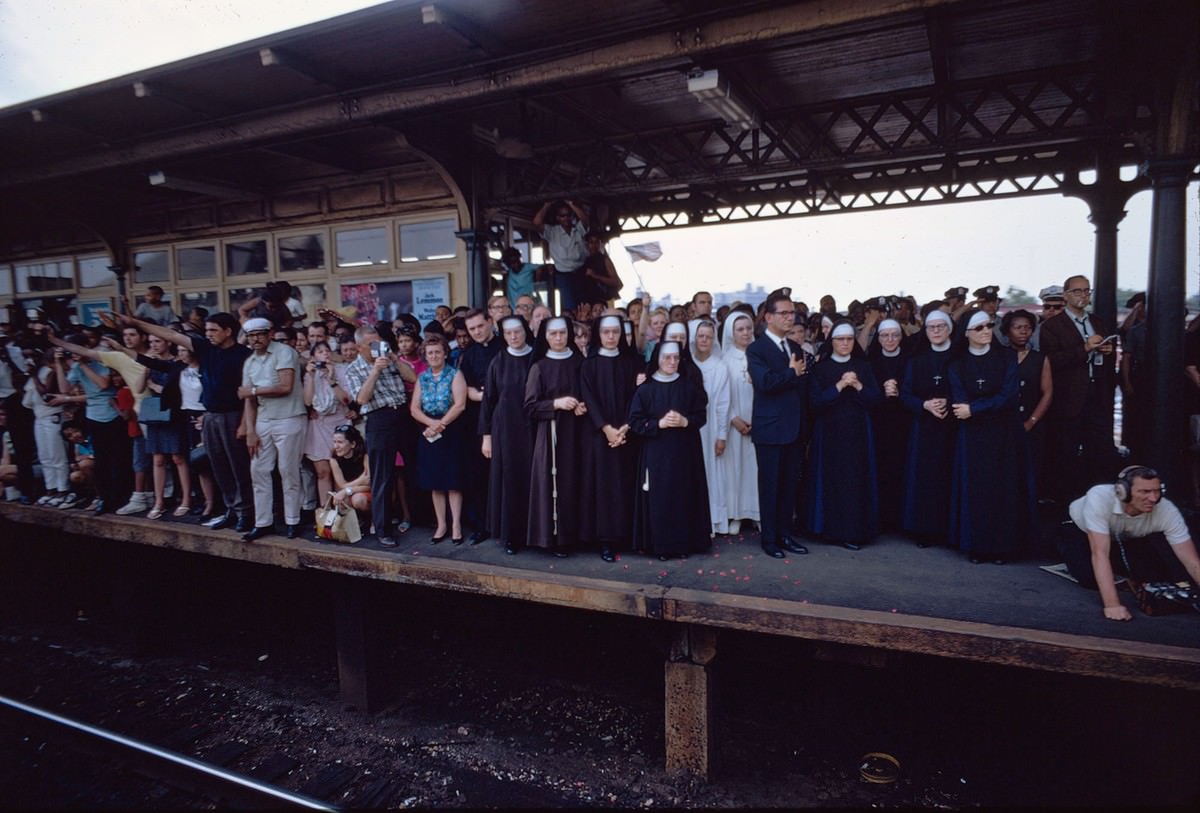
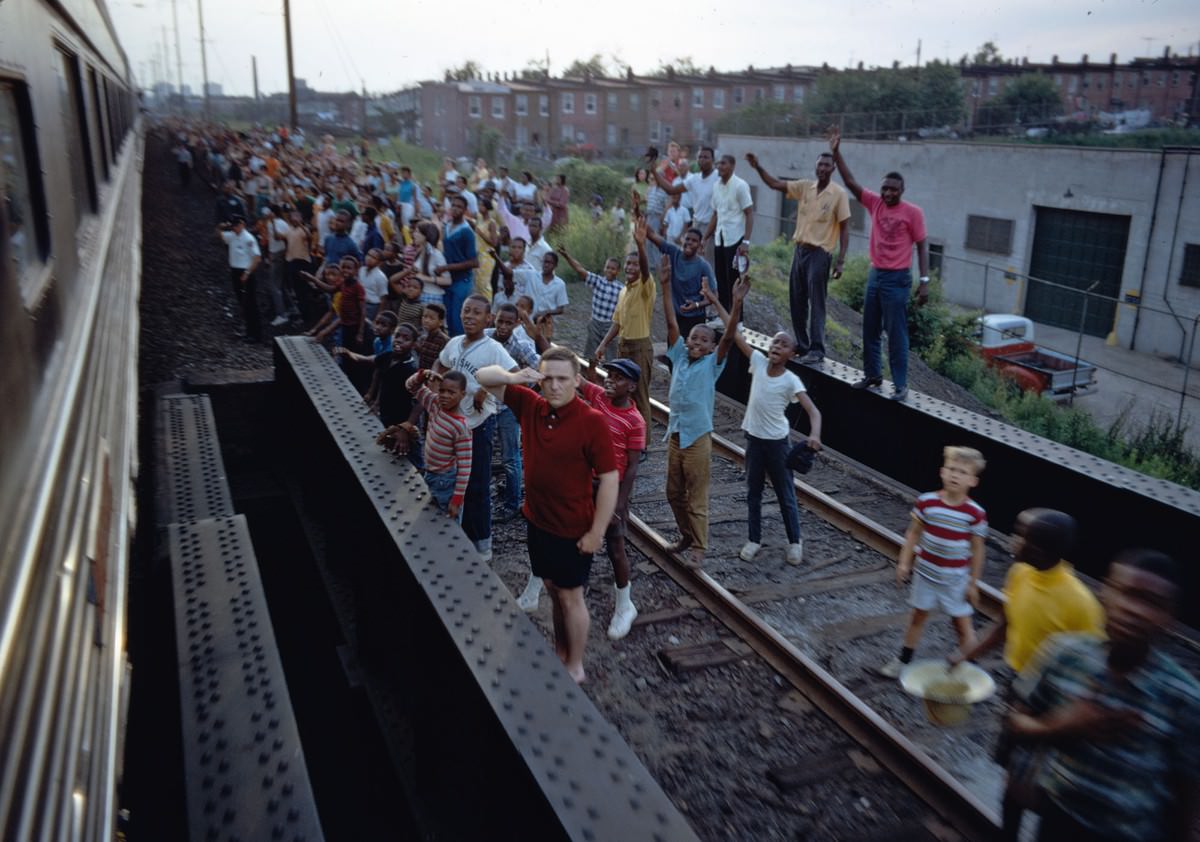
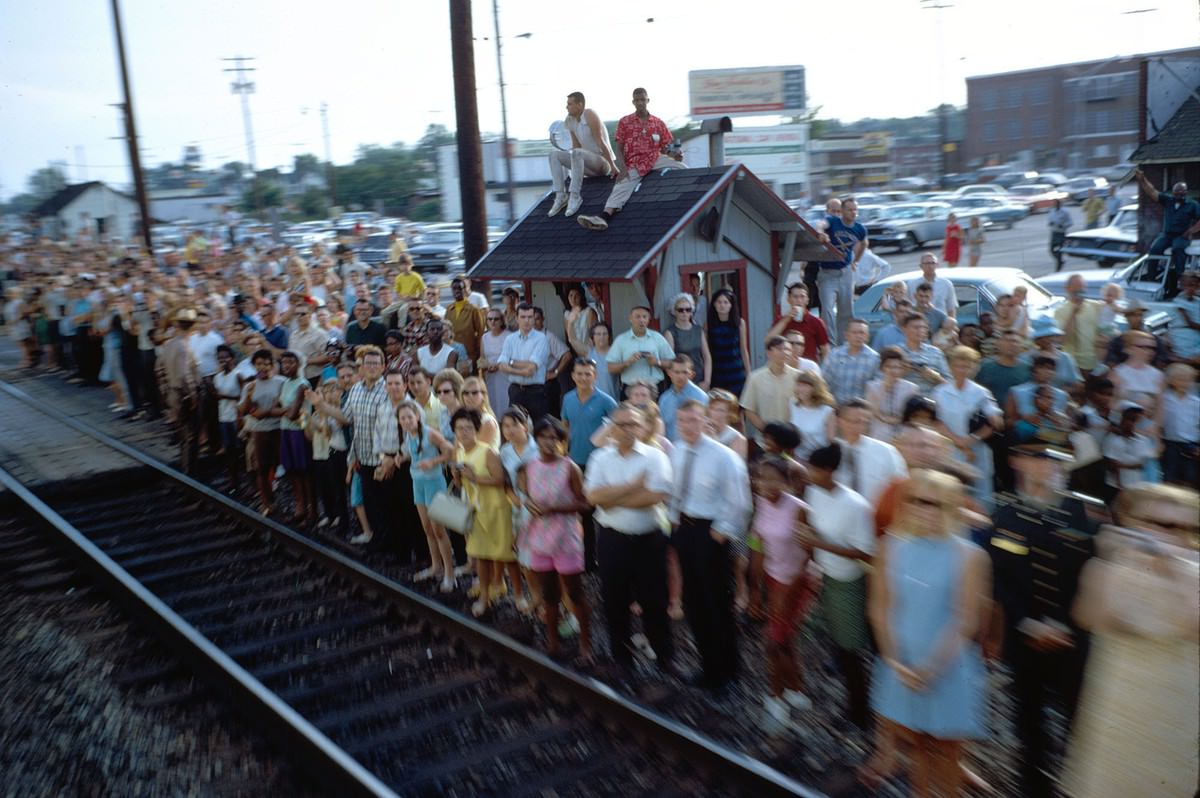
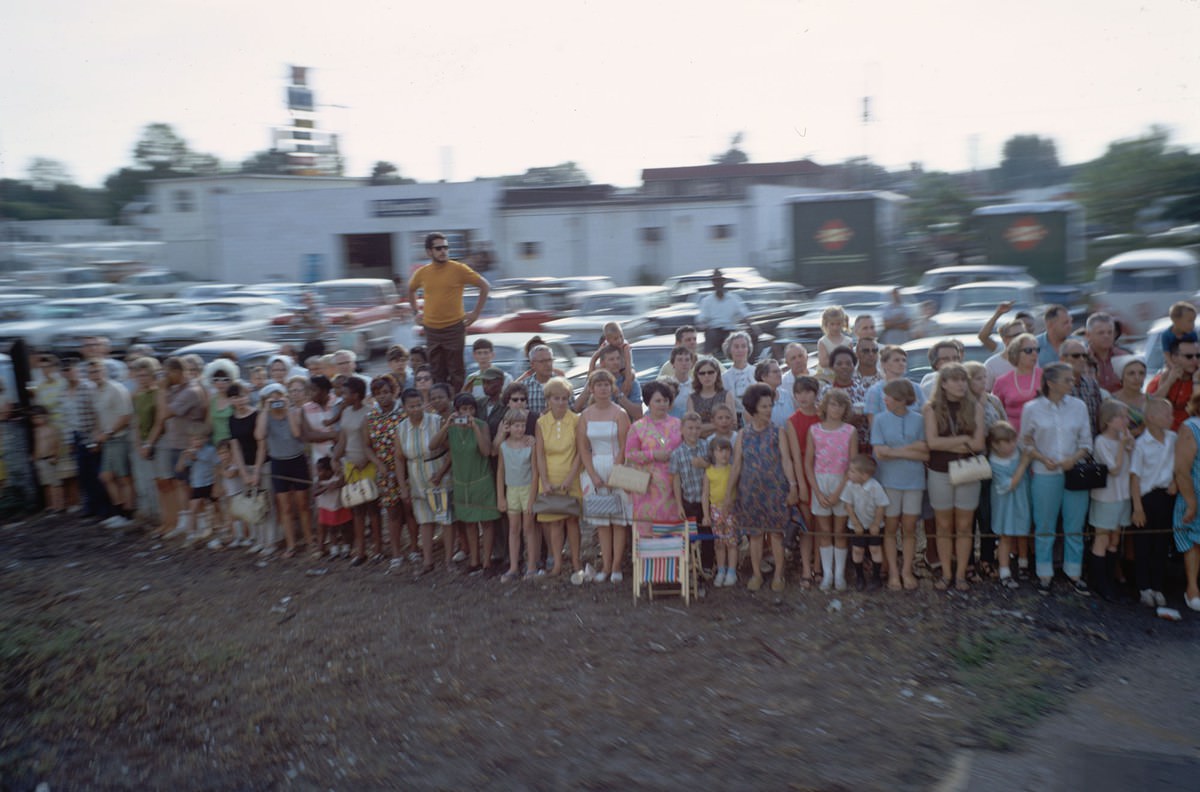
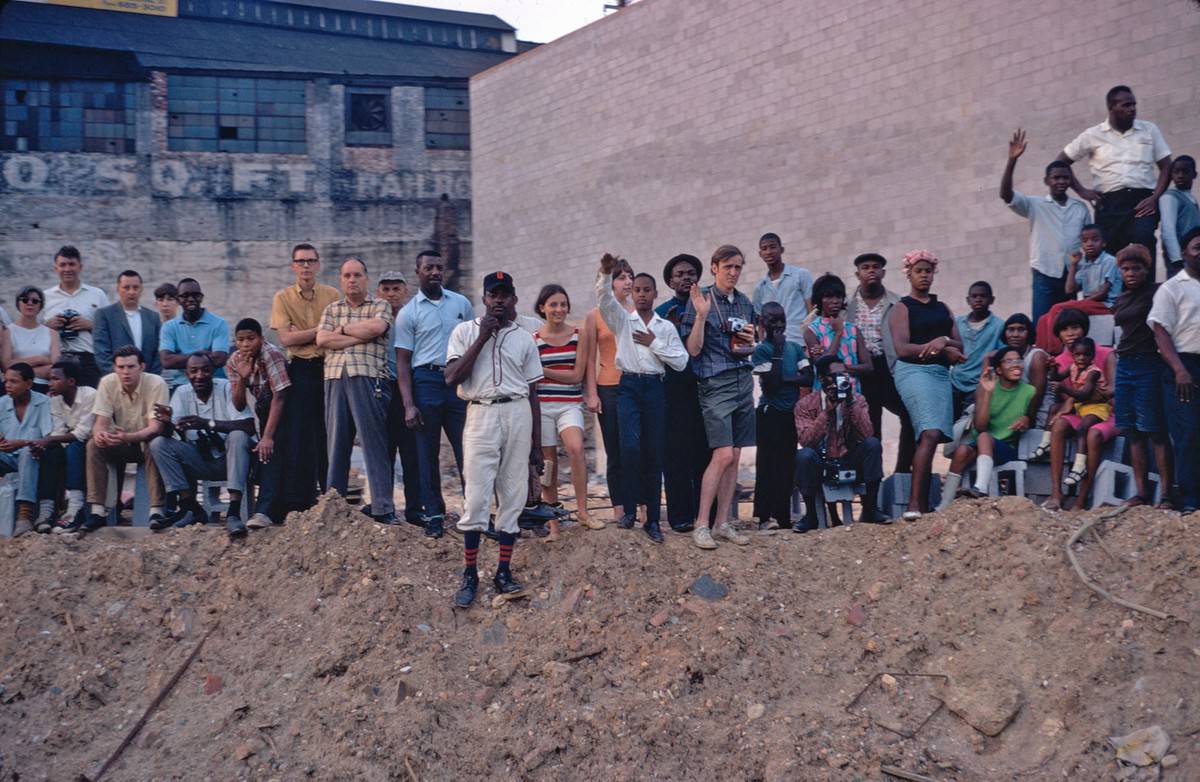
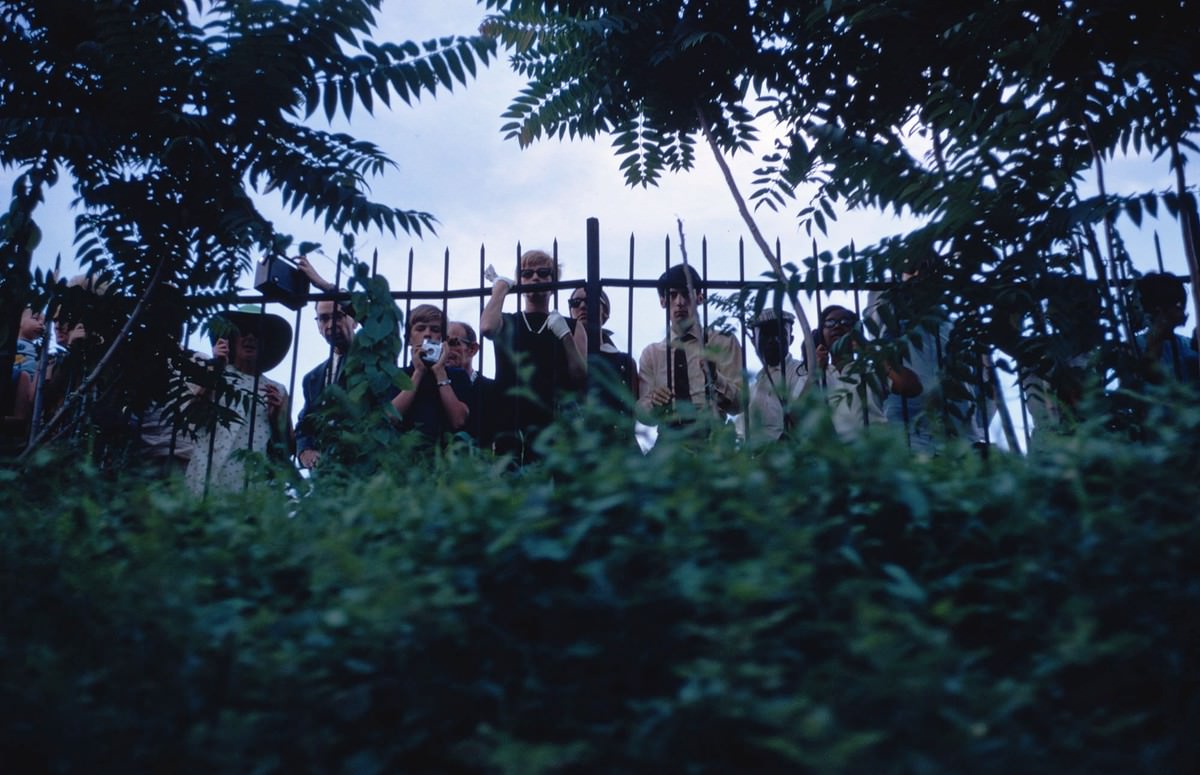
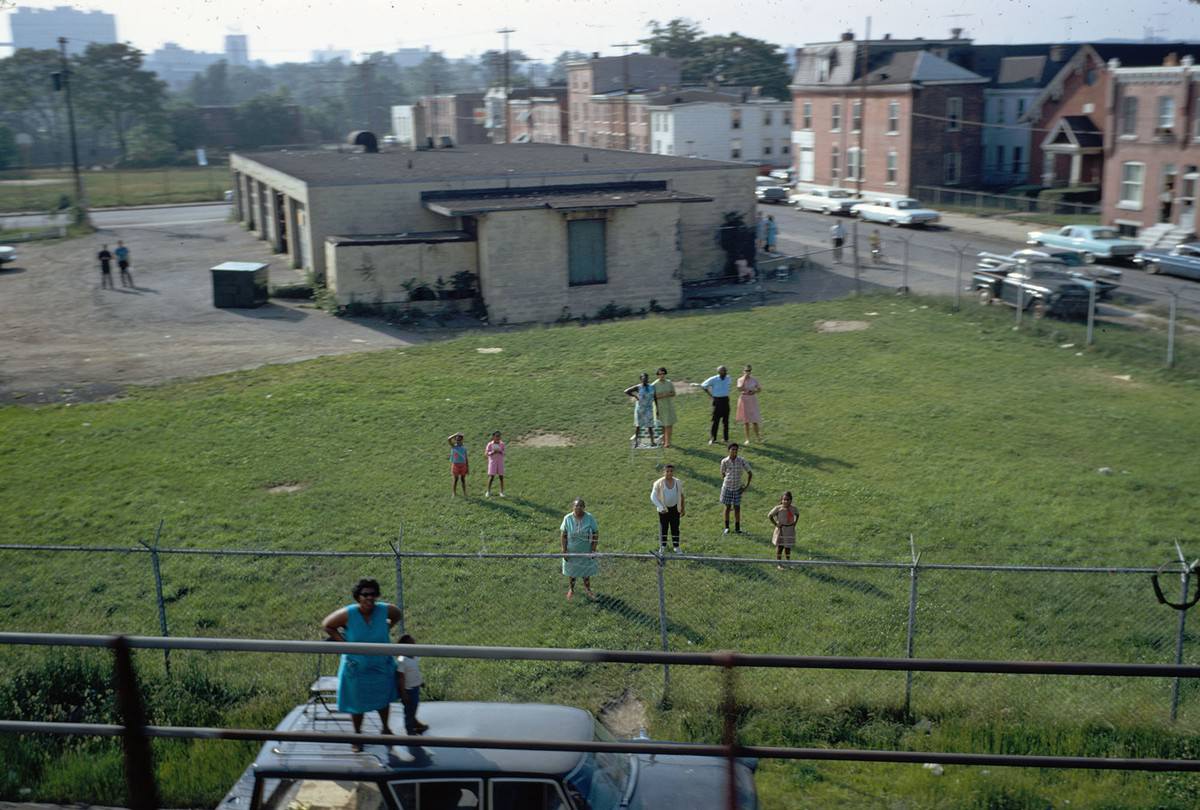
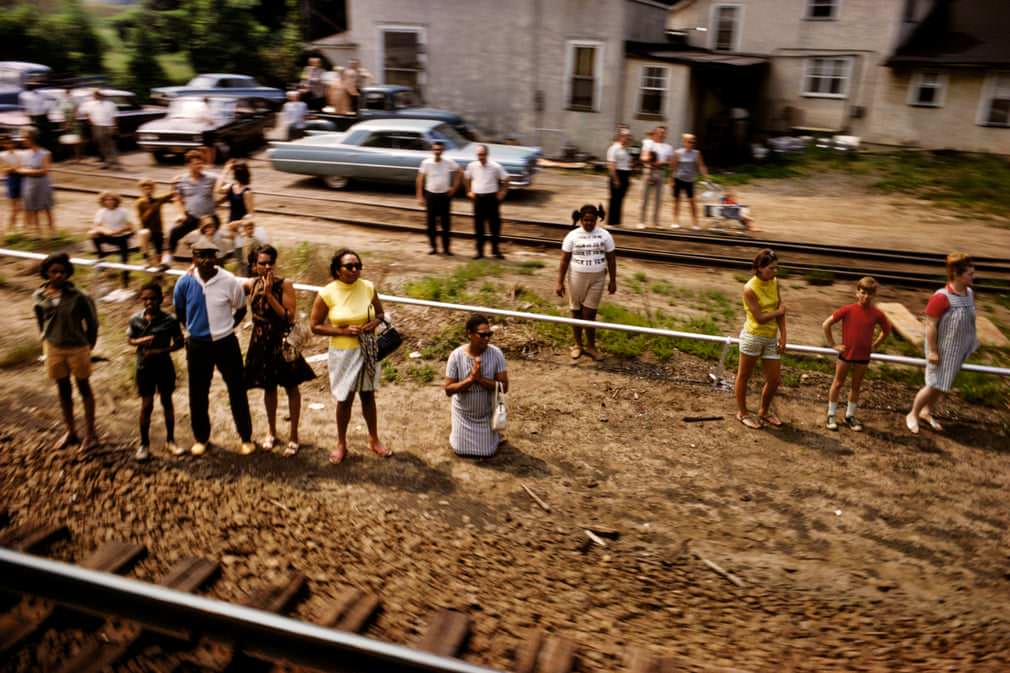
What happened along that rail route was something few people had anticipated. Tens of thousands of Americans — from all walks of life — left their homes and gathered beside the train tracks to watch the train pass. They stood in fields, on station platforms, along highway overpasses, and in city streets. Some held signs. Some waved American flags. Some stood in complete silence, hats in hand. Others wept openly. The train took eight hours to complete the journey, moving slowly enough that those gathered along the tracks could see and be seen.
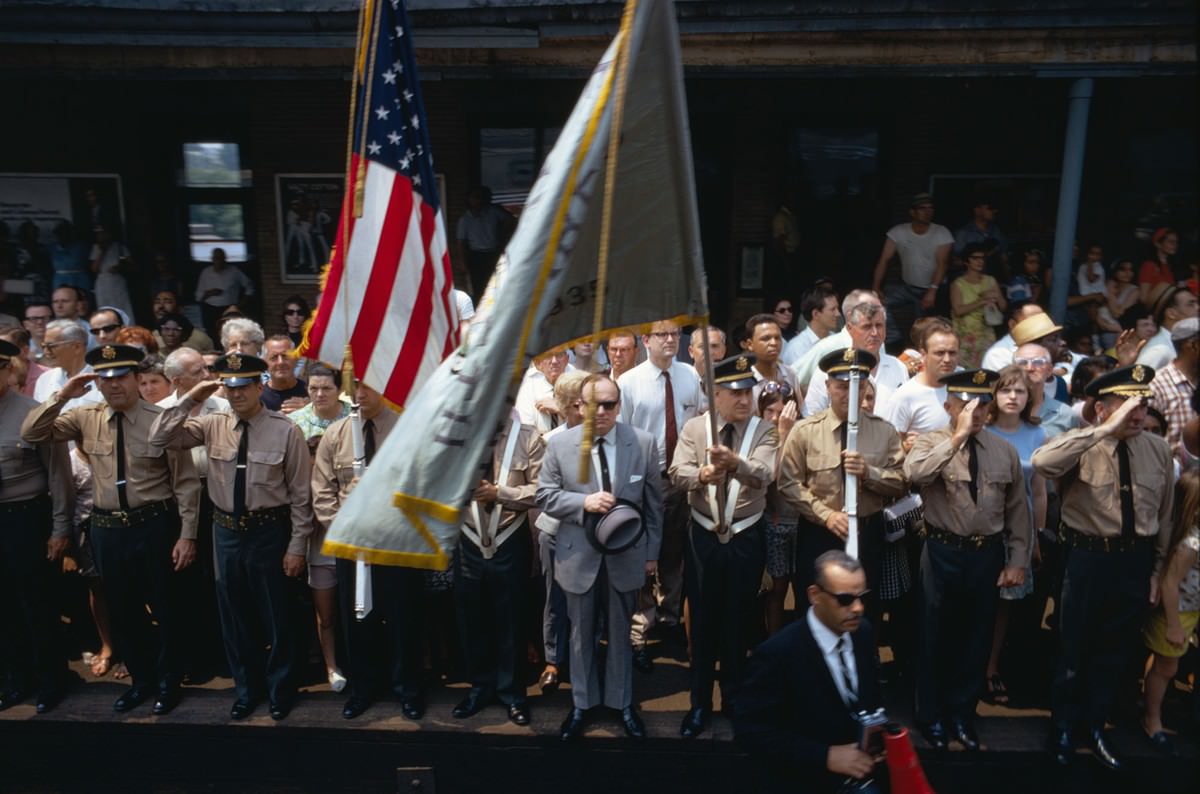
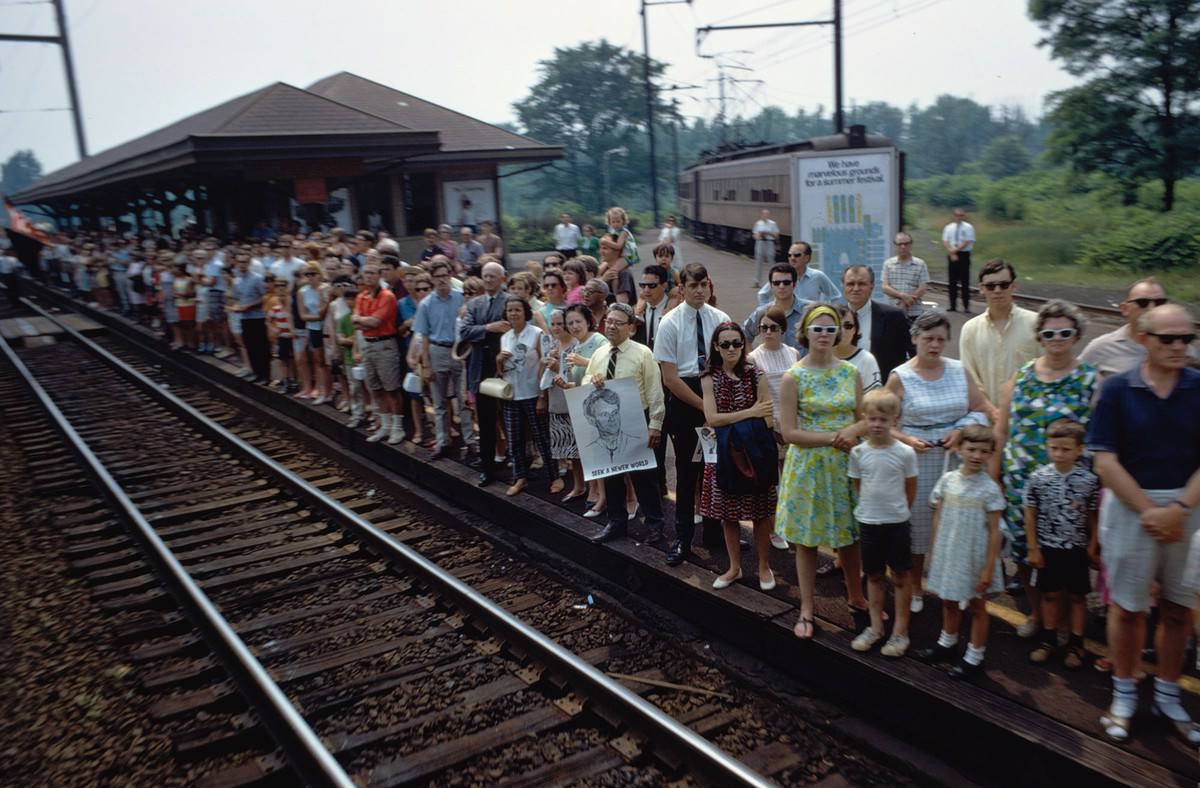
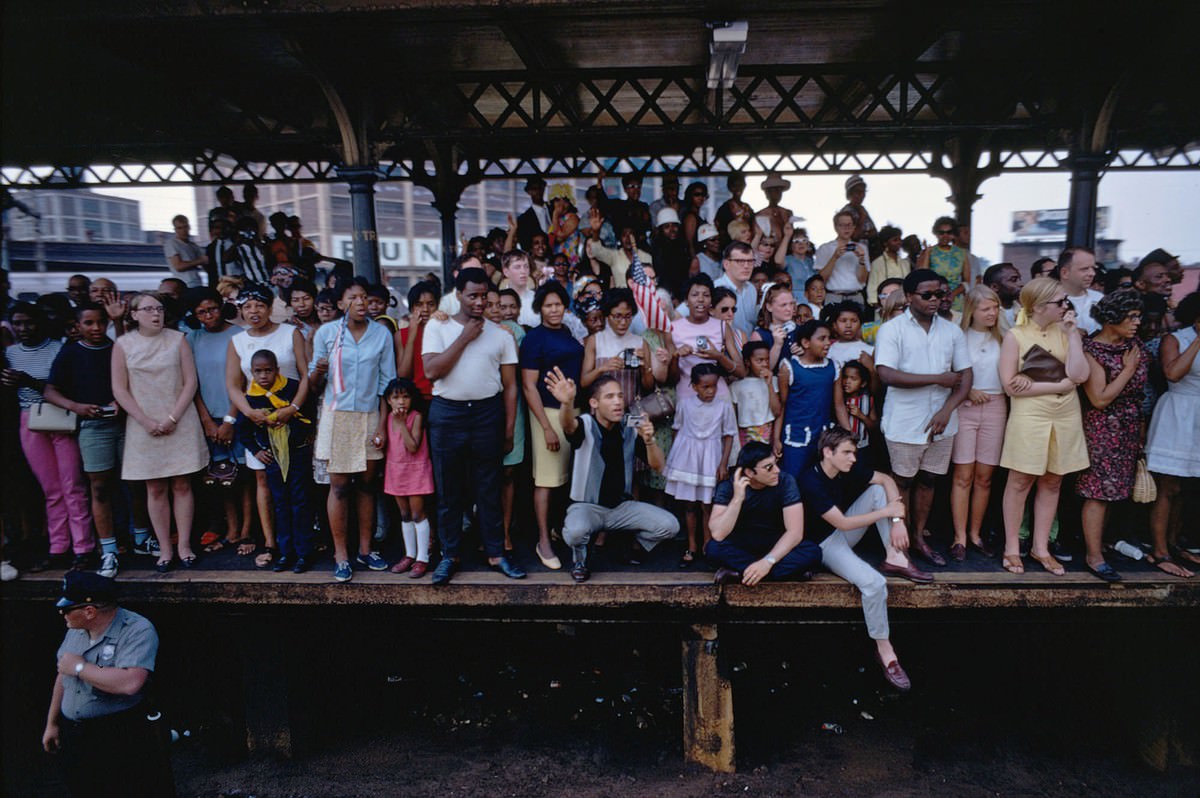
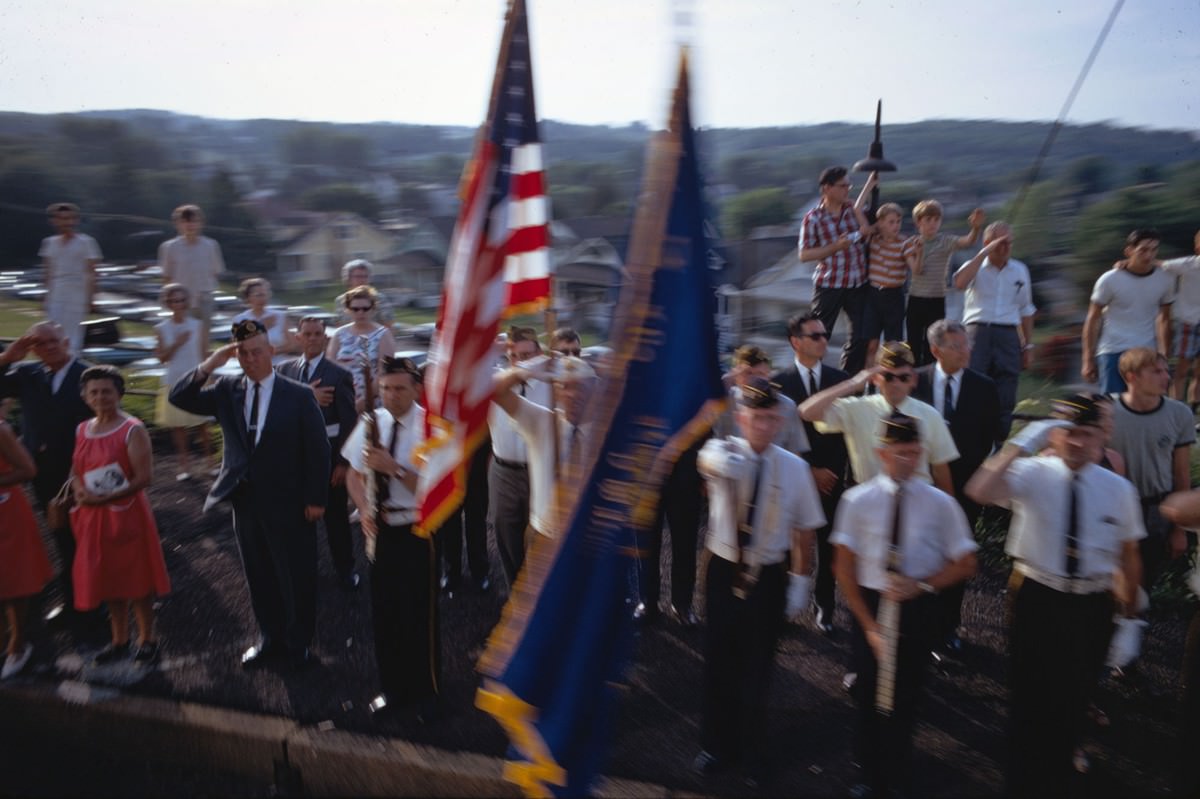
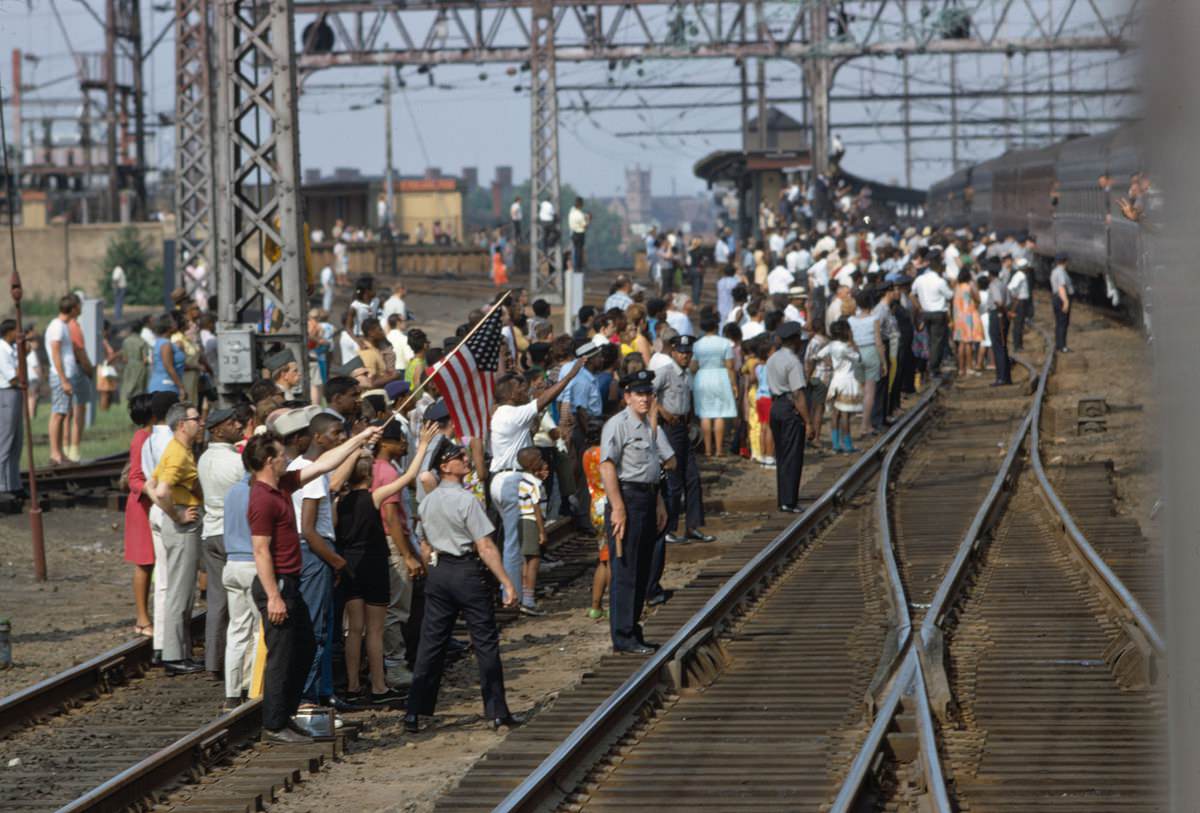
In Elizabeth, New Jersey, the scene was particularly striking. Residents packed the train station, standing shoulder to shoulder on the platform. Members of the Elizabeth Firing Squad stood at rigid attention among the crowd, their posture a sharp contrast to the grief visible on the faces around them. The military formality of their stance, set against the raw emotion of ordinary mourners, captured something true about how the country was responding — a mix of civic duty and personal loss.
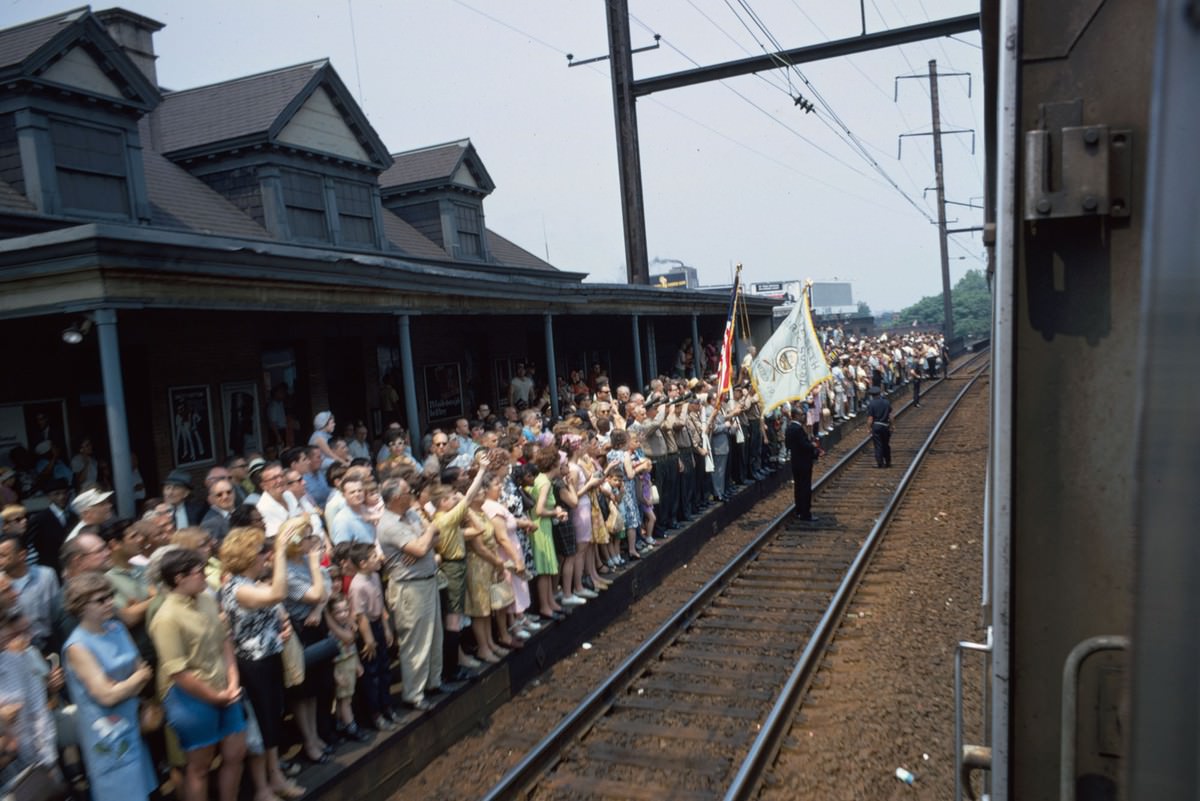
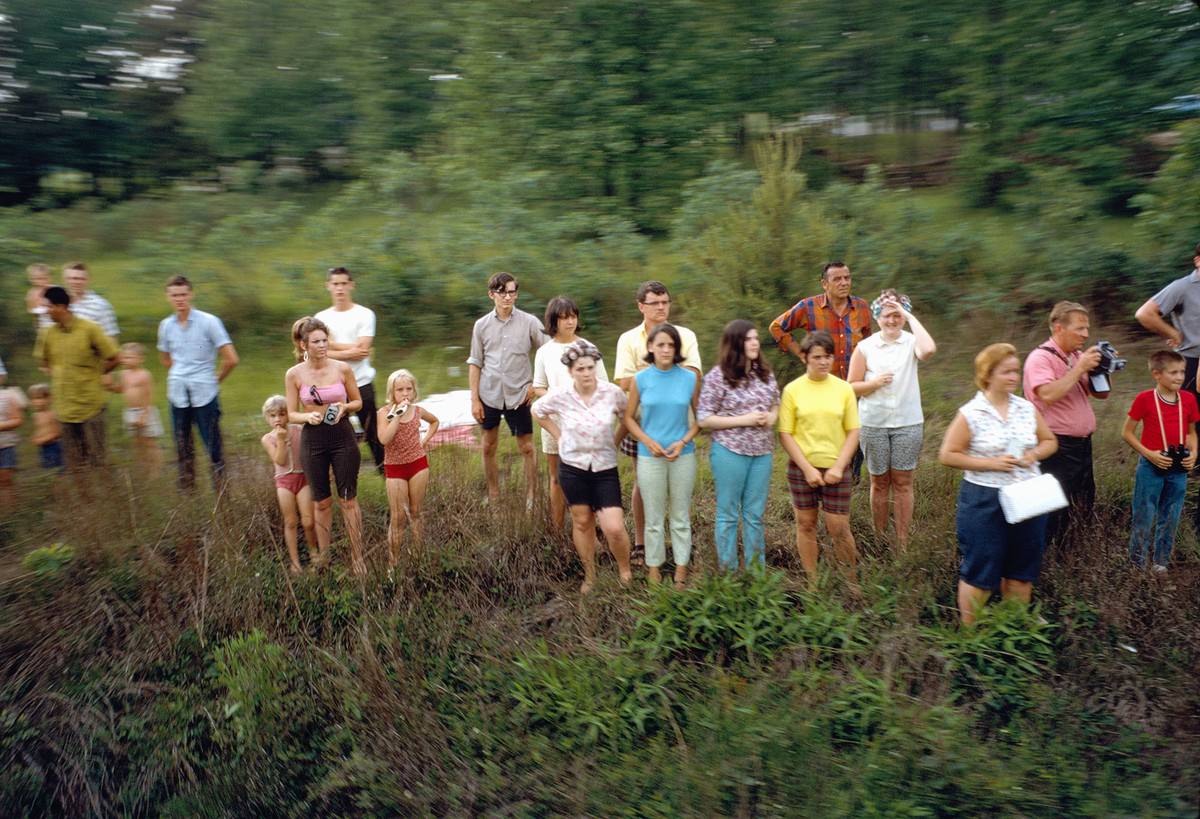
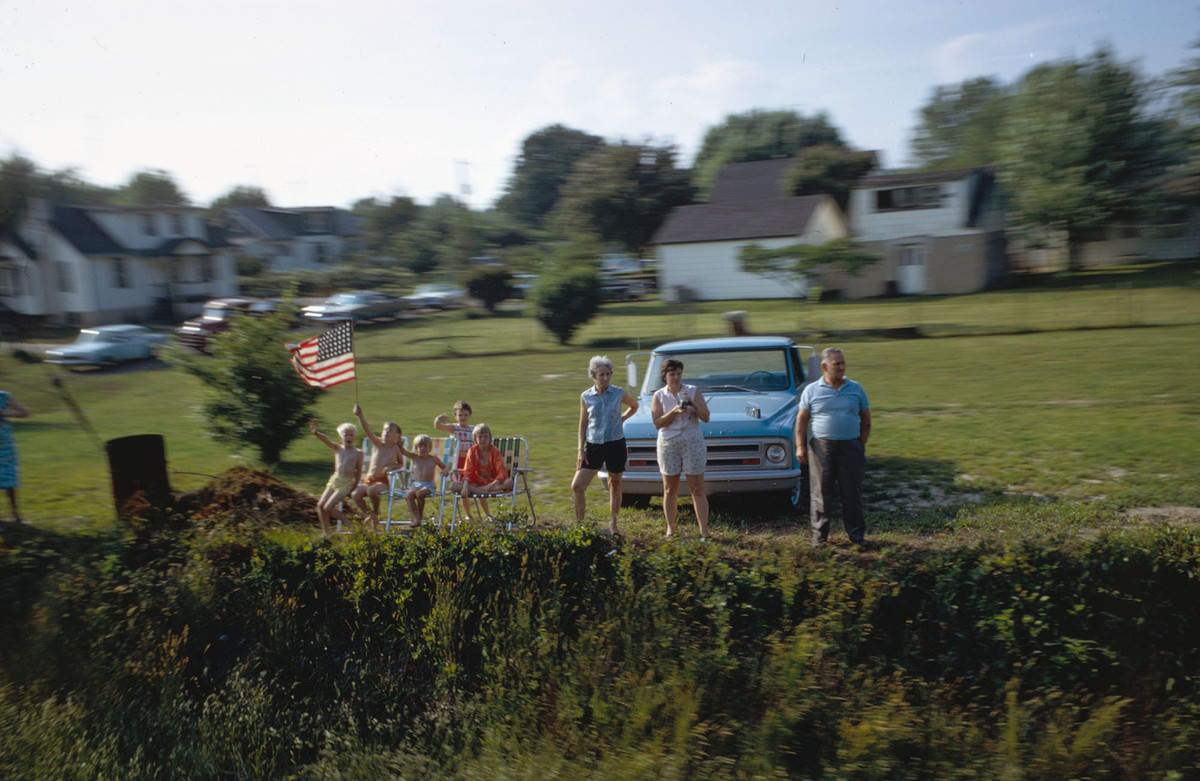
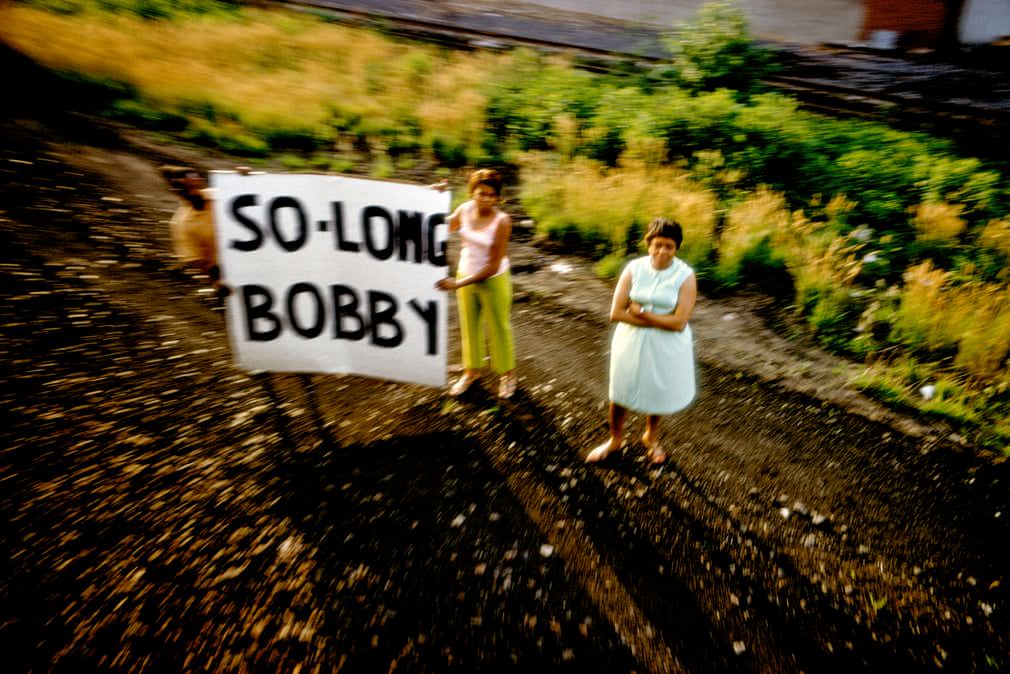
Aboard the train, photographer Paul Fusco was working under difficult conditions. He was shooting low-speed color film from inside a moving train, trying to photograph people who were also in motion. His shutter speeds kept dropping. Despite the technical challenges, he kept shooting — frame after frame — because the scale of what he was witnessing demanded documentation. “There were still endless numbers of mourners I was trying to photograph,” Fusco later said. His photographs from that day became one of the most powerful visual records of public grief in American history.
As the train rolled through Princeton Junction, New Jersey, mourners held up portraits of Kennedy. One man raised a poster that read “Seek a Newer World” — a phrase drawn from a Tennyson poem that Kennedy had often quoted in his speeches. It was a line he used to speak about the possibility of change, about refusing to accept things as they are. Seeing it held aloft by a grieving stranger along a train track gave the words a different, heavier weight.
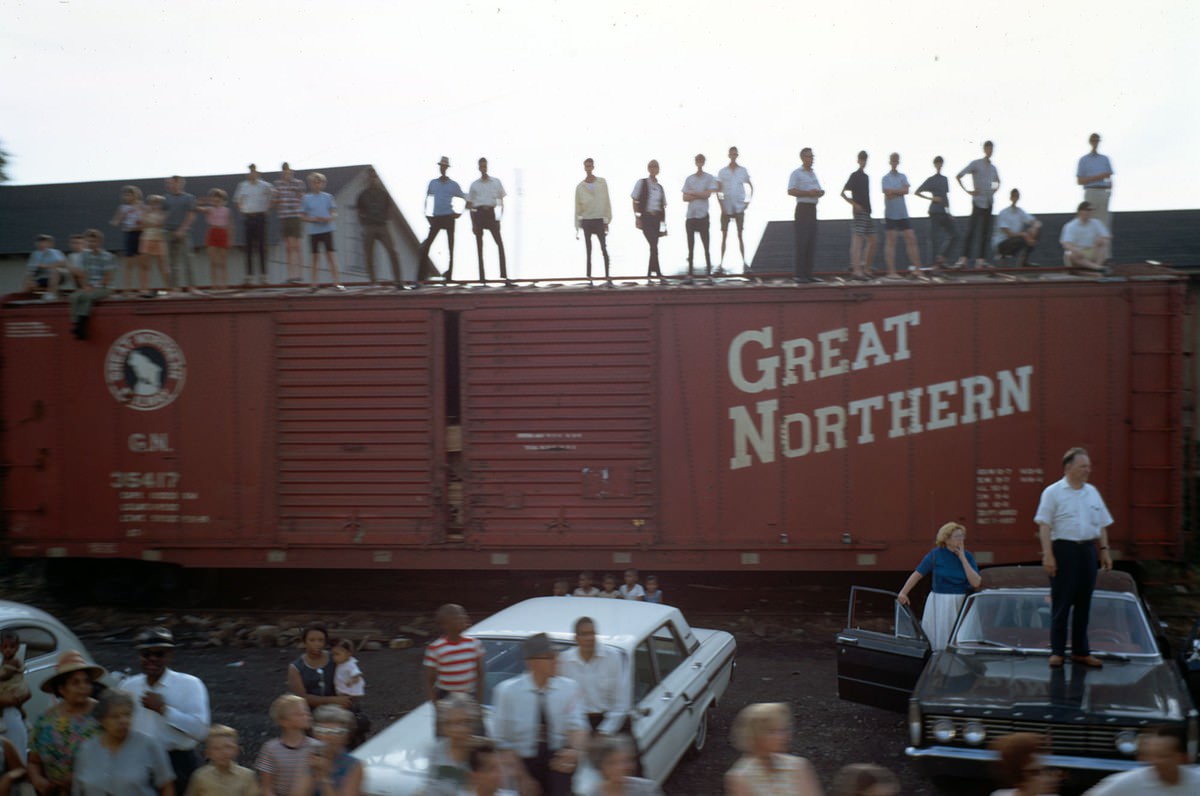
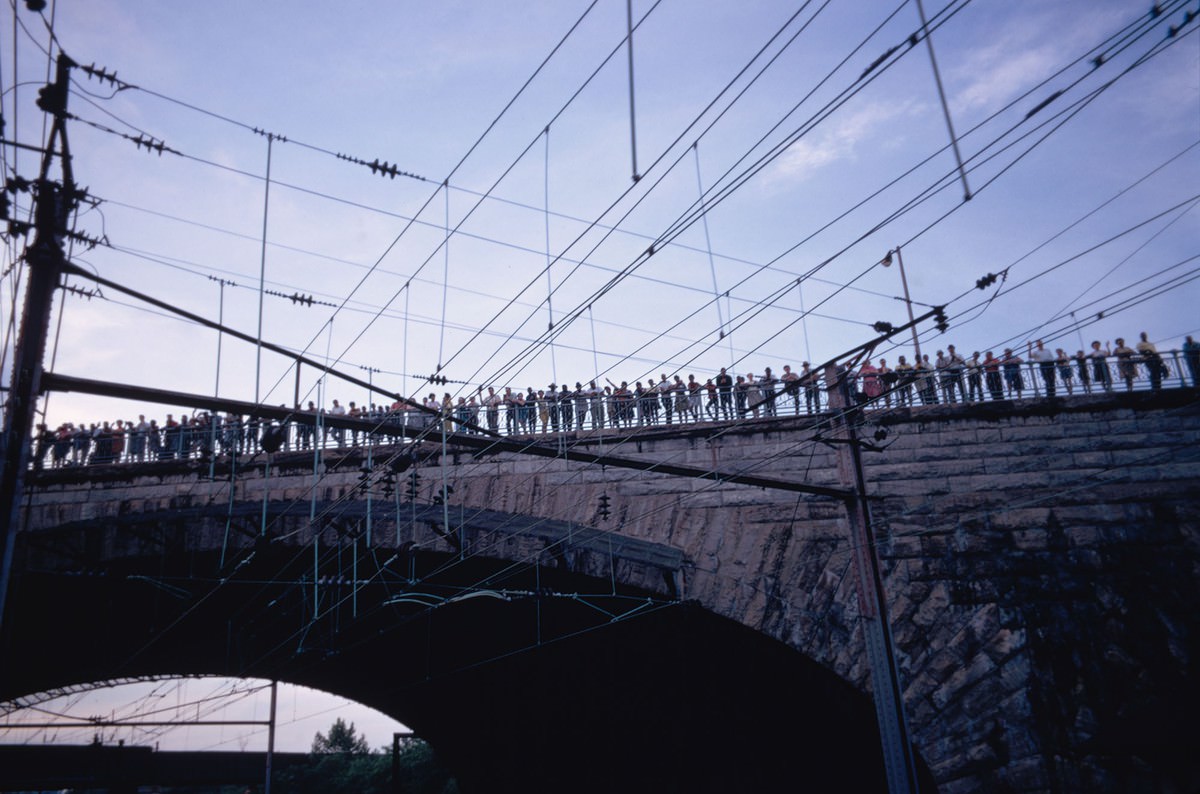
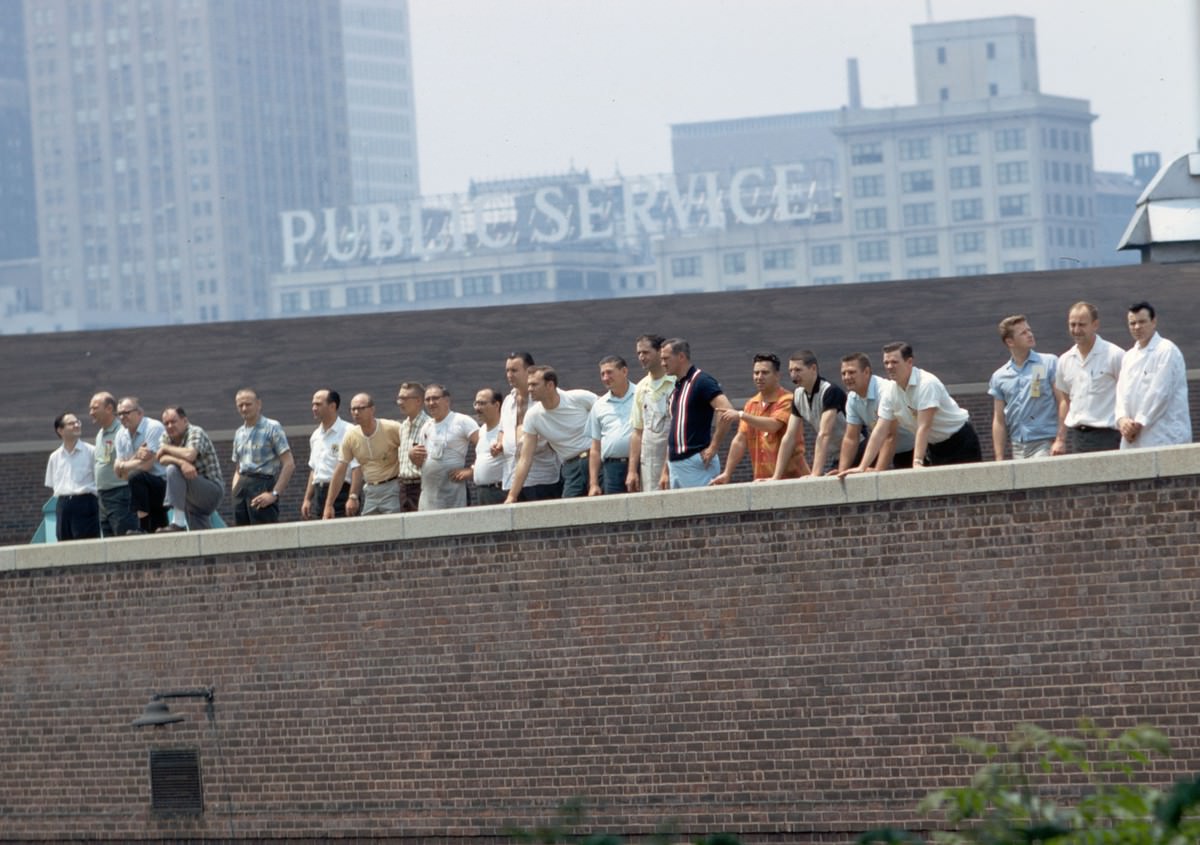
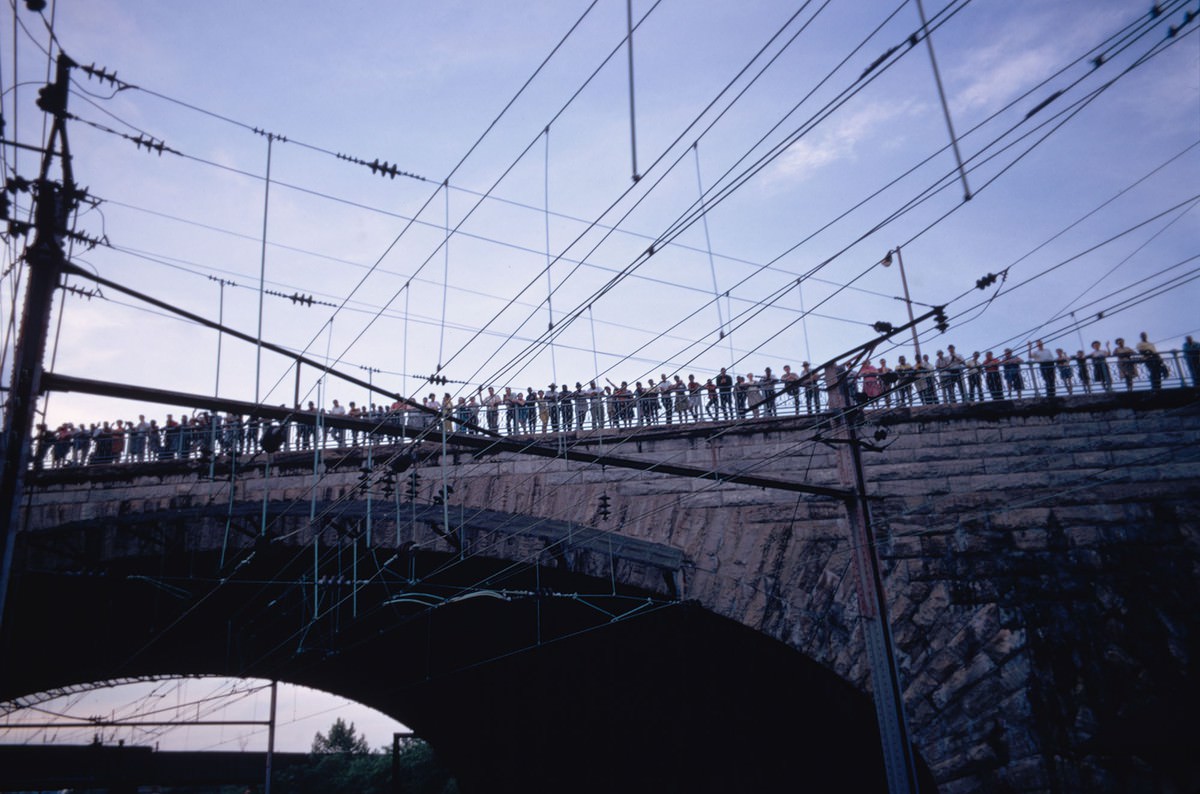
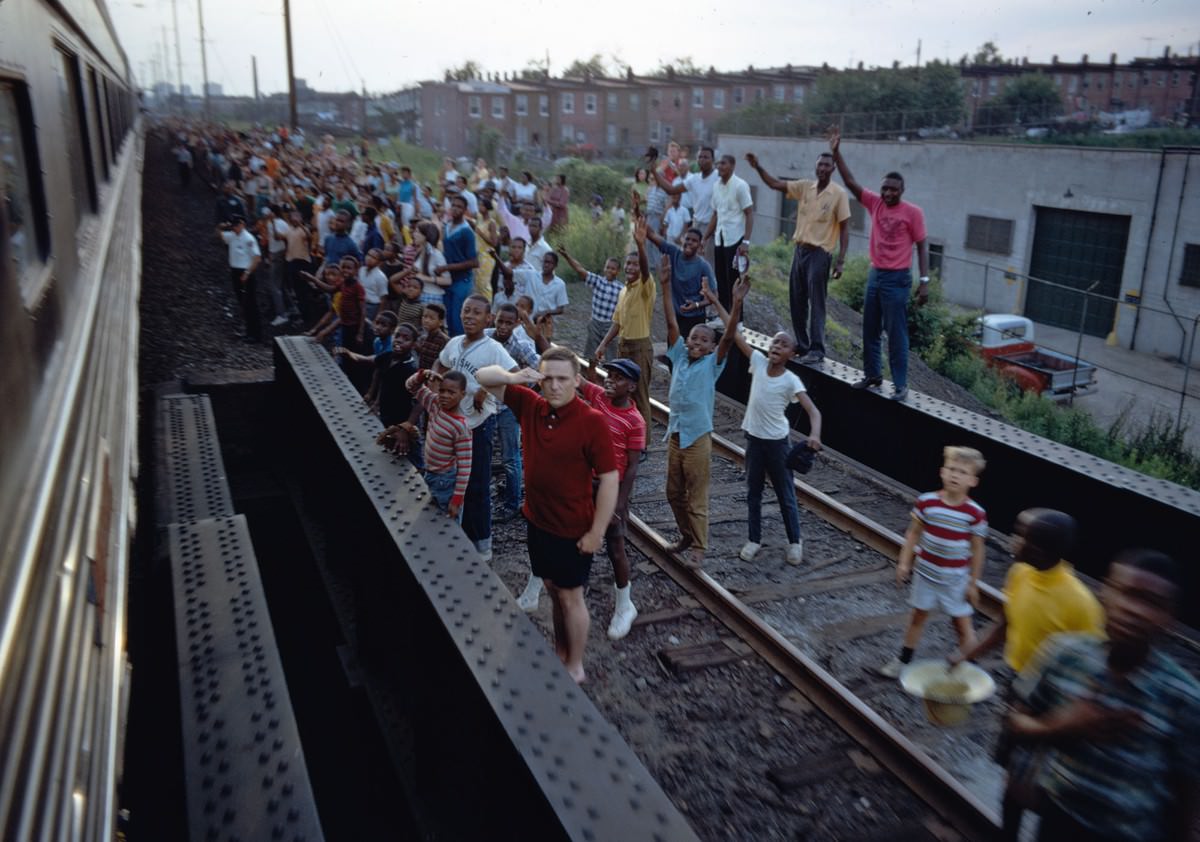
People found any vantage point they could. Some climbed onto rooftops. Others stood on overpasses and bridges, looking down at the train as it moved beneath them. The image of crowds watching from above — silhouetted against the sky — became one of the recurring visual motifs of the day. It showed just how far people were willing to go to simply be present, to bear witness to something they felt they had to see with their own eyes.
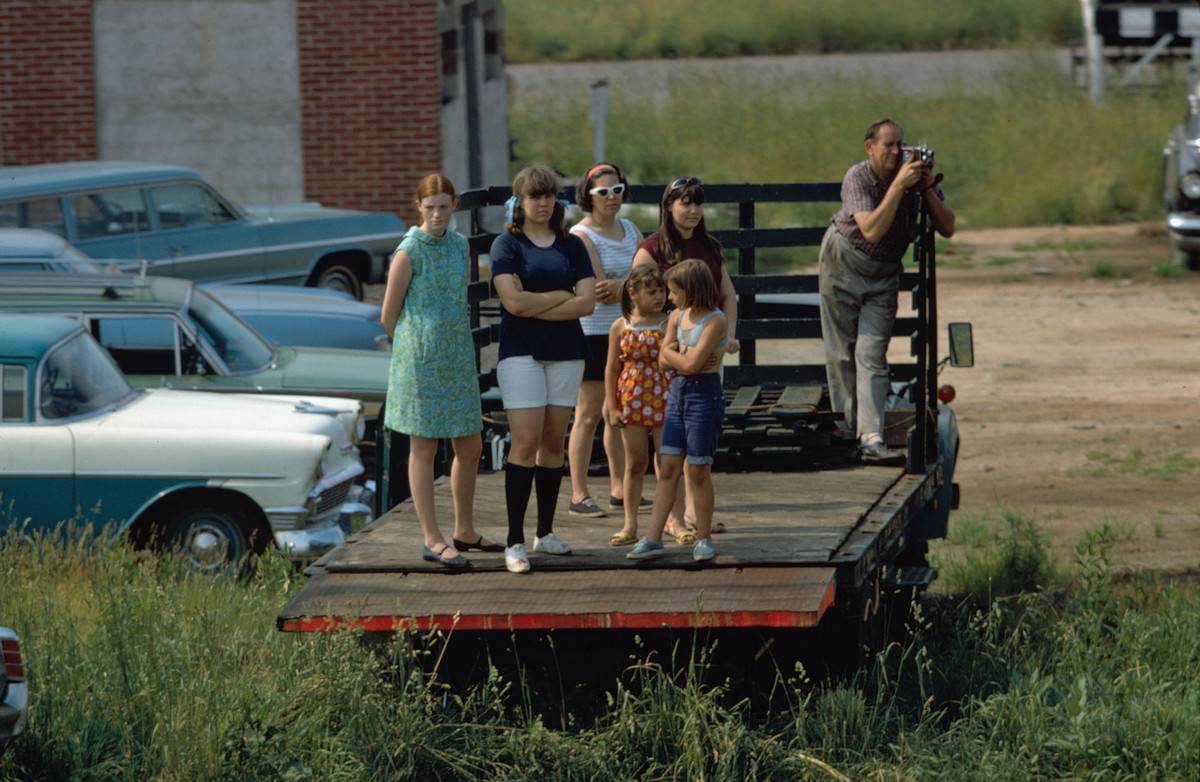
The train continued south through Pennsylvania. In Bristol, crowds gathered along the tracks in numbers that surprised even local officials. The mourners stood in clusters — families, veterans, young people, elderly men and women — all drawn to the same spot by the same need to mark the moment.
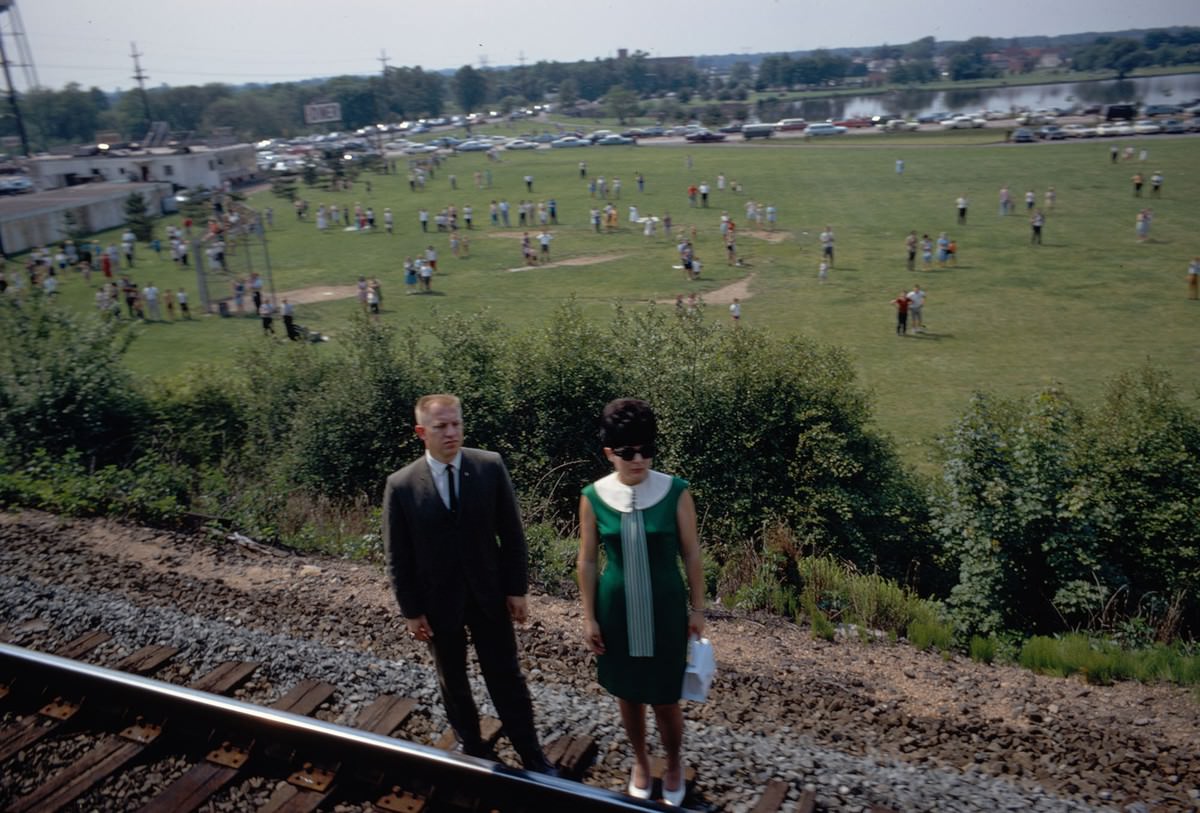
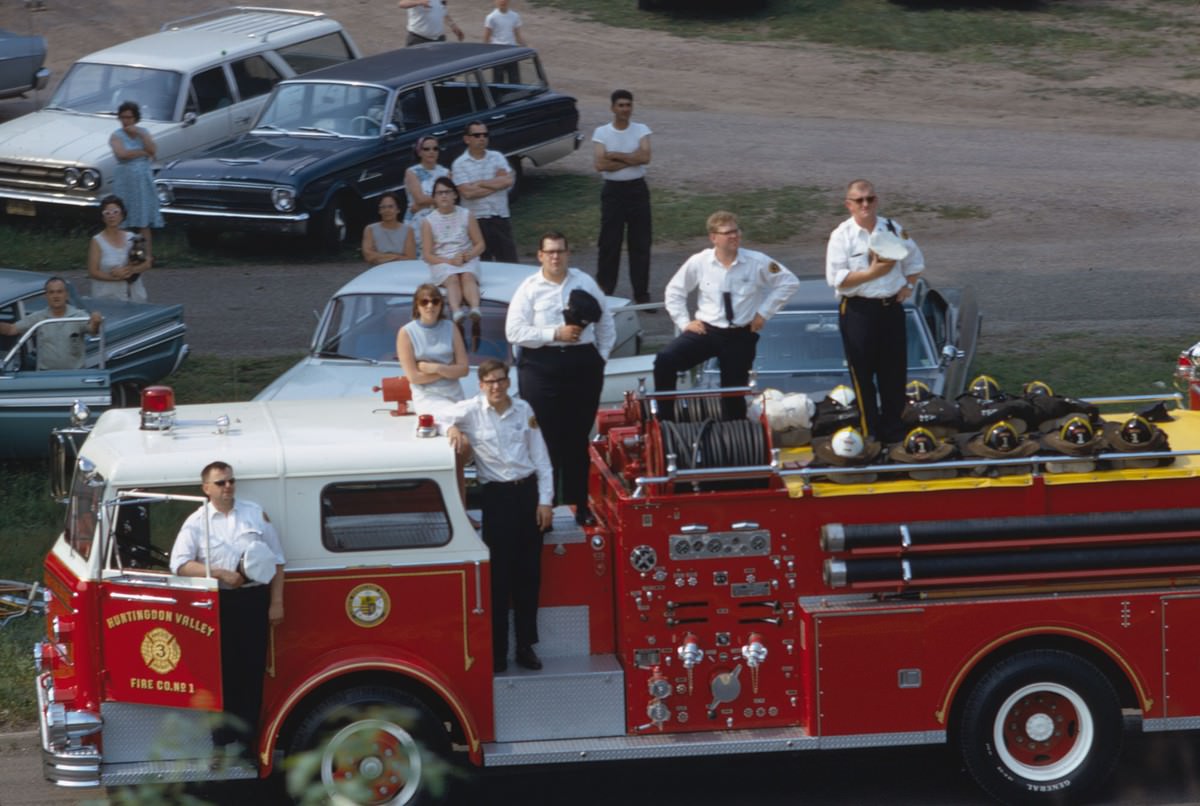
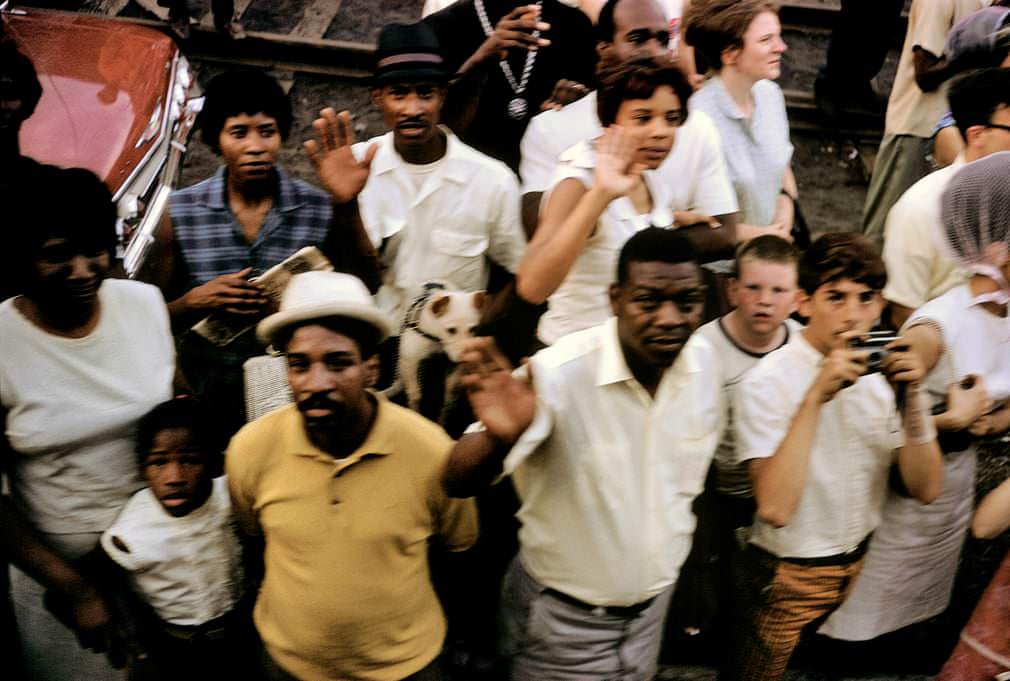
At North Philadelphia station, the platform was filled wall to wall with people. Unlike those gathered in open fields or along quiet stretches of track, the crowd at North Philadelphia was dense and urban — a reflection of the city itself. People pressed forward as the train approached, straining to see. The station photos from that day show faces of every age and background, all turned in the same direction.
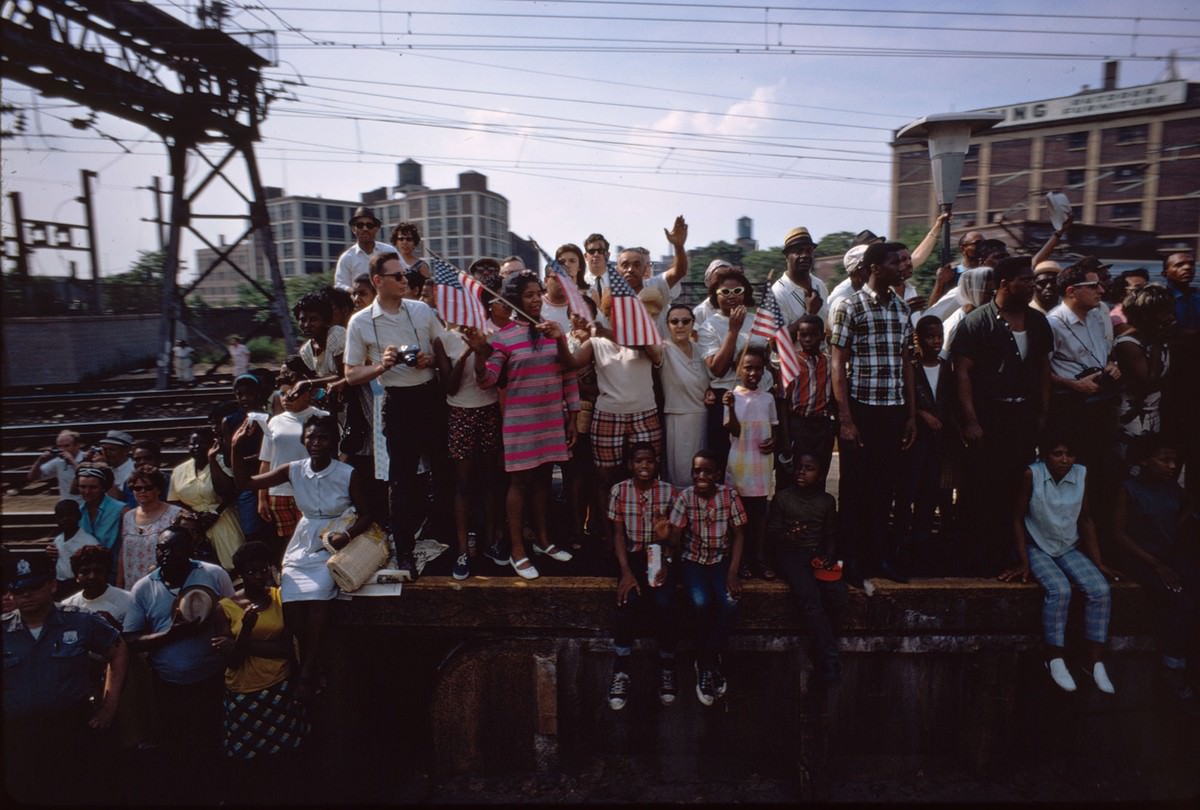
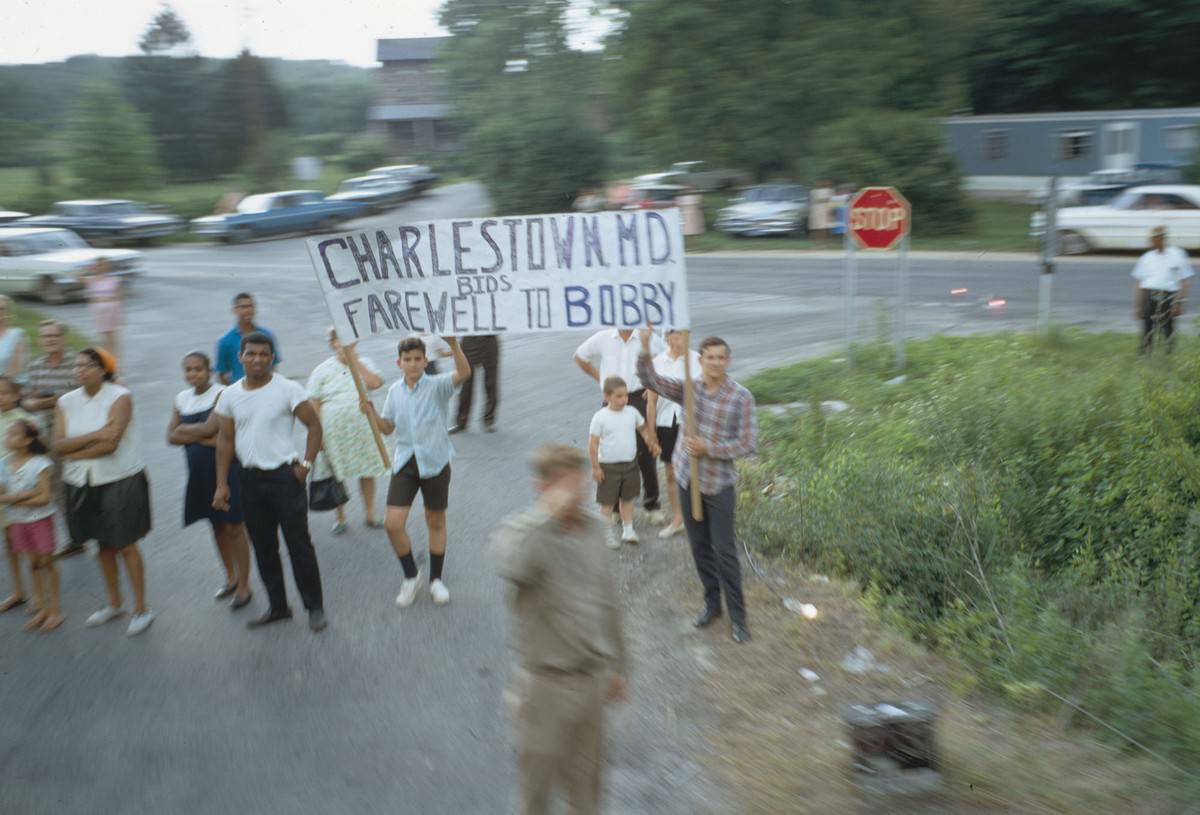
As the train crossed into Maryland, the crowds continued. In Charlestown, someone held up a handwritten sign as the train rolled past — a simple, personal act that stood out amid the larger spectacle of the day. In Baltimore, large groups lined the tracks, some waving, some saluting, some just standing still.
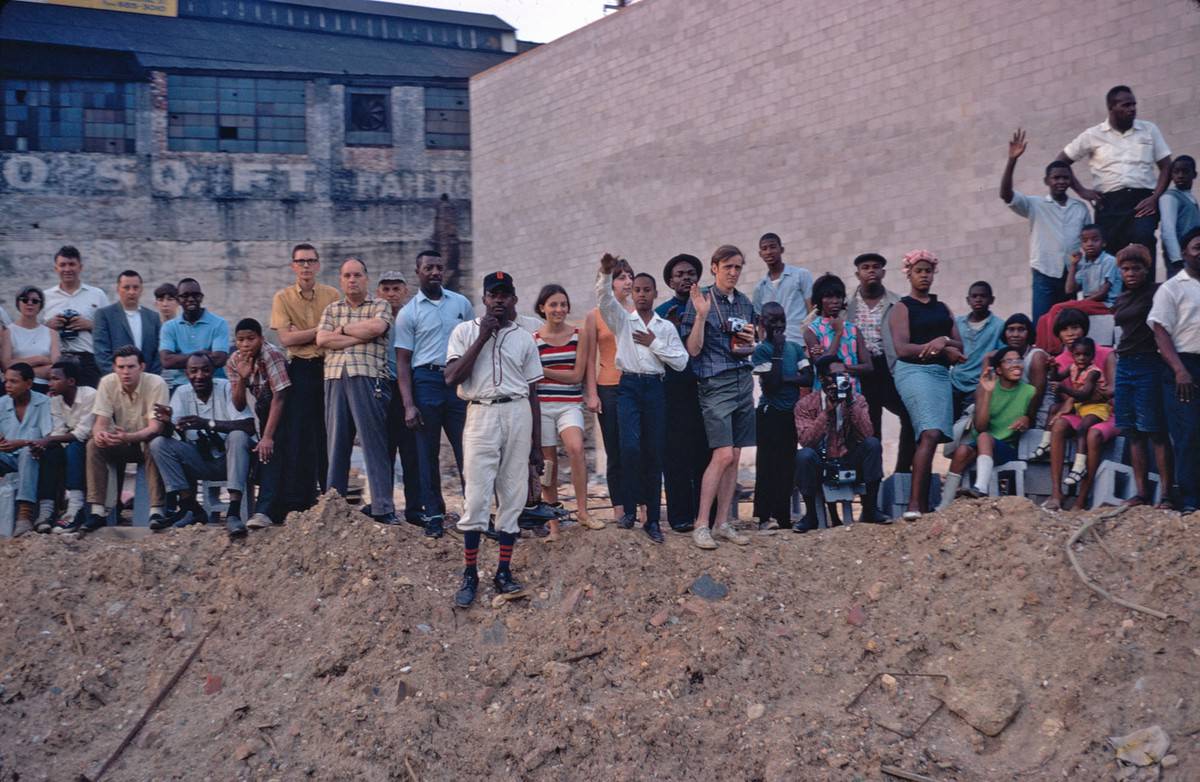
Throughout the journey, the gestures people made were varied but consistent in their intention. People waved. People saluted. People pressed their hands to their chests. Men removed their hats. Children were lifted onto shoulders so they could see. Some families had clearly traveled a distance to reach the tracks. The range of expressions Fusco captured — grief, reverence, shock, quiet dignity — made his collection of photographs far more than a simple record of a train route.
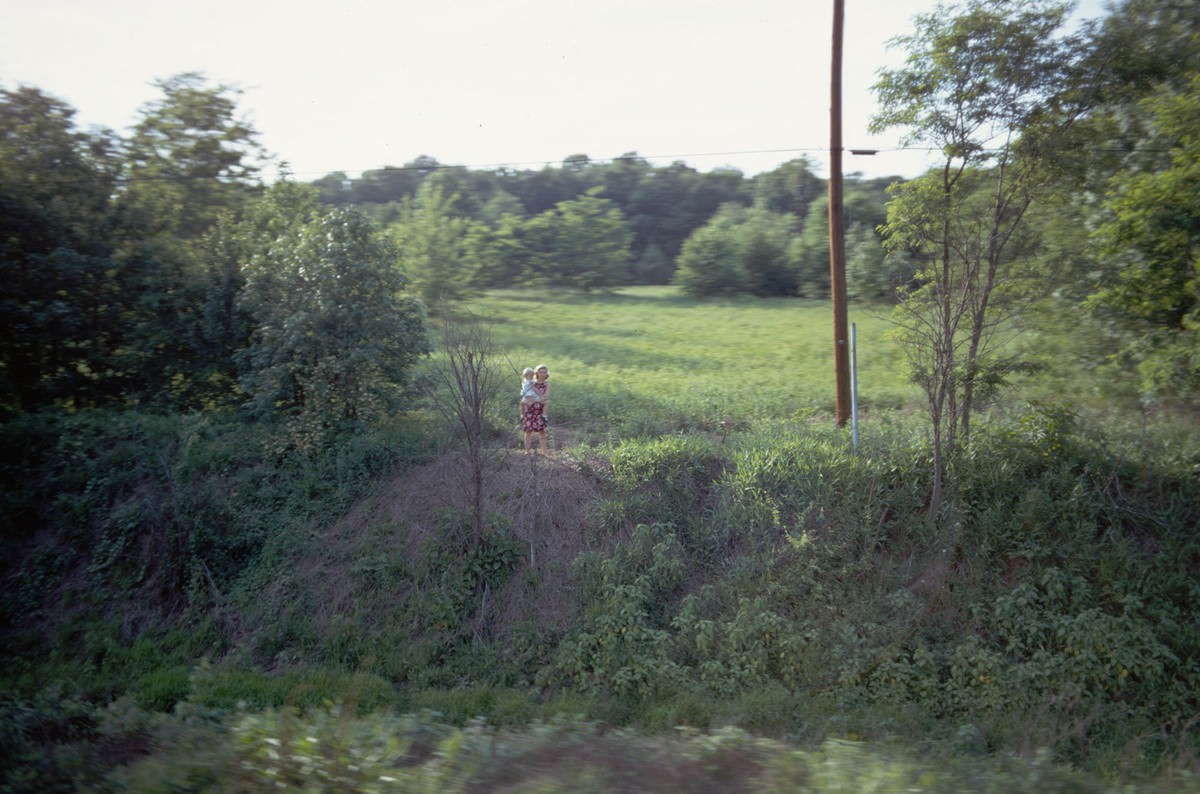
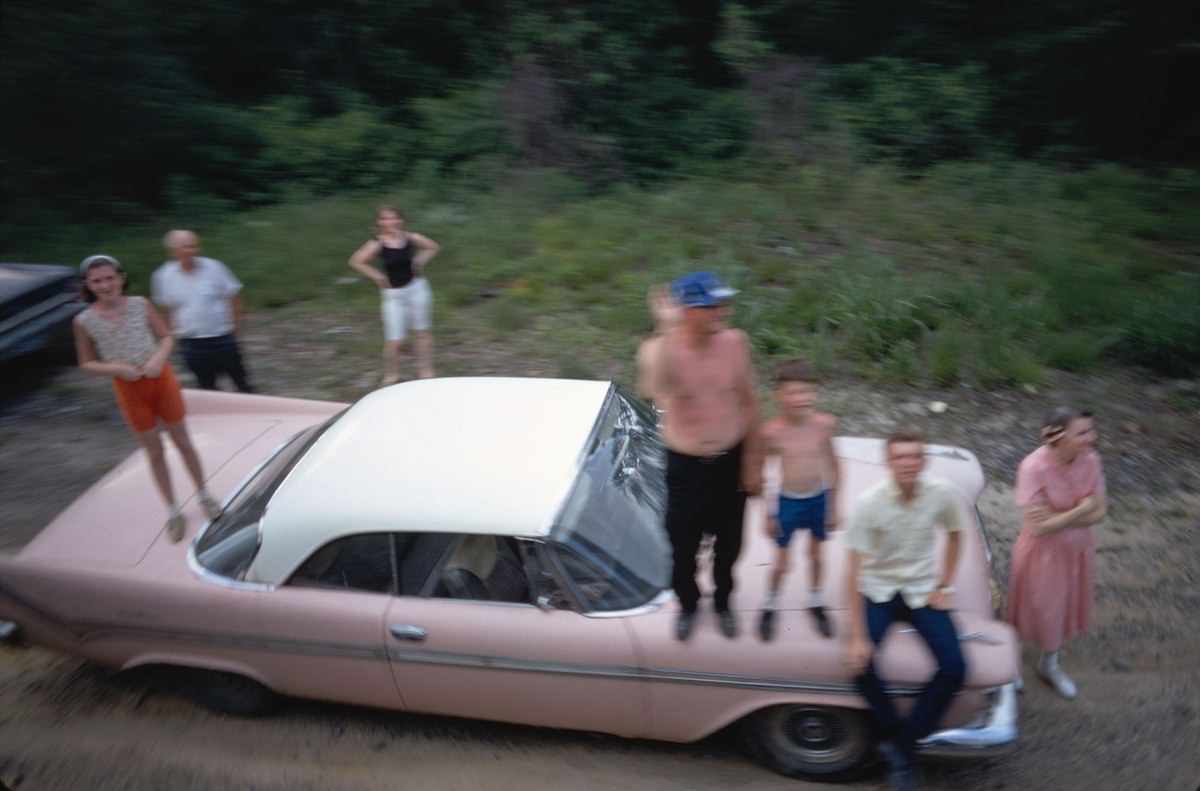
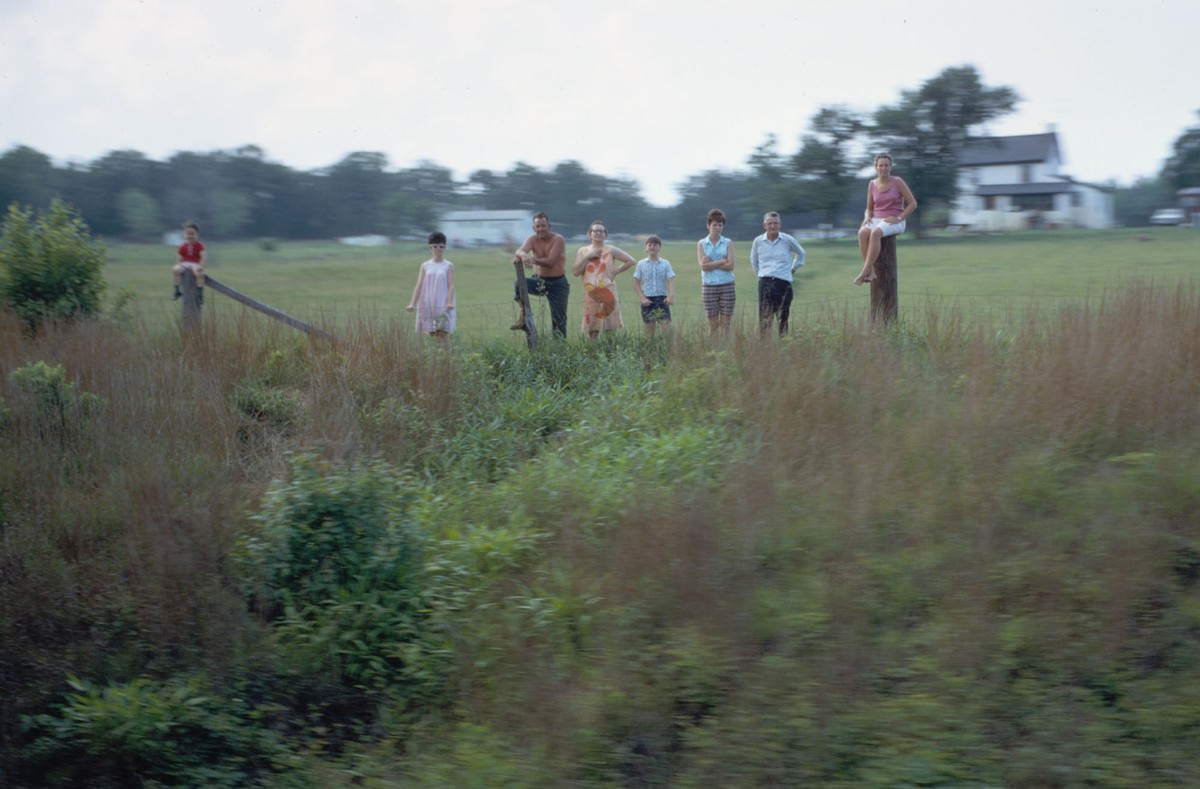
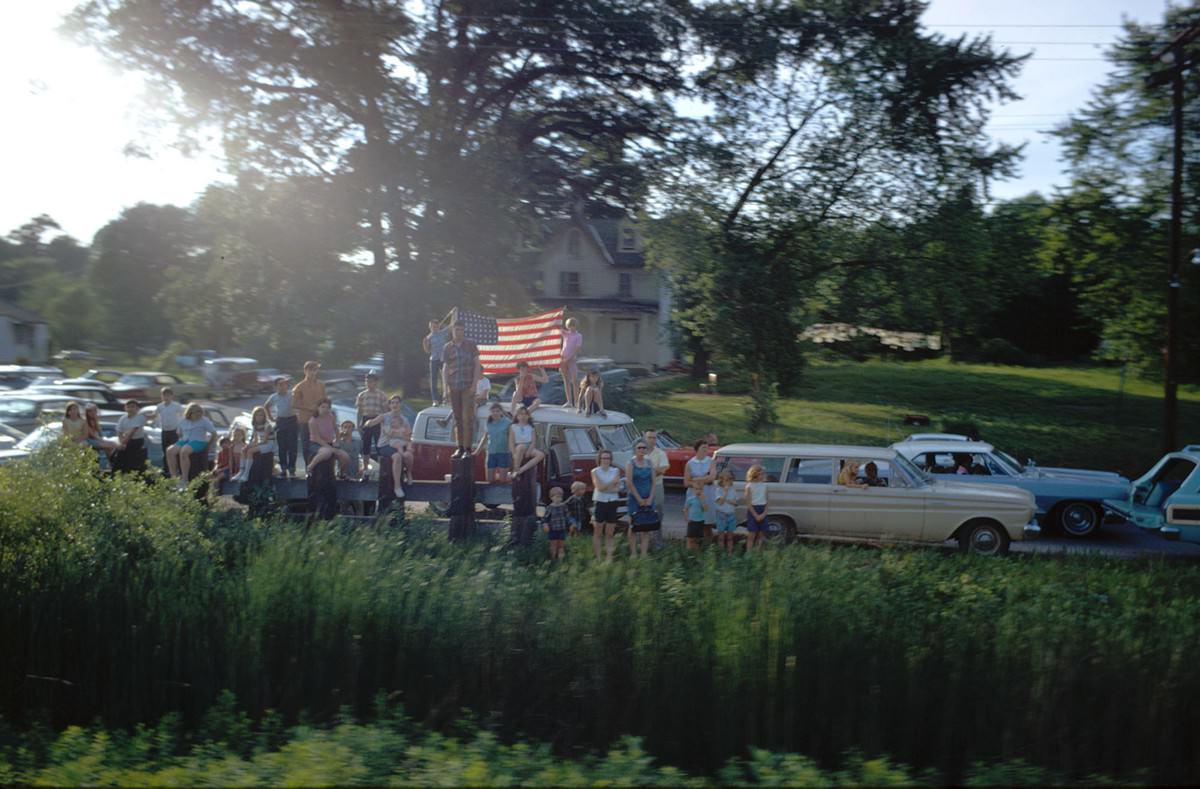
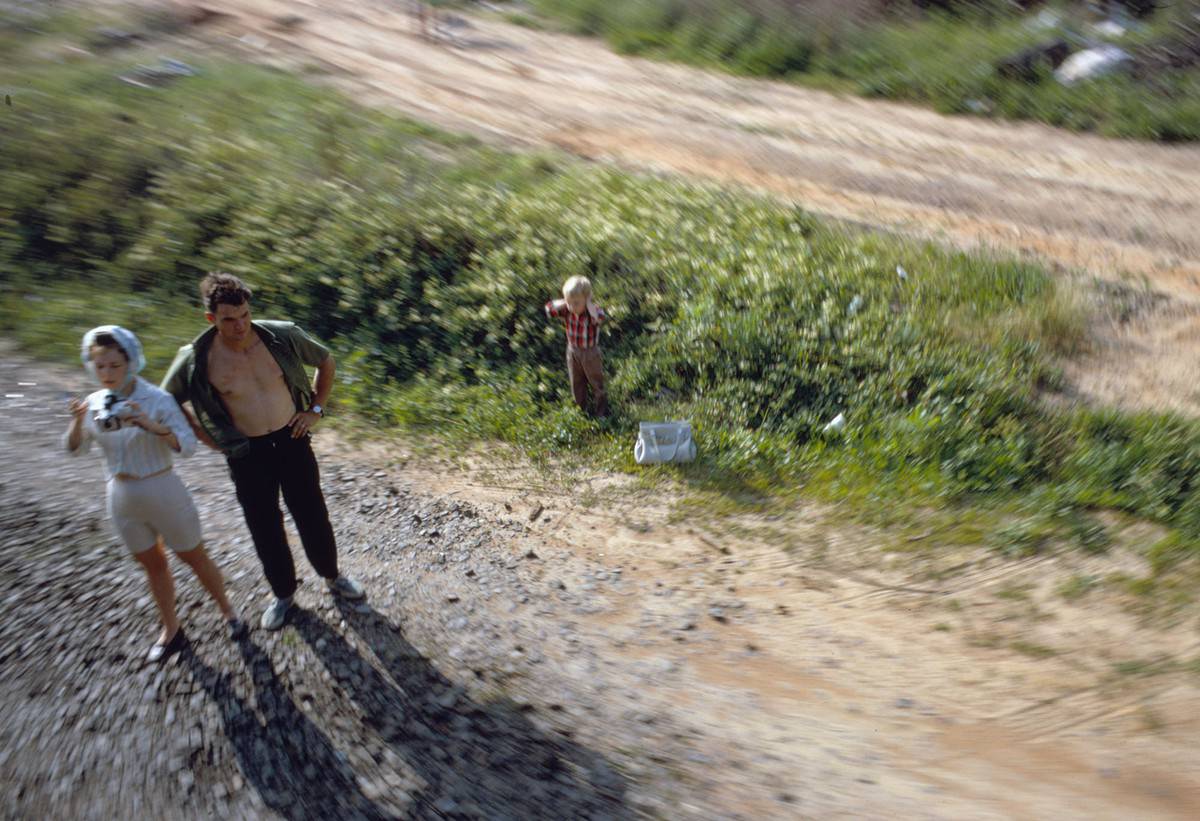
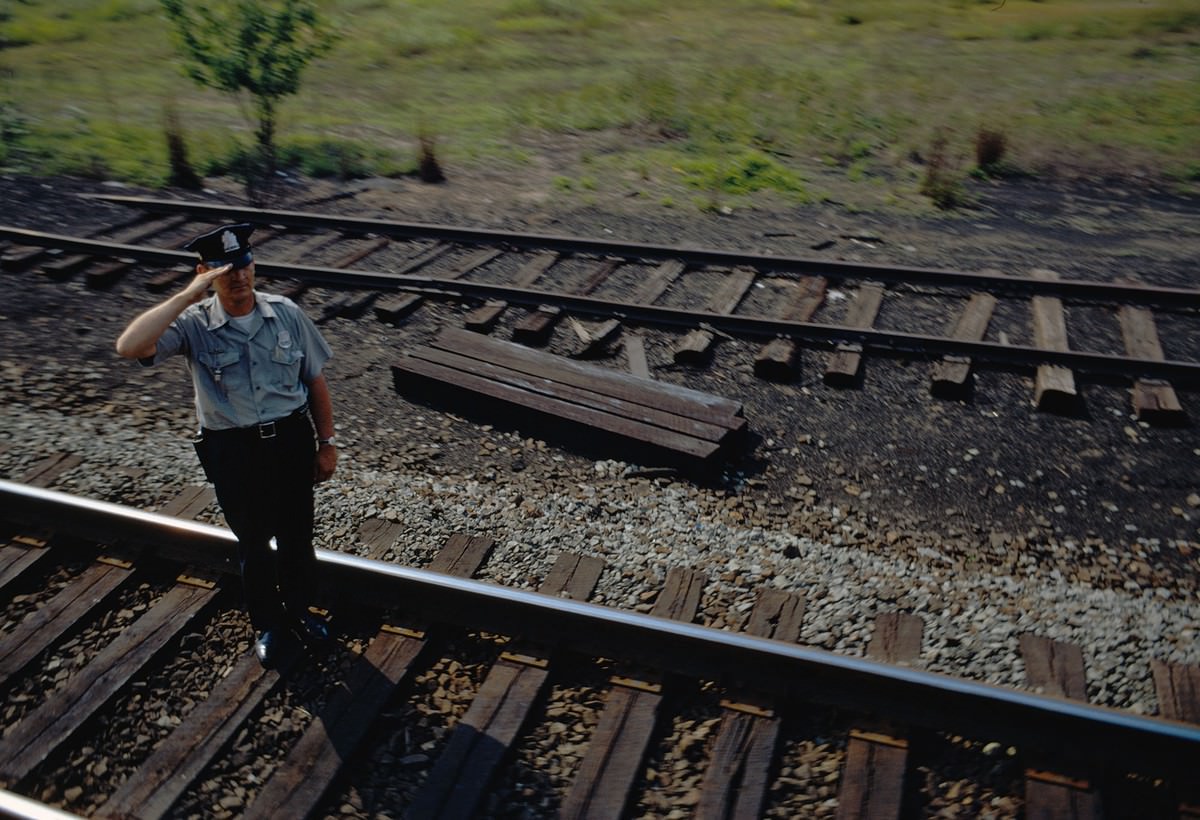
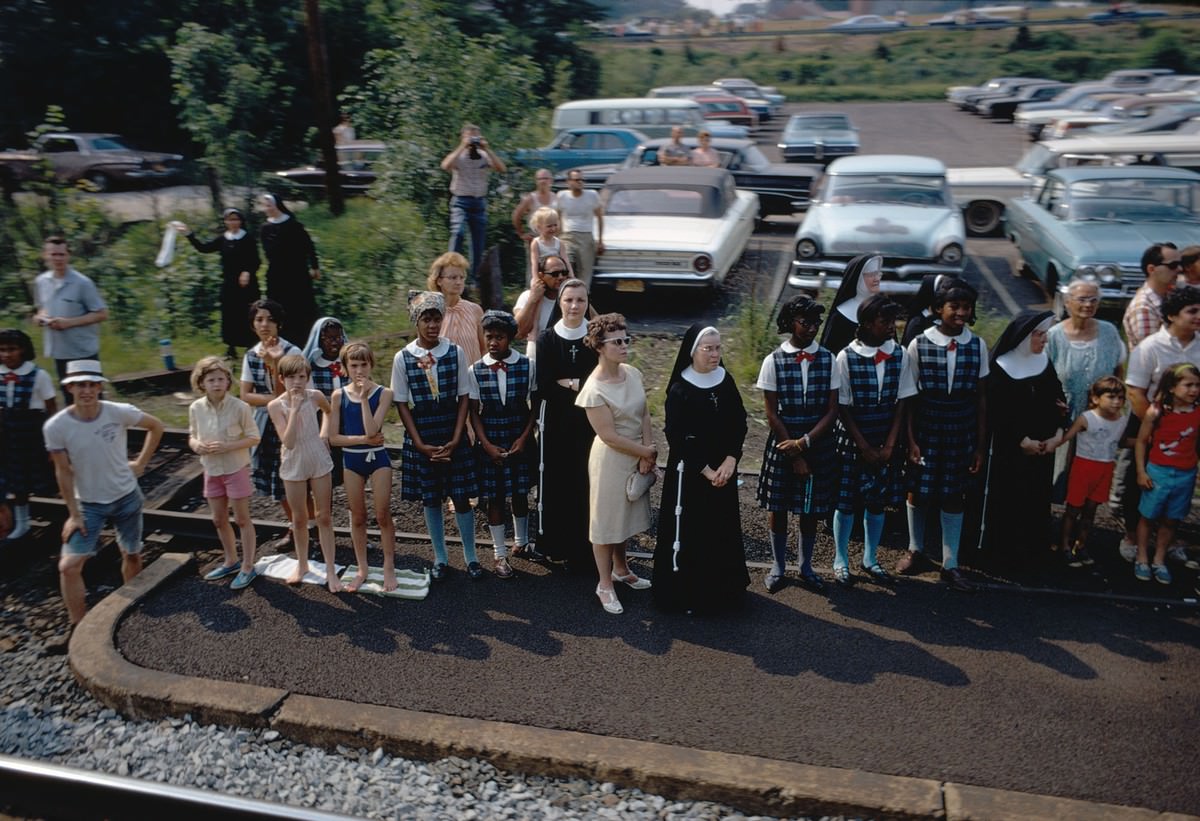
Near Aberdeen, Maryland, the train passed through stretches of track flanked by smaller crowds — fewer people than the dense urban stations, but no less committed in their presence. Some stood alone. Some came in small groups. All of them had made the choice to be there.
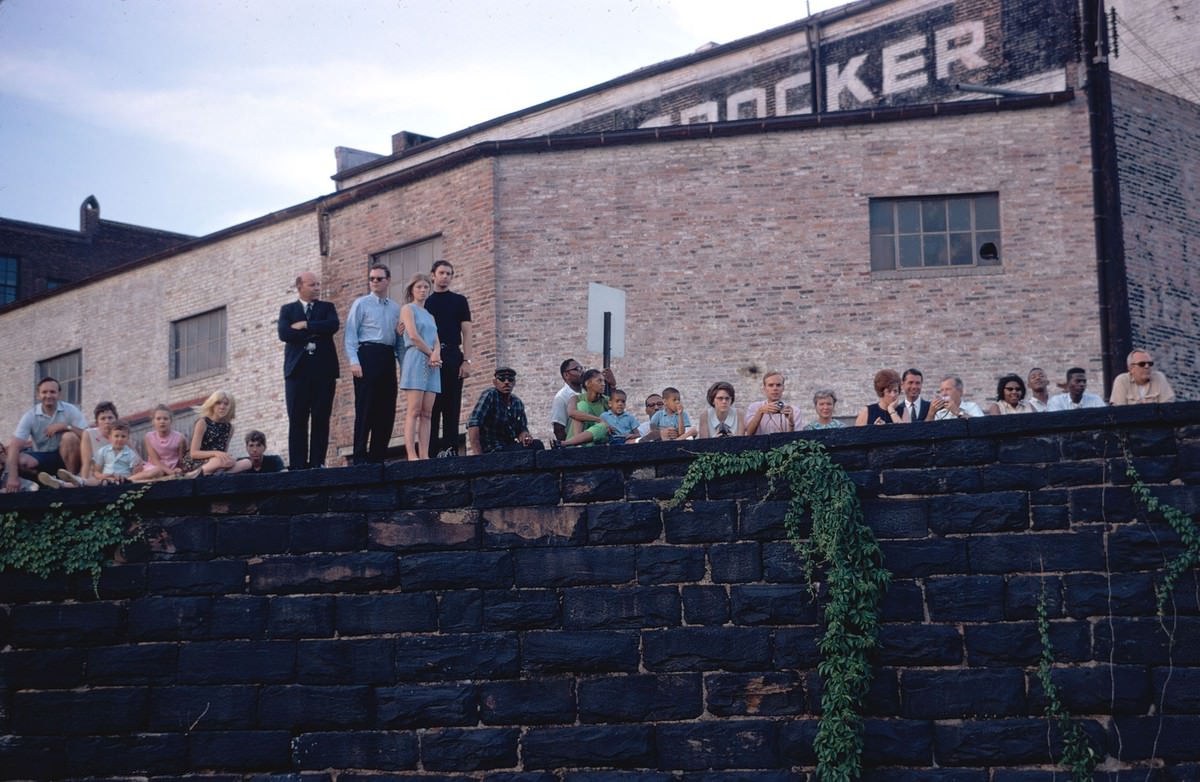
After eight hours on the rails, the train arrived in Washington, D.C. Kennedy was buried that night at Arlington National Cemetery, not far from the grave of his brother, President John F. Kennedy, who had been assassinated less than five years earlier. The 225-mile journey had taken a full day, but what lined those tracks were not just people — they were a living record of a nation responding in real time to yet another sudden, violent loss. Fusco’s photographs preserved that record frame by frame, from New York all the way to the capital.