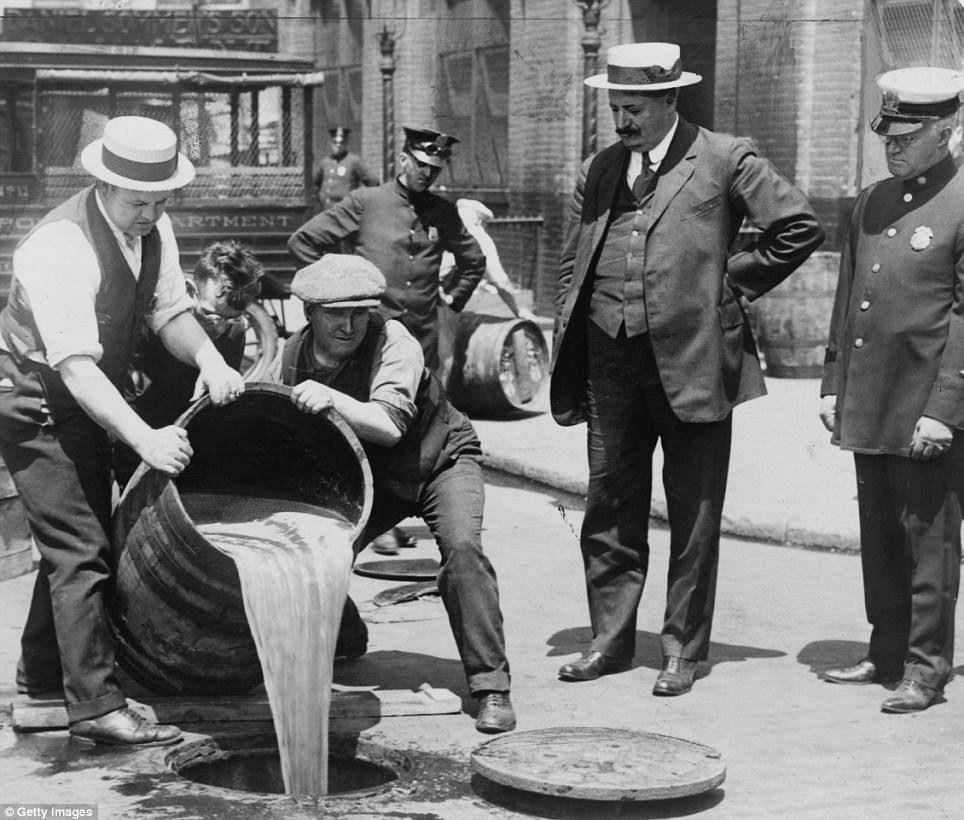
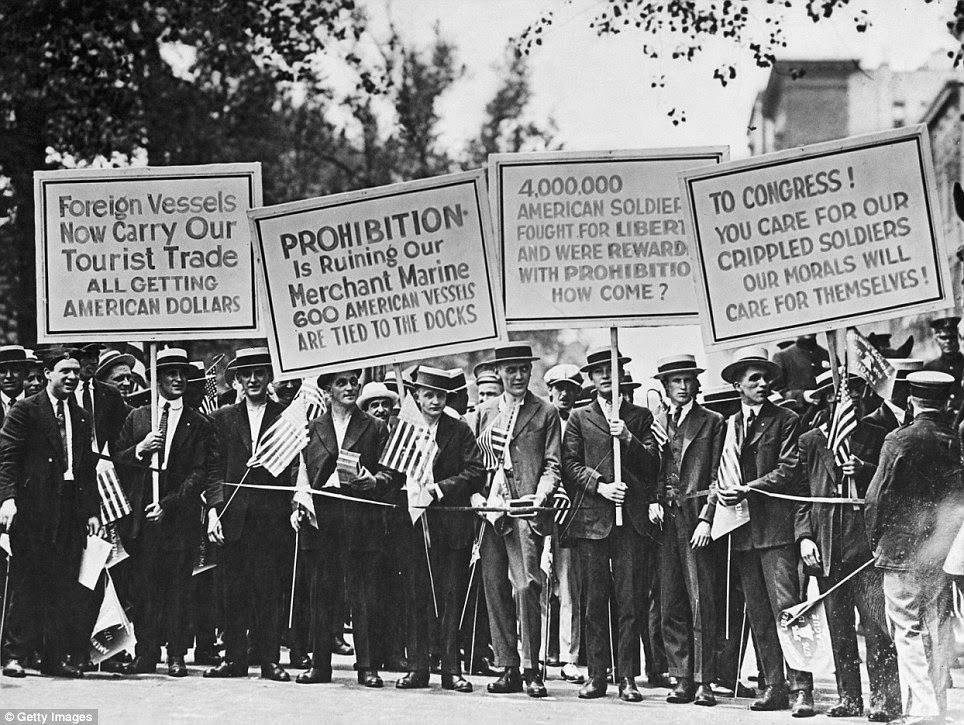
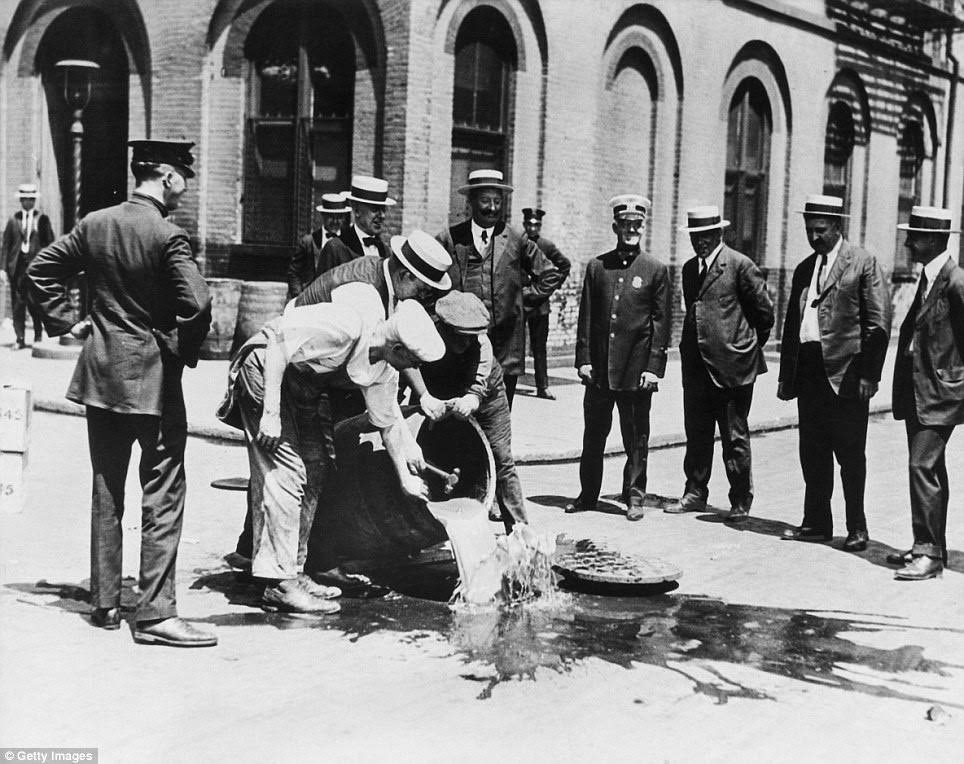
On December 5, 1933, the United States officially ended the thirteen-year ban on alcohol. The final decision rested with the state of Utah. At exactly 5:32 p.m. Eastern Time, Utah delegates ratified the 21st Amendment. This action immediately voided the 18th Amendment, making the sale of liquor legal again under federal law. President Franklin D. Roosevelt signed the official proclamation shortly after, fulfilling a major campaign promise to restore the legal beer and spirits industry.
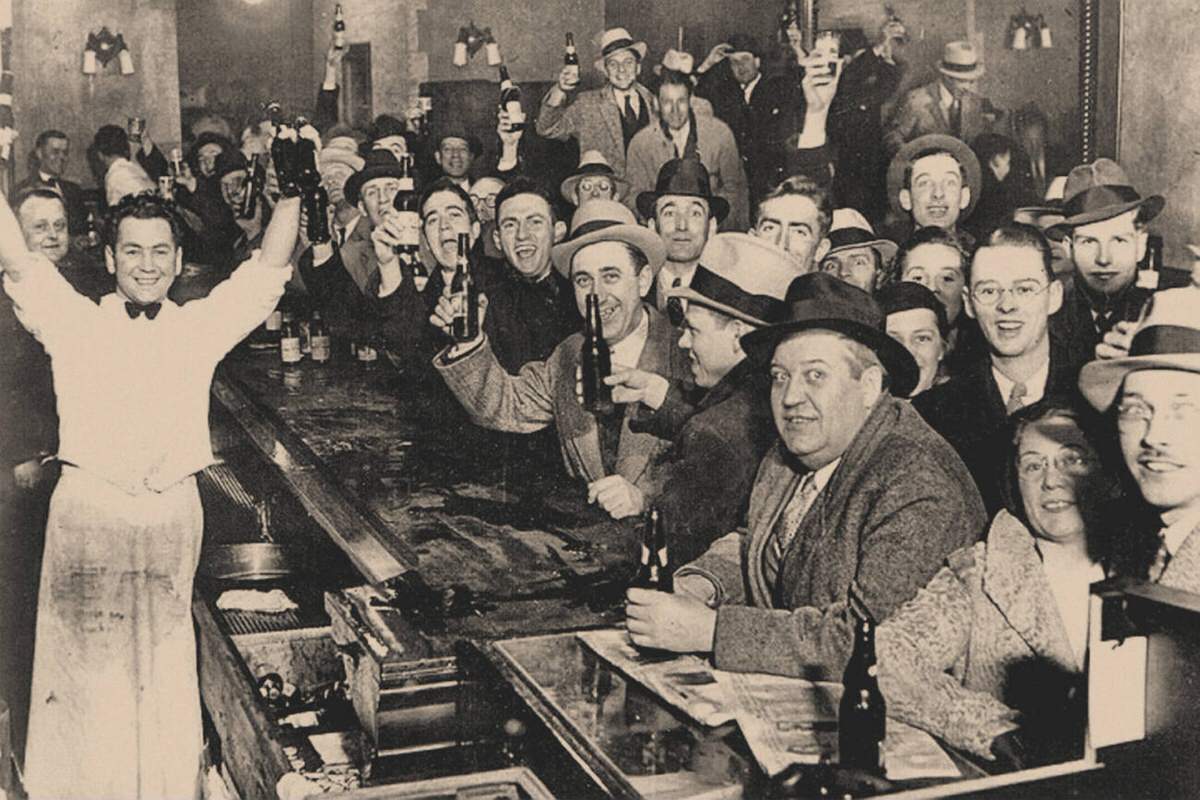
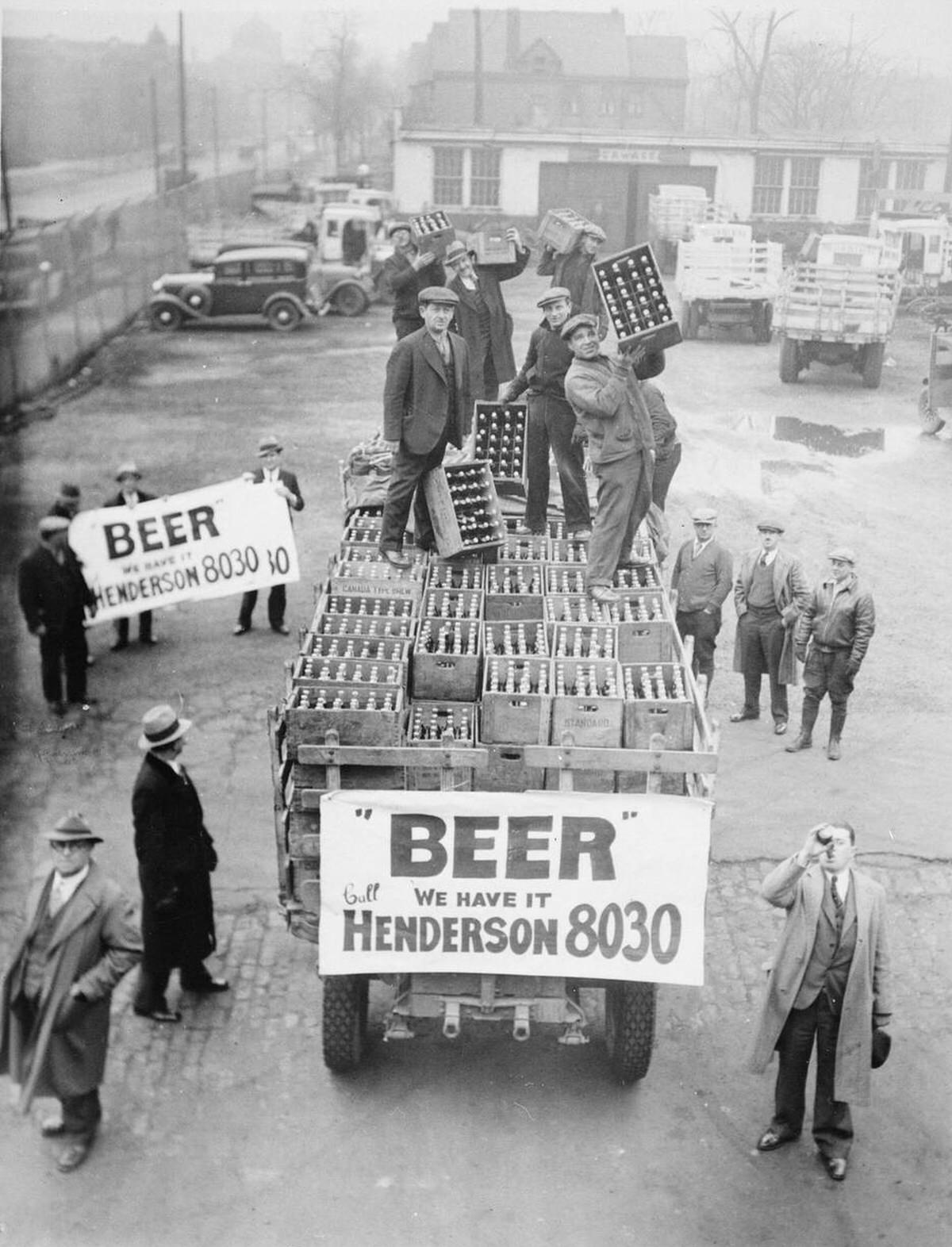
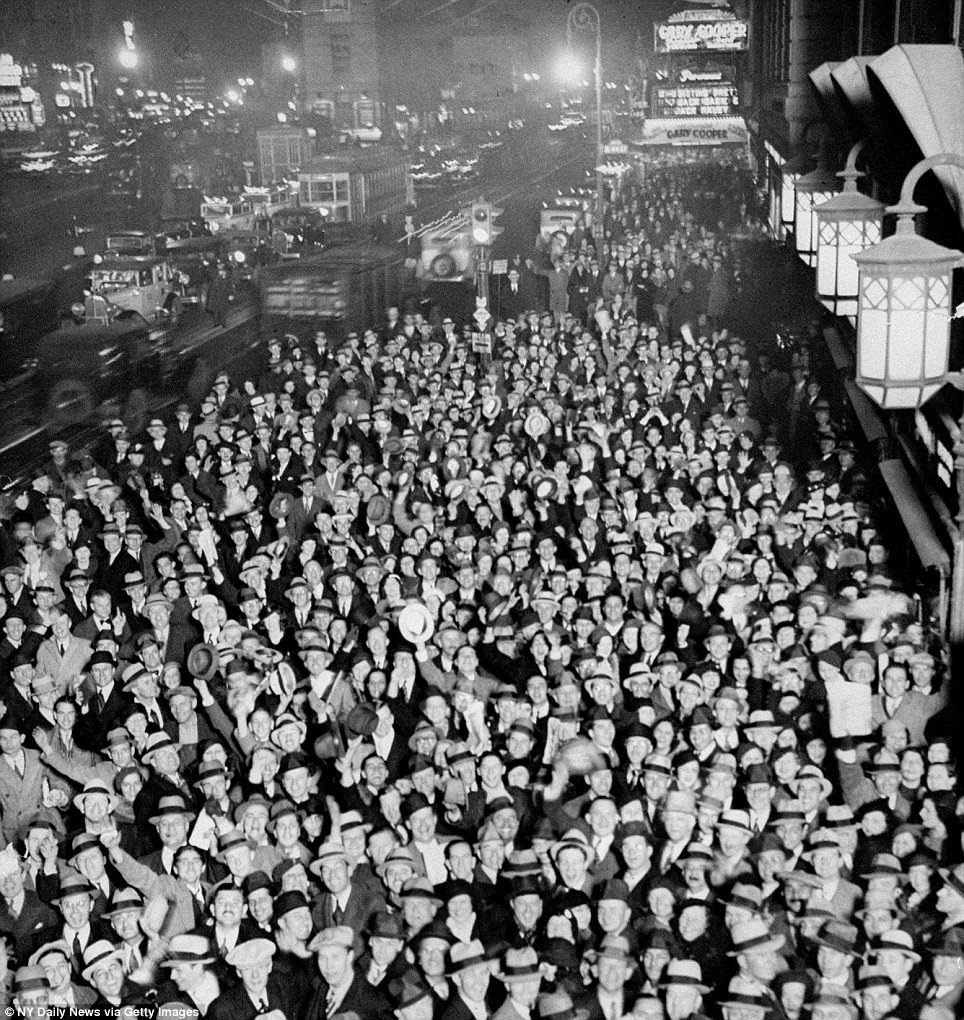
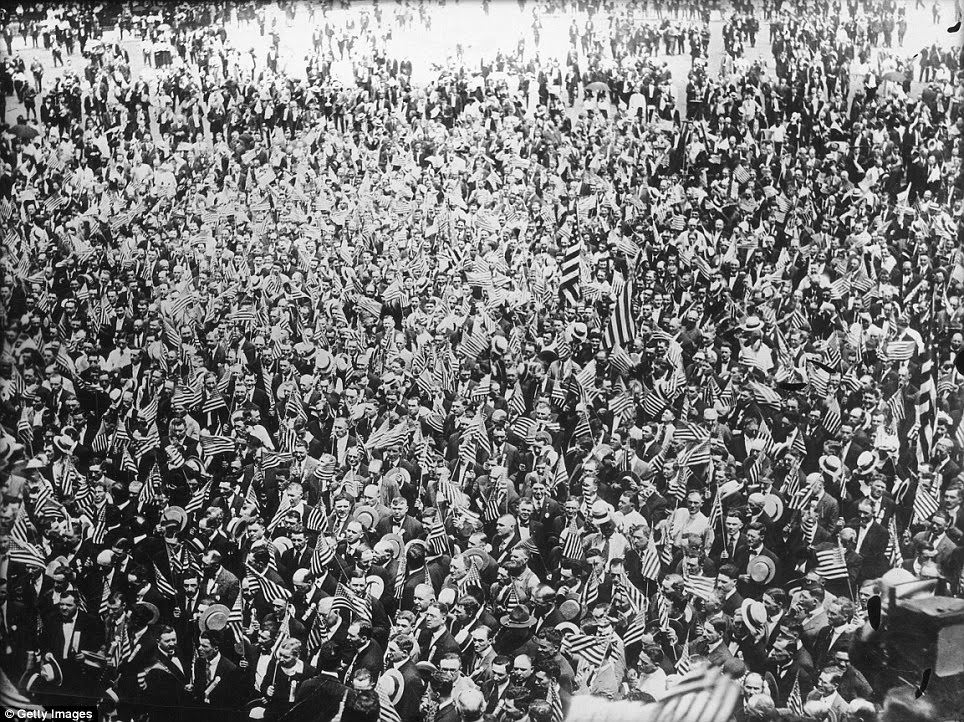
Celebrations erupted in major cities before the ink on the document was even dry. In New York City, heavy crowds gathered in Times Square to watch the news ticker announce the repeal. Delivery trucks loaded with crates of whiskey and gin rumbled through the streets, often escorted by police officers to protect the valuable cargo. For the first time since 1920, these drivers operated in the open rather than hiding their shipments under tarps or driving down back alleys in the dead of night.
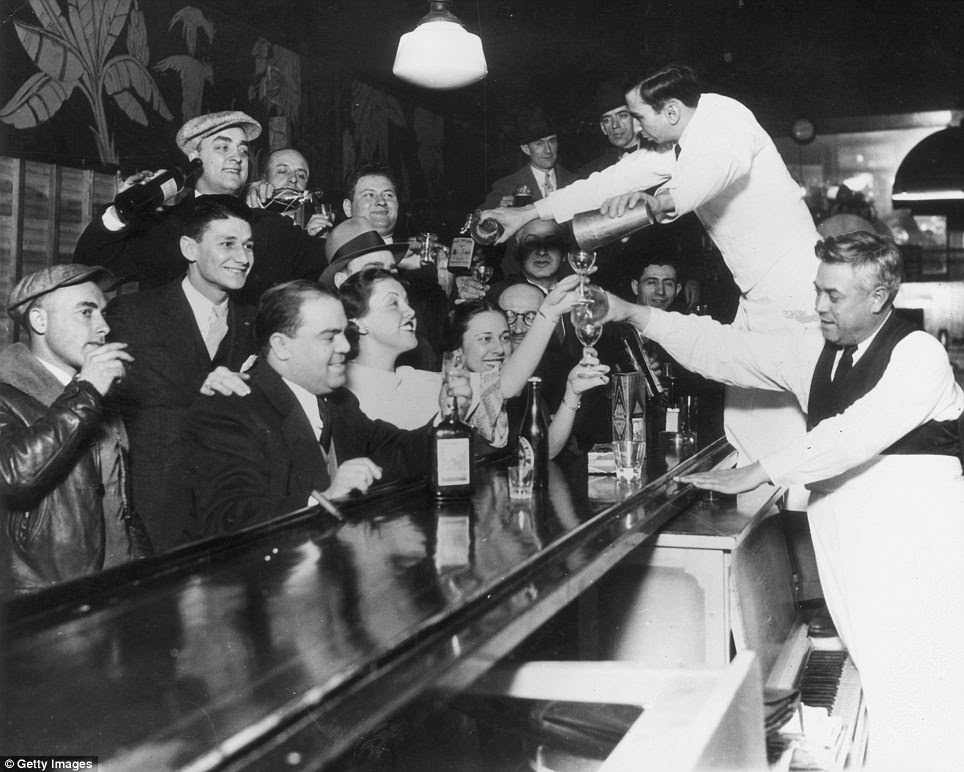
Hotels and clubs faced a massive, sudden rush of customers. The Waldorf-Astoria Hotel in Manhattan opened a brand new bar immediately. Waiters served the first legal cocktails to a packed room of men in tuxedos and women in evening gowns. Bartenders, who had worked in secret speakeasies or overseas during the dry years, finally mixed drinks like Martinis and Manhattans in public view. The sound of clinking glasses replaced the hushed whispers of the underground bars.
Read more
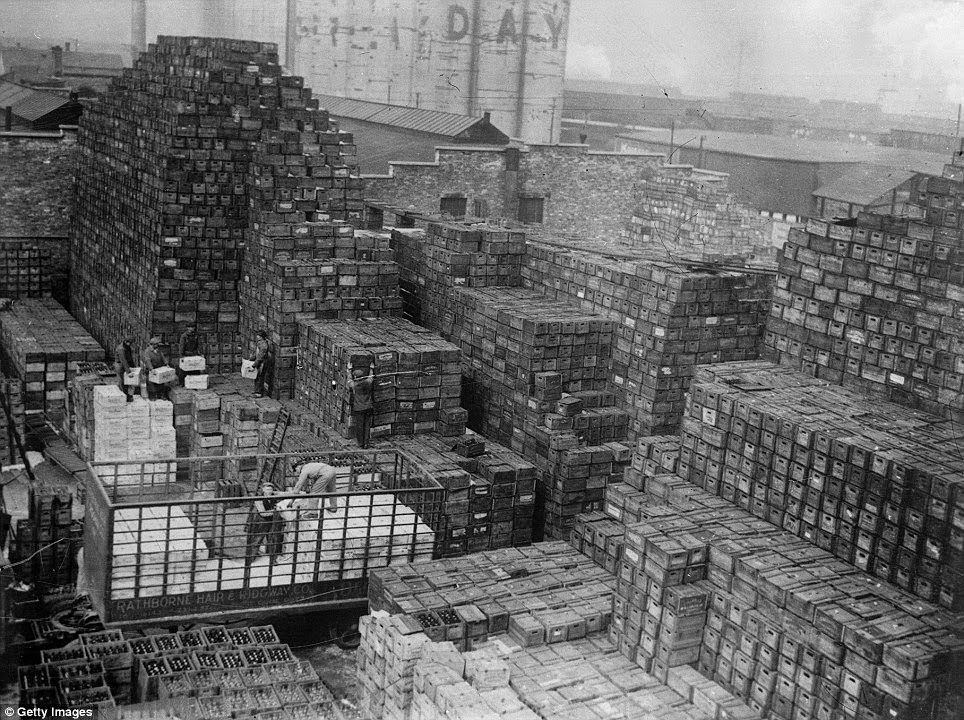
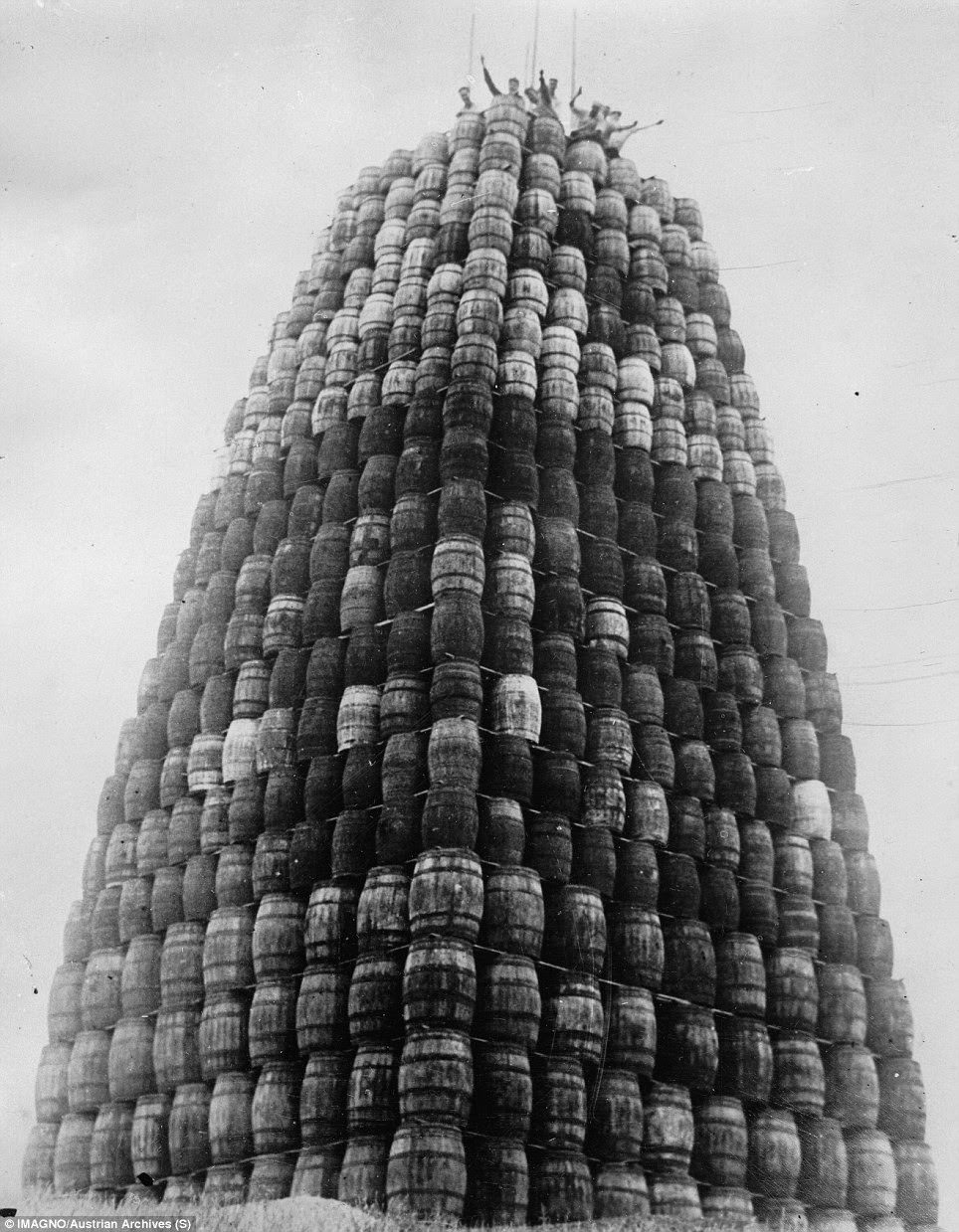
Despite the excitement, the supply of quality alcohol was critically low. American distilleries had been shut down or converted to industrial use for over a decade. Most of the available domestic whiskey was young and harsh, having been rushed into production as repeal became a certainty. To meet the demand, ships from Scotland and Canada docked in American harbors, offloading millions of gallons of imported spirits. Prices remained high due to new heavy taxes, but customers paid them willingly to avoid the poor quality “bathtub gin” they had consumed for years.
The end of federal Prohibition did not mean every town became “wet” instantly. The new amendment gave individual states the absolute power to control alcohol laws within their own borders. Some states, like Kansas and Oklahoma, chose to keep the ban in place, arresting anyone caught selling liquor. In other areas, drinkers had to buy expensive licenses or could only consume alcohol if they also purchased a full meal. The chaotic days of the unregulated speakeasy were over, replaced by a strict new system of government permits, official closing times, and age limits.