When Nazi Germany surrendered in May 1945, it left behind a country in ruins. Cities had been flattened by Allied bombing campaigns. Millions of people were displaced, starving, or dead. The scale of destruction was unlike anything modern Europe had seen. Into this shattered landscape stepped ordinary men and women — soldiers, aid workers, and civilians — some of whom carried cameras and recorded what they saw.
One of those photographers was James Arthur Longmore, an American whose daughter, Ann Longmore-Etheridge, later preserved and shared his work. The photos he took in 1946 and 1947 offer a ground-level look at Germany during its earliest years of occupation — before reconstruction had made much progress, when the evidence of war was still everywhere.
At the end of the war, roughly eight million foreign displaced persons were living inside Germany. Most were forced laborers and prisoners who had been brought there against their will. About 400,000 had survived the concentration camp system — a fraction of the far larger number who had died from starvation, brutal conditions, forced labor, and murder. These survivors now had to navigate a broken country alongside millions of German refugees.
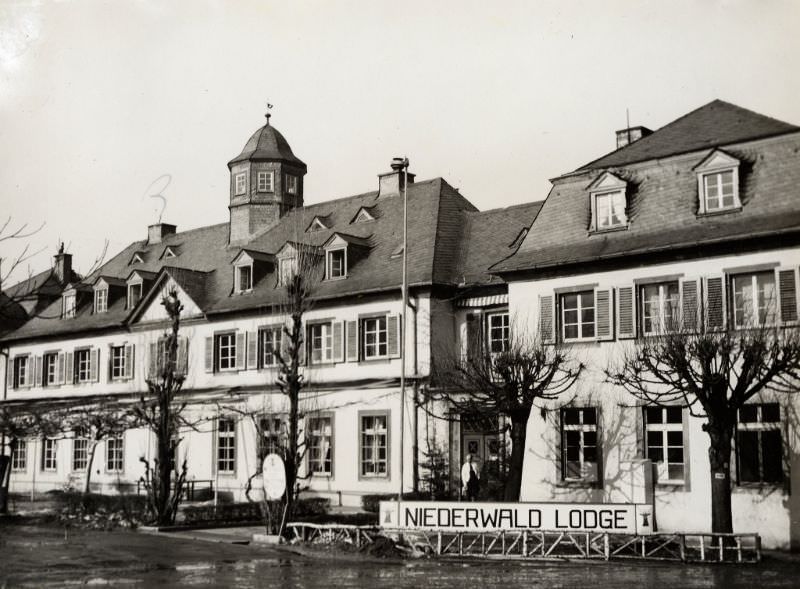
Between 1944 and 1950, somewhere between 12 and 14 million German-speaking refugees and exiles flooded into western and central Germany. They came from eastern provinces and from countries across Central and Eastern Europe, expelled as borders were redrawn and old communities collapsed. An estimated two million of them died on the journey.
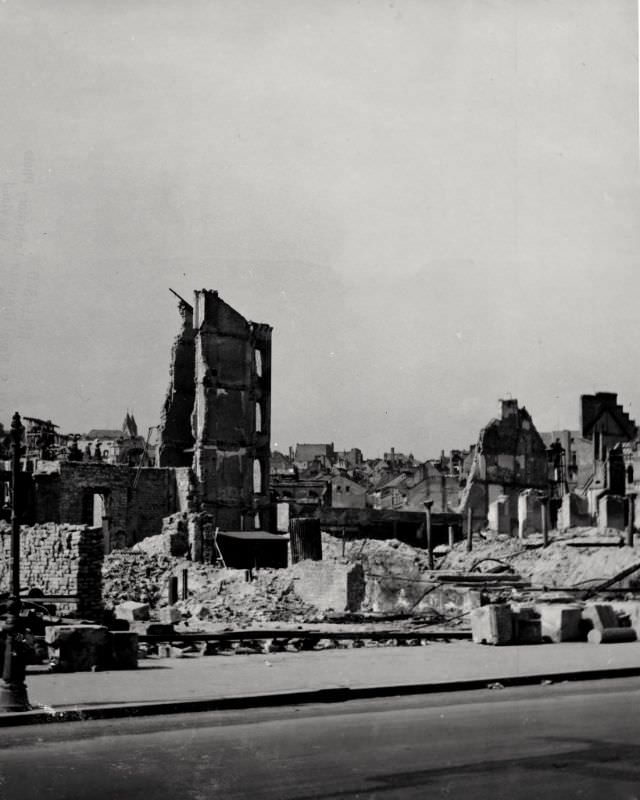
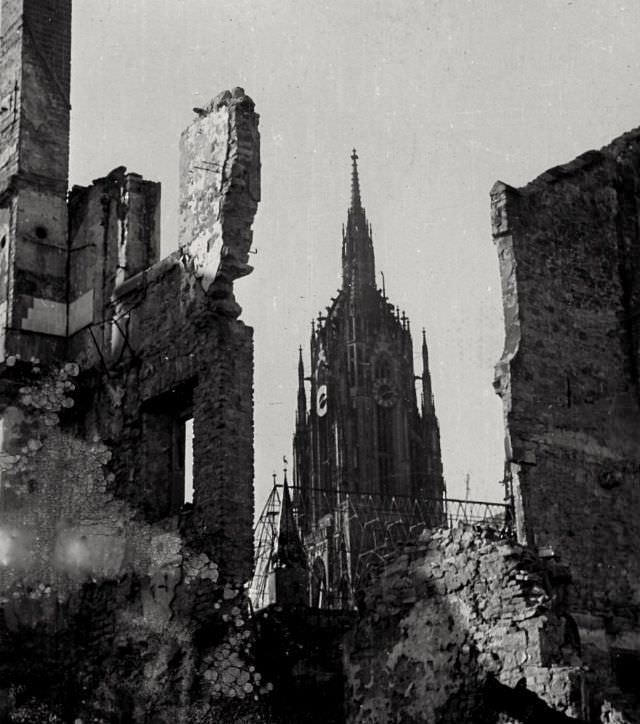
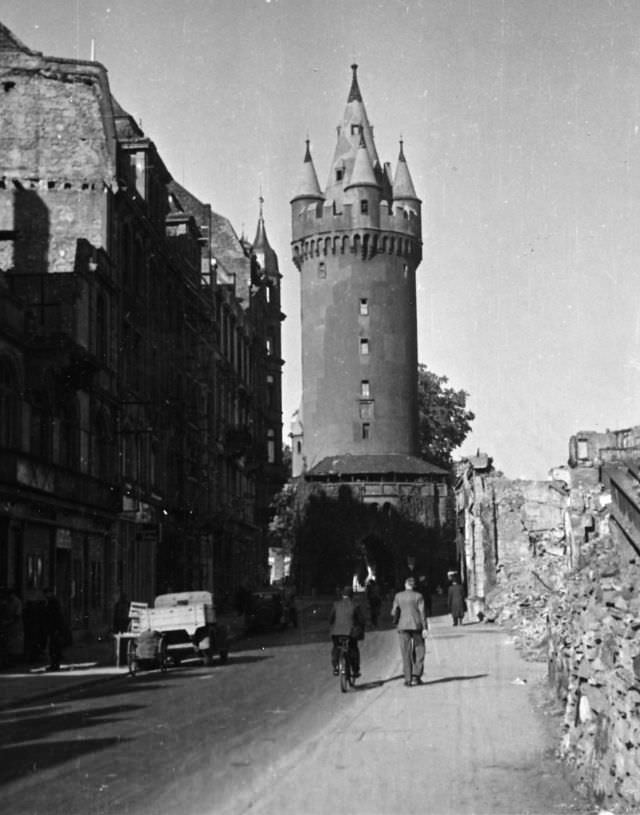
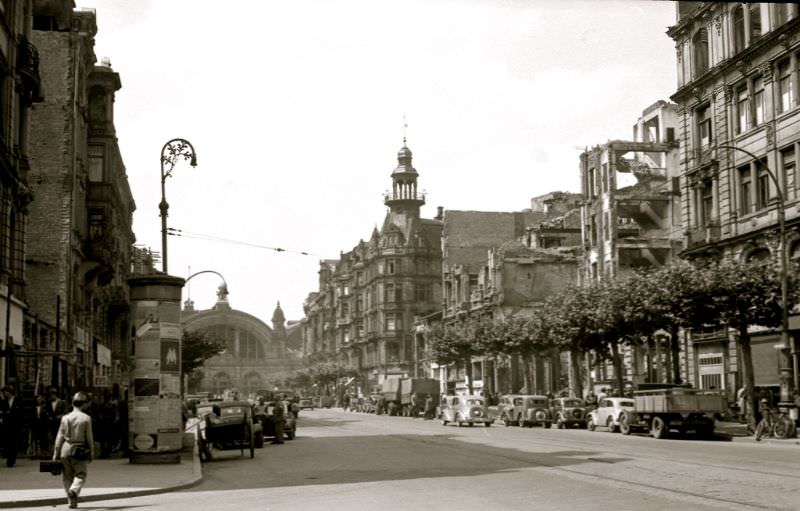
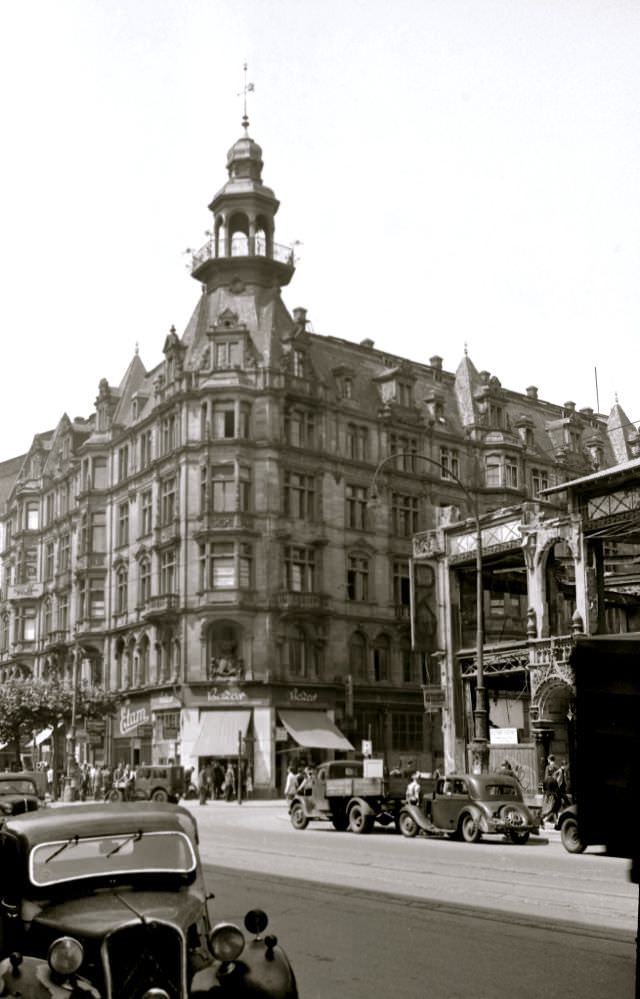
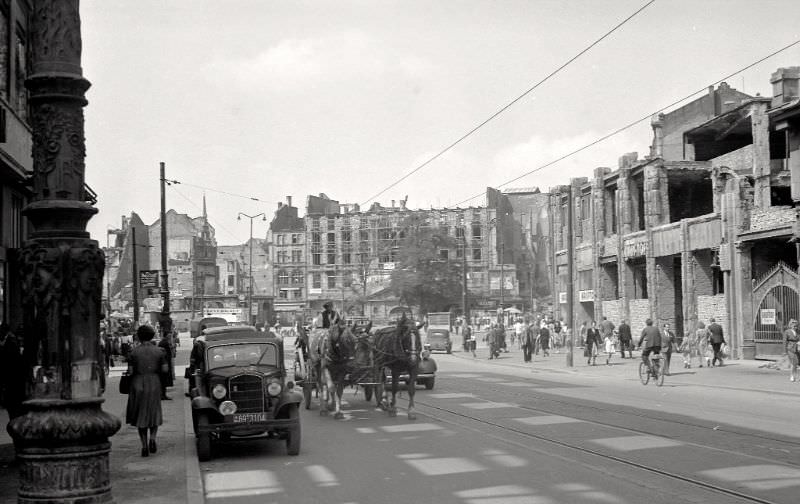
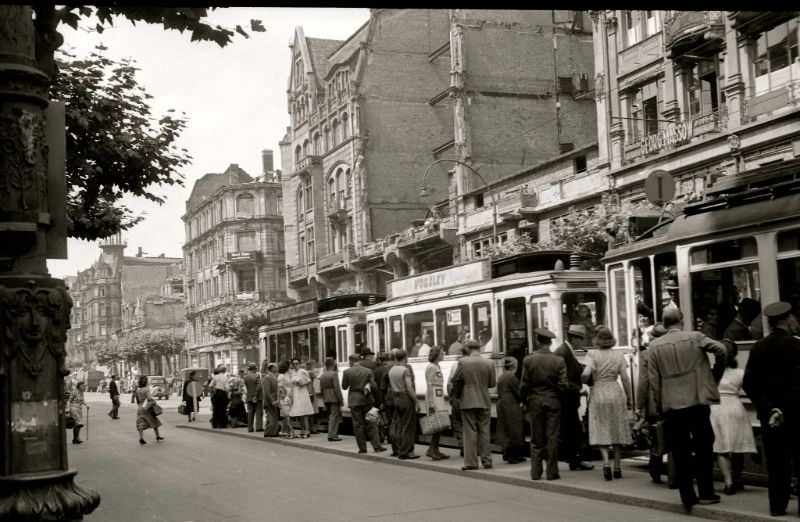
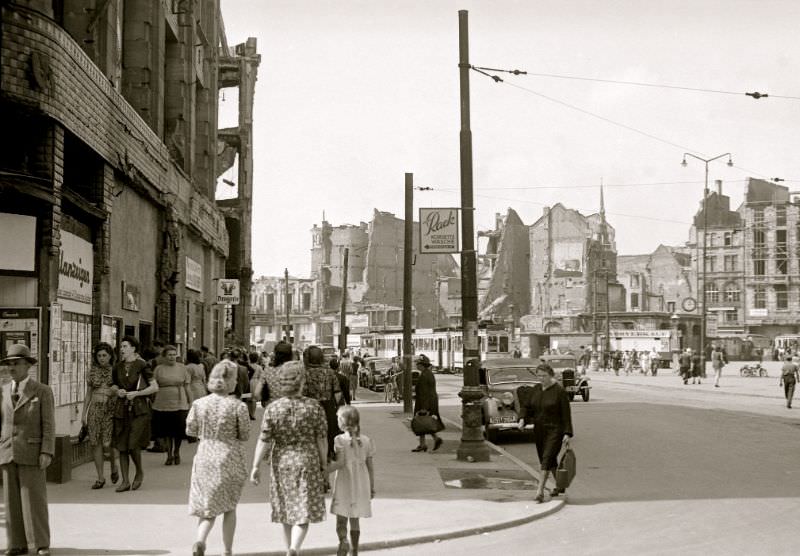
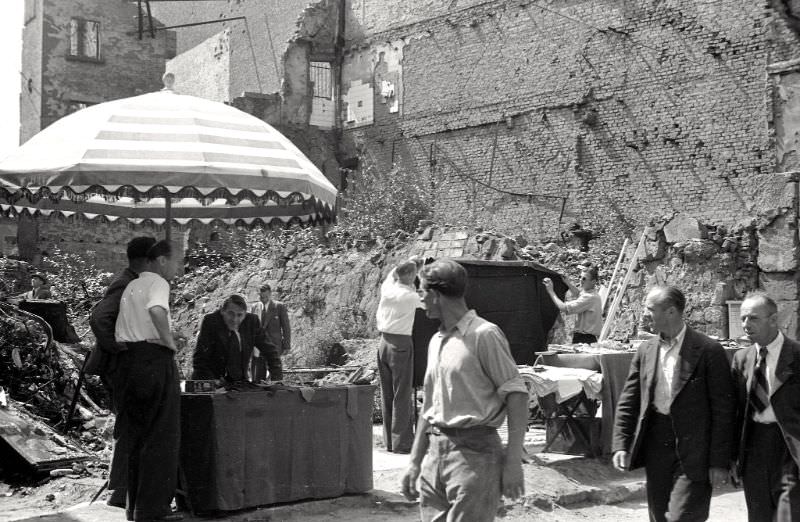
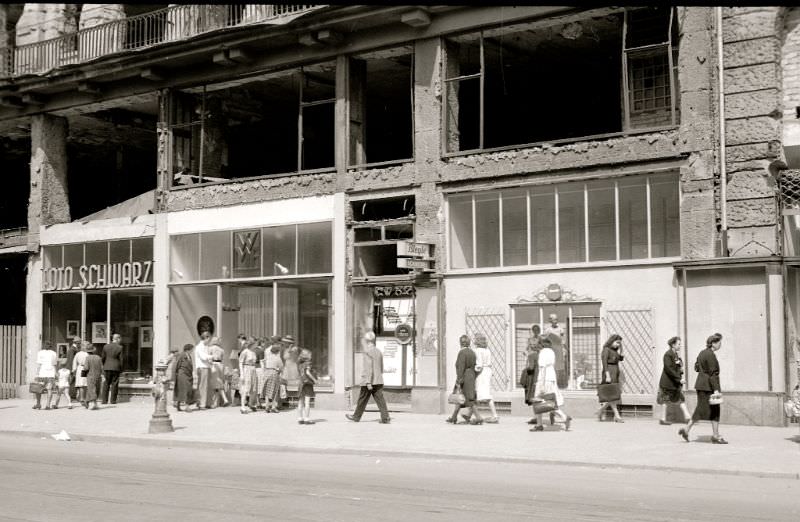
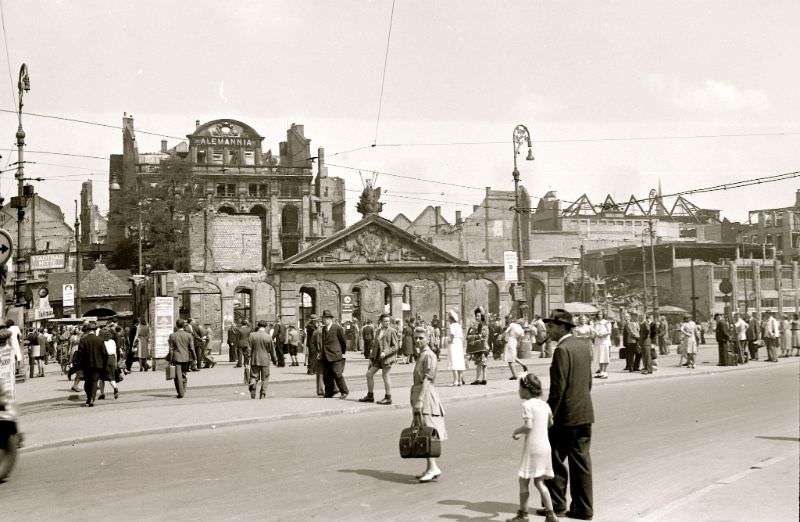
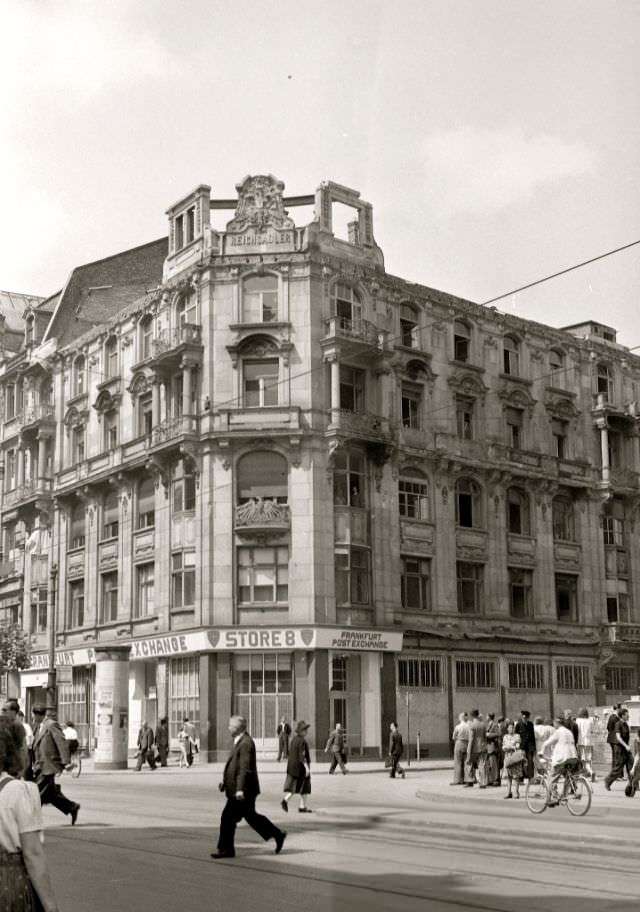
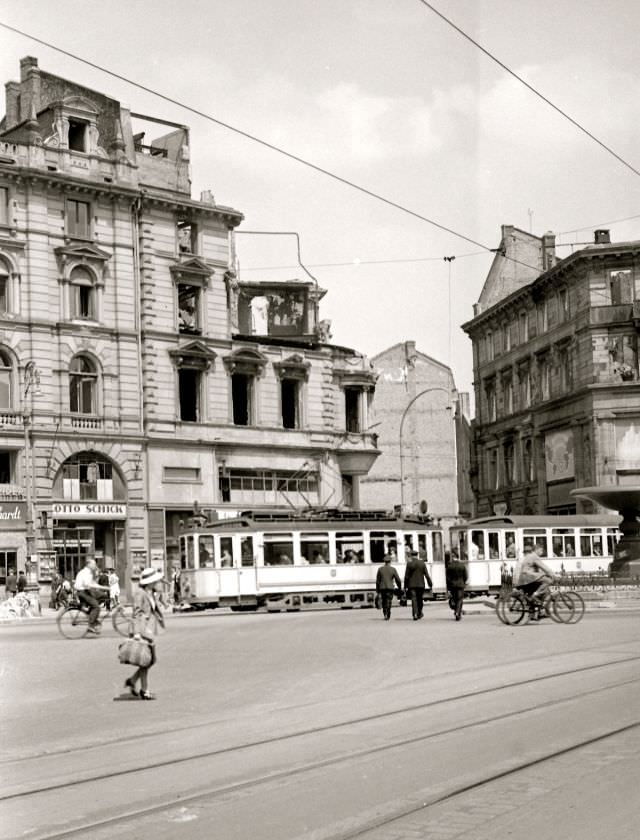
Frankfurt was one of the hardest-hit German cities. Allied bombing raids had reduced large portions of it to rubble. By the time Longmore pointed his camera at its streets in 1946 and 1947, the city still bore massive scars — collapsed buildings, hollow facades, and cleared lots where entire neighborhoods had once stood.
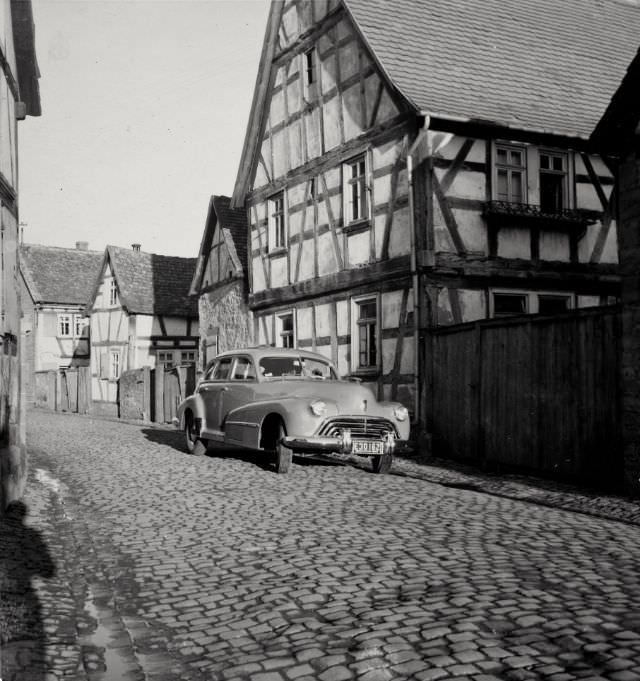
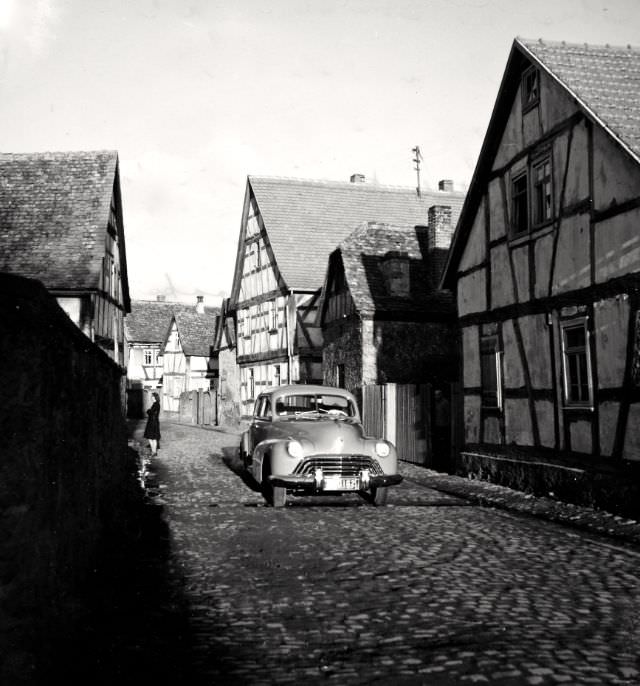
The Allied powers divided Germany into four occupation zones after the surrender. The United States, Britain, France, and the Soviet Union each controlled a section of the country — and a section of Berlin. Life under occupation looked different depending on which zone you lived in, but across all of them, basic survival was the central concern for most Germans in those first years.
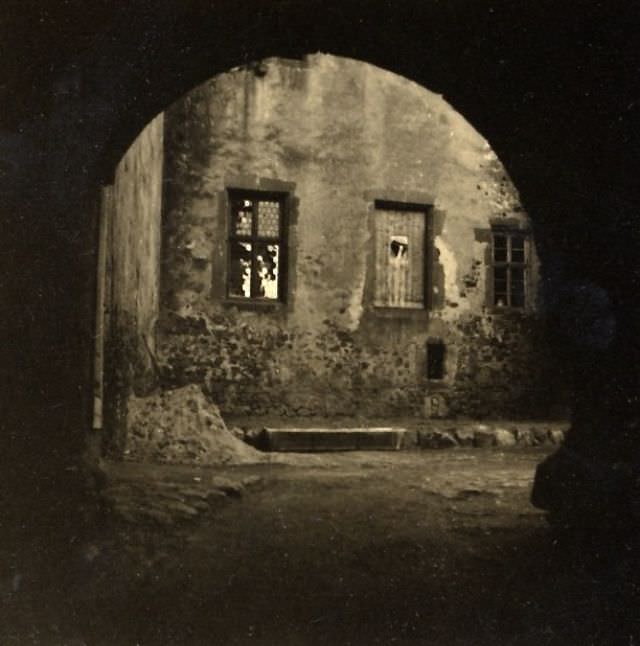
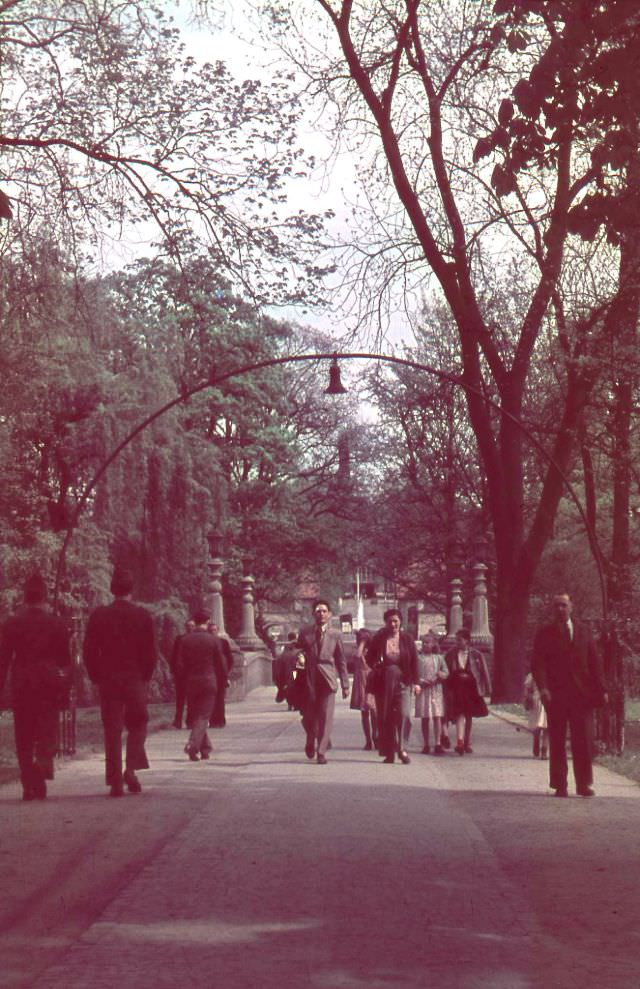
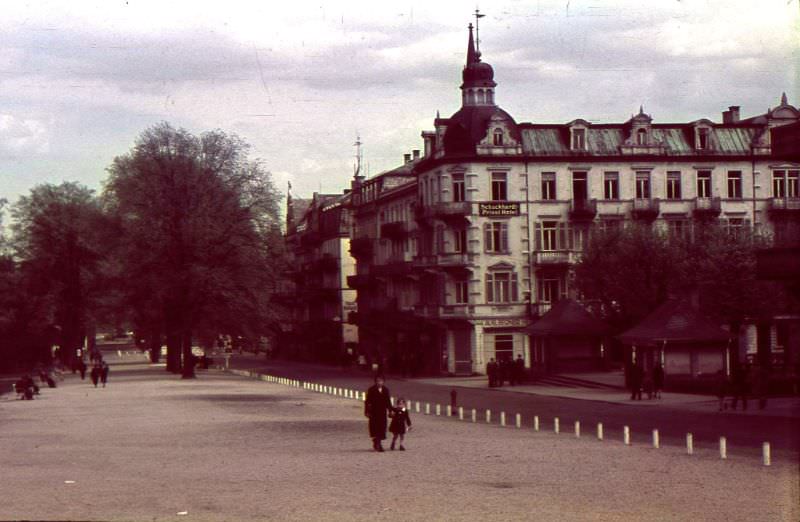
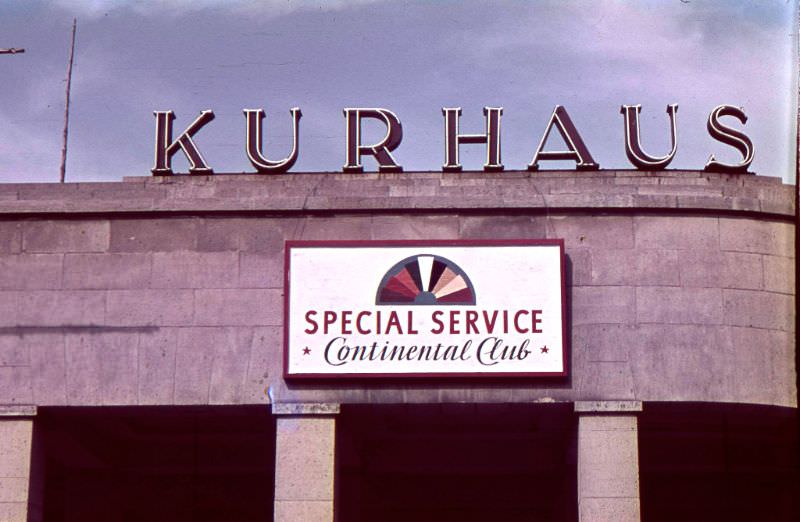
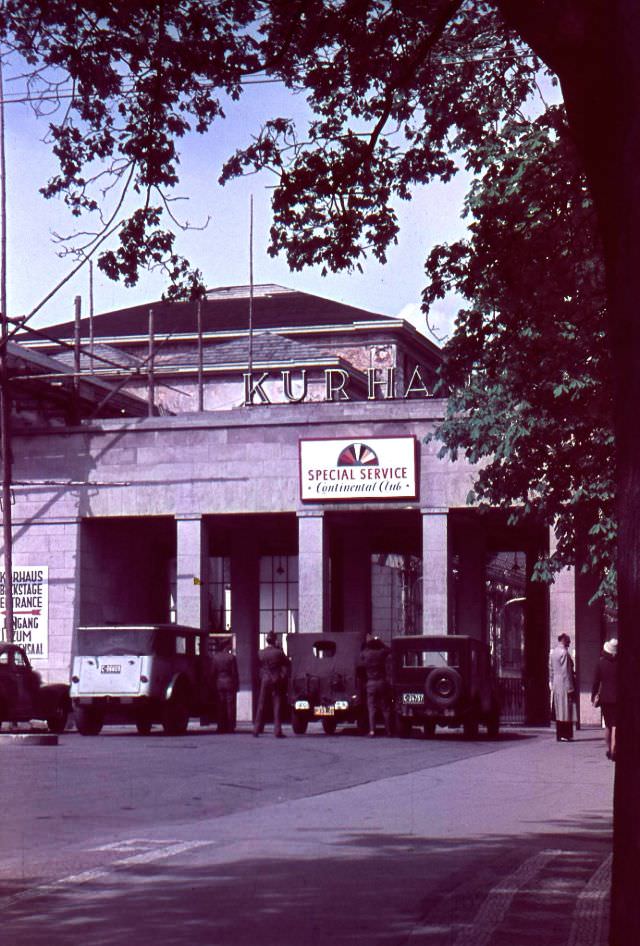
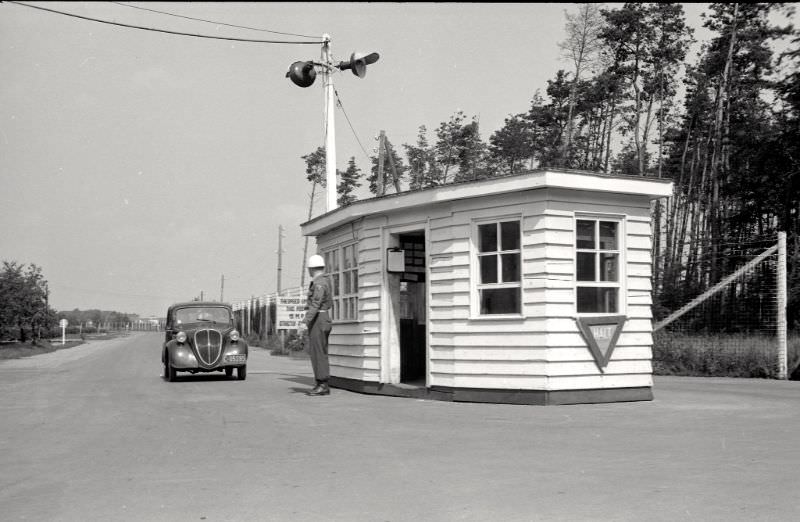
Beyond the rubble, Longmore also captured scenes of daily life beginning to resume. In Bad Nauheim — a spa town north of Frankfurt that the U.S. Army used as a major administrative base — streets and public spaces show both the presence of Allied forces and the cautious return of civilian routines.
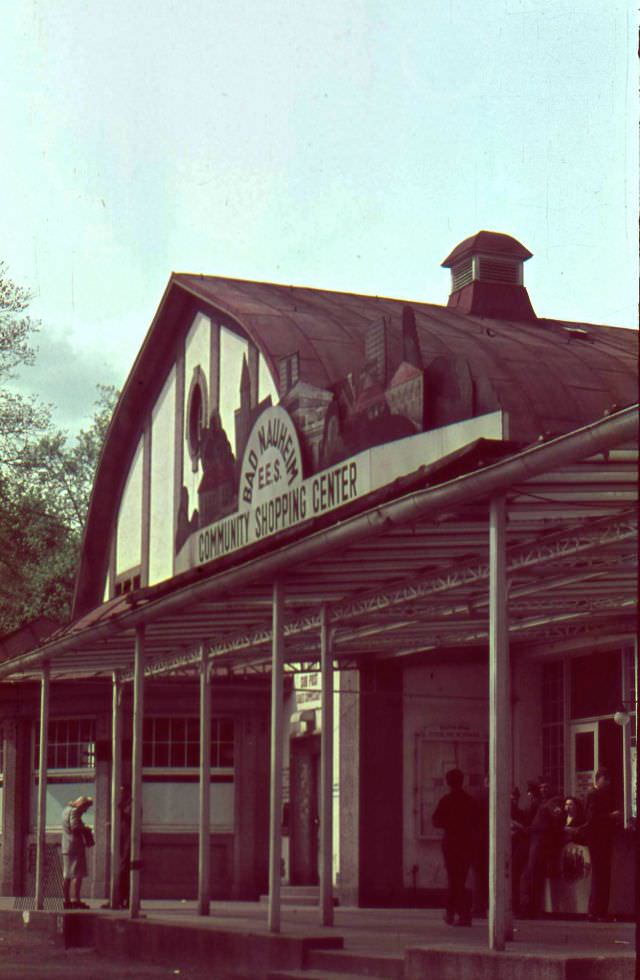
The Kurhaus in Bad Nauheim, a grand building originally built for spa visitors in the early 20th century, appears in several of Longmore’s 1947 shots. During the occupation period, buildings like this were often repurposed by Allied forces for administrative, social, or recreational use.
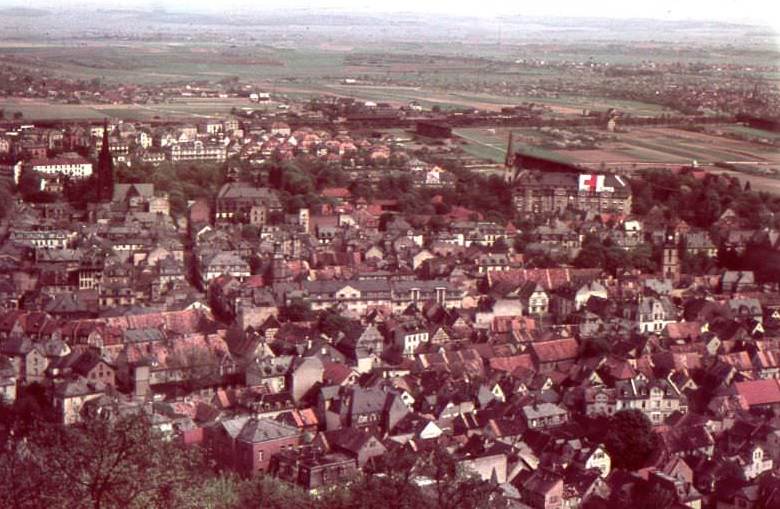
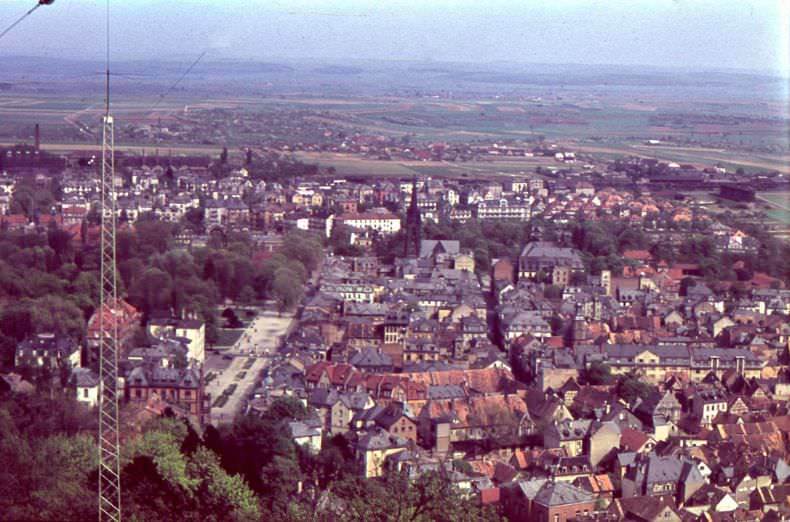
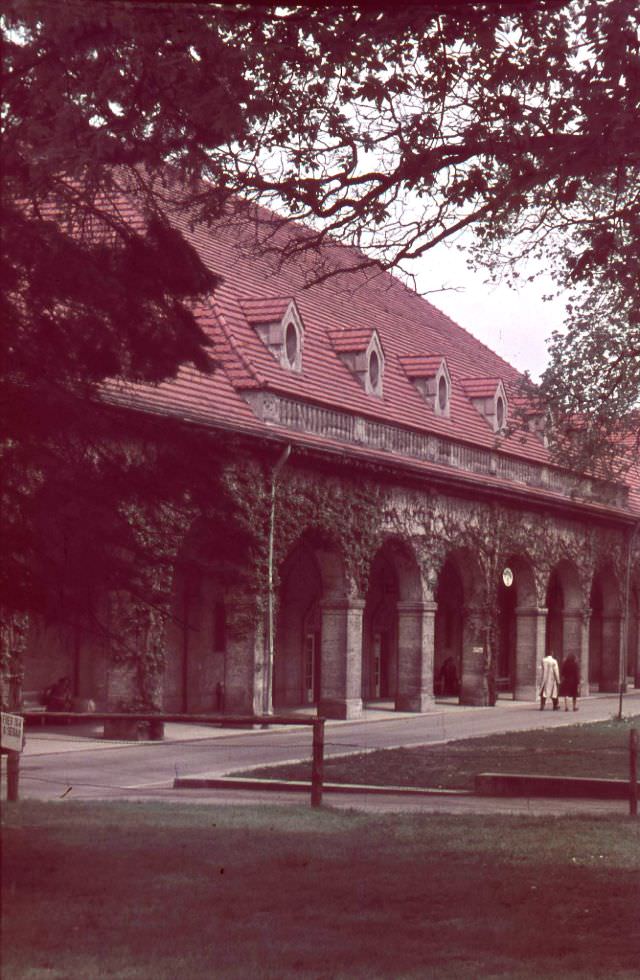
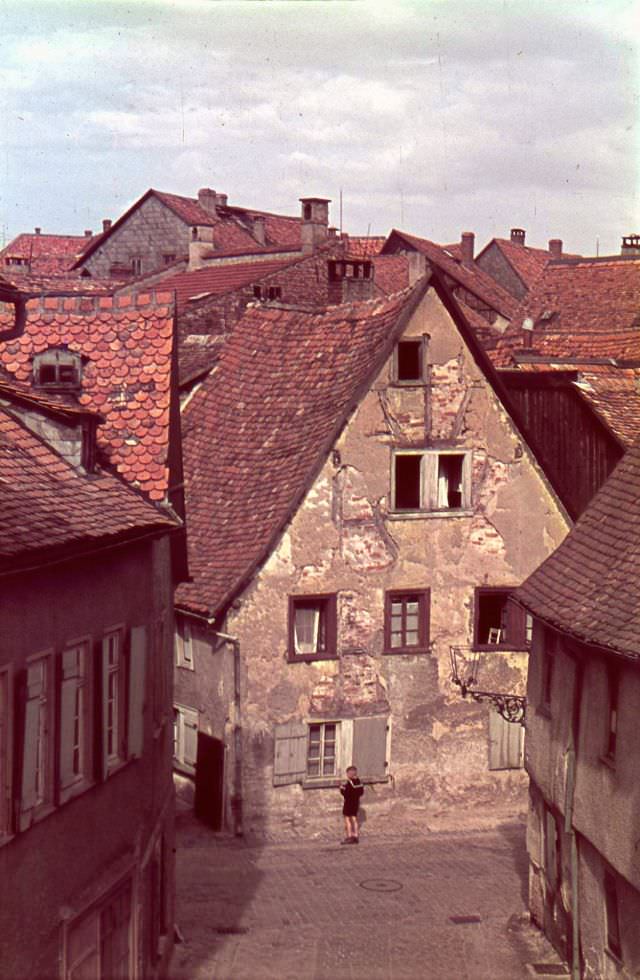
Summer 1947 in Bad Nauheim shows a town that escaped the worst of the bombing. Its streets and buildings remained largely intact, giving the photos a different texture compared to the Frankfurt images — quieter, more orderly, with a sense that normal life was closer to the surface.
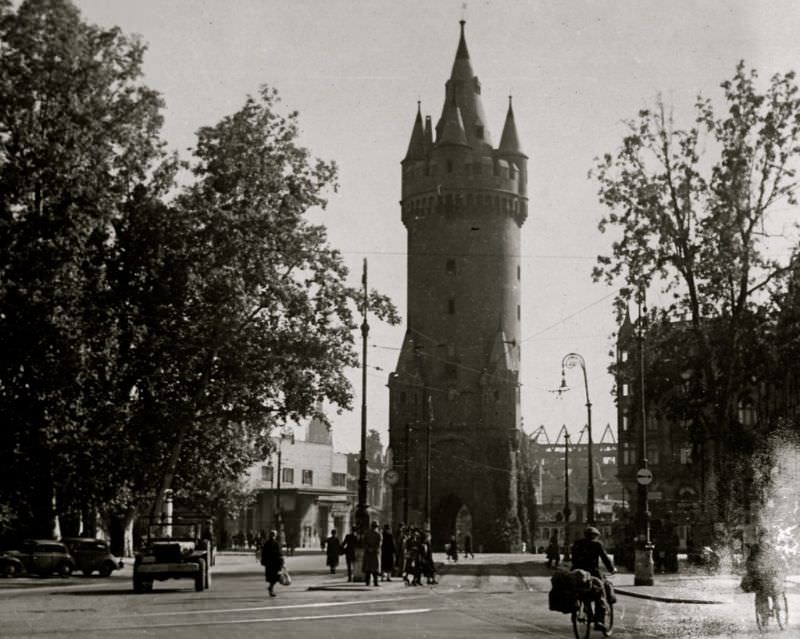
Back in Frankfurt, the destruction was far more visible. Bombed-out buildings stood alongside structures that had somehow survived. Longmore photographed these contrasts directly — the old medieval Eschenheimer Tower still standing while modern commercial buildings around it lay in various states of ruin.
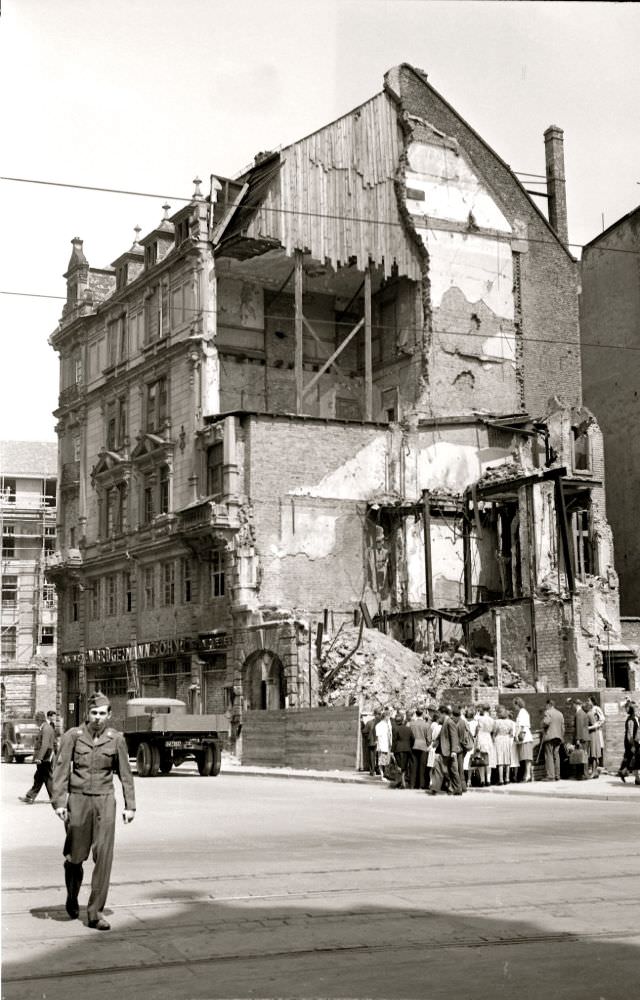
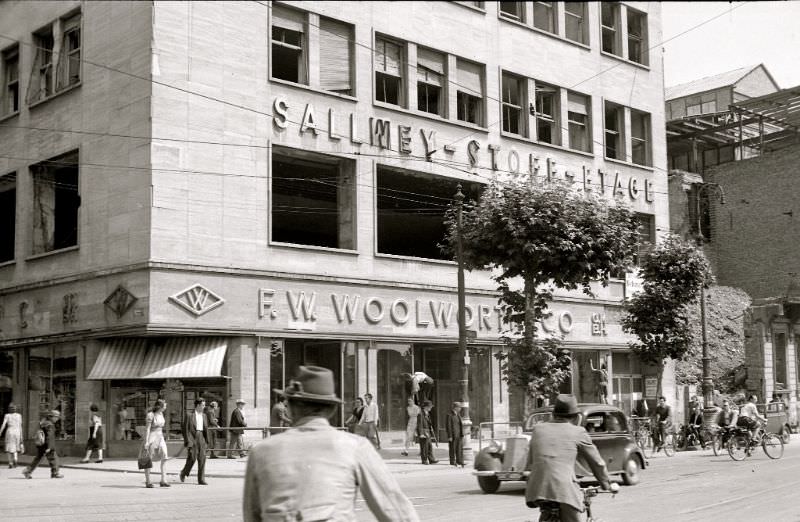
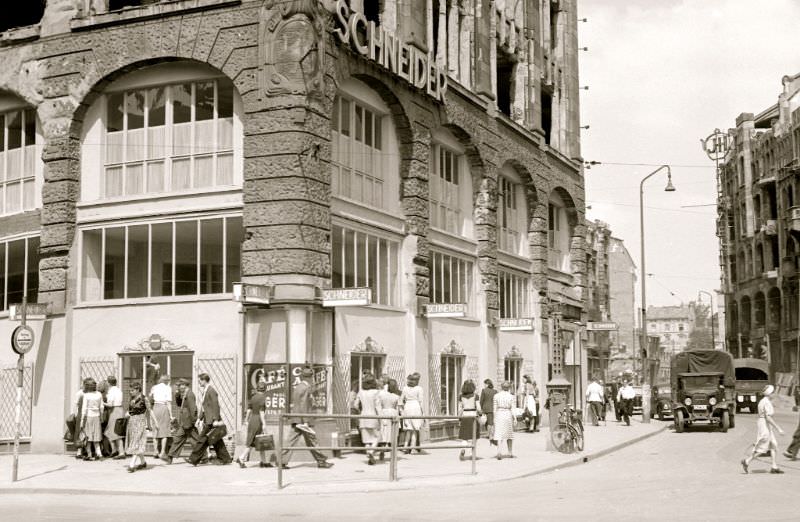
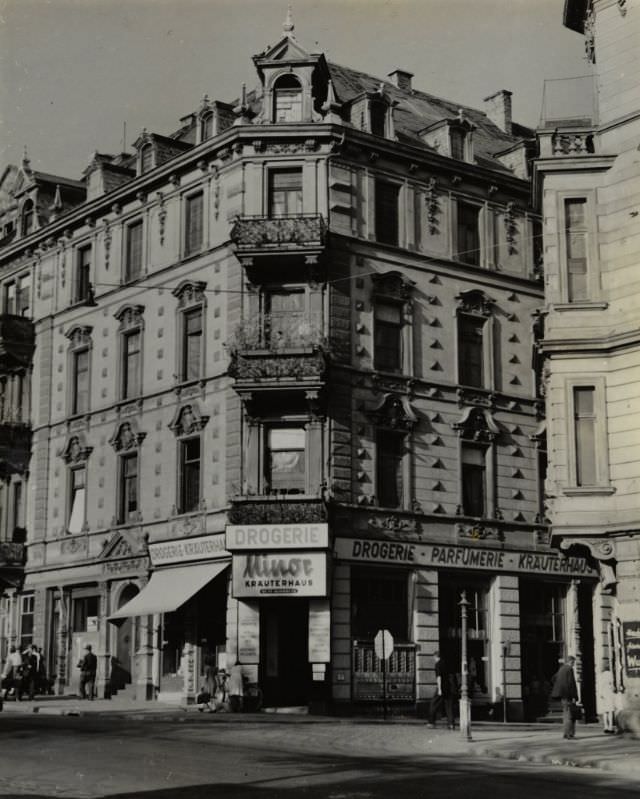
Commercial life was slowly restarting in Frankfurt by 1947. American brand names had already arrived — a F. W. Woolworth store appears in one of Longmore’s frames, a striking image of American commercial presence in an occupied German city. Nearby, a mercantile building bearing the name Kaufhaus M. Schneider shows that German businesses were also reopening, even amid the wreckage.
Wiesbaden, another city within the American occupation zone, also appears in Longmore’s collection. Its Kurhaus — like the one in Bad Nauheim — was a pre-war landmark that survived the conflict and became a focal point of postwar Allied social life in the region.
The western occupation zones were officially reorganized on 23 May 1949, when the American, British, and French sectors merged to form the Federal Republic of Germany — commonly known as West Germany. On 7 October 1949, the Soviet Zone became the German Democratic Republic, or East Germany. These photos predate that formal division, capturing Germany in the uncertain years when its political future was still being decided.
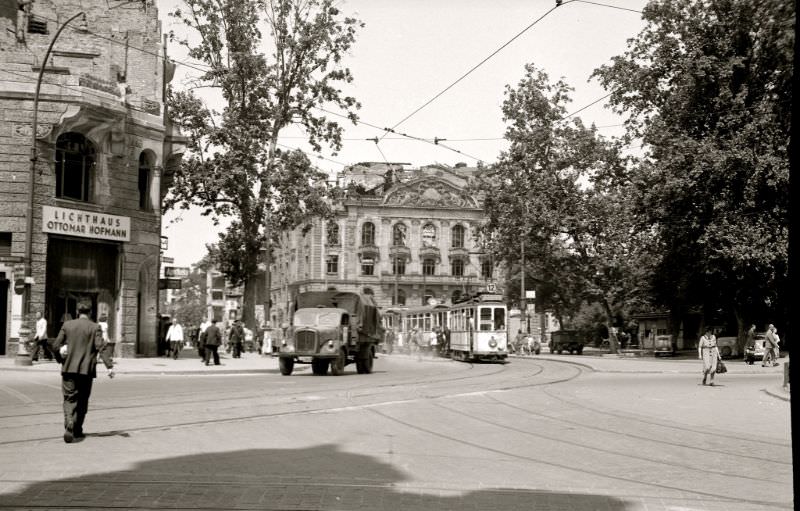
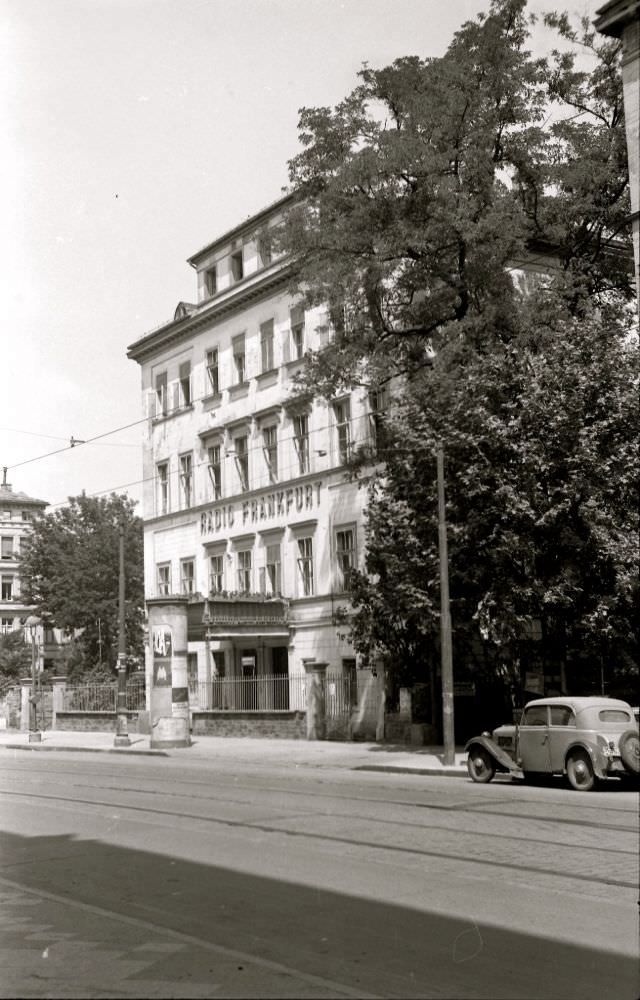
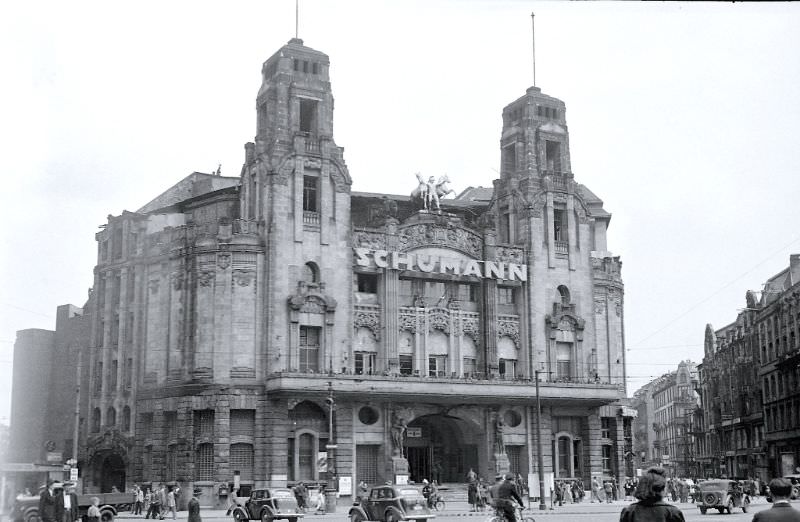
Radio Frankfurt, which Longmore also photographed, was one of the first broadcasting stations to resume operations in the American zone. The Allies used radio as a key tool to communicate with and re-educate the German population, and Radio Frankfurt played a direct role in that effort. The Schumann Theatre, also captured by Longmore’s camera, represented the cultural institutions that occupation authorities worked to restore as part of rebuilding civil society.