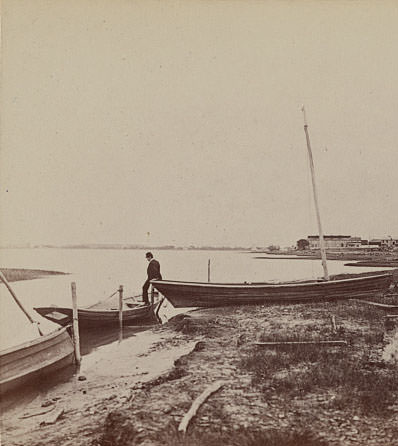
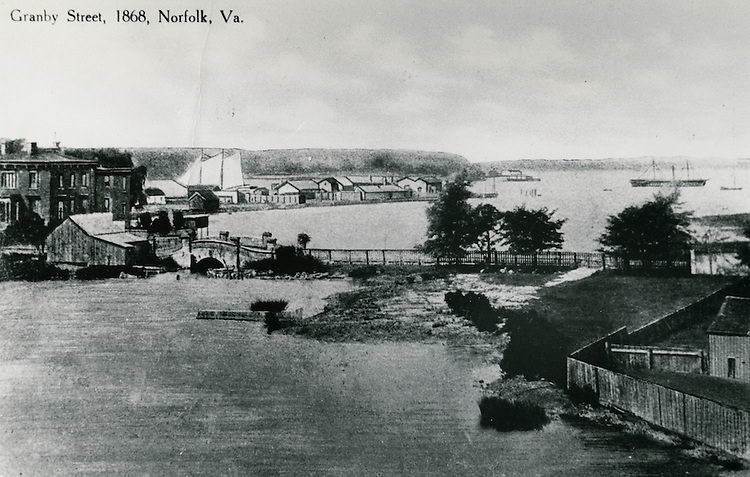
In the early 1860s, Norfolk, Virginia was one of the most active port cities on the East Coast. Its economy ran on shipping. Shipyards lined the waterfront, warehouses packed the docks, and merchants moved goods in and out of the harbor daily. New immigrants arrived steadily, drawn by the work the port offered. The city was growing fast — and it showed on every street corner.
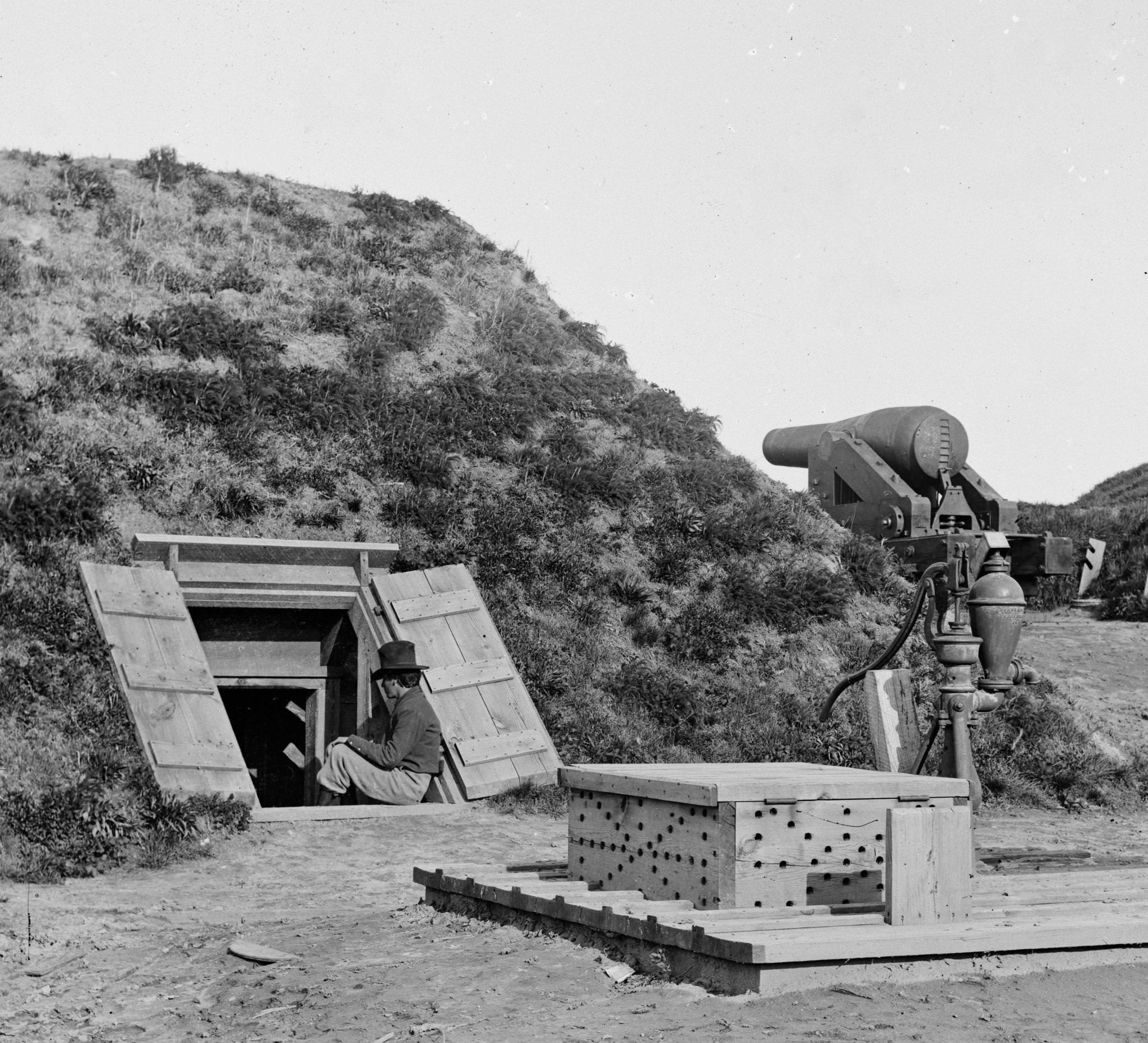
That growth came to a violent halt in 1861 when the Civil War broke out. Norfolk sat at a strategic location near the mouth of the Chesapeake Bay, which made it an immediate military target. Confederate forces moved quickly to secure the region. Captain Drewry’s Southside Artillery was among the units that fortified key positions along the waterfront in 1862, preparing for the fight ahead.
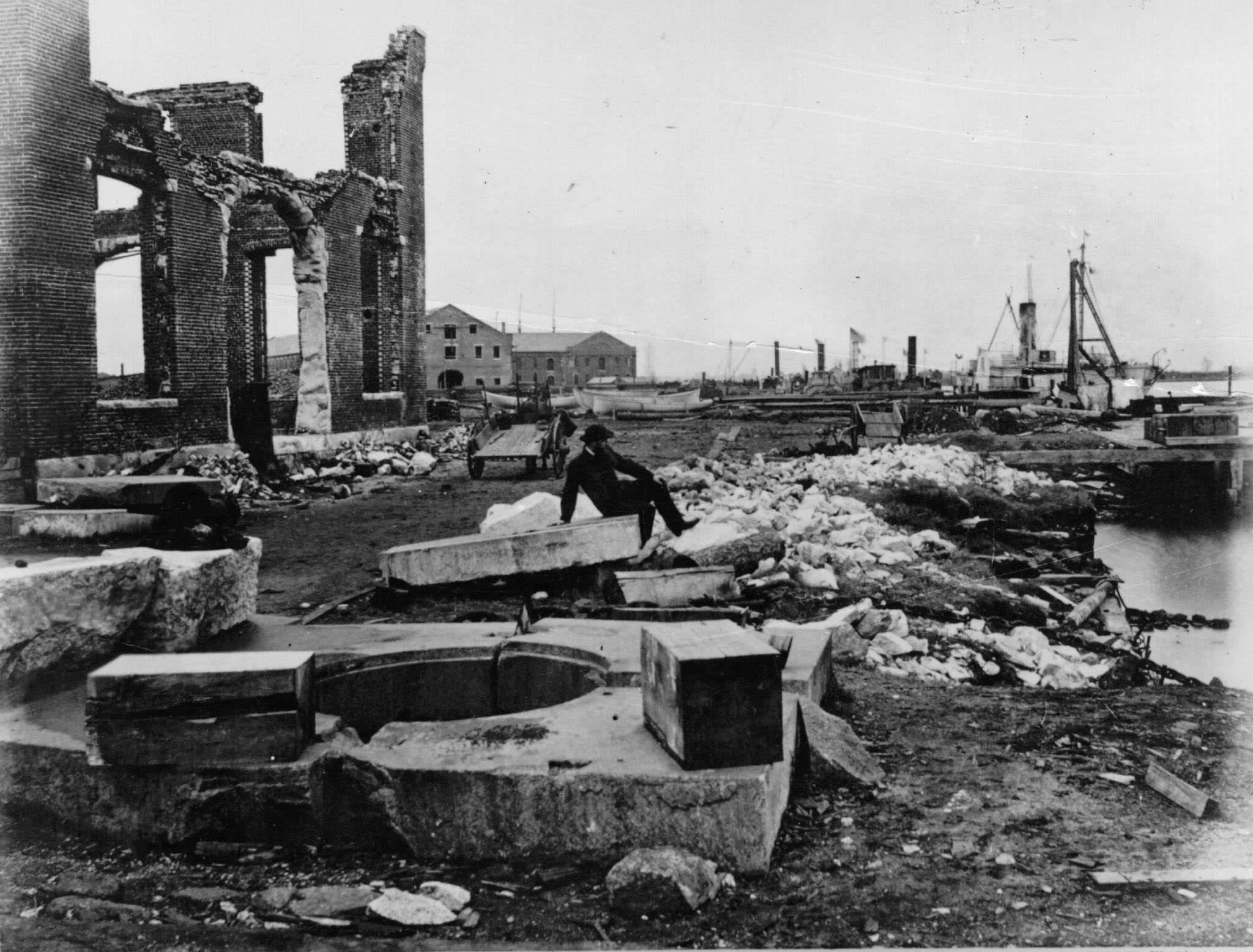
Union forces captured Norfolk in May 1862, seizing control of the city and its vital naval facilities. The Gosport Naval Shipyard — one of the most important naval installations in the country — fell into Federal hands. Confederate forces had already set fire to much of the yard before retreating, but the Union army took what remained and used it as a base of operations for the rest of the war.
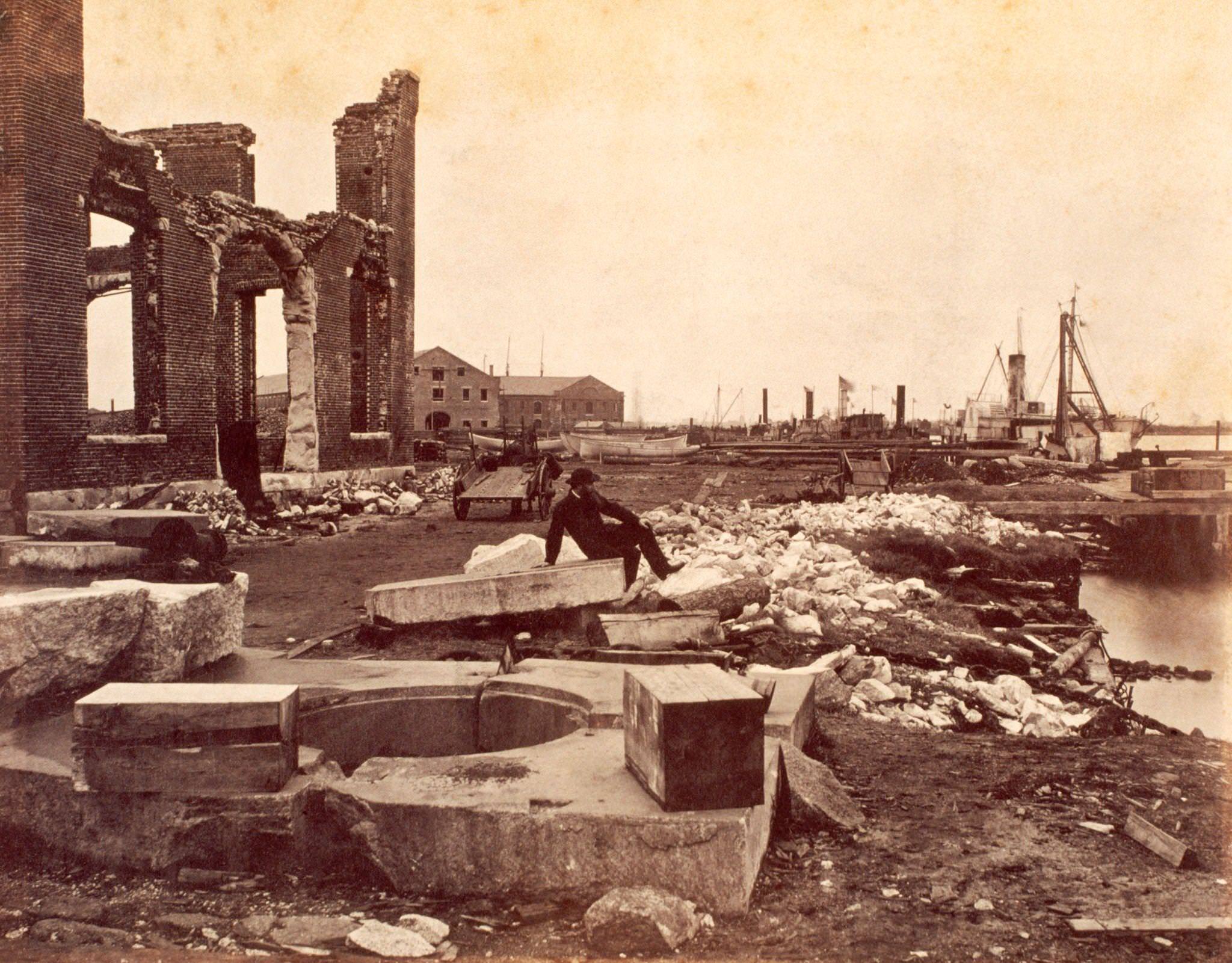
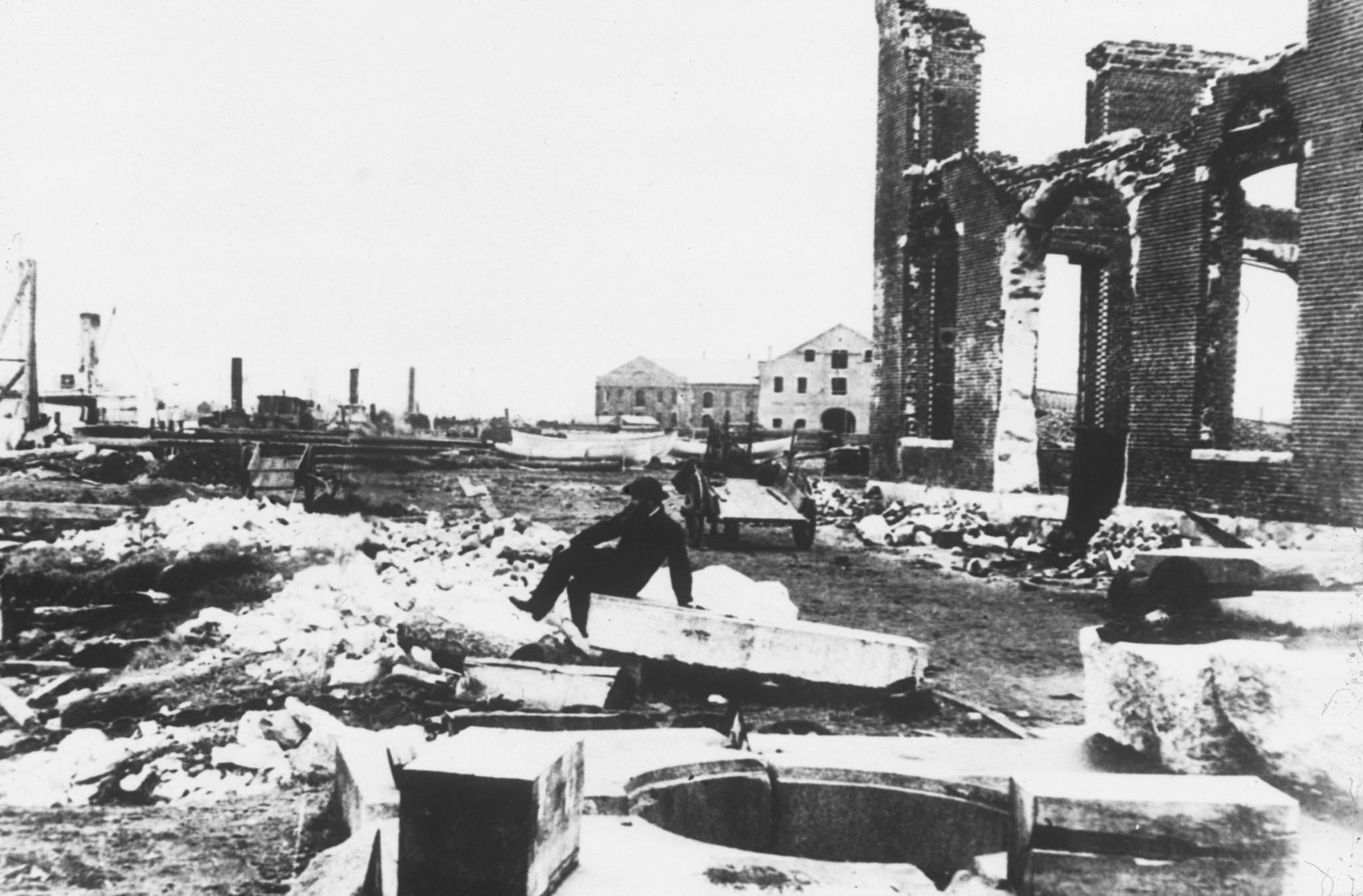
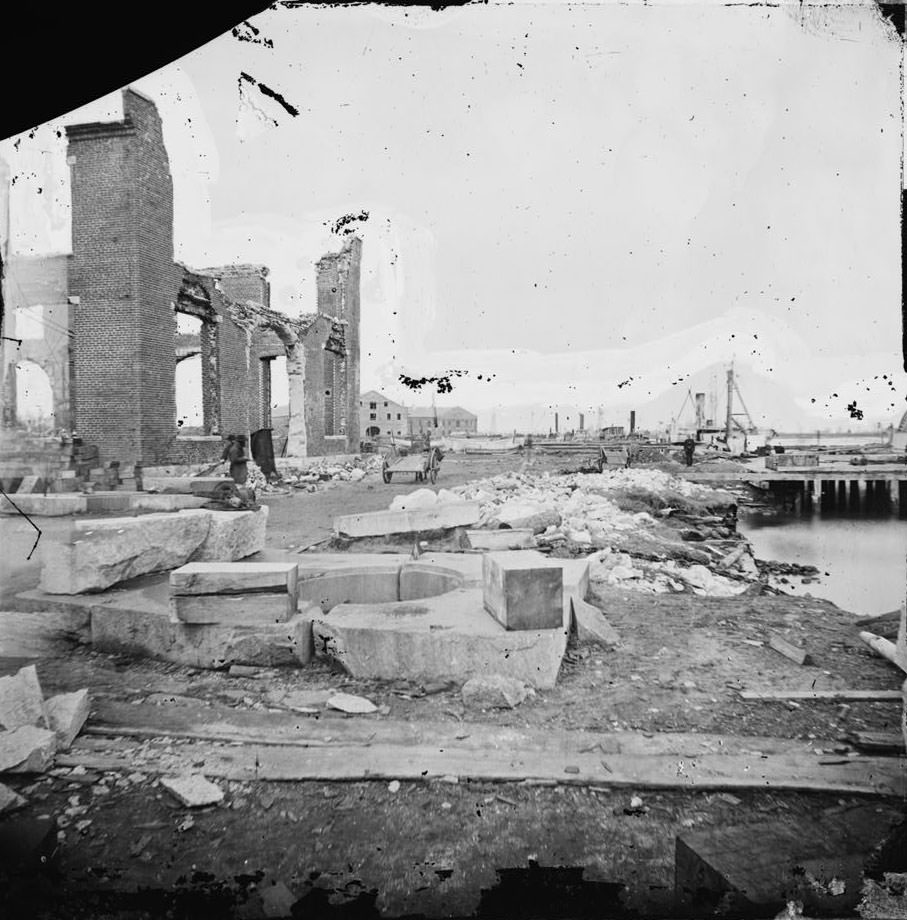
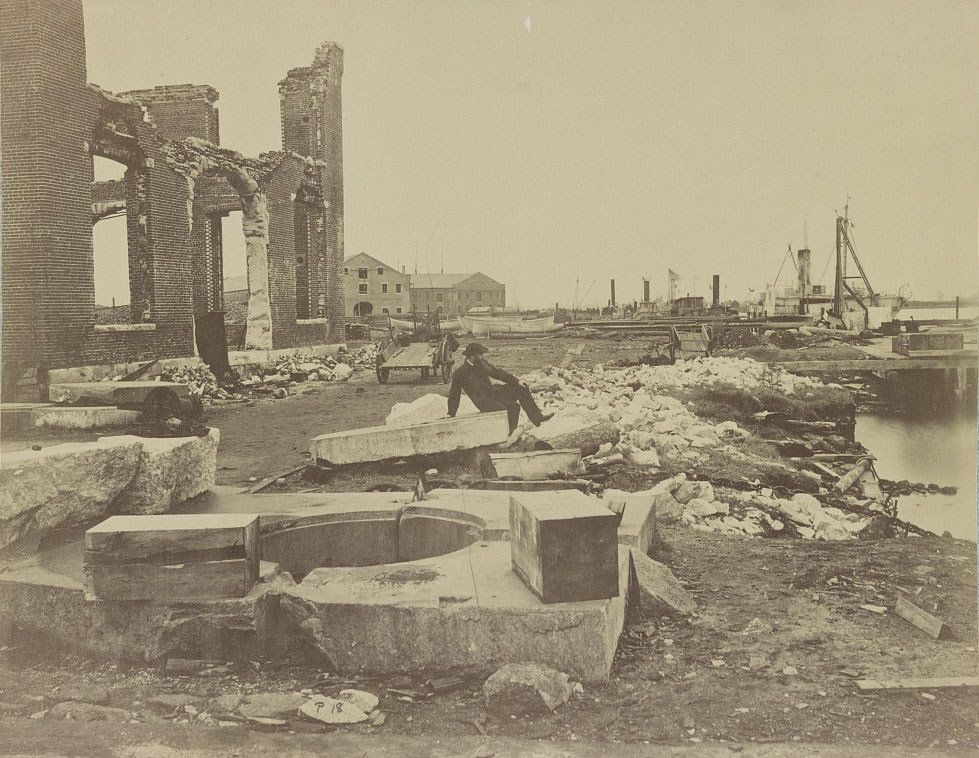
The destruction left behind was extensive. By 1864, the naval yard was a landscape of burned-out hulls, collapsed structures, and charred brick walls. Photographs taken during that period show rubble where workshops and dry docks once stood. The yard that had once built and repaired some of the Navy’s most powerful ships was gutted.
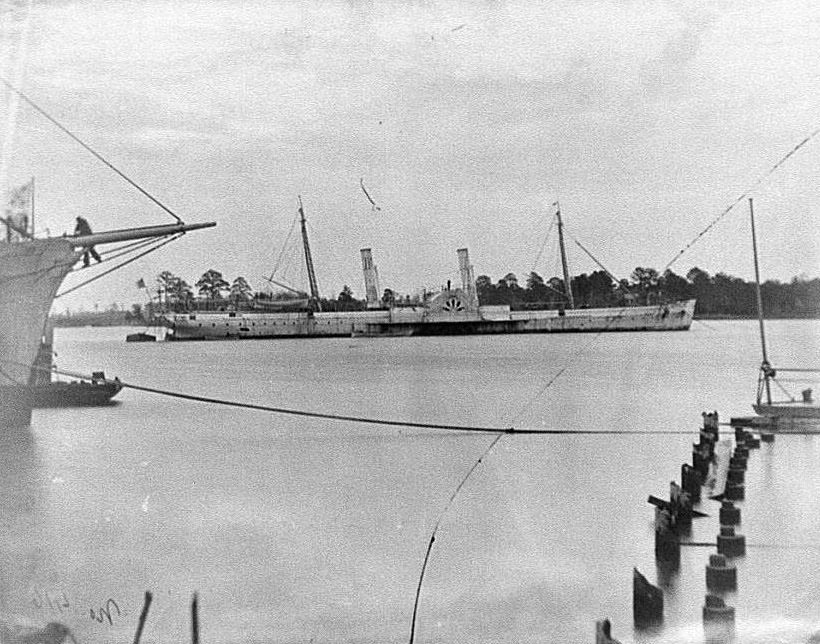
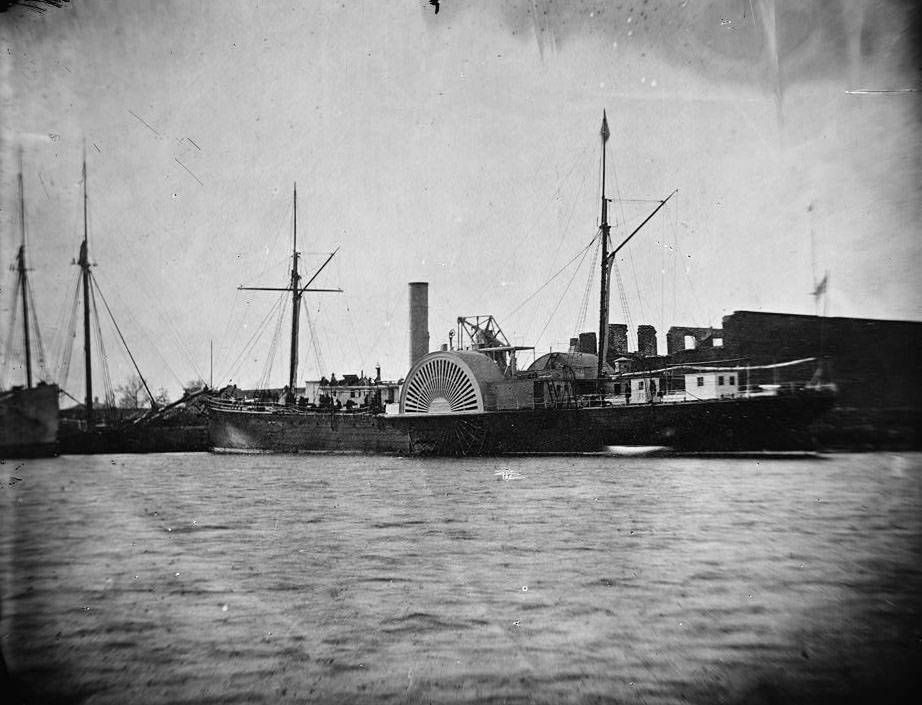
While the yard lay in ruins, the Union Navy still used Norfolk’s waterways heavily. Steamers and gunboats moved through Hampton Roads throughout the war, supplying troops and conducting operations up and down the Virginia coast. The USS Fort Donelson was among the vessels photographed in Norfolk’s waters in 1864, a reminder that even amid destruction, the port remained active.
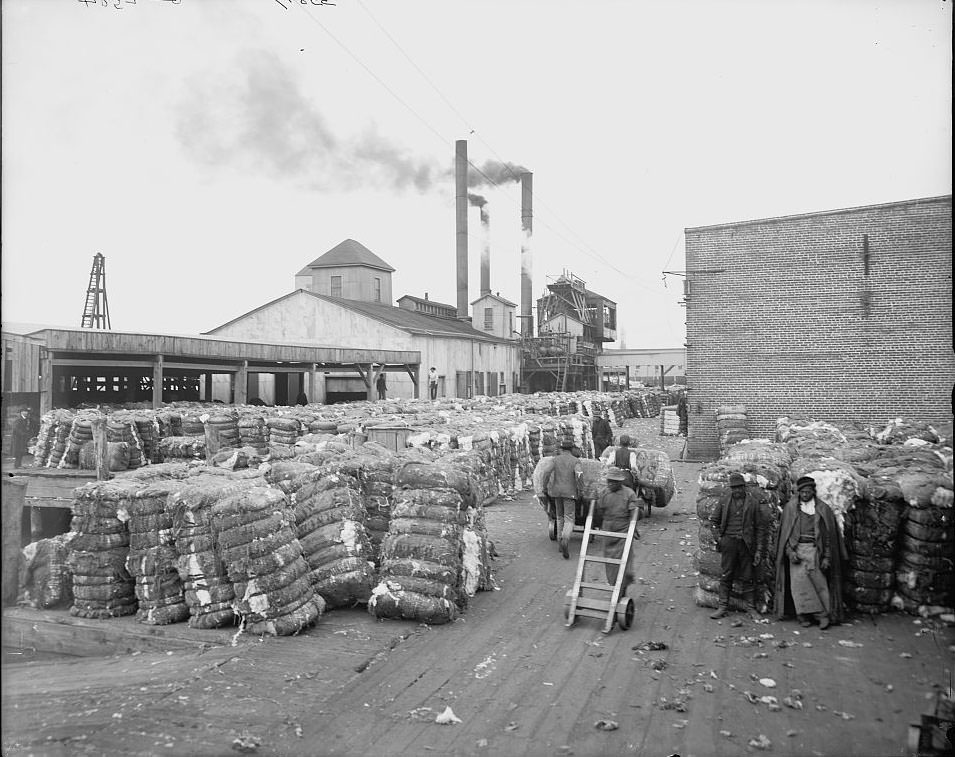
After the war ended in 1865, Norfolk entered Reconstruction. The naval yard was slowly rebuilt, though its scars were still visible well into the 1870s. New industries began to take hold — textiles, tobacco, and trade all expanded. Freed Black Americans settled in the city in significant numbers, adding to its already diverse population and reshaping its neighborhoods.
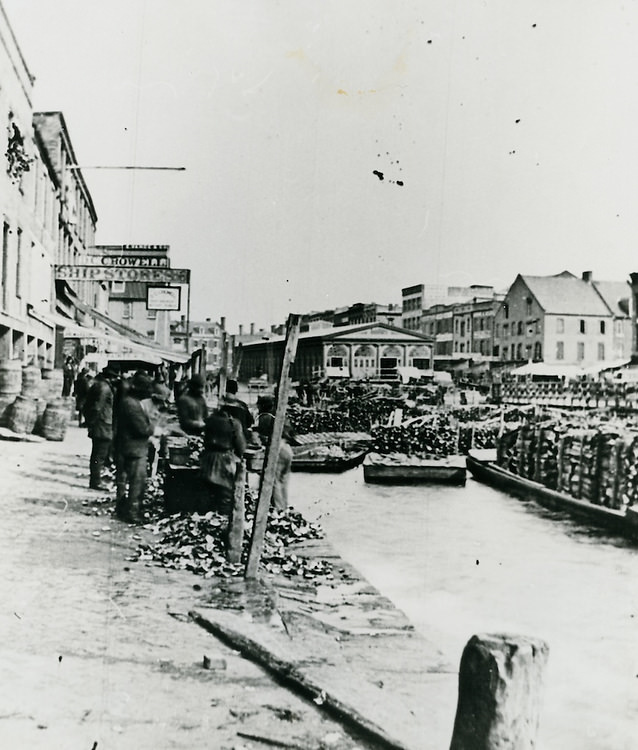
The docks came back to life quickly. By 1875, the Oyster Dock had re-established itself as a busy hub for ship stores and imported goods. Oysters were one of Virginia’s most valuable exports at the time, and Norfolk’s position on the Chesapeake Bay made it a natural center for the trade. Merchants, longshoremen, and sailors filled the waterfront once again.
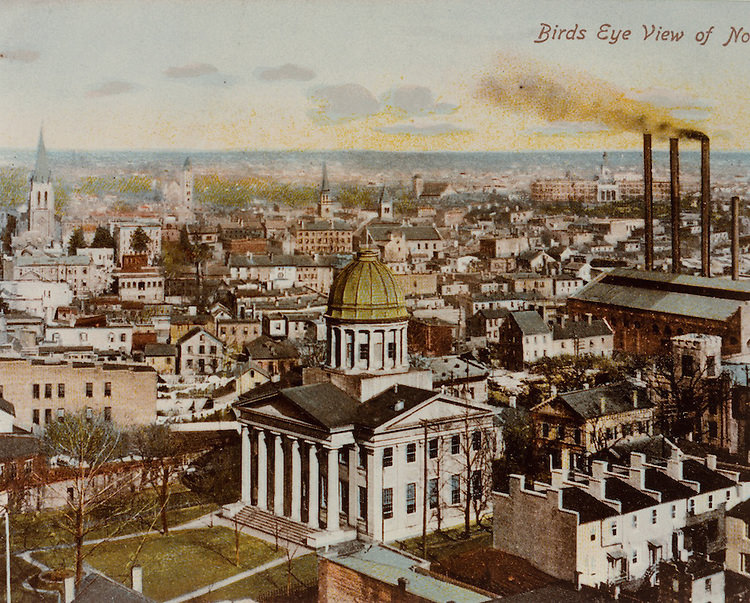
By the 1890s, Norfolk had transformed into a modern city. A bird’s-eye view from the period shows a dense urban grid stretching northward, filled with brick buildings, church spires, and the infrastructure of a city that had rebuilt itself from the ground up. The population had grown considerably, and the city’s commercial districts reflected that expansion.
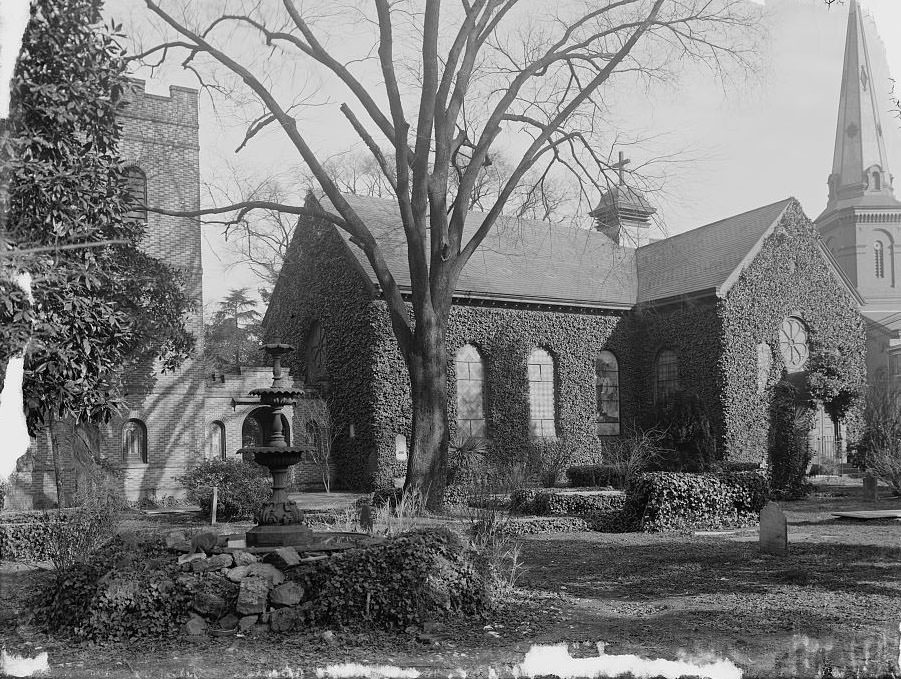
Religion remained a cornerstone of community life throughout this era. St. Paul’s Church, one of Norfolk’s oldest landmarks, stood as a symbol of the city’s endurance. The building had survived the Civil War and continued to serve its congregation into the 1890s, its brick walls bearing the marks of a city that had been tested and rebuilt.
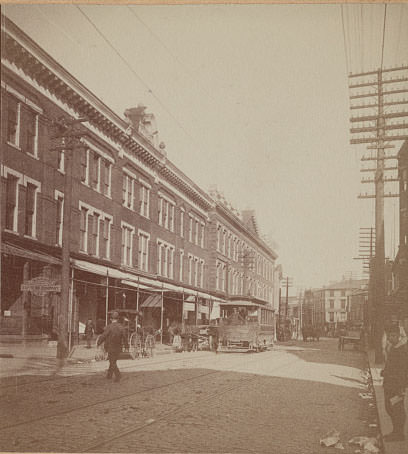
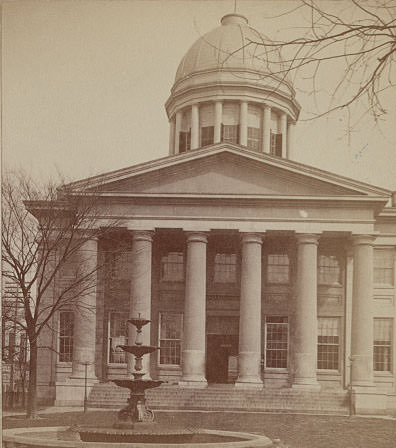
Norfolk’s streets in the late 1890s looked markedly different from their war-era counterparts. Main Street had developed into a proper commercial corridor, lined with storefronts and foot traffic. City Hall stood as a civic anchor, its architecture reflecting the ambitions of a city eager to present itself as a serious, modern American municipality.
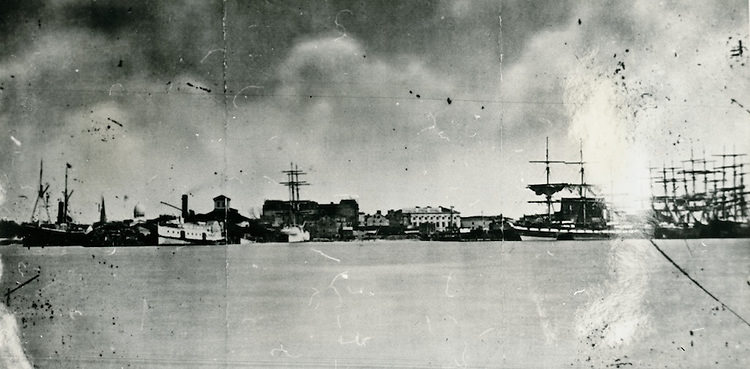
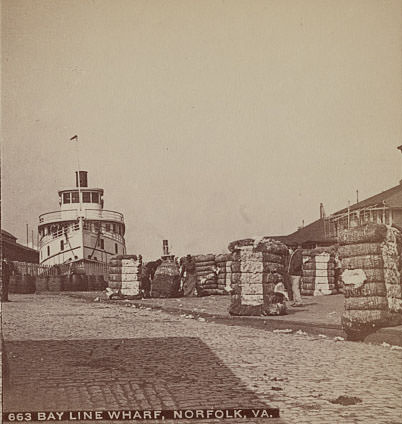
The waterfront remained the city’s economic engine. The Bay Line Wharf in 1896 showed a busy working harbor, with steamships loading and unloading cargo bound for ports up and down the East Coast. Norfolk’s connection to the water was inseparable from its identity — the port drove commerce, employment, and growth across every decade of the late 19th century.
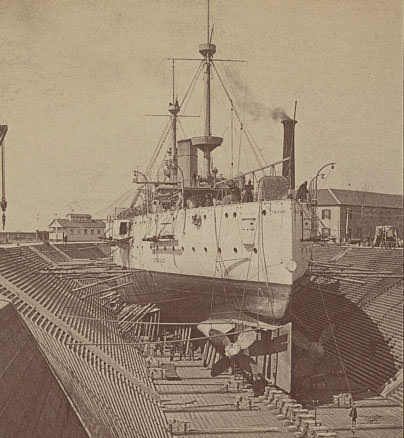
The Navy, too, had returned in force. By 1896, the dry dock at Norfolk was capable of servicing the country’s most powerful warships. The Battleship Texas — one of the first American steel battleships — was photographed in dry dock at Norfolk that year, a clear sign of just how far the naval yard had come from the ruins of 1864.
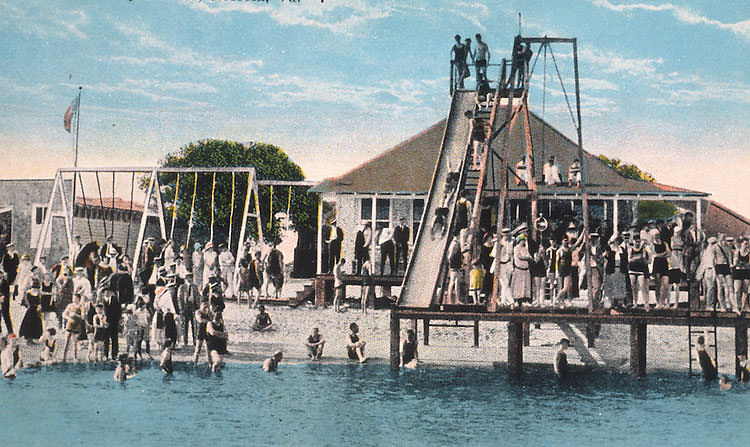
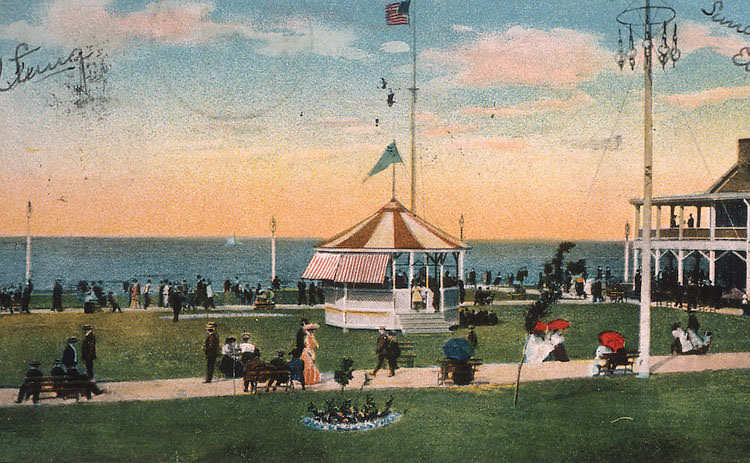
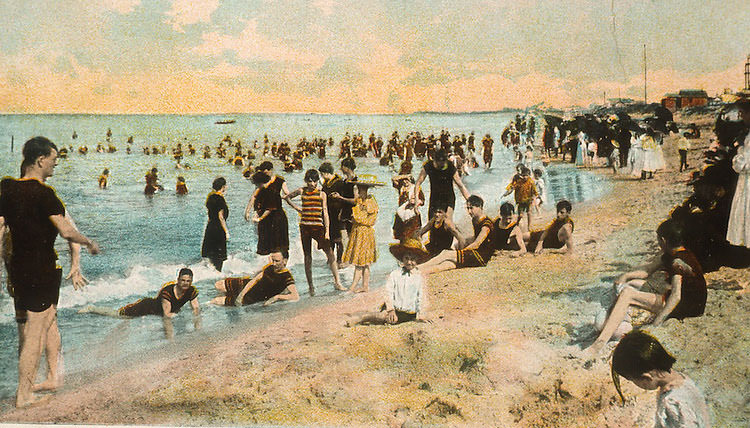
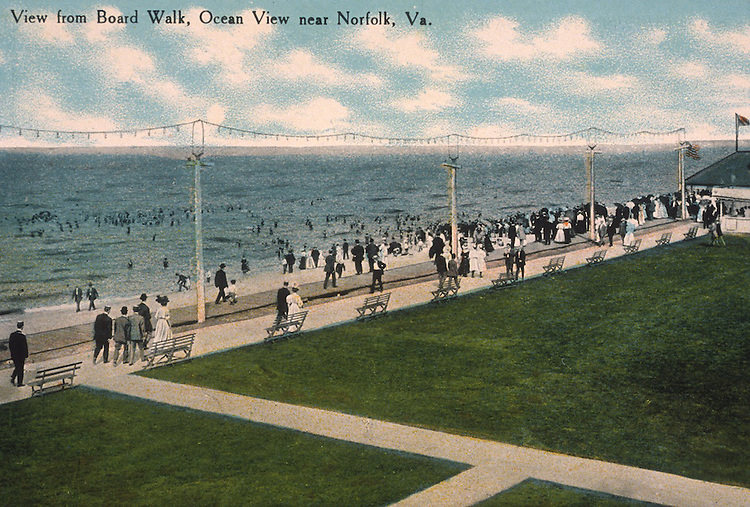
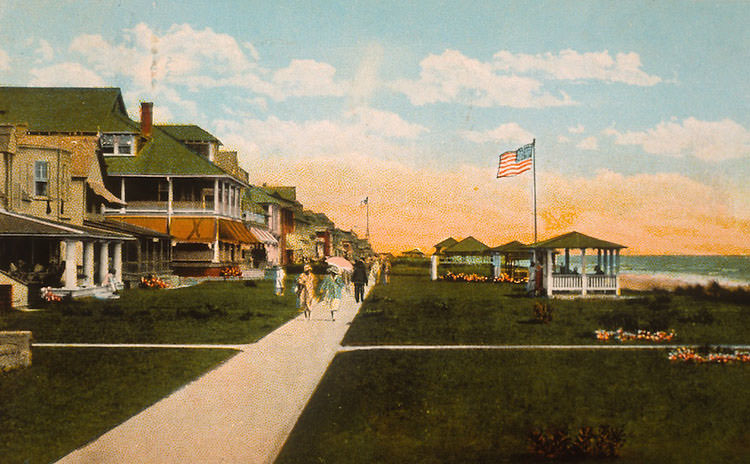
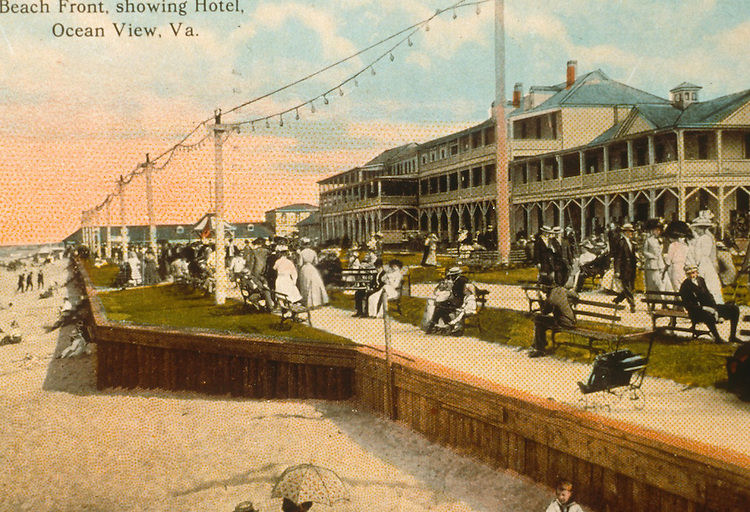
Beyond the docks and the shipyards, Norfolk’s residents also had a leisure culture that grew steadily through the latter half of the century. Ocean View, a coastal neighborhood north of the city proper, became a popular destination for locals seeking the beach. Cottages lined the shore, and the area developed a resort atmosphere that drew visitors from across the region.
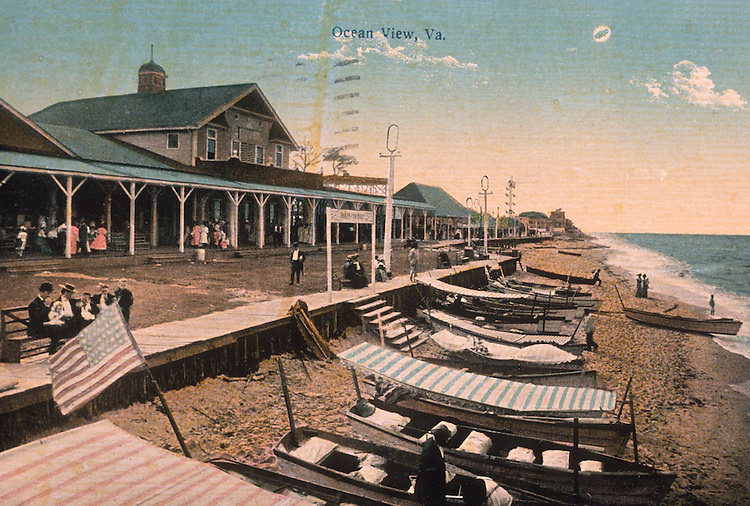
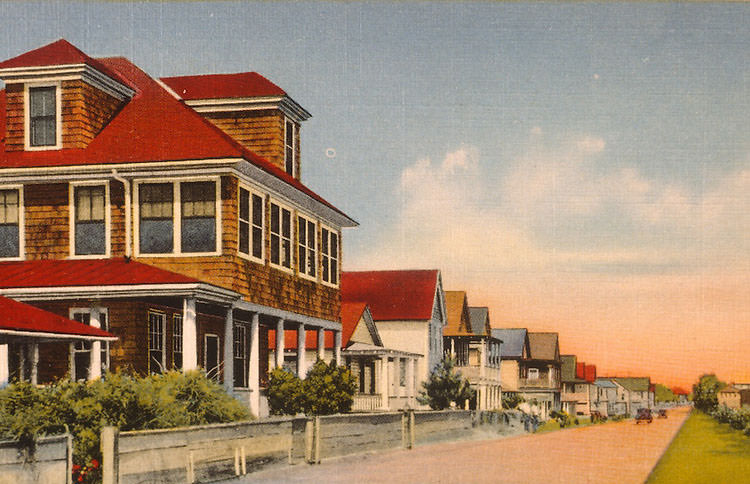
Virginia Beach, just south of the city, also attracted visitors. The oceanfront there featured hotels and a line of cottages stretching along the shore, drawing families and tourists who arrived by rail. A beachfront hotel stood as the centerpiece of the area’s hospitality, offering accommodations to those who came to enjoy the Atlantic coast.
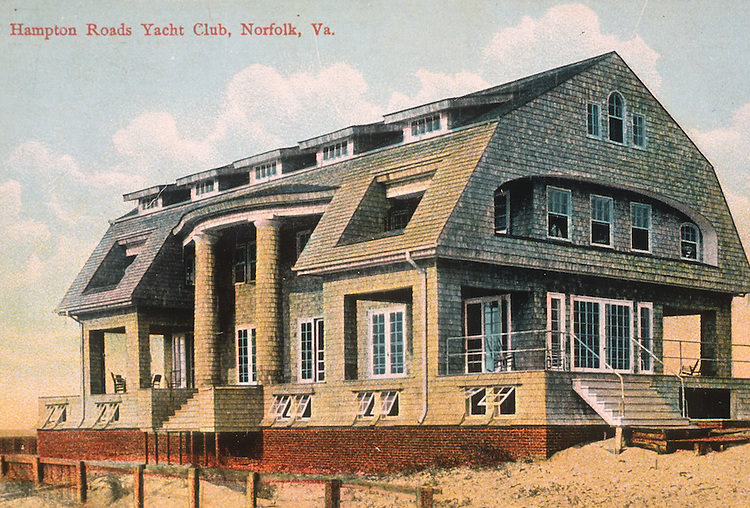
Water recreation extended beyond the beaches. The Hampton Roads Yacht Club gave the city’s more affluent residents a formal venue for sailing and social gatherings. Lynnhaven, another nearby waterway, was a popular spot for bathing. These leisure spaces reflected a city where, after decades of war and rebuilding, ordinary life had taken firm hold.