Hey There! Before You Go. 😧
Get the best vintage content straight into your inbox!

Don't worry, we don't spam

Stanley Kubrick’s Photographic Journey Through 1940s New York City

Long before Stanley Kubrick directed “2001: A Space Odyssey” or “The Shining,” he was a teenage photographer roaming the streets of New York City with a camera. At just 17, he sold his first photo to Look magazine and soon became a staff photojournalist. Throughout the 1940s, he shot the city relentlessly — its people, its energy, its contradictions — building a visual instinct that would later define some of cinema’s most powerful images.
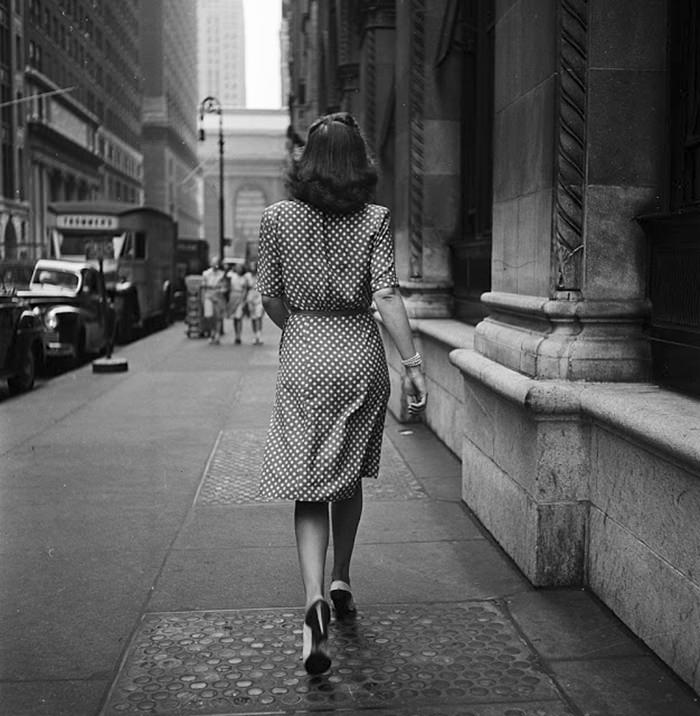
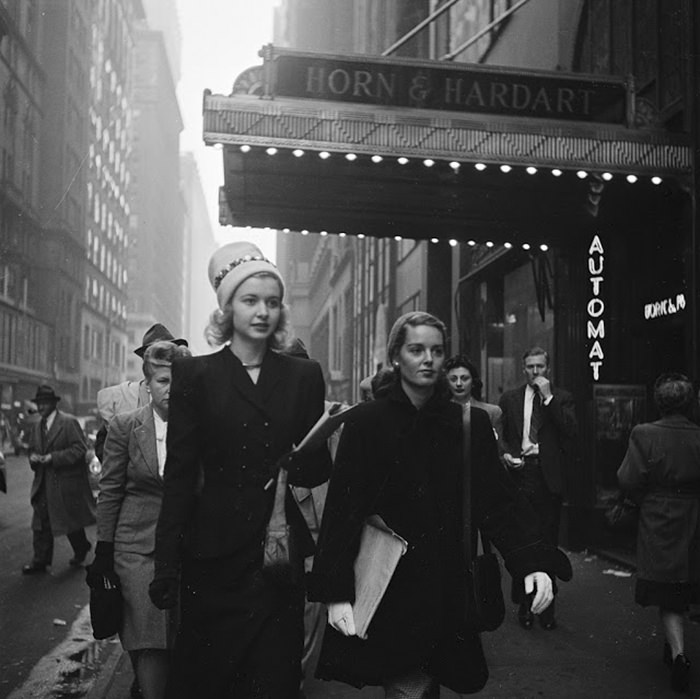
Walking the Streets of New York, 1946.

New York in the 1940s was loud, crowded, and full of life. Kubrick moved through it all, turning his lens on anyone and anything that told a story. He photographed shoe shine boys working corners, women waiting on subway platforms, and couples stealing quiet moments in public spaces. His subjects rarely posed. He caught them mid-thought, mid-laugh, mid-stride.
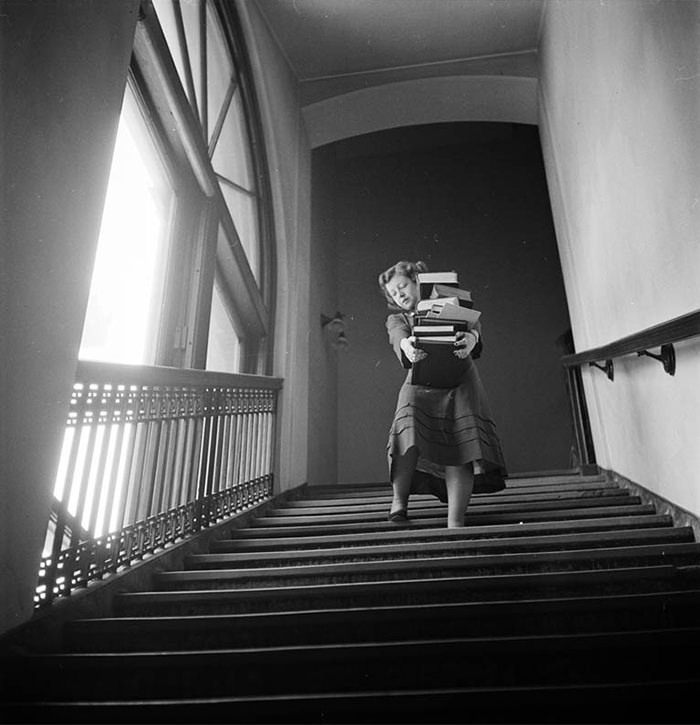
A student at Columbia University, 1948.
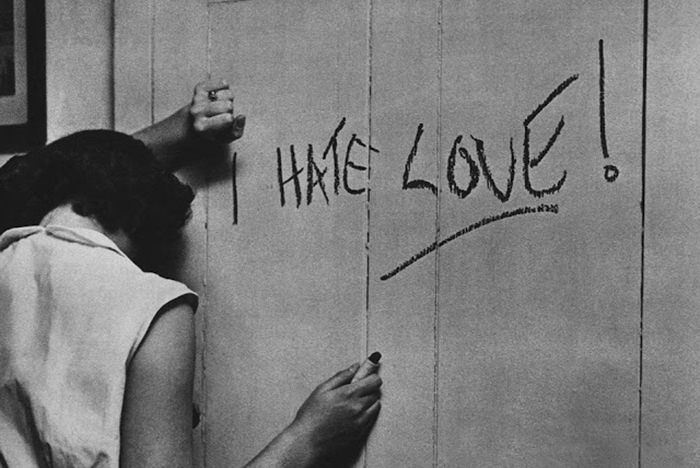
A girl with lipstick, 1940.

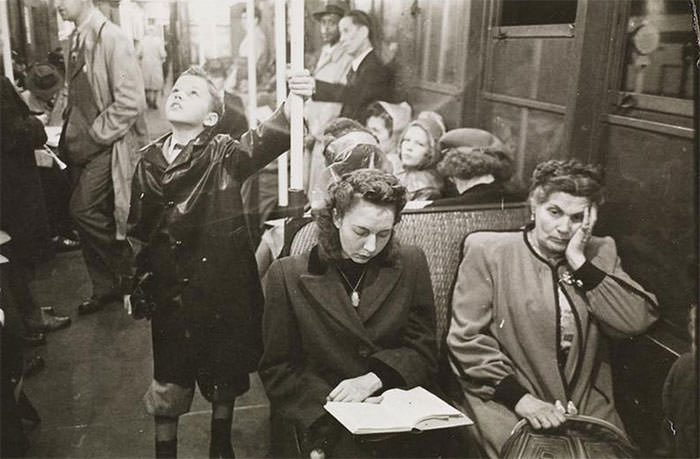
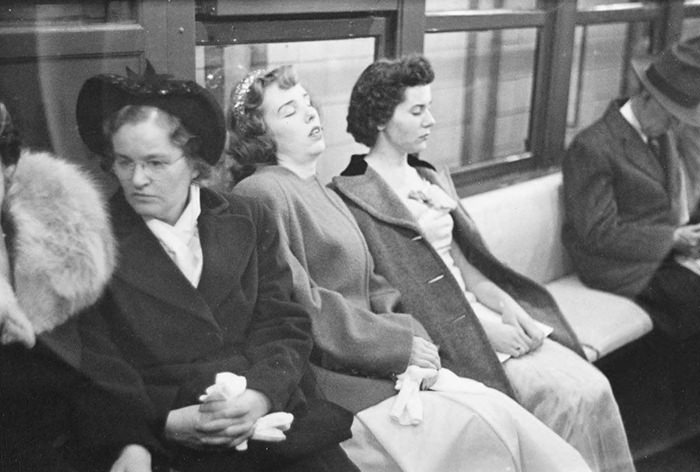
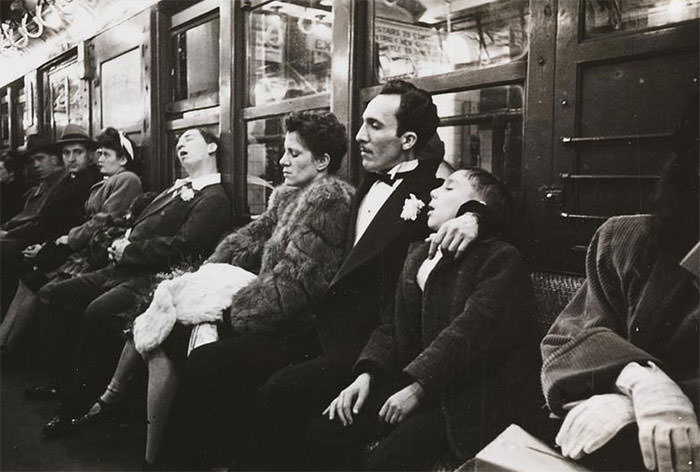
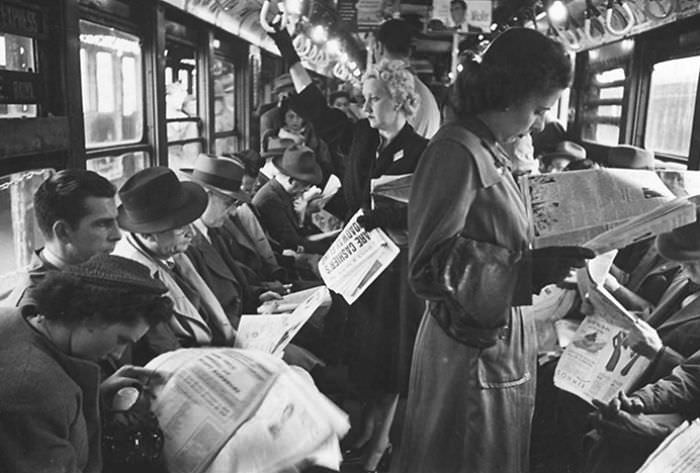
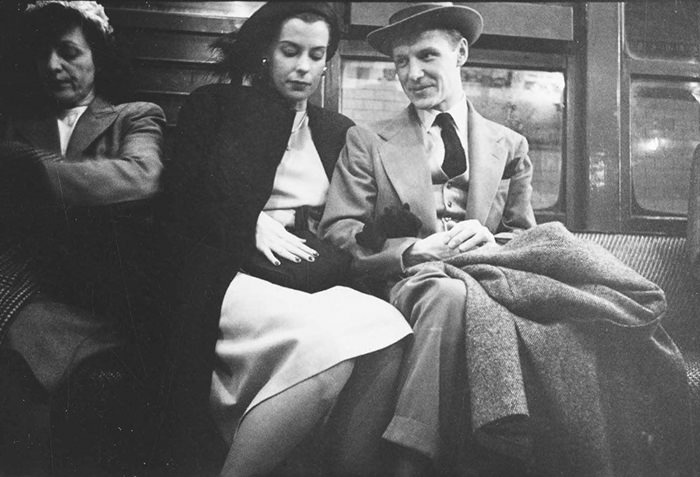
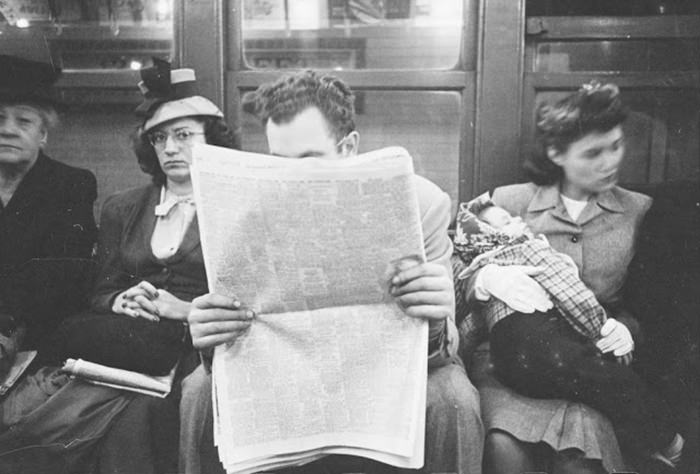
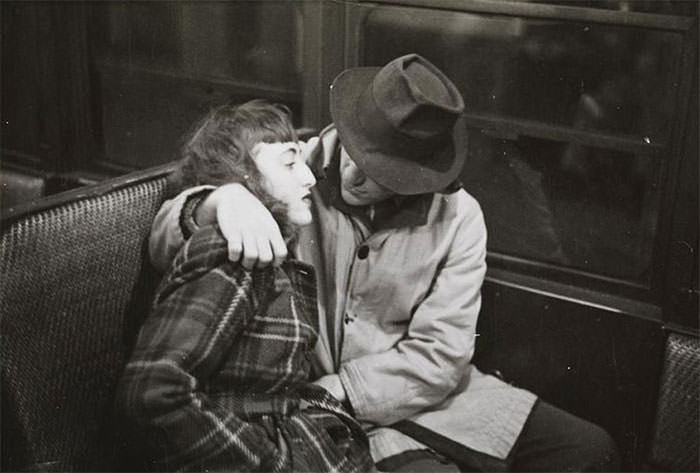
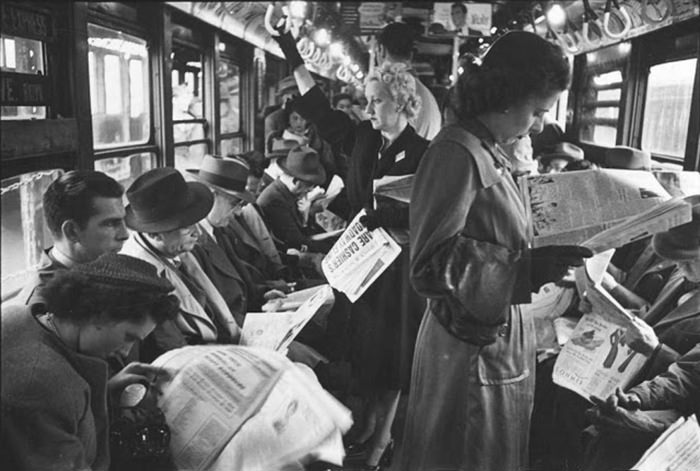
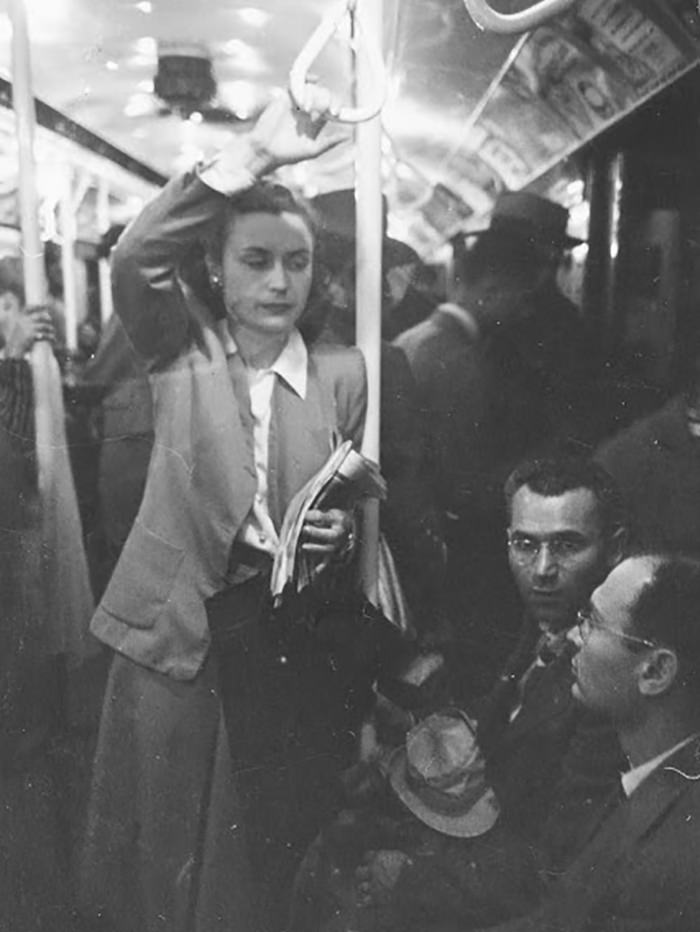
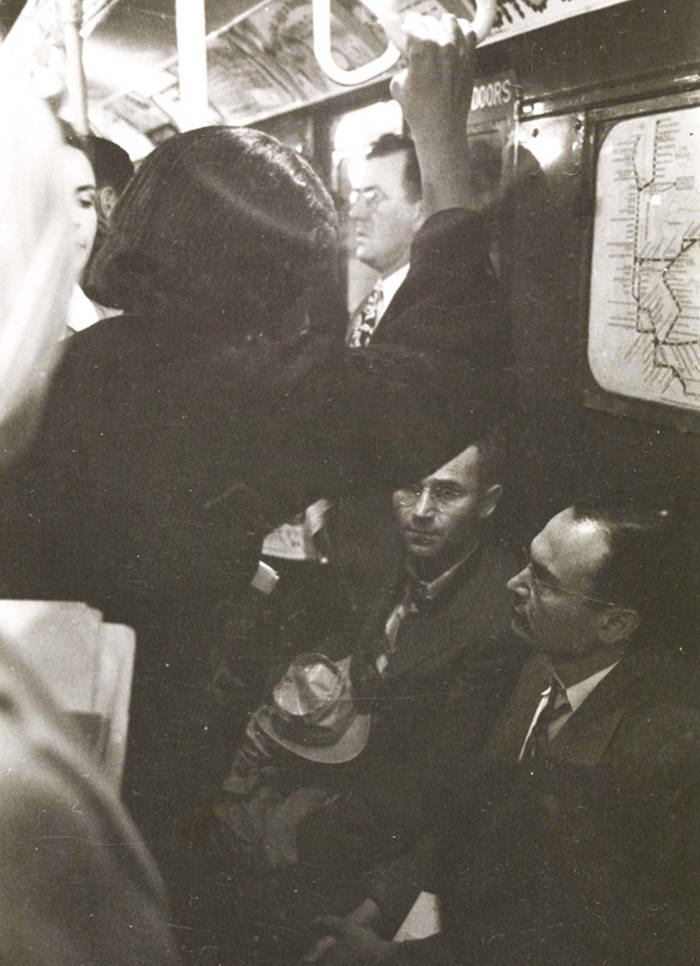
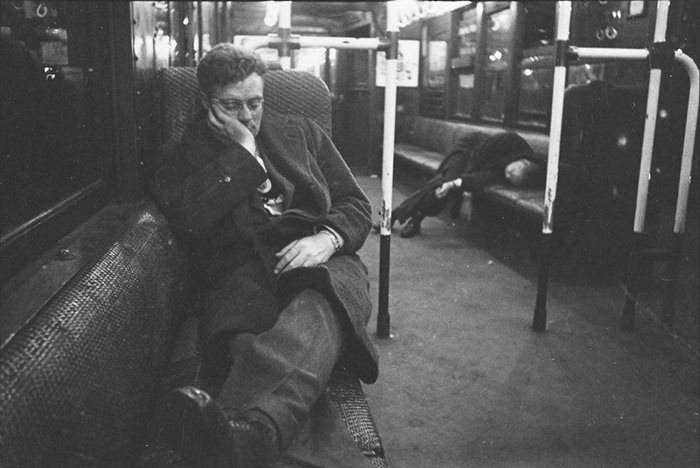
The subway was one of Kubrick’s most frequent subjects. It was the great equalizer of the city — businessmen, laborers, students, and drifters all packed into the same car. He captured couples dozing against each other on long rides, men buried in newspapers, and women lost in thought as stations blurred past the windows. These images carry the particular stillness of people who have, just for a moment, let their guard down.
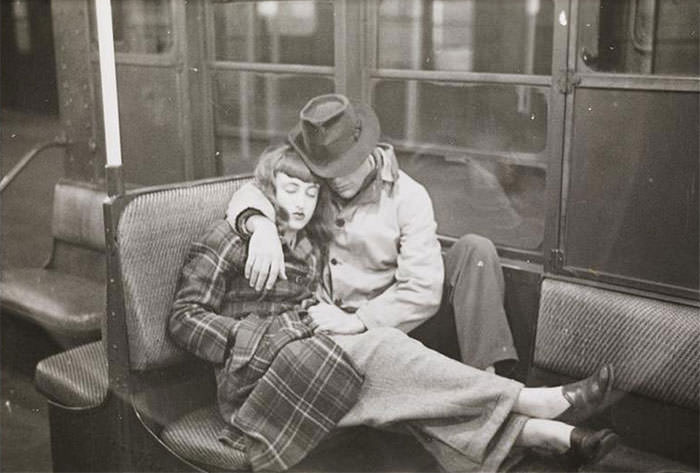
A couple sleeping in a subway car, 1940s.
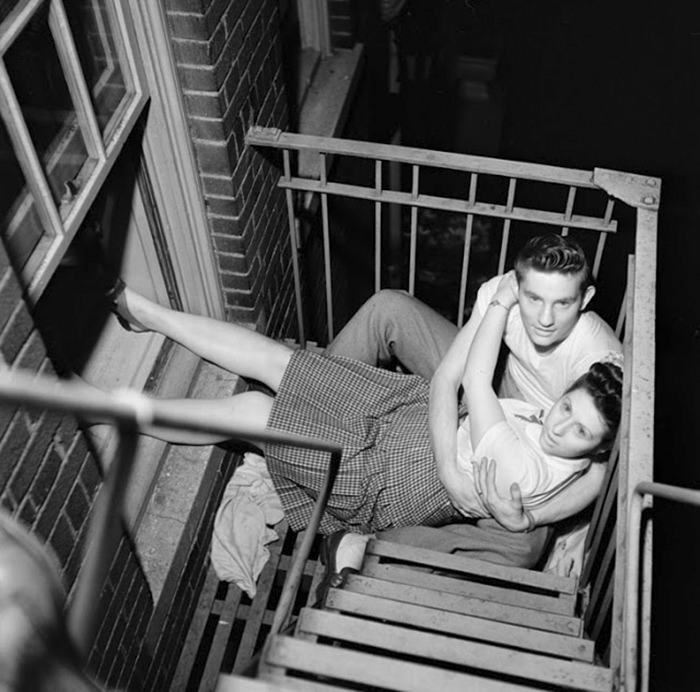
A couple, 1940.
A couple, 1940.

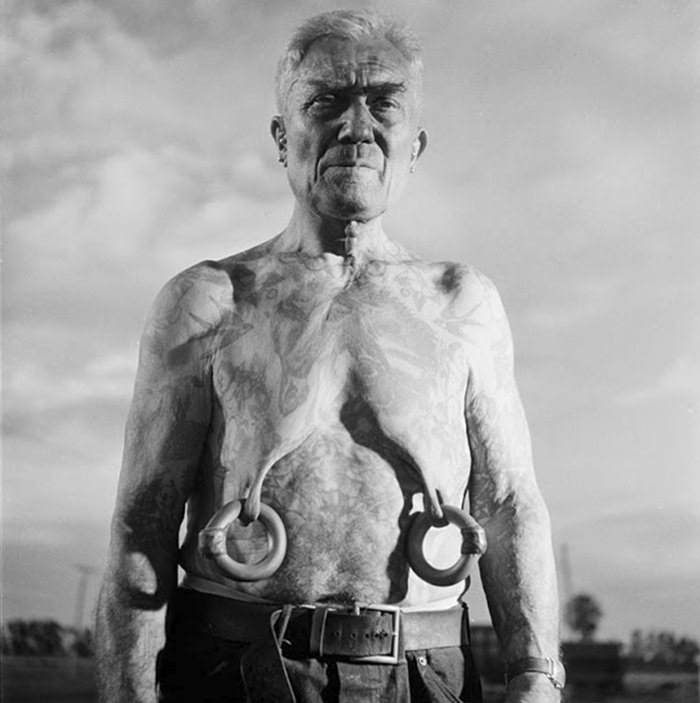
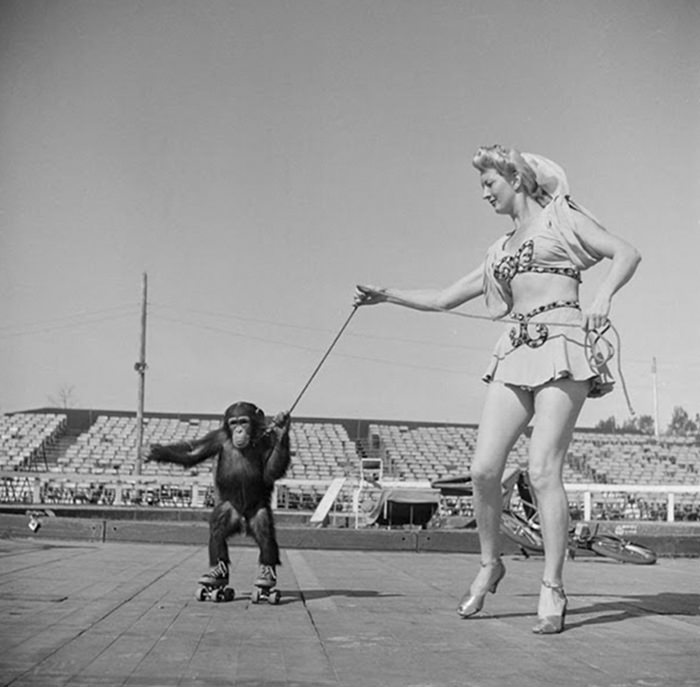
Kubrick wasn’t just shooting street scenes. He covered a wide range of assignments for Look, including performers, athletes, and public figures. In 1948, he photographed a high-wire act and circus sideshow performers, getting close enough to make the viewer feel the risk and spectacle firsthand.
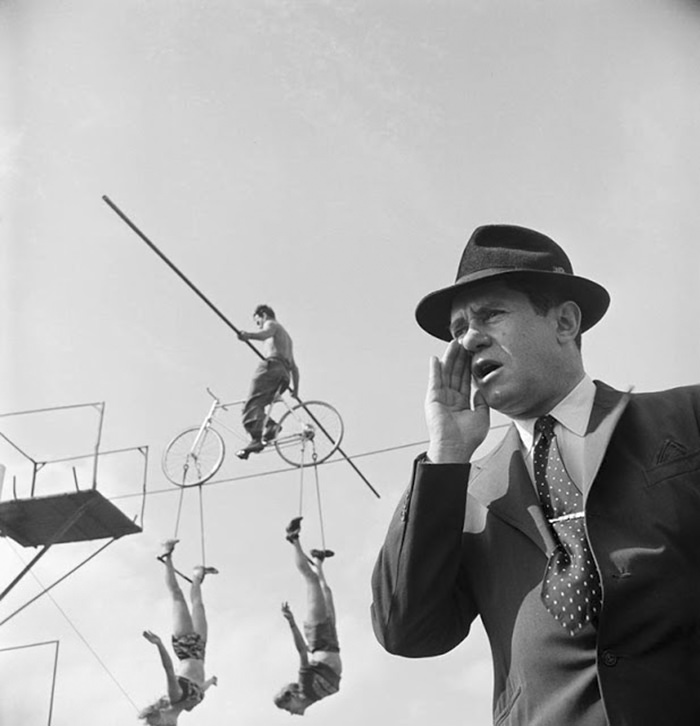
A high-wire act, 1948.
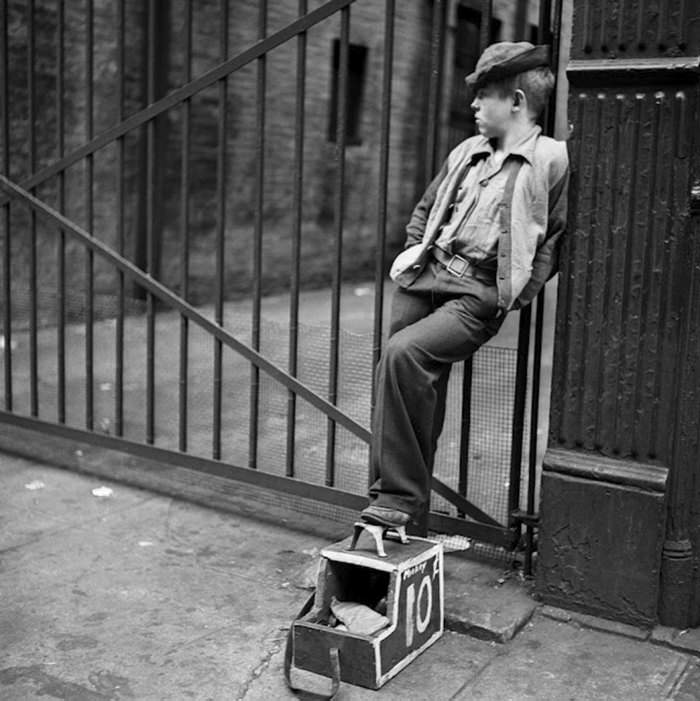
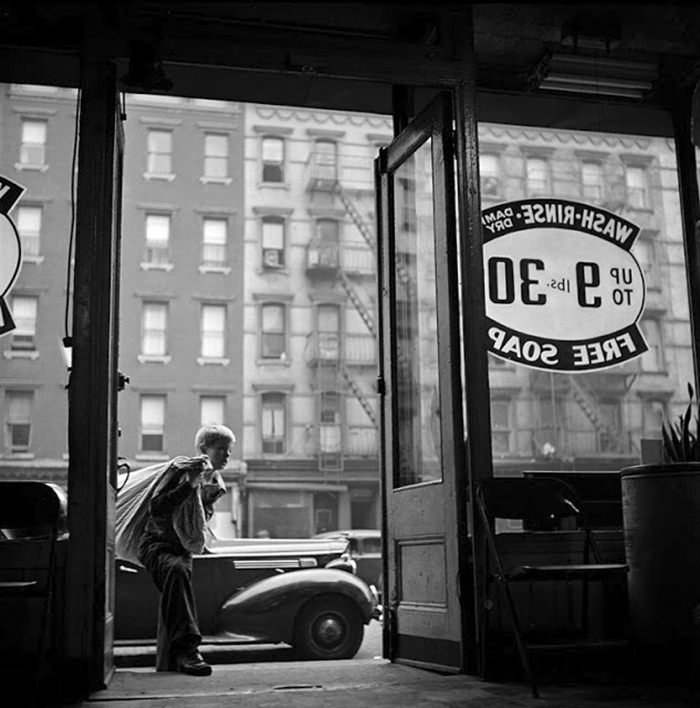
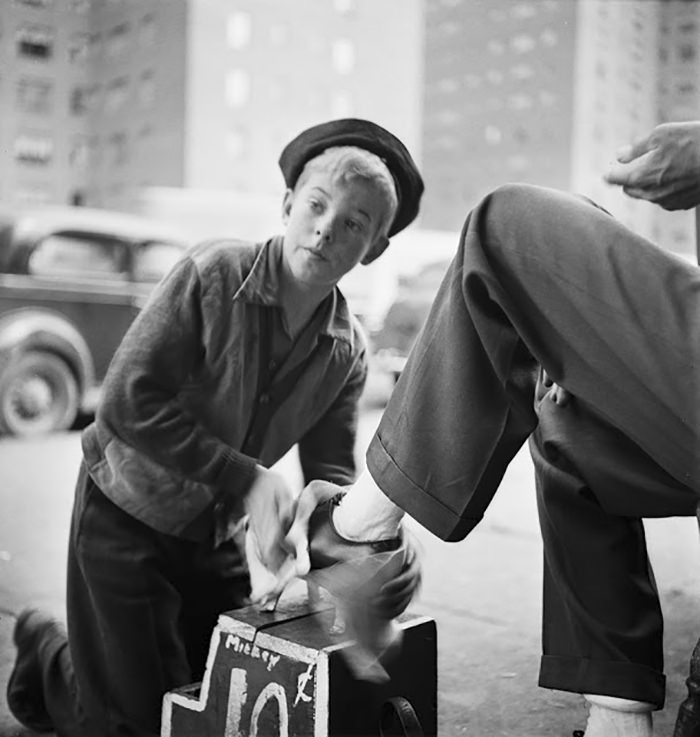
A shoe shine boy, 1940.

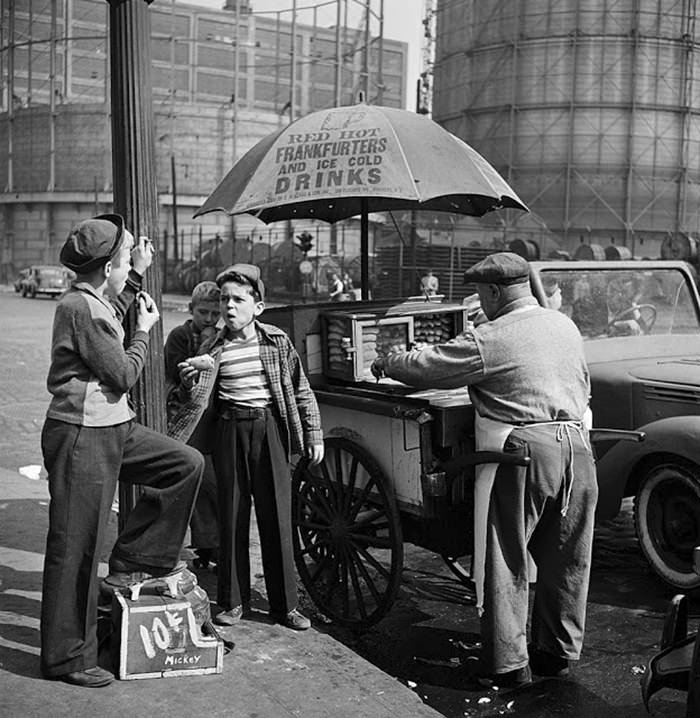
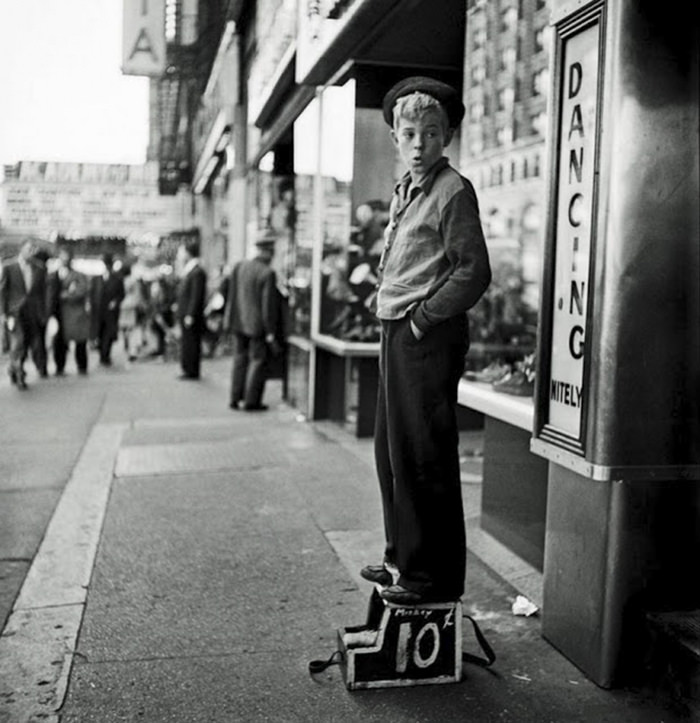
Some of his most recurring subjects were shoe shine boys — young workers stationed on corners and stoops across the city. Kubrick photographed them repeatedly between 1940 and 1947, documenting their faces, their routines, and the way they occupied their small patch of the city. One portrait, simply titled “Mickey,” shows a single boy with a directness that makes it feel more like a formal portrait than a street photo.
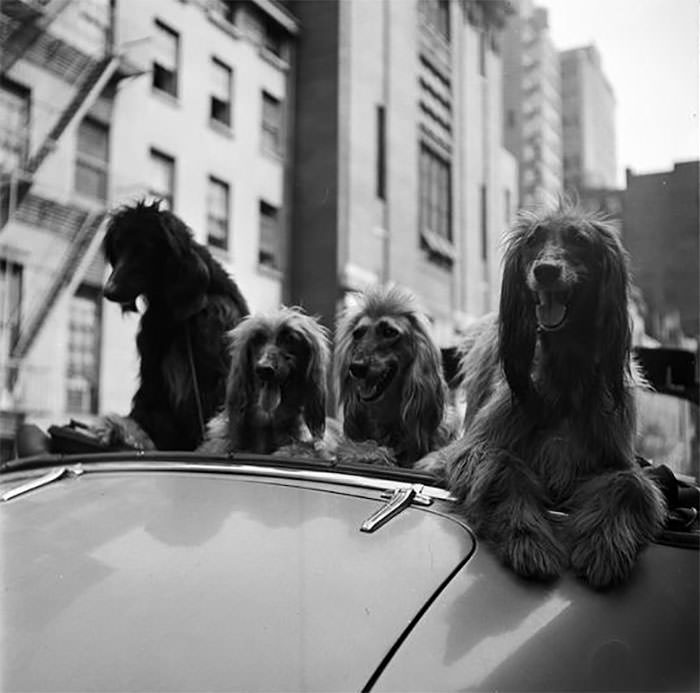
Dogs in a convertible, 1949.
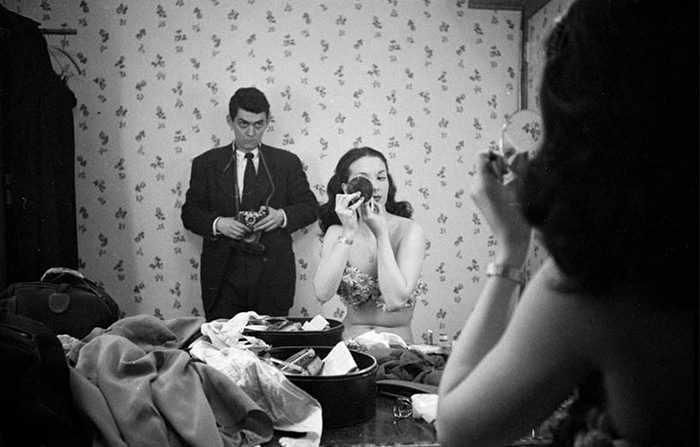
A self portrait with showgirl Rosemary Williams, 1948.

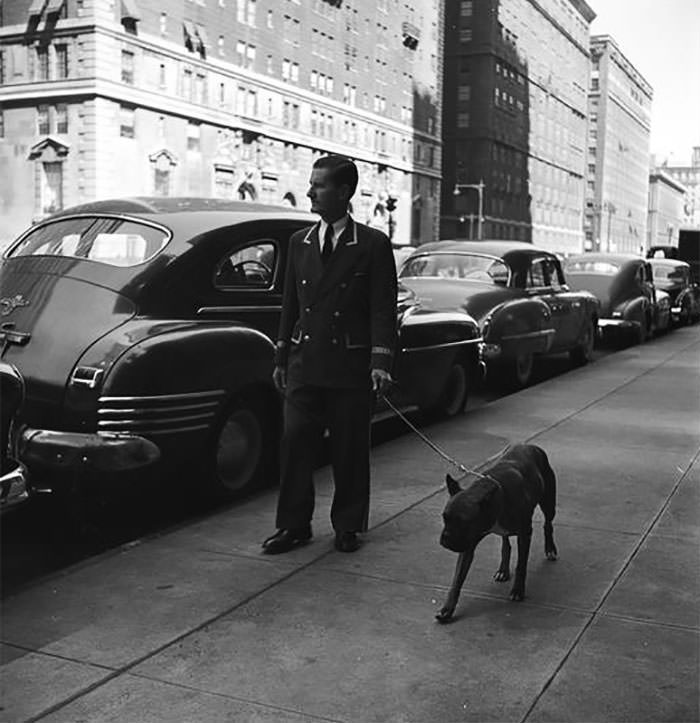
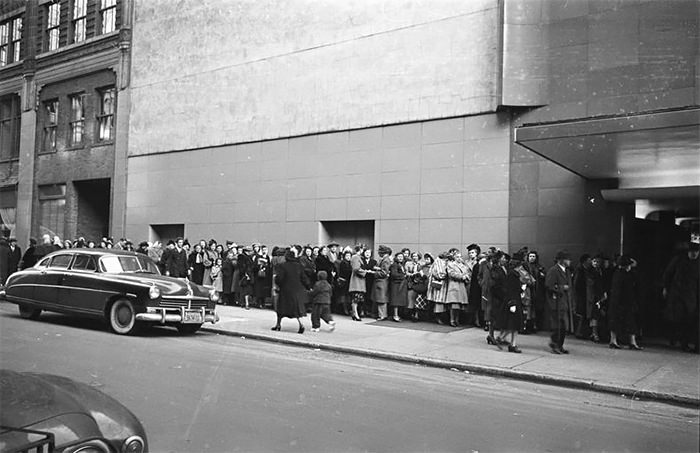
Kubrick also had a sharp eye for the city’s lighter moments. Dogs riding in convertibles, doormen walking their charges’ pets, audiences lining up outside radio show recordings — he found humor and humanity in equal measure. These weren’t throwaway shots. Each frame was composed with the same attention he gave to harder, more dramatic subjects.
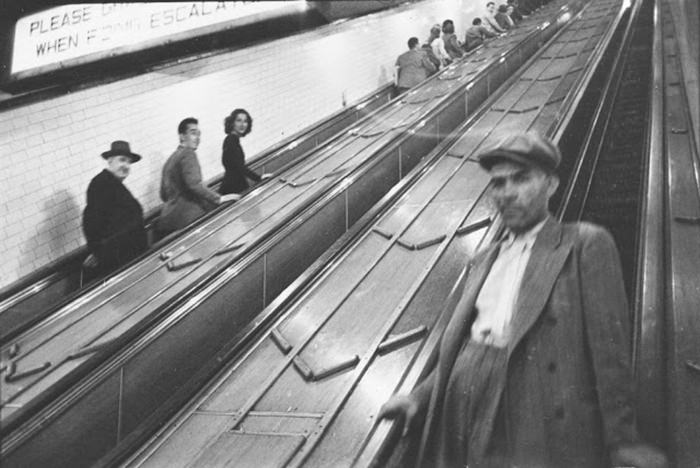
People on escalators in a subway station, 1940.
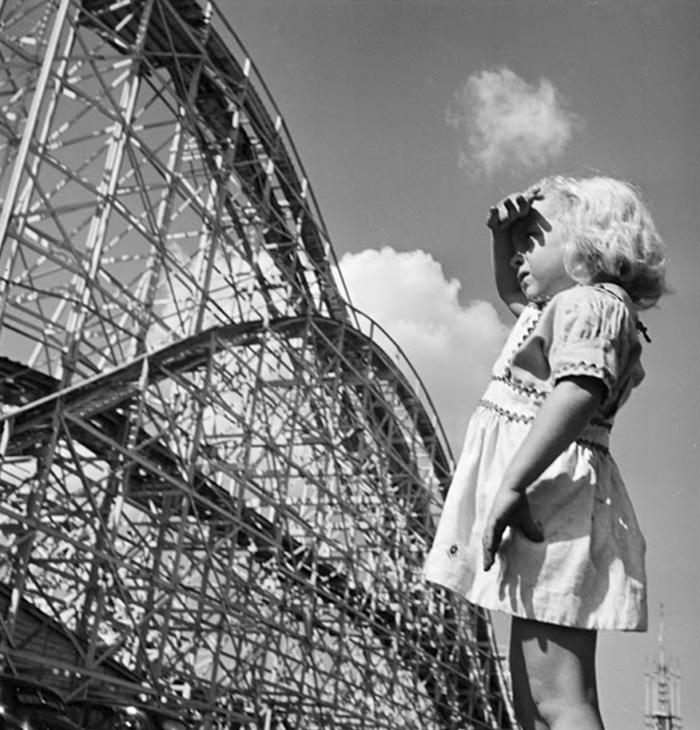
A young girl at Palisades Amusement Park, 1946.
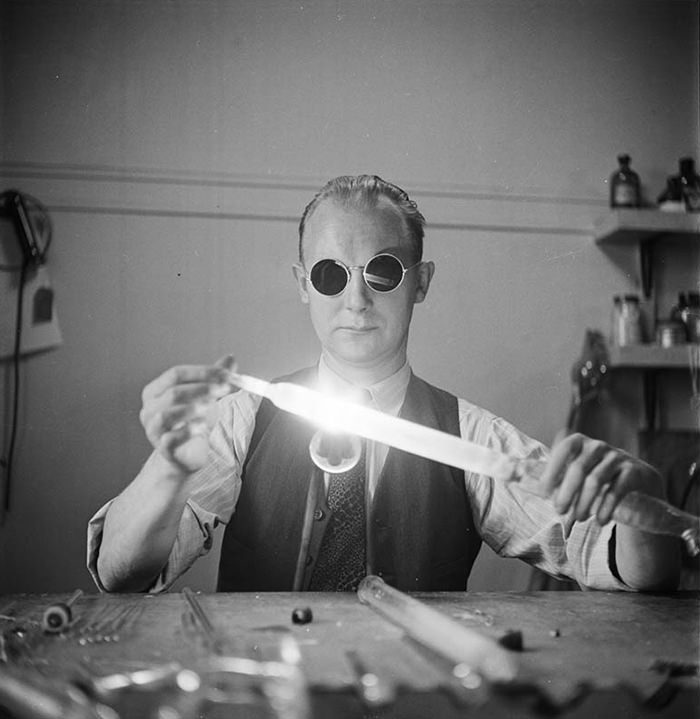
A laboratory at Columbia University, 1948.

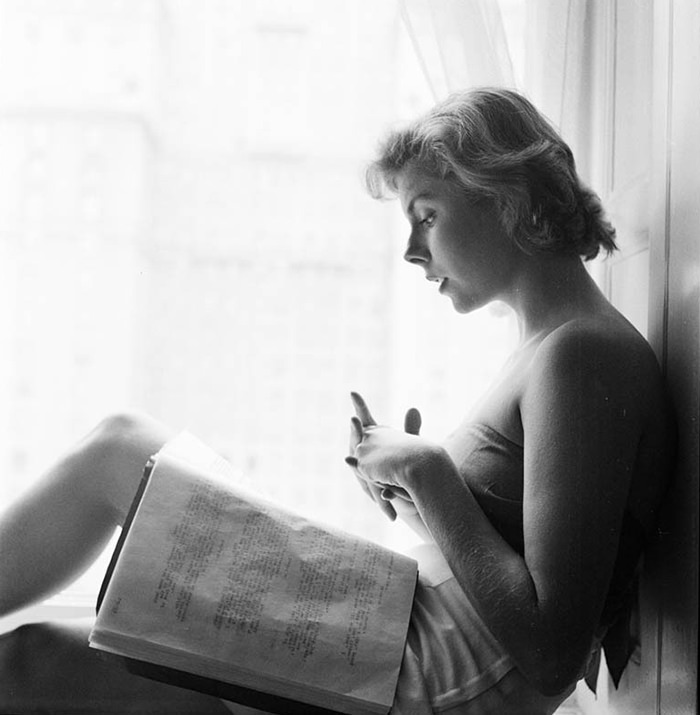
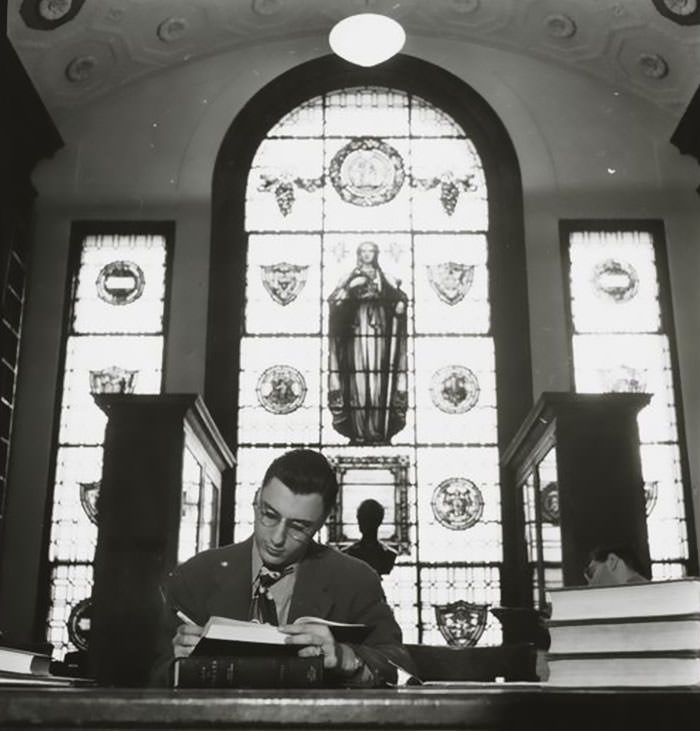
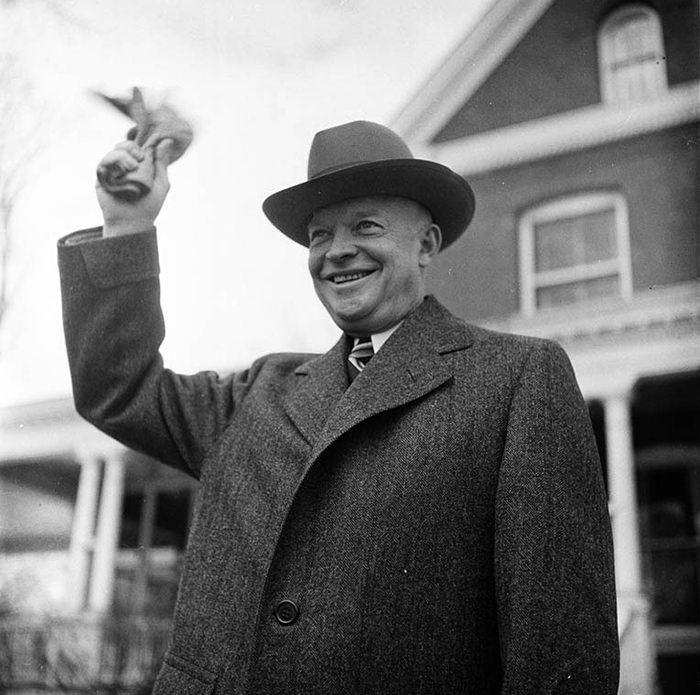
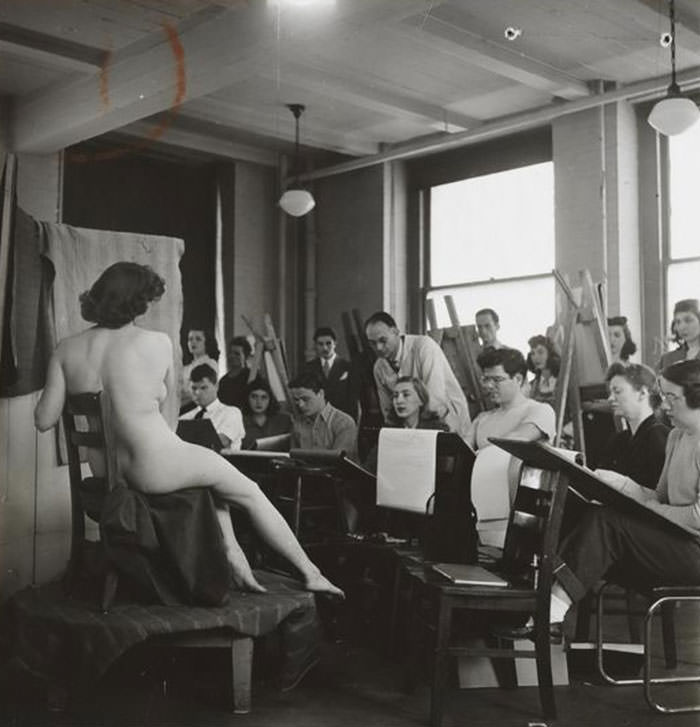
Columbia University appears several times in his work from 1948. That year, General Dwight D. Eisenhower had just become the university’s president, and Kubrick was there to document it. He also photographed students in art classes drawing nude models, scientists in laboratories, and scholars bent over books in libraries — a cross-section of academic life rarely seen in popular press photography of the era.
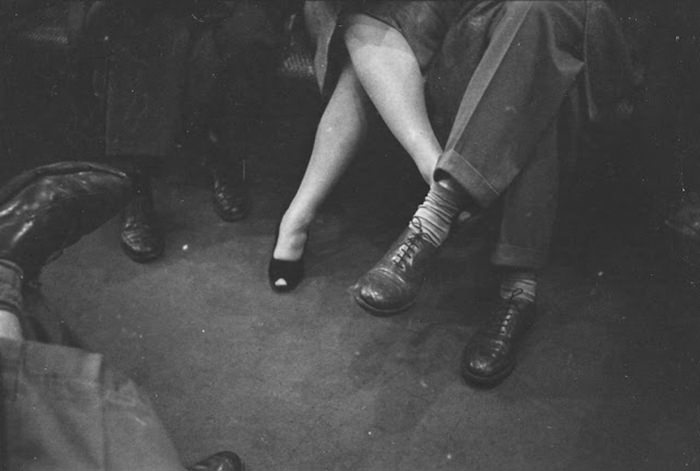
A couple playing footsies on a subway, 1946.
A shoe shine boy, 1940.
Betsy Von Furstenberg, 1949.

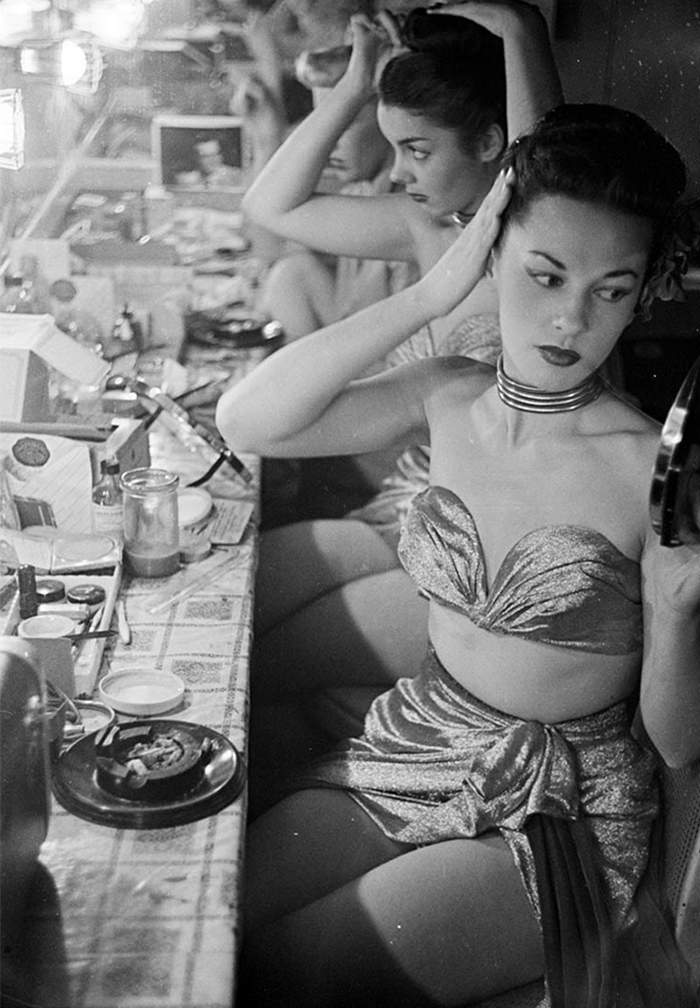
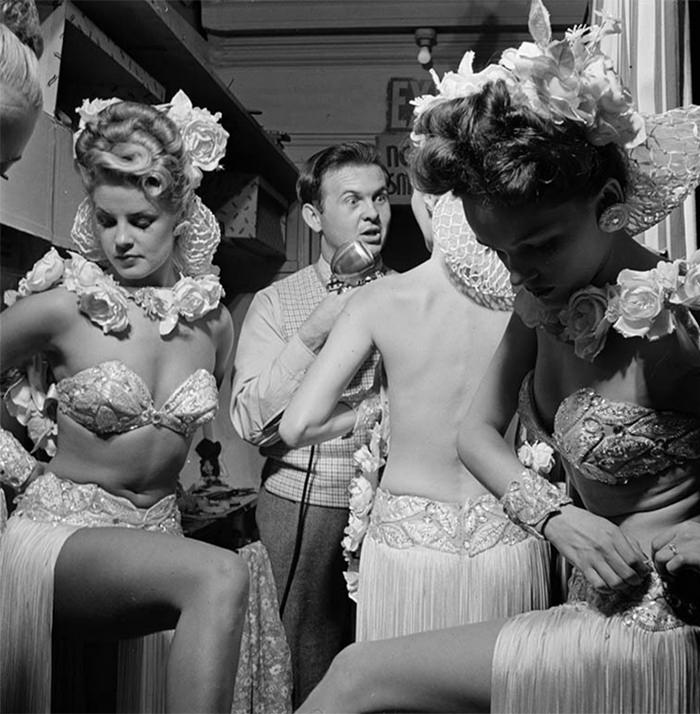
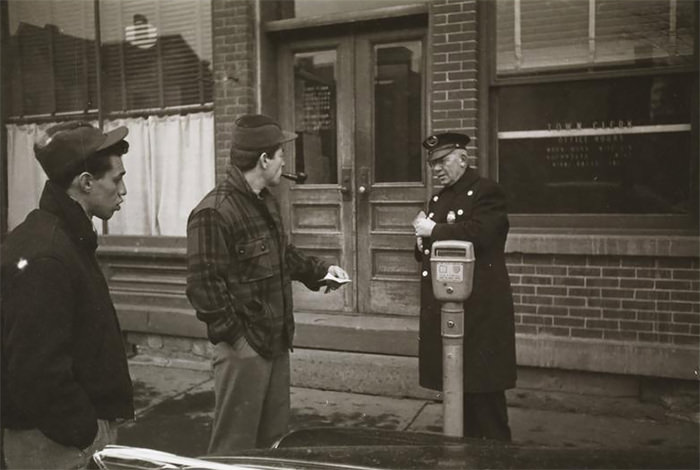
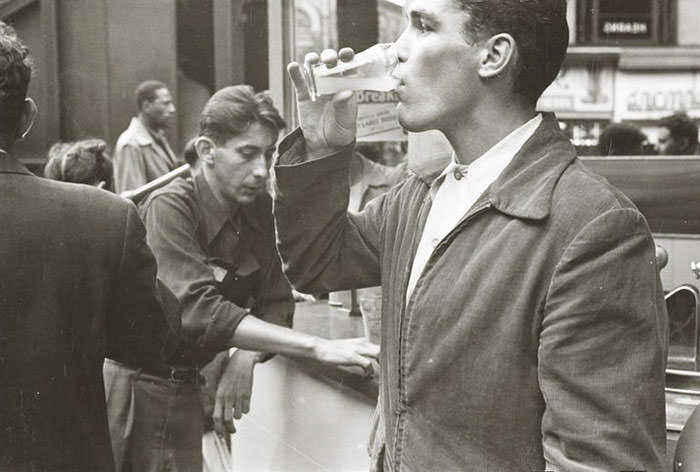
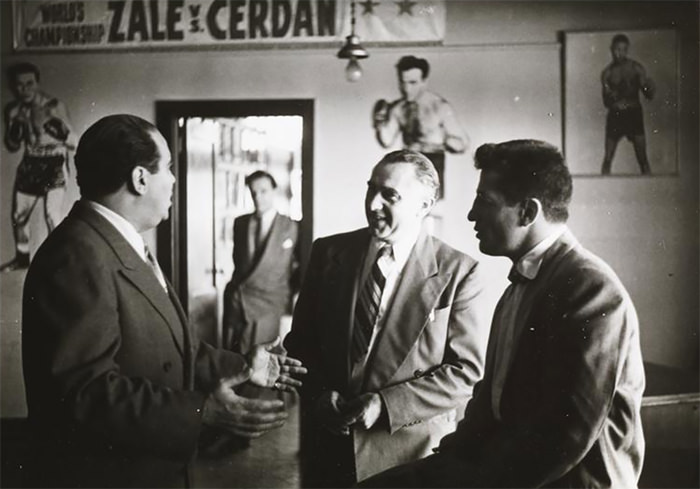
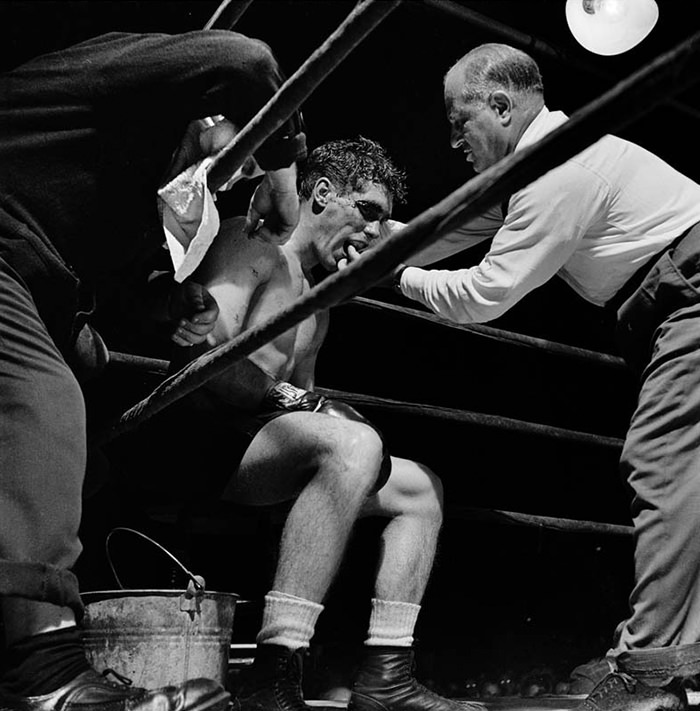
New York’s entertainment world was another beat Kubrick covered regularly. He photographed showgirls at the Copacabana Club, a men’s fashion show, and actress Betsy Von Furstenberg. He also documented boxer Walter Cartier and world middleweight champion Rocky Graziano — athletes whose careers he would follow with real investment. His 1951 short film “Day of the Fight” grew directly from his Look photo essay on Cartier.
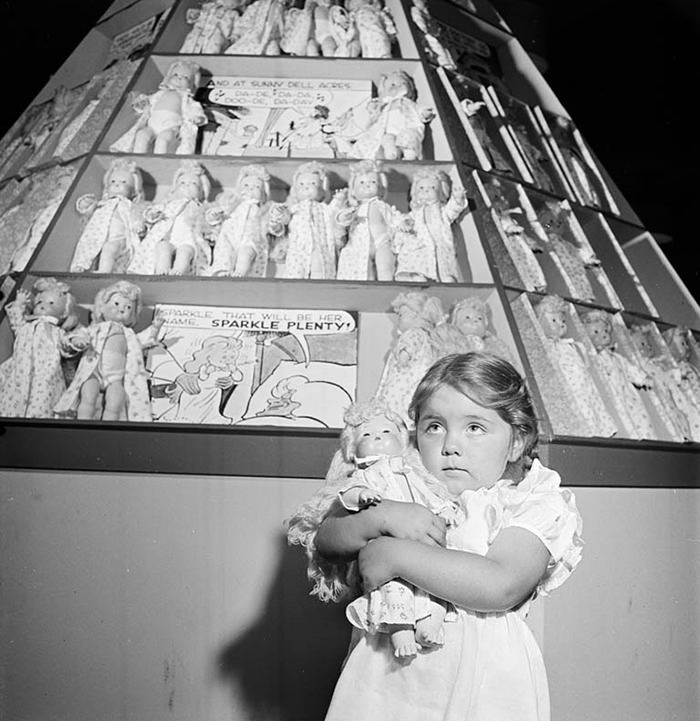
A girl with dolls, 1947.
Students drawing a nude model in an art class, 1948.
A circus side show performer, 1948.

Light and shadow defined Kubrick’s photographic style even at this early stage. He understood how a single source of light could transform an ordinary scene. The glow from a subway car window, the harsh daylight bouncing off a busy sidewalk, the dim warmth inside a restaurant booth — he used all of it deliberately, building contrast and depth the same way a cinematographer would.
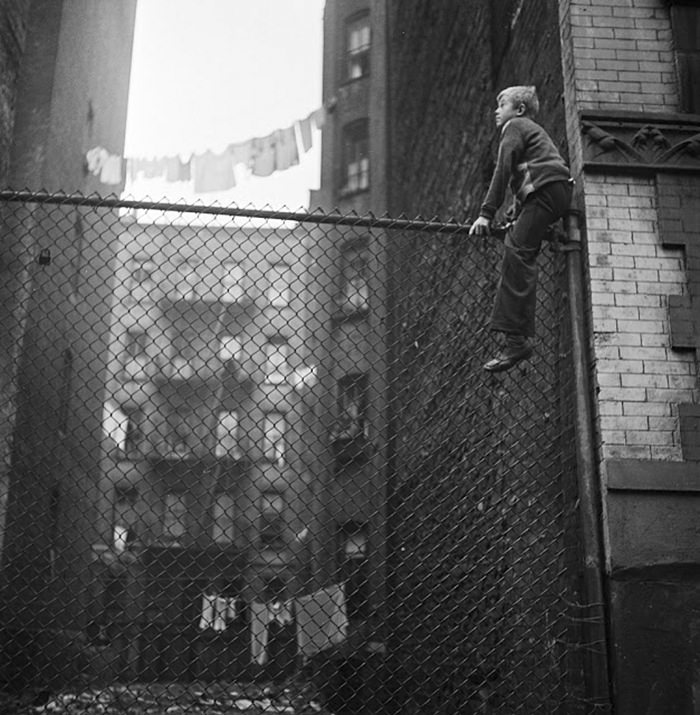
Shoe shine boys on a fence, 1947.
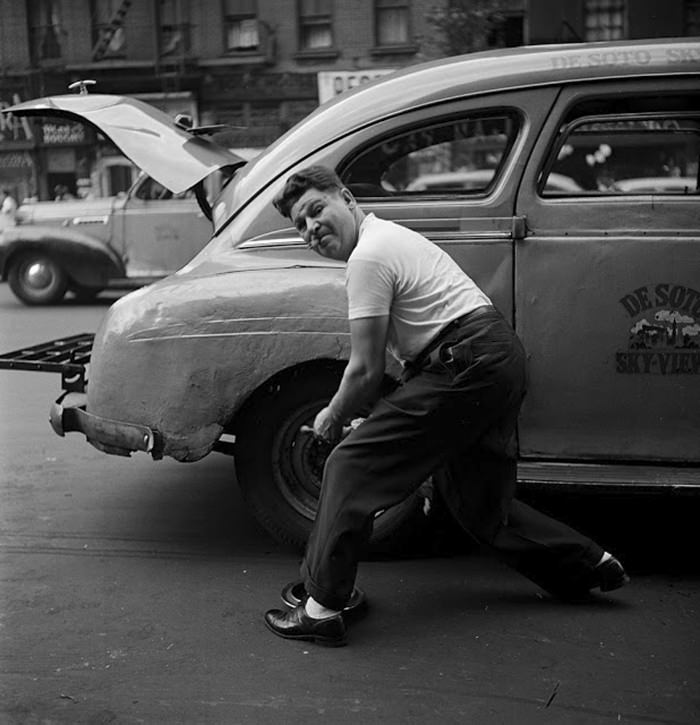
Changing a tire, 1946.
Showgirls at the Copacabana Club, 1948.

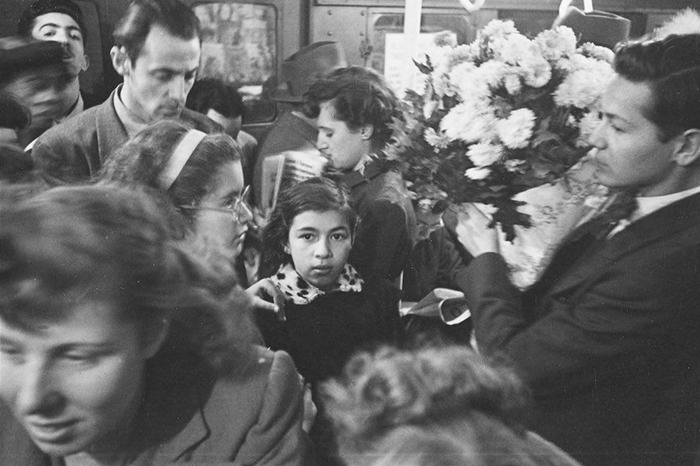
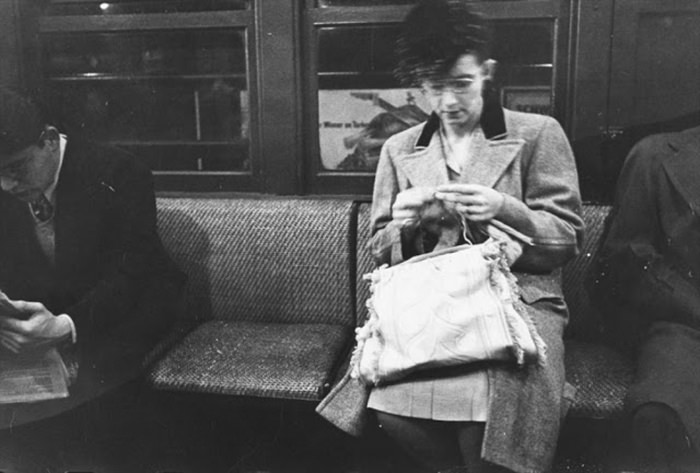
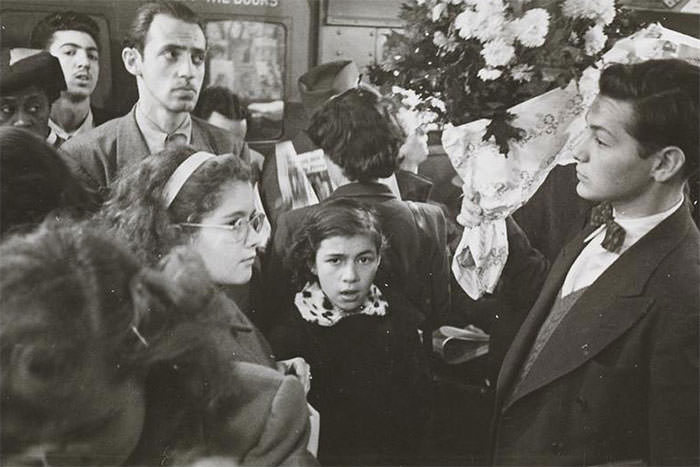
The people Kubrick photographed were not celebrities or symbols. They were New Yorkers — specific, ordinary, and real. A woman knitting on a subway car. A man carrying a bouquet of flowers through a packed train. A child staring at something just outside the camera’s frame. Kubrick gave each of them the same careful attention, treating the unremarkable as worthy of documentation.
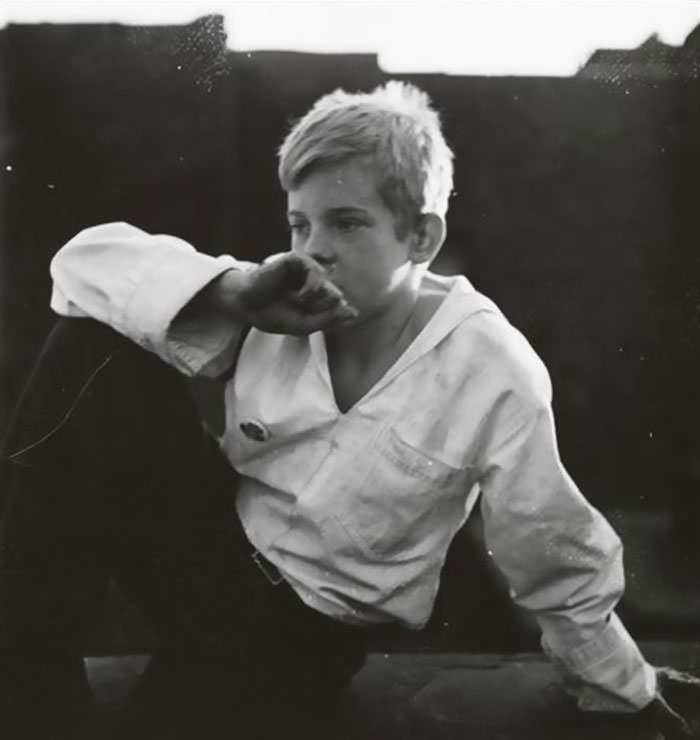
A portrait of Mickey, a shoe shine boy, 1947.
Men sleeping in a subway car, 1946.
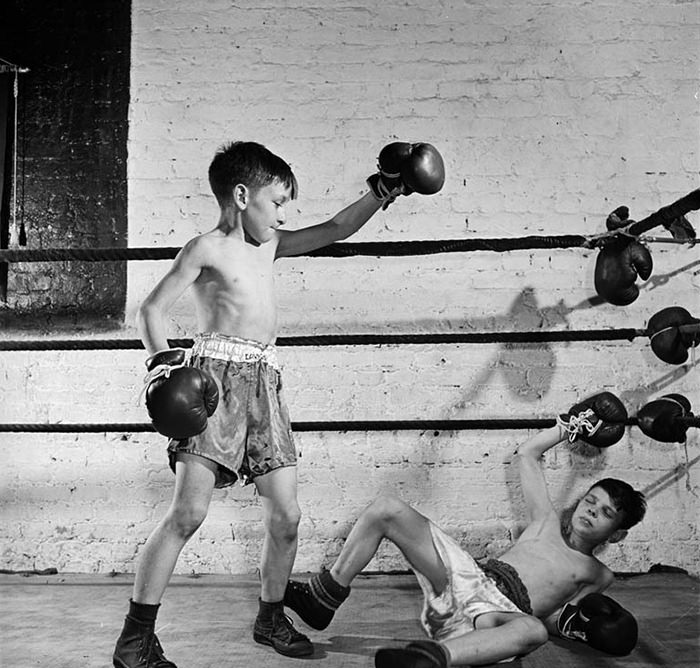
Police Athletic League boxing, 1946.
Passengers in a subway car, 1940s.
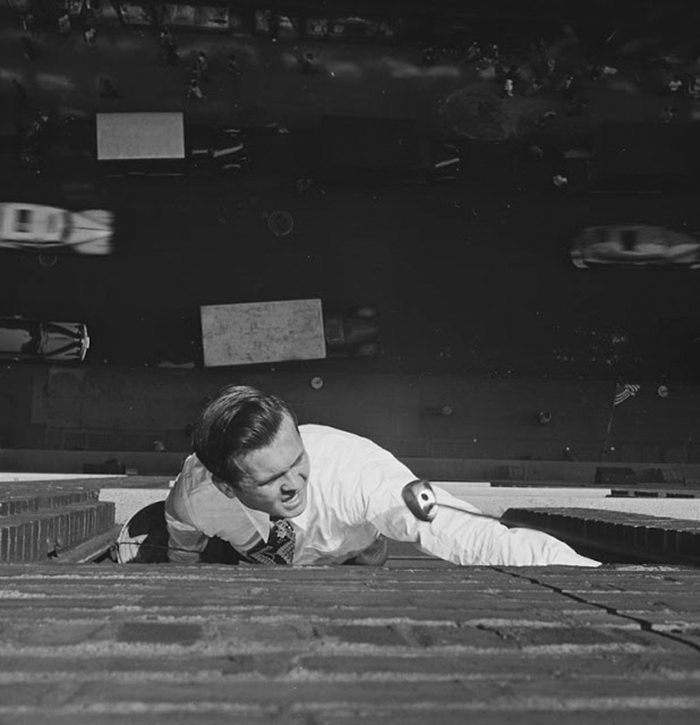
Johnny on the spot, 1946.
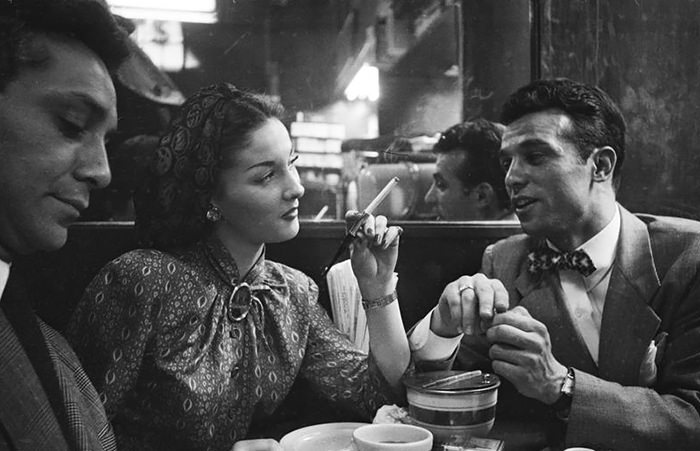
Rosemary Williams at a restaurant with two men.
A doorman walking a dog, 1949.
A shoe shine boy, 1940.
Women in a subway car, 1946.
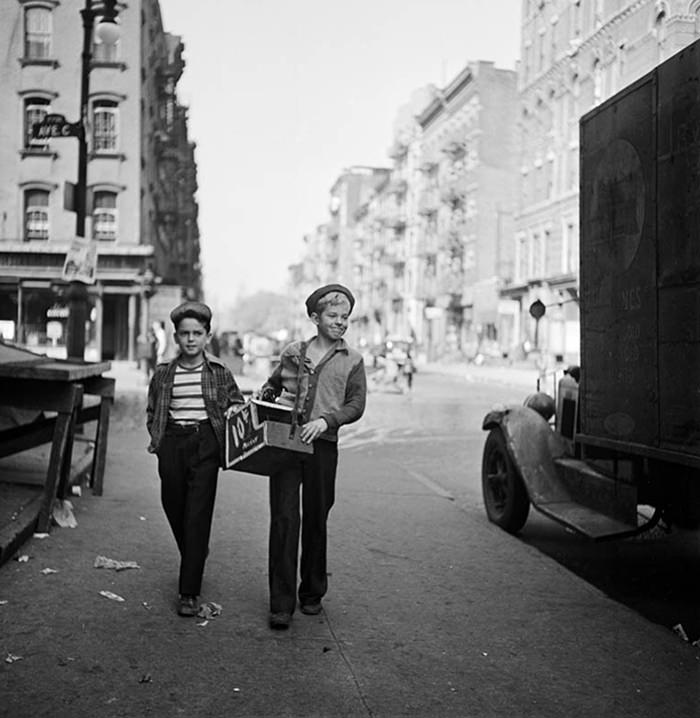
Shoe shine boys, 1947.
Girls, 1940.
Girls, 1940.
Passengers in a subway car, 1940s.
A man carrying flowers on a crowded subway, 1946.
Passengers reading in a subway car, 1946.
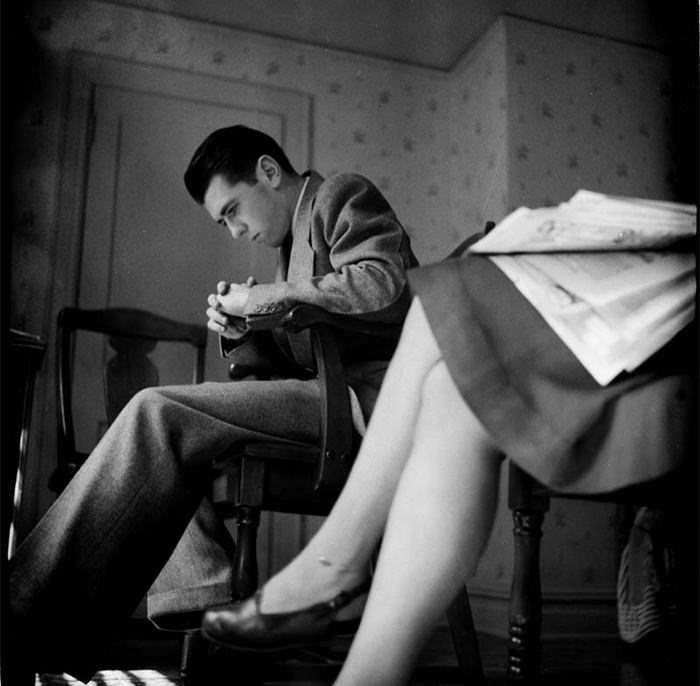
Waiting at the dentist's office.
Waiting at the dentist’s office.
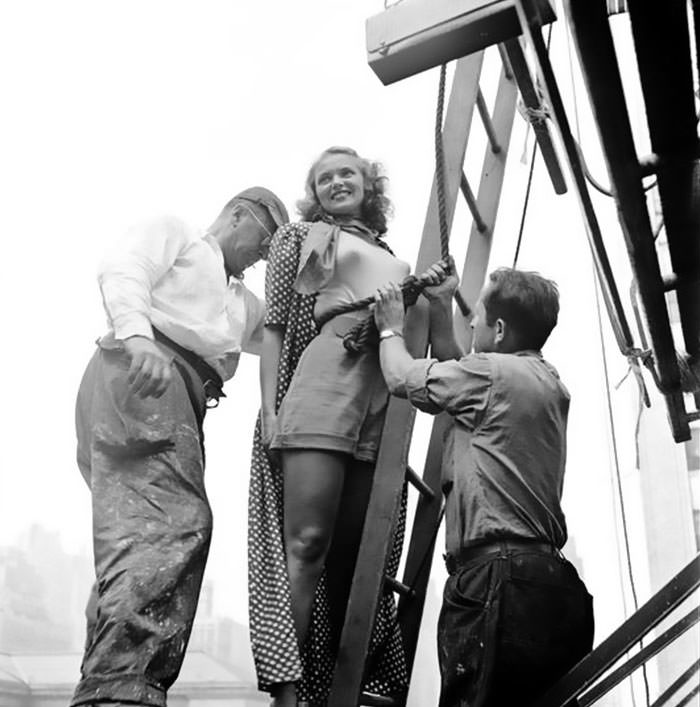
A painter tying rope around the model's waist, 1947.
A painter tying rope around the model’s waist, 1947.
A shoe shine boy, 1940.
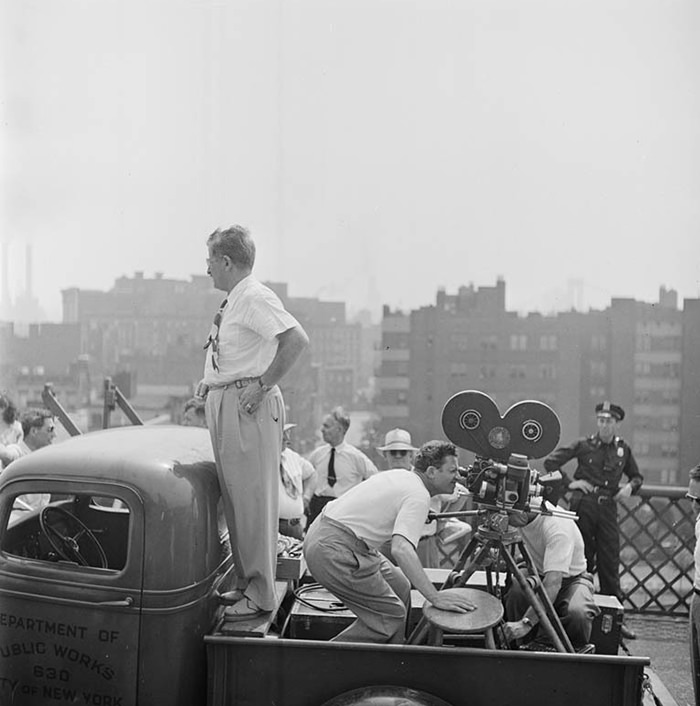
A film crew, 1947.
A film crew, 1947.
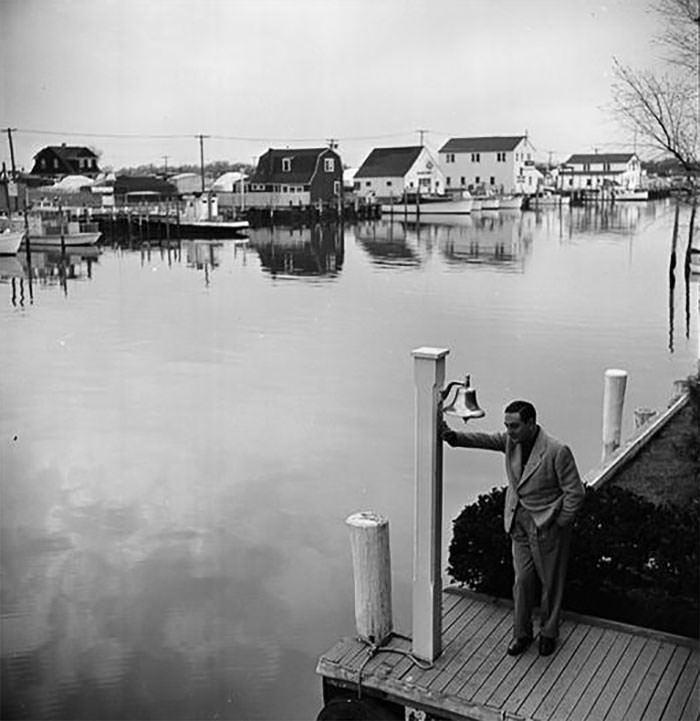
Guy Lombardo on a dock, 1940s.
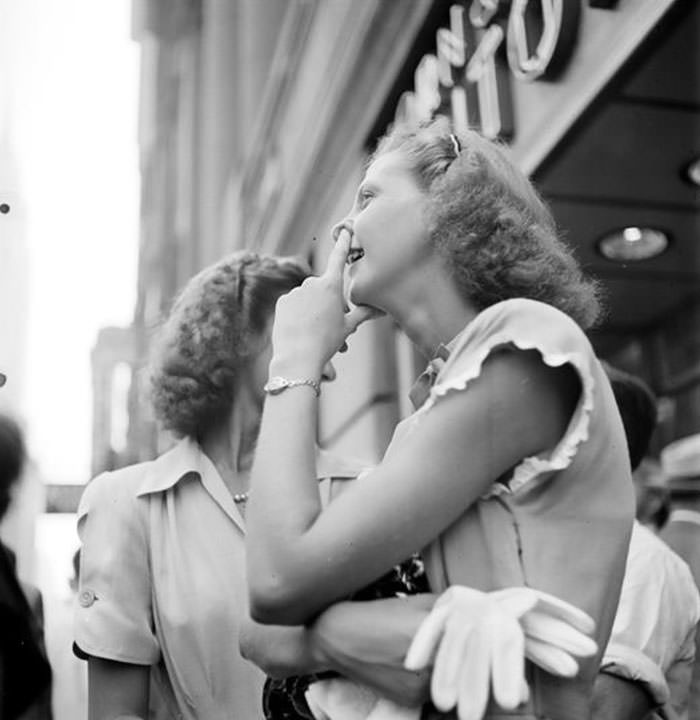
A woman watching a model being painted for a billboard, 1947.
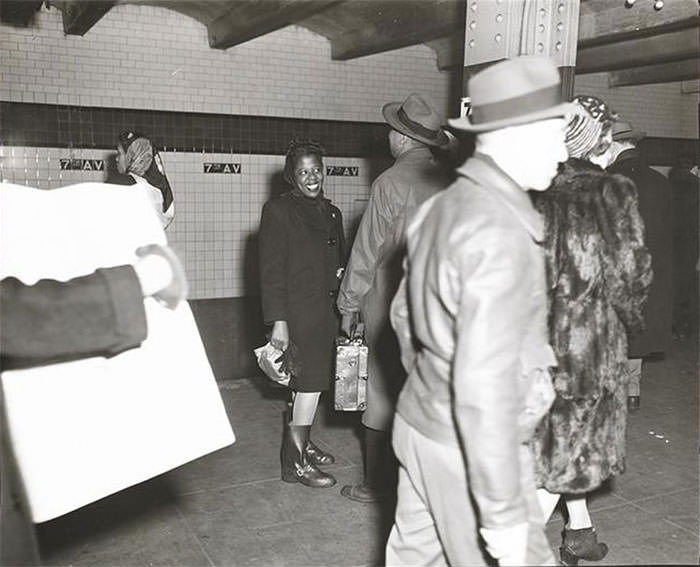
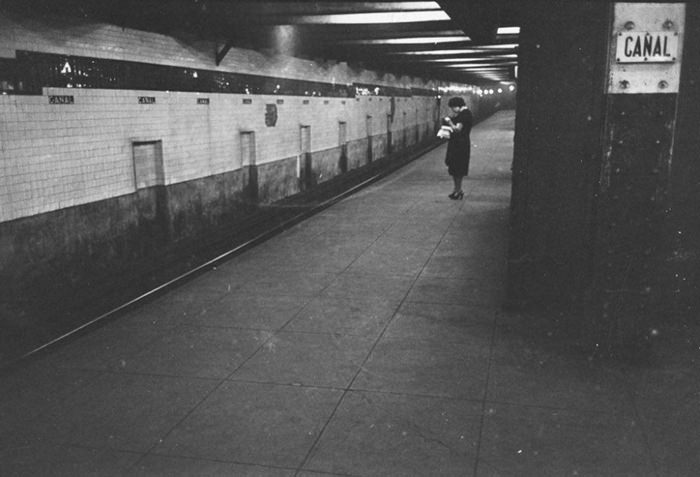
A woman waiting on a subway platform, 1940s.
Shoe shine boys, 1947.
A man studying in a library, 1948.
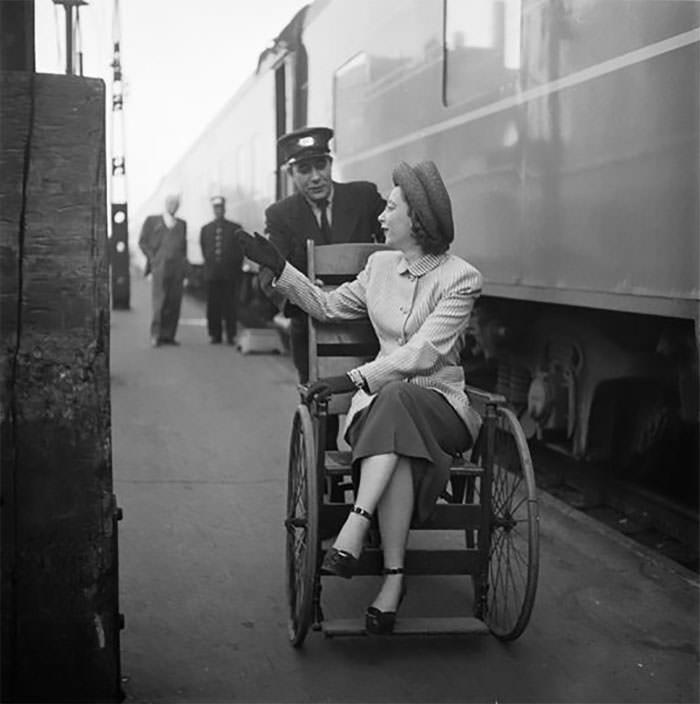
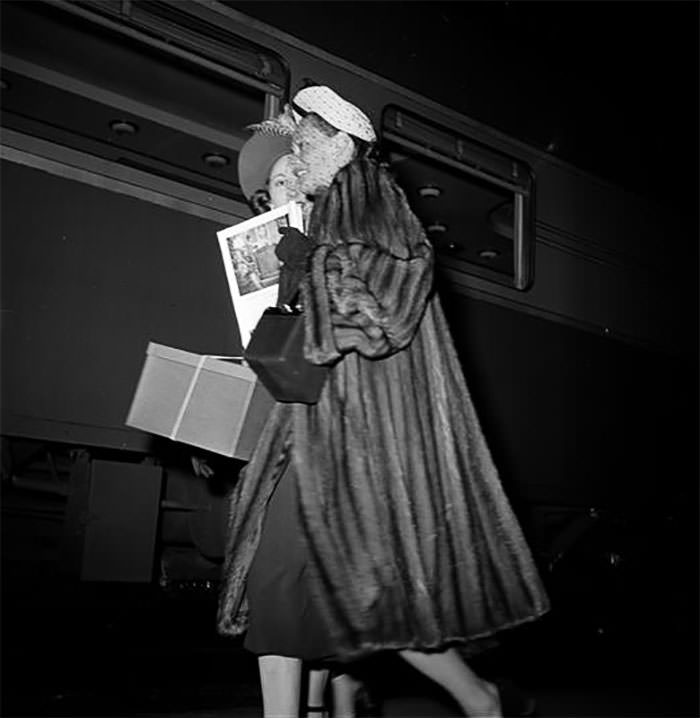
A woman on the train platform, 1948.
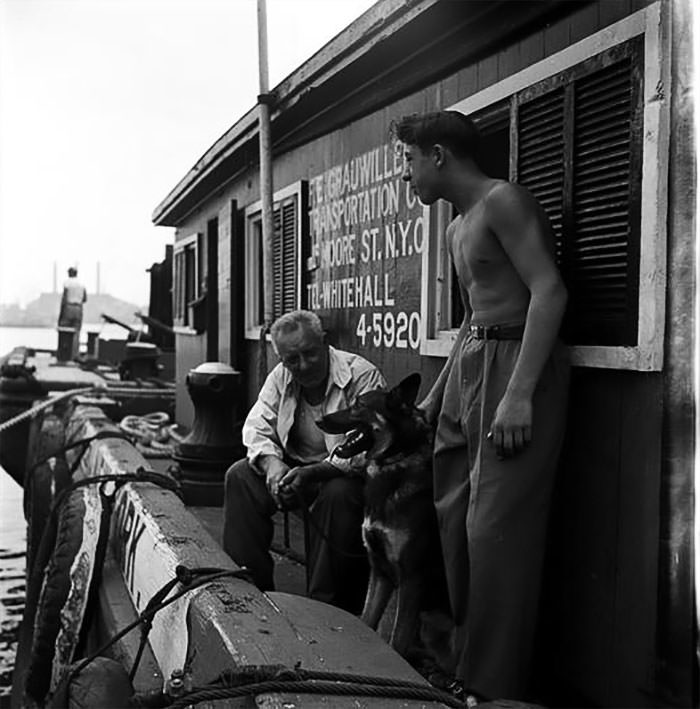
Men with a German Shepherd on a dock, 1949.
A woman waiting on a subway platform, 1946.
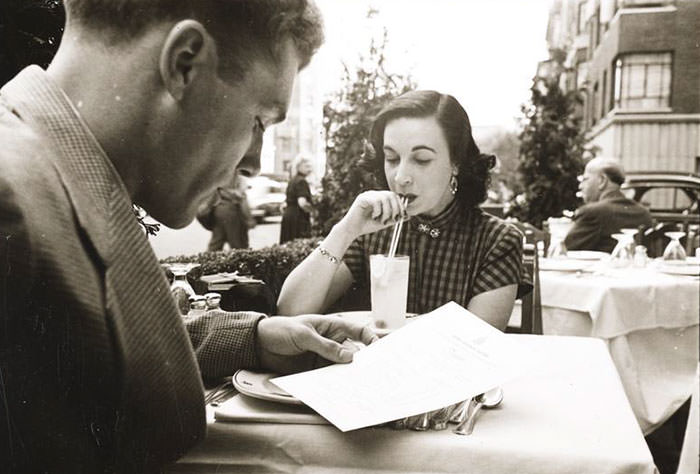
At an outdoor cafe with a woman, 1948.
Johnny Grant, 1946.
Johnny Grant, 1946.
General Dwight D. Eisenhower at Columbia University, 1948.
Passengers in a subway car, 1946.
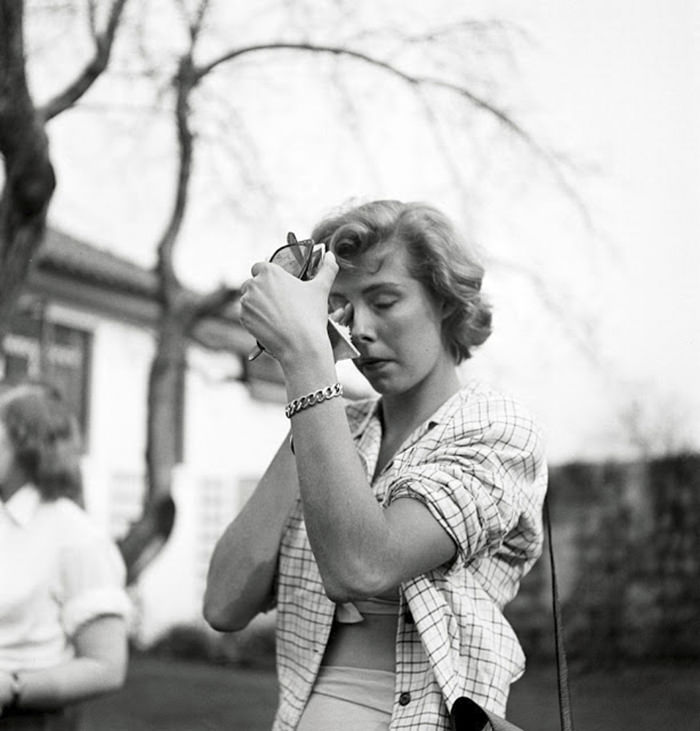
A girl with a mirror, 1940.
An audience waiting in line to get into a recording of "Grand Slam".
An audience waiting in line to get into a recording of “Grand Slam”.
A men's fashion show, 1948.
A men’s fashion show, 1948.
A woman knitting on a subway, 1946.
A couple in a subway car, 1940s.
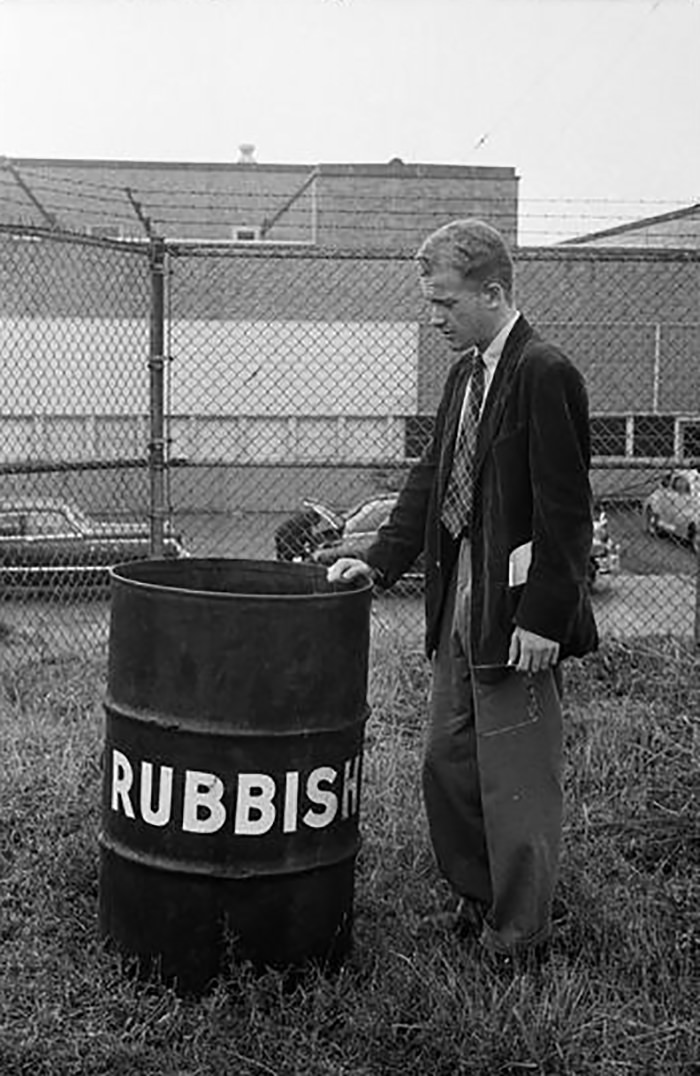
A man by a garbage can.
A circus woman with a rollerskating monkey, 1948.
Boxer Walter Cartier, 1948.
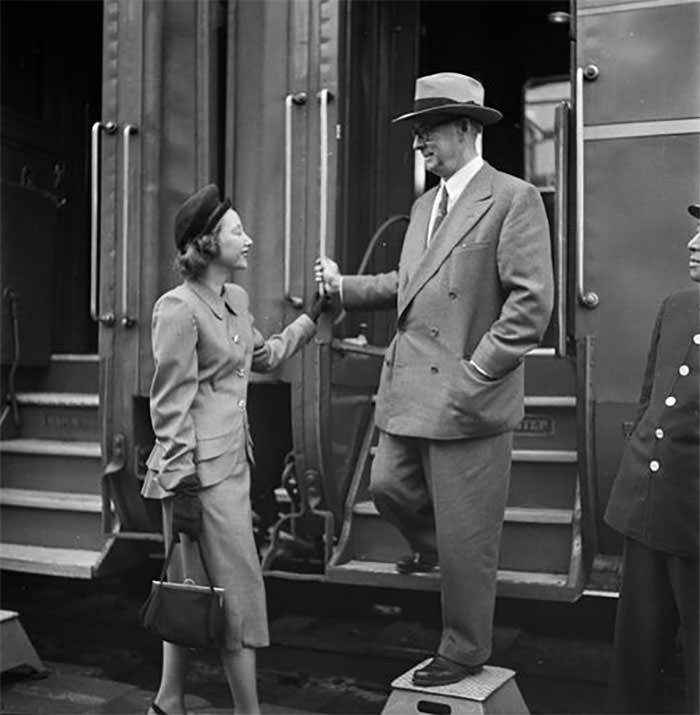
A man exiting a train, 1948.
Rocky Graziano talking to a policeman on a street.
Passengers in a subway car, 1946.
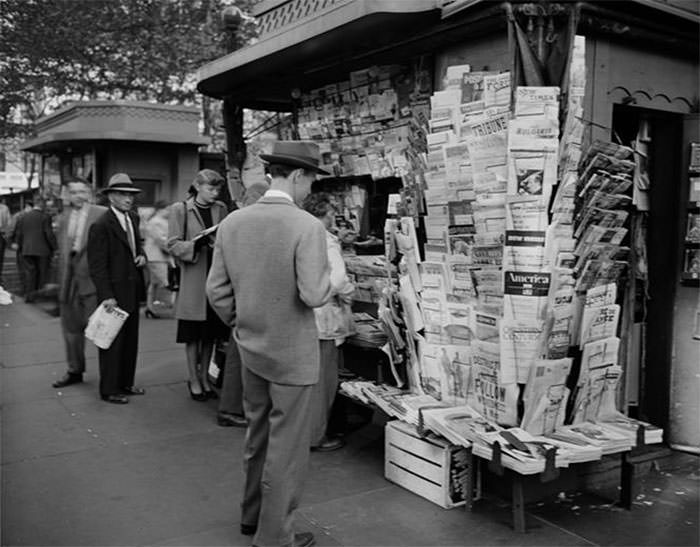
People browsing through magazine racks at a busy sidewalk newsstand, 1947.
Walter Cartier drinking a beverage, 1948.
Passengers in a subway car, 1946.
Rocky Graziano with two men by a sign for the Middleweight Championship fight between Tony Zale and Marcel Cerdan.
Women walking near the train, 1948.
Passengers in a subway car, 1946.
A man carrying flowers on a crowded subway, 1946.
Enjoyed this post? Get new ones in your inbox.

Leave a Comment

Your email address will not be published. Required fields are marked *

Share this Post 🥺

Please take a moment to share this content. Your support is greatly appreciated! 🙌🙏

Share this Post 🥺

Please take a moment to share this content. Your support is greatly appreciated! 🙌🙏
Scroll to Top
 
Hey Friend, Before You Go.. Please like & follow for more interesting content