Most photographs from early 20th-century China survive only in black and white. Serge Vargassoff’s work is a striking exception. A young Russian photographer who set up his studio in Peking — now Beijing — in the early 1900s, Vargassoff shot on glass slides that preserved vivid, full color. The results are unlike almost anything else from that era.
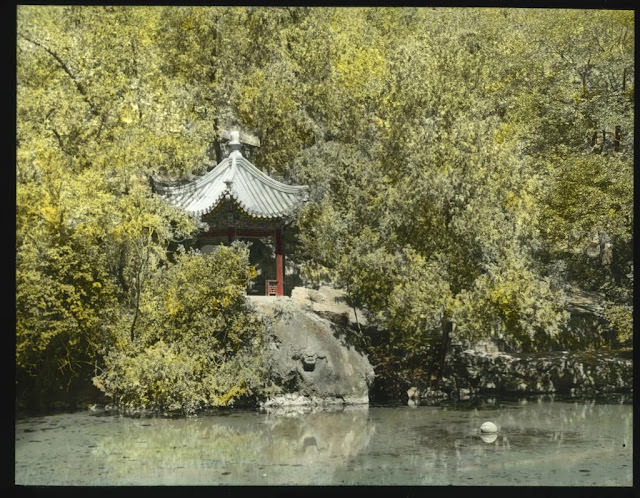
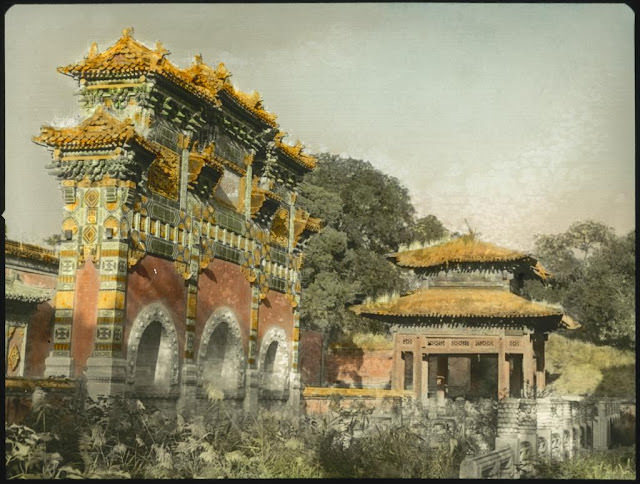
Vargassoff trained his lens on Beijing’s grand architecture — its parks, palaces, and ceremonial spaces. Beihai Park appears repeatedly in his catalog, showcasing structures that had stood for centuries.
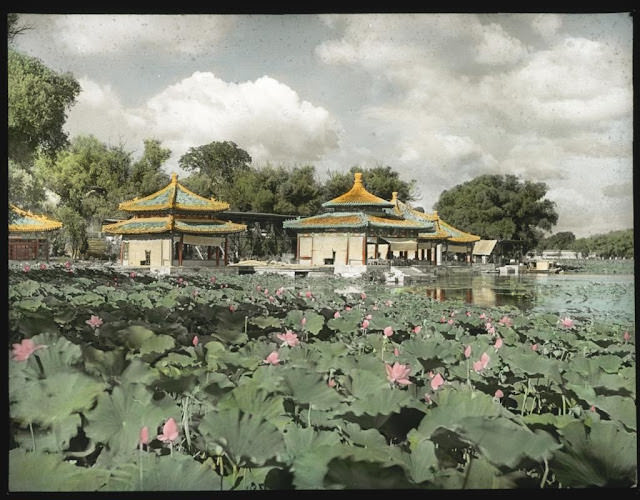
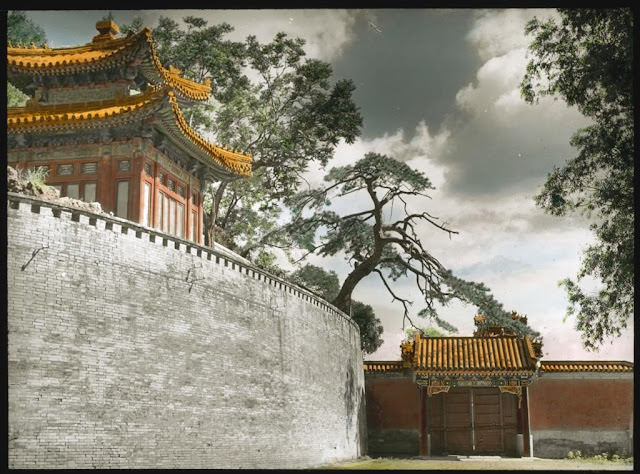
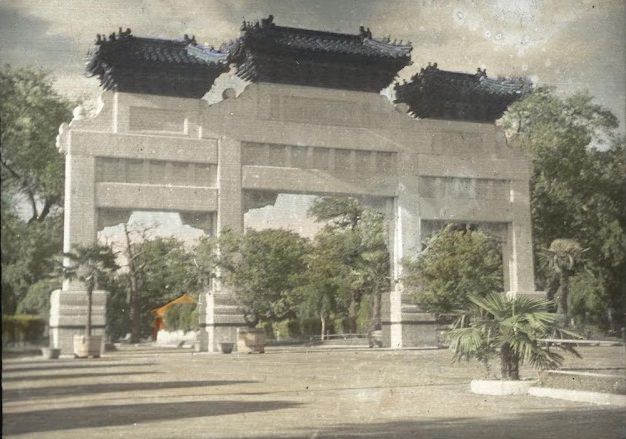
Beyond Beihai, he documented ceremonial gateways and public parks that defined Beijing’s urban layout during the Republican era.
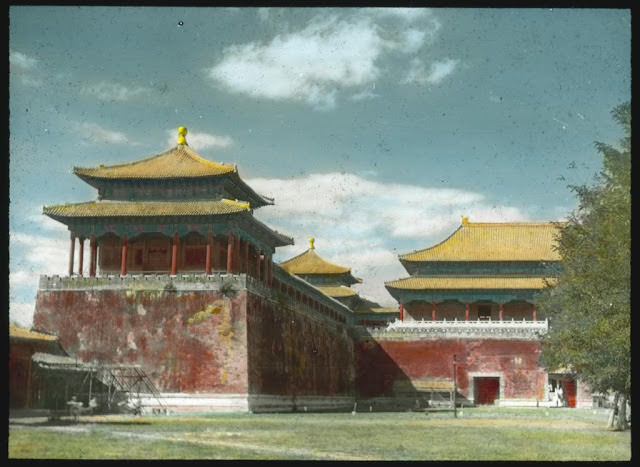
The Forbidden City also featured in his work. Its Meridian Gate, the grand southern entrance used by emperors for major ceremonies, stands as one of his most impressive architectural captures.
Vargassoff also photographed religious sites across the region, preserving temples that would face significant disruption in the decades ahead.
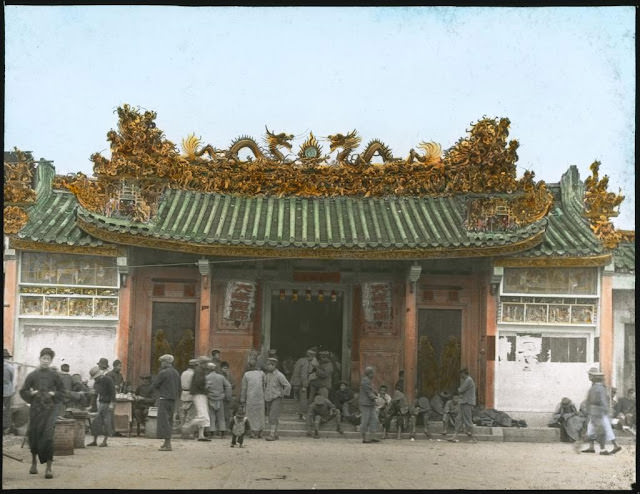
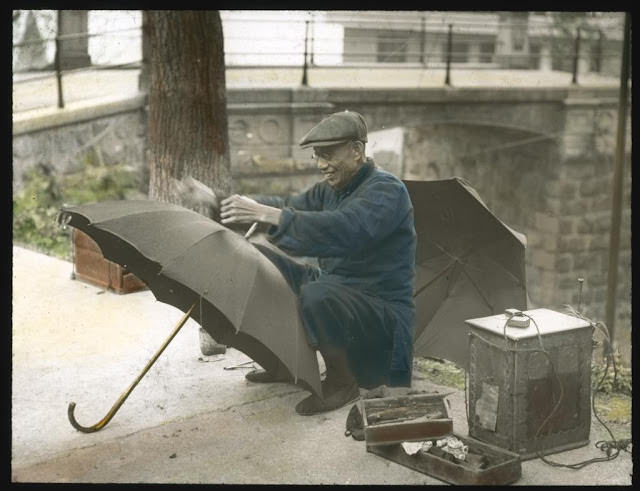
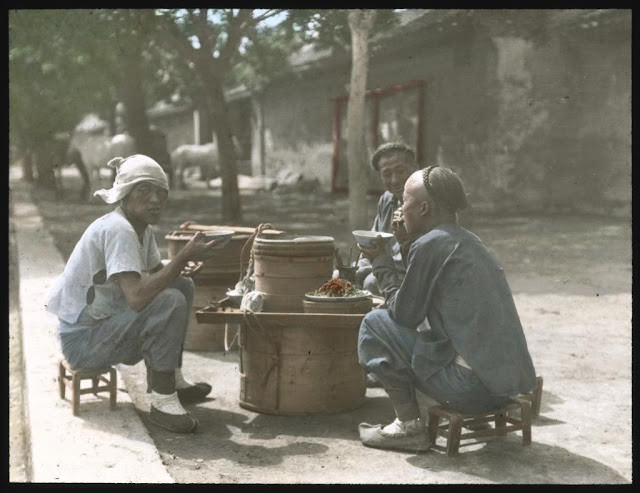
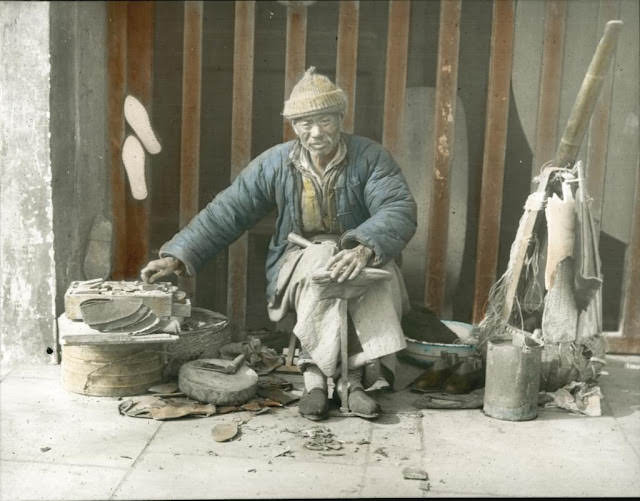
Street life was just as important to him as grand monuments. He documented the vendors, tradespeople, and routines that made up everyday Beijing — people who rarely appeared in formal photography of the time.
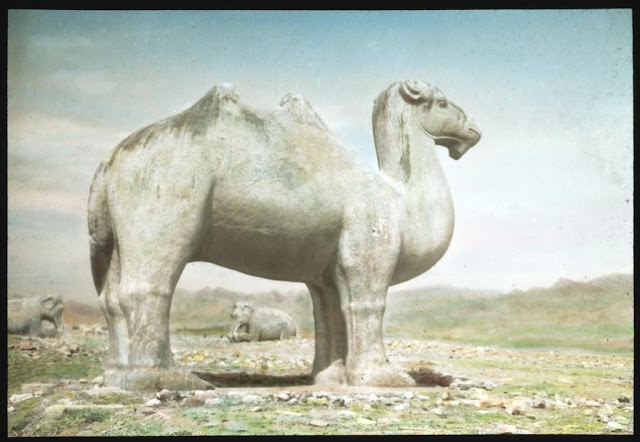
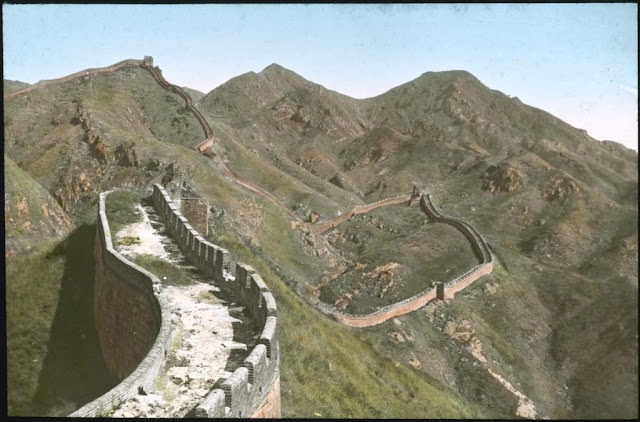
Outside the city, Vargassoff traveled to landmarks including the Ming Tombs and the Great Wall, recording sites of deep historical significance with the same careful eye he brought to urban scenes.
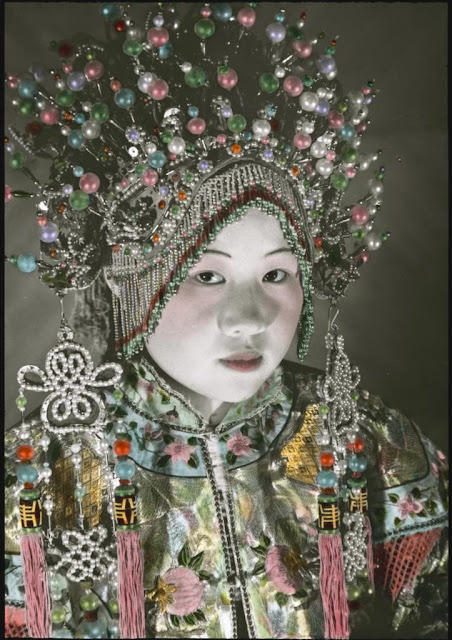
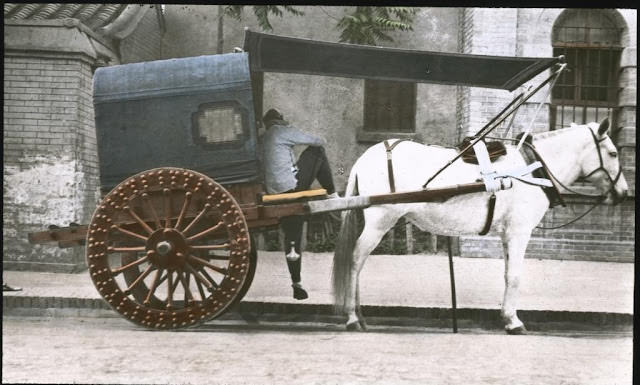
His portraits capture the diversity of Chinese society. A woman in an elaborate headdress, a man at his roadside shoe repair stall, and a horse-drawn carriage on a city street all appear side by side in his collection — traditional life continuing alongside rapid modernization.
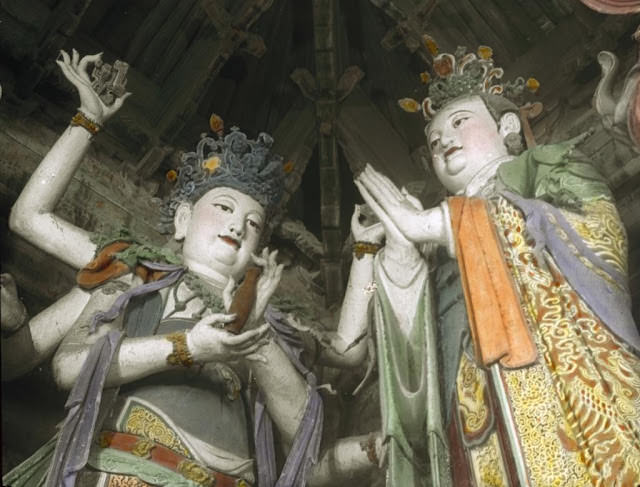
Among his most detailed work are the painted clay sculptures at Dahui Si, a Ming-dynasty temple in Beijing. These figures, rendered in brilliant color in his slides, show exactly why Vargassoff’s medium set his archive apart from the era’s typical photography.