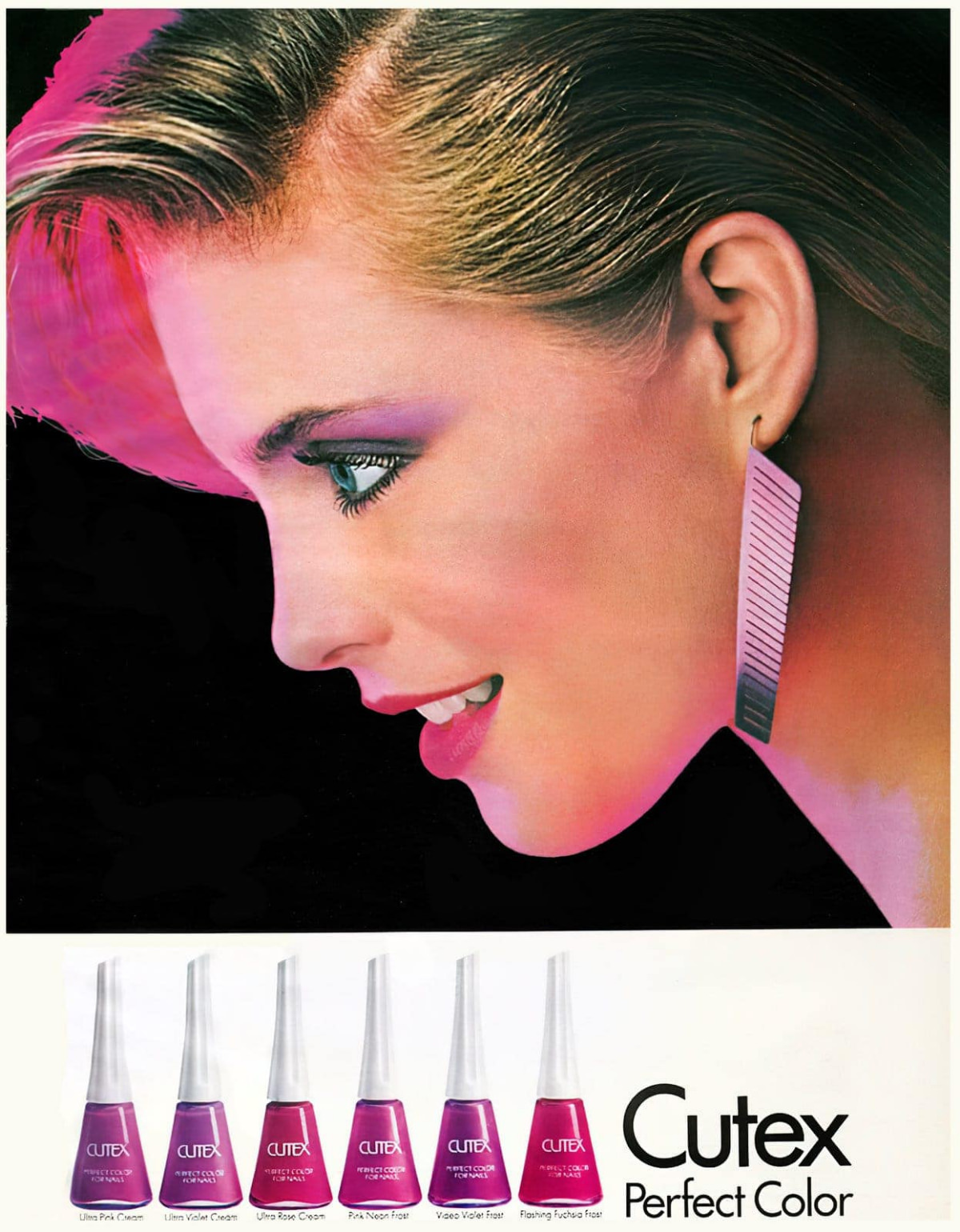
The 1980s were a bold decade for beauty, and nail polish was no exception. Brands competed fiercely for shelf space in drugstores and department stores, pushing out vivid colors, sheer finishes, and long-wear formulas that women hadn’t seen before. Ads from the era were just as dramatic as the polish itself — glossy, eye-catching, and drenched in the confidence that defined the decade’s style. One of the biggest names in the market was Cutex, which leaned into soft pinks and natural-looking shades early in the decade.
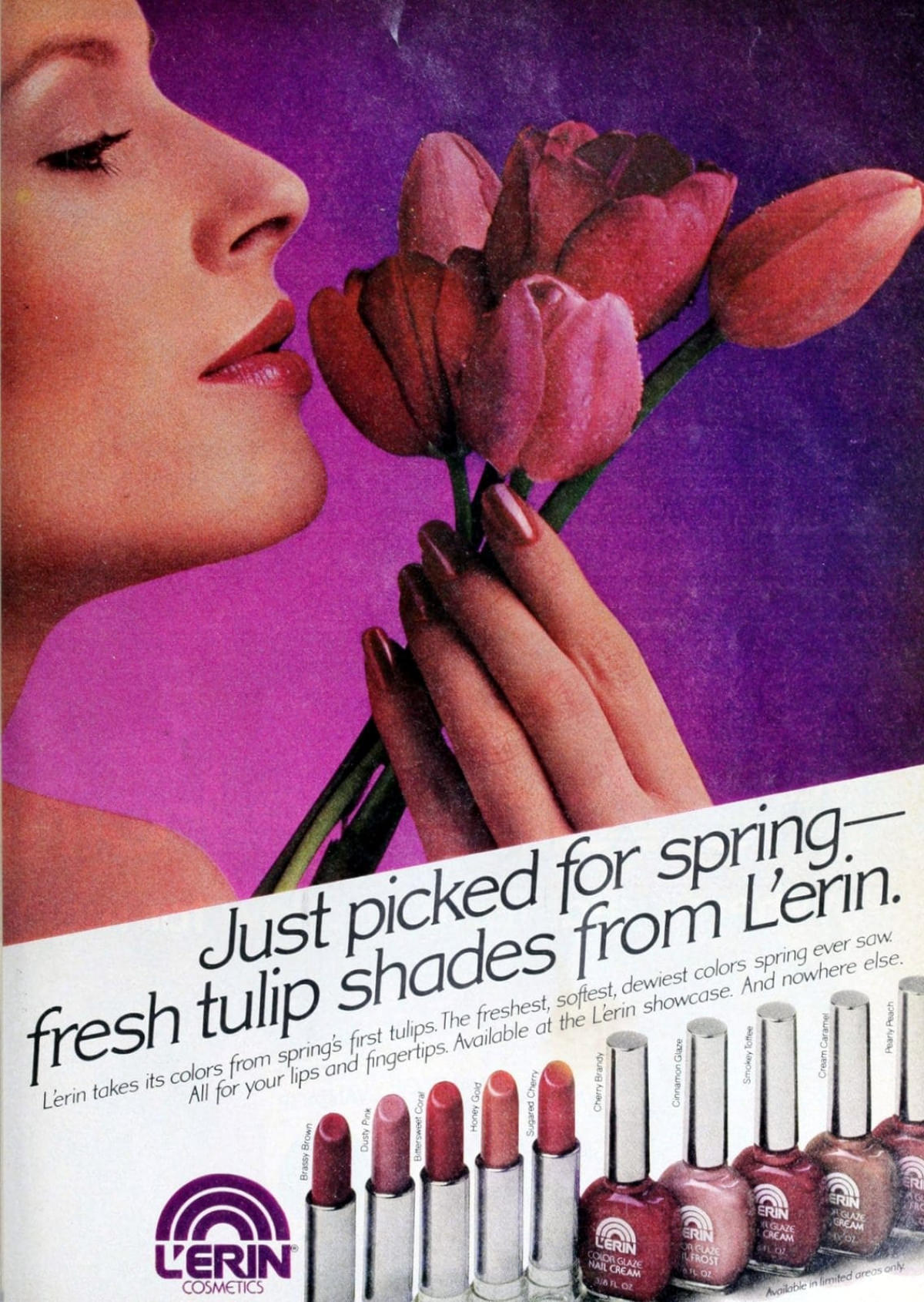
While some brands played it safe with neutrals, others went straight for seasonal excitement. L’erin, a lesser-known but widely advertised brand during this period, pushed fresh spring shades designed to stand out on magazine pages.
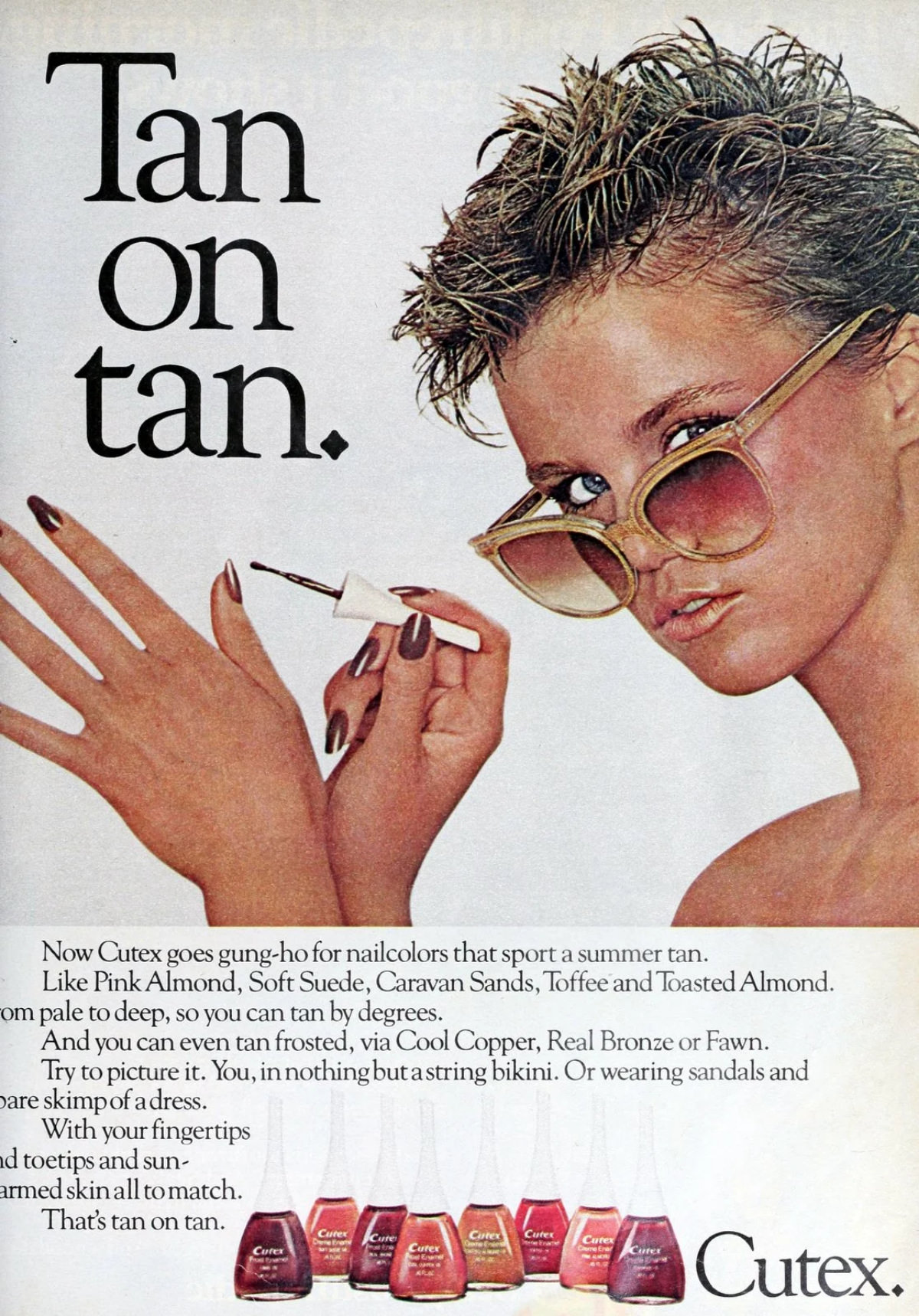
Tan-on-tan looks were also popular in the early 1980s. Warm, earthy tones matched the sun-kissed aesthetic that dominated fashion spreads, making nude and bronzed nail shades a natural fit.
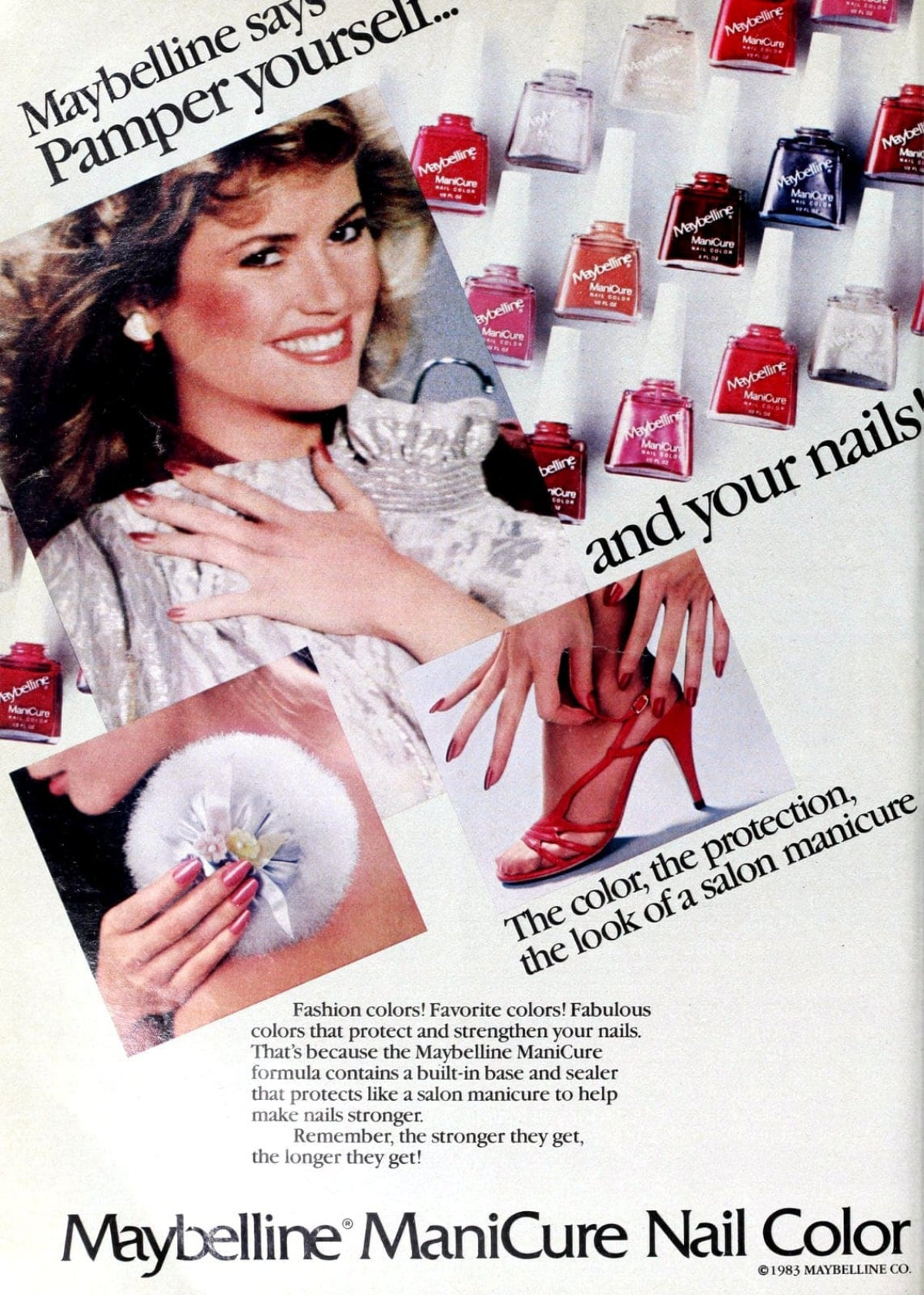
Maybelline entered the nail space with serious marketing muscle. In 1981, the brand launched its ManiCure Nail Color line, advertising a salon-quality result that women could achieve at home.
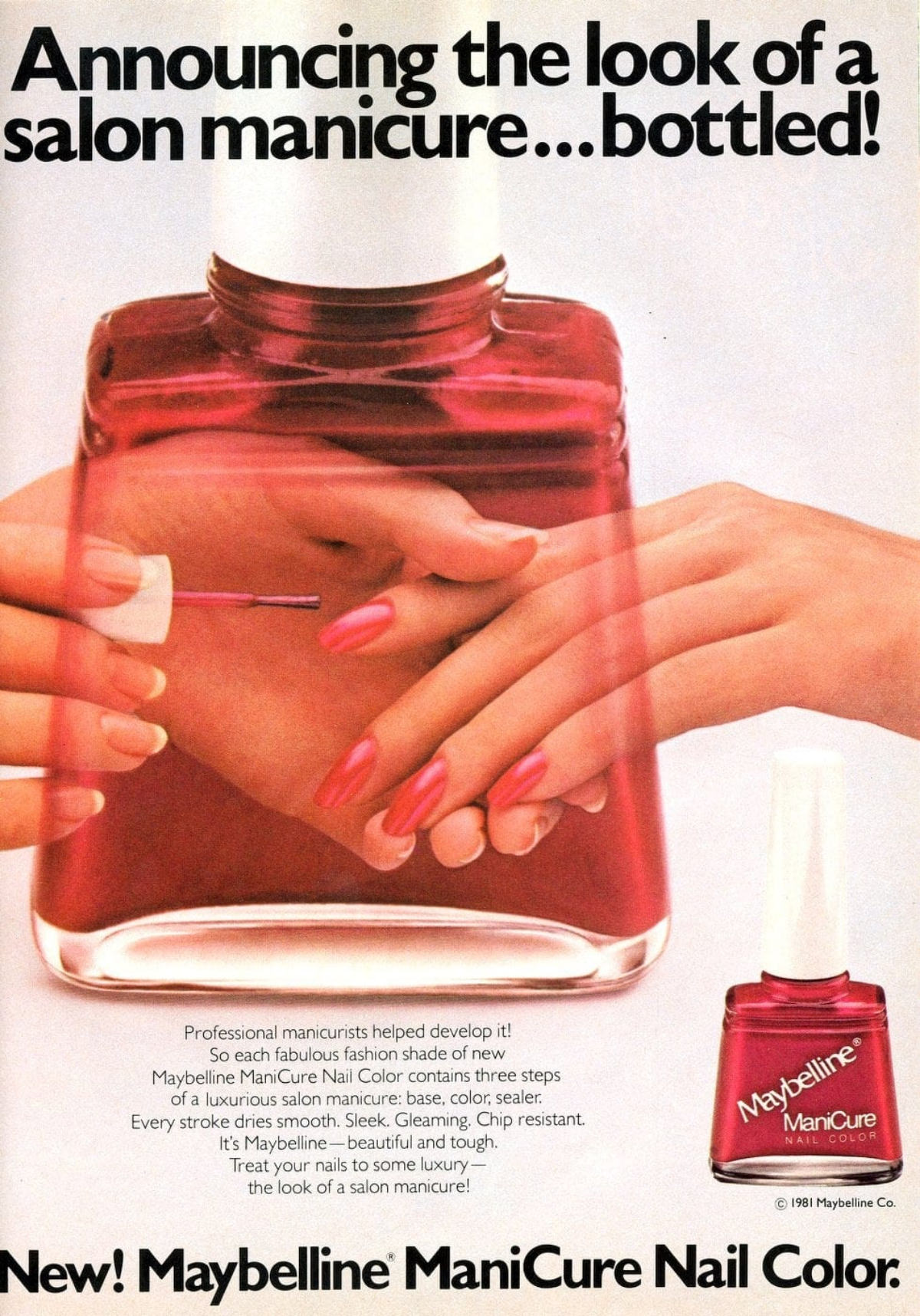
Finish was a major selling point throughout the decade. In 1982, one standout campaign promoted a high-gloss formula by promising nail color that looked wet even after it dried — a glossy, lacquer-like result that was still a novelty at the time.
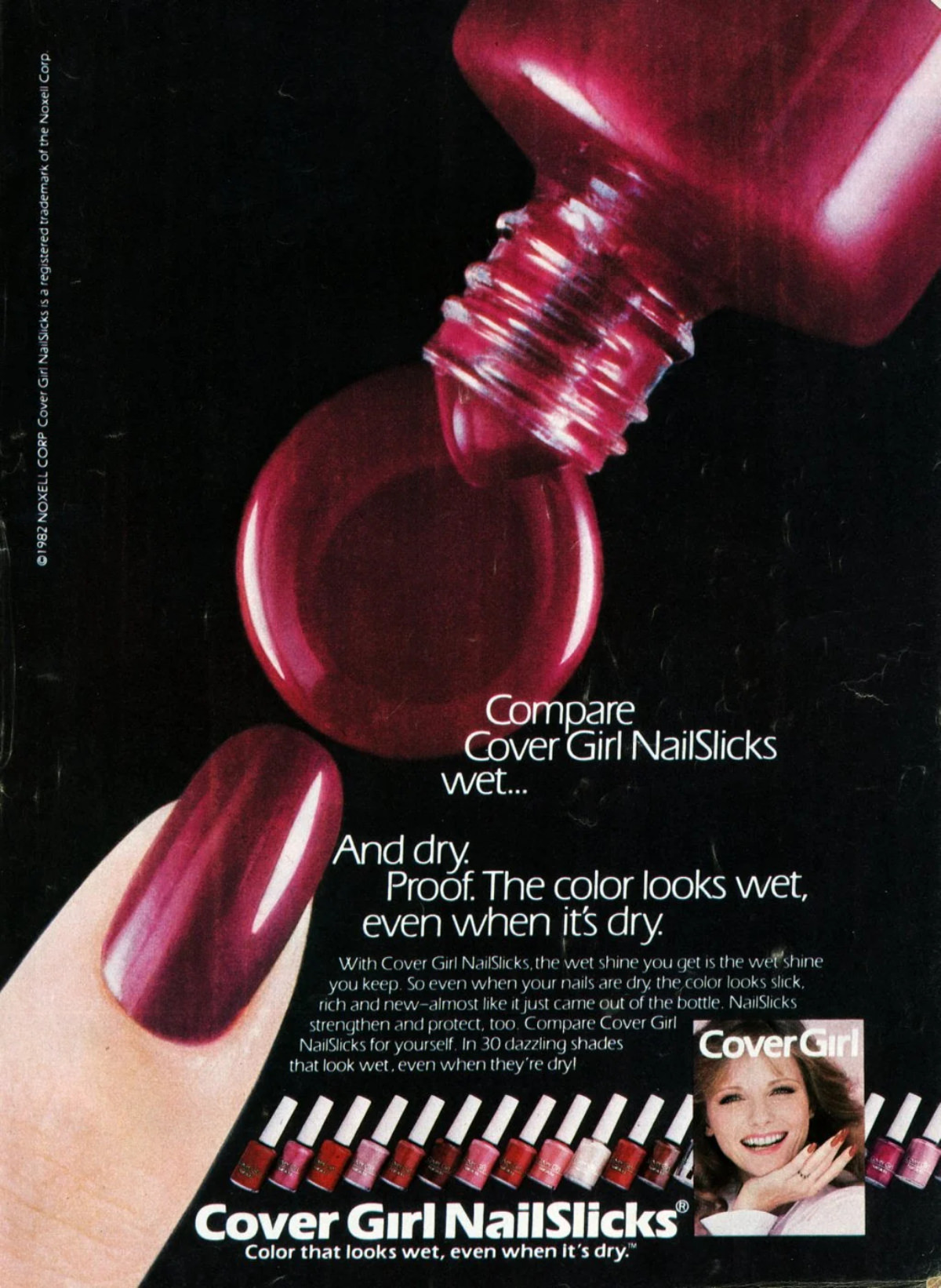
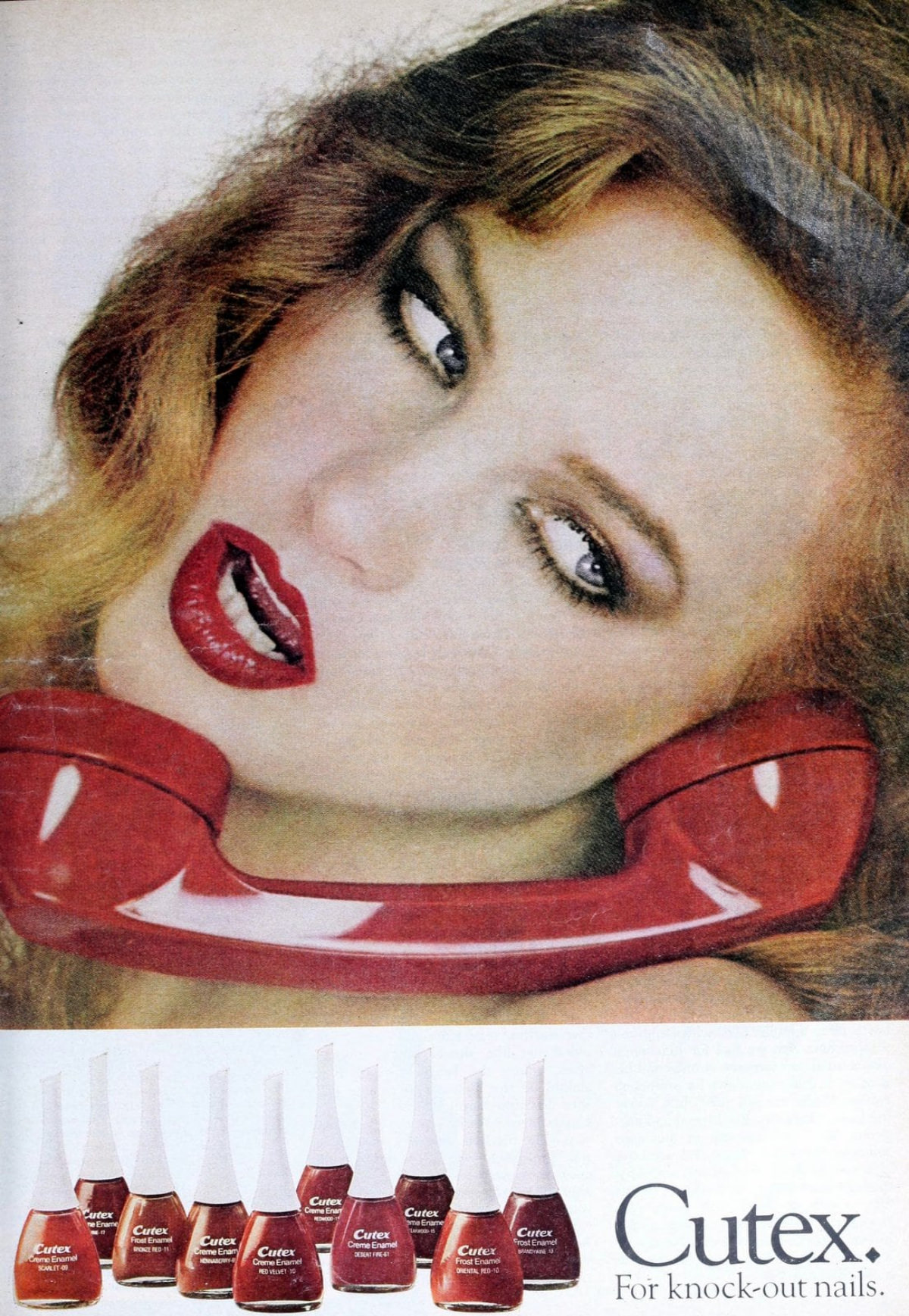
Red nails have always been a classic, but in 1981 they were having a particular moment. Ads leaned into the drama of a deep red manicure with minimal copy and maximum attitude.
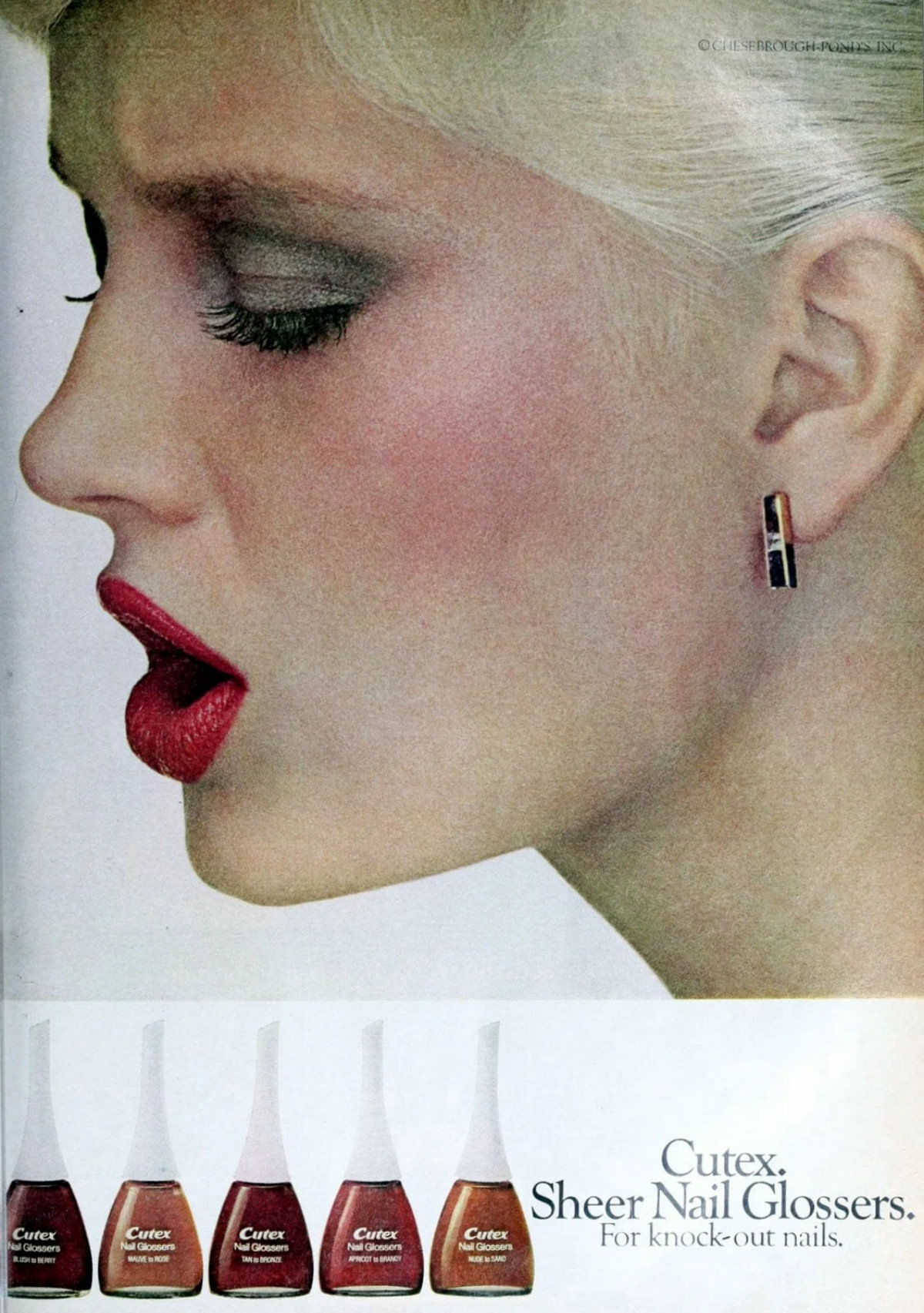
Sheer polish also had its own dedicated fanbase in 1981. “Sheer is here” campaigns targeted women who preferred a barely-there look — polished and put-together without a strong color commitment.
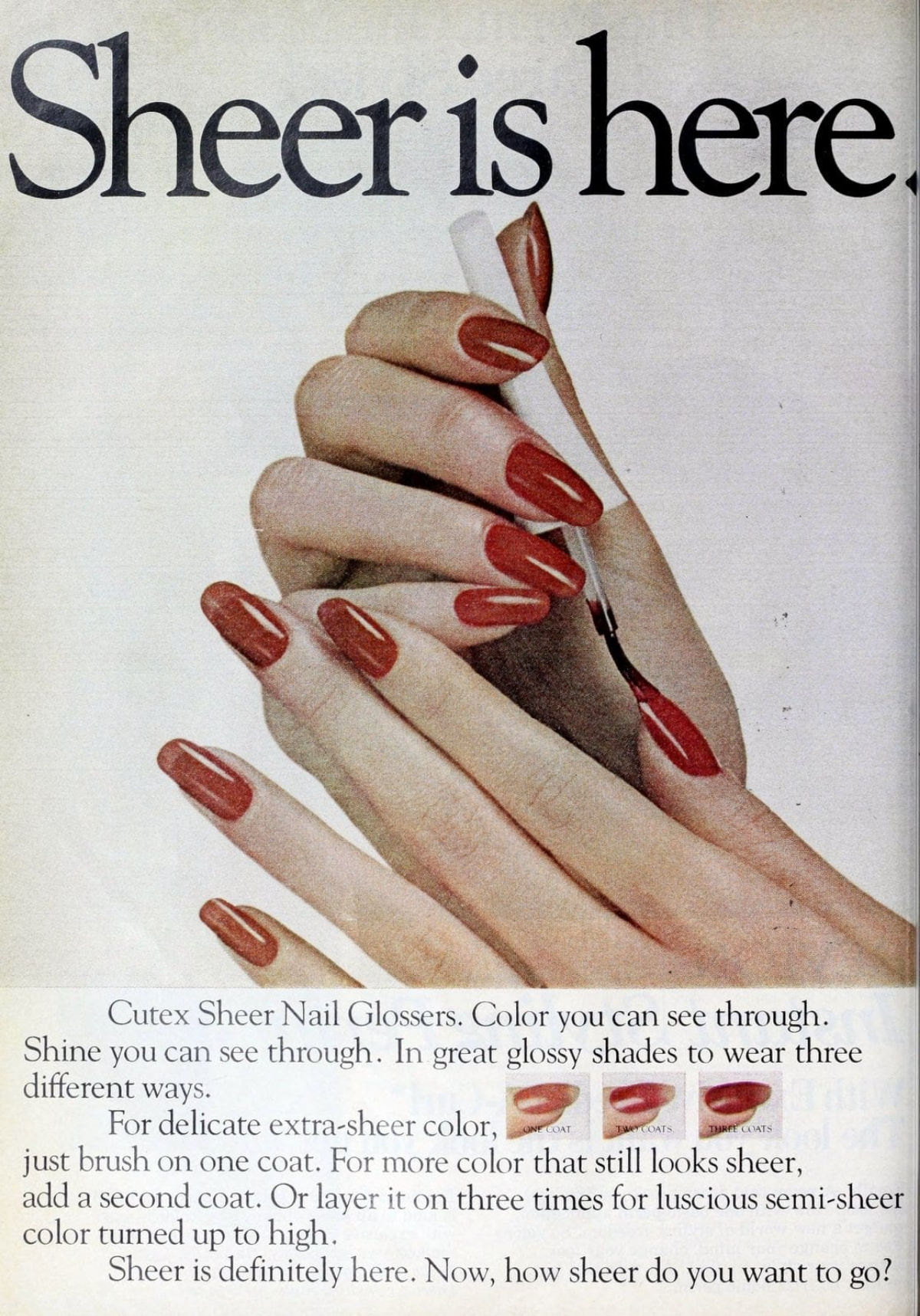
By 1982, brands were getting more creative with naming conventions. “Nail Blush” was one such product that blended the language of makeup with nail care, positioning polish as just another step in a full-face routine.
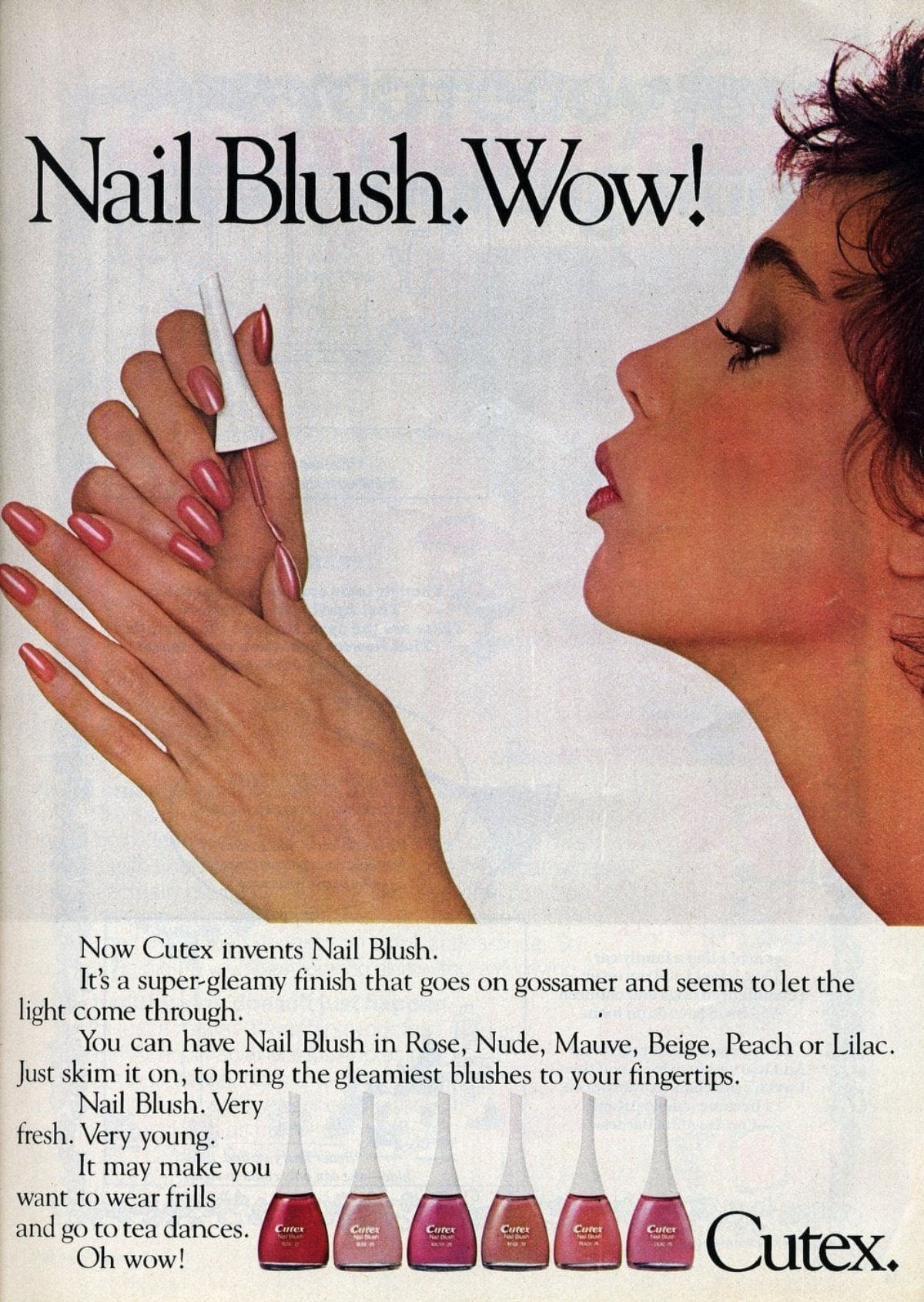
L’erin returned in 1982 with a color glaze campaign that highlighted shine and transparency. Their ads focused on the finish as much as the color — a recurring theme as brands tried to differentiate themselves on the same drugstore shelf.
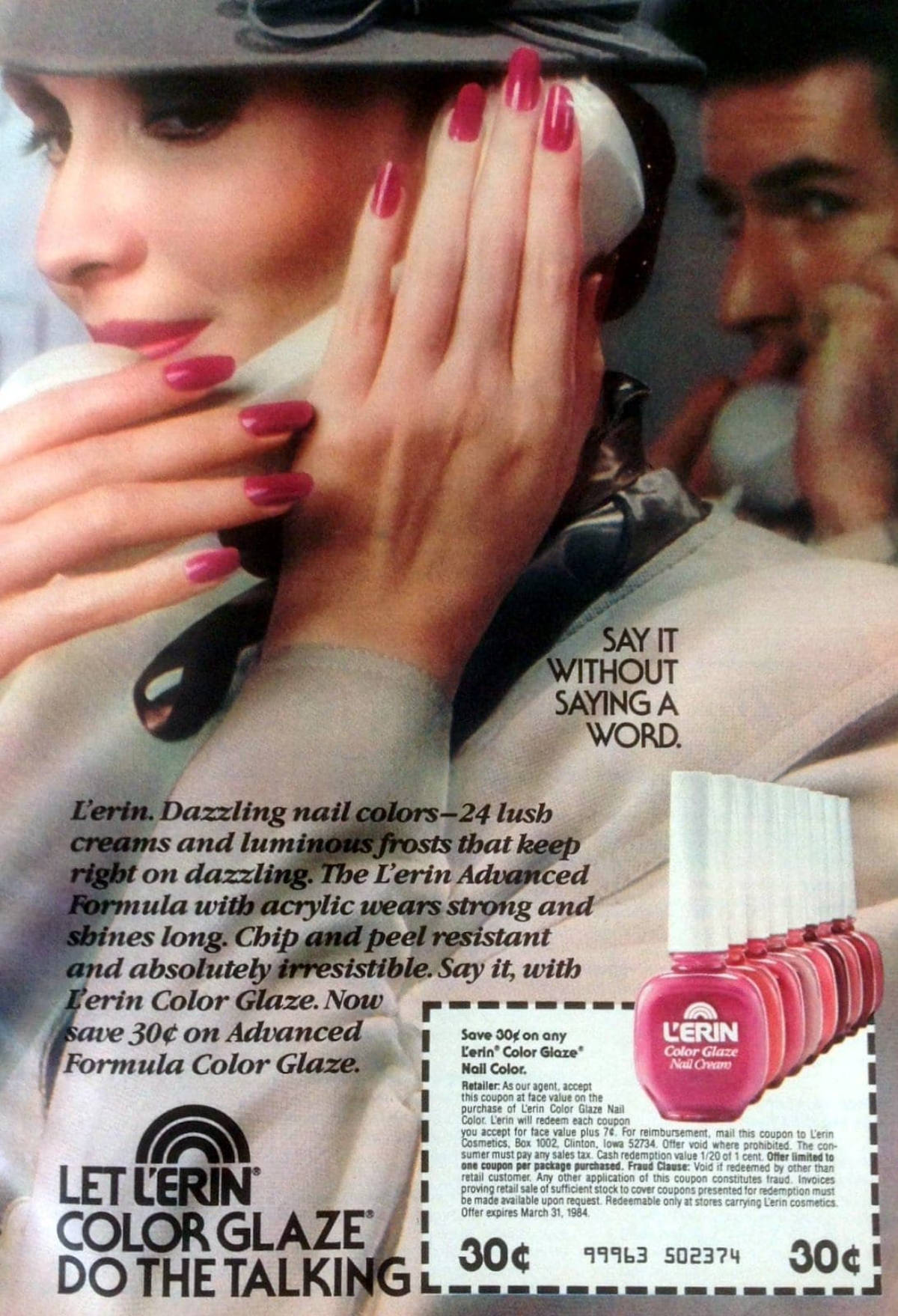
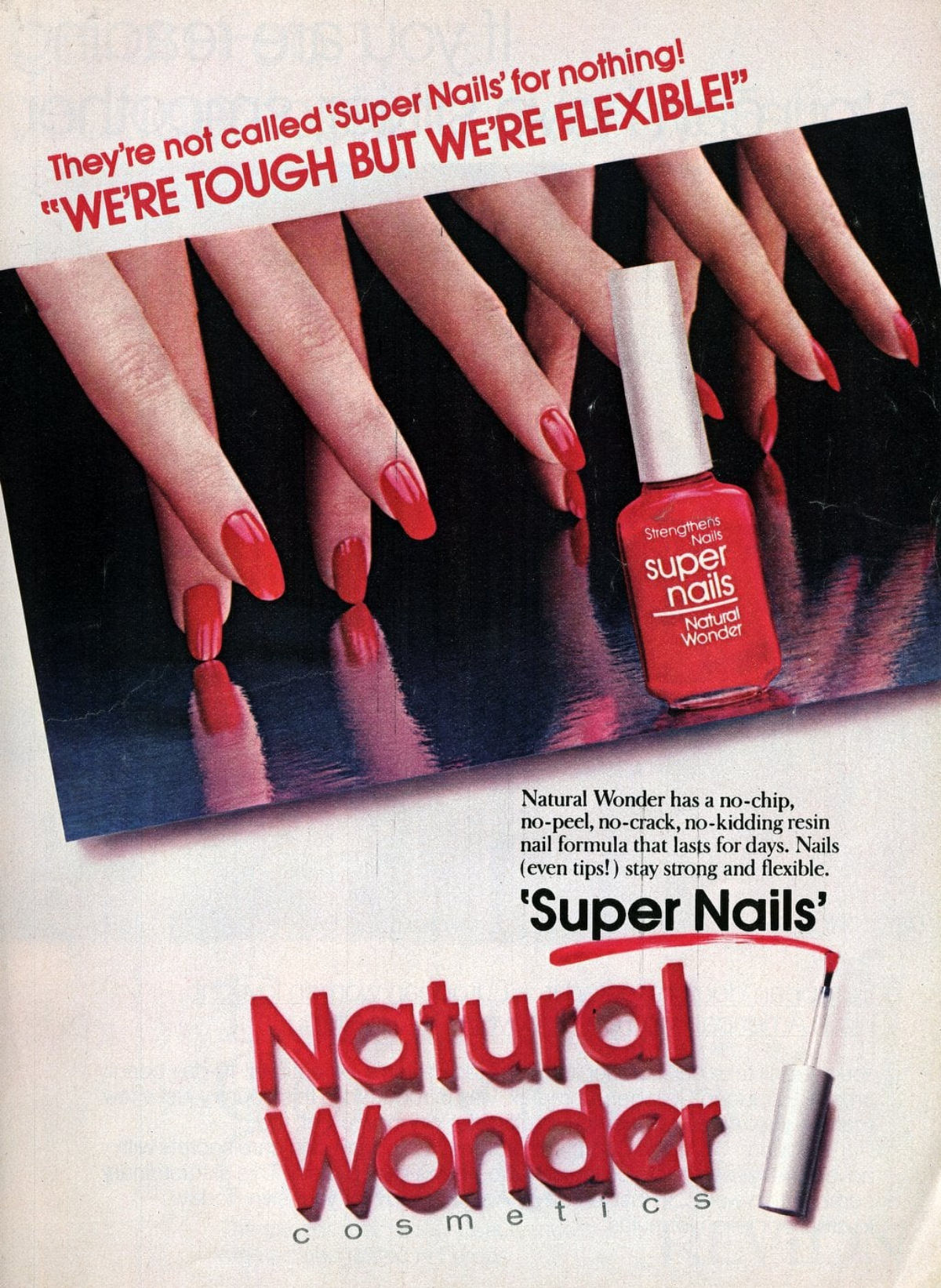
Natural Wonder positioned its Super Nails line as a solution for women who wanted strength alongside color. The brand marketed durability as a feature rather than an afterthought, appealing to women with active lifestyles.
Maybelline kept updating its ManiCure line throughout the early 1980s. By 1983, the brand’s ads showed a more refined, sophisticated look, reflecting how the entire nail polish market had matured in just a few years.
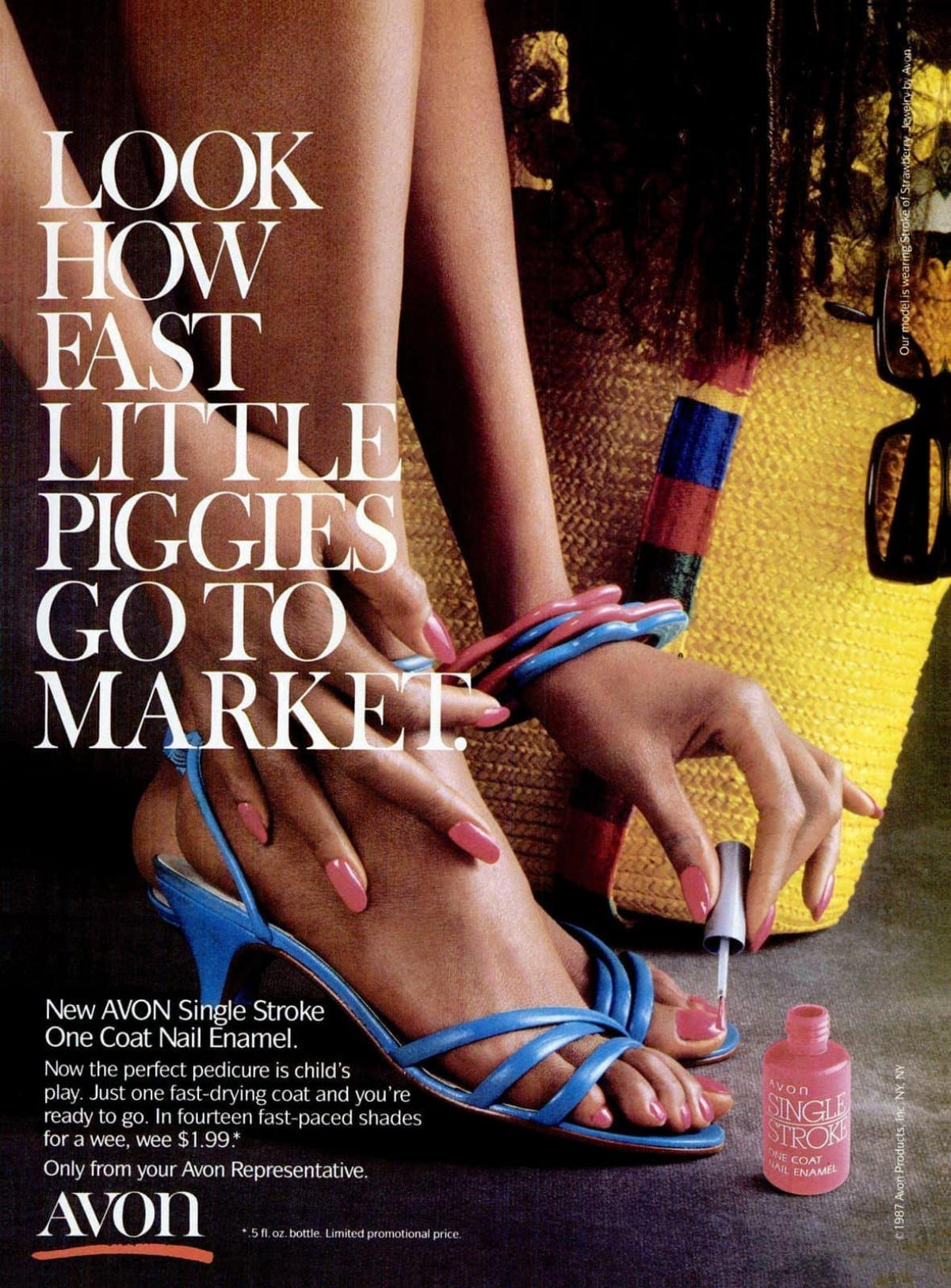
Avon brought two notable products to market in 1987. Its Single Stroke One Coat nail enamel promised full coverage in a single pass — a practical pitch aimed at busy women who didn’t have time for multiple coats.
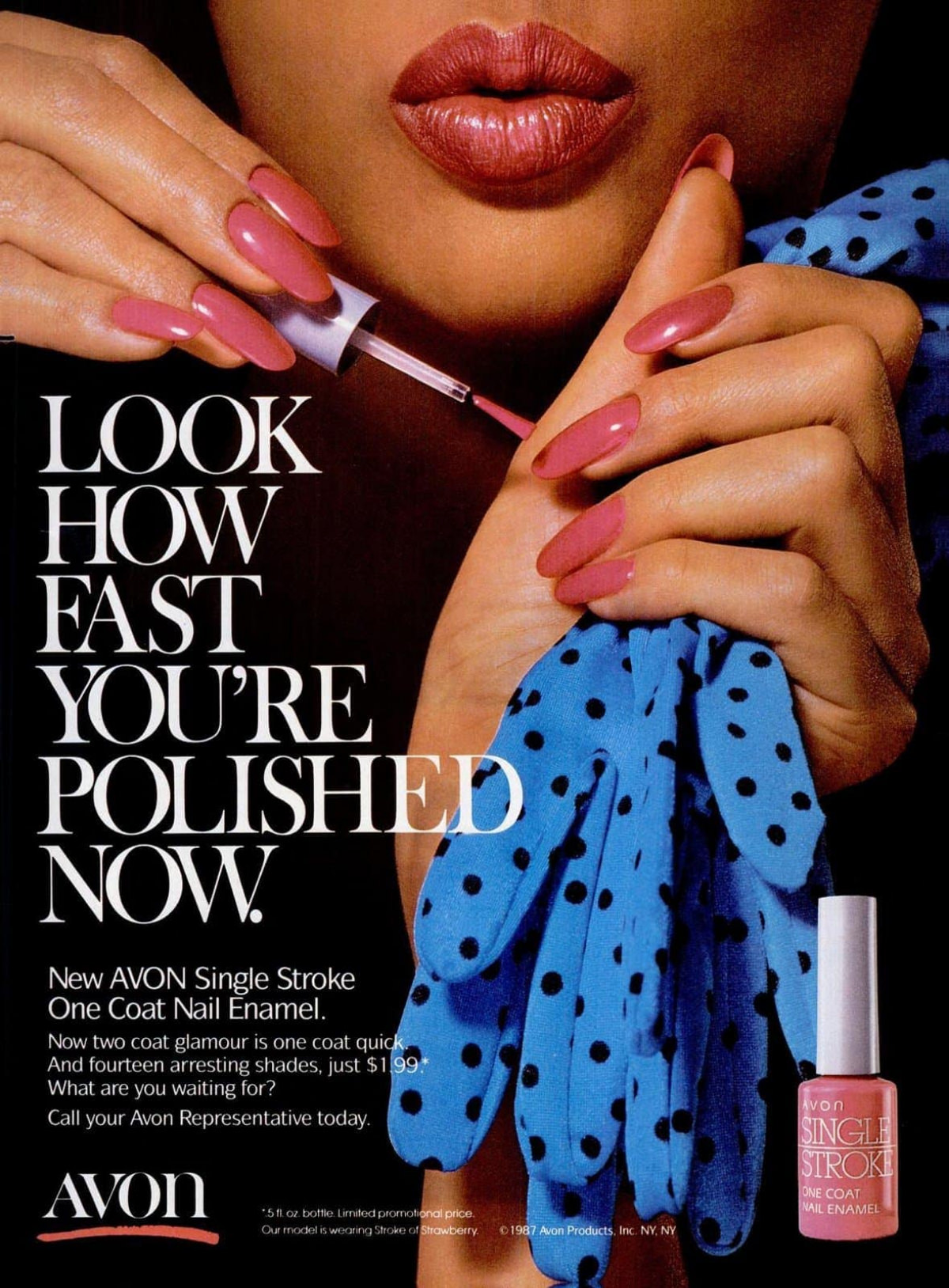
Avon followed that up with an ad focused entirely on speed. The campaign asked how fast you could be polished, leaning into the convenience angle that was becoming increasingly important to consumers as the decade pushed forward.
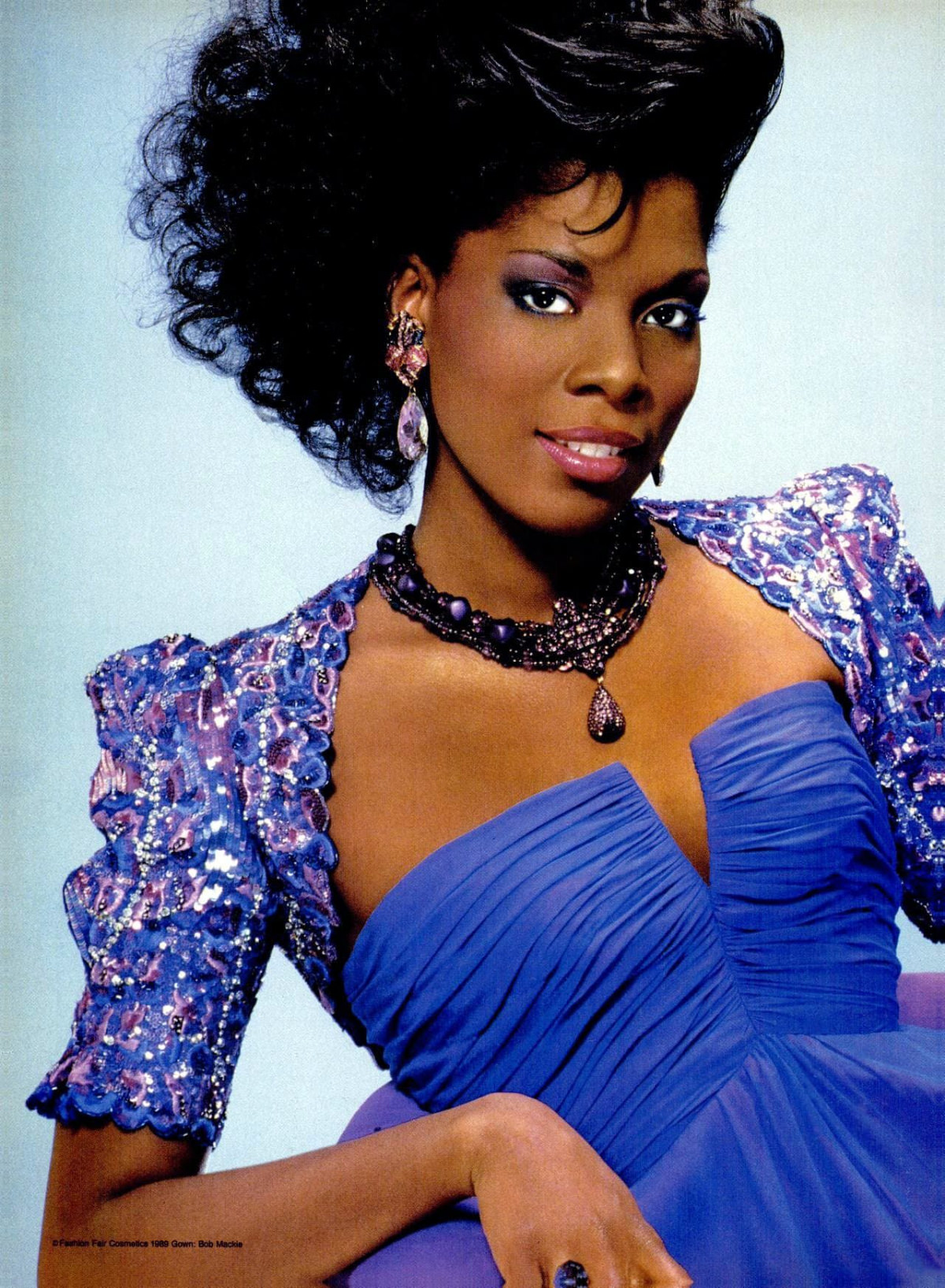
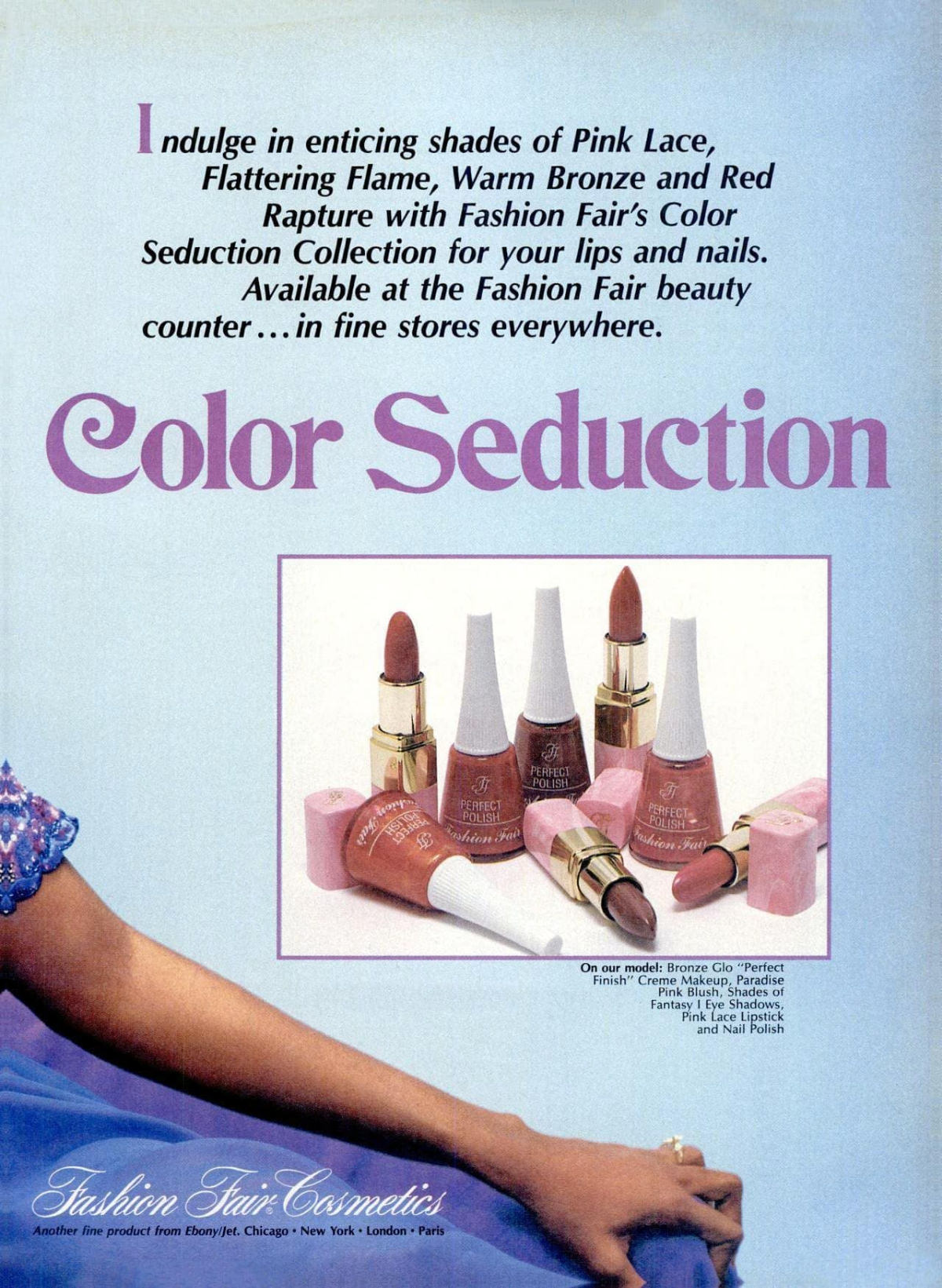
As the decade closed out, Fashion Fair brought a more upscale approach to nail advertising. Its 1989 Color Seduction campaign paired nail polish with coordinating makeup, presenting the full look as a curated, intentional statement.
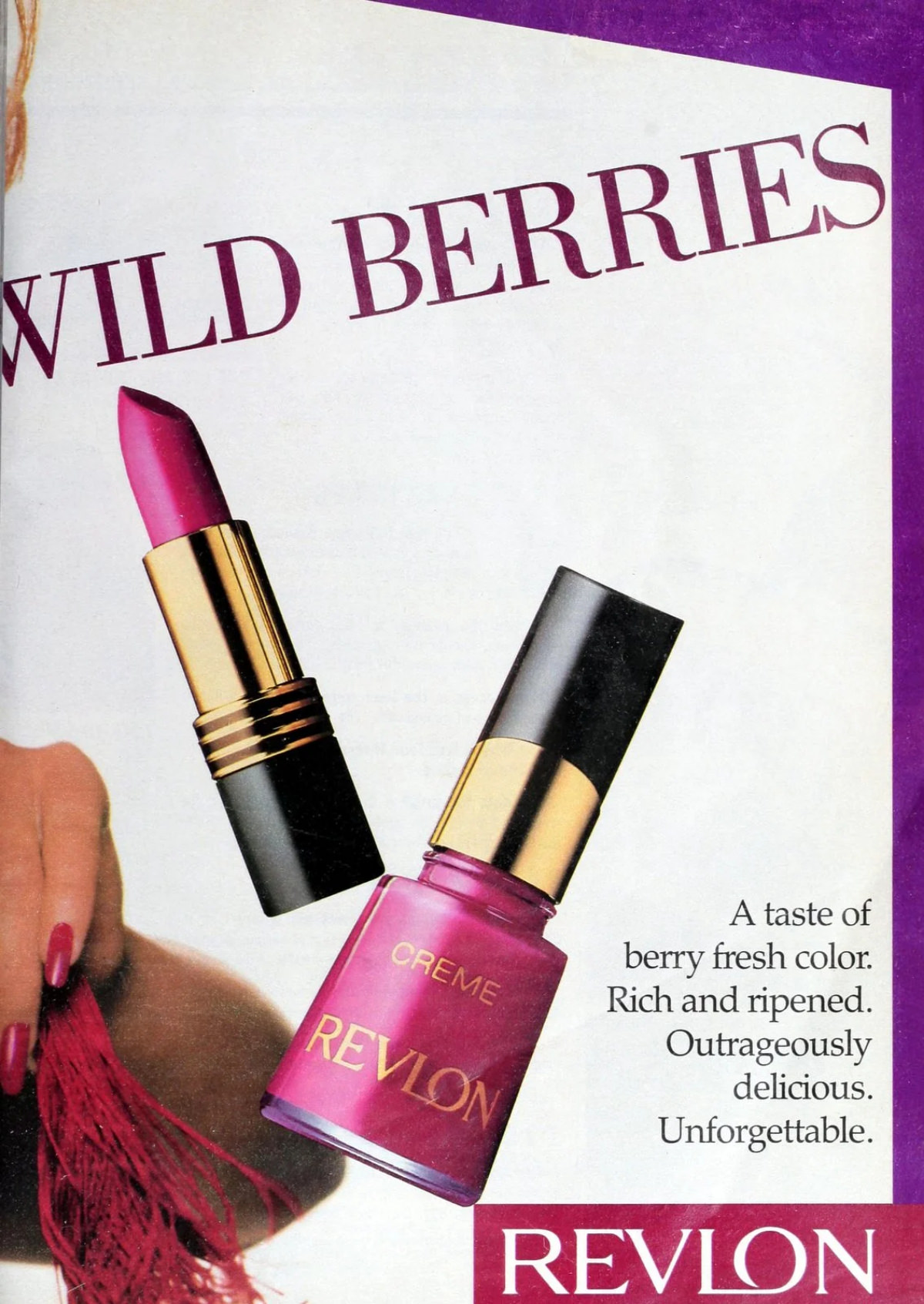
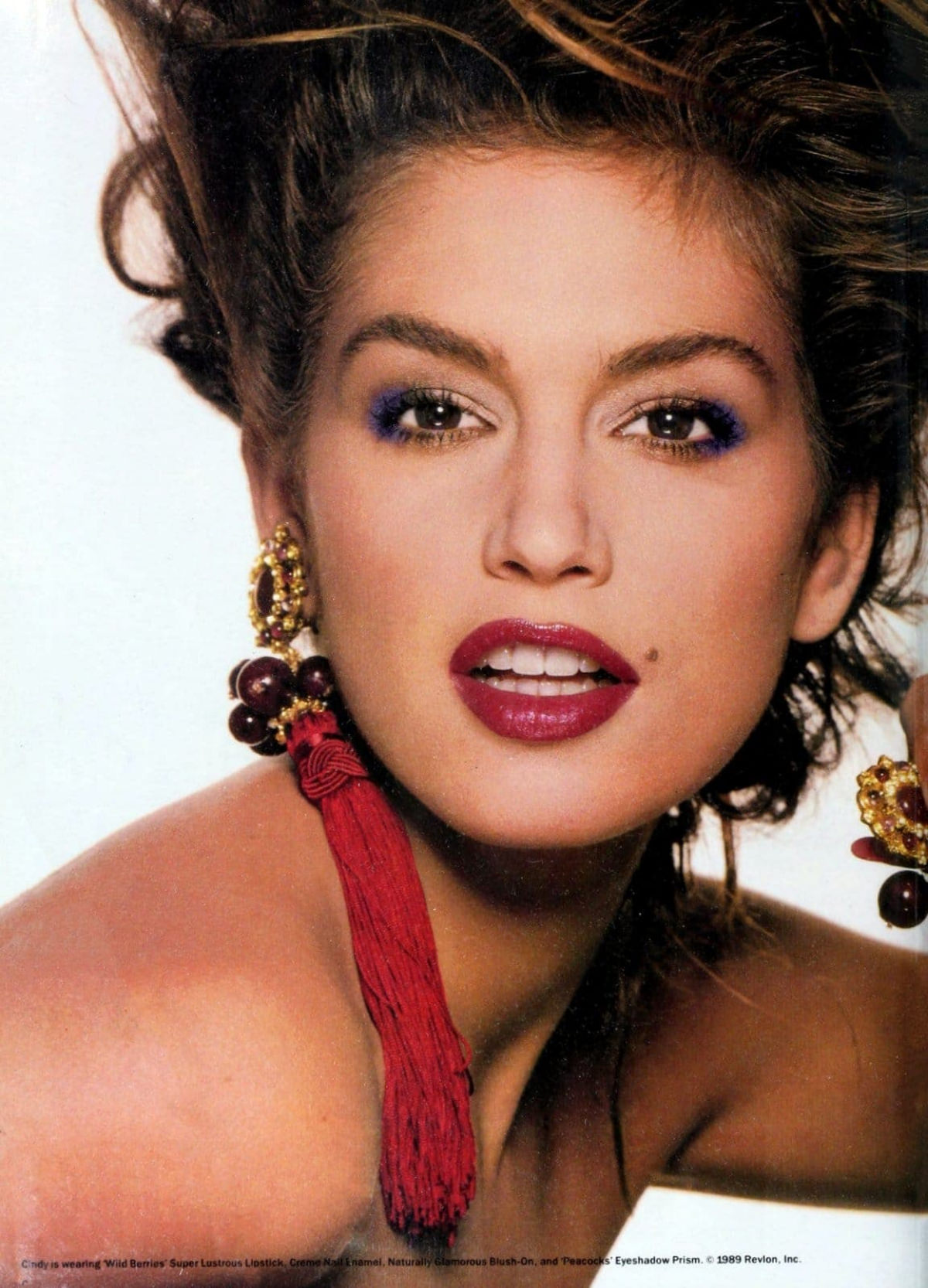
Revlon closed out the decade with one of its most recognizable campaigns. Supermodel Cindy Crawford appeared in a 1989 Revlon ad that placed nail color front and center alongside her image — a pairing that reinforced the brand’s high-fashion positioning going into the 1990s.
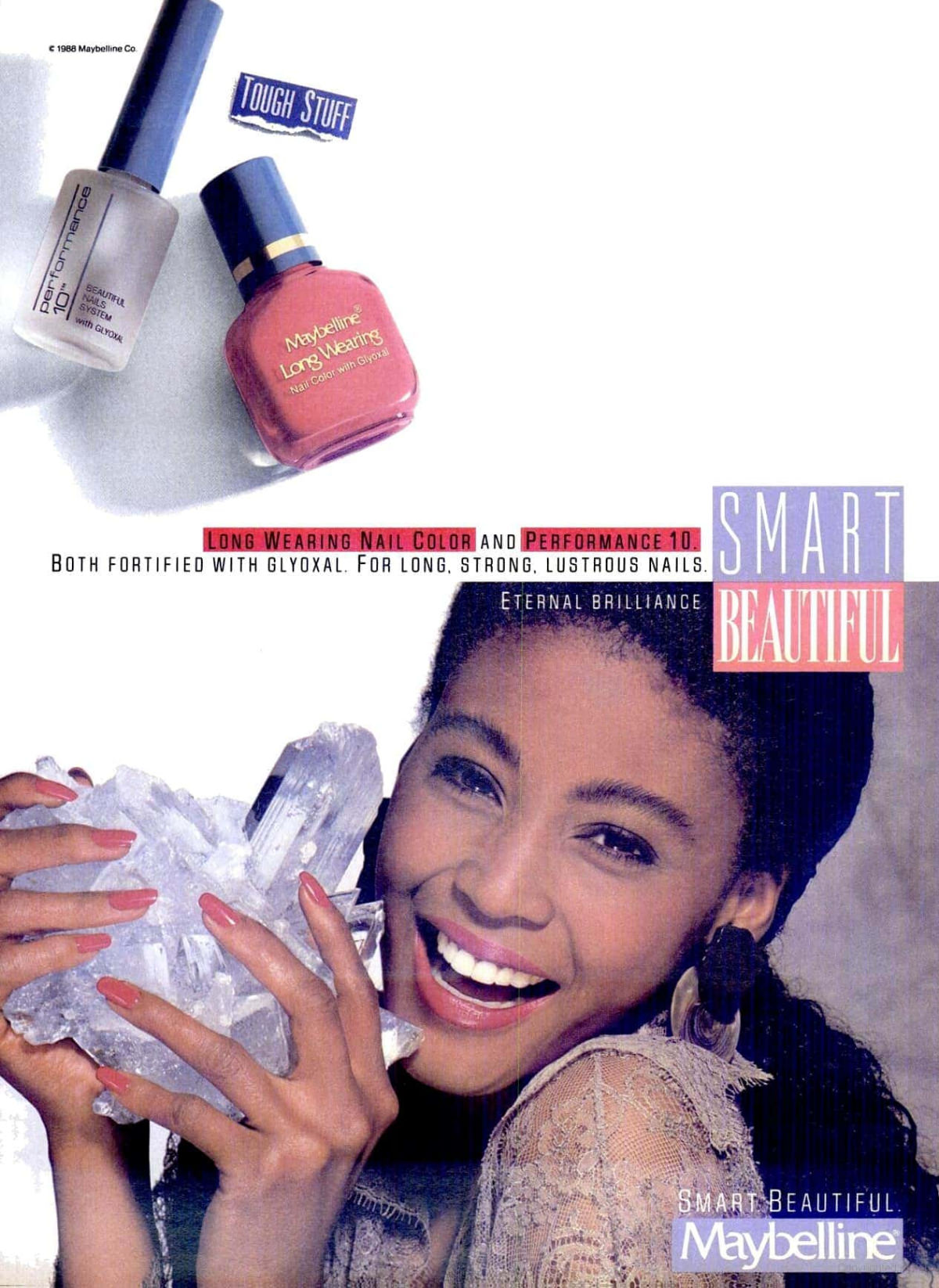
Maybelline also wrapped up the 1980s with a dual product push. Its Long Wearing nail color and Performance 10 line were marketed together in 1989, promising both longevity and a professional-grade result from an at-home product.