In 1984, Moscow operated under a rhythm unlike anywhere else in the world. The Cold War was at its height, and the Soviet capital was a city of sharp contrasts — grand architecture alongside cramped living quarters, collective pride alongside daily hardship. These vintage photos offer a rare, unfiltered look at what ordinary life actually looked like on the ground.
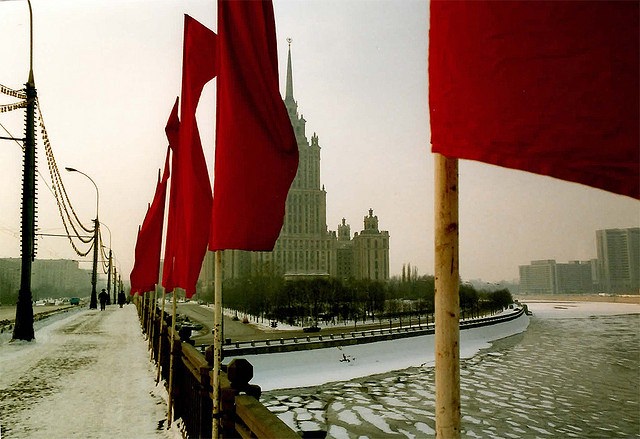
Most Muscovites began their mornings in small, crowded apartments, many of which were shared between multiple families. A communal kitchen was the norm. Neighbors took turns at the stove, and breakfast was modest — black bread with butter, or a bowl of kasha, a simple grain porridge that was a Soviet staple.
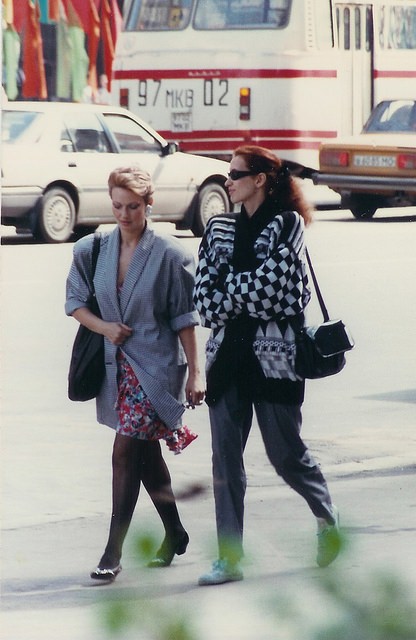
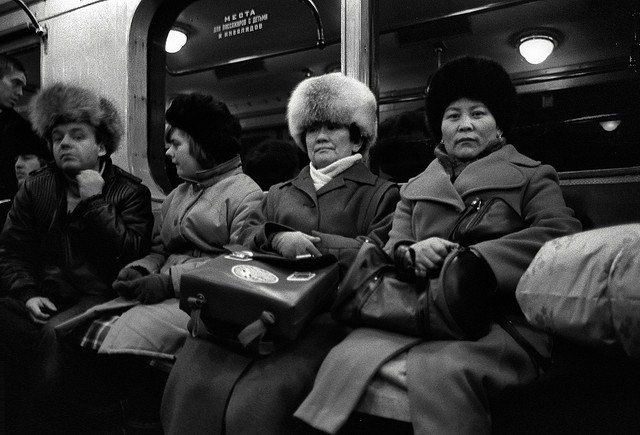
Getting to work meant navigating a busy city. The Moscow Metro was a genuine source of national pride — its stations were grand, tiled, and lit like palaces. But surface travel on buses and trams was a different story. Carriages were packed, routes were long, and in winter, the cold made every commute feel longer.
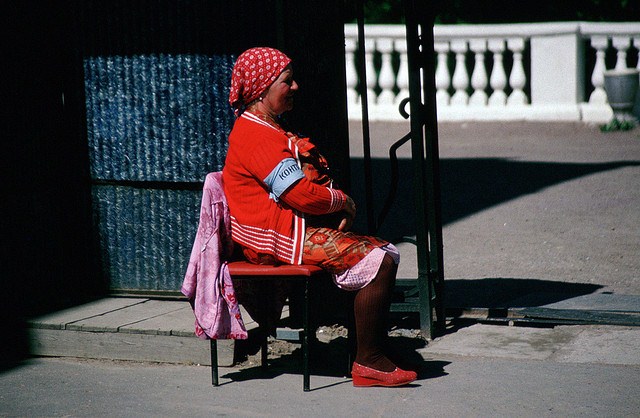
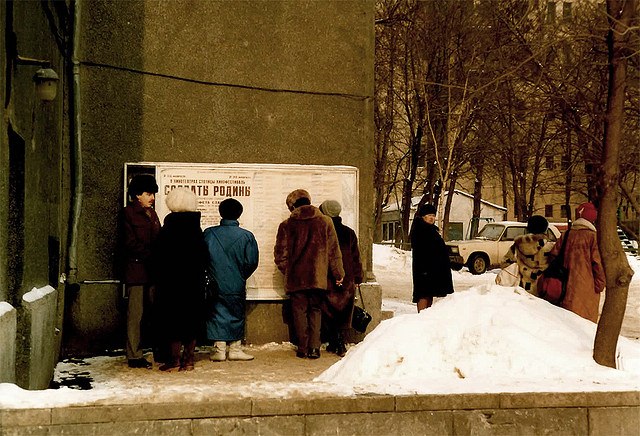
Factories formed the backbone of Moscow’s economy. Thousands of workers clocked in each morning for state-assigned jobs in manufacturing, engineering, and heavy industry. The state guaranteed employment, but career advancement was rarely an option. You worked, you met your quota, and you came back the next day.
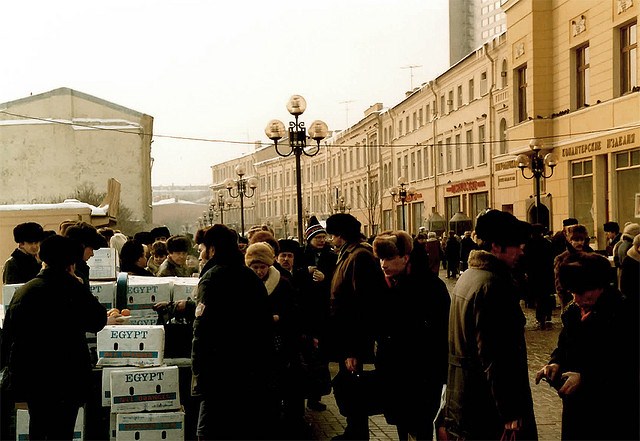
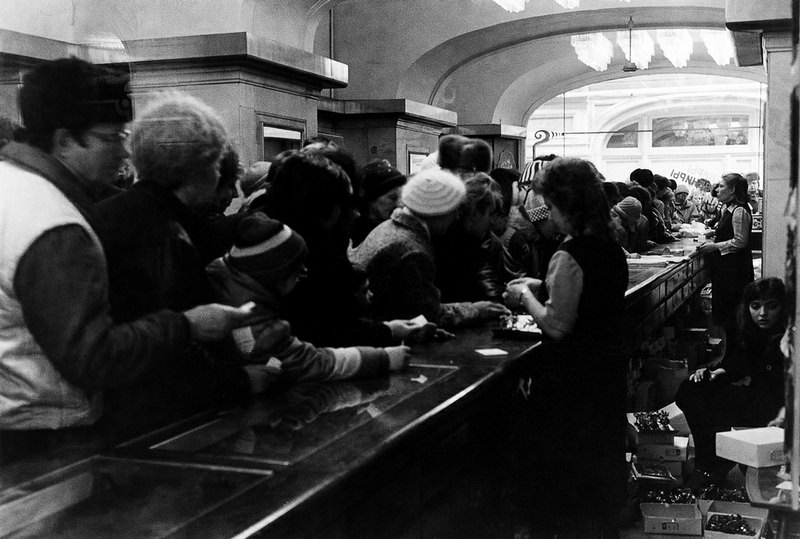
Lunch was taken in factory canteens or small neighborhood cafes. Pelmeni — boiled dumplings — were a common midday meal, as was a bowl of borscht or cabbage soup. Food shortages were a real and regular problem. Standing in line was not an occasional inconvenience; it was a built-in part of daily life.
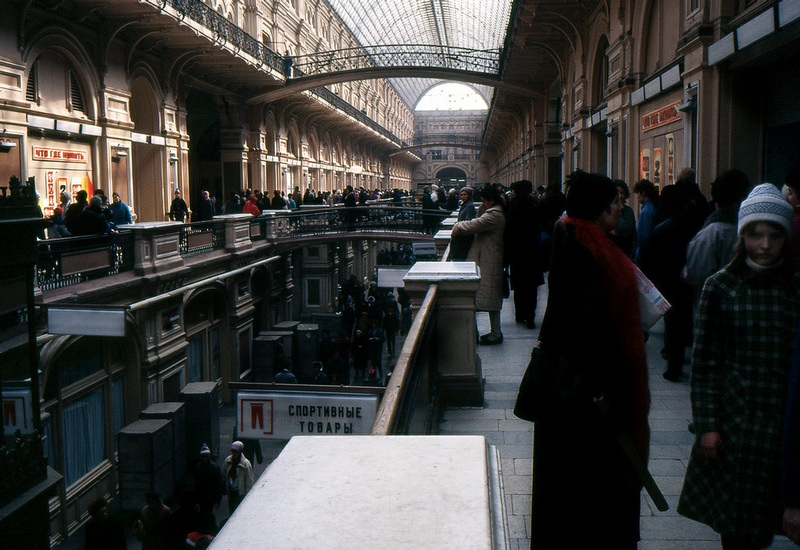
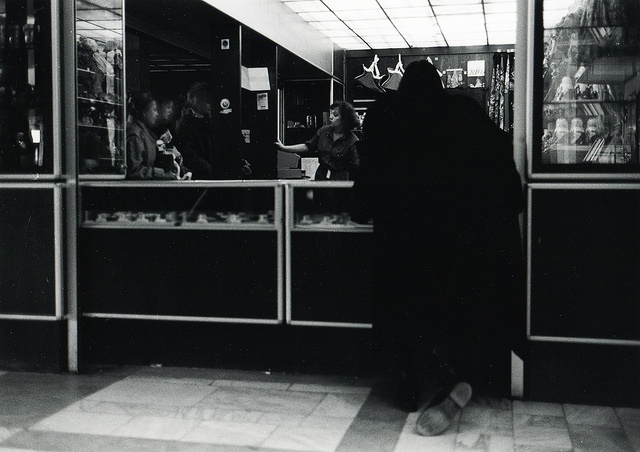
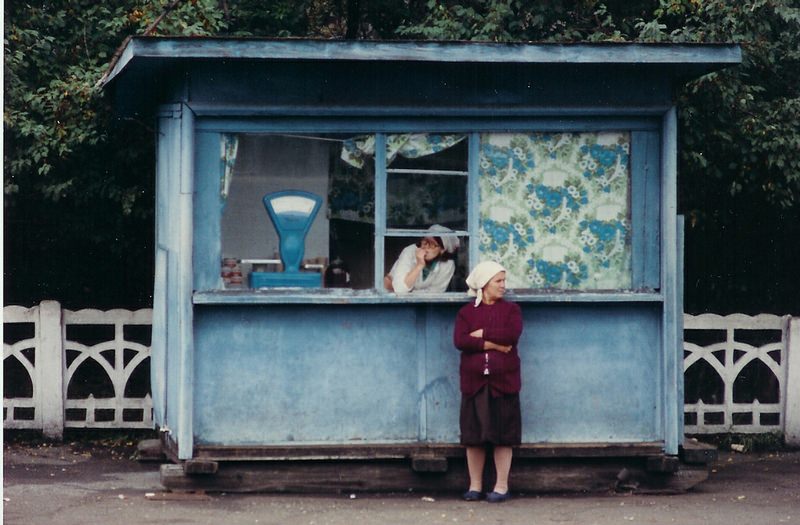
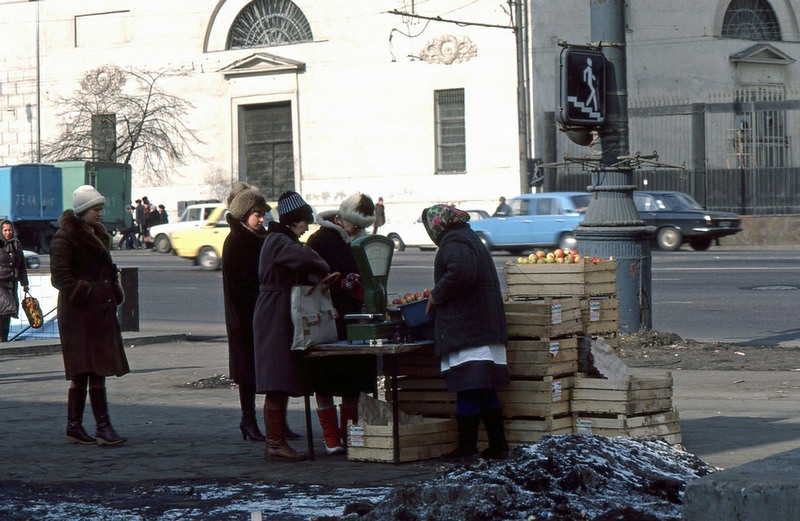
State-run shops stocked limited goods, and shelves could empty fast. Shoppers often had no choice but to queue for basics like meat, dairy, or soap. Those who wanted goods unavailable through official channels turned to the black market, a widespread but officially illegal workaround.
After work, the city shifted its pace. Parks filled with people playing chess, walking, or simply sitting. The workplace wasn’t just a place to earn money — coworkers shared news, gossip, and a social life that extended well beyond office hours.
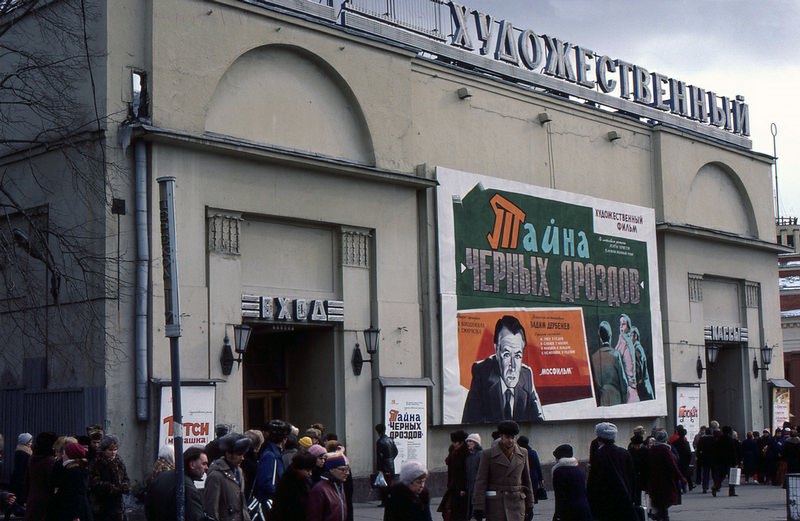
Evenings brought theaters, cinemas, and television. State-controlled broadcasters aired a carefully selected mix of news, cultural programming, and political content. Entertainment existed, but it was curated. What people watched, and what they were meant to think about what they watched, was never accidental.
Family life was central to surviving the pressures of Soviet living. Birthdays and holidays were celebrated at home with homemade food and long evenings of conversation. Social gatherings were frequent, and the bonds between friends and relatives were strong — often the strongest safety net people had.
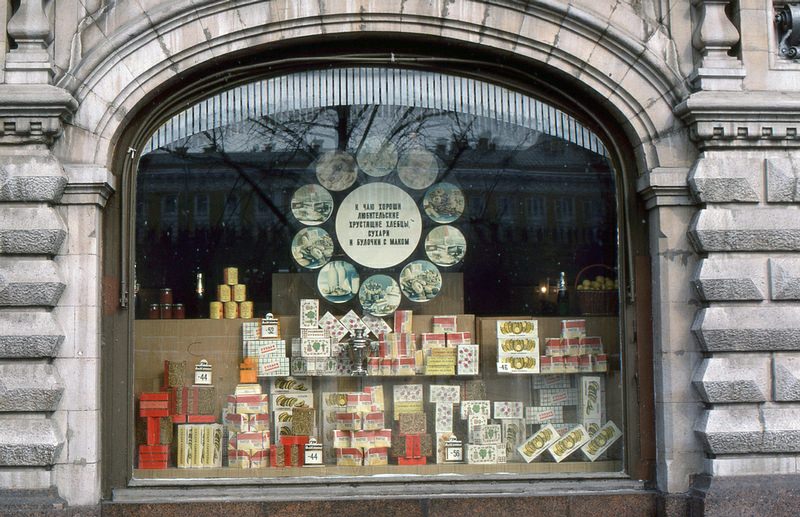
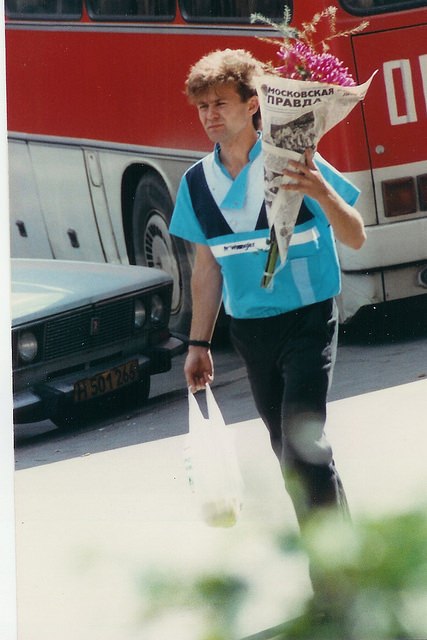
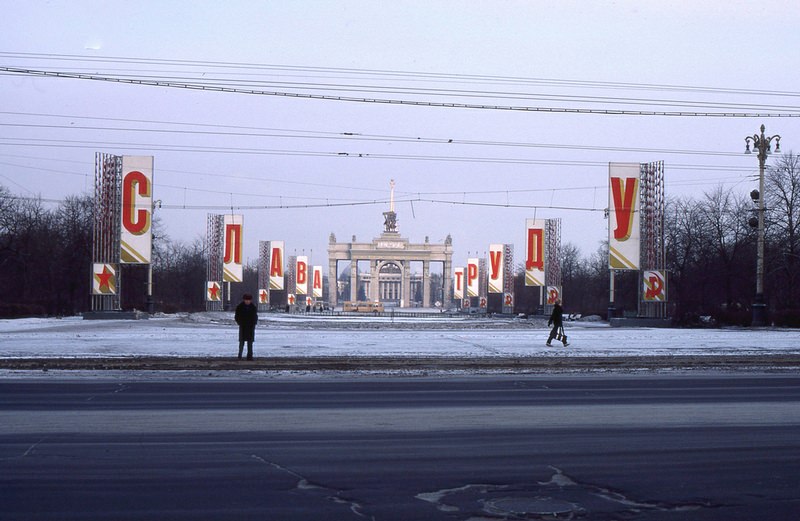
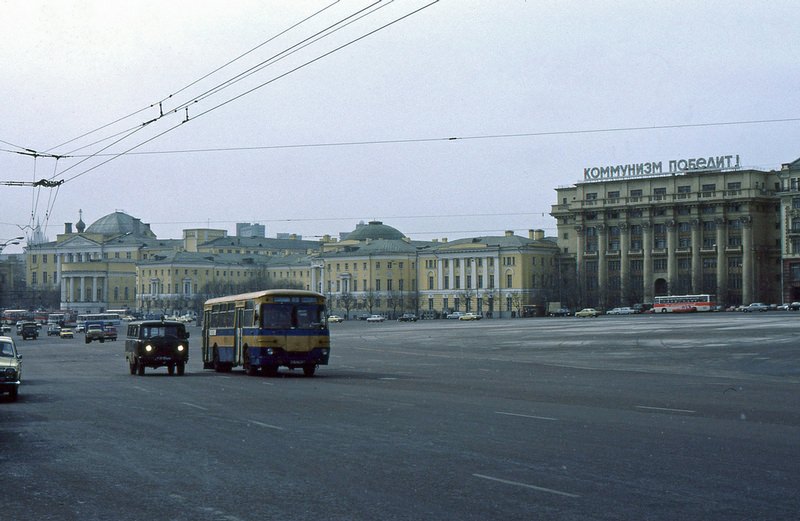
The streets of Moscow told the full story. Pedestrians moved through wide Soviet-planned boulevards, past monumental buildings designed to project state power. Children played in courtyards. Old men sat on benches. The city functioned, day after day, on the labor and routine of millions of ordinary people.