
In the late 1960s and early 1970s, housing charity Shelter hired photographer Nick Hedges to travel across Britain and document what life was actually like in the country’s inner-city slums. He visited Glasgow, Birmingham, Newcastle upon Tyne, Manchester, and several other cities. What he found was not a minor problem tucked away in a few forgotten streets. It was a widespread crisis affecting thousands of ordinary families.
Hedges photographed families huddled in cellars lit by a single bare bulb. He found crumbling walls, damp ceilings, and children sleeping under squalid blankets. Sick mothers, toddlers dressed in rags, and elderly couples left behind in near-derelict buildings all appeared in front of his lens. The homes he documented lacked basic necessities — no proper electricity, no clean running water, no adequate sewage systems, and no ventilation. These were not temporary inconveniences. For the people living in them, this was daily life.
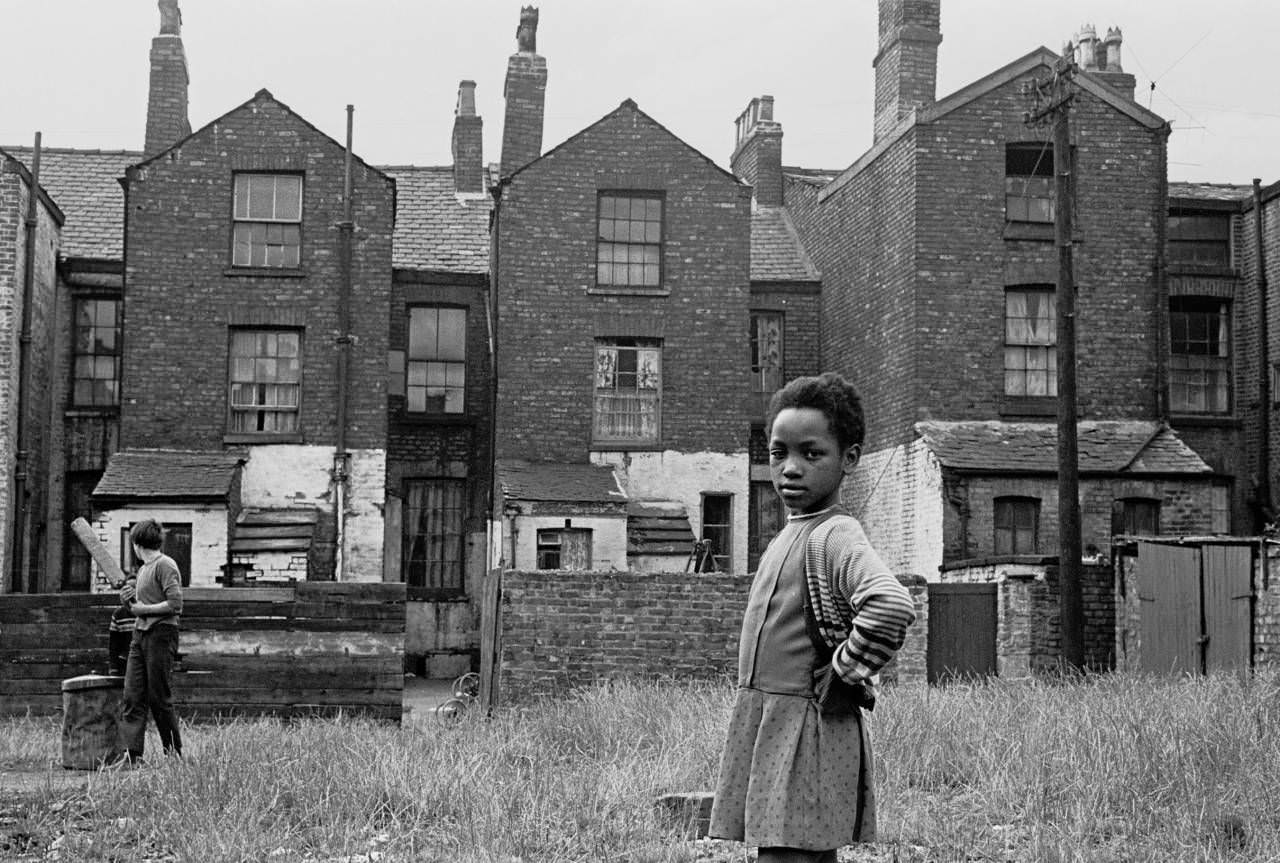
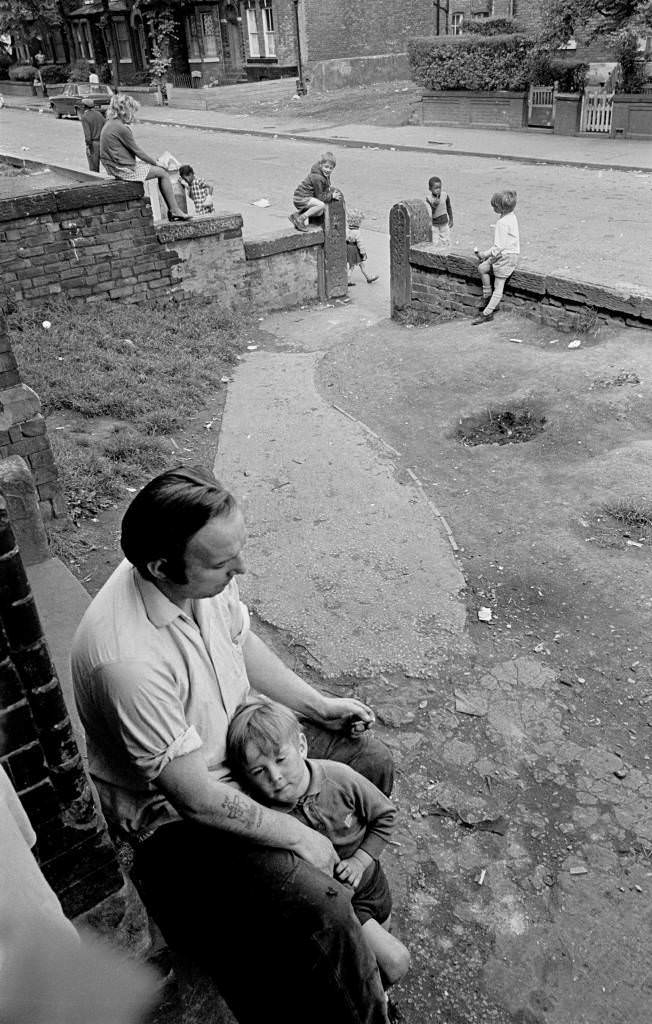
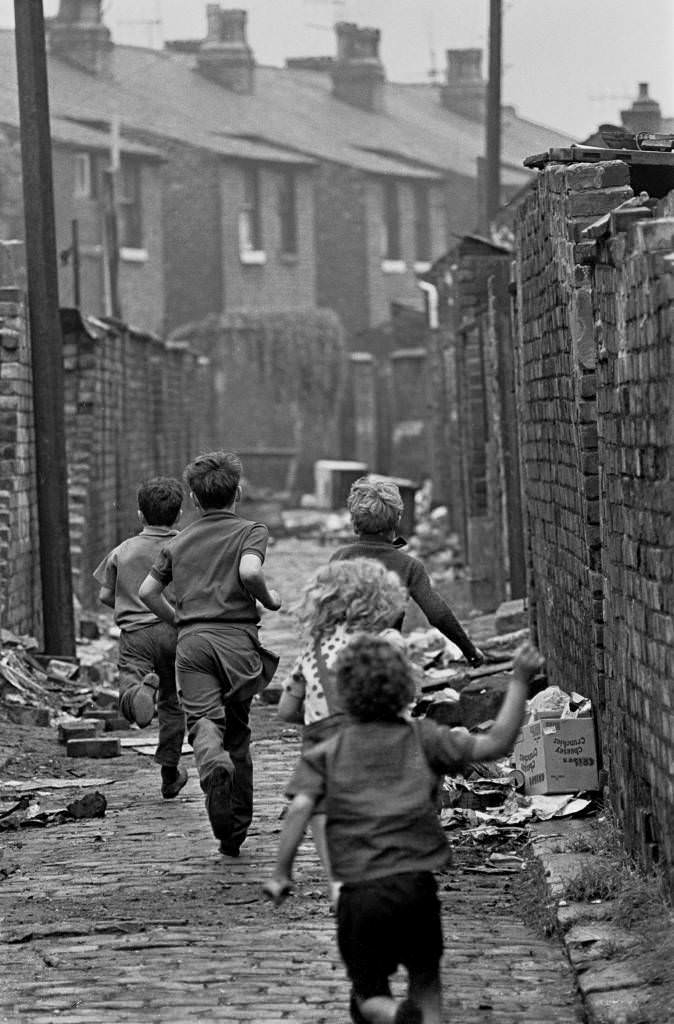
Manchester’s slum areas were among the most heavily documented in Hedges’ work. Children played on rubble-strewn waste ground because there was nowhere else to go. The streets and empty lots between crumbling terraced houses became their playgrounds by default.
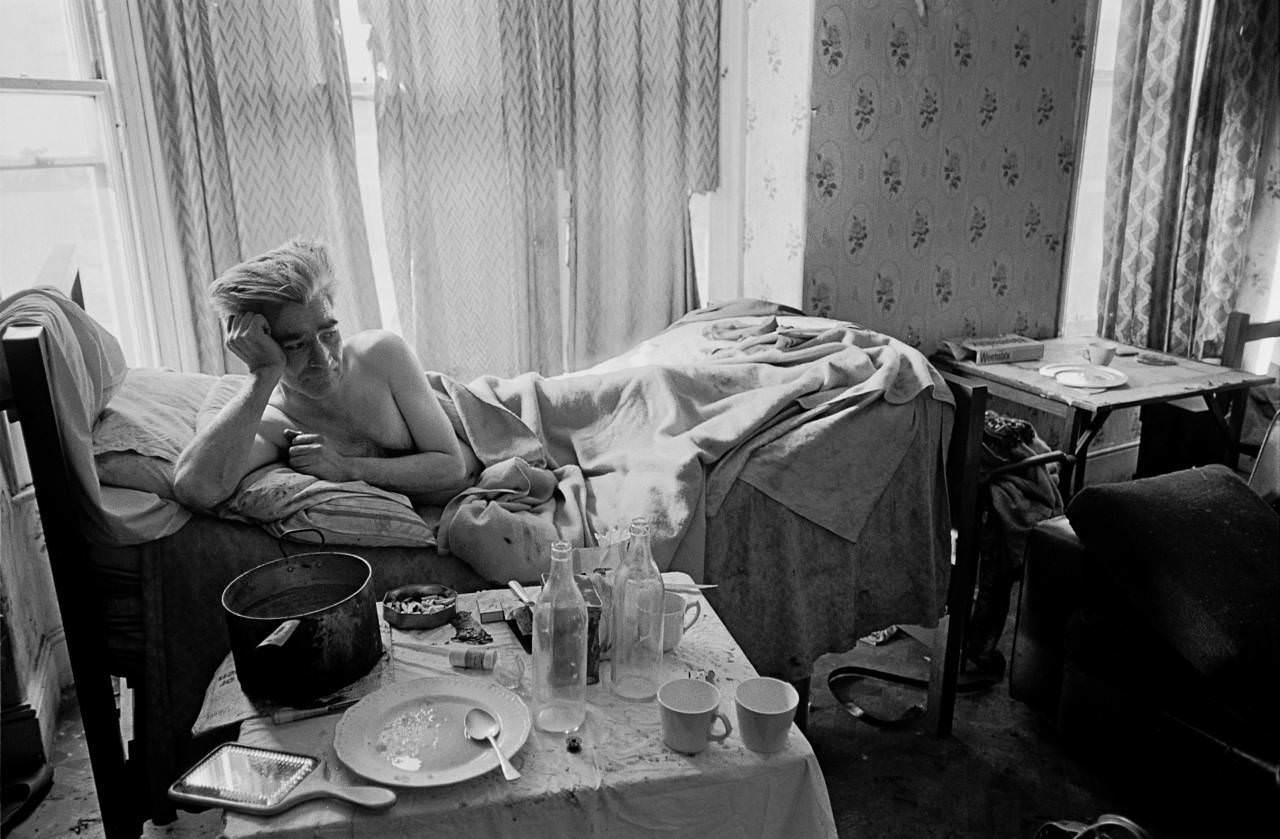
Multi-let houses — large properties divided and rented out room by room — were common in areas like Moss Side. Single men and entire families alike were crammed into spaces that offered little more than four walls and a door. Landlords collected rent, but basic upkeep was rarely part of the arrangement.
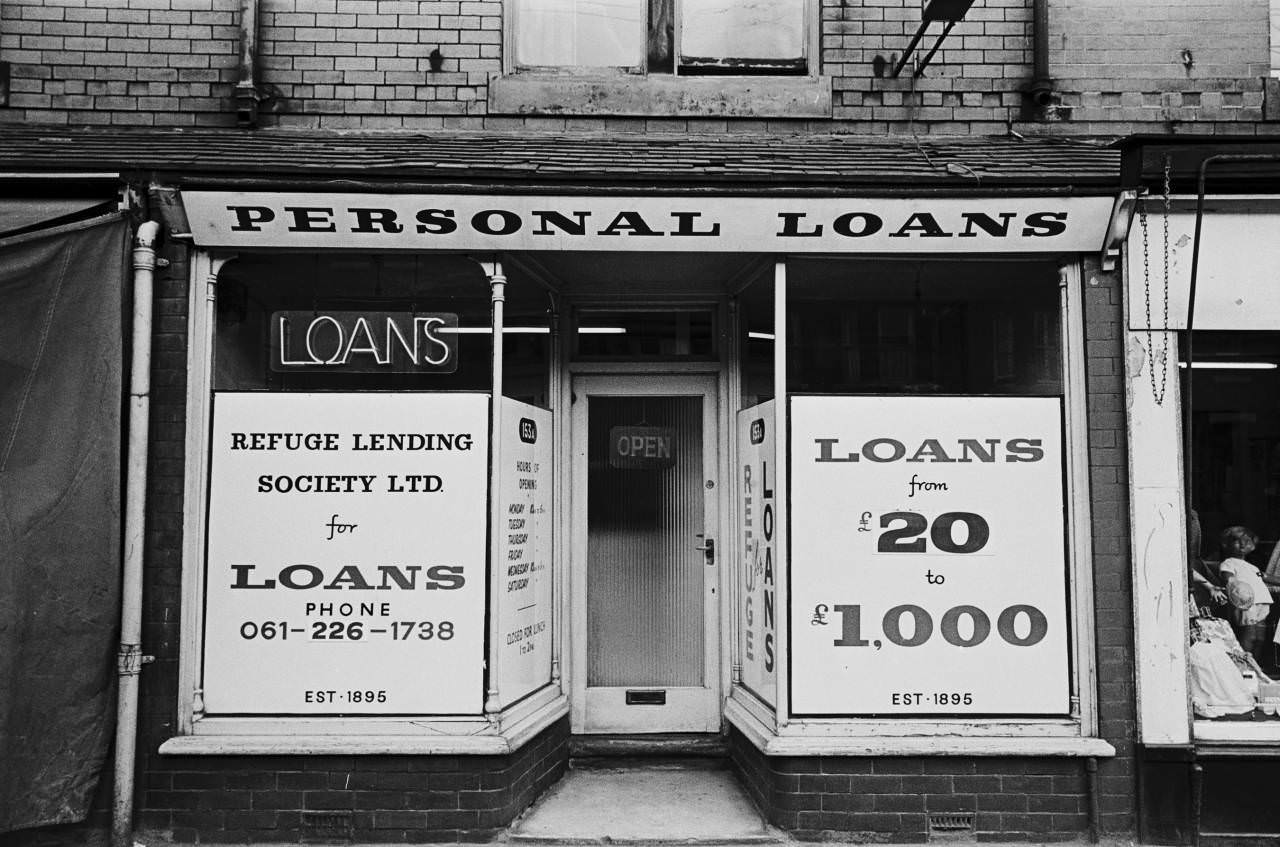
Financial hardship was woven into the fabric of these neighbourhoods. Personal loan shops were a common sight on Manchester’s inner-city streets in 1970, catering to residents who had no access to banks or savings. Debt was often the only way to cover rent, food, or clothing.
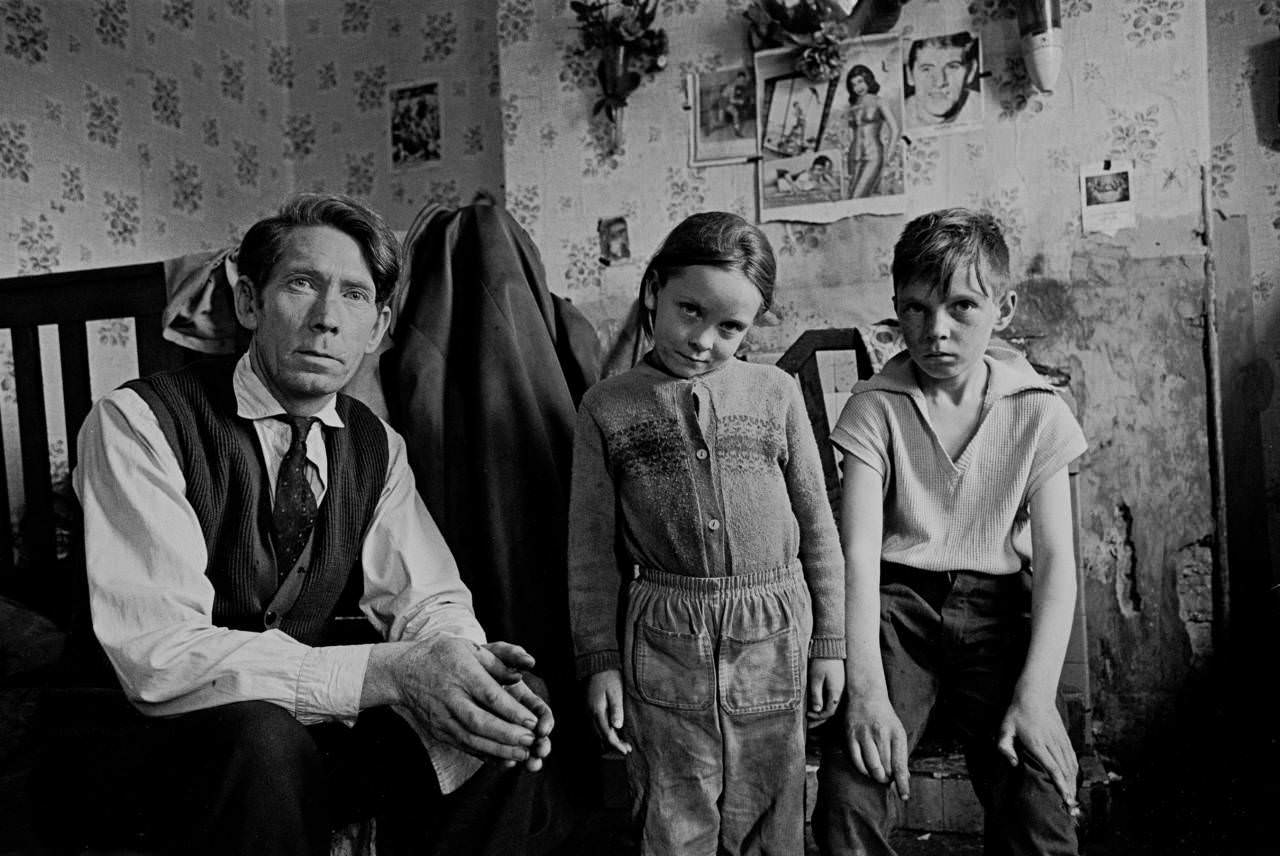
Moss Side in 1969 was home to waves of newly arrived Irish immigrants, many of whom had come to England seeking work. They settled in the cheapest available housing, which often meant the most run-down streets in the city. The area became a patchwork of communities, all navigating the same poor conditions.
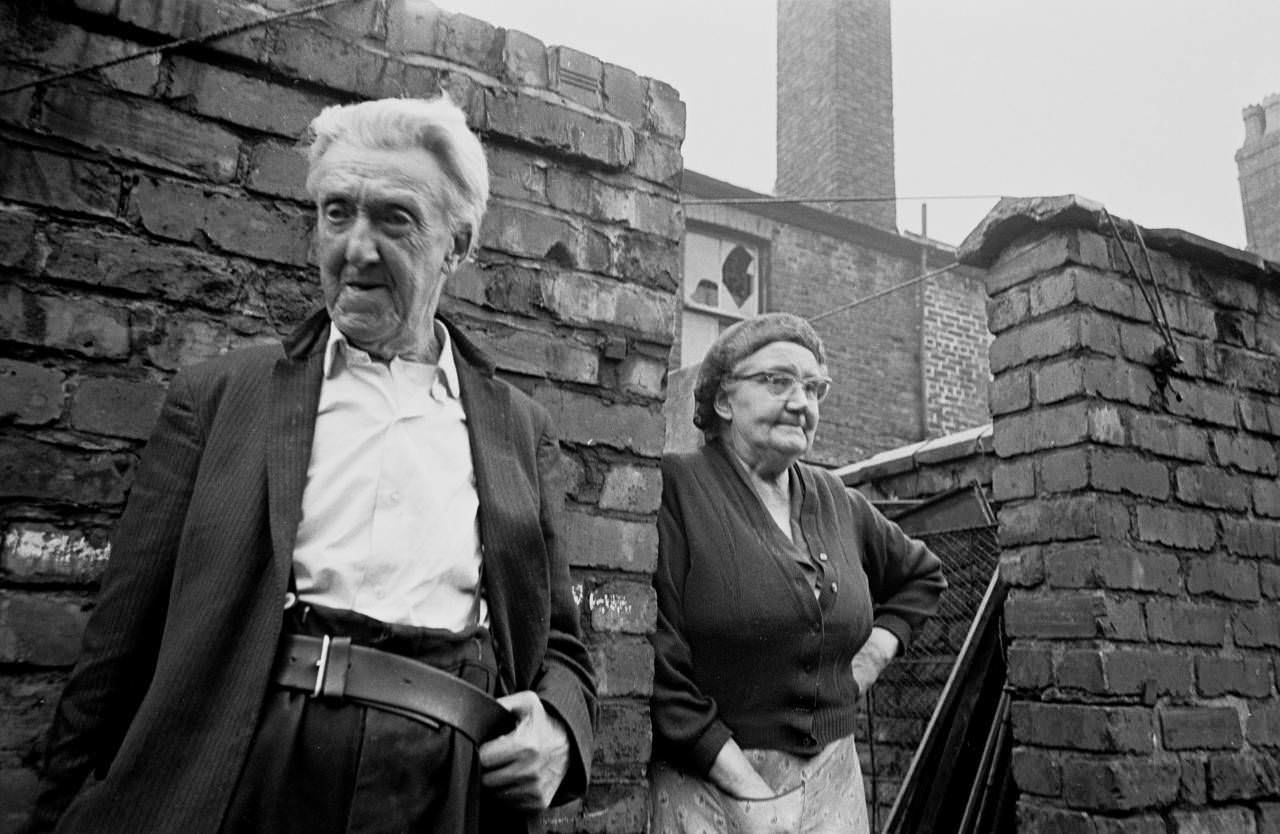
Not everyone had the option to leave. Elderly residents were frequently left behind as younger families moved out or were relocated. Some couples remained in semi-derelict properties long after surrounding homes had been boarded up or demolished, with no realistic means of moving elsewhere.
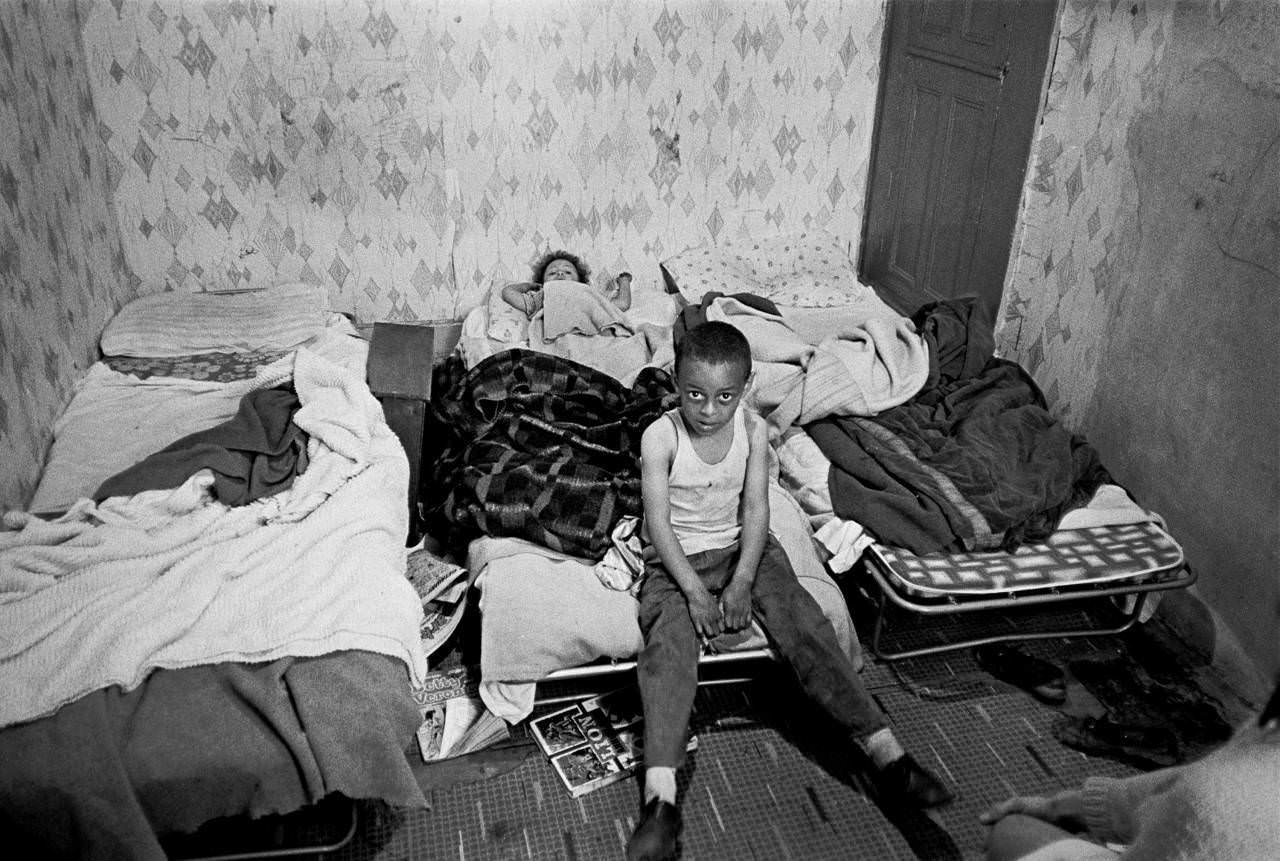
Children’s bedrooms in Manchester’s slum housing were stark. Bare walls, broken plaster, and minimal furniture were standard. Several children often shared a single room, sometimes a single bed. The photographs Hedges took inside these homes made it impossible for anyone who saw them to look away.
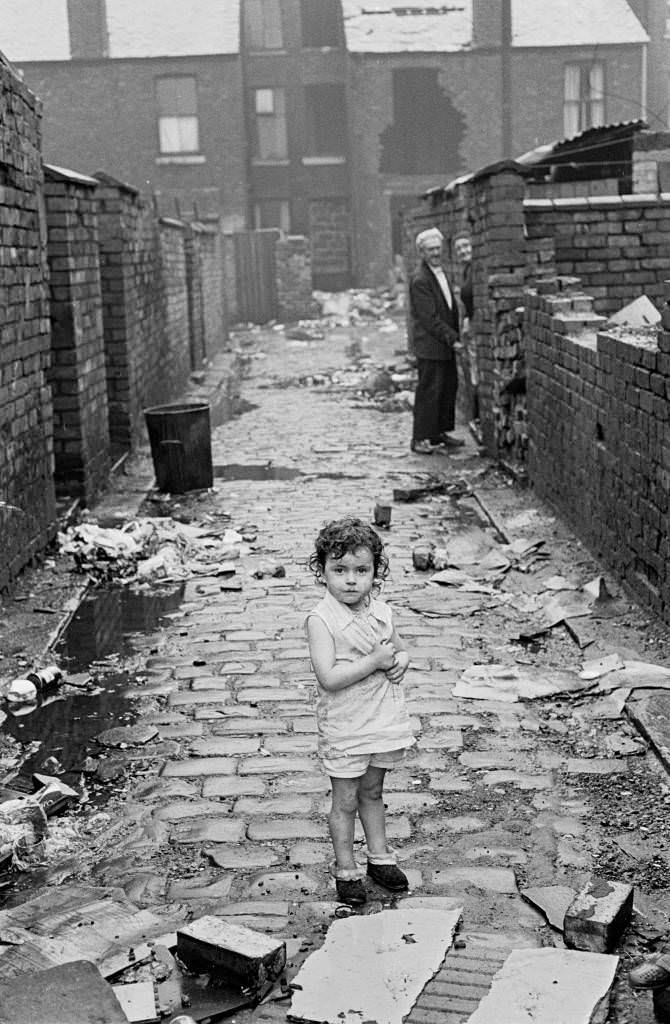
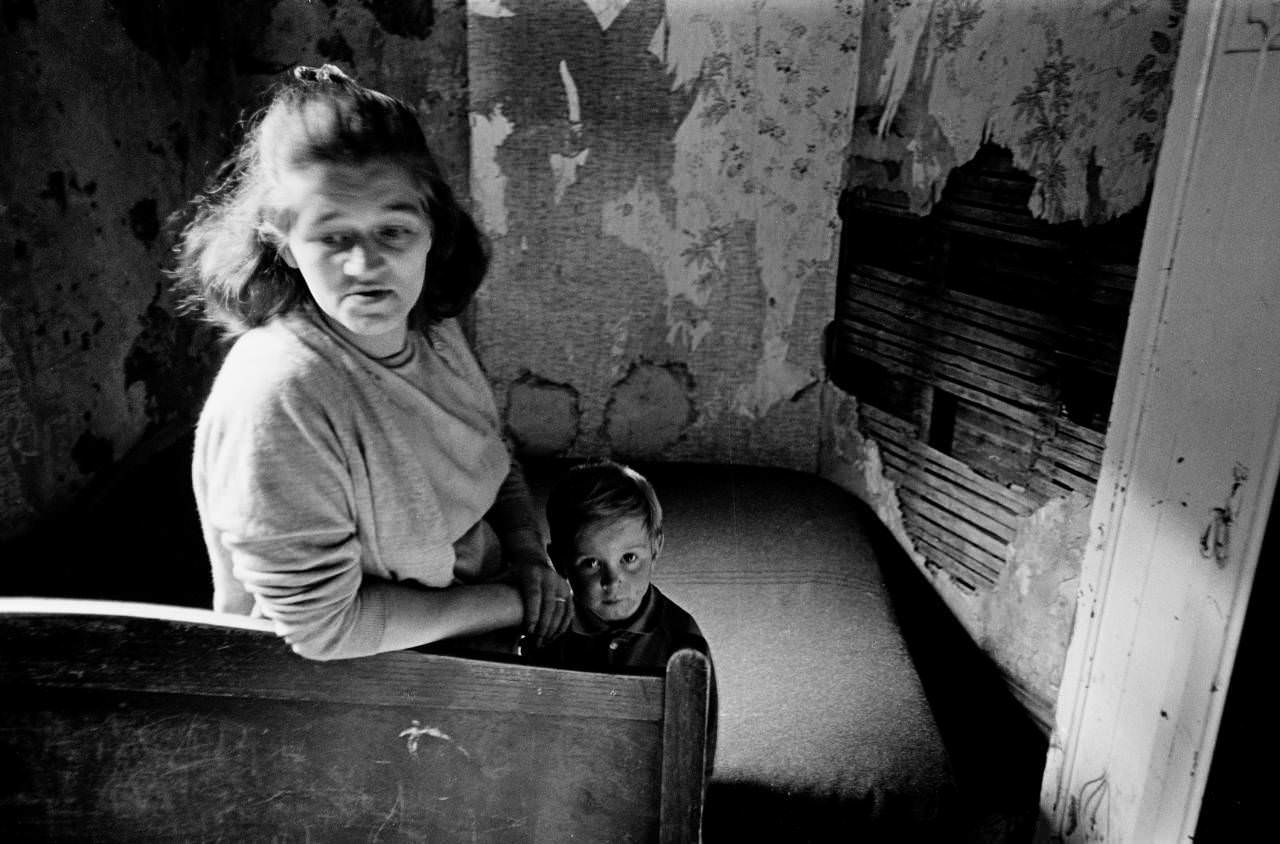
Mothers appear throughout Hedges’ Manchester work, often photographed with their children in tight, dim spaces. Their expressions rarely suggest despair so much as exhaustion — the look of people managing an impossible situation as best they can.
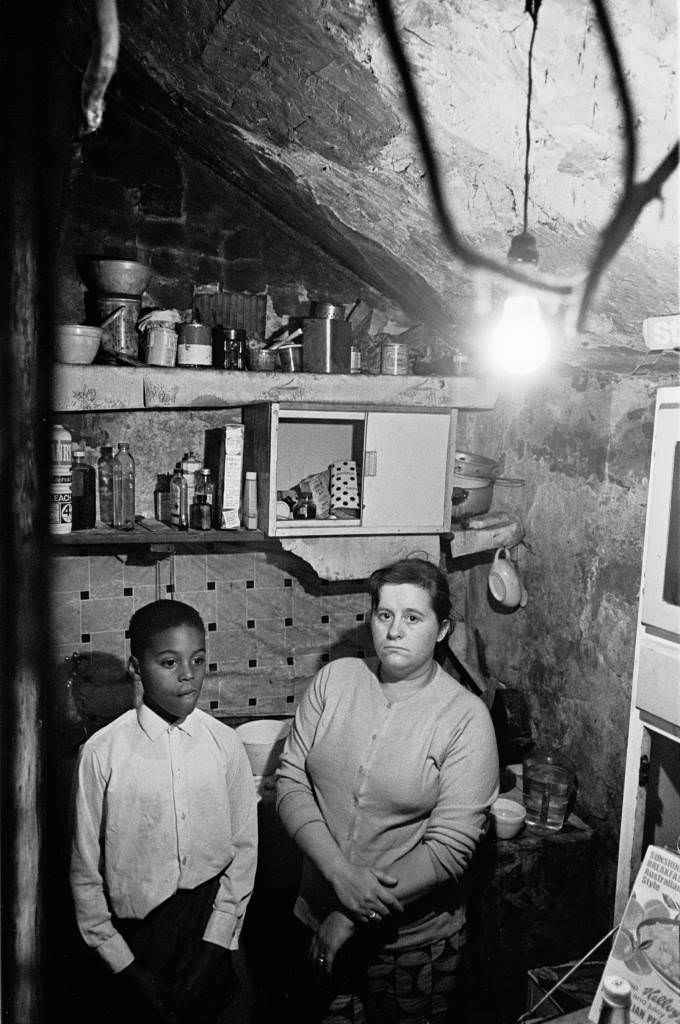
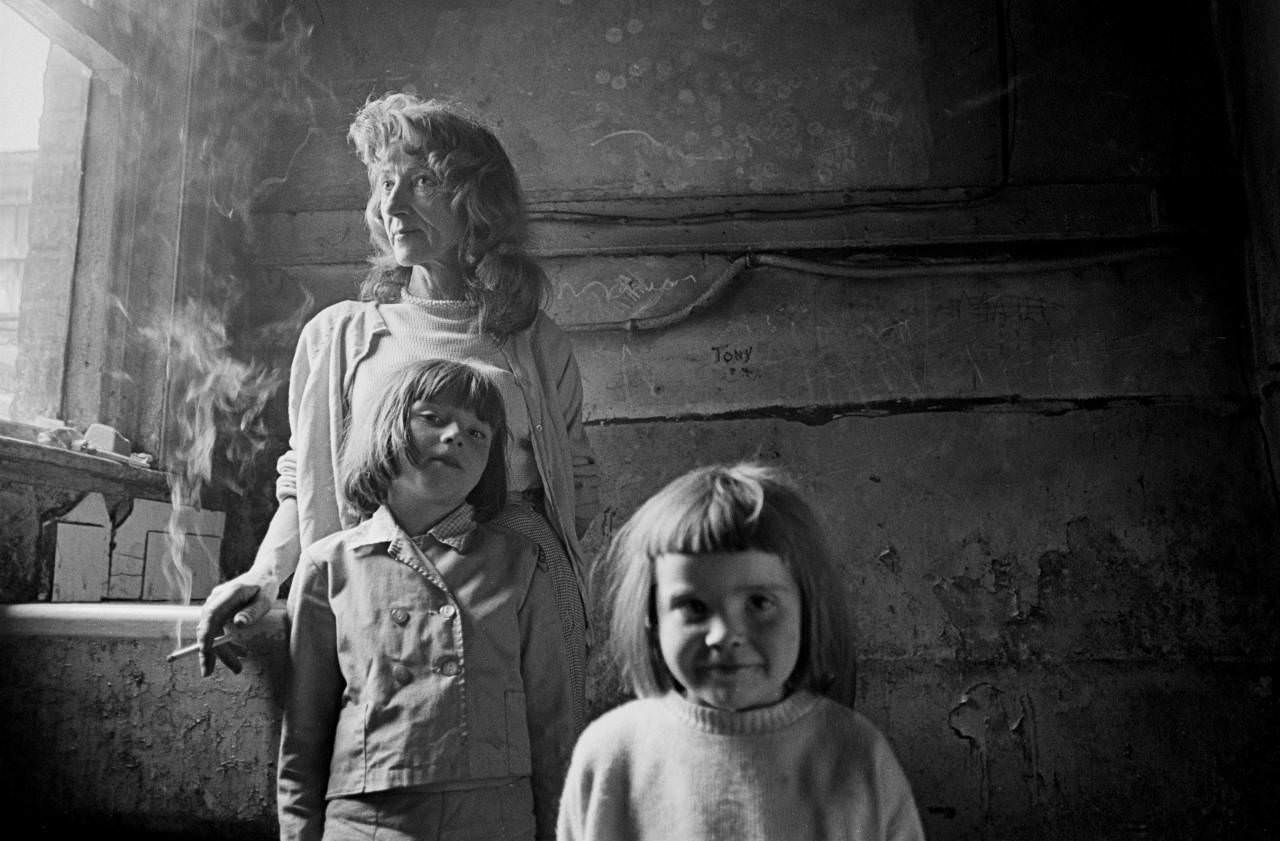
Kitchens and living spaces in these properties were frequently shared between multiple families or tenants. Cooking, washing, and childcare all happened in the same cramped rooms. Substandard plumbing meant that hot water was a luxury, not a given.
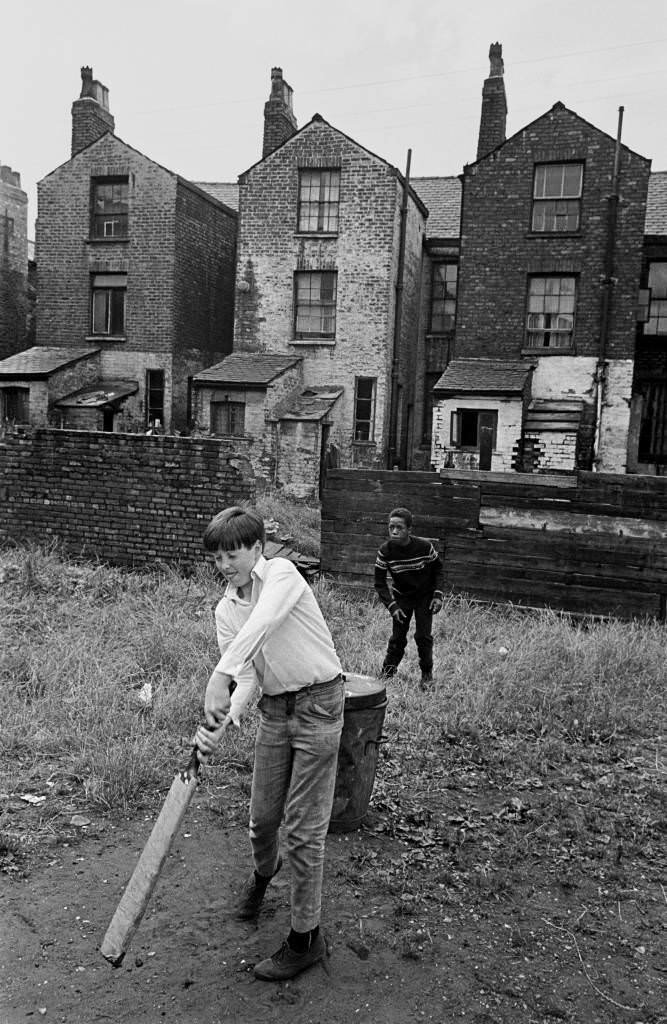
Despite the conditions, everyday life continued. Children played cricket on waste ground in Moss Side, making use of whatever open space existed between the terraces. These moments of ordinary childhood activity stand in sharp contrast to the deteriorating environment surrounding them.
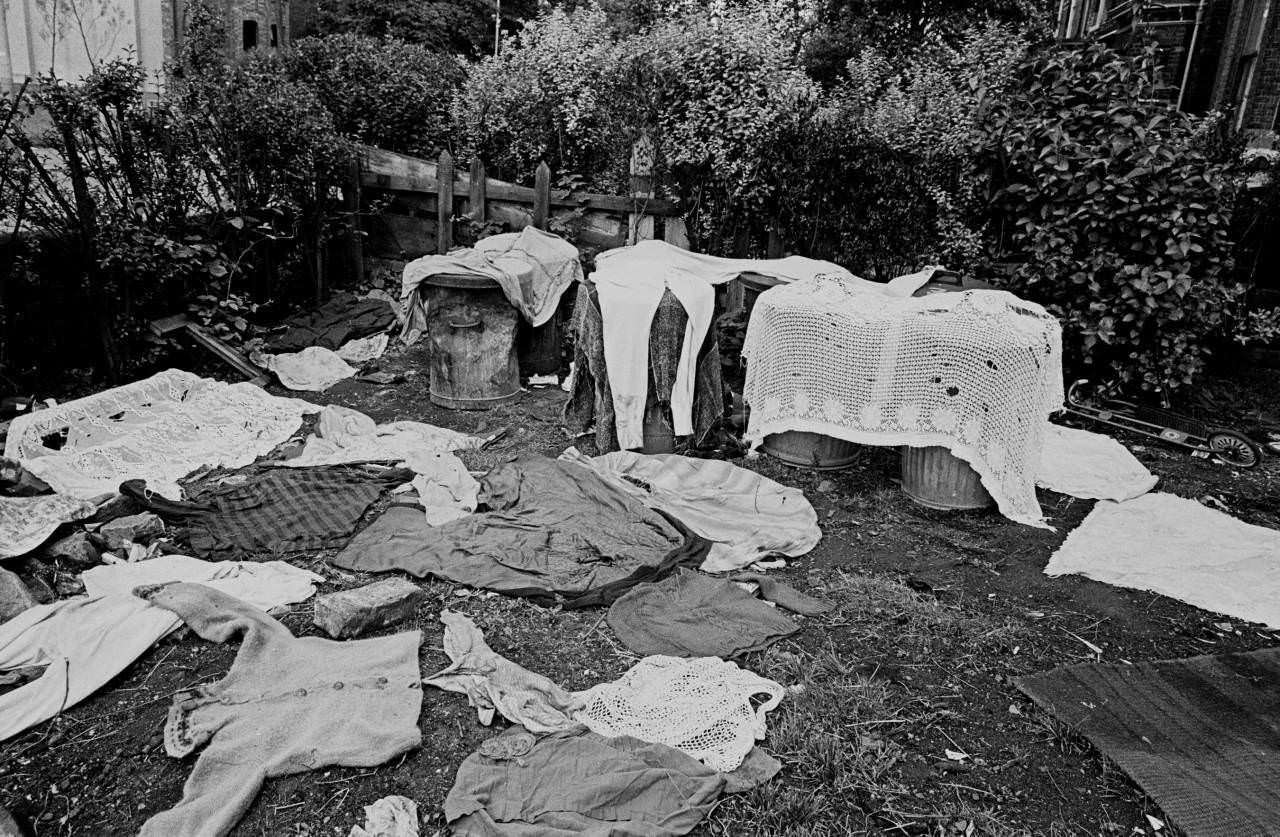
The backyards and gardens of Moss Side’s multi-let houses served many purposes at once — laundry space, play area, and social hub. Hedges captured these small, functional moments as part of the larger picture he was building of how people actually lived in Britain’s neglected urban streets.
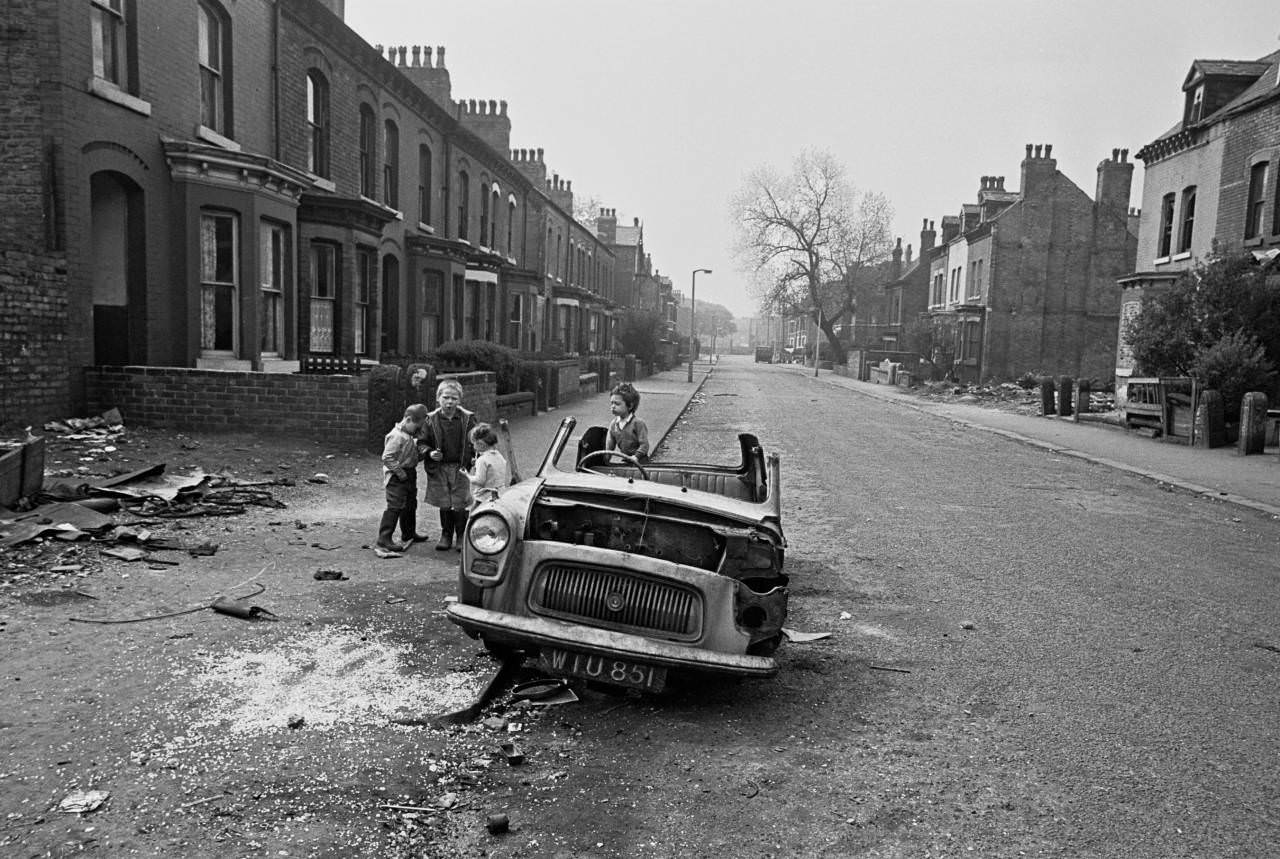
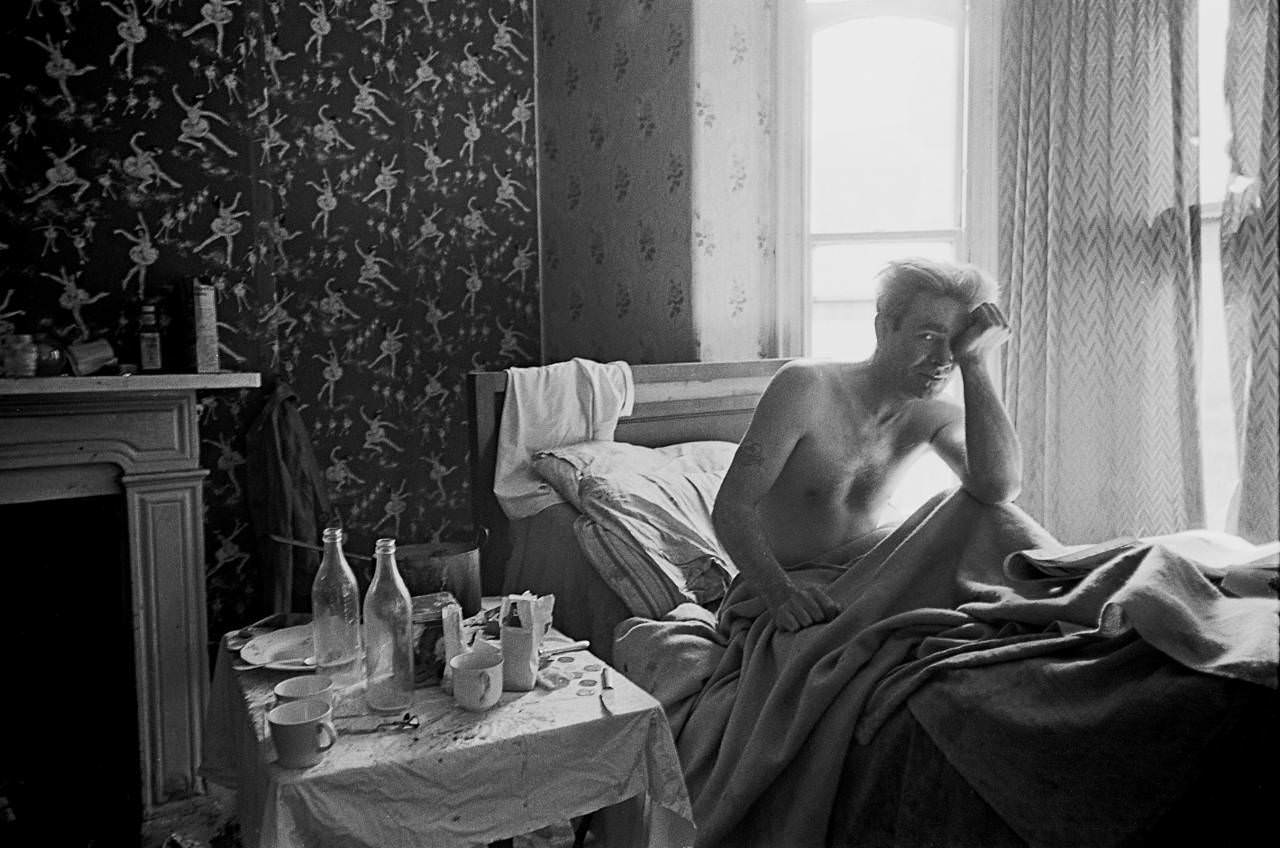
The street-level scenes Hedges photographed show just how visibly worn Manchester’s inner-city areas had become by 1970. Cracked pavements, grimy brickwork, and rows of identical terraced houses stretched across his frames. For many residents, this was not a neighbourhood in decline — it had always looked this way.
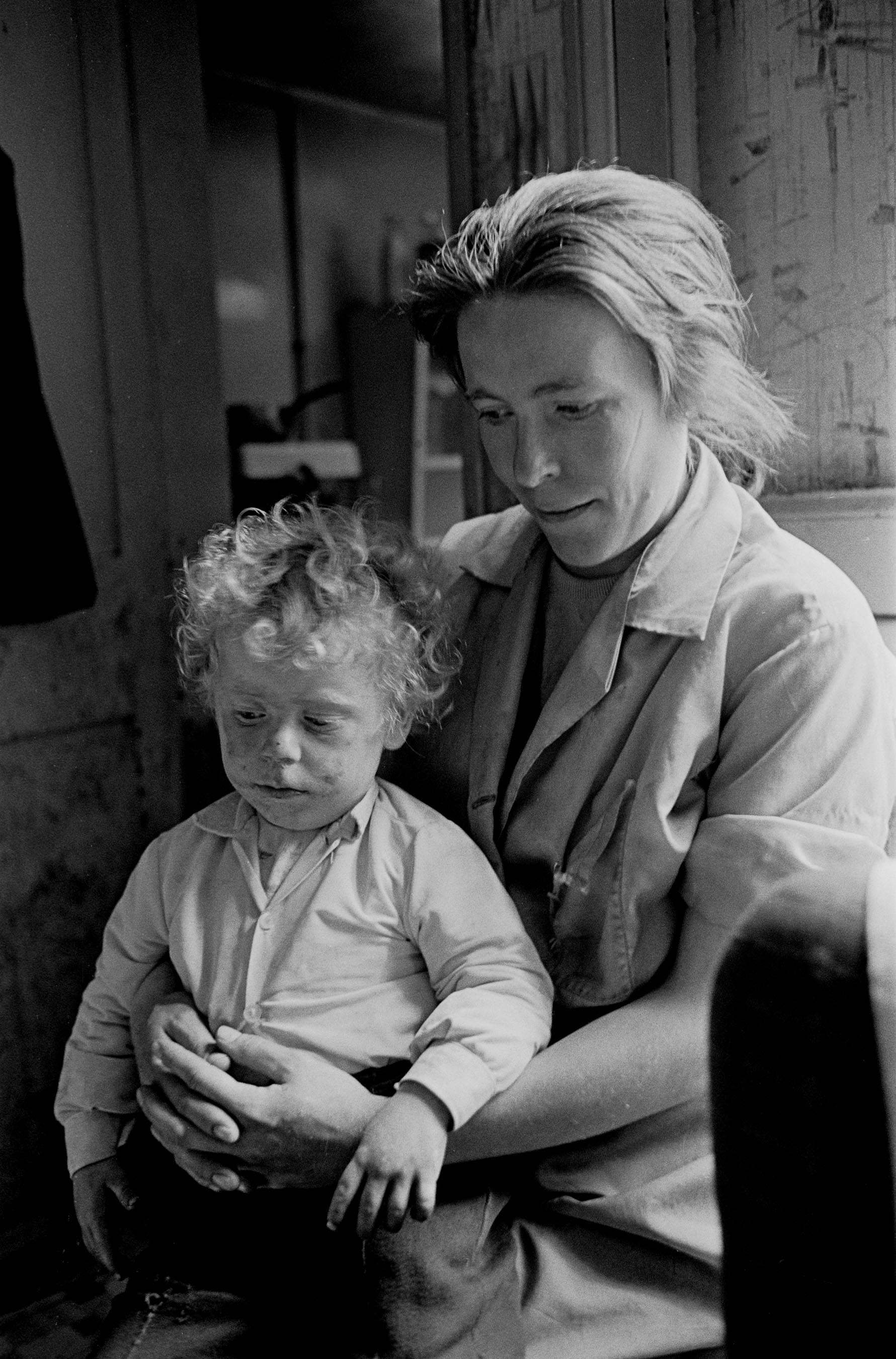
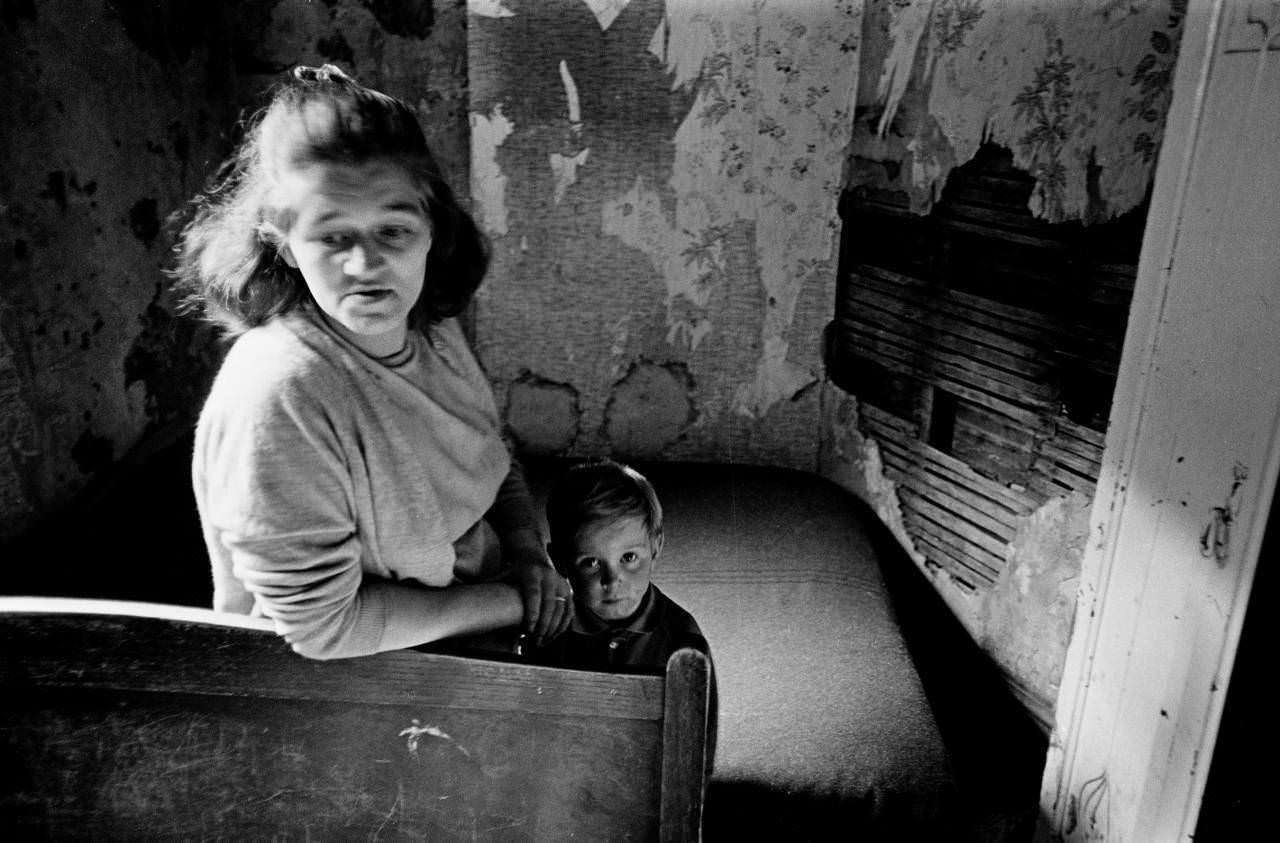
Young children growing up in Manchester’s slum housing in the early 1970s knew nothing different. The peeling wallpaper, broken fixtures, and overcrowded rooms were simply the backdrop of their earliest years. Hedges documented this reality without dramatising it, letting the scenes speak for themselves.
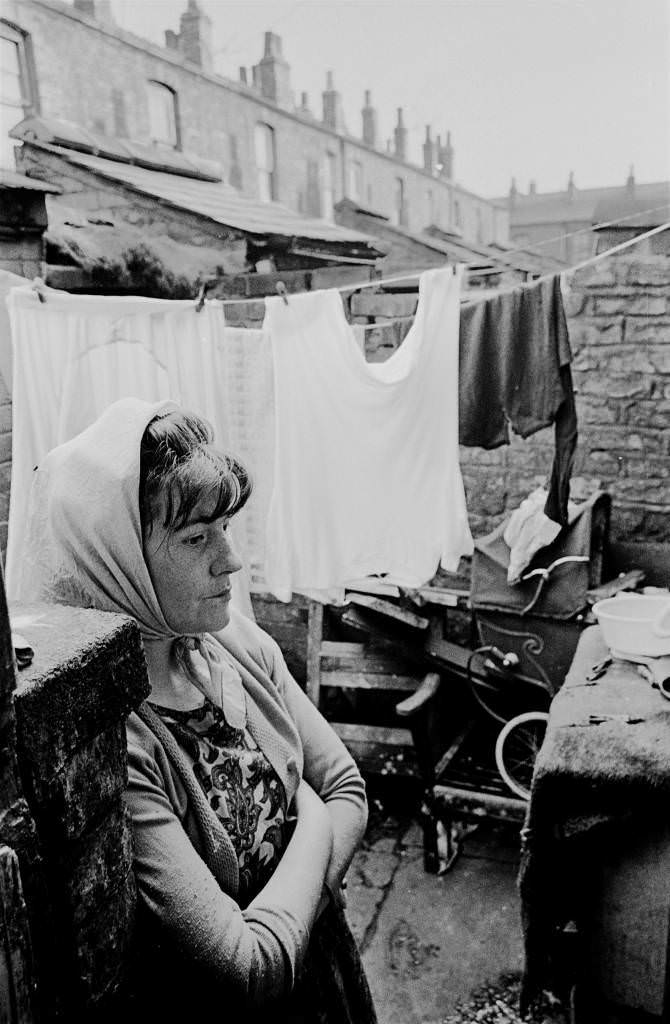
The images Shelter published using Hedges’ photographs caused a significant reaction among politicians and the public alike. They were used directly in campaigns pushing for government action on Britain’s housing crisis. The photographs did not just record history — they were deployed as evidence in an active political argument about what the state owed its citizens.
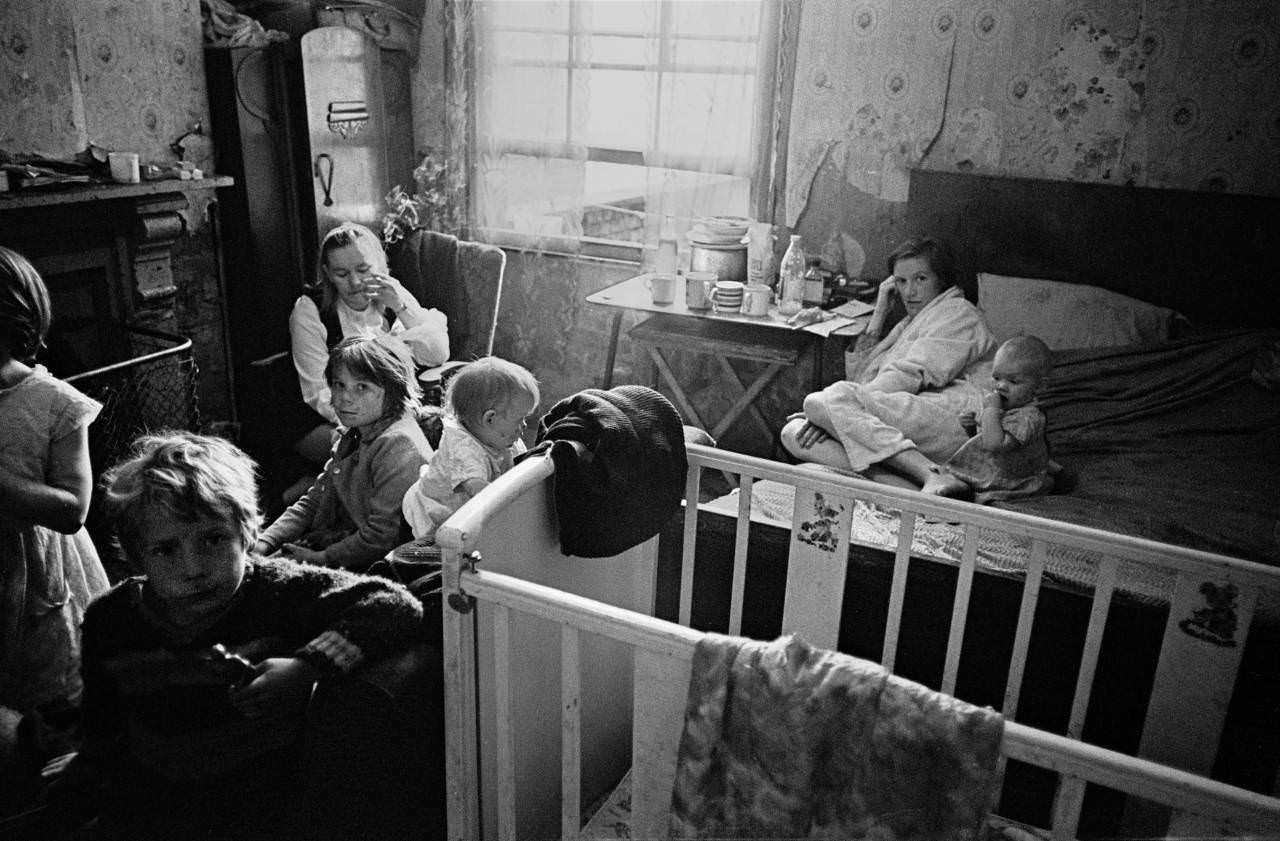
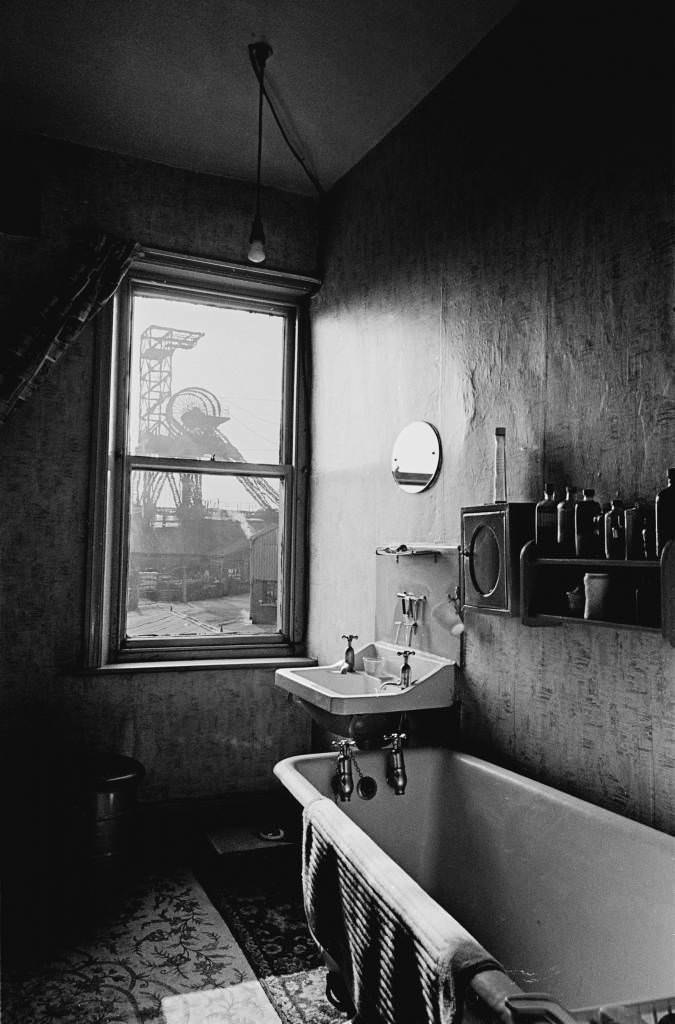
The reach of Hedges’ assignment extended beyond Manchester. In Burnley, a colliery visible through a bathroom window captured the industrial backdrop against which these communities lived — factory smoke, coal dust, and poverty operating as a single system. Working-class life in northern England in this era was defined as much by the industries surrounding the homes as by the homes themselves.
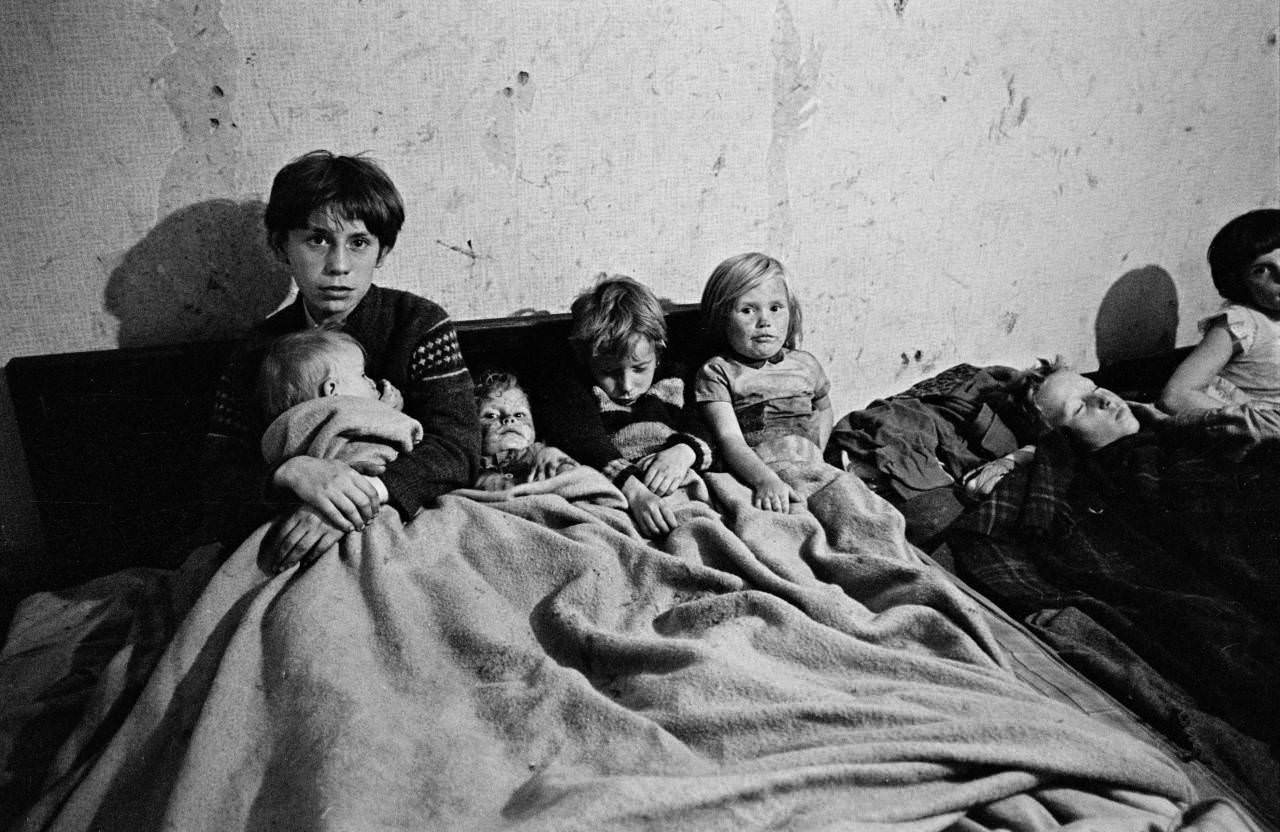
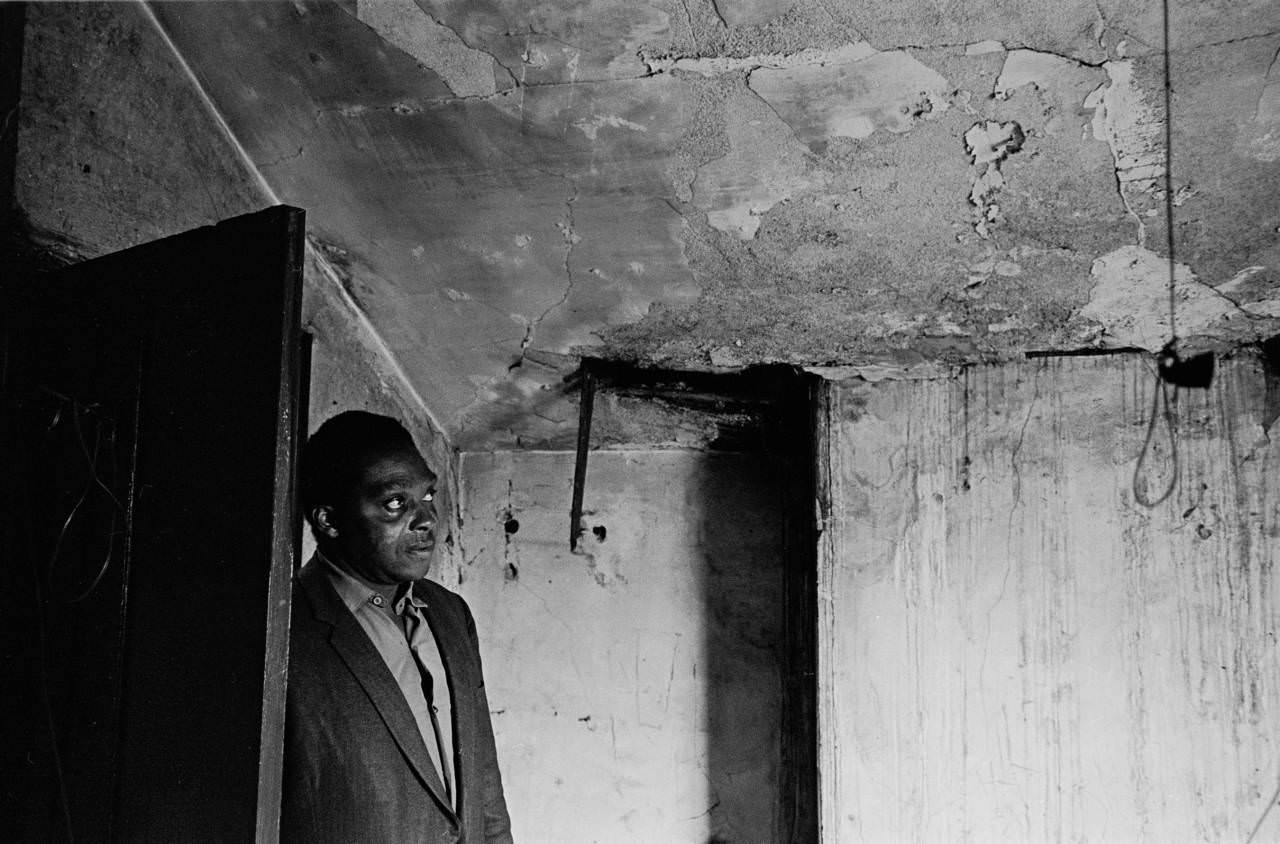
A photograph of a bedroom ceiling in Moss Side — cracked plaster, water stains, decay spreading across the surface above where a child slept — became one of the most quietly devastating images in Hedges’ collection. It required no caption to communicate what it meant to live beneath it every night.





The look of resignation on some of their faces is heartbreaking.
BuT bOoMeRs HaD eVeRyThInG
They saw it was shit and then they fixed it.
Now they see it’s shit and say “oh we had it worse in my day!” instead of trying to make things better.
I don’t think anybody was saying it was utopia. For most people it was a great run though
Hilarious how many down votes you have got for this comment 😁. The cognitive dissonance of self pitying millennials as they angrily down vote you on their iPhones is brilliant.
Number 8 the more things change the more they stay the same
Looks like Geert Wilders
I walked down my mums terraced back street the other day for the first time in years. Kinda starting to look like some of those pictures again.
We are going back to the single room lets with HMOs too. Council should really not be approving those.
Didn’t they replace them with the Crescents?
Yeah they were built as a replacement.
Yes they did. Surely it would have been cheaper to just gut and fix the terraced streets.
I always find it a shame that while the city did do a good thing in demolishing these slums we replaced them with shitty tower blocks and not very dense estates.
And many of the new estates still suffer from the knock-on effects even now, e.g. Hattersley.
Indeed, we really should be working to replace these estates now.