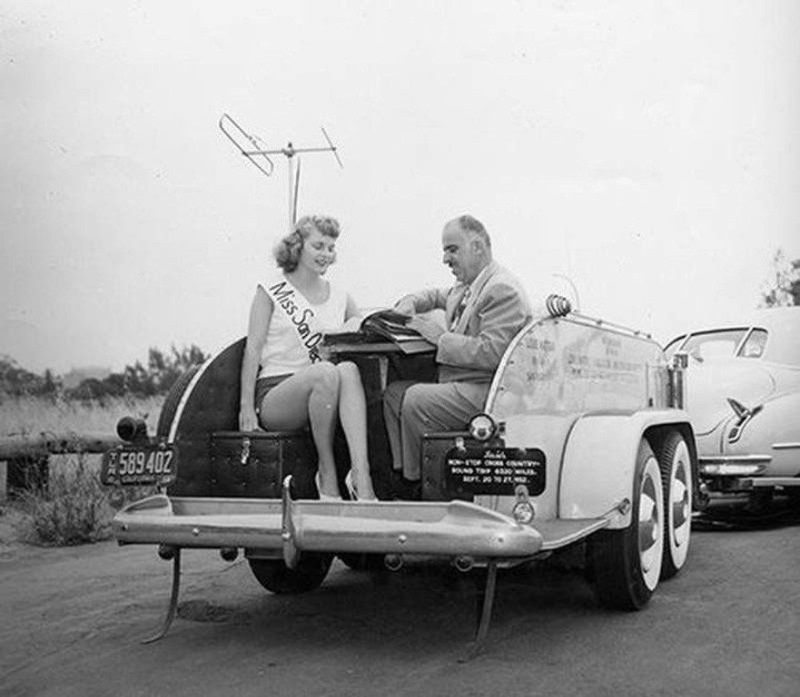
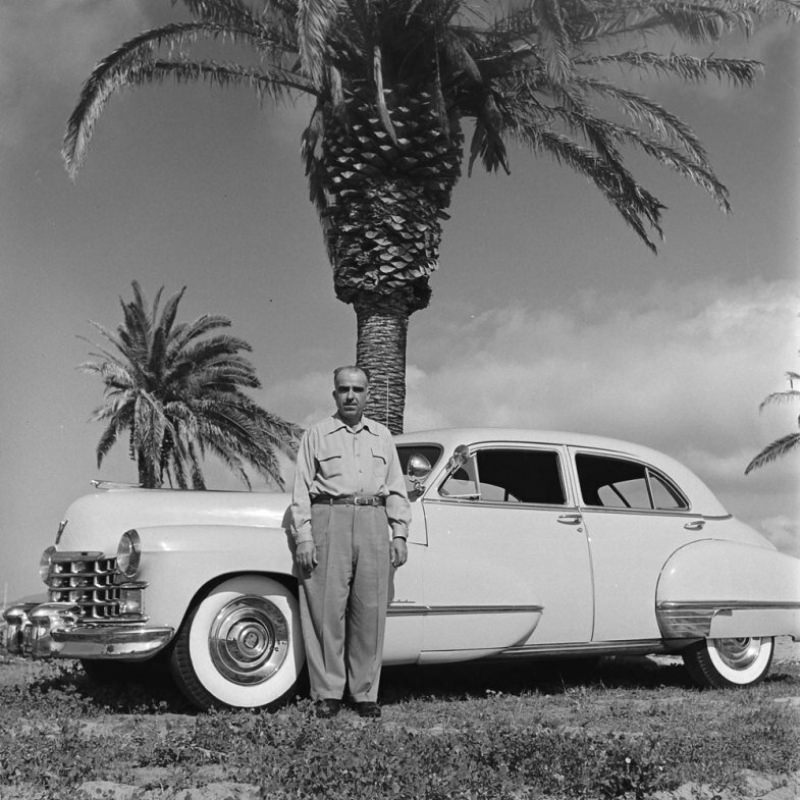
In the early 1950s, a San Diego garage owner named Louie Mattar did something no one had done before. He took a 1947 Cadillac and spent four years turning it into a fully self-sufficient rolling home — one that could travel thousands of miles without ever needing to stop. The project cost him an extra $14,000 and produced one of the most unusual vehicles ever built.
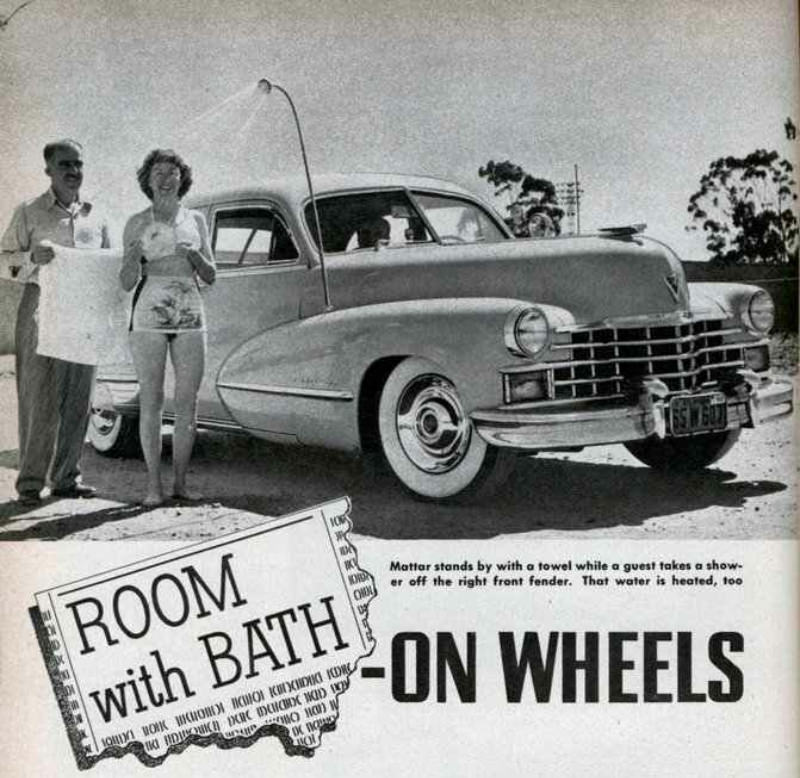
Mattar bought the Cadillac new in 1947. The standard equipment that came with it wasn’t enough for him. He began adding features one by one, dreaming up systems that most car owners never would have thought possible. The result was a car that could wash clothes, cook food, serve drinks, and even deliver a hot shower — all while moving down the highway.
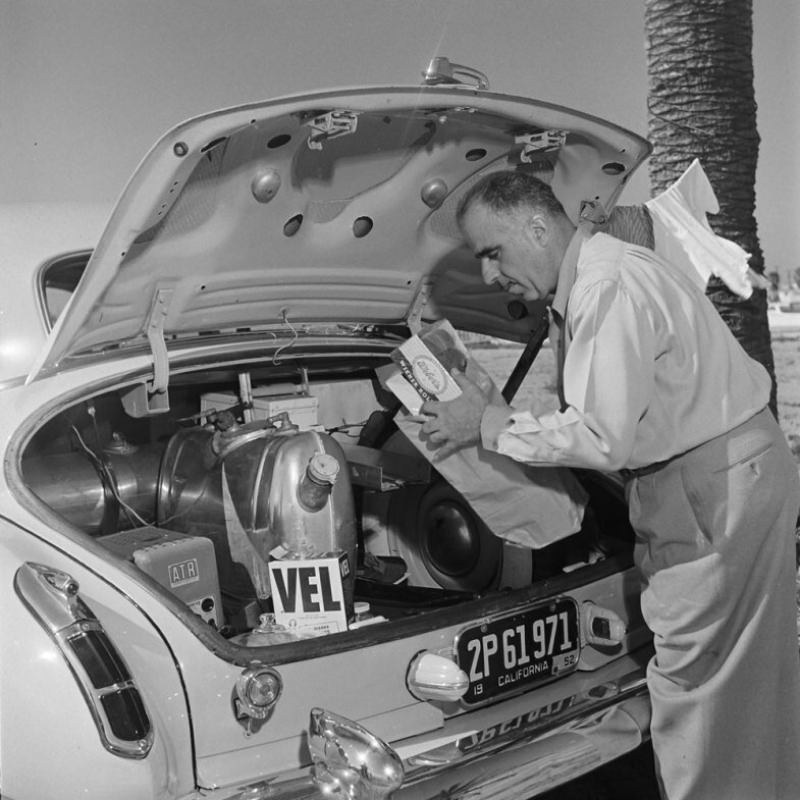
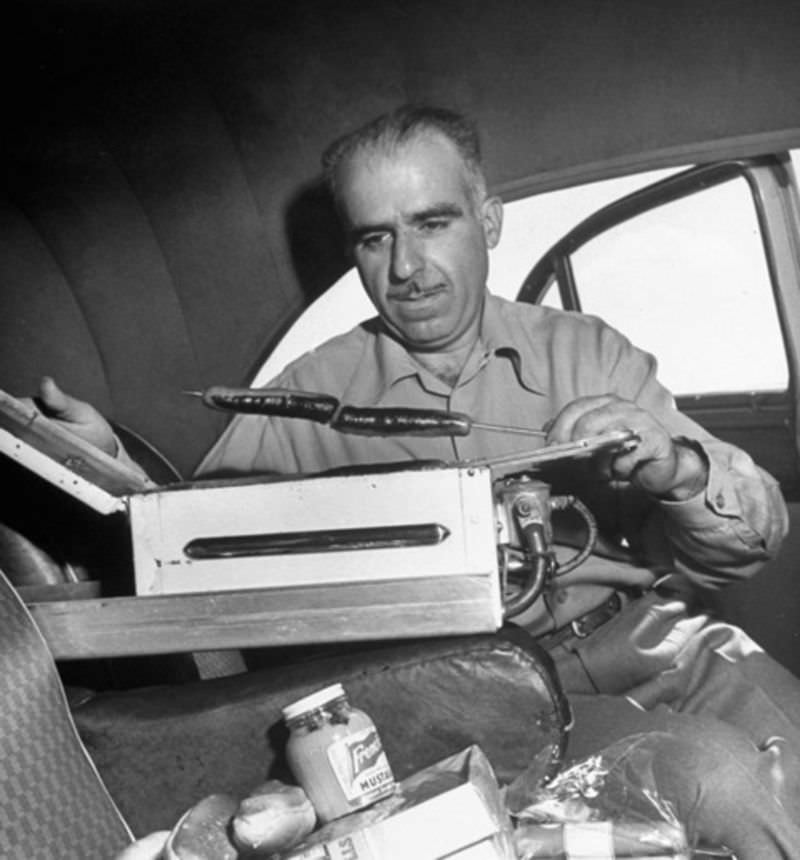
The kitchen setup was one of the car’s most practical features. Mattar installed a stove that slid forward from the trunk into the back seat area, along with a kitchen sink and all the tools needed to prepare a full meal on the road. The trunk itself was stocked and organized like a traveling pantry.
The back seat held more than just cooking equipment. Mattar fitted a small washing machine back there, powered by two extra batteries he installed specifically to handle the car’s increased electrical demands. Laundry could be done while driving down the road at full speed.
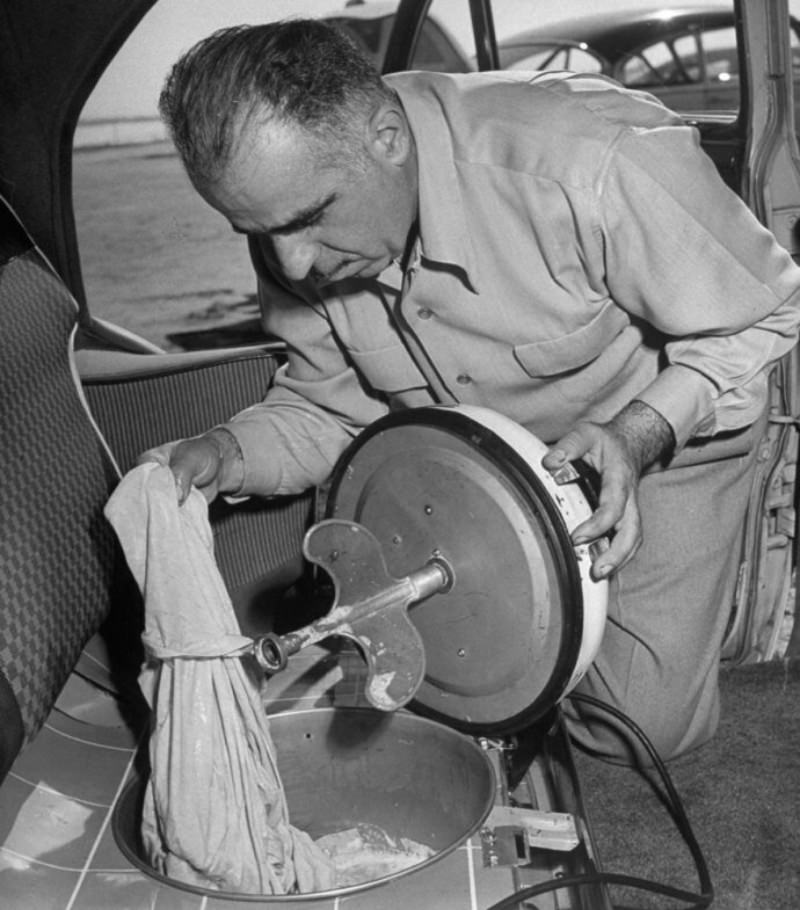
Once the wash was done, it needed somewhere to dry. Mattar had a solution for that too.
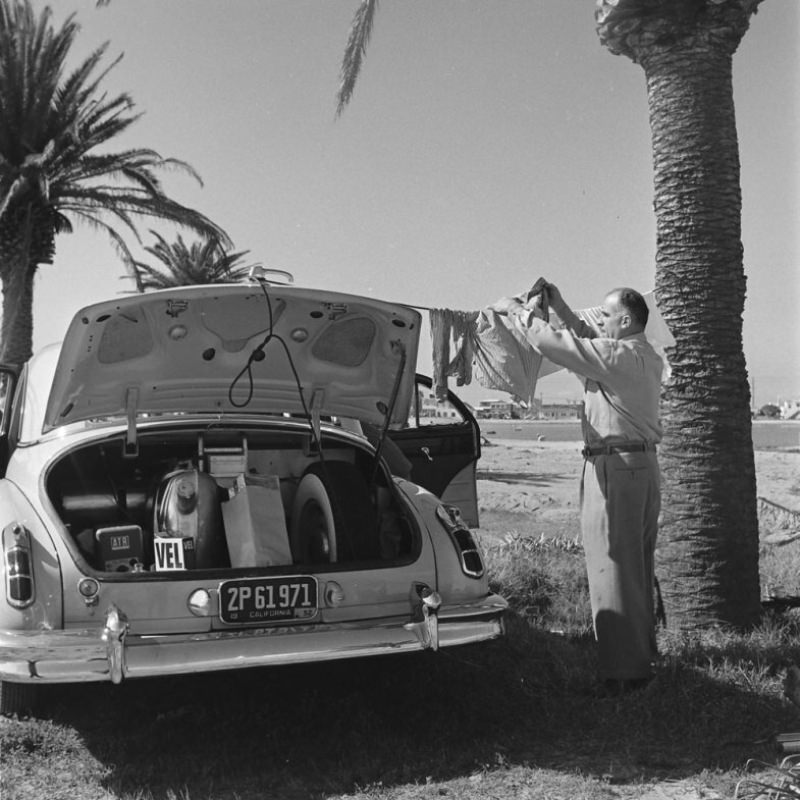
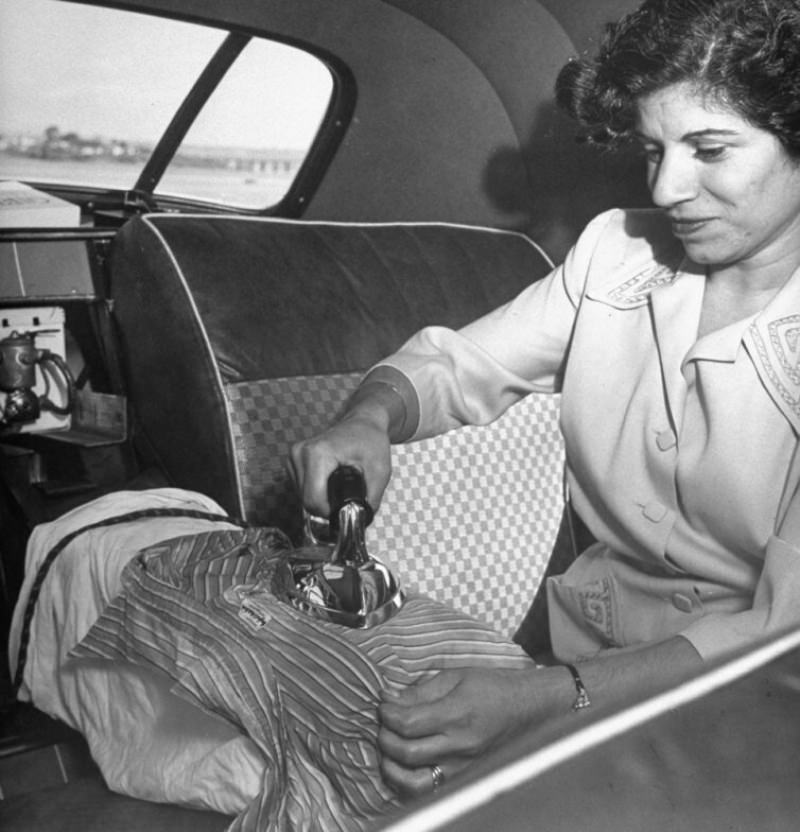
The car’s electrical system supported more than just the washing machine. The armrest in the back seat doubled as an ironing board, and passengers could plug in a toaster or an electric razor from the same outlet. Every inch of the interior was designed to serve a purpose.
Water was central to the whole system. Mattar installed 50-gallon tanks and ran the pipes around the exhaust collector to heat the water while the engine ran. This gave the car a constant supply of hot water without any separate heating system.
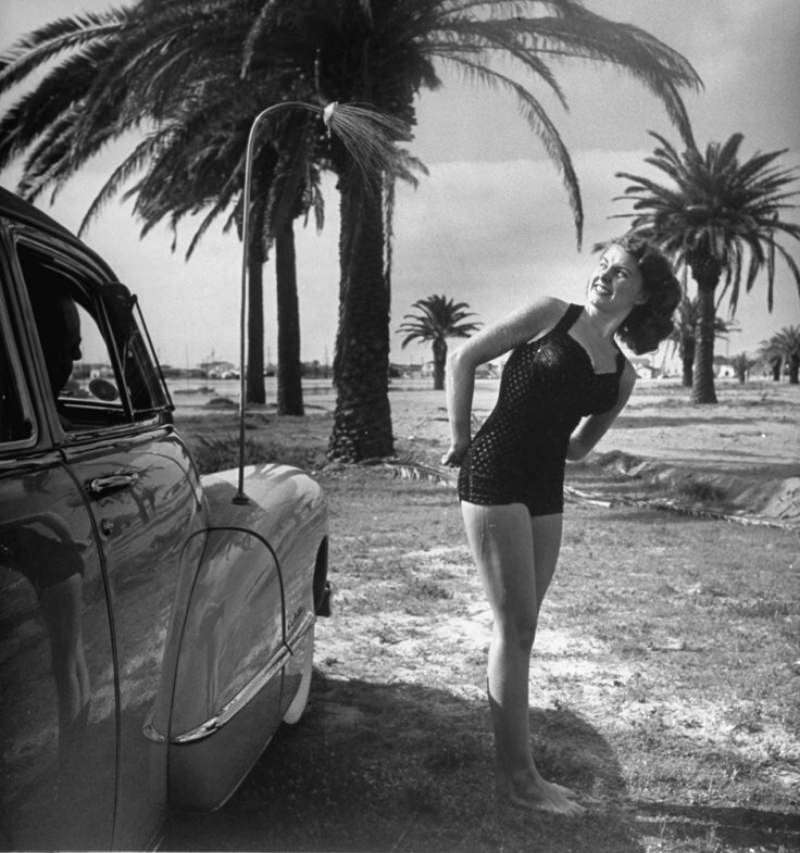
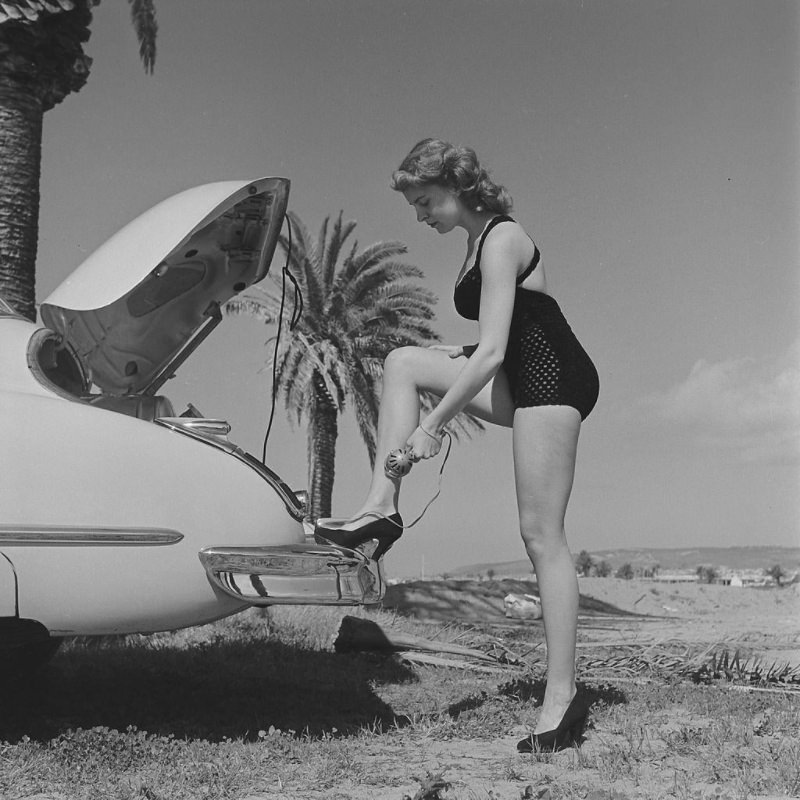
That hot water fed a shower mounted near the front fender. Passengers could step out and take a full warm shower at the side of the road, using water heated entirely by the engine’s exhaust heat.
The car’s electrical output made it useful far beyond its own systems. Mattar designed it so that outside devices could be plugged directly into the vehicle, turning it into a mobile power source.
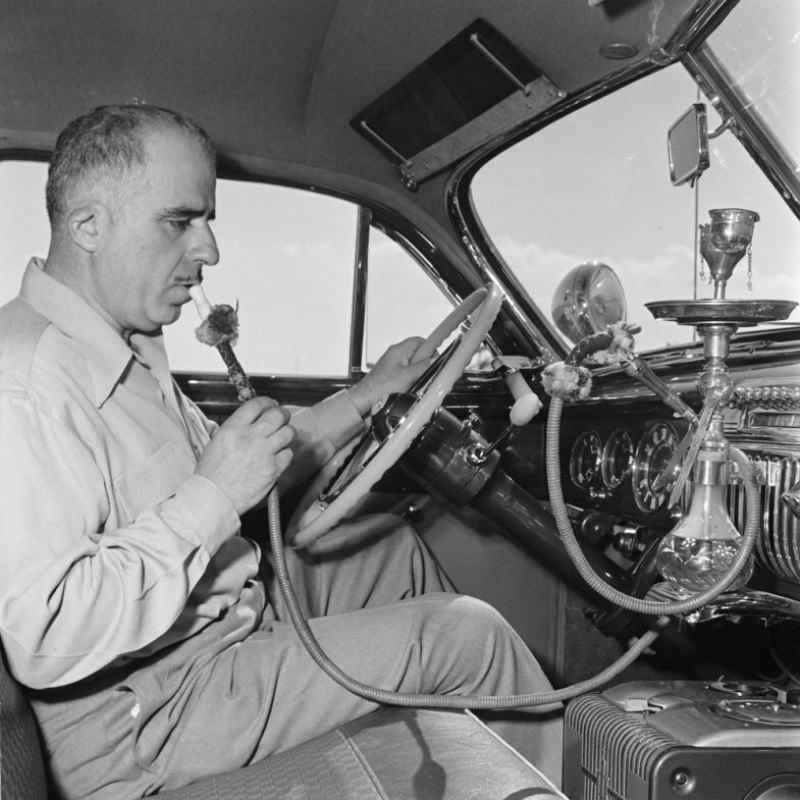
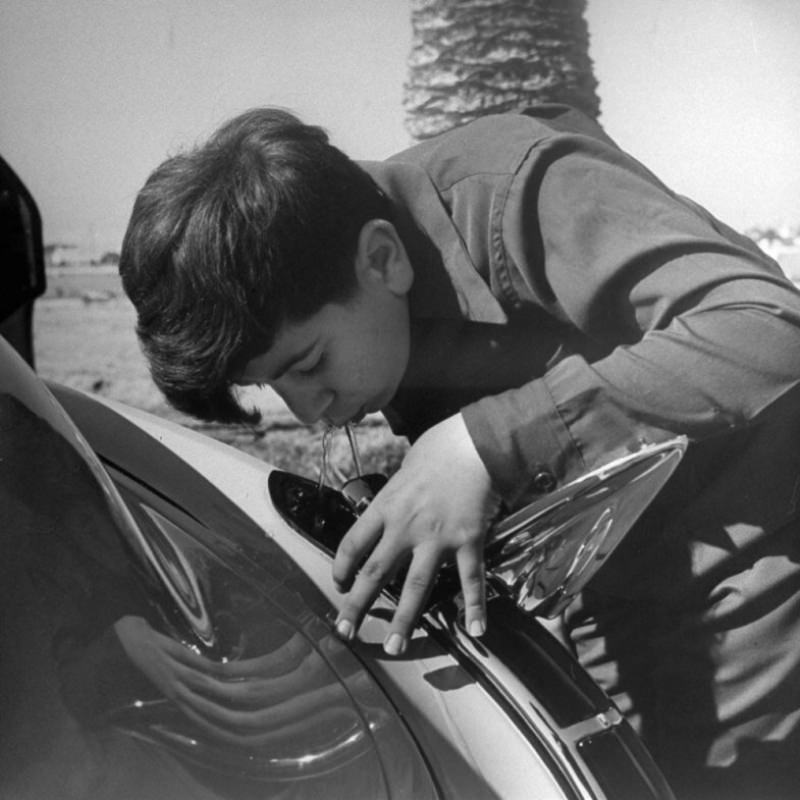
Under the dashboard, Mattar installed a drinking fountain, a tape recorder, and a full bar fitted with spigots for whisky, water, and soda — all positioned beside the taillight for easy reach. The drinking fountain wasn’t just a novelty; it was part of the car’s larger water management system.
The stove that slid out from the trunk made roadside cooking straightforward. Hot dogs, full meals, and anything else that required heat could be cooked without leaving the car’s immediate vicinity.
The Cadillac wasn’t just a showpiece. In September 1952, Mattar and two other drivers used it to set a world endurance record. They drove from San Diego to New York and back — a total of 6,300 miles — in one week, working in shifts and never stopping. The car’s ability to refuel while still moving was key to making that possible. After that record run, the same Cadillac made another epic trip, traveling from Anchorage, Alaska, all the way to Mexico City, nearly without stopping.
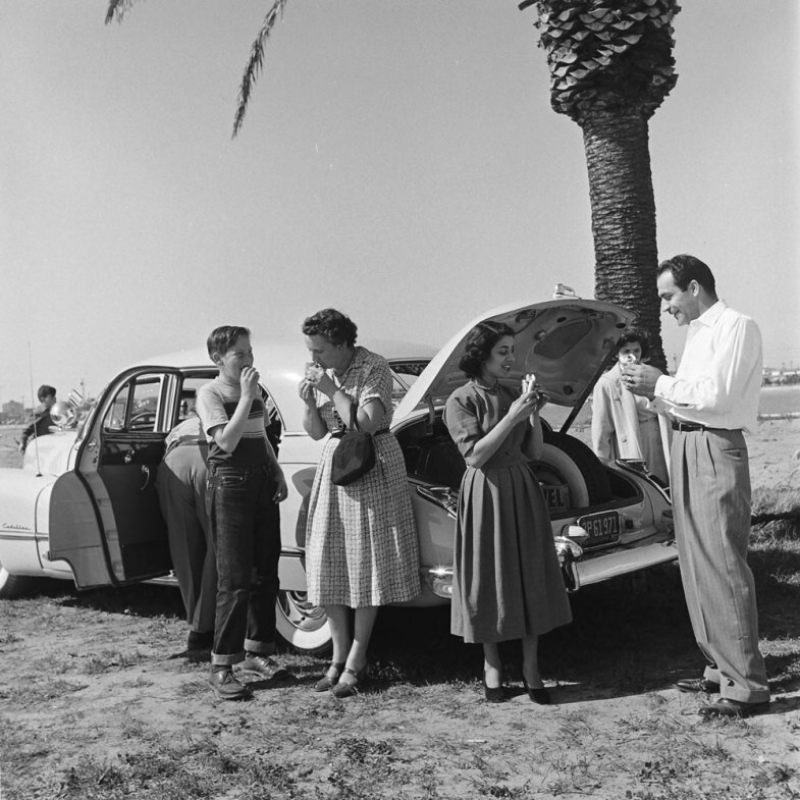
Mattar’s Cadillac drew crowds and cameras everywhere it went. It represented a very specific kind of American ingenuity — one man’s determination to solve every problem of long-distance travel through sheer mechanical creativity. The car now sits on permanent display at the San Diego Auto Museum in Balboa Park.