

In 1938, photographer Ben Shahn traveled to London, Ohio, on assignment for the Farm Security Administration (FSA). His job was to document how ordinary Americans were living and working during the Great Depression. The FSA sent photographers across the country to record conditions in farms, factories, cities, and small towns. London, Ohio — a town of about 4,600 people — was one of his stops.
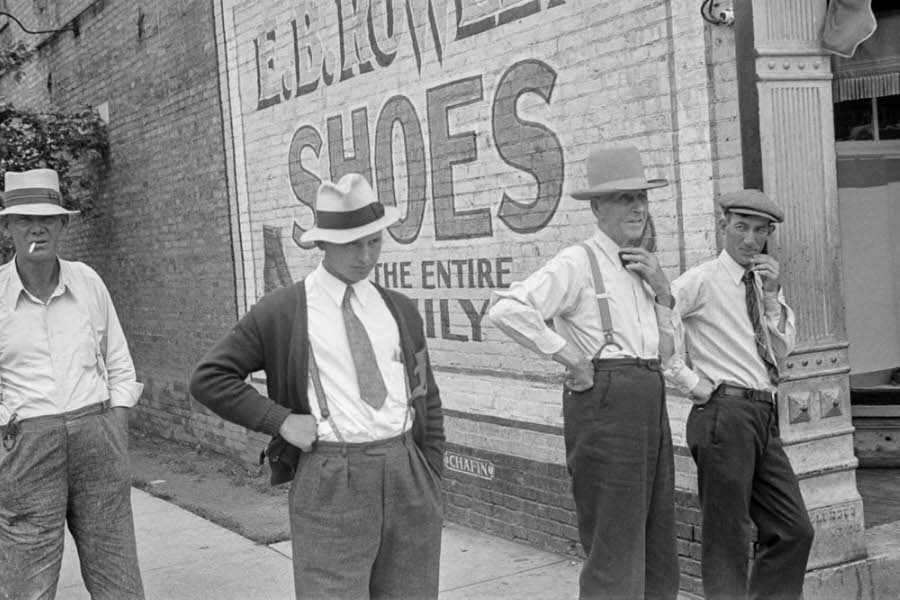
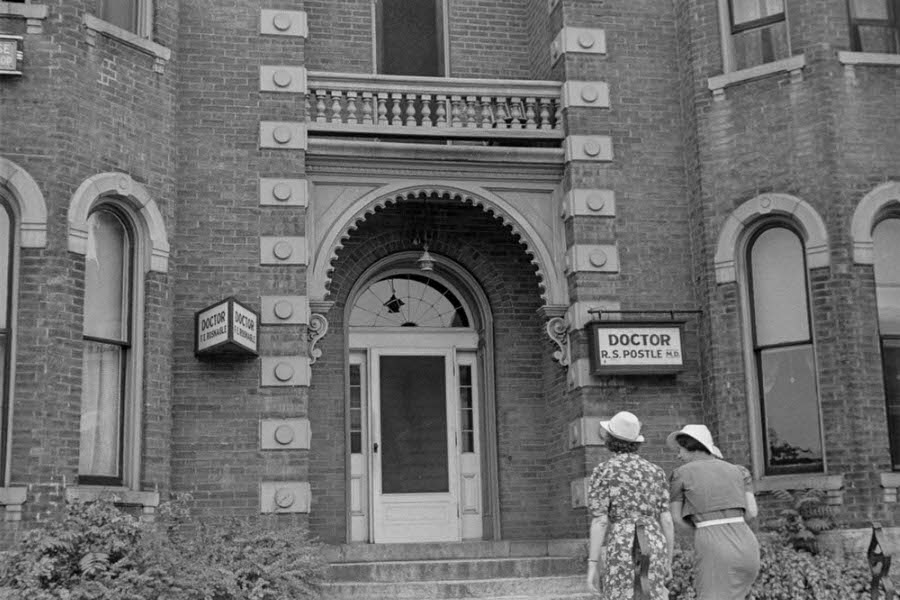
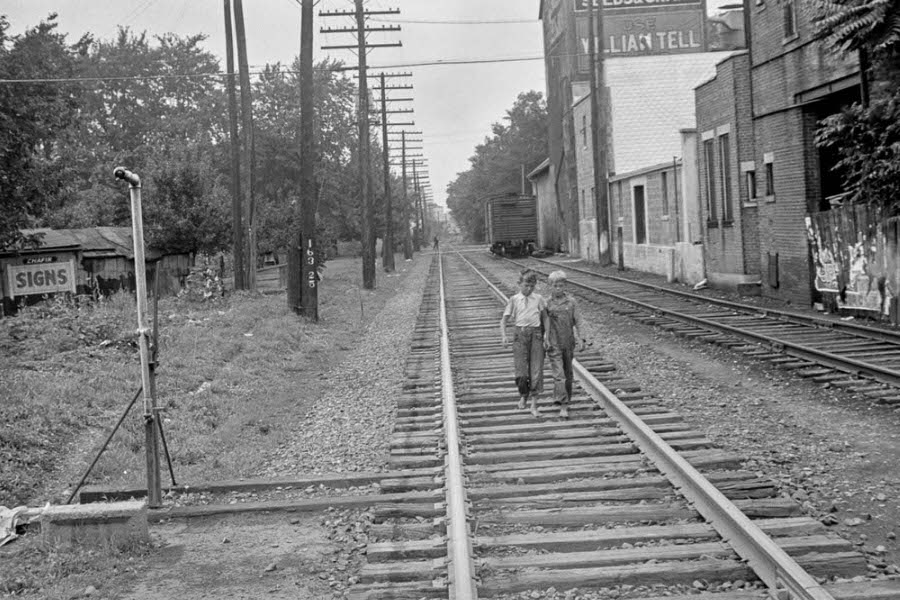
Shahn walked London’s main streets and pointed his camera at the people he found there. His photographs show residents going about their daily routines — strolling sidewalks, gathering near storefronts, and navigating a town that, like most of America, was deep in economic crisis. These were not posed portraits. They were candid slices of life during one of the hardest periods in American history.
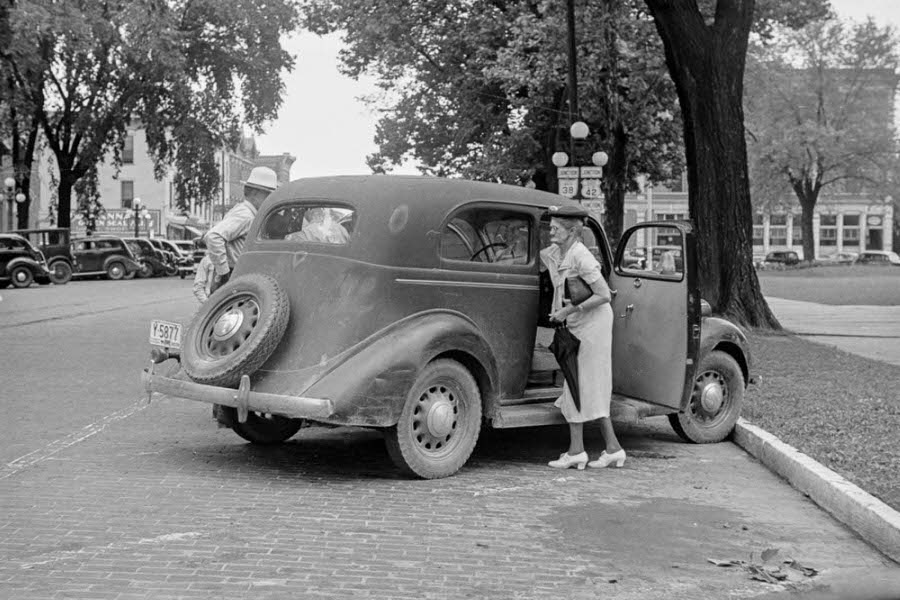
The Great Depression hit London’s residents hard. Jobs disappeared, wages were slashed, and many workers saw their hours cut to almost nothing. For families who had no savings and no steady income, putting food on the table became a daily struggle. Many residents depended on soup kitchens just to eat.
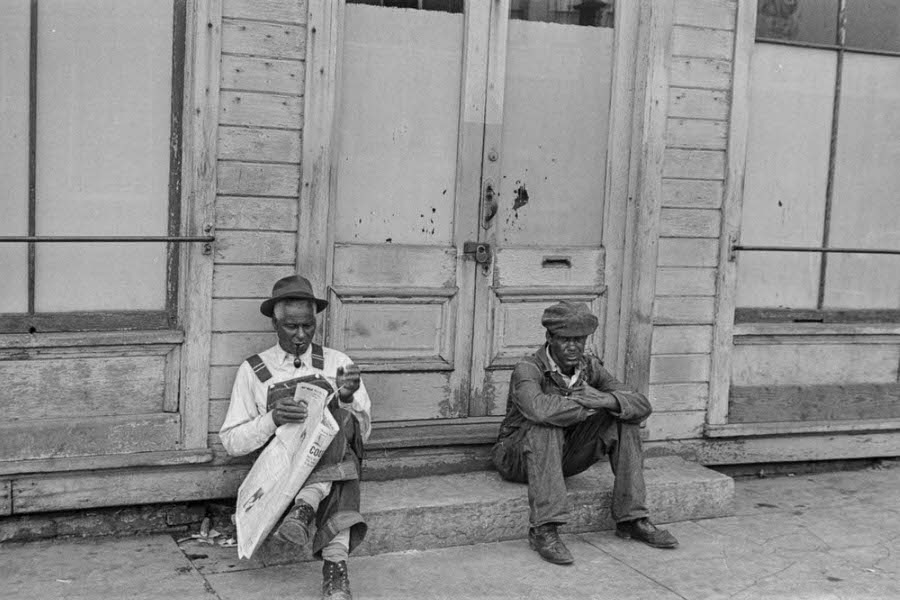
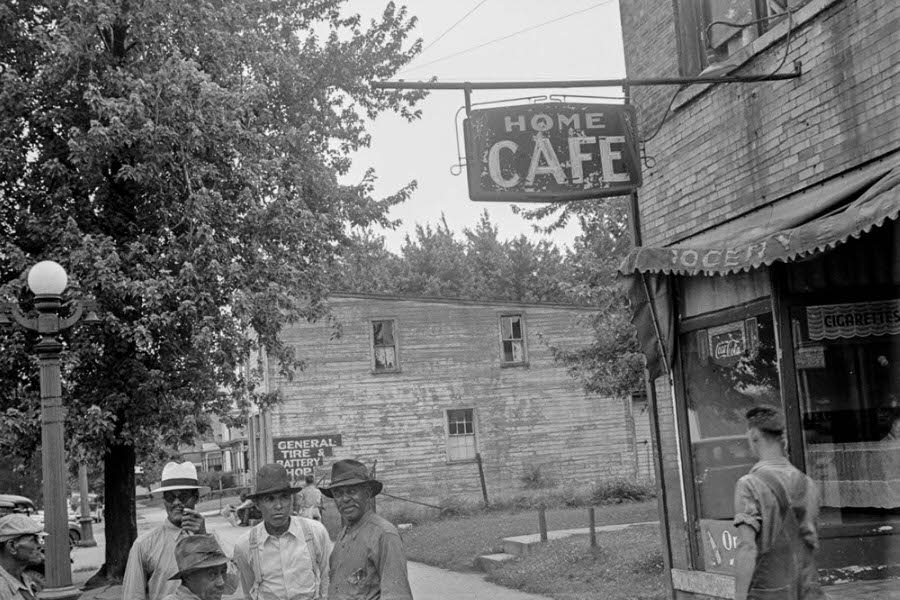
The Depression’s impact was not uniform. It fell differently depending on a person’s industry, class, race, and location. But industries tied to physical construction were among the hardest hit. Across the country, the construction trades and the lumber industry collapsed almost entirely. In mill towns and lumber camps, unemployment surged to devastating levels.
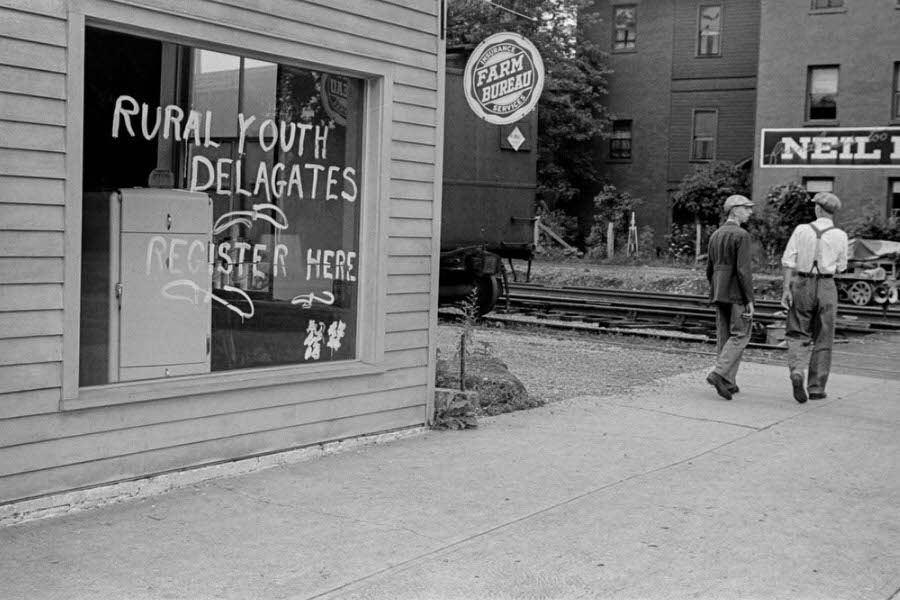
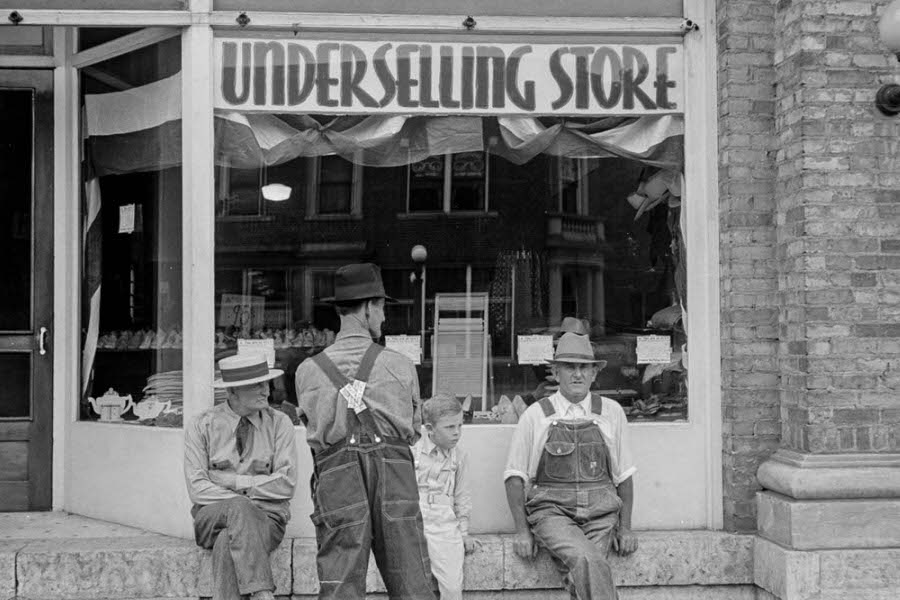
Small-town families like those in London faced a particular challenge: unlike rural farm families, they could not grow their own food. They depended entirely on wages to survive. When those wages dried up, there was no fallback. The soup kitchen line became a reality for households that had never expected to need one.
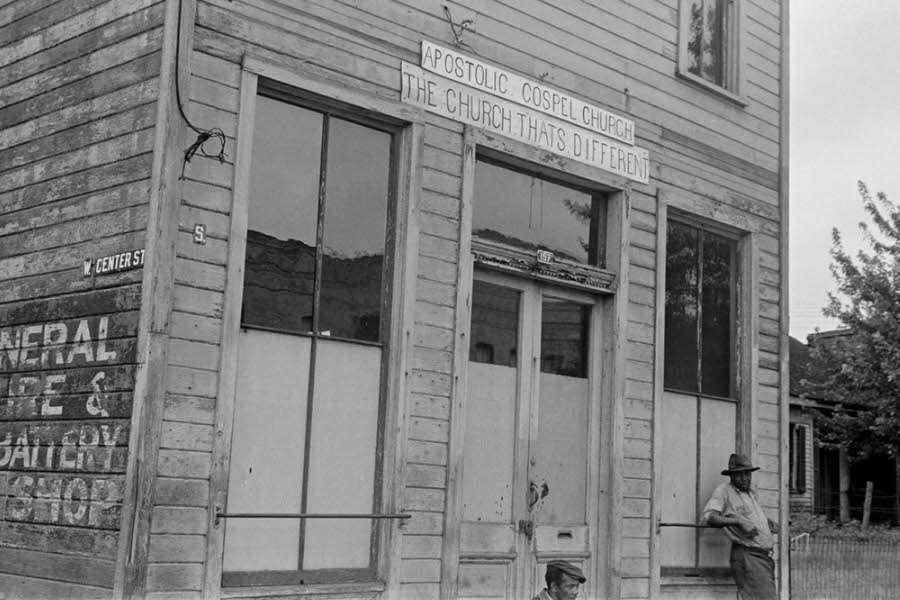
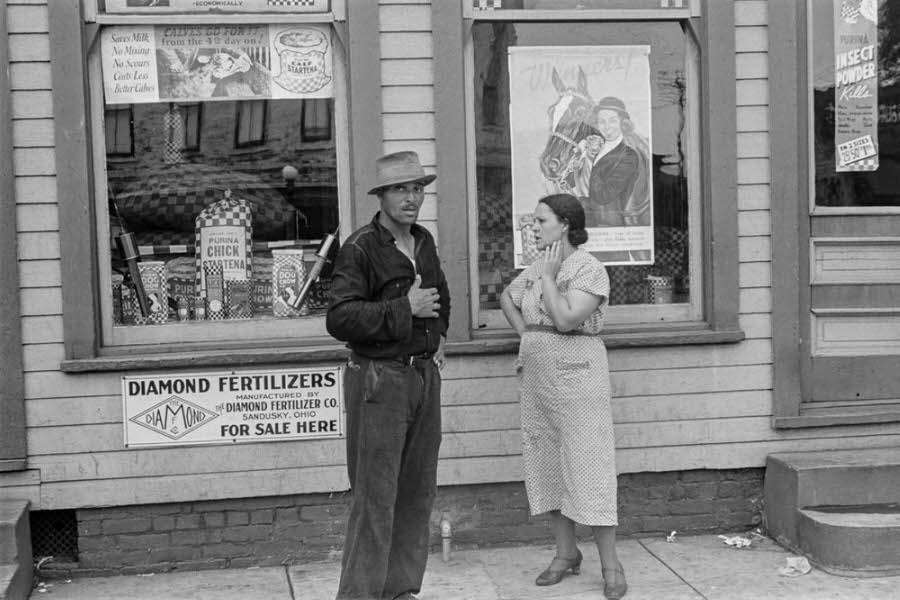
Ben Shahn was already a well-known artist before the FSA hired him. He brought a sharp eye for human detail to his documentary work. His photographs from London capture faces, body language, and the texture of small-town life under pressure — a man lingering near a shop window, a group of people gathered at a street corner, the worn look of a working-class neighborhood.
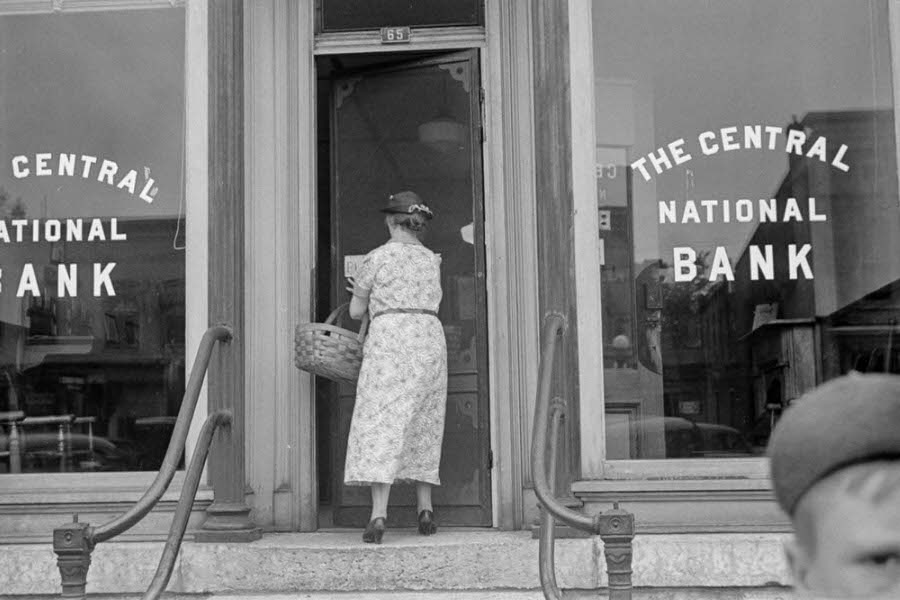
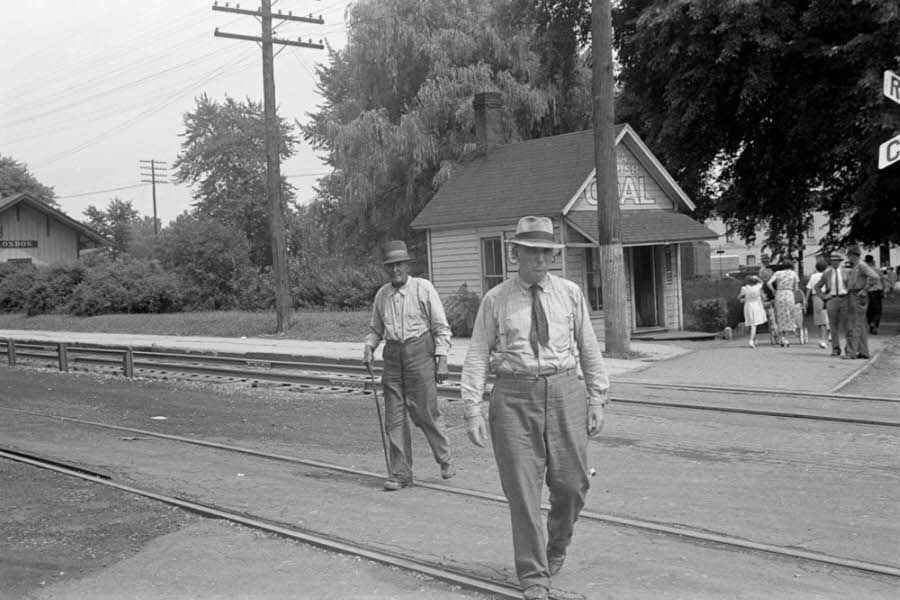
The FSA photography program produced tens of thousands of images between 1935 and 1944. Shahn was one of its most talented contributors. His 1938 Ohio trip yielded a rare visual record of London at one of its lowest economic points. The town’s streets, storefronts, and people are frozen in these frames exactly as they appeared that year.
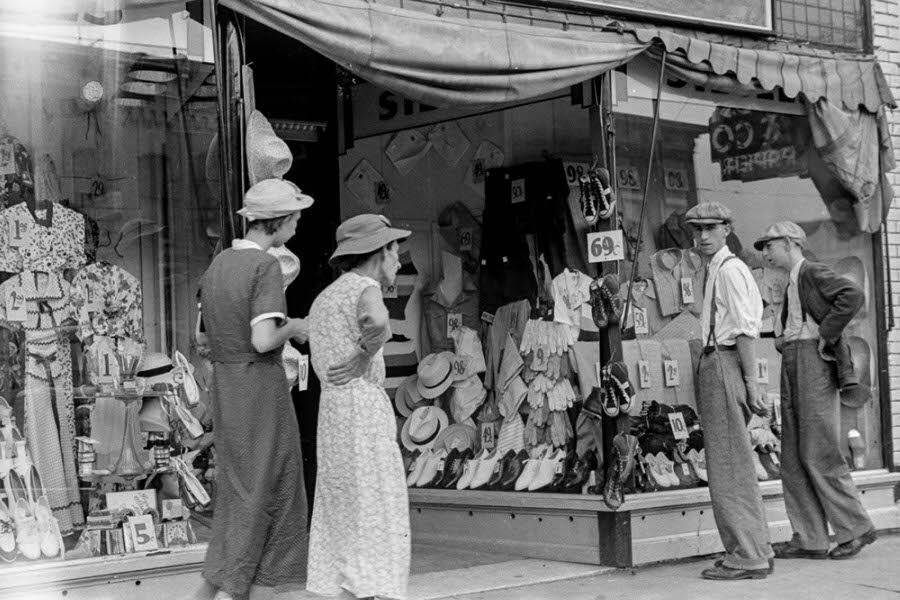
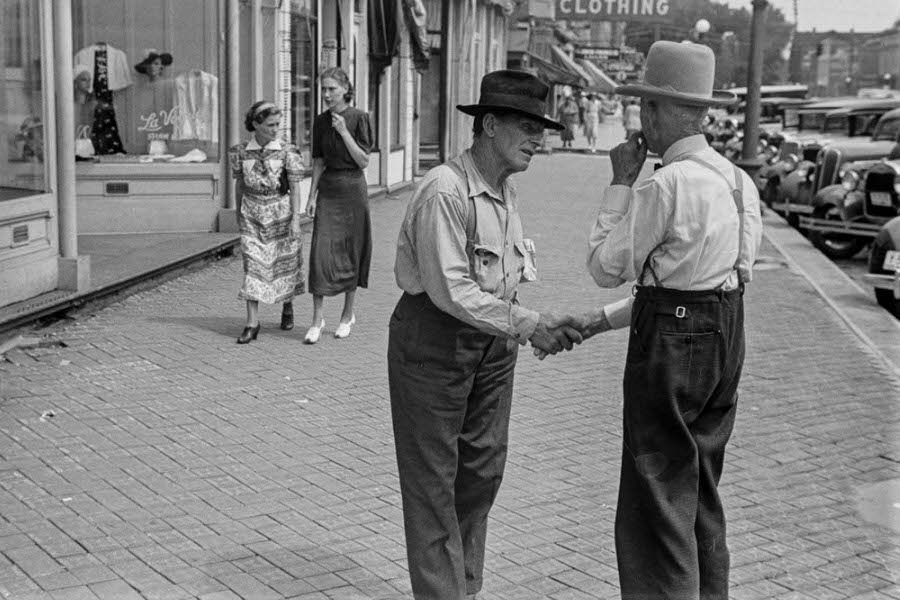
Looking at these photographs, it is easy to see the weight of the era on the town. Nothing appears polished or staged. The storefronts are modest. The clothing is practical and plain. The people carry themselves with the quiet endurance of those who have adjusted to hardship as a fact of life rather than a passing inconvenience.
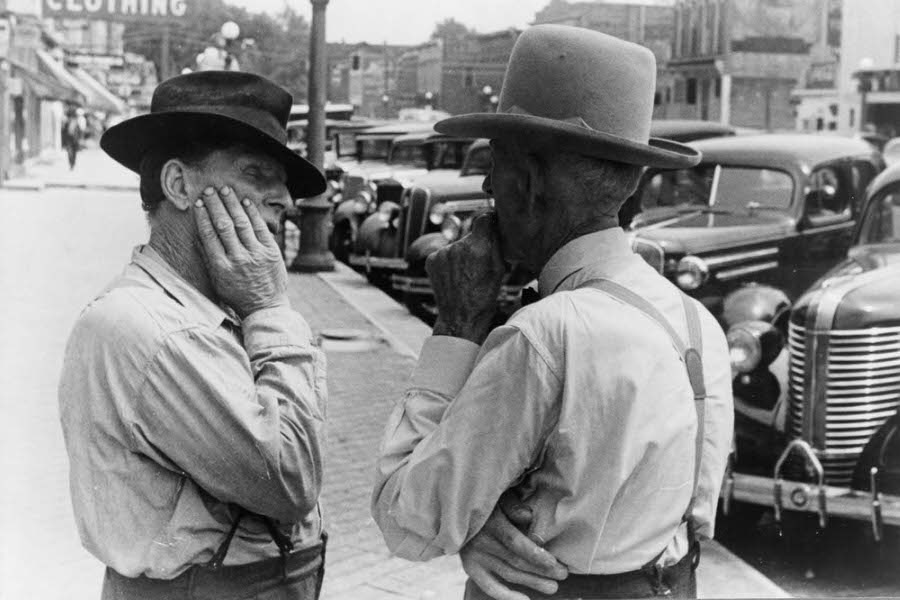
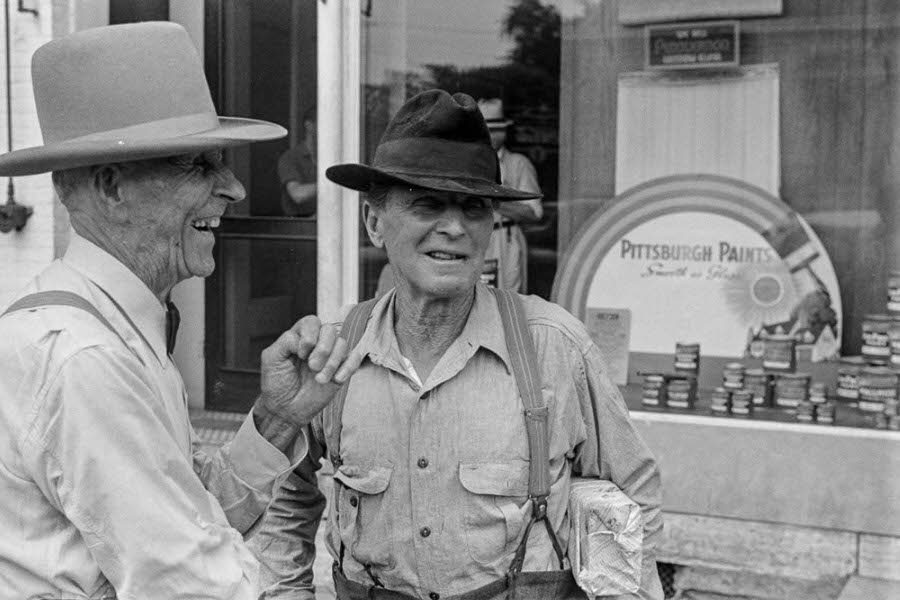
Shahn’s approach to documentary photography set these images apart from simple record-keeping. He treated his subjects with dignity. He did not photograph poverty as spectacle. Instead, he captured people living within difficult circumstances — present, composed, and real.
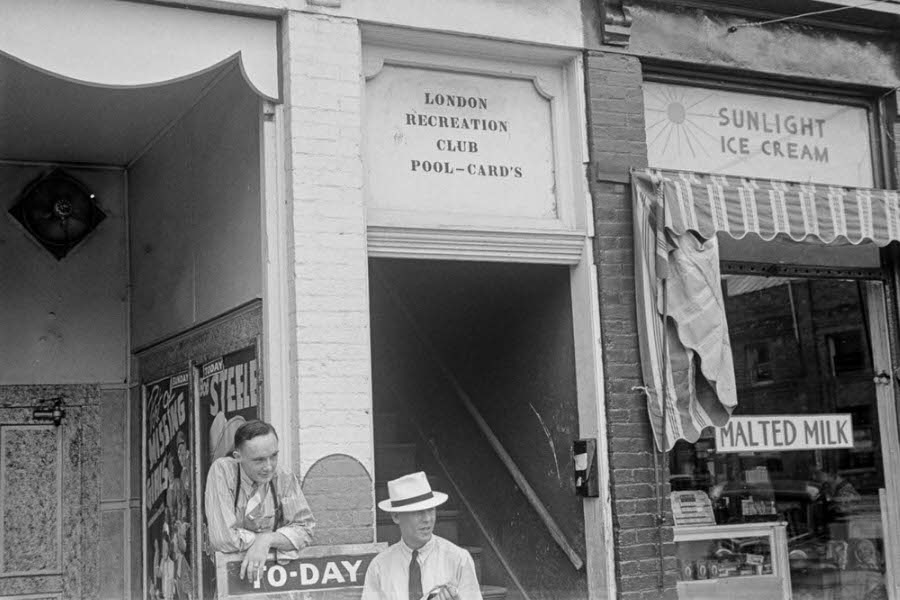
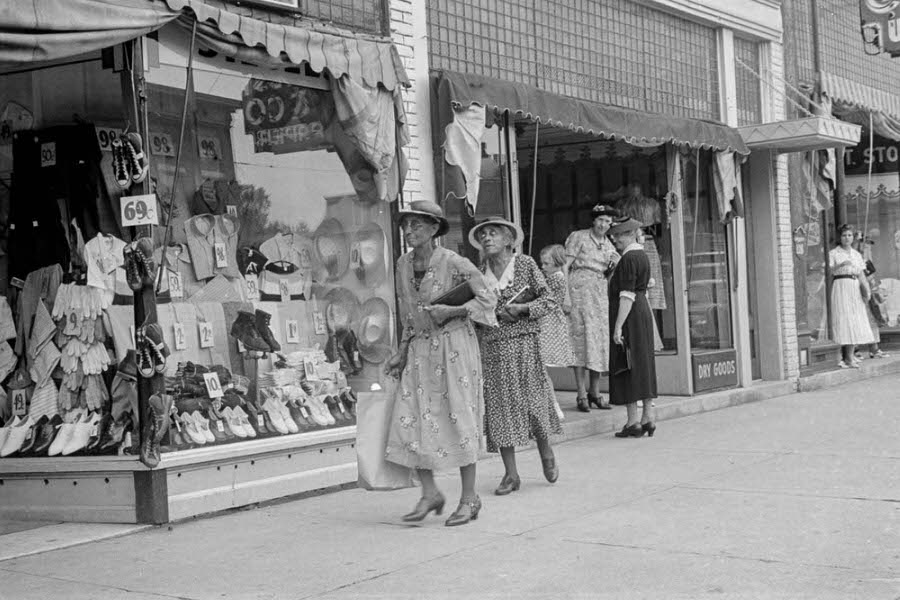
The FSA’s goal was partly political — to build public support for New Deal programs by showing Americans the genuine scale of suffering across the country. But the photographs produced under that mission became something more lasting: a detailed, unfiltered visual history of Depression-era America in towns both large and small.
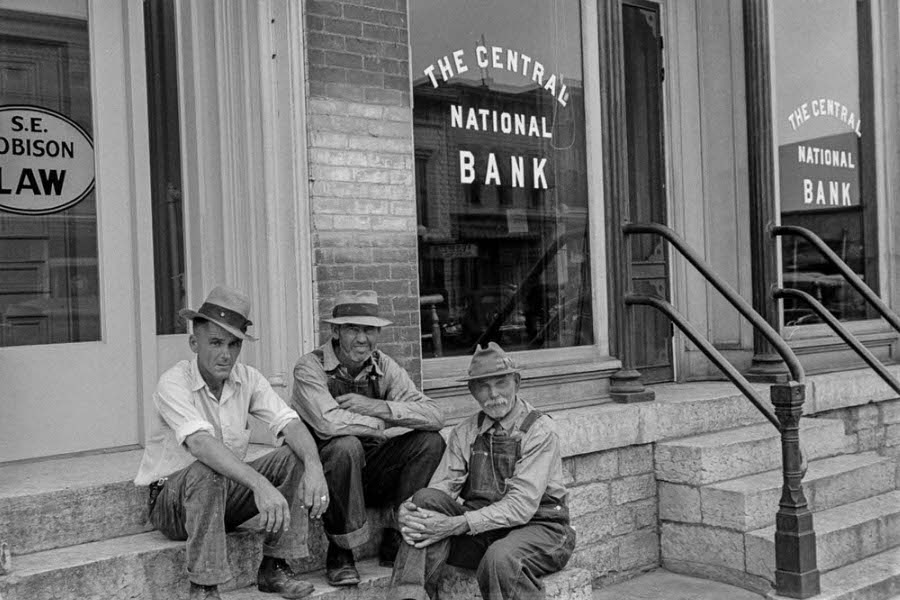
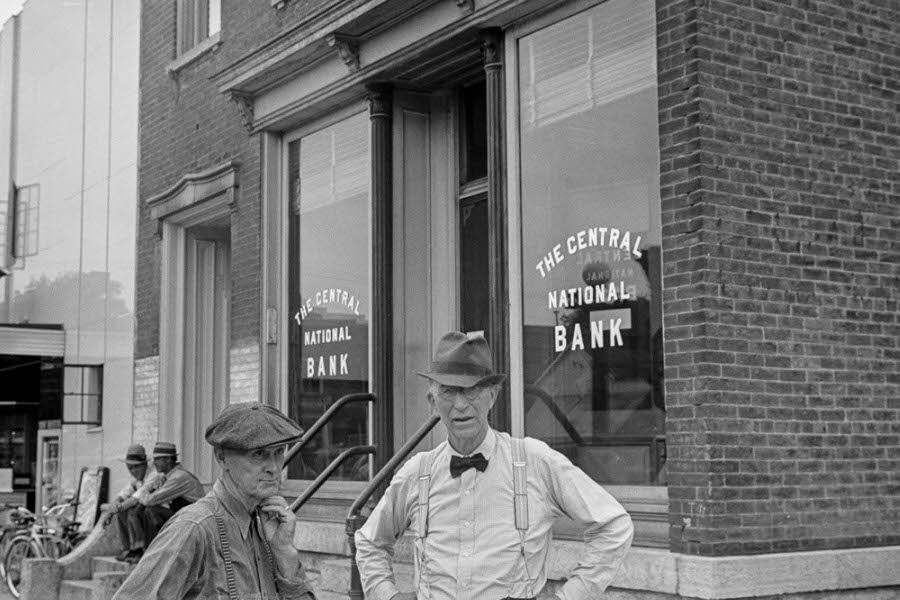
London, Ohio in 1938 was not a famous city or a major industrial hub. It was a small Midwestern town where the Depression landed with the same force it did everywhere else. The men and women Shahn photographed on its streets were not historical figures. They were everyday people — workers, shoppers, neighbors — caught in the middle of a national crisis with no clear end in sight.
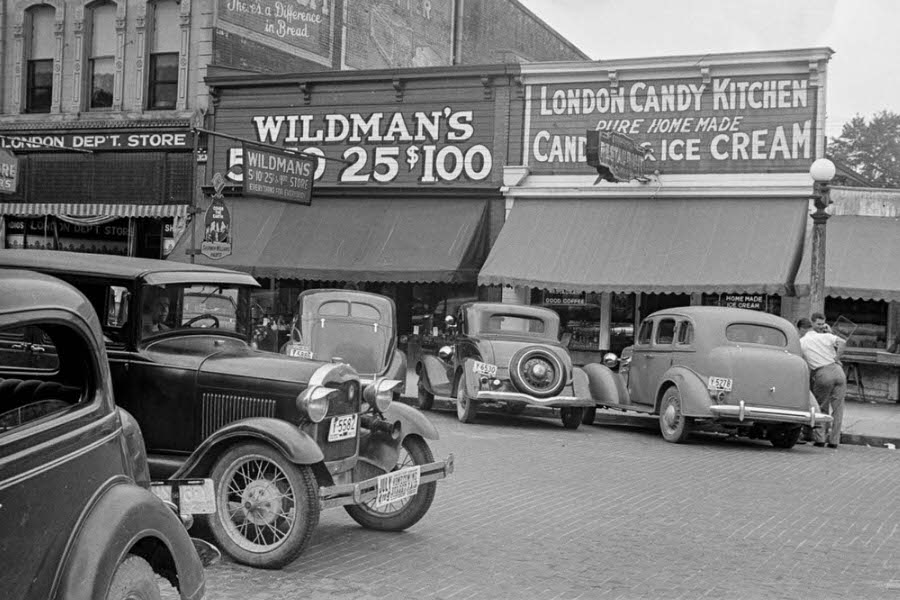
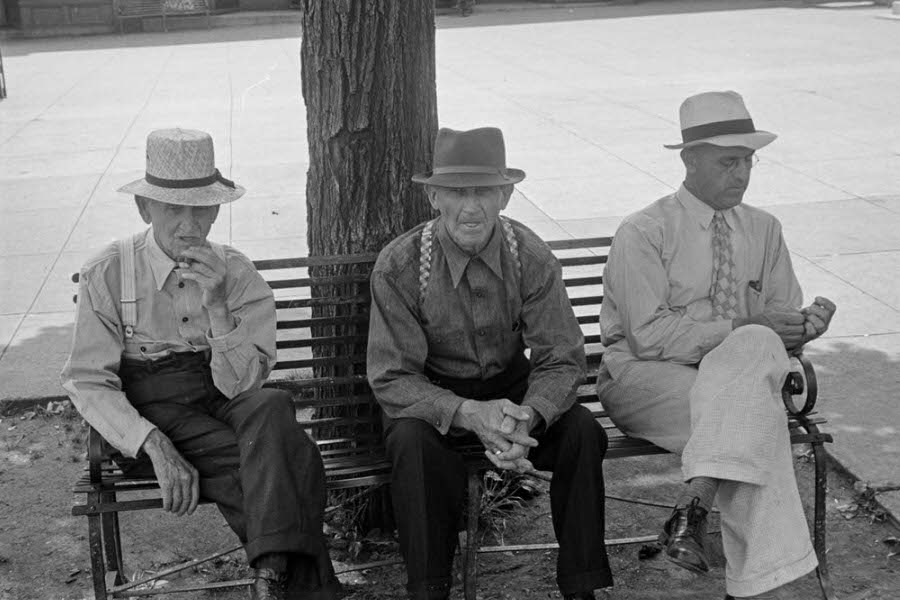
These rare photographs are a direct window into that moment. They show what London looked like, how its residents dressed, and how they carried themselves during one of the most economically devastating decades in American history. Each frame is a piece of documentation that no written account alone can fully replicate.
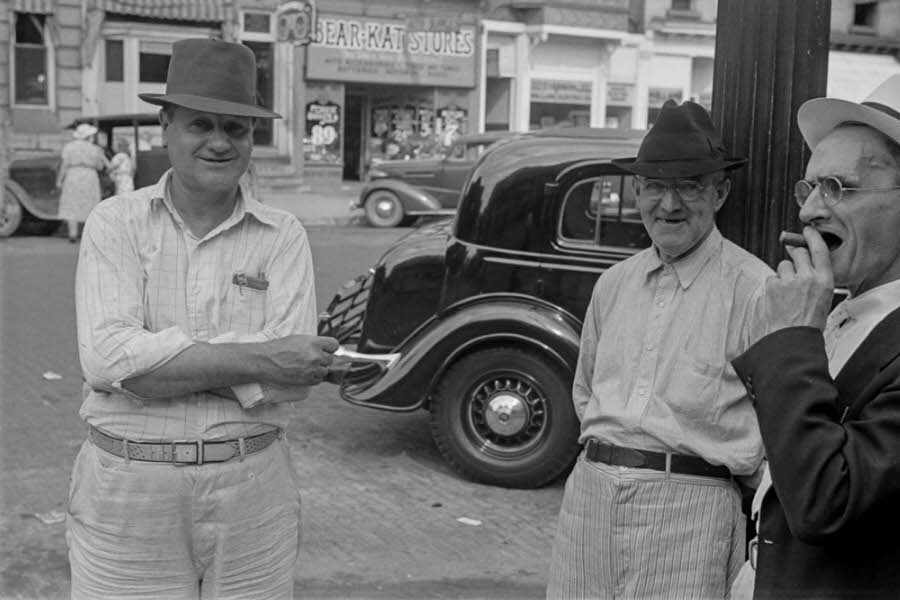

All men wore hats.
1st thing I noticed was, no one was overweight, lol.
Lots of manual labour and walking.
During the depression, it still looked better than my current town’s downtown:
I find that fascinating! London is a lovely little town. It is the hometown of one of the greatest defensive football coaches in history!
Crazy. Not a single picture of the bridge???? Wtf
These are great. The buildings looked old even back then. You could definitely tell it was depression era.