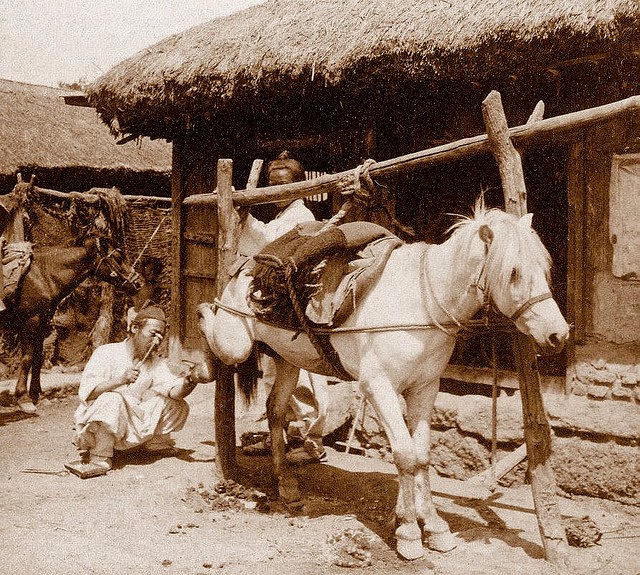
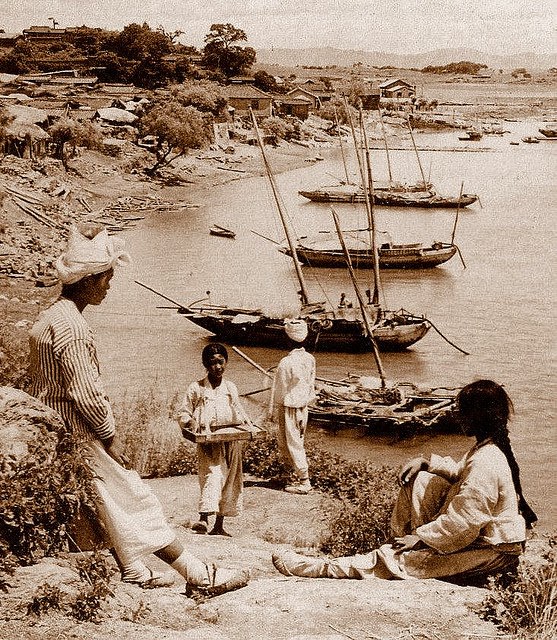
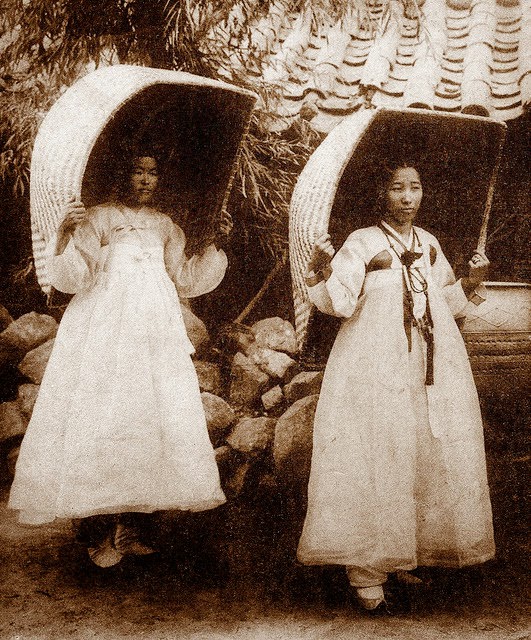
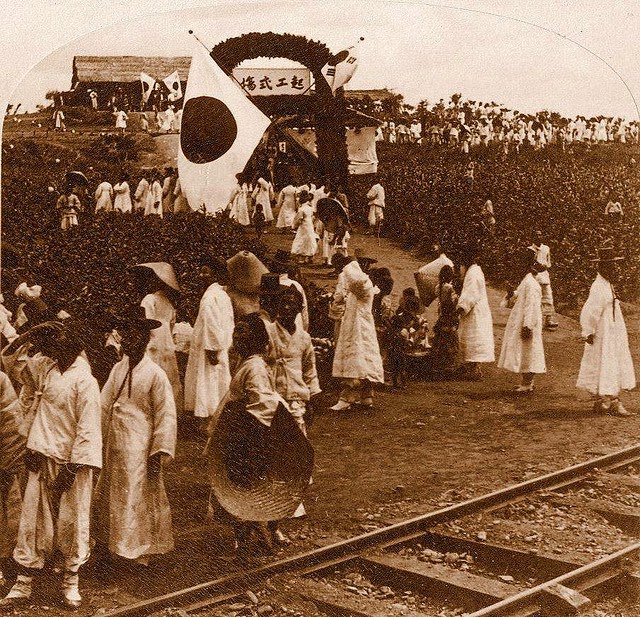
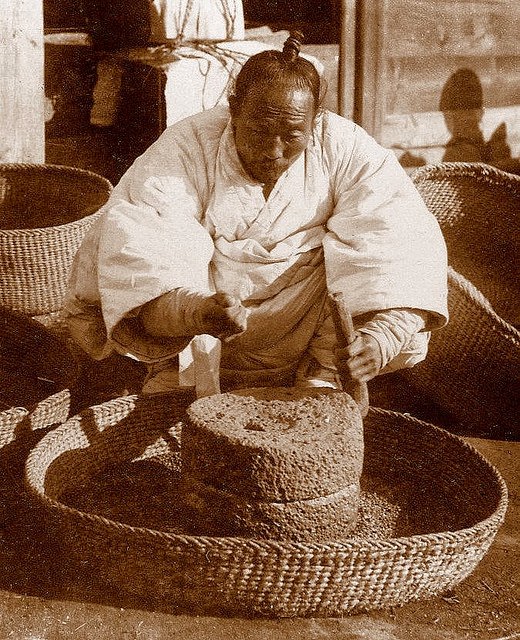
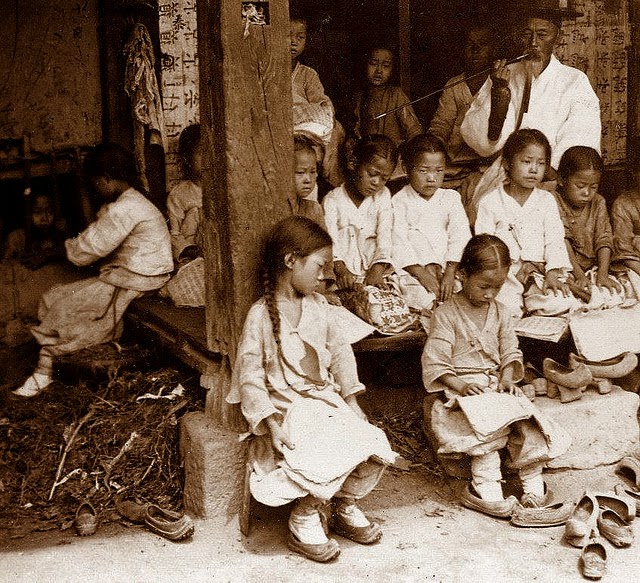
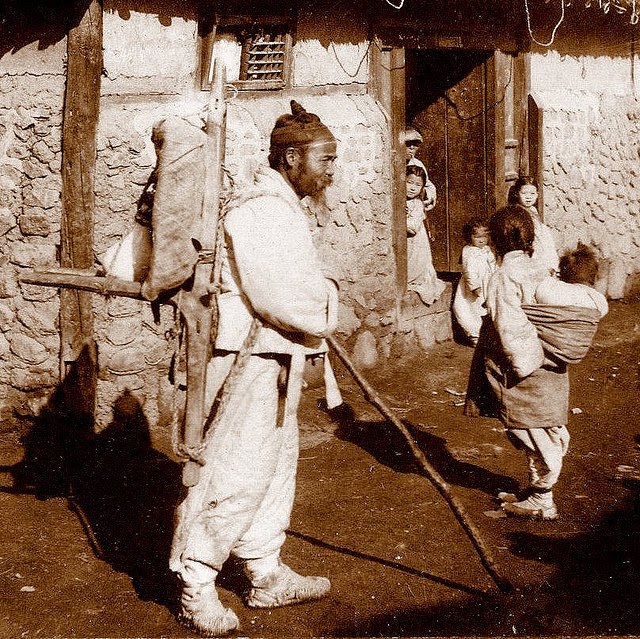
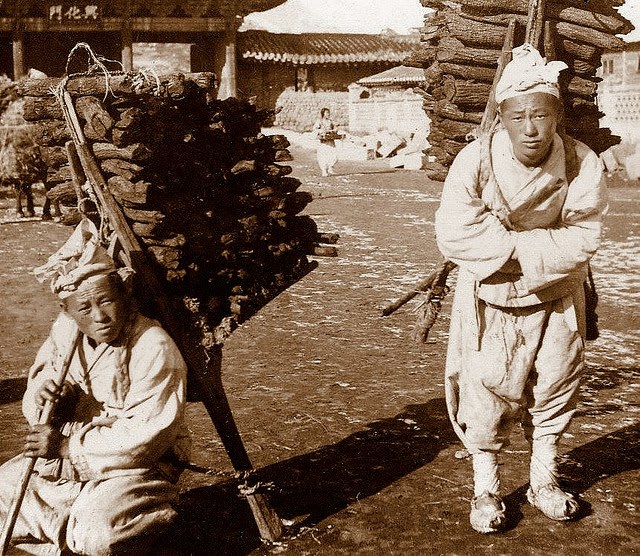
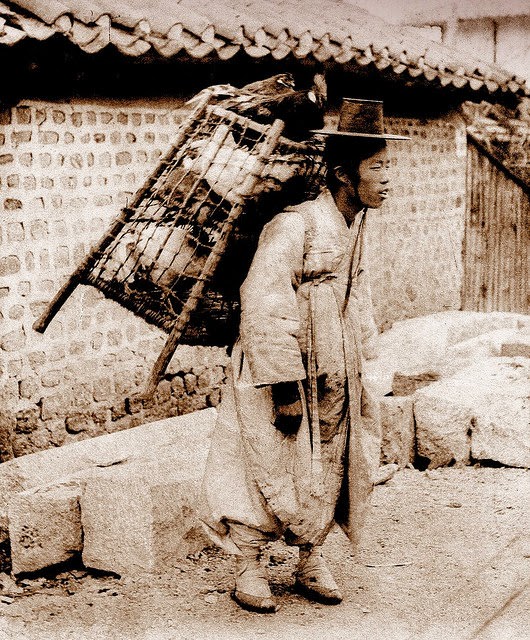
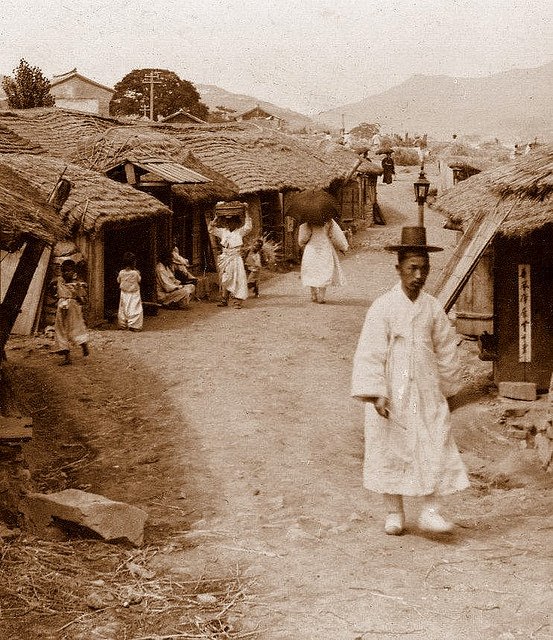
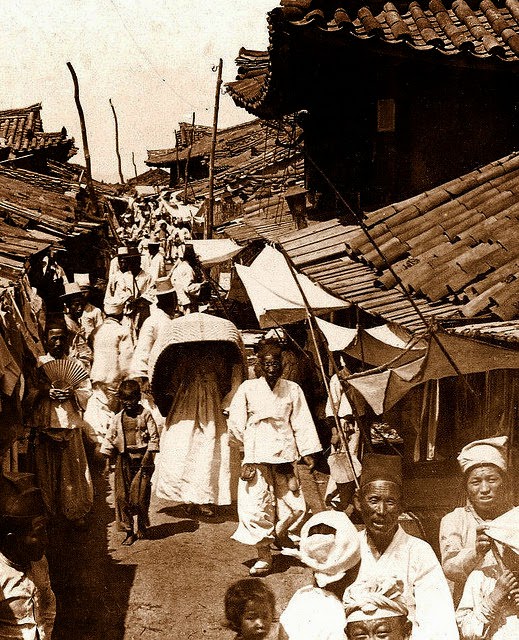
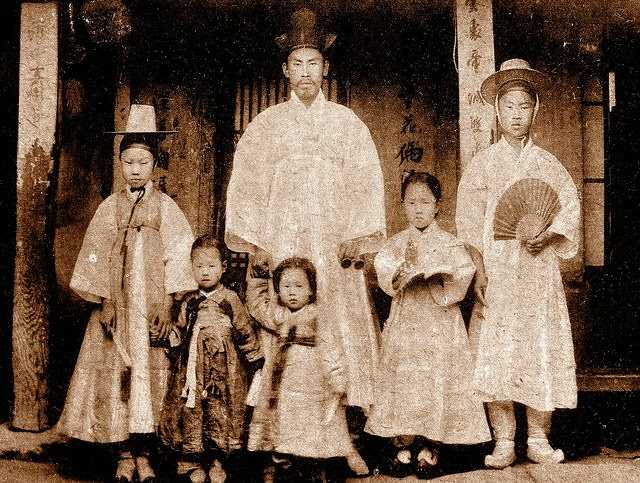
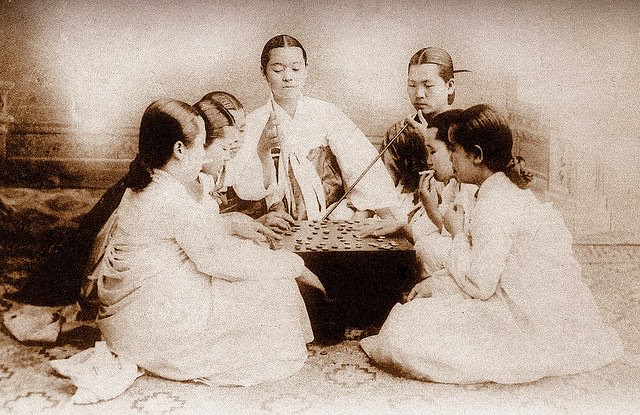
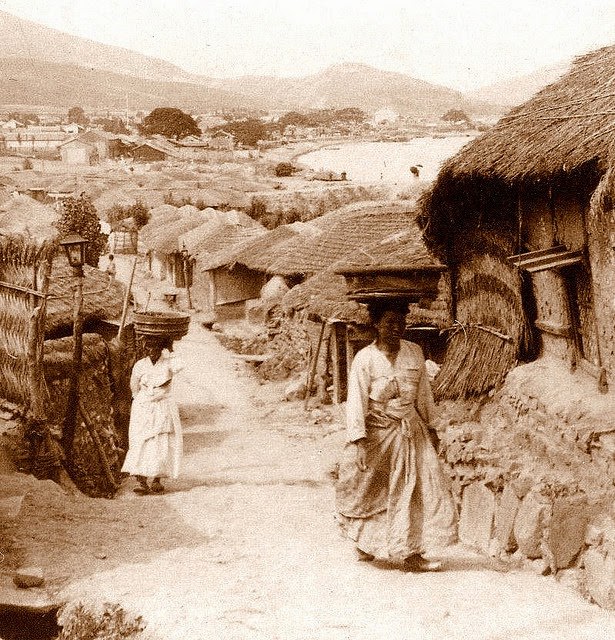
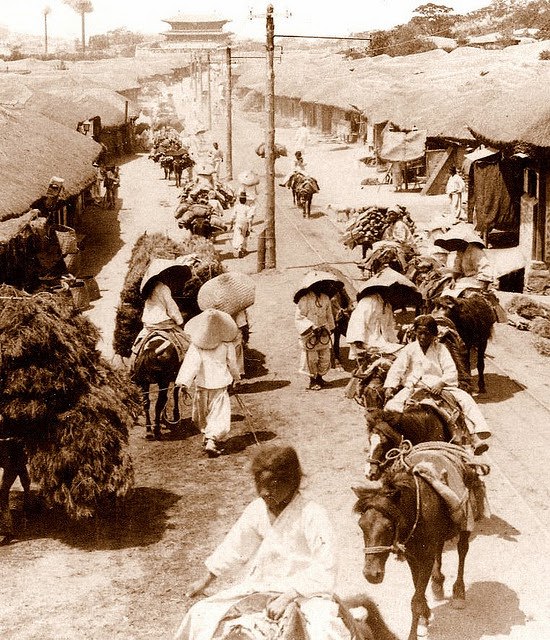
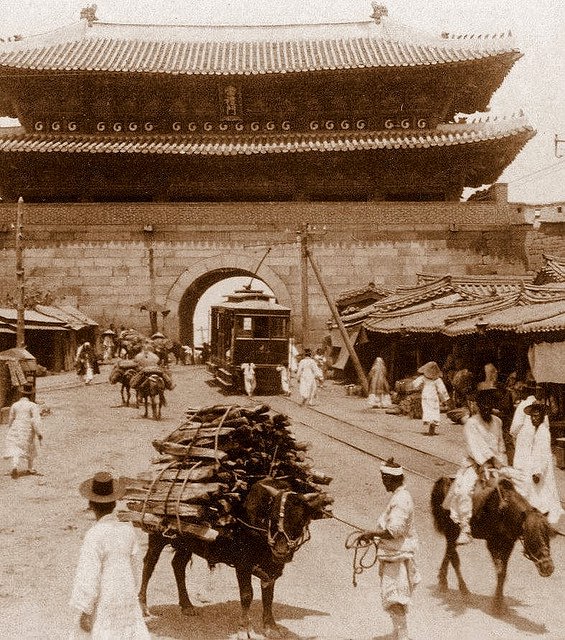
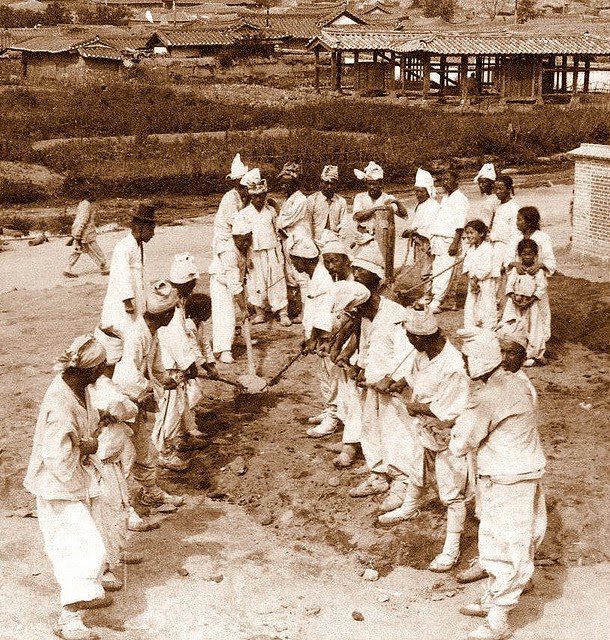
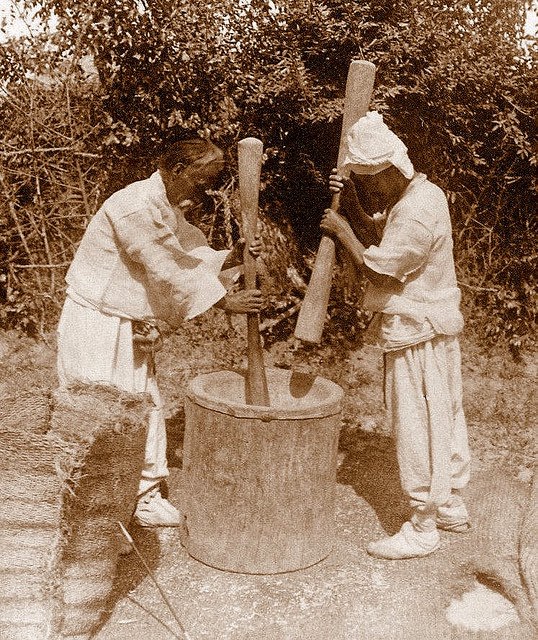
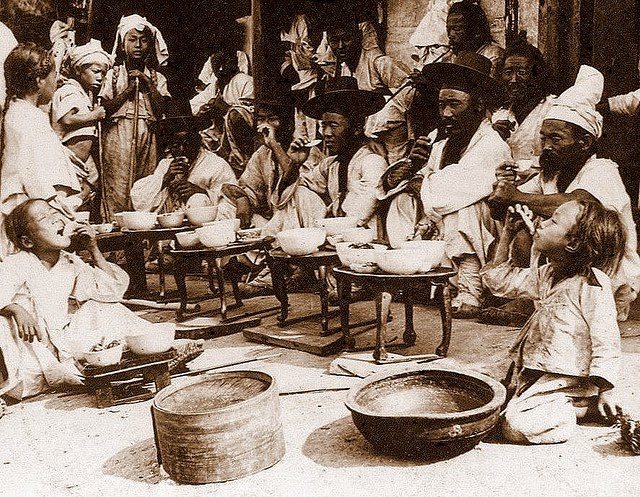
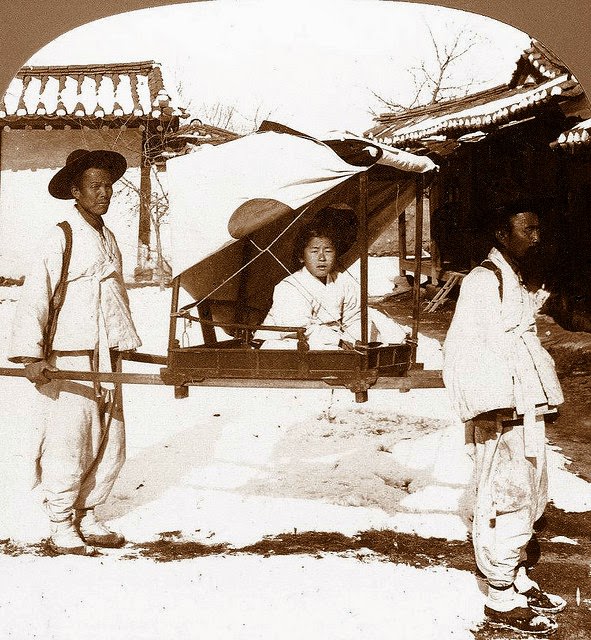
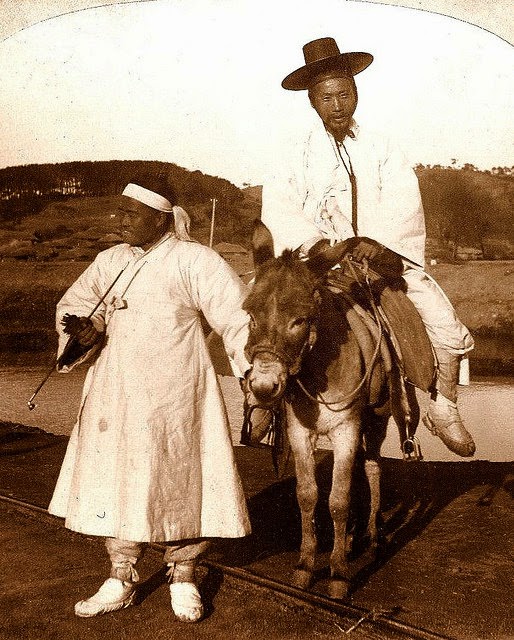
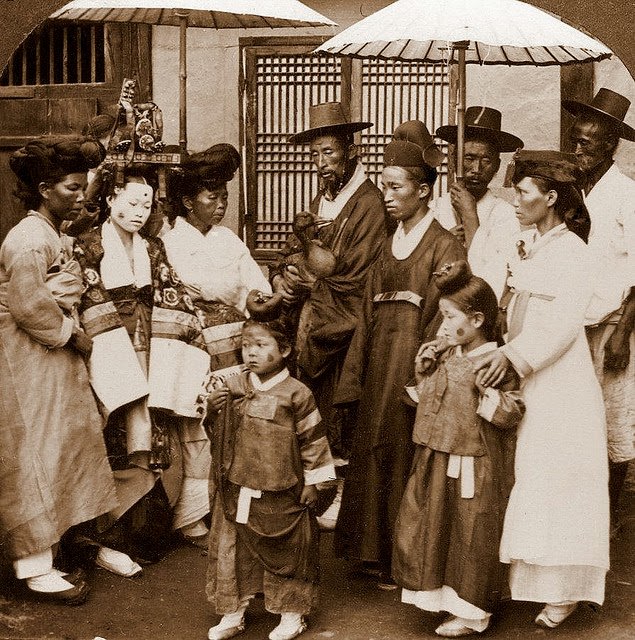
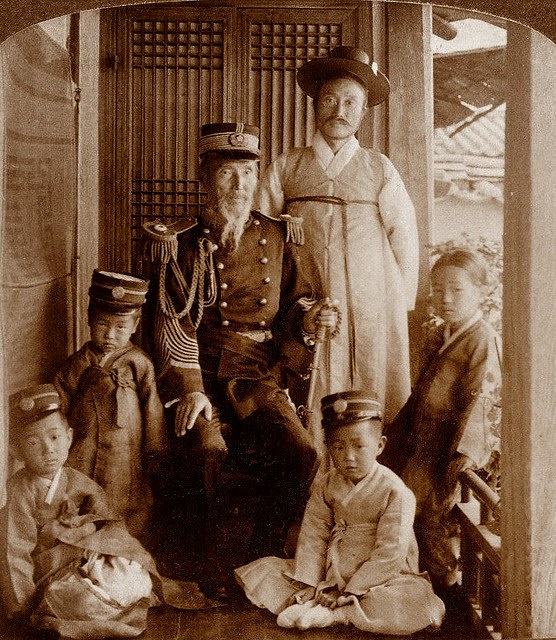
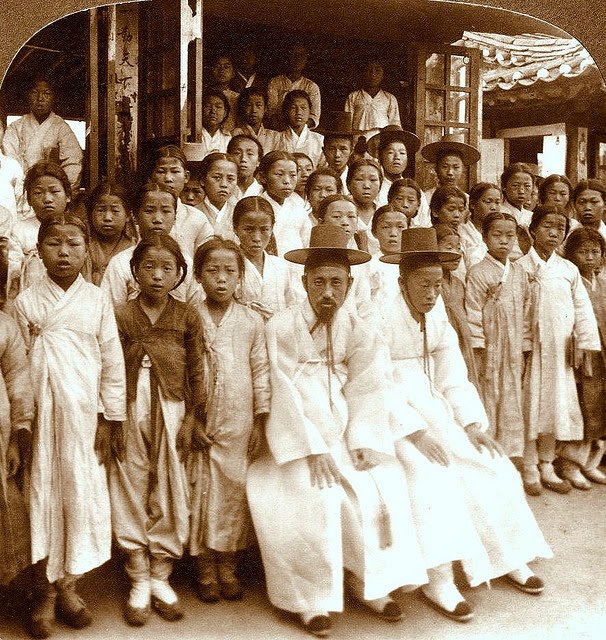
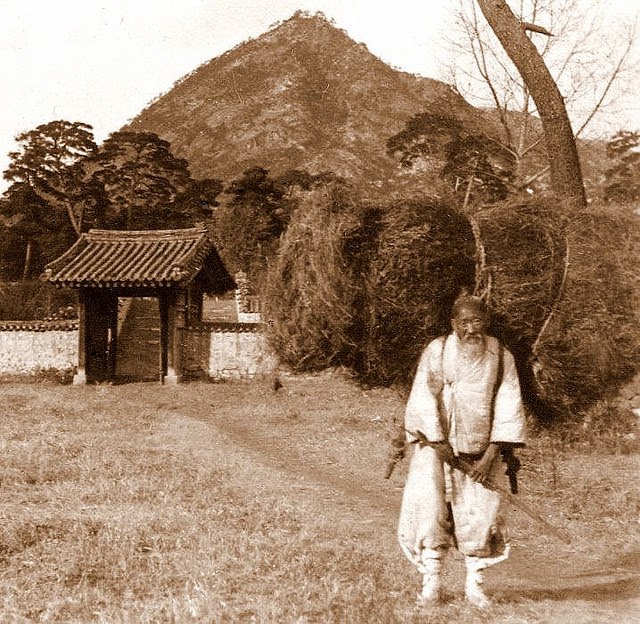
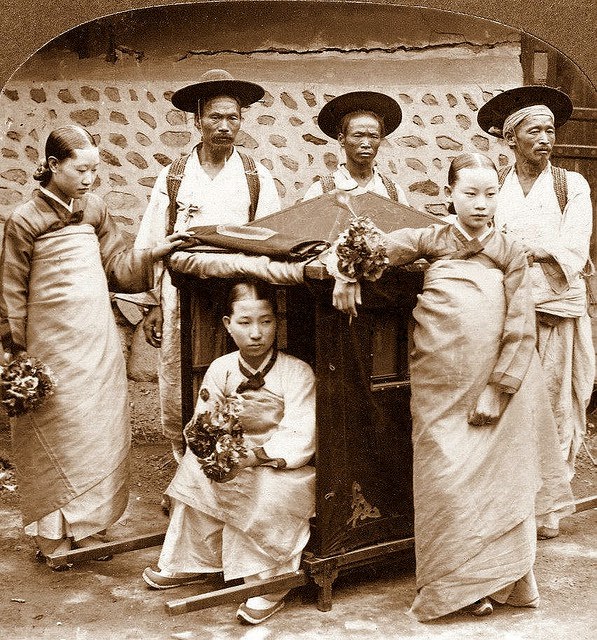
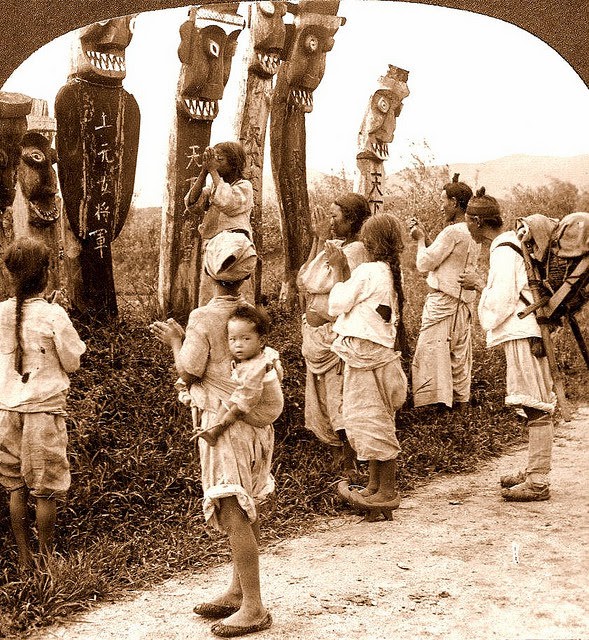
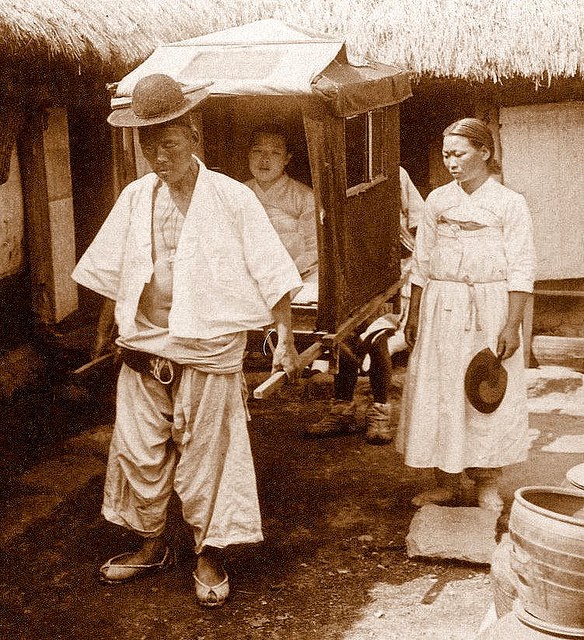
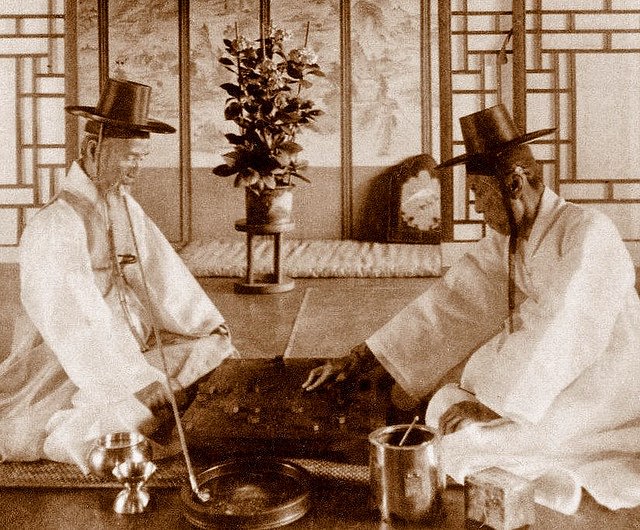
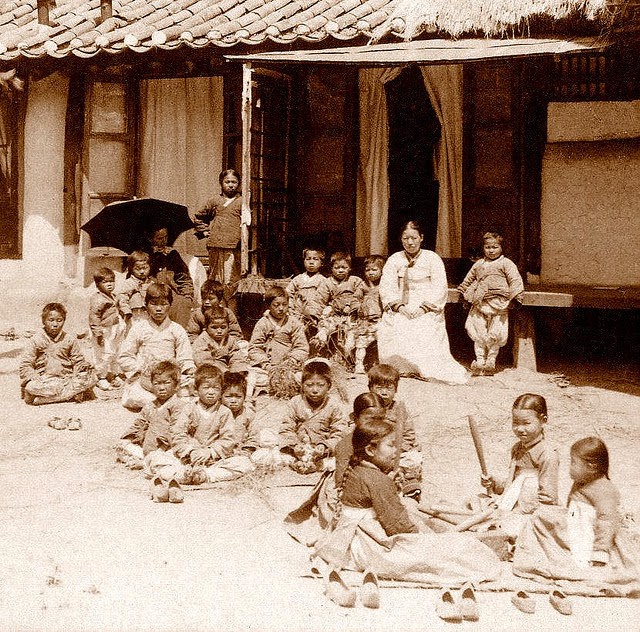
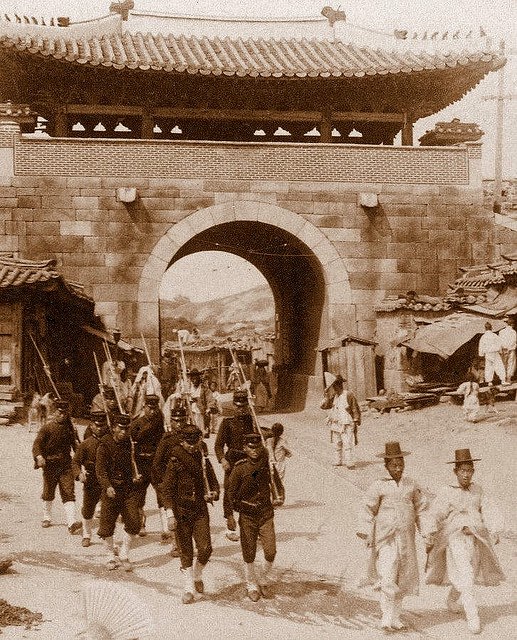
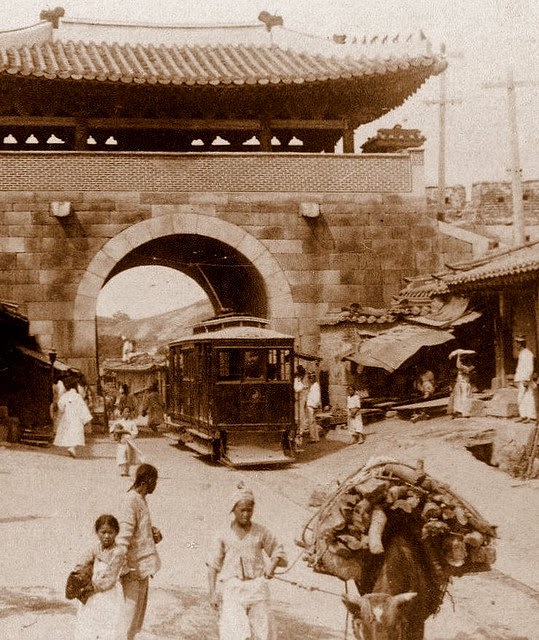
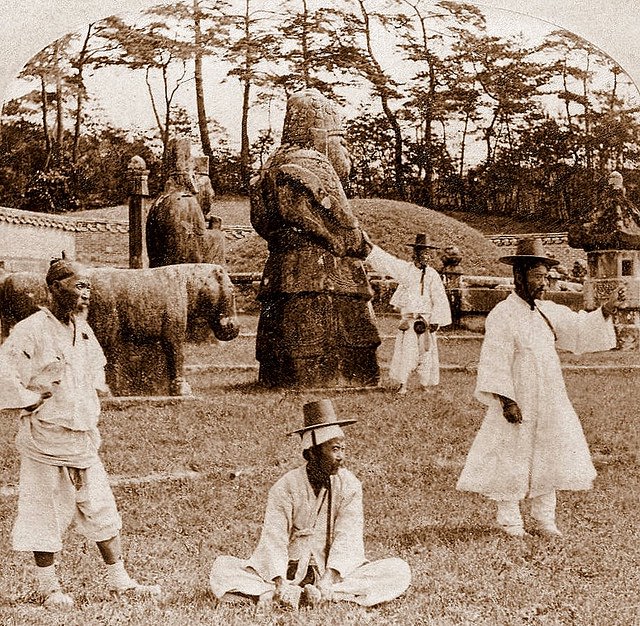
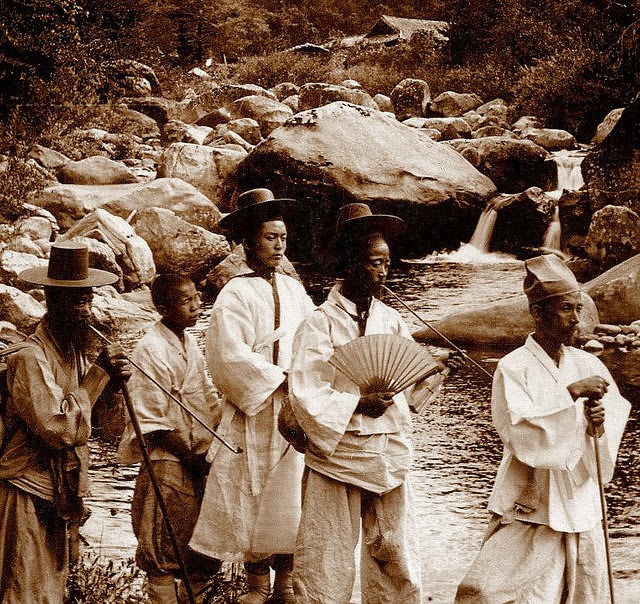
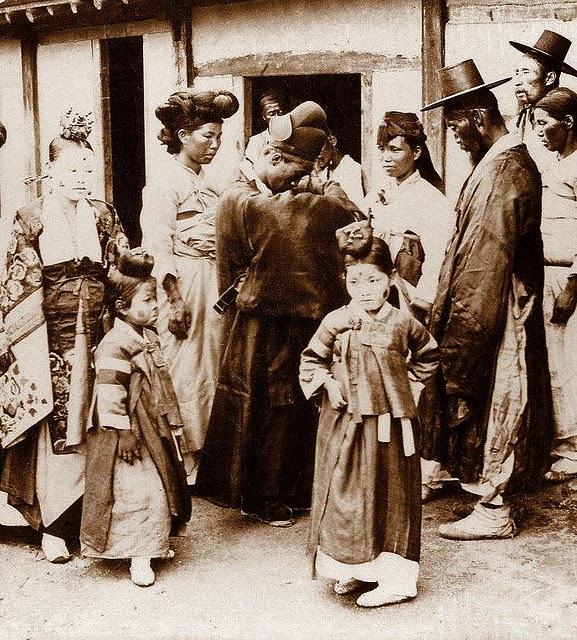
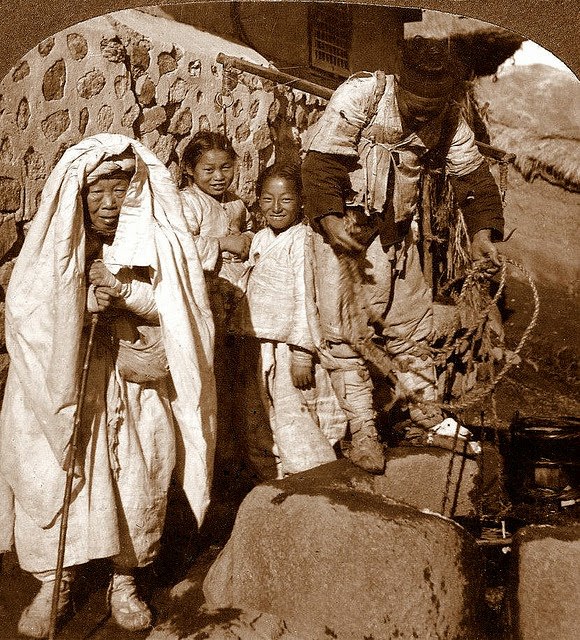
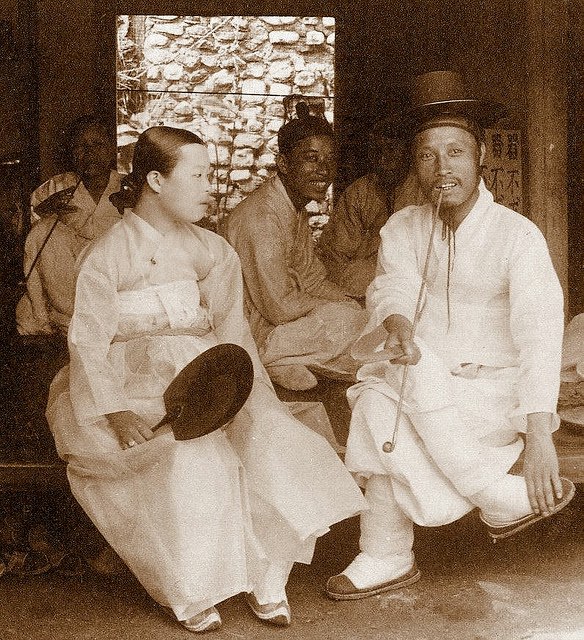
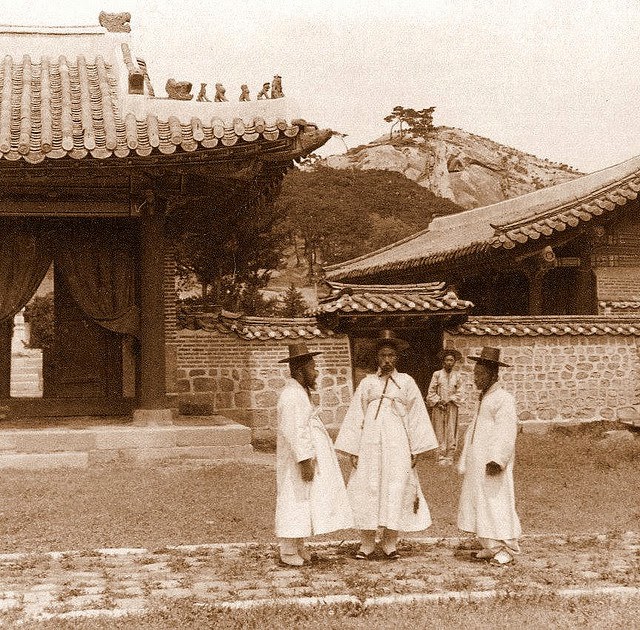
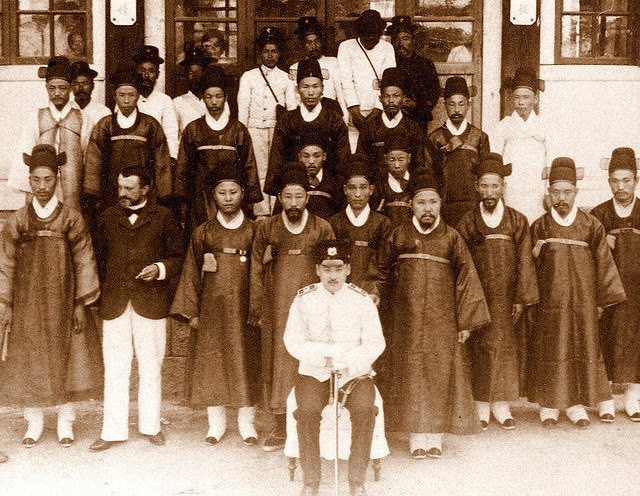
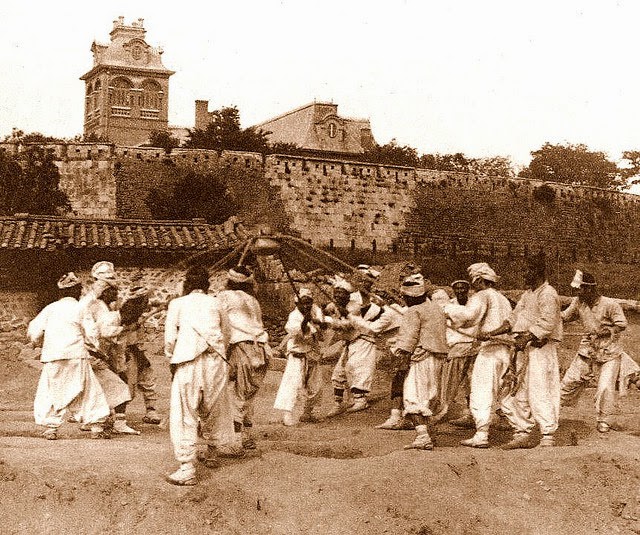
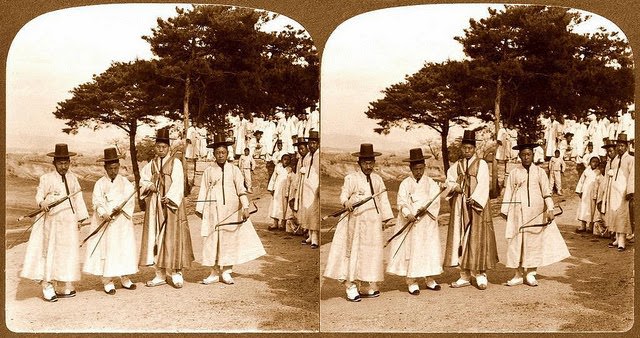
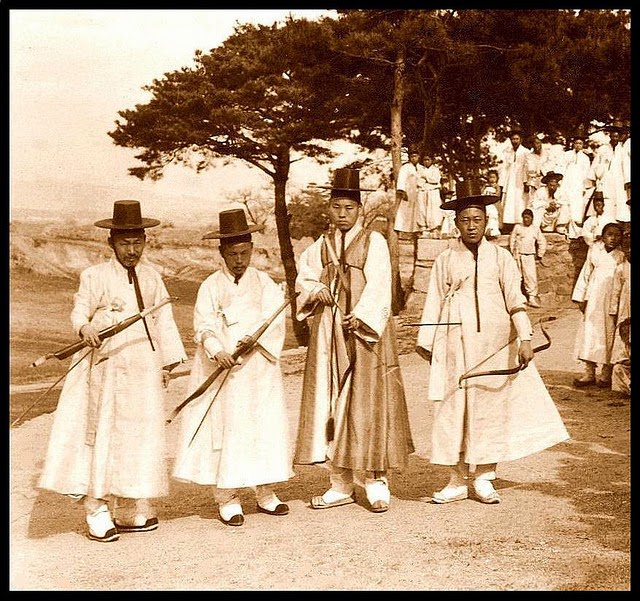
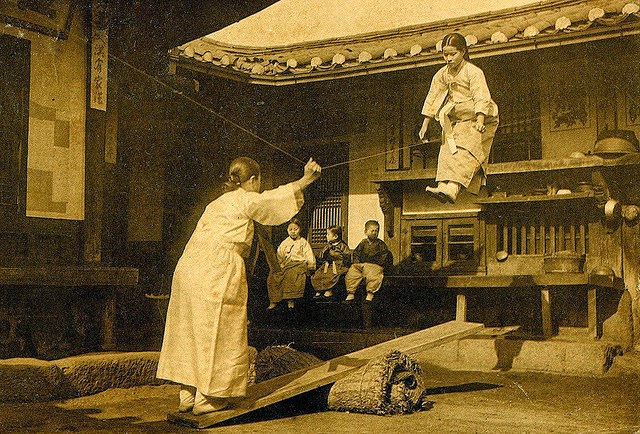
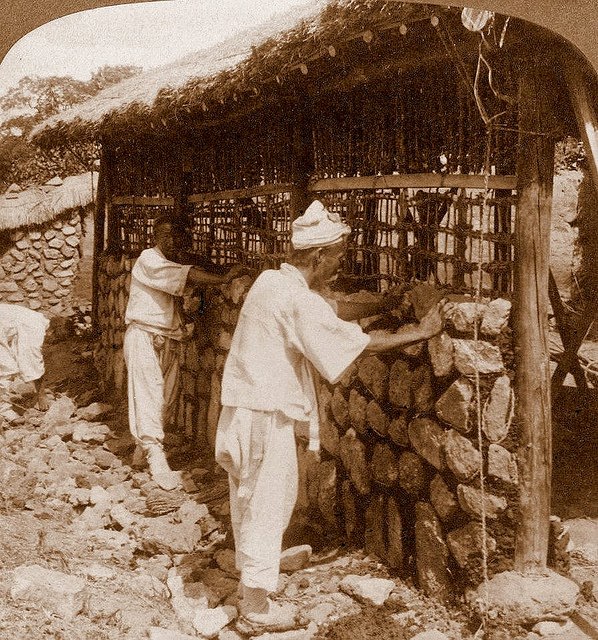
Crowds in early 1900s Korea wore almost exclusively white, earning them the name “the white-clad people.” Men dressed in loose white trousers and short jackets, while women wore voluminous skirts called chima paired with short, curved jackets known as jeogori. Aristocrats distinguished themselves by wearing a gat, a delicate, wide-brimmed hat woven from black horsehair and bamboo. This hat protected their topknot, a hairstyle that signified a man was married and an adult. Unmarried boys, regardless of their age, kept their hair in a long, single braid down their backs.
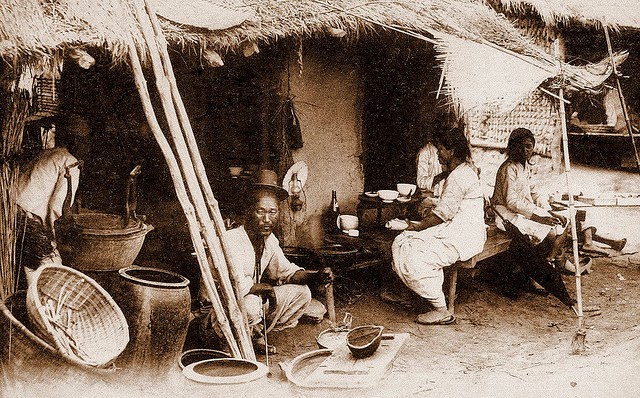
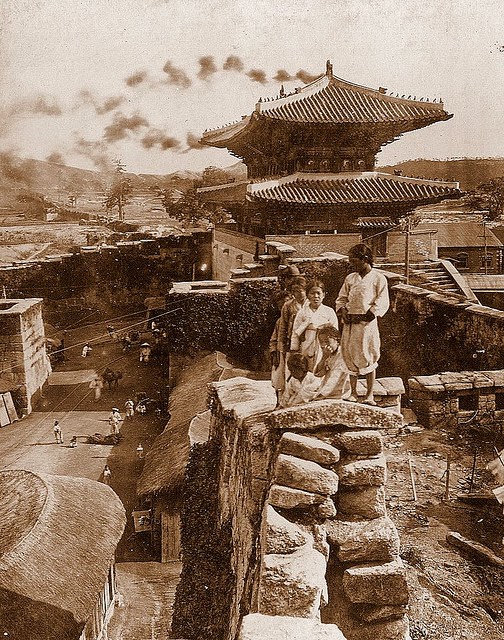
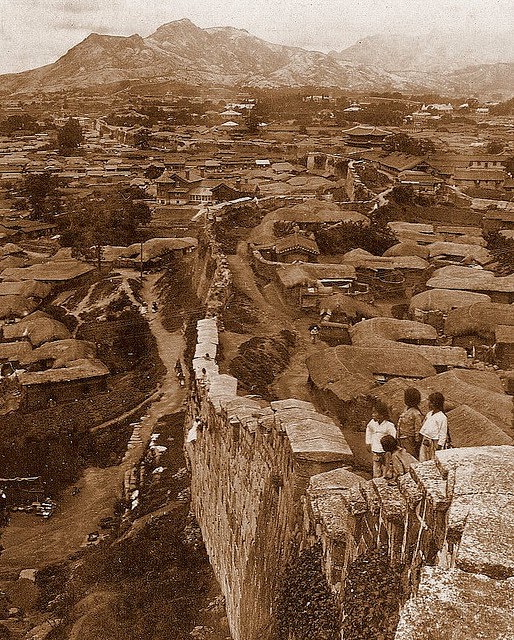
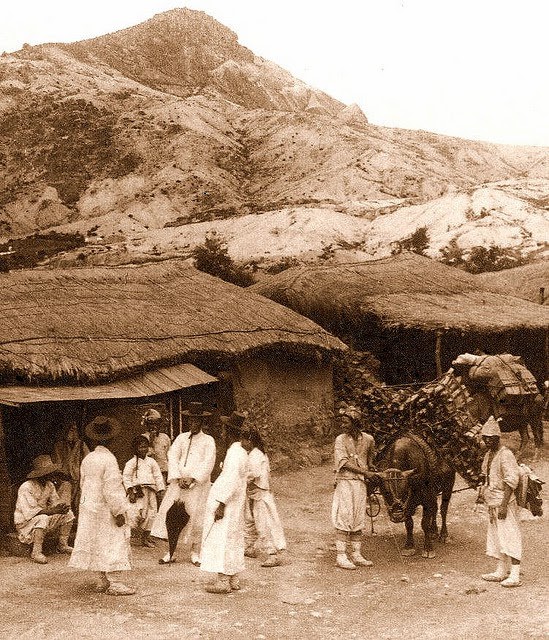
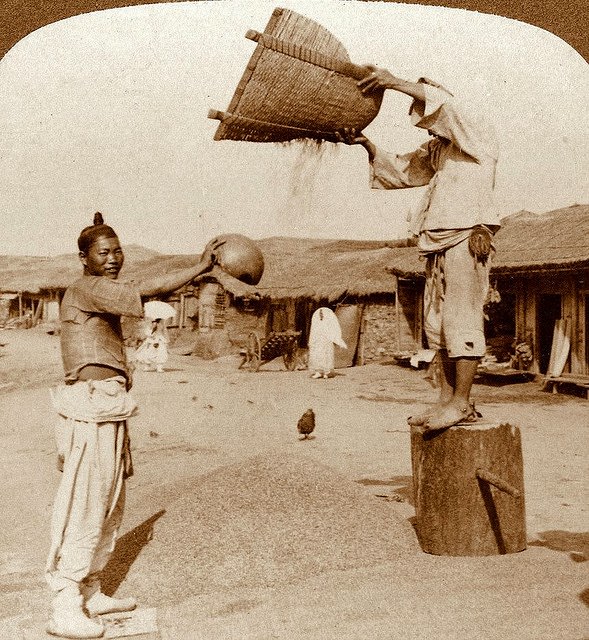
Housing relied on a unique underfloor heating system called ondol. The heat from the kitchen fire traveled through stone tunnels beneath the floorboards before exiting through a chimney. This design kept the floors warm throughout the harsh, freezing winters, allowing families to sleep comfortably on the ground without the need for raised beds. Commoners lived in small cottages with roofs made of thatched rice straw, which required replacement every autumn. The wealthy yangban class lived in larger compounds topped with dark, curved roof tiles that signaled their status.
Read more
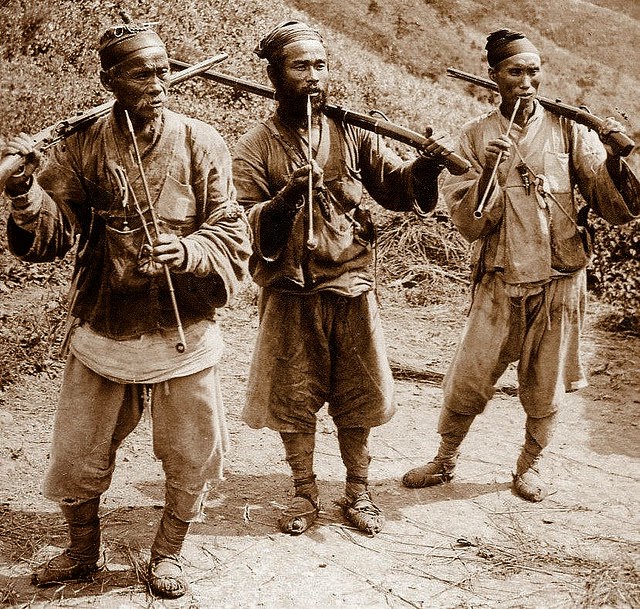
Domestic life revolved around the ceaseless labor of maintaining white clothing. The sound of rhythmic tapping filled the neighborhoods late into the night. This was dadumi, the traditional method of ironing. Women sat in pairs, beating washed fabric against a smooth stone block with wooden sticks to remove wrinkles and give the cloth a glossy sheen. While the women worked, older men often smoked tobacco from long bamboo pipes. The length of the pipe served as a status symbol; the longest pipes were so unwieldy that they required a servant to light the bowl at the far end.
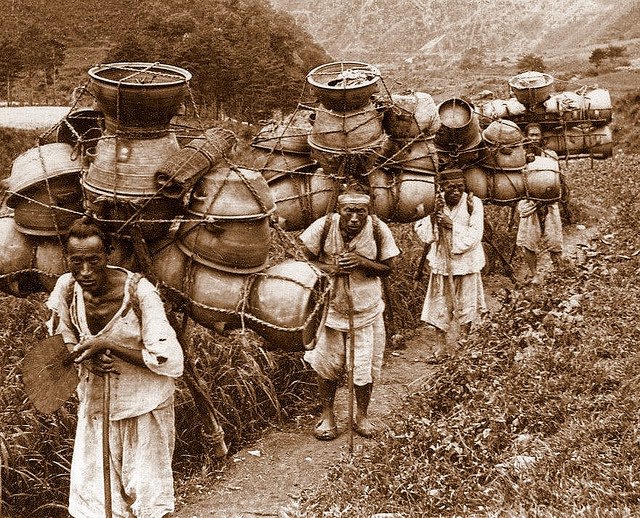
Markets operated on a five-day rotation in rural areas, serving as the center of social and economic life. Peddlers traveled between villages selling dried fish, salt, and brassware. Currency was in use, but bartering remained a common way to trade goods. In the fields, the ox was the most valuable asset a farmer owned. These animals were treated with immense care, often receiving hot meals of boiled beans and hay during the winter months to keep them strong for the plowing season.