
Before the alarm clock became a household staple, millions of British workers relied on a very different kind of wake-up call — a stranger standing outside their window in the dark, tapping until they stirred. These workers were called knocker-ups, and their job was exactly what the name suggests: rousing sleeping people in time for their shifts.
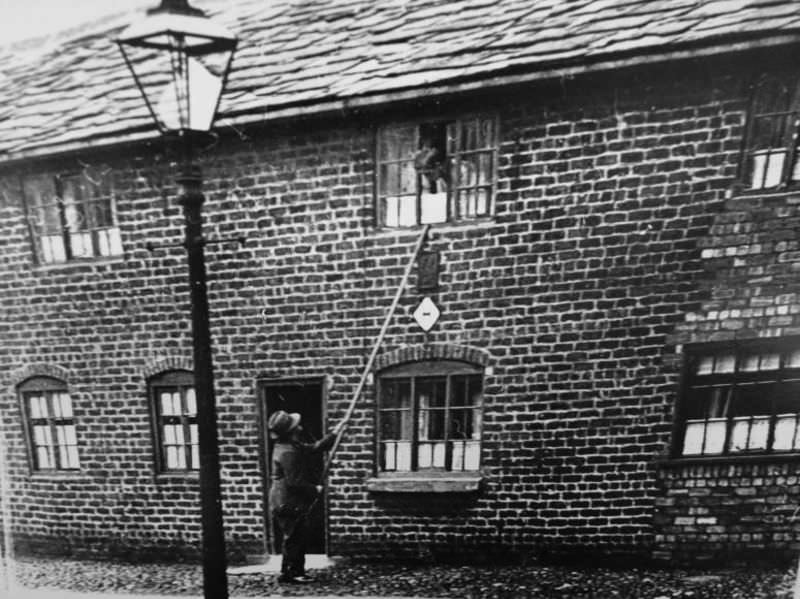
The knocker-up profession grew directly out of the Industrial Revolution in Britain and Ireland. Factories, docks, and bus depots ran on strict schedules, and missing a shift had real consequences. Alarm clocks existed during this period, but they were expensive to buy and not particularly reliable. Hiring a knocker-up was a far more practical solution for ordinary working people.
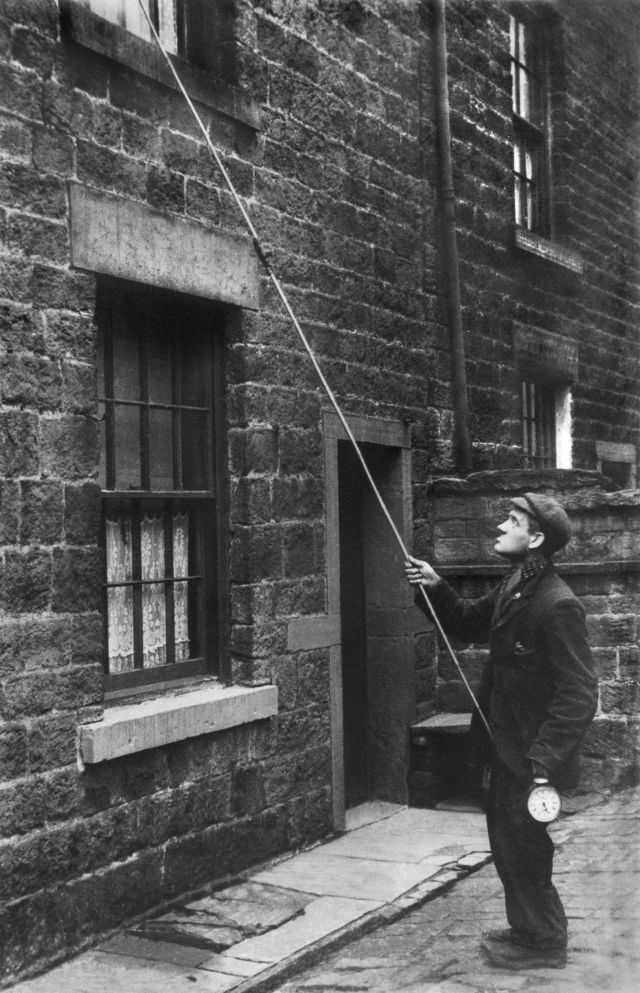
Knocker-ups were especially common in towns and cities where shift work was the norm. Dockers, mill workers, and transport workers all kept odd hours — sometimes starting well before sunrise. In these communities, a knocker-up walking the pre-dawn streets was a regular, expected part of daily life.
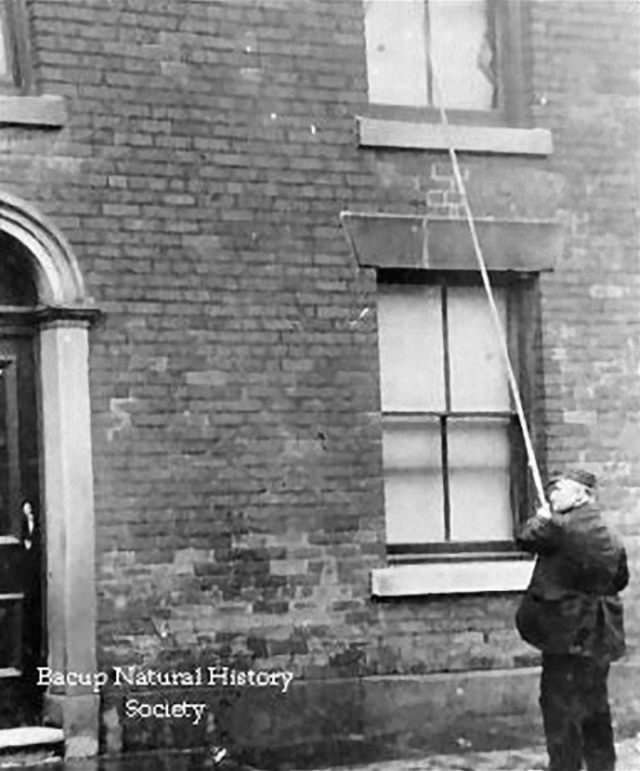
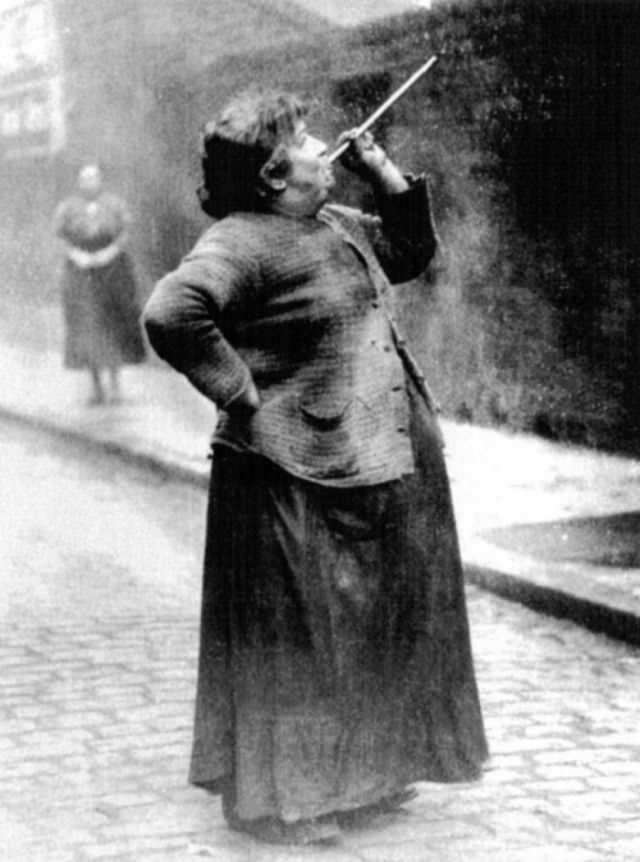
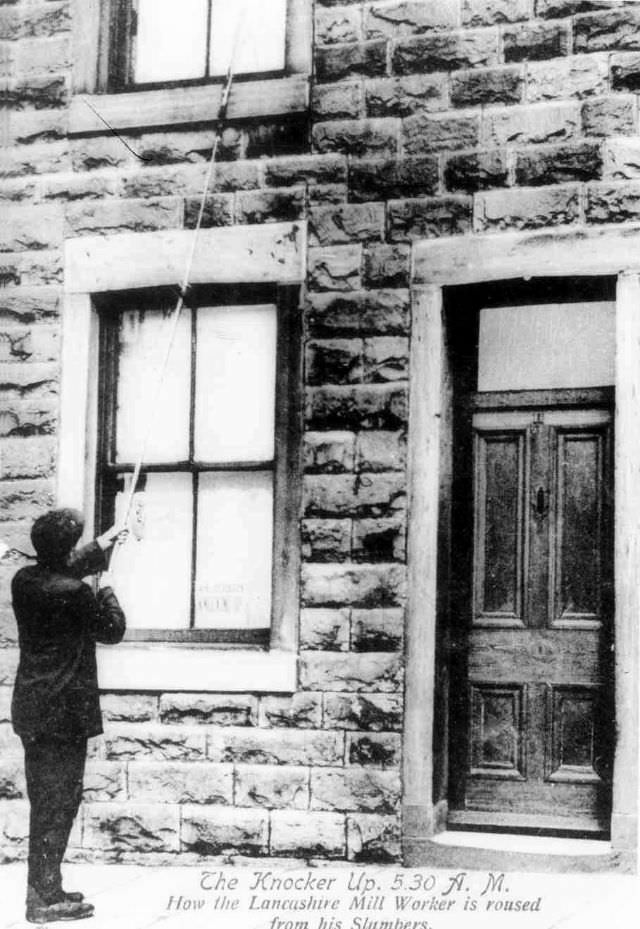
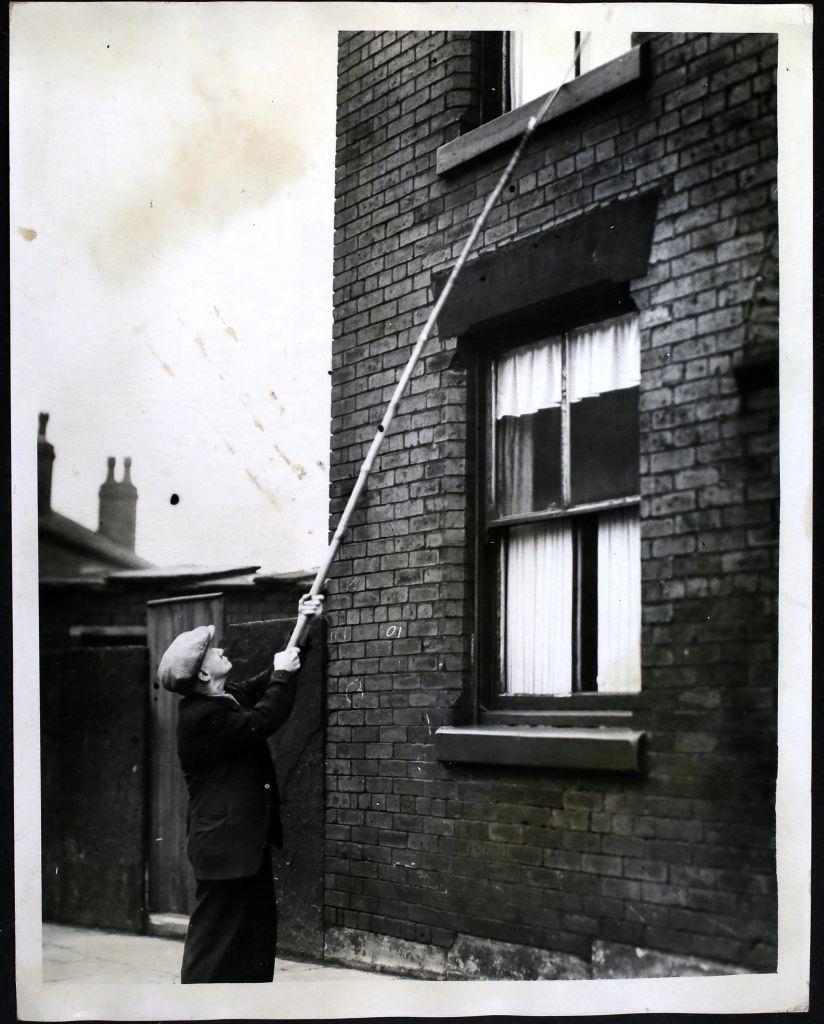
The main tool of the trade was a long, thin stick, typically made from bamboo. Bamboo was chosen for a practical reason: it was light enough to carry through long streets yet sturdy and long enough to reach upper-floor windows. A knocker-up would tap firmly on the glass and stand their ground until they had clear confirmation that the person inside was awake.
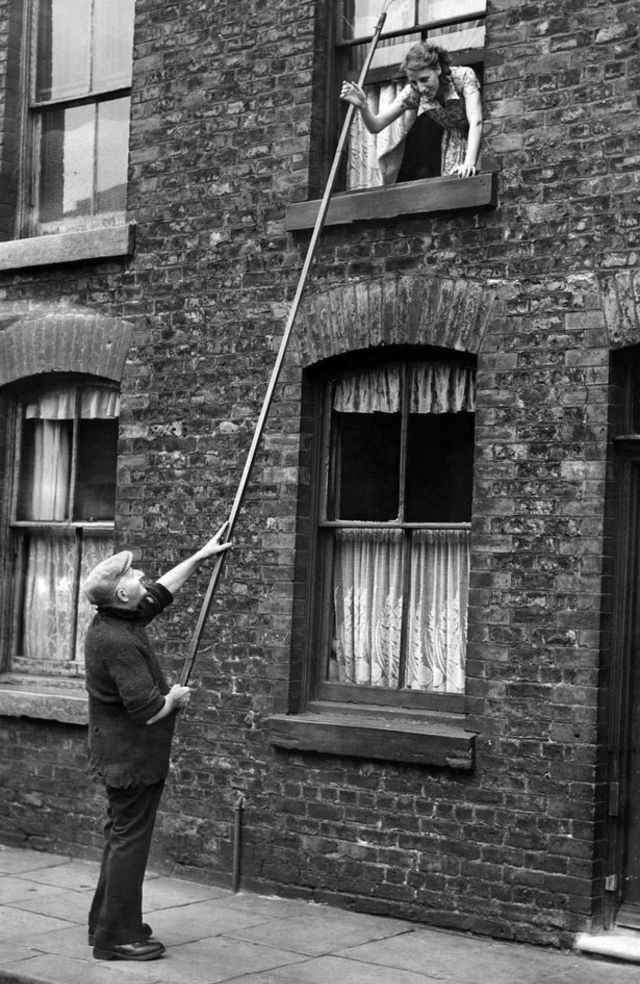
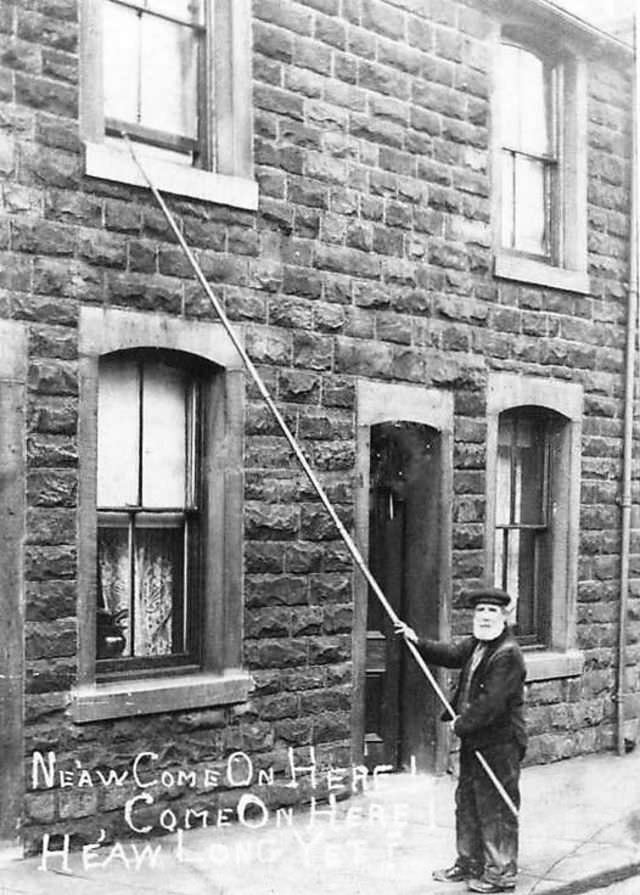
Simply knocking and walking away was not acceptable. The whole point of the job was to guarantee the client got up — not just stirred for a moment and fell back asleep. A knocker-up who left too soon could cost a worker their job. So they waited, watching the window for movement, a light, or a shout of acknowledgment before moving on to the next address.
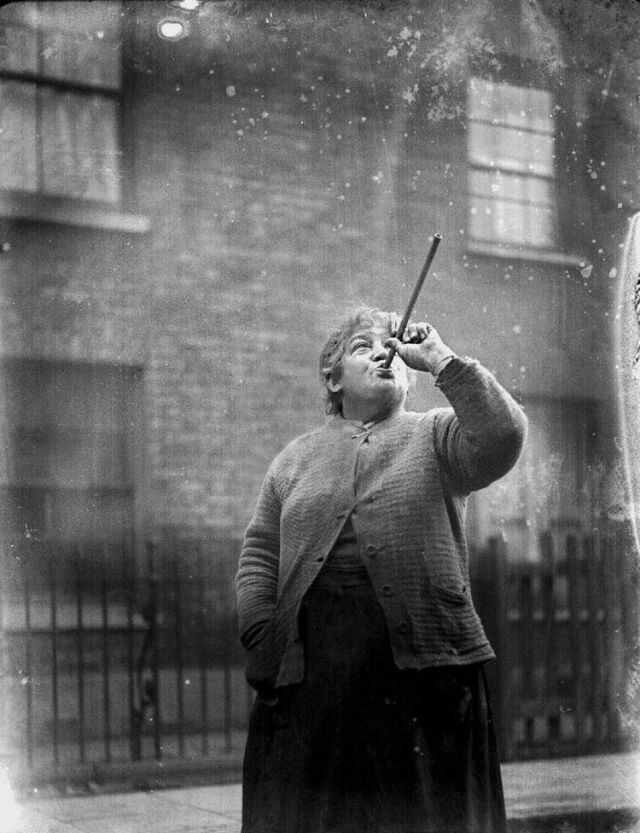
Some knocker-ups also carried a “snuffer outer” — a pole-mounted tool used to extinguish the gas street lamps that burned through the night. These lamps were lit at dusk and needed to be put out at dawn. For a knocker-up already walking the streets at first light, doubling as a lamp extinguisher made practical sense and added another source of income.
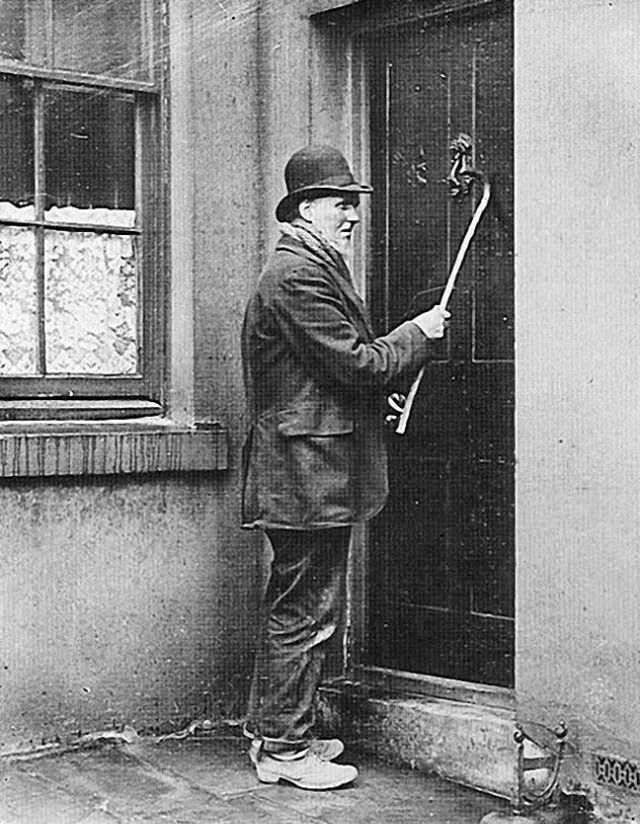
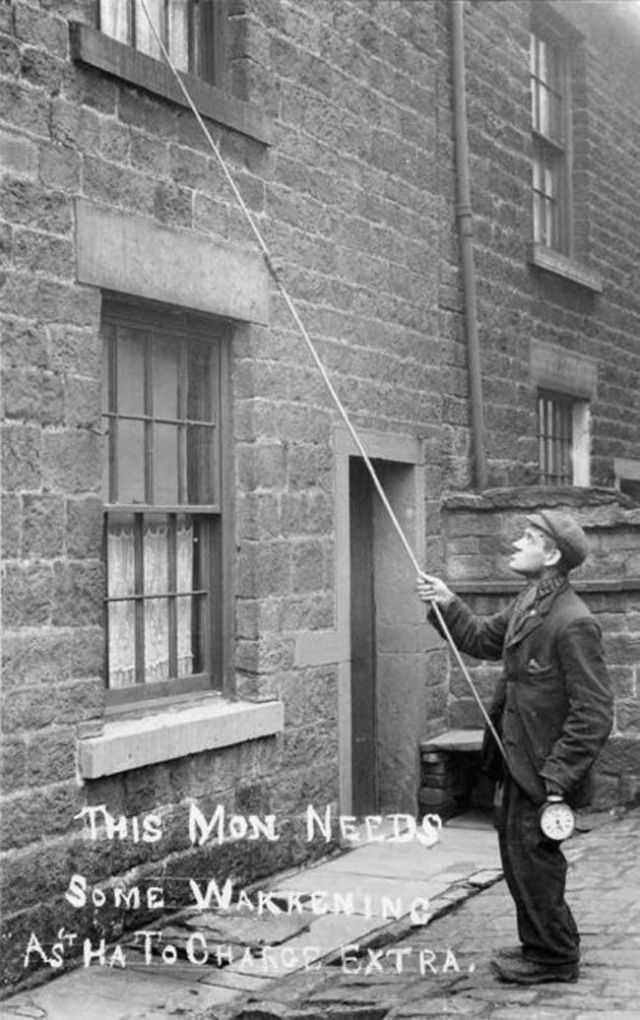
The job required no special training, but it did demand discipline and reliability. A knocker-up had to be awake before their clients, which meant they were often among the first people moving through the streets each morning. Many knocker-ups were older men and women, including widows who needed steady income and found the early hours manageable.
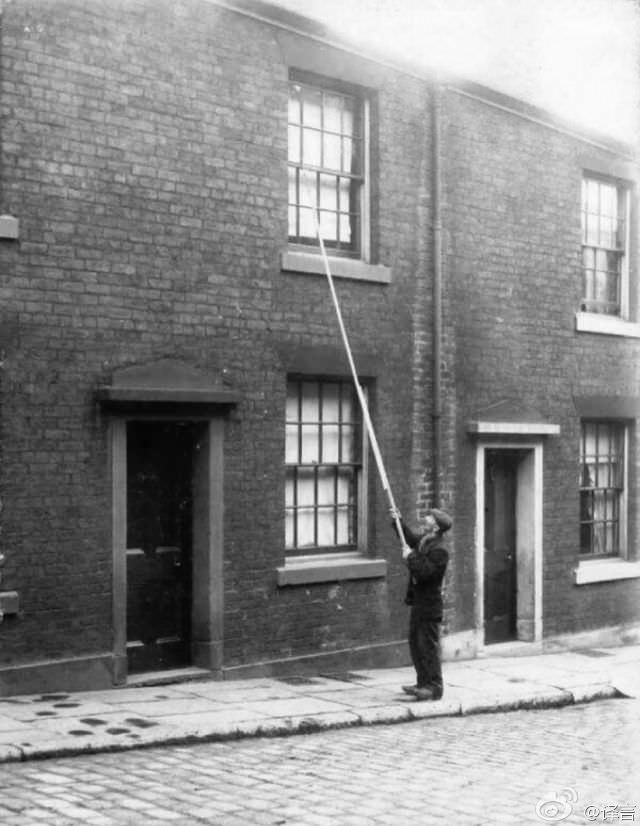
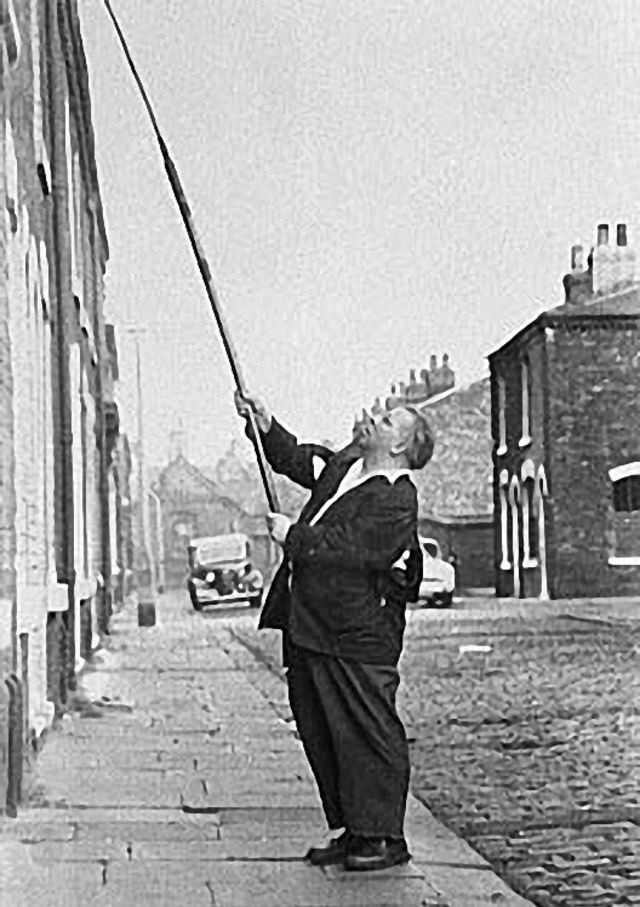
A natural question follows: who woke the knocker-up? The answer varied. Some used their own internal rhythm built from years of early rising. Others relied on a neighbor or another knocker-up who worked an even earlier round. A few reportedly set their own rudimentary alarm devices or simply never went to bed for long.
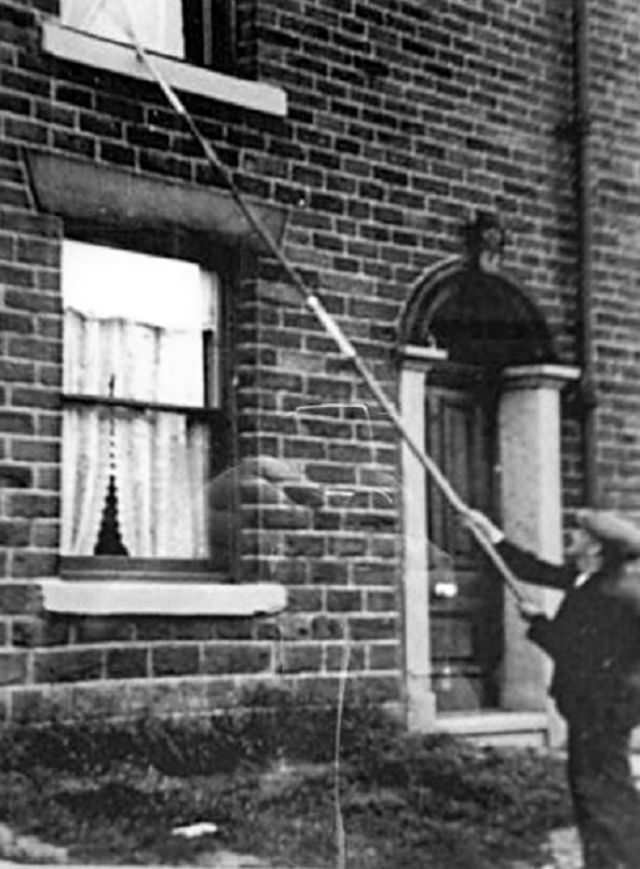
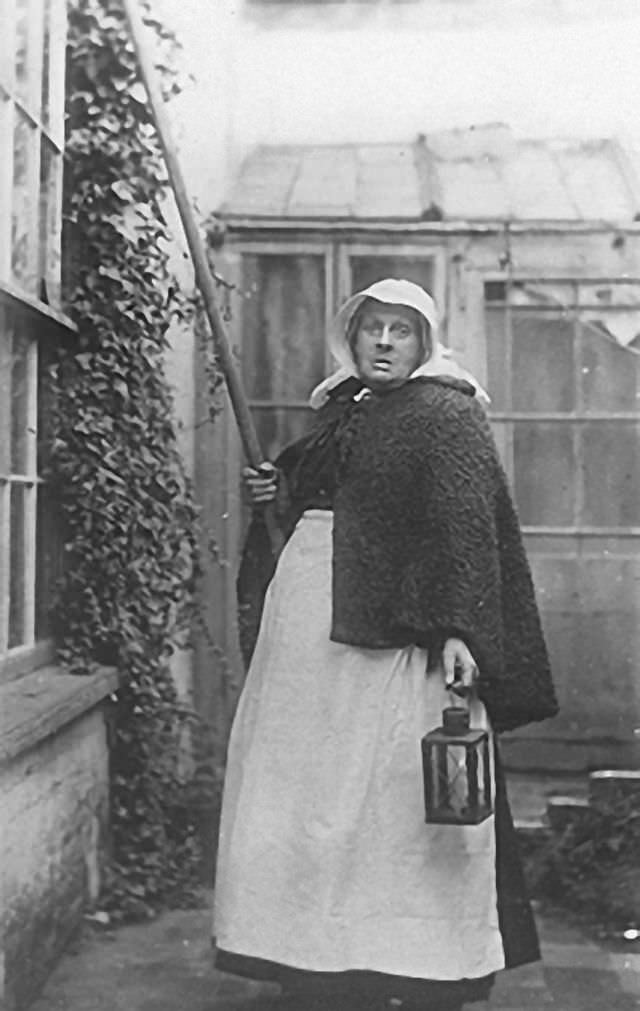
Clients paid a small weekly fee for the service — typically just a few pence. A single knocker-up could cover dozens of households along a regular route, making the rounds efficient enough to earn a modest but consistent living. In tightly packed working-class neighborhoods, one person could serve an entire street in a single pass.
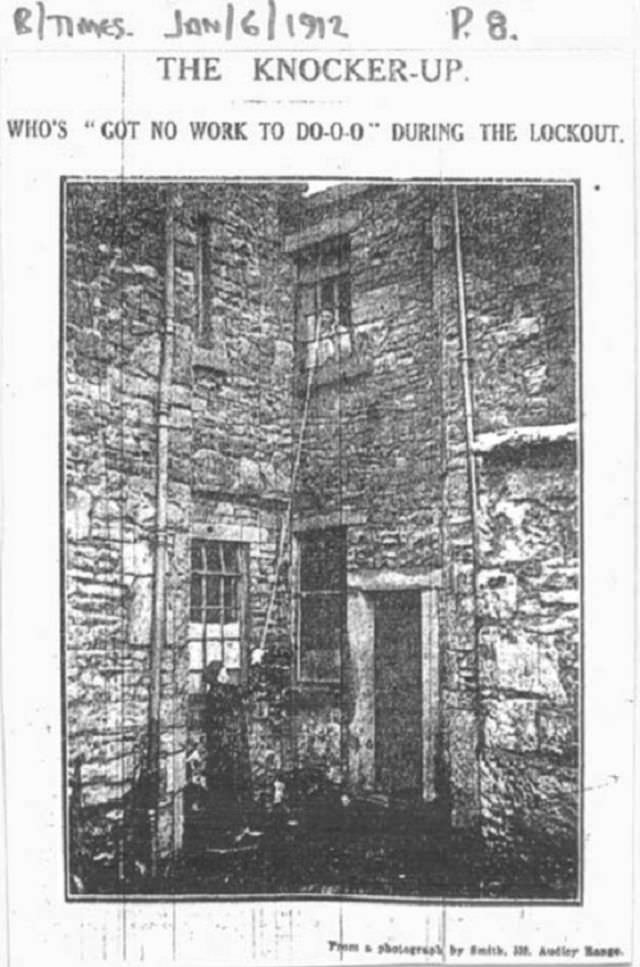
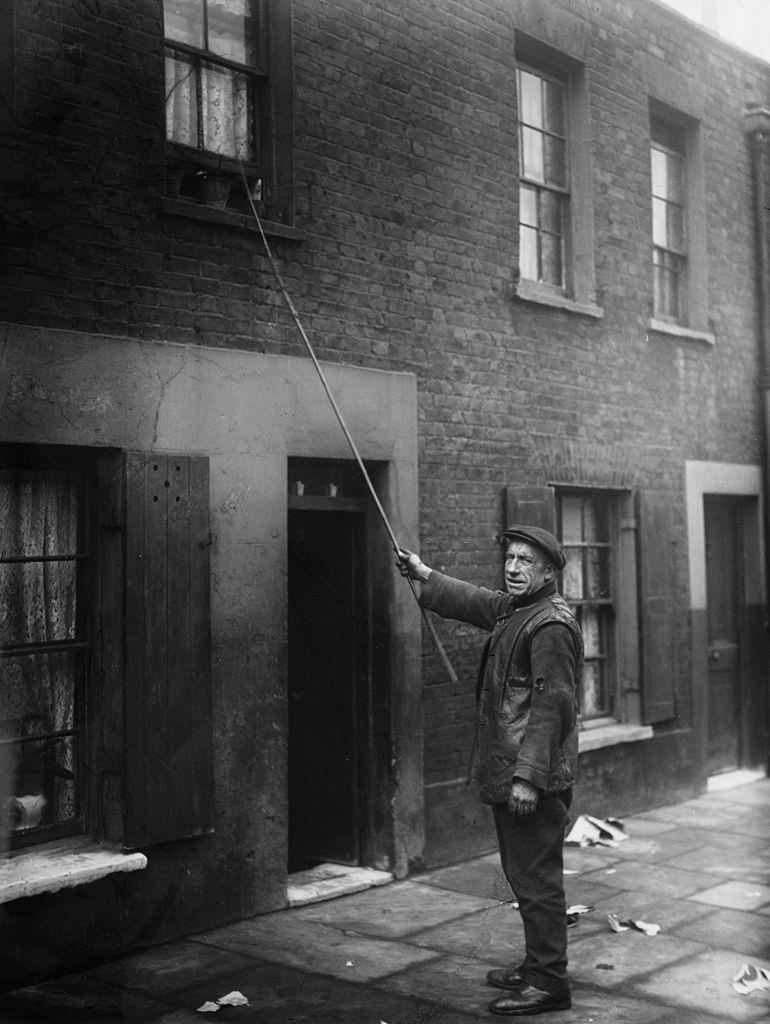
Photographs from the early 20th century show knocker-ups at work on quiet, empty streets — men and women bundled against the cold, poles in hand, peering up at darkened windows. These images capture a working world where time was money and the system that kept it running was entirely human.
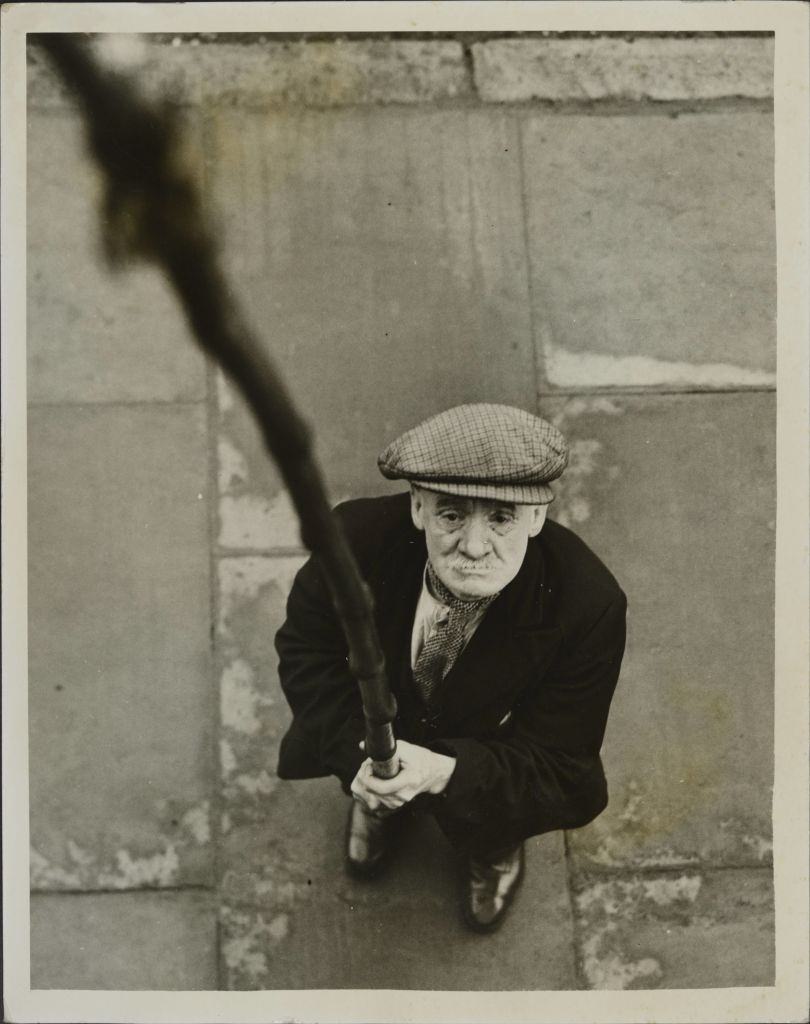
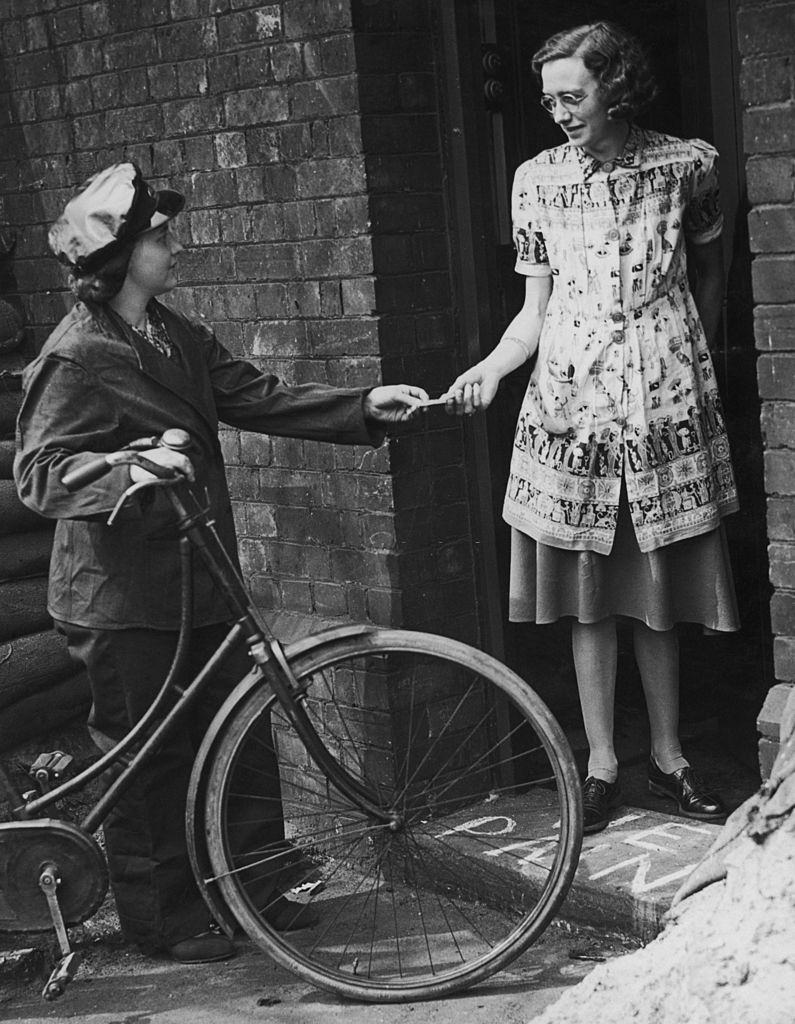
The profession slowly faded as mass-produced, affordable alarm clocks became widely available through the late 19th and early 20th centuries. By the time the mid-20th century arrived, knocker-ups had largely disappeared from British streets, replaced by the mechanical tick and ring that most people now take entirely for granted.


But who wakes the wakers?