
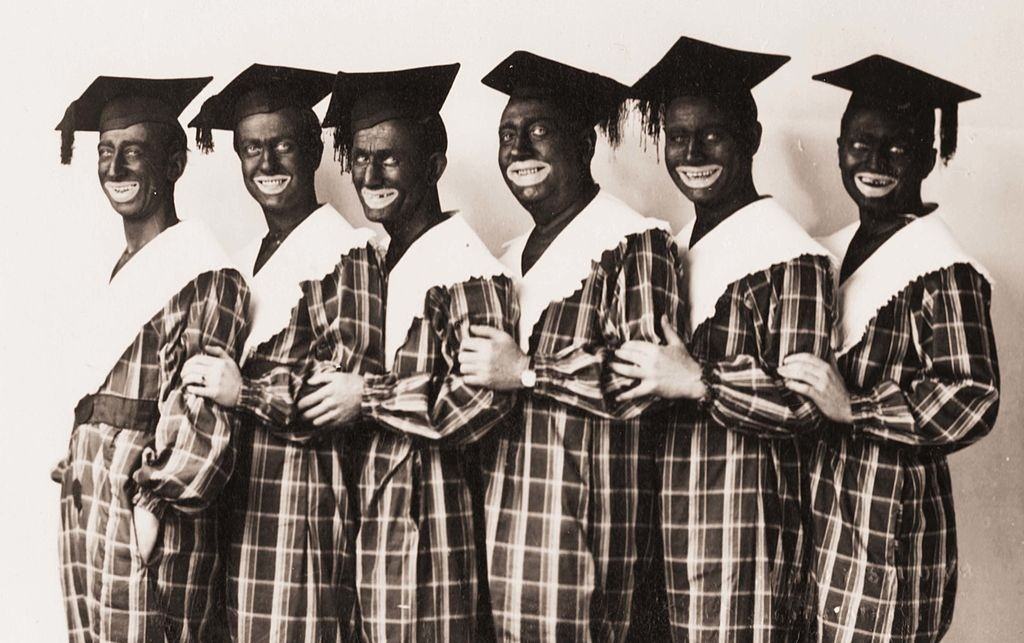
Between 1876 and 1965, a set of state and local laws locked racial segregation into American life. These were the Jim Crow laws — a legal system that separated Black and white Americans in almost every public space imaginable. The name came from a minstrel show character. White performers in blackface performed a song-and-dance routine called “Jump Jim Crow,” and the name stuck as a label for the entire system of racial control that followed.
The laws were most strictly enforced in Southern states, but the North was far from innocent. Northern cities enforced segregation through social custom — unwritten rules that were just as effective as any printed statute. Together, the formal laws and the informal pressures created a system that touched every part of Black American life, from where a person could sit on a bus to what Bible they swore on in a courtroom.
The roots of Jim Crow reach back to the end of the Civil War in 1865. The 13th Amendment abolished slavery, but Southern states immediately began passing Black Codes — laws designed to keep African Americans locked in a state close to what they had just escaped. These codes stripped Black citizens of voting rights and created a legal system stacked against them. Confederate veterans who became law enforcement officers and judges made sure Black defendants faced longer sentences and fewer legal protections than white ones. In prison, Black men were treated as enslaved labor.
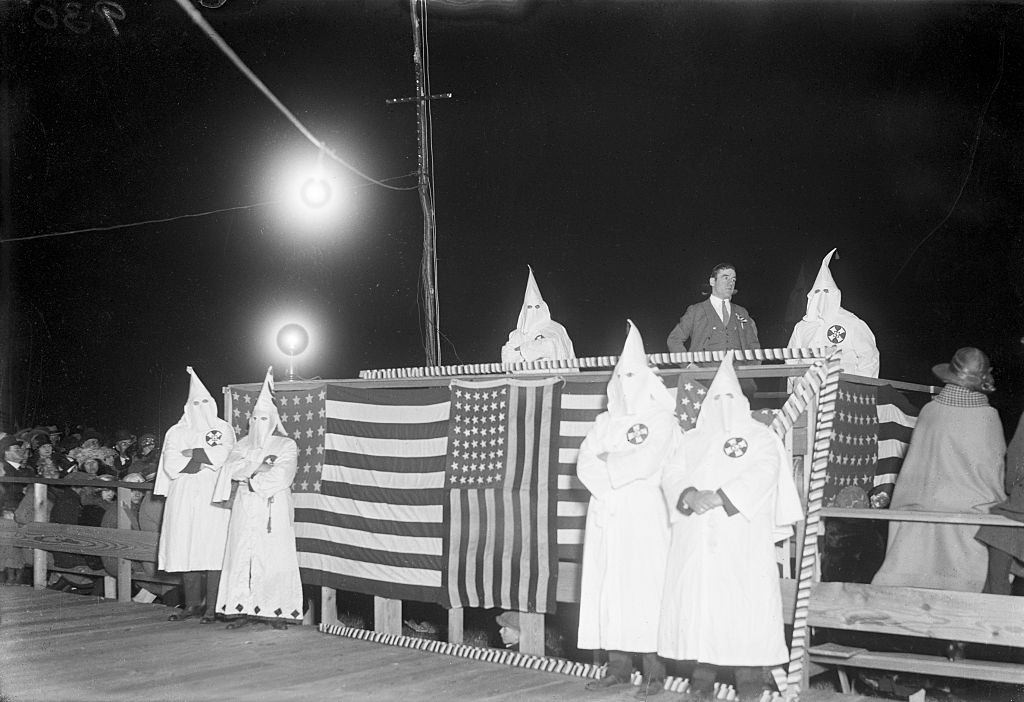
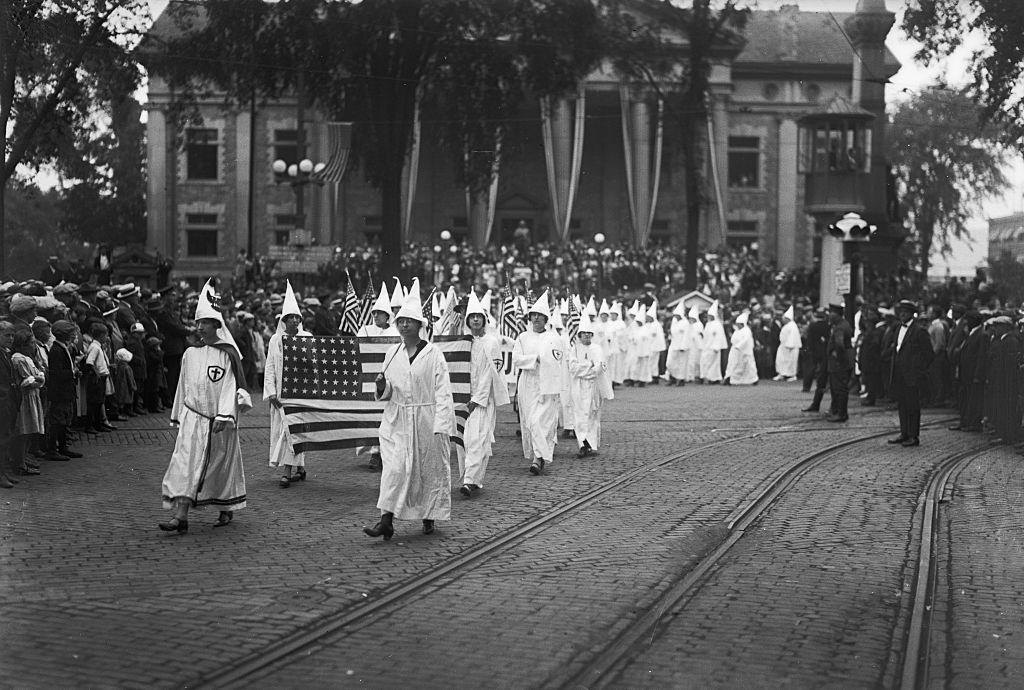
Under President Andrew Johnson’s administration, violence against Black communities was common and largely unpunished. Families were driven off their land. Schools were vandalized and burned. Out of this climate grew the Ku Klux Klan — originally a private club for Confederate veterans that became a secret terrorist organization targeting Black communities across the South.
By the 1880s, as Black residents moved into Southern cities in larger numbers, white city dwellers pushed for more laws to limit Black opportunity. Jim Crow expanded rapidly. Conservative white Southern Democrats blocked every Civil Rights bill that came before them and used the post-Civil War Reconstruction era as an opportunity to cement white political power.
The minstrel shows that gave Jim Crow its name were themselves a form of cultural enforcement. Blackface performances mocked Black Americans and normalized racist caricatures for white audiences across the country.
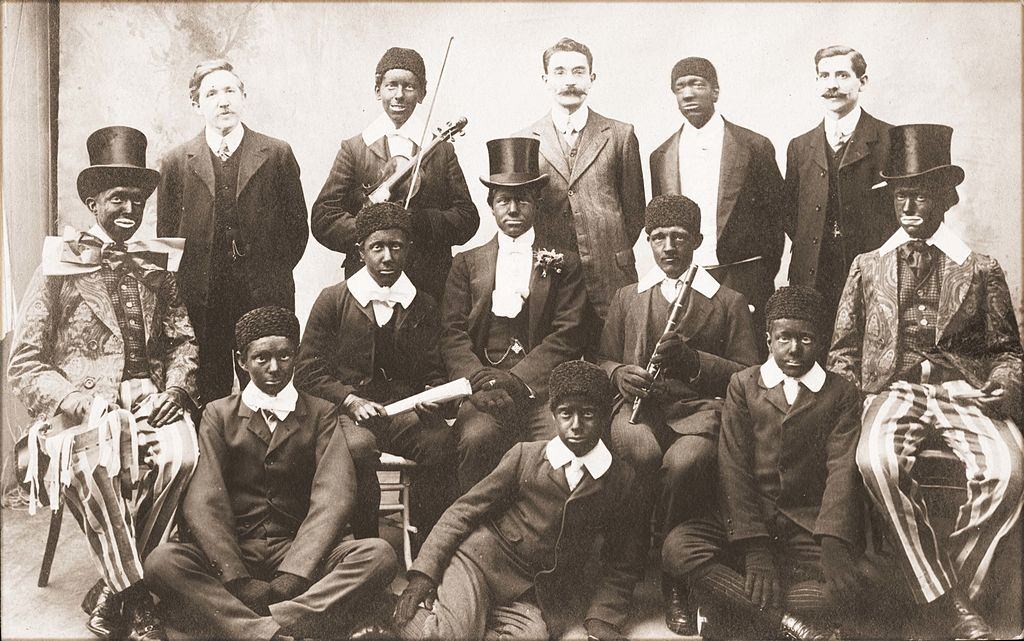
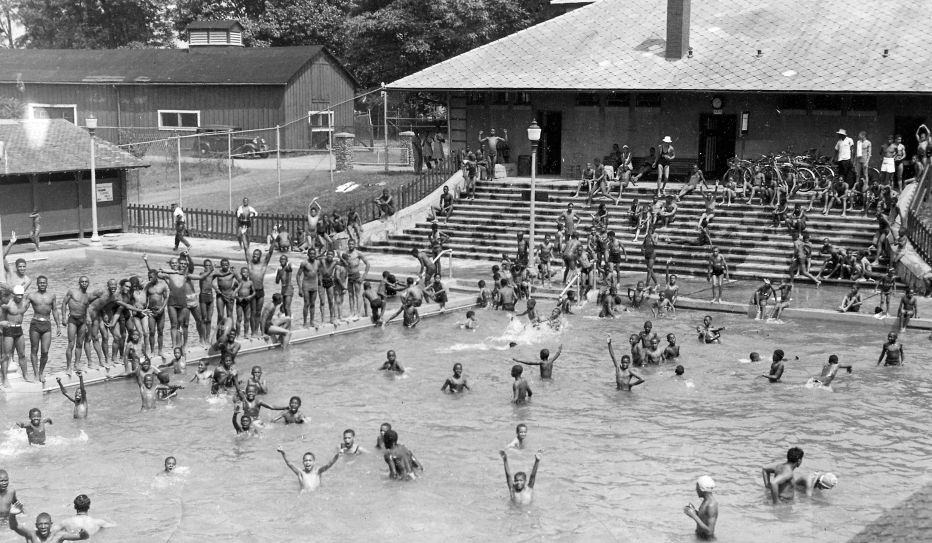
The rules of Jim Crow governed daily life in extraordinary detail. Theaters, buses, waiting rooms, restrooms, train stations, water fountains, cemeteries, and hospitals were all segregated. Public parks were off-limits to African Americans in many areas. Several laws barred Black people from living in white neighborhoods. Marriage and romantic relationships between Black and white people were strictly prohibited. Black men were forbidden from offering to light a white woman’s cigarette because the gesture implied too much social familiarity. Public displays of affection between Black people — including kissing — were banned on the grounds that they offended white onlookers.
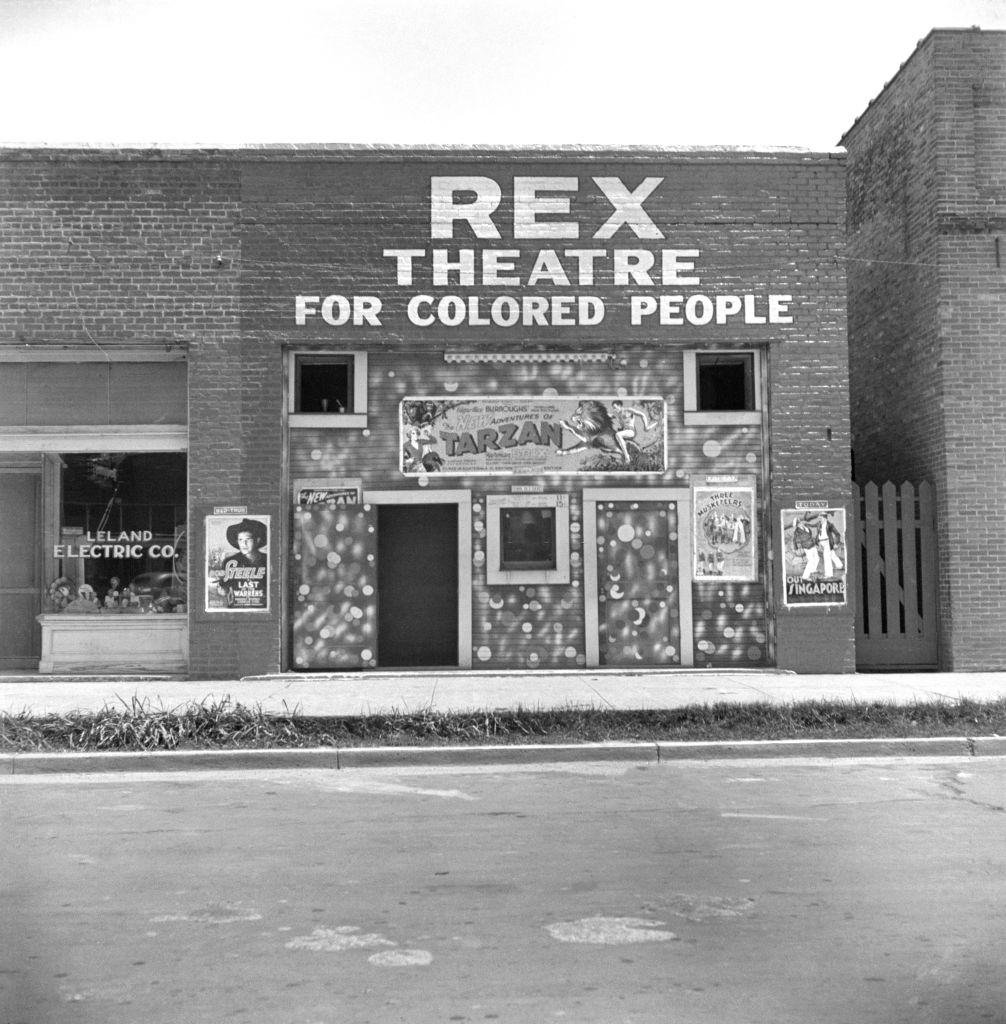
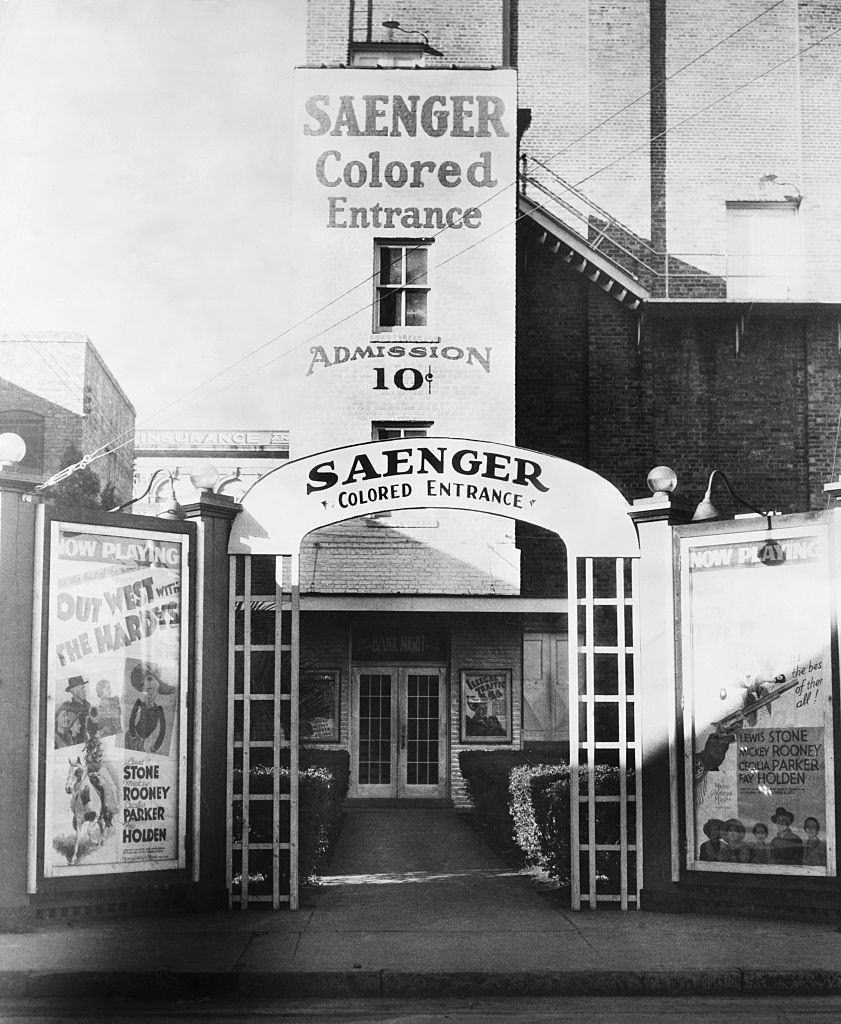
Even basic courtesy was regulated. White people were forbidden from using titles like Mr., Mrs., Miss, Sir, or Ma’am when speaking to Black people. Black citizens, however, were required to use those same titles when addressing whites. In Atlanta courtrooms, Black witnesses swore on a different Bible than white witnesses. Some states required that schools use separate textbooks for Black and white students. Black voters were blocked at the polls through poll taxes, rigged literacy tests, and mental examinations deliberately designed to be failed.
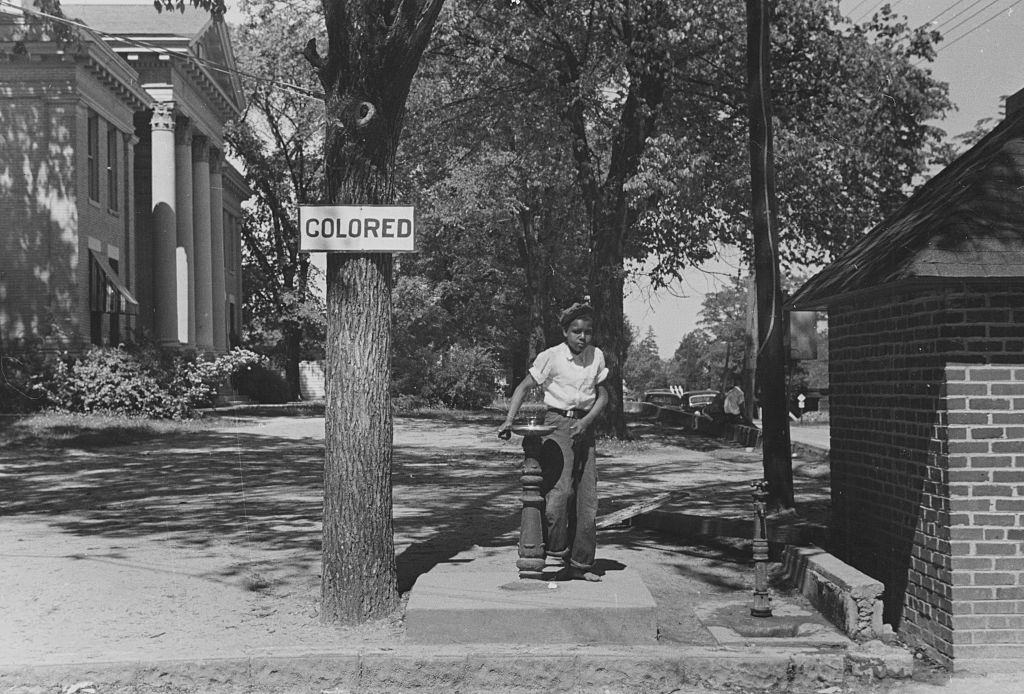
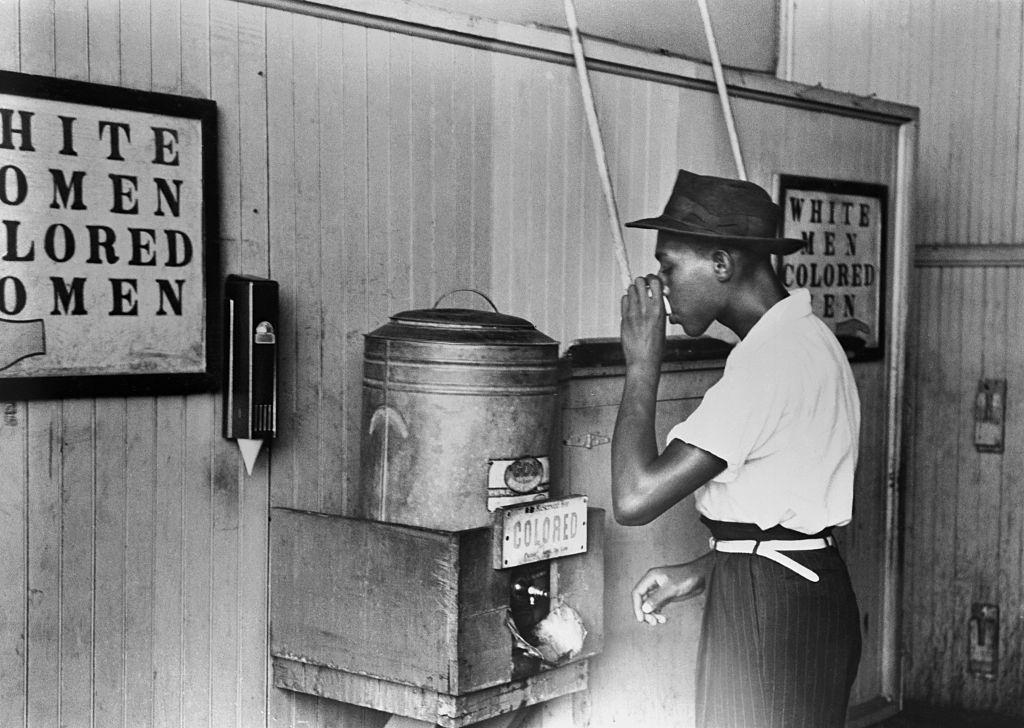
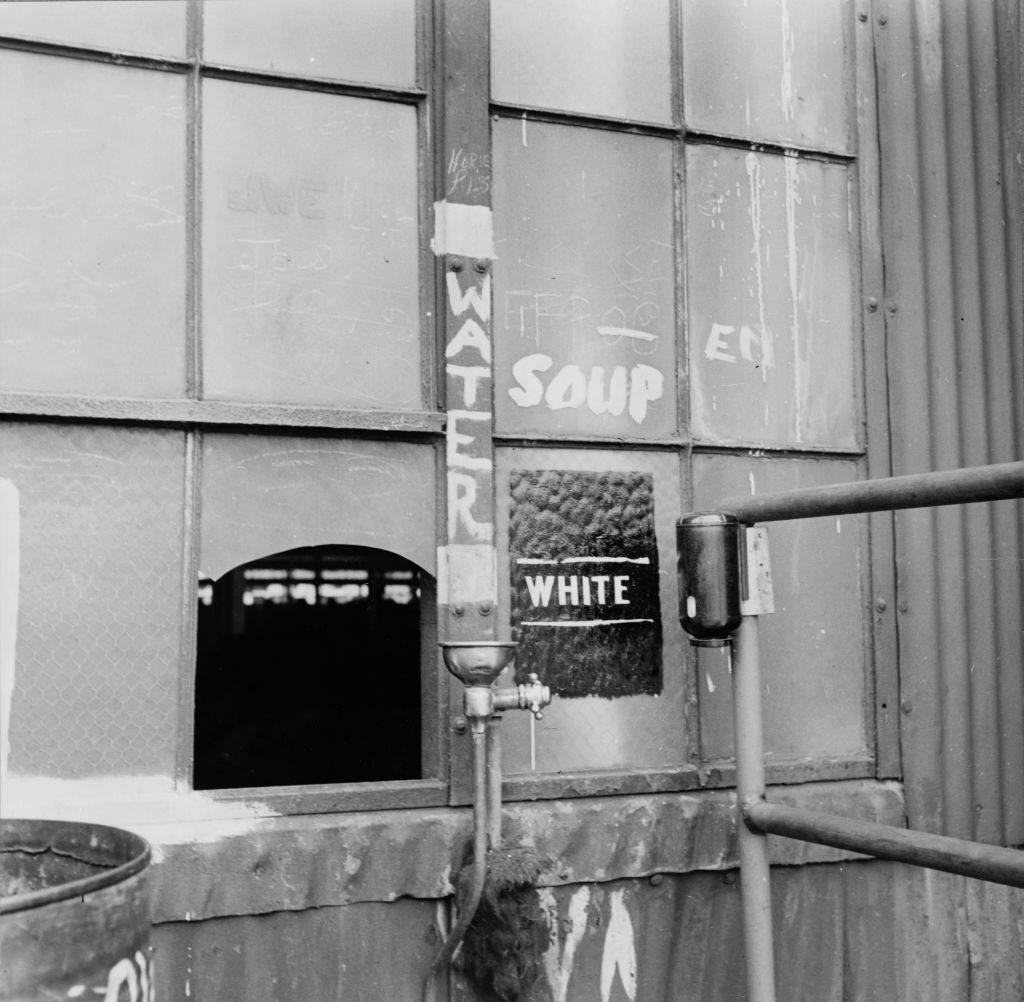
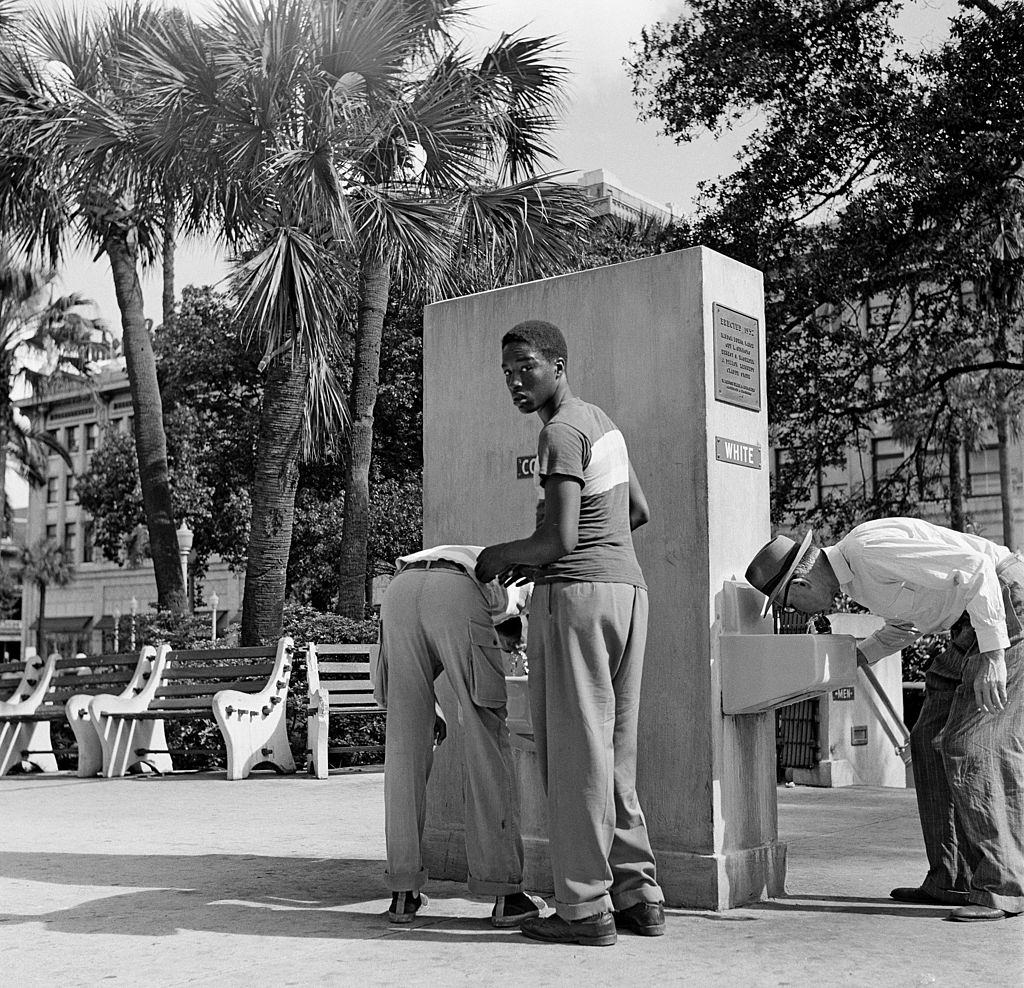
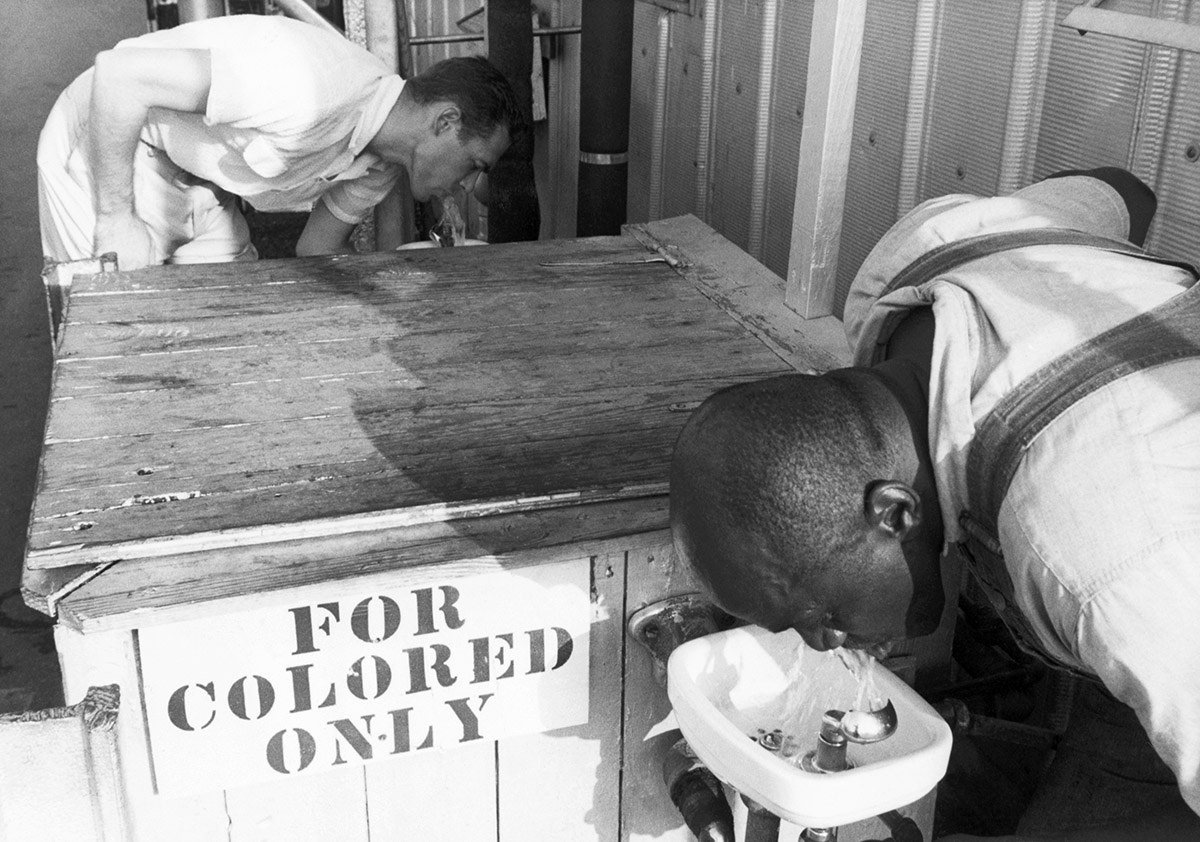
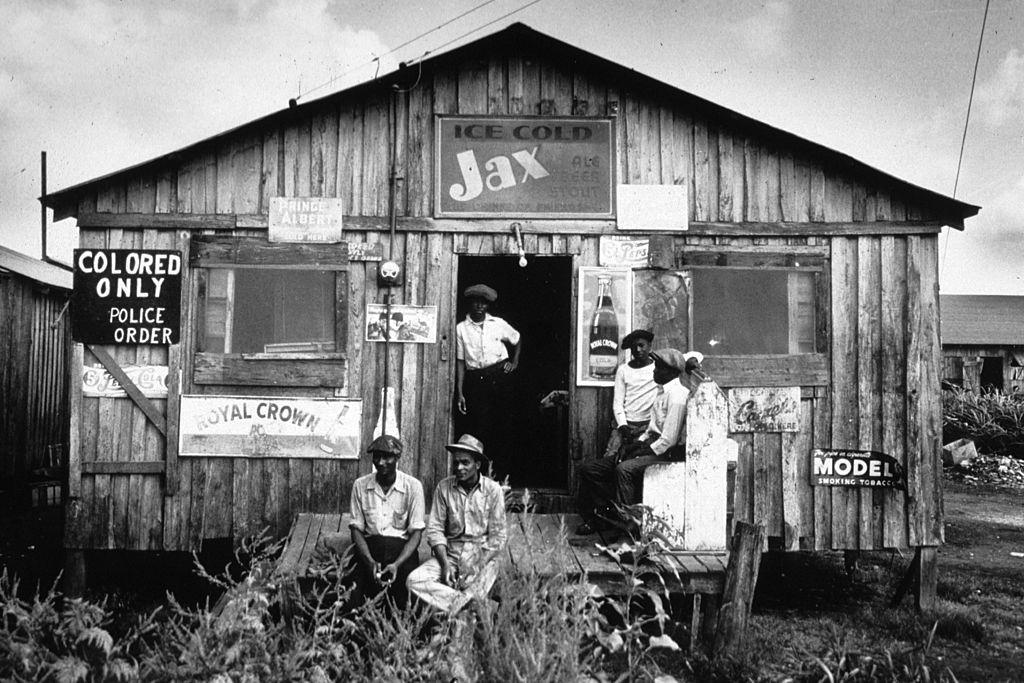
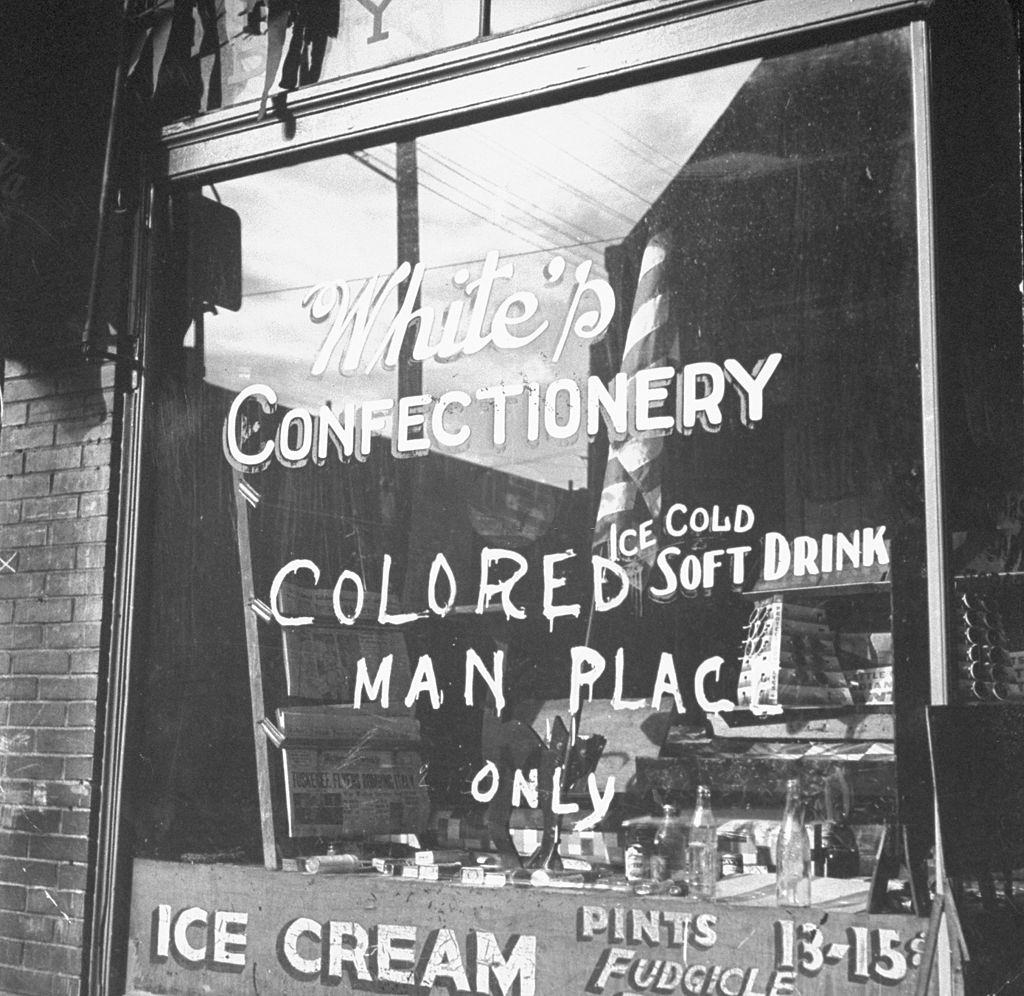
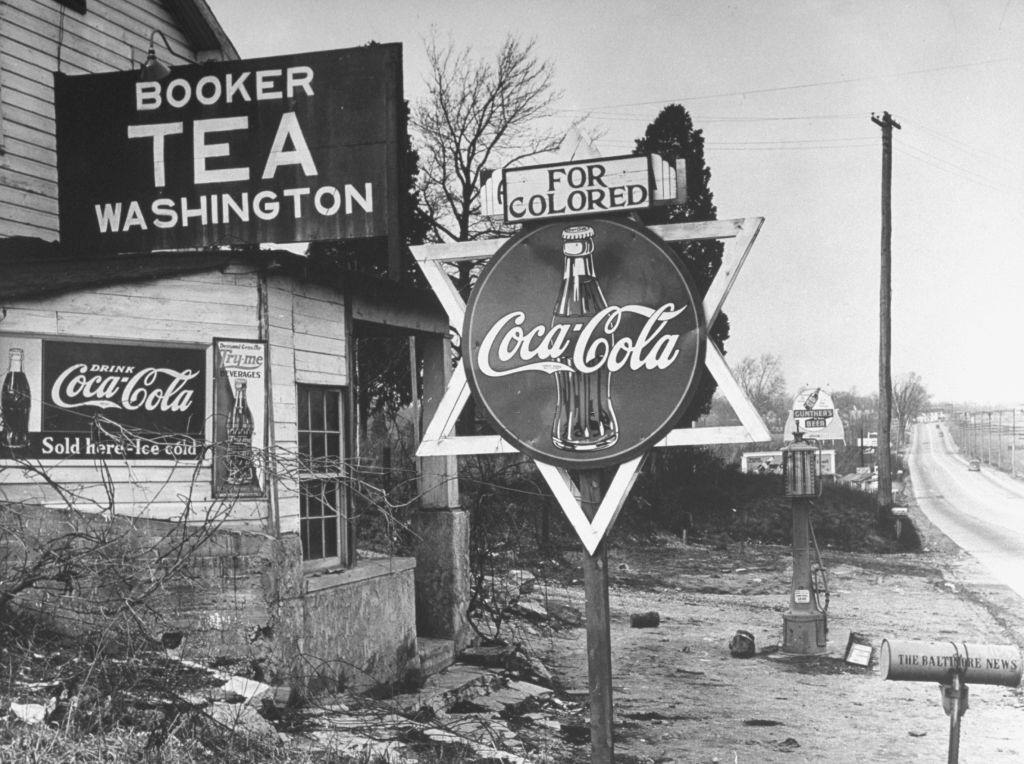
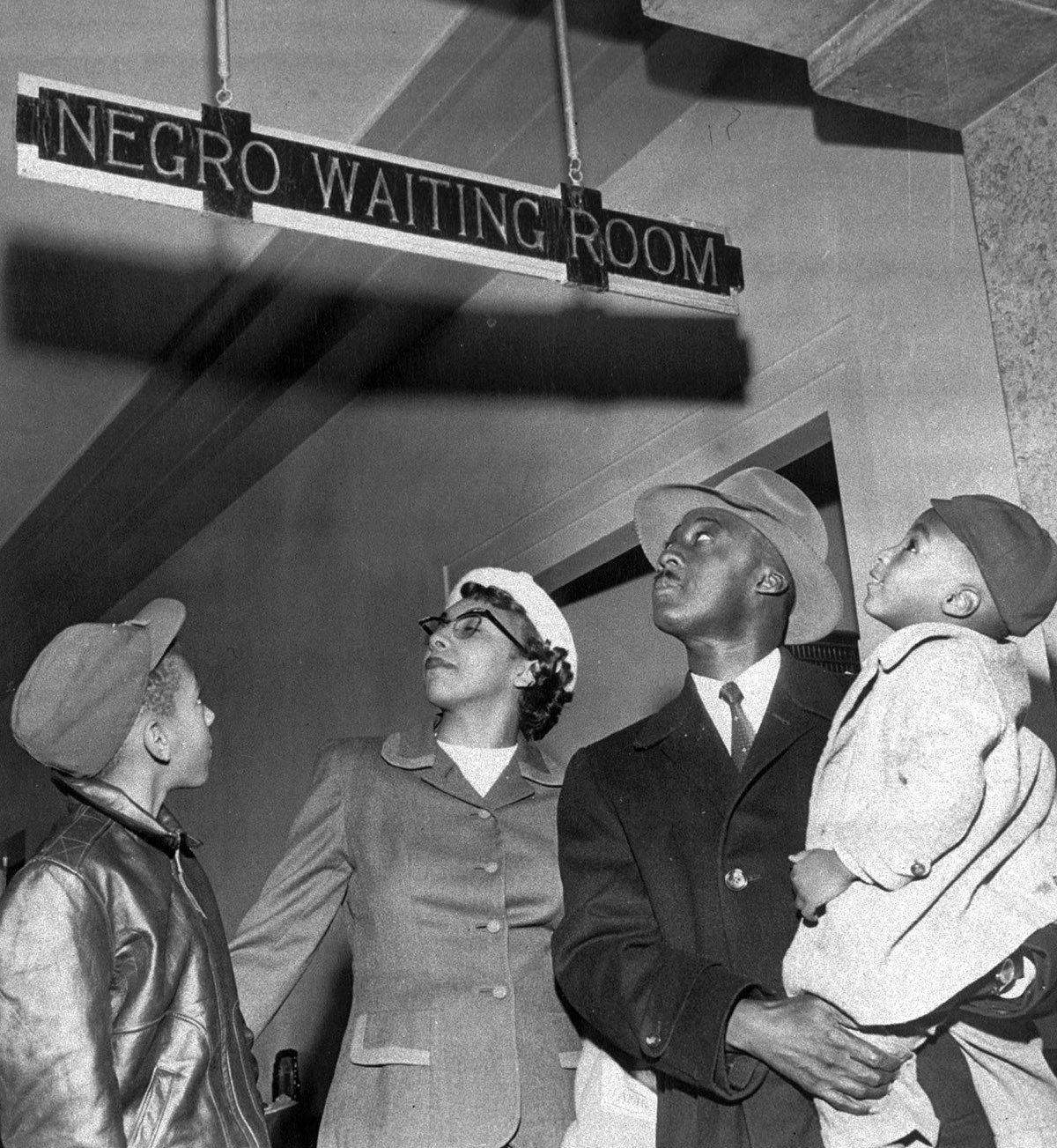
The physical infrastructure of segregation was visible everywhere. Separate entrances, separate seating areas, separate waiting rooms — all of it reinforced the message that Black Americans were not equal and would not be treated as such.
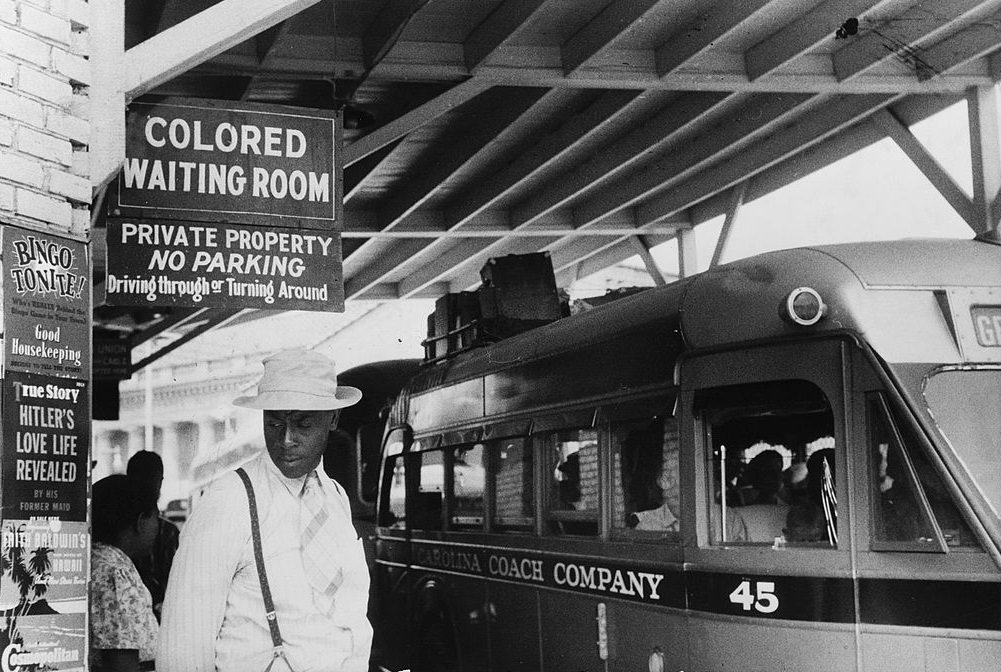
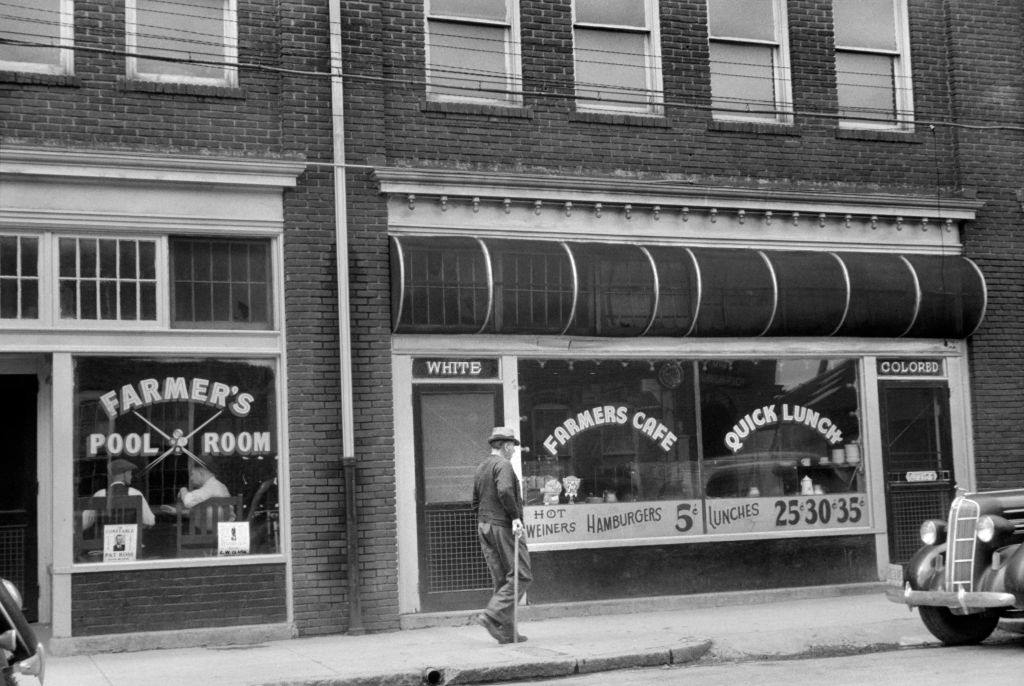
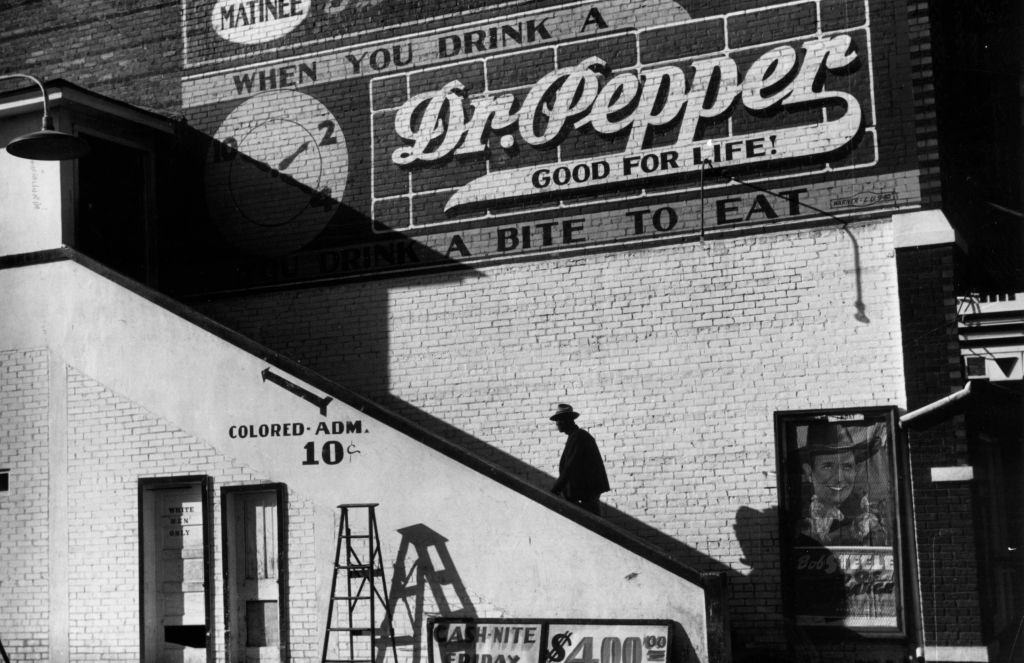
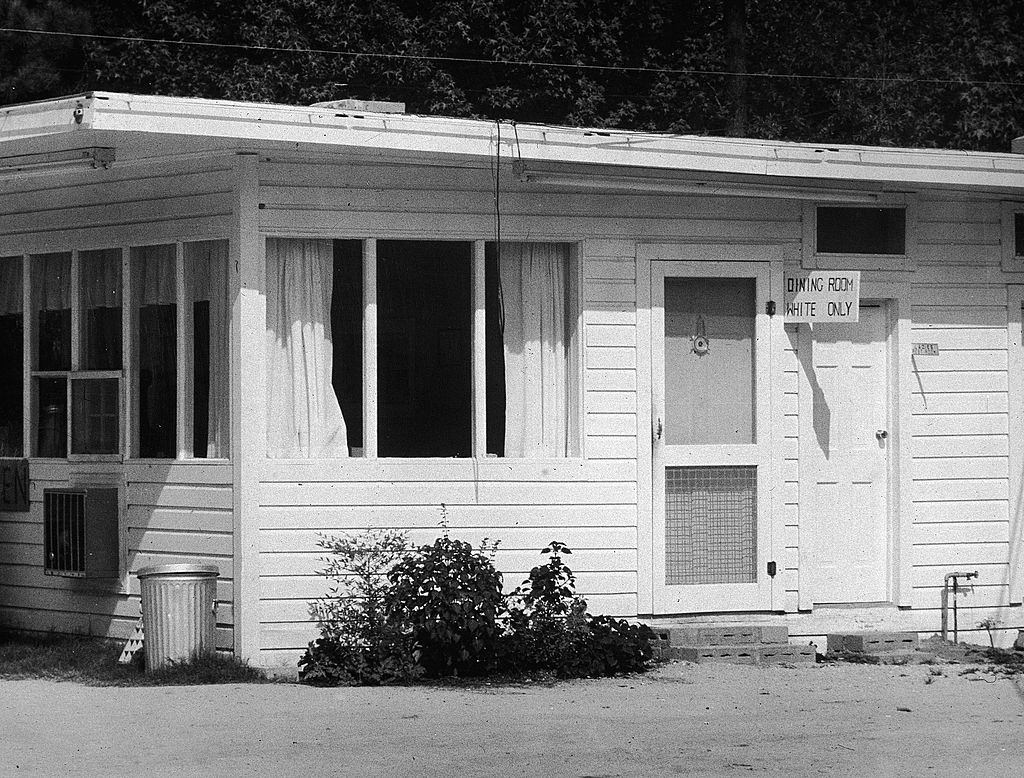
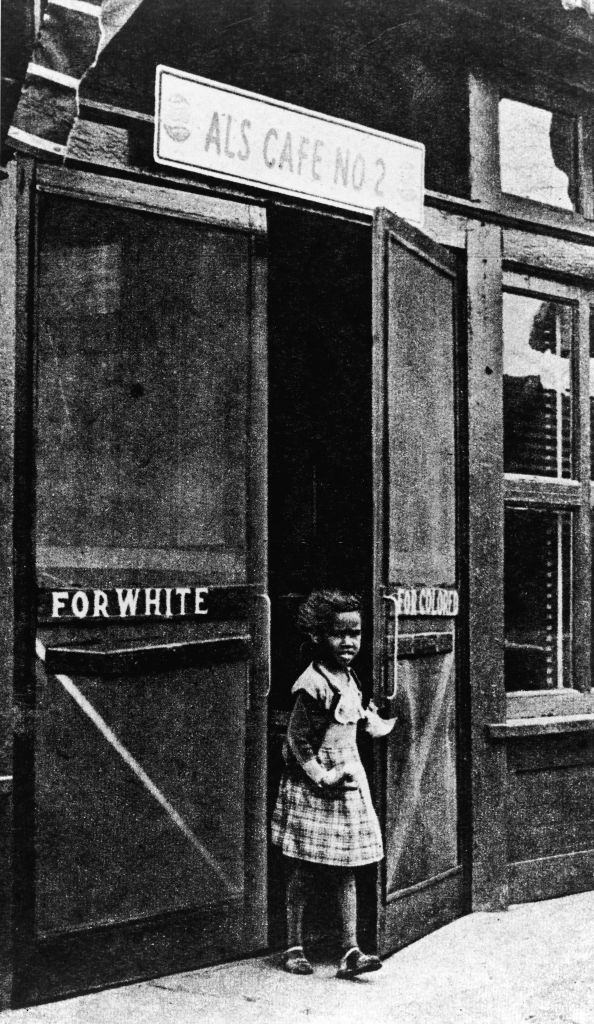
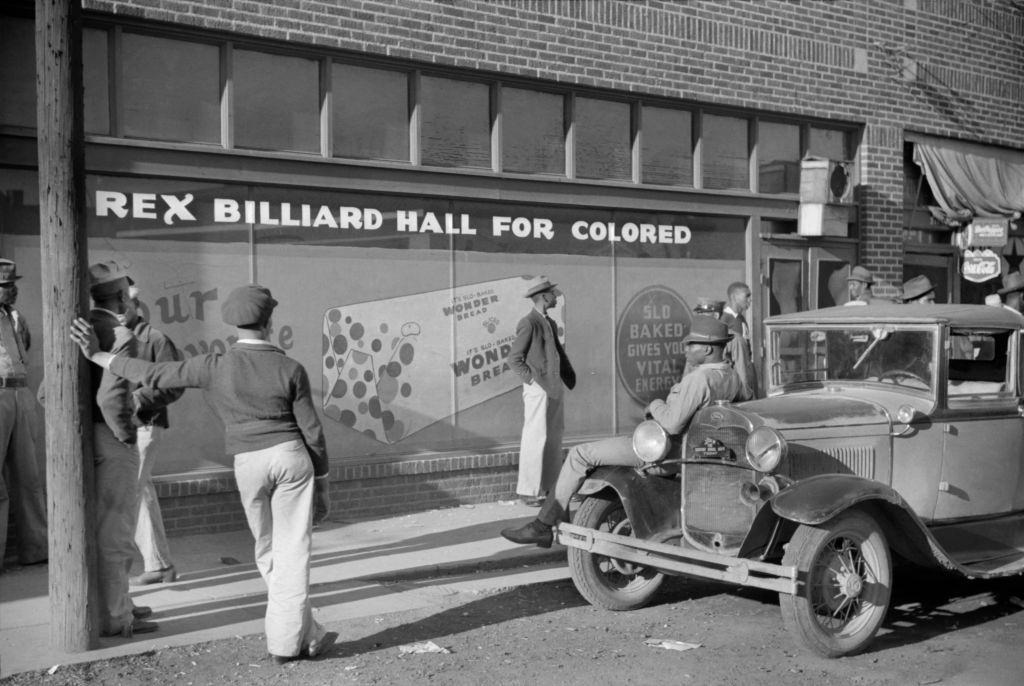
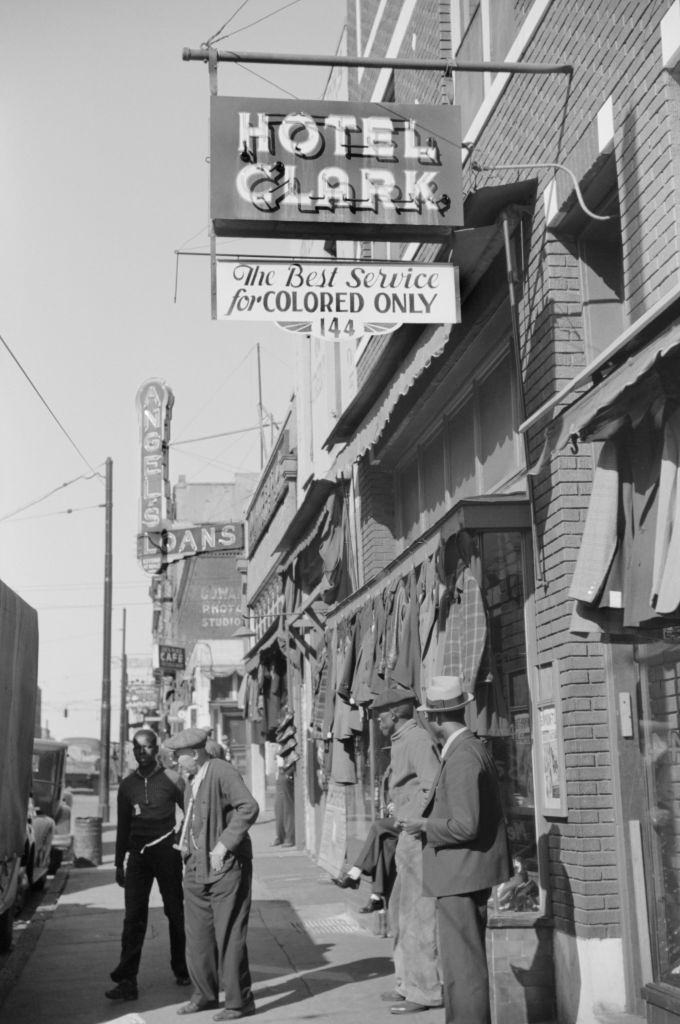
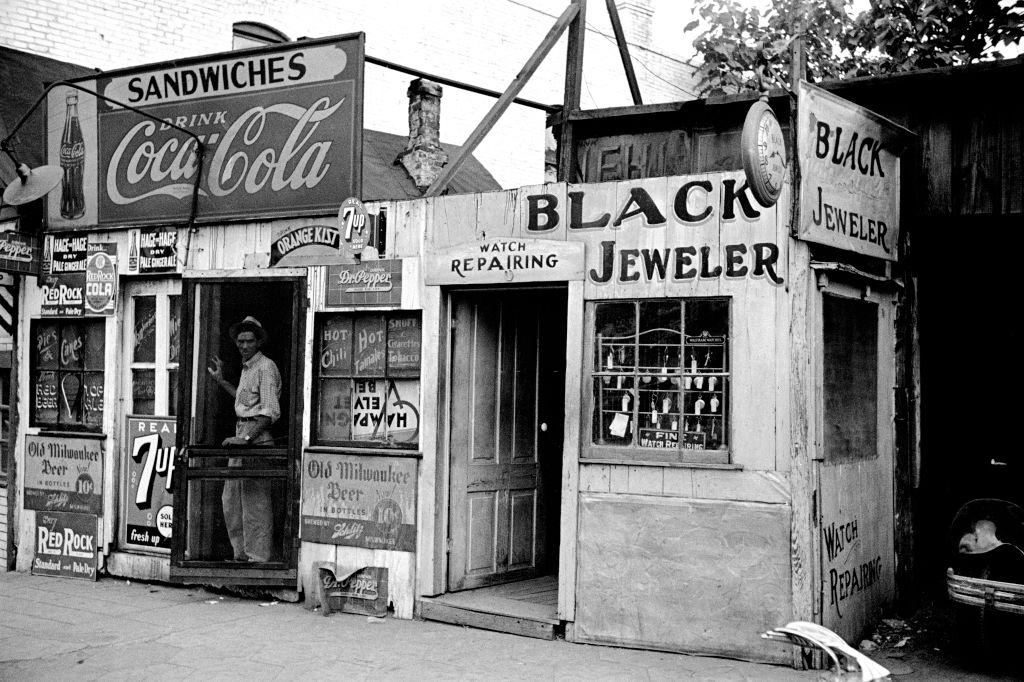
Hotels, restaurants, billiard halls, and stores all operated under the same system. Establishments that served Black customers did so in separate spaces, through separate entrances, and under conditions that made clear their customers were second-class.
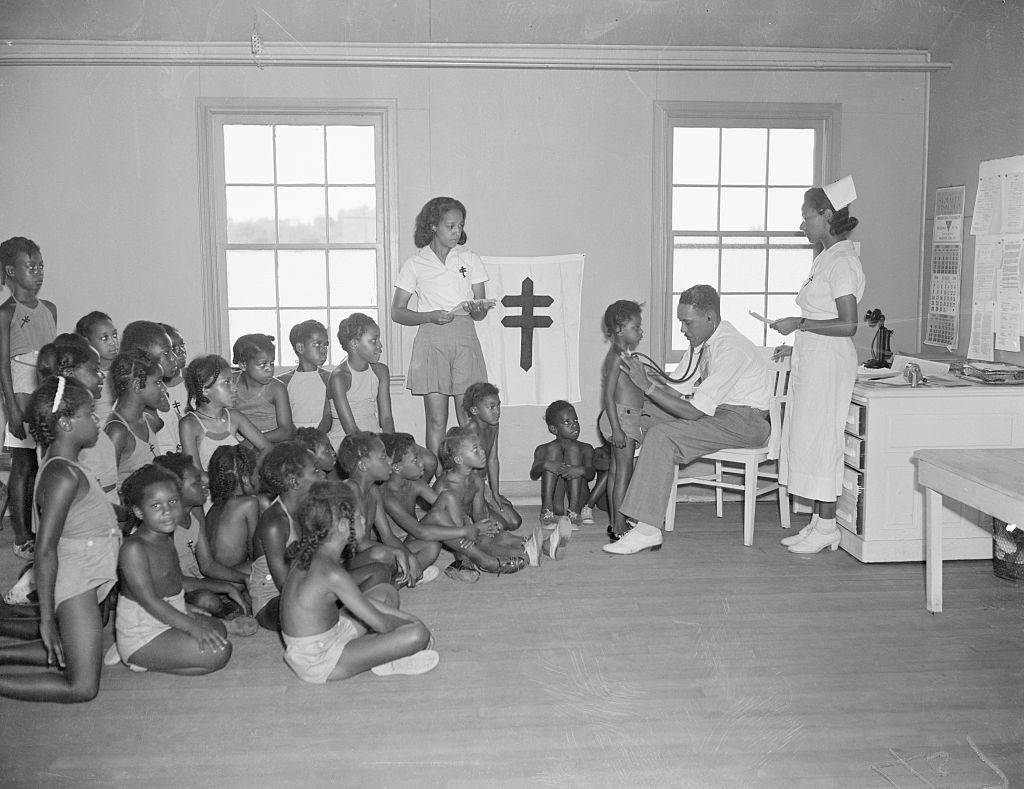
Segregation extended into healthcare. In Washington D.C. in 1937, tuberculosis killed 391 Black residents compared to 205 white residents — a disparity driven in part by unequal access to treatment. Black physicians and nurses fought the disease in segregated facilities with fewer resources than their white counterparts received.
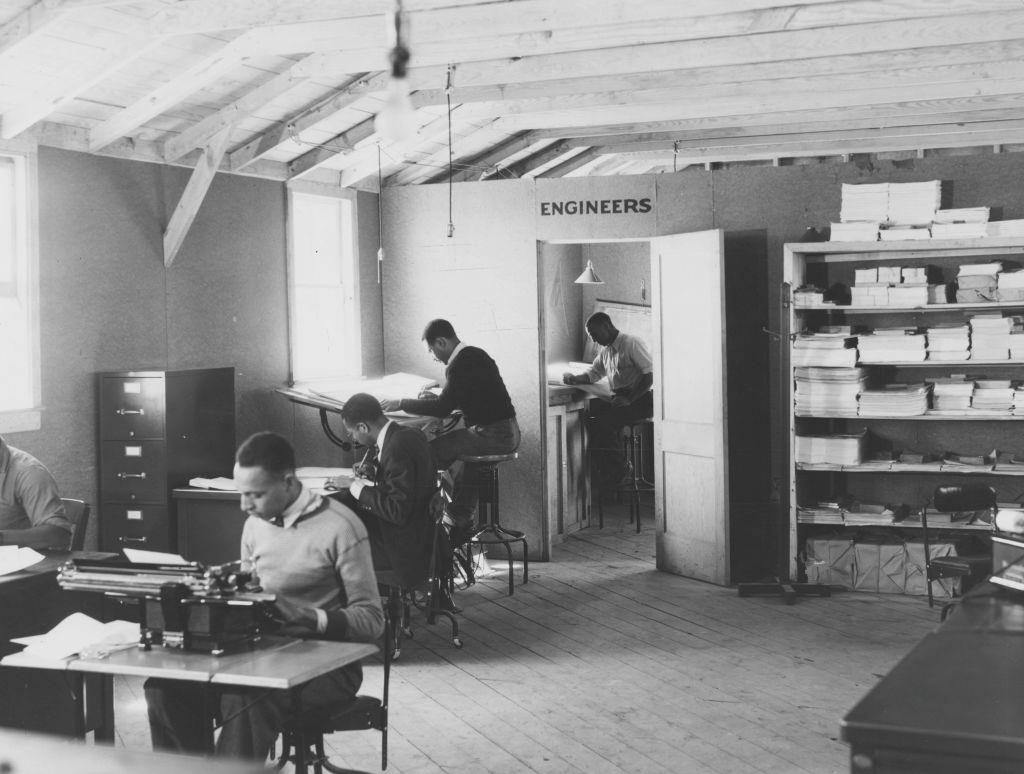
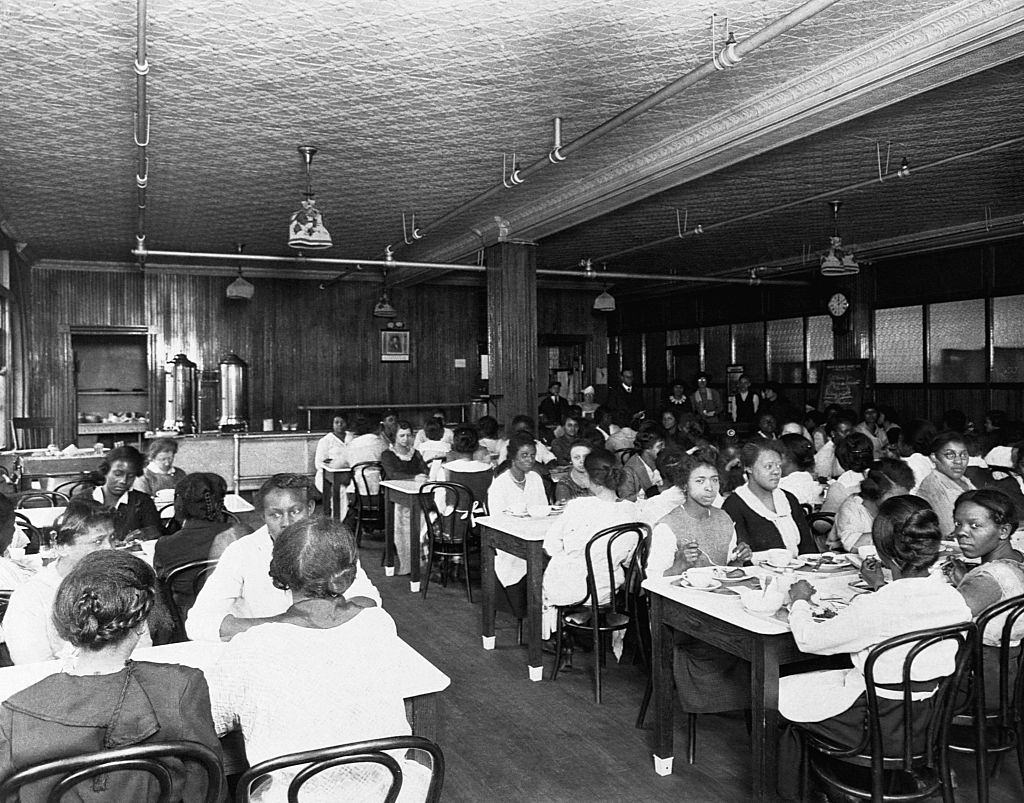
Black workers faced segregation on the job as well. Factories, shipyards, and offices maintained separate workspaces, separate lunchrooms, and separate facilities. Even professional roles — engineering, medicine, law — were practiced under the weight of segregation.
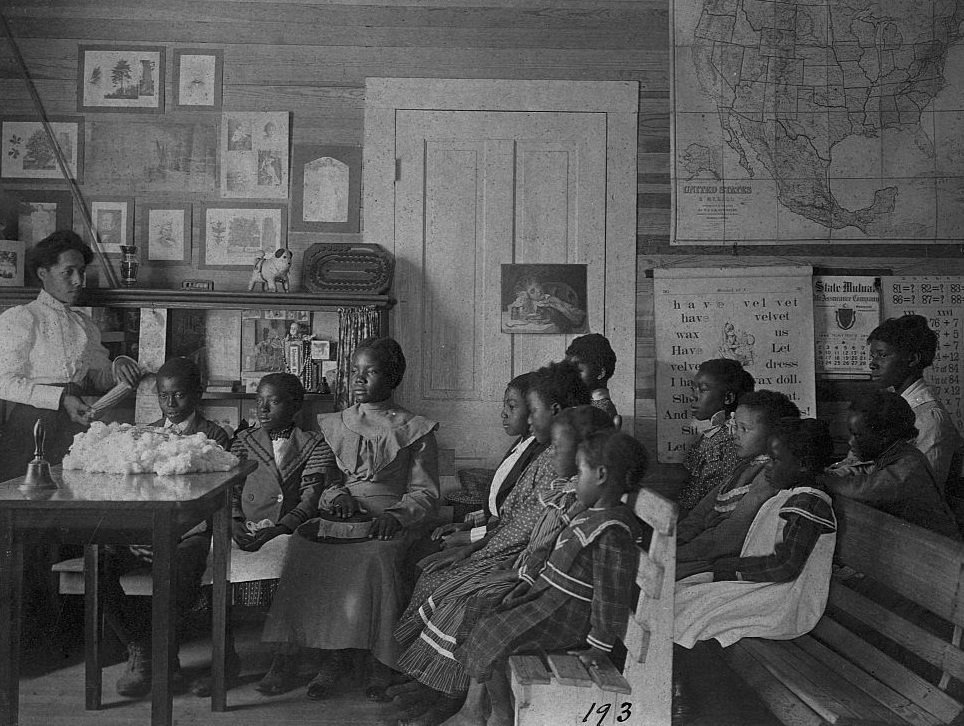
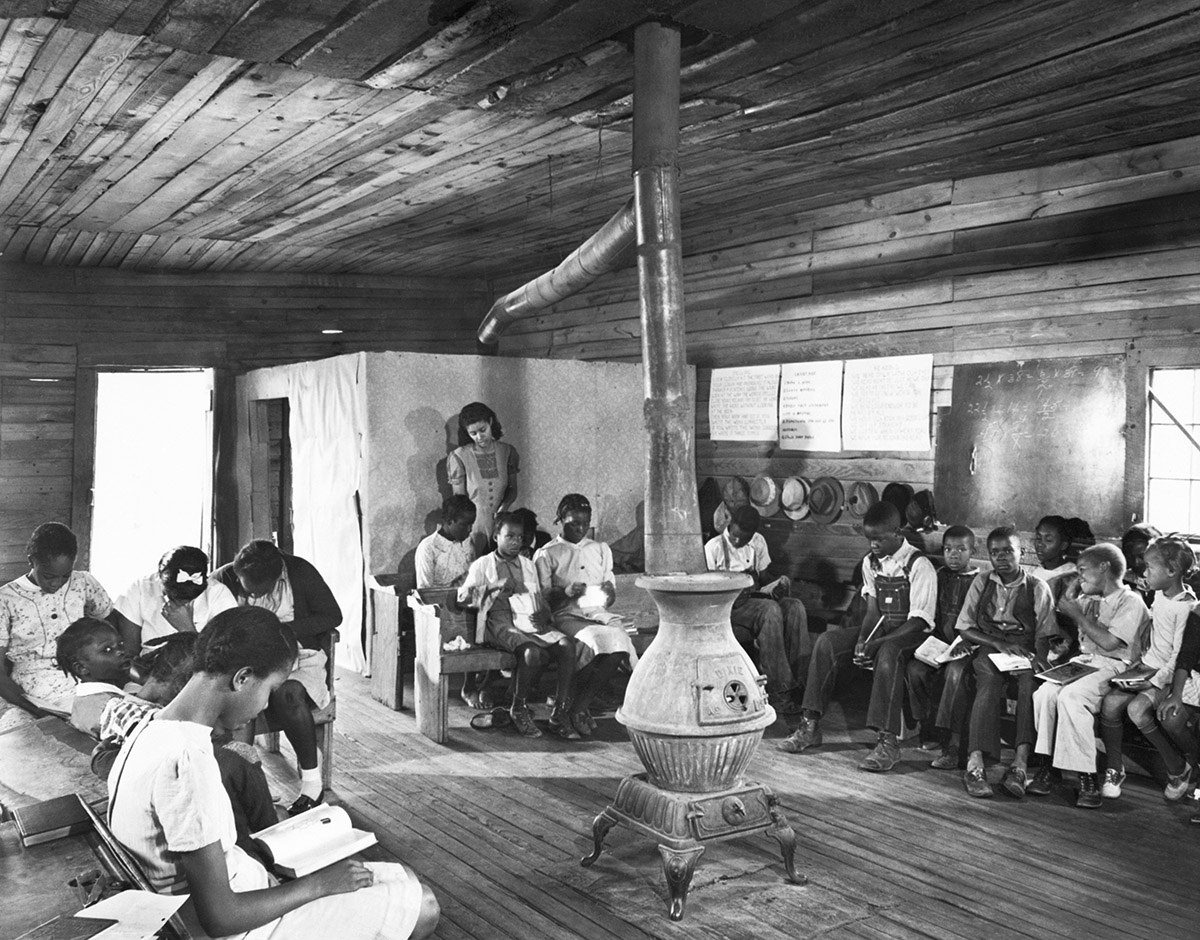
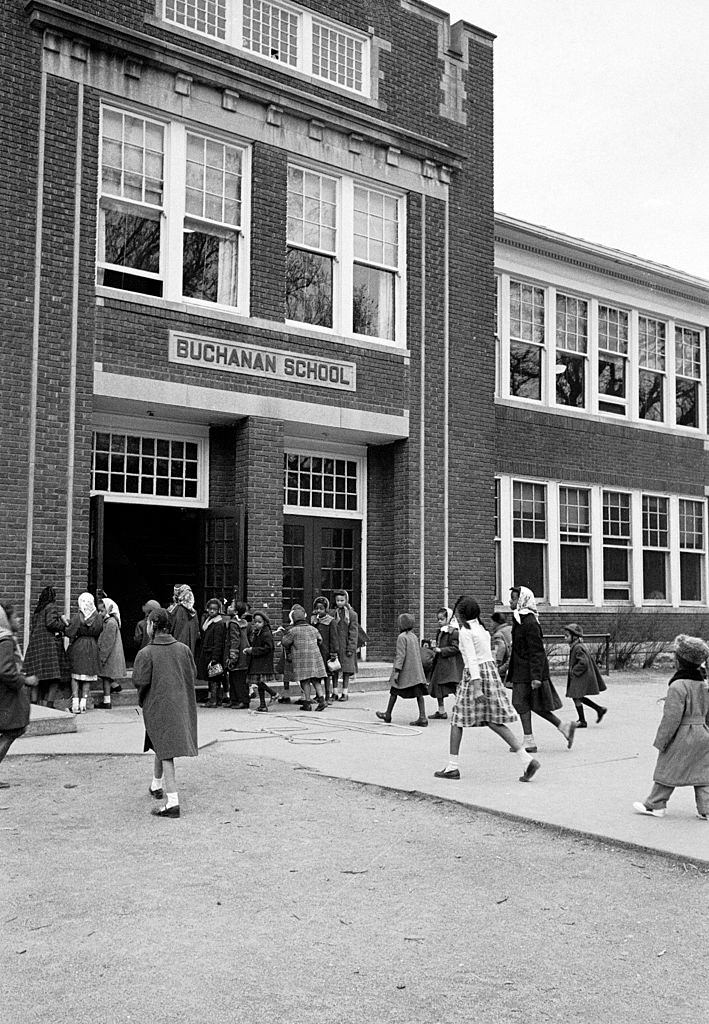
Black children attended segregated schools that were chronically underfunded. A single teacher often taught multiple grades in a single room, with materials that were outdated or simply absent. The contrast with white schools was stark and deliberate.
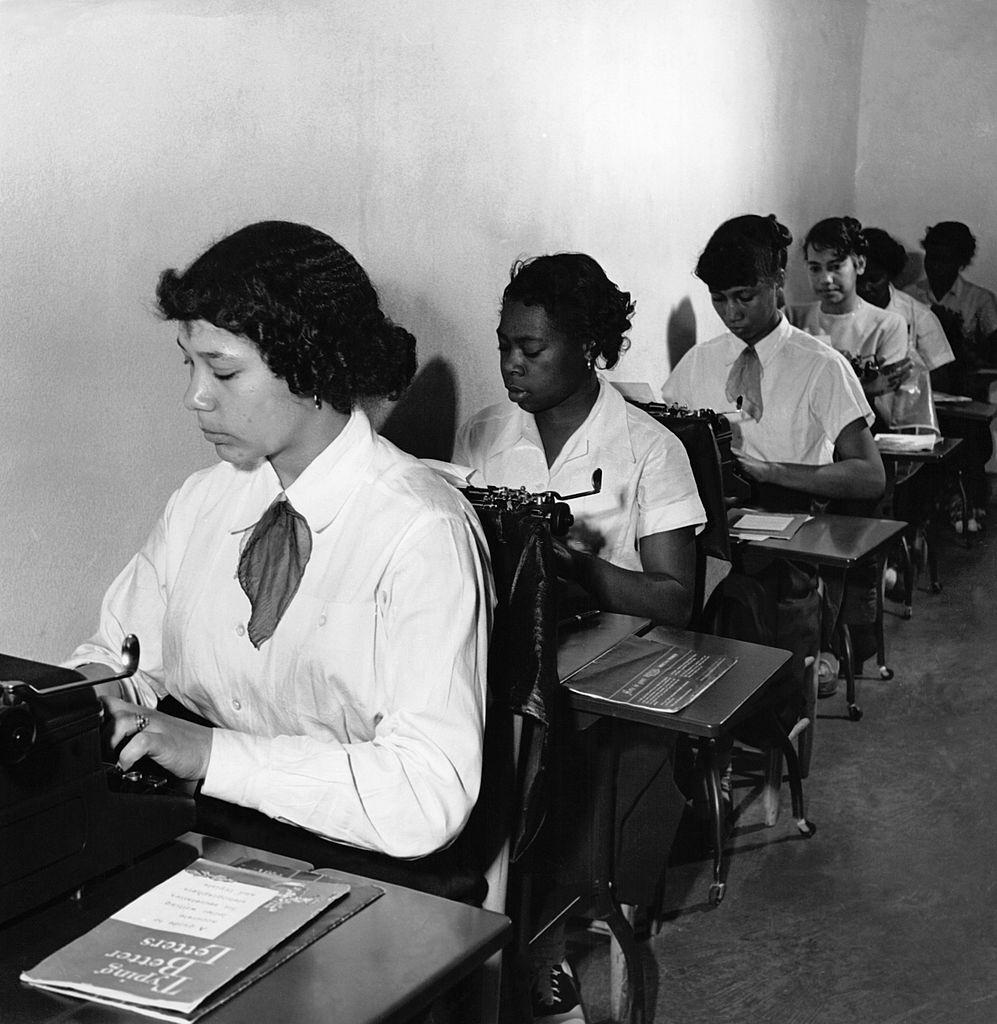
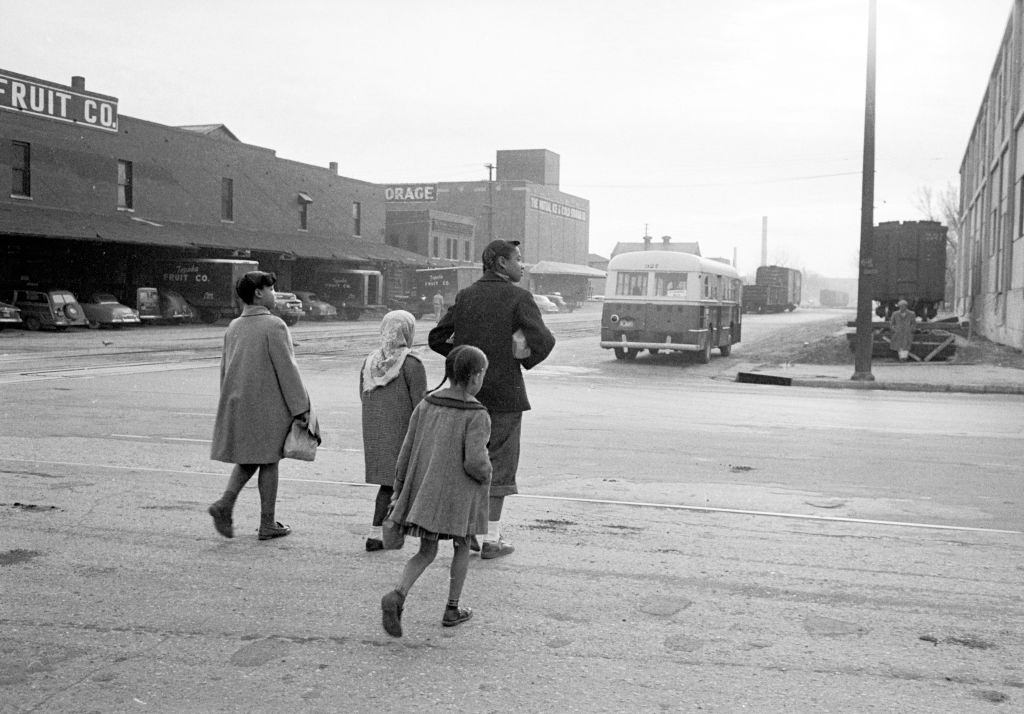
Several individuals fought back against the system at great personal risk. Memphis schoolteacher Ida B. Wells became one of the most prominent voices against Jim Crow. She documented Black lynchings, published her findings, and advocated for Black citizens to arm themselves for self-defense. A mob destroyed her newspaper office and threatened her life, forcing her to relocate to the North. She continued her activism there without pause. Charlotte Hawkins Brown, a teacher for the American Missionary Association, lost her school’s funding and responded by raising money to build her own institution — the Palmer Memorial Institute — becoming the first Black woman to found such a school for Black communities. Isaiah Montgomery went further still, building an entire town. In 1887, he founded Mound Bayou, Mississippi, an all-Black community where he recruited former enslaved people to settle. He built a library, a hospital, a bank, and a sawmill from scratch.
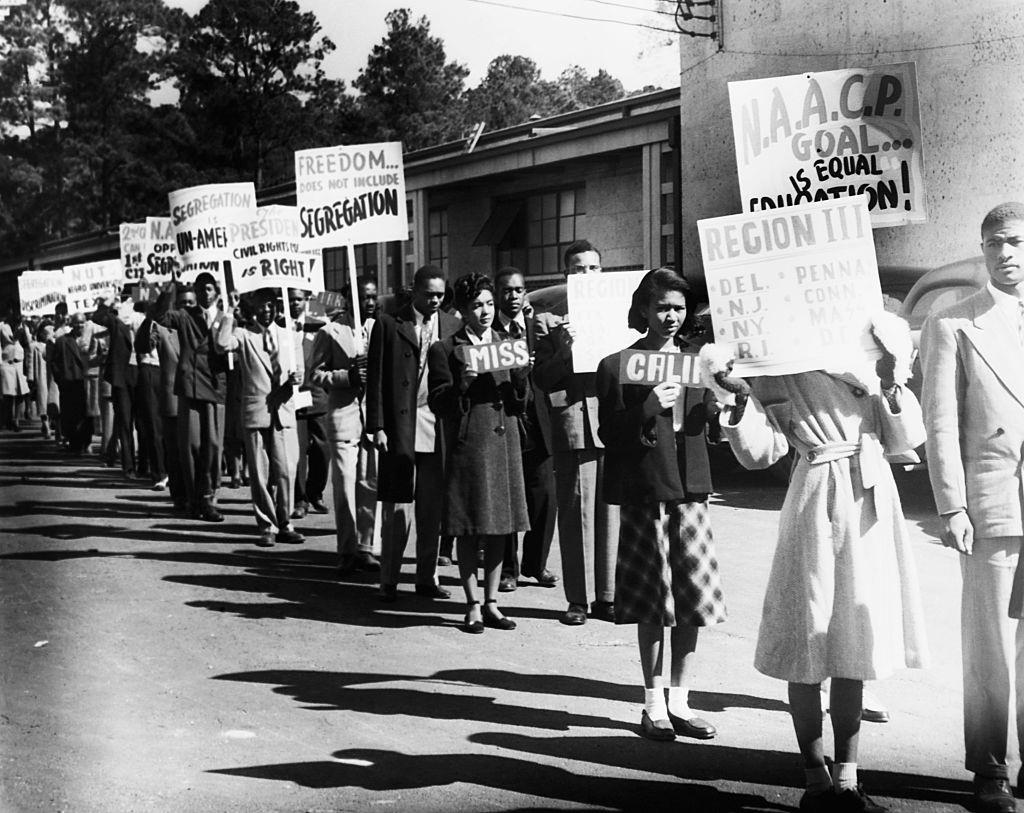
As the 20th century opened, Jim Crow violence intensified rather than faded. Lynchings of Black men and women continued. In 1919 alone, more than 25 race riots broke out across the country. The Tulsa Race Massacre began with a false accusation and left more than 38 people dead. The Great Migration of the 1920s drew educated Black Americans out of the South in large numbers as they sought to escape the worst of the laws, though they found discrimination waiting for them in Northern cities too.
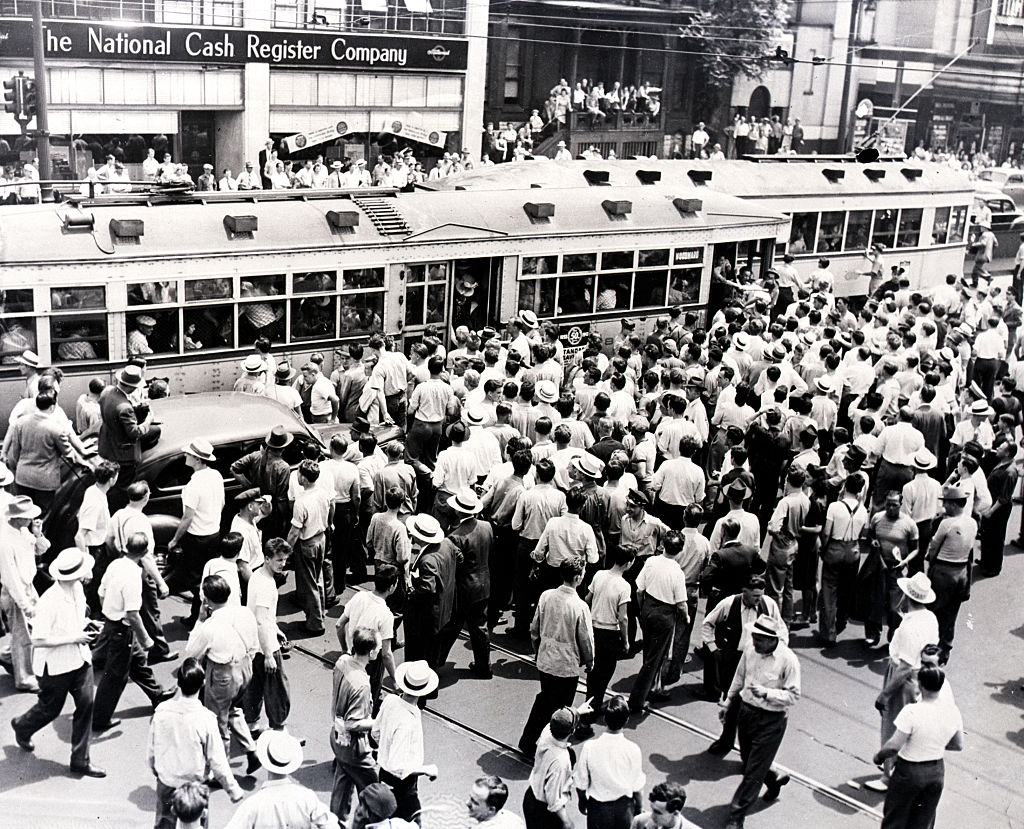
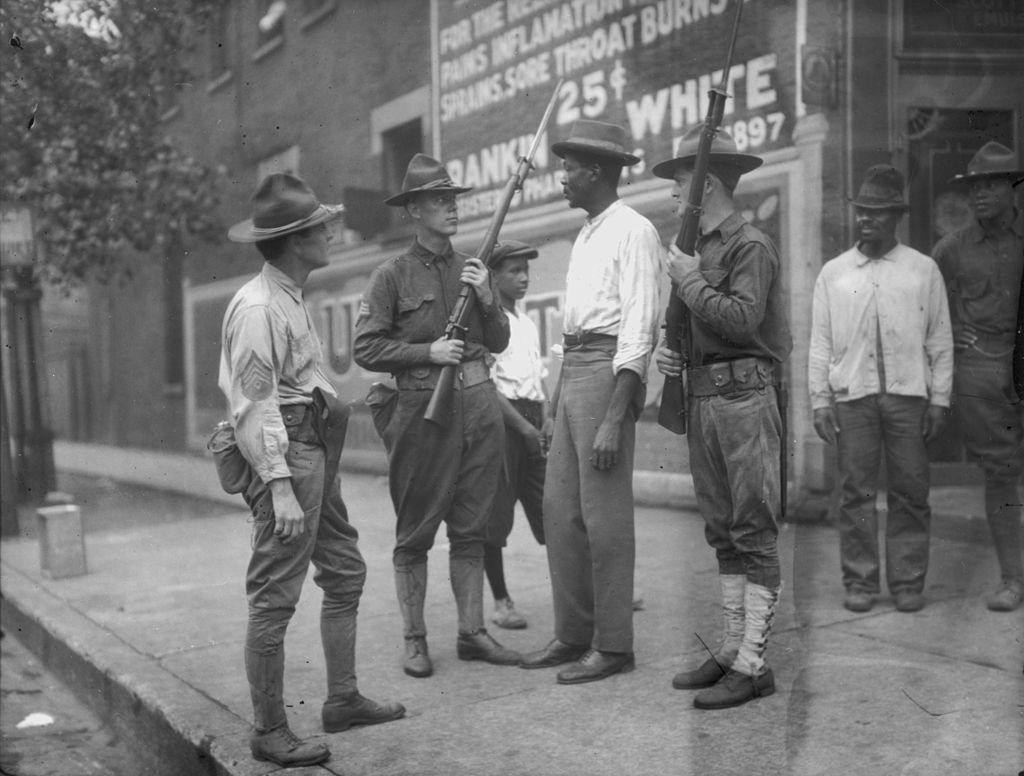
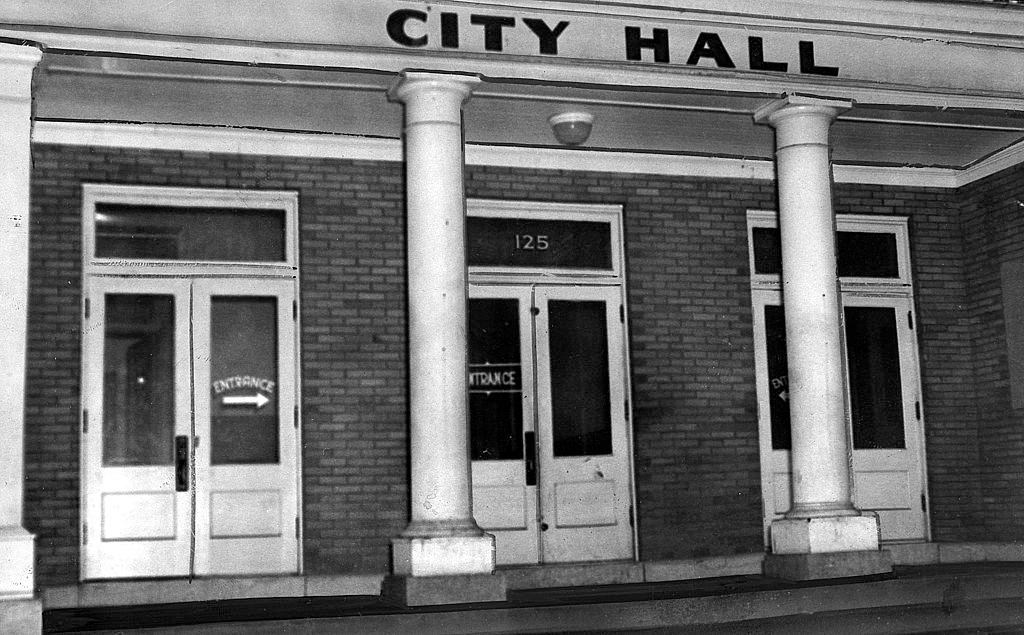
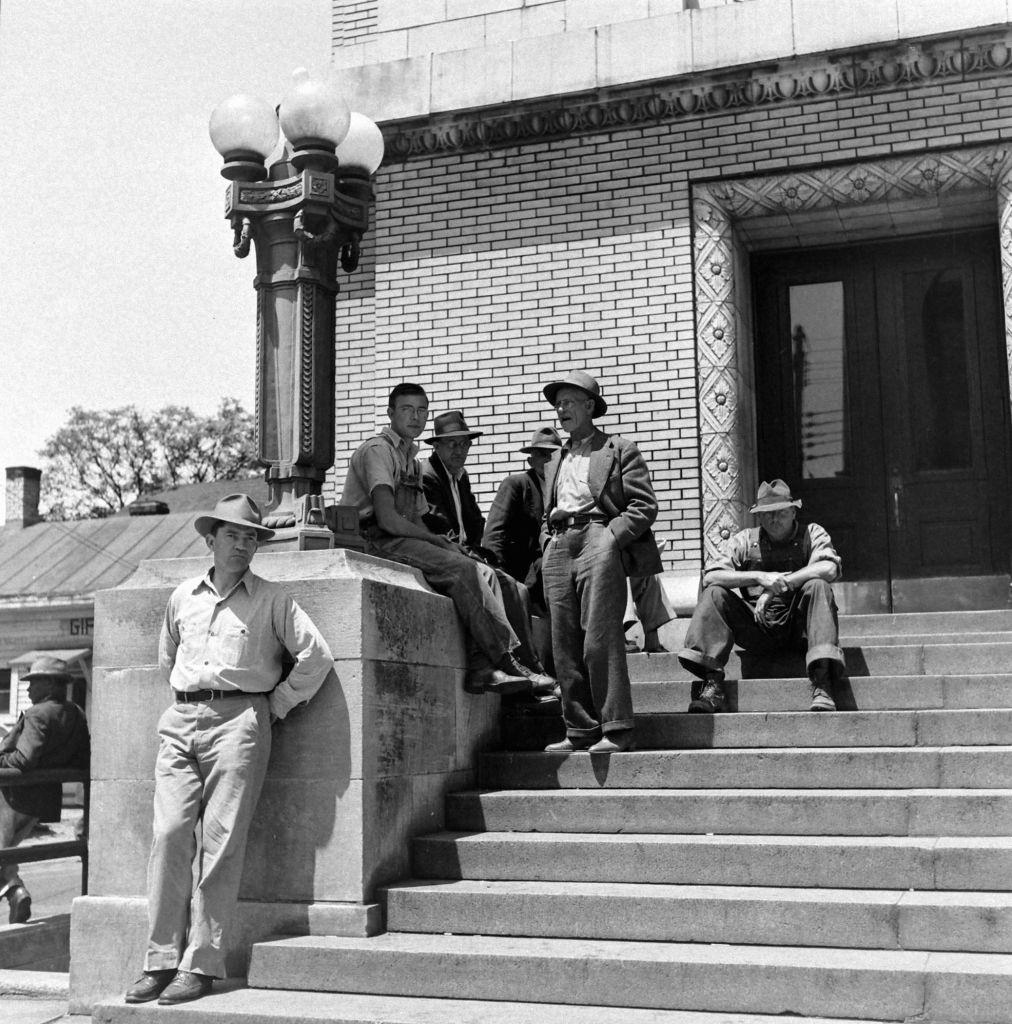
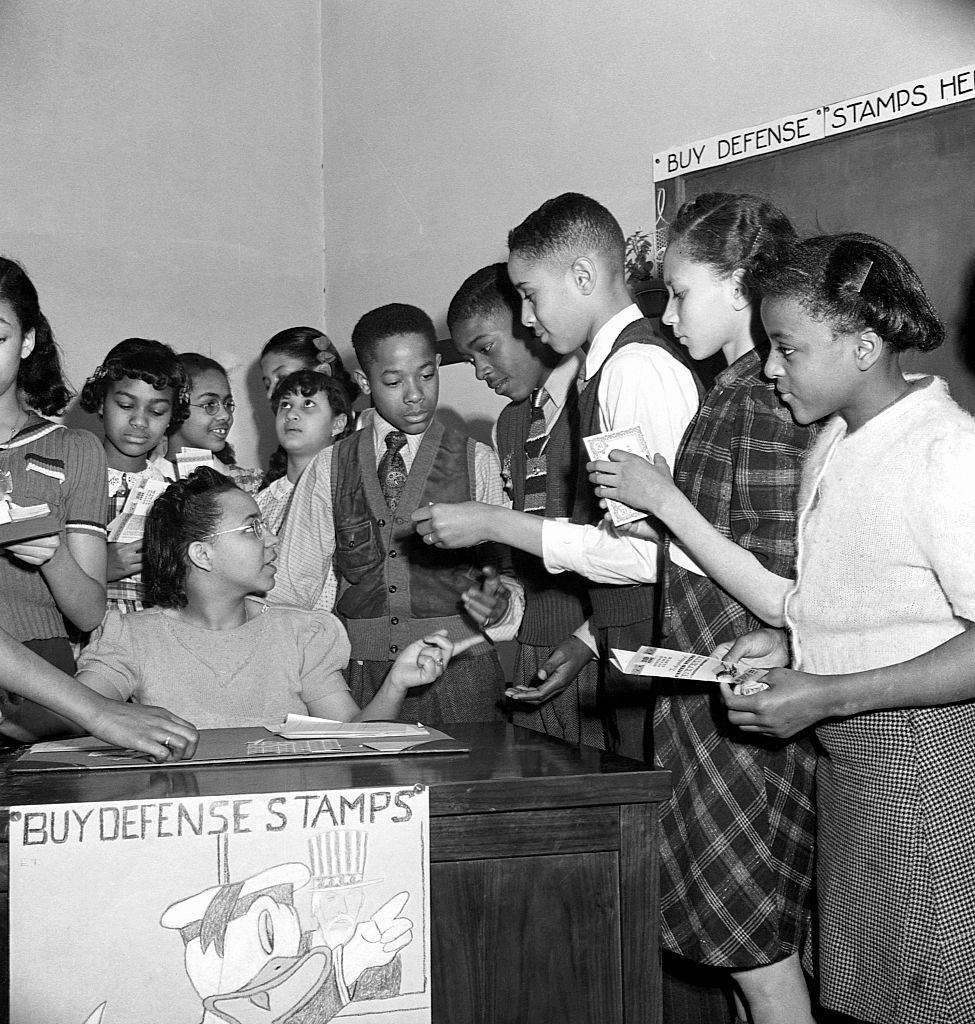
World War II deepened the contradiction at the heart of American life. Black soldiers fought for a country that legally treated them as inferior. Black workers contributed to the war effort in segregated factories and shipyards. Even defense stamps were sold in racially segregated schools.
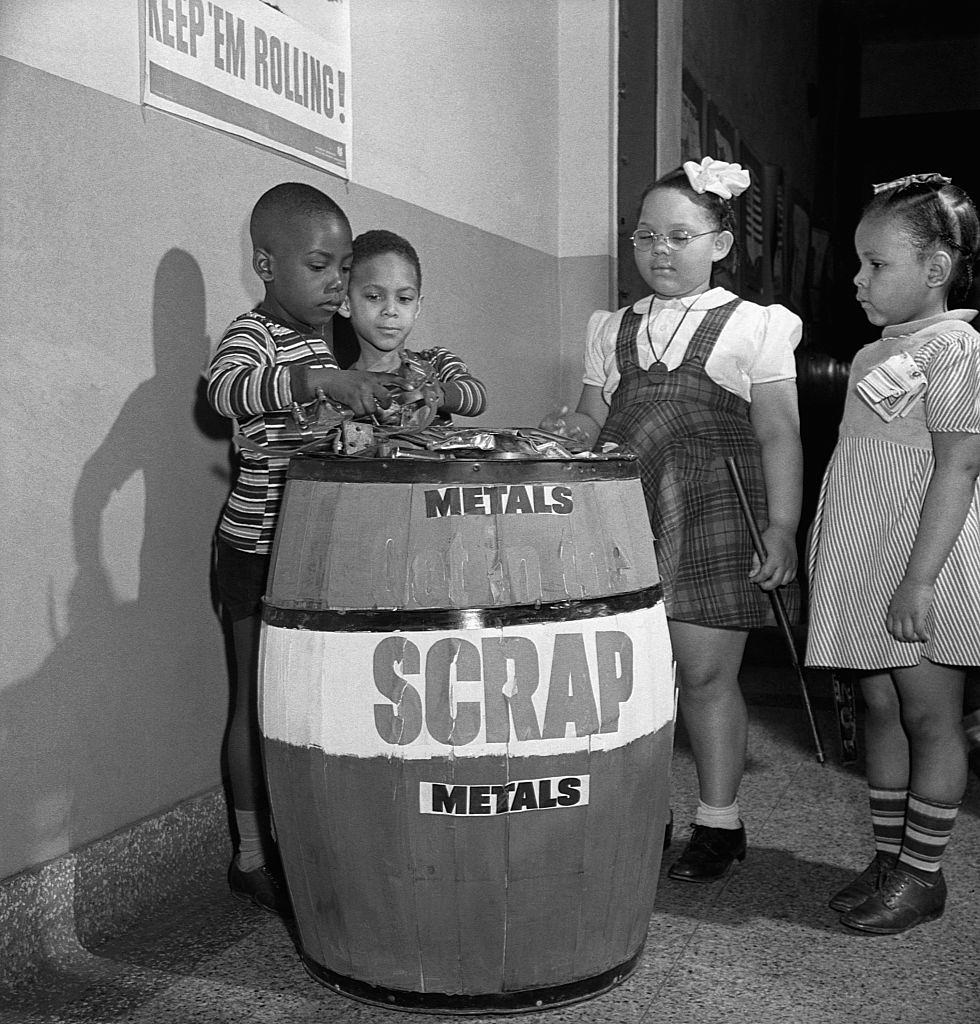
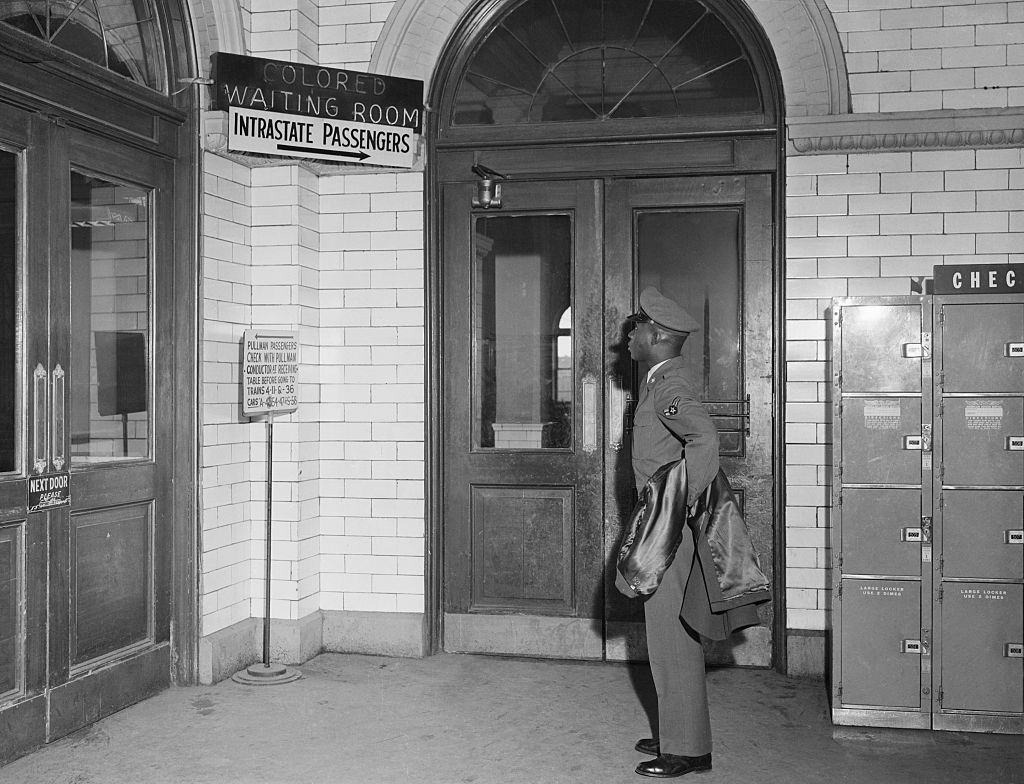
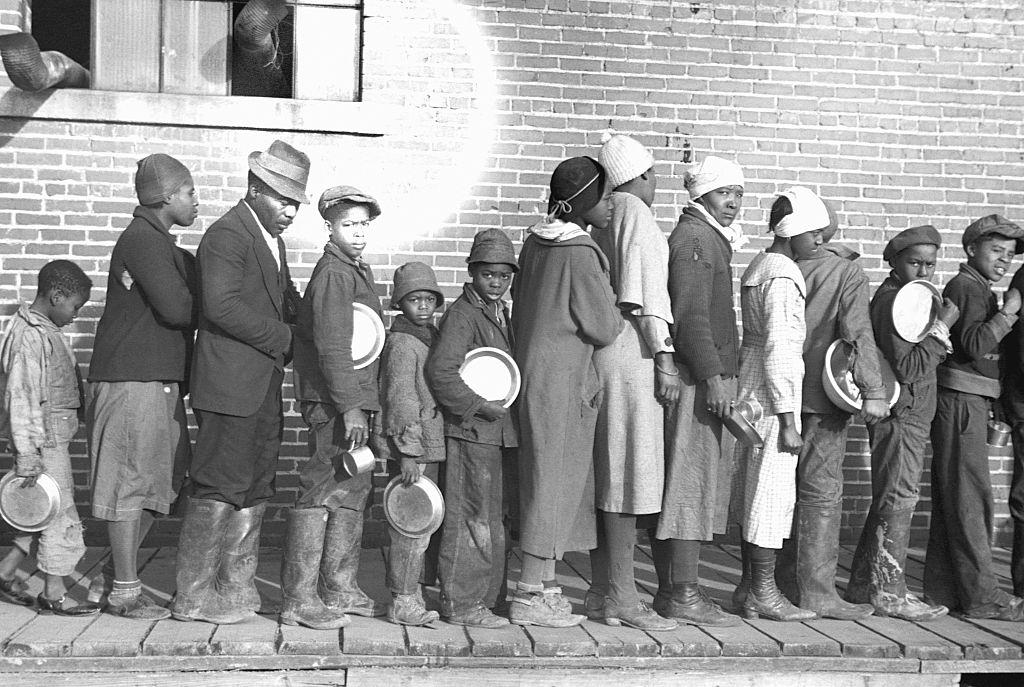
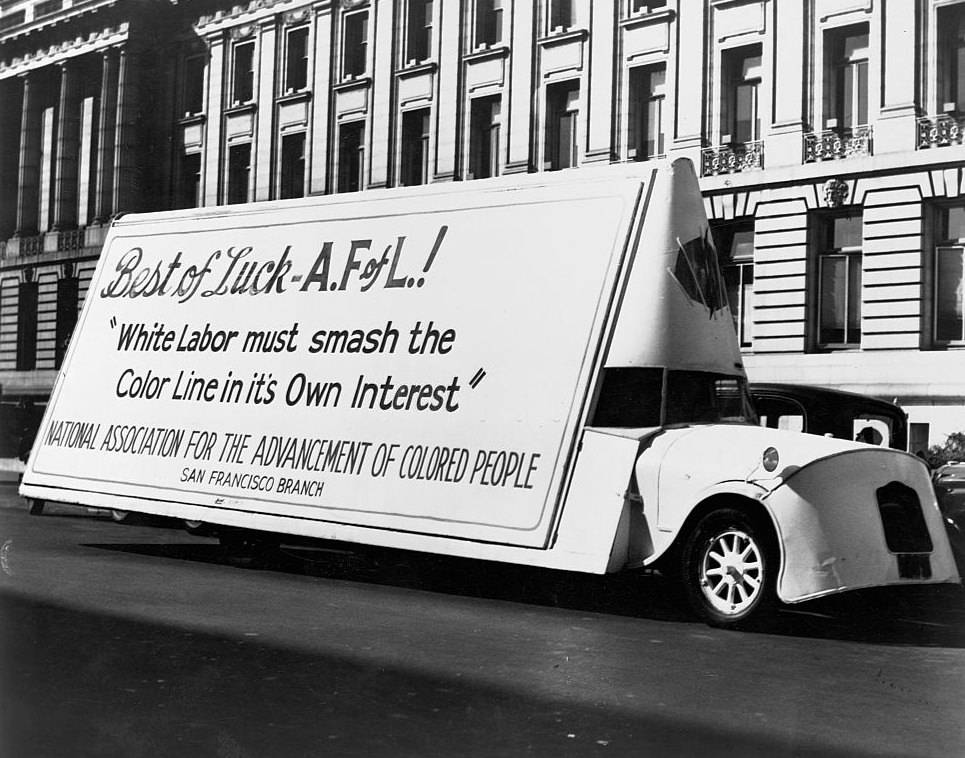
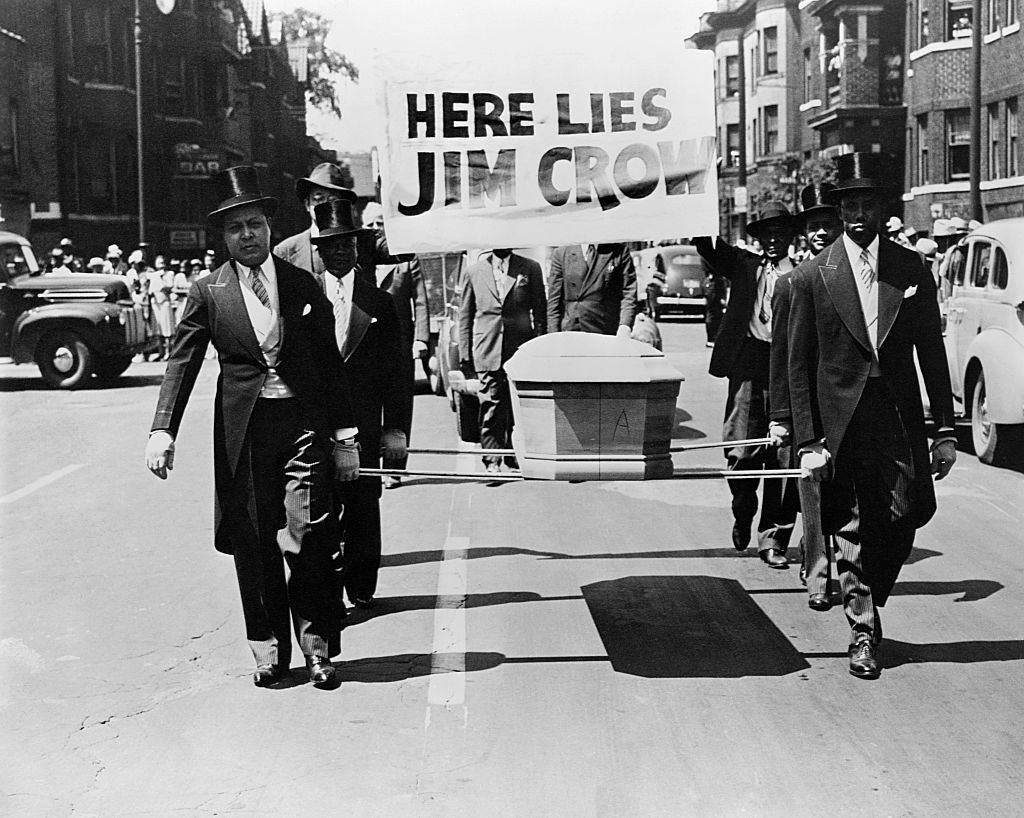
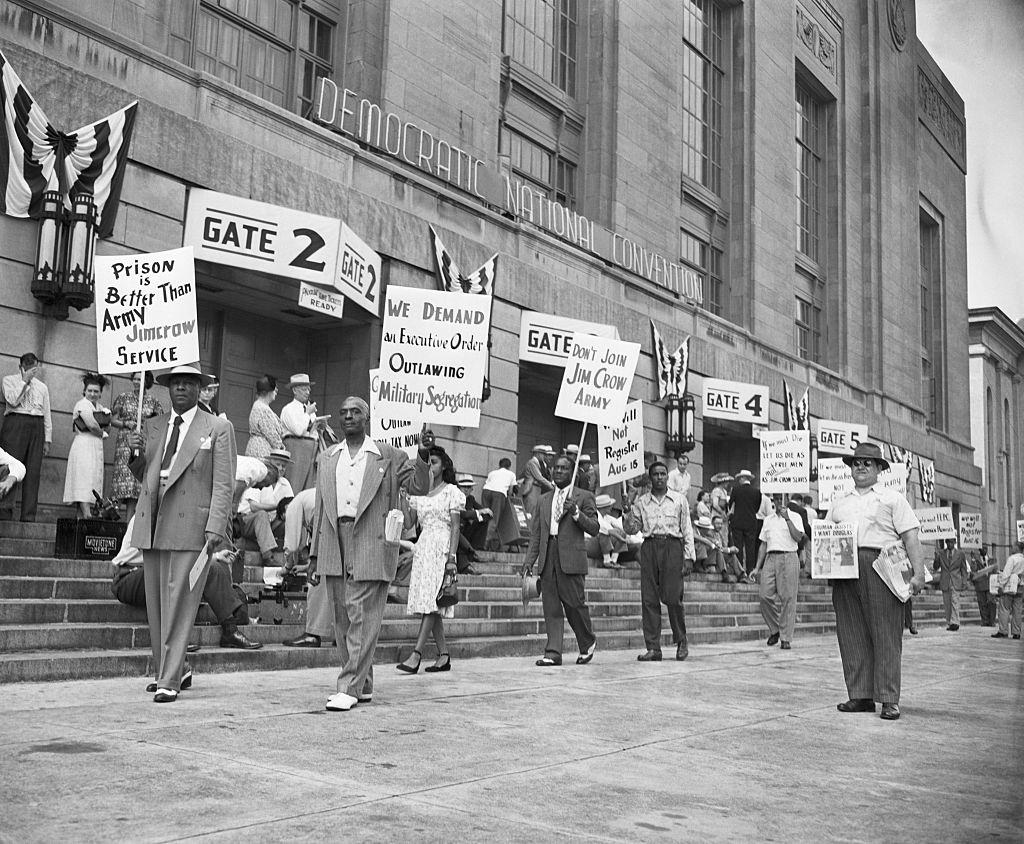
Protests during the war years grew louder. Black Americans and their allies organized rallies, marches, and demonstrations. In 1944, men in tuxedos carried a coffin labeled “Here Lies Jim Crow” down a public street. The NAACP pushed labor unions to take a public stand against race discrimination. Picketers showed up at the Democratic National Convention demanding an anti-Jim Crow platform.
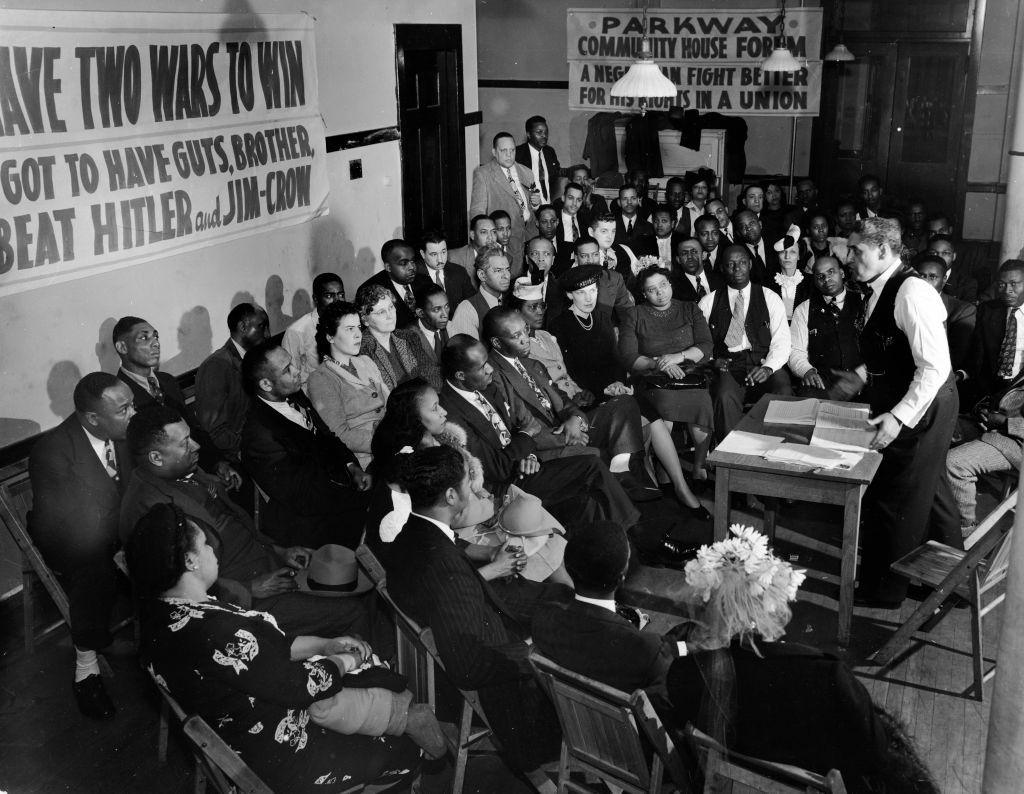
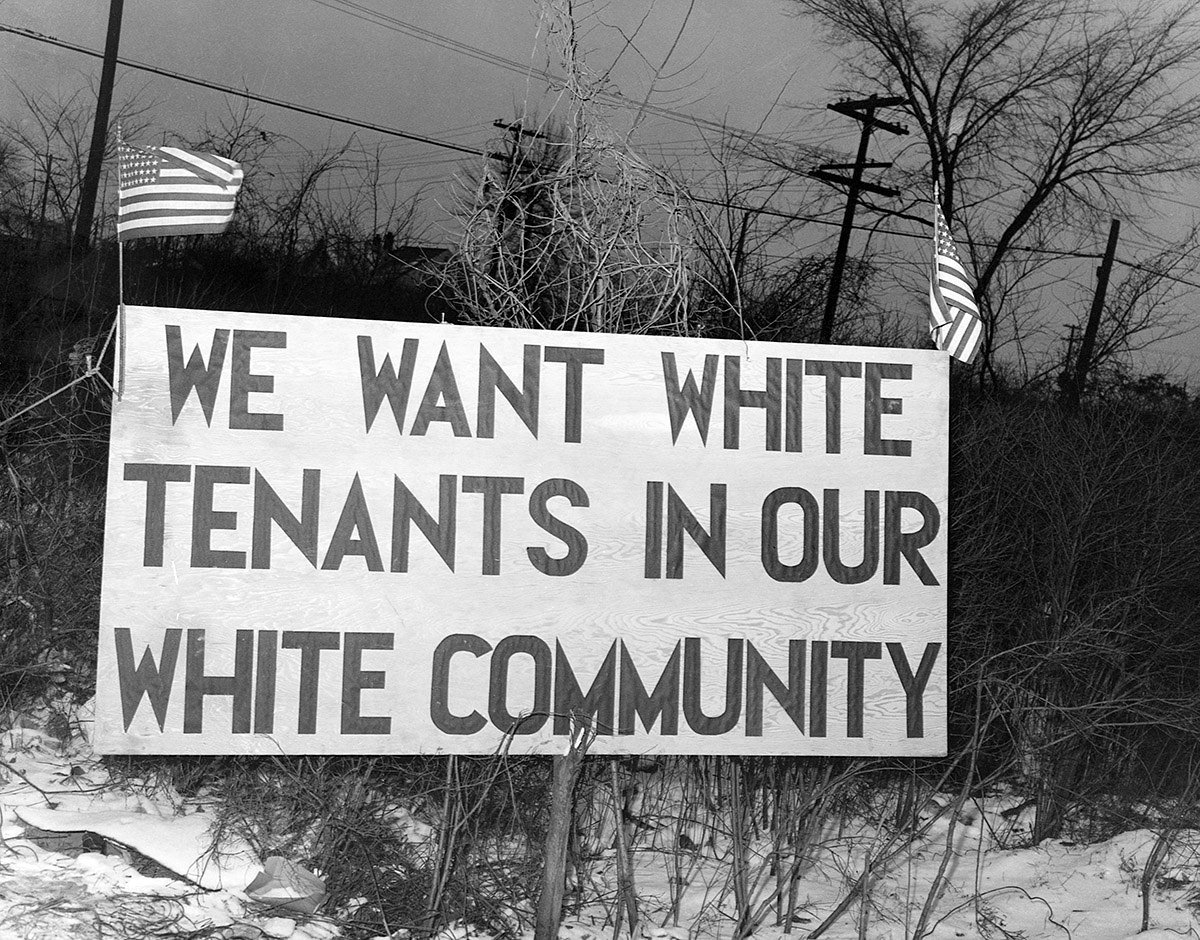
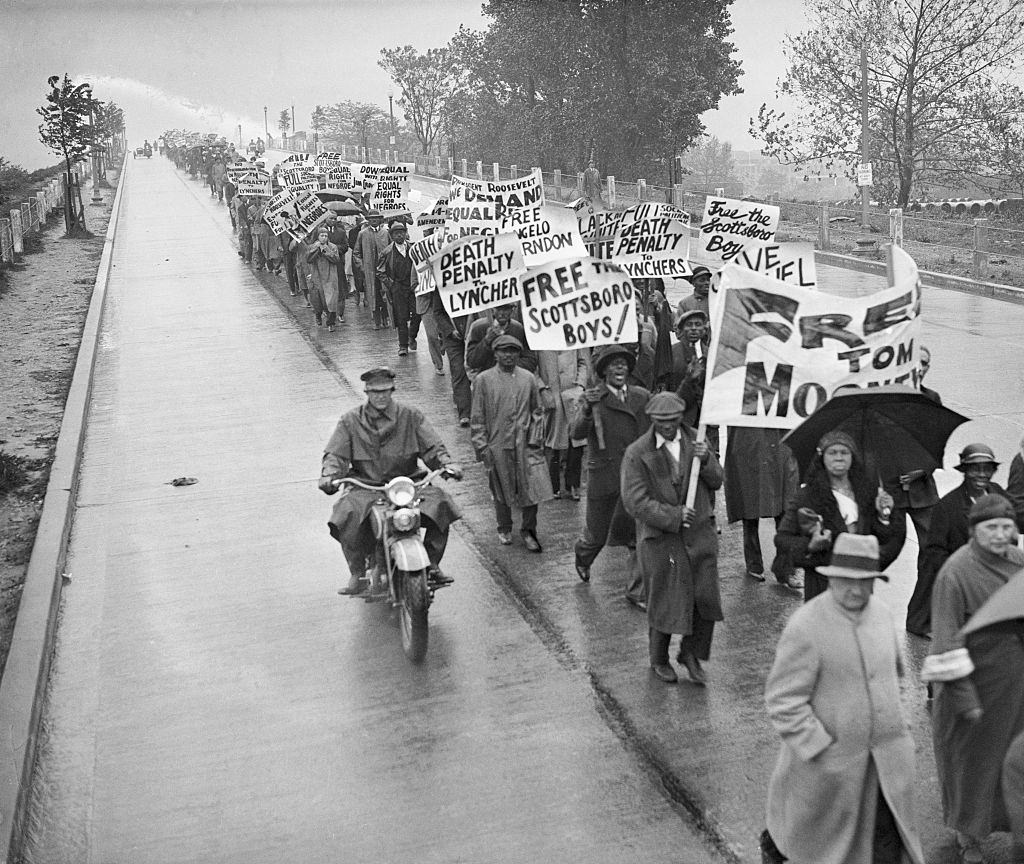
White resistance to any change was fierce. In Detroit in 1942, white tenants erected signs to block Black families from moving into the Sojourner Truth Homes, a federal housing project. The Scottsboro case — in which nine young Black men were falsely accused of raping two white women — drew hundreds of protesters to Washington D.C., but the men were still convicted in deeply unjust trials.
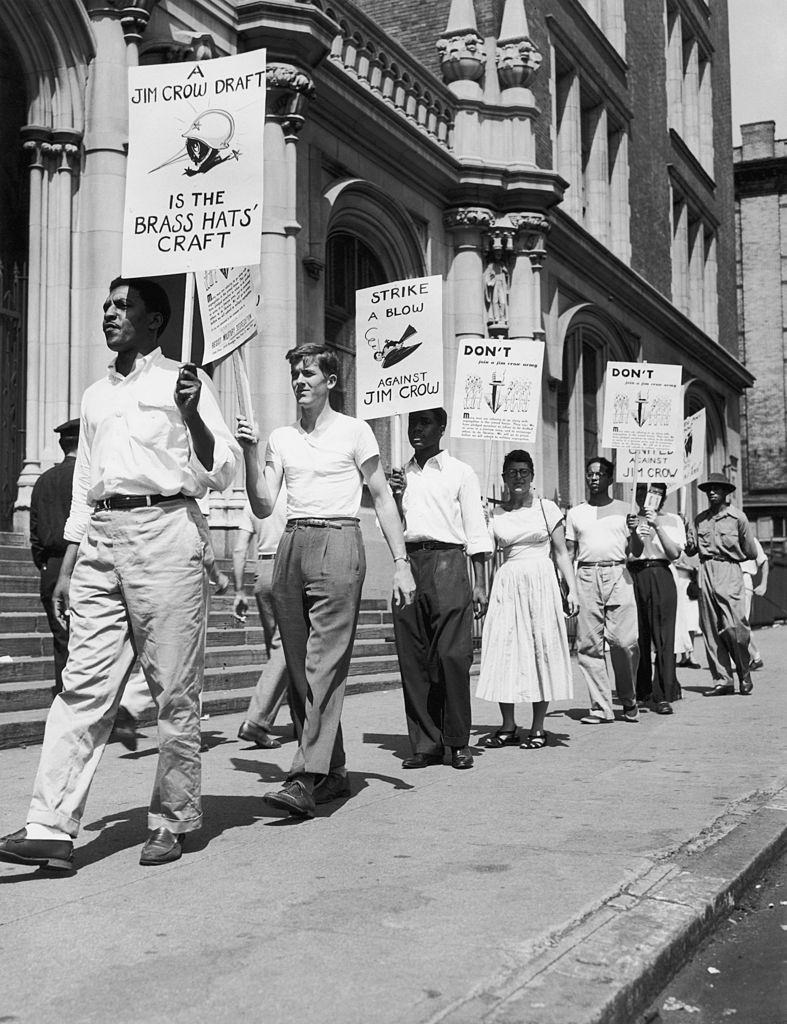
In the postwar era, civil rights pressure accelerated. In 1948, President Harry Truman ordered the racial integration of the U.S. military. That same year, protesters picketed military draft registration in New York City, specifically targeting the continuation of a segregated armed forces.
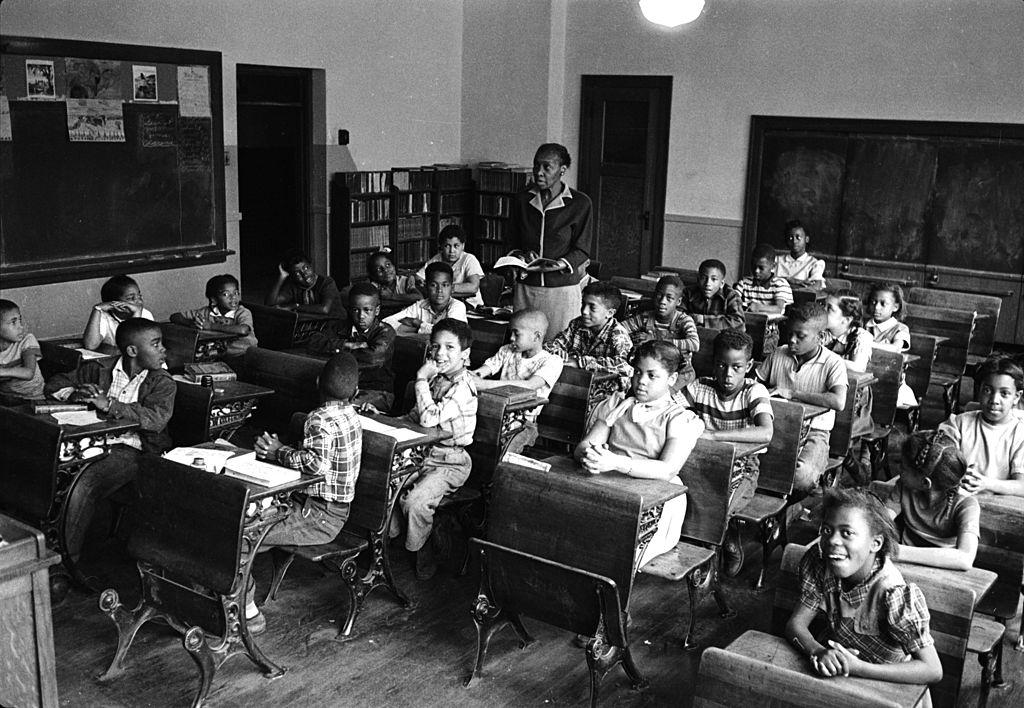
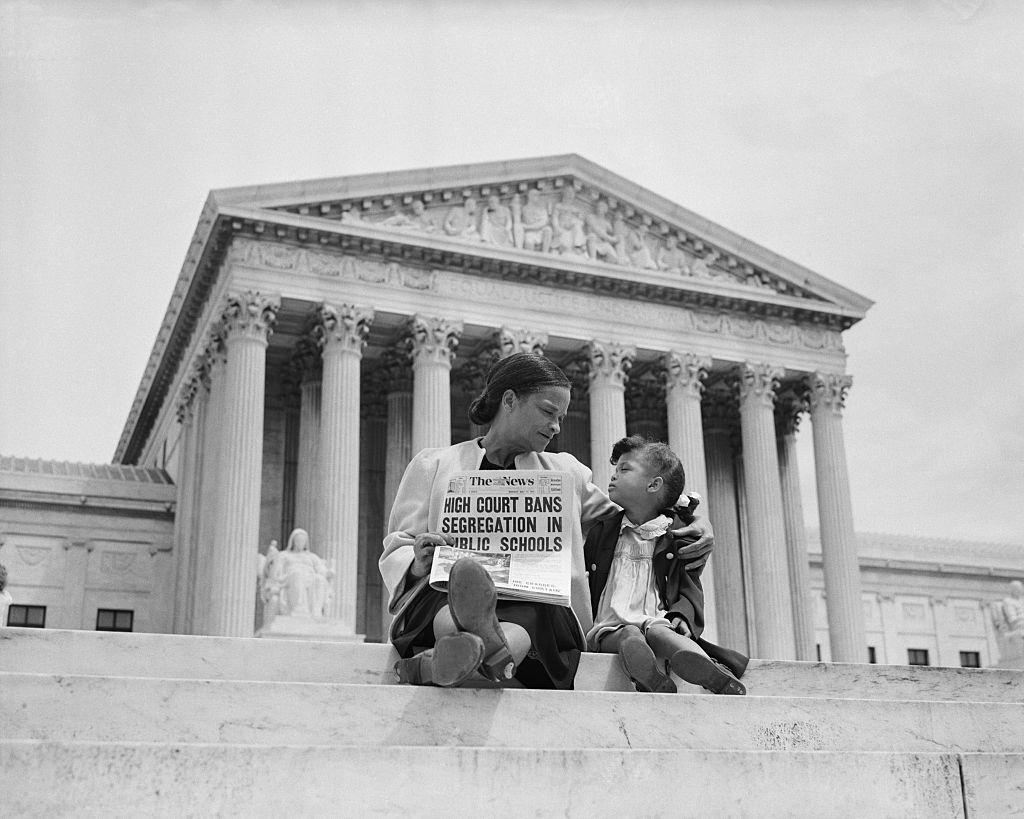
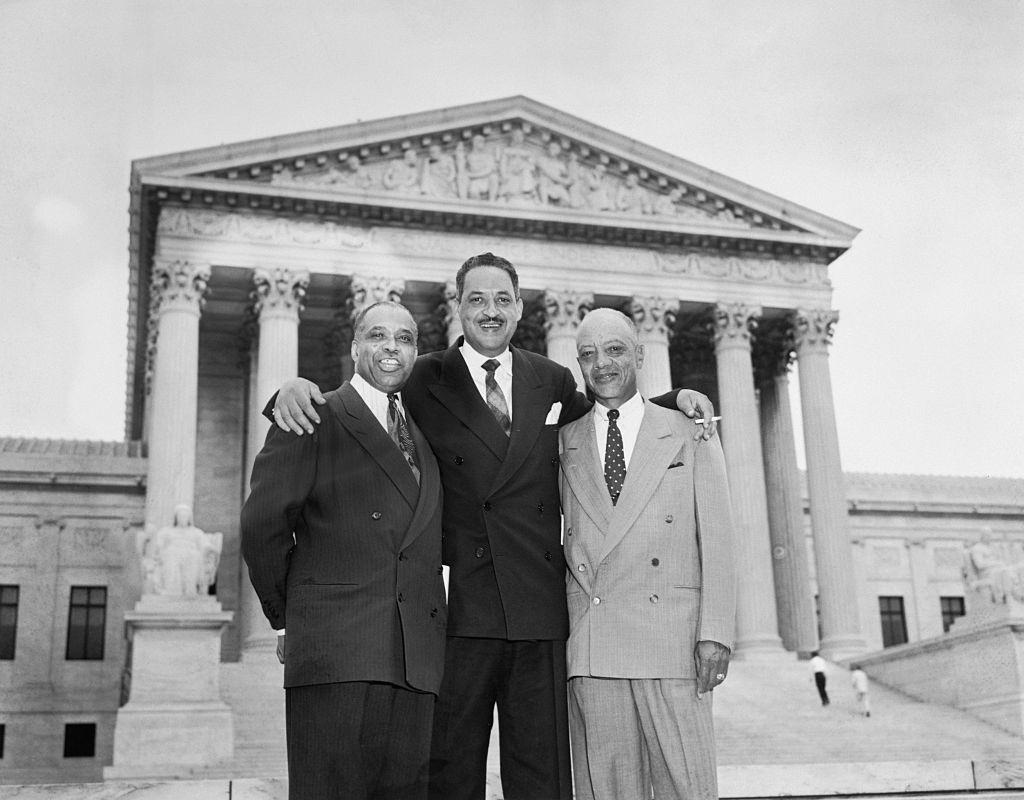
In 1953, a young girl named Linda Brown sat in a segregated classroom at Monroe Elementary School in Topeka, Kansas. When her family tried to enroll her at a whites-only school closer to home, they were turned away. The lawsuit that followed — Brown v. Board of Education — reached the U.S. Supreme Court, which ruled in 1954 that educational segregation was unconstitutional. The attorneys who won that case stood on the steps of the Supreme Court Building and posed for photographs. Among them was Thurgood Marshall, the NAACP’s special counsel, who would later become the first Black Supreme Court Justice.
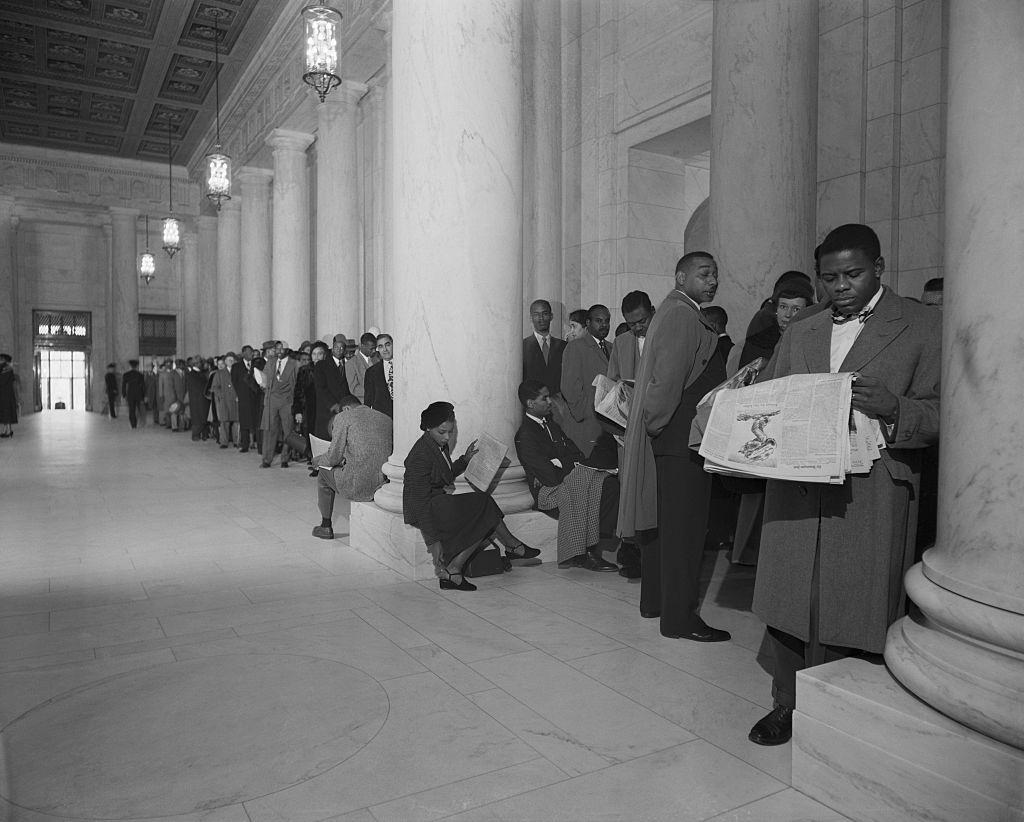
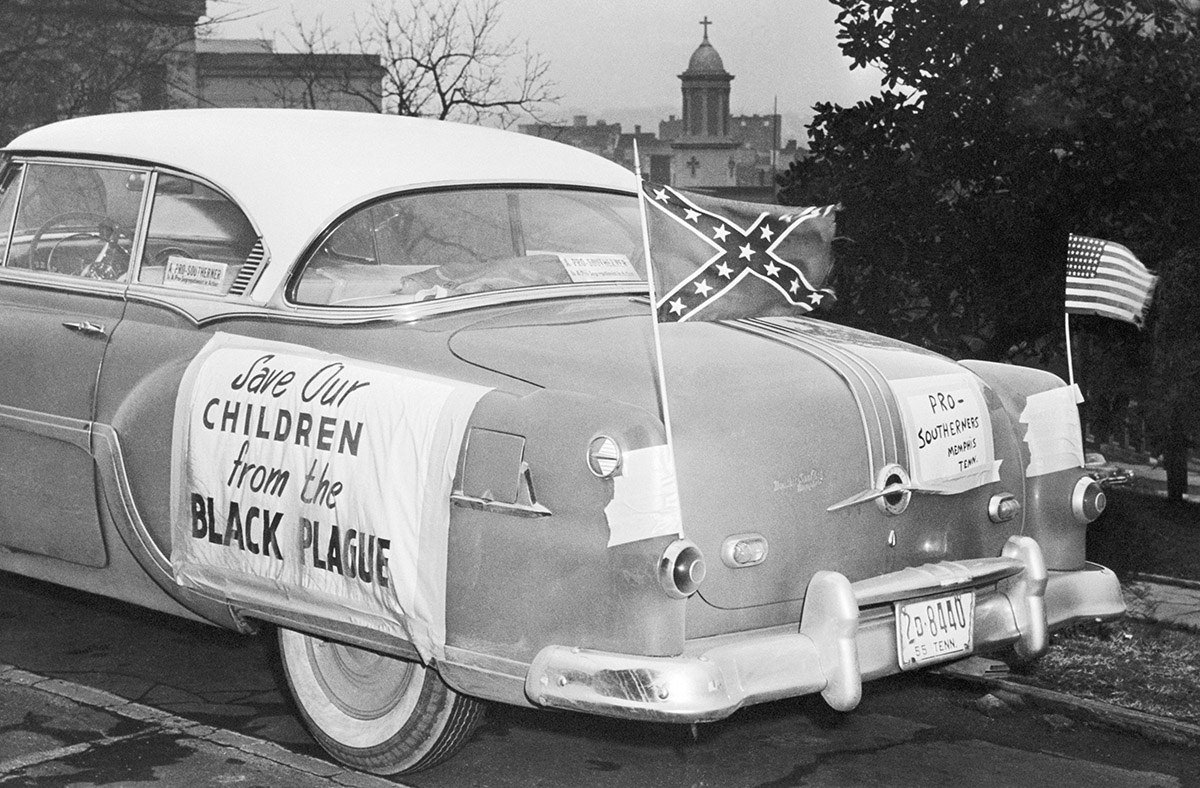
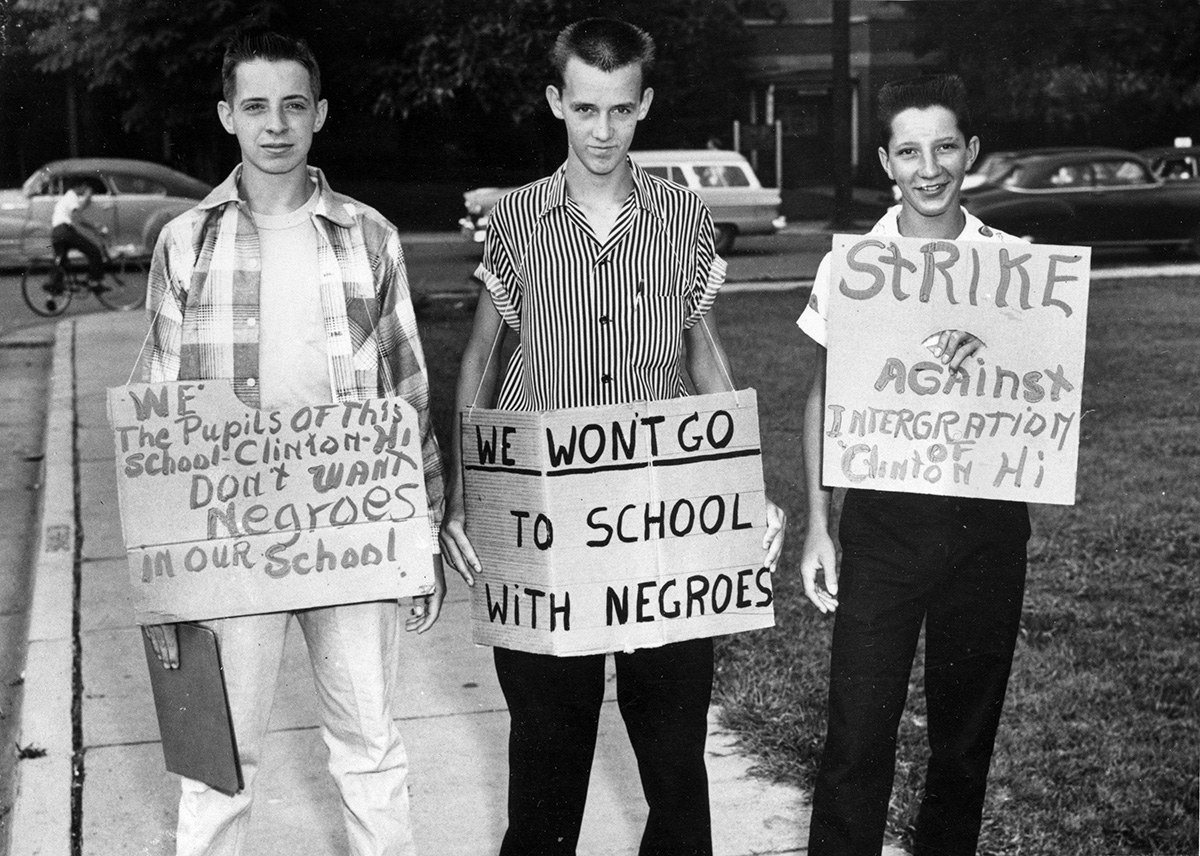
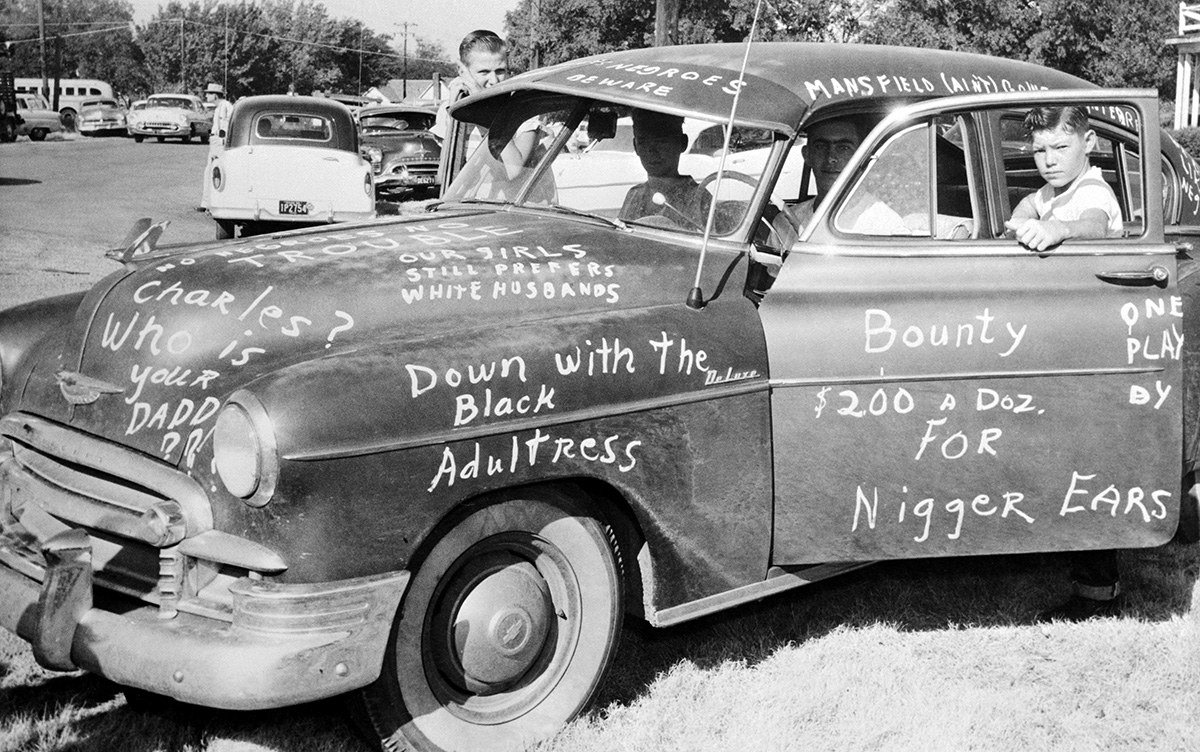
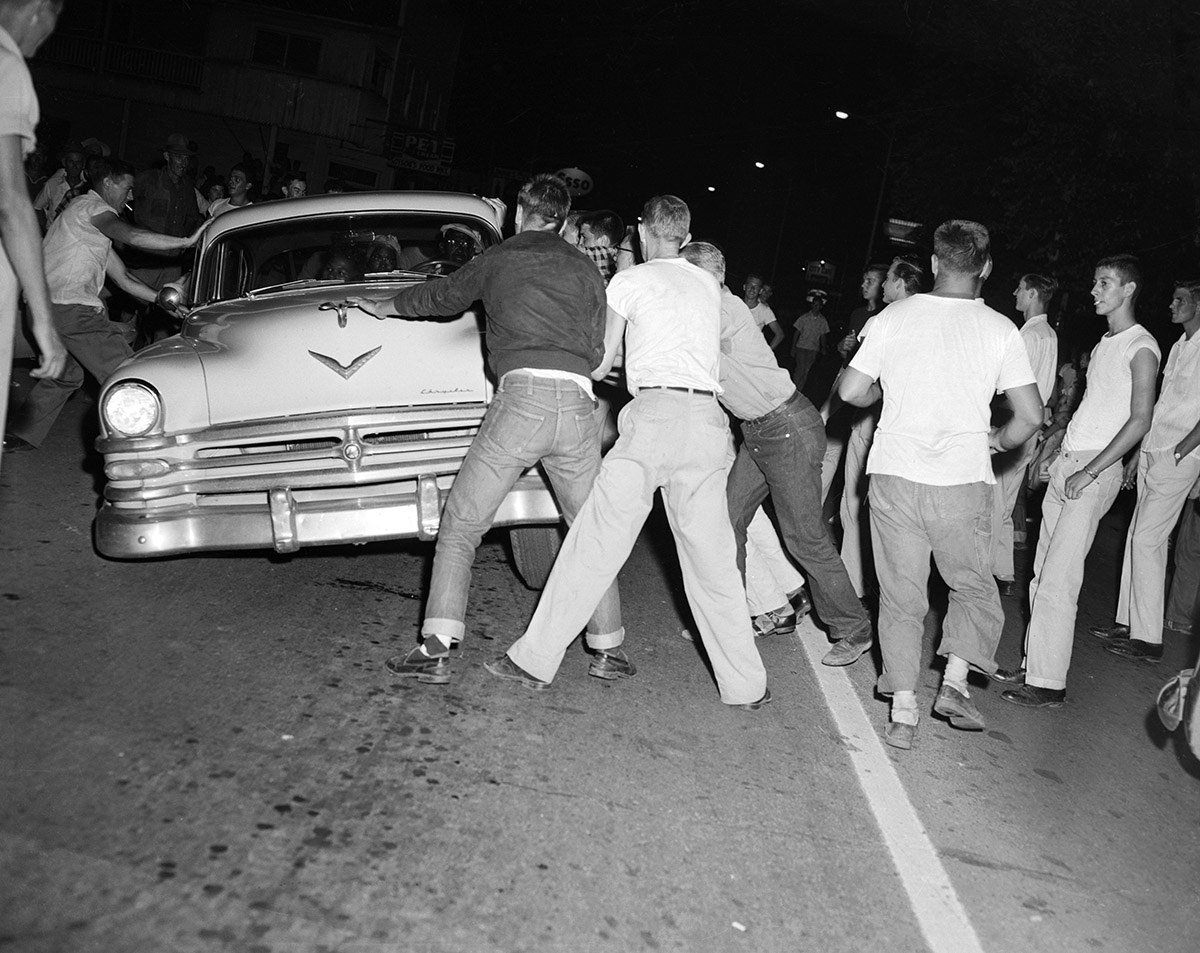
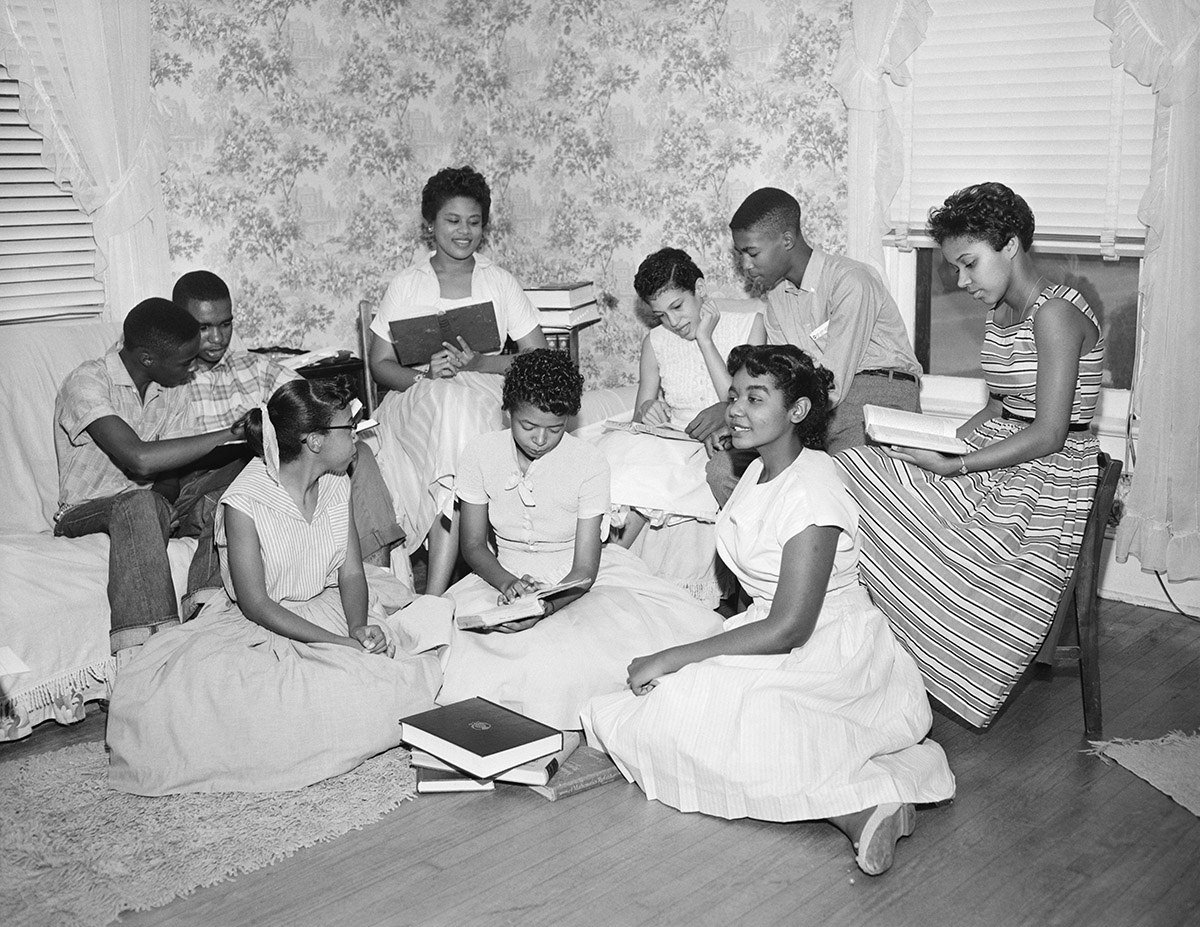
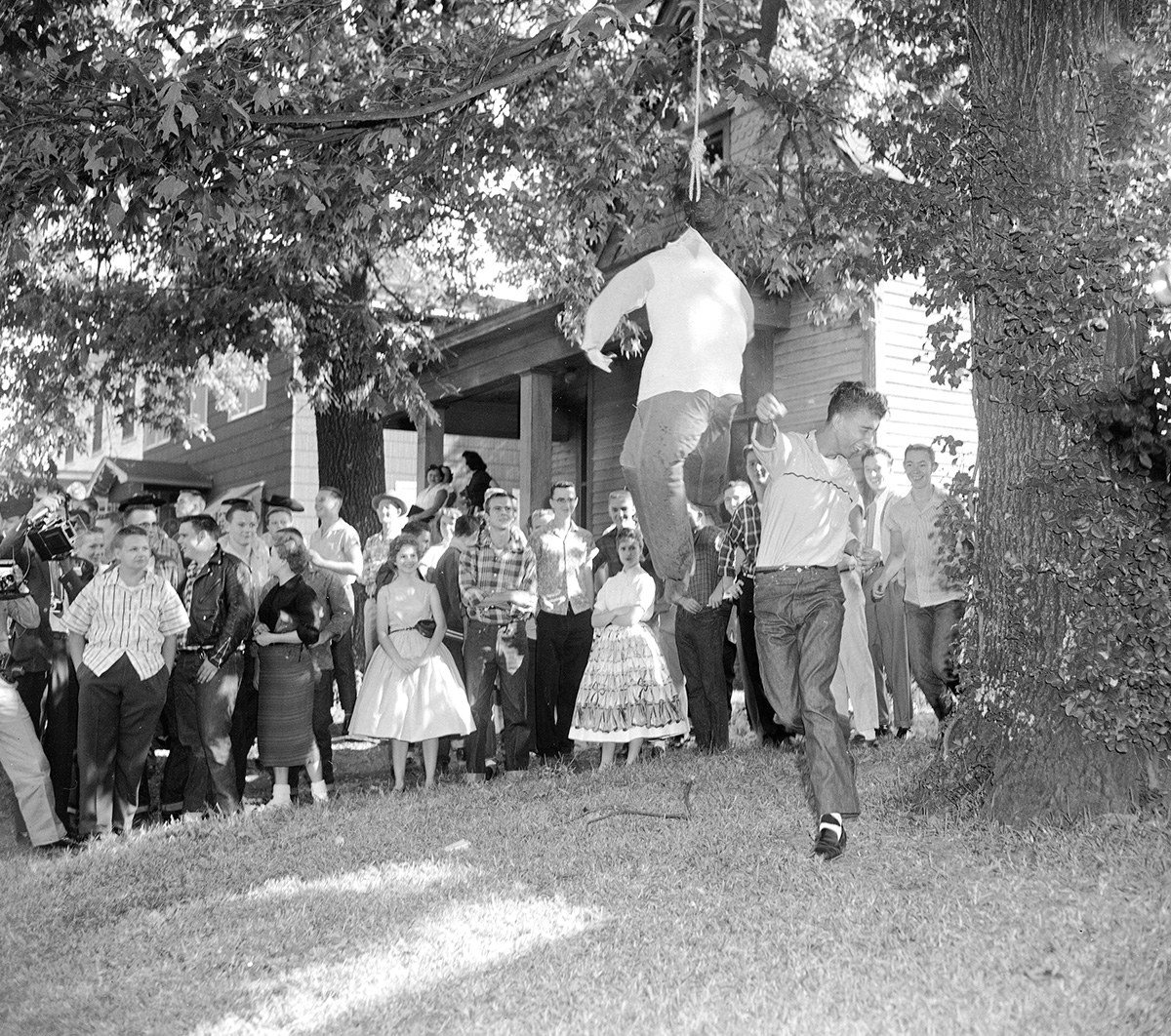
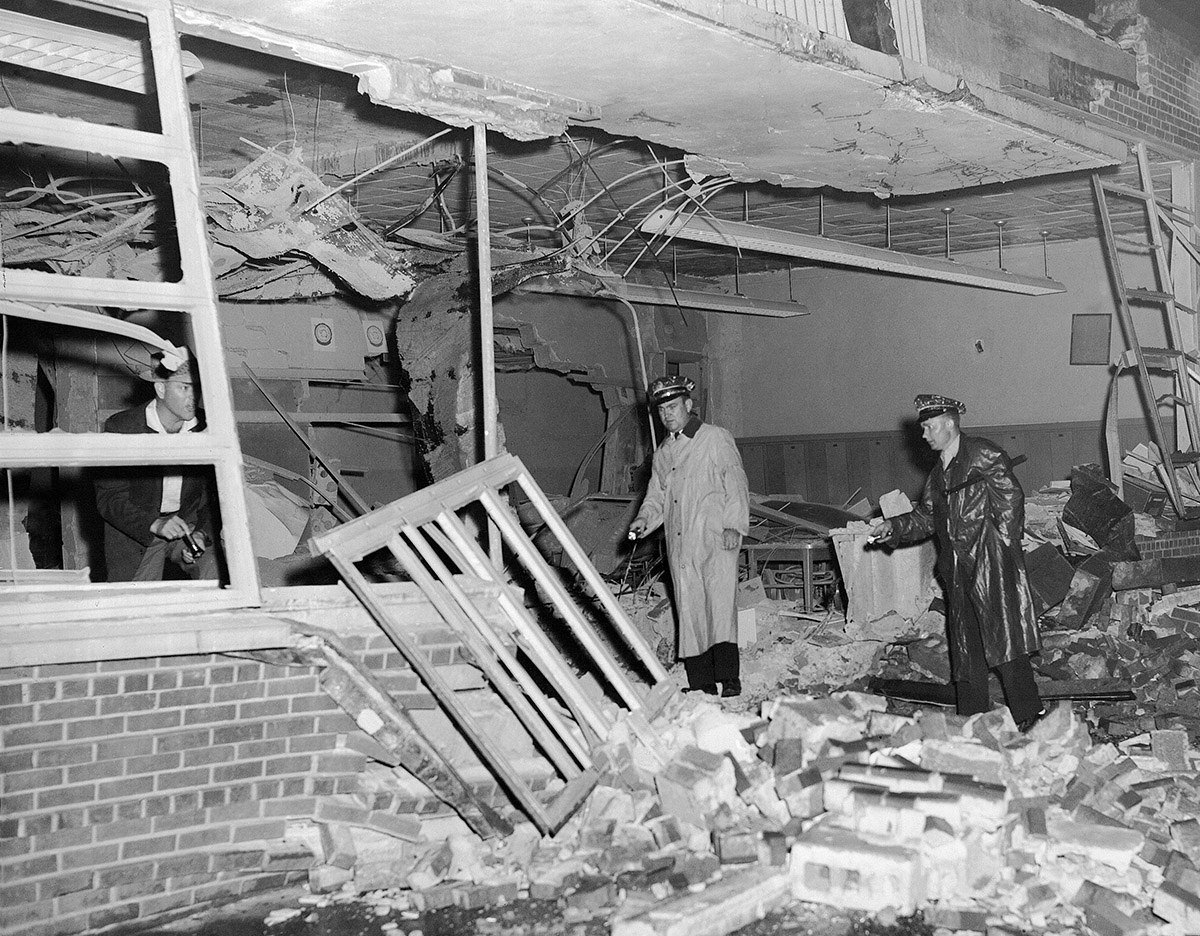
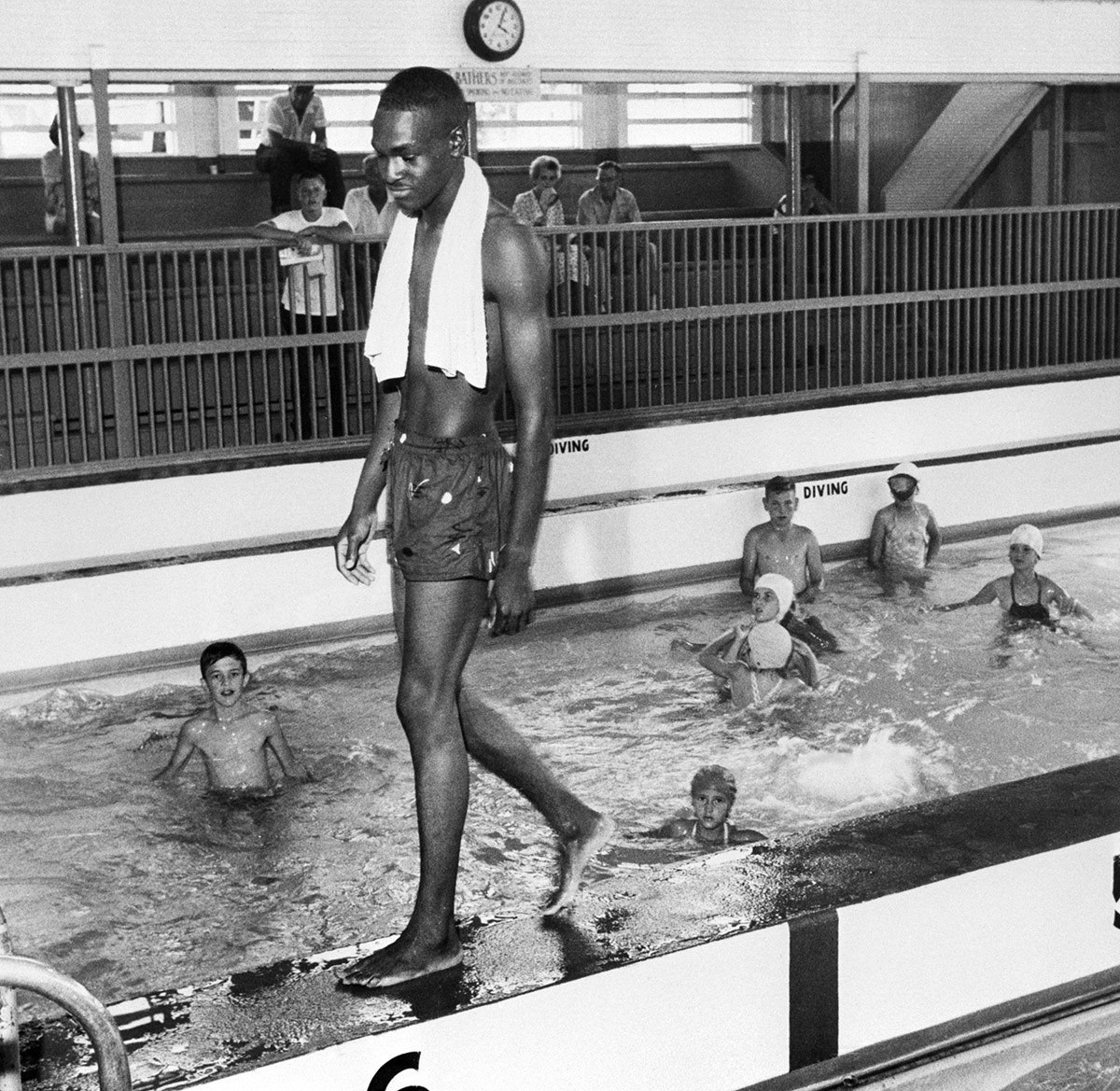
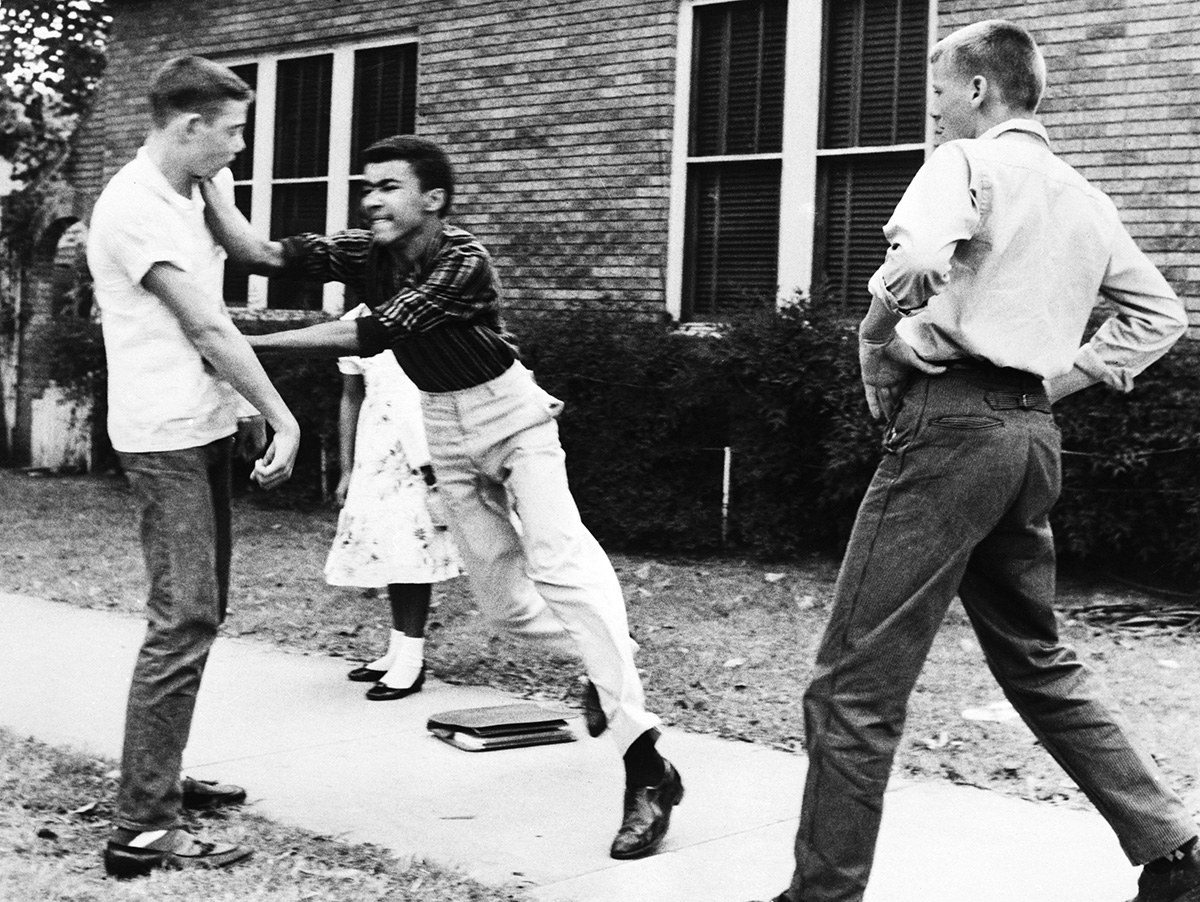
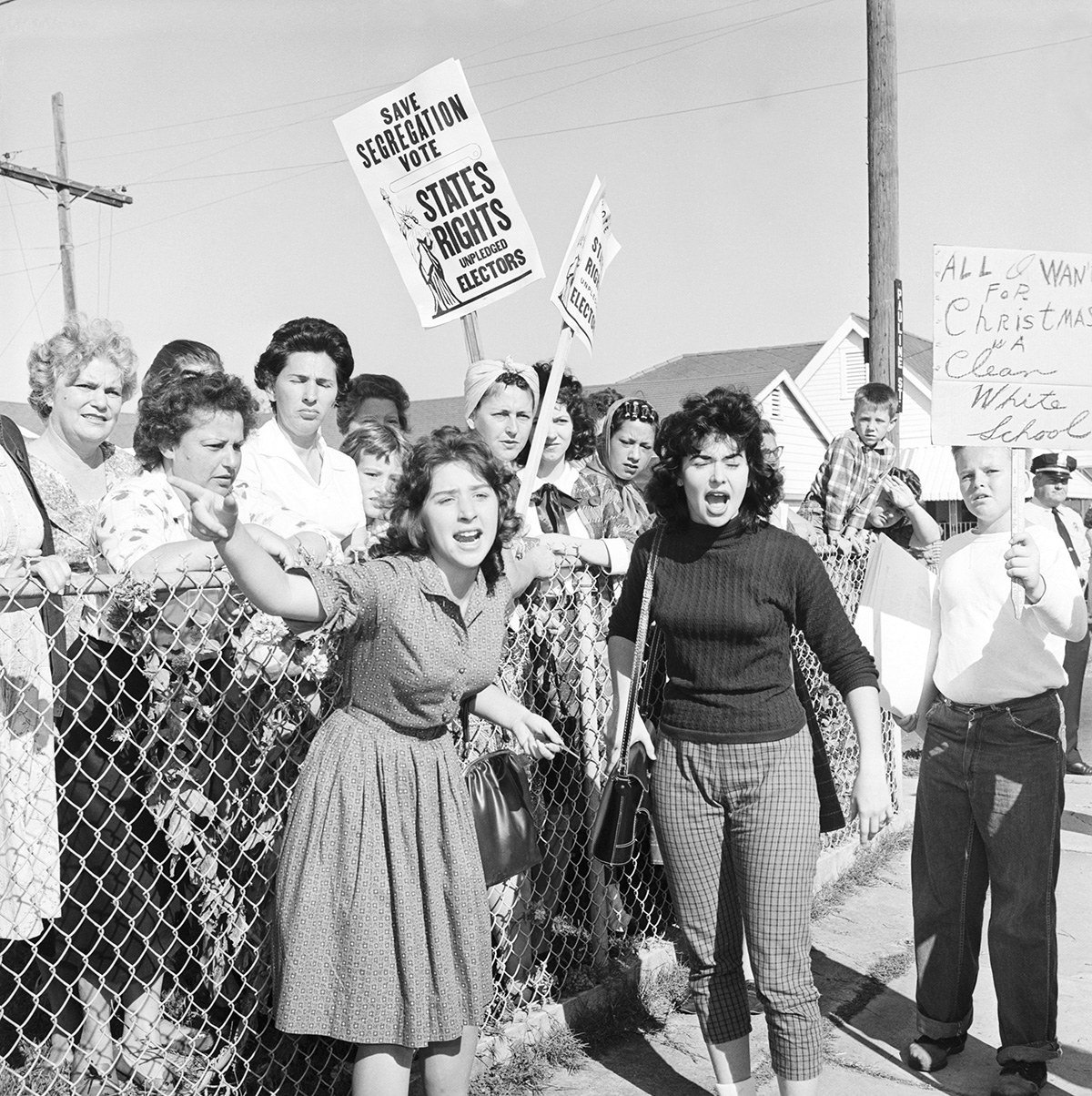
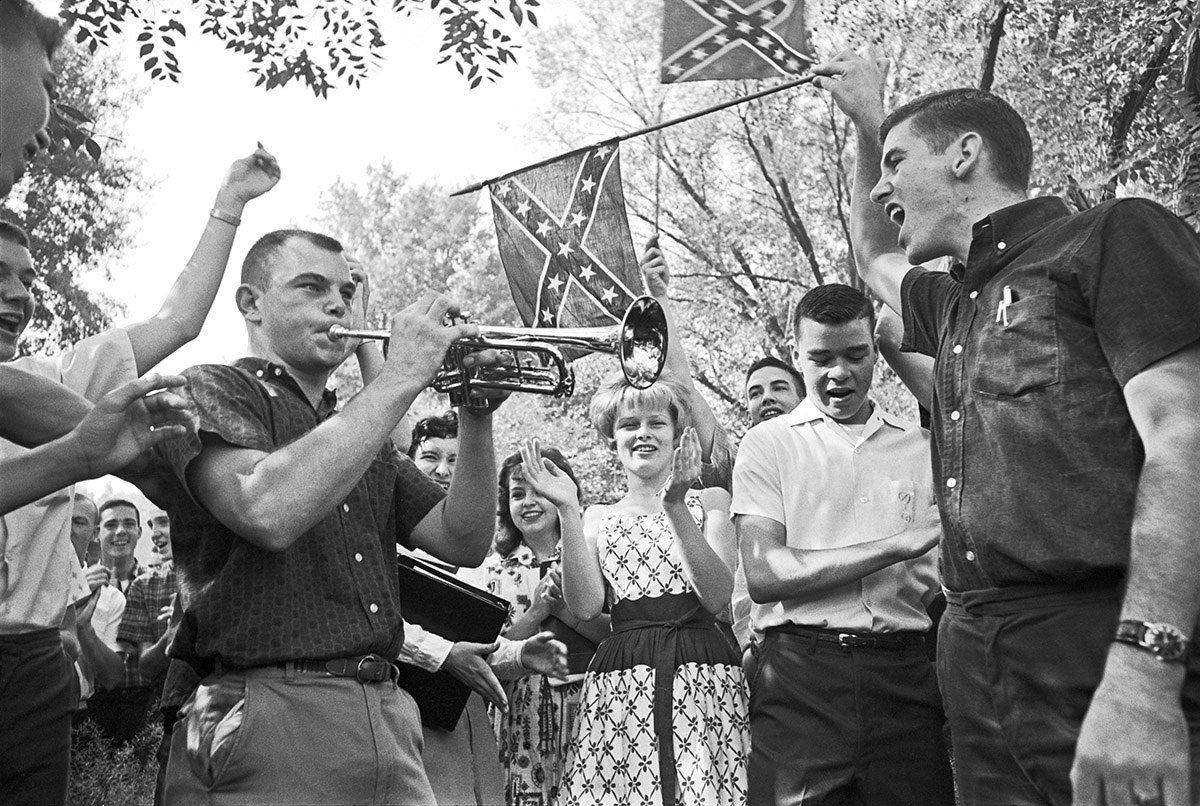
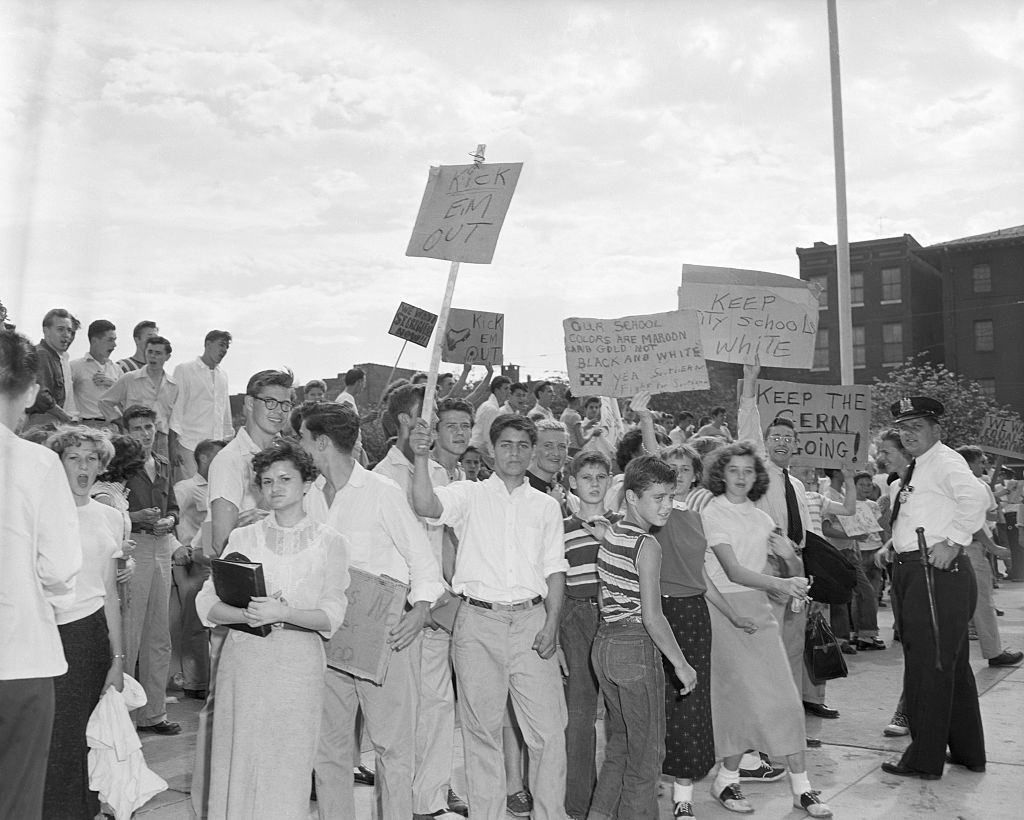
The ruling did not end segregation overnight. White resistance hardened. When Clinton High School in Tennessee became the first state-supported school to integrate in 1956, students picketed outside. In Mansfield, Texas, a 14-year-old stood next to a car painted with anti-desegregation slogans. In Little Rock, Arkansas, a white mob attacked a car of Black passengers who were simply passing through during protests against integration. A white student at Central High School slugged an effigy of a hanging Black student while nearly 75 students walked out. Hattie Cotton grammar school in Nashville was dynamited after a single six-year-old Black child was admitted to the first grade.
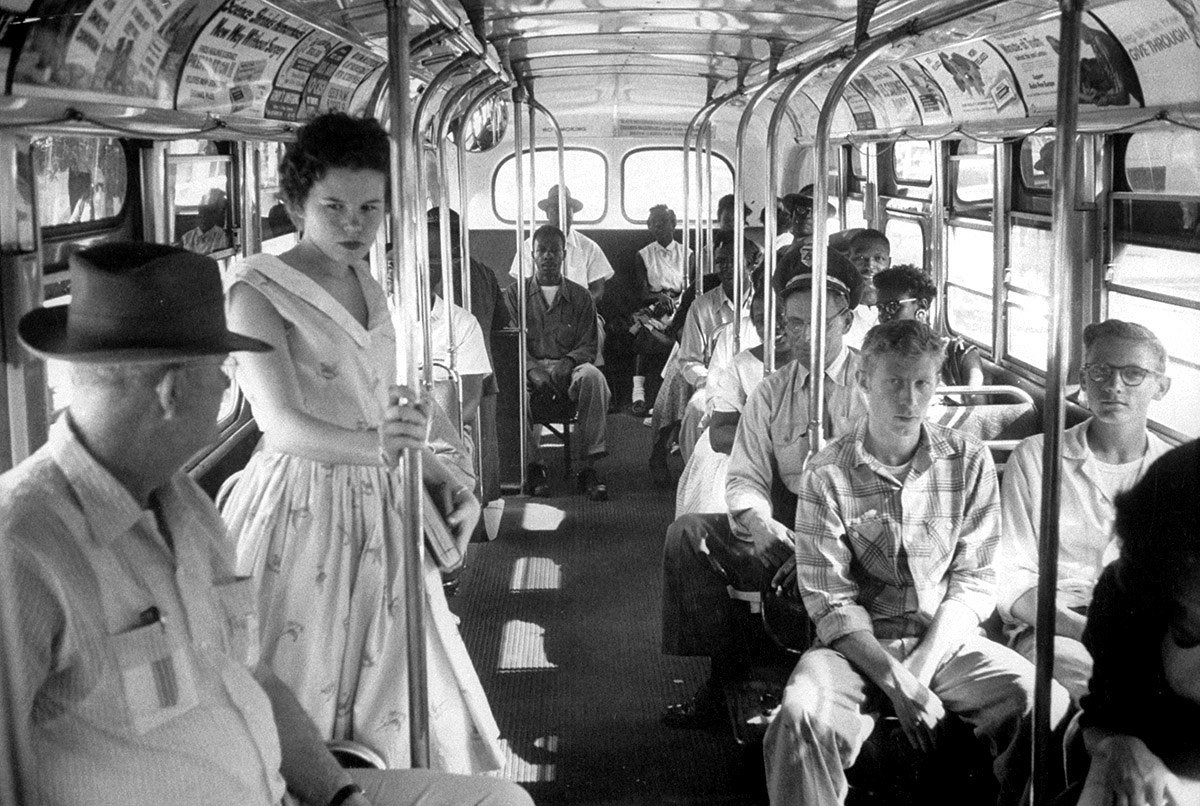
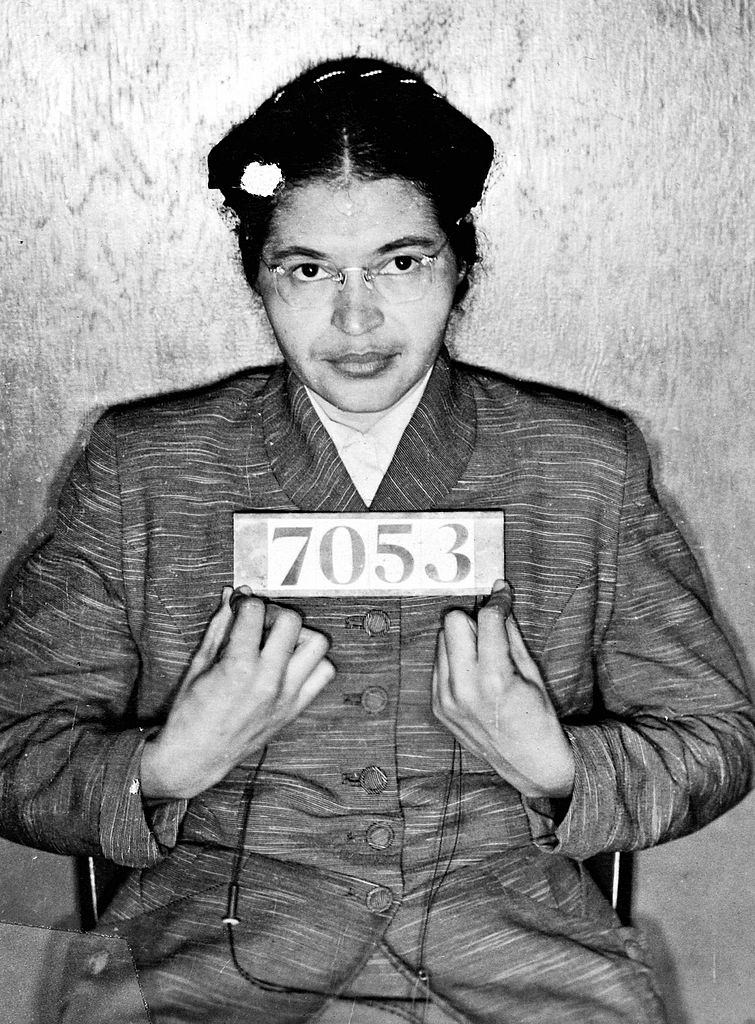
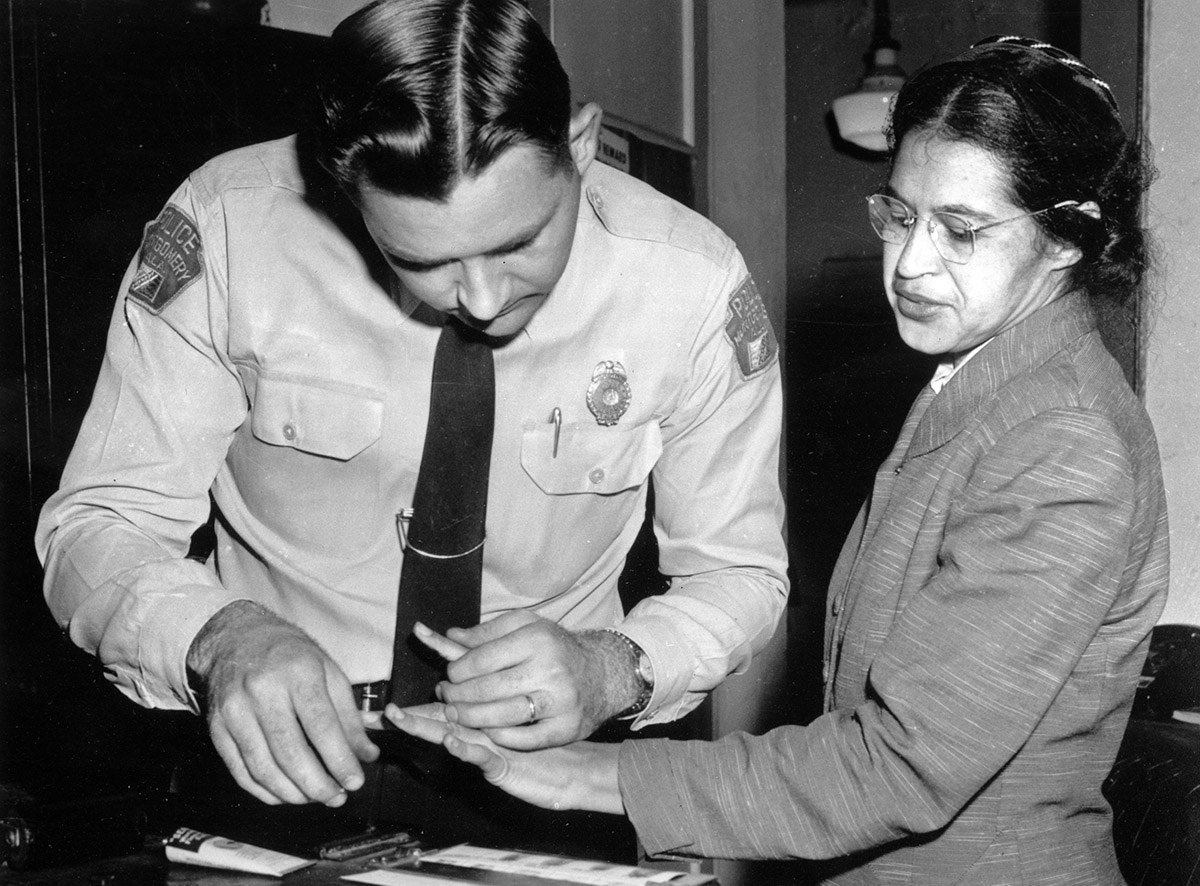
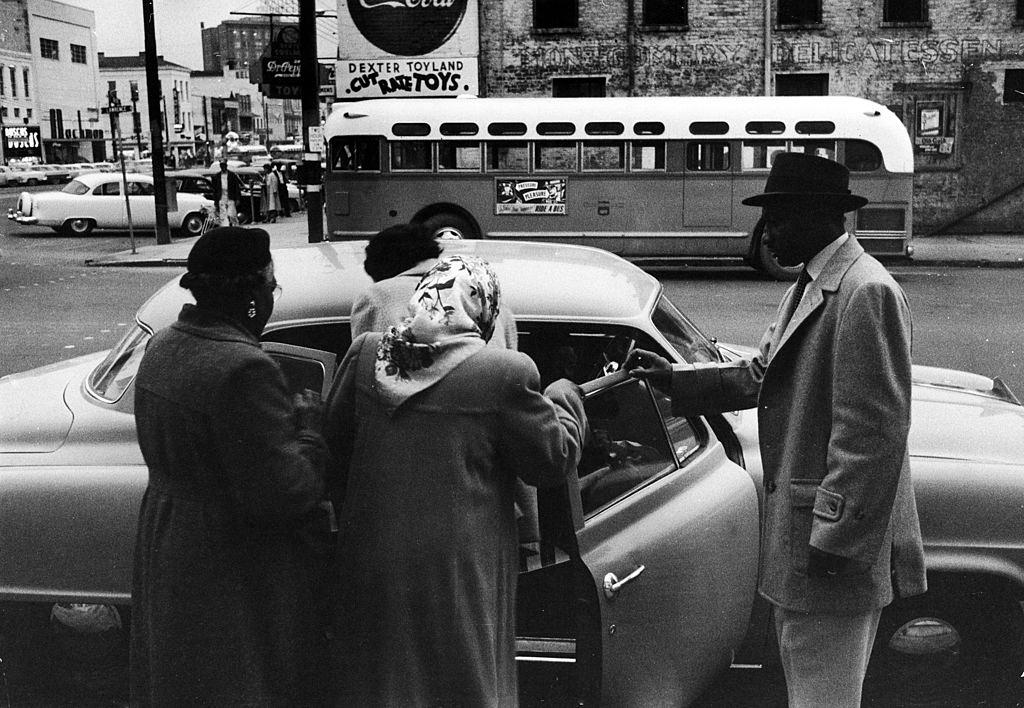
On December 1, 1955, Rosa Parks refused to give up her bus seat to a white passenger in Montgomery, Alabama. She was arrested. The Rev. Martin Luther King Jr. organized a boycott of Montgomery’s buses that lasted 381 days. Parks’ mug shot became one of the most recognized images of the civil rights era. Autherine Lucy became the first Black student to enroll at the University of Alabama, and white supremacists responded with violence. The Montgomery bus boycott itself drew on carpooling networks organized by the Black community after Parks’ arrest.
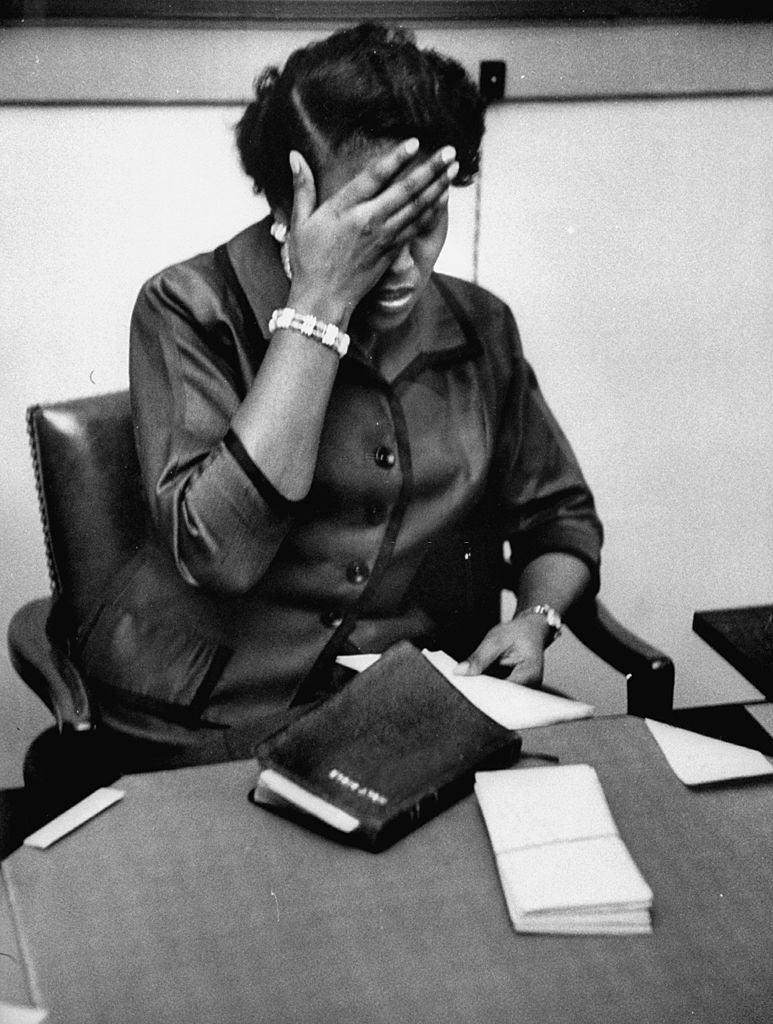
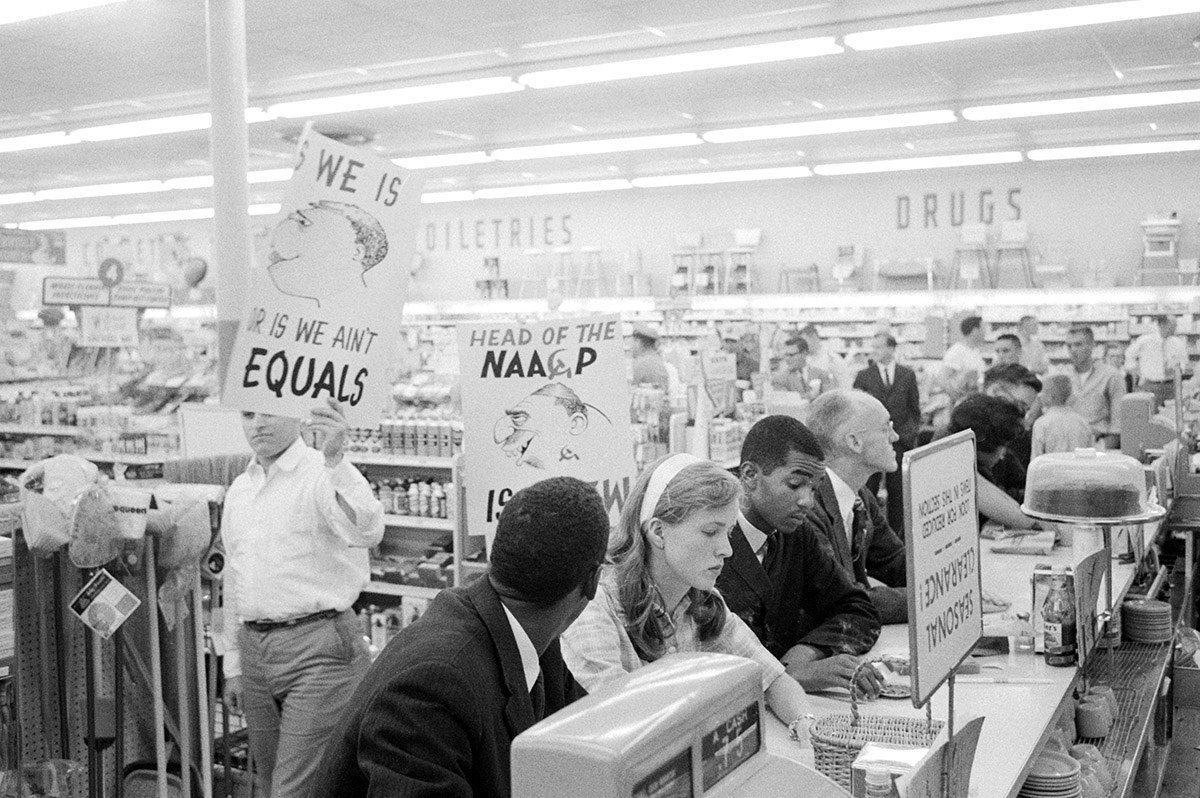
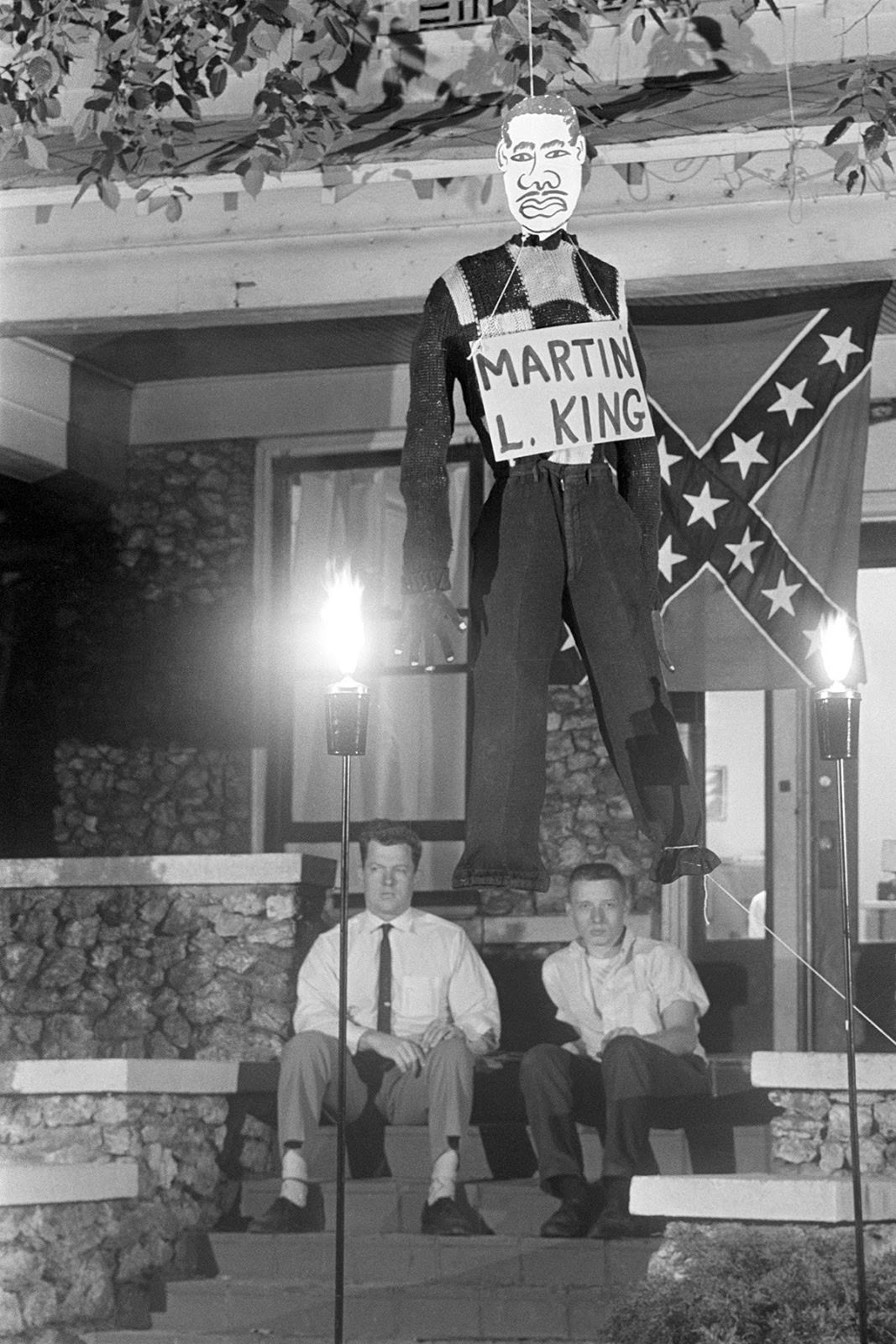
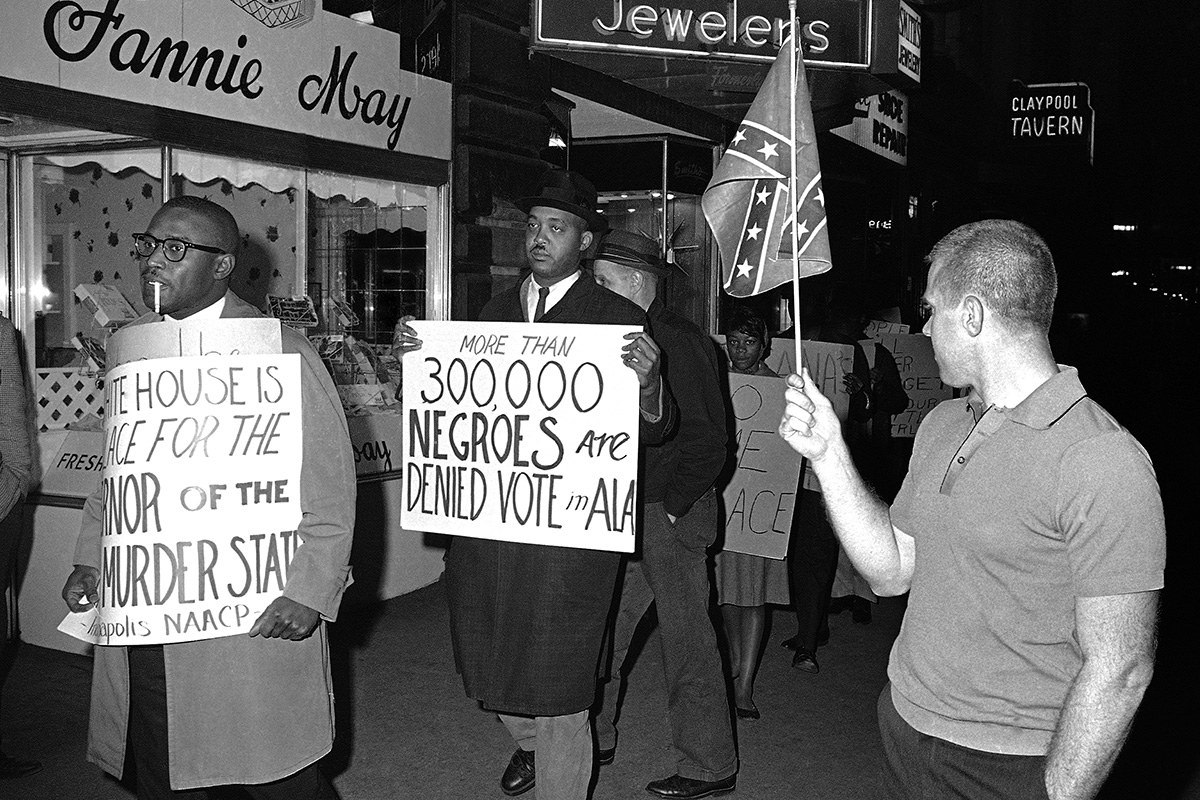
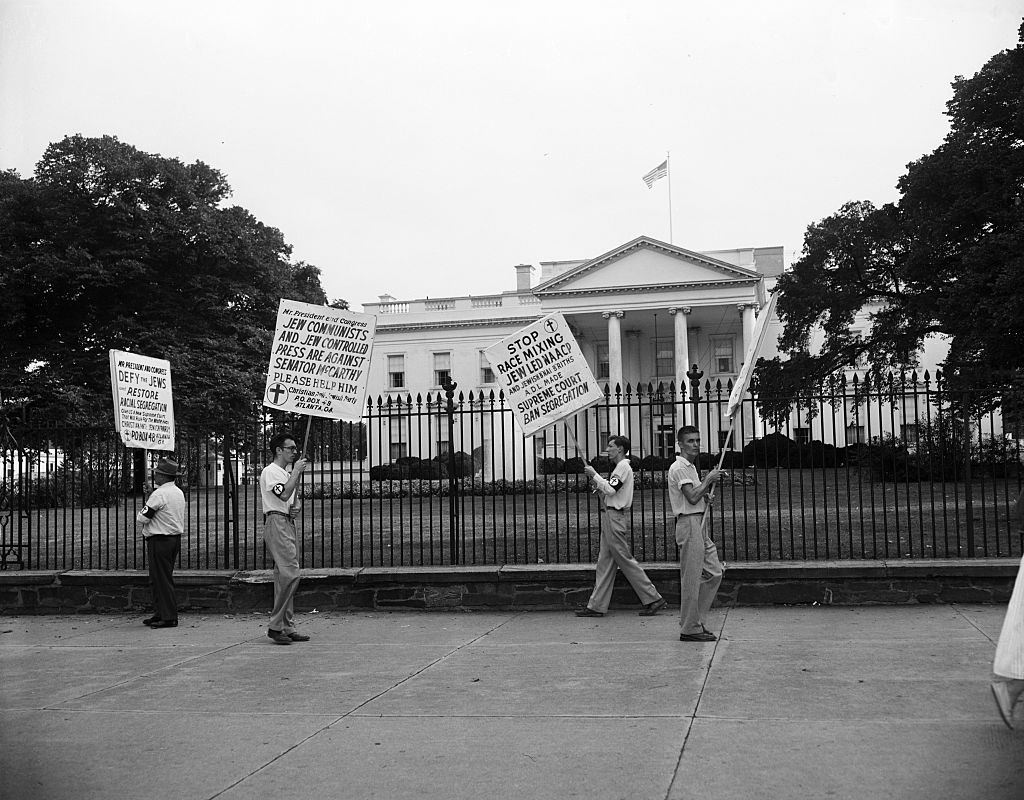
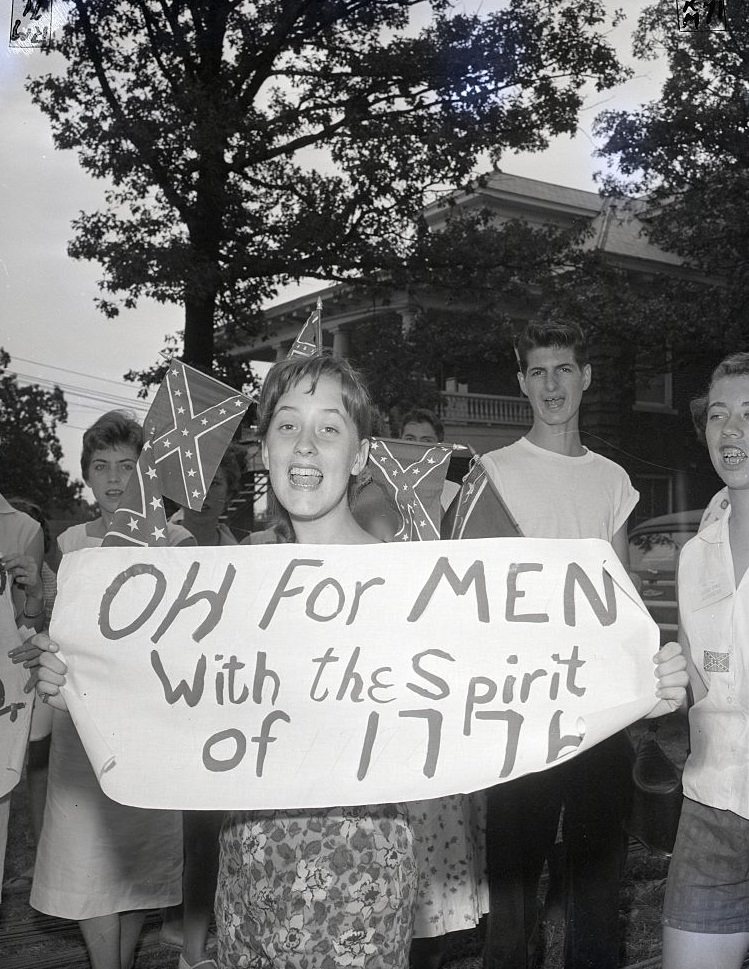
As the civil rights movement built momentum through the late 1950s and into the 1960s, opposition grew more organized and more extreme. Sit-in protesters at a lunch counter in Arlington, Virginia, were picketed by members of the American Nazi Party. Members of the National States Rights Party hung an effigy of Martin Luther King Jr. outside their Birmingham headquarters. Anti-desegregation demonstrators sang songs outside West End High School in Birmingham. A man waved a Confederate flag in front of a crowd of protesters outside an Indianapolis hotel where Alabama Governor George Wallace was staying.
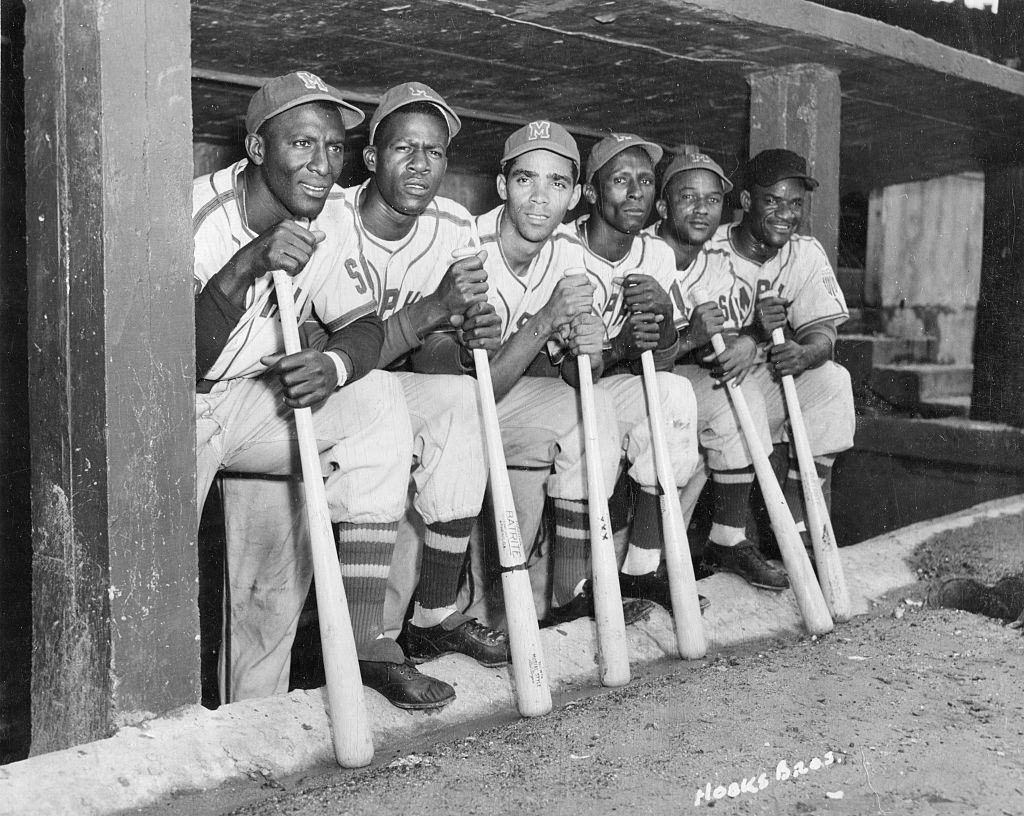
Life under Jim Crow touched sports as well. The Negro Leagues gave Black athletes a place to compete, but they did so outside the mainstream — in separate stadiums, on separate teams, under the same system of exclusion that governed everything else. Cuban players who joined Negro League teams found themselves subject to the same racial classifications applied to Black American players.
Pressure from civil rights organizations, court rulings, and direct action protests built throughout the late 1940s, 1950s, and 1960s. Truman’s 1948 order desegregating the military, the Supreme Court’s 1954 ruling in Brown v. Board of Education, and the ongoing work of leaders including Martin Luther King Jr., A. Philip Randolph, and Bayard Rustin all chipped away at the legal framework of Jim Crow. The Civil Rights Act of 1964 and the Fair Housing Act of 1968 dismantled the remaining statutory structures, ending legal discrimination in public accommodations, employment, and the sale and rental of housing.



This is amazing, never seen most of these pictures.
The thing that struck me was that it was “illegal” for Black and white people to shake hands. That’s ridiculous.
Libertarians routinely whitewash history to serve as a rallying cry for the movement. Instead, we reinforce the present system and declare ourselves radicals.
What whitewashing are you talking about?
Segregation Laws …. sounds like double the capitalism to me.