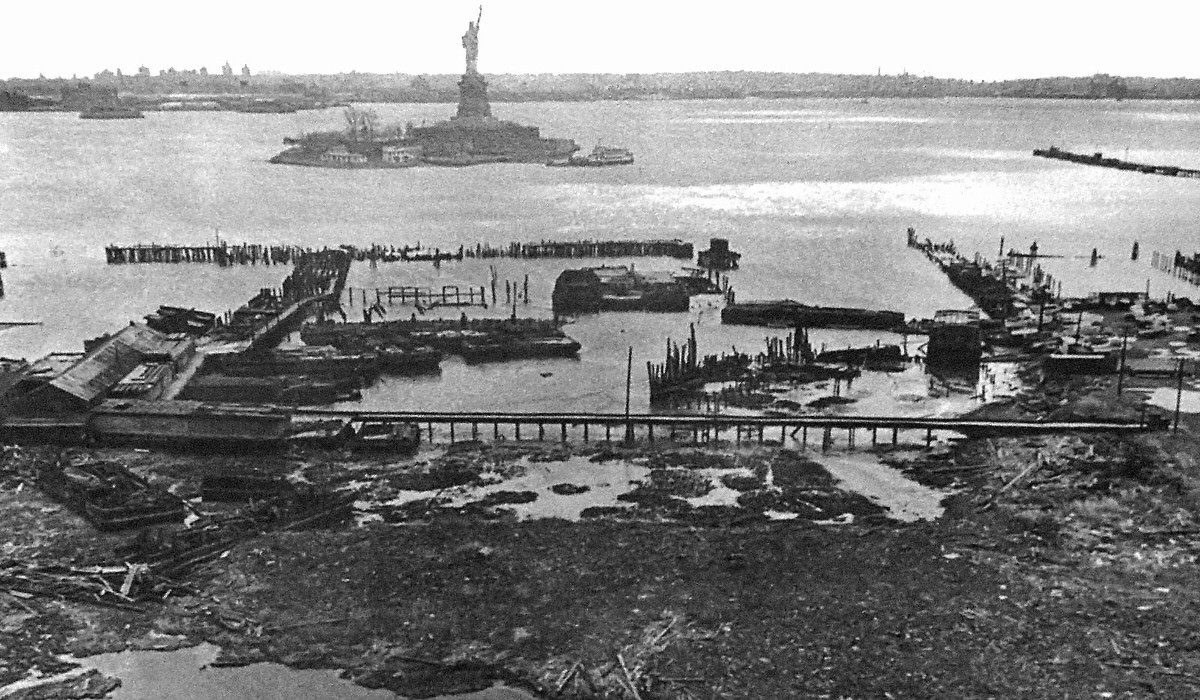
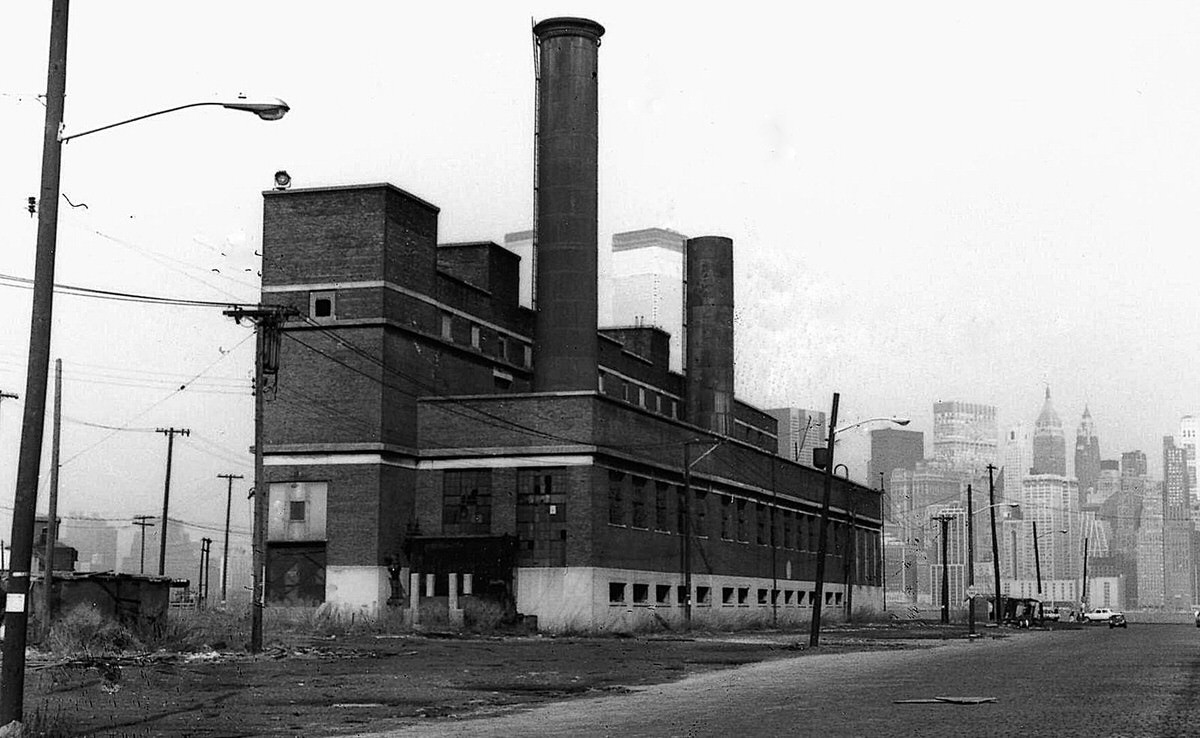
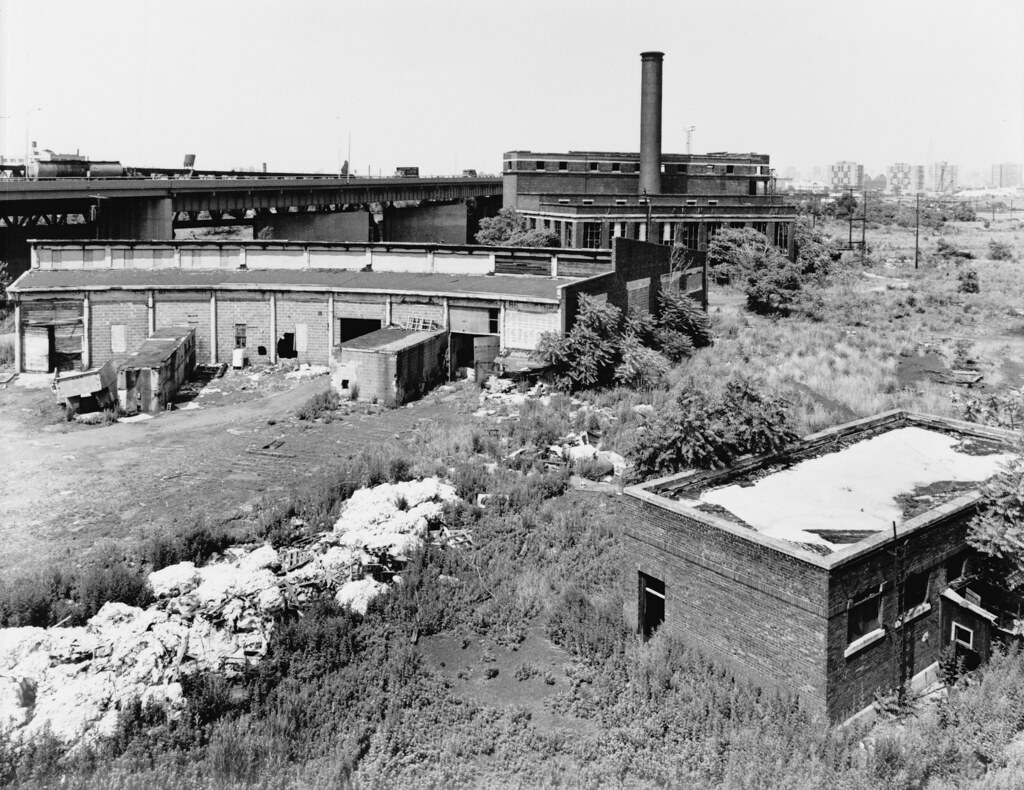
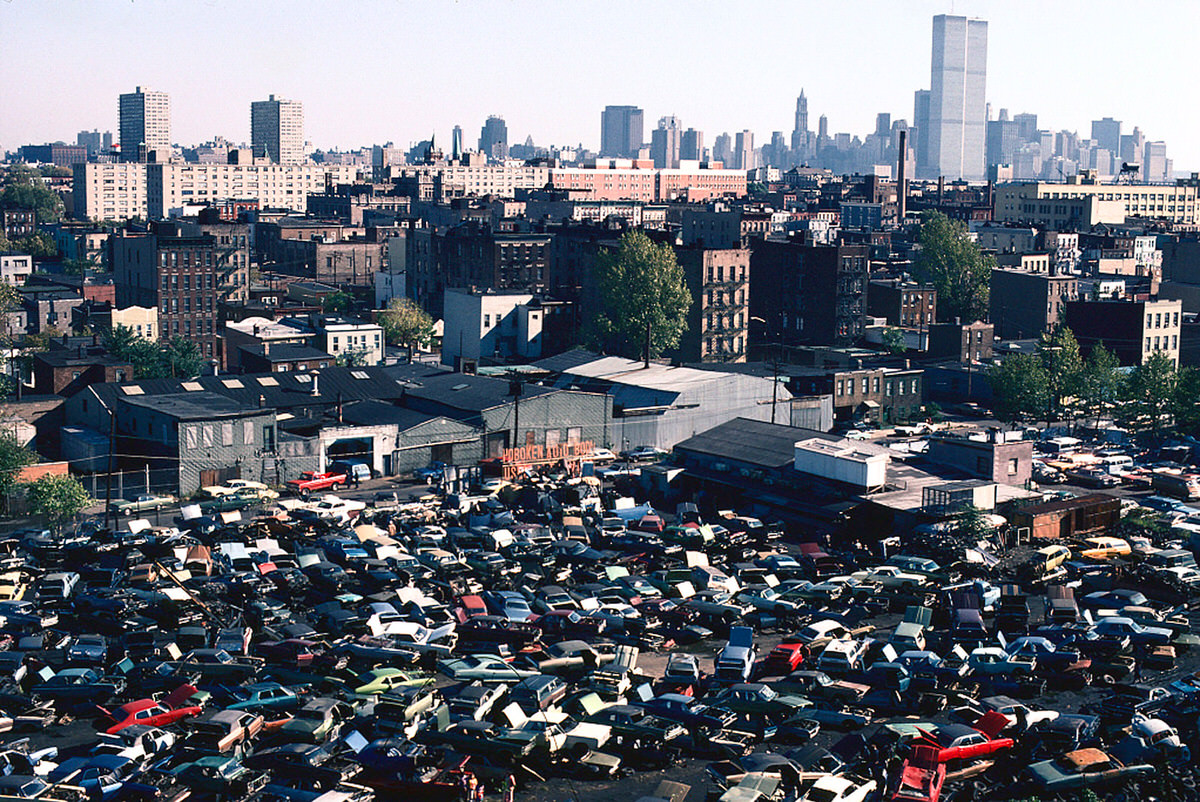
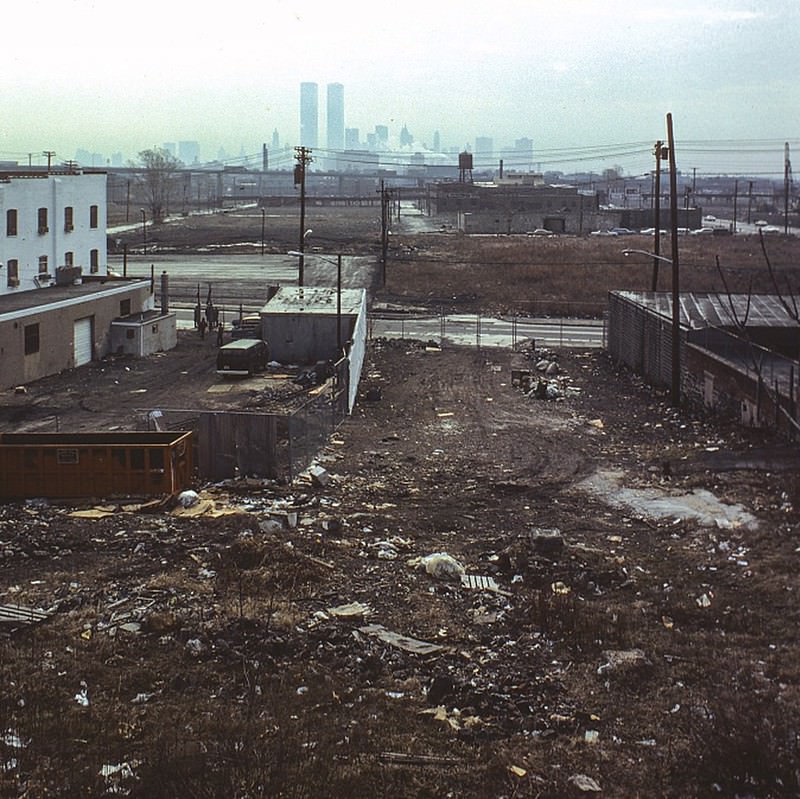
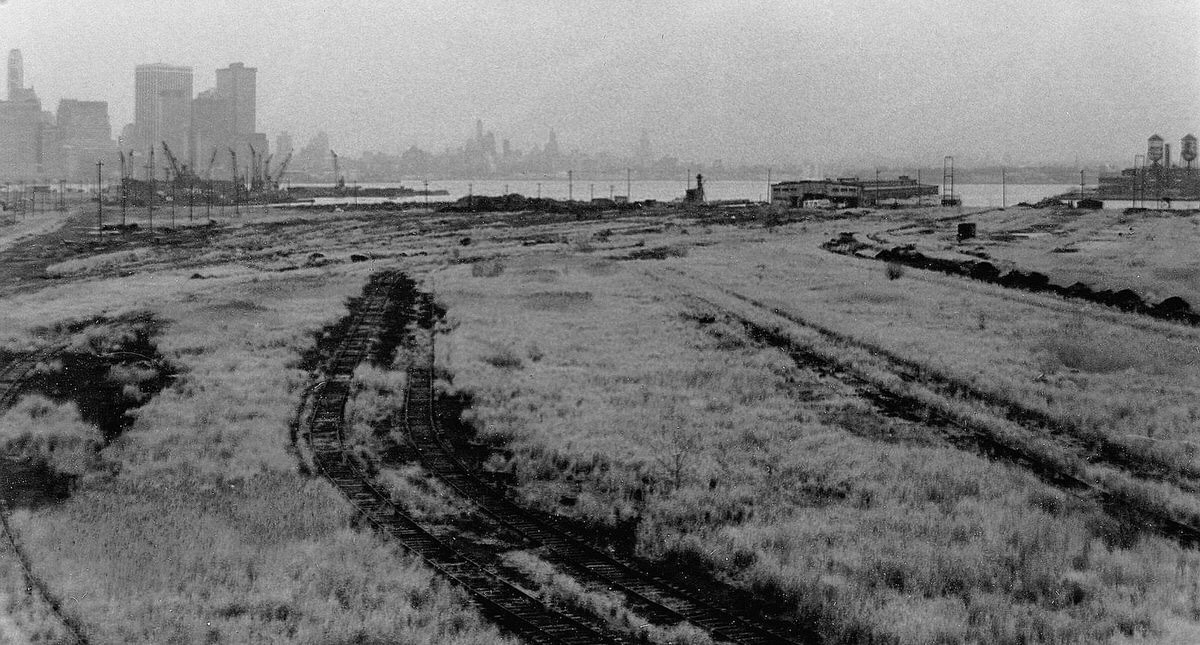
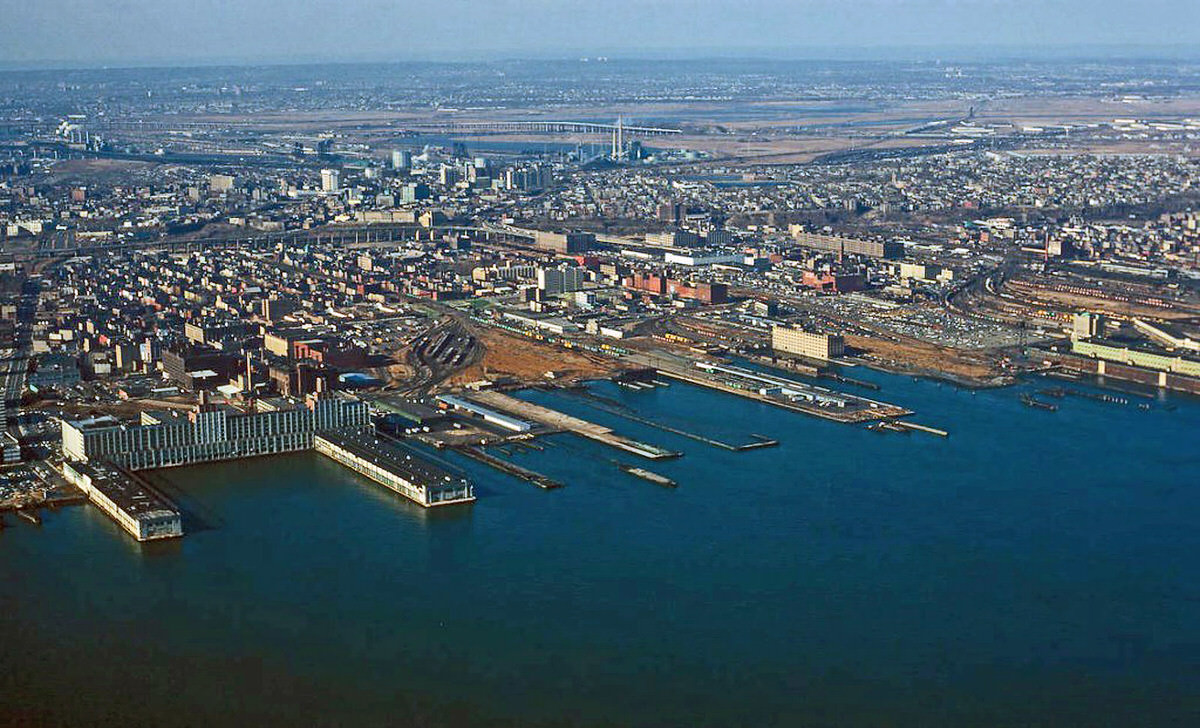
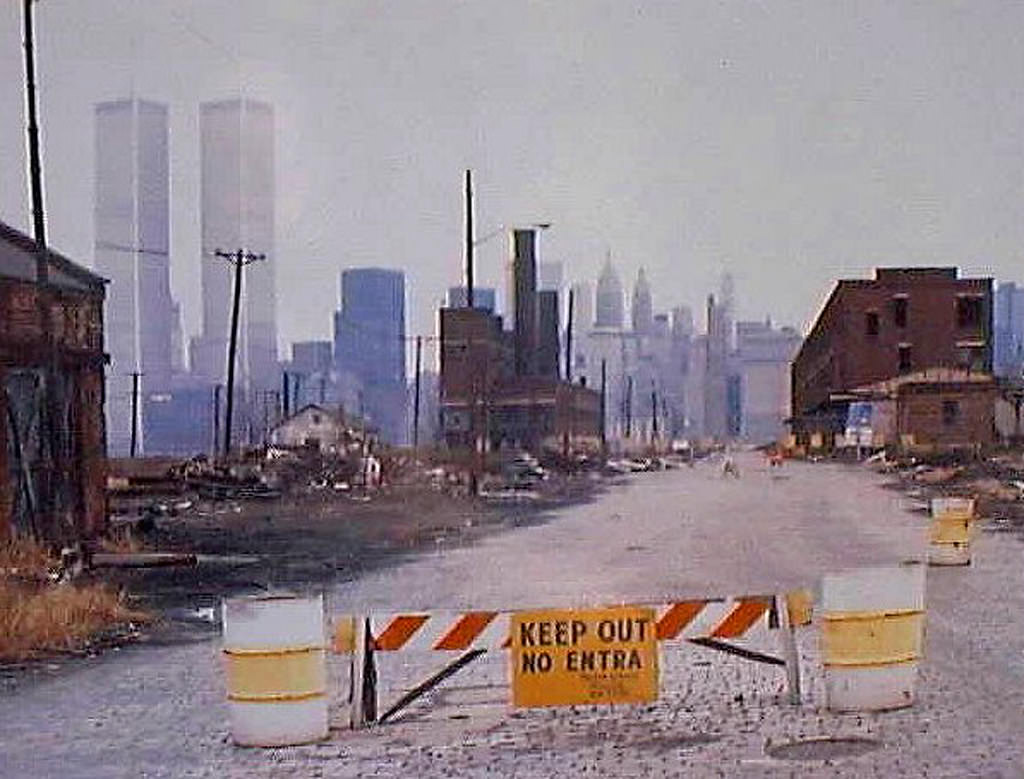
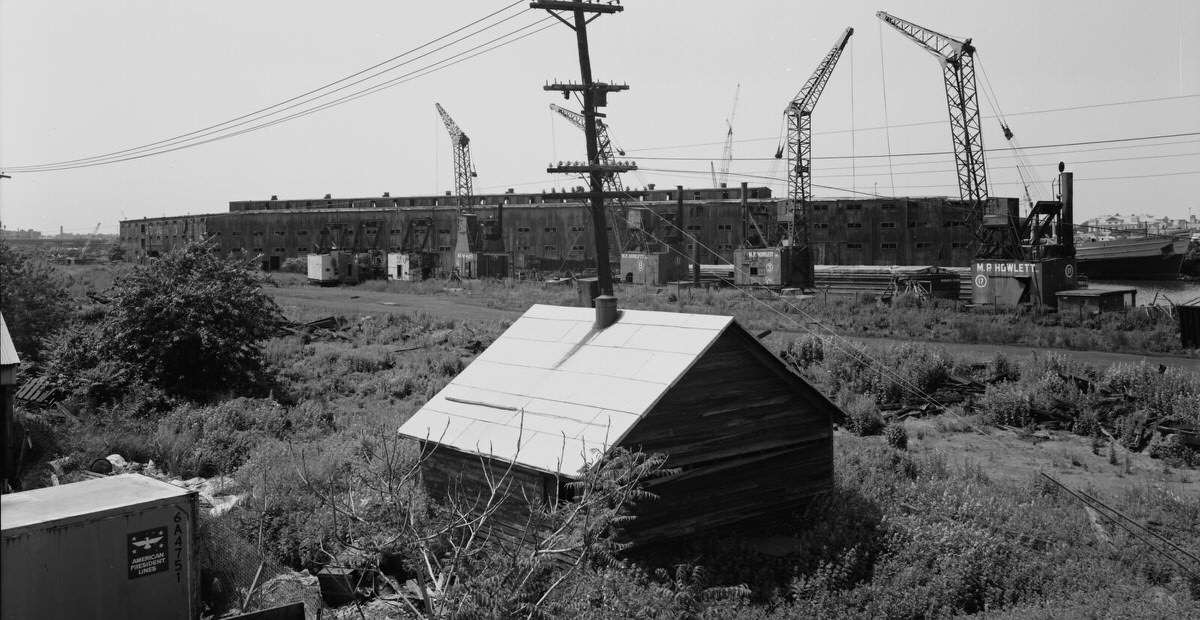
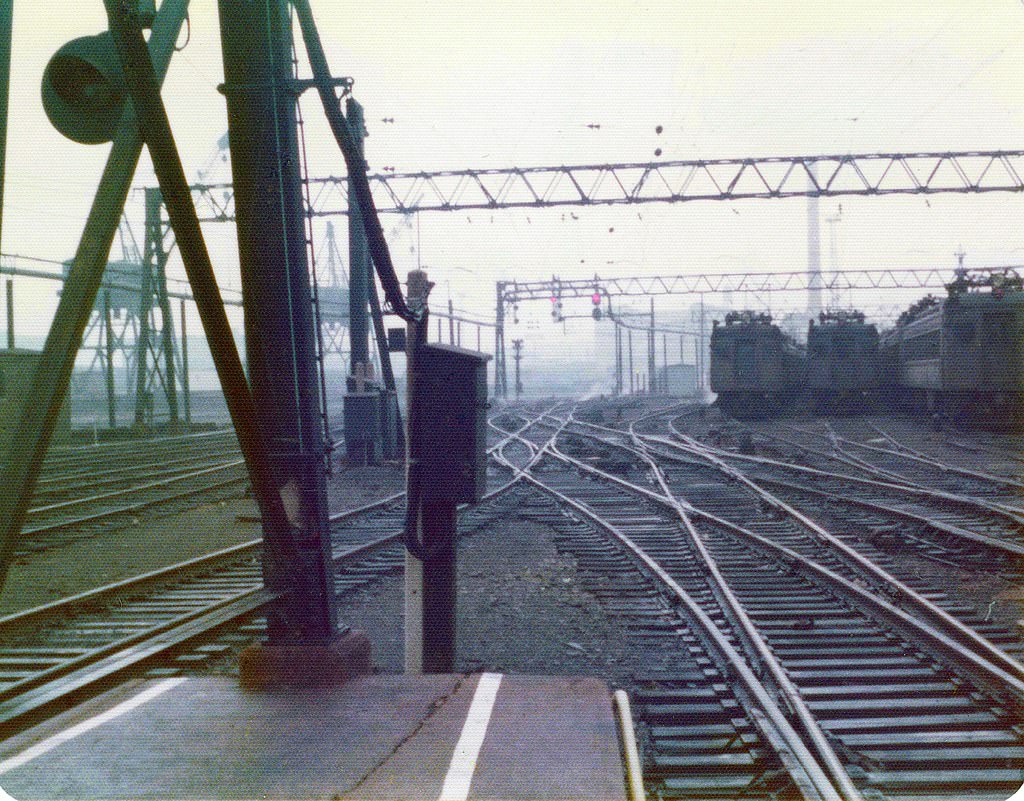
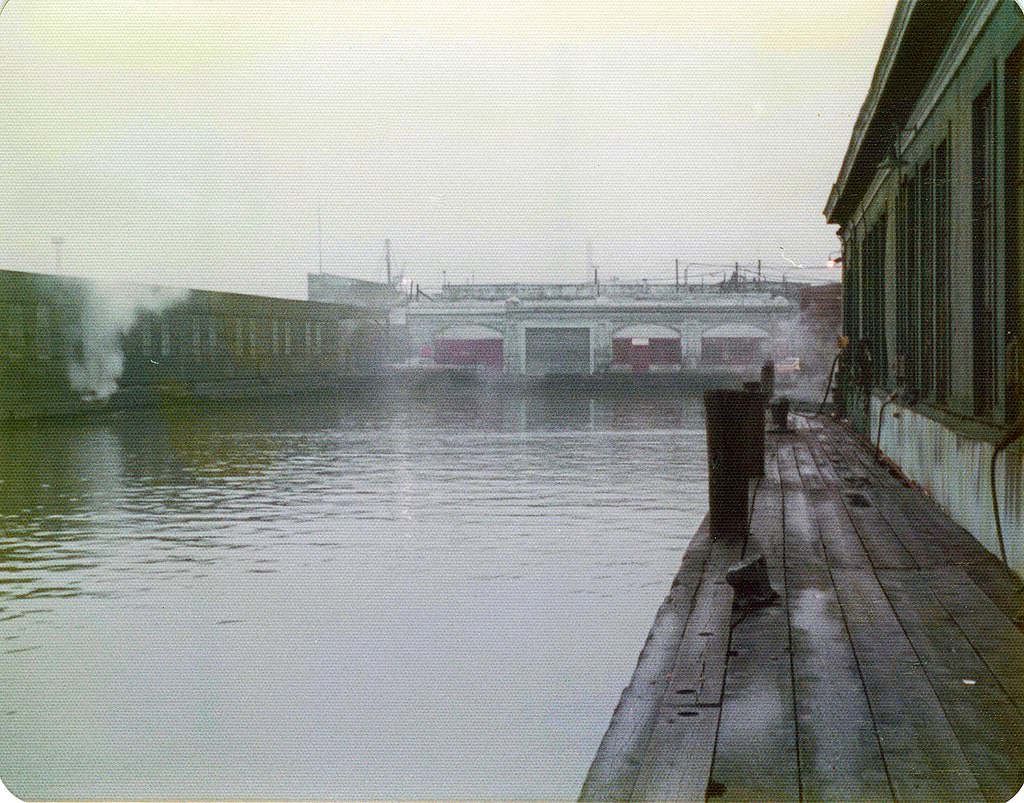
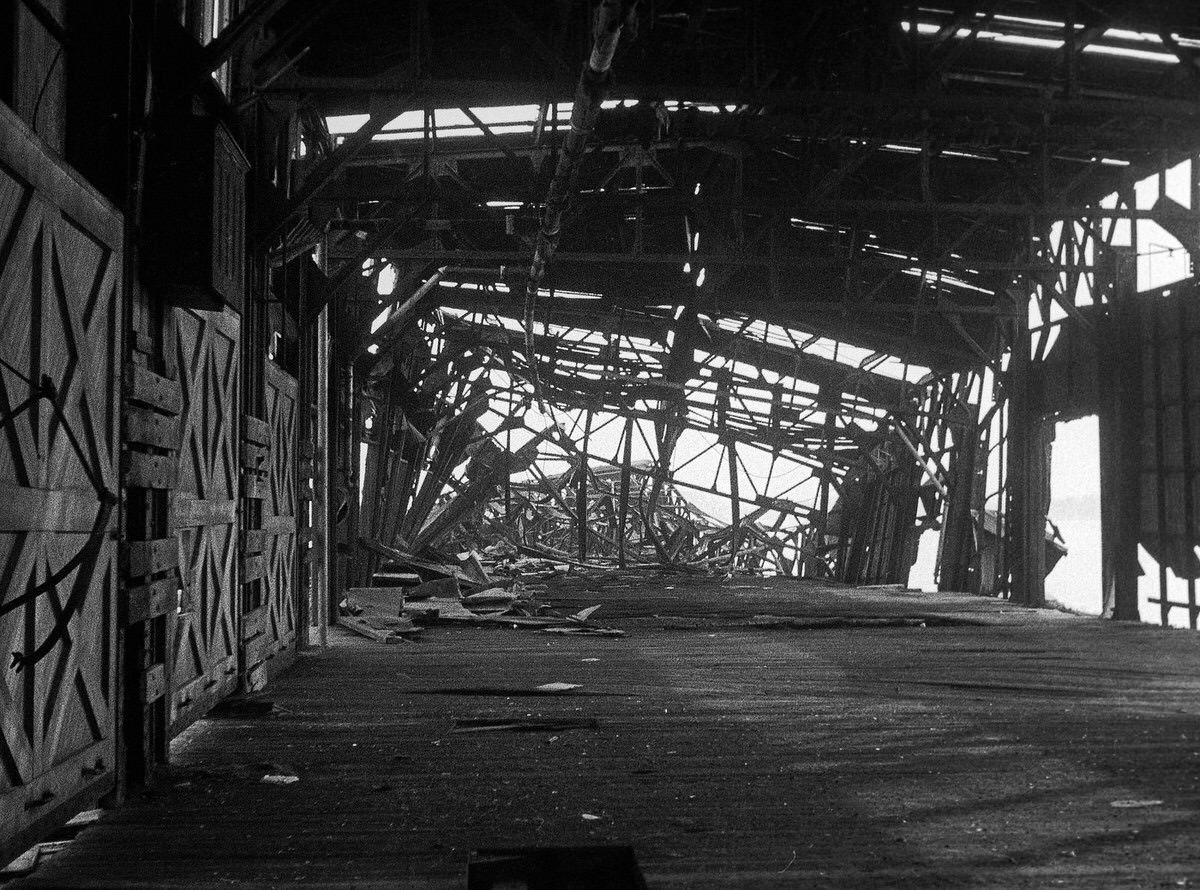
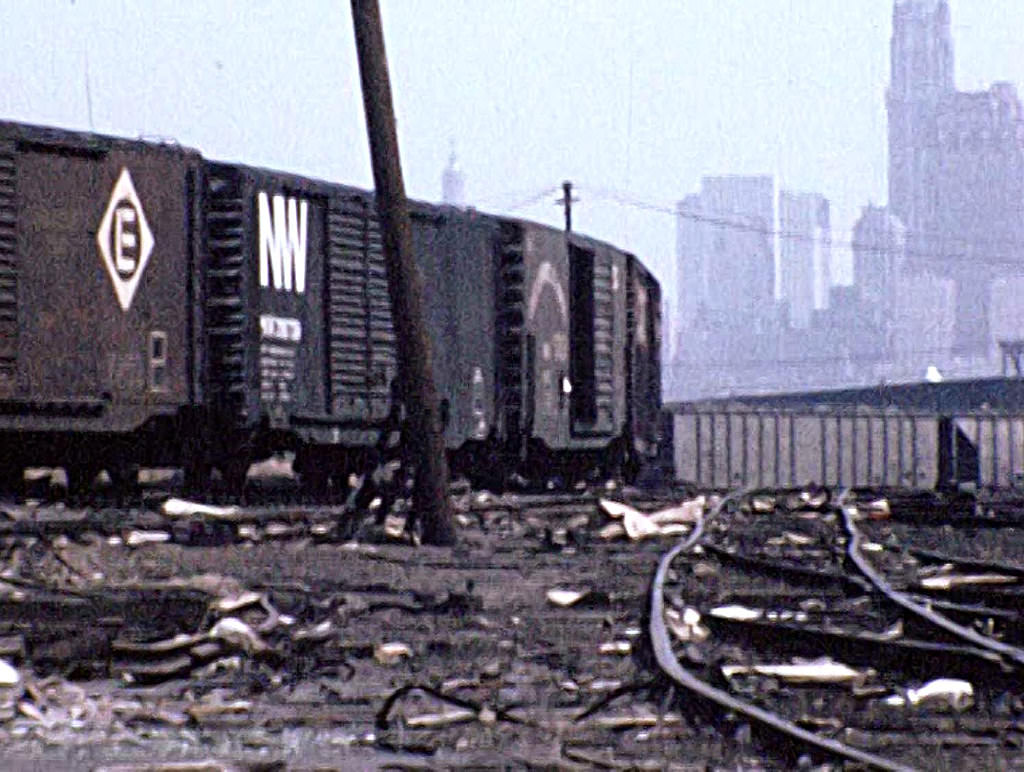
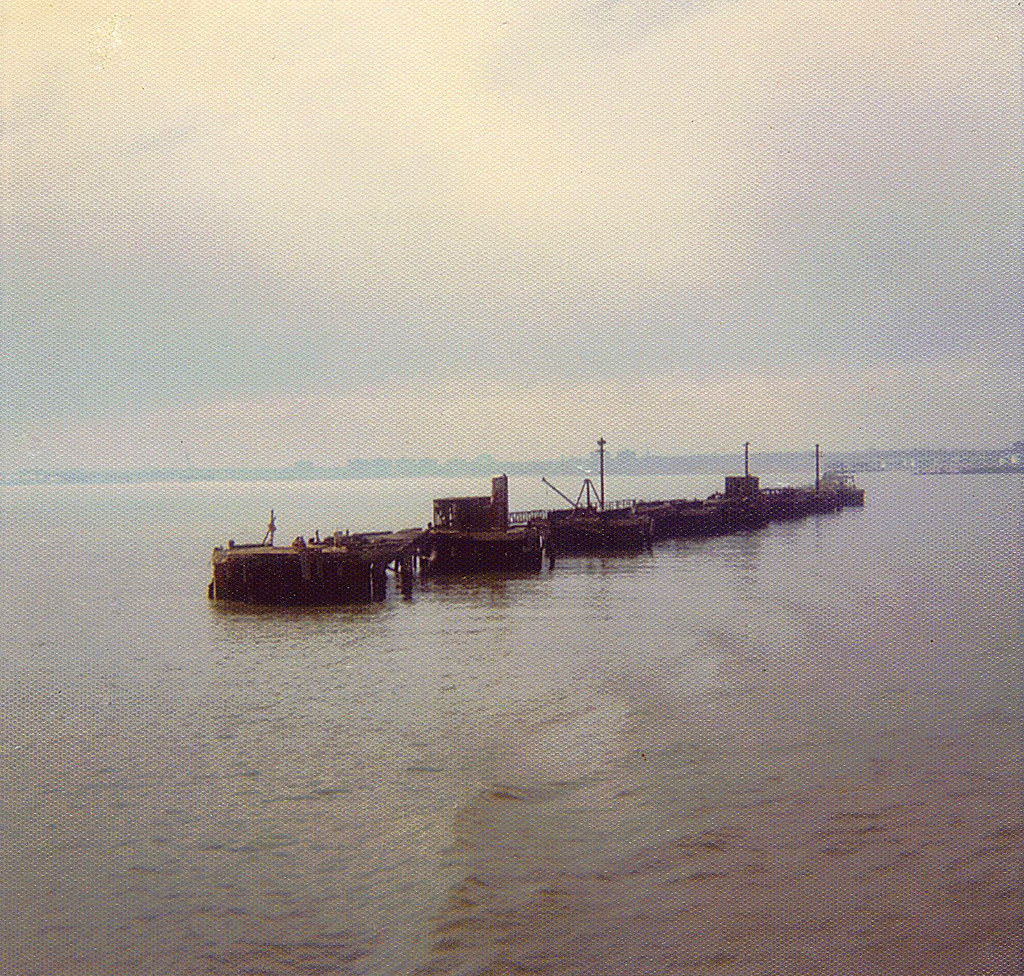
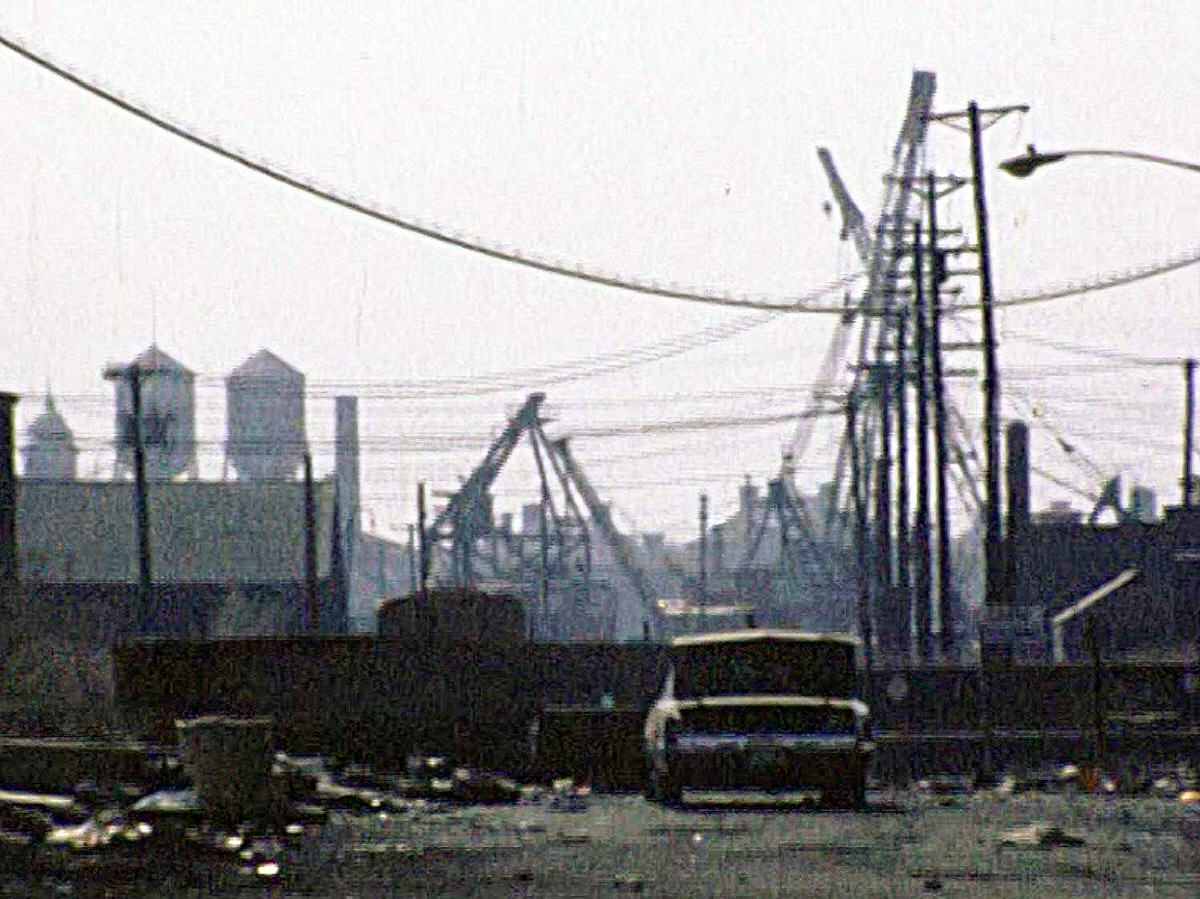
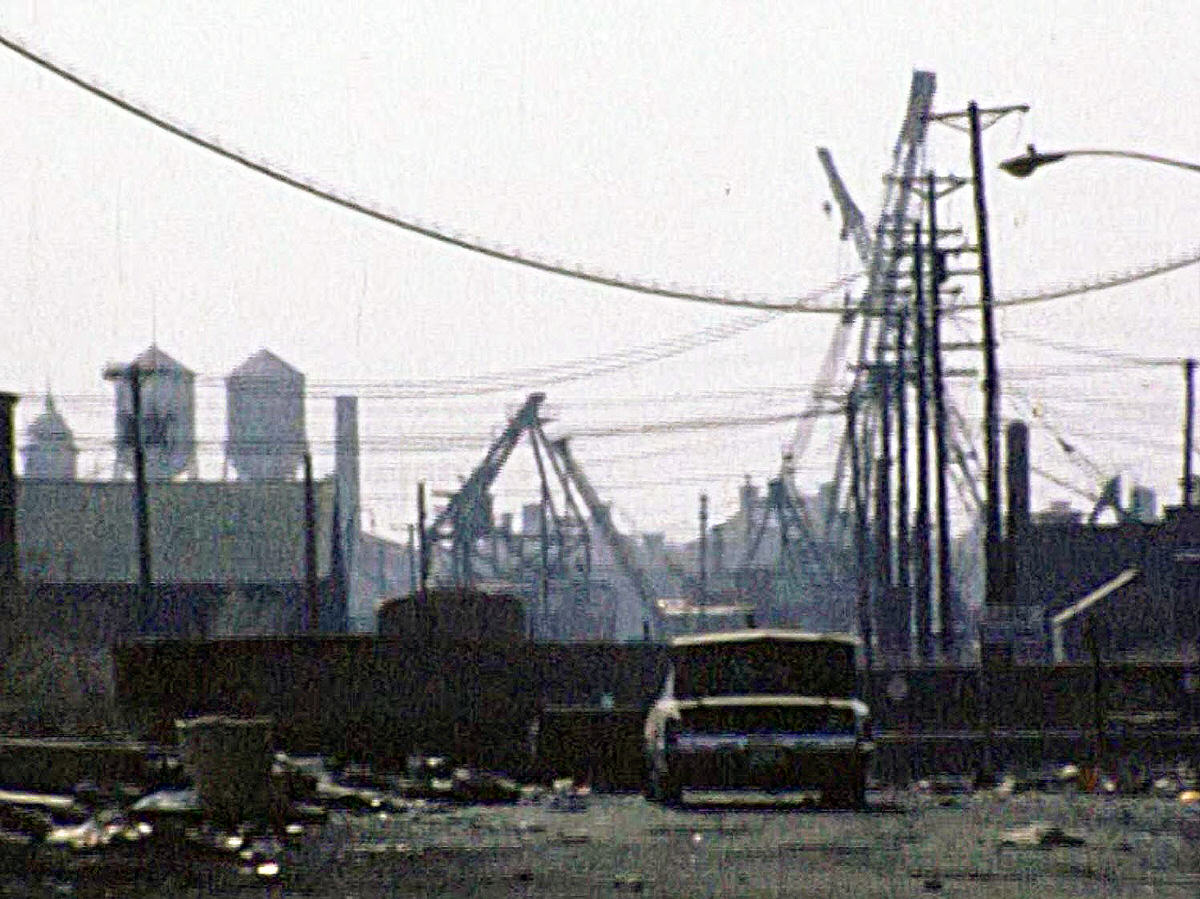
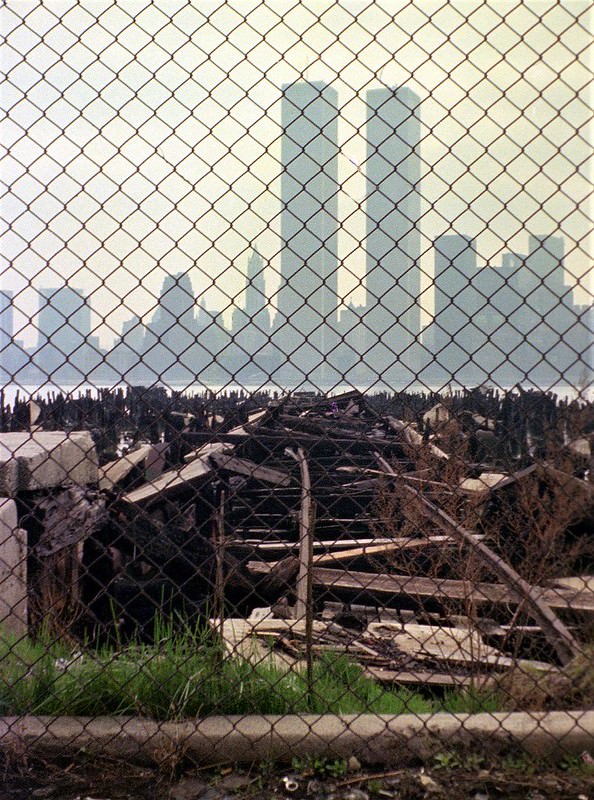
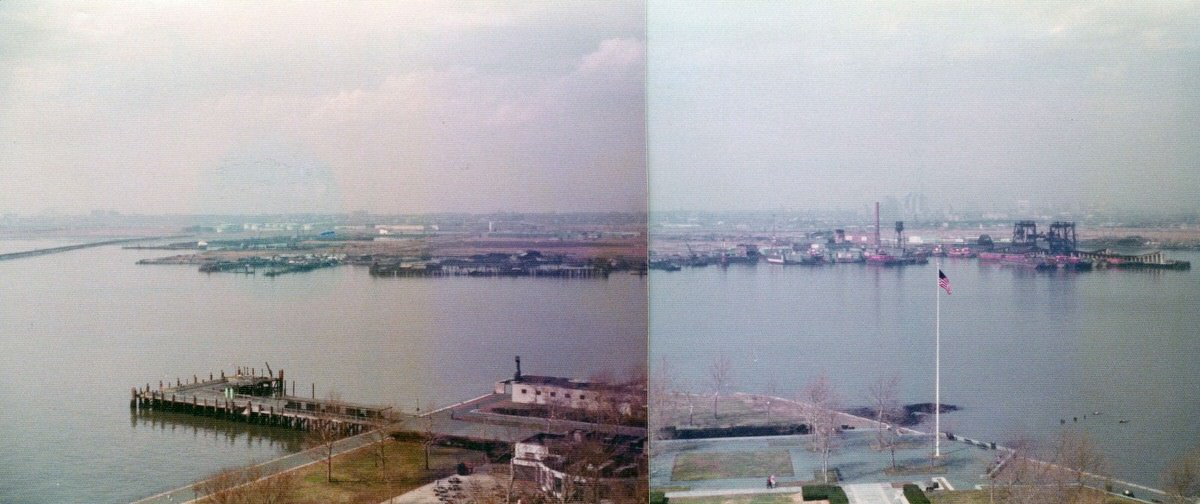
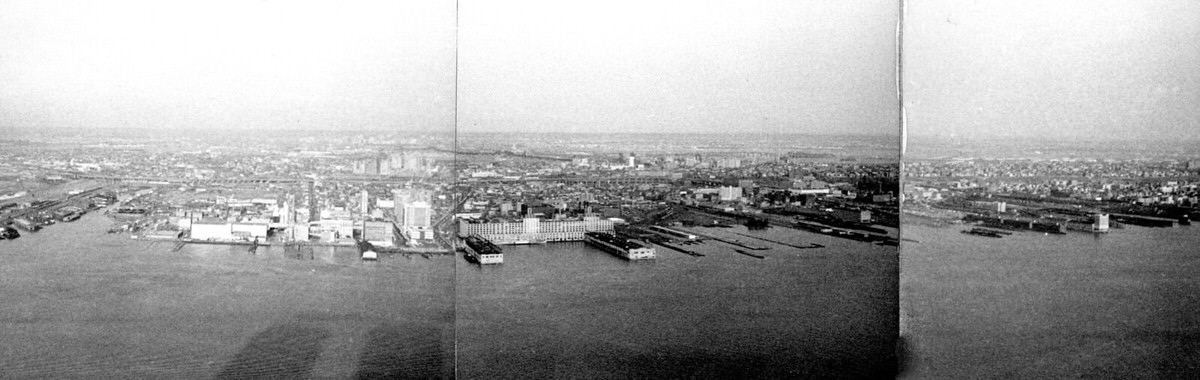
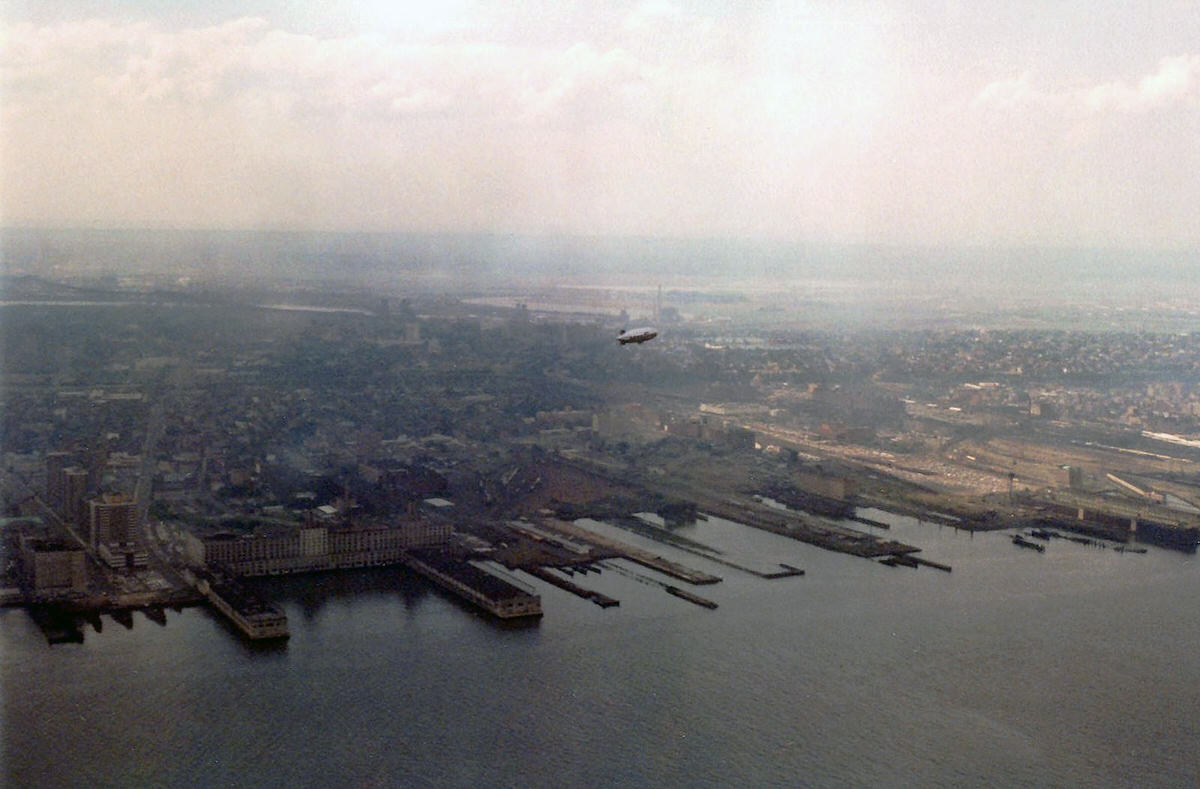
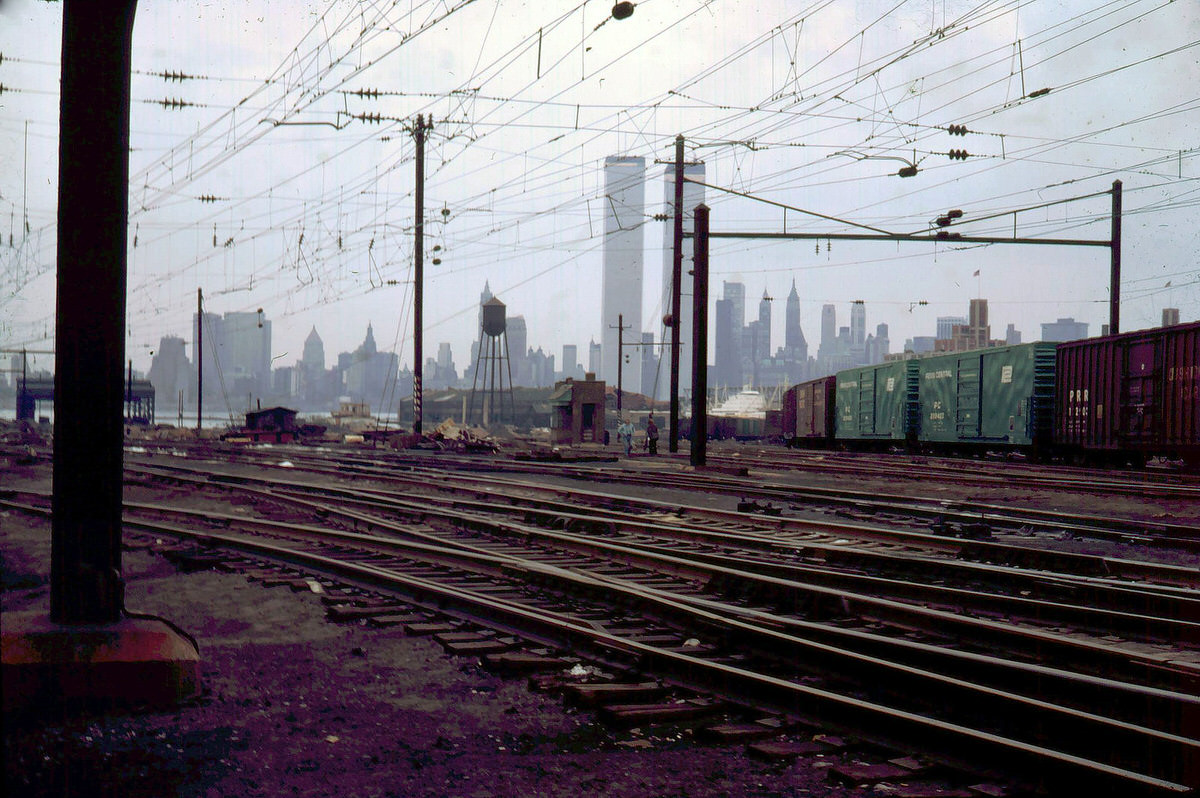
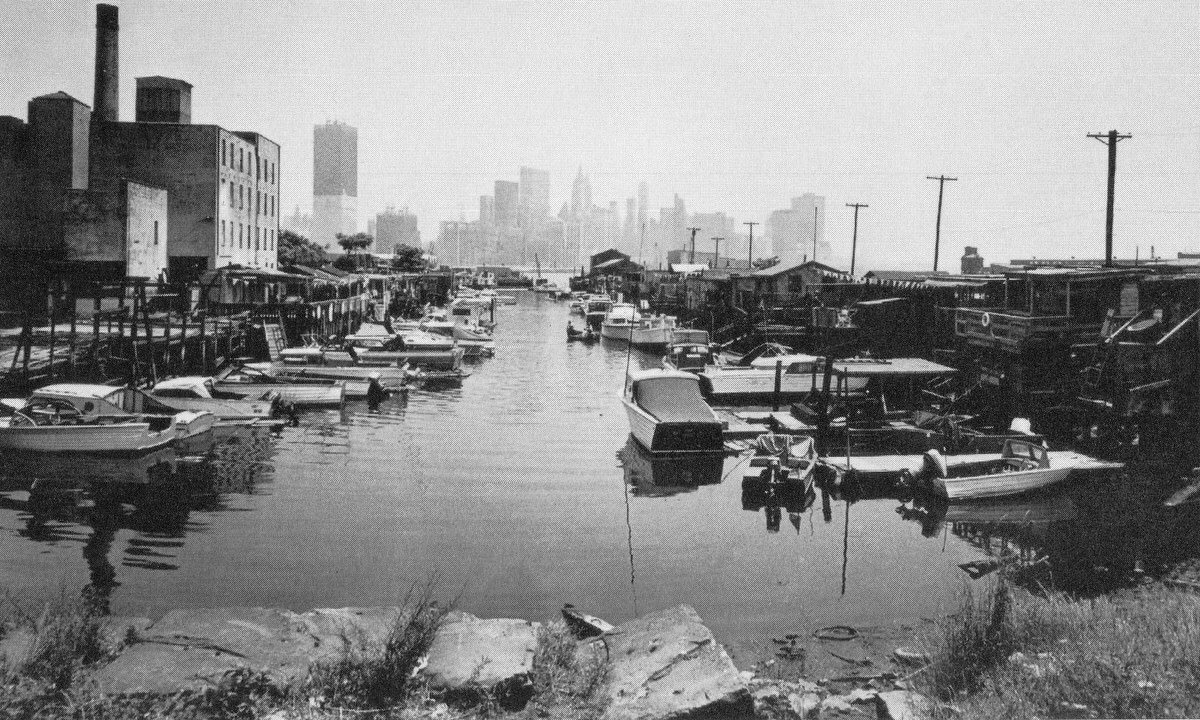
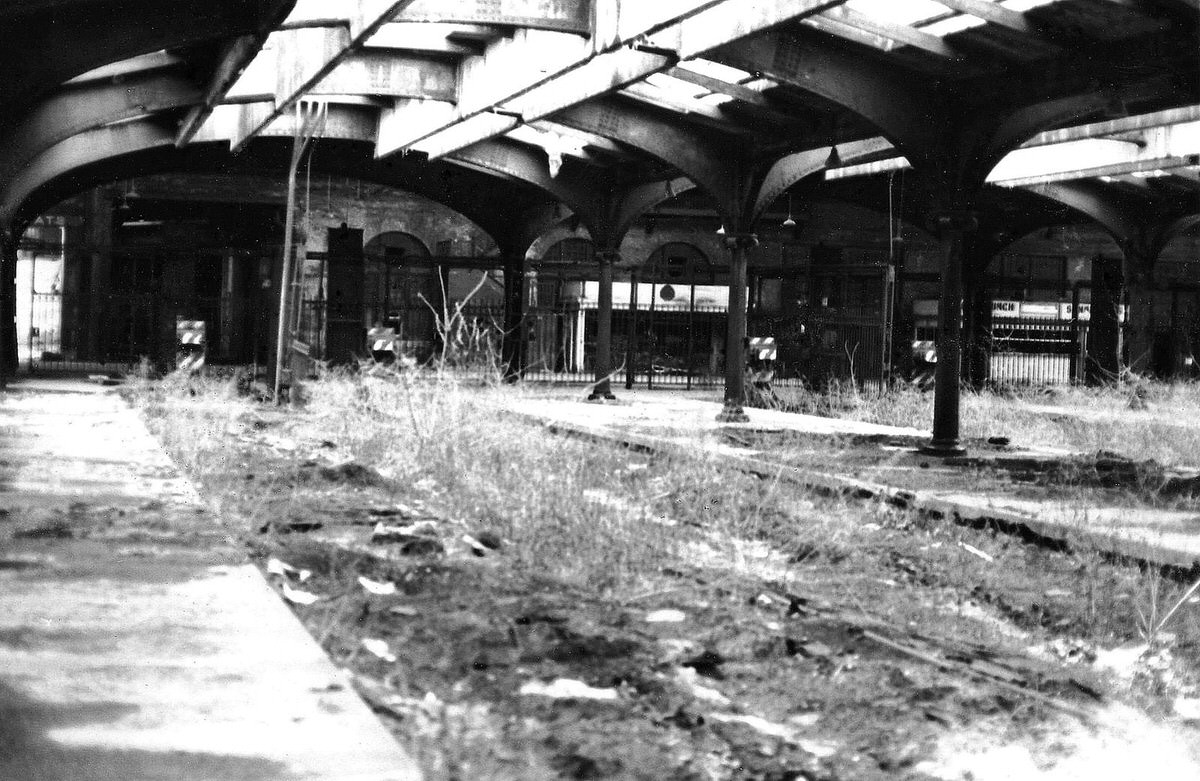
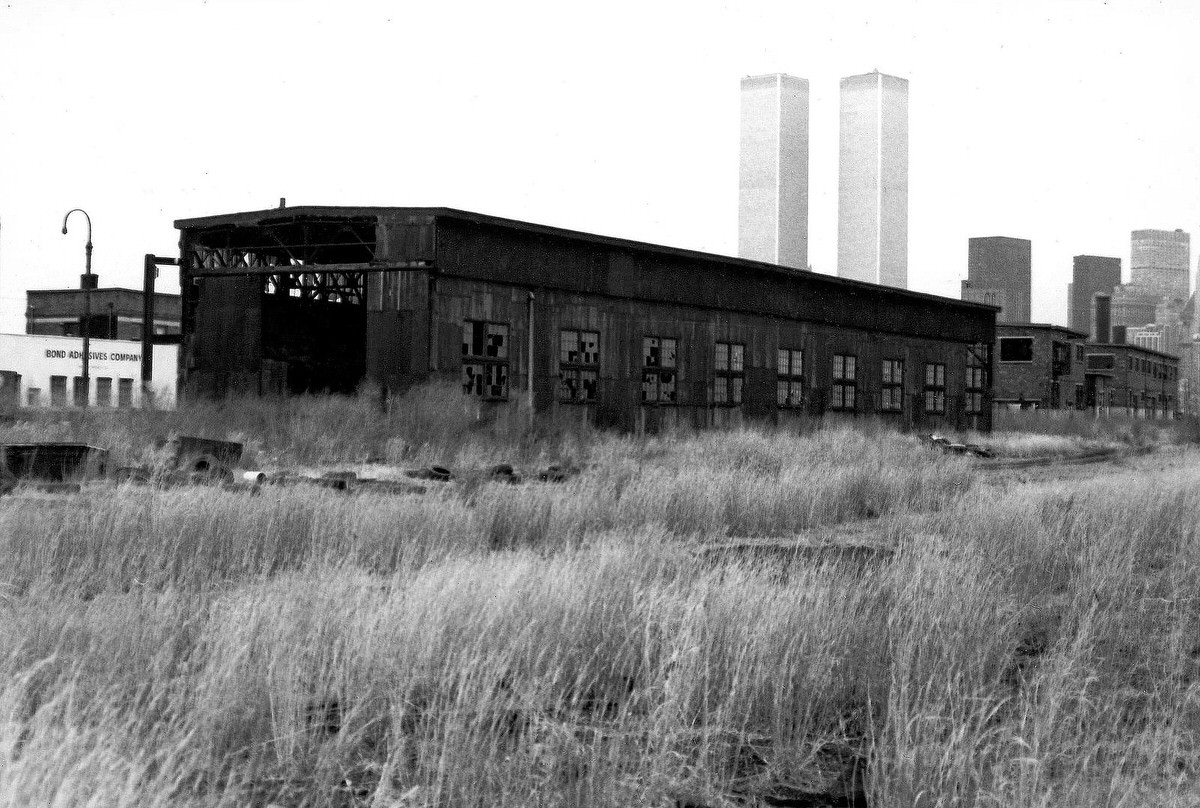
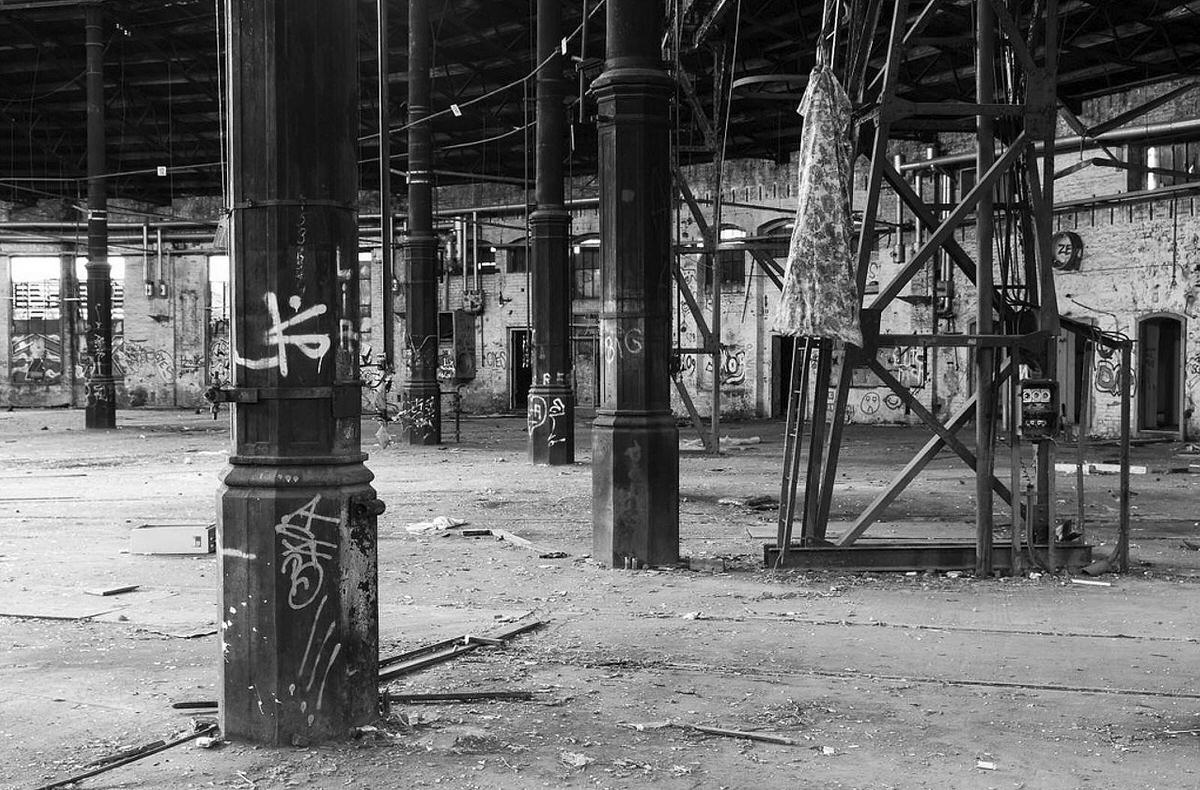
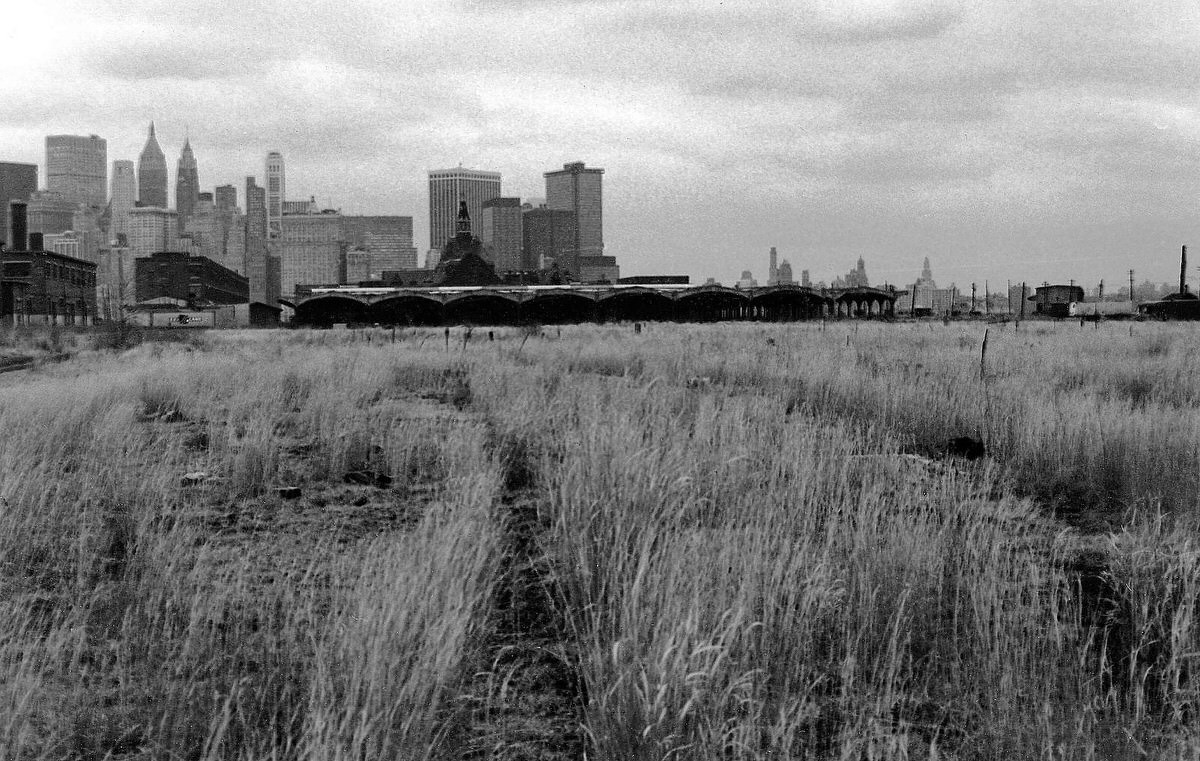
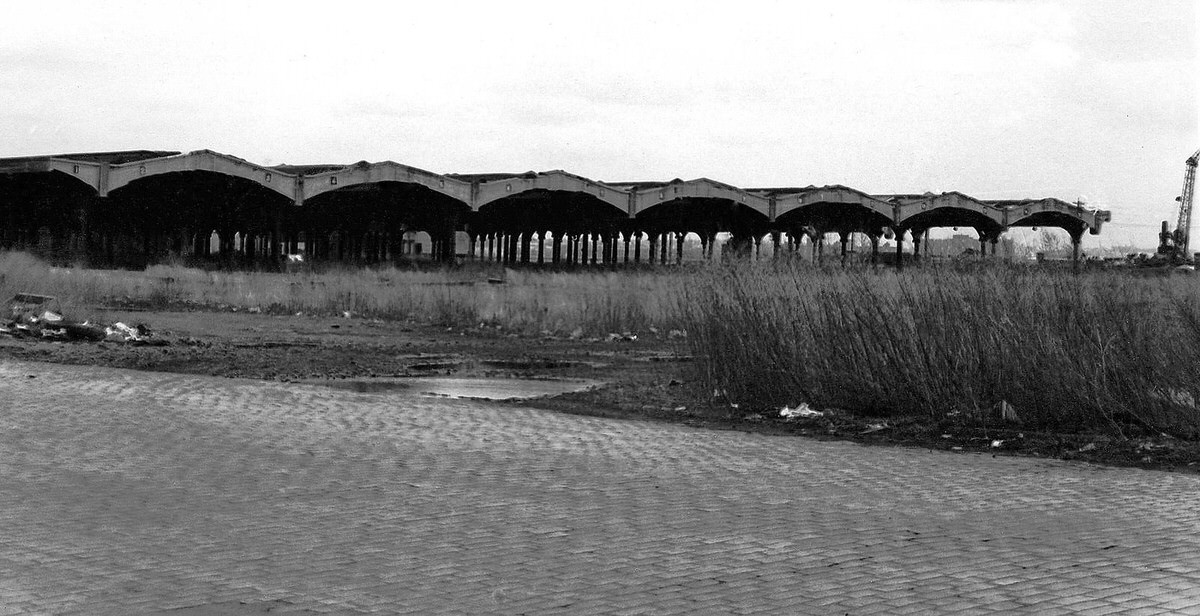
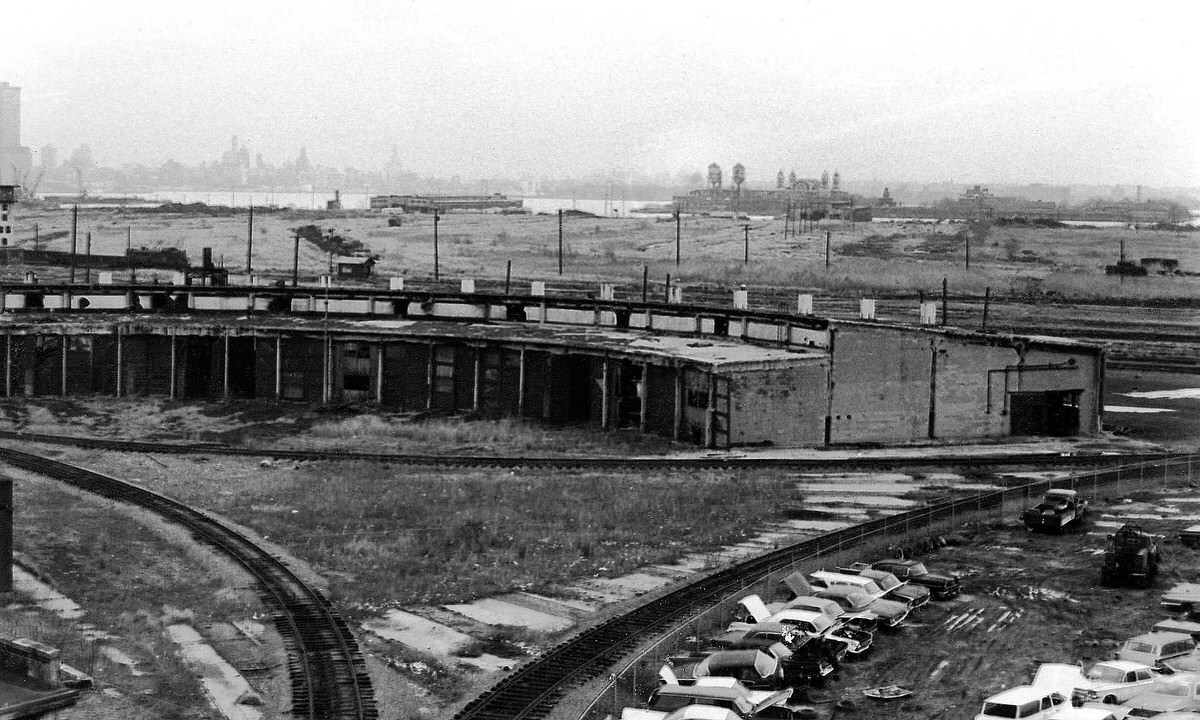
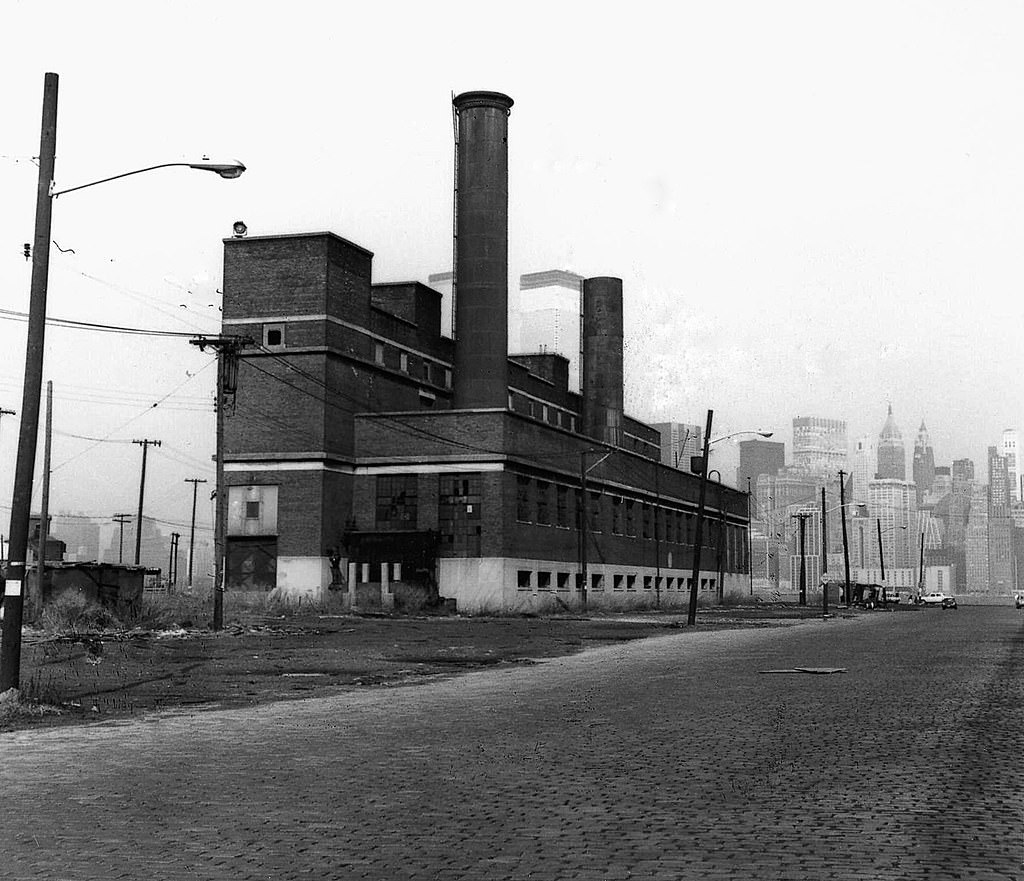
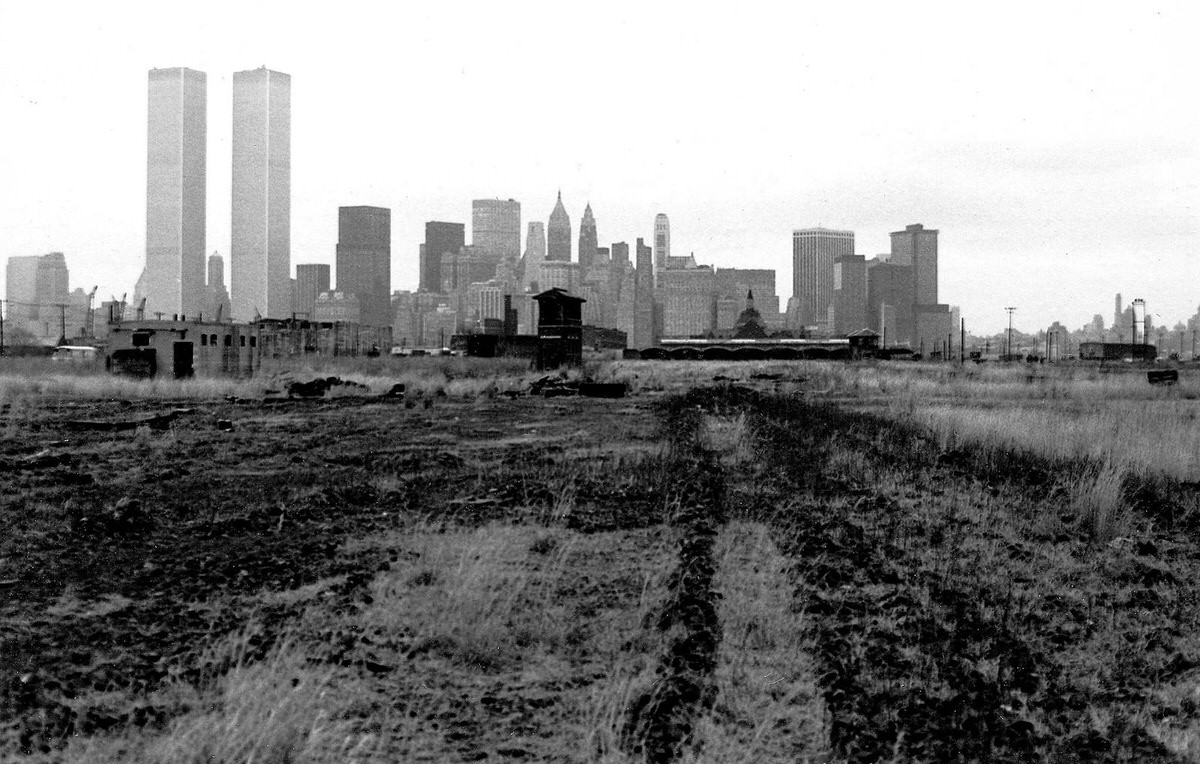
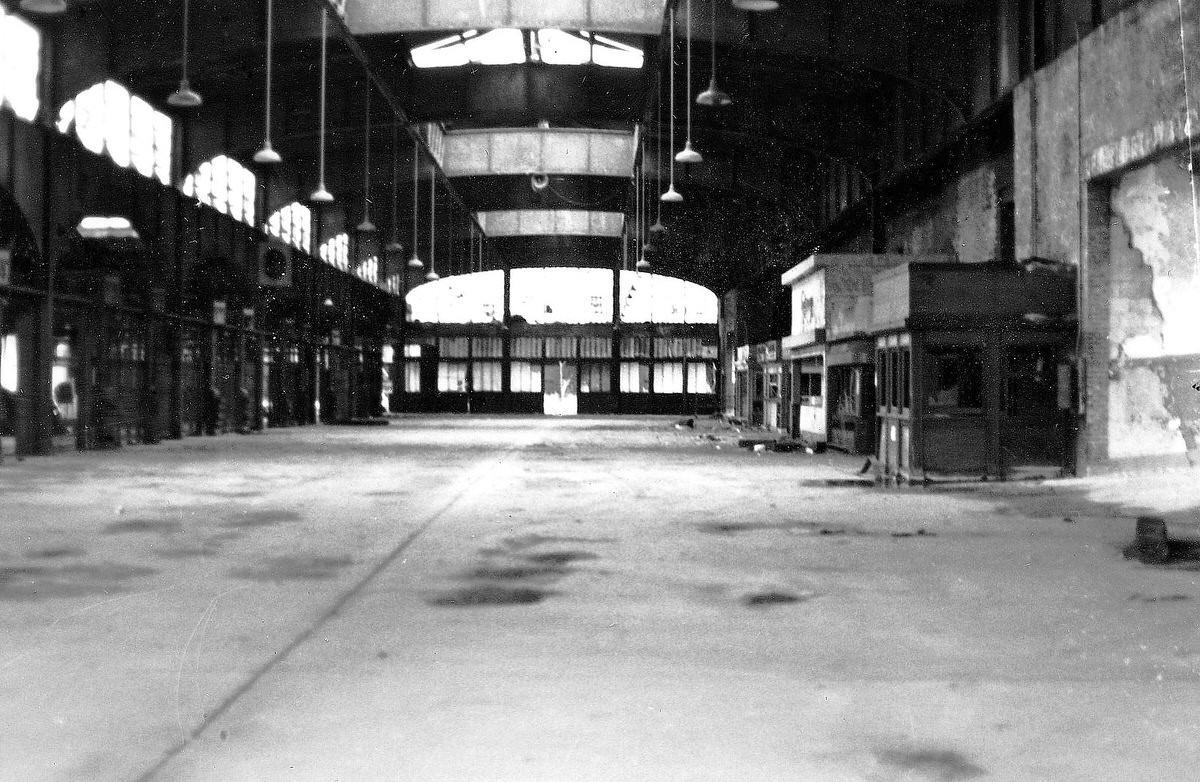
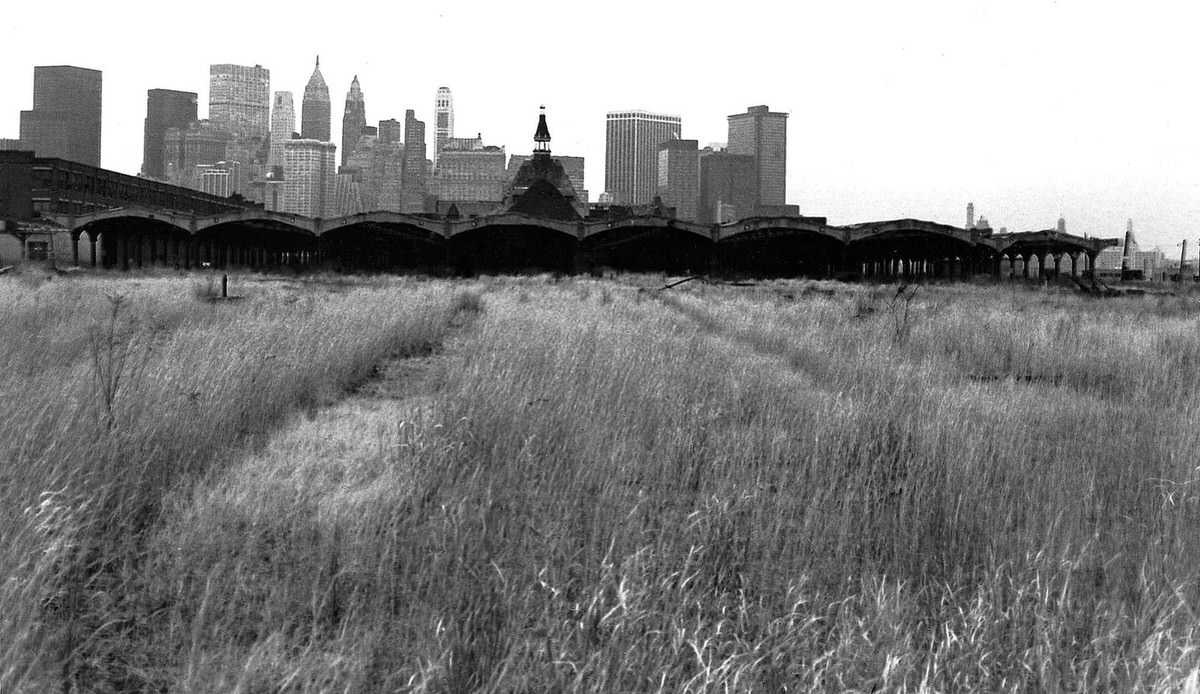
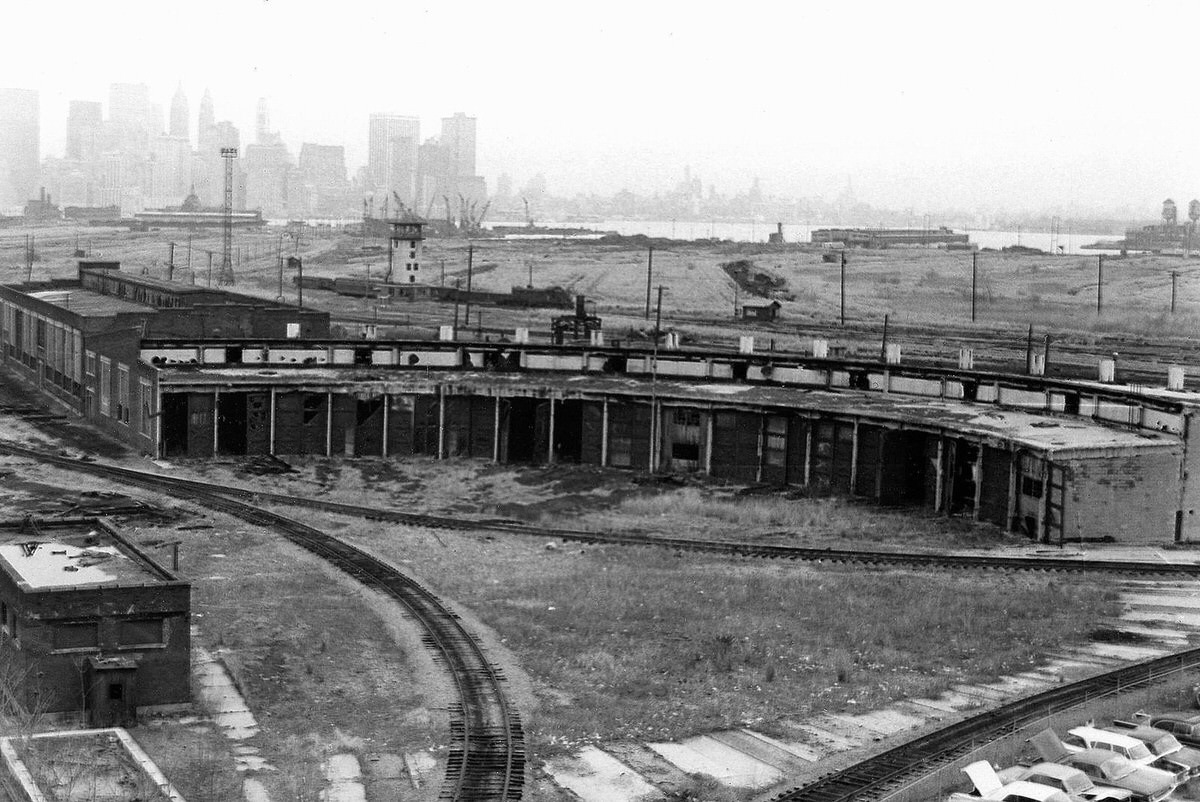
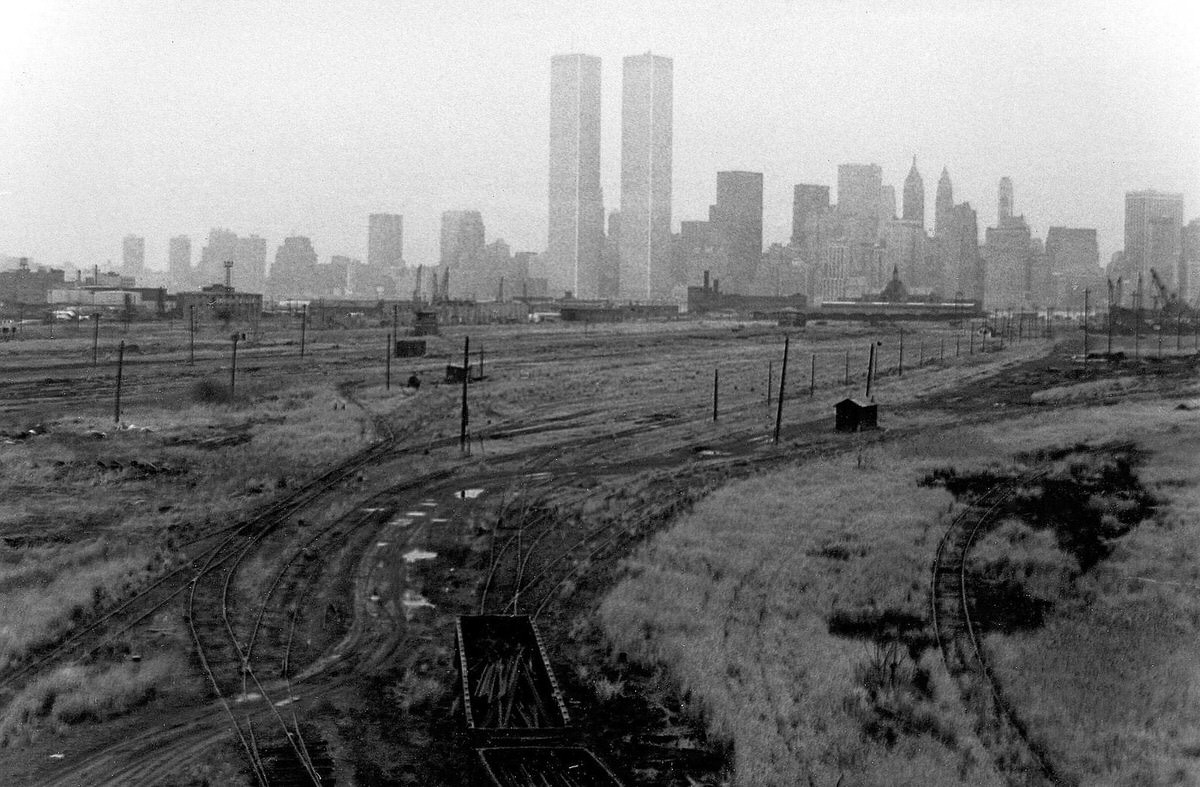
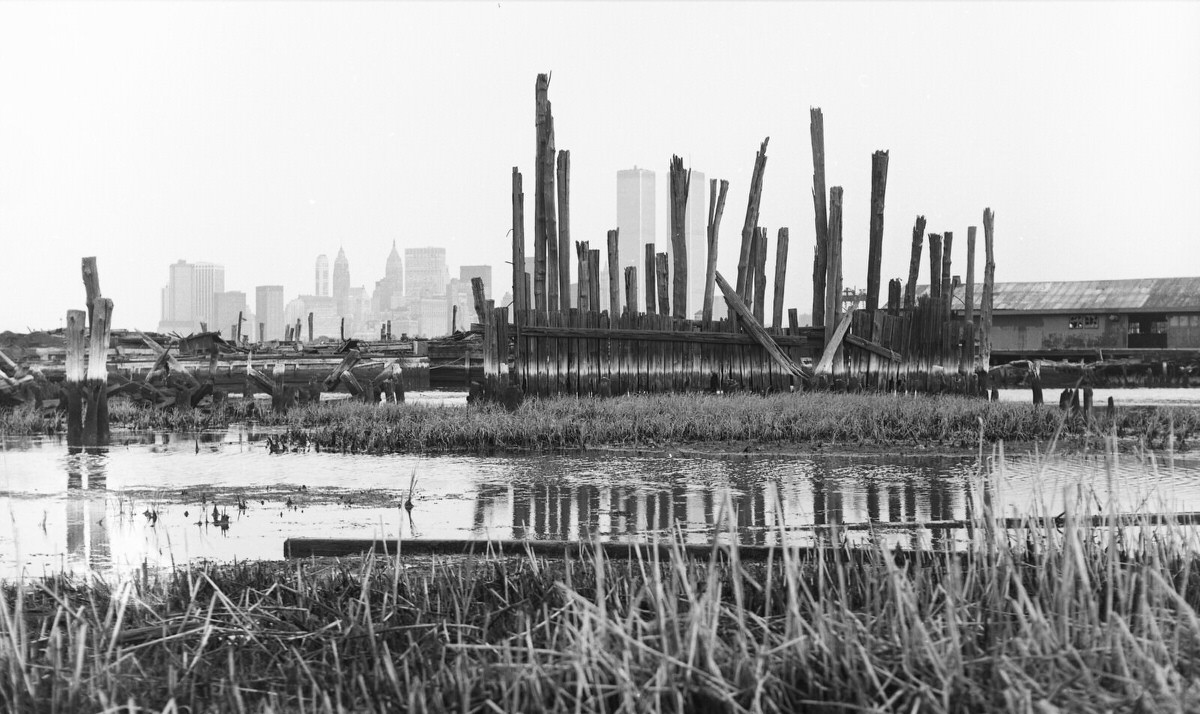
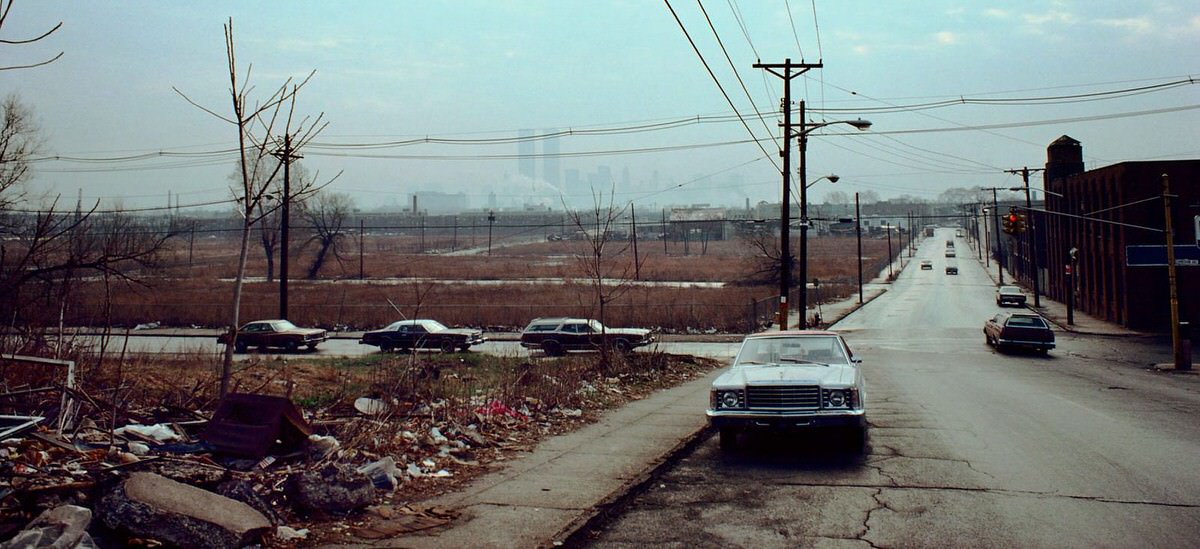
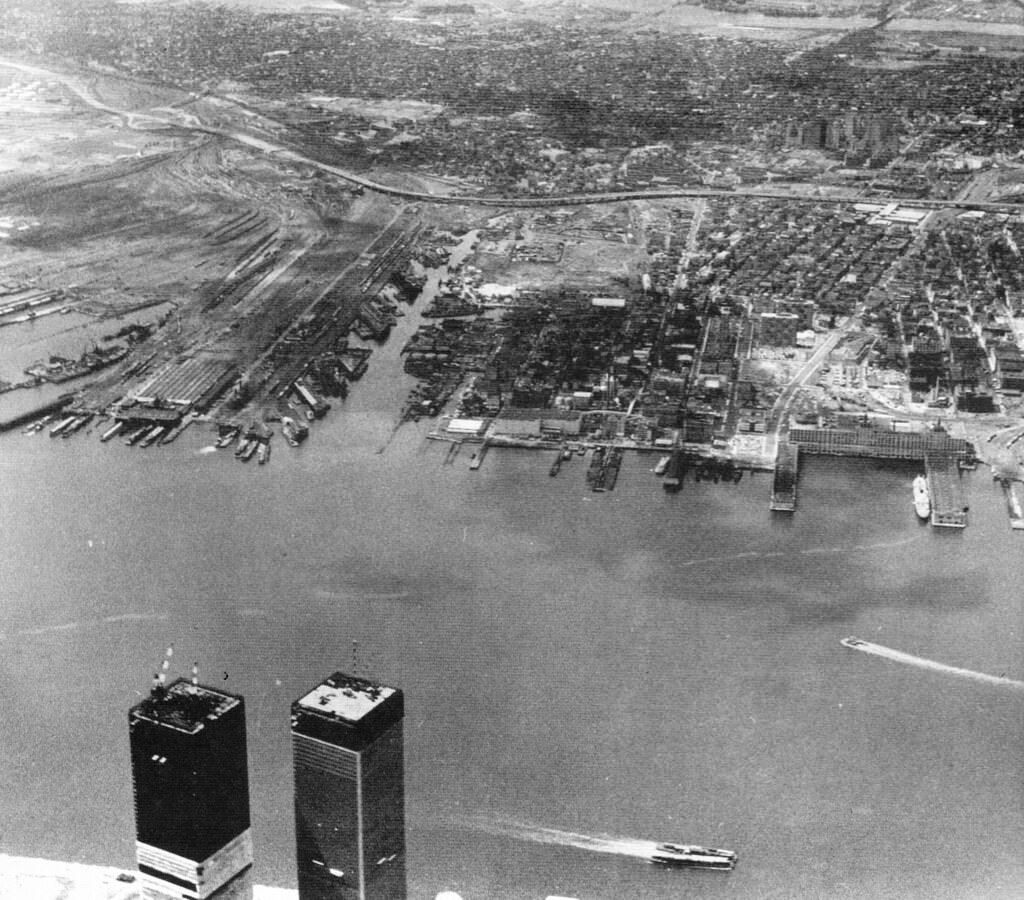
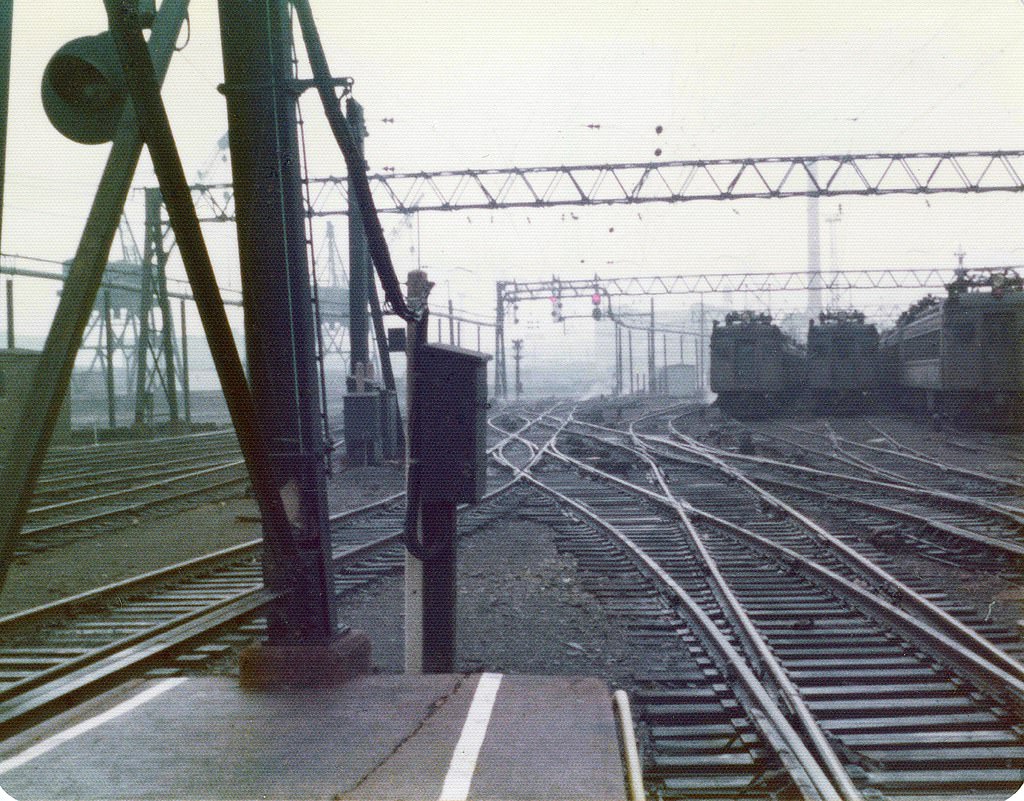
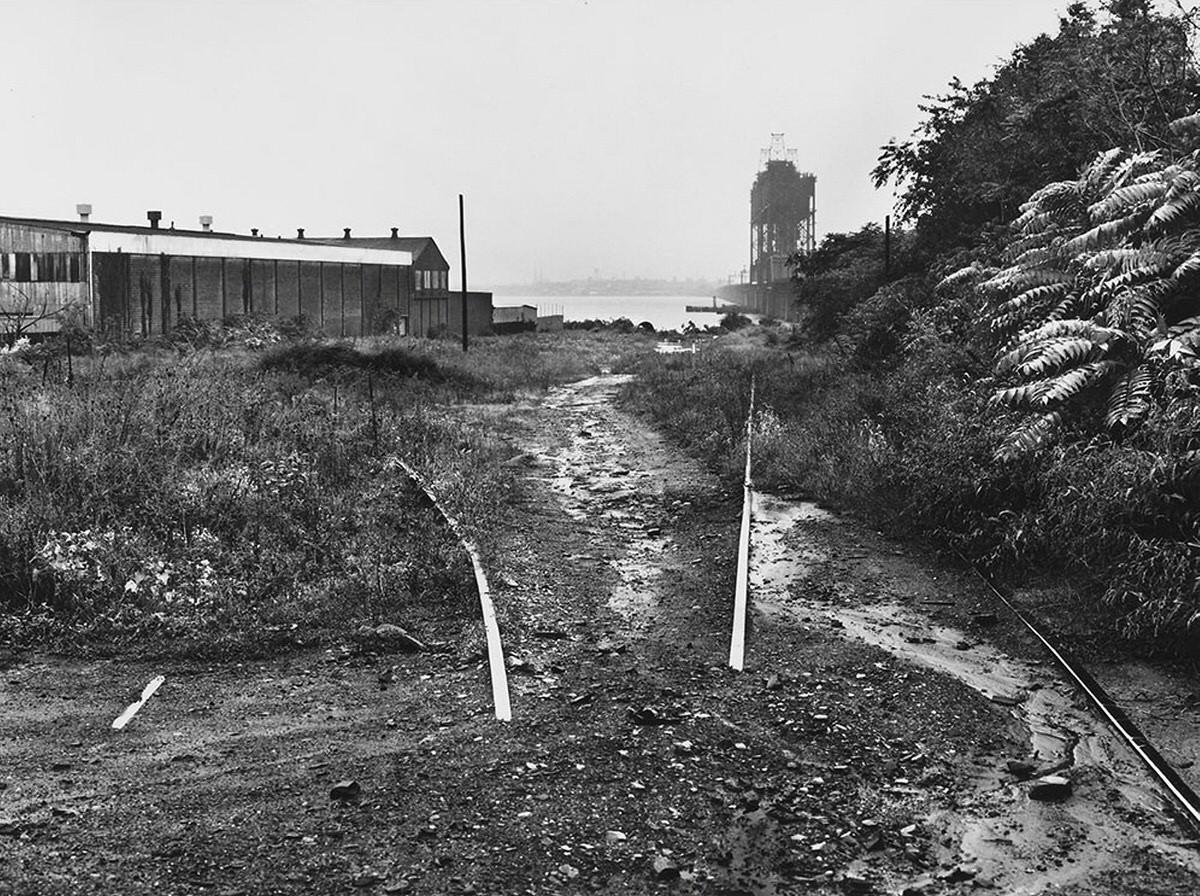
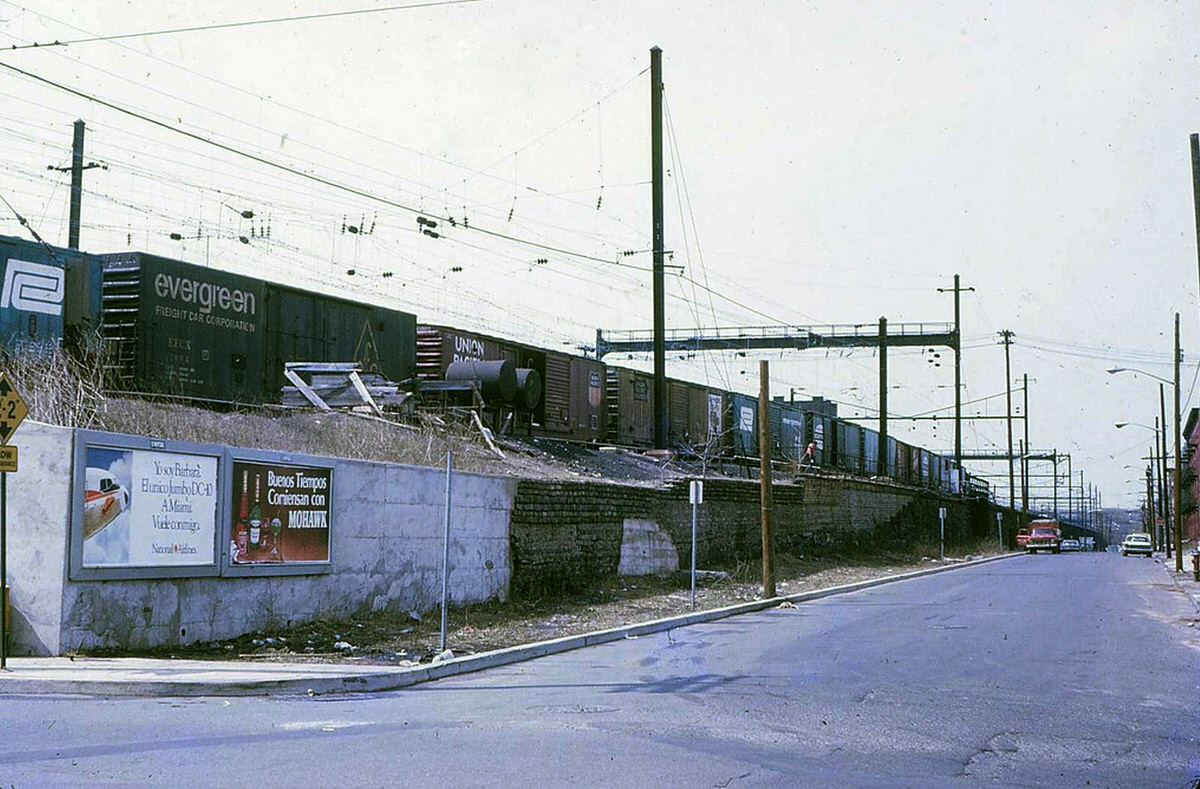
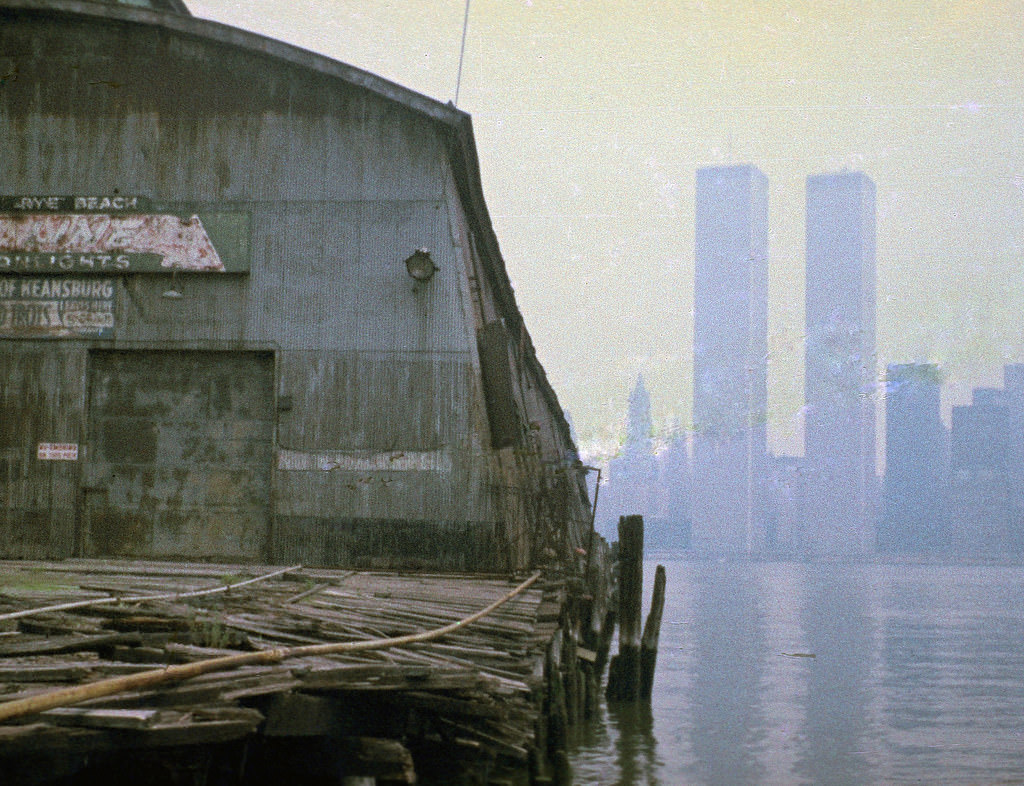
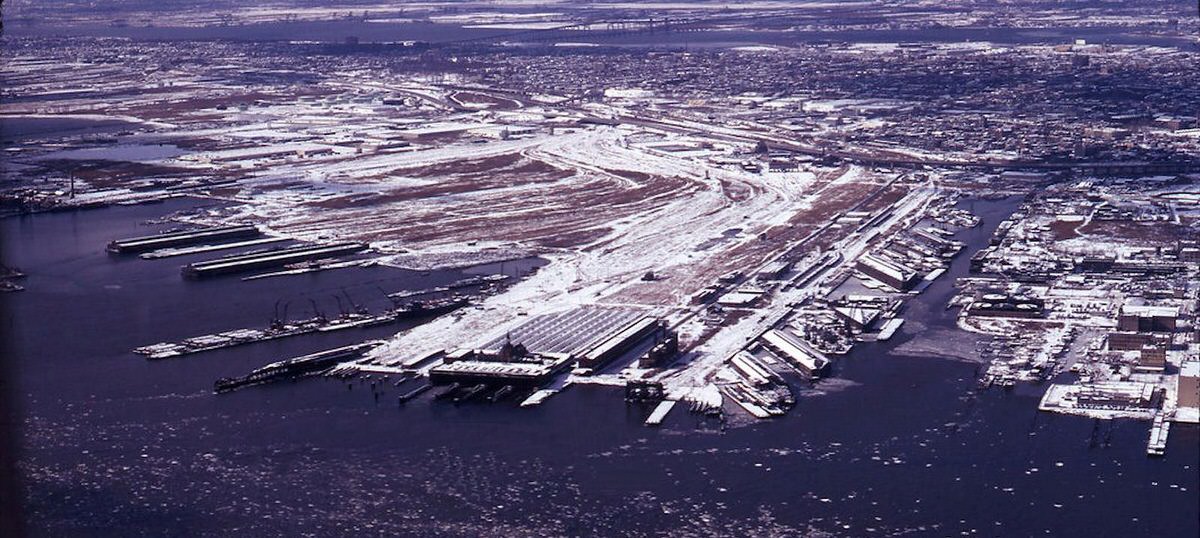
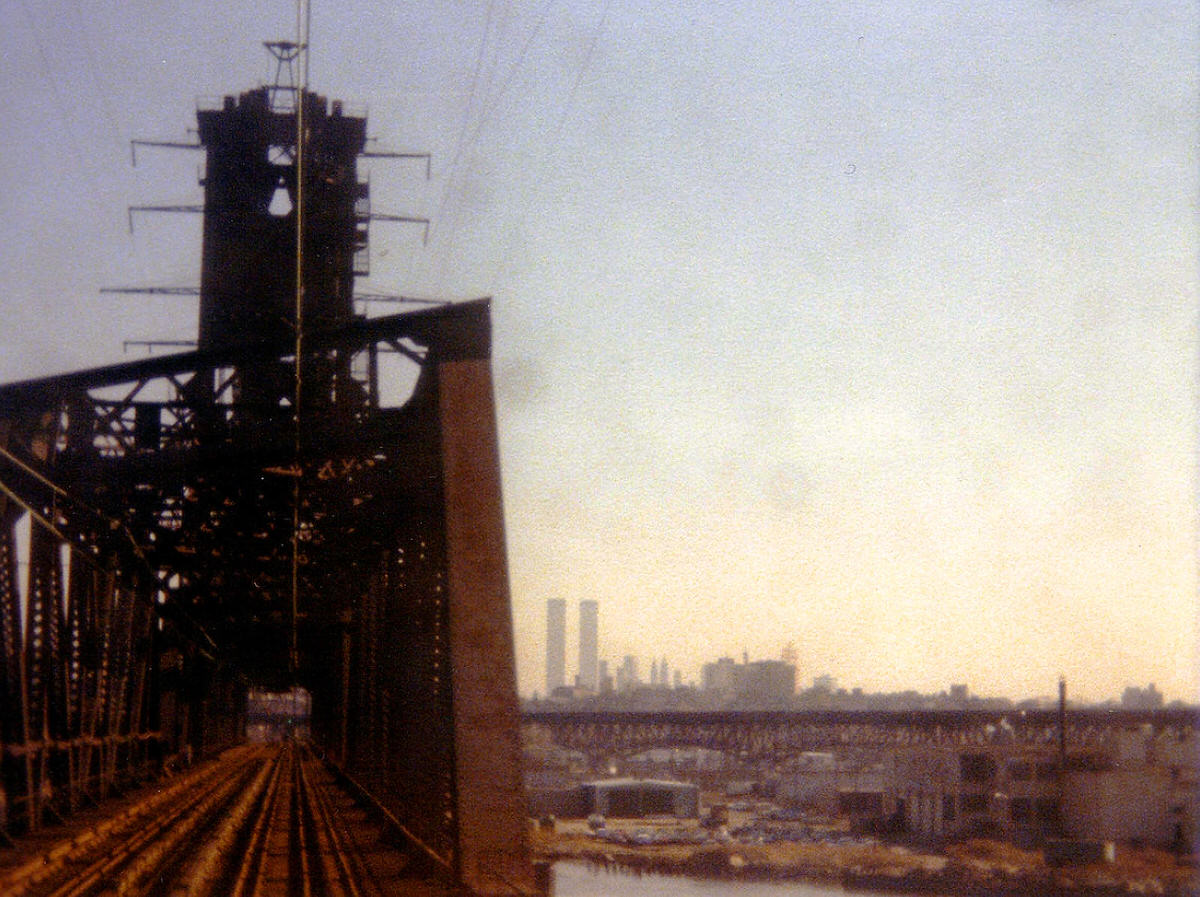
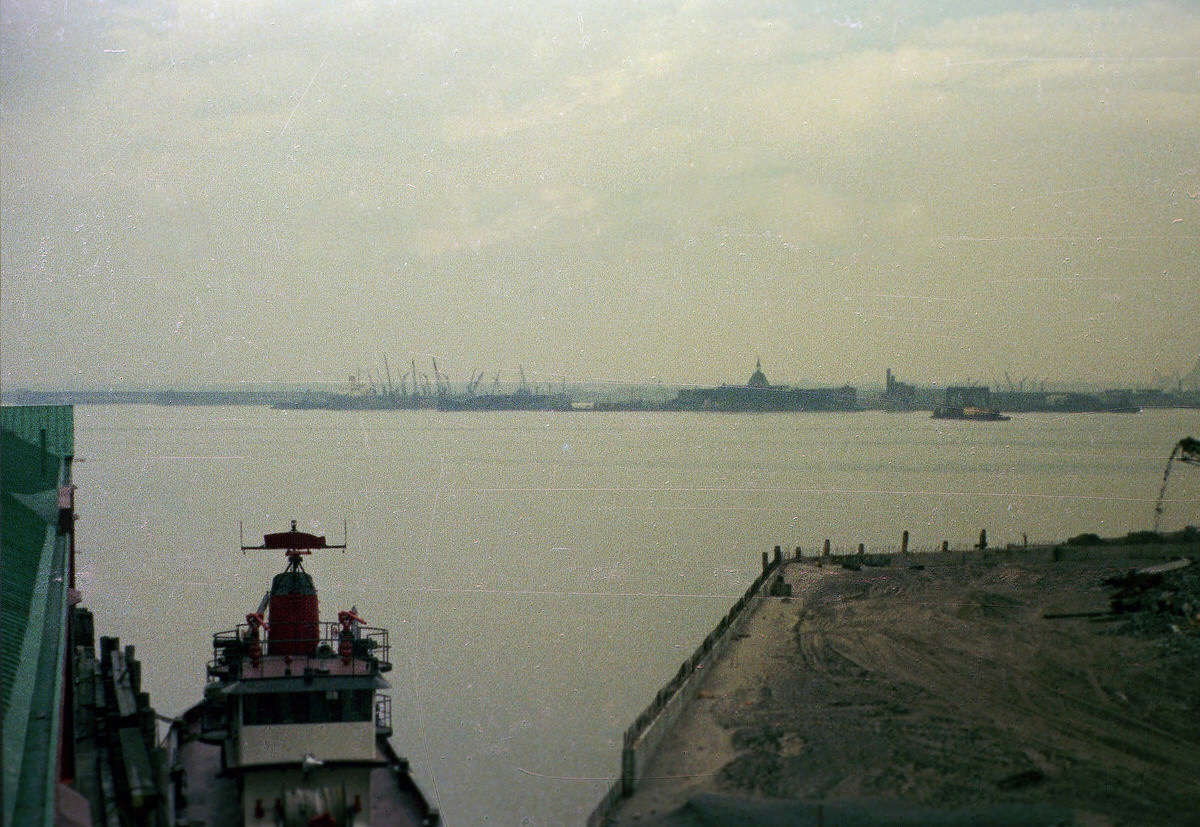
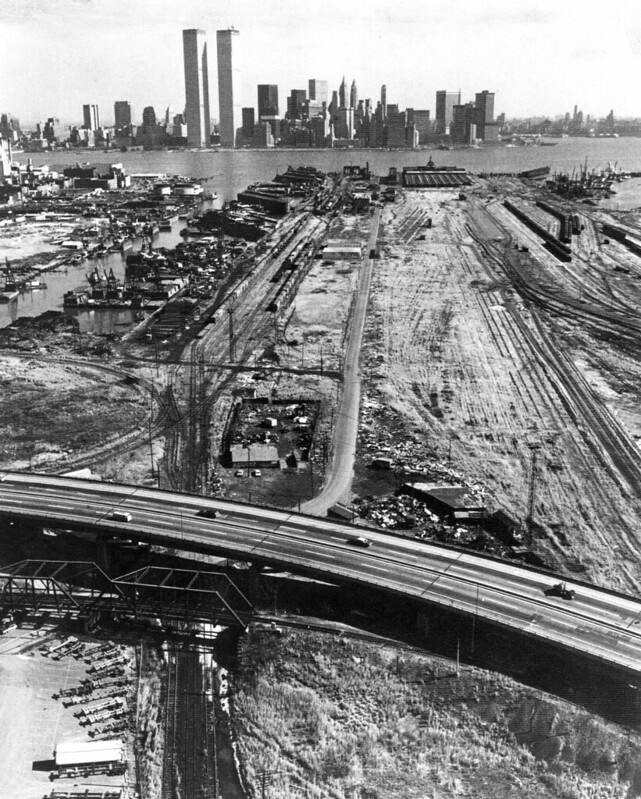
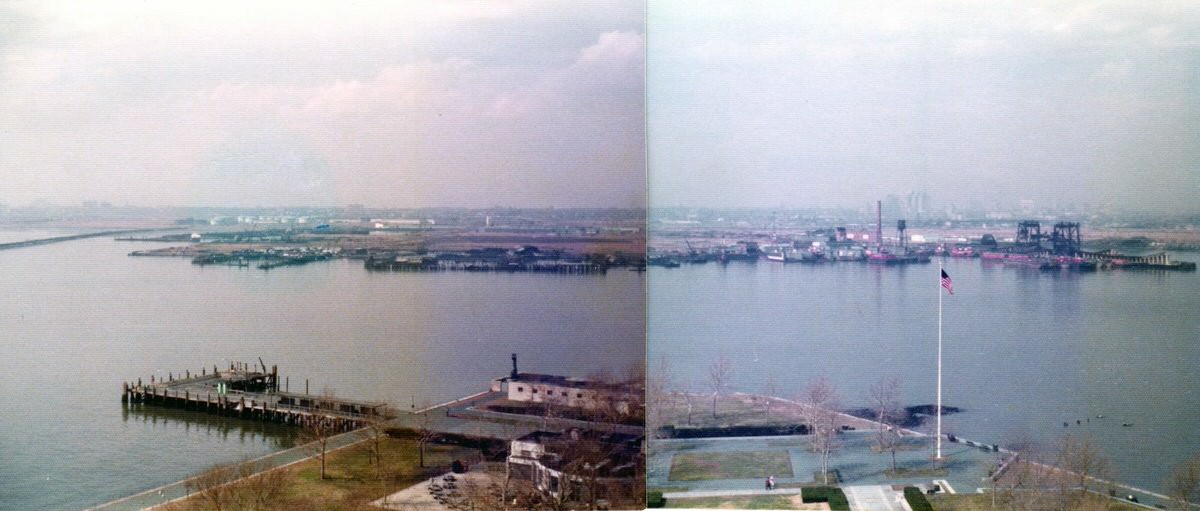
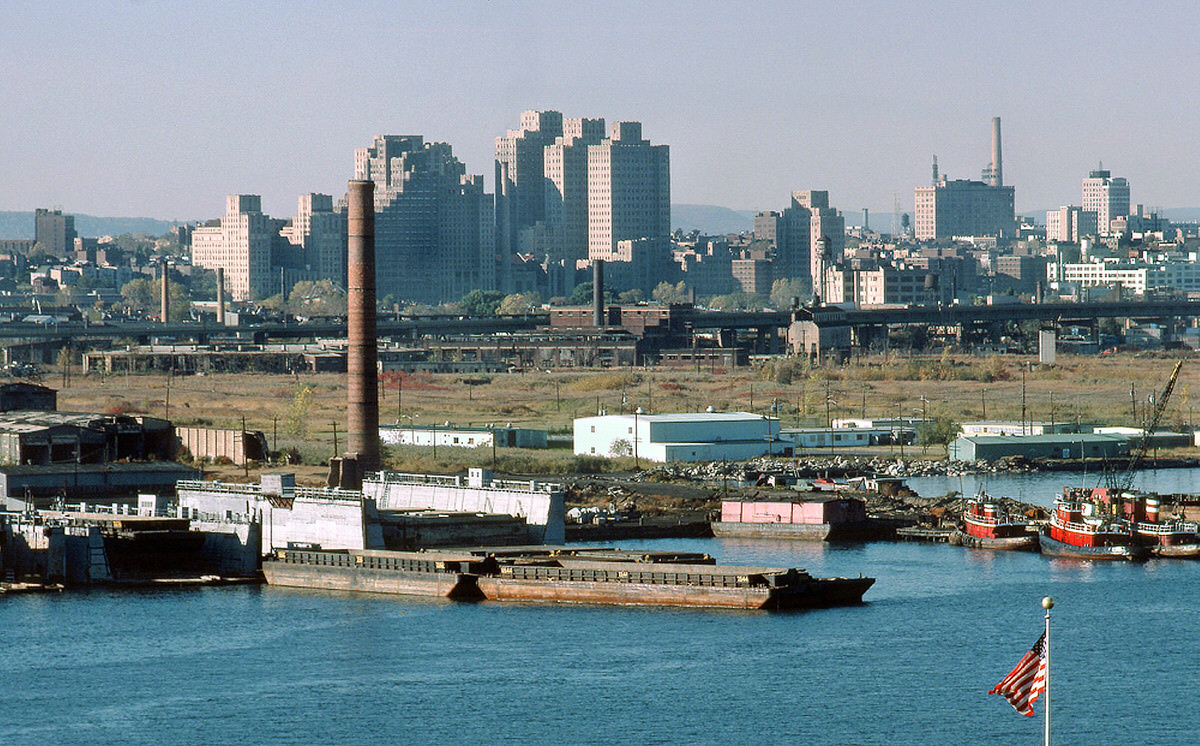
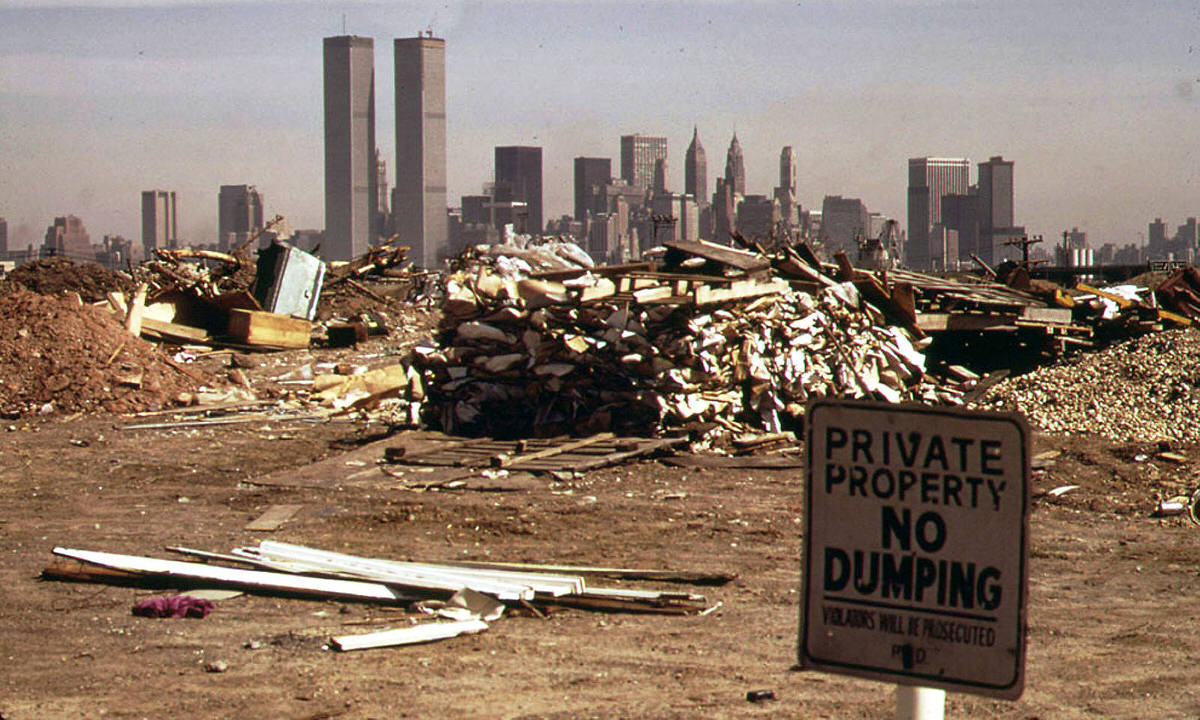
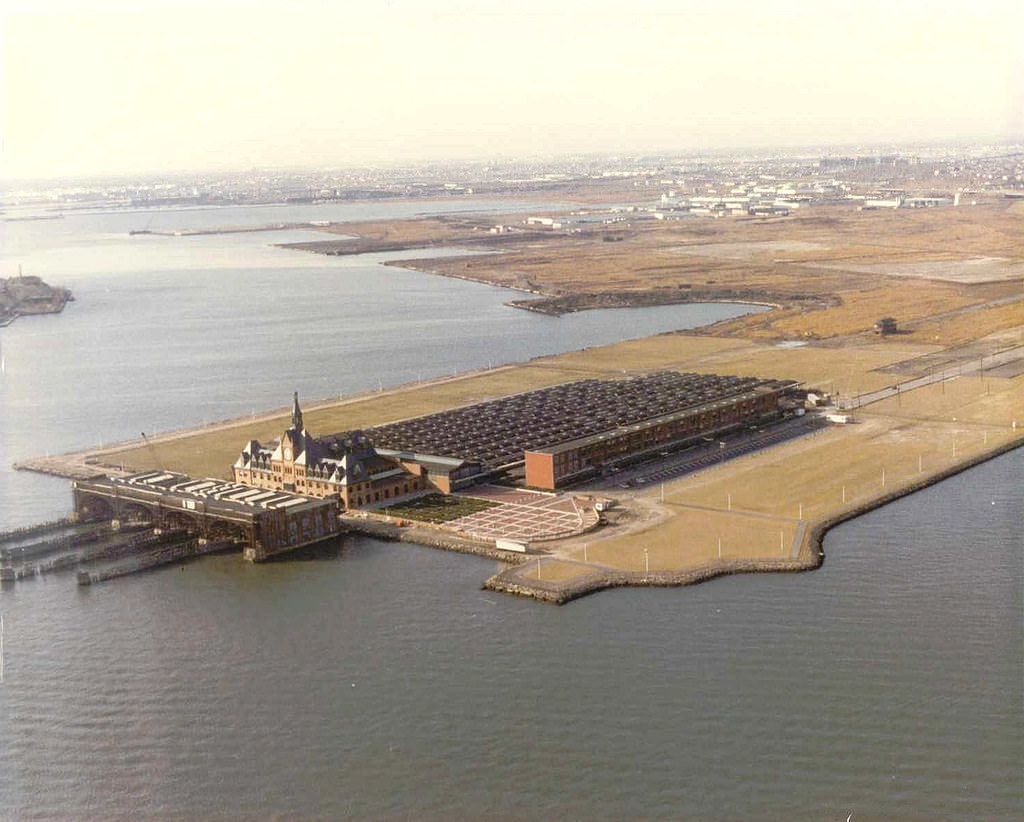
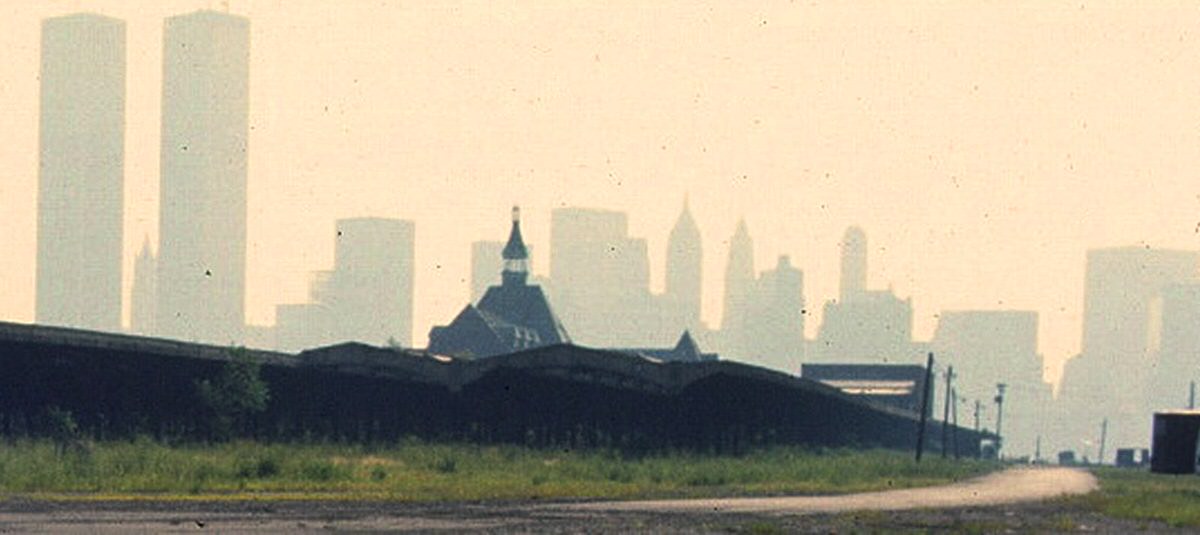
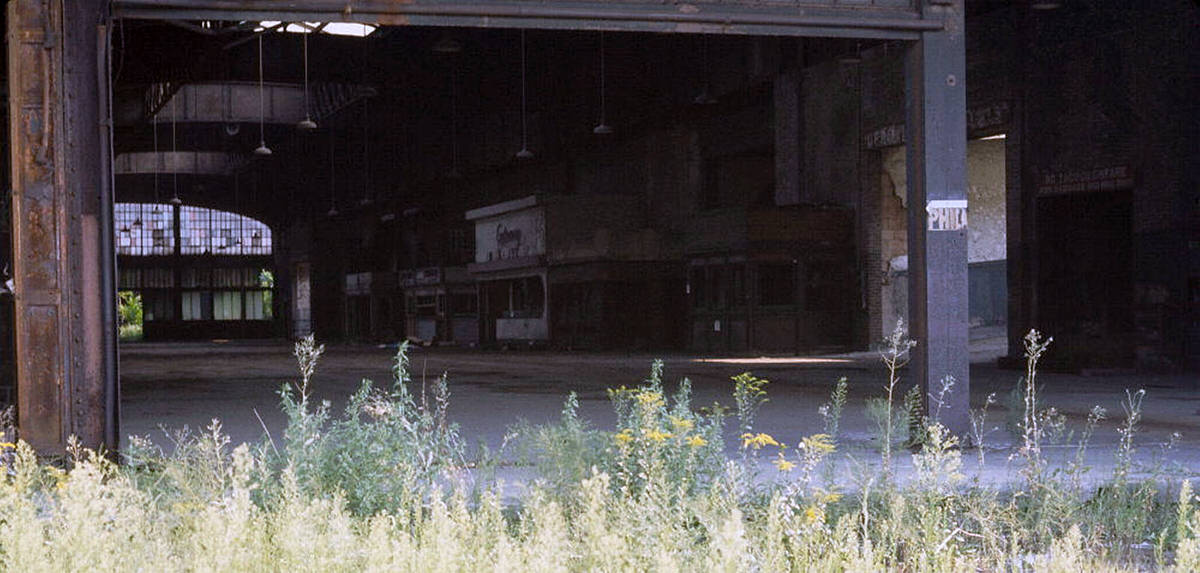
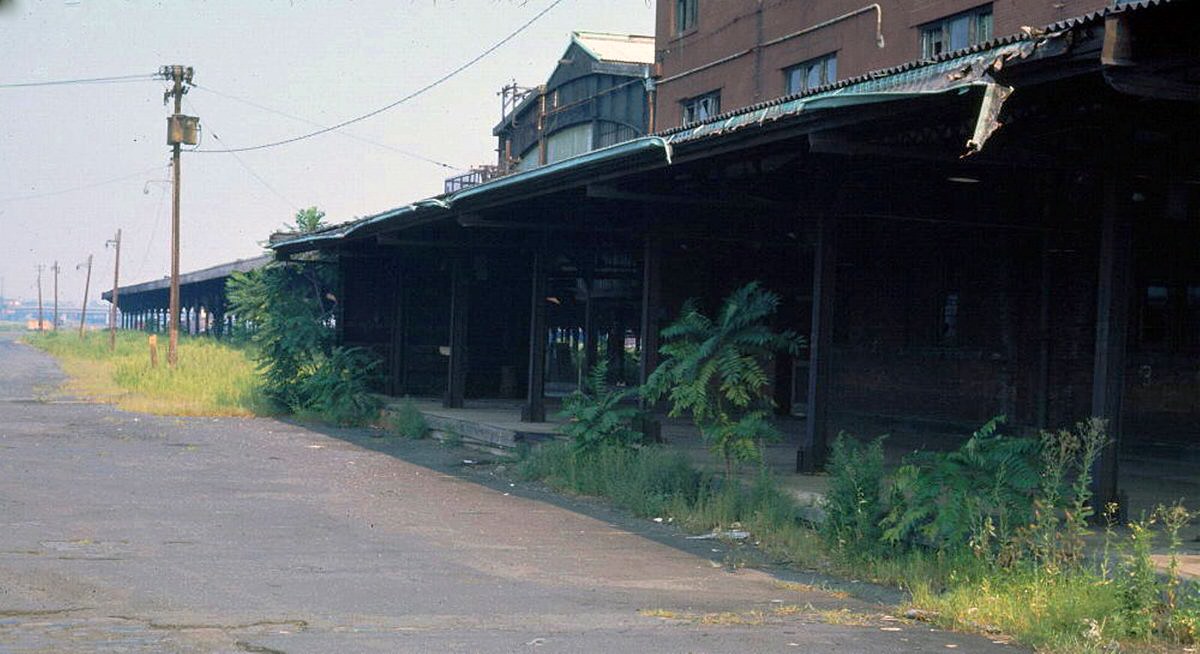
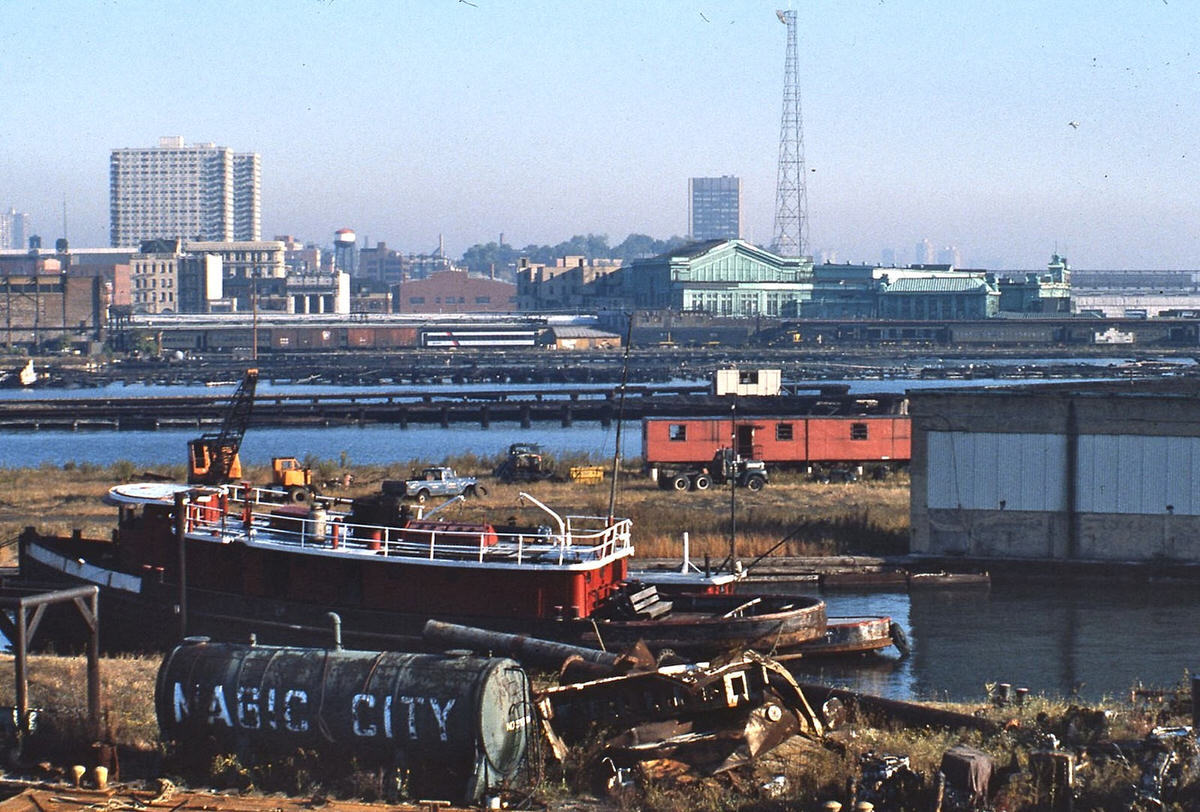
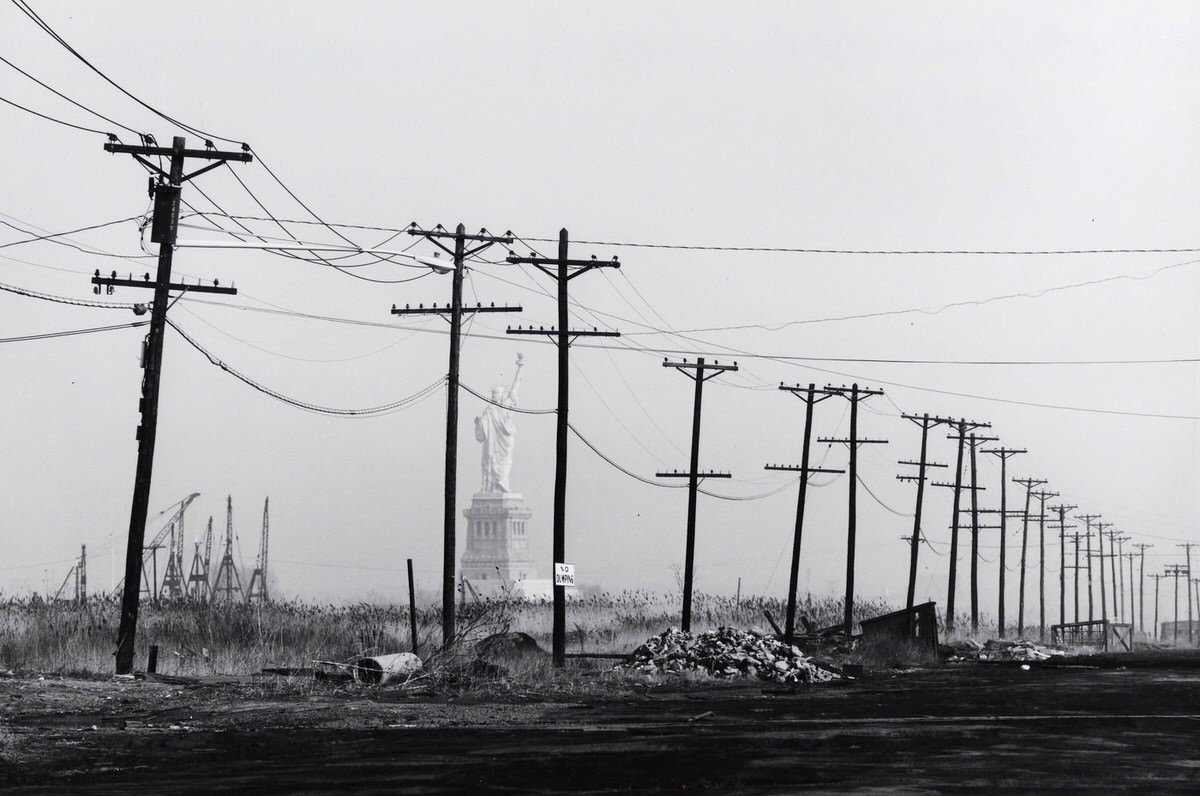
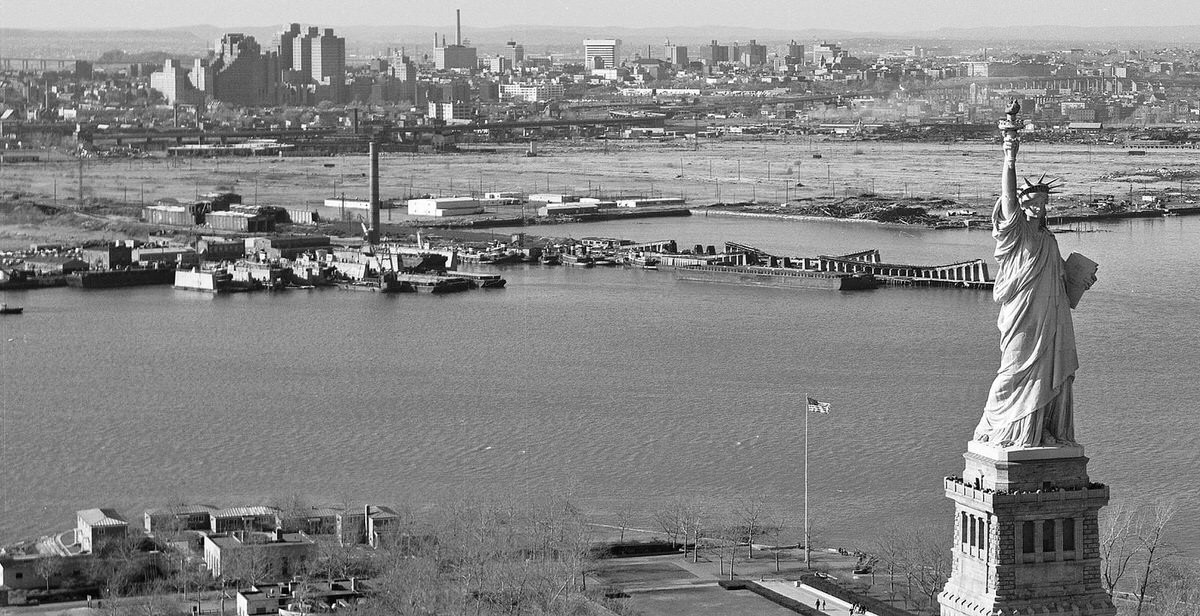
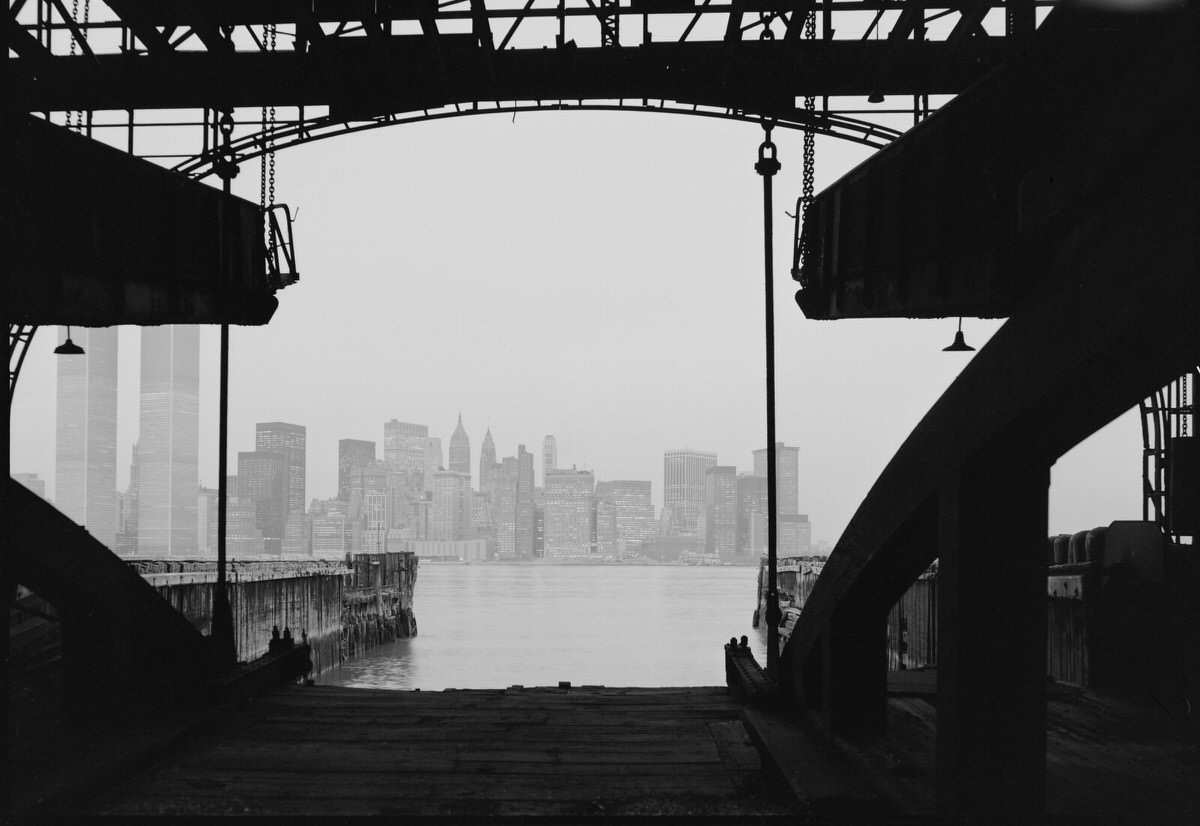
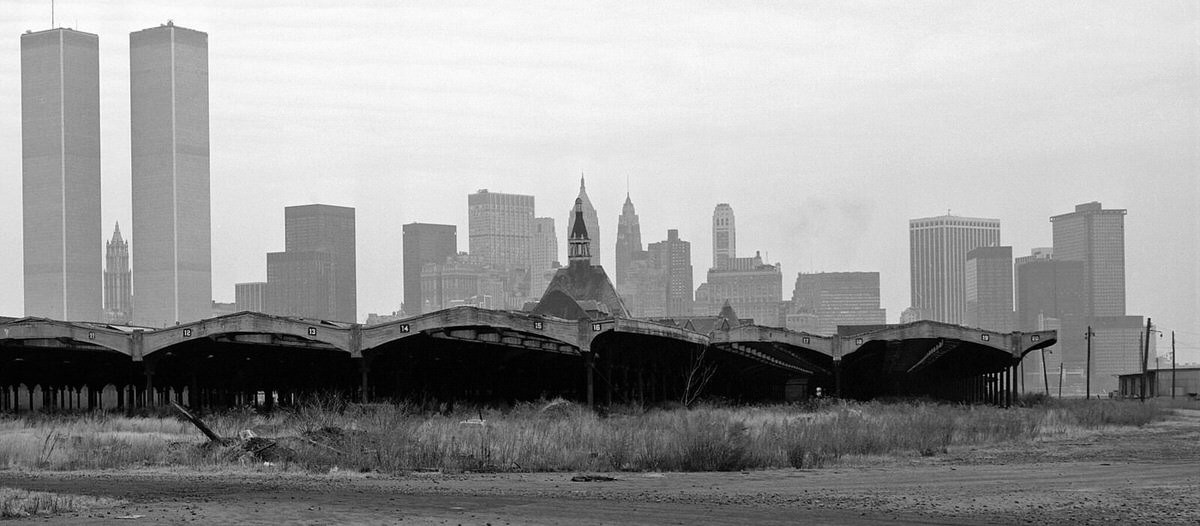
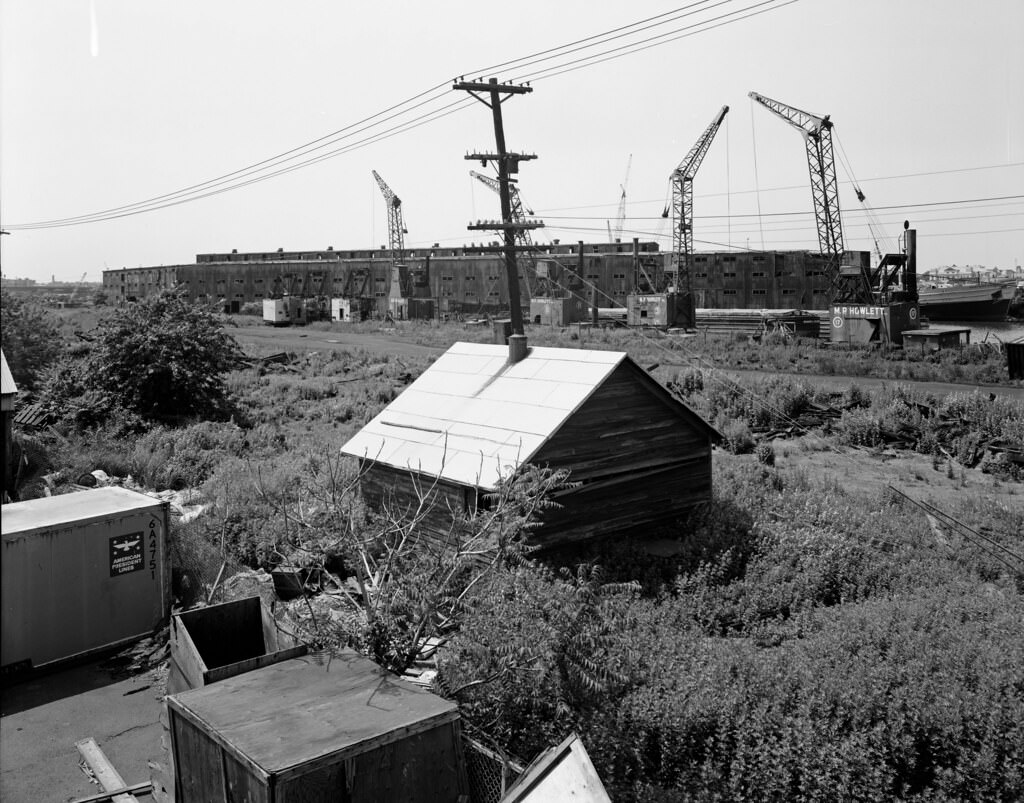
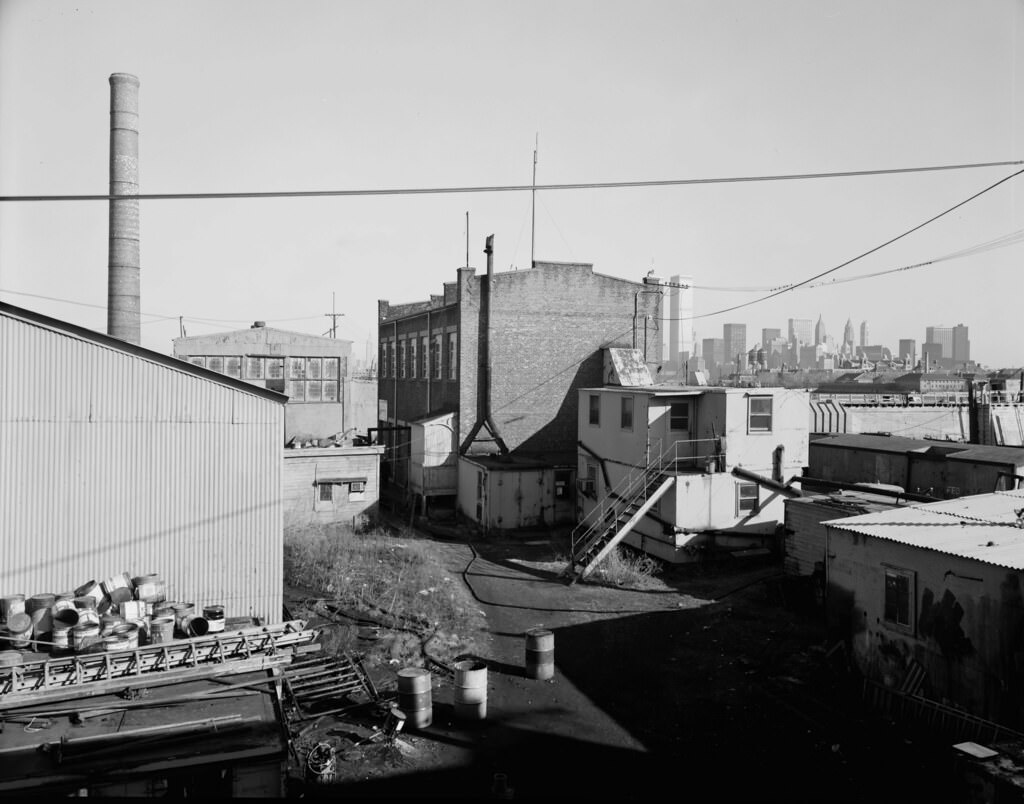
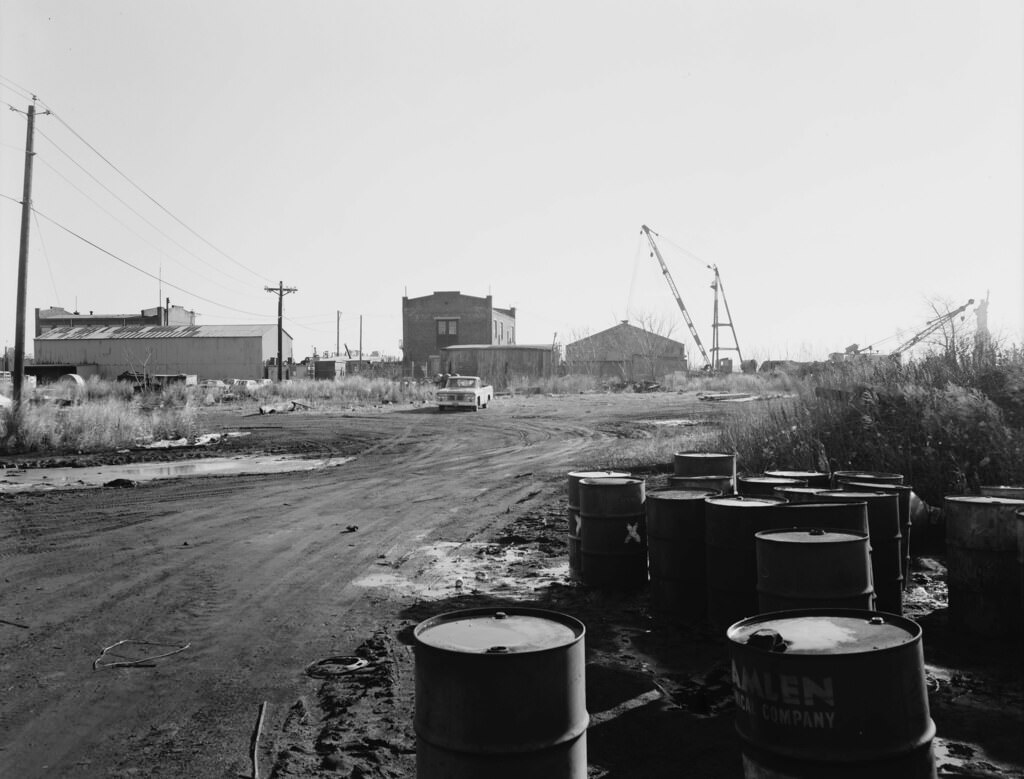
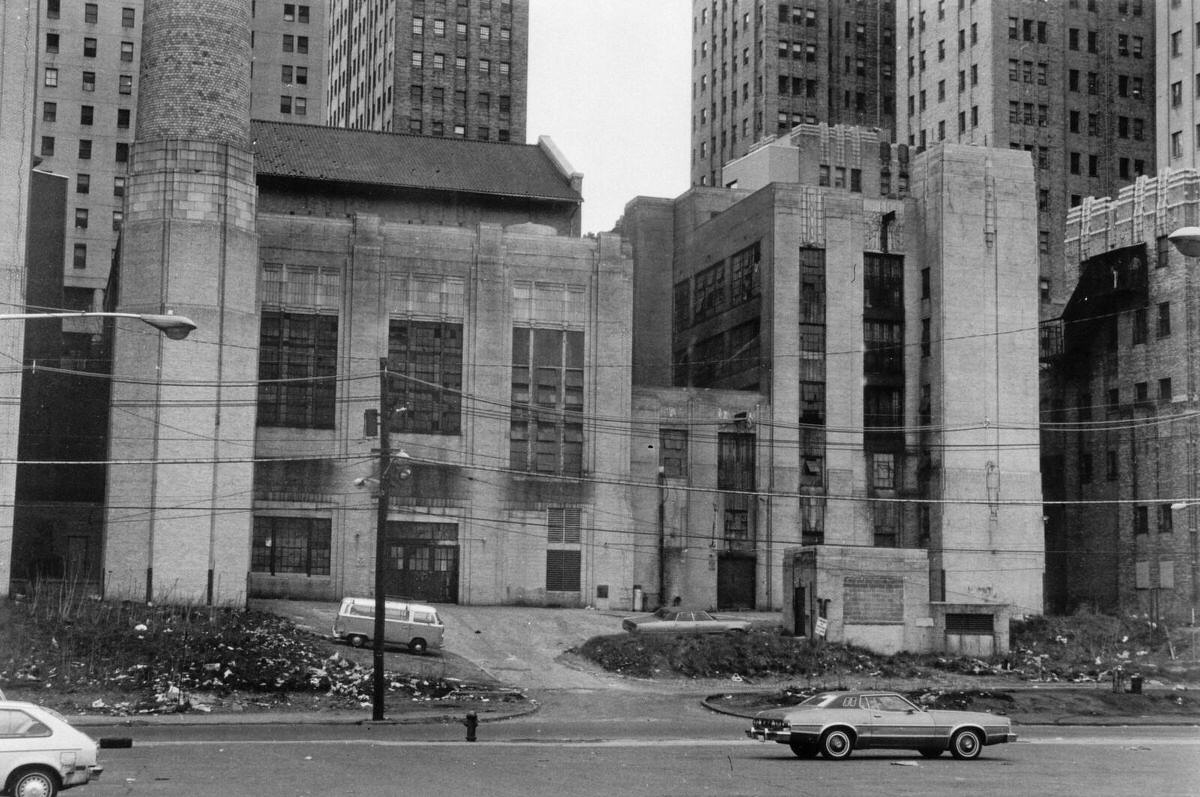
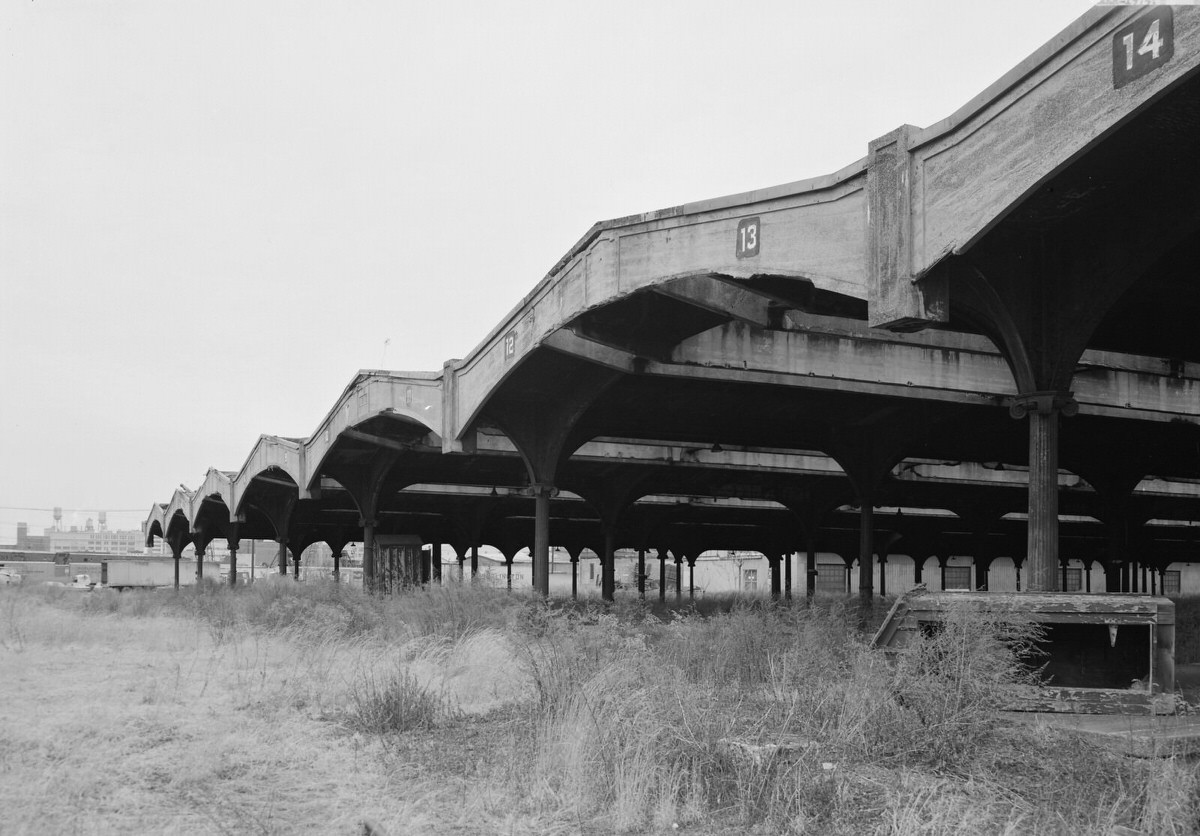
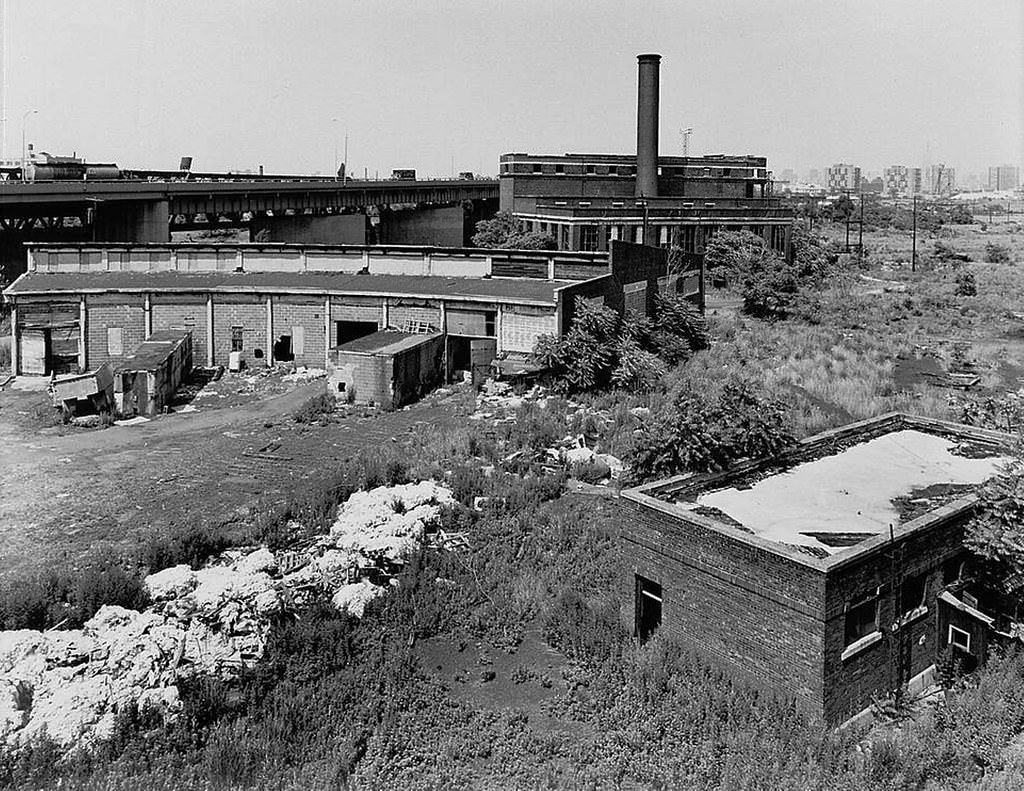
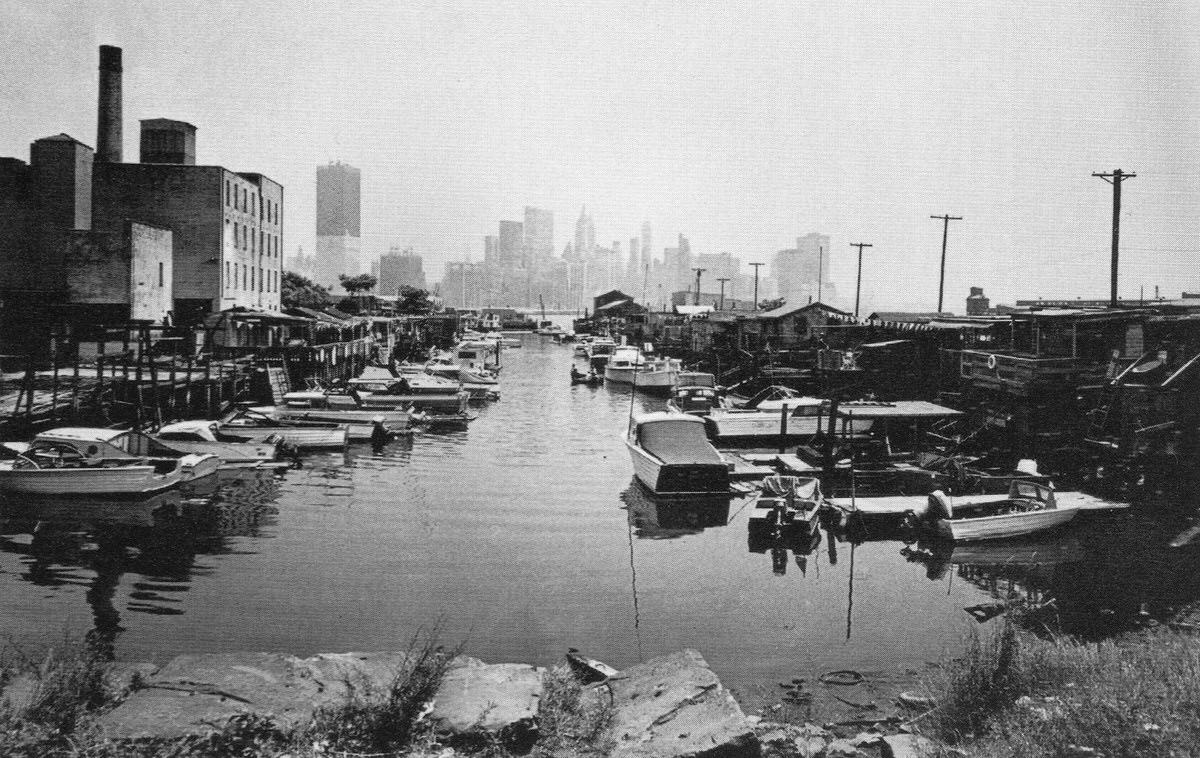
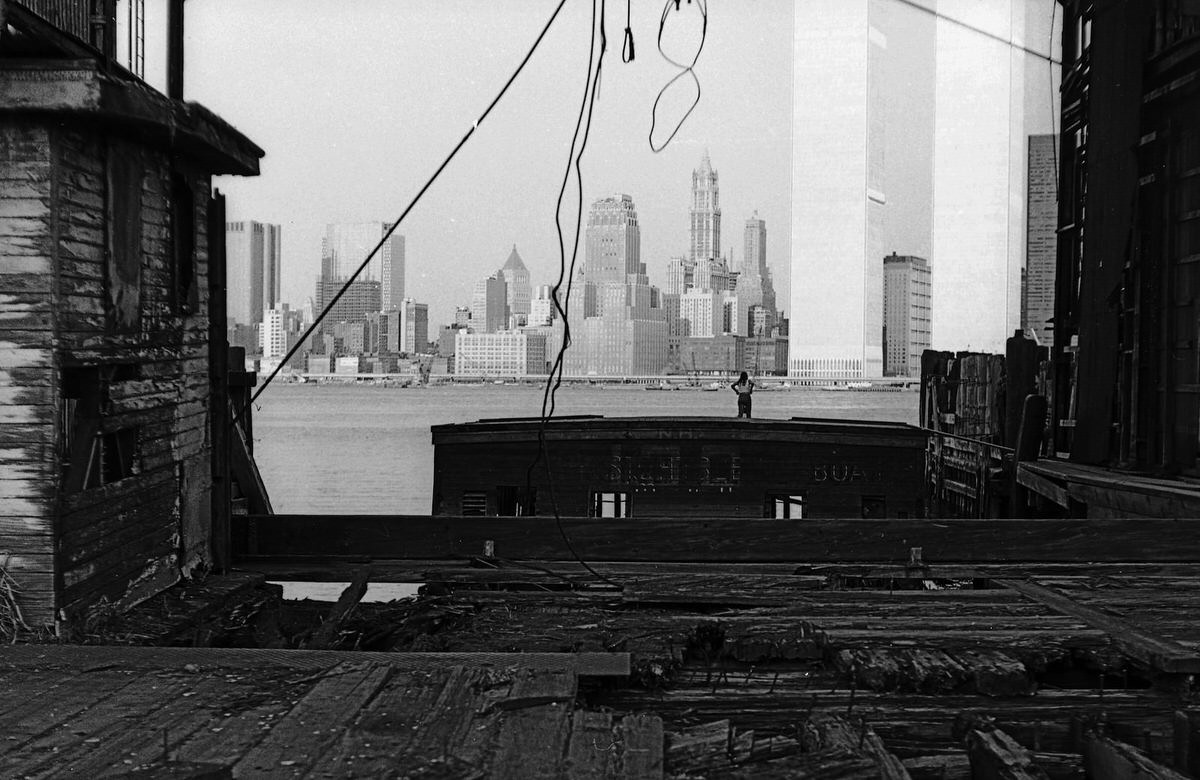
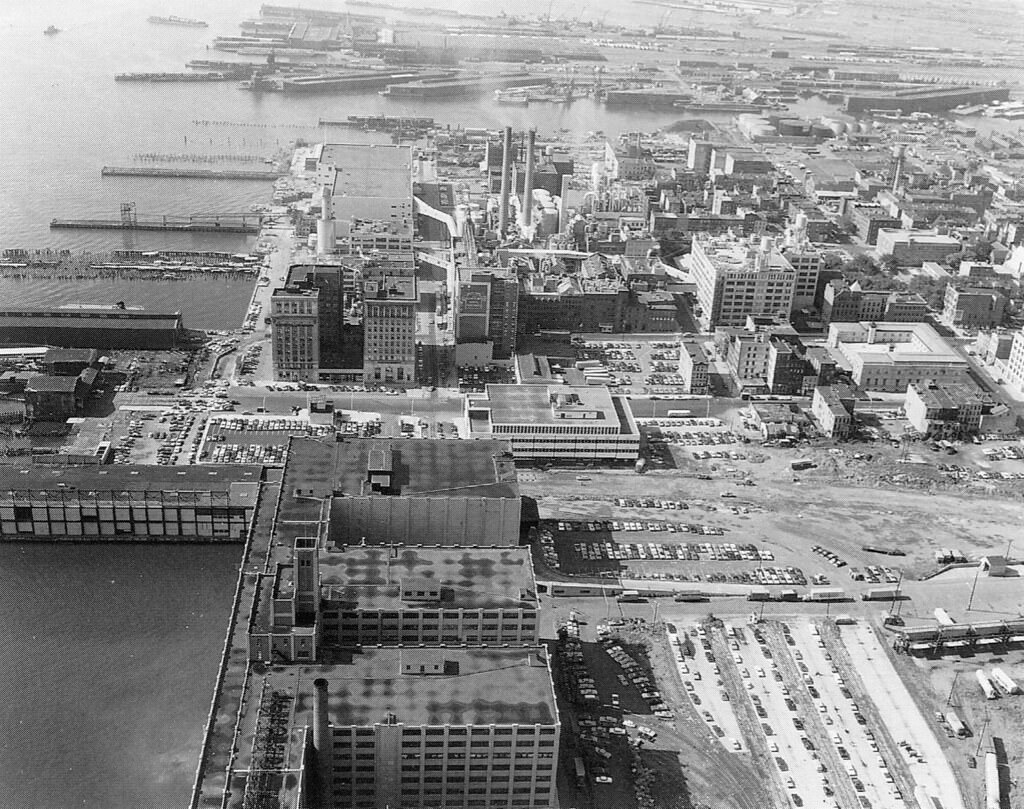
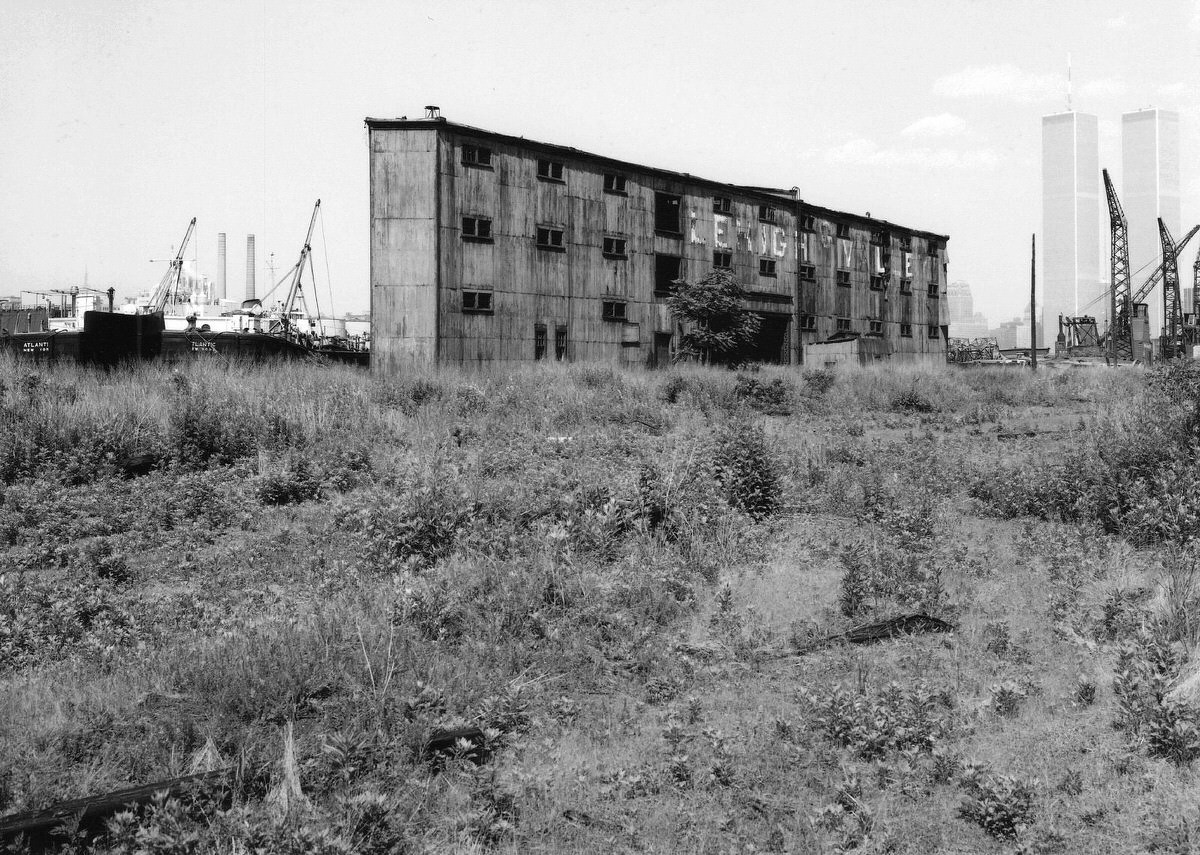
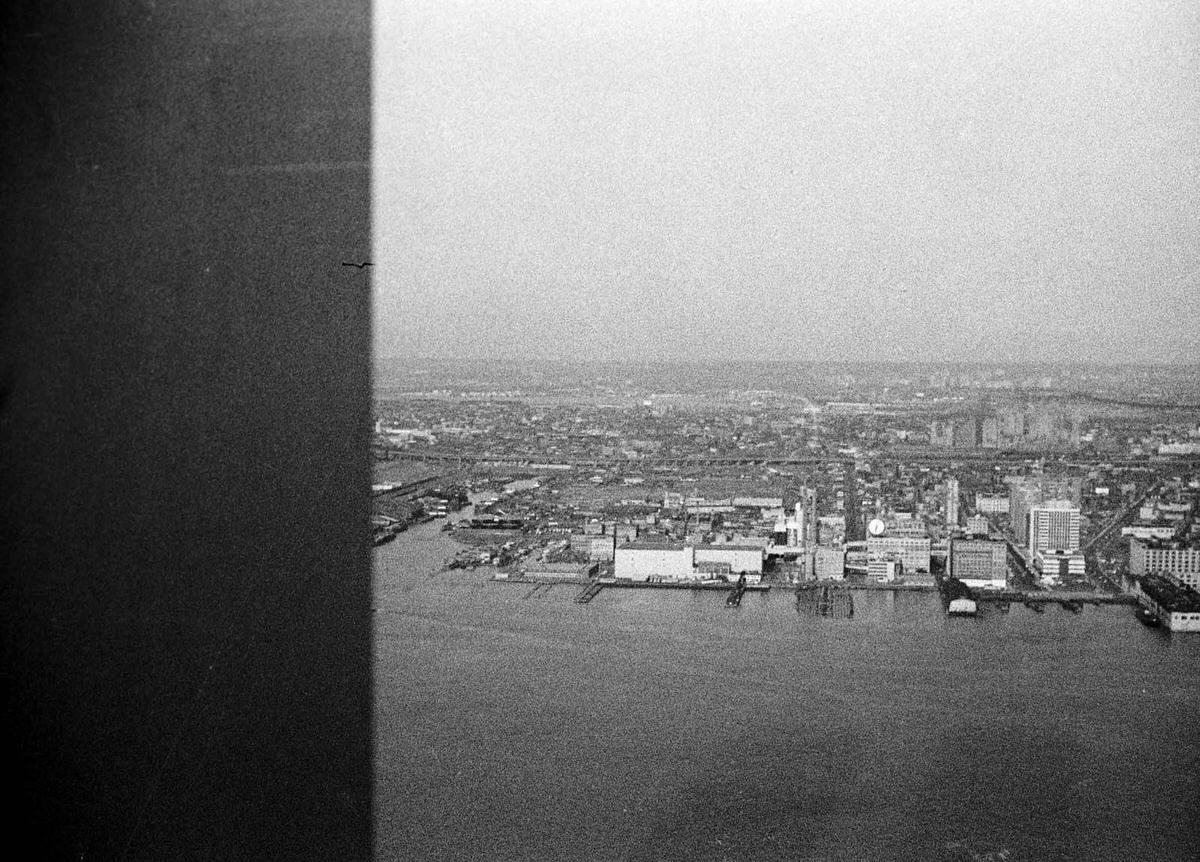
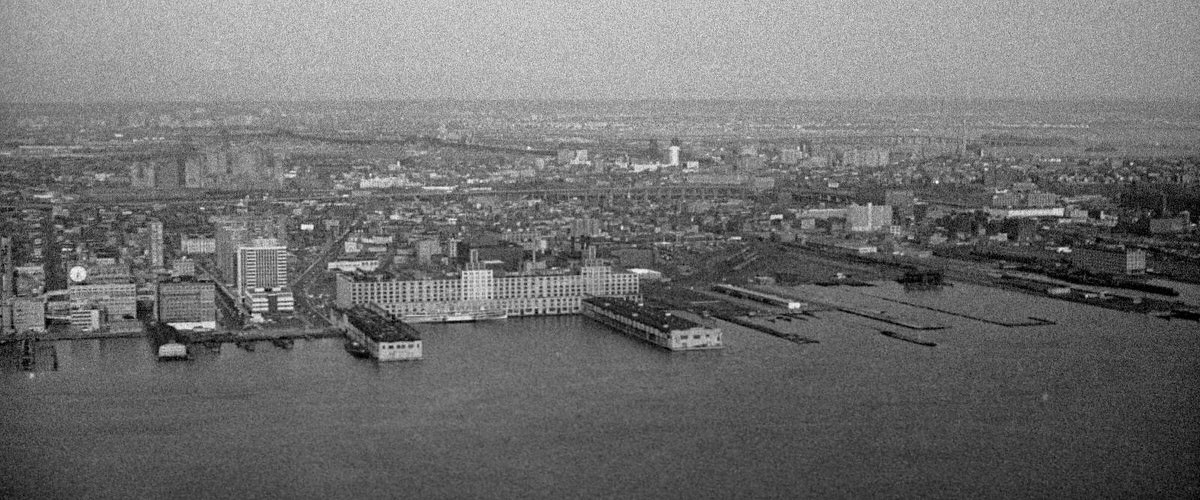
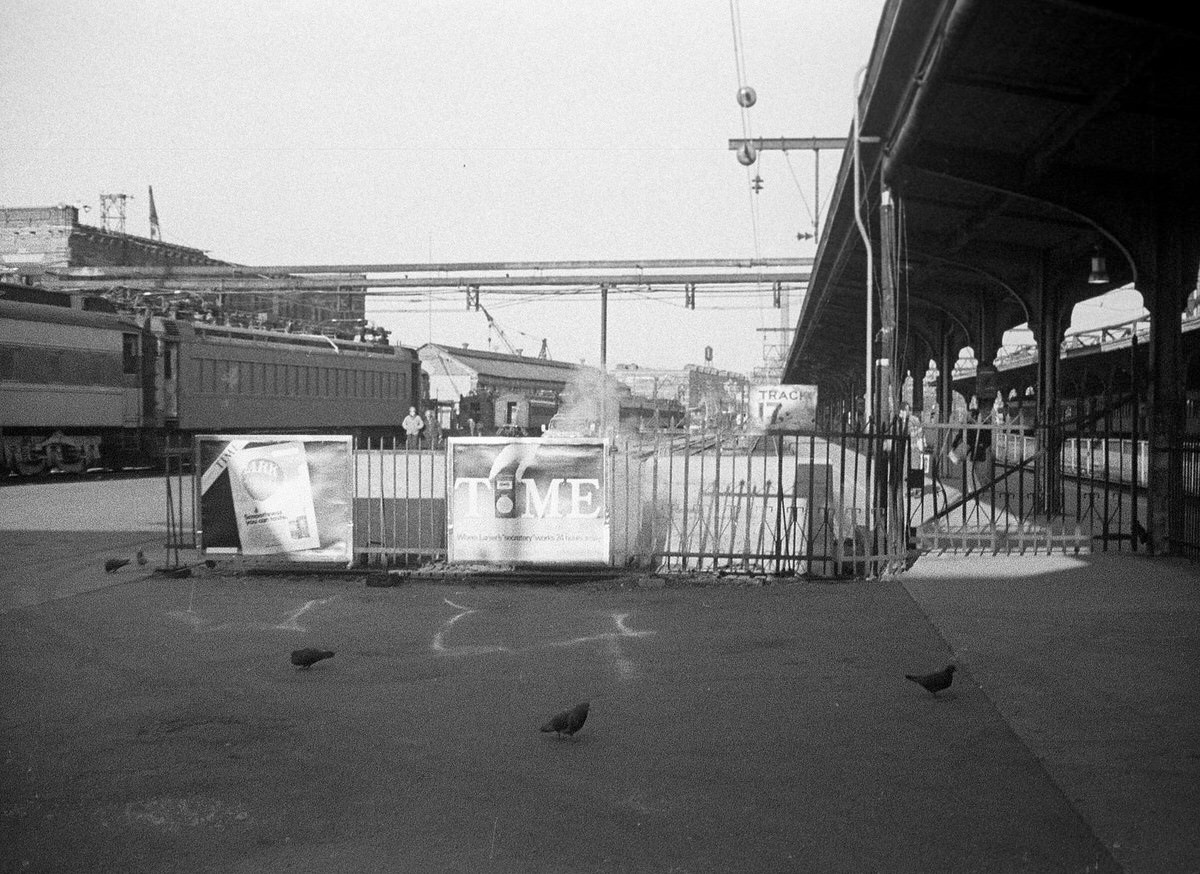
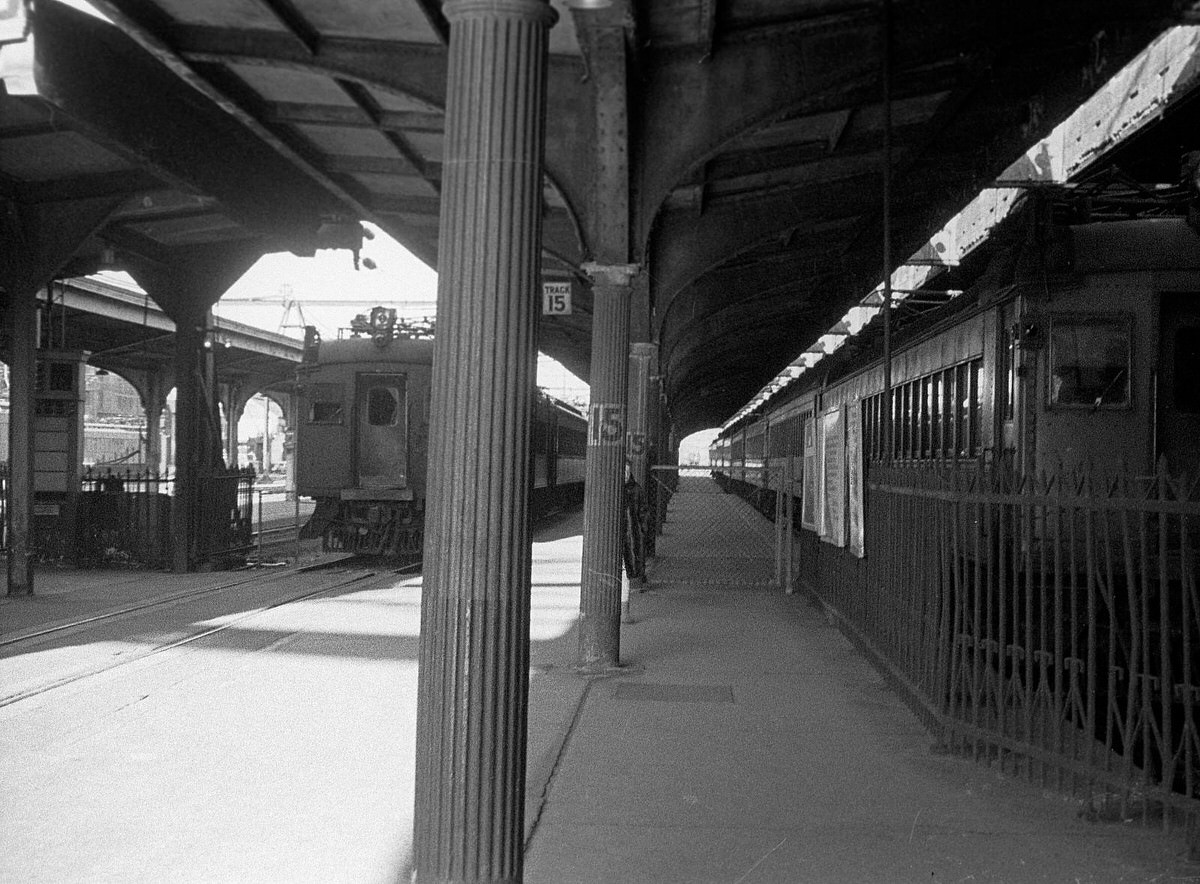
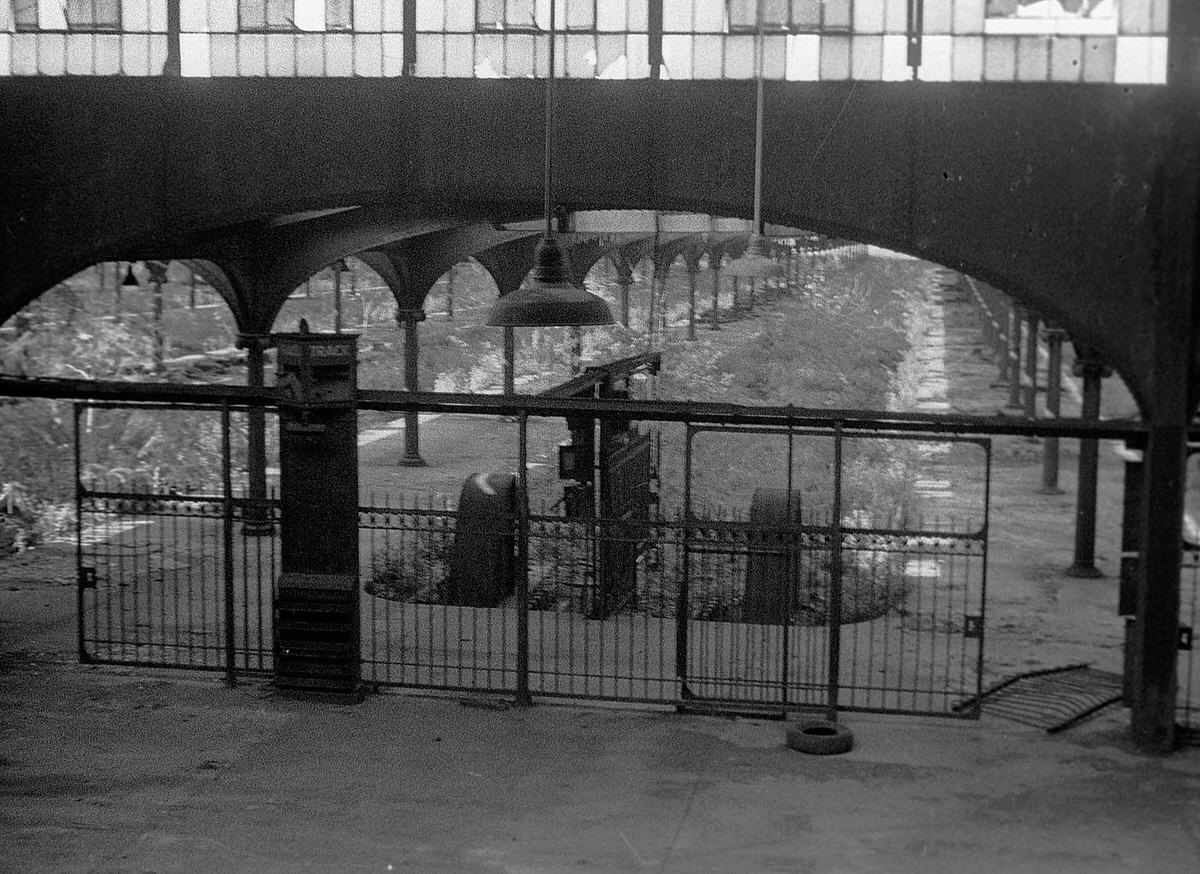
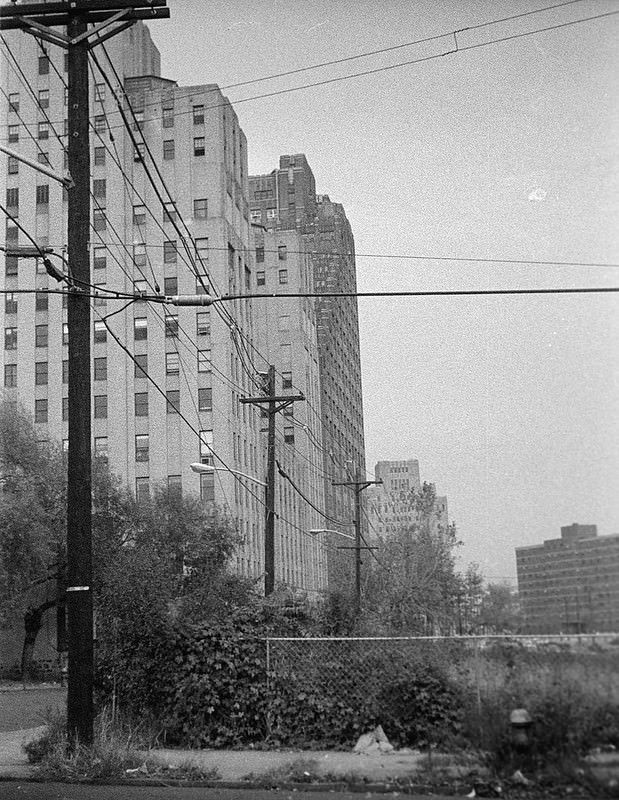
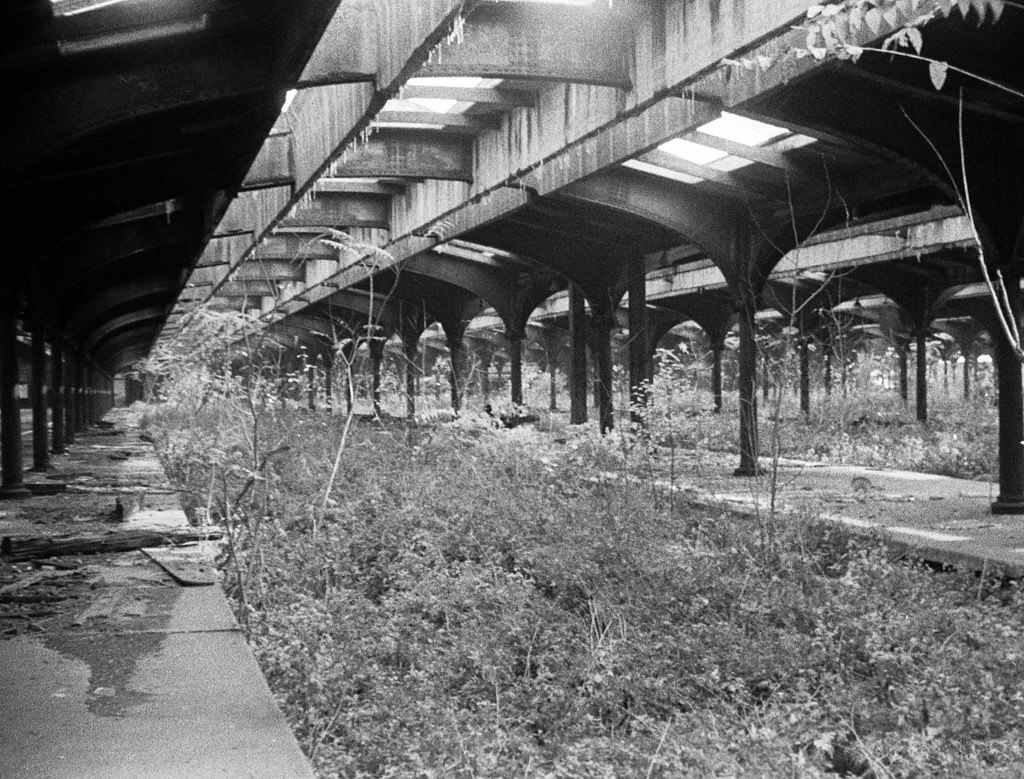
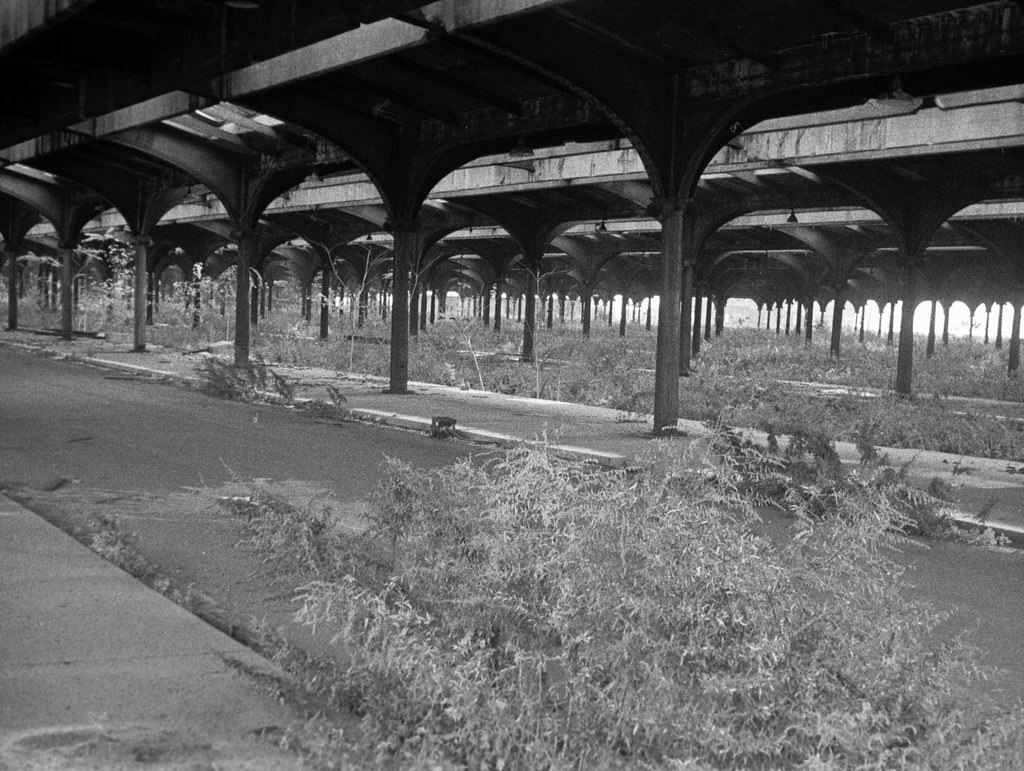
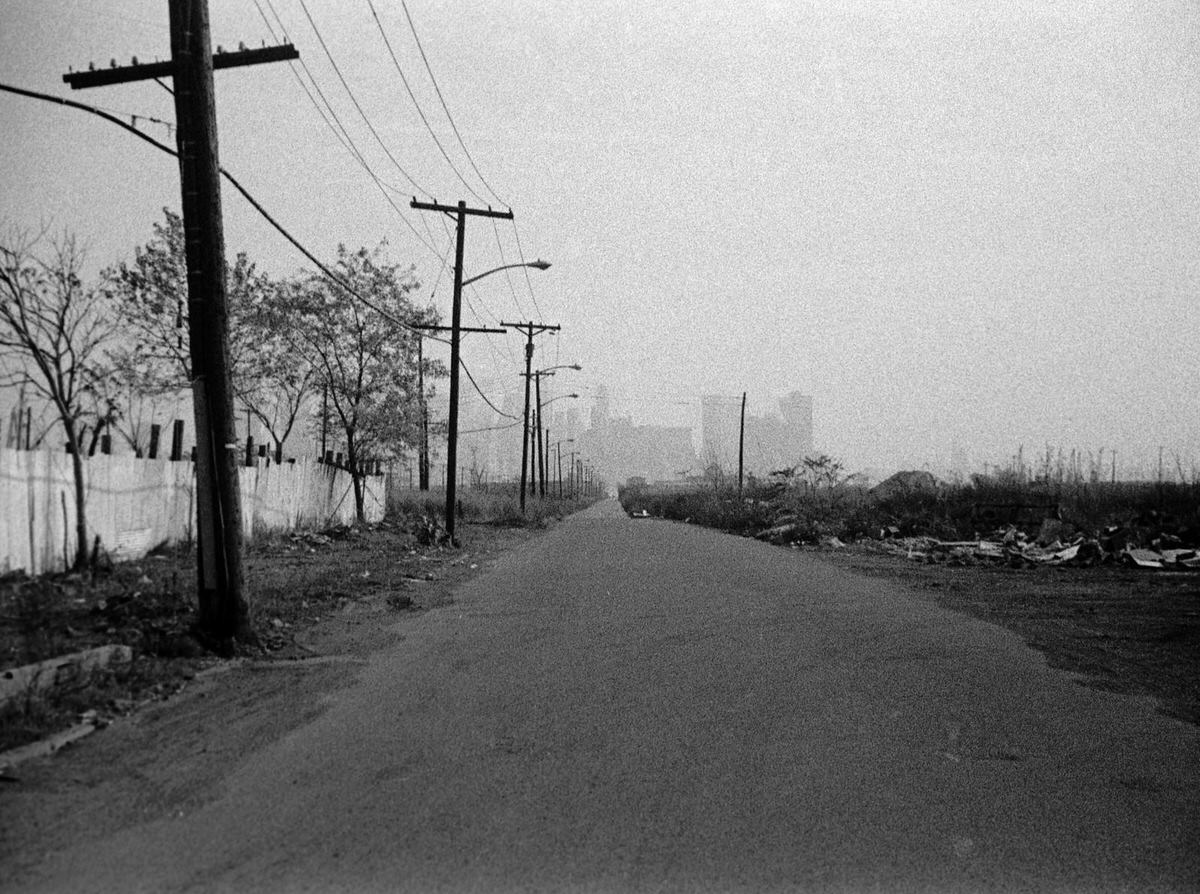
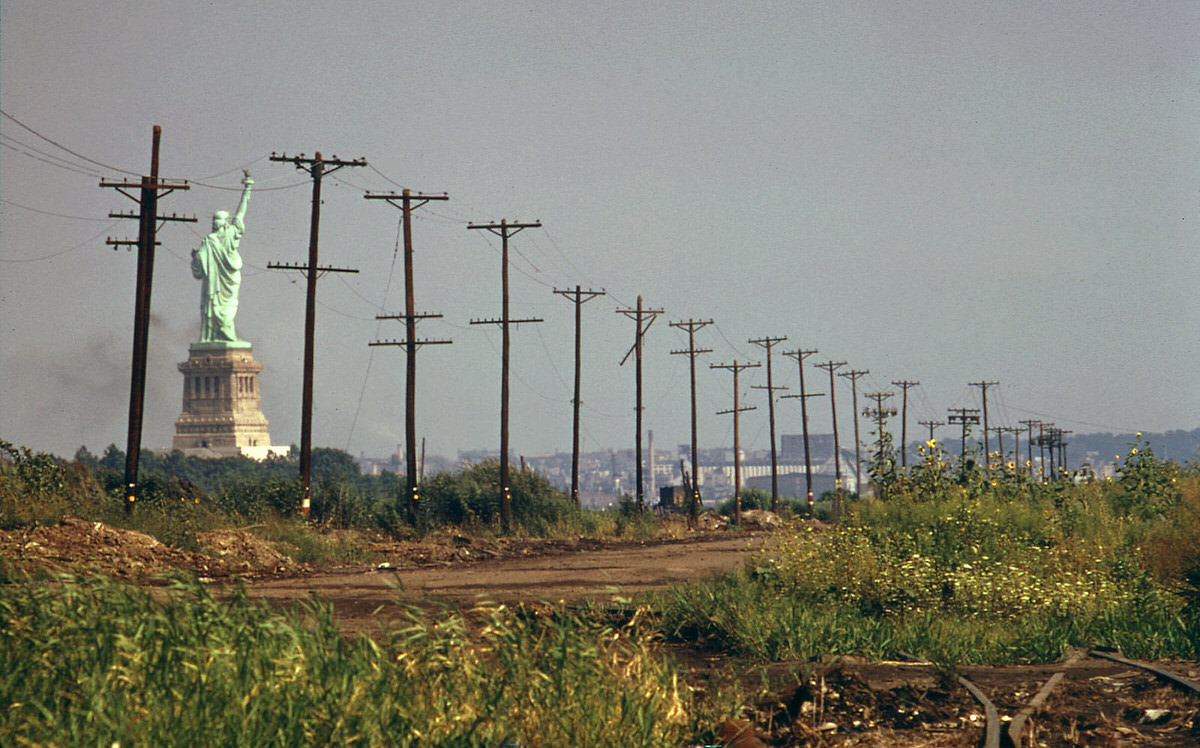
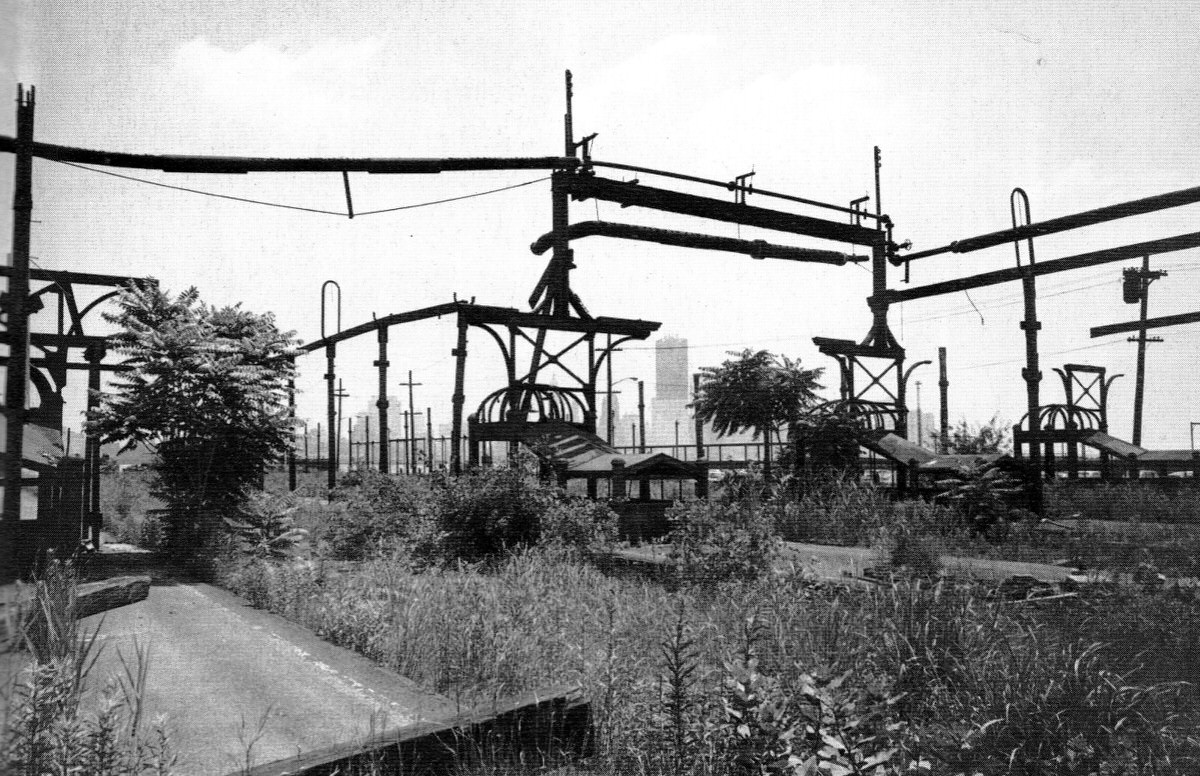
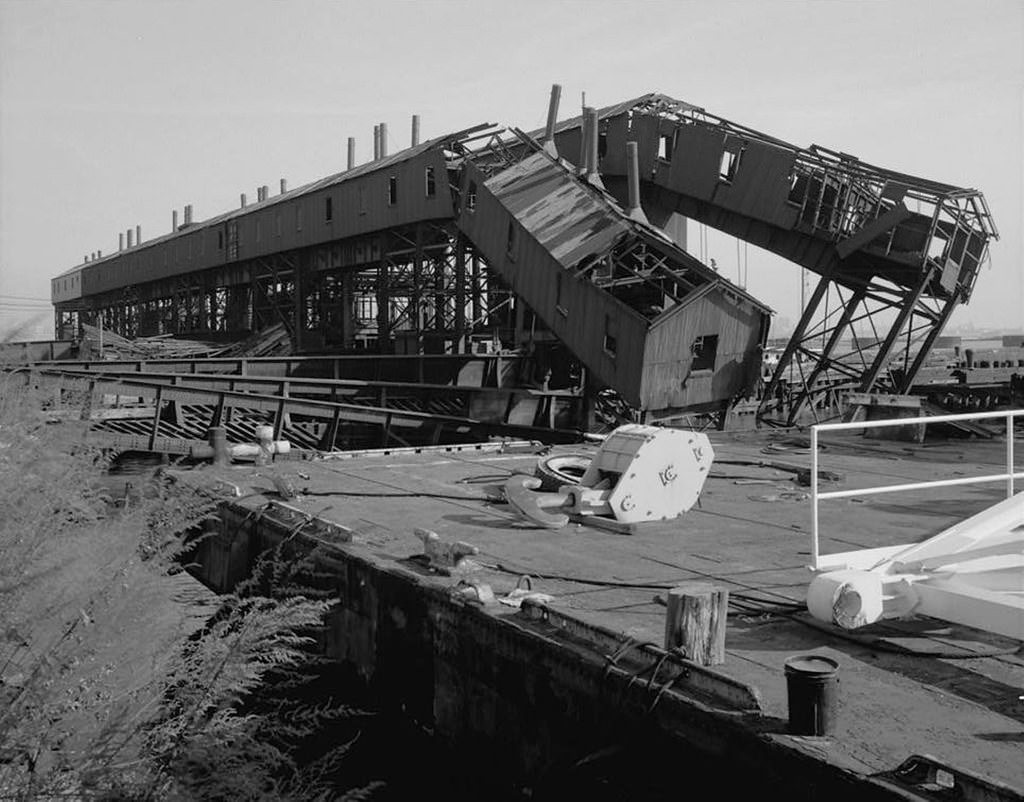
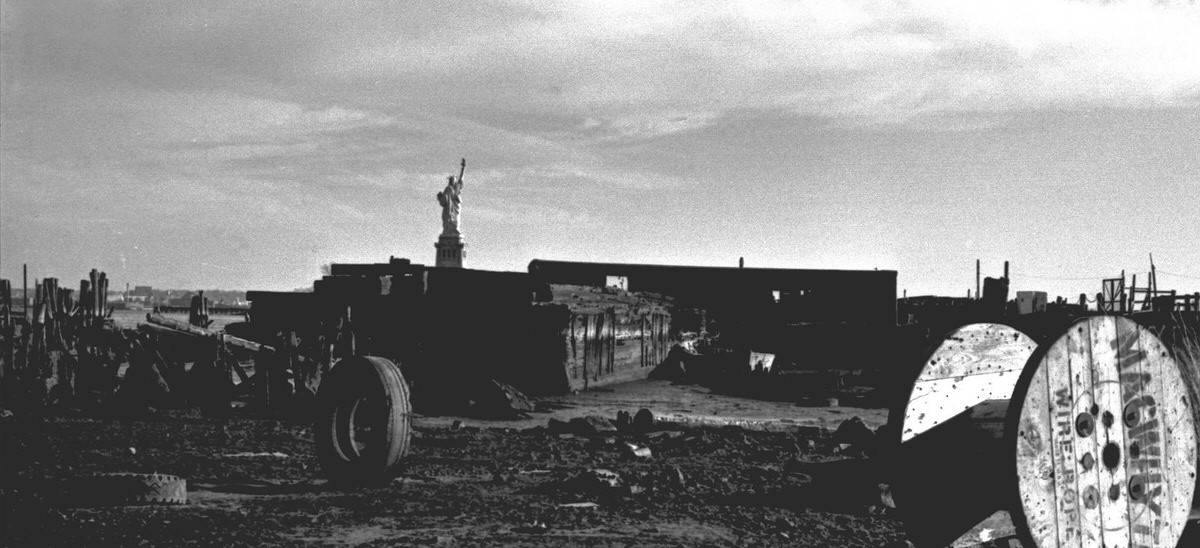
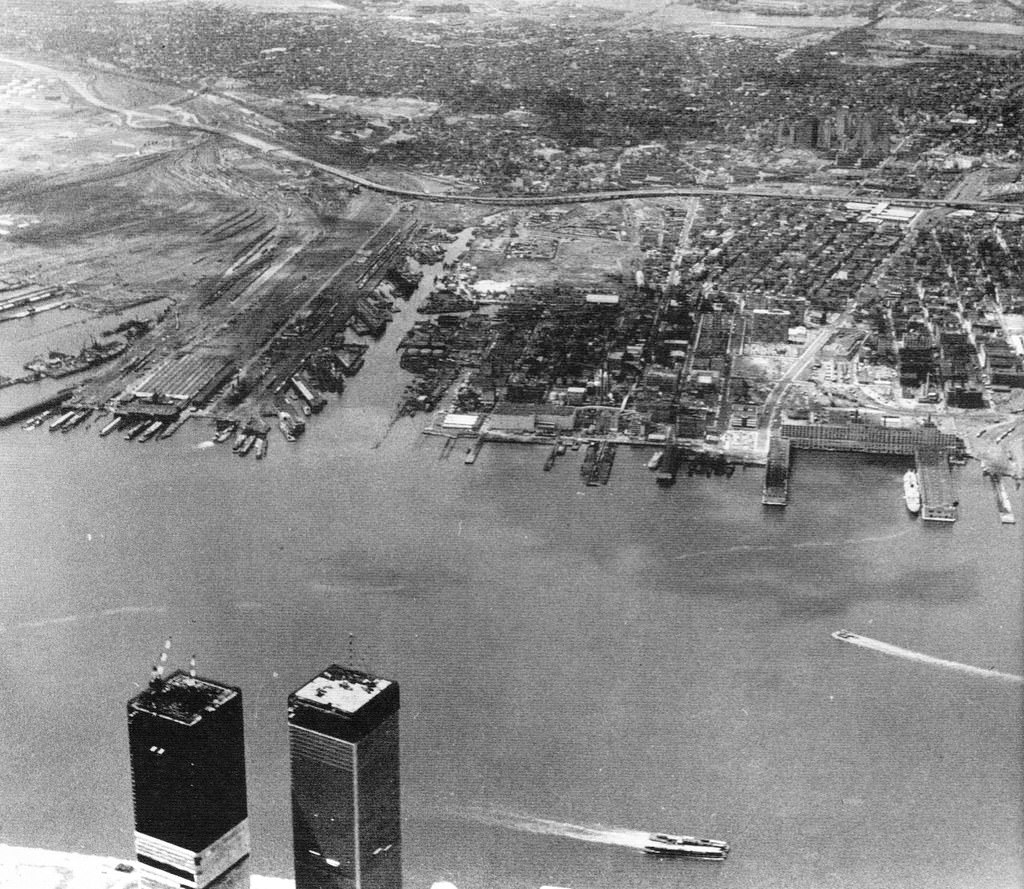
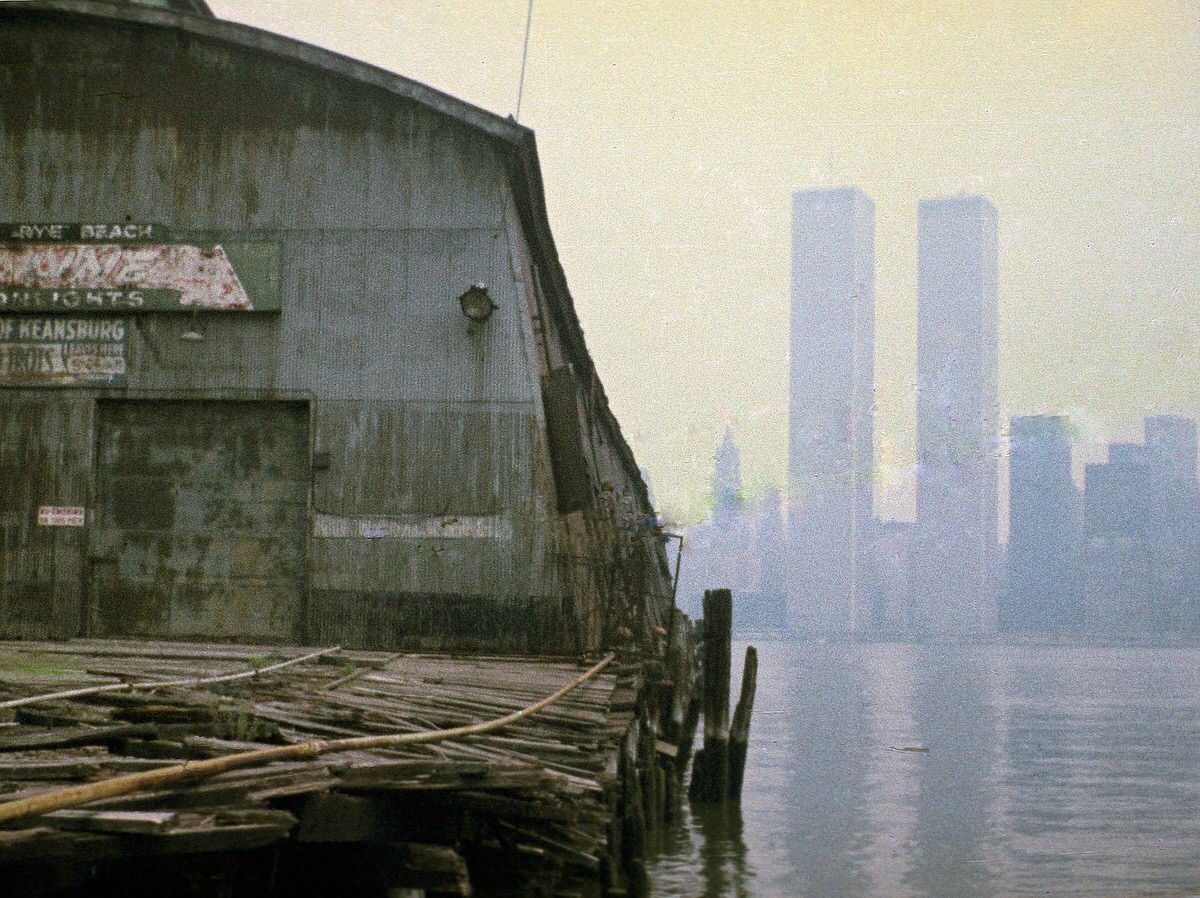
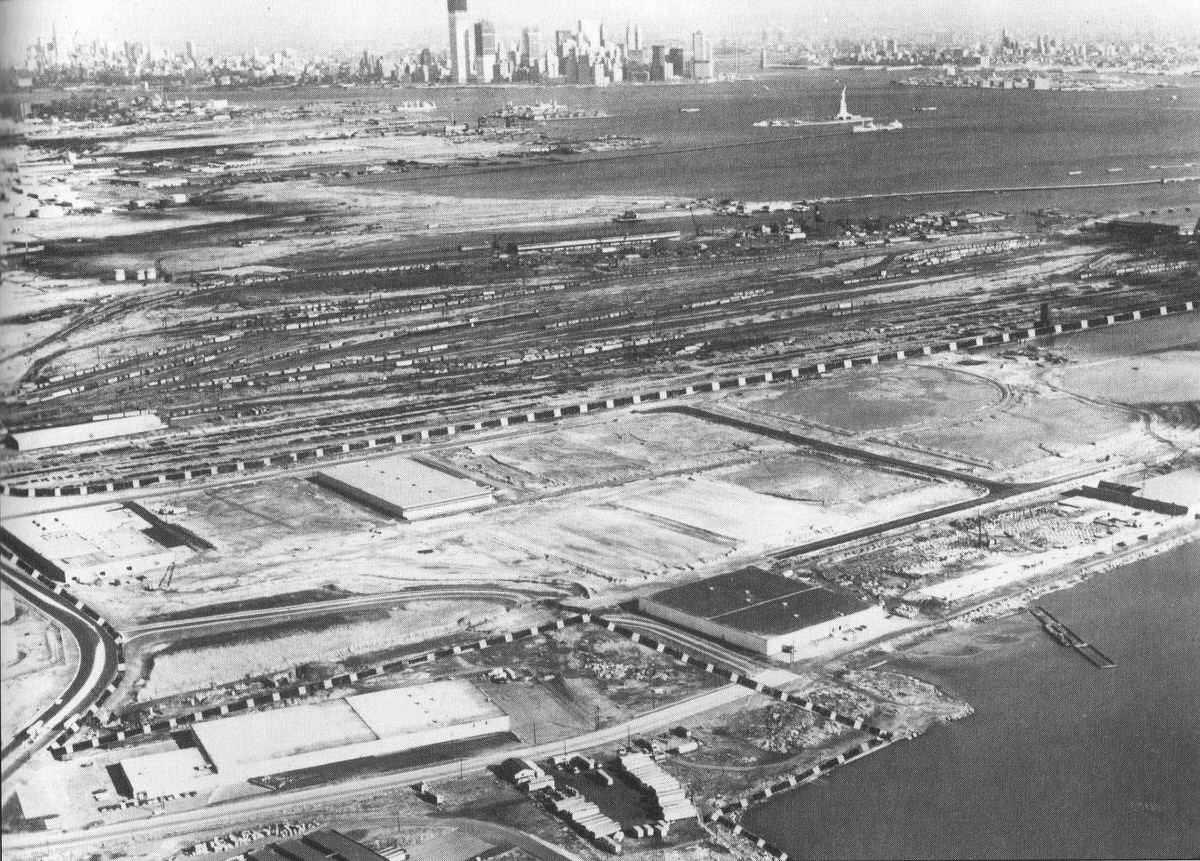
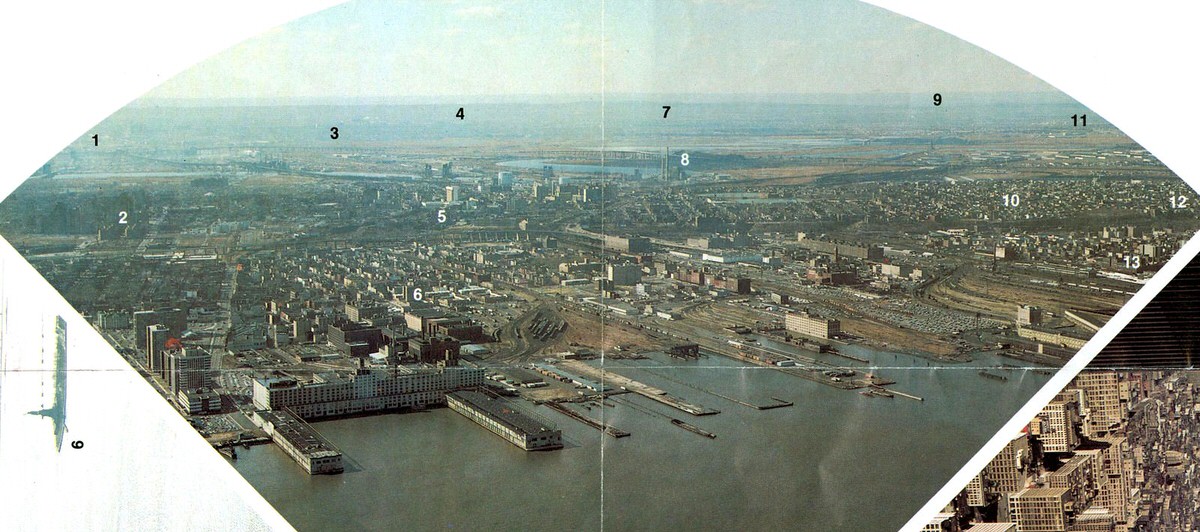
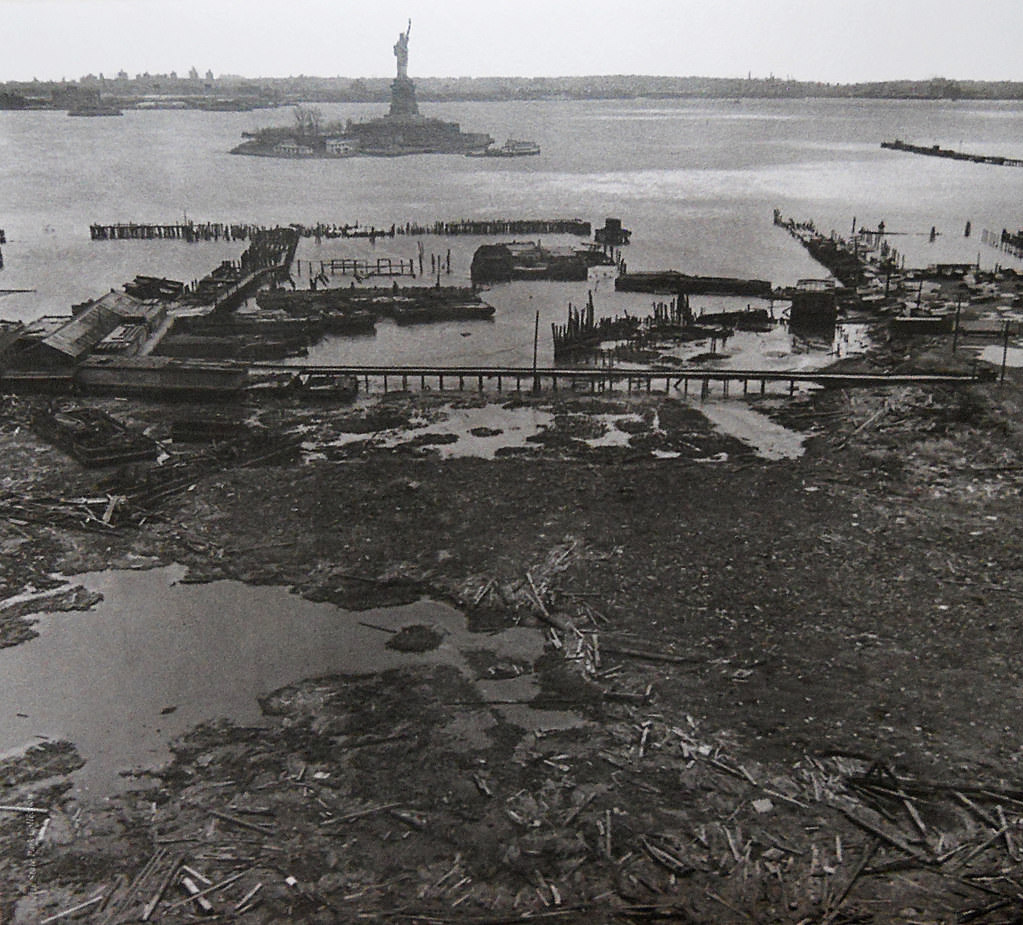
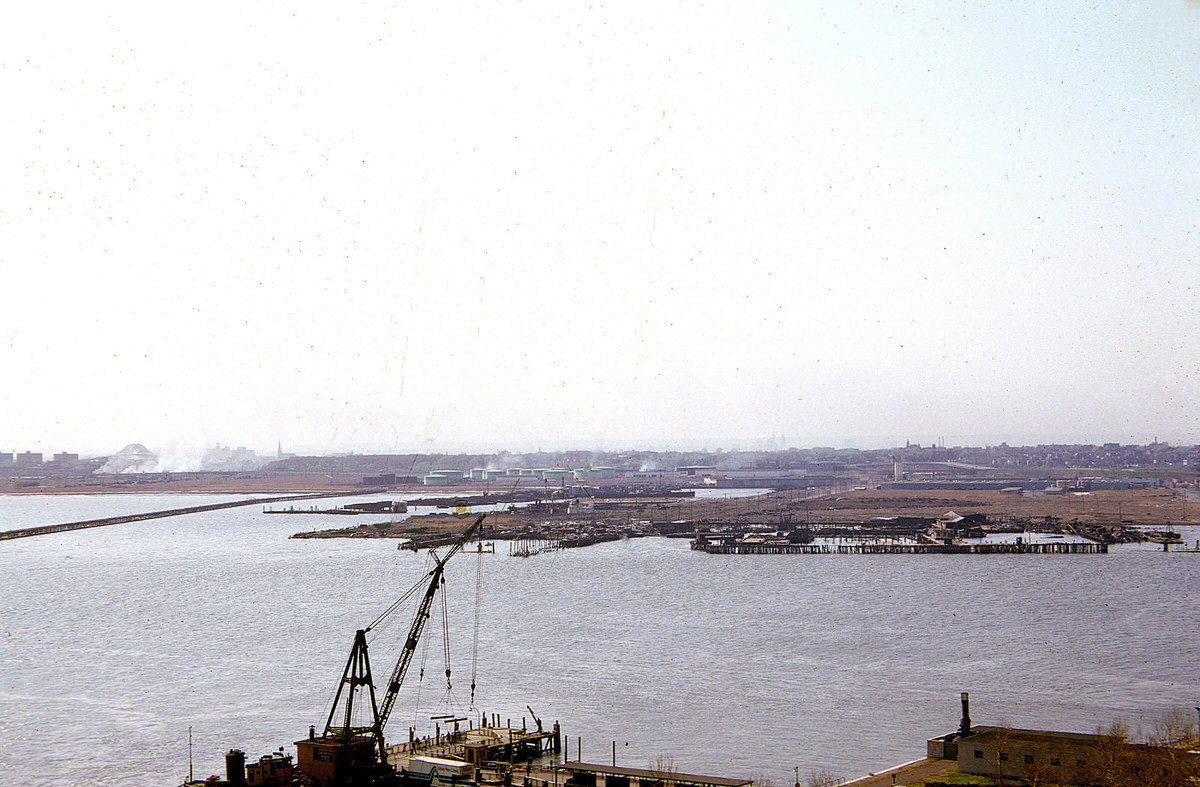
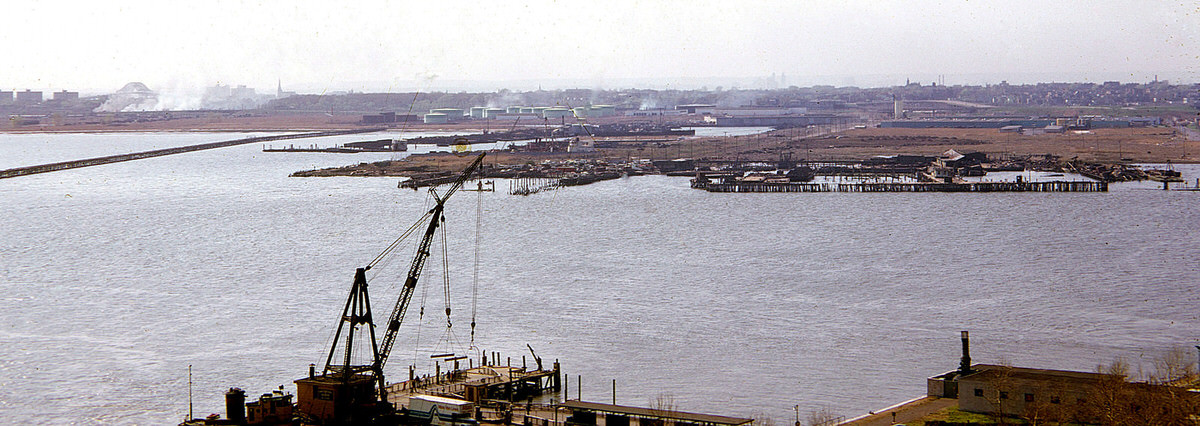
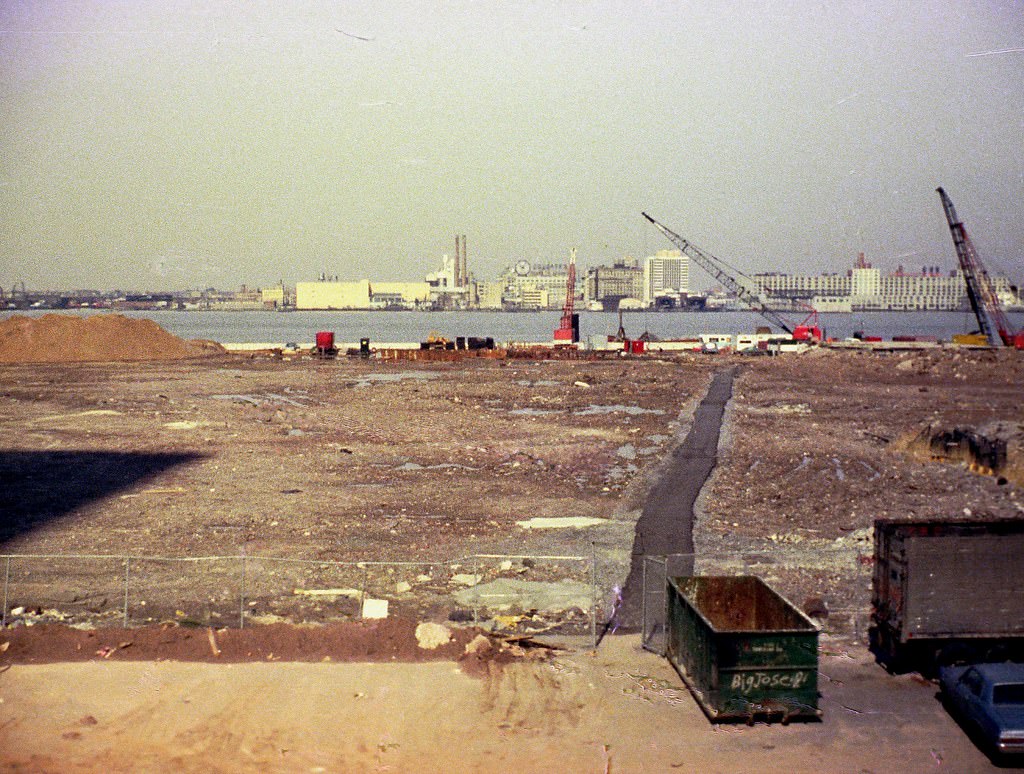
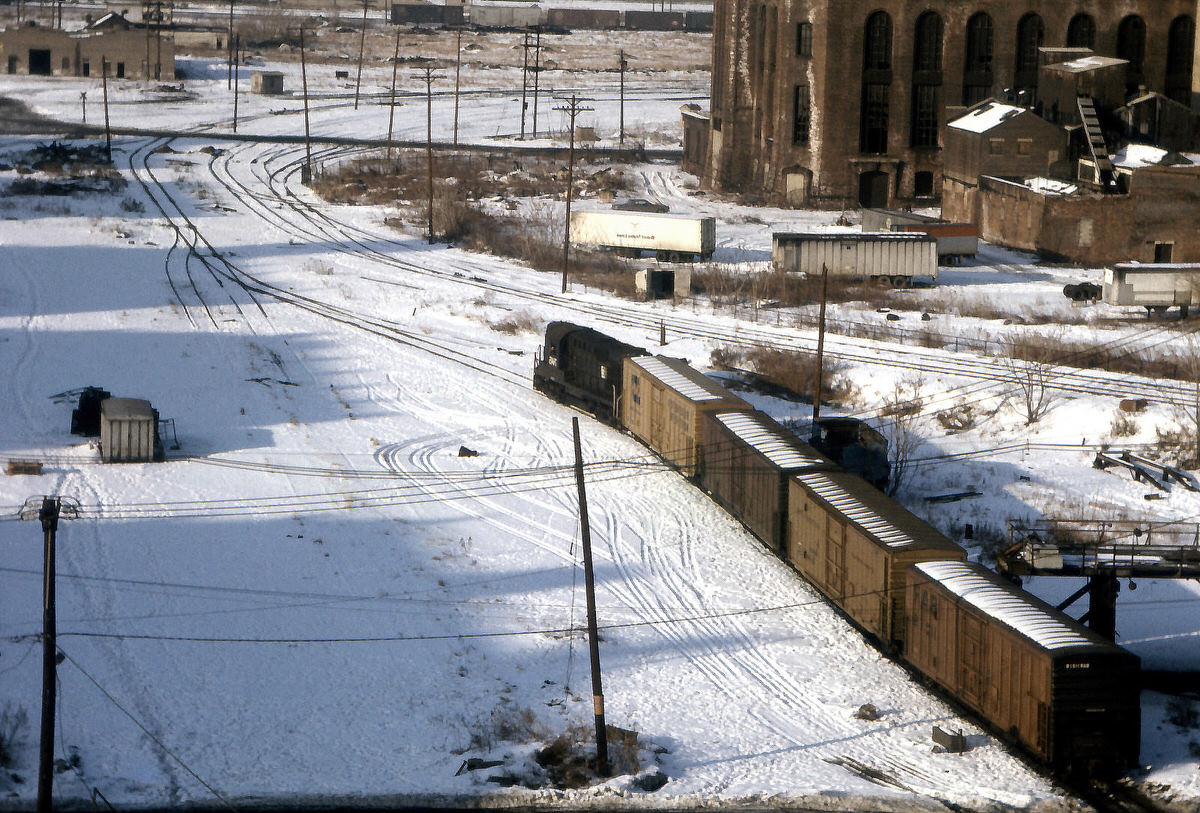
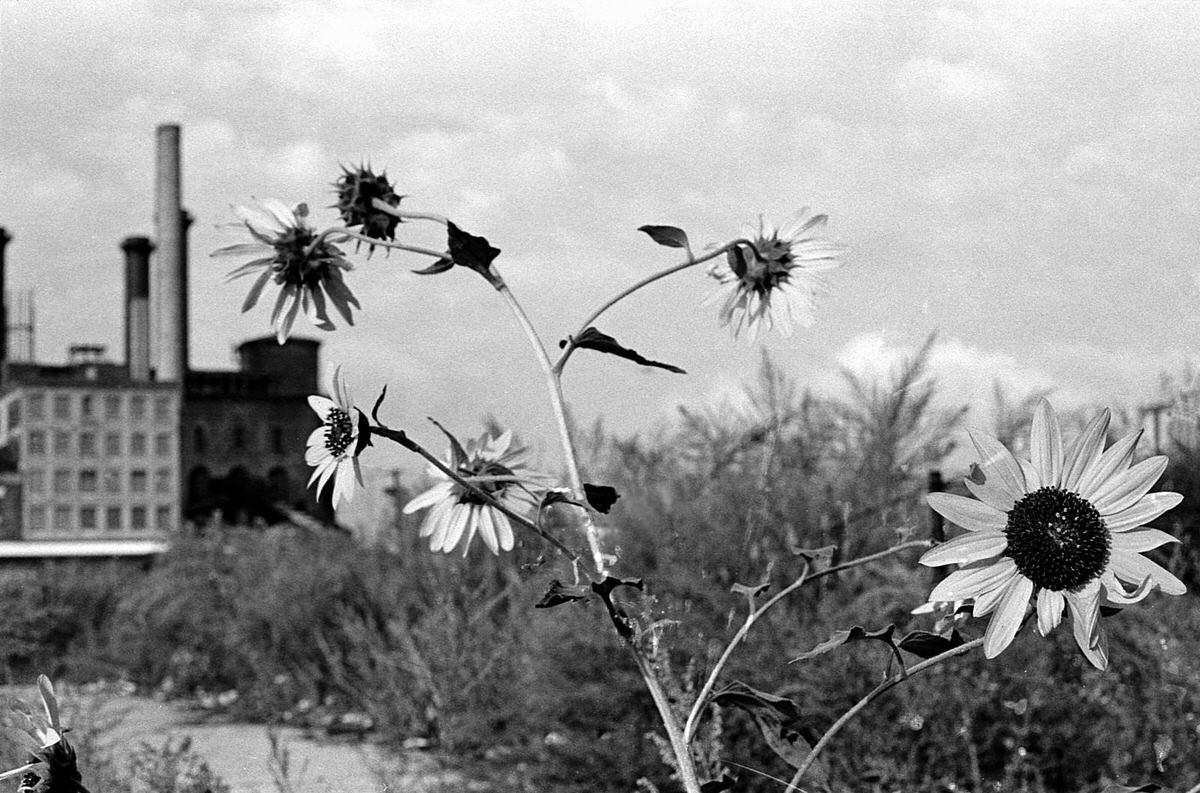
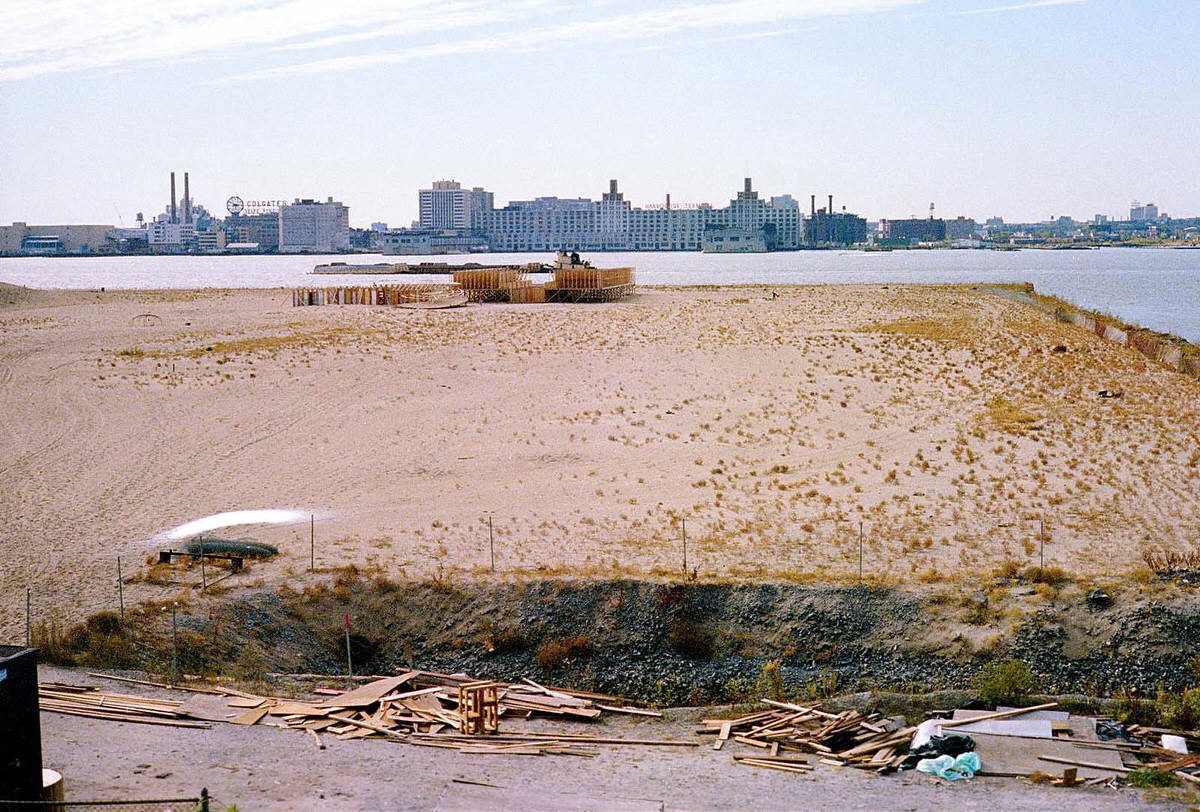
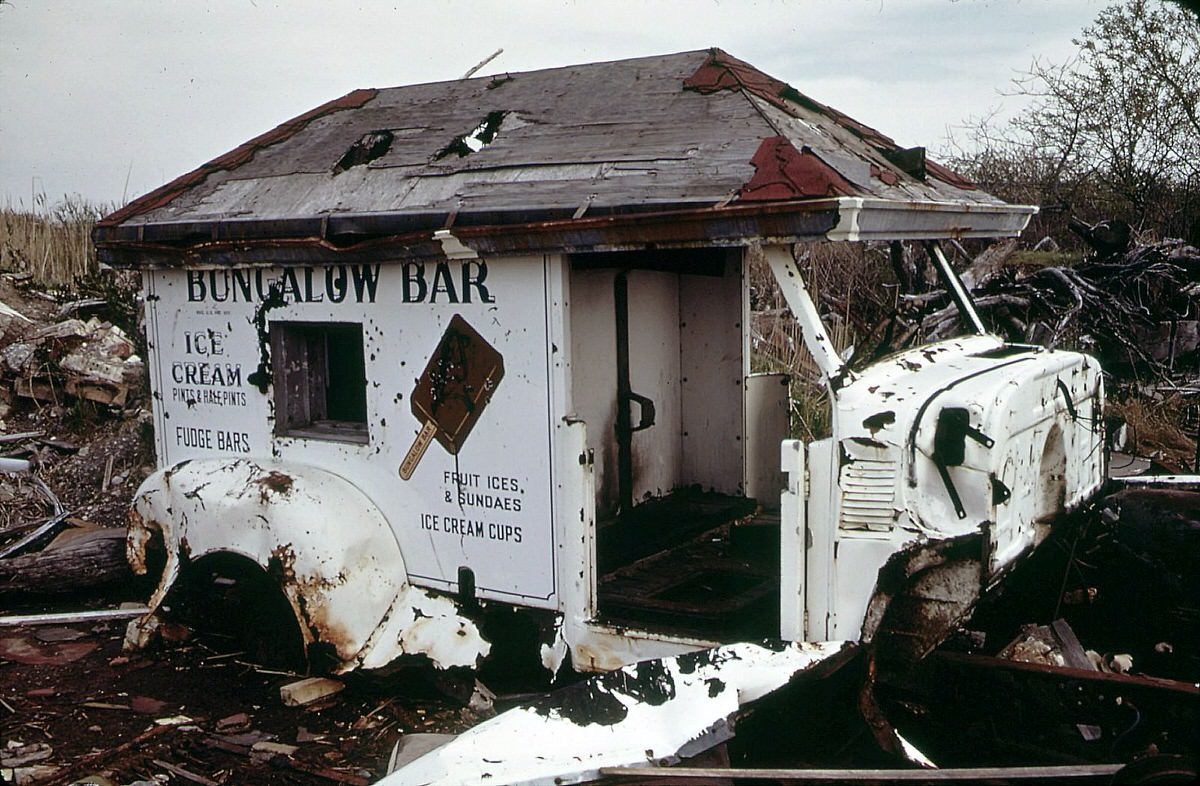
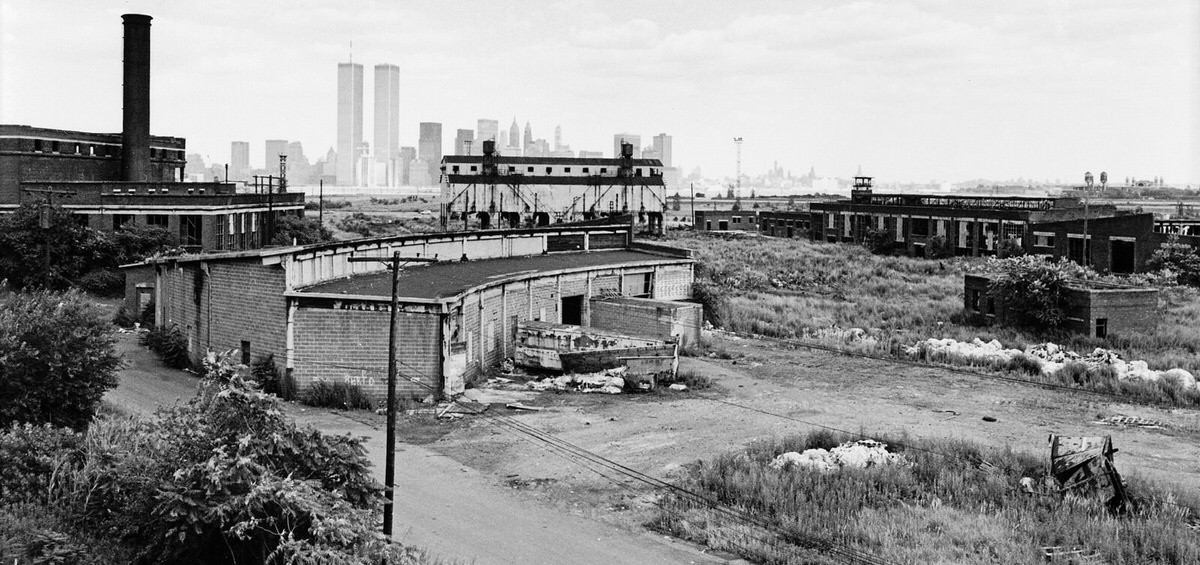
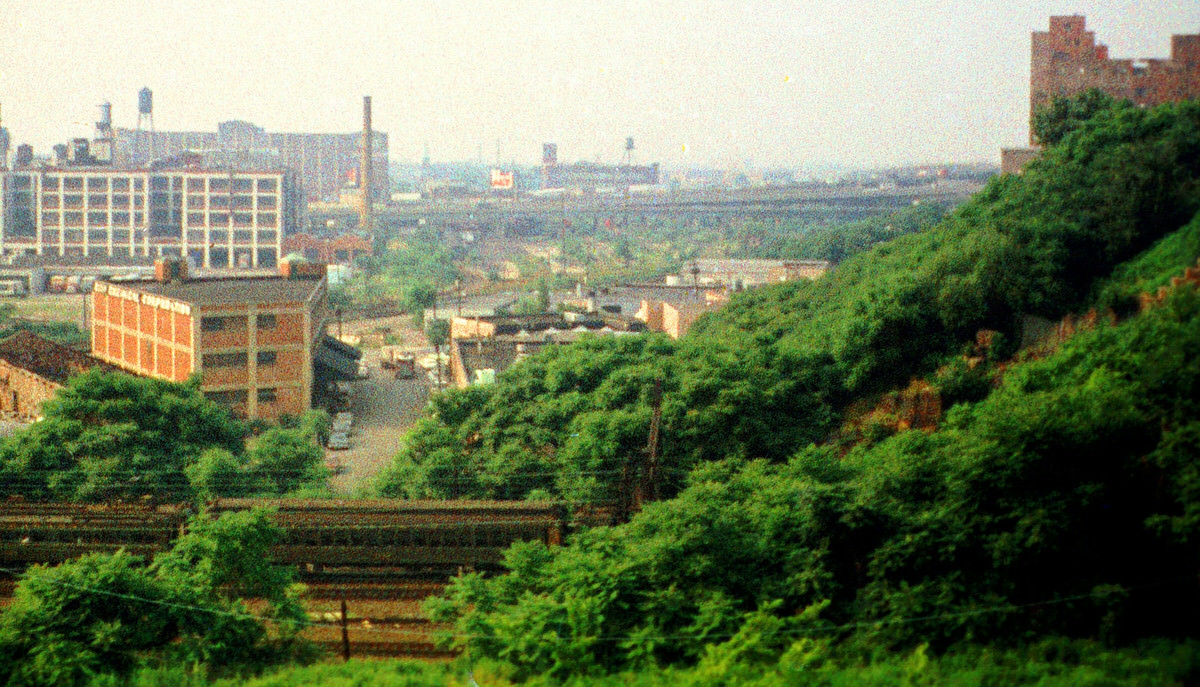
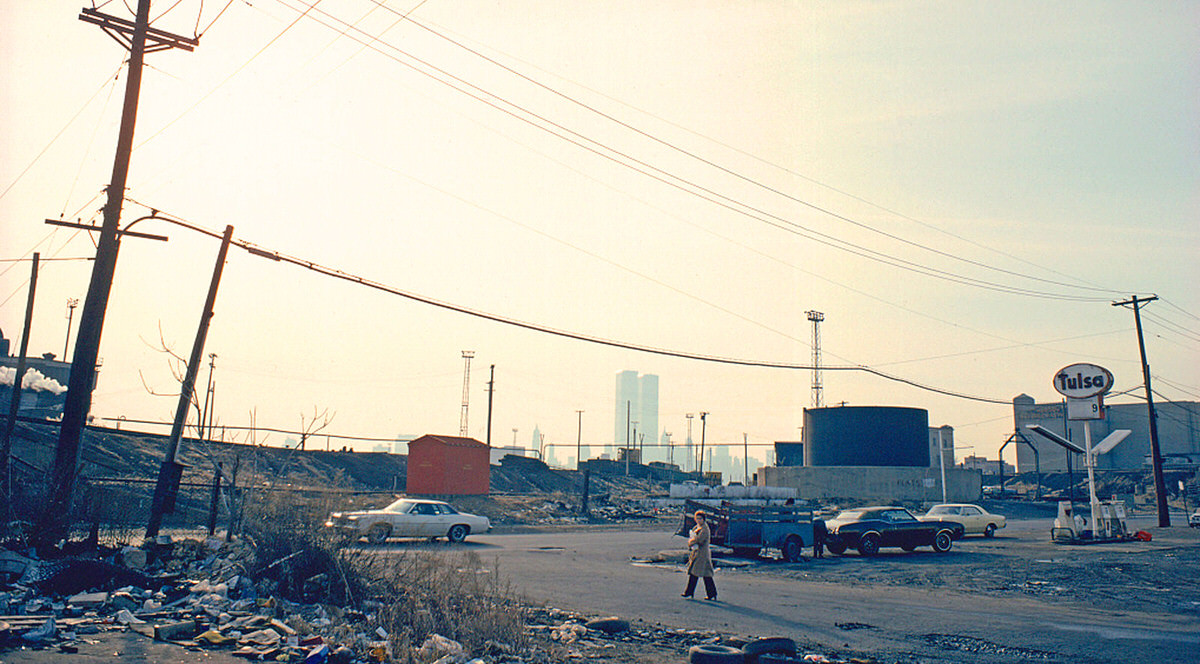
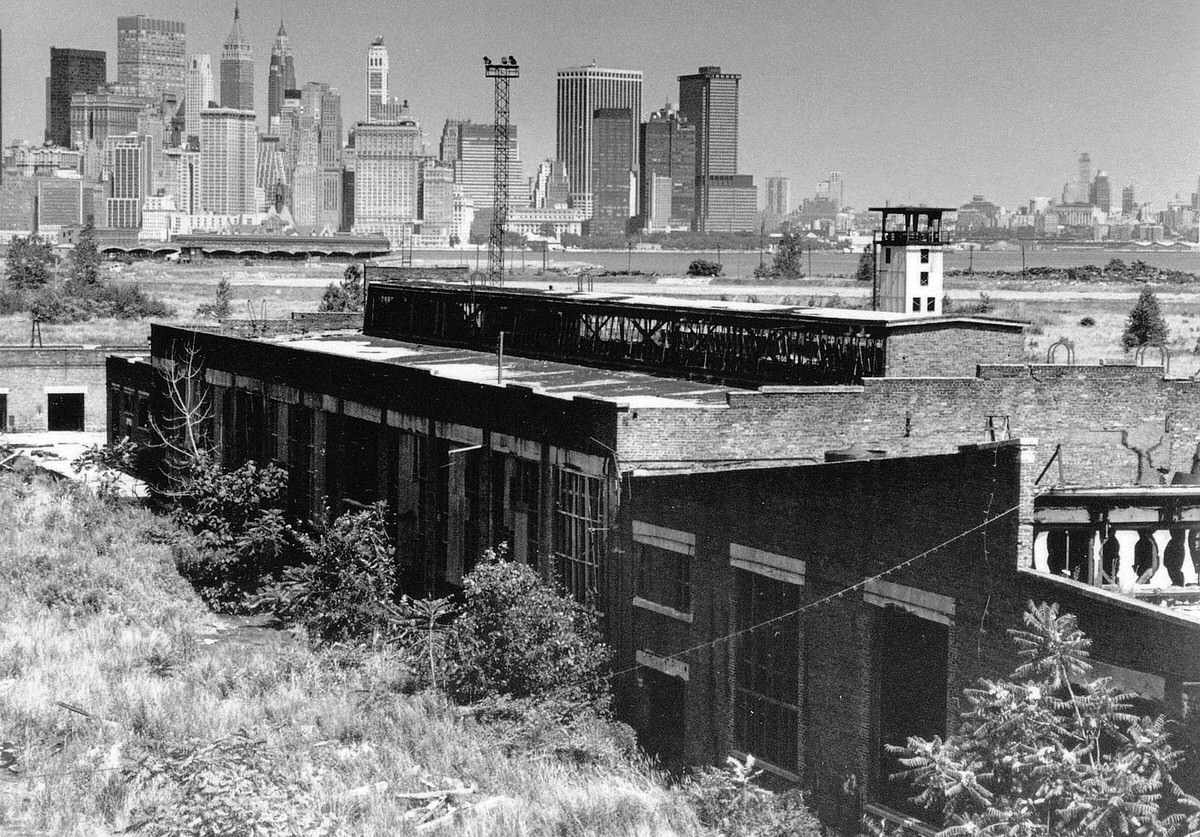
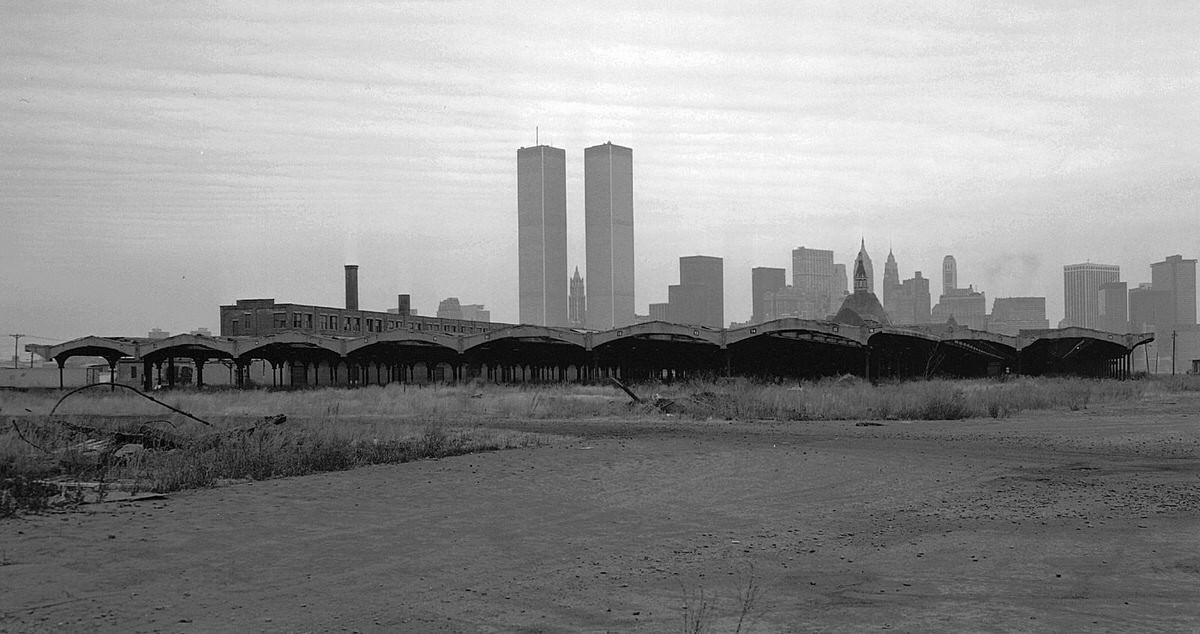
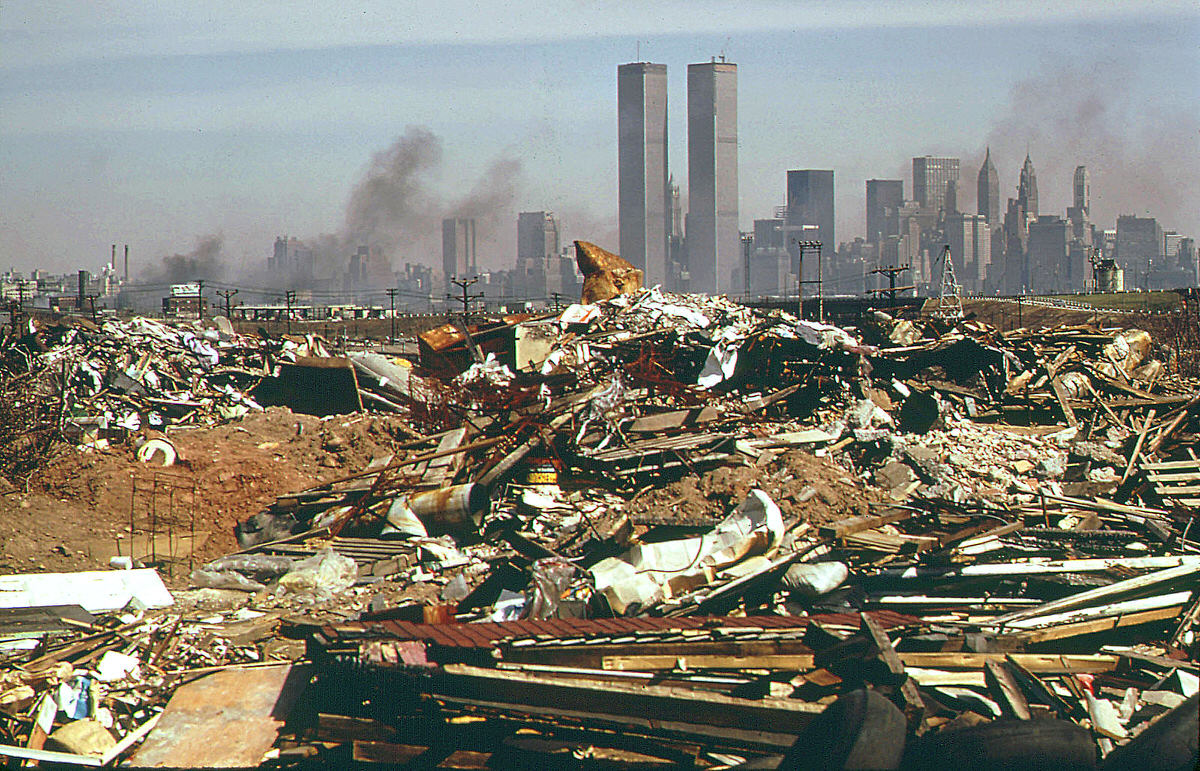
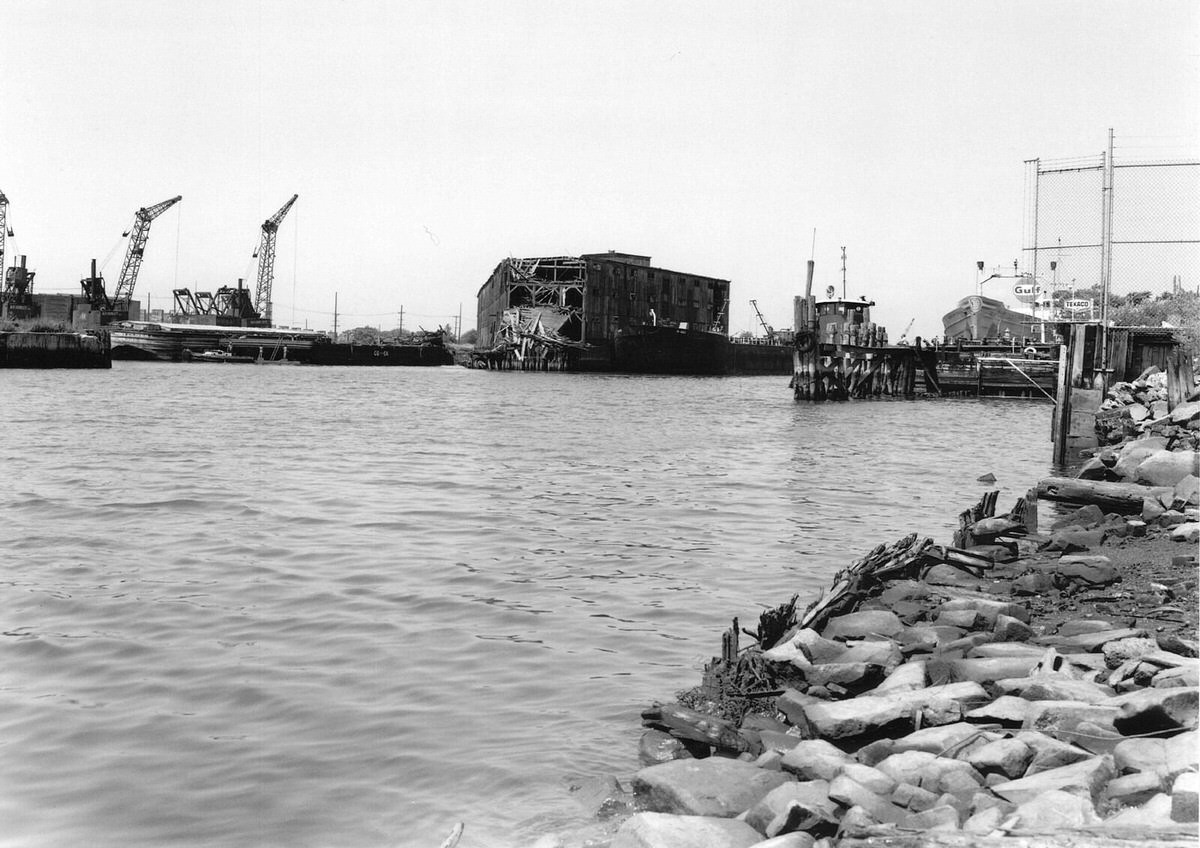
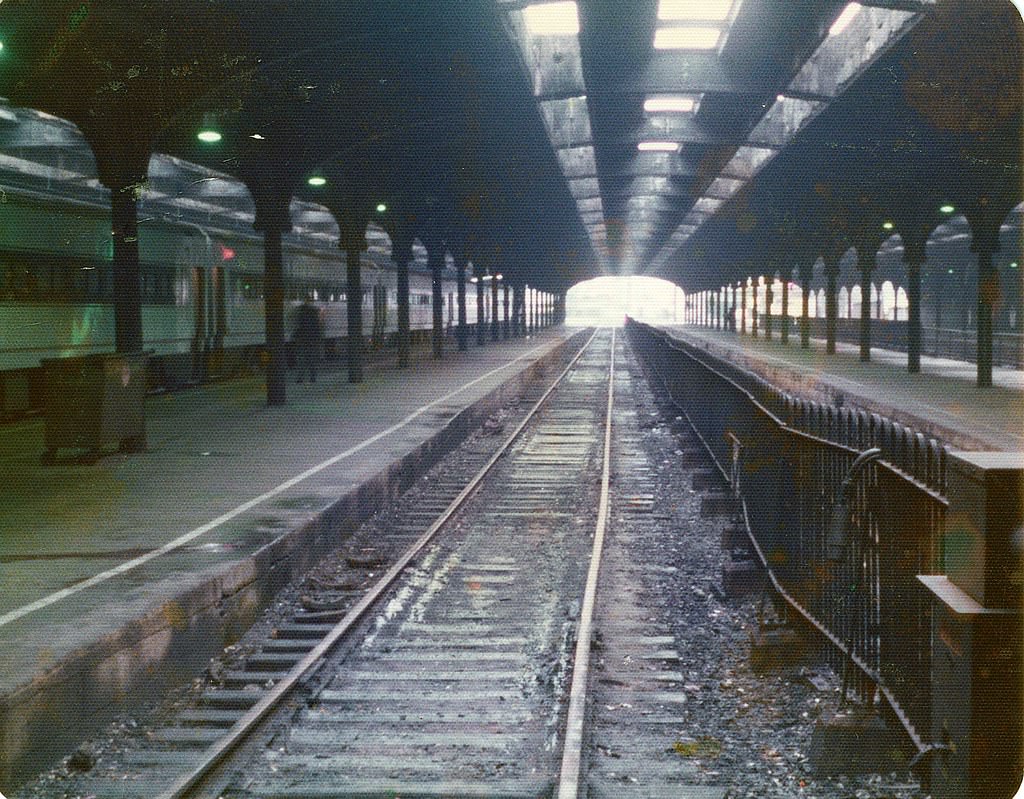
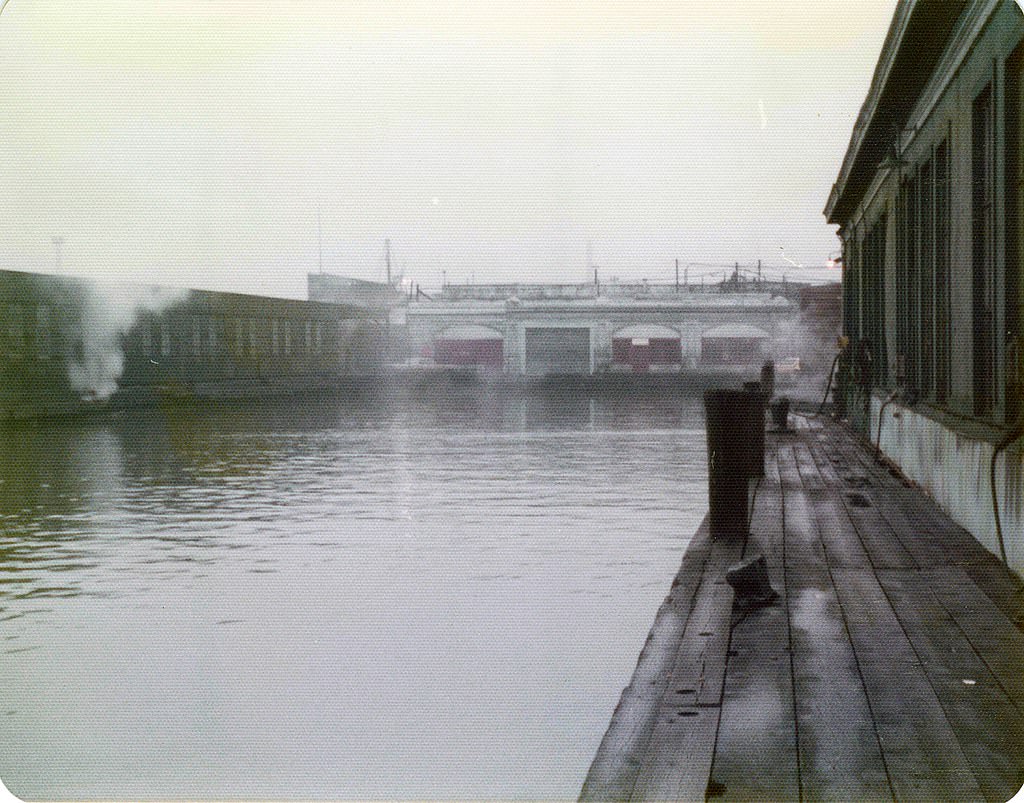
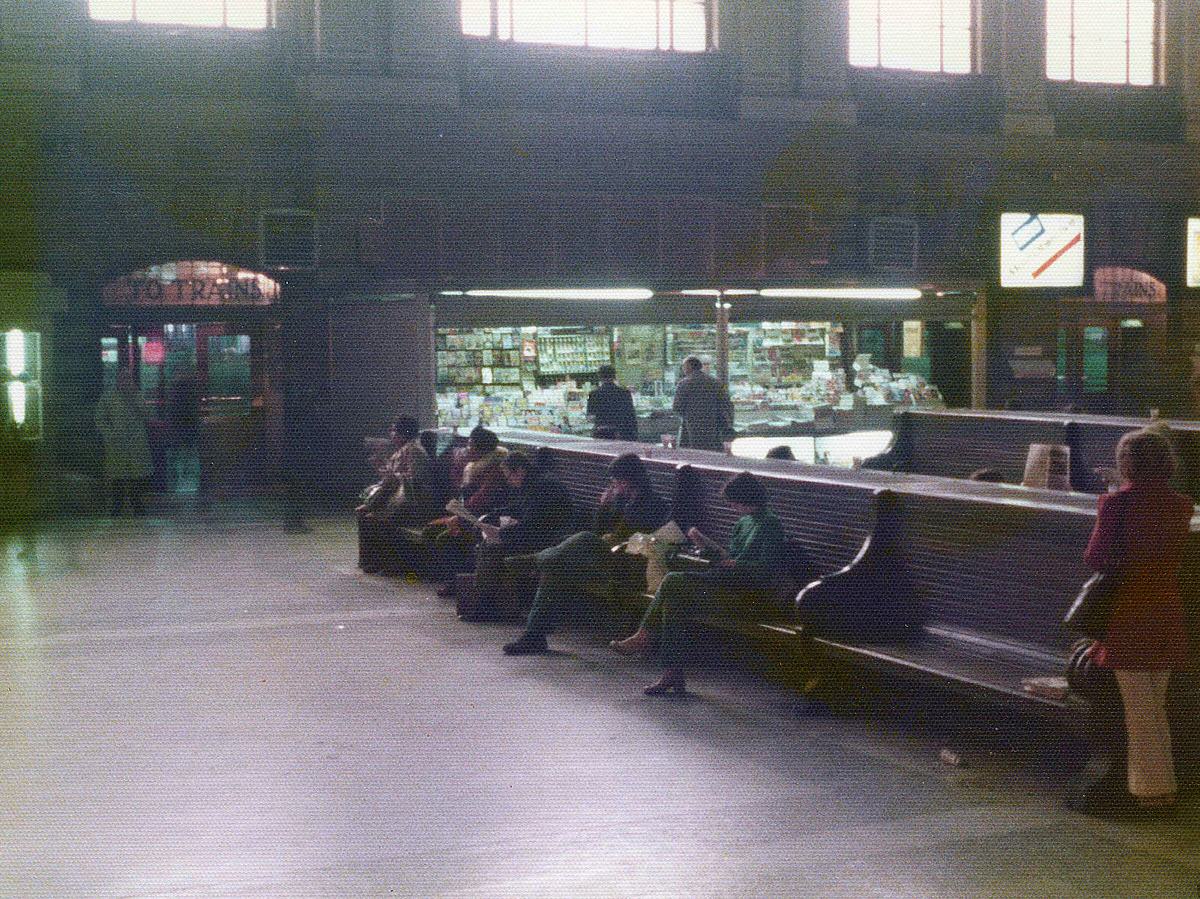
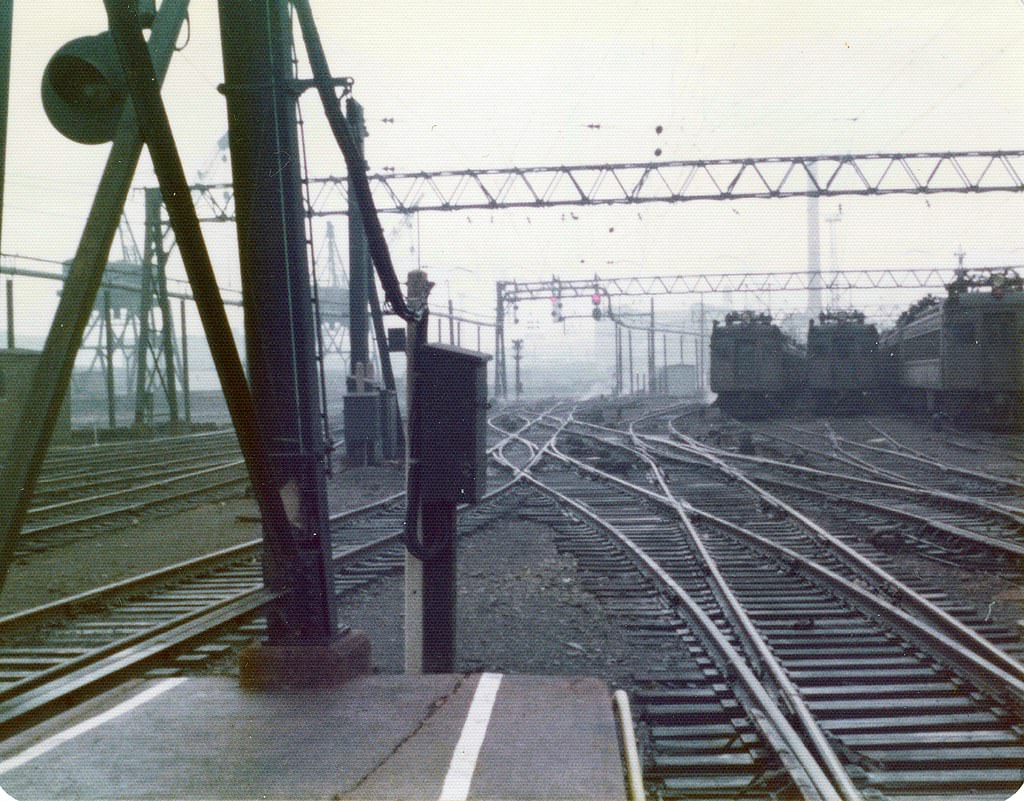
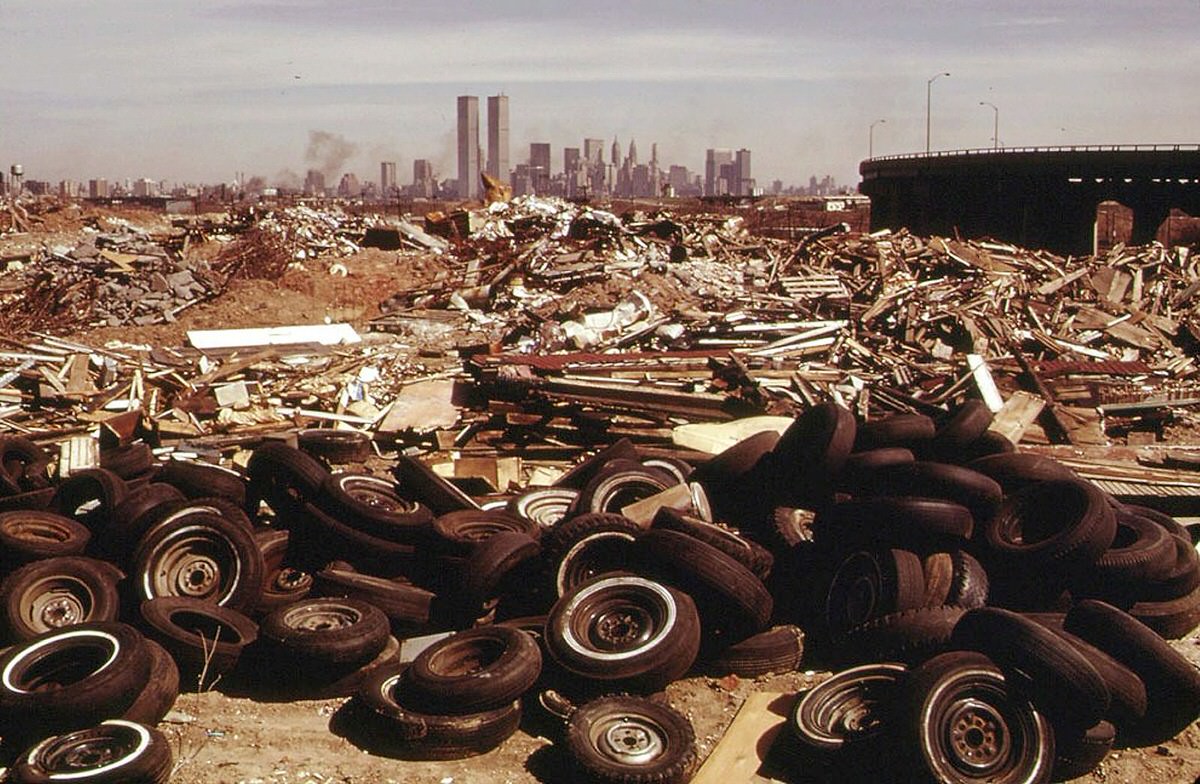
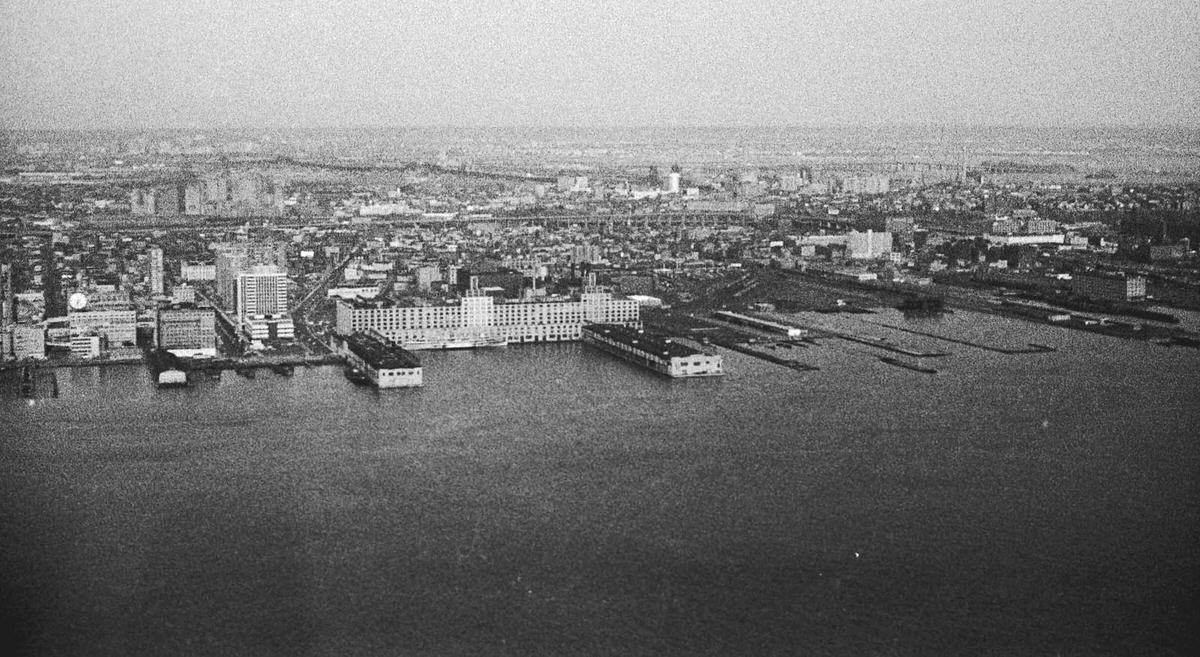
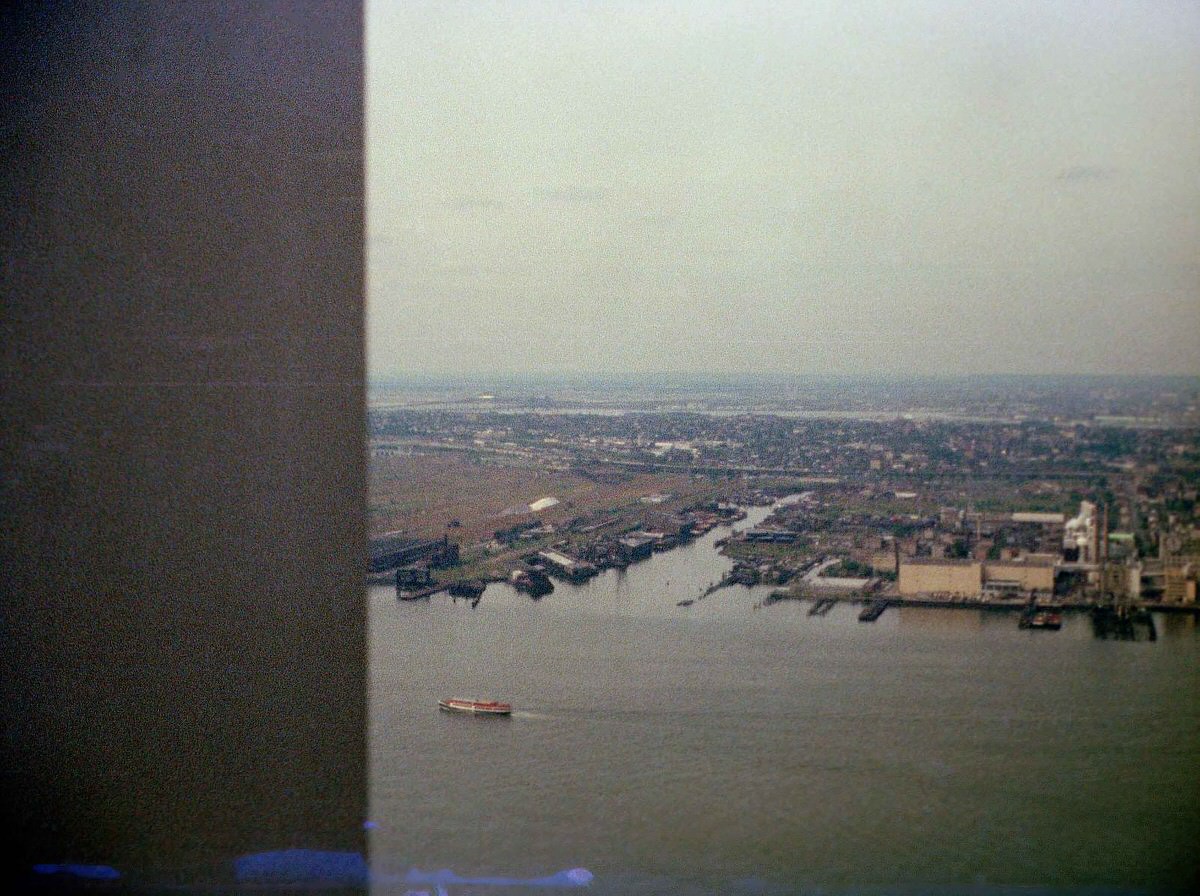
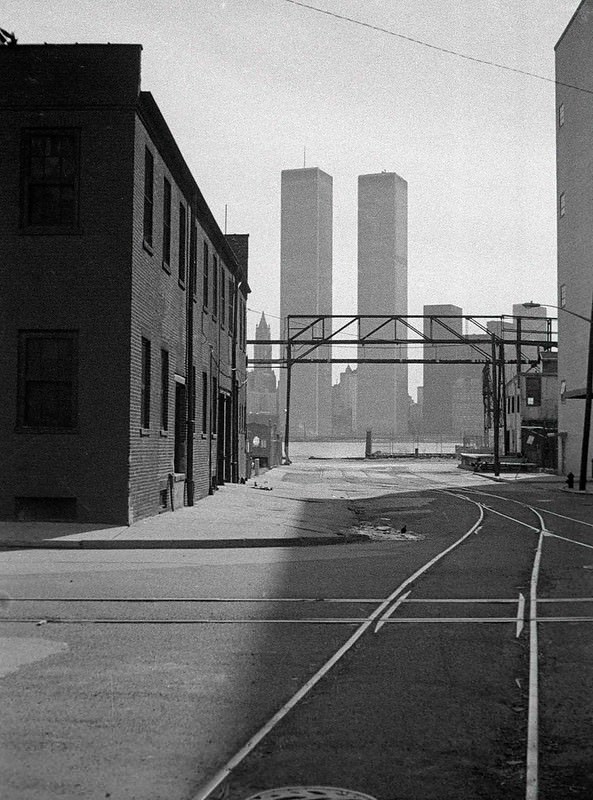
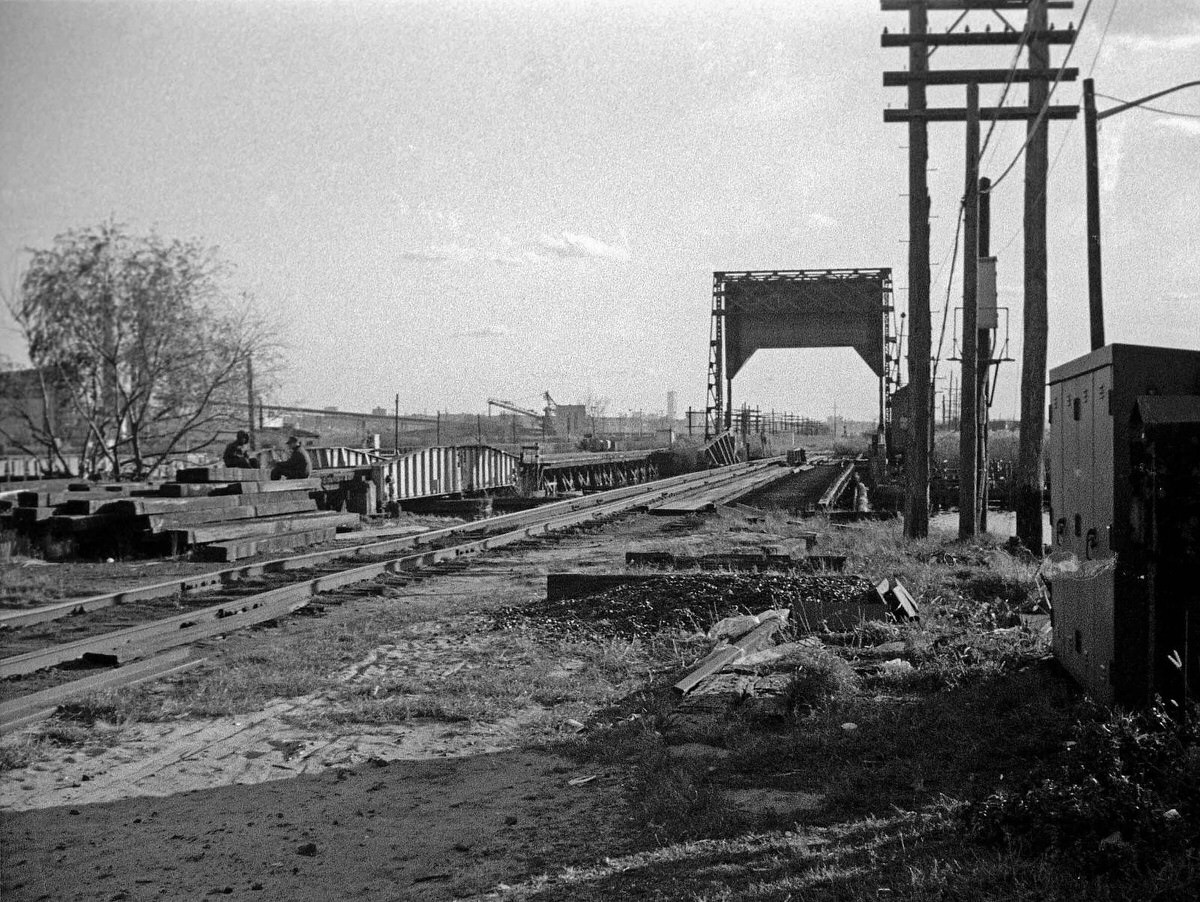
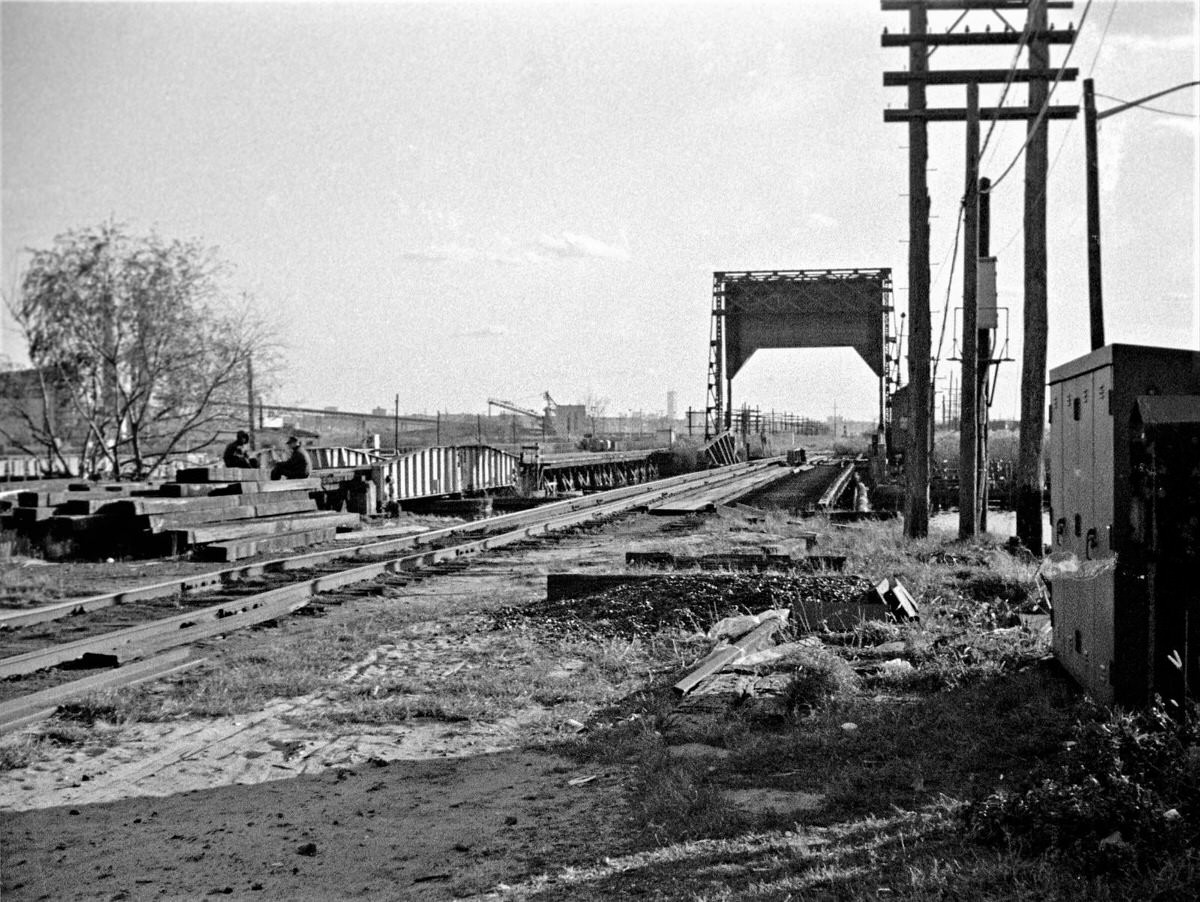
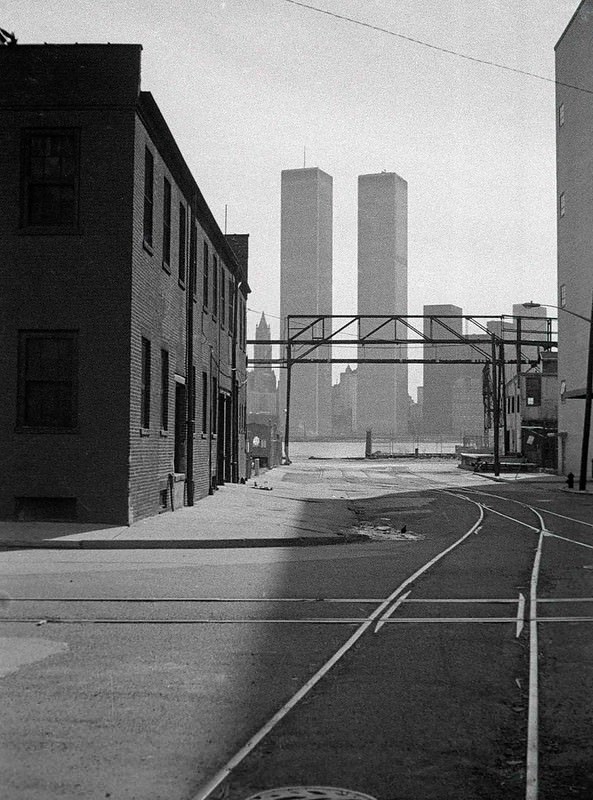
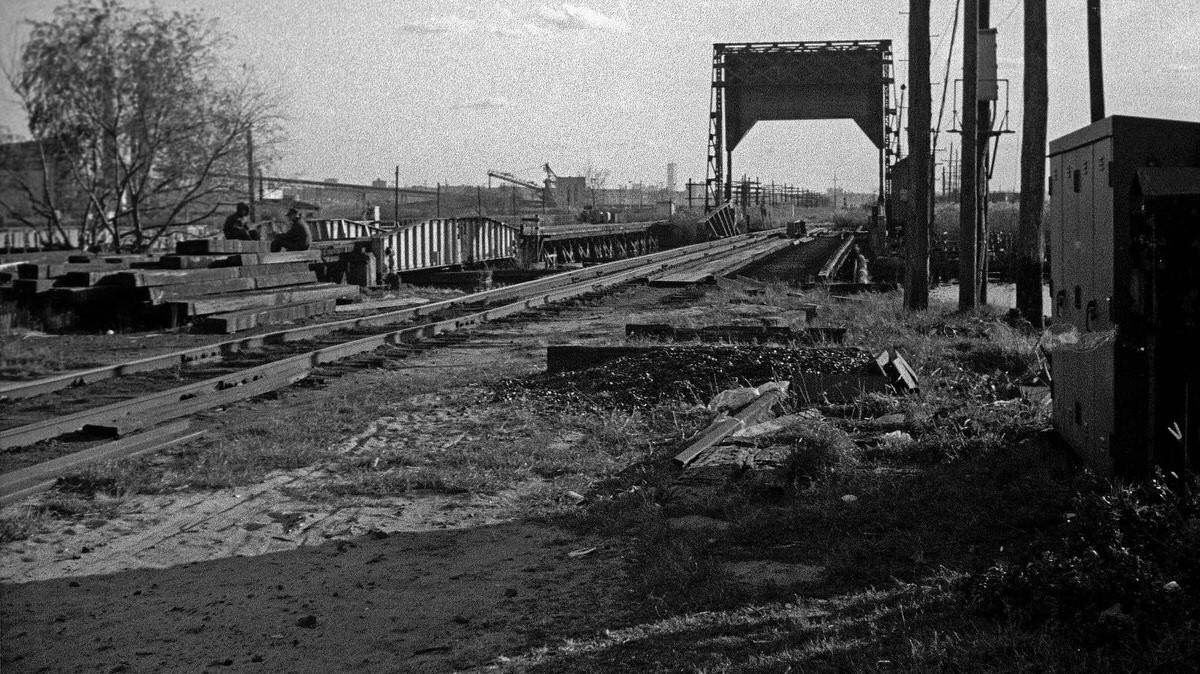
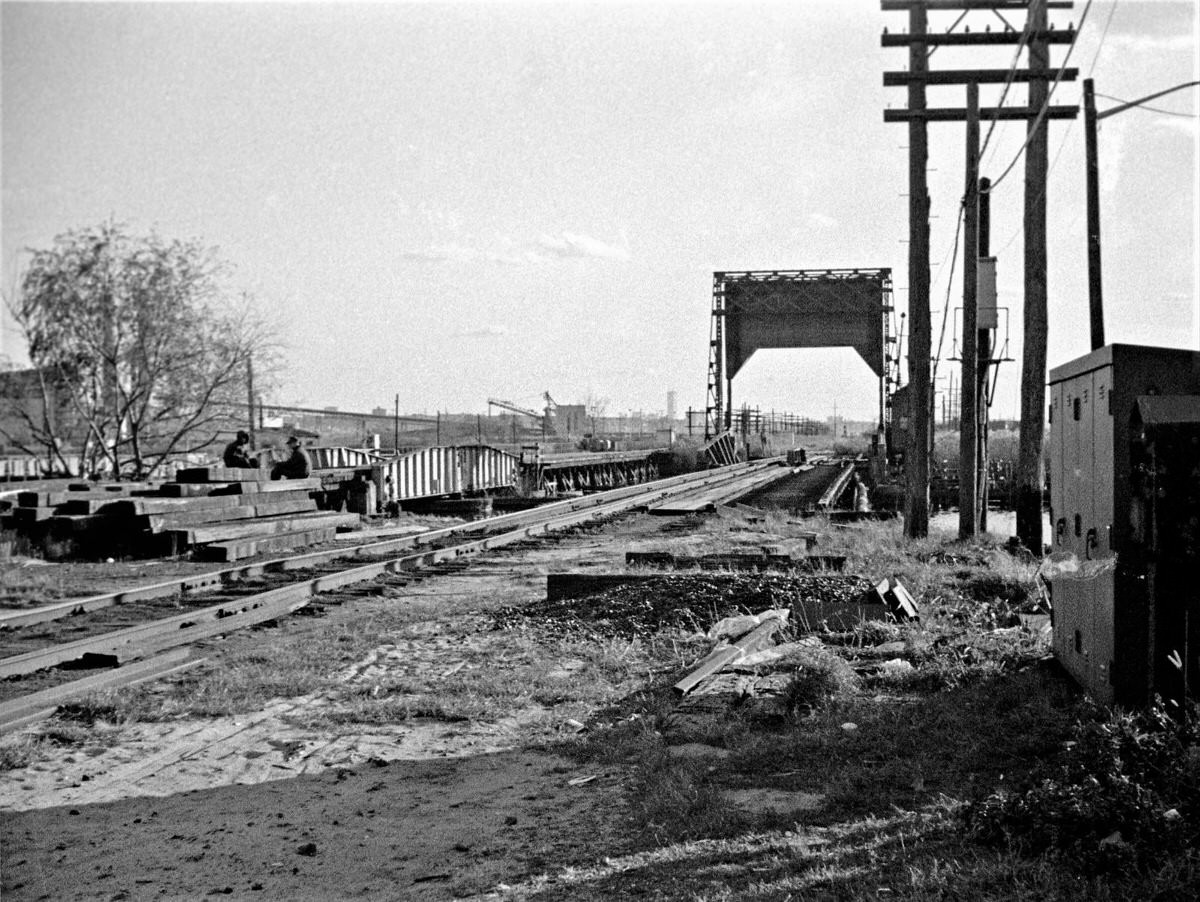
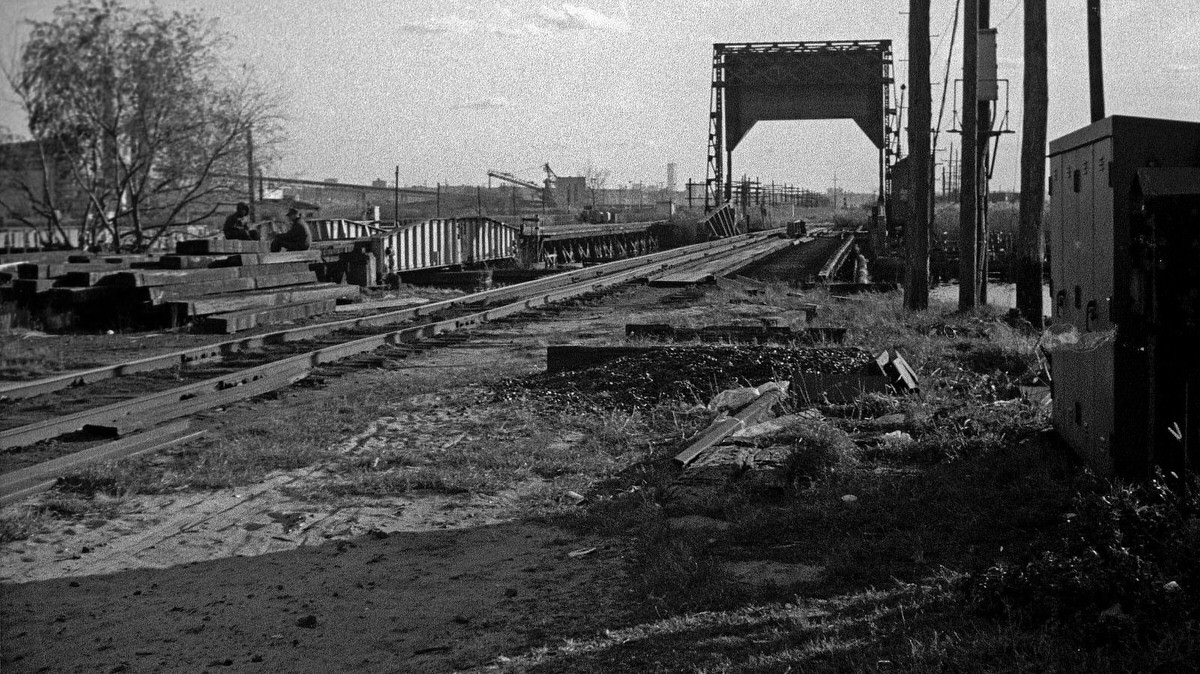
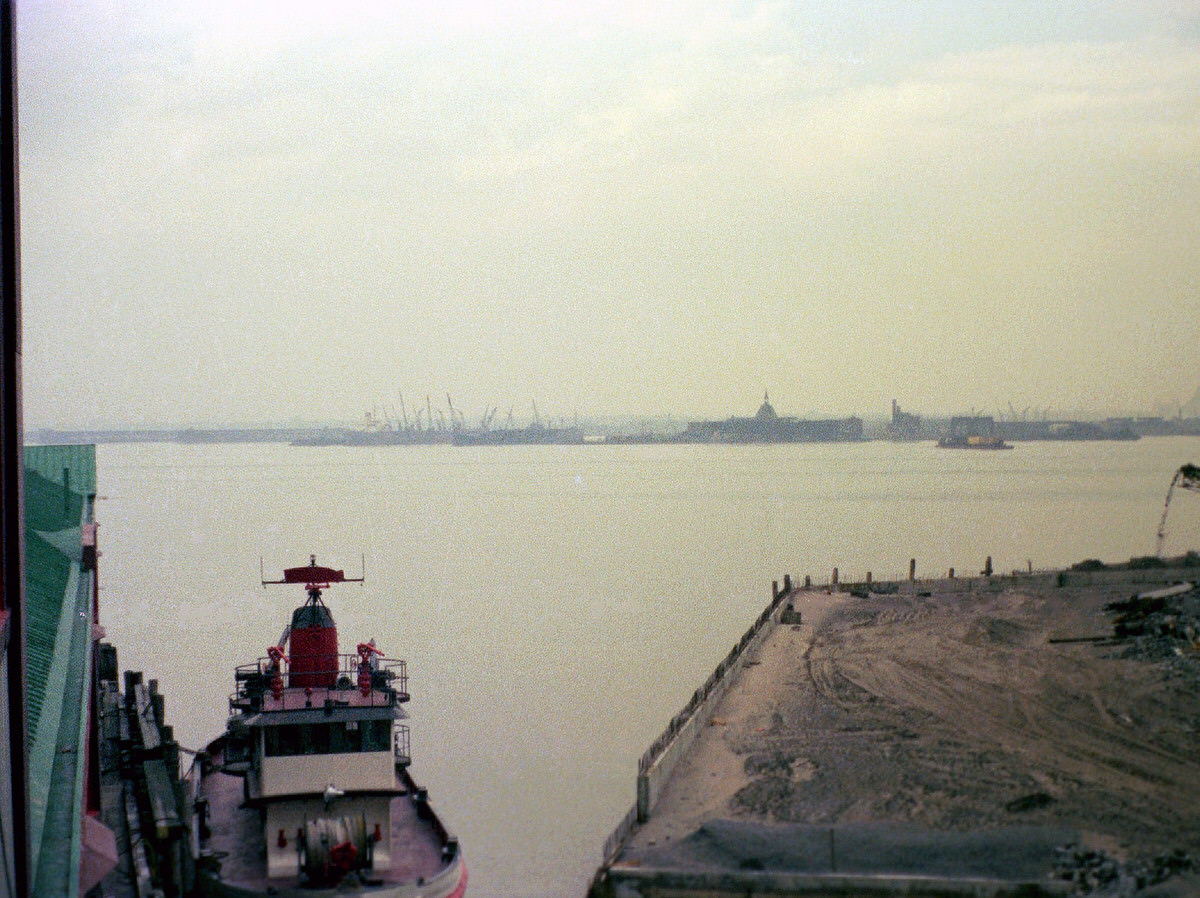
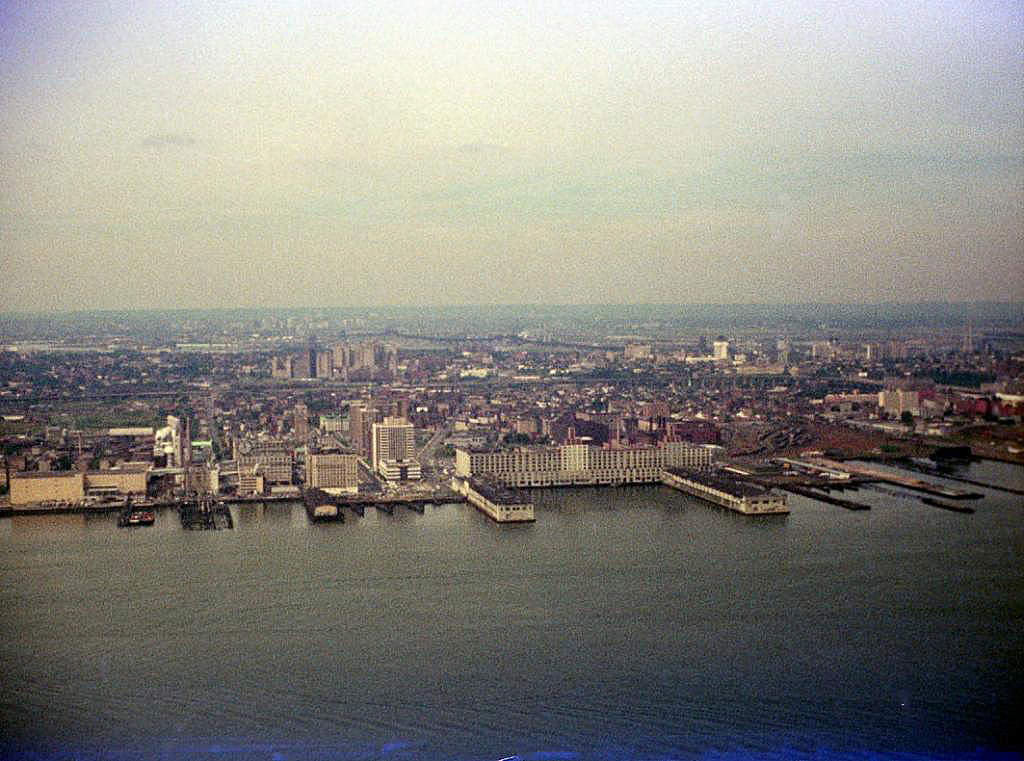
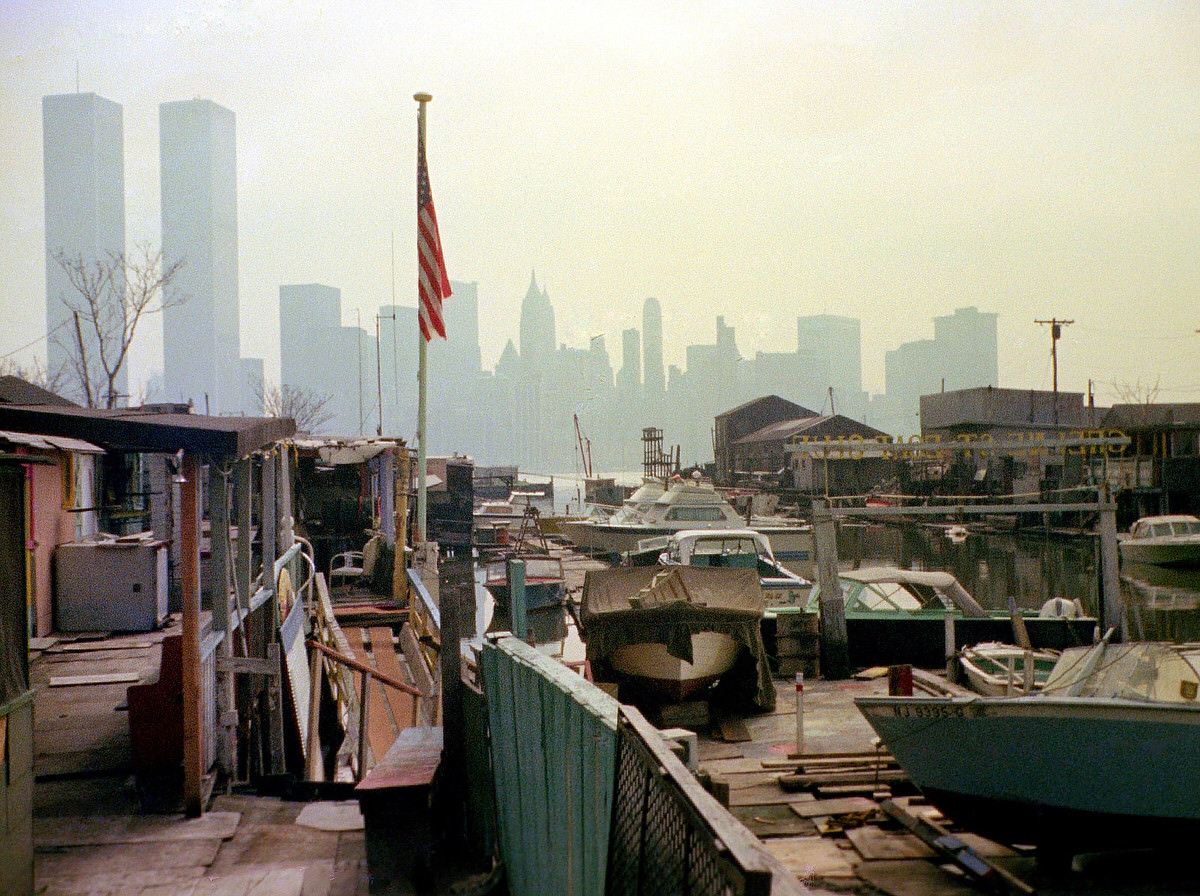
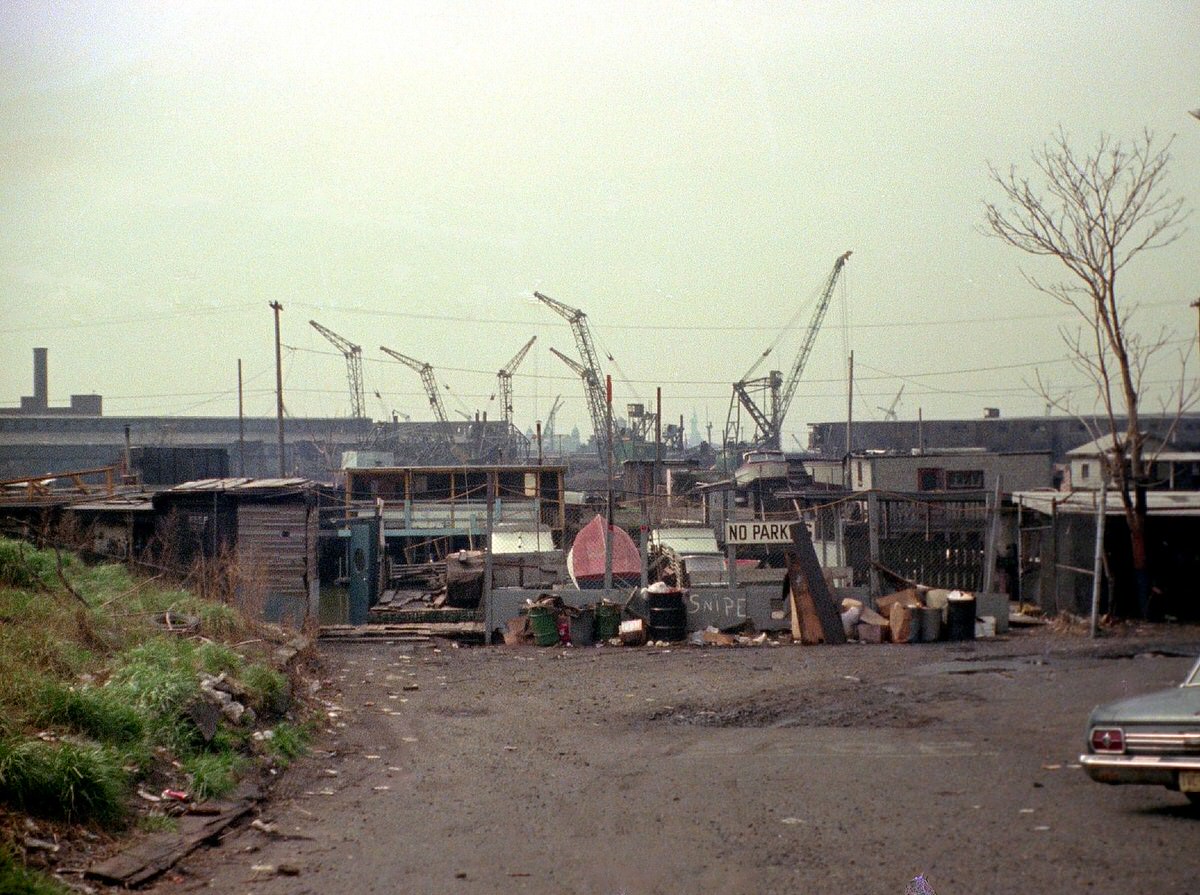
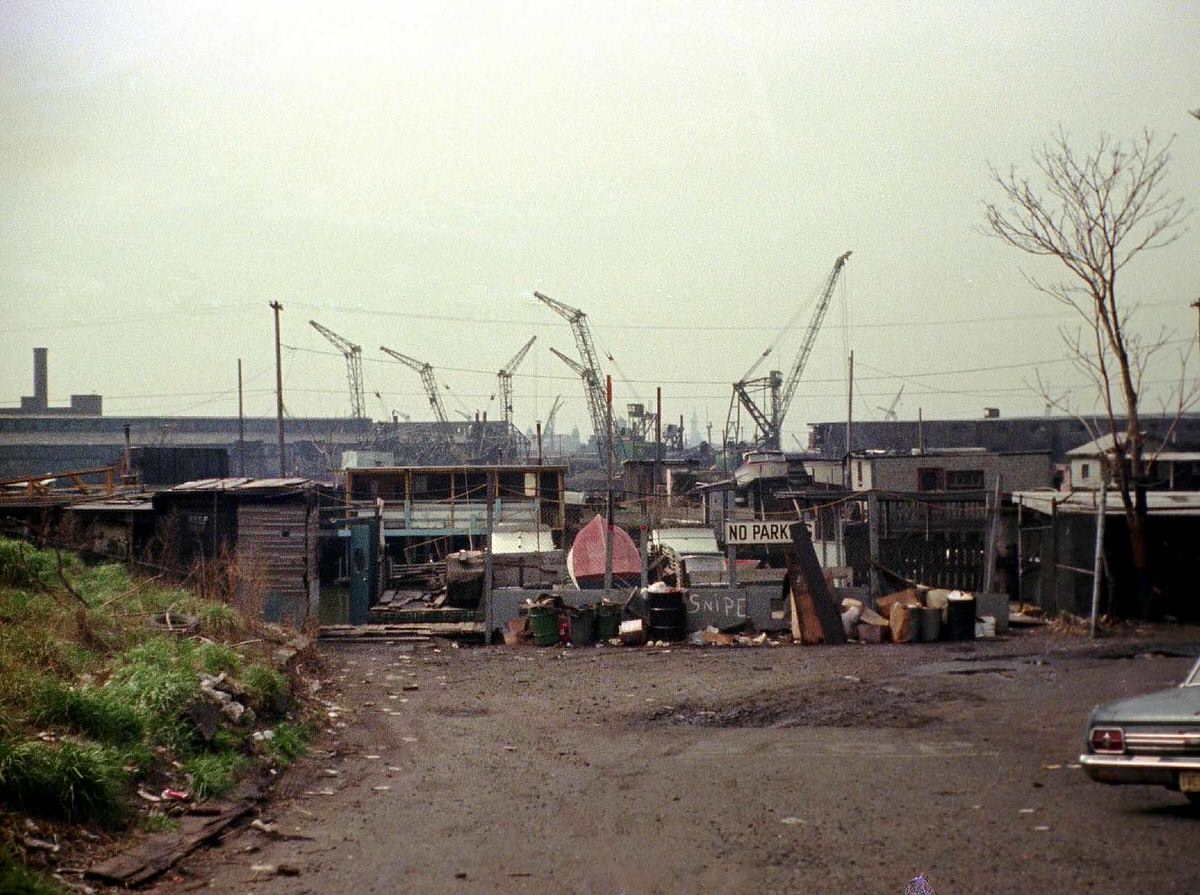
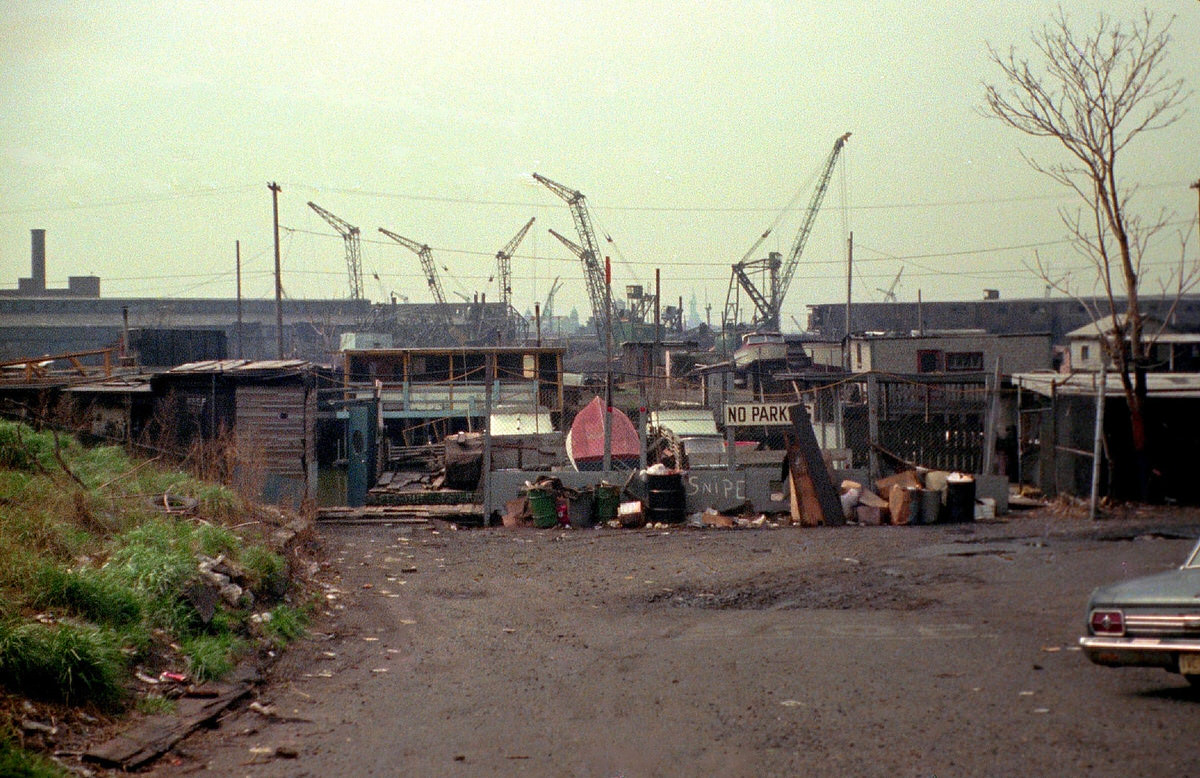
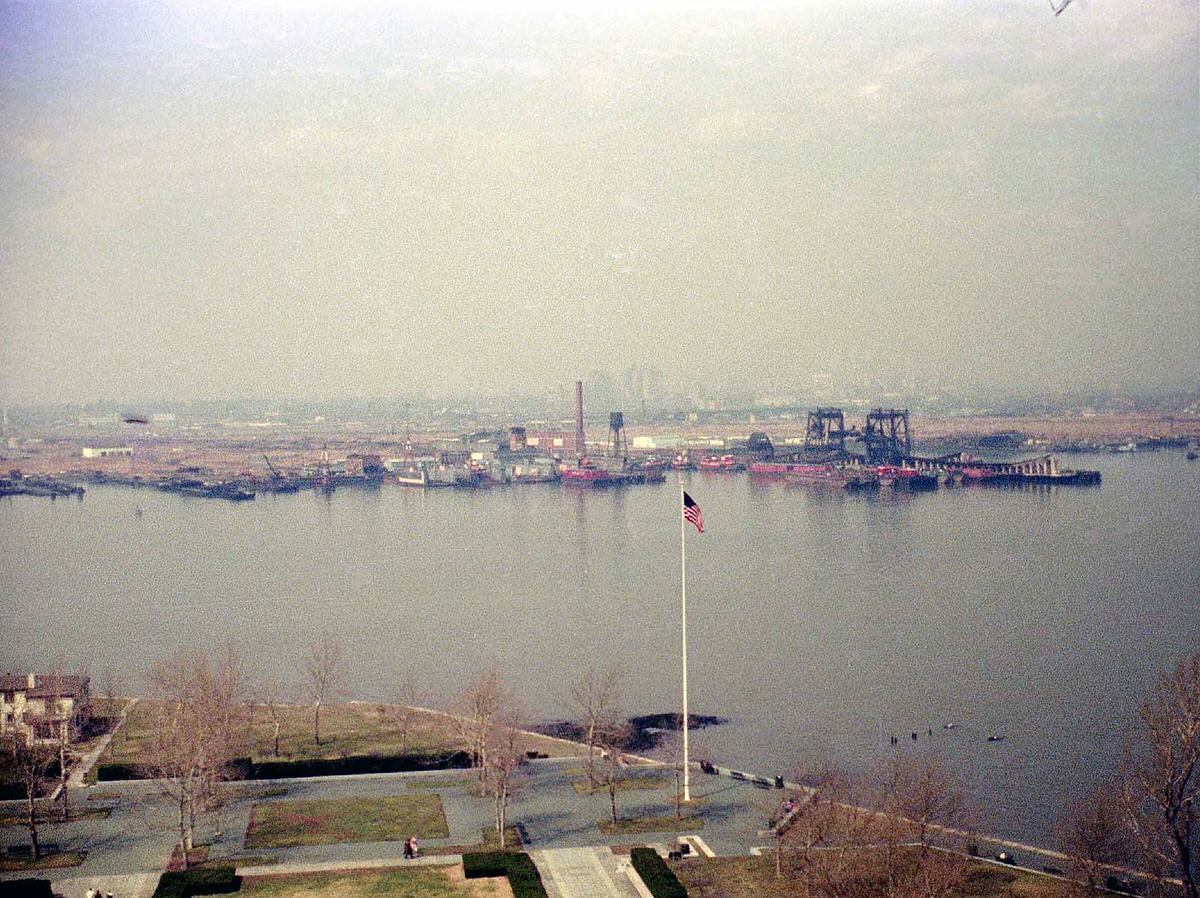
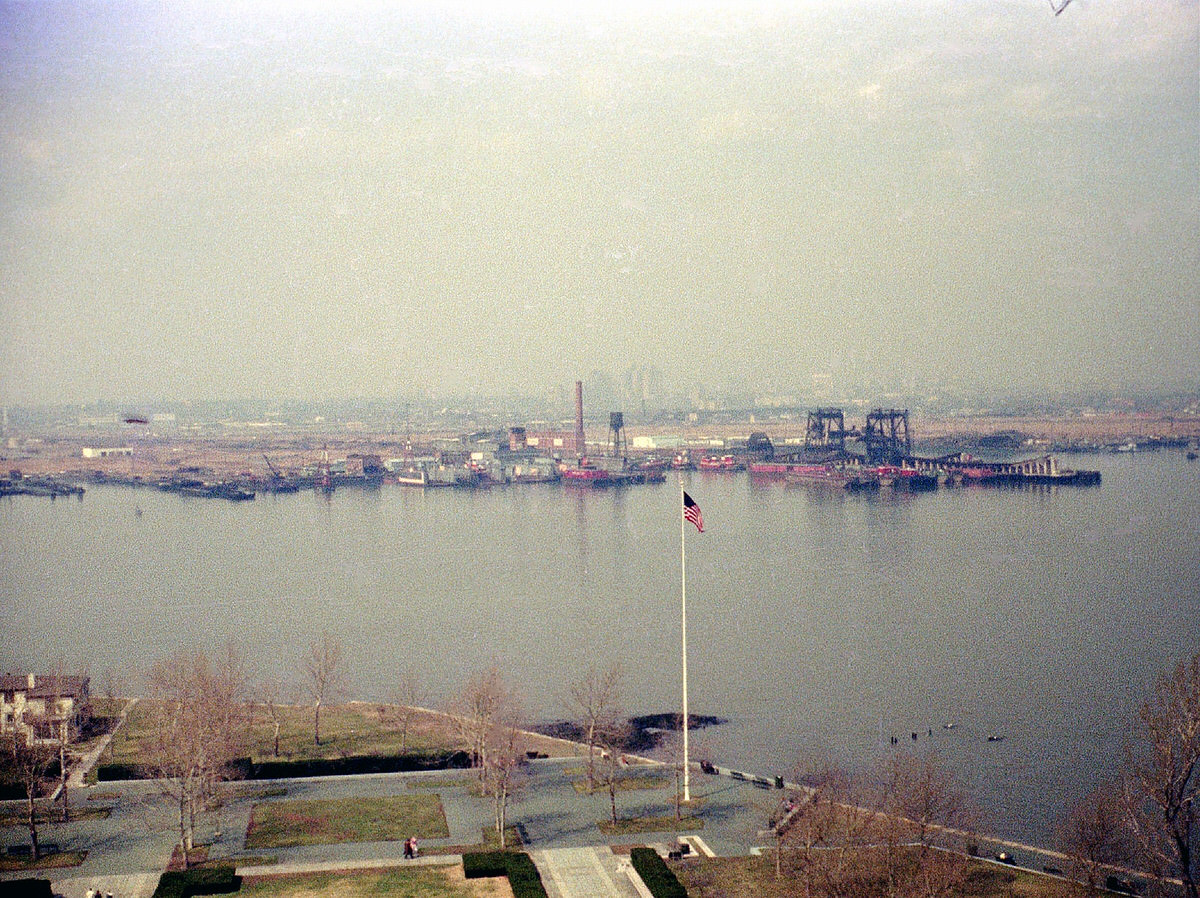
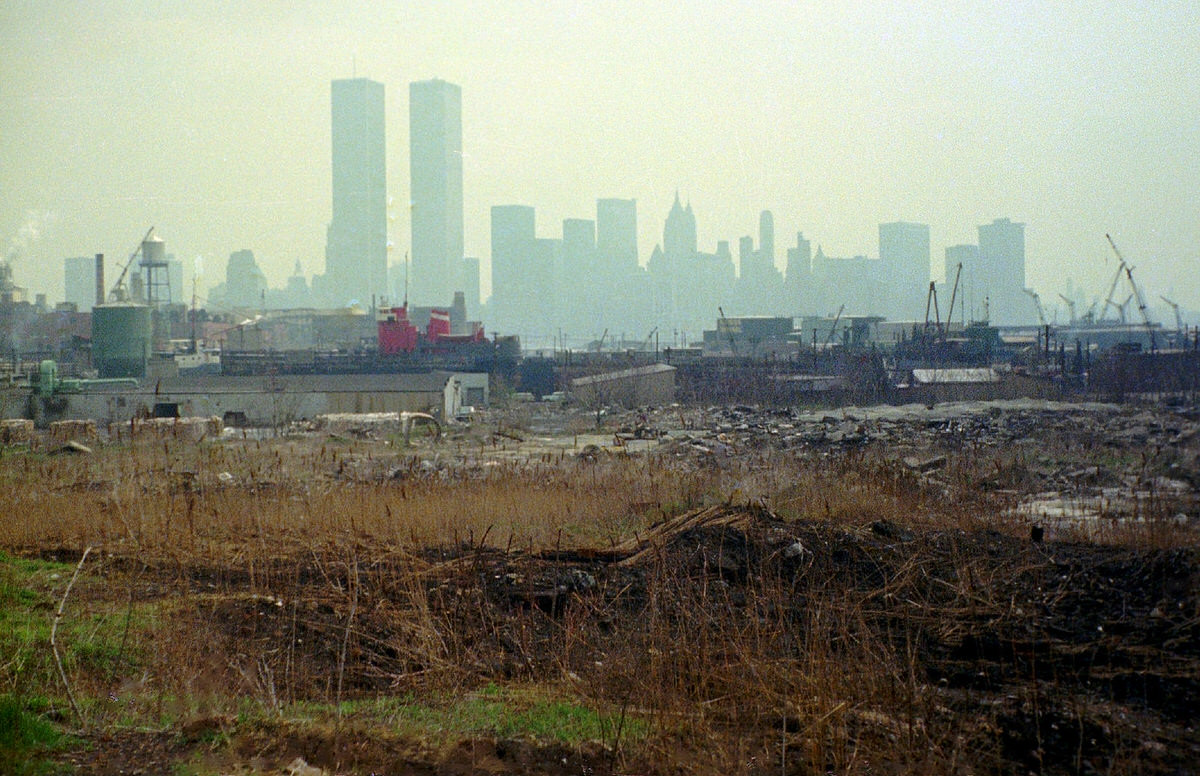
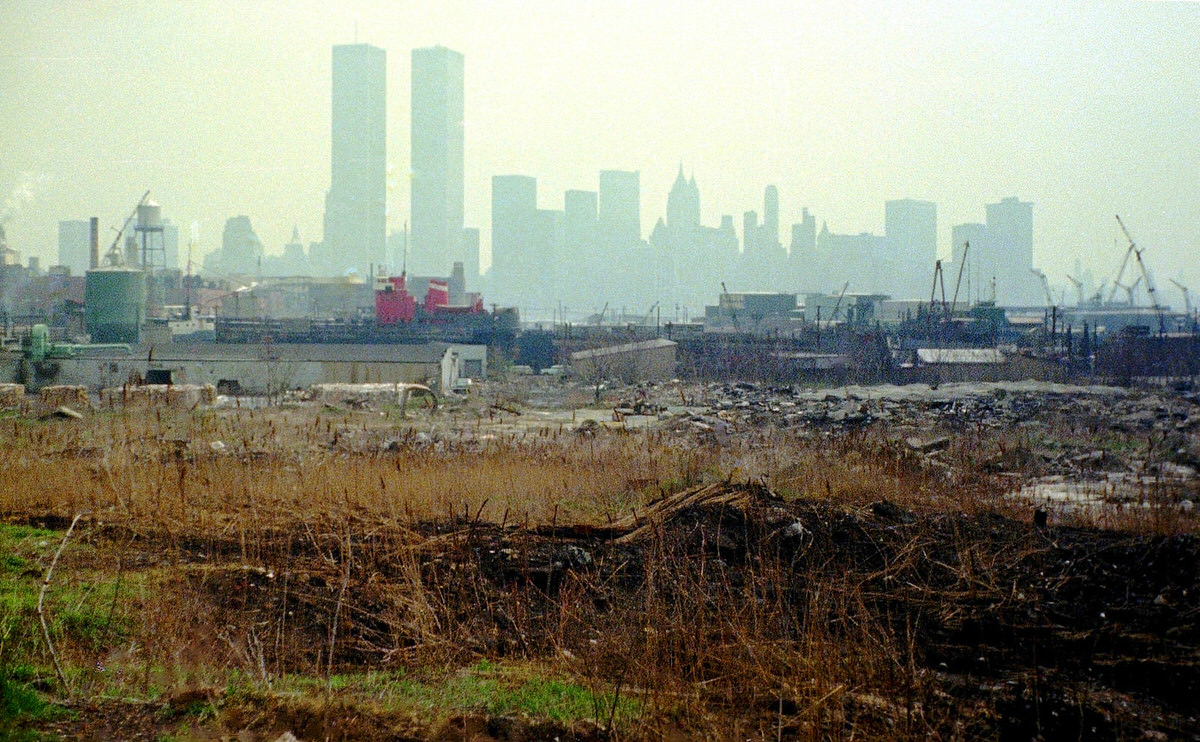
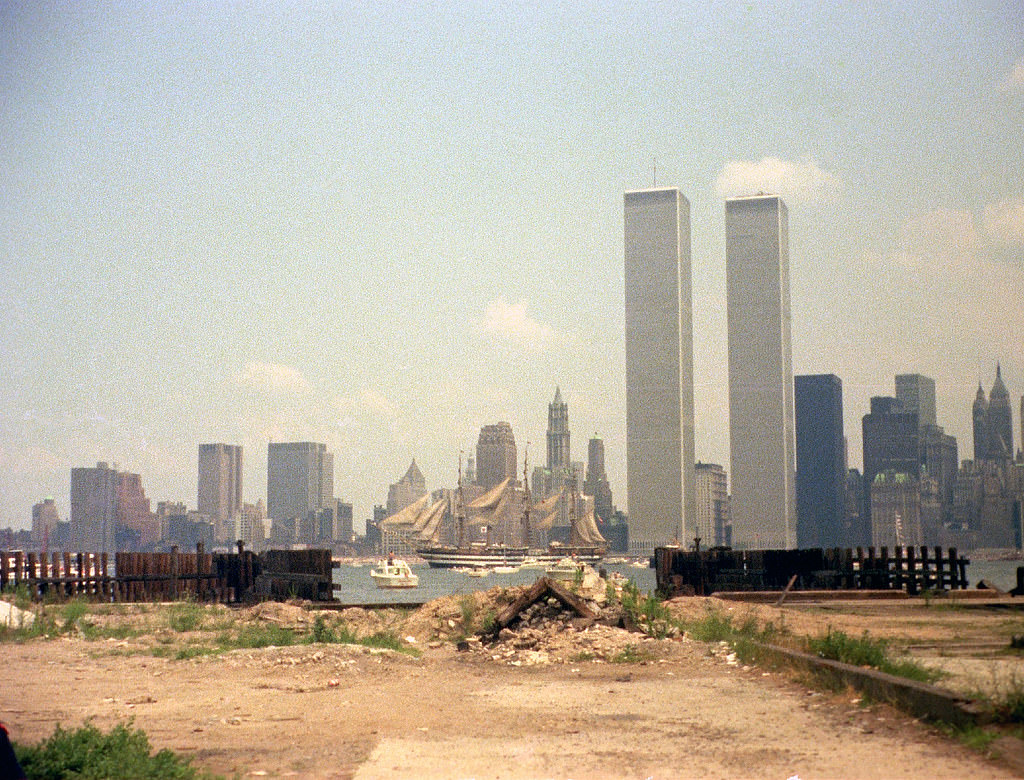
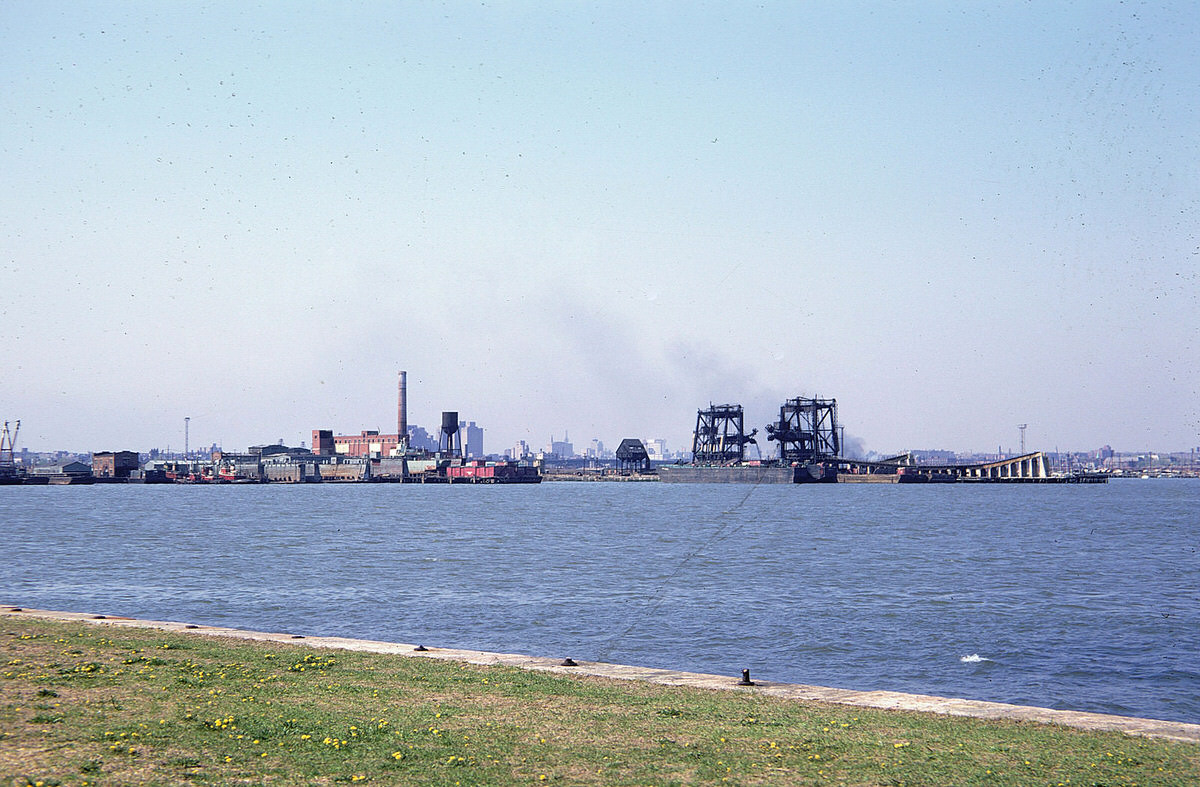
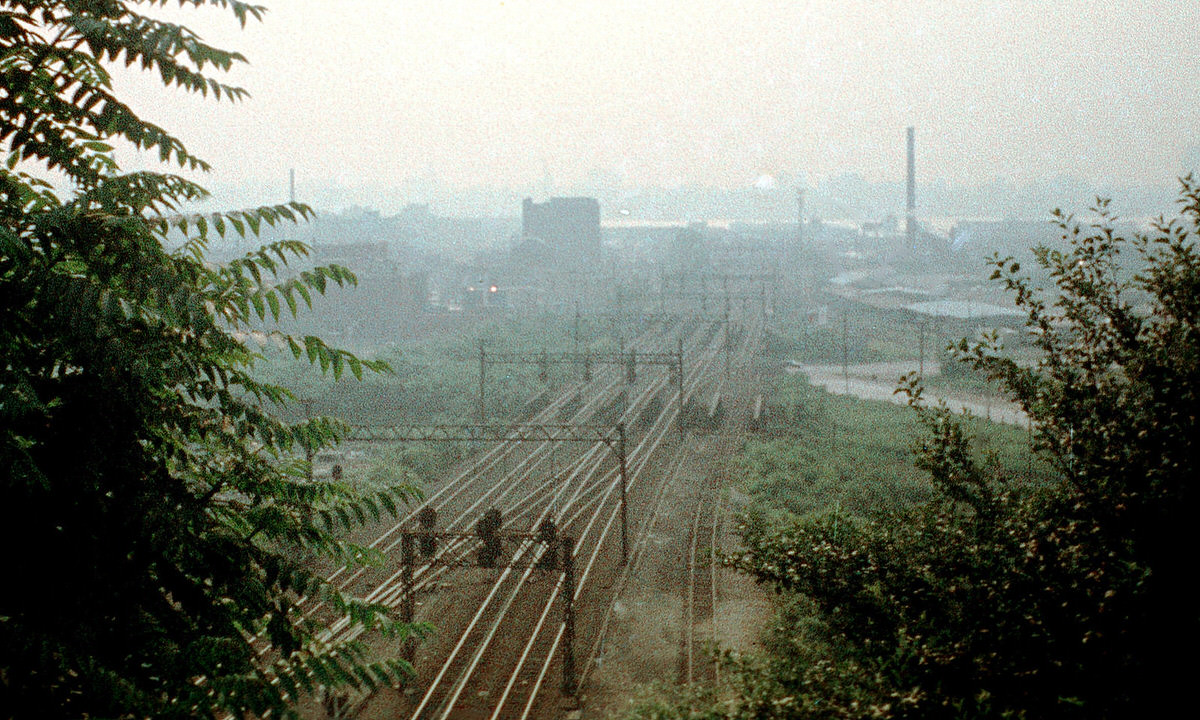
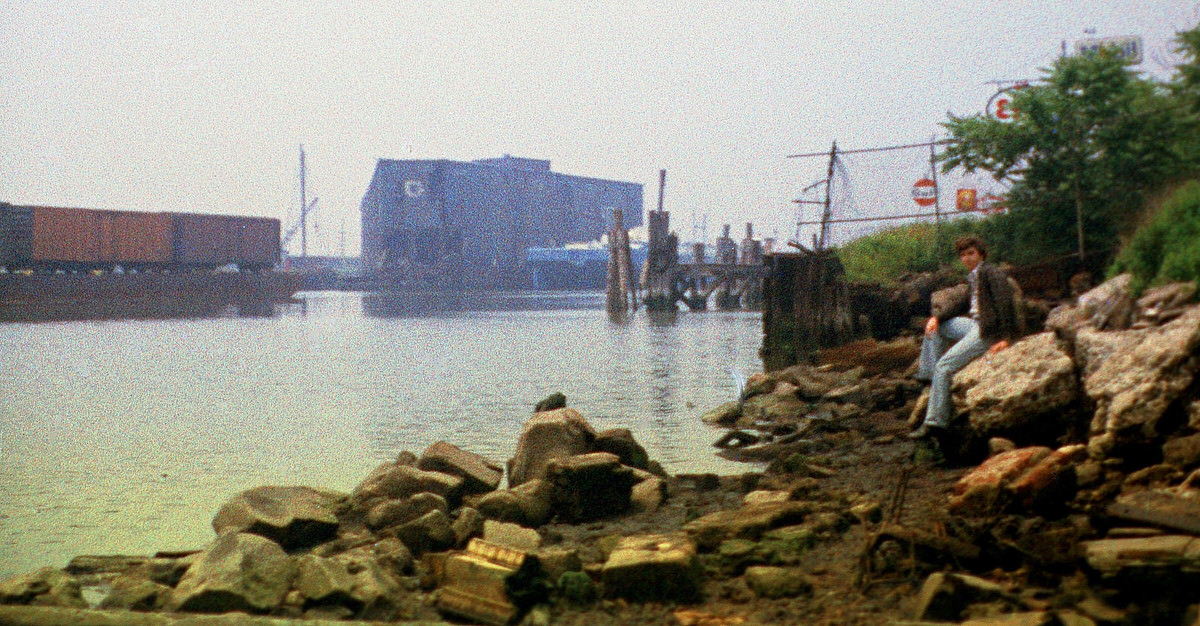
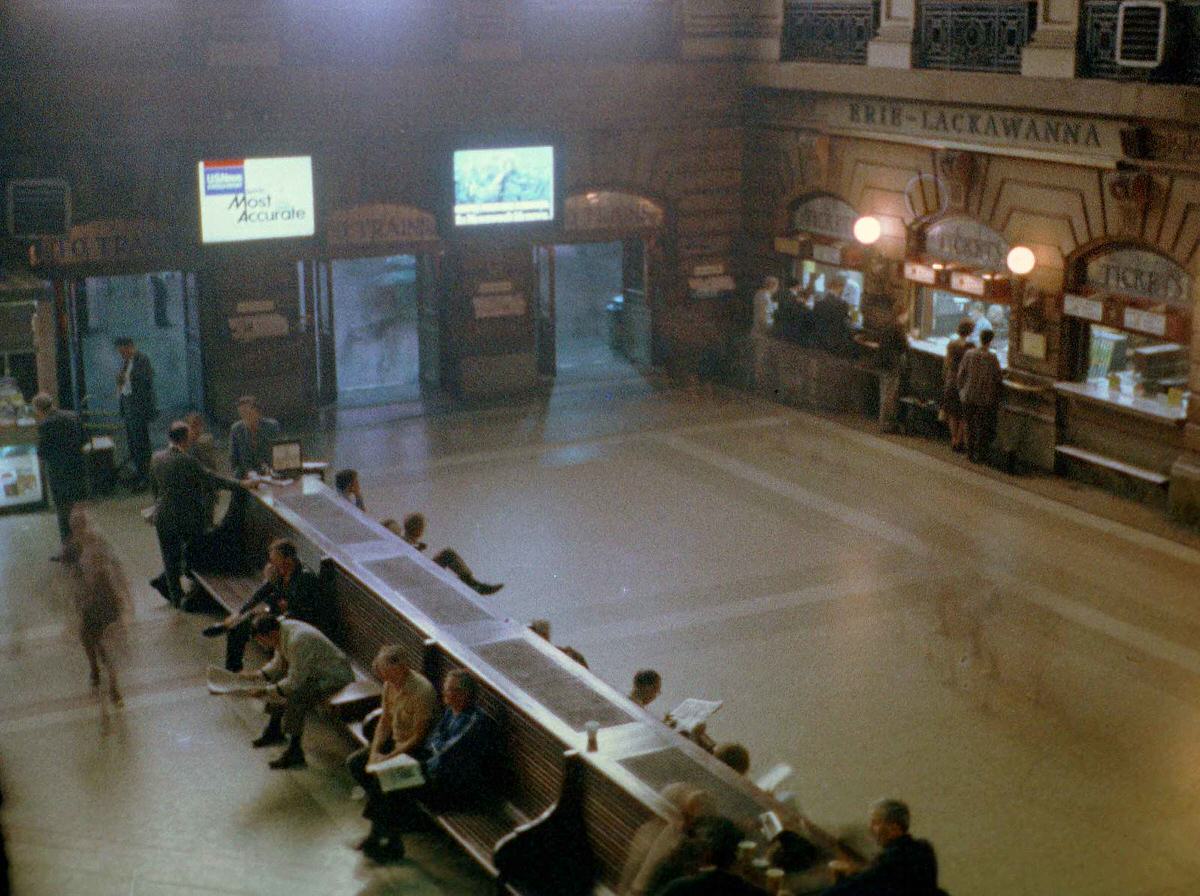
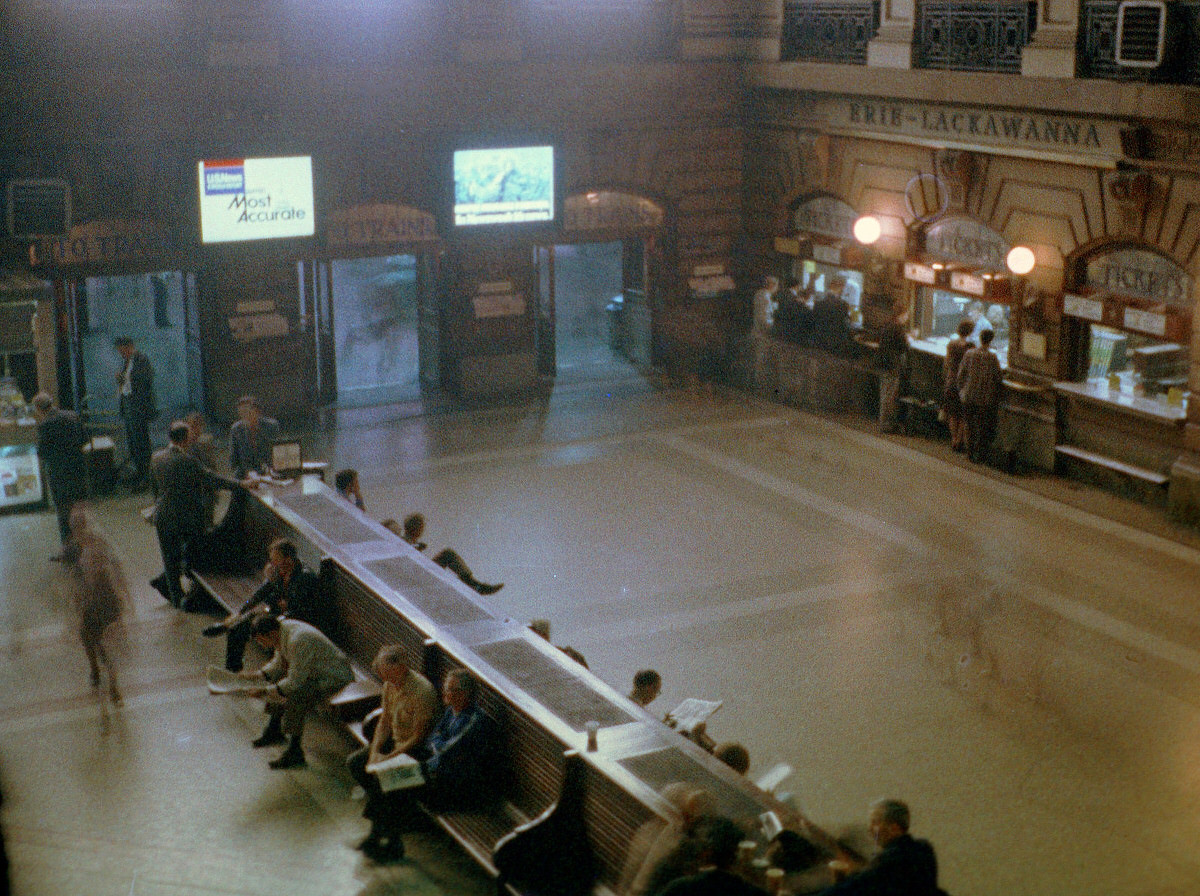
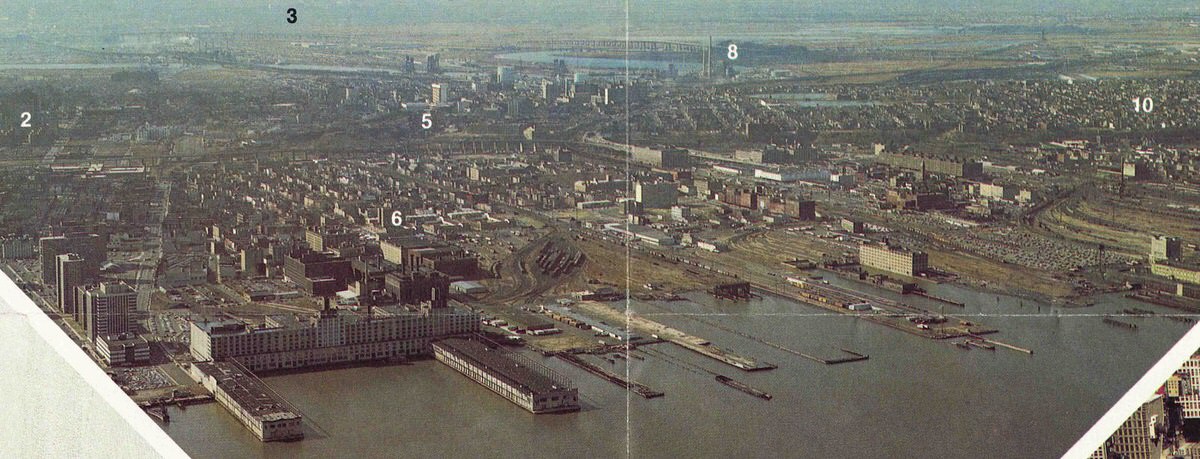
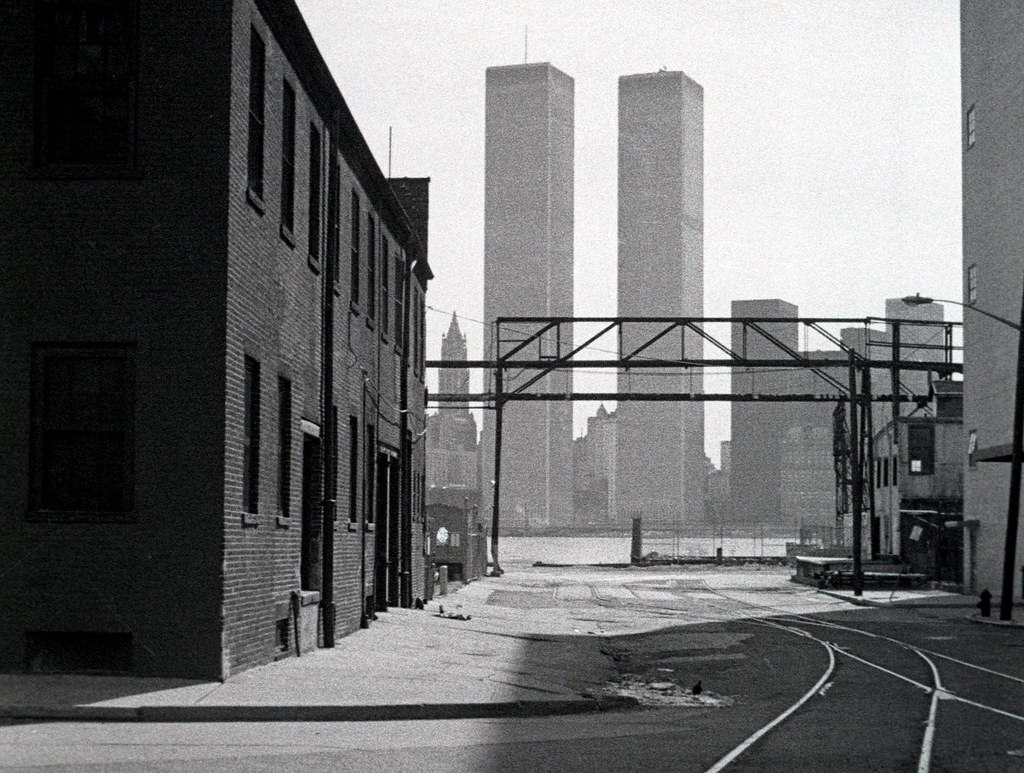
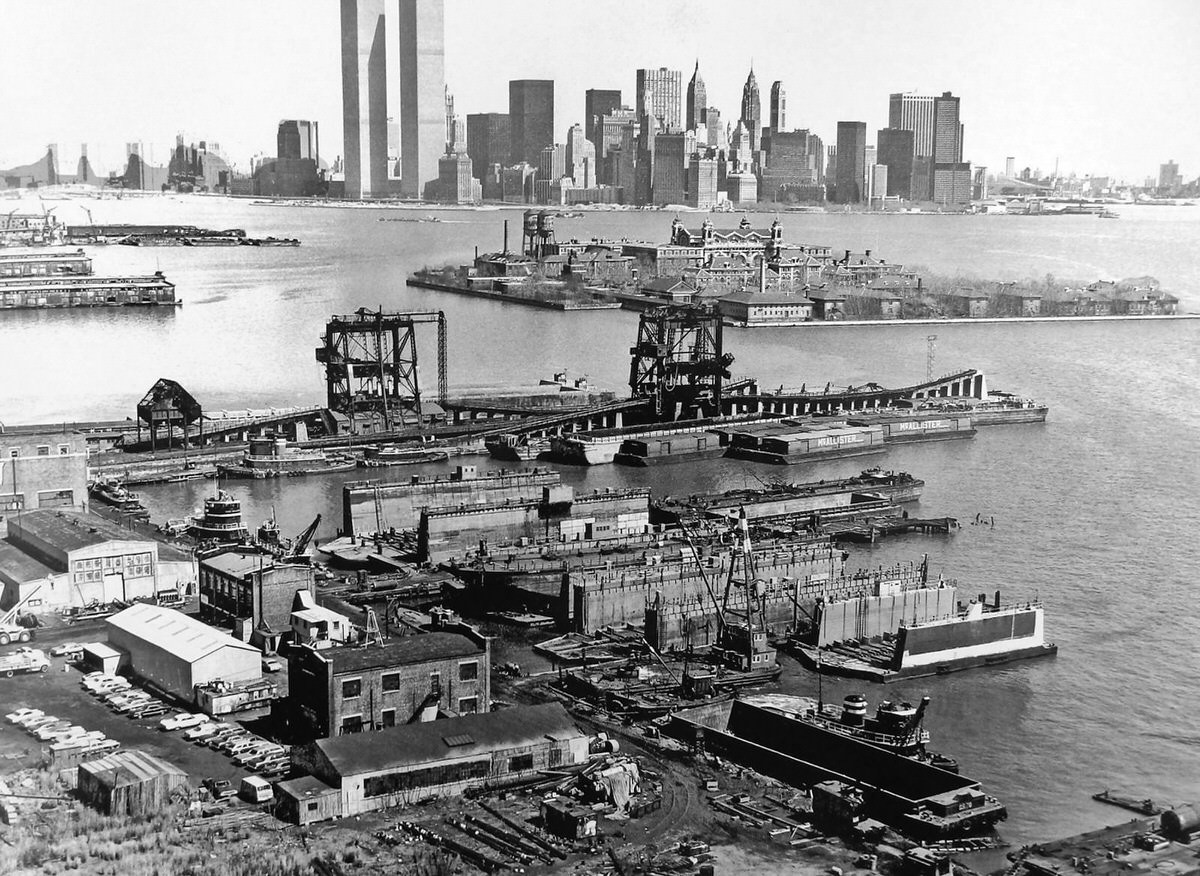
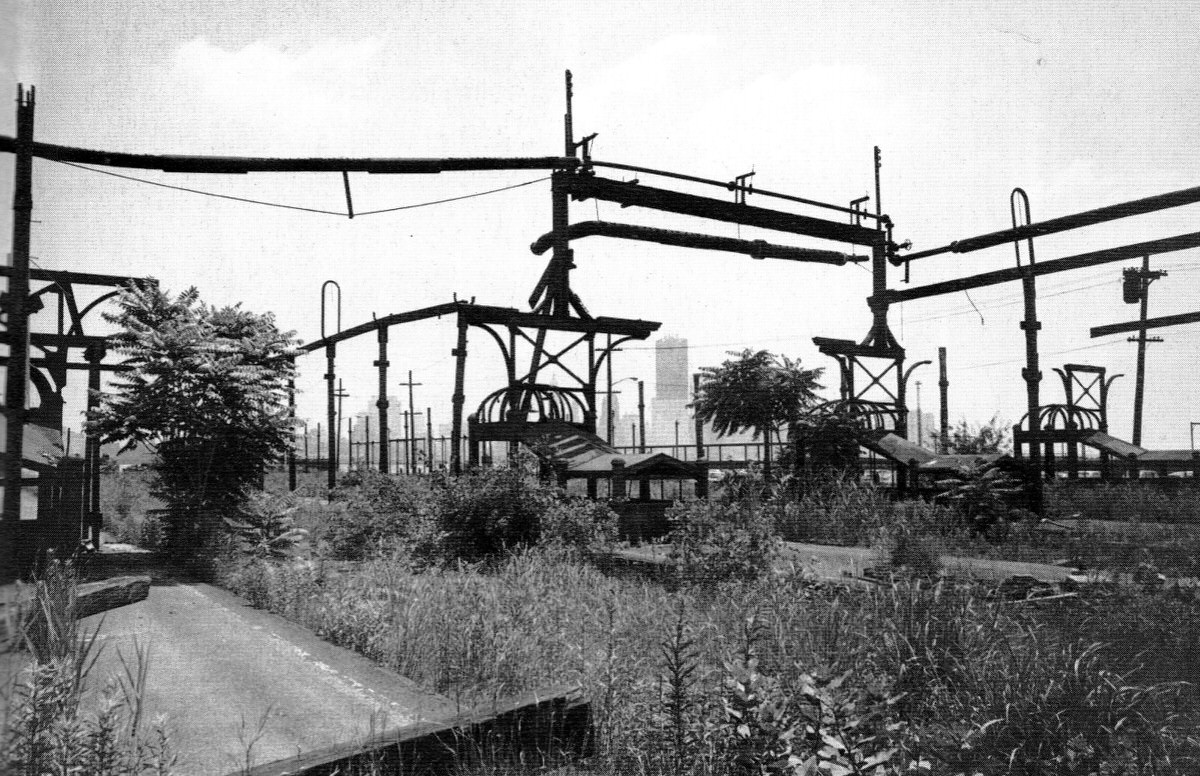
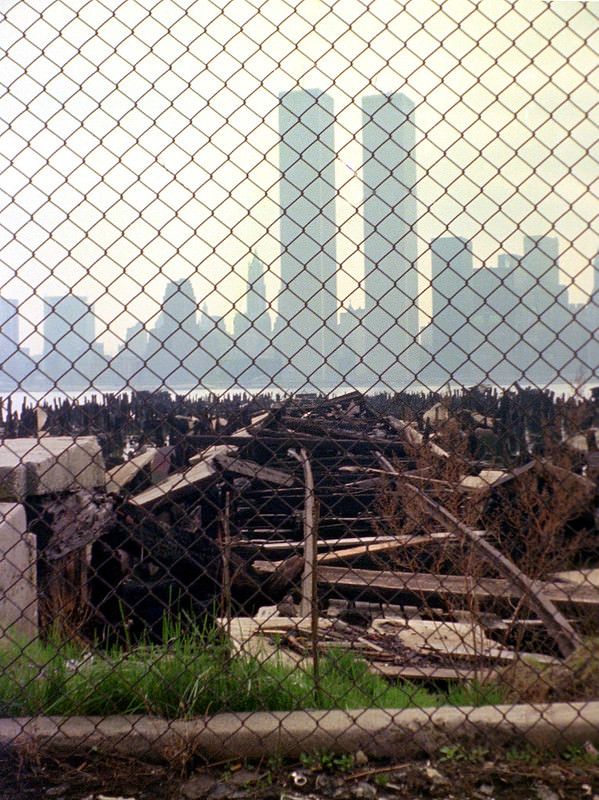
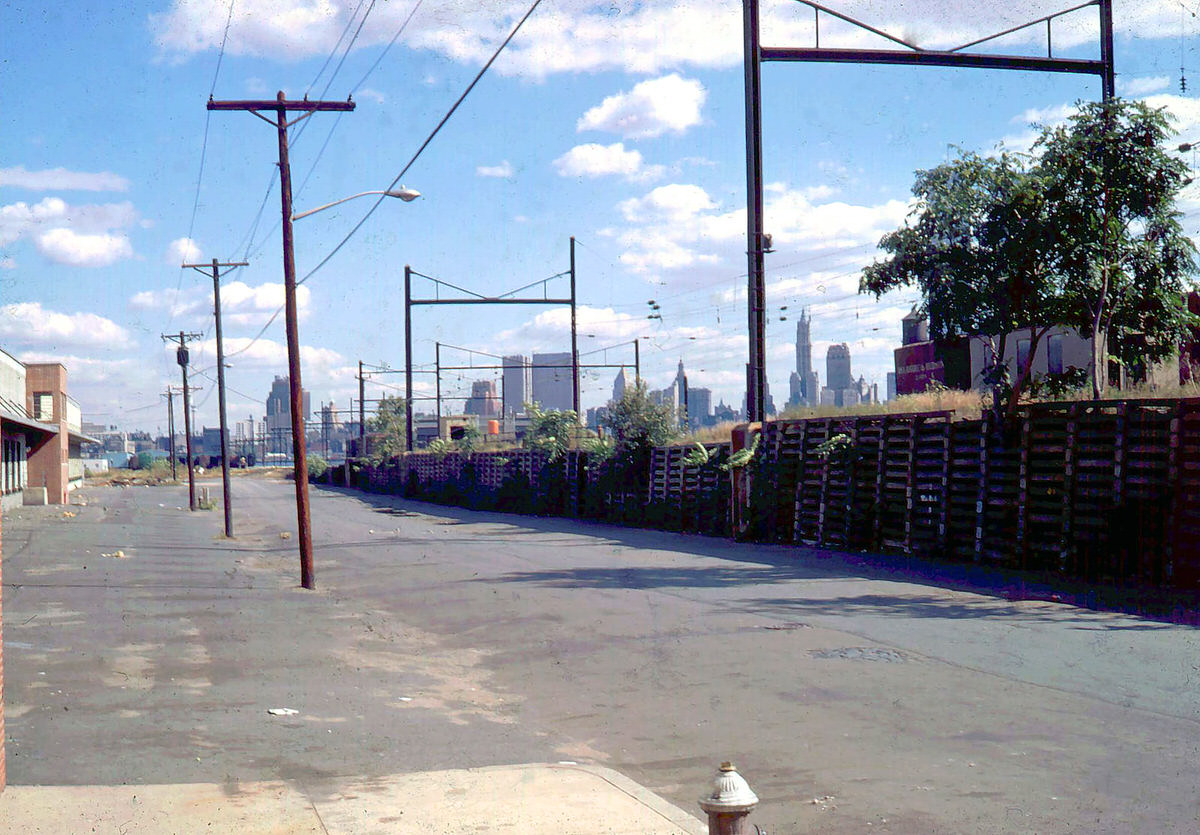
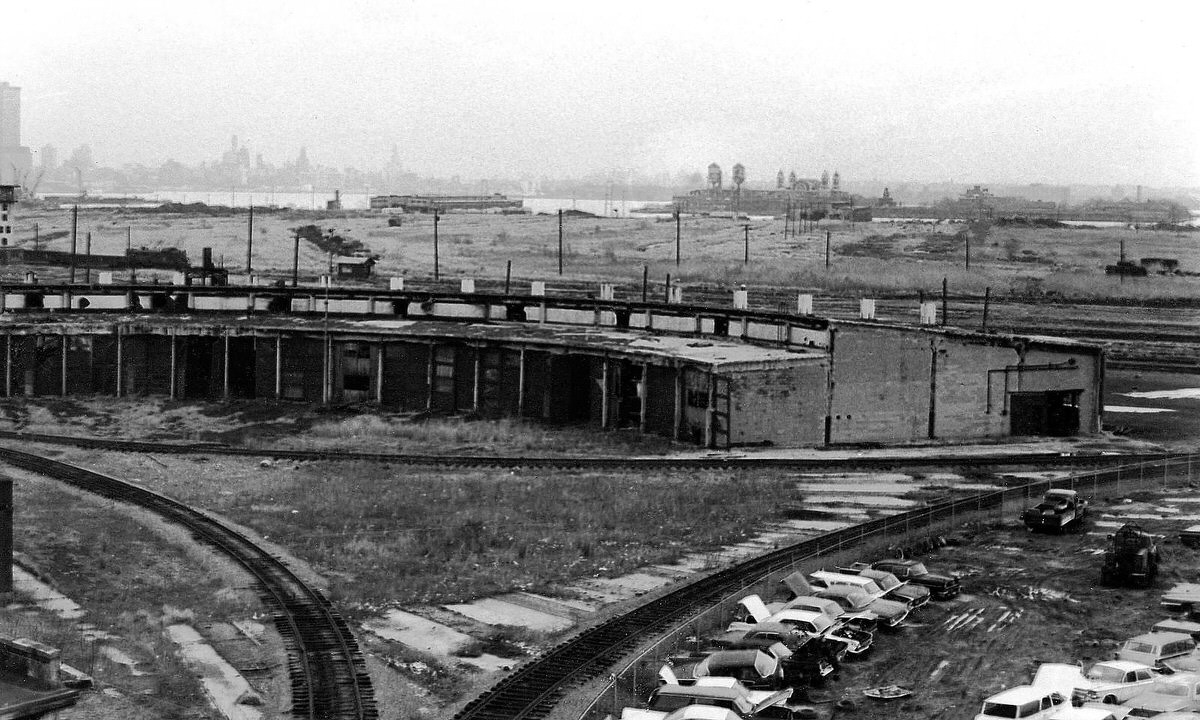
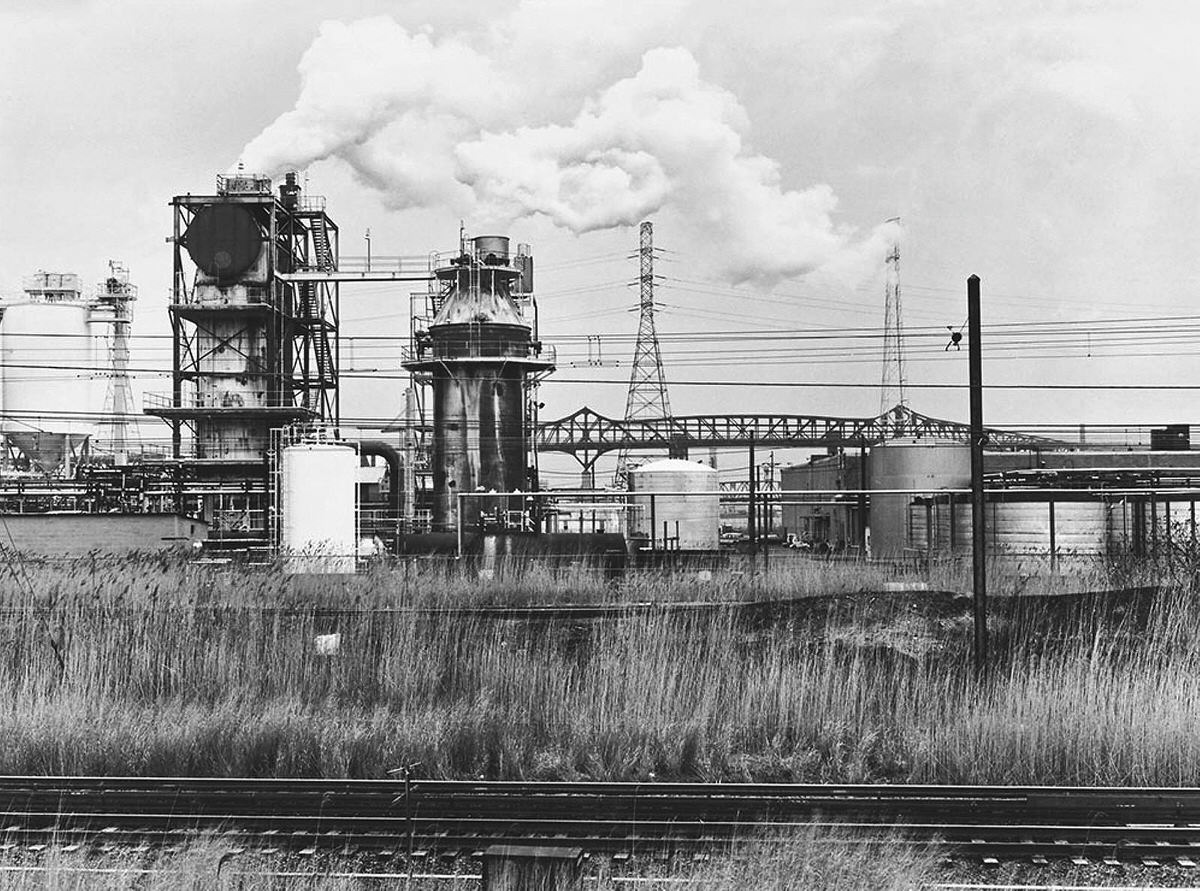
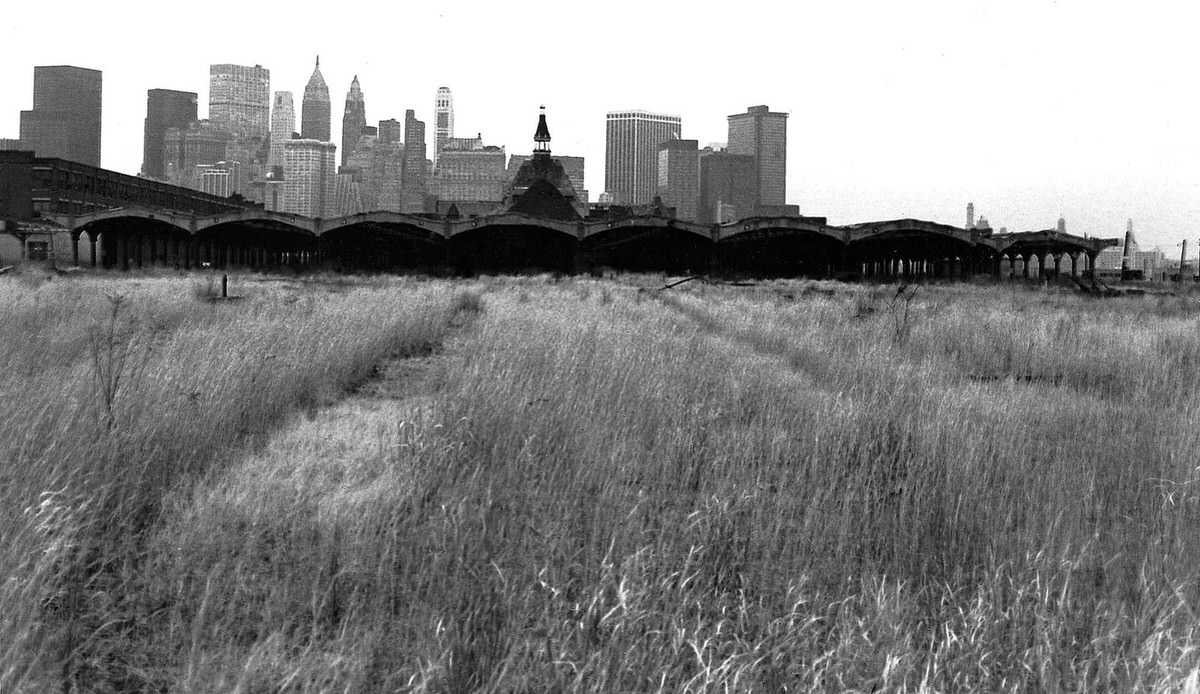
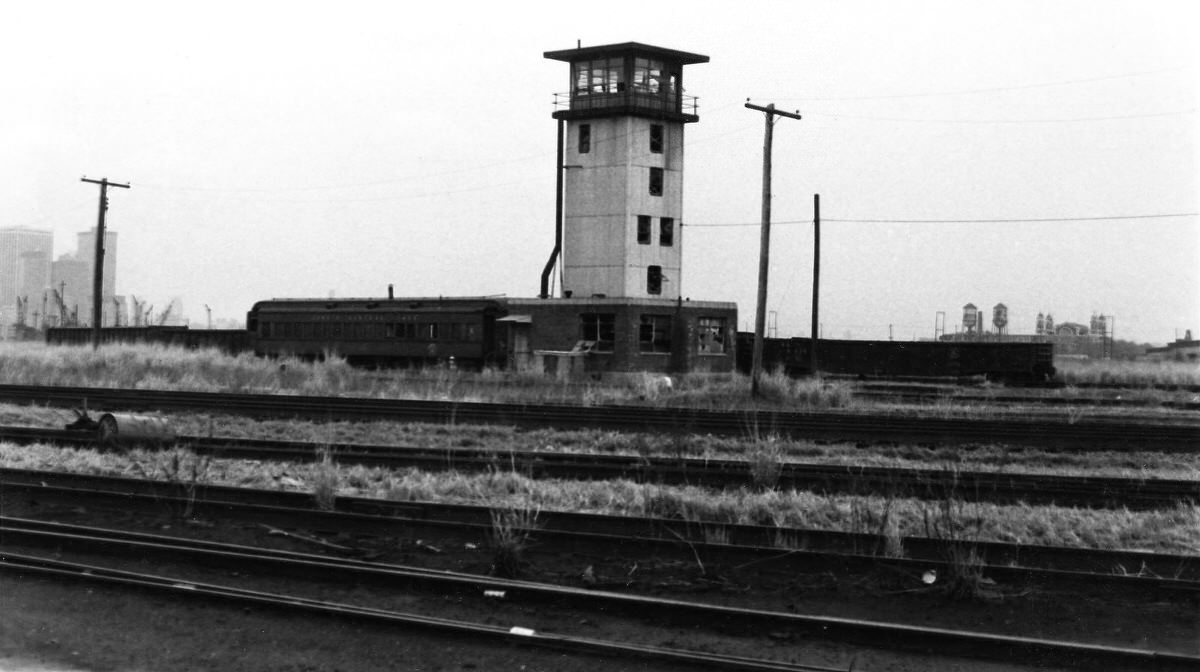
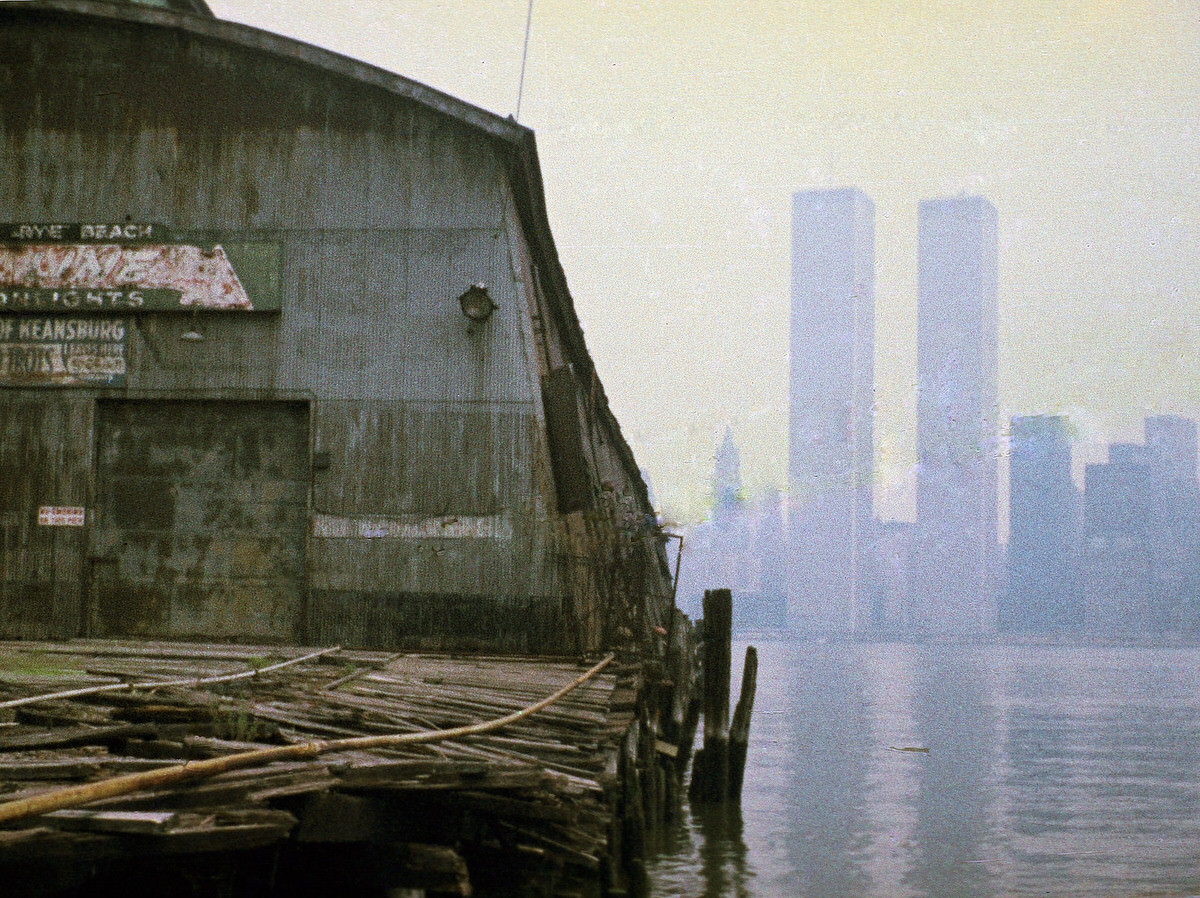
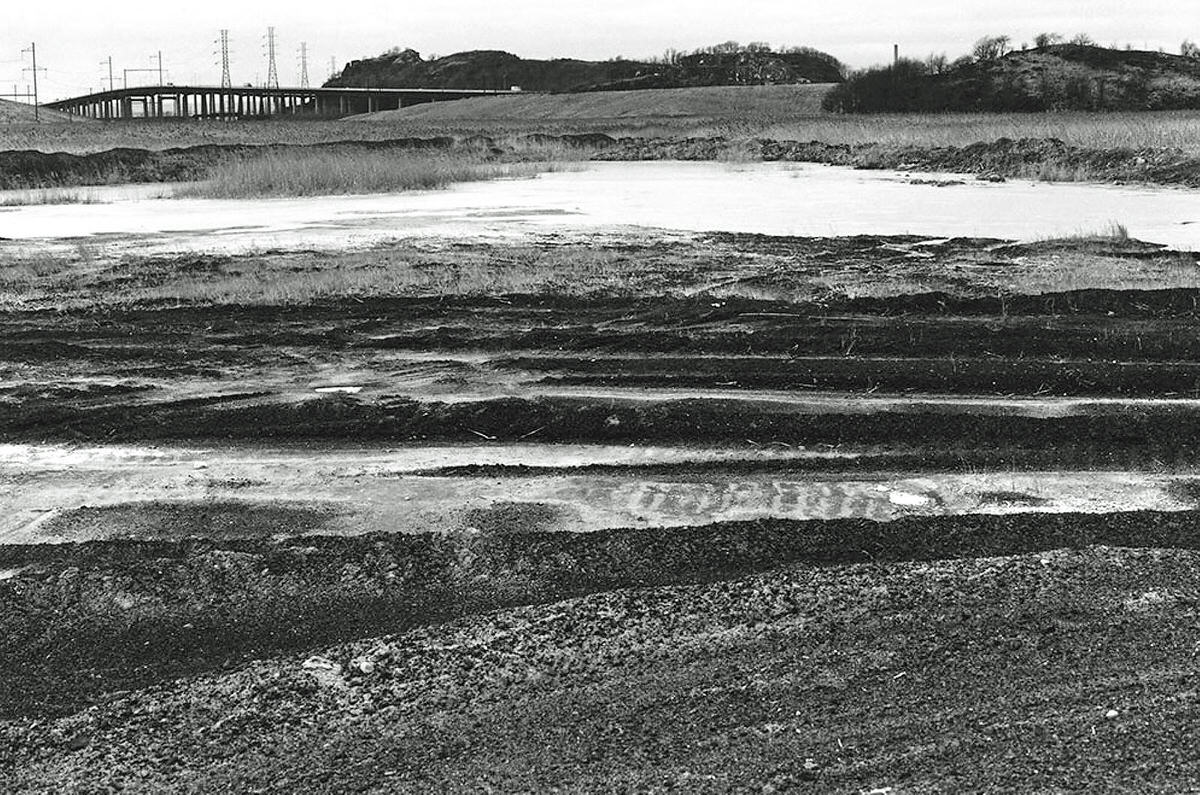
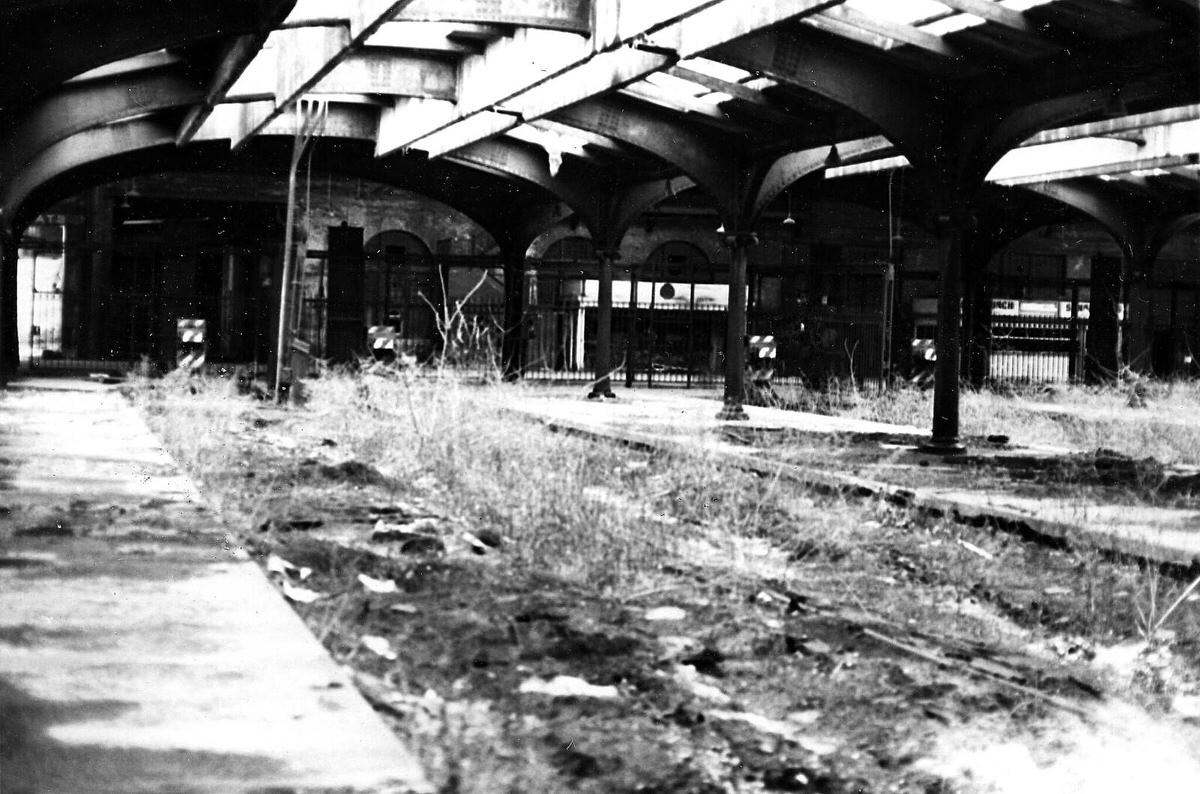
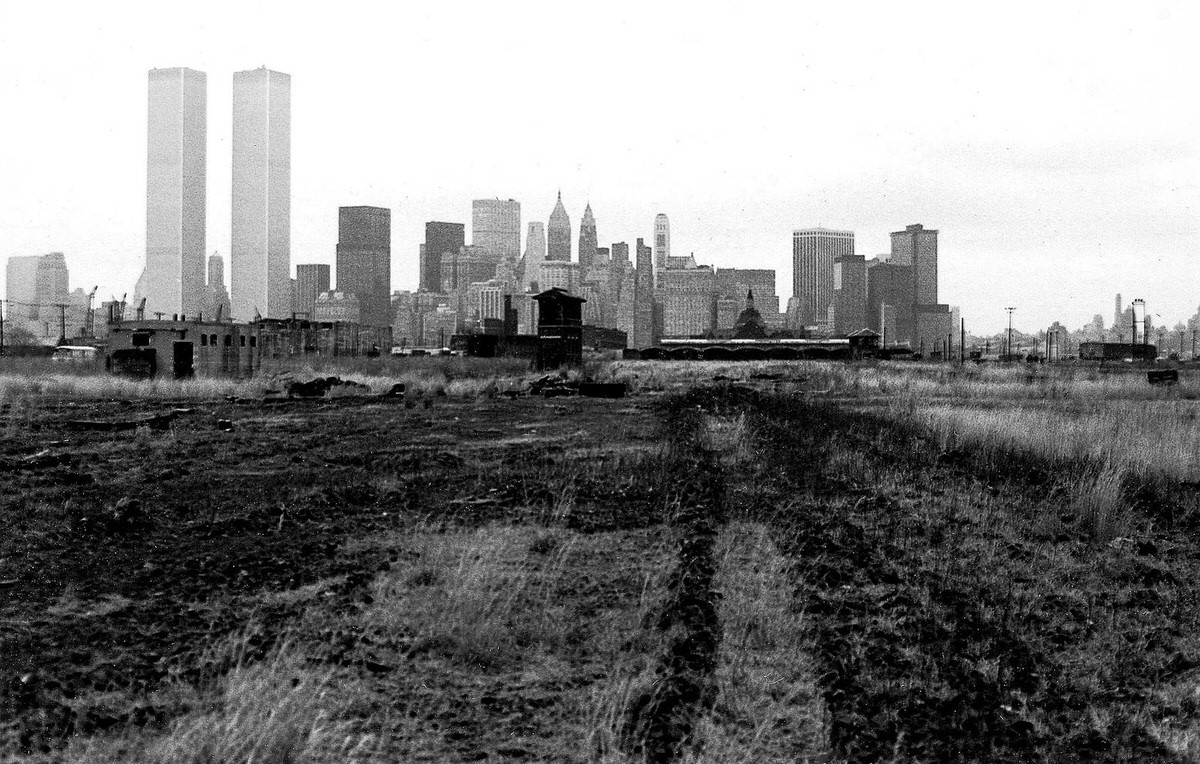
Jersey City in the 1970s is a landscape of massive industrial change. The waterfront consists of abandoned railroad yards and rotting wooden piers. These areas once belonged to the Pennsylvania Railroad and the Lehigh Valley Railroad. By 1970, many of these companies are bankrupt. Large cargo ships no longer dock at the city’s edge. Instead, they move to newer facilities in Newark and Elizabeth. This shift leaves miles of empty land along the Hudson River.
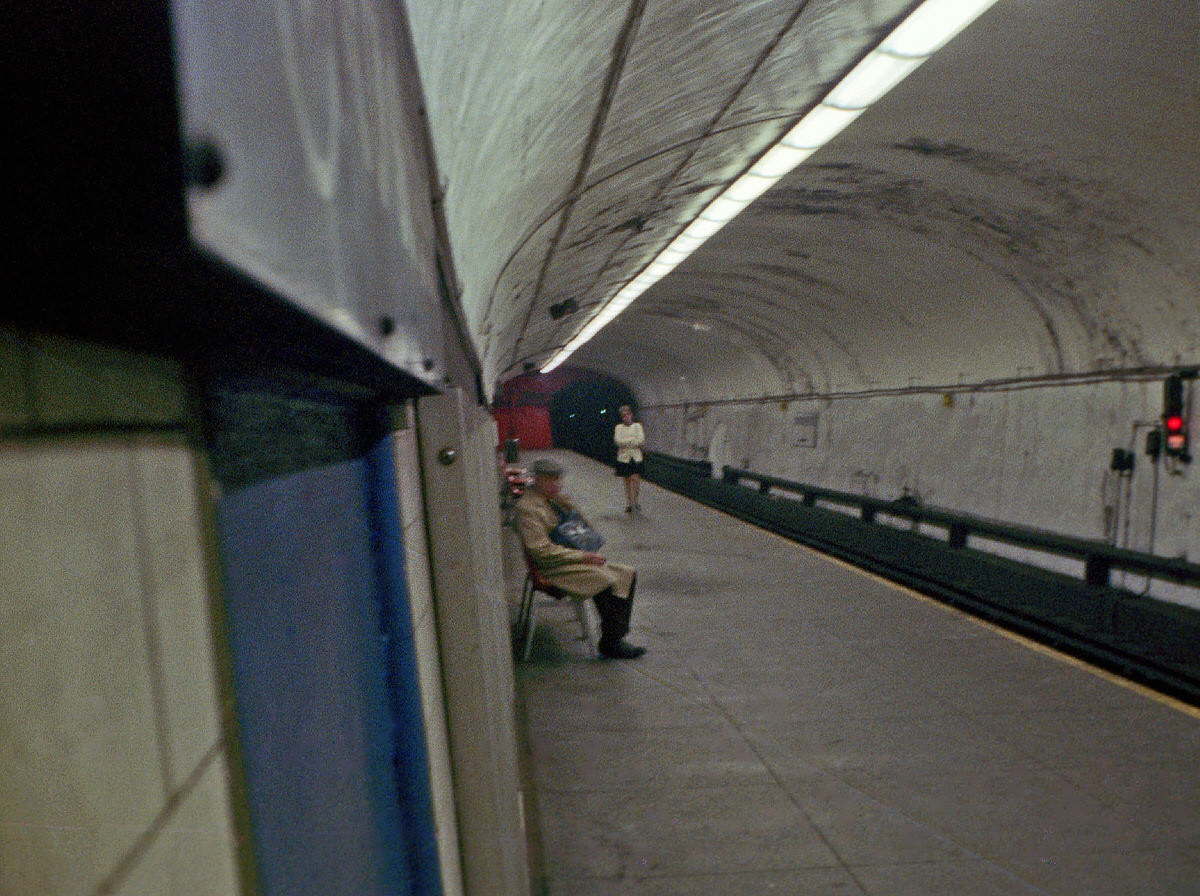
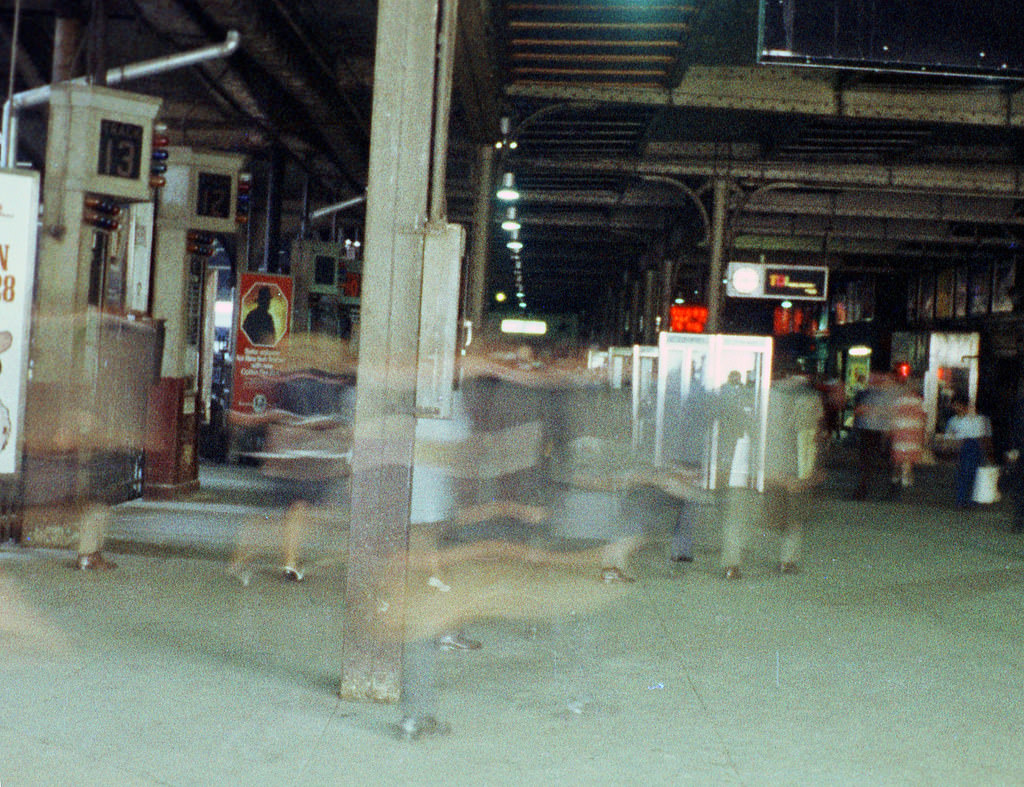
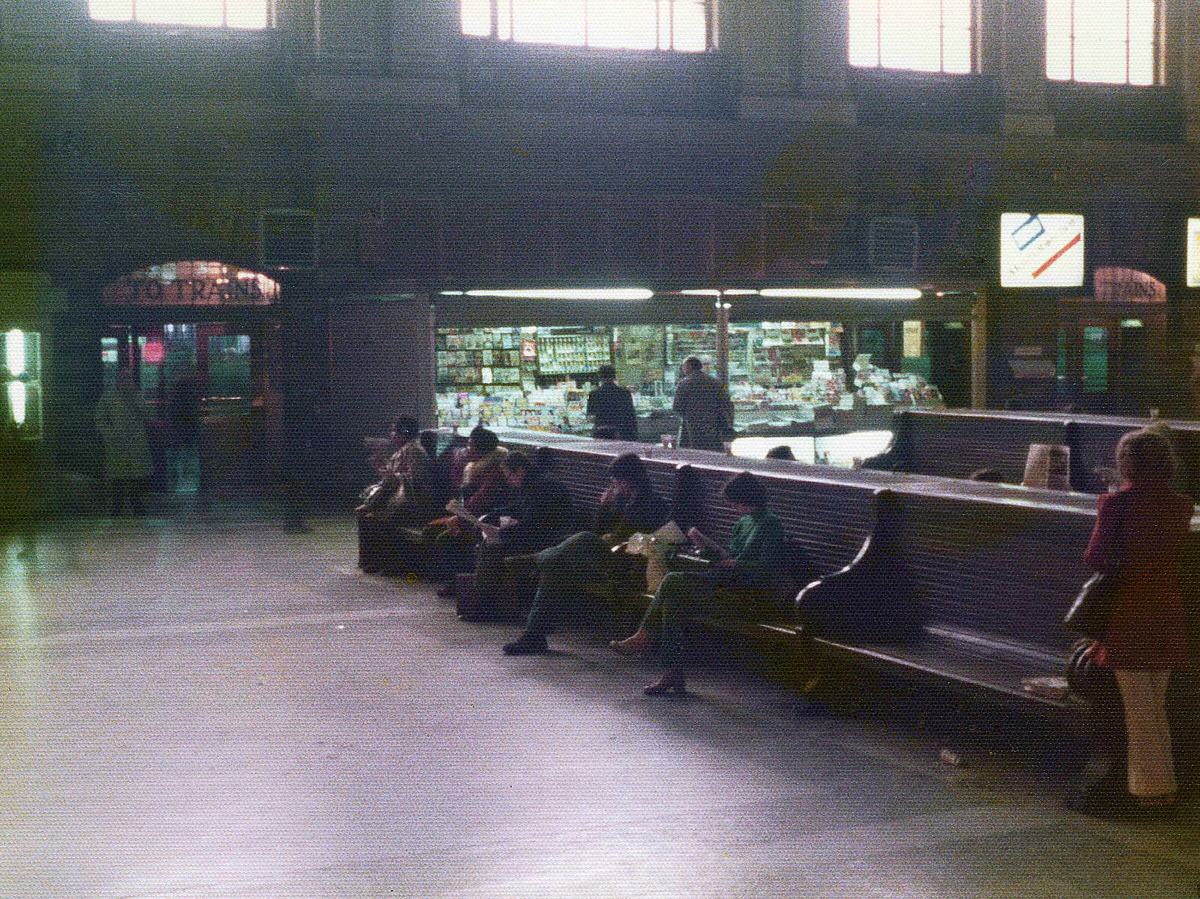
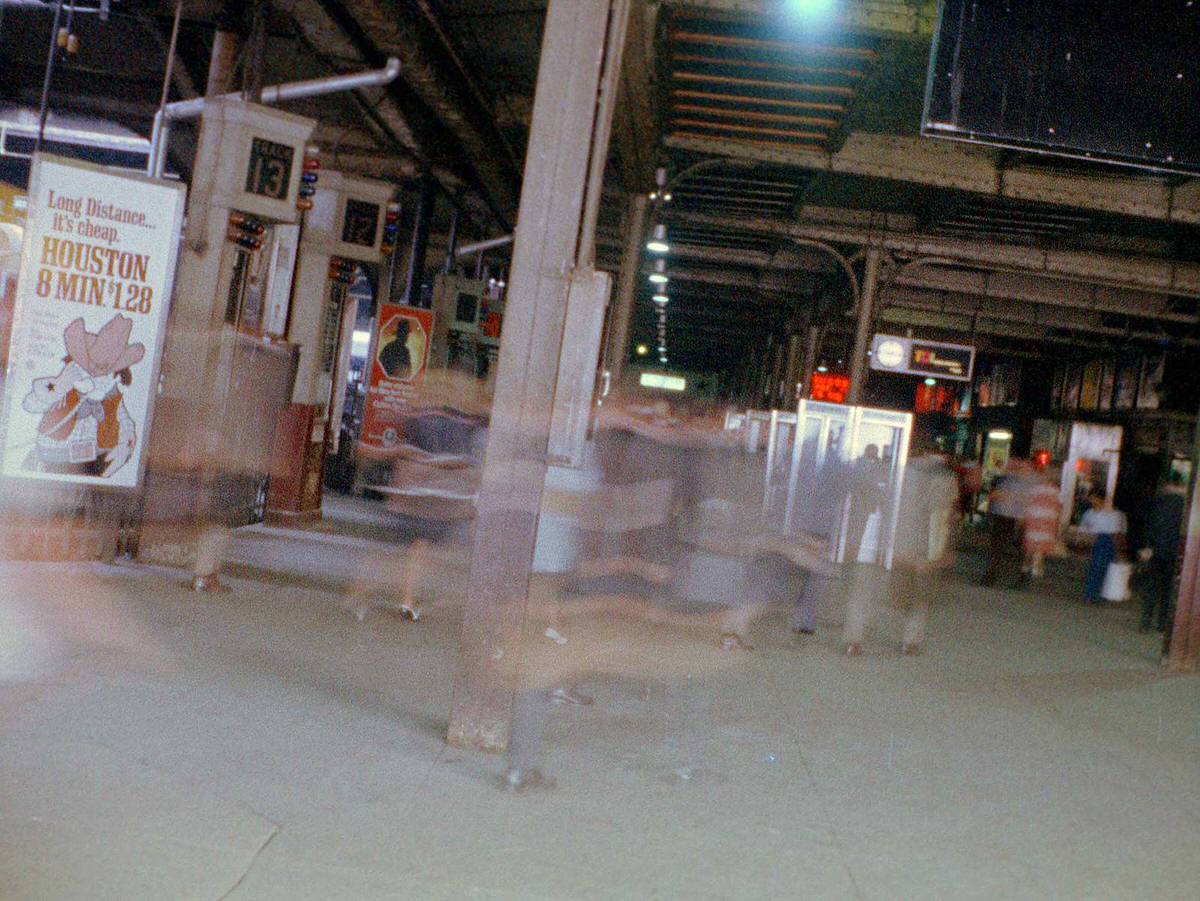
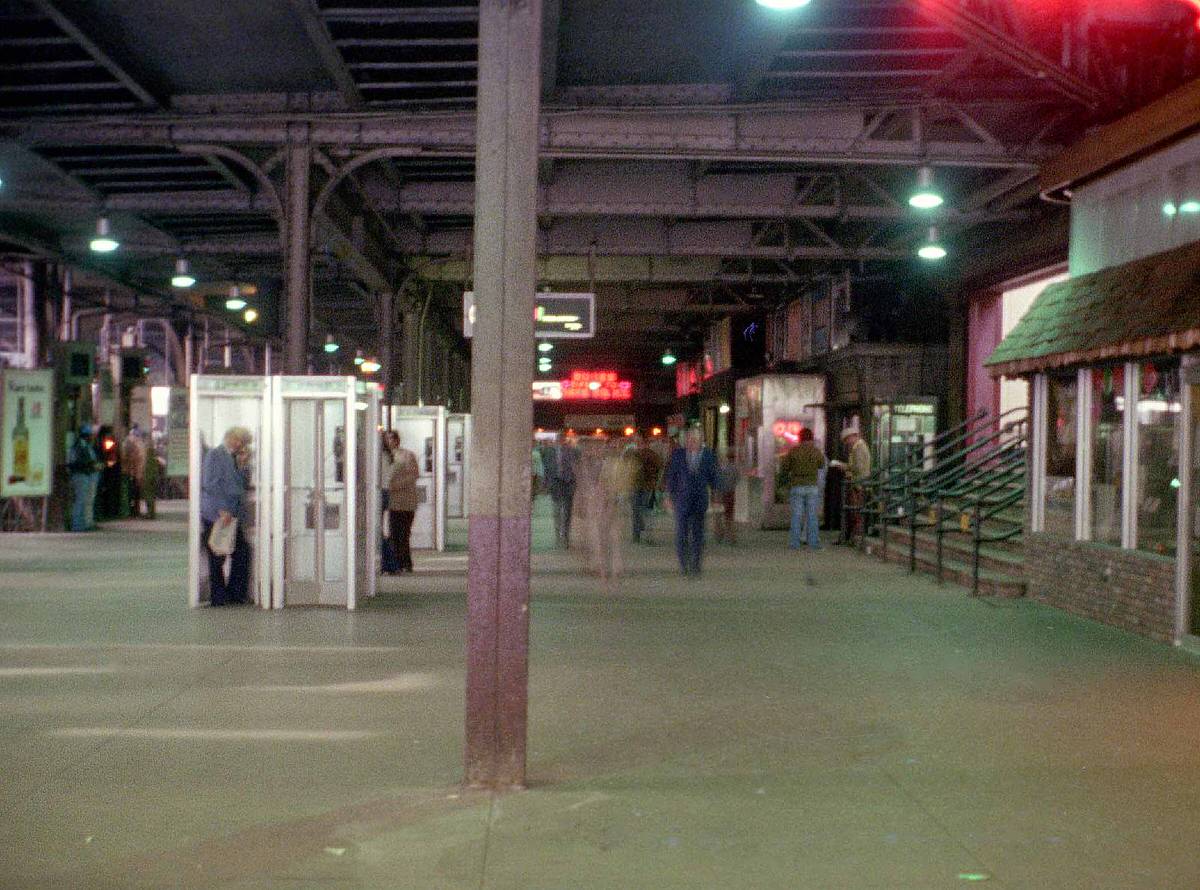
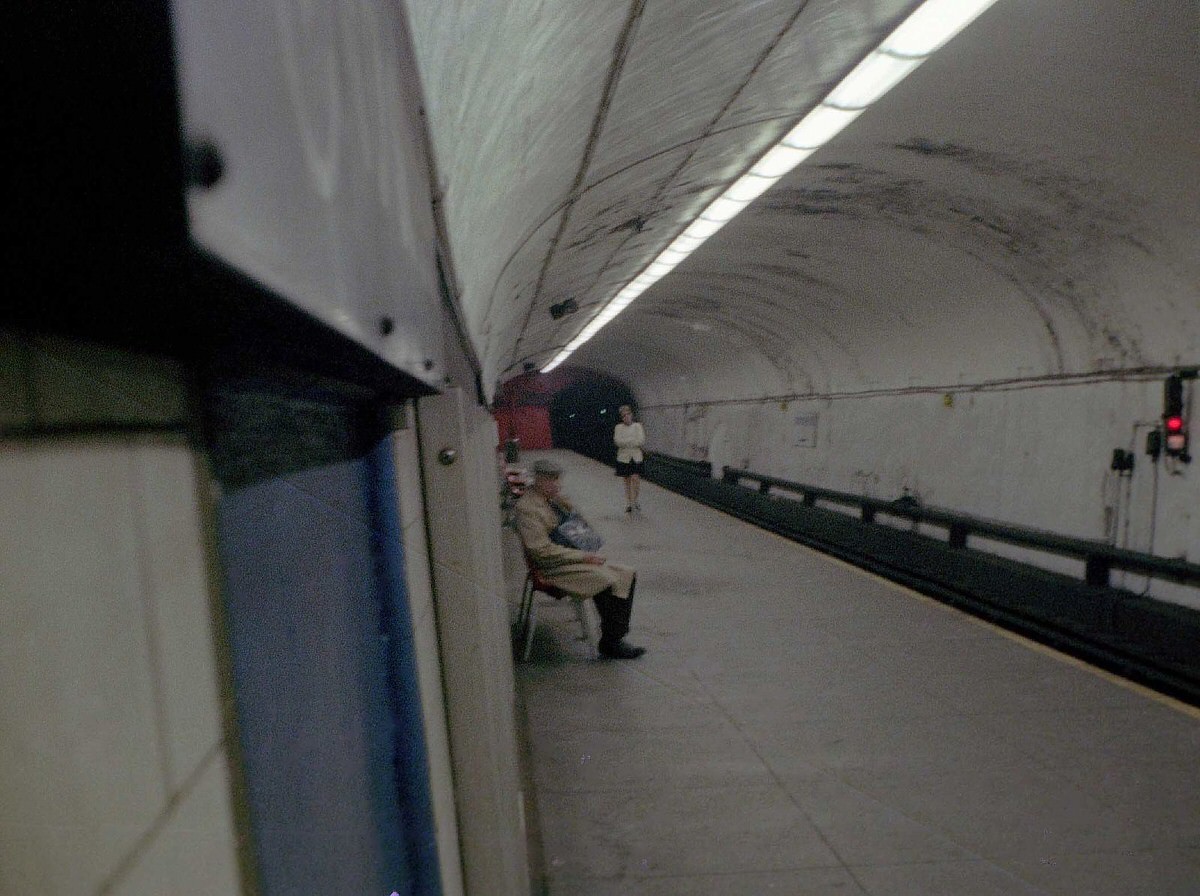
Journal Square serves as the primary hub for the city. In 1974, the Journal Square Transportation Center opens to the public. This large concrete building connects the PATH train system with dozens of bus routes. It also houses the headquarters for the Port Authority Trans-Hudson. Commuters crowd the escalators every morning to reach their jobs in New York City. The Loew’s Jersey Theatre stands nearby on Bergen Avenue. During this decade, the theater shows its final films before closing its doors as a movie palace.
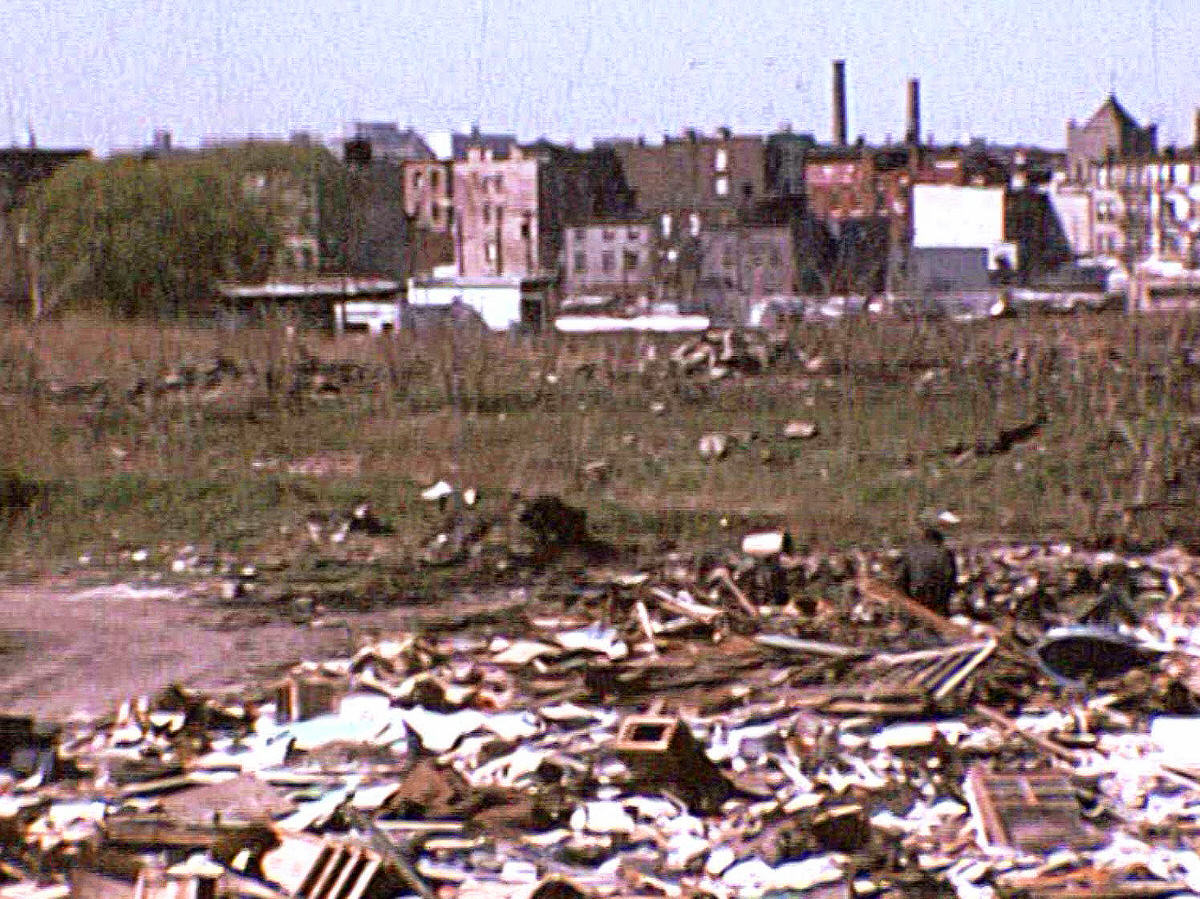
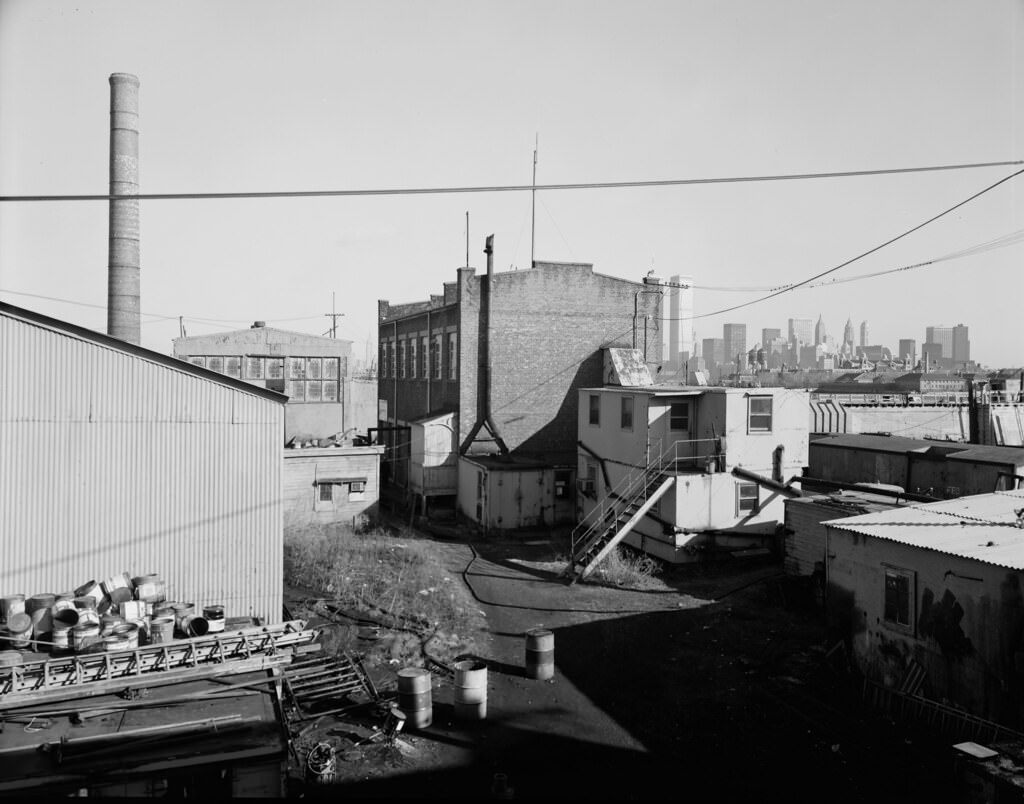
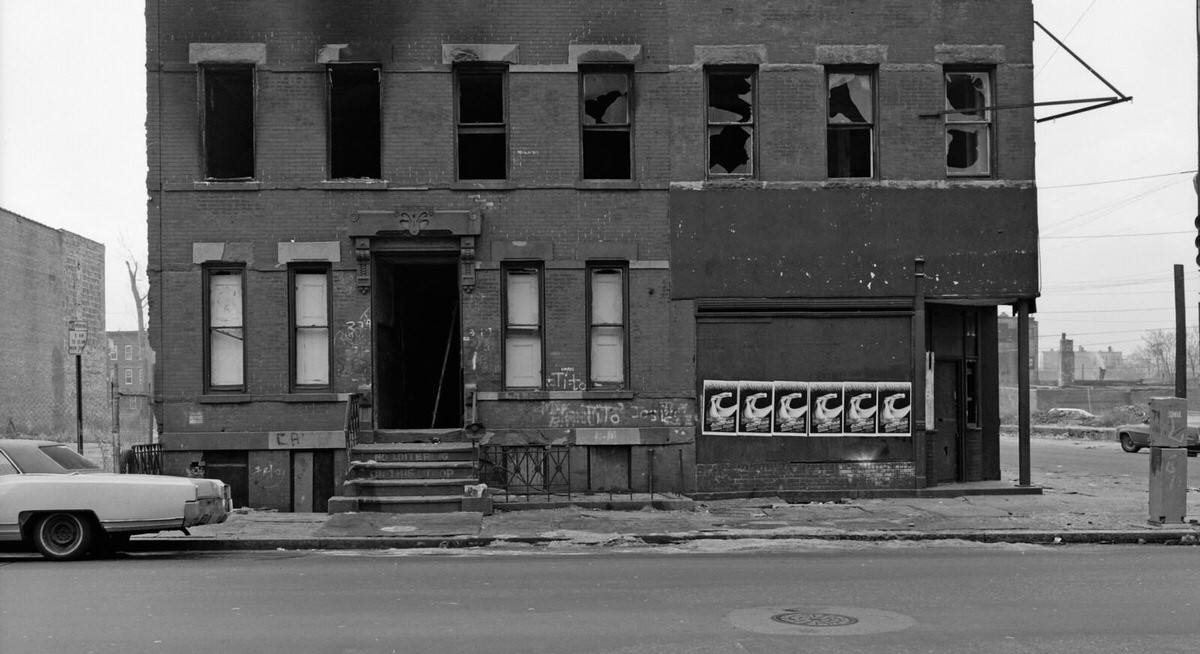
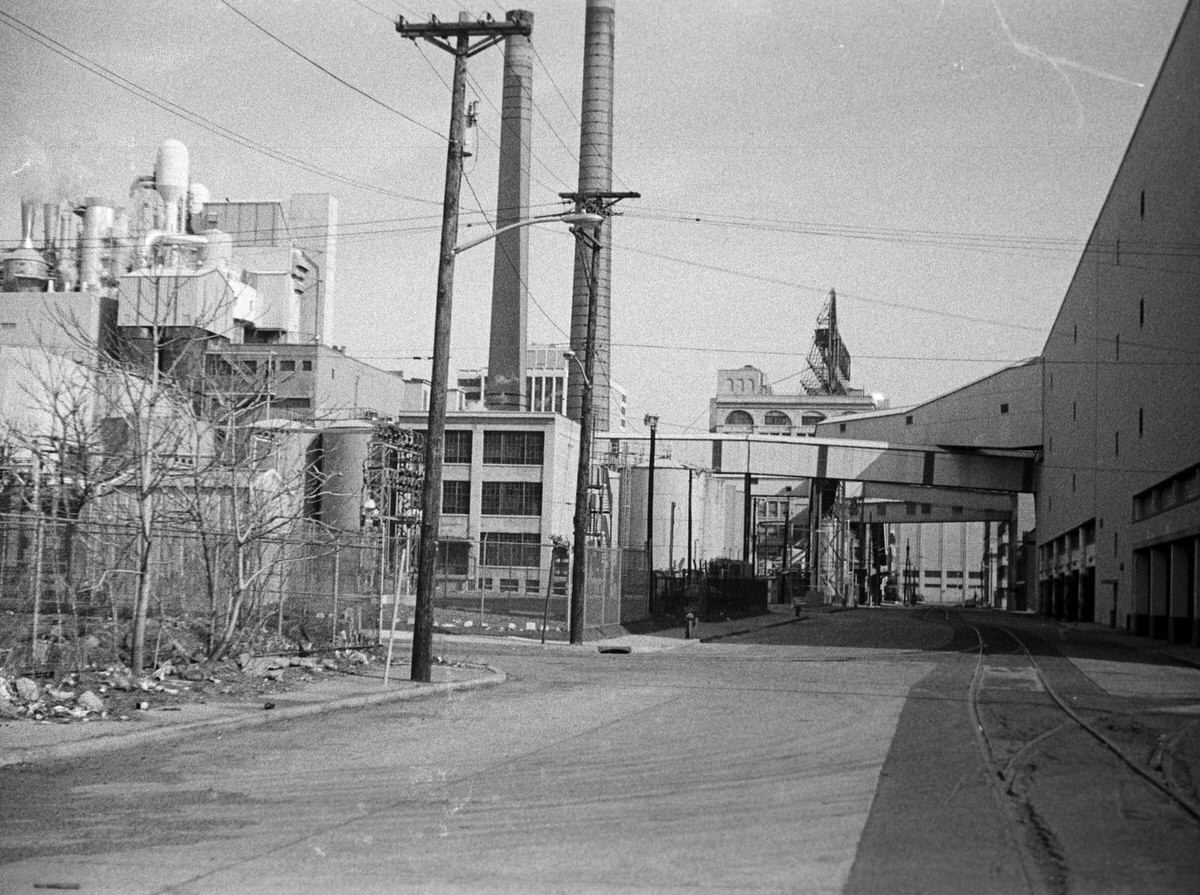
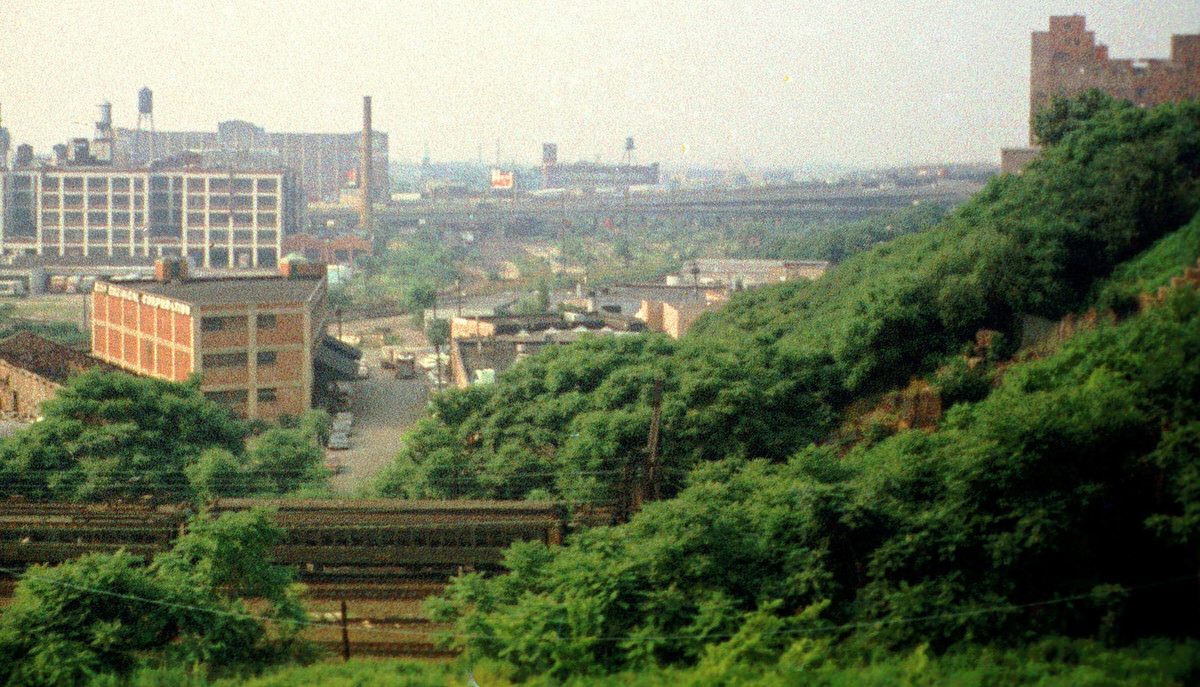
The city’s economy struggles as major factories reduce their operations. The Colgate-Palmolive plant remains the most famous employer on the waterfront. Its giant octagonal clock is visible from Manhattan. Workers at the plant manufacture soap and toothpaste throughout the day and night. Other businesses, like the Dixon Ticonderoga pencil factory, continue to produce goods. However, many smaller warehouses and textile mills in the Lafayette and Greenville sections shut down. These closures lead to high unemployment and empty storefronts on Newark Avenue and Ocean Avenue.
Read more..
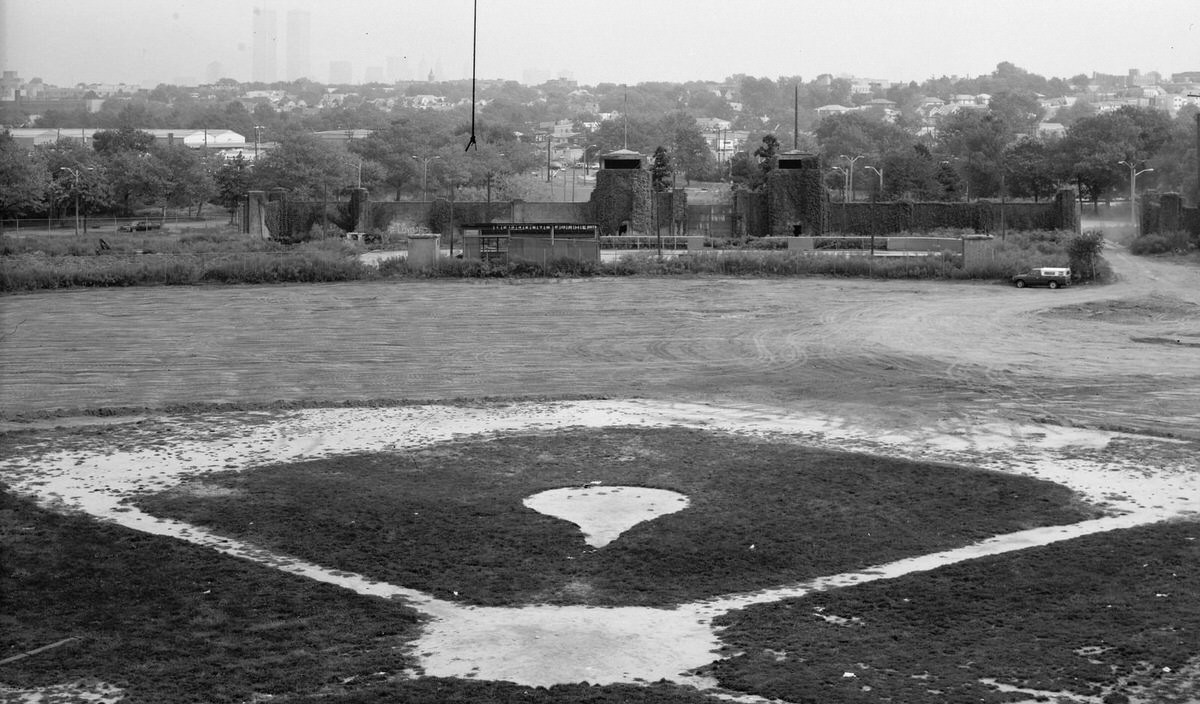
Roosevelt Stadium is the center for entertainment in the 1970s. The stadium sits at Droyer’s Point near the Hackensack River. It hosts major rock concerts for thousands of fans. The Grateful Dead performs at the stadium multiple times during the decade. Other acts like The Beach Boys and Alice Cooper also play on the field. When it is not used for music, the stadium hosts high school football games and professional boxing matches. The concrete structure shows signs of age, but it remains a vital social destination.
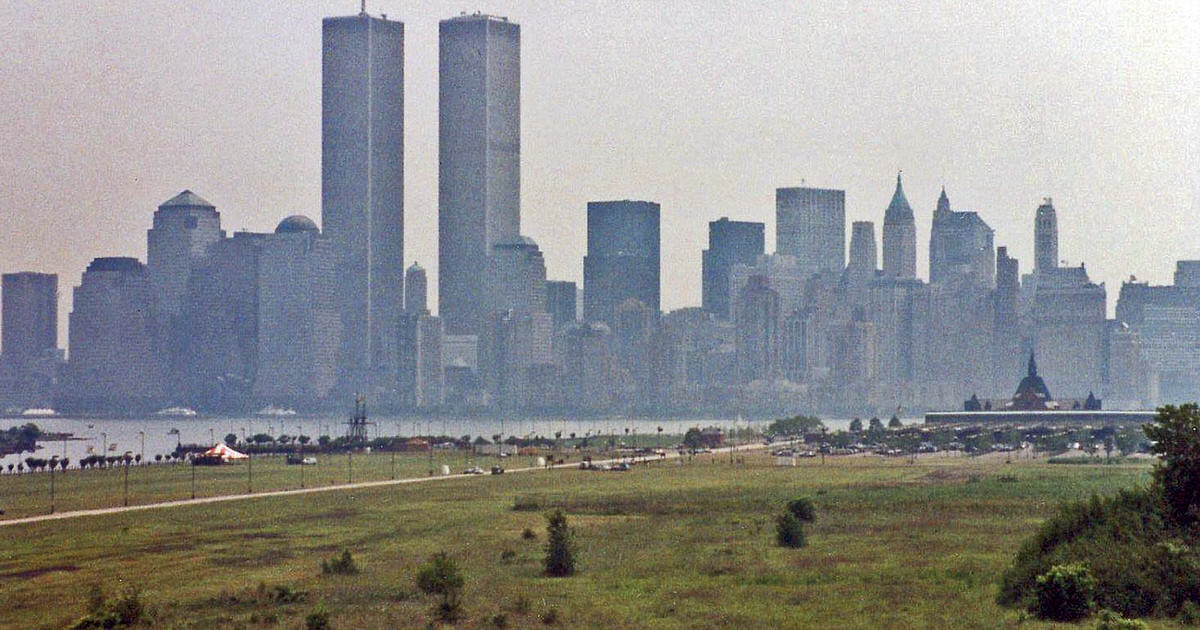
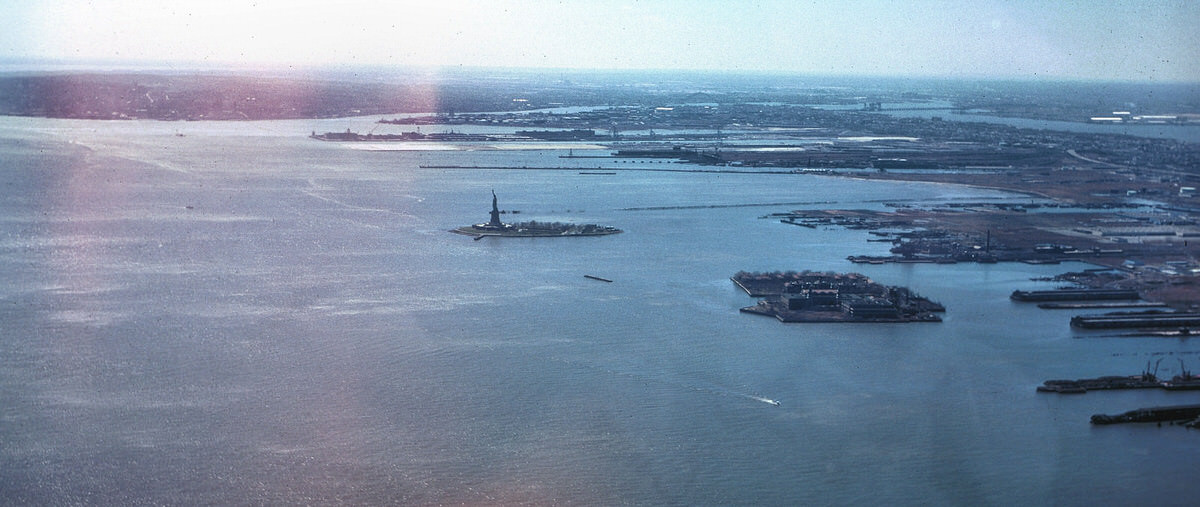
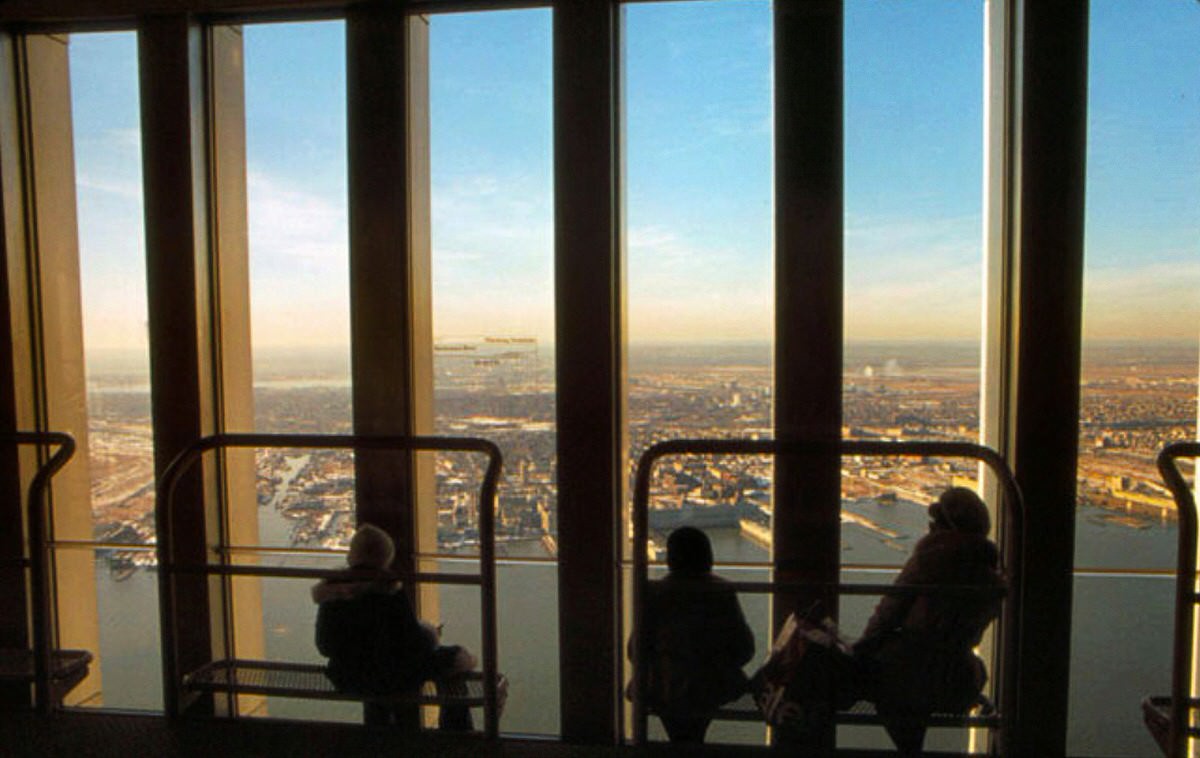
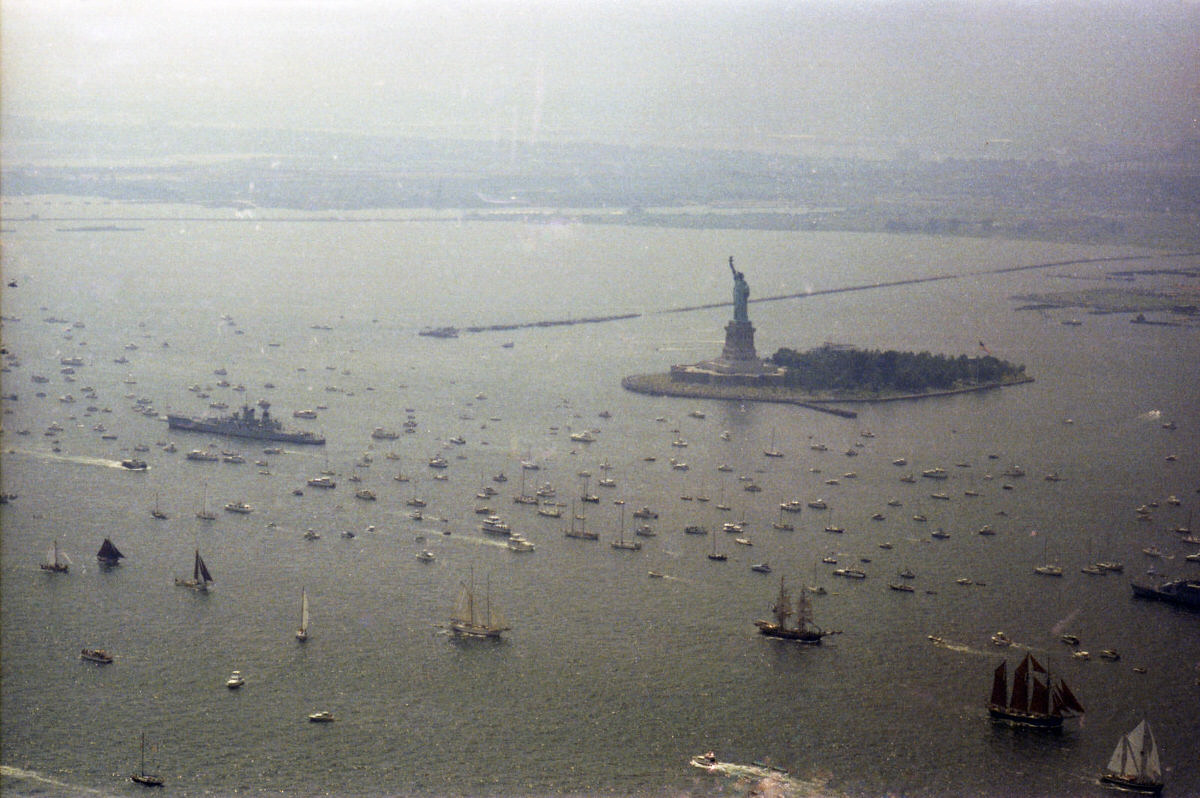
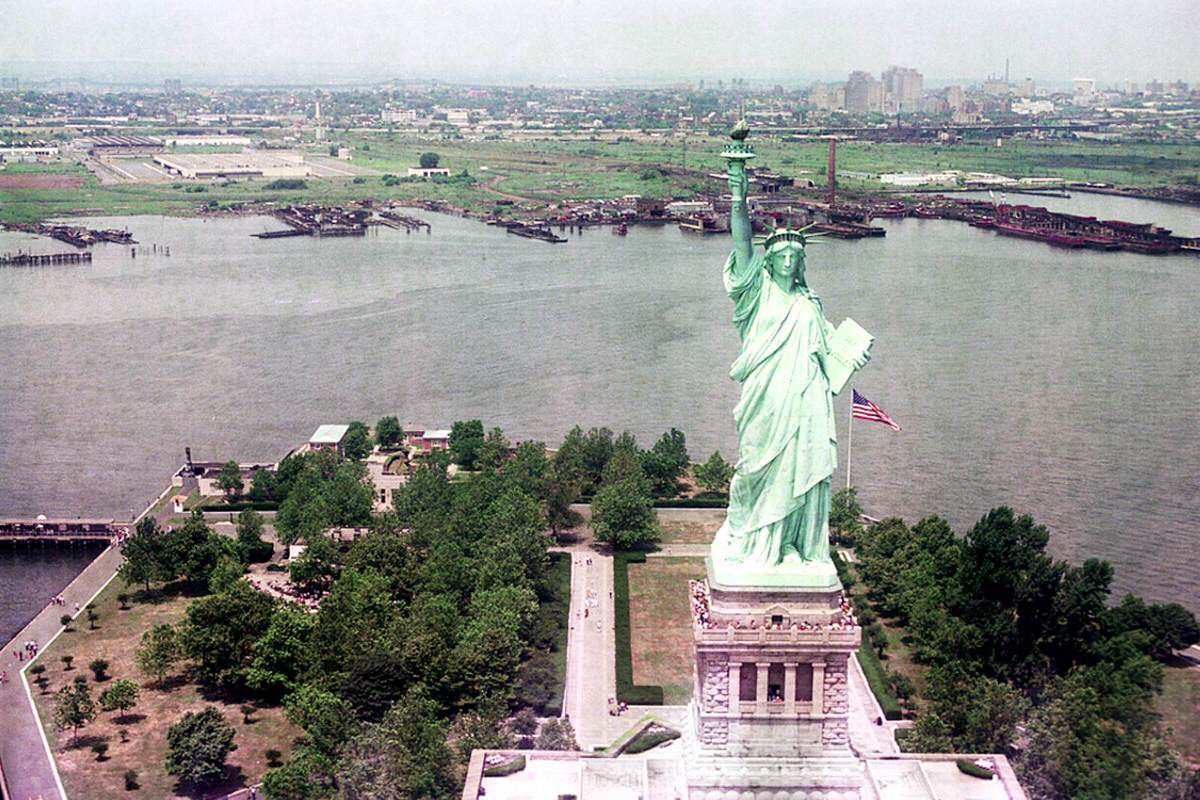
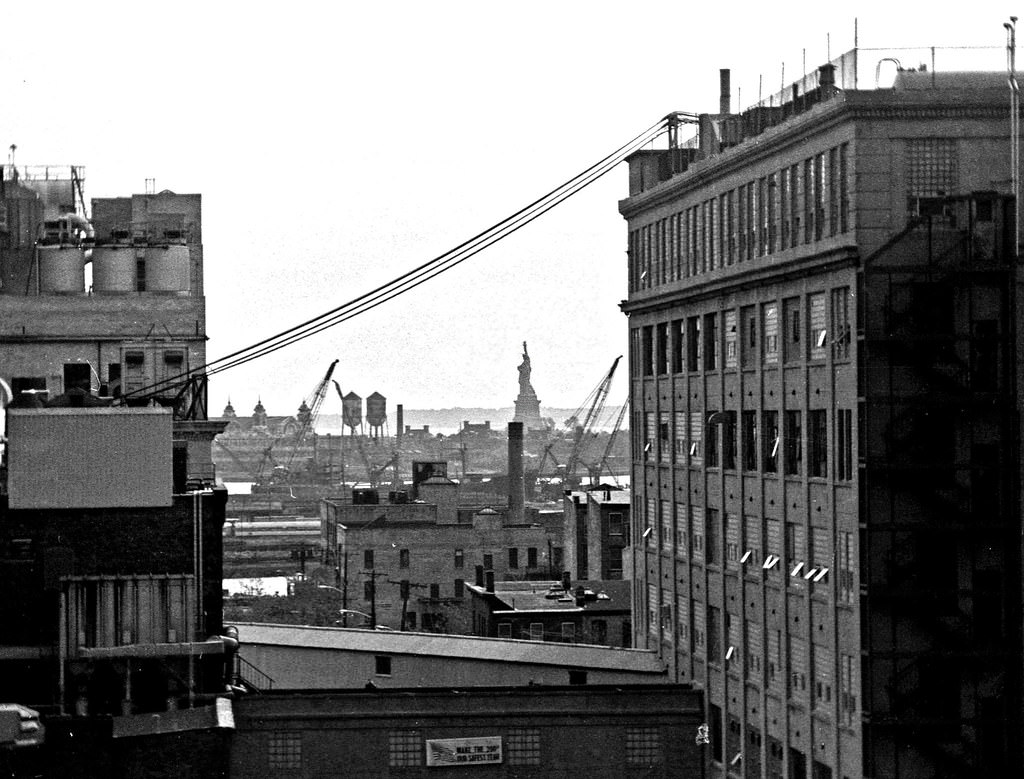
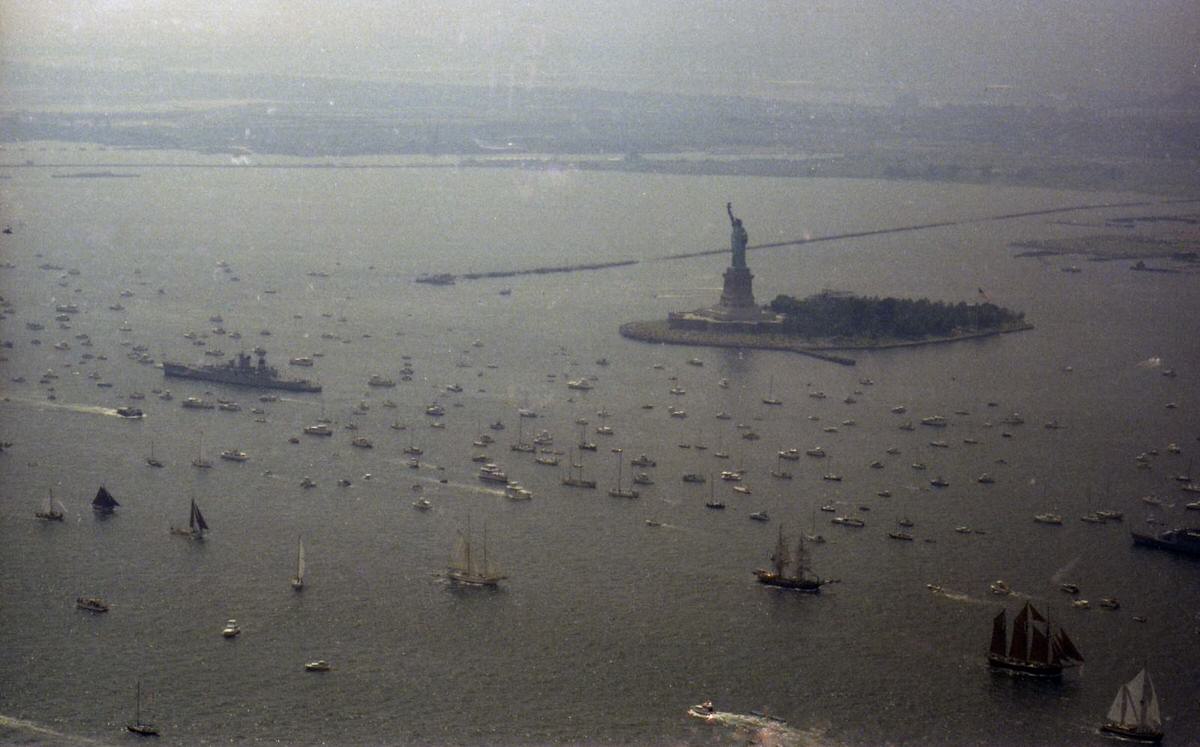
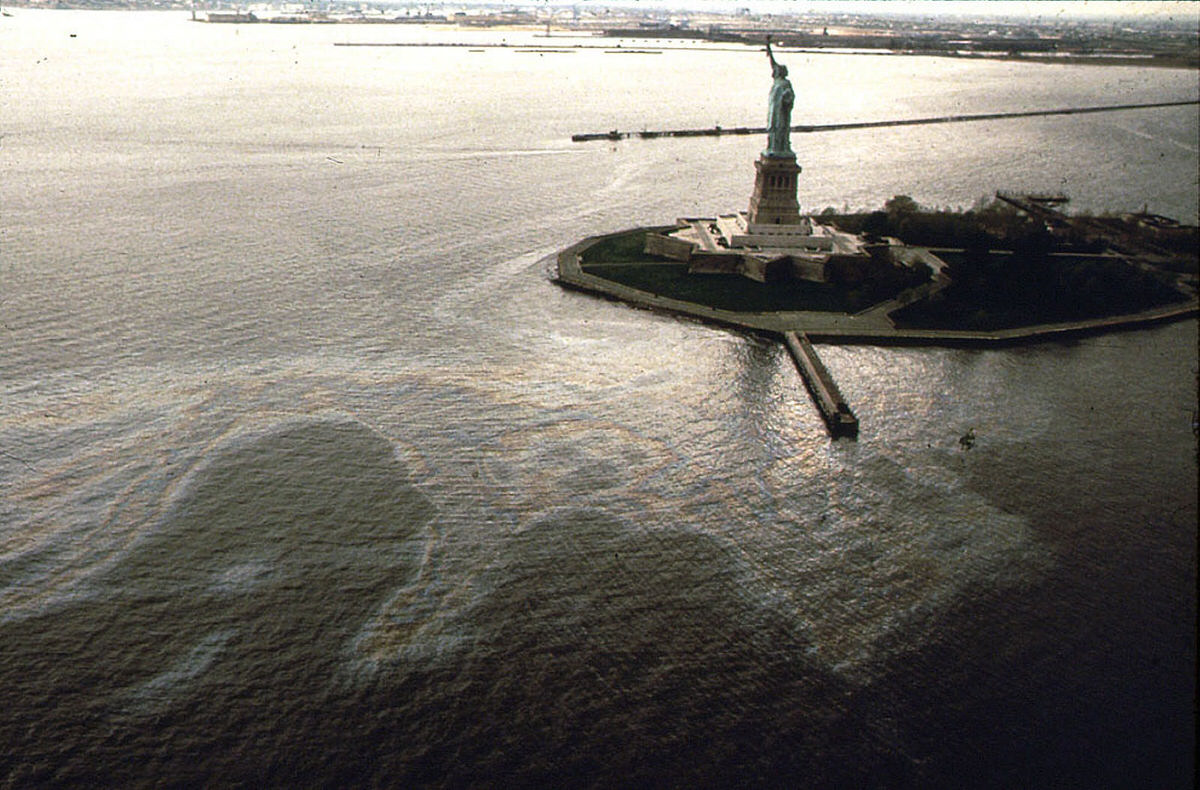
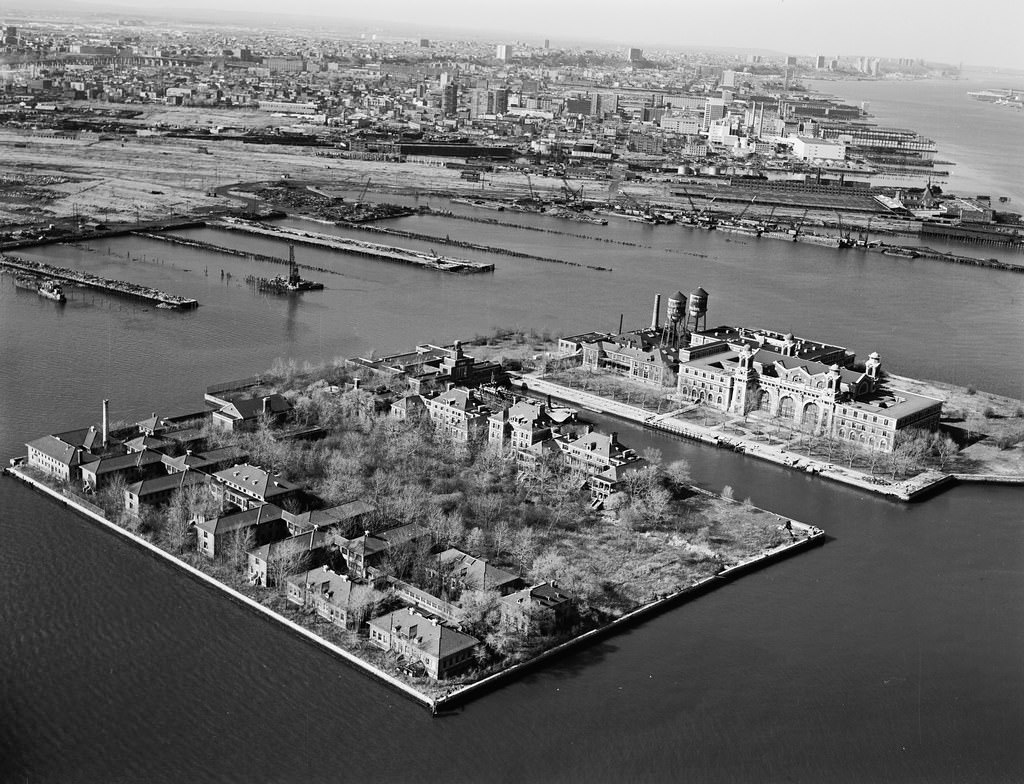
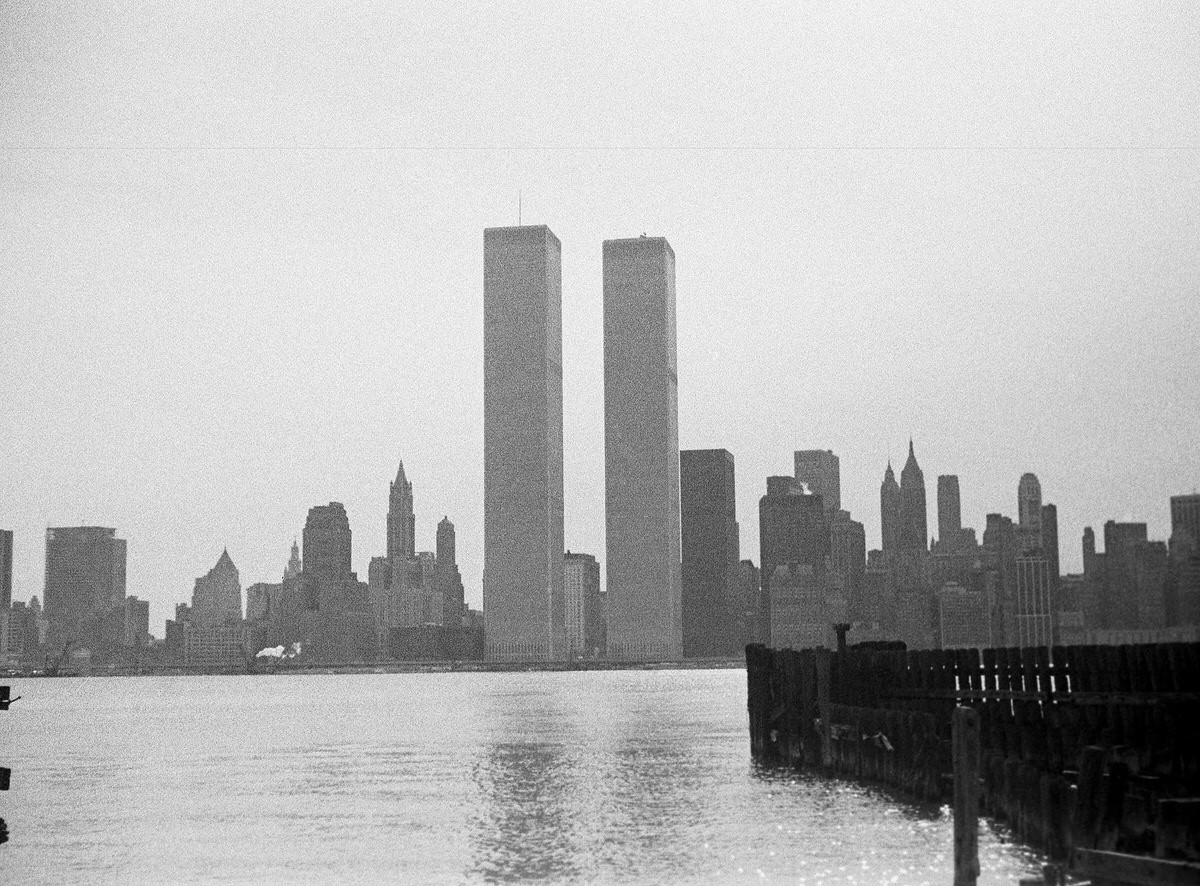
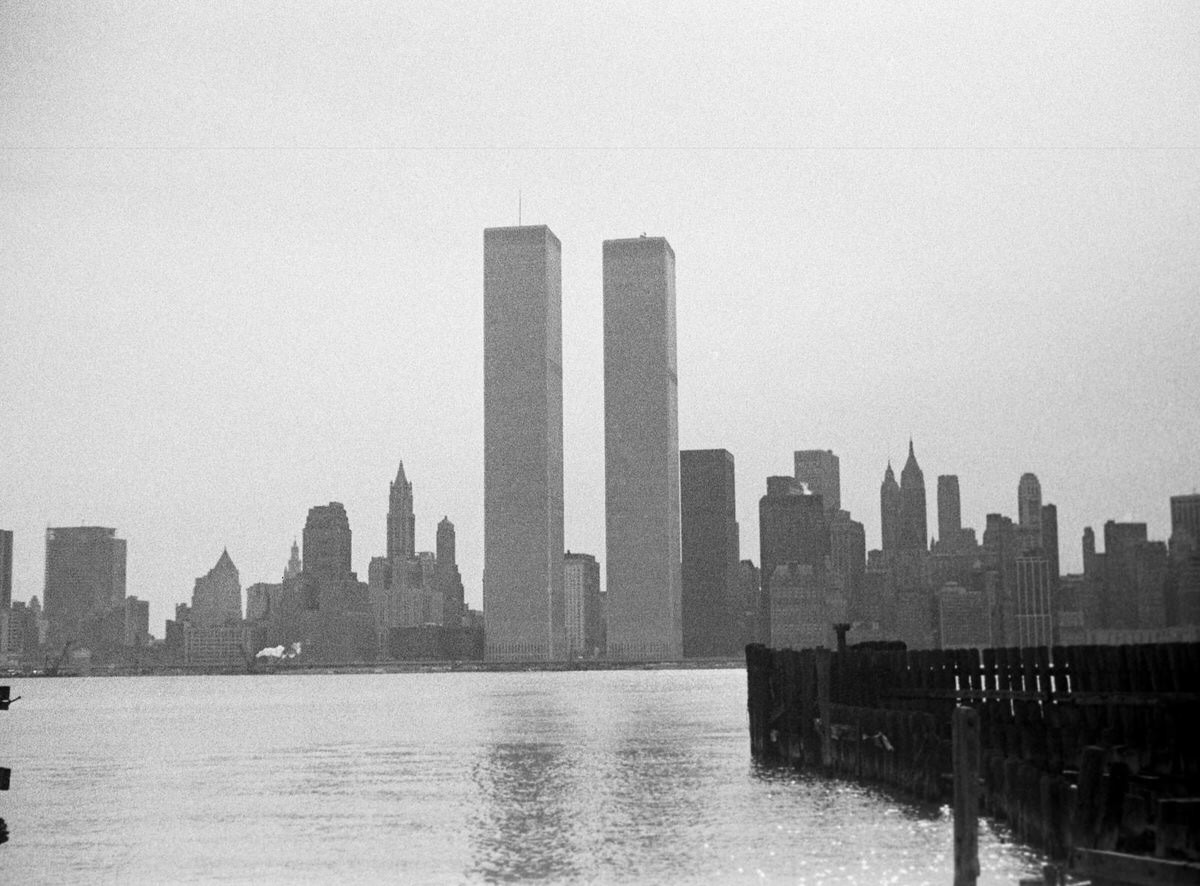
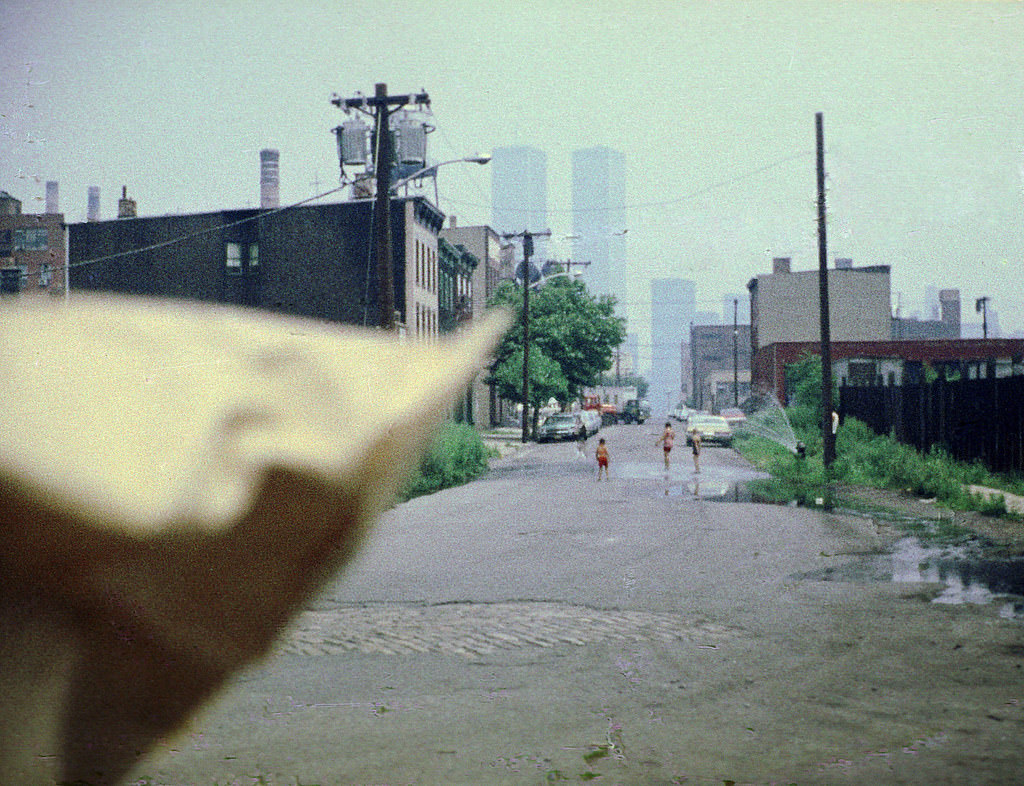
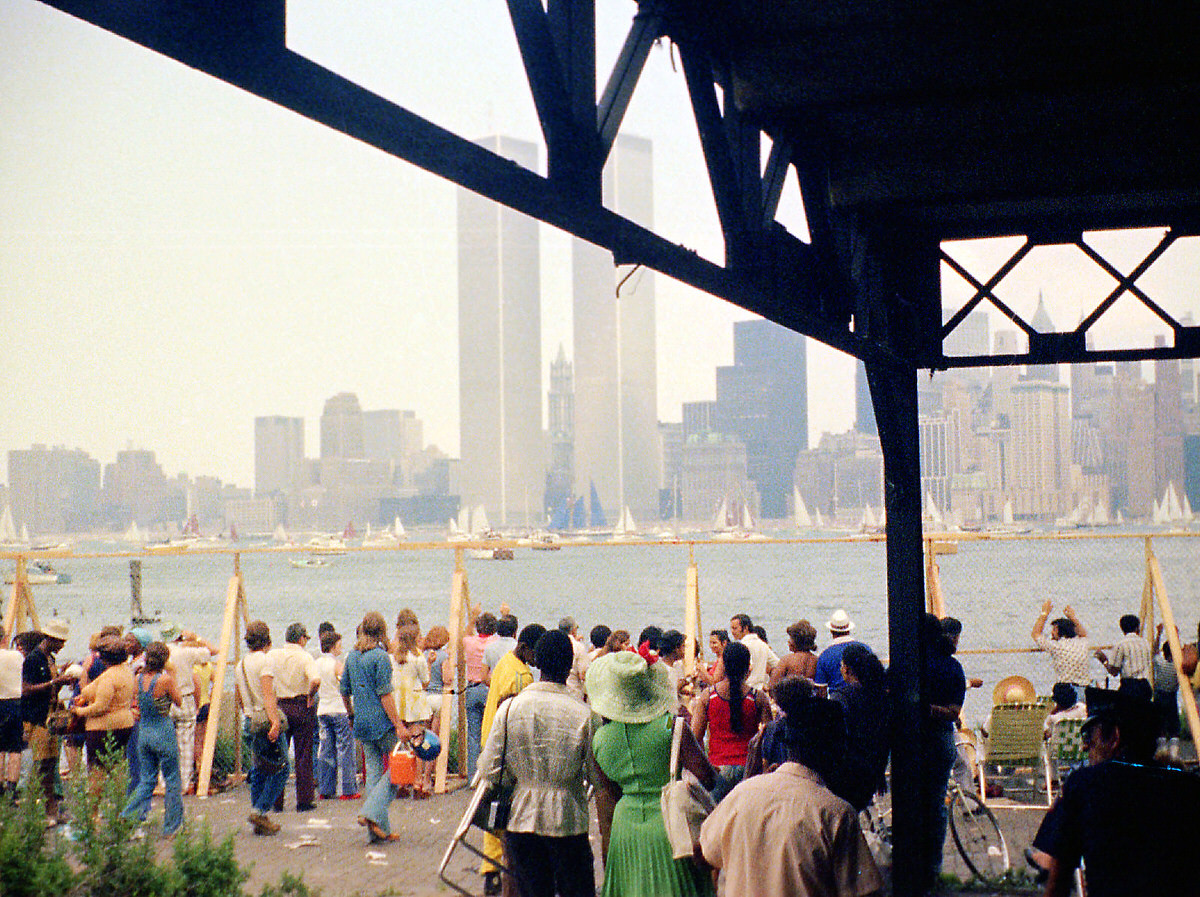
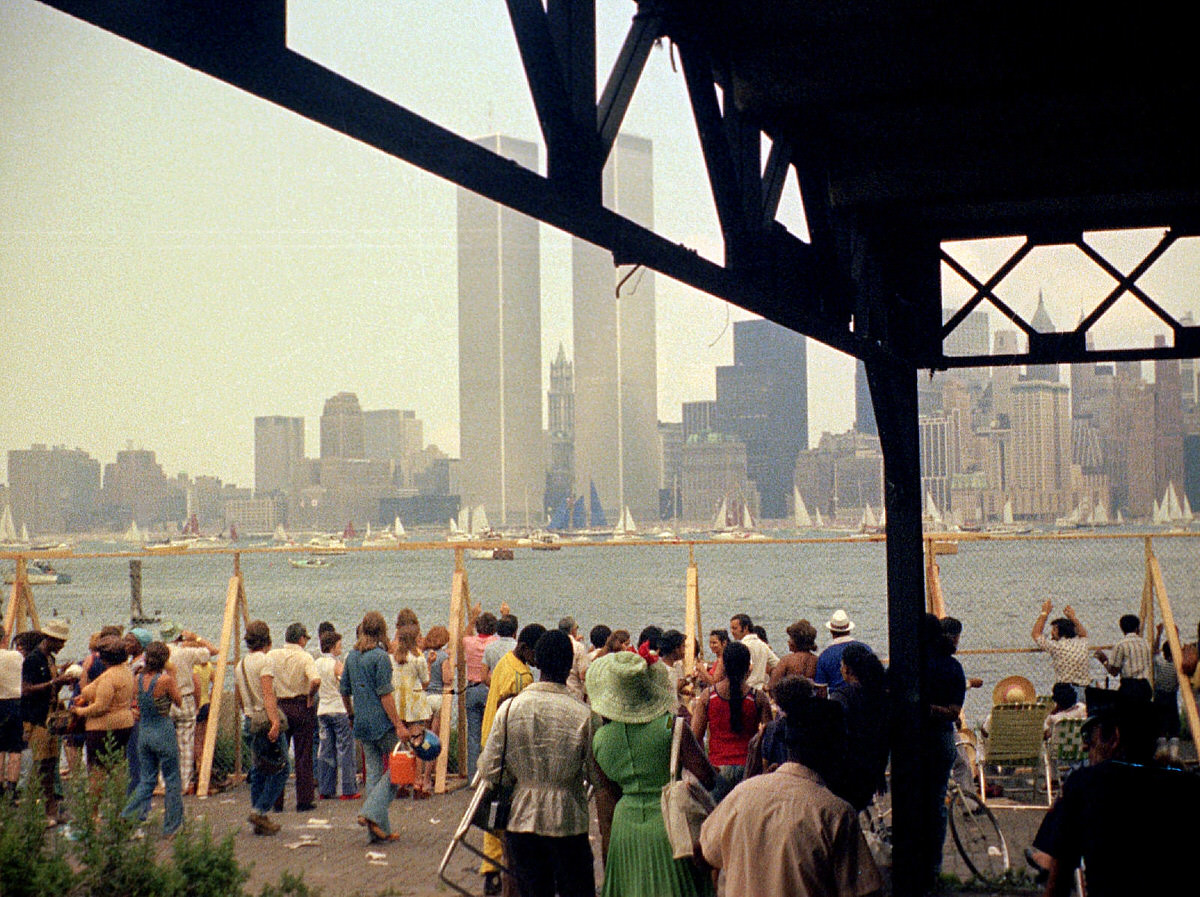
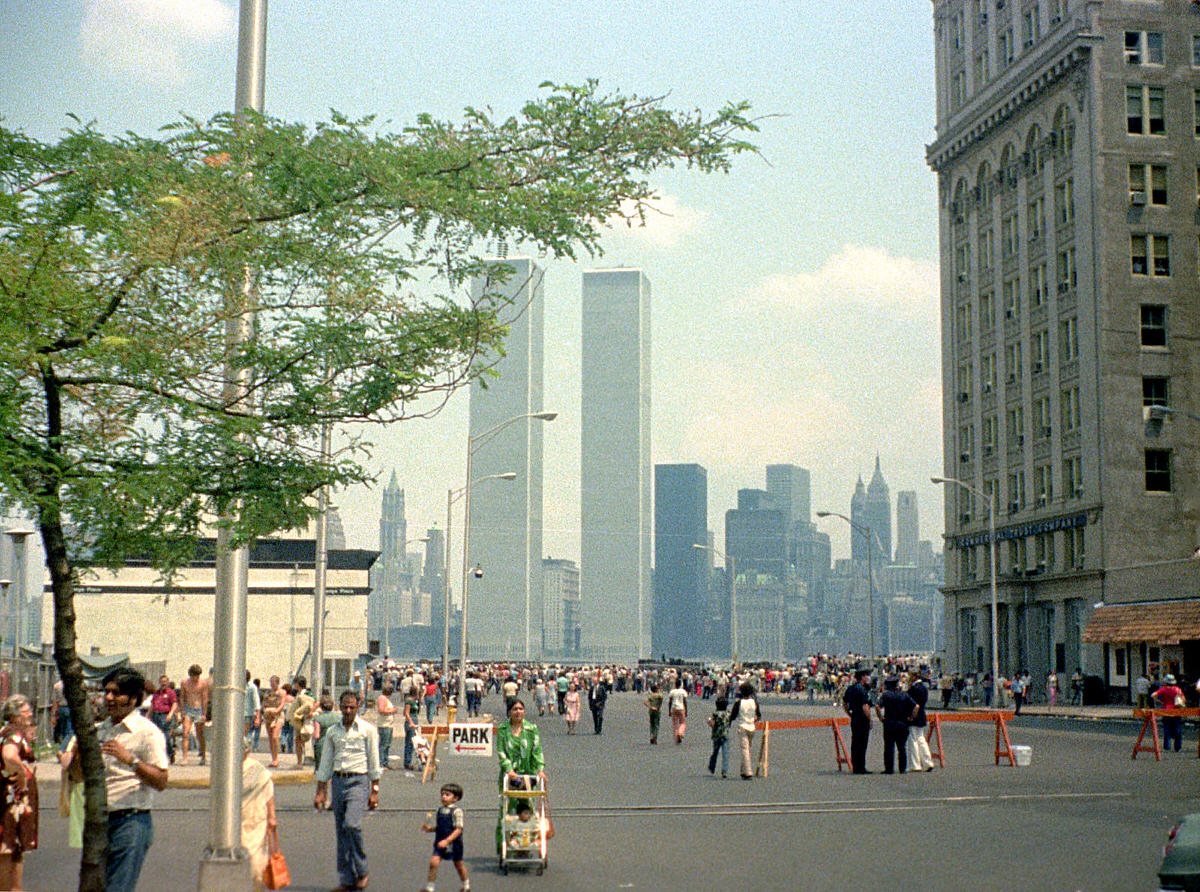
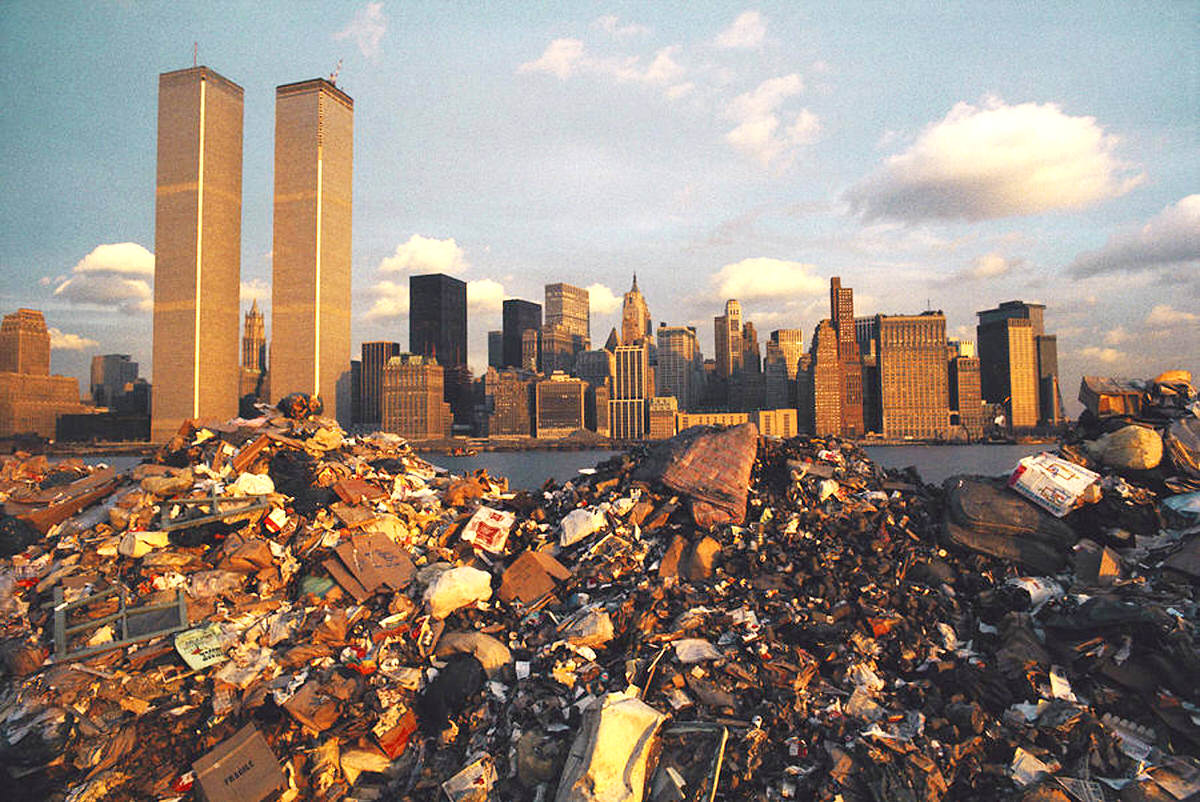
Public space undergoes a total transformation in 1976. The state opens Liberty State Park on July 14 to celebrate the American Bicentennial. Before this, the land was a restricted industrial zone filled with debris and weeds. Workers clear the area to create paved walkways and open green fields. For the first time in generations, residents can walk directly to the water’s edge. The park provides a clear view of the Statue of Liberty and the Ellis Island buildings. It also offers a front-row seat to the newly finished World Trade Center towers across the river.
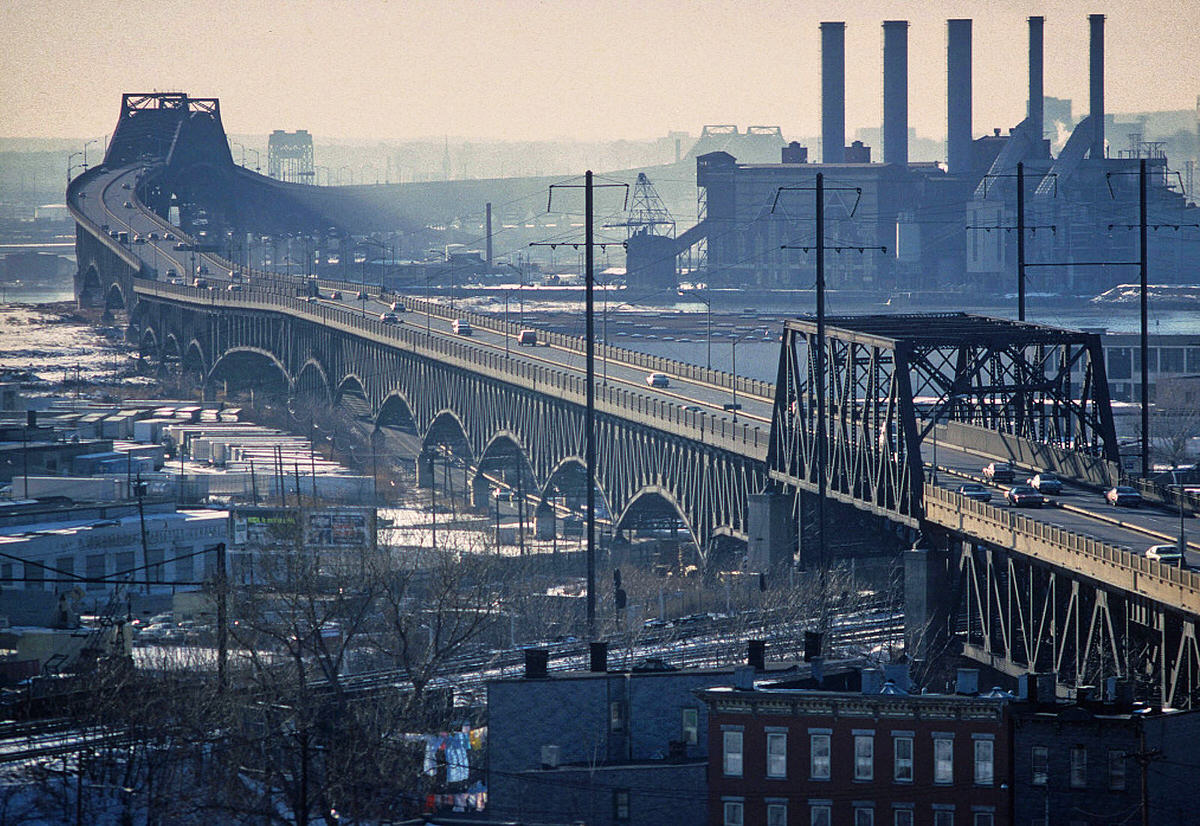
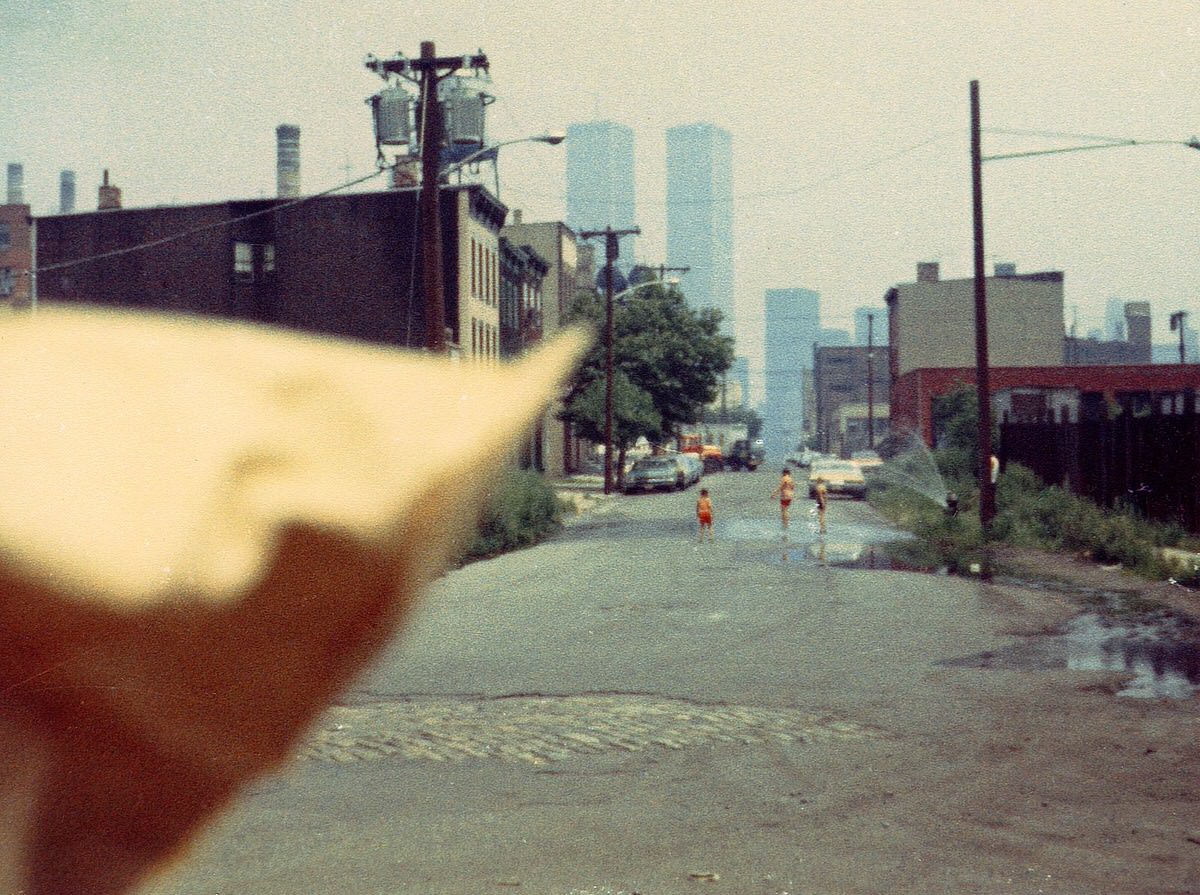
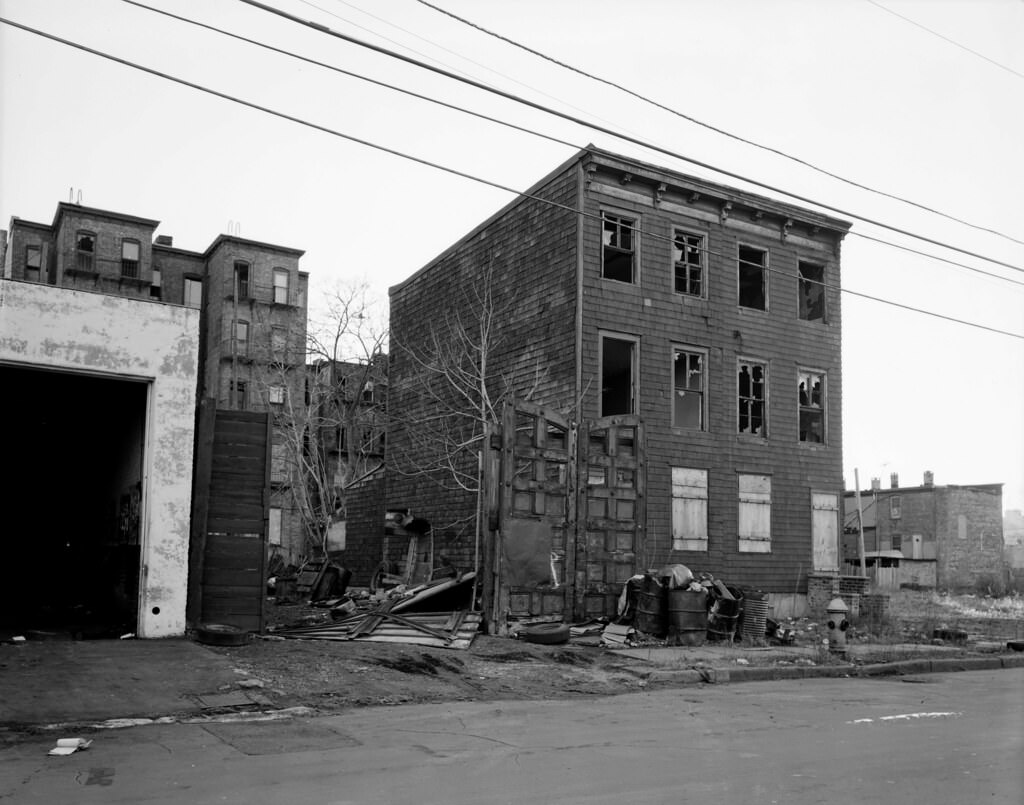
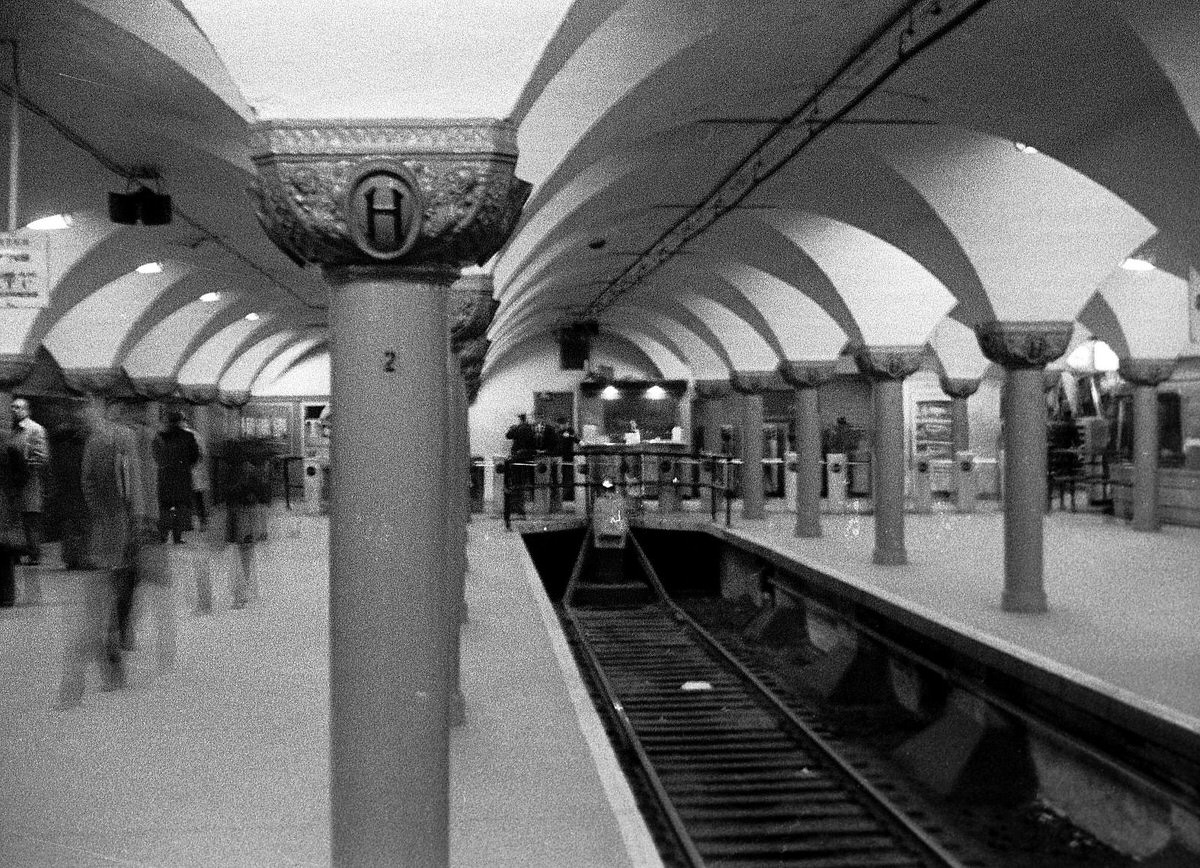
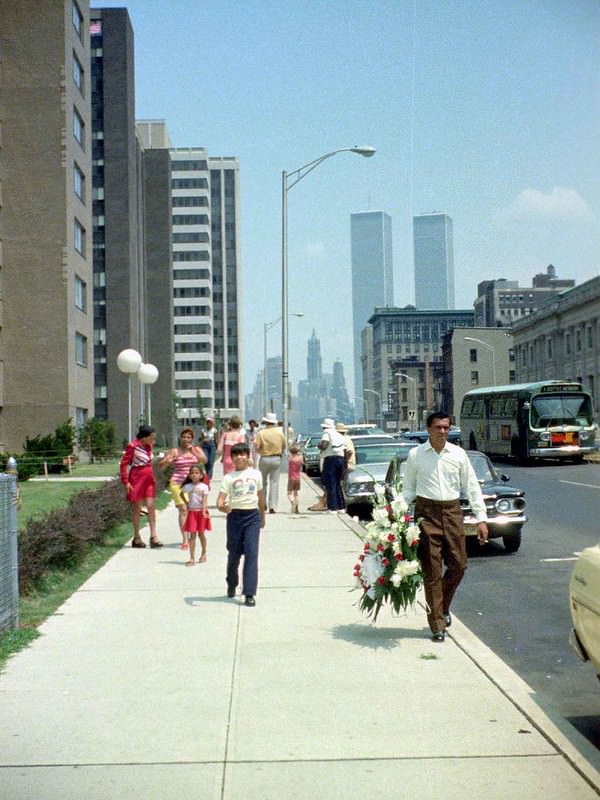
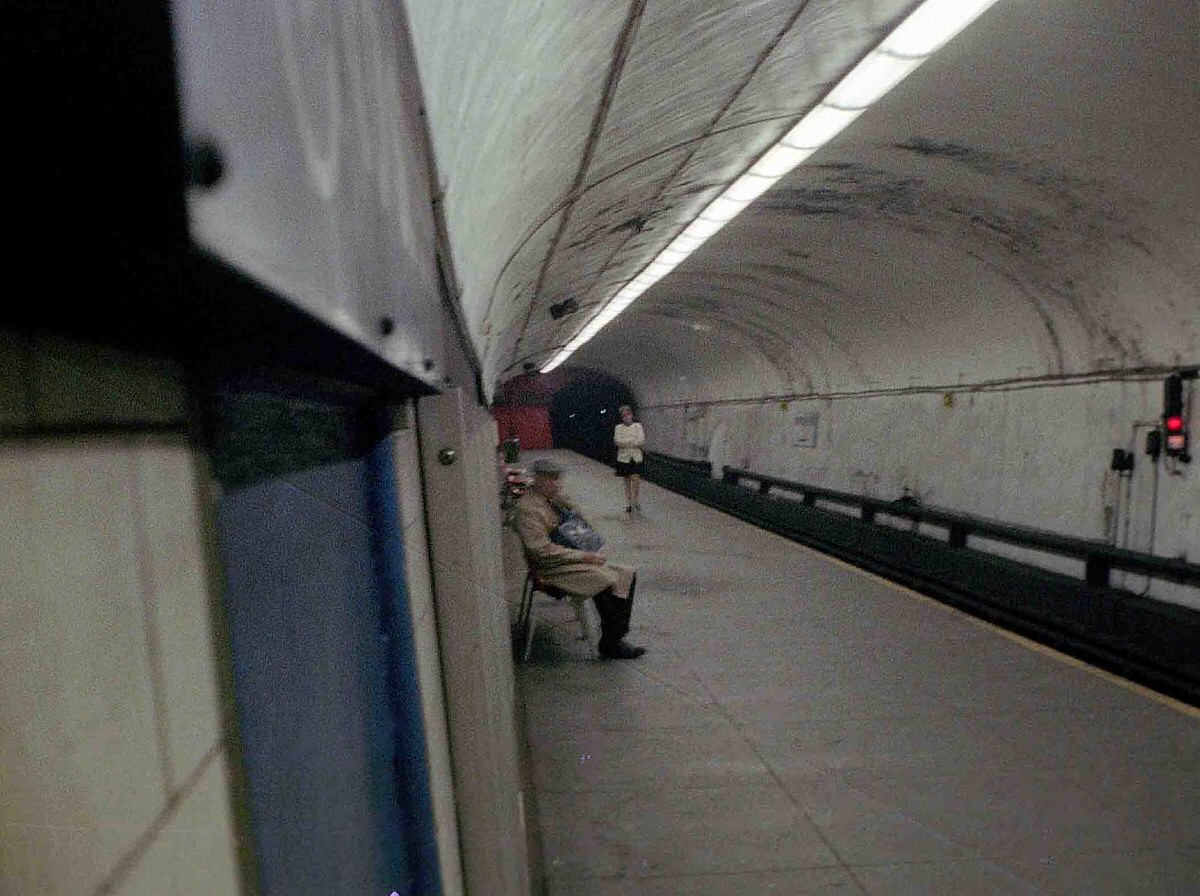
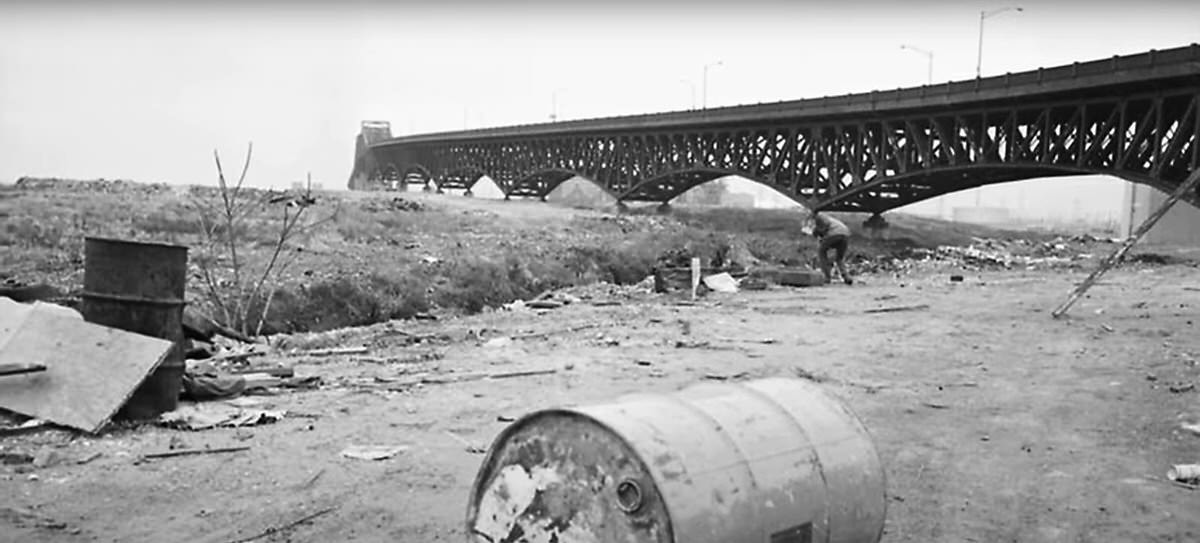
Daily travel relies on the PATH train and the Pulaski Skyway. The PATH system introduces new air-conditioned cars to make the trip to Manhattan more comfortable. Drivers use the Skyway to travel over the industrial marshes toward Newark. Tonnelle Avenue carries heavy truck traffic to the Lincoln Tunnel. On the streets, local residents use the Public Service bus lines to move between neighborhoods like the Heights and Bergen-Lafayette. These routes pass through narrow streets lined with three-story wooden houses and brick apartment buildings.