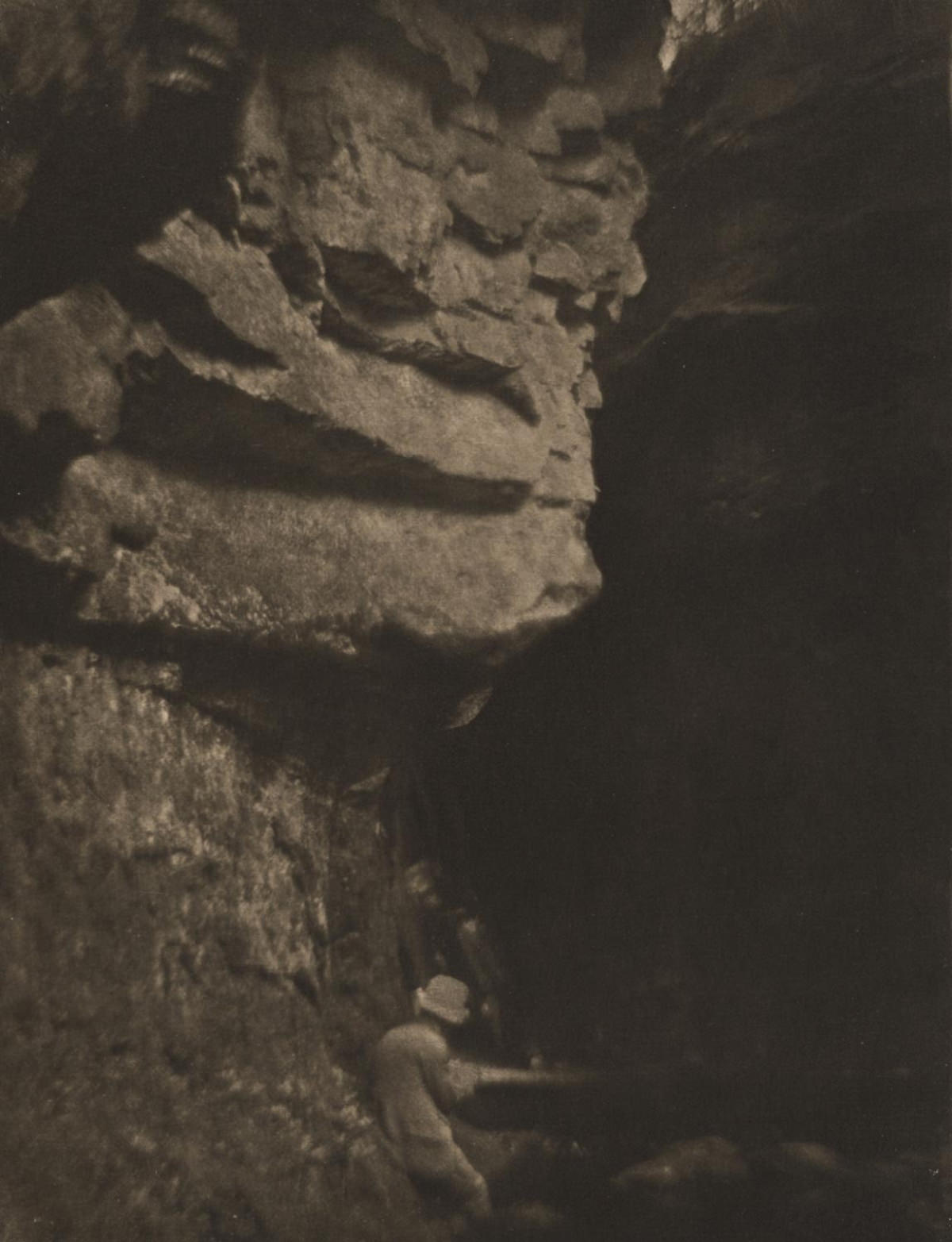
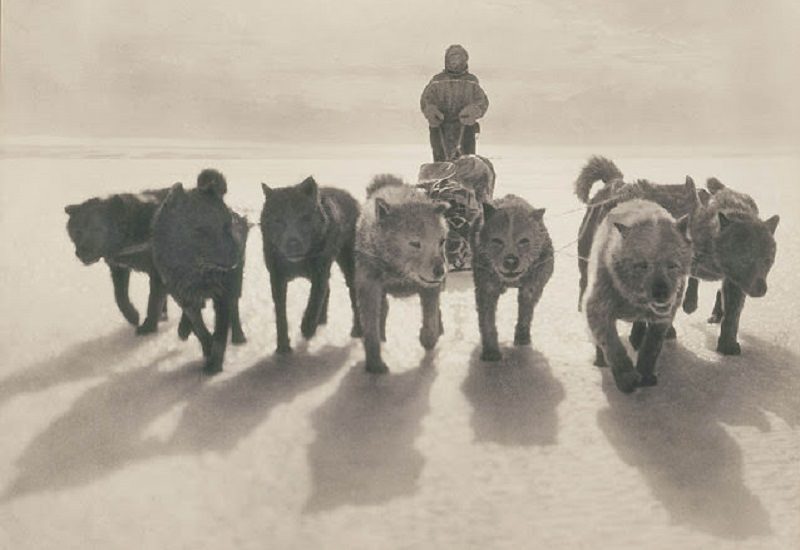
James Craig Annan was one of the most important figures in 19th-century photography. Born into a family already rooted in the craft, the Scottish photographer earned a Fellowship from the Royal Photographic Society and became known as a true pioneer of the art form. His work stood apart from simple documentation — he approached photography the way a painter approaches a canvas.
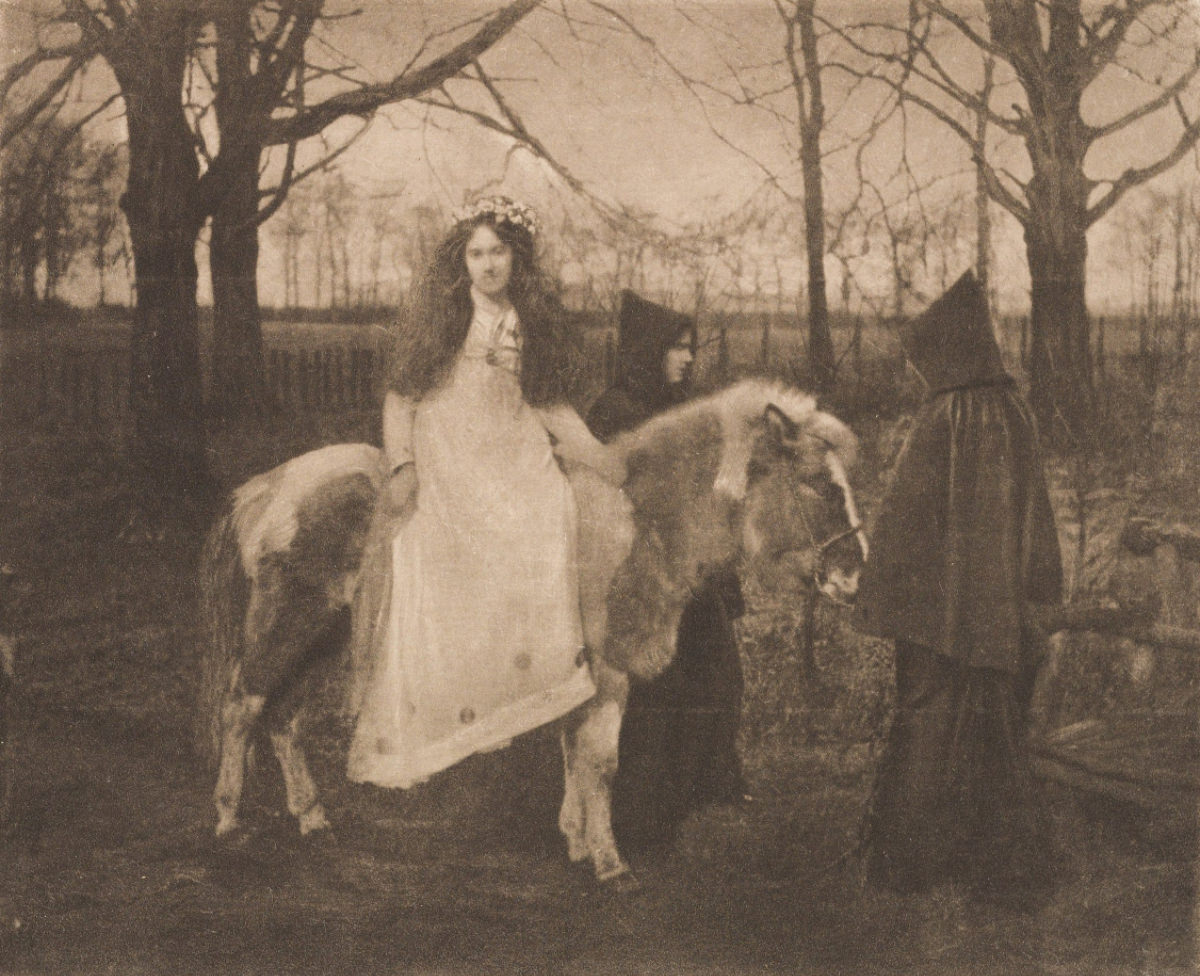
In 1883, Annan traveled to Austria to learn the photogravure process directly from its inventor. Photogravure is a printing method that transfers a photographic image onto a copper plate, which is then used to produce prints of exceptional tonal depth and detail. Few photographers of the era had this level of technical knowledge, and Annan’s mastery of it set him apart.
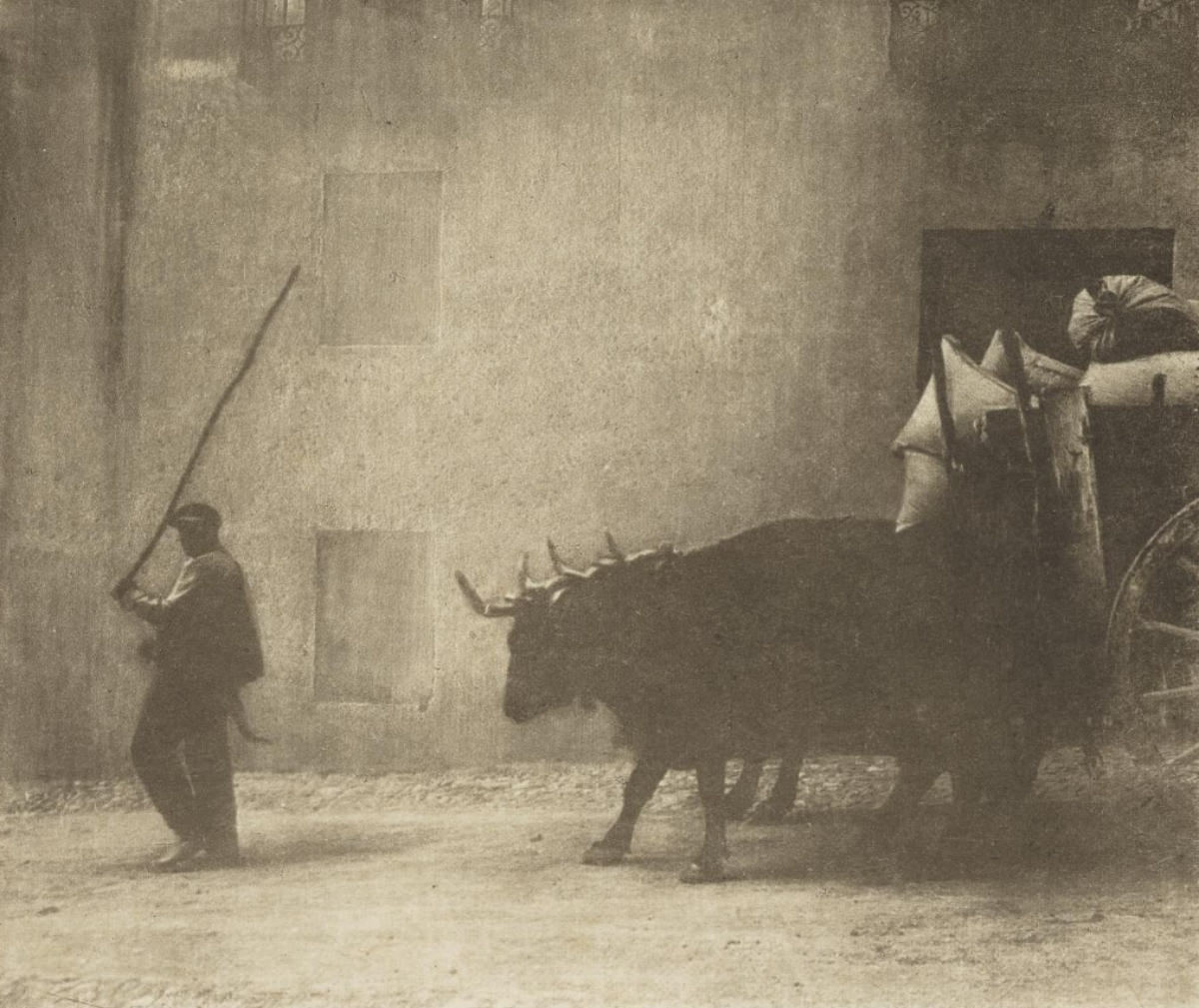
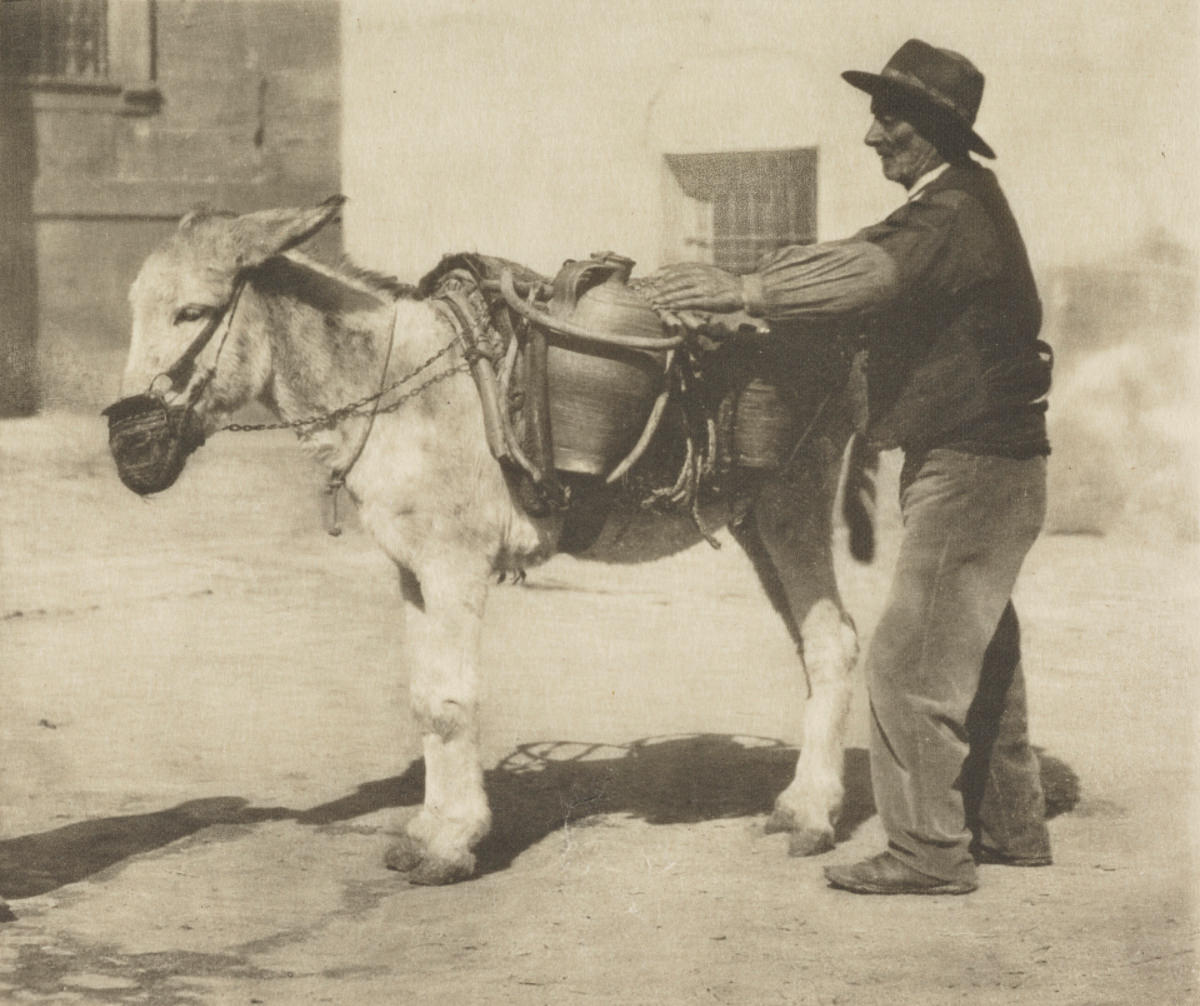
His family’s firm specialized in photogravure, and after his father died in 1887, Annan took over and kept the business running. By around 1890, however, he began channeling more energy into his own artistic pursuits. The business gave him a strong foundation, but his creative ambitions pointed him in a new direction.
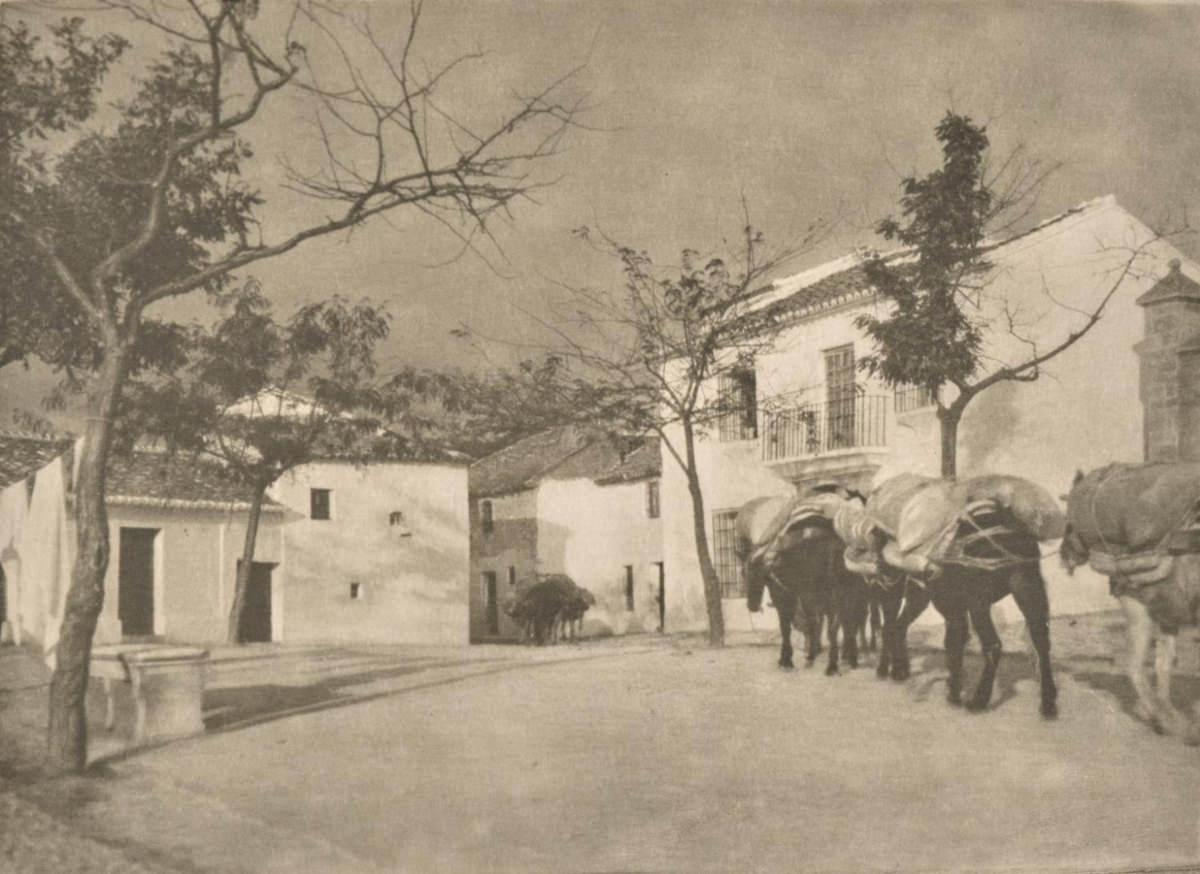
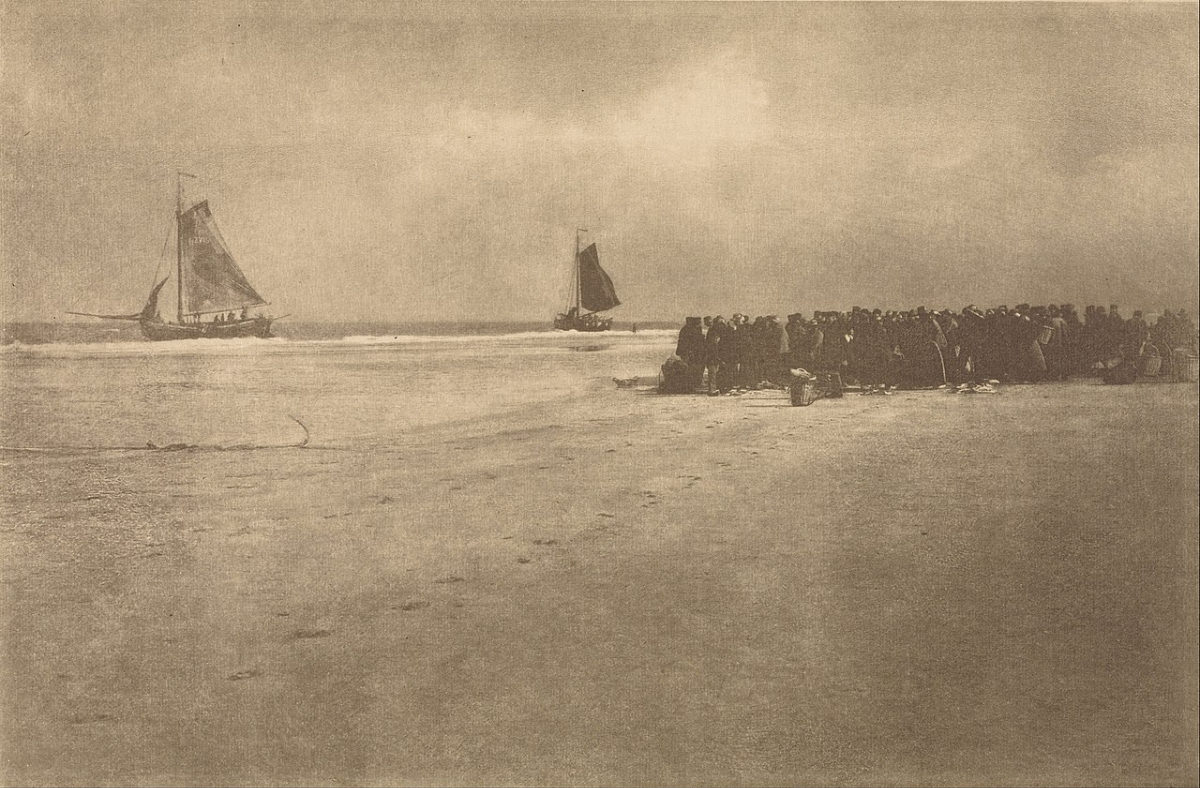
What drove Annan most was photography’s power to capture mood and atmosphere. He wasn’t interested in sharp, clinical images. He wanted his photographs to feel like something — to carry weight and emotion the way a painting does.
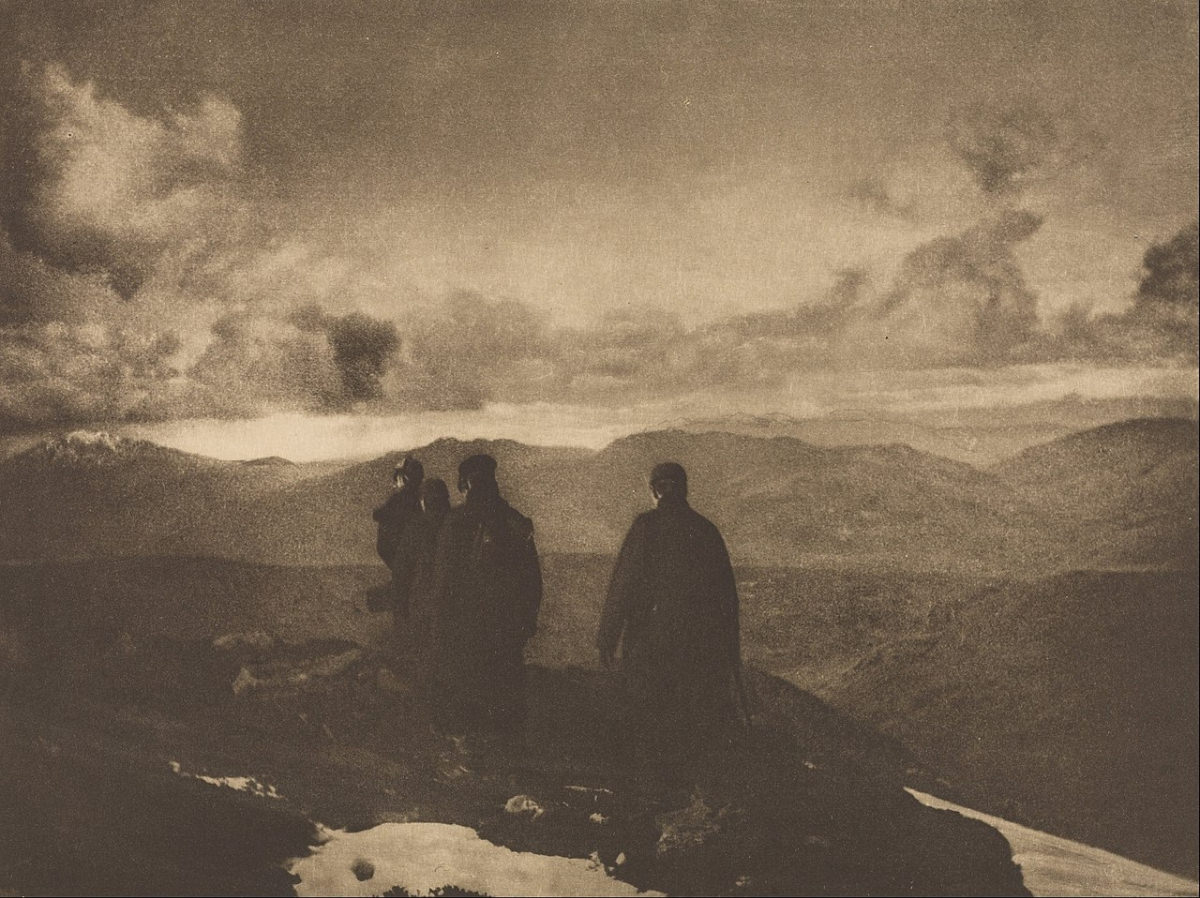
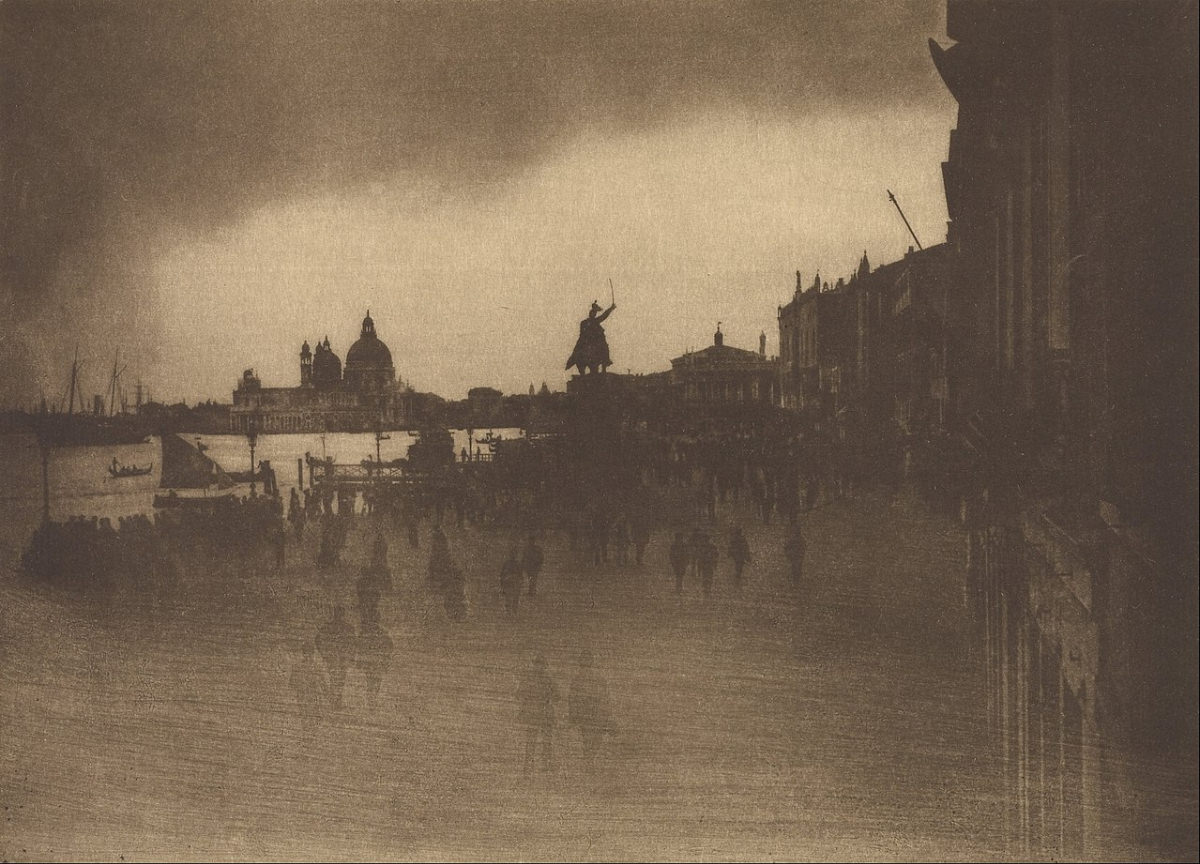
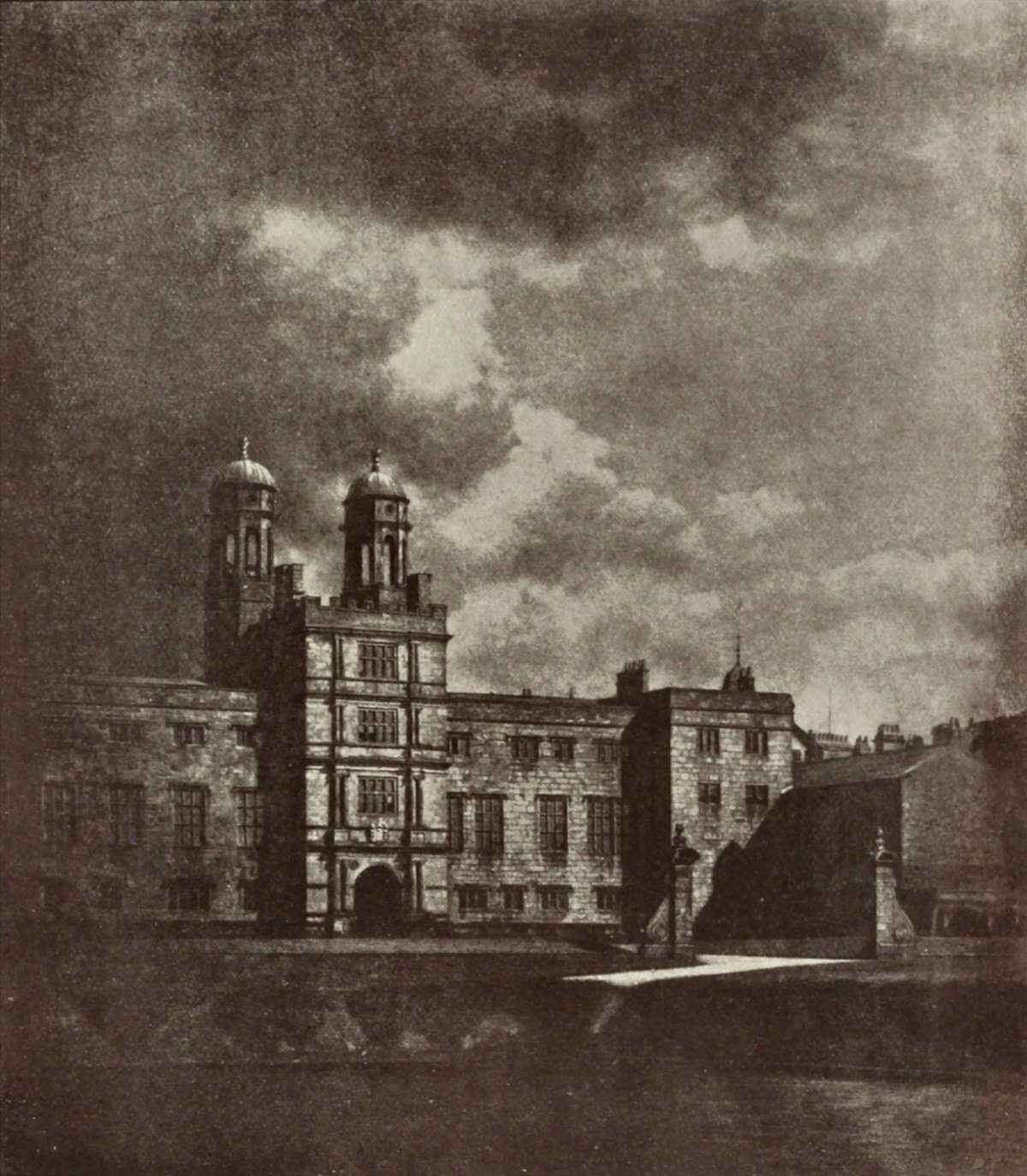
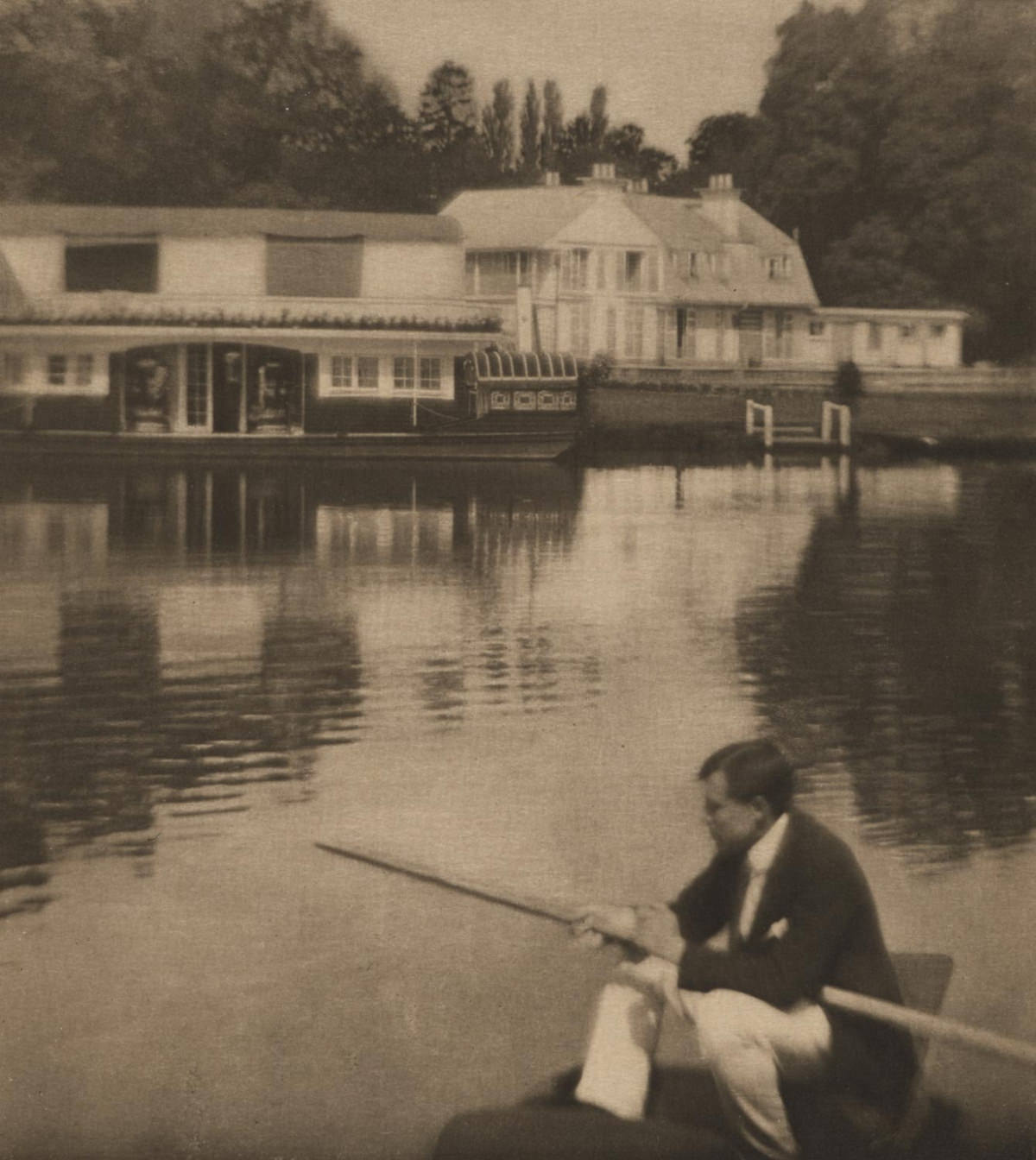
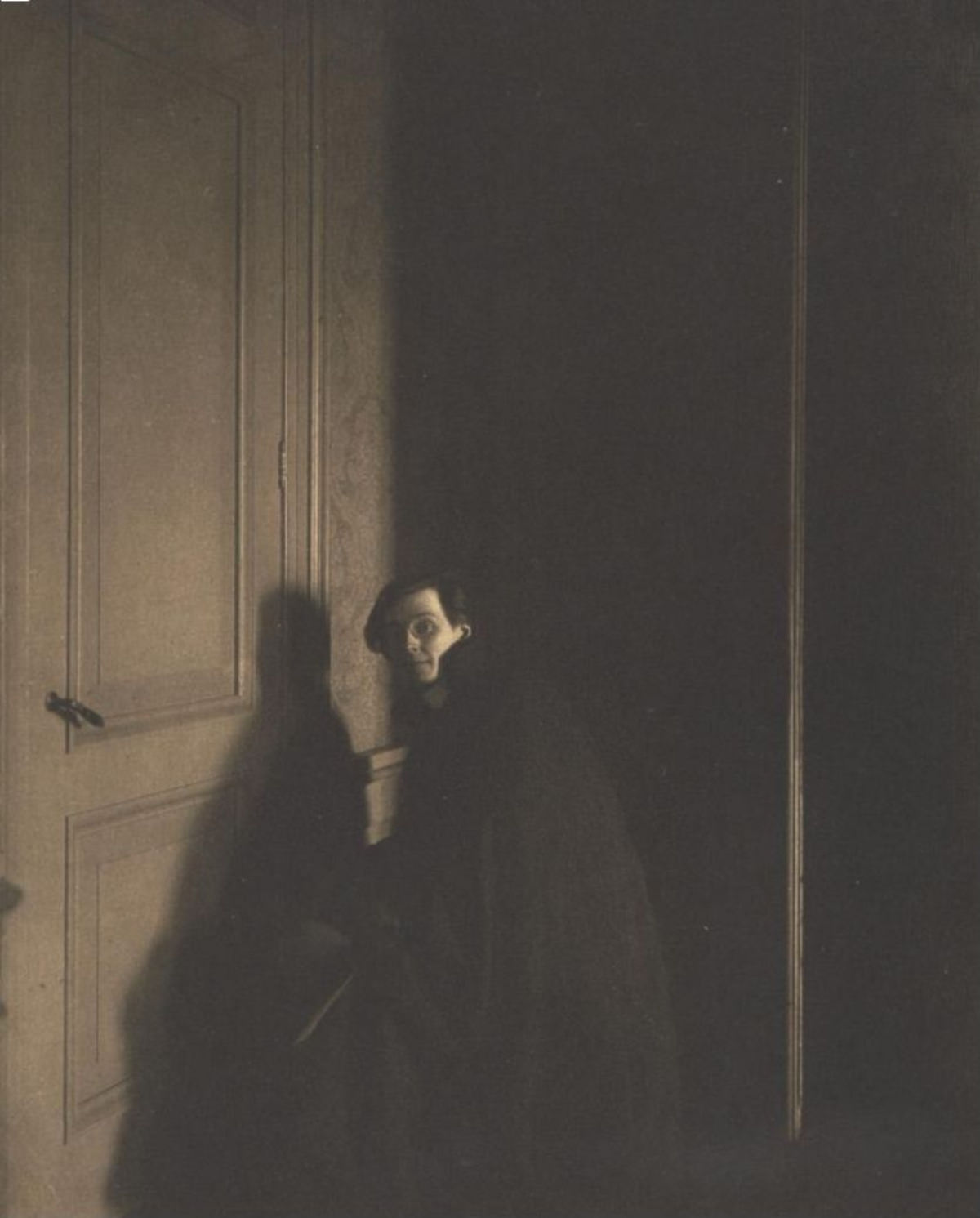
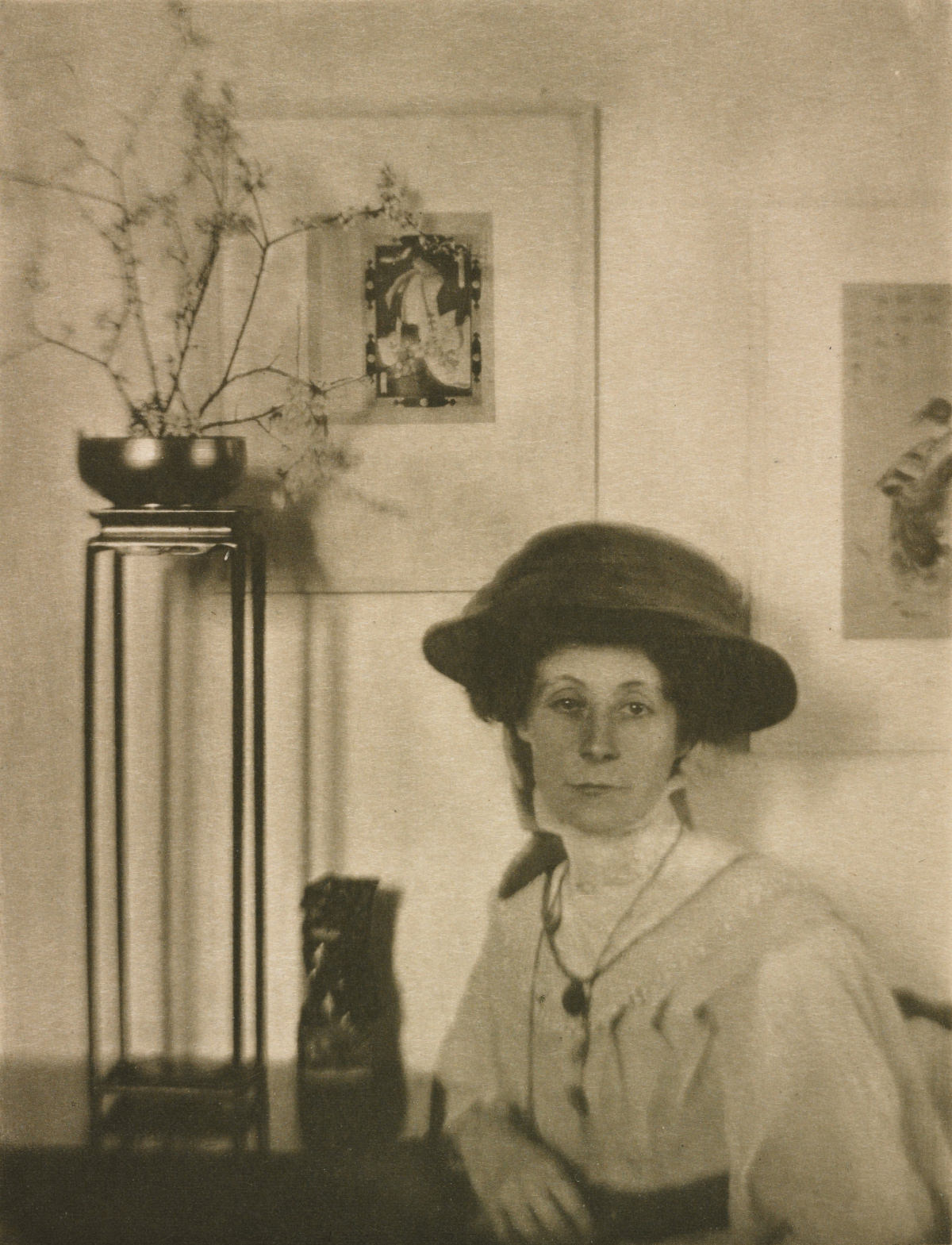
To achieve this, he applied his photogravure expertise in deliberate ways. He unified the tonal range across his images, pulling highlights and shadows into a consistent, harmonious whole. He also softened the edges of figures in the foreground, preventing any single element from demanding too much attention. The result was a stronger, more unified composition.
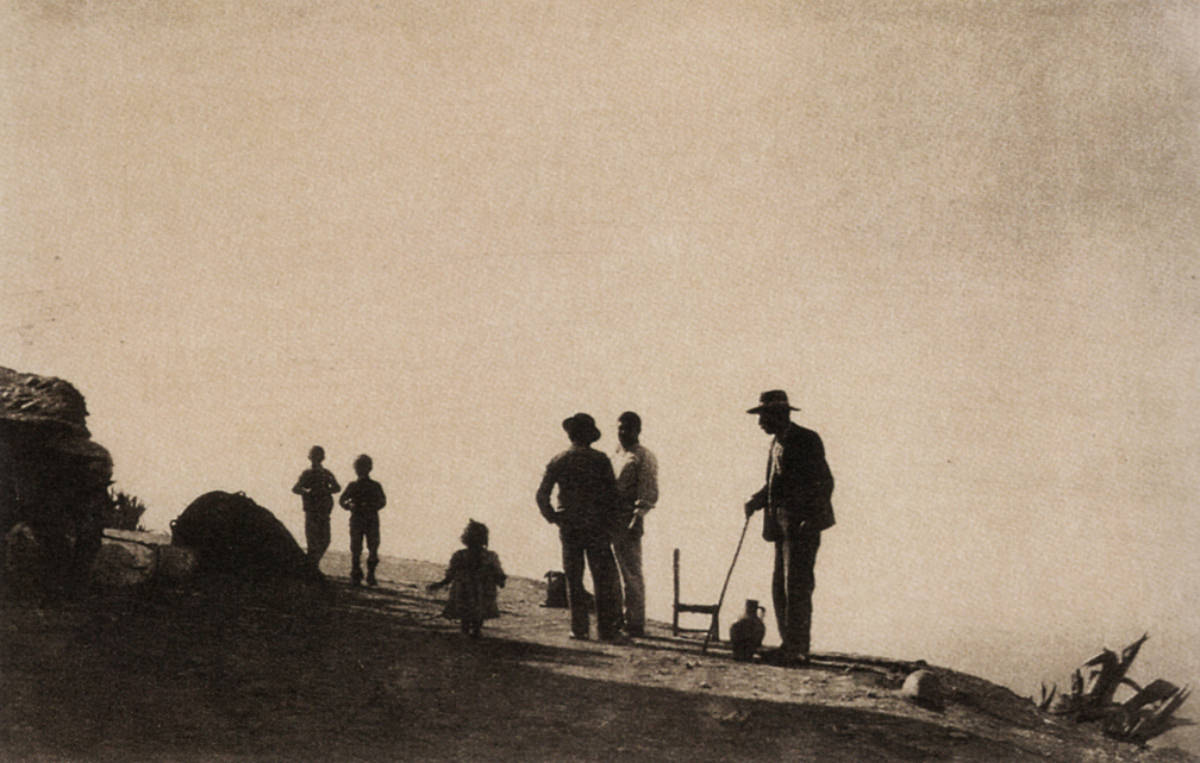
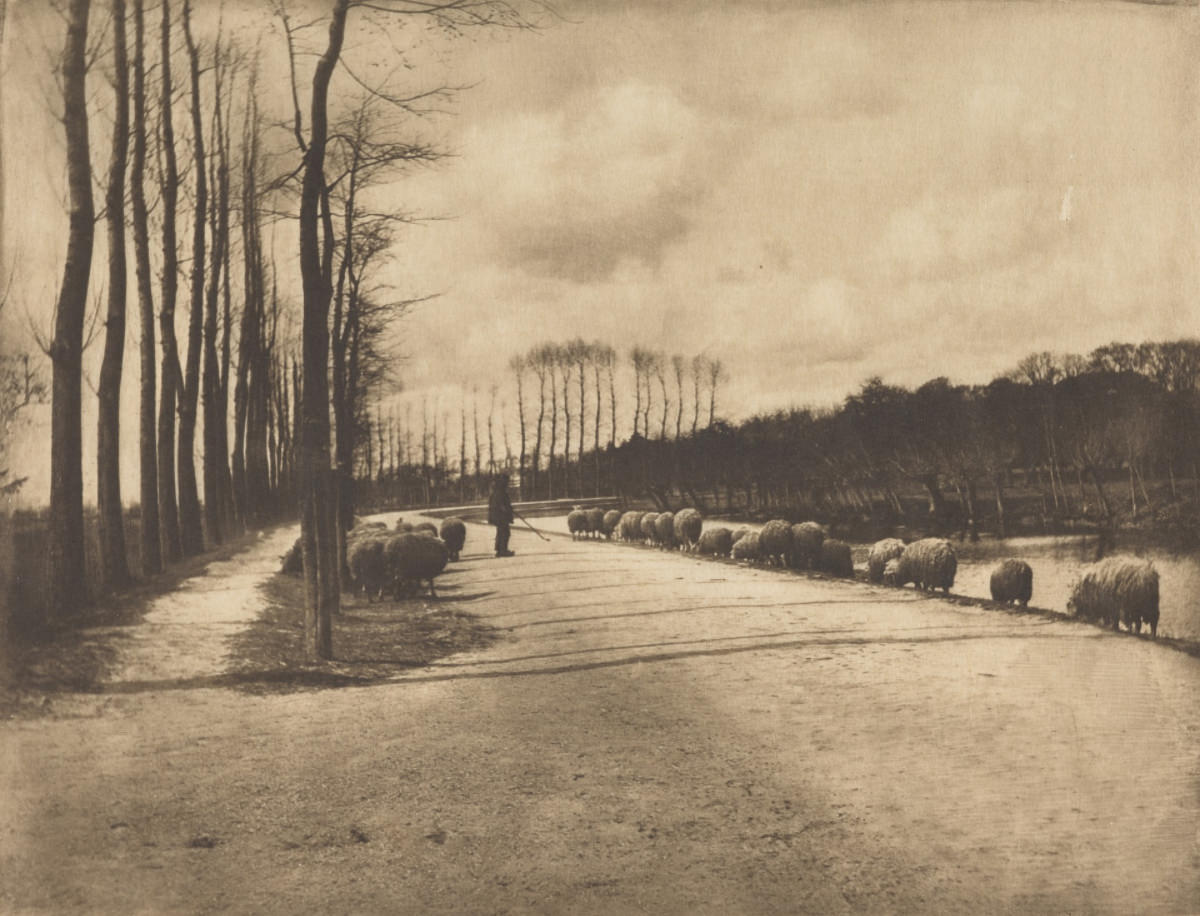
This technique produced what can be described as a dynamic disintegration of form. Edges blur. Shapes soften. The image breathes. It’s a quality closely associated with the paintings of James McNeill Whistler, one of Annan’s favorite artists. Whistler was known for his atmospheric, loosely rendered compositions, and that same sensibility shows up clearly in Annan’s photographs.
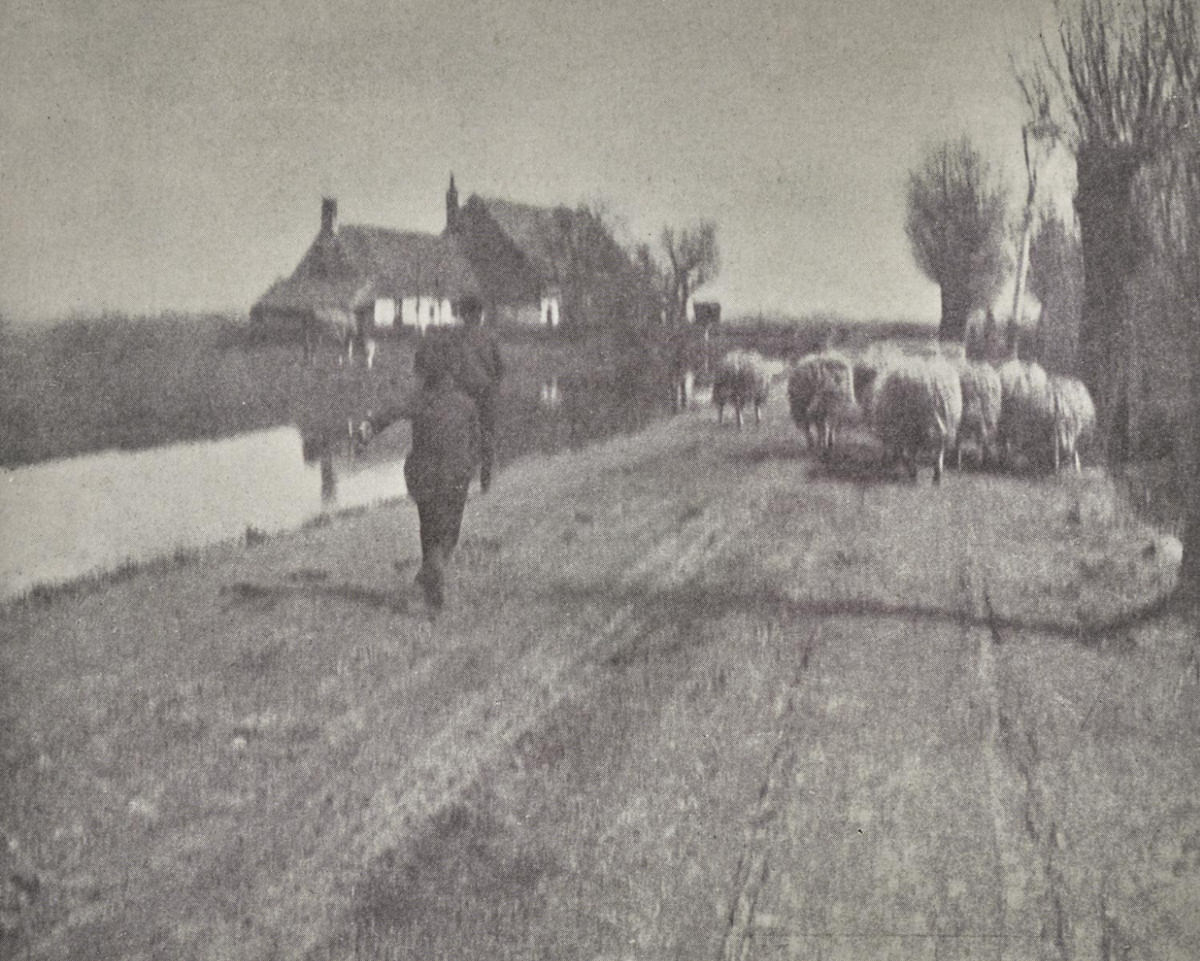
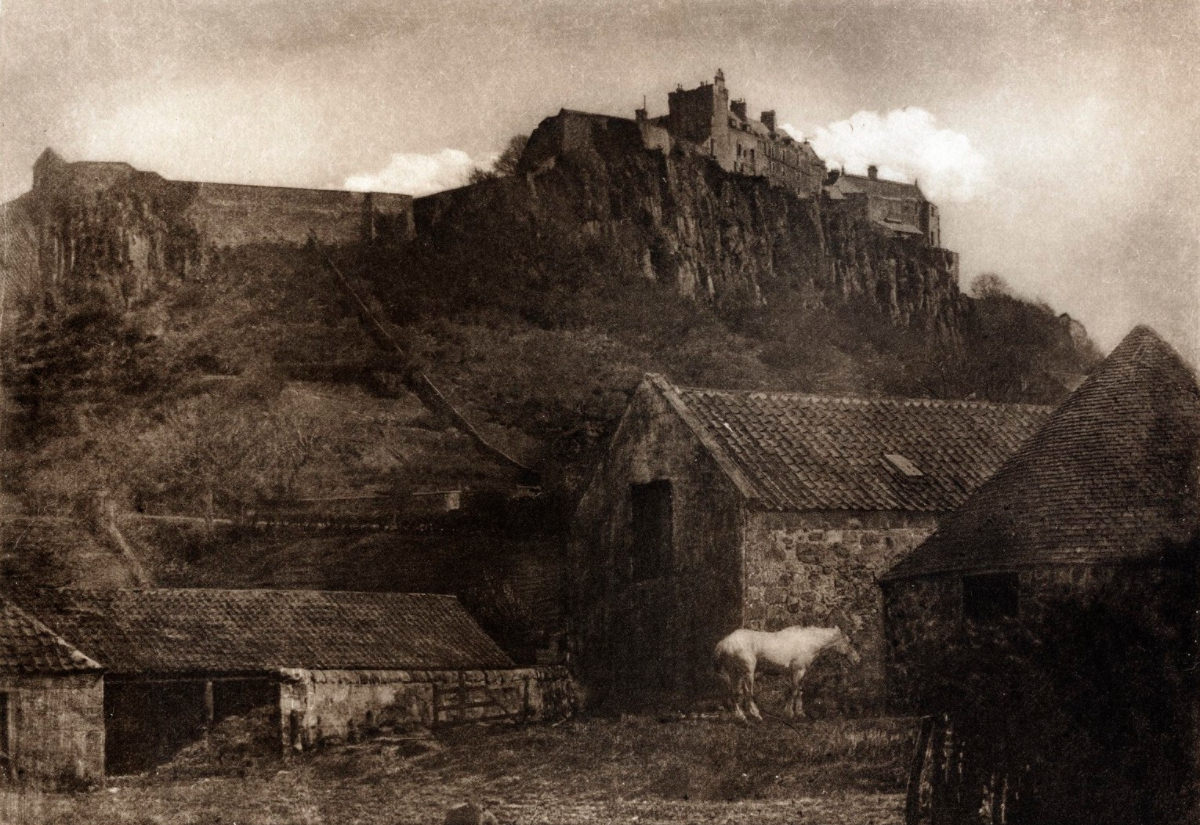
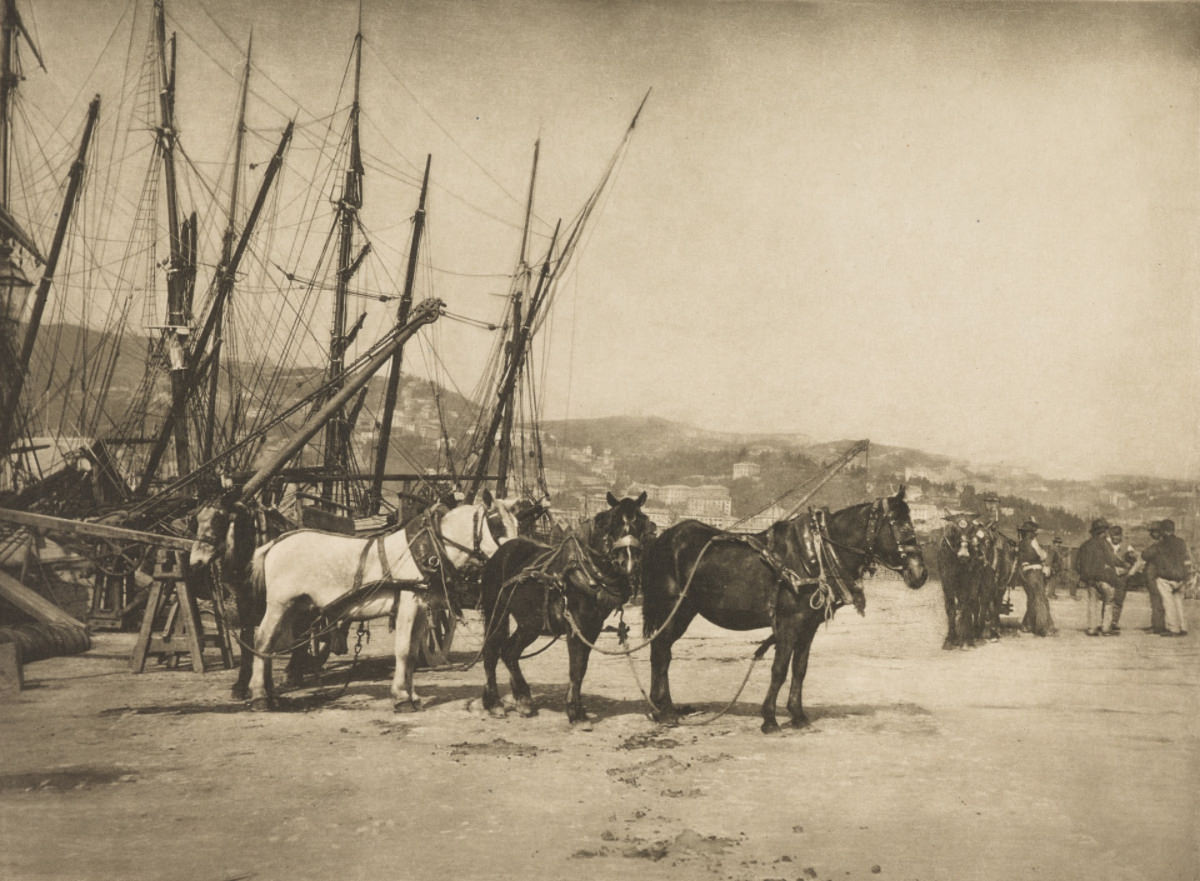
Annan’s photographs from this period are striking precisely because they don’t look like typical Victorian-era photographs. Most photography of the time aimed for clarity and precision. Annan deliberately moved away from that, using his technical skills to do the opposite — to introduce softness, ambiguity, and feeling.
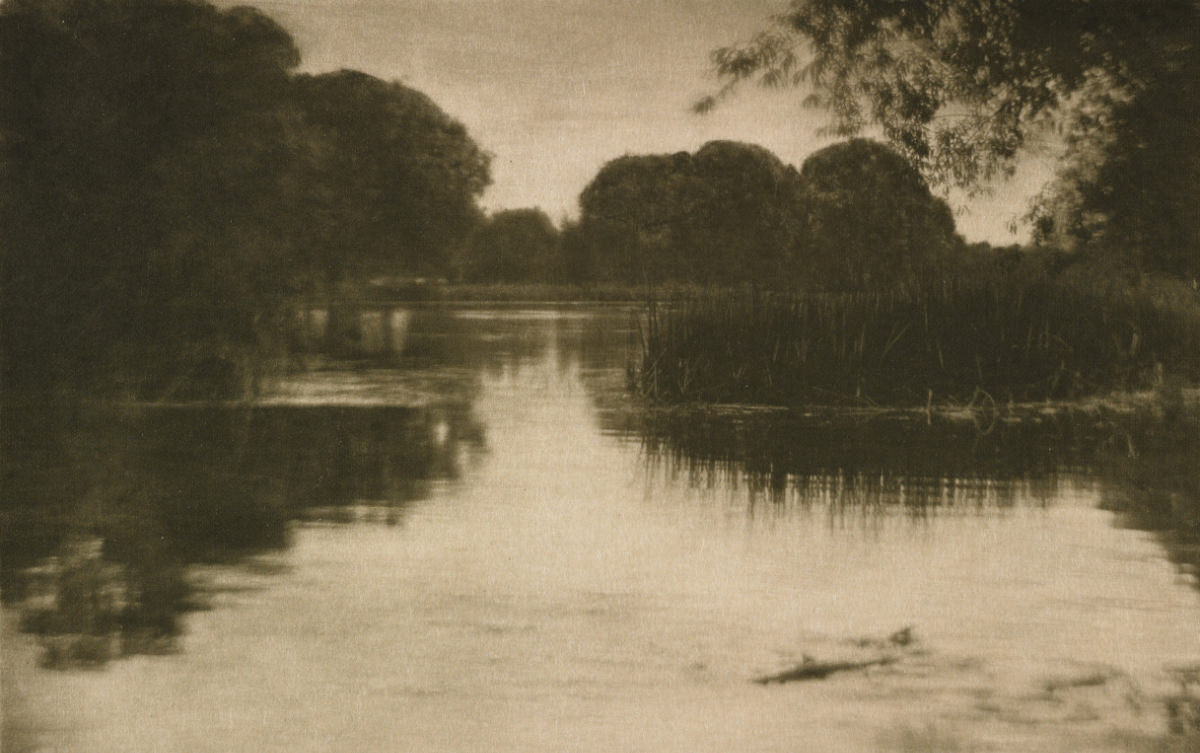
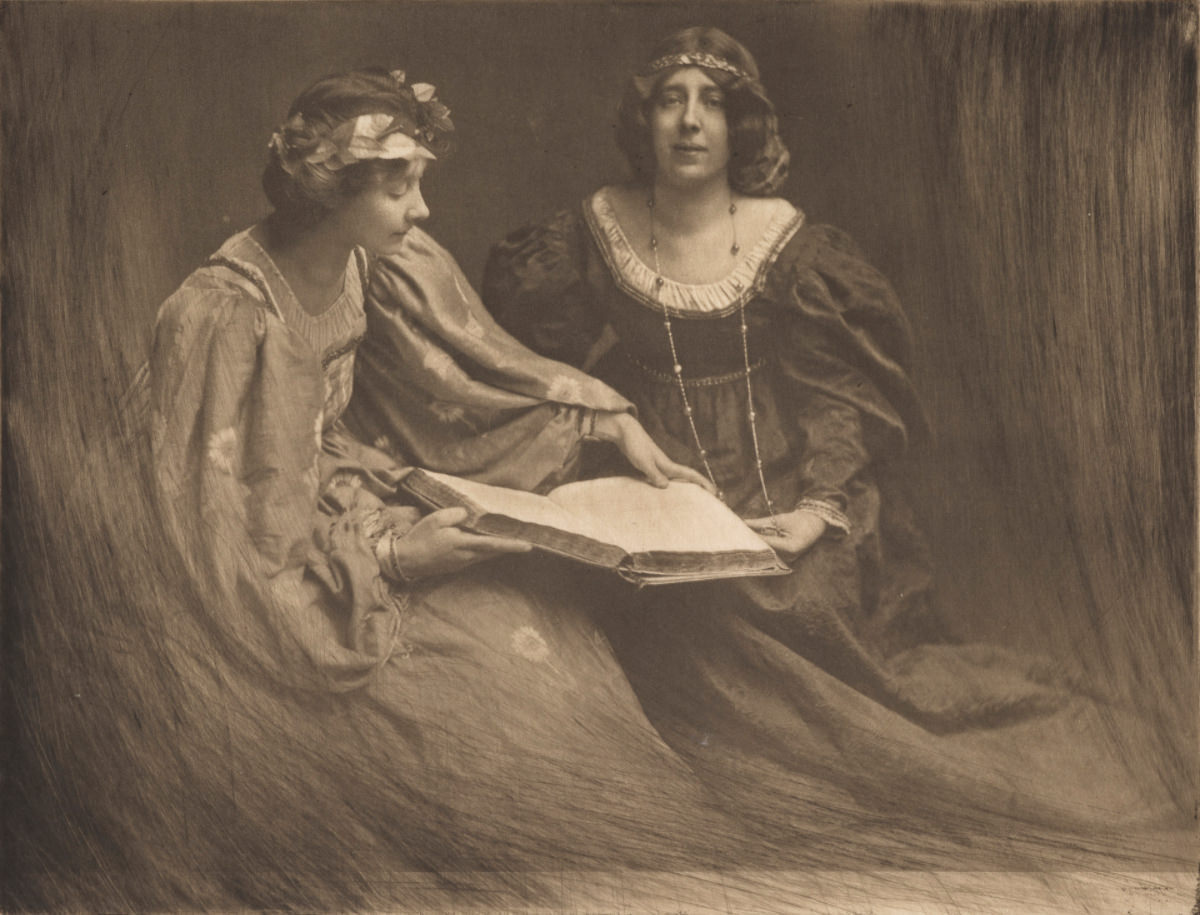
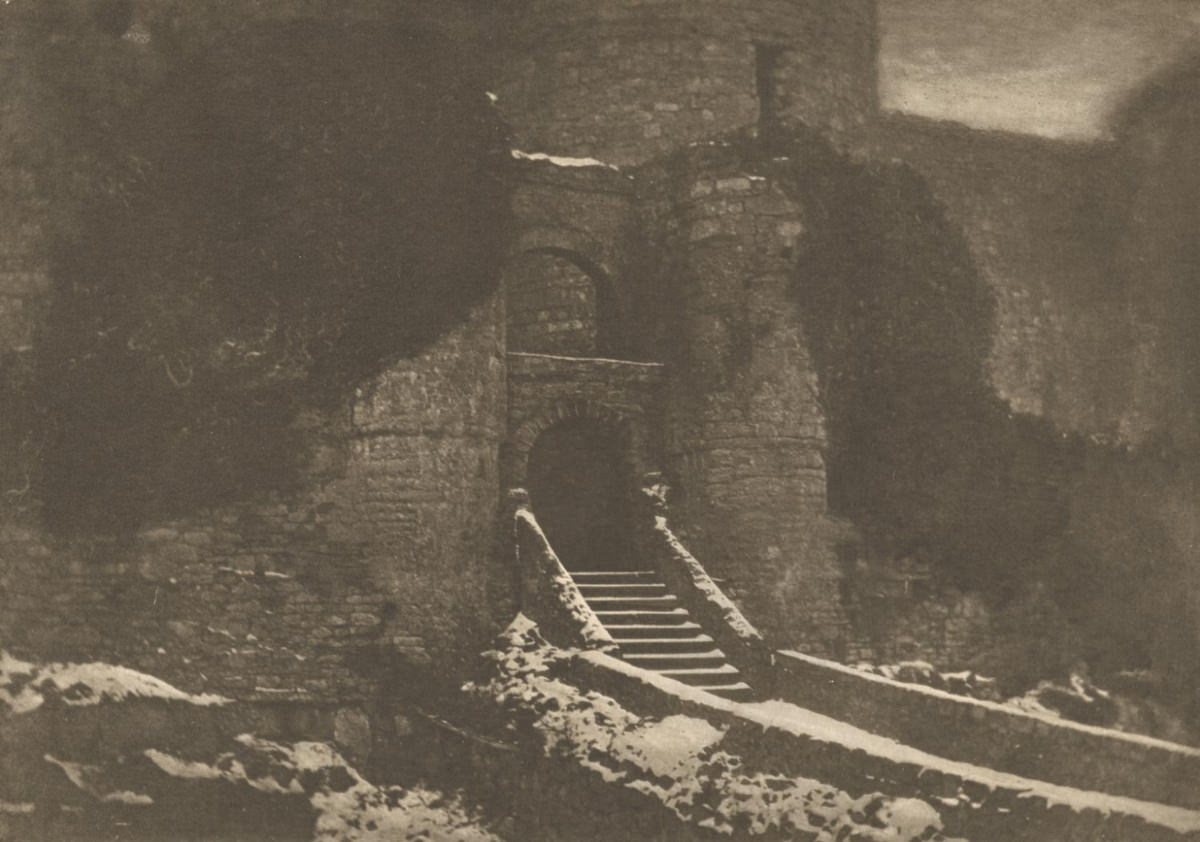
The images he produced in the late 1800s remain some of the finest examples of Pictorialist photography — a movement that argued photography deserved a place alongside painting and printmaking as a serious art form. Annan’s command of photogravure gave him tools that most photographers simply didn’t have access to.
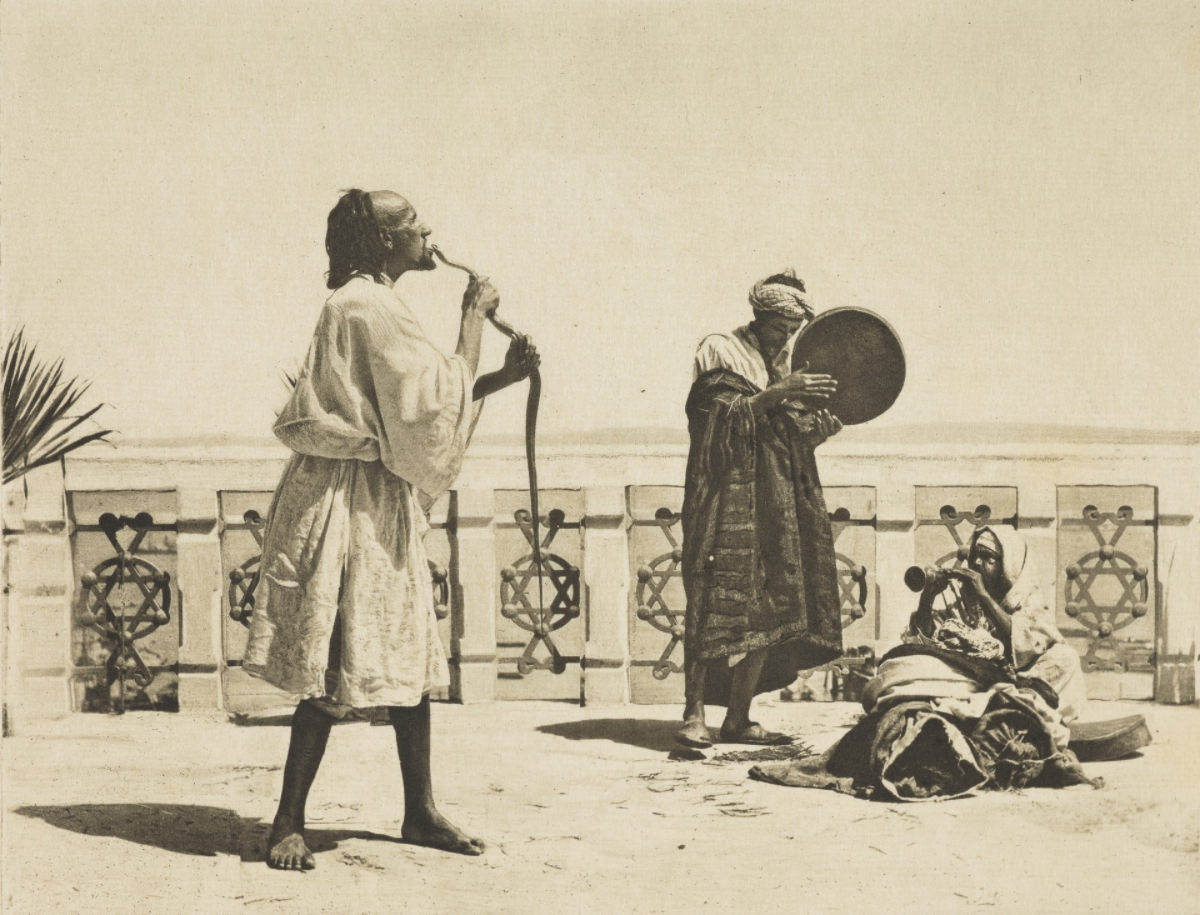
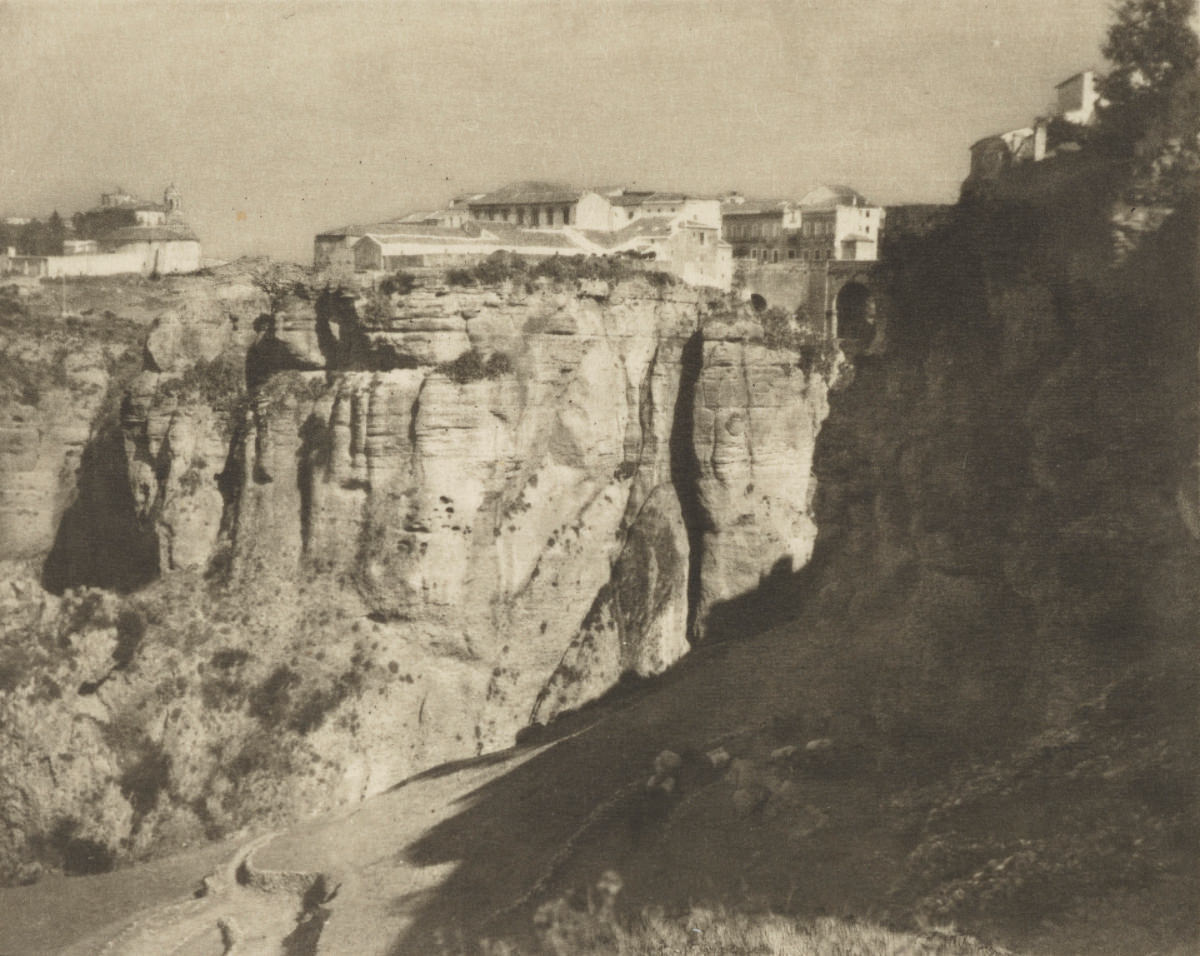
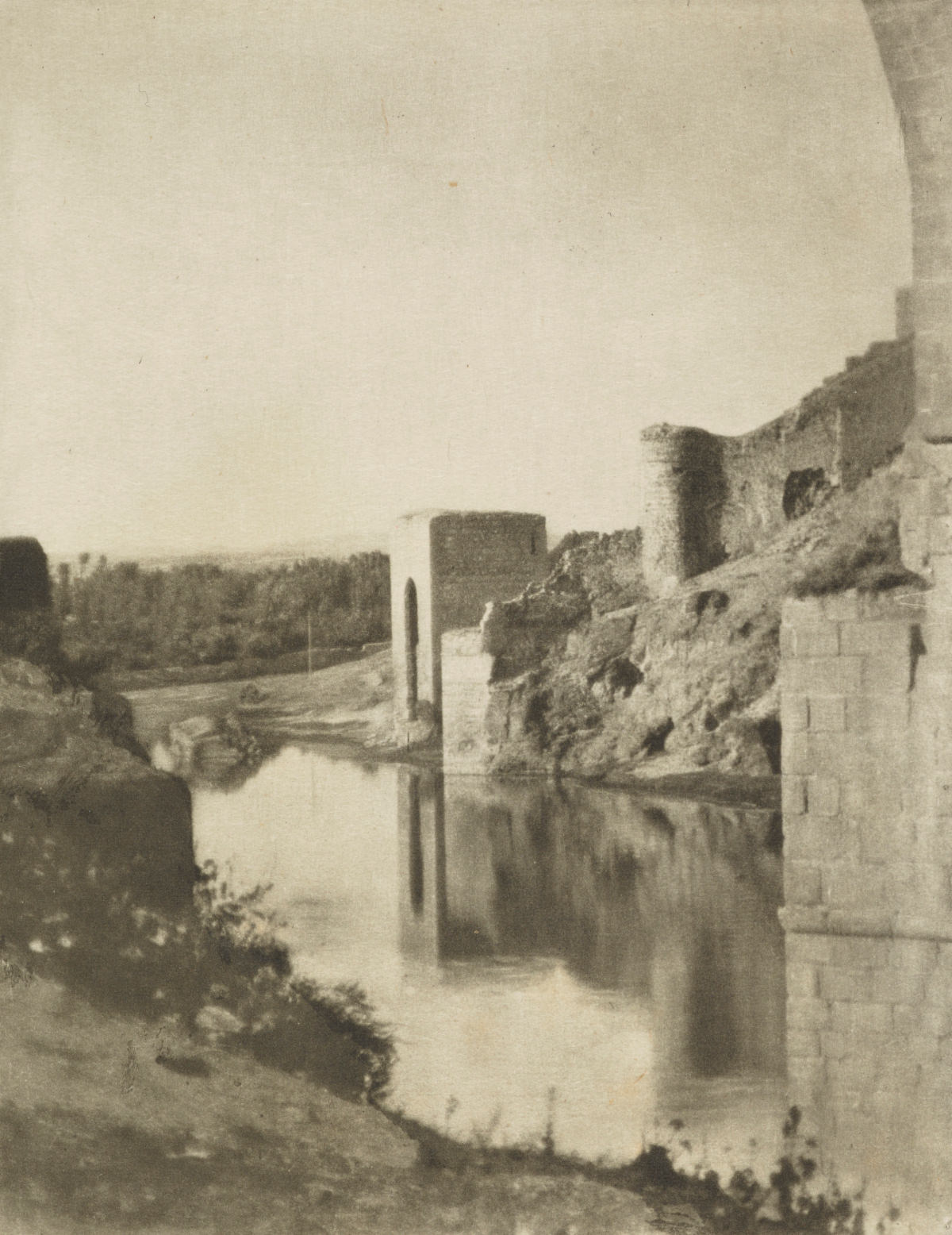
His Scottish background also shaped his eye. The light of Scotland — often overcast, soft, and diffuse — appears to have informed the way he composed and printed his images. Even his outdoor photographs carry a quiet, contemplative tone.
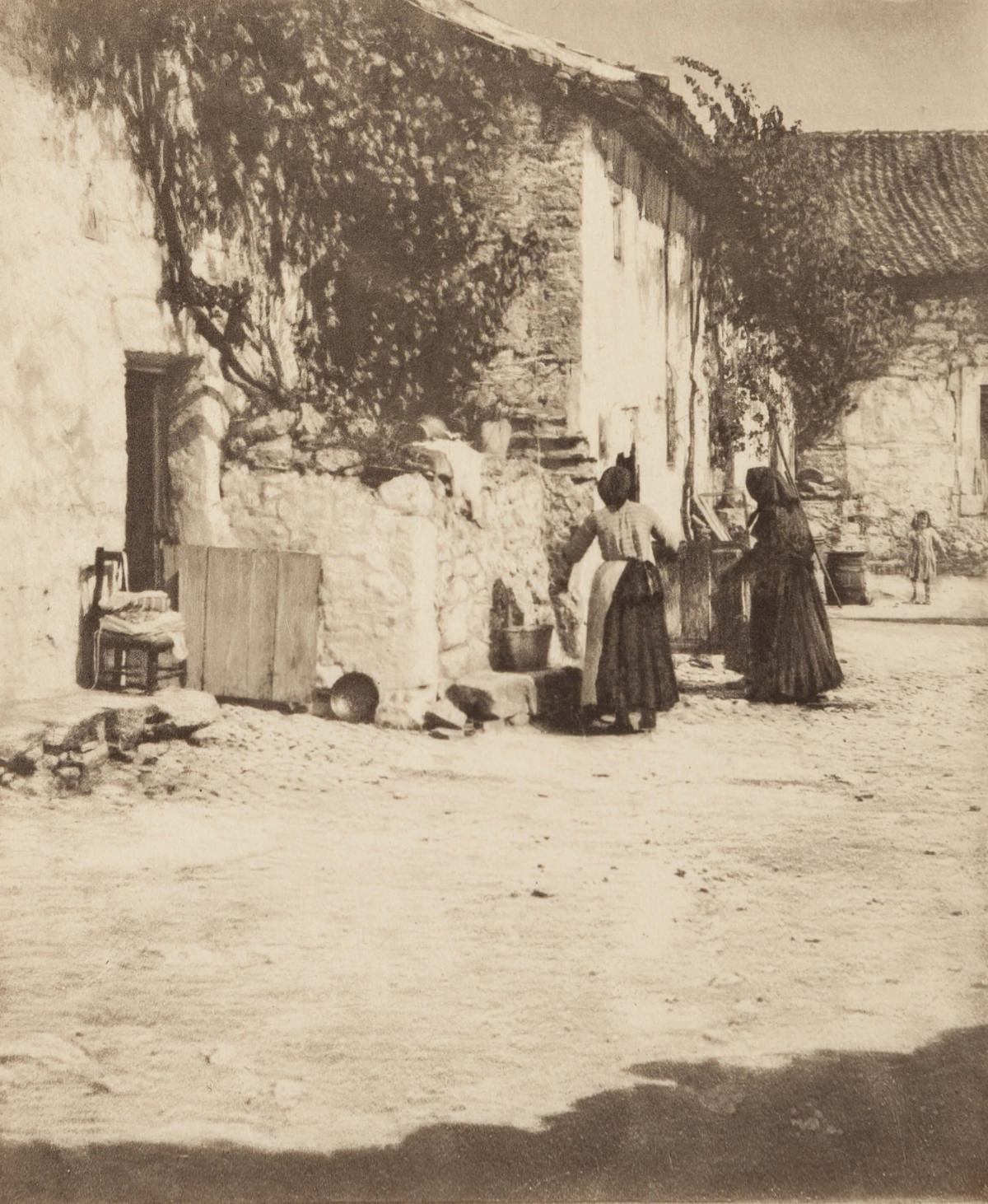
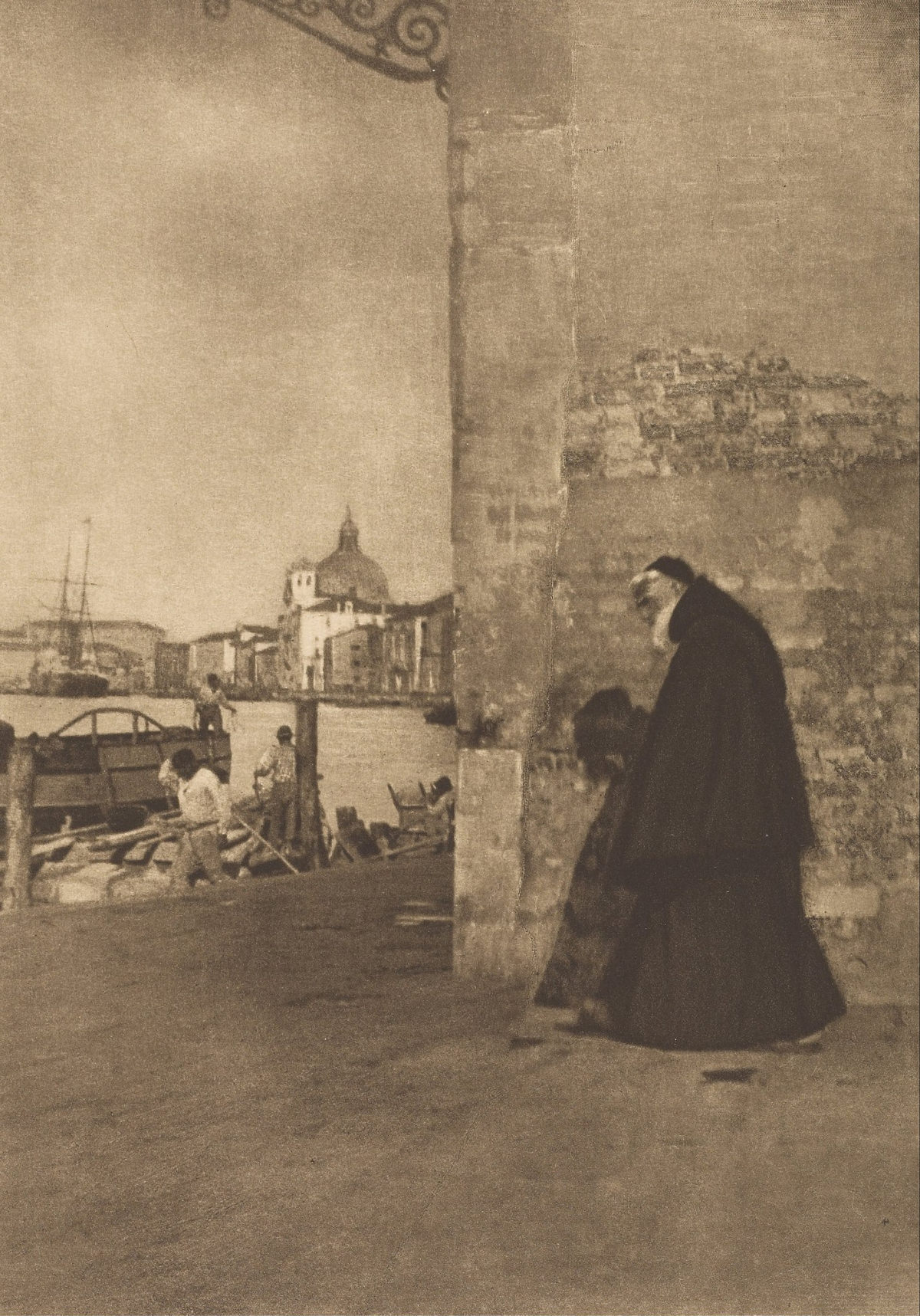
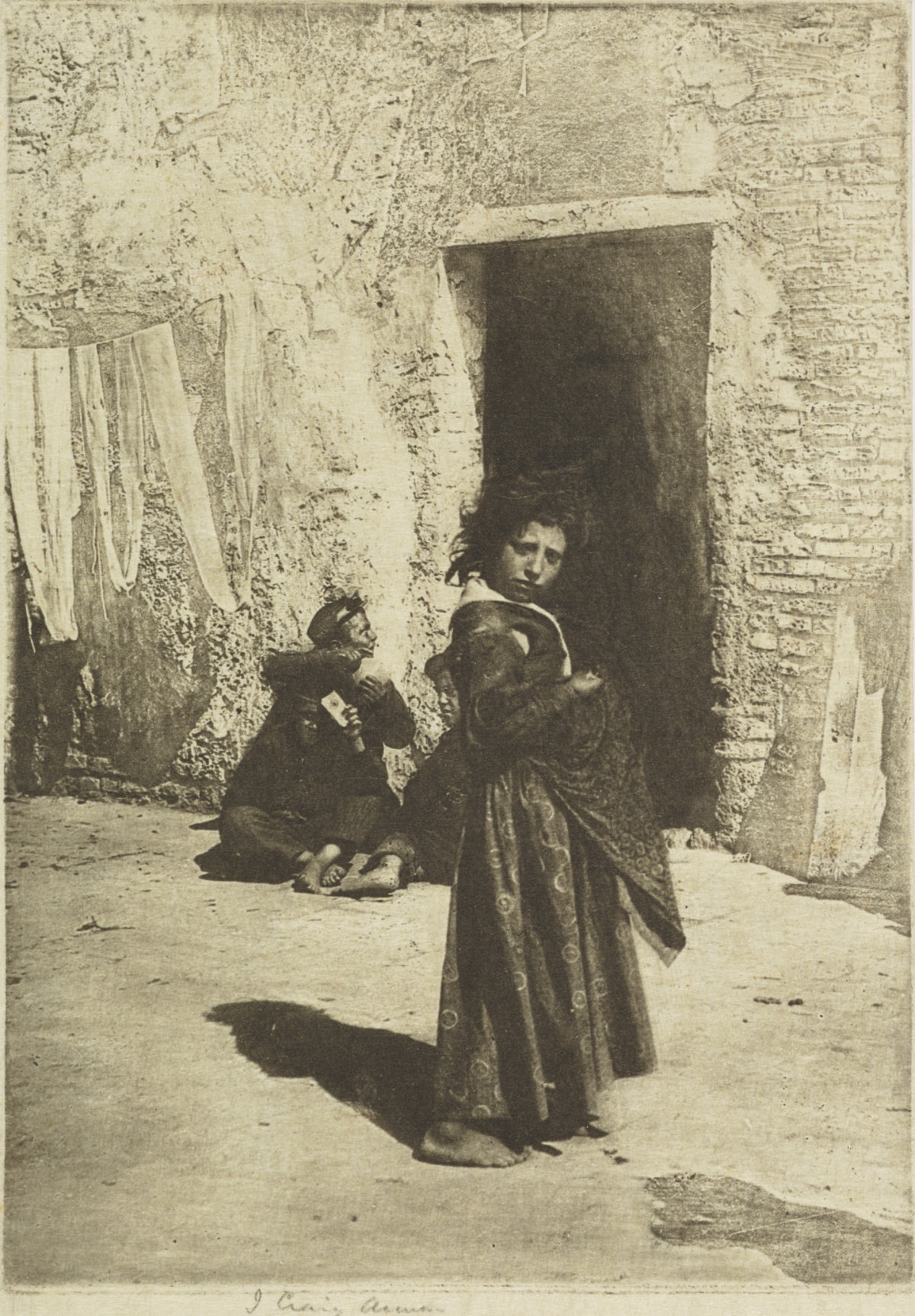
What makes Annan’s body of work so compelling is the combination of technical precision and artistic intent. He didn’t stumble into beautiful images — he engineered them, using a printing process he had studied at its source, guided by a clear artistic vision shaped by painters he admired.

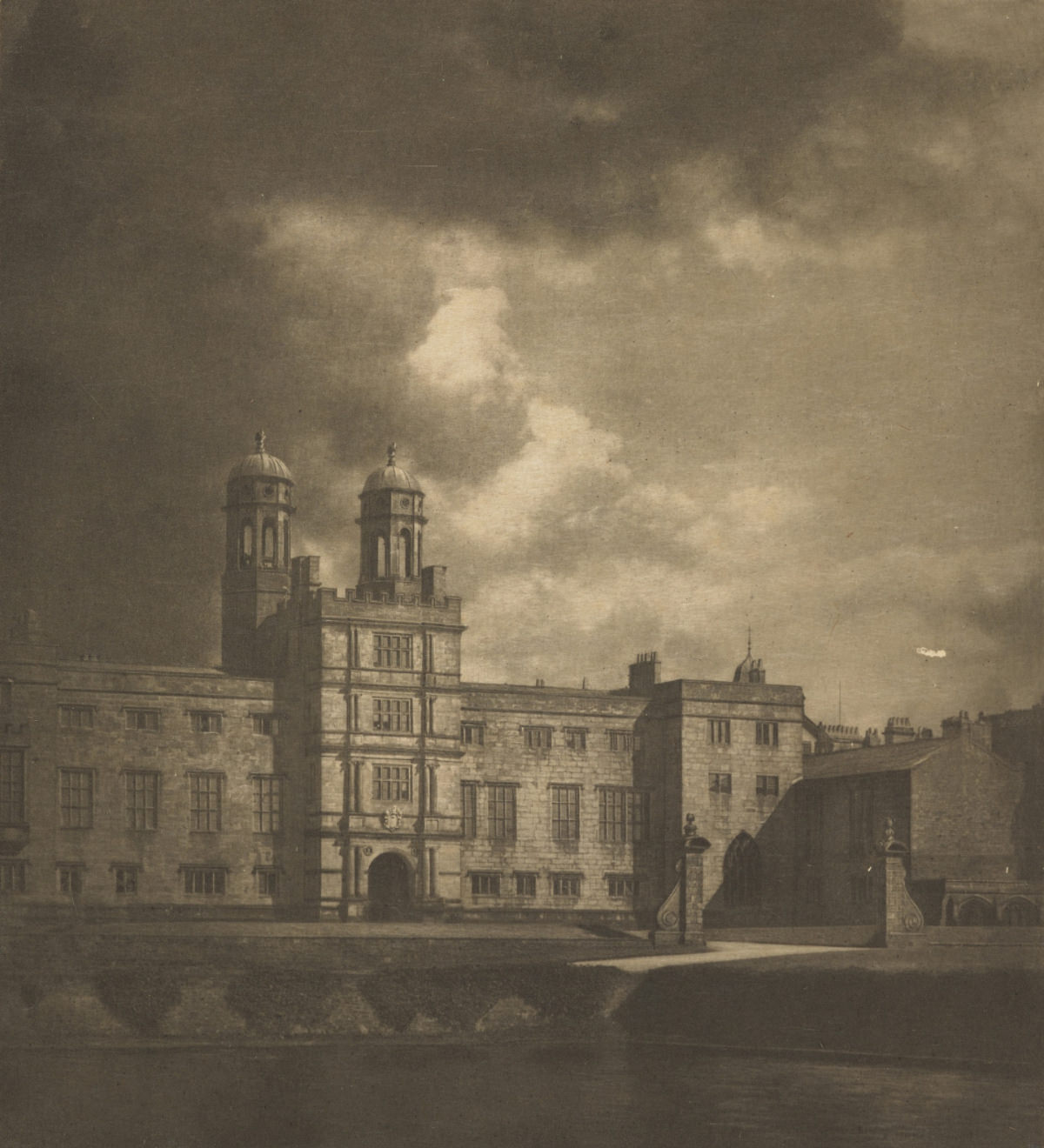
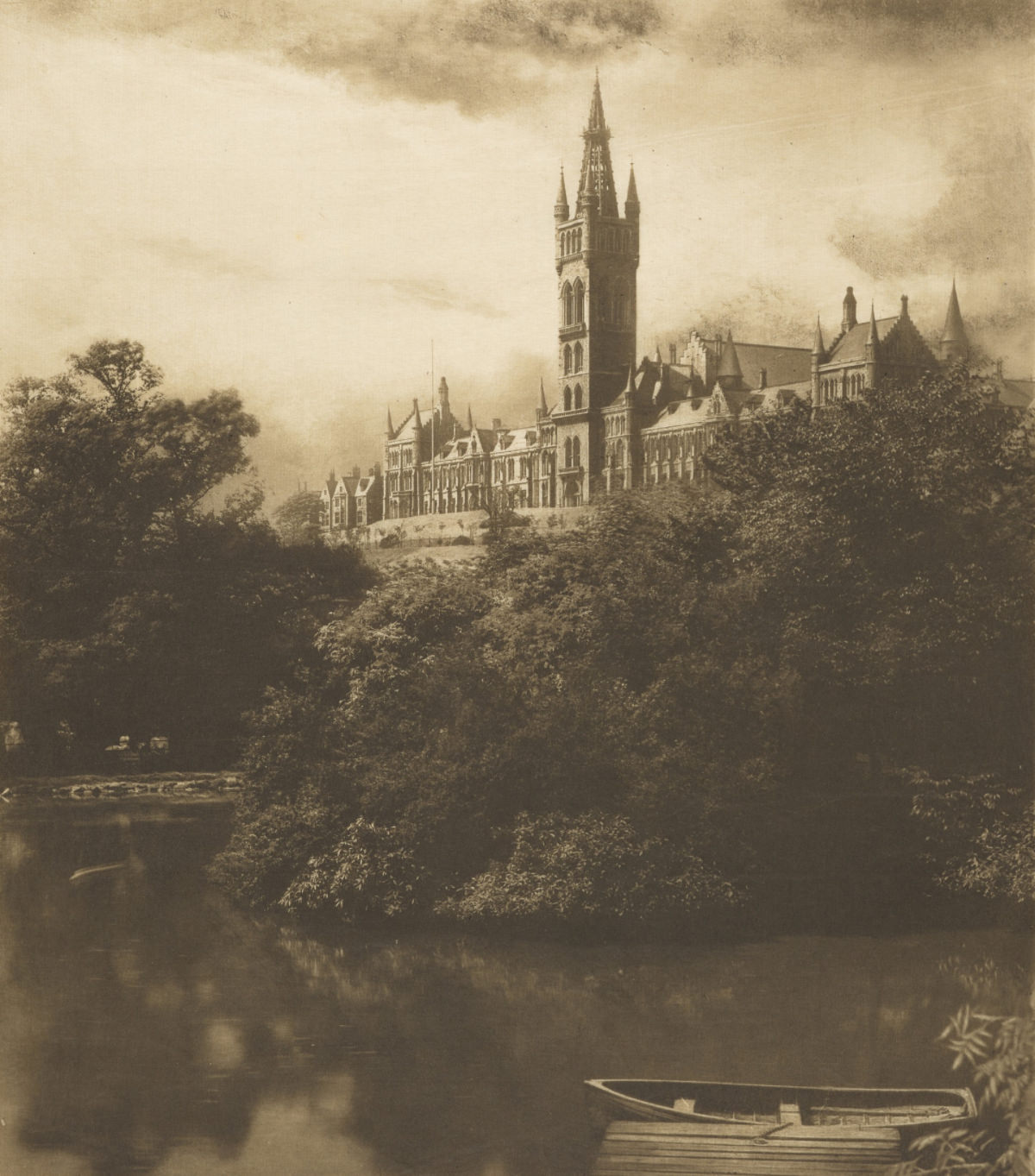
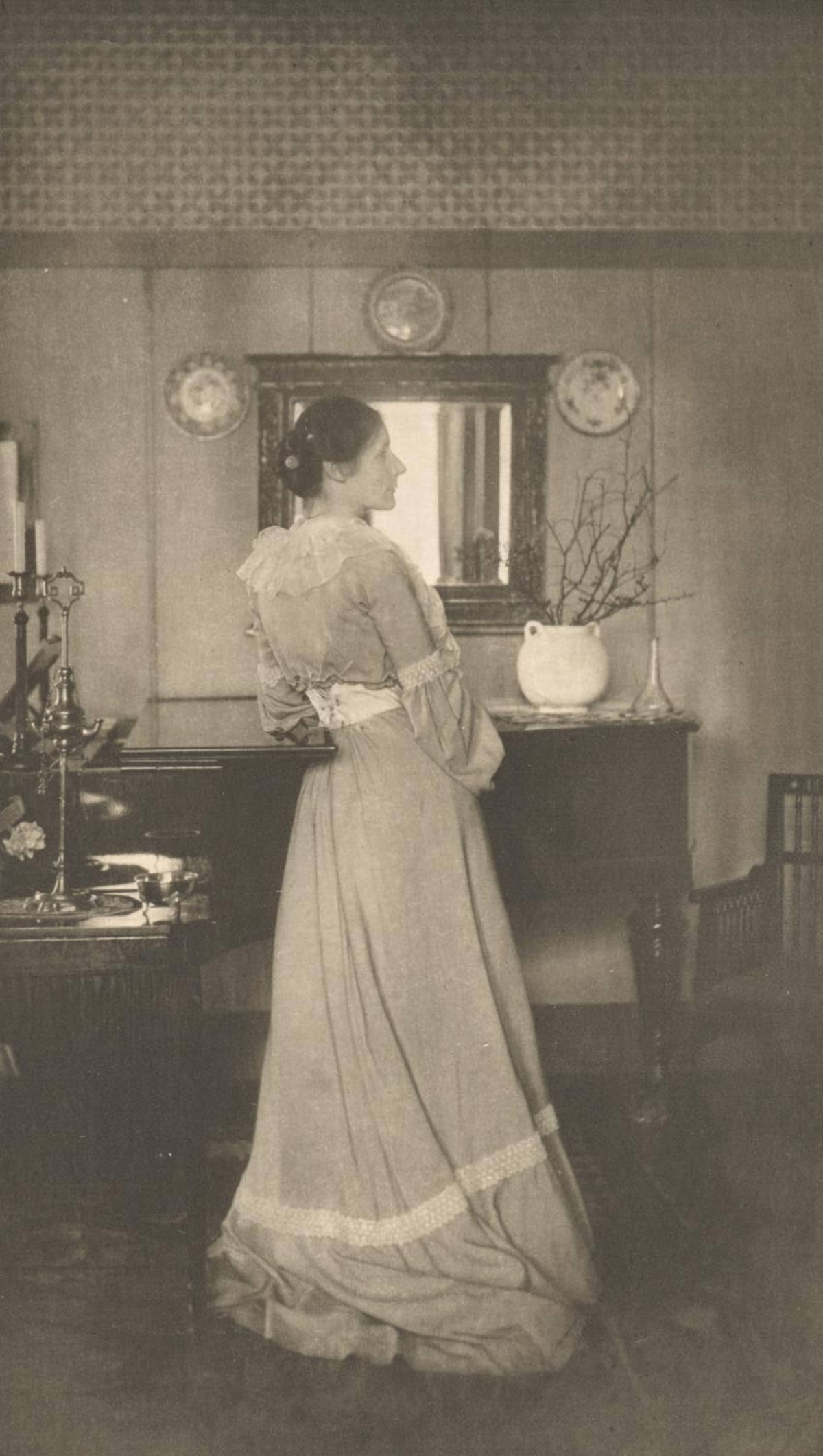
Browsing through his photographs today, it’s easy to see why Annan was held in such high regard by his peers. Each image reflects careful thought about light, tone, and composition. These are not snapshots — they are constructed visual statements from a photographer who understood both the science and the soul of his craft.