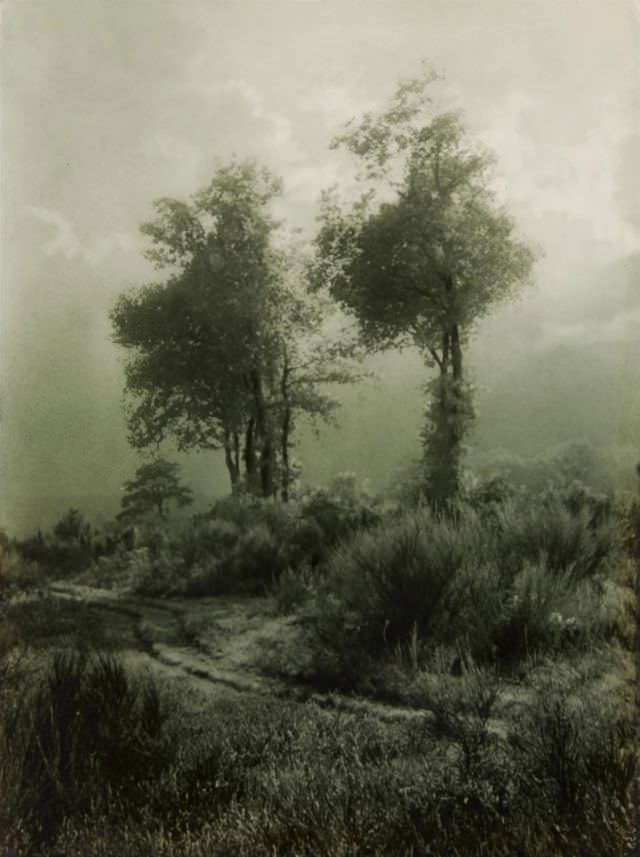
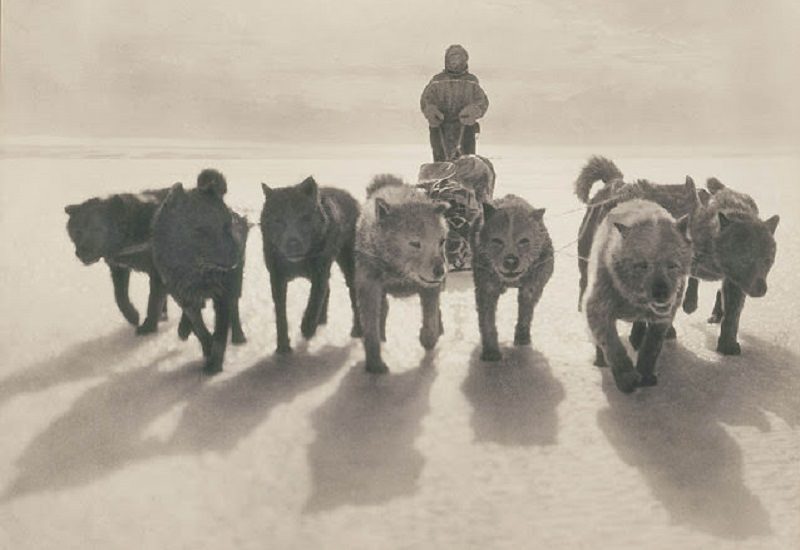
Léonard Misonne was a Belgian photographer born in 1870 who became one of the most respected figures in pictorialist photography. Pictorialism was a movement that treated photography as a fine art form, placing emphasis on mood, beauty, and composition rather than sharp, documentary-style images. Misonne embraced this fully, and his work stands apart for one defining reason: his extraordinary command of light and atmosphere.
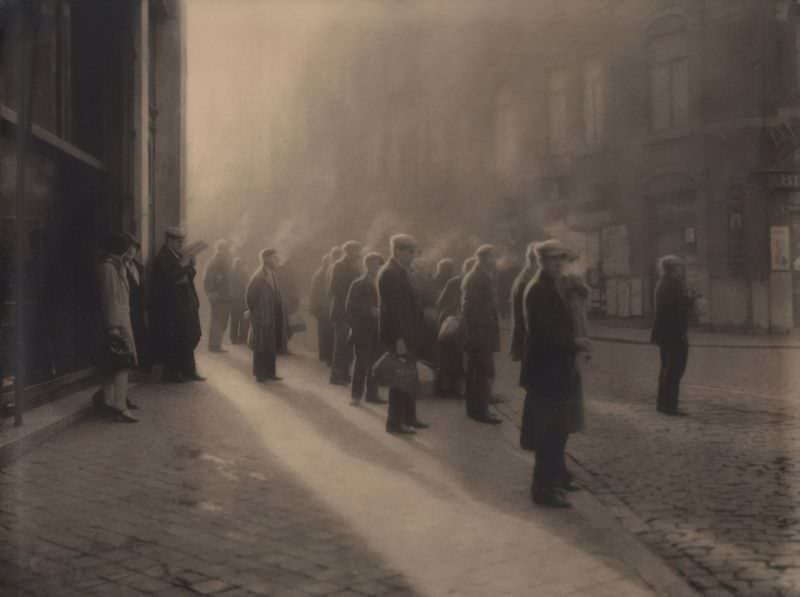
The Directory of Belgian Photographers singles out Misonne’s mastery of atmospheric conditions as the quality that sets his work apart from his peers. His landscapes and street scenes feel less like photographs and more like oil paintings — soft, layered, and deeply moody. Some of his images carry a poetic stillness, while others tip into a warmer, more sentimental tone.
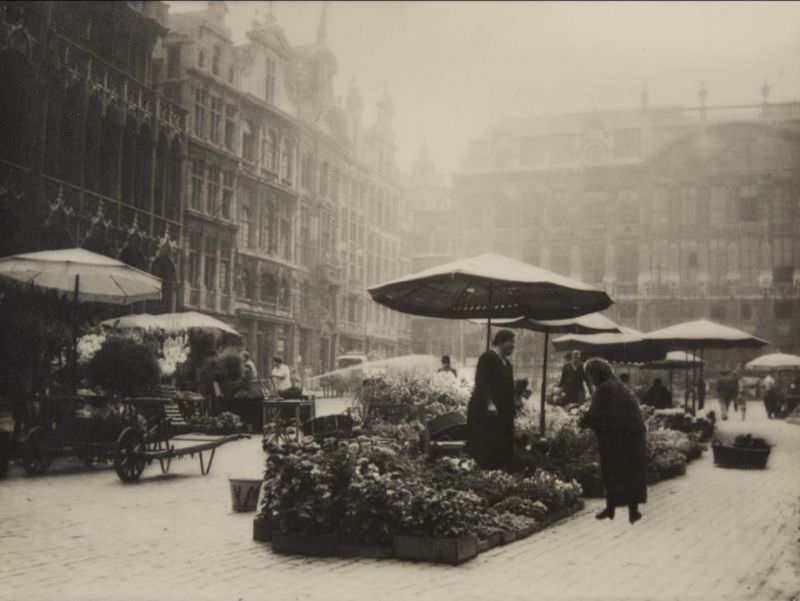
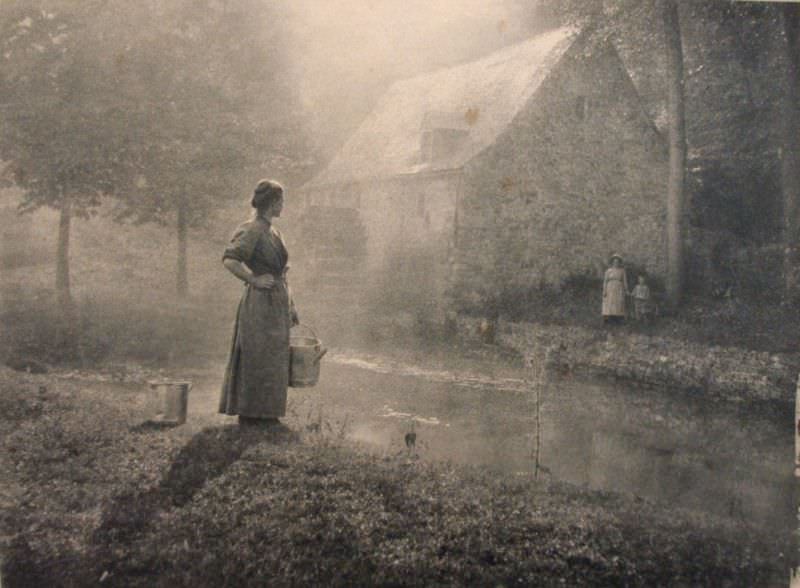
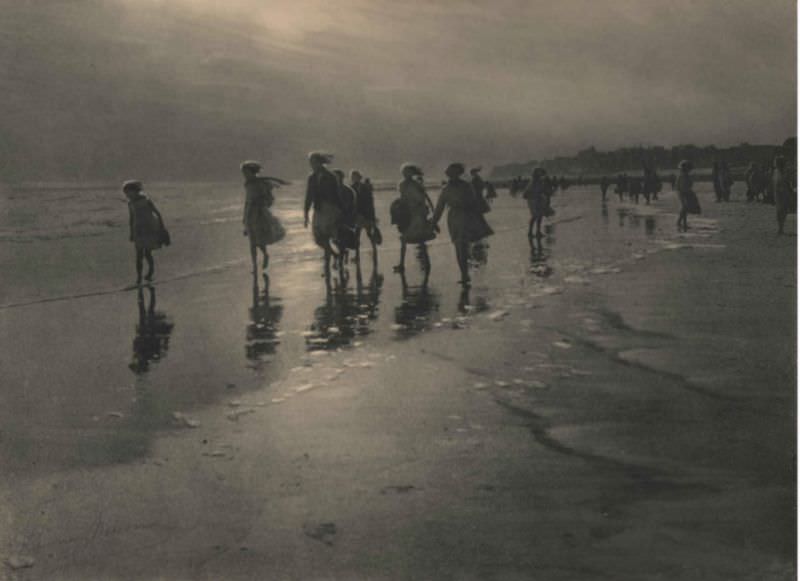
One of Misonne’s most recognizable techniques was backlighting. He regularly photographed subjects with the light source directly behind them, which created a glowing halo effect around figures, trees, and buildings. This gave his images a luminous, almost dreamlike quality that was difficult to achieve and harder still to control.
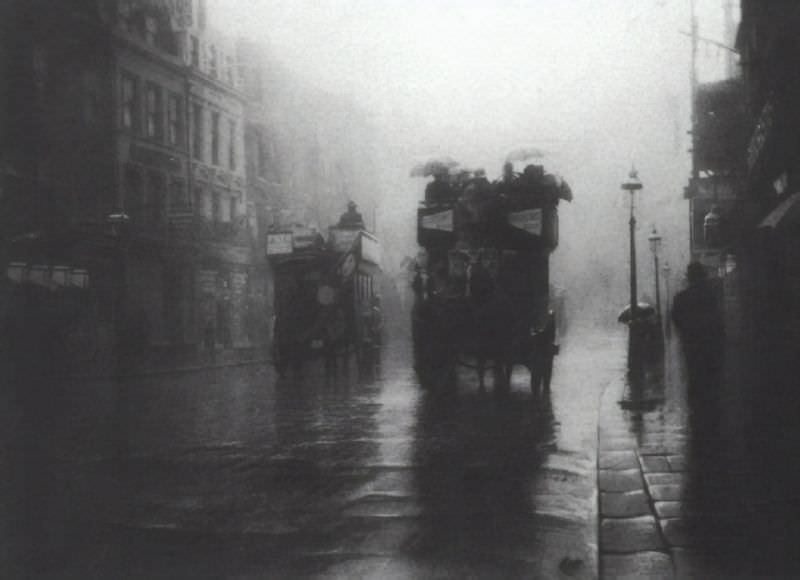
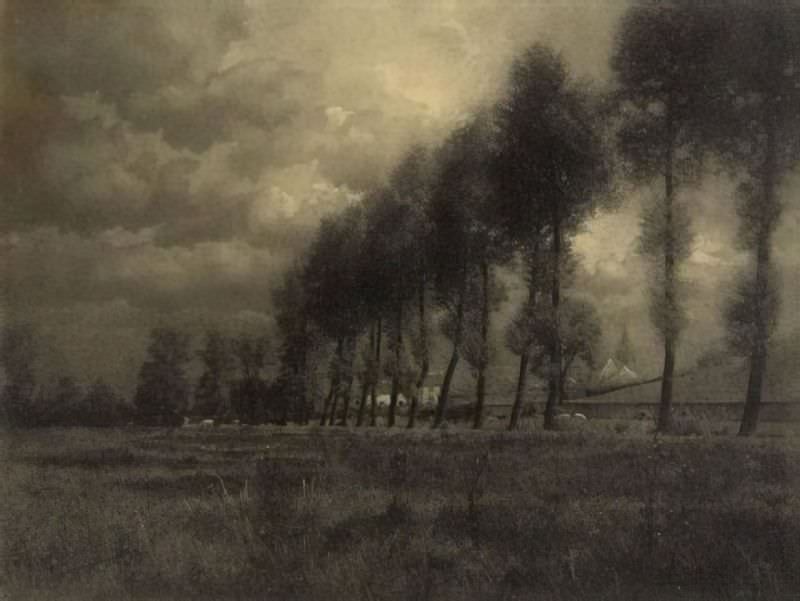
Beyond the camera itself, Misonne was a serious experimenter in the darkroom. He worked with the Fresson process, a carbon transfer method that produces rich, velvety tones. He later moved on to bromoil and mediobrome printing, both of which allowed him to manipulate ink on the print surface and push the image even further toward a painterly finish. He also retouched lighting effects directly on his photographs to fine-tune the mood of each piece.
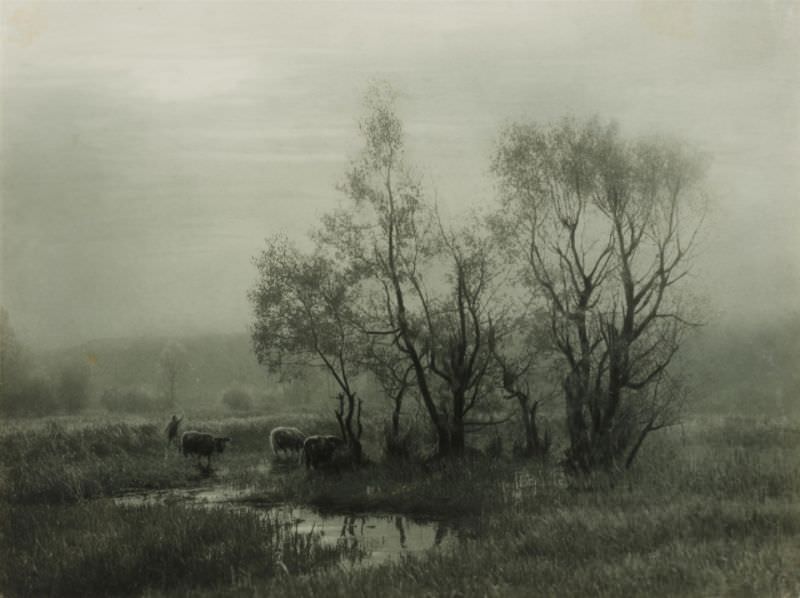
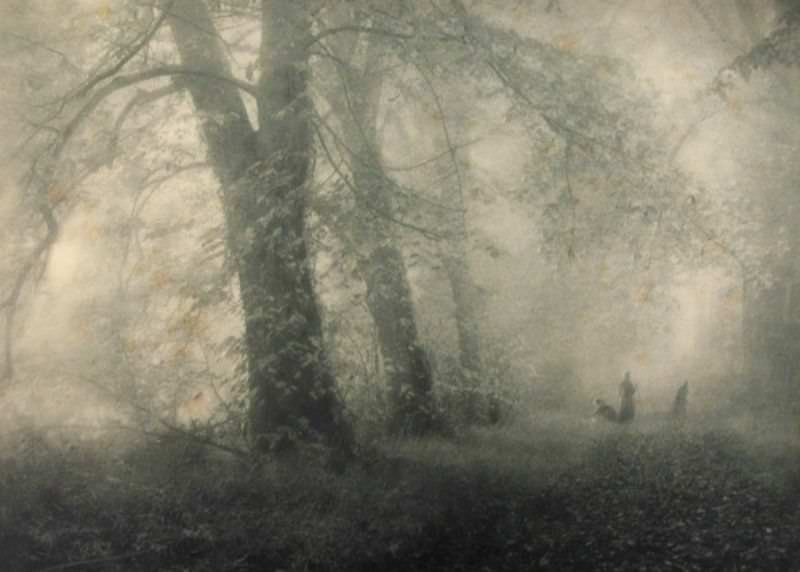
Misonne once reflected on four decades behind the camera with a clear, direct statement: “The most important thing I have learned is to observe the beautiful effects of atmosphere and light.” That single-minded focus is visible in every frame he produced. He was not chasing sharp detail or technical perfection — he was chasing feeling.
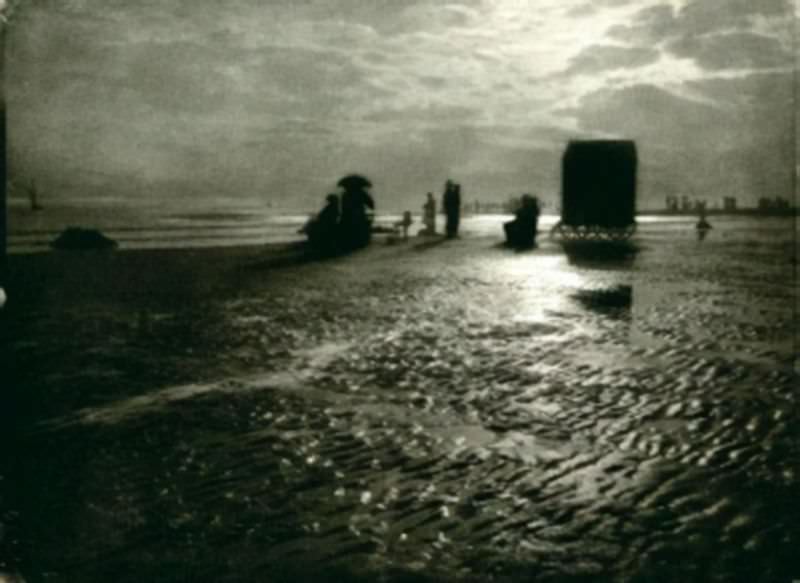
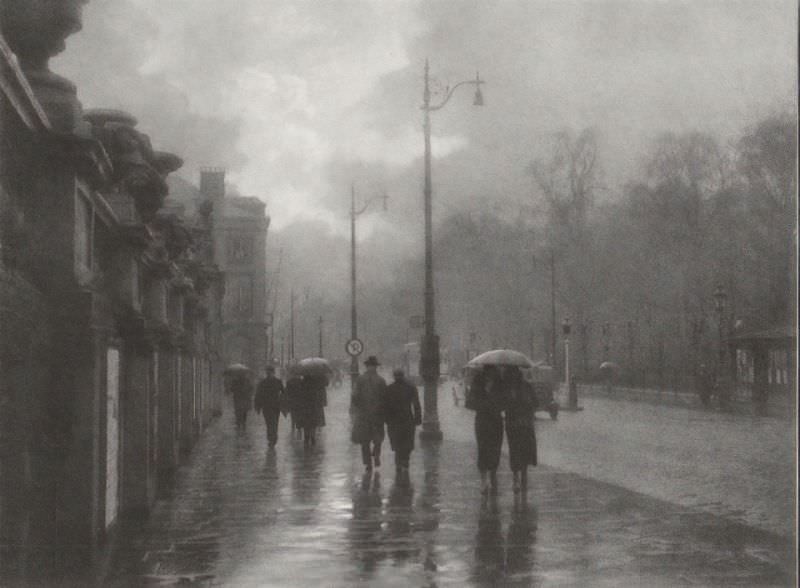
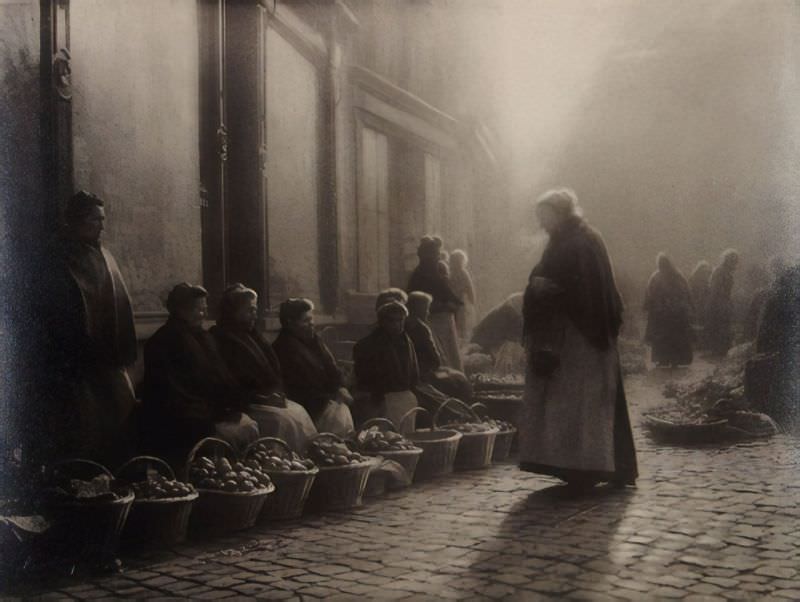
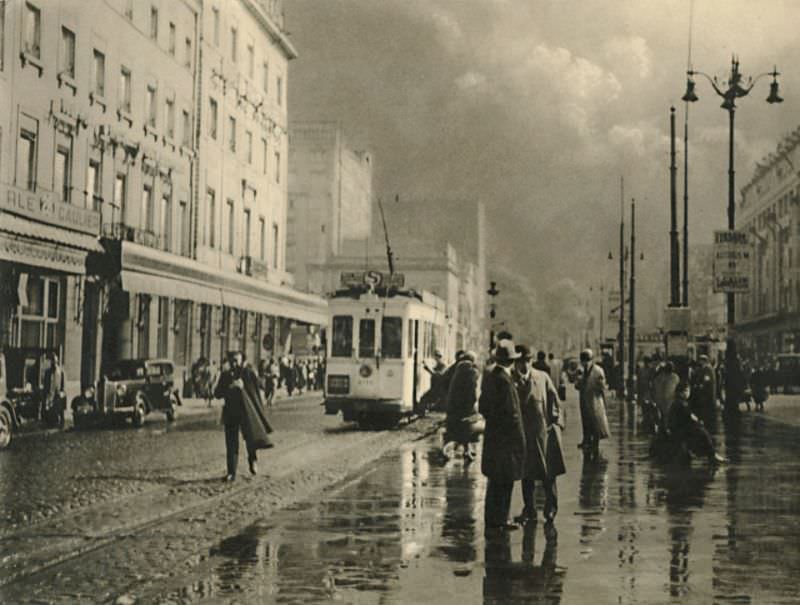
His street scenes often feature wet cobblestones, fog, and long shadows — conditions that most photographers avoided. Misonne sought them out. Rain-slicked roads reflected light in ways that amplified his backlit compositions, and heavy overcast skies gave him the diffused, soft light he preferred over harsh midday sun.
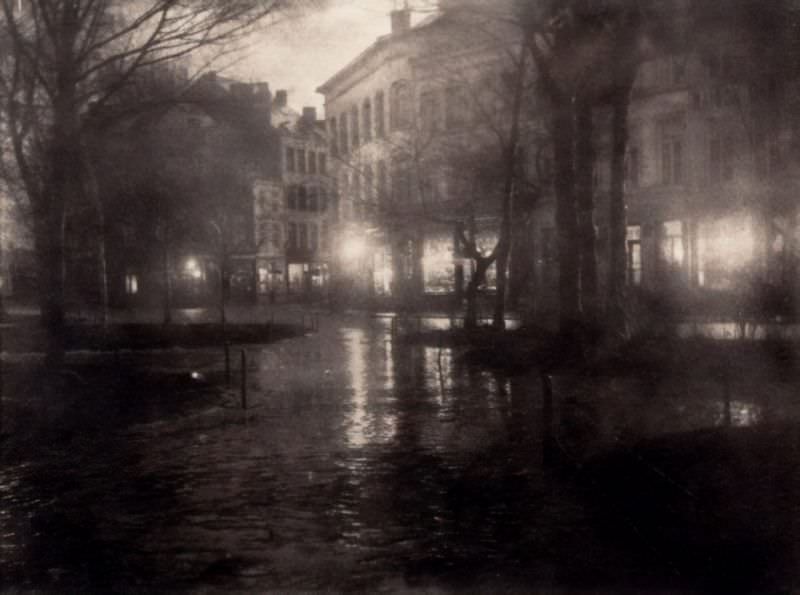
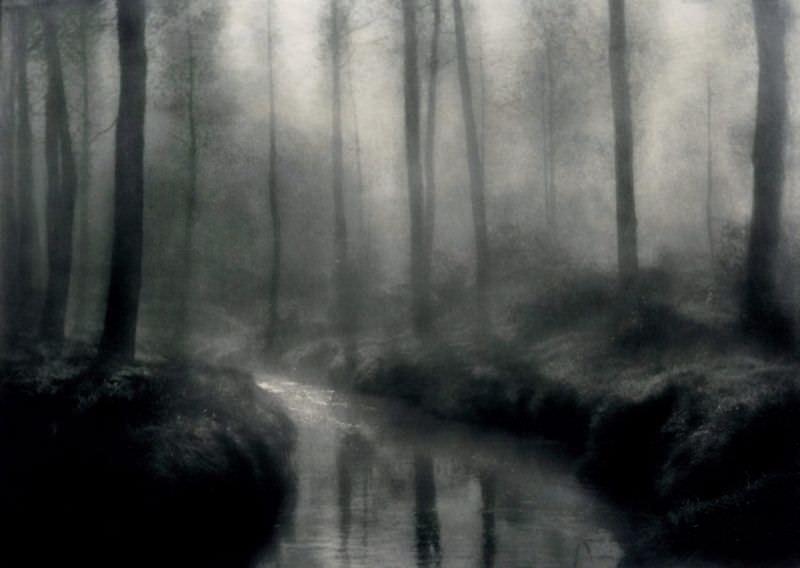
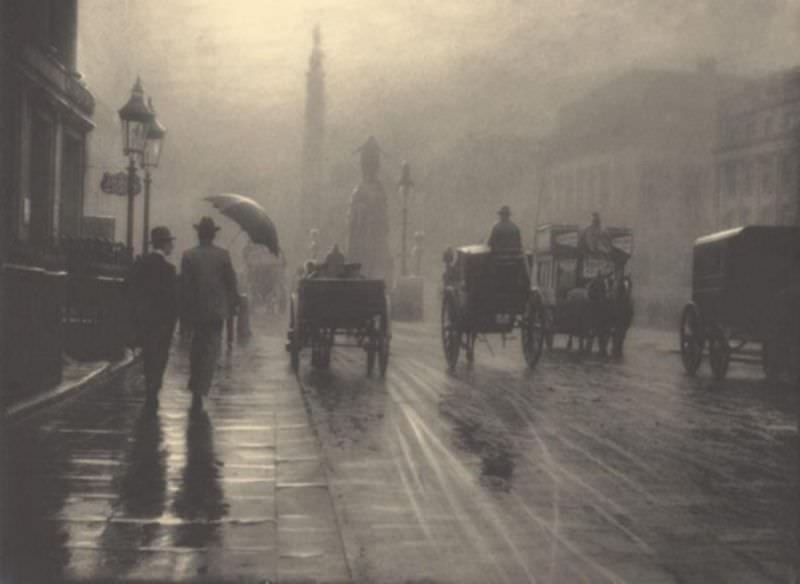
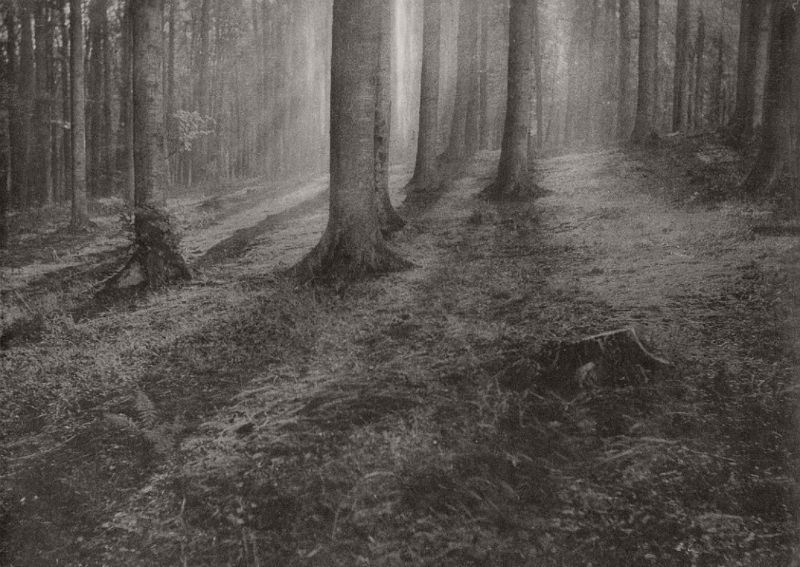
Misonne’s landscapes follow the same logic. Whether capturing a lone figure on a rural path or a village church sitting beneath stormy clouds, he consistently used the natural environment to frame light rather than subjects. The people and structures in his images often serve as anchors — they give scale and context, but the real subject is always the sky, the glow, or the mist.
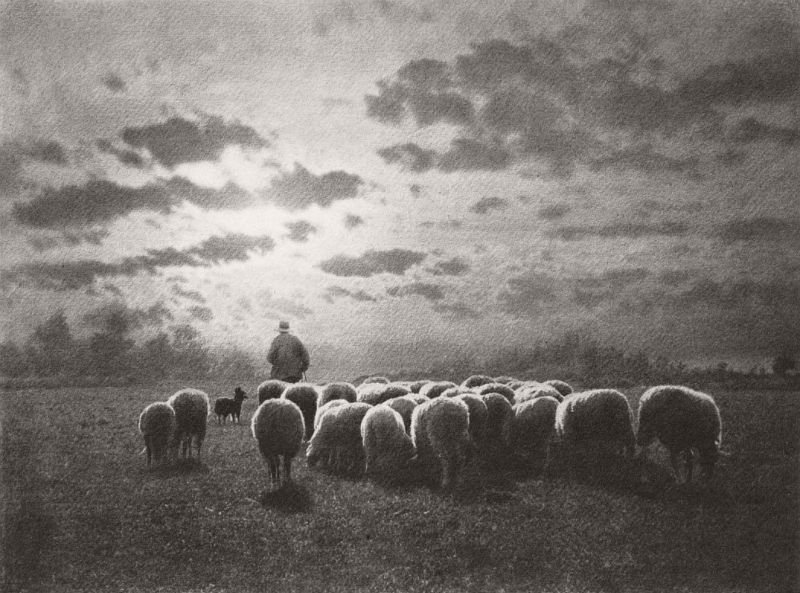
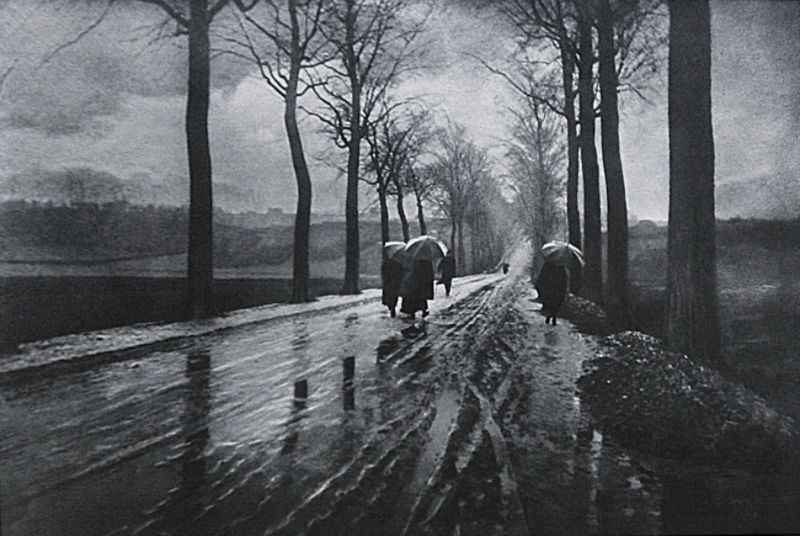
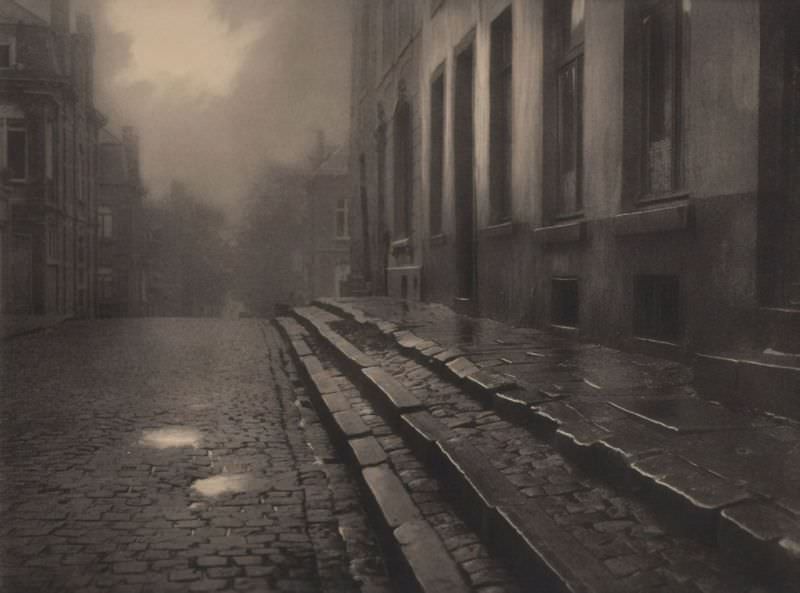
The bromoil process he favored later in his career involved bleaching a photographic print and then applying oil-based ink with a brush. This meant Misonne was physically painting over his own photographs, choosing where ink settled and where it didn’t. The result was a final image that blended photography and manual artistry in a way that was entirely intentional.
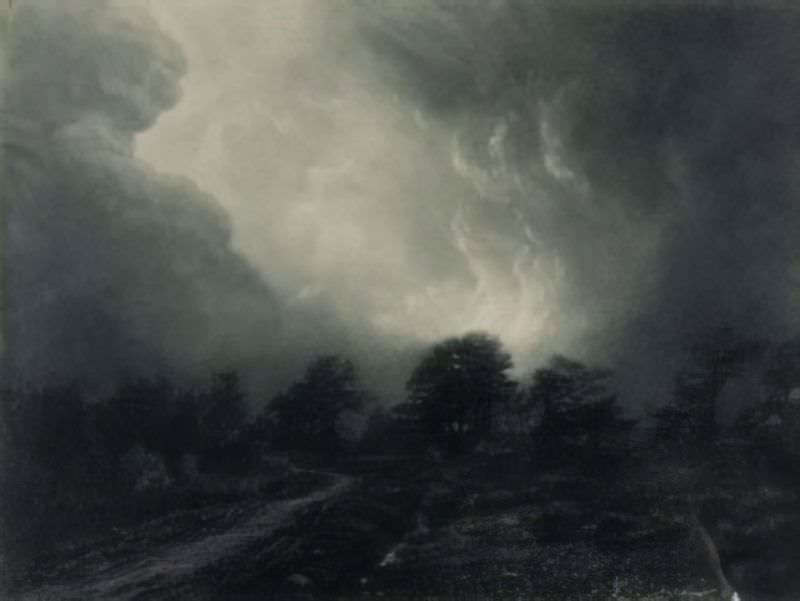
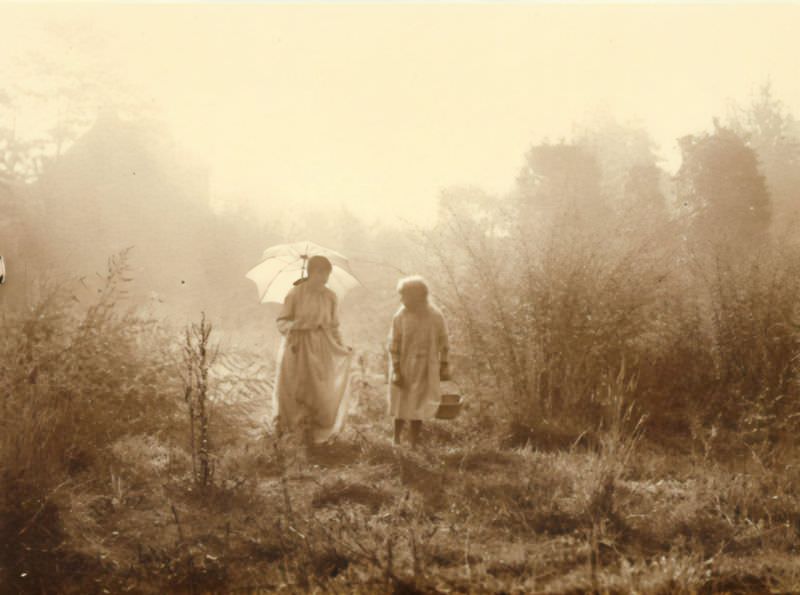
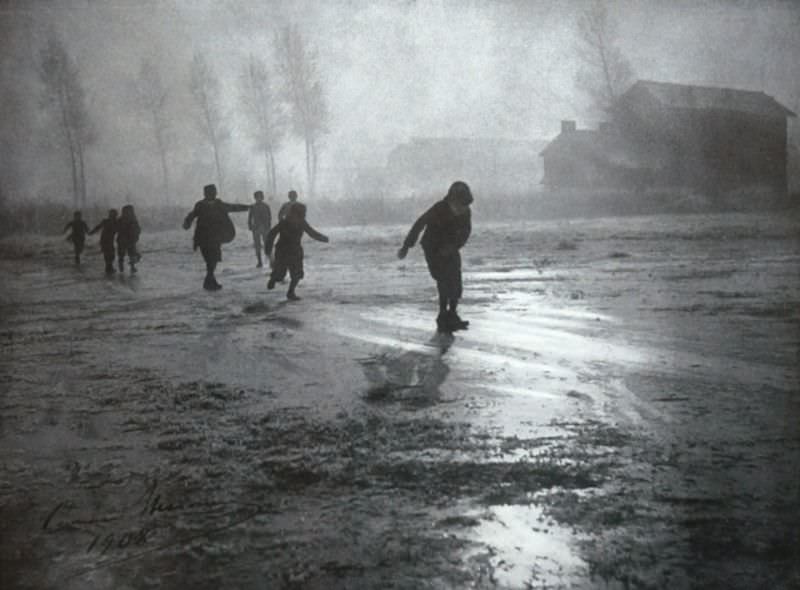
His work was widely exhibited during his lifetime and earned him recognition across Europe. He was active from the late 19th century through the mid-20th century, producing a body of work that remained consistent in its vision. Even as photography shifted toward modernism and documentary styles, Misonne stayed committed to atmosphere and beauty as his primary goals.
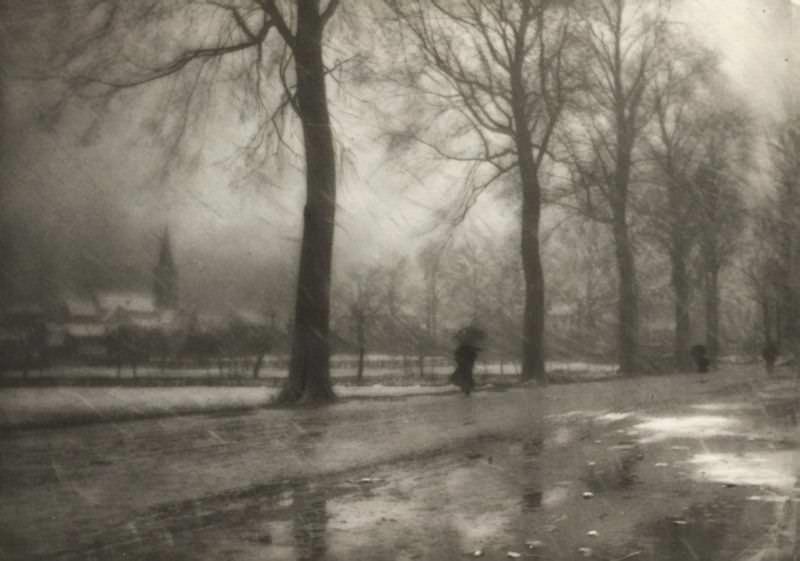
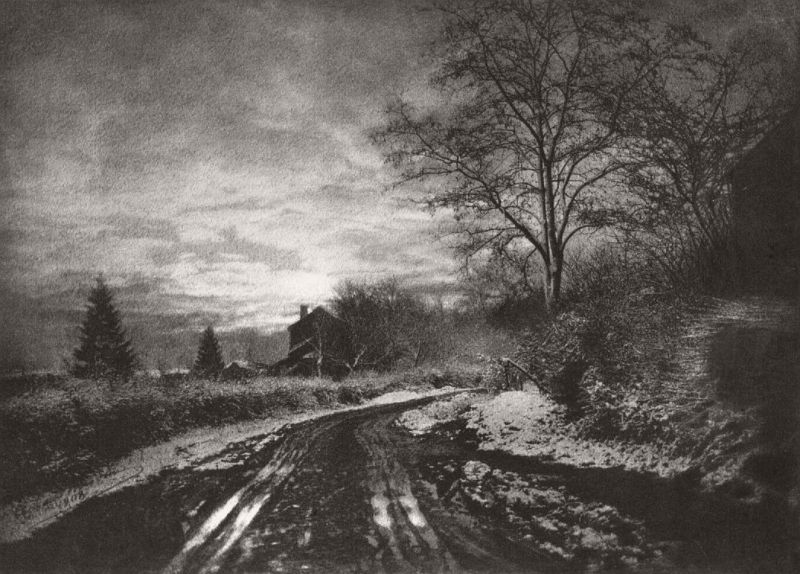
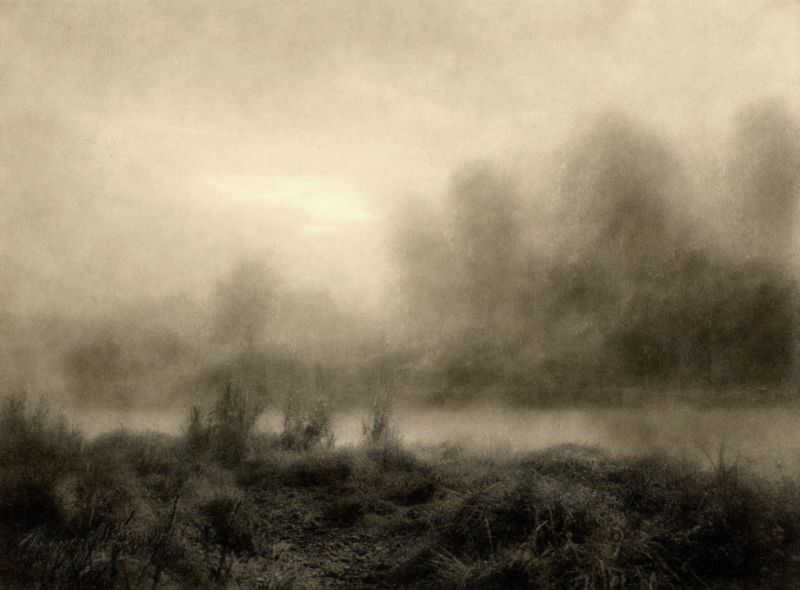
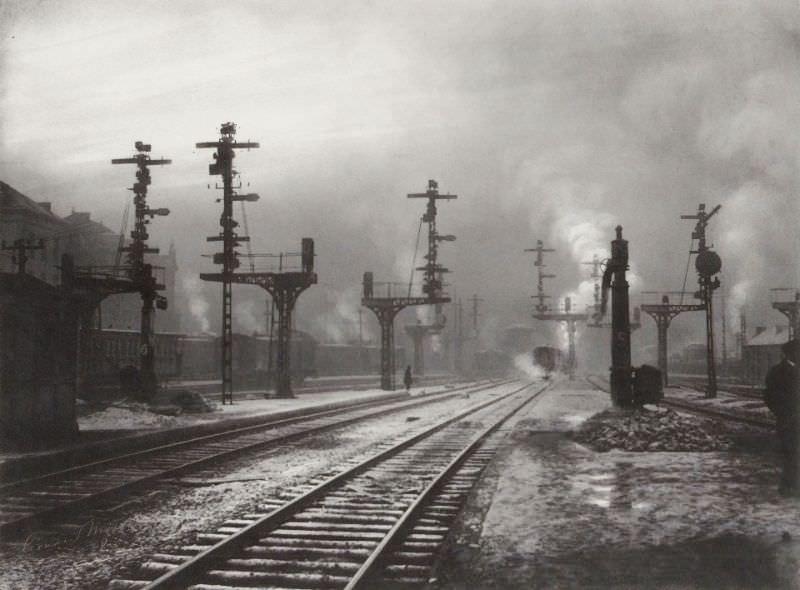
What makes Misonne’s photographs still compelling today is their specificity. Each image captures a precise quality of light — the exact moment when sun breaks through cloud cover, or when a wet street turns into a mirror. These are not generic scenic shots. They are the result of patient observation and technical skill applied across a very long career.