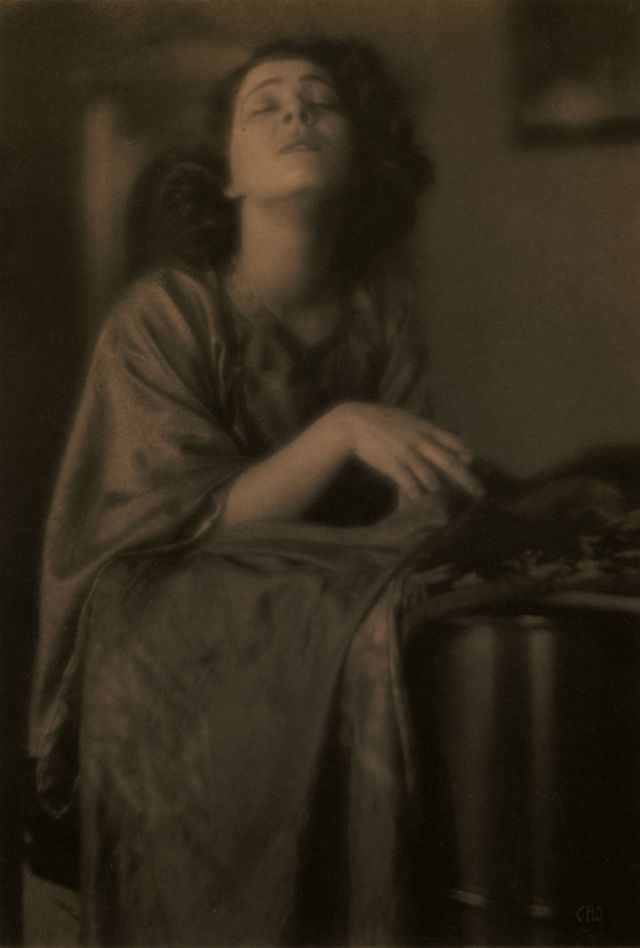
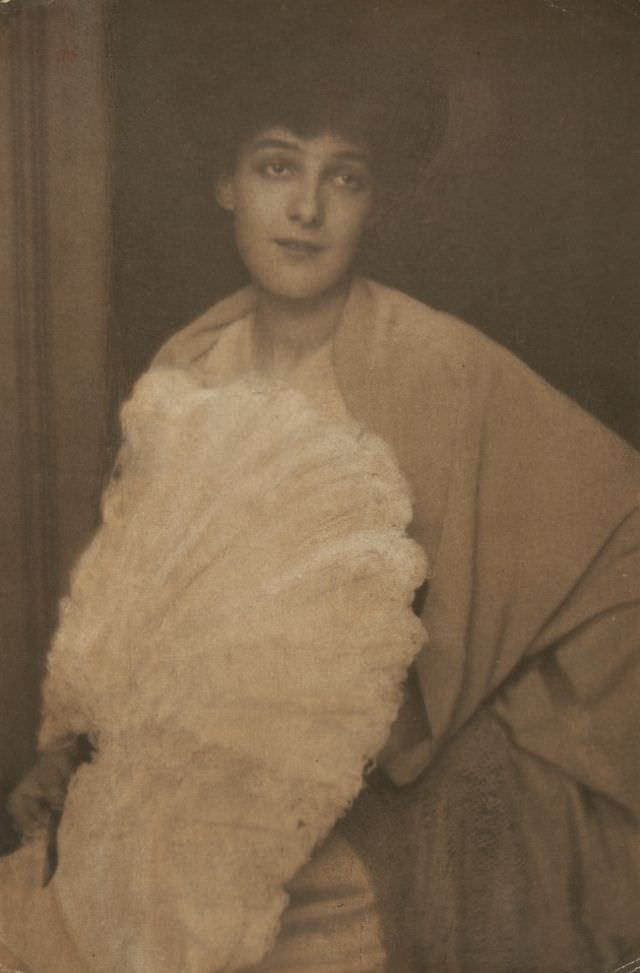
Clarence Hudson White was born in 1871 and grew up in small towns across Ohio. His upbringing in rural America shaped everything about his artistic eye — the quiet domestic scenes, the soft natural light, and the unhurried pace of life all found their way into his photography. The turning point came in 1893, when he attended the World’s Columbian Exposition in Chicago. What he saw there pushed him toward the camera, and he never looked back.
White worked as a bookkeeper to support his family while building his reputation as a photographer on the side. His images of American women — posed in gardens, parlors, orchards, and at windows — captured a mood that felt both personal and poetic. He didn’t just document people; he constructed scenes that felt lived in, even when they were carefully staged. His early work from Newark, Ohio in the late 1890s made his name known far beyond his small-town surroundings.
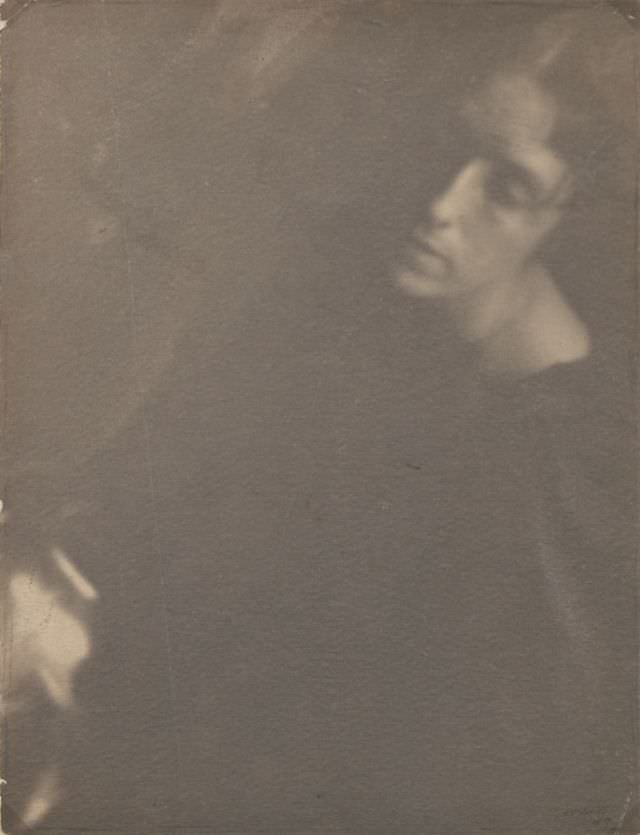
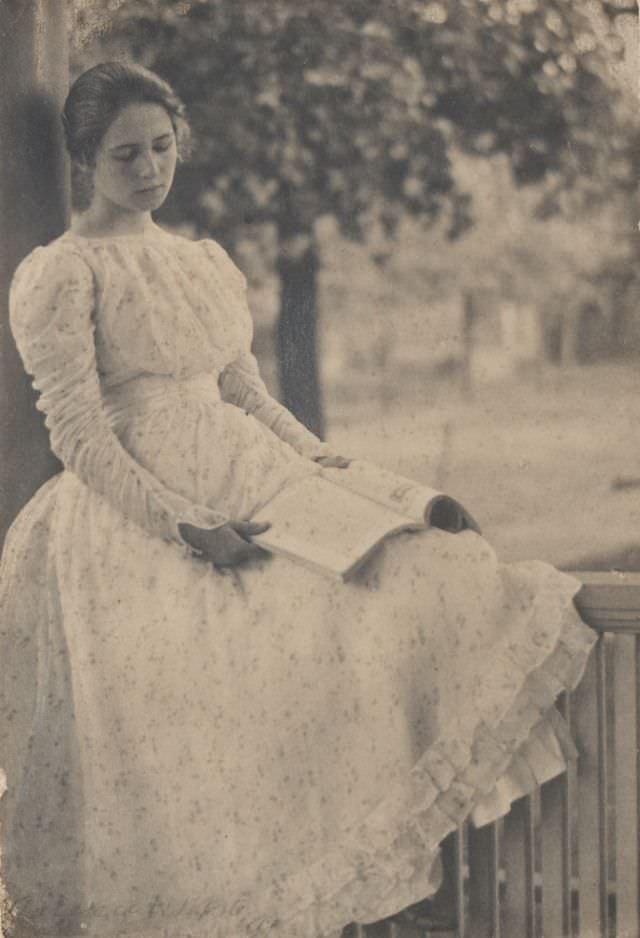
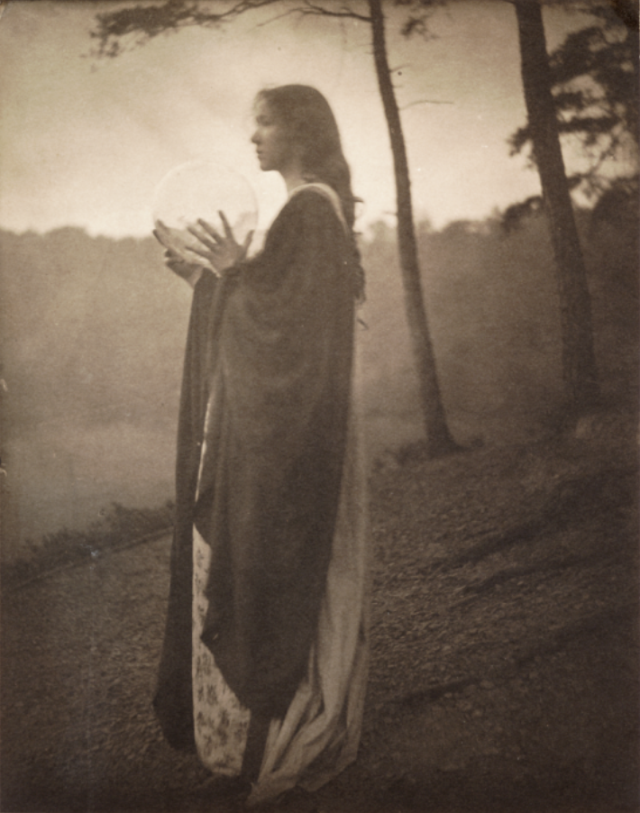
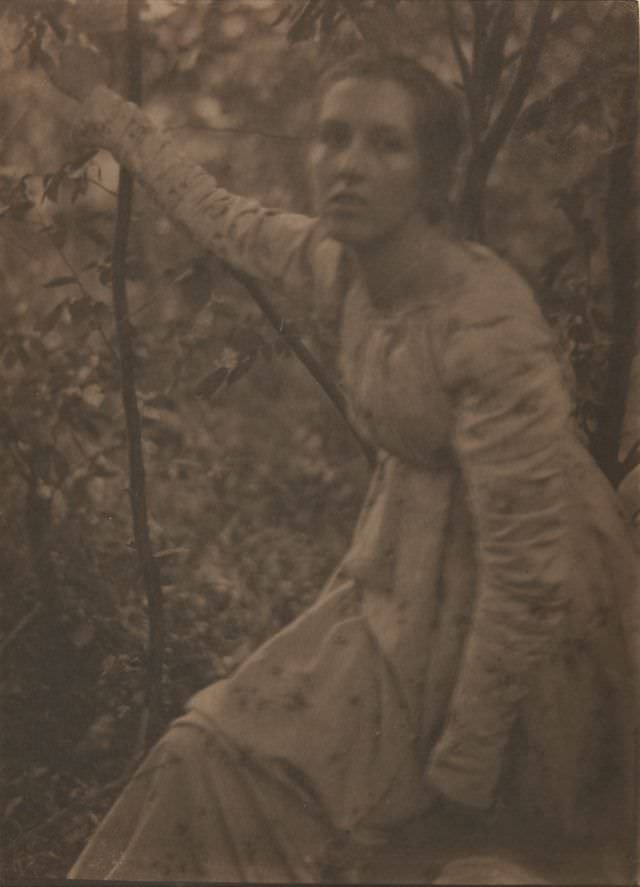
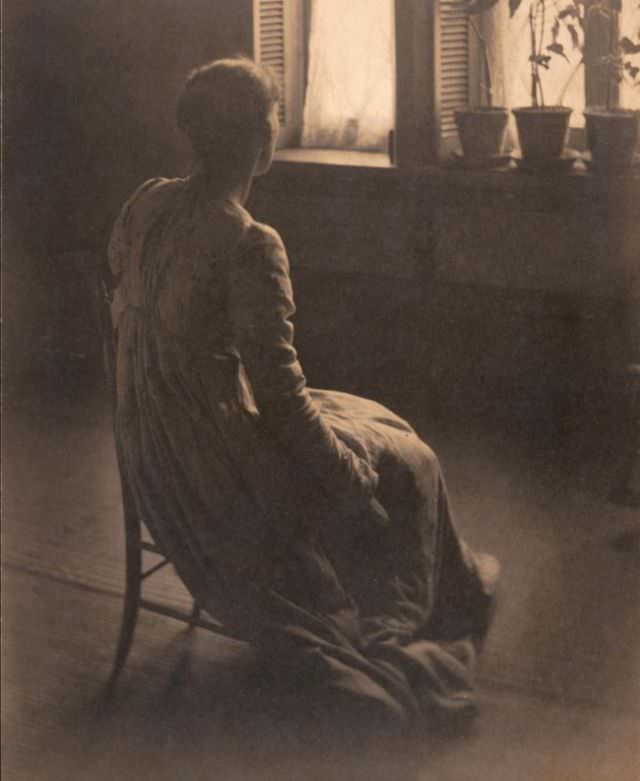
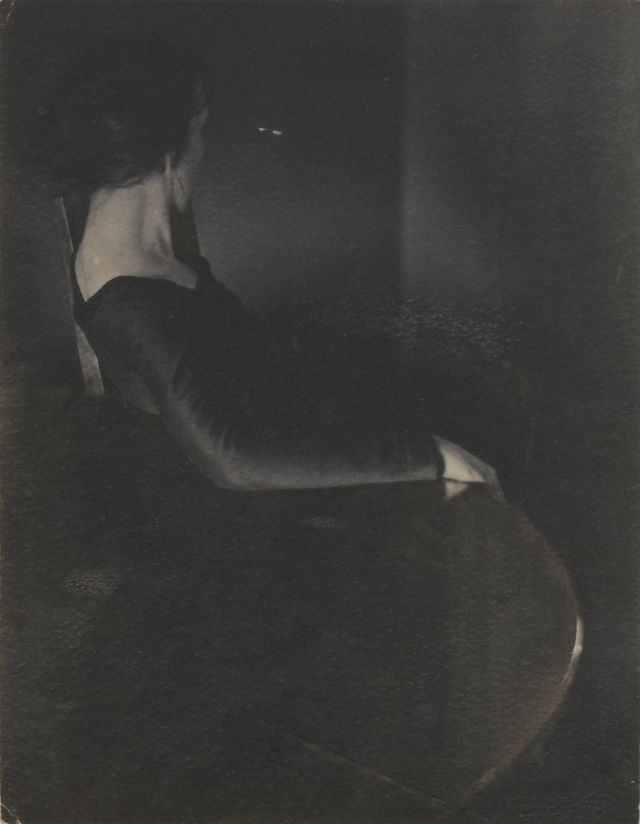
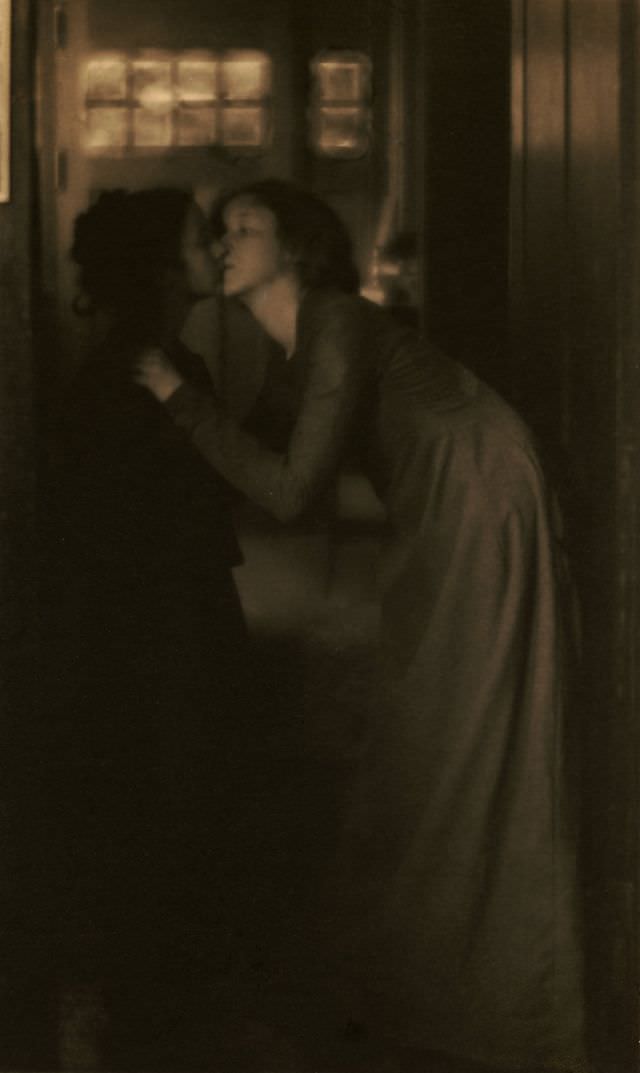
By the late 1890s, White had become one of the leading figures in Pictorialist photography — a movement that pushed for photography to be recognized as a legitimate art form alongside painting and drawing. His images were soft, carefully composed, and rich with atmosphere. Subjects were often photographed in natural settings or gentle indoor light, giving the work a painterly quality that set it apart from the sharp documentary style that most people associated with cameras at the time.
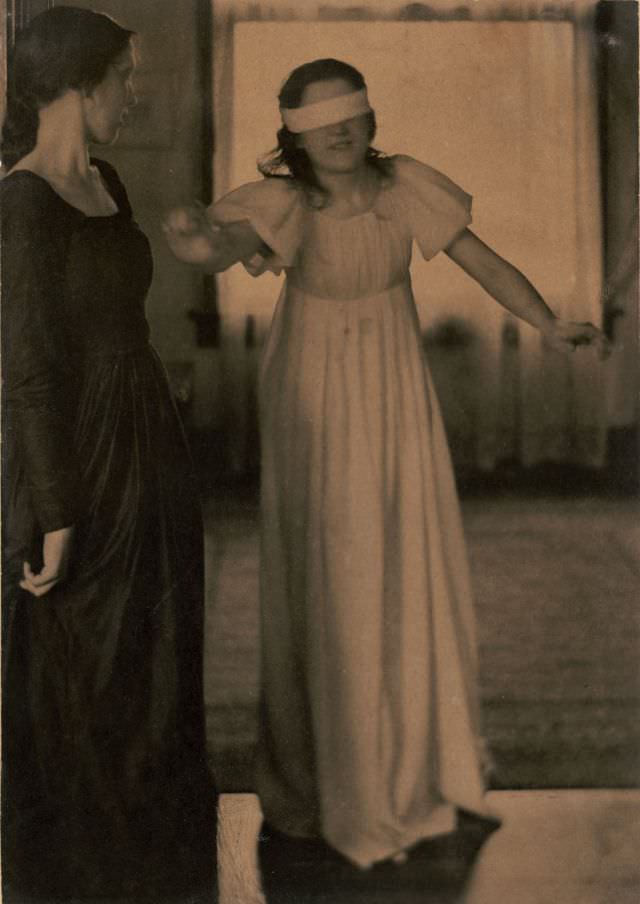
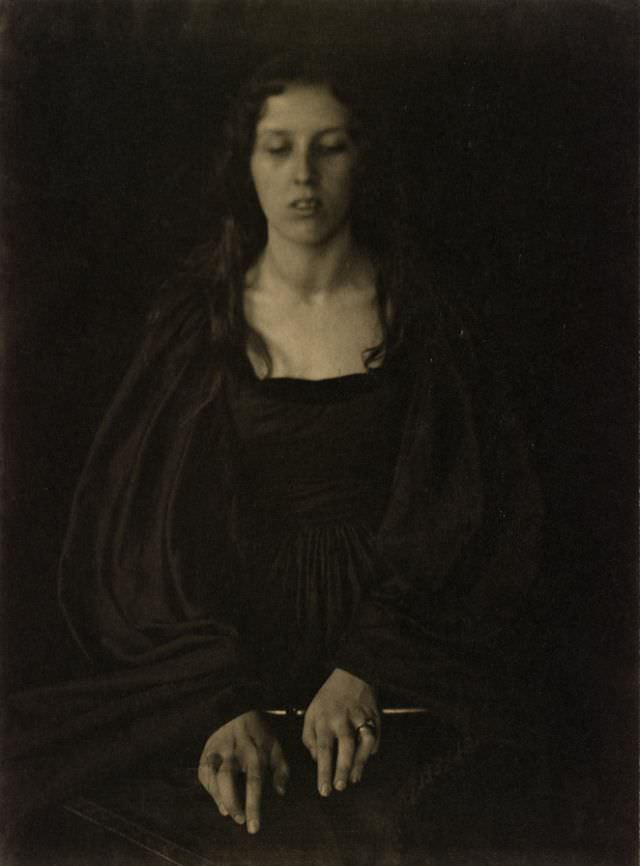
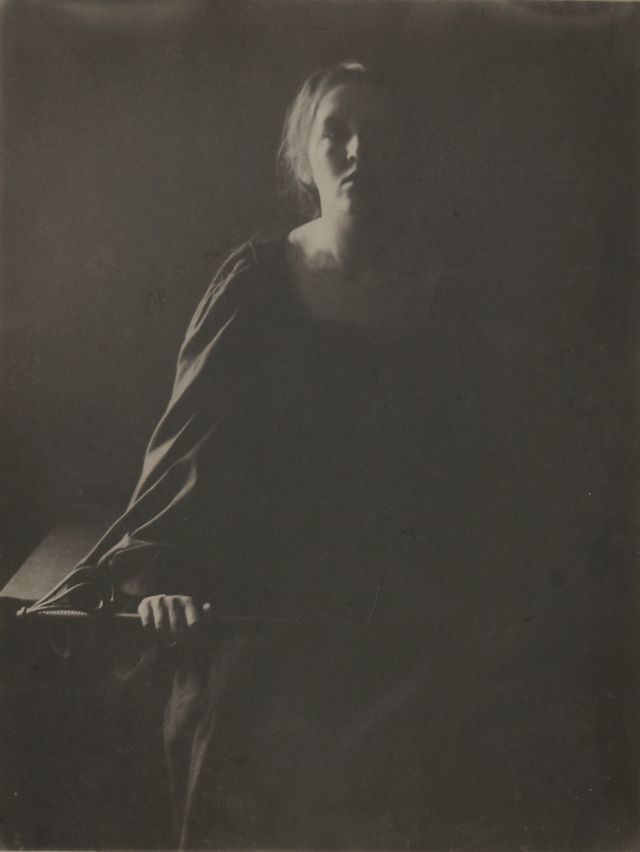
Several recurring subjects appear throughout White’s work from this period. Letitia Felix and Ada Follett were photographed multiple times, often in outdoor settings around Newark, Ohio. These weren’t random encounters — White built relationships with his subjects and returned to them repeatedly, developing a body of work that felt cohesive and intimate rather than scattered. The Felix family, in particular, appeared across many of his most celebrated images from the turn of the century.
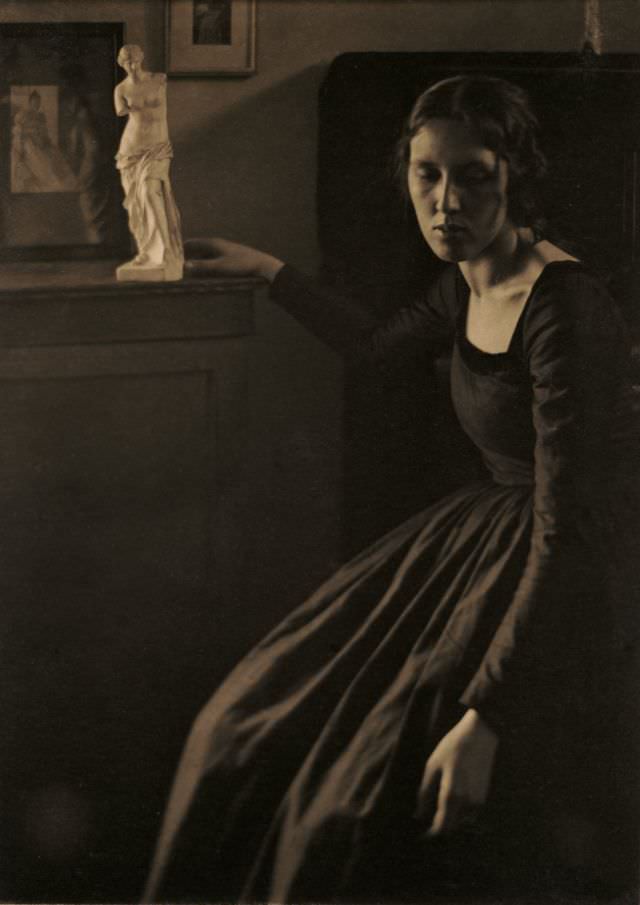
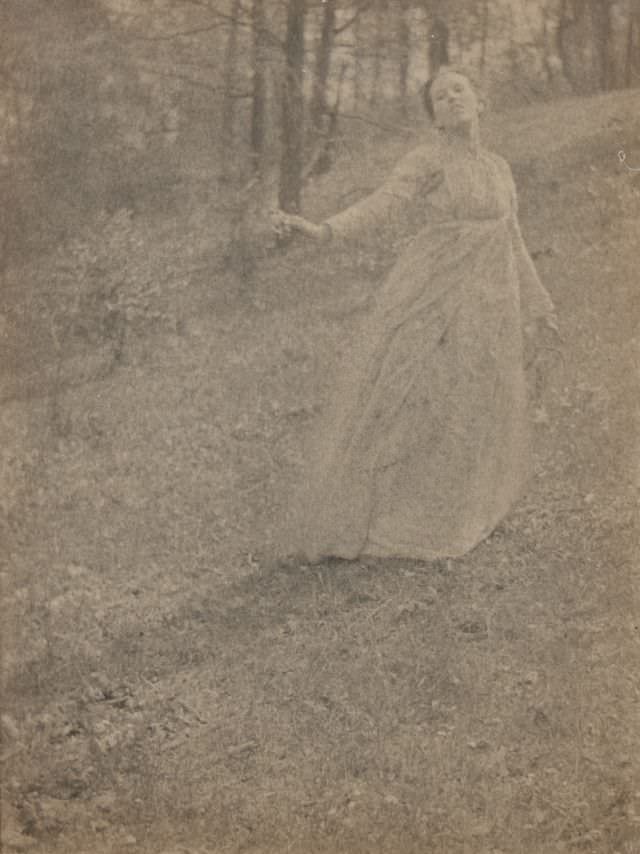
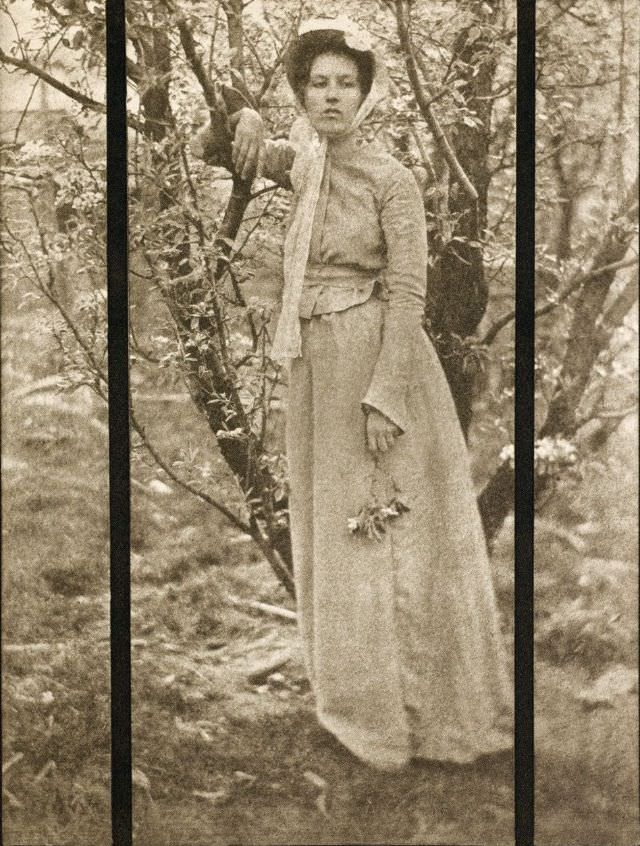
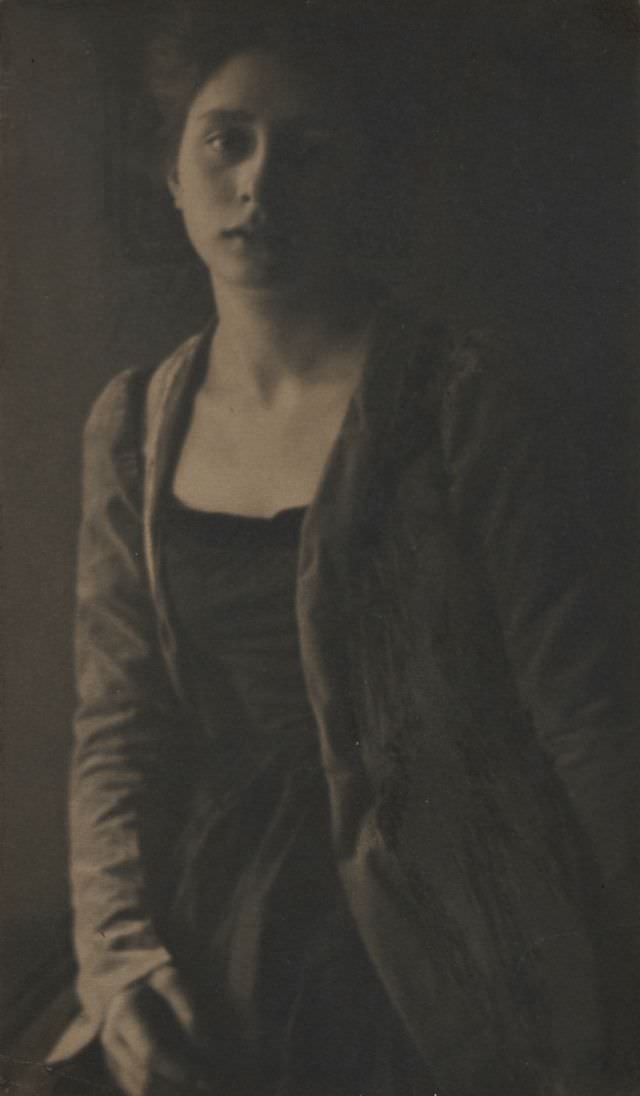
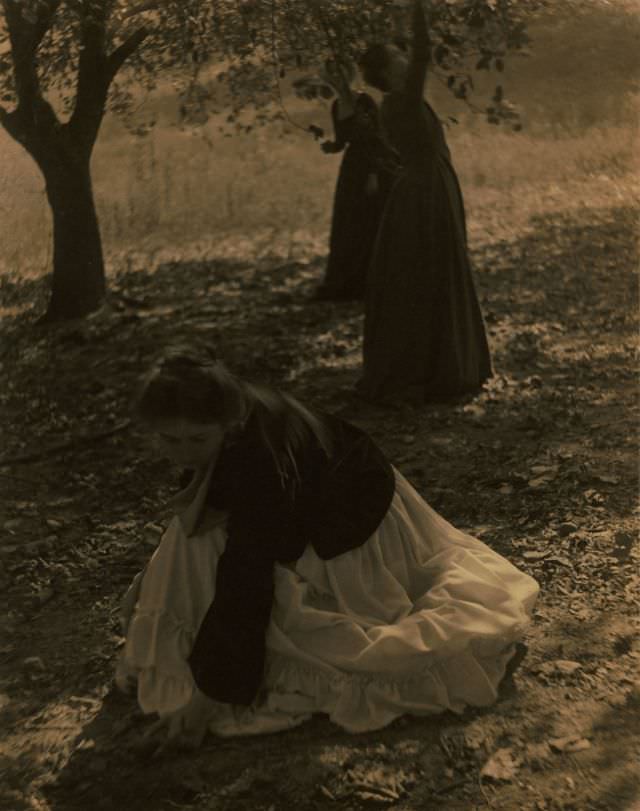
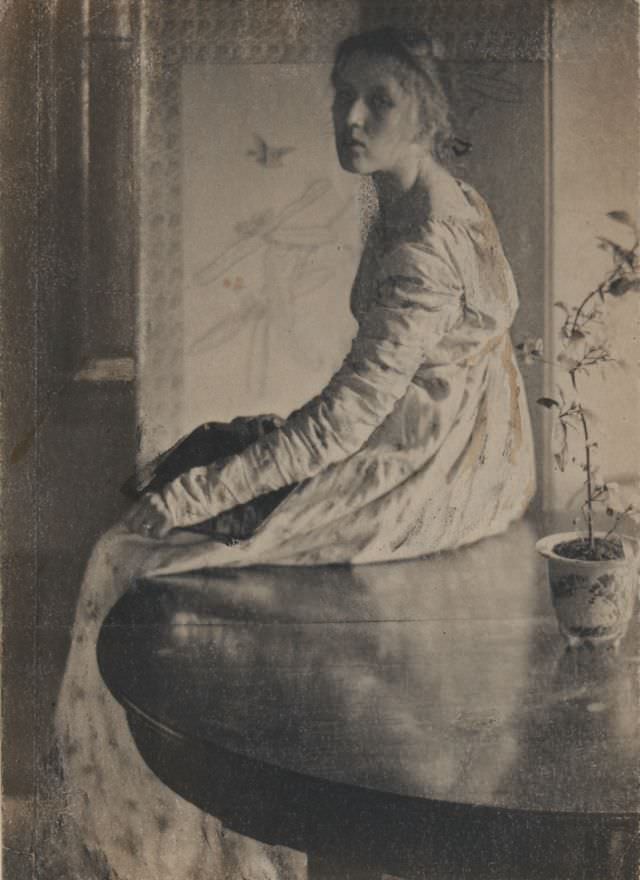
White’s photographs from 1898 represent the most concentrated burst of creativity in his career. That single year produced some of his most iconic images — women blowing bubbles, standing among blossoming trees, sitting with musical instruments, and posing in quiet interiors. The variety within that one year alone shows how quickly he was developing his visual language. His use of light and shadow, combined with careful attention to the placement of figures in their environment, gave each image a distinct mood.
![The bubble [variant], 1898](https://www.bygonely.com/wp-content/uploads/2022/02/Clarence-Hudson-White-portrait-photography10.jpeg)
Alfred Stieglitz, the most powerful figure in American art photography at the time, recognized White’s talent early. The two became close friends, and White became a key member of the Photo-Secession — a group Stieglitz founded in 1902 to formally advocate for photography as fine art. White’s work appeared in Camera Notes and Camera Work, the most prestigious photography publications of the era. His images sat alongside those of Edward Steichen and Gertrude Käsebier, two other giants of the movement.
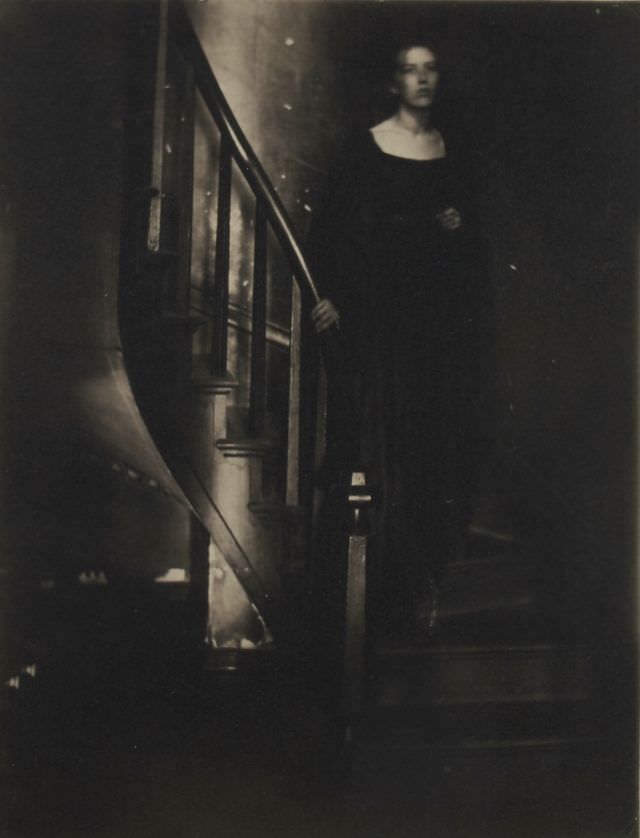
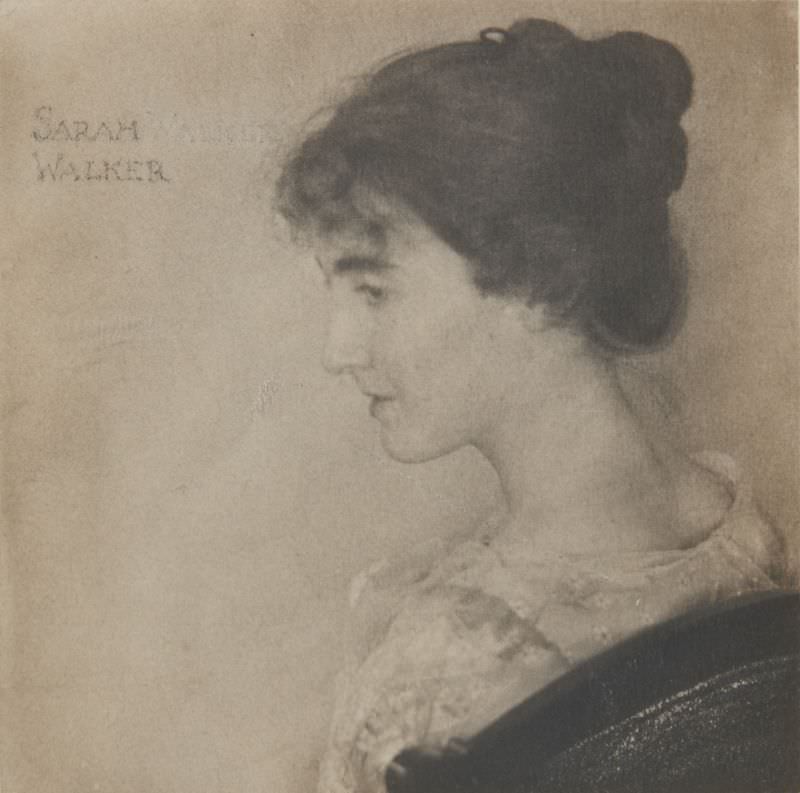
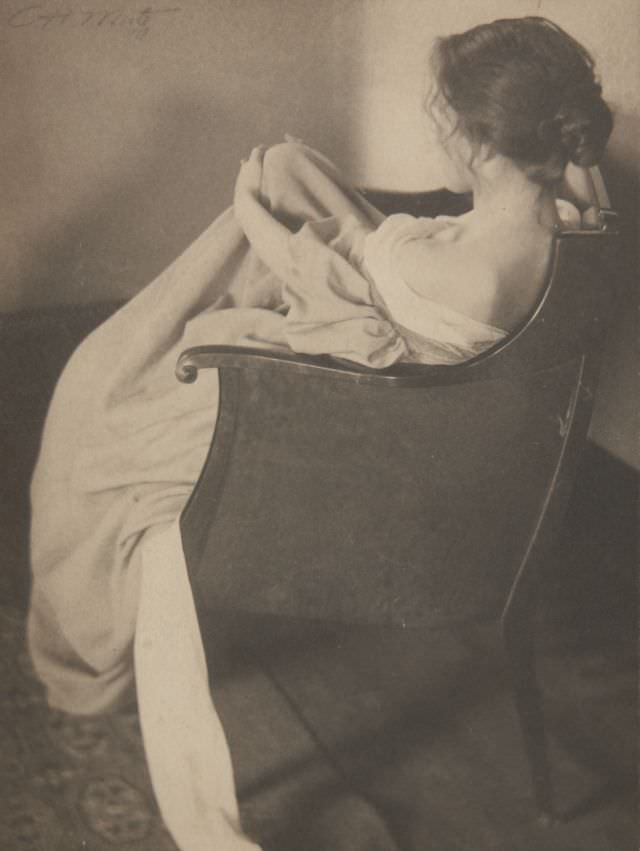
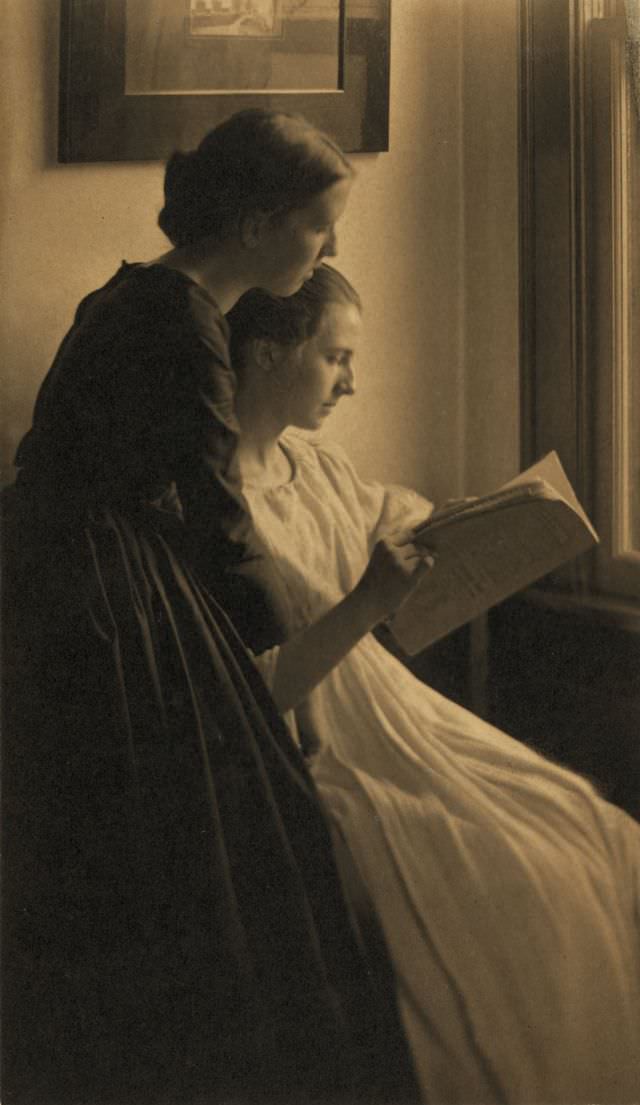
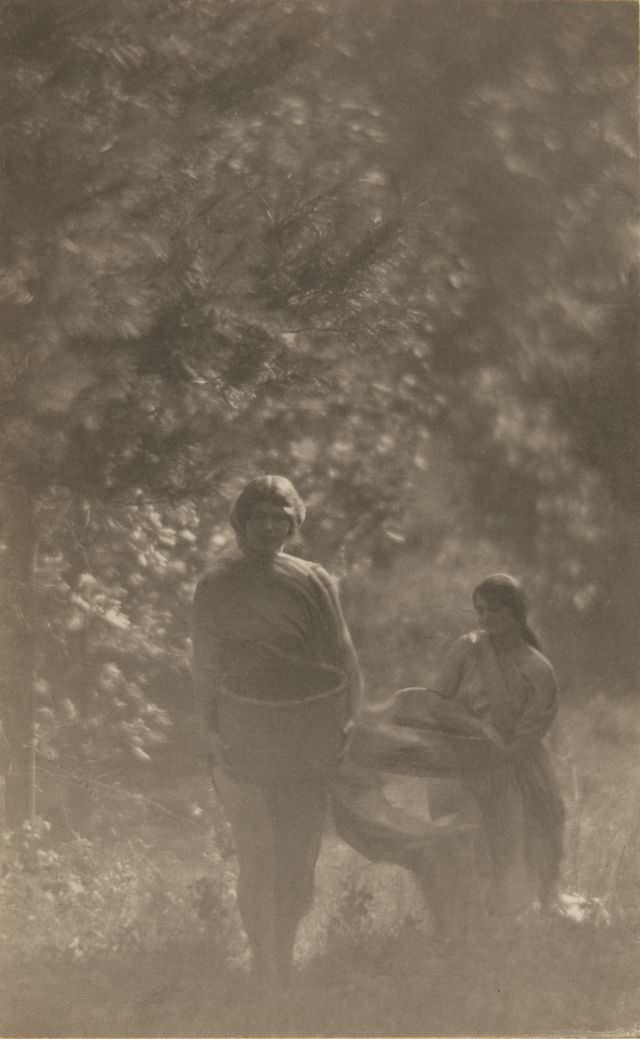
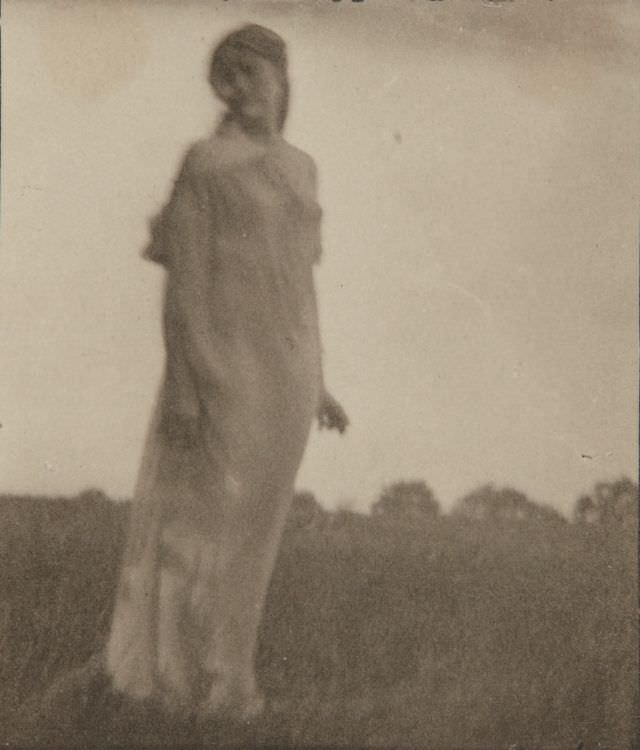
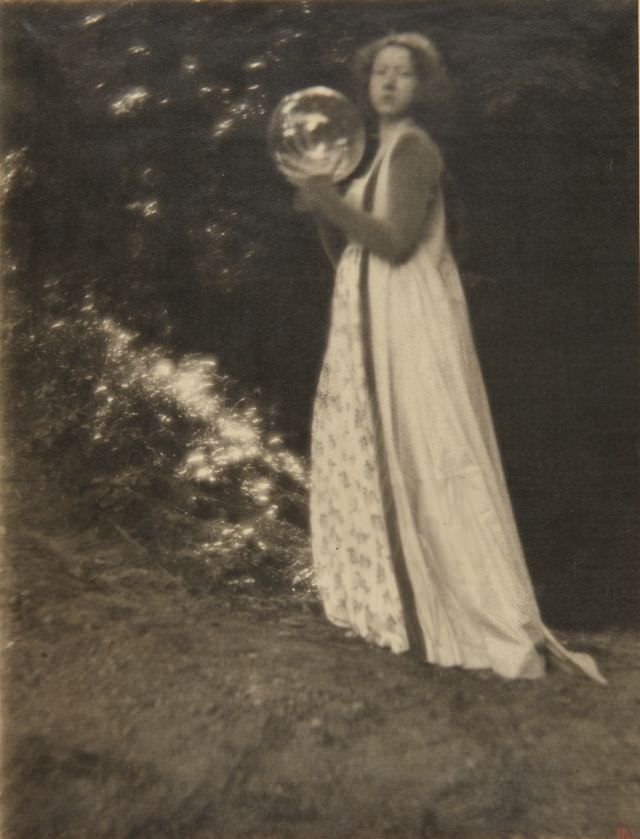
As the new century began, White’s subjects continued to appear in outdoor settings — orchards, woodland edges, open fields — where natural light could fall across the frame in unpredictable ways. He embraced those imperfections rather than fighting them. Women holding flowers, picking petals, or simply standing at the edge of a tree line became central motifs in his work around 1900. These images felt less like formal portraits and more like glimpses of real moments, even when they were entirely constructed.
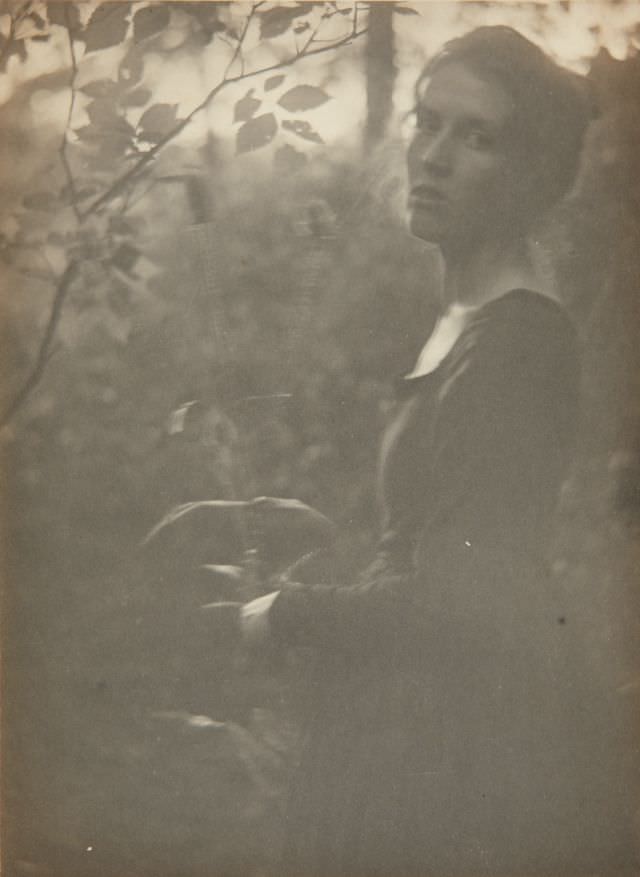
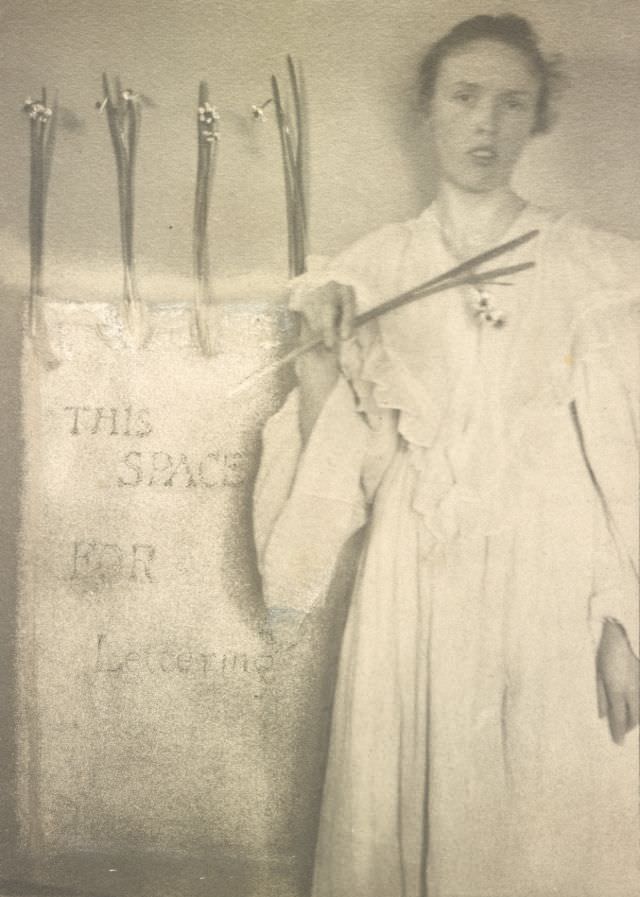
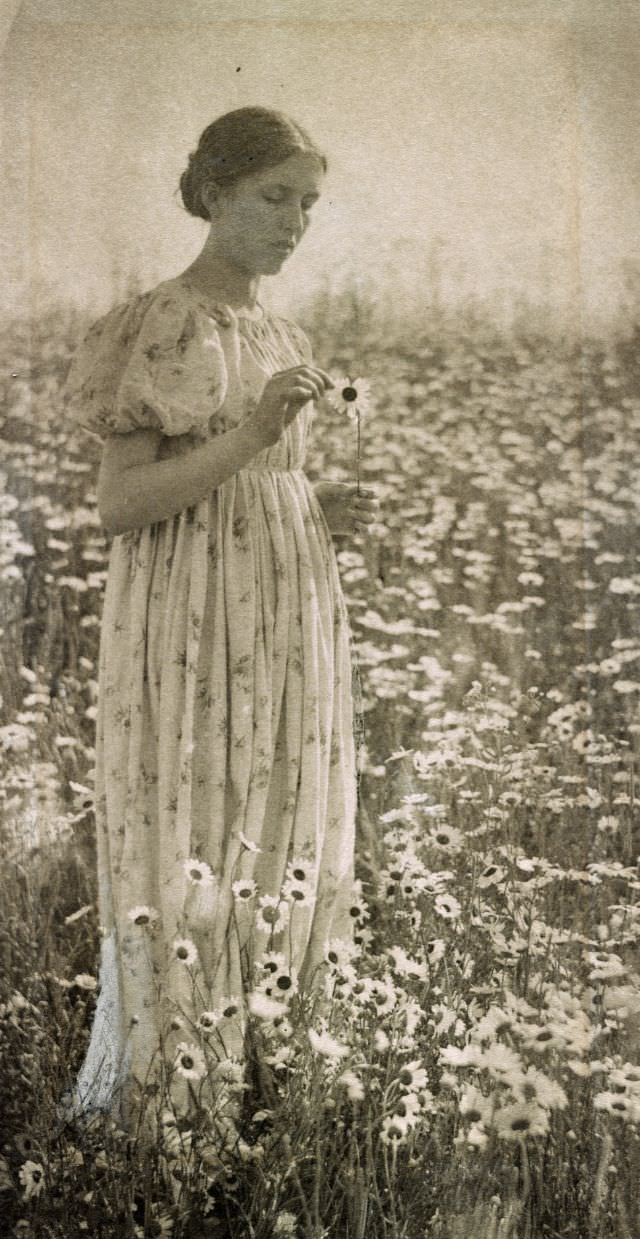
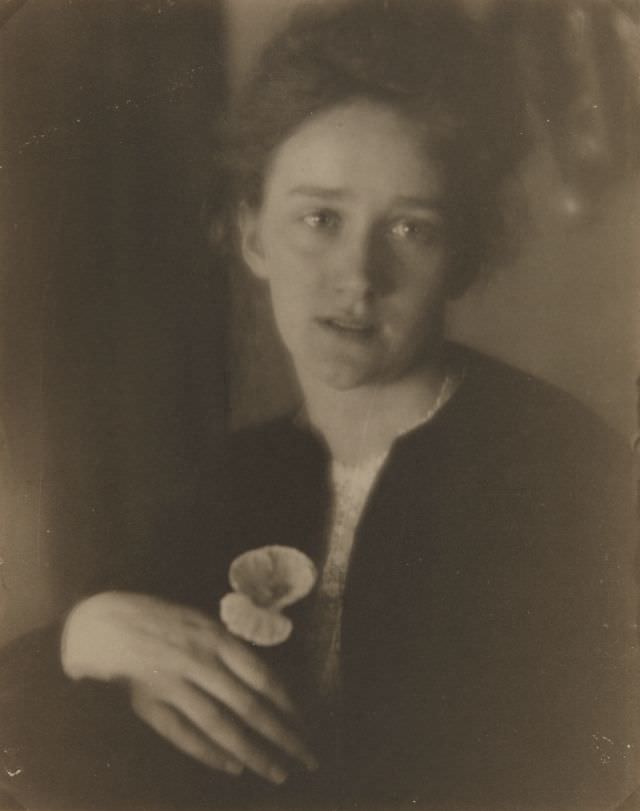
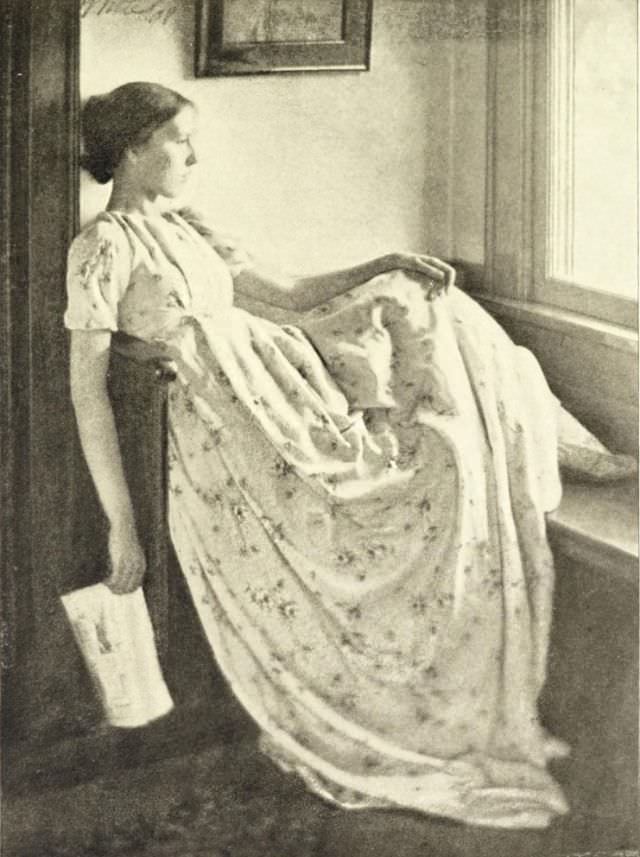
In 1906, White relocated to New York City. The move brought him closer to Stieglitz’s circle and gave him access to a wider range of subjects and professional opportunities. His portraits became more formal in some cases and more experimental in others. He photographed women at studio windows, in landscape settings across the Northeast, and in posed scenes that reflected the growing cultural variety of early 20th century urban life.
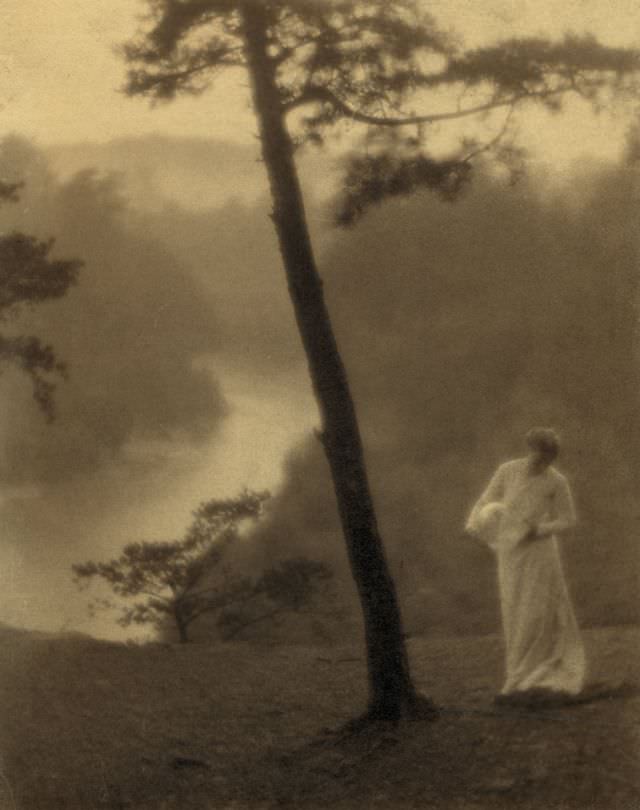
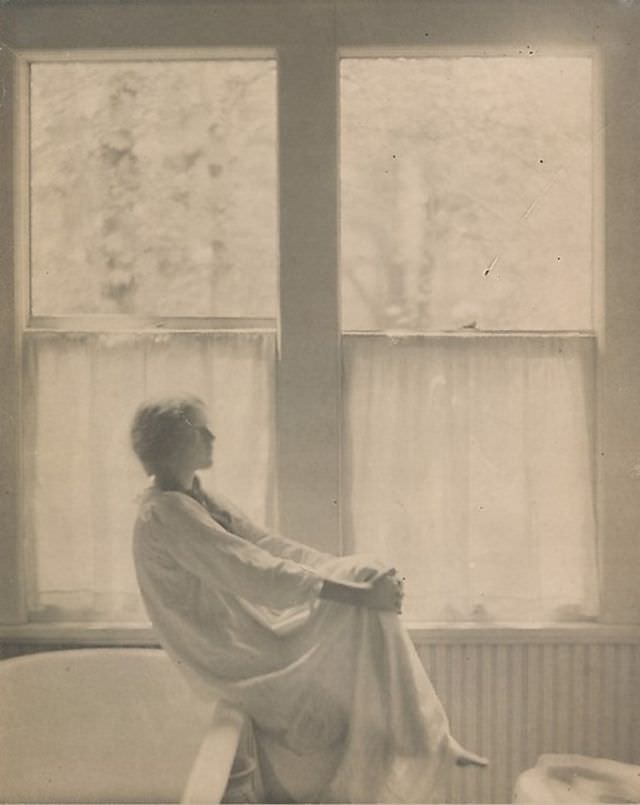
In 1914, White founded the Clarence H. White School of Photography in New York City — the first institution in America dedicated to teaching photography as an art form. It attracted serious students who went on to shape American photography for decades. But the school came at a cost. Teaching consumed most of his time, and his own output as a photographer dropped sharply. The last decade of his life saw very little new work compared to the intense productivity of his early career.
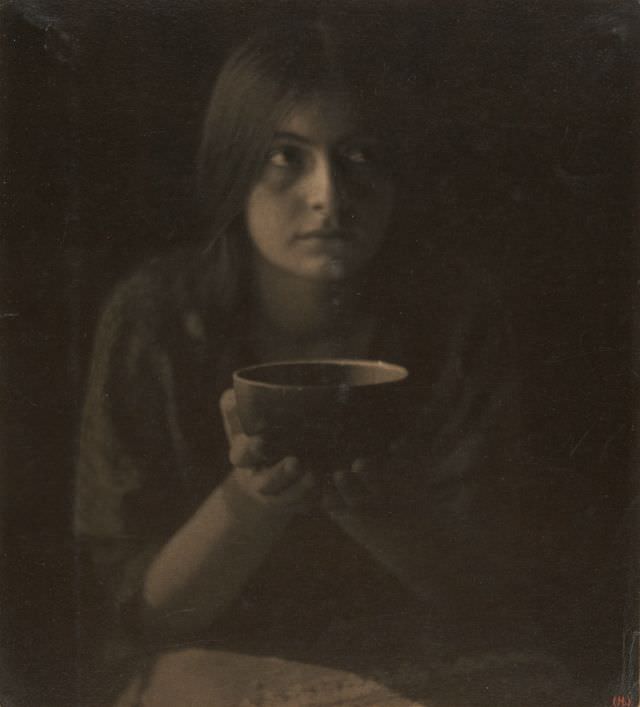
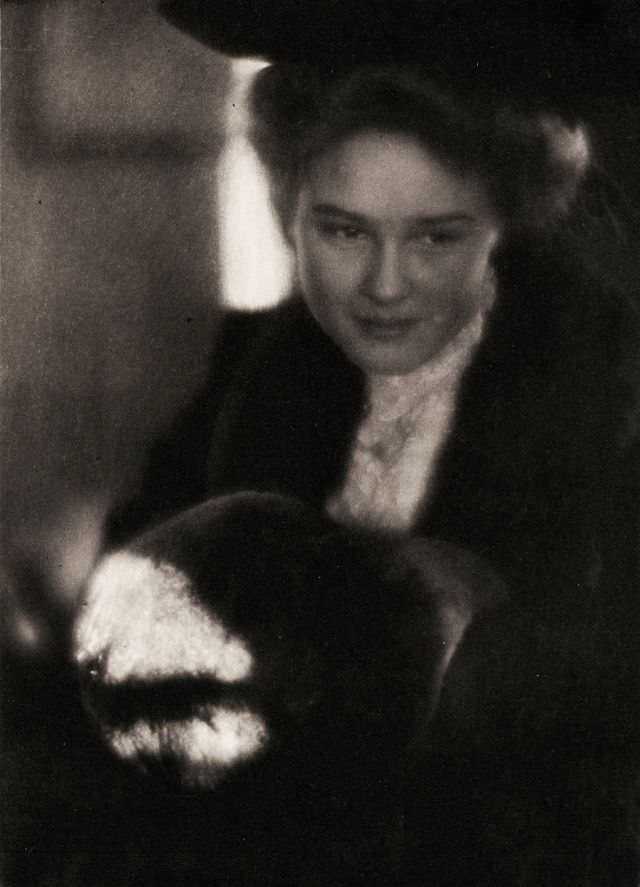
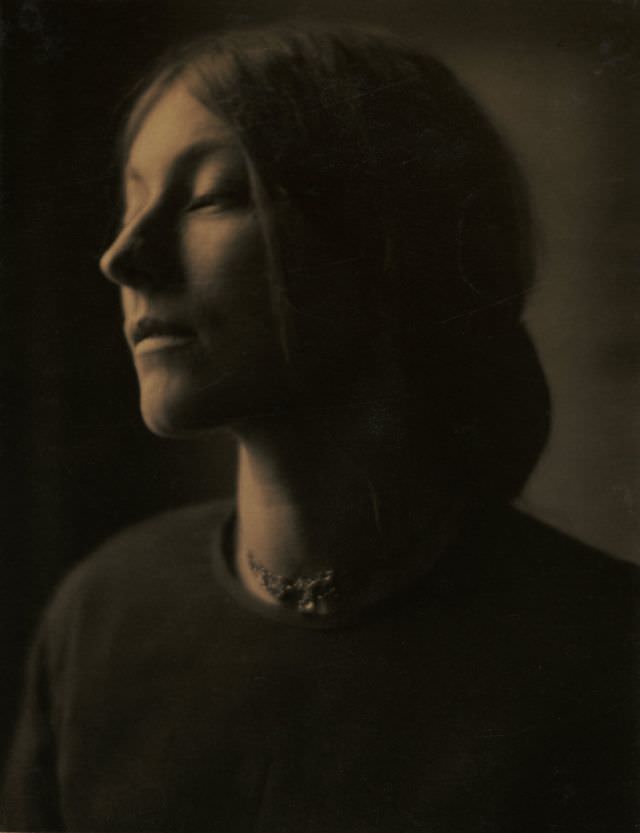
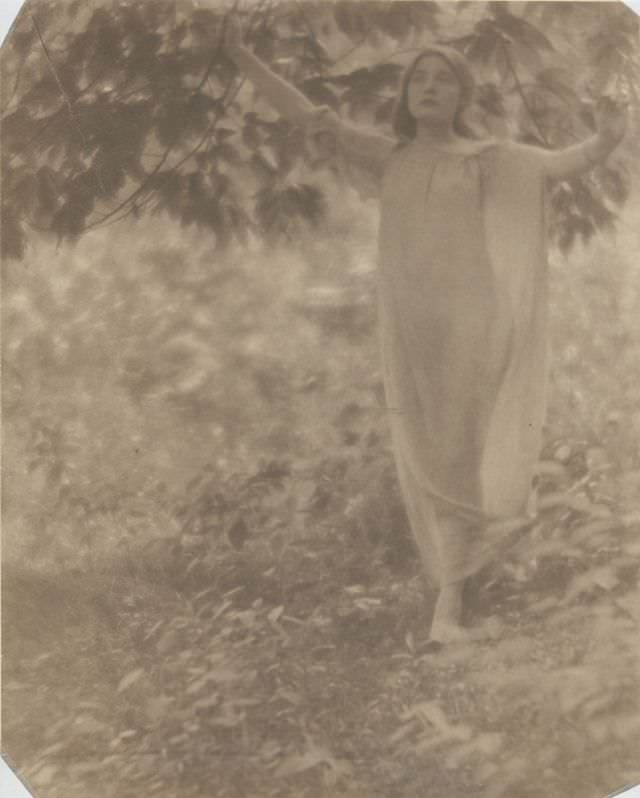
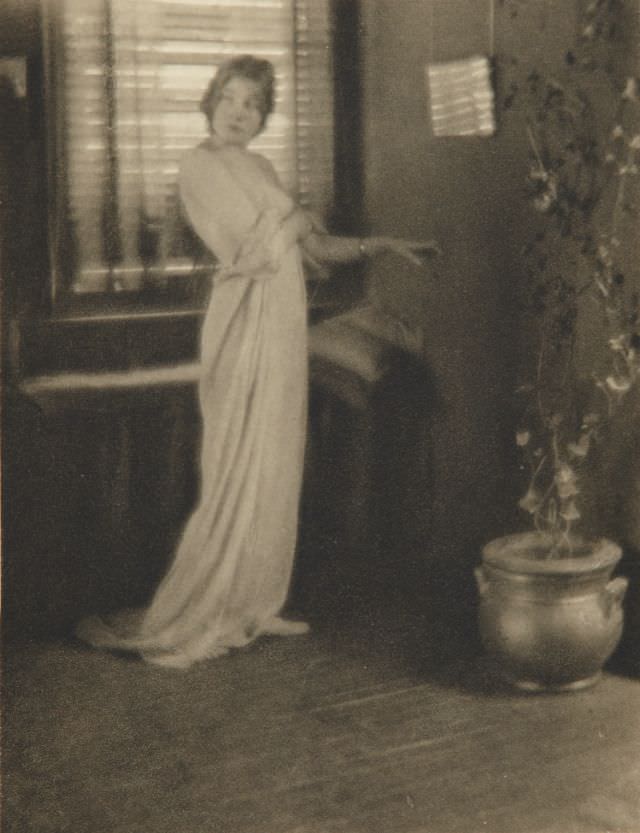
Among the more striking portraits from White’s later period is his 1909 image of Annette Kellermann. Kellermann was an Australian swimmer and performer who became famous in America for her one-piece swimsuit and her athletic public image — radical for the era. White’s photograph of her mid-dive captures both the physical dynamism of the subject and his continued ability to freeze a moment with artistic precision, even as his overall output was slowing.
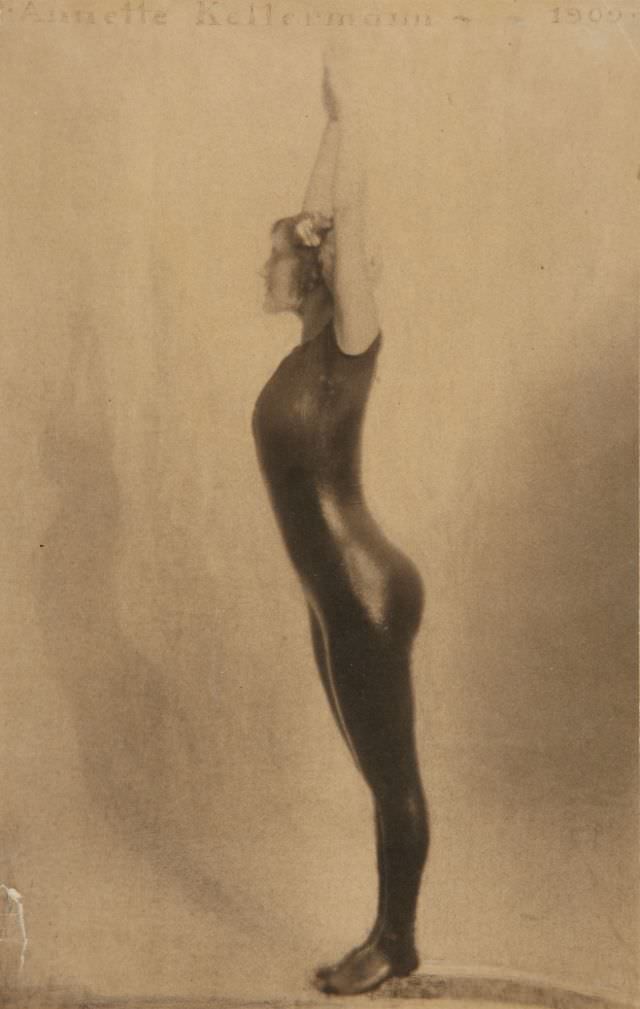
![Untitled [Florence Peterson], 1909](https://www.bygonely.com/wp-content/uploads/2022/02/Clarence-Hudson-White-portrait-photography35.jpeg)
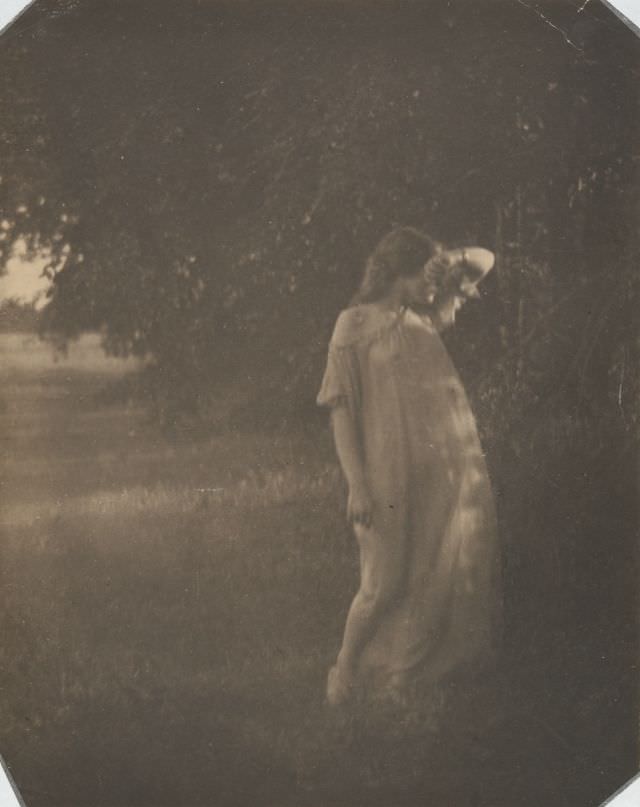
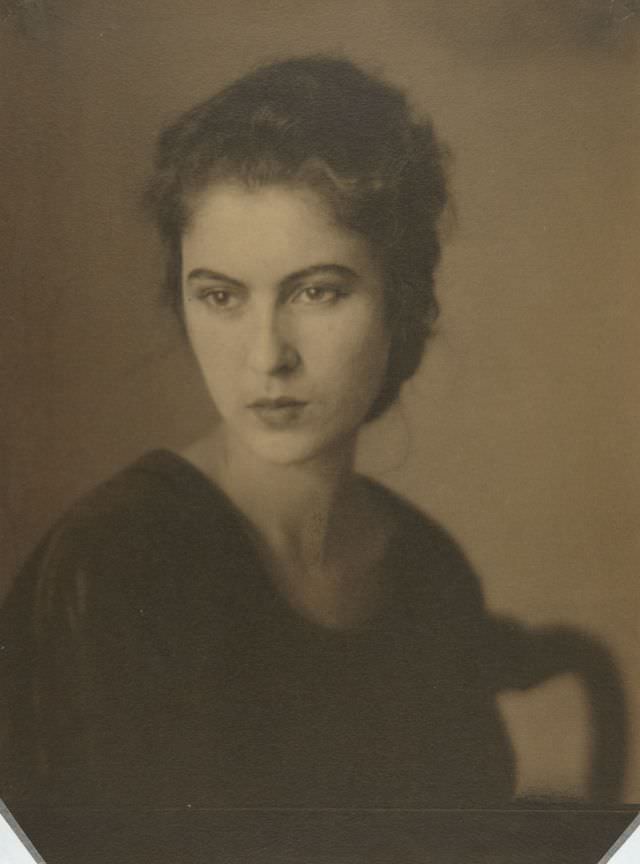
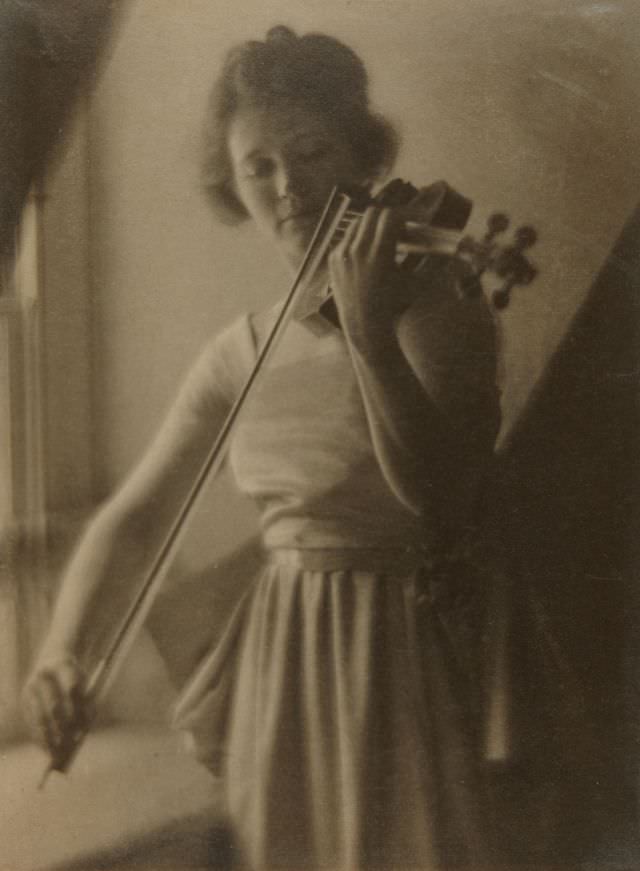
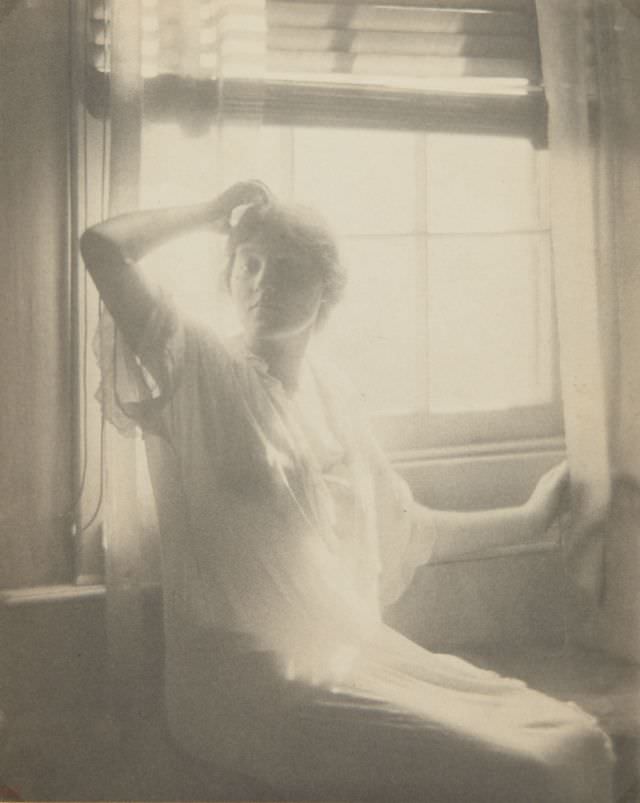
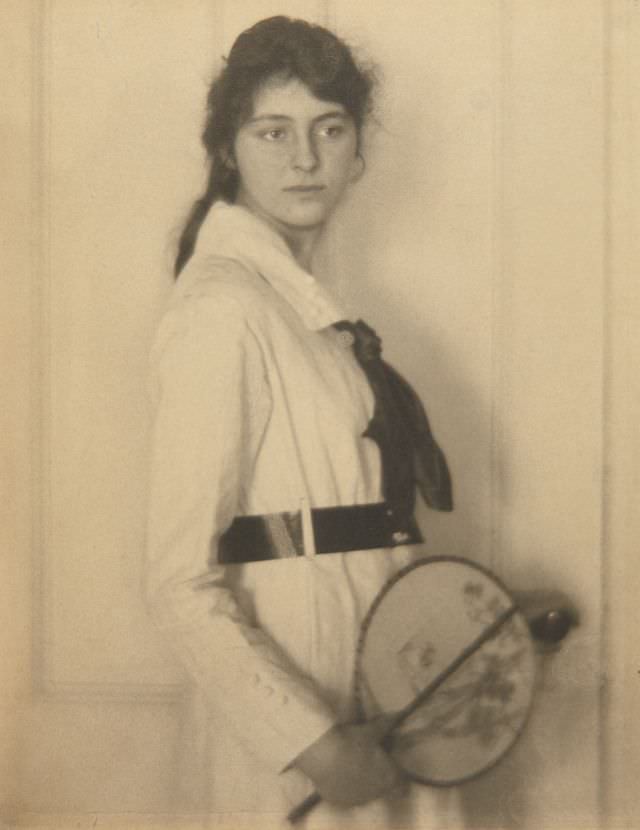
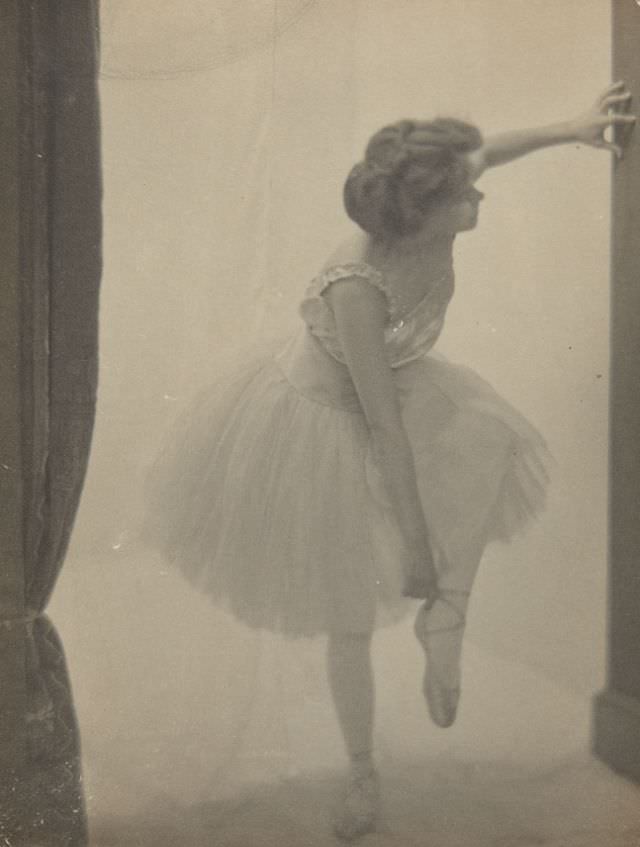
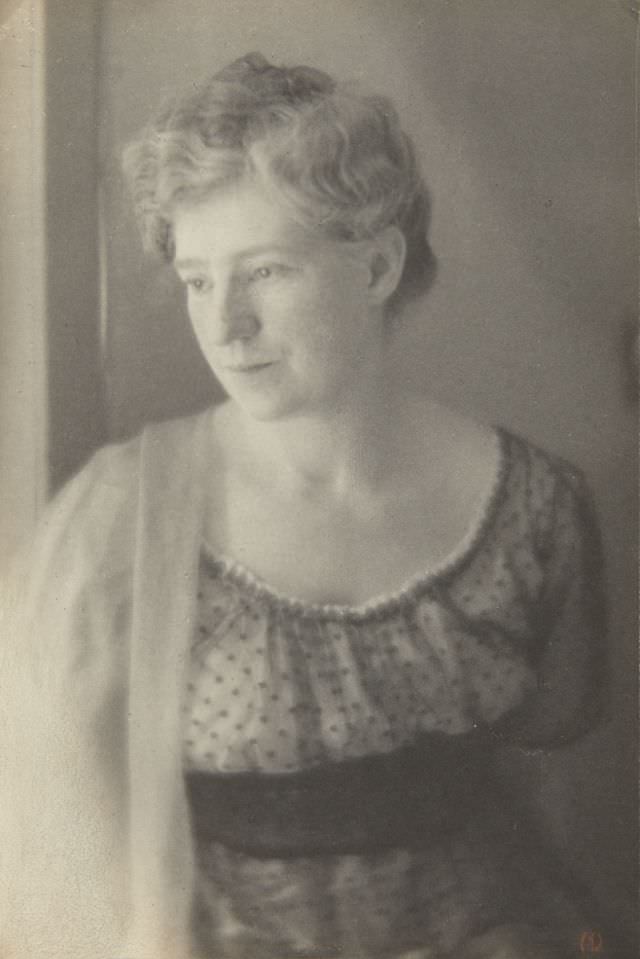
Through the 1910s, White continued to produce individual portraits of notable women. His 1916 portrait of Mrs. Josephine Wallace and his 1919 portrait of actress and stage performer Alla Nazimova show that even in his busiest years as an educator, he hadn’t lost his instinct for capturing a subject’s presence. Nazimova was one of the most prominent figures in American theater and silent film at the time, and White’s portrait reflects the gravity she brought to every room she entered.
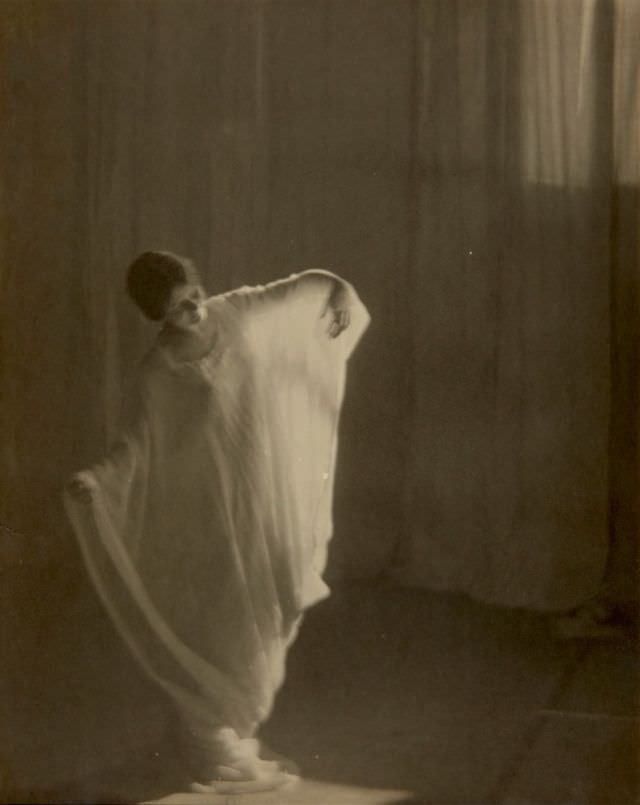
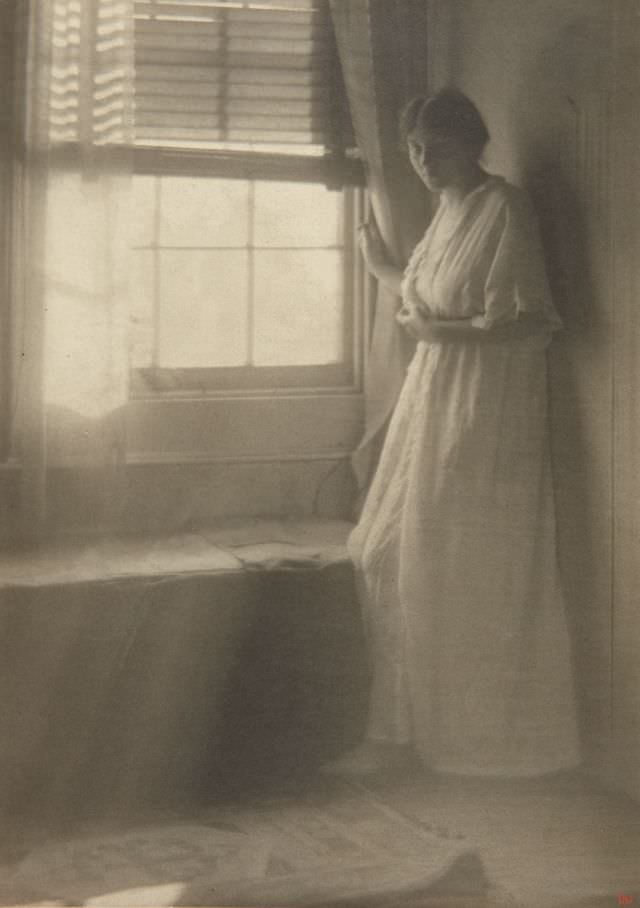
White died of a heart attack in Mexico City in 1925, while leading a student photography workshop. He was 54 years old. In the span of roughly three decades, he built a body of work that shifted how Americans thought about photography — not as a tool for documentation, but as a medium capable of beauty, feeling, and artistic intent.