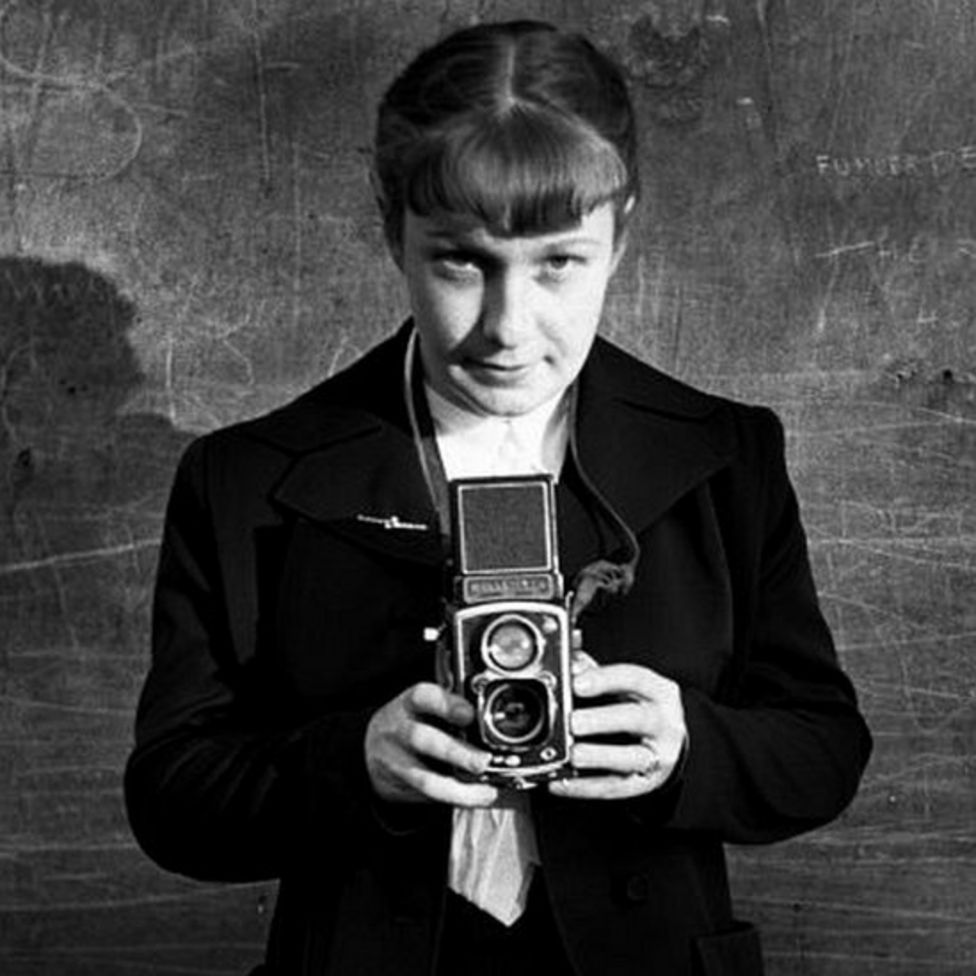
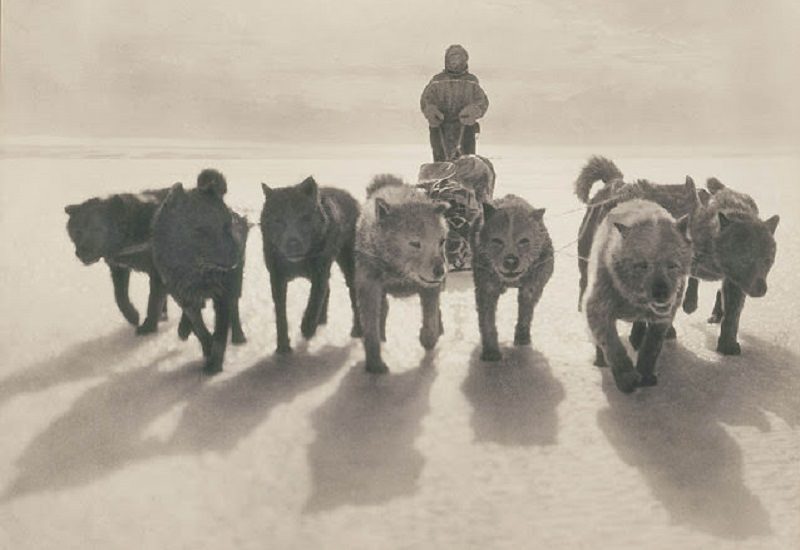
Sabine Weiss had a gift for making ordinary moments feel timeless. Born in Switzerland, she moved to Paris in 1946 and quickly became one of the most important figures in the French humanist photography movement. This movement, strongest in the 1950s and 1960s, focused on the everyday lives of real people — their routines, their expressions, their streets. Weiss belonged to a generation of photographers who believed that truth lived in the unplanned moment.
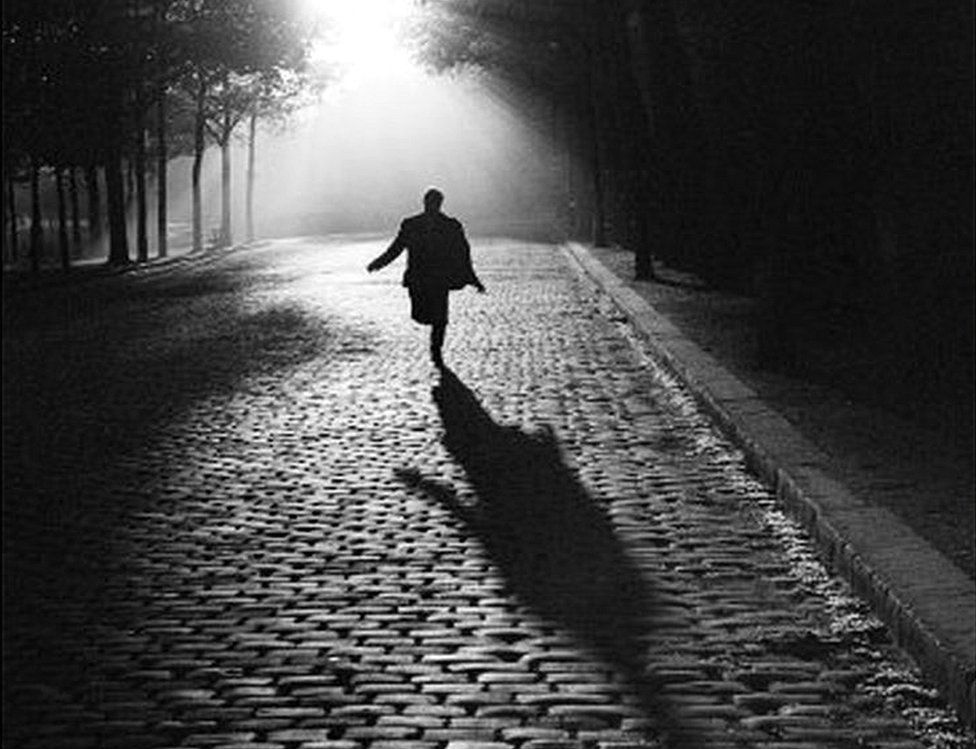
Her path into photography’s inner circle moved quickly. While working with fashion photographer Willy Maywald, she crossed paths with Robert Doisneau at Vogue in 1952. Doisneau was already a celebrated name in humanist photography, and meeting him helped shape the direction of her career. She soon joined the Rapho press agency — the same agency Doisneau worked with — and went on to shoot for Vogue for nine years. Her work spanned both high fashion and raw street life, often within the same period.
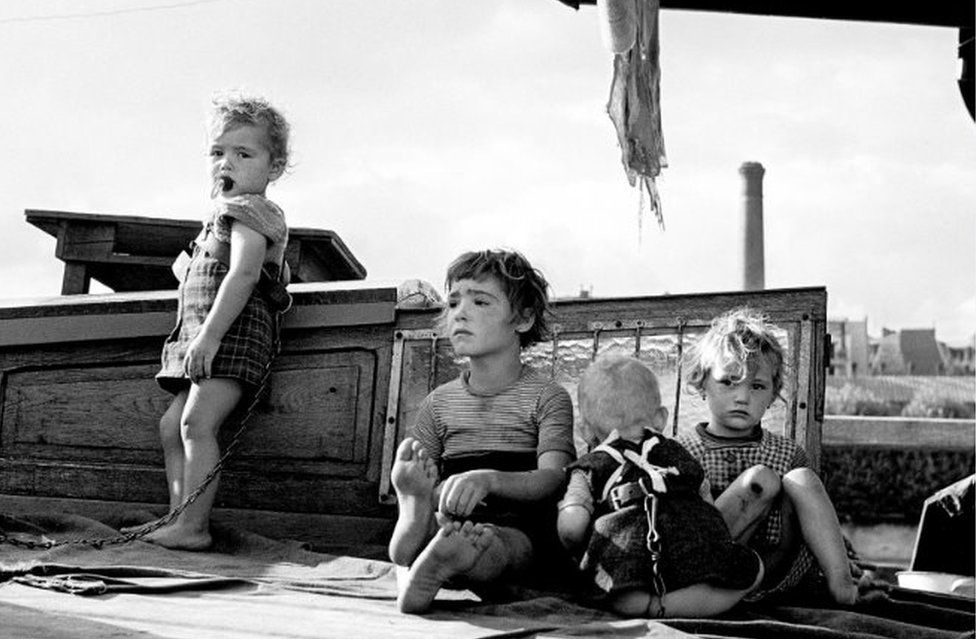
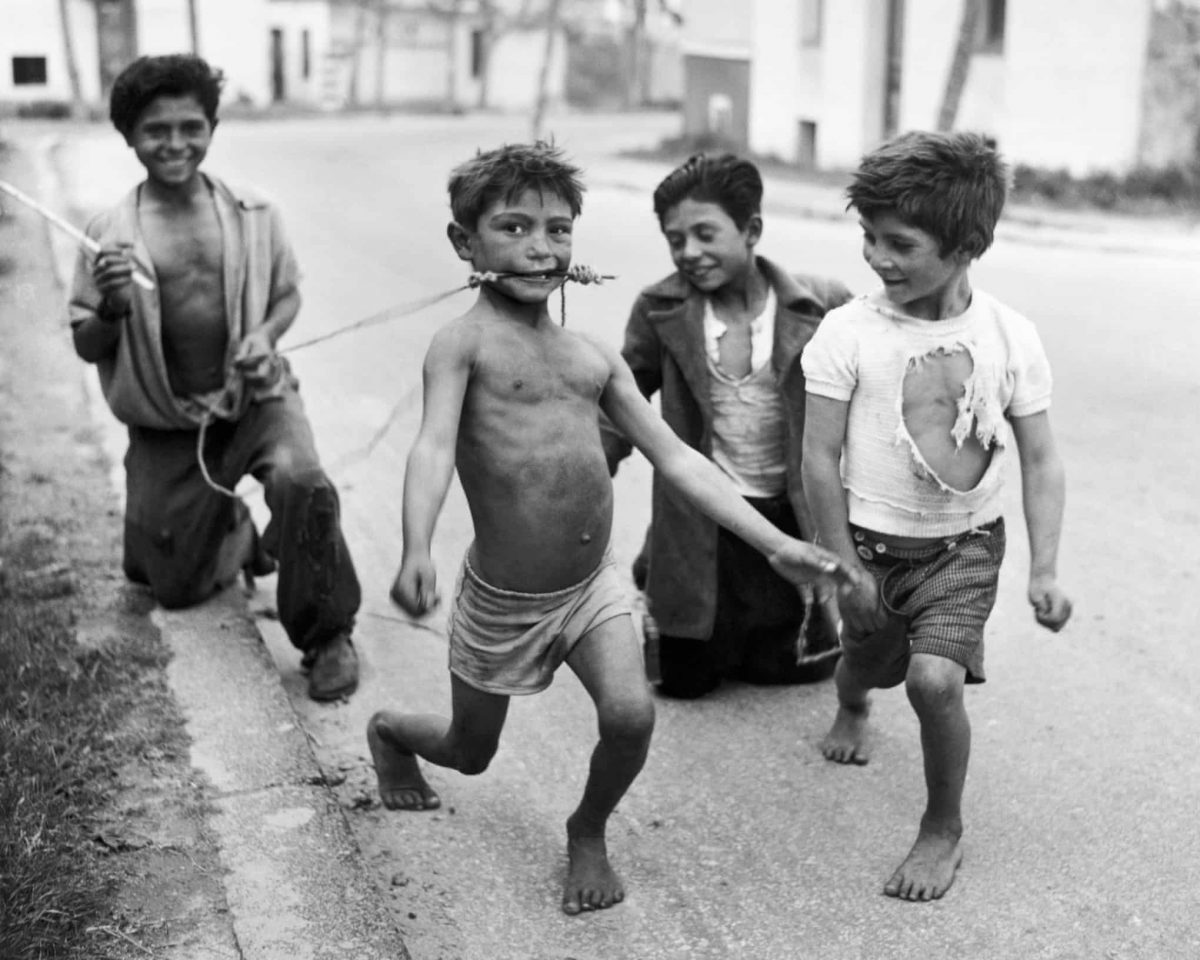
Weiss described her own mission in clear terms: “I photograph to preserve the ephemeral, fix chance, to keep in an image what will disappear: gestures, attitudes, objects which are testimonies of our passing.” That philosophy shows in every frame. She wasn’t chasing grand events. She was watching a person pause on a street corner, a child caught mid-laugh, a quiet crowd in motion.
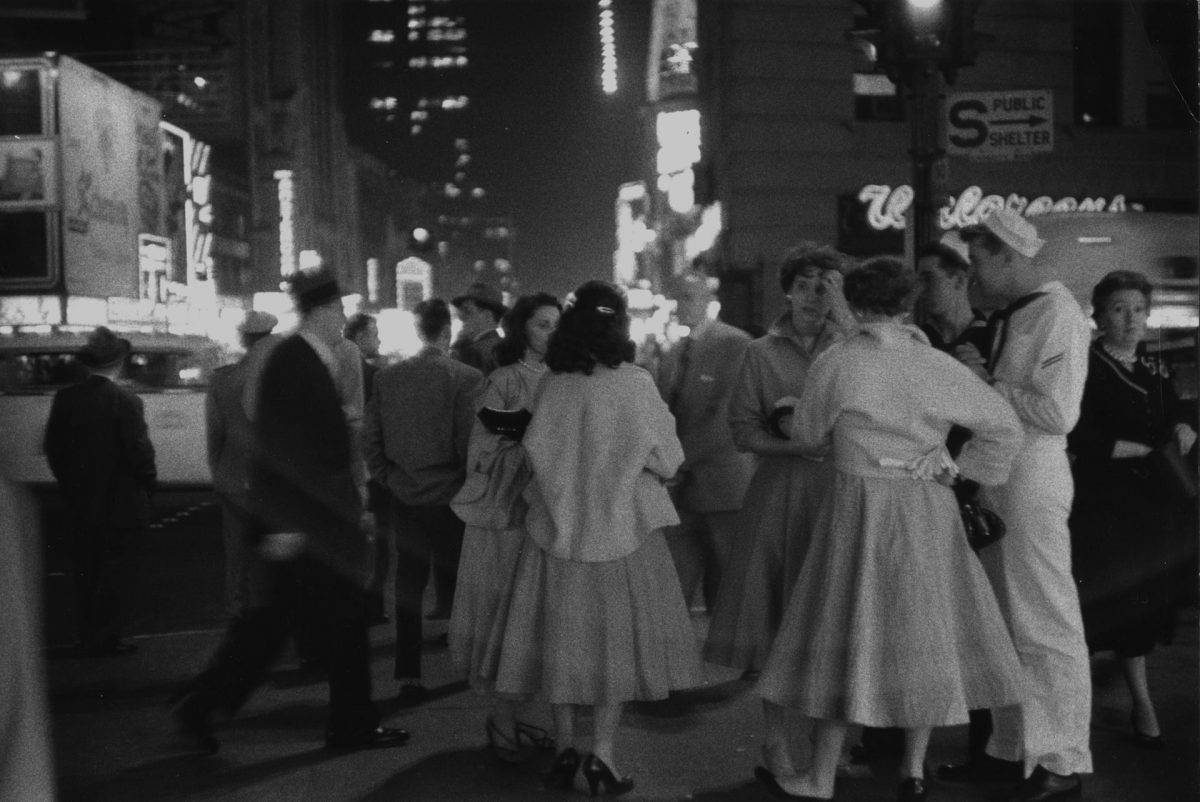
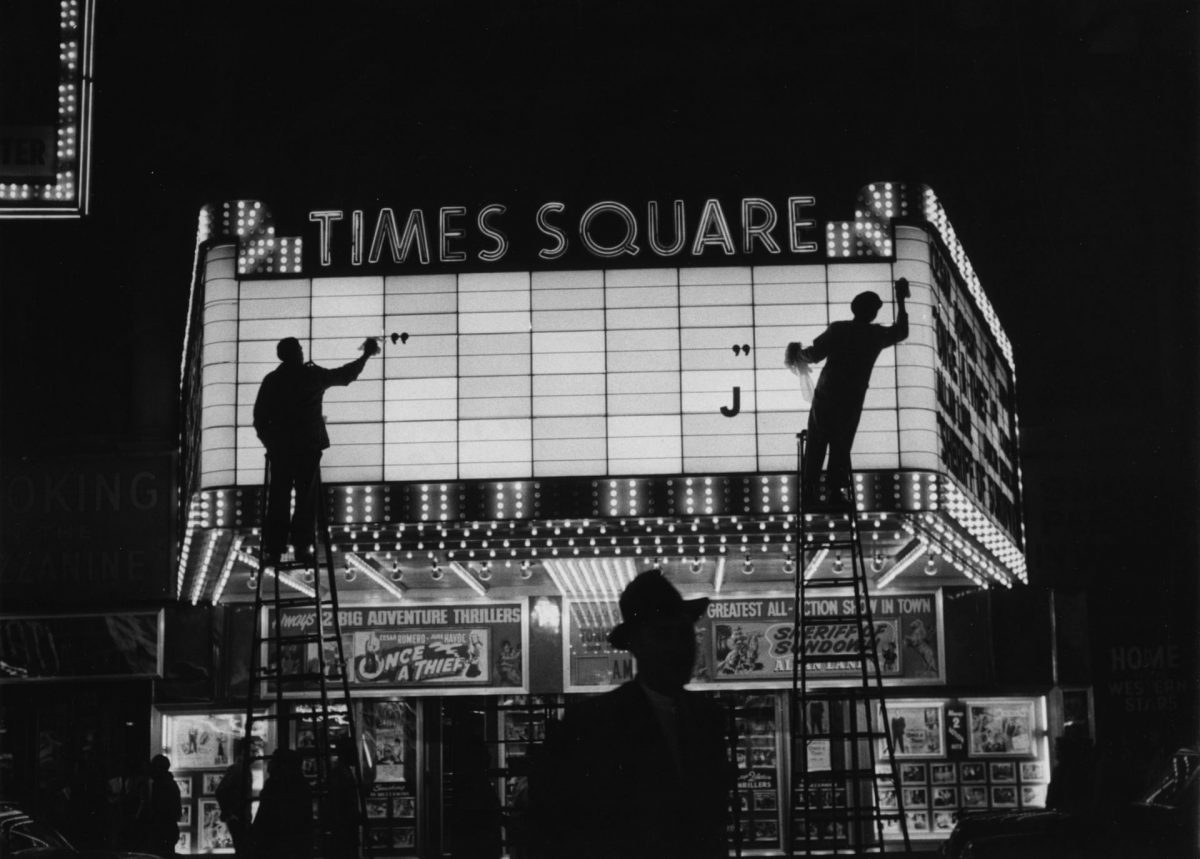
Her camera took her far beyond Paris. In 1955, she documented life in New York City with the same sharp eye she used on European streets. She moved through the city’s cafes, transit hubs, and neighborhoods, finding the same human energy she sought back home.
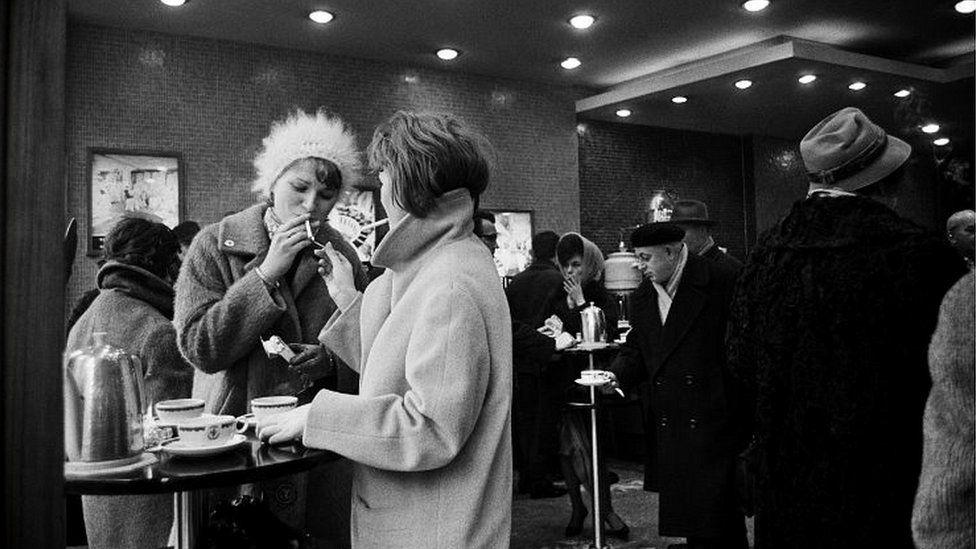
The Paris Metro offered its own kind of theater. Commuters lost in thought, strangers sharing space, the low light of underground platforms — all of it gave Weiss exactly the kind of unrehearsed scene she lived for.
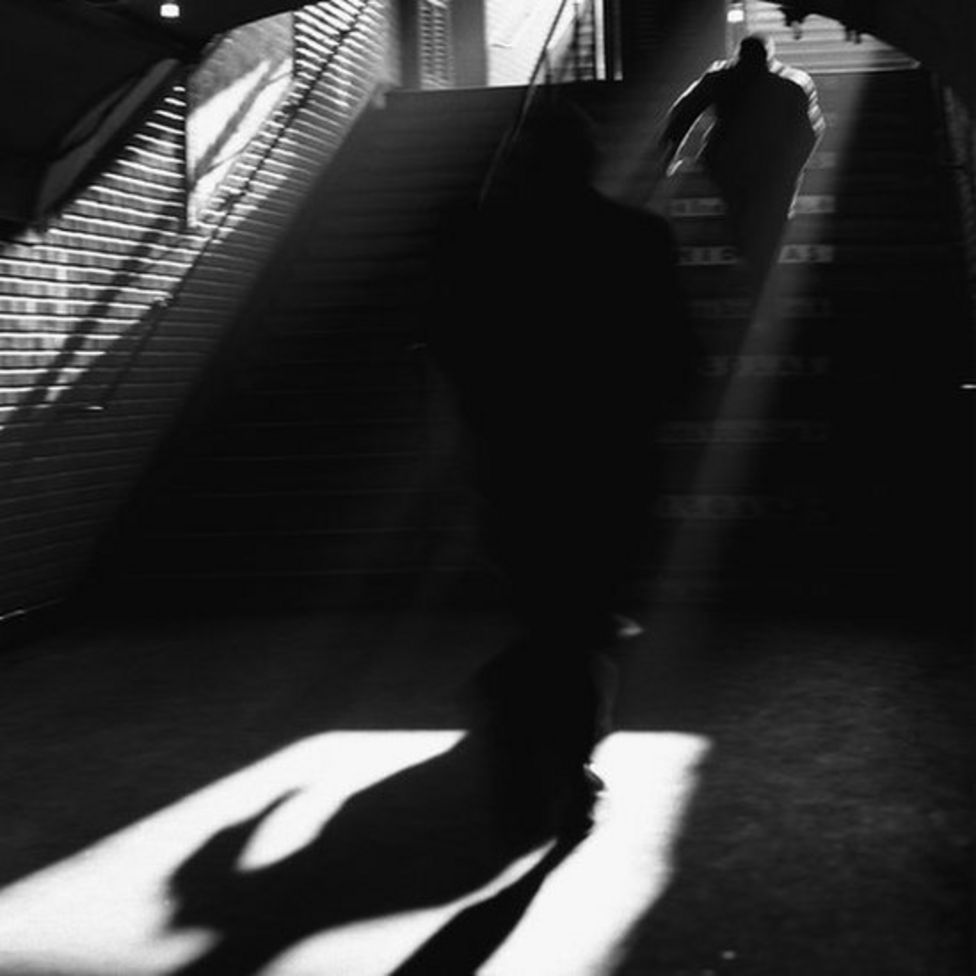
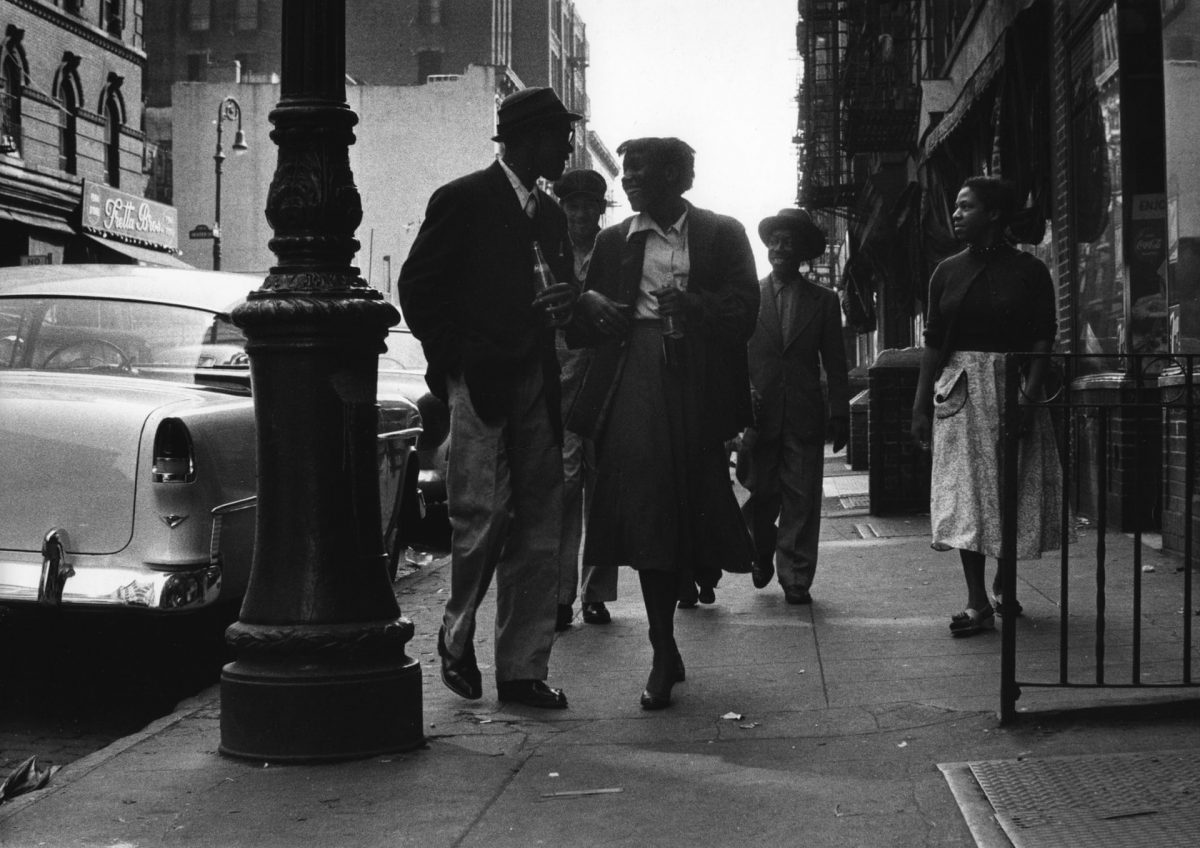
Back in New York, her photographs captured the city’s distinct neighborhoods and the people who filled them. From the grand scale of transit architecture to the tight blocks of Lower Manhattan, she found intimate stories in a city famous for its noise and speed.
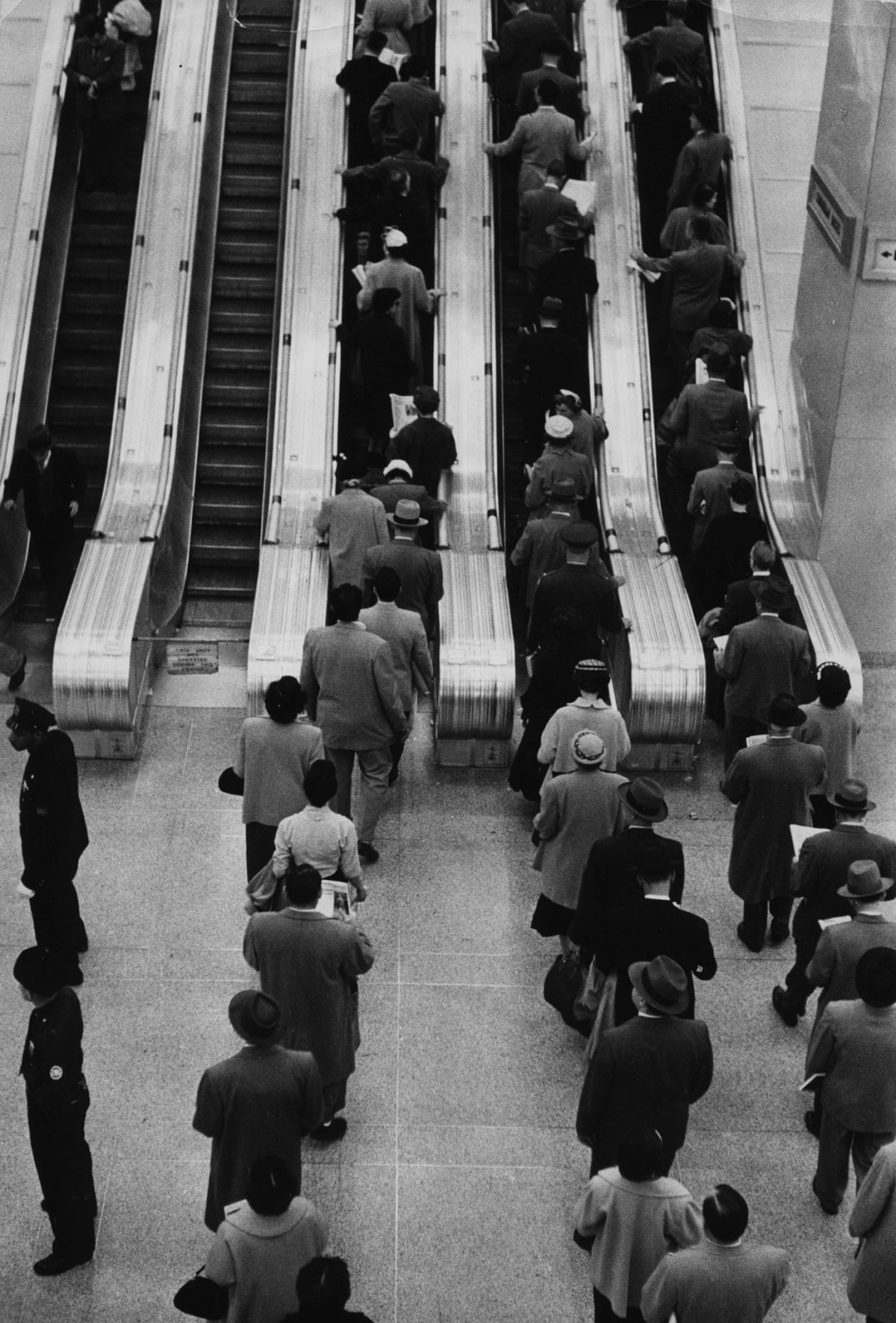
Grand Central Terminal presented her with one of photography’s great natural stages — shafts of light, rushing commuters, and the vast scale of one of the world’s most iconic train stations.
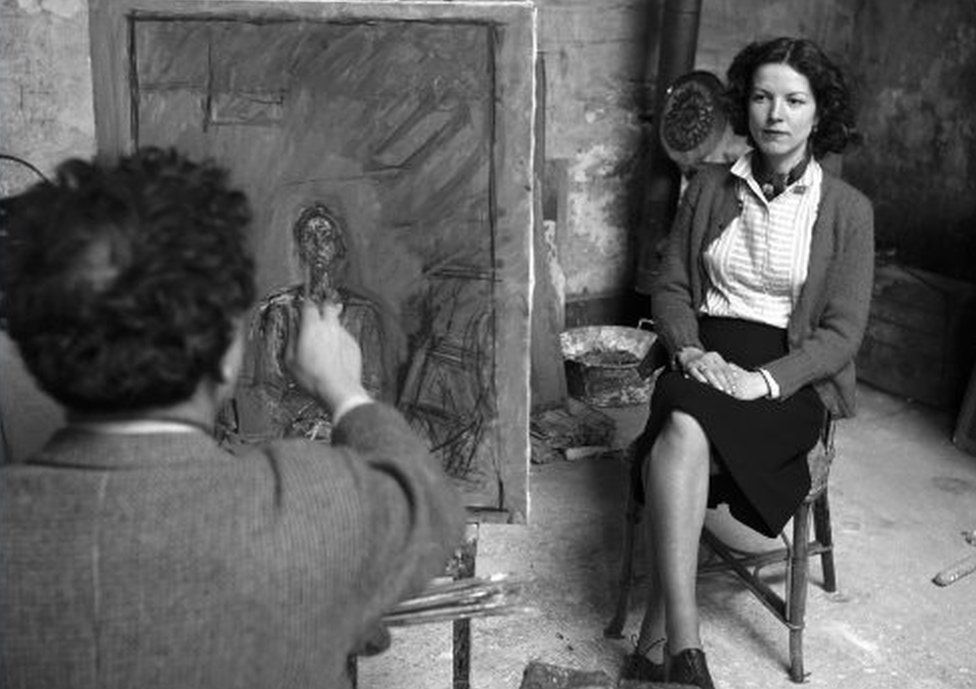
Weiss also photographed artists and cultural figures of her era. In 1954, she captured sculptor Alberto Giacometti alongside his wife Annette — a rare, personal glimpse into the life of one of the 20th century’s most recognized artists.
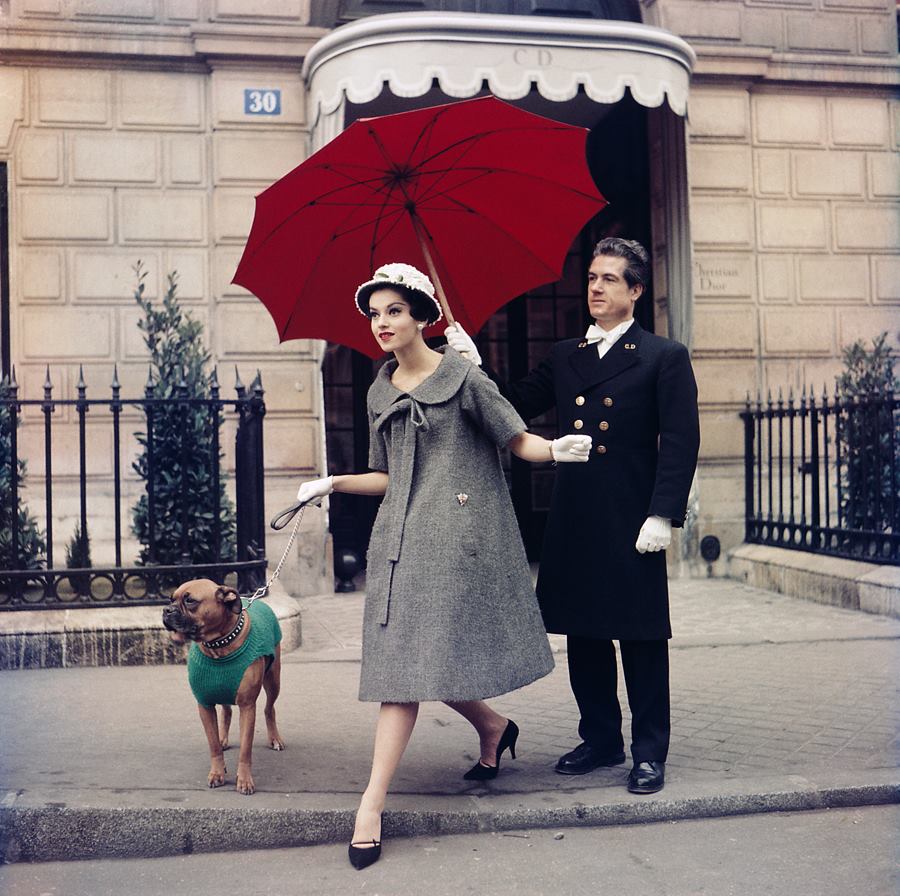
Her time shooting for Vogue placed her inside the world of haute couture as well. A 1958 shoot at the House of Dior put her in a very different setting from the public squares and metro platforms she favored — but her instinct for composition remained constant.
Weiss turned the camera on herself at least once during her most active years. Her 1953 self-portrait is a fitting document — a photographer fully aware of both sides of the lens, recorded at the height of her creative life.