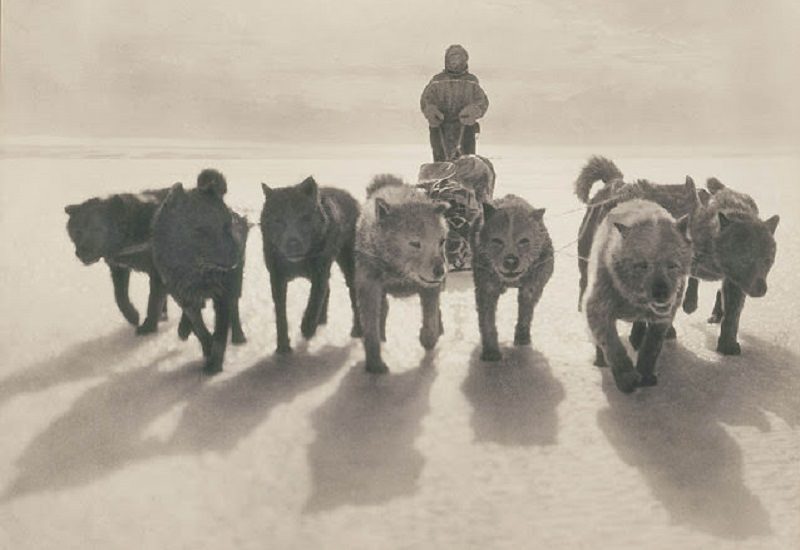
Altering photographs is not a modern invention. It began almost as soon as photography itself did, in the 19th century. Long before computers existed, photographers were bending reality using hands-on techniques that required real skill, patience, and creativity. Their reasons ranged from artistic expression and humor to portrait flattery and outright deception.
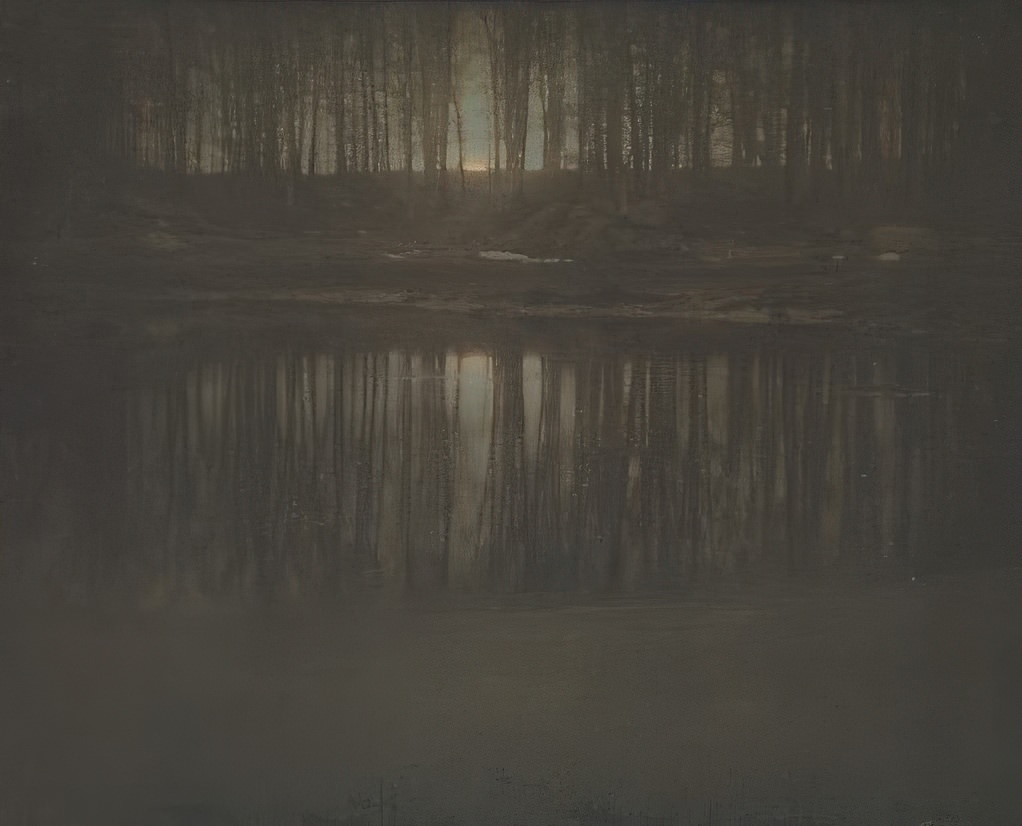
One of the most powerful darkroom methods was combination printing. A photographer could take two separate negatives — one of a landscape, one of a dramatic sky — and print them onto a single sheet of paper. By carefully blocking light with pieces of card or using their hands to shade specific areas, they merged the two images into one believable scene. This technique was also used to place people into locations they had never visited or to build entirely fictional views.

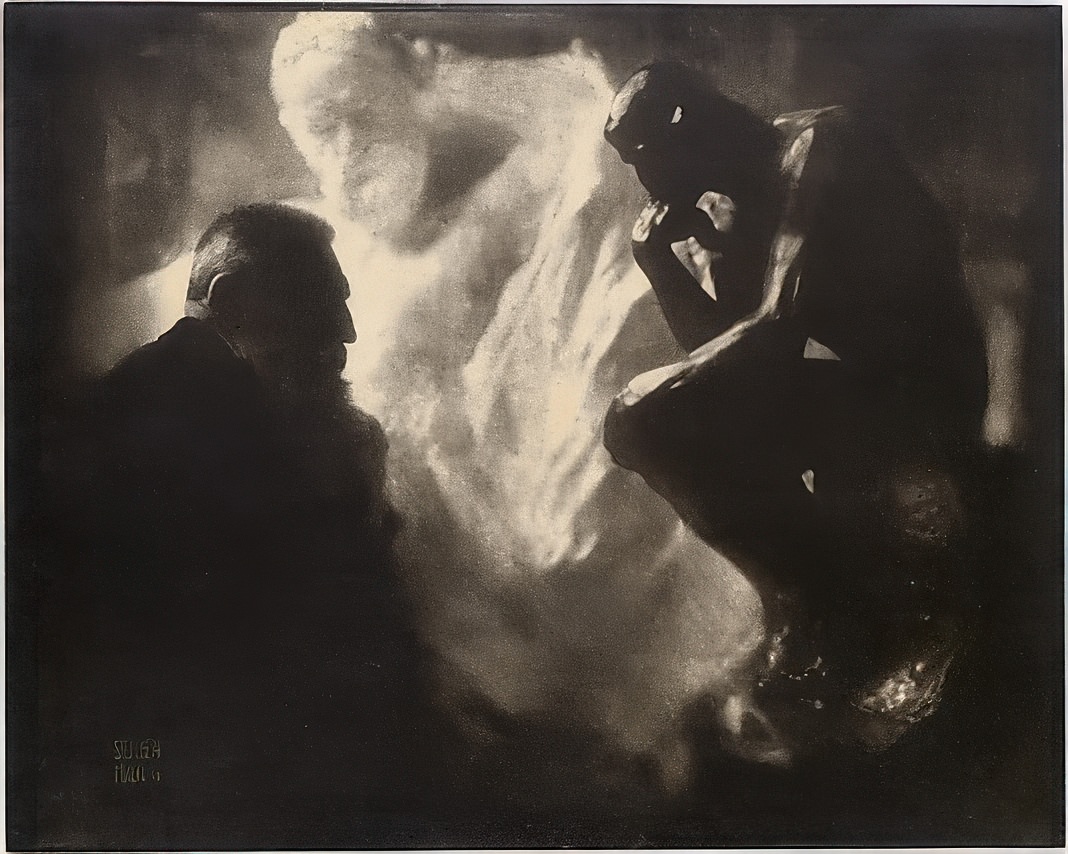
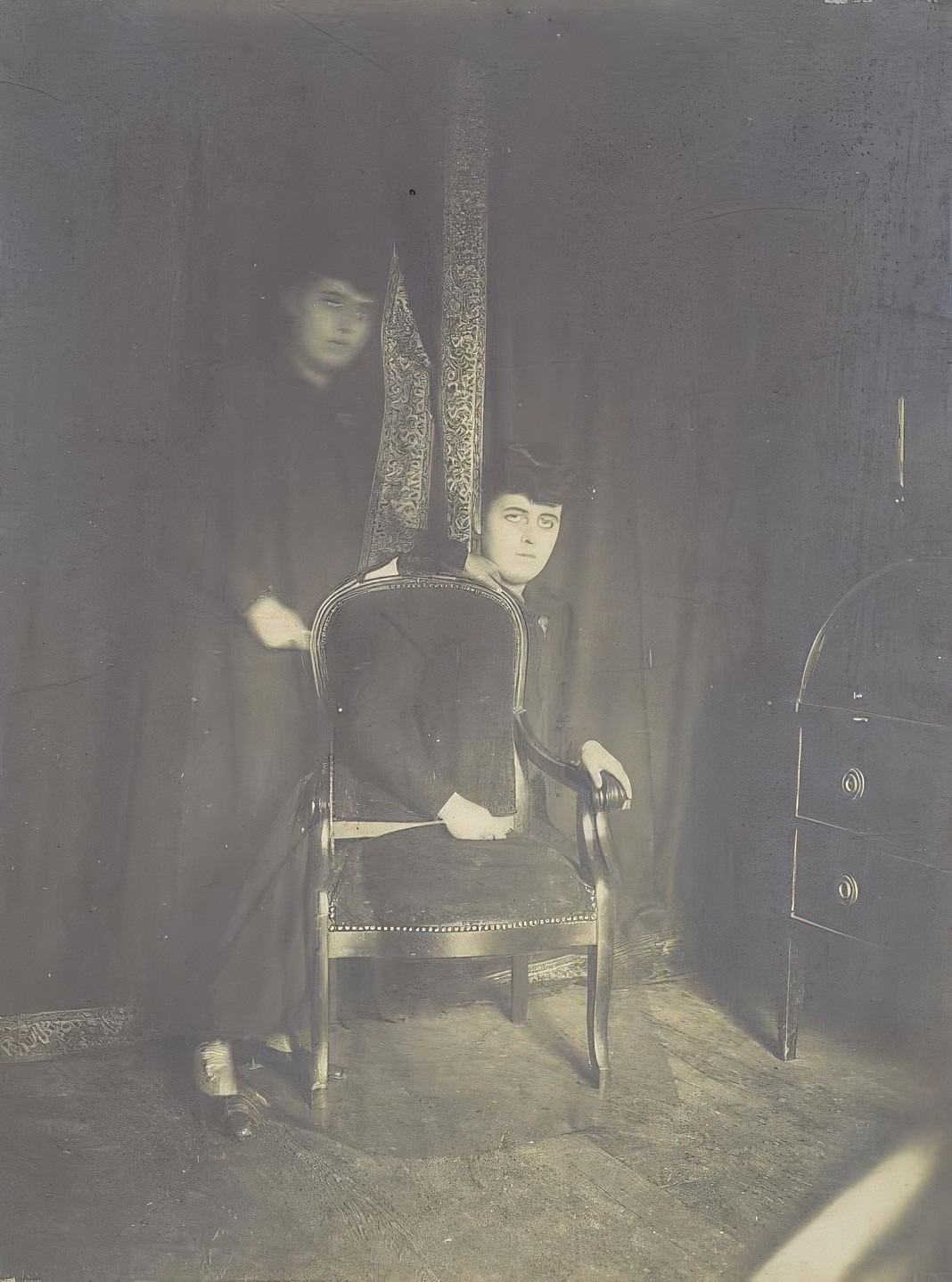
Double exposure was another common in-camera trick. The photographer exposed the same photographic plate to two different scenes, layering one image on top of another. The result could show a ghostly figure floating in a room or the same person appearing twice in a single frame. Spirit photographers used this exact method to fake images of ghosts standing beside living people.
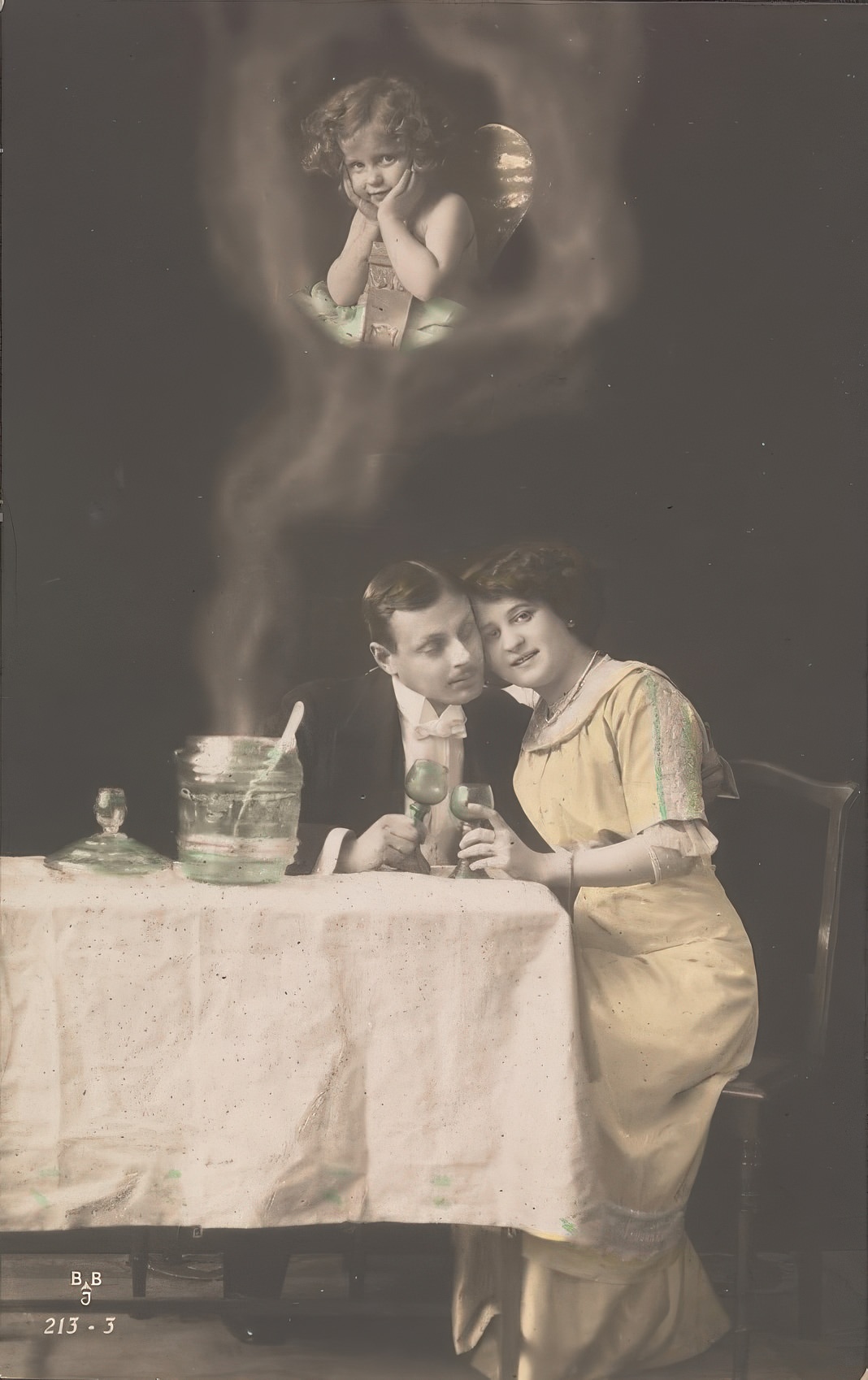
Skilled retouchers also worked directly on glass plate negatives before any prints were made. Using fine needles, they scratched away parts of the light-sensitive emulsion to remove blemishes. Graphite pencils and opaque paints added density to the negative, which lightened areas or added details in the final print. Portrait retouching — smoothing skin, removing wrinkles — relied heavily on this careful, close-up work.
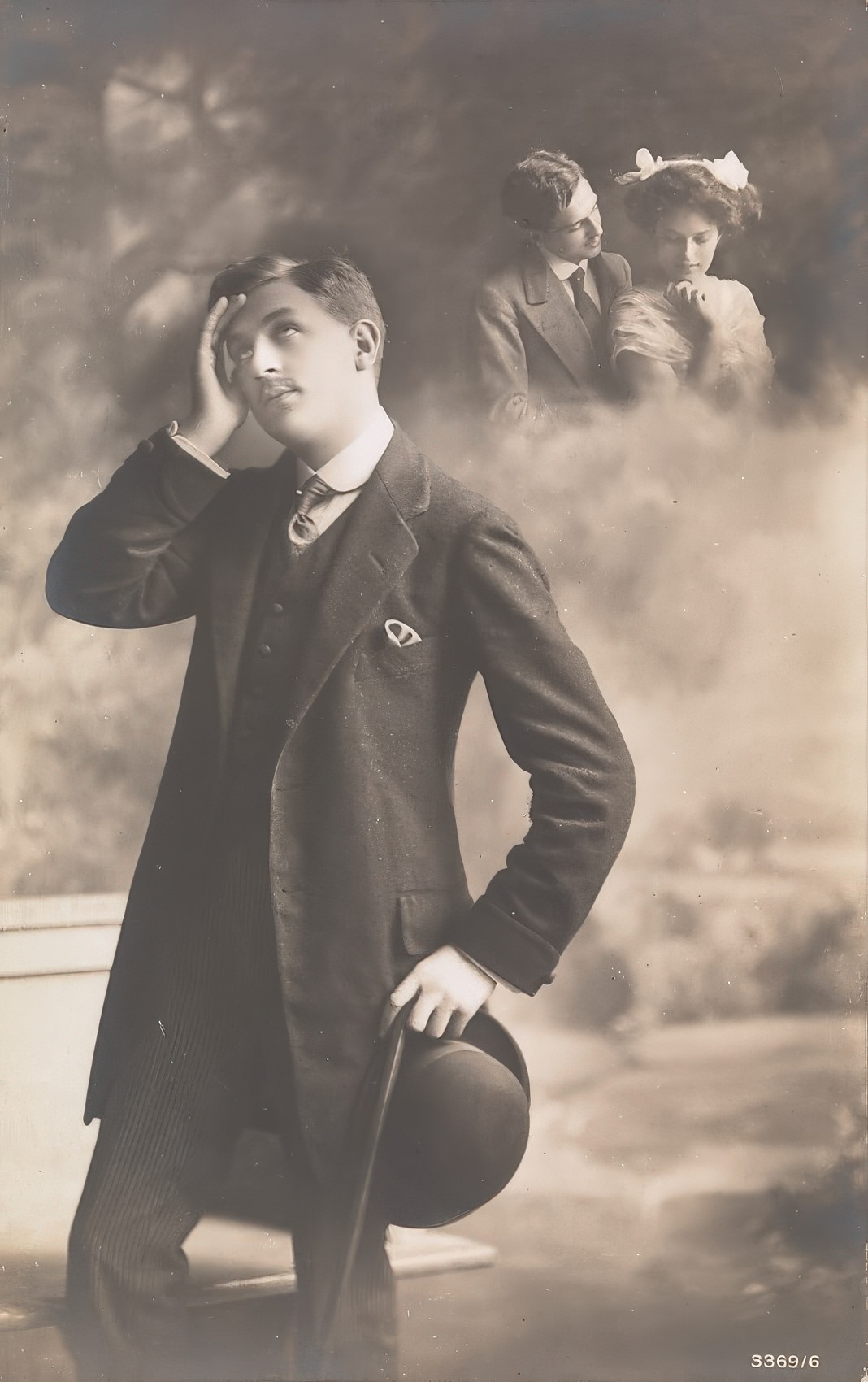
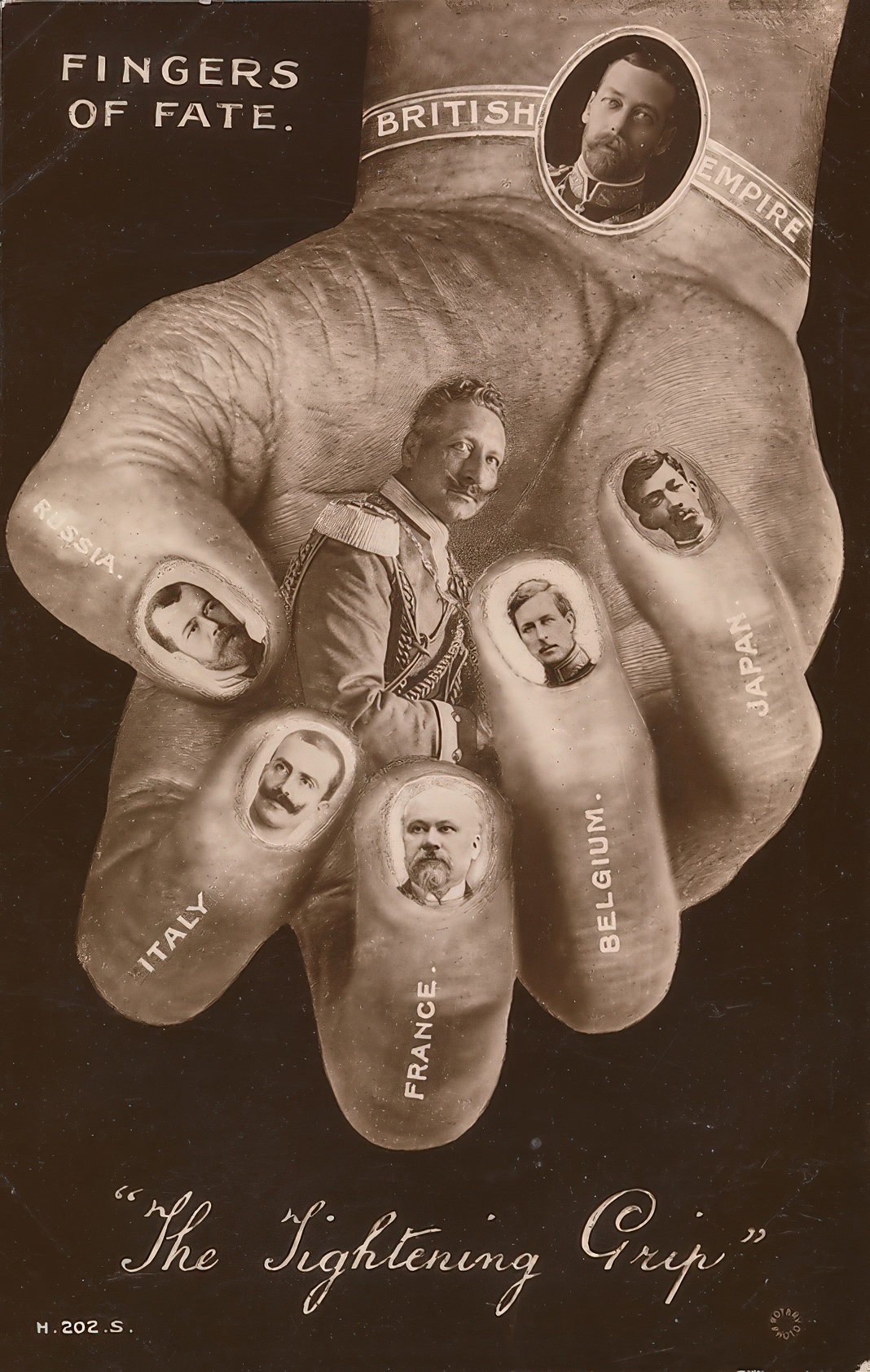
In the studio, photographers staged illusions using black velvet to hide parts of a subject from the camera. This produced headless portraits or figures appearing to float in mid-air. Props and careful framing did the rest.
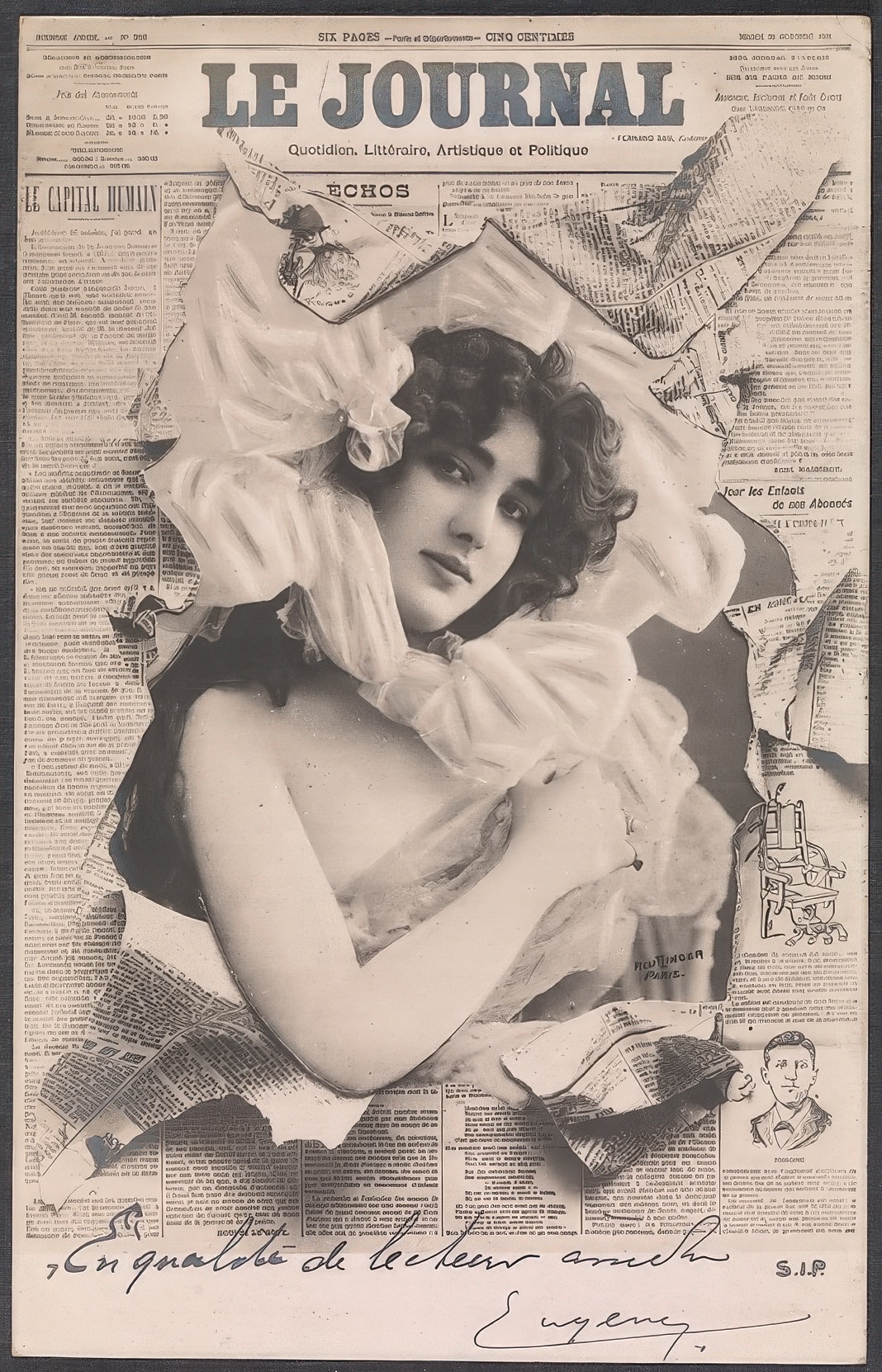
Once a print was made, the manipulation often continued. Hand-coloring black-and-white photographs with oils, watercolors, or pastels was popular for decades. Artists painted out unwanted backgrounds with gouache or added missing details using ink. Photomontage took things further — artists physically cut figures from multiple photographs and glued them into a new composition, then re-photographed the whole assembly to produce a single, seamless image.
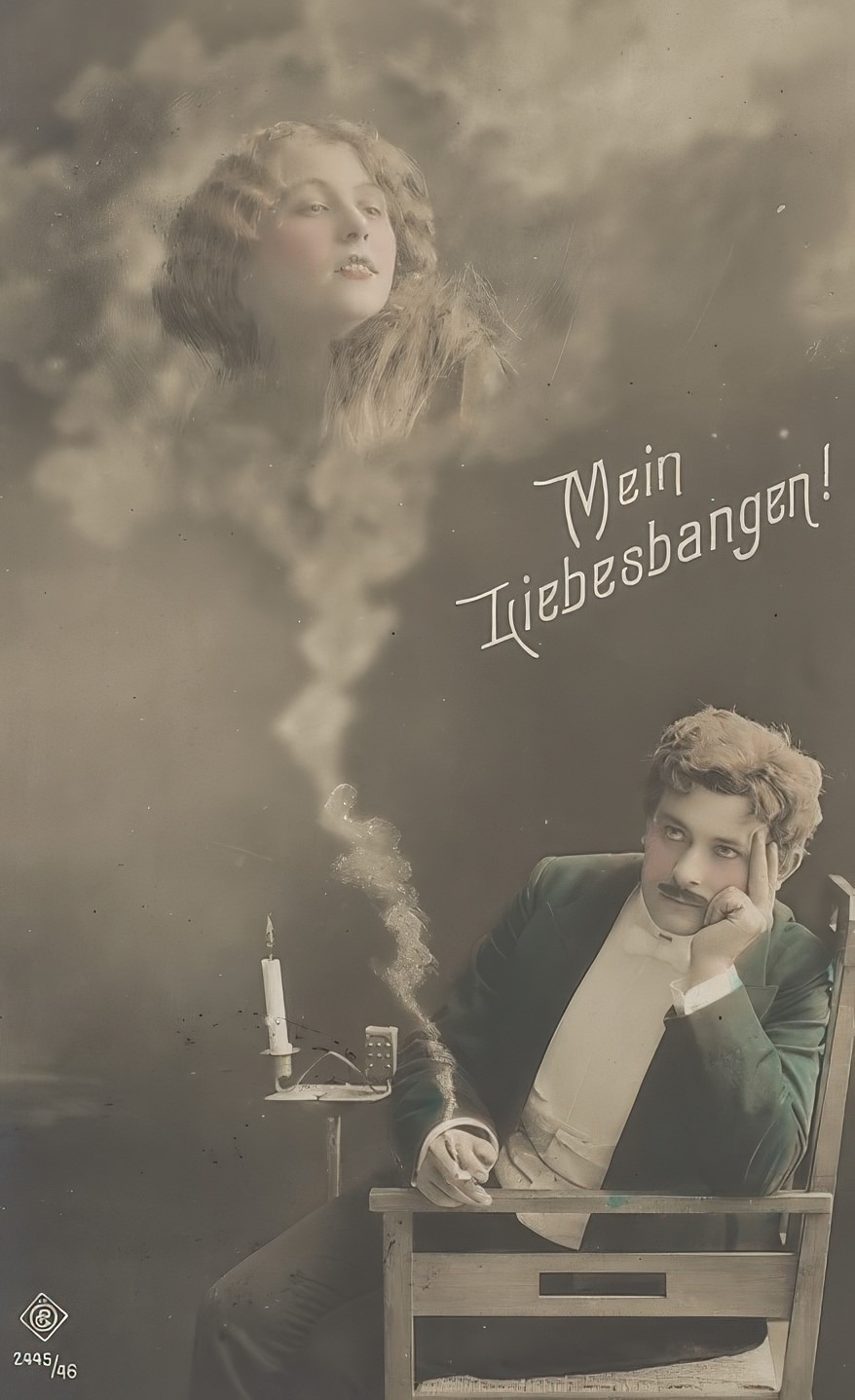
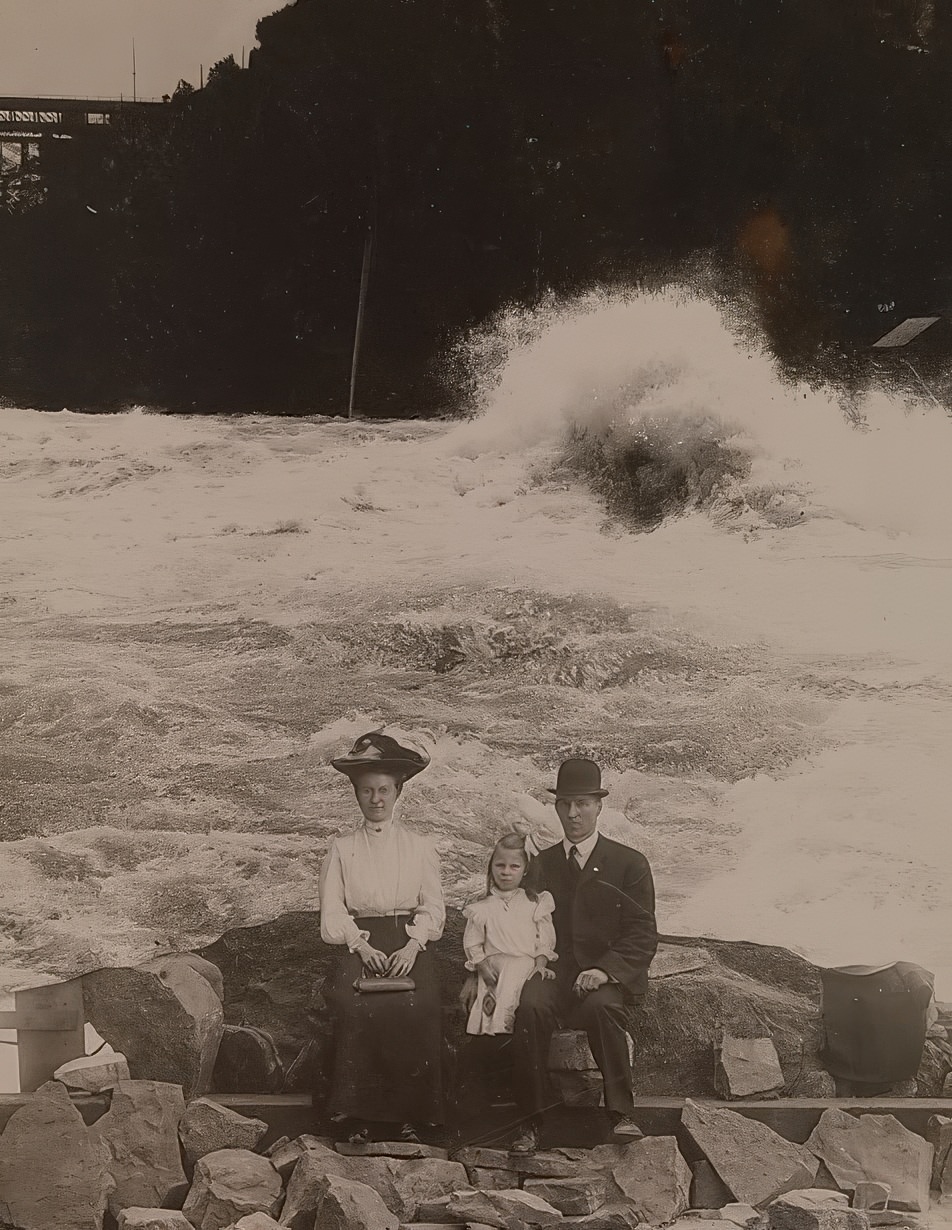
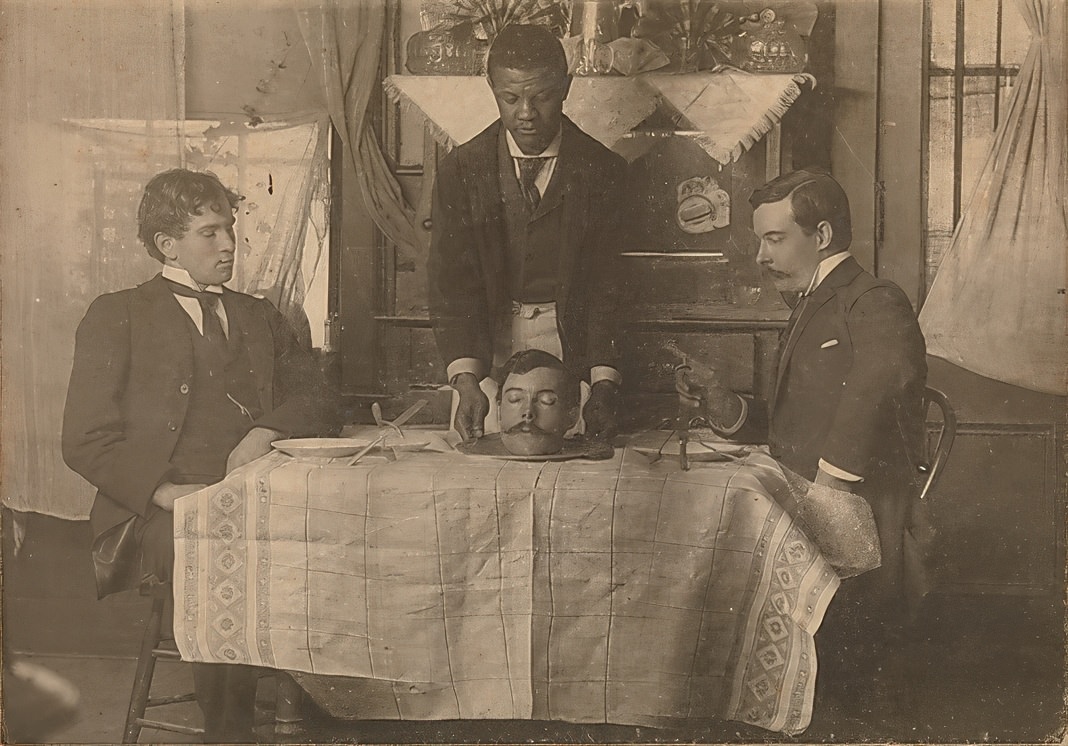
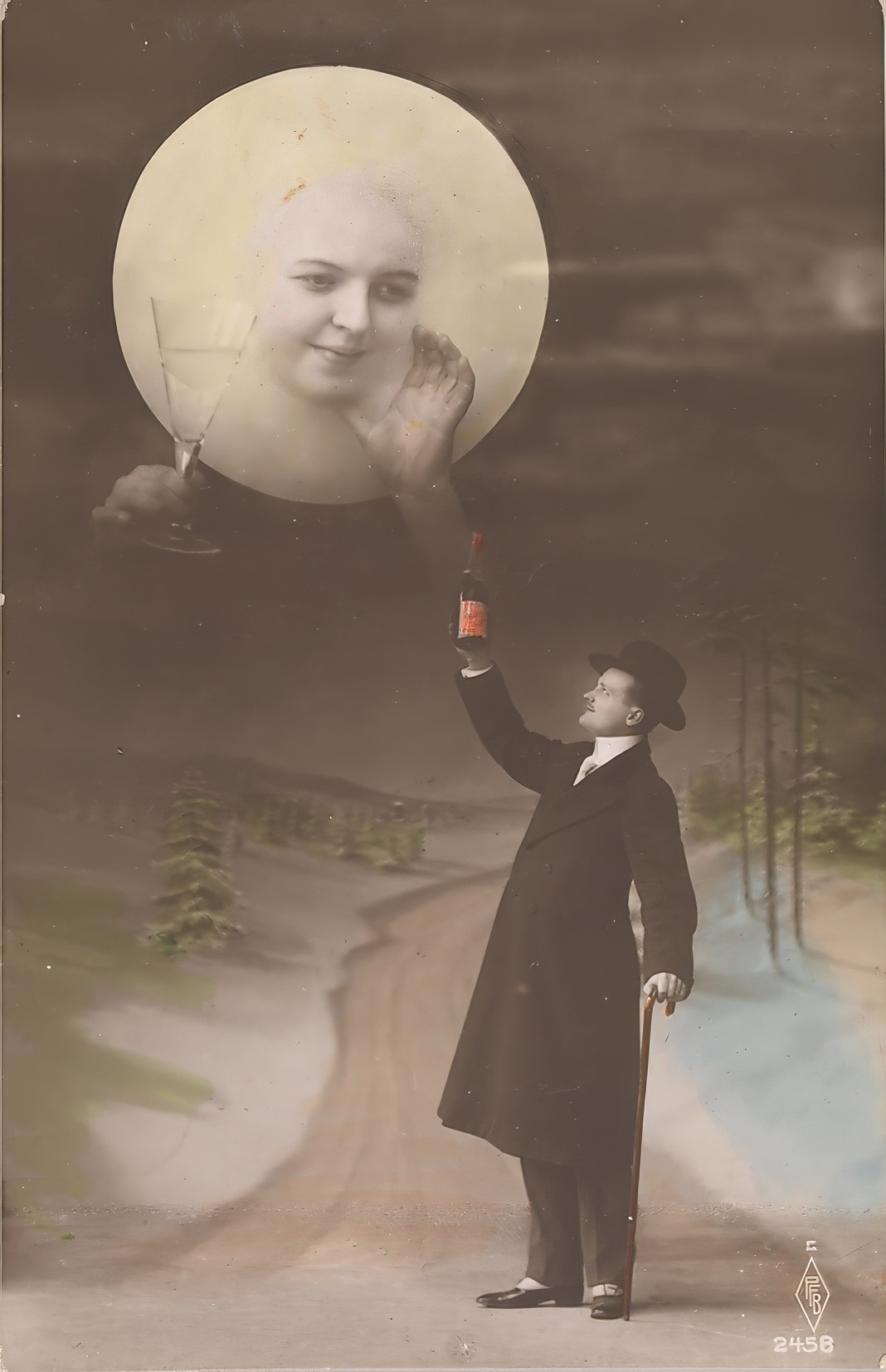
Humor drove many of these images. Old postcards showed people riding giant vegetables, sporting impossibly large heads, or sharing a drink with the moon. These novelty images were wildly popular and required the same technical methods used in serious artistic or political work.
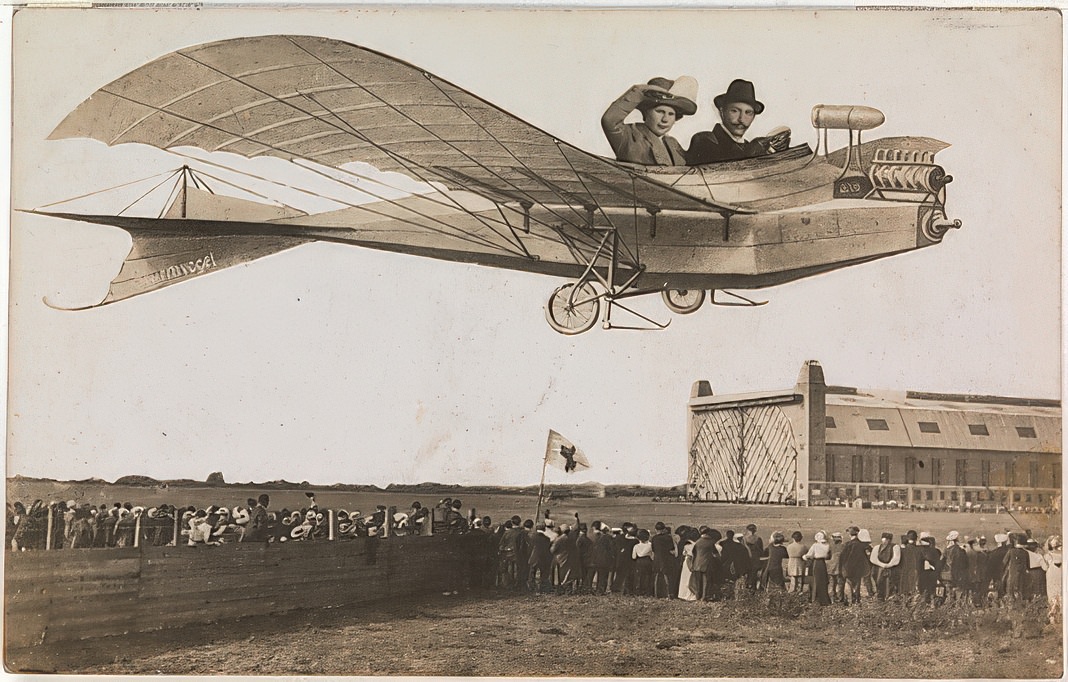
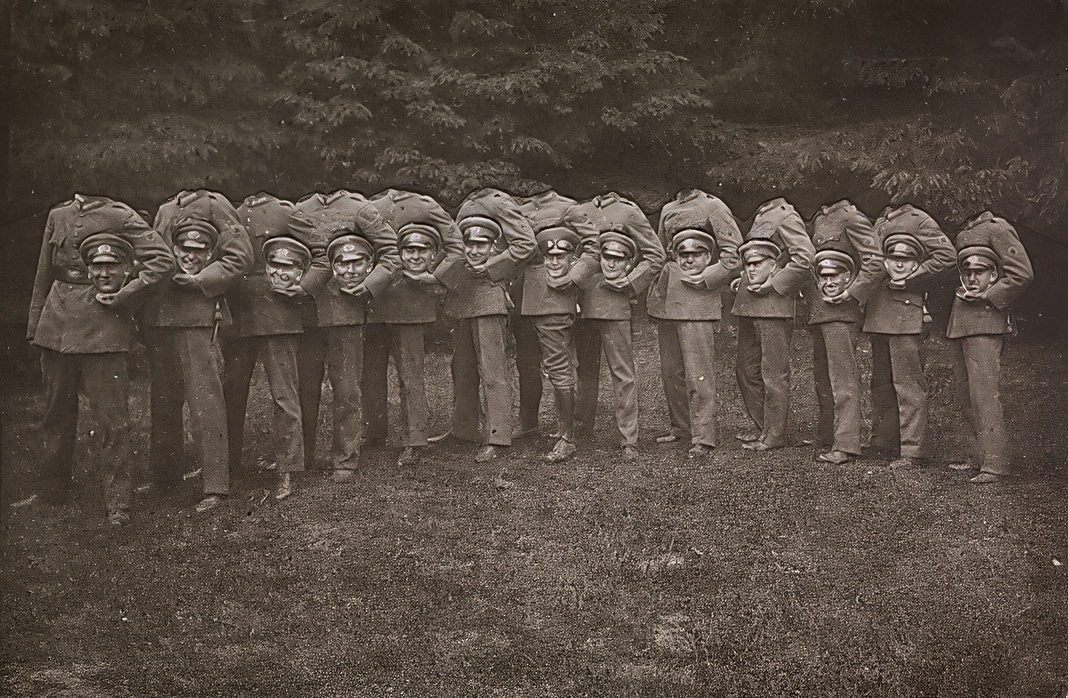
Unlike digital editing, these manual techniques offered no undo button. Every scratch on a negative, every brushstroke on a print, every cut-and-paste decision was permanent. These photographers blended technical knowledge with artistic vision to make cameras capture far more than just reality.