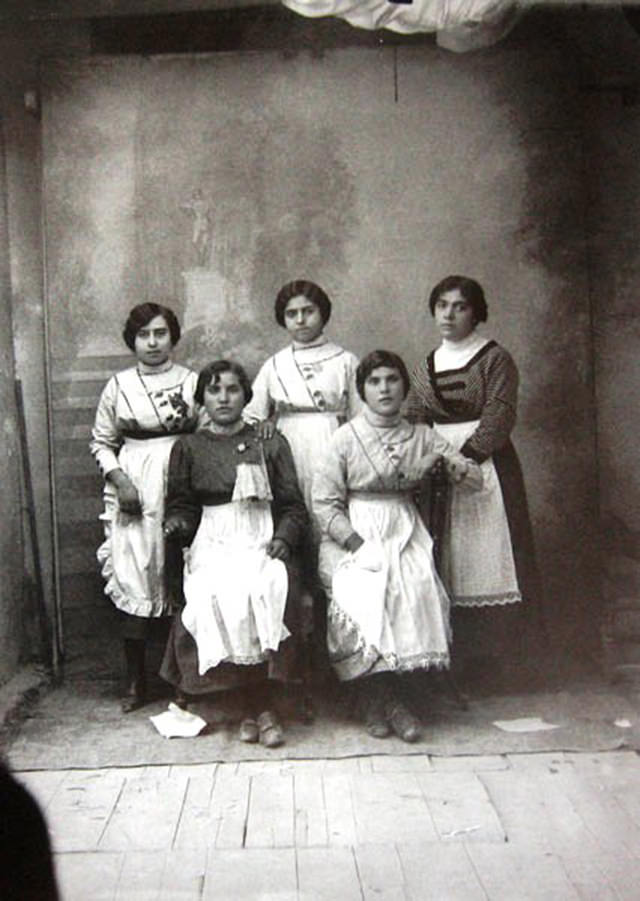
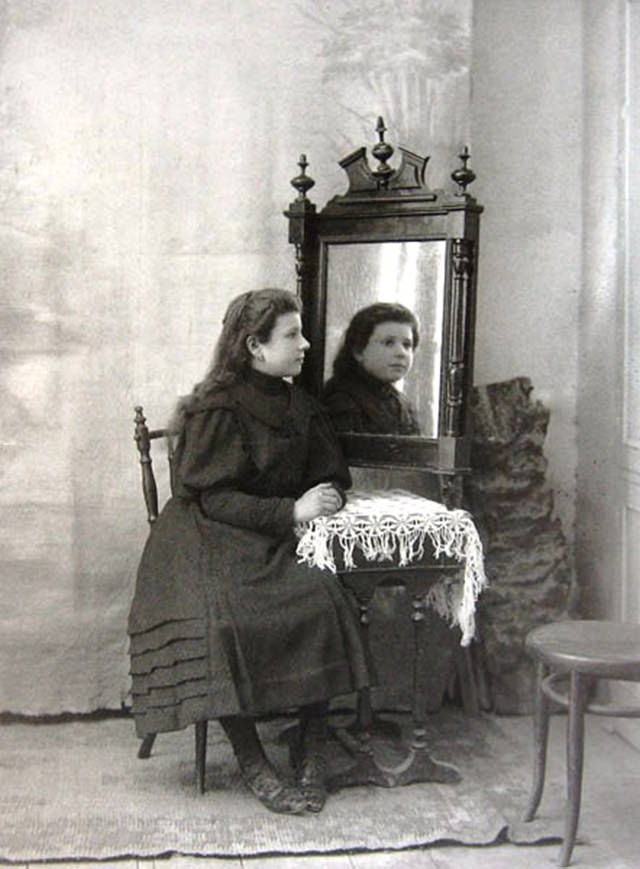
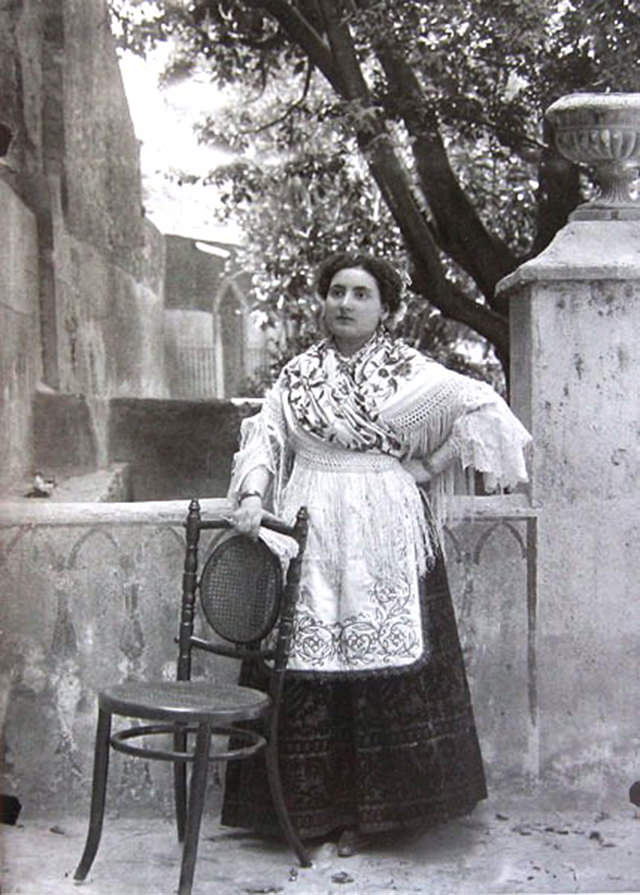
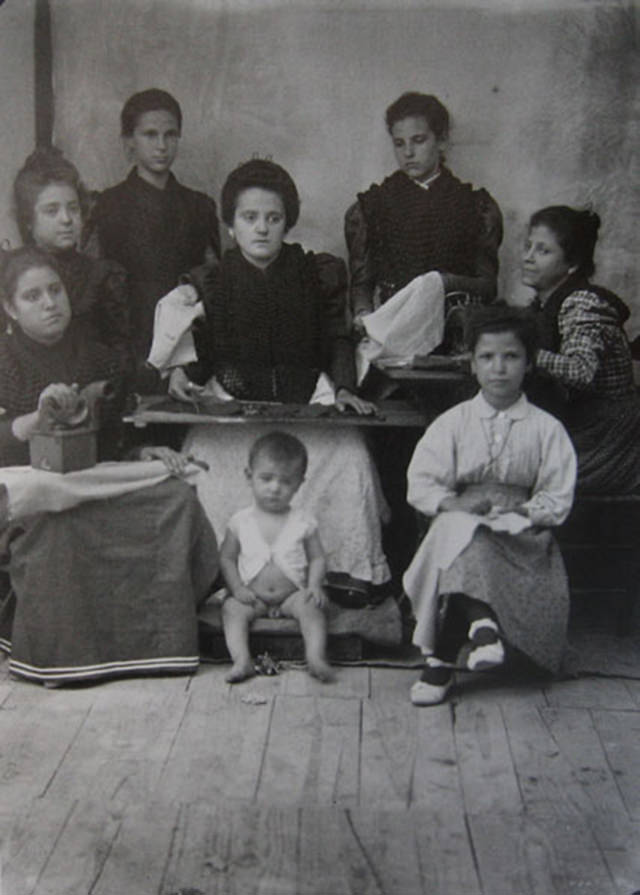
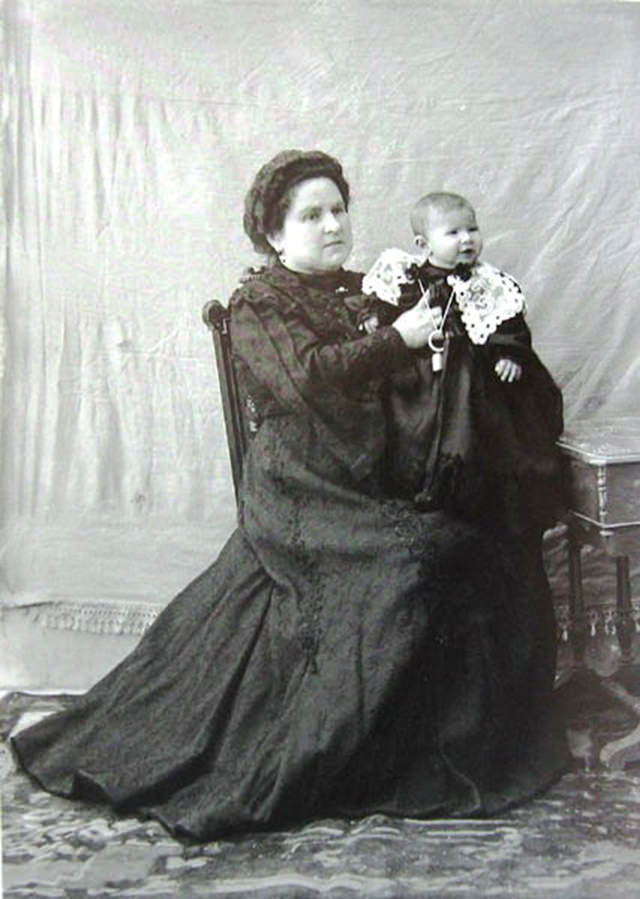
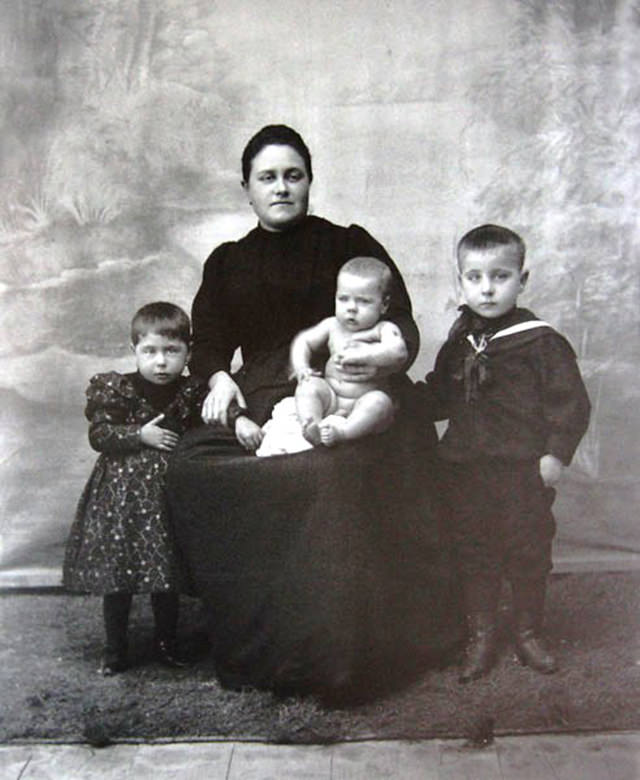
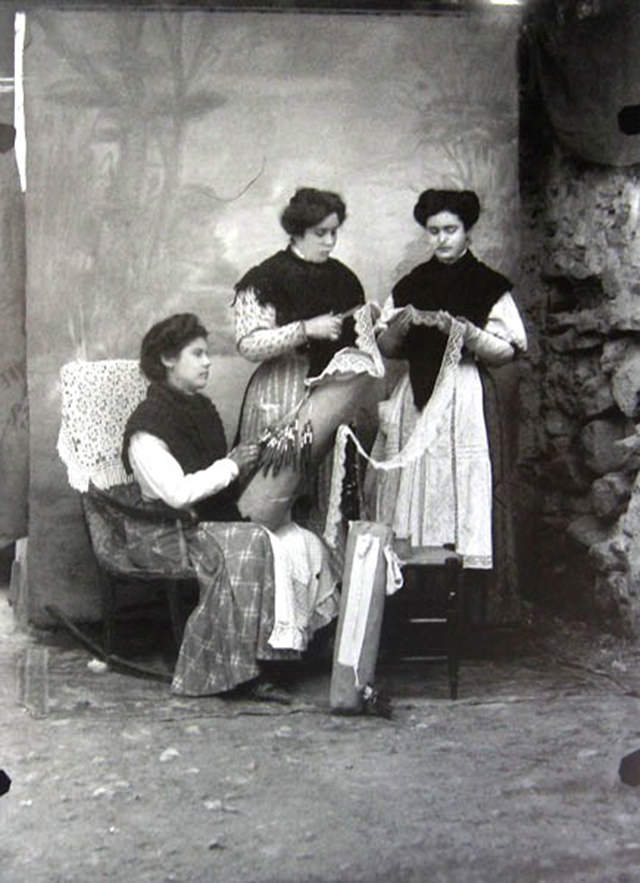
In 1890, a photographer named Fernando Navarro opened a studio in Totana, a small town in the Murcia region of southeastern Spain. Over the next two and a half decades, he built a remarkable record of the people who lived there — farmers, tradespeople, families, and children — all captured through careful portrait photography. His work ran from 1896 until 1916, when the studio finally closed as amateur photography became more widely available and affordable.
Navarro was not chasing fine-art clients or wealthy patrons. His focus was on everyday people. What he produced over those twenty years amounts to a detailed visual record of ordinary Spanish life at a time when the country was going through major social and economic shifts. Historians now treat his body of work as a form of social documentary — a ground-level view of a community that might otherwise have gone unrecorded.
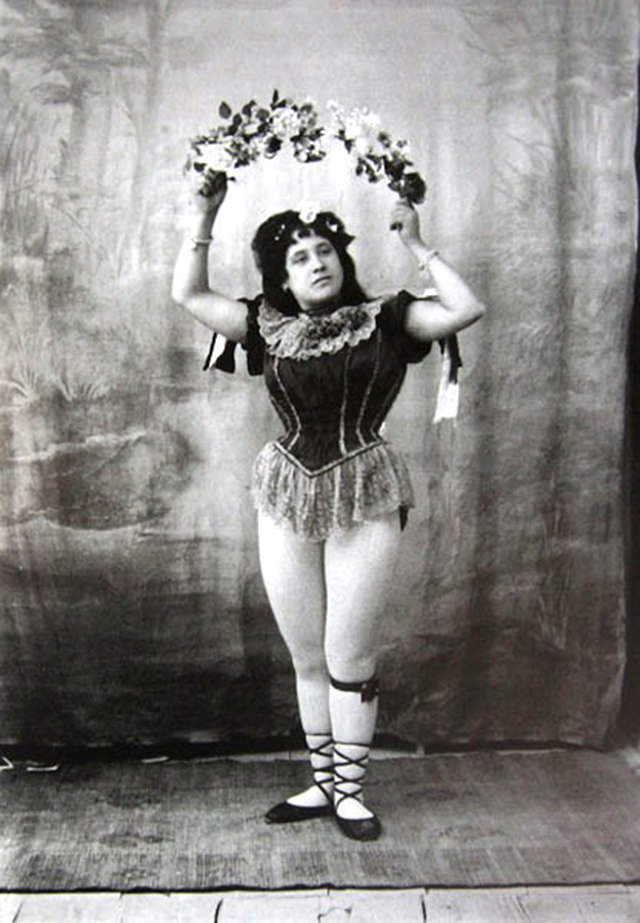
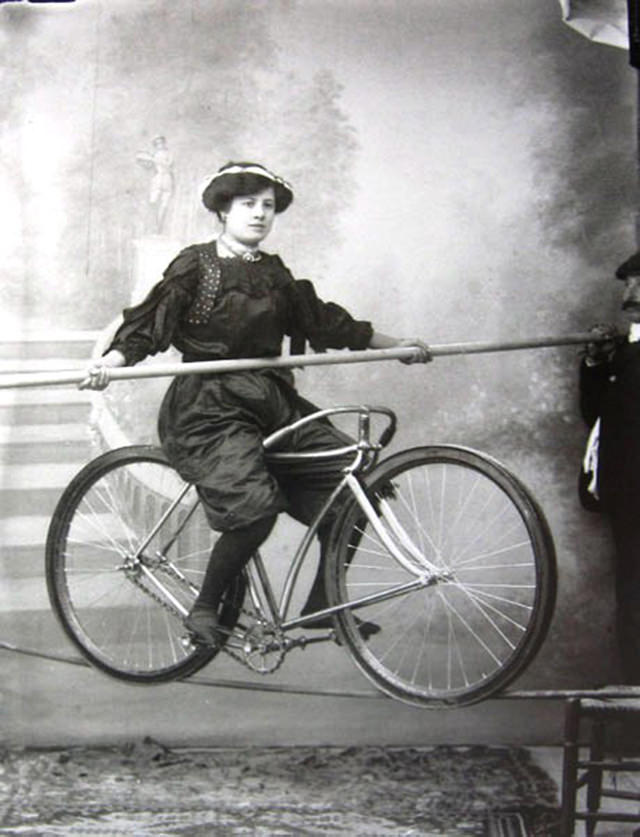
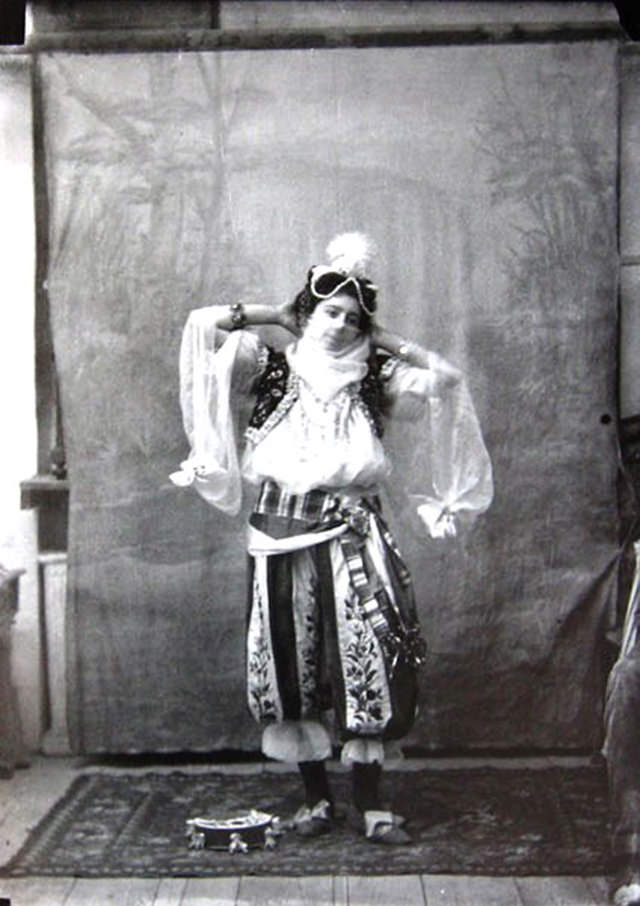
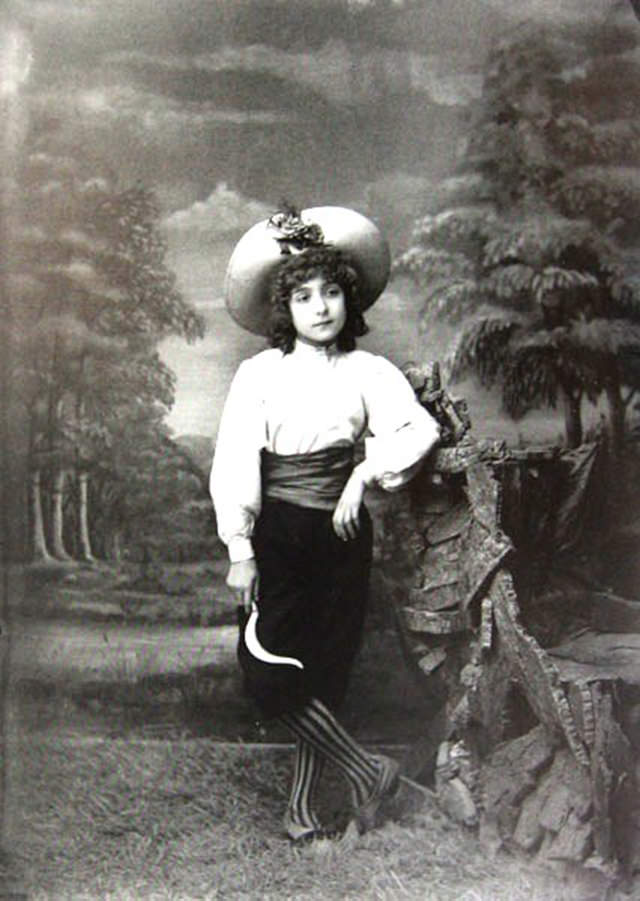
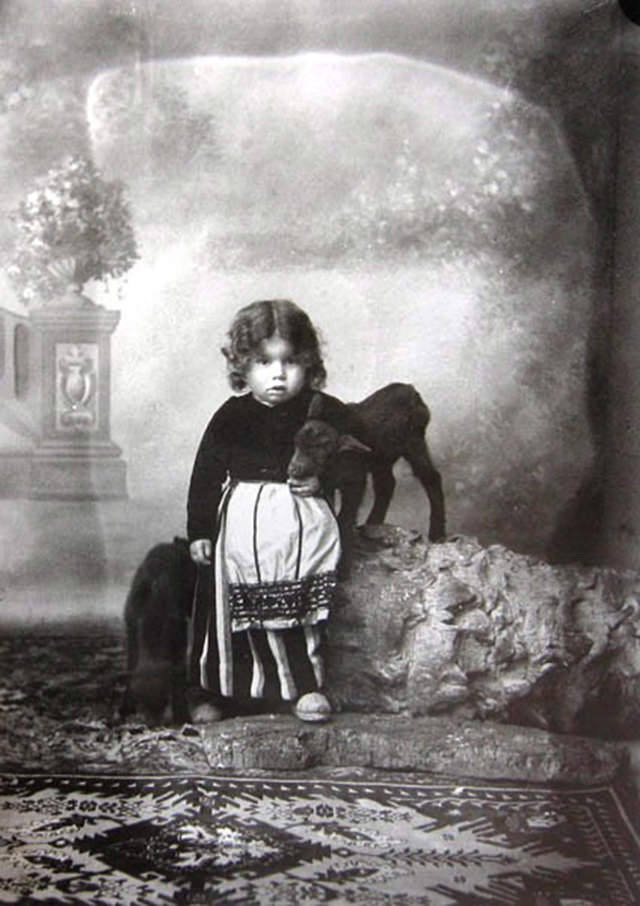
Portrait photography in this era required both patience and skill. Early photographic processes demanded that subjects hold still for several seconds while the exposure was made. Studios were carefully arranged with backdrops, props, and controlled lighting to make the most of the technology available. Despite these technical limits, Navarro managed to capture genuine expressions and personal details that bring each subject to life.
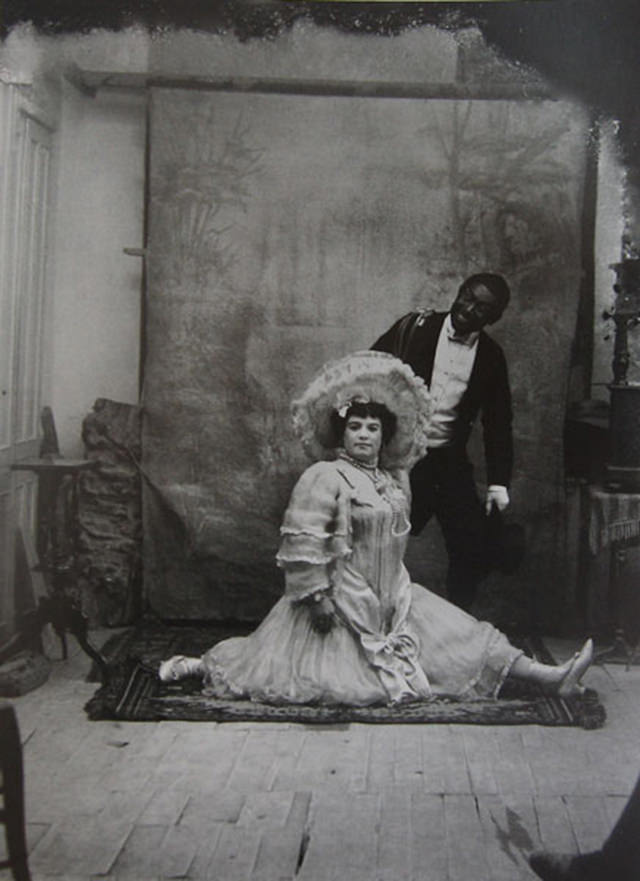
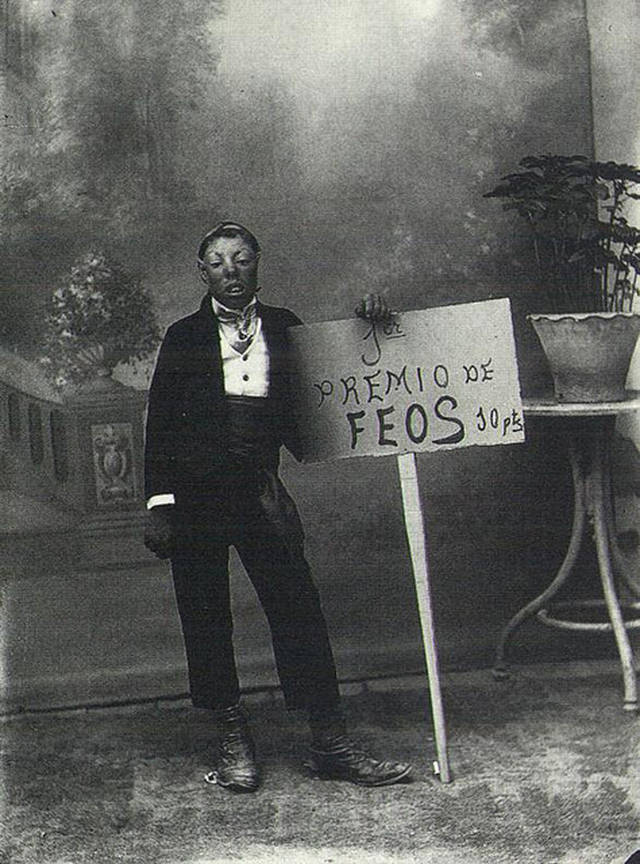
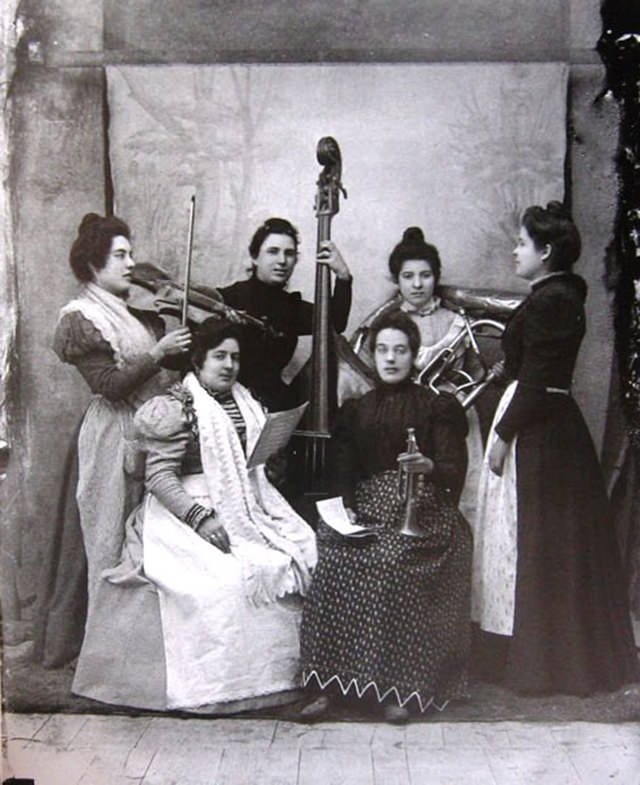
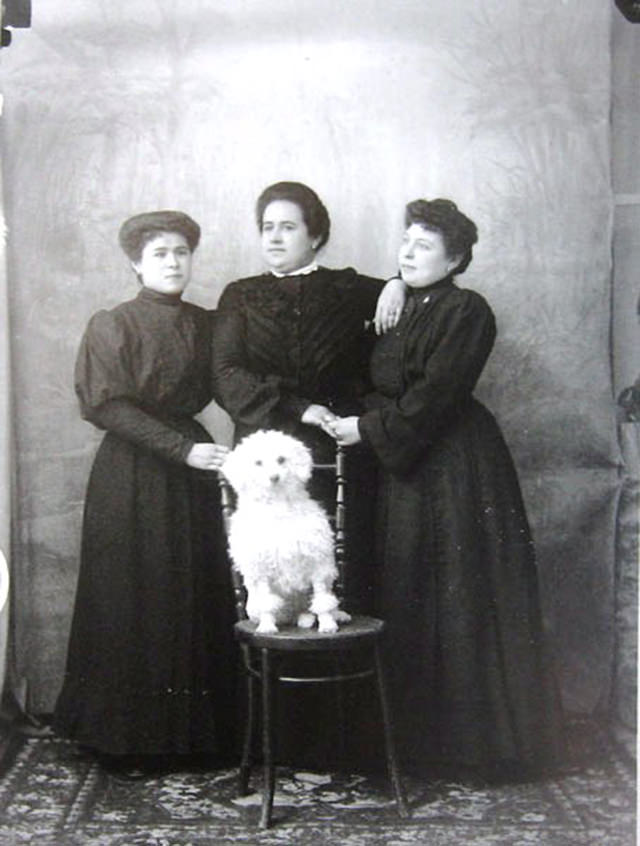
The clothing worn by Navarro’s subjects tells its own story. Some sitters arrived in formal dress — stiff collars, dark coats, and carefully arranged hair — suggesting these portraits were taken for special occasions like weddings, baptisms, or military departures. Others appear in working clothes, giving a more direct look at daily life in a Spanish market town of that period.
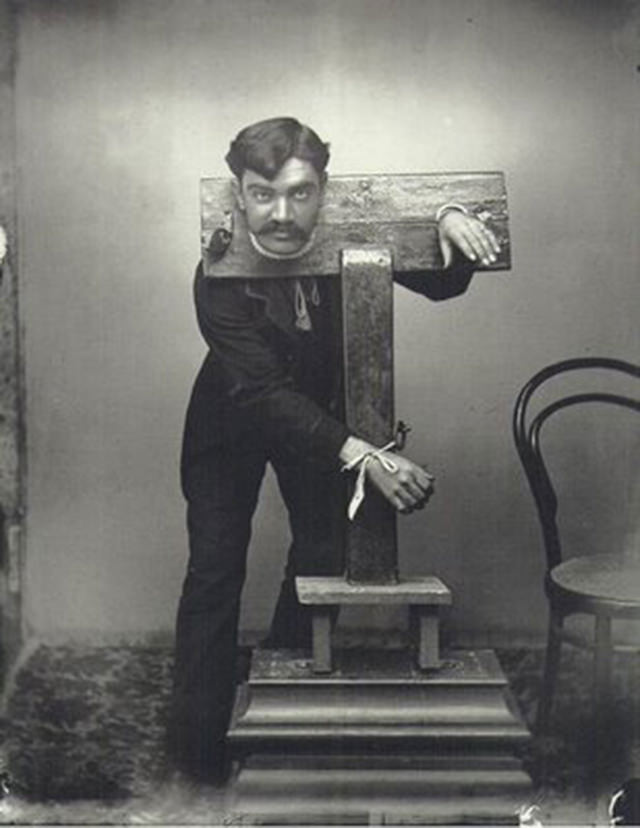
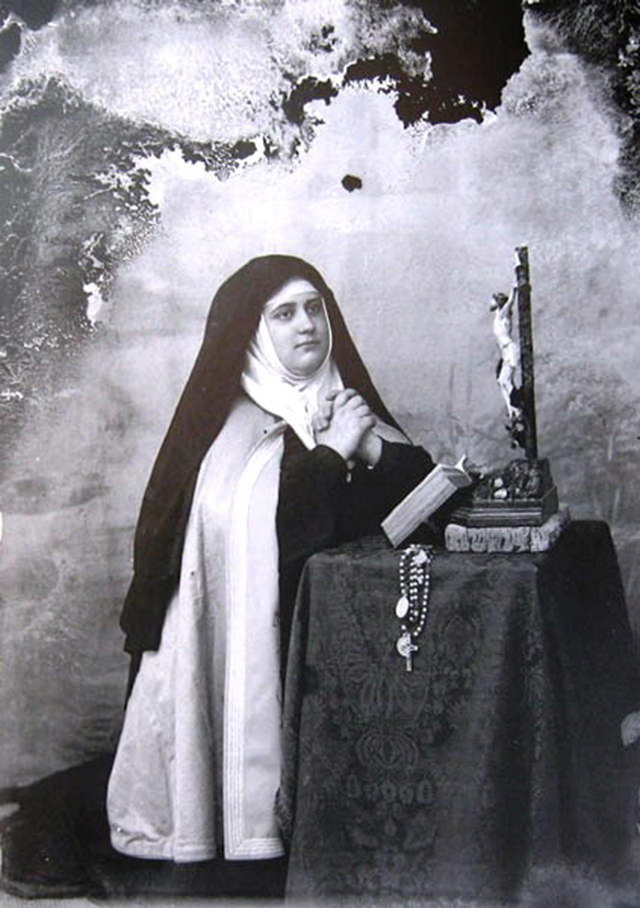
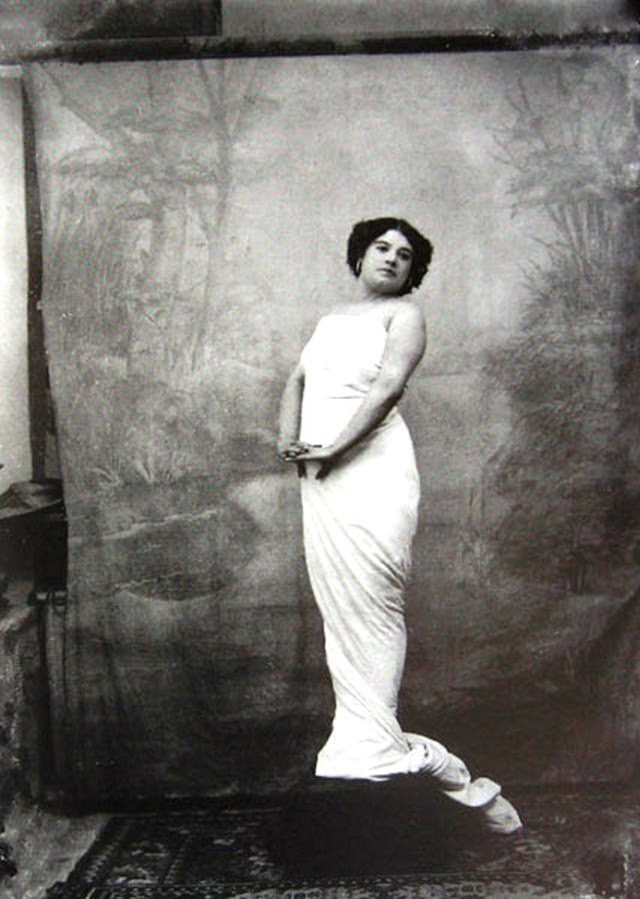
Totana in the late 19th century was a working town. Its economy depended heavily on agriculture, pottery, and local trade. The faces Navarro photographed reflect that reality — men and women shaped by physical labor and outdoor life, photographed with a straightforwardness that formal portrait studios in larger cities rarely bothered with.
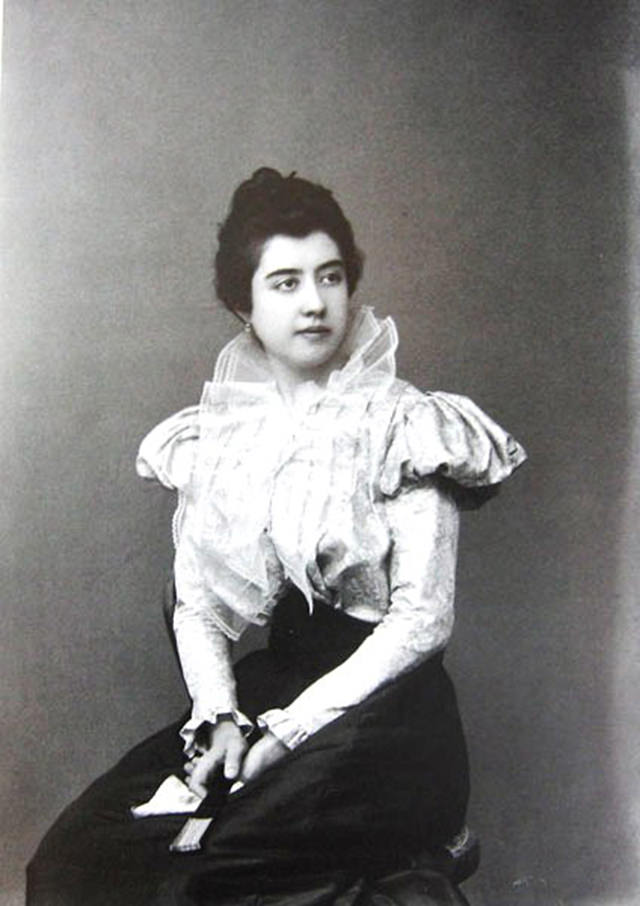
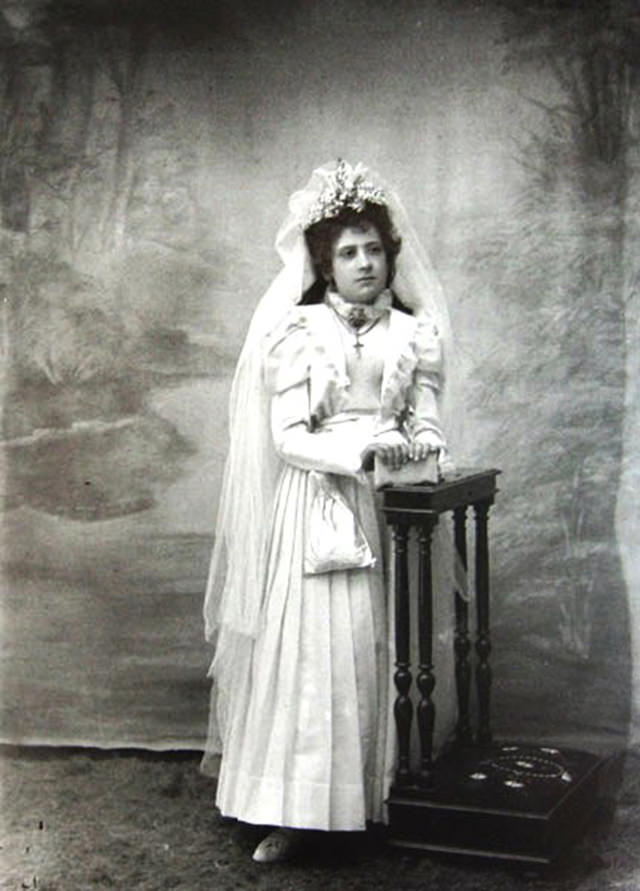
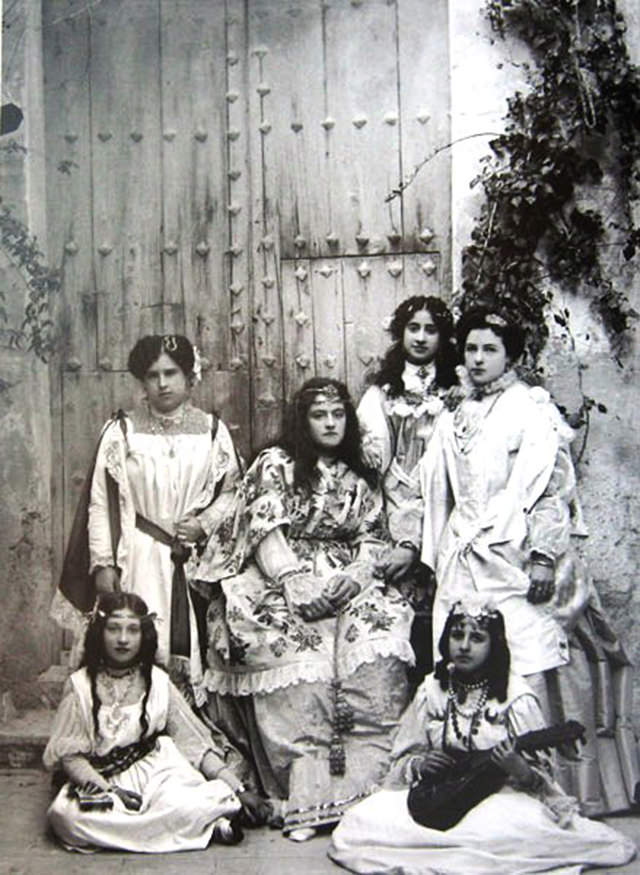
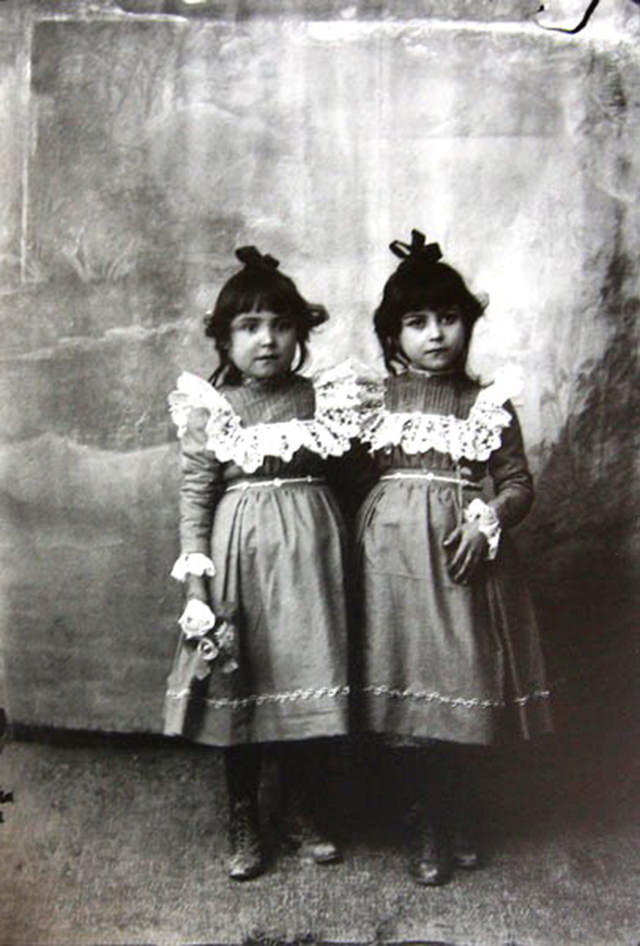
Children appear in many of the portraits. Some are photographed alone, dressed in their finest clothes and posed with toys or chairs as props. Others sit alongside parents or siblings. These family portraits were often the only professional photographs a household would ever own, making each image a significant keepsake.
Navarro’s studio operated during a period when Spain was dealing with the aftermath of the Spanish-American War of 1898, which cost the country its last major overseas colonies. That political upheaval filtered down into everyday life in towns like Totana. Some of the men photographed by Navarro during those years were soldiers or recent veterans, their uniforms and postures marking them as part of that turbulent moment in Spanish history.
By the early 1900s, camera technology was improving rapidly and becoming cheaper. Kodak and similar companies began selling simple cameras directly to consumers, allowing ordinary people to take their own photographs for the first time. This shift in the market cut deeply into the business of small portrait studios like Navarro’s. By 1916, the studio could no longer compete and closed its doors for good.
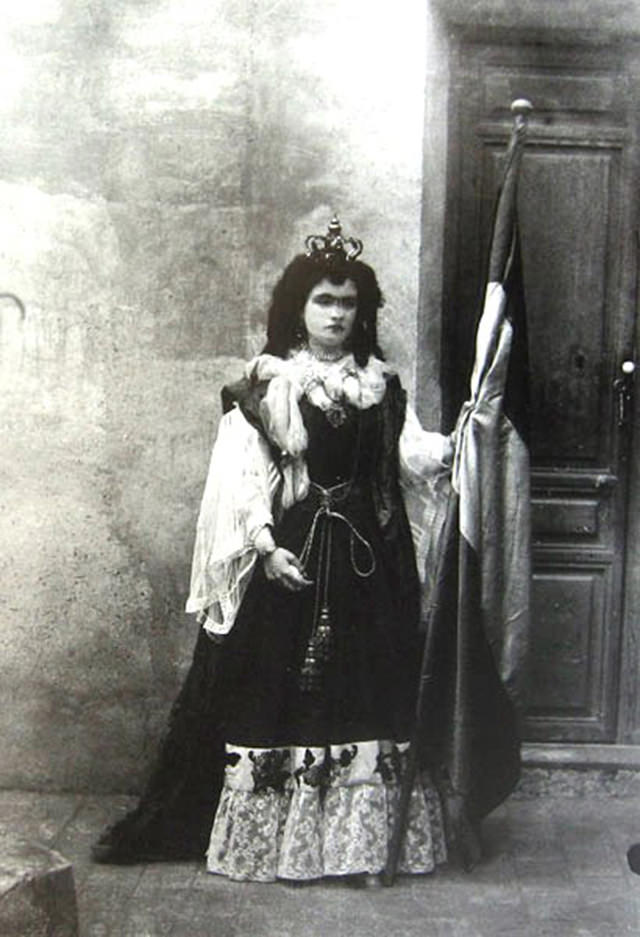
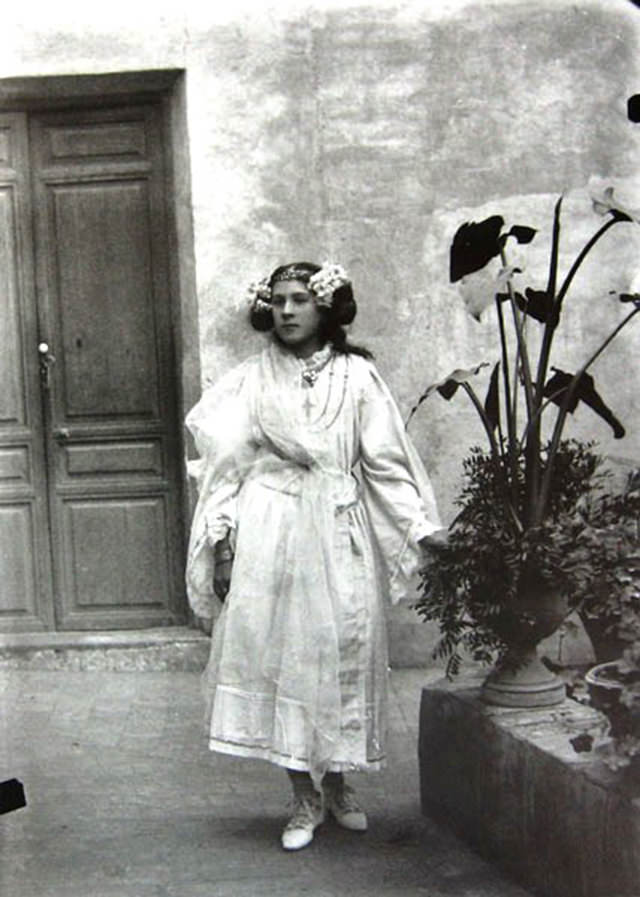
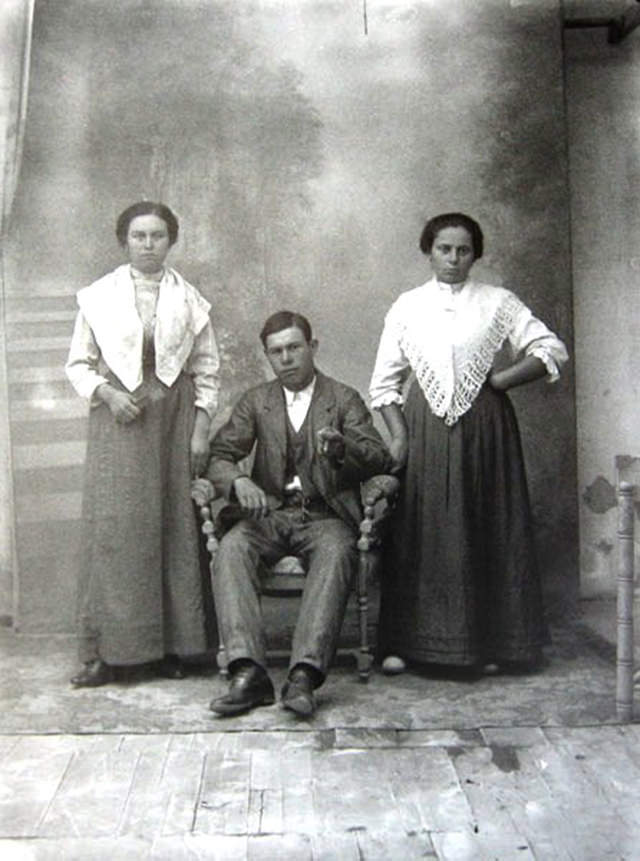
What Navarro left behind is a collection of portraits spanning two full decades of life in one Spanish town. The photographs document how people dressed, how they presented themselves, and how they wanted to be remembered. That combination of personal intention and historical context makes each image worth examining closely.