Alfred Stieglitz was born in 1864 to German Jewish immigrants who had settled in the United States. He grew up to become one of the most important figures in the history of photography — the man most responsible for establishing the camera as a legitimate tool for fine art. His work bridged the raw, documentary power of a photograph with the visual ideas flowing out of avant-garde European art movements he closely followed and actively championed in America.
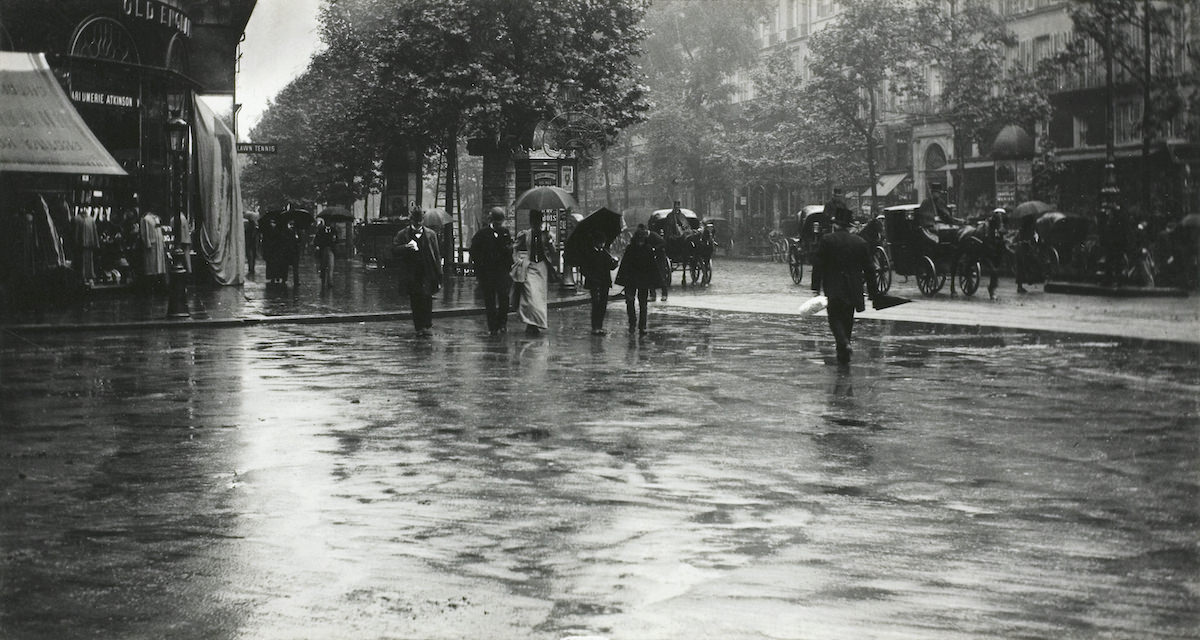
His early work took him across Europe, where he trained his lens on everyday street life. A rainy Paris boulevard or a Venetian canal became compositions as carefully considered as any painting.
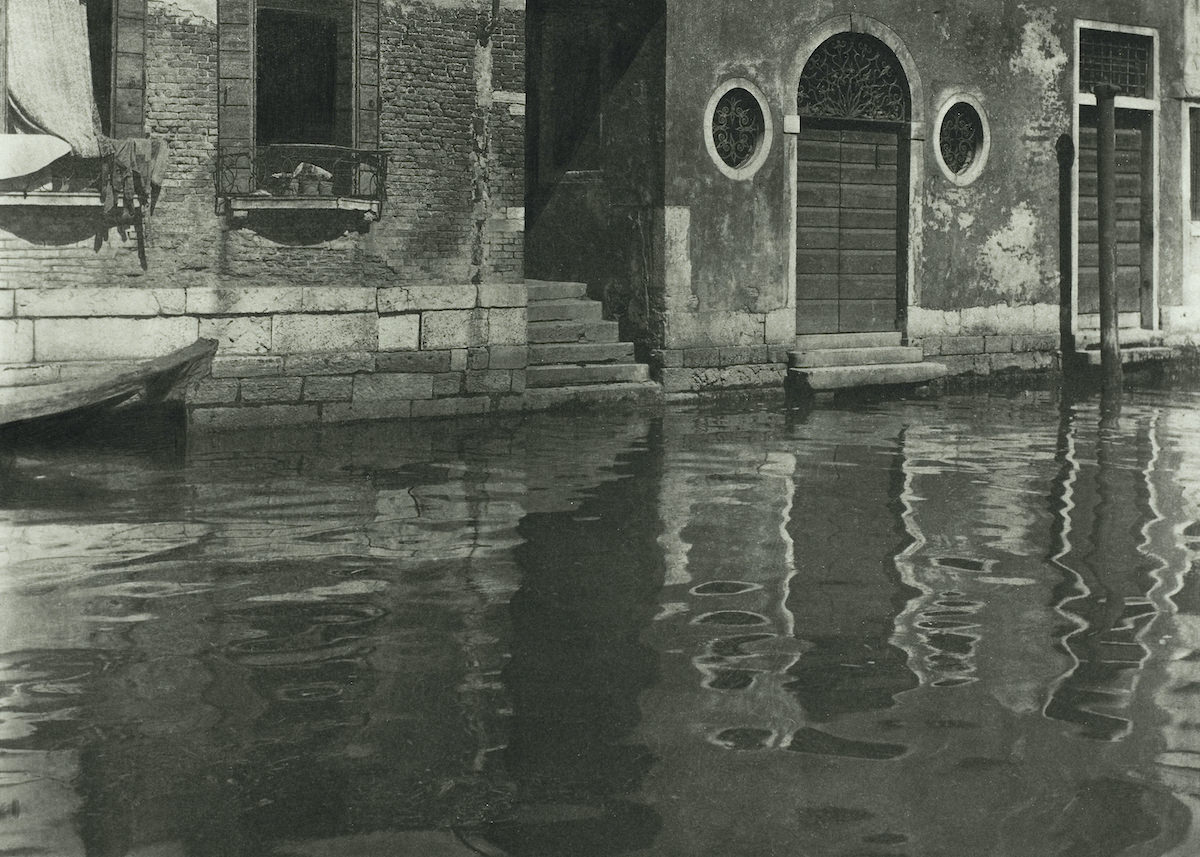
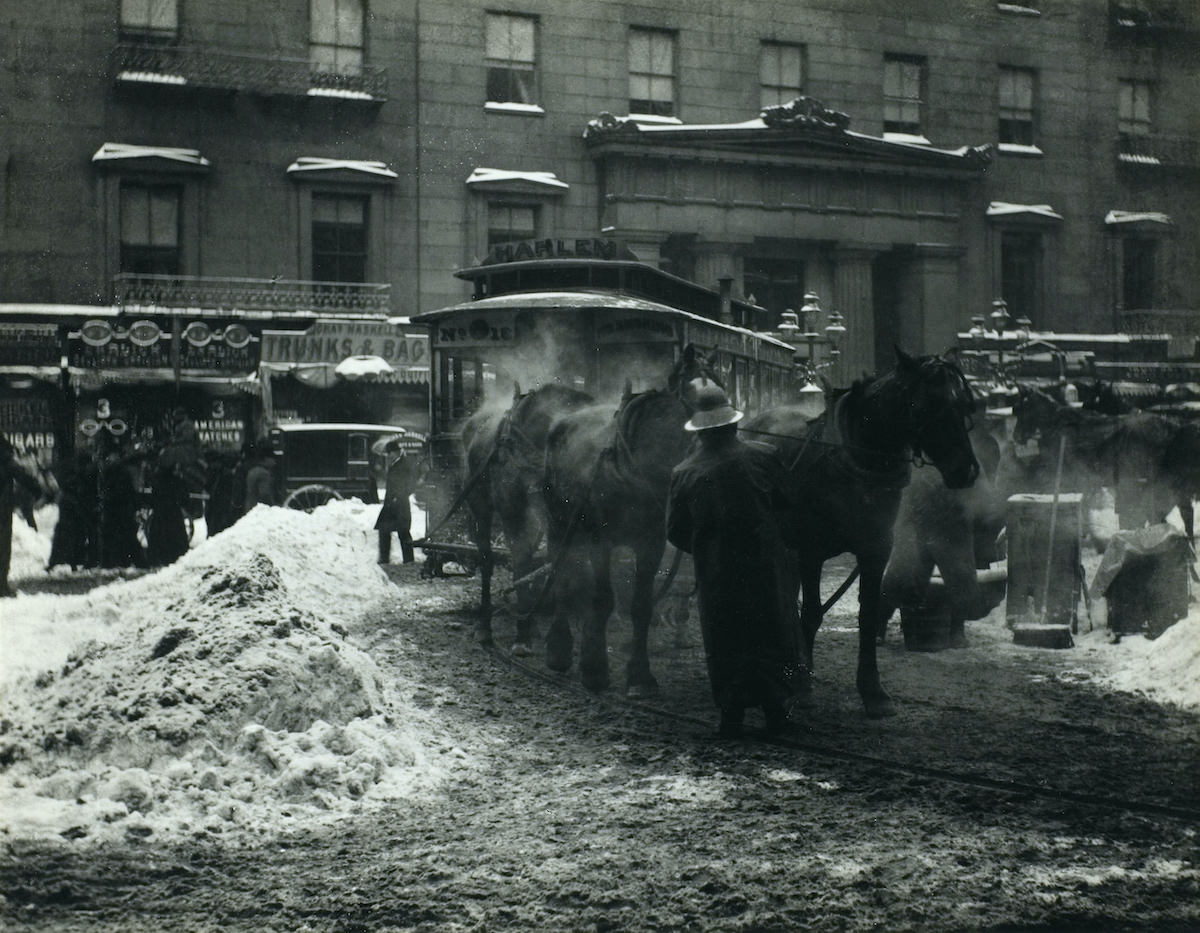
Back in New York, Stieglitz turned his attention to the city itself. The 1890s and early 1900s were a period of explosive urban growth, and Stieglitz documented it unflinchingly. He photographed horse-drawn streetcars at a steaming terminal in 1893, capturing the gritty, working energy of the city at a time when most photographers avoided such unglamorous subjects.
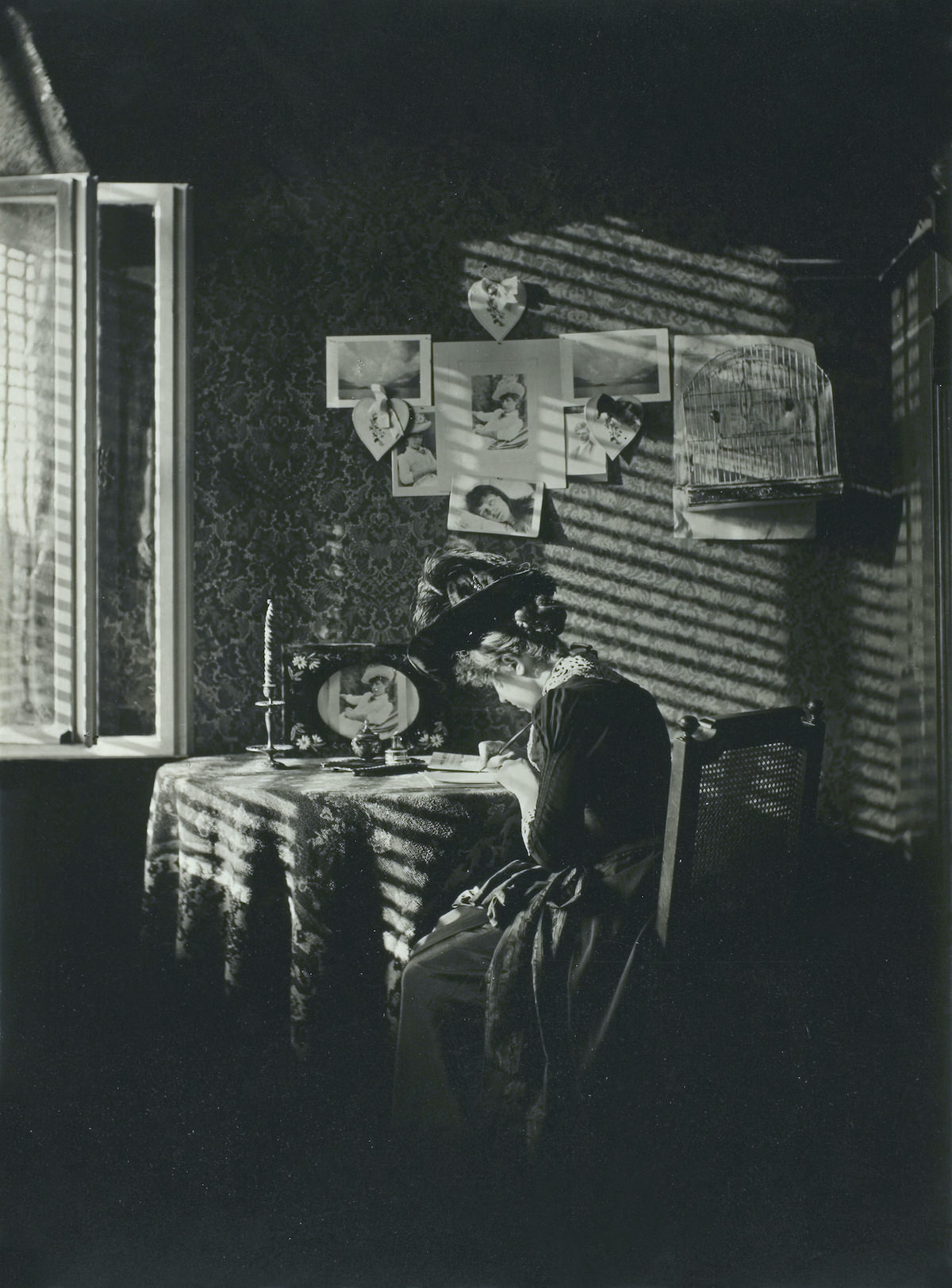
One of the earliest and most striking images of Berlin also dates to this period. Shot in 1889, it captures a young woman named Paula sitting near a window, bathed in sharp rays of sunlight — a study in light and shadow that shows Stieglitz already thinking like a painter.
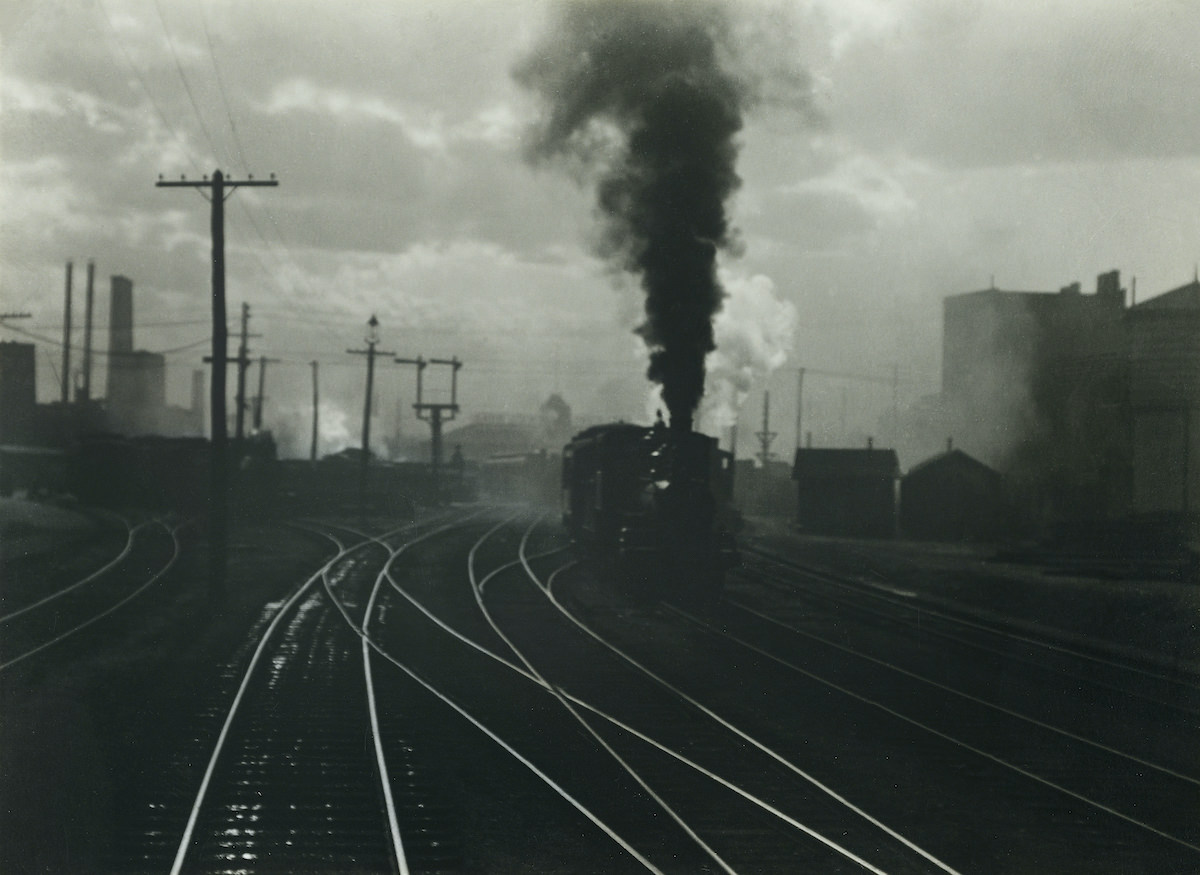
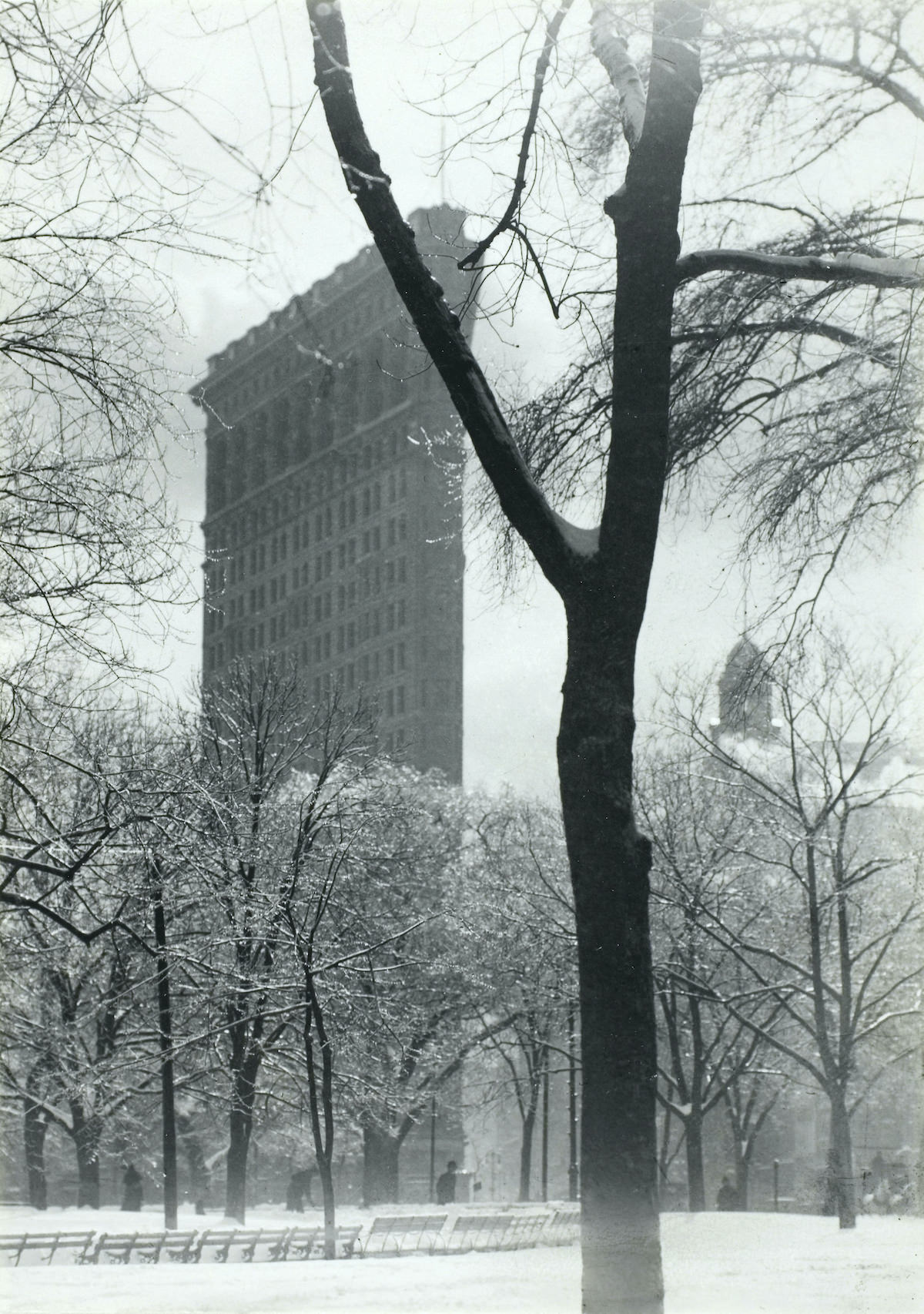
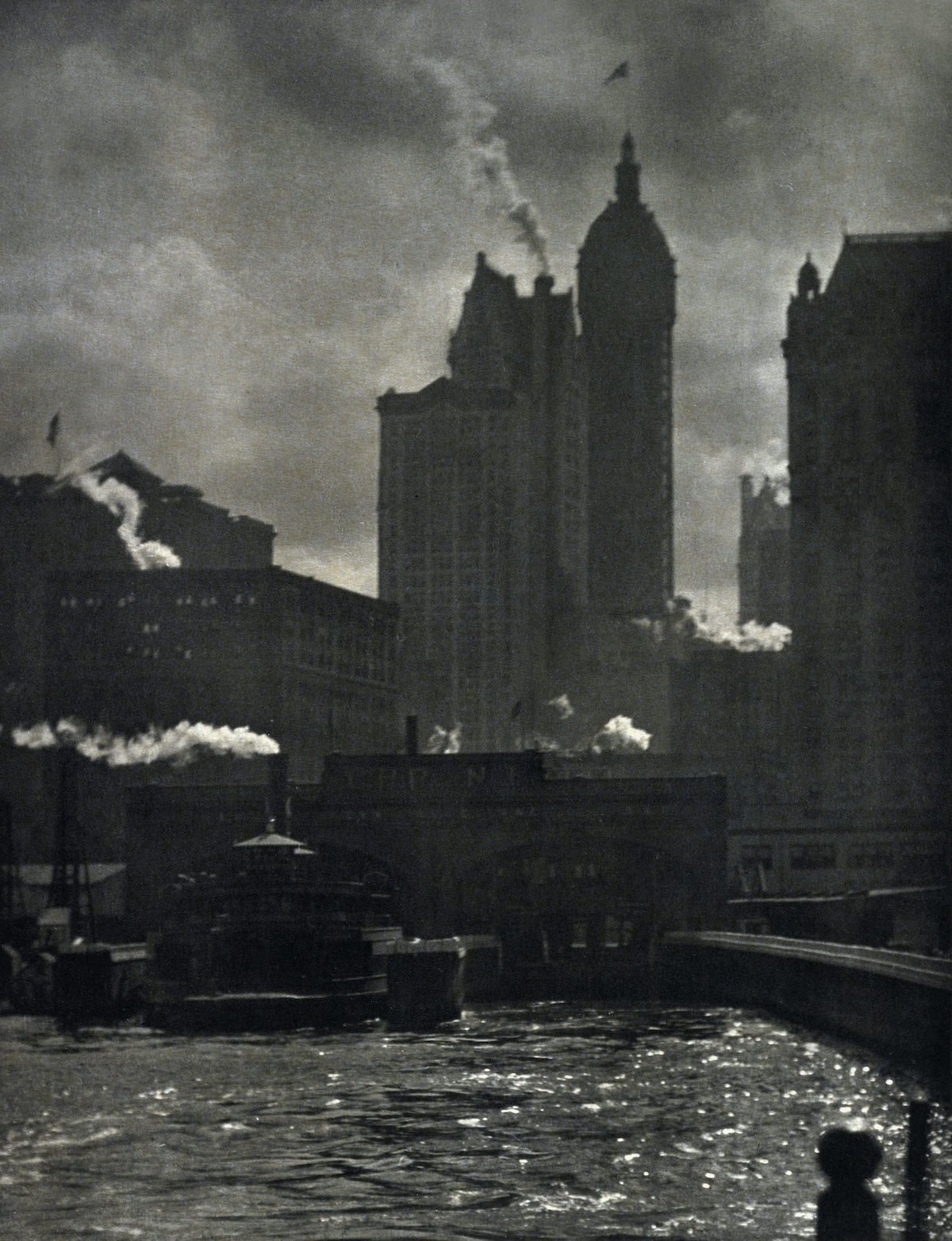
By the early 1900s, New York’s skyline was rising fast. Stieglitz photographed its ambition directly — smoke-belching locomotives, towering new buildings, and the famous Flatiron Building emerging from a winter haze in 1903.
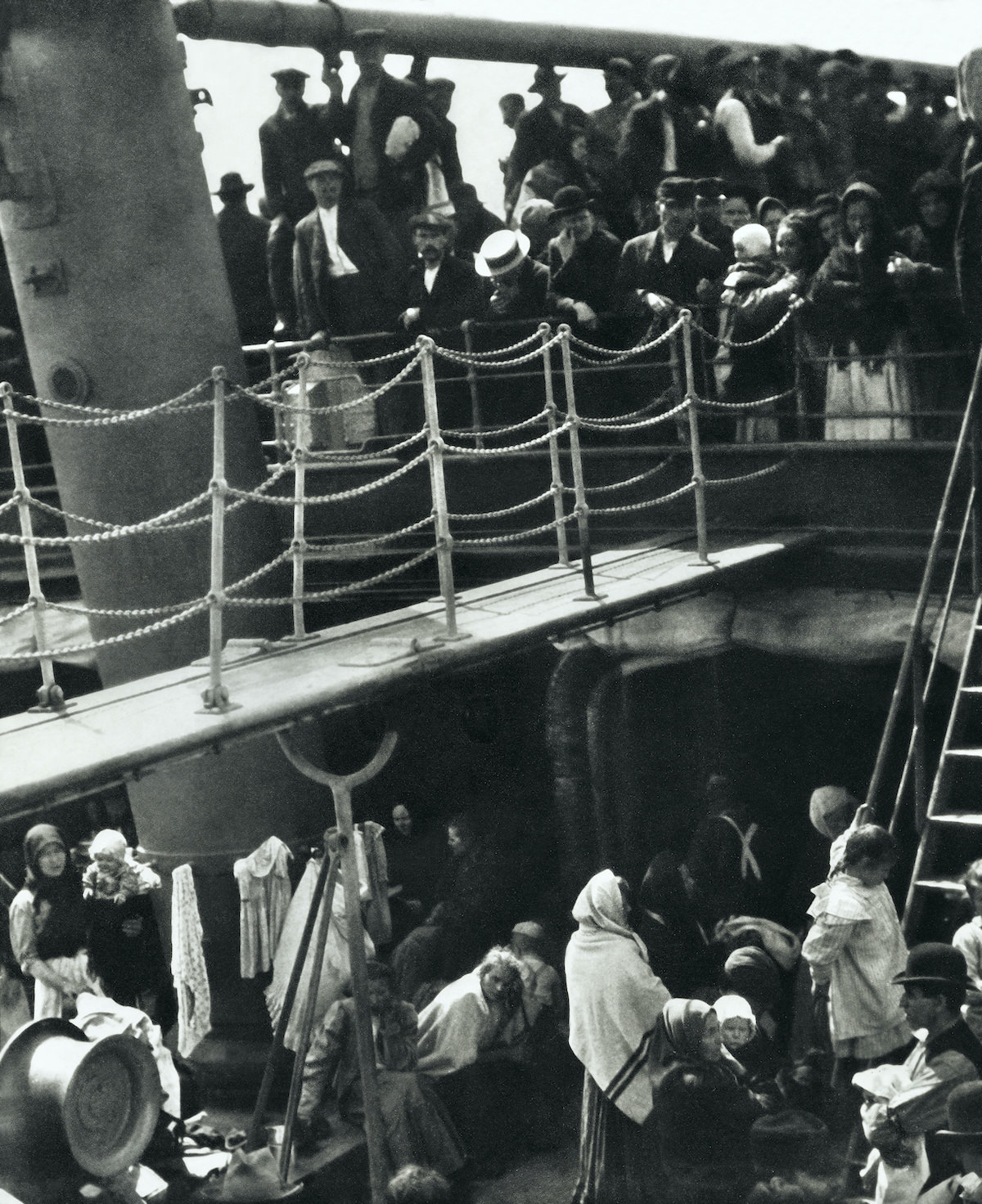
The new machines of the modern age also caught his eye. In 1907, aboard an ocean liner crossing to Europe, Stieglitz took what many consider his single greatest photograph. On the lower deck, packed together in the steerage section, were poor immigrants being sent back to Europe. The image is raw and geometric — a gangway, a round pipe, a crowd of people — and it became a defining document of its era.
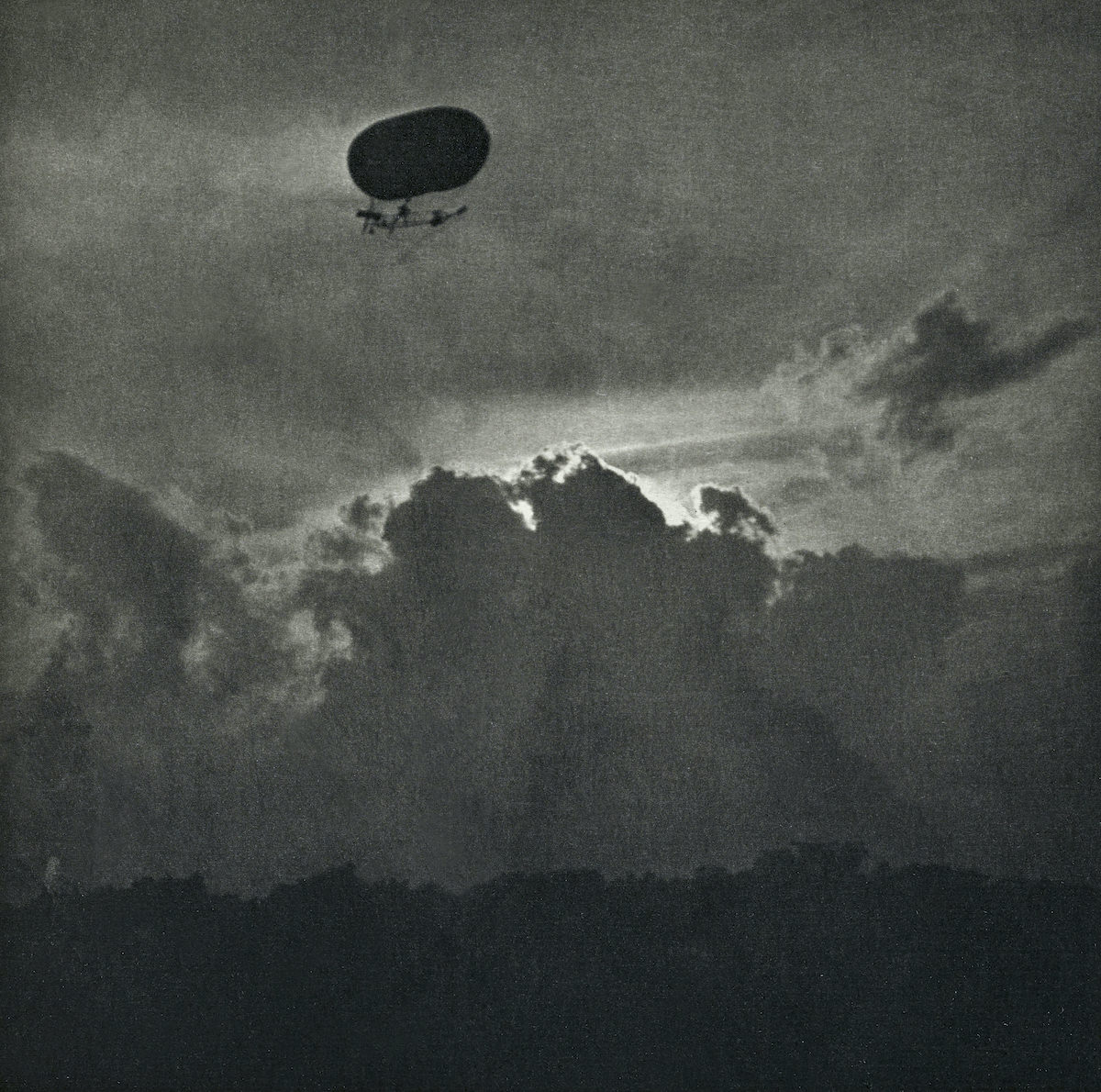
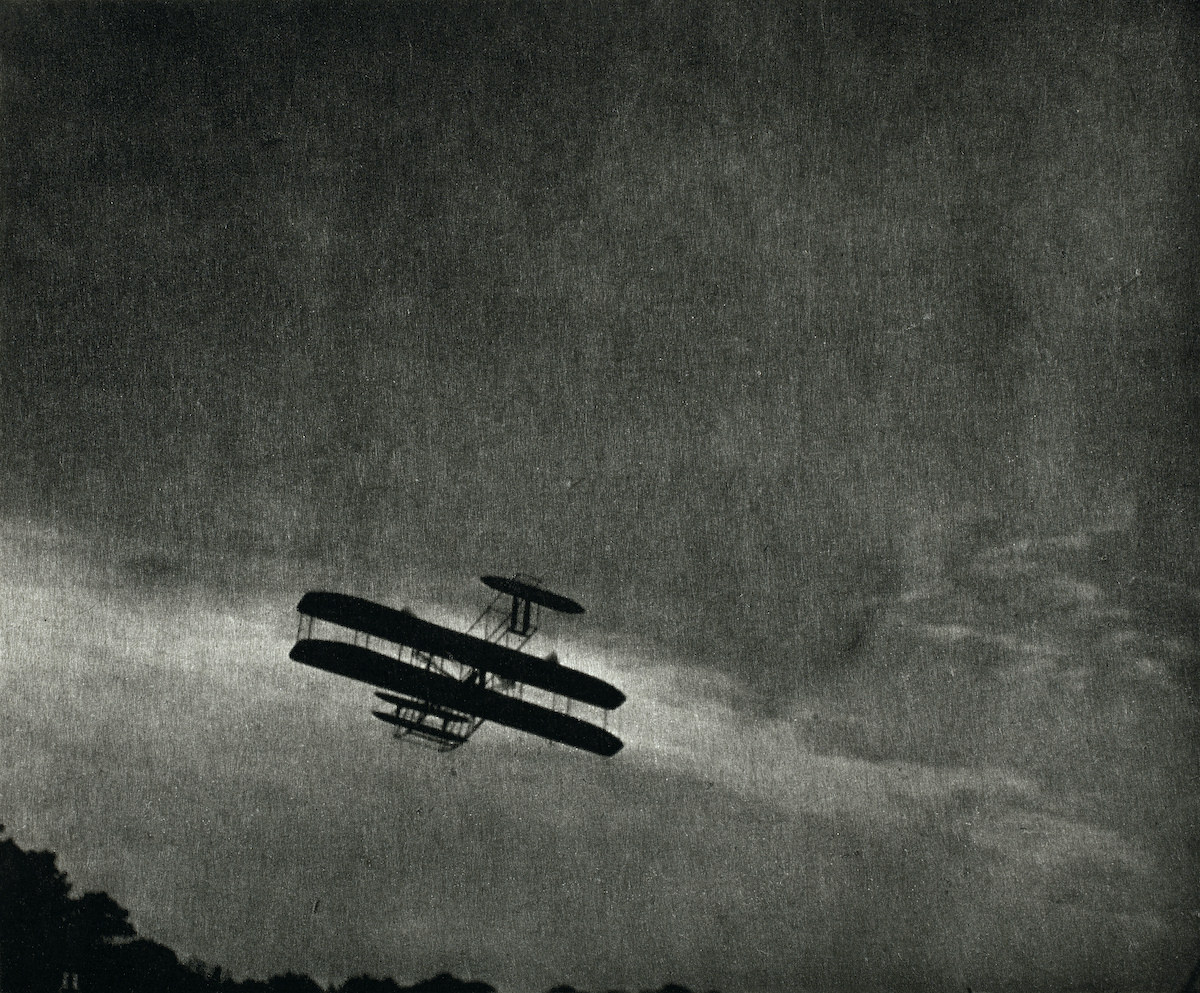
Aircraft were another subject. Stieglitz photographed both a dirigible and an airplane in 1910 and 1911, treating these brand-new machines with the same compositional seriousness he gave to clouds and city streets.
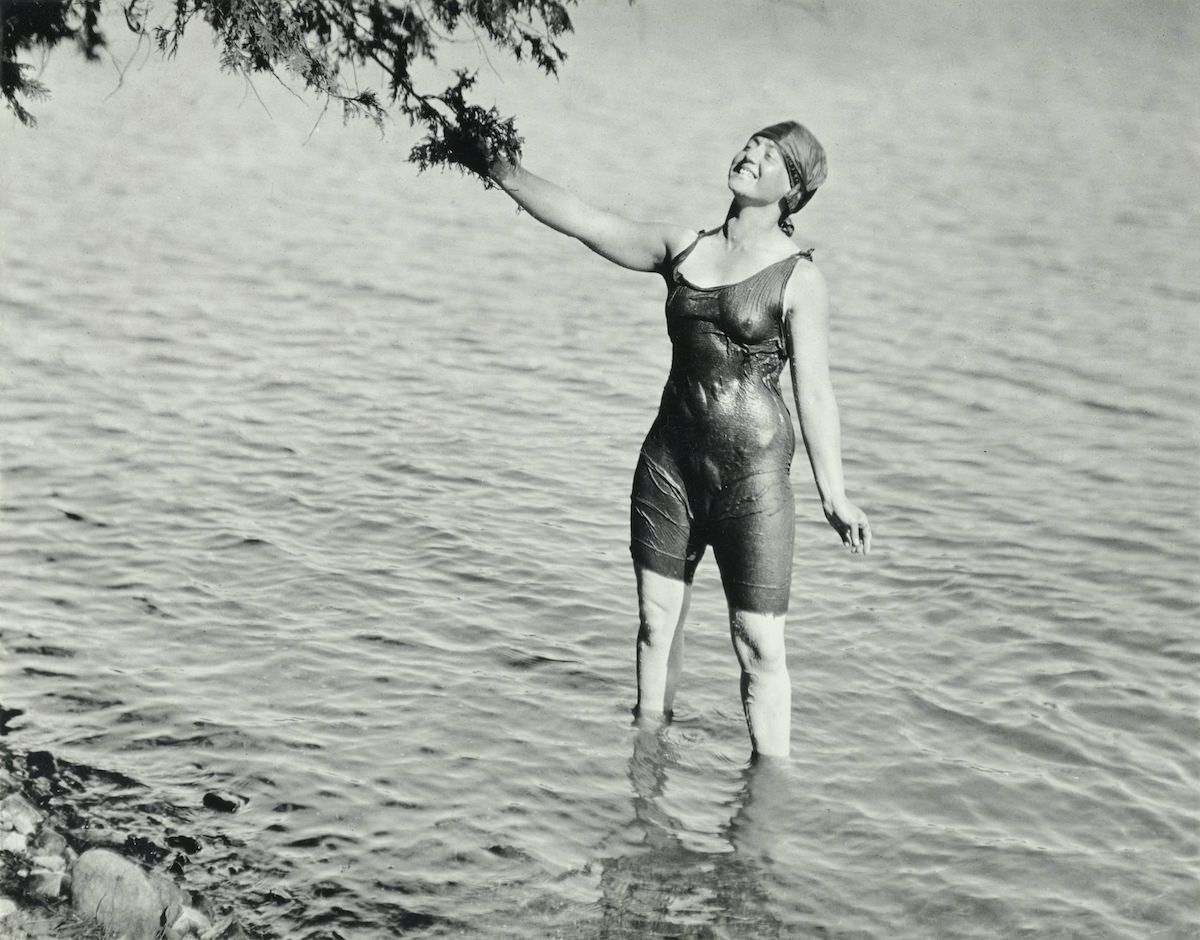
Stieglitz also photographed the people around him with great intimacy. He made portraits of women including Dorothy True in 1919 and Dorothy Norman in 1930, each image revealing something personal about its subject. His portrait work was never purely formal — it always carried an emotional weight.
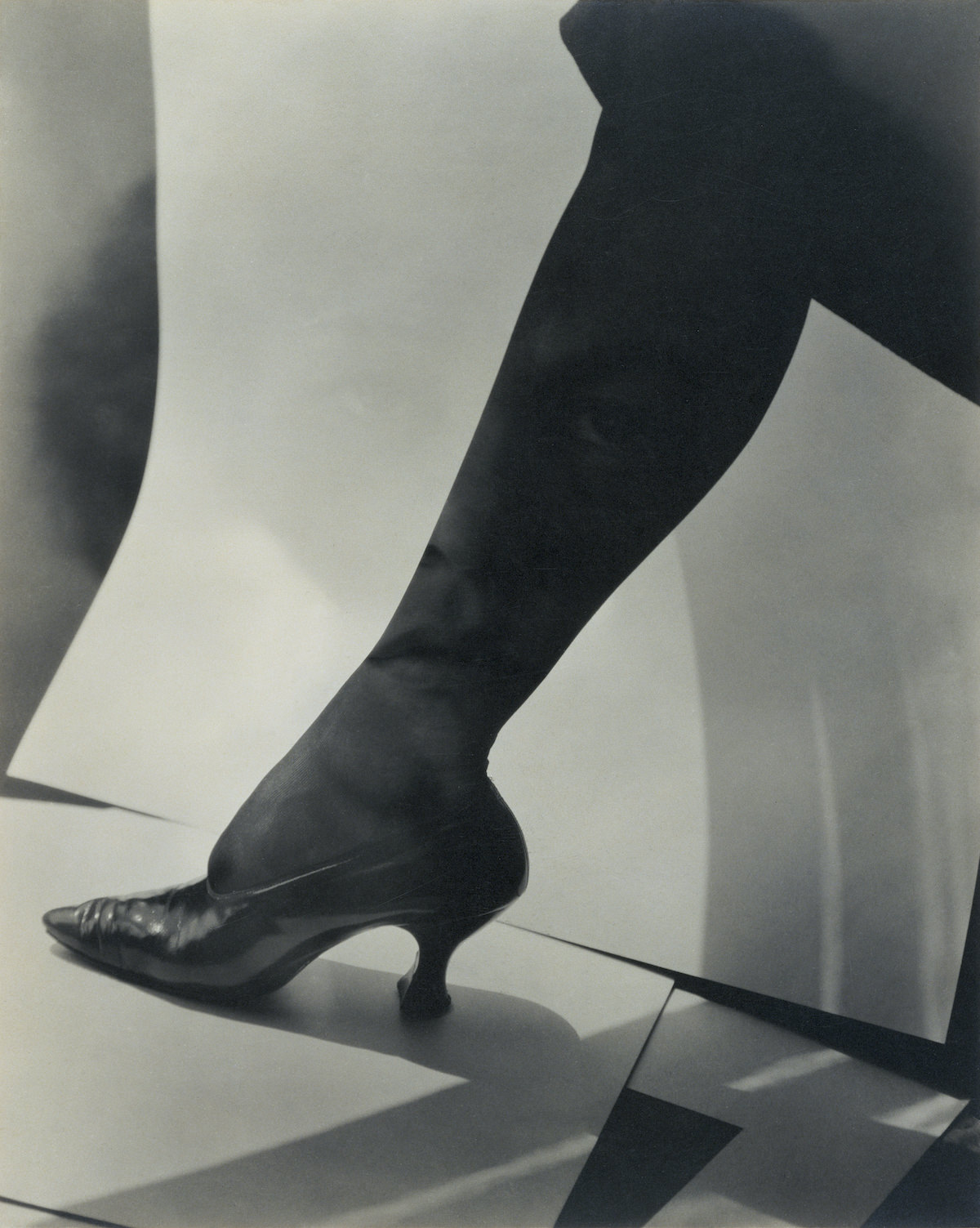
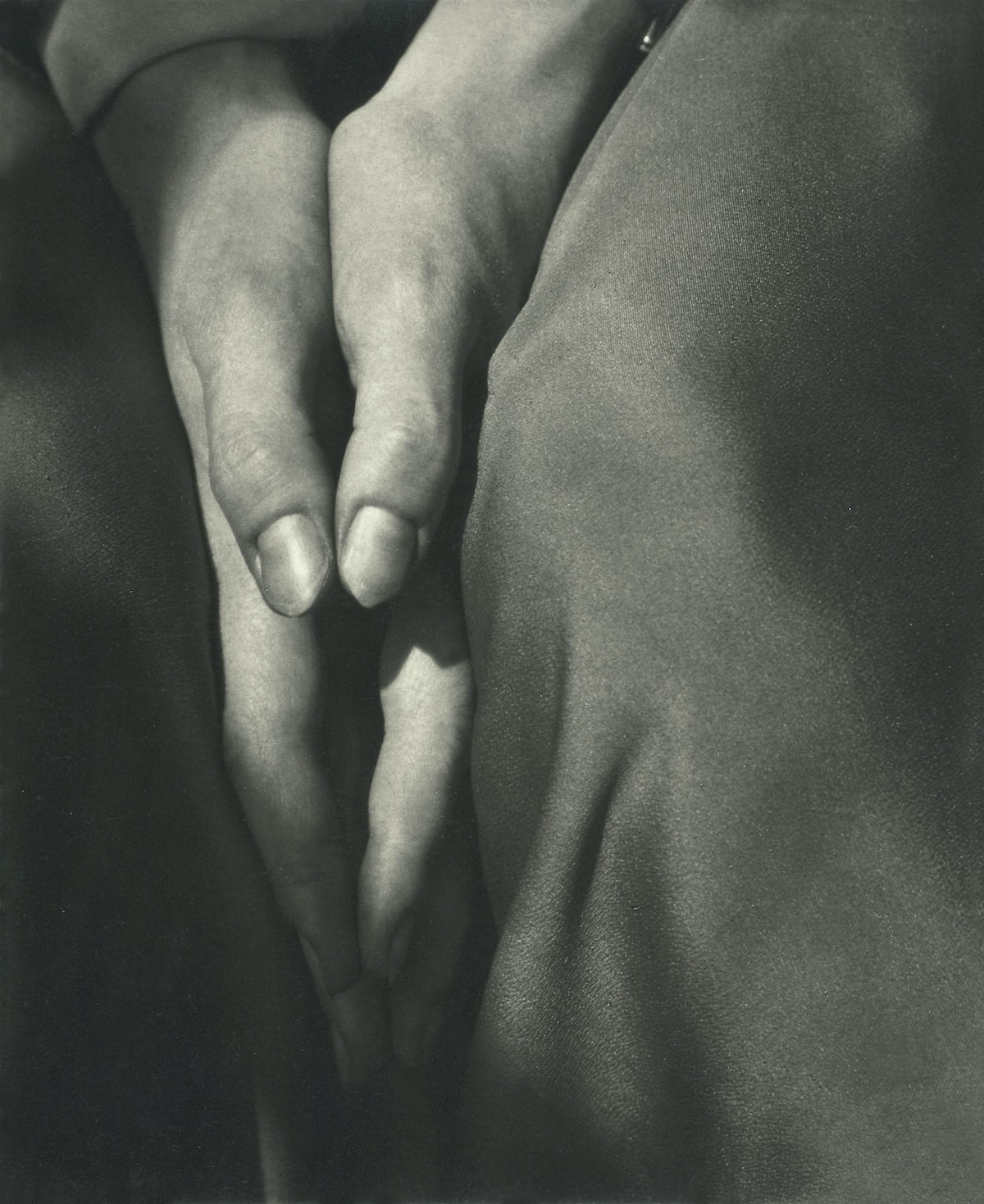
No subject received more of Stieglitz’s attention than Georgia O’Keeffe, the painter he married. She was known for her magnified flower paintings, animal skulls, and New Mexico desert landscapes. Between the time they met and his retirement from photography in 1937, Stieglitz made more than 350 portraits of her. The series ranged from close studies of her hands and neck to full portraits taken years apart.
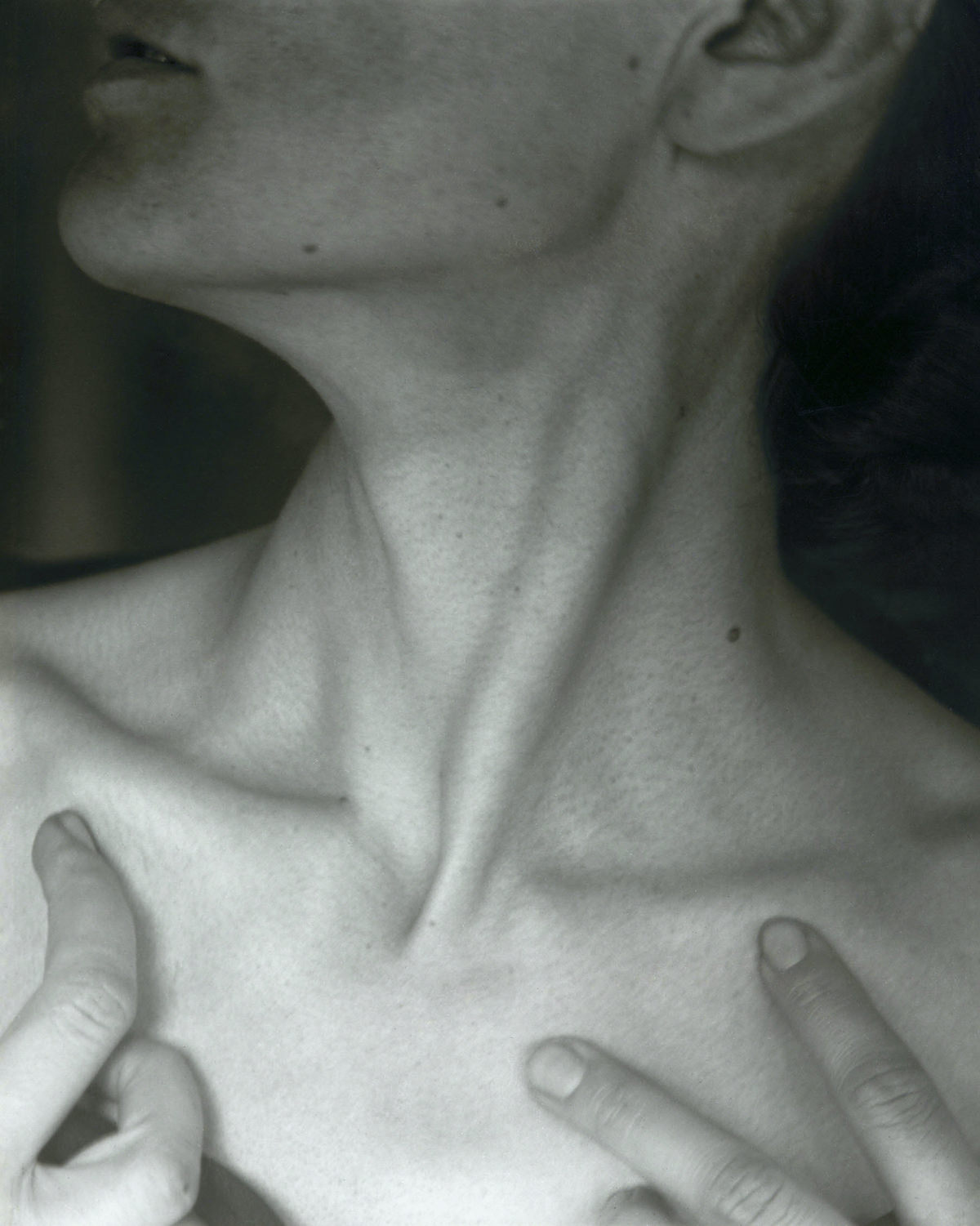
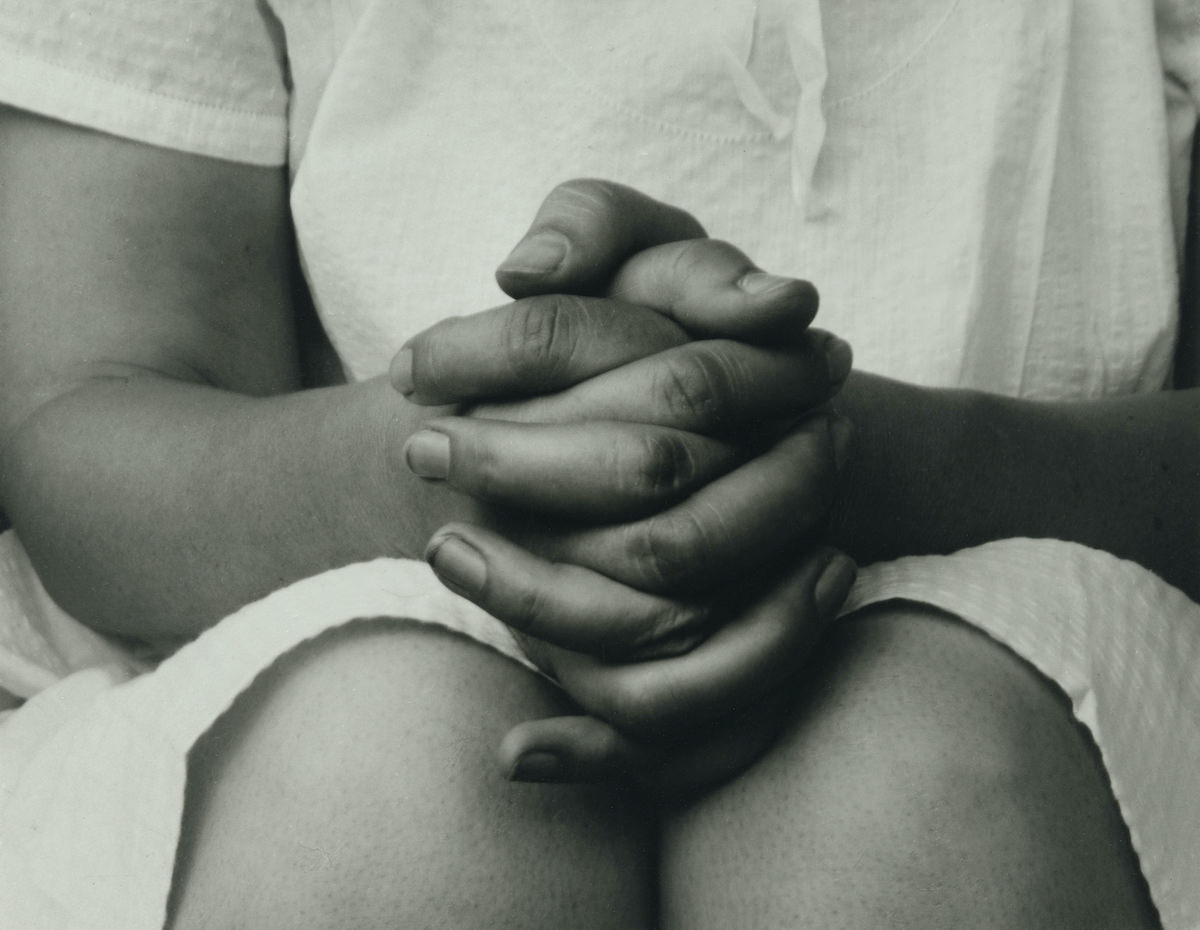
In 1978, O’Keeffe reflected on the portraits Stieglitz had made of her, some taken more than sixty years earlier. She wrote: “When I look over the photographs Stieglitz took of me — some of them more than sixty years ago — I wonder who that person is. It is as if in my one life, I have lived many lives.”
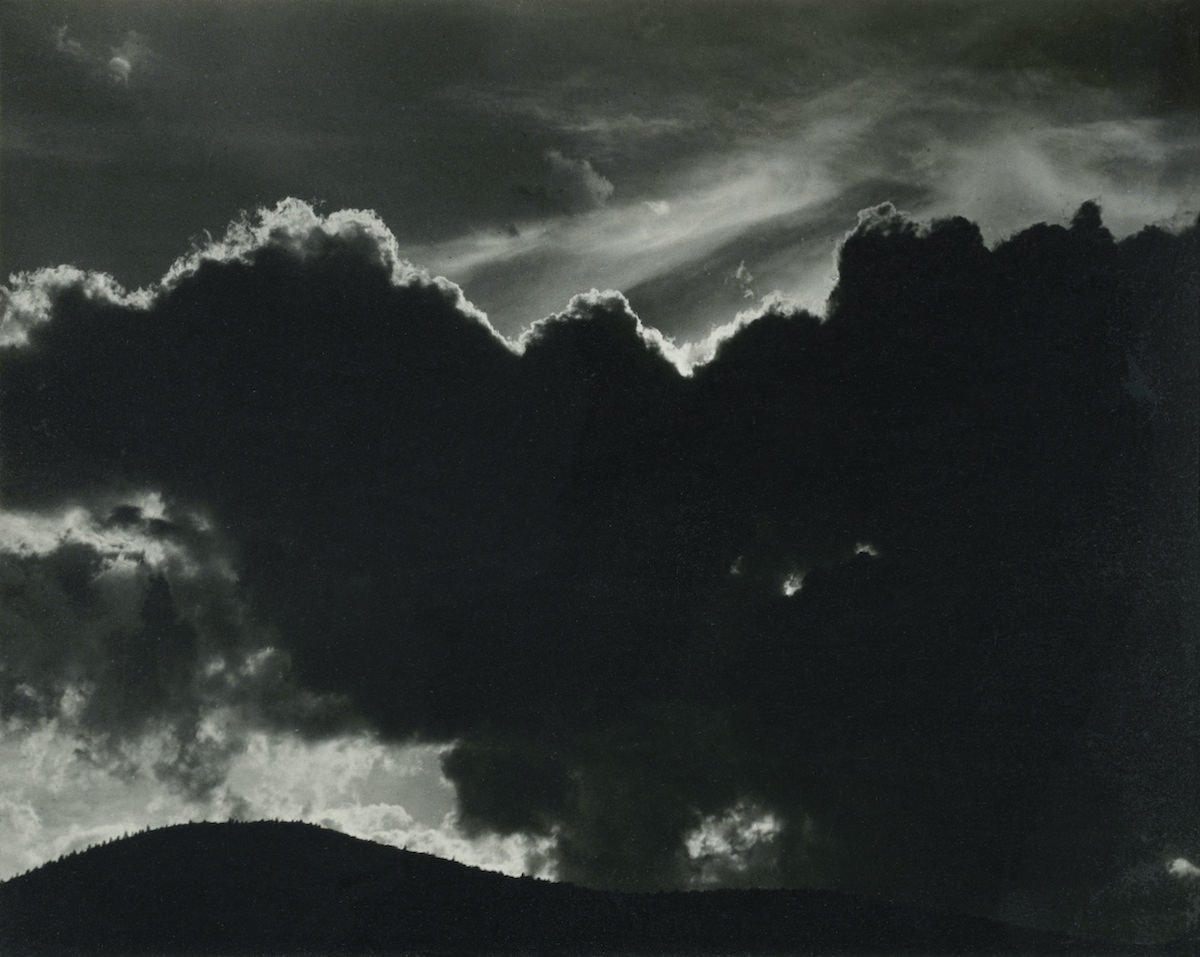
From the mid-1920s onward, Stieglitz became deeply interested in clouds. His “Equivalents” series — photographs of the sky taken at Lake George and elsewhere — were among the first abstract photographs in art history. He believed the sky’s forms could express inner emotional states without referring to anything on the ground.
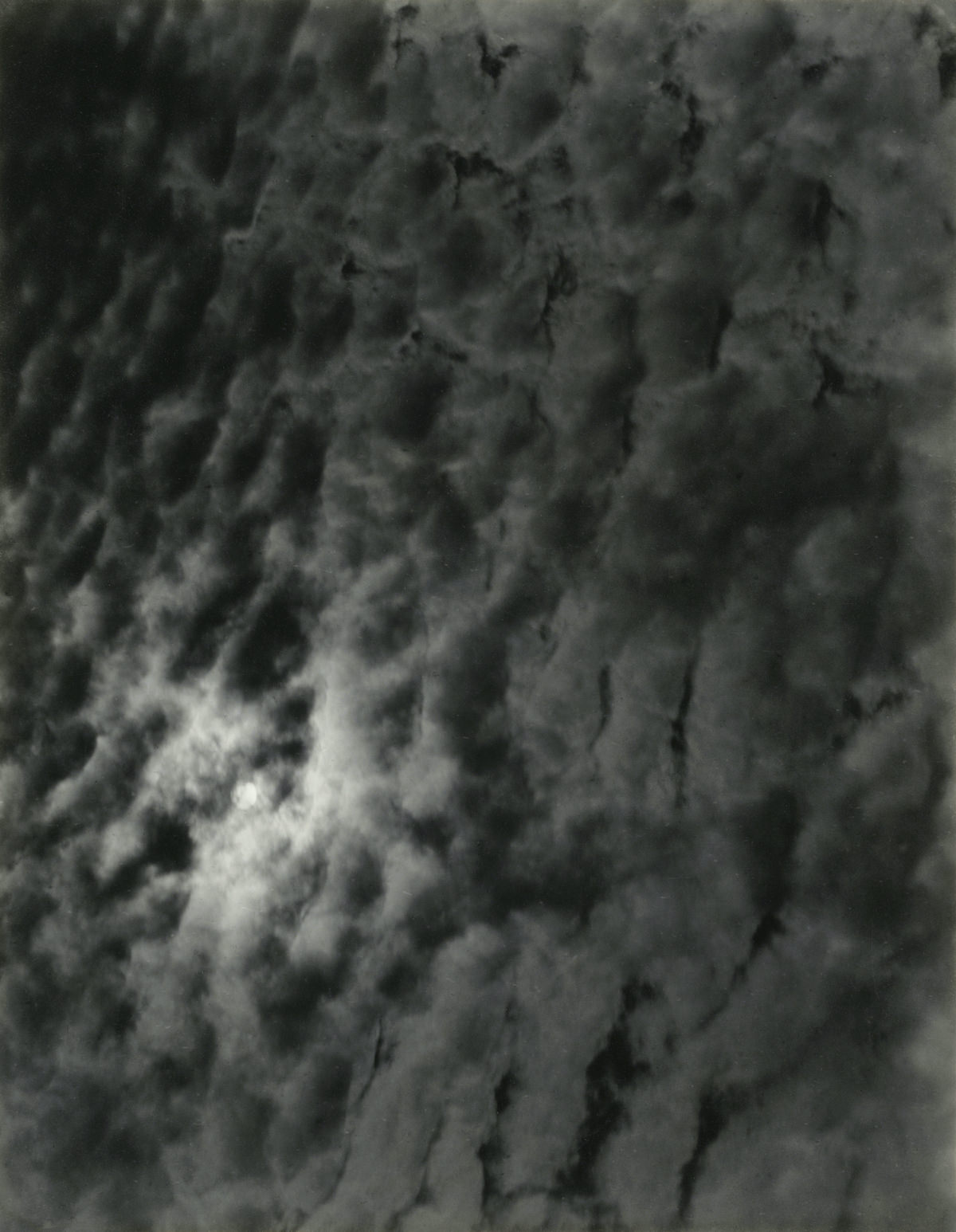
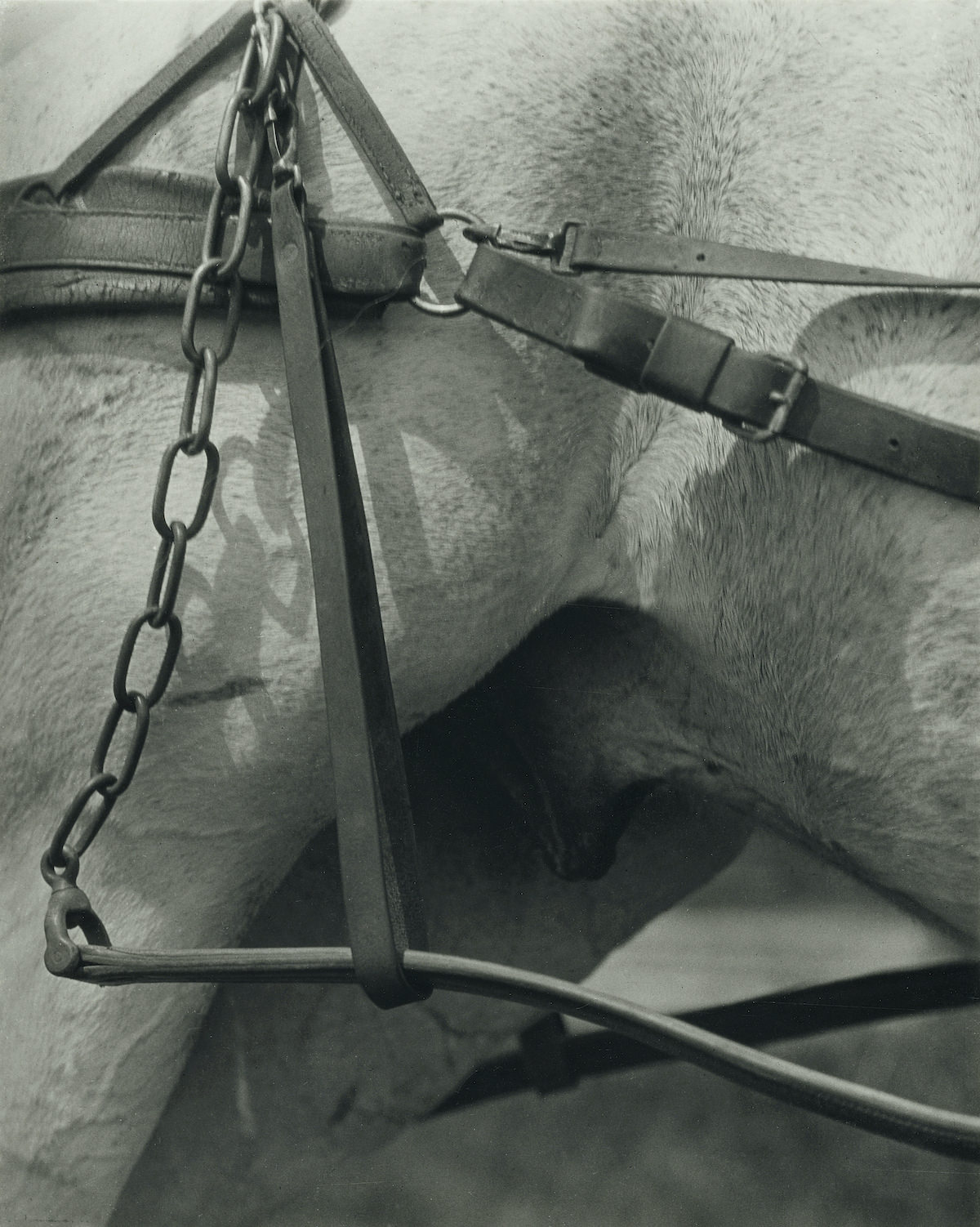
He also photographed strange and striking subjects that defied easy categorization. “Spiritual America” from 1923 is a close-up photograph of a harnessed horse — its title loaded with irony and commentary. His 1915 view from the back window of his gallery at 291 Fifth Avenue captures New York in wintry stillness.
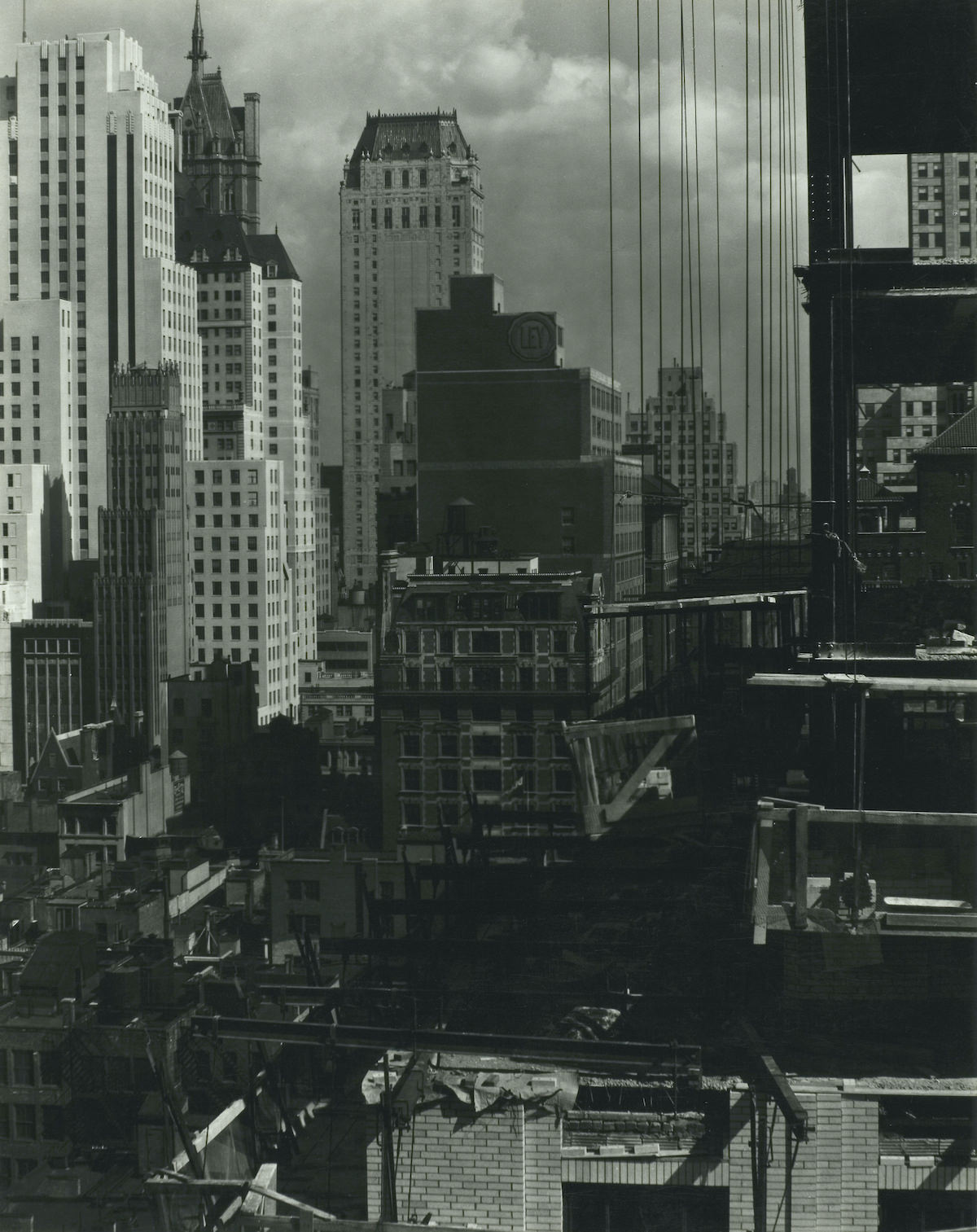
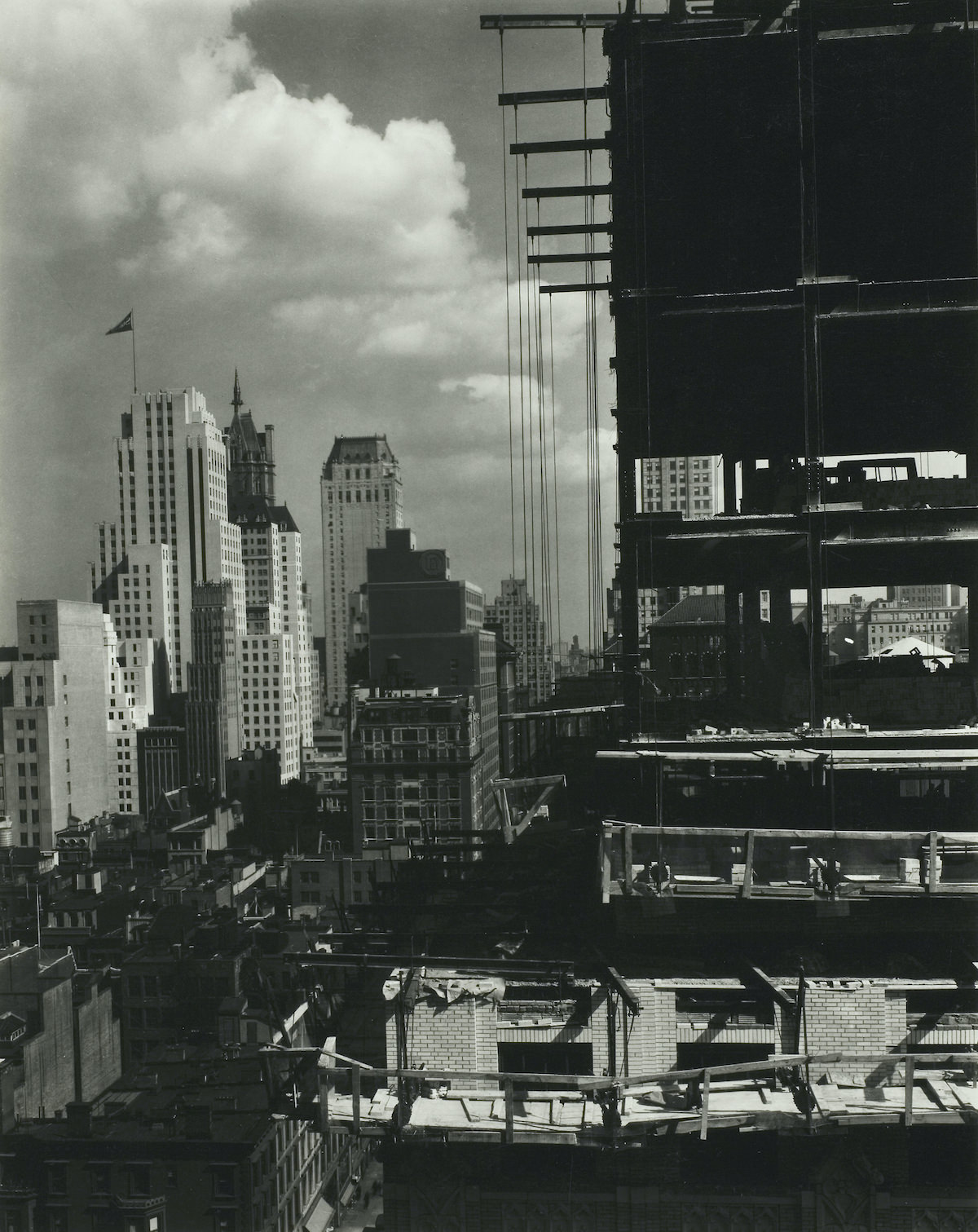
After moving into the Shelton Hotel in New York in the mid-1920s, Stieglitz photographed the city from high above. His elevated views looking north and northeast over Manhattan showed a city of steel, shadow, and geometry.
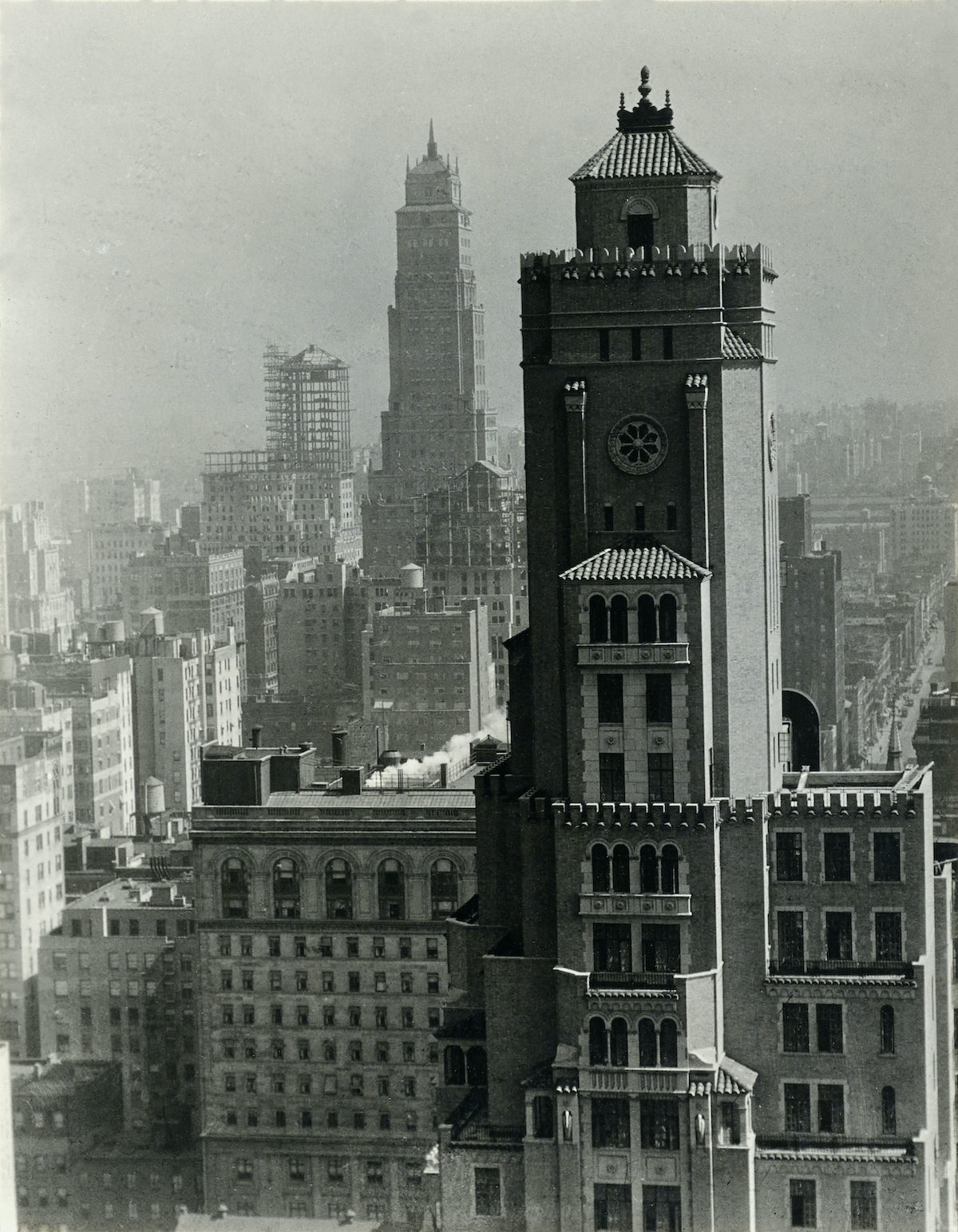
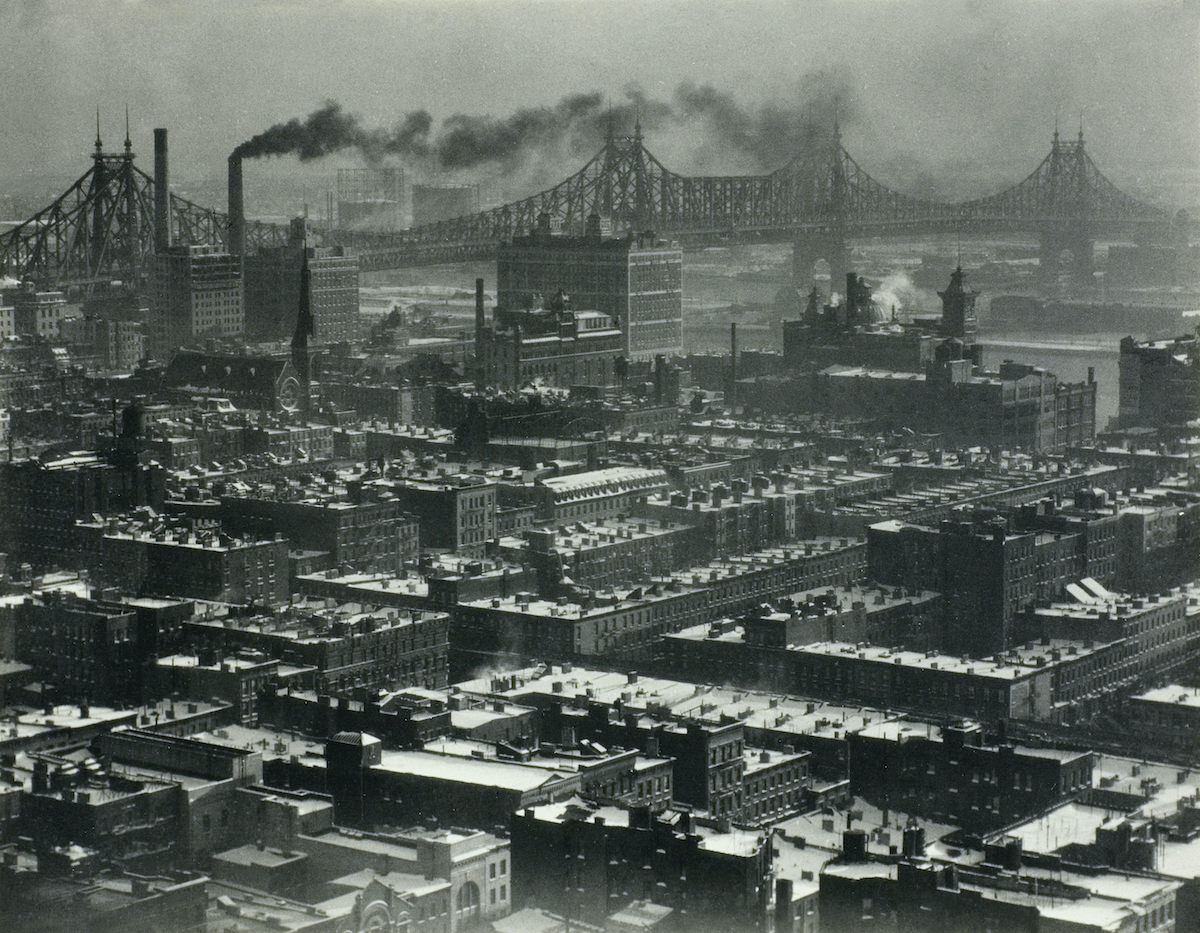
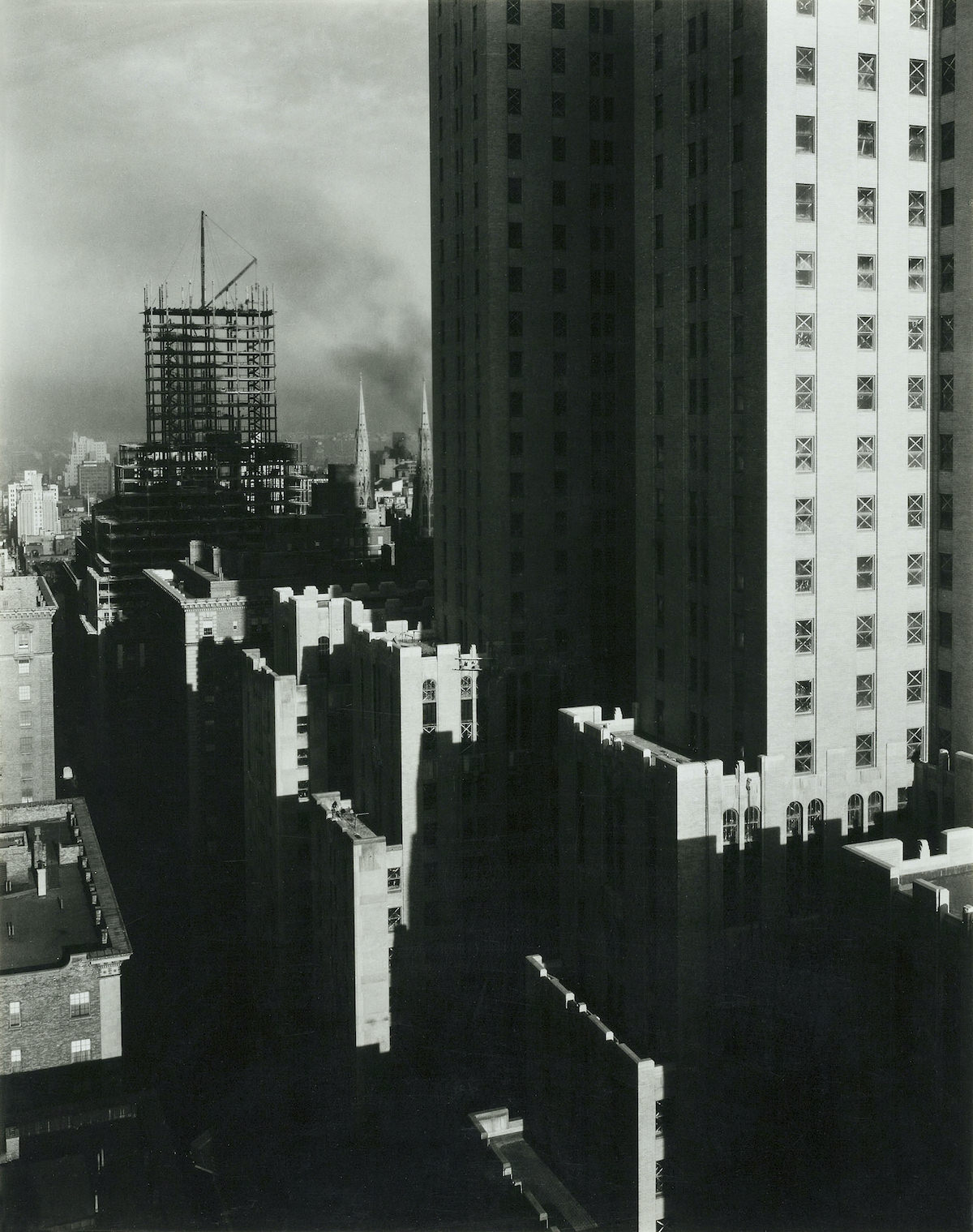
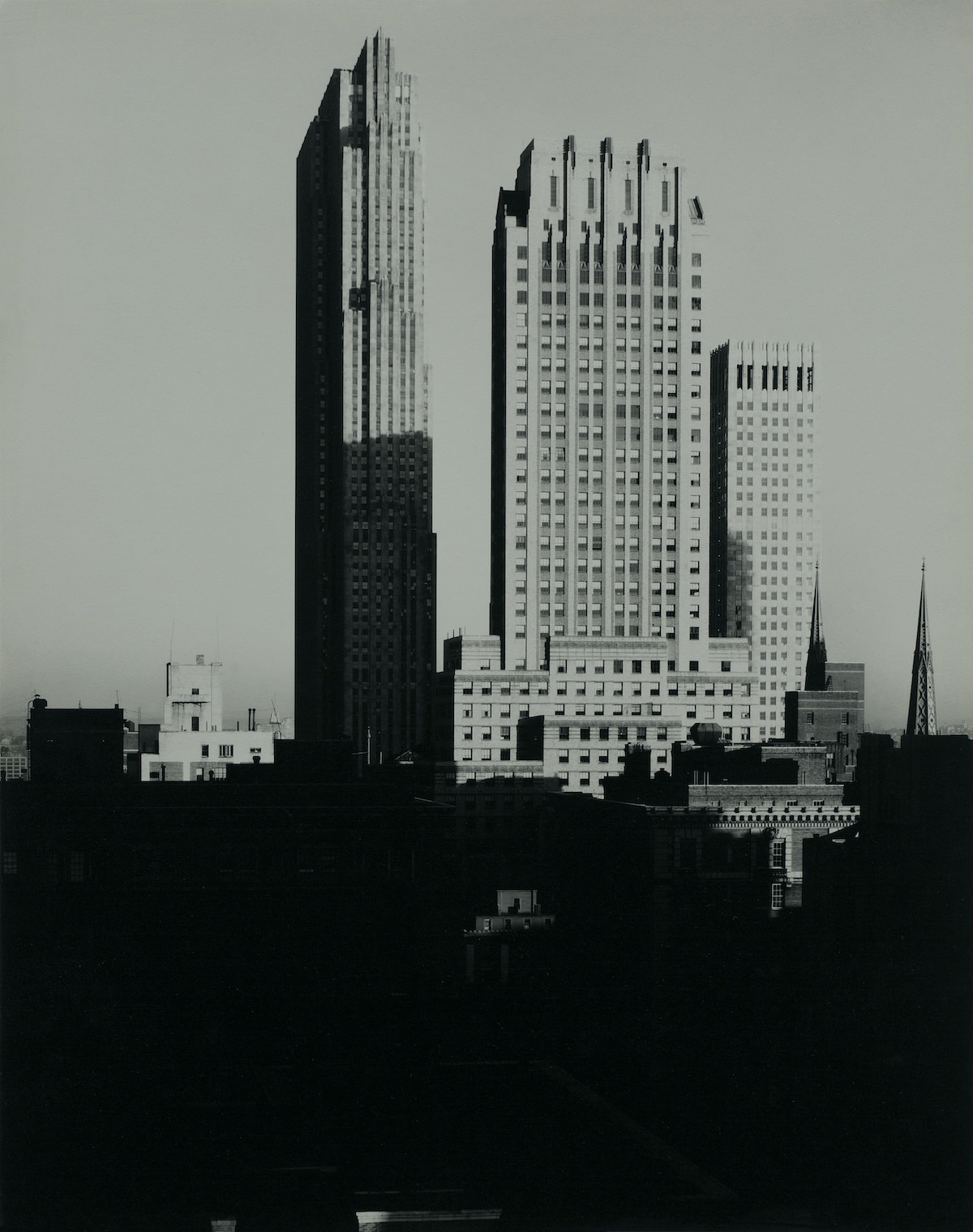
His gallery, An American Place, also provided new vantage points. His 1931 photograph looking north from that window shows the city in a softer, more atmospheric light than his earlier industrial images.
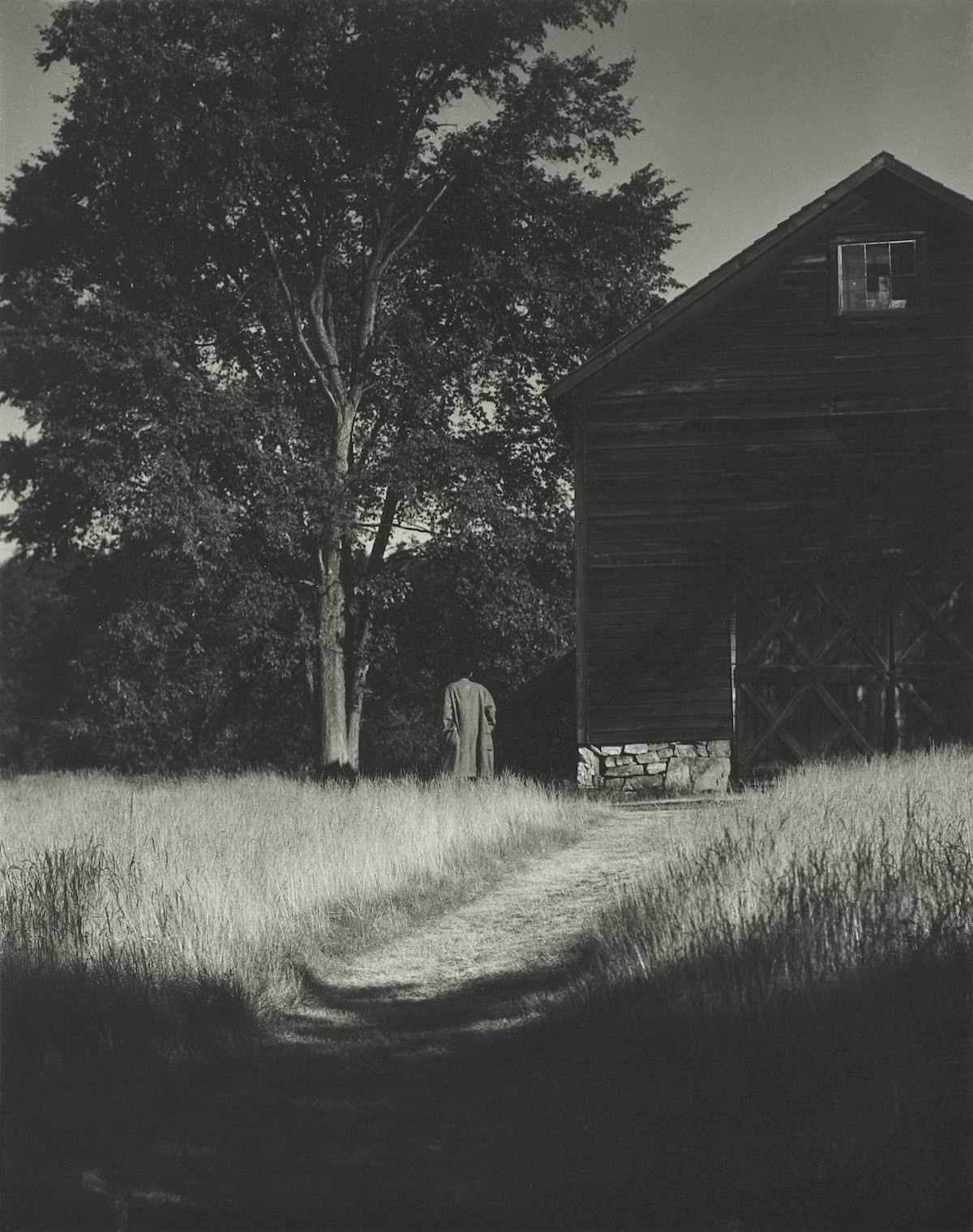
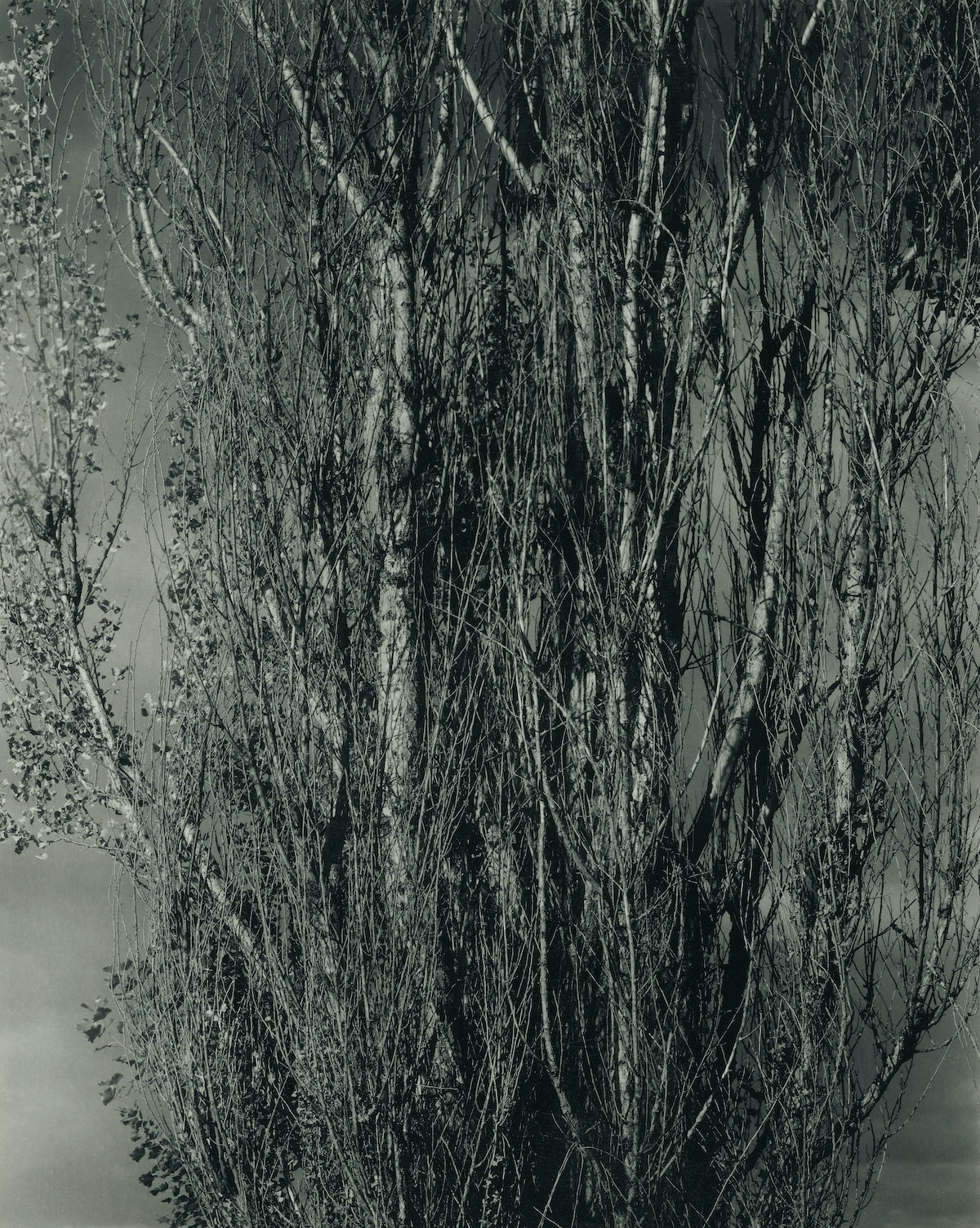
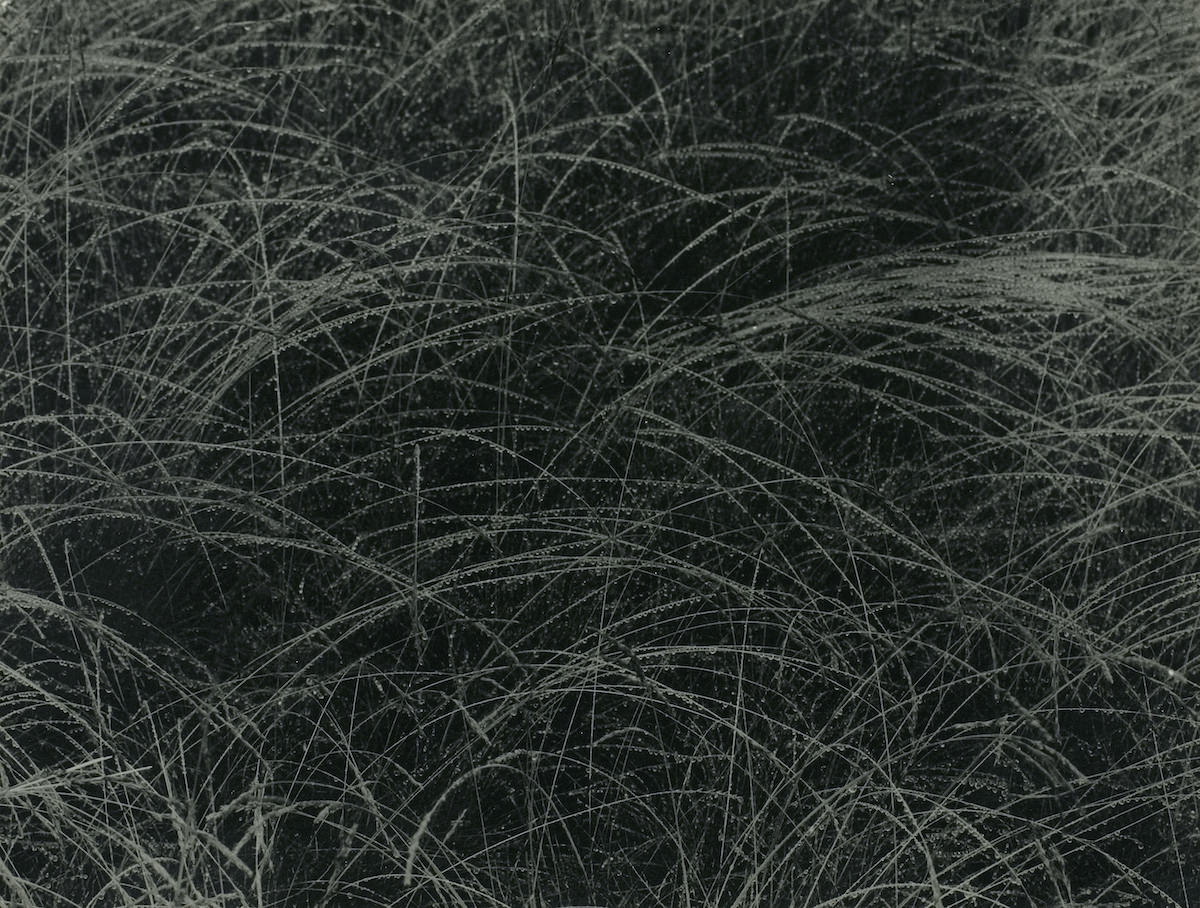
Away from the city, Lake George in upstate New York was a recurring subject. Stieglitz returned there across the decades, photographing barns, trees, and the natural world with the same care he gave Manhattan’s skyline.