
The Sámi are one of Europe’s oldest indigenous peoples, native to a region they call Sápmi. That territory stretches across the northern parts of Norway, Sweden, Finland, and the Kola Peninsula in Russia’s Murmansk Oblast. The names “Lapps” and “Laplanders” — long used by outsiders — are considered offensive by many Sámi, who prefer their own name in their native language.
Sámi origins trace back to the middle and upper Volga regions, linked to the spread of Corded Ware culture. During the second and third millennia BC, their ancestors began moving northwest from the early Uralic homeland, traveling along ancient river routes through northern Russia. Some of these groups initially spoke western Uralic languages and settled in areas between Karelia, Lake Ladoga, and Lake Ilmen. By around 1600 to 1500 BC, a distinct Sámi population had formed in the Finnish Lakeland.
Throughout history, the Sámi built their livelihoods around the land and water. Coastal fishing, fur trapping, and sheep herding were all common. But reindeer herding stood at the center of Sámi economic and cultural life. Reindeer provided meat, fur, and a means of transport across the vast, snow-covered terrain of the north.
Today, roughly 10% of the Sámi population is still directly involved in reindeer herding. In Norway alone, about 2,800 Sámi participate in it full-time. Across several Nordic countries, reindeer herding is legally reserved for Sámi people. This protection exists for traditional, ecological, cultural, and political reasons — recognizing herding as an inseparable part of Sámi identity.
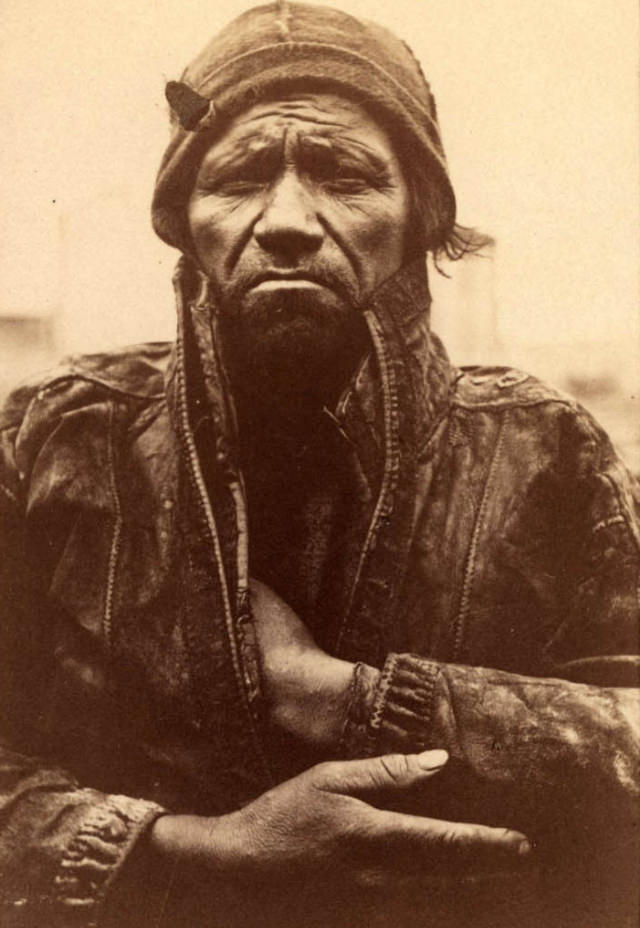
On July 3, 1868, Swedish photographer Lotten von Düben and her husband set out on an expedition to Lapland. They brought all the heavy equipment needed to produce iodinated collodion negatives — a wet-plate process that required chemicals, glass plates, and a portable darkroom. It was demanding work under any conditions, let alone in the remote northern wilderness.
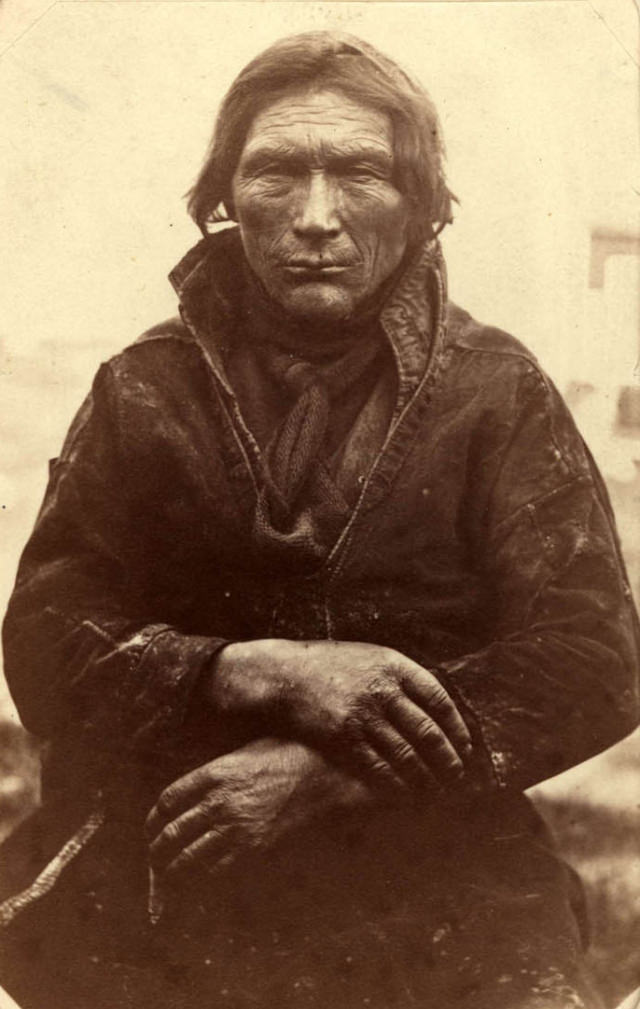
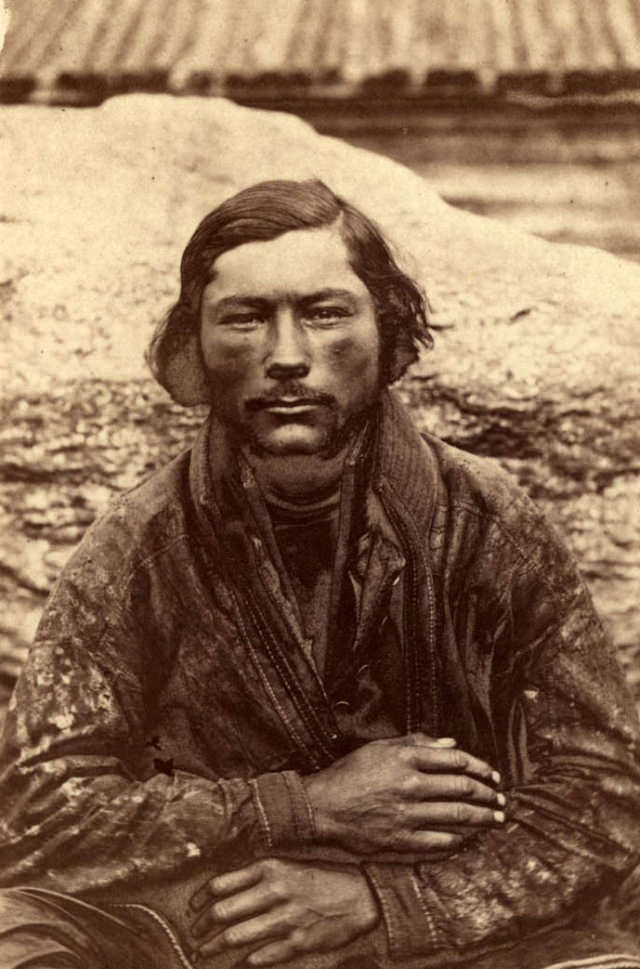
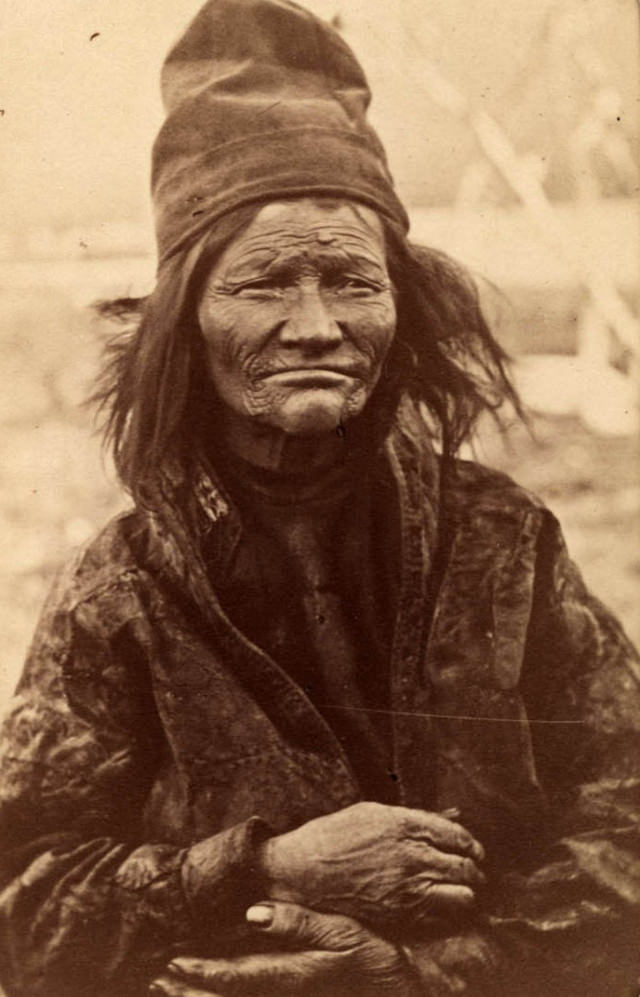
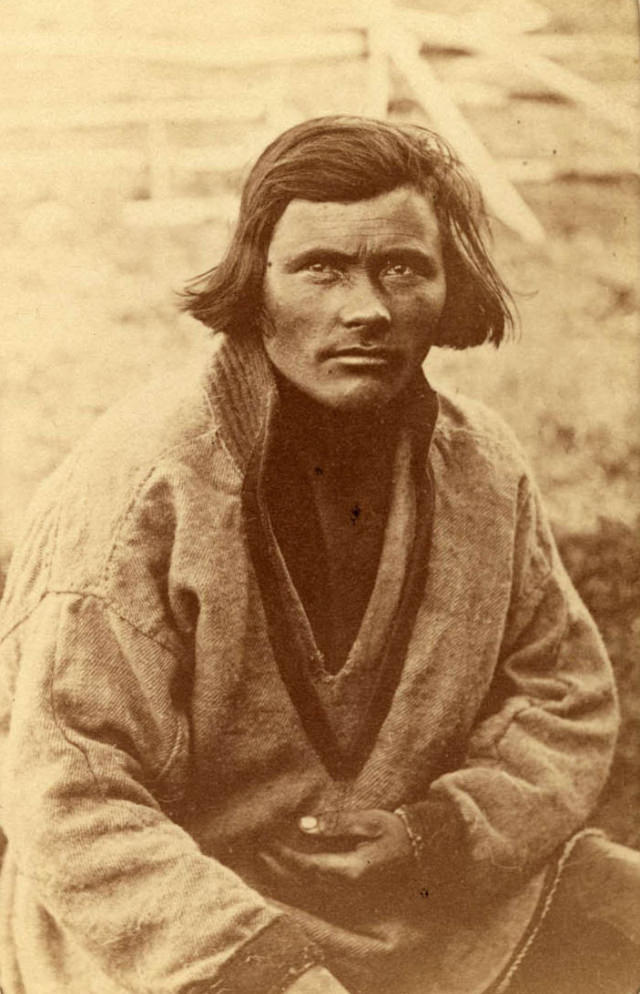
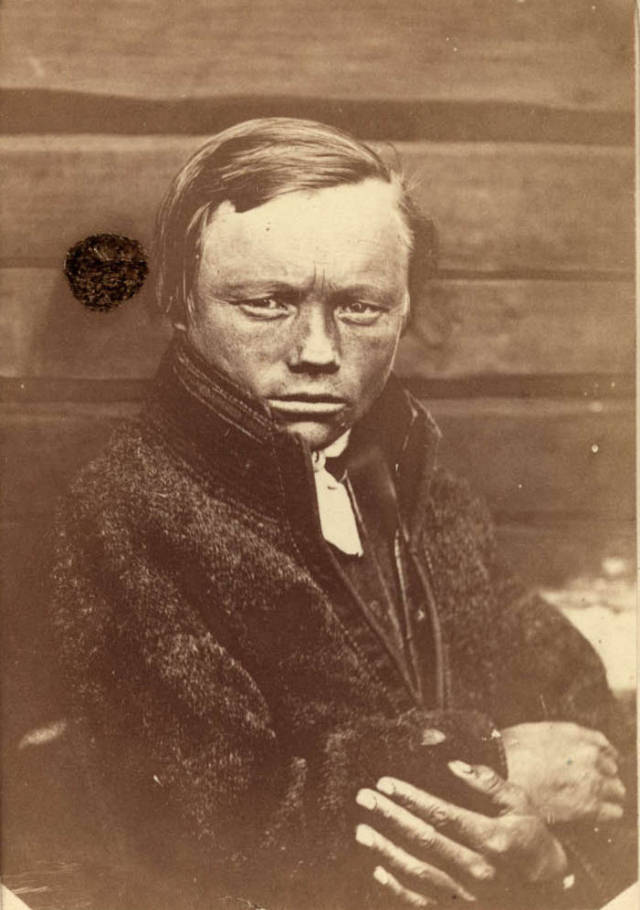
Von Düben used a stereo camera to photograph the Sámi people, capturing them from the front and then in profile. This systematic approach was common in 19th-century ethnographic photography, used to document physical features for scientific study. The resulting images are among the earliest photographic records of the Sámi people in existence.
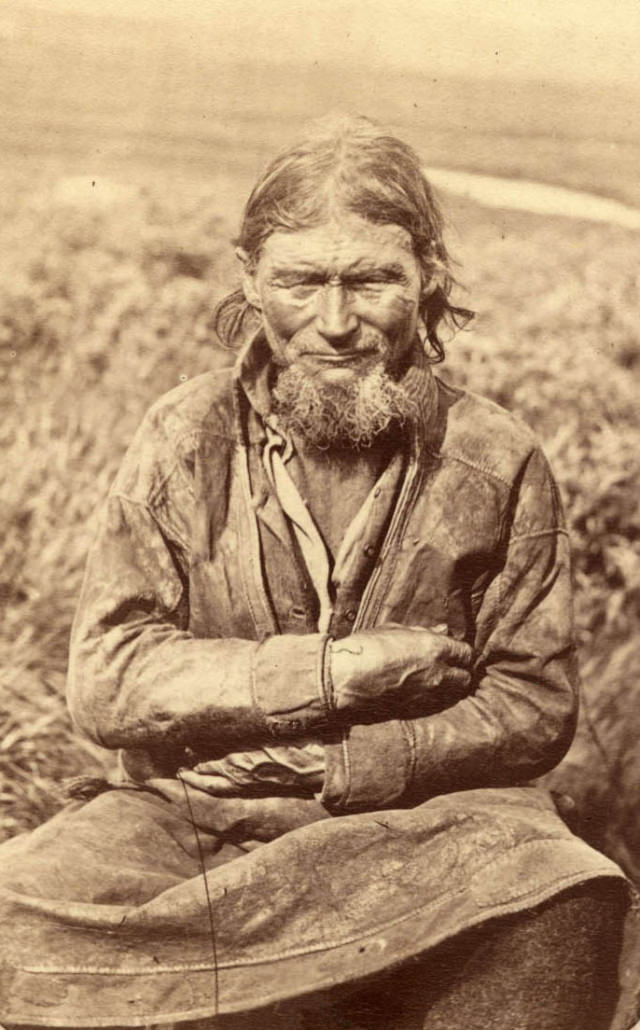
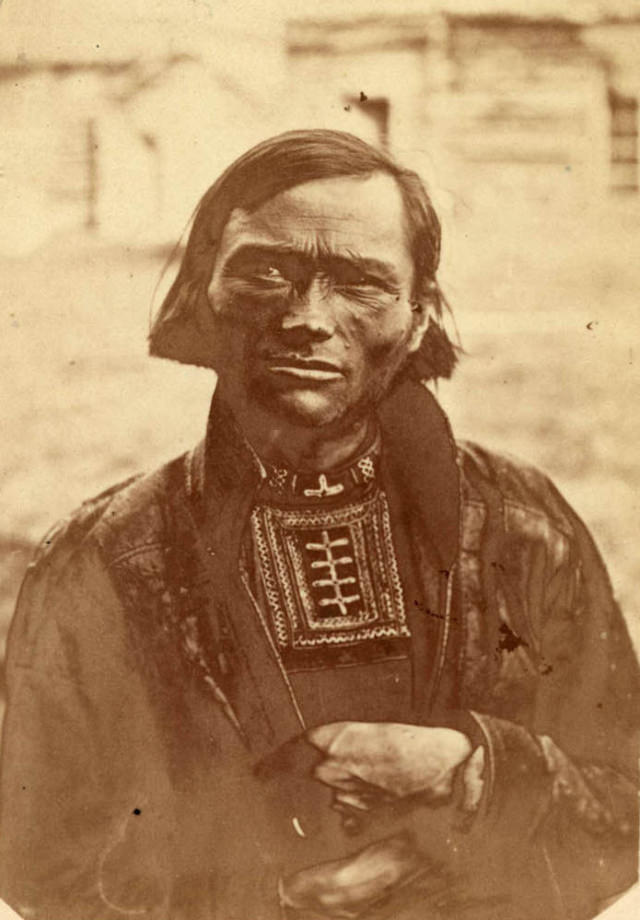
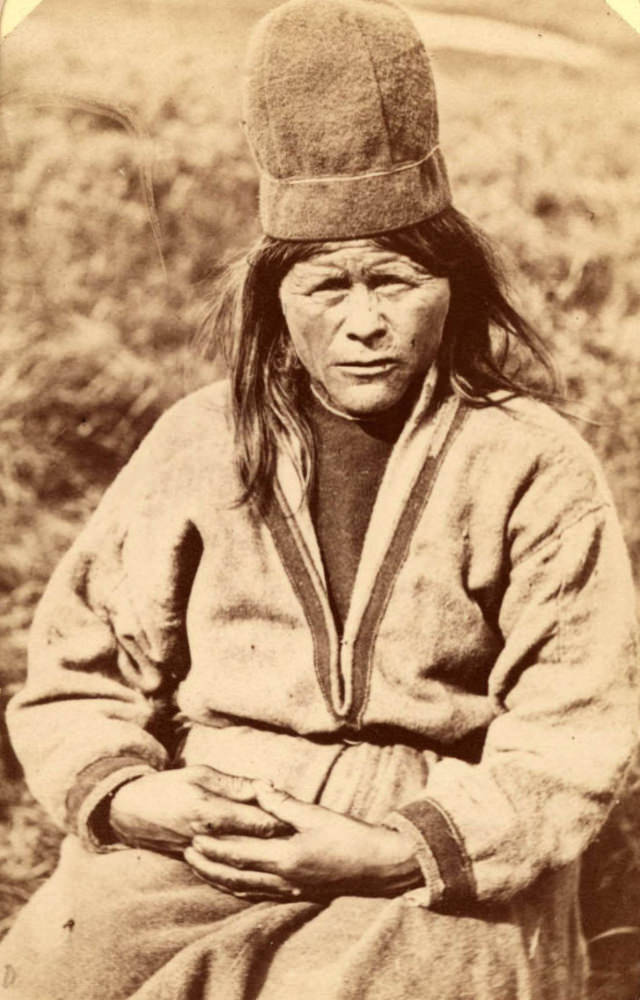
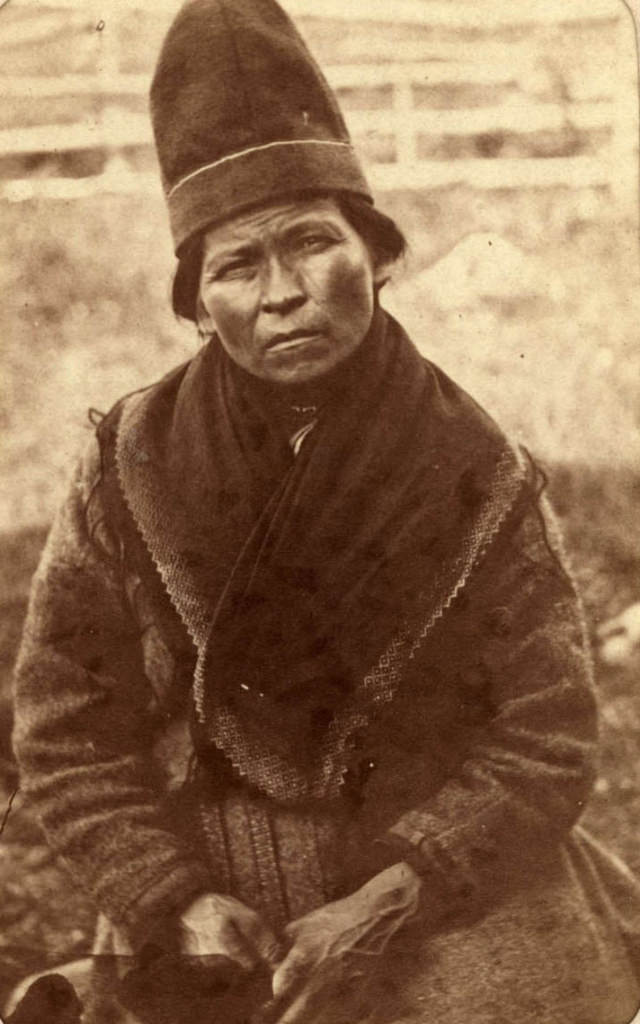
The photographs von Düben brought back from Lapland offer a direct visual window into Sámi life in the 1860s. Her subjects appear in traditional dress, their faces and postures preserved in sharp detail by the collodion process. These are not staged studio portraits — they were taken in the field, among the people themselves.
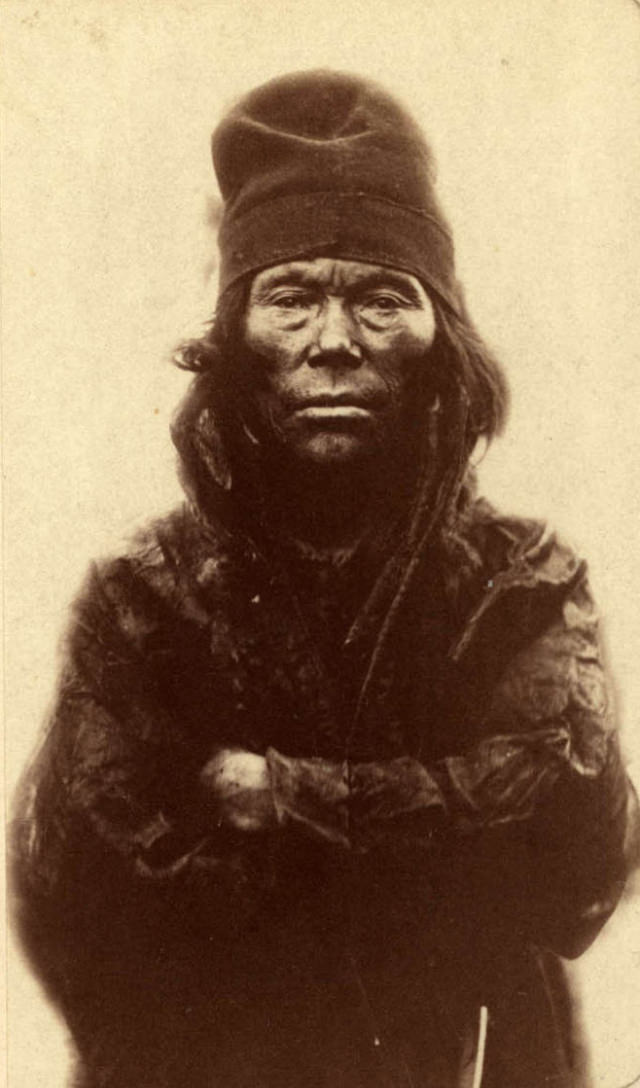
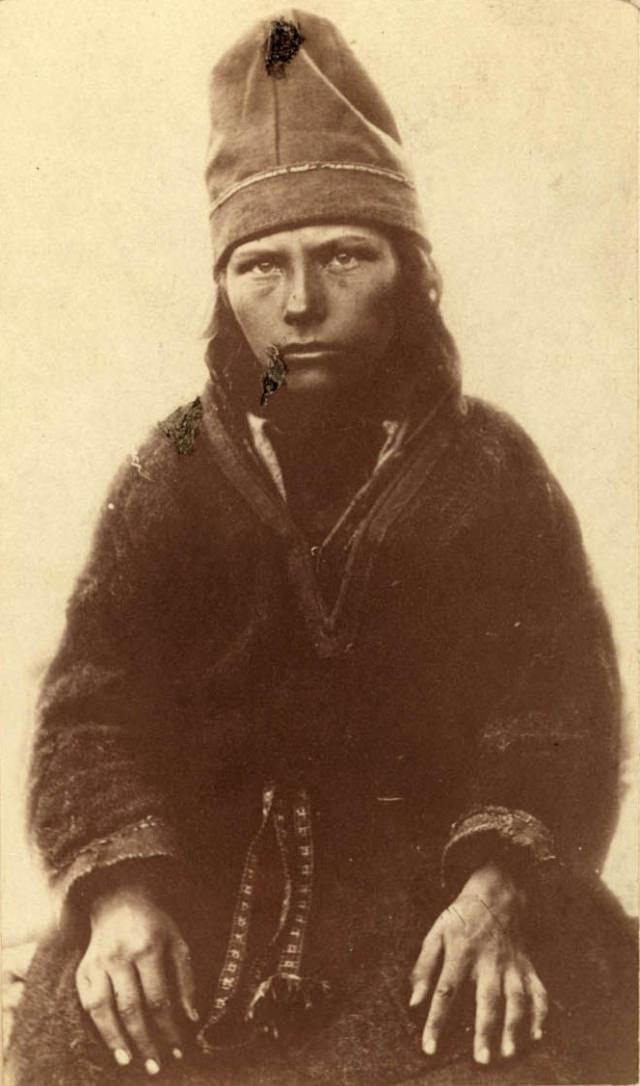
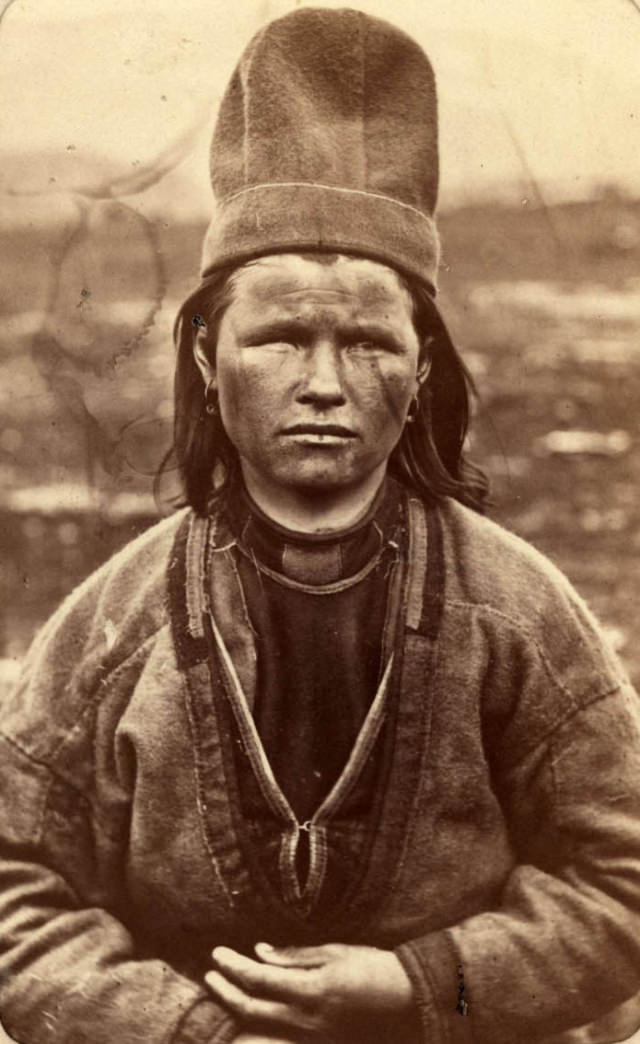
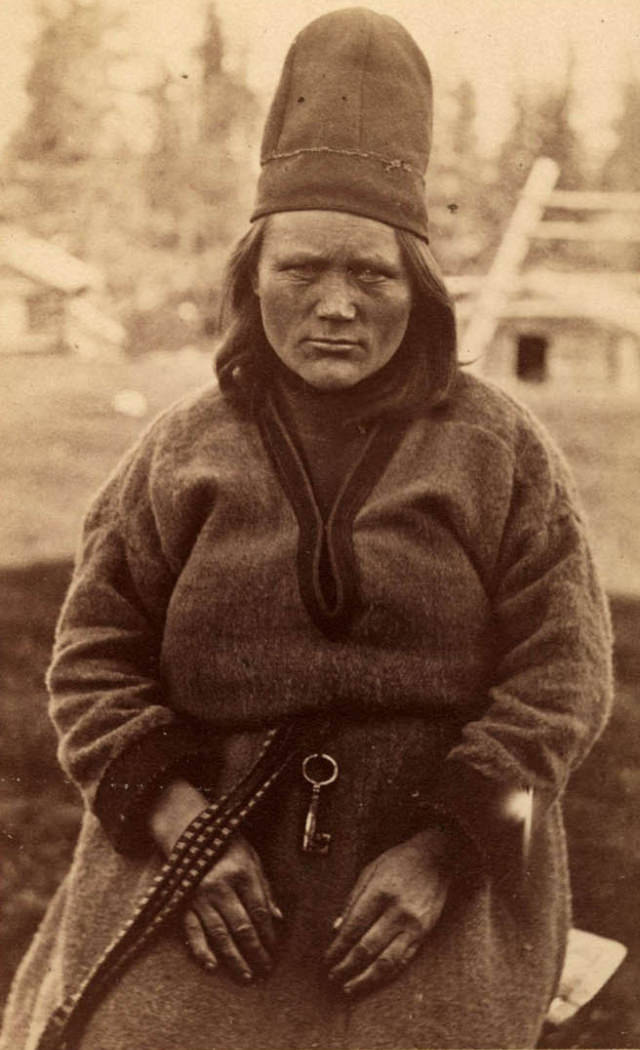
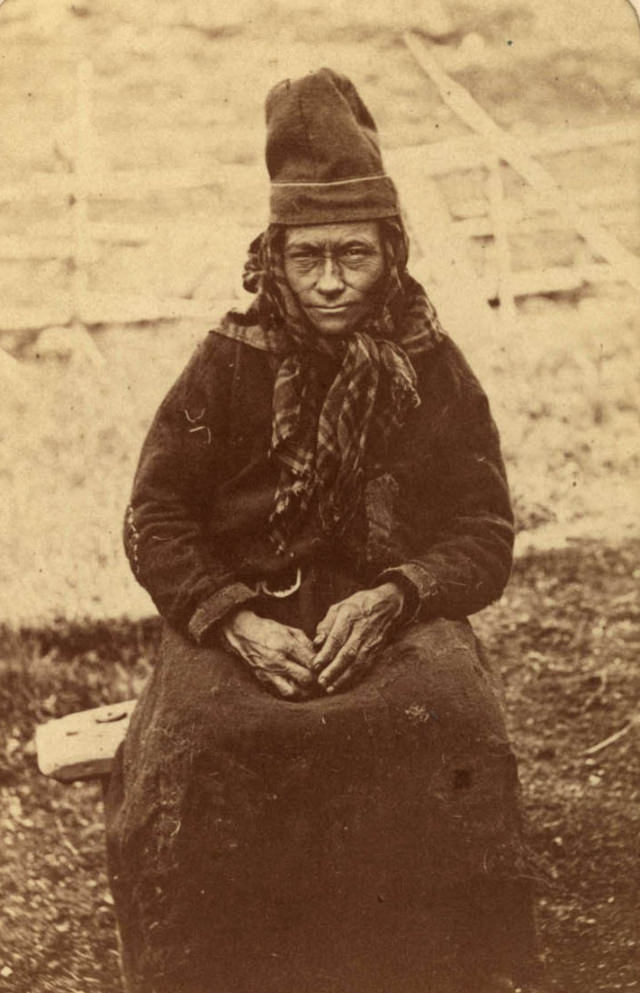
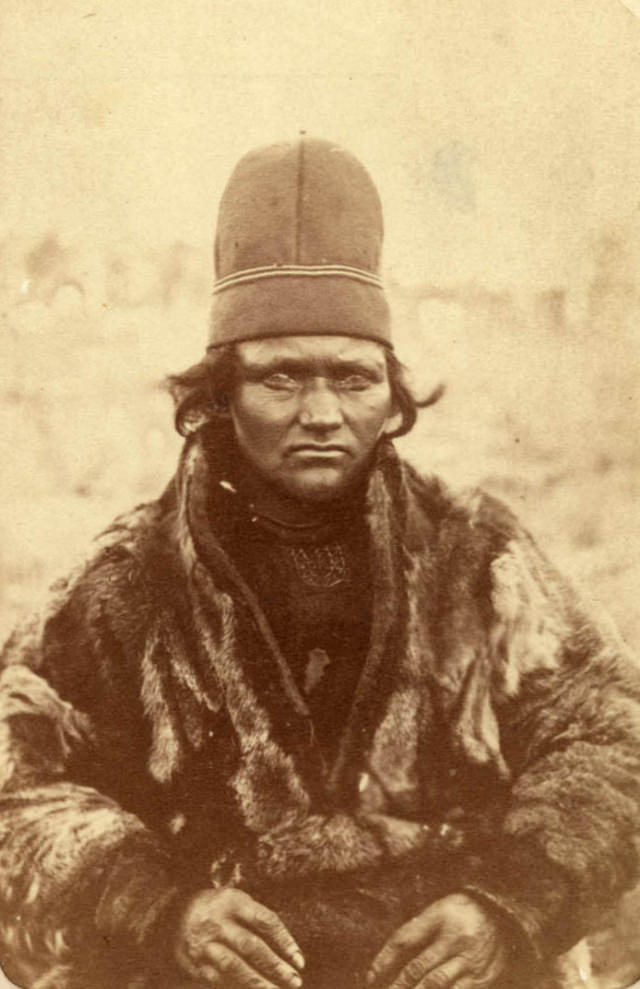
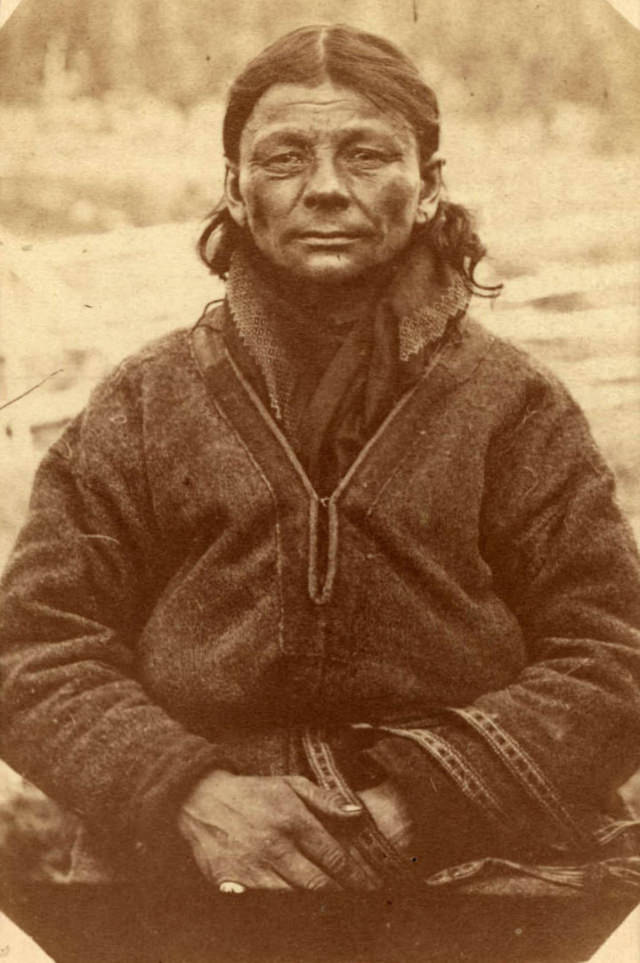
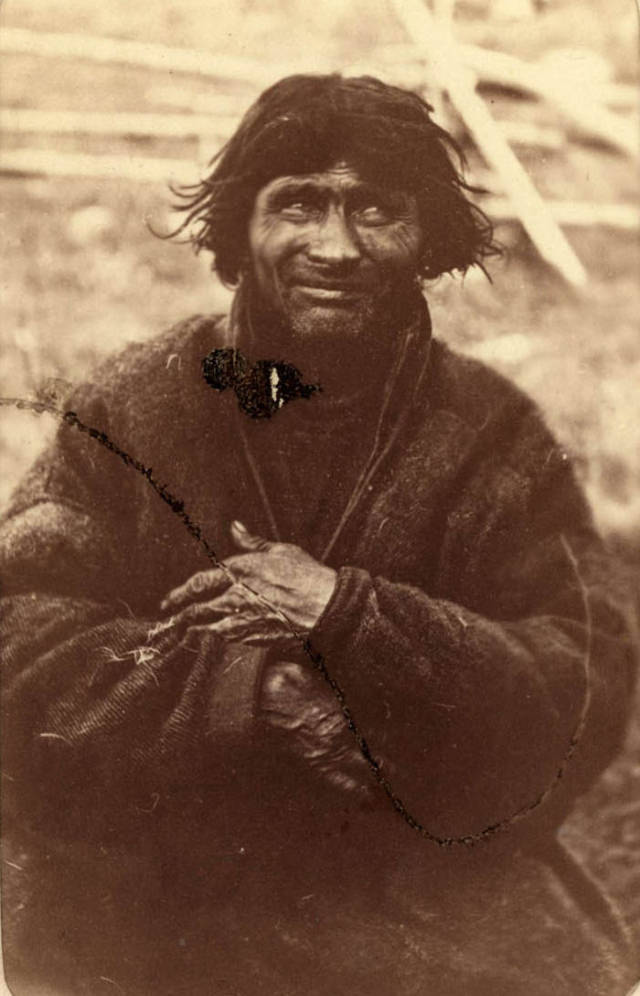
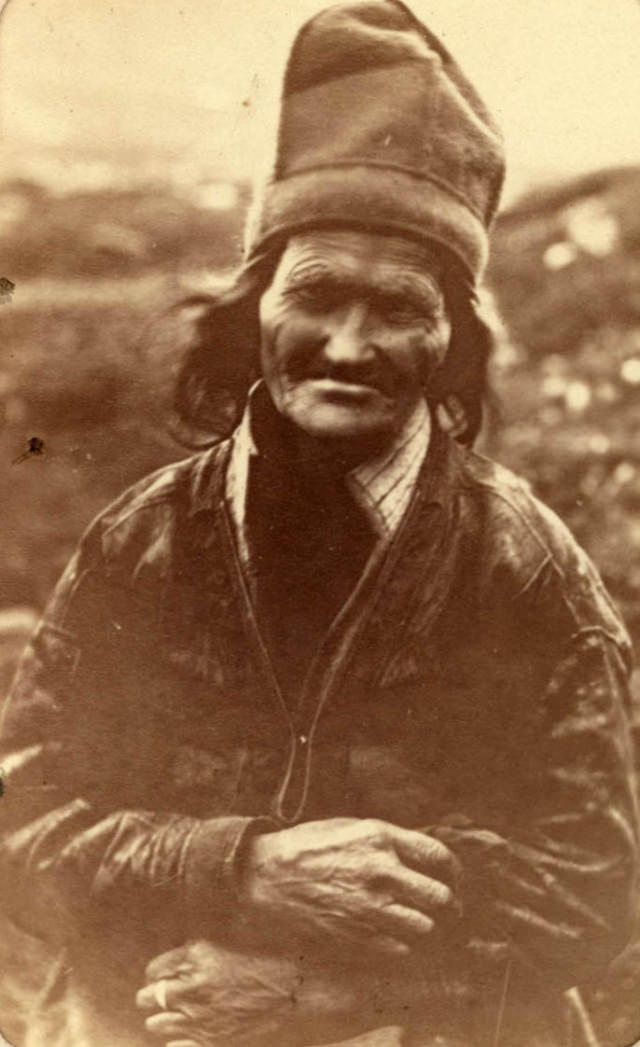
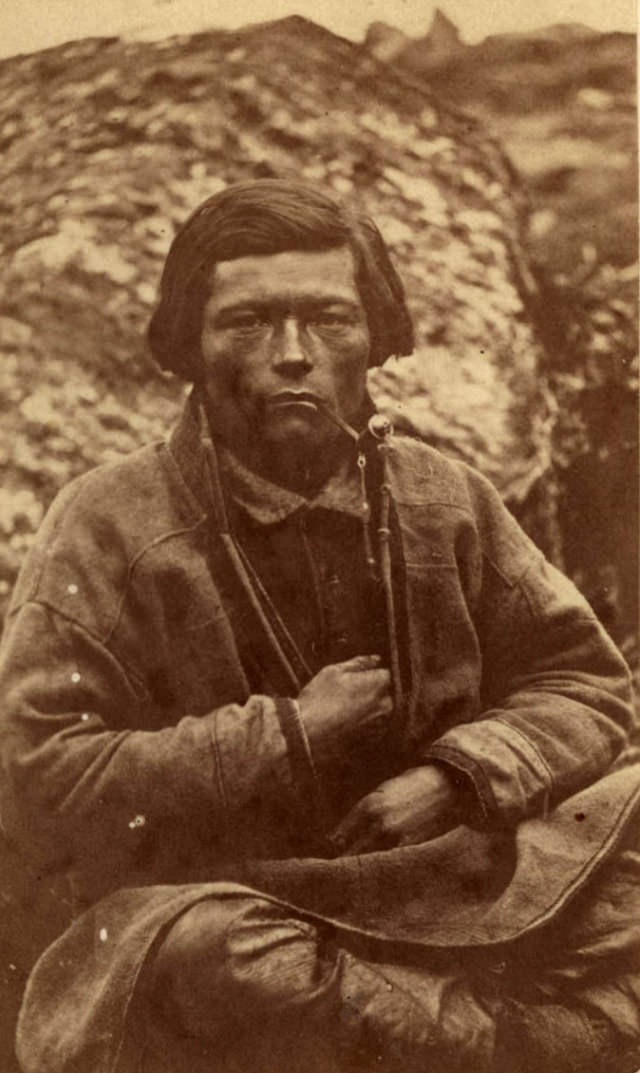
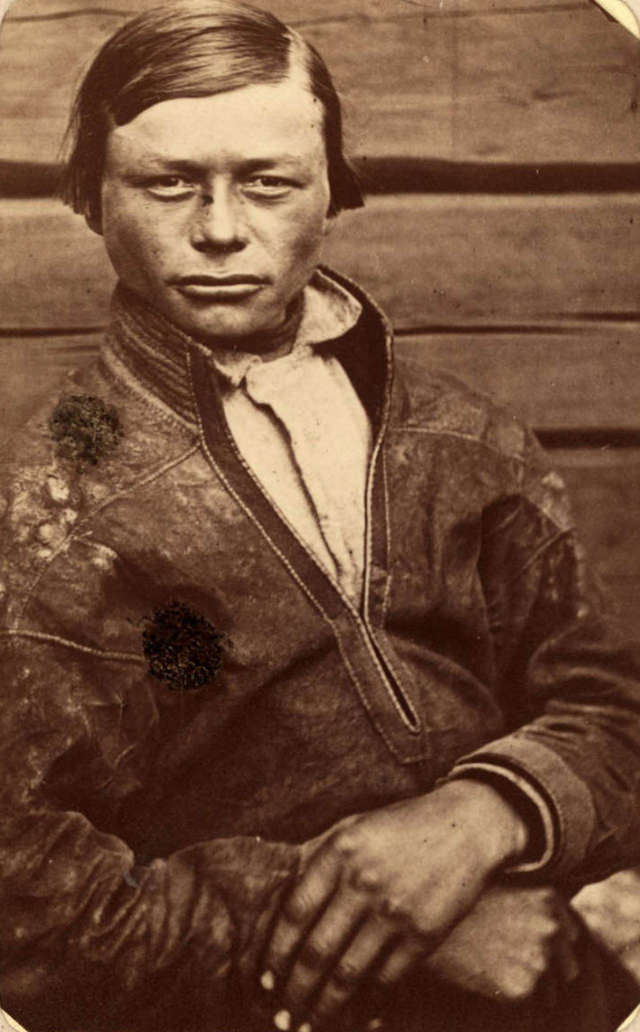
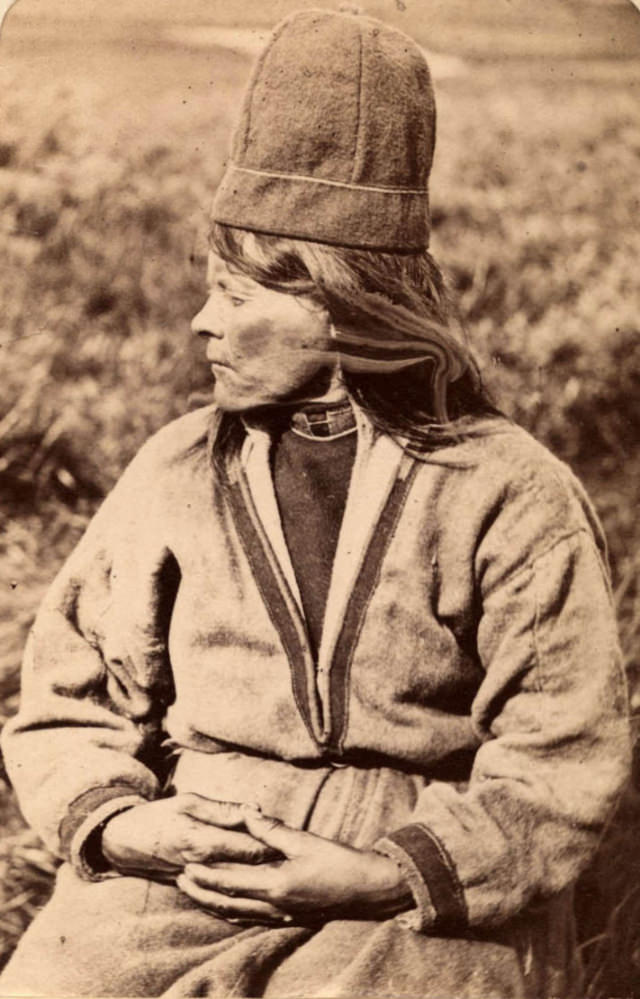
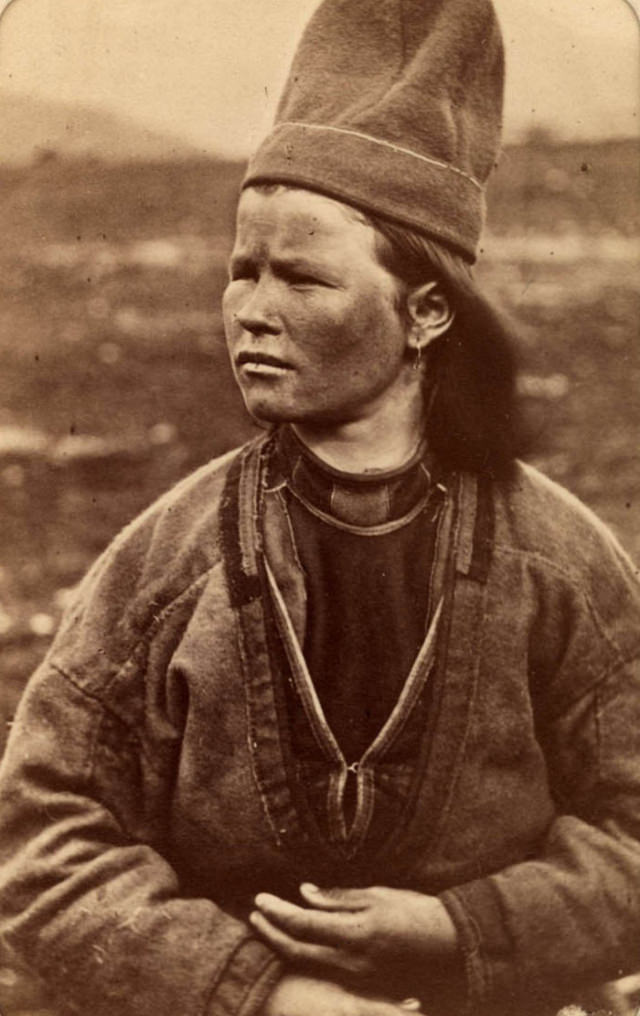
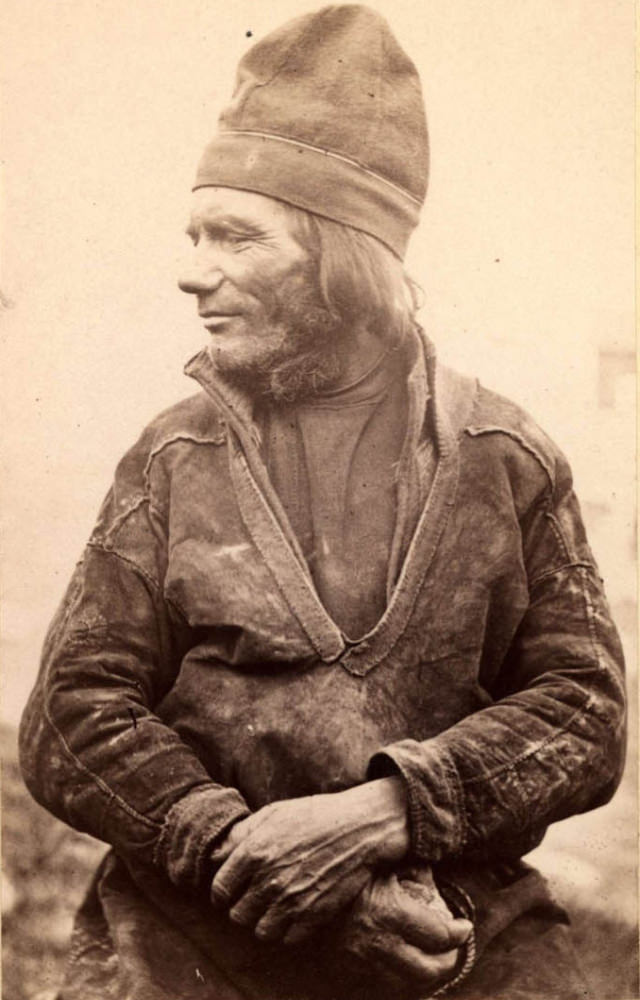
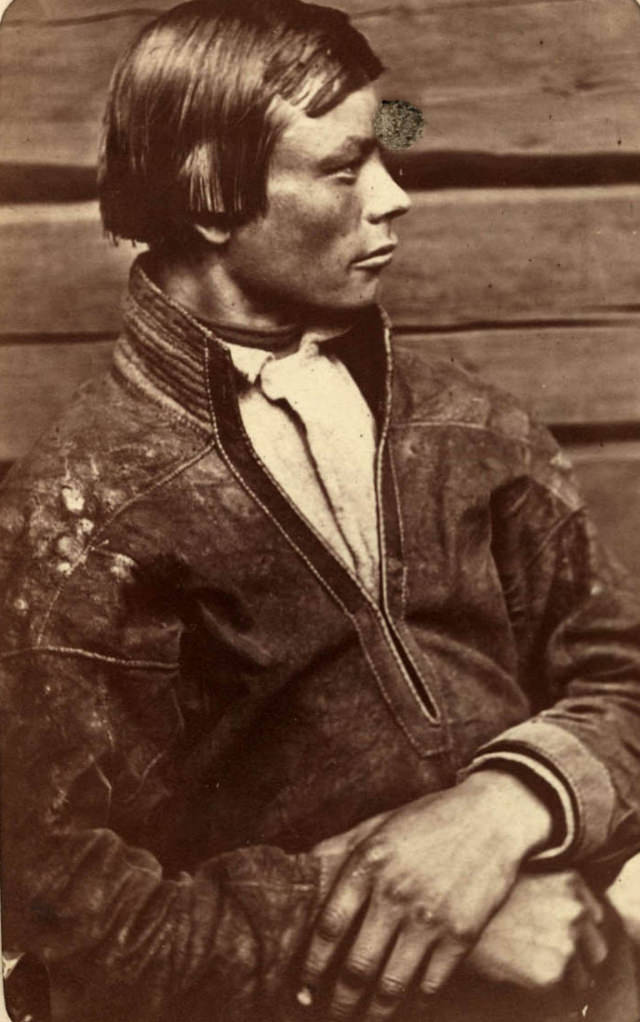





Sami people are thought to be white-skinned unless the color of the photos is misleading. I don’t know; it’s hard to tell. Regardless, these are beautiful photos of people who are often forgotten in indigenous societies.
Their native land is in northern Europe, and they are white.
The photos were taken from a problematic context, and that is an understatement. It seems that a more rigorous source might be more accurate than the article’s last line. These images were taken in circumstances of oppression and were intended to legitimize genocide. Sami is worried these images should be disparaged on the internet out of context.
A bit of background: The photographer took part in “anthropology” studies in Sweden around and within the racial biological institutions, which focused on documenting the Sami people.
Gustav von Düben’s studies of the Sami were photographed by Lotten von Düben, who married von Düben and was his wife. Her photos mostly show identifiable individuals like above, though others appear to show racial biological variants such as front-back-sides that appear to be intended for racial biological studies. “Physical Anthropology” studies were to be conducted on all of them.
From the Royal Medical College collection of Sami skulls, von Düben was inspired to study Sami ethnically.