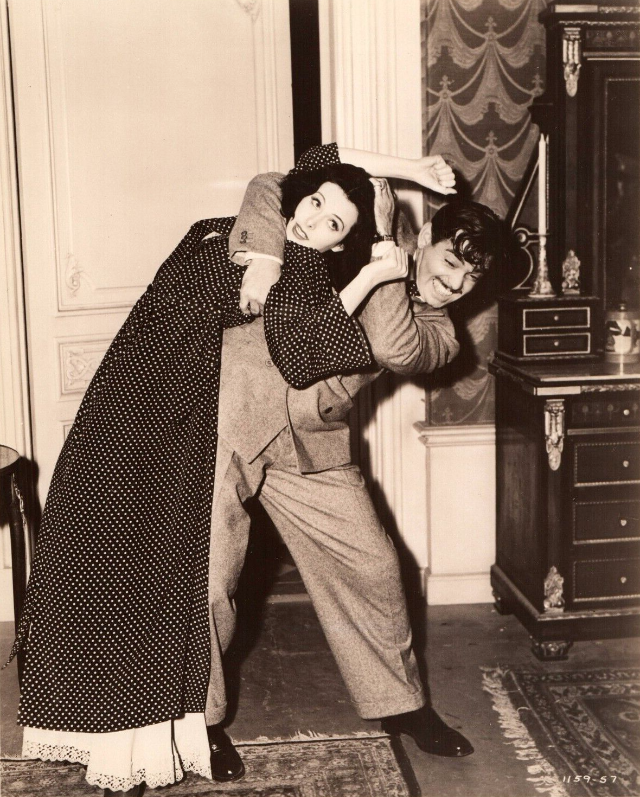
In 1940, MGM paired two of Hollywood’s biggest stars in a film that balanced comedy, political satire, and espionage. Directed by King Vidor, “Comrade X” placed Clark Gable and Hedy Lamarr inside a fictionalized version of Stalin’s Soviet Russia — and the result was one of the more entertaining films either star made that decade.
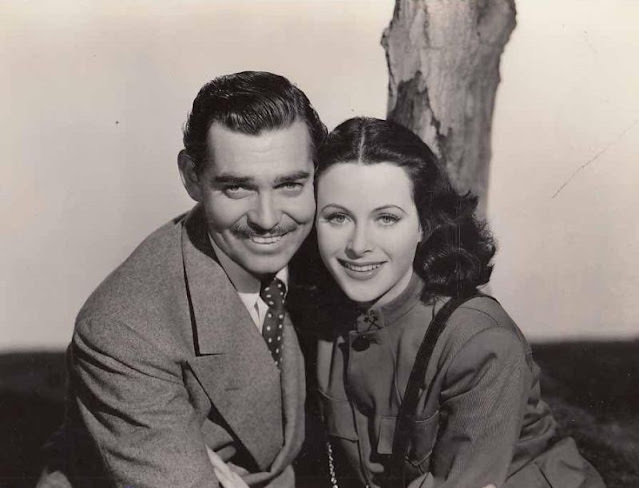
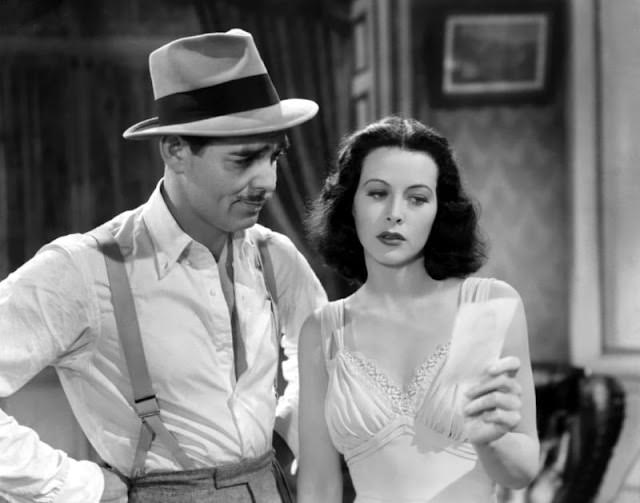
Gable played McKinley B. Thompson, an American journalist stationed in Moscow who secretly publishes damaging articles about the Soviet government under the pen name “Comrade X.” His cover works — until Theodore, a no-nonsense streetcar conductor played by Lamarr, finds him out. Rather than turn him in, she uses his secret as leverage to get what she wants: a way out of the country.
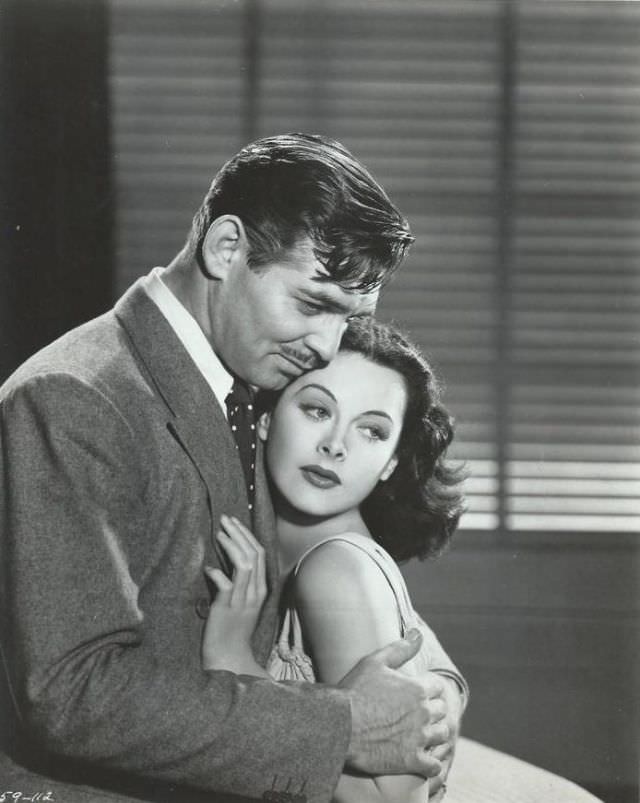
Gable’s Thompson is charming and quick-thinking, always working an angle. The role fit Gable naturally. He had built his career on playing men who were confident without being stiff, and Thompson gave him room to be funny, slick, and occasionally rattled — all at once.

Lamarr’s Theodore is the more grounded of the two. She’s a true believer in communist ideals at the start of the film, which makes her a fascinating counterpart to Thompson’s cynical, self-serving American. Lamarr plays her straight — not as a joke or a caricature — and that choice gives the film much of its tension.
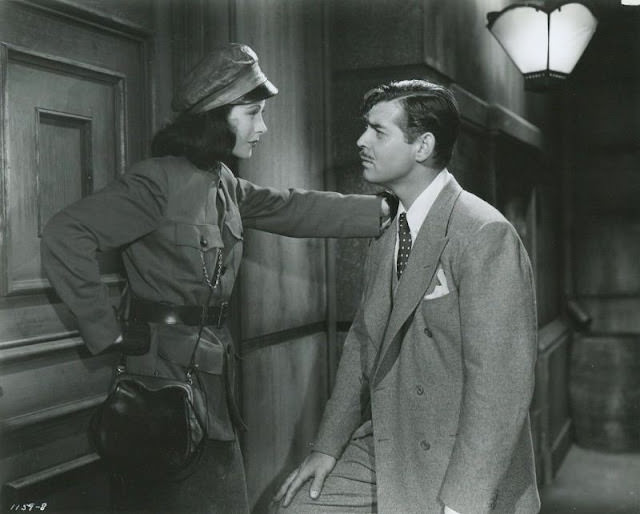
The script, written by Ben Hecht and Charles MacArthur, gave both leads sharp dialogue. Their back-and-forth scenes moved fast and felt natural, which is harder to pull off than it looks. Critics at the time took note of how well the two played against each other.
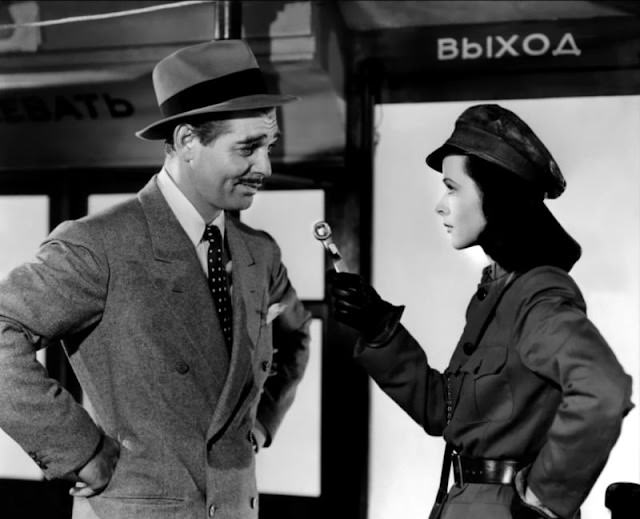
Lamarr was only 26 when the film was released, and she had already proven herself in the controversial 1933 Czech film “Ecstasy” and the 1938 MGM feature “Algiers.” “Comrade X” was her third American film and showed she could hold her own in comedy — a genre that demands sharp timing on top of everything else.
For Gable, the film came out the same year as his massive role as Rhett Butler in “Gone with the Wind” was still fresh in public memory. That kind of follow-up pressure was real, and “Comrade X” gave him a lighter vehicle that let audiences enjoy him without the weight of a prestige drama.
The film’s Soviet setting was not accidental. Released in November 1940, it arrived while World War II was already underway in Europe. The U.S. had not yet entered the war, but audiences were very aware of Stalin’s USSR. The film’s comic take on Soviet bureaucracy and propaganda landed in a politically charged moment.
King Vidor kept the pacing tight throughout. The film runs just under 90 minutes and rarely slows down. A climactic scene involving a tank — driven by Lamarr’s character — became one of the film’s most talked-about moments and gave the story an unexpectedly action-driven finale.
Supporting performances added to the film’s texture. Felix Bressart played Vanya, Theodore’s father, a bumbling but lovable figure who wants his daughter to escape to the West. Oscar Homolka played Commissar Vasiliev, a menacing Soviet official whose scenes kept the danger level from feeling too soft.
Lamarr’s real-life intellect was no secret to those who worked with her. During the same year “Comrade X” was filmed, she was already working with composer George Antheil on the frequency-hopping spread spectrum concept that would later form the basis for modern wireless communication. She filed the patent in 1942.
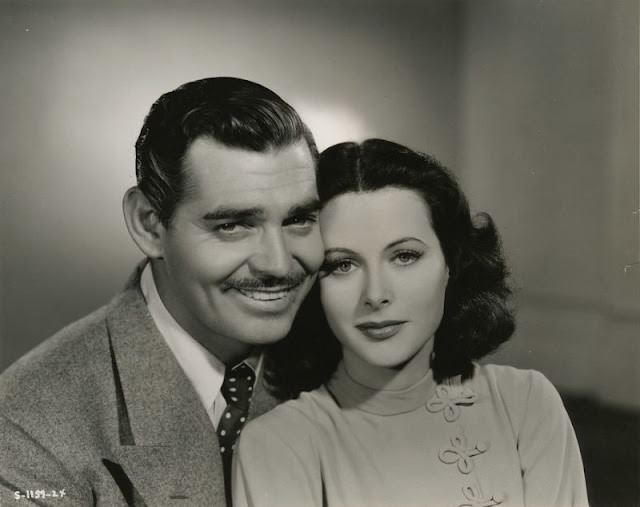
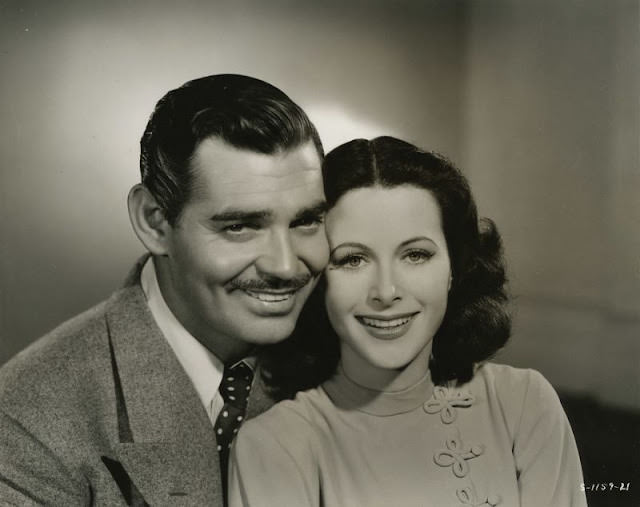
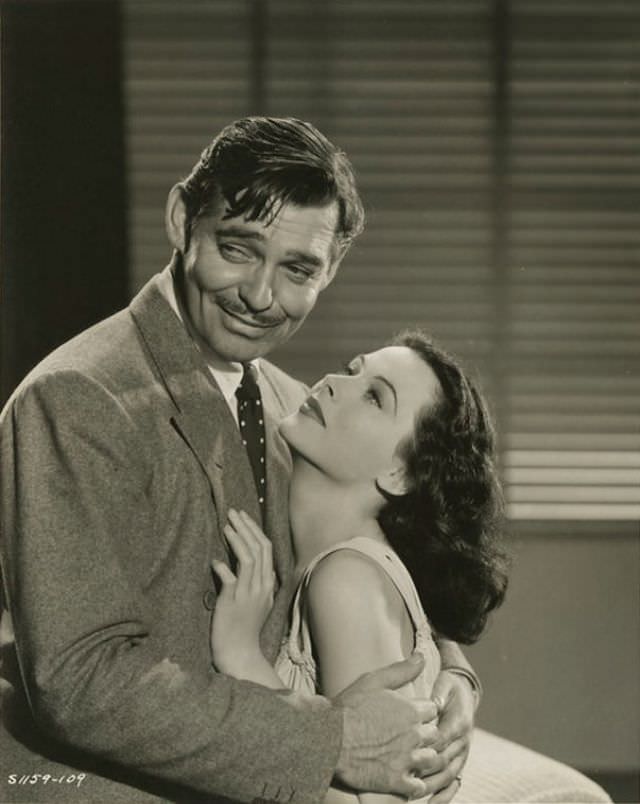
On set, however, the focus was squarely on performance. Gable and Lamarr reportedly got along well during production, and their comfort with each other shows on screen. There’s no awkwardness in their shared scenes — just two professionals who understood how to make a scene work.
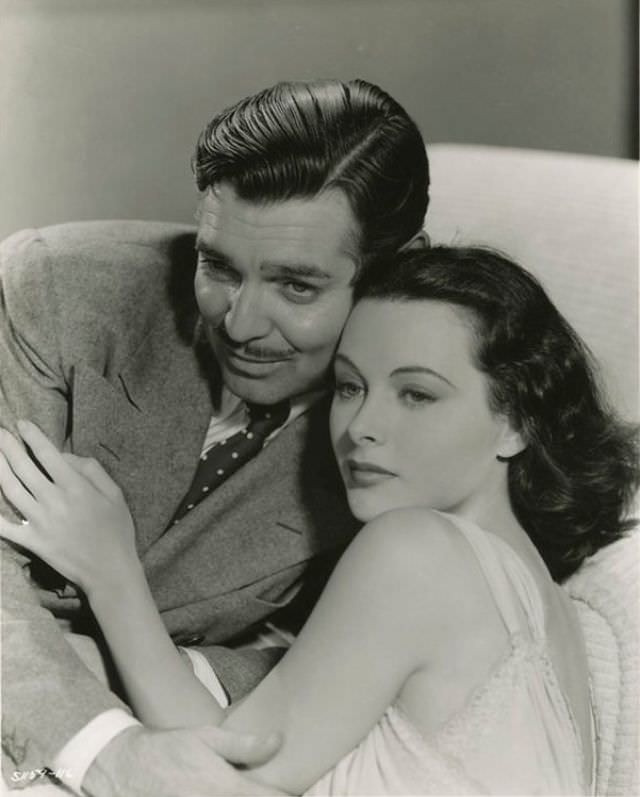
The film’s humor draws from the absurdity of Thompson’s situation — he’s a man who has been lying professionally, now forced to commit to a much bigger lie to save his own skin. Every layer of deception he adds makes his position more precarious, and Gable plays that escalating panic with a light touch.
Lamarr’s Theodore evolves across the film. She begins as someone who sees the world through a strict ideological lens and ends the story as a woman who has chosen her own path over doctrine. That arc gave Lamarr real material to work with, and she used it.
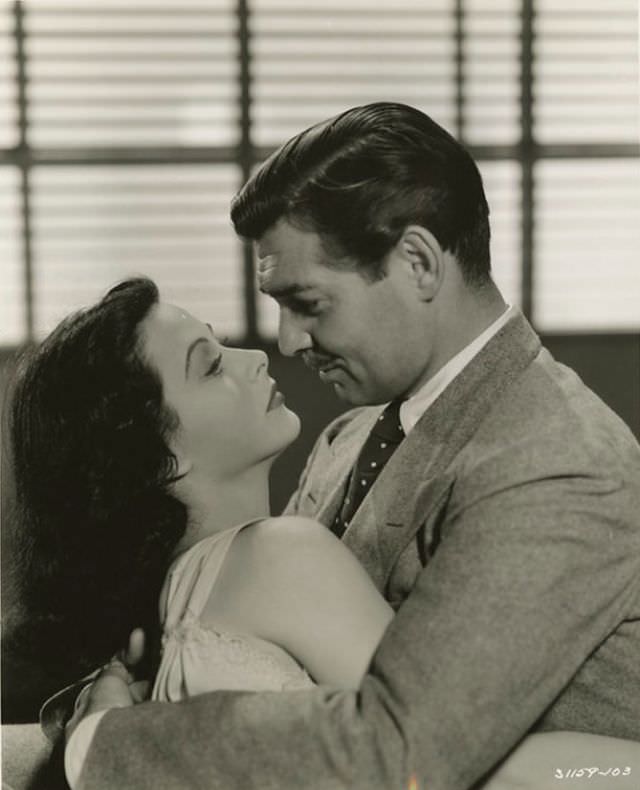
The costumes and set design gave the film a convincing Soviet visual identity without being heavy-handed. MGM’s production resources in 1940 were unmatched in Hollywood, and “Comrade X” benefited from that fully. The Moscow streets, government offices, and train depots all felt lived-in.
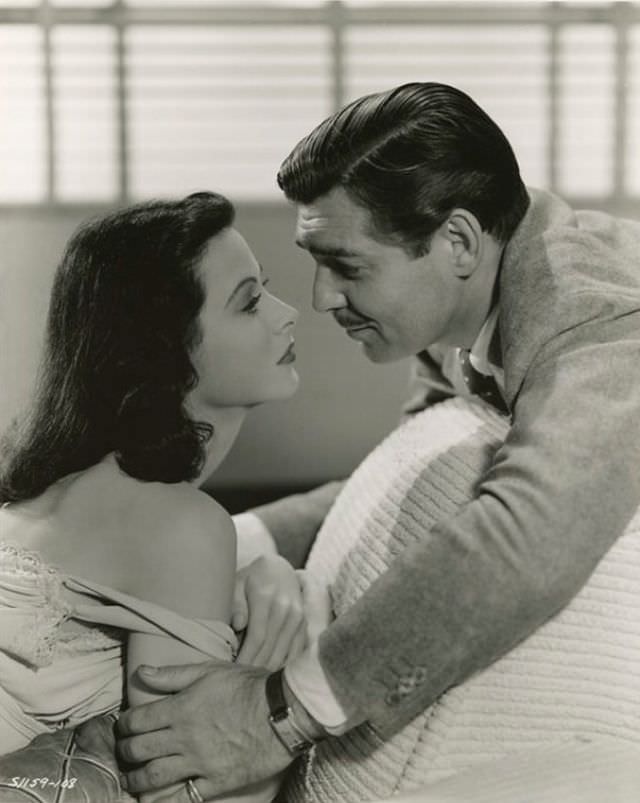
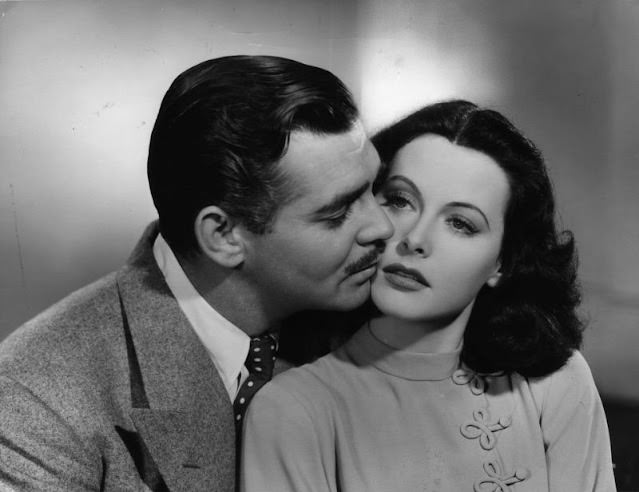
Box office returns were strong. The film performed well with general audiences and was considered a commercial success for MGM. Critics praised the lead performances, with several reviews specifically highlighting the chemistry between Gable and Lamarr as the film’s central strength.
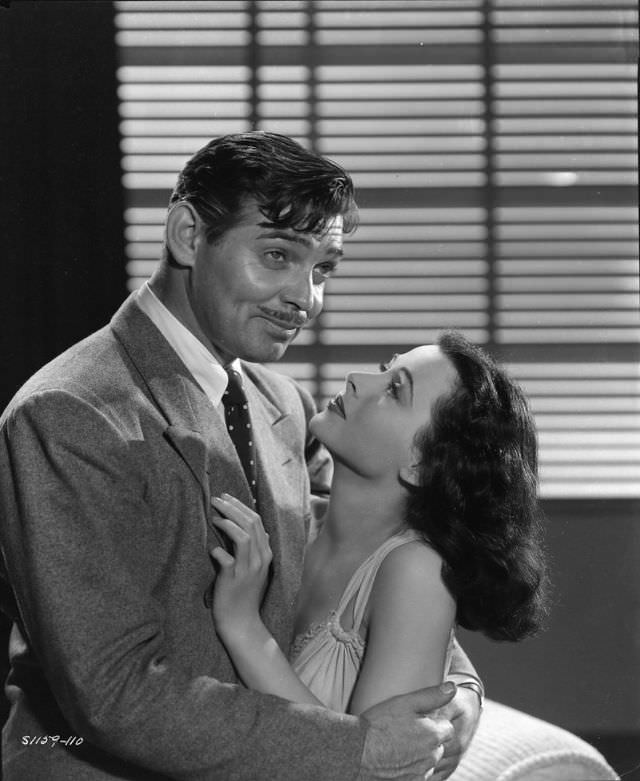
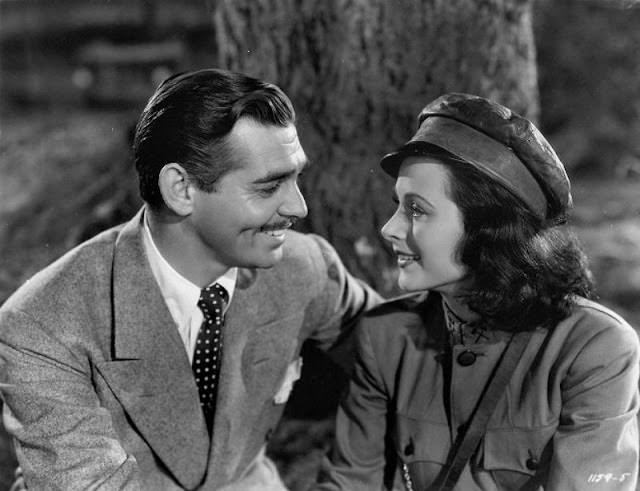
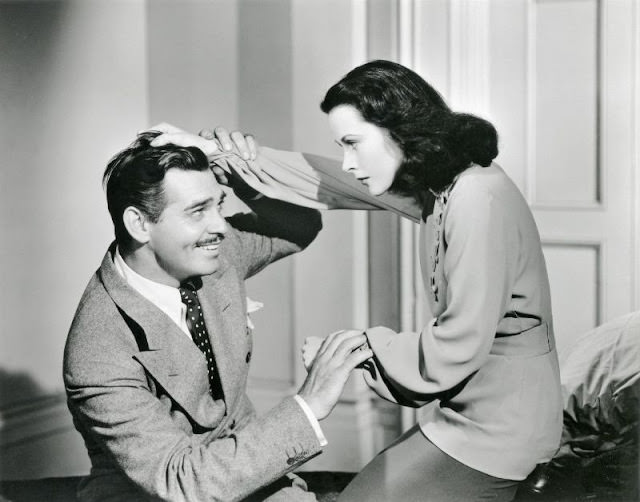
What made the pairing work on screen came down to contrast. Gable’s Thompson is reactive, improvisational, and driven by self-interest. Lamarr’s Theodore is deliberate, principled, and direct. Those opposing qualities created friction — and friction, in romantic comedy, is everything.
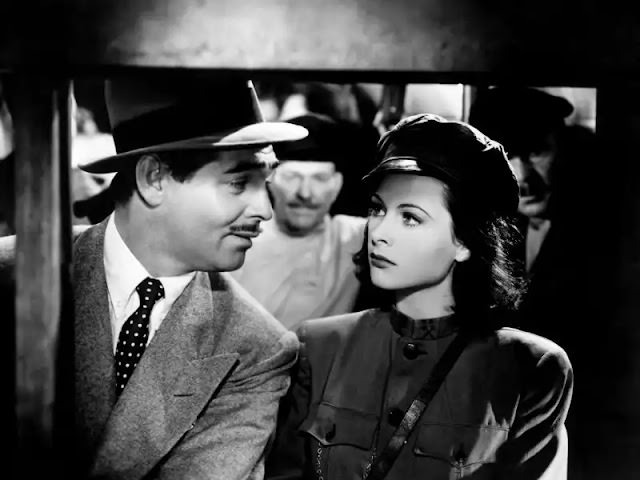
Vidor’s direction never let the political setting overwhelm the personal story. The satire was present but not preachy. The romance was genuine without being saccharine. That balance is what kept the film from feeling like a propaganda piece dressed up as entertainment.
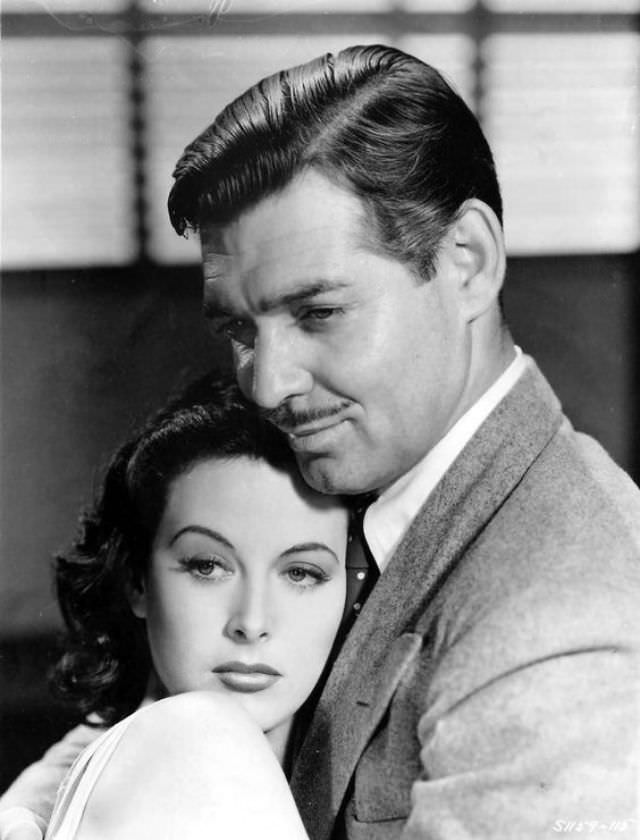
Gable wore a mustache throughout the film — a signature look he had carried since the early 1930s. By 1940, it had become so associated with him that it was practically part of the character before he said a word. Lamarr, for her part, wore her dark hair simply styled, which suited the working-class identity of Theodore.
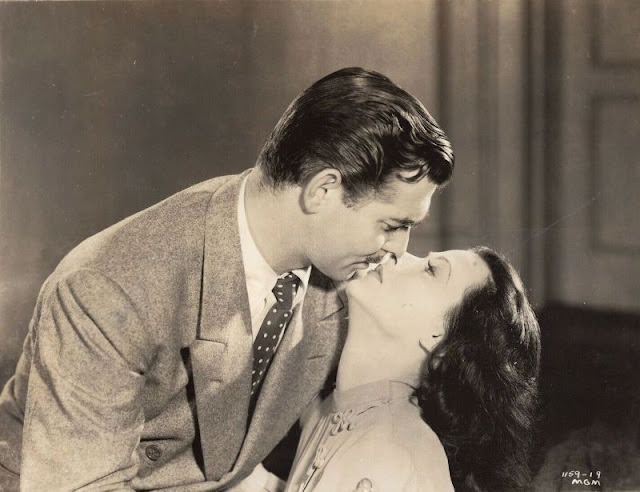
The film was also notable for not relying on either star’s looks alone to sell the story. Both Gable and Lamarr were considered among the most attractive people in Hollywood at the time, but “Comrade X” asked them to be funny and believable first — and they delivered.
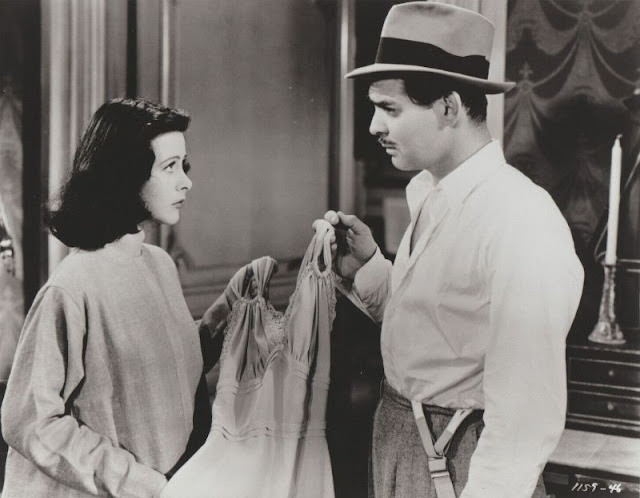
Oscar Homolka received an Academy Award nomination for Best Supporting Actor for his role as Commissar Vasiliev. His presence gave the film a genuine edge of threat, which kept the comedy from becoming too light. Homolka’s Vasiliev was dangerous in a quiet way that made every scene with him feel unpredictable.
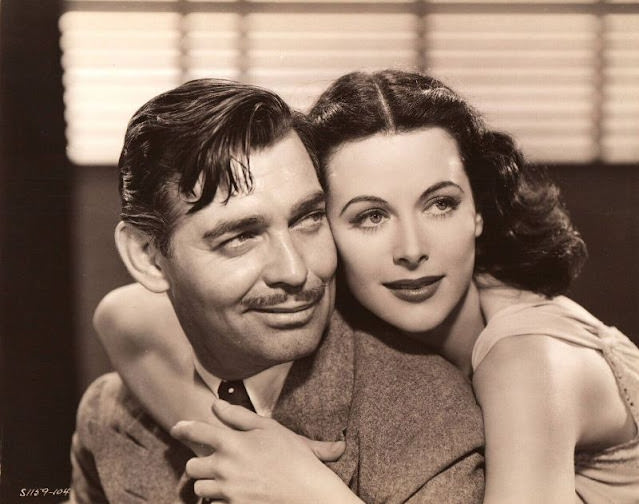
“Comrade X” stands as a clear example of what the Hollywood studio system could produce when it put two major stars in the right story with the right director. Gable and Lamarr each brought something distinct to every scene, and together they made a film that held its audience from the first frame to the last.