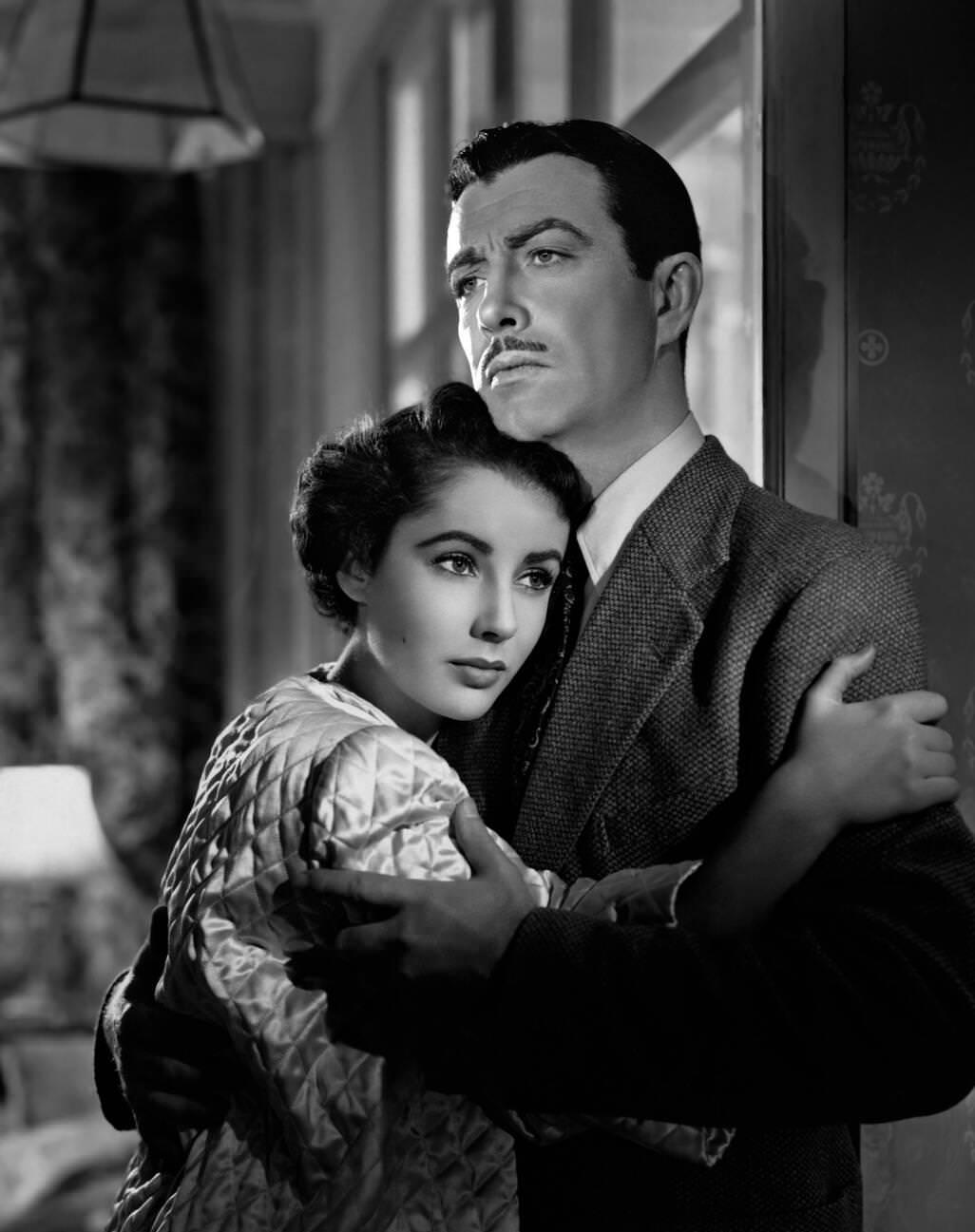
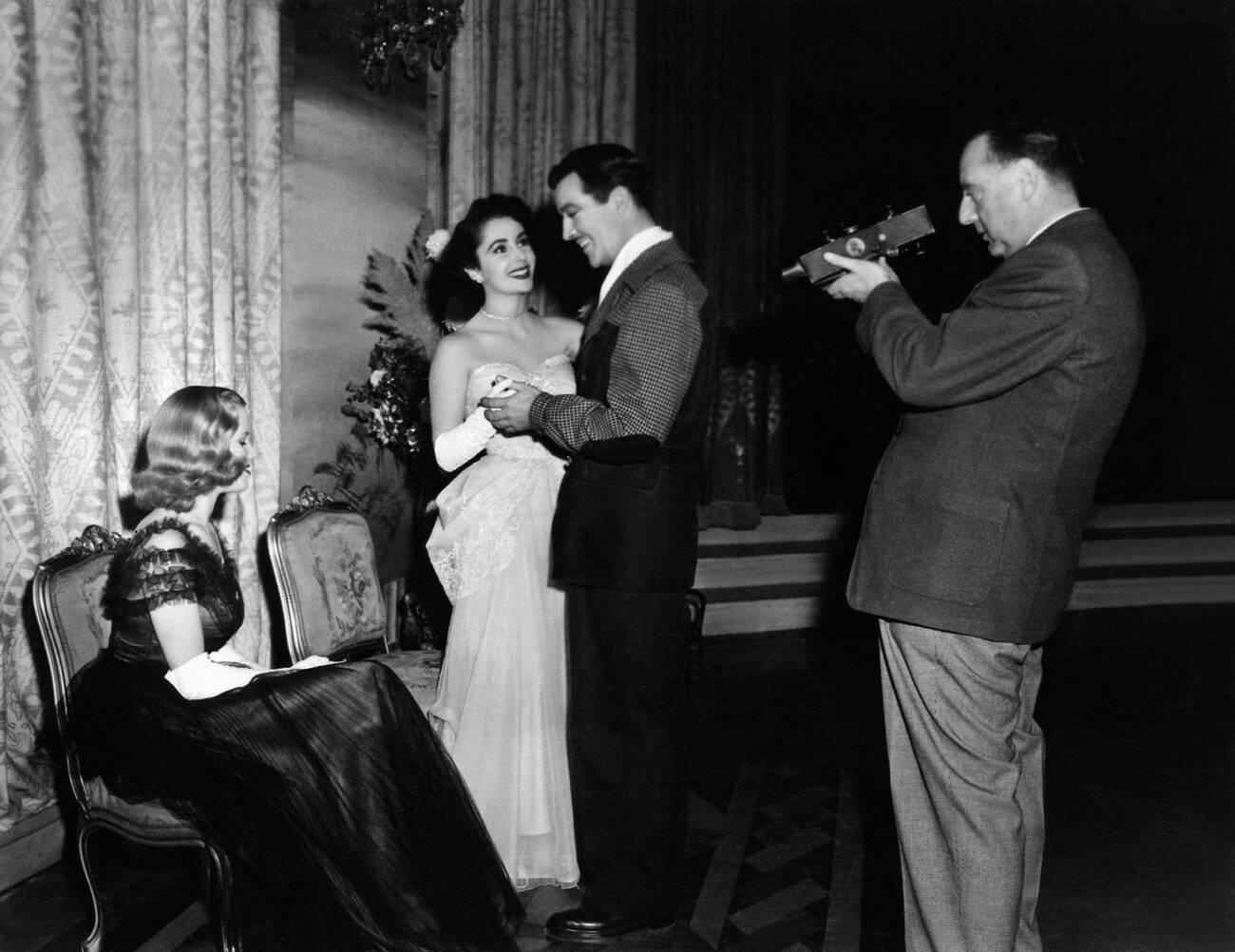
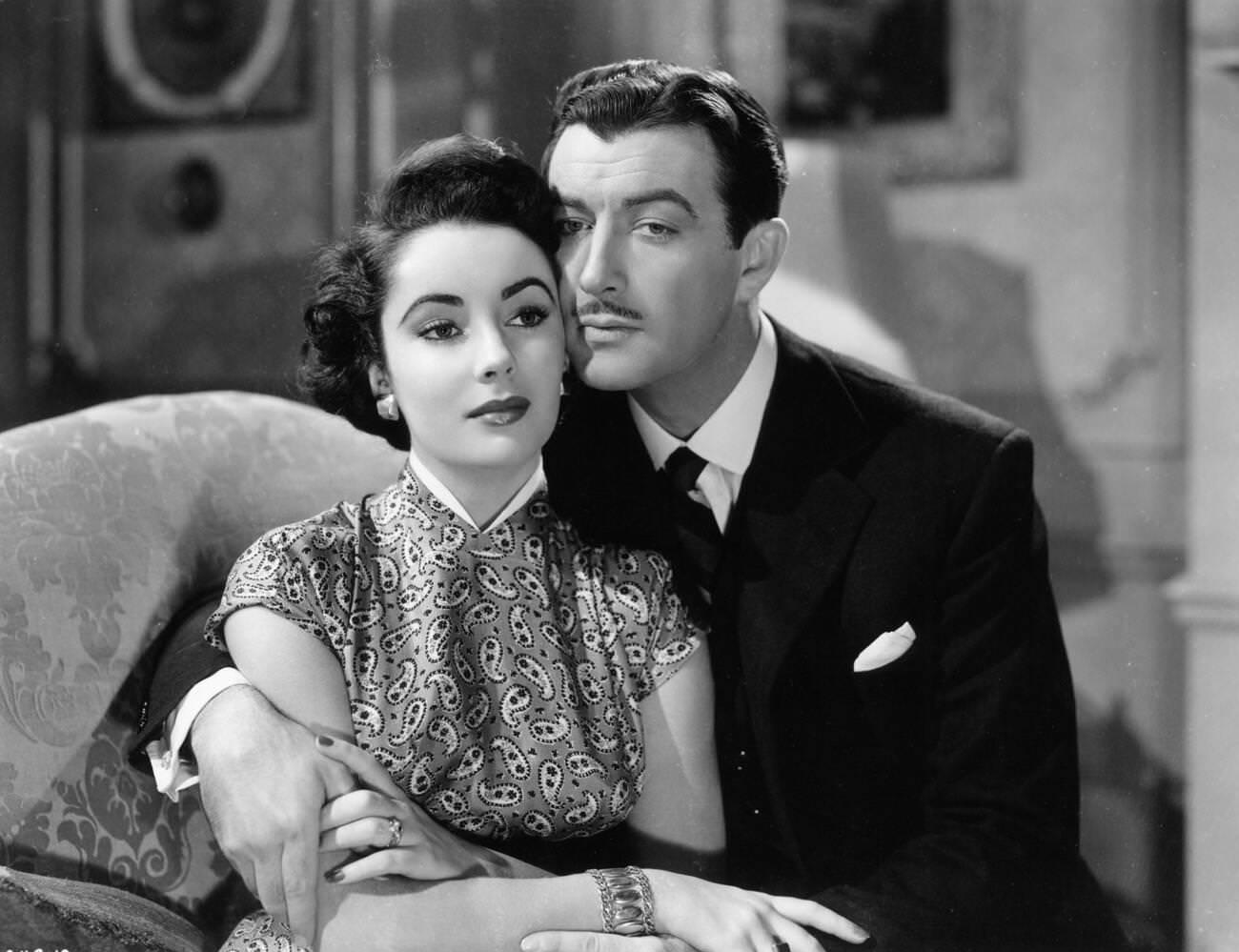
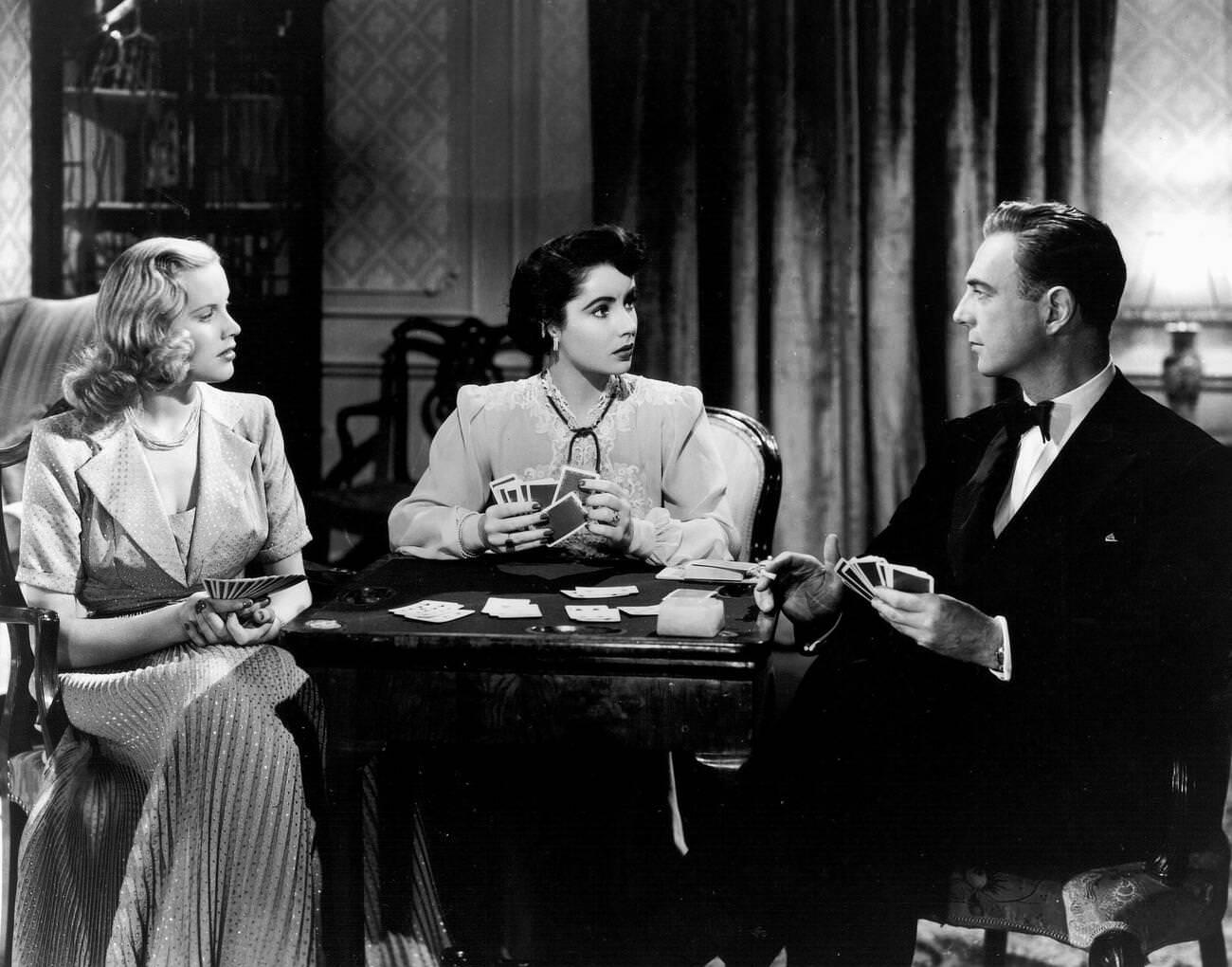
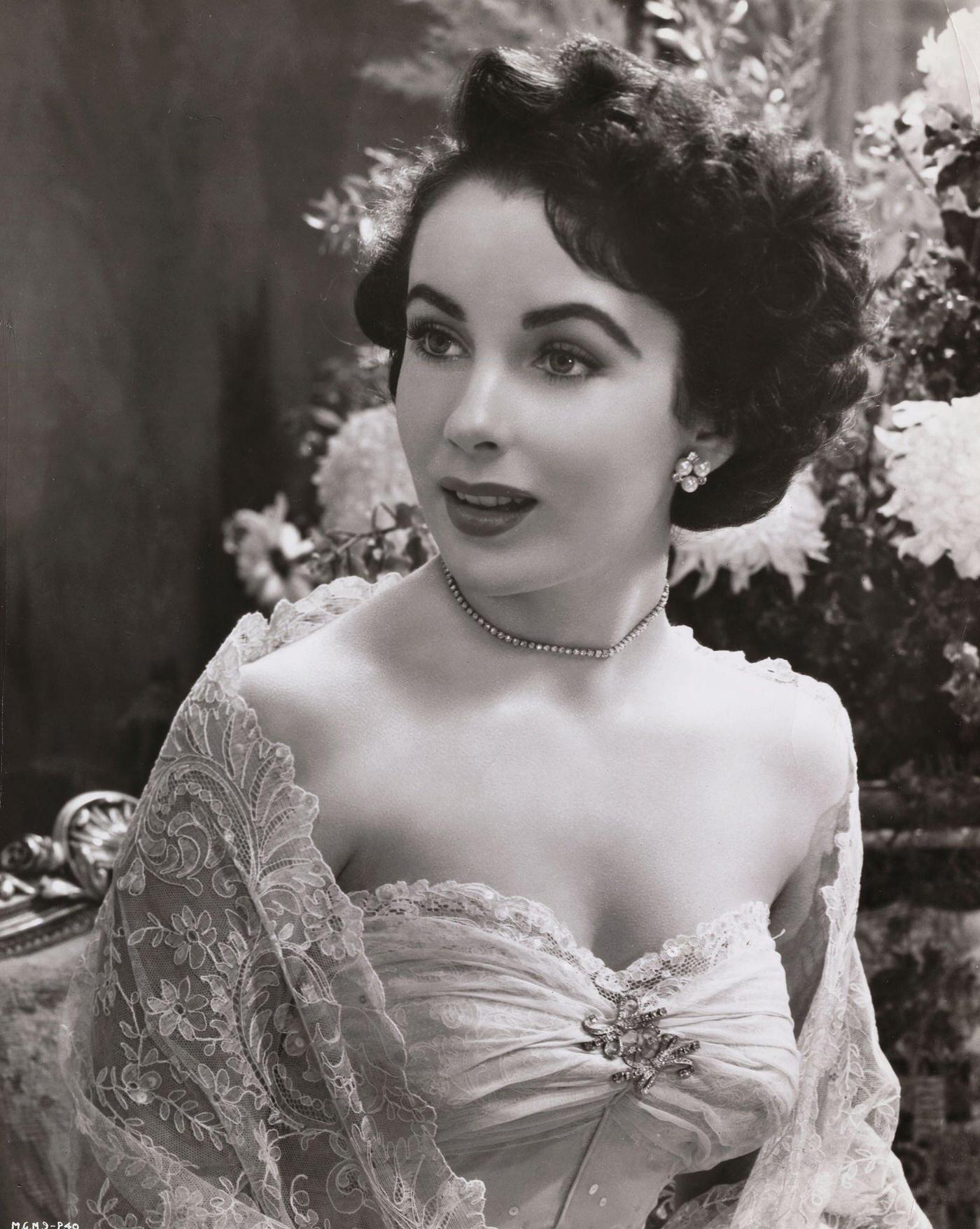
Released in 1949 and directed by Victor Saville, Conspirator is a taut blend of romance and Cold War paranoia based on Humphrey Slater’s novel of the same name. The film pairs two Taylors — Robert and Elizabeth — who share no family relation but share the screen with remarkable chemistry. For Elizabeth Taylor, it was a milestone: her first fully adult role, marking a clear departure from the child actress audiences had come to love in National Velvet.
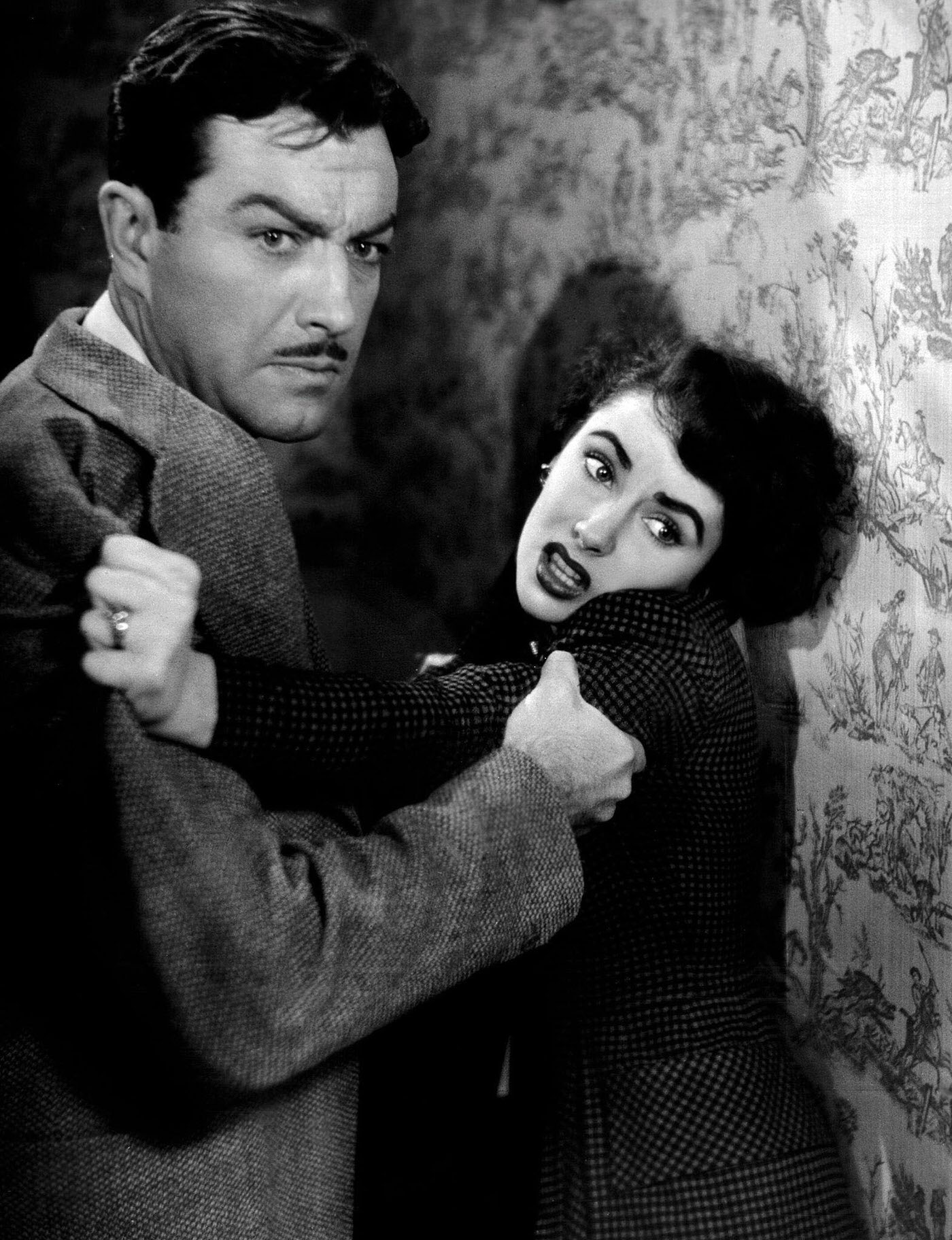
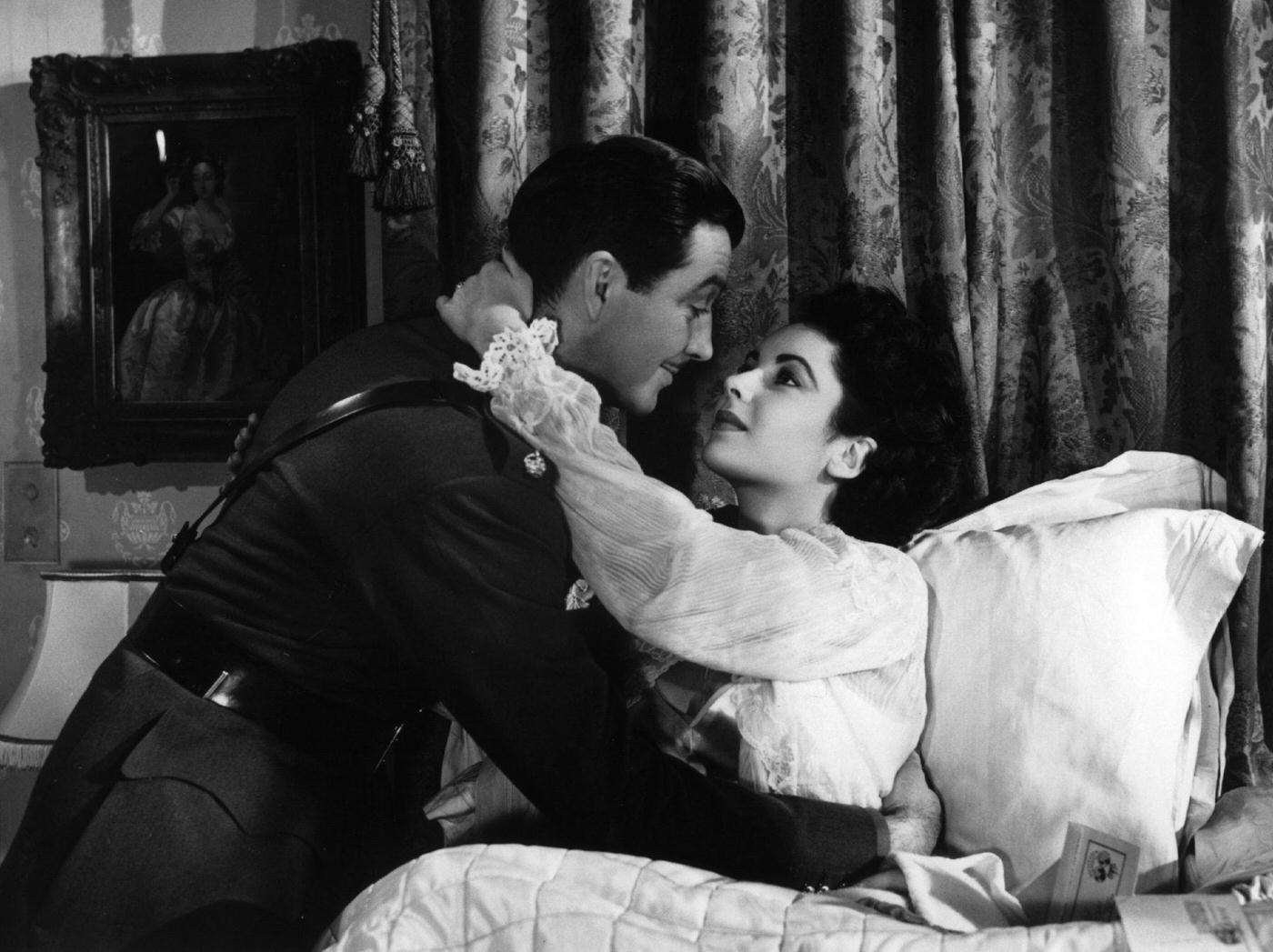
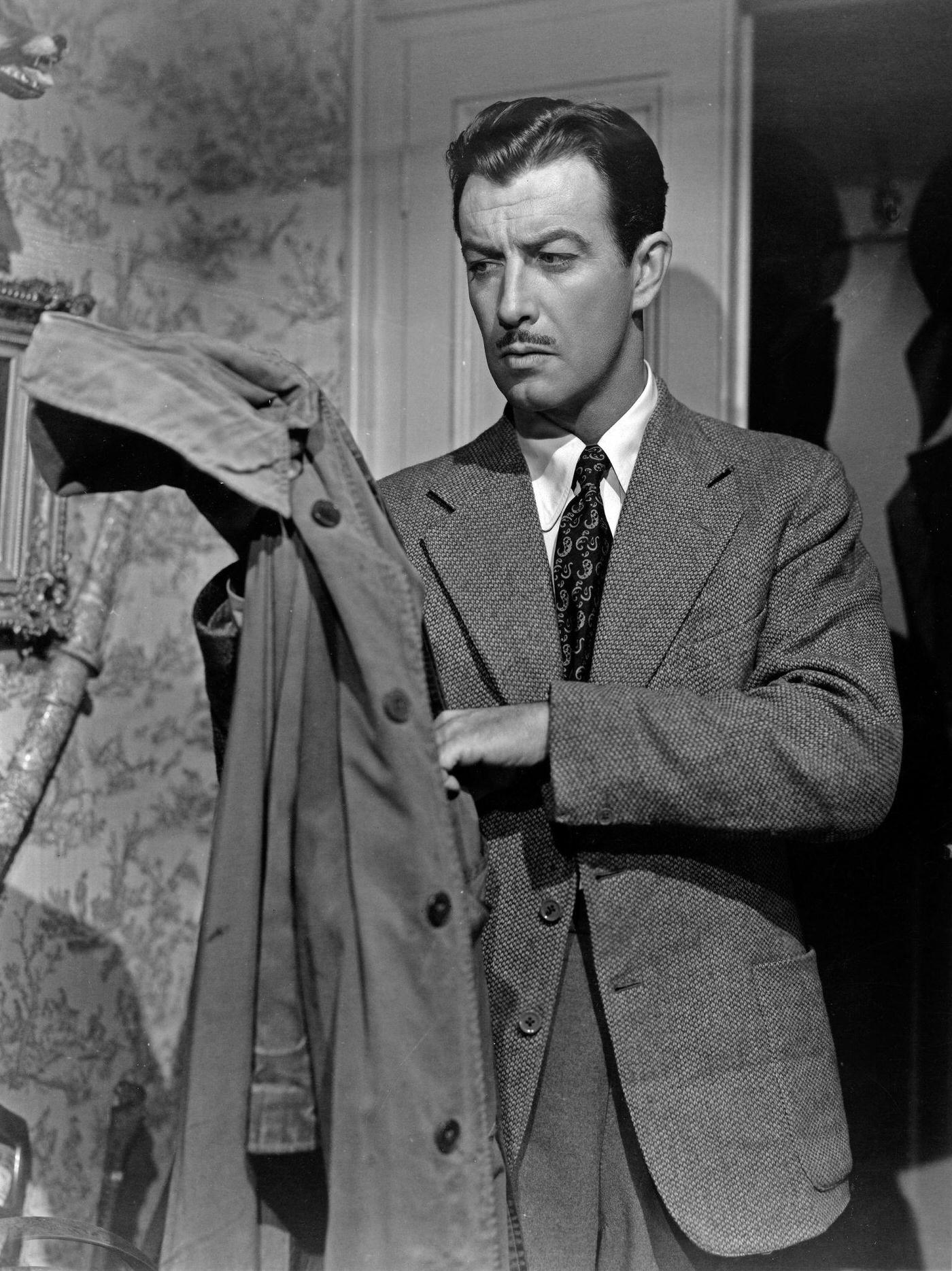
Robert Taylor plays Major Michael ‘Mike’ Curragh, a British Army officer who has been drawn into a communist spy network. He carries out this double life with outward composure — but the arrival of a new wife threatens everything. Melinda Greyton, played by Elizabeth Taylor, is young, deeply in love, and entirely unaware of her husband’s clandestine activities. Their whirlwind romance and rapid marriage set the story’s central trap: the closer Melinda gets to Mike, the more dangerous the situation becomes.
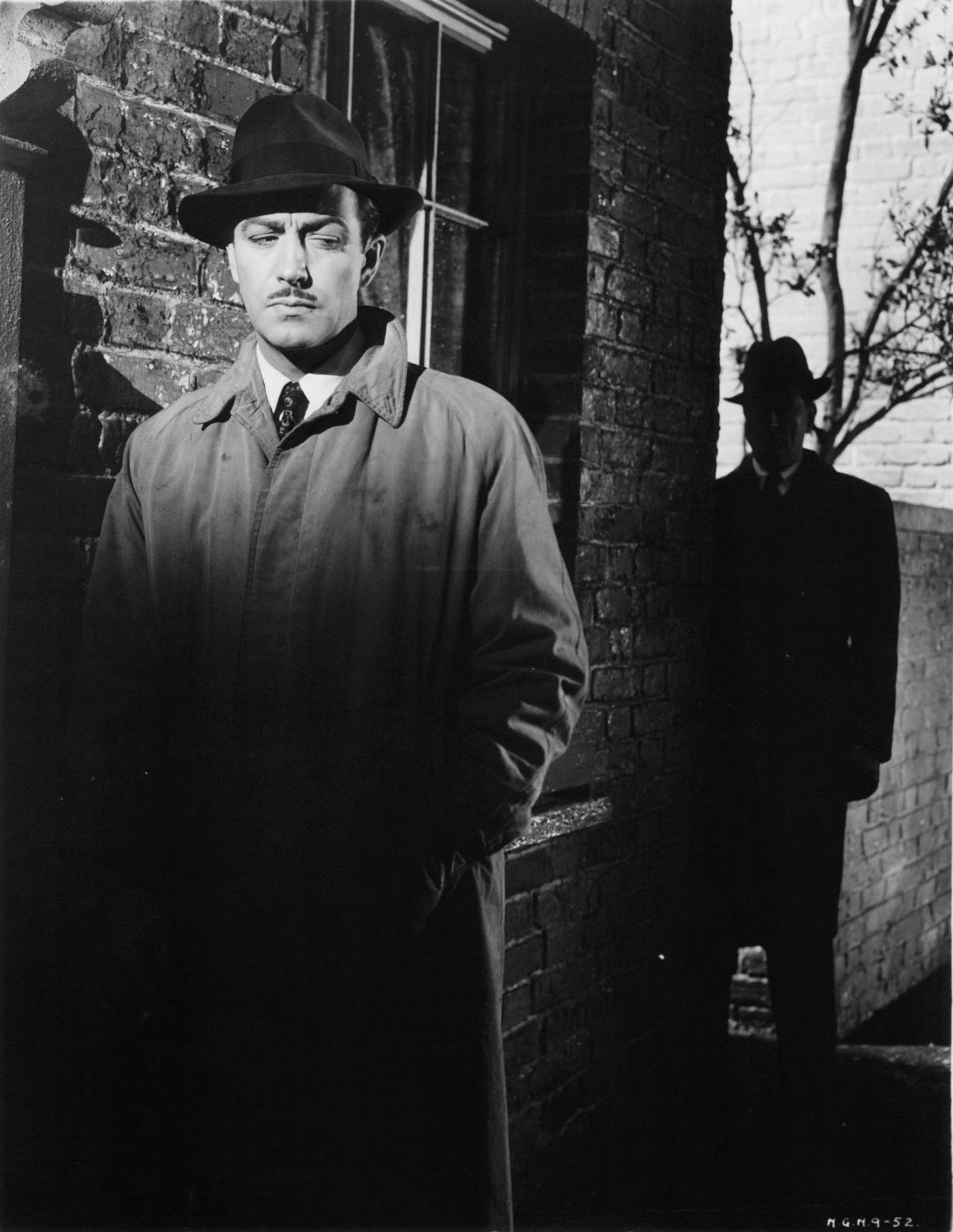
The tension in the film builds through Mike’s increasingly desperate efforts to shield Melinda from the truth. His handlers within the communist network see her as a liability. As Melinda begins piecing together clues about her husband’s secret life, Mike is pressured to silence her permanently — a task he finds himself unable to carry out.
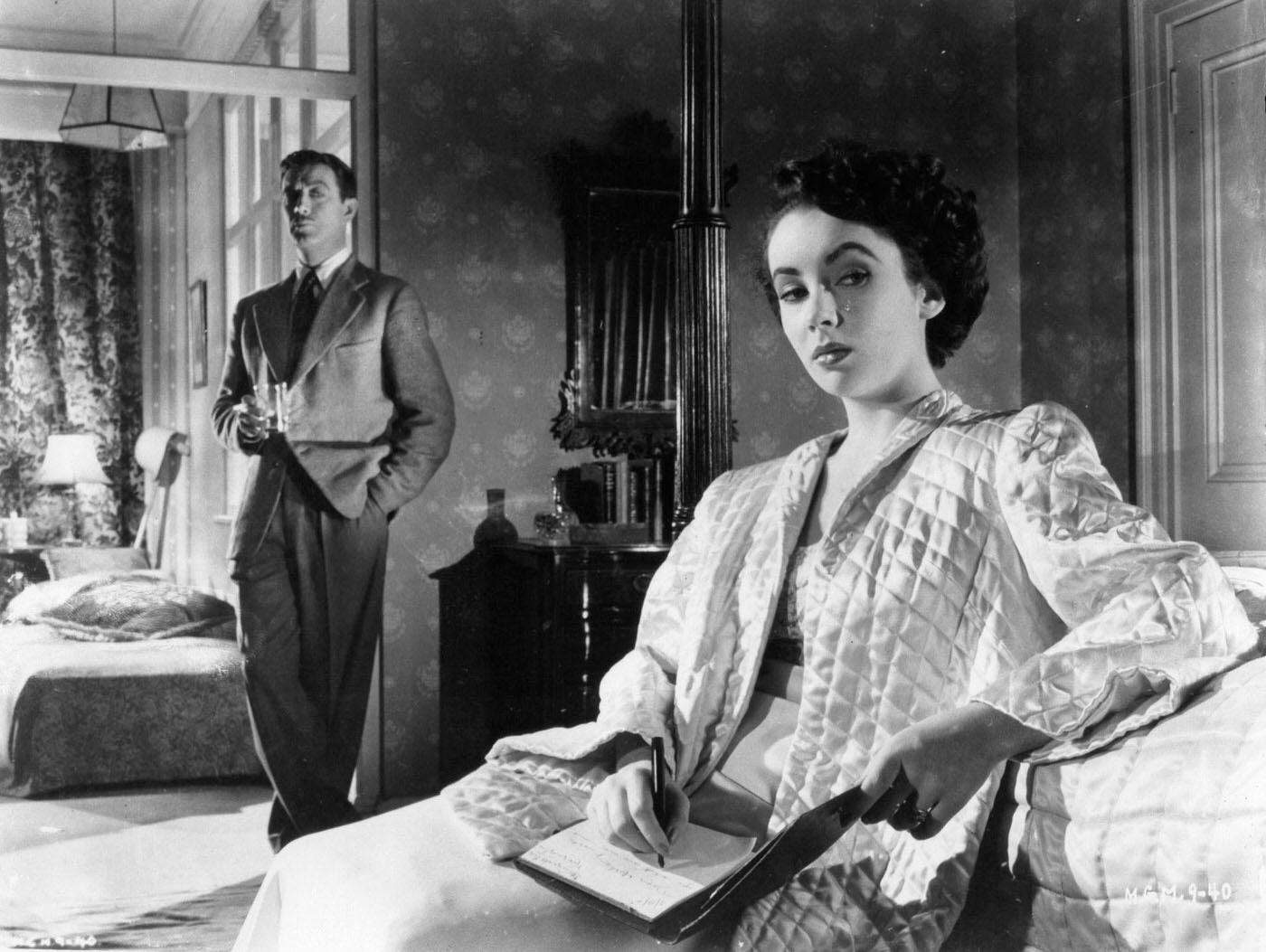
Elizabeth Taylor was just 17 when filming began, yet her performance carries genuine emotional weight. Melinda starts the film as a naive, starry-eyed newlywed and is forced to mature rapidly as the realities of her marriage close in on her. It was a demanding role for an actress of any age, and Taylor handled it with conviction.
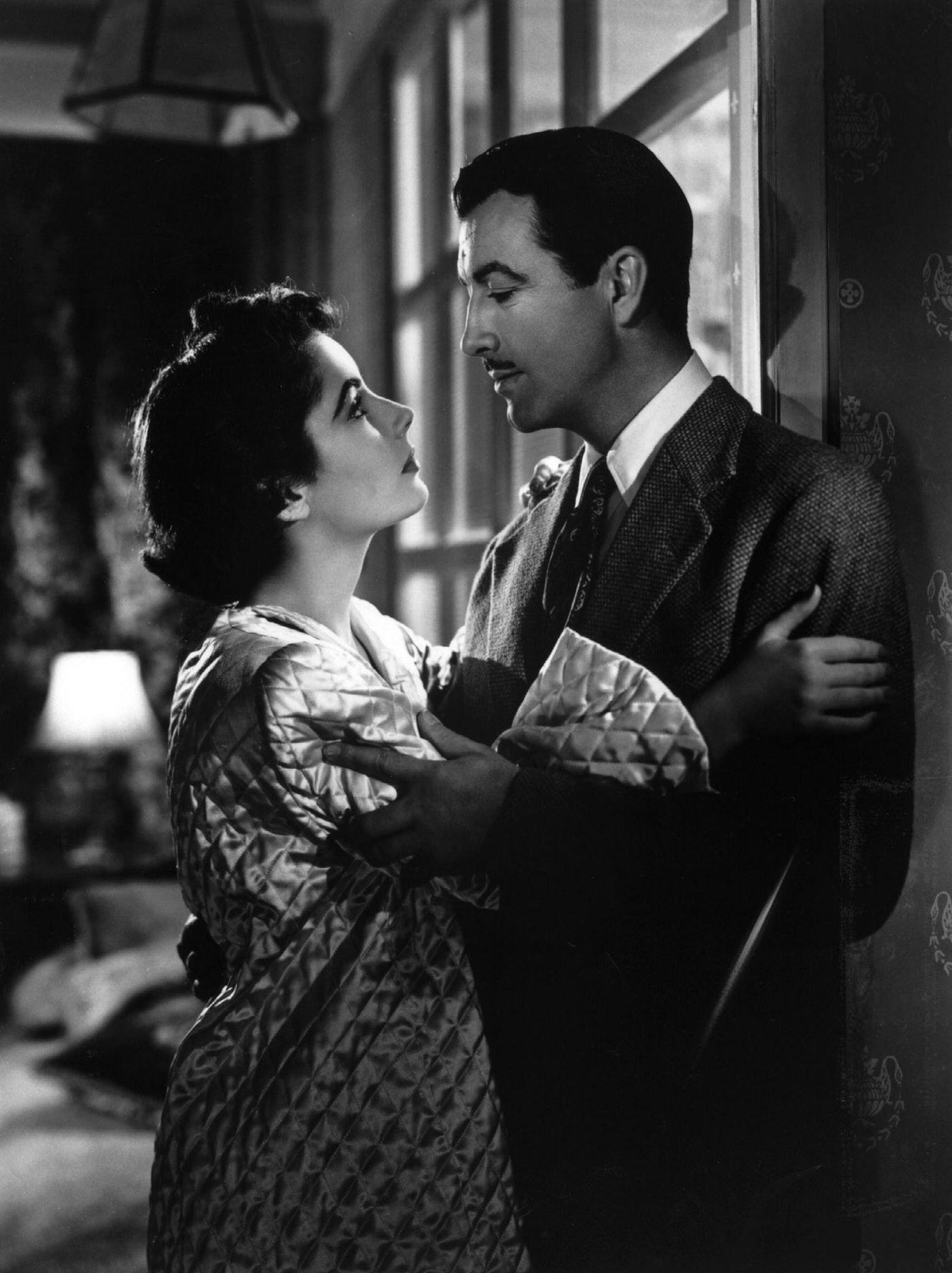
Robert Taylor’s portrayal of Mike is one of controlled conflict. He plays a man who is not a villain by nature but is trapped by ideological commitments he can no longer escape. The performance avoids melodrama, which makes the character’s moral unraveling all the more unsettling. His scenes opposite Elizabeth Taylor crackle with unspoken dread beneath the surface of a seemingly ordinary marriage.
The film’s political backdrop reflects the anxieties of its era. Made just a few years after World War II ended, Conspirator taps directly into the fear of communist infiltration that was spreading across Britain and the United States in the late 1940s. The idea that a decorated British officer could be a spy for a foreign ideology struck at a deep cultural nerve. Saville uses this setting not as window dressing but as the engine driving every major conflict in the plot.
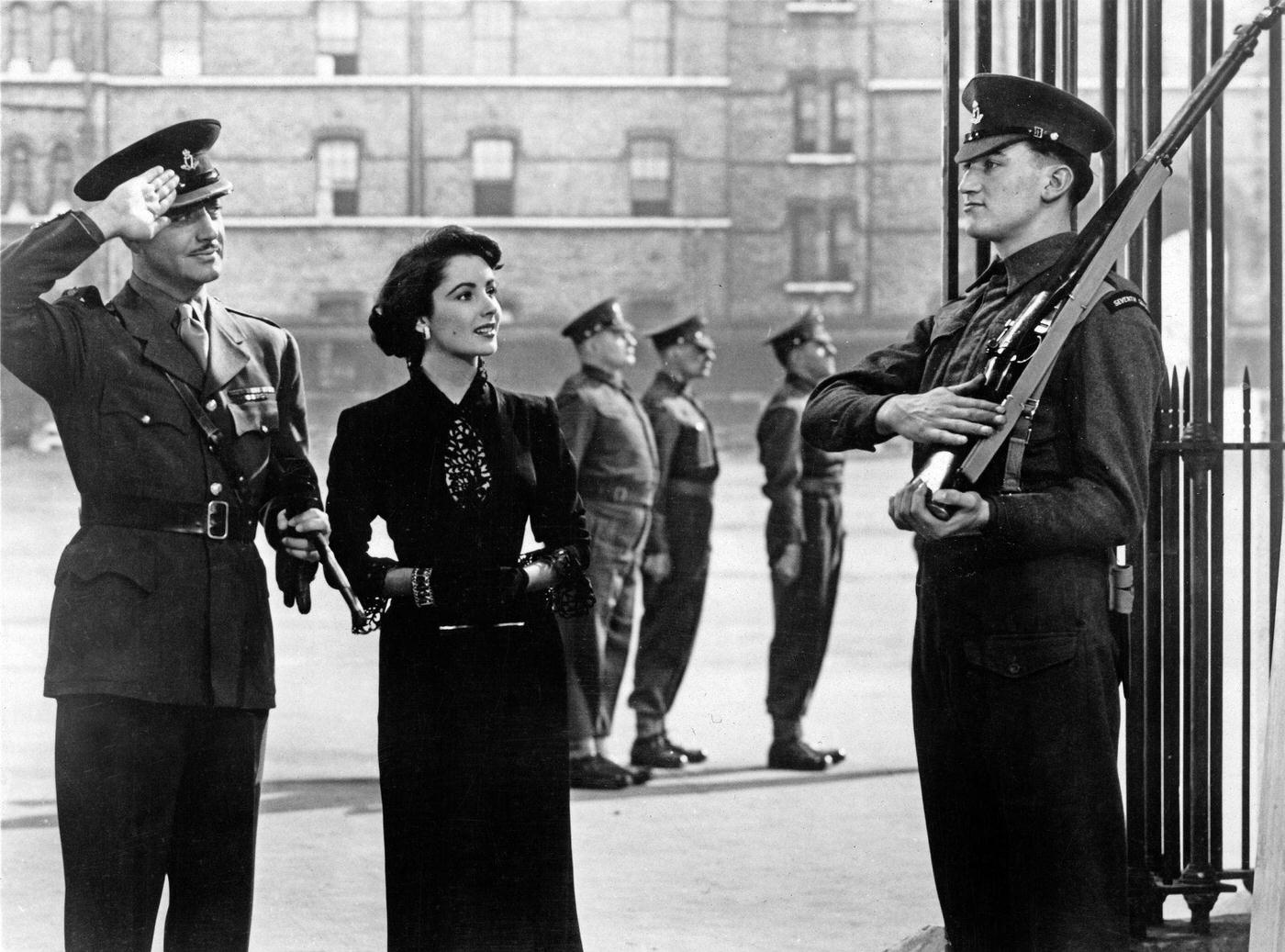
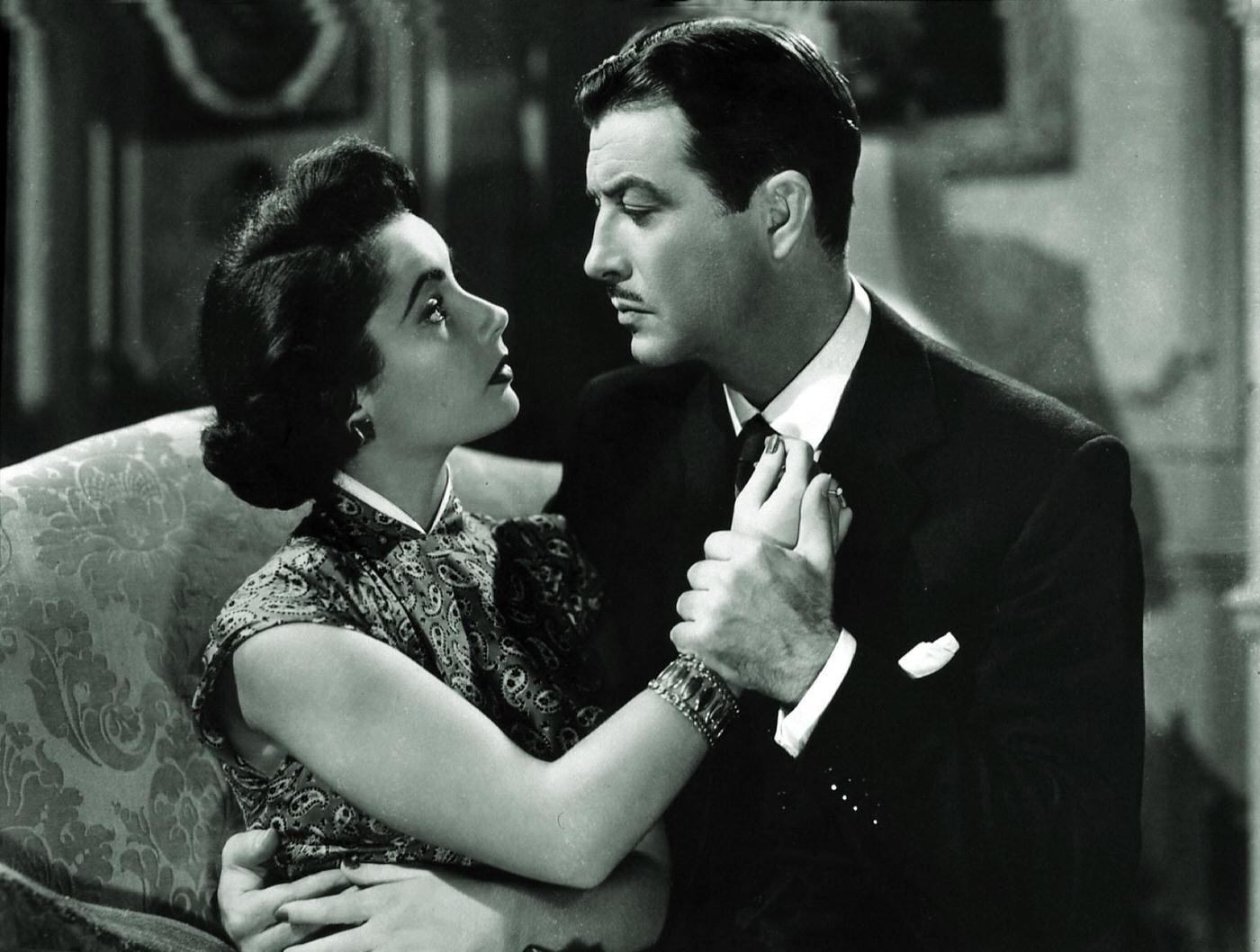
Director Victor Saville keeps the pacing deliberate without letting the film stall. The story moves through domestic scenes, military settings, and clandestine meetings, each environment reinforcing a different layer of Mike’s fractured identity. Honor Blackman and Robert Flemyng appear in supporting roles that add texture to the world around the two leads.
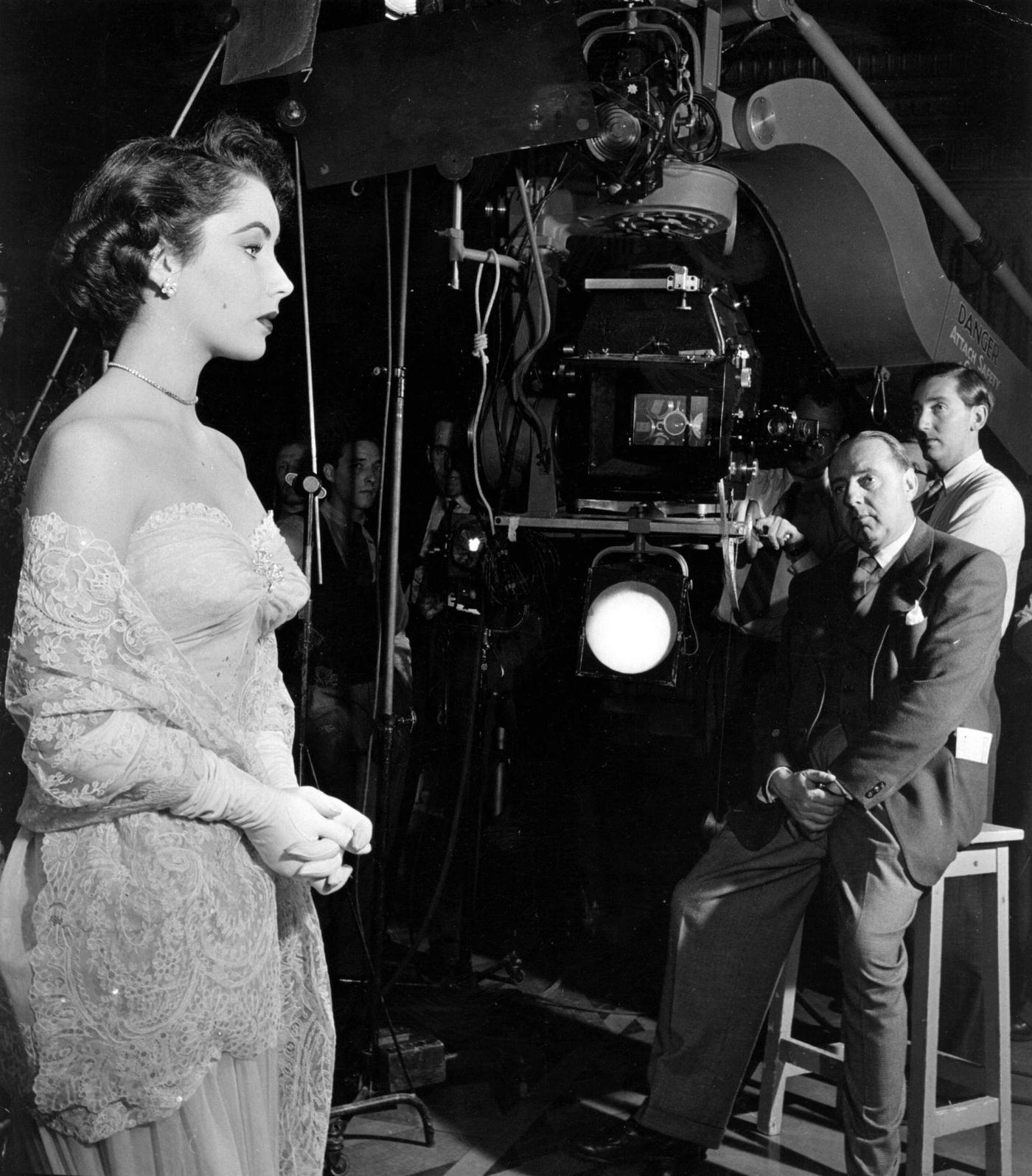
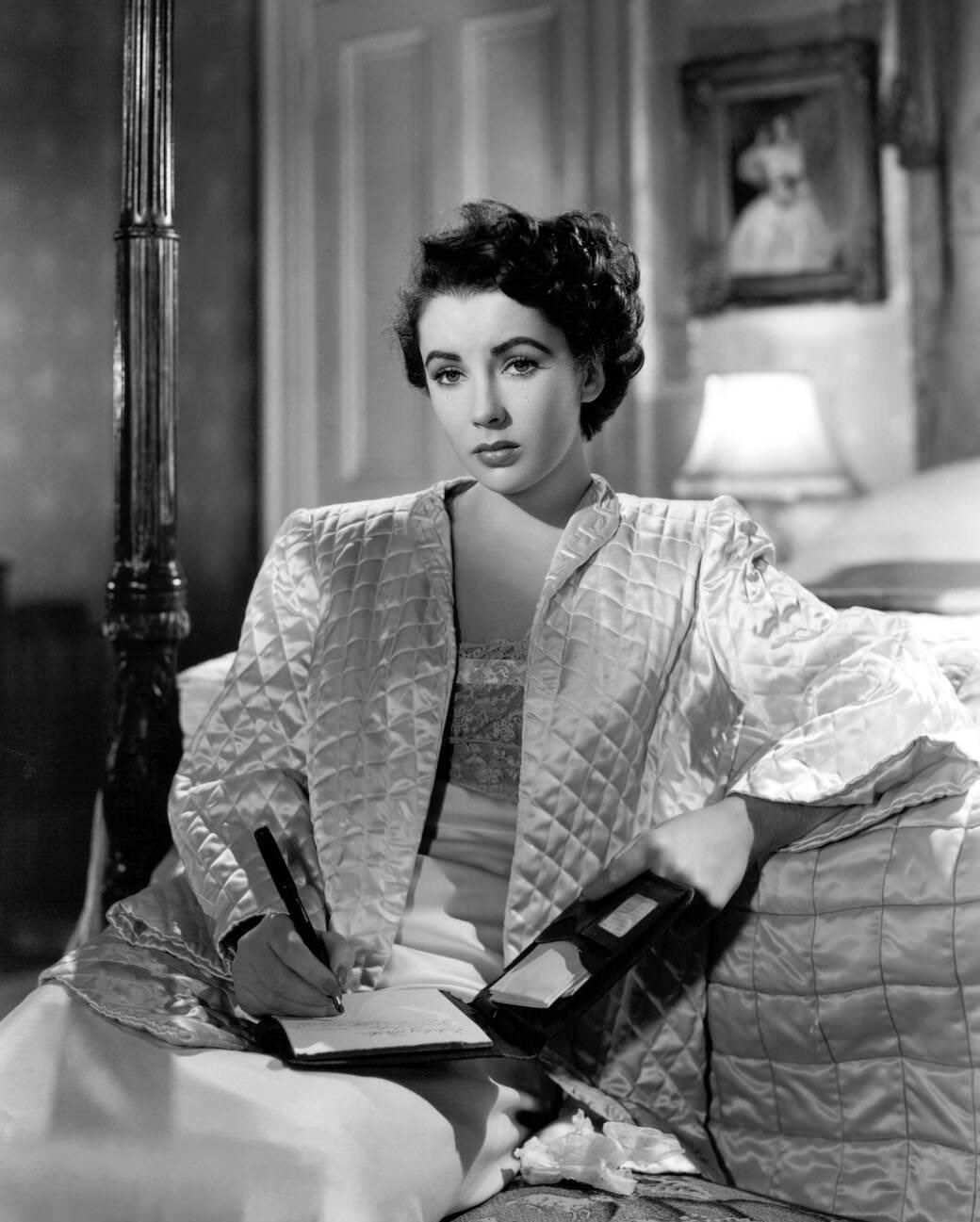
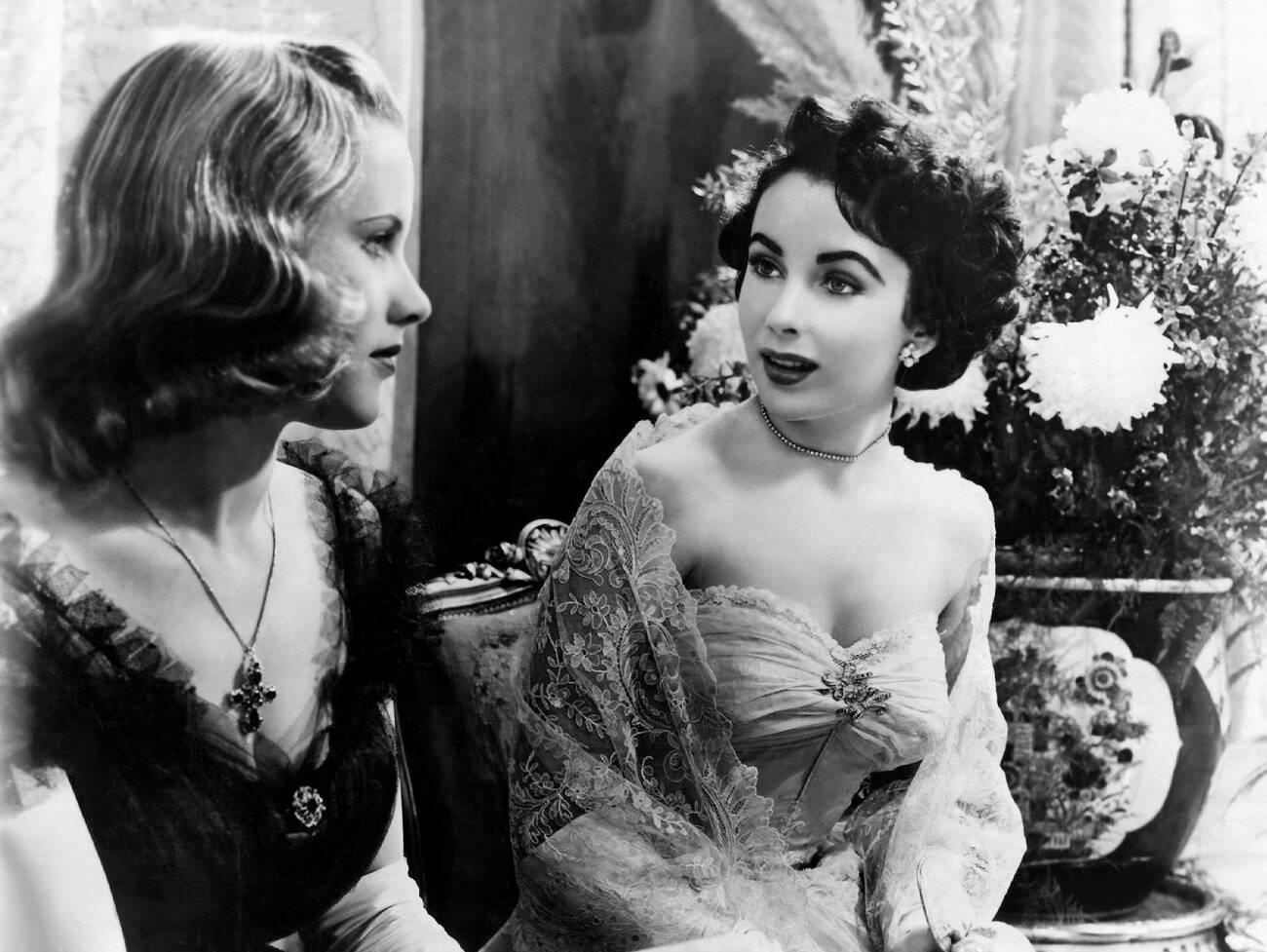
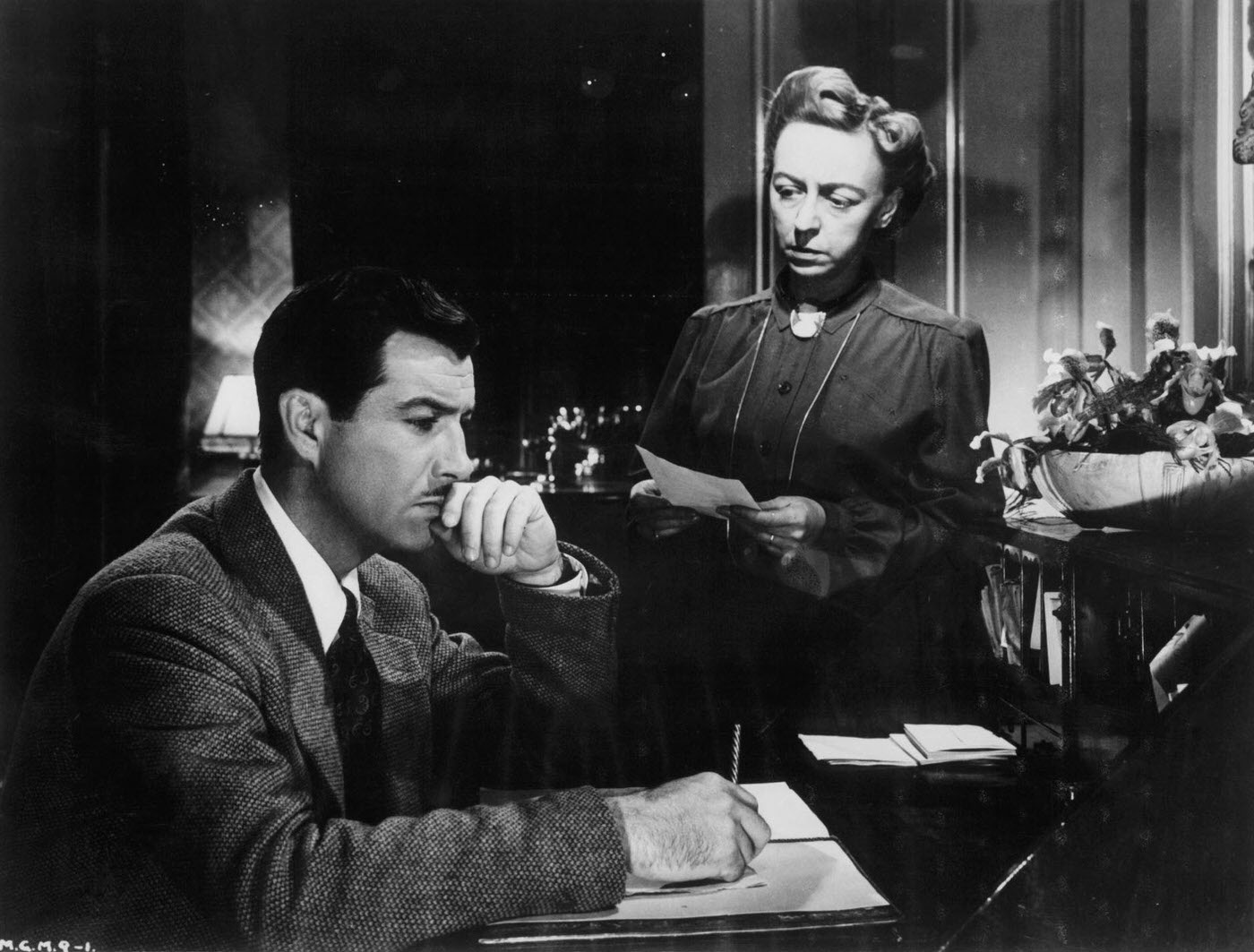
The film’s domestic scenes are particularly effective. The Curragh household functions as a kind of pressure cooker — warm and ordinary on the surface, volatile underneath. Small moments of suspicion on Melinda’s part, and small evasions on Mike’s, accumulate into a creeping sense of dread that defines the film’s tone.
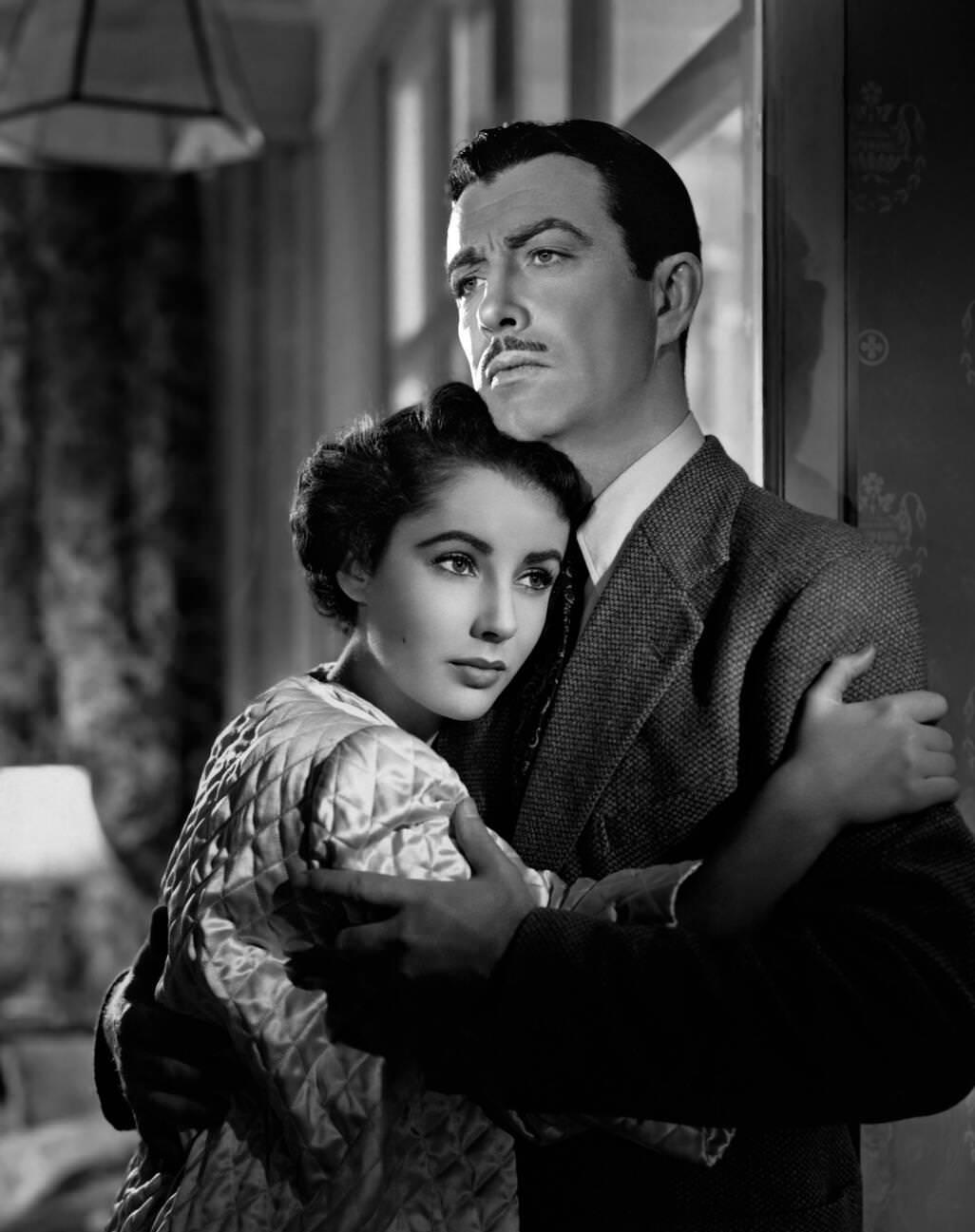
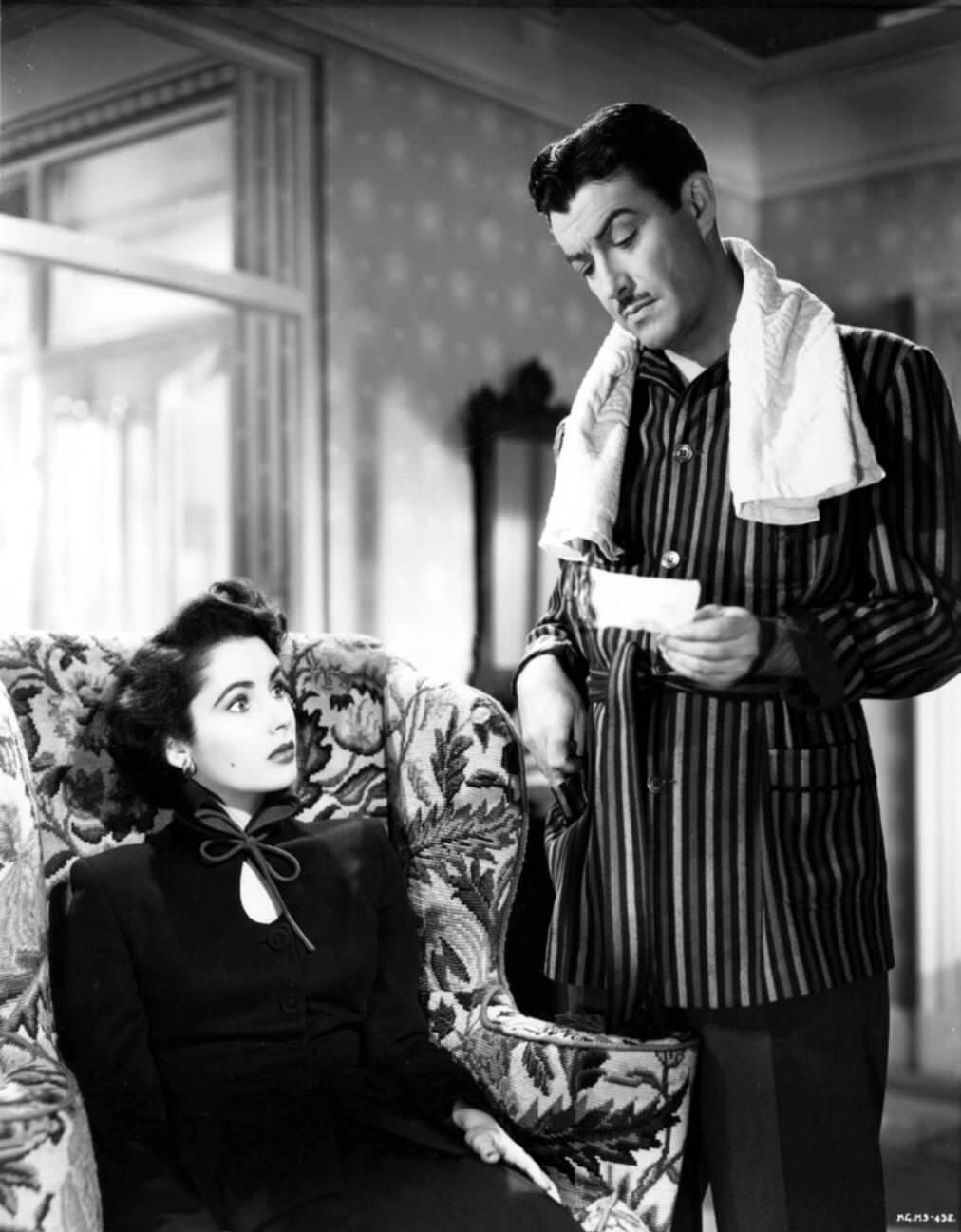
Conspirator sits firmly in the tradition of postwar British spy thrillers, but the romance at its core gives it a distinctly personal dimension. This is not a film about geopolitics in the abstract — it is about what happens when ideology collides with love inside the walls of a home.