In the 1920s and 1930s, home economics was a standard part of girls’ education across America. Known earlier as domestic science, the subject grew into a structured, formal curriculum taught in schools from rural towns to big cities. It covered far more than cooking and sewing — lessons included nutrition, budgeting, child care, food preservation, and even table etiquette.
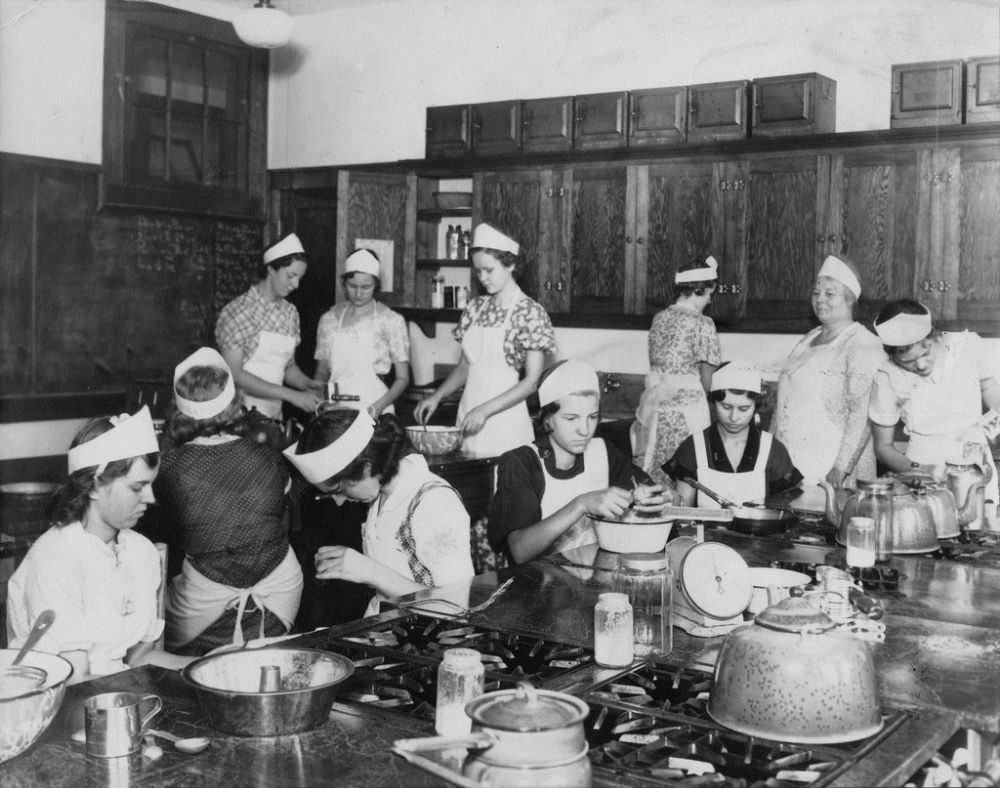
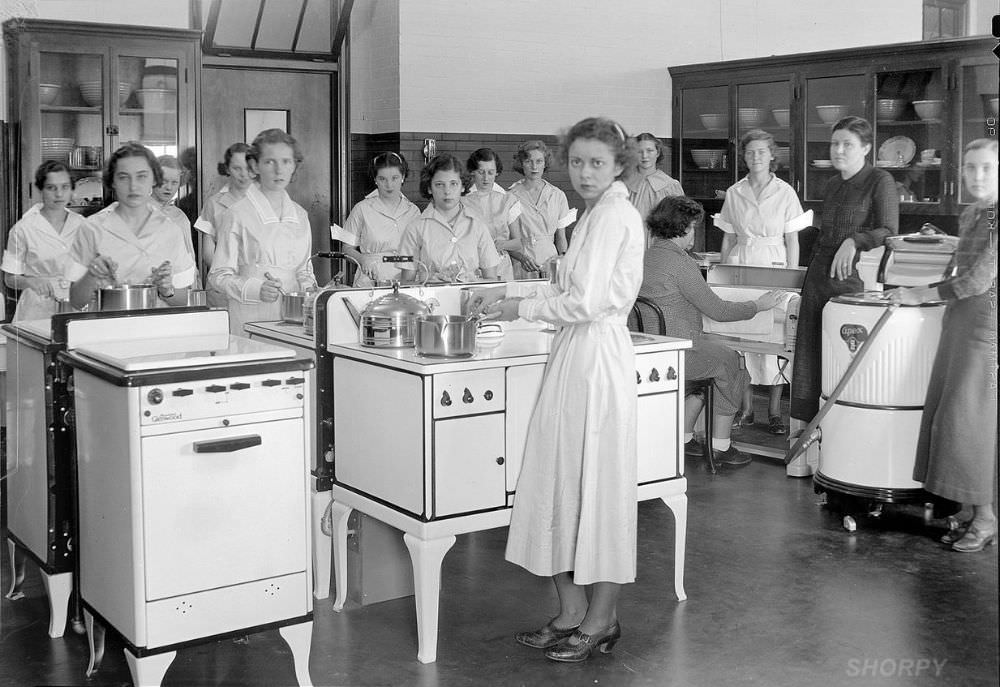
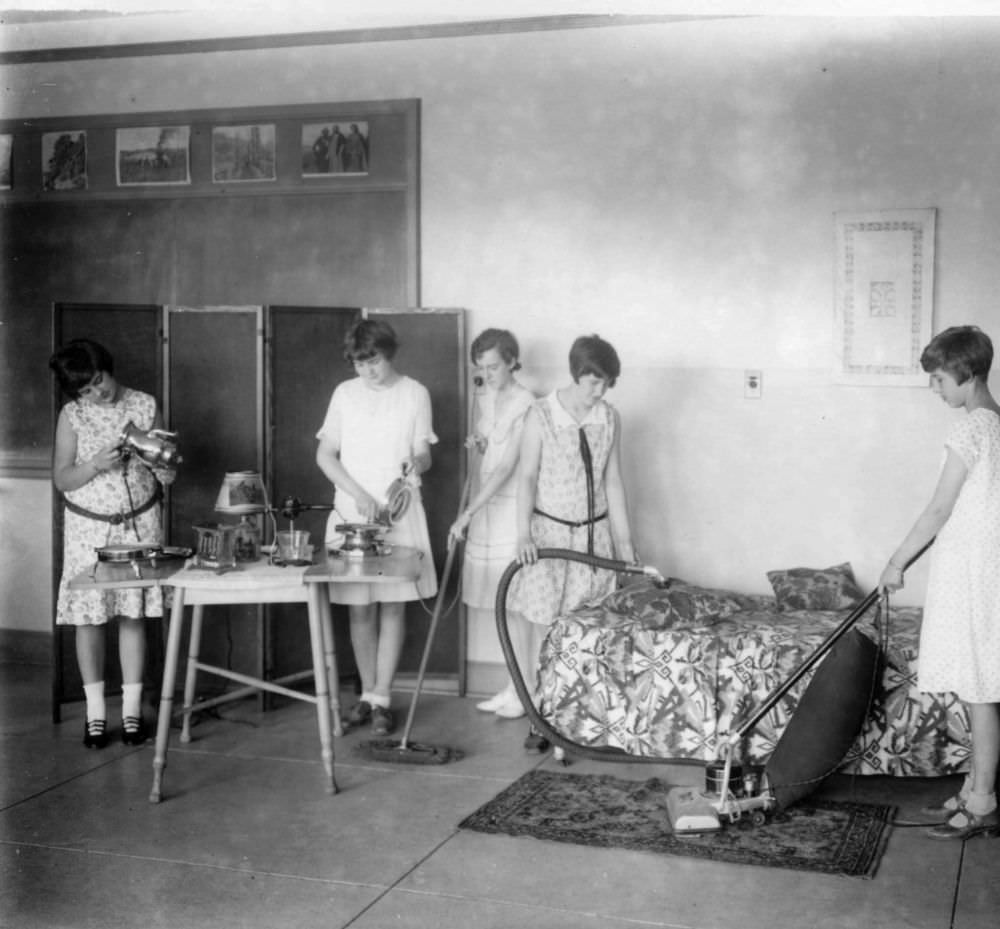
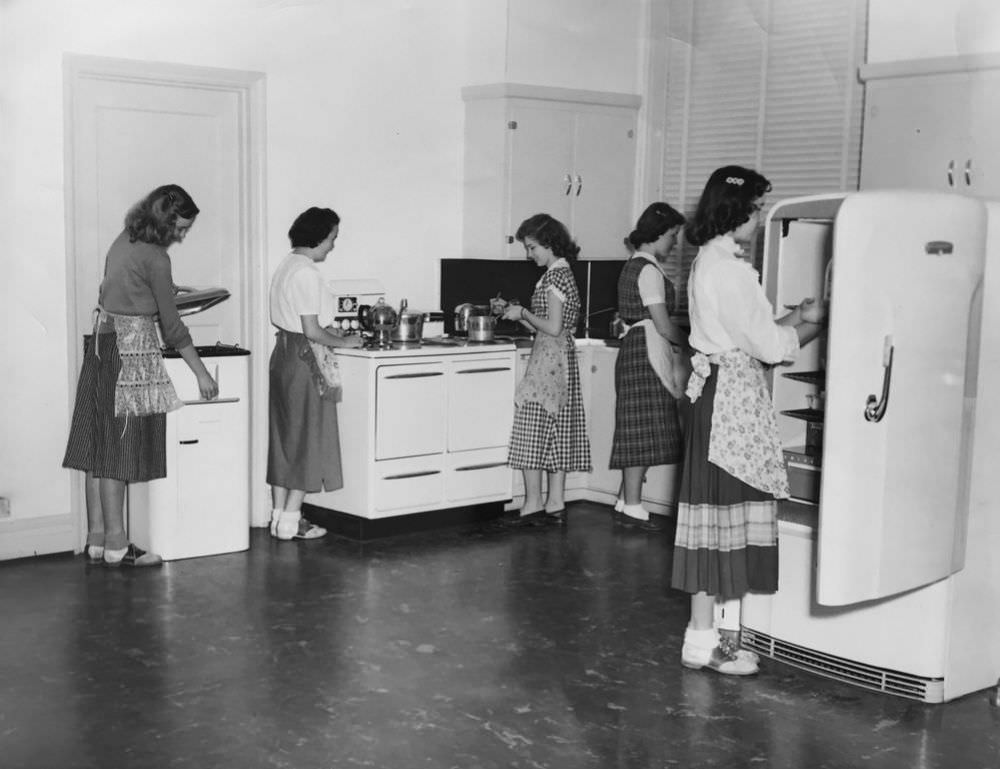
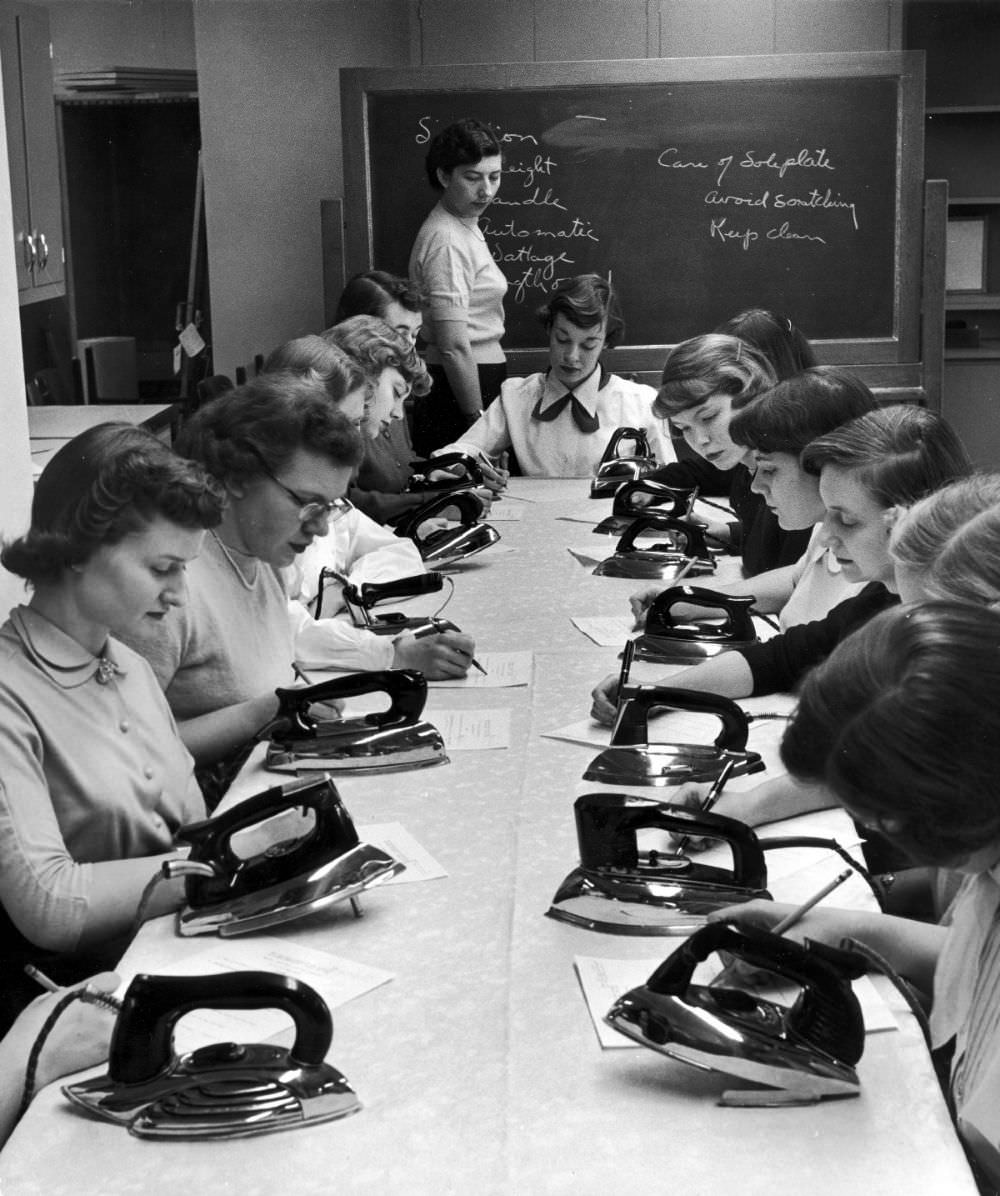
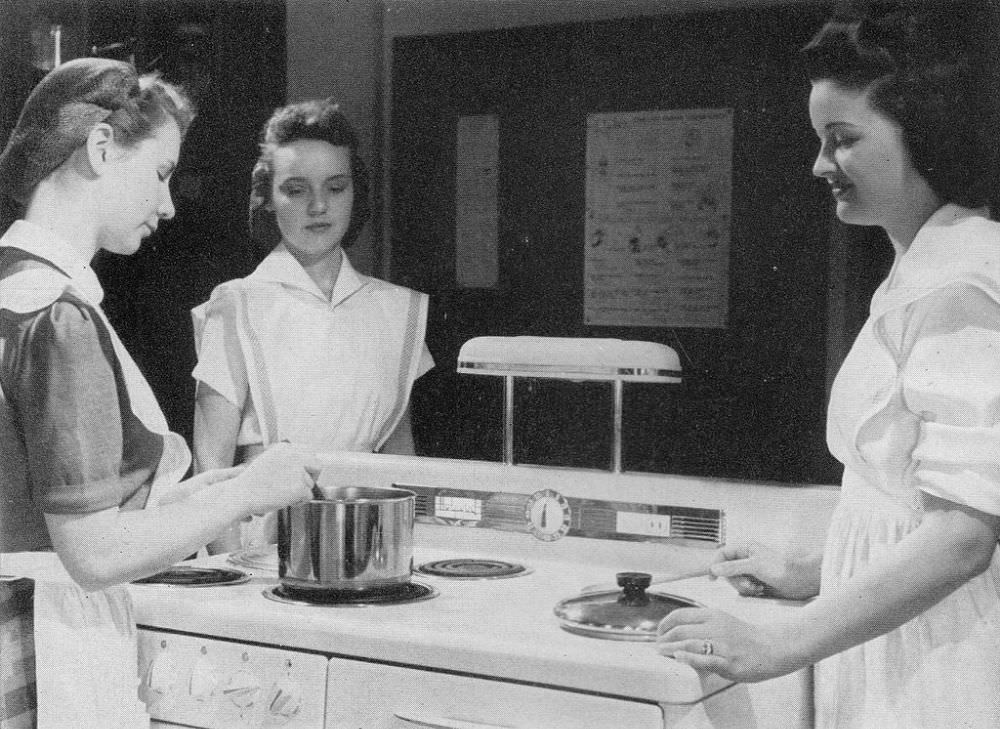
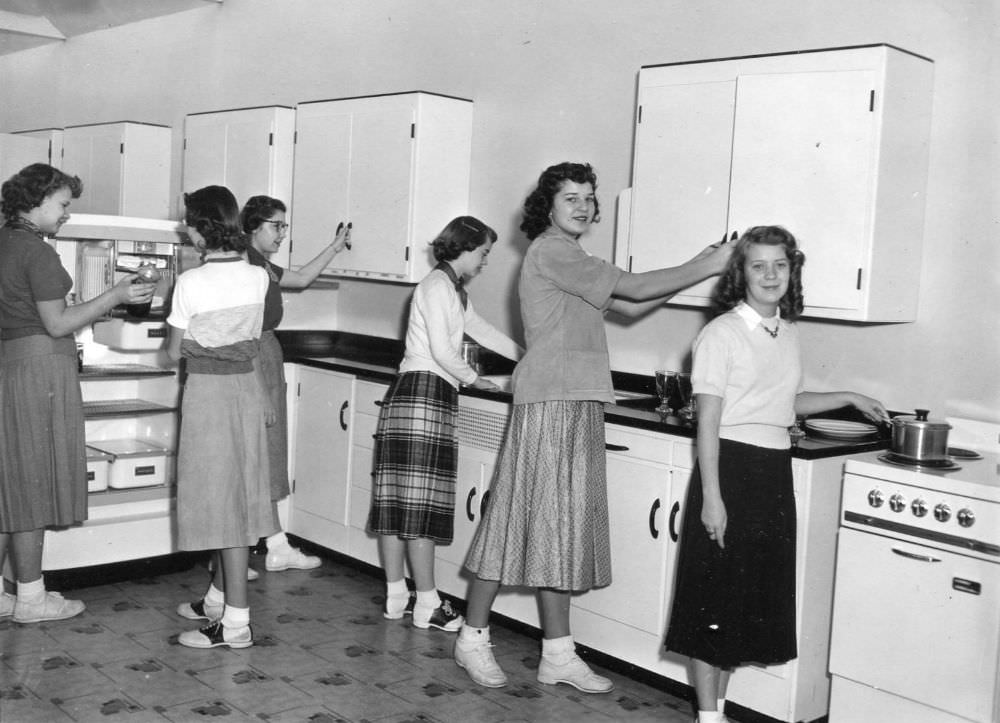
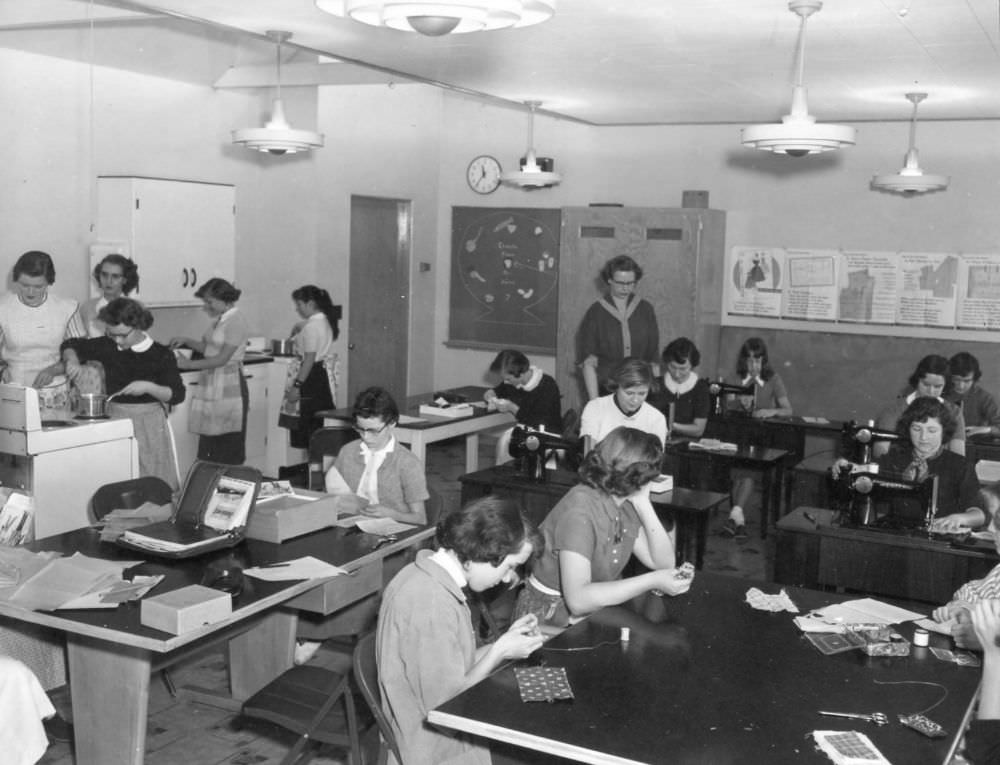
The goal was to turn homemaking into a recognized skill set, not just something passed down informally from mother to daughter. Teachers were typically trained in domestic science themselves, and classrooms were equipped with the latest tools — sewing machines, gas stoves, and, in wealthier schools, electric refrigerators.
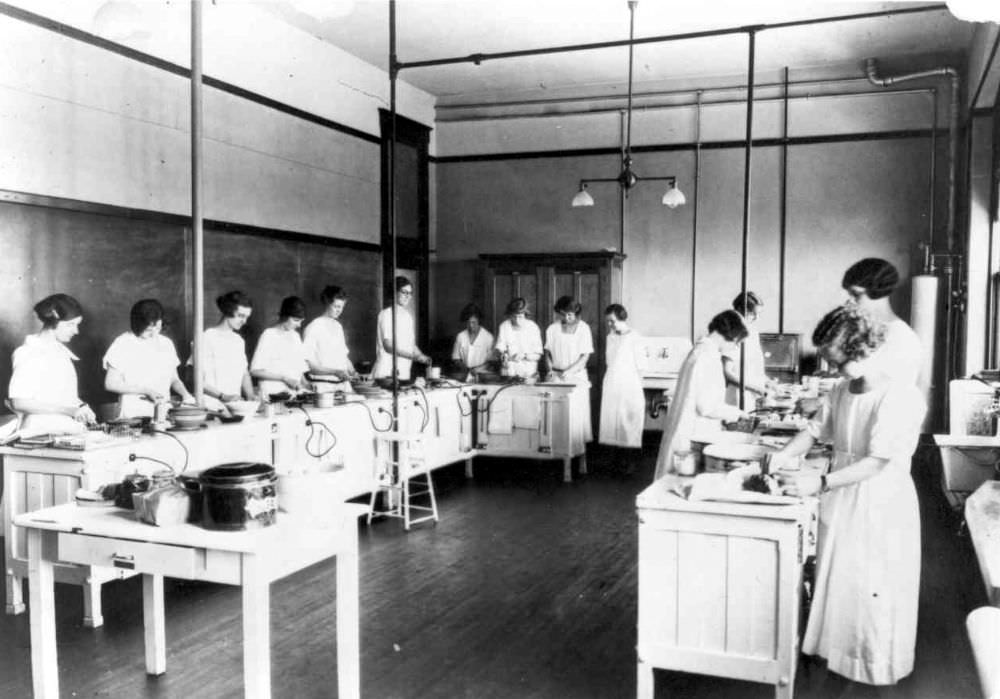
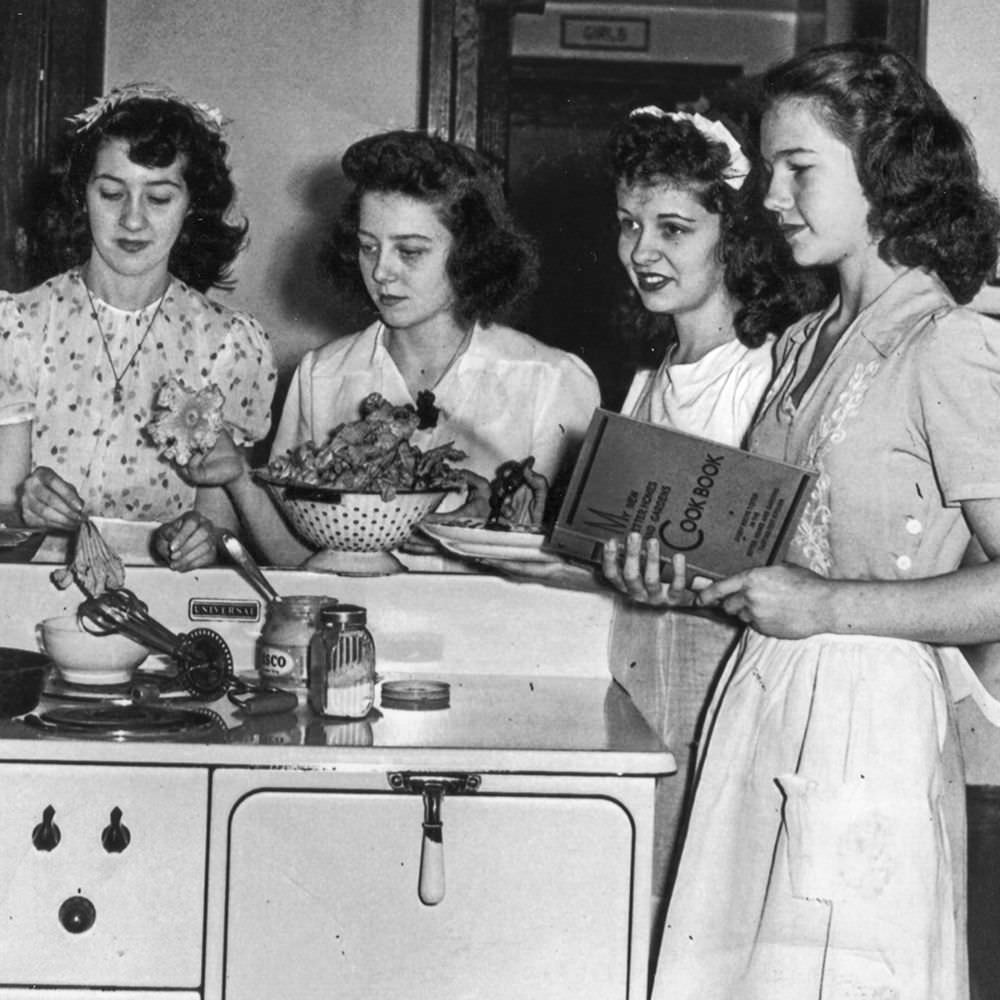
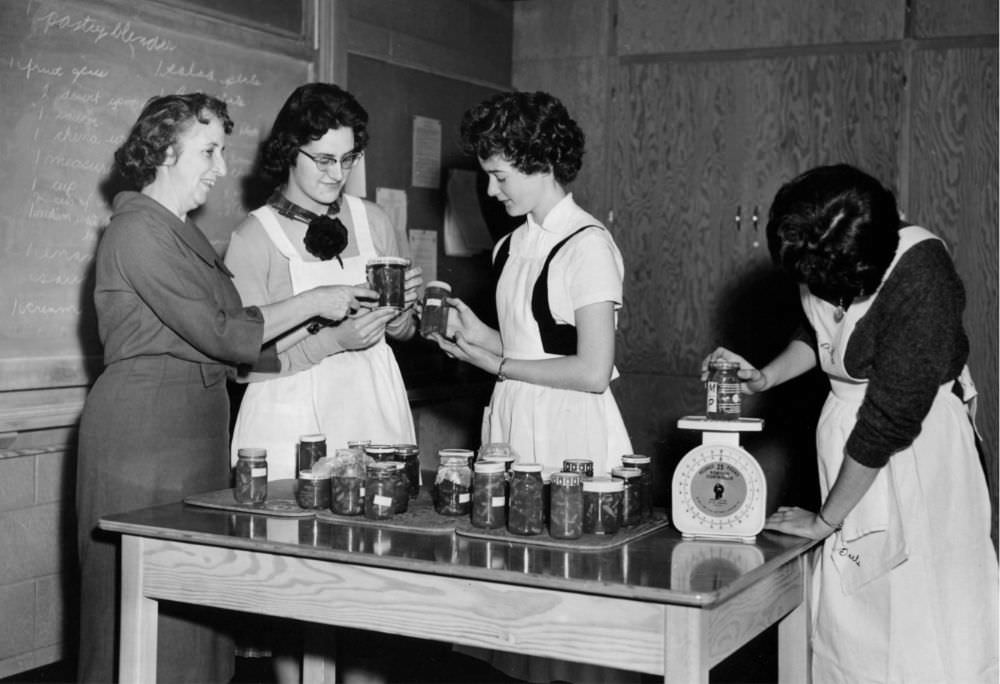
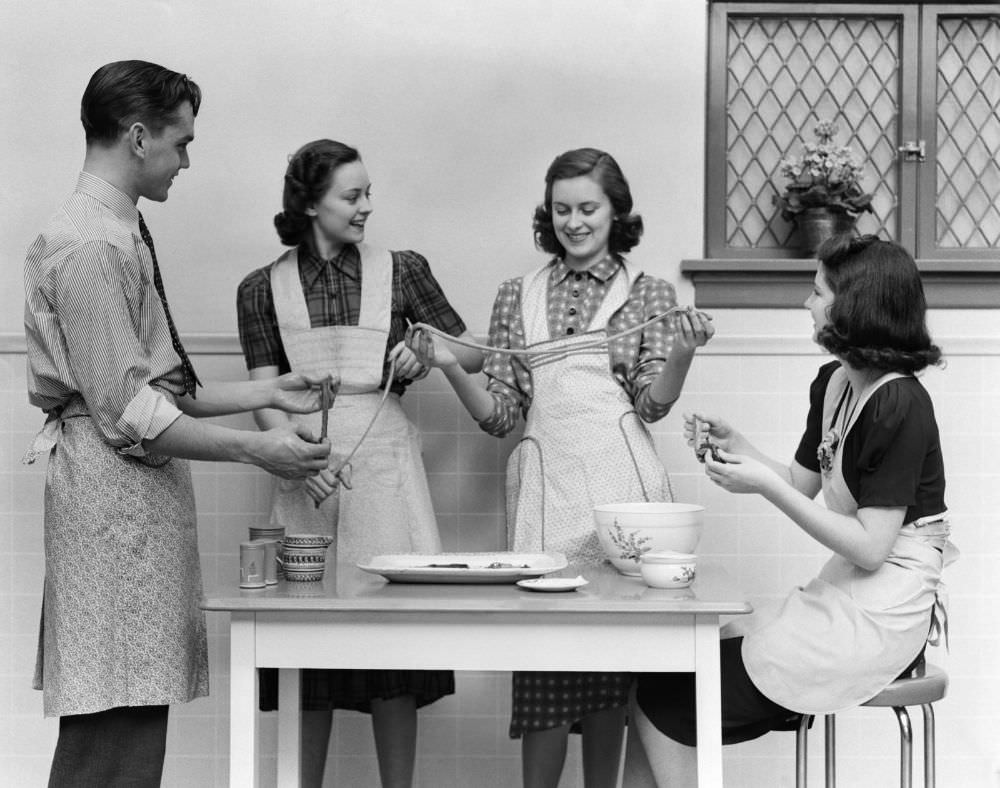
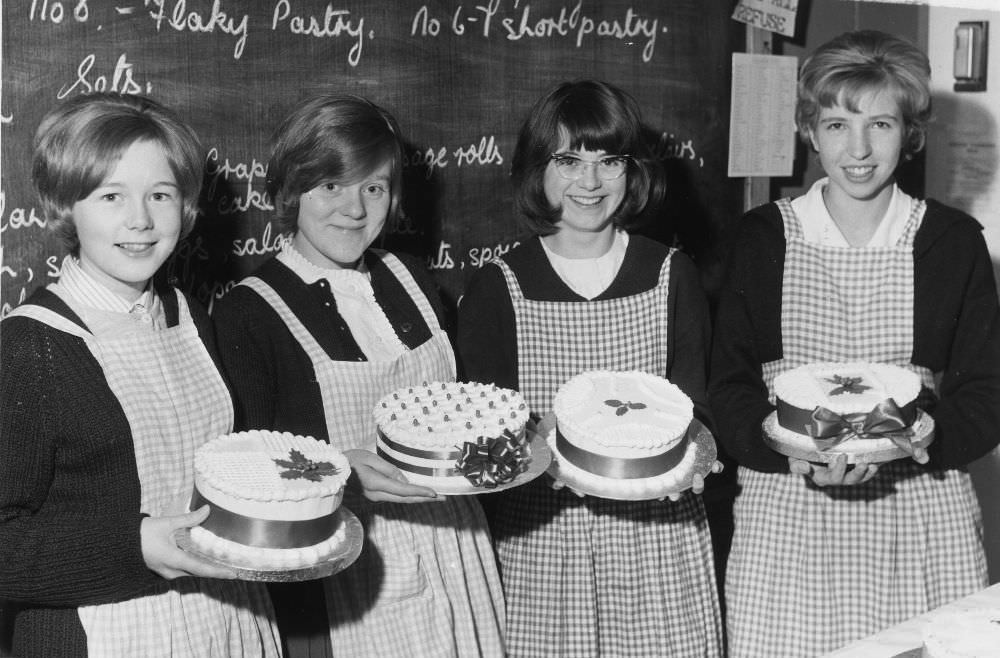
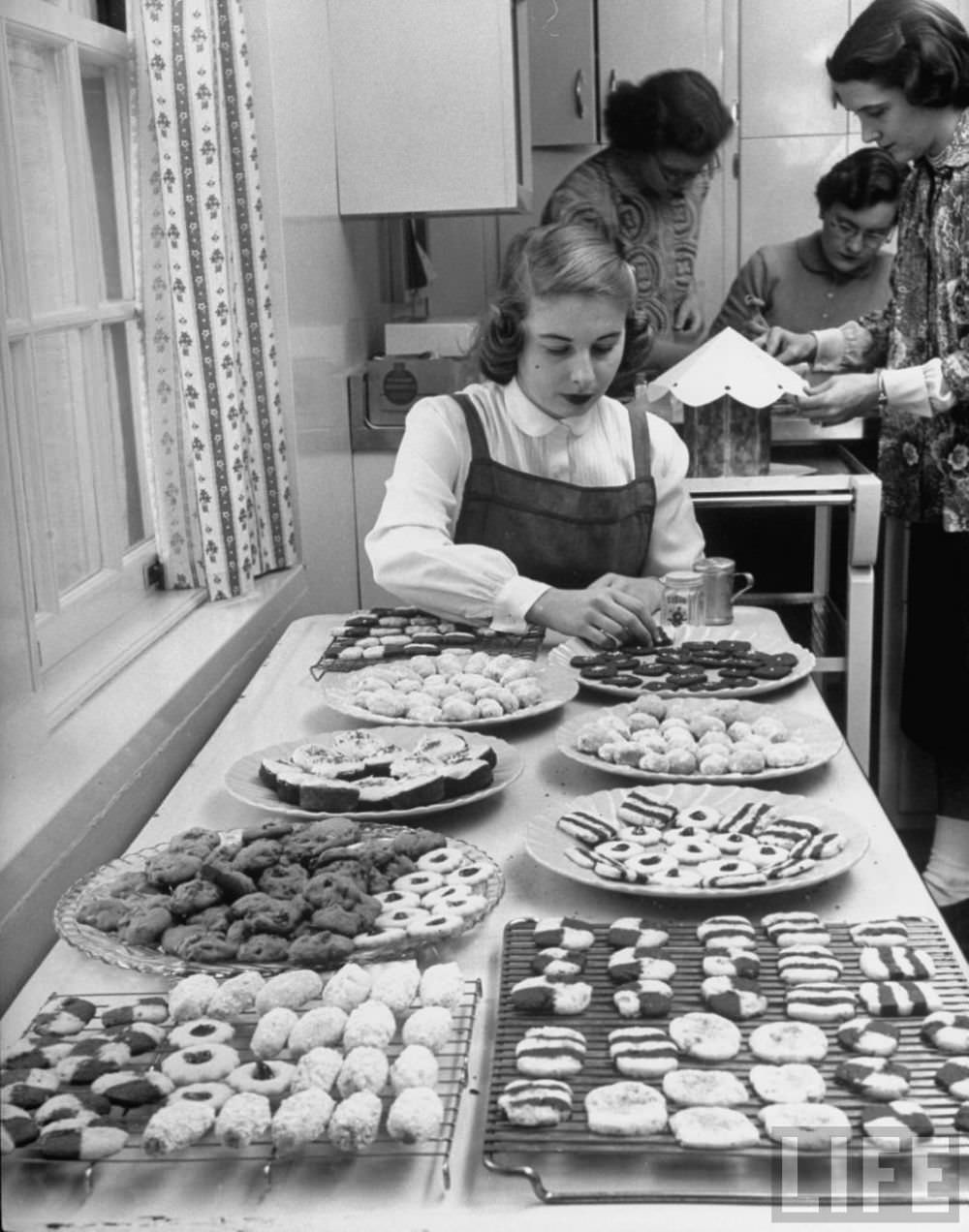
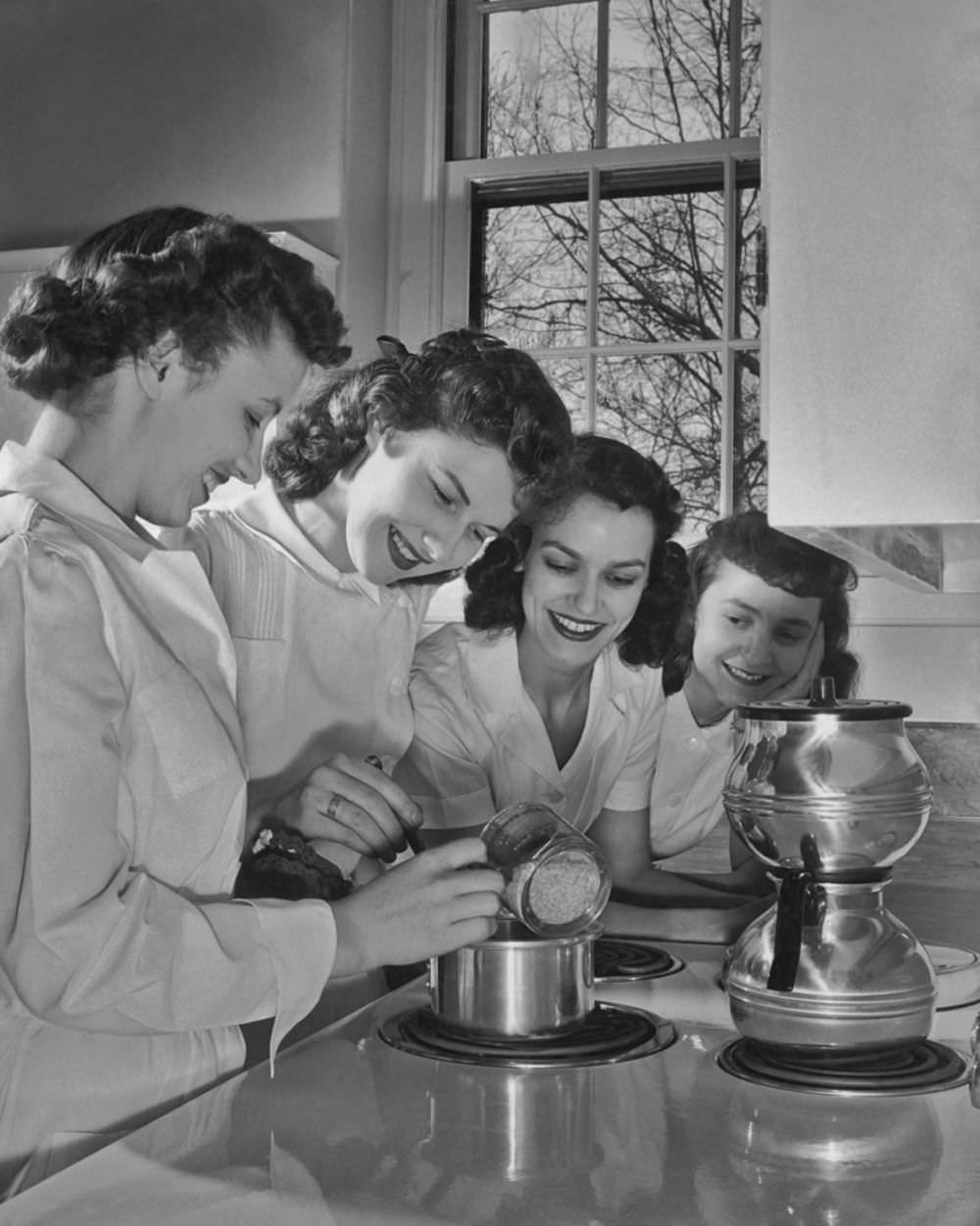
Cooking lessons were central to the curriculum. Students learned to bake bread from scratch, prepare meats, and plan balanced meals. Nutrition was taken seriously — teachers used charts on food groups and vitamins to address the dietary deficiencies common among families of that era.
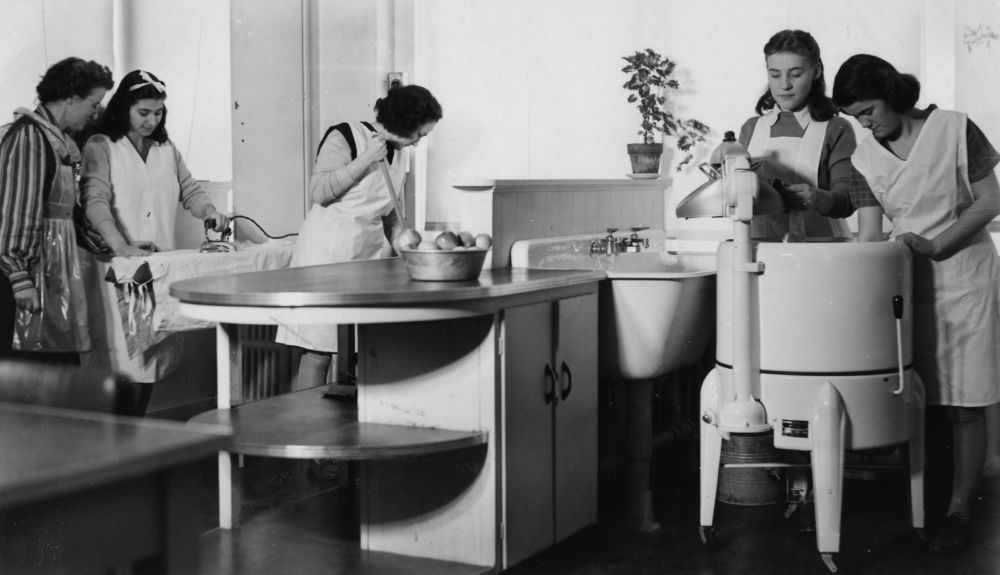
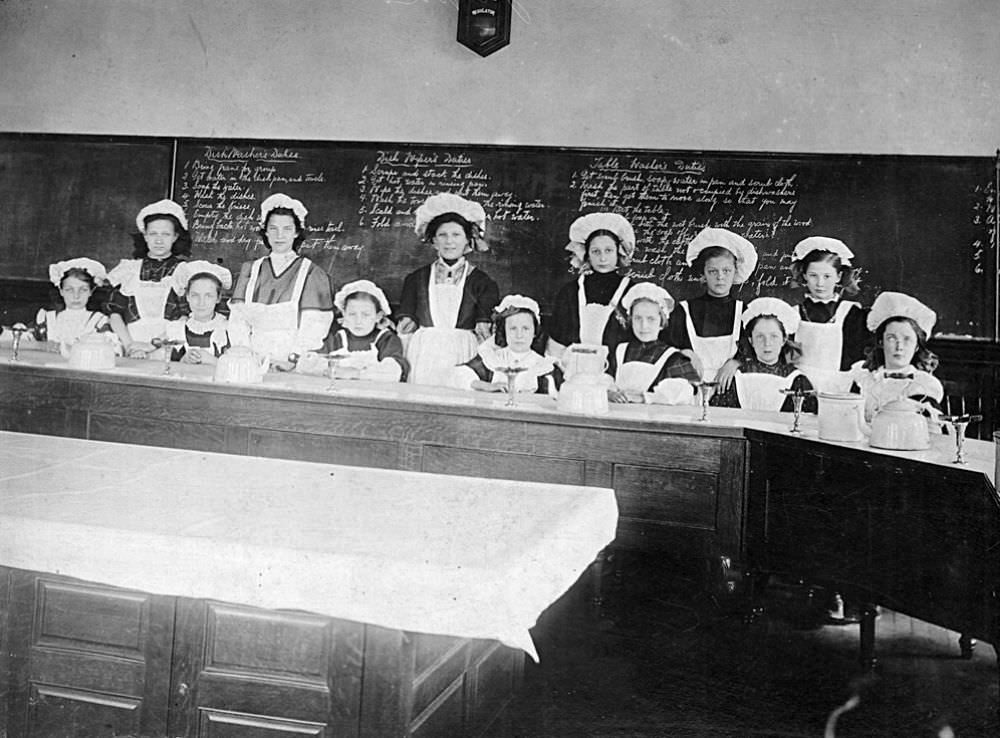
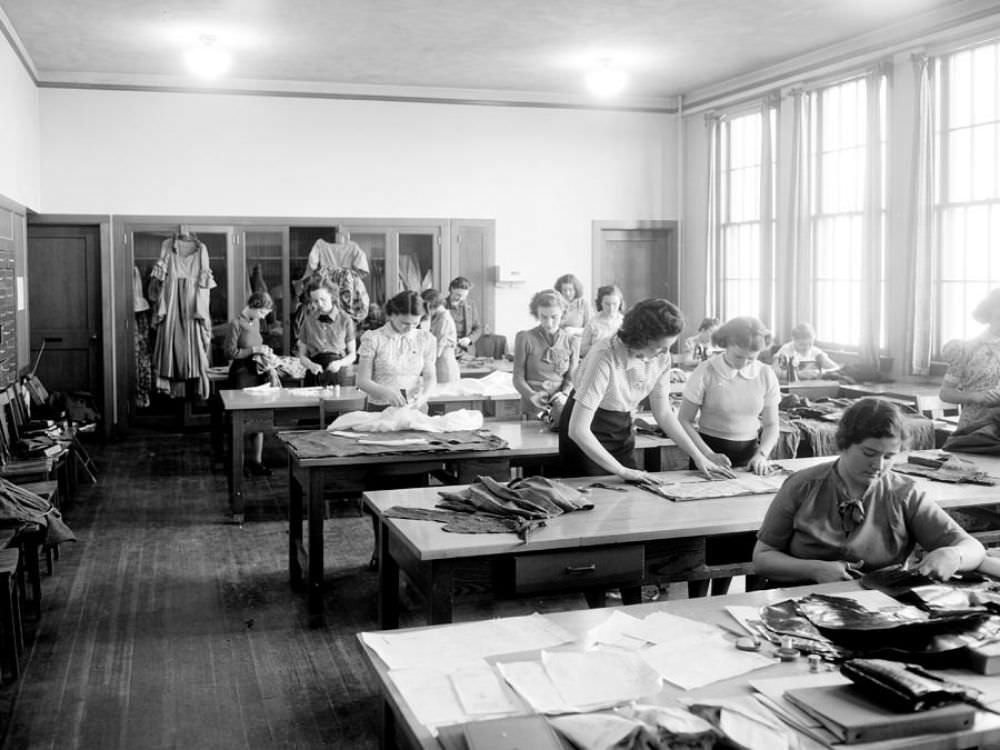
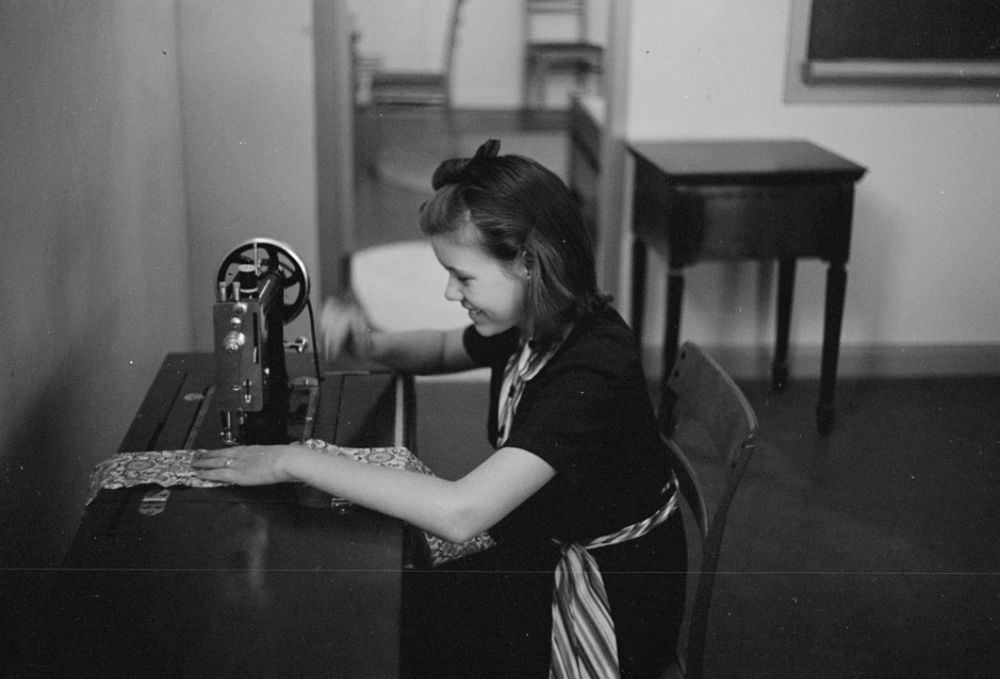
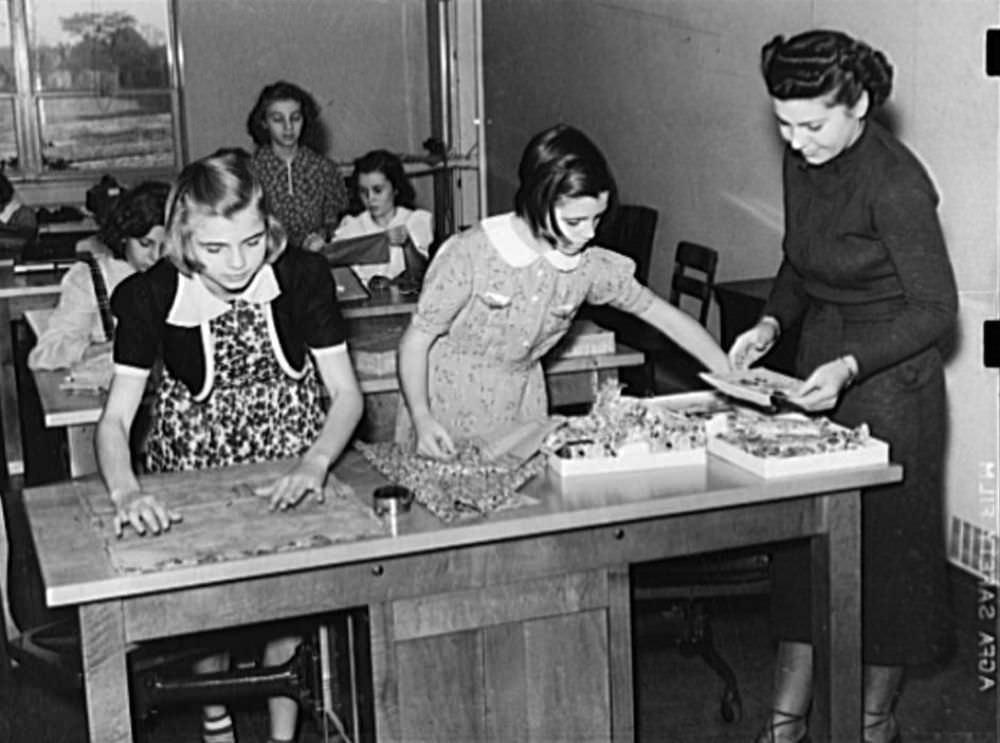
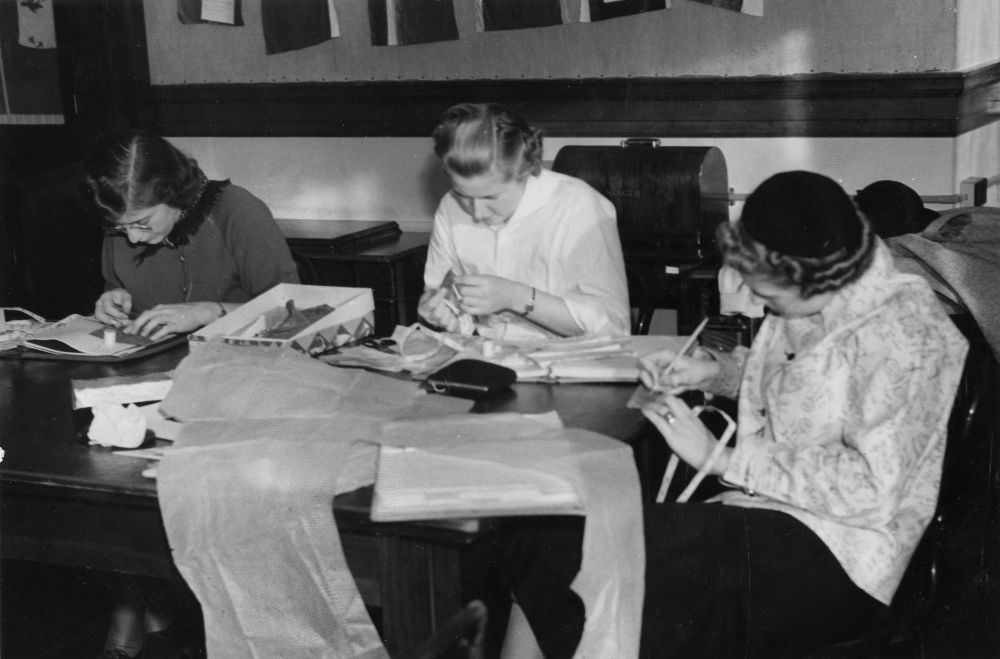
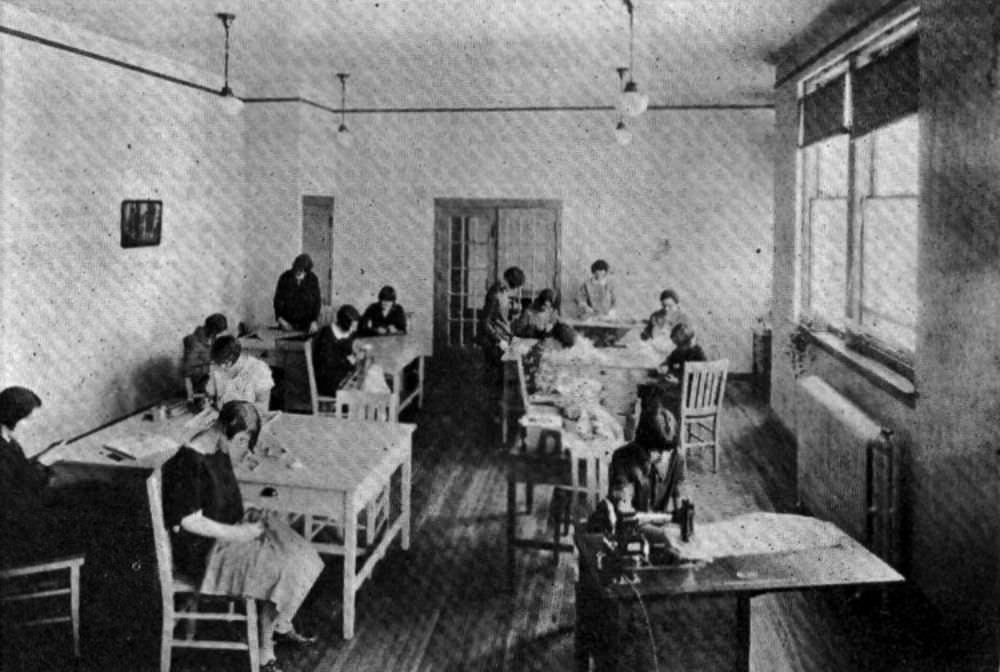
Sewing was equally important. Girls stitched aprons, repaired garments, and constructed full pieces of clothing. These skills were practical — fabric was expensive, and the ability to make and mend clothing saved families real money, especially during the lean years of the Great Depression.
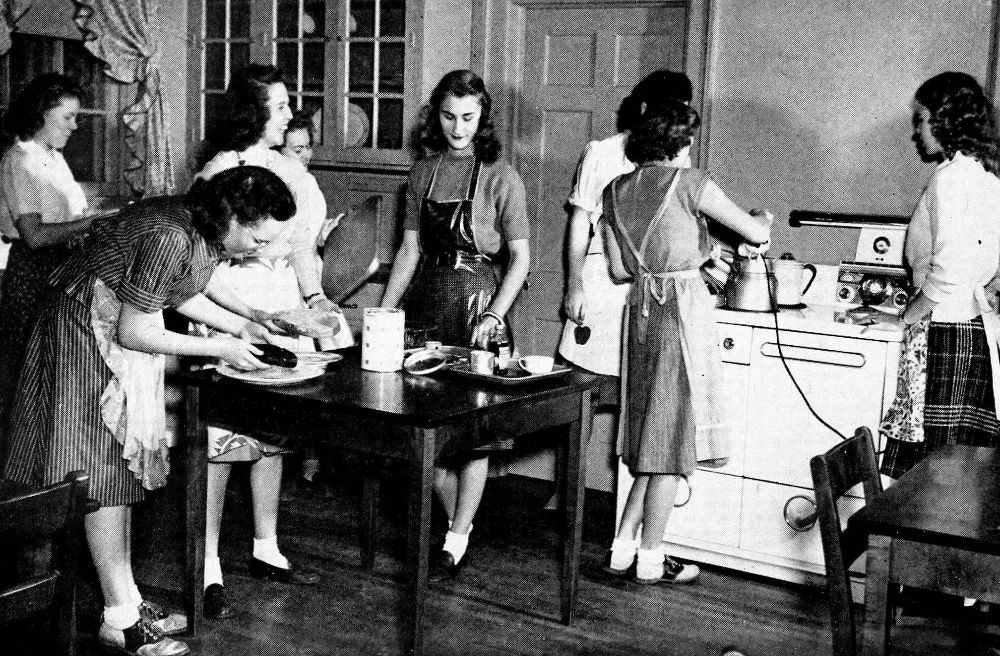
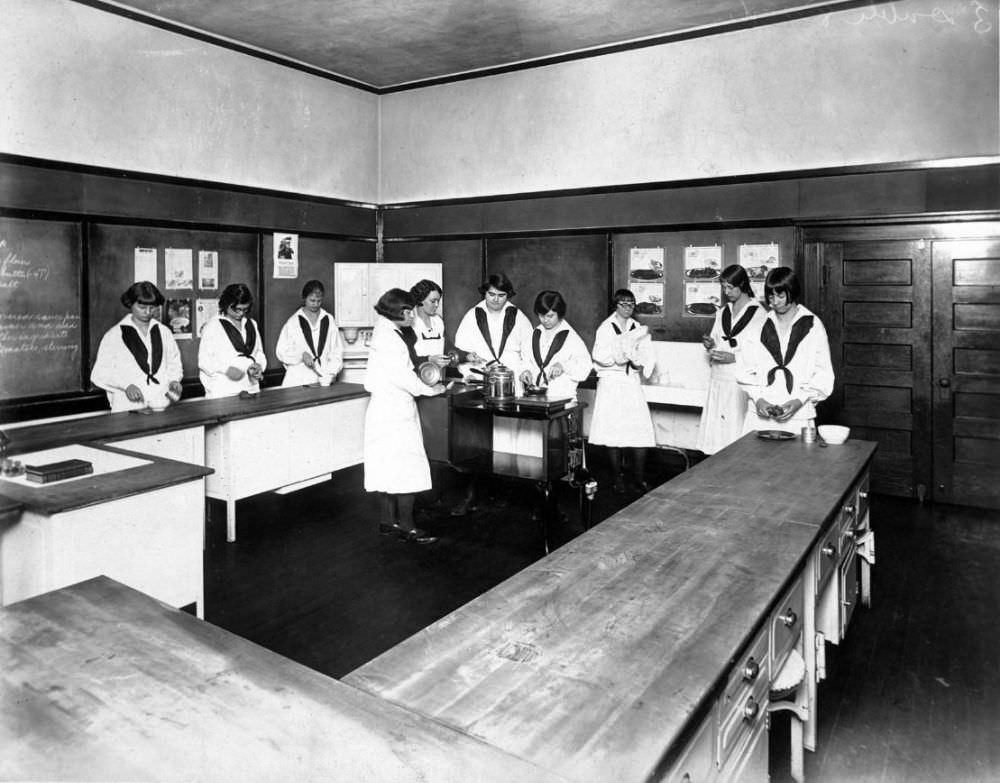
Household budgeting was another core lesson. Students worked through exercises that tracked expenses and planned weekly menus around a fixed income. This kind of financial training was rarely taught elsewhere and gave girls a practical understanding of how a household actually functioned.
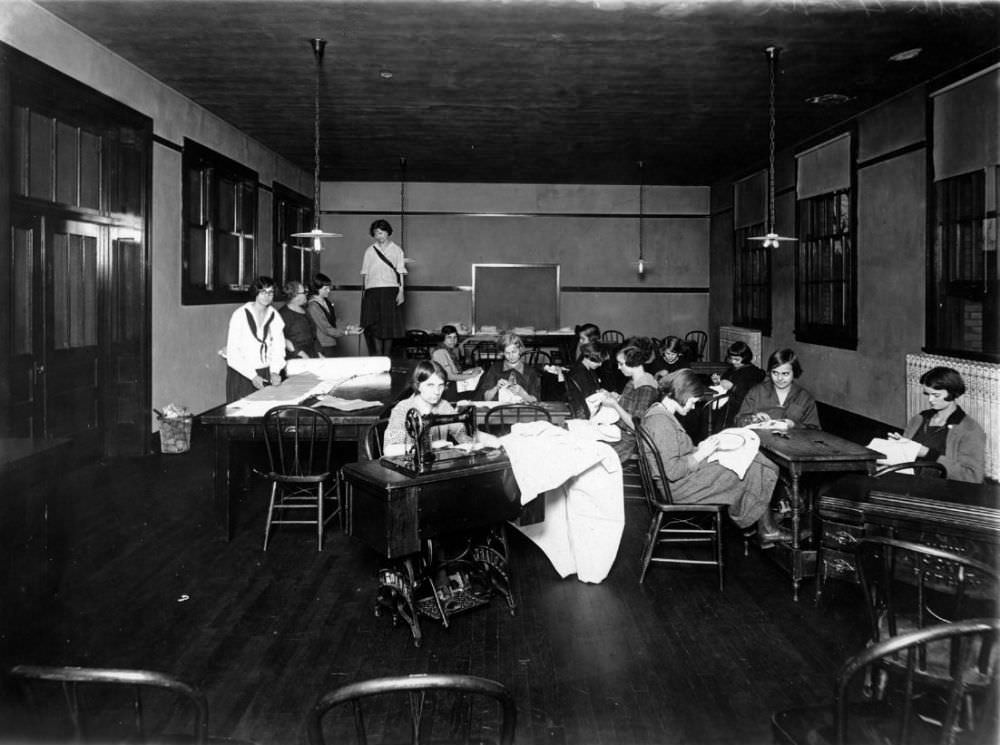
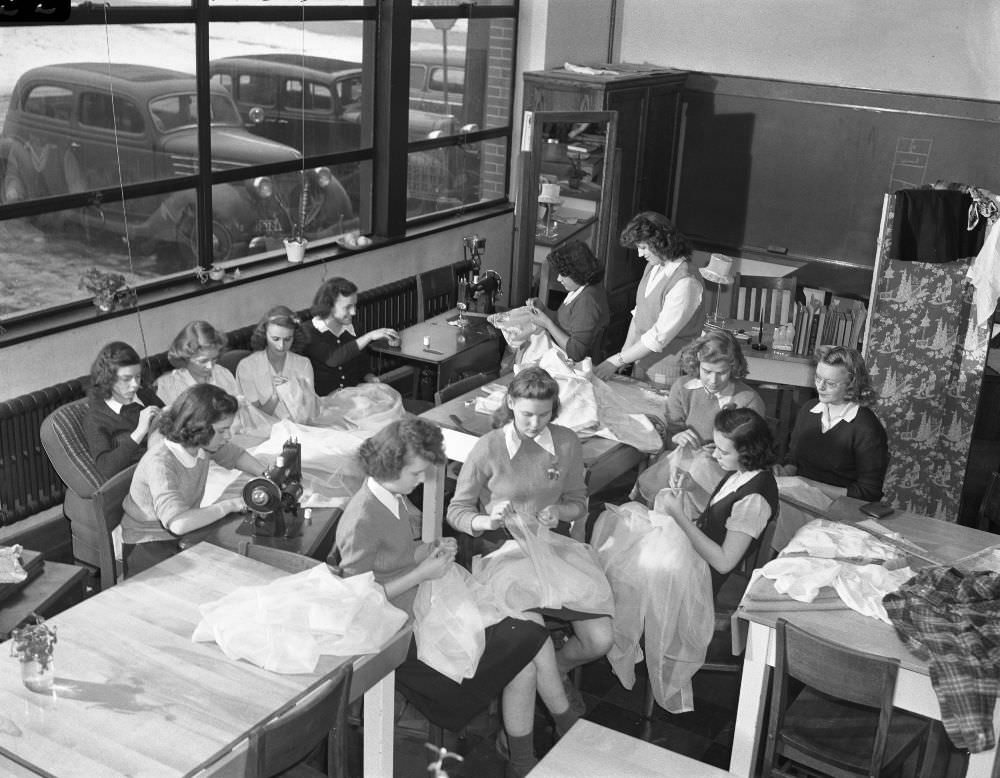
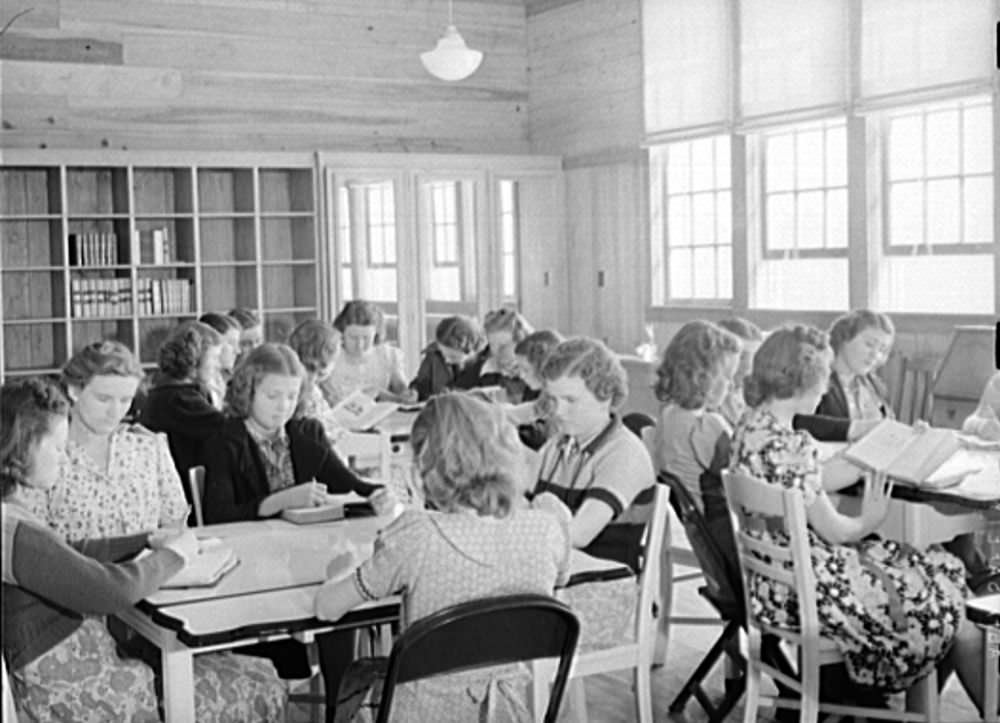
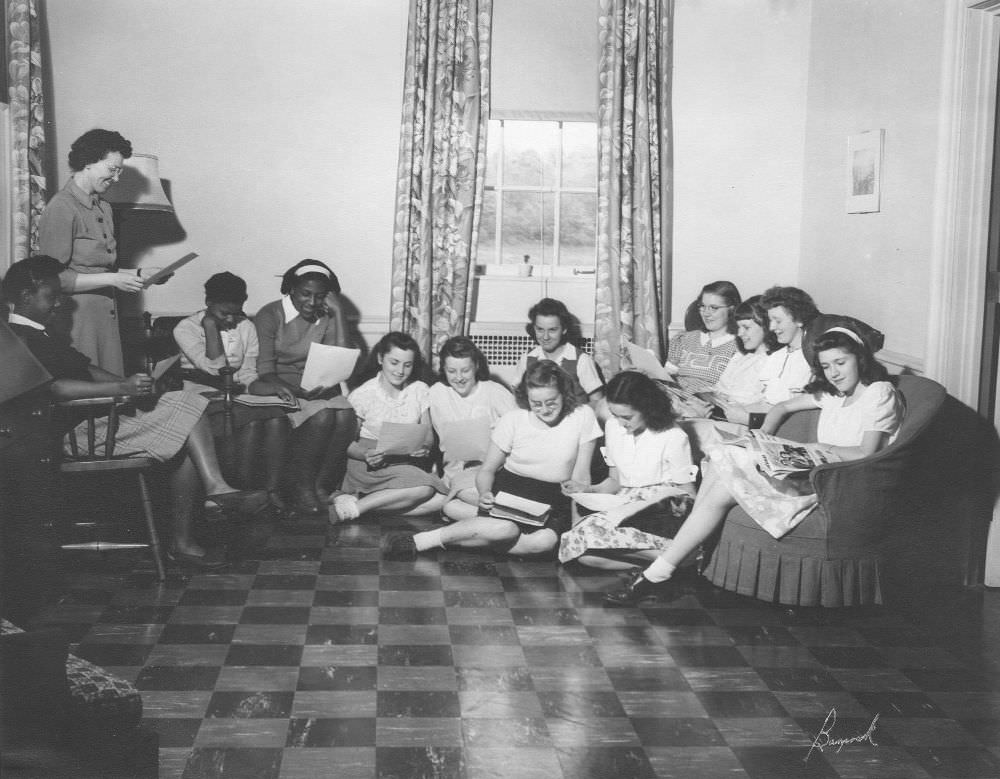
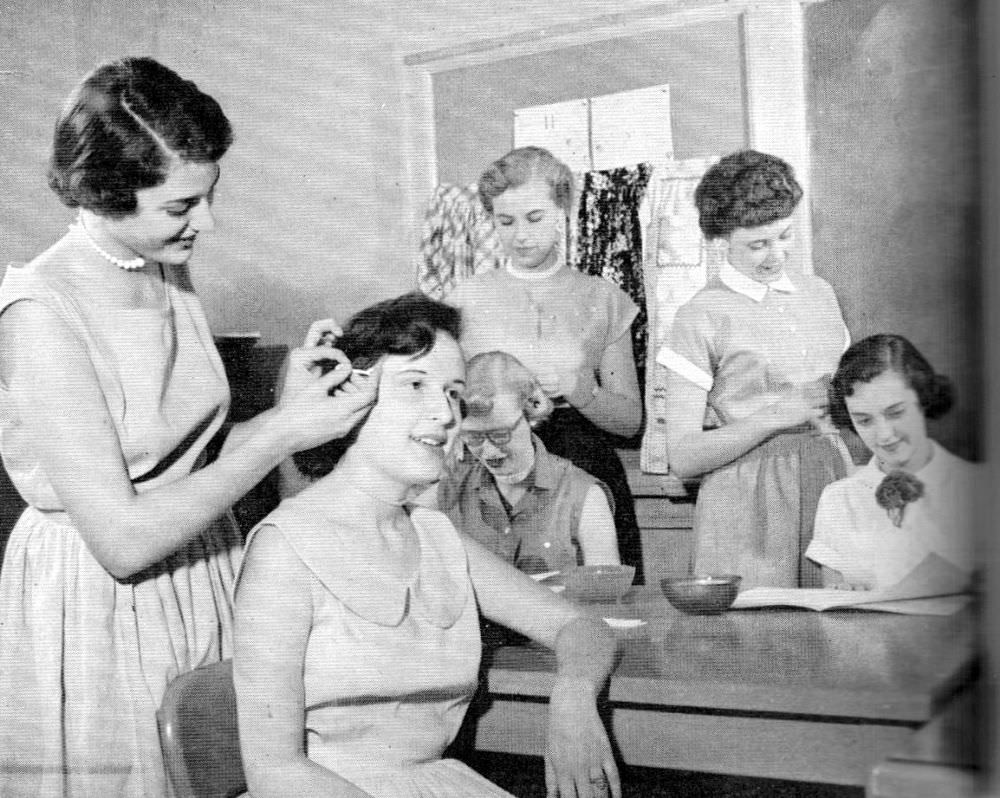
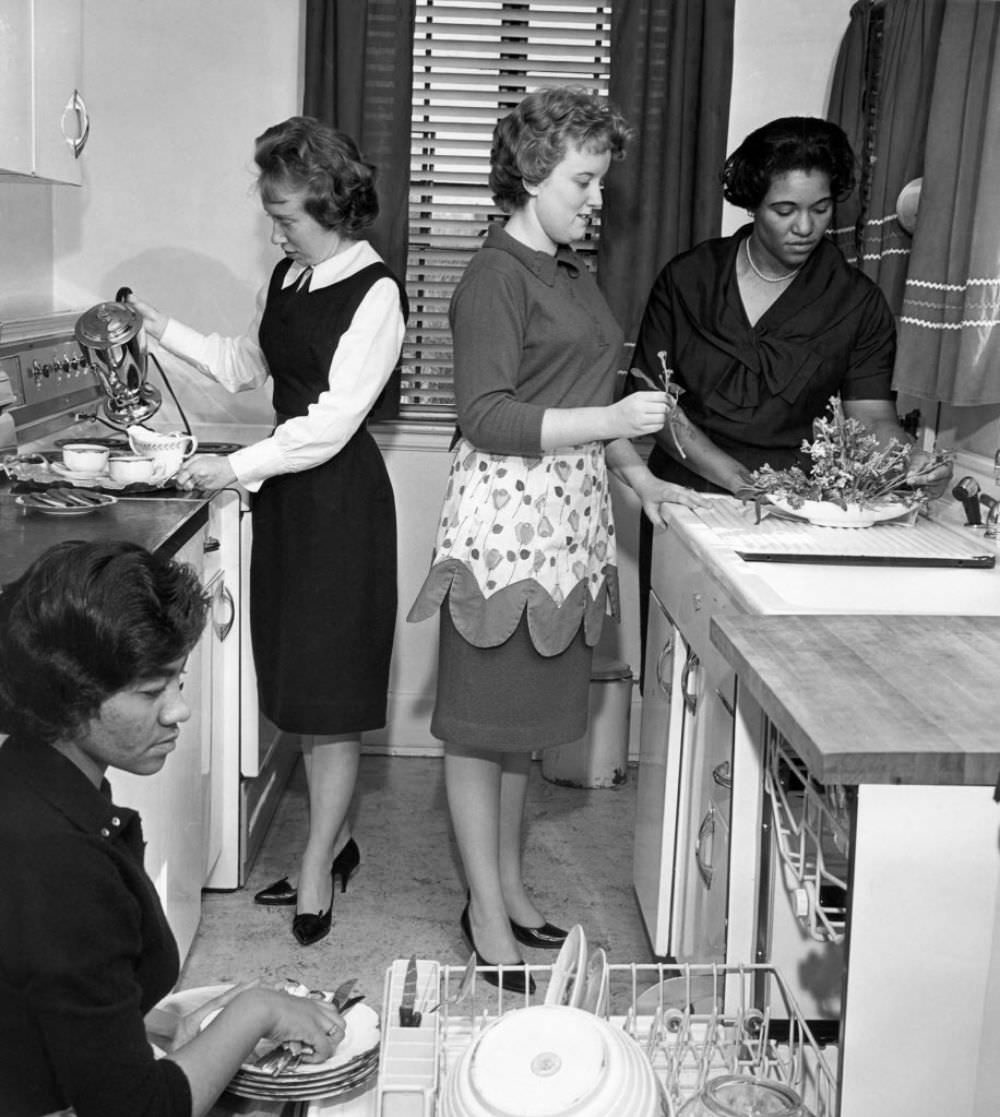
Beyond the domestic skills, home economics classes served as a social space. Girls worked side by side on shared projects, building friendships through daily collaboration. The classroom had a communal energy that set it apart from lecture-based subjects.
For some students, home economics was also a stepping stone to professional careers. Graduates went on to work as dietitians, nurses, and teachers — fields that were expanding in the early 20th century and actively recruiting women with formal domestic science training.