The 1920s were a turning point for women in Melbourne. World War I had ended, and with it came a sharp shift in how women dressed, moved through public life, and saw themselves. The rigid corsets and floor-length skirts of the Victorian era were gone. In their place came shorter hemlines, dropped waistlines, and dresses that allowed women to actually move.
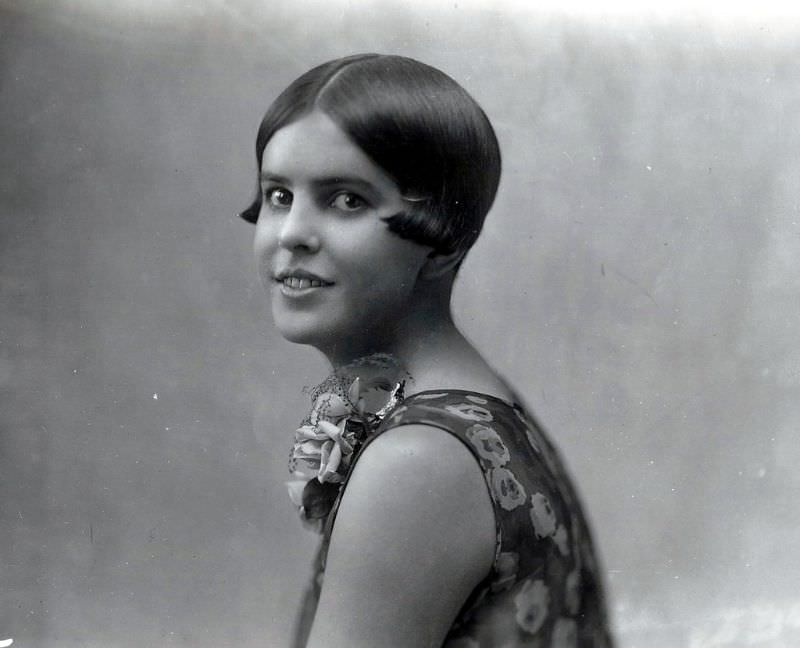
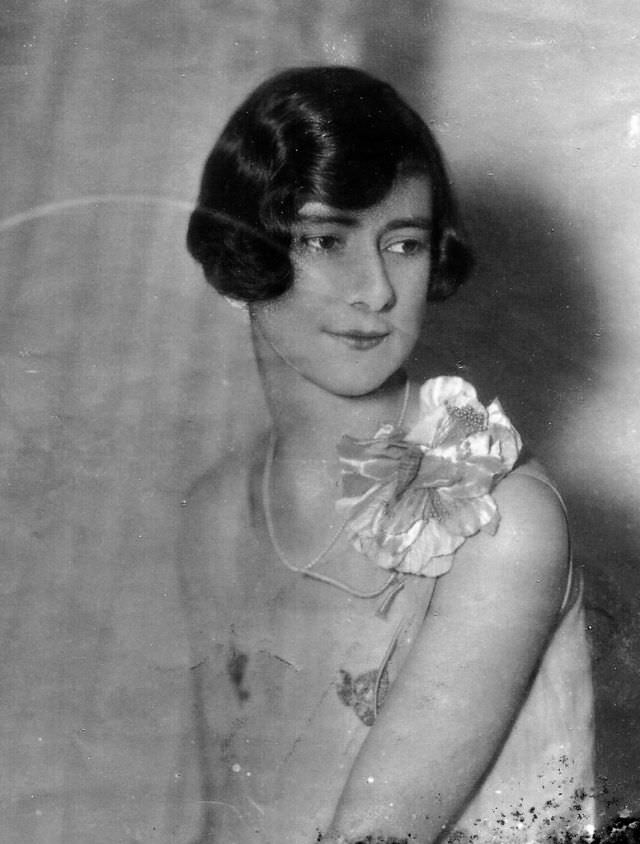
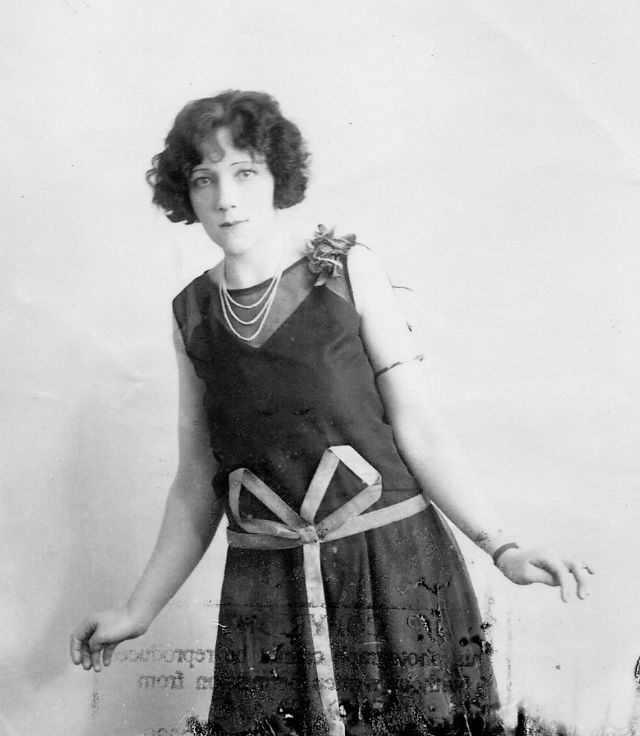
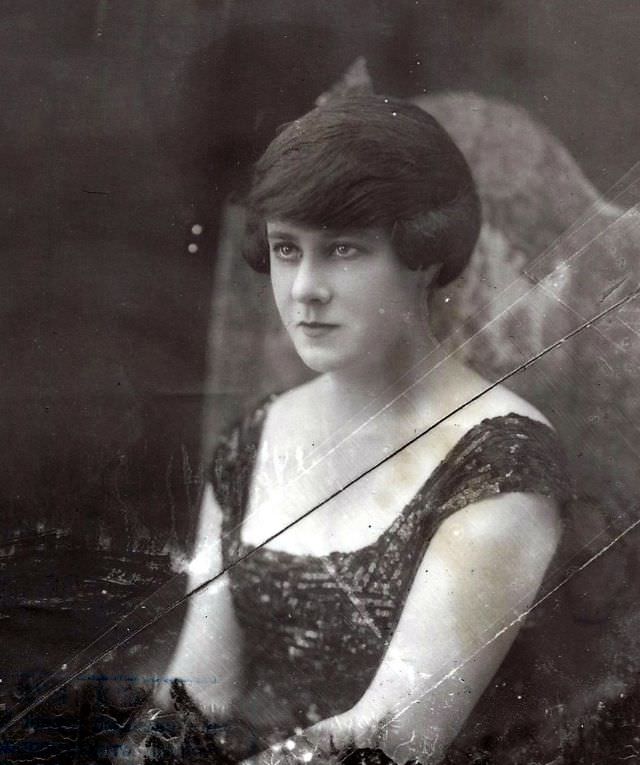
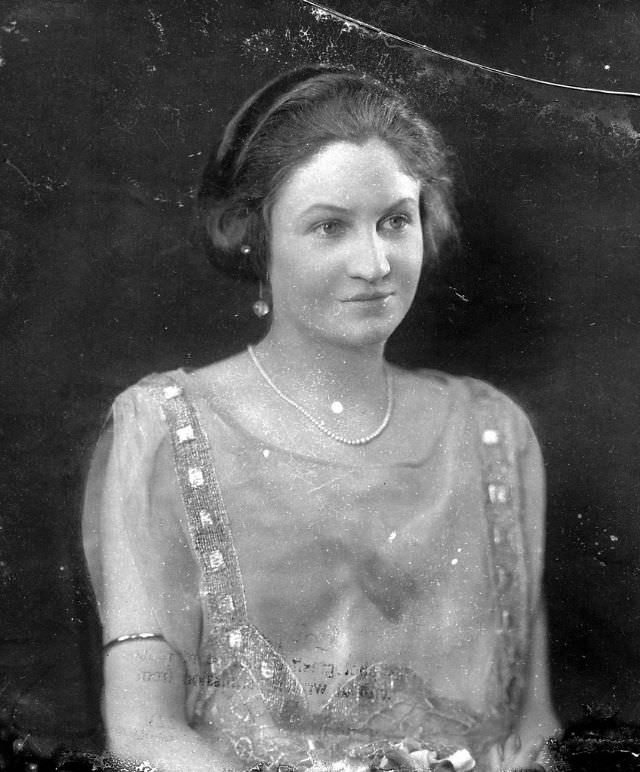
Studio photography boomed during this decade. Young Melbourne women visited professional photographers to have their portraits taken — a sign of both growing prosperity and personal pride. These sessions were carefully staged, with women selecting their finest outfits, styling their hair into the fashionable finger waves or bobs of the era, and posing with quiet confidence.
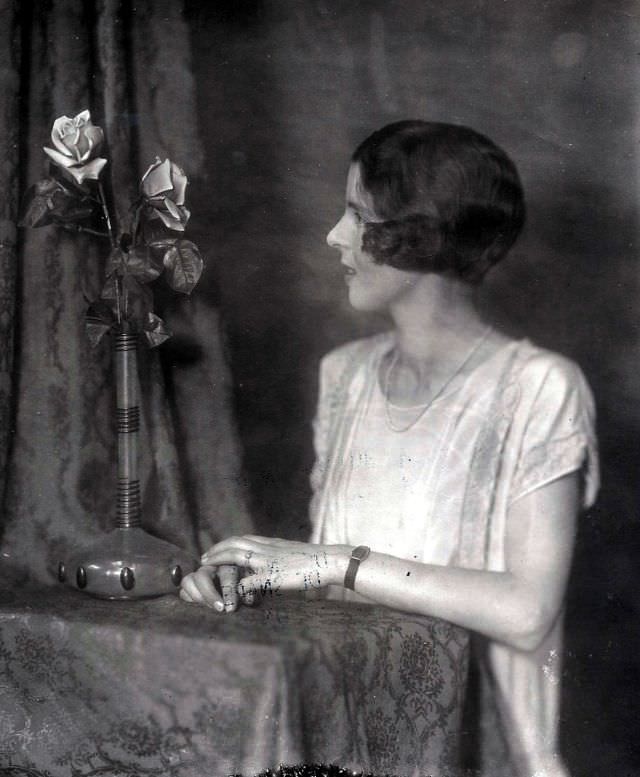
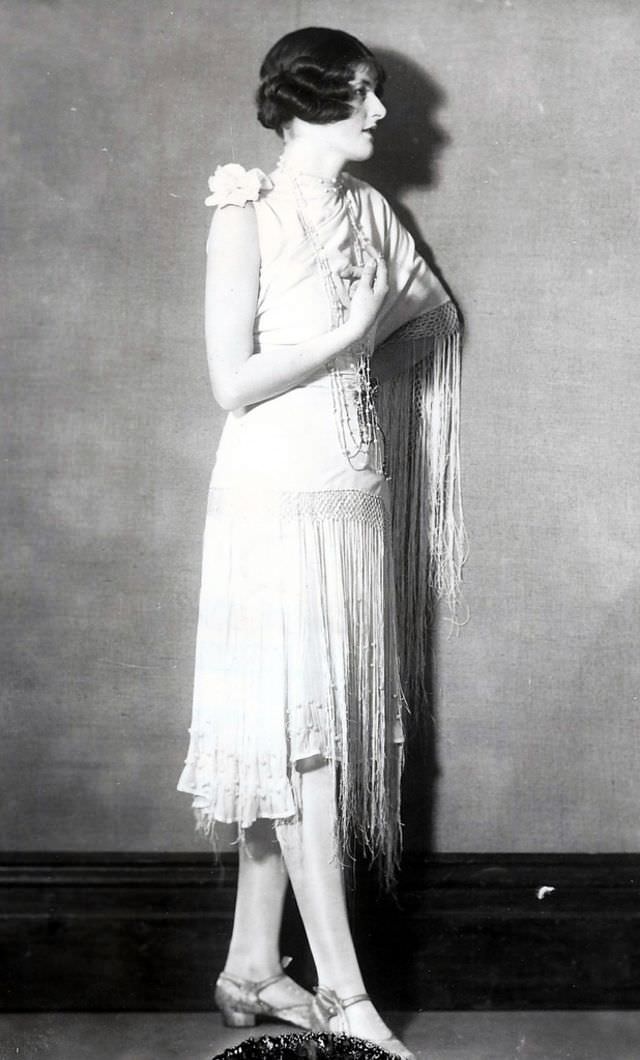
Makeup, once viewed as something only actresses or women of low reputation wore, became mainstream in the 1920s. Bold red lipstick, darkened brows, and dramatic eye makeup were no longer scandalous — they were fashionable. Cosmetics companies expanded rapidly, and women in Melbourne had access to the same beauty trends sweeping Europe and the United States.
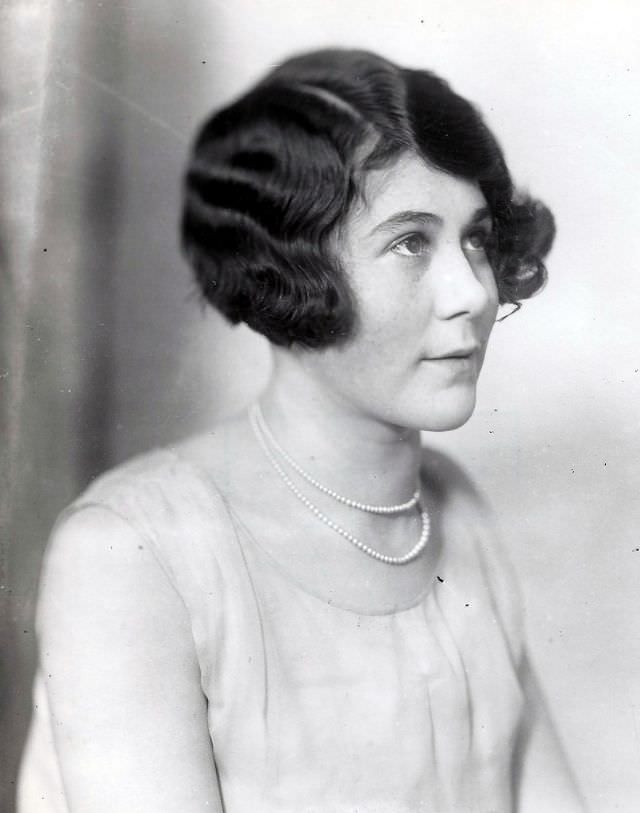
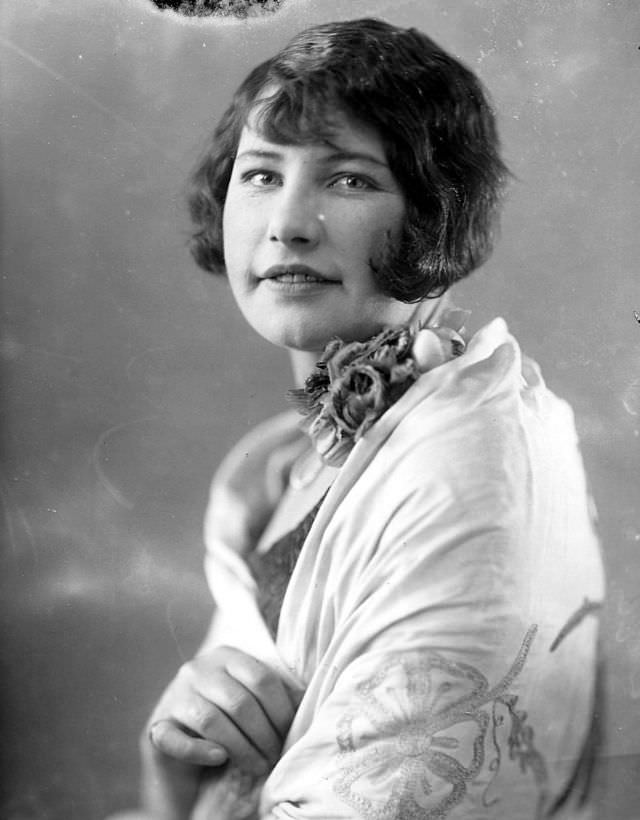
The flapper style was defined by its simplicity and ease. Dresses were loose, often sleeveless, and fell just below the knee. Beading, fringe, and embroidery added decoration without bulk. Cloche hats sat low over the forehead, framing the face and complementing the short hairstyles that had become a symbol of the modern woman.
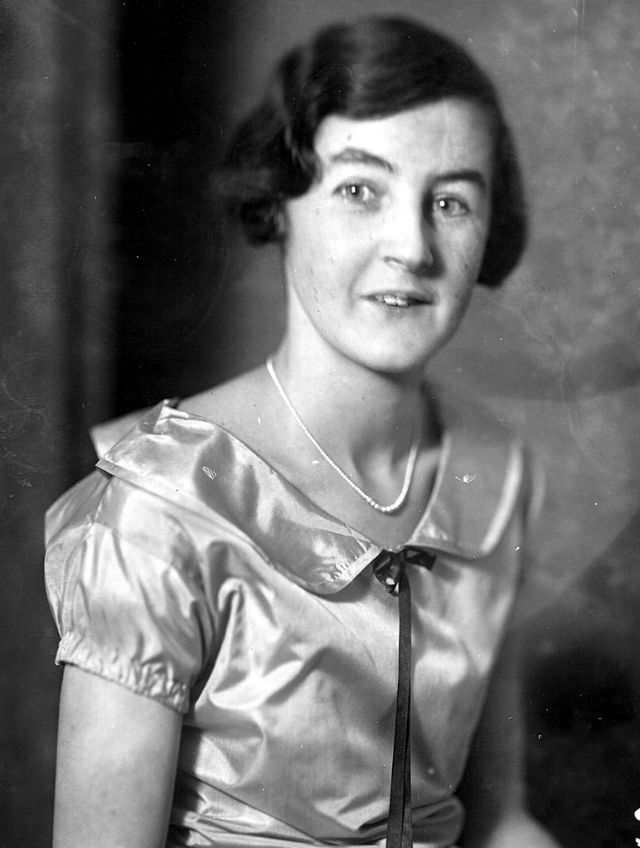
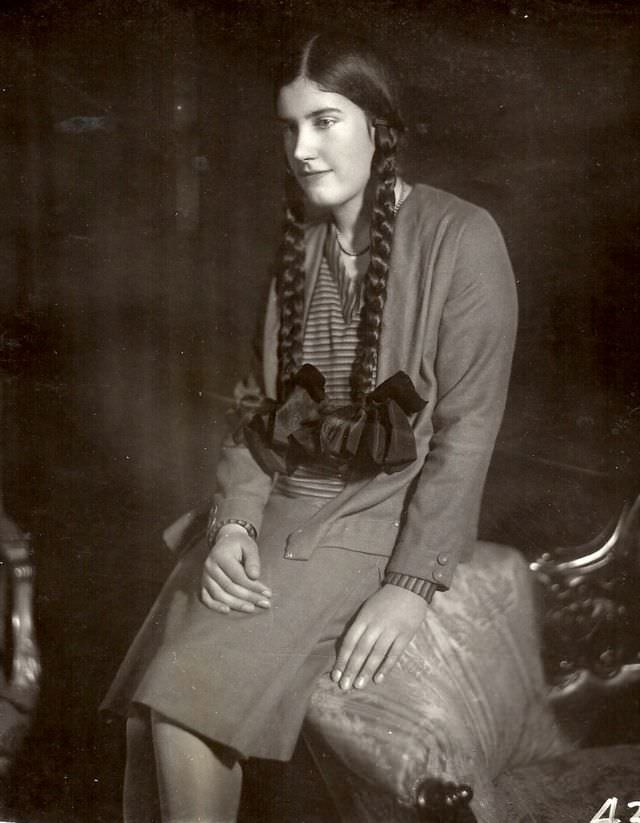
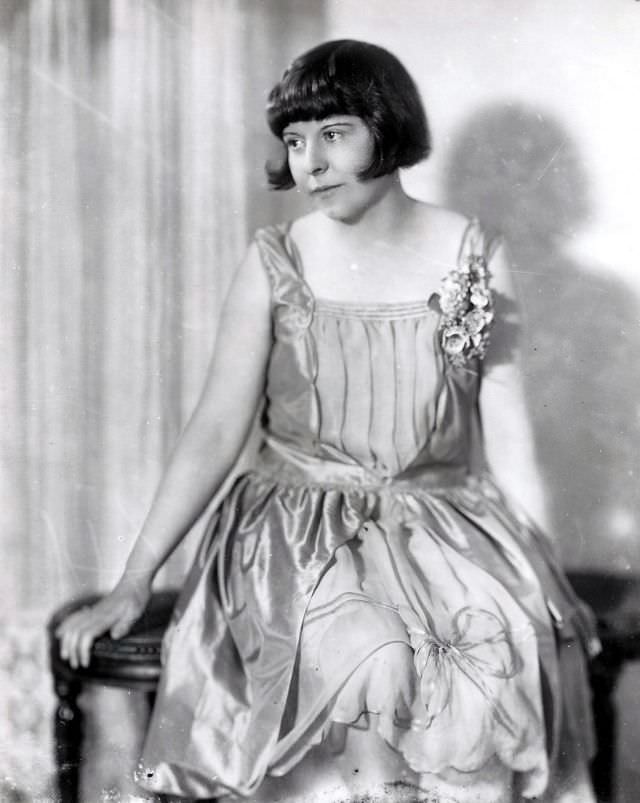
Women in Melbourne were also pushing into spaces previously closed to them. More women entered the workforce, took on professional roles, and demanded greater say in their personal lives. Fashion was one visible expression of that broader shift — a daily, wearable statement about independence.
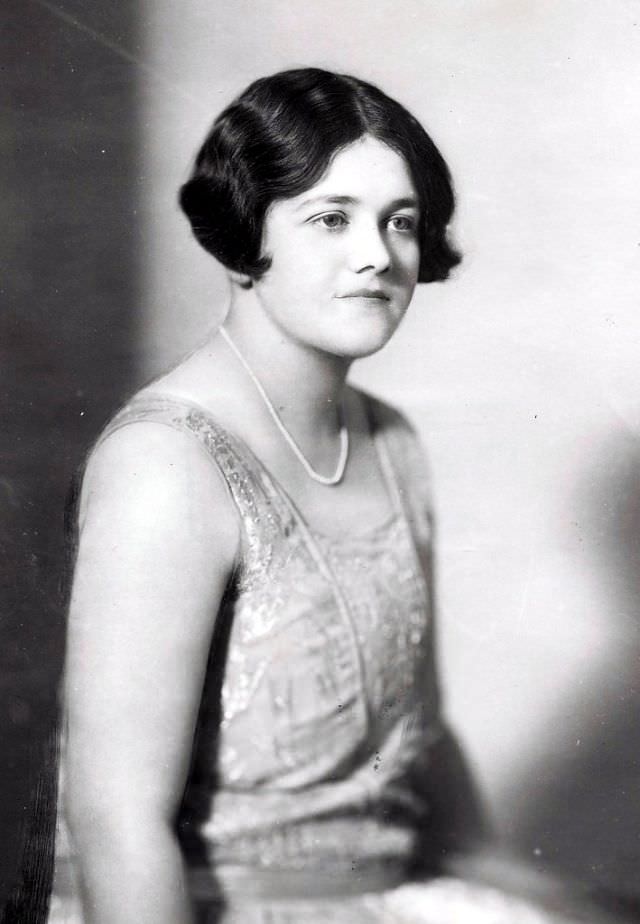
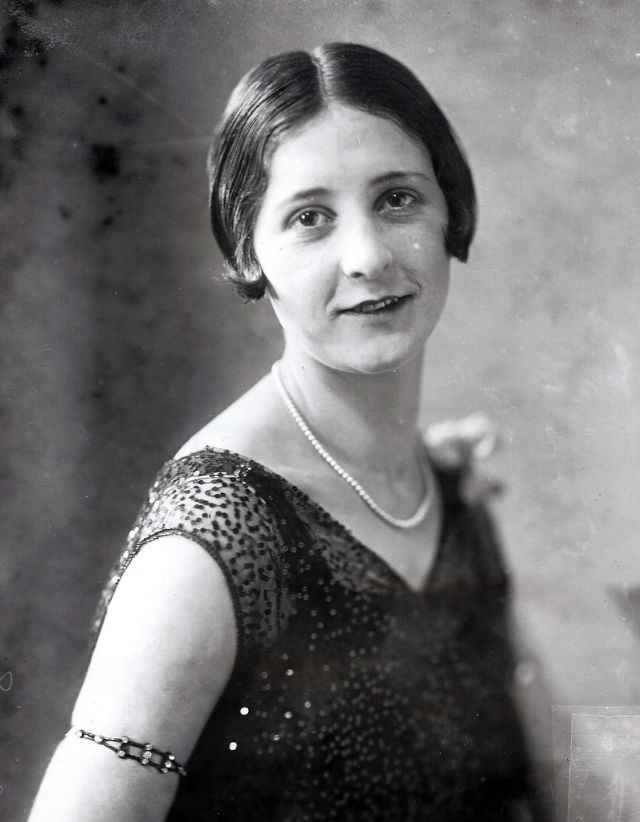
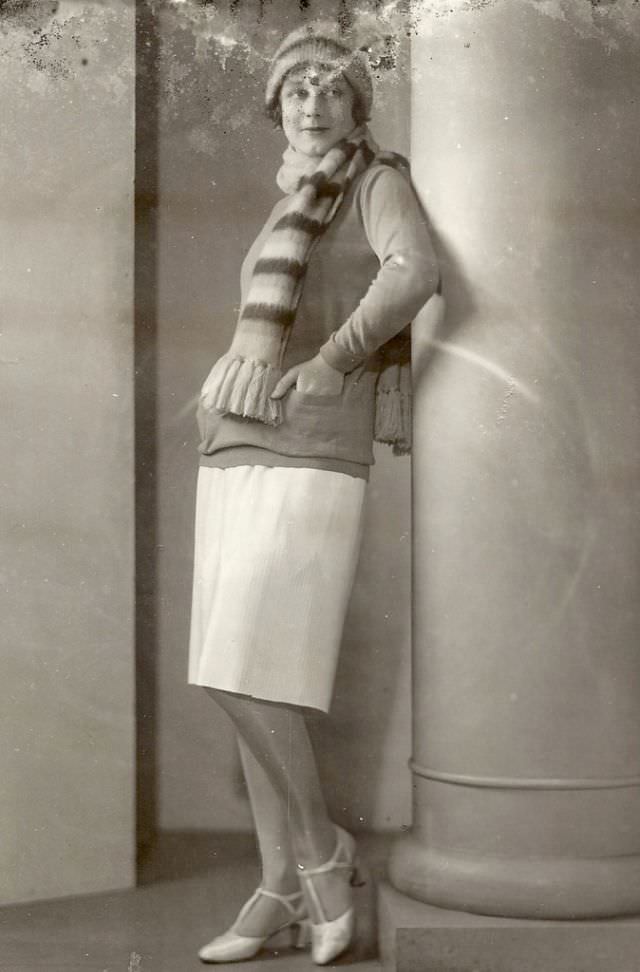
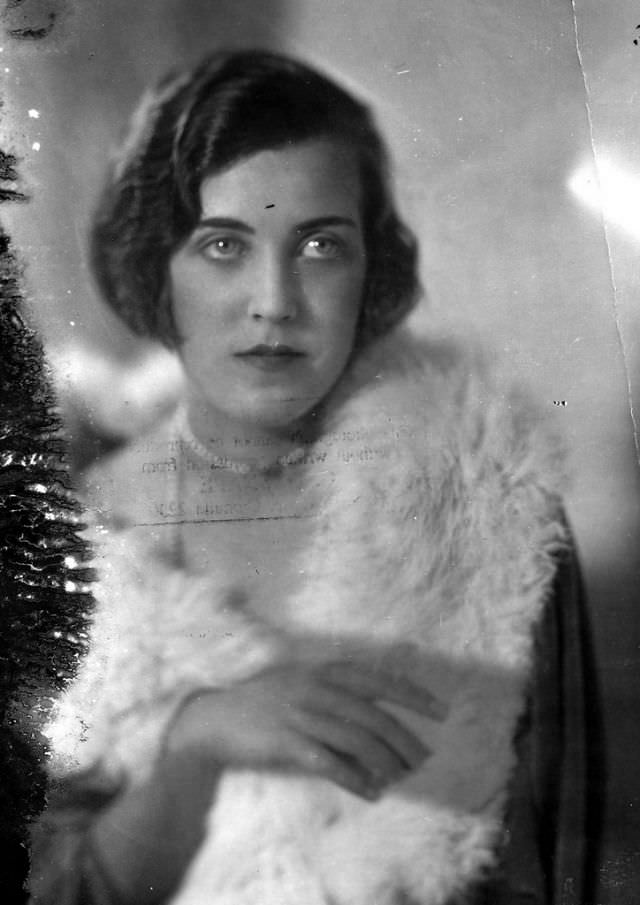
The portraits captured here span the decade. Some women wear lace collars and pearl necklaces. Others show off fur-trimmed coats or silk evening wear. Each image reflects a specific moment in a fast-changing era.
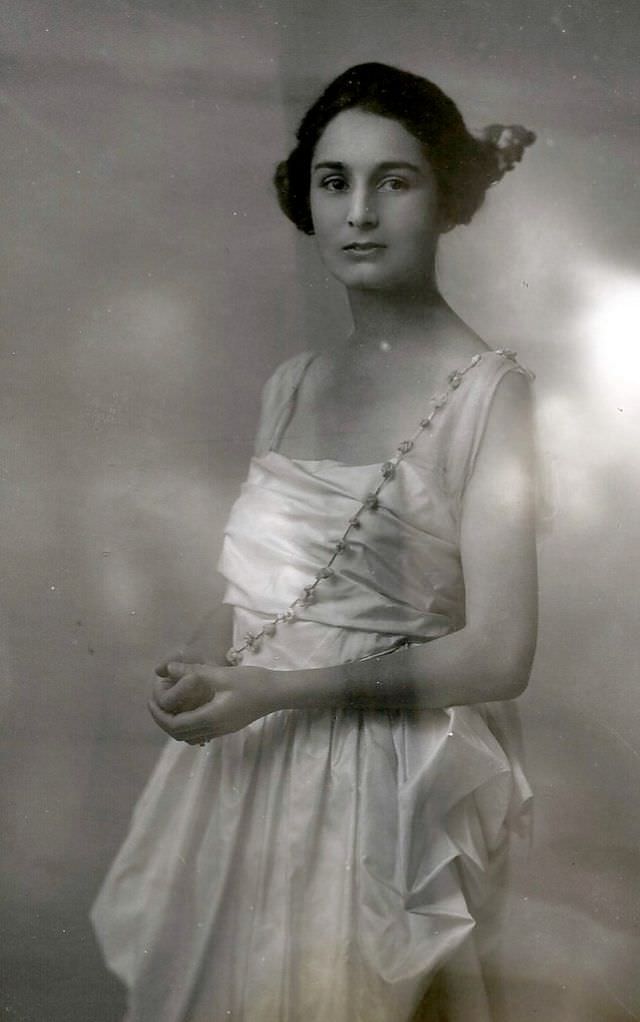
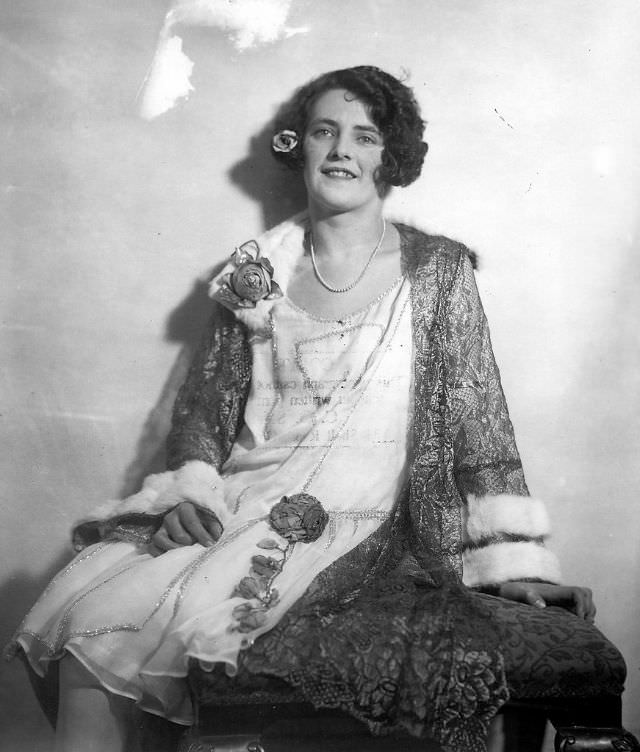
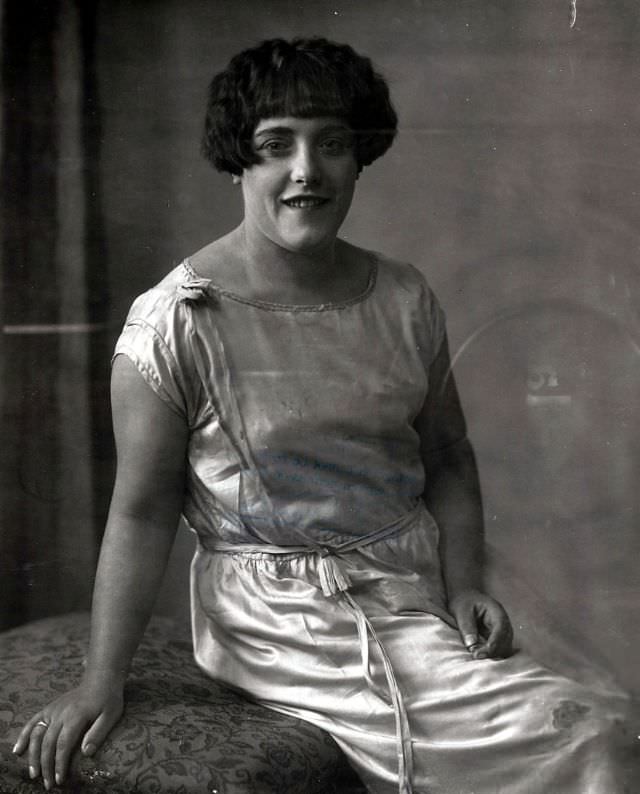
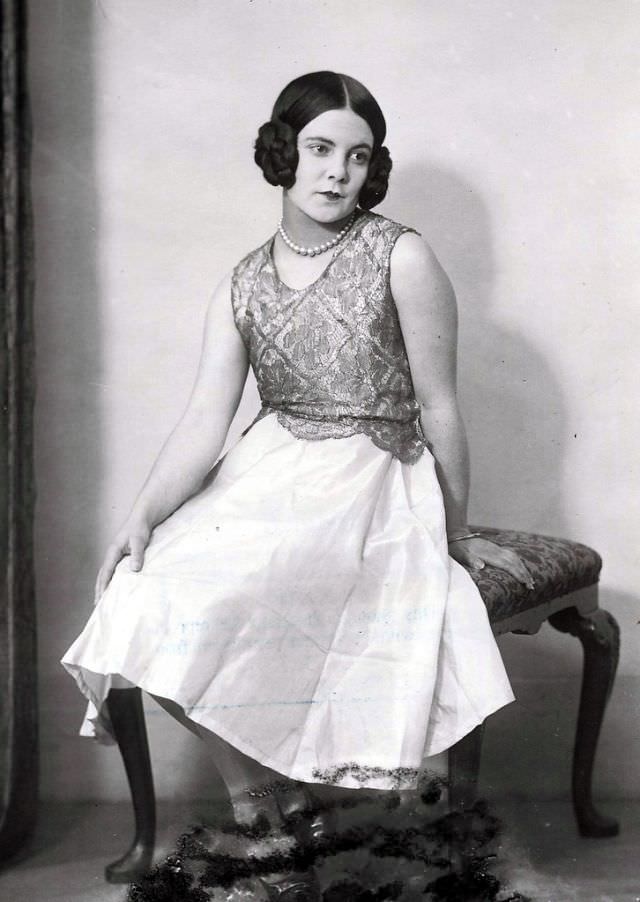
Hair was central to the 1920s look. The bob — cut blunt at the jaw or shorter — became the defining hairstyle of the flapper generation. Some women went even shorter with the Eton crop. These cuts were practical, modern, and deliberately different from the long, pinned-up styles their mothers had worn.
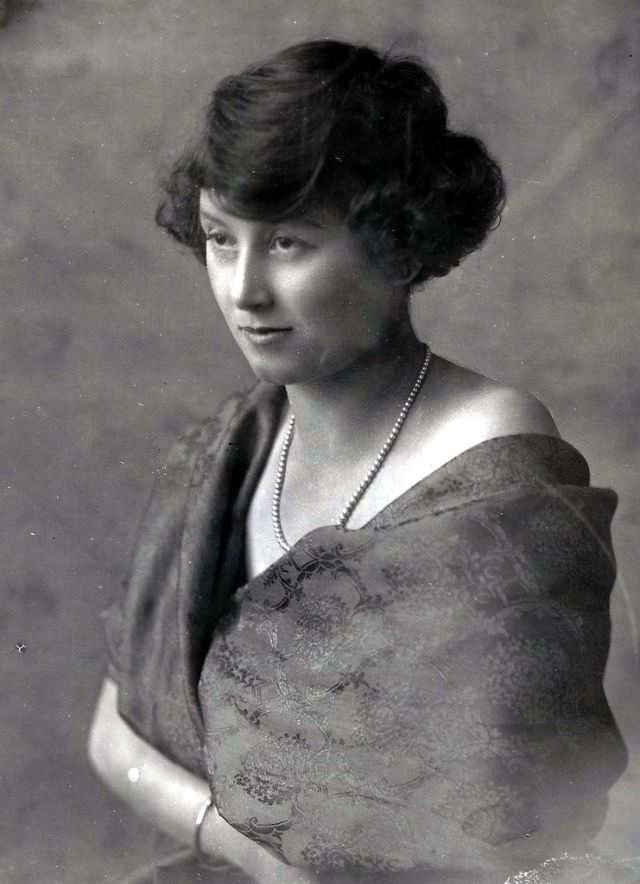
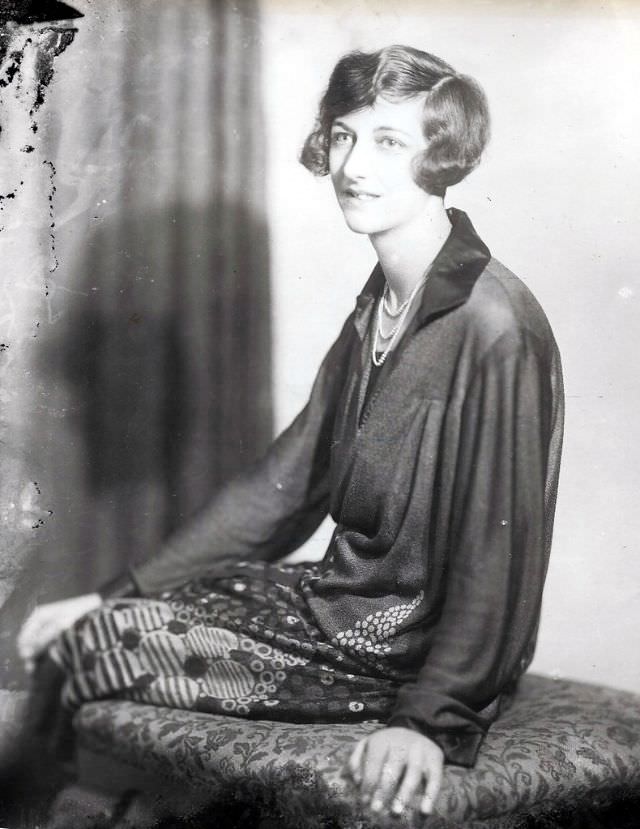
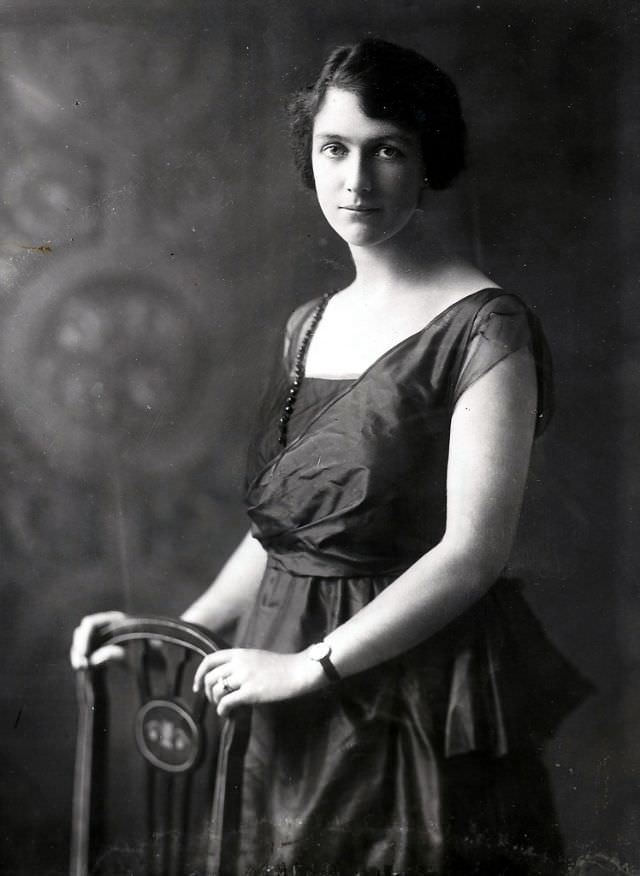
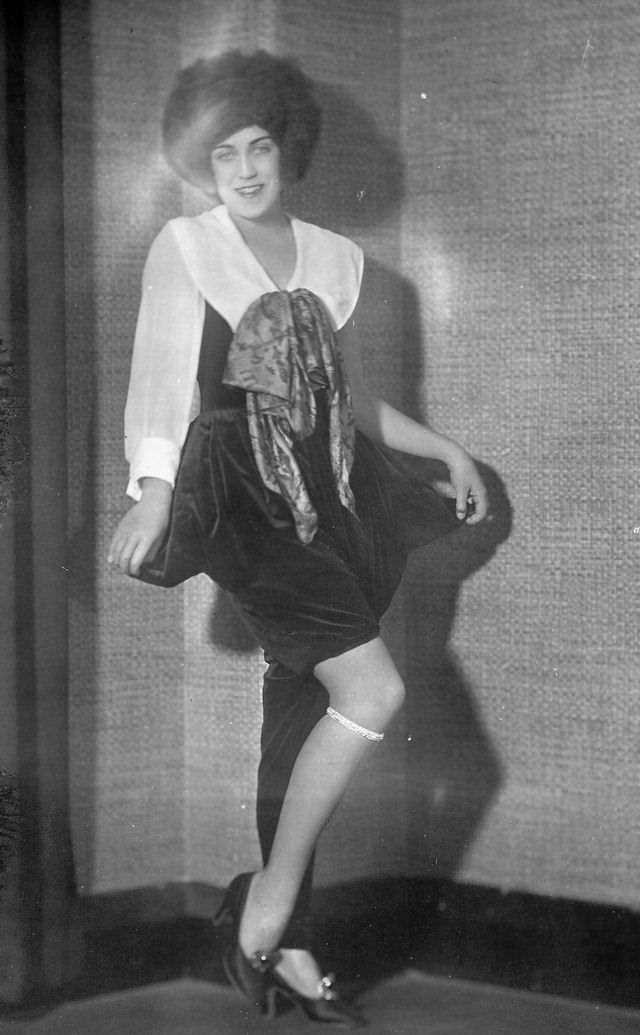
Accessories played a key role in completing these looks. Long strands of beads, drop earrings, T-strap heels, and embroidered headbands all appeared regularly in studio portraits. These details weren’t afterthoughts — they were chosen deliberately to complete a full, fashionable image.
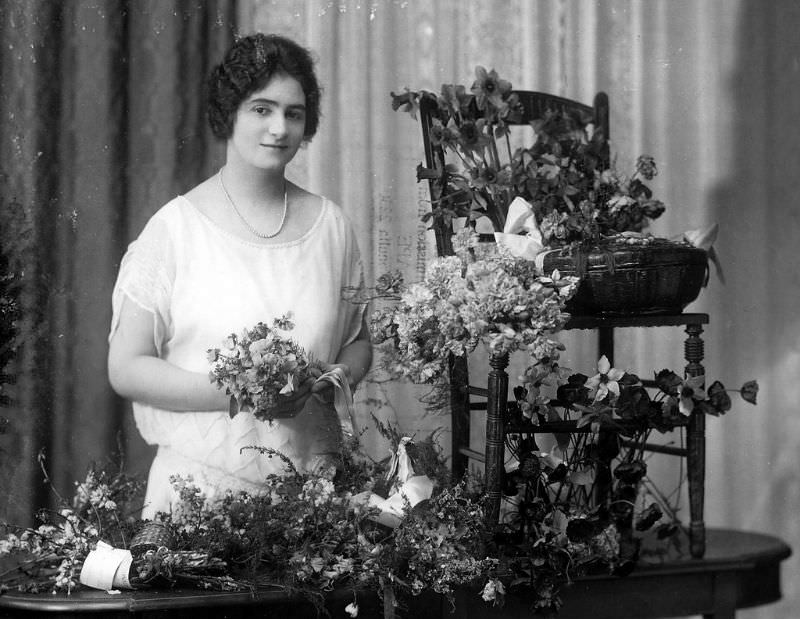
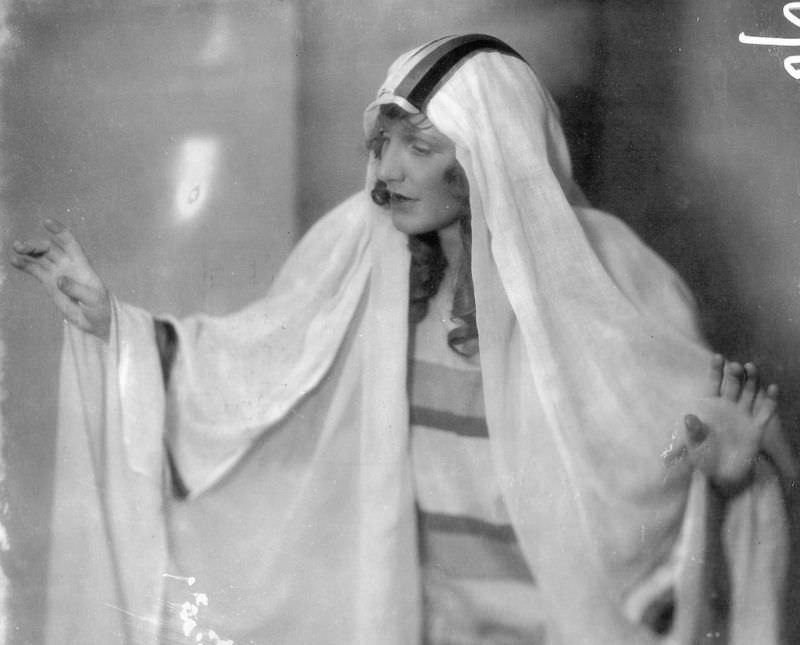
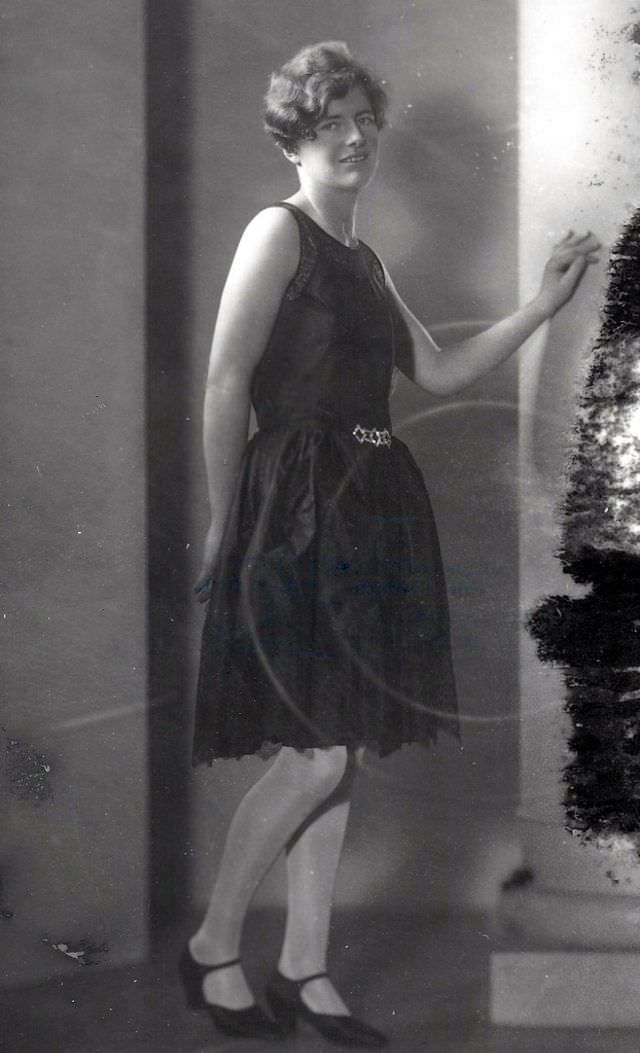
Melbourne’s fashion scene in the 1920s drew heavily from Paris, where designers like Coco Chanel were redefining what women’s clothing could look like. Local dressmakers adapted these trends for Australian tastes and climates, producing garments that were stylish but suited to the Southern Hemisphere’s warmer months.
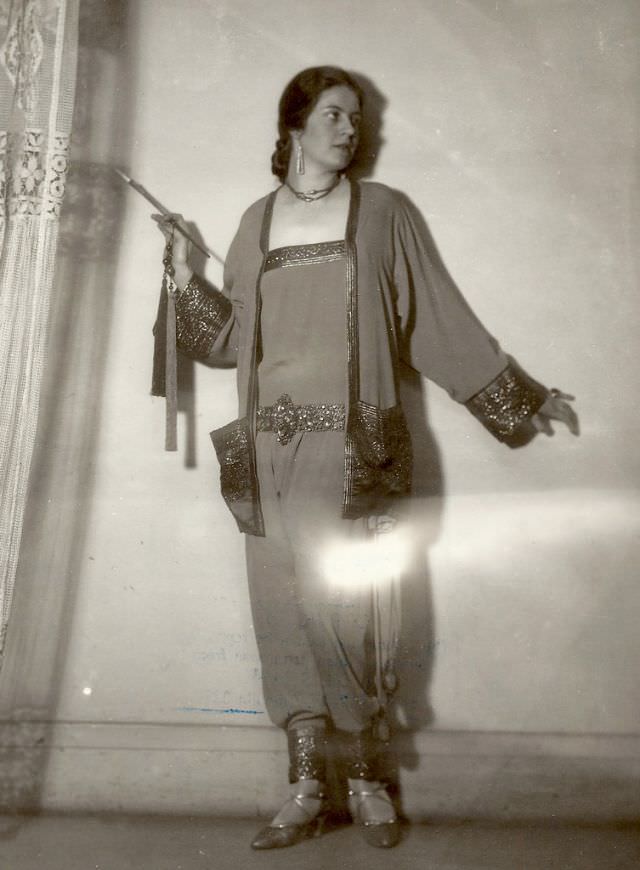
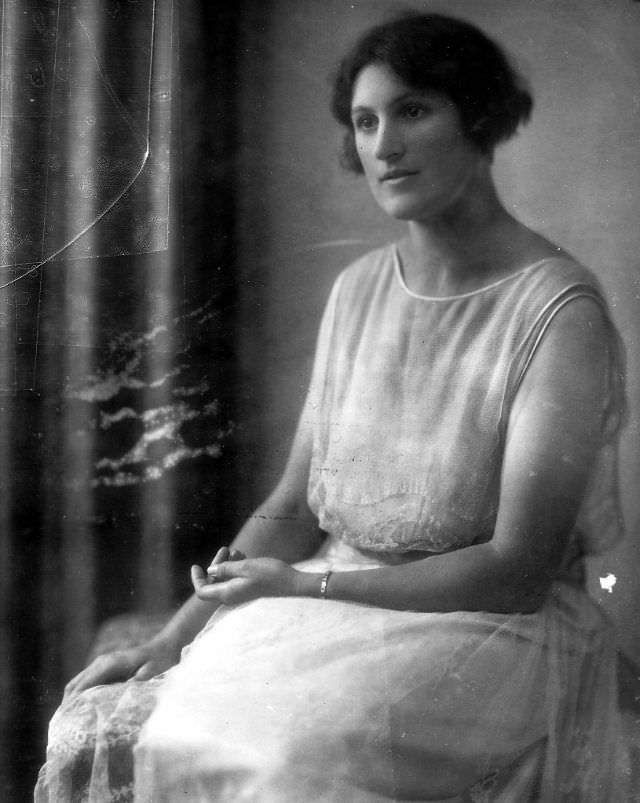
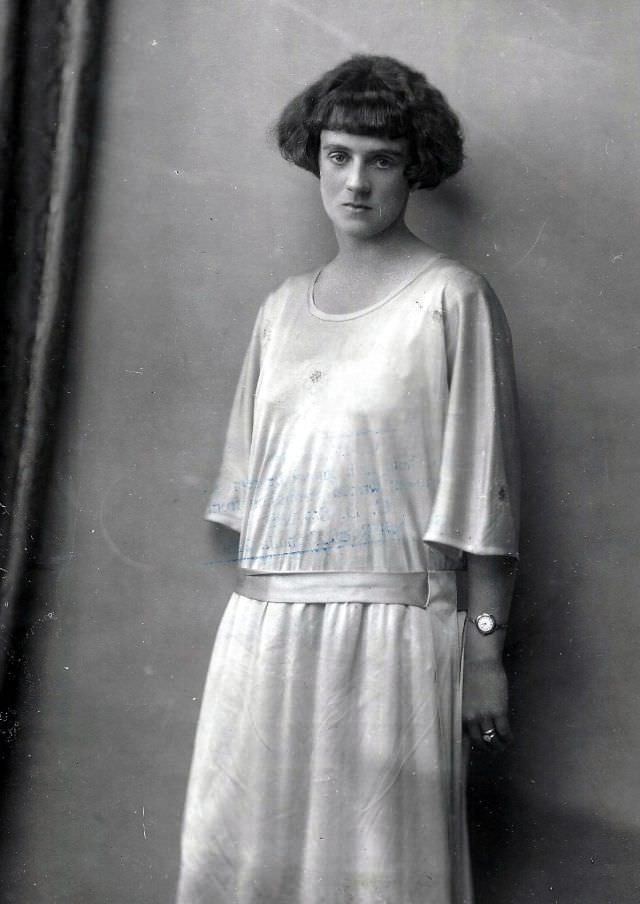
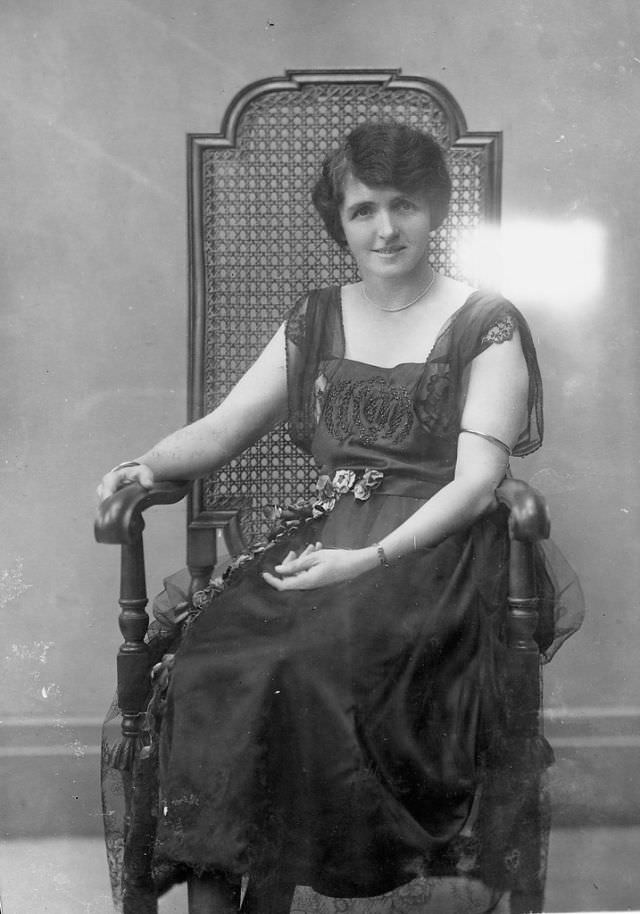
These studio portraits were not casual snapshots. Photographers used careful lighting, draped backdrops, and posed their subjects with precision. The result was an image meant to be kept, shared with family, or sent to loved ones. For many women, a professional portrait was a prized possession.
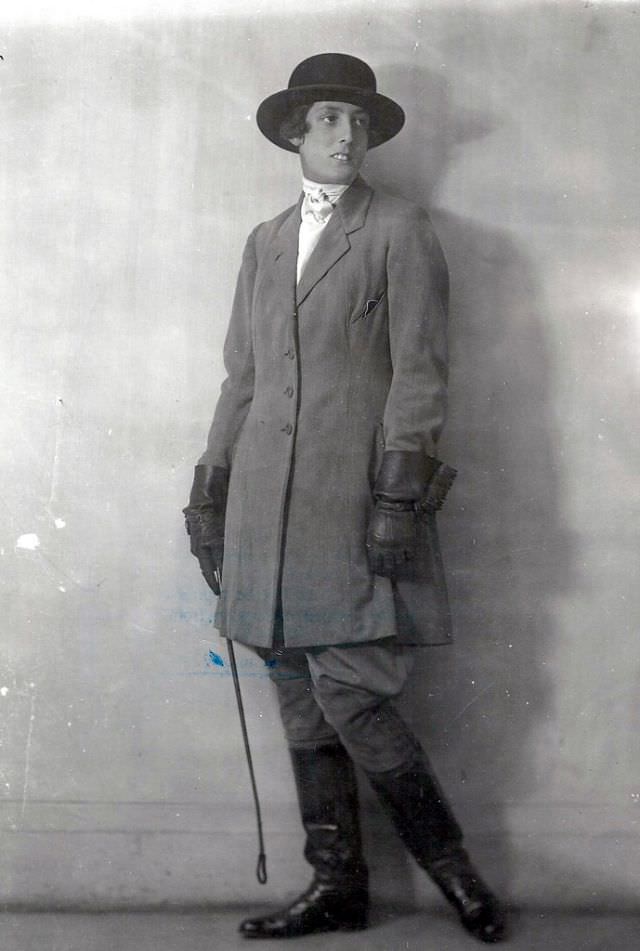
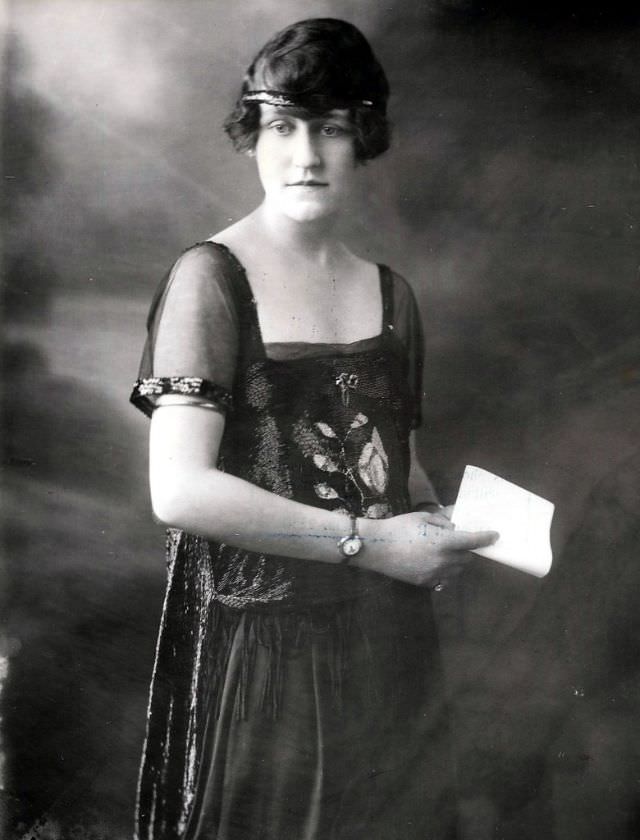
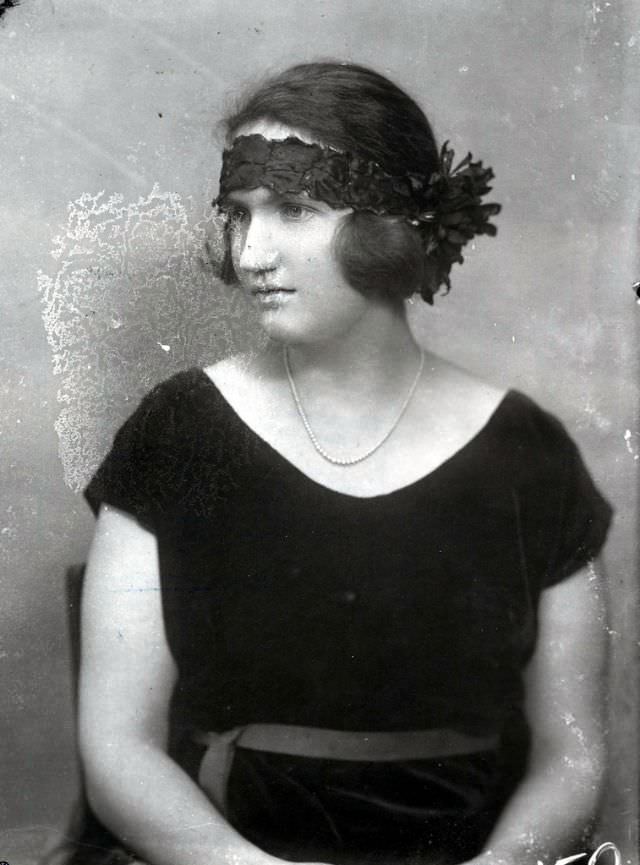
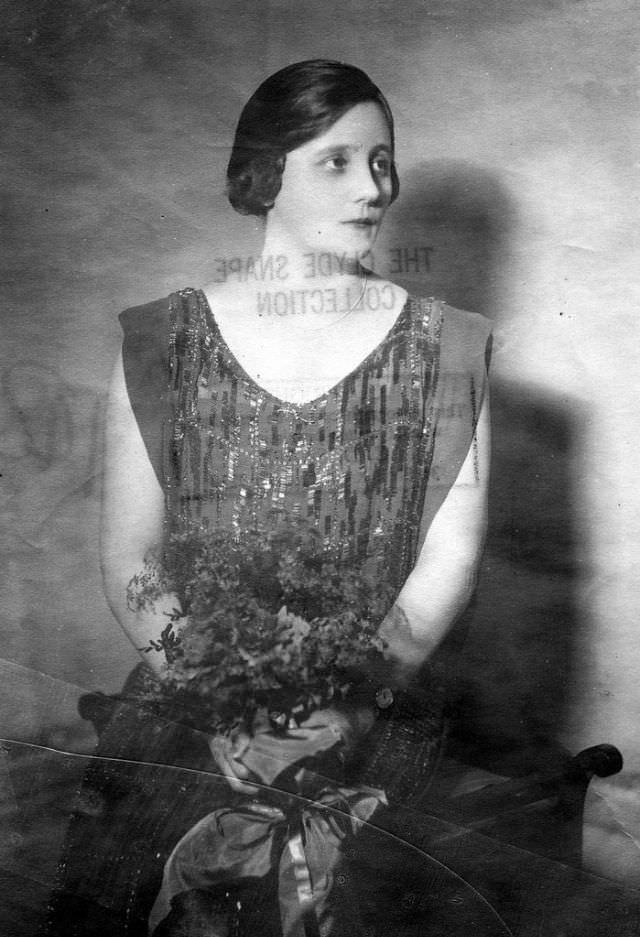
By the mid-1920s, department stores in Melbourne’s CBD stocked ready-to-wear clothing that made fashionable dressing accessible beyond the wealthy. Women who worked in offices or shops could afford to follow trends that would have previously required a private dressmaker.
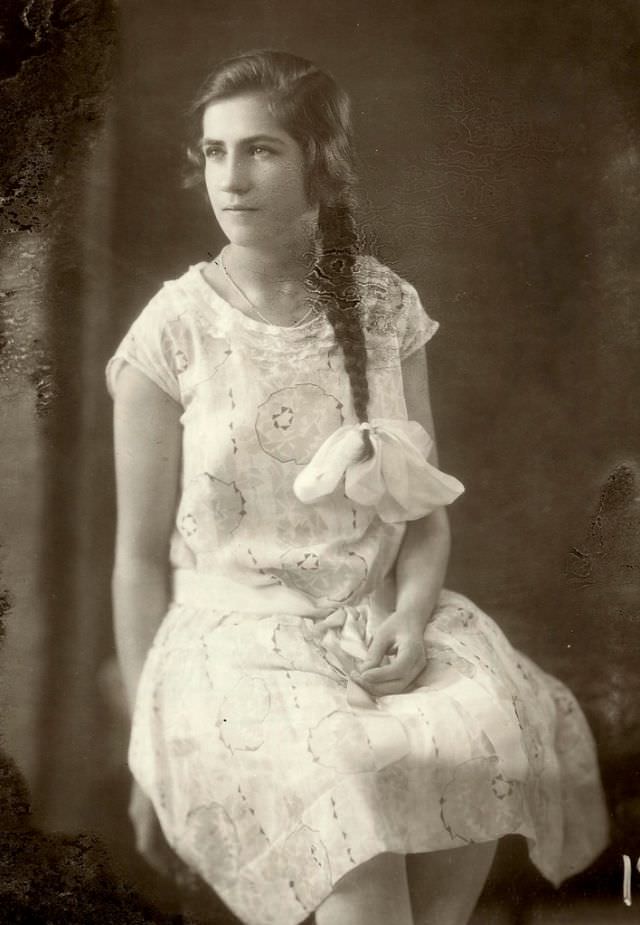
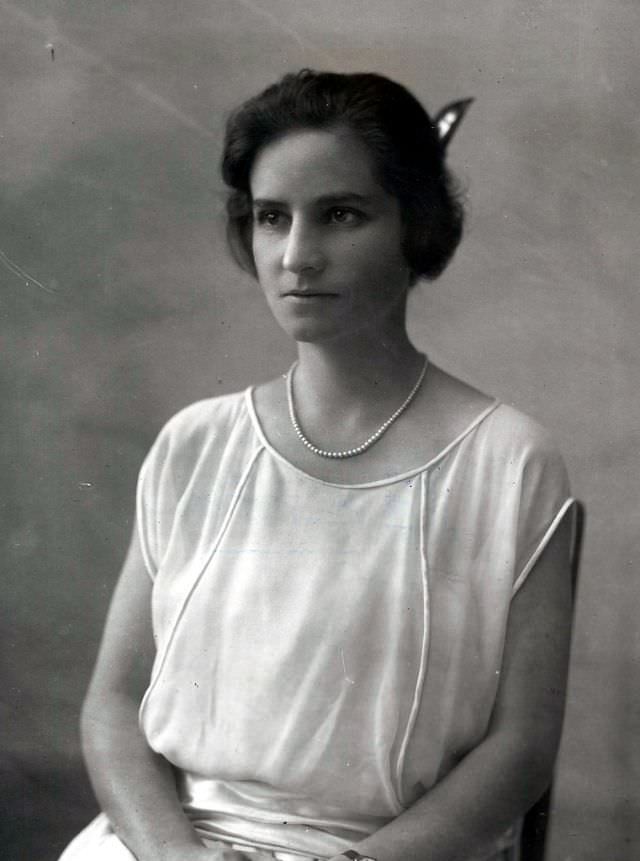
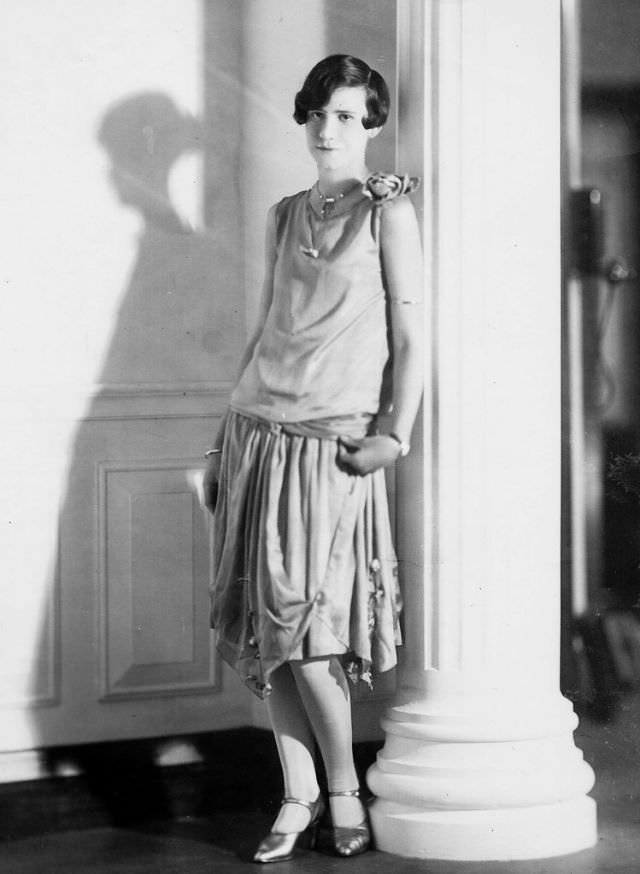
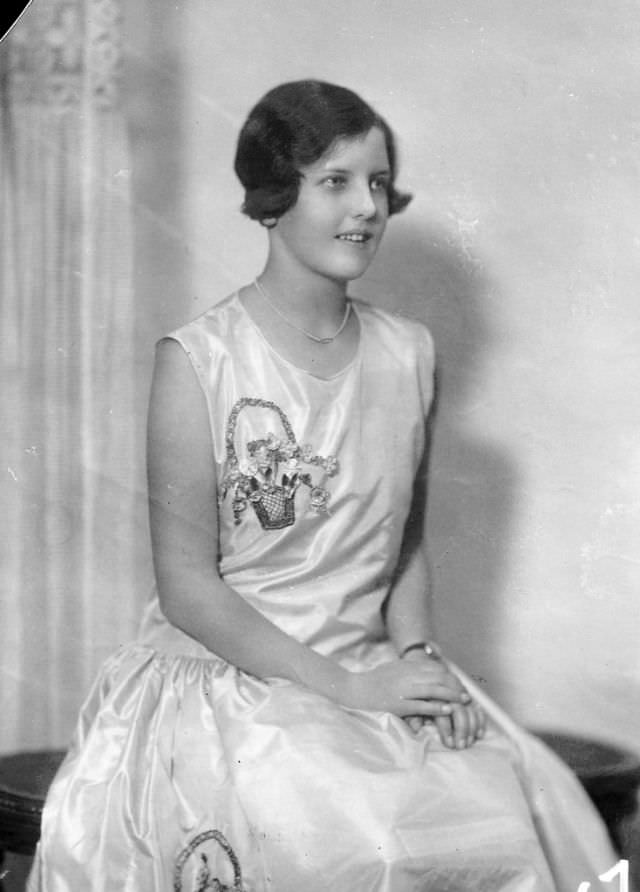
The women in these photographs came from different walks of life — shop girls, typists, students, and daughters of established families. What they shared was participation in a new visual culture that prized self-presentation. Getting your portrait taken was part of being a modern young woman in 1920s Melbourne.
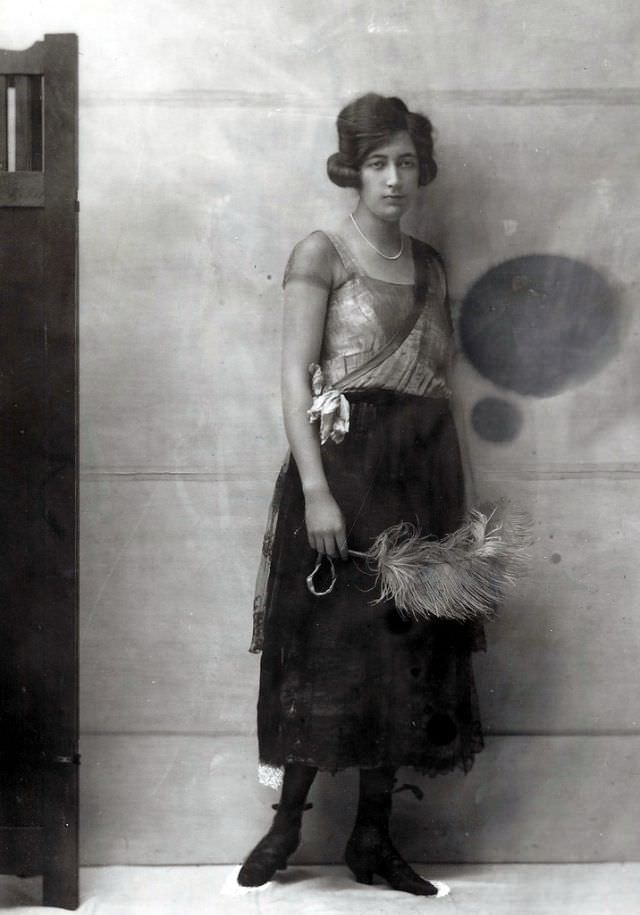
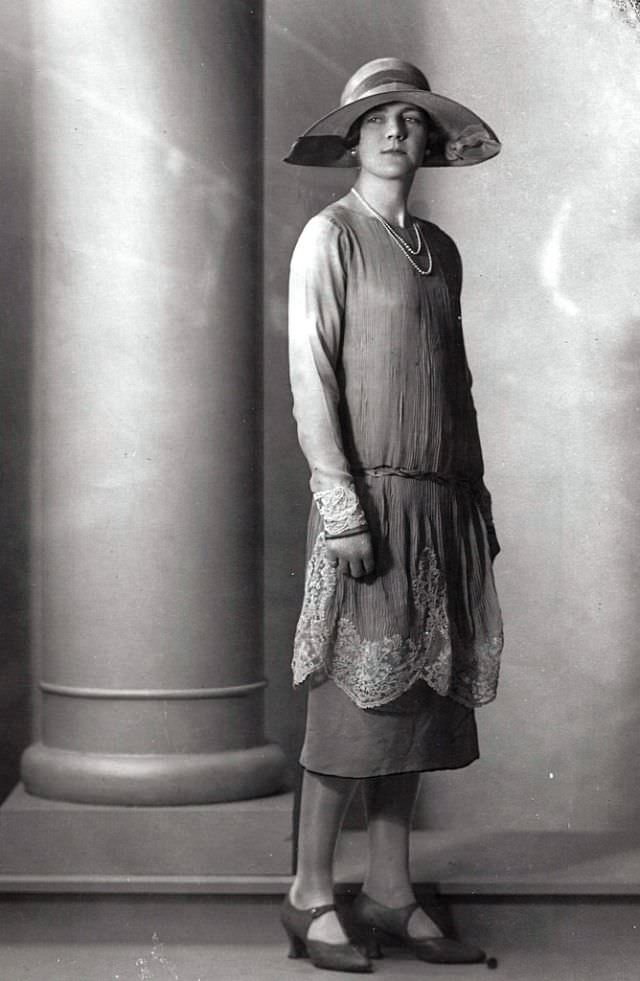
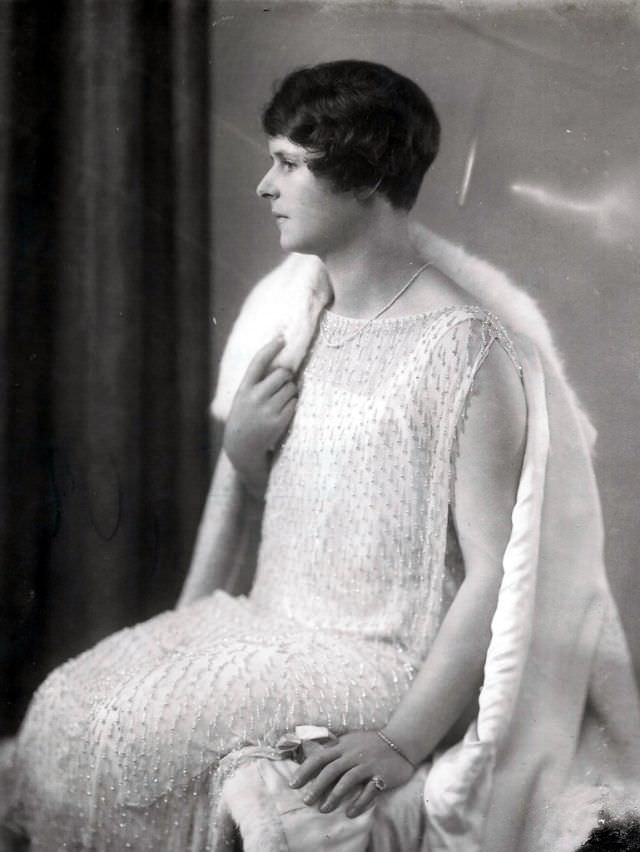
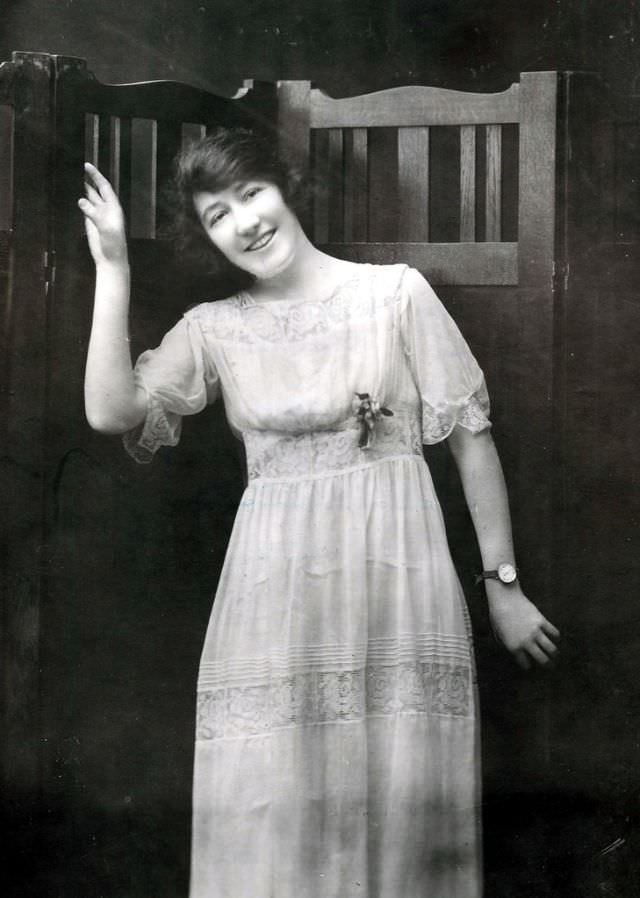
Evening wear from this period was particularly striking. Silk and satin fabrics caught light beautifully in studio photography. Low backs, beaded bodices, and handkerchief hemlines — cut longer at the back than the front — were popular choices for formal occasions and social events.
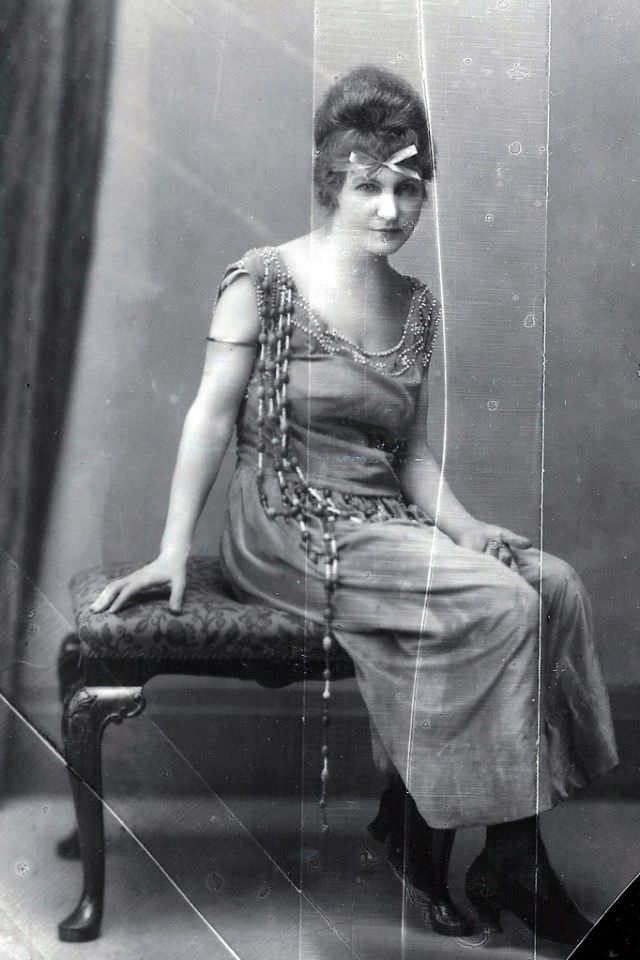
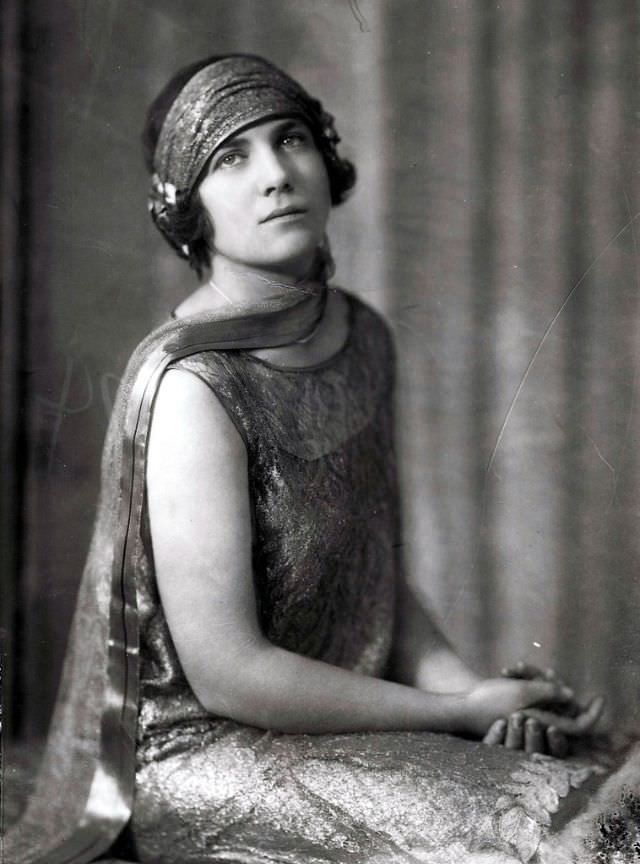
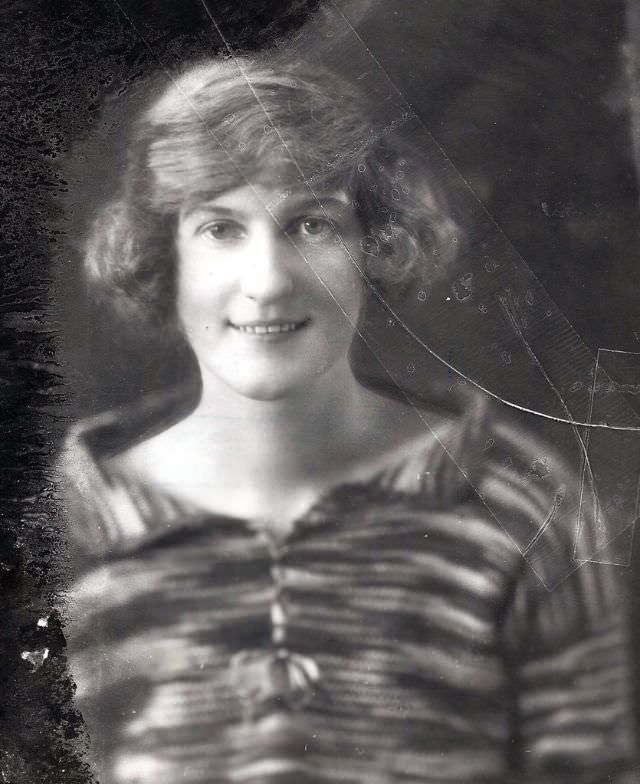
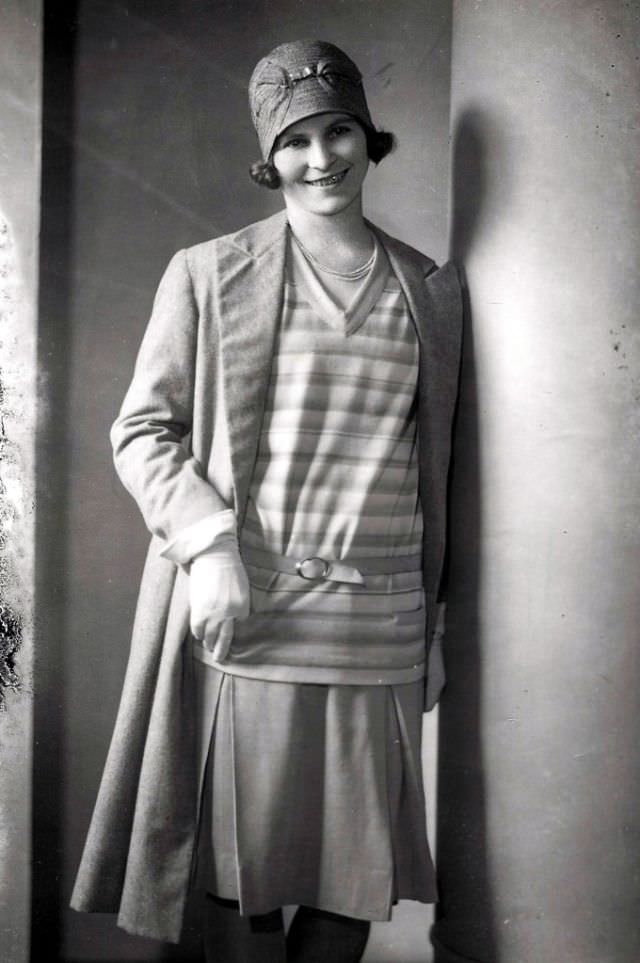
The look of a 1920s Melbourne woman was assembled with real intention. Every element — the hemline, the neckline, the shoes, the hair — was part of a carefully considered whole. These portraits document not just individual women, but the shared visual identity of an entire generation.
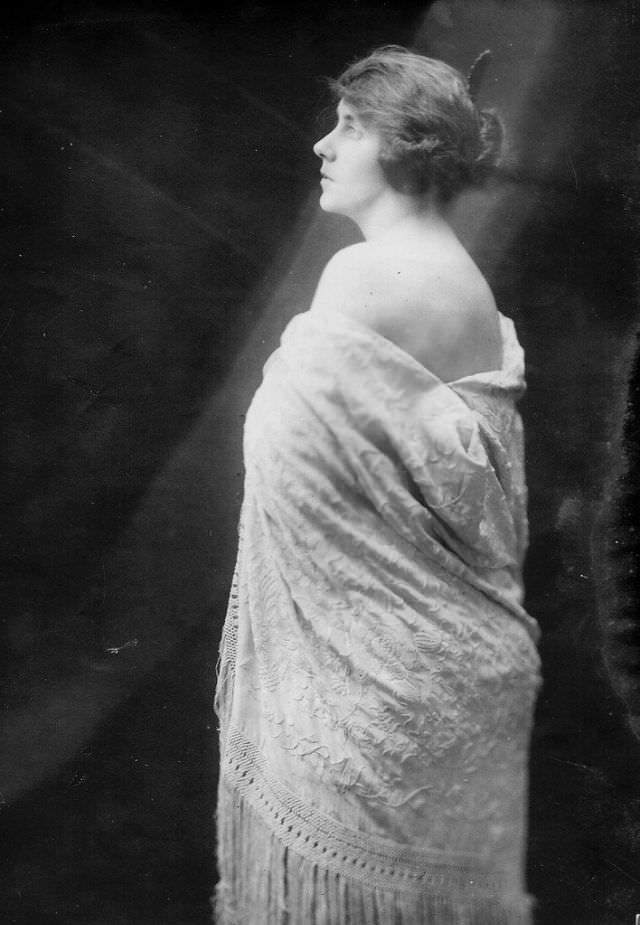
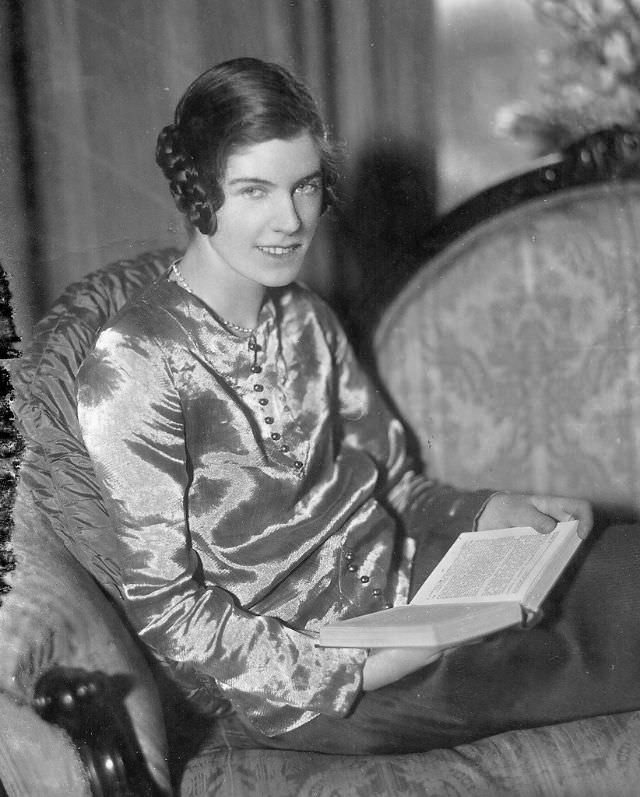
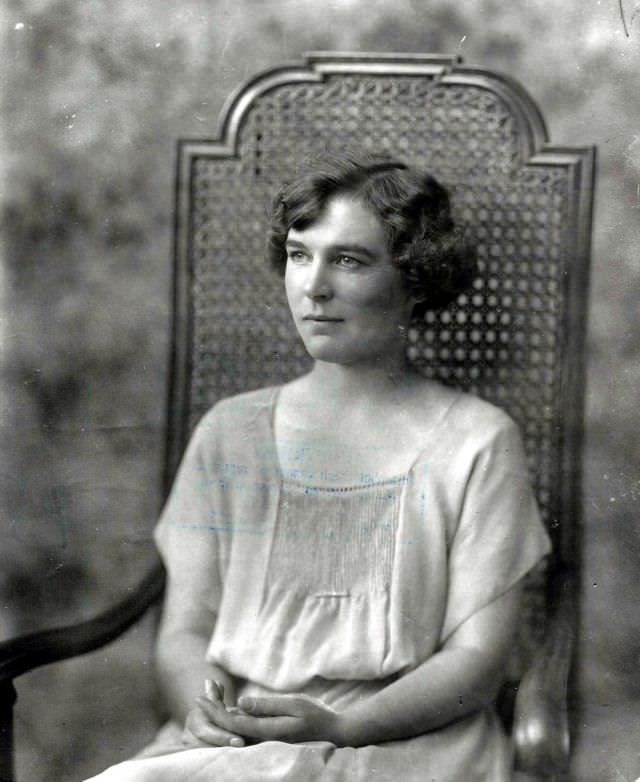
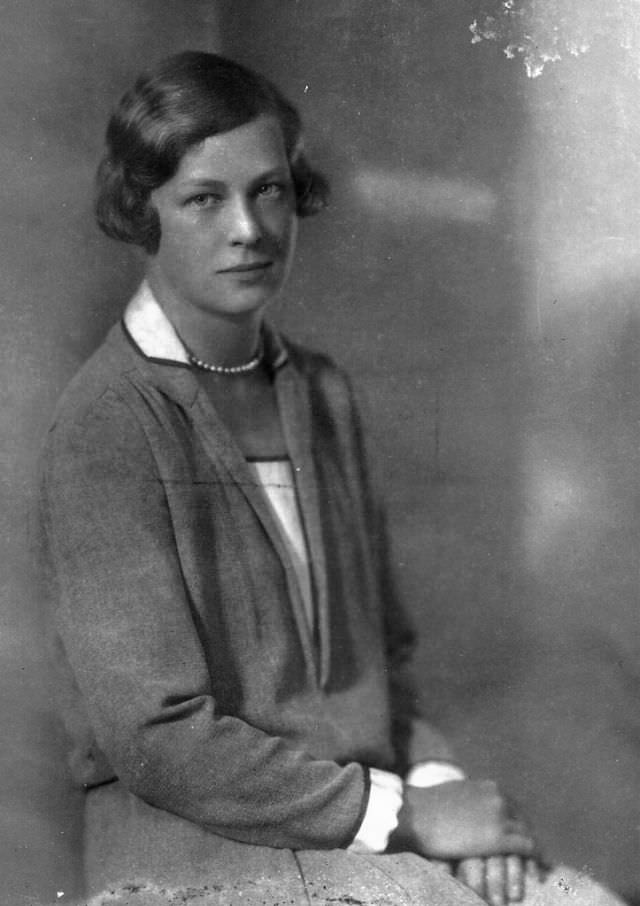
Fur stoles, velvet trim, and embroidered shawls appear throughout these portraits, reflecting both the fashion of the era and the desire to appear polished for the camera. Even women of modest means dressed carefully for studio sessions, treating the occasion with genuine seriousness.
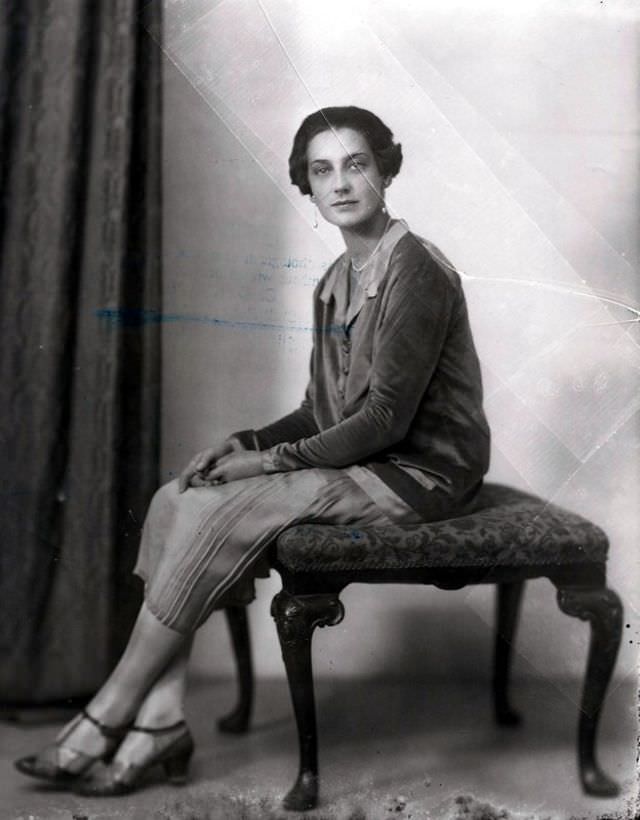
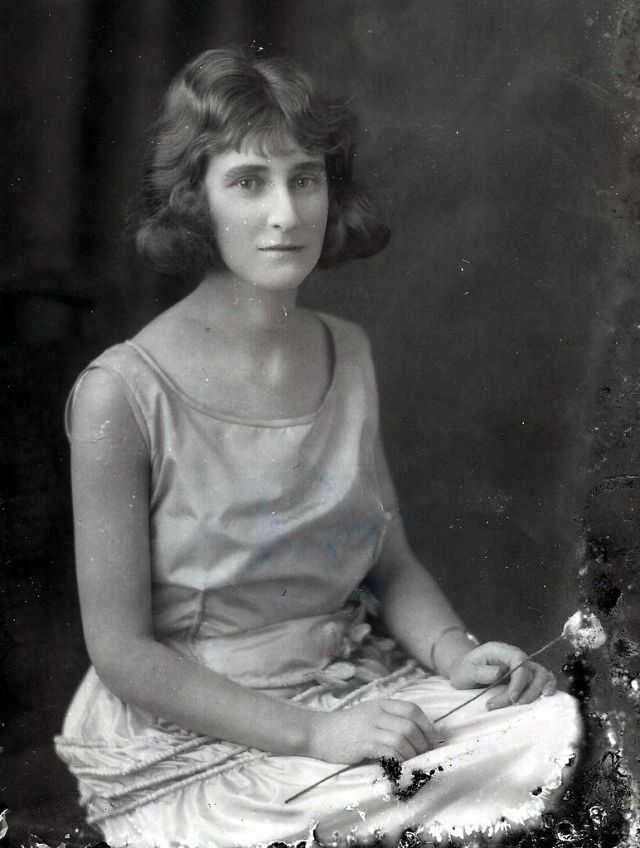
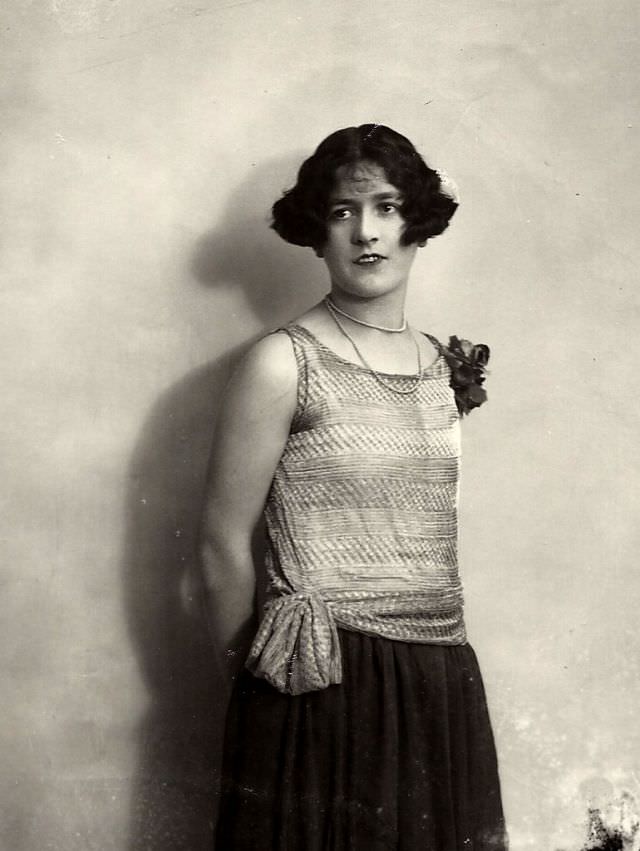
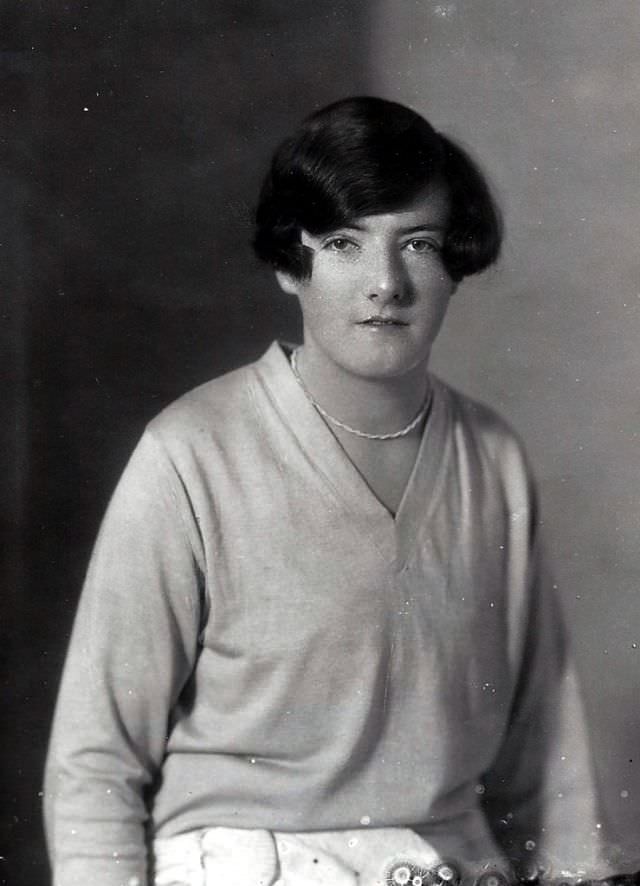
These photographs survive as a direct record of how Melbourne women looked and presented themselves during one of the most dynamic decades in modern history. They are primary historical documents — preserved in collections and archives — that show exactly how style, identity, and daily life intersected for women in 1920s Australia.