
Melbourne is Australia’s second-largest city, sitting behind Sydney in size and population. But for 26 years, it was the nation’s capital — a distinction that shaped its grand architecture, wide boulevards, and deep civic pride. It also served as the capital of the colony of Victoria. Before it carried its current name, the city was called Batmania, named after John Batman, one of its founding figures. Today, Melbourne ranks as a major financial hub across the Asia-Pacific region. These color photographs from the 1980s freeze a specific moment in the city’s life — its streets, its people, its waterways, and the buildings that defined it.
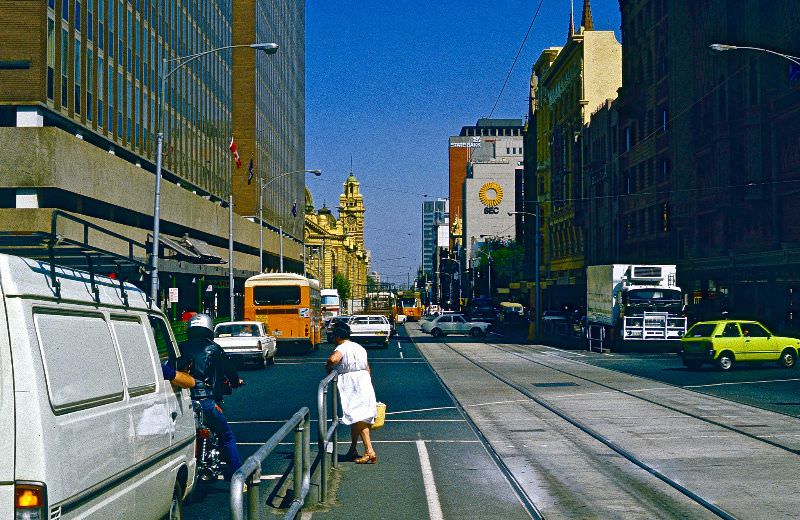
Flinders Street was — and remains — the beating heart of central Melbourne. In the 1980s, the street hummed with trams, pedestrians, and the constant activity of a city that never really slowed down. The station at its center, with its famous clocks and ochre dome, was the meeting point for generations of Melburnians. “Meet me under the clocks” was a phrase everyone in the city understood.
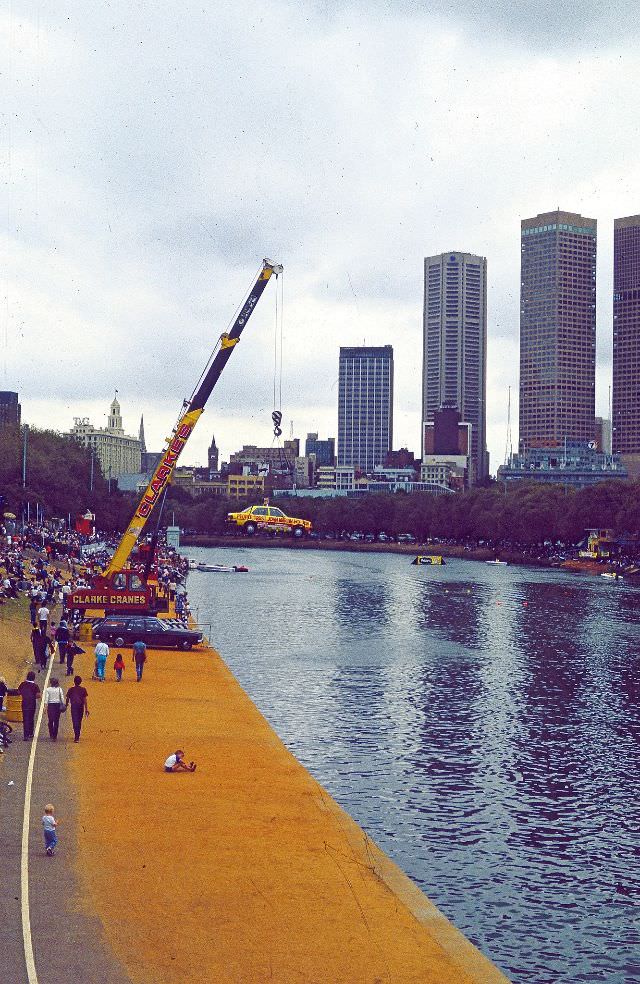
The Yarra River was a central part of Melbourne’s social life. Locals gathered along its banks on weekends, and the river itself saw regular boat traffic from rowing crews to leisure crafts. The 1980s saw a growing effort to activate the riverfront as a public space, drawing more Melburnians outdoors and toward the water.
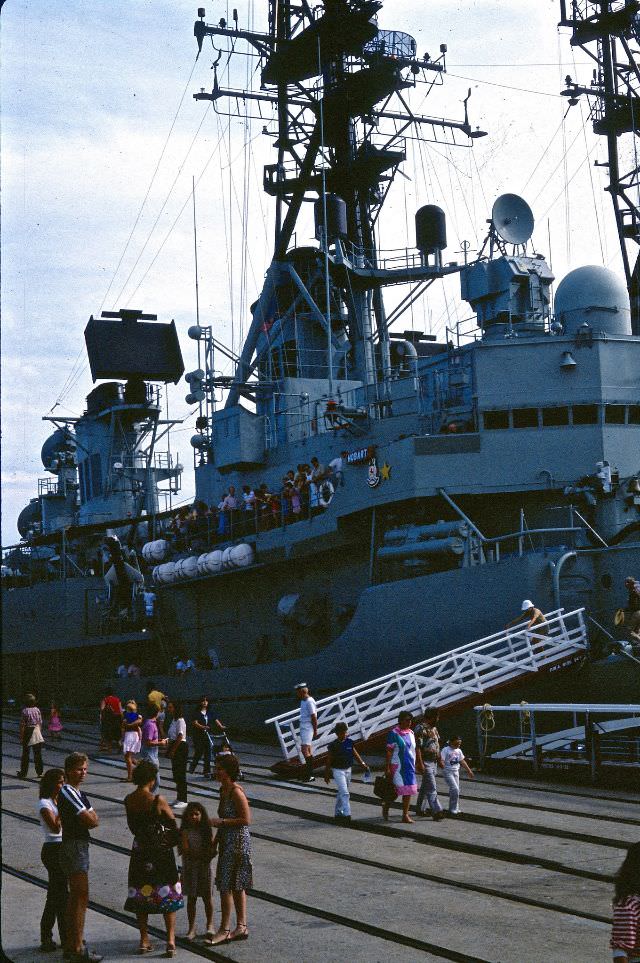
HMAS Hobart was a Royal Australian Navy destroyer with a long and decorated history. The ship served in the Vietnam War and was struck by a US Air Force missile in 1968 in a friendly-fire incident that killed two sailors. By the 1980s, it was a fixture at Melbourne’s waterfront, drawing visitors and serving as a tangible reminder of Australia’s naval past.
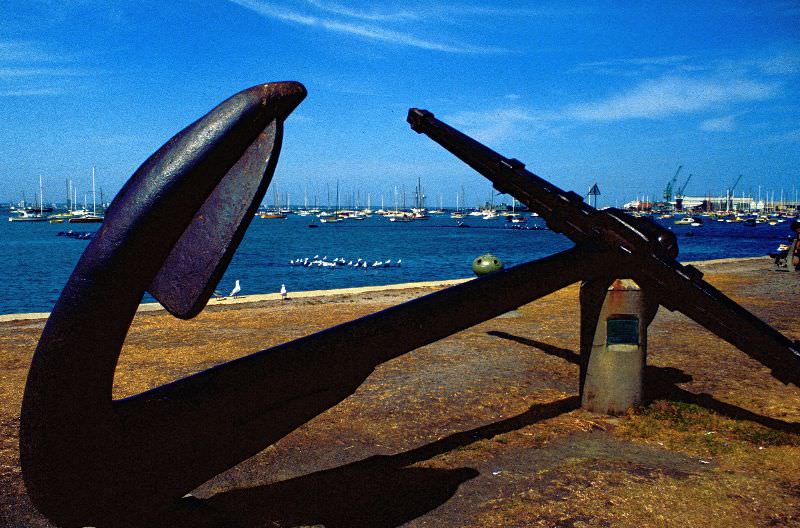
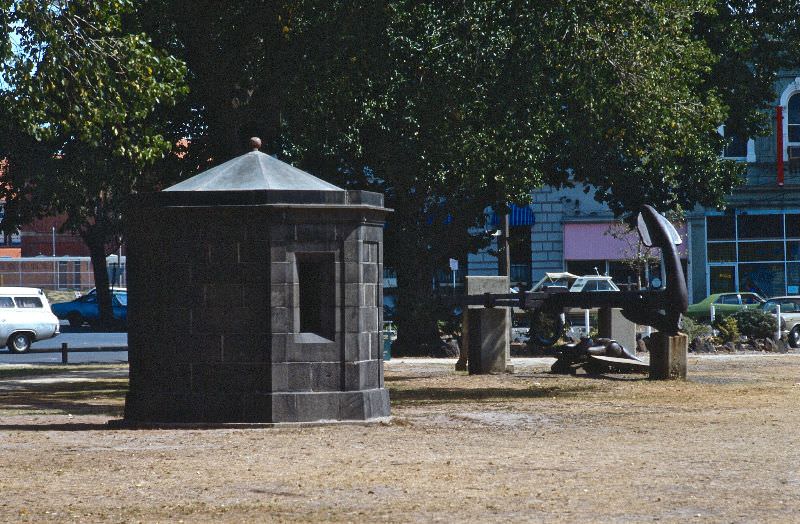
Port Phillip Bay defined Melbourne’s relationship with the sea. Ships, anchors, and maritime relics dotted the waterfront throughout the decade, reflecting the port’s long history as one of Australia’s busiest commercial gateways. The bay stretches roughly 1,930 square kilometers and has been central to Melbourne’s growth since the city’s earliest days.
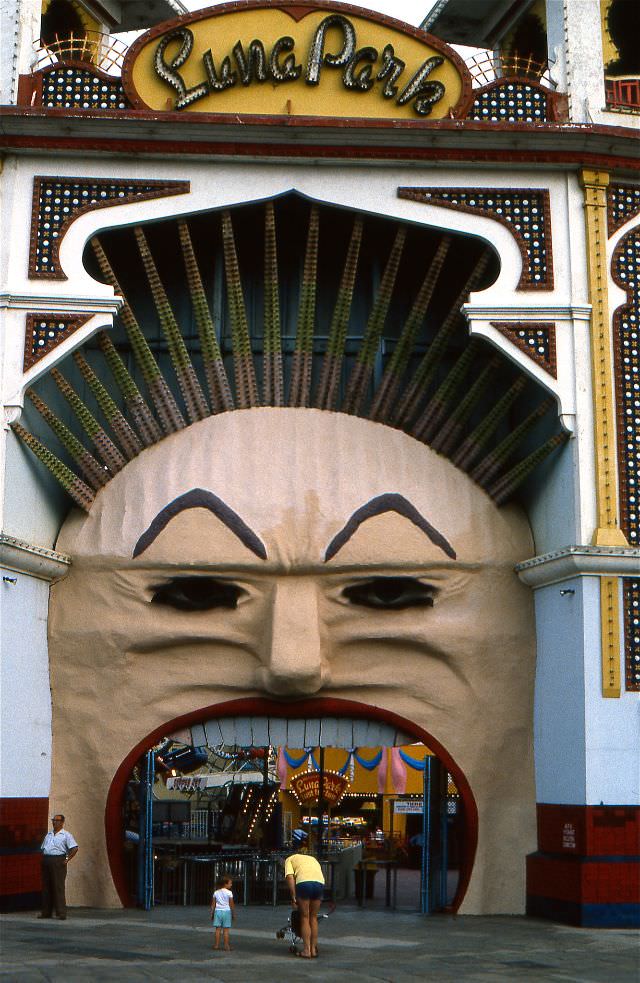
Luna Park at St Kilda is one of Melbourne’s most recognizable landmarks. Its giant grinning face entrance — officially called Mr. Moon — has greeted visitors since the park opened in 1912. Through the 1980s, the park faced financial struggles and periods of closure, but its iconic face remained a symbol of the city’s beachside character.
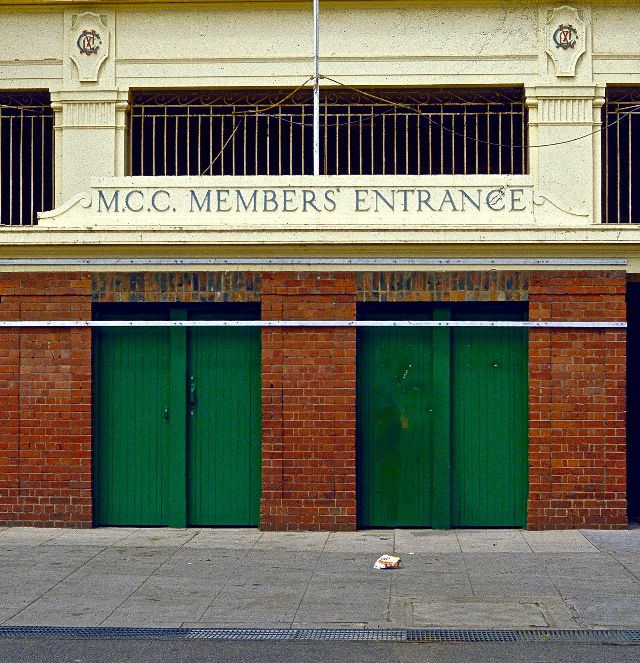
The Melbourne Cricket Club, founded in 1838, is one of the oldest sporting clubs in Australia. Its Members Entrance at the MCG carried a sense of prestige that reflected the club’s deep roots in Australian sporting culture. In the 1980s, the MCG itself underwent significant redevelopment ahead of the 1992 Cricket World Cup, but the members’ area retained its traditional character.
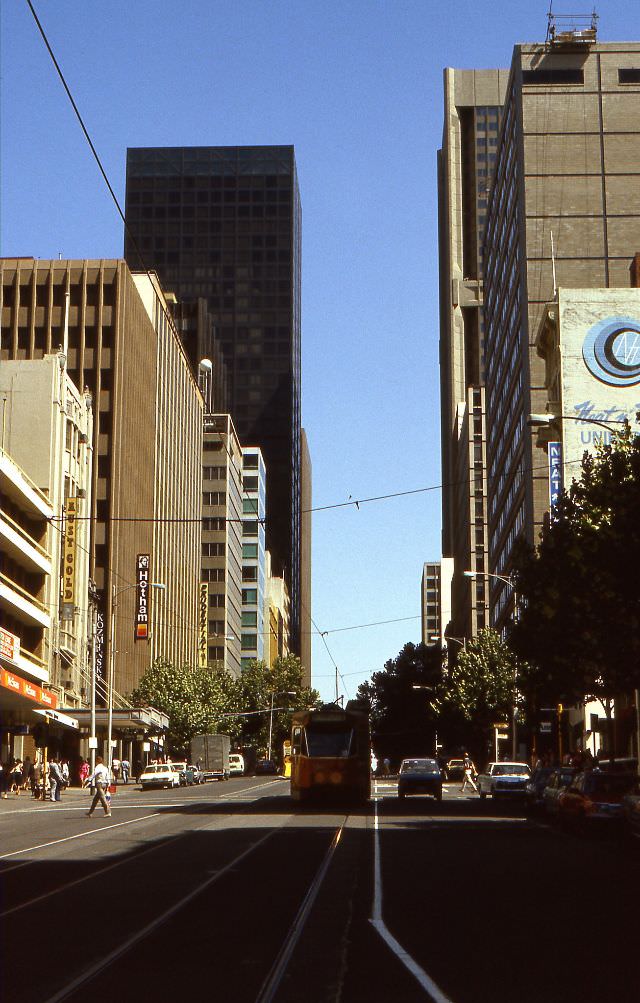
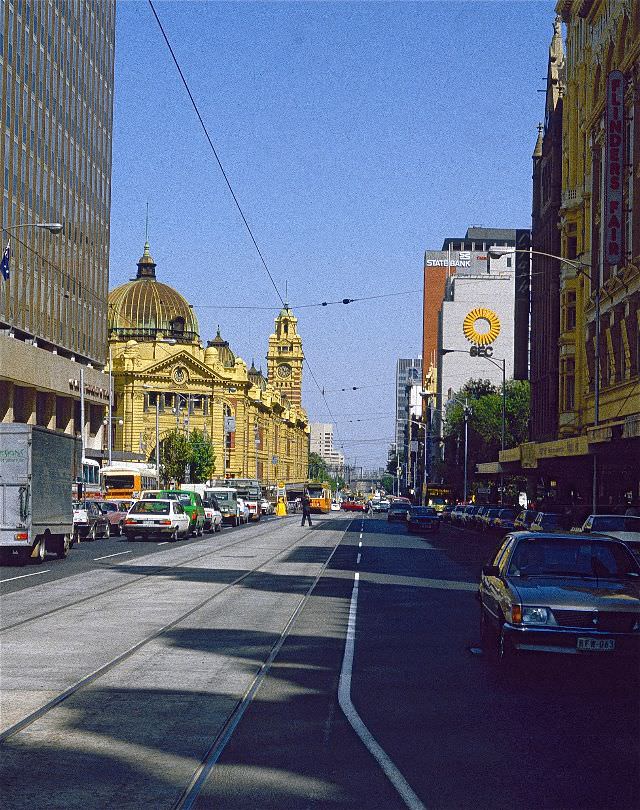
The city centre in the 1980s was a mix of Victorian-era buildings and modern glass towers pushing upward. Melbourne’s grid layout — laid down by Robert Hoddle in 1837 — gave the CBD its distinct structure of wide main streets and narrow laneways. That contrast between old stonework and new steel was everywhere you looked.
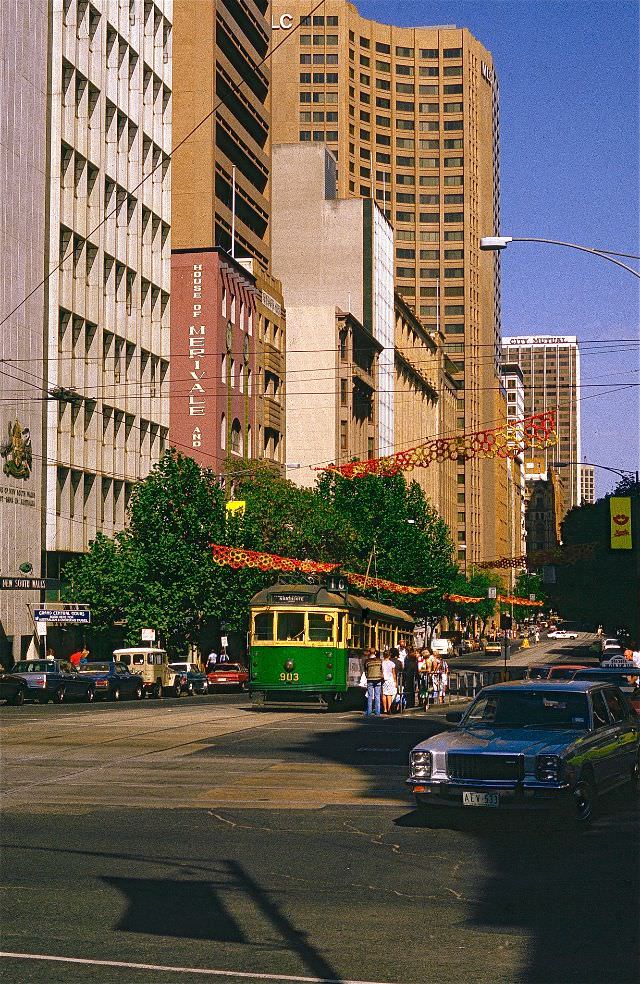
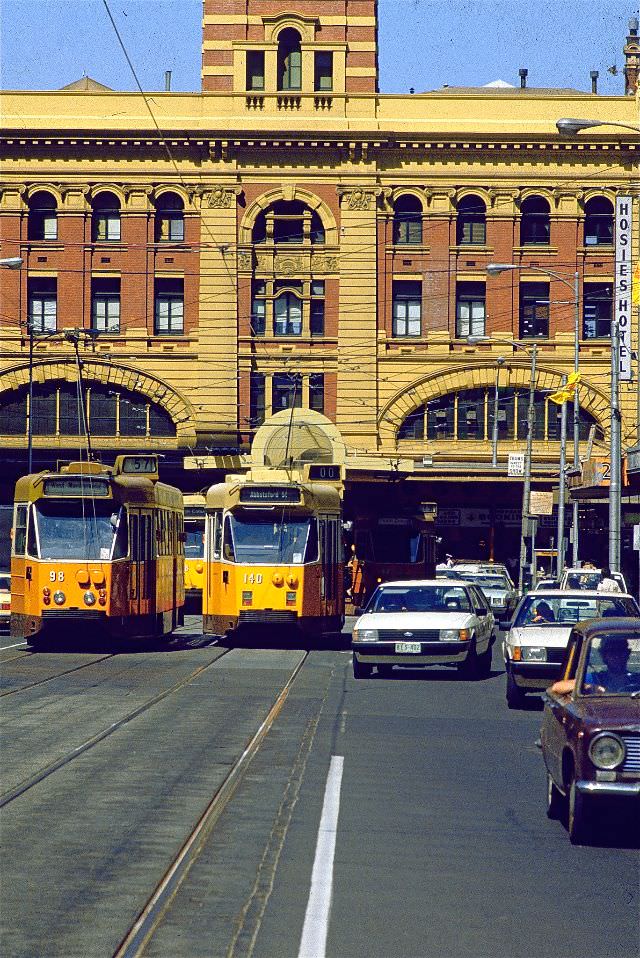
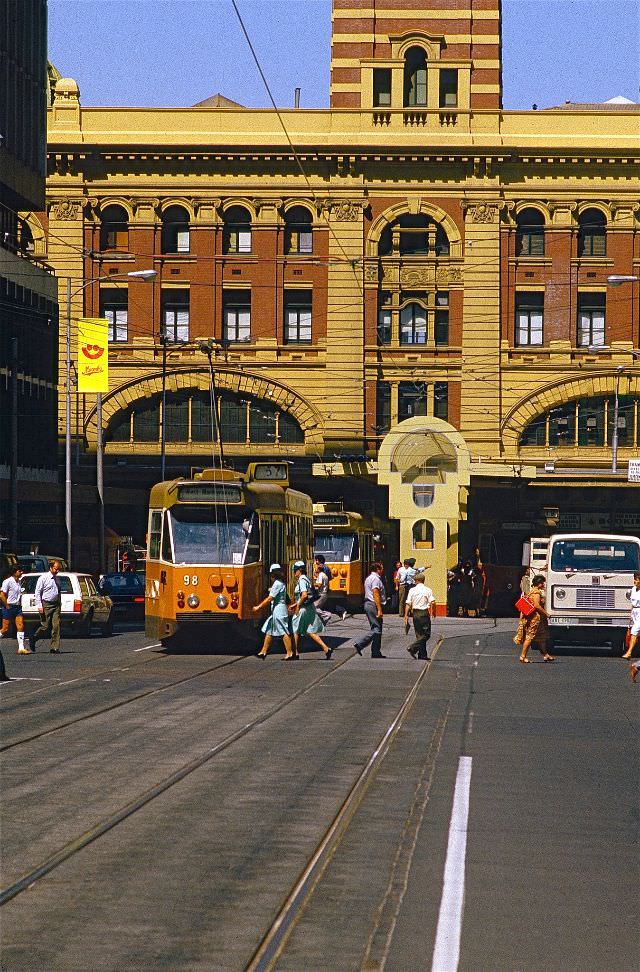
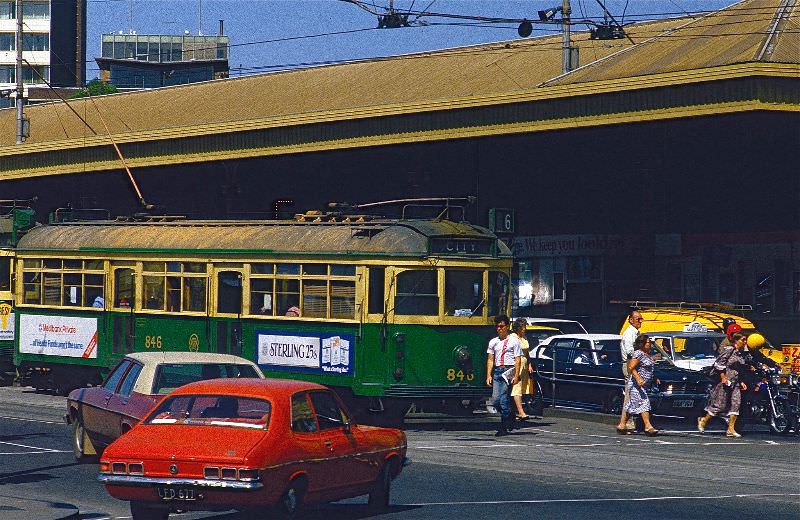
Street-level Melbourne in the 1980s was busy with shoppers, workers, and tourists moving between arcades, department stores, and cafes. The Block Arcade and Royal Arcade, both built in the 19th century, were still thriving retail destinations. Fashion, food, and commerce mixed freely in a city that had fully embraced its role as a cultural and commercial center.
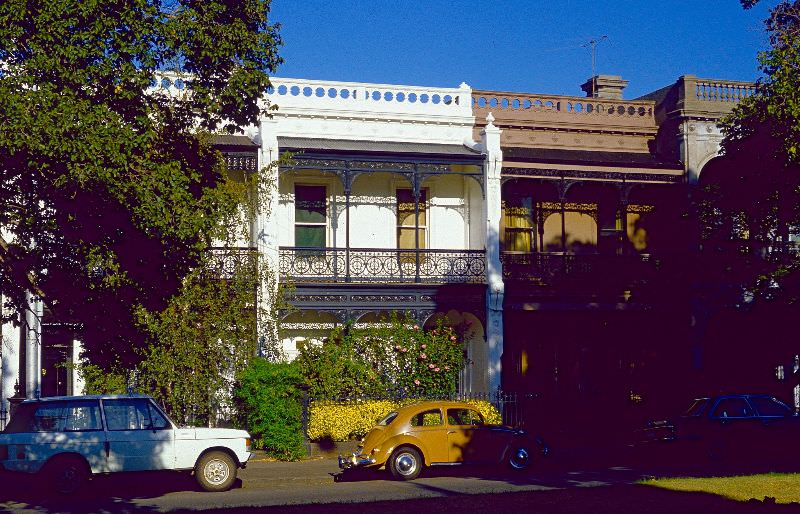
Away from the city center, Melbourne’s residential streets were lined with Victorian and Edwardian homes featuring ornate iron lacework verandas — a style that became synonymous with Australian domestic architecture. These homes, many built during the 1880s land boom, were spread across inner suburbs like Fitzroy, Collingwood, and Richmond. By the 1980s, some had been carefully restored while others showed the wear of a century of use.
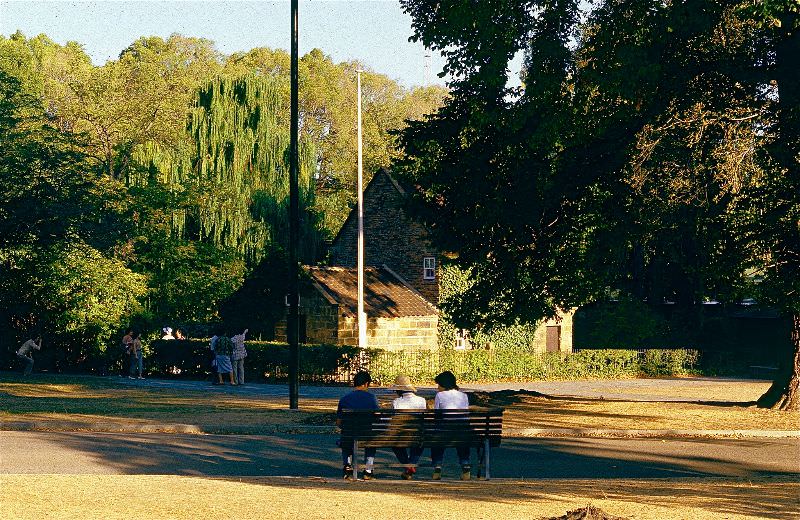
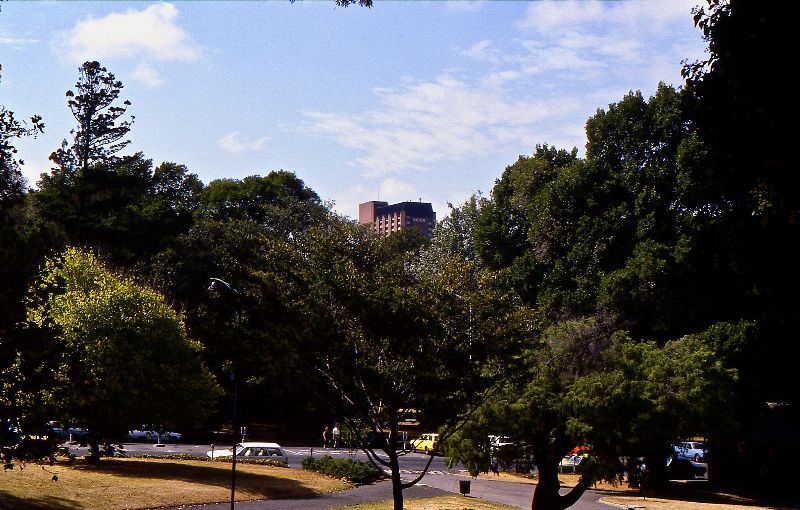
Melbourne’s parks were well-used social spaces in the 1980s. The city had invested heavily in green space since its colonial days, and parks like Fitzroy Gardens and the Royal Botanic Gardens attracted families, joggers, and picnickers throughout the year. On warm weekends, it was common to see large groups spread across the lawns with no particular agenda beyond being outside.
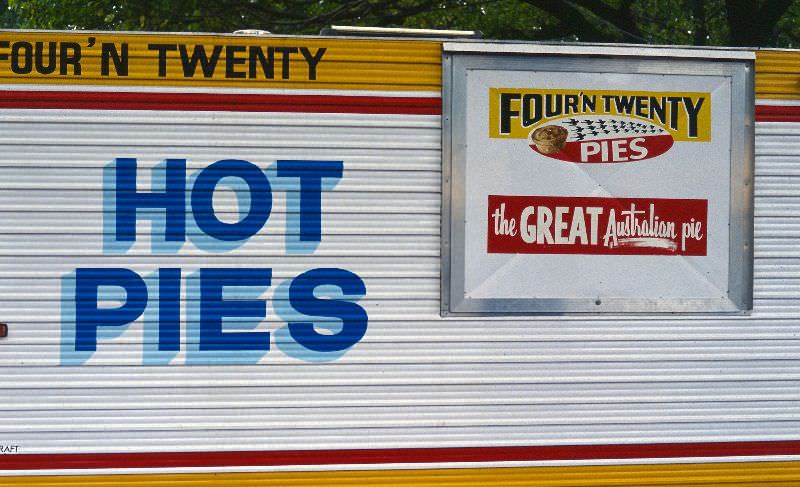
The pie van was a fixture of Melbourne street life. Hot meat pies — often topped with tomato sauce — were a staple of the Australian diet, and mobile pie vans parked near construction sites, sporting events, and busy intersections fed workers and passersby alike. The Four’N Twenty brand, produced in Melbourne, was one of the most recognized names in the country.
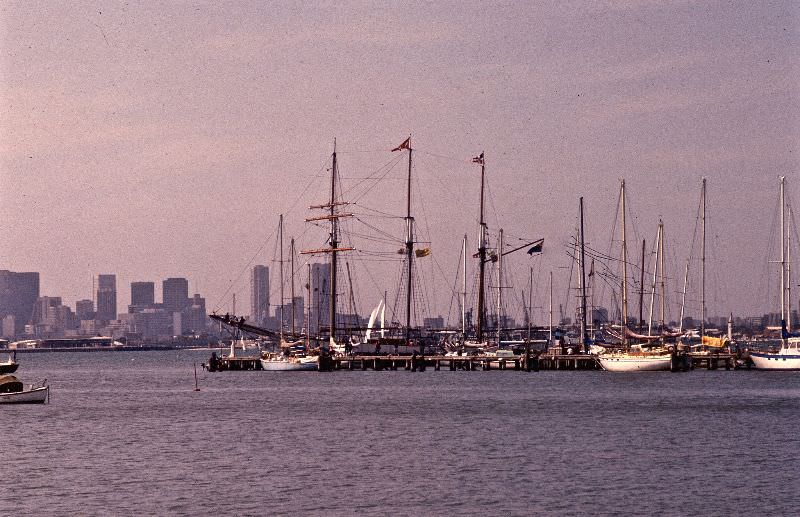
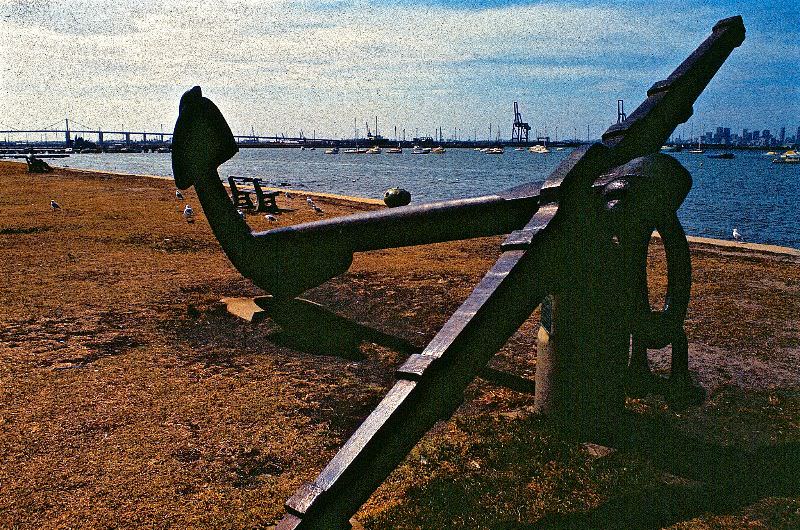
Port Phillip Bay offered Melburnians a waterfront escape close to the city. The bay’s calm, sheltered waters made it ideal for sailing, fishing, and swimming. Suburbs along its western and eastern shores — Williamstown, St Kilda, Brighton — each had their own stretch of beach and pier, drawing crowds throughout the summer months.
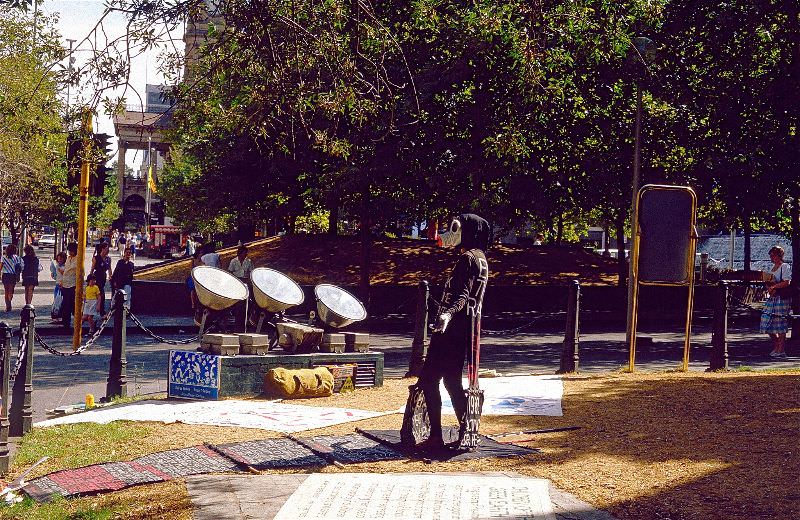
Street protest was a visible part of Melbourne’s public life in the 1980s. The decade saw demonstrations over nuclear weapons, Aboriginal land rights, apartheid in South Africa, and a range of labor disputes. Melbourne had a strong trade union movement and a politically active population, and its CBD streets were frequently the stage for organized marches and rallies.
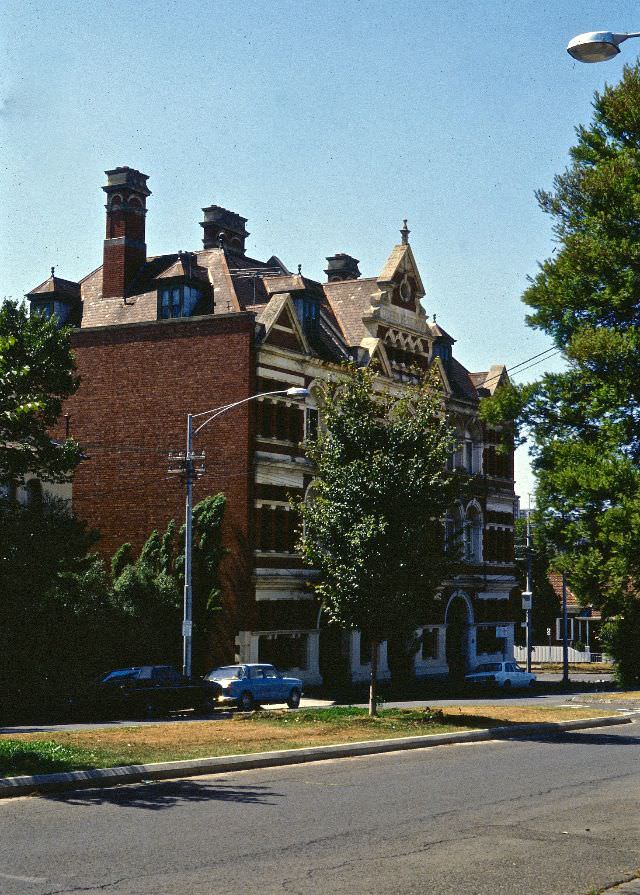
Queen Bess Row is a terrace of Victorian-era houses in East Melbourne, built in the 1880s. The row is named after Queen Elizabeth I and represents the kind of dense, elegant residential architecture that defined inner Melbourne’s wealthier streets during the colony’s boom years. By the 1980s, properties like these were increasingly sought after by buyers who recognized their architectural value.
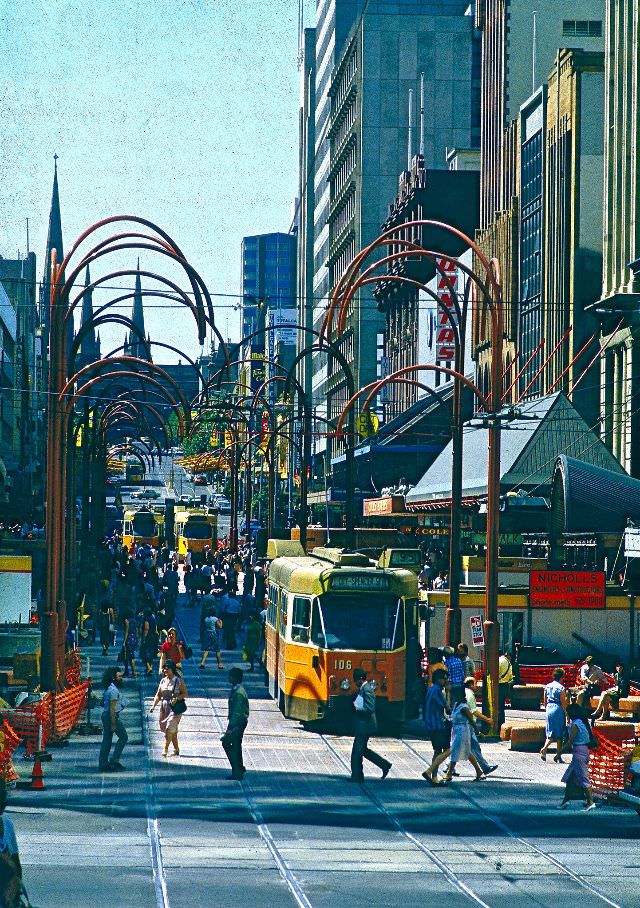
Indoor shopping malls expanded across Melbourne throughout the 1980s. The Bourke Street Mall, established as a pedestrian zone in 1982, became one of the busiest retail strips in the country. Myer and David Jones anchored the strip, while smaller shops and food vendors filled the gaps. The mall concept reshaped how Melburnians shopped and spent their leisure time.
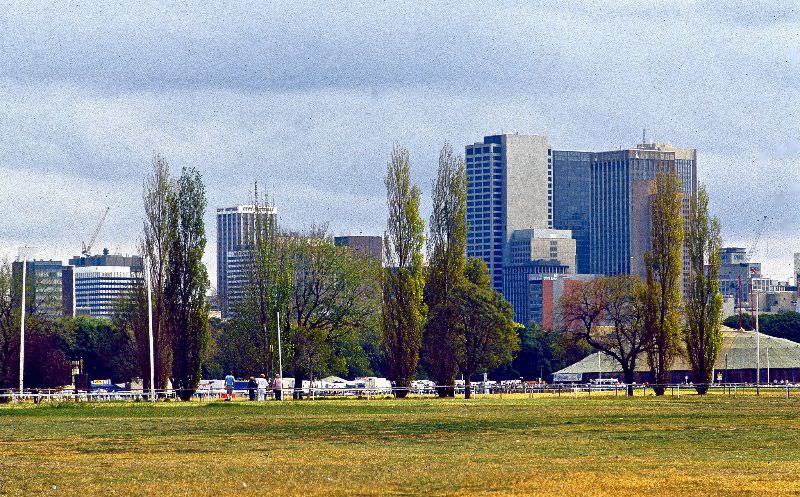
Melbourne’s skyline changed considerably during the 1980s. New office towers rose across the CBD as the city’s financial sector expanded. The Rialto Towers, completed in 1986, became the tallest building in Australia at the time, standing 251 meters high. The skyline that emerged by the end of the decade looked dramatically different from what it had been just ten years earlier.
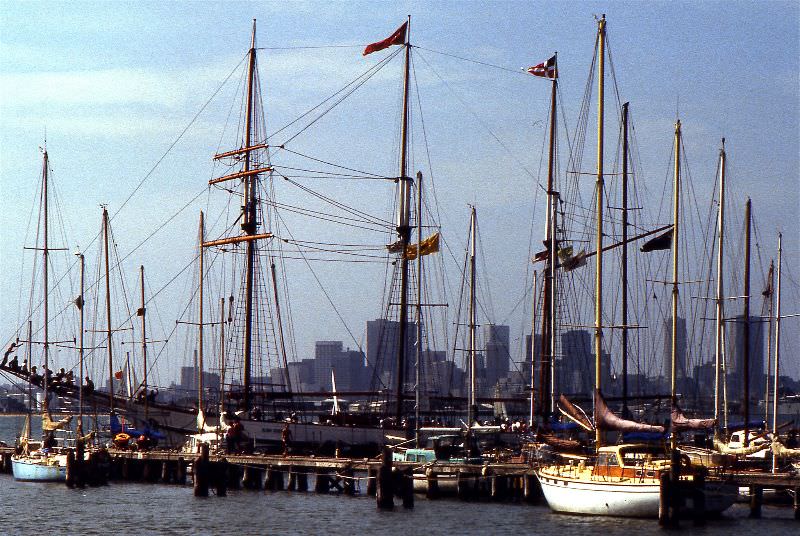
The Alma Doepel is a three-masted topsail schooner built in Echuca, Victoria, in 1903. It is one of the few surviving wooden tall ships built in Australia. In the 1980s, restoration efforts were underway to preserve the vessel, and it became a well-known sight along Melbourne’s waterfront. The ship is listed on the Victorian Heritage Register as a historically significant vessel.
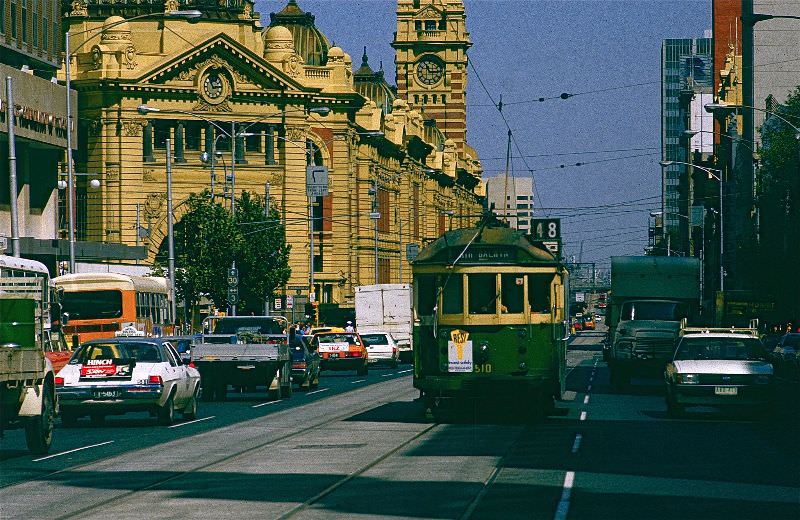
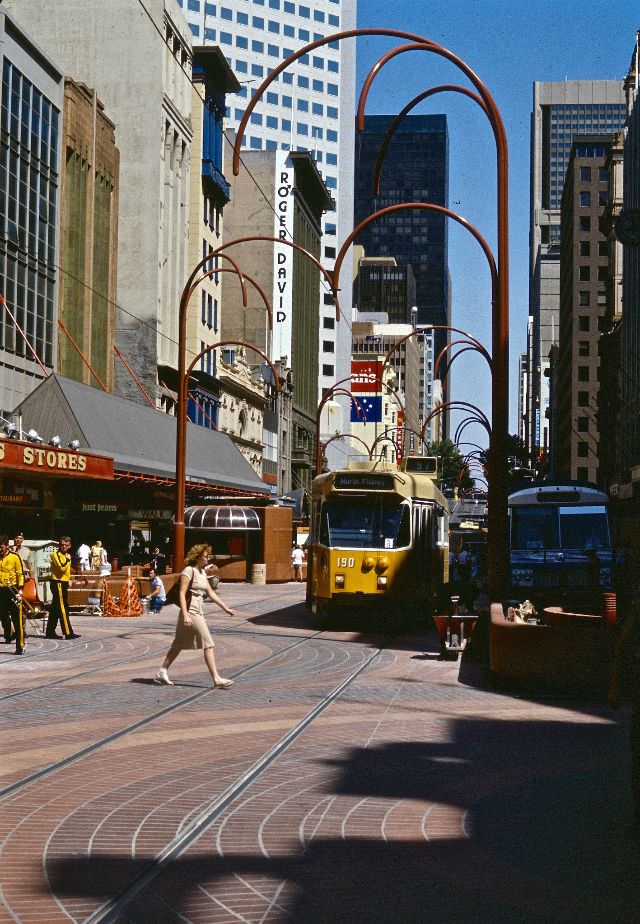
Melbourne’s tram network is the largest in the world outside of Europe, and in the 1980s it was still the backbone of the city’s public transport. The iconic green and yellow W-class trams — some dating back to the 1920s — shared the road with cars and pedestrians across hundreds of kilometers of track. Trams ran through the Bourke Street Mall and along nearly every major inner-city corridor.
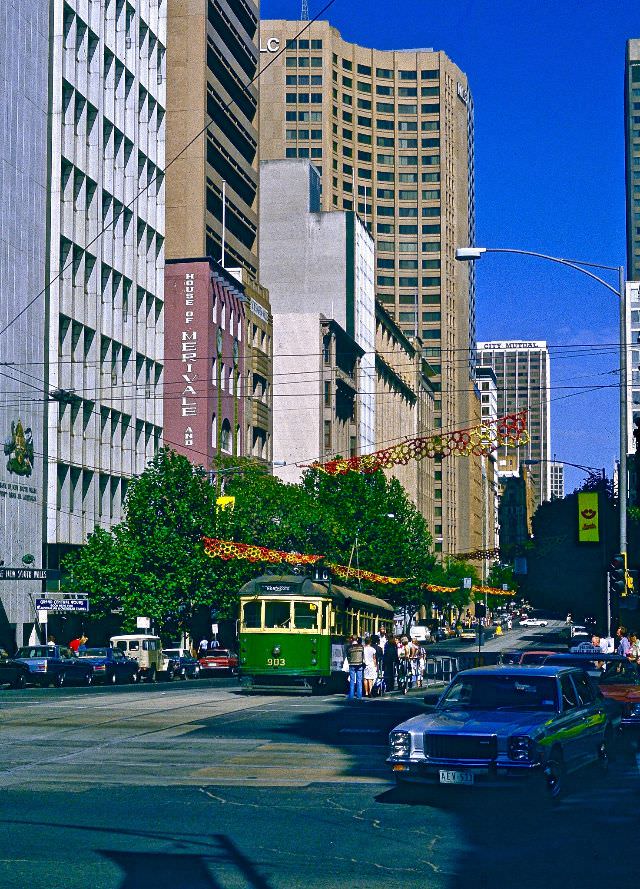
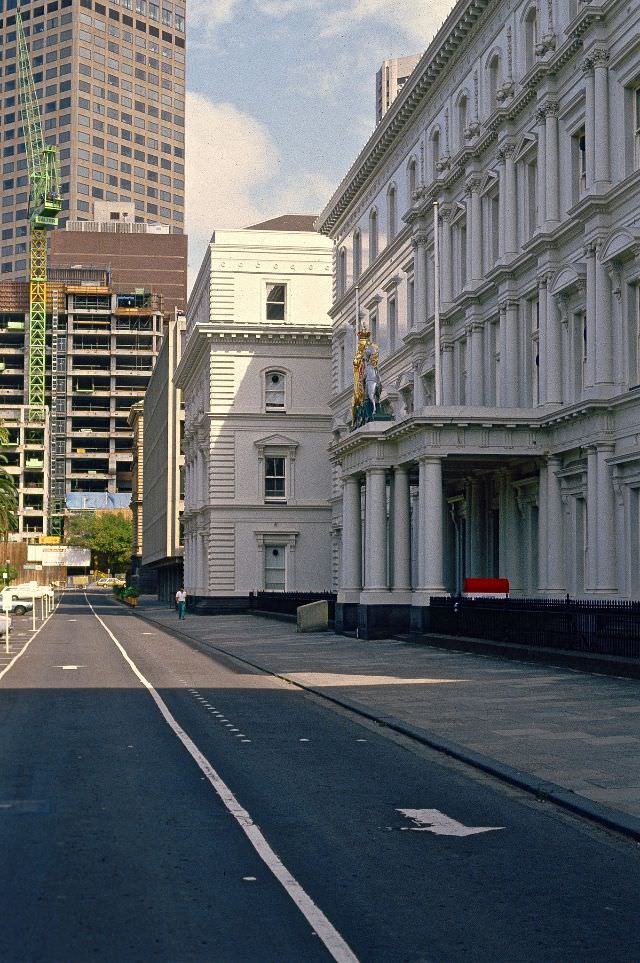
Treasury Place sits at the eastern edge of the CBD, flanked by the Old Treasury Building — completed in 1862 — and the surrounding government precinct. The area housed Victoria’s financial administration for much of the colony’s history, and its bluestone and sandstone buildings gave it a gravitas that set it apart from the commercial bustle of the city’s retail streets.
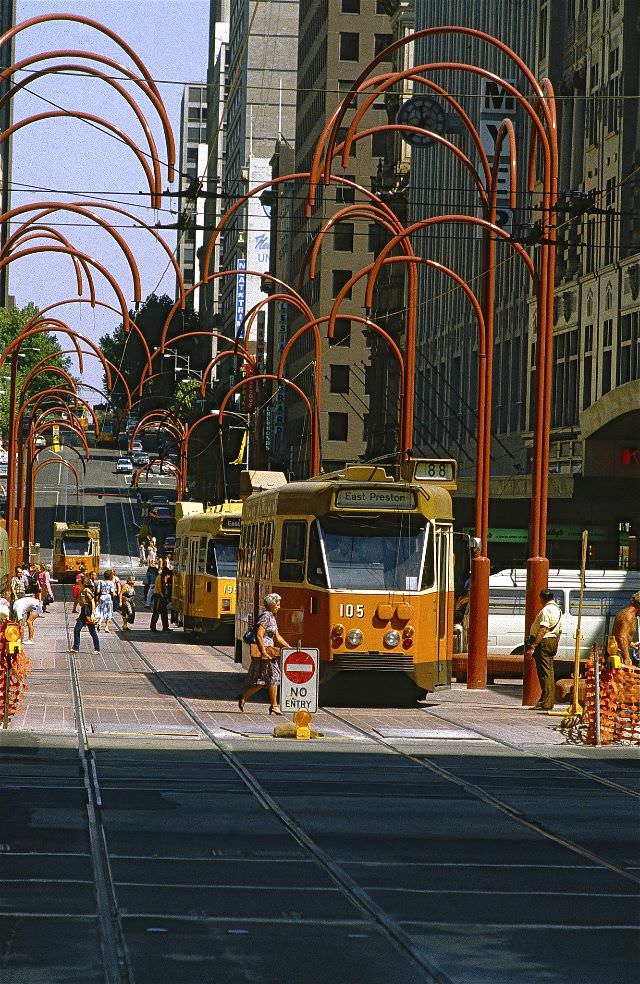
The East Preston tram route connected the inner suburbs to the northern reaches of Melbourne’s tram network. Tram numbers and route destinations were displayed clearly on the front of each car, and regular commuters quickly learned to identify their service by number. Route 88 carried passengers through a stretch of Melbourne that mixed residential streets with commercial strips.
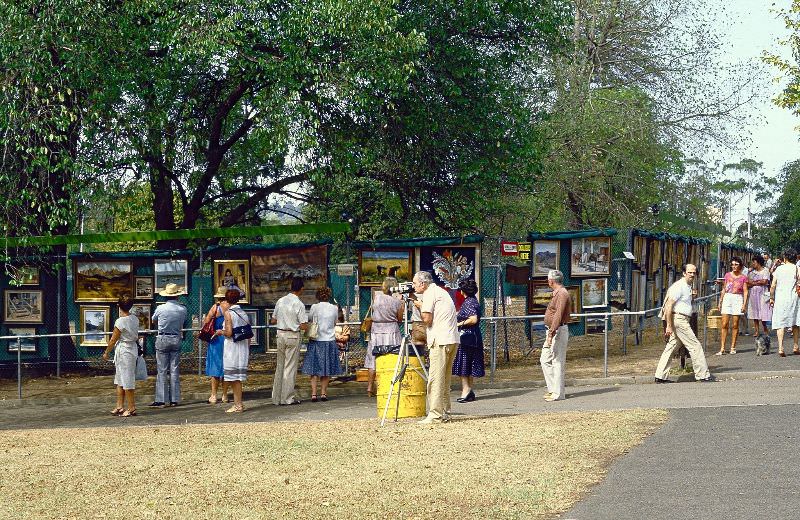
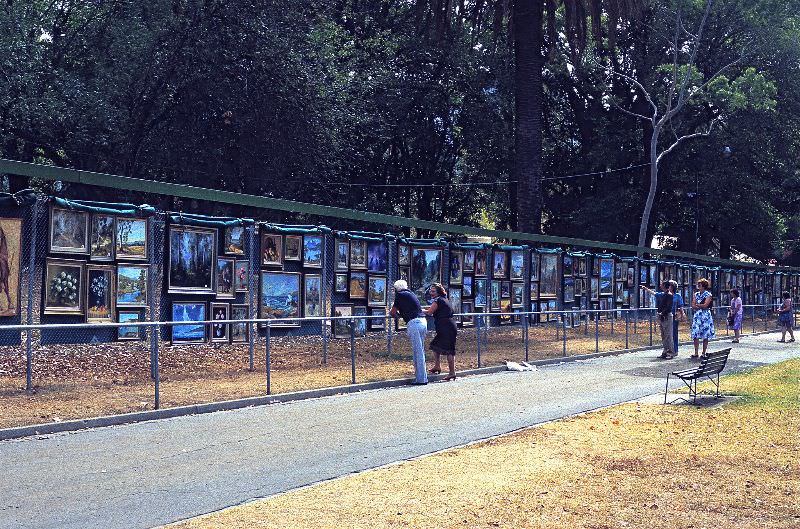
Outdoor art events were a regular part of Melbourne’s park culture in the 1980s. Artists set up in open spaces to paint, sketch, or display their work, drawing curious passersby into informal conversations about creativity and craft. These gatherings reflected the city’s reputation as Australia’s arts capital — a title it took seriously and worked hard to maintain.
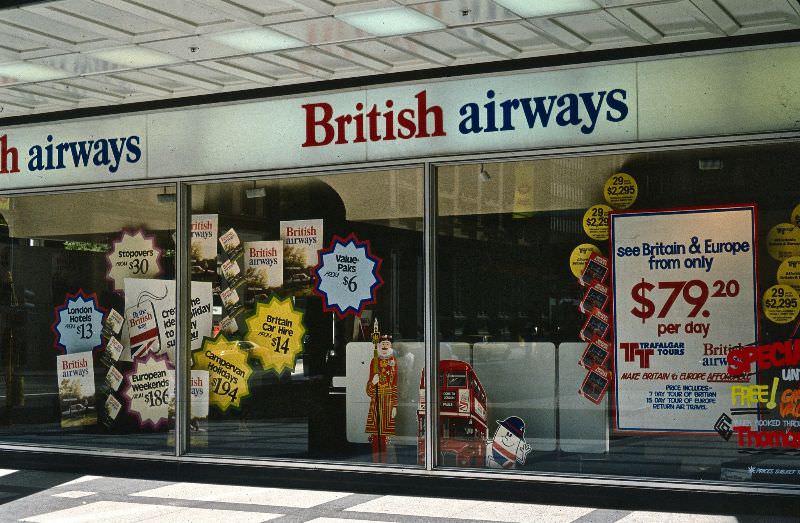
British Airways maintained a retail presence in Melbourne’s city center through the 1980s, selling tickets and travel packages directly to the public. International air travel was growing during the decade, and dedicated airline shopfronts were a common sight on major retail streets. For many Melburnians, booking a flight to Europe through a BA shop was the start of a significant life adventure.
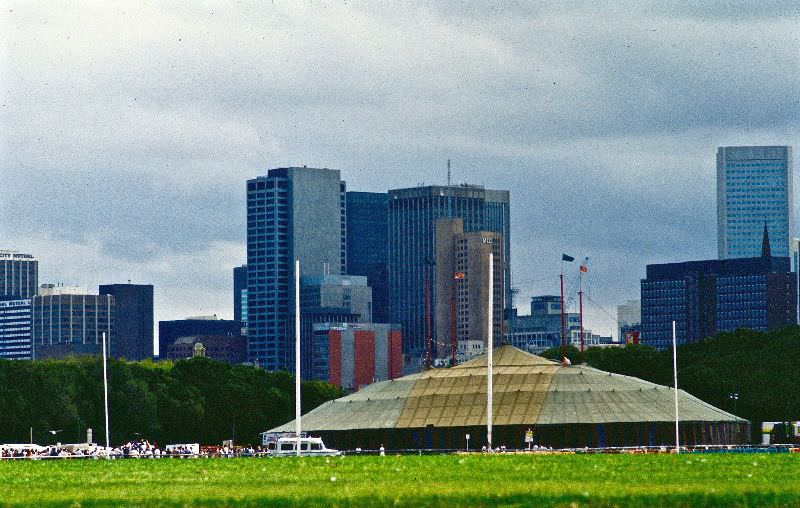
Circus performances under a big top tent were still a popular form of entertainment in 1980s Melbourne. Travelling circuses set up on large open grounds across the city and suburbs, drawing families for evenings of acrobatics, clowns, and animal acts. The sight of a striped tent on a vacant lot was a reliable signal that something exciting was about to happen.
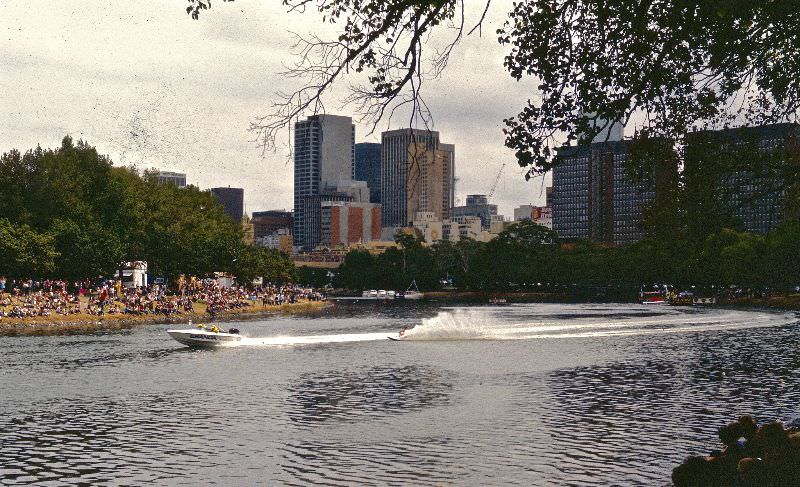
The Yarra River carried boat traffic of all kinds through central Melbourne. Rowing clubs, tourist ferries, and private vessels moved along its brown waters, which were a source of ongoing environmental concern throughout the 1980s. The river’s lower reaches ran through the industrial heart of the city before opening out toward Port Phillip Bay at Williamstown.
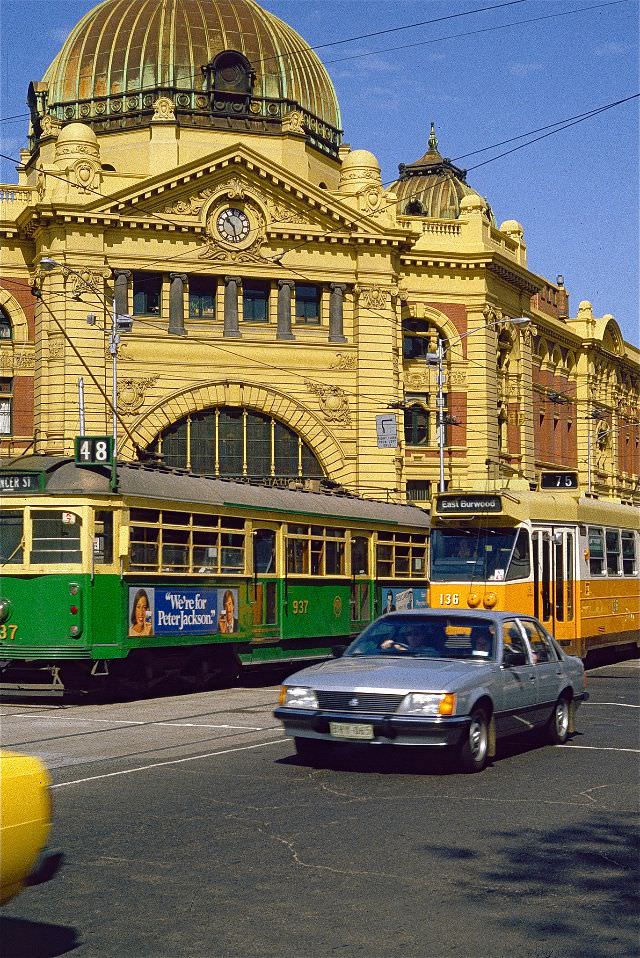
Flinders Street Station, opened in 1910, was the central hub of Melbourne’s suburban rail network throughout the 1980s. Every day, thousands of commuters passed through its doors, heading to platforms that fanned out across the city and into the suburbs. The station’s main facade — with its dome, arched entrance, and row of clocks showing departure times — was one of the most photographed buildings in Australia.
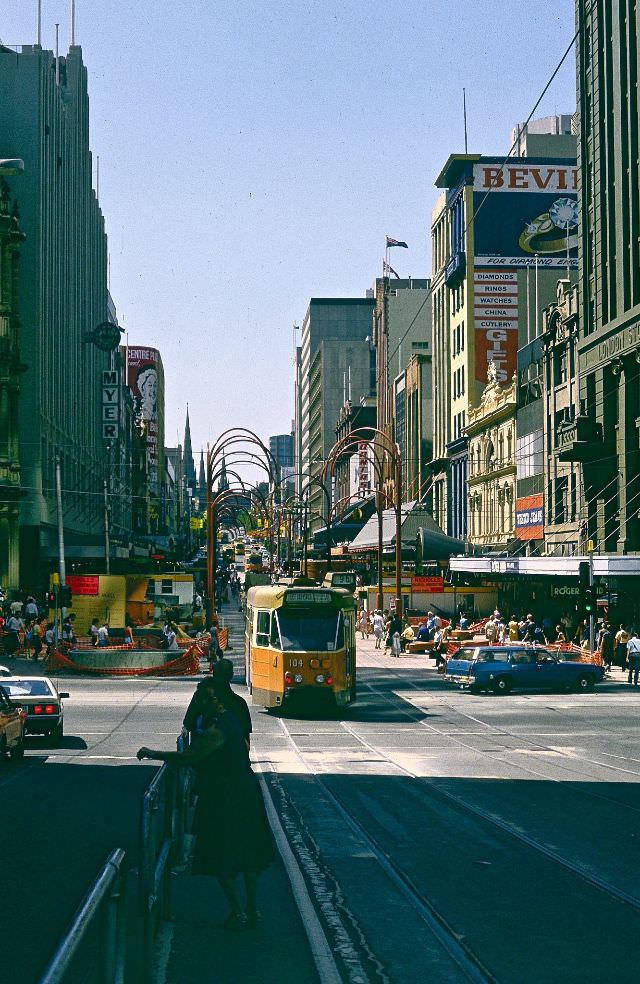
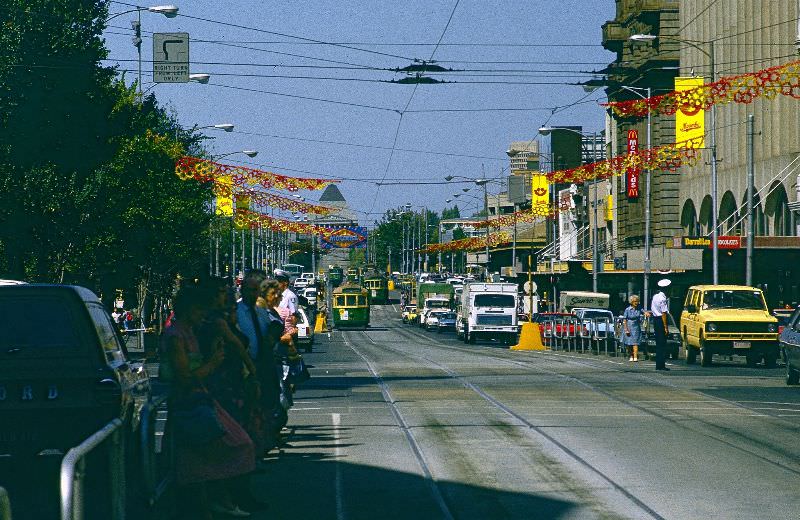
Melbourne’s city streets in the 1980s showed a decade in transition. Fashion had shifted from the earth tones of the 1970s toward the brighter, sharper looks of the new decade. Shop windows displayed the latest trends, cars were getting boxier and more angular, and advertising hoardings reflected a consumer culture that was growing more confident with each passing year.
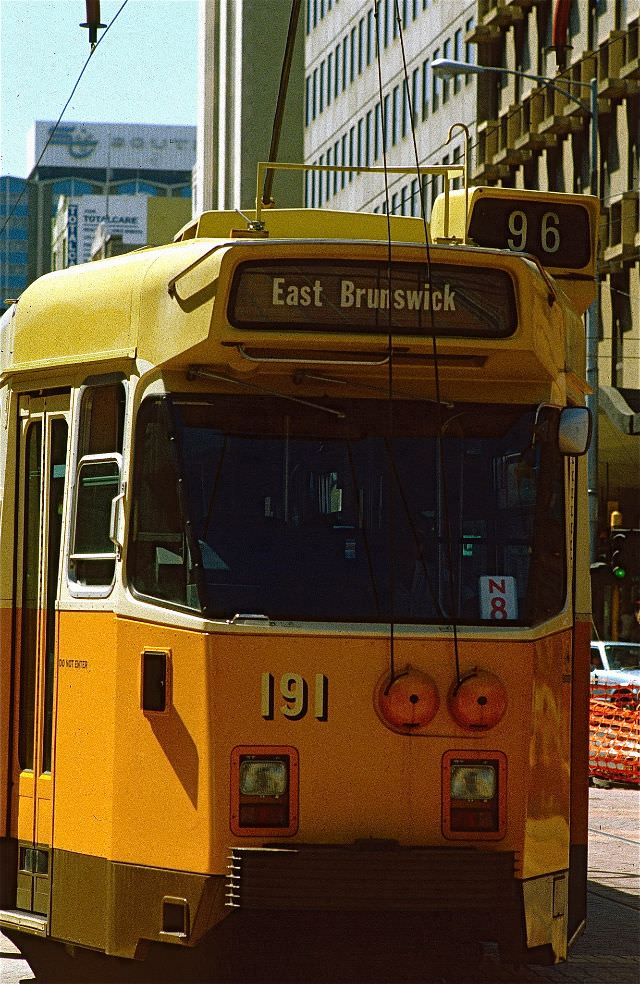
East Brunswick was served by tram lines that connected it to the Melbourne CBD. Brunswick itself was a working-class suburb with a strong manufacturing history, known for its furniture and clothing industries. By the 1980s, the suburb was beginning to attract artists and younger residents drawn by lower rents and its proximity to the city, a shift that would accelerate through the following decade.
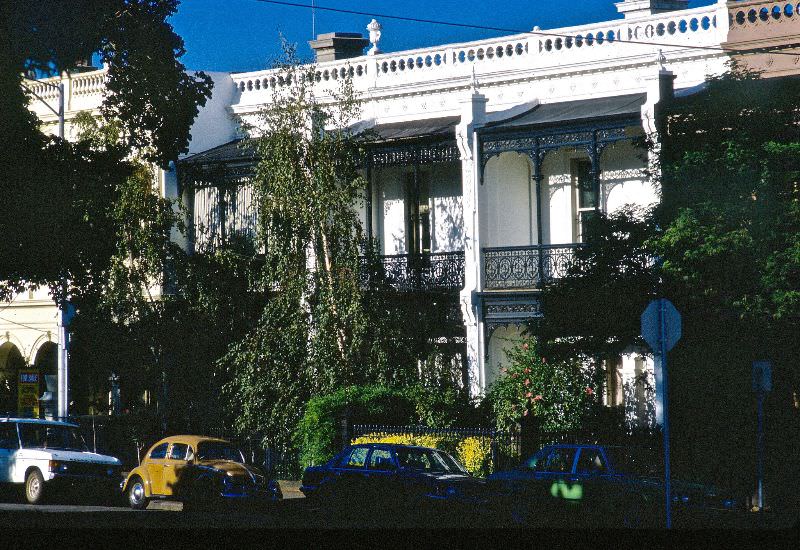
East Melbourne’s terraced houses were among the most intact examples of 19th-century residential architecture left in the city. Built in rows during the 1870s and 1880s, they featured bluestone foundations, rendered brick facades, and the ornate iron lacework that distinguished Melbourne’s Victorian-era homes from those found elsewhere in Australia. Many of the residents in these streets in the 1980s had lived there for decades.
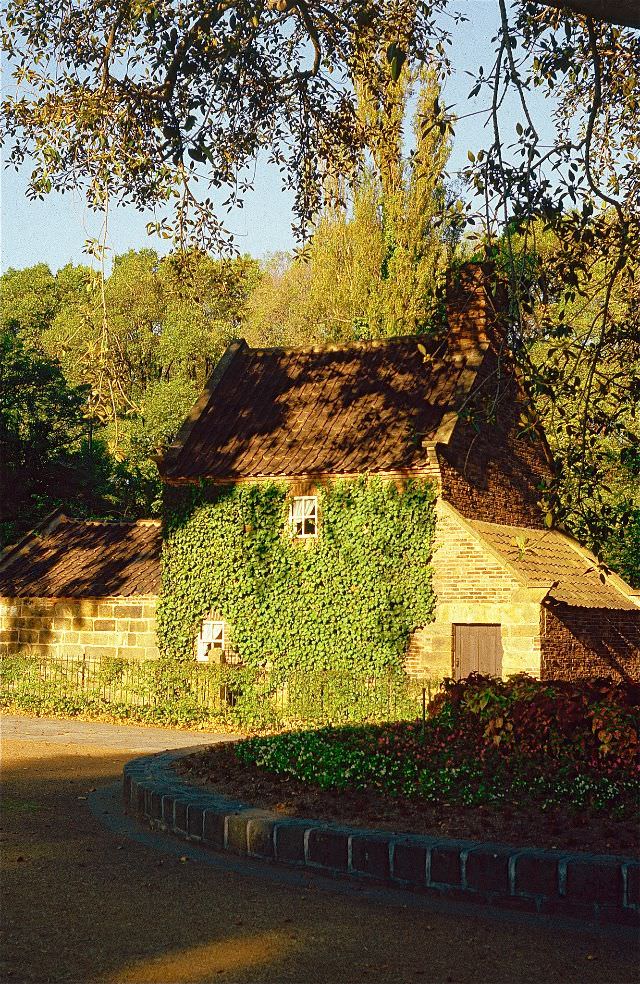
Fitzroy Gardens, located just east of the CBD, was one of Melbourne’s oldest and most formal public parks. Laid out in the 1850s in the shape of a Union Jack when viewed from above, the gardens contained elm tree avenues, ornamental fountains, and Captain Cook’s Cottage — a stone building transported from Yorkshire, England, in 1934. In the 1980s, the gardens were a popular lunchtime retreat for office workers and a weekend destination for families.




