Hey There! Before You Go. 😧
Get the best vintage content straight into your inbox!

Don't worry, we don't spam

A Visual Journey into the Bauhaus School of the 1920s – Pioneers of Modern Design

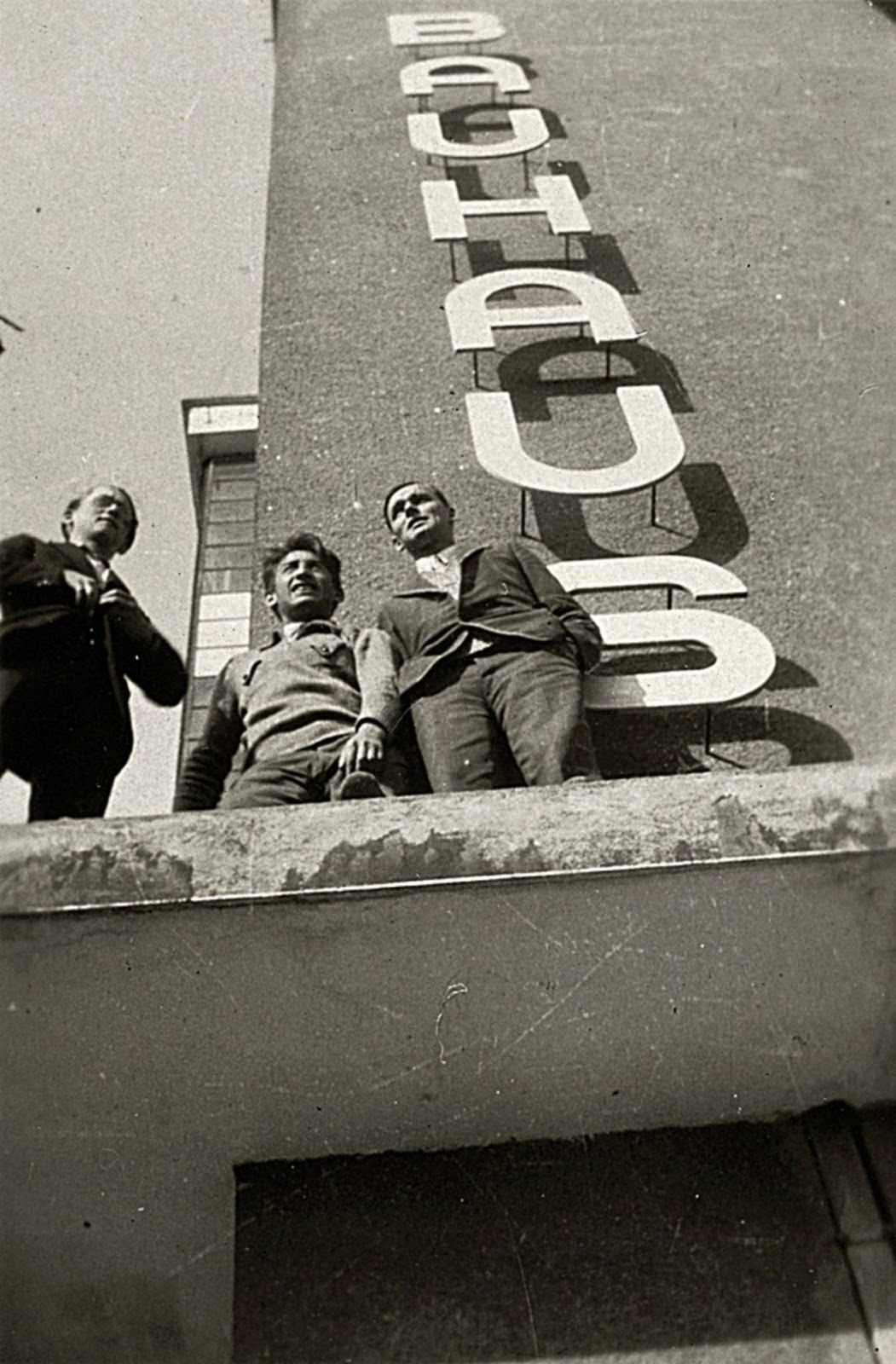
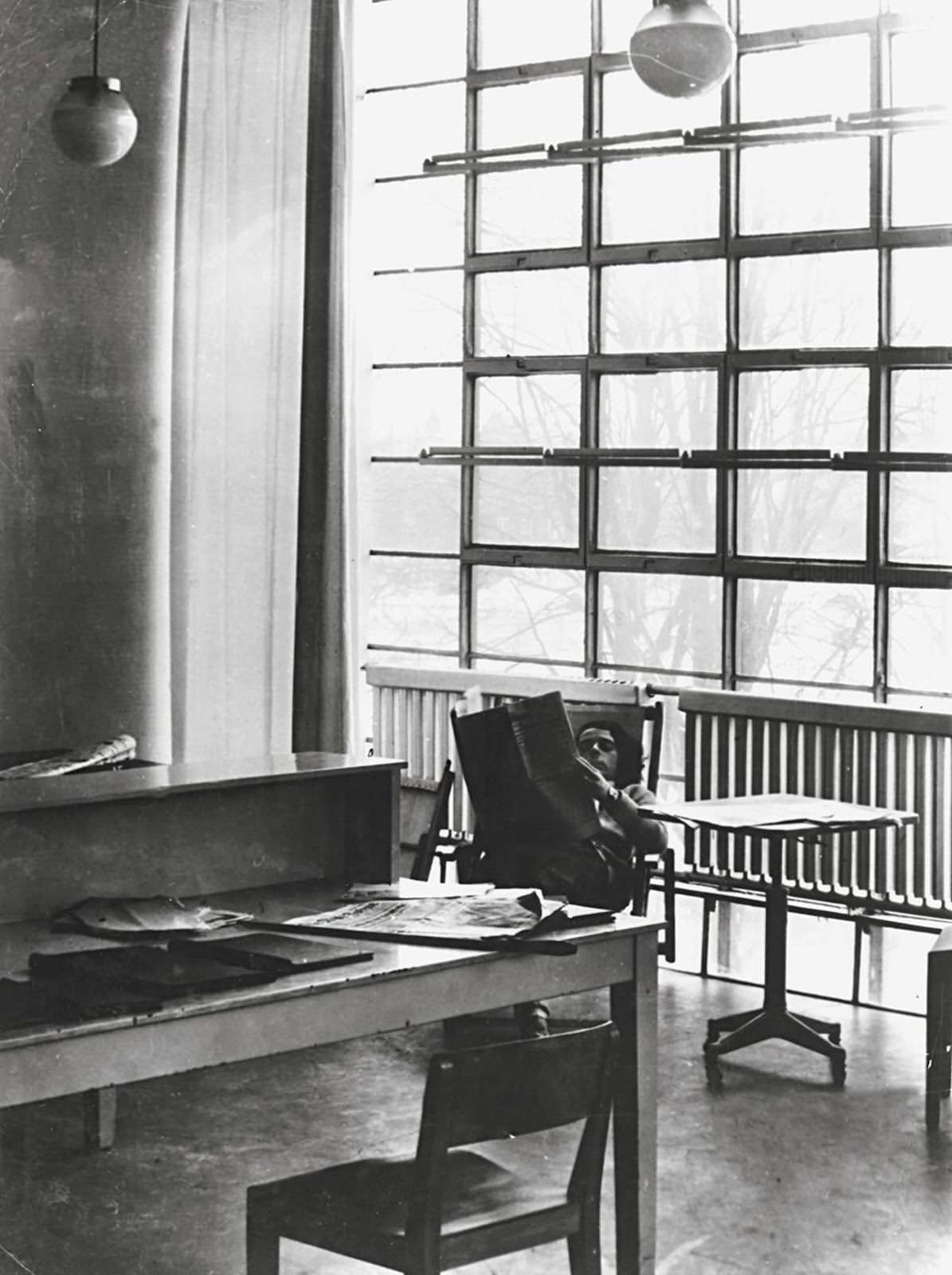
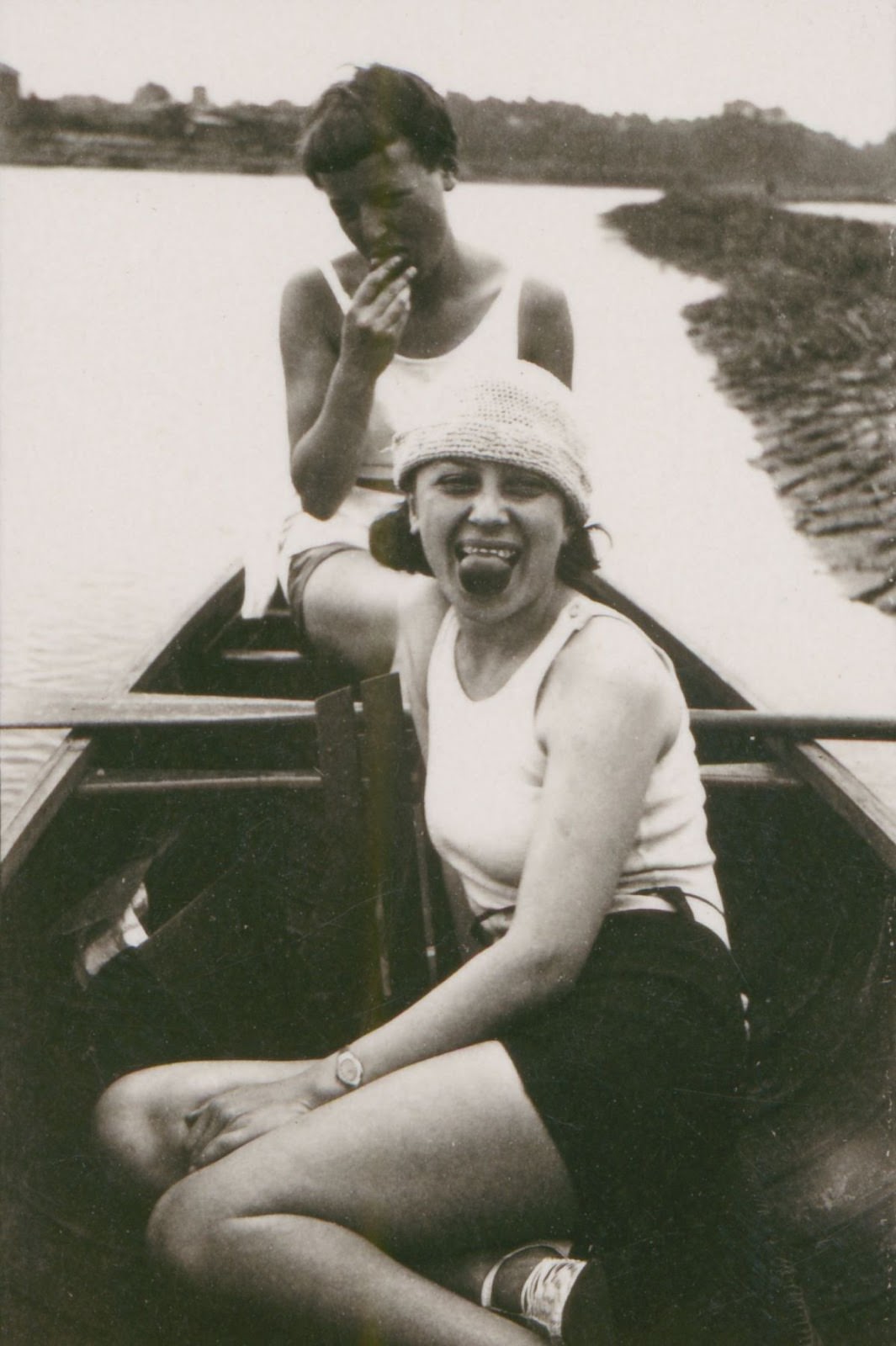
The Bauhaus is widely recognized as the most influential modernist art school of the 20th century. Founded in Germany, it drew from earlier movements like Arts and Crafts, Art Nouveau, Jugendstil, and the Vienna Secession. All of these shared one core idea: erase the line between fine art and practical craft, and reconnect creativity with manufacturing.
A Visual Journey into the Bauhaus School of the 1920s - Pioneers of Modern Design

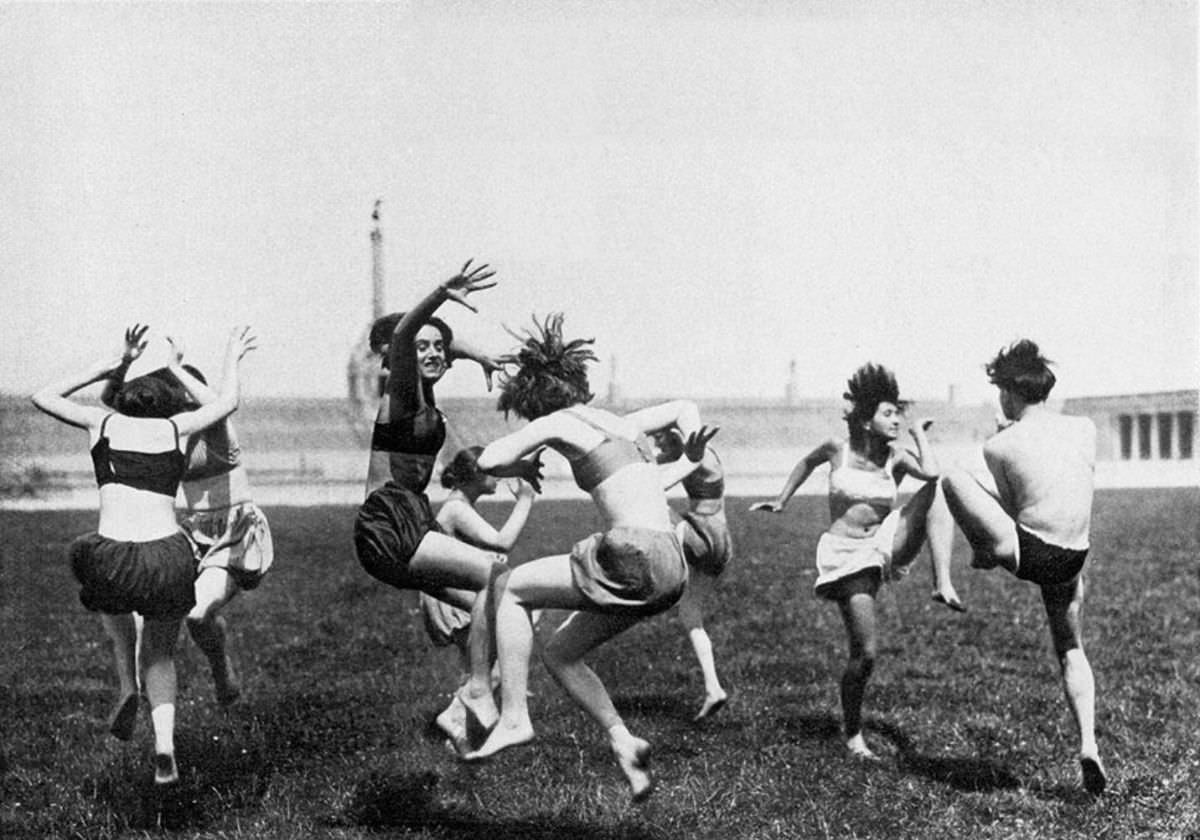
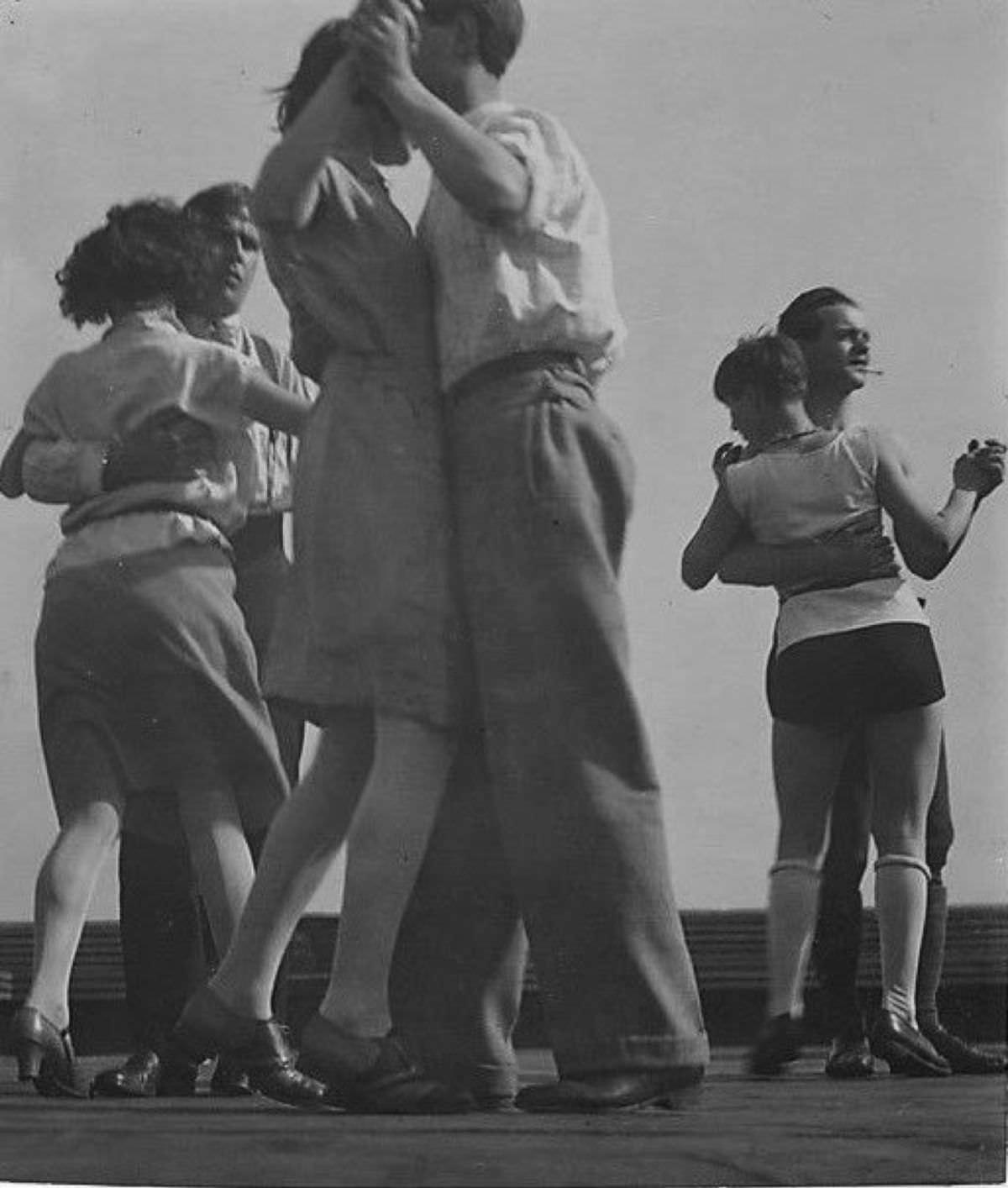
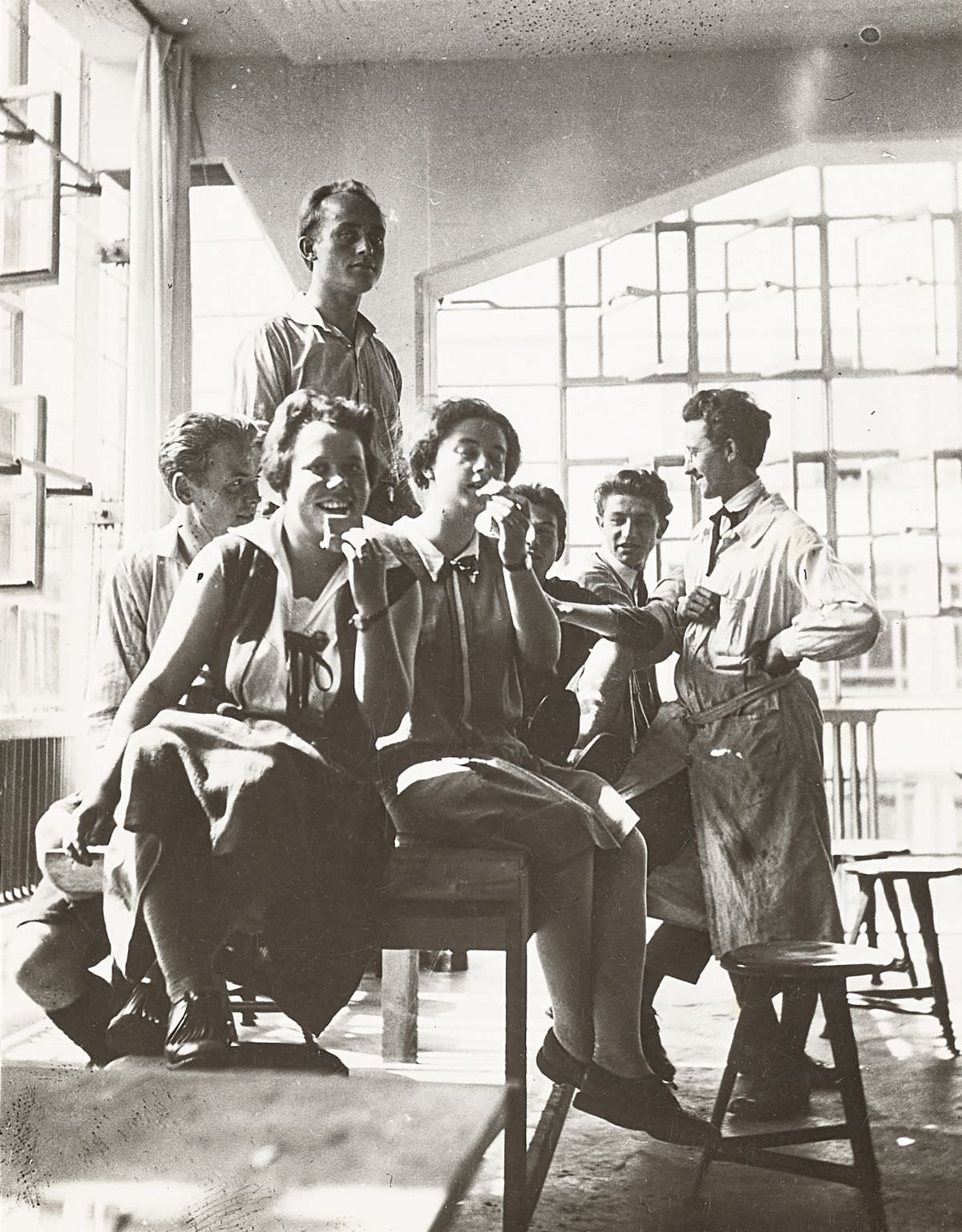
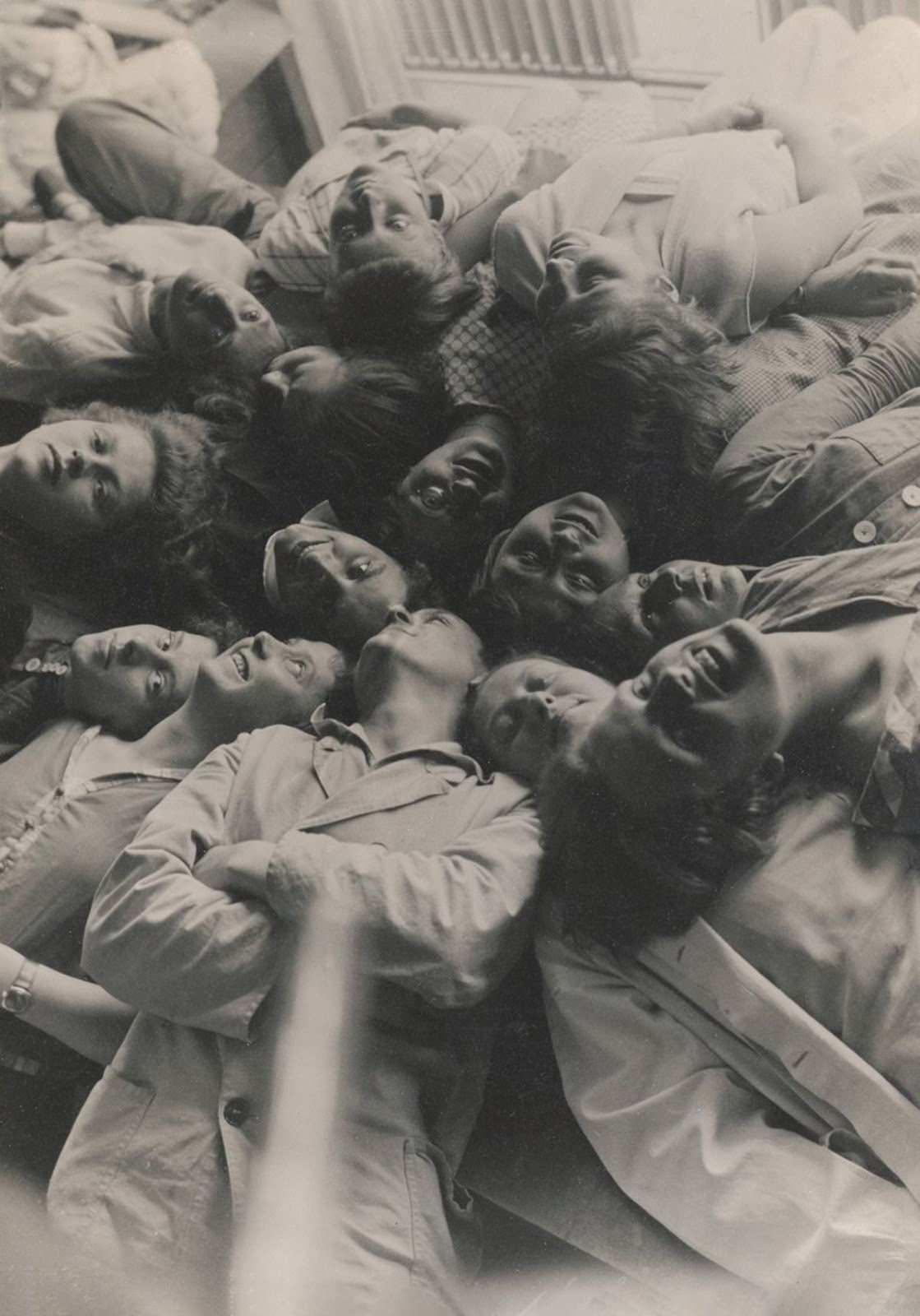
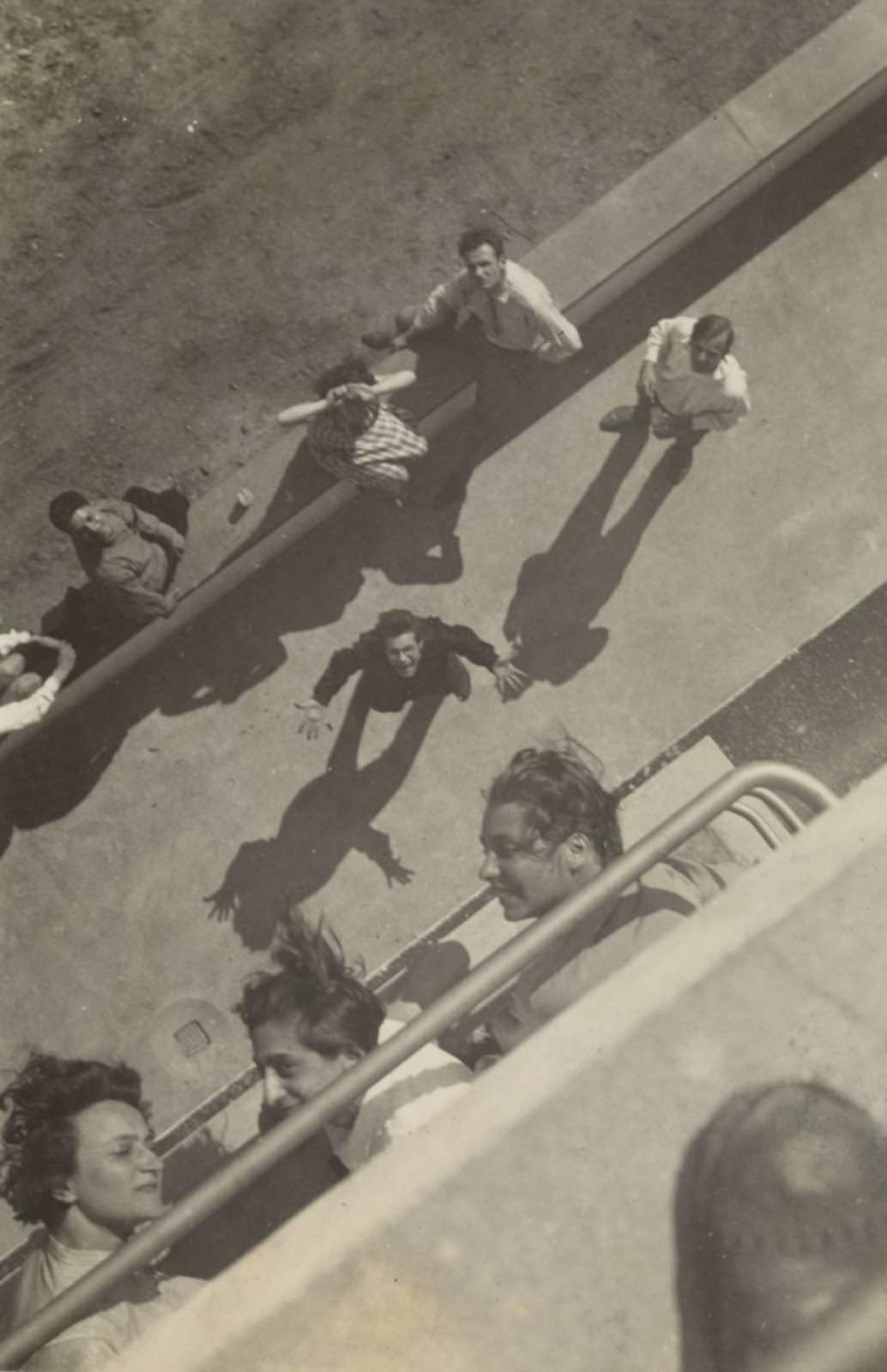
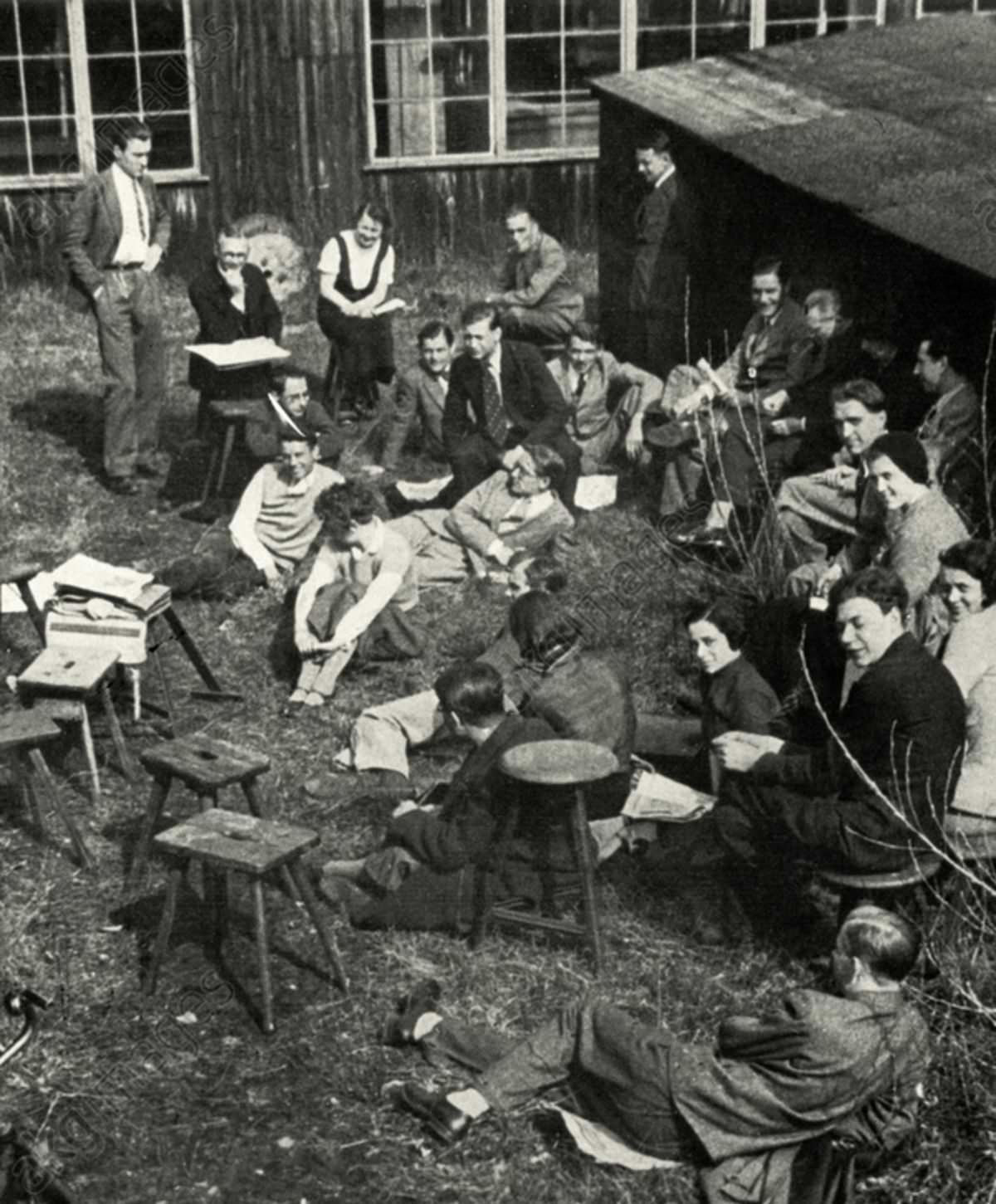
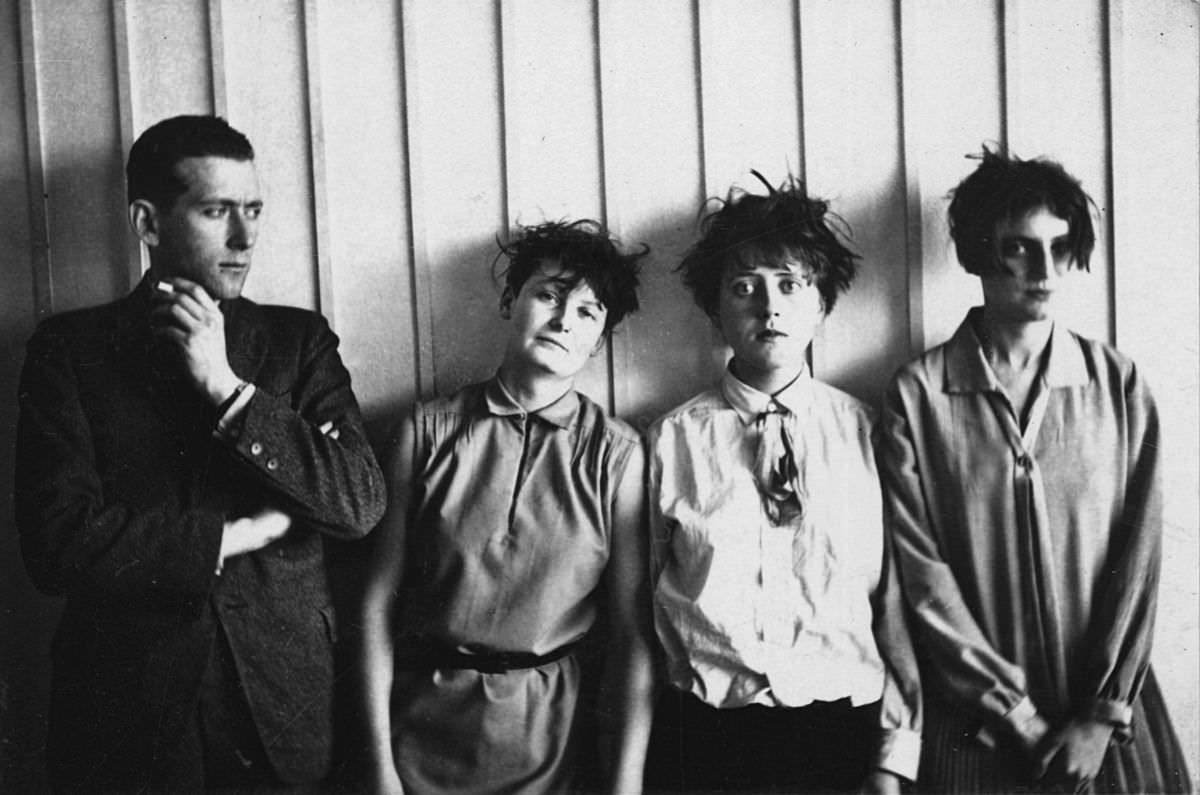
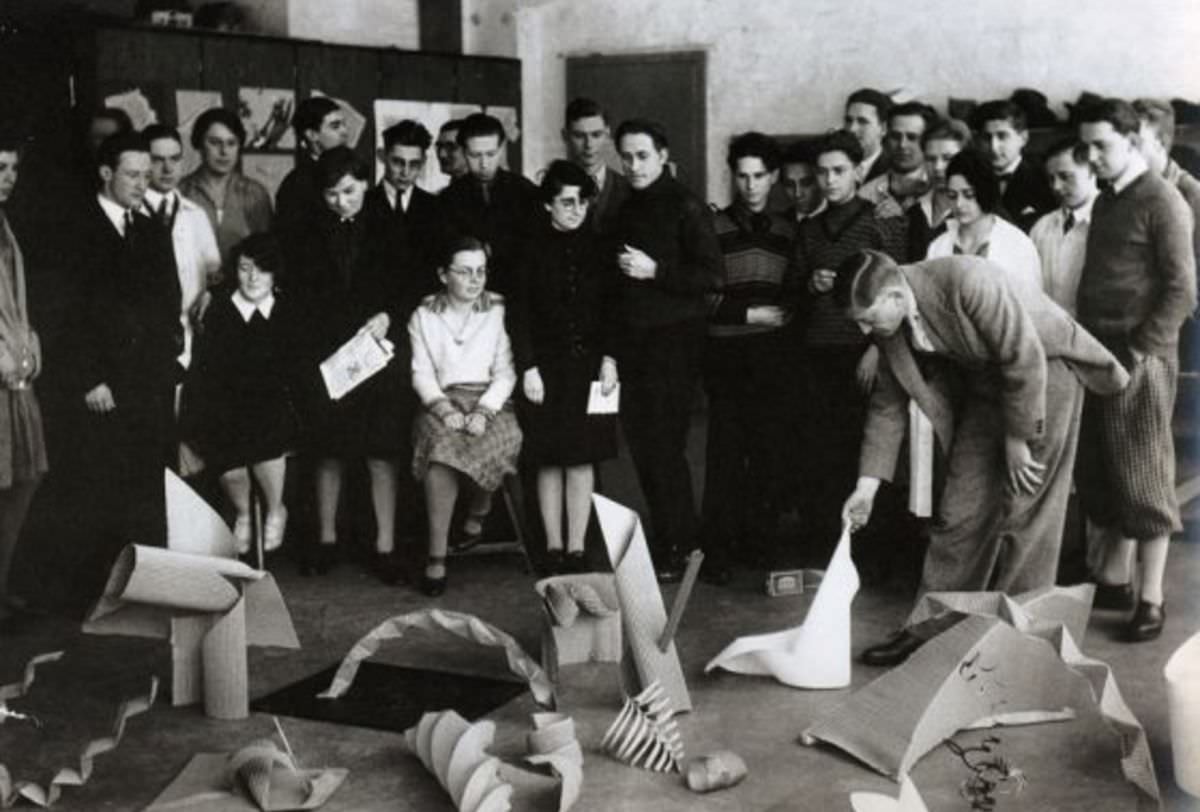
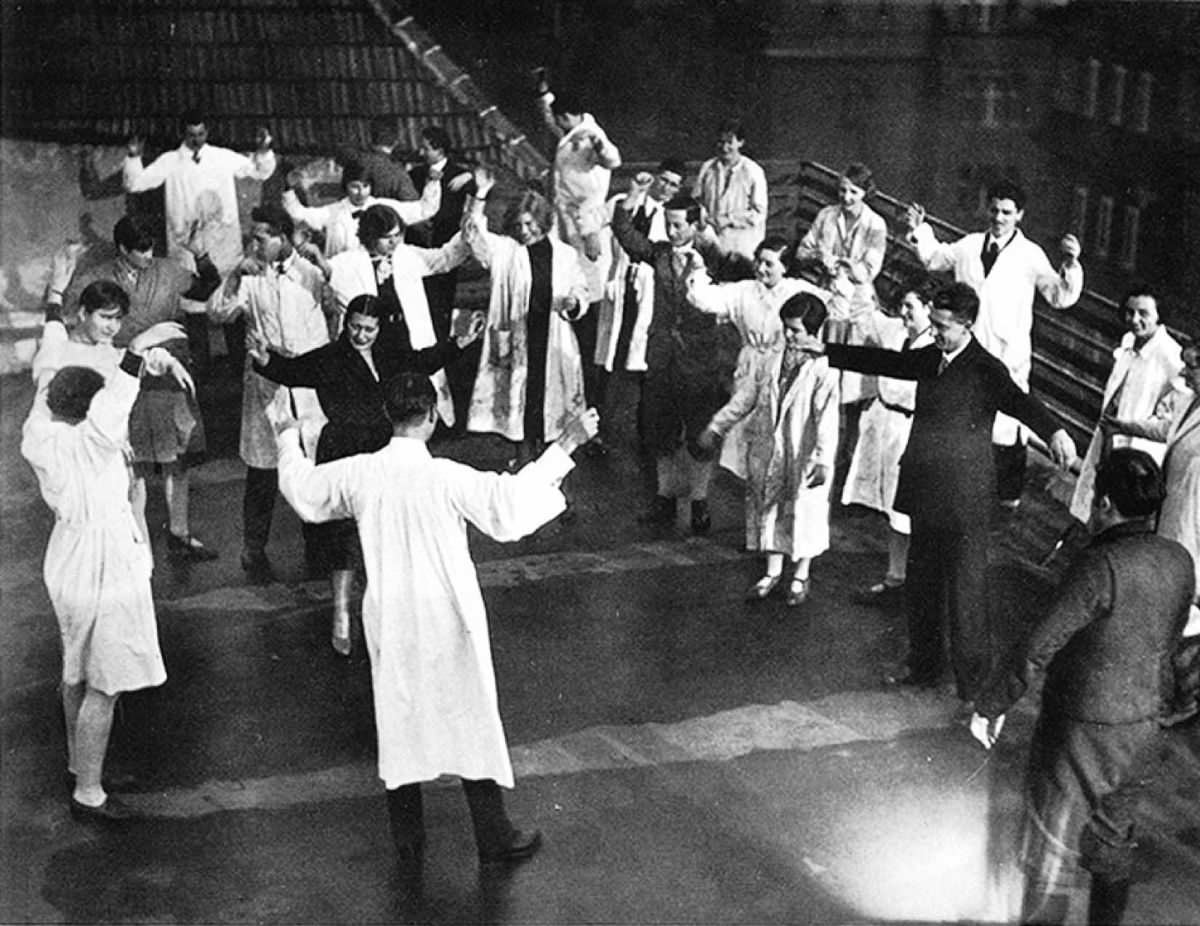
In its early years, the Bauhaus saw itself as a reinvigorated guild of craftsmen. There was a romantic, almost medieval spirit to how it operated. Teachers and students worked side by side in workshops, treating every object — a chair, a lamp, a woven textile — as worthy of serious artistic thought.
A Visual Journey into the Bauhaus School of the 1920s - Pioneers of Modern Design

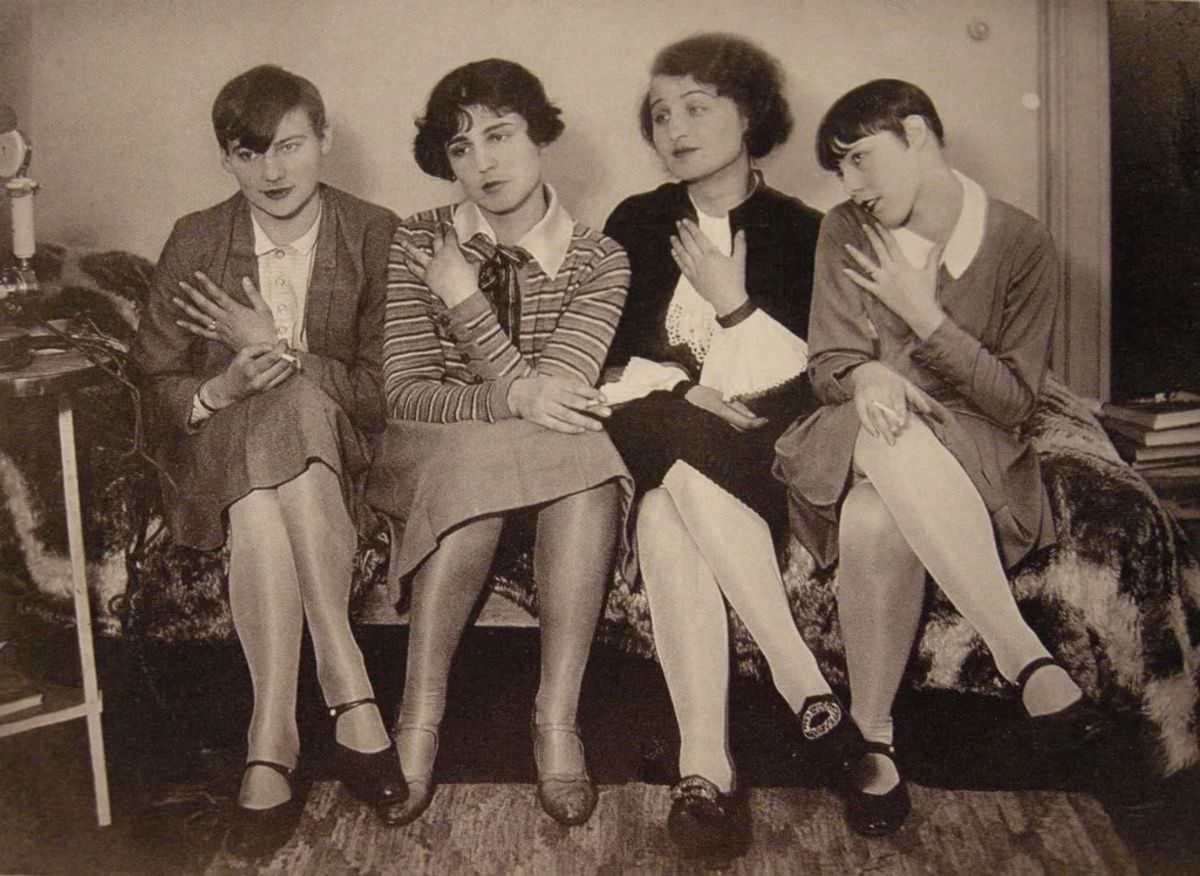
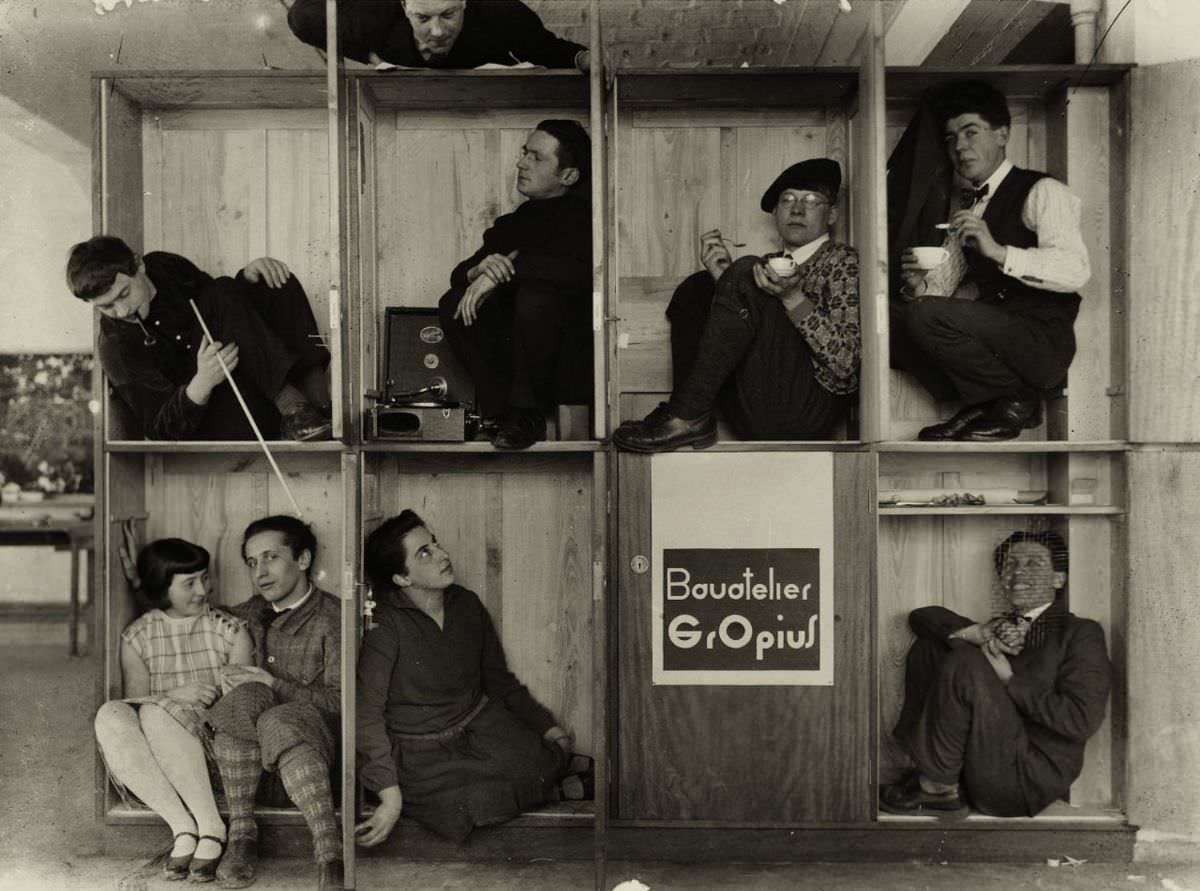
By the mid-1920s, that romantic spirit shifted. The school turned its focus sharply toward industrial design. Marrying art with mass production became the new driving goal, and this pivot produced the Bauhaus’s most groundbreaking work.
A Visual Journey into the Bauhaus School of the 1920s - Pioneers of Modern Design

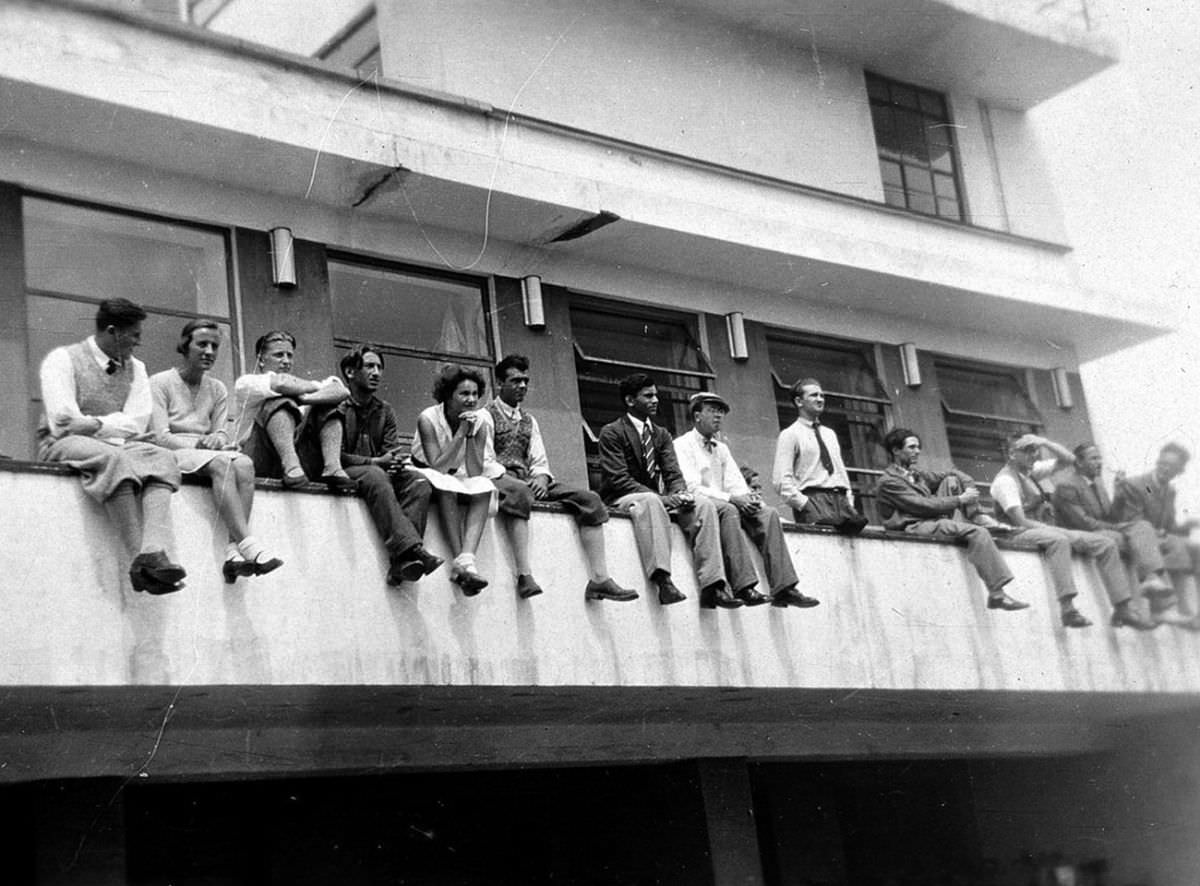
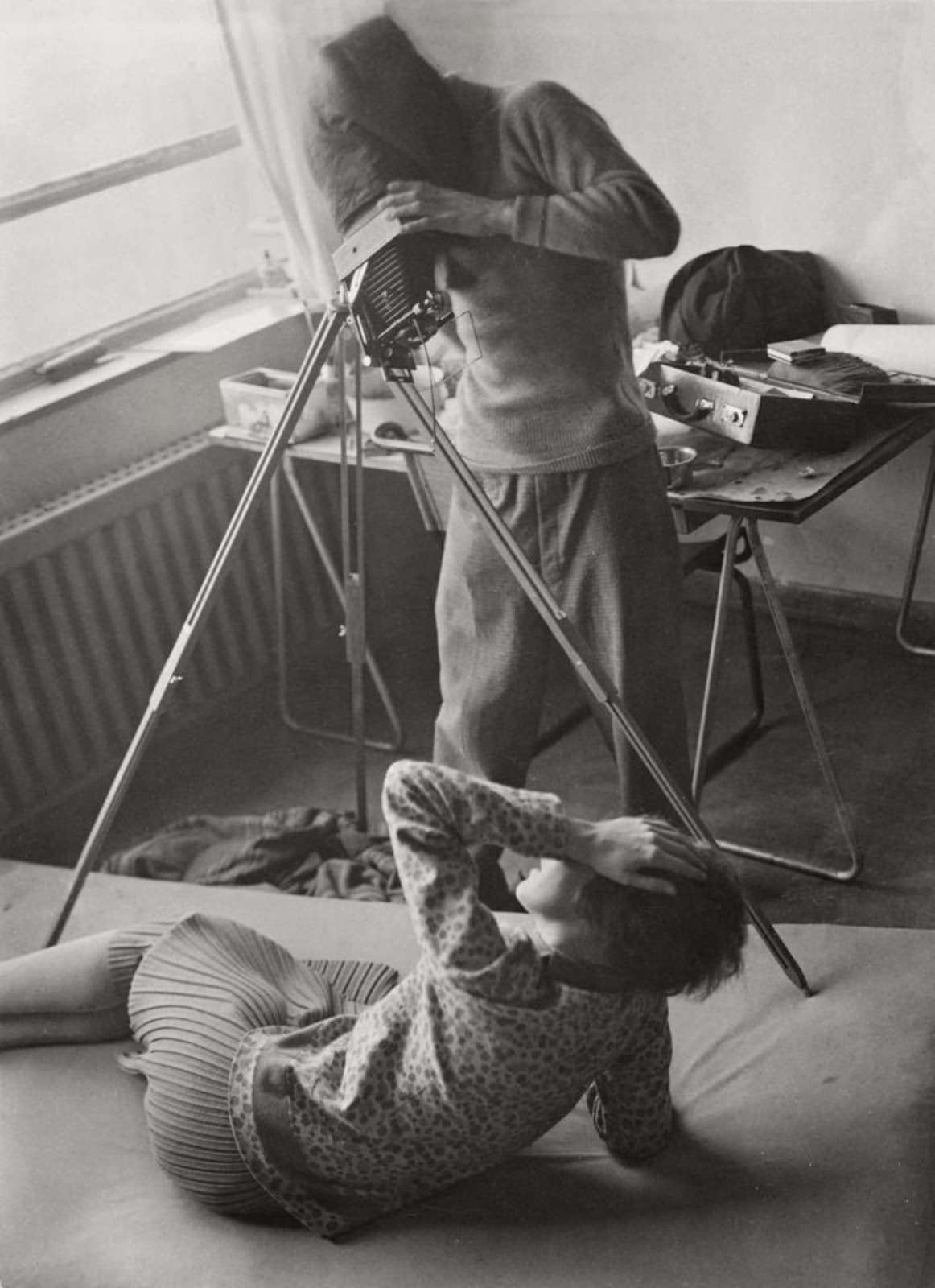
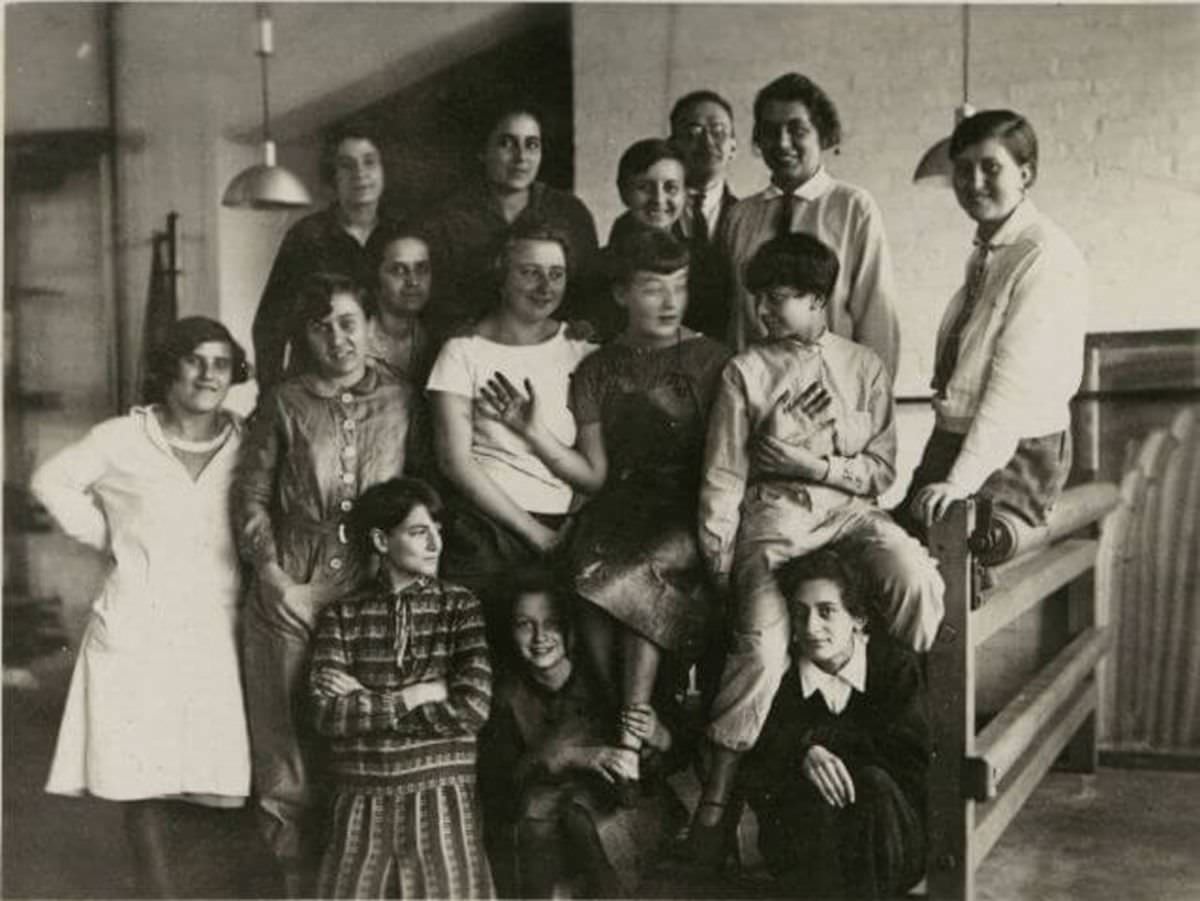
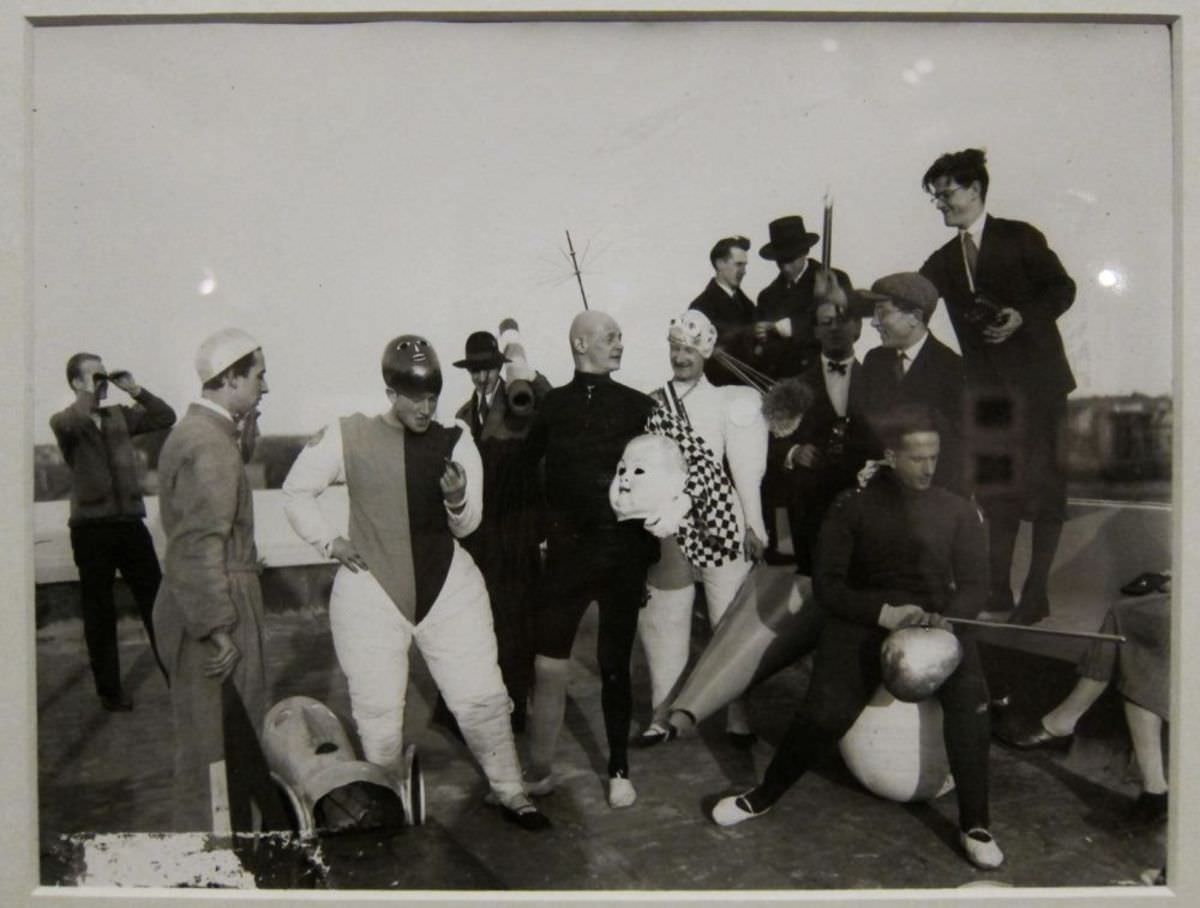
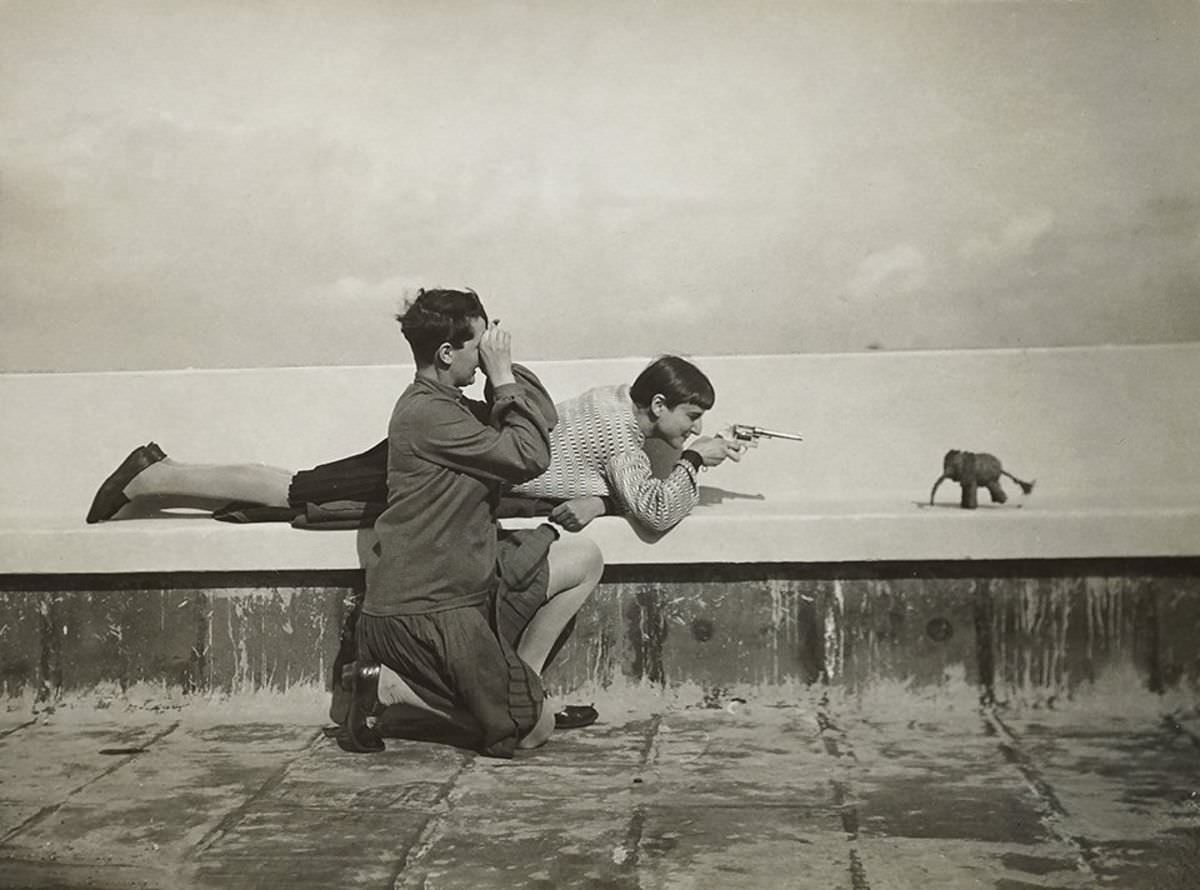
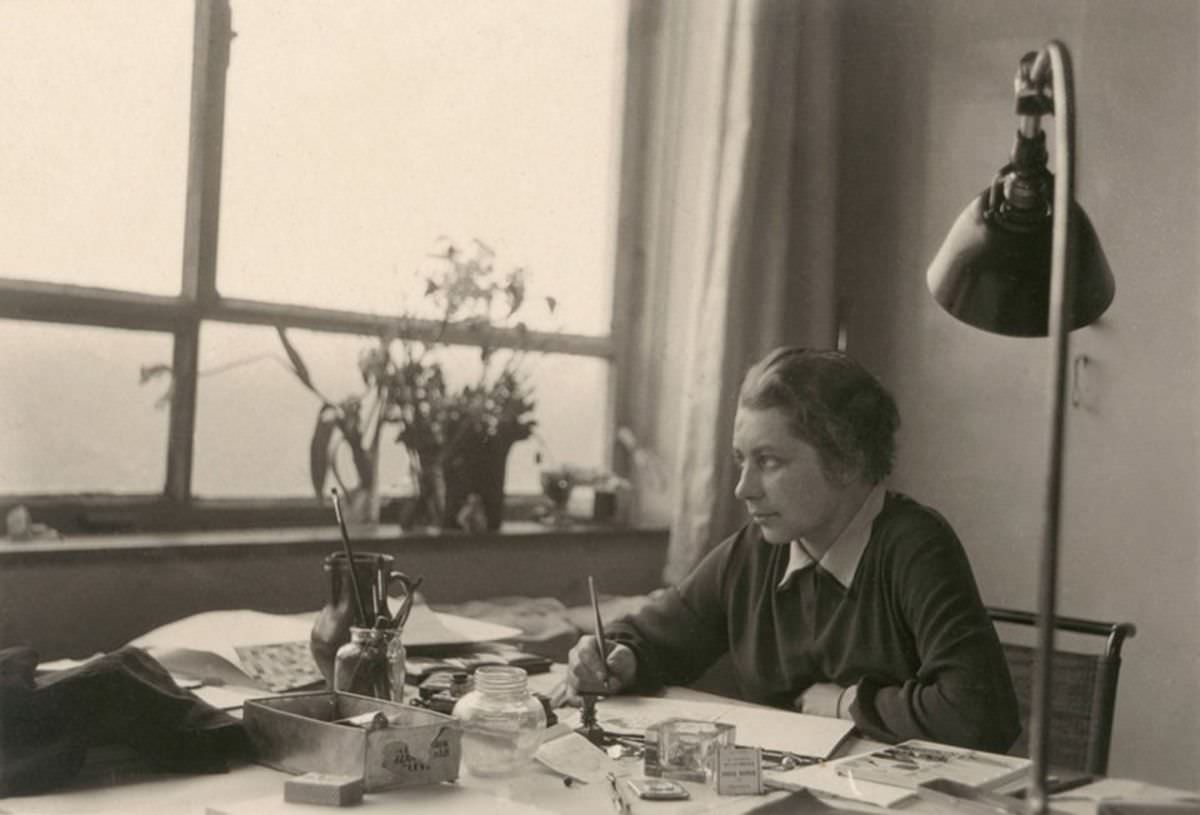
The faculty was a remarkable group. Architects, painters, photographers, and typographers all taught under one roof. The school deliberately dismantled the old Renaissance-era hierarchy that placed painting and sculpture above crafts like woodwork, textiles, and interior design. At the Bauhaus, all disciplines held equal standing.
A Visual Journey into the Bauhaus School of the 1920s - Pioneers of Modern Design

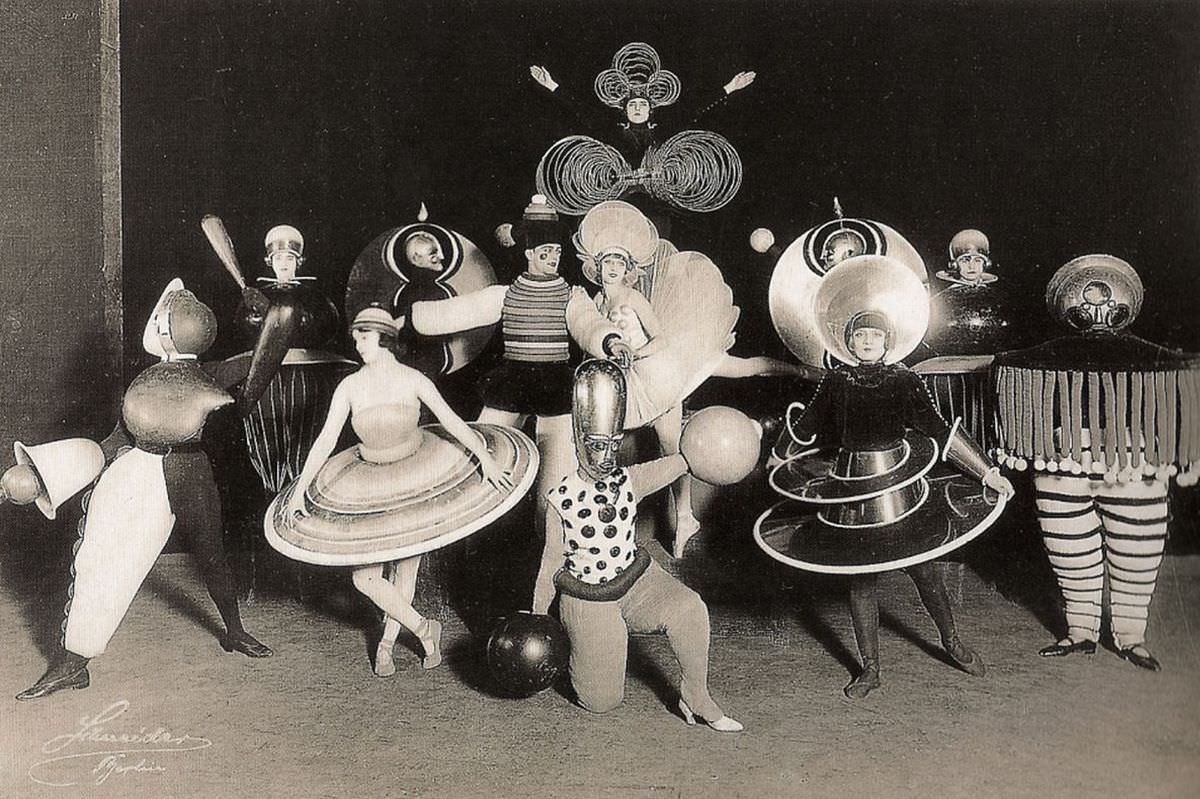
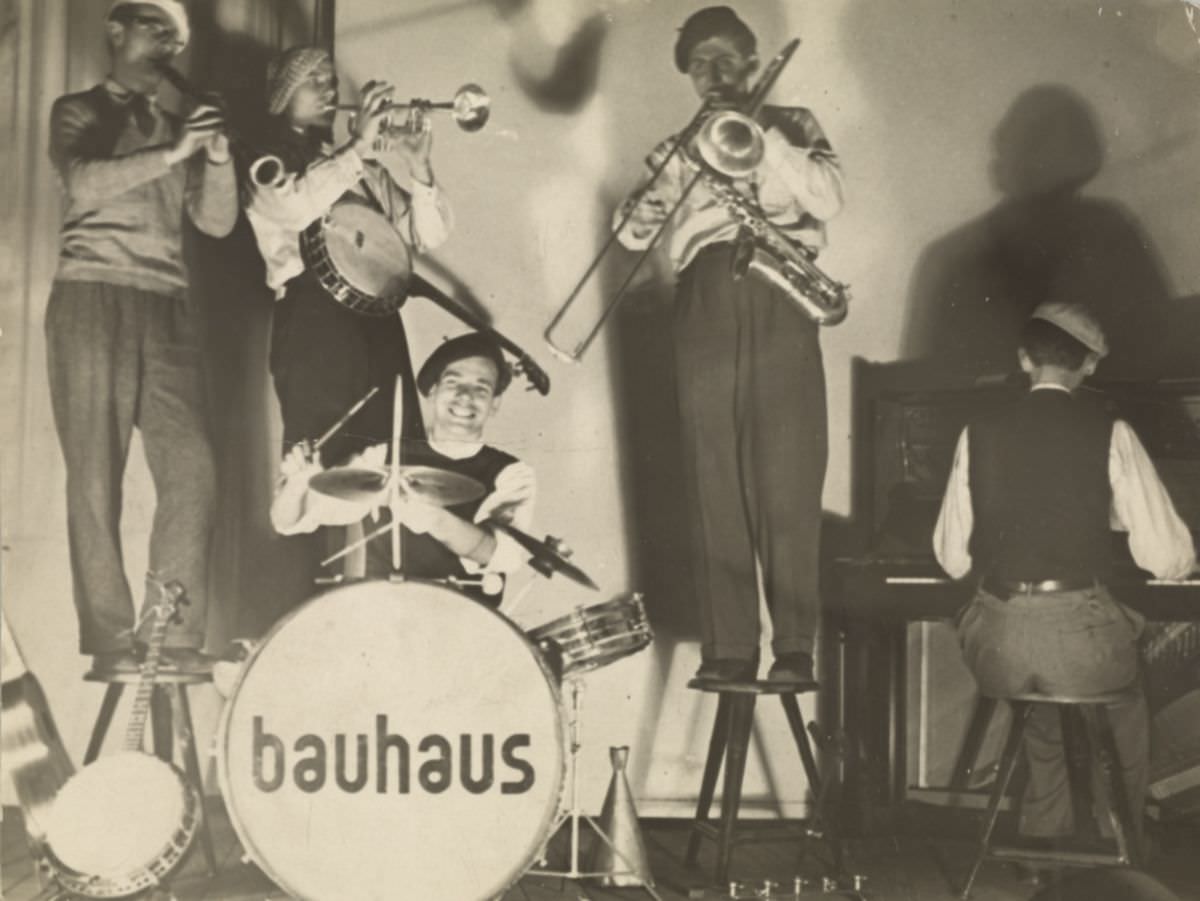
Marcel Breuer designed minimalist furniture that stripped away decoration in favor of clean function. Marianne Brandt created metal utensils and lamps that became templates for industrial production. Their work set the tone for the chic minimalism that defined mid-20th century design.
A Visual Journey into the Bauhaus School of the 1920s - Pioneers of Modern Design

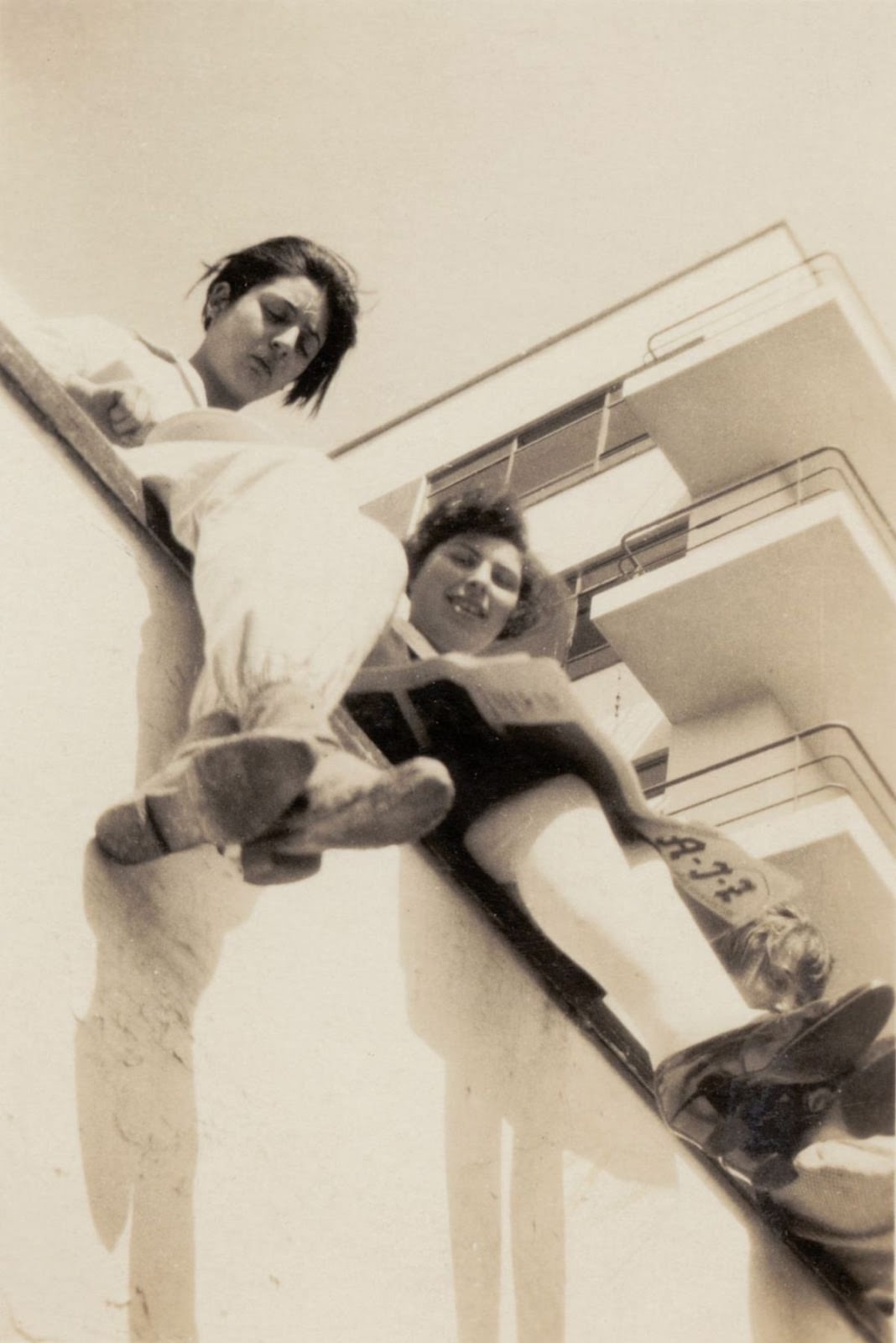
Architects Walter Gropius and Ludwig Mies van der Rohe brought the Bauhaus philosophy into buildings. Their work became central to the International Style — architecture defined by glass, steel, and open floor plans with no unnecessary ornament.
A Visual Journey into the Bauhaus School of the 1920s - Pioneers of Modern Design

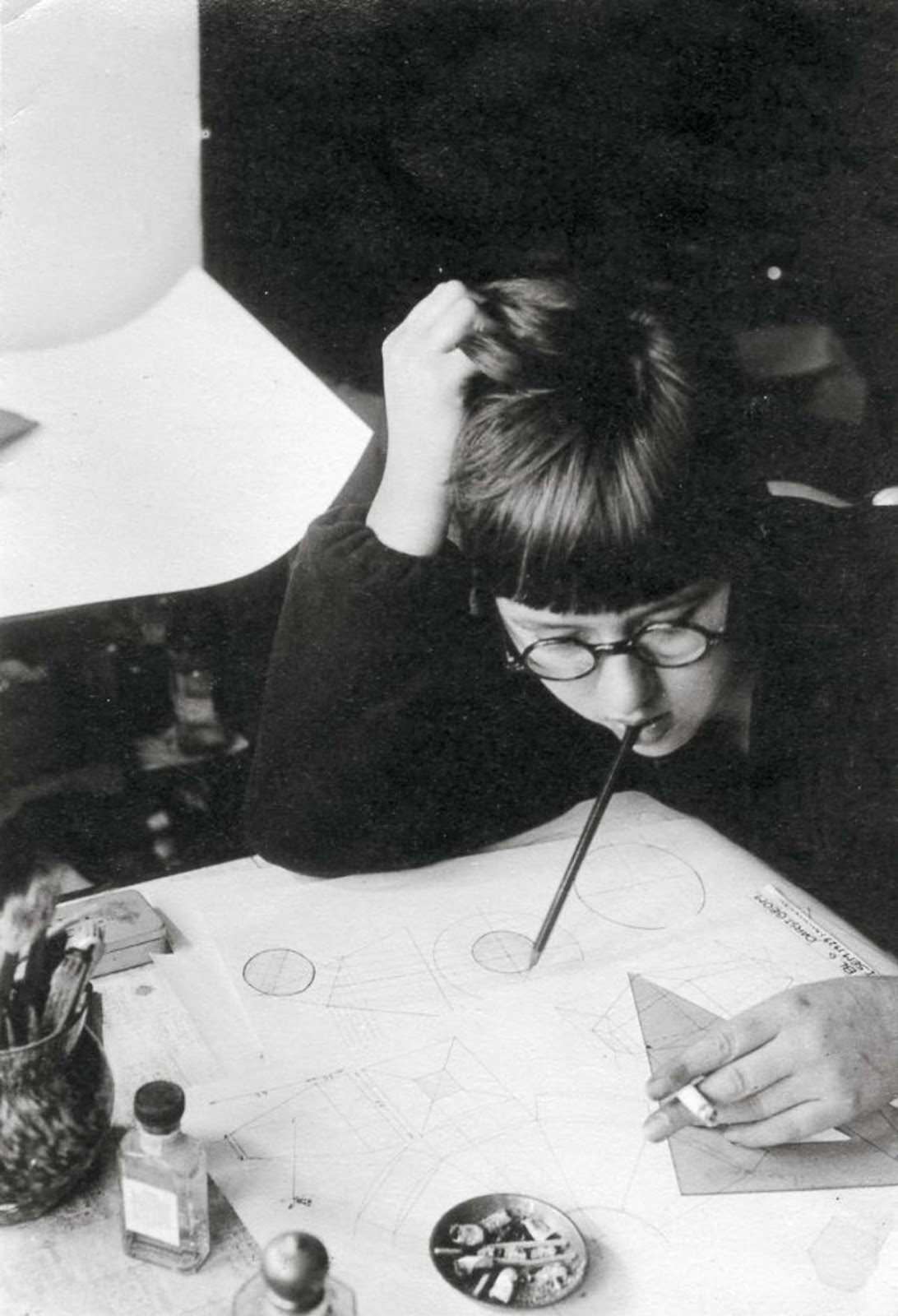
The school’s approach to teaching was intellectually rigorous. Students completed a foundational course before specializing in a workshop. This structure ensured every graduate understood materials, form, color, and construction — not just theory.
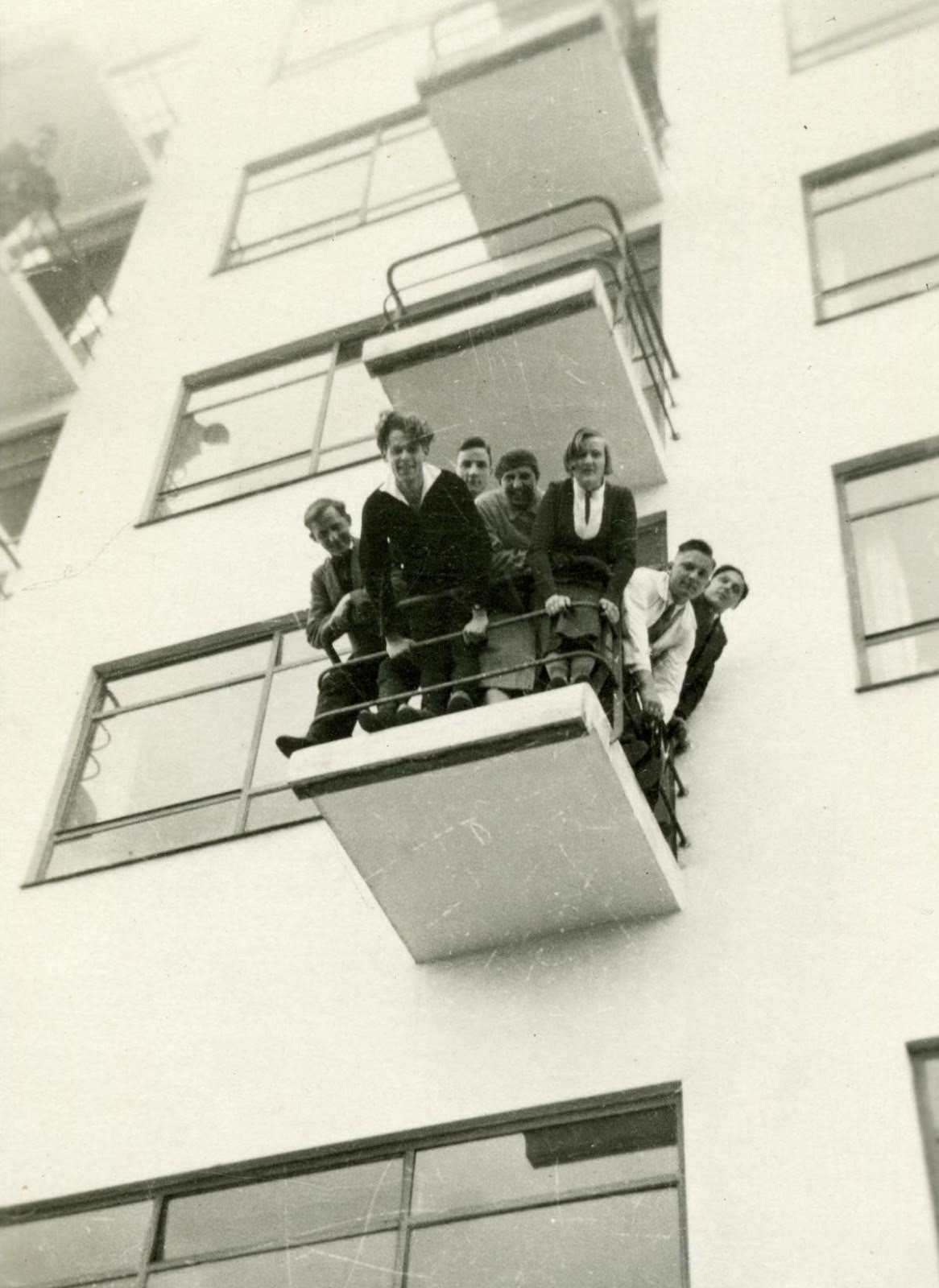
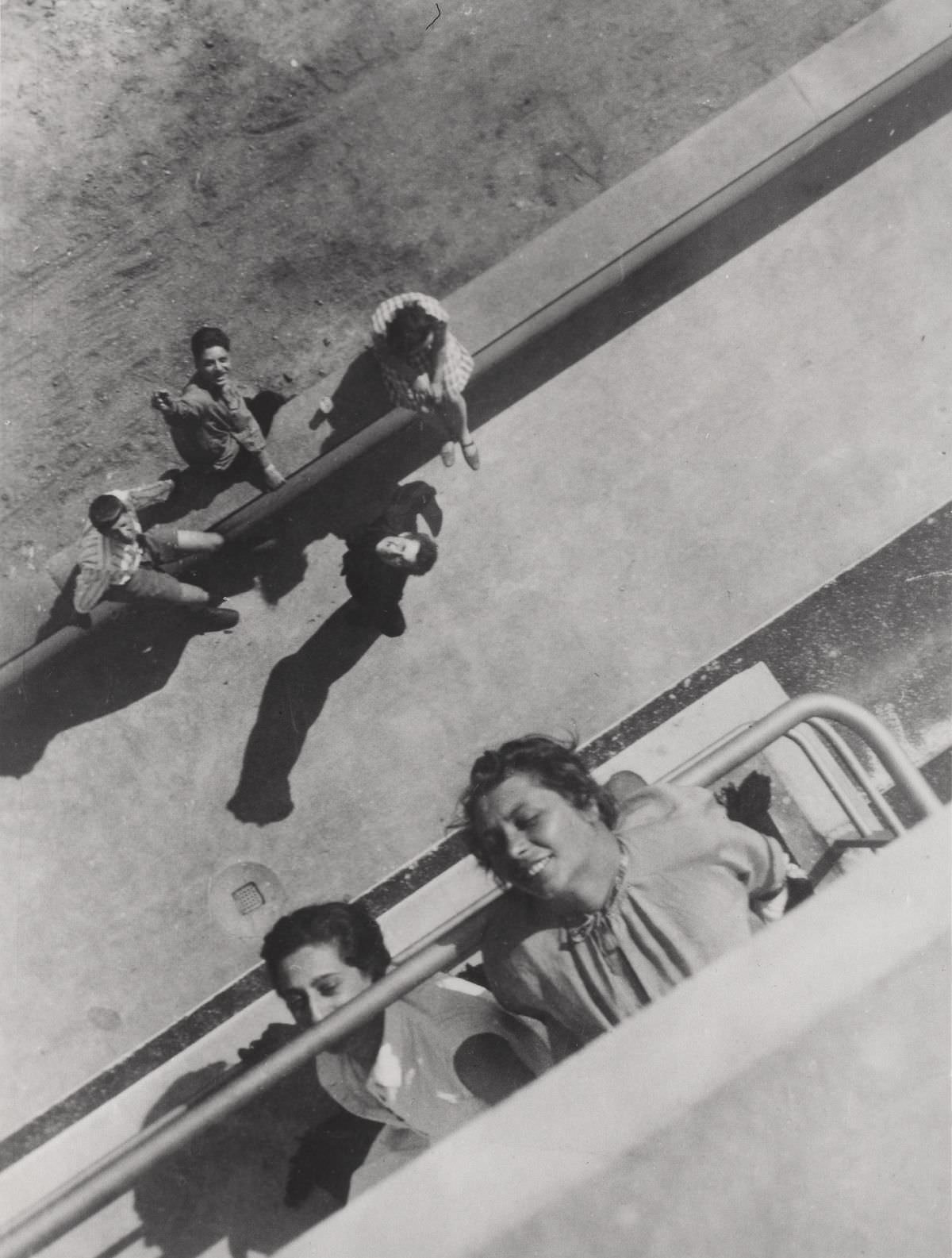
A Visual Journey into the Bauhaus School of the 1920s - Pioneers of Modern Design

The Bauhaus operated in three cities: Weimar, Dessau, and finally Berlin. Each move was driven by political pressure. By the early 1930s, the Nazi party viewed the school’s modernist, internationalist ideas as a threat. In 1933, under direct Nazi pressure, the school closed permanently.
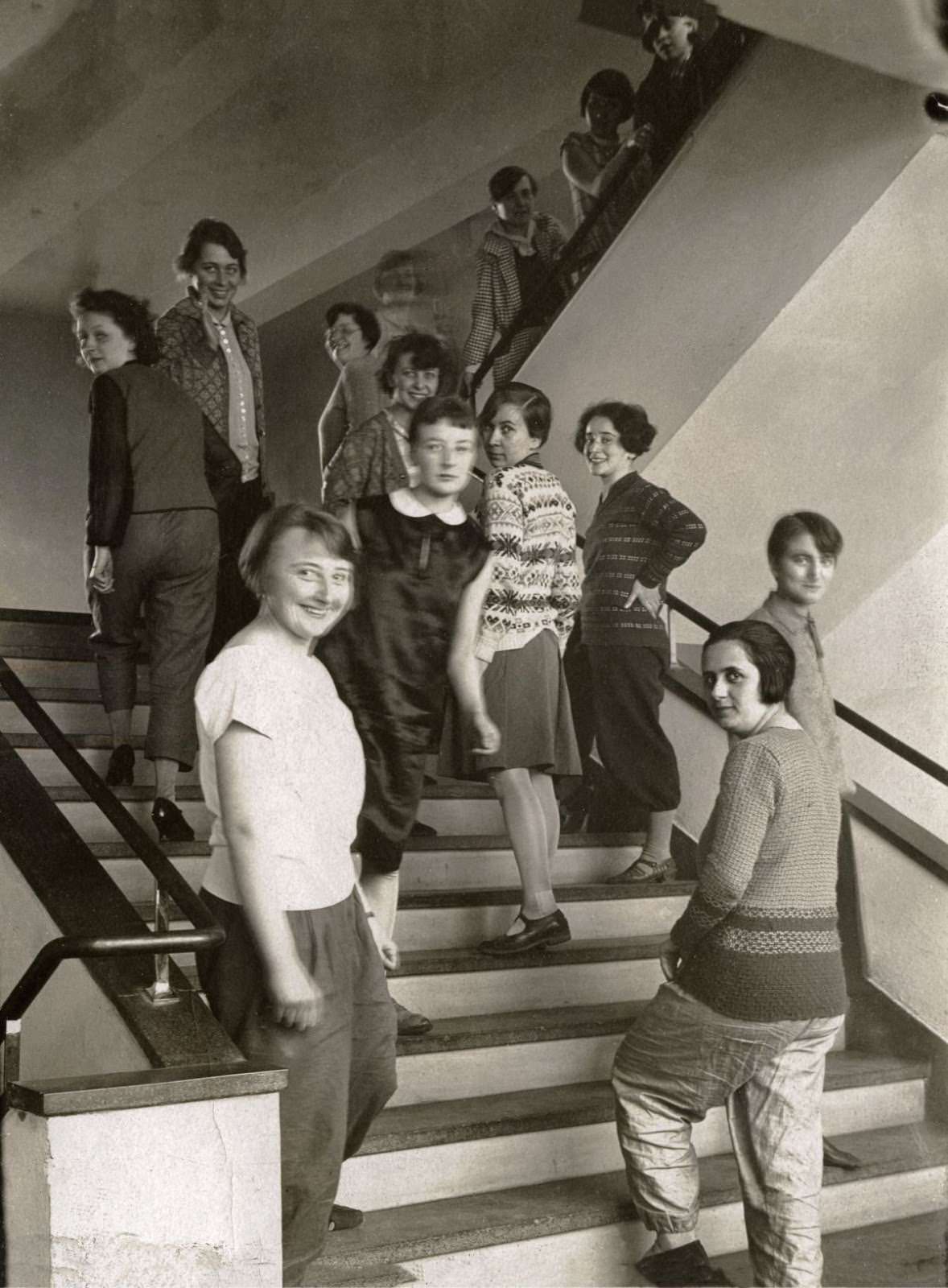
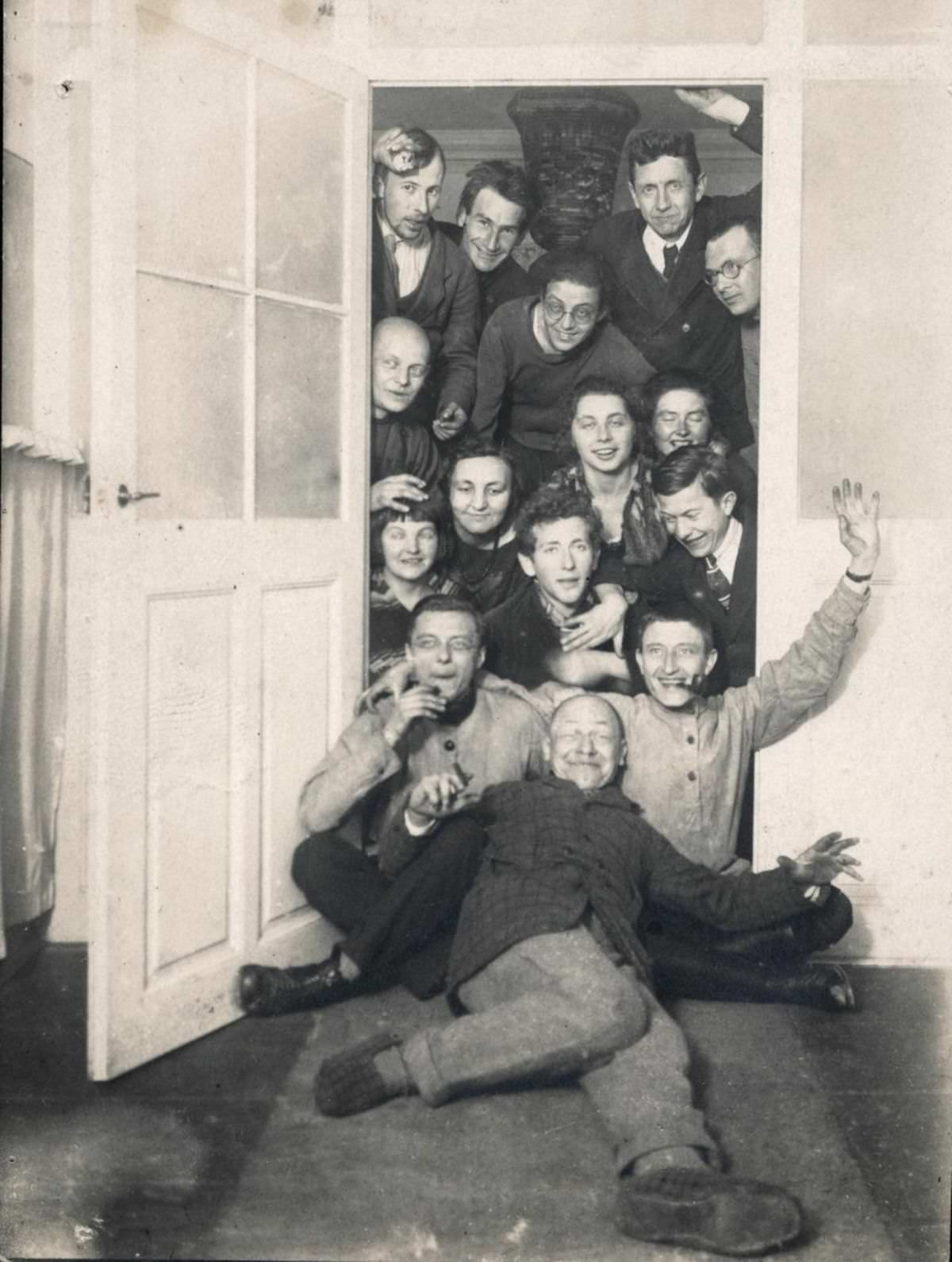
A Visual Journey into the Bauhaus School of the 1920s - Pioneers of Modern Design

Many Bauhaus masters emigrated to the United States after the closure, carrying the school’s methods with them. Gropius taught at Harvard. Mies van der Rohe led the architecture program at the Illinois Institute of Technology. The ideas that began in Weimar in 1919 took root across the Atlantic.
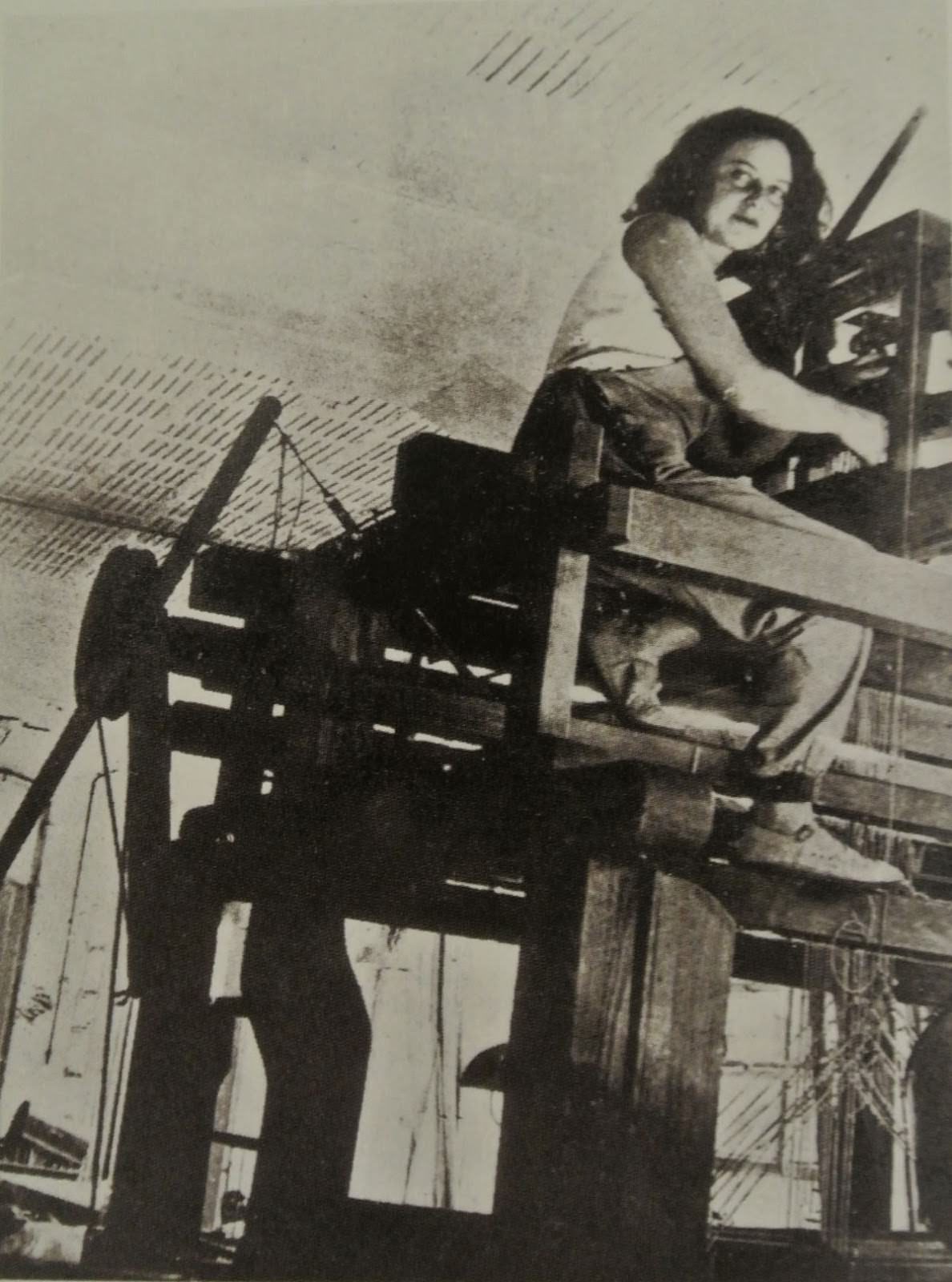
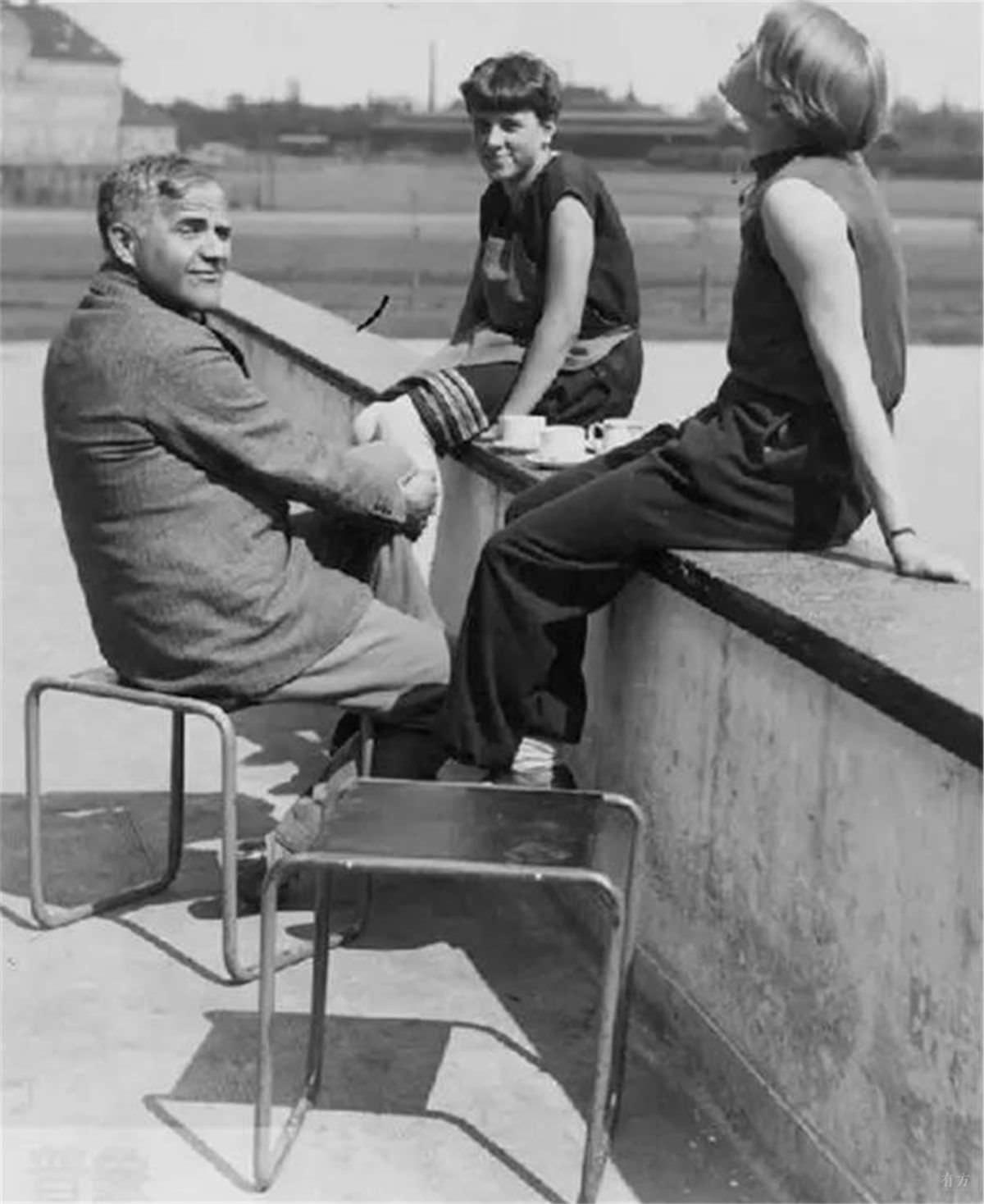
A Visual Journey into the Bauhaus School of the 1920s - Pioneers of Modern Design
Enjoyed this post? Get new ones in your inbox.

Leave a Comment

Your email address will not be published. Required fields are marked *

Share this Post 🥺

Please take a moment to share this content. Your support is greatly appreciated! 🙌🙏

Share this Post 🥺

Please take a moment to share this content. Your support is greatly appreciated! 🙌🙏
Scroll to Top
 
Hey Friend, Before You Go.. Please like & follow for more interesting content