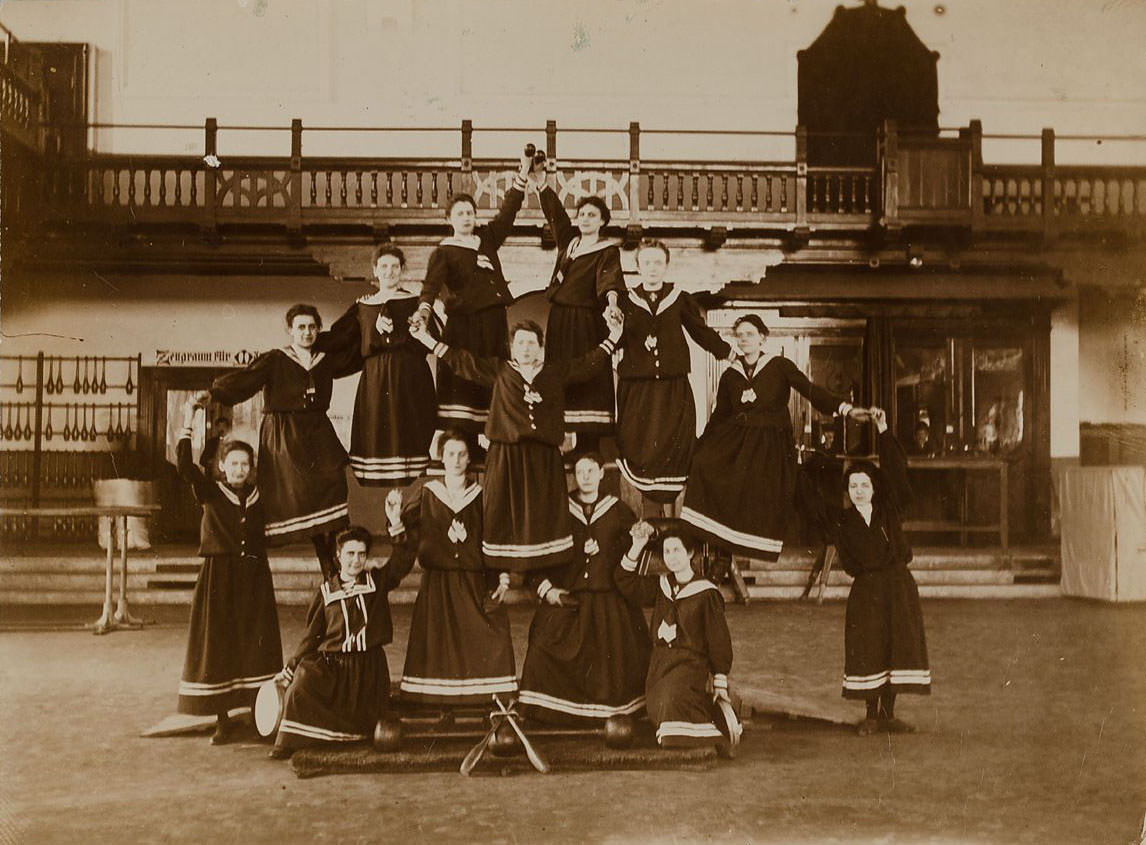
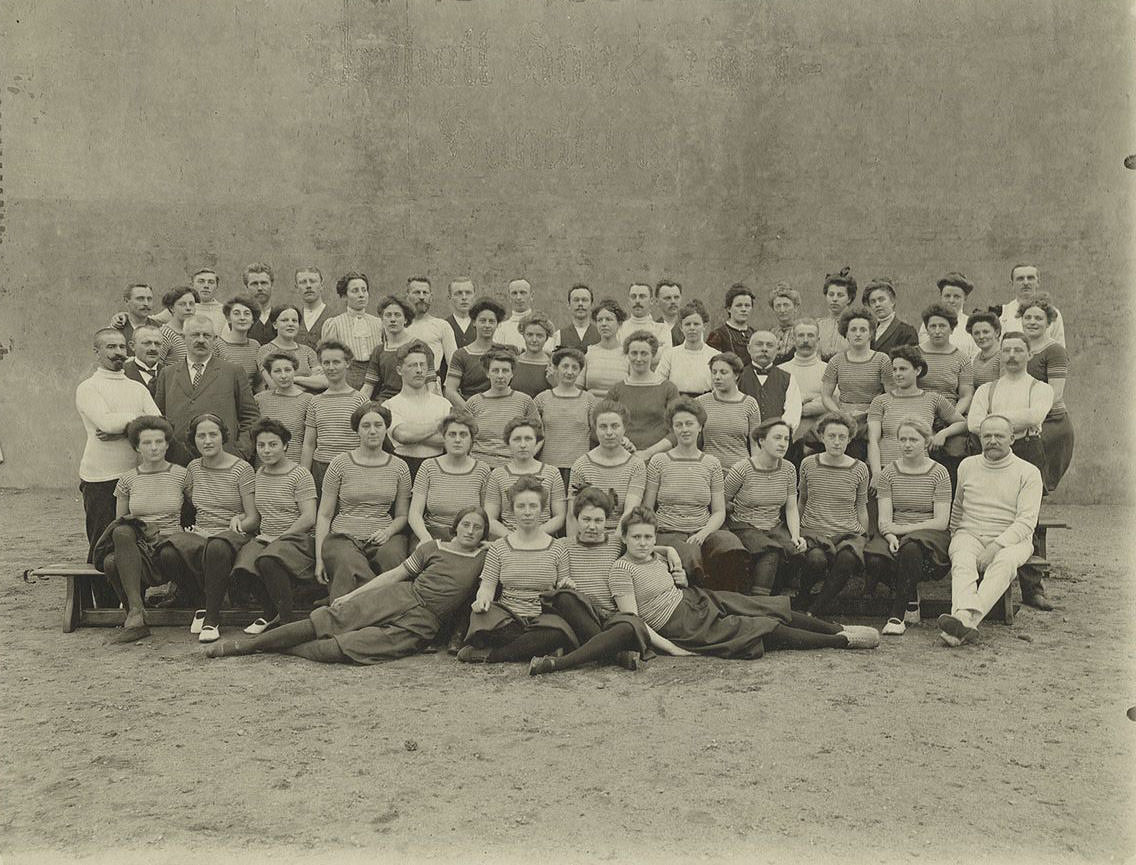
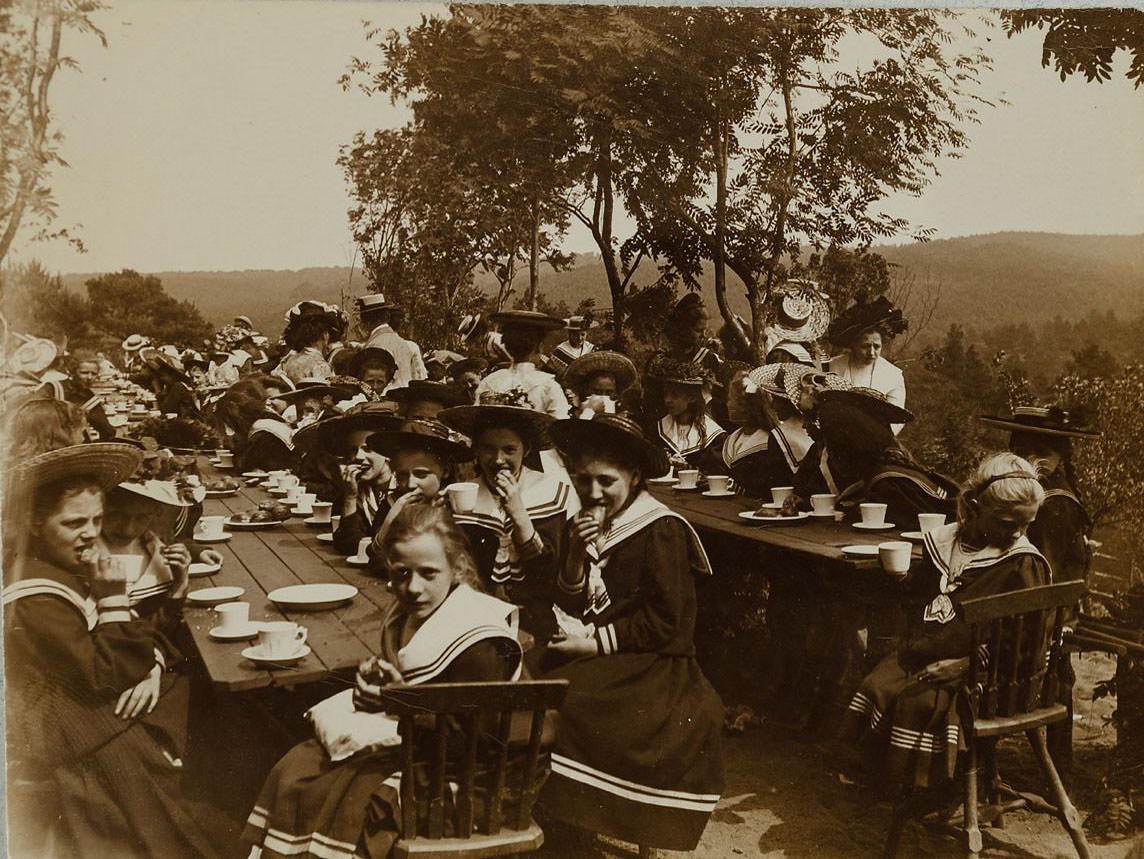
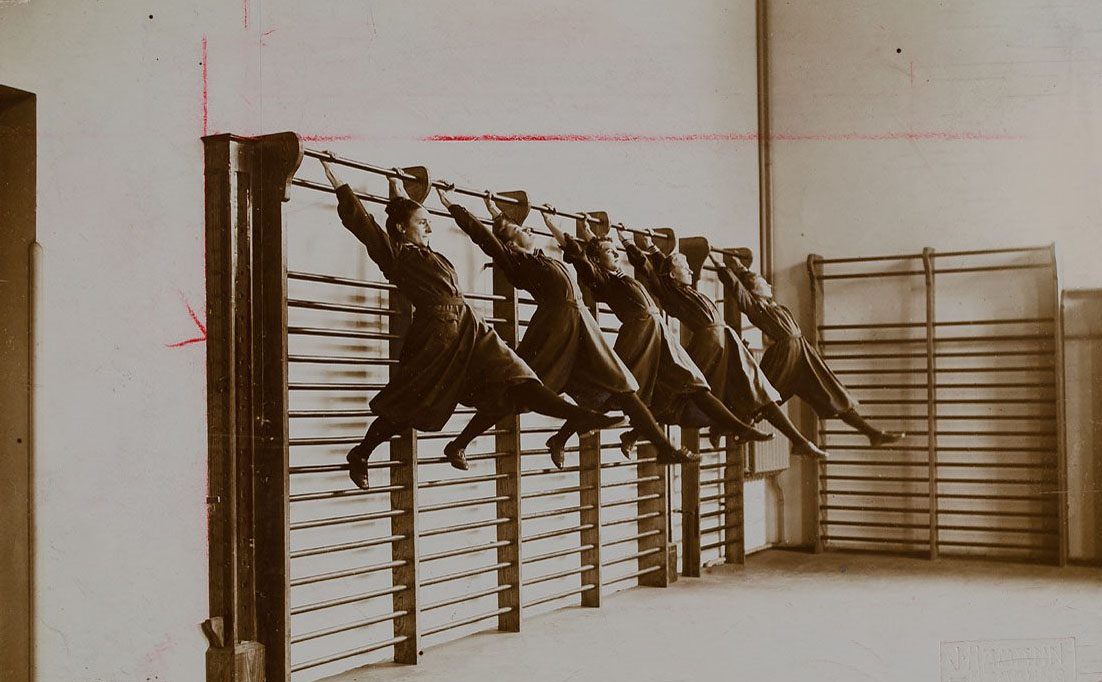
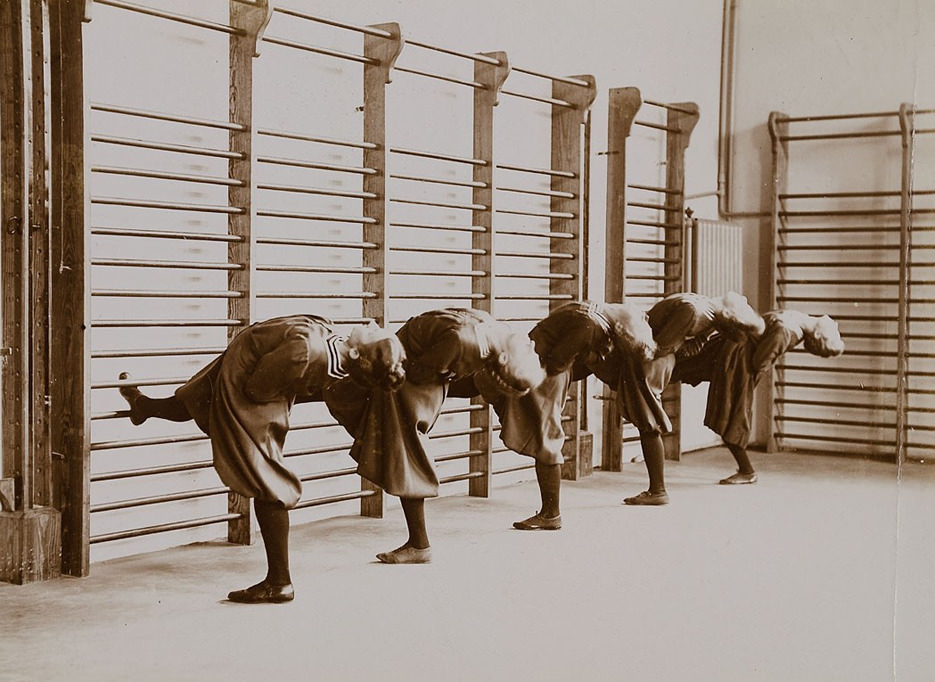
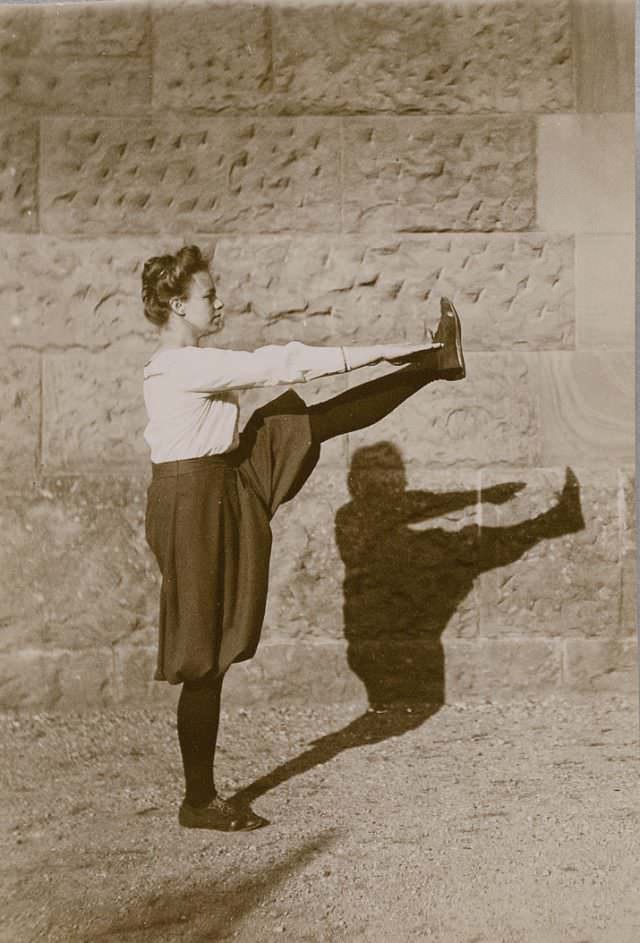
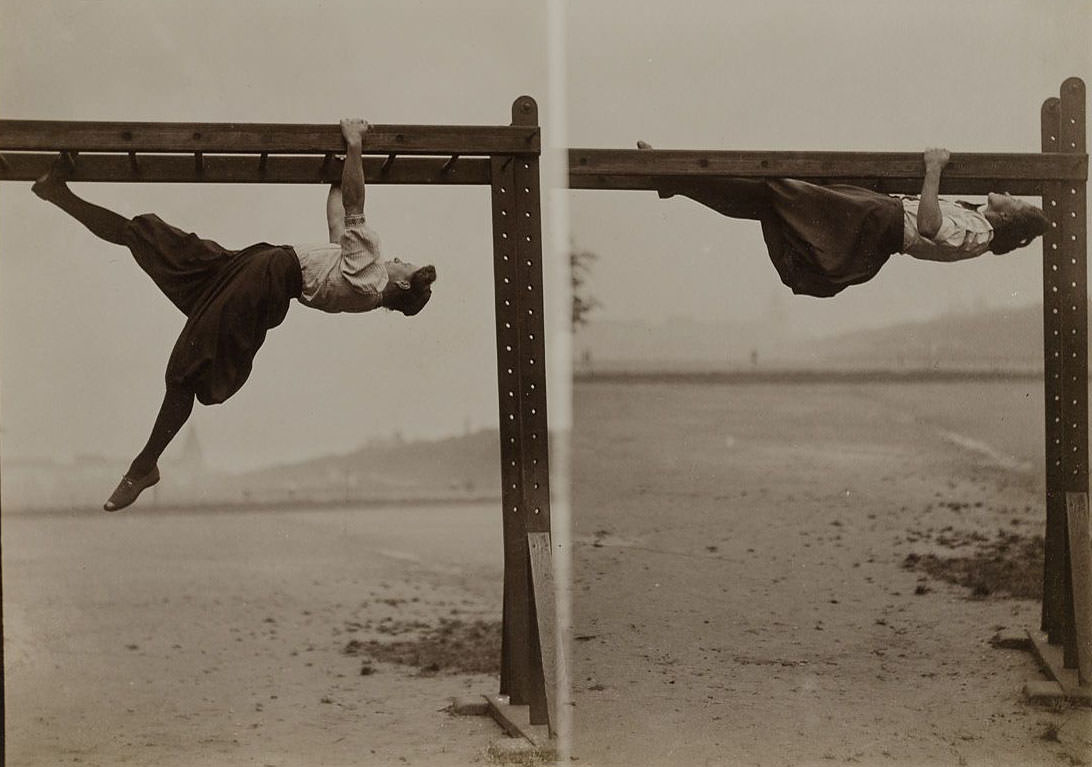
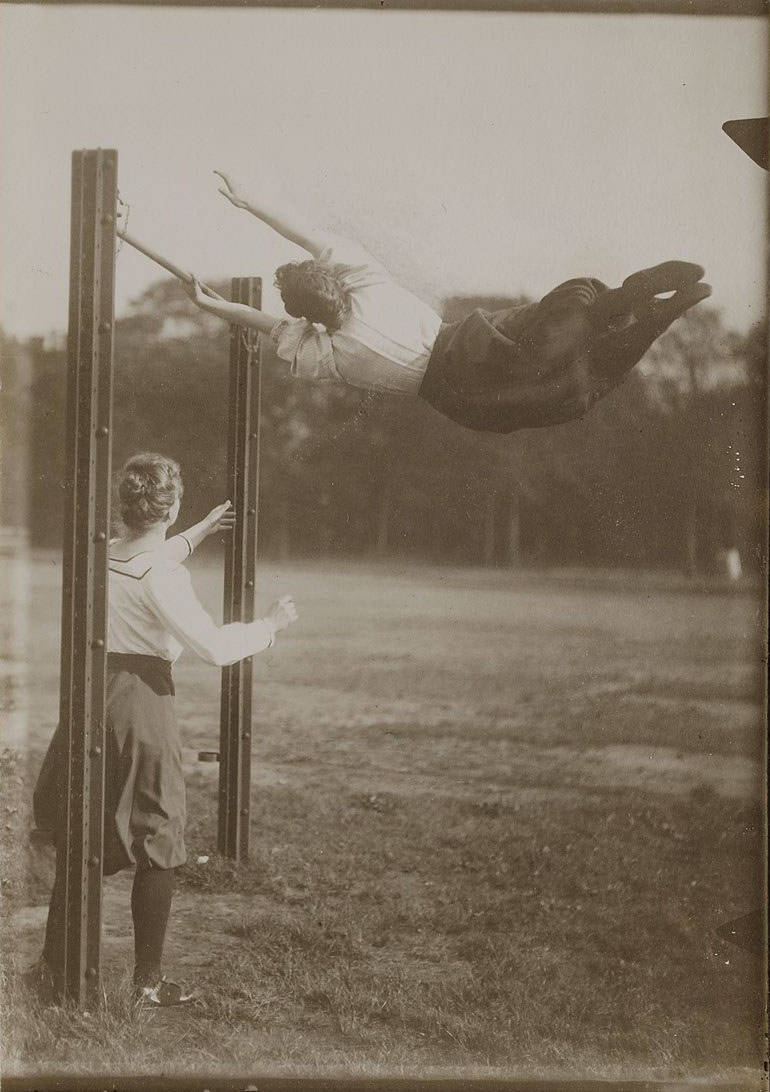
Between 1902 and 1910, photographer Heinrich Hamann documented something quietly remarkable in Hamburg, Germany: groups of women training in Swedish Gymnastics. Hamann was a keen gymnast himself, and his photographs reflect a genuine insider’s eye. He captured these women both inside a sports hall and out in the open air of the Heiligengeistfeld — a large public field in Hamburg’s St. Pauli quarter whose name translates to “field of the Holy Spirit.”
Swedish Gymnastics, also called Swedish Drill, was built on a very specific idea: that exercise was a tool for restoring public health, not just building strength. Its founder, Pehr Henrik Ling, was a Swedish poet and scholar of theology and European languages. Born in 1776, Ling developed the system in the early 1800s after becoming convinced that structured physical movement could heal and strengthen the body in ways medicine alone could not.
In 1813, the Swedish government appointed Ling to establish the Royal Central Institute of Gymnastics (RCIG) in Stockholm. This was not simply a training school for athletes. The RCIG’s program included human anatomy, physiology, and pathophysiology. Graduates left with a scientific grounding that set Swedish Gymnastics apart from other exercise systems of the era. Ling also authored a detailed written work titled “The Essential Principles of Gymnastics,” laying out his methods in full.
By the time Hamann raised his camera in Hamburg, Swedish Gymnastics had spread well beyond Scandinavia. Germany embraced the system enthusiastically, and women’s participation was a notable feature of the movement. The exercises focused on precise, controlled movements — stretching, balancing, and coordinated group drills rather than competitive sport. The approach was orderly and deliberate, designed to be accessible to all bodies, not just trained athletes.
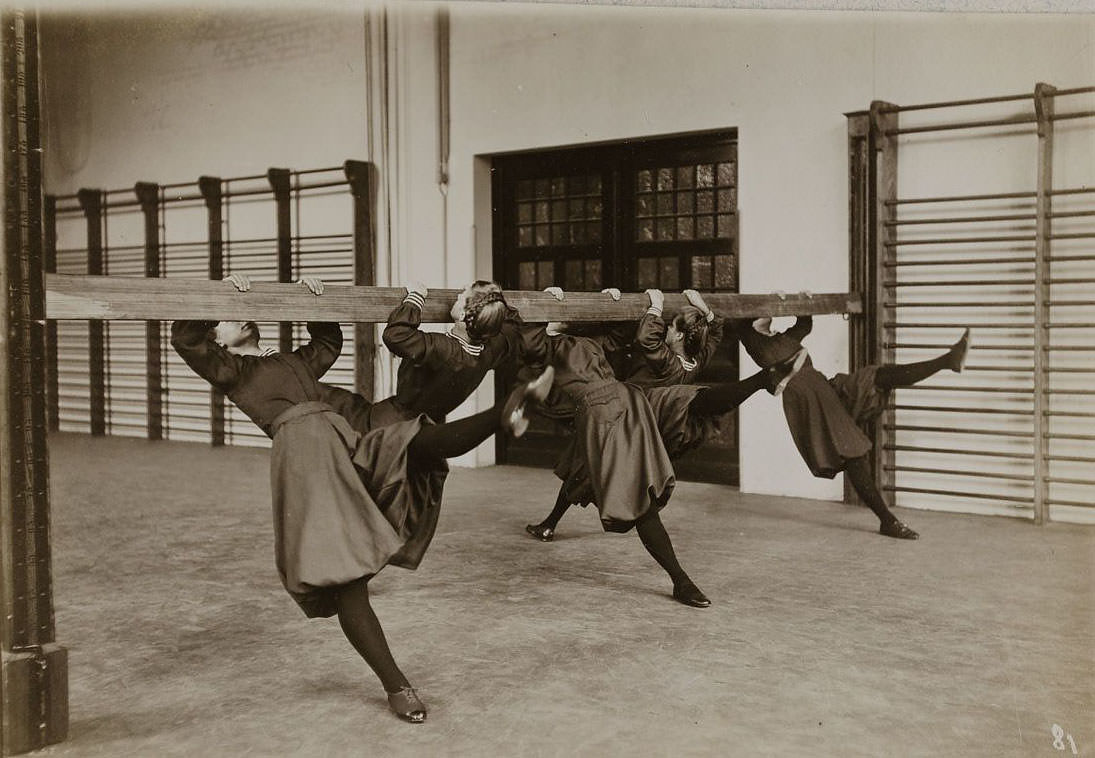
The sports hall photographs show women in formation, performing synchronized movements on wooden floors. Their clothing — long skirts or bloomers, fitted tops — reflects the era’s norms around women in physical activity. Despite those restrictions, the images show genuine athleticism. The participants hold poses with straight backs and extended limbs, demonstrating the discipline that Swedish Drill required.
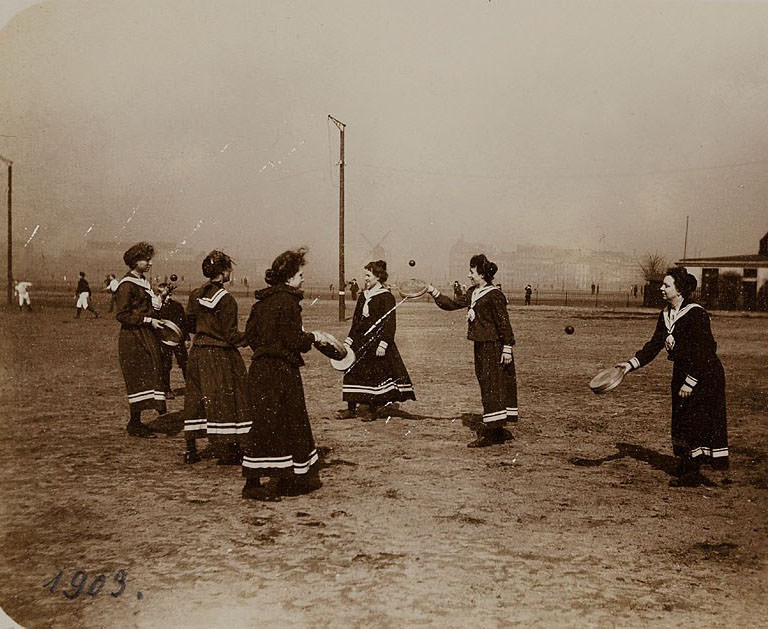
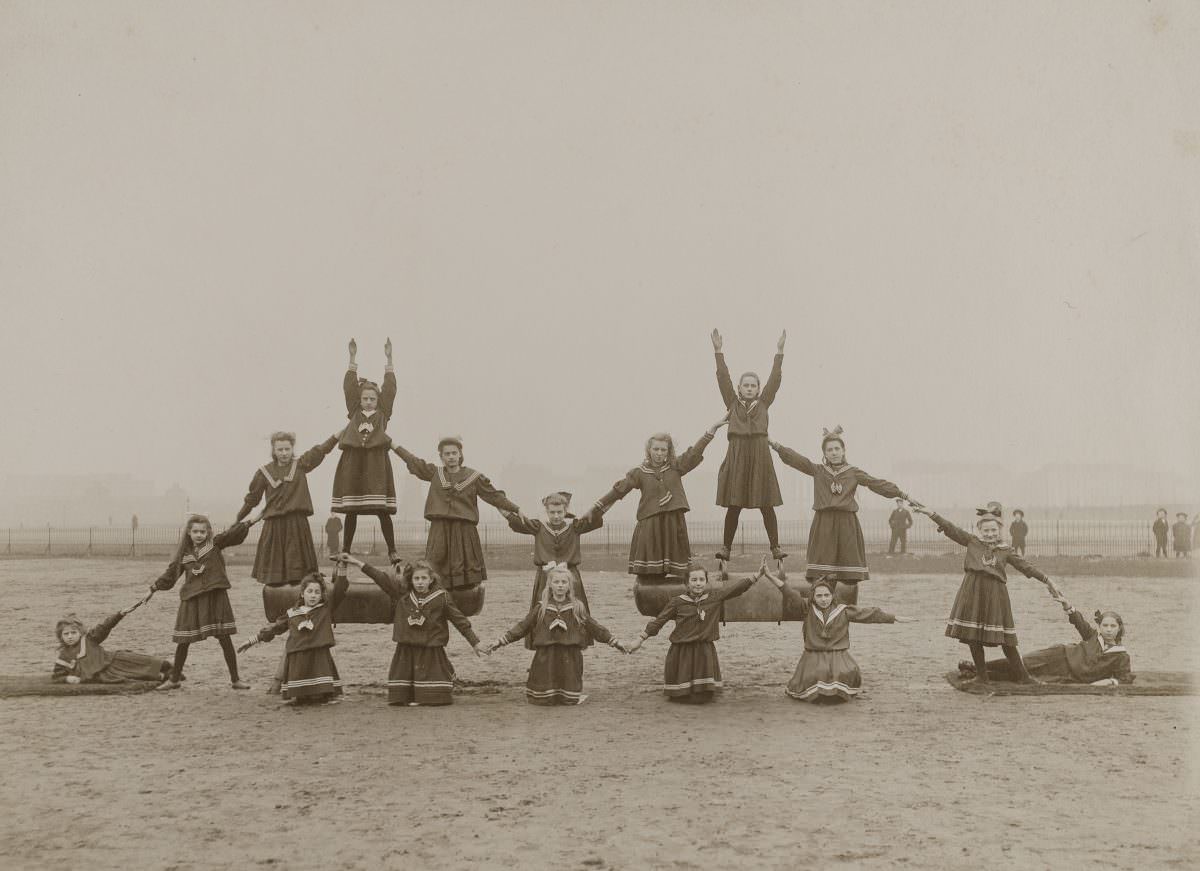
The outdoor sessions on the Heiligengeistfeld offered a different setting but the same level of organization. The field served Hamburg as an open public space in the St. Pauli district, and using it for group gymnastics was a visible, public statement. Women exercising outdoors in coordinated groups was not a common sight in early 1900s Germany. Hamann’s photographs preserve that moment plainly.
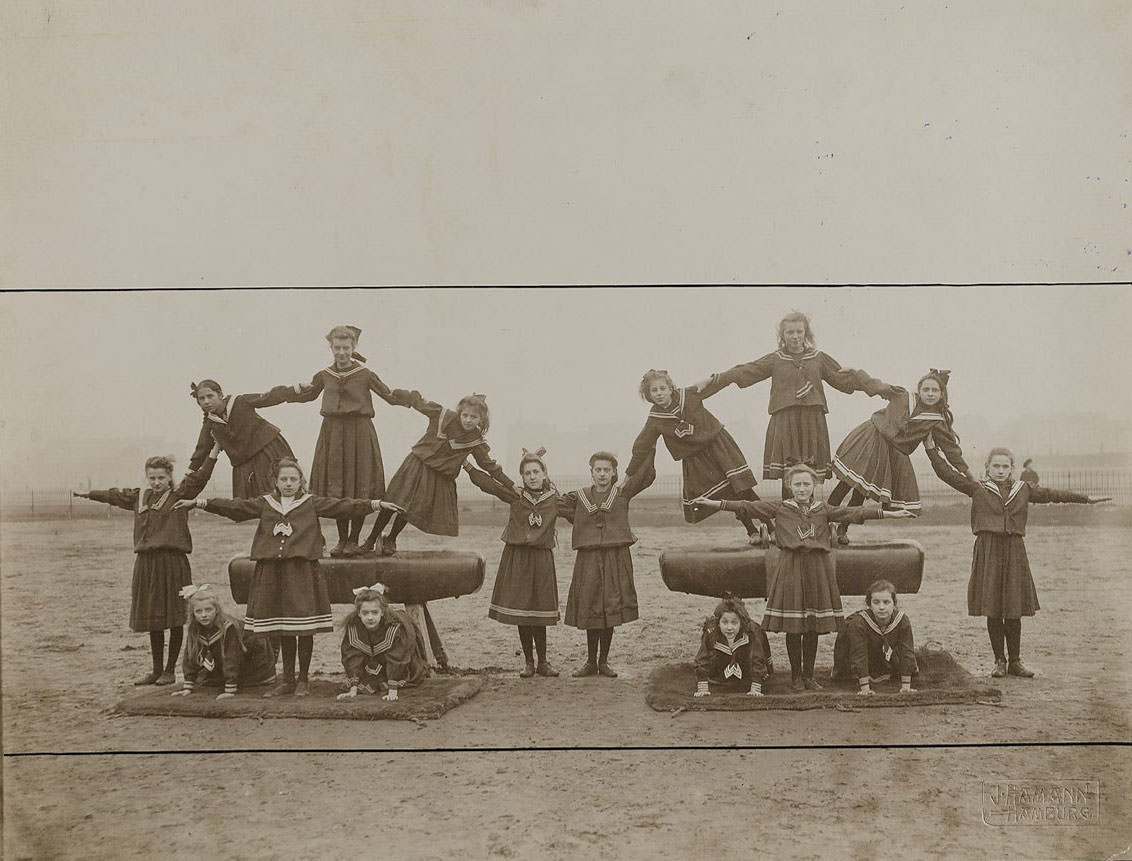
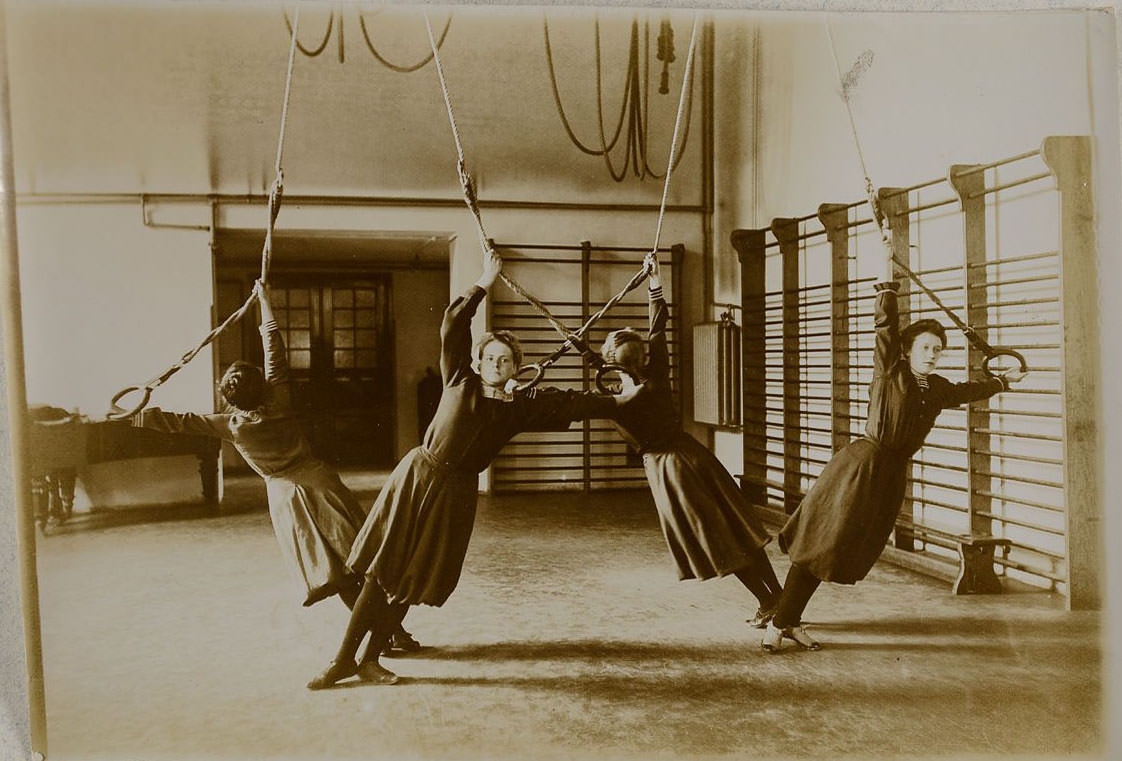
Hamann’s work as a photographer was driven by his personal connection to gymnastics. That enthusiasm shows in the range of shots he took — wide group formations, closer action poses, and still exercises that highlight specific techniques. He was documenting something he understood from the inside, and the photographs carry that detail.
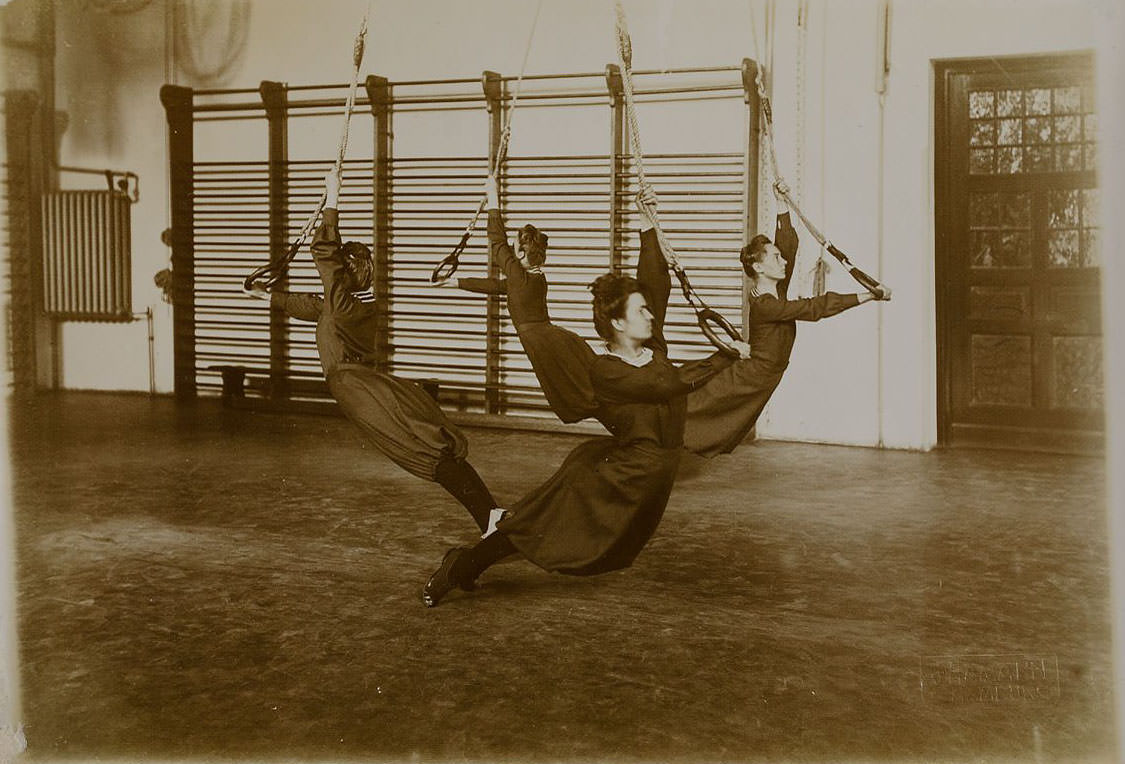
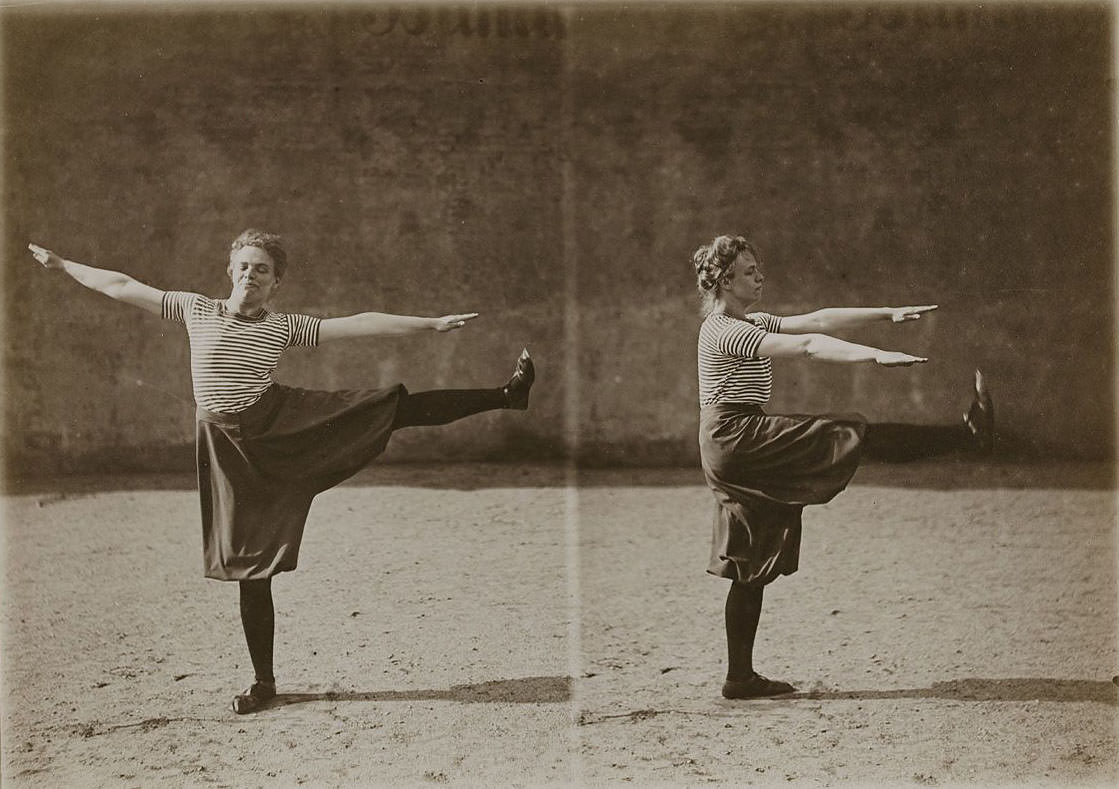
Swedish Gymnastics placed strong emphasis on posture and breathing as foundations of good health. Sessions were structured, led by an instructor, and followed a fixed sequence of movements. This was not freeform exercise. Every position had a purpose rooted in the anatomical principles the RCIG had built into its curriculum decades earlier.
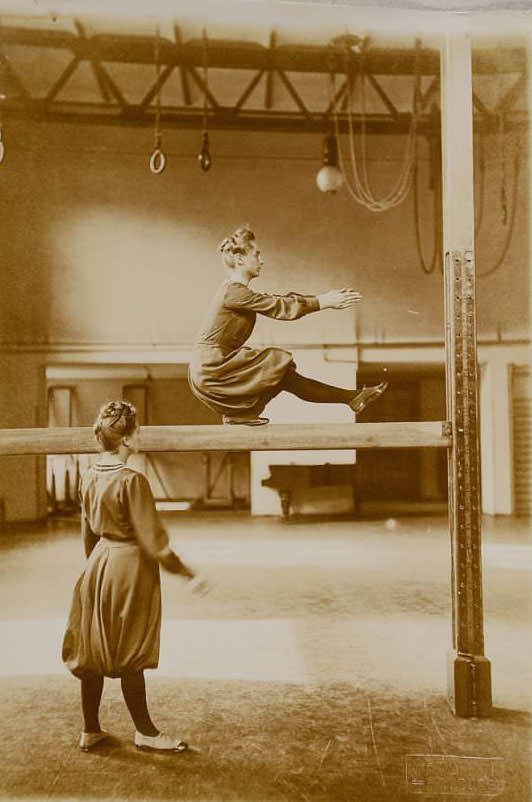
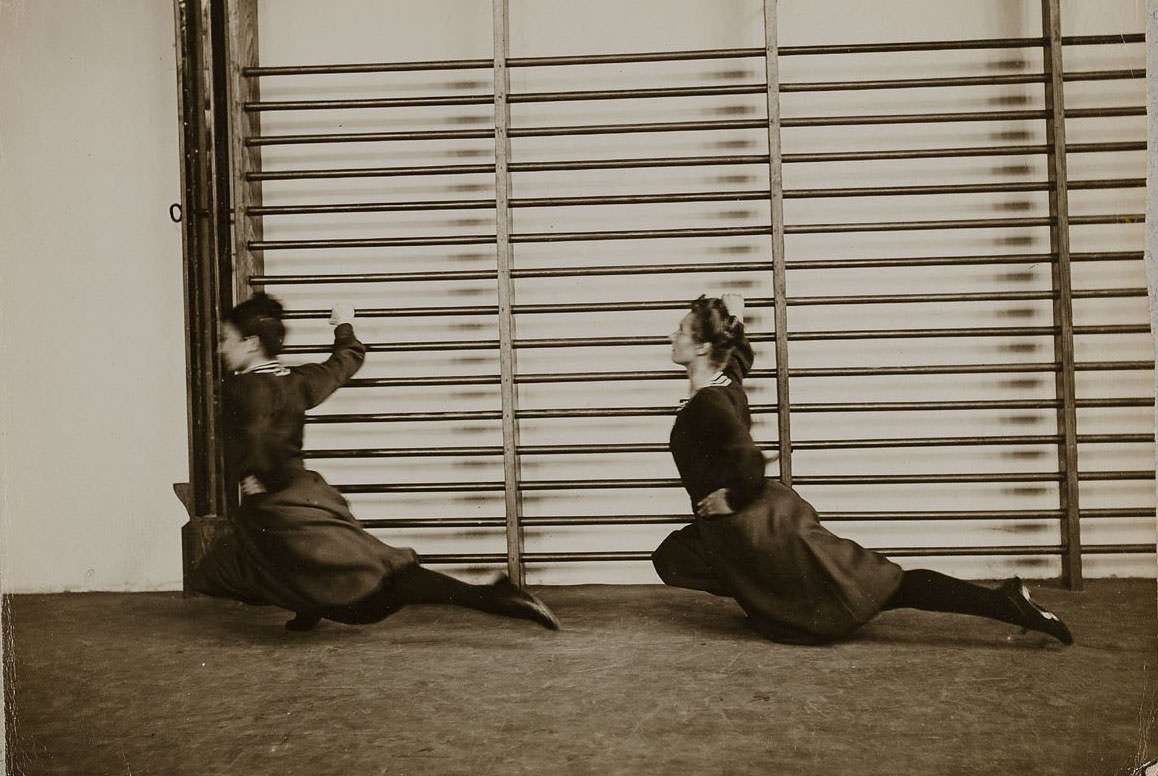
The women in these photographs represent a broad cross-section of participants. Some appear young, others older. Group sizes vary from small clusters to larger assembled formations. What stays consistent across the images is the seriousness of the practice — no one is performing casually. These are trained participants working through routines they had rehearsed.
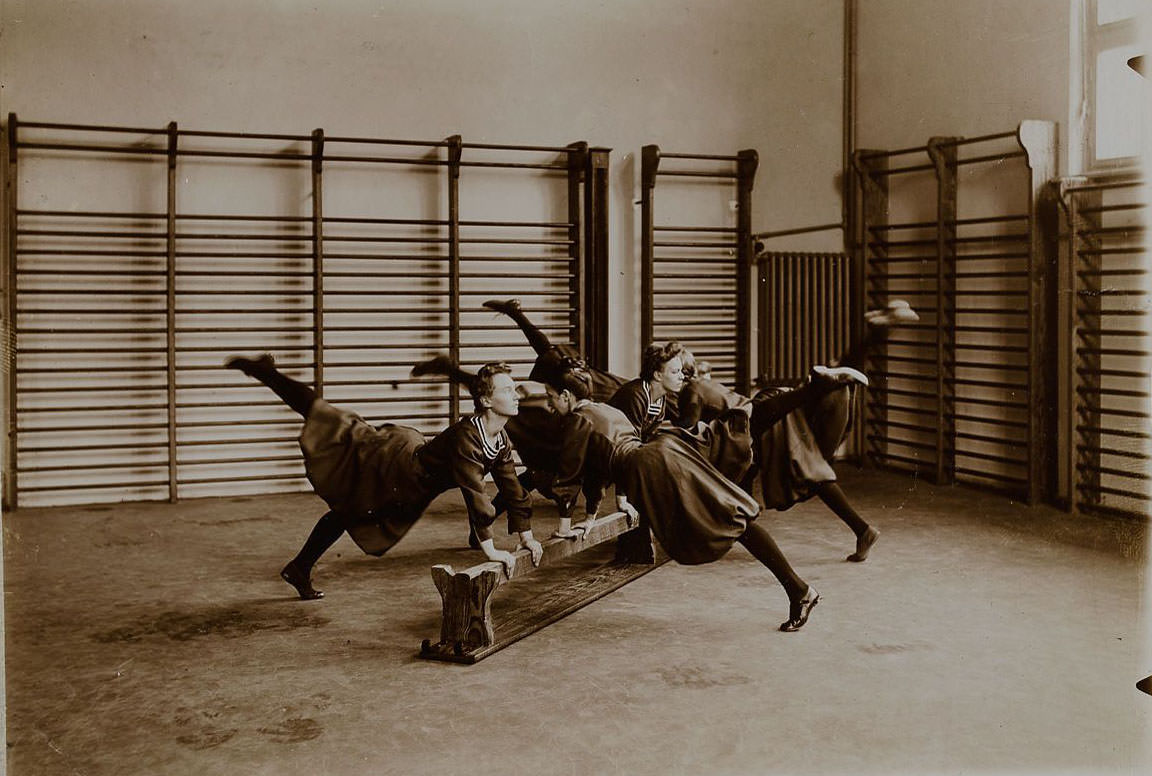
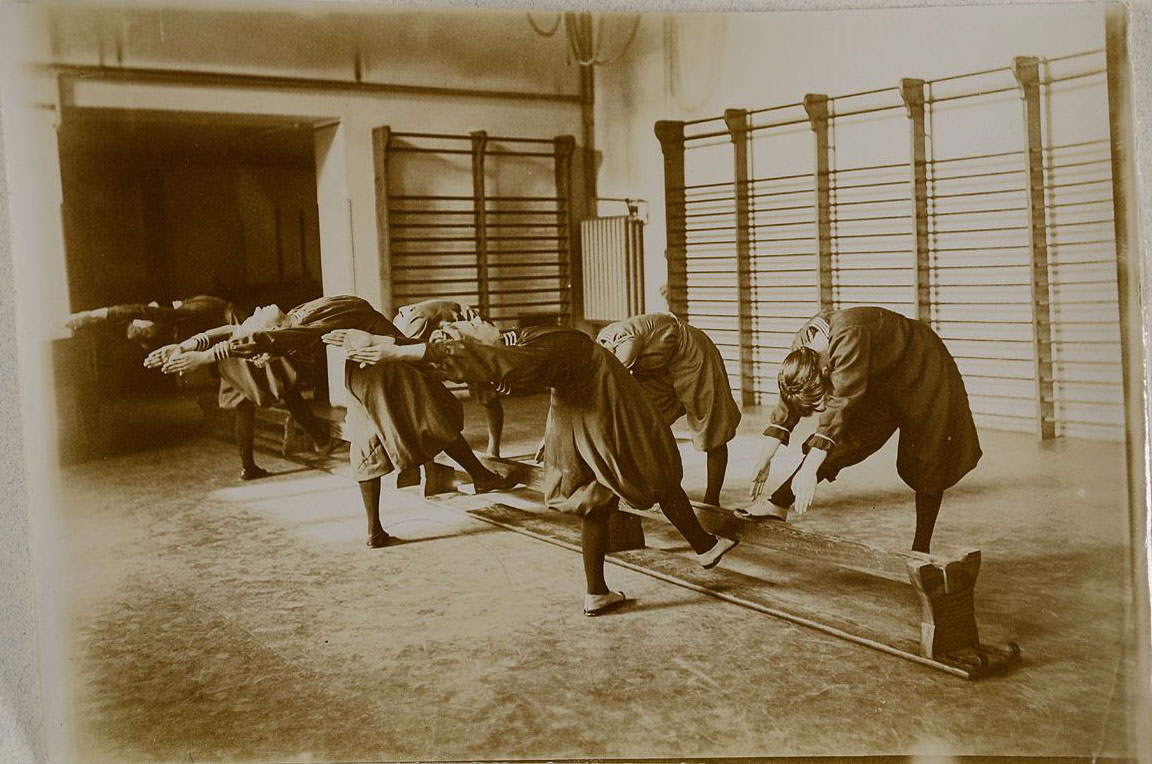
Hamann’s photographs span nearly a full decade of this activity in Hamburg. That timeline captures more than a passing trend. Swedish Gymnastics had real institutional roots in the city by the early 1900s, and these images are direct evidence of how that looked on the ground — in the halls and open fields where ordinary women showed up to train.