Fantastic Adventures Magazine launched in the fall of 1939, published by the Ziff-Davis Publishing Company. From its very first issue, it carved out a loyal readership hungry for science fiction and fantasy stories. The magazine ran for fourteen years before closing in 1953, leaving behind a substantial body of work that defined a generation of genre fiction.
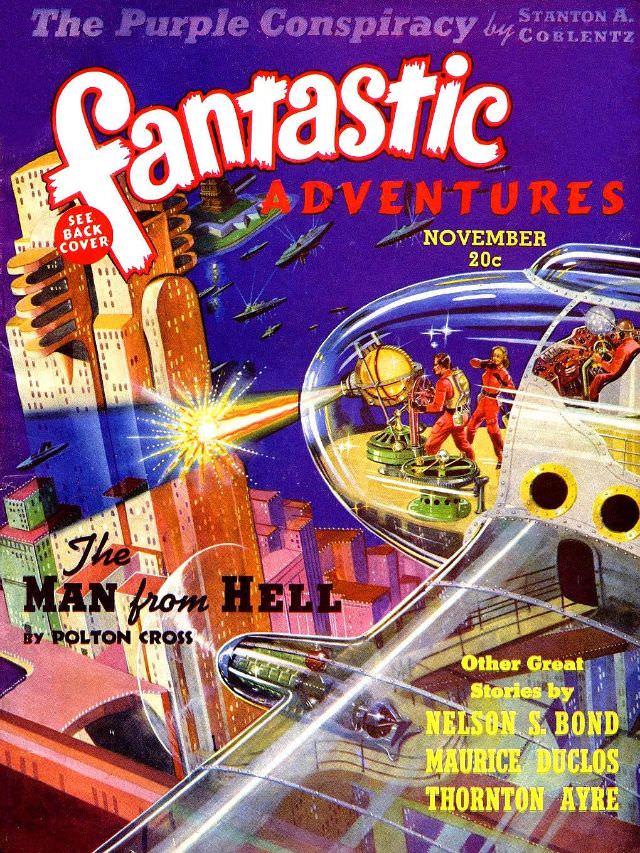
The contributors list read like a who’s who of golden-age science fiction. Isaac Asimov, Ray Bradbury, and Robert Heinlein all appeared in its pages. Edgar Rice Burroughs contributed his John Carter of Mars series, which brought planetary adventure to a wide audience and helped cement many of the genre’s most enduring themes.
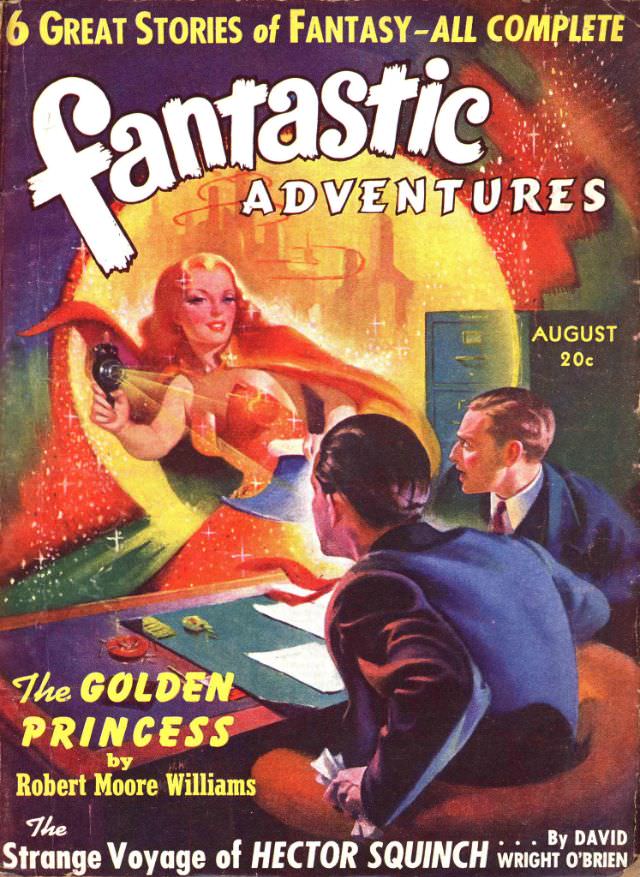
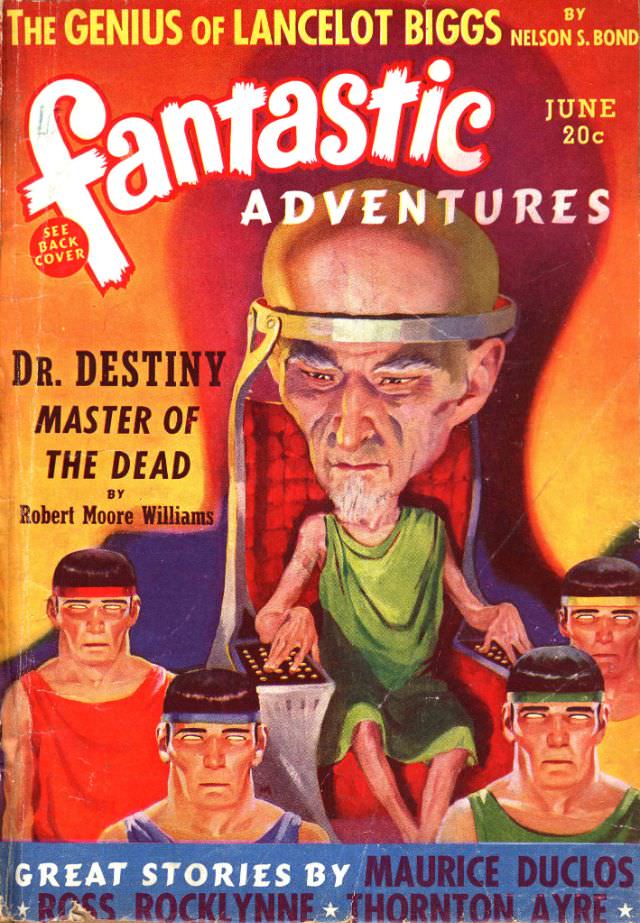
Other popular recurring series kept readers coming back each month. Neil R. Jones wrote the Professor Jameson stories, which followed a man whose brain was preserved in a robot body for millions of years. Edmond Hamilton delivered the Captain Future stories, featuring a superhero scientist who battled villains across the solar system. These serialized adventures gave the magazine a reliable, energetic rhythm.
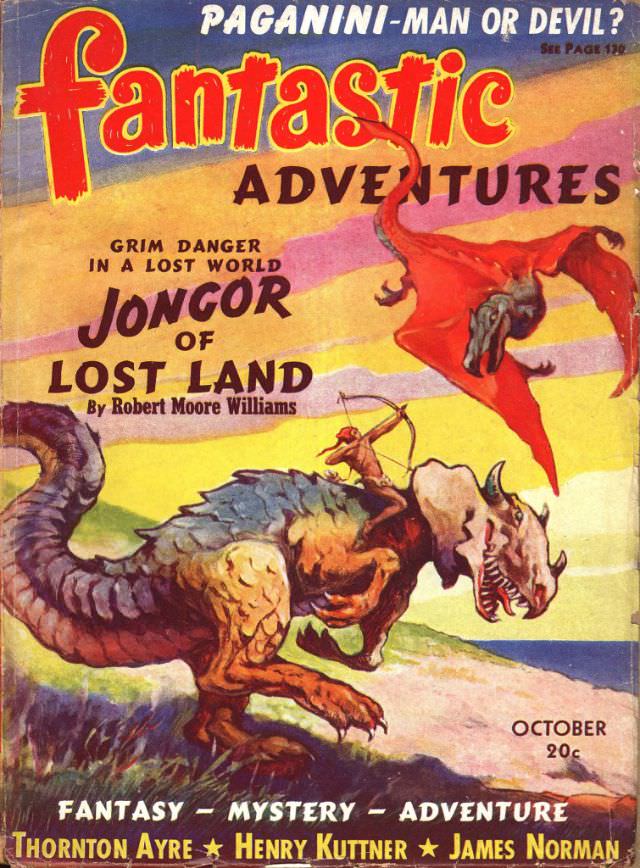
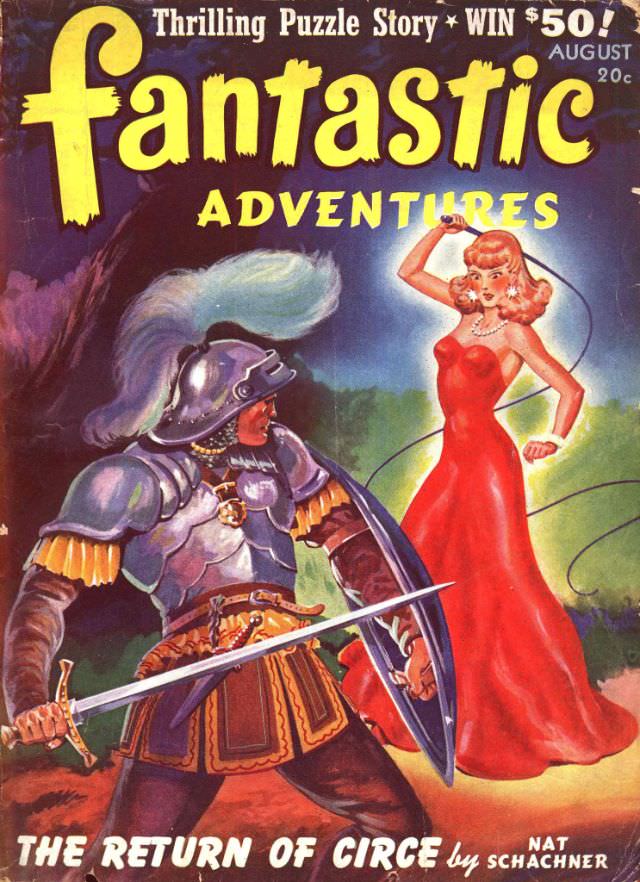
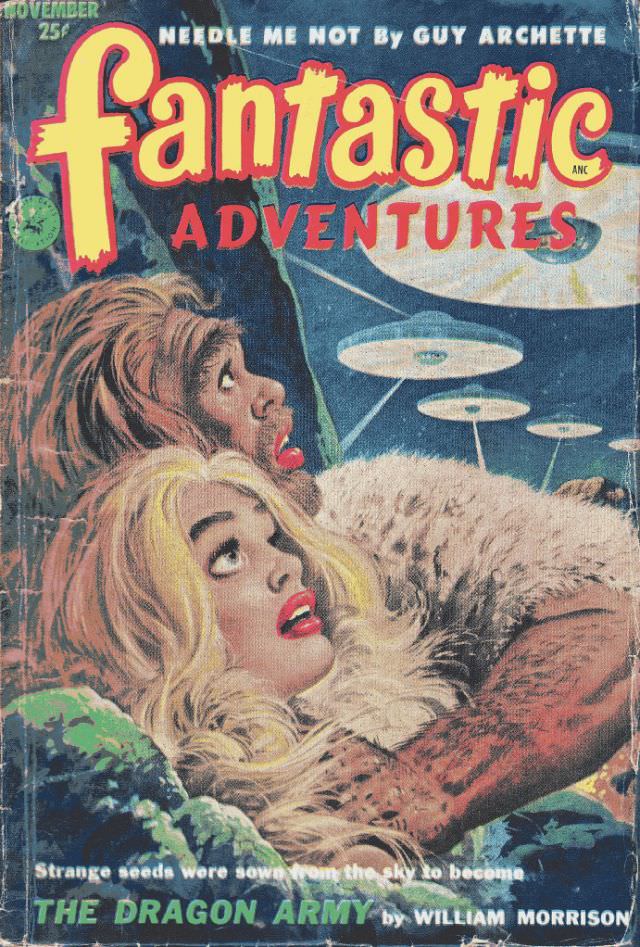
The cover art was one of the magazine’s most recognizable features. Bold colors and dramatic scenes pulled readers in from newsstands across the country. Artists like Frank R. Paul and Virgil Finlay produced many of these illustrations, bringing alien worlds, strange creatures, and daring heroes to vivid life.
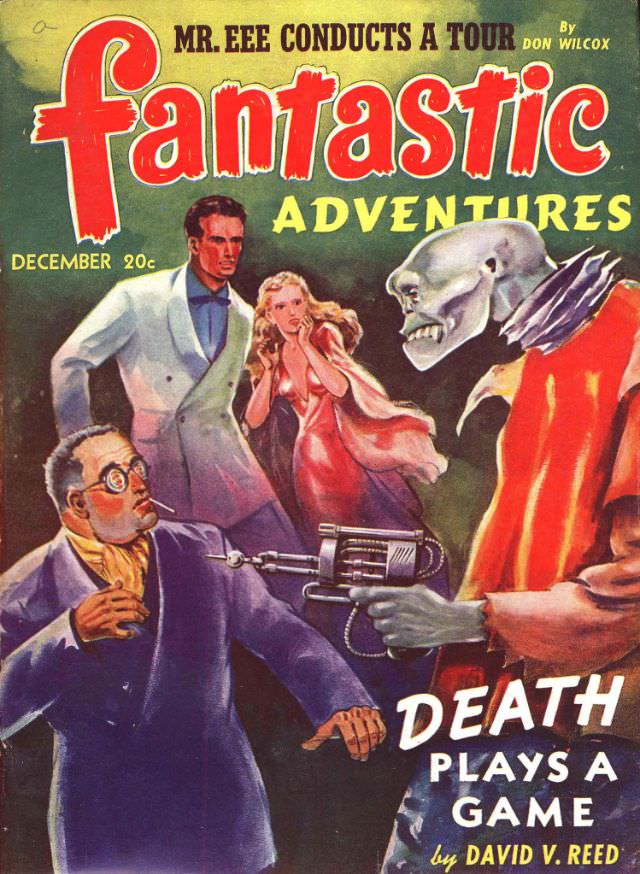
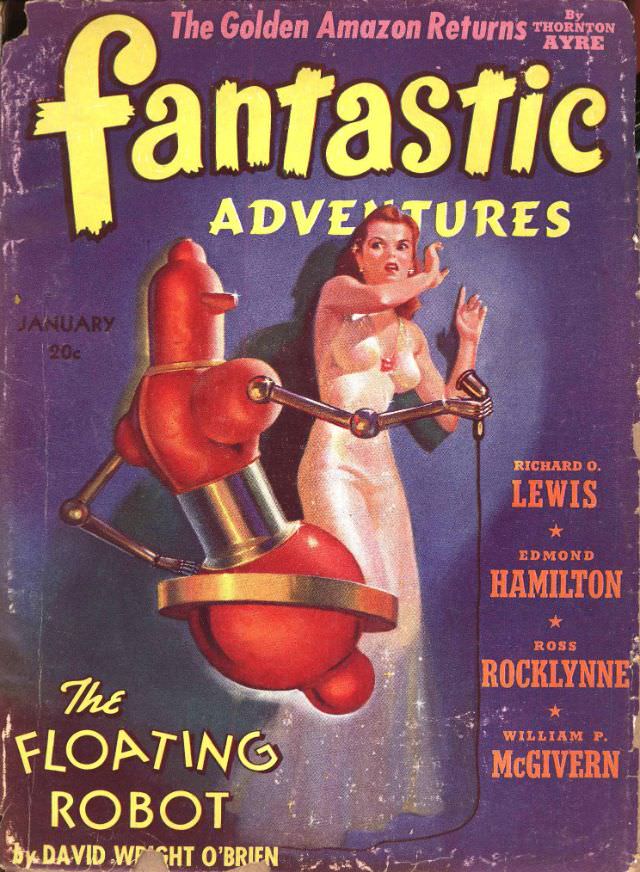
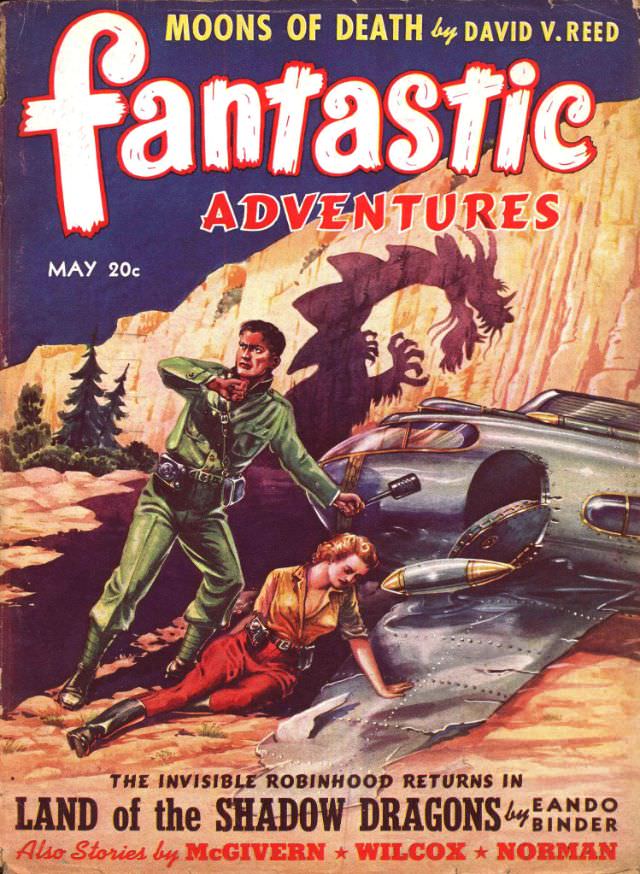
Interior illustrations matched the covers in quality and imagination. They weren’t just decoration — they helped readers visualize scenes and deepened the sense of adventure on every page. For many fans, the art was just as important as the stories themselves.
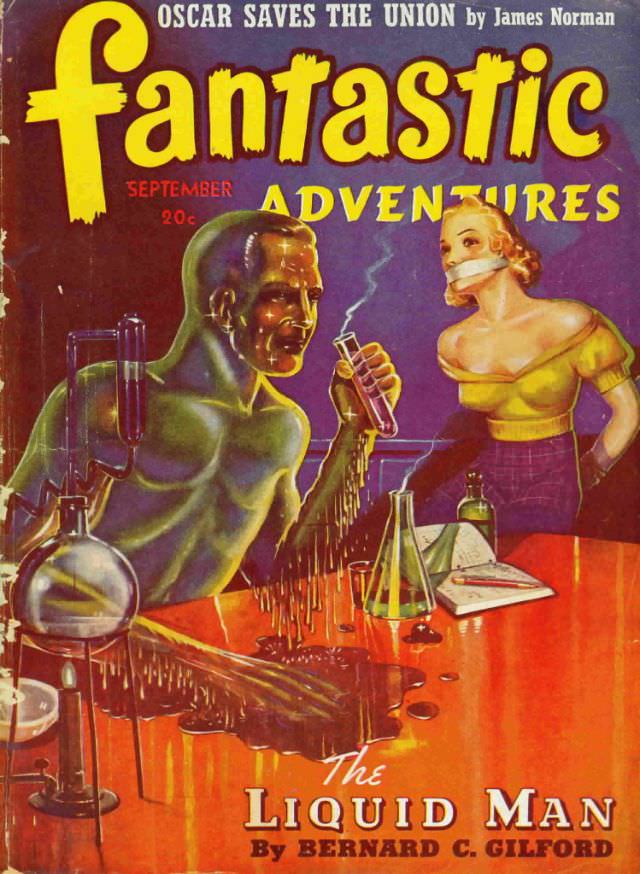
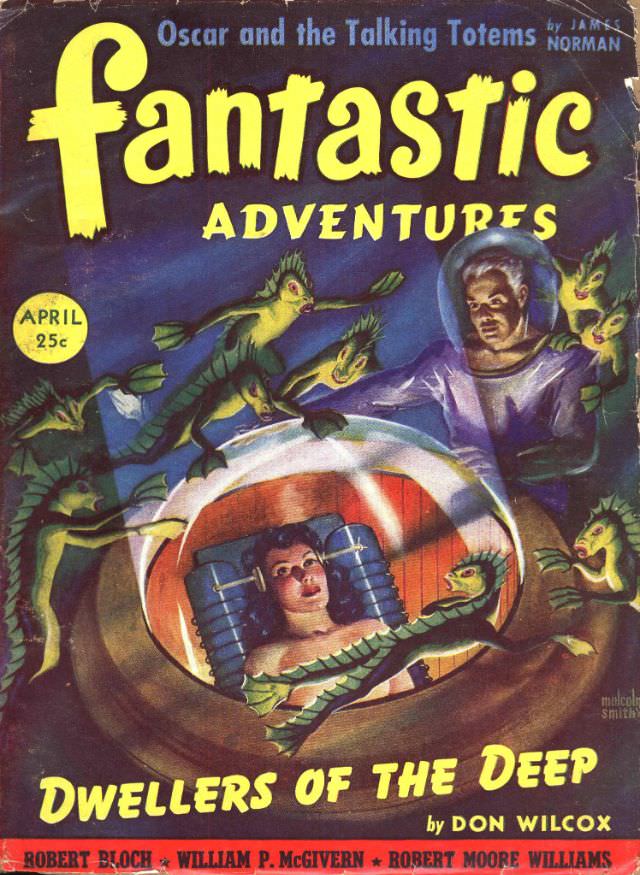
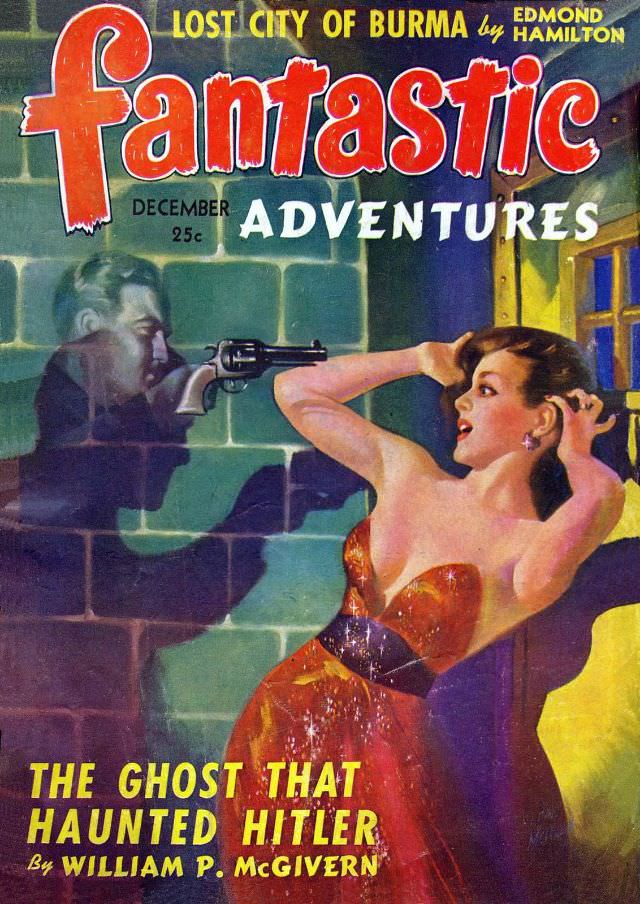
Throughout the early 1940s, the magazine maintained a steady output even as World War II reshaped everyday American life. Paper shortages and shifting public tastes tested all pulp publishers during this era, but Fantastic Adventures kept its schedule and its distinctive visual identity.
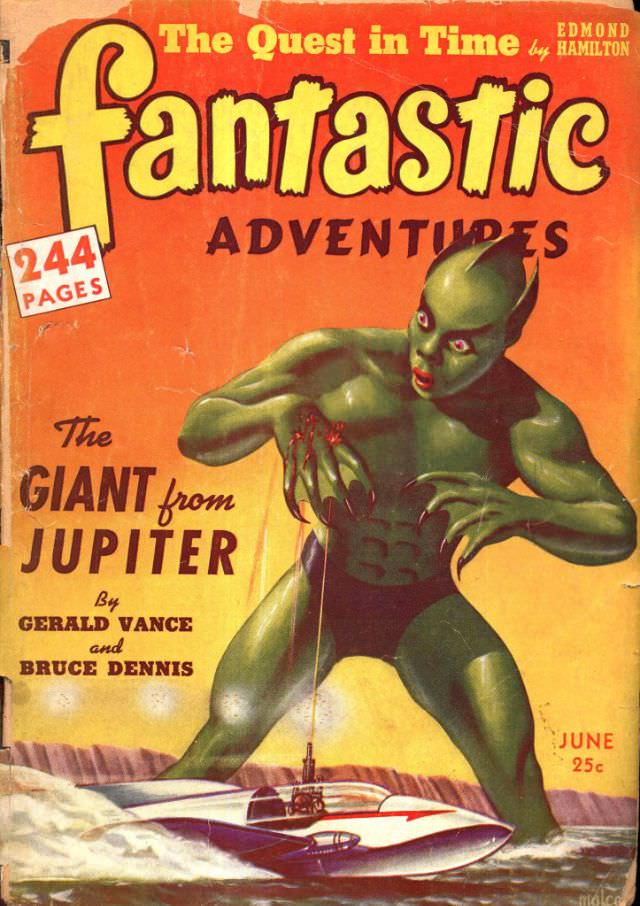
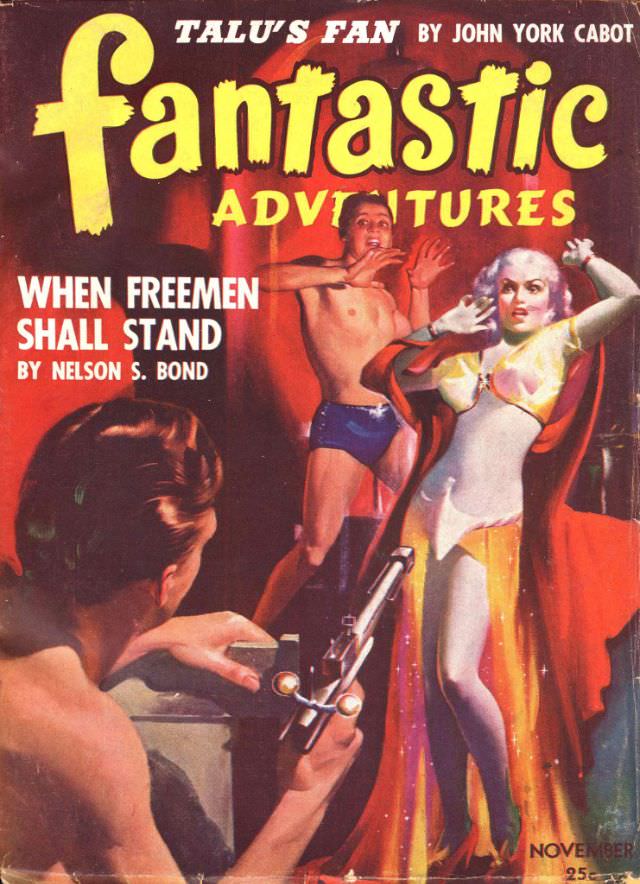
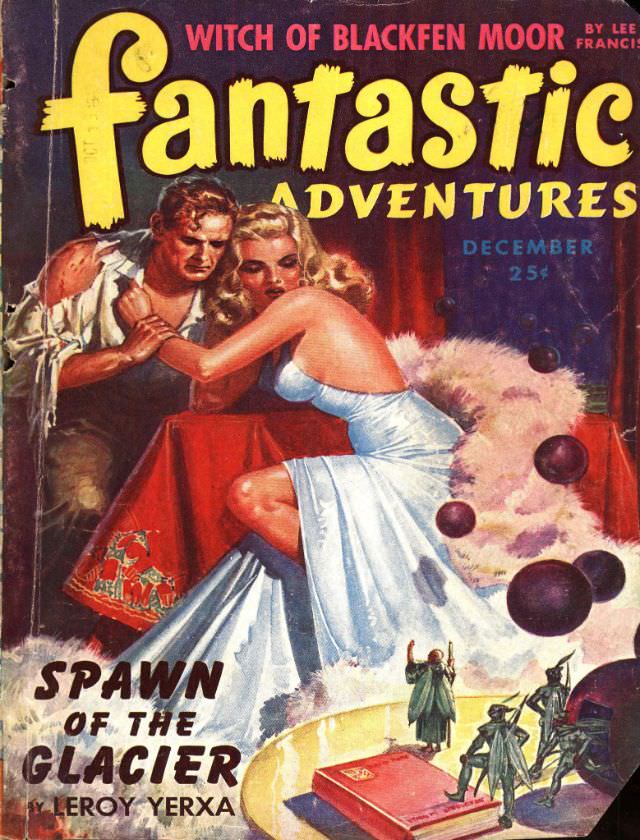
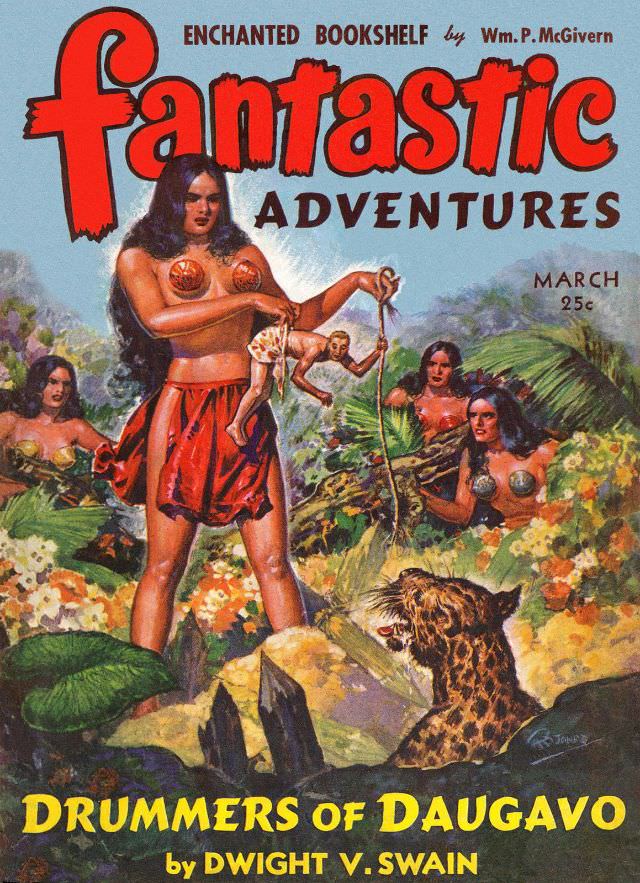
By the mid-1940s, the magazine’s cover style began to evolve. Scenes grew more dynamic, and the figures depicted became more polished and expressive. This reflected broader changes in commercial illustration happening across American print media at the time.
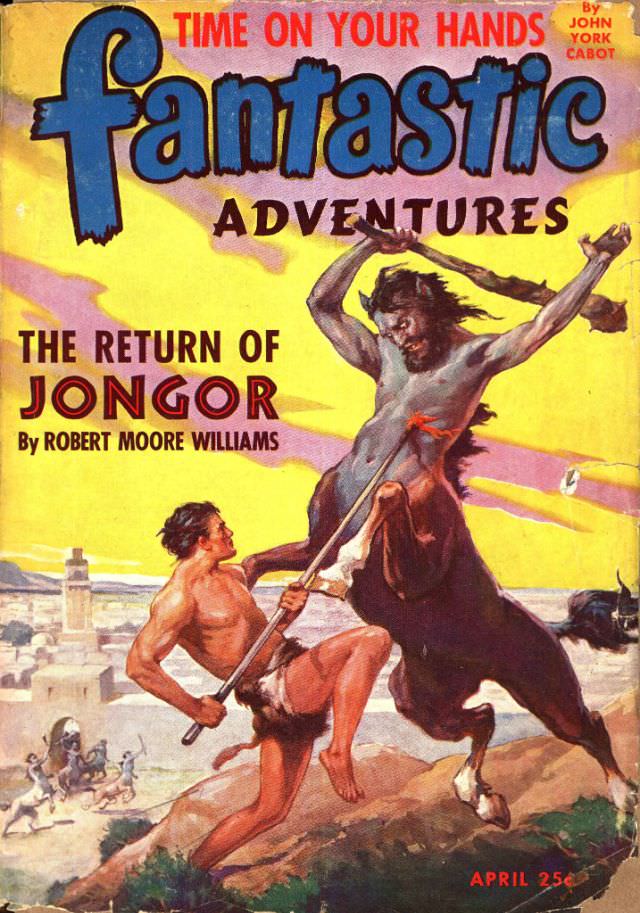
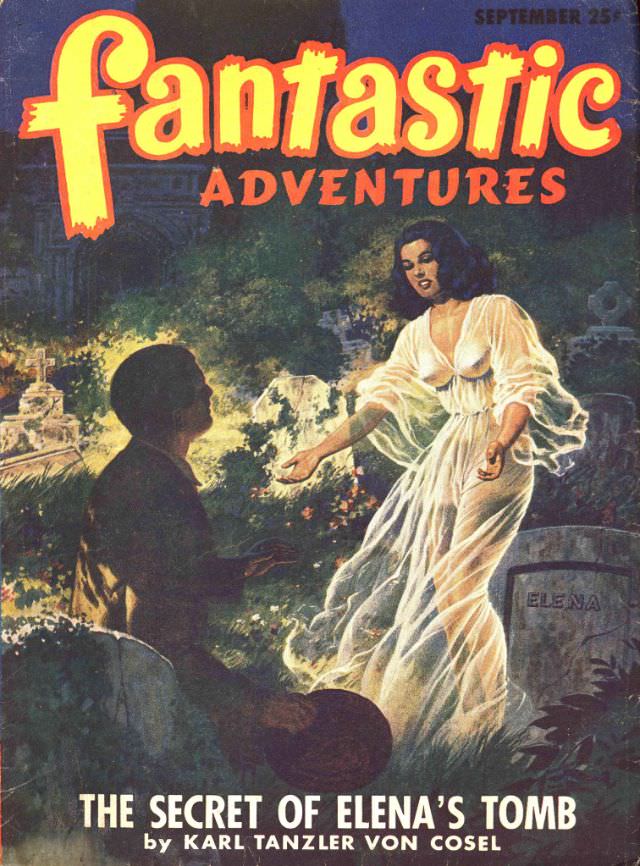
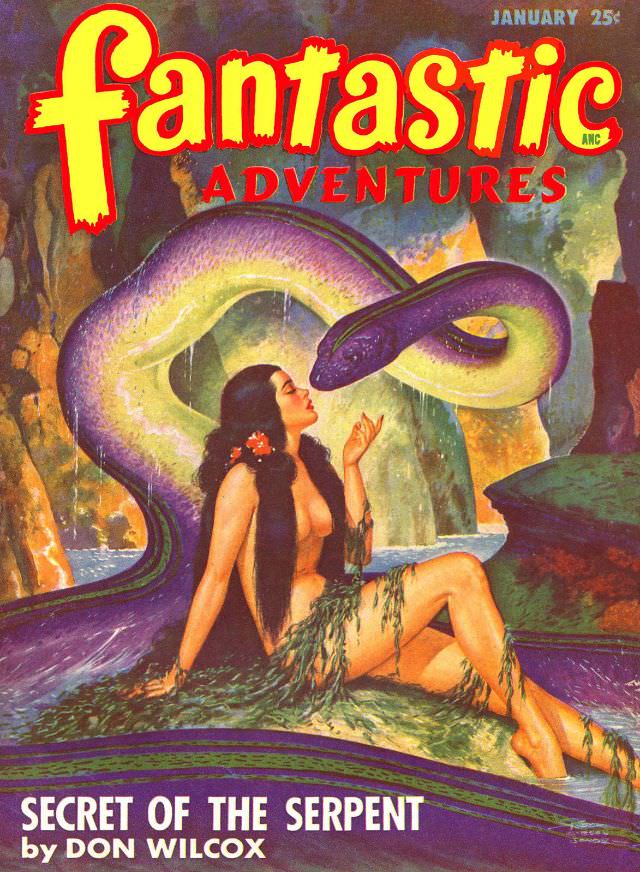
The late 1940s brought a surge of new science fiction readers, many of them returning veterans drawn to stories of exploration and technology. Fantastic Adventures met that demand with issues packed with imaginative content, and its circulation held strong through 1948 and into 1949.
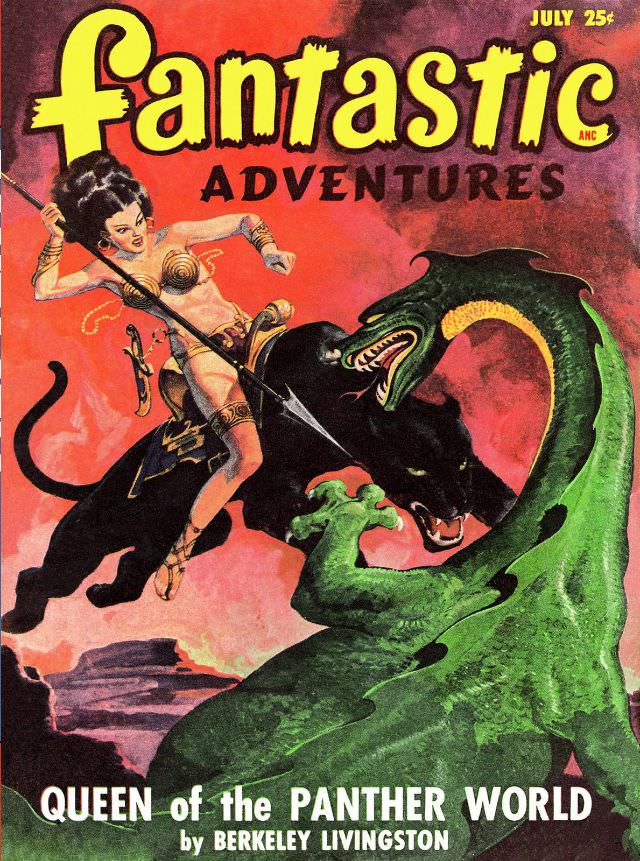
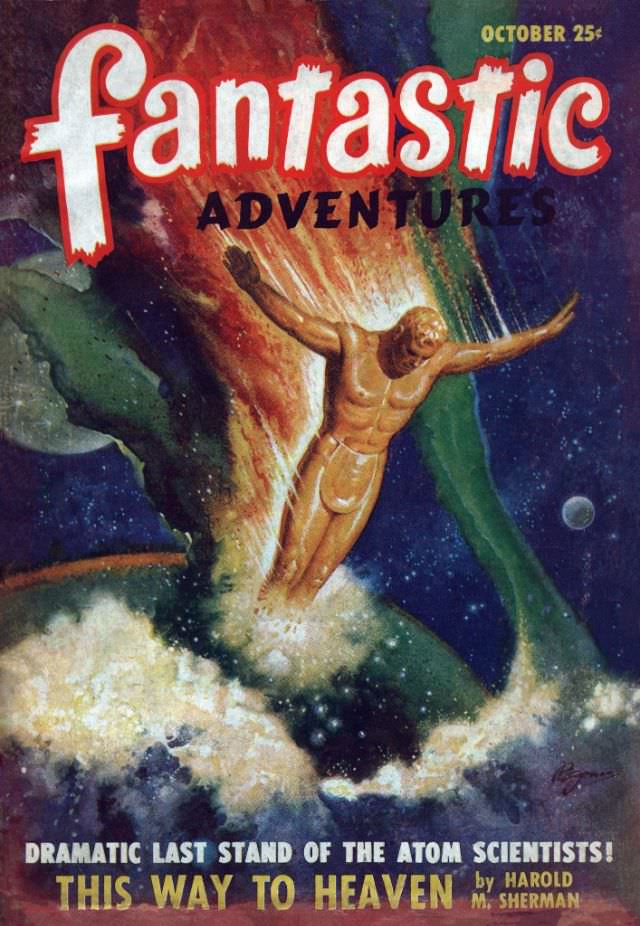
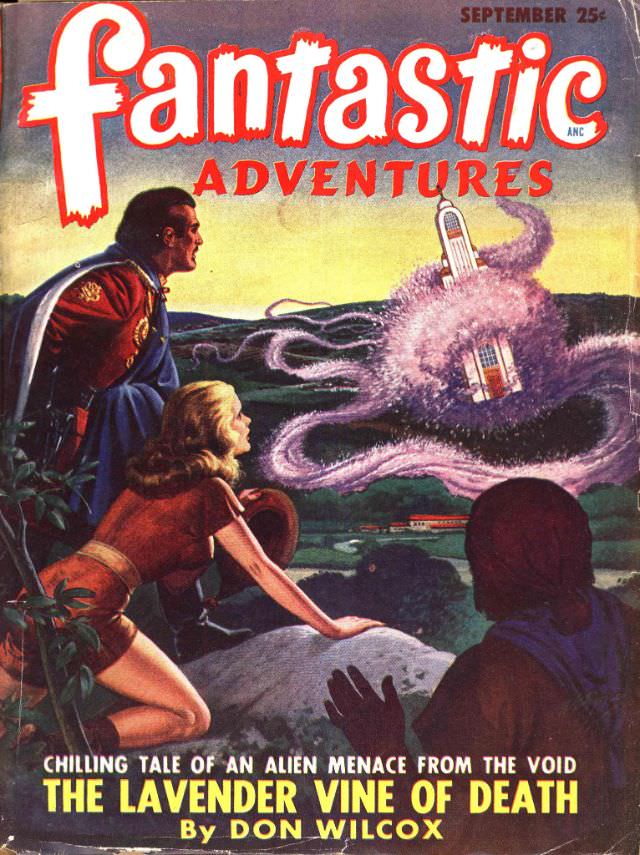
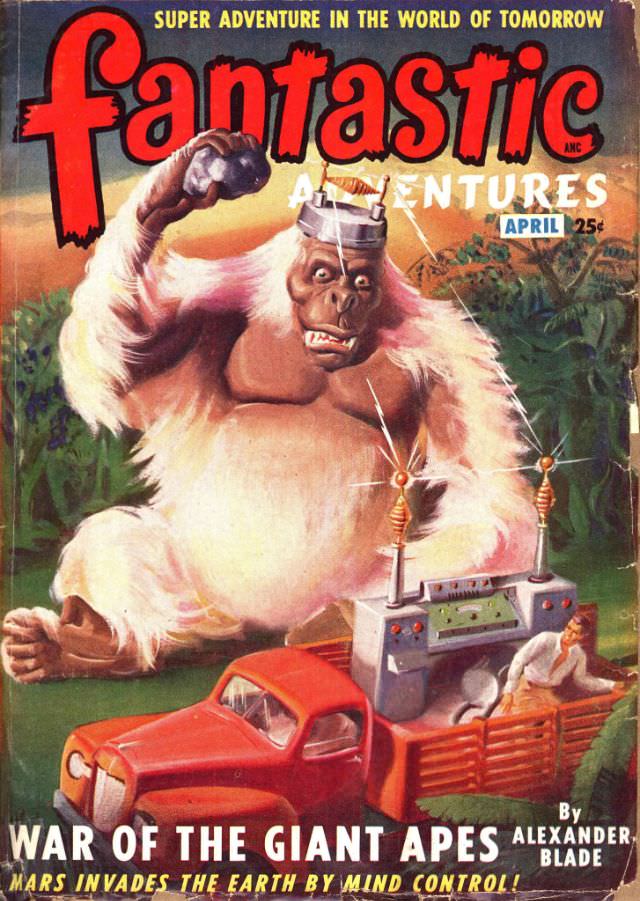
As the 1950s approached, competition from digest-sized magazines and early television began cutting into pulp readership across the board. Fantastic Adventures, like many of its peers, faced a shrinking market. Newsstands that once overflowed with pulps began making room for new formats.
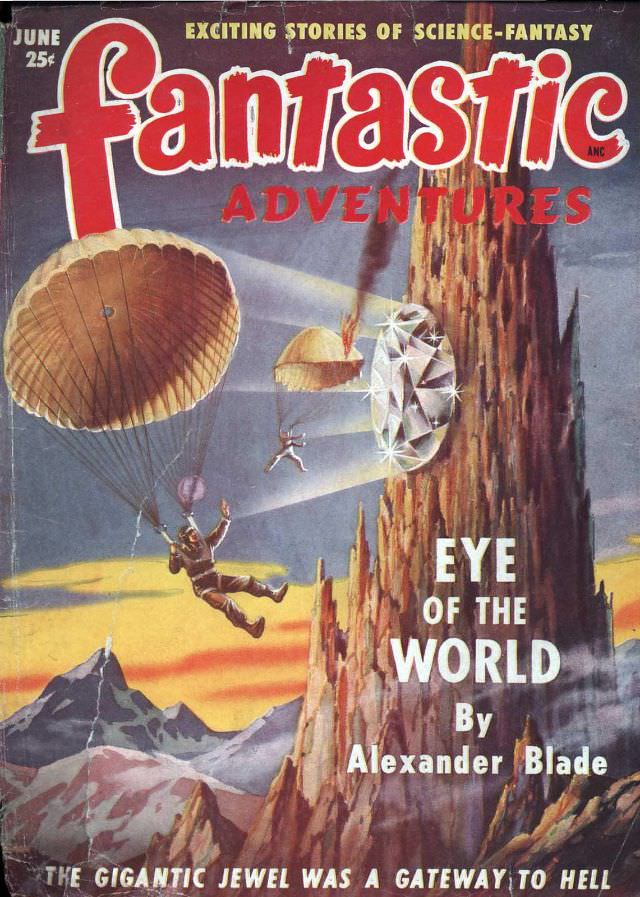
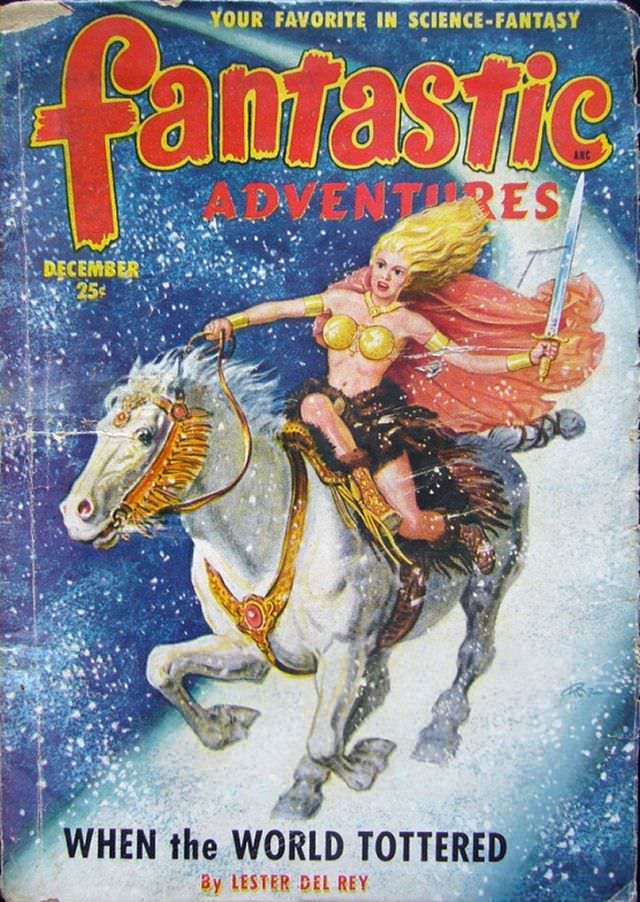
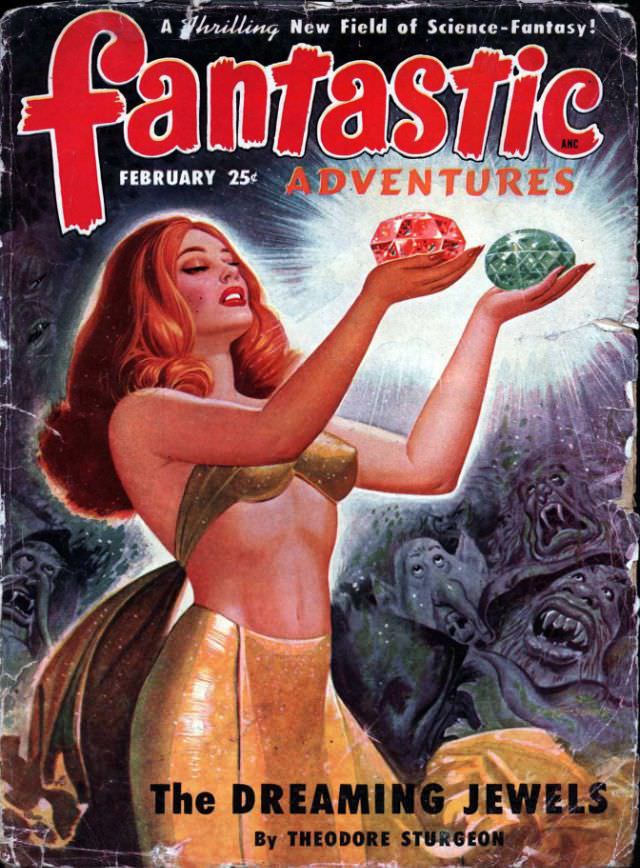
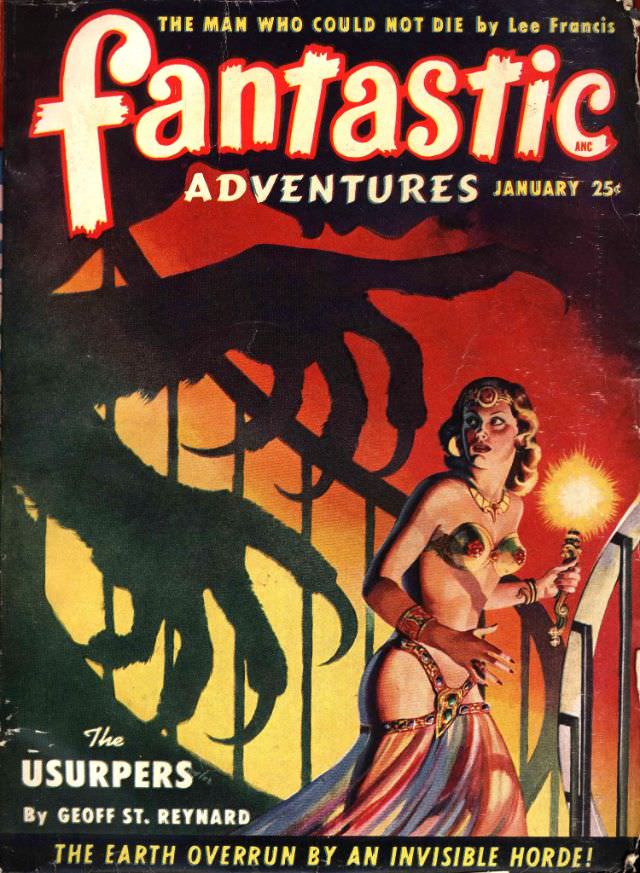
The early 1950s saw the magazine push through its final years. The covers from this period remained colorful and ambitious, showing no sign of creative fatigue even as the business pressures mounted. The editorial team continued publishing quality fiction right up to the end.
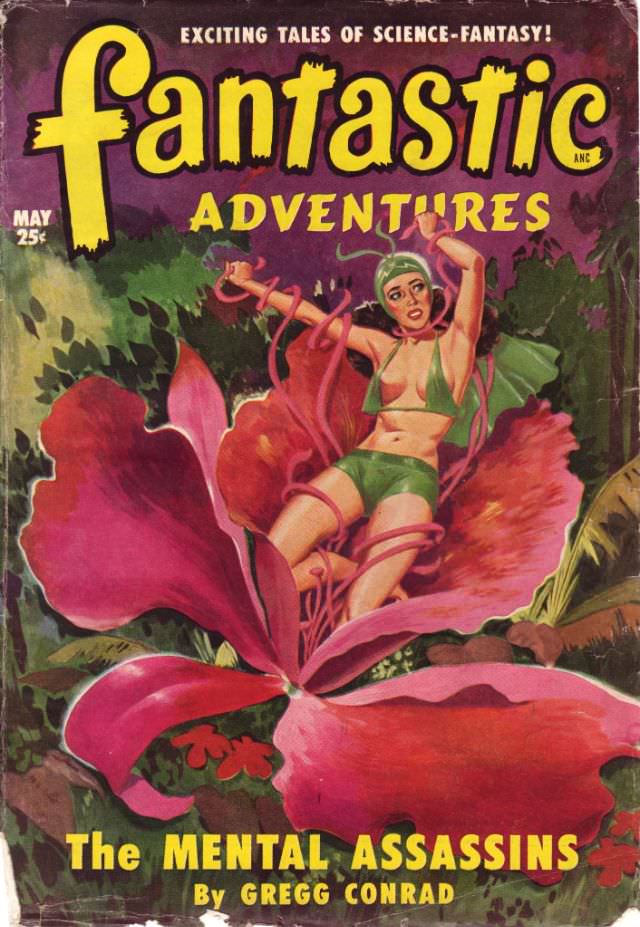
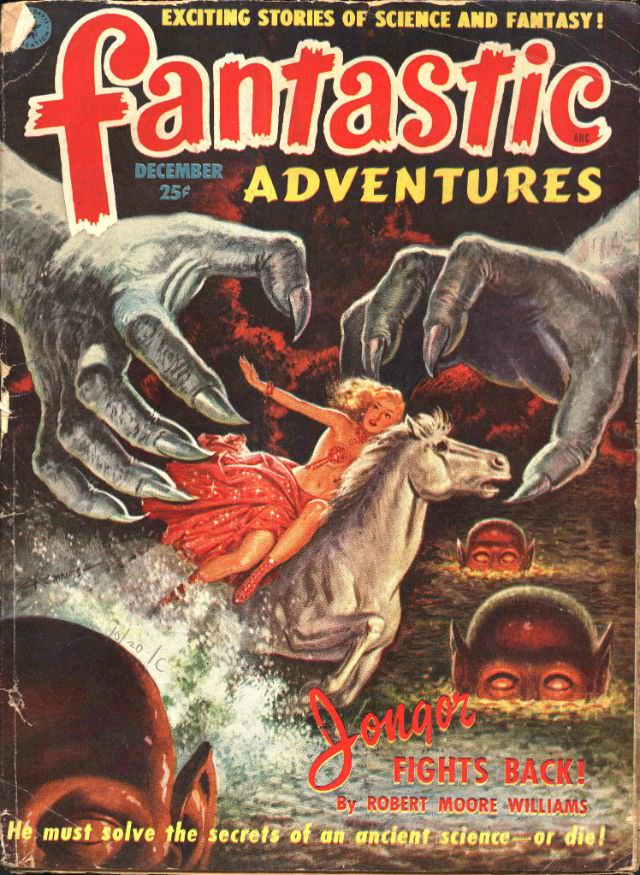
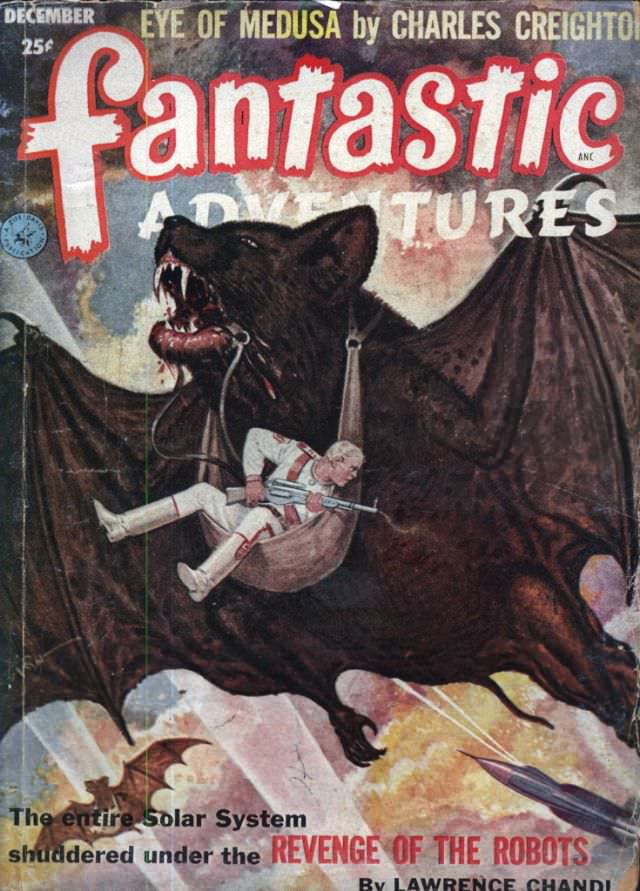
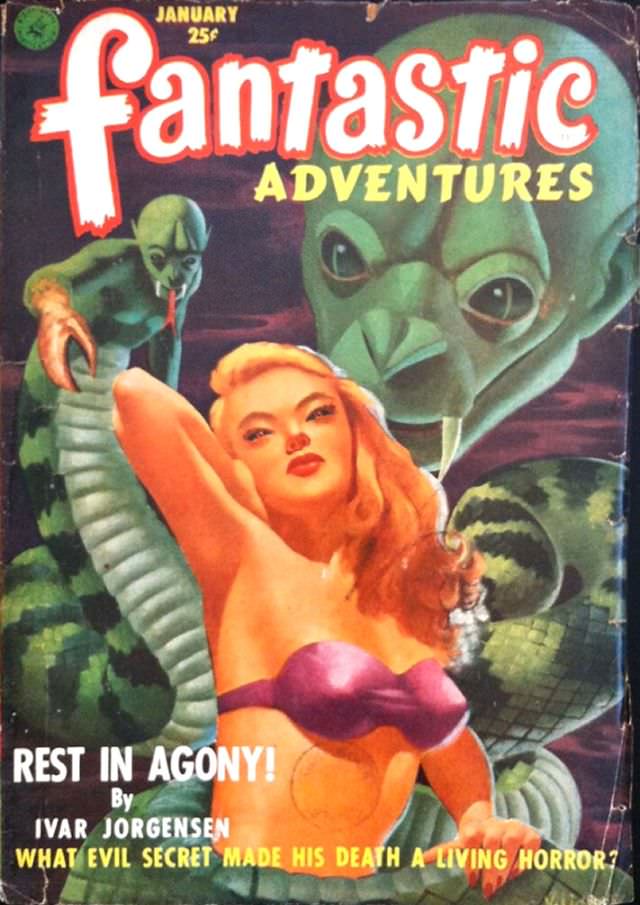
Fantastic Adventures published its final issue in 1953. Over its fourteen-year run, it released hundreds of stories and became one of the most recognized names in pulp science fiction. The covers alone — spanning from 1939 to 1953 — stand as a vivid record of how the genre looked and felt during one of its most creative periods.