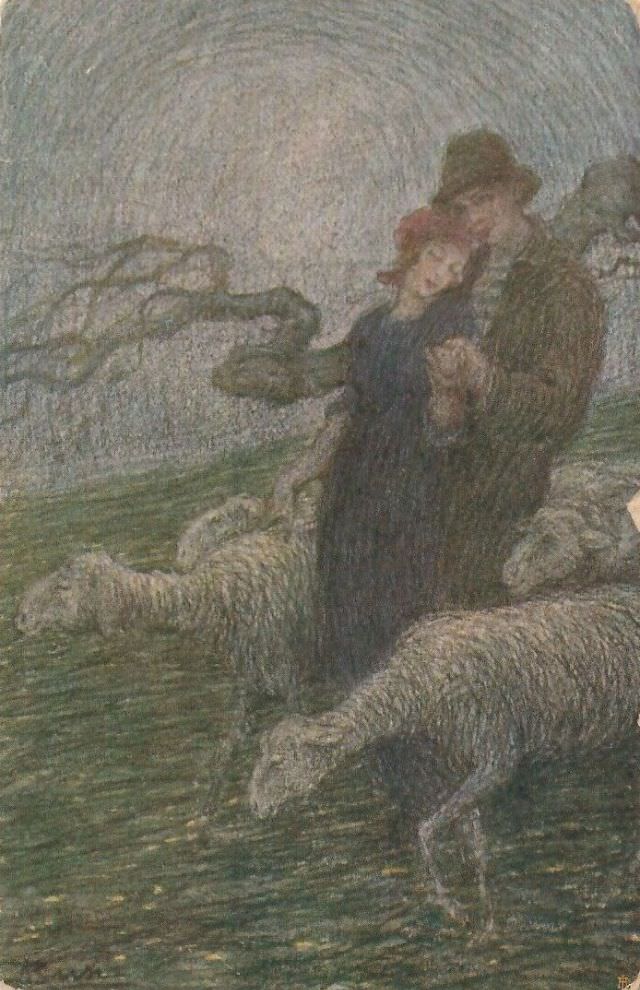
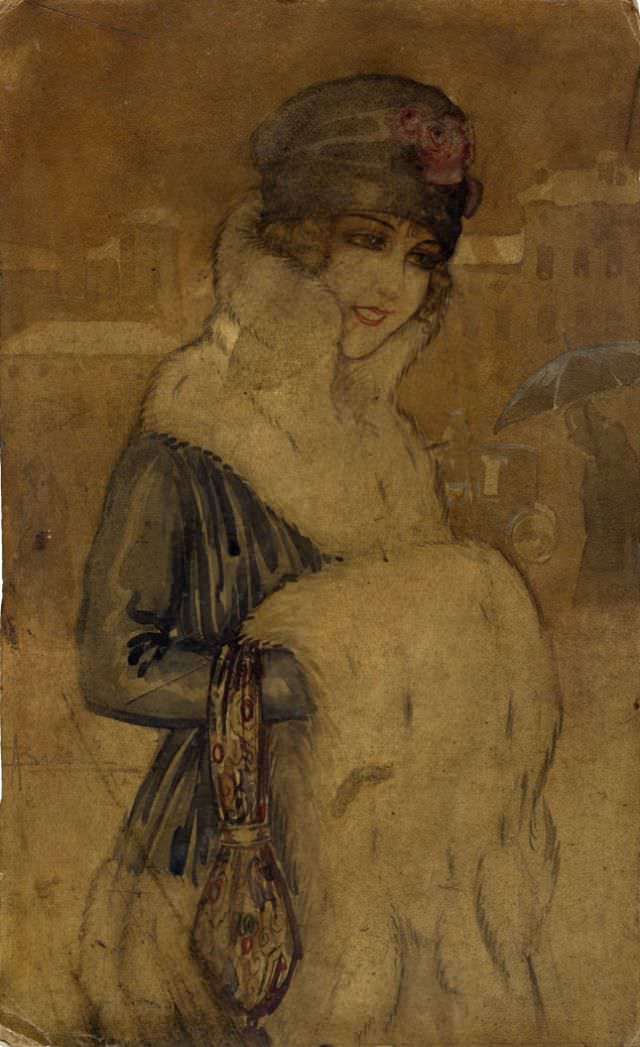
Adolfo Busi was born in Italy in 1891 and trained at the Academy of Fine Arts in Bologna. He made his public debut at the Roman Secession exhibition in 1914, where his portrait work drew immediate attention. His early paintings from the 1910s used a soft color palette and careful brushwork to capture the expressions and dress of his subjects with quiet precision.
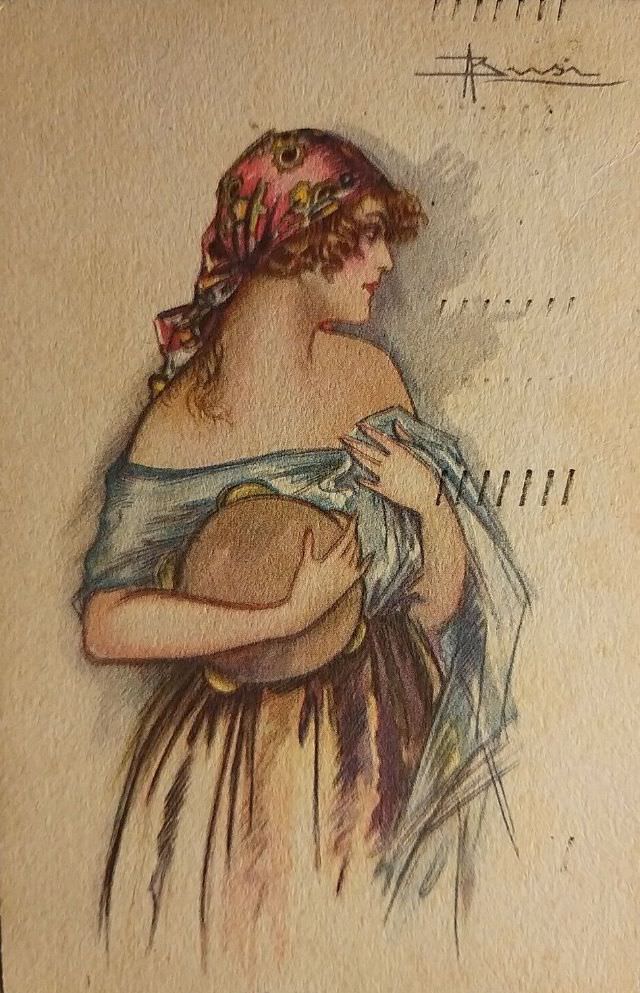
Busi had a natural talent for depicting intimacy and emotion. His subjects ranged from formal sitters to relaxed, everyday figures. Works from this period feel personal — each face carefully observed, each detail deliberately placed.
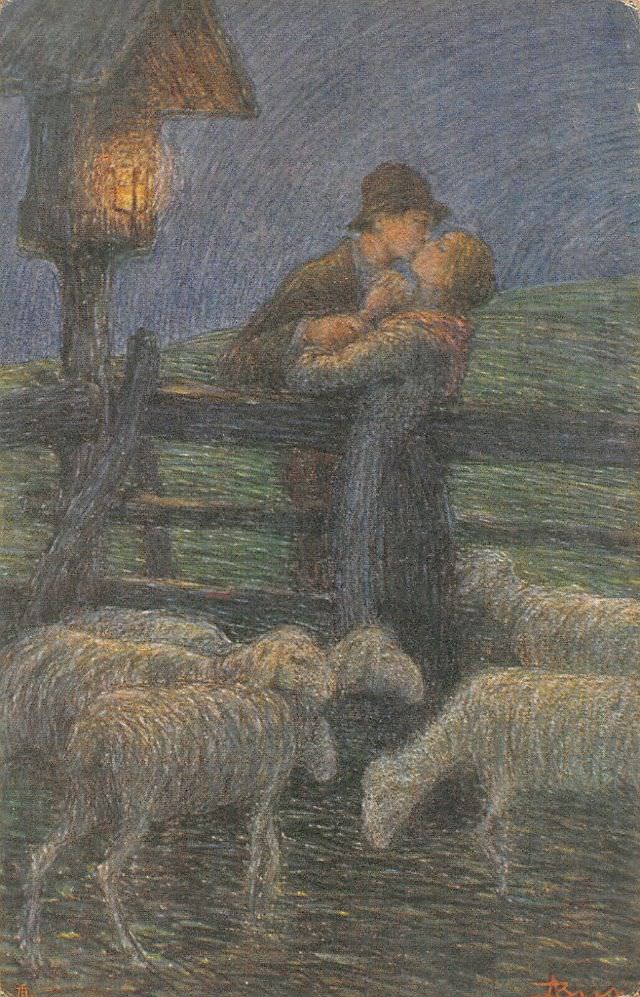
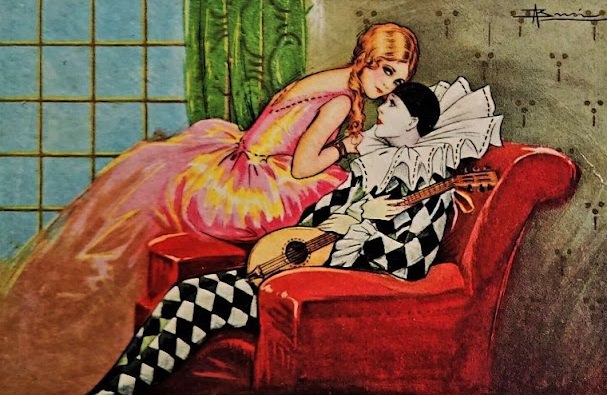
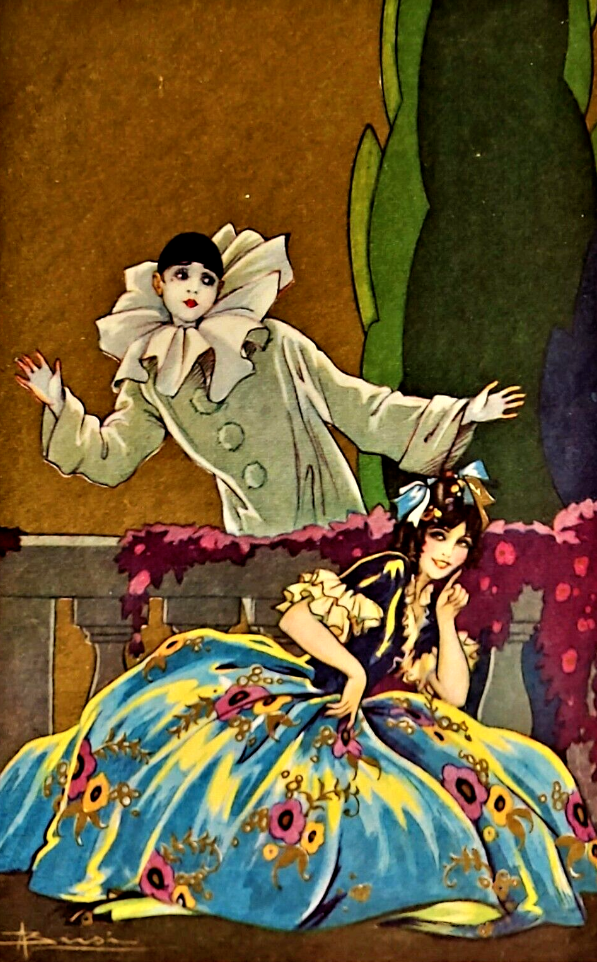
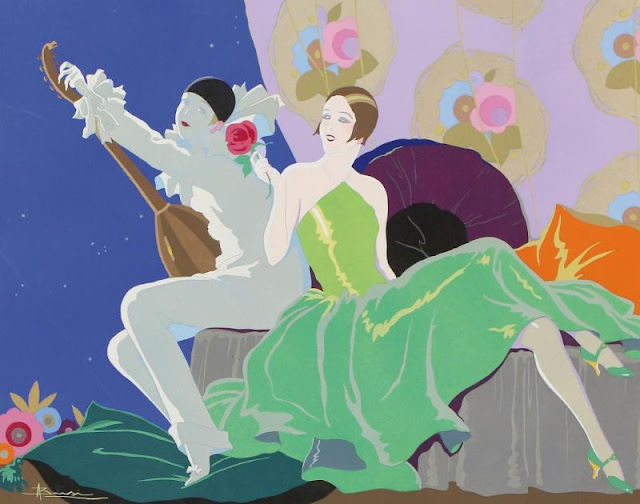
Around 1920, Busi’s style shifted toward more theatrical and decorative subjects. Figures dressed as harlequins and Pierrots appeared frequently in his work, reflecting the playful visual culture of postwar Italy. These pieces blended fine art sensibility with a bold, illustrative flair.
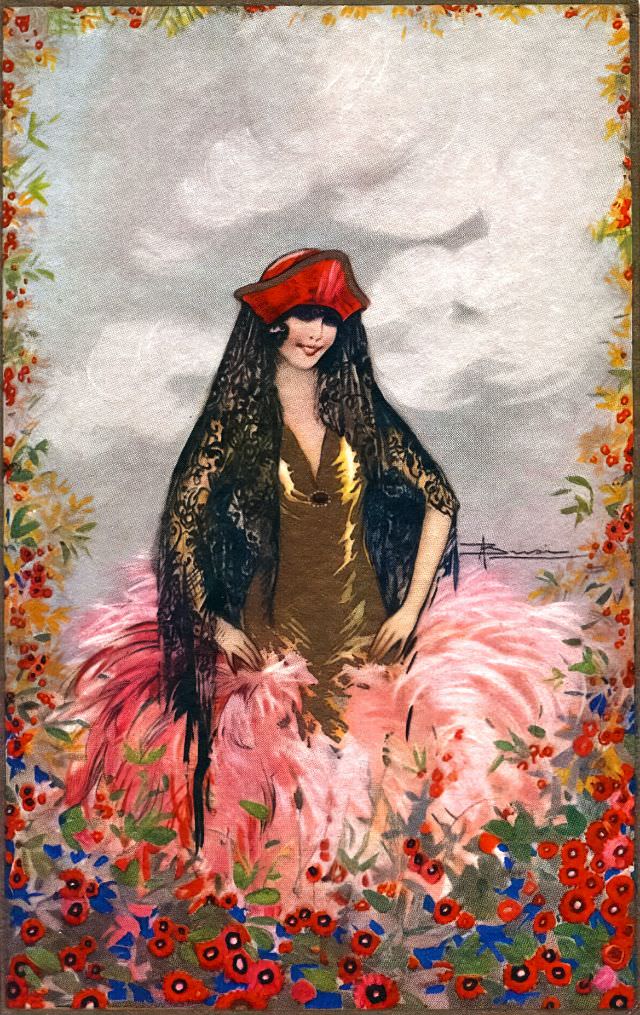
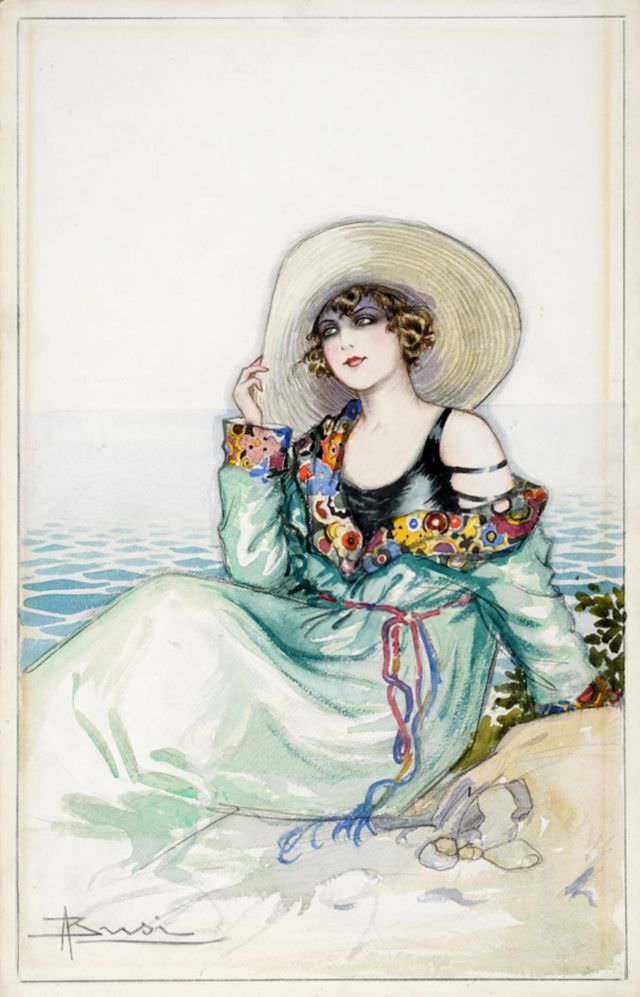
Through the 1920s, Busi produced a steady stream of paintings featuring stylish women in outdoor and social settings. His figures are confident and elegantly posed — on beaches, in gardens, aboard boats, and behind the wheels of cars. The women in these works embody the modern femininity of the era.
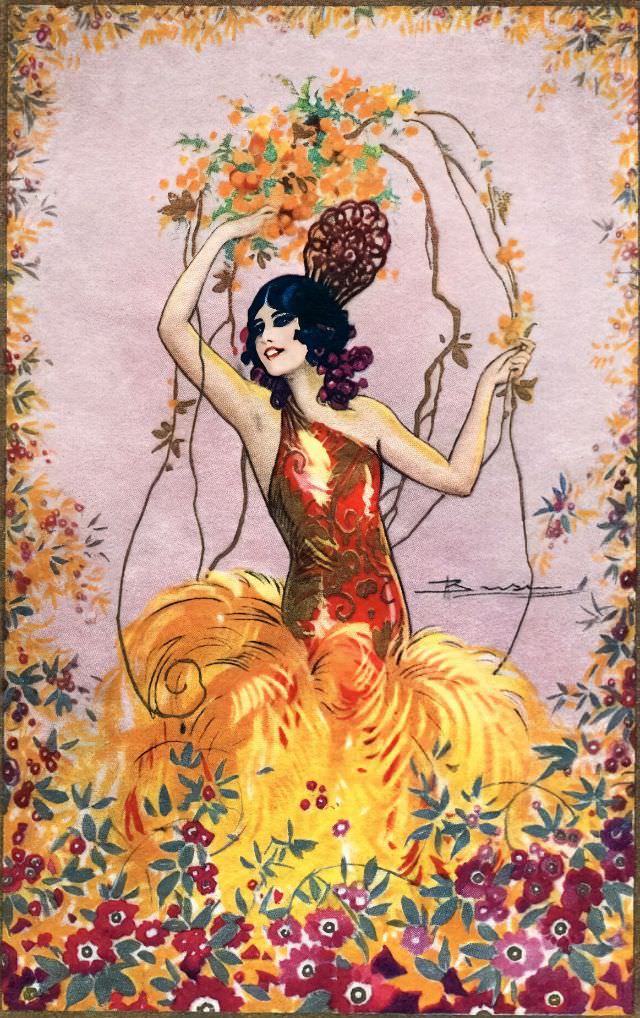
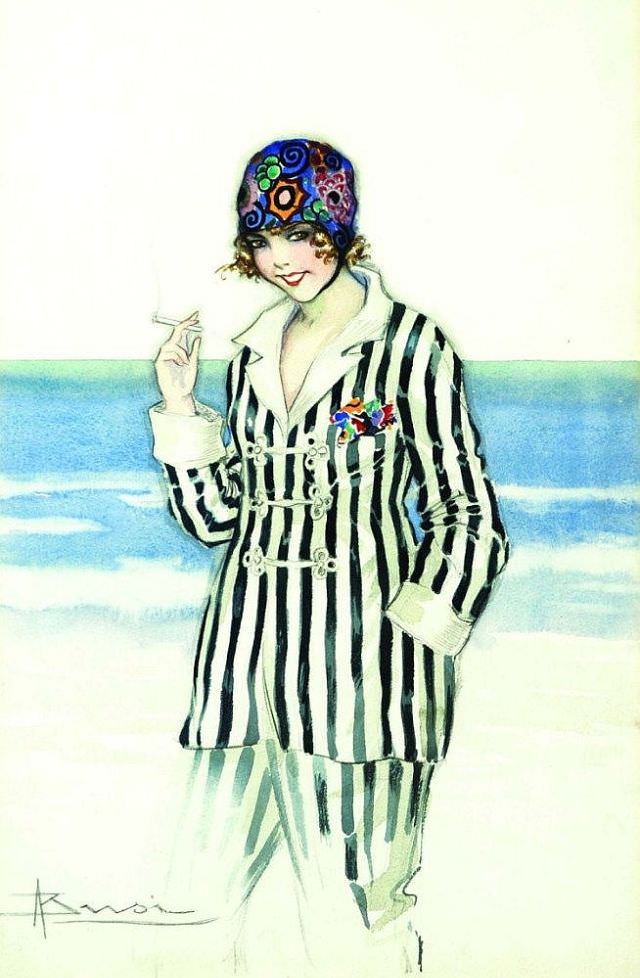
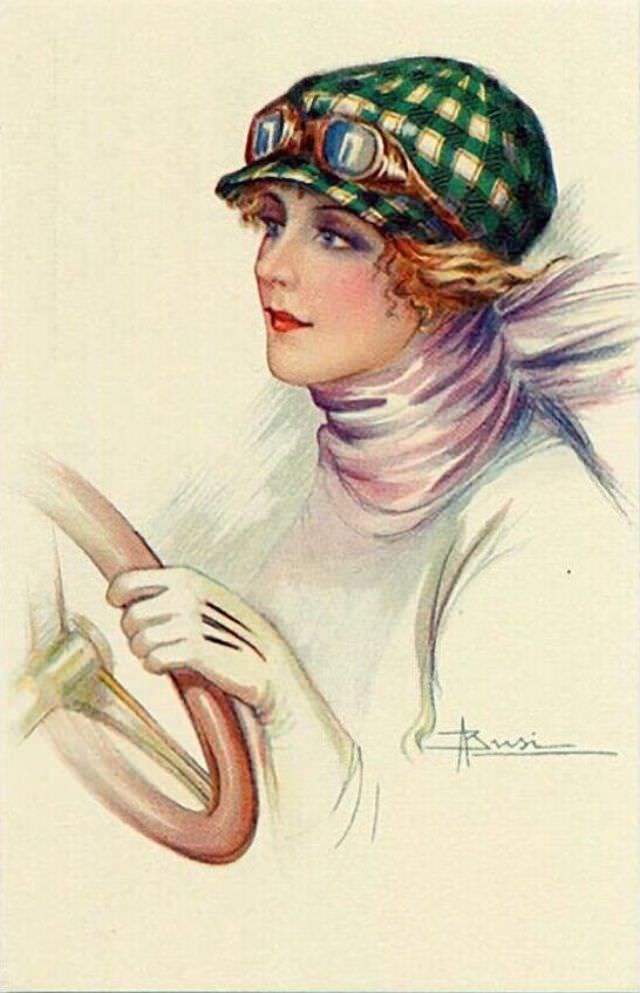
Doves appear as a recurring motif in Busi’s work from this period. Multiple paintings show elegantly dressed women holding or standing alongside the birds, creating a visual shorthand for grace and femininity that suited both gallery walls and printed advertising.
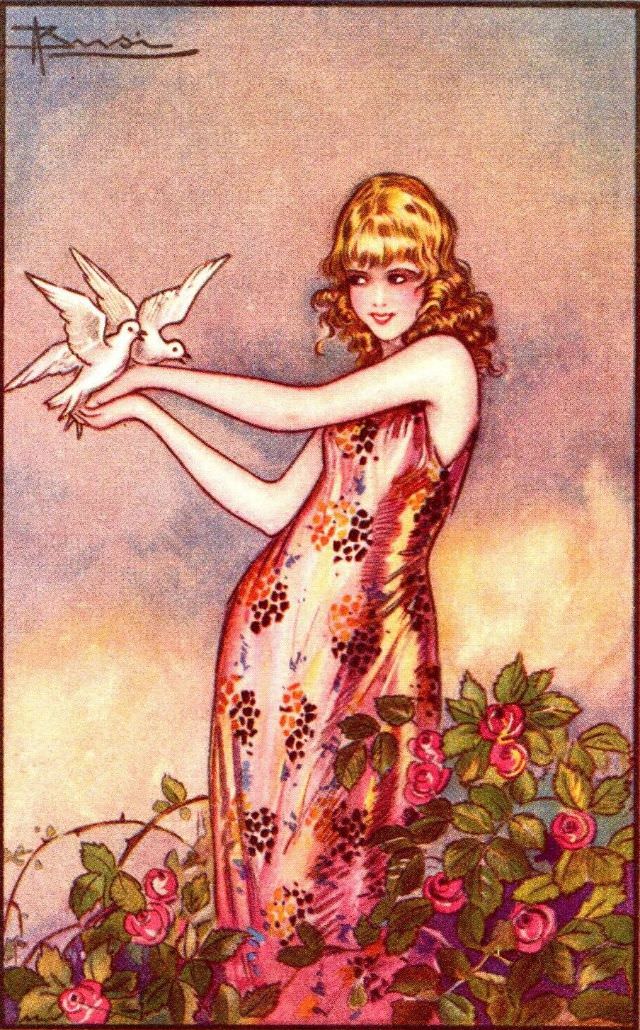
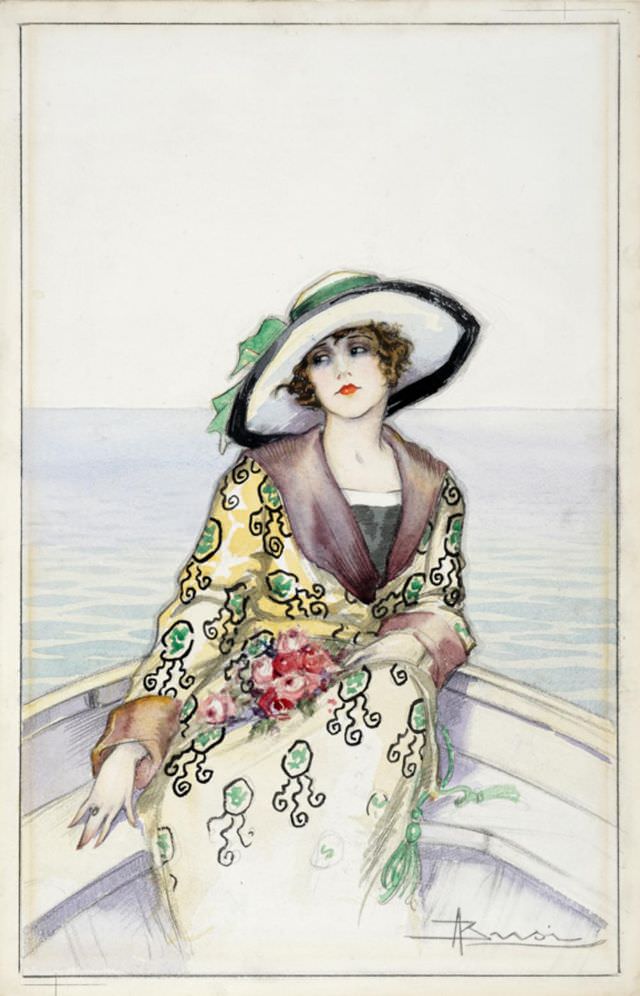
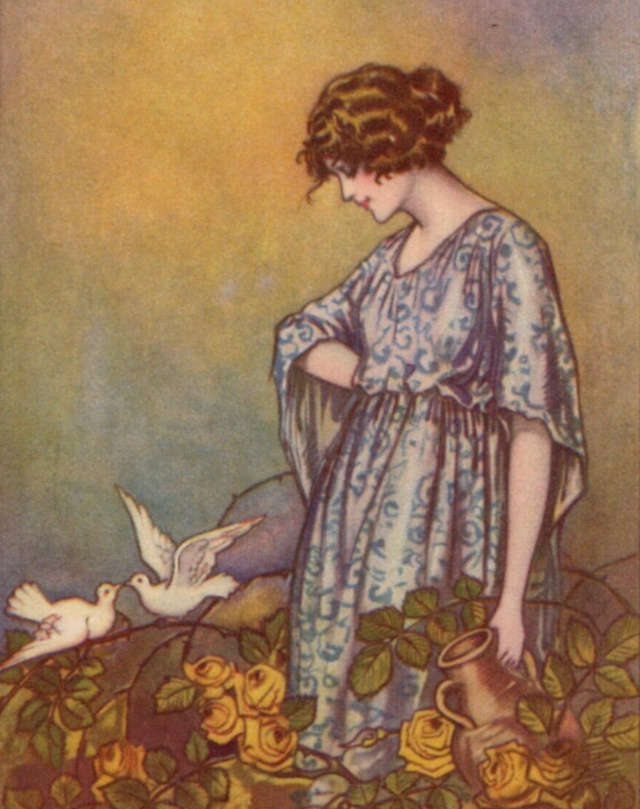
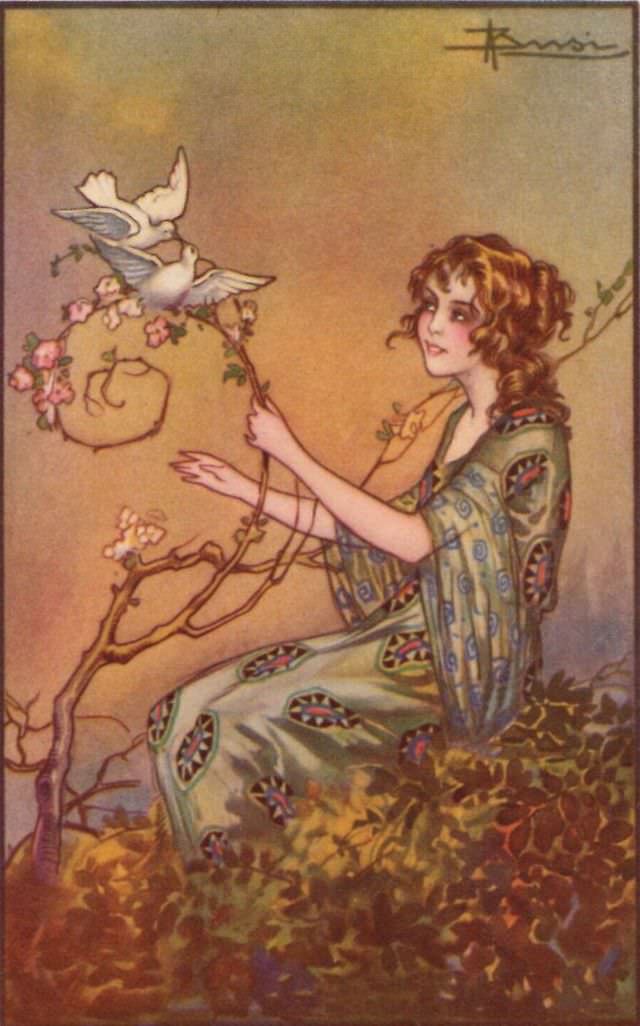
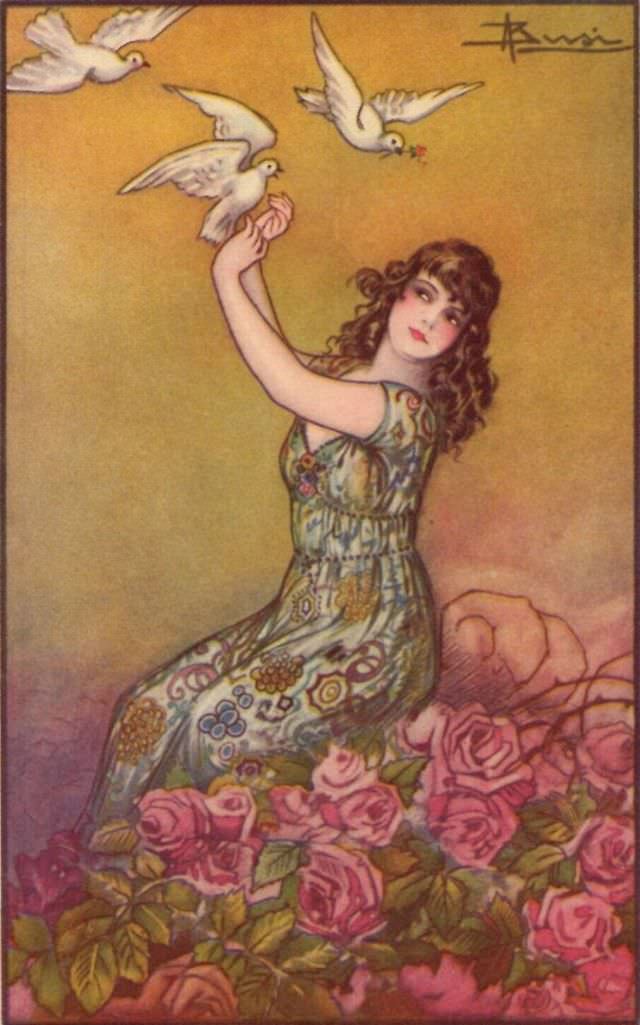
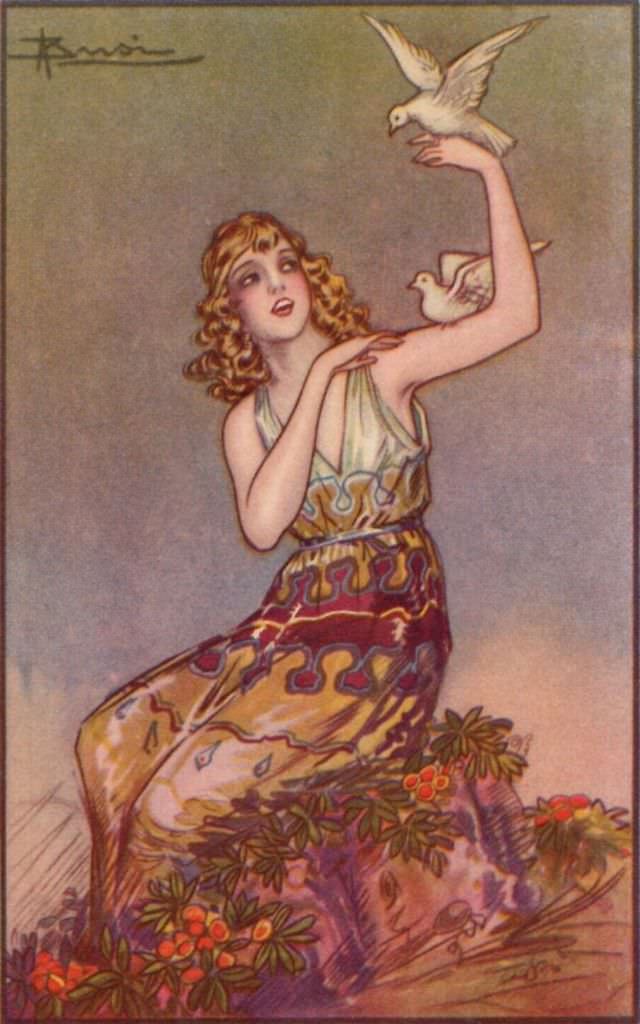
Romantic couples also featured prominently in Busi’s output during the 1920s. These paintings carry a warmth and lightness that defined his unmistakable style — ironic in places, always charming. His ability to inject humor and personality into a scene set him apart from more conventional illustrators of the time.
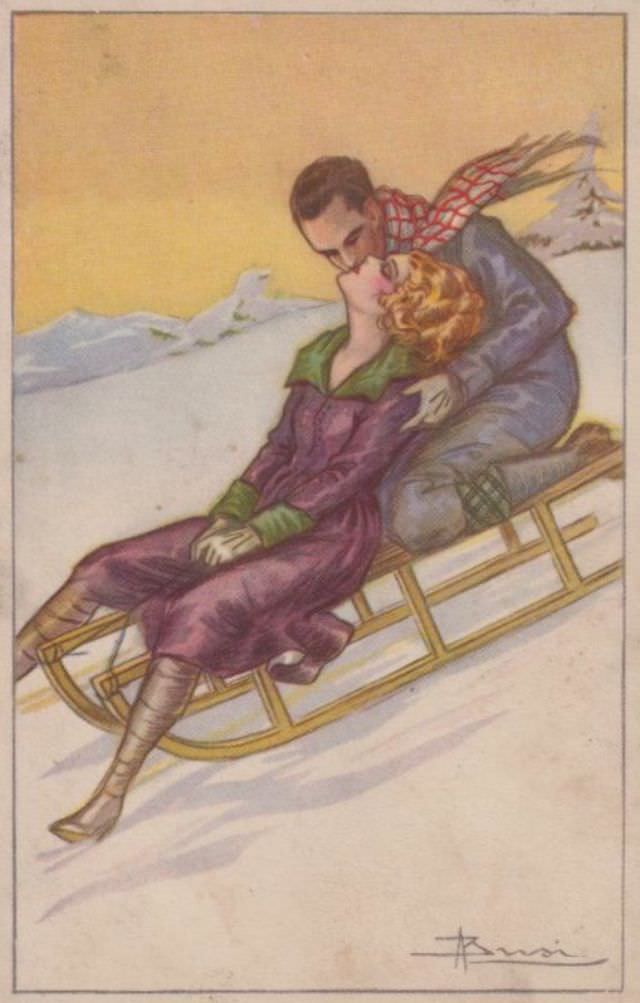
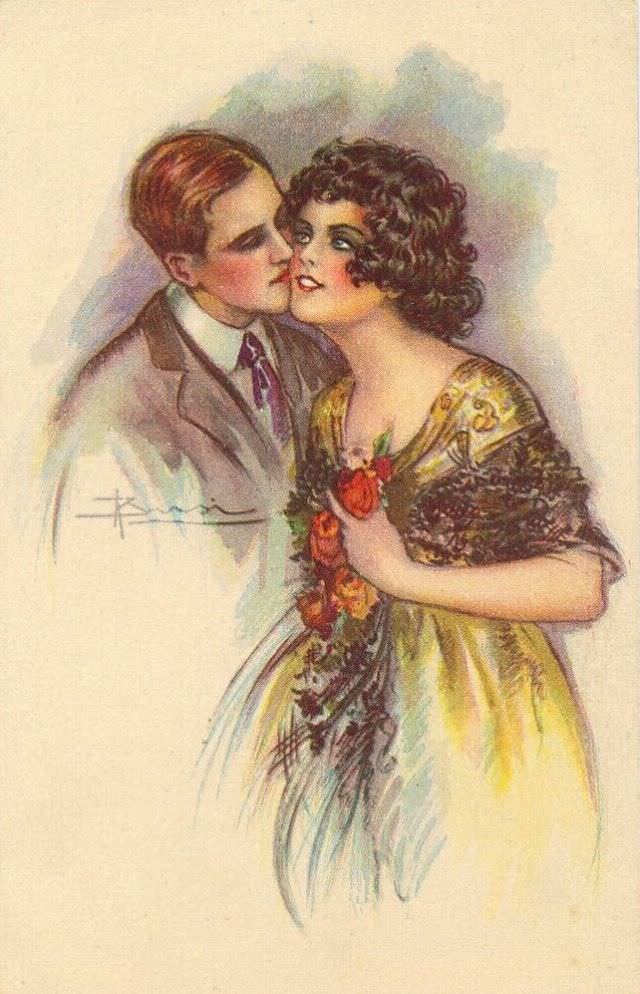
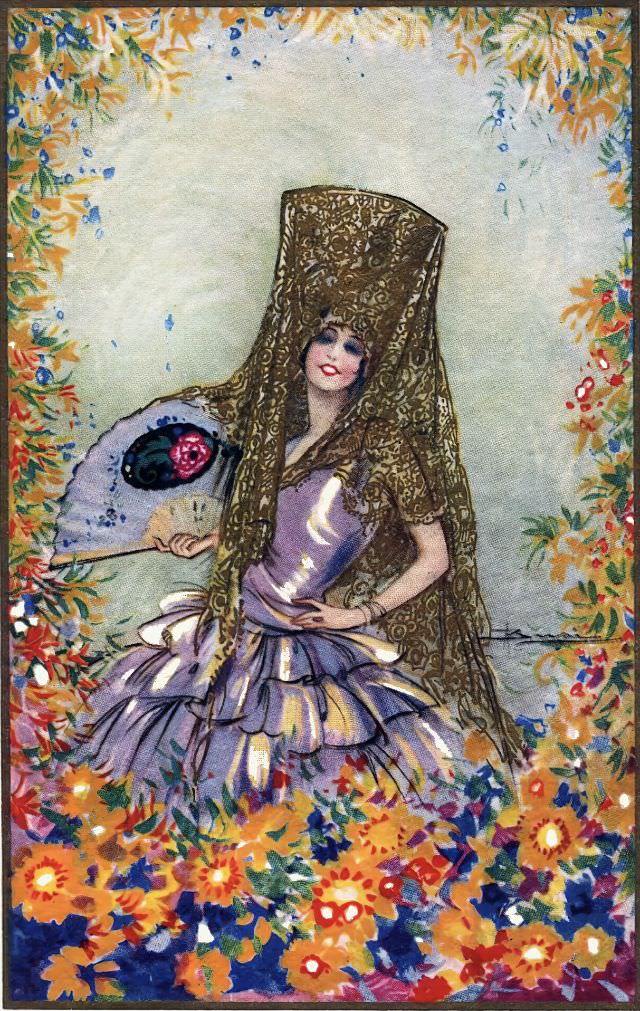
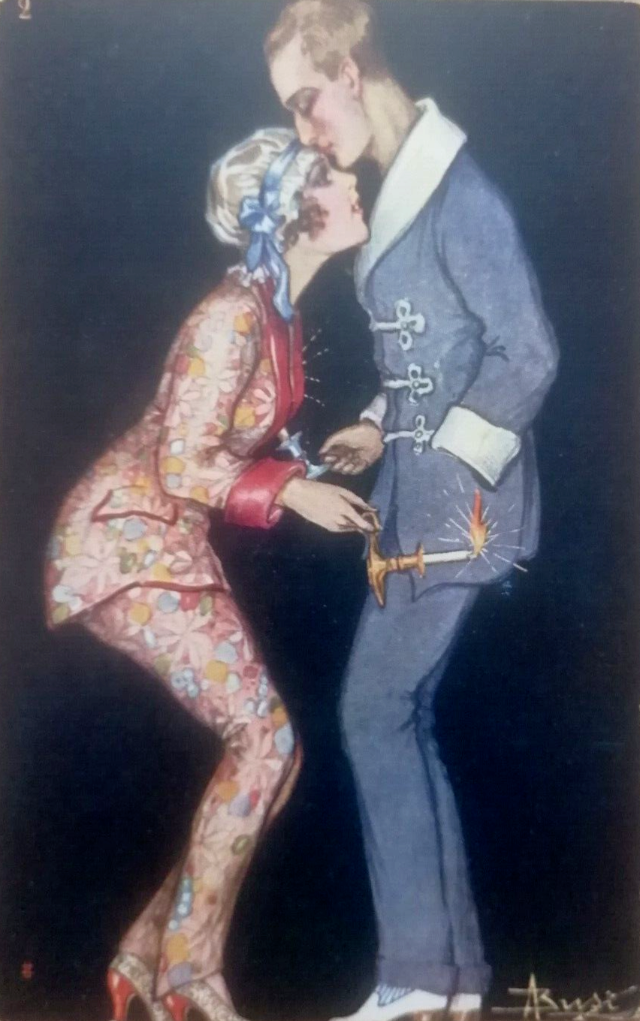
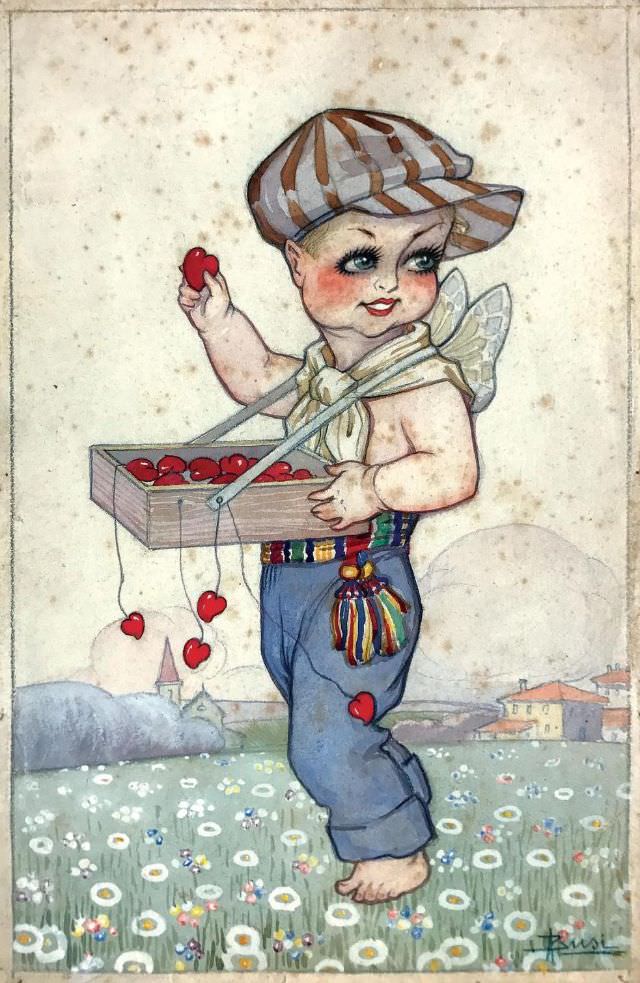
From around 1920, Busi began collaborating with the Officine Grafiche Ricordi, one of Italy’s leading graphic studios. This partnership brought his fine art skills into the commercial sphere. He created advertising posters for brands like Borsari and Lepit, and produced the billboard for the VI National Contest for the Victory of Wheat in 1928. His 1925 Barilla calendar — published by Chappuis in Bologna — featured charming drawings of children moving through each stage of pasta production, from sowing wheat to cooking at the stove.