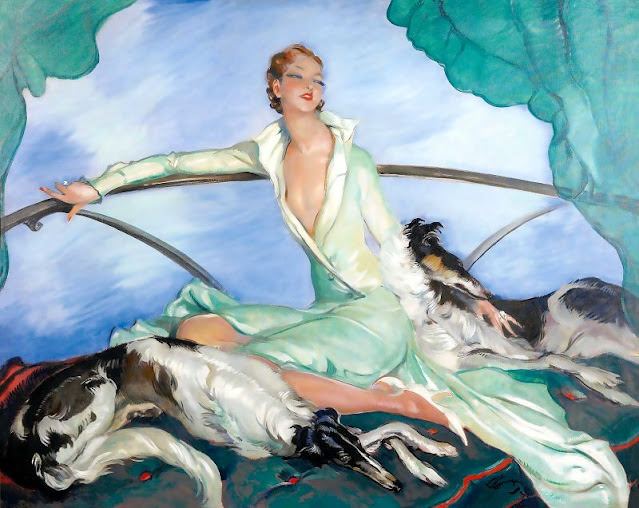
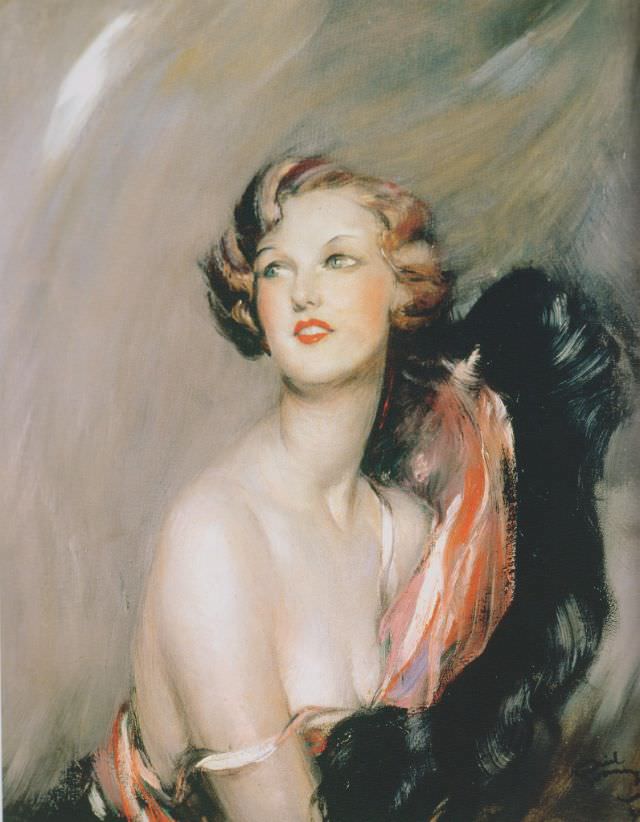
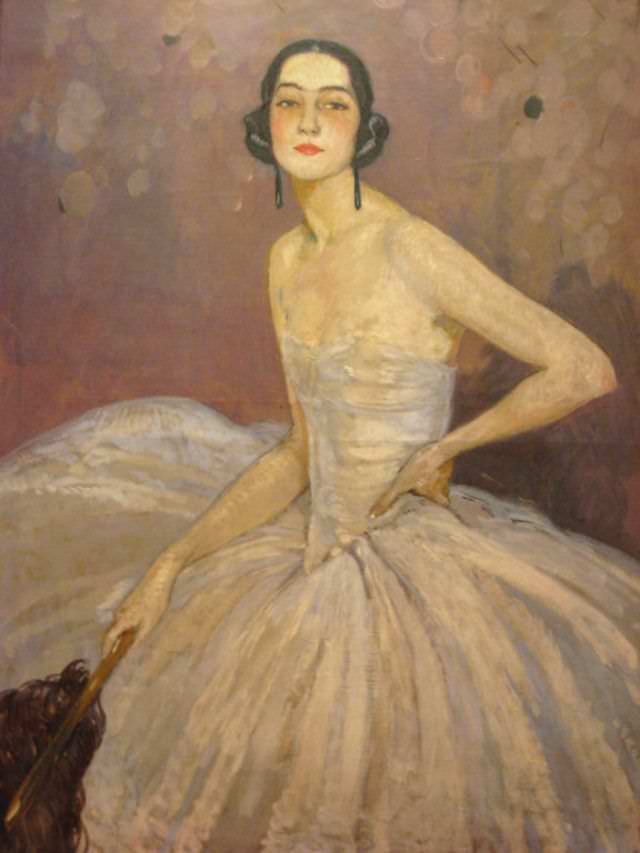
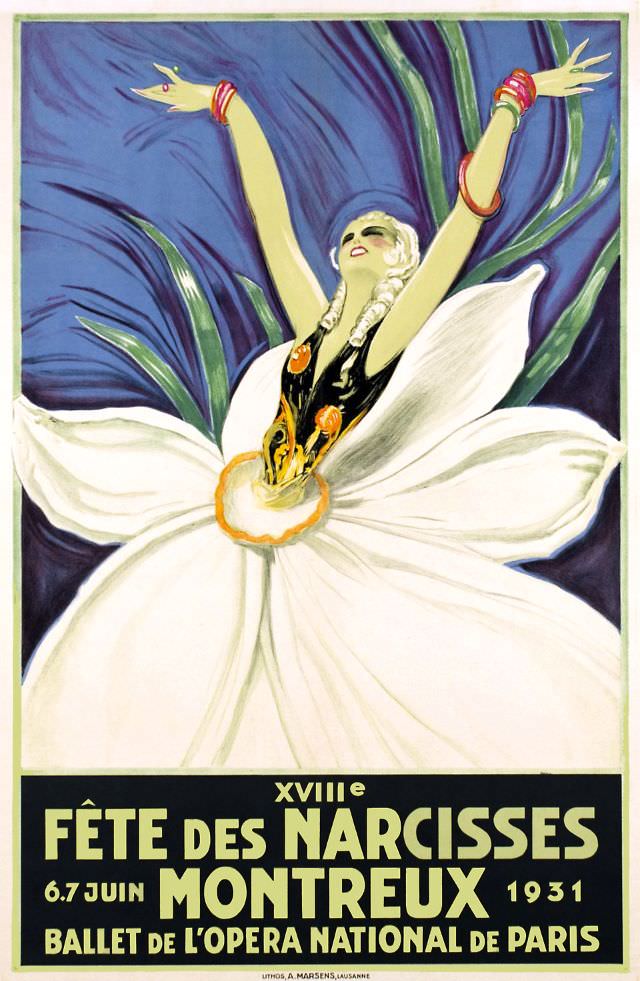
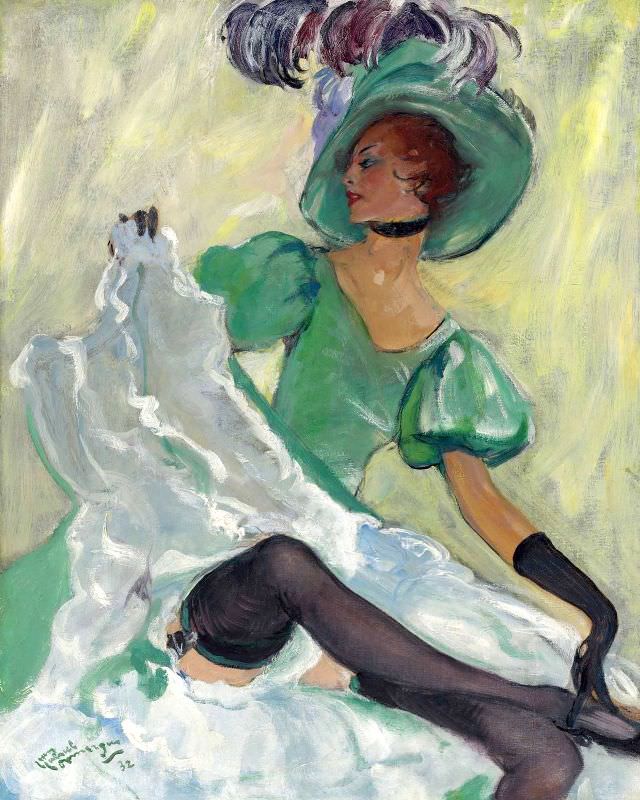
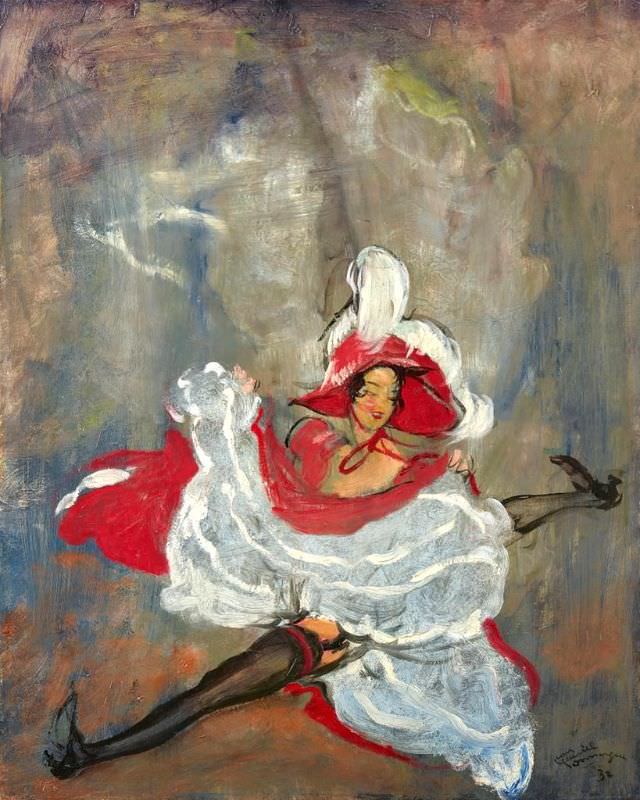
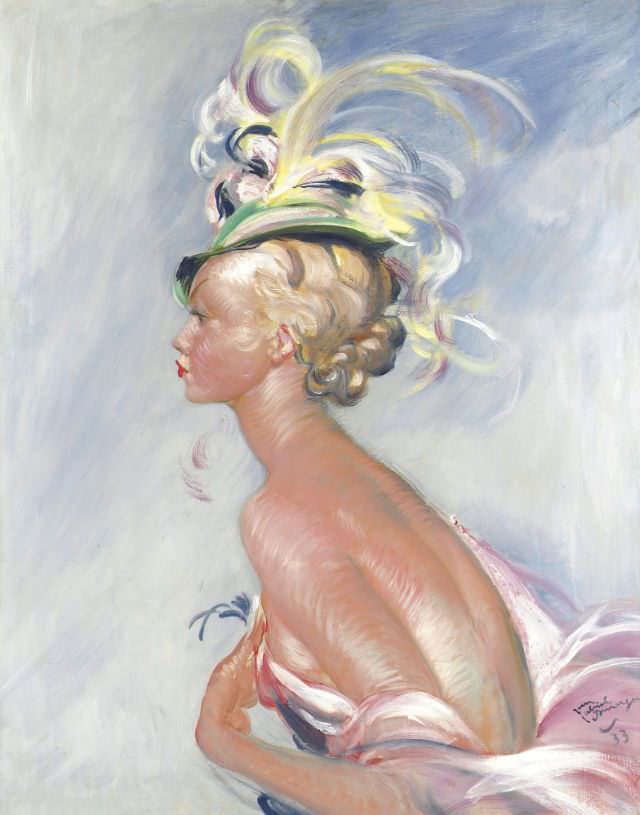
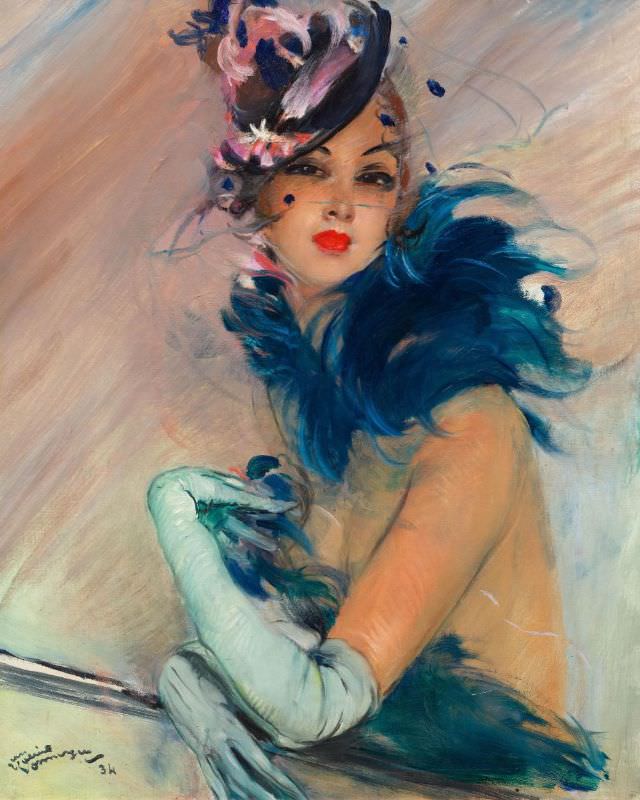
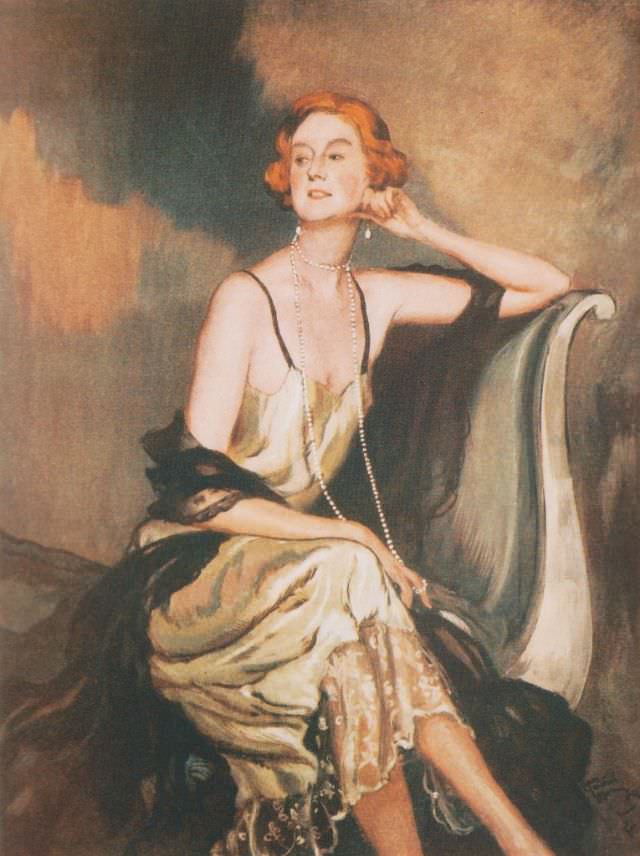
French artist Jean-Gabriel Domergue (1889–1962) built his reputation on one subject above all others: women. Working primarily in Paris during the 1920s and 1930s, he developed a style so distinct that his paintings are recognizable at a glance. His women are slender and graceful, with elongated necks and stylized proportions that were entirely his own invention.
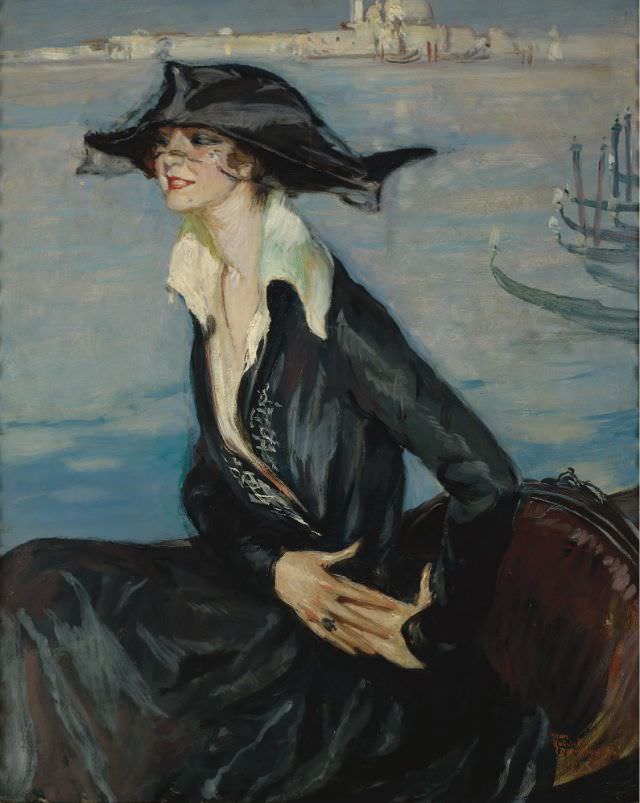
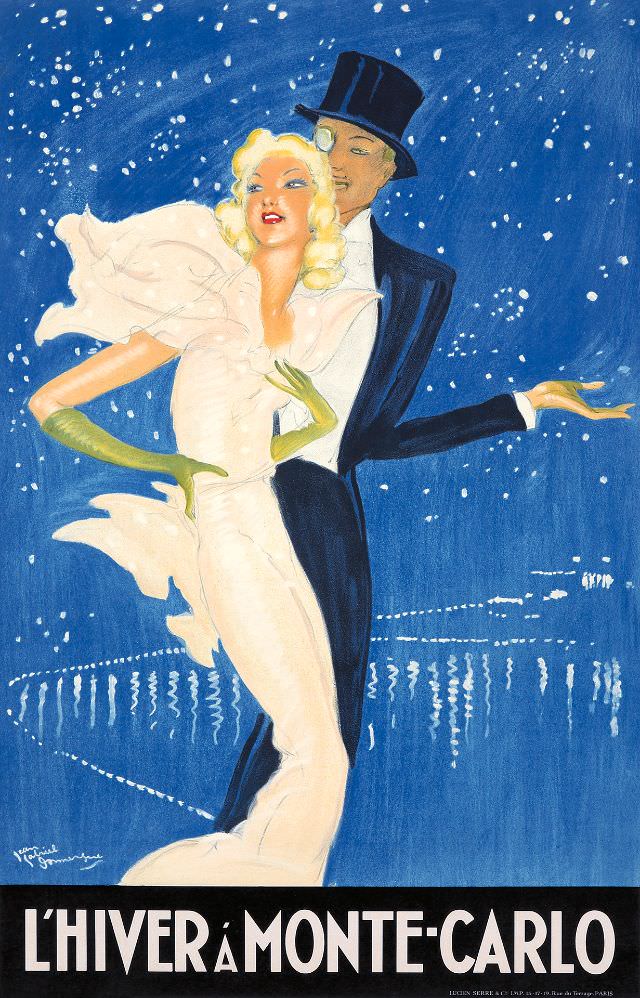
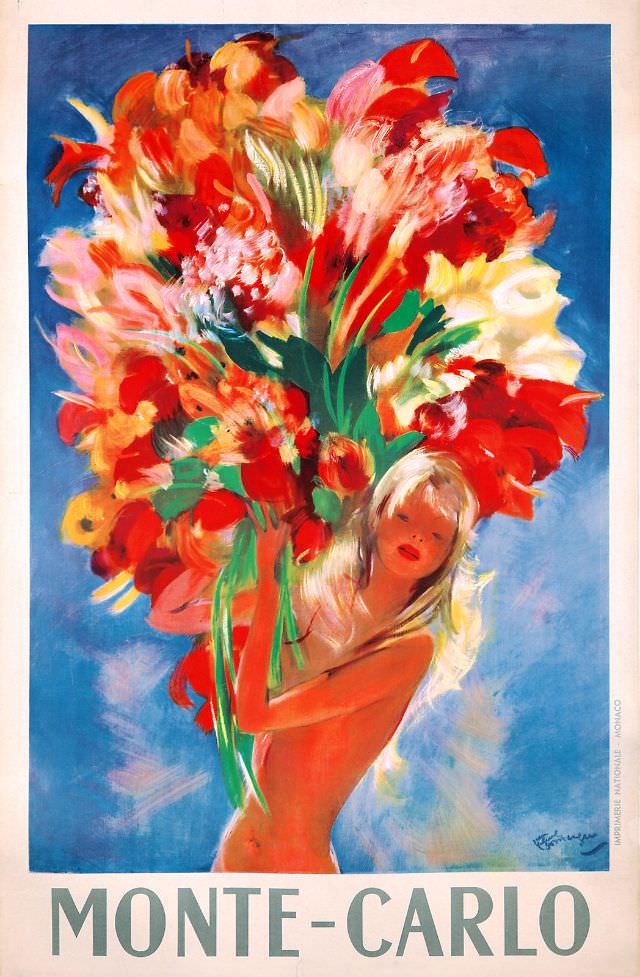
Domergue’s work sits firmly within the Art Deco movement. He used vibrant colors, clean lines, and geometric simplicity to give his paintings a sense of modernity and luxury. Art Deco was the defining aesthetic of the interwar period, and Domergue absorbed it fully, making his canvases feel as polished as the era itself.
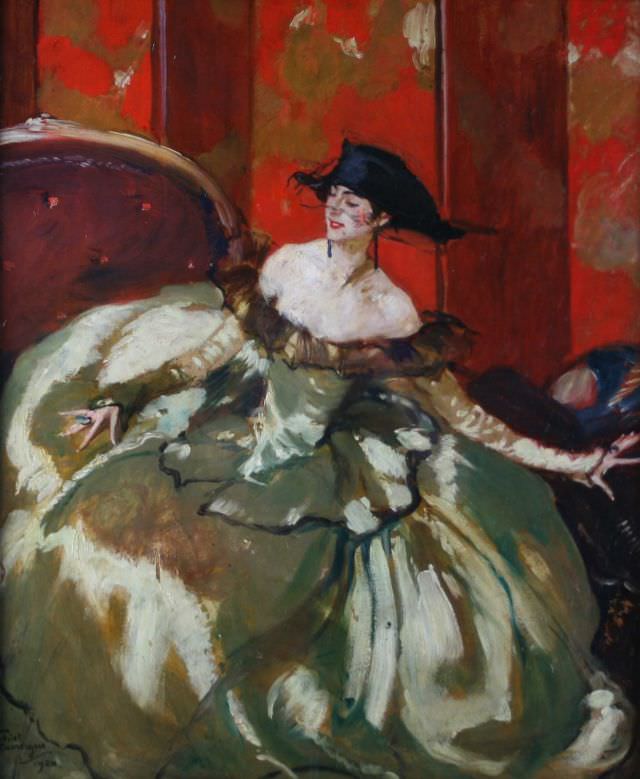
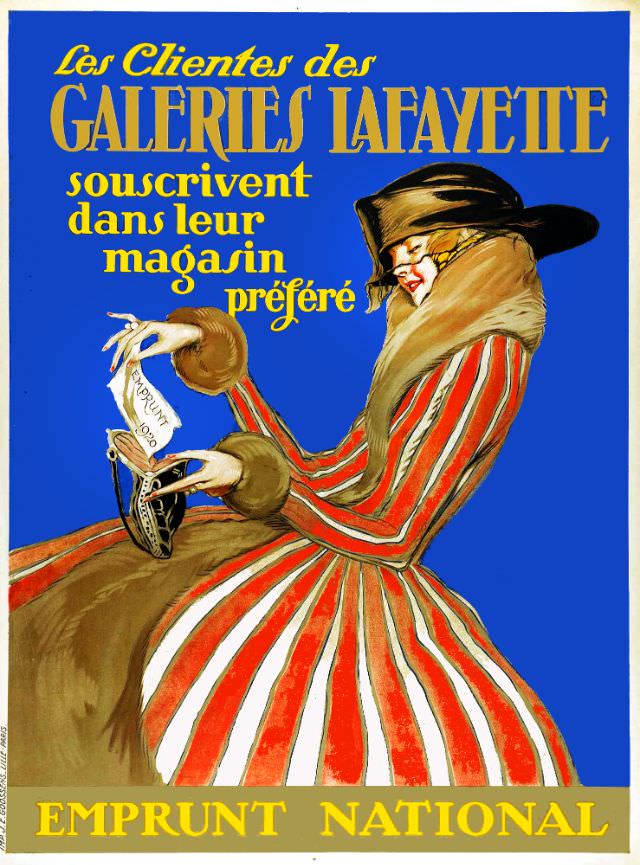
Fashion was not a background detail in Domergue’s work — it was a focal point. His subjects wear the latest styles of their day: tailored dresses, wide-brimmed hats, feathered accessories, and eveningwear that signals wealth and social standing. Each painting functions as a snapshot of what high-society women in Paris wore at a specific moment in time.
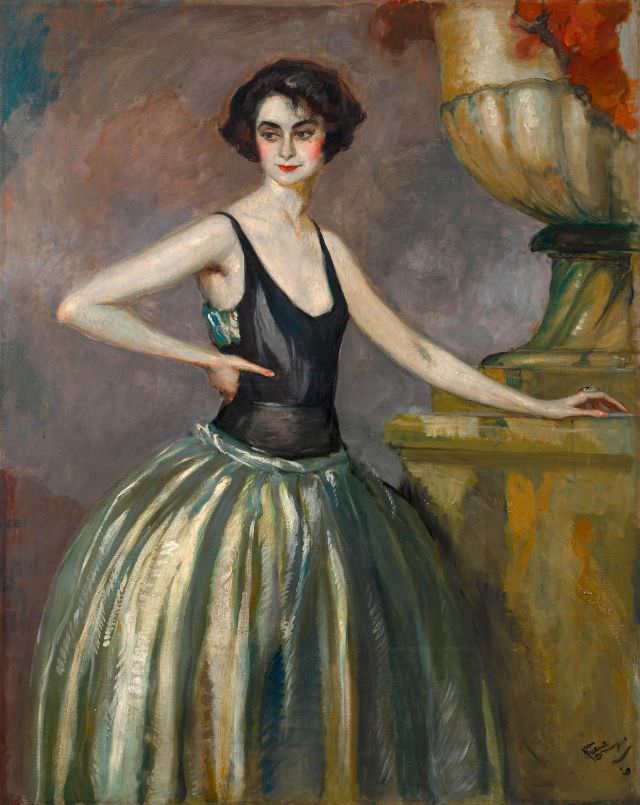
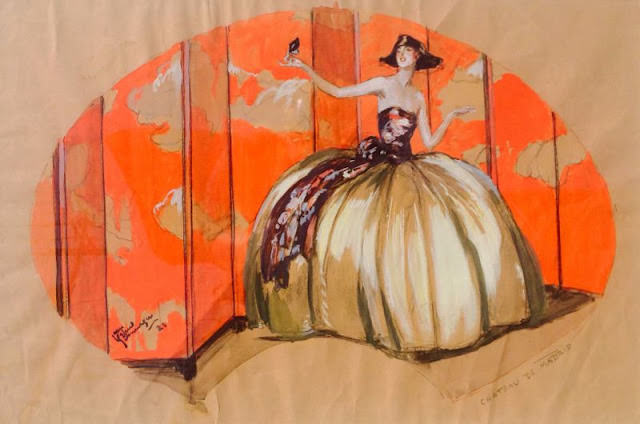
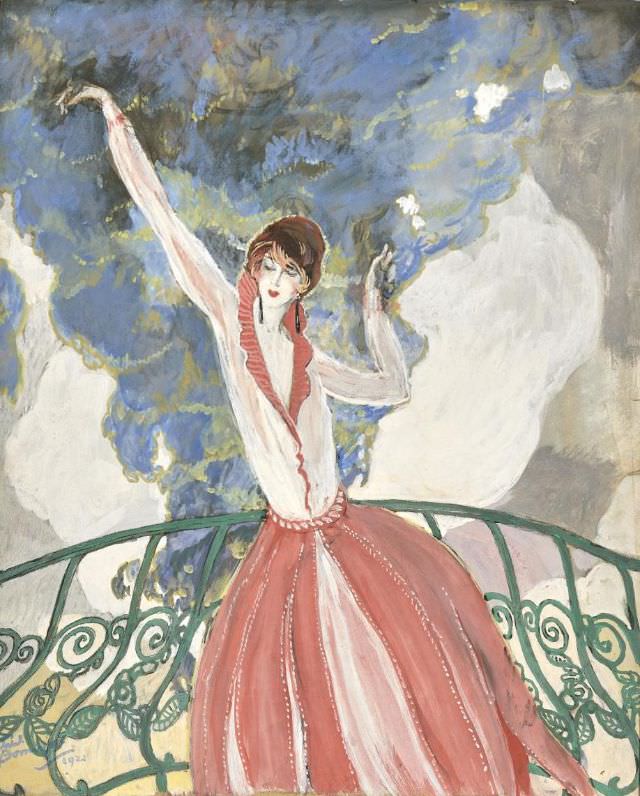
Beyond fashion, Domergue captured the social atmosphere of the era. Paris in the 1920s was a city breaking from old conventions. Women were pushing into new public roles, and the visual culture around them shifted to match. Domergue placed his subjects in settings that reflected this — cafés, balconies, social events — projecting confidence and independence.
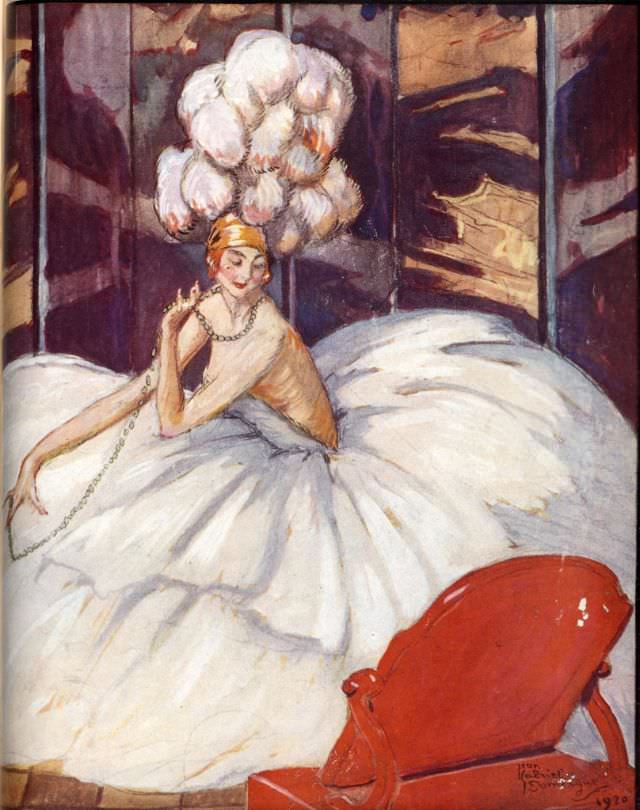
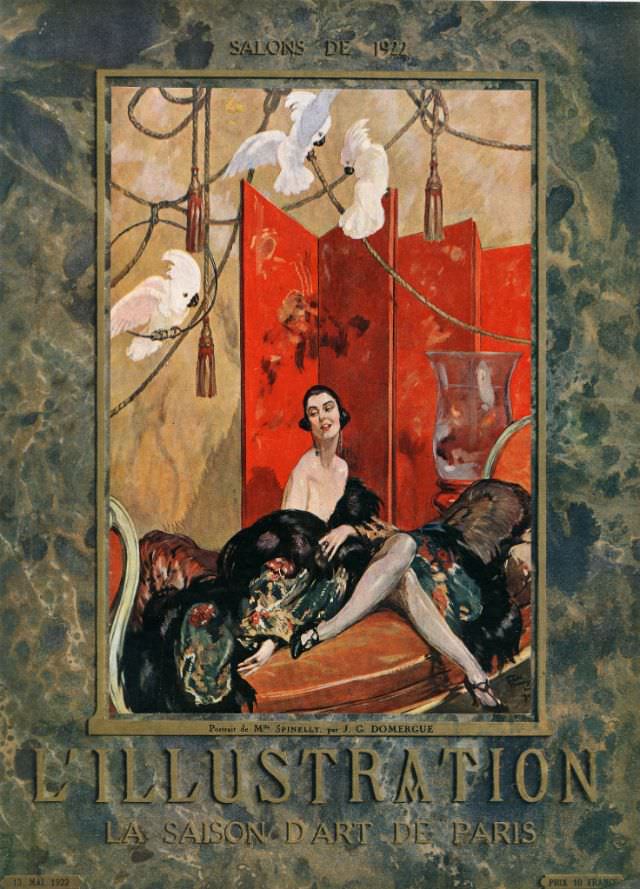
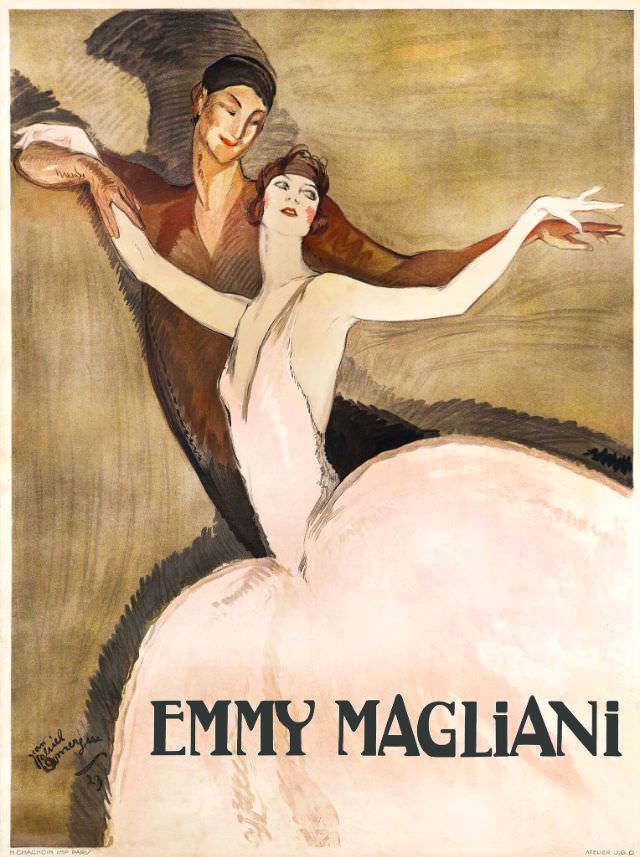
He also painted real women — named sitters whose portraits add a documentary layer to his body of work. These commissions brought him into contact with the upper tiers of European society, and their faces appear throughout his career alongside more idealized, unnamed figures.
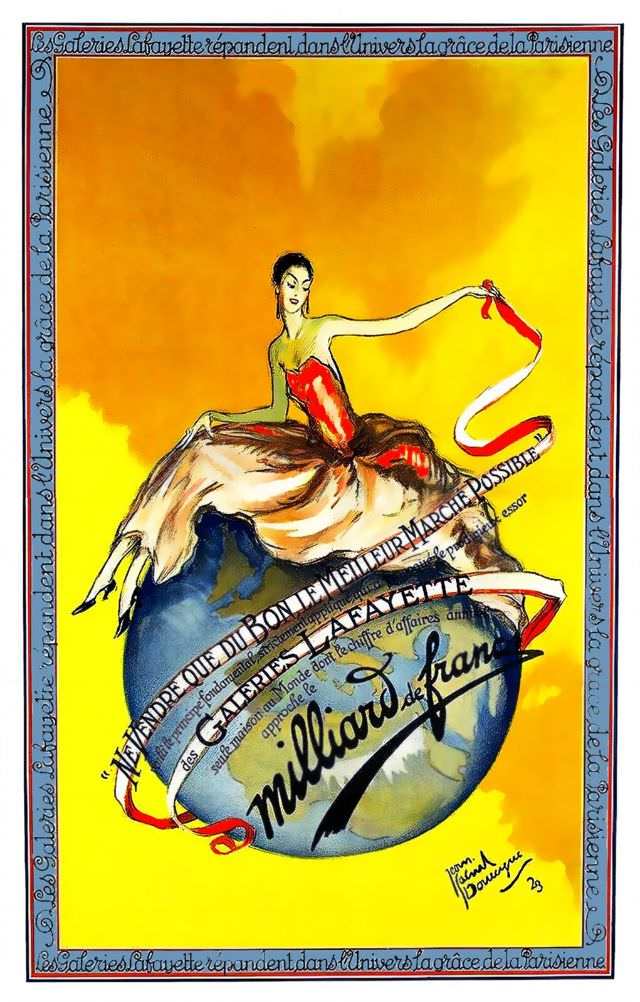
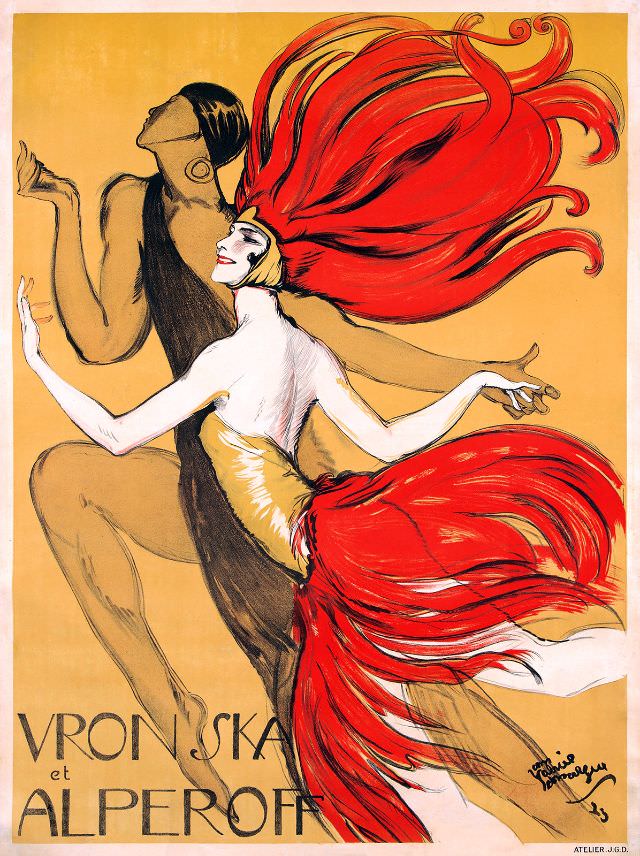
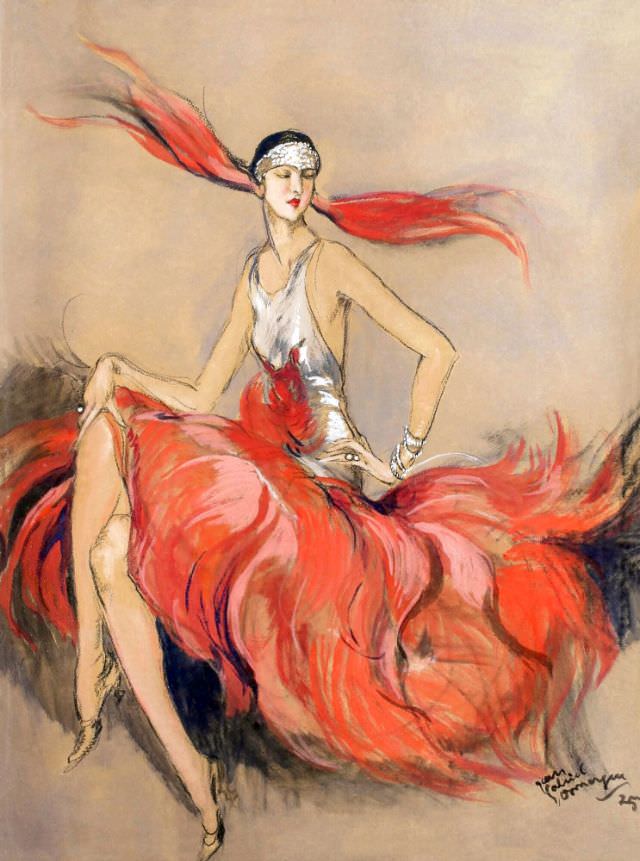
By the mid-1920s, Domergue’s signature style was fully formed. His figures grew more elongated, his backgrounds more stylized, and his color choices bolder. The women he painted embodied the idealized femininity of the Art Deco era — poised, fashionable, and at ease in the world of luxury they inhabited.
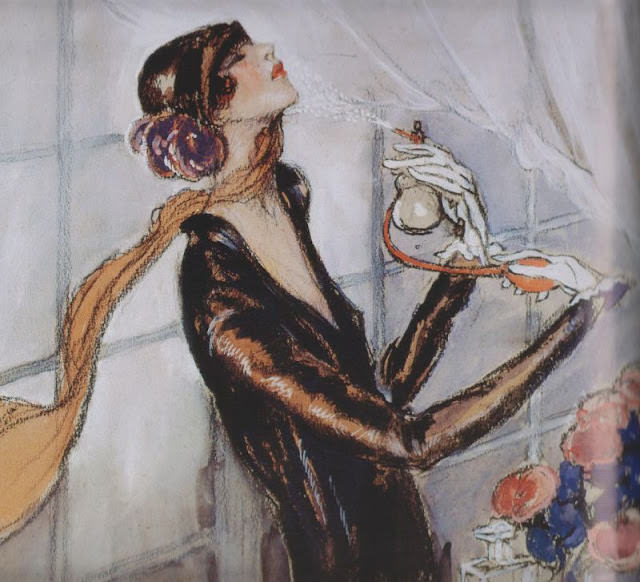
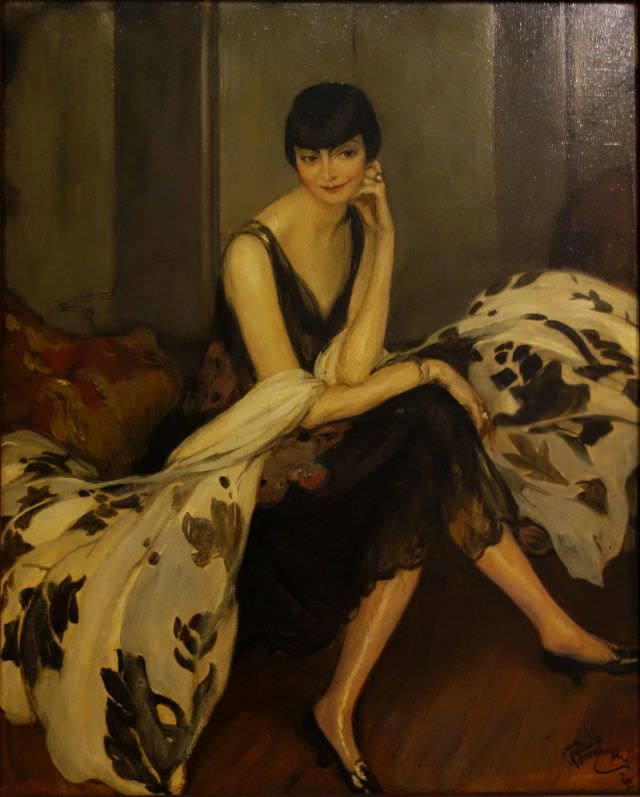
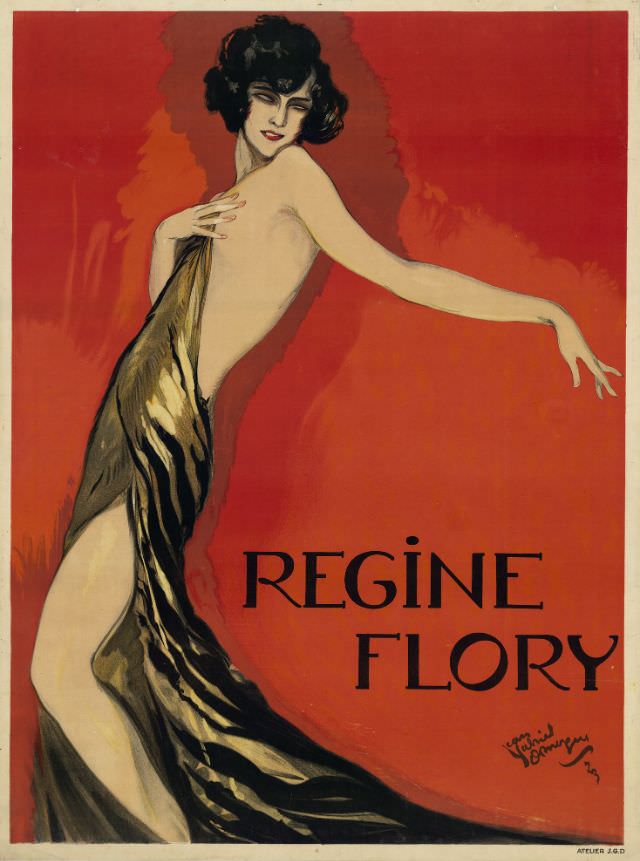
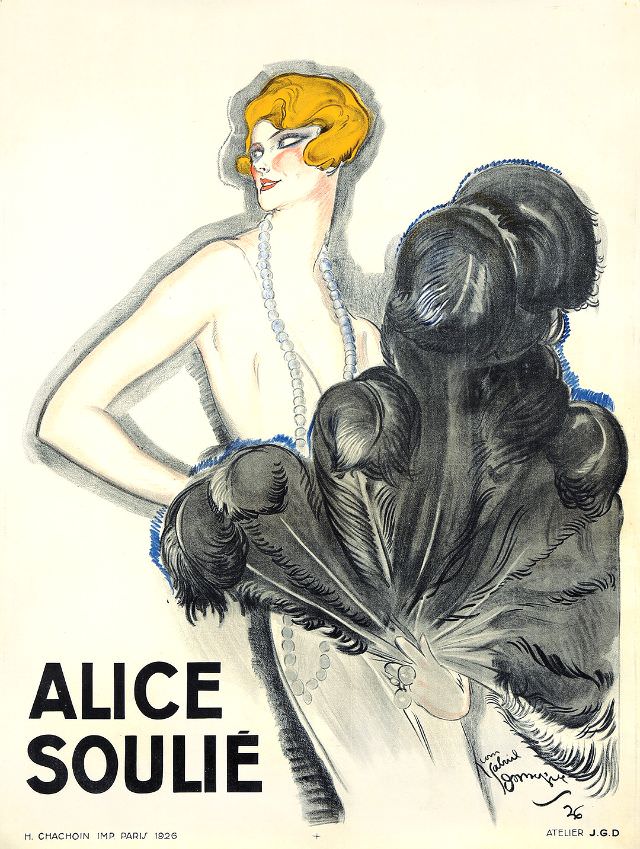
Accessories played a major role in his compositions. Greyhounds, Pekingese dogs, feather boas, and elaborate hats appear repeatedly — each one a marker of status and taste specific to 1920s Paris.
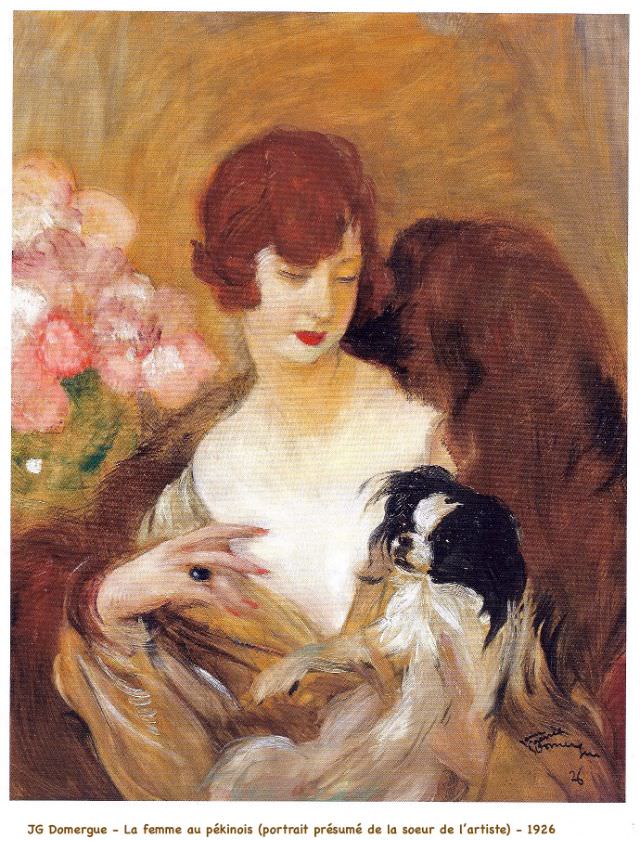
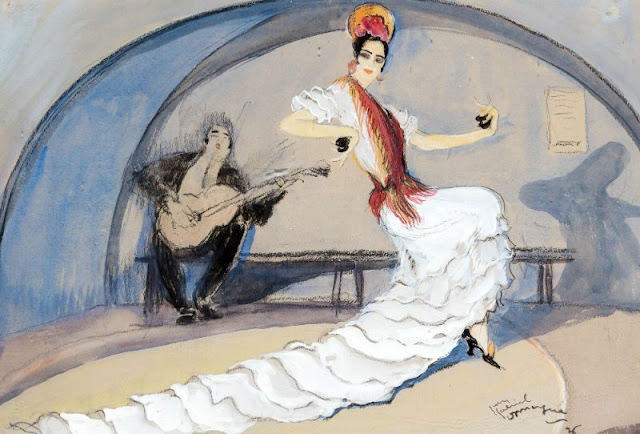
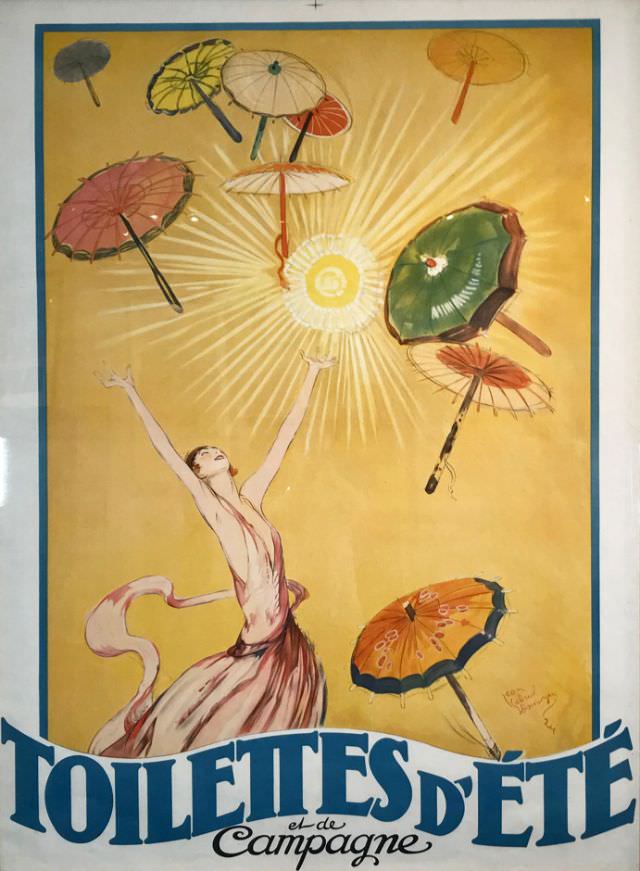
Into the 1930s, Domergue continued painting with the same focus. His subjects shifted slightly — dancers, glamorous women at Monte-Carlo, figures caught mid-movement — but the core visual language stayed consistent. The elongated form, the rich palette, and the emphasis on dress and setting remained defining features throughout the decade.