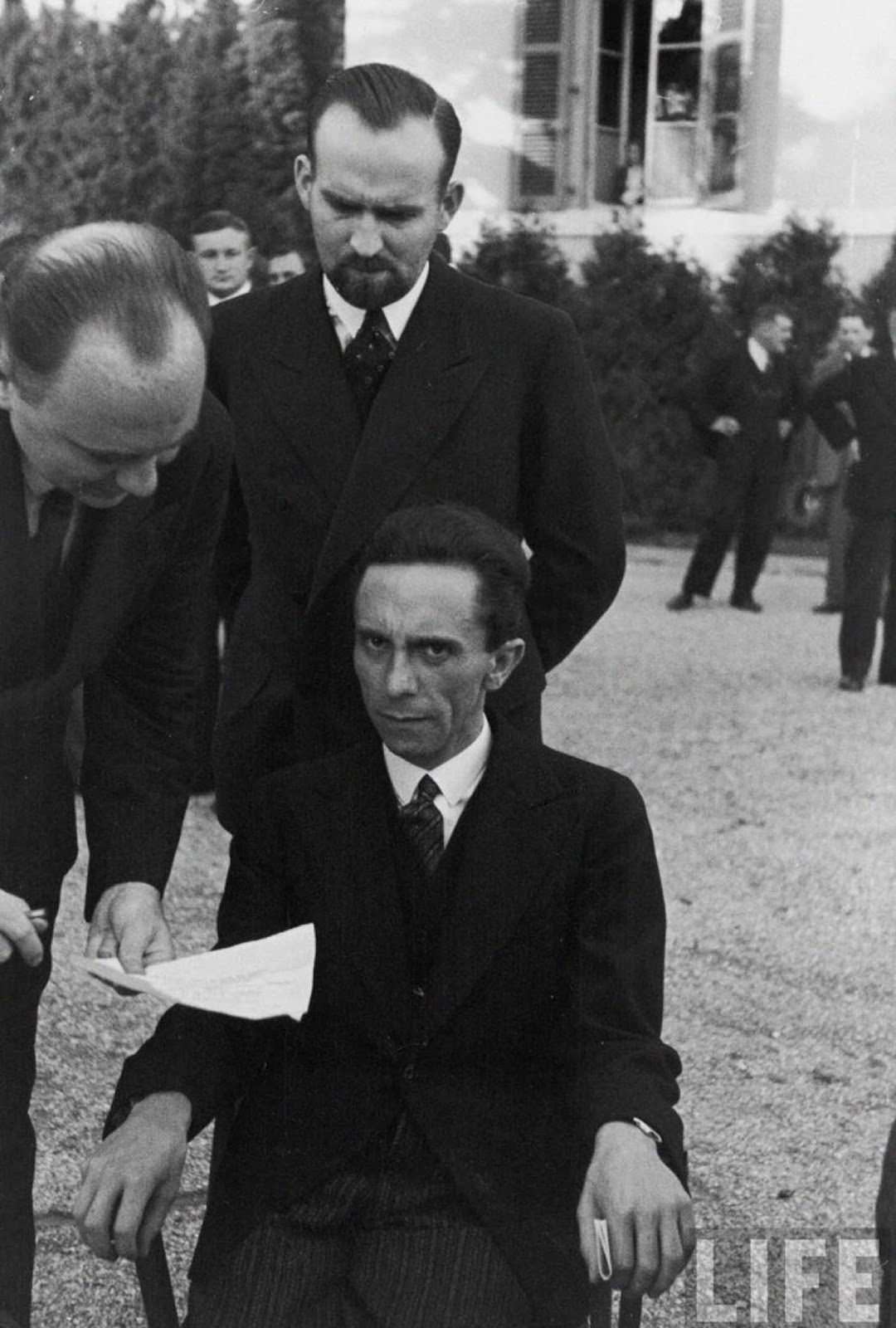
In 1933, a single photograph froze one of the most chilling moments of the early Nazi era. Taken at a League of Nations session in Geneva, it shows Joseph Goebbels — the Nazi Party’s chief propagandist — staring directly into the camera with undisguised contempt. The man behind the lens was Alfred Eisenstaedt, a Jewish photographer. The moment Goebbels learned that fact, his expression shifted from cordial to cold. That shift is what the world remembers.
Alfred Eisenstaedt was born in Dirschau, Germany, in 1898. He developed a passion for photography as a young man and eventually built a career as one of the most respected photojournalists of the 20th century, later becoming a cornerstone contributor to LIFE magazine. In 1933, he returned to Germany to document the Nazi Party’s rapid rise to power. Armed with press credentials, he gained access to events and figures that most photographers never got near.
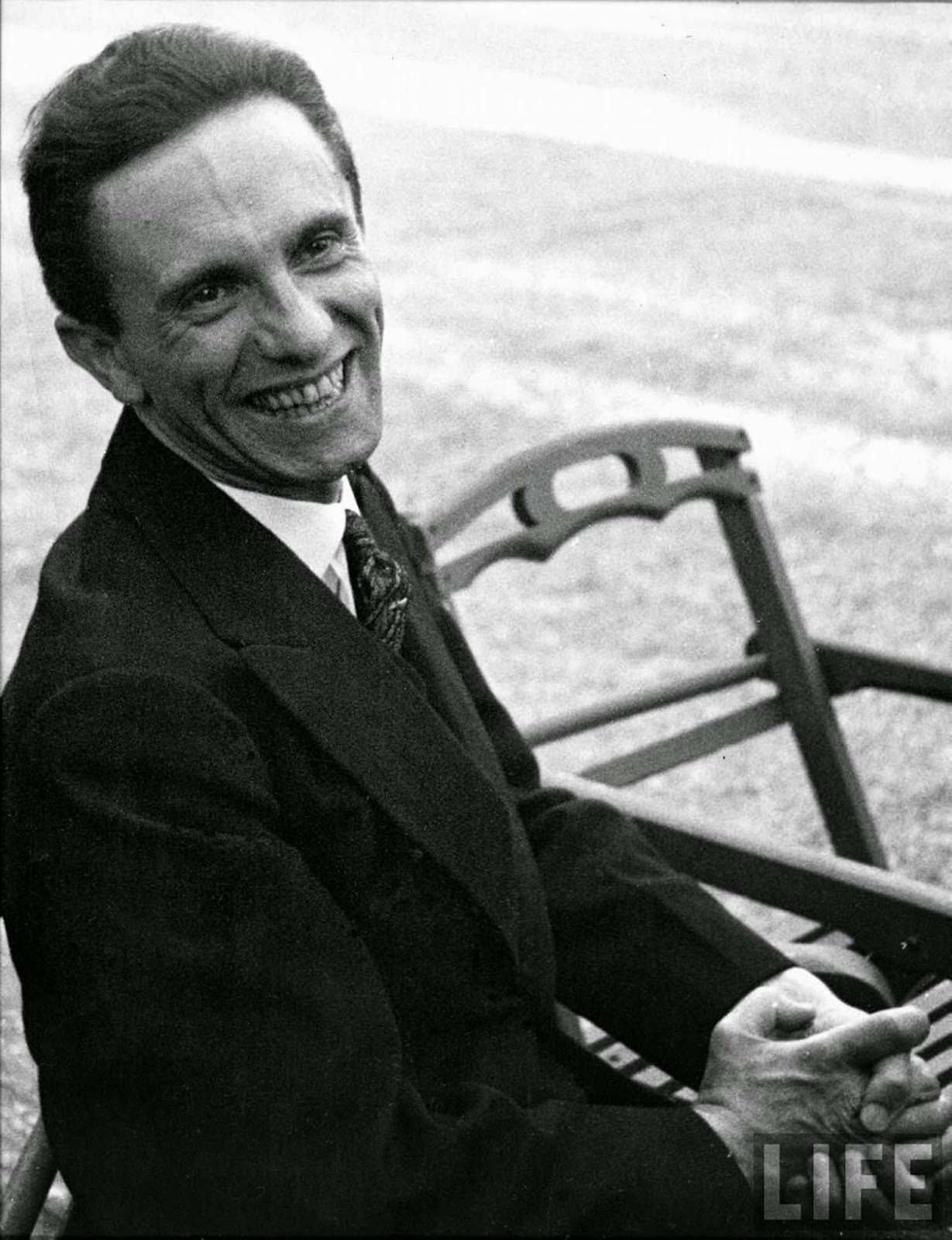
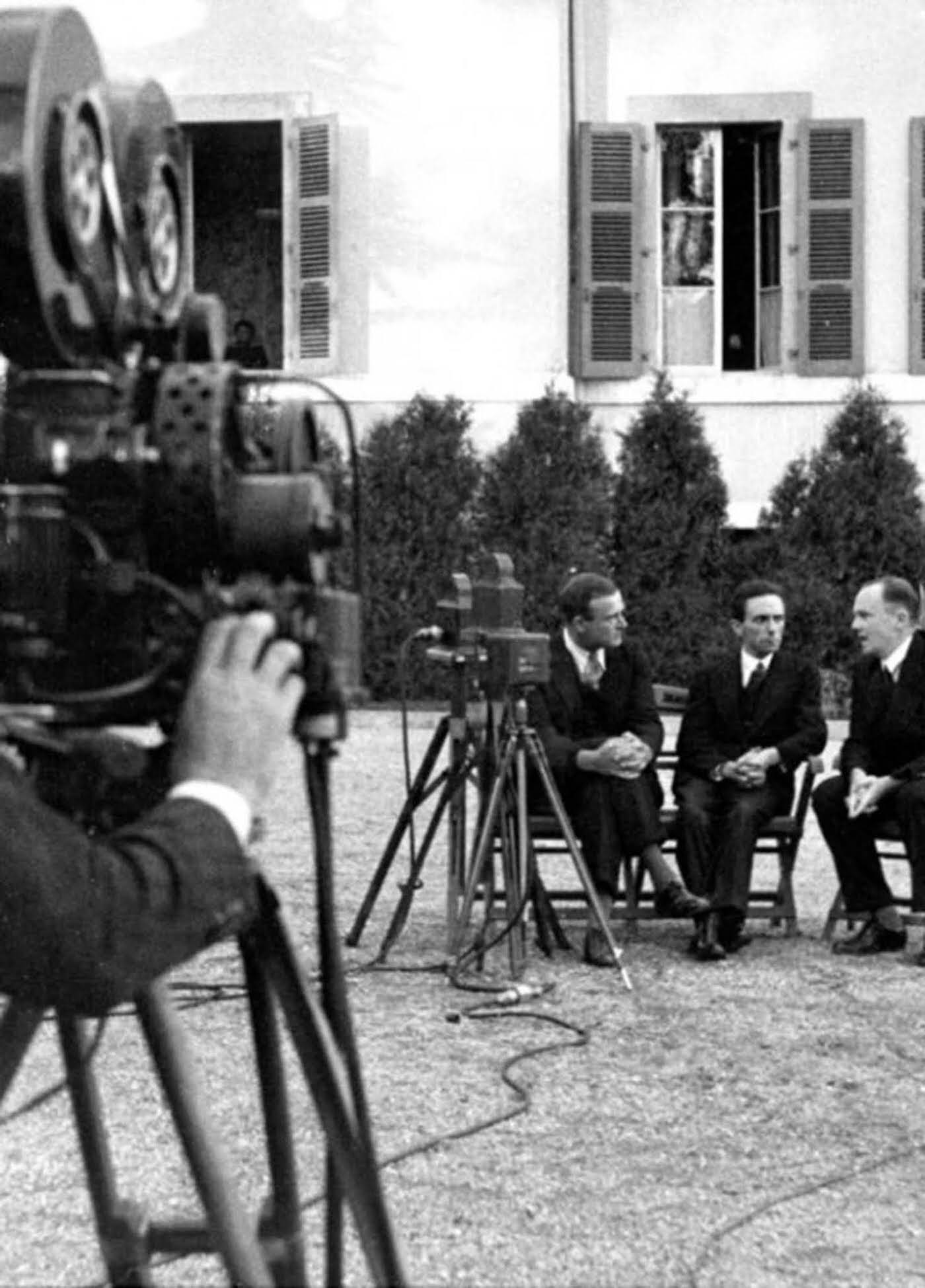
At the League of Nations session, Eisenstaedt spotted Goebbels and approached him to take his portrait. At first, Goebbels was relaxed and cooperative. He posed without resistance, offering the kind of composed, almost pleasant demeanor that powerful men often display for cameras. Eisenstaedt took several frames during this brief window, capturing Goebbels in a noticeably agreeable mood.
Then Eisenstaedt revealed he was Jewish. The change was immediate. Goebbels’ posture stiffened. His eyes locked onto Eisenstaedt with open hostility. The soft, tolerant expression vanished entirely, replaced by the glare that would become one of the most recognized faces of Nazi hatred ever captured on film. Eisenstaedt kept shooting. He later described looking into Goebbels’ eyes and seeing a man who wanted him gone — not just from the room, but from existence.
Joseph Goebbels served as Nazi Germany’s Reich Minister of Propaganda from 1933 until the fall of the regime in 1945. He was one of Adolf Hitler’s most devoted inner-circle members and one of the most effective propagandists in modern history. His job was to control every form of public communication in Germany — newspapers, radio, film, art, and public events — and bend each one toward advancing Nazi ideology and stoking hatred of Jewish people.
Goebbels genuinely believed that Jewish people were the root cause of Germany’s economic collapse, its military defeat in World War I, and its social decay. He did not treat anti-Semitism as a political tool alone — he embraced it as a personal conviction. His speeches were designed to inflame crowds, and they worked. He helped build the cultural and political machinery that made the Holocaust possible, actively pushing for increasingly extreme persecution of Jewish people throughout the 1930s and into the war years.
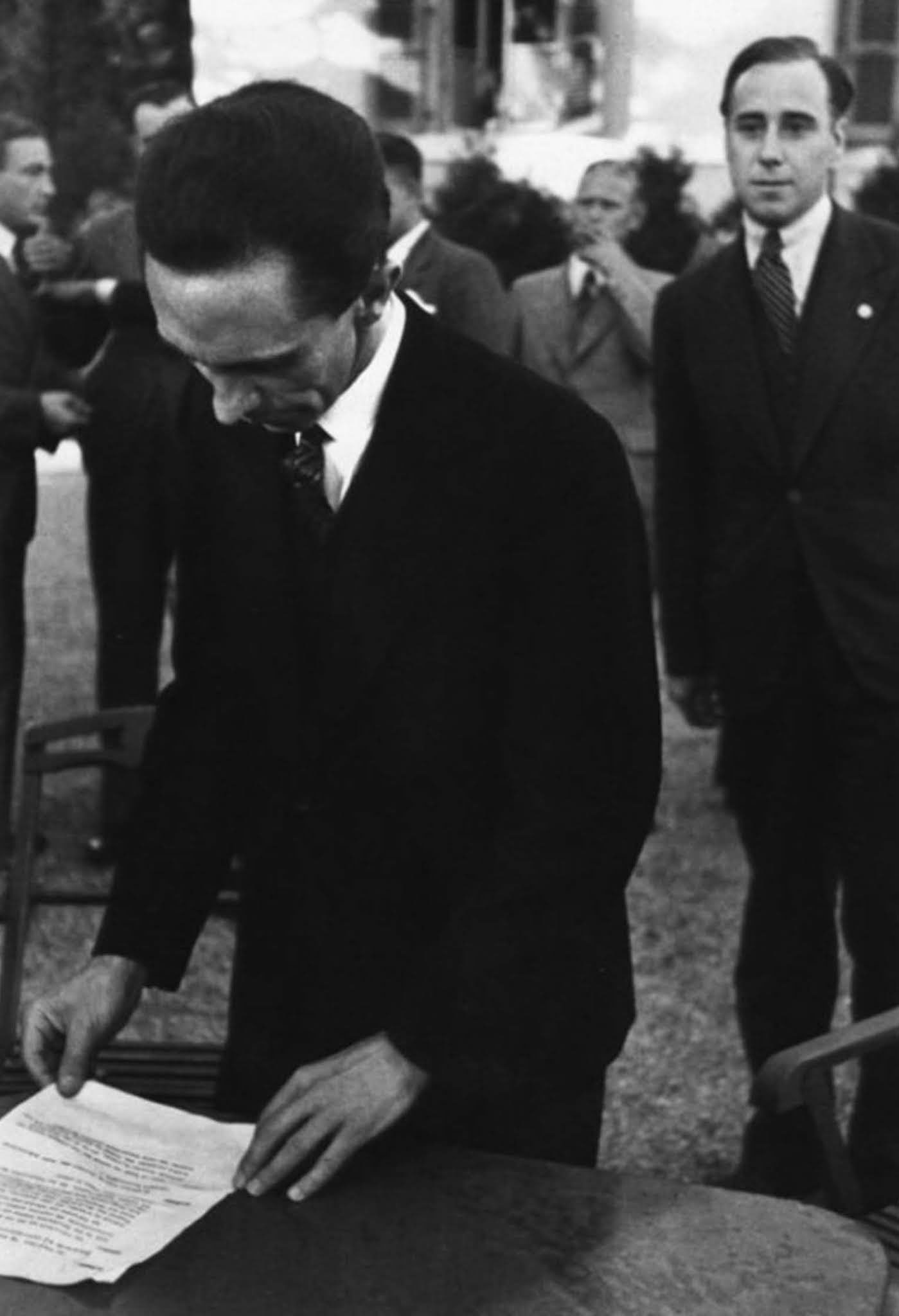
The League of Nations setting of the photograph adds another layer of meaning. The session was meant to represent international diplomacy and cooperation. Germany was still formally participating in world institutions in 1933, even as the Nazi government was already stripping Jewish citizens of their rights at home. Goebbels was there as a representative of a state that publicly presented itself as a legitimate global power — all while its propaganda machine was accelerating one of history’s most organized campaigns of racial persecution.
Eisenstaedt never forgot the encounter. He described it in interviews decades later with the same clarity he would have had standing in that room. He said Goebbels smiled at him until he found out he was Jewish — and that the smile never came back. The photograph he took in that moment is not staged, not reconstructed, and not symbolic. It is a direct, documented record of what Nazi hatred looked like on a human face, aimed at one specific person, in one specific second.